










“I believe that an essential part of man’s duty upon this earth is to bear witness to the truth as it has been revealed to him.” John Godolphin Bennett (8 June 1897 – 13 December 1974) was a British mathematician, scientist, technologist, industrial research director, and author.
This is an interesting statement for the photojournalist. Who defines the truth.
Accepted Definition
1. The quality of being true, genuine, actual, or factual the truth of his statement was attested
2. Something that is true as opposed to false you did not tell me the truth
3. A proven or verified principle or statement; the fact the truths of astronomy
4. A system of concepts purporting to represent some aspect of the world the truths of ancient religions
5. Fidelity to a required standard or law
6. Faithful reproduction or portrayal the truth of a portrait
7. An obvious fact; truism; platitude
8. Honesty, reliability, or veracity the truth of her nature
9. Accuracy, as in the setting, adjustment, or position of something, such as a mechanical instrument
10. The state or quality of being faithful; allegiance Related adjectives veritable, veracious
So how does a photojournalist remain truthful in a world of complex truths? Difficult to say the least when one mans truth may seem a lie to another. How do we maintain integrity? the quality or state of being of sound moral principle; uprightness, honesty, and sincerity.
As an ethical concept, integrity depends upon consistency. To have integrity, a person must base his/her actions upon a well-thought-out framework of moral principles. What he/she does should be the same as what he/she says.
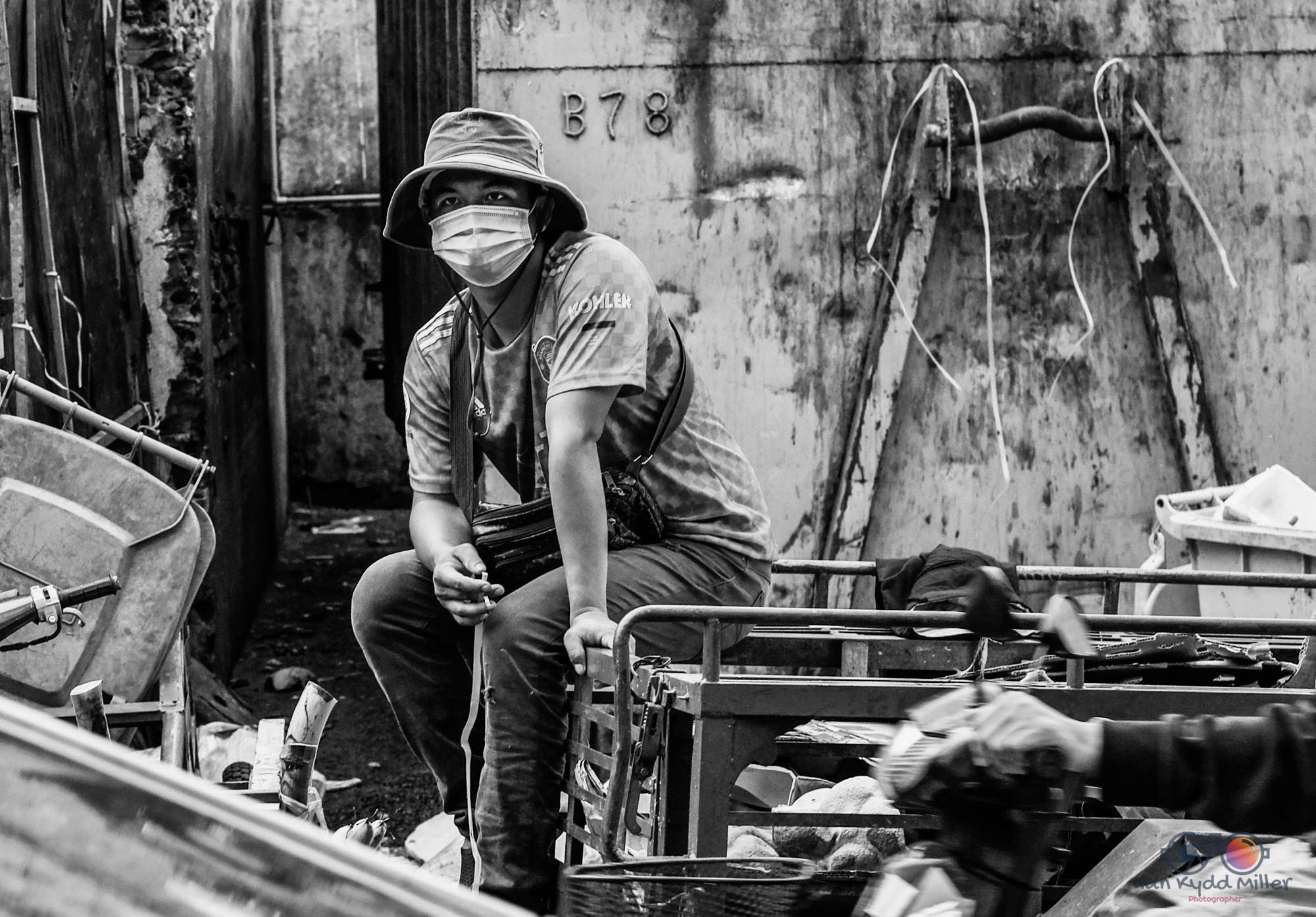
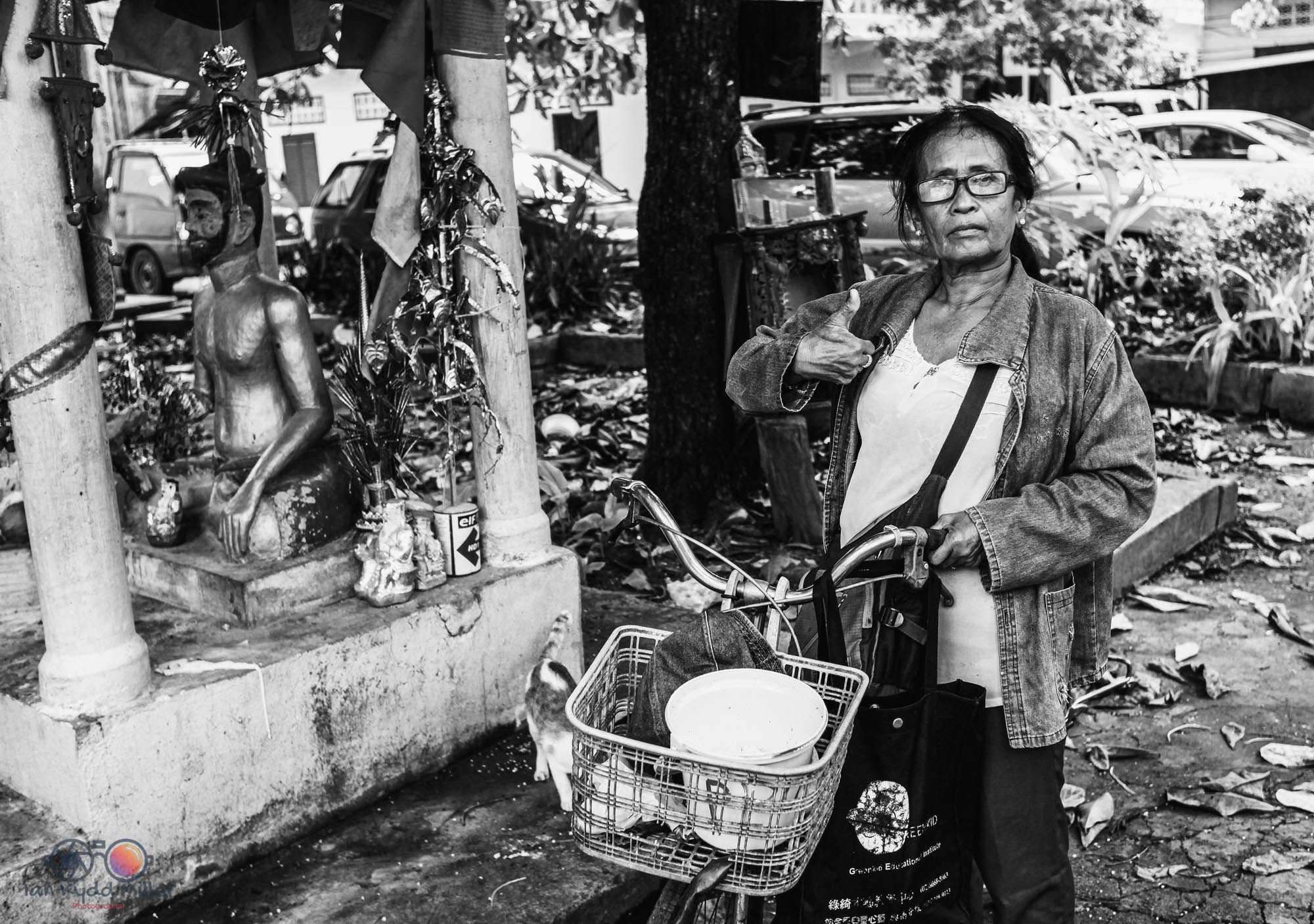
I live in South East Asia and am surrounded by truths that may have different realities for different people. Political truths, poverty truths, inequality of power and sex, confusion and lack of will.
How do I as a photojournalist not allow myself to be misled, my work used to define half-truths or lies? Is it OK to allow my pictures to be used in positive ”propaganda” that generates interest from people able to help the needy?
The ability to see pictures that will tell the true story without biases is difficult because no matter how we try to keep our own views and thoughts from shaping an image subconsciously it will still happen.





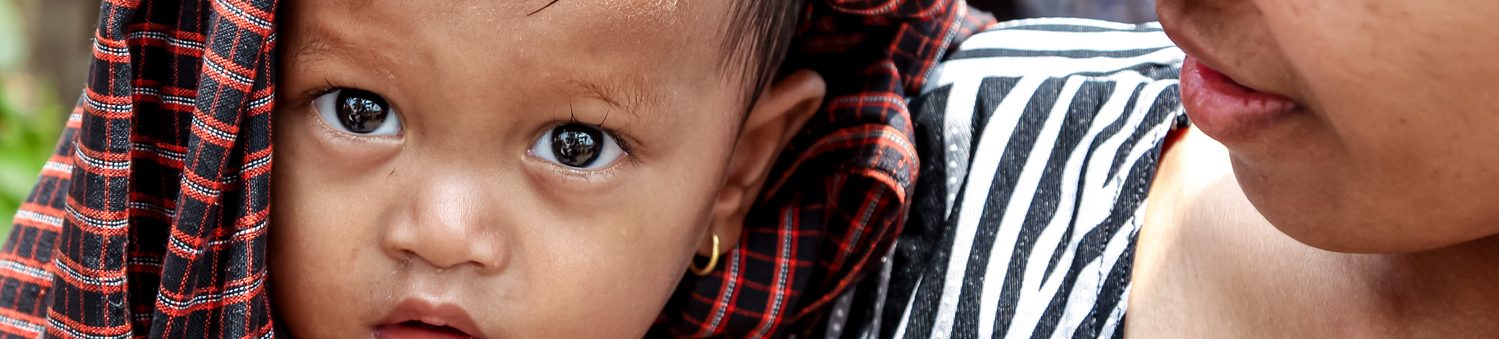
Humanism in photography is all about images that show empathy and the ability of human beings to empower each other. A photographer who injects humanism into their photos puts the spotlight on human beings. The centre of attention is always the people.





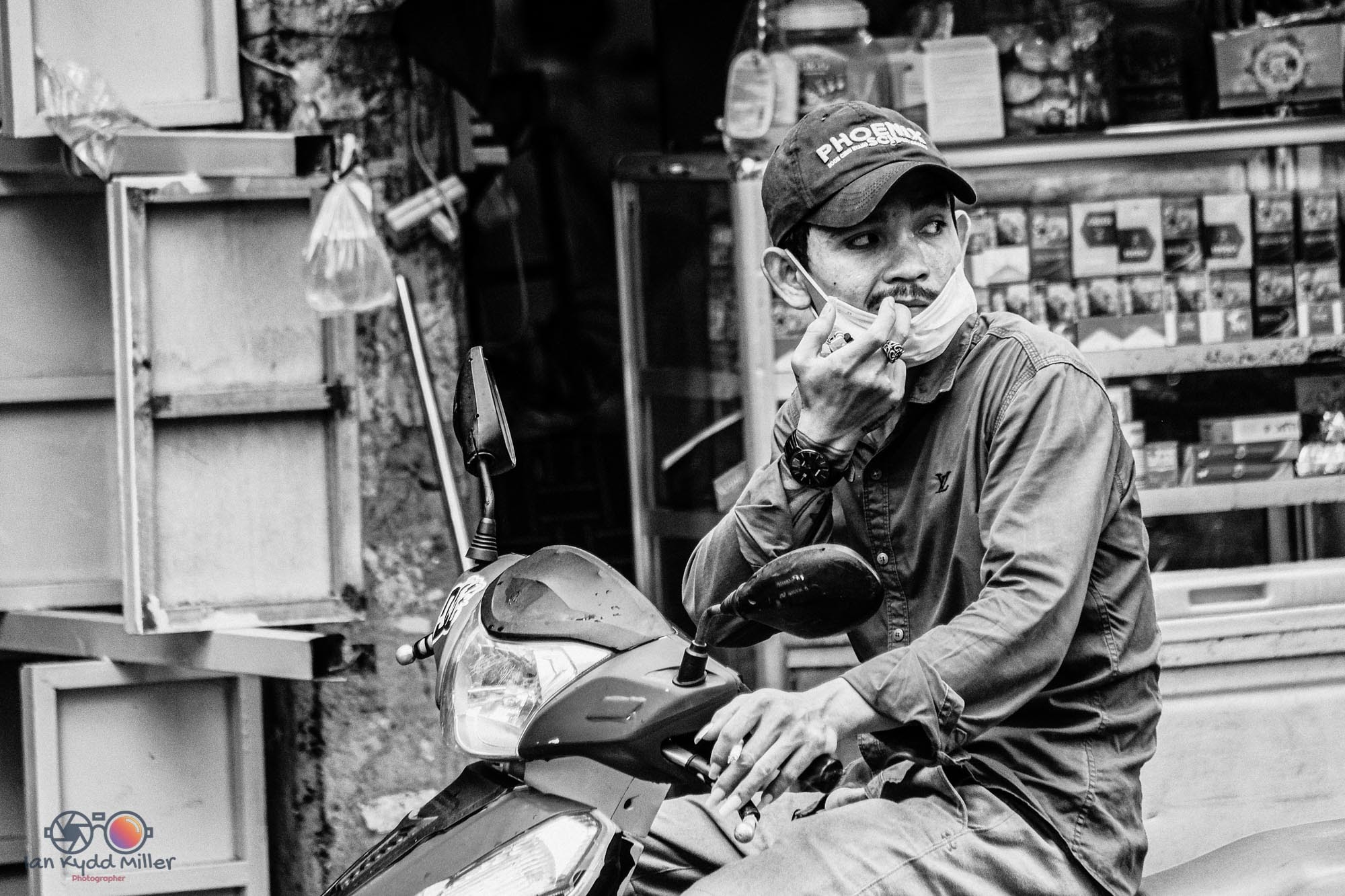
I would consider myself to be a humanist photographer rather than a ”street photographer” although much of my work happens on the street. People, how they live and survive are what really interest me, the feeling of wanting to know or learn about something or someone.


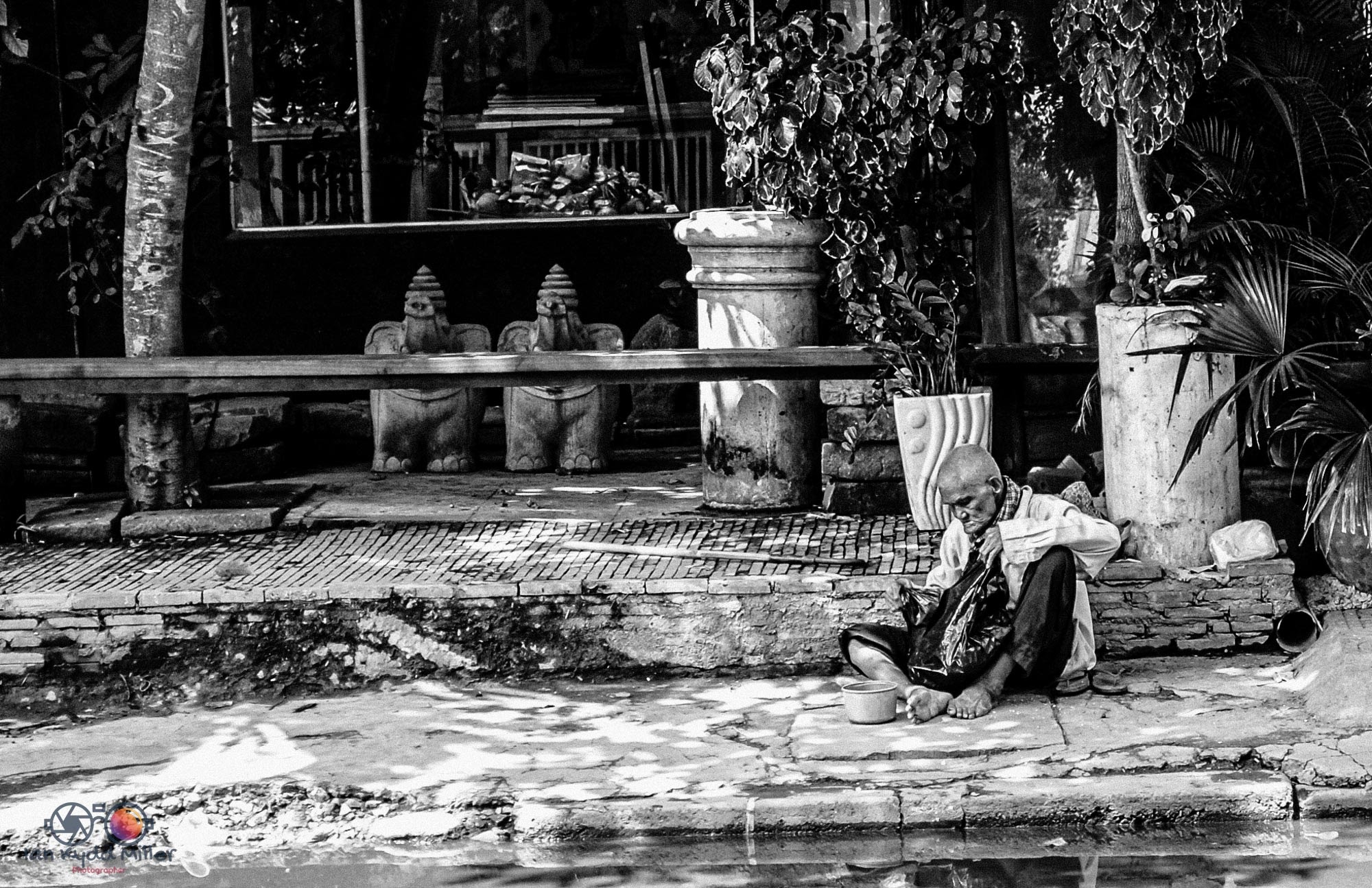
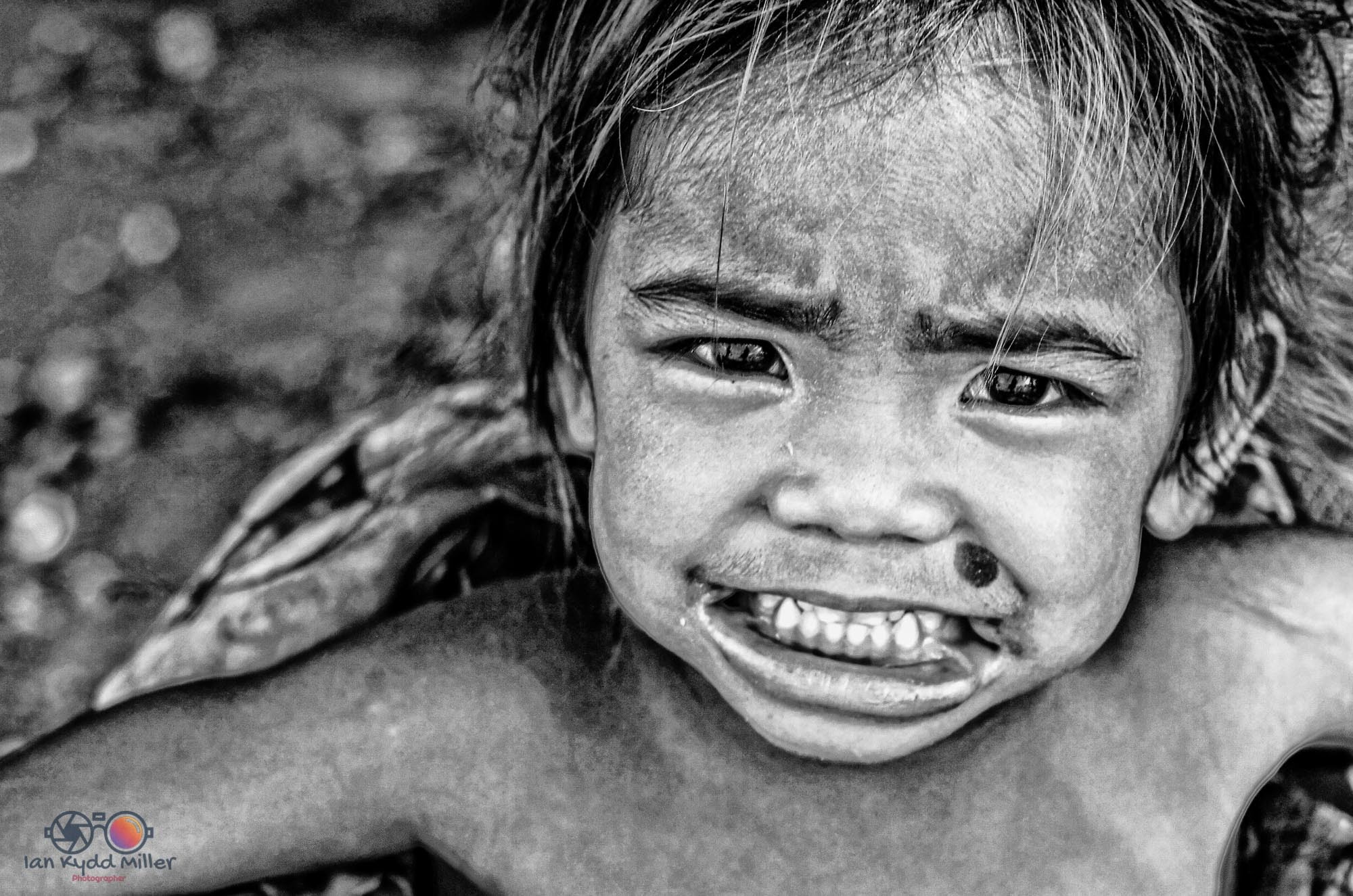


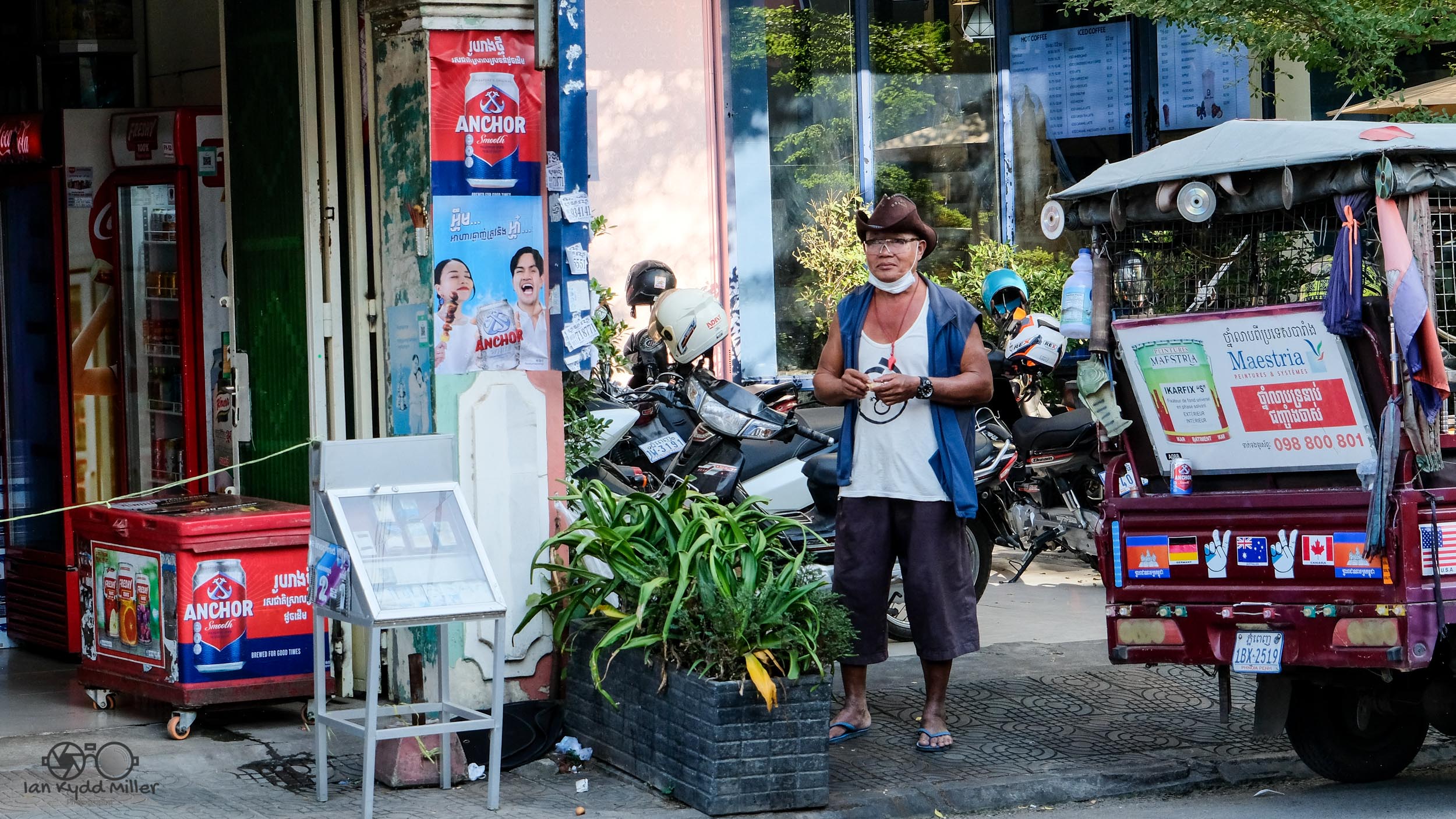

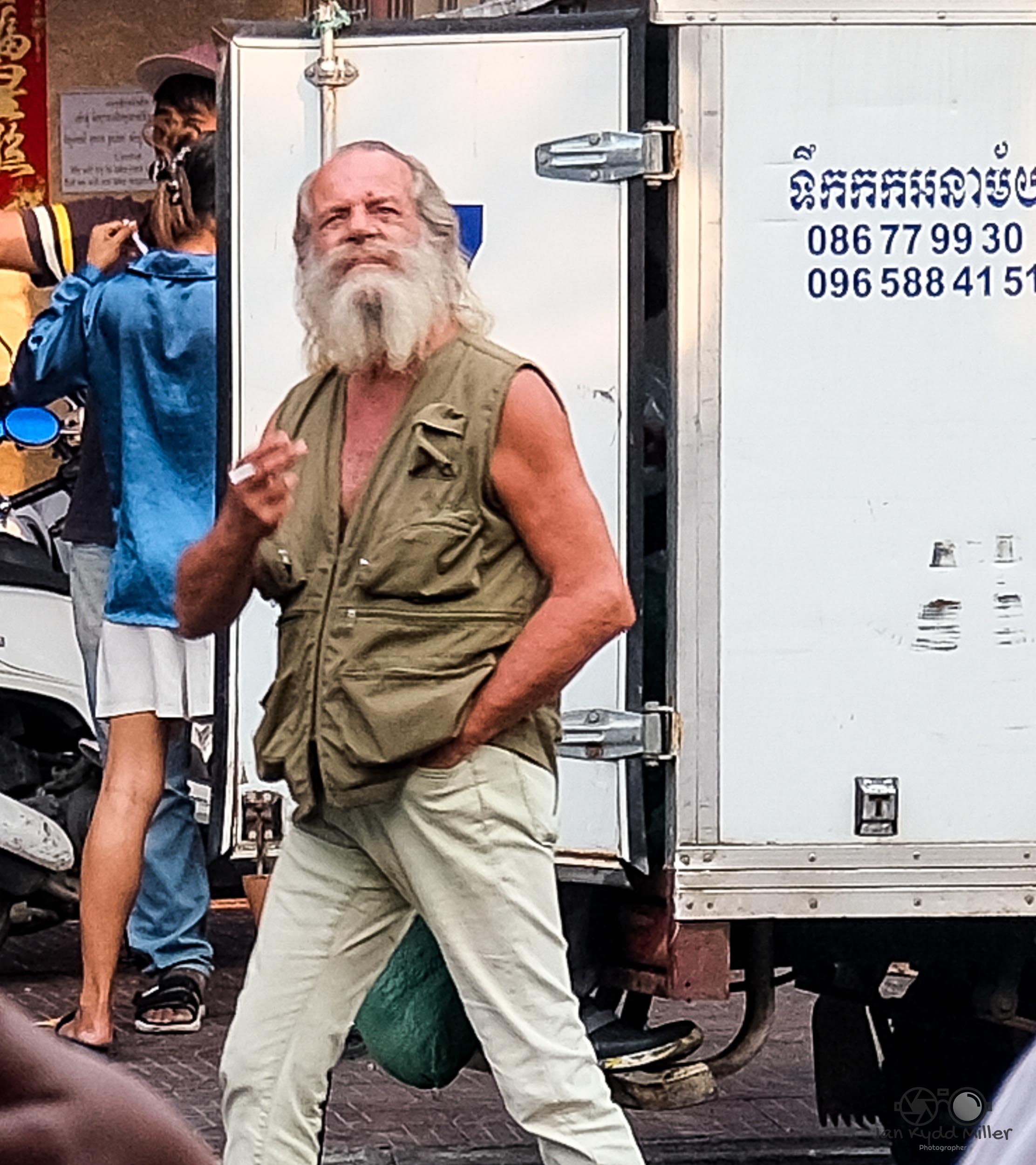
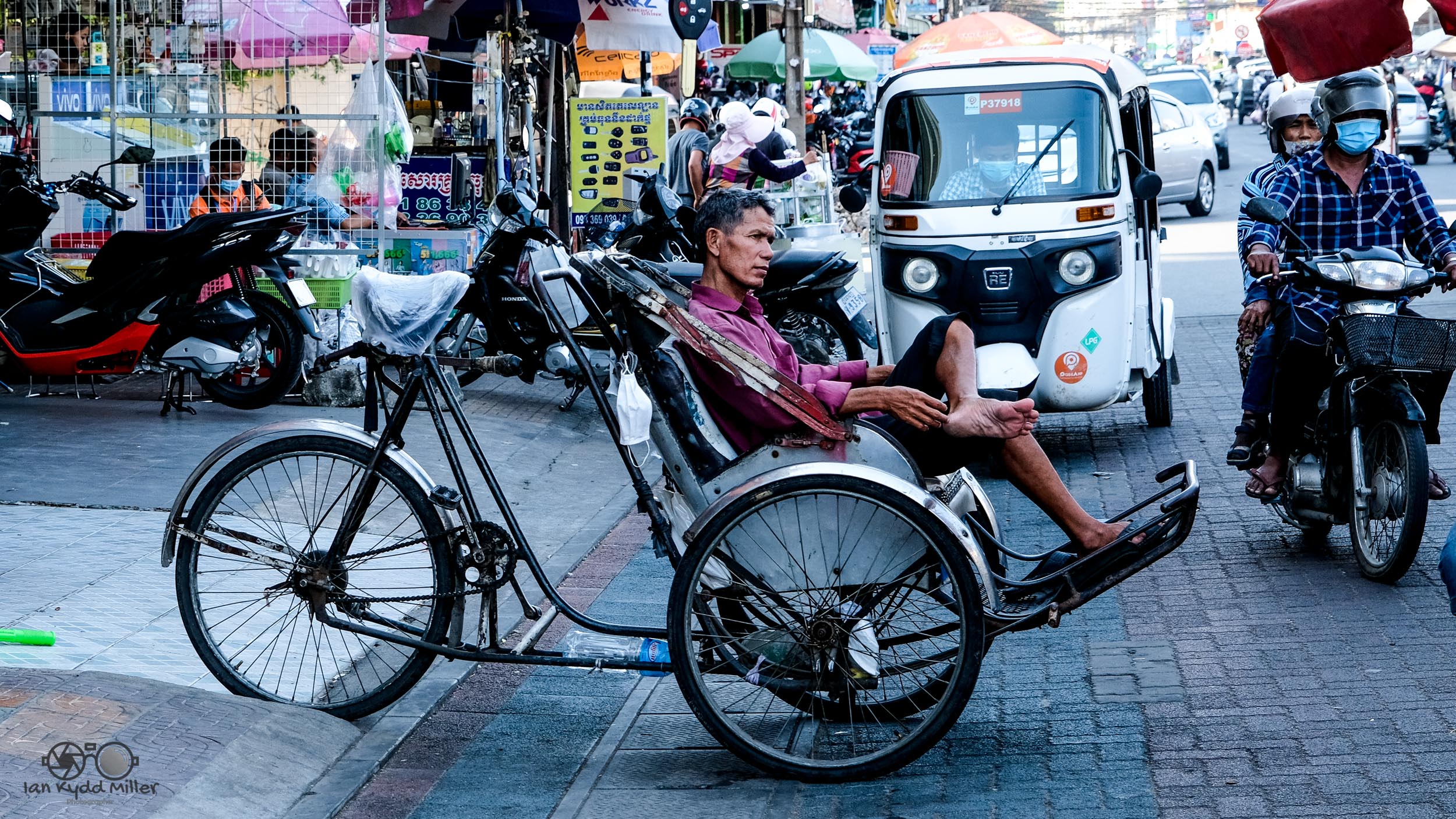


Humanism, a rationalist outlook or system of thought attaching prime importance to human rather than divine or supernatural matters.




I’ve done several of these “Why I Love The Fujinon…” articles—including the 90mm f/2, the 35mm f/2, the 27mm f/2.8—but I’ve been putting this one off. If you’d read my review of the Fujinon 18mm f/2, you might already know that I have a love/hate relationship with it. I called it “the strange case of Dr. Jekyll and Mr. Hyde” because it is simultaneously wonderful and disappointing—wonderful image quality, disappointing performance. I don’t want to rehash what I already stated in the review, so I’ll approach this a different way.
For a long time I shot 35mm film. I had a Canon AE-1 camera and a 50mm f/1.8 lens, and that’s it—one camera and one lens. After awhile, though, I began to collect gear. I acquired more cameras and more lenses. One lens was a Canon…
View original post 432 more words
You really down know how much you rely on these places until they are no longer there. Hope its all fixed soon.
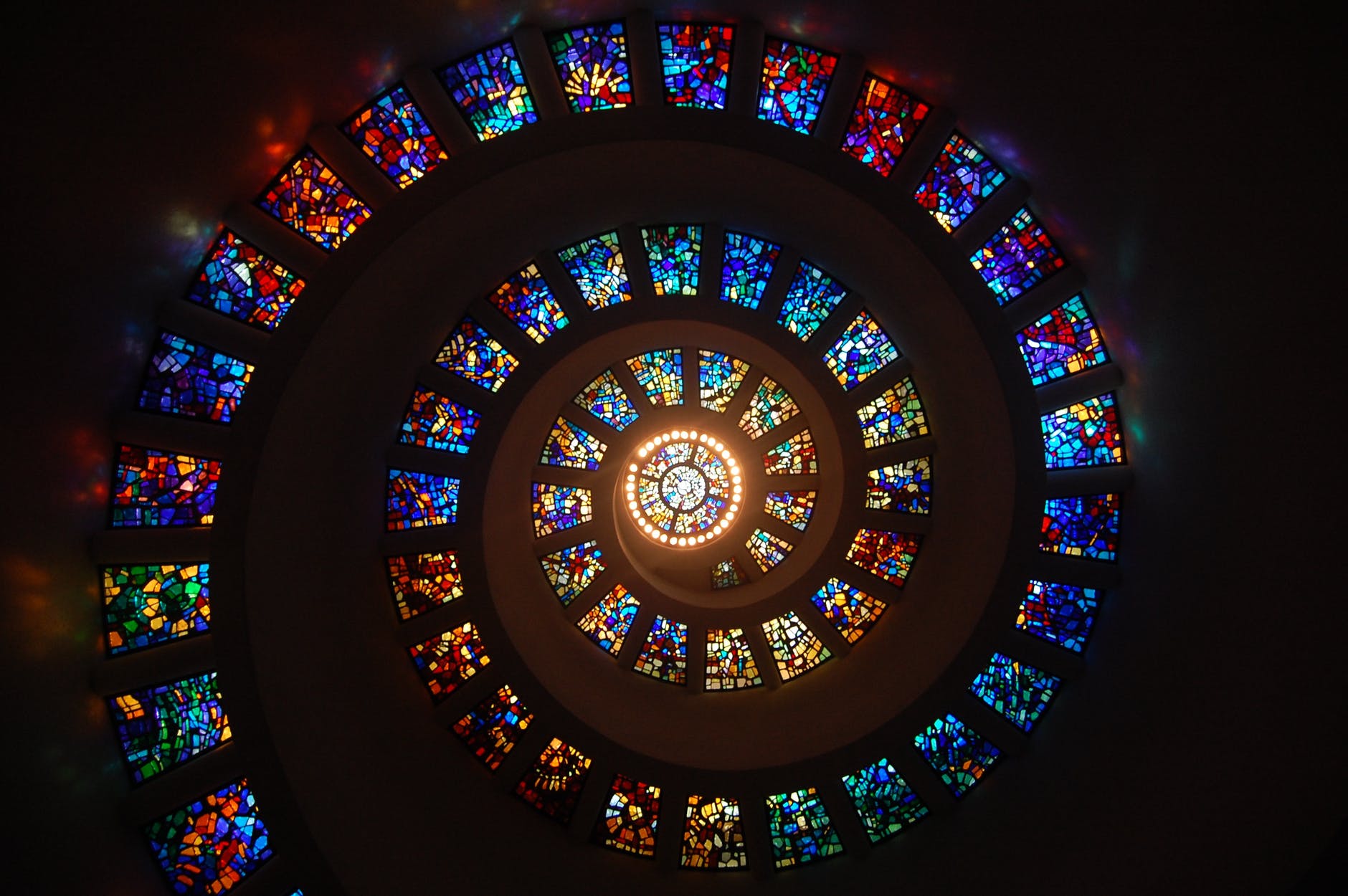

Fisheye lenses are the one lens that can really divide opinion more than any other. It’s truly a love or hate relationship, but are they really misunderstood? We look at circular and rectilinear fisheye lenses so that you can get a very understanding of life with a fisheye lens. First things first, as mentioned above, […]
Why use fisheye lenses? — OneCameraOneLens
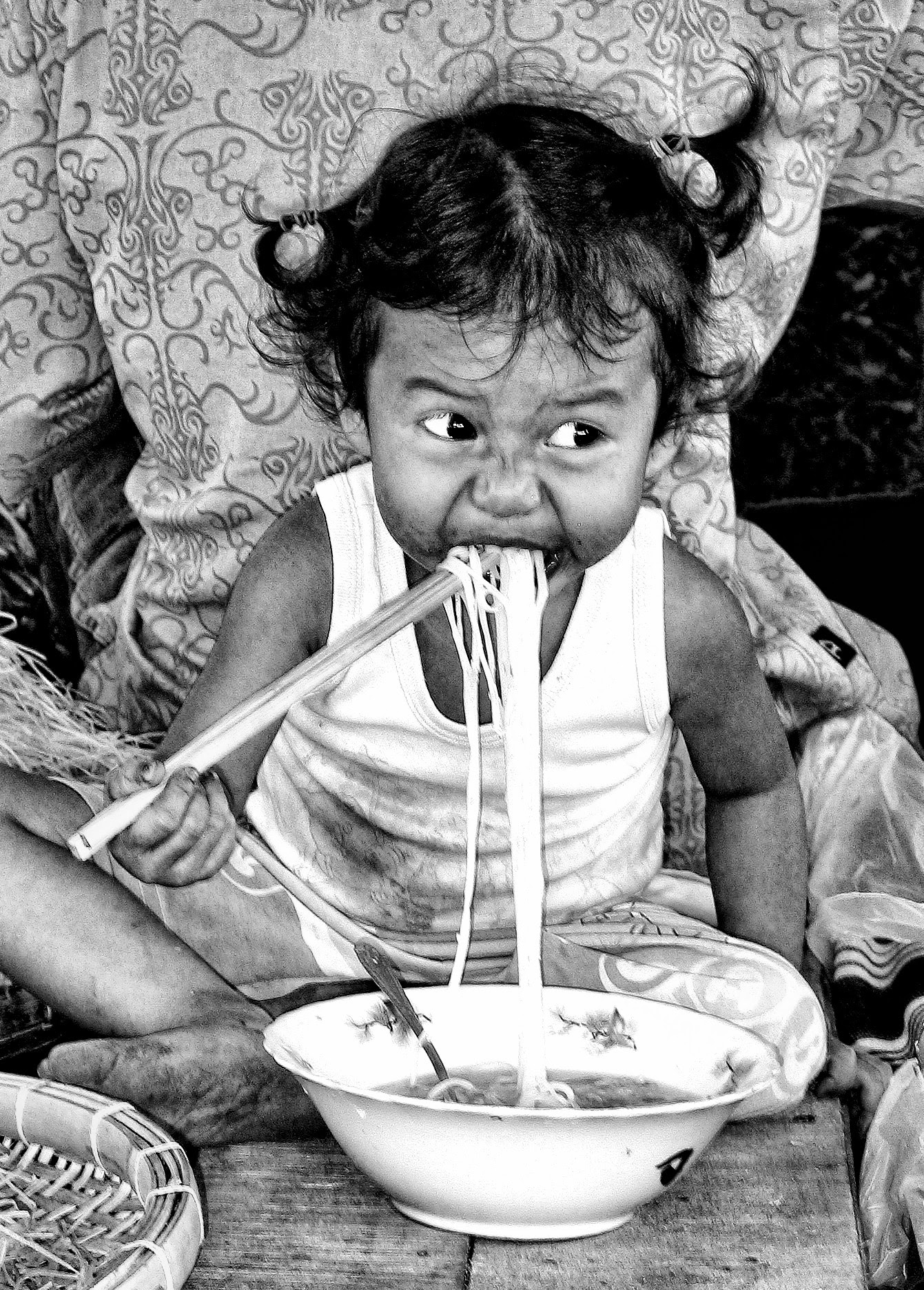
To me being able to catch fleeting signs of emotion in an image is usually what makes that image work, It ceases to be a flat 2-dimensional thing and breaths life into itself.

A simple facial expression change can make all the difference between success and failure. This fleeting moment must be watched for and will disappear in a microsecond if you are not ready.


Photographer Debora Magliaro Sanso is the Edge of Humanity Magazine contributor of these images. To see Debora’s body of work, click on any photograph. All images © Debora Magliaro Sanso See also: Postcards from Italy By Debora Magliaro Sanso …
Still Life In Black & White — Edge of Humanity Magazine


 a world without pictures is like coffee without cream and sugar, bitter