
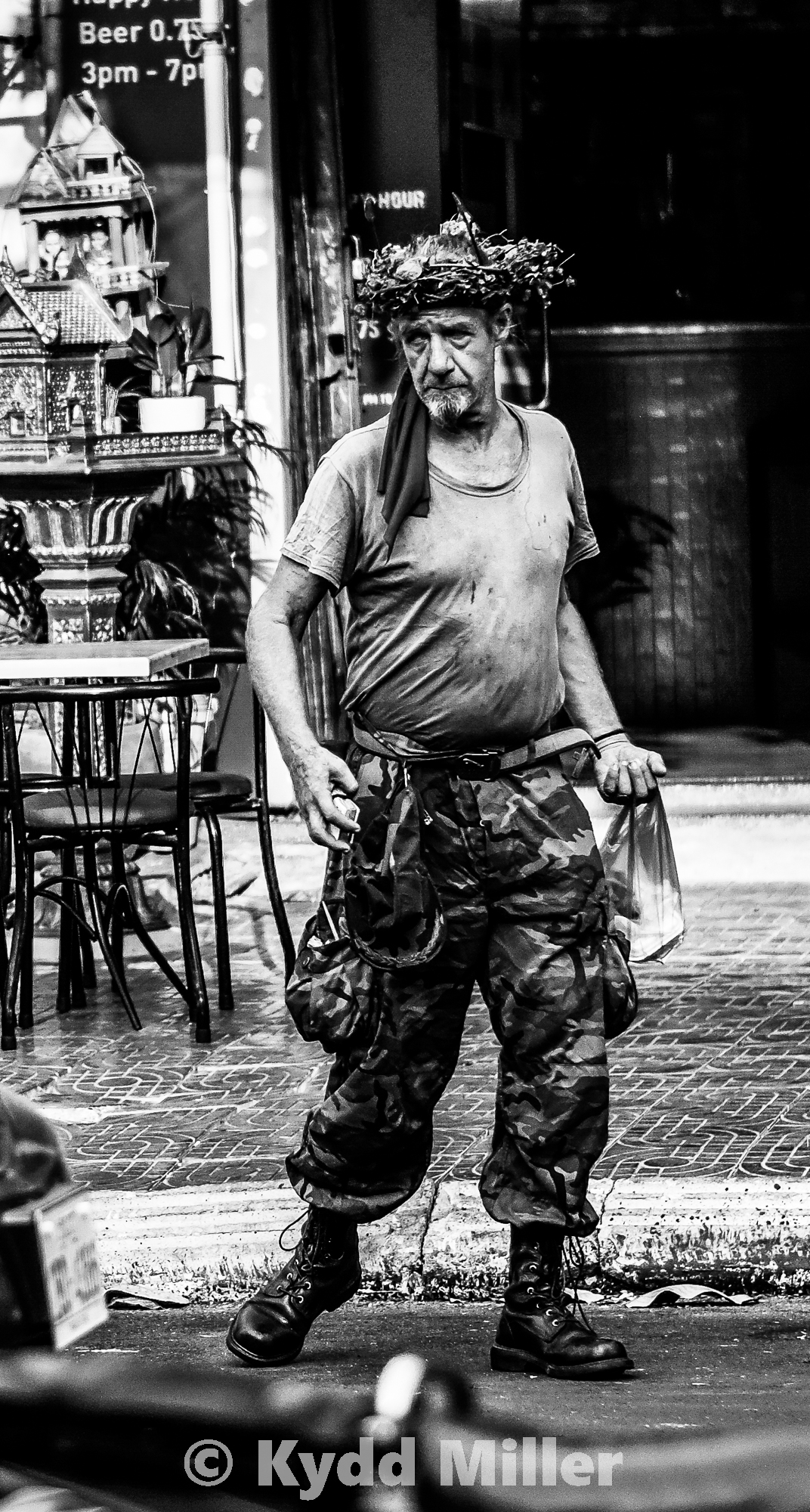
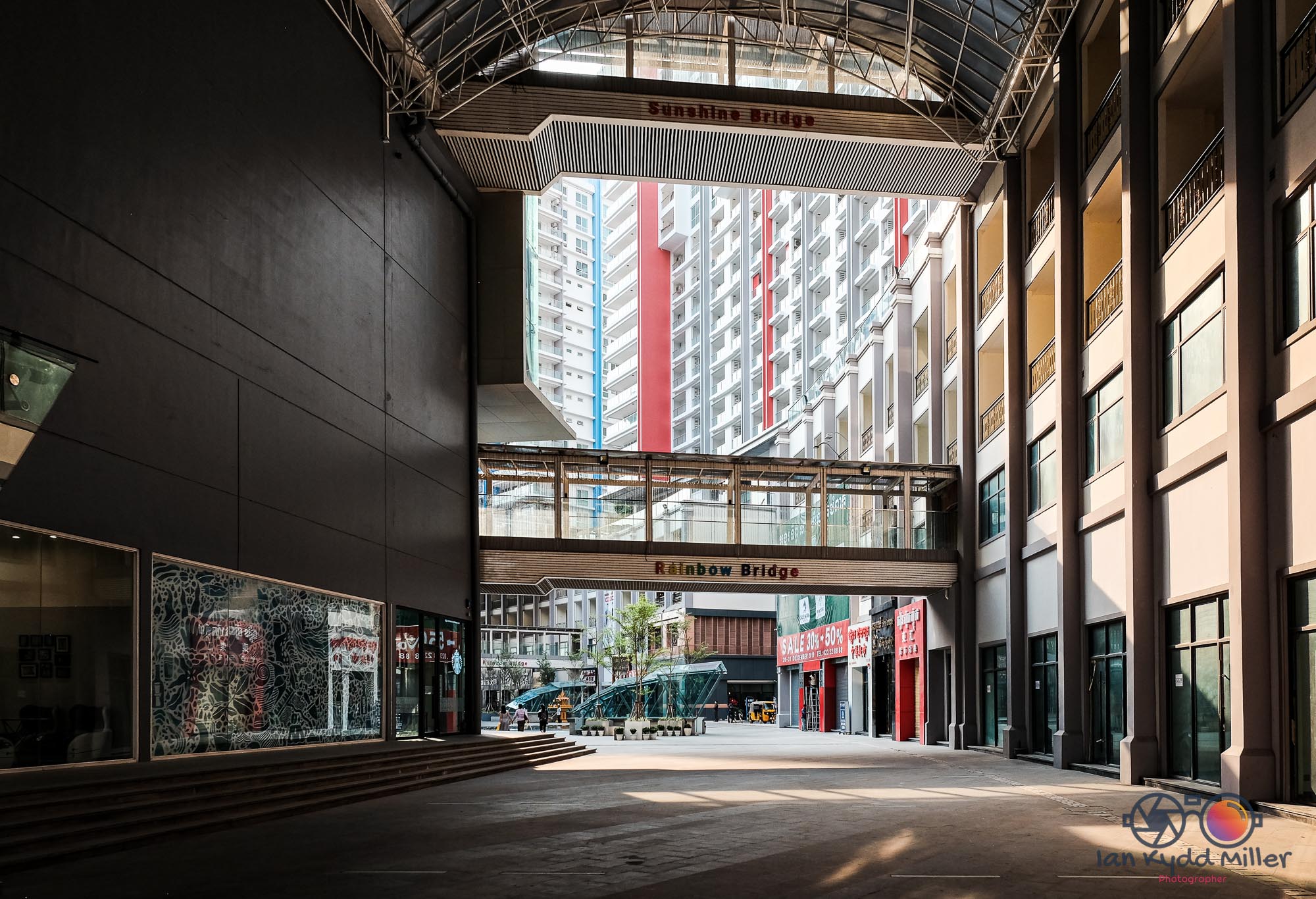
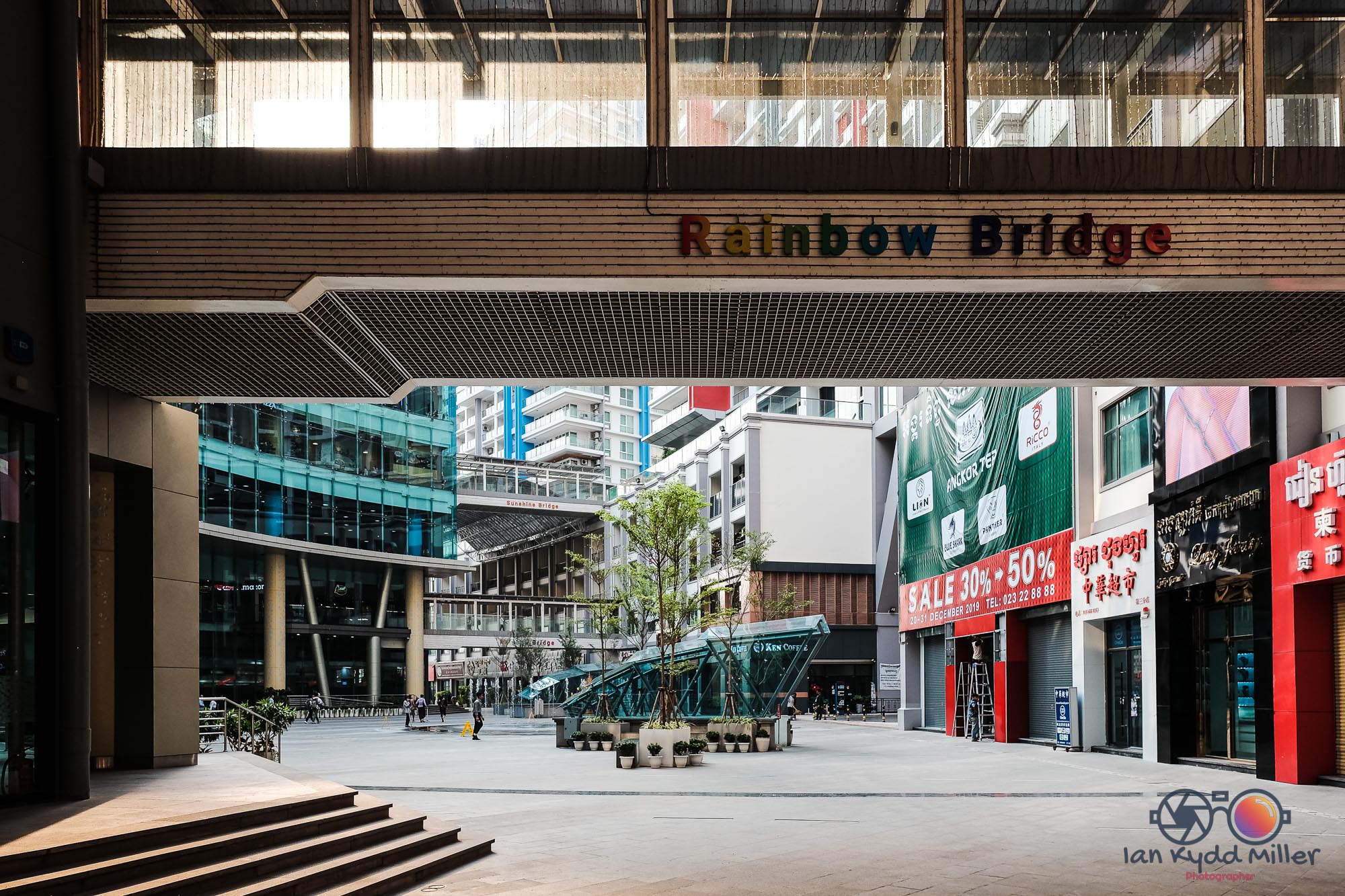
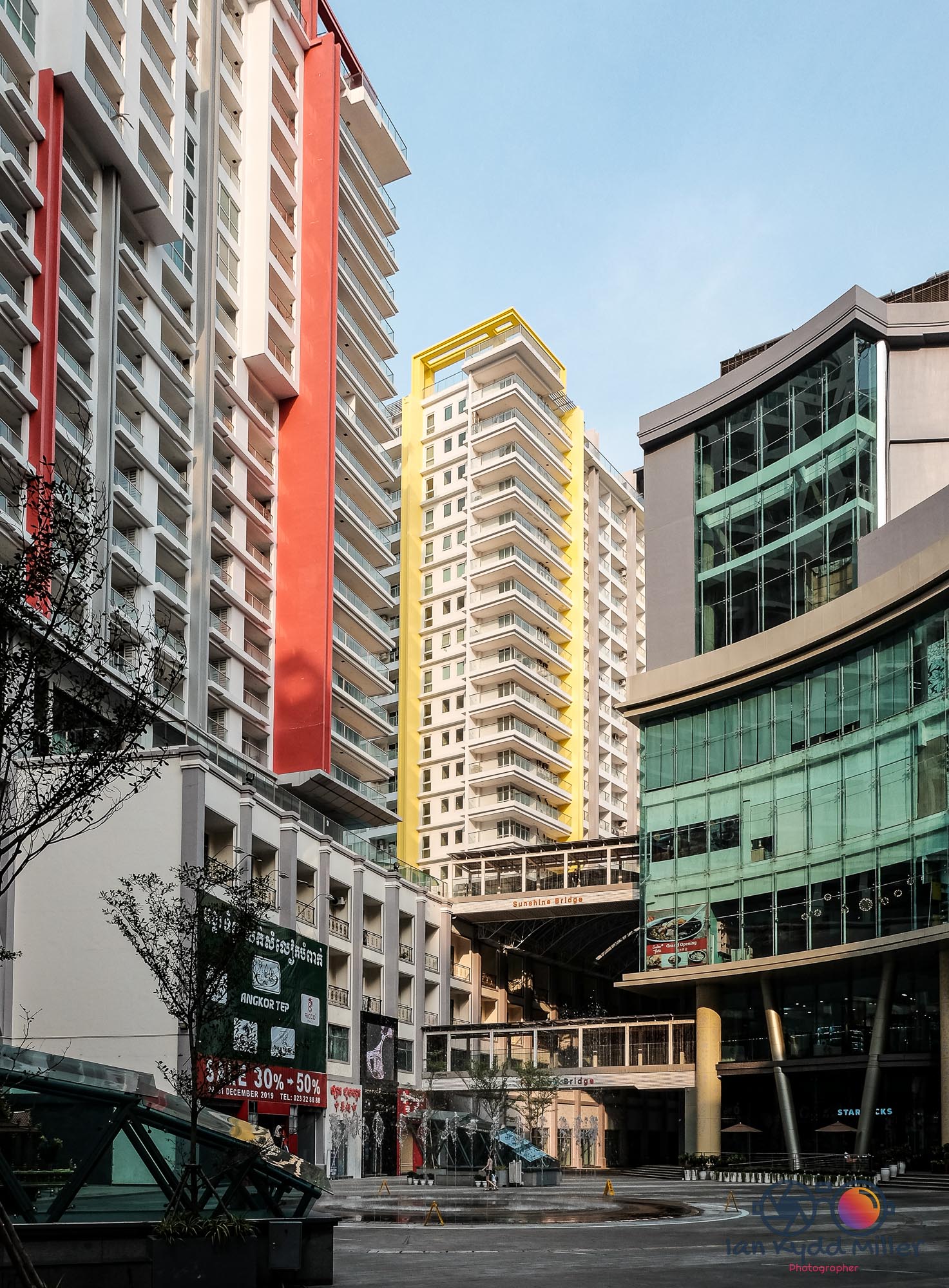
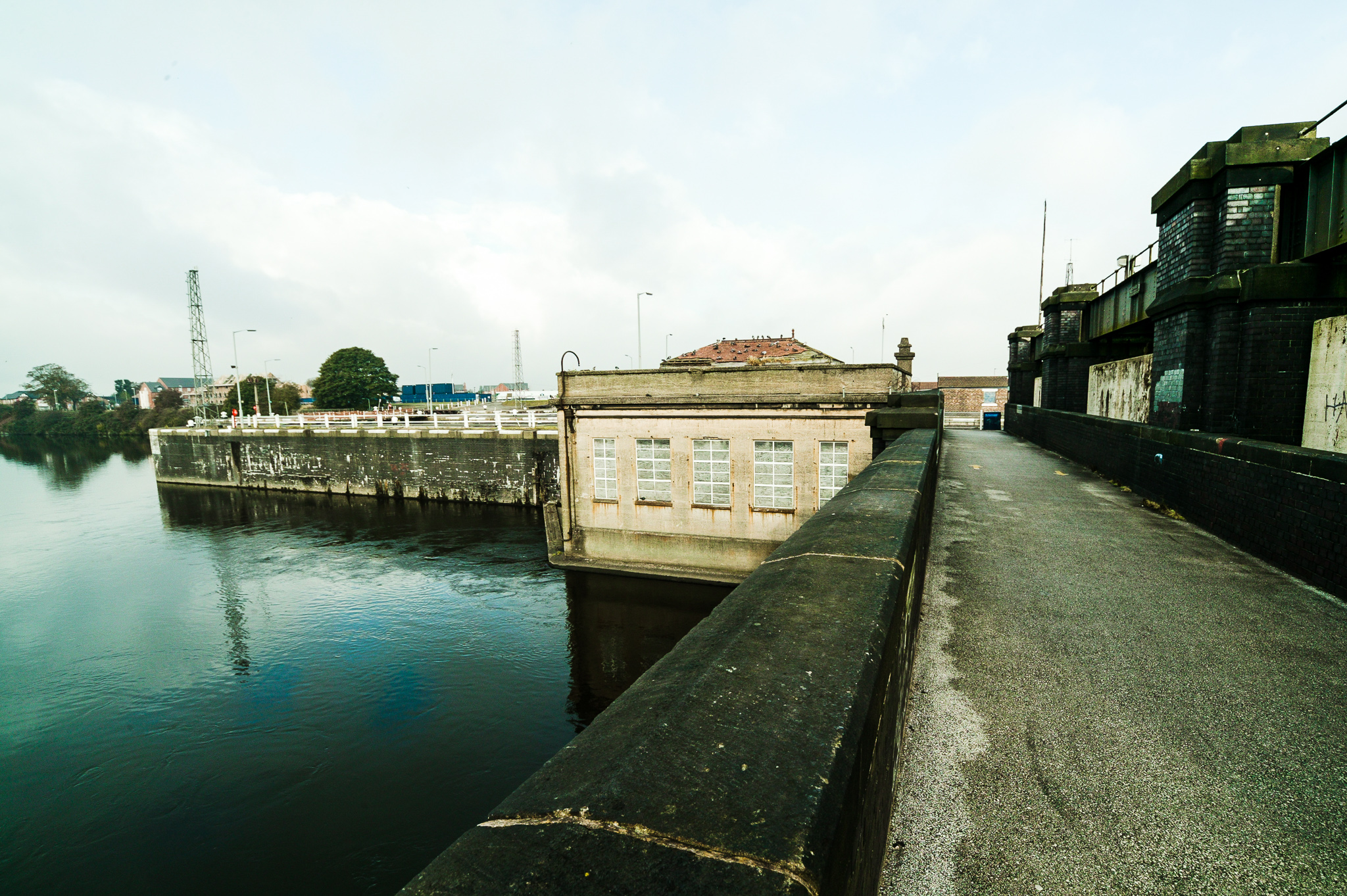
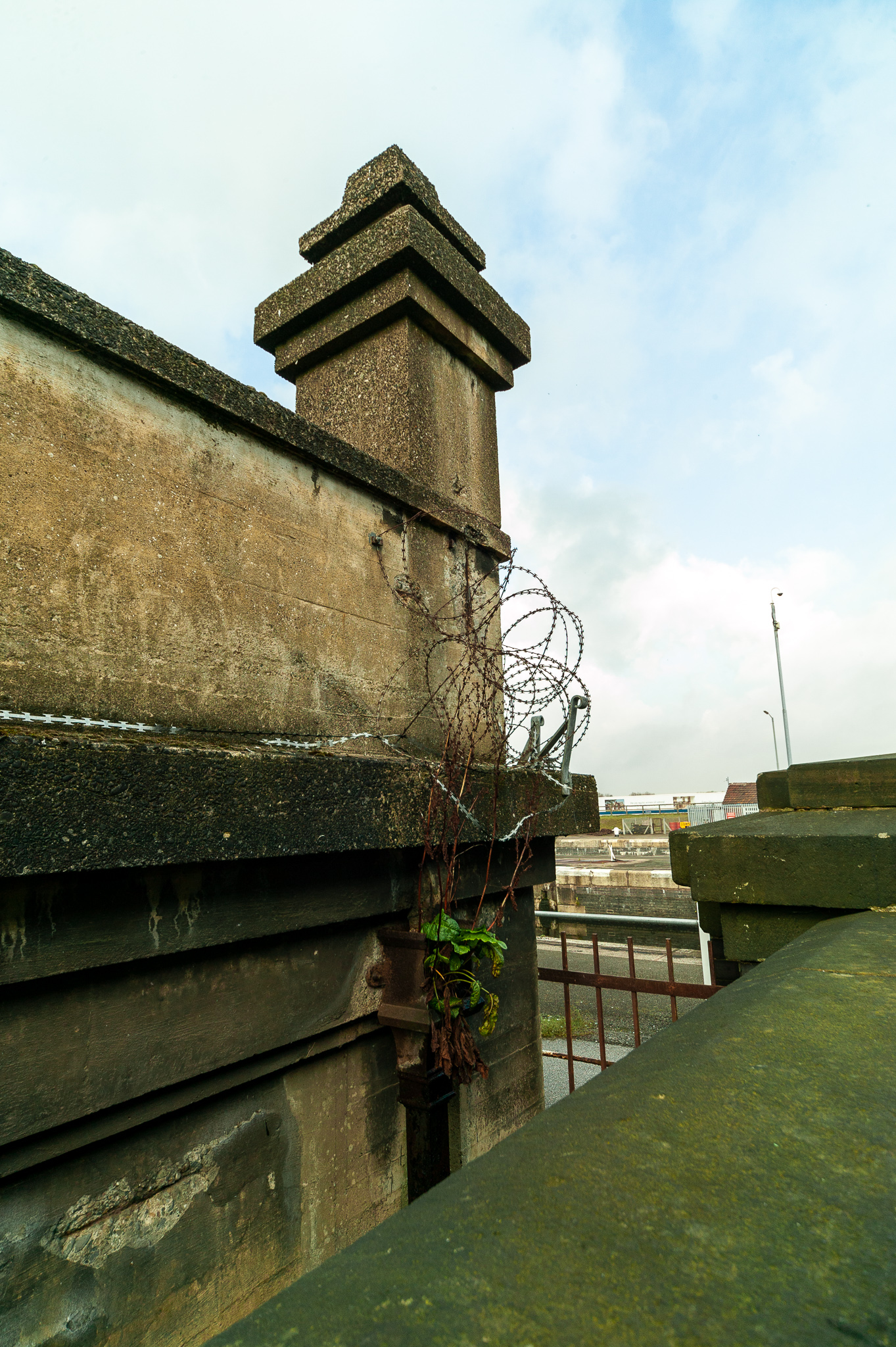
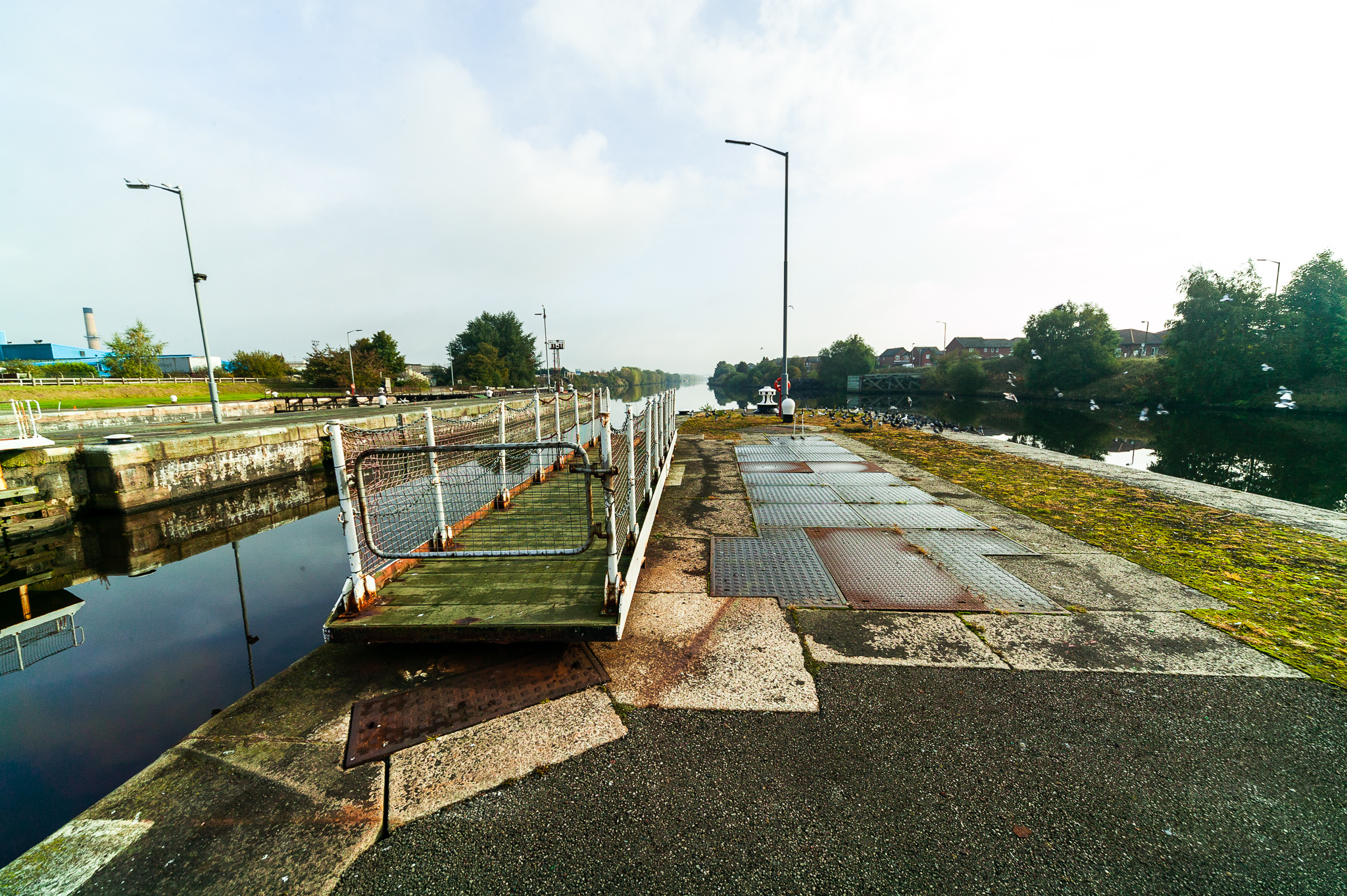
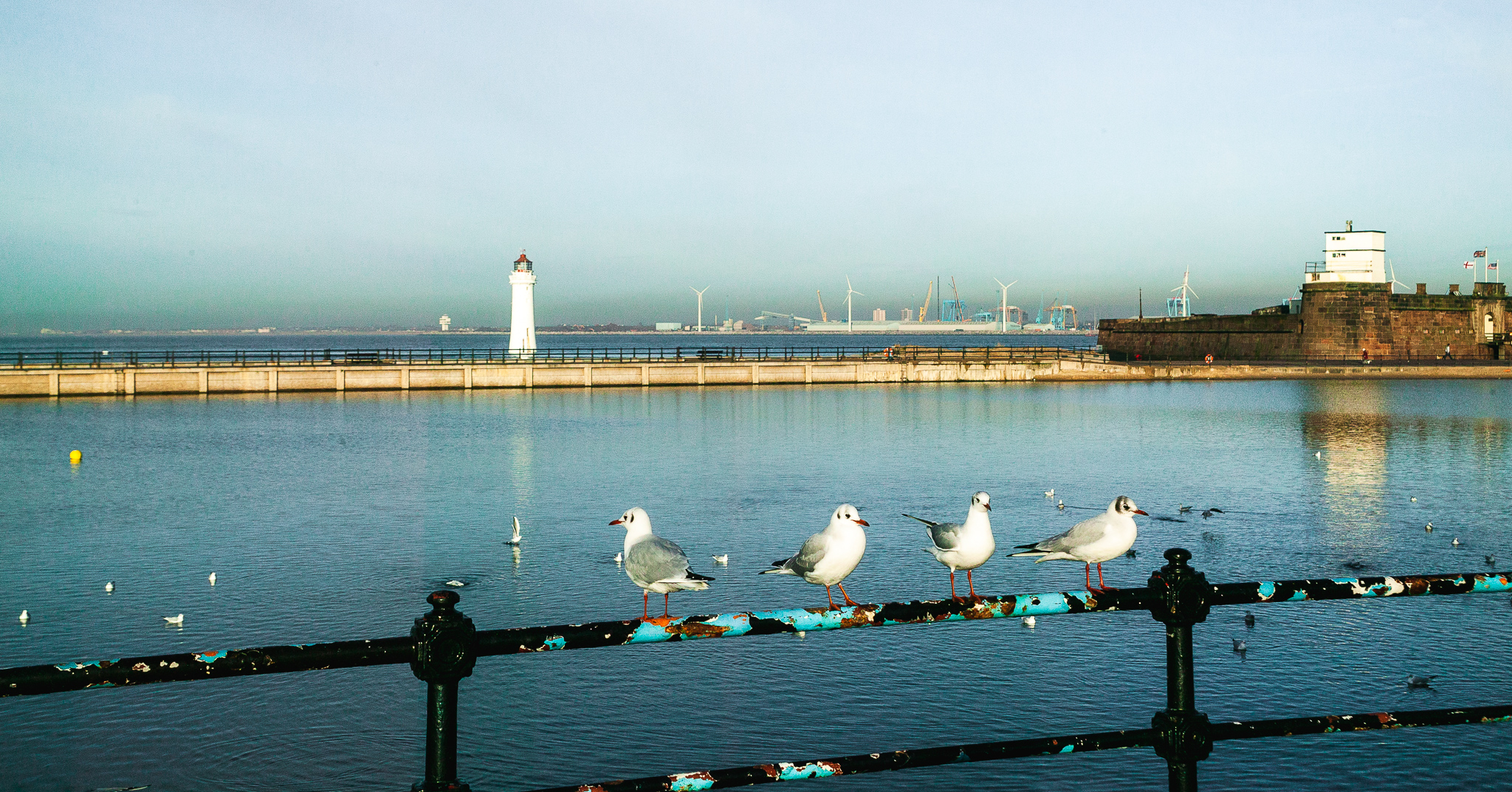
Trying to get out more, but some COVID-19 restrictions make certain areas inaccessible.

All the above images were taken with a Fujifilm X Pro2 mounted with a Fujicron XF 50mm f2


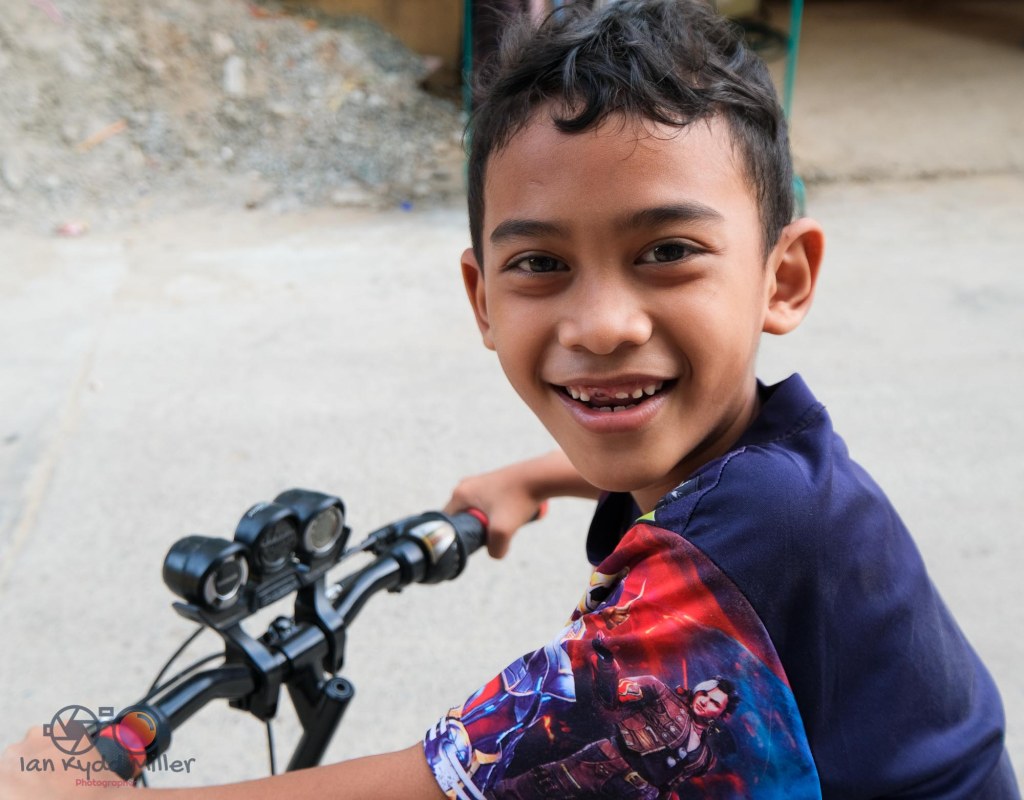


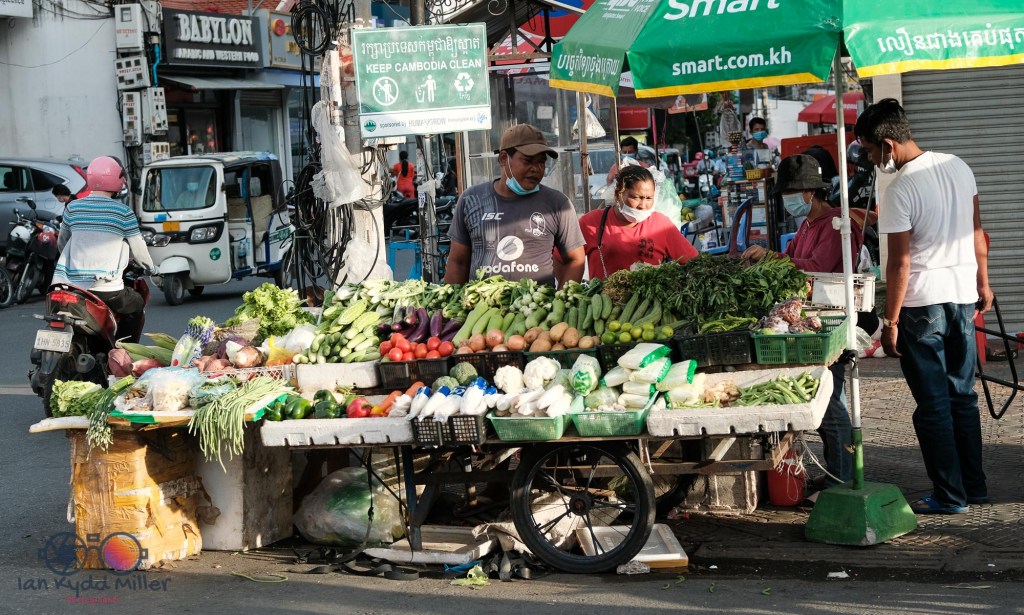
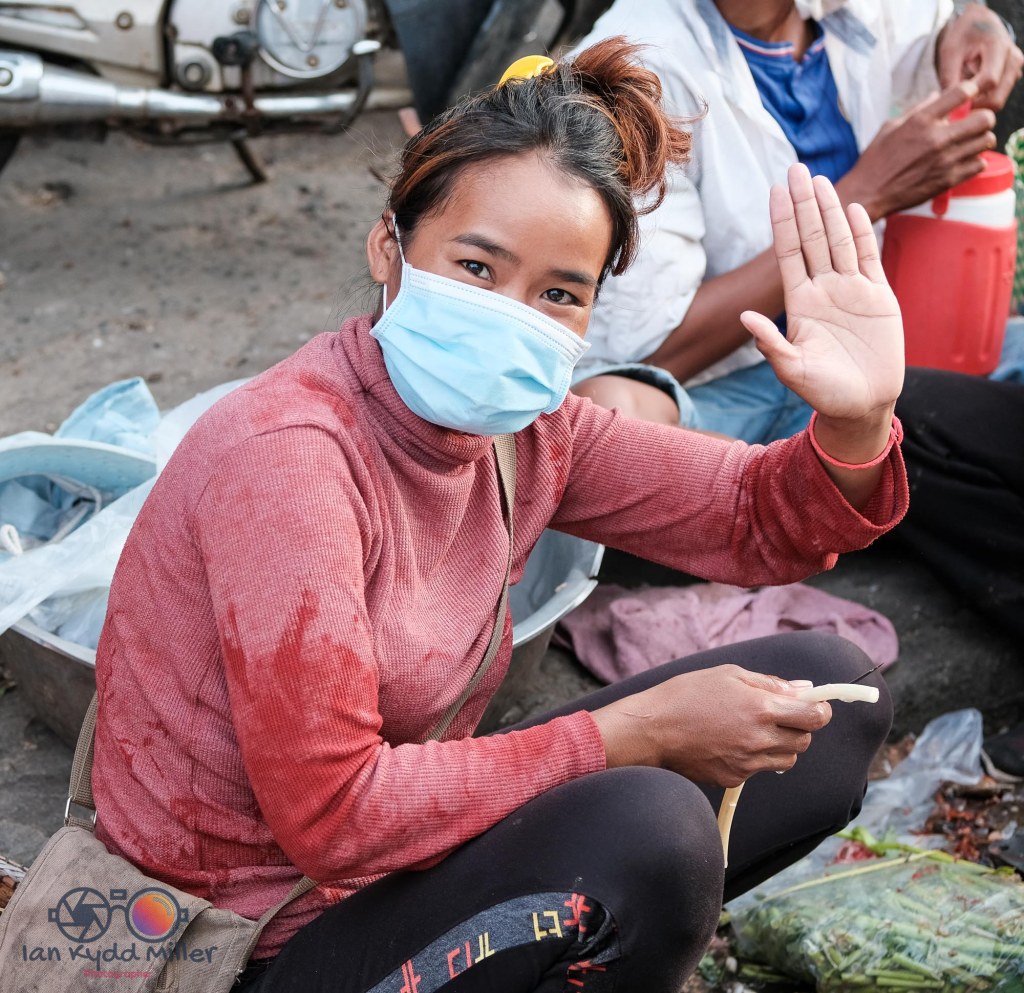

Trying to get out more, but some COVID-19 restrictions make certain areas inaccessible.
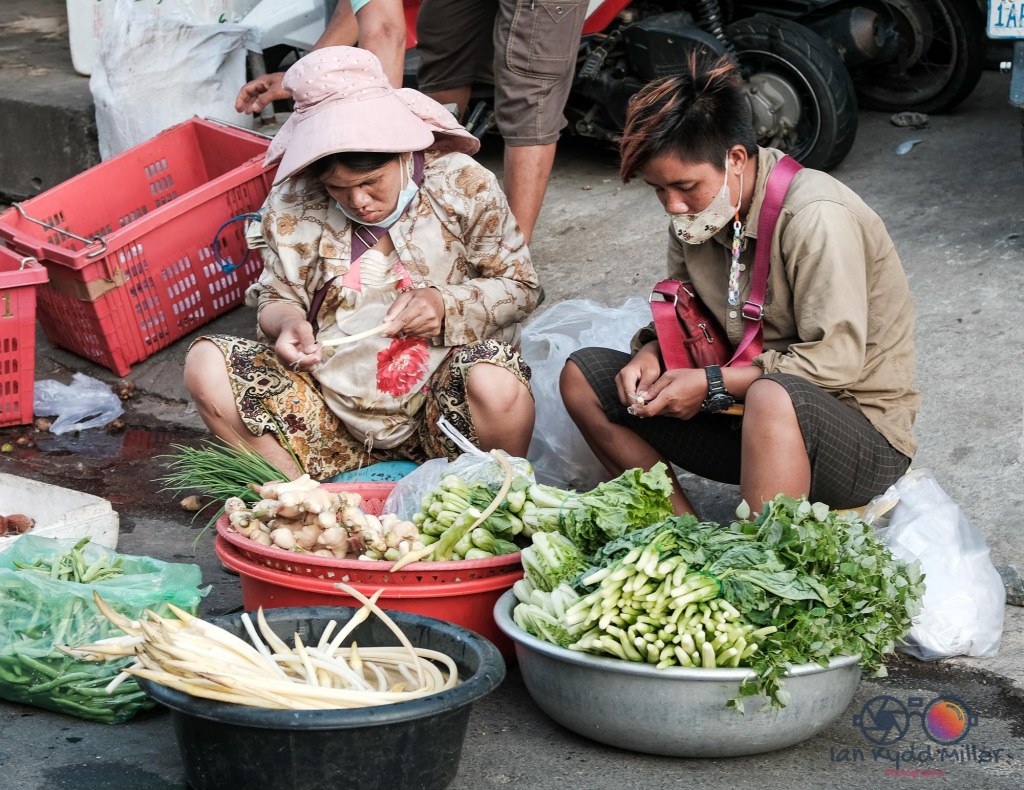


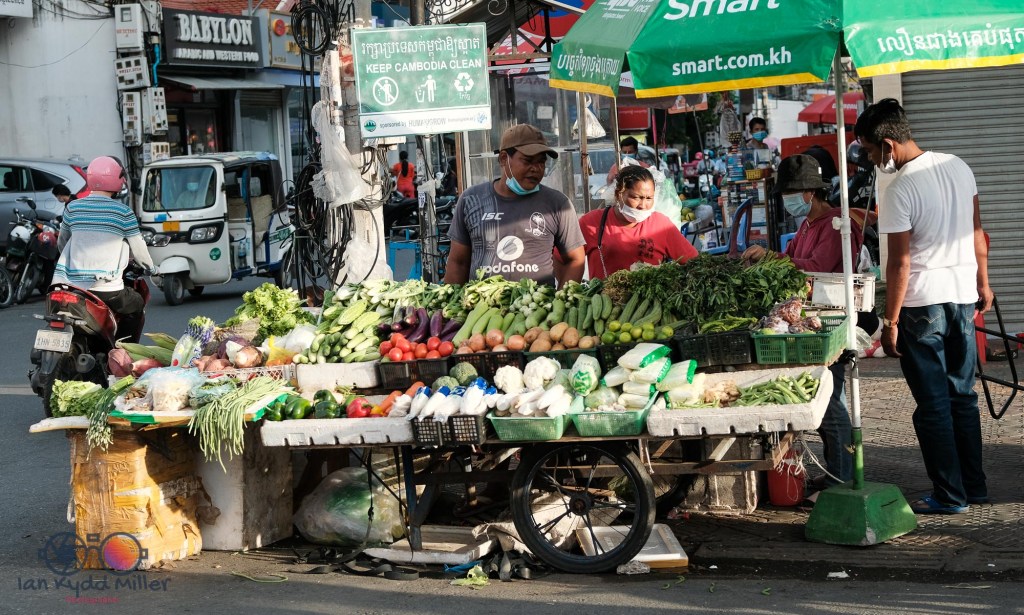


All the above images were taken with a Fujifilm X Pro2 mounted with a Fujicron XF 50mm f2
All my images are available as printed photographs. If you see anything that you would like a copy of please feel free to contact me.















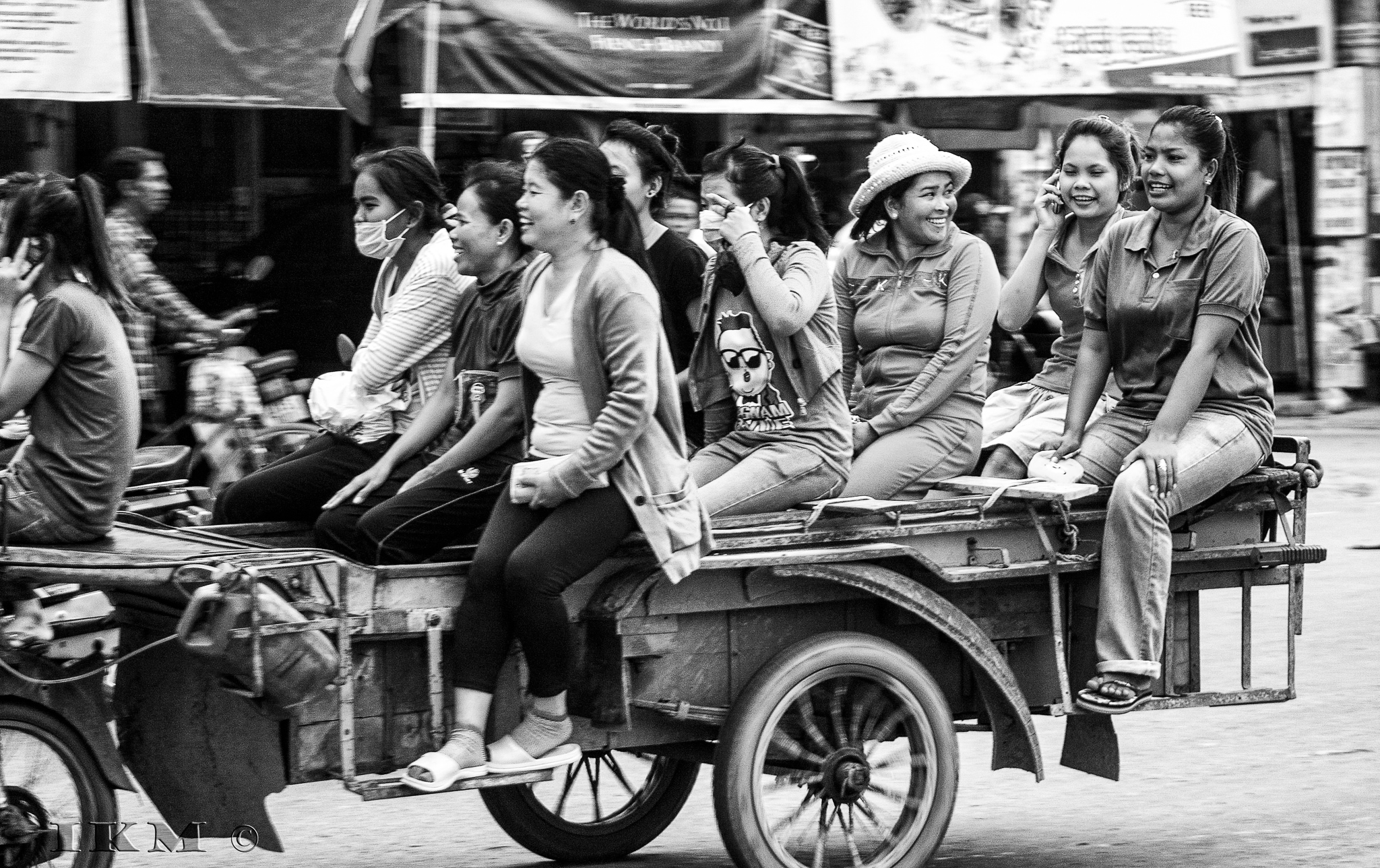


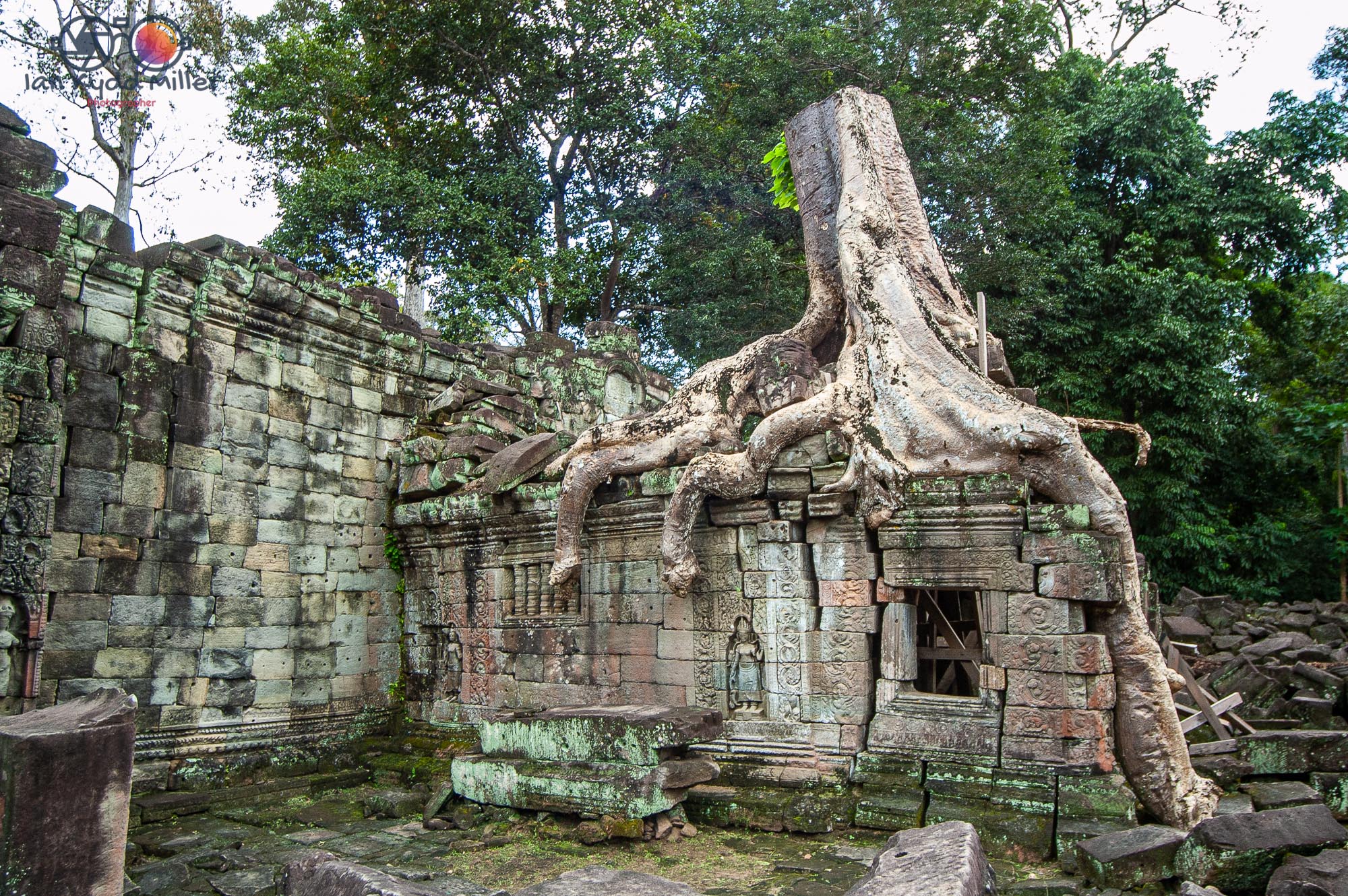
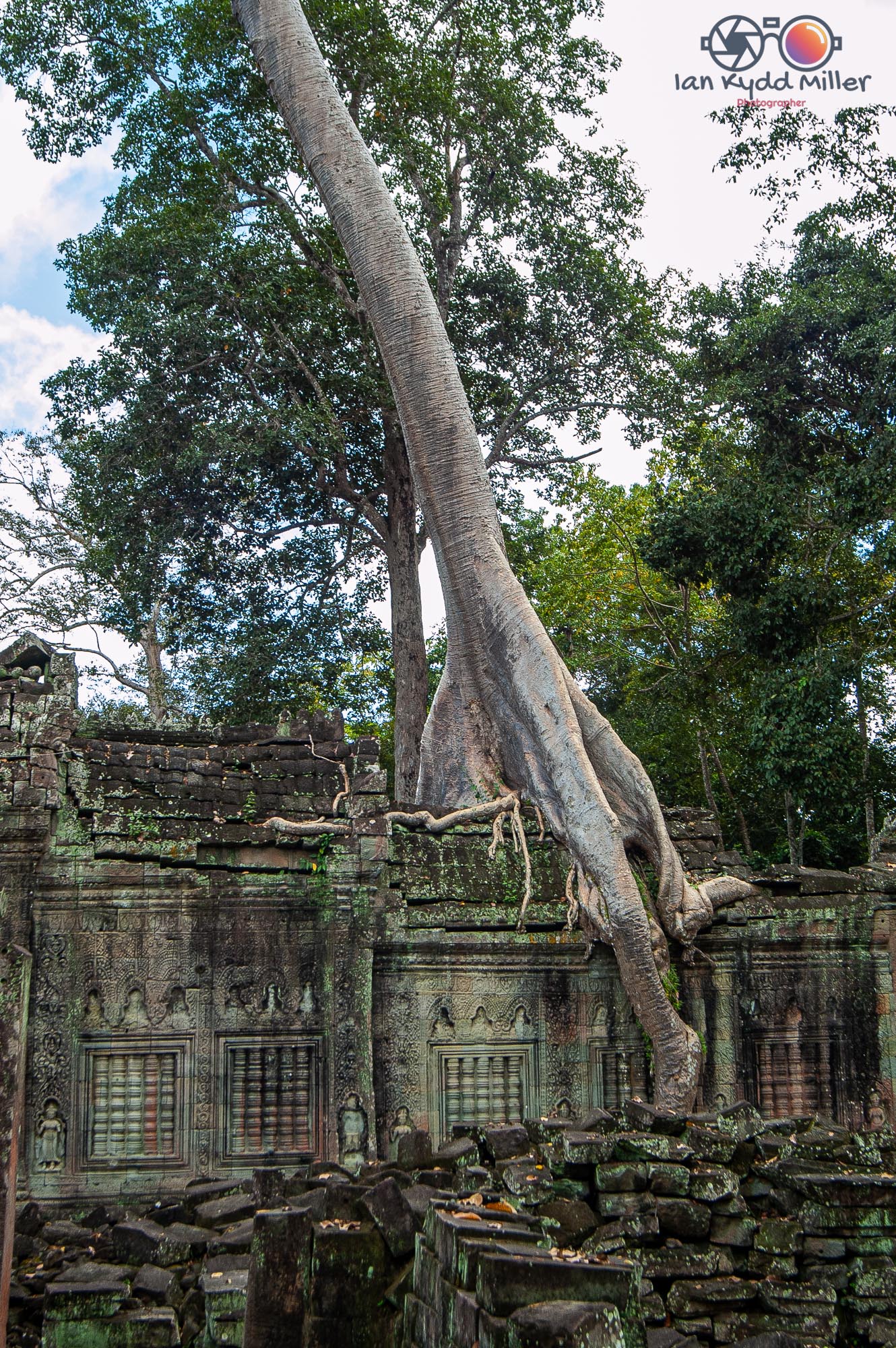
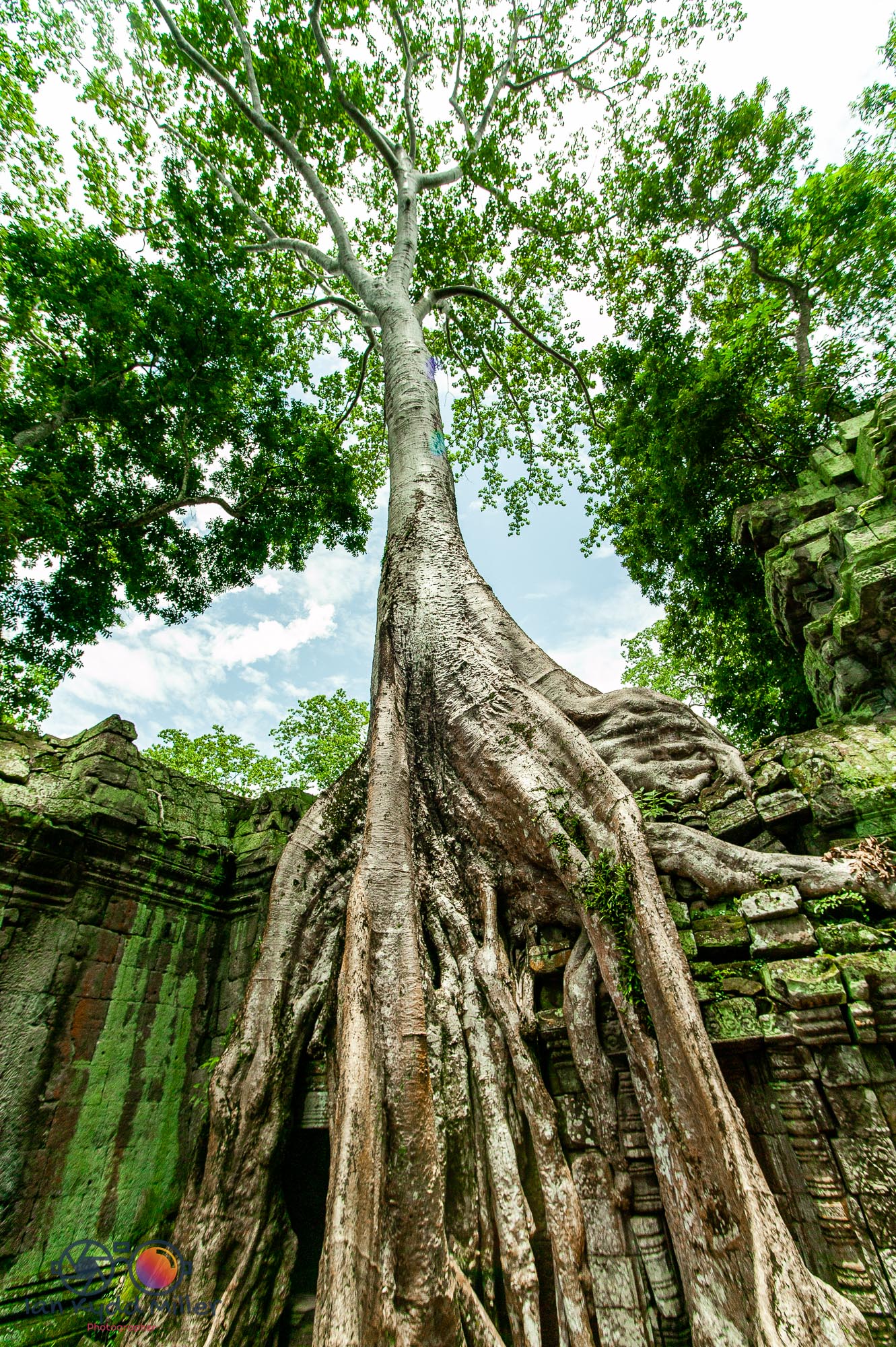

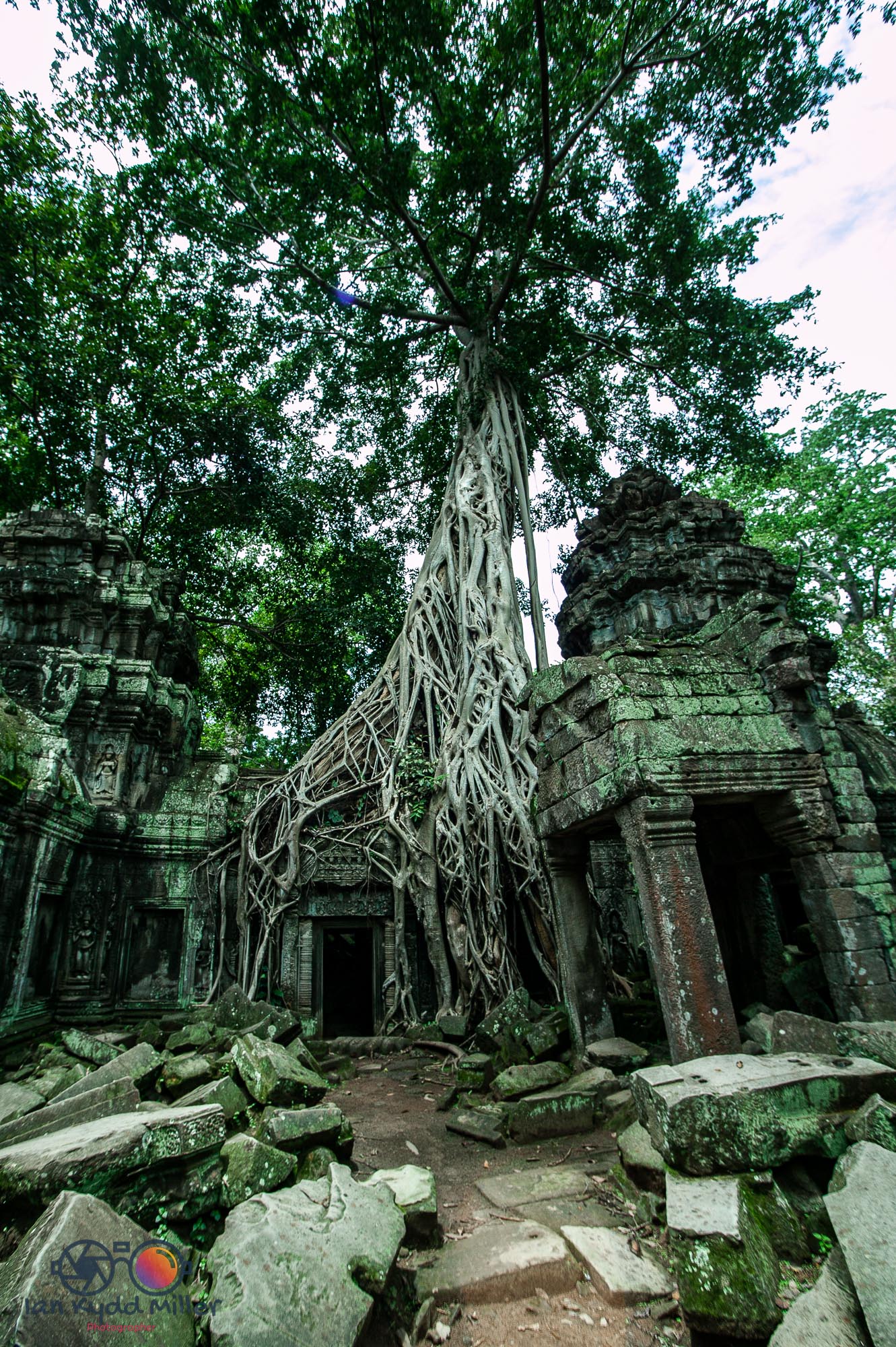

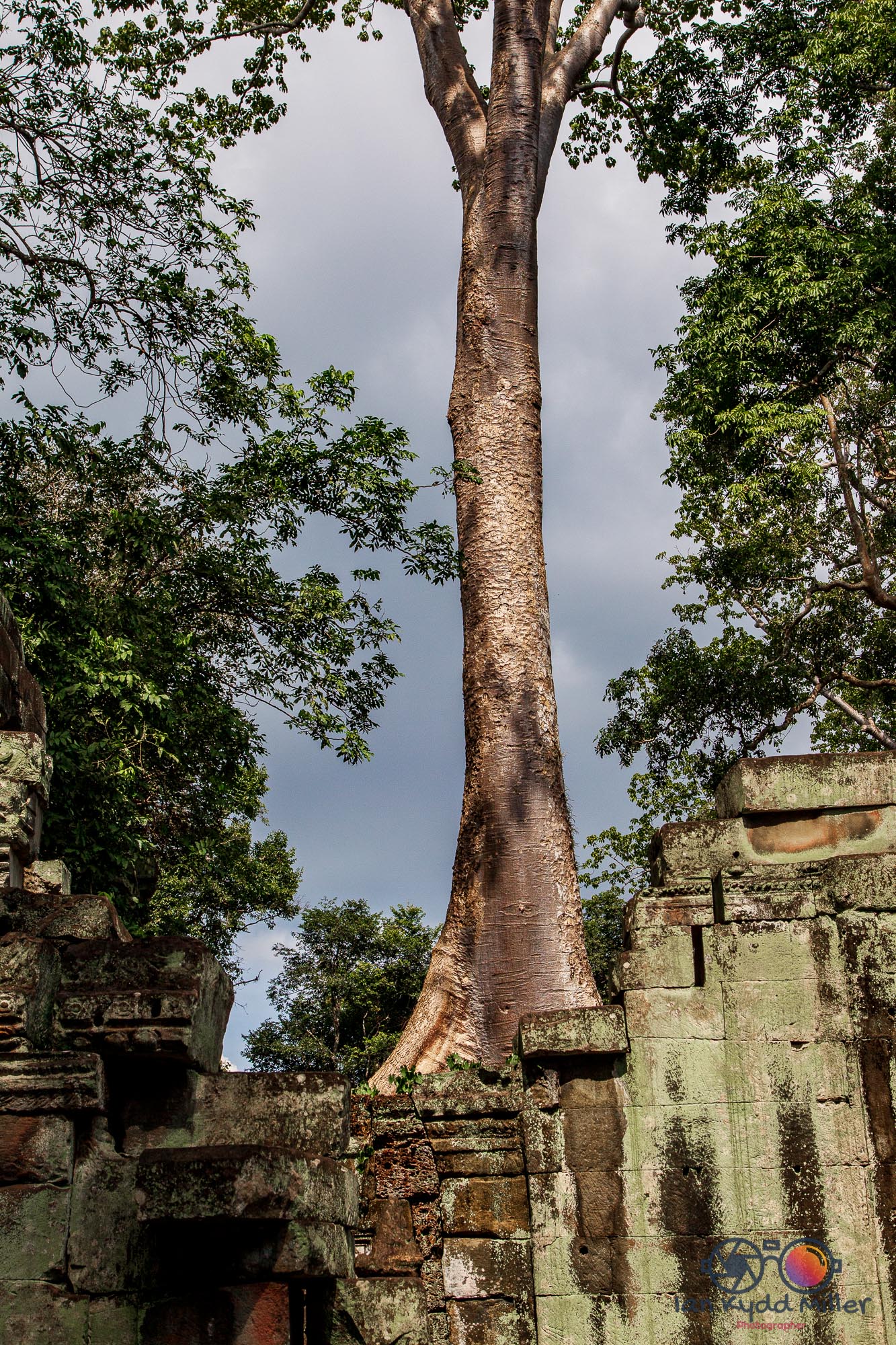

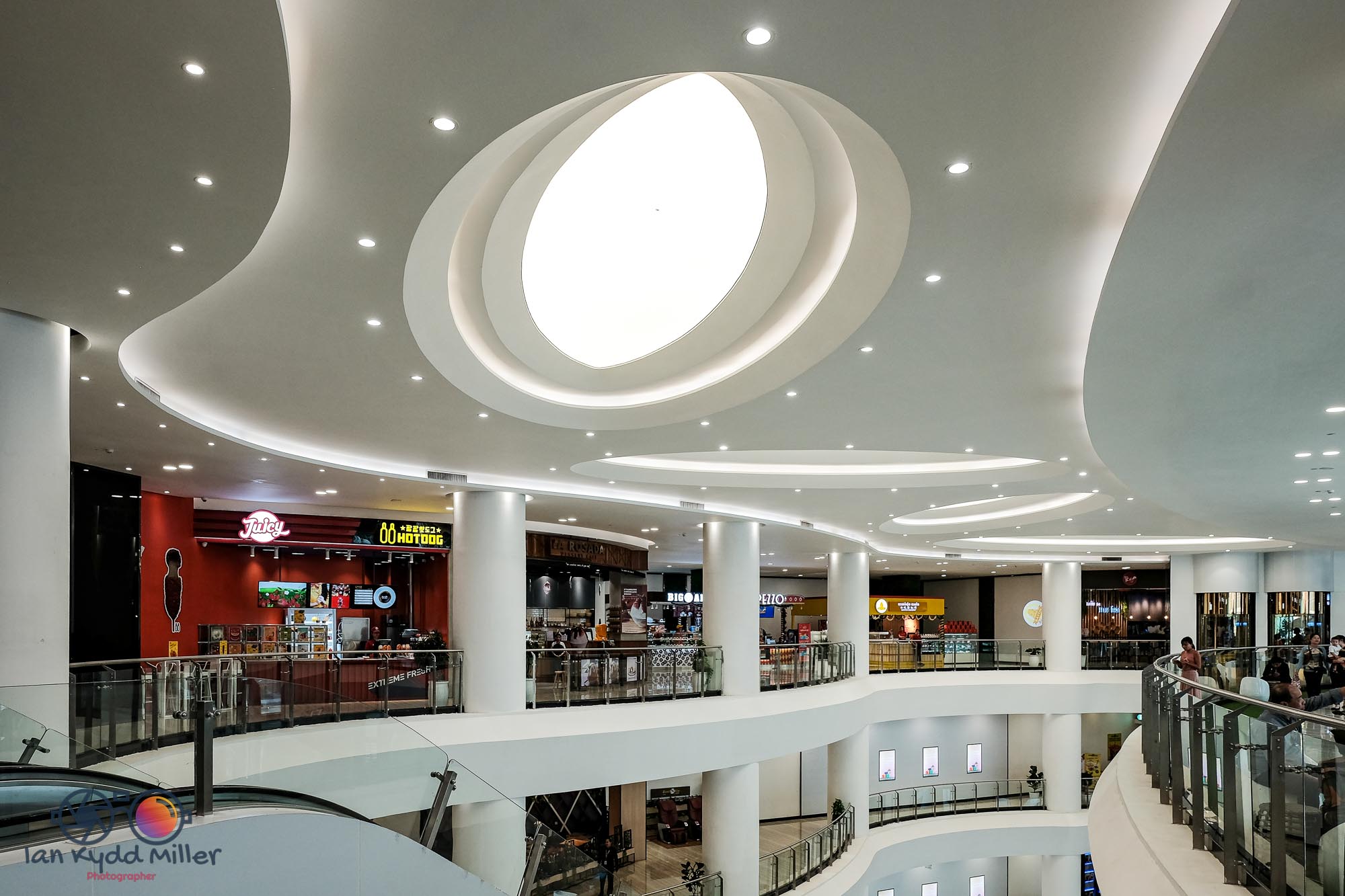

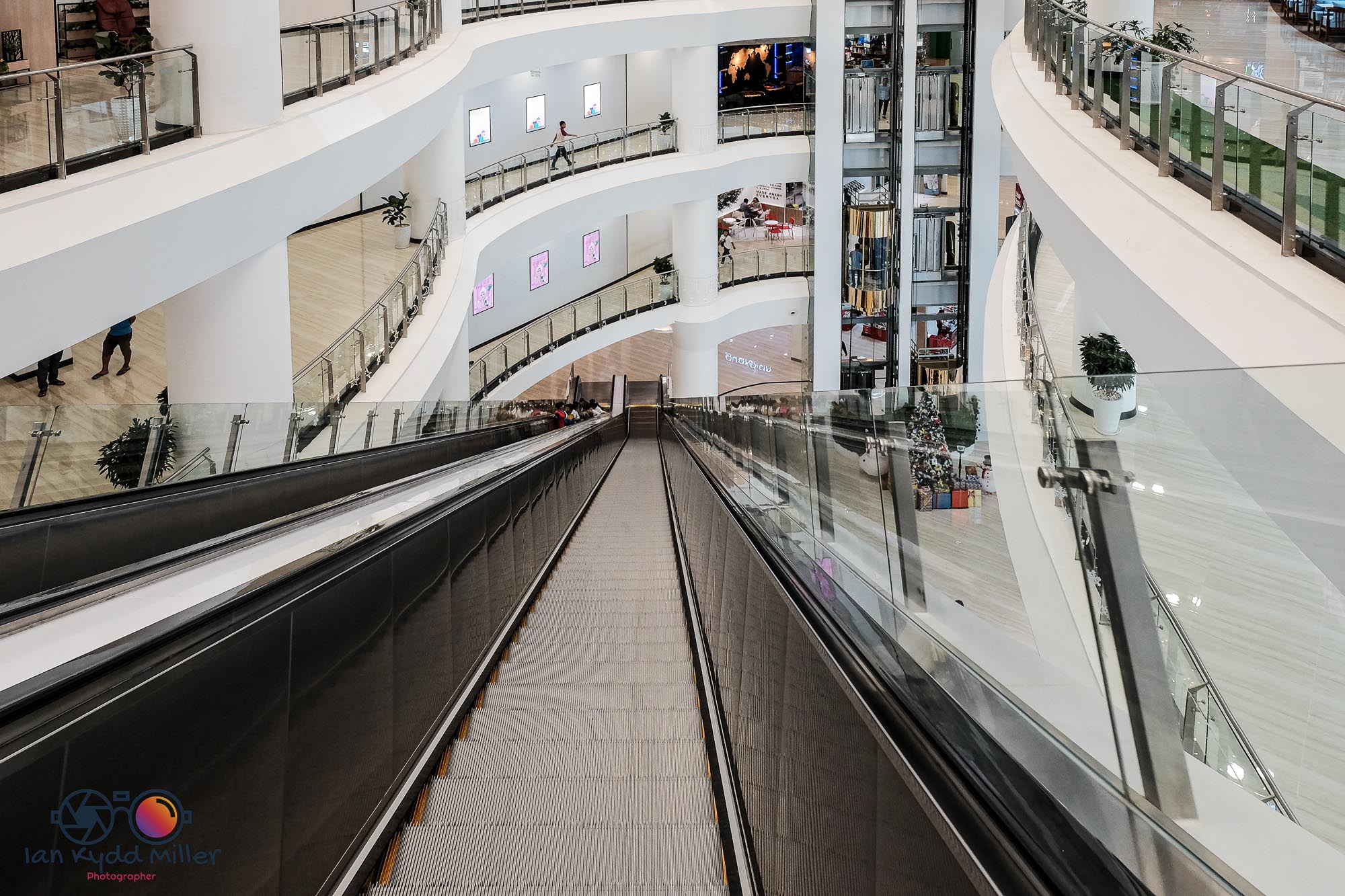


The is one tool I use every time in Lightroom – the graduated filter. It is really powerful and allows you to do more than just create graduations. In this video I explain the multiple ways I use this filter in Lightroom.
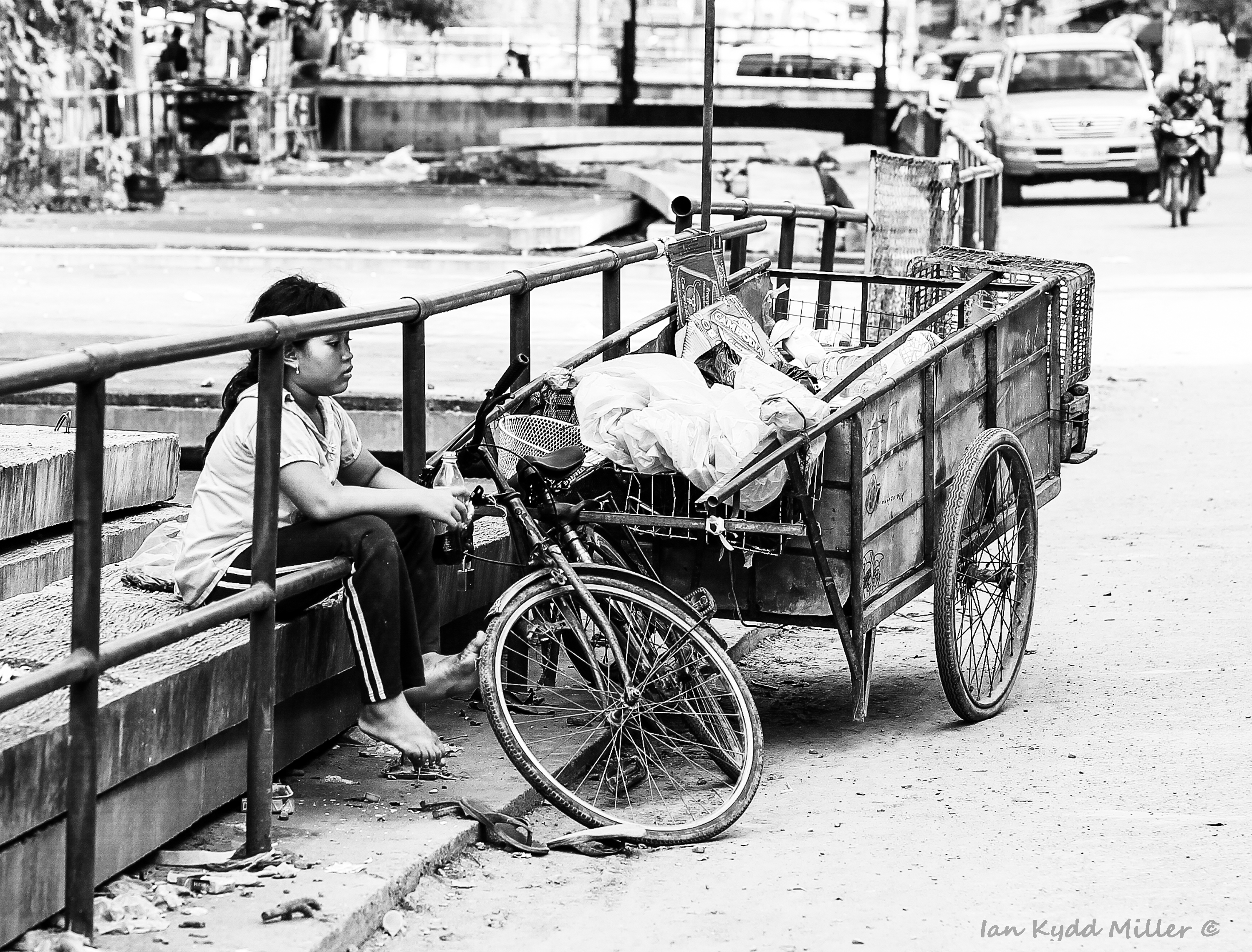
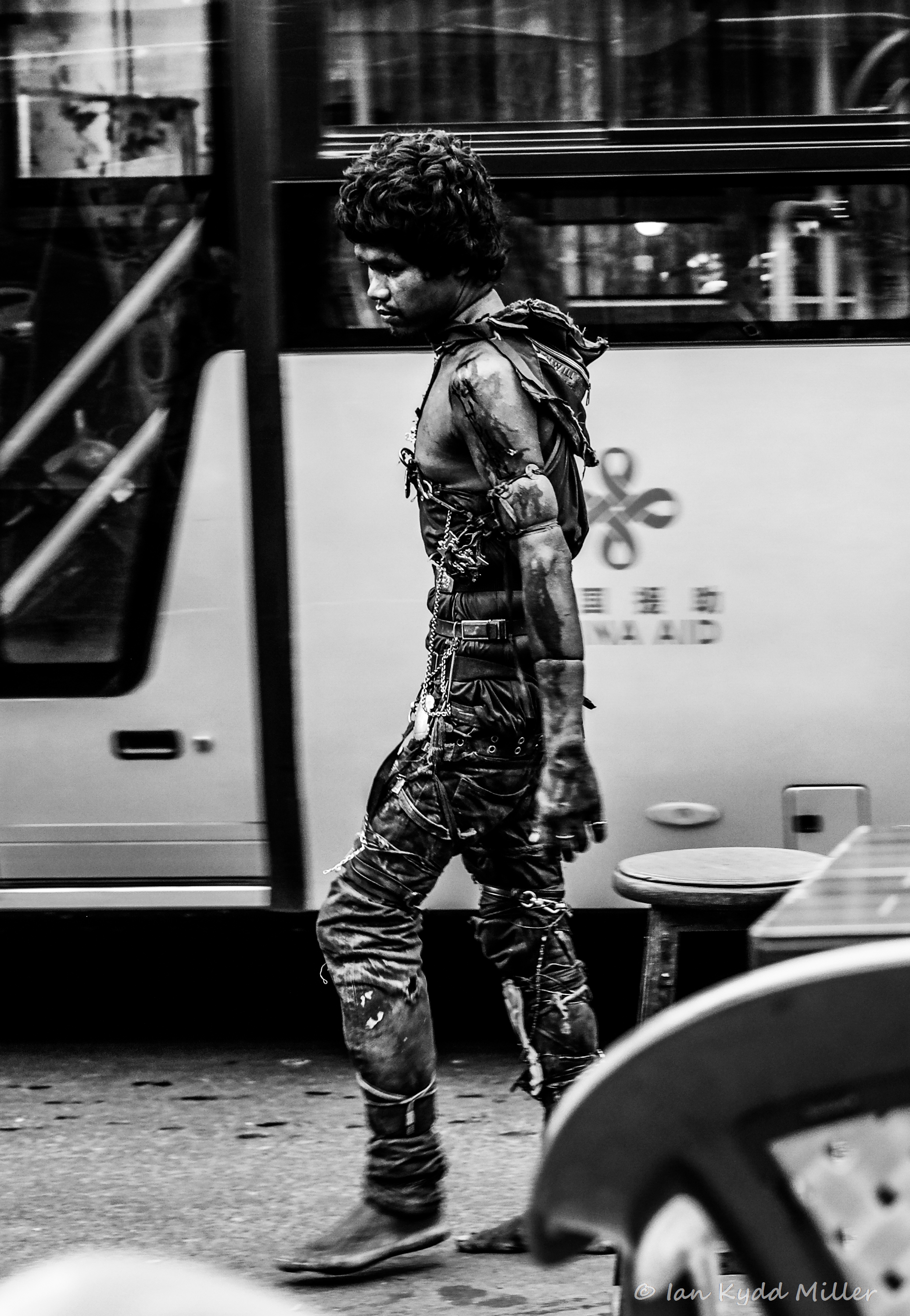
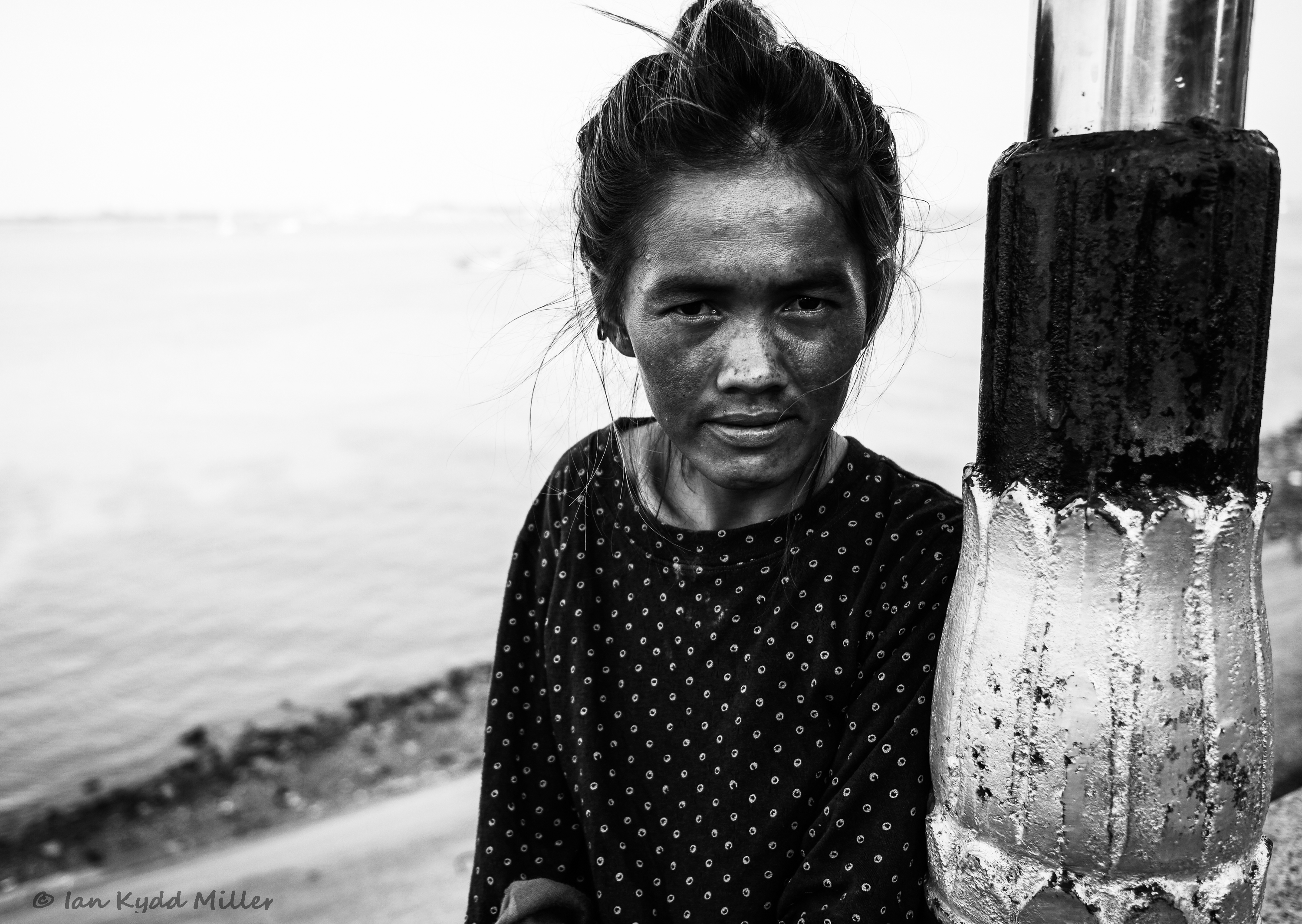
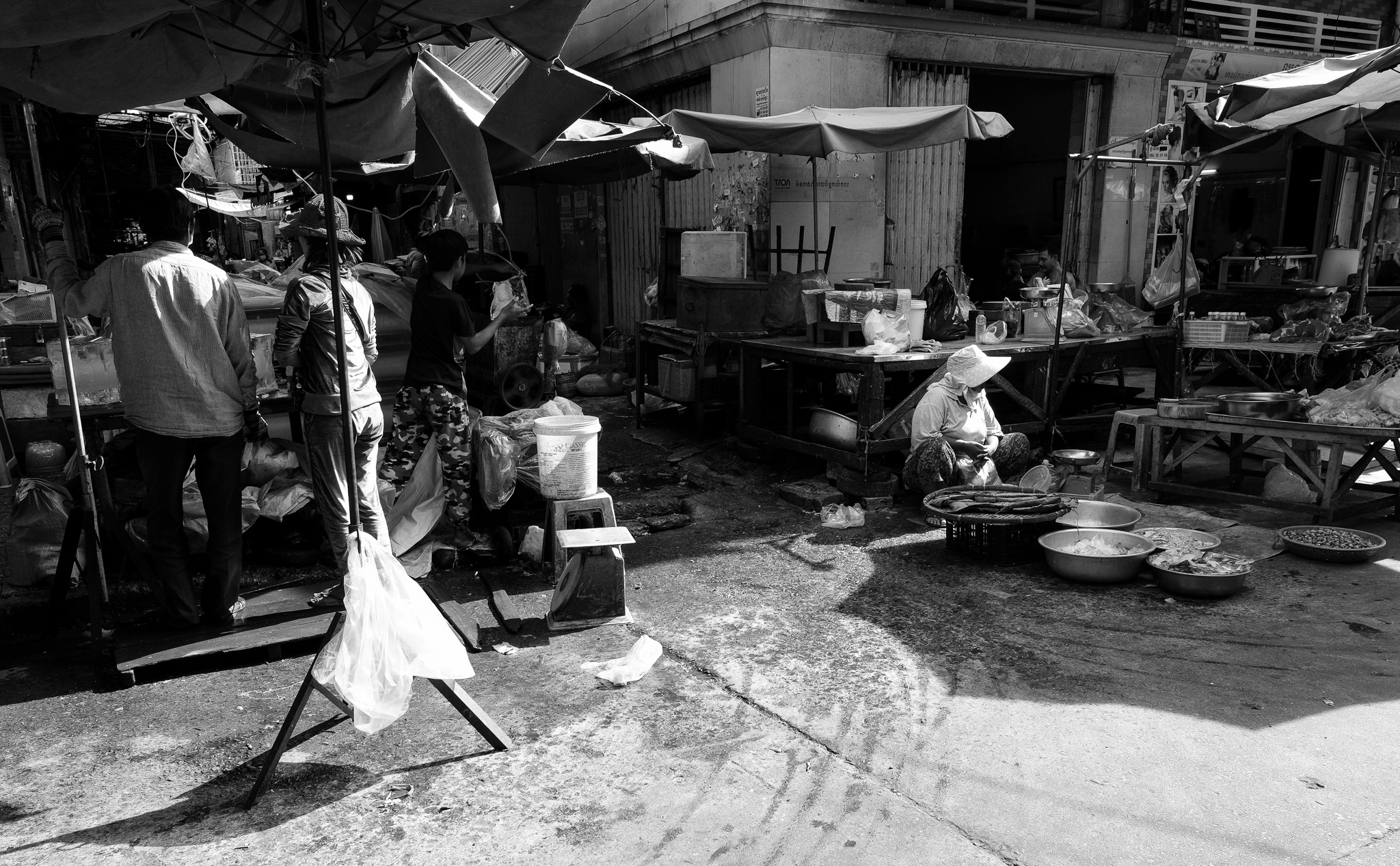
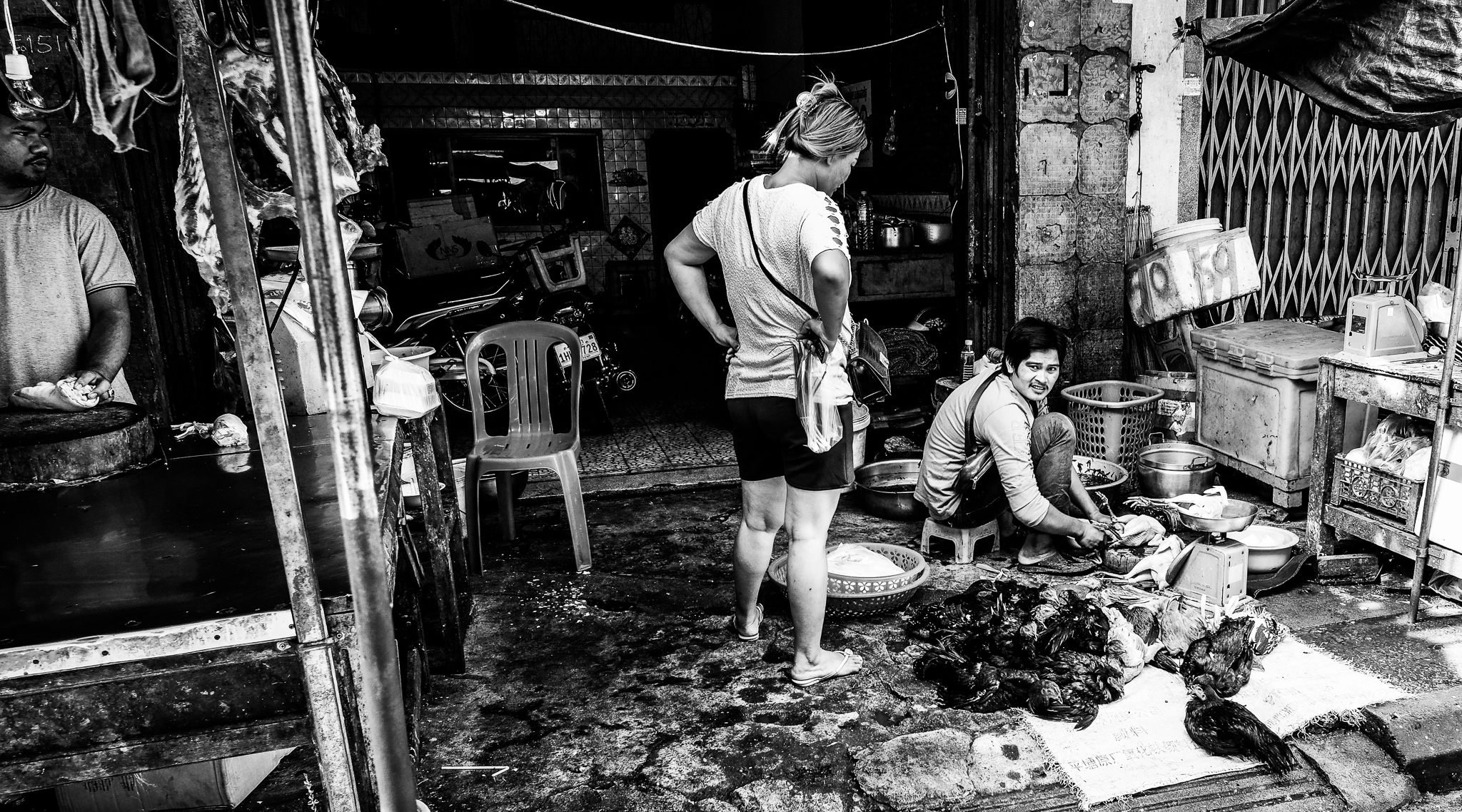
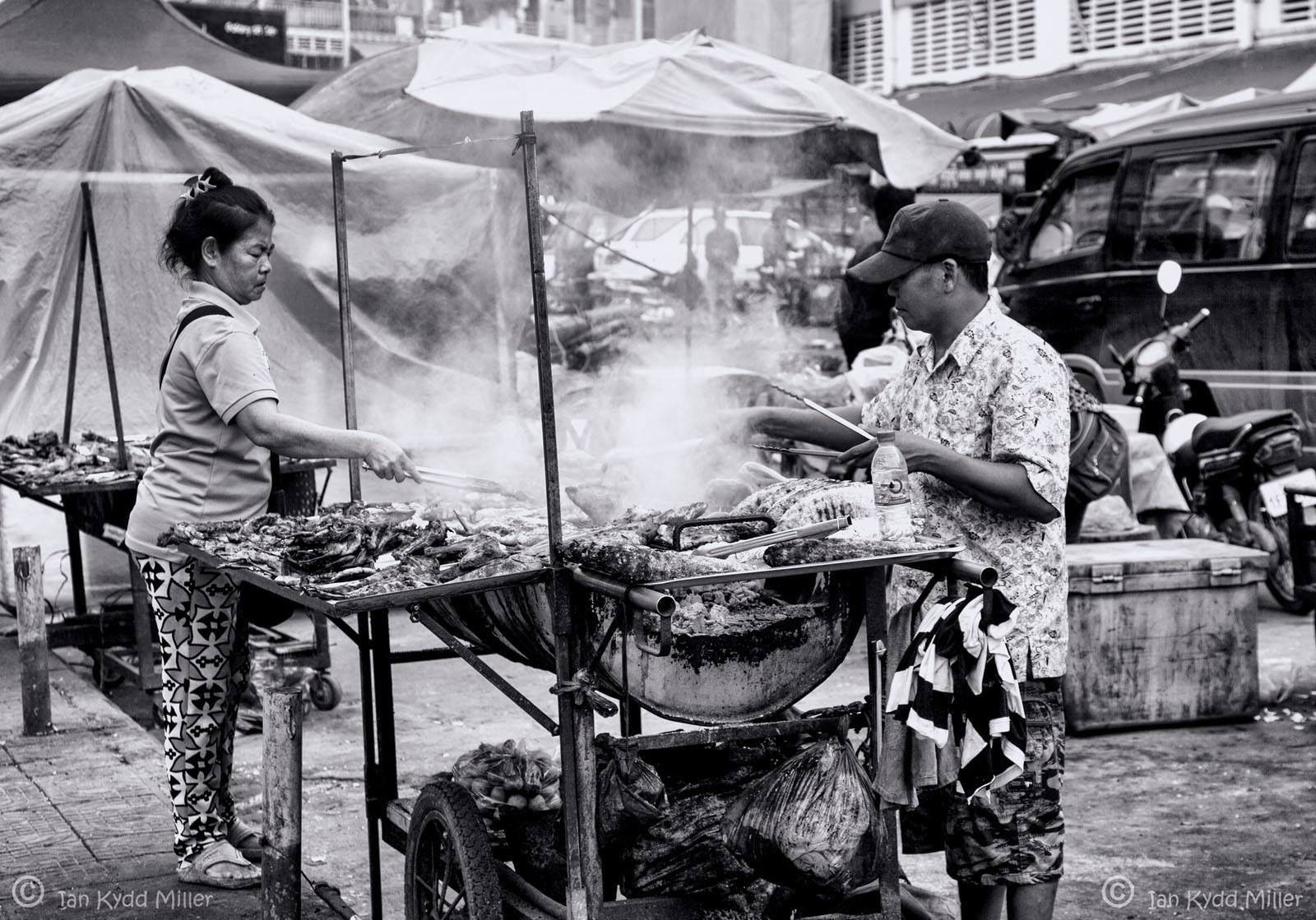
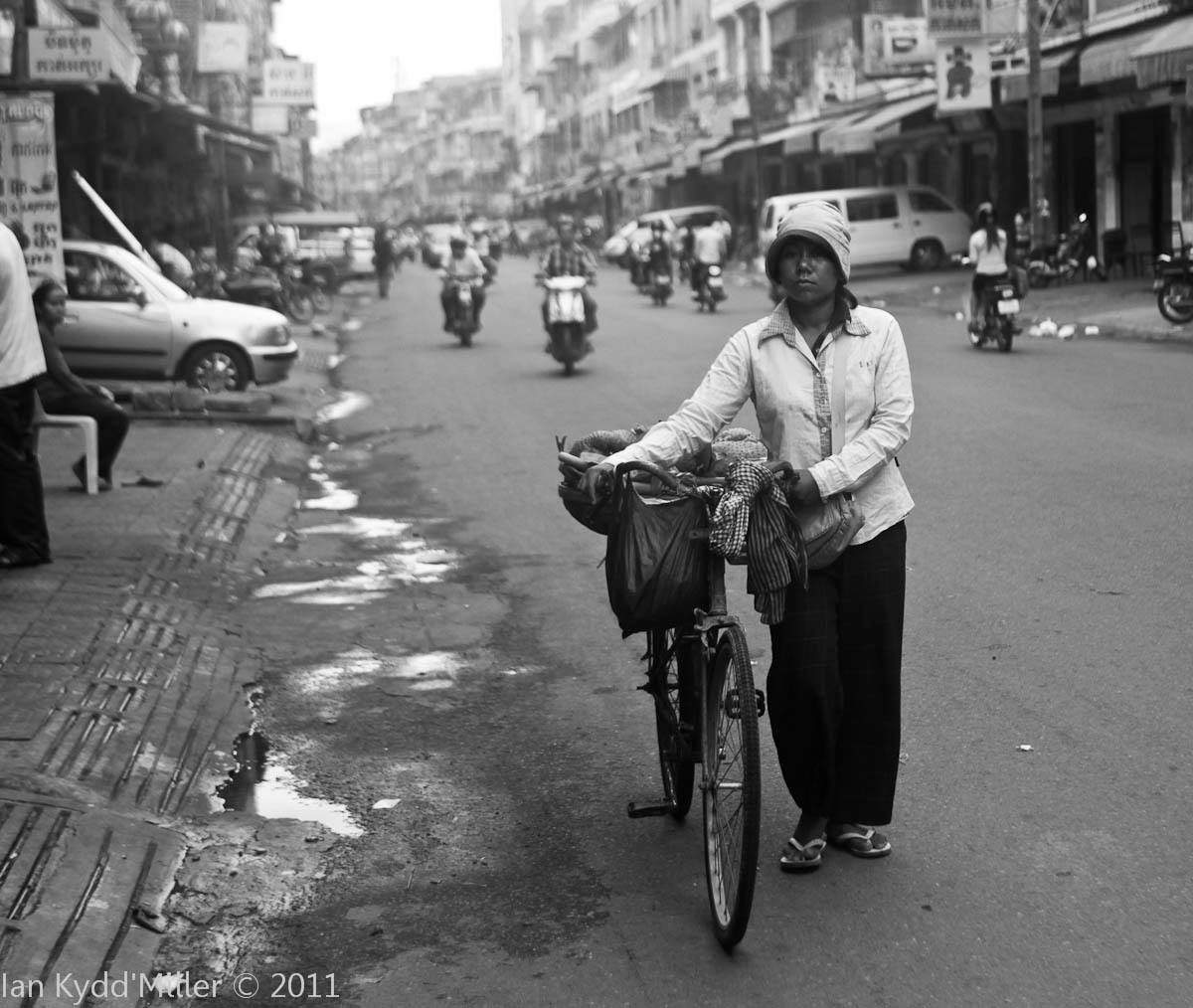
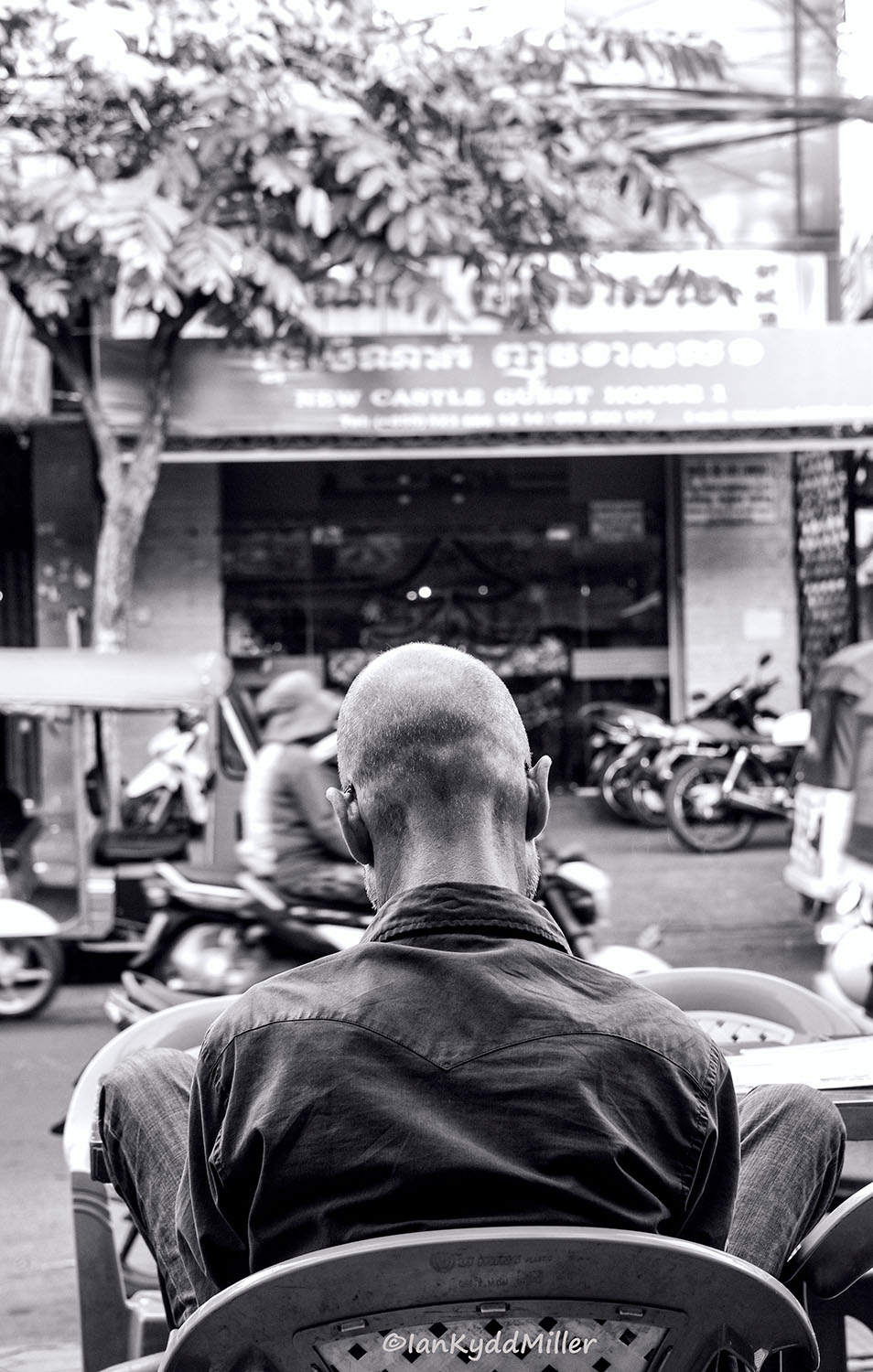
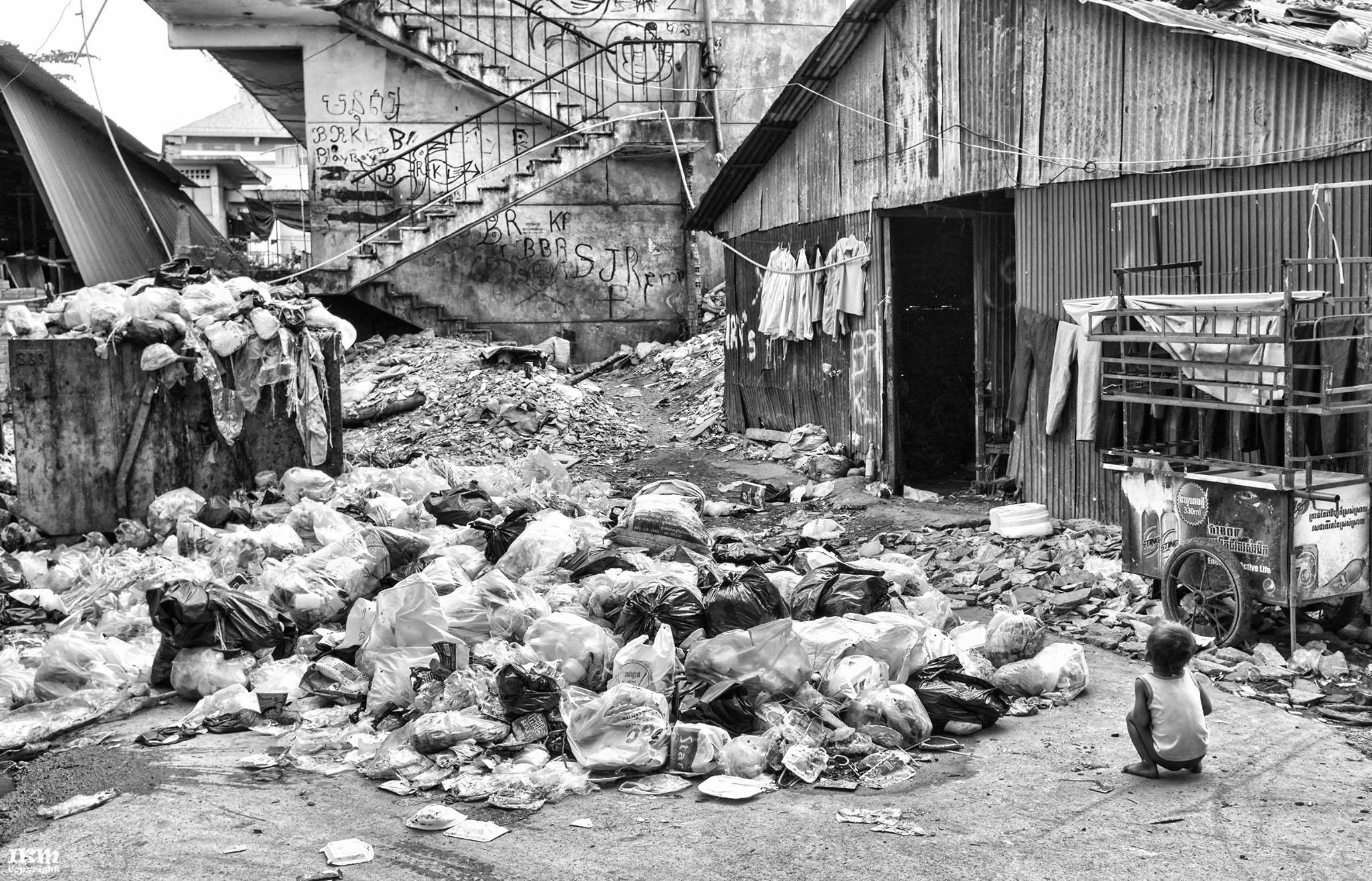
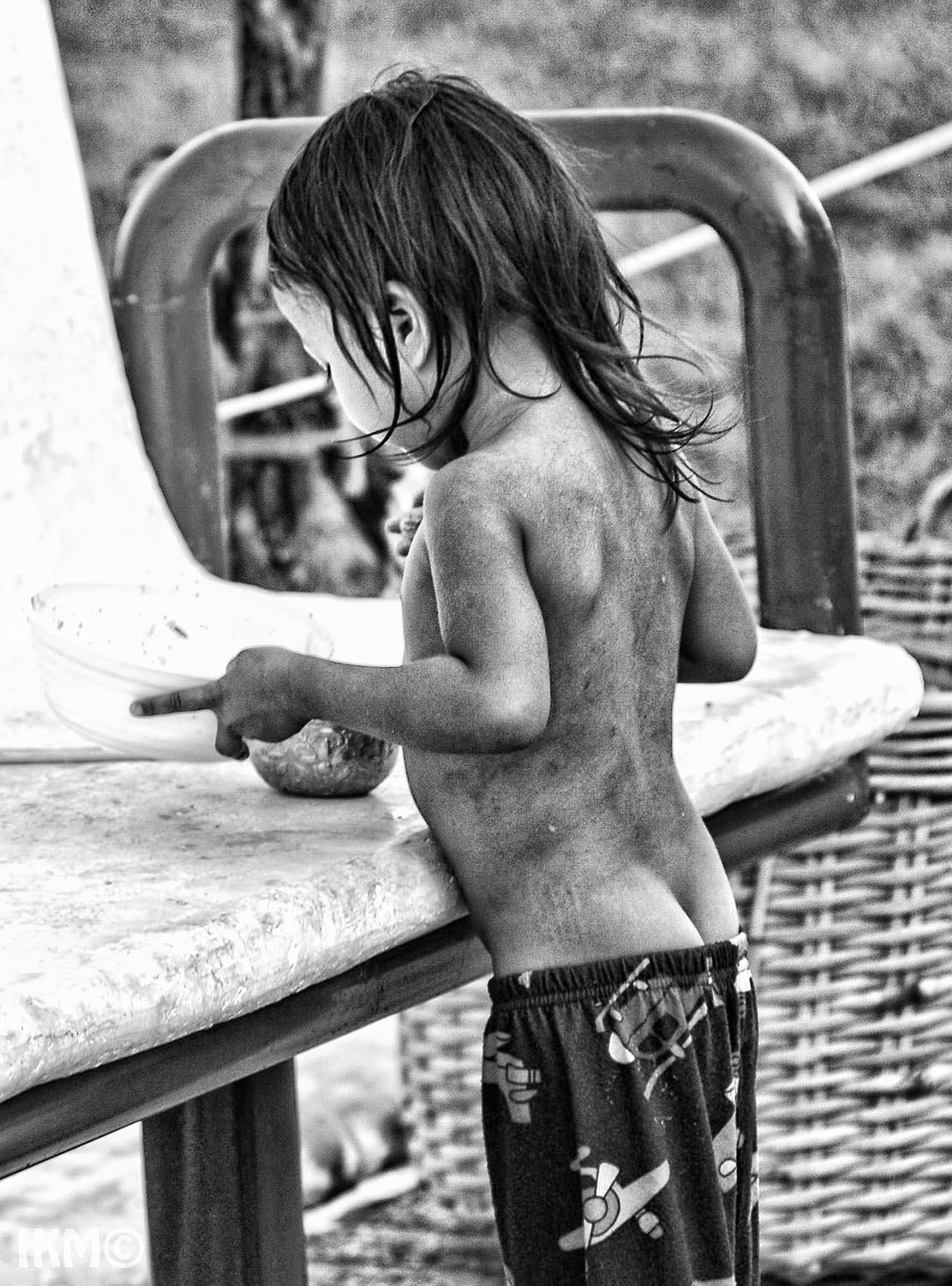
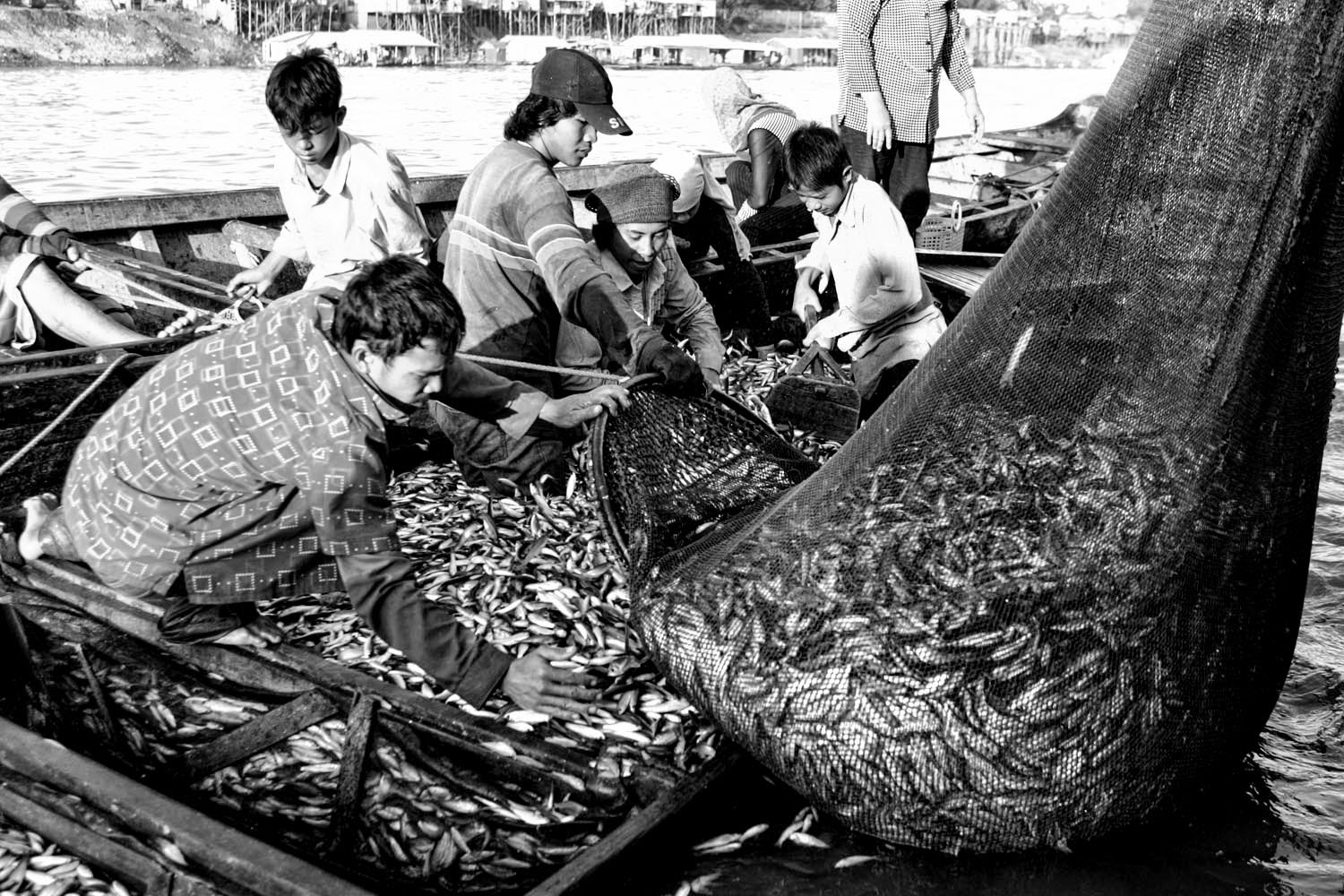
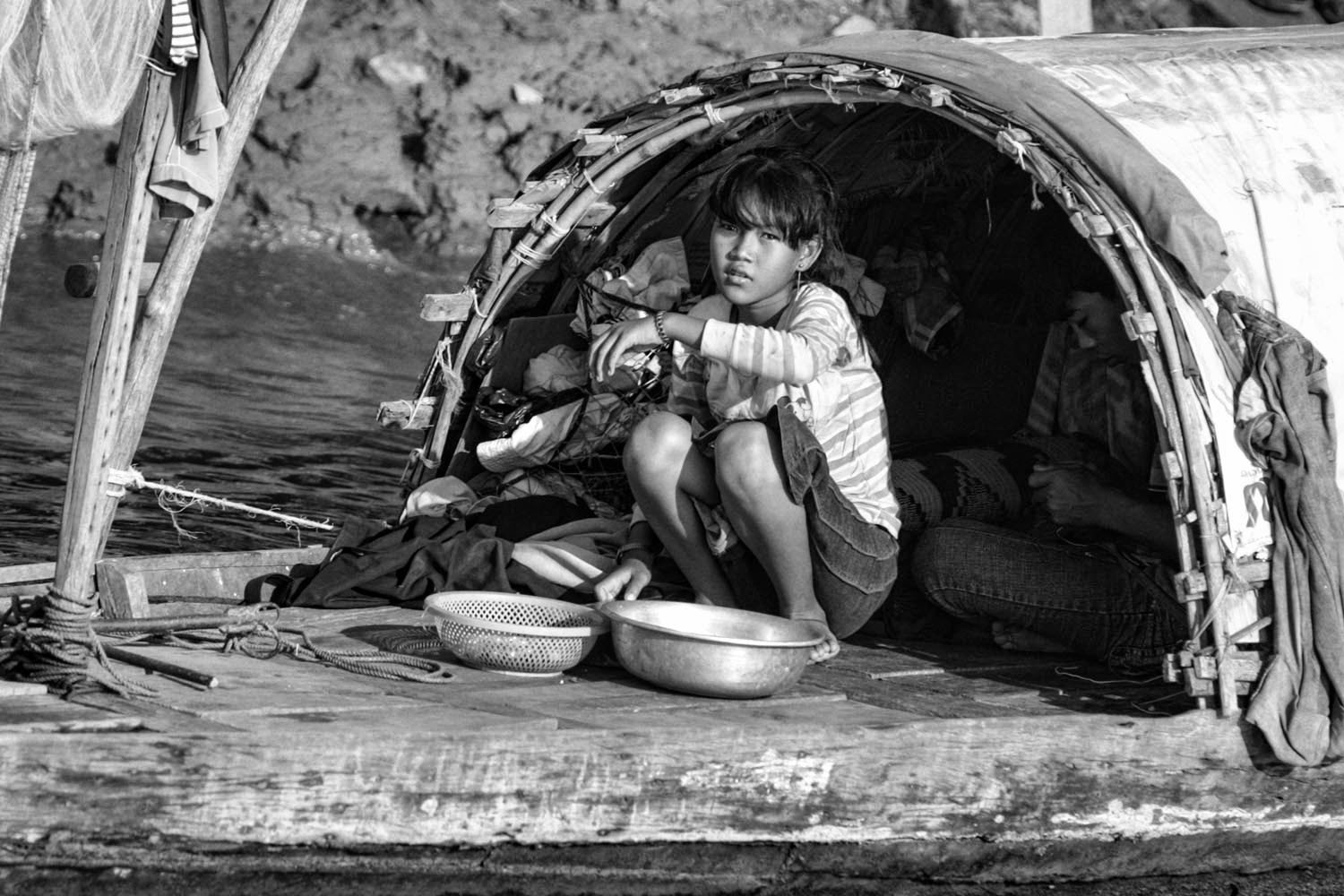
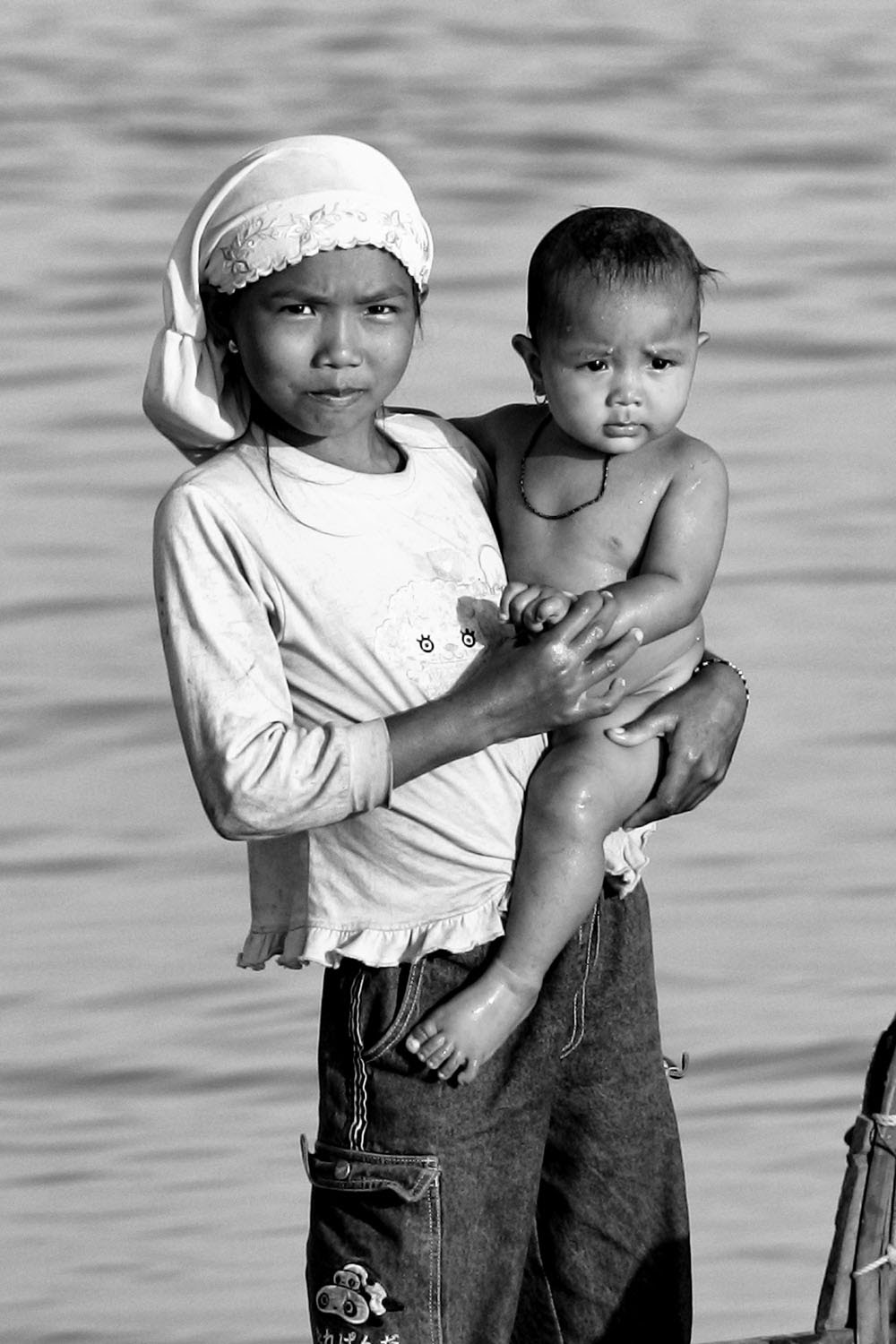
Wandering the wet markets of Phnom Penh,and watching the people go about their hard daily lives. is my not so secret obsession.

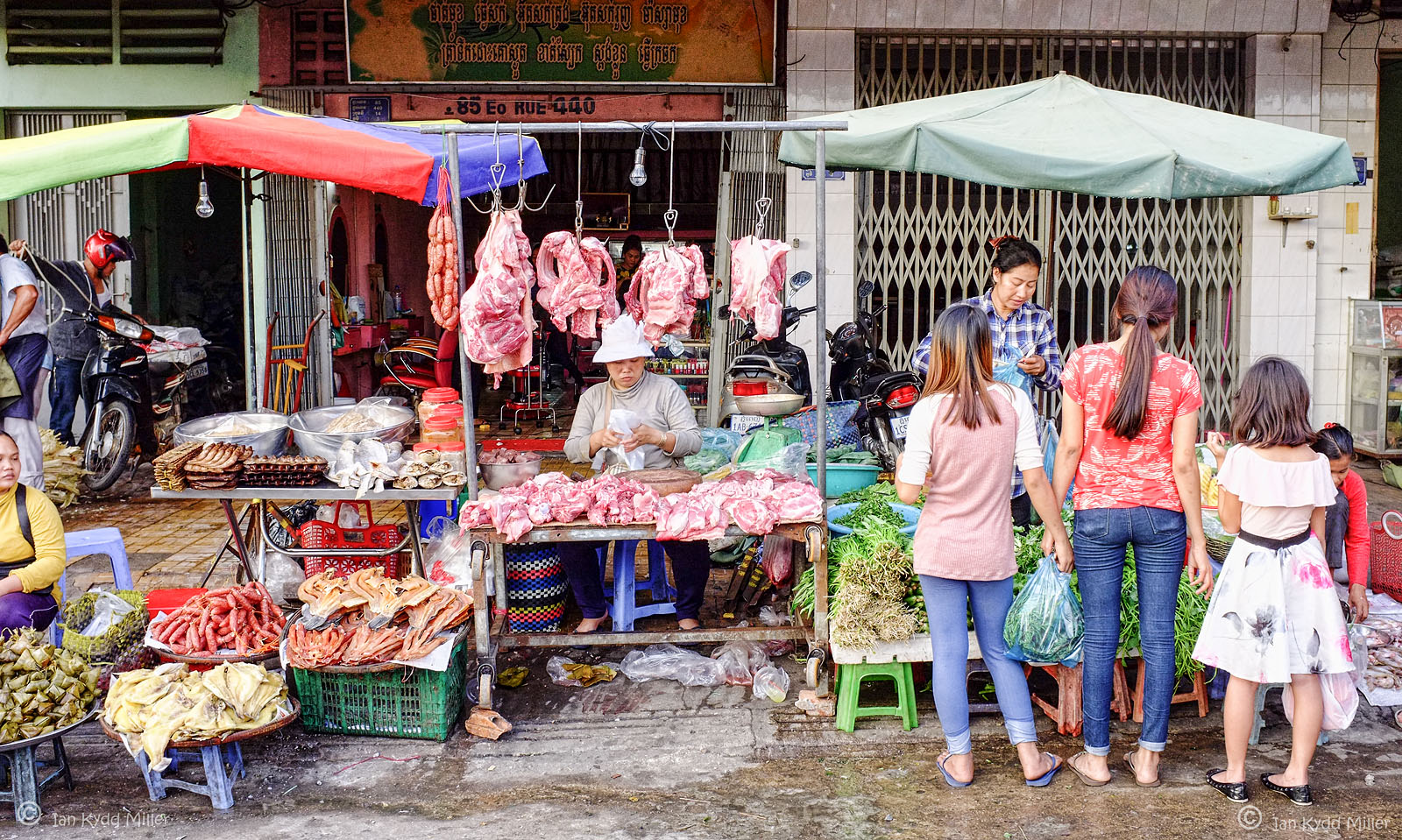


These people appear to have such hard lives, they work constantly and I have the privaledge of documents that time to the best of my ability.
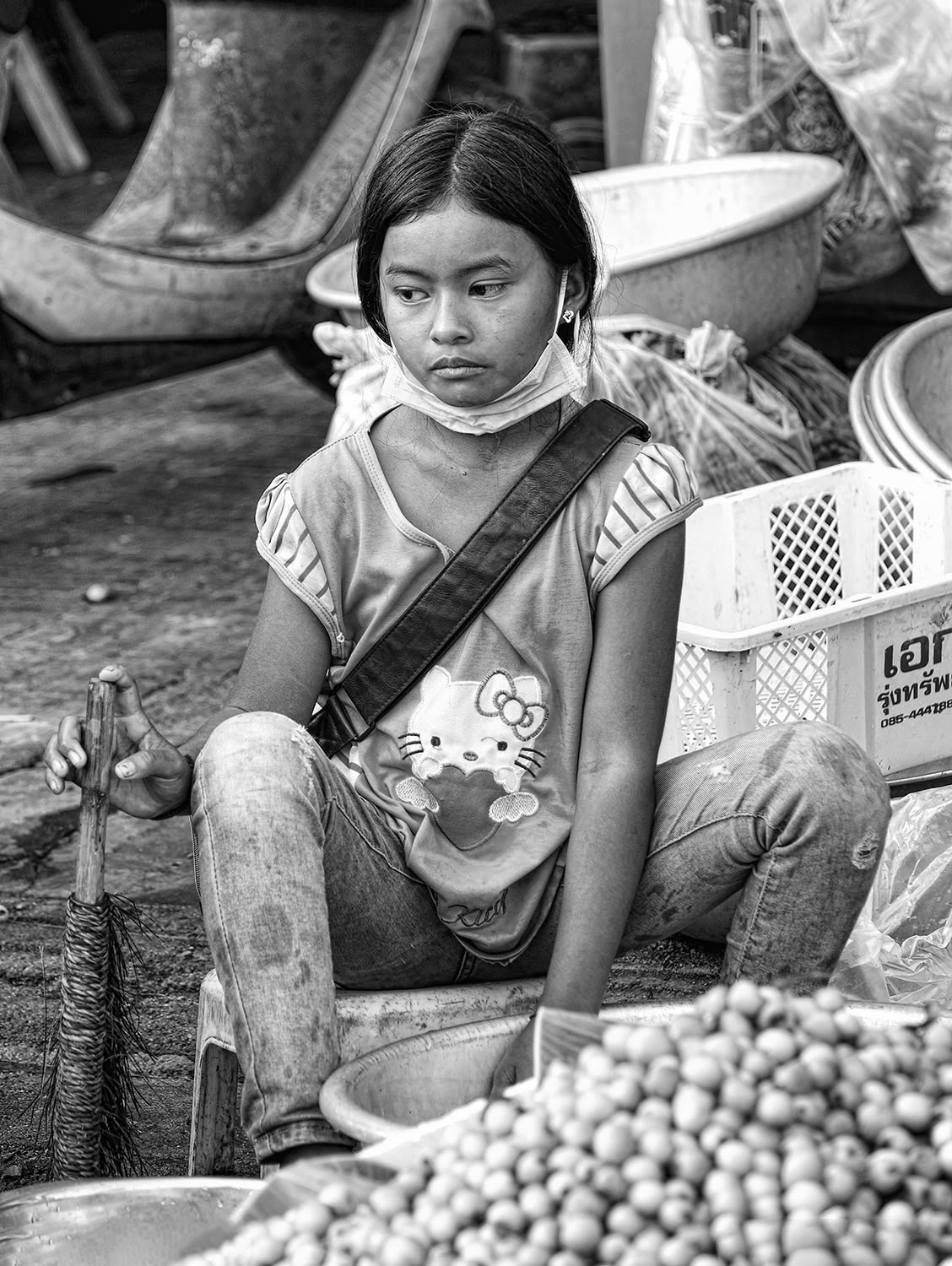

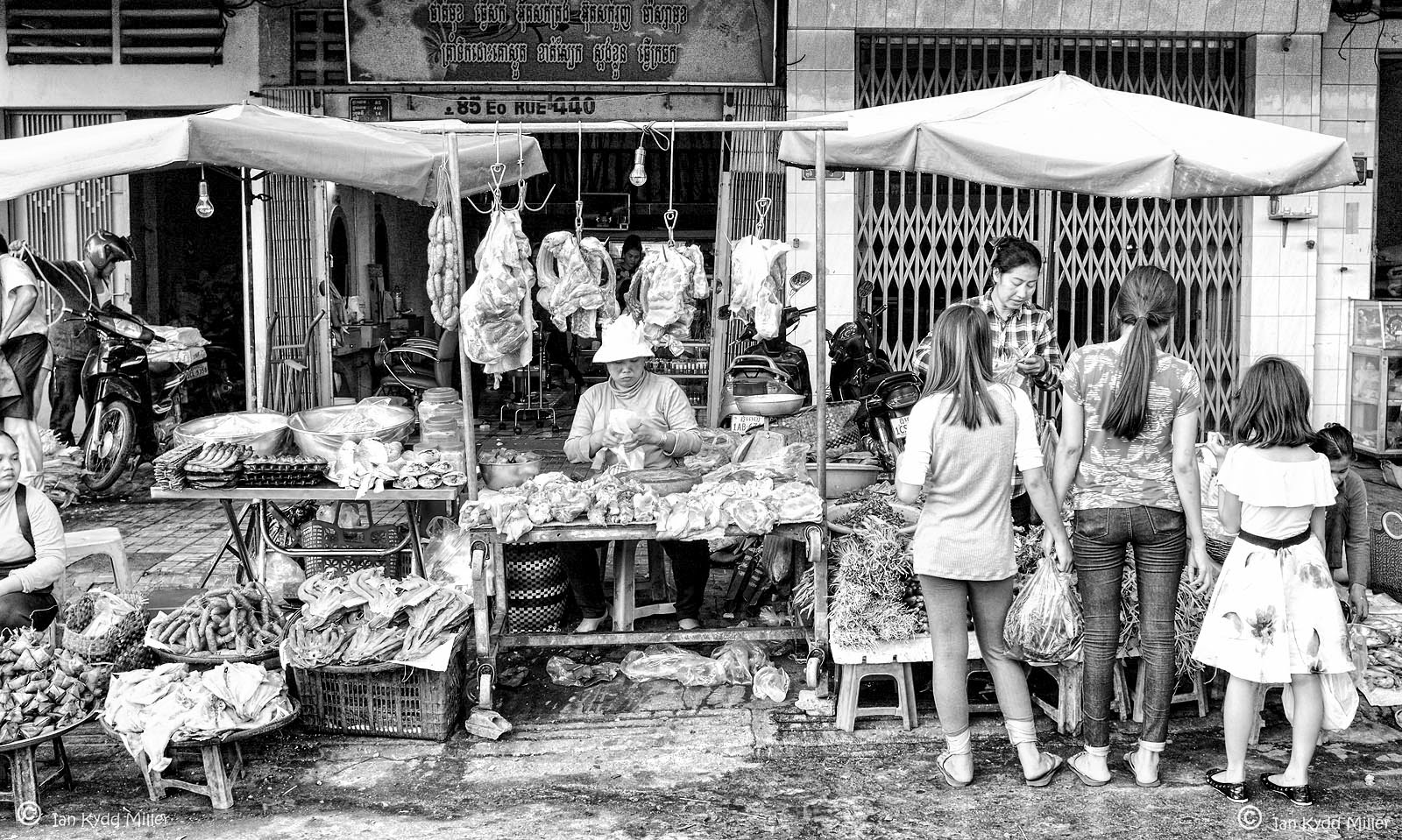


Man, Woman and child all working and trying to make a decent life for themselves. Up early close late. Fresh fruit and Vegitables, live fish and sea food, freshly slaughtered pigs and live chickens all to be made ready for those who buy.

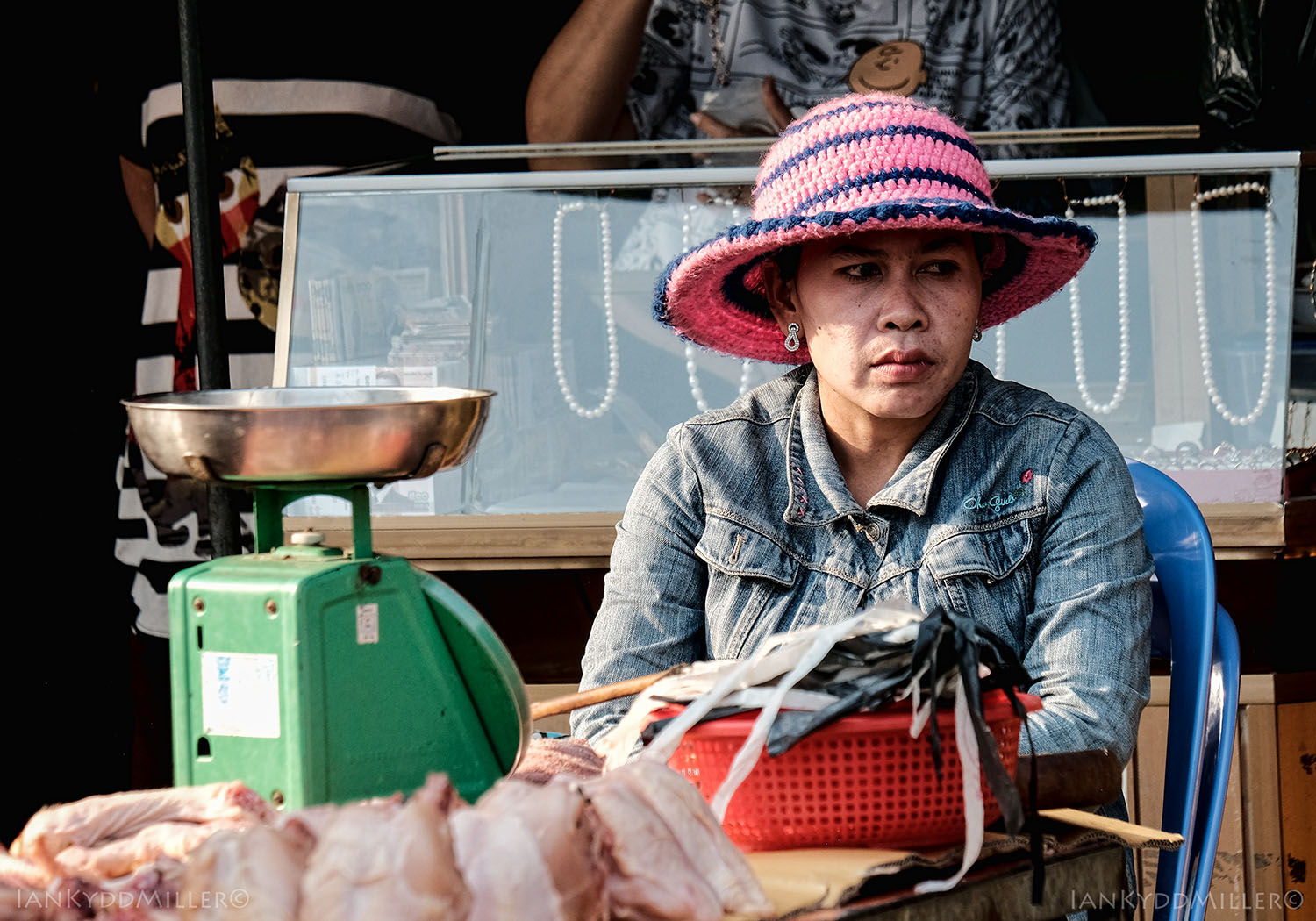
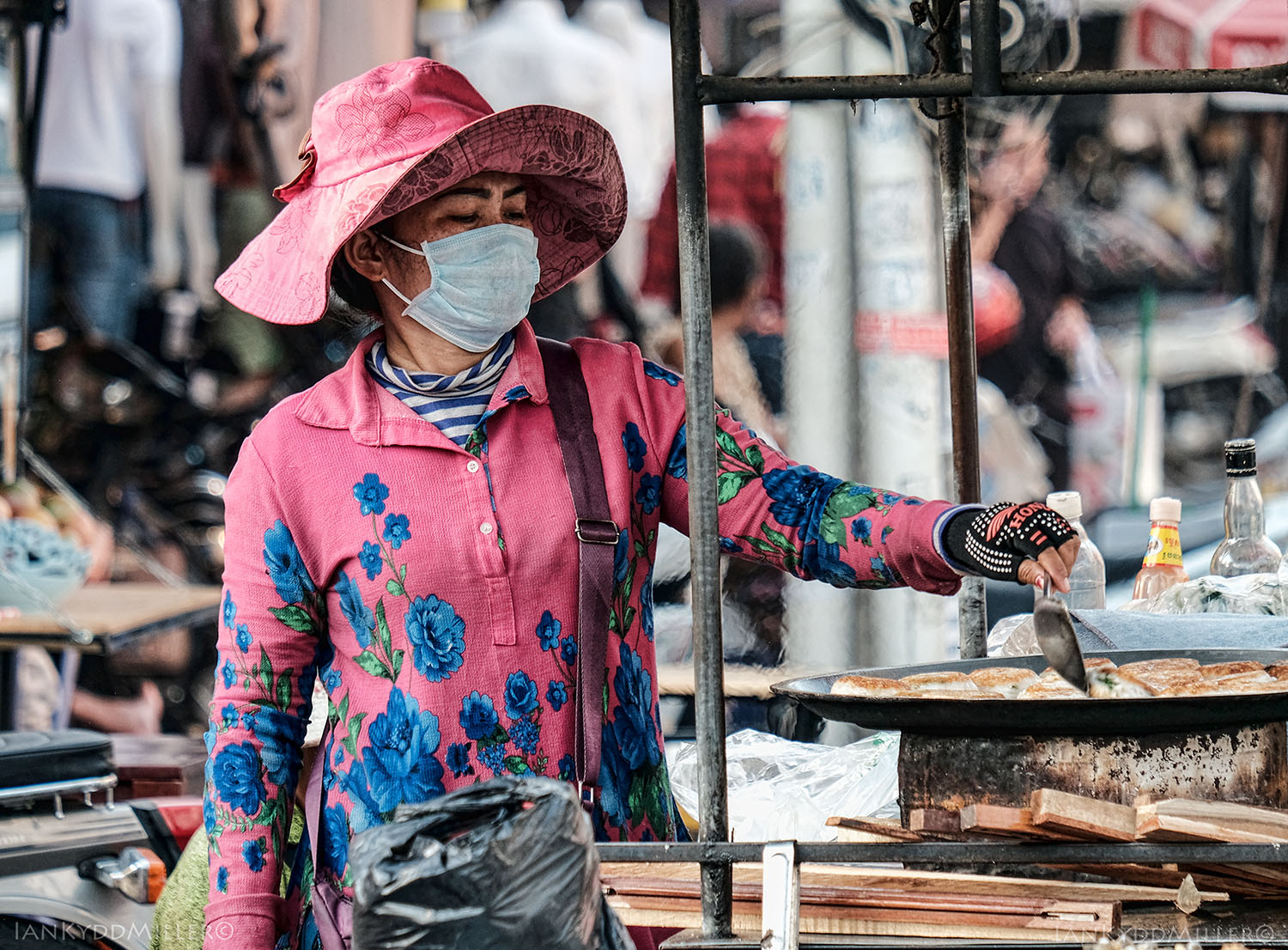
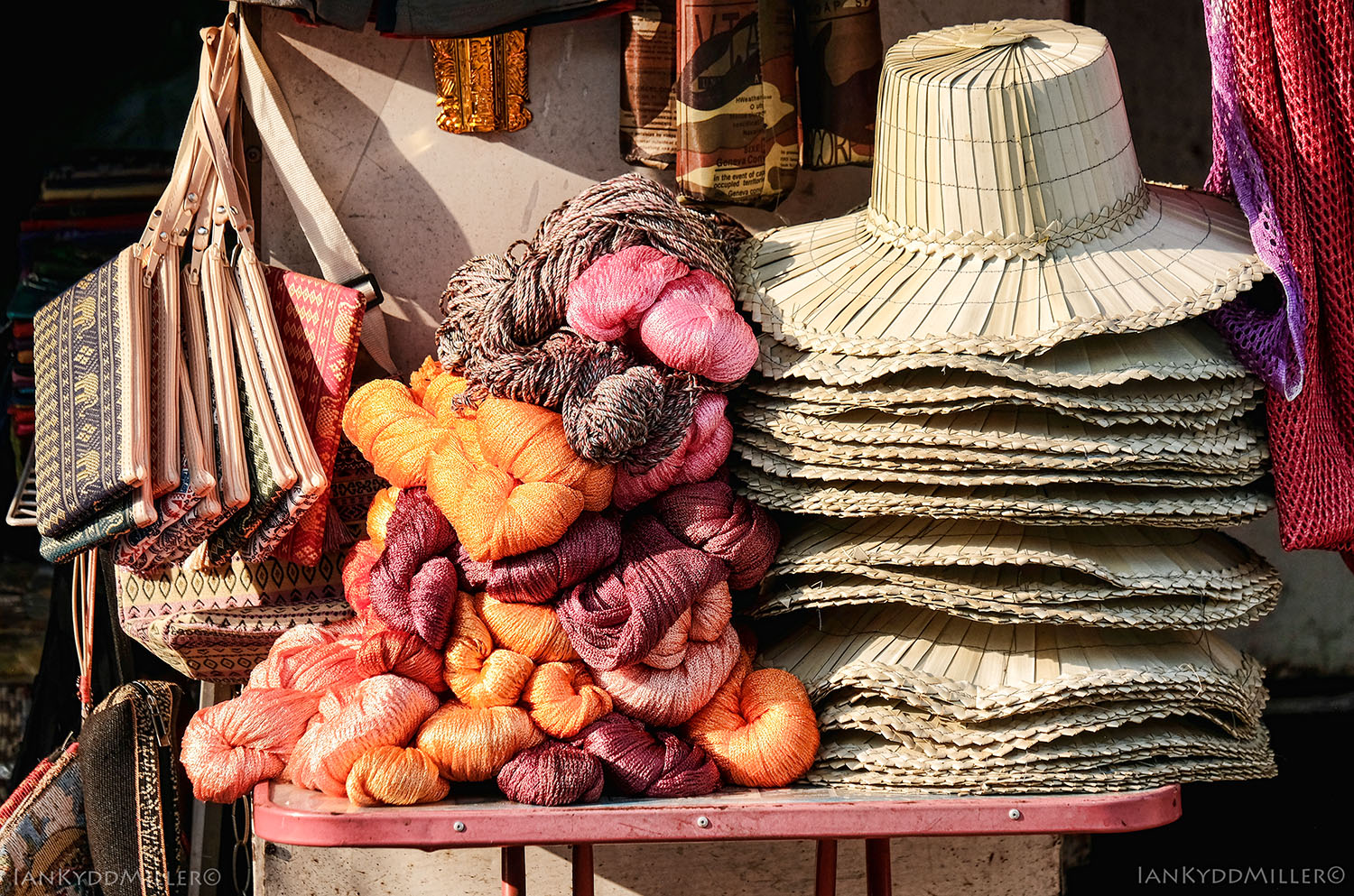


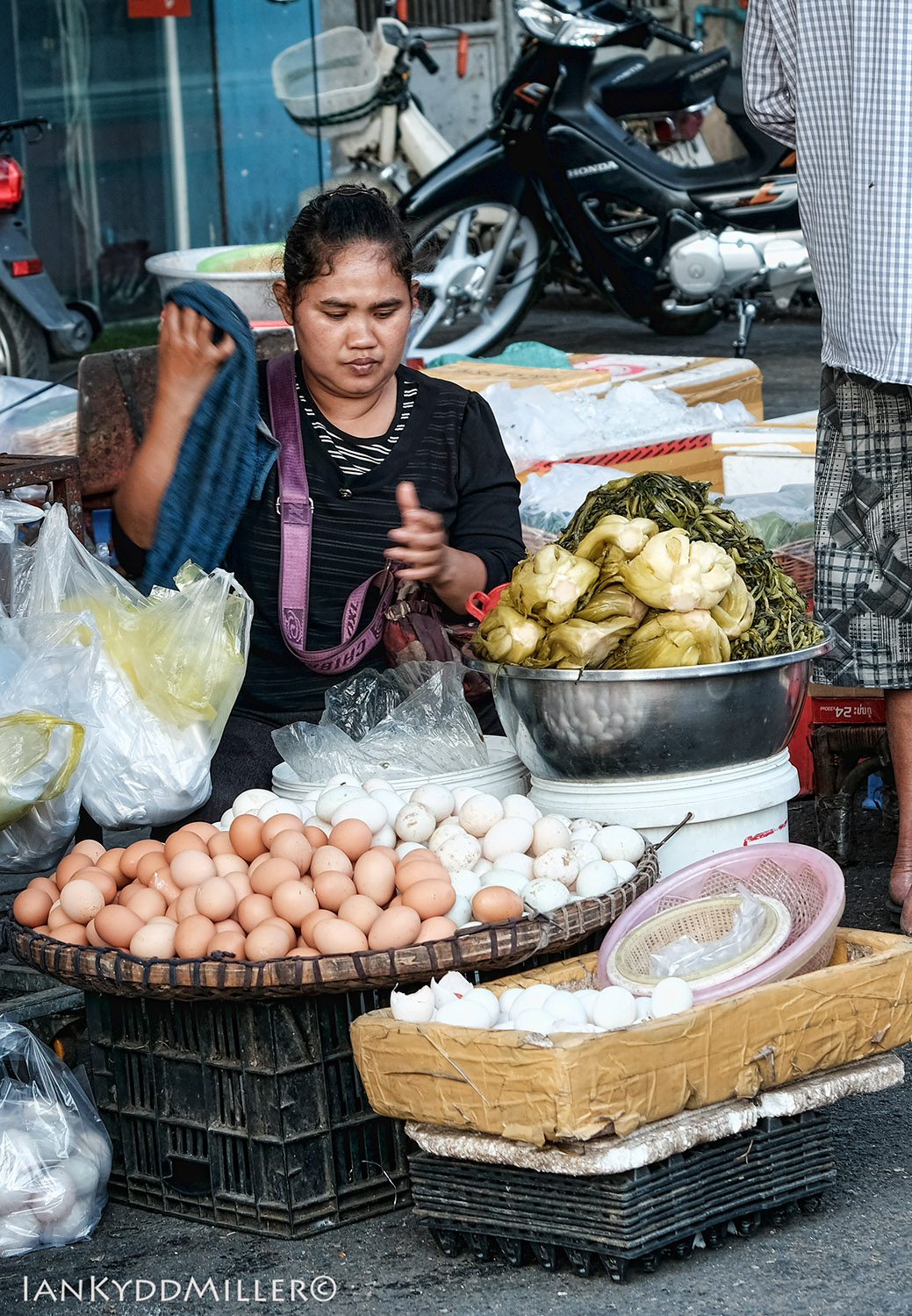


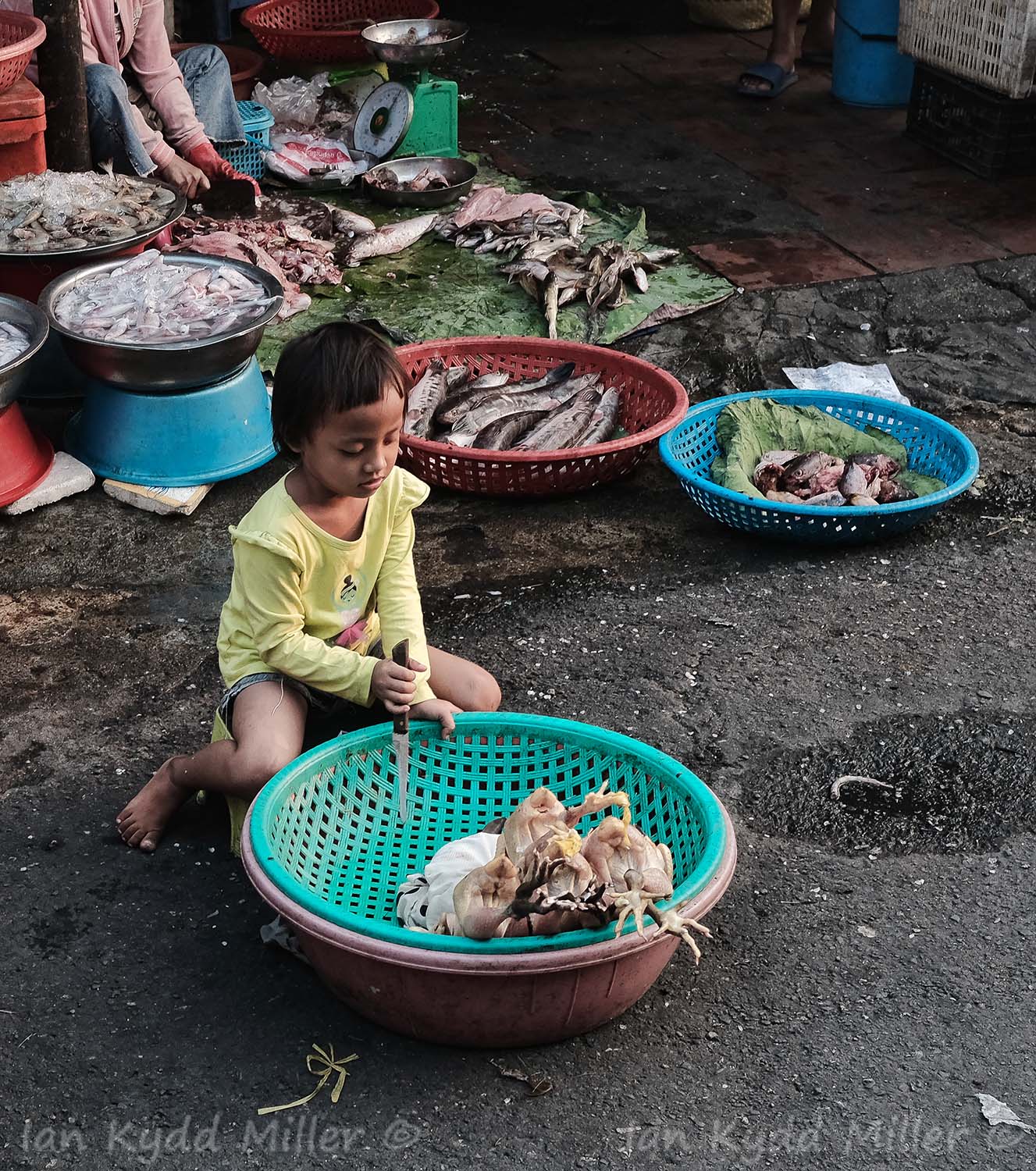
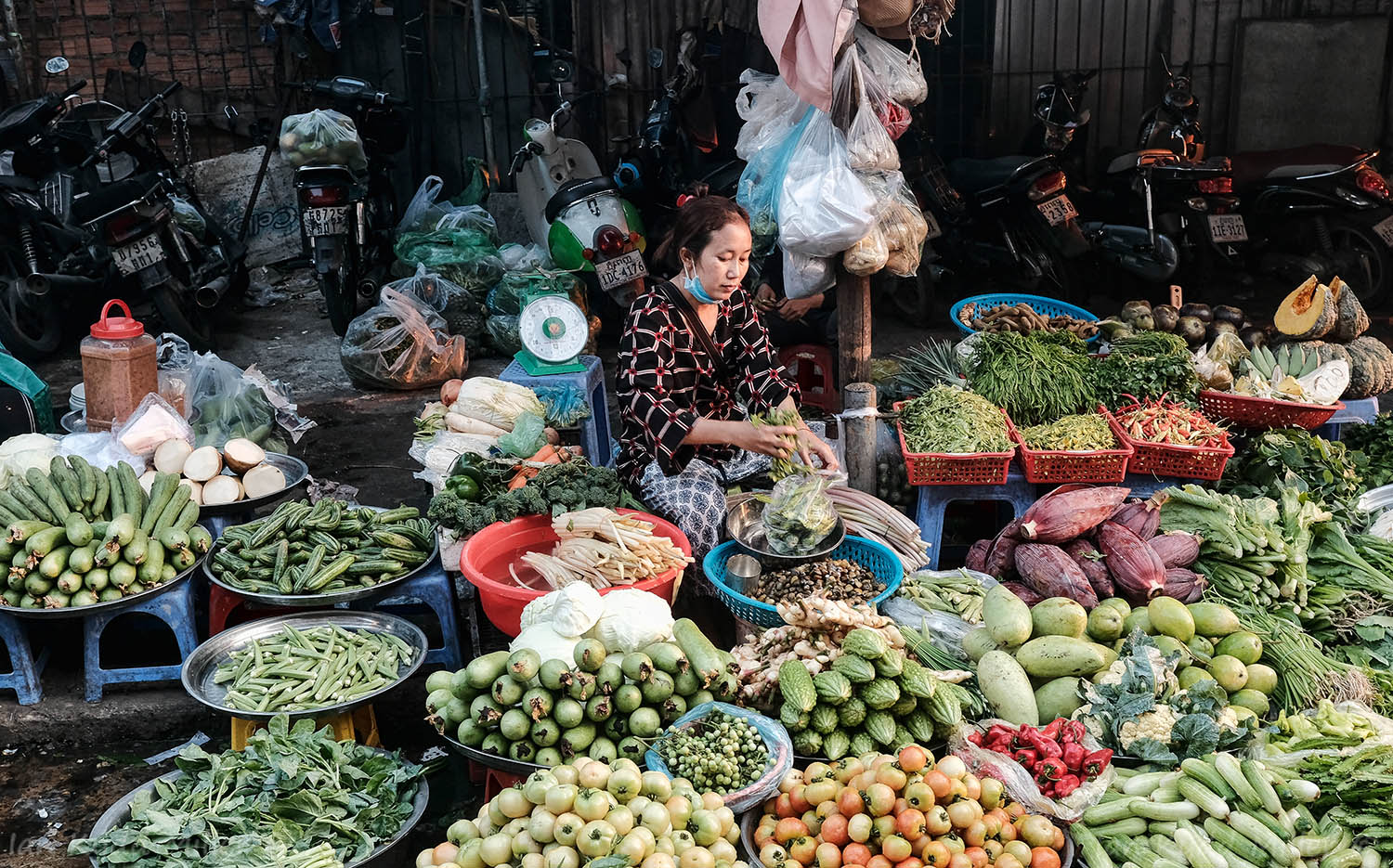
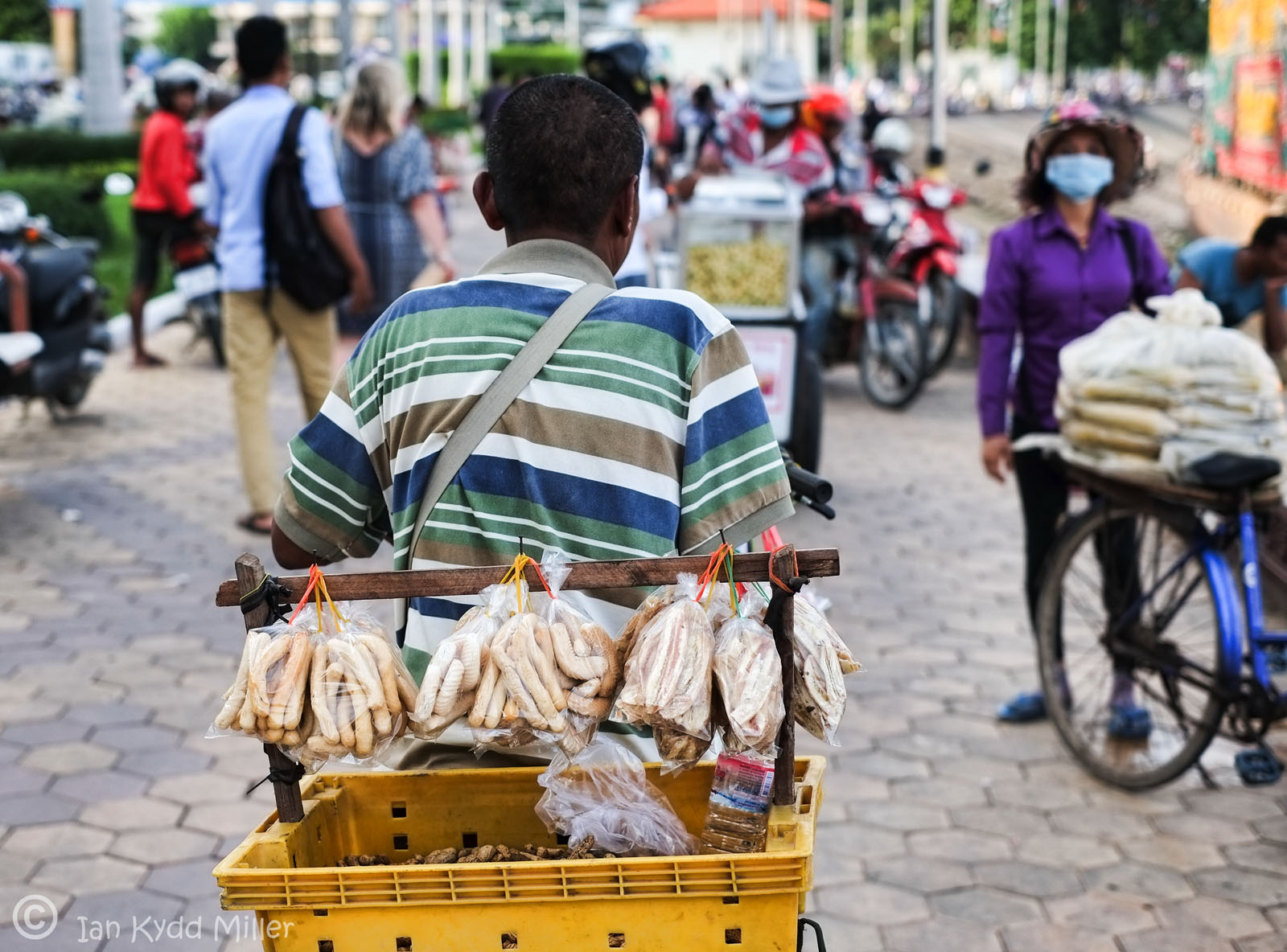


This is my ongoing obsessional project

Artist Anna Wacker is the Edge of Humanity Magazine contributor of these images. From the series ‘Art in the Ship Graveyard’. To see Anna’s body of work, click on any photograph. Run Before The Wind Cape Horn Fever Old Salt Corsair Pirate One can find the most fascinating…
Vibrant Ship Graveyard — Edge of Humanity Magazine
In these days because of the Covid pandemic and the restrictions in movement you may find yourself unable, or unwilling, to venture out and take new images. Now is a good time to gather your previous years of images and look for images that you may not have worked on before or need to be redone.
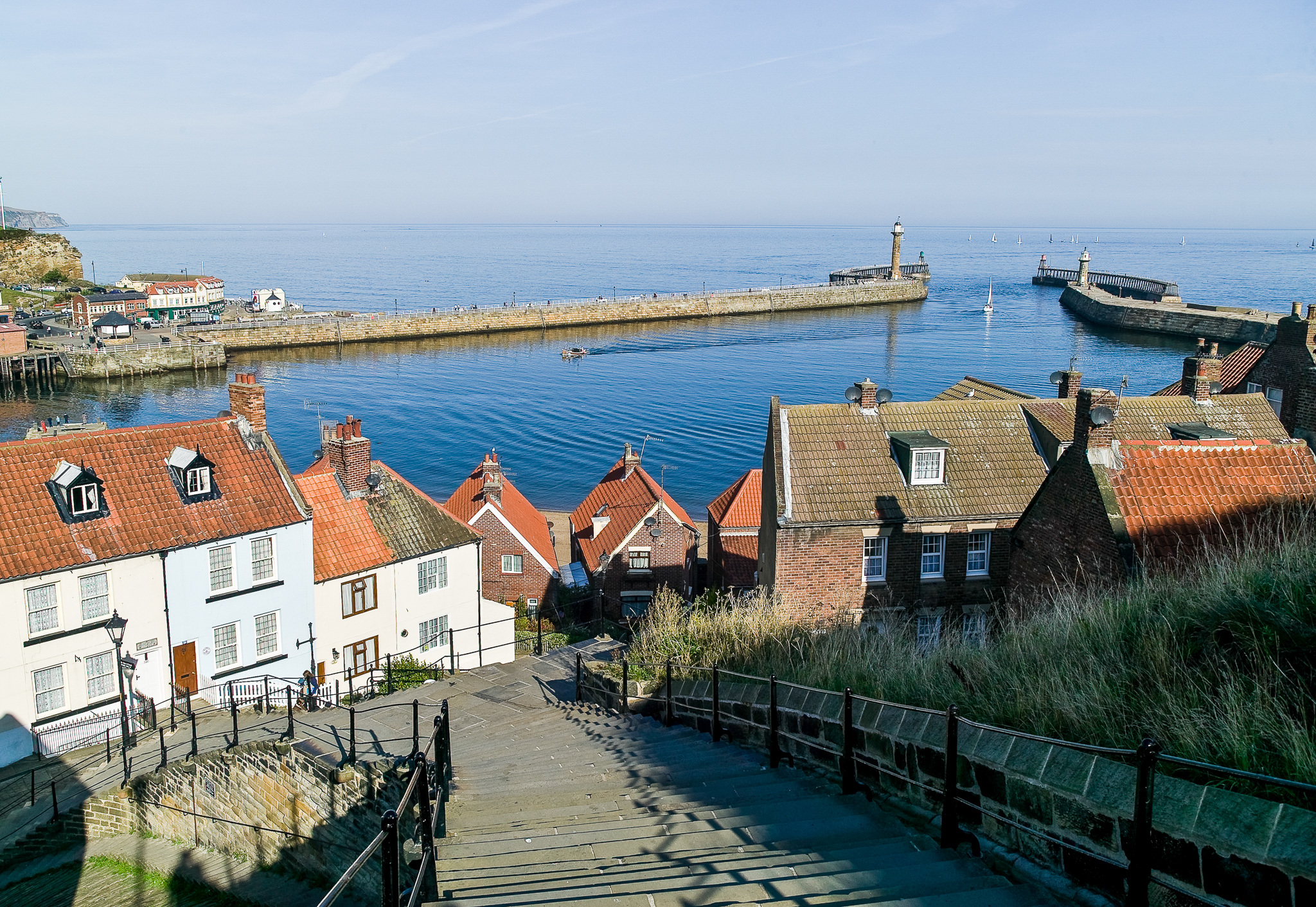
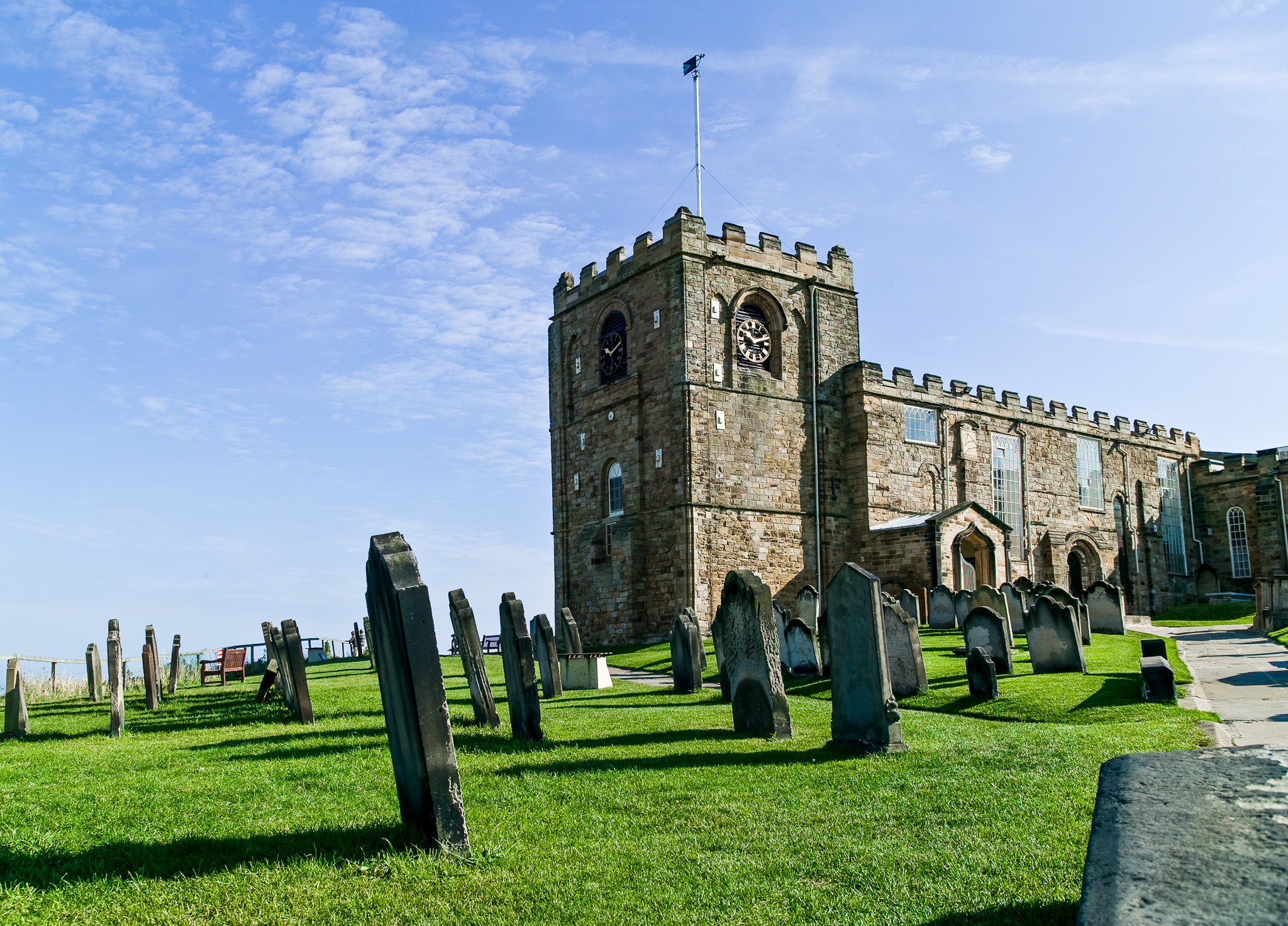


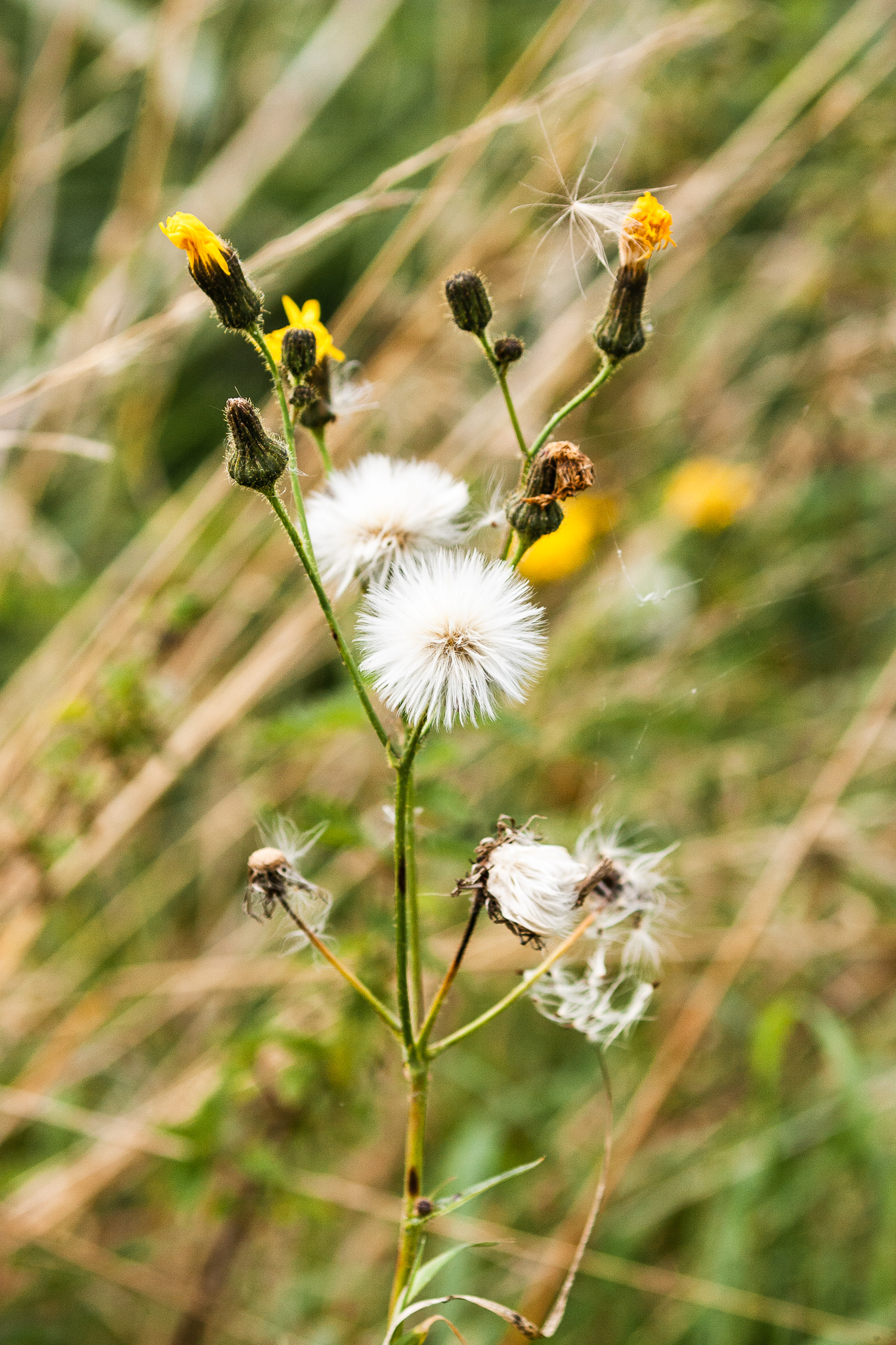


Too this end I have rediscoved images that I had forgotten about or just wanted to have another go at processing them differently. I have many 100’s of thousands of images that I feel deserved to be looked over again and now have the time to do it because of Covid.








When I scour my images I try to find images that I may have overlooked in my initial high grading and use them as a basis for tracking other images down. I have about 7TB of images stored and there are many that have never been really looked at (or printed).





In this diminutive bag I can carry all I need for a days street shooting. Two bodies, three lenses and four spare batteries.

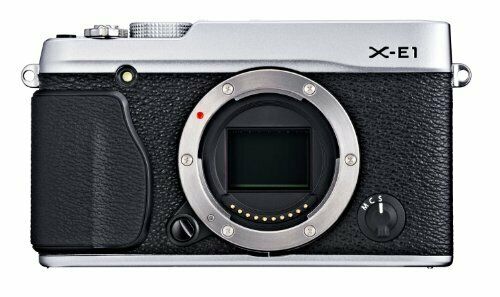
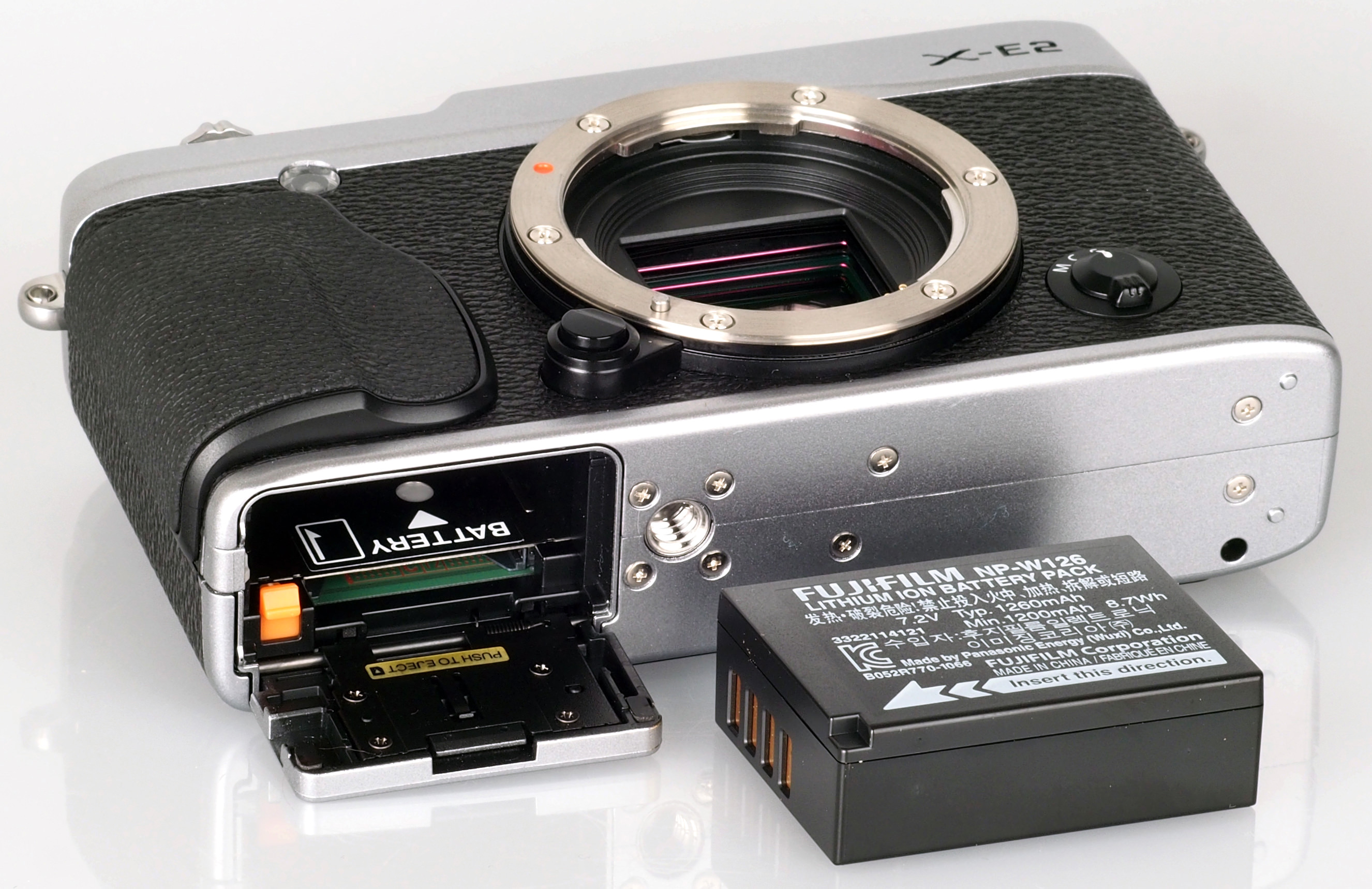
The essence of this kit is its lightweight but the capability to produce HQ images. It is also much less obvious and attracts less attention from those who may be in the shot. The APS-C sensor in the X-E1 helps this relatively small camera shoot serious DSLR-quality photographs. Even at ISOs as high as 6400, the photographs are usable. The colours are accurate, and I was initially surprised at how little noise there is in the frame relative to how high the sensitivity is. The X-E1 is in essence a slimmed-down X-Pro1, with the large, complex and expensive hybrid finder replaced by a purely electronic viewfinder. Not any old EVF though – it uses a 2.36M dot OLED unit, out-speccing the X-Pro1’s 1.44M dot LCD finder. The X-E2 is superficially very similar to the X-E1, with the same basic body design and control layout; at a quick glance, it’s almost impossible to tell them apart. It keeps the same top-plate layout, including analogue shutter speed and exposure compensation dials, and has the same 2.36M dot OLED electronic viewfinder. The rear of the camera is still covered in buttons in much the same places as the X-E1, but their functions have been rearranged. The X-E2 sports the same X-Trans CMOS II sensor as we first saw in the X100S, which includes on-chip phase detection elements for autofocus, and in concert with the EXR Processor II promises much-improved autofocus speed. It also gains Fujifilm’s rather basic but easy-to-use Wi-Fi system for sharing images. There’s also a much nicer rear screen: a 3″, 1.04M dot 3:2 aspect ratio unit, and a whole host of further tweaks and improvements. The net result is a camera that retains all the best bits of its predecessor, but has also been improved in many respects. The X-E2 – not revolutionary, but distinctly evolved. Two nice cameras to use.
Fujifilm X-E1 Specifications
Batteries are important (extra) as both these little beast can be power-hungry. Battery life is rated at 350 shots according to Fujifilm / CIPA test results, an improvement over the X-Pro1. The XE2 sports the same battery life around 350 per full battery. With a couple of spare batteries more than enough for me. Both cameras use the same batteries which is a plus.
My favourite lens, foe street shots, on the XE2 is the XF Fujicron 18mm f2, a vastly underrated lens but capable of excellent results for me with this camera. The XE2 is my primary camera, with the XE1 acting as a very good reserve. Both are very capable but the focus is a little snappier of the XE2 but not by much after upgrading the firmware.
The Fujifilm Fujicron XF 18mm F2 R has some marks in its favour. It’s quite small and light, covers a classic wide field of view, gathers a heck of a lot of light, and focuses close enough for most shots you want to capture with a 27mm equivalent lens.


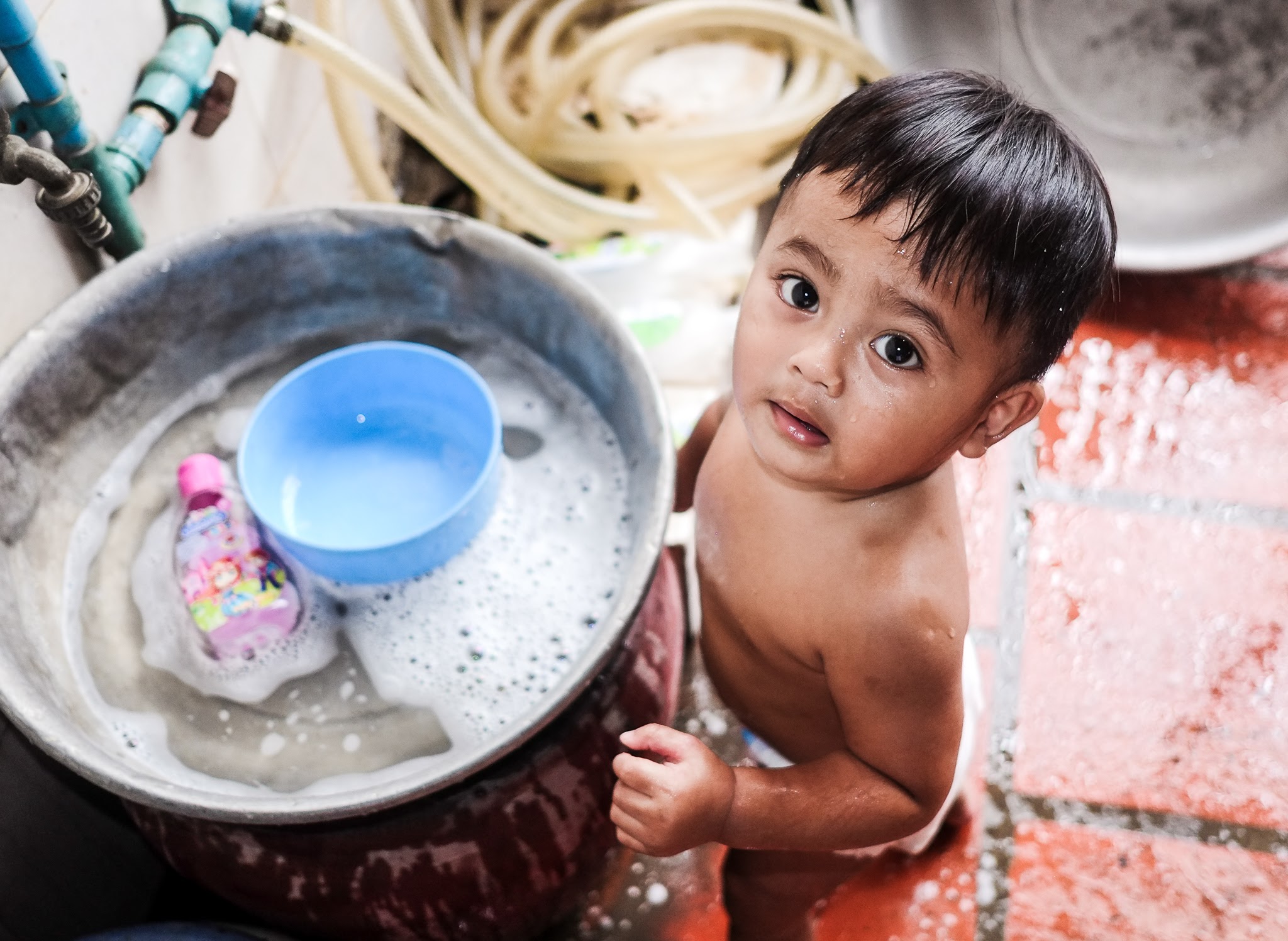
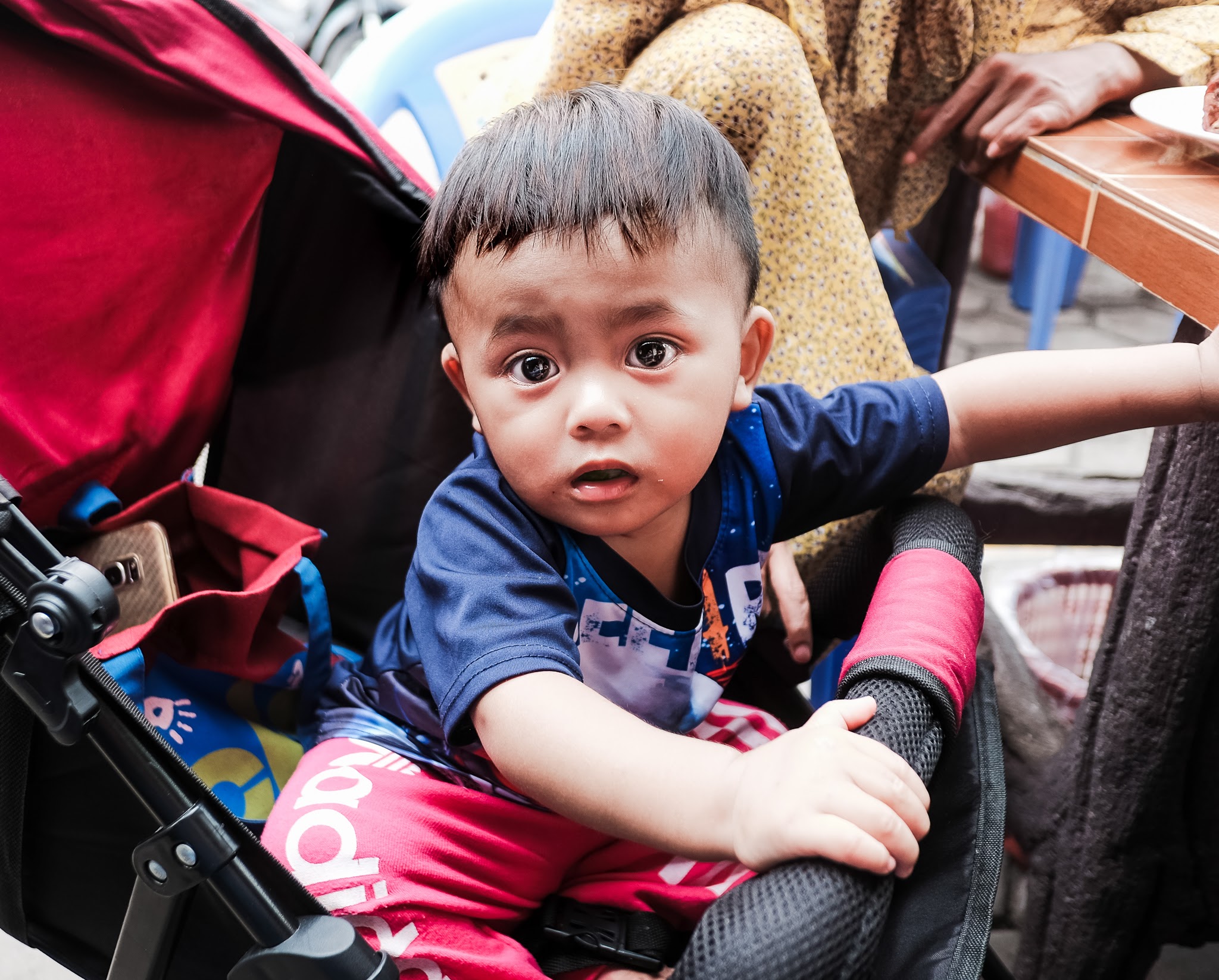
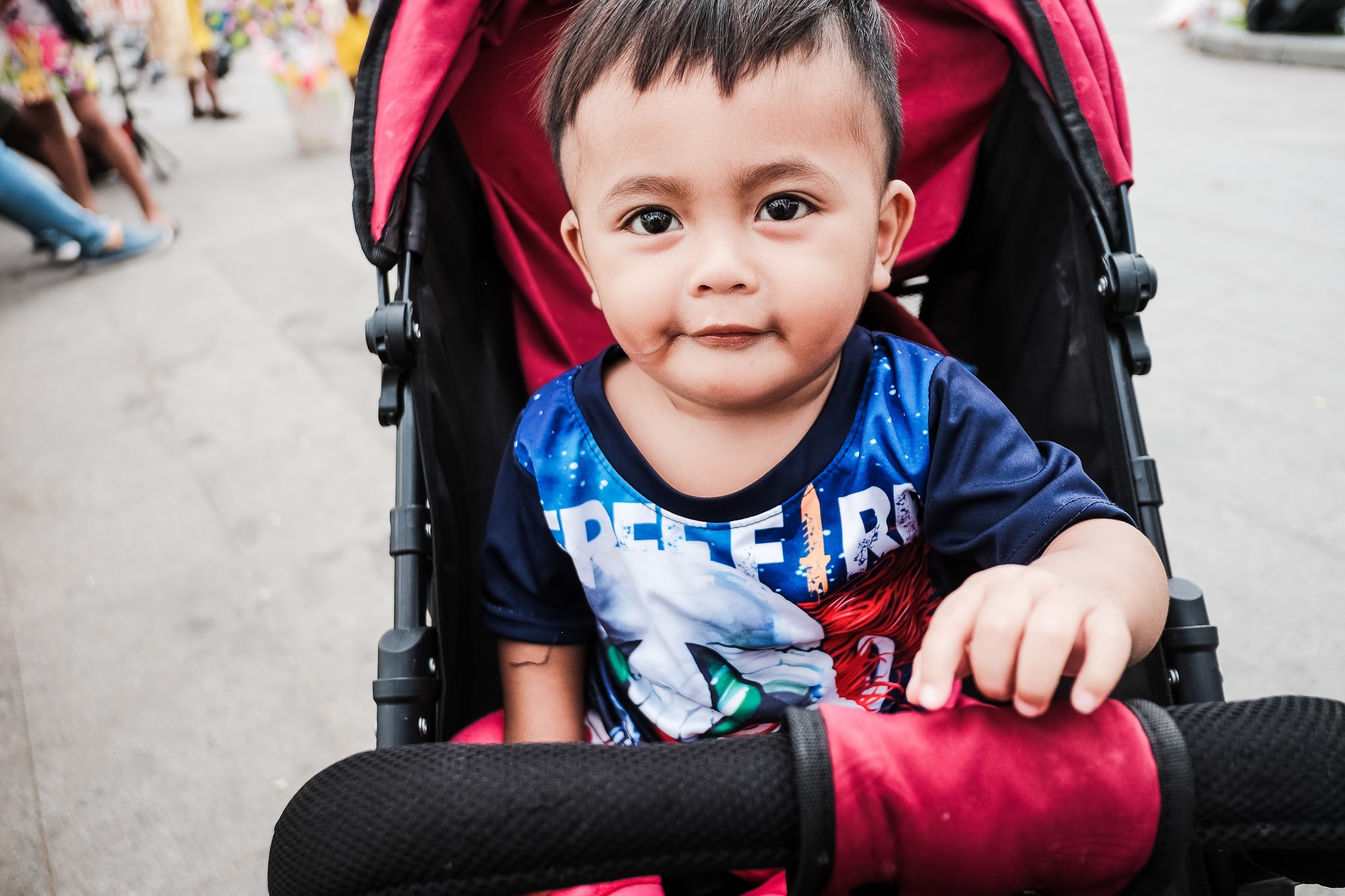
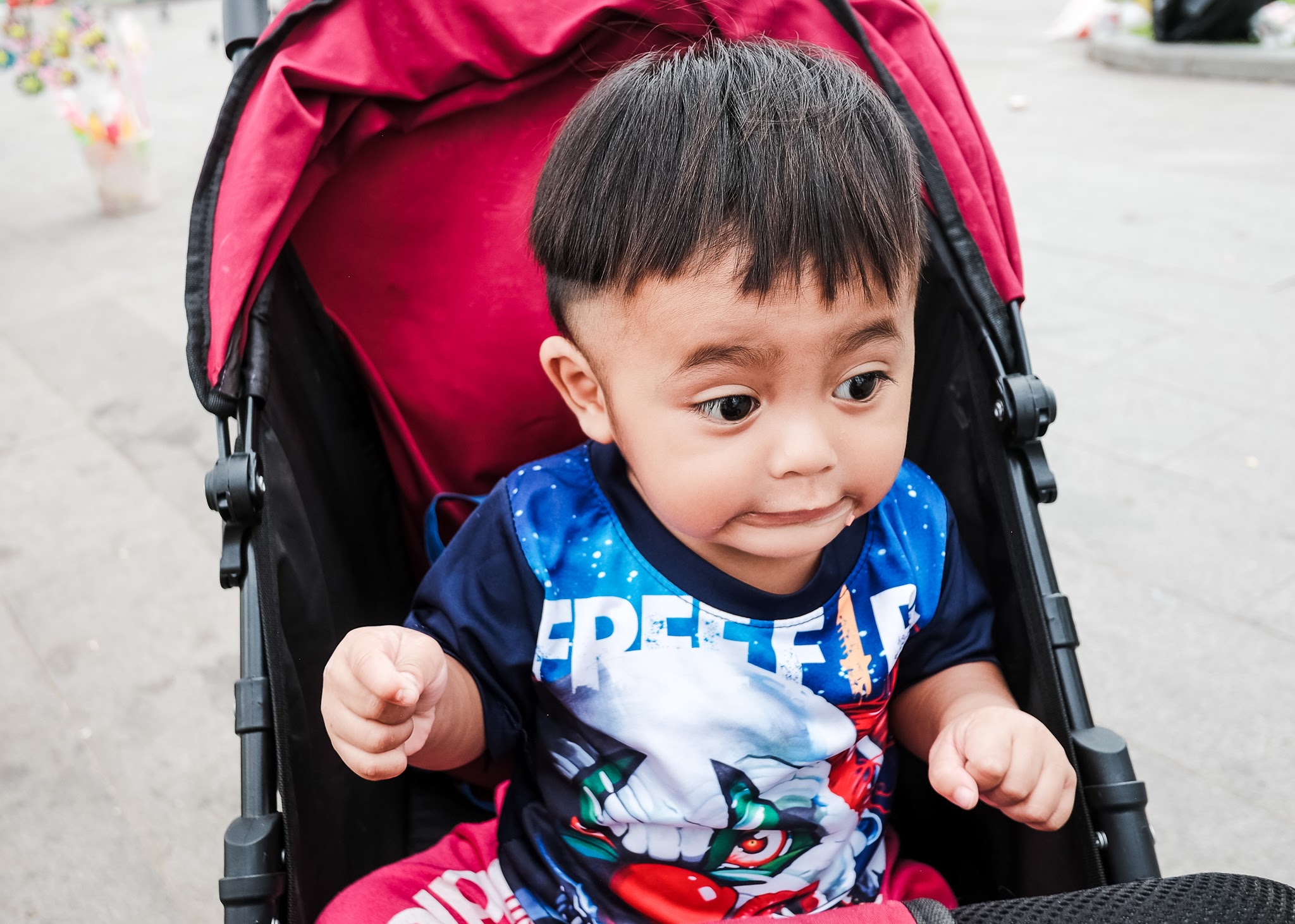
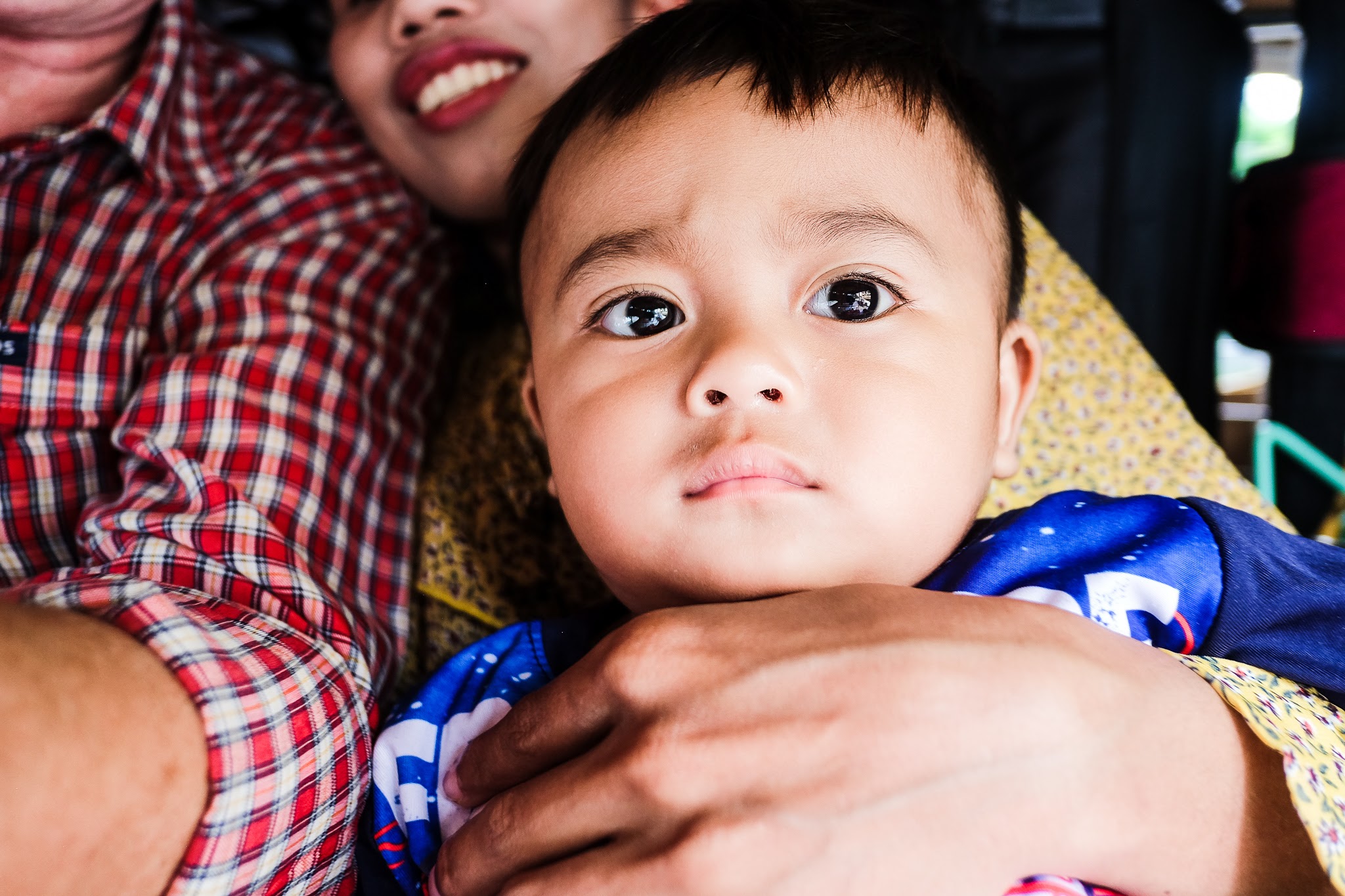


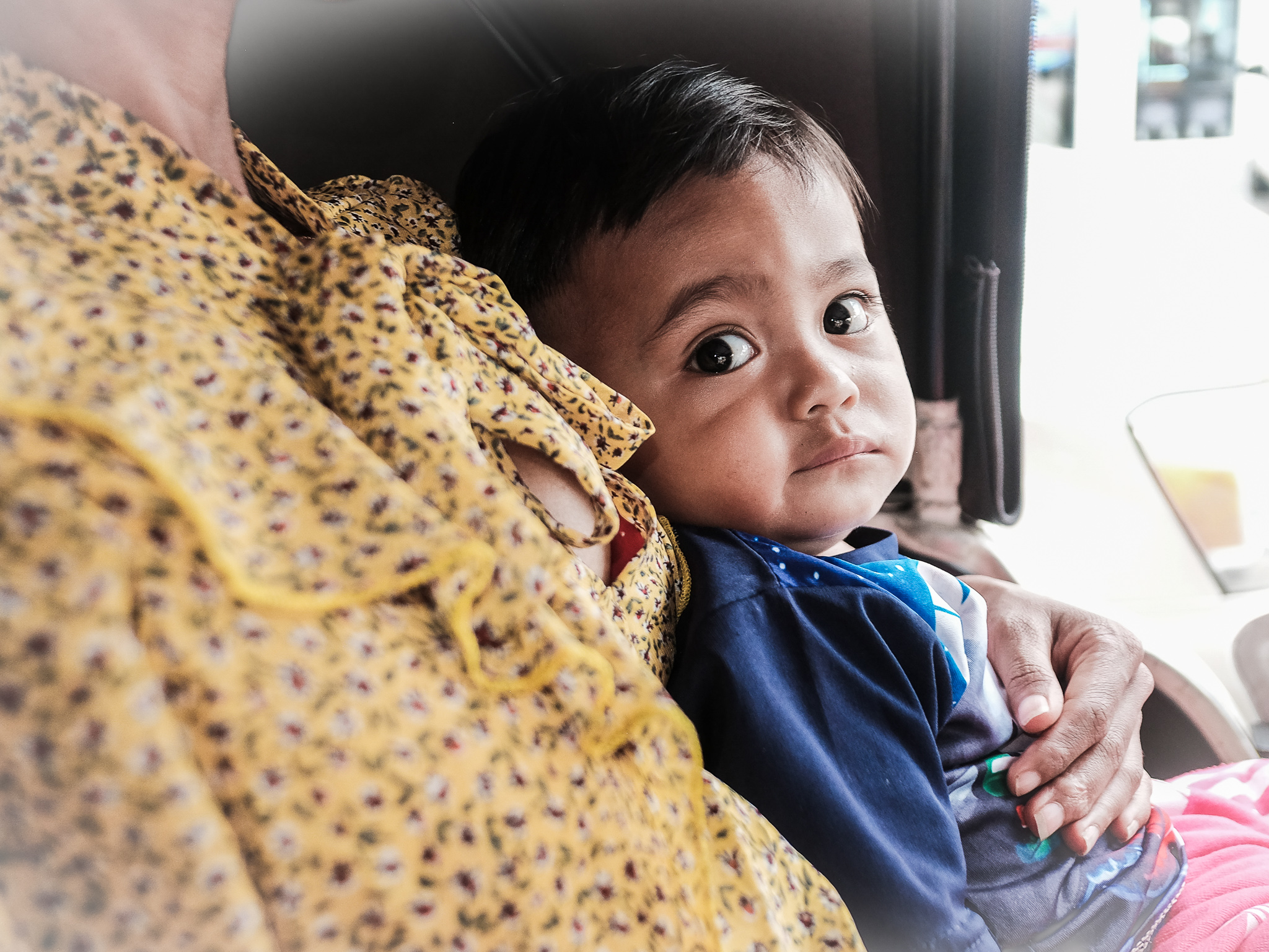

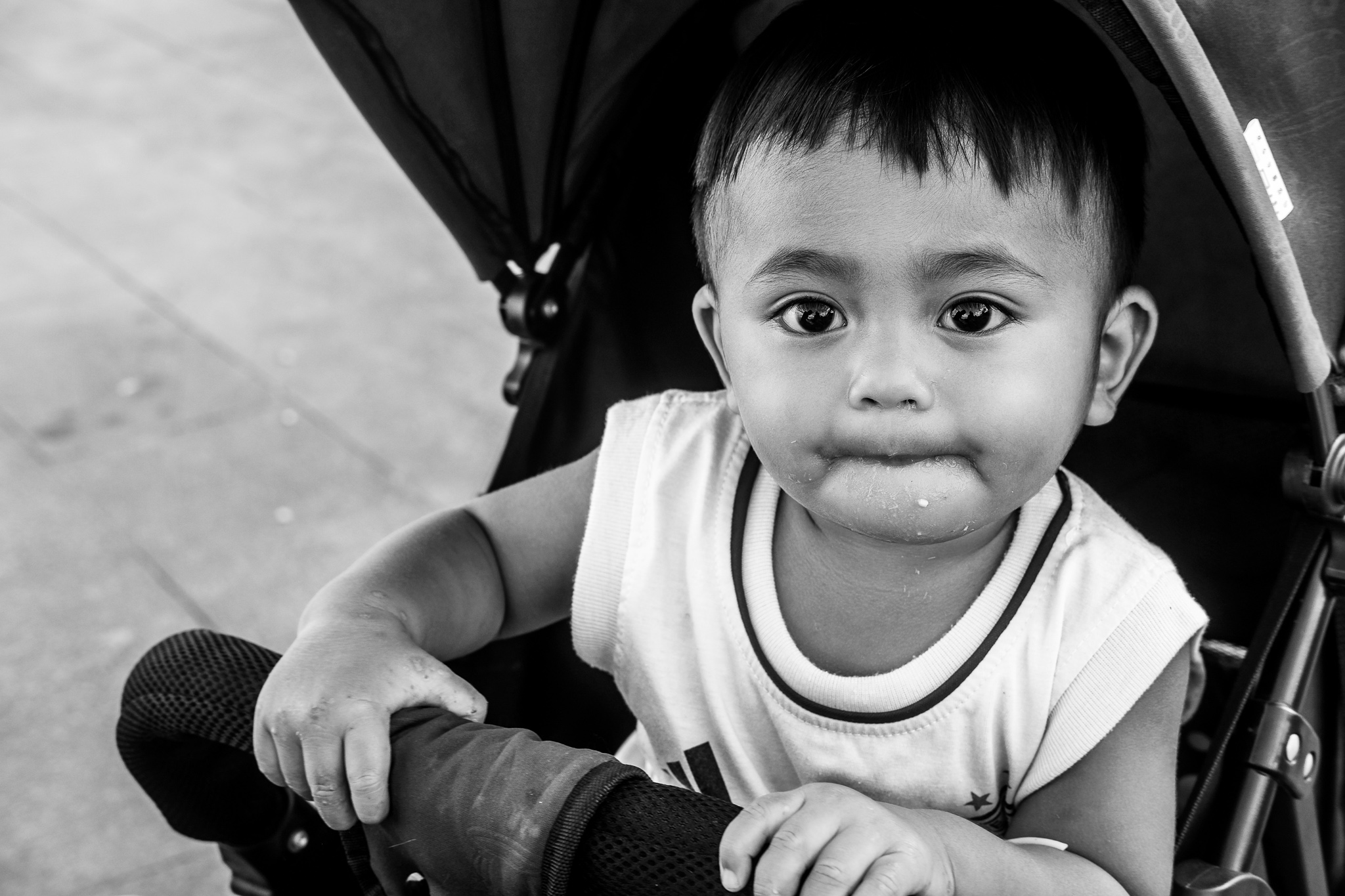

All the above images were taken with either the XE2 with Fujicron 18mm f2 or the XE1 with the XF Fujicron 35mm f2.
The Covid 19 pandemic has almost brought the world to a standstill. For many people in the world they are suffering lockdowns and economic deprivation. Business is disappearing as people cannot see the end to the pandemic.

Cambodia is also suffering, but due to the quick and timely reaction of the Cambodia government, has suffered few Covid infections. The economy is suffering and the people who relie on that economy (textiles, shoe making and tourism) are suffering also.
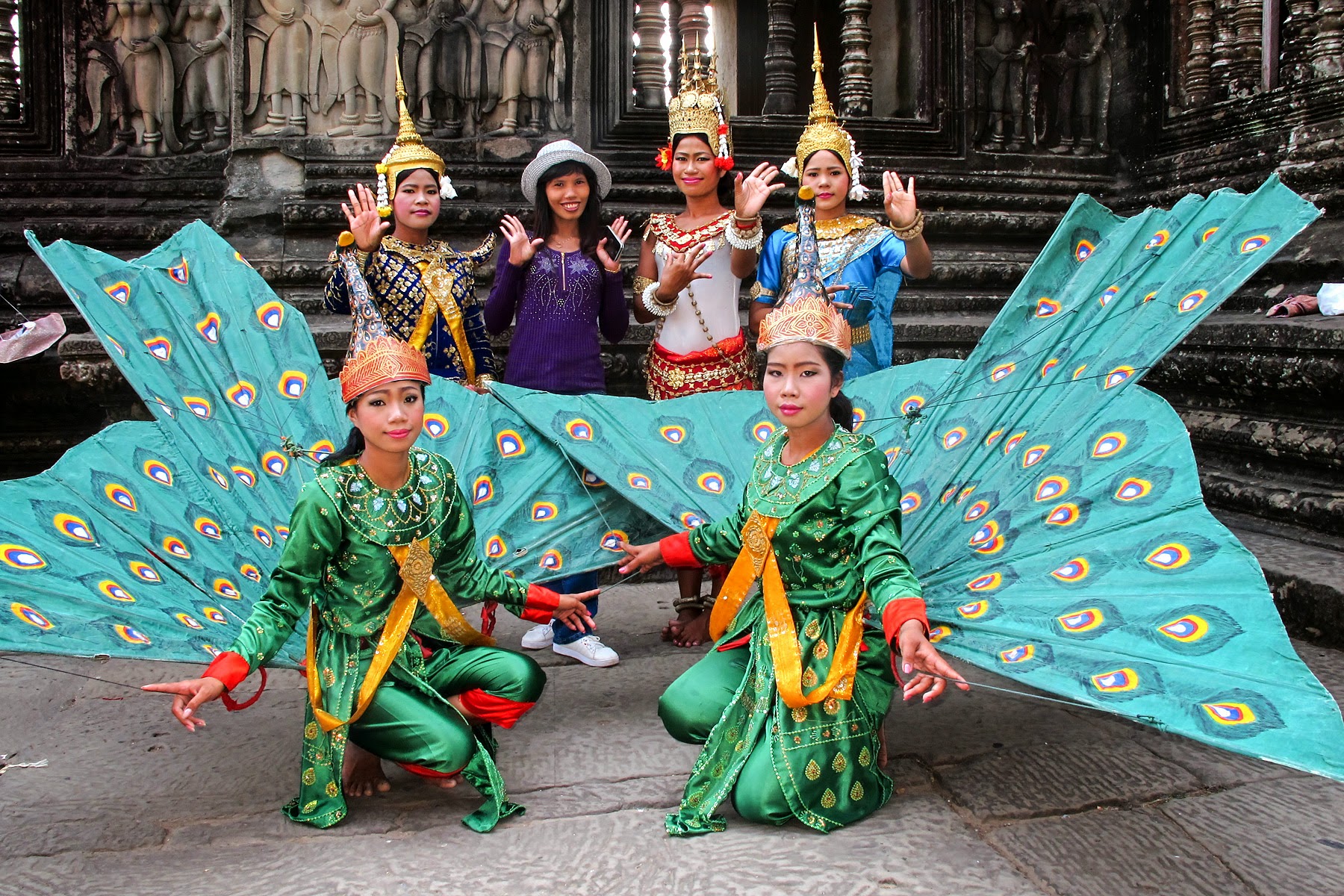
Once thriving businesses have closed, some believe permanently, hotels with no customers are left deserted, 70+% of the factory workers find themselves unemployed with no social systems to fall back on, many have returned, I am told, to their old homes in the provinces.
Large meetings or gatherings, such as parties or religious gatherings, are banned until September 2020.
People can still travel to and from Cambodia but must adhere to the restrictions laid down by the Cambodian government.
https://www.gov.uk/foreign-travel-advice/cambodia/entry-requirements
We must wait and see how things will develop over time but I fear recovery will be slow and difficult as Cambodia is affected by the International situation re Covid 19.

 a world without pictures is like coffee without cream and sugar, bitter