







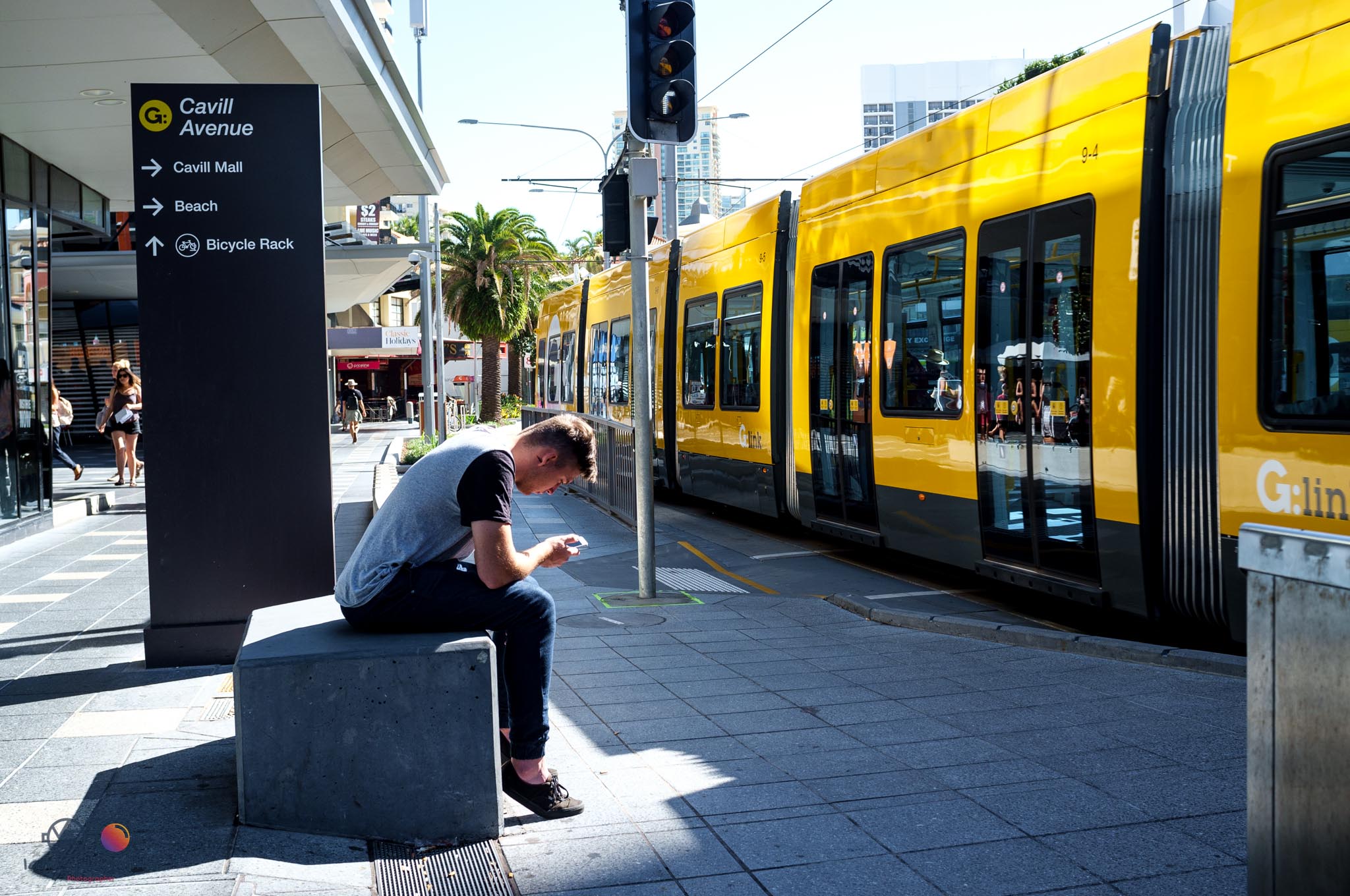
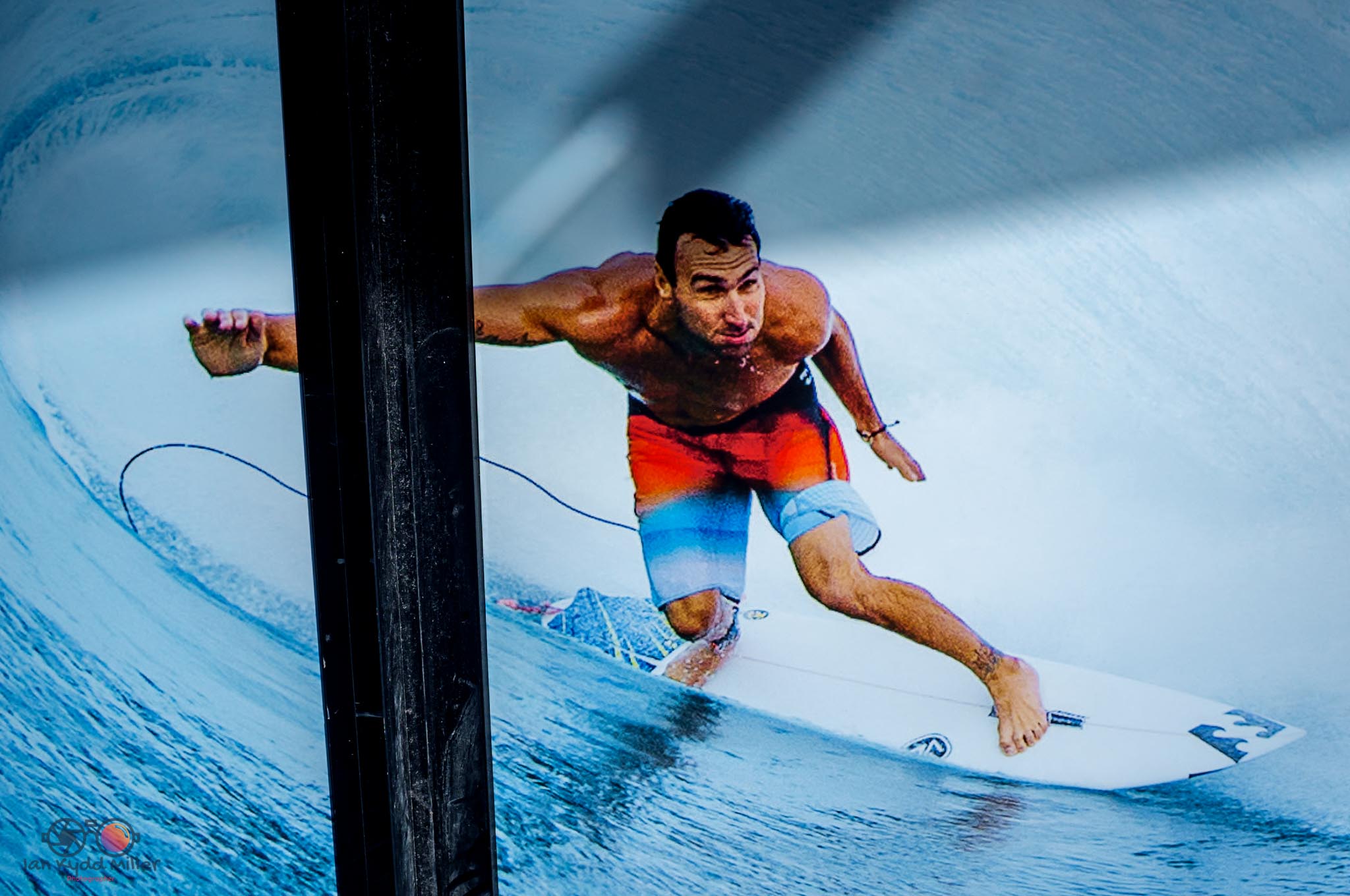
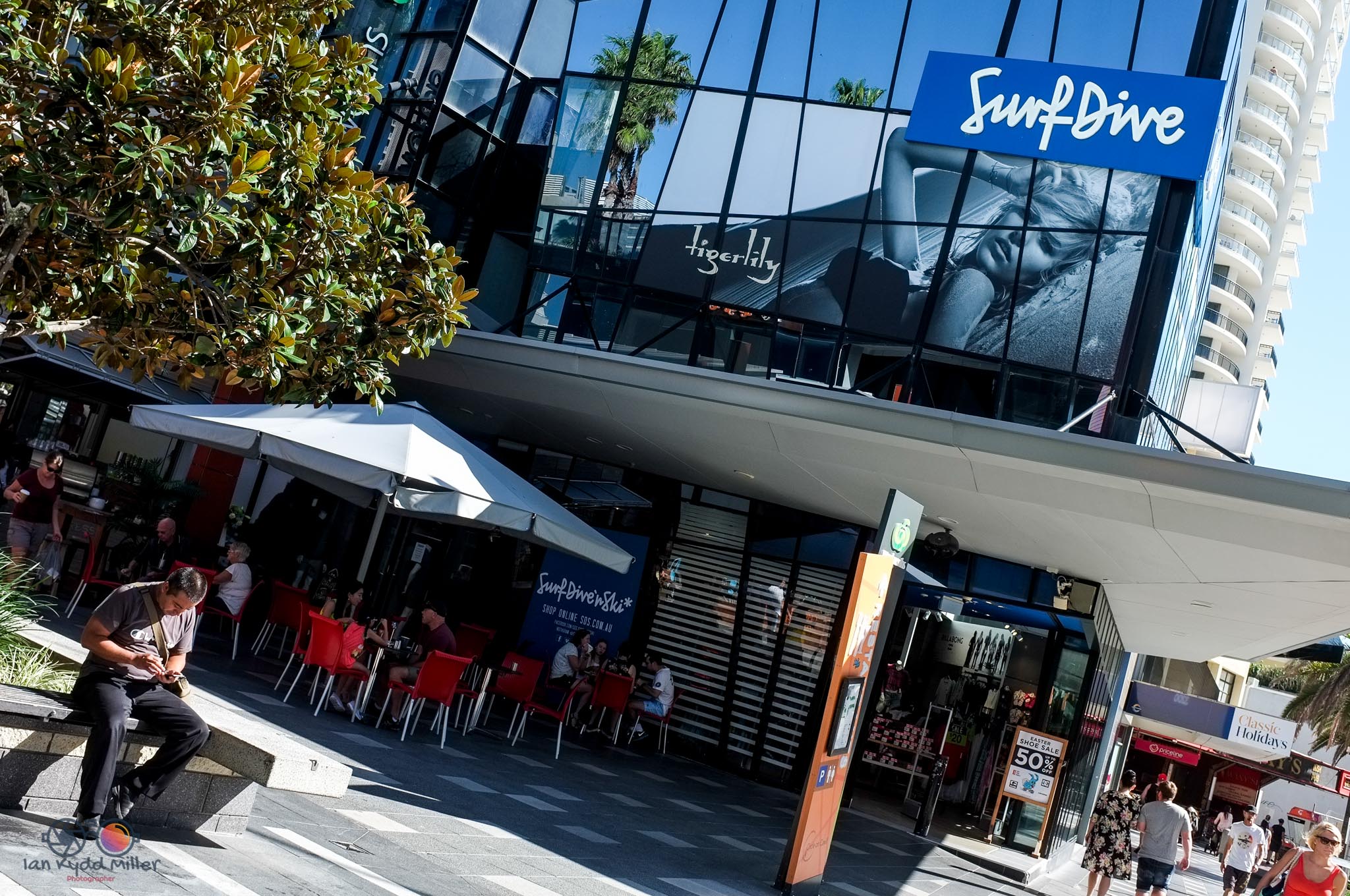
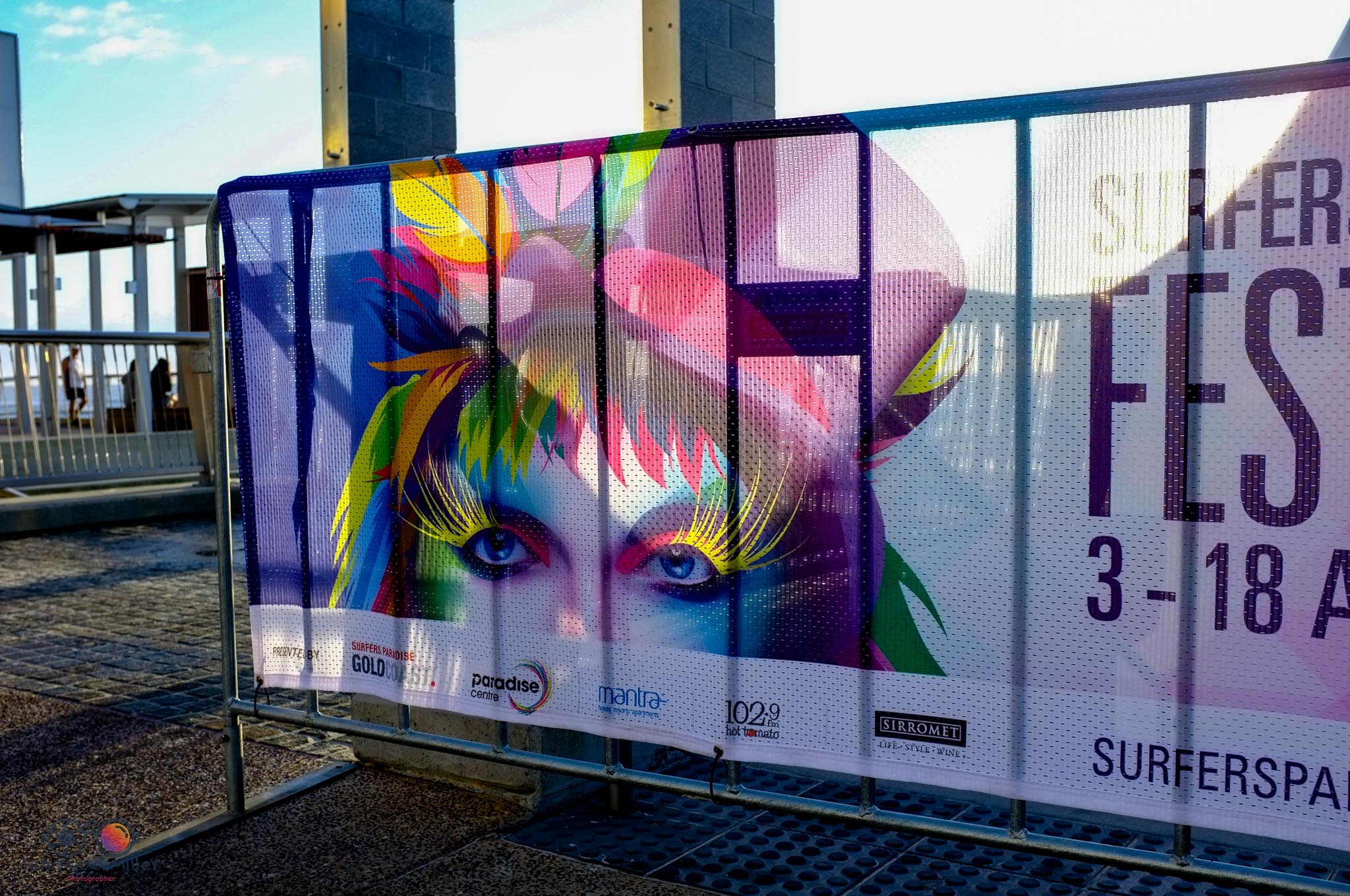

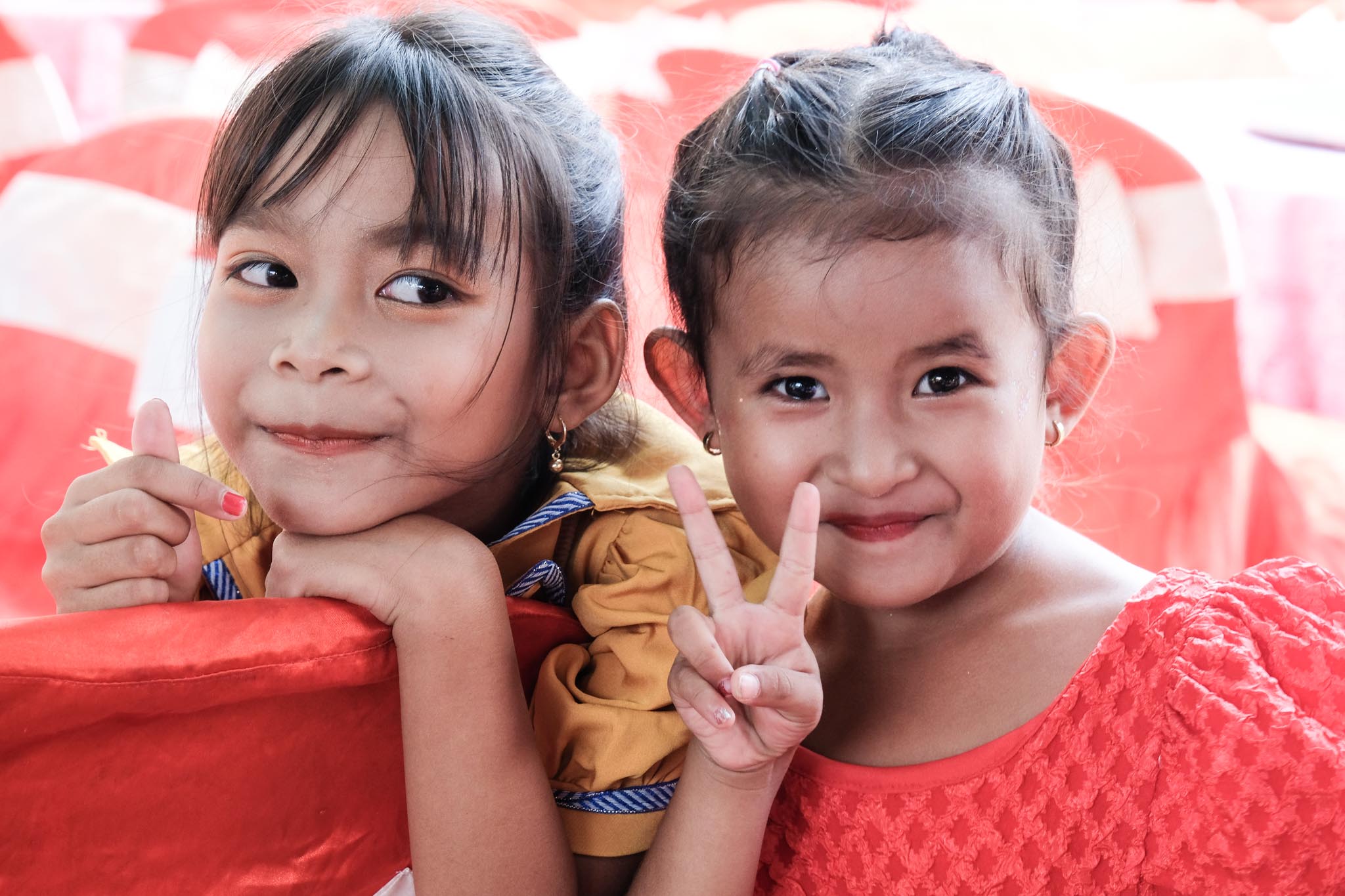
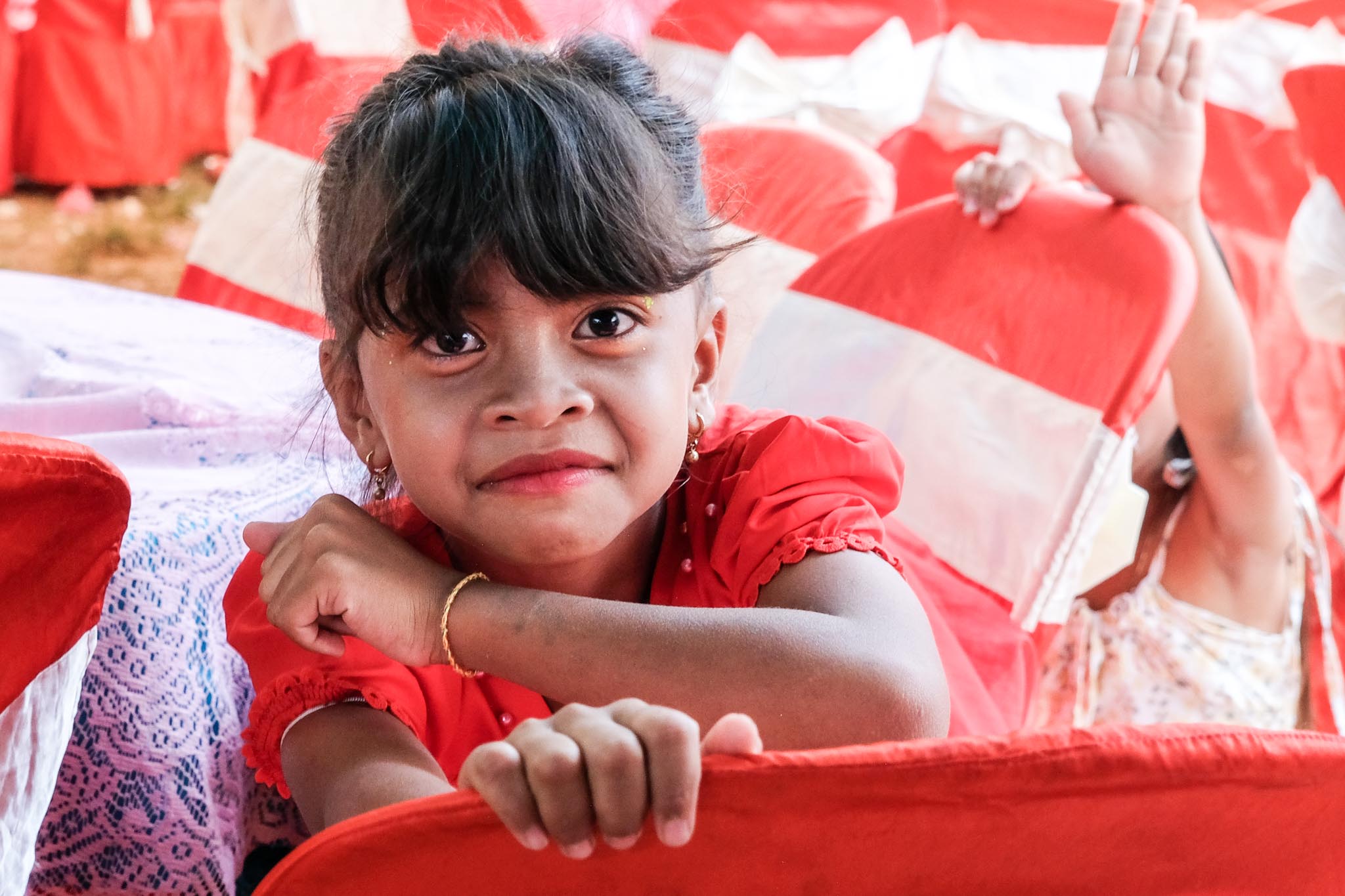


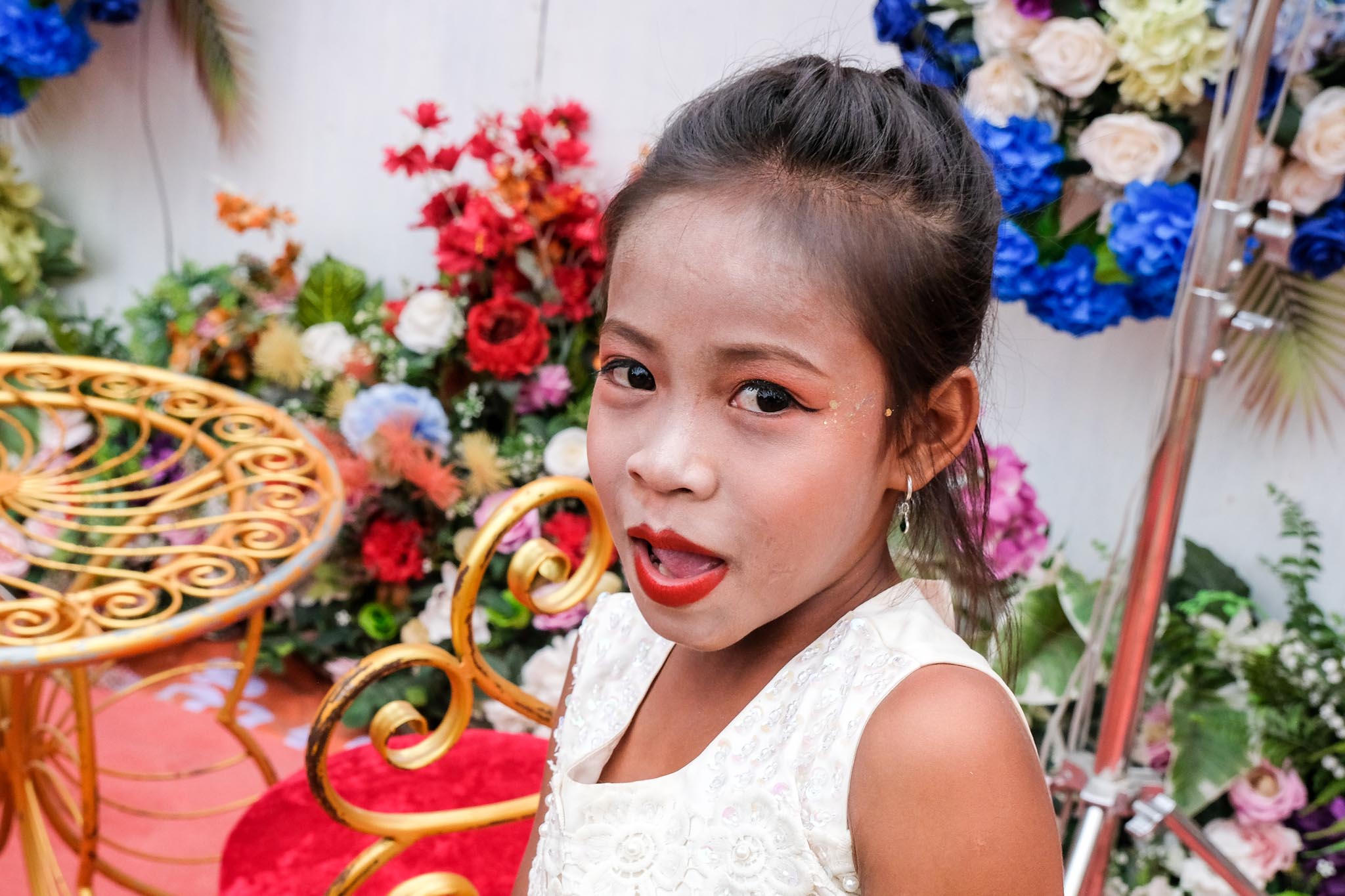

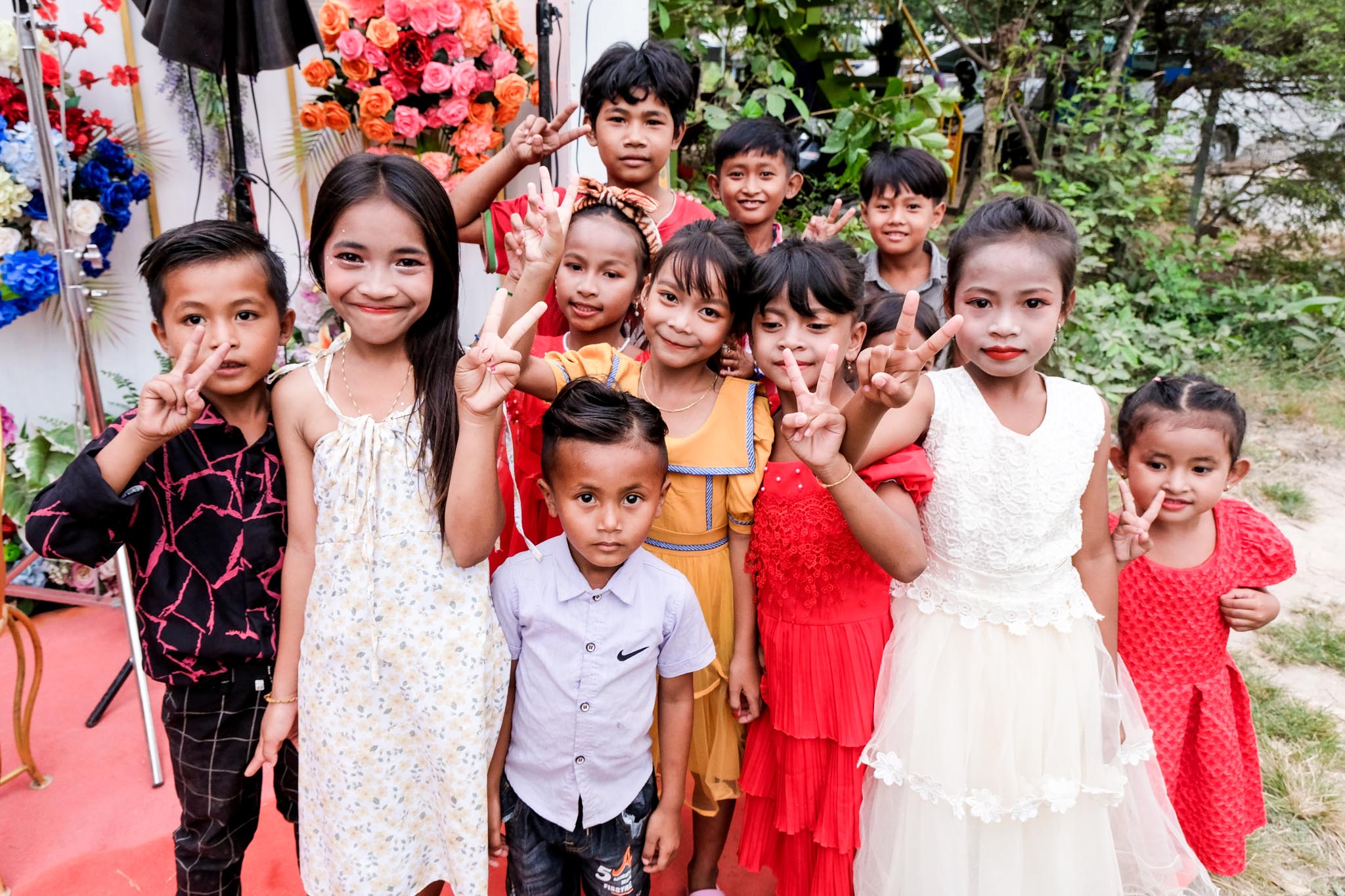


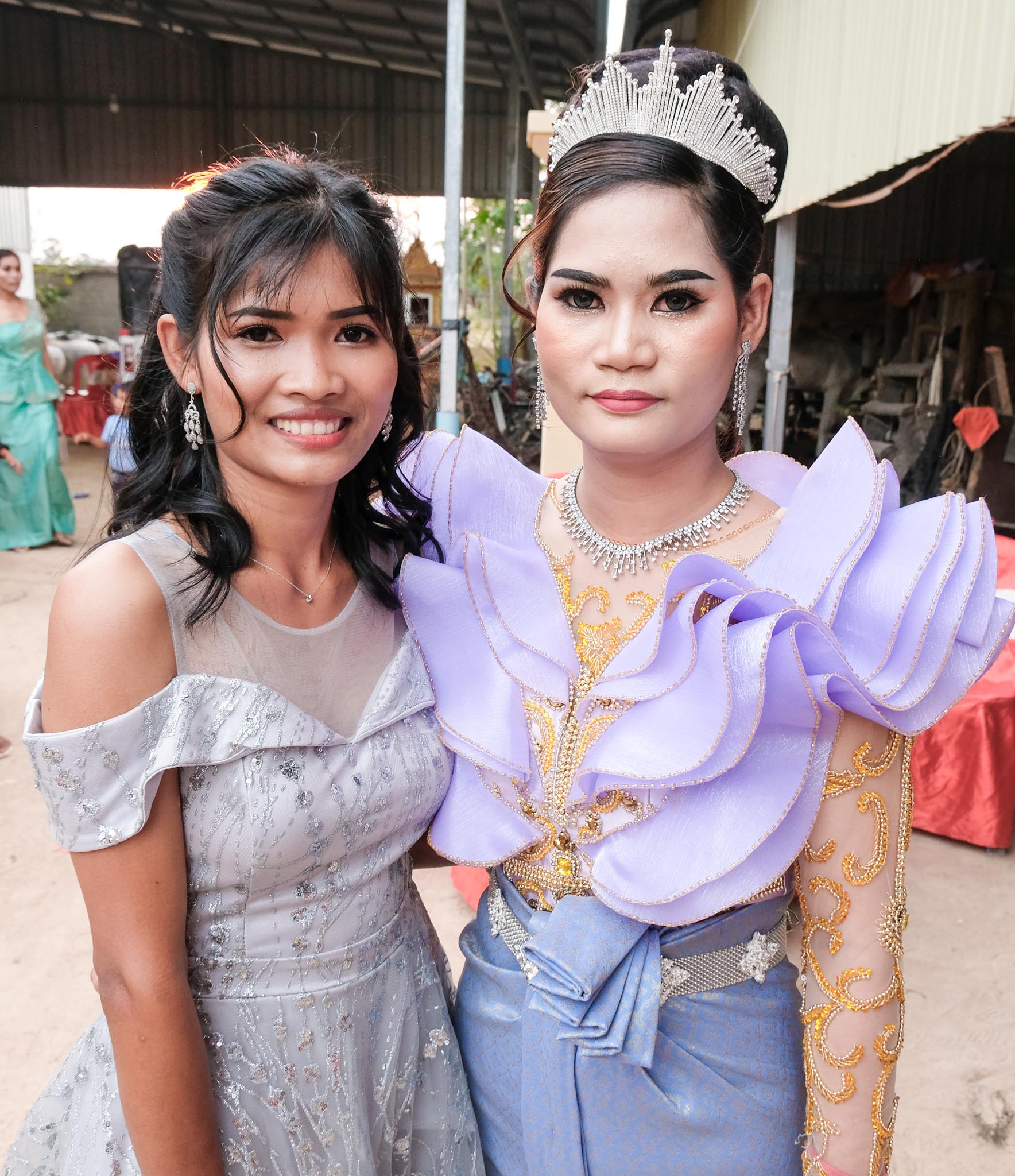


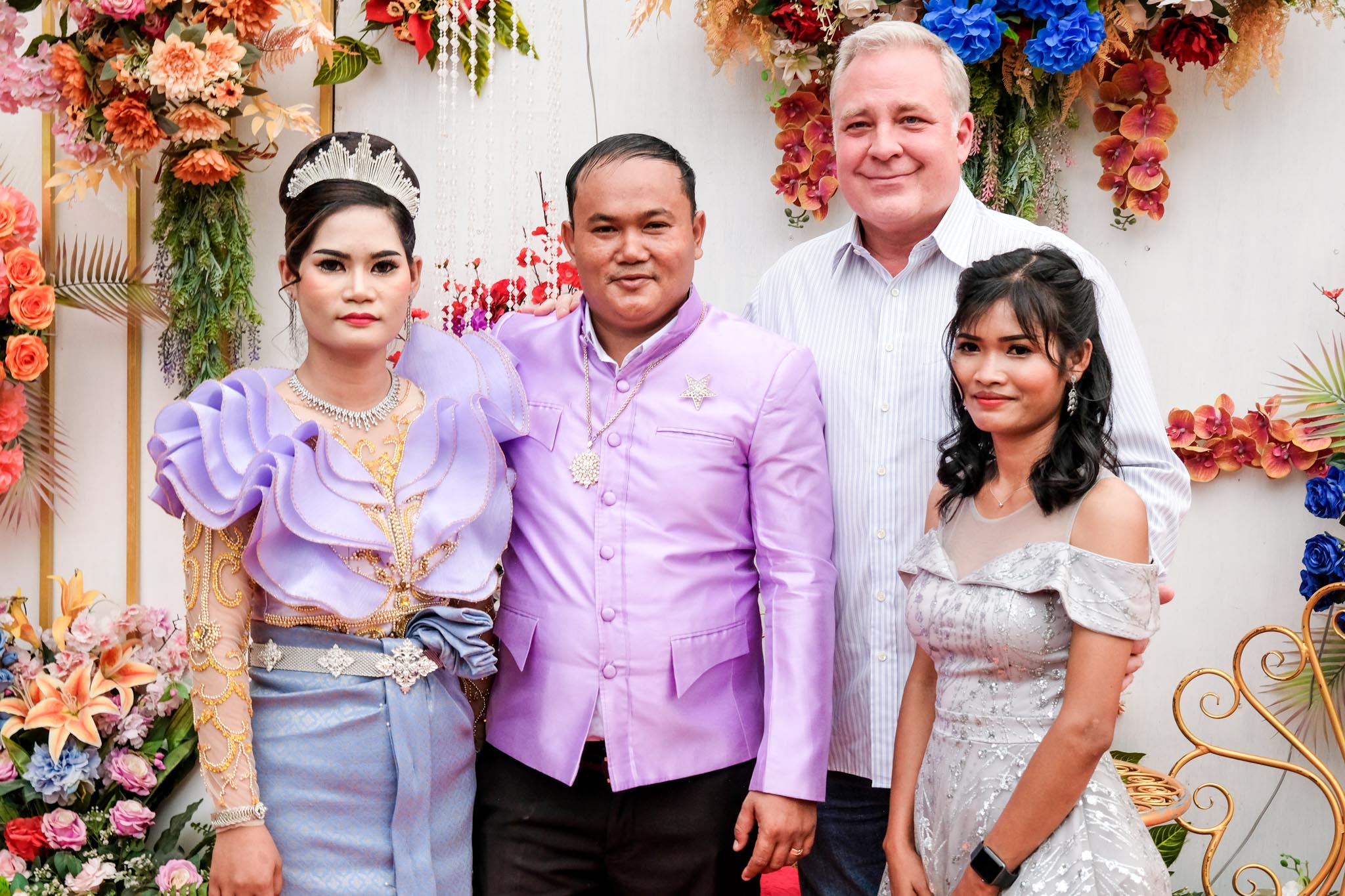
The truth is: Everyone is a photographer. To be a photographer means that you have a passion to paint with light. That you are drawn to documenting personal memories, with your phone, or any device with a camera. Eric Kim.


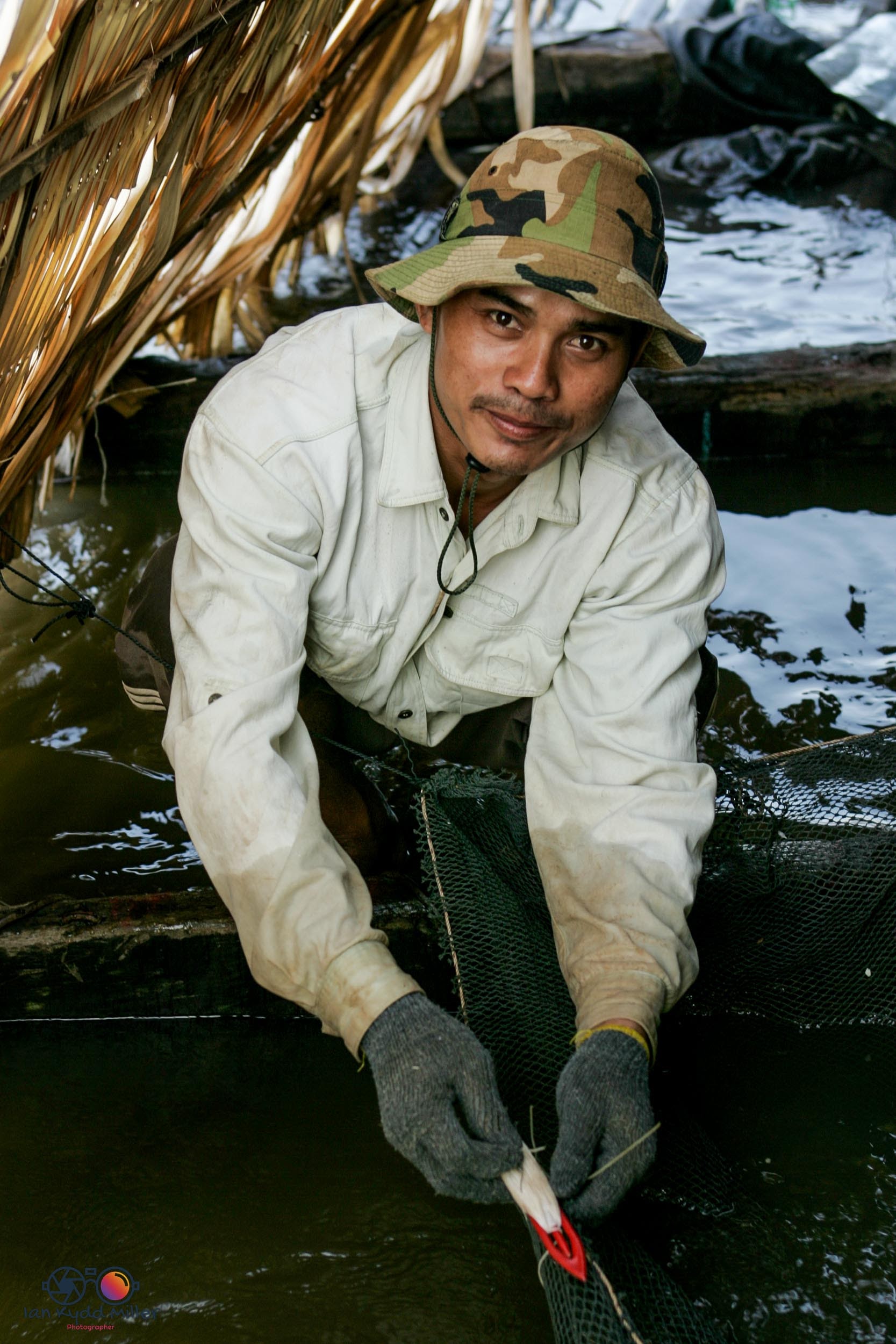


Is there a difference between a photographer who uses a camera, film or digital and one that uses his/her telephone? I must admit that I rarely use my phone to take anything other than family snaps which it can do beautifully without any difficulty.

Do I agree that everyone is a photographer, I agree that everyone has the capability to take a photograph but that ability, in my opinion, does not make one a photographer.


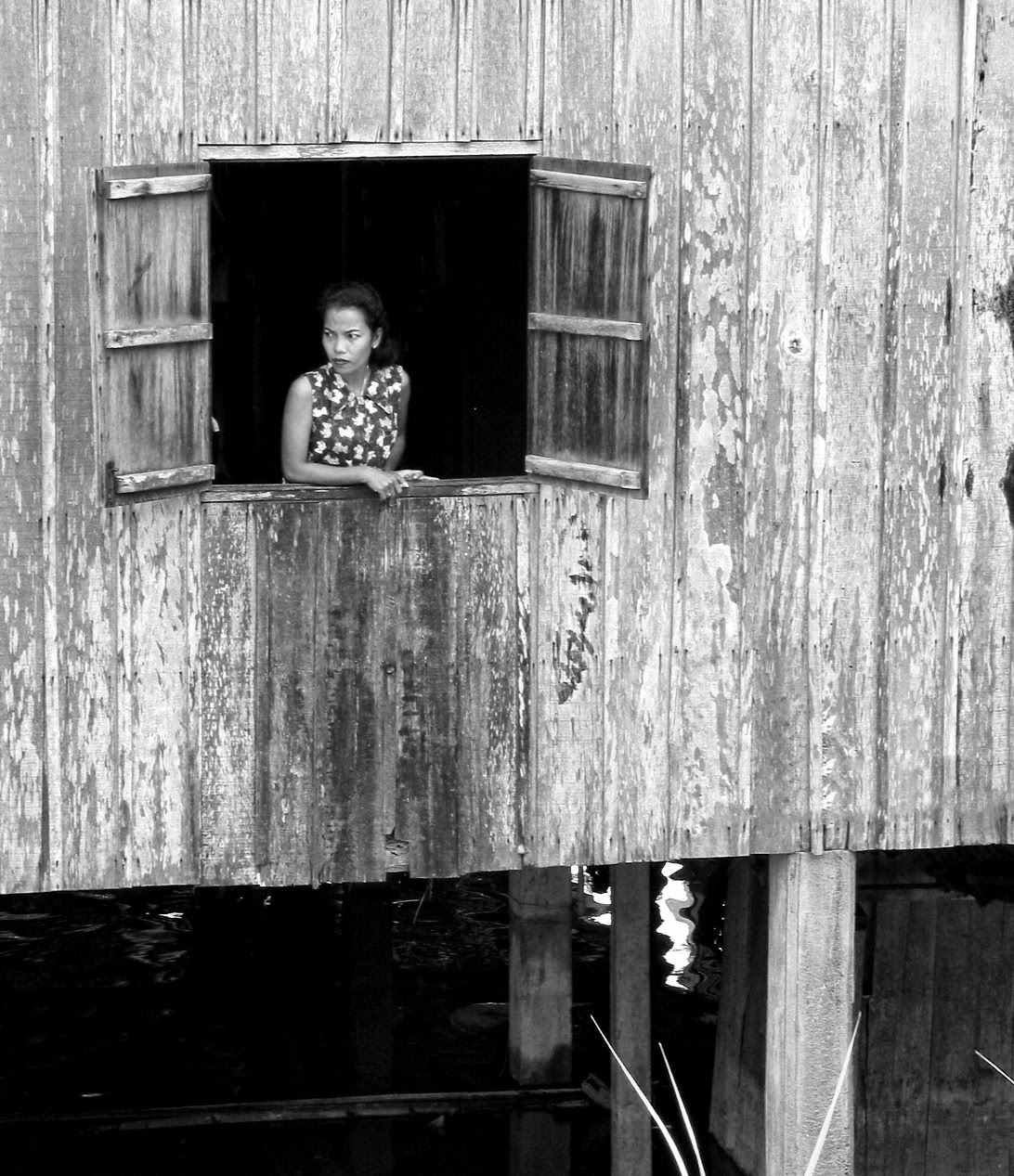


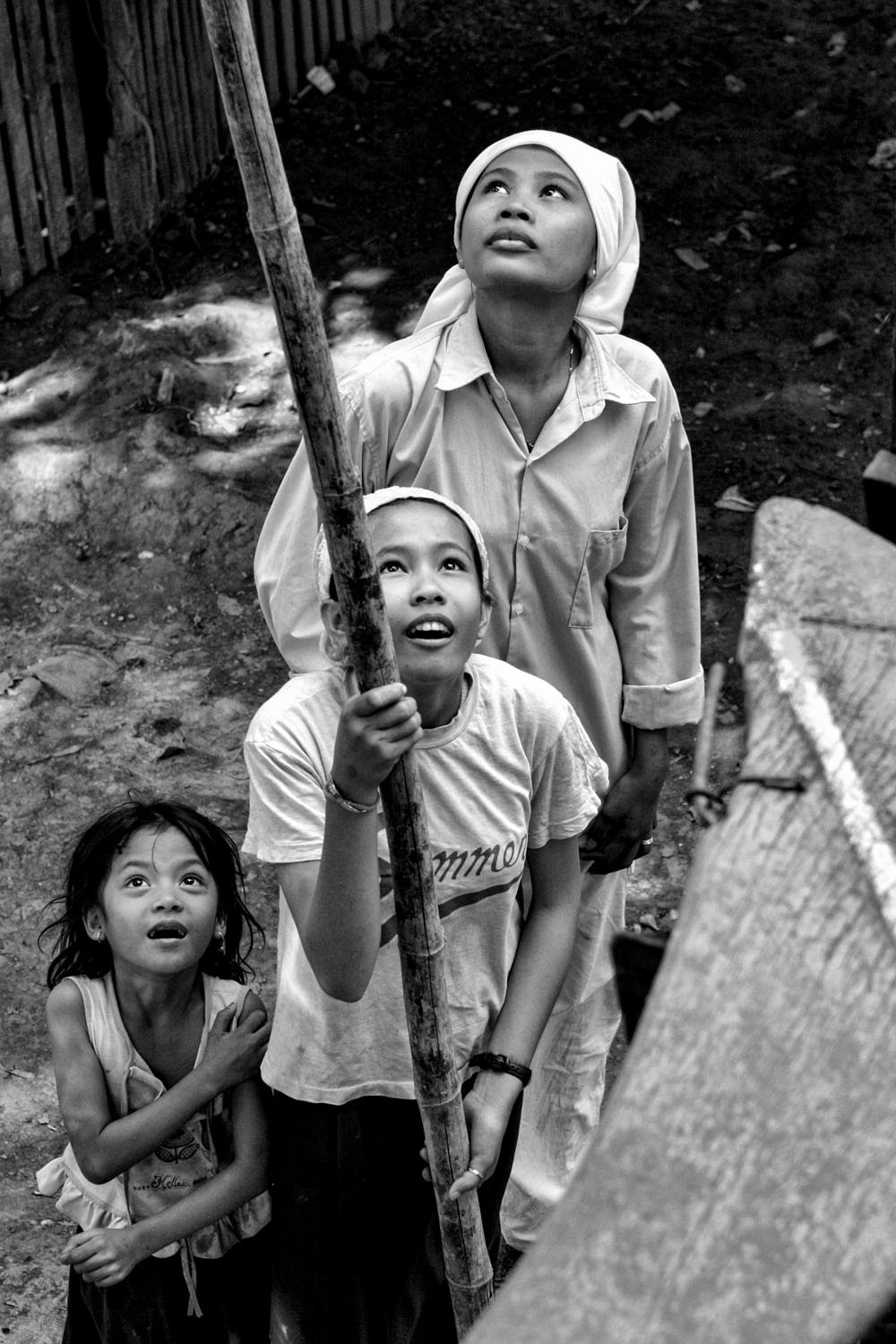
Is everyone a photographer? This is a question that might spark a lively debate among people who love to capture moments and share them with others. Some might argue that photography is an art form that requires skill, creativity and vision, while others might claim that anyone with a smartphone and an Instagram account can be a photographer. But what does it really mean to be a photographer?
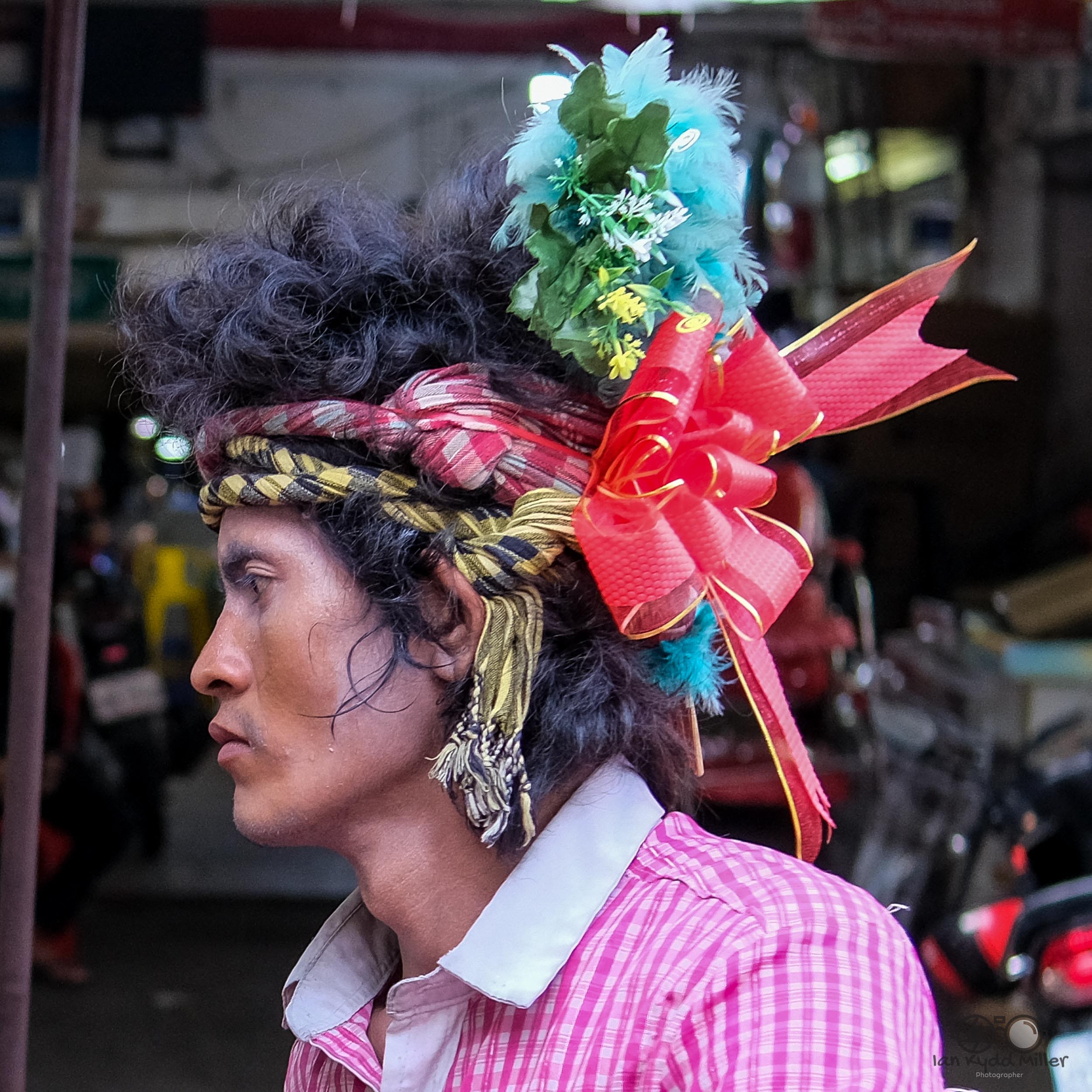
One possible way to answer this question is to look at the definition of photography. According to the Oxford English Dictionary, photography is “the art or practice of taking and processing photographs”. This implies that photography involves both technical and artistic aspects, such as choosing the right camera settings, composing the shot, editing the image and presenting it to an audience. However, this definition does not specify what kind of photographs are considered art or how much processing is acceptable. Moreover, it does not account for the different genres, styles and purposes of photography, such as documentary, portrait, landscape, abstract, commercial, etc.

Another possible way to answer this question is to look at the history of photography. Photography has evolved significantly since its invention in the 19th century, from daguerreotypes and calotypes to film and digital cameras. Along the way, photography has been influenced by various cultural, social and technological factors, such as the rise of mass media, the development of photojournalism, the emergence of new movements and trends, the democratization of access and distribution, etc. Photography has also been challenged and expanded by other forms of visual expression, such as painting, sculpture, video and multimedia. Therefore, photography is not a static or fixed concept, but a dynamic and diverse one.

A third possible way to answer this question is to look at the personal experience of photography. Photography is not only a way of producing images, but also a way of seeing and communicating. Photography can be a hobby, a passion, a profession or a lifestyle. Photography can be a source of joy, inspiration, curiosity or challenge. Photography can be a means of self-expression, storytelling, documentation or activism. Photography can be a tool for learning, exploring, discovering or creating. Therefore, photography is not only a product or a process but also a perspective and a practice.

So, is everyone a photographer? There is no definitive or universal answer to this question. It depends on how one defines photography, how one understands its history and how one engages with it personally. Perhaps the more important question is not whether everyone is a photographer, but why and how everyone can be a photographer. What does photography mean to you? How do you use photography in your life? What do you want to achieve with photography? These are some of the questions that might help you find your own answer.
“I believe that an essential part of man’s duty upon this earth is to bear witness to the truth as it has been revealed to him.” John Godolphin Bennett (8 June 1897 – 13 December 1974) was a British mathematician, scientist, technologist, industrial research director, and author.
This is an interesting statement for the photojournalist. Who defines the truth.
Accepted Definition
1. The quality of being true, genuine, actual, or factual the truth of his statement was attested
2. Something that is true as opposed to false you did not tell me the truth
3. A proven or verified principle or statement; the fact the truths of astronomy
4. A system of concepts purporting to represent some aspect of the world the truths of ancient religions
5. Fidelity to a required standard or law
6. Faithful reproduction or portrayal the truth of a portrait
7. An obvious fact; truism; platitude
8. Honesty, reliability, or veracity the truth of her nature
9. Accuracy, as in the setting, adjustment, or position of something, such as a mechanical instrument
10. The state or quality of being faithful; allegiance Related adjectives veritable, veracious
So how does a photojournalist remain truthful in a world of complex truths? Difficult to say the least when one mans truth may seem a lie to another. How do we maintain integrity? the quality or state of being of sound moral principle; uprightness, honesty, and sincerity.
As an ethical concept, integrity depends upon consistency. To have integrity, a person must base his/her actions upon a well-thought-out framework of moral principles. What he/she does should be the same as what he/she says.
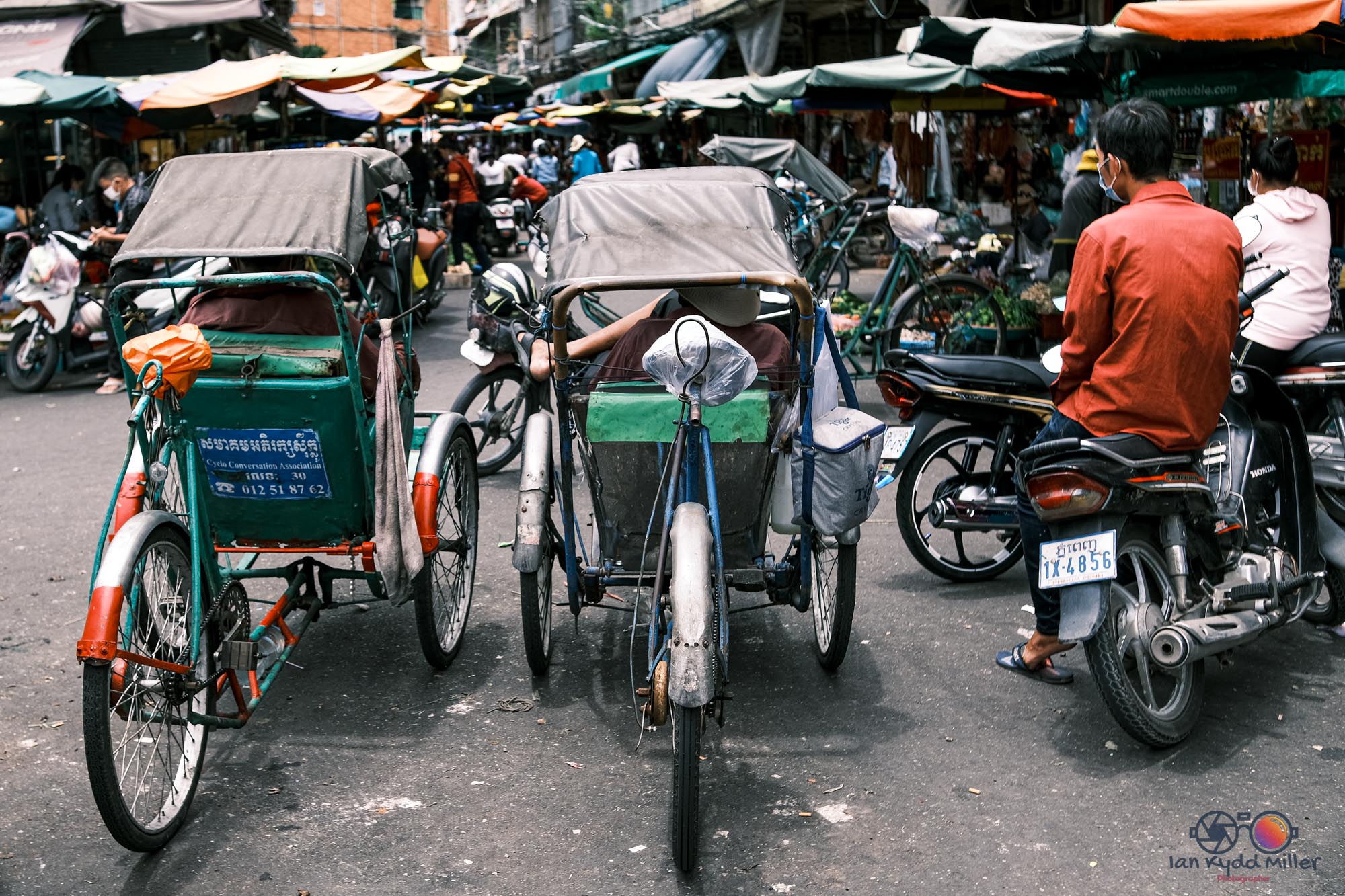
I live in South East Asia and am surrounded by truths that may have different realities for different people. Political truths, poverty truths, inequality of power and sex, confusion and lack of will.
How do I as a photojournalist not allow myself to be misled, my work used to define half-truths or lies? Is it OK to allow my pictures to be used in positive ”propaganda” that generates interest from people able to help the needy?
The ability to see pictures that will tell the true story without biases is difficult because no matter how we try to keep our own views and thoughts from shaping an image subconsciously it will still happen.


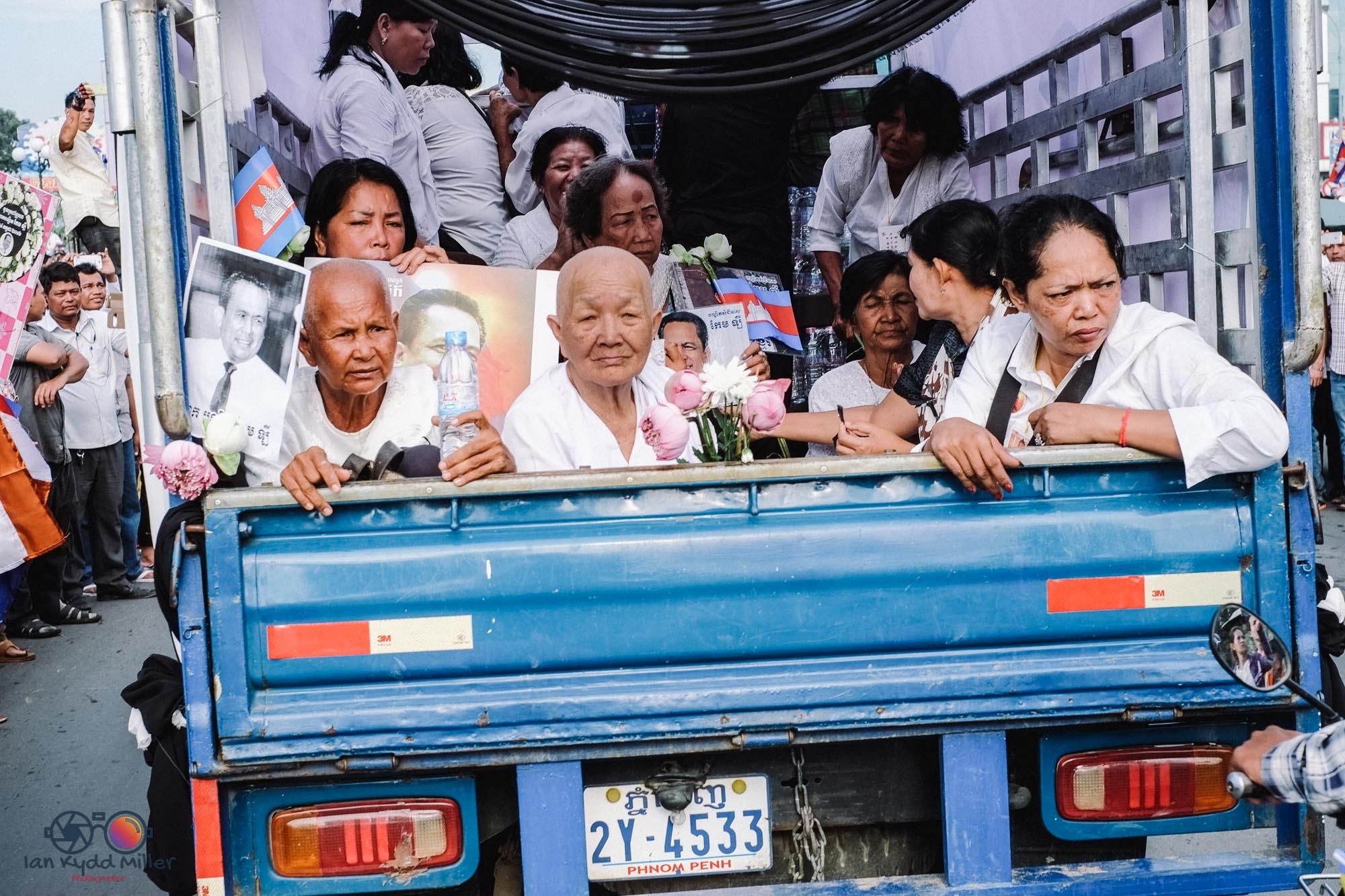


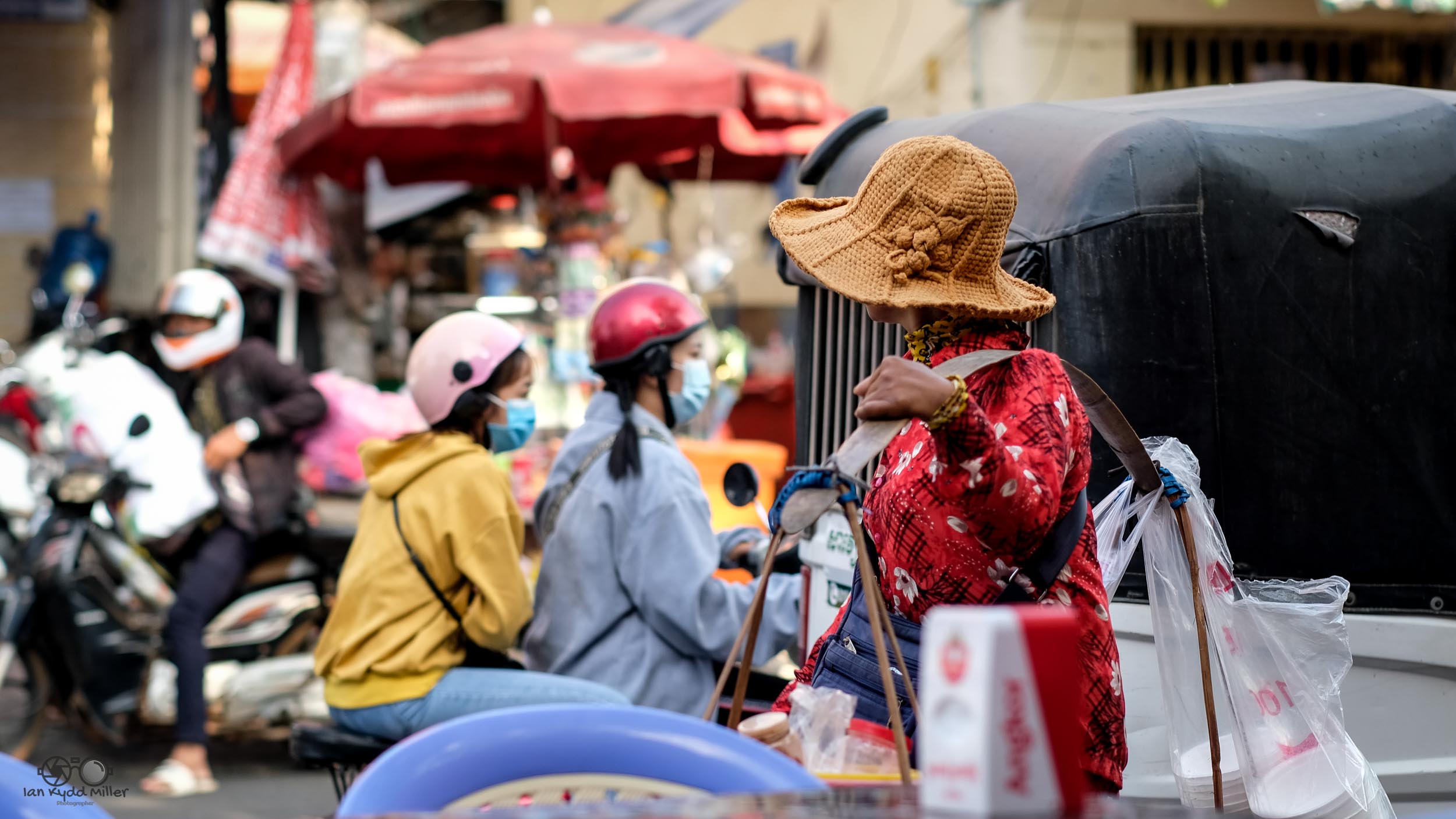
I have been using Fujifilm cameras and lenses for some time now and it never ceases to amaze me at their ability to give me great colours with little effort in post-processing.
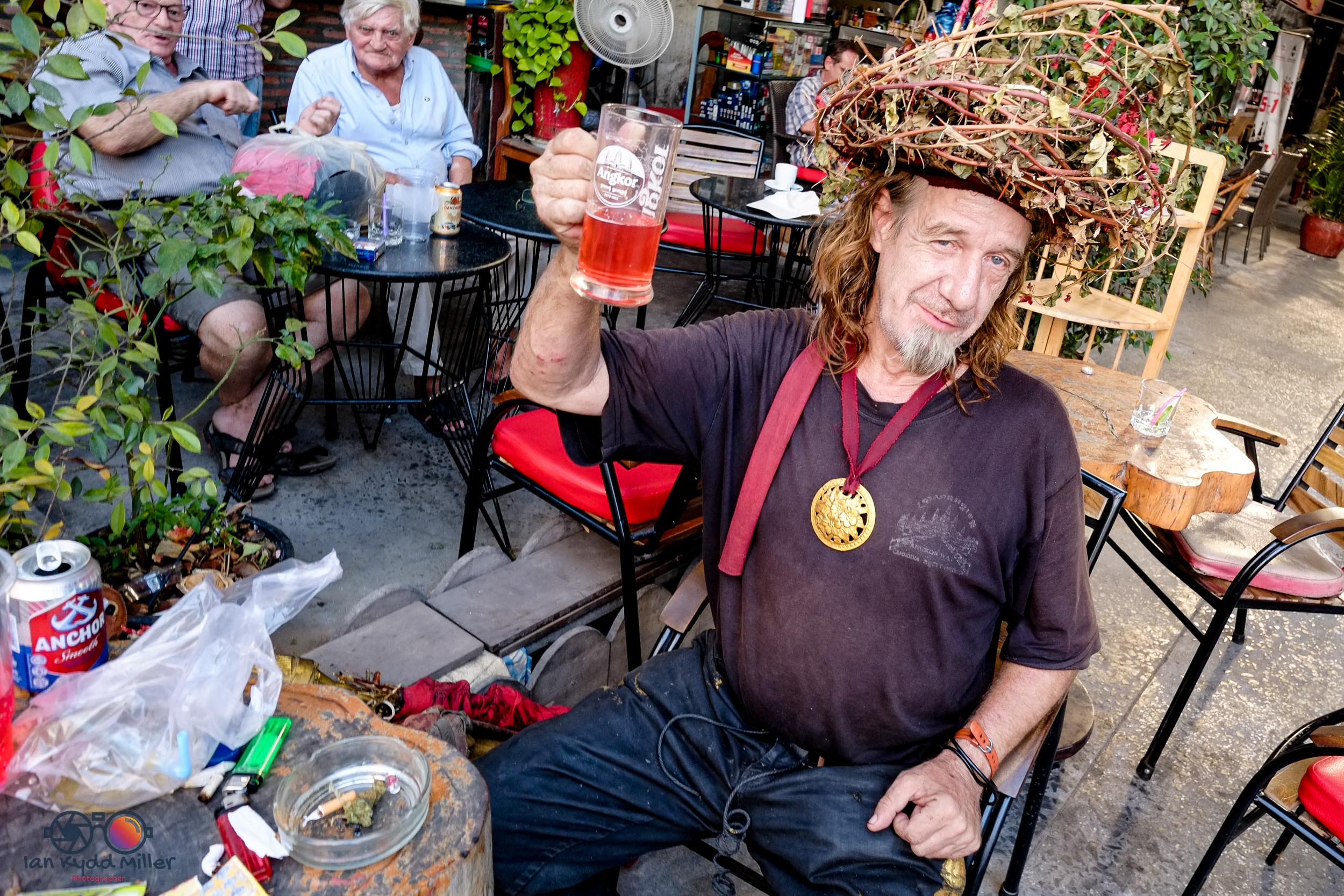
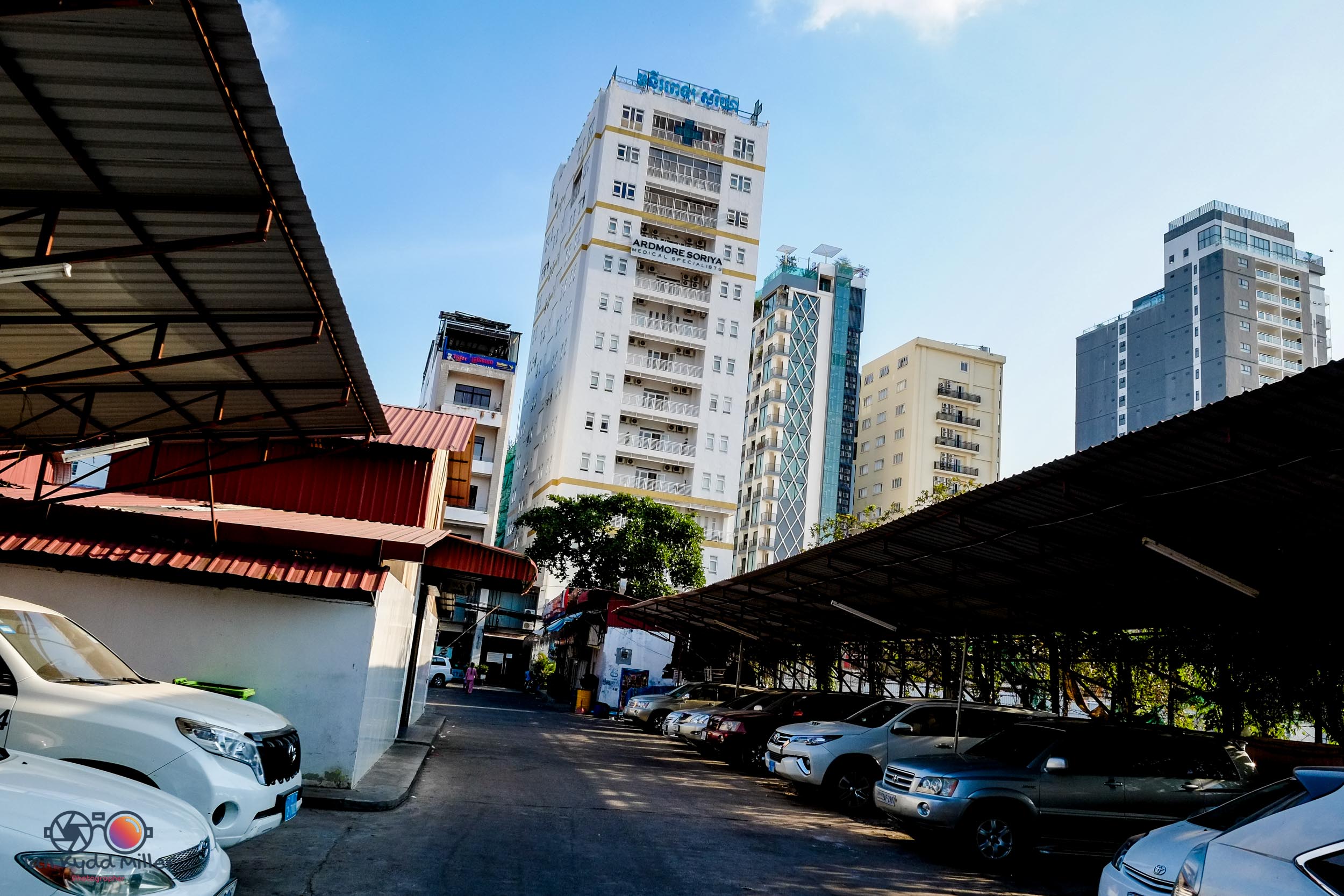

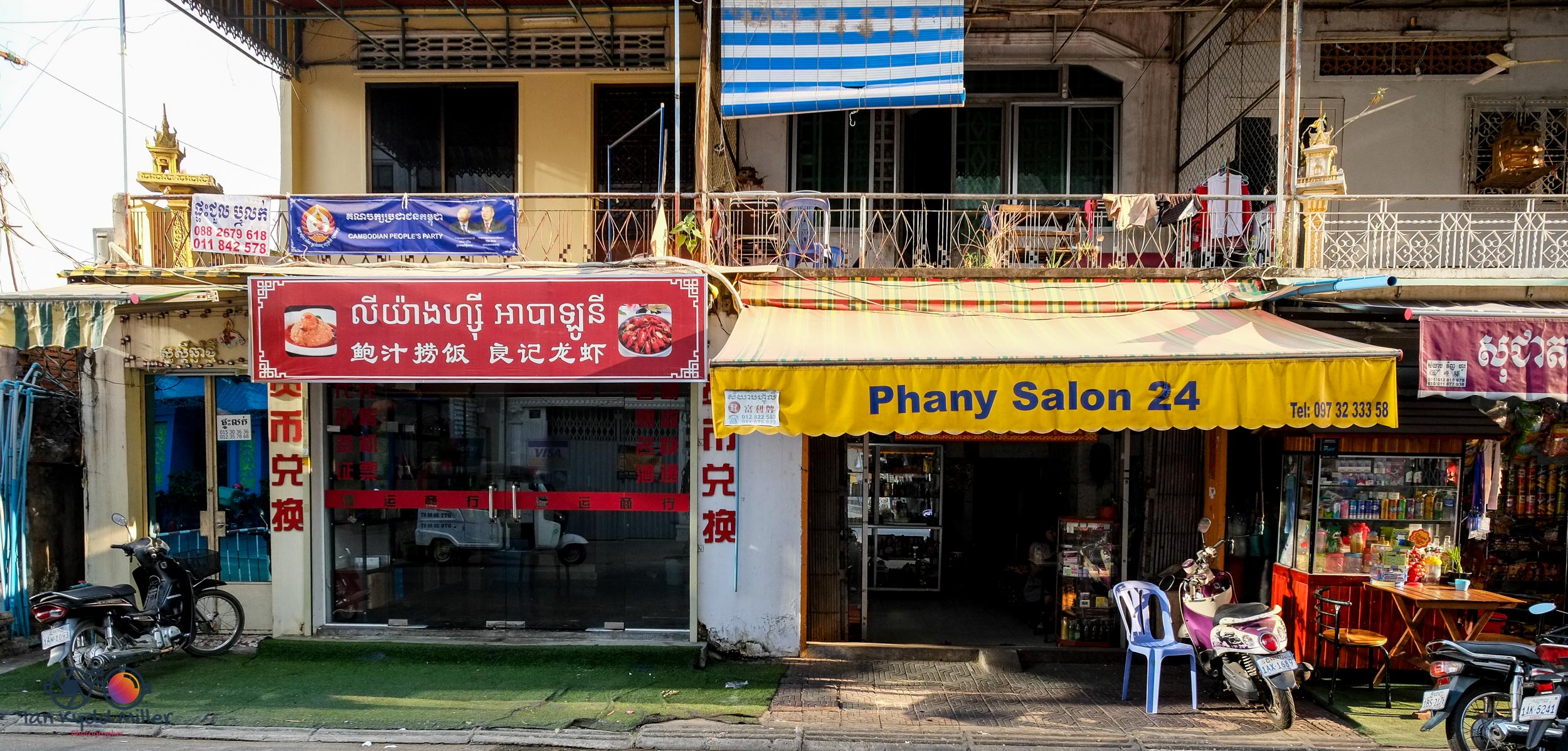

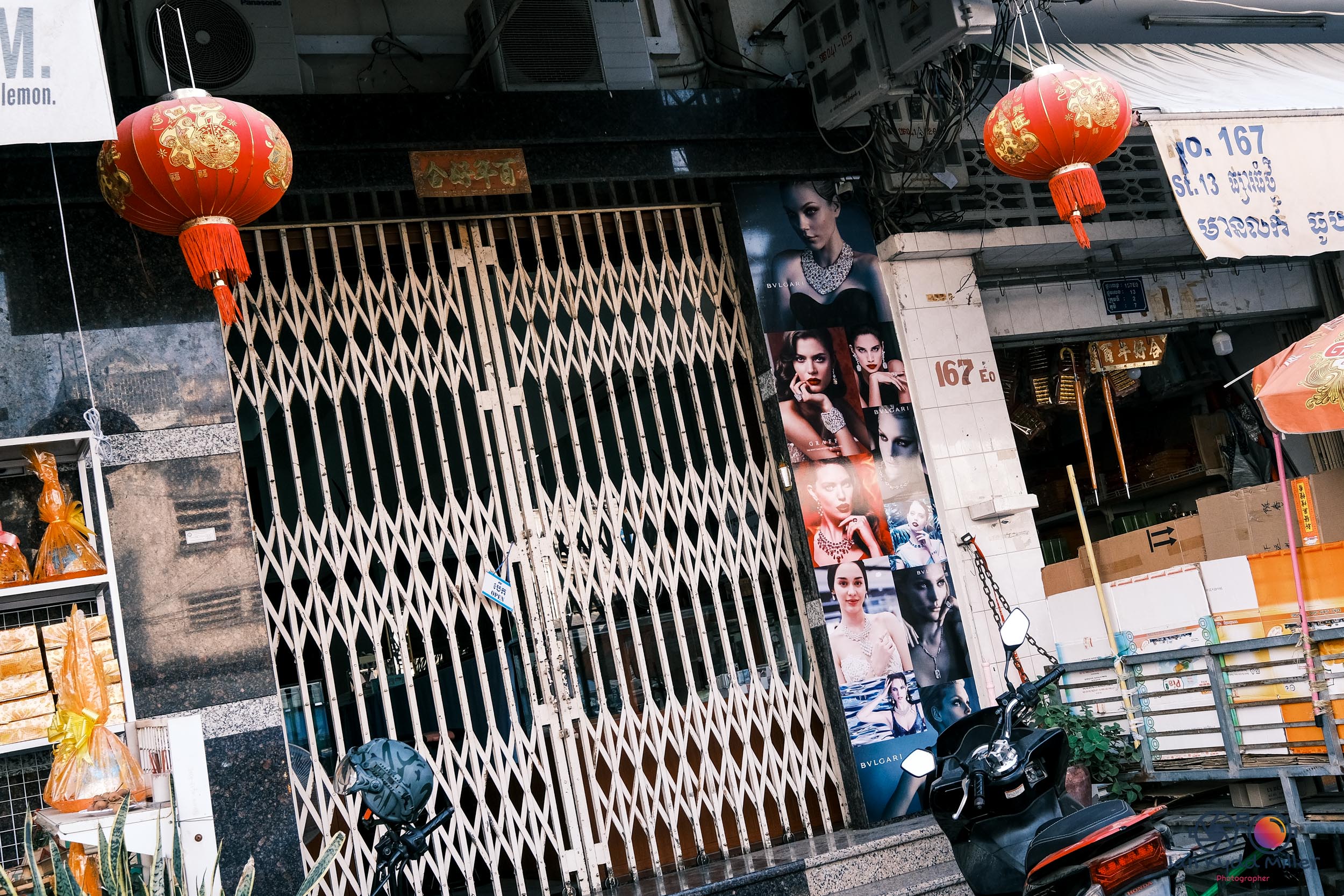

I can choose from the many film simulation that Fuji supply with the camera or devise my own interpretations of any film or an effect that I find appealing. This is very easy to do.

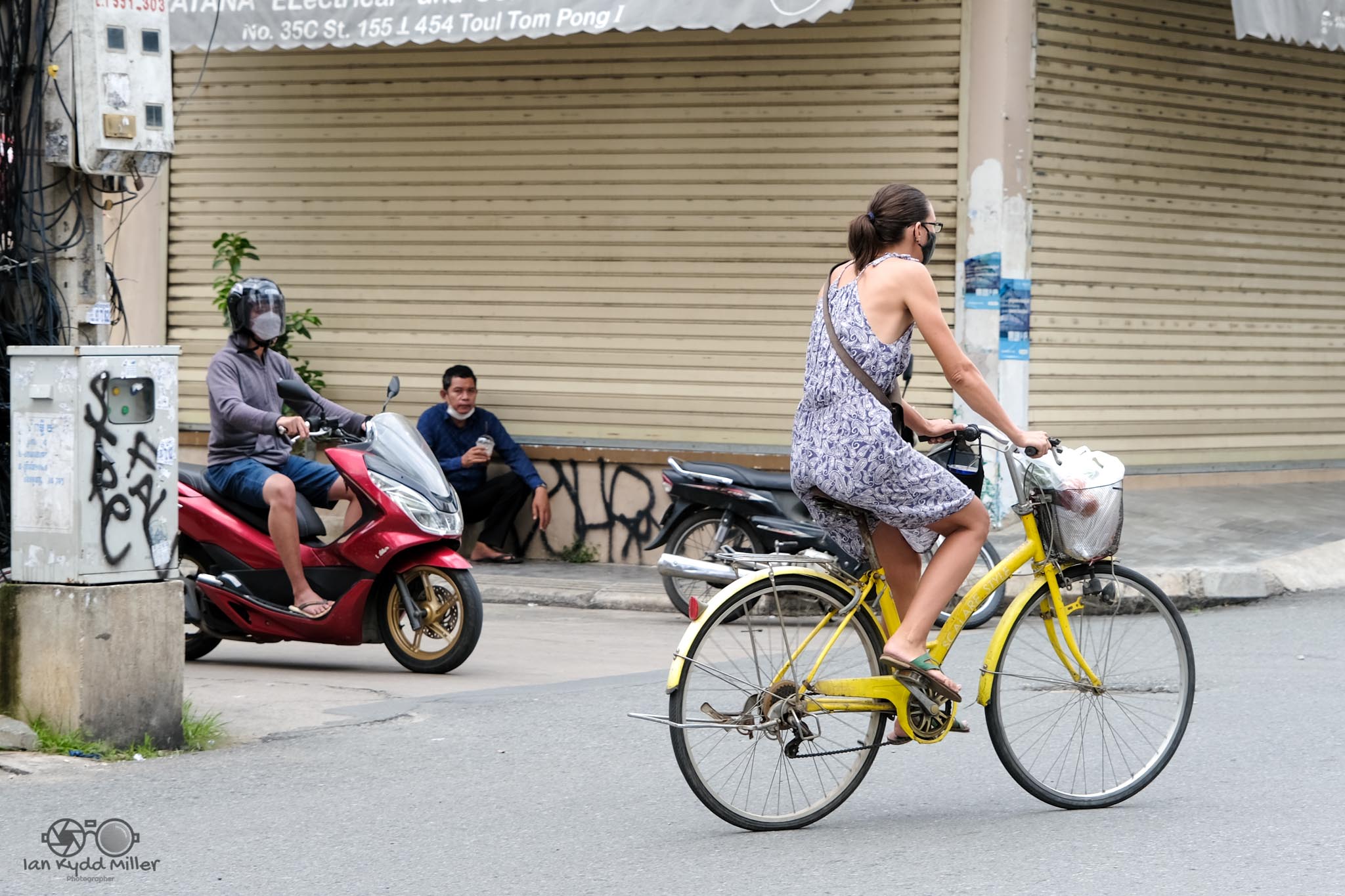


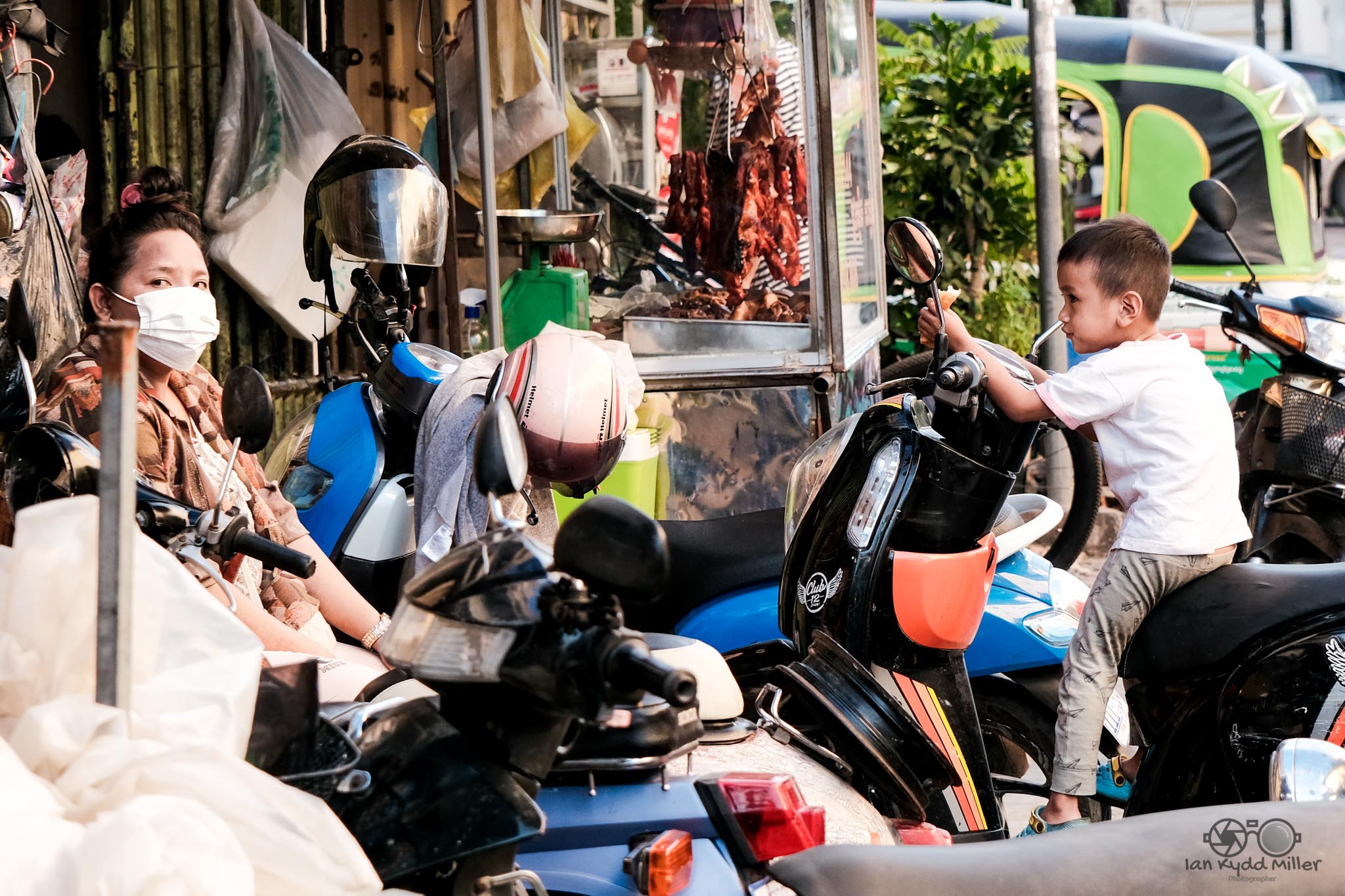
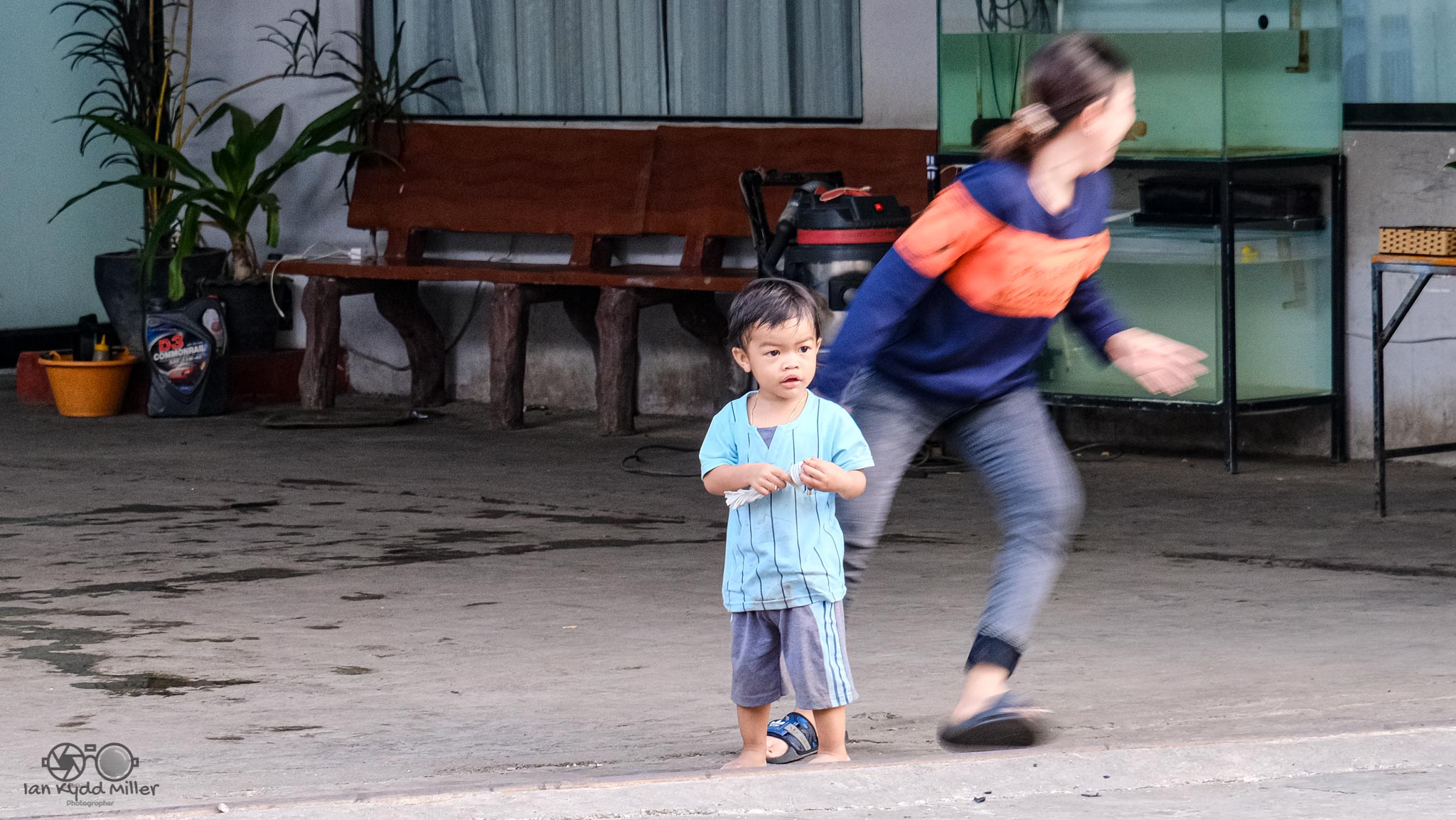
Humanism in photography is all about images that show empathy and the ability of human beings to empower each other. A photographer who injects humanism into their photos puts the spotlight on human beings. The centre of attention is always the people.


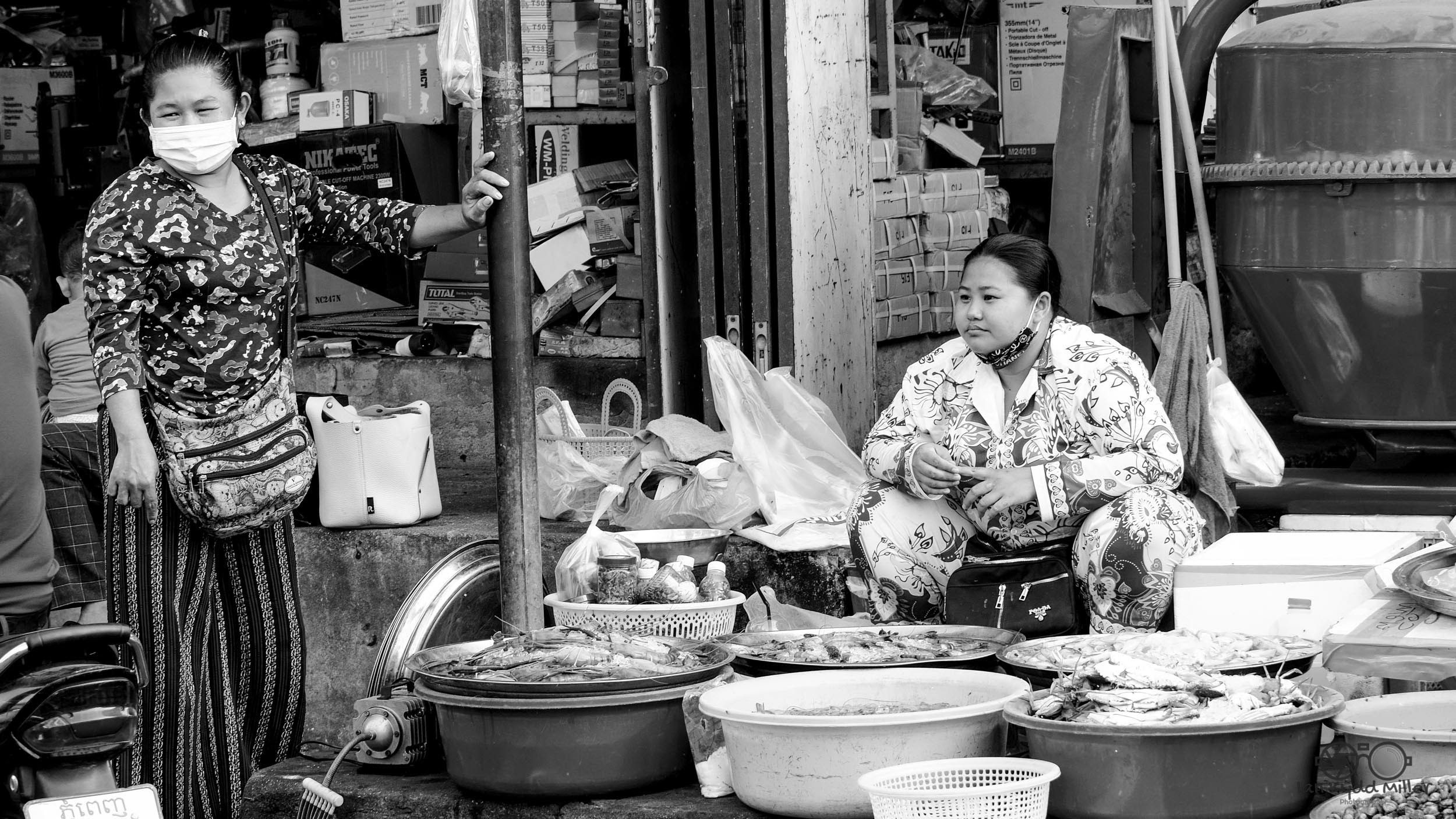


I would consider myself to be a humanist photographer rather than a ”street photographer” although much of my work happens on the street. People, how they live and survive are what really interest me, the feeling of wanting to know or learn about something or someone.
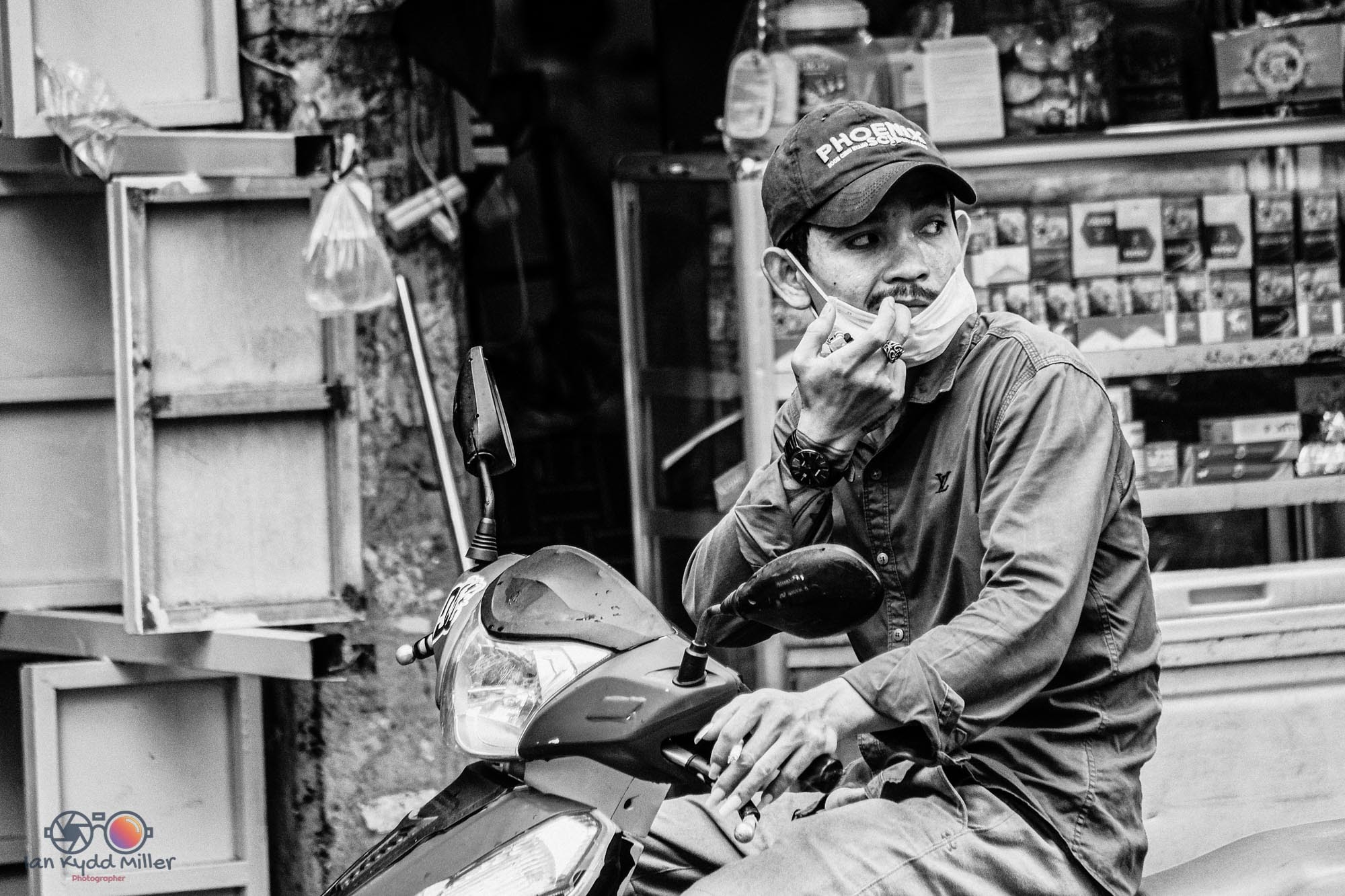


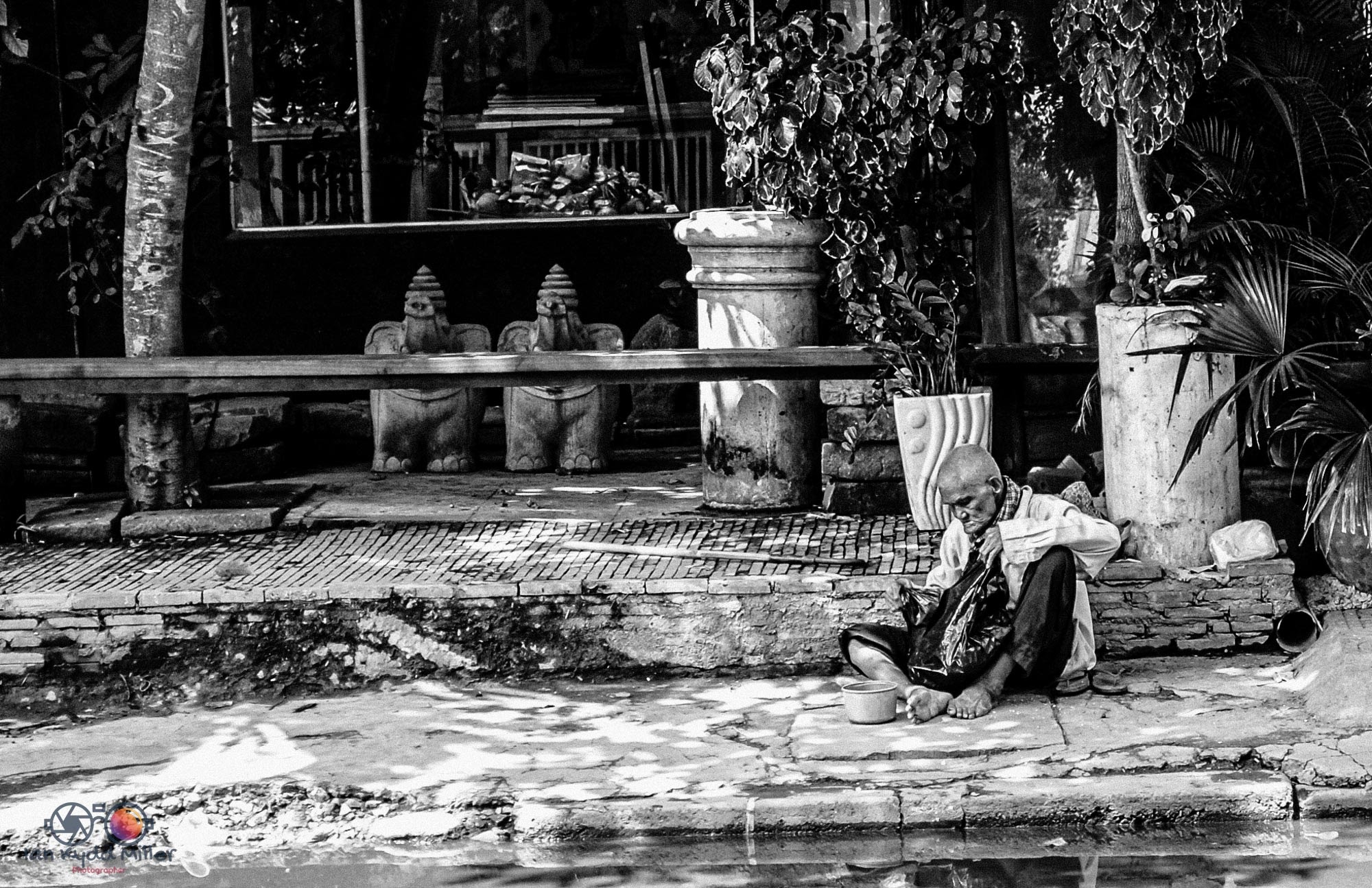
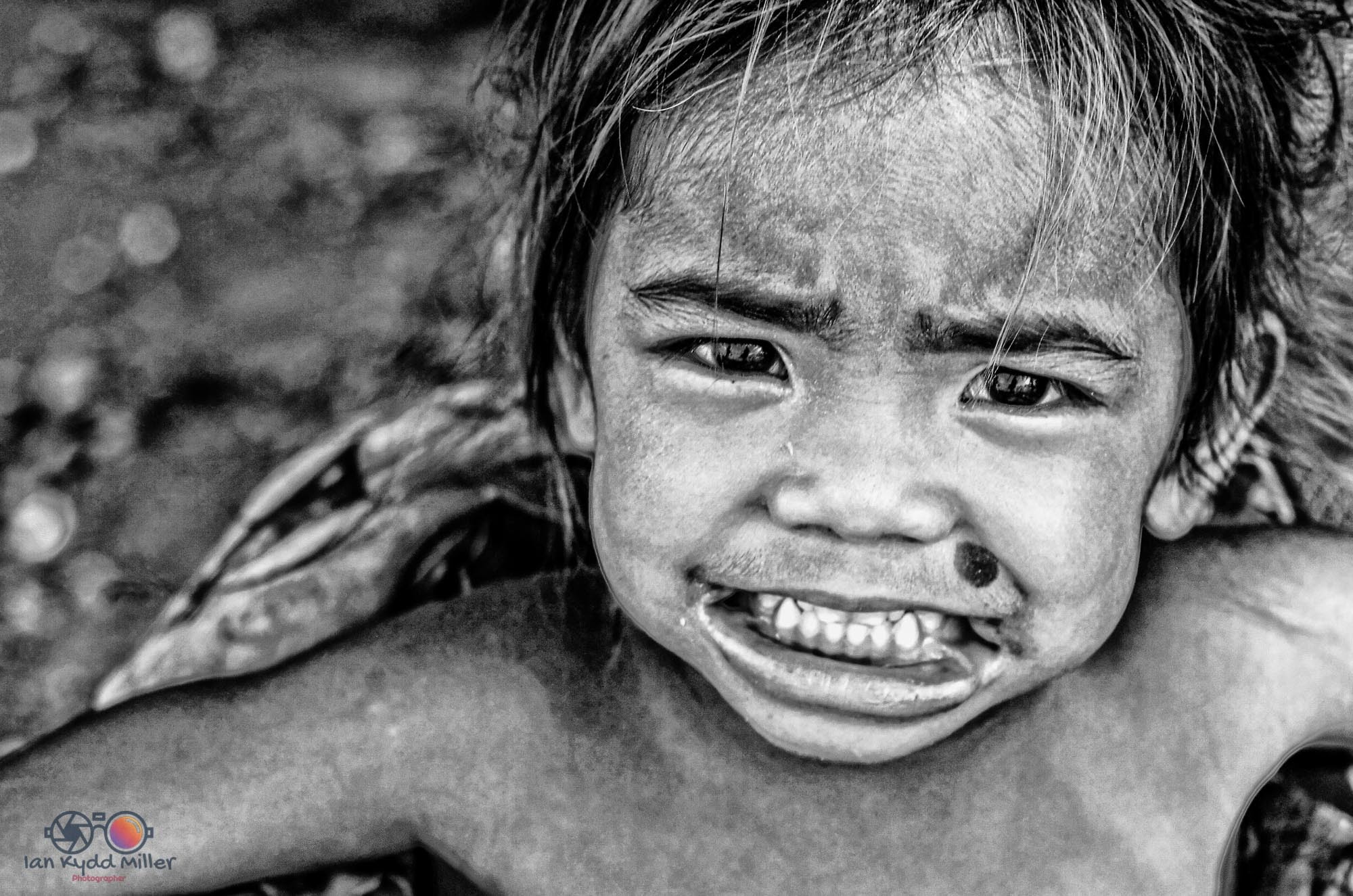


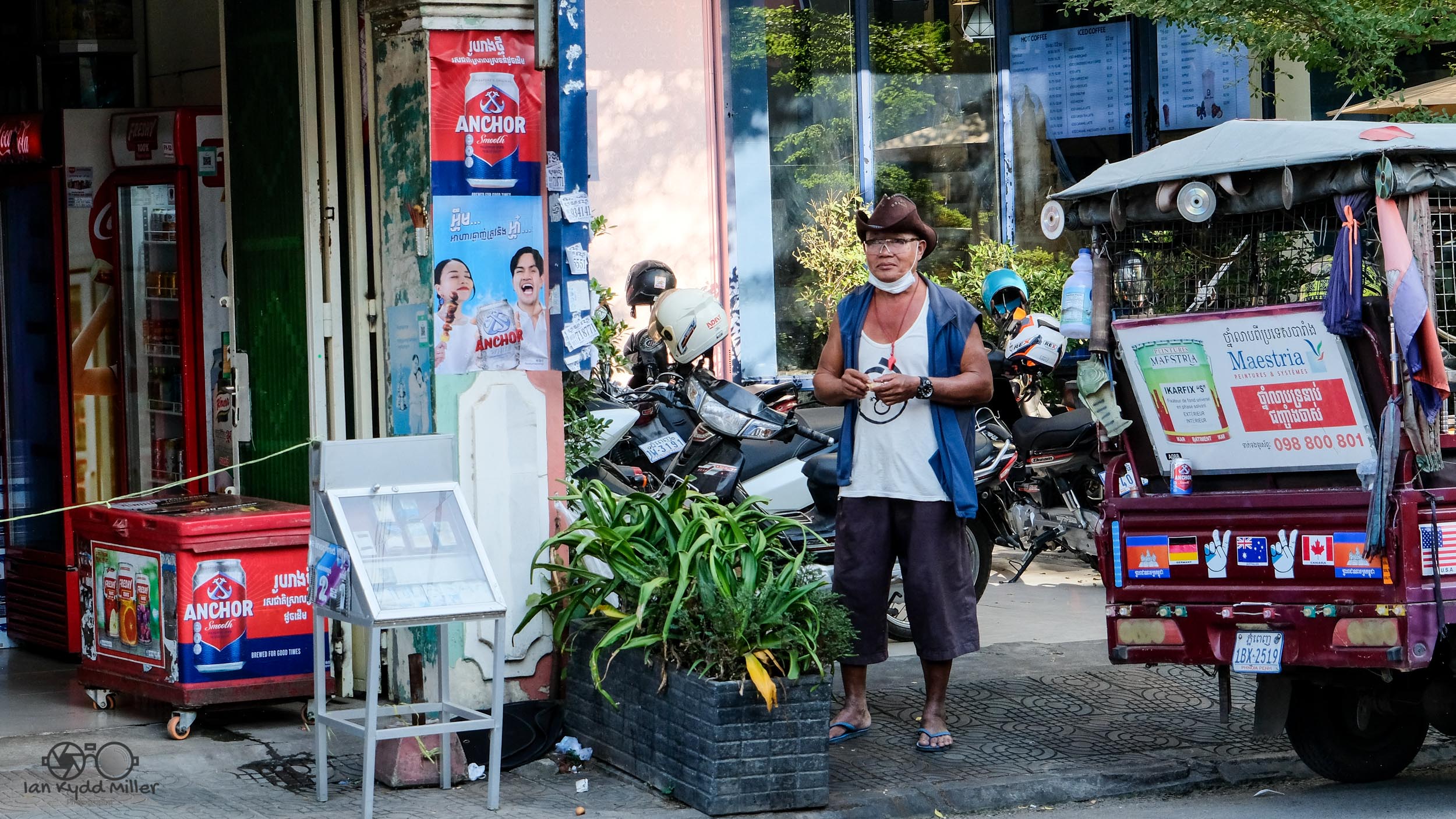

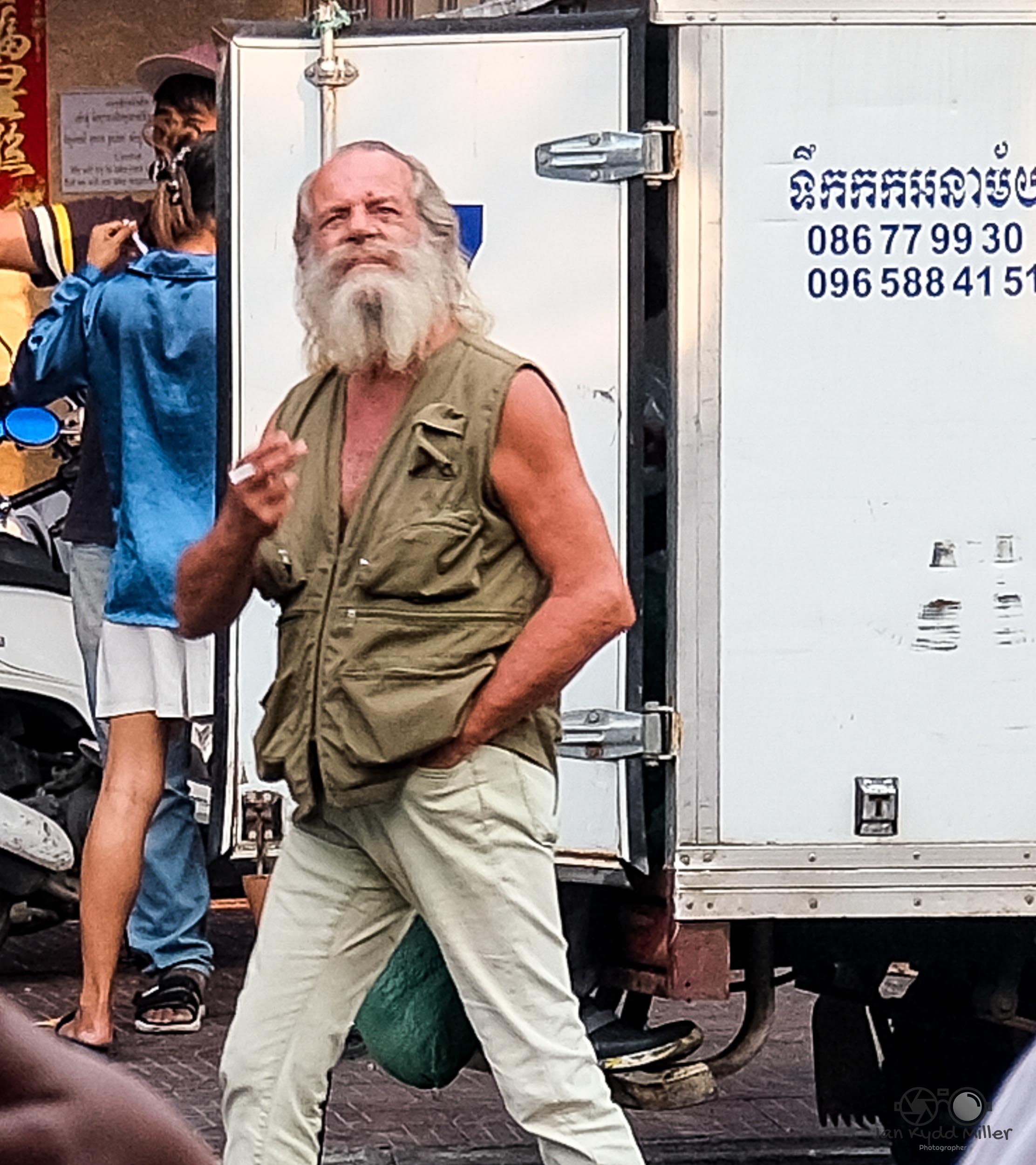
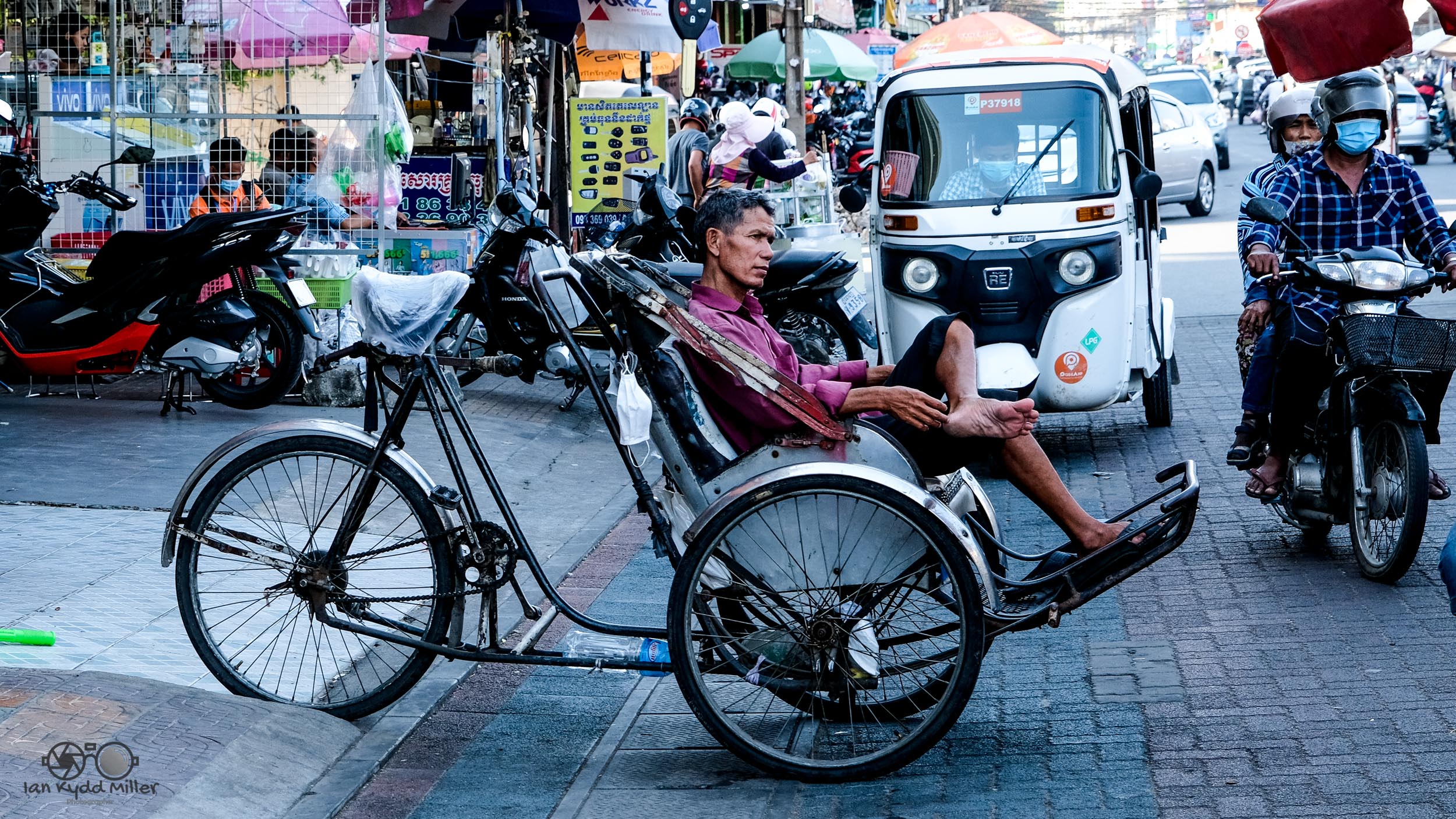


Humanism, a rationalist outlook or system of thought attaching prime importance to human rather than divine or supernatural matters.
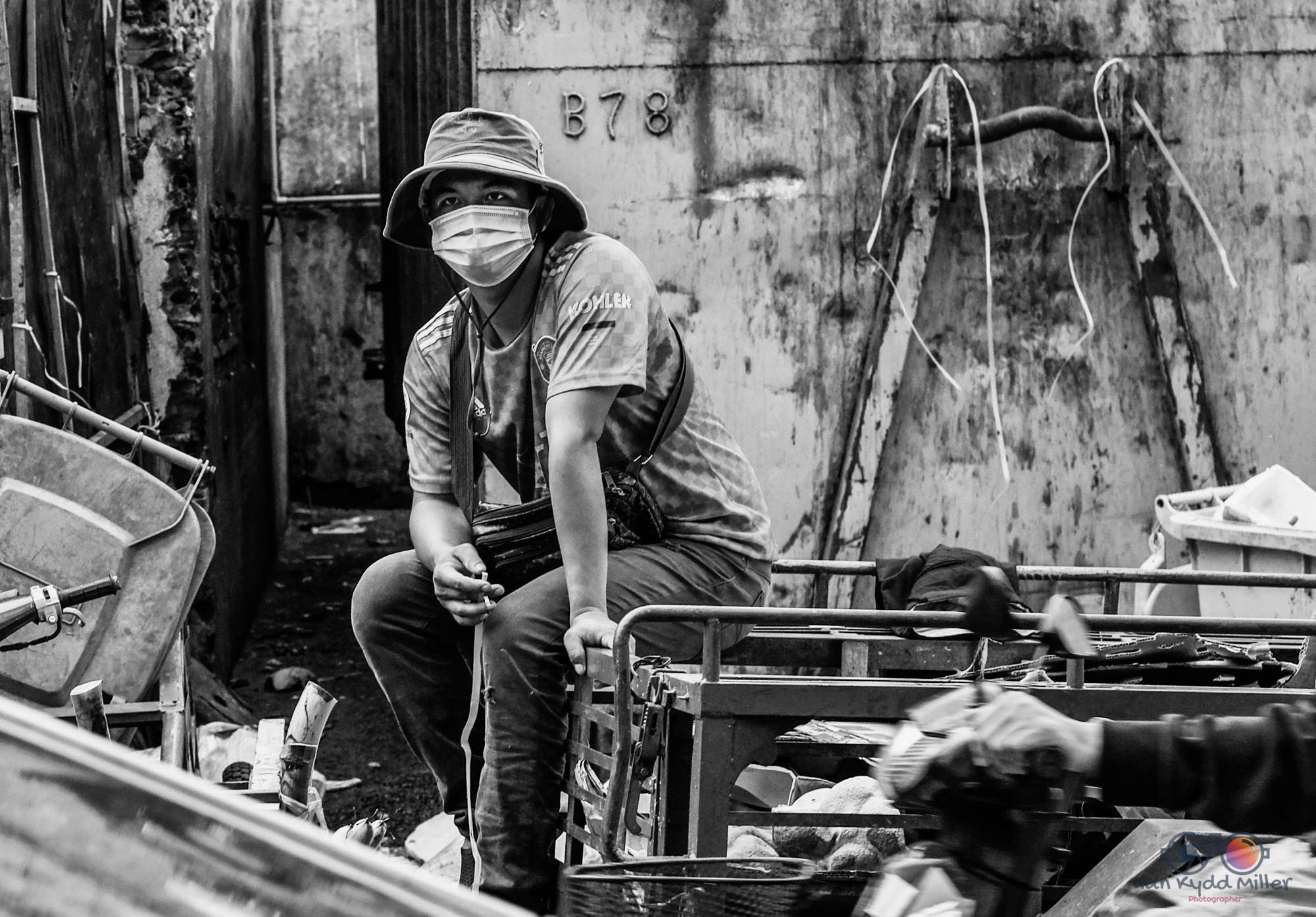


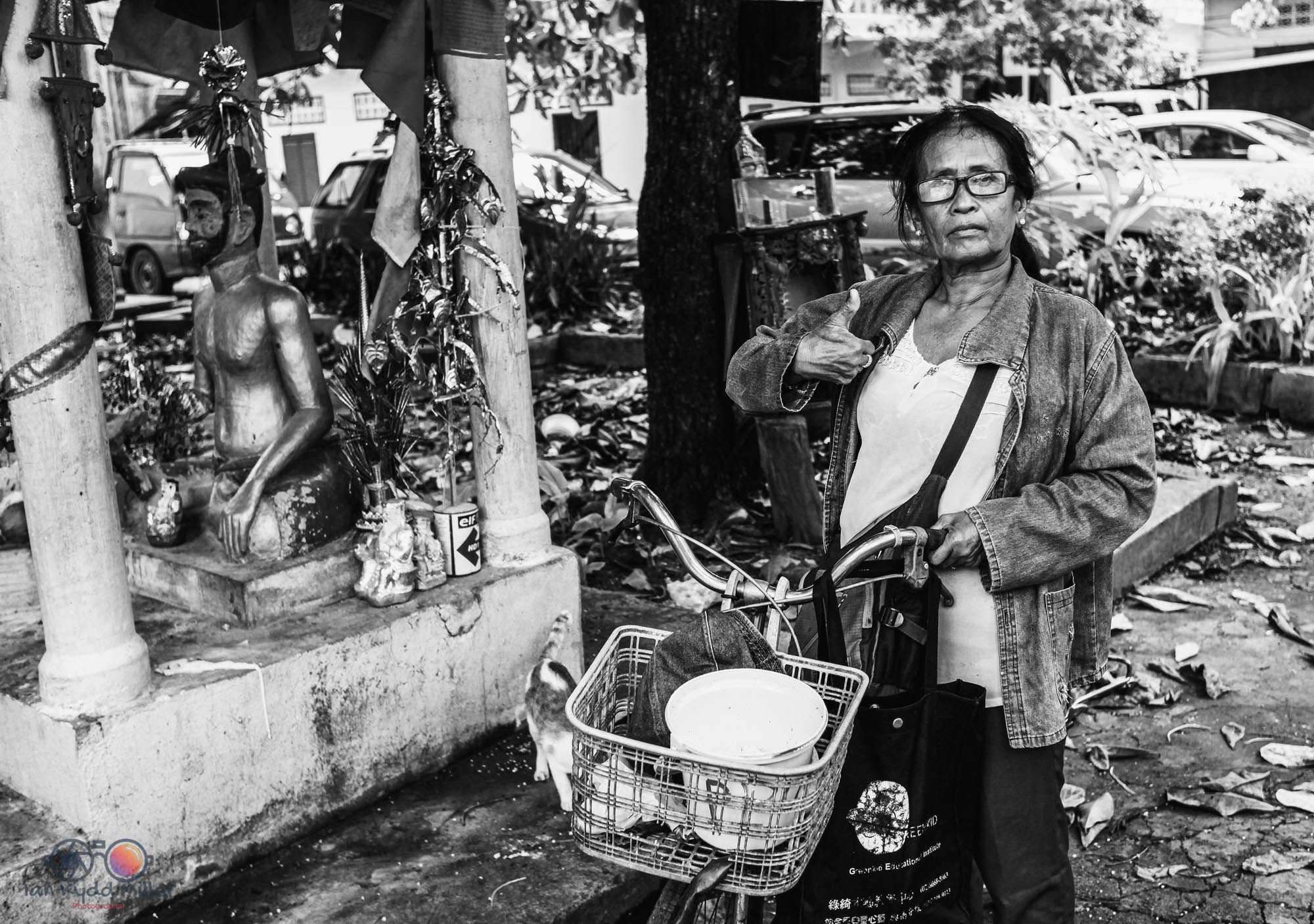


Mad dogs and English men go out in the midday sun.
Is it OK to take pictures in the harsh light of midday in the tropics, you bet ya.

I have always had a fascination with getting images at the most difficult times of the day. Harsh light is always a problem but can be used to make interesting images.
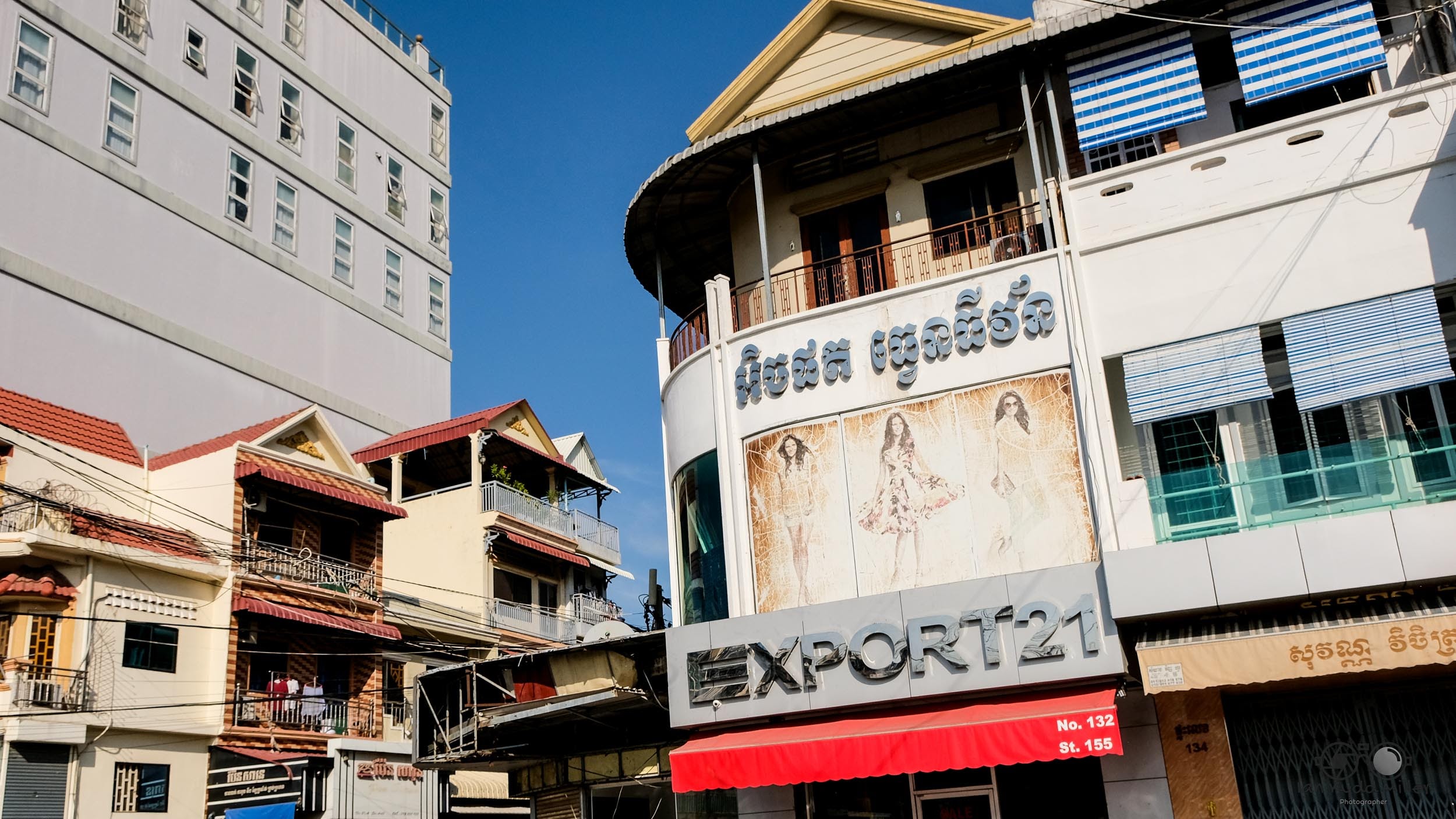

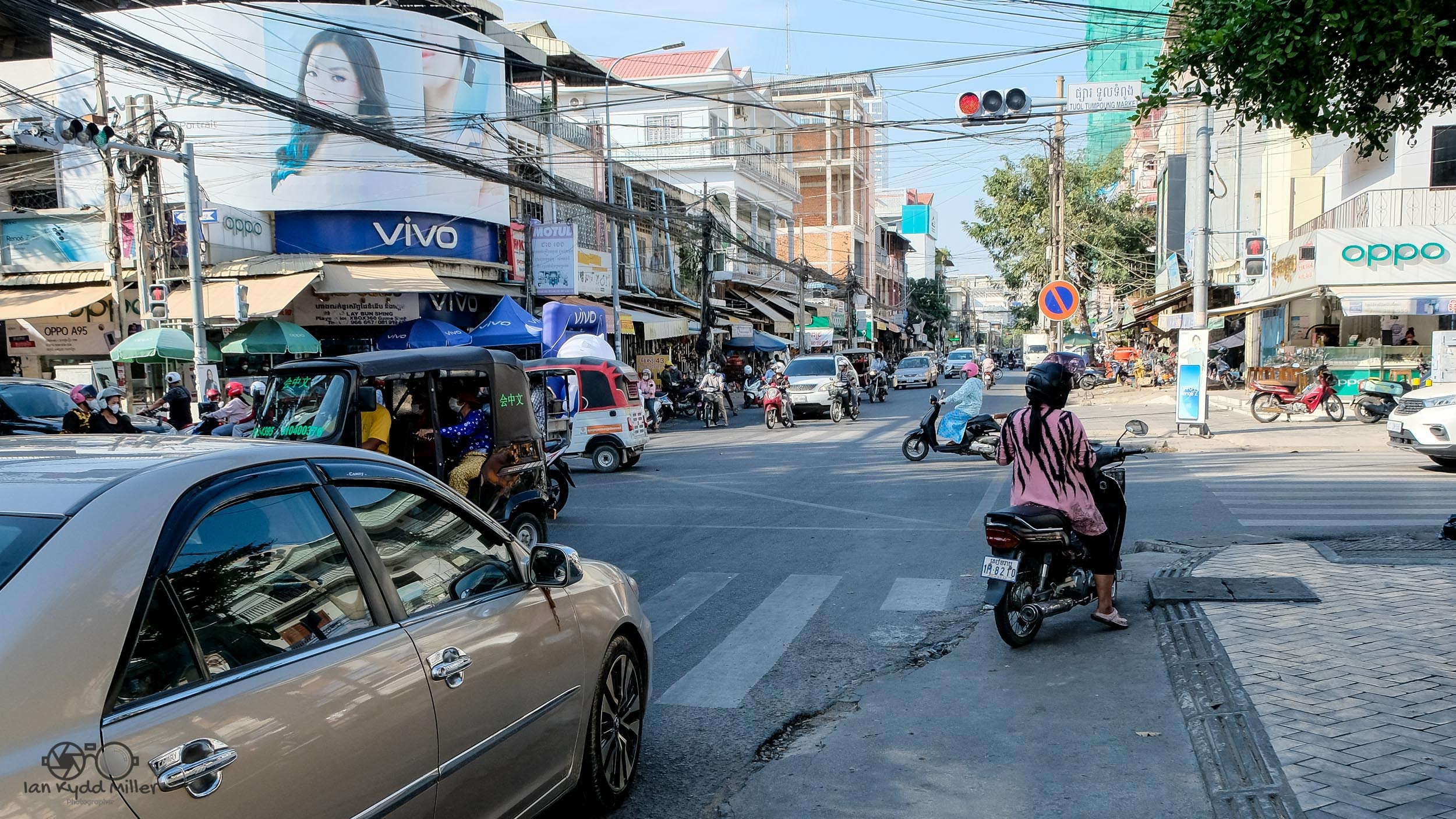
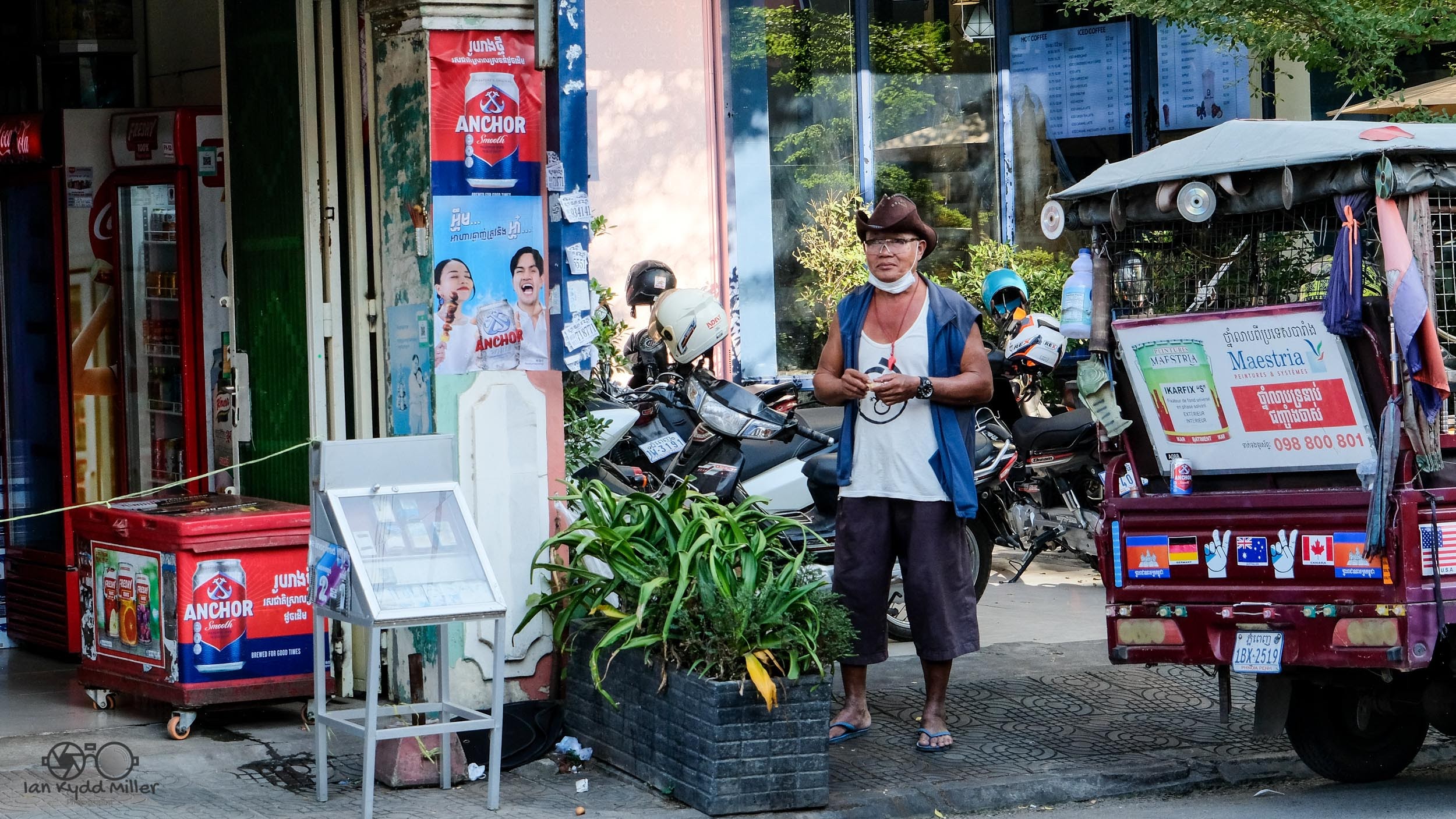
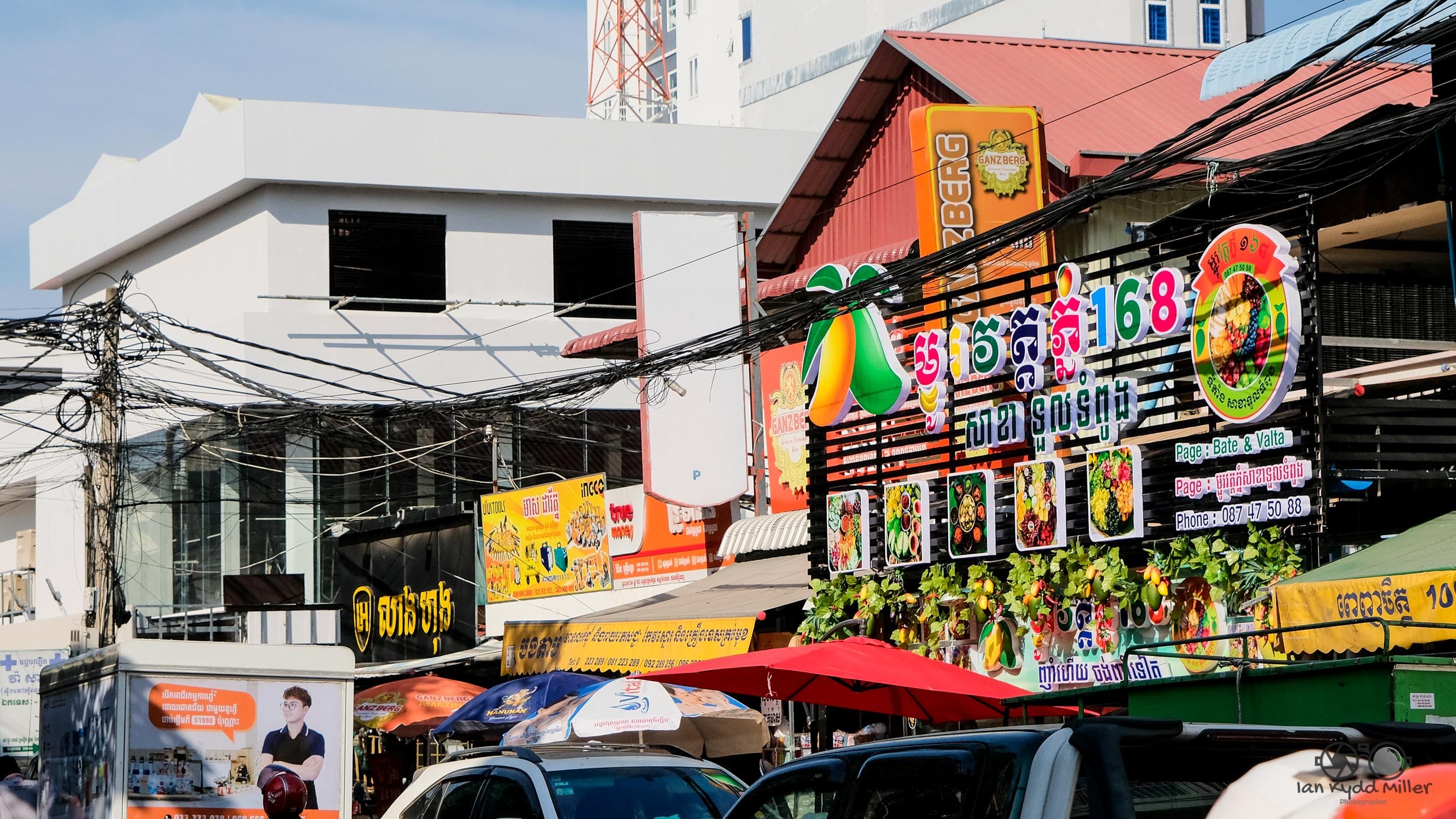





I’ve done several of these “Why I Love The Fujinon…” articles—including the 90mm f/2, the 35mm f/2, the 27mm f/2.8—but I’ve been putting this one off. If you’d read my review of the Fujinon 18mm f/2, you might already know that I have a love/hate relationship with it. I called it “the strange case of Dr. Jekyll and Mr. Hyde” because it is simultaneously wonderful and disappointing—wonderful image quality, disappointing performance. I don’t want to rehash what I already stated in the review, so I’ll approach this a different way.
For a long time I shot 35mm film. I had a Canon AE-1 camera and a 50mm f/1.8 lens, and that’s it—one camera and one lens. After awhile, though, I began to collect gear. I acquired more cameras and more lenses. One lens was a Canon…
View original post 432 more words
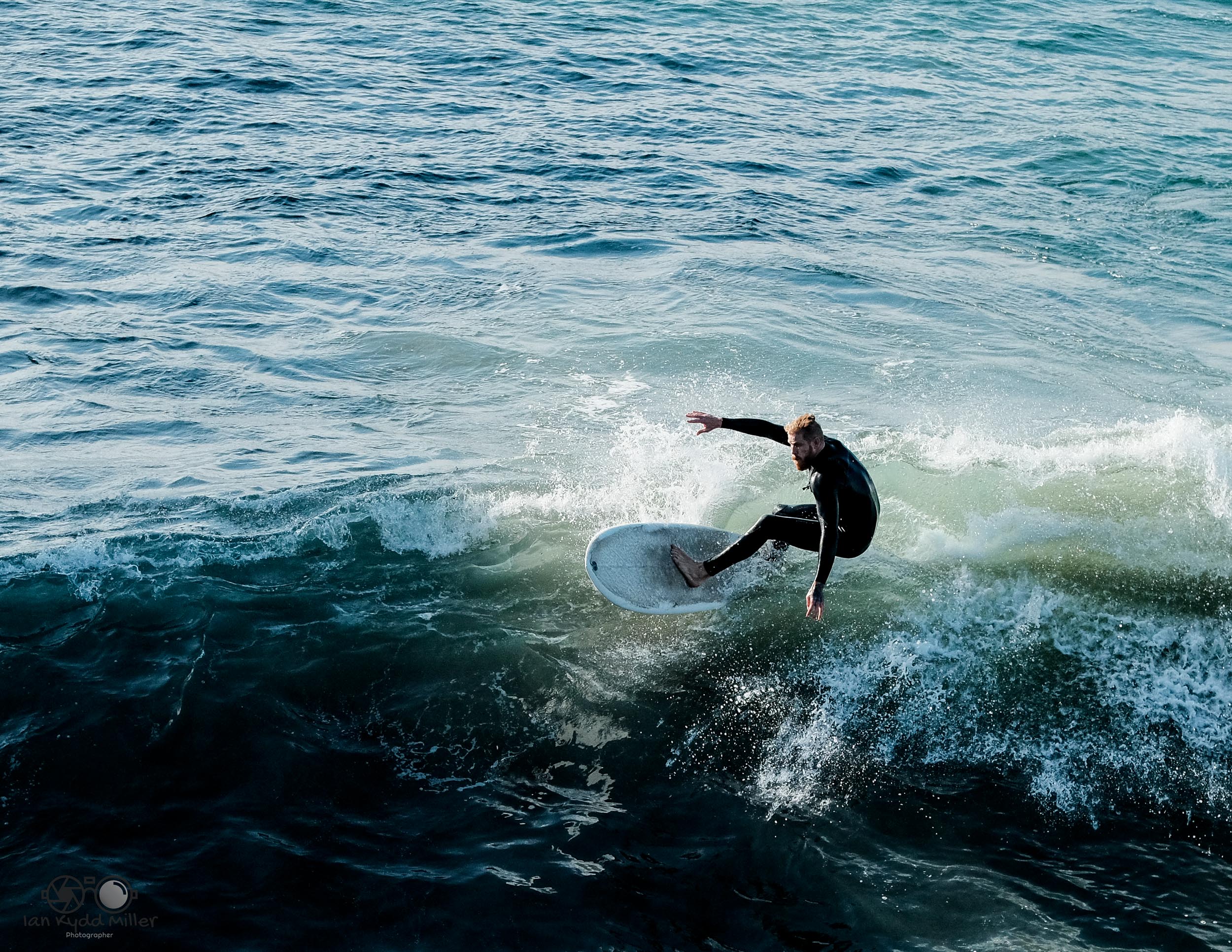
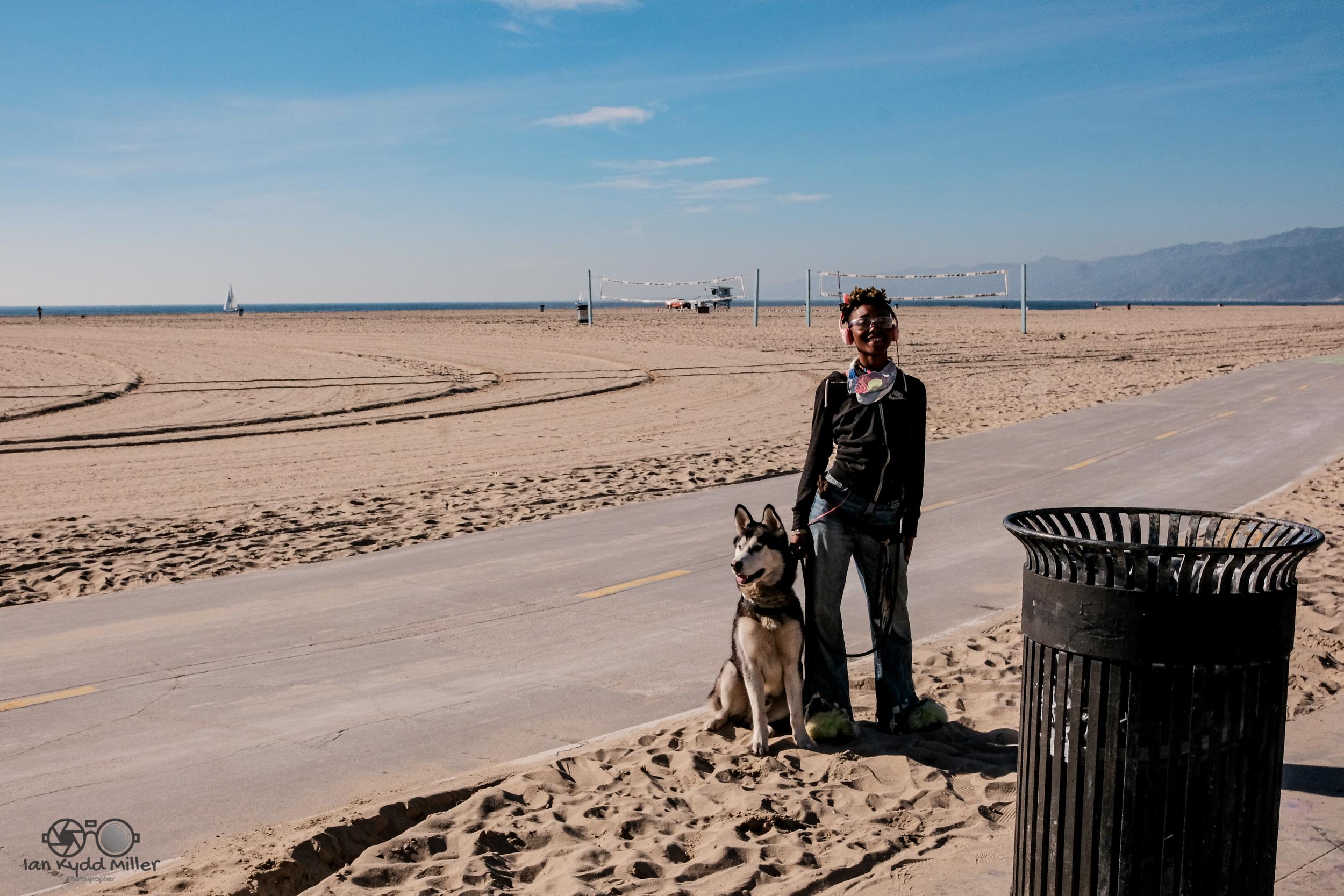
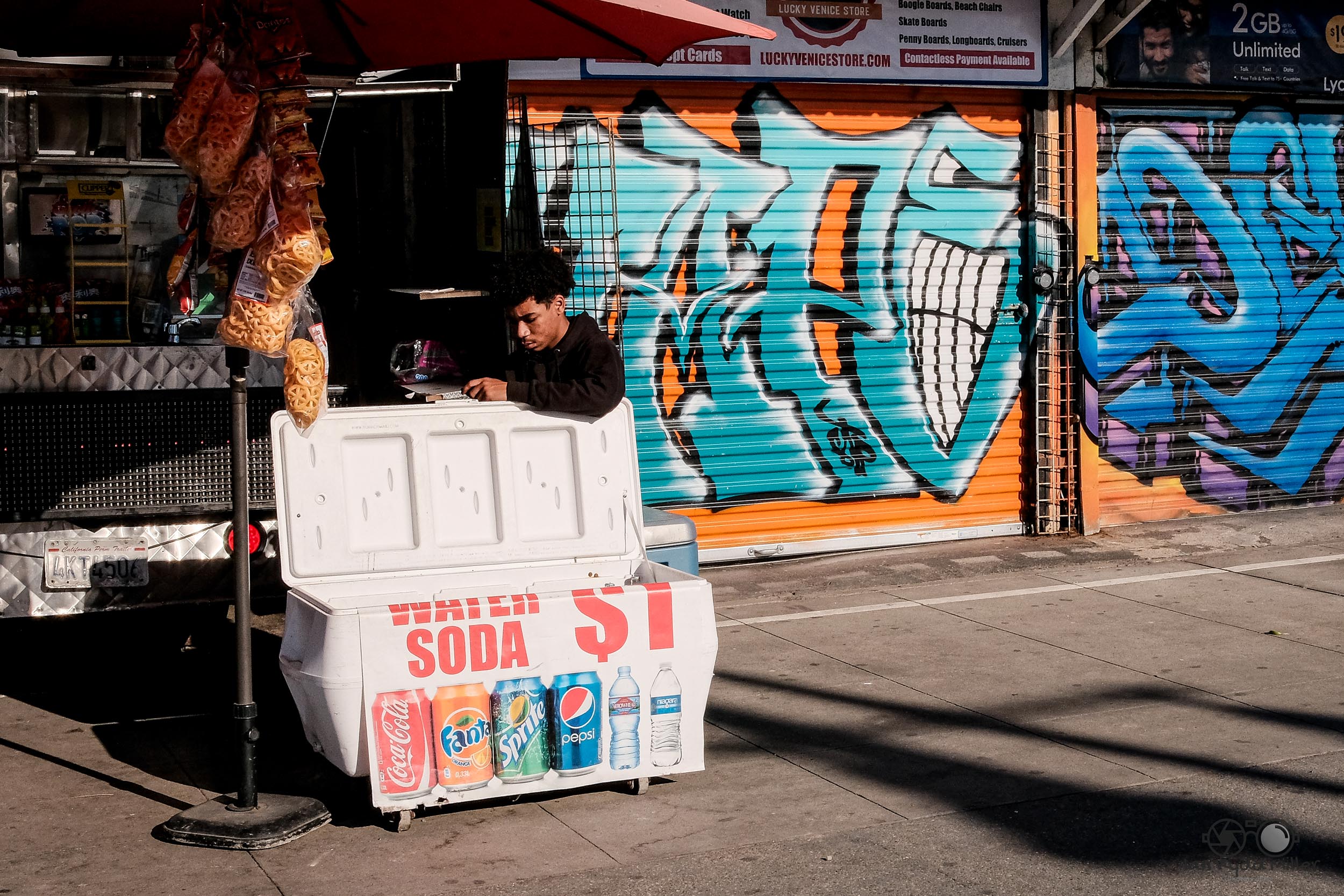
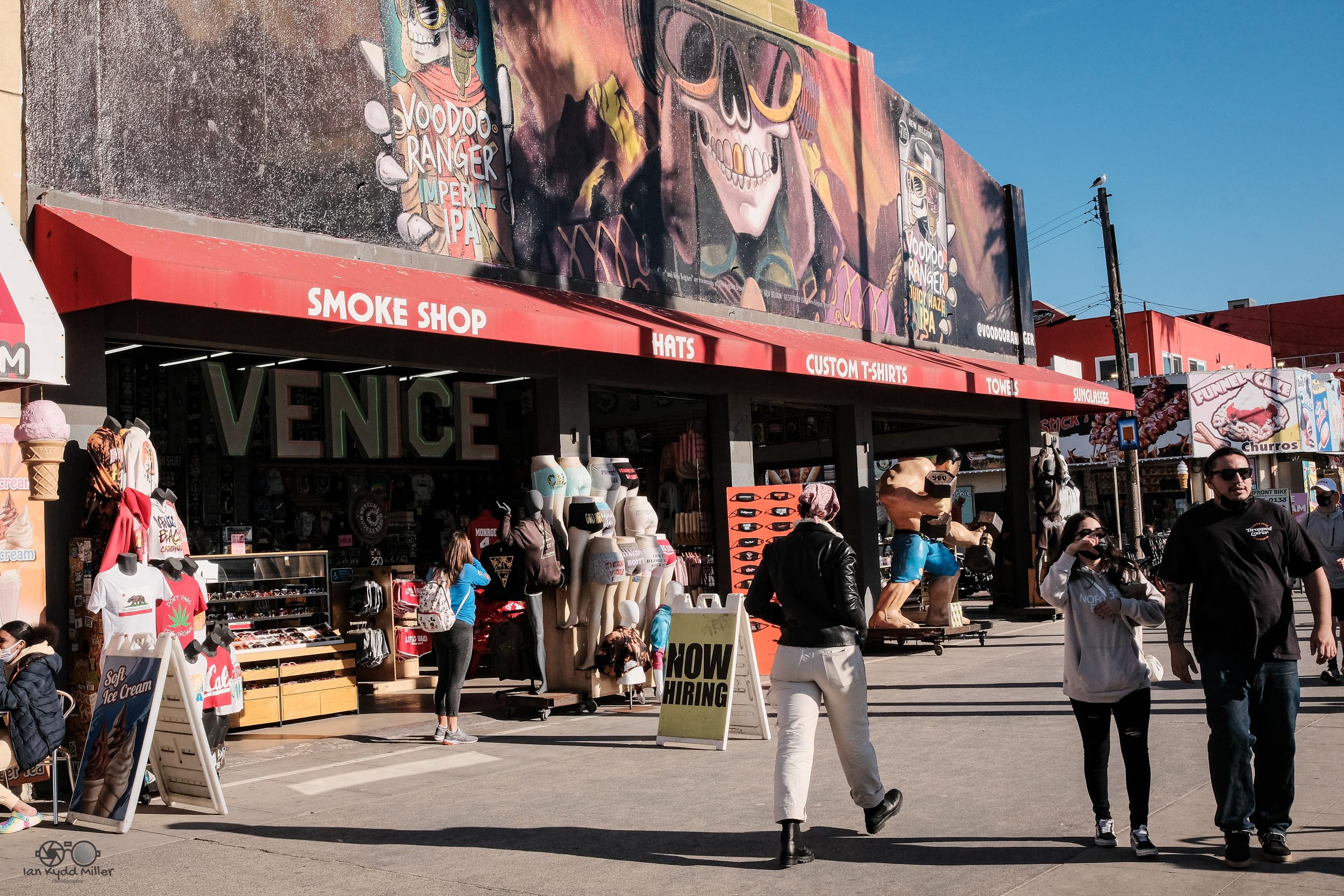
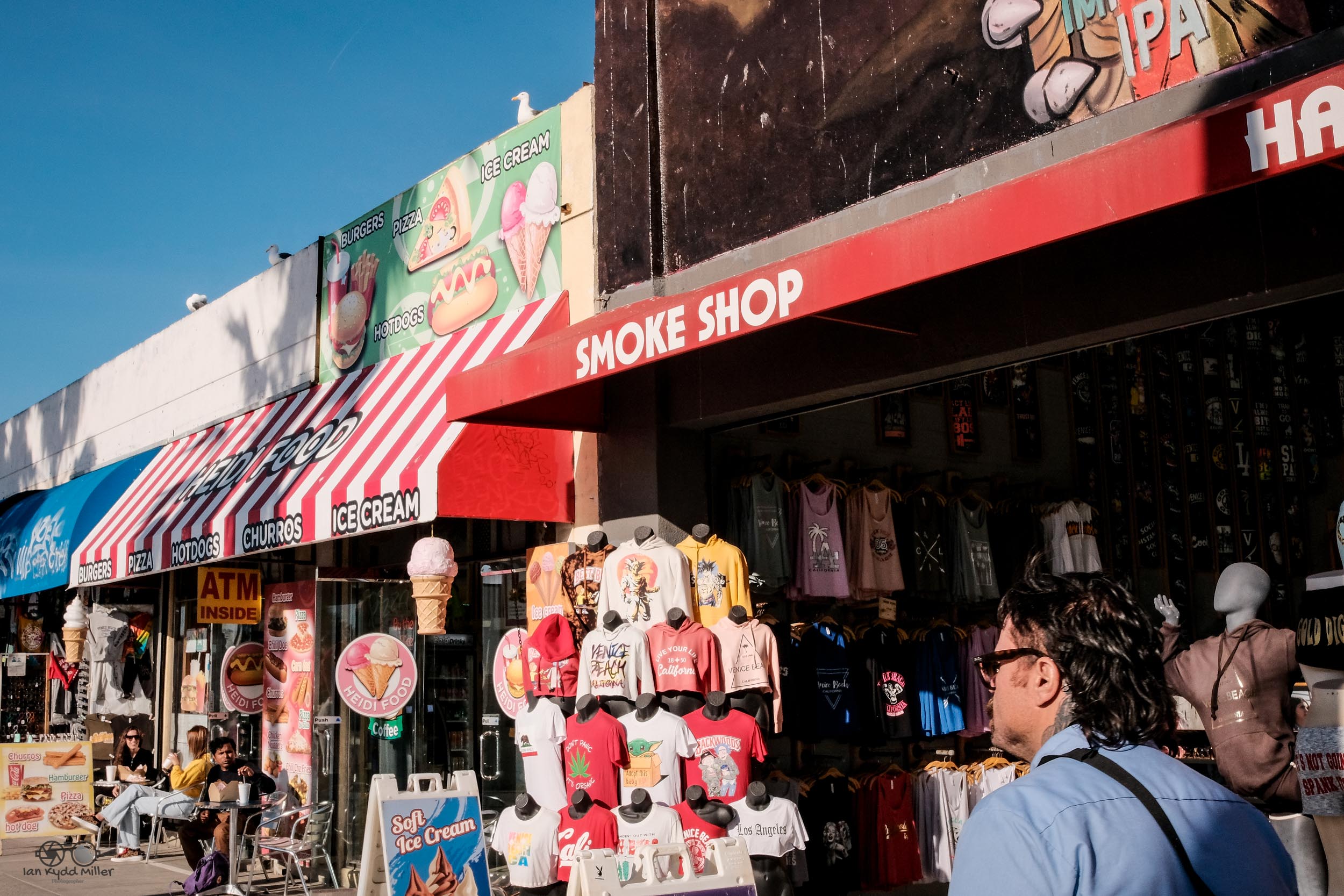
Had to make an impromptu trip to Los Angles, California to assist a friend of mine back for medical treatment at the VA Hospital in Long Beach. A long trip on New Years Day. Decided to hang there for a few days before returning home. Took a few pictures visiting Venice Beach and Manhattan Beach.
Manhattan Beach
Only had my travel gear with me, Fuji X Pro2 and a XF 50mm f2 for these shots of Surfers.
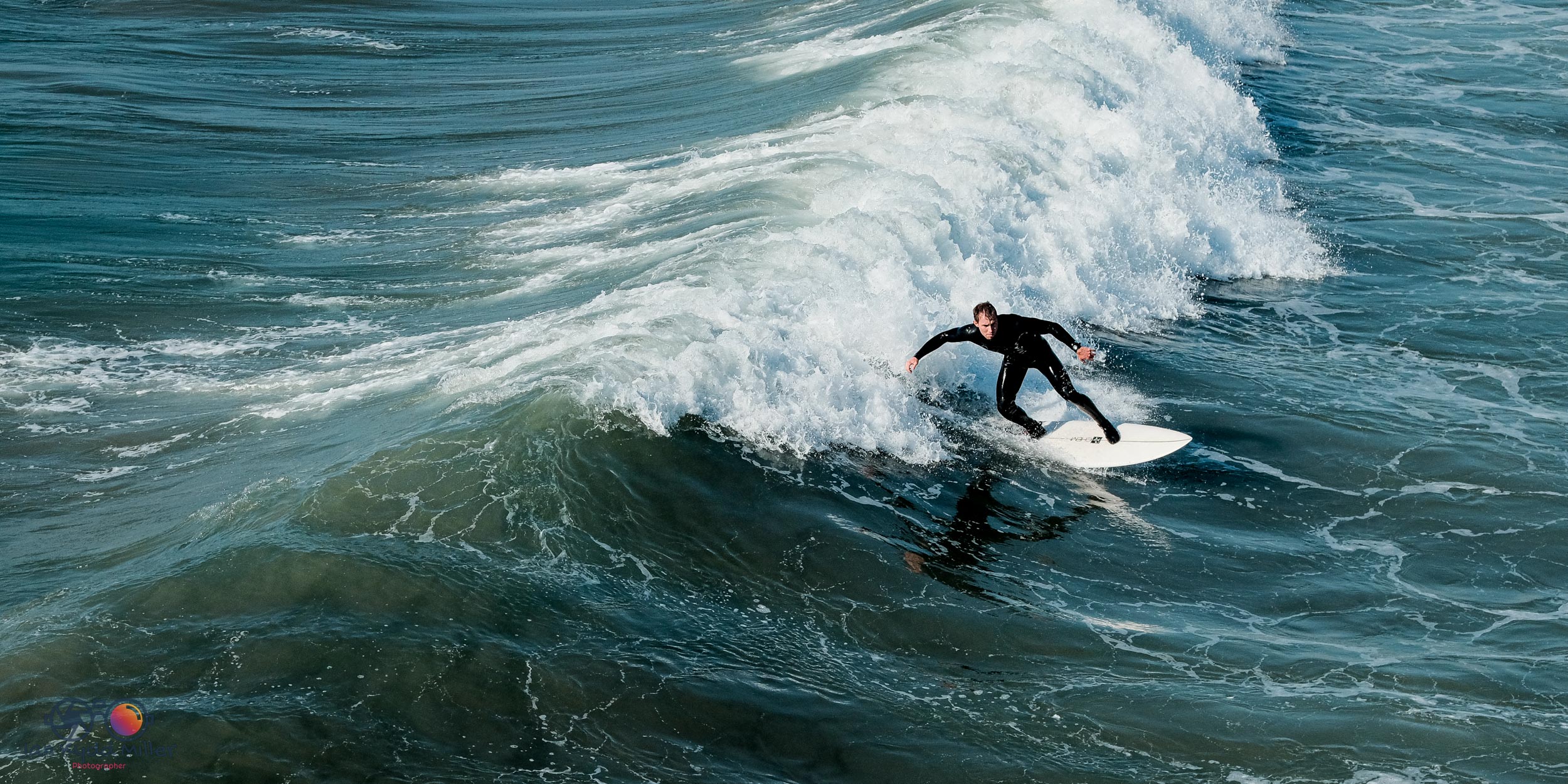


Venice Beach







 a world without pictures is like coffee without cream and sugar, bitter