

…
Digital photography is a field that demands precision, attention to detail, and, most importantly, the right tools. One of the most critical tools for any digital photographer is the computer. The right computer can make the difference between a frustrating experience and a seamless, creative process.
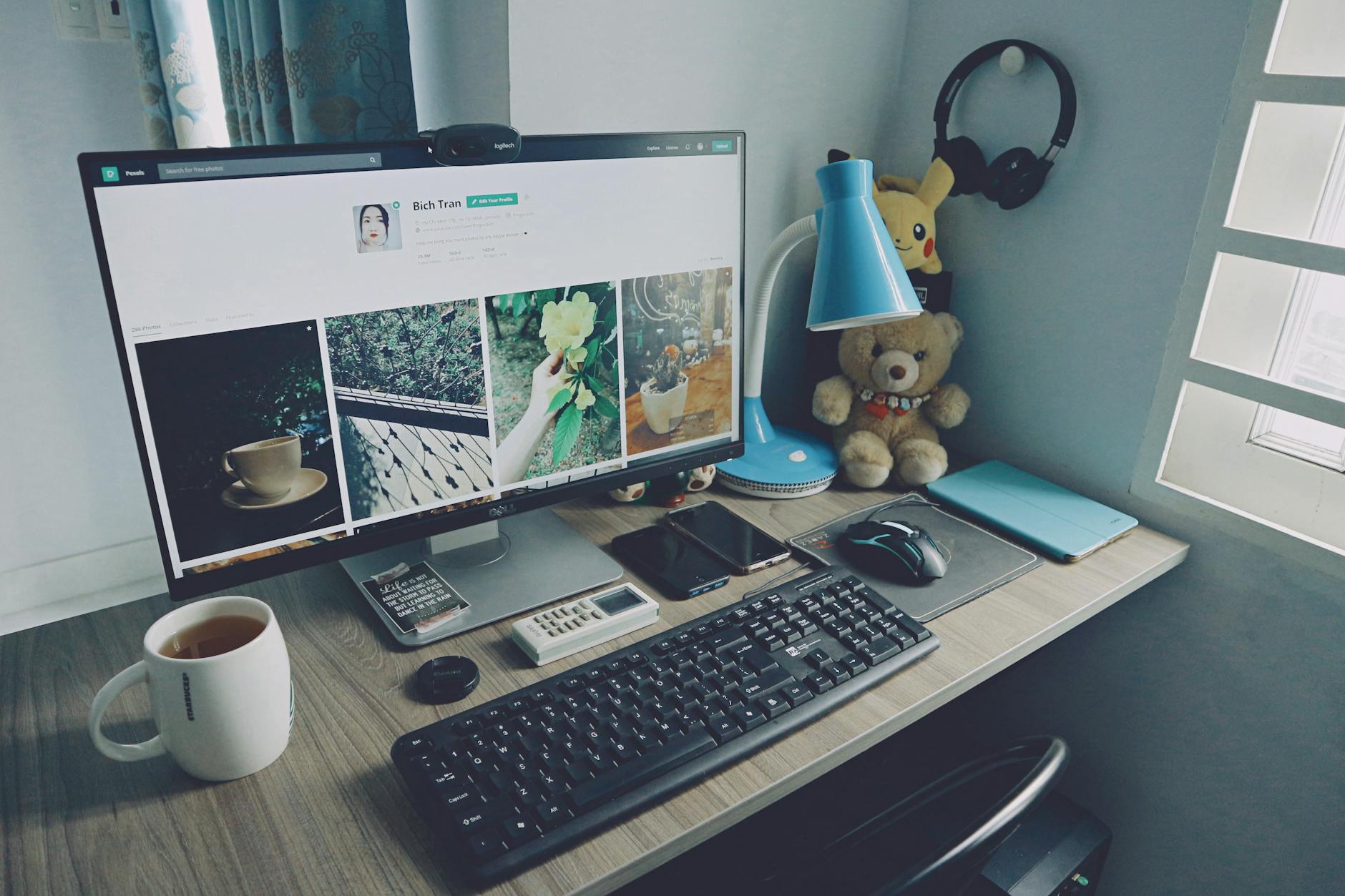
When it comes to selecting a computer for digital photography, there are several factors to consider:
- Processing Power: A fast CPU is crucial for photo editing tasks. Programs like Adobe Photoshop and Lightroom require significant processing power to run smoothly, especially when working with high-resolution images.
- Memory: RAM is another critical component. A minimum of 16GB is recommended for serious editing work, but 32GB or more is ideal for professional-level tasks and multitasking.
- Storage: Fast file access is essential, especially when dealing with large image files. Solid-state drives (SSDs) offer quick access times and reliable performance. Additionally, having ample storage space is necessary to store an extensive collection of high-resolution photos.
- Display: A high-quality display with accurate color representation is vital for photo editing. Look for computers with 4K or 5K displays to ensure the finest detail and color accuracy.
- Graphics Card: A dedicated graphics card can accelerate rendering times and improve the overall speed of photo editing software.
- Expandability: The ability to upgrade components such as memory, storage, and graphics cards can extend the life of your computer.
With these factors in mind, some of the best computers for digital photography as of 2024 include the Apple Mac Studio M2, known for its compact size and powerful performance, and the Apple iMac M3, which offers a complete package with enough power for most image editing requirements. For Windows users, the Dell XPS Desktop is a great choice, balancing power and size for photo editing and gaming capabilities.
For those on a budget, options like the ASUS V241EA-ES001 provide a balance between cost and performance, while the HP Pavilion 27 offers a high-quality display at a more affordable price point.
In conclusion, the right computer for digital photography is one that matches your specific needs and workflow. Whether you’re a hobbyist or a professional, investing in a machine that can handle the demands of digital photography will pay off in the quality of your work and the enjoyment of your creative process. Remember to prioritize processing power, memory, storage, display quality, graphics capabilities, and expandability when making your choice. Happy editing!
 a world without pictures is like coffee without cream and sugar, bitter