

🎯 What Megapixels Do
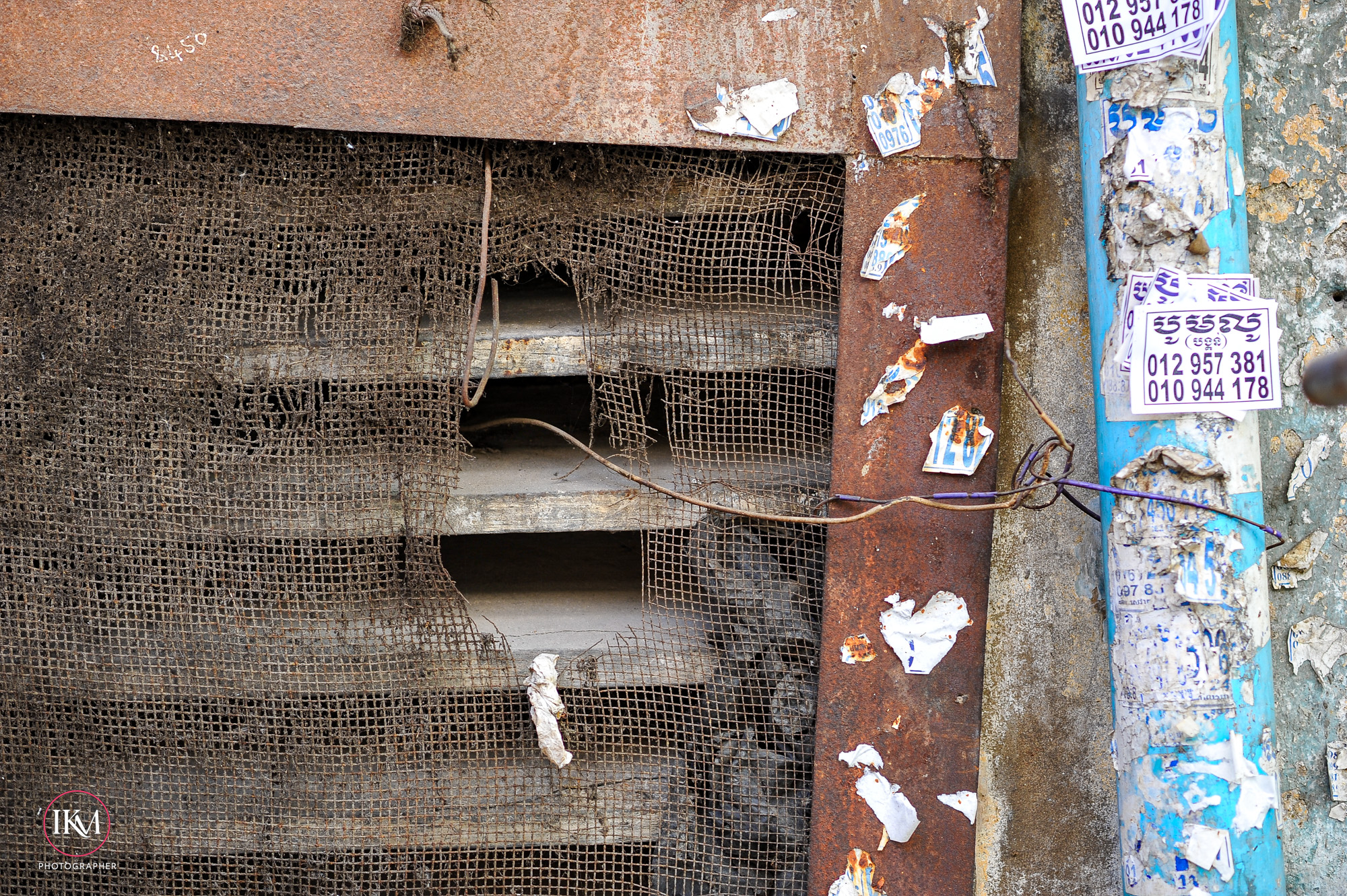
- Resolution: More megapixels = more detail captured, allowing larger prints and tighter crops.
- Flexibility: High‑MP files give room to reframe or crop without sacrificing quality.
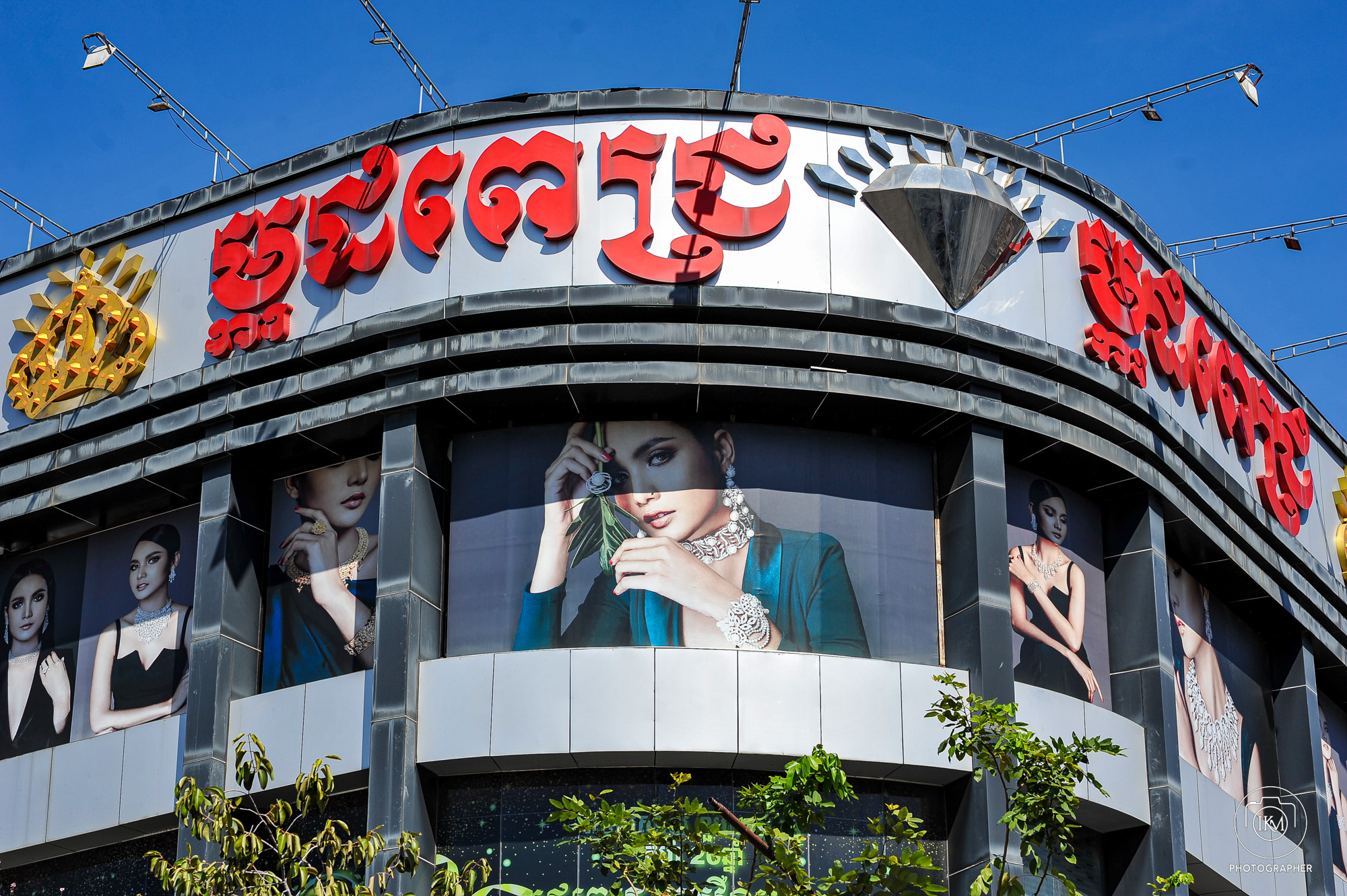
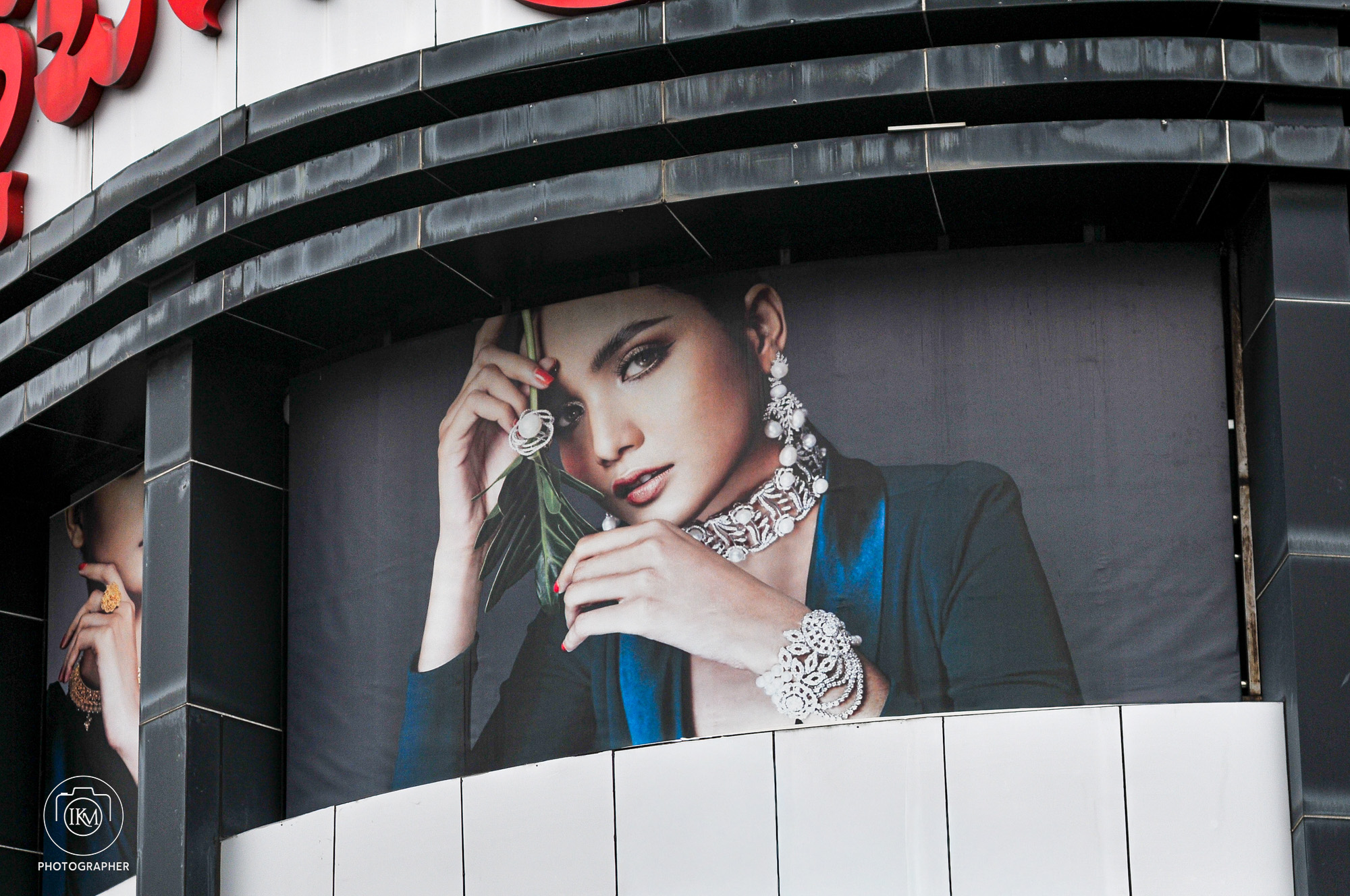
- Professional needs: Commercial photographers (fashion, product, landscape) benefit from 36MP+ sensors for billboard‑sized prints or fine art reproduction.
⚠️ Limits of Megapixels
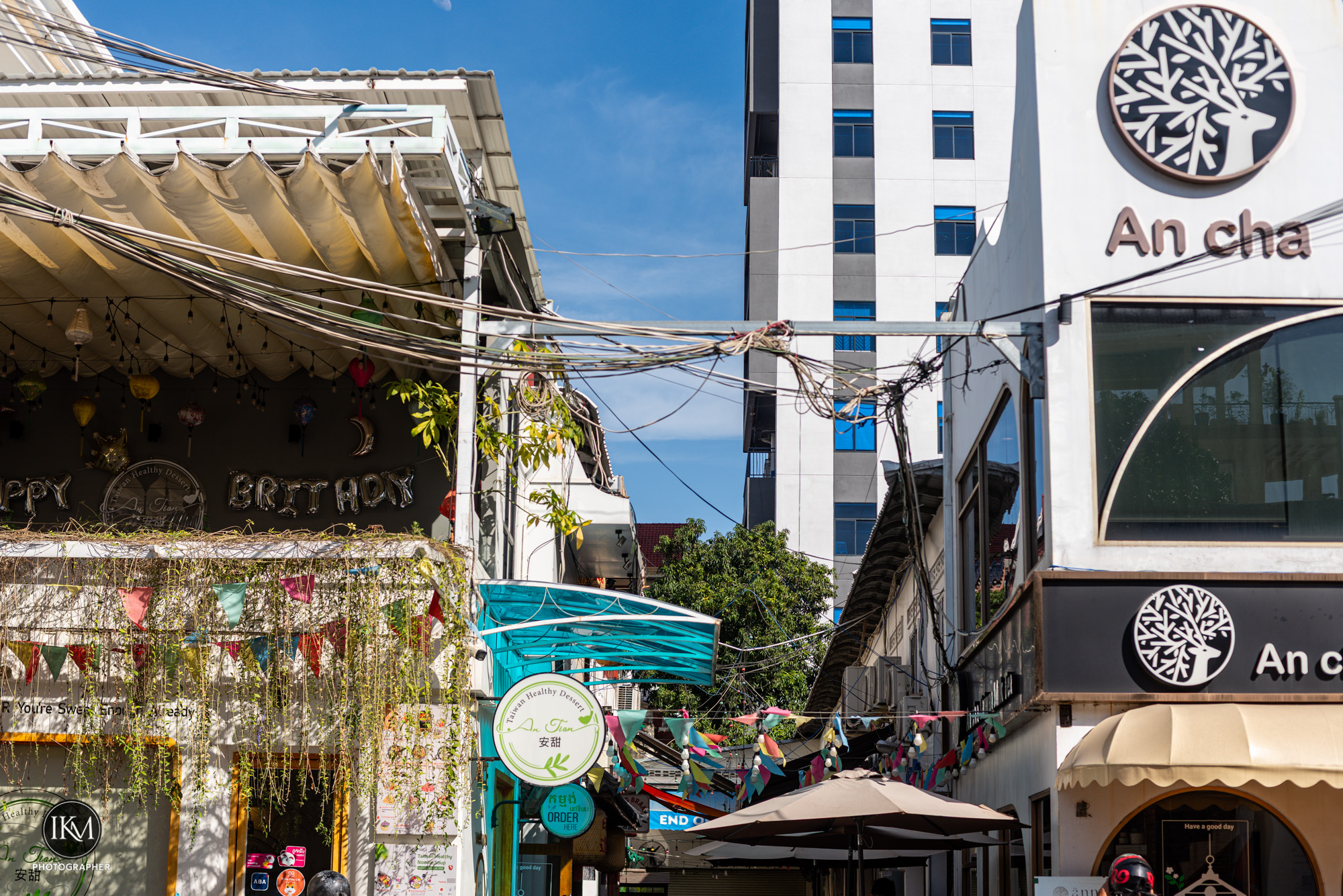
- Lens quality matters more: A poor lens won’t resolve the detail that a high‑MP sensor can capture.
- Noise & low‑light: Packing more pixels into a sensor can increase noise, especially on smaller sensors.
- File size: Higher resolution means larger files, requiring more storage and processing power.
- Diminishing returns: For everyday use (social media, prints up to A3), 20–24MP is more than enough.
⚖️ Comparative Snapshot
| Use Case | Ideal Megapixels | Why |
|---|---|---|
| Social media / web | 12–16MP | More than sufficient for screens |
| Standard prints (A4–A3) | 20–24MP | Sharp detail without huge files |
| Large prints / posters | 30–36MP | Allows cropping and enlargement |
| Fine art / commercial | 45–60MP | Maximum detail for billboard or gallery work |




✨ Conclusion
Megapixels matter when resolution is critical — for large prints, heavy cropping, or commercial reproduction. But for most photographers, once you’re above ~20MP, other factors (lens quality, sensor performance, light, and composition) matter far more.
Verdict: Megapixels give you potential; skill and optics turn that potential into great photographs.
 a world without pictures is like coffee without cream and sugar, bitter