

Photography enthusiasts often face the challenge of balancing their love for the art with the practical aspects of their equipment. One such practical consideration is the battery life of cameras, which can significantly impact the shooting experience. Fuji cameras, known for their exceptional image quality and user-friendly design, unfortunately, fall short when it comes to battery longevity, especially compared to the stalwarts of the DSLR world, Nikon and Canon.

The issue of battery life in cameras is not a trivial one. For photographers who spend long hours on shoots or travel extensively, the frequency of battery changes can be frustrating. This is where DSLRs from Nikon and Canon have traditionally excelled, offering robust battery performance that allows photographers to shoot for extended periods without interruption.
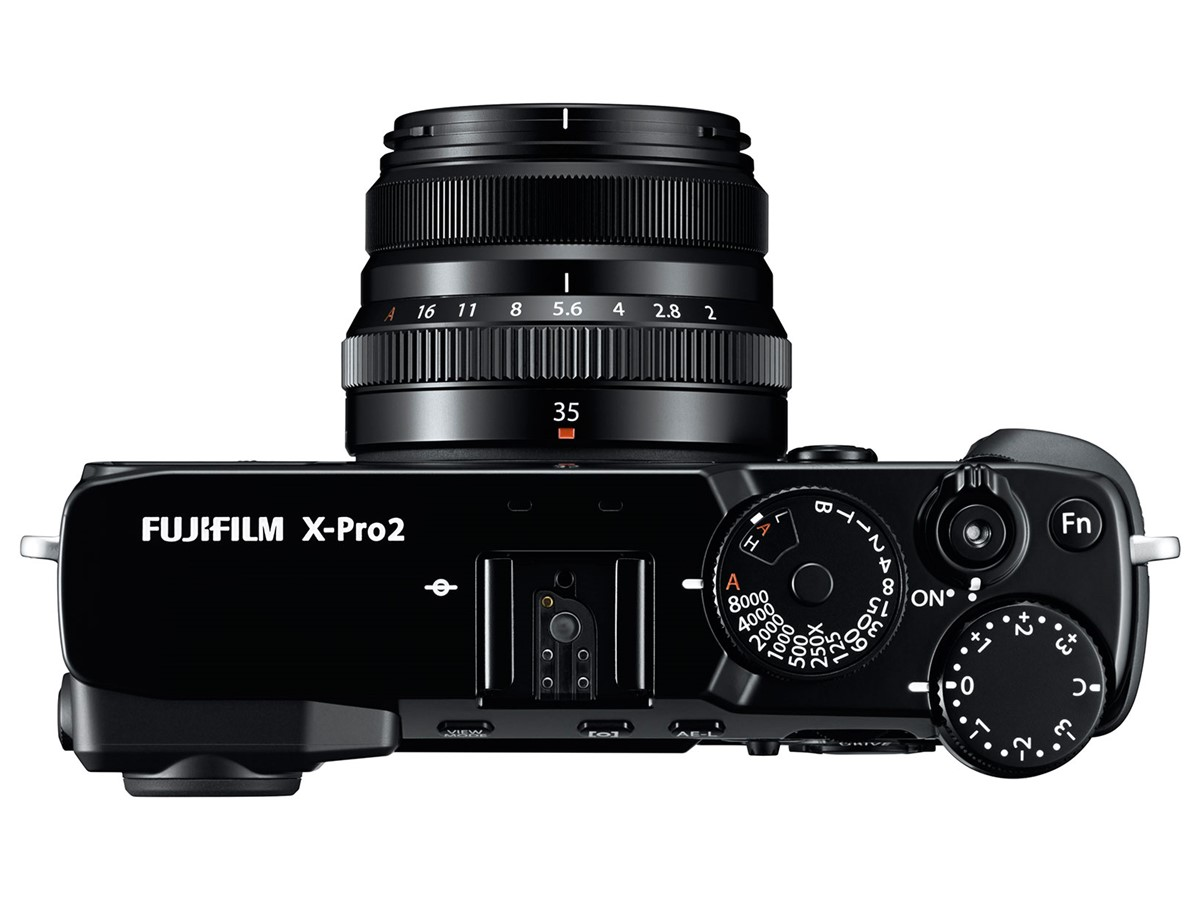
Fuji’s mirrorless cameras, while offering the advantages of a lighter body and a more compact form factor, have been criticized for their less impressive battery life. The reasons for this are multifaceted. Mirrorless cameras like those from Fuji rely heavily on electronic viewfinders and LCD screens, which consume a significant amount of power. Additionally, the smaller bodies of these cameras can only accommodate smaller batteries, which inherently have a lower capacity.

Recent developments, however, show promise for Fuji users. The Fujifilm X-S20, for instance, boasts an enhanced battery that claims to capture an additional 800 frames on a single charge compared to its predecessor. This is a substantial improvement and indicates that Fuji is responsive to the needs of its users and is working towards bridging the gap in battery performance.




Despite these advancements, potential buyers and current users need to be aware of the limitations and plan accordingly. Investing in spare batteries or external power banks can mitigate the issue to some extent. Moreover, it’s advisable to purchase batteries from reputable manufacturers to ensure safety and reliability.

In conclusion, while Fuji cameras may currently lag behind Nikon and Canon DSLRs in terms of battery life, the gap is narrowing. With technological advancements and a user-centric approach, Fuji is poised to overcome this hurdle, much to the delight of its loyal user base. For now, photographers must weigh the pros and cons, considering whether the unparalleled image quality and compactness of Fuji cameras outweigh the inconvenience of more frequent battery changes. As the technology evolves, we remain hopeful that future models will continue to address this concern, making Fuji cameras an even more attractive choice for photography enthusiasts.
The Fujifilm X-T3, even when equipped with a battery grip, offers a more compact mirrorless design but falls short in battery life compared to the robust Nikon D3 and D800. The X-T3 provides around 390 shots per charge, which is significantly less than the 900 shots offered by the D800 or D3. This difference is often a consideration for photographers who require longer shooting times without the need for frequent battery swaps. However, the X-T3 compensates with features like higher video recording quality and a lighter body, which may appeal to users looking for portability and advanced video capabilities.
 a world without pictures is like coffee without cream and sugar, bitter