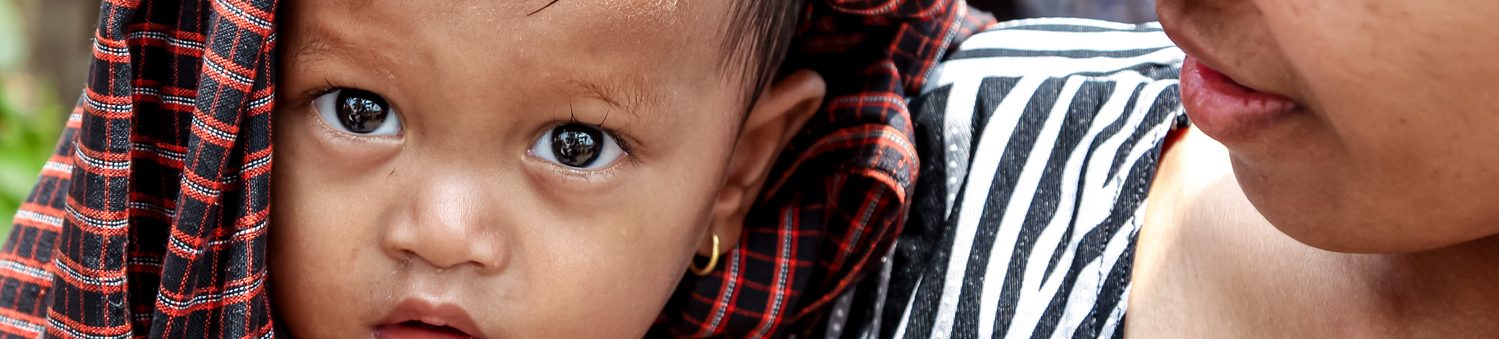

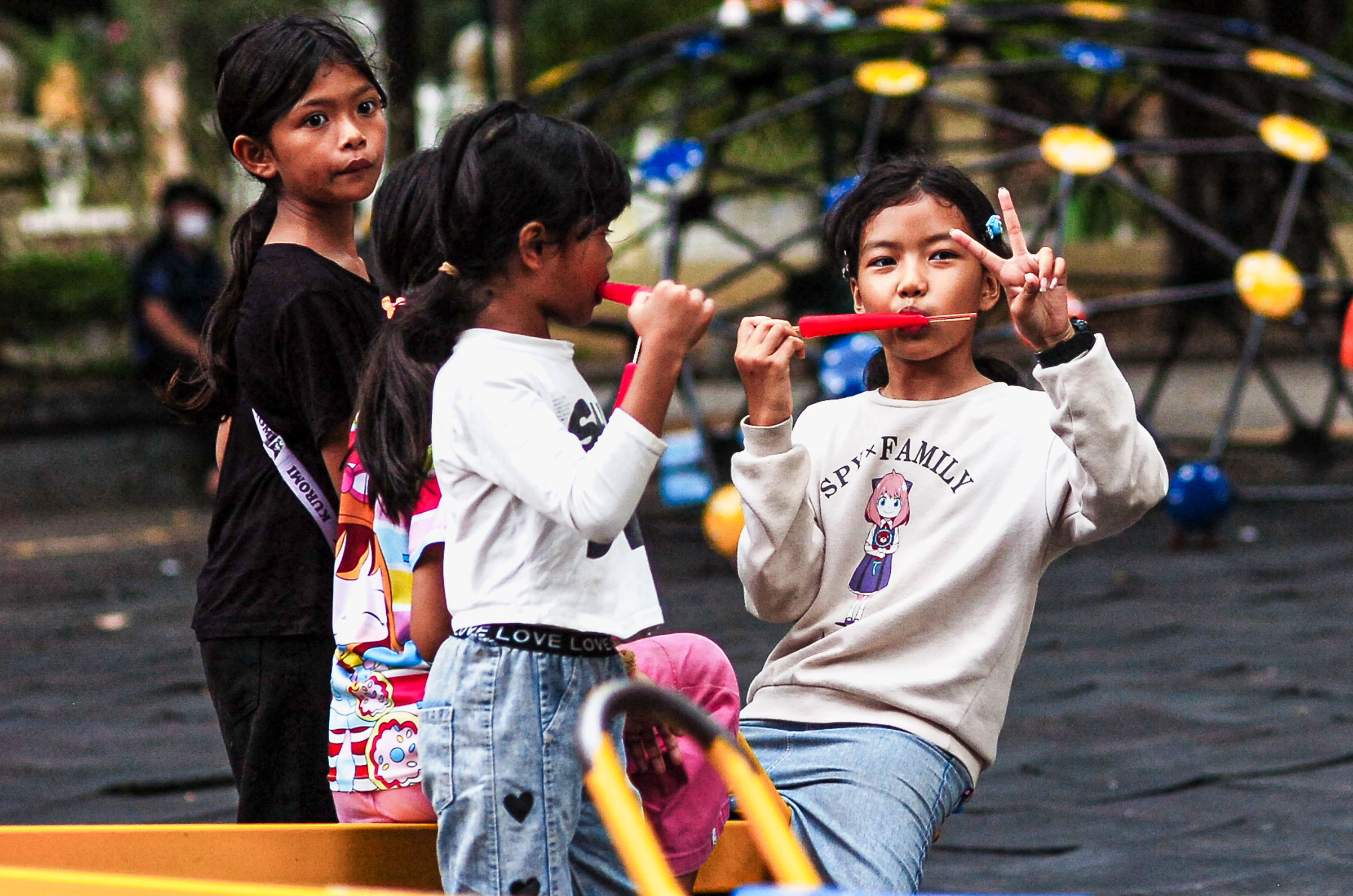
In the age of smartphones and social media, the act of taking photographs in public spaces has become a common occurrence. However, when it comes to photographing children, the situation becomes more complex due to legal and ethical considerations. This blog post explores the legality and the ethical implications of taking pictures of children in public parks.
Legal Perspective
Legally, the right to take photographs in public places is generally protected under the First Amendment in the United States, which includes public parks. There is no expectation of privacy in these public spaces, and photography is usually permitted. However, this right comes with limitations. For instance, photographing in a manner that constitutes harassment or violates local laws is not allowed. Moreover, specific laws may vary by country and even by state or region within a country.
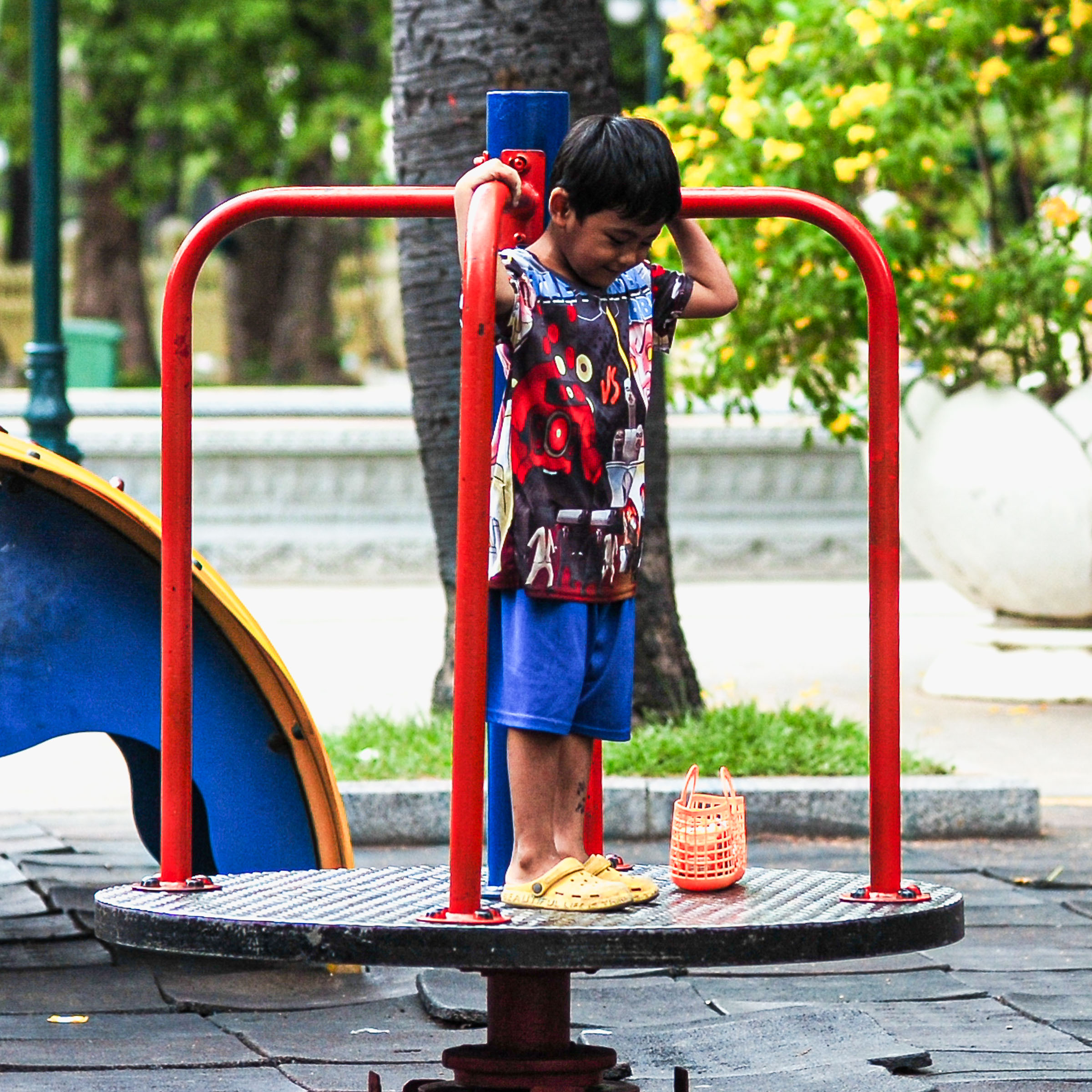

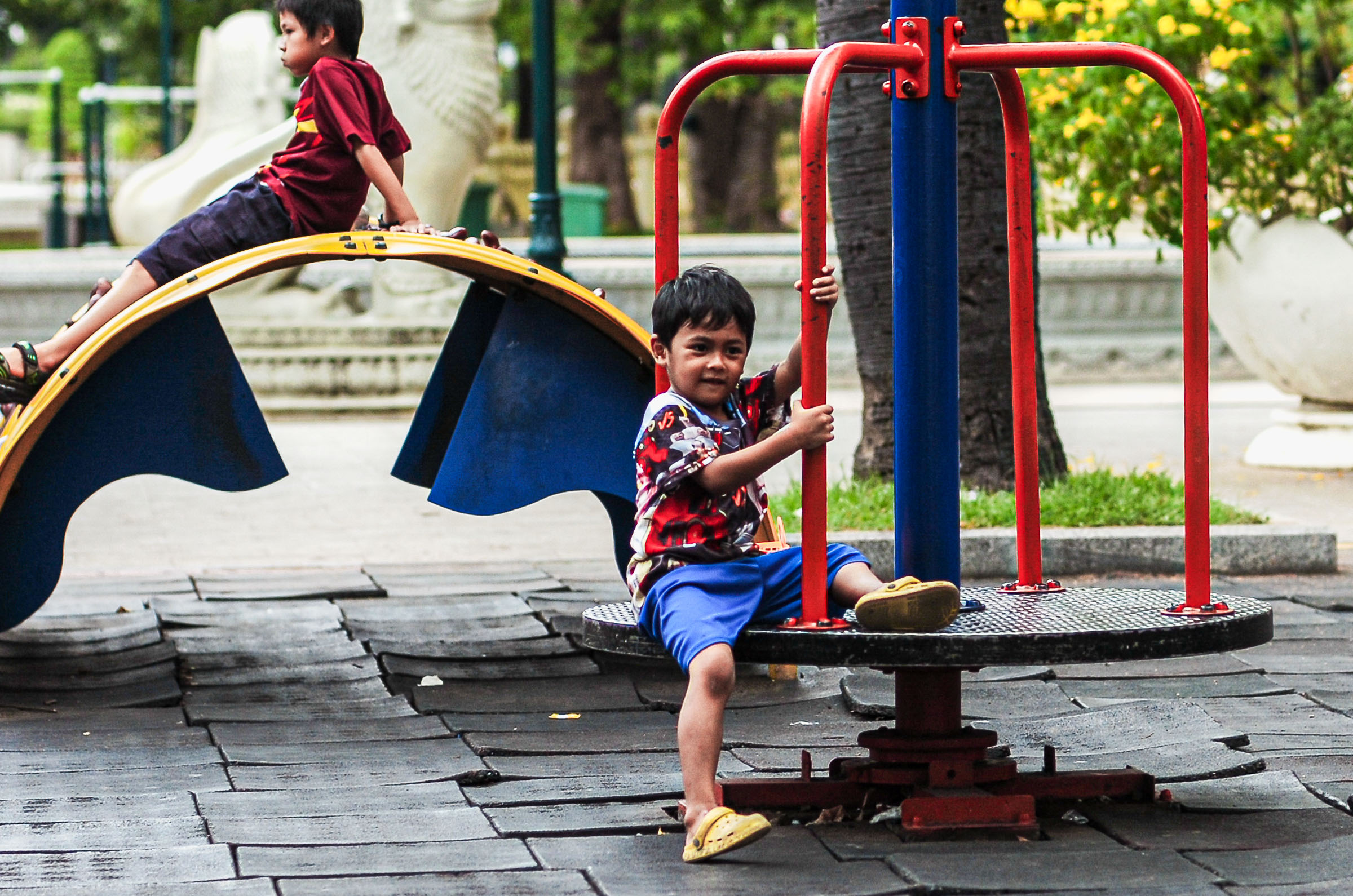
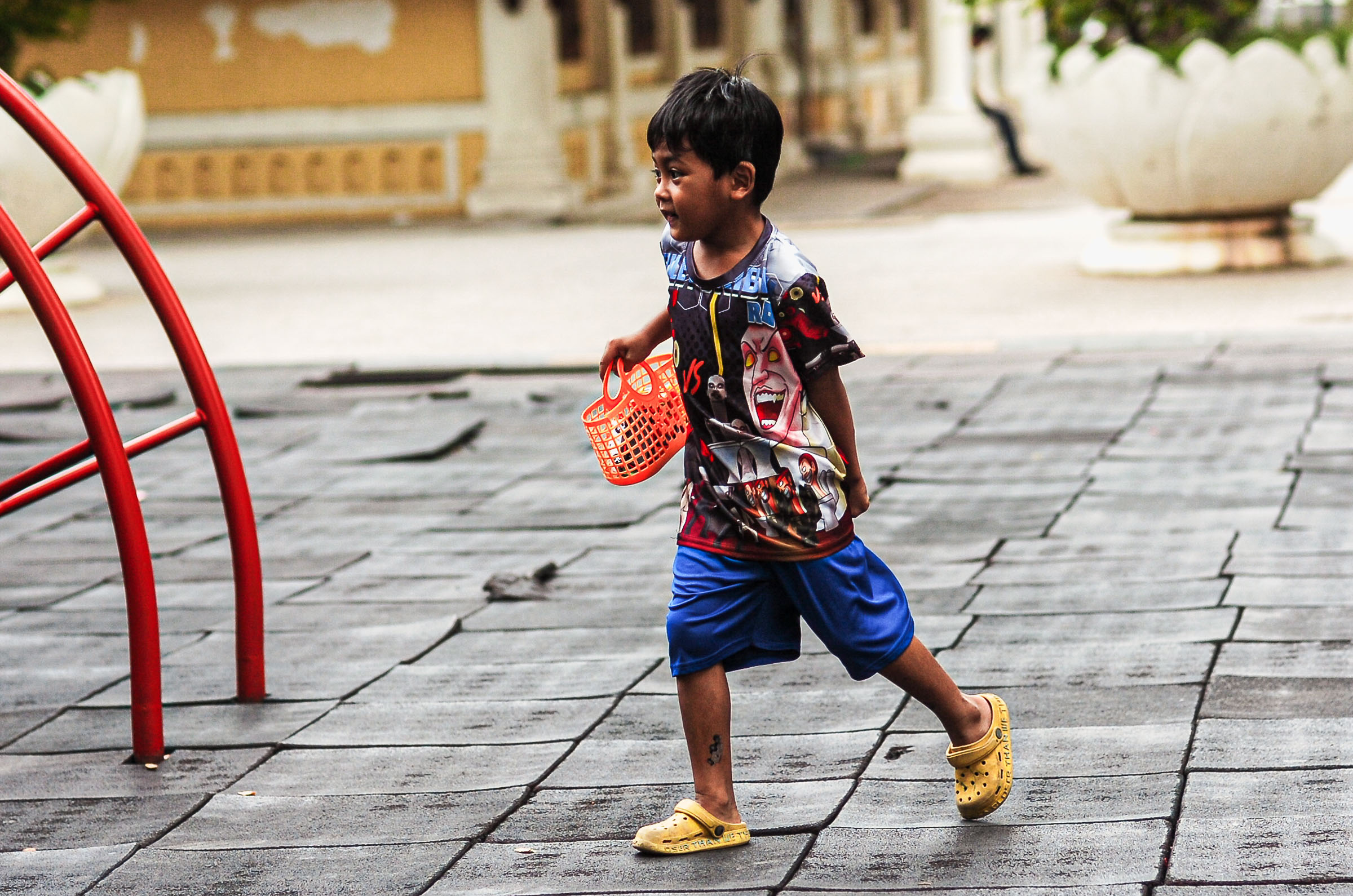
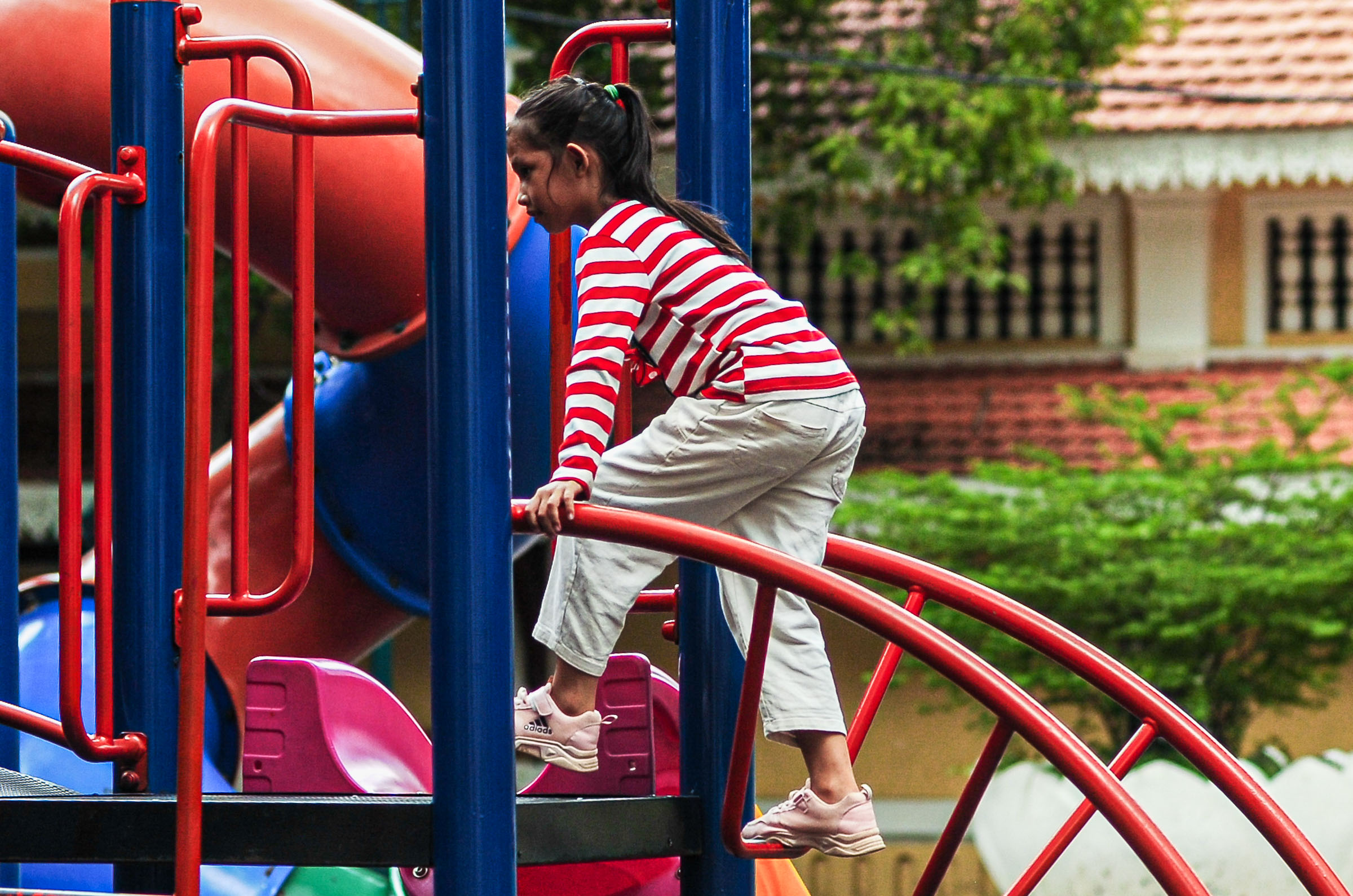

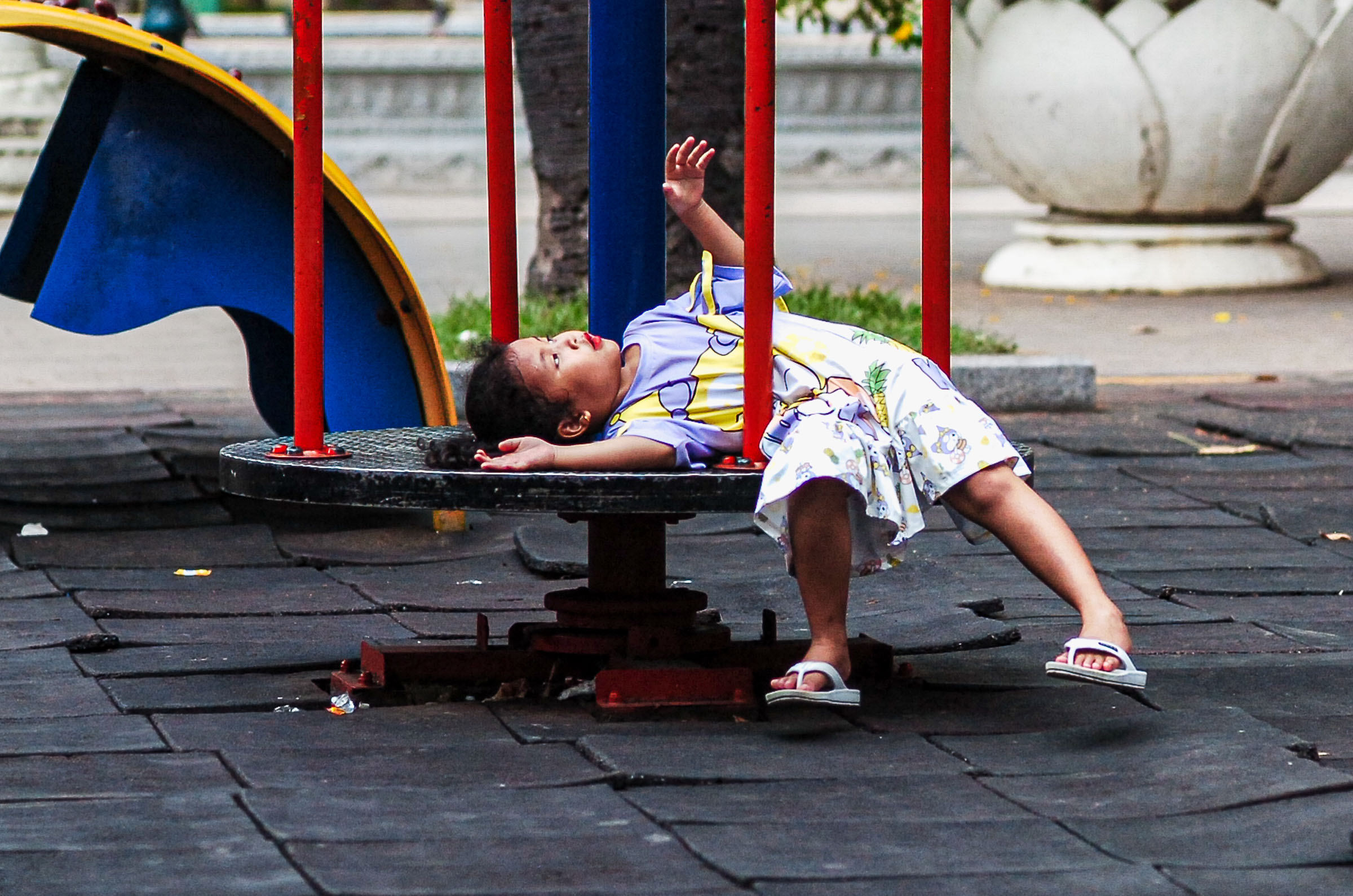

In the UK, for example, there is no specific law that prohibits taking photos of children in public places. However, it is essential to consider the context and manner in which the photographs are taken. If the images are used inappropriately or for commercial purposes without consent, legal issues may arise.
Ethical Considerations
While the act of taking photos of children in public may be legal, it raises several ethical questions. It is crucial to respect individuals’ privacy and dignity, even in public spaces. Photographers should be culturally sensitive and aware of the potential discomfort their actions may cause to children and their guardians.
Parents and guardians have legitimate concerns about the safety and privacy of their children. Therefore, photographers should exercise discretion and, if possible, seek consent from the child’s guardian before taking or publishing photographs, especially if the child is the main subject of the image.
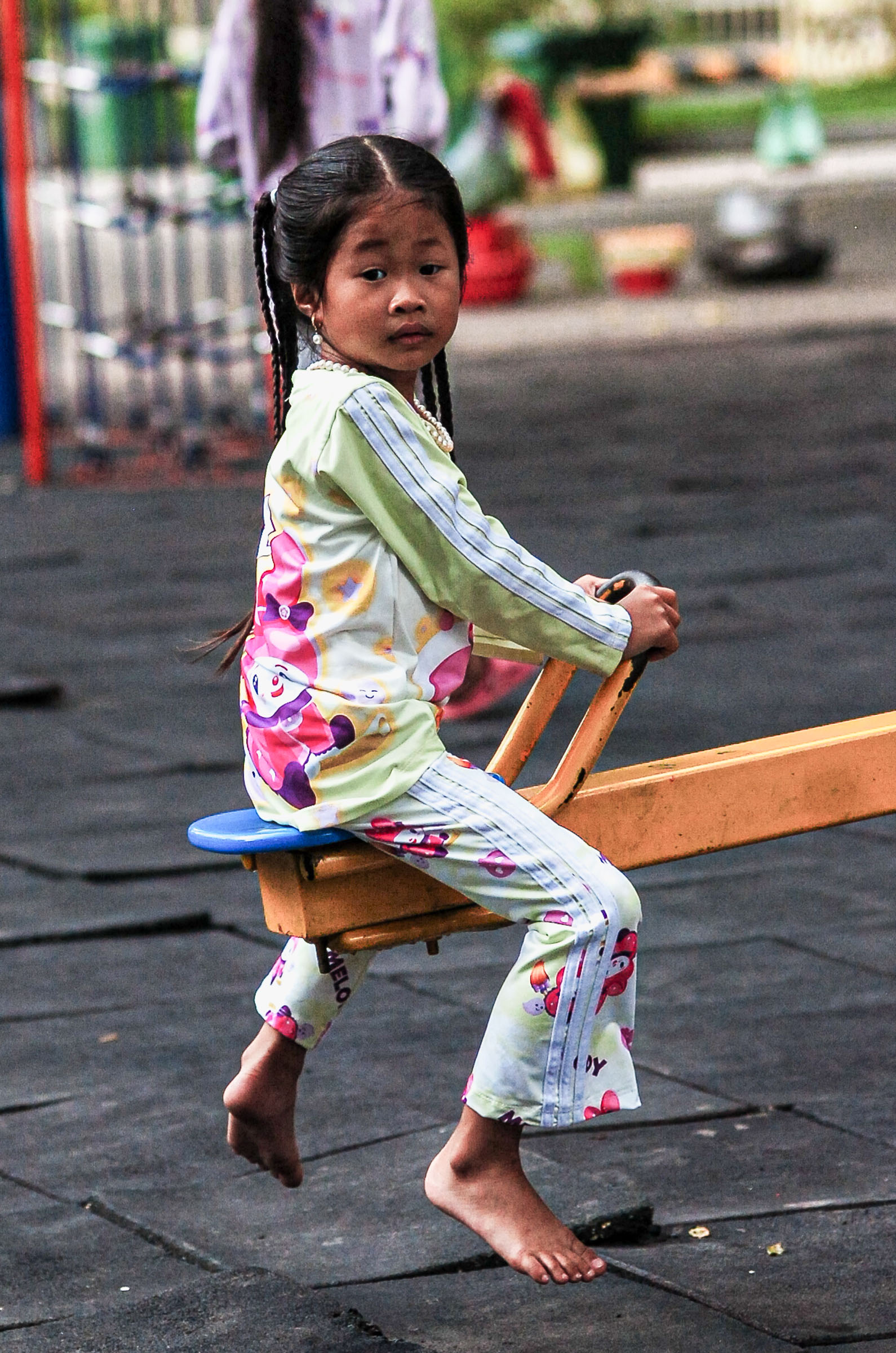
Practical Advice
For photographers, here are some practical tips to consider when taking pictures in public parks:
- Assess the situation: Understand the context in which you are taking photos. If the area is crowded and the child is just part of the general scene, it is less likely to be an issue compared to singling out a specific child.
- Be transparent: If approached, explain your intentions and how the photographs will be used.
- Seek consent: Whenever possible, obtain permission from a child’s guardian, especially if the child is the primary focus of the image.
- Respect wishes: If a guardian asks you not to take or use a photo of their child, comply with their request.
Conclusion
Photography is a form of expression protected by law, but it is governed by both legal and ethical standards, Sure, here is the revised text: “Especially.” when it involves children. While it is generally legal to take photos of children in public parks, photographers must navigate the ethical landscape with sensitivity and respect for the subjects of their art. By understanding the legal rights and responsibilities and considering the ethical implications, photographers can enjoy their craft while respecting the privacy and dignity of their subjects.
 a world without pictures is like coffee without cream and sugar, bitter