

Photography is a powerful medium that evokes deep emotions and brings attention to important issues. One such issue is poverty, and photographers often grapple with the ethics of capturing images that depict the effects of poverty and deprivation.

On one hand, these images can play a crucial role in raising awareness and prompting action. They can humanize the statistics and stories we often hear, making the struggles of individuals and communities more tangible and urgent. For instance, during the Great Depression, Dorothea Lange’s photographs of struggling farmers in the United States brought the harsh realities of poverty to the forefront of public consciousness, influencing policy and public opinion.

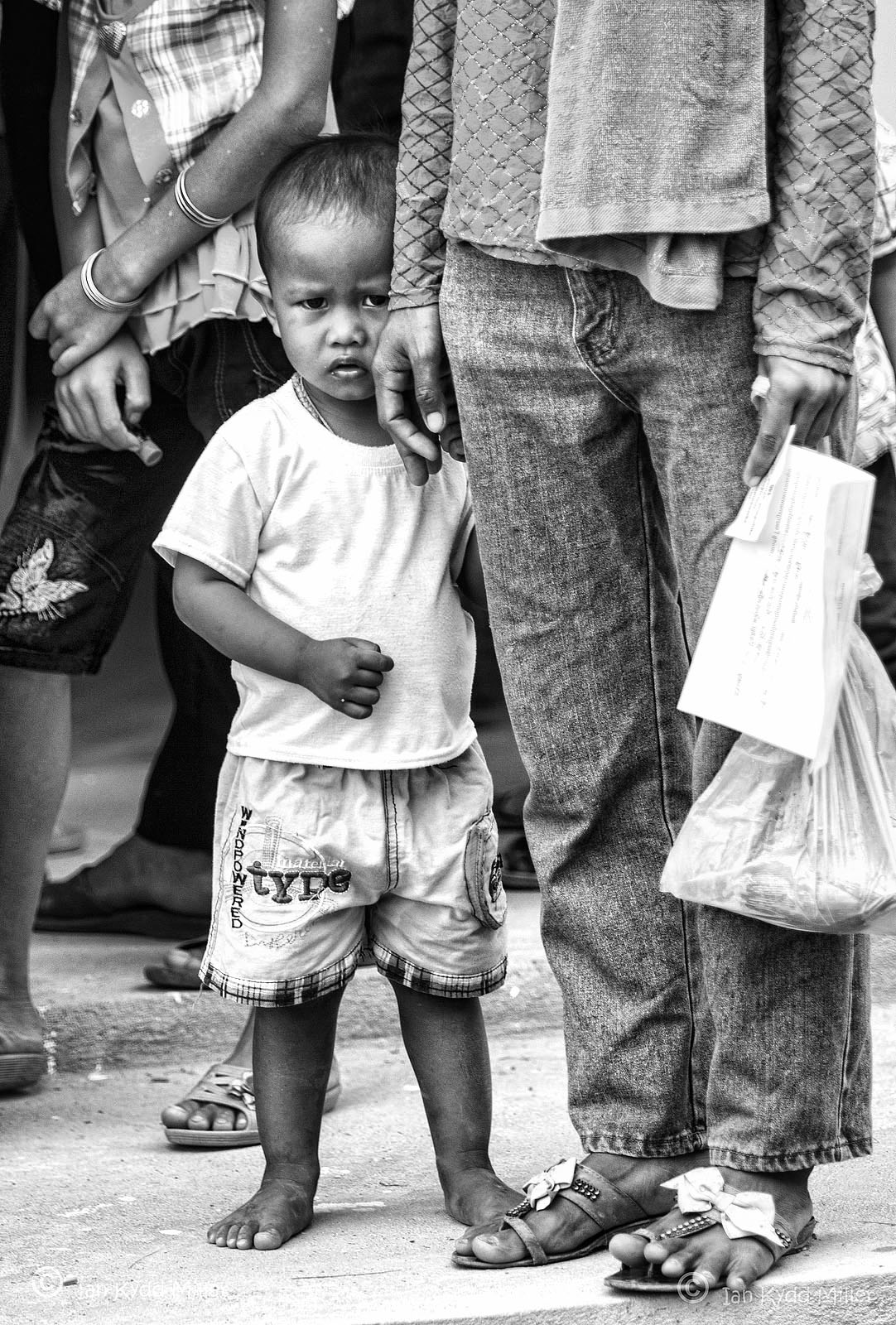
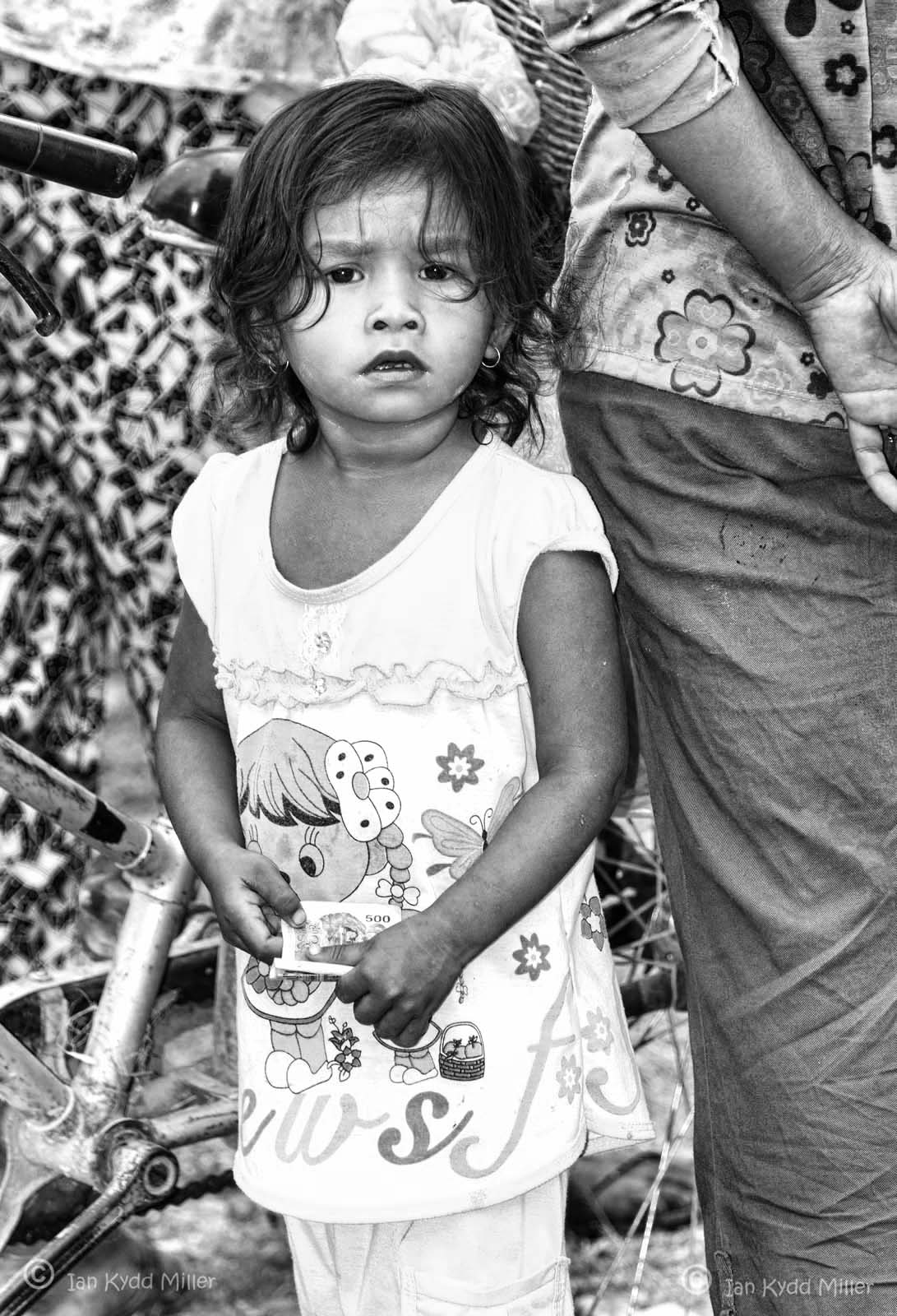
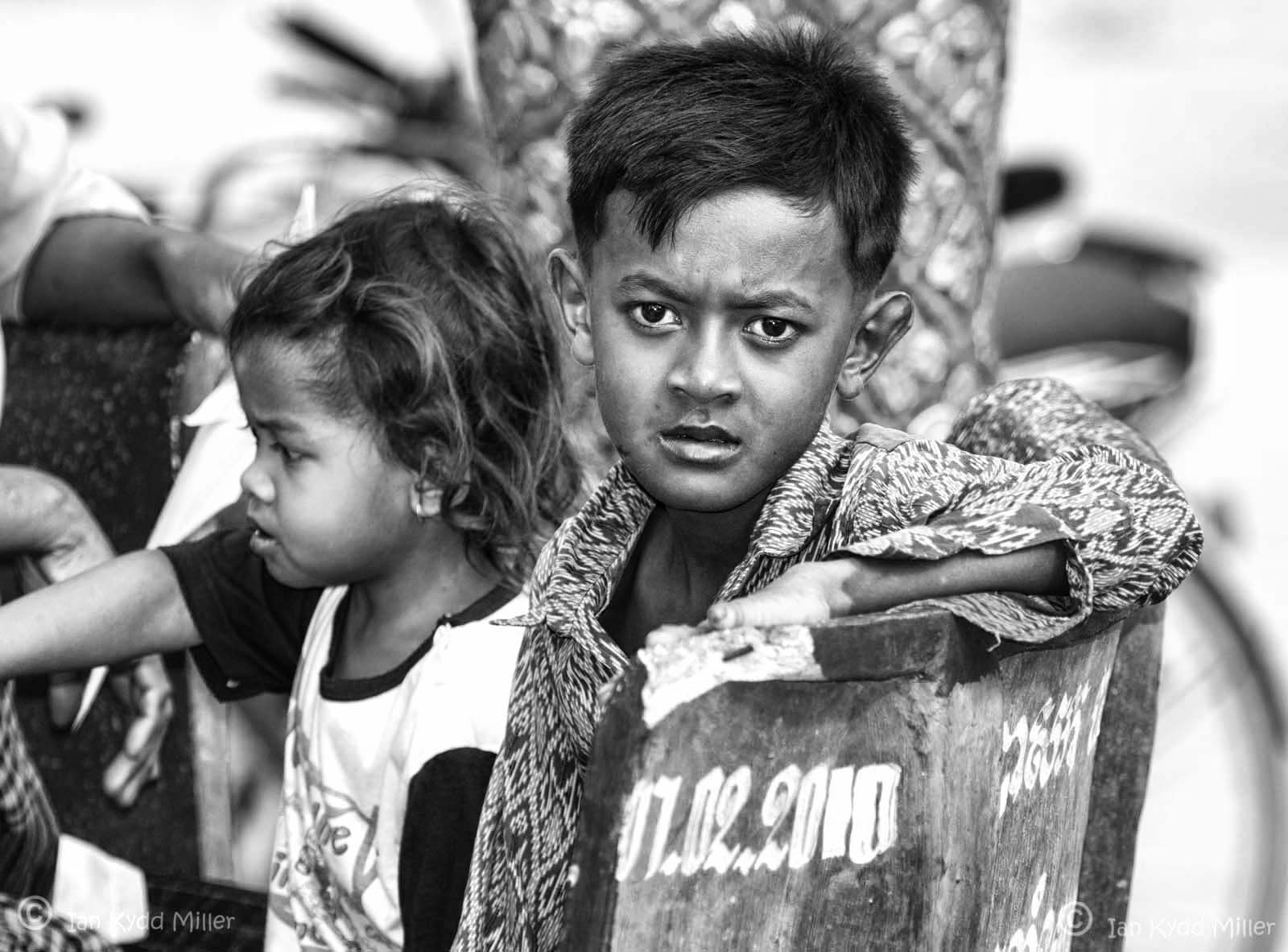
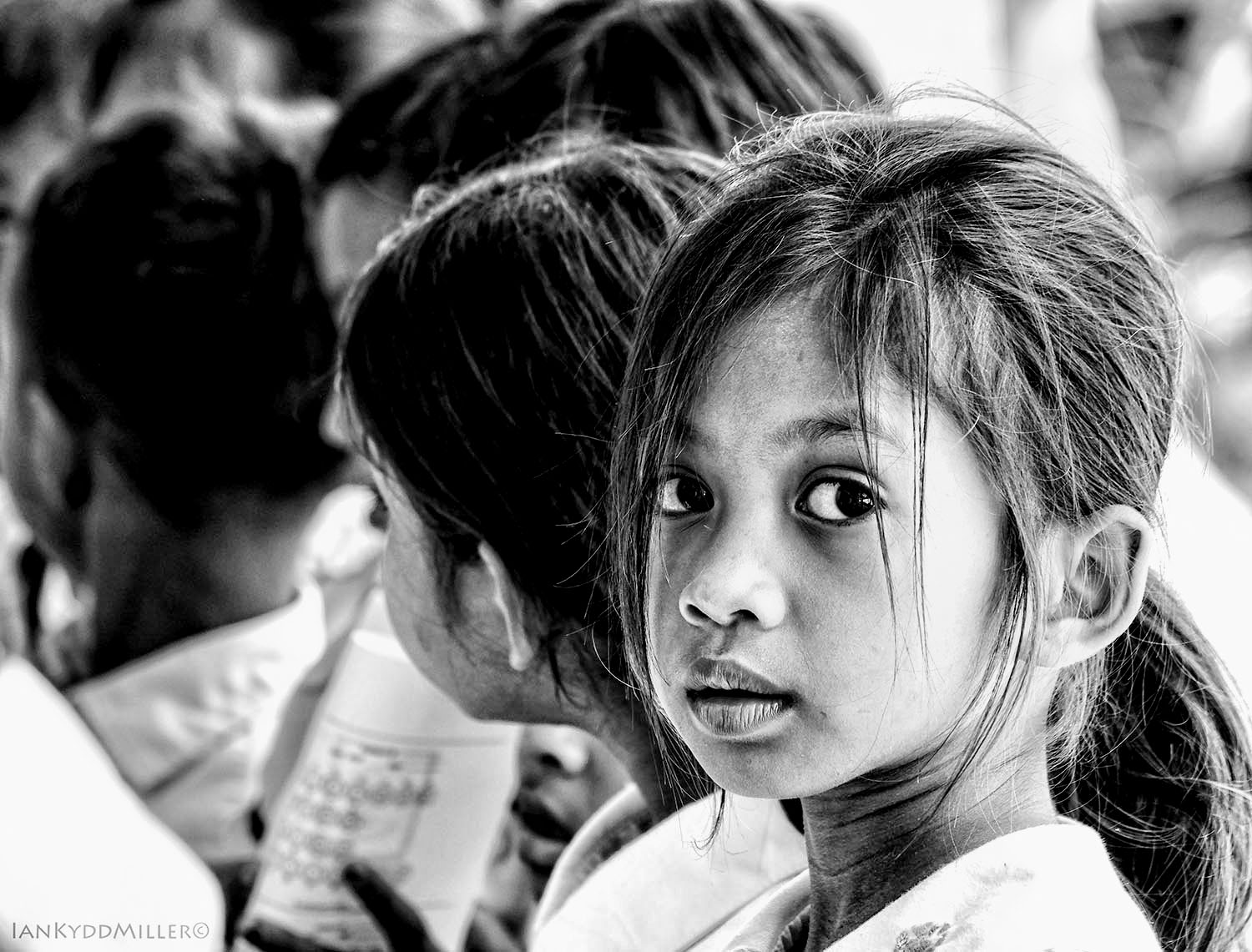
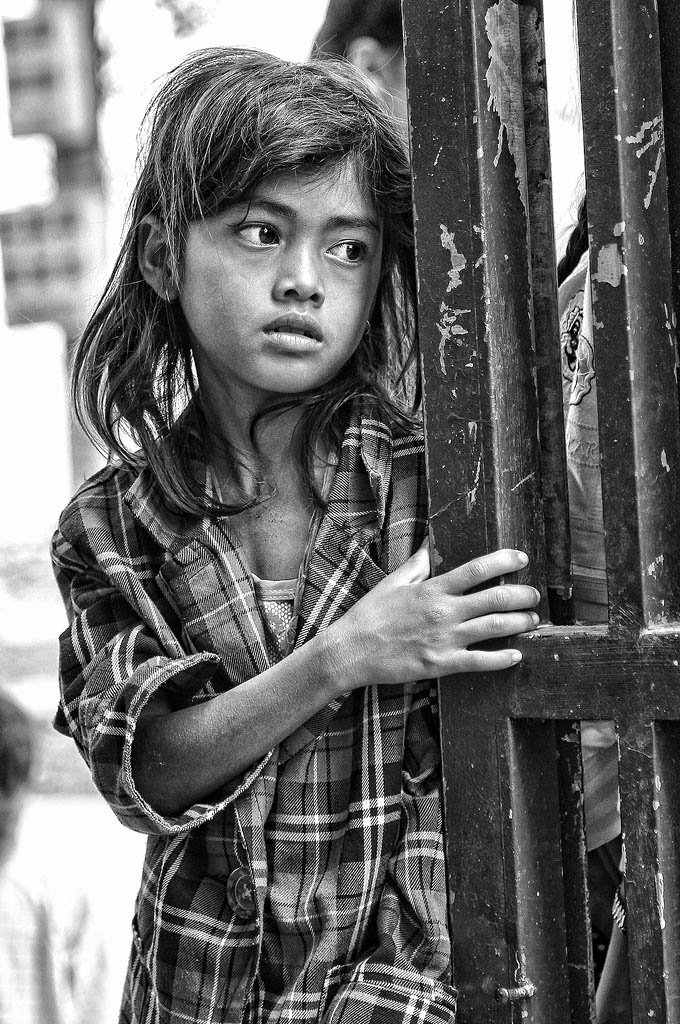
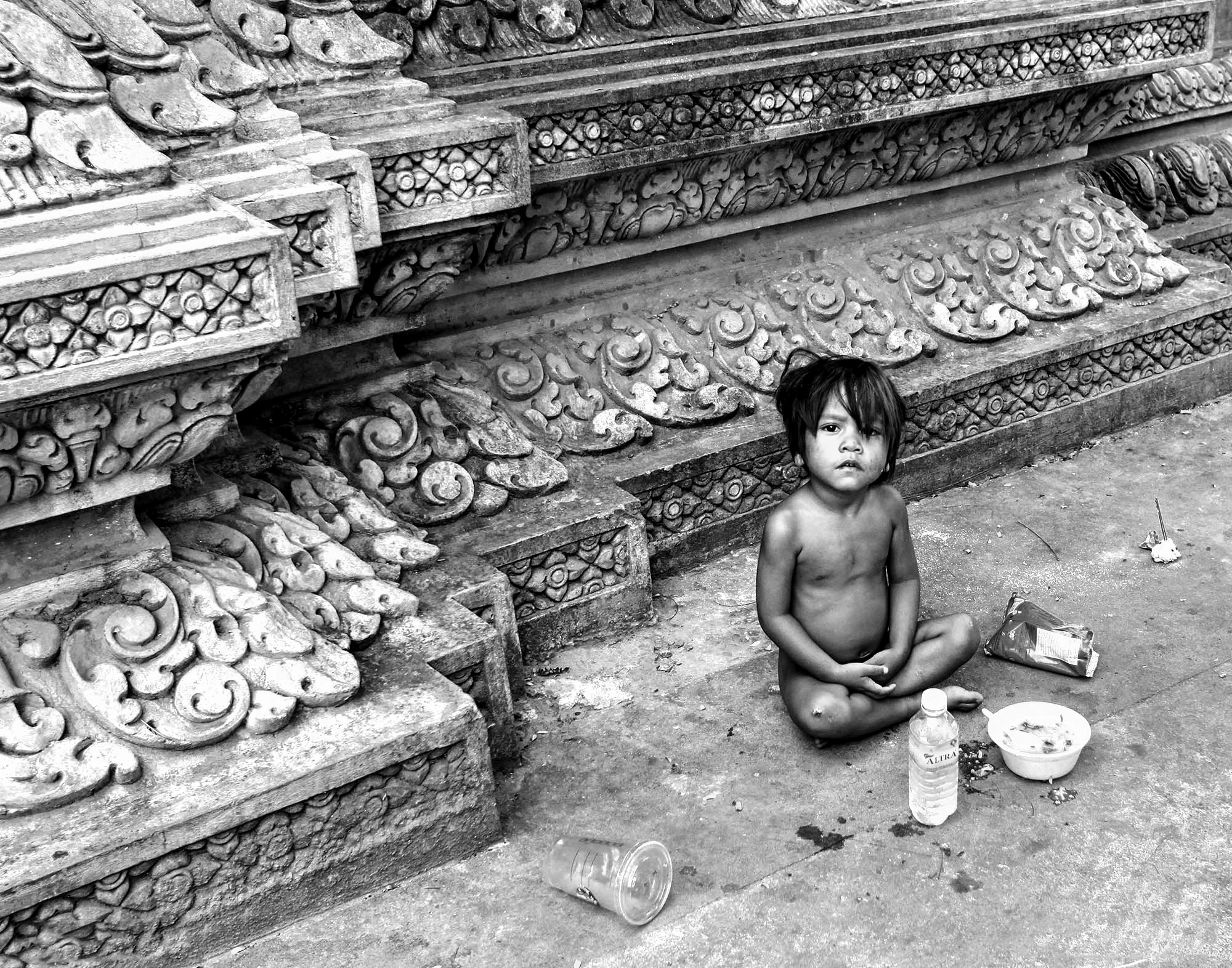
However, there is a fine line between raising awareness and exploiting the subjects. Critics argue that such photographs can sometimes reduce people to mere subjects of pity, stripping them of their dignity and agency. This is particularly concerning when the subjects cannot give informed consent, or when the images are used for commercial gain without benefiting the communities depicted.

Moreover, there is the risk of perpetuating stereotypes and reinforcing a single narrative about poverty. When images focus solely on suffering, they can overshadow the resilience, strength, and complexity of the lives of those affected by poverty. It’s essential for photographers to approach their subjects with respect, seeking to tell a fuller story that includes not just the challenges but also the triumphs and everyday realities.
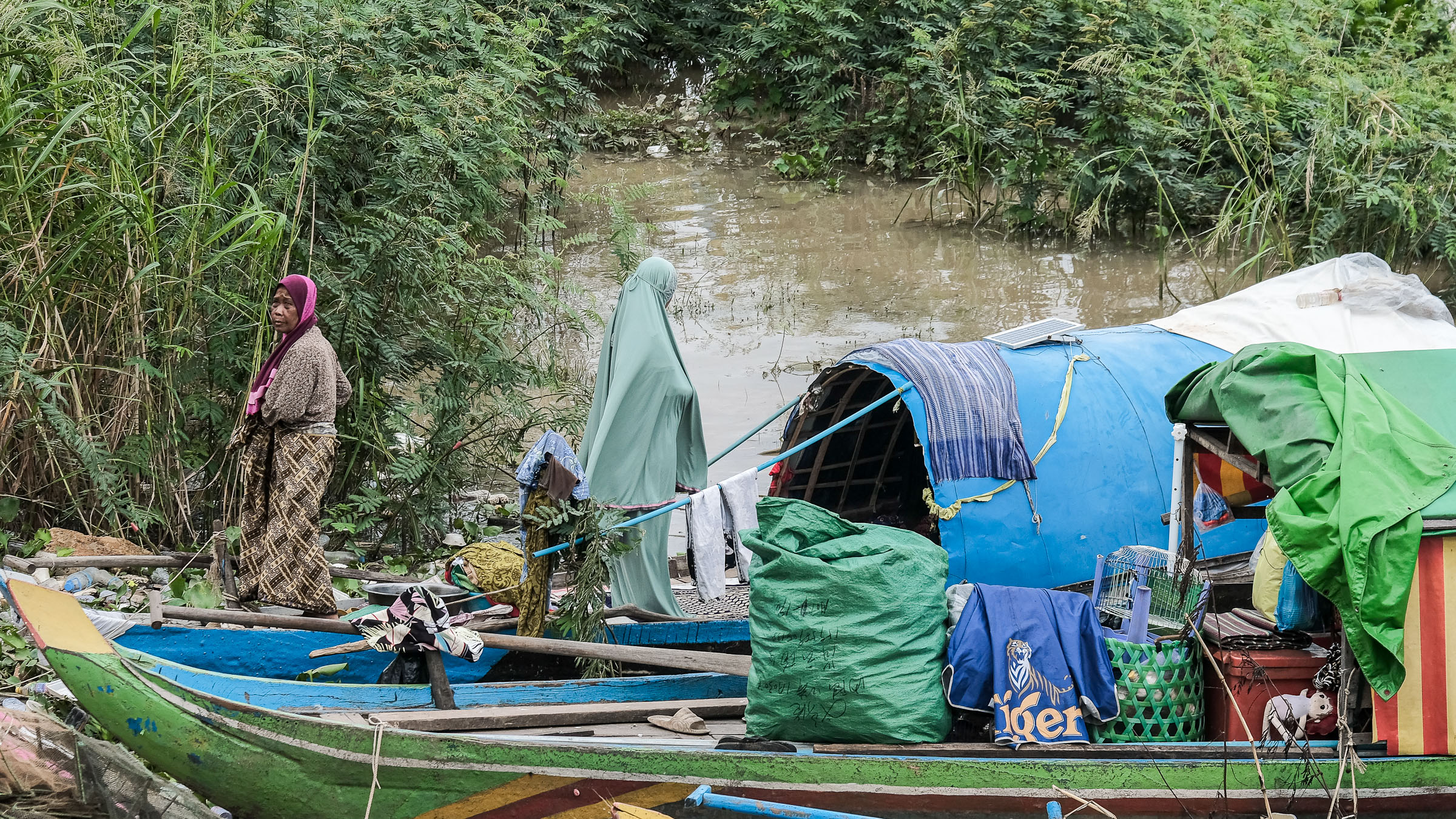
In conclusion, while it is not inherently negative to record the effects of poverty in pictures, it is a practice that requires careful ethical consideration. Photographers must navigate the delicate balance between representation and exploitation, ensuring that their work contributes positively to the discourse around poverty and aids in the efforts to address its root causes. As consumers of such images, we are responsible for critically engaging with them, considering the context in which they were taken and the narratives they promote.
 a world without pictures is like coffee without cream and sugar, bitter