

Photography is an art form that captures moments, tells stories, and expresses emotions through images. With the advent of digital cameras, this art has become more accessible than ever. However, owning a camera is just the beginning. To truly capture stunning photographs, one must understand how to use their camera to its fullest potential.
Understanding Your Camera’s Capabilities
Every camera, whether it’s a simple point-and-shoot or a high-end DSLR, has a range of features and settings that can dramatically affect the outcome of your photos. The key to mastering photography is to understand these settings and how they interact with each other.

Aperture, Shutter Speed, and ISO
The three pillars of photography are aperture, shutter speed, and ISO. The aperture controls the amount of light entering the lens, the shutter speed determines the duration of the exposure, and ISO adjusts the camera’s sensitivity to light. Balancing these elements is crucial for achieving the desired exposure and depth of field in your images.

White Balance and Exposure Compensation
White balance affects the colour temperature of your photos, ensuring that the colors are true to life. Exposure compensation allows you to adjust the exposure level to account for environments that are too bright or too dark, ensuring your subject is neither overexposed nor underexposed.

Practice Makes Perfect
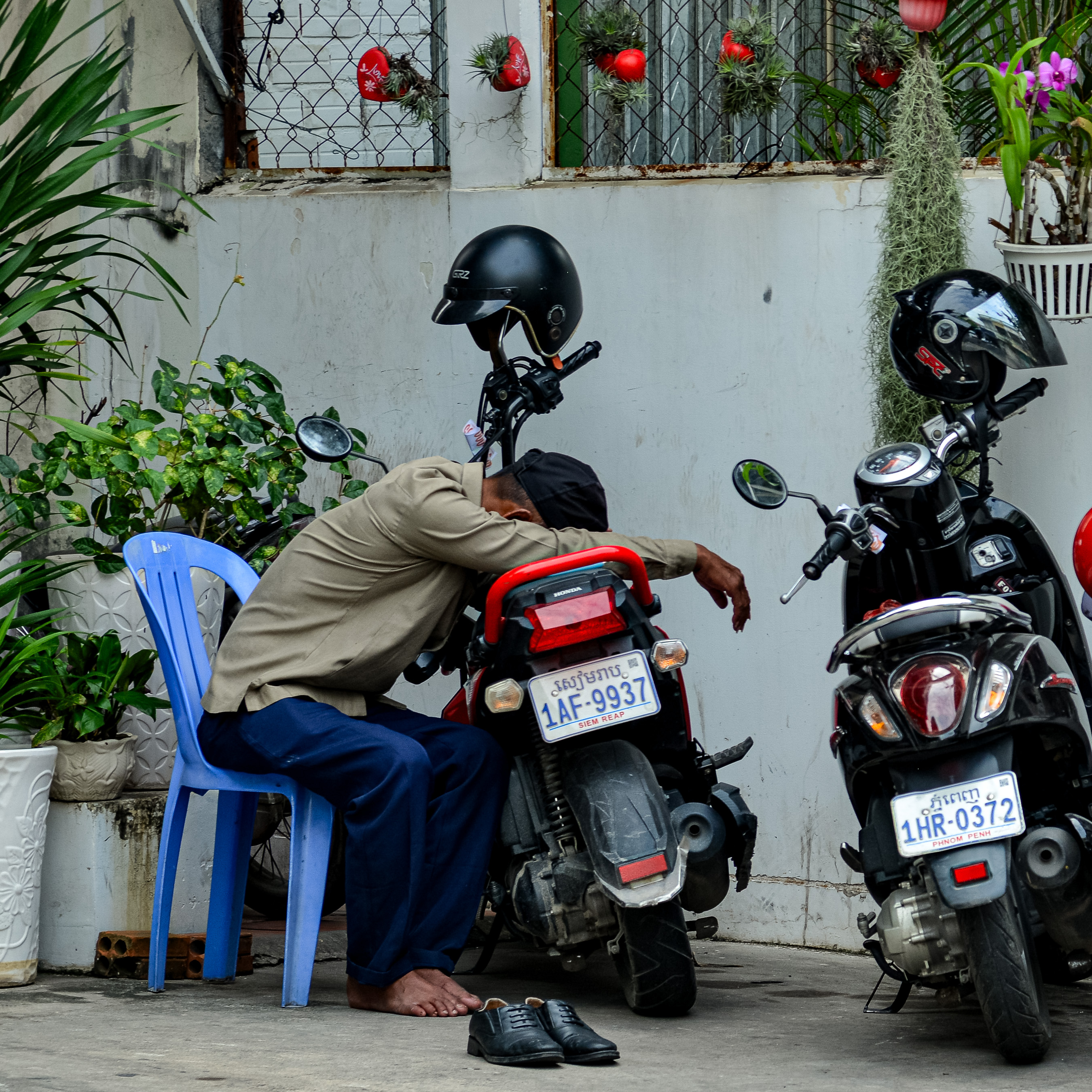
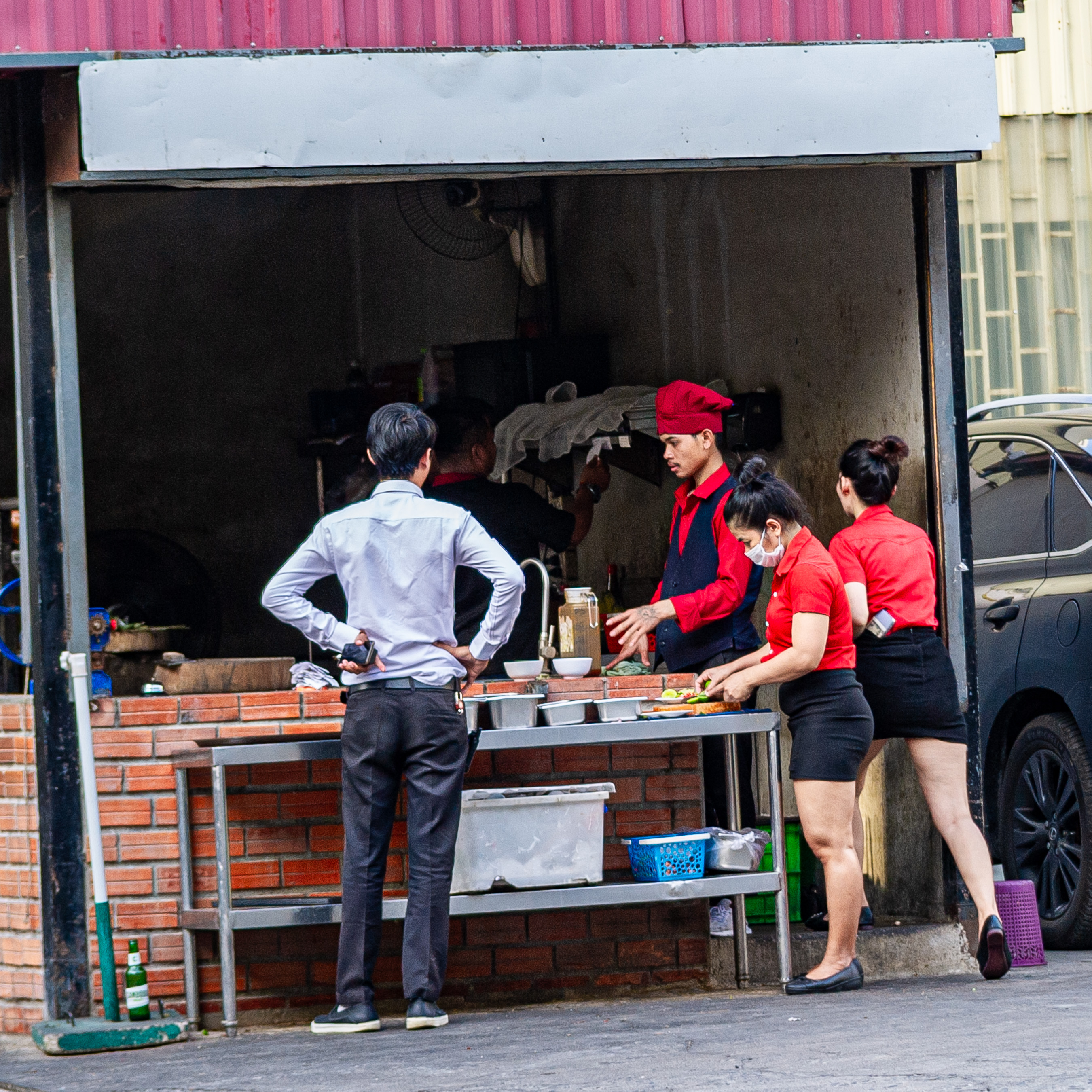
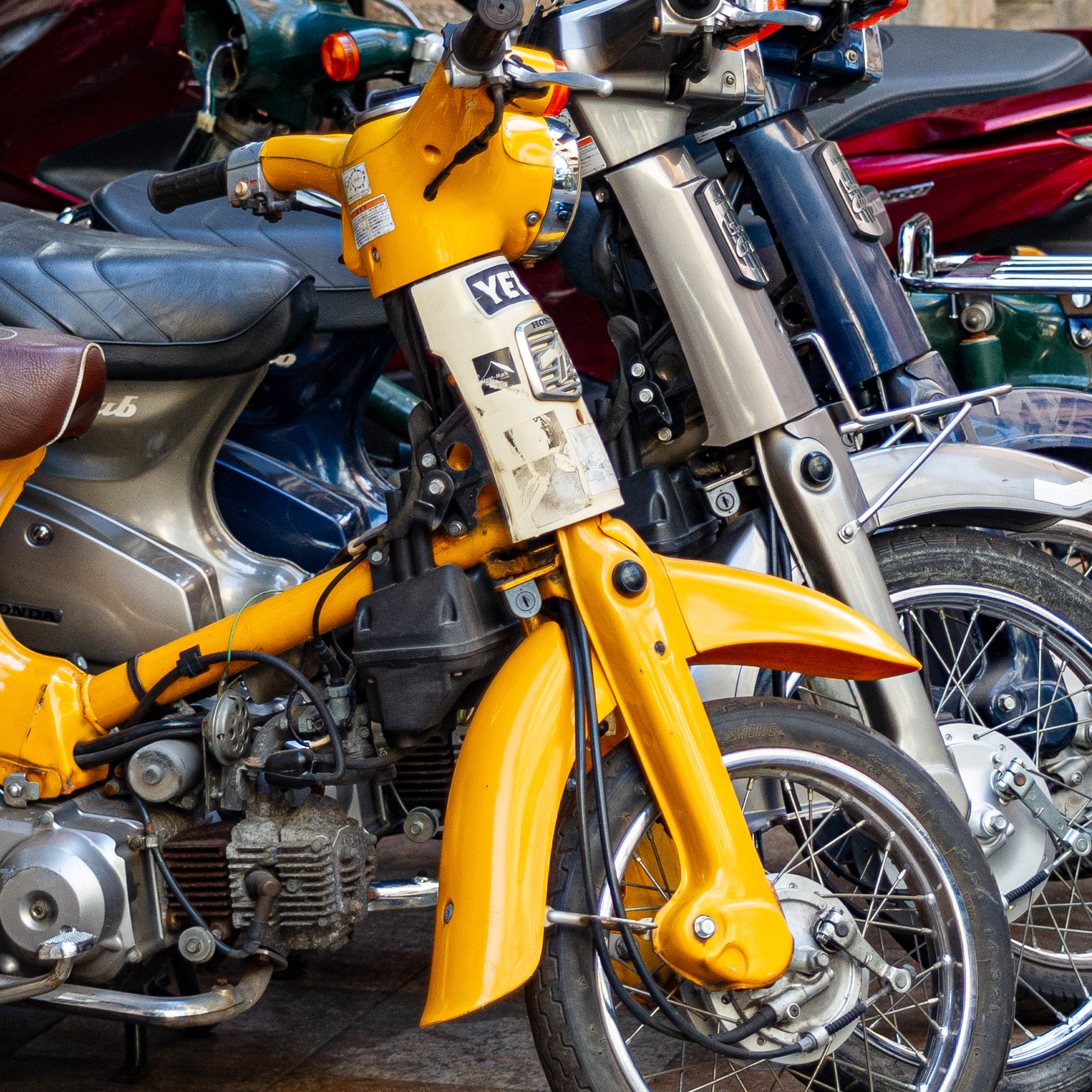
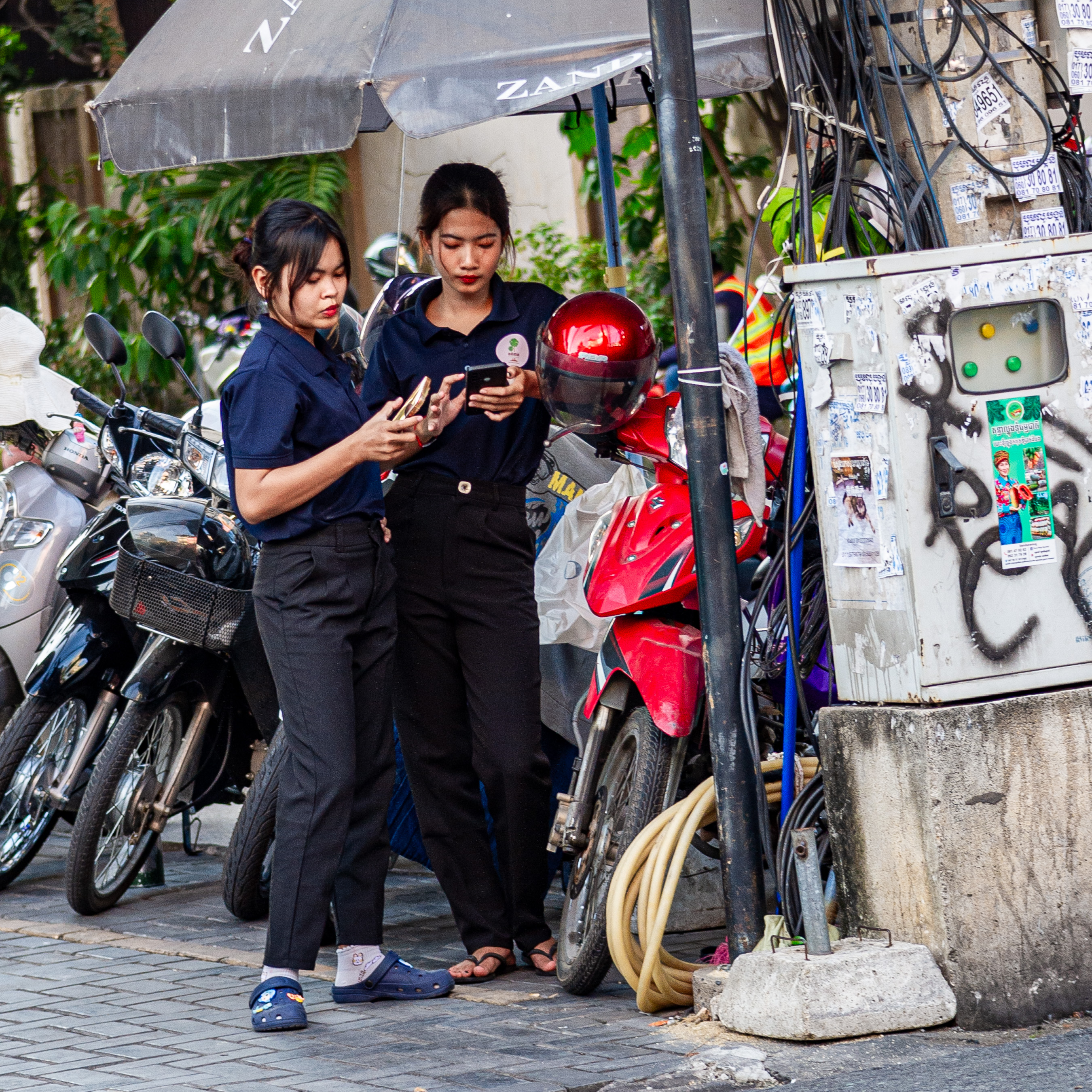
The best way to learn is by doing. Take your camera everywhere and practice shooting in various conditions. Experiment with different settings to see how they affect your images. Over time, you’ll develop an intuitive understanding of how to adjust your camera settings on the fly to match your creative vision.



Learning from the Experts
There are countless resources available for budding photographers. Online tutorials, photography workshops, and guidebooks can provide valuable insights into the technical aspects of photography. Watching videos from experienced photographers can be especially helpful, as they often include practical demonstrations and tips.
The Importance of the Right Equipment
While skill and knowledge are paramount, having the right equipment can also make a significant difference. Understanding the types of lenses and their uses, the benefits of tripods, and the importance of good lighting will enhance your ability to take high-quality photos.
Post-Processing Skills
After capturing your photos, post-processing can bring out their best qualities. Learning how to use photo editing software can help you correct imperfections, adjust colors, and even transform the mood of your images.




Conclusion
Using your camera to the best of its ability takes time, patience, and a willingness to learn. By understanding your camera’s settings, practising regularly, seeking knowledge from experts, investing in the right equipment, and honing your post-processing skills, you can take your photography to new heights. Embrace the journey, and let your creativity shine through your photographs. Happy shooting!
Don’t forget to read your camera instruction manual, it is a complex piece of machinery and does many things you may at first be unaware of
 a world without pictures is like coffee without cream and sugar, bitter