

The Nikon D300 is indeed an older DSLR camera, first released in 2007, but it can still be a viable choice for a young photographer depending on their needs and budget. Here is a detailed description of the Nikon D300:
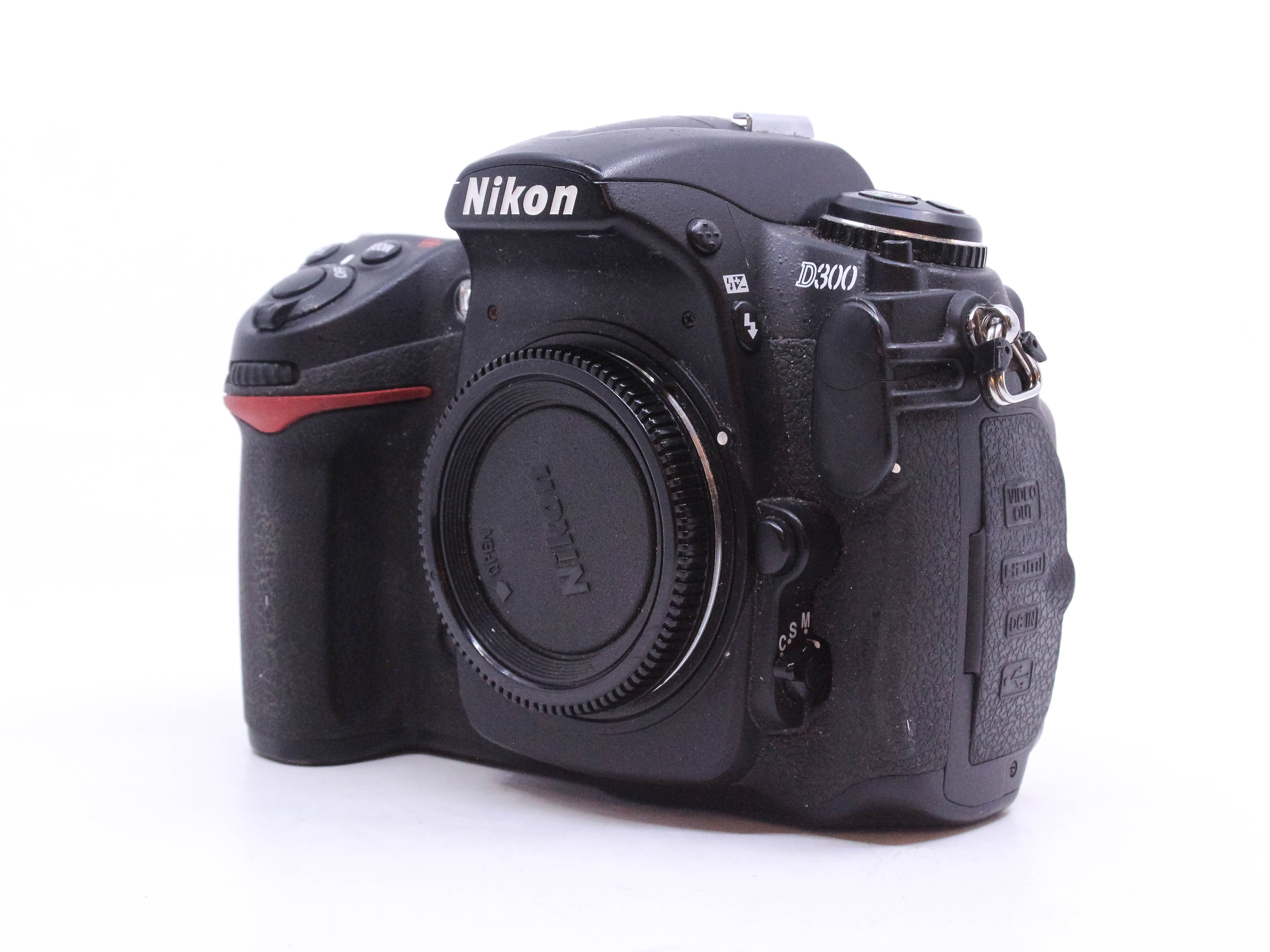
- Sensor: The Nikon D300 features a 12.3-megapixel DX-format CMOS sensor, which is capable of producing high-resolution images suitable for various photography needs.
- ISO Range: The camera has an ISO range of 200-3200, expandable up to ISO 6400, allowing for decent low-light performance and flexibility in different lighting conditions.
- Autofocus System: The D300 is equipped with a 51-point autofocus system, providing fast and accurate focusing, which is particularly useful for capturing moving subjects.
- Continuous Shooting: It has a respectable continuous shooting speed of up to 6 frames per second, making it suitable for sports, action, and wildlife photography.
- Build Quality: The D300 has a rugged and weather-sealed magnesium alloy body, ensuring durability and reliability in various shooting conditions.
- LCD Screen: The camera features a 3-inch LCD screen with a resolution of 922,000 dots, providing a clear and detailed display for reviewing images and navigating menus.
- Connectivity: While it lacks built-in Wi-Fi or Bluetooth, the D300 offers standard connectivity options like USB, HDMI, and an accessory port for external flash units.
- Video Recording: One of the limitations of the D300 is its lack of video recording capabilities, which may be a downside for photographers looking to shoot video content.
- Lens Compatibility: The D300 is compatible with Nikon F-mount lenses, offering a wide range of lens options for photographers to choose from.
Overall, the Nikon D300 is a solid camera with robust features, good image quality, and reliable performance, especially for still photography. While it may not have the latest technology found in newer models, it can still be a great option for young photographers looking to learn and develop their skills without breaking the bank. It’s important to consider the specific photography needs and budget of the photographer when determining if the Nikon D300 is the right choice for them.
The sensor in the Nikon D300 is unique to that specific camera model and is not used in any other cameras. However, Nikon has used similar sensors in other DX-format cameras within the same lineup, such as the Nikon D90 and D7000.
 a world without pictures is like coffee without cream and sugar, bitter