

Lens comparison table — key attributes
| Lens | Focal eq. | Why for street | Strength | Trade-off |
|---|---|---|---|---|
| Fujinon XF 23mm f/2 | 35mm | Versatile, natural perspective for street scenes | Compact; fast; unobtrusive | Moderate bokeh |
| Fujinon XF 35mm f/2 | 53mm | Classic “normal” for portraits & gestures | Excellent sharpness; weather-sealed | Requires slight stepping back for context |
| Fujinon XF 16mm f/2.8 | 24mm | Environmental street, wide context | Very small and stealthy | Distortion at edges |
| Fujinon XF 18mm f/2 | 27mm | Wide but intimate, great for alleys & markets | Lightweight; filmic rendering | Softer corners wide open |
| Fujinon XF 50mm f/2 | 75mm | Tight portraits, compressed background | Creamy bokeh; isolation | Less contextual information per frame |
The X-Pro2 as a Street Camera
The Fujifilm X-Pro2 is a camera designed around presence and intentionality: a rangefinder-style body with a hybrid optical/electronic viewfinder that encourages anticipation and composition rather than reactive shooting. Its tactile dials and manual controls make settings an extension of the photographer’s intent, which suits street work where speed of thought and quiet operation matter.

The X-Pro2 solved many of the usability complaints of earlier rangefinder-style mirrorless models—autofocus performance is markedly improved, making it fast and accurate enough for candid street moments. That combination of responsive AF and an interface that rewards deliberate choices is why many street photographers still choose the X-Pro2 despite newer models being available.
Why lens choice matters on the X-Pro2
Prime lenses pair especially well with the X-Pro2’s design philosophy. The camera’s viewfinder and controls encourage a single-lens mindset—learning a focal length’s “mood” and the ways it frames relationships between subject and context. Choosing a prime narrows options in a productive way: you move with your feet, you compose deliberately, and you build a visual language around that perspective.
Practically, XF primes are small and light, preserving the X-Pro2’s discreet profile on the street. Many XF primes also offer fast apertures, letting you work in low light and control depth subtly for isolation when needed.
Best lenses in practice — how and when to use them
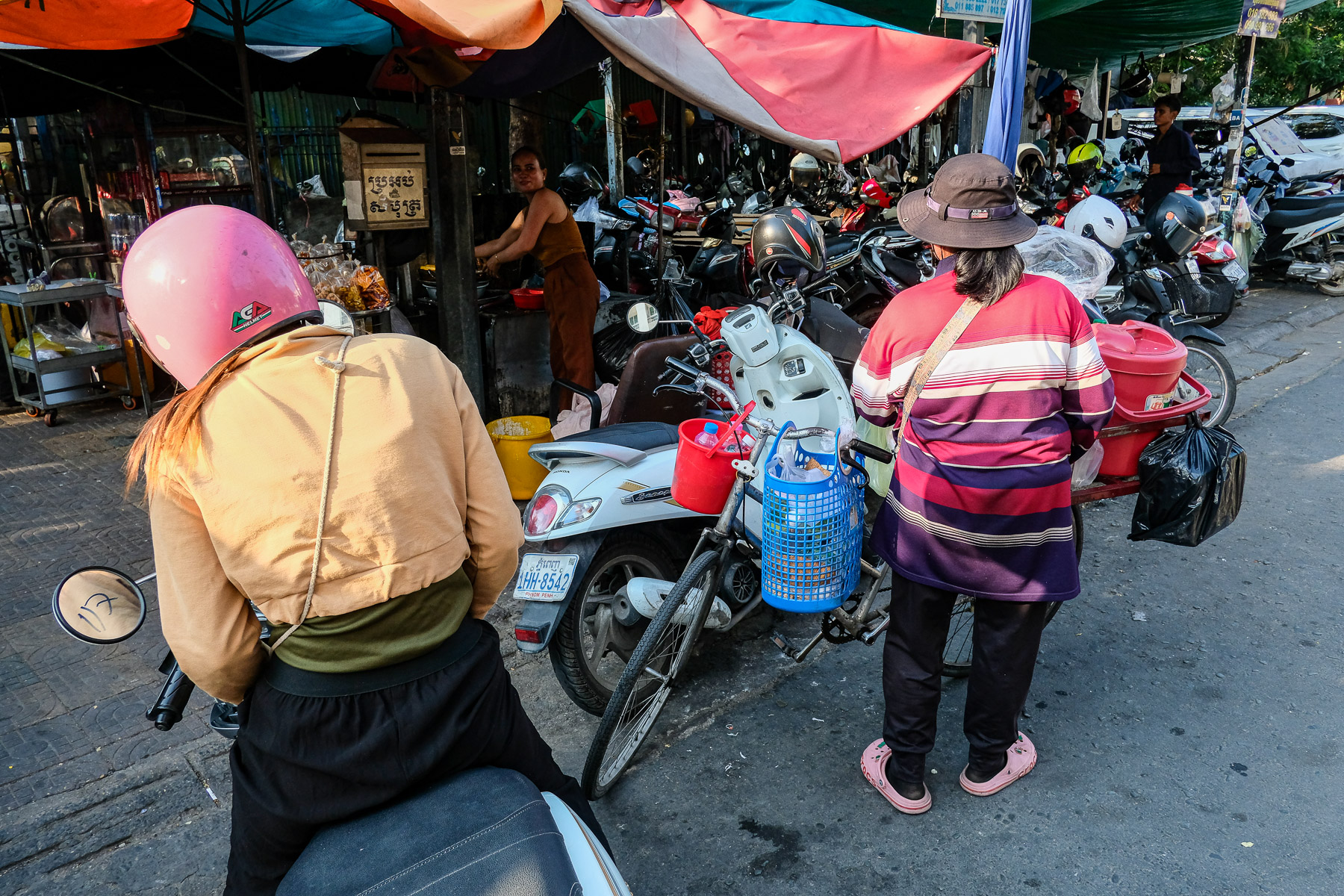
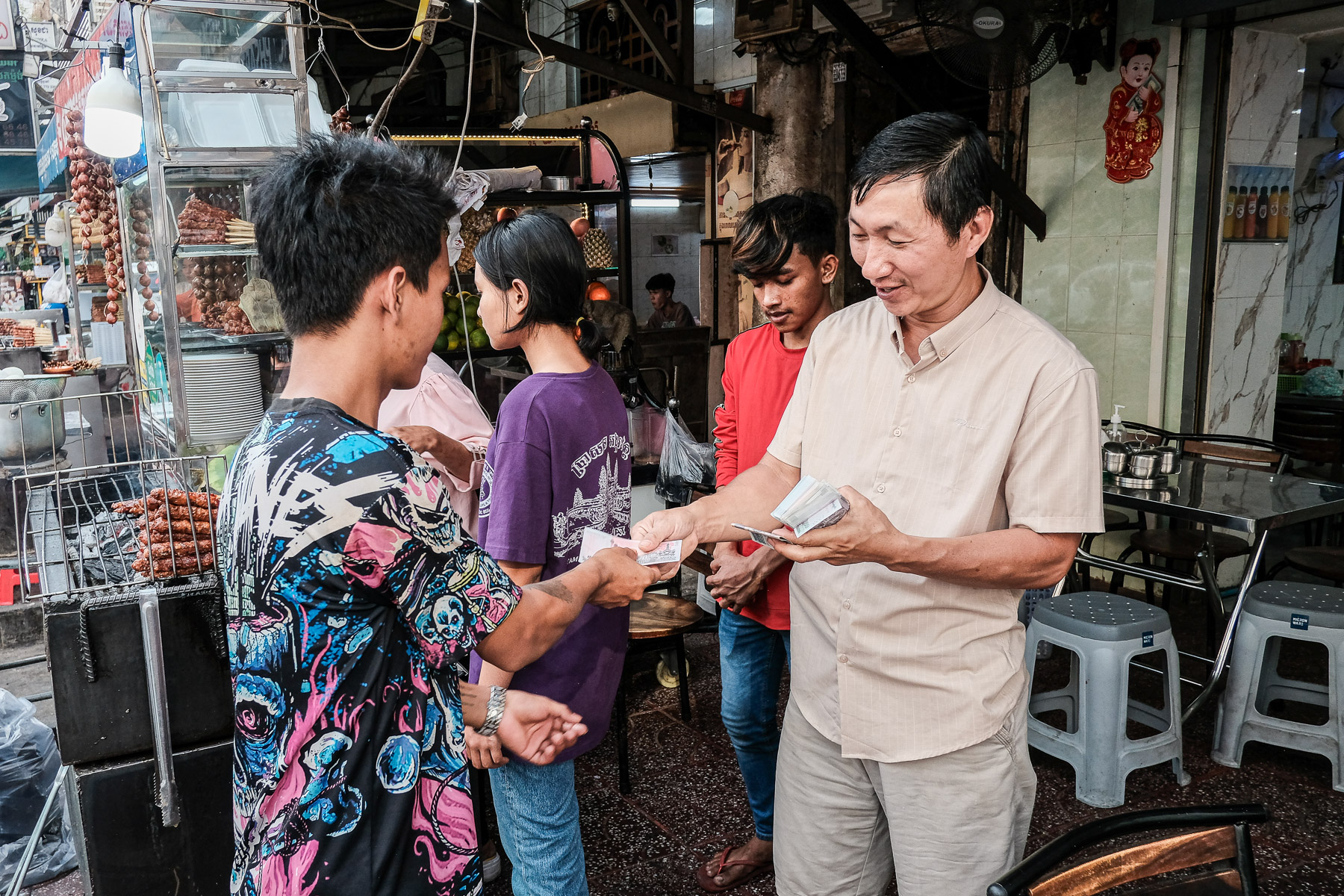
- Fujinon XF 23mm f/2 (35mm eq): The everyday street lens. Use it when you want natural perspective that includes background context without distortion. It’s excellent for markets, cafe scenes, and quiet portraits where you want to show environment and gesture in one frame.
- Fujinon XF 35mm f/2 (53mm eq): Reach for this when you want separation and intimacy. It’s a portraitist’s street lens—great for faces, gestures, and composing tighter narratives within a busy street scene. Its weather sealing and reliable AF make it workhorse-ready.
- Fujinon XF 16mm f/2.8 (24mm eq): The wide storyteller. Use it for alleyways, architectural rhythm, and scenes where foreground-to-background relationships are essential. Be mindful of edge distortion when people are close to frame edges.
- Fujinon XF 18mm f/2 (27mm eq): A sweet middle ground—wider than 23mm but closer than 16mm. It’s excellent for narrow streets and markets where you want to be close yet preserve intimacy; it renders with a film-like character that suits print and monochrome work.
- Fujinon XF 50mm f/2 (75mm eq): Use it selectively for environmental portraits that need compression and background separation. It requires more distance but rewards with isolation and graceful bokeh.





Shooting tips with the X-Pro2 and primes
- Commit to a focal length for a session. Let the lens shape your attention and force you to “see” differently. The X-Pro2’s finder rewards this practice by teaching you the aperture, distance, and timing for that lens.
- Use the optical finder for anticipation and the EVF for confirmation. The hybrid finder lets you pre-visualize a scene optically and then confirm exposure or focus with electronic feedback when needed.
- Embrace tactile control. Use the mechanical dials to keep your attention on framing and gesture, not menus. This supports presence—crucial for catching those decisive moments.
- Balance AF modes. Single-point AF for composed portraits; zone AF or wide tracking when you expect movement. The X-Pro2’s autofocus improvements make both workable in street scenarios.
- Print often. The X-Pro2’s filmic sensor rendering rewards print output; revisiting images on paper helps refine what lenses and framing best serve your visual voice.
Final thought
The Fujifilm X-Pro2 is more than an aging model—it’s a design philosophy incarnate. It places the photographer’s eye first, supports deliberate practice, and pairs beautifully with a small suite of prime lenses that each teach a different way of seeing. For street work—where presence, anticipation, and quiet clarity matter—the X-Pro2 remains an instrumental, expressive camera that still rewards deep practice and restraint.
 a world without pictures is like coffee without cream and sugar, bitter