

A Quick Rundown on Nikon’s Classic 50mm

The 50mm f/1.4 lens has long been a staple in Nikon’s lineup—ideal for portraits, low-light shooting, and general-purpose photography. But when choosing between the AF-S 50mm f/1.4G and the older AF 50mm f/1.4D, photographers often ask: which one suits my style better?
Let’s break it down.
🔍 AF-S Nikkor 50mm f/1.4G — Modern Mood Maker
Released in 2008, the AF-S 50mm f/1.4G is Nikon’s update to the classic 50mm formula. It features:
- Silent Wave Motor (SWM) for autofocus—works on all Nikon DSLRs, including entry-level bodies without built-in motors.
- Rounded 9-blade aperture for smoother bokeh.
- Weather-sealed mount and solid build quality.
- More refined rendering—soft wide open, but with a gentle, filmic character.
👍 Pros
- Creamy bokeh and subtle tonal transitions.
- Compatible with all Nikon DSLRs and Z bodies via FTZ adapter.
- Quiet autofocus, ideal for video and discreet shooting.
👎 Cons
- Slower autofocus than the D version.
- Softer wide-open performance—requires stopping down for critical sharpness.
- Larger and heavier (290g vs 230g).
🔍 Nikkor 50mm f/1.4D — Compact Classic
The 50mm f/1.4D is a legacy lens that still holds its own. It features:
- Mechanical autofocus—requires a Nikon body with a built-in AF motor (won’t autofocus on D40, D60, D3xxx, or D5xxx series).
- 7-blade aperture—bokeh is slightly busier than the G version.
- Compact and lightweight design—great for travel and street work.
- Snappier AF performance—especially on pro bodies like the D700 or D810.
👍 Pros
- Fast, responsive autofocus on compatible bodies.
- Smaller and lighter—easy to carry all day.
- More affordable on the used market.
👎 Cons
- No internal motor—limited compatibility.
- Bokeh is harsher, especially in busy backgrounds.
- Older optical design—less refined rendering wide open.





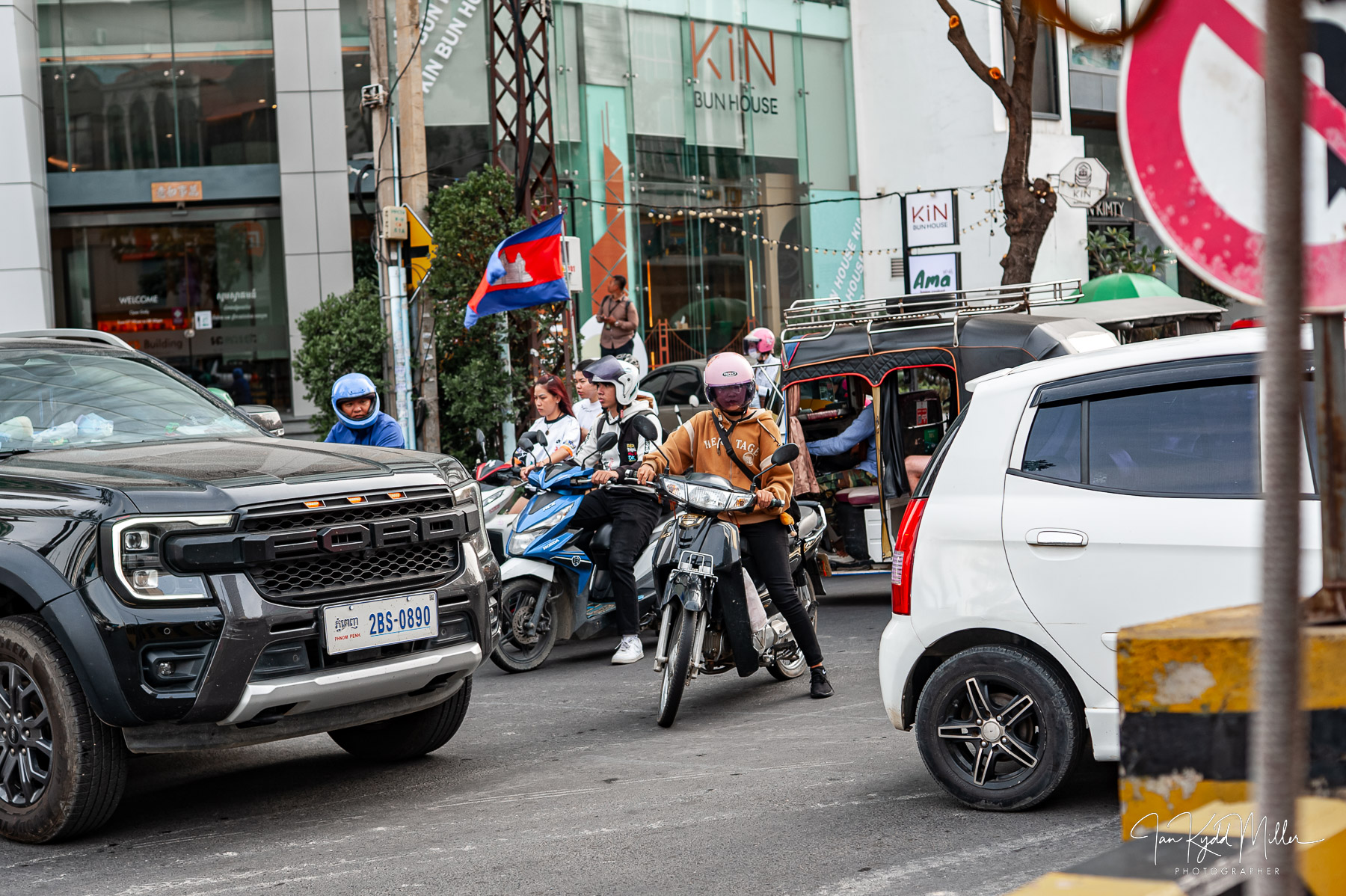
🧠 Which One Should You Choose?
- Choose the AF-S 50mm f/1.4G if you want modern compatibility, smoother bokeh, and quiet AF—especially useful for video or newer DSLR bodies.
- Choose the 50mm f/1.4D if you shoot on older pro bodies, value compactness, and prefer snappier AF for street or action work.
Both lenses offer the classic 50mm look, but the G version leans toward emotional rendering, while the D version favors speed and simplicity.
 a world without pictures is like coffee without cream and sugar, bitter