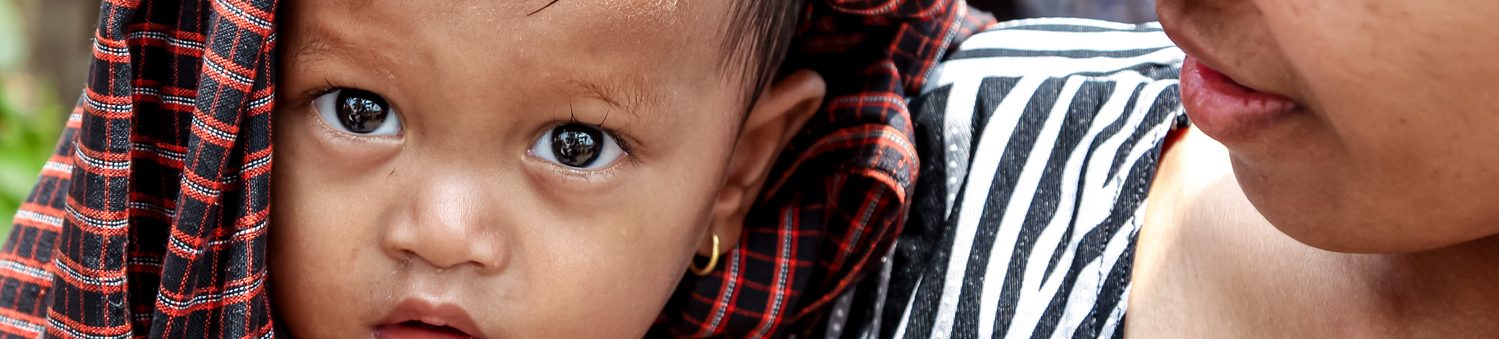

The Power of Photojournalism as Agent Provocateur
Photojournalism is often seen as passive documentation—a mirror held up to the world. But the most powerful photojournalism doesn’t just reflect; it provokes. It challenges assumptions, confronts injustice, and forces viewers to reckon with realities they might otherwise ignore. In this sense, photojournalism becomes an agent provocateur—a catalyst for dialogue, discomfort, and transformation.

🔥 Provocation with Purpose
- Truth is not neutral: A photograph of a protest, a refugee camp, or a grieving parent is not just a record—it’s a statement. It demands attention, empathy, and often, action.
- Disruption is ethical when intentional: Provocative images must be rooted in truth, not sensationalism. The goal is not to shock for clicks, but to awaken conscience.
- Emotional resonance drives change: Images that evoke anger, sorrow, or solidarity can mobilize public opinion, influence policy, and reshape cultural narratives.
⚖️ Ethical Boundaries of Provocative Imagery
- Avoid manipulation: Cropping, staging, or misleading captions erode trust.
- Respect subject dignity: Even when exposing injustice, subjects must be portrayed with humanity.
- Context is critical: A provocative image without background risks misinterpretation or harm.
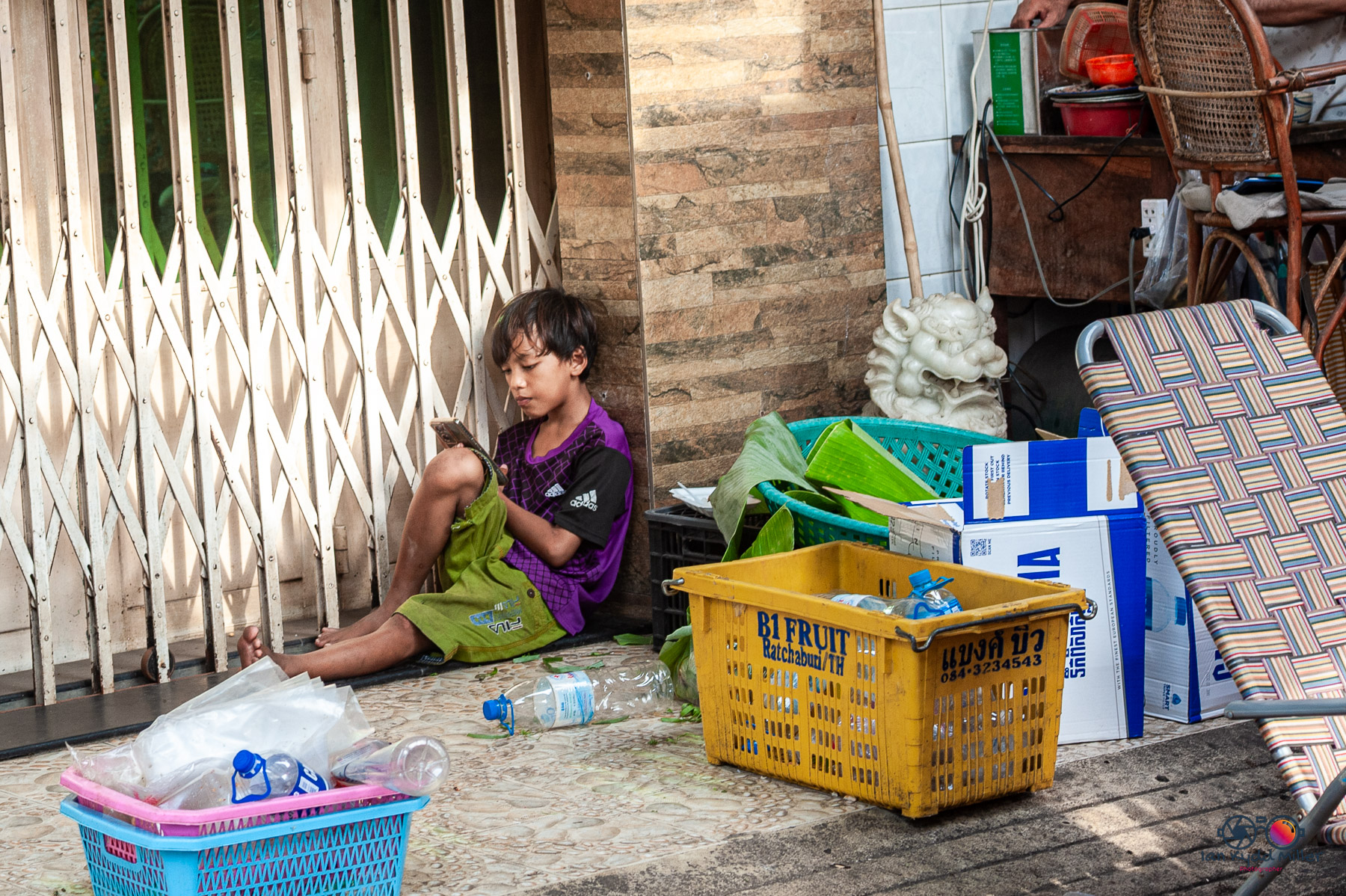
🛠️ How to Use Provocation Responsibly
- Pair images with clear intent: What do you want the viewer to feel, question, or do?
- Use restraint: Sometimes the most powerful image is the one that suggests rather than shows.
- Engage in aftercare: Follow up with subjects, offer access, and monitor impact post-publication.
🧠 Final Thought
Photojournalism as agent provocateur is not reckless—it’s radical in its clarity. It dares to disturb, but never to distort. It holds power to account, amplifies the unheard, and reshapes public imagination. When guided by ethics and purpose, provocation becomes not just a tool—but a responsibility.
 a world without pictures is like coffee without cream and sugar, bitter