

🔥 The Provocative Potential
Photojournalism has always had the capacity to provoke. Iconic images—like the “Napalm Girl” or the Tiananmen Square standoff—didn’t just document events; they shocked, moved, and mobilised global audiences. In this sense, photojournalism is an agent provocateur: it confronts viewers with uncomfortable truths and demands a response.

⚖️ The Ethical Line
But provocation is not the same as manipulation. The ethical challenge lies in intent:
- Is the image revealing injustice or exploiting suffering?
- Is it amplifying marginalised voices or sensationalising trauma?
- Is it grounded in truth or shaped to fit a narrative?
Responsible photojournalism provokes thought, not violence. It informs, not inflames.

🧭 When Provocation Serves Justice
In contexts of oppression, censorship, or systemic abuse, photojournalism can—and arguably should—provoke:
- Expose hidden realities (e.g. war crimes, police brutality)
- Challenge dominant narratives (e.g. state propaganda)
- Mobilise public action (e.g. climate protests, refugee crises)
Here, provocation is not reckless—it’s a form of ethical resistance.
🚫 When Provocation Becomes Exploitation
However, when images are used to:
- Sensationalise suffering
- Invade privacy
- Perpetuate stereotypes
- Distort context for shock value
…photojournalism crosses into unethical territory. The image becomes a weapon, not a witness.
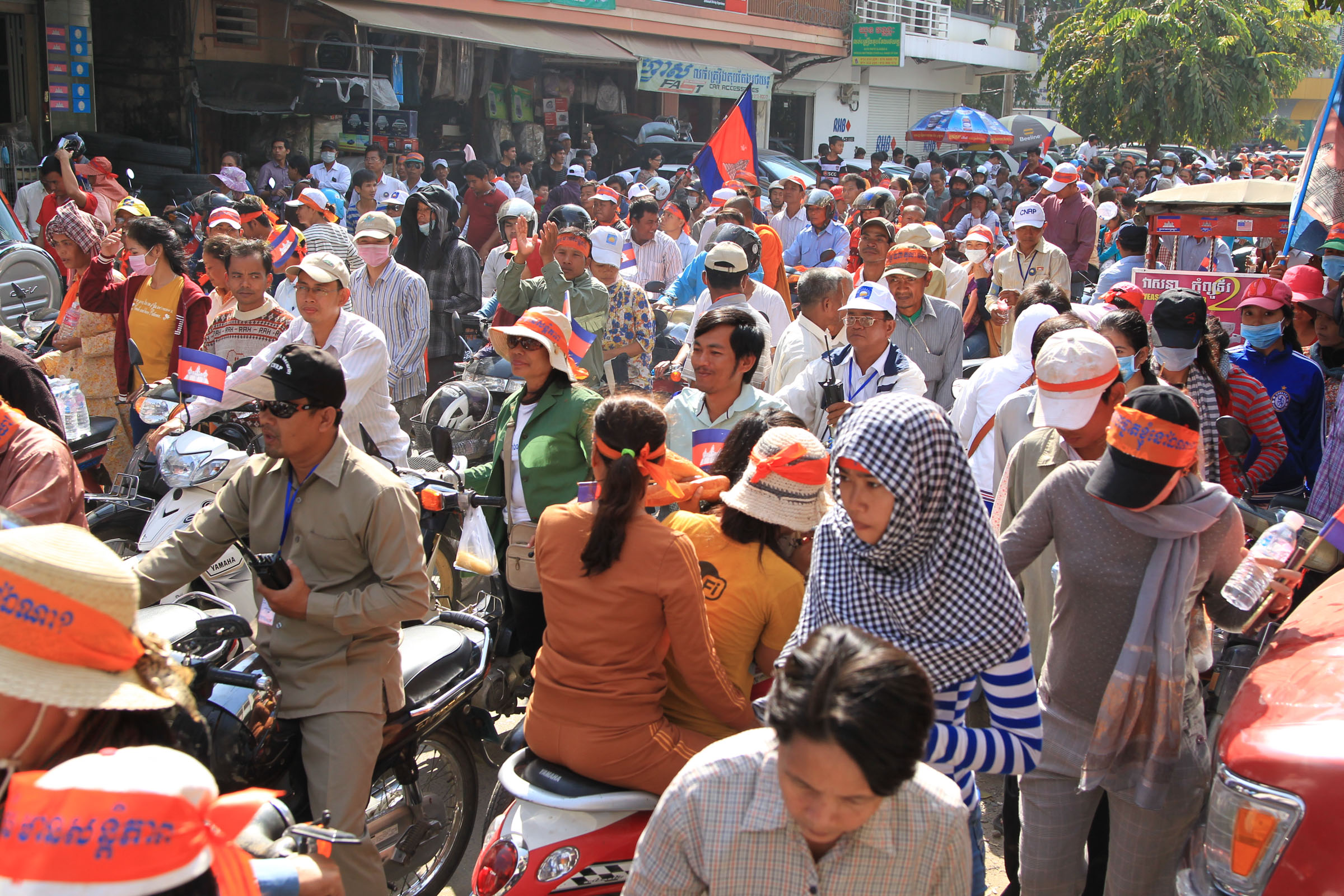

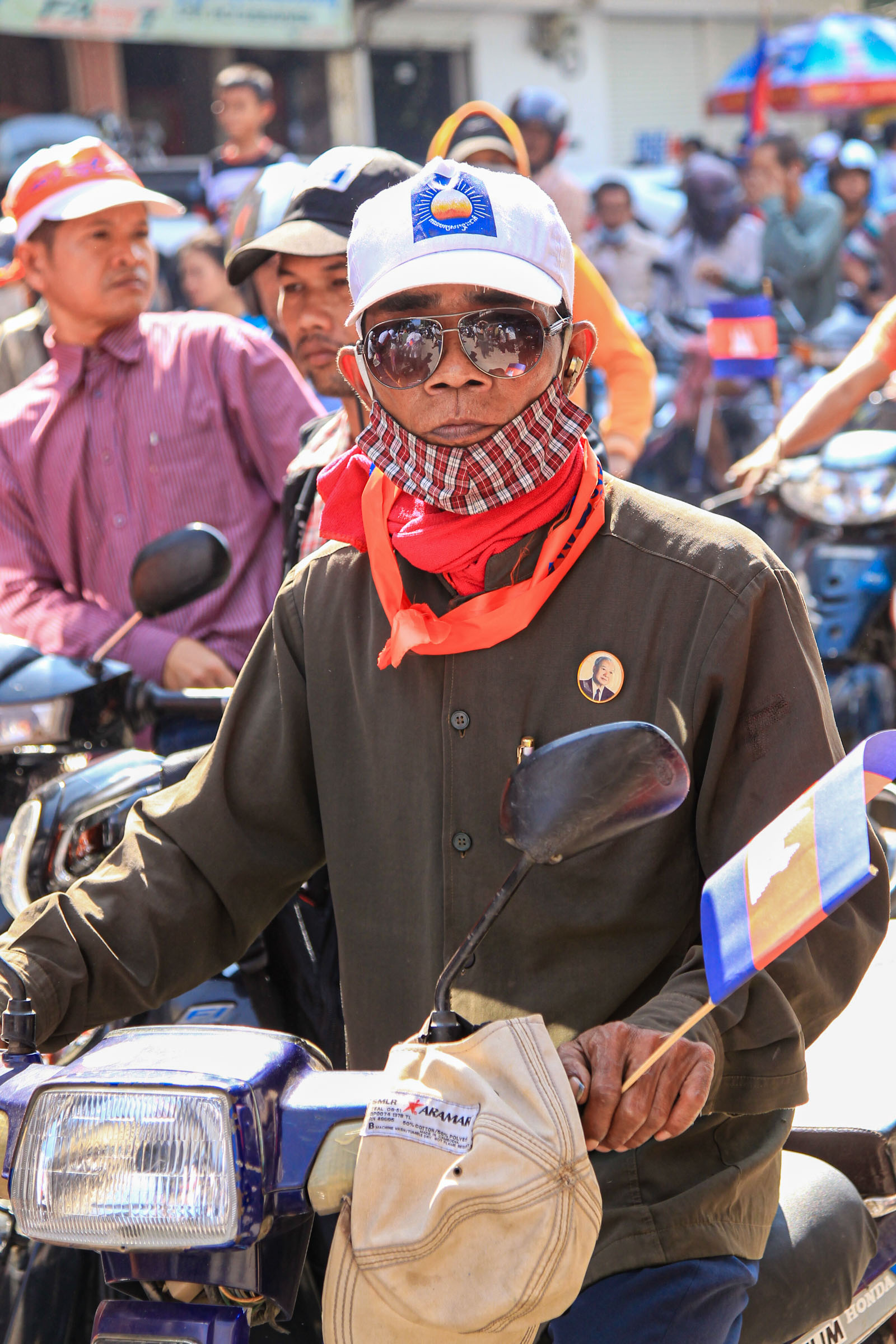
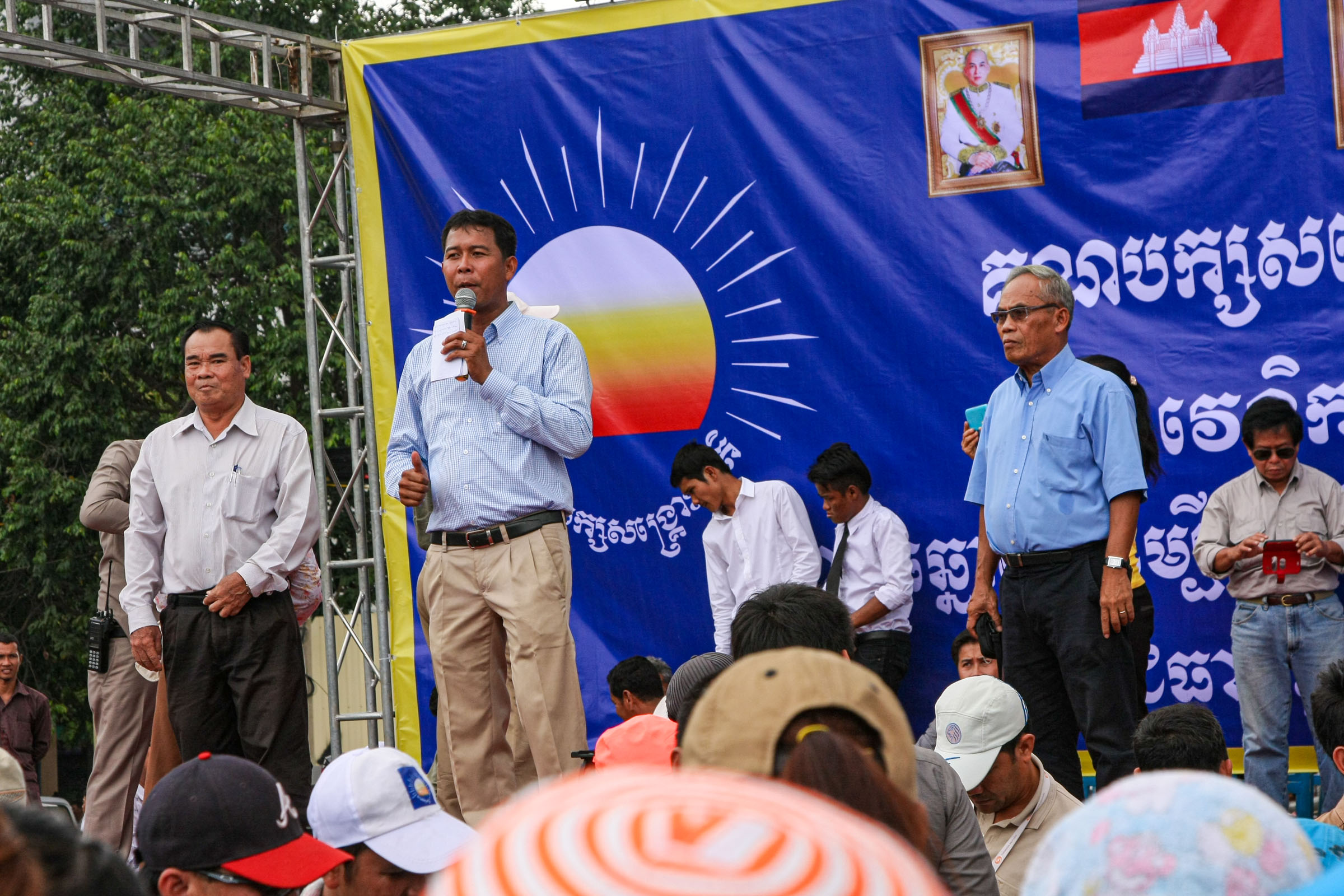
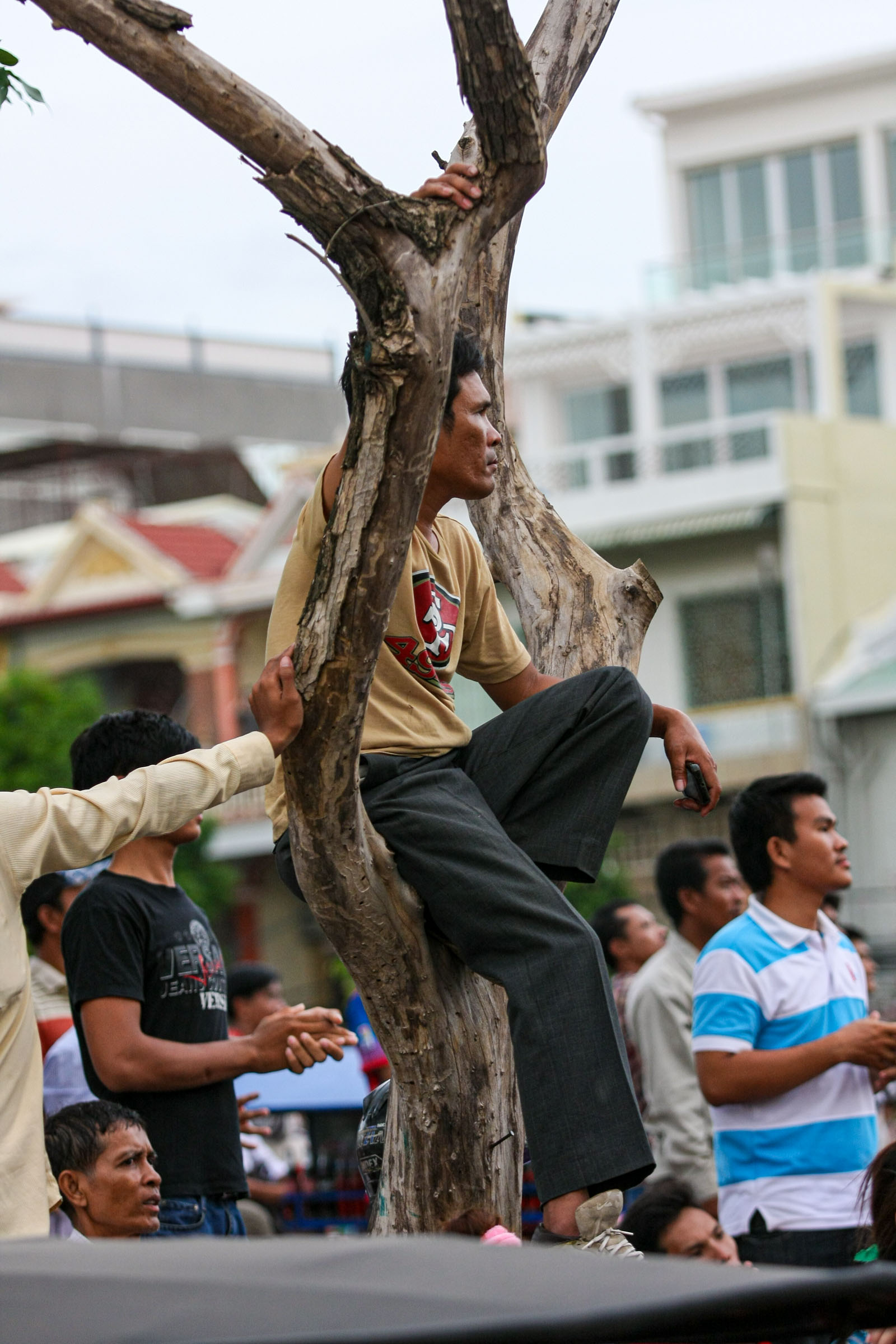


✅ Summary
Photojournalism can act as an agent provocateur—but only when it provokes with purpose, not for spectacle. Its ethical power lies in revealing truth, challenging injustice, and sparking dialogue. The moment it prioritises impact over integrity, it loses its credibility.
 a world without pictures is like coffee without cream and sugar, bitter