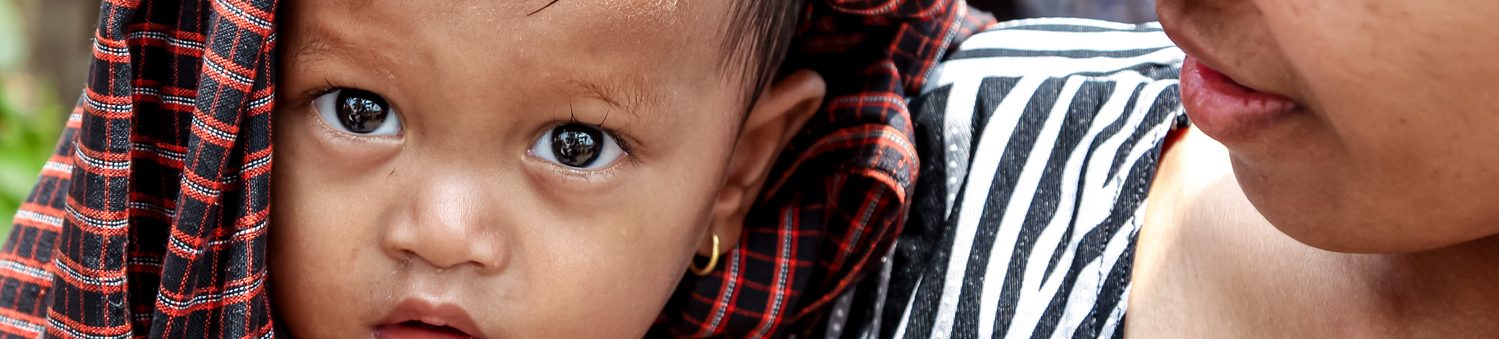

Photography ethics are about deciding where to draw the line between documentation, artistry, and manipulation. The line matters because images shape public perception, influence trust, and can cause harm if misused.

📸 Why Ethics in Photography Matter
Photography is not just about aesthetics—it’s about representation and responsibility. Every image carries weight: it can inform, inspire, or mislead. With billions of photos shared daily, ethical boundaries ensure that photography remains a trustworthy medium.
🔍 Key Areas Where the Line Is Tested
- Consent and Privacy
- Photographing people without permission, especially in vulnerable contexts, raises ethical concerns.
- Street photography often sits in a grey zone: candid shots are legal in public spaces, but ethical practice asks whether subjects are respected or exploited.
- Truth vs Manipulation
- Photo editing is powerful—enhancing colours or removing distractions is acceptable, but altering reality (adding/removing people, changing events) crosses into deception.
- In journalism, even small edits can undermine credibility. In art, manipulation is more accepted, but transparency is key.
- Representation and Harm
- Images of tragedy, poverty, or conflict can raise awareness but also risk exploitation. Ethical photographers ask: Does this image serve the public interest, or does it sensationalise suffering?
- Shocking images must balance impact with dignity—avoiding voyeurism or trauma exploitation.
- Cultural Sensitivity
- Photographing rituals, sacred spaces, or marginalised groups requires respect and context. Misrepresentation can perpetuate stereotypes or disrespect traditions.


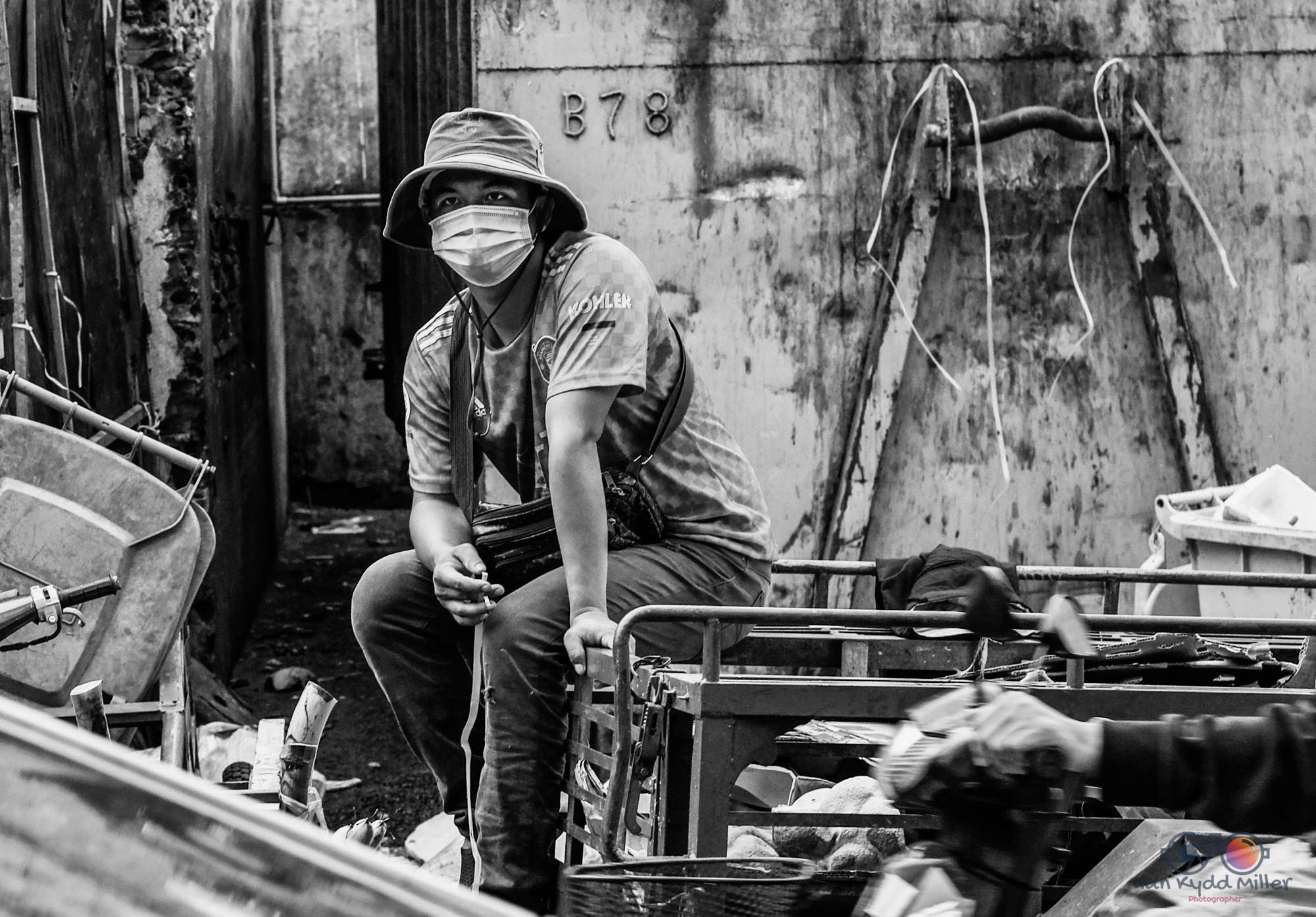
⚖️ Drawing the Line: Practical Guidelines
- Ask for consent whenever possible, especially in intimate or vulnerable settings.
- Be transparent about editing—distinguish between artistic enhancement and documentary truth.
- Prioritize dignity: avoid images that humiliate or exploit subjects.
- Consider impact: ask whether publishing the image informs, educates, or simply shocks.
- Respect context: cultural and social settings demand sensitivity to avoid misrepresentation.
🧠 The Grey Areas
Ethics in photography are rarely black and white. For example:
- Street photography: candid shots can be powerful social commentary, but they may invade privacy.
- Photojournalism: documenting war or disaster is vital, but publishing graphic images can traumatize audiences.
- Editing: removing a distracting lamppost may be fine, but removing a protester changes history.
Navigating these requires self-awareness, editorial discipline, and a clear ethical framework.

📝 Final Thought
Drawing the ethical line in photography means balancing truth, respect, and creative intent. It’s about asking hard questions: Am I telling the story honestly? Am I respecting my subject? Am I serving the audience responsibly? When photographers hold themselves accountable, their work not only informs but also uplifts, creating images that endure with integrity.
 a world without pictures is like coffee without cream and sugar, bitter