Mad dogs and English men go out in the midday sun.
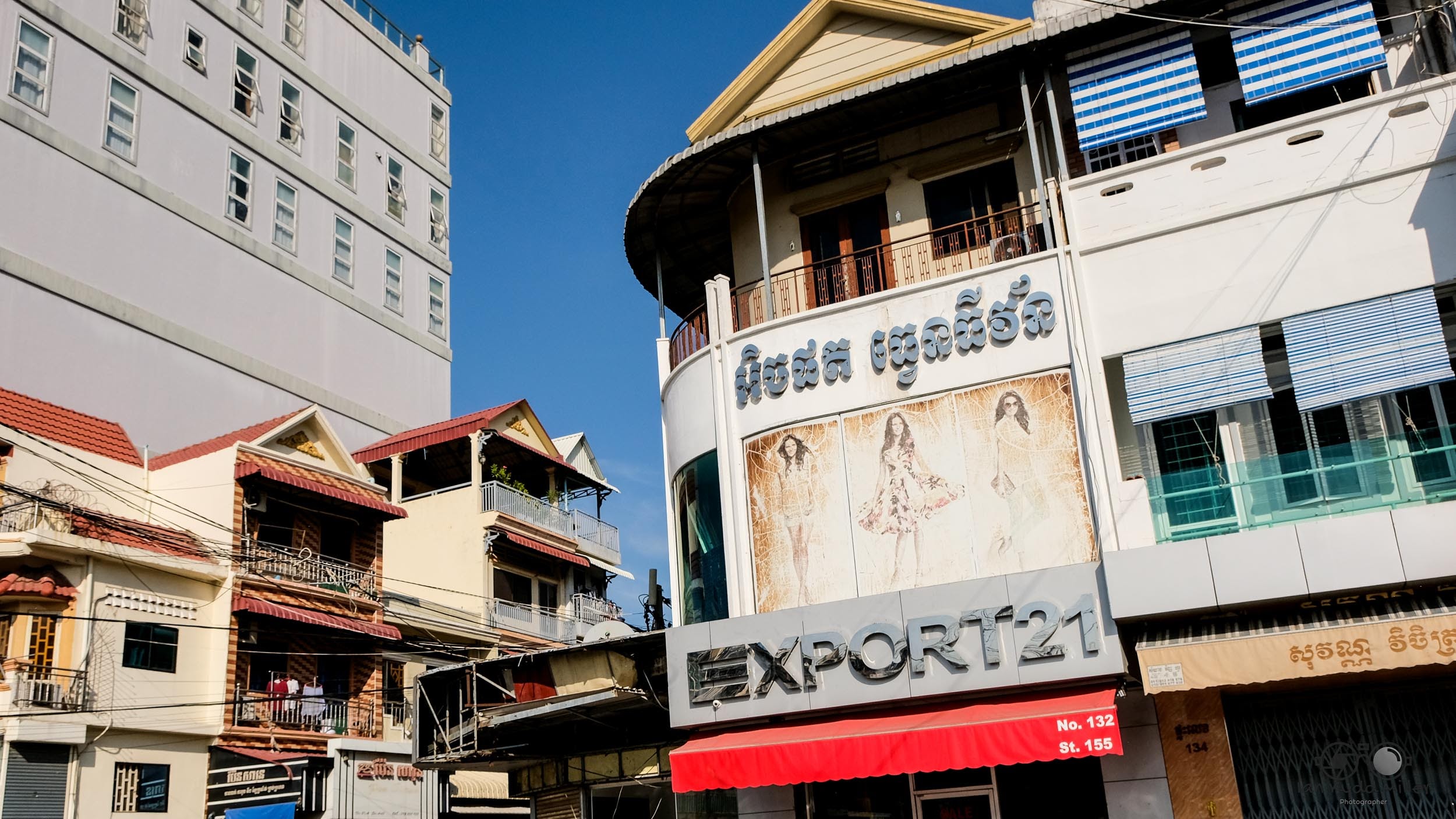
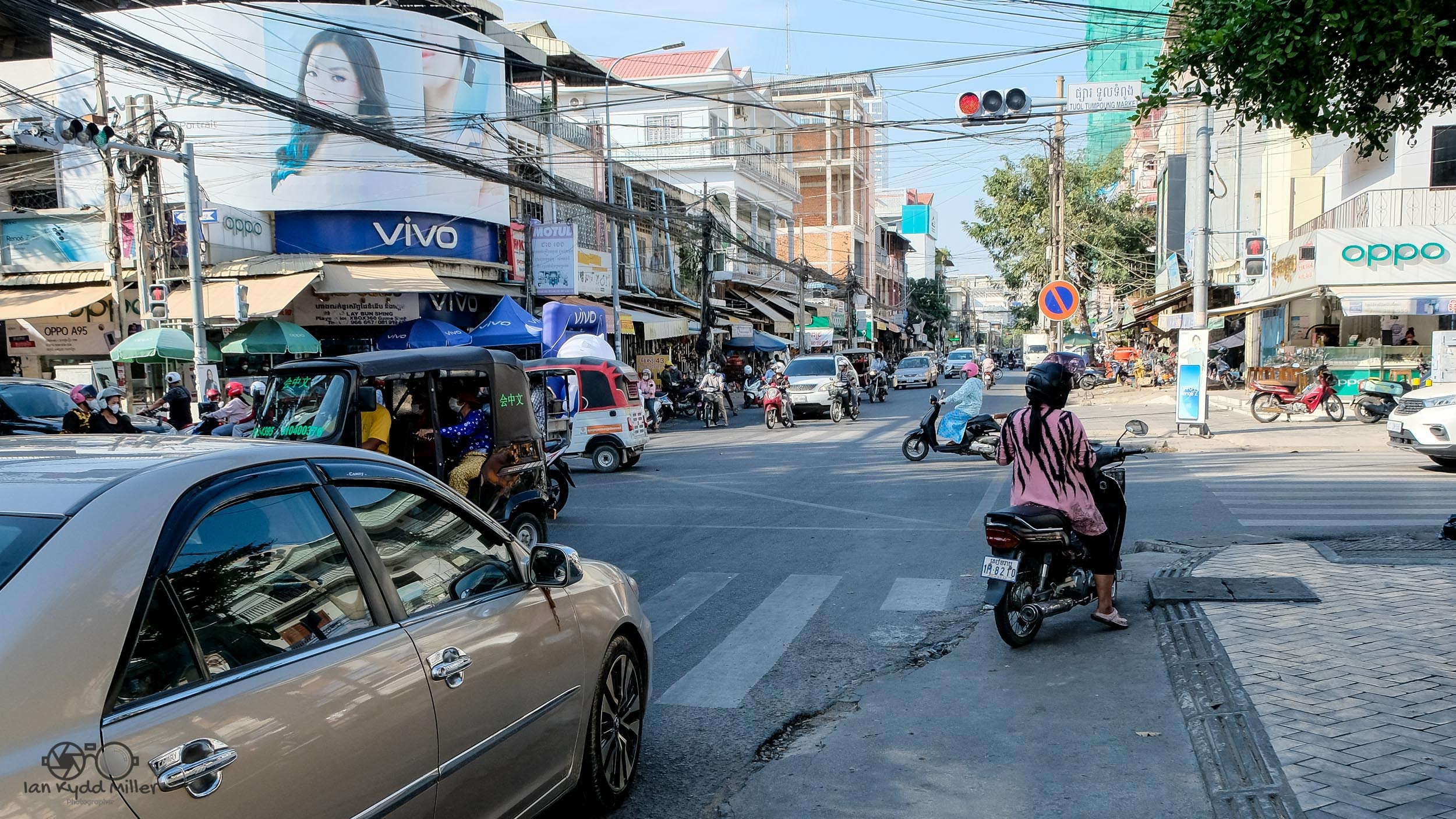
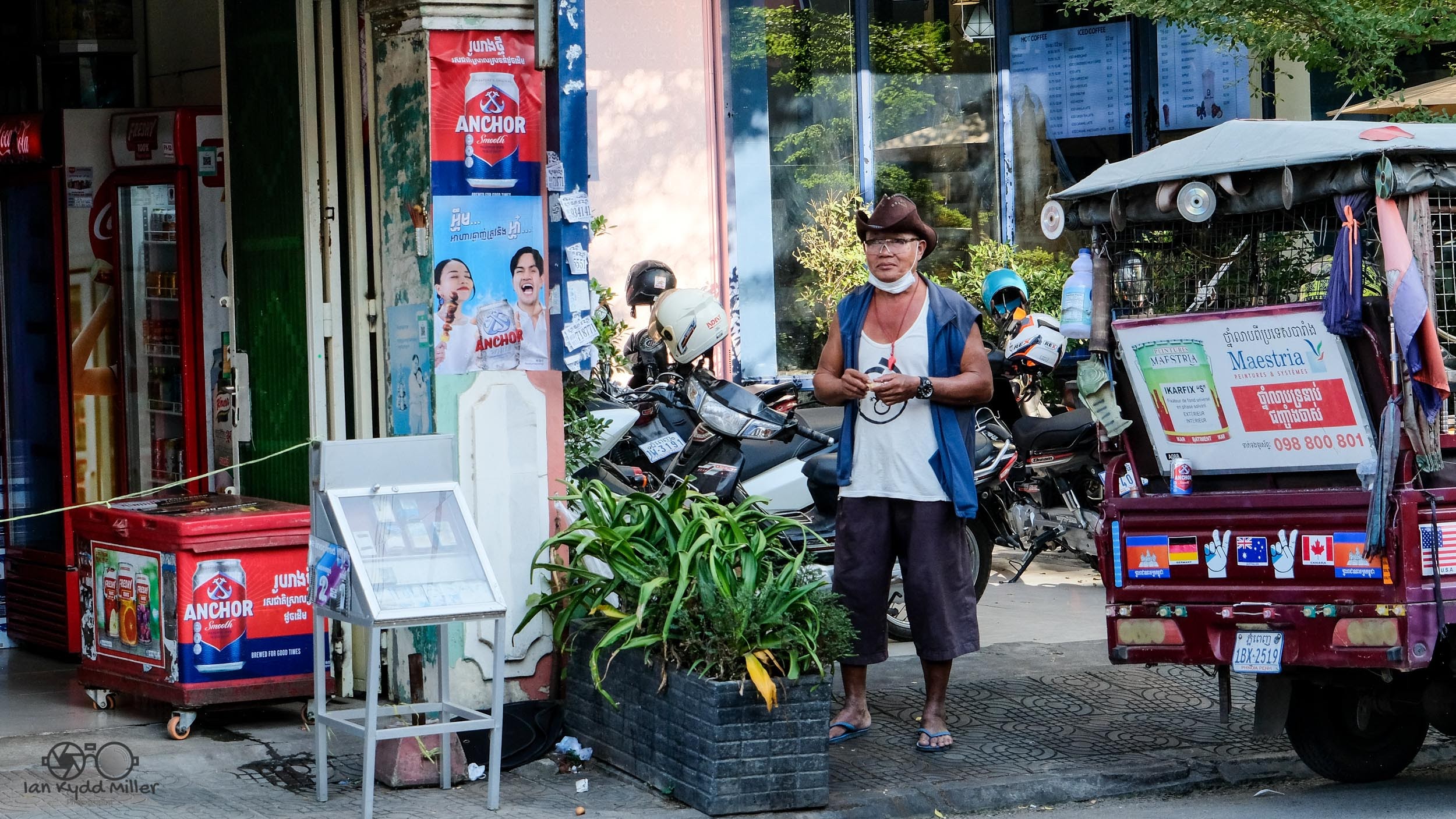
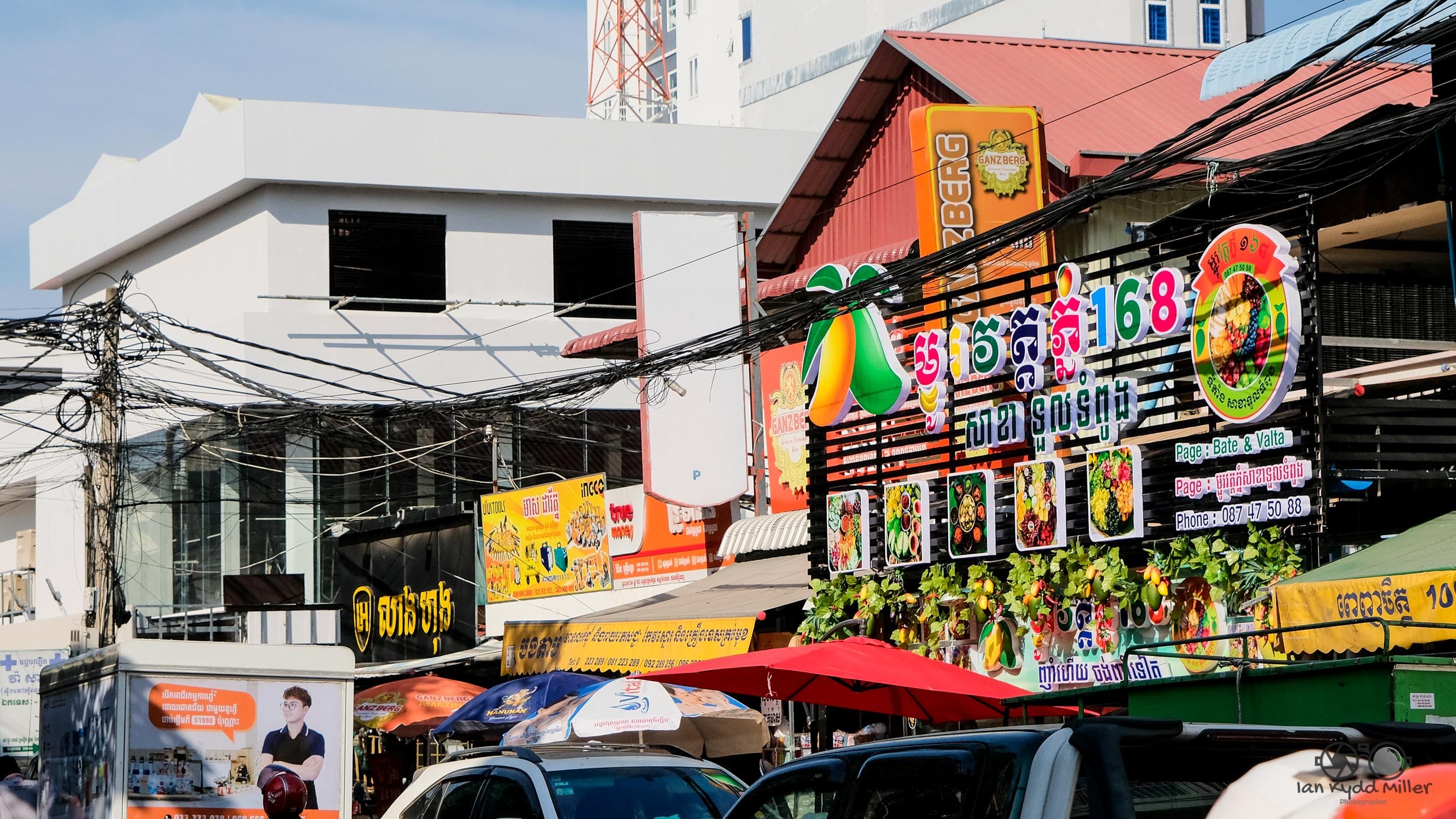
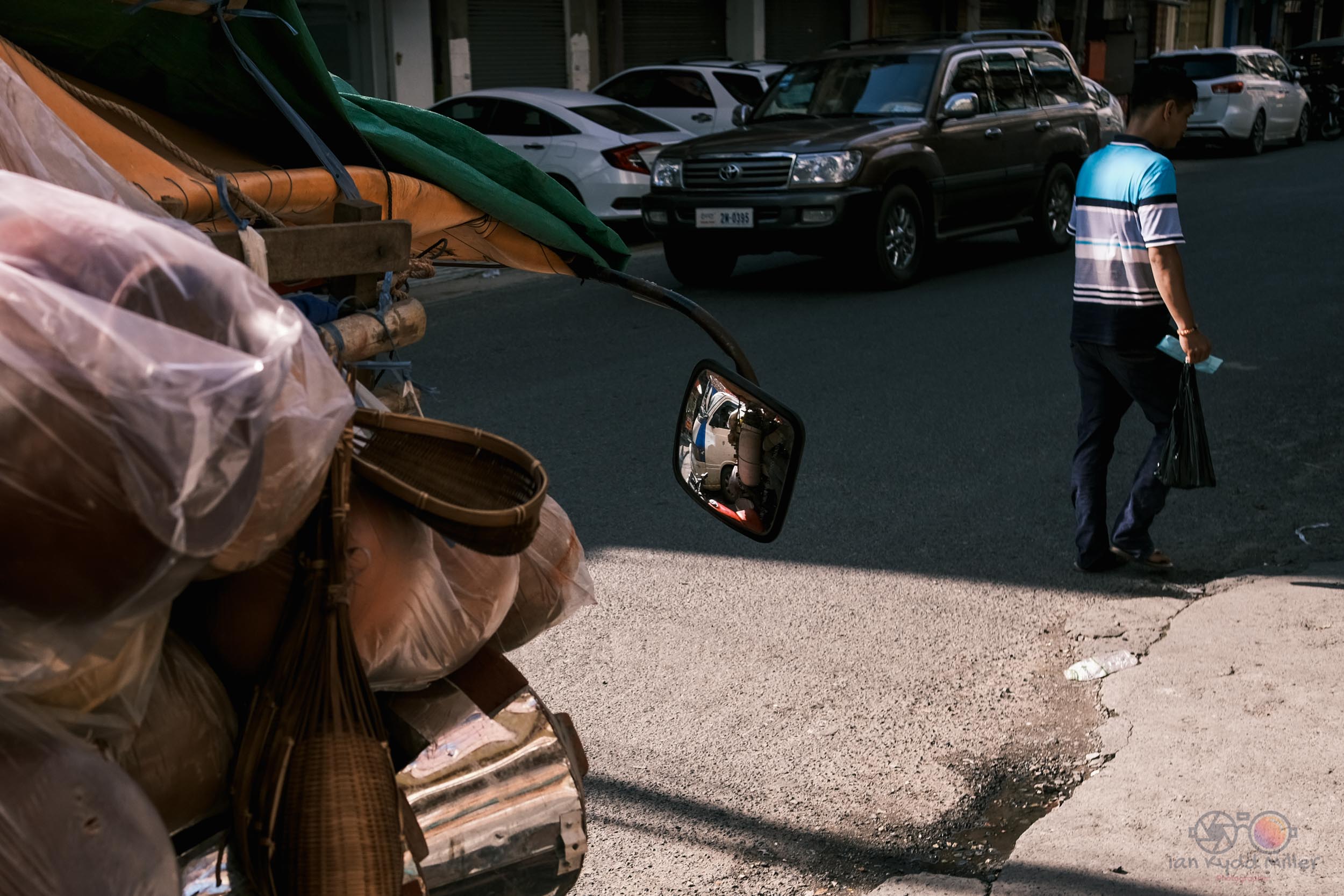
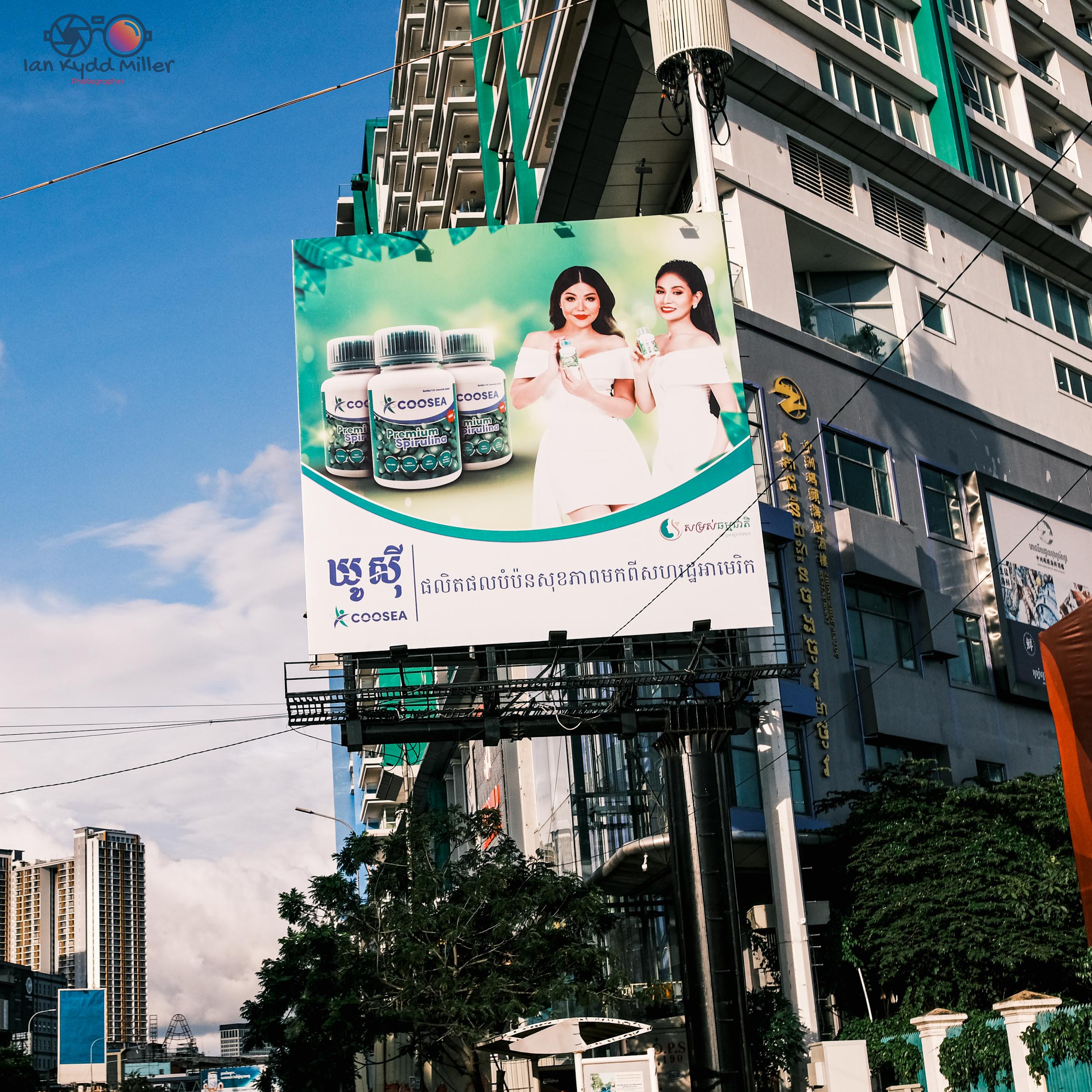
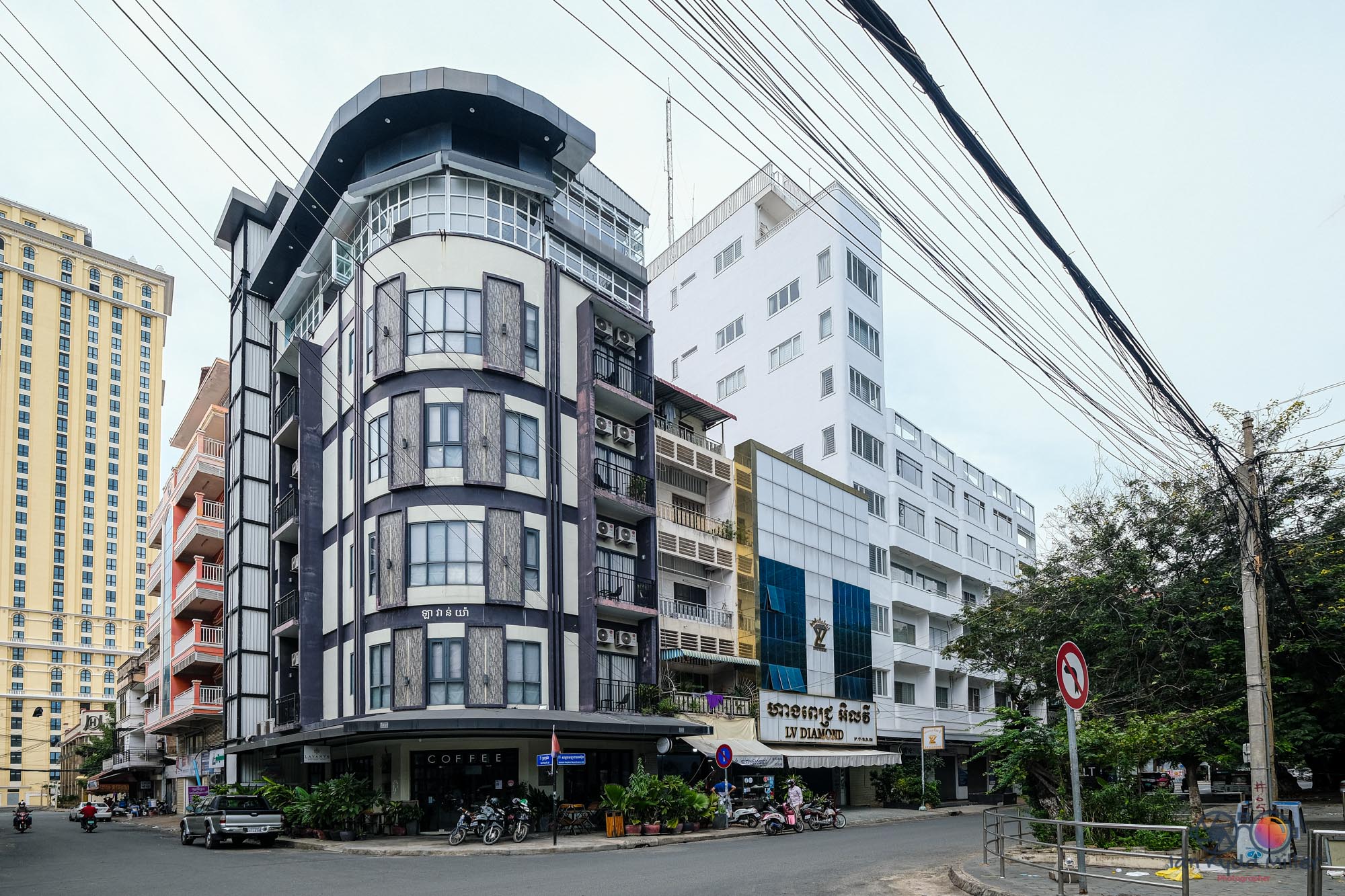
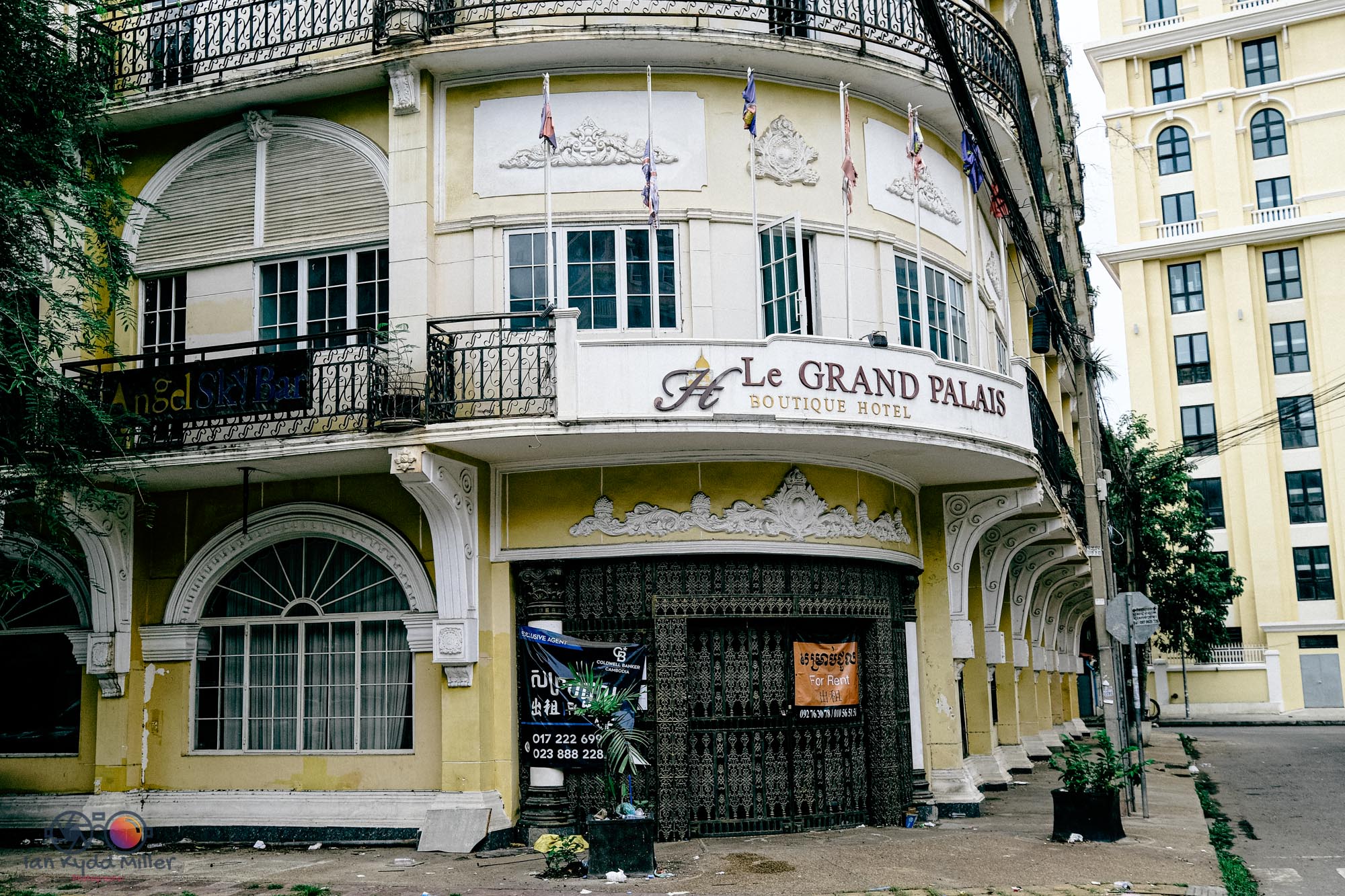
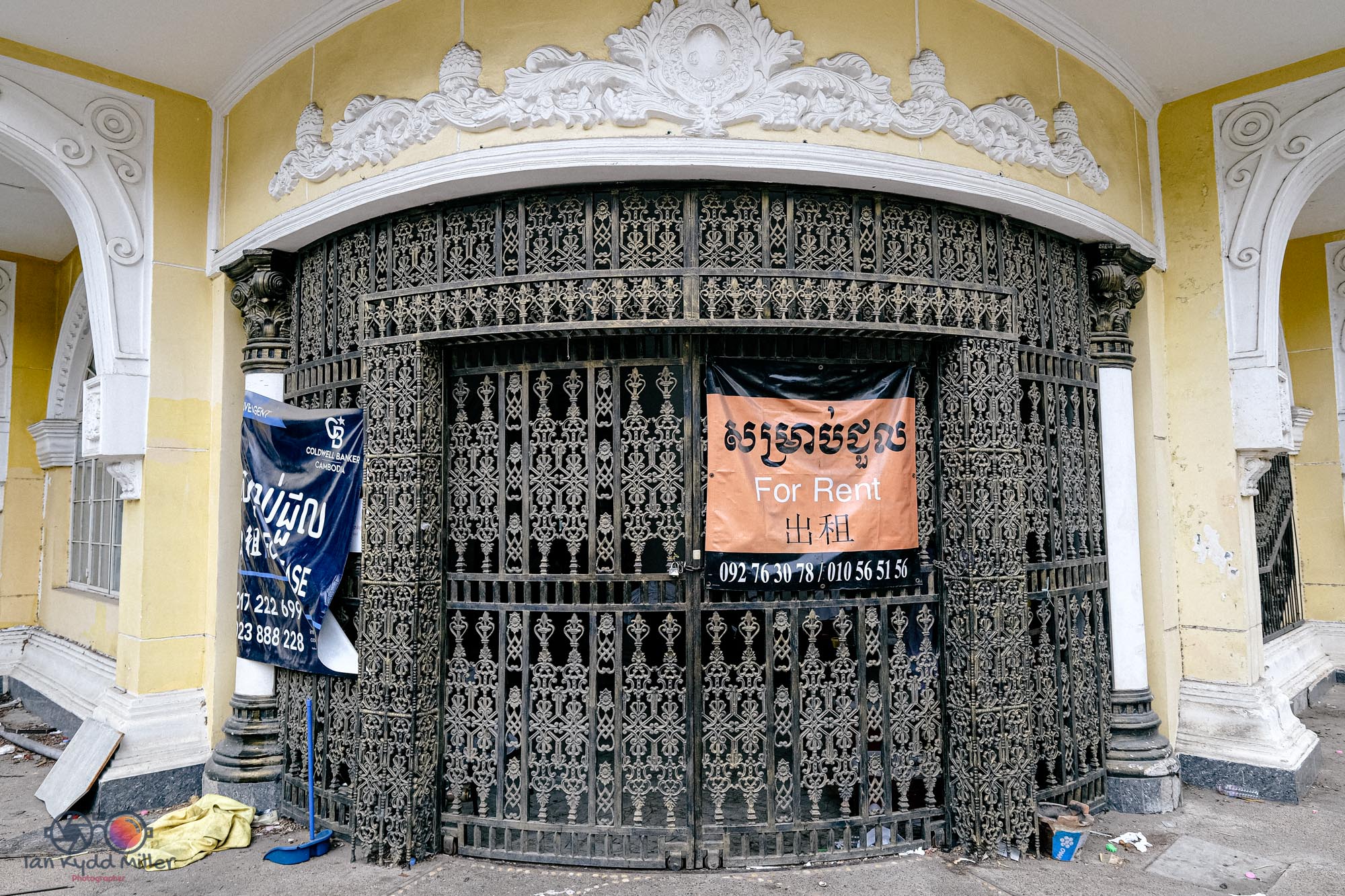
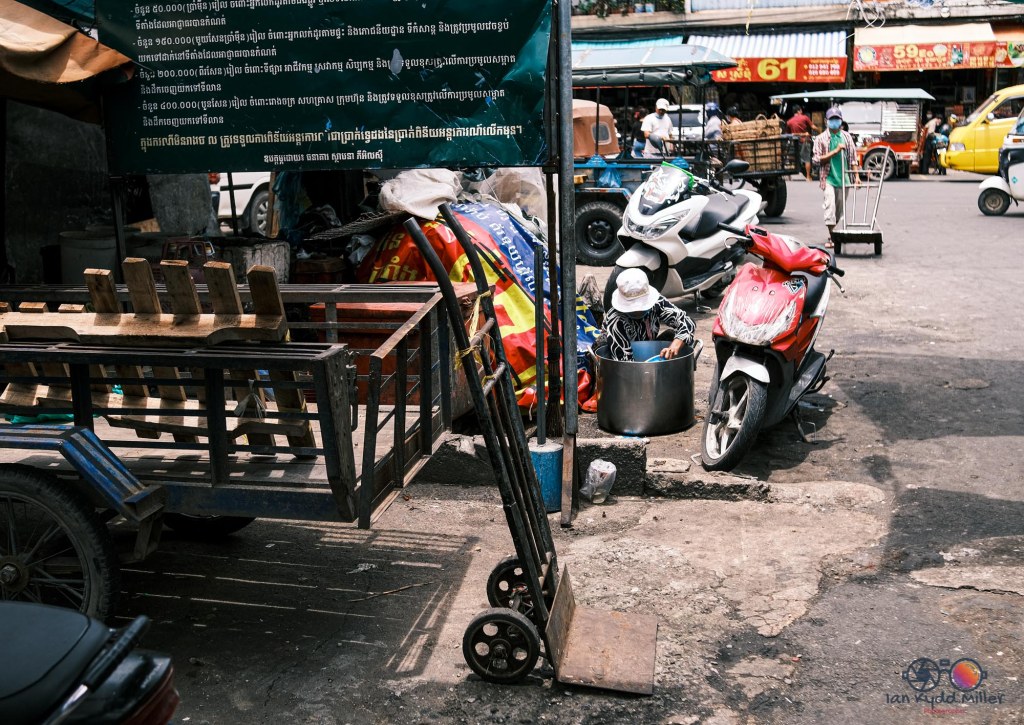
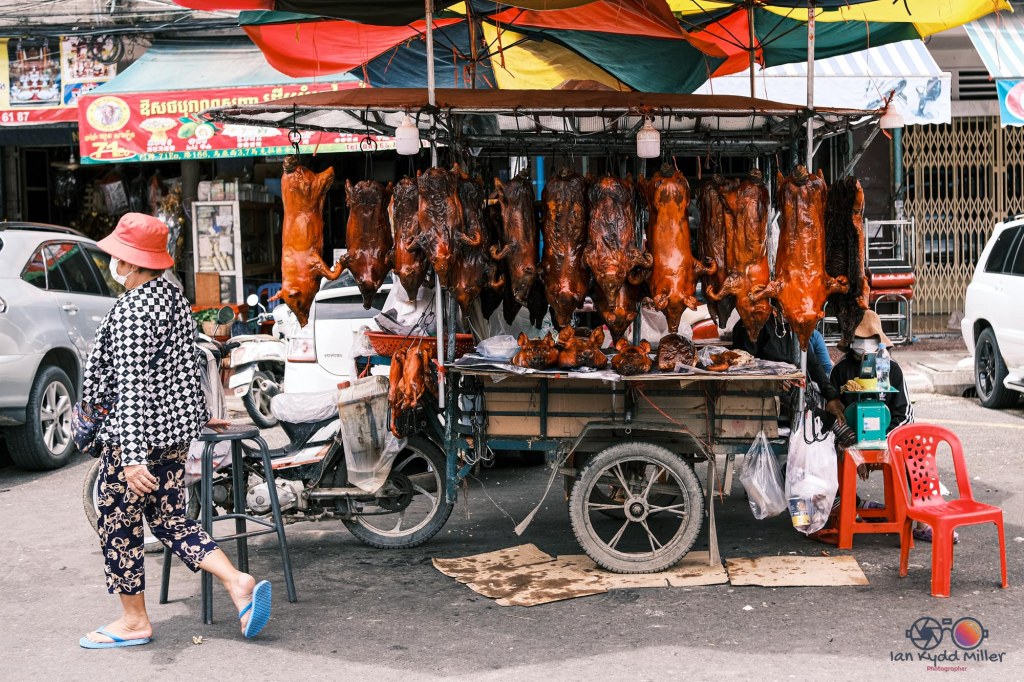
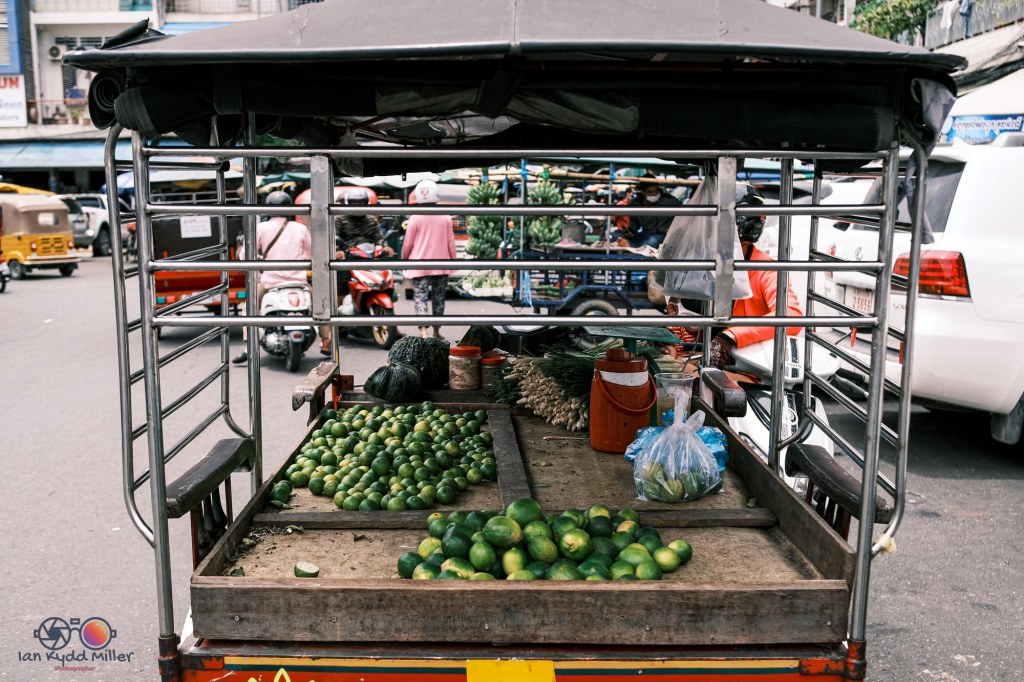
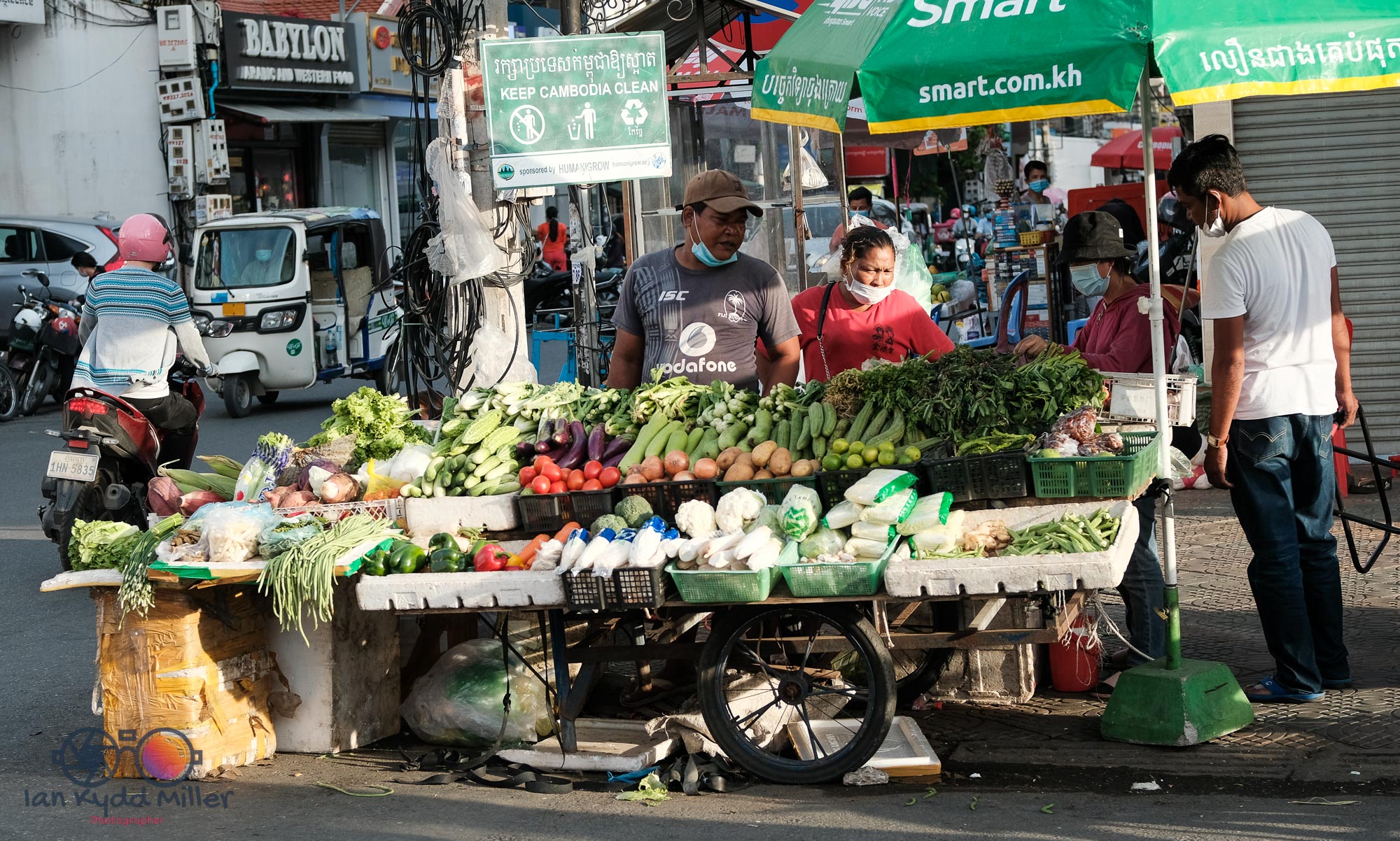
Is it OK to take pictures in the harsh light of midday in the tropics, you bet ya.
I have always had a fascination with getting images at the most difficult times of the day. Harsh light is always a problem but can be used to make interesting images.
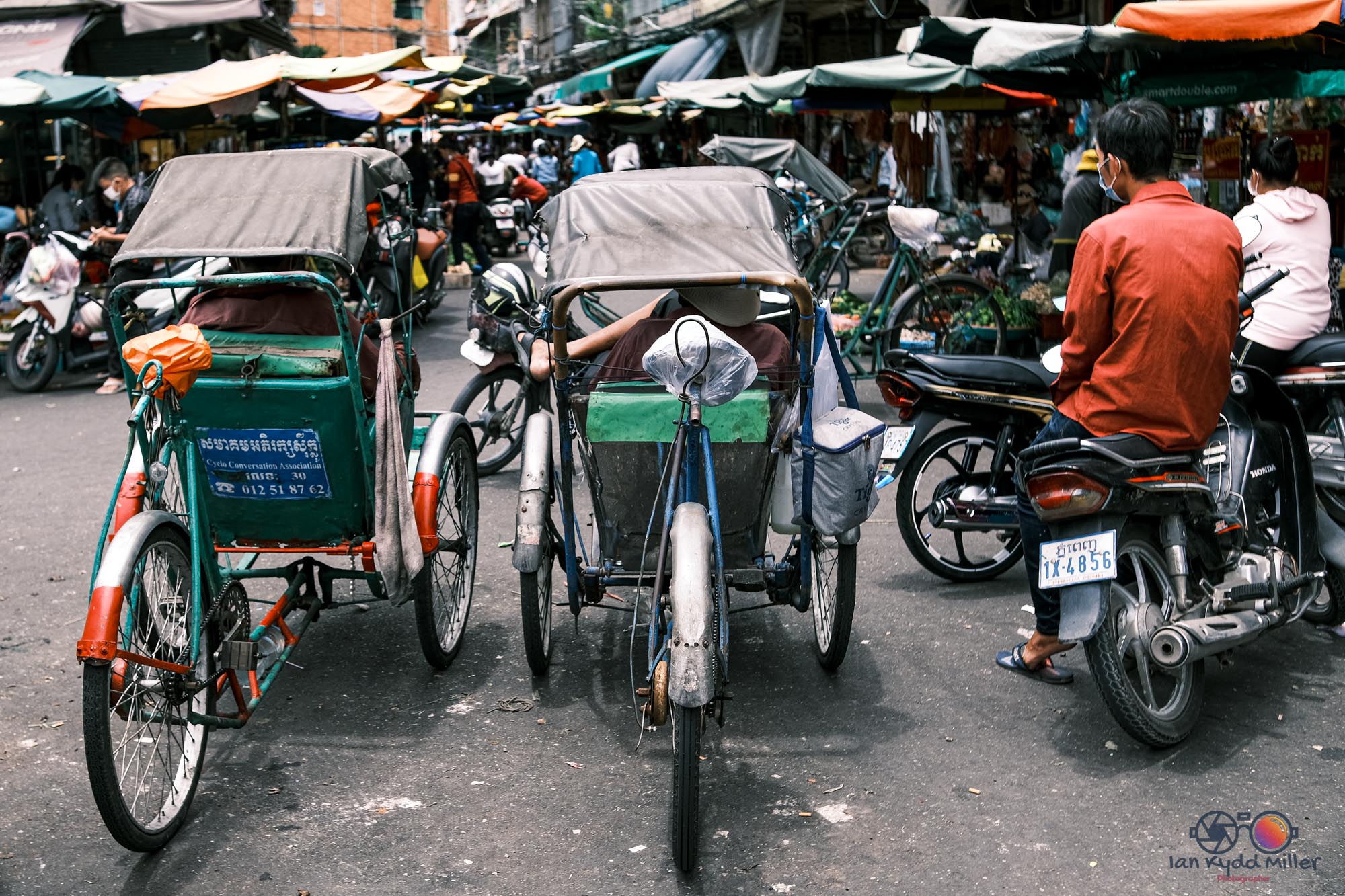
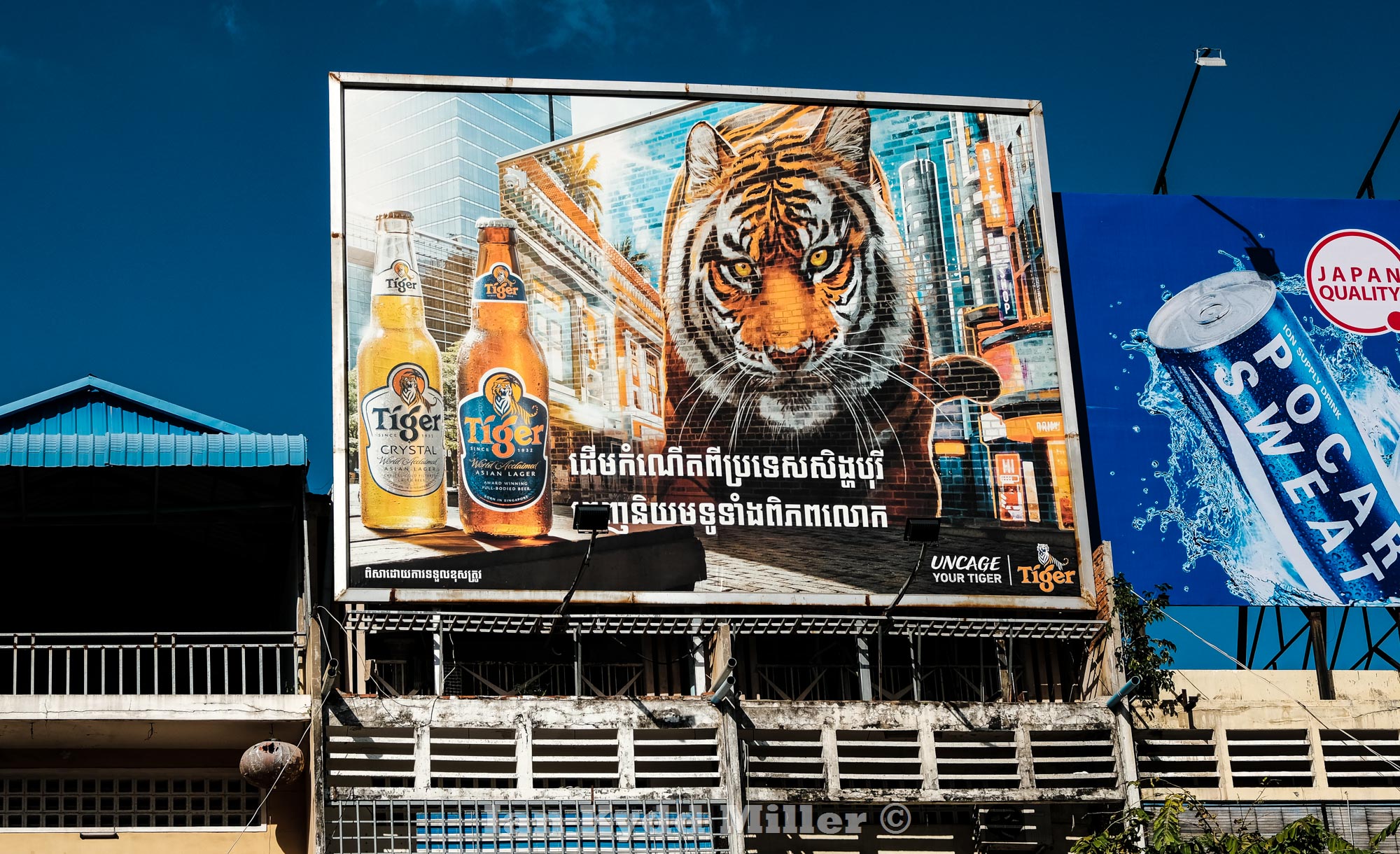
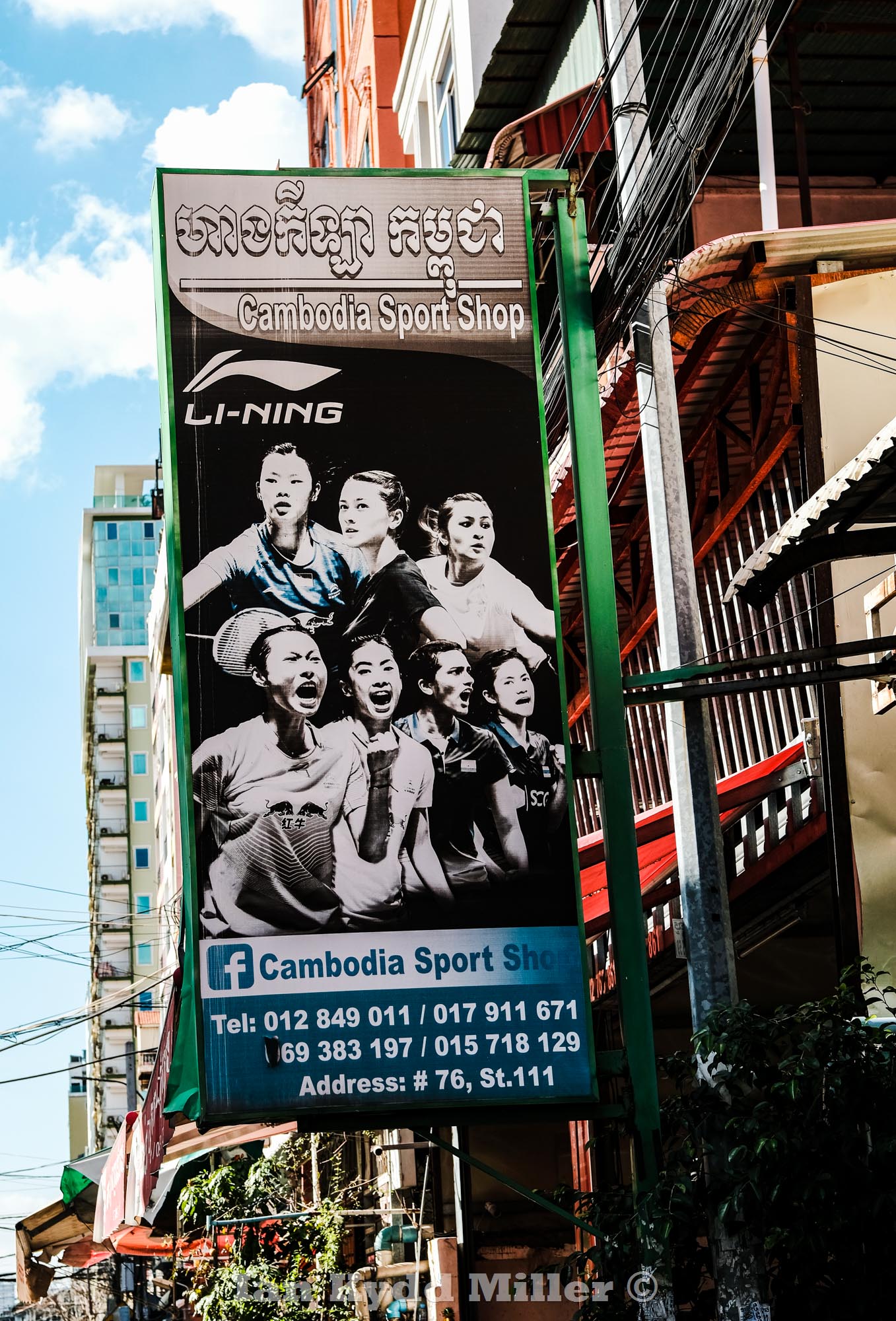
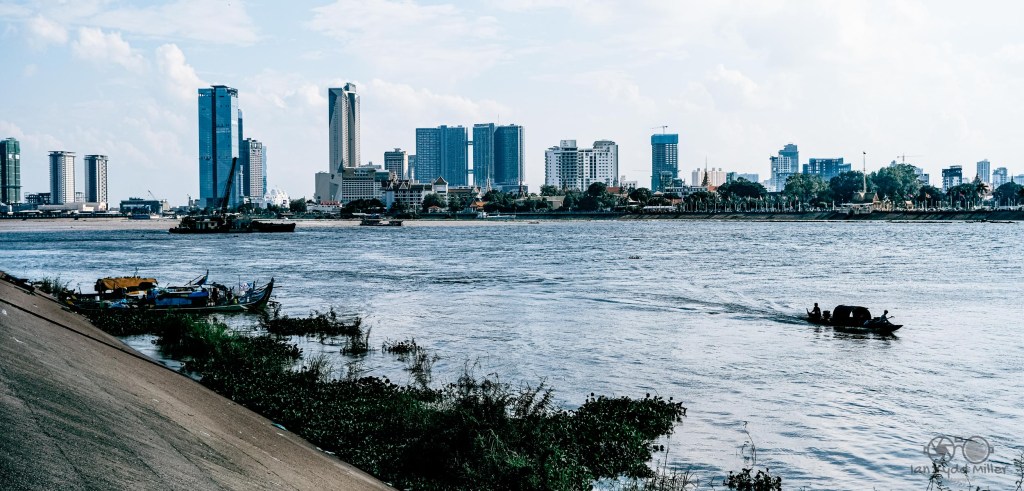
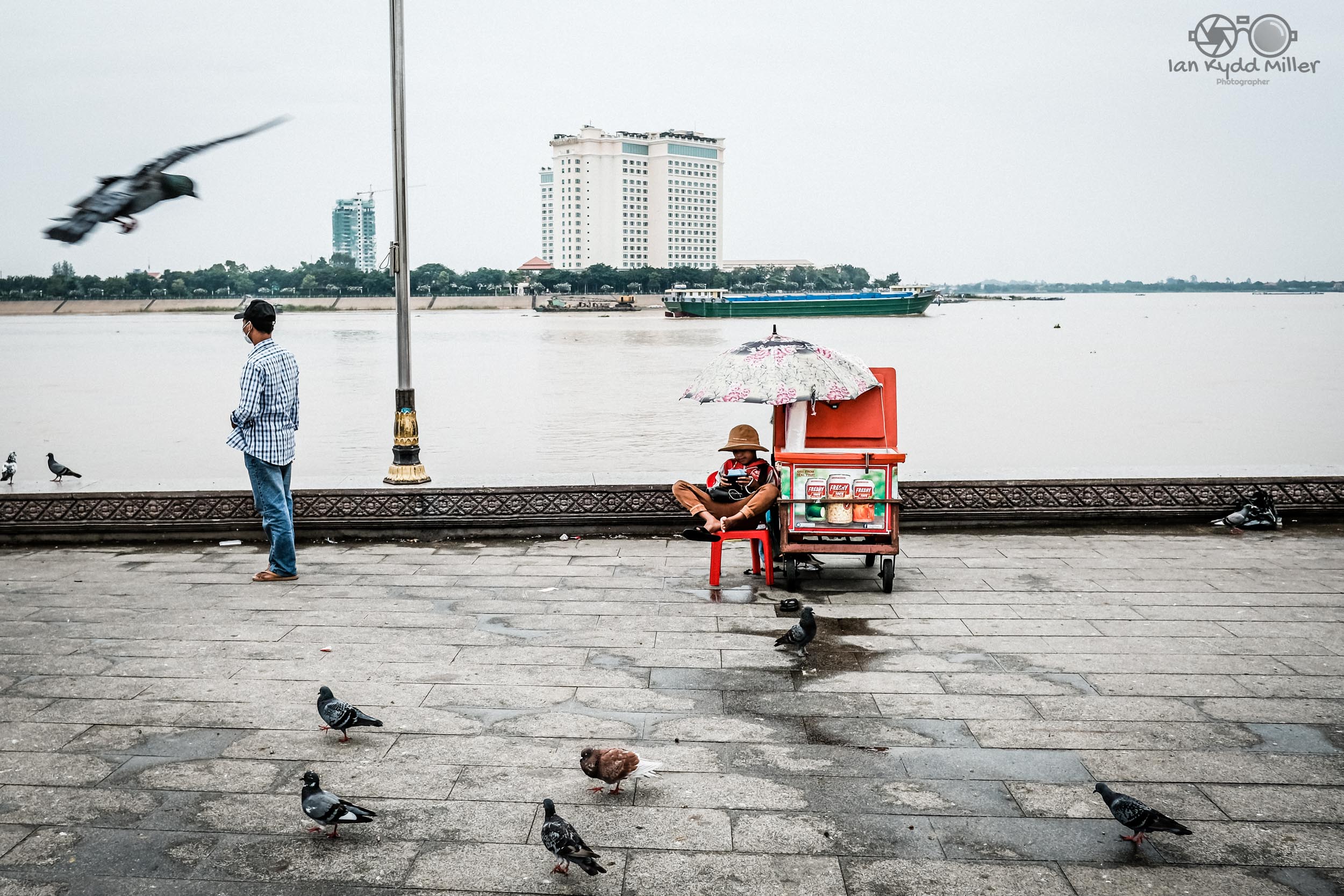
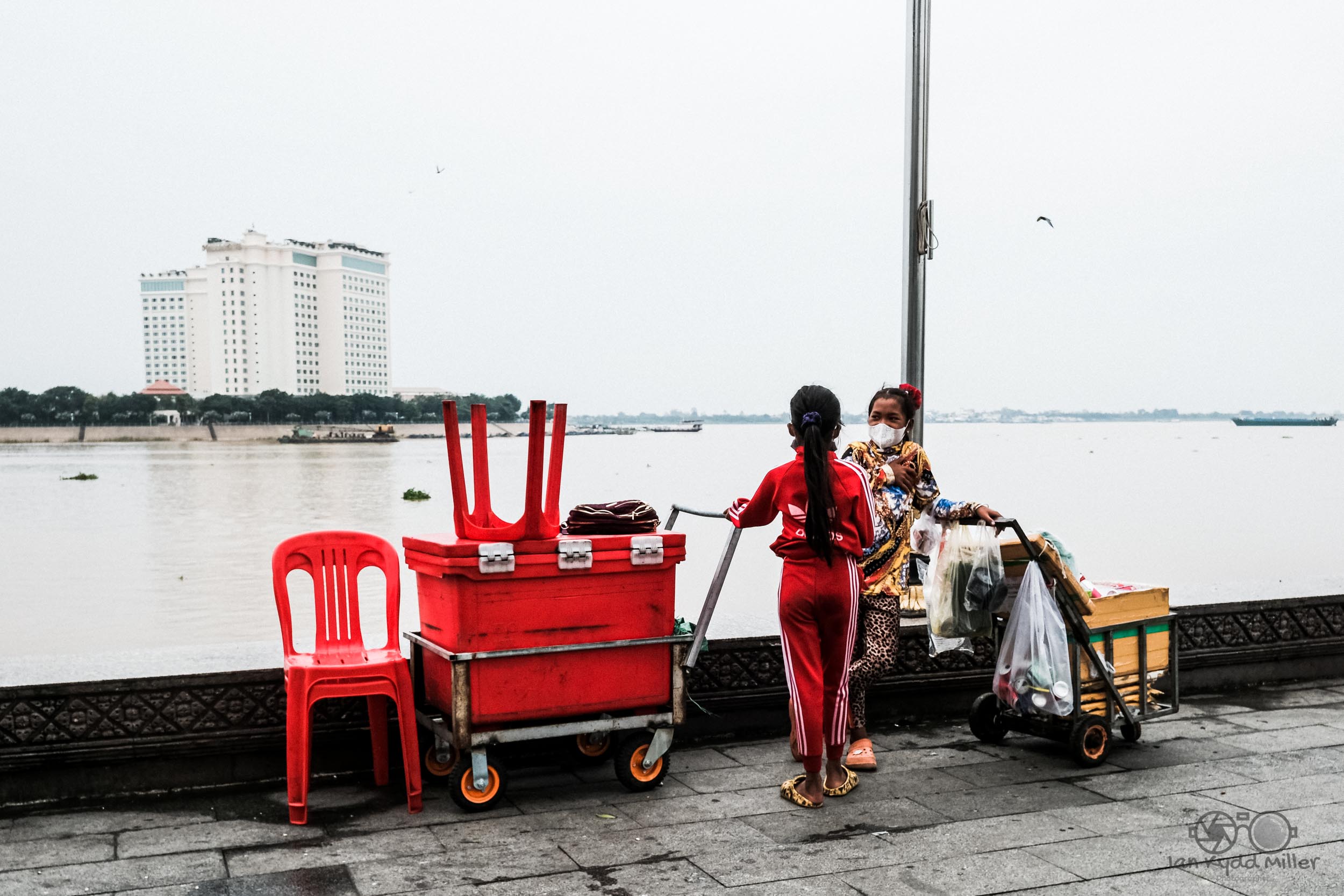
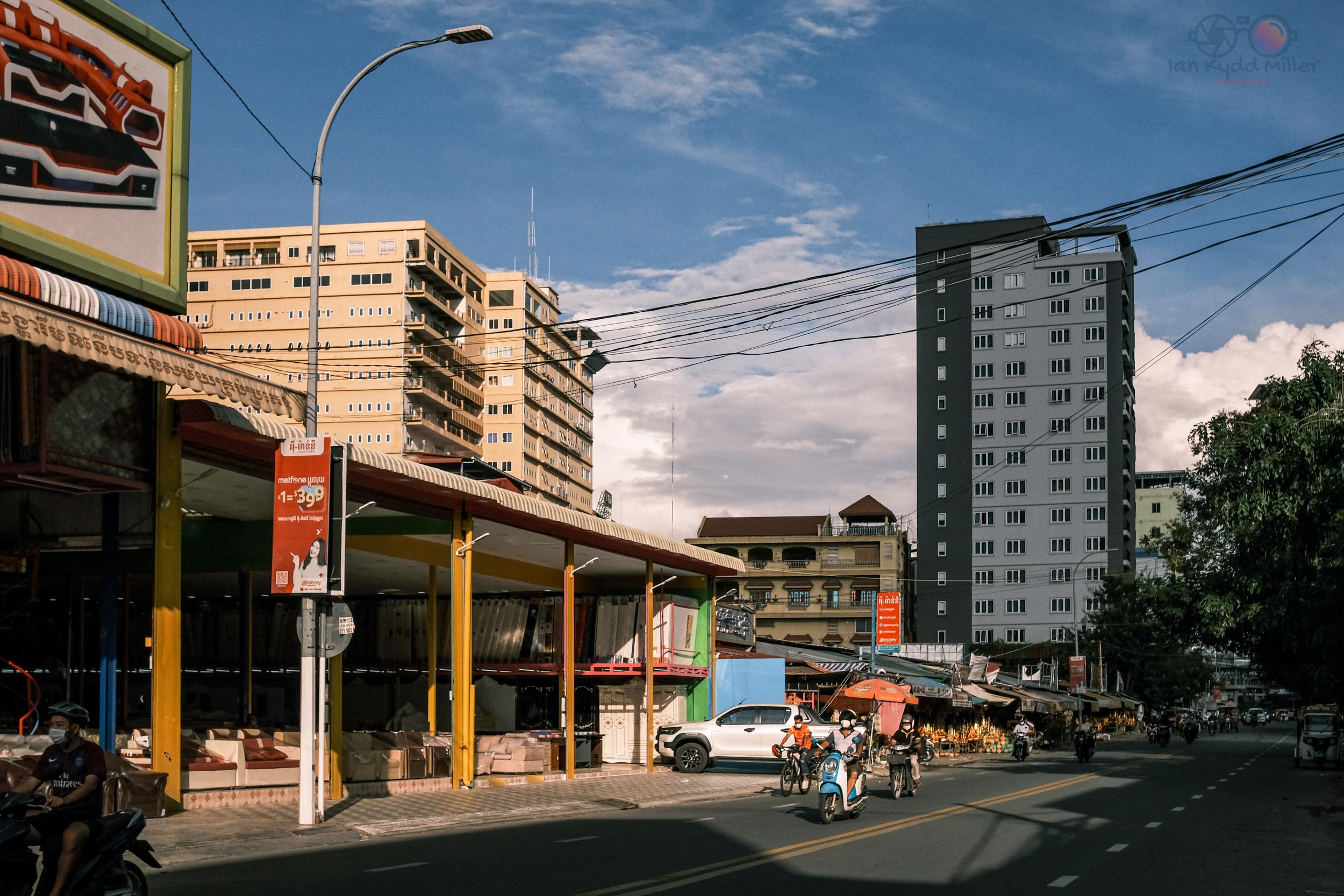
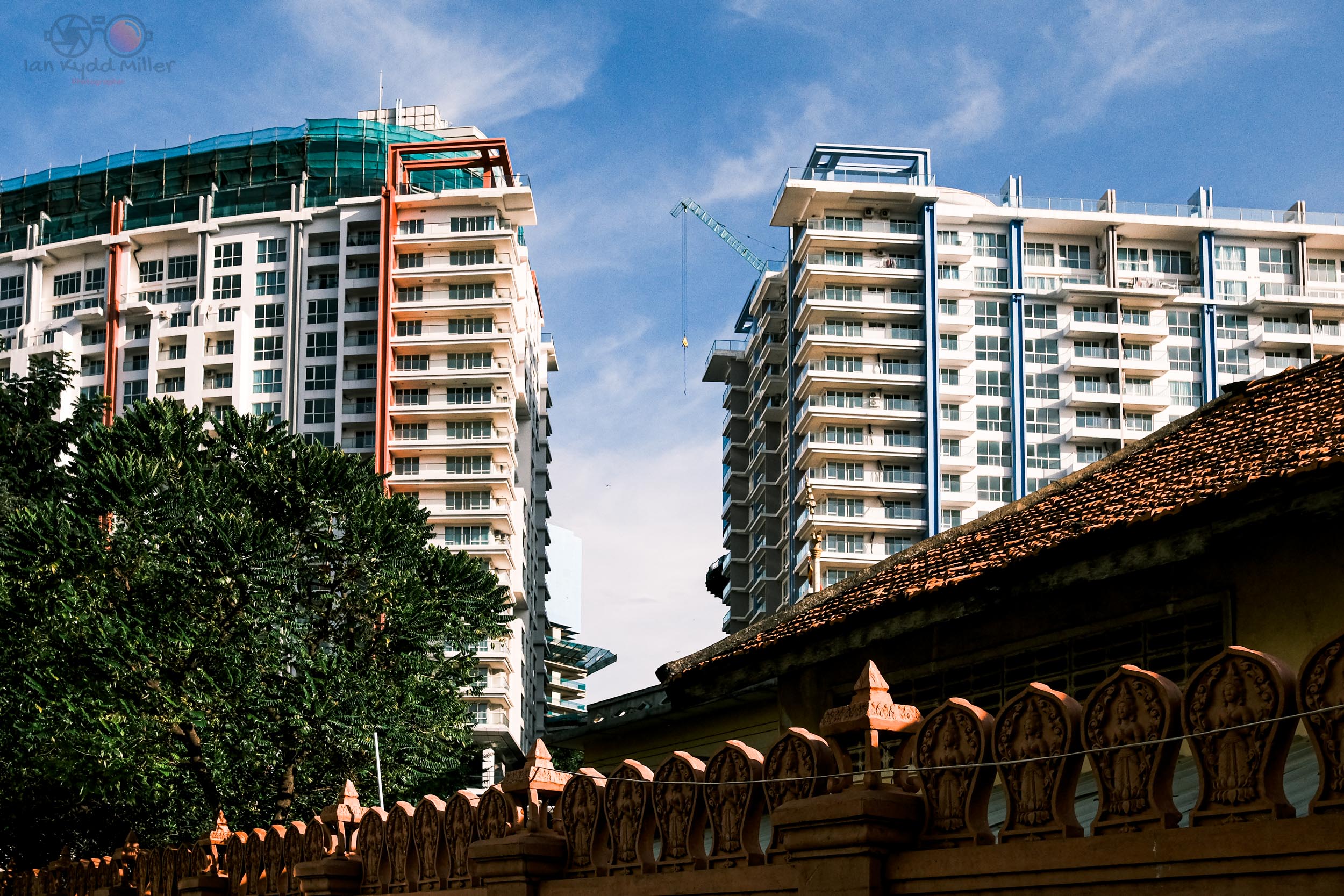
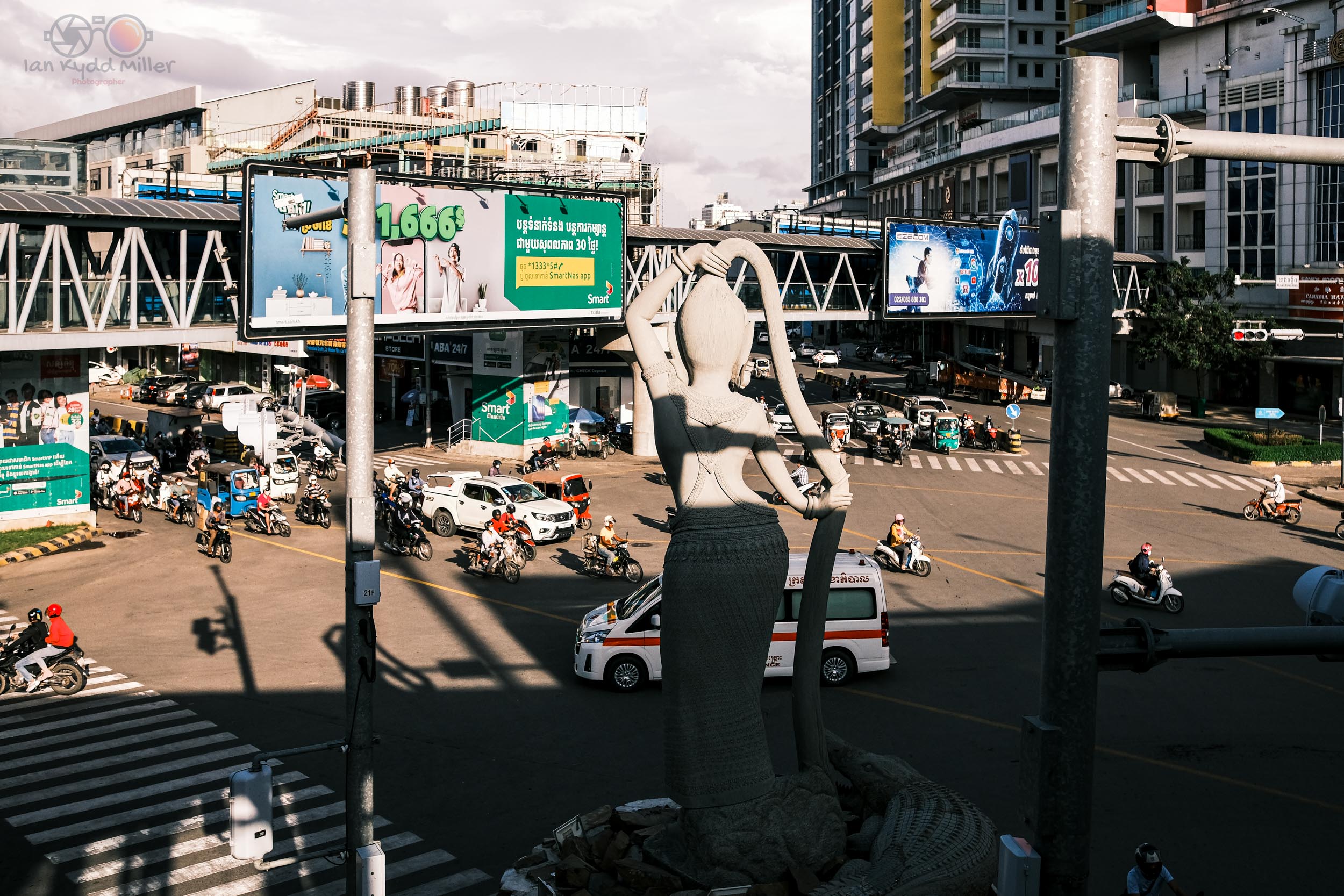
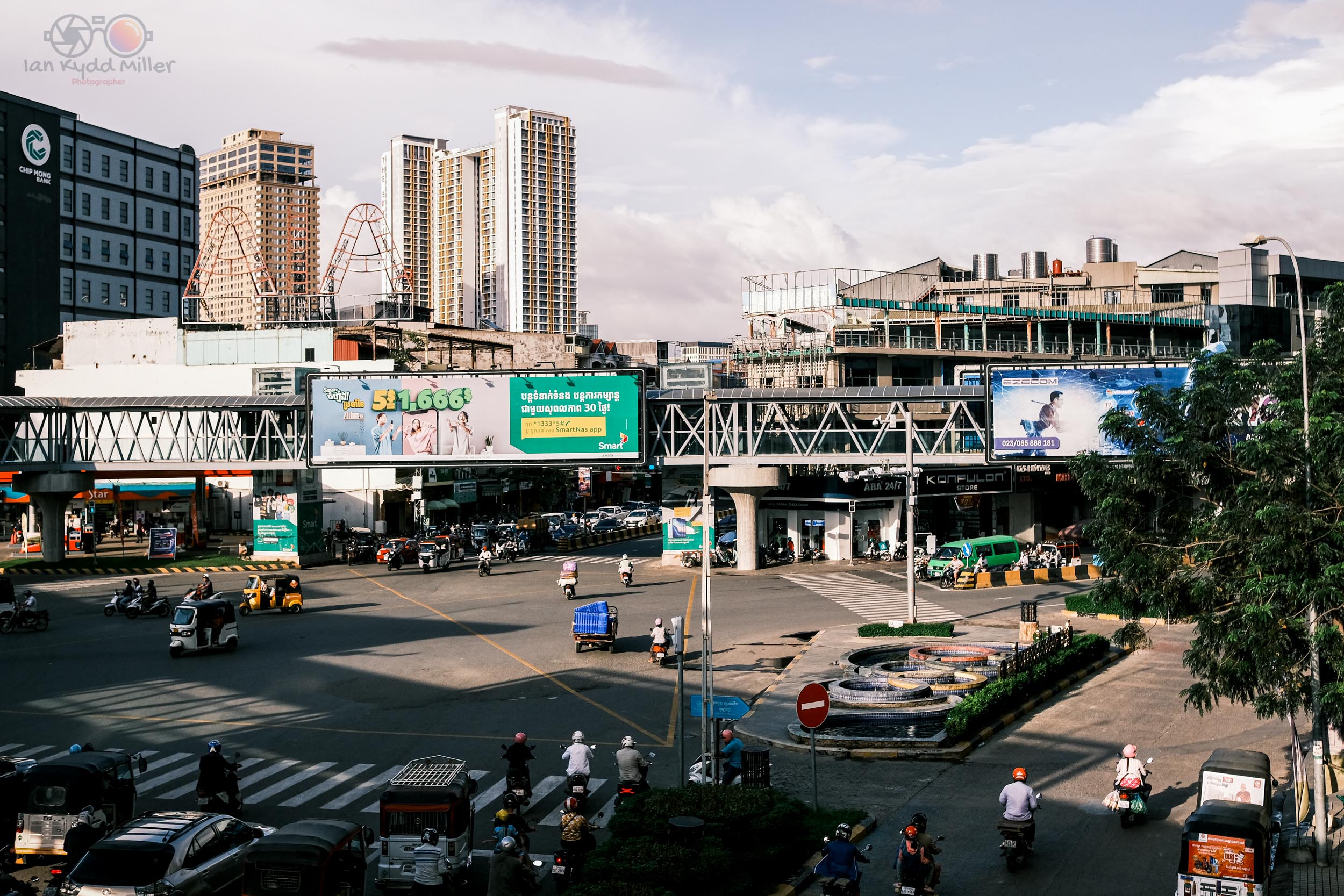
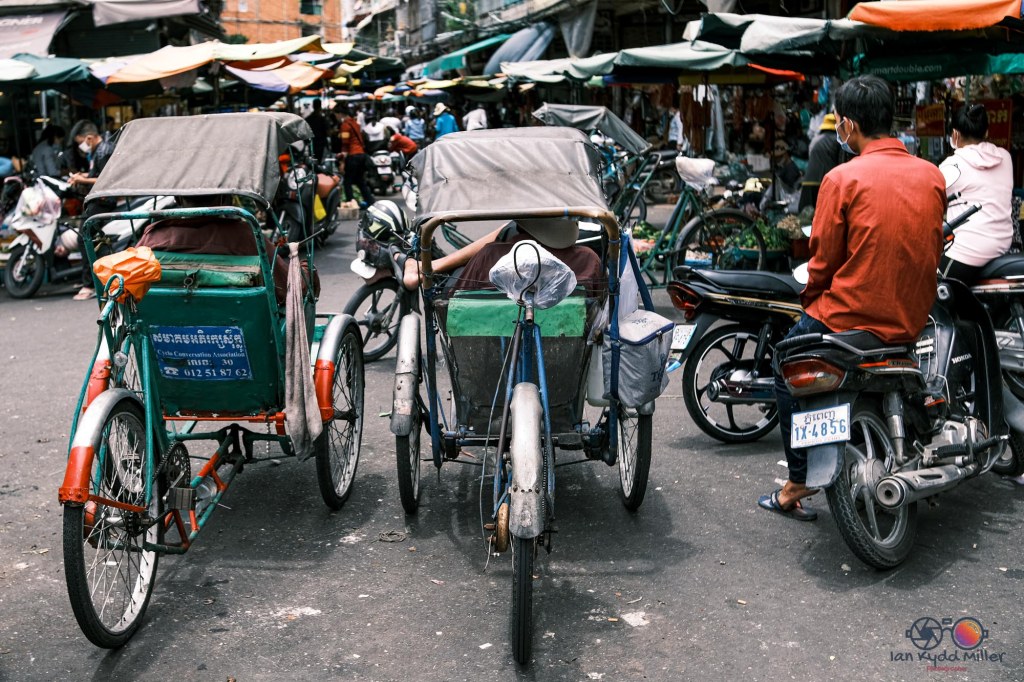
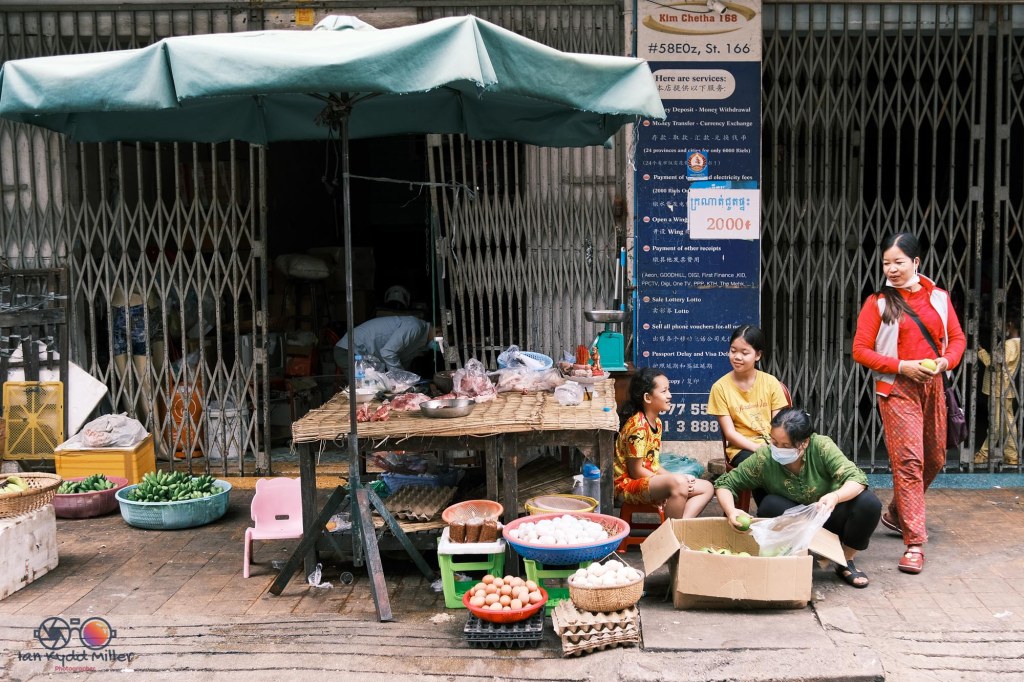
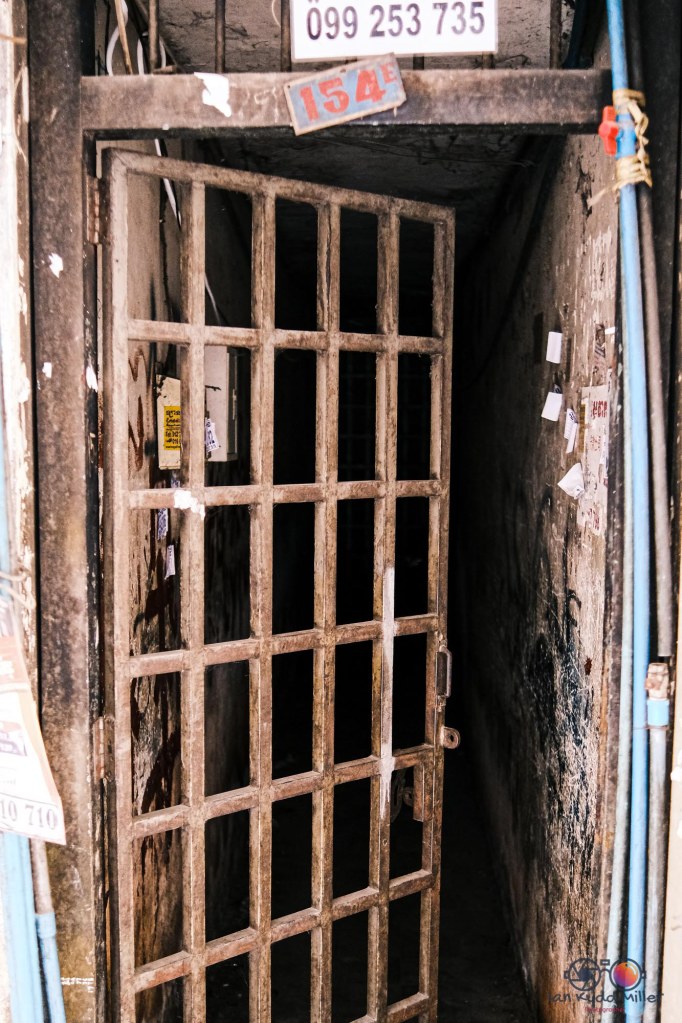
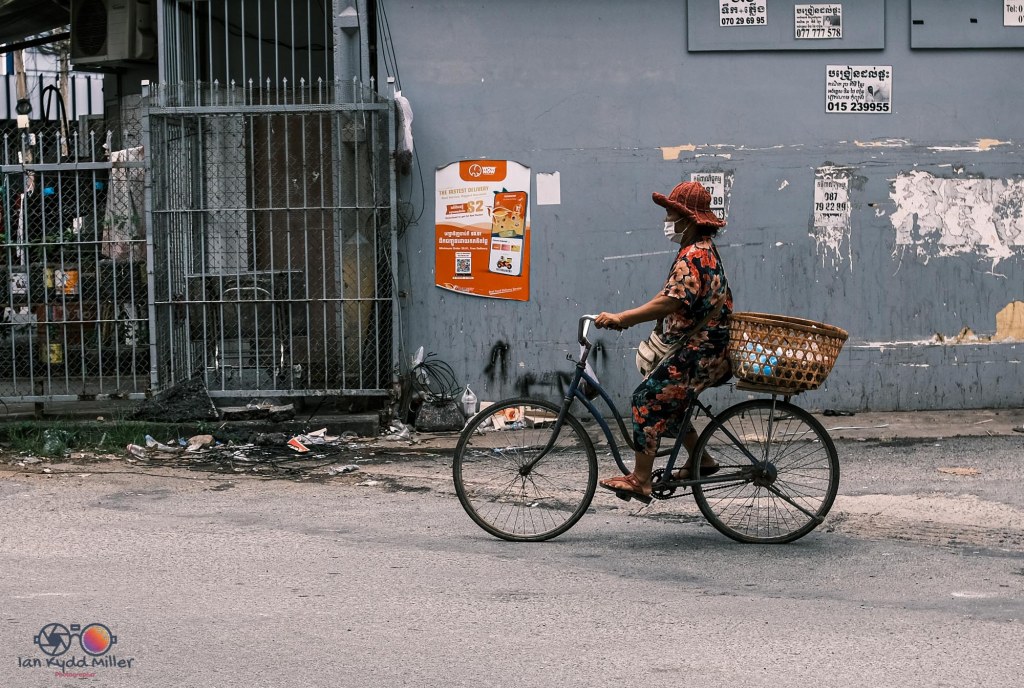
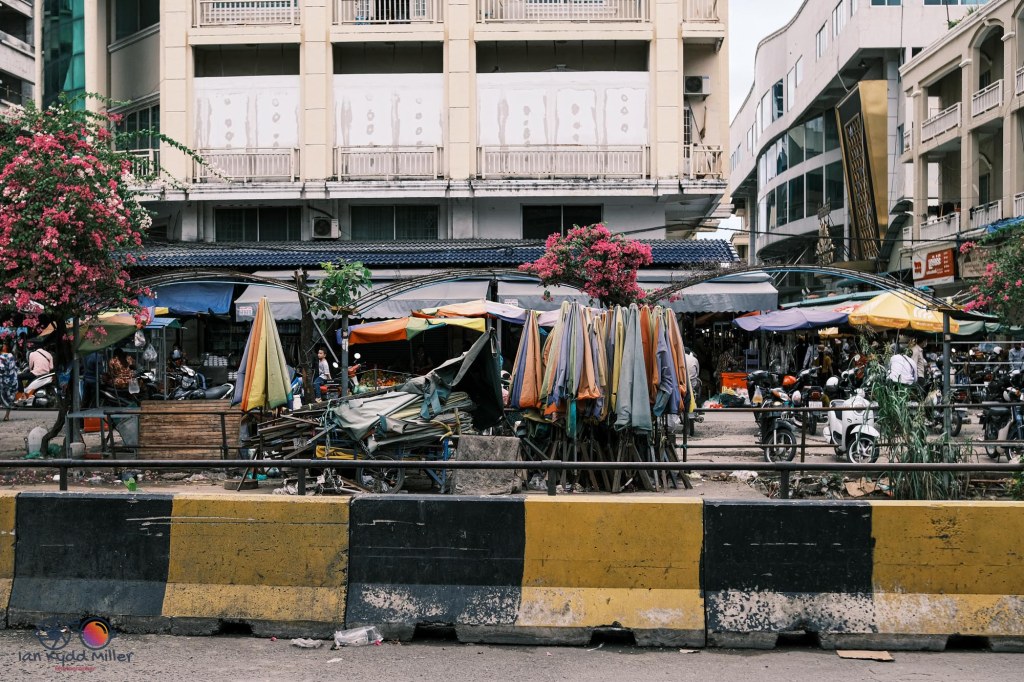
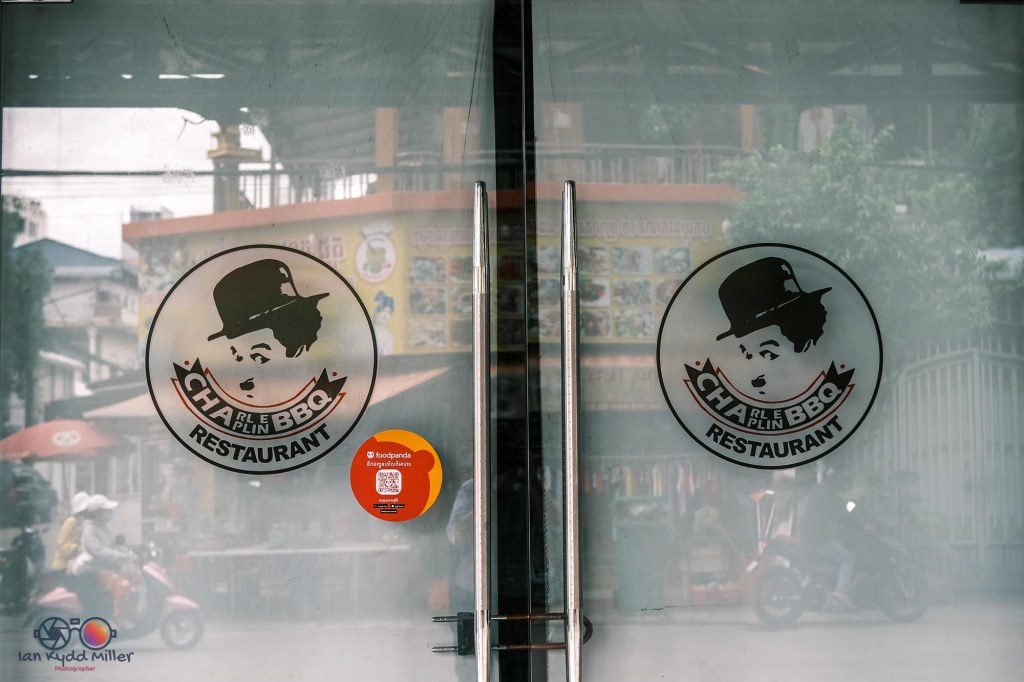
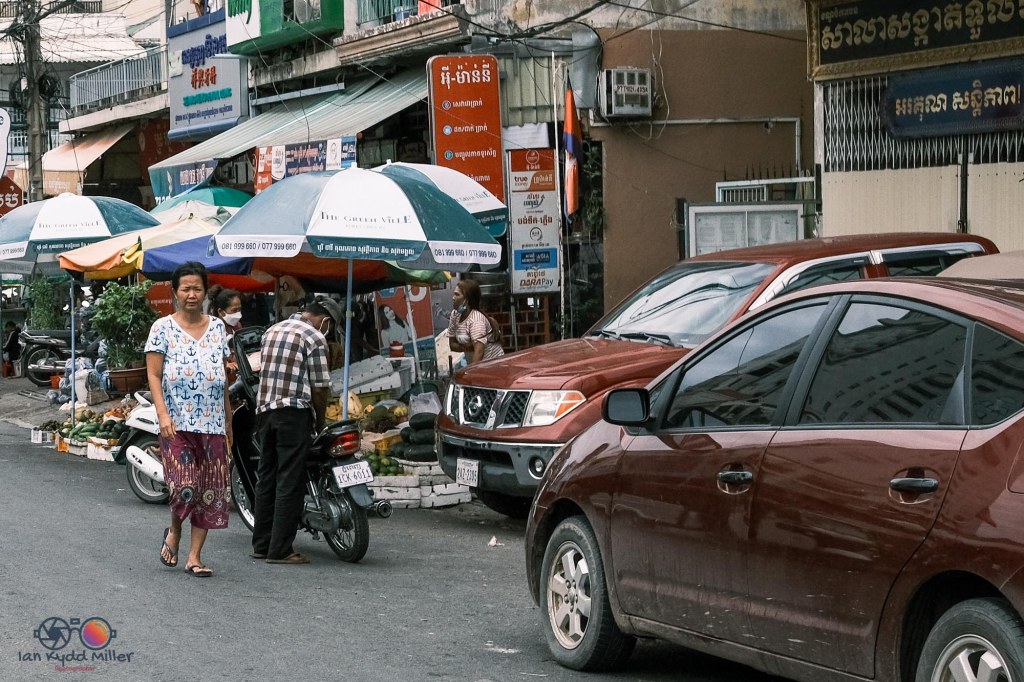
Took a trip on the ferry over the Tonle Sap river today to get out and make some pictures. Using my Fujifilm XT3 and an XF 16-80 f4 OIS WR zoom. The lens is new too me so was really just giving it a workout.
This is a fine walk around and travel lens, no real need to carry anything else.
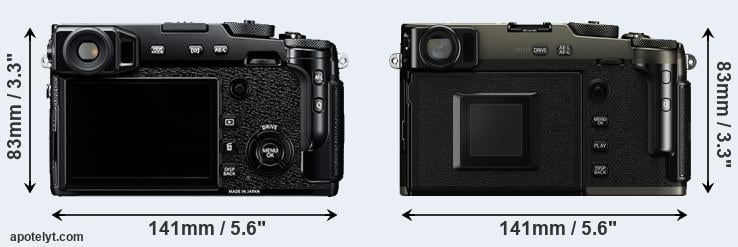
Certainly not the most expensive 23mm f1.4 lens on the market but what a good little performer IMHO, good contrast and sharpness and works very well with my Fuji X Pro3.
Fujinon xf16-80mmf4 R OIS WR has a maximum aperture value of F4 throughout the focal length of 16-80mm (equivalent to 24-122mm in the 35mm film format). This lens has a minimum shooting distance of 35cm over the entire zoom range, which gives a maximum shooting magnification of 0.25x. The compact and lightweight lens weighs only 440G which is approximately 40% lighter than an equivalent lens for a 35mm format system. When attached to an x-t3 the kit weighs only 979G and 823G when combined with x-t30, making it the ultimate travel combination. This new standard zoom lens features 6.0-Stop OIS, meaning you can comfortably shoot in a wide variety of situations from a Night scene or indoors without worrying about camera shake.Just upgraded to this lens and it looks and functions extremely well giving great images. Very pleased. Yet to try it on my X Pro3 but balances well on the XT3.
I have always had an appreciation for fine pieces of engineering, be it cars or cameras or even phones. I can feel the urge biting at me again, having recently found a very competitively priced (used) Fujifilm X Pro 3 with a couple of decent lenses. As is always the question, at these times, do I need it, what will it do that I cannot already do with the cameras I already own.
I already own the X Pro 2, which I admire greatly and does the job I require of it, it takes great pictures with great colours. So why am I considering the X Pro 3 ??
There is, as far as I can tell, no real rational explanation for GAS other than I want, I have the cash and I love the design. Yes the XPro3 has a slightly larger sensor, and does things that the XPro2 cannot, but none of them are deal breakers. I just want.
I must say, I do like the idea of not chimping all the time, which I have a habit of doing, as the main screen is hidden as to make this more difficult, not impossible, but less likely. Giving a more film like operation to the camera. Making you think before you soot, slowing you down a little, getting things right before you click the shutter. Sounds like I am trying to persuade myself, and I probably am. Even used, it is a very expensive item for me.
It certainly won’t make me any better of a photographer, but will encourage me to get out and take pictures because I have robbed the bank manager of all that cash. LOL. Watch this space as I have not bought it yet.
Deposit left, collect on Friday, great deal. Trading in one of my XT’s for this icon
First pictures taken with this camera using a Viltrox 23mm f1.4 lens
Day 2
Early thoughts, this camera and the way it produces colour is simply amazing
Some people always seem to be wanting to upgrade to ”a better” camera because it has newer features or a bigger sensor. I truly find it hard to understand. When I find a camera lens combination that does what I want it to do, I tend to stick with it for a long time and ignore all the new gadget, bells and whistles. The images below, taken today, on what many would say is an obsolete camera, Fujifilm X Pro1. This camera still is capable of excellent quality. Yes it does not have all the ”features” of the newer cameras but it does what it says on the box, takes amazing quality images.
Fujifilm X Pro1 + 27mm f2.8
I also took out with me today my ”old” Canon 5D Mk2, another machine that is able to produce high quality images. Its robust and heavy and slower to use that the newer cameras but who cares, it produces images that I enjoy at a price that I can afford, why would I upgrade.
Canon 5D Mk2 + Sigma 12-24 f
The need to upgrade continually to the next ”best” camera, is a phantasy invented by the camera makers to enable them to sell more cameras, not to enable you to make the best pictures IMO.If you need to upgrade for a specific reason, and can afford to do so, then by all means go for itbut think about,clearly, what you need to produce the images that you (and others) may enjoy.
It doesn’t matter whether someone has done it or not in the past. What is important is that you enjoy doing it.
”For example, would you not drink coffee because everyone else does it, and everyone else has done it before? Or would you not have a coffee this morning because you’ve “done it before”? Eric Kim
Everything is simply a remix or iteration of things in the past
Everything has been done before by somebody
The big mistake photographers make is that they make photos based on what others haven’t done before, rather than thinking whether they like it or not.
Do we make pictures for ourselves or to please others, do we copy what others have done before or try to be our own person and make something new. Is there anything new ??
Do we try to say things with our pictures, give them meaning or tell a story, or do we just like to make attractive images that appeal to people and that people would enjoy looking at. This of course presupposes that we make images for others to enjoy. Many of the images I make are not pretty, but hopefully they tell the story I would want them to tell.
If we make an image for others, and are paid to do a job, then yes we have to work within the brief given but that, fortunately, does not apply to the images I choose to make as I am the person that I have to please. I can choose the story or the subject that pleases me. It may have been done before, not original, but as I have already proposed, nothing is original.
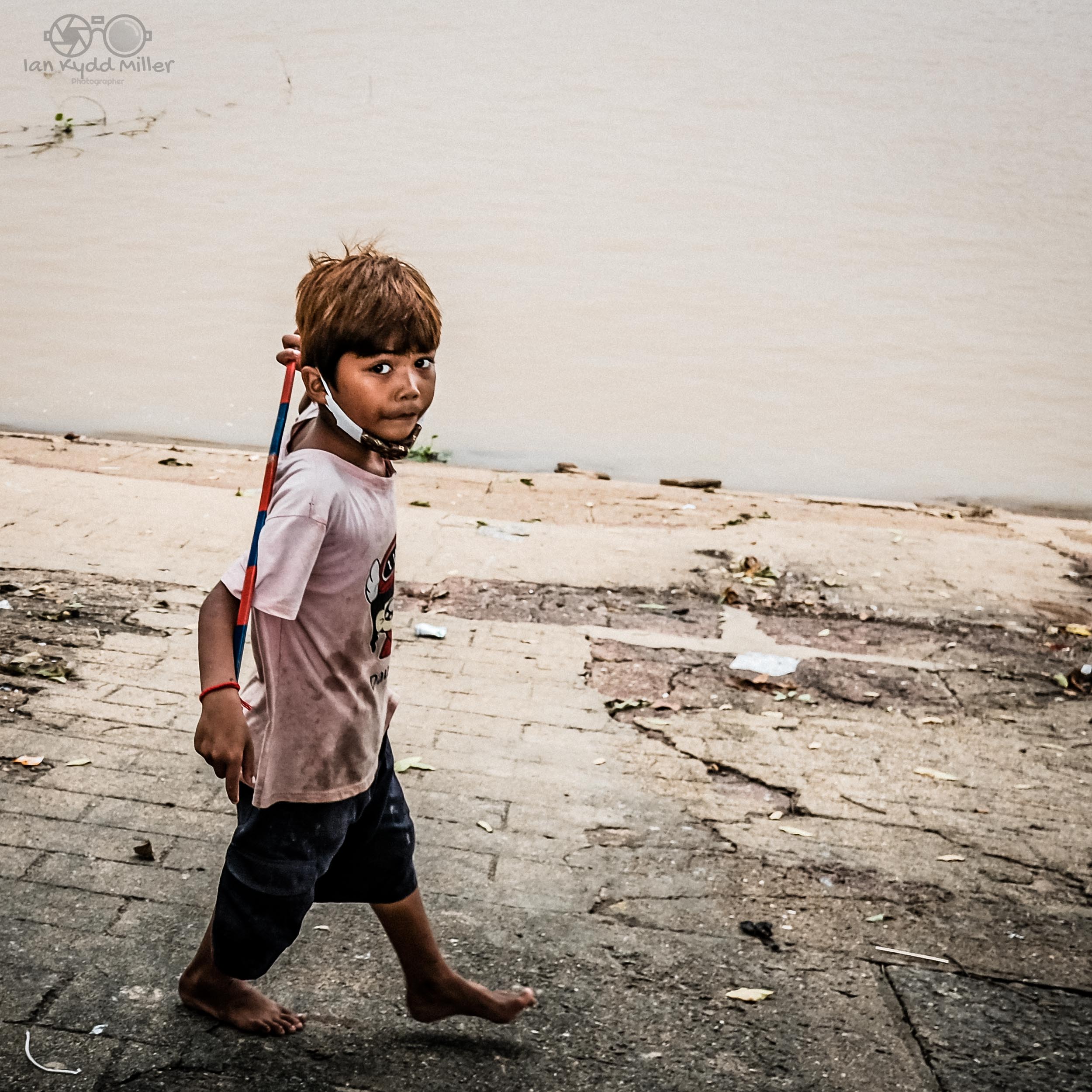
I just enjoy making pictures of my little adopted person. He really plays to the camera, which makes it fun. These taken with an Fuji X Pro2 + XF 50mm f2. He’s a beautiful kid but also a terrible 2 ….
The word Photography literally means ‘drawing with light’, which derives from the Greek photo, meaning light and graph, meaning to draw. Photography is the process of recording an image – a photograph – on light sensitive film or, in the case of digital photography, via a digital electronic or magnetic memory.
This ability to record, special events in my life drew me to photography. Photos of my children and family become very important to me. This early interest, with a specific goal, led me into photography as a hobby, making images of things that interested me, other than just family. My first venture into photography was of course in the film era, and my first camera, as I remember, was a Polaroid. The instant film was great for family pictures, but I soon found this to be very limiting. I bought my first ”REAL” camera after about six months of using the Polaroid. A little cheap and cheerful Chinon CS that cost me almost a week’s wages at the time. It was a great little fully manual camera with a 50mm lens, it got me into using 35mm film, both colour and black and white. This again led me to go further, developing and printing first my own black and white pictures and then advancing to colour. The mechanics of the process interested me, and I was hooked.
The interest I had developed quickly into an ALMOST obsession, I was out every opportunity making pictures and developing interests in things and places that were interesting to take pictures of.
Film and its development became a constant challenge to both afford and complete, it was certainly not a cheap hobby. The more I did it, the more I found I needed to invest to improve my ability to get the images I wanted. Newer cameras, better lenses or suddenly became a priority. Then a darkroom to get me out of the bathroom. A better enlarger and other kit.
I went through various incarnations, landscape, motor racing, bands, but never really found the things I most liked to shoot until I started to travel.
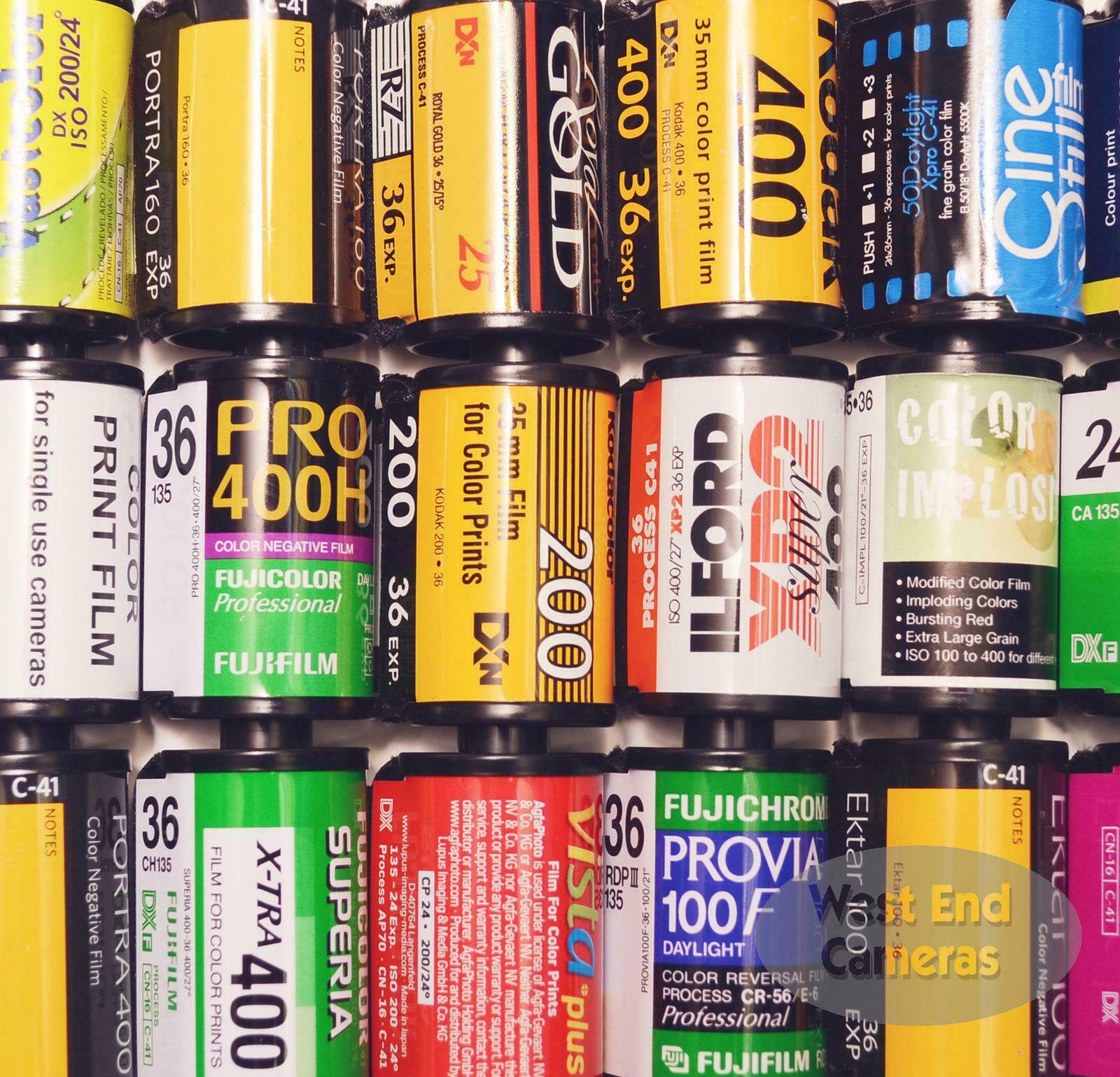
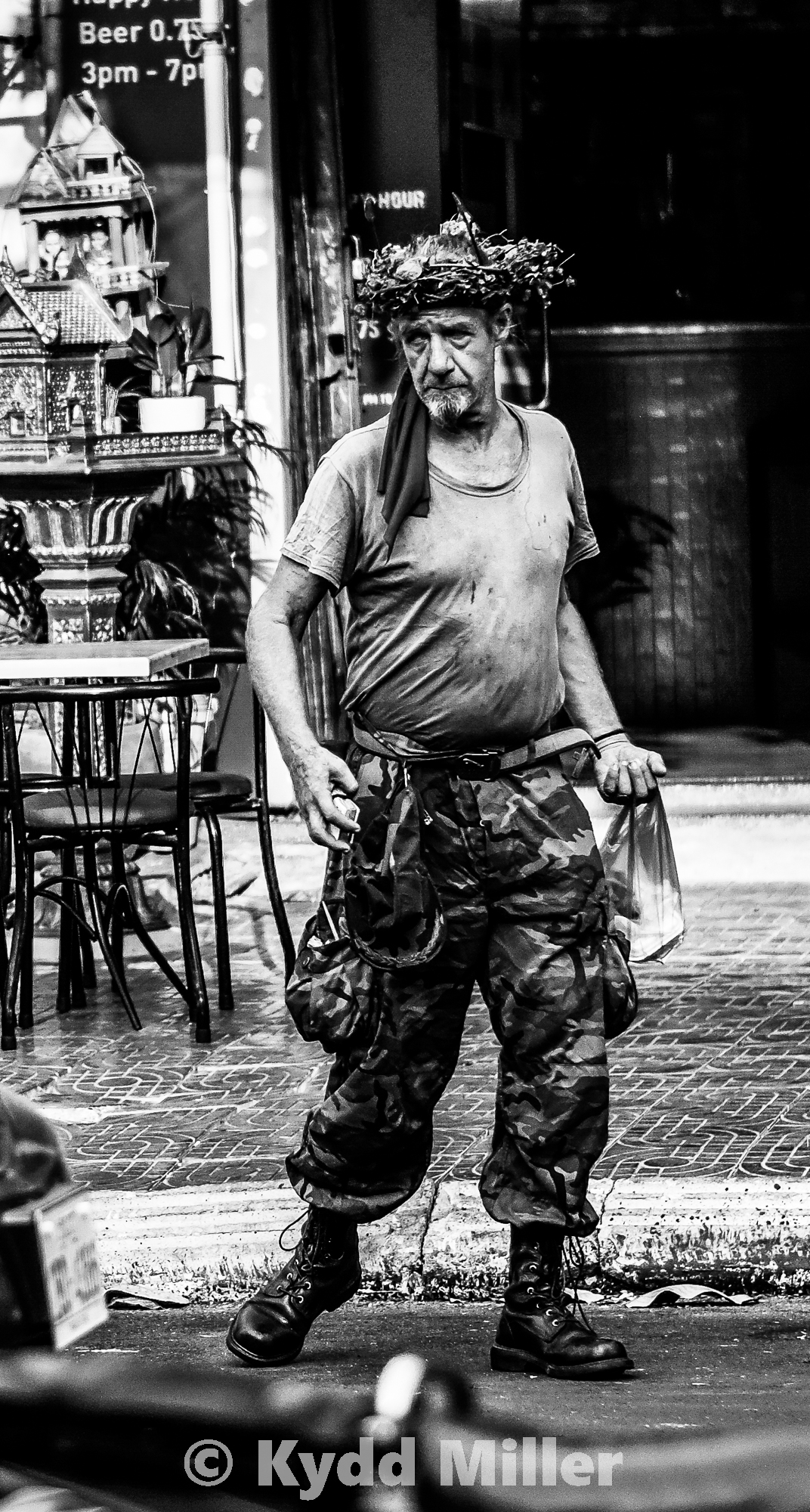
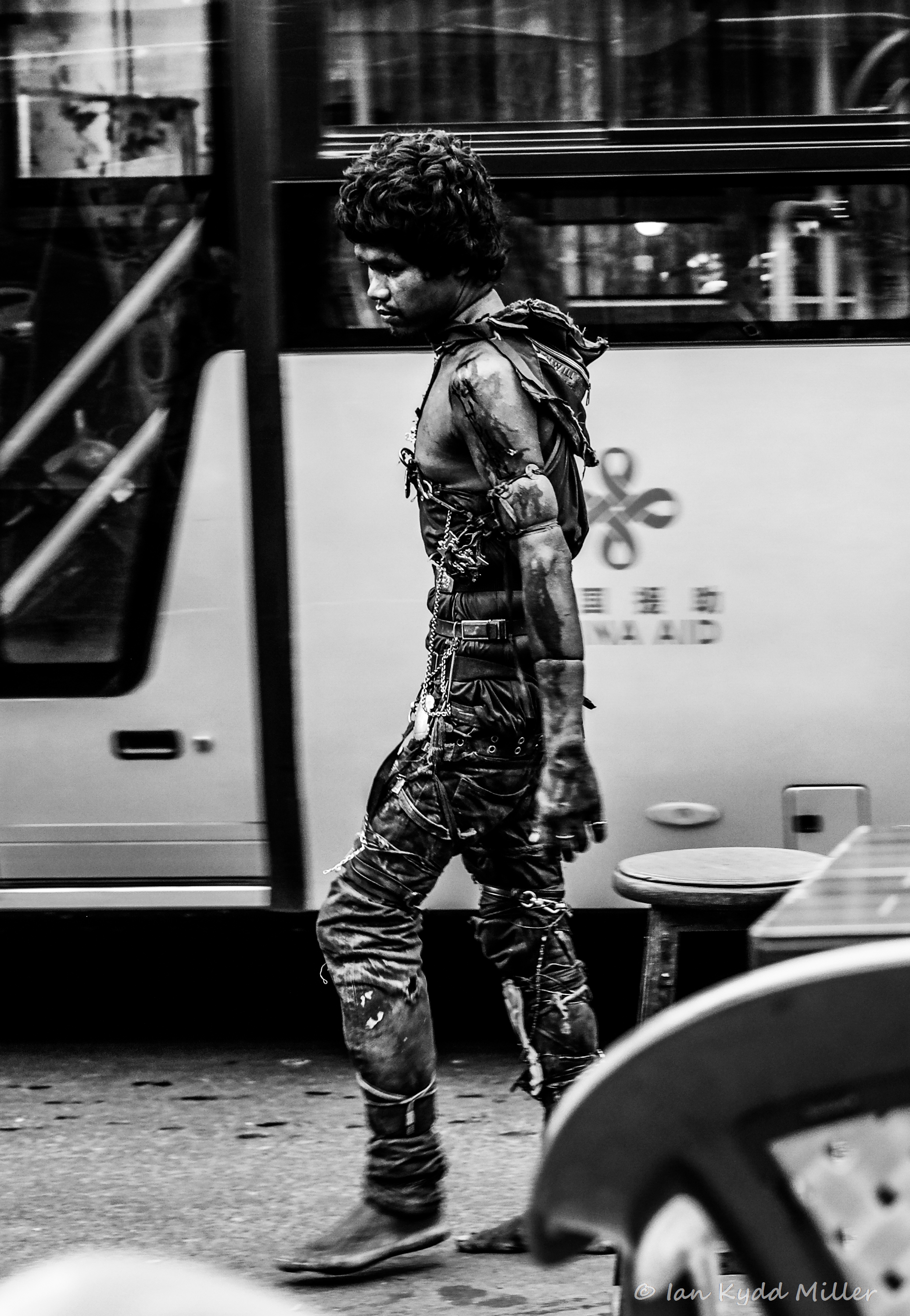
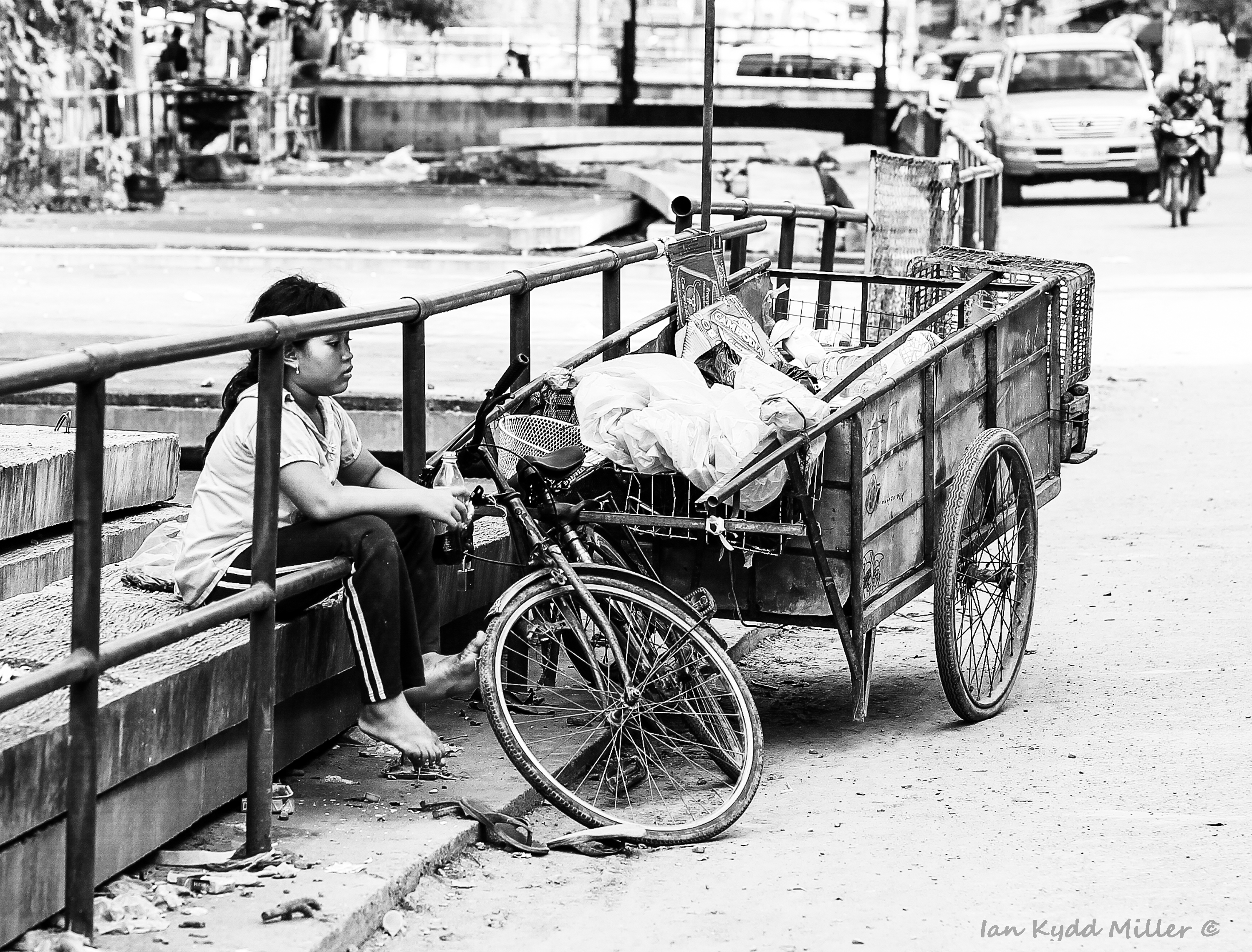
I recall the first time I travelled to Cambodia, still shooting film, carrying 100 roles of Fuji and Kodak slide film and 50 rolls of Kodak Tri X or Ilford HP5, shooting in this exotic location I found what I most enjoy making pictures of. PEOPLE in their everyday lives or STREET PHOTOGRAPHY.
Travel and people quickly became the thing most of interest to me, but it was expensive, and I was still working full time.
I had decided after my trip to Cambodia that as soon as I was able that I wanted to move and live in Asia, and use Phnom Penh as a base to travel from and start to develop my interest in picture stories. I had several years to work and wait, and prepare for.
My first major trip after moving to Cambodia in 2009 was a venture in Laos, taking a boat trip down the NAM OU river to Luang Prabang (now impossible due to damns on that river)
I actually bought a new camera just for that trip, a Canon 1D Mk IV and also a Canon 70-200mm f2.8L lens both of which got very well-used and to a degree paid for themselves and the trip. By this time I had stopped using film and most of my Nikon and Canon film cameras were sold on.
I have continued since then to document the street and work with agencies that try to make positive changes for those people who have a difficult life. Photography is my way of telling a story, in one image or many.
I have seen many people, throughout the net, giving answer to this question and describing the contents of the bag they carry. I have two bags that contain different cameras for different jobs.
Bag 1
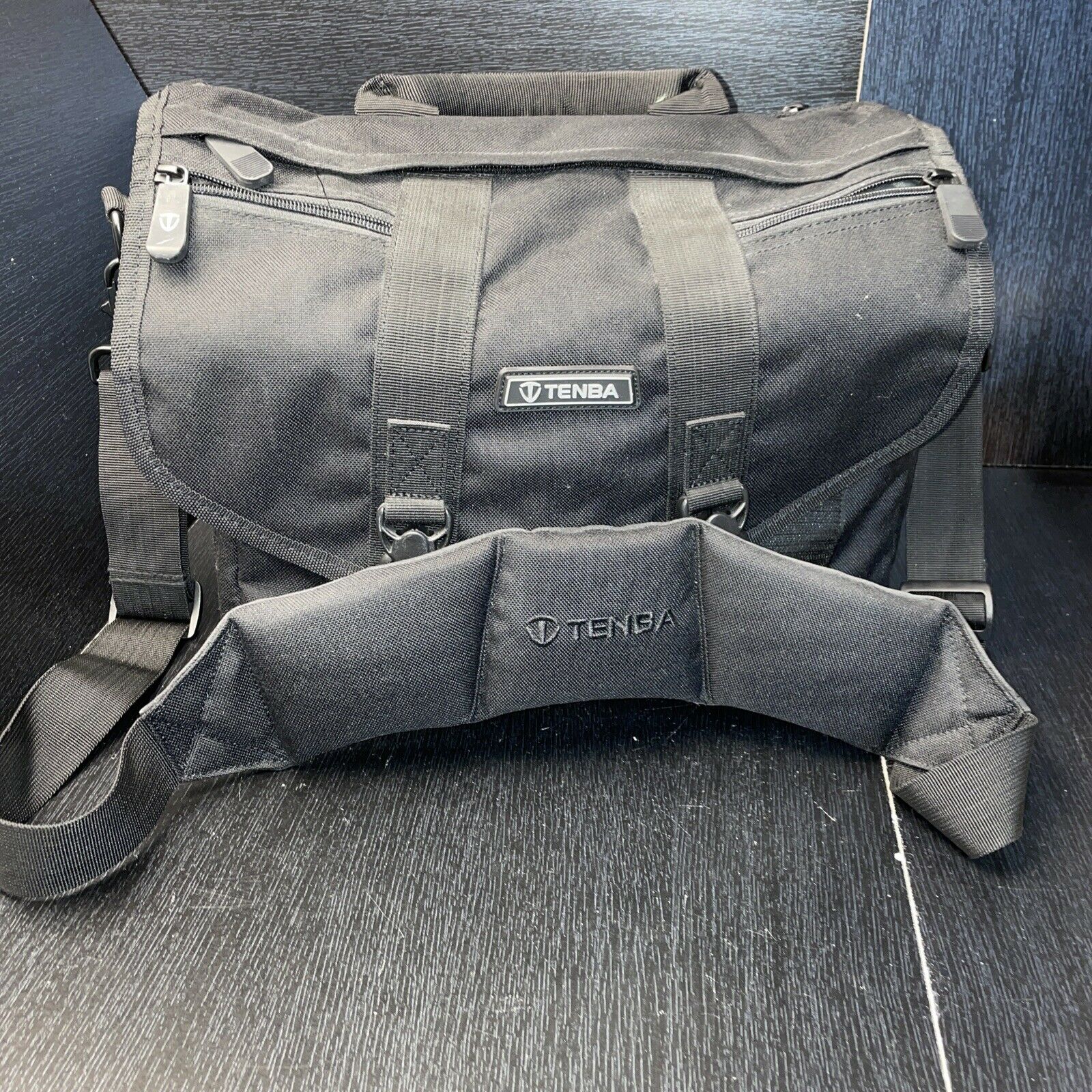
Tenba large black messenger bag. Bought used and is big enough and has enough space to carry my three street cameras (when I need them) and 3 prime lenses.
a. Fuji X Pro 2
Usually kept mounted with an XF 50mm f2
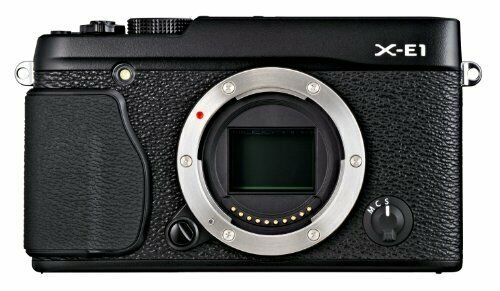
b. Fuji XE1
Usually kept mounted with an XF 16mm f2.8
c. Fuji XE2
Usually kept mounted with the fine XF 18mm f2
d. Lenses (spare)
Xf 23mm f2
Xf 14mm f2.8
Xf 35mm f2
All lightweight and easy to carry for when I may need them.
Batteries. I usually carry 5 or six spares. (but rarely need them)
Air Blower and cleaning cloths.
This is a pretty comprehensive kit for street work. Don’t carry it all the time, and sometimes just carry one camera (XE2 + XF18mm f2) and a couple of spare batteries in the pocket.
Bag 2
For my second kit of XT2 and XT3 I used an old TAMRAC pro bag that I have had for about 10 years, and it’s still going strong, and big enough to carry all I need, comfortably.
a. Fuji XT3 usually mounted with the XF 10-24mm f4 Zoom
The Fujifilm X-T3 is arguably the best stills/video camera on the market right now.(IMHO) More expensive full frame cameras will offer better still image quality and cameras with in-body image stabilization will be easier to shoot video with, but nothing offers this balance of image quality and movie capability in a single package.
New 26.1MP X trans CMOS 4 sensor with X processor 4 image processing engine
4K movie recording: Internal SD card 4K/60P 4:2:0 10 bit recording and the first mirrorless digital camera with APS C or larger sensor that is capable of 4K/60P 4:2:2 10 bit HDMI output
2.16M phase detection pixels across entire frame and low light phase detection limits has been increased over X T2 by 2 stops, from 1EV to 3EV
3.69 million dot OLED color viewfinder with 0.75x magnification and blackout free burst shooting
16 film simulation modes: Including eternal/ cinema, B and w adjustment: 9~+9
b. Fuji XT2 usually mounted with an XF 56mm f1.2
24.3MP X Trans CMOS III APS-C sensor reduces moiré and false colors to improve image quality and X Processor Pro engine increases response times, achieves faster AF, lower noise and better color
Dust and moisture resistant body with approximately 63 points of weather sealing; Freeze resistance to 14 Degree Fahrenheit
High precision 0.48 inch, 2.36 million dot OLED viewfinder featuring a magnification of 0.77x and Ultra fast Real Time Viewfinder with a lag time of 0.005sec
Full HD and 4K 3840×2160 30P/25P/24P shooting (Using a card with the UHS Speed Class 3 or higher)
Tempered glass 1.04 million dot high-precision 3 Inches tilting LCD monitor with three directional tilt and shutter type is focal plane shutter
One great camera
Both the XT2 and XT3 are fitted with the battery grip which give me more than enough battery power for any given day and I don’t need to carry any spares.
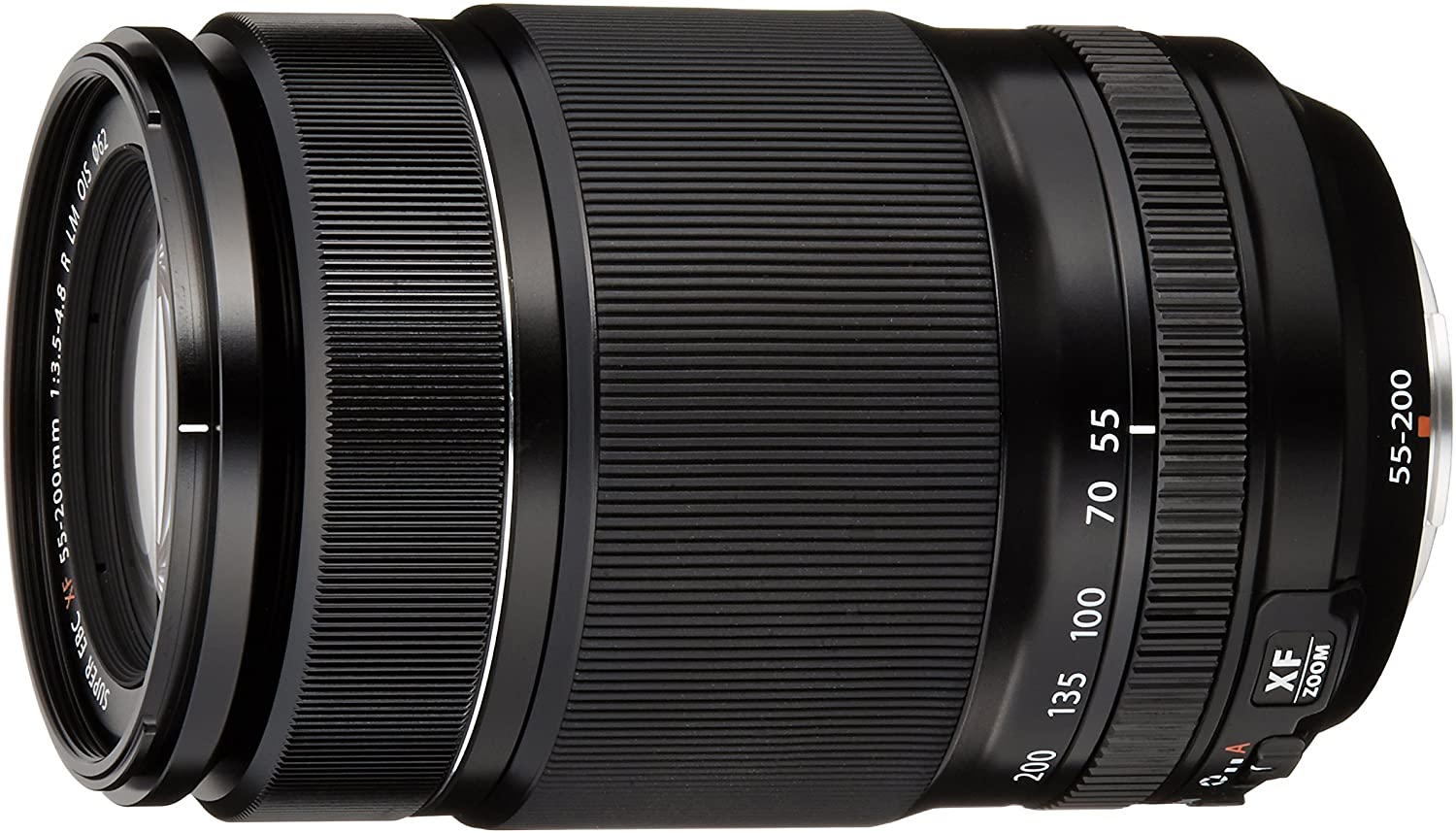
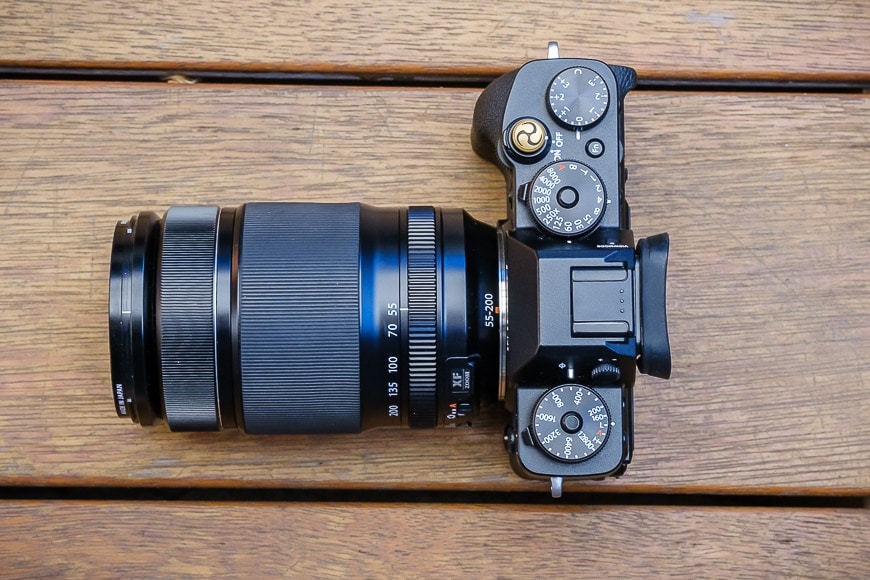
c. Fuji XF 55-200 f3.5 zoomOIS
The FUJINON XF55-200mm lens produces sharp images across its entire zoom range, well resolved corner-to-corner. The fast F3.5-4.8 lens facilitates image capture in scenes requiring a fast shutter speed. Its image stabilization function enables the use of shutter speeds 4.5 stops slower, preventing camera shake even when shooting hand-held in low-light, or at a stopped down aperture. Its a great (cheap) lens to have in the bag.












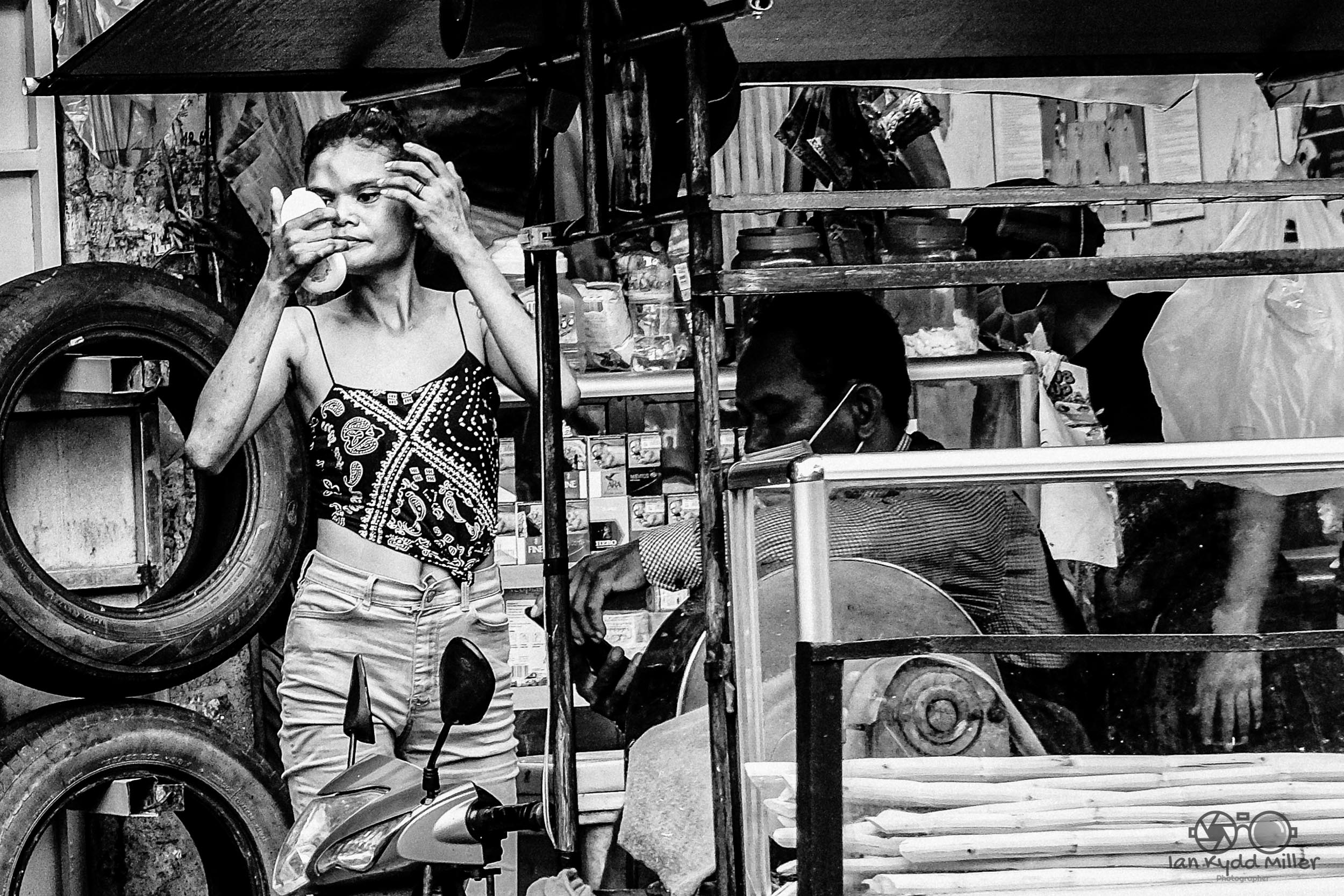

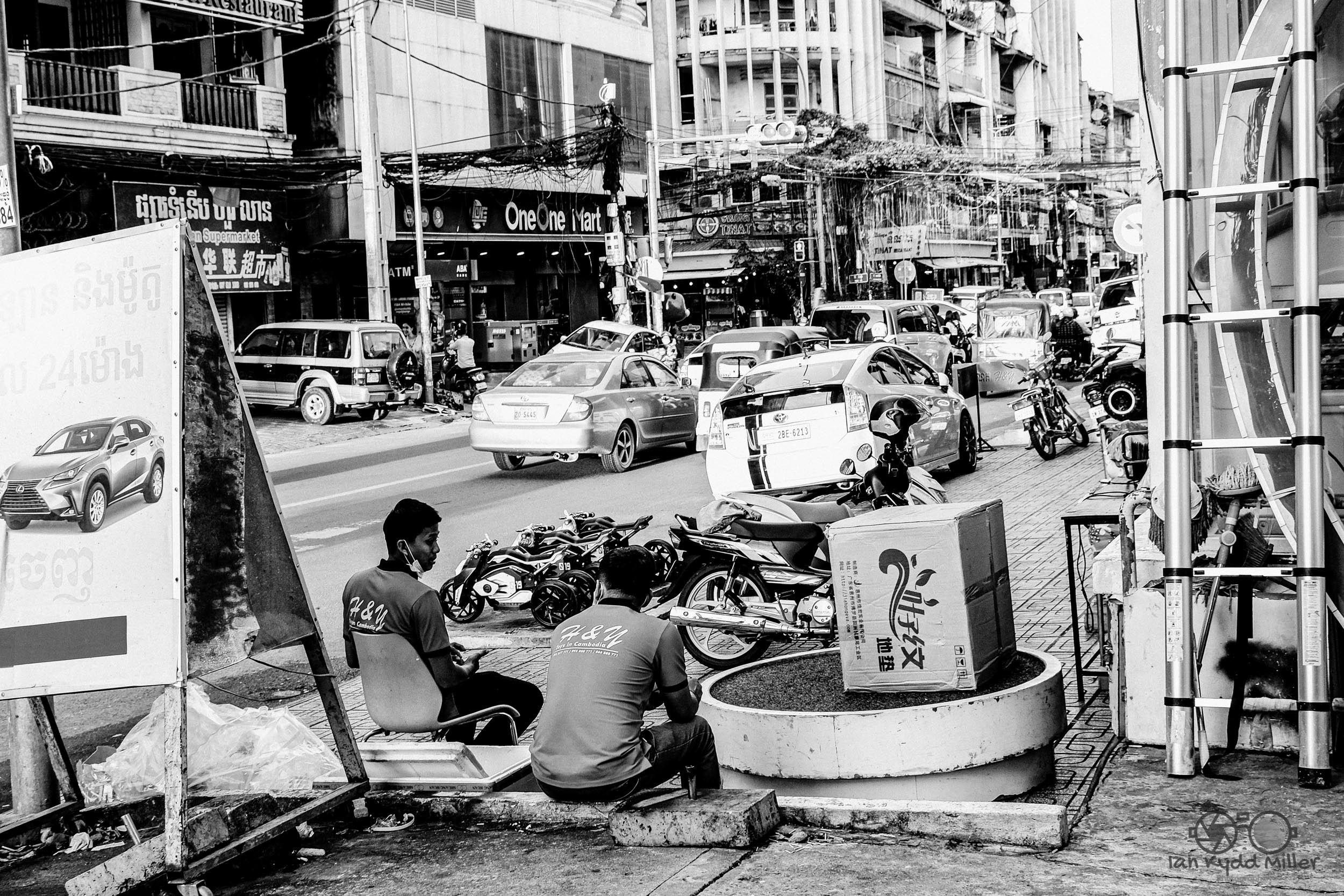
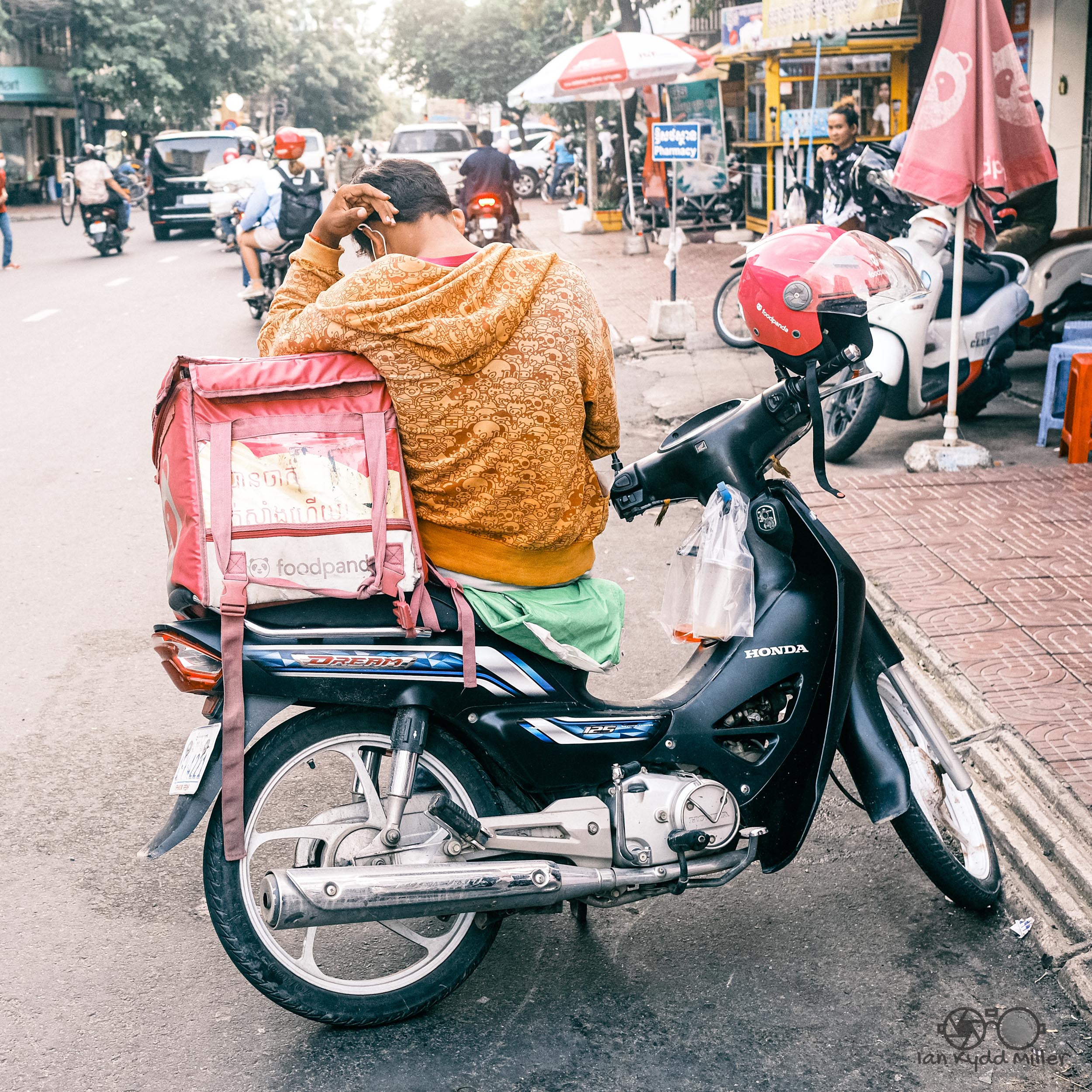

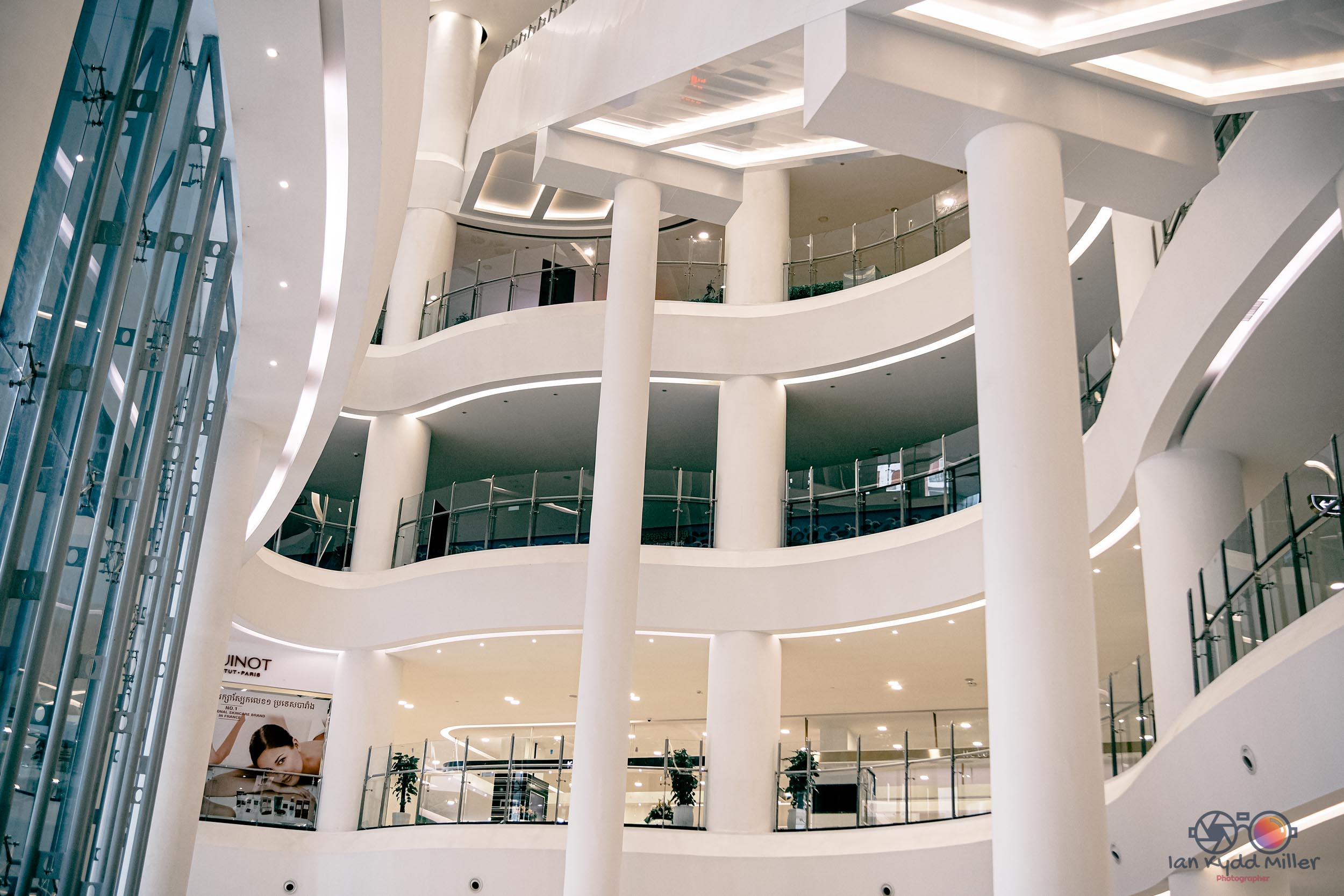










![FUJIFILM X-Pro3実写レビュー。最も富士フイルムらしさを感じられる個性的な最新ミラーレス一眼 - Rentio PRESS[レンティオプレス]](https://cdn.rentio.jp/matome/uploads/2020/03/0E2A5720.jpg)















































 a world without pictures is like coffee without cream and sugar, bitter