What’s in my BAG

cameras, Fujichrome, fujifilm, Lenses, opinons, thoughts, photography, Travel

I have seen many people, throughout the net, giving answer to this question and describing the contents of the bag they carry. I have two bags that contain different cameras for different jobs.

Bag 1

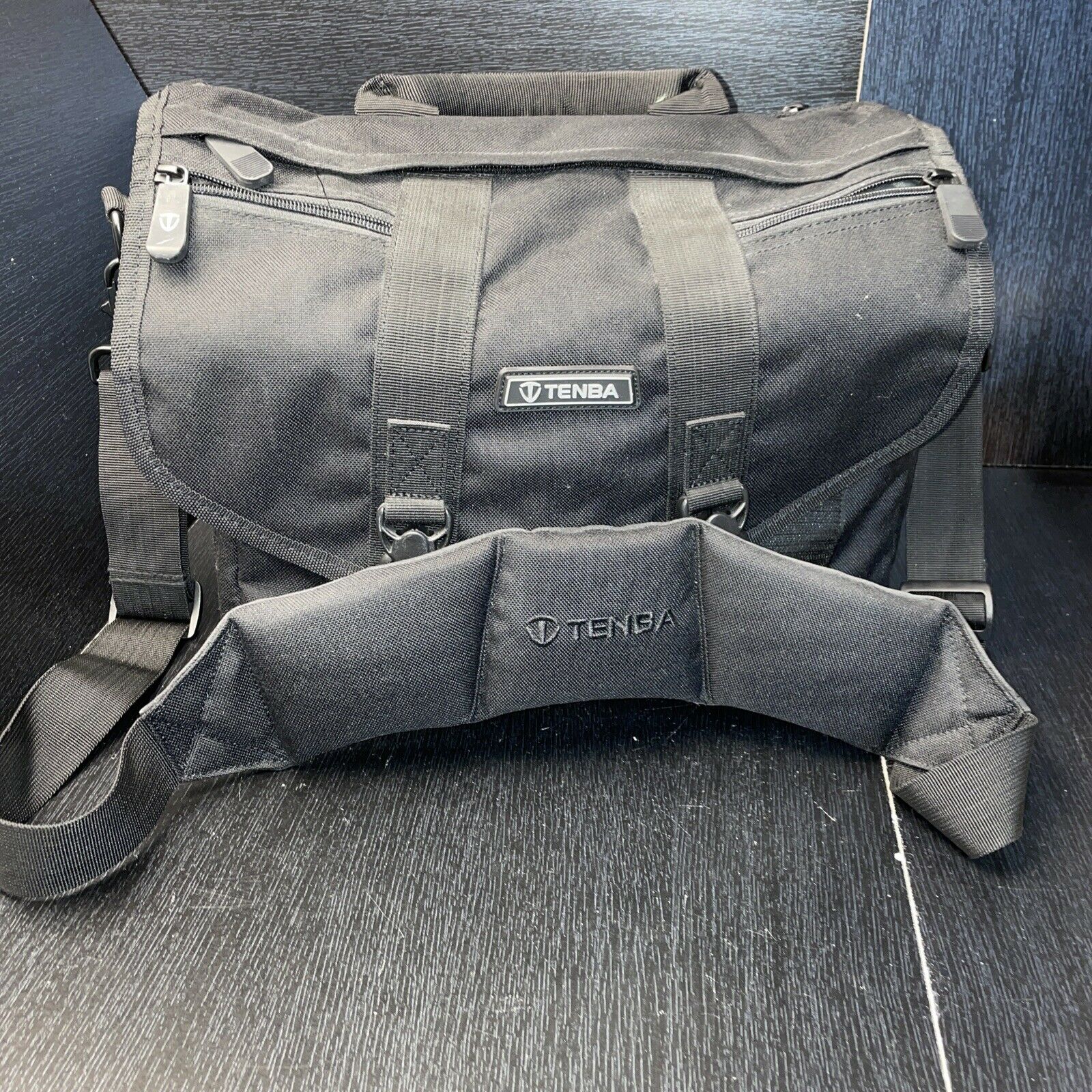
Tenba large black messenger bag. Bought used and is big enough and has enough space to carry my three street cameras (when I need them) and 3 prime lenses.
a. Fuji X Pro 2

Usually kept mounted with an XF 50mm f2

b. Fuji XE1

Usually kept mounted with an XF 16mm f2.8
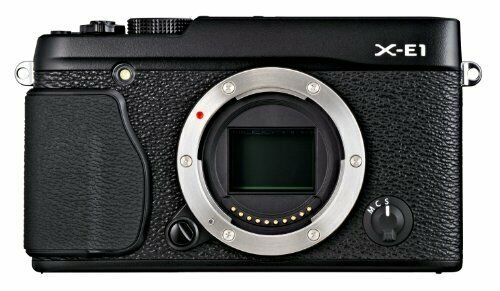
c. Fuji XE2

Usually kept mounted with the fine XF 18mm f2

d. Lenses (spare)

  1. Xf 23mm f2
  2. Xf 14mm f2.8
  3. Xf 35mm f2

All lightweight and easy to carry for when I may need them.

Batteries. I usually carry 5 or six spares. (but rarely need them)

Air Blower and cleaning cloths.

This is a pretty comprehensive kit for street work. Don’t carry it all the time, and sometimes just carry one camera (XE2 + XF18mm f2) and a couple of spare batteries in the pocket.

Bag 2

For my second kit of XT2 and XT3 I used an old TAMRAC pro bag that I have had for about 10 years, and it’s still going strong, and big enough to carry all I need, comfortably.

a. Fuji XT3 usually mounted with the XF 10-24mm f4 Zoom

The Fujifilm X-T3 is arguably the best stills/video camera on the market right now.(IMHO) More expensive full frame cameras will offer better still image quality and cameras with in-body image stabilization will be easier to shoot video with, but nothing offers this balance of image quality and movie capability in a single package.

  • New 26.1MP X trans CMOS 4 sensor with X processor 4 image processing engine
  • 4K movie recording: Internal SD card 4K/60P 4:2:0 10 bit recording and the first mirrorless digital camera with APS C or larger sensor that is capable of 4K/60P 4:2:2 10 bit HDMI output
  • 2.16M phase detection pixels across entire frame and low light phase detection limits has been increased over X T2 by 2 stops, from 1EV to 3EV
  • 3.69 million dot OLED color viewfinder with 0.75x magnification and blackout free burst shooting
  • 16 film simulation modes: Including eternal/ cinema, B and w adjustment: 9~+9

b. Fuji XT2 usually mounted with an XF 56mm f1.2

  • 24.3MP X Trans CMOS III APS-C sensor reduces moirΓ© and false colors to improve image quality and X Processor Pro engine increases response times, achieves faster AF, lower noise and better color
  • Dust and moisture resistant body with approximately 63 points of weather sealing; Freeze resistance to 14 Degree Fahrenheit
  • High precision 0.48 inch, 2.36 million dot OLED viewfinder featuring a magnification of 0.77x and Ultra fast Real Time Viewfinder with a lag time of 0.005sec
  • Full HD and 4K 3840×2160 30P/25P/24P shooting (Using a card with the UHS Speed Class 3 or higher)
  • Tempered glass 1.04 million dot high-precision 3 Inches tilting LCD monitor with three directional tilt and shutter type is focal plane shutter

One great camera

Both the XT2 and XT3 are fitted with the battery grip which give me more than enough battery power for any given day and I don’t need to carry any spares.

c. Fuji XF 55-200 f3.5 zoom OIS
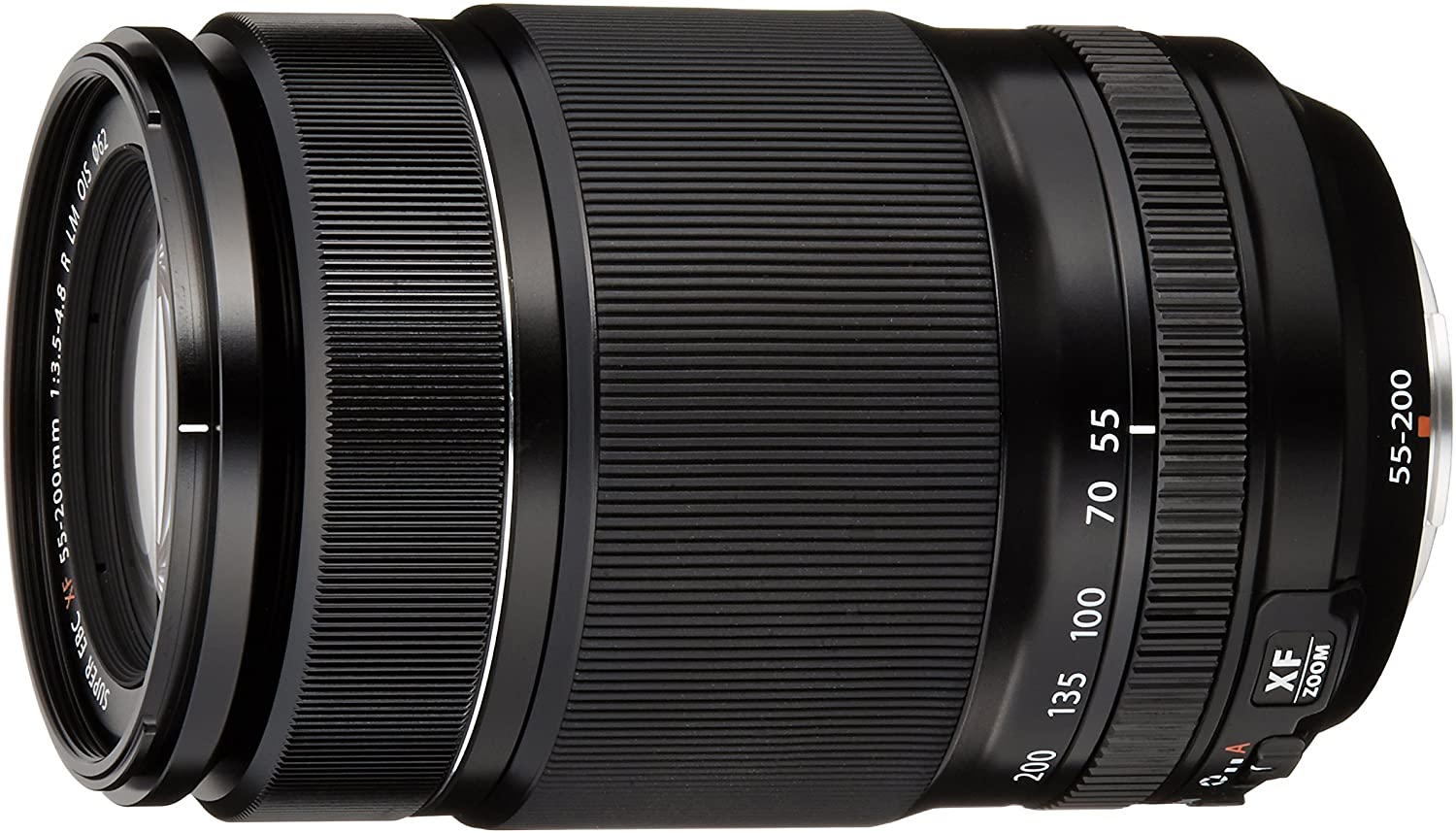
The FUJINON XF55-200mm lens produces sharp images across its entire zoom range, well resolved corner-to-corner. The fast F3.5-4.8 lens facilitates image capture in scenes requiring a fast shutter speed. Its image stabilization function enables the use of shutter speeds 4.5 stops slower, preventing camera shake even when shooting hand-held in low-light, or at a stopped down aperture. Its a great (cheap) lens to have in the bag.
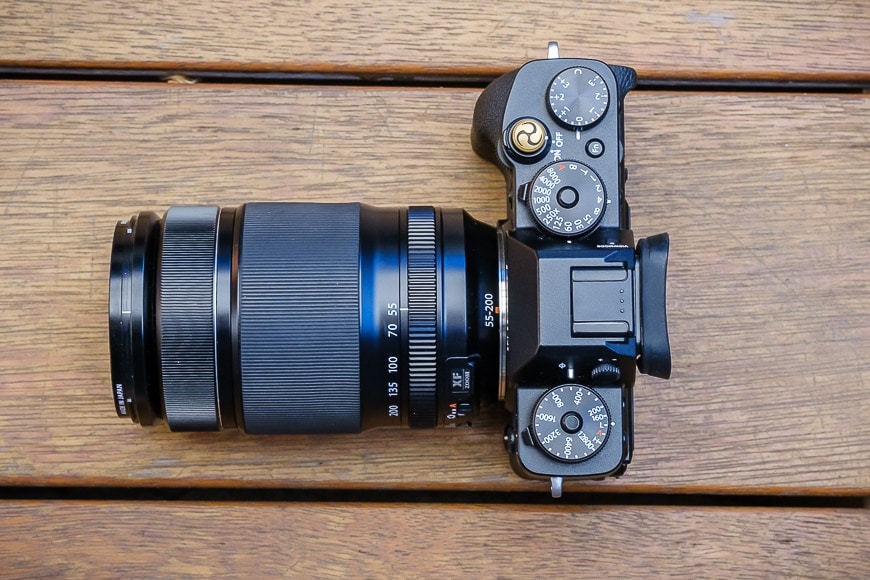
Cleaning supplies, as always, for when needed.

Fine Art America

opinons, thoughts, pictures, printing, public

Come and visit and find some of my images and art works for sale.

The Alley one of a series. Digital Art by Ian Kydd Miller (fineartamerica.com)

Photography – Understanding the Psychology of Effective Photographic Composition

opinons, thoughts, photography

Author: Stephen Carter

In an age of digital photography, where the ability to set automatic exposure, automatic focusing, and automatic white balancing virtually ensures a sharp and technically pleasing image, the difference between a great shot and an unremarkable one often boils down to mere composition. Understanding this one concept can transform the quality of your photography overnight and reveal a whole new way of looking at the world.Perhaps the most widely quoted principle of effective composition involves the β€œrule of thirds”. In order to understand when this principle should be used, and when it should be ignored, it is important to understand the psychology behind the principle, which is something that is not adequately conveyed in most discussions of the rule of thirds.The idea behind the rule of thirds is that when you survey a scene in your viewfinder, you should mentally divide the image before you into thirds. Imagine two vertical lines which are placed one third, and two thirds, of the way from the left border of the viewfinder image. Then imagine two more lines, horizontal ones this time, placed one third, and two thirds, of the way down from the top border of the viewfinder image. In effect you have placed a coarse, but uniform, grid over the image.

The rule of thirds states that when you compose your image, you should try to place the most important visual elements on these lines. For example, a person standing upright should be centered on one of the two vertical lines. A horizontal band of water, a hedge, or the base of a wall, would be positioned on the upper or lower horizontal line. The idea is that the points of central interest in your image should neither be placed at the center of the image, nor too close to the edge of it.If you study photographs that are held in high regard by others you will often be able to discern the application of the rule of thirds. Other times you will instantly be able to see how a photograph with weak composition could have been substantially improved had the photographer applied the rule of thirds.So why does this method work so well to improve the composition of a photograph? And if it is known to often *dramatically* improve the composition, when should it not be used?

The key to mastering the rule of thirds is to understand the relationship between the principal object being photographed, and its immediate environment. If there is a relationship between the two, and you want to draw attention to it, you apply the rule of thirds. By forcing the viewer’s eye away from the center of the image you are suggesting that you (the photographer) have done this for a reason, and that to appreciate the full story behind the photograph you have to search elsewhere for it in the image.Application of the rule of thirds forces the viewer to relate the principal object to their immediate environment. Application of the rule of thirds tells the viewer that you have thought about your image, and so should they.But the rule of thirds has its limitations. If there is no relationship between the principal object and their immediate environment which needs to be emphasized, application of the rule of thirds can still be employed, but the effect will be significantly weakened by causing the viewer to look for a relationship that is not there. In such cases, consider throwing the background completely out of focus to re-emphasize the main subject.Applying the rule of thirds in the wrong situation can also completely destroy the strength of a photograph. In sports photography the money shot is often captured at the peak of the action, and at that instant the principal subject usually belongs at the center of the frame for maximum impact. This is not an absolute rule, but the rule of thirds is more often applied effectively to relatively static scenes.Other times that demand the rule of thirds be ignored arise when you photograph symmetrical objects. A starfish, or the inside of a flower, photographed at close range are going to result in much stronger images if the center of the starfish or flower coincides with the center of the image. In these instances, symmetry trumps any relationship of the starfish, or flower, to its immediate environment.If you have not yet consciously applied the rule of thirds to the composition of your photographs, now is a good time to start. Just remember to ask yourself one question: is there a relationship between the principal subject of the photograph and their immediate environment that I want to convey to the viewer. If there is, the rule of thirds should help you to capture that relation, increase the story-telling aspect of your photograph, and improve the chances that others come to hold it in high regard.

To help you select a suitable digital camera to get started with, I have put together an article for you about how to find the right Beginner Digital Camera. Whether you need a simple point-and-shoot model, or a more complex digital SLR model, you will find the answers, and greatly discounted digital camera offers, atΒ http://www.bestdigitalcameradiscounts.com/
Article Source:Β http://www.articlesbase.com/photography-articles/photography-understanding-the-psychology-of-effective-photographic-composition-535516.html
About the Author Stephen Carter is a web developer and creator of the review script Review Foundry. He is also the creator of Best Digital Camera Discounts, His interest in photography spans decades.

Borei Keila, Cambodia

opinons, thoughts, photography, pictures, public

The Borei Keila Agreement

The largest of the four land-sharing projects in Phnom Penh in the early 2000s was the Borei Keila neighbourhood. It became a model for the privately financed land-sharing approach in Cambodia. In September 2003, the Council of Ministers announced that Phan Imex Construction Company Ltd had been selected as the private partner in the project.

The government accepted a proposal from the company to divide the 4.6-hectare land concession into two parts: β€œcommunity buildings” to re-house the existing residents of Borei Keila would be constructed on 2 hectares of the concession, while the remaining 2.6 hectares of the concession would be granted to the company for commercial development. The rest of the Borei Keila land area, amounting to 9.52 hectares, would revert to the Ministry of Education, Youth and Sports. No public bidding process to select the developer for the Borei Keila project was ever held.

In 2003, the government granted Phanimex – owned by well-connected Cambodian businesswoman Suy Sophan β€” development rights to Borei Keila under a β€œland-sharing arrangement” to develop part of the area for commercial purposes.

Phanimex was obligated to build 10 apartment buildings on two hectares of land for the residents already living there in return for obtaining ownership of an additional 2.6 hectares for commercial development.  

In April 2010, Phanimex unilaterally reneged on the agreement, however β€” with the approval of the government β€” and only constructed eight buildings. That left 300 Borei Keila families excluded from the original agreement.

Borei Keila was catapulted into wider public consciousness when the remaining families were violently evicted from their homes in January 2012. In exchange for the extremely valuable city property they occupied, residents were given small payouts, or scanty plots of land in distantly located, poorly serviced relocation sites.  

Innocence

opinons, thoughts, photography, pictures, public

Free from moral wrong; without sin; pure: innocent children. Free from legal or specific wrong; guiltless: innocent of the crime. Not involving evil intent or motive: an innocent misrepresentation. Not causing physical or moral injury; harmless: innocent fun. The innocence of Children is all of these.

Fujifilm XF 16mm f2.8 WR

fujifilm, Lenses, opinons, thoughts, photography, Uncategorized

Personally use this lens a lot and generally keep it mounted on my Fuji XE1. Its a great little performer.

Contaminated Water In The Salt Lake Slum Causing Diseases and Deaths | Kolkata β€” Edge of Humanity Magazine

opinons, thoughts, photography, pictures, public, Uncategorized

Photojournalist Jit Chattopadhyay is the Edge of Humanity Magazine contributor of this documentary photography.  From the ongoing project β€˜Water contamination at slum areas’.  To see Jit’s body of work, click on any image.   A picture of Akash Chowdhury, who died of Dengue last year, being held by his sister on the lap of […]

Contaminated Water In The Salt Lake Slum Causing Diseases & Deaths | Kolkata β€” Edge of Humanity Magazine

The amazing TOOL I use on EVERY PHOTO in LIGHTROOM

opinons, thoughts, photography, printing, public, Travel

The is one tool I use every time in Lightroom – the graduated filter. It is really powerful and allows you to do more than just create graduations. In this video I explain the multiple ways I use this filter in Lightroom.