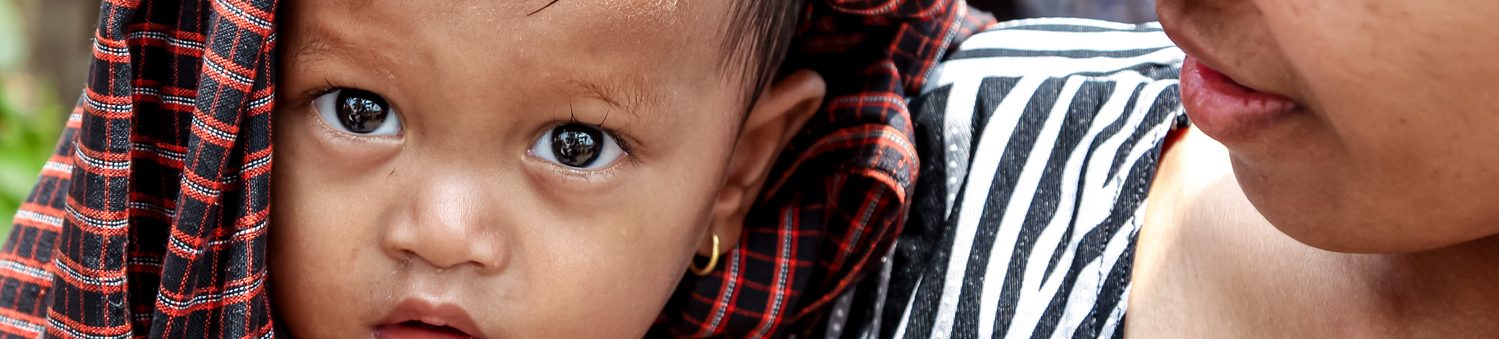
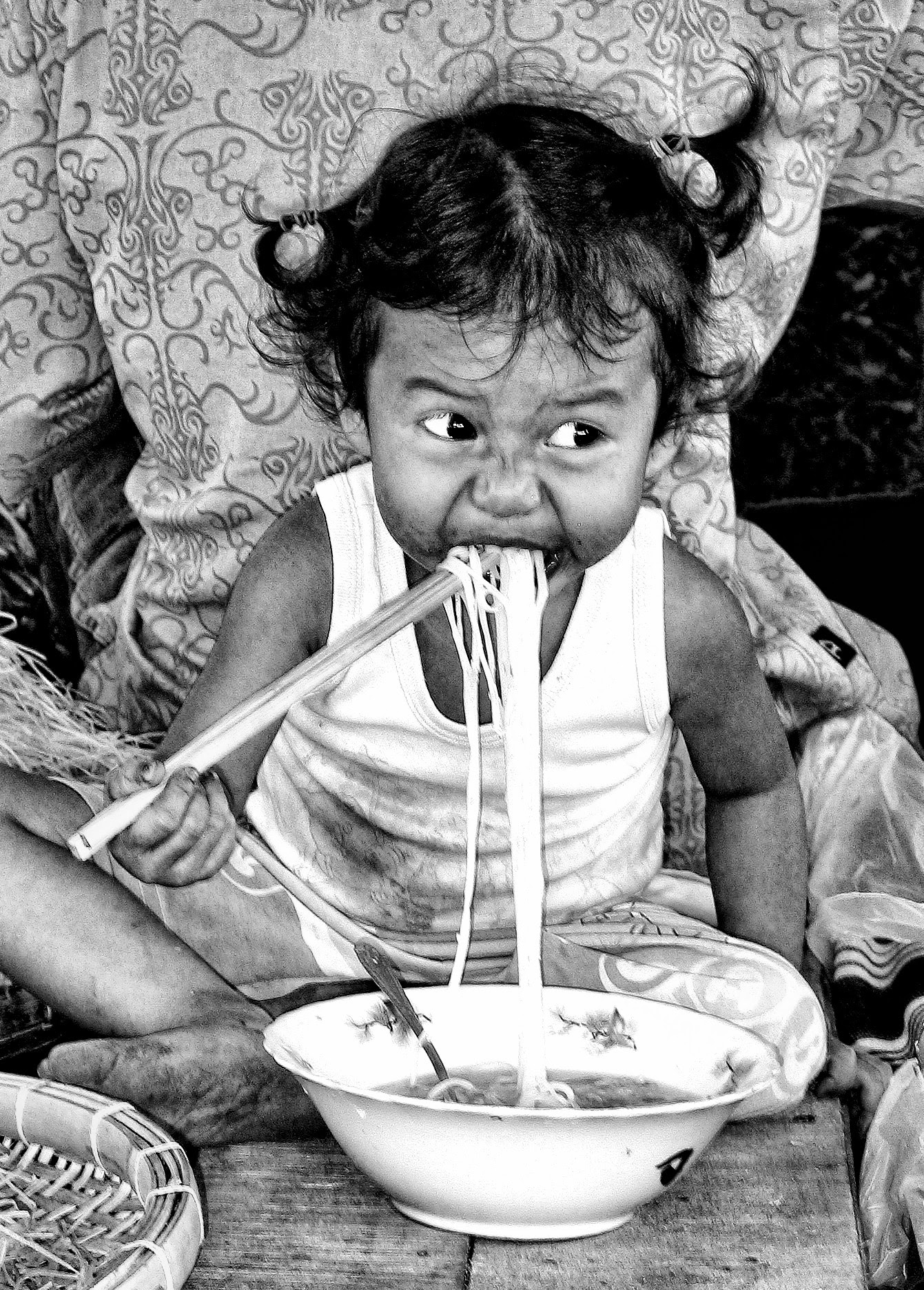
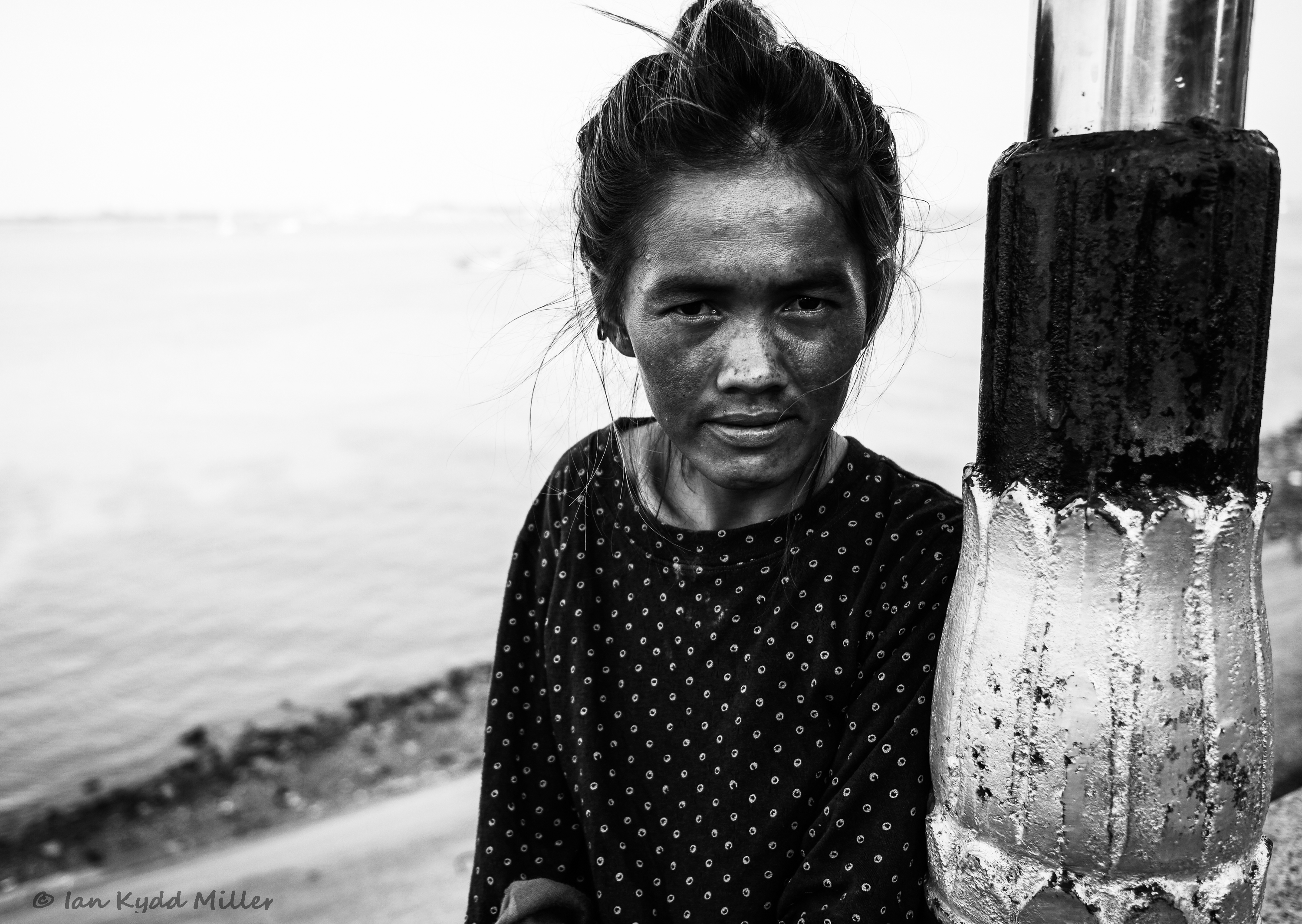
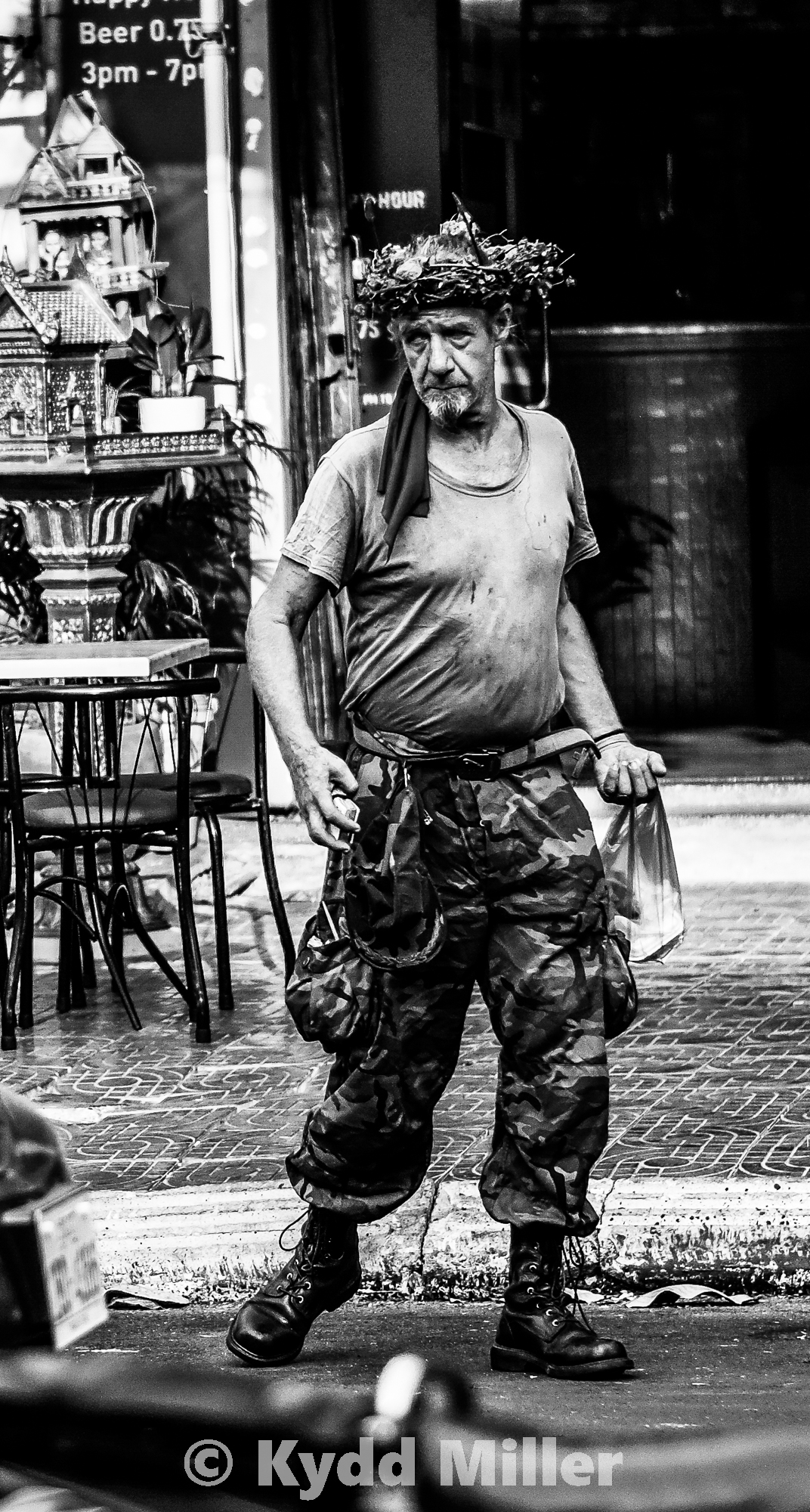
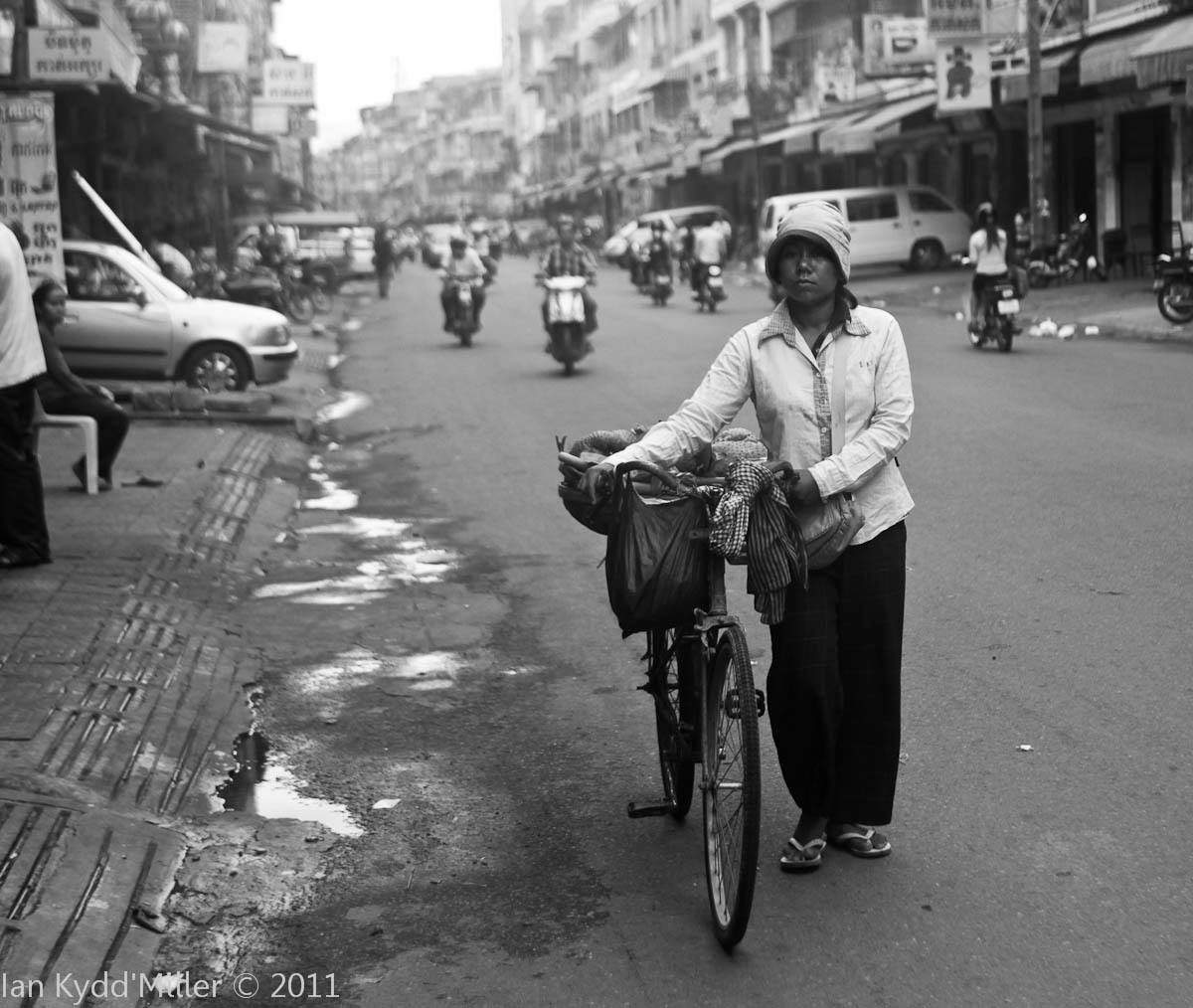
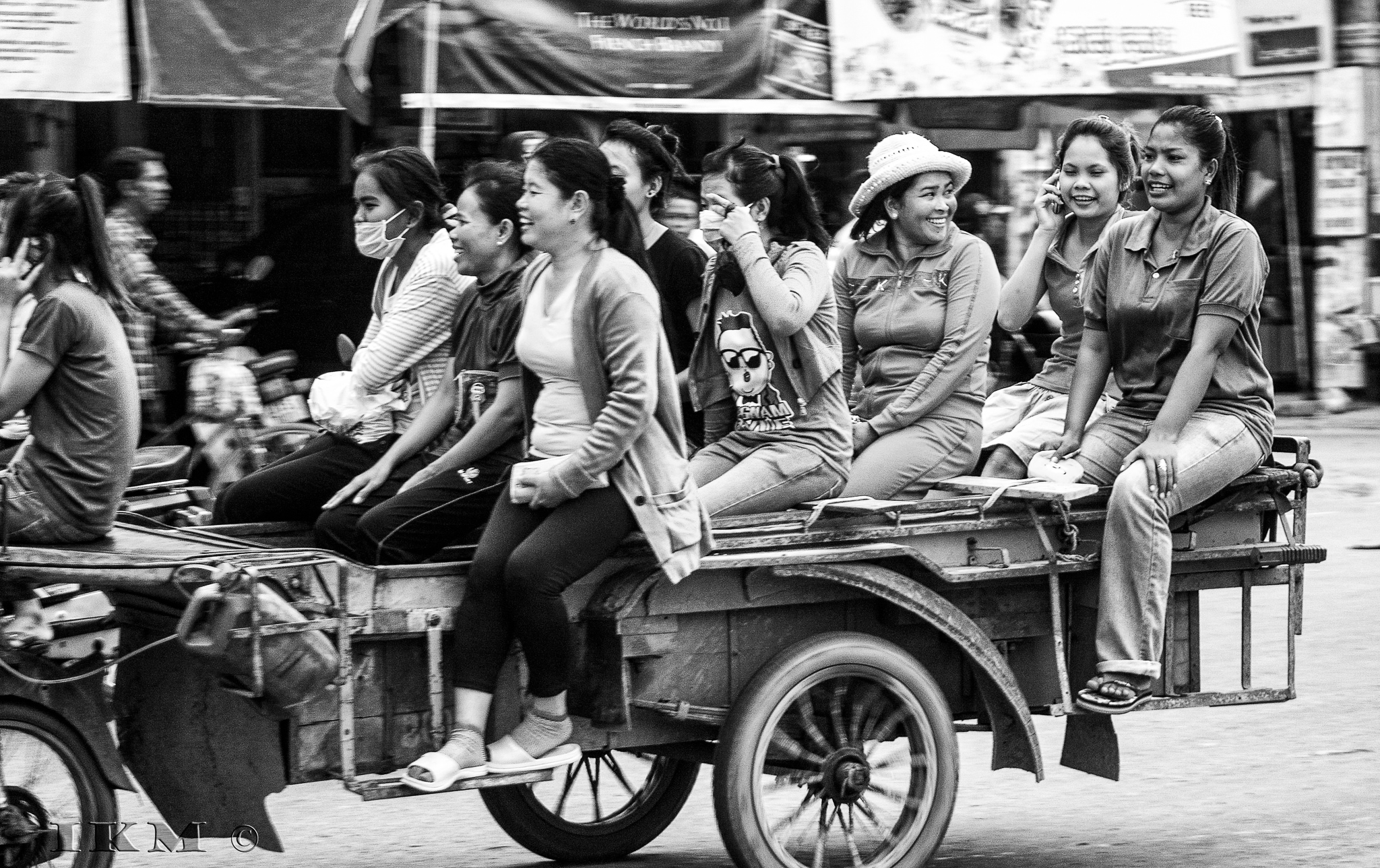
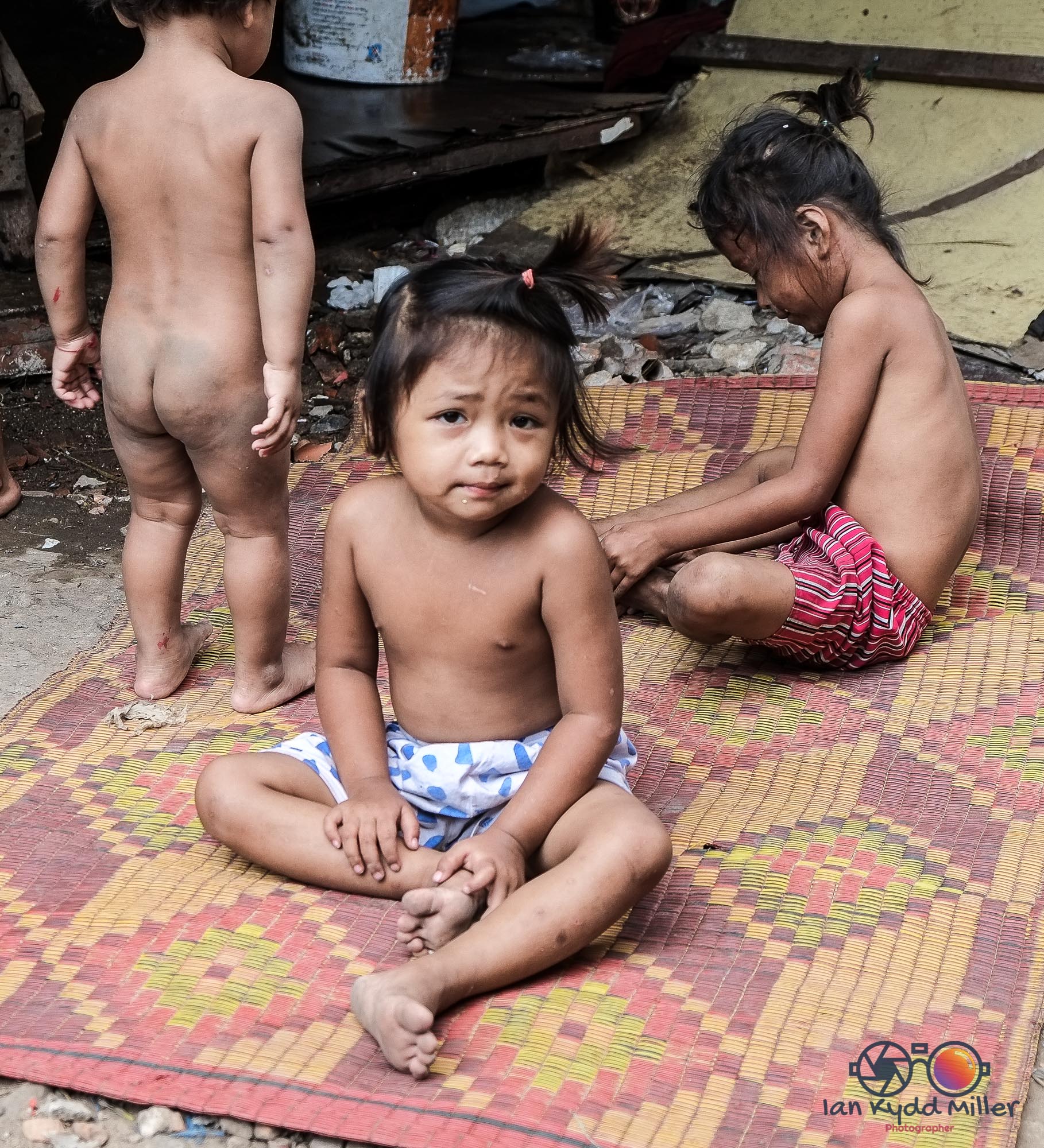
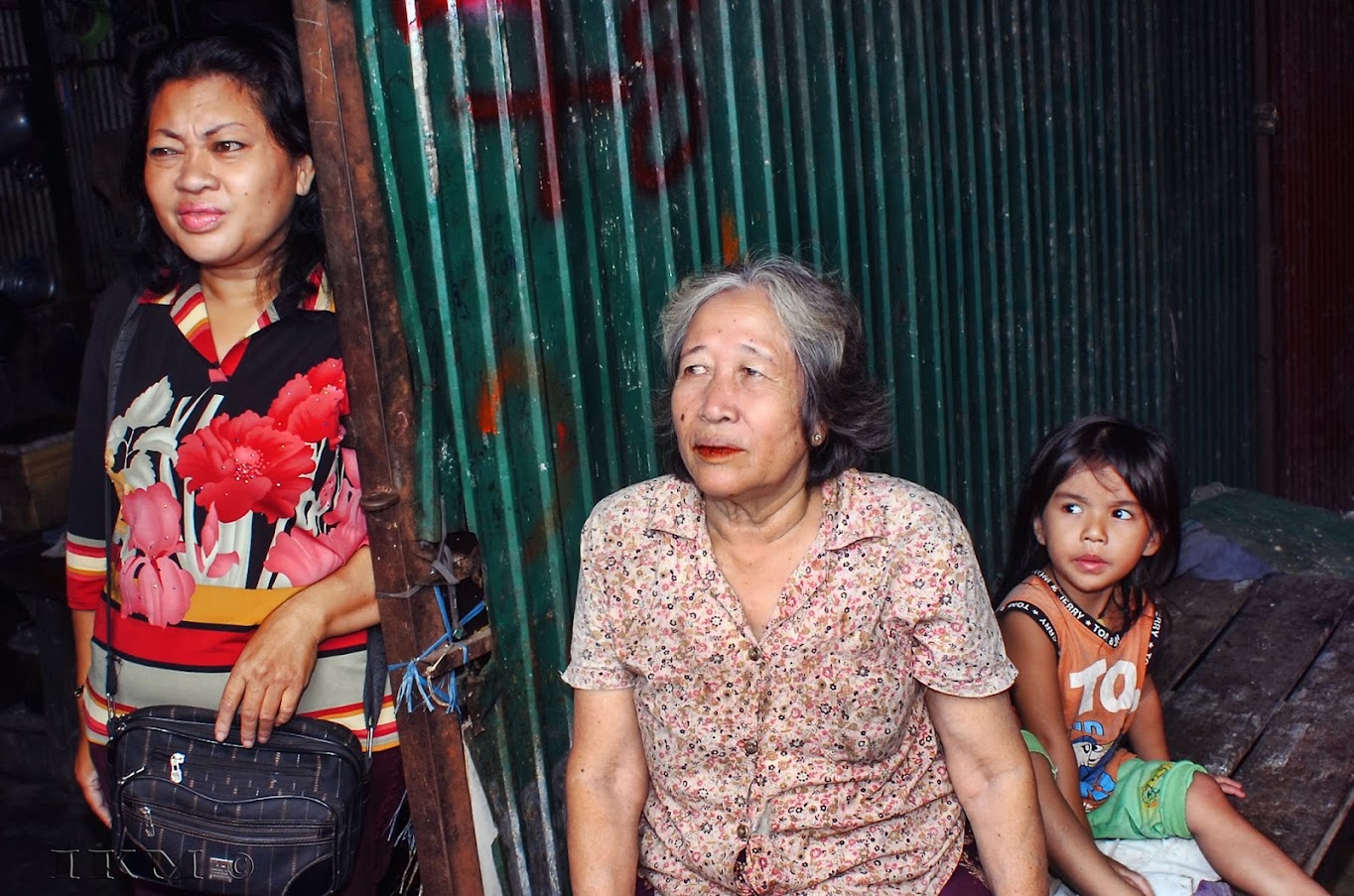
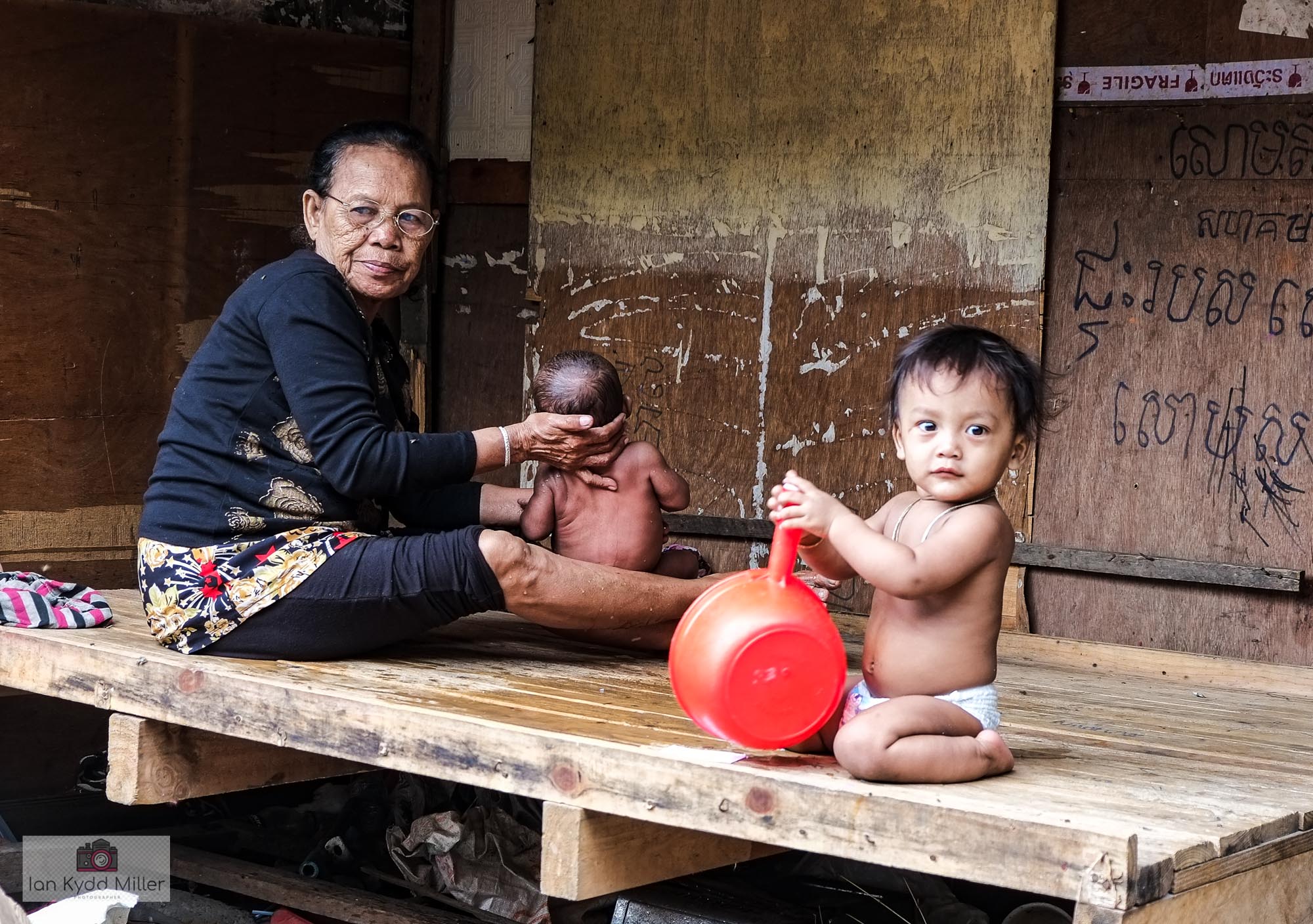
To me being able to catch fleeting signs of emotion in an image is usually what makes that image work, It ceases to be a flat 2-dimensional thing and breaths life into itself.
A simple facial expression change can make all the difference between success and failure. This fleeting moment must be watched for and will disappear in a microsecond if you are not ready.
In an age of digital photography, where the ability to set automatic exposure, automatic focusing, and automatic white balancing virtually ensures a sharp and technically pleasing image, the difference between a great shot and an unremarkable one often boils down to mere composition. Understanding this one concept can transform the quality of your photography overnight and reveal a whole new way of looking at the world.Perhaps the most widely quoted principle of effective composition involves the “rule of thirds”. In order to understand when this principle should be used, and when it should be ignored, it is important to understand the psychology behind the principle, which is something that is not adequately conveyed in most discussions of the rule of thirds.The idea behind the rule of thirds is that when you survey a scene in your viewfinder, you should mentally divide the image before you into thirds. Imagine two vertical lines which are placed one third, and two thirds, of the way from the left border of the viewfinder image. Then imagine two more lines, horizontal ones this time, placed one third, and two thirds, of the way down from the top border of the viewfinder image. In effect you have placed a coarse, but uniform, grid over the image.
The rule of thirds states that when you compose your image, you should try to place the most important visual elements on these lines. For example, a person standing upright should be centered on one of the two vertical lines. A horizontal band of water, a hedge, or the base of a wall, would be positioned on the upper or lower horizontal line. The idea is that the points of central interest in your image should neither be placed at the center of the image, nor too close to the edge of it.If you study photographs that are held in high regard by others you will often be able to discern the application of the rule of thirds. Other times you will instantly be able to see how a photograph with weak composition could have been substantially improved had the photographer applied the rule of thirds.So why does this method work so well to improve the composition of a photograph? And if it is known to often *dramatically* improve the composition, when should it not be used?
The key to mastering the rule of thirds is to understand the relationship between the principal object being photographed, and its immediate environment. If there is a relationship between the two, and you want to draw attention to it, you apply the rule of thirds. By forcing the viewer’s eye away from the center of the image you are suggesting that you (the photographer) have done this for a reason, and that to appreciate the full story behind the photograph you have to search elsewhere for it in the image.Application of the rule of thirds forces the viewer to relate the principal object to their immediate environment. Application of the rule of thirds tells the viewer that you have thought about your image, and so should they.But the rule of thirds has its limitations. If there is no relationship between the principal object and their immediate environment which needs to be emphasized, application of the rule of thirds can still be employed, but the effect will be significantly weakened by causing the viewer to look for a relationship that is not there. In such cases, consider throwing the background completely out of focus to re-emphasize the main subject.Applying the rule of thirds in the wrong situation can also completely destroy the strength of a photograph. In sports photography the money shot is often captured at the peak of the action, and at that instant the principal subject usually belongs at the center of the frame for maximum impact. This is not an absolute rule, but the rule of thirds is more often applied effectively to relatively static scenes.Other times that demand the rule of thirds be ignored arise when you photograph symmetrical objects. A starfish, or the inside of a flower, photographed at close range are going to result in much stronger images if the center of the starfish or flower coincides with the center of the image. In these instances, symmetry trumps any relationship of the starfish, or flower, to its immediate environment.If you have not yet consciously applied the rule of thirds to the composition of your photographs, now is a good time to start. Just remember to ask yourself one question: is there a relationship between the principal subject of the photograph and their immediate environment that I want to convey to the viewer. If there is, the rule of thirds should help you to capture that relation, increase the story-telling aspect of your photograph, and improve the chances that others come to hold it in high regard.
The largest of the four land-sharing projects in Phnom Penh in the early 2000s was the Borei Keila neighbourhood. It became a model for the privately financed land-sharing approach in Cambodia. In September 2003, the Council of Ministers announced that Phan Imex Construction Company Ltd had been selected as the private partner in the project.
The government accepted a proposal from the company to divide the 4.6-hectare land concession into two parts: “community buildings” to re-house the existing residents of Borei Keila would be constructed on 2 hectares of the concession, while the remaining 2.6 hectares of the concession would be granted to the company for commercial development. The rest of the Borei Keila land area, amounting to 9.52 hectares, would revert to the Ministry of Education, Youth and Sports. No public bidding process to select the developer for the Borei Keila project was ever held.
In 2003, the government granted Phanimex – owned by well-connected Cambodian businesswoman Suy Sophan — development rights to Borei Keila under a “land-sharing arrangement” to develop part of the area for commercial purposes.
Phanimex was obligated to build 10 apartment buildings on two hectares of land for the residents already living there in return for obtaining ownership of an additional 2.6 hectares for commercial development.
In April 2010, Phanimex unilaterally reneged on the agreement, however — with the approval of the government — and only constructed eight buildings. That left 300 Borei Keila families excluded from the original agreement.
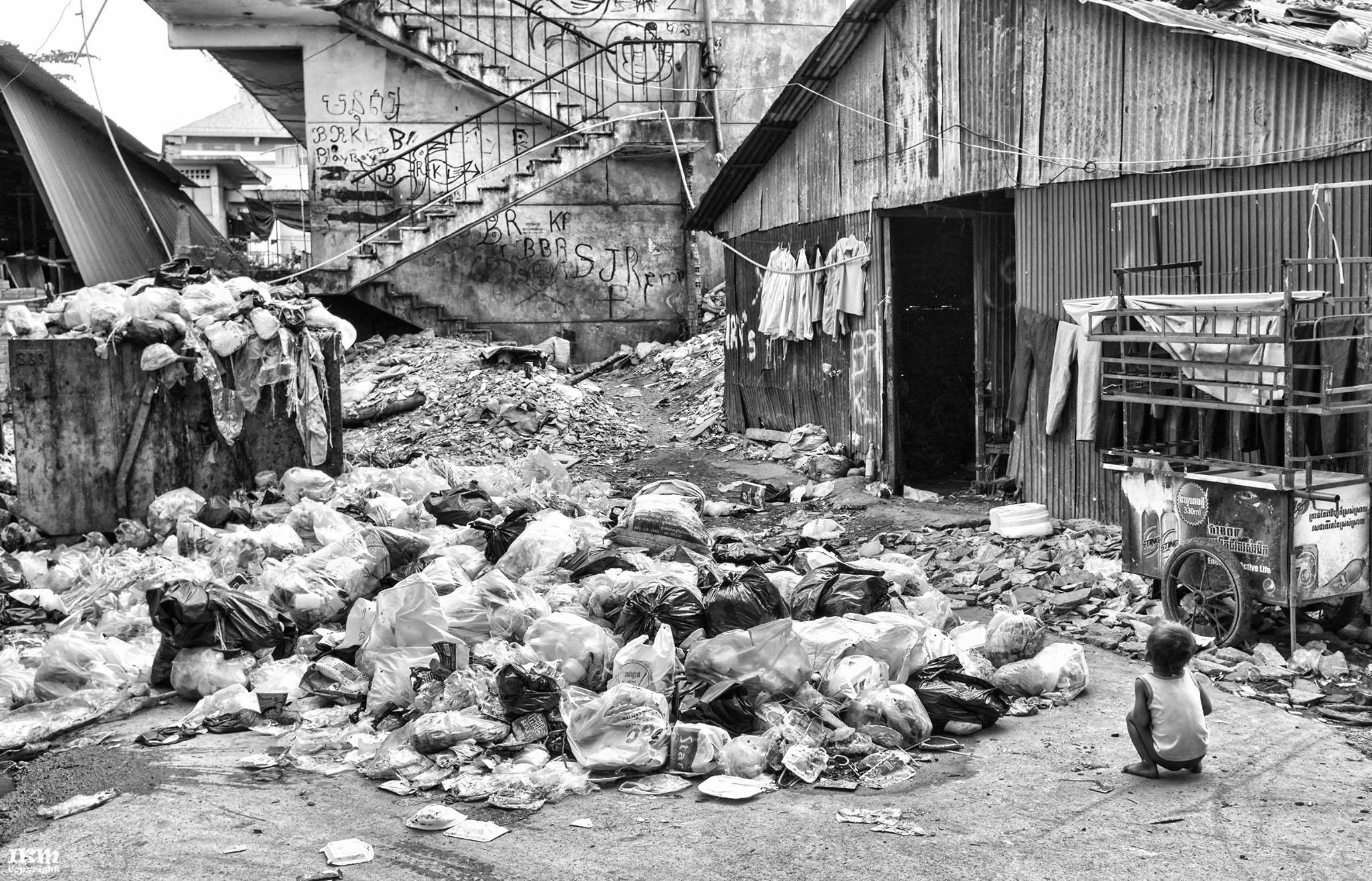
Borei Keila was catapulted into wider public consciousness when the remaining families were violently evicted from their homes in January 2012. In exchange for the extremely valuable city property they occupied, residents were given small payouts, or scanty plots of land in distantly located, poorly serviced relocation sites.


































 a world without pictures is like coffee without cream and sugar, bitter