Travelling with your Camera

Uncategorized

Travel Photography the essentials

I live and work in South East Asia and have travelled extensively with my camera equipment and there are a few tips and problems  that are useful to know when travelling in hot and humid environment that many may not have come across if you live in more temperate climates.

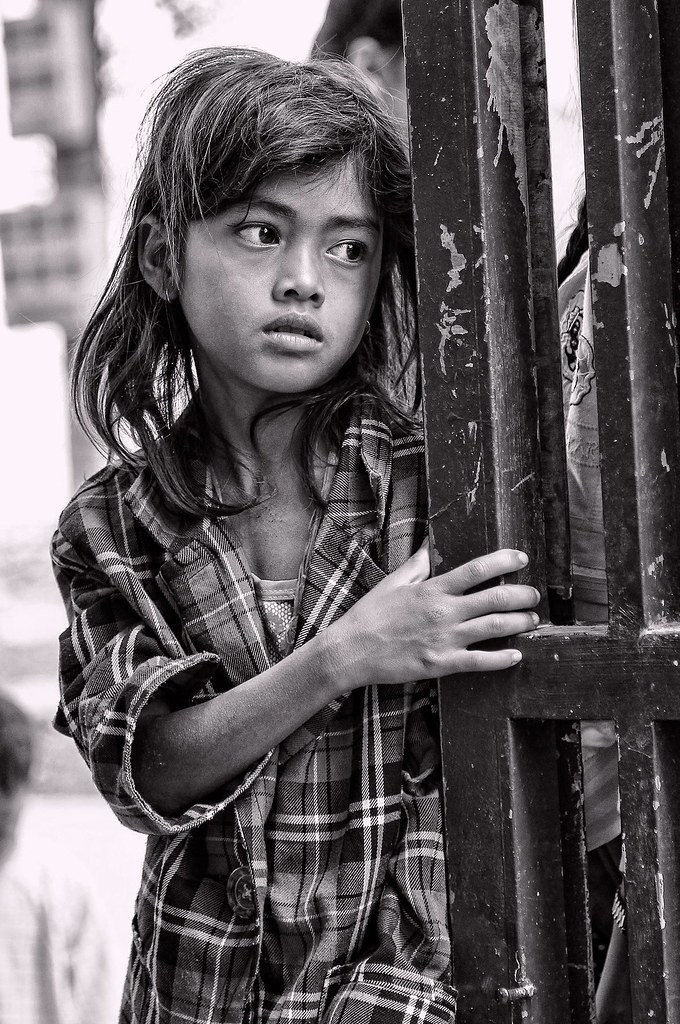
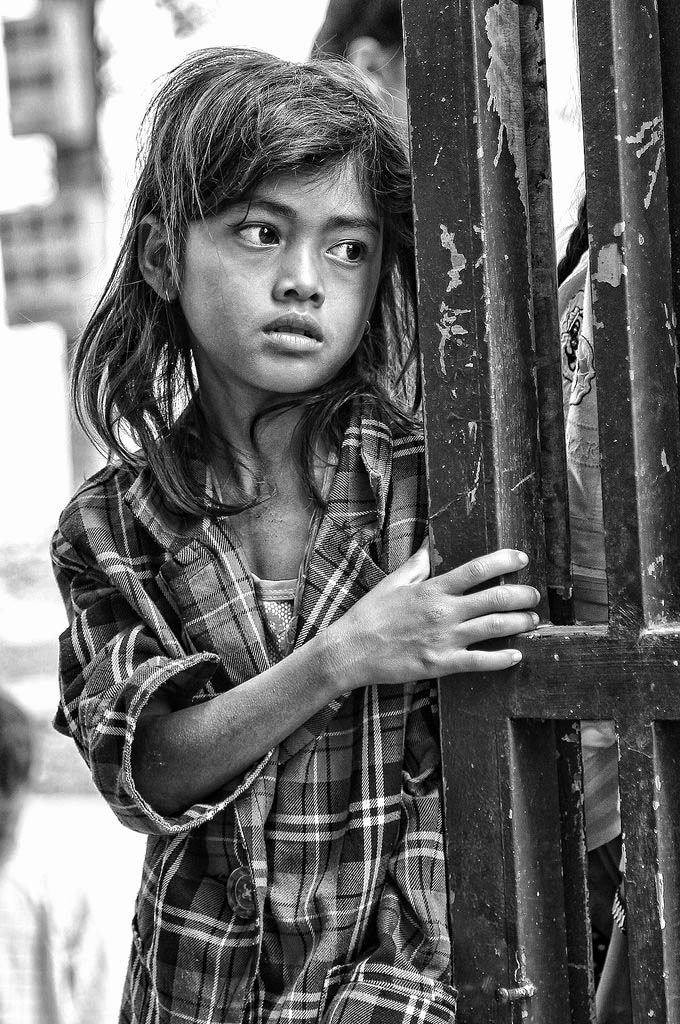
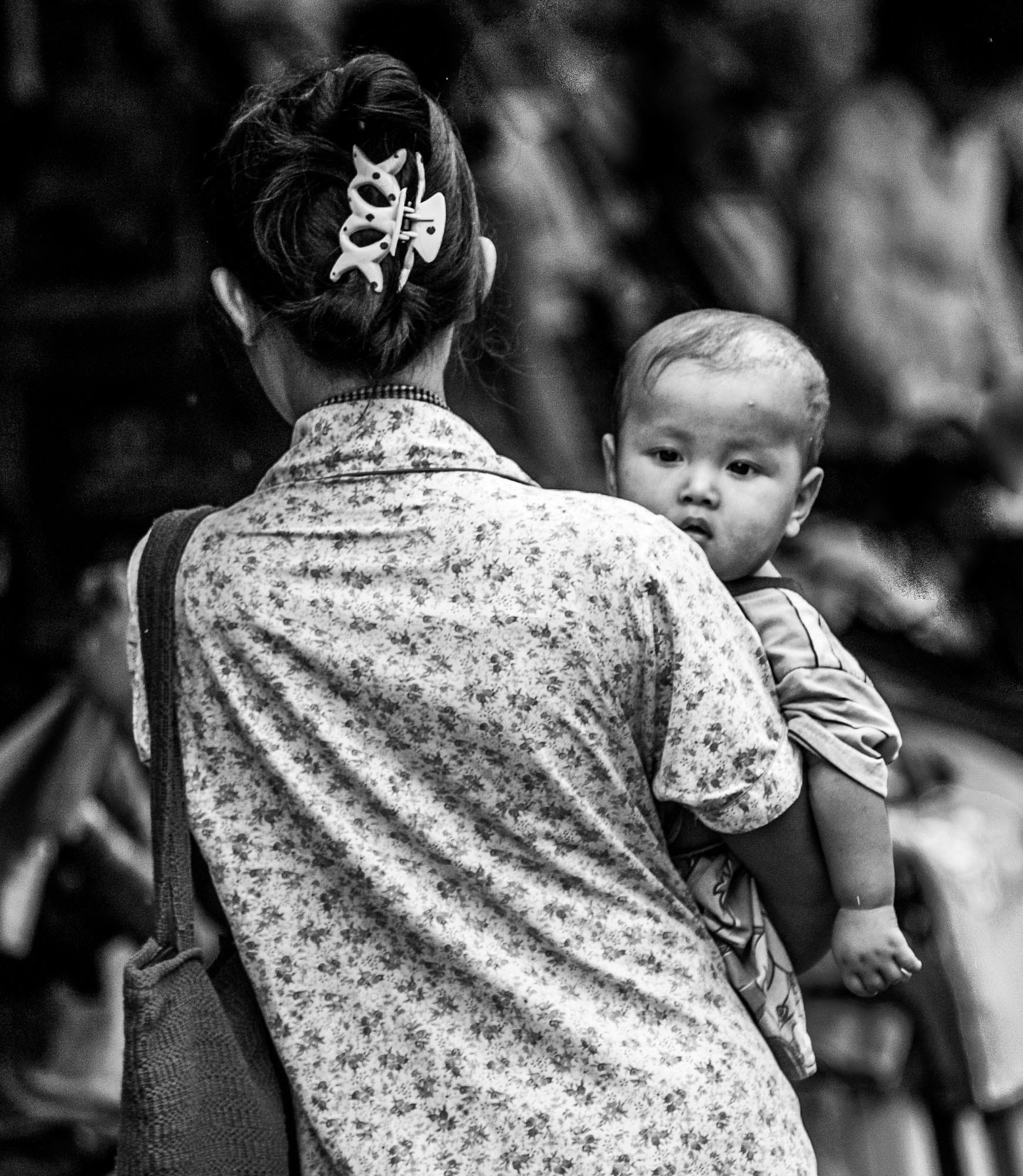
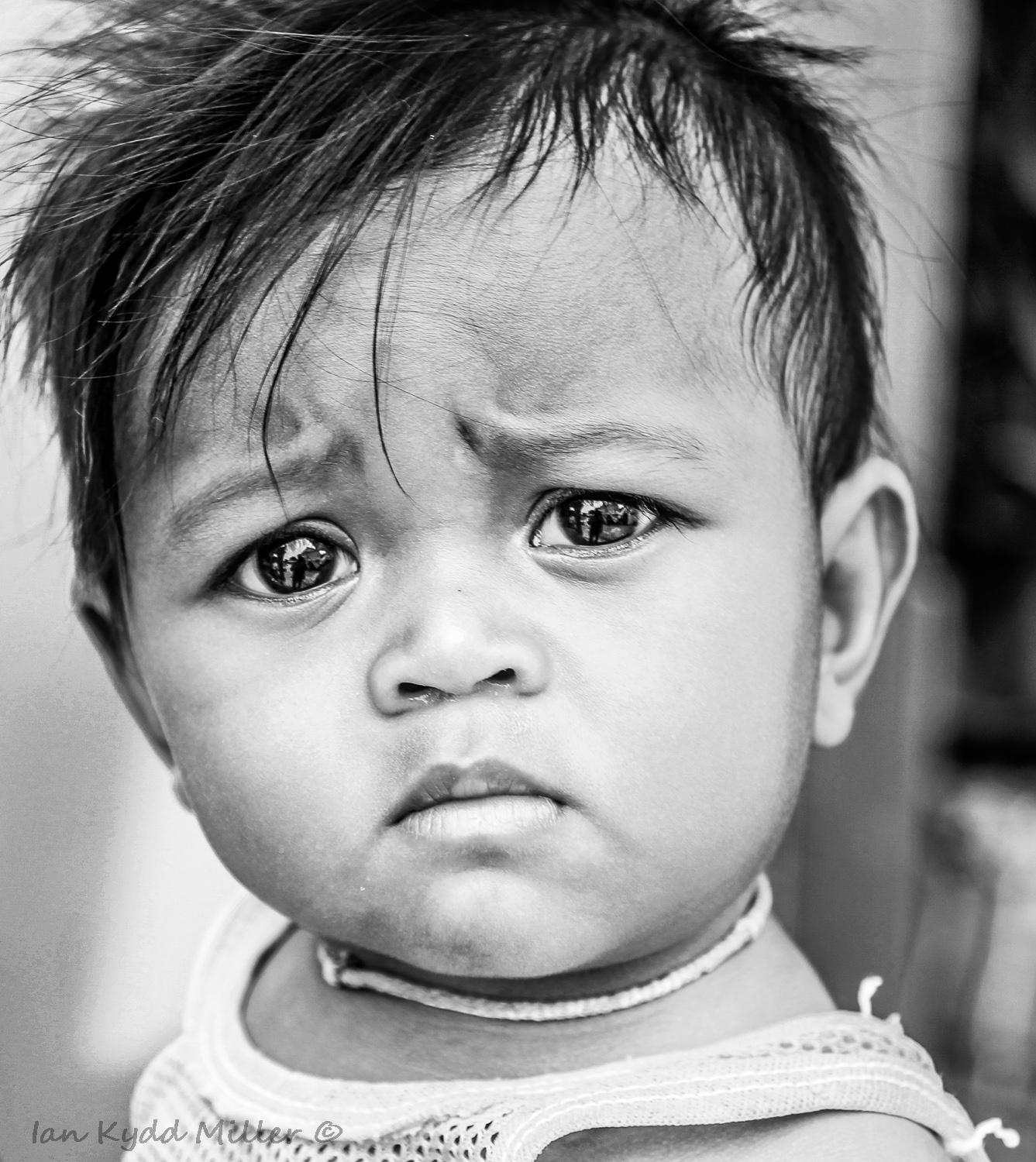
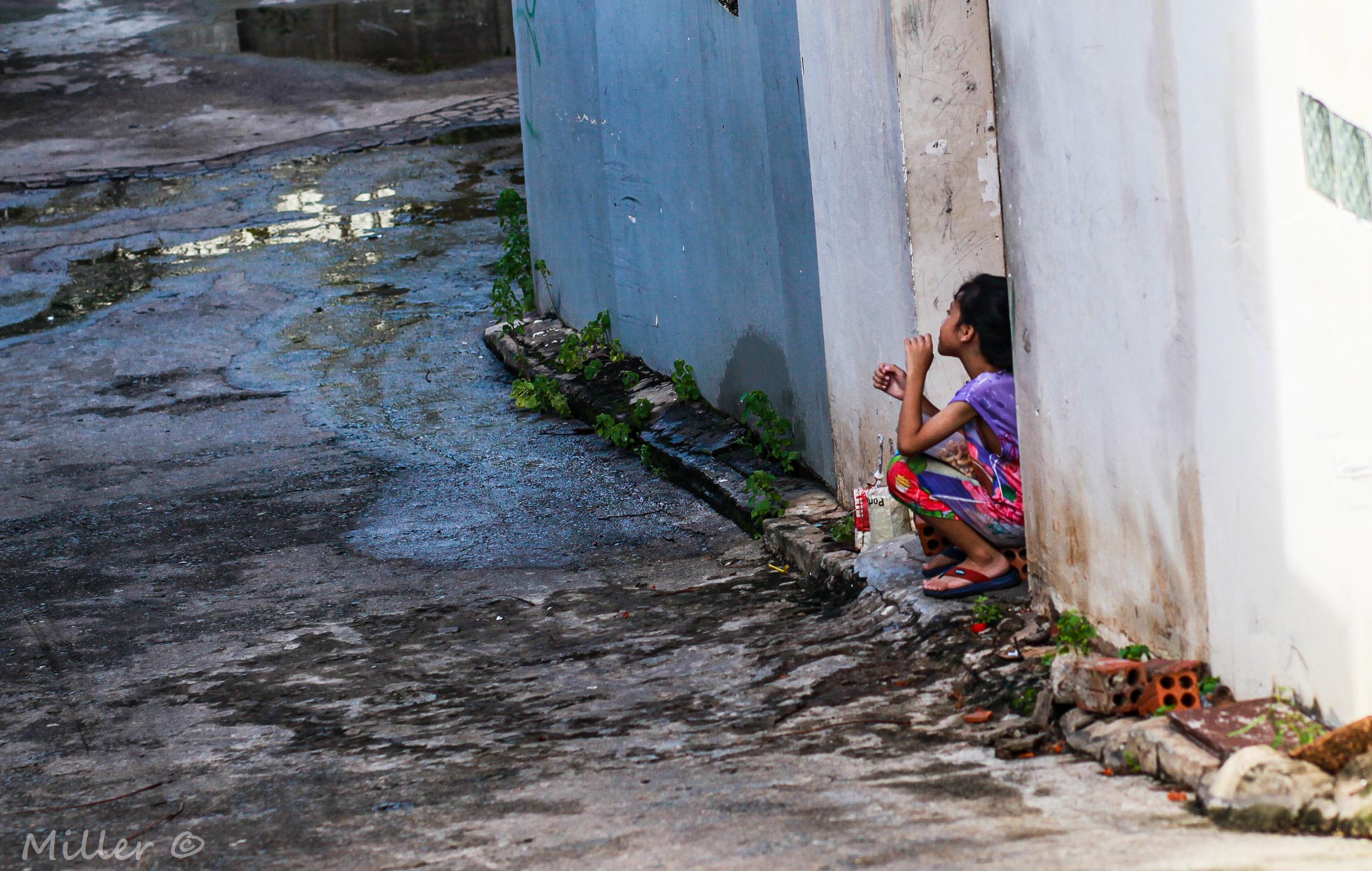
Aka child in Northern Laos

Carrying your gear

Don’t be tempted to take too much gear with you. One or two camera bodies depending on the length of your trip and how reliable you feel your particular brand to be but if it’s the trip of a lifetime take no chances.

  1. Spare batteries. 3 or 4 as new batteries can be difficult to source if yours breakdown or go missing.
  2. Lots of memory cards (they are really cheap now) so don’t stint. I normally take at least 50GB in mixed cards (2GB to 16GB)
  3. Lenses. These are the all important ingredients to making good travel picture so choose wisely. The mixture between quality and quantity (hence weight) must be fought. My normal travel kit when travelling light (ie by air) would be and I will carry this on in a Peli 1510 flight case which is the right size for international flights and gives me piece of mind:

I use Canon (and Nikon) cameras but the make really does not matter as much as having the right gear with you for your type of shooting

●       Canon 50mm f1.8 or 1.4 + Canon 85mm f1.8

●       Canon 24-105 IS f4L zoom

●       Sigma 15-30 zoom

●       Canon 70-200 f2.8L  zoom

●       1 x  Canon 1D Mk4 and 1Ds Mk1

●        A point and shoot digital. (Canon G11)

●       Batteries and cards plus cleaning equipment packed in a Domke F2 which is my main street bag. Some may decry it lack of padding but for me it works. Or a Lowepro Flipside 200 depending very much how much foot travel I will be doing

●       Maybe a laptop but not always.

This kit should cover most things and is not to heavy and bulky to carry with me, in fact I would sometimes thin this down on a daily basis and leave some of the things in the safe at the hotel or guest house if I think they with not be needed. Trying to have the right gear with me at the right time. Planning my itinerary is very important.

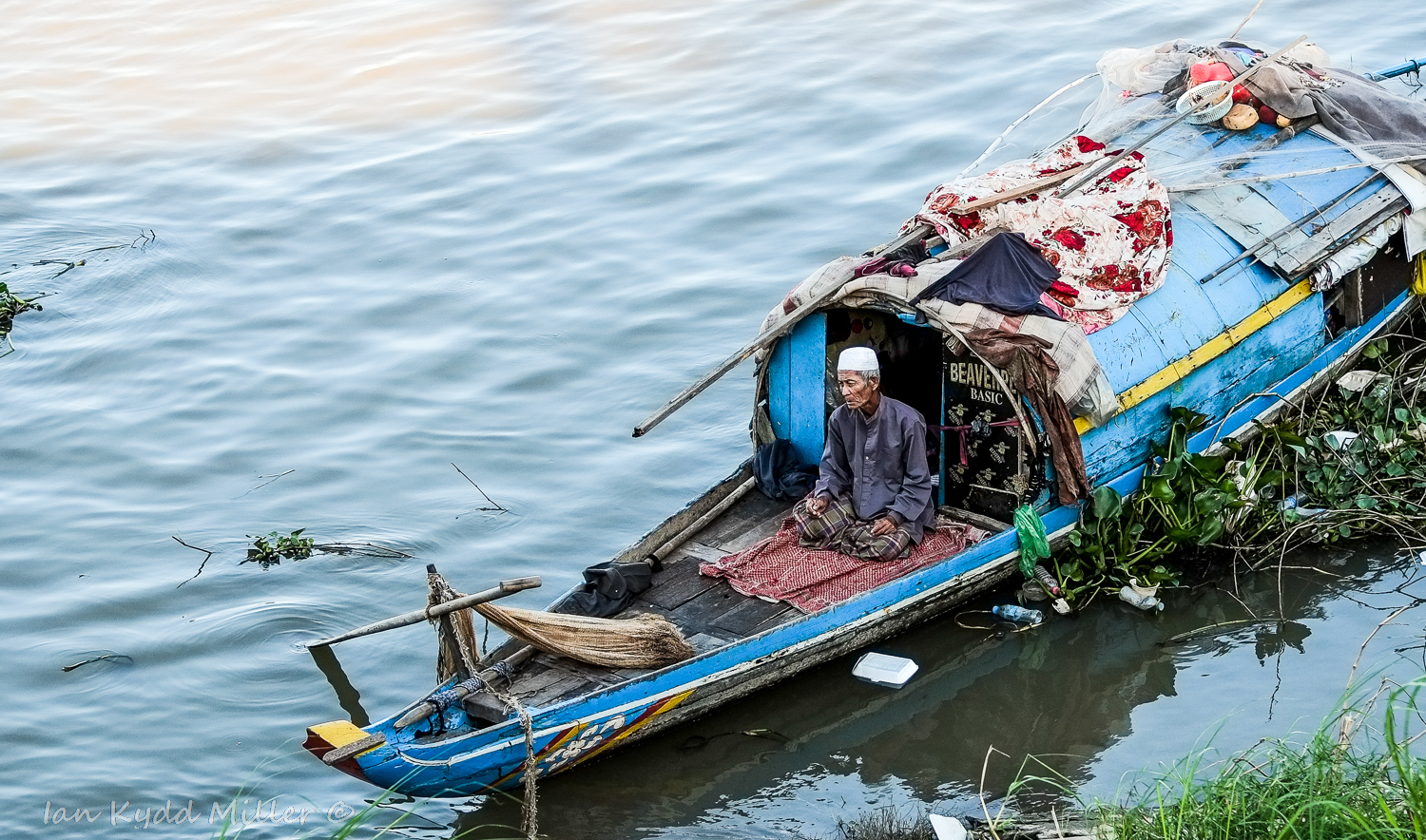
Across the Mekong River

Caring for your GEAR

A most important key element to getting good picture whilst on the road is your daily routine care of you camera and lenses. The environmental issues in Asia and the subtropical and tropical areas you may find yourself in can be very challenging for complex electronic equipment of all sorts but, unremarkable, camera equipment can be very susceptible. A good daily routine can help prevent breakdowns and loss of pictures.

  1. Dust can be a major problem. Regular use of a soft brush externally on the camera to remove dust. Changing lenses as little as possible and if you have to change a lens do it quickly and with the camera β€˜β€™turned OFF’’.
  2. Moisture is the second problem, moving from air-conditioned hotels to the heat of a tropical day can cause condensation. A good tip is to have some plastic resealable food bags large enough for you camera and lenses to go inside and then when you take them outside allow enough time for them to acclimatize and no condensation should occur.
  3. Cleaning your lenses. Remember dust can be a killer for lenses and again this is where a soft brush (blusher brush very cheap in the markets here) comes in very useful, and you may consider UV filters for lens protection and ease of cleaning, better to ruin a filter than the front element of an expensive lens.
  4. Avoid having to clean your sensor unless it become essential, dust can be removed quite well in post processing. You can risk pumping most dust into the camera. I probably only use a ROCKET maybe once a week when I am in a clean hotel room.
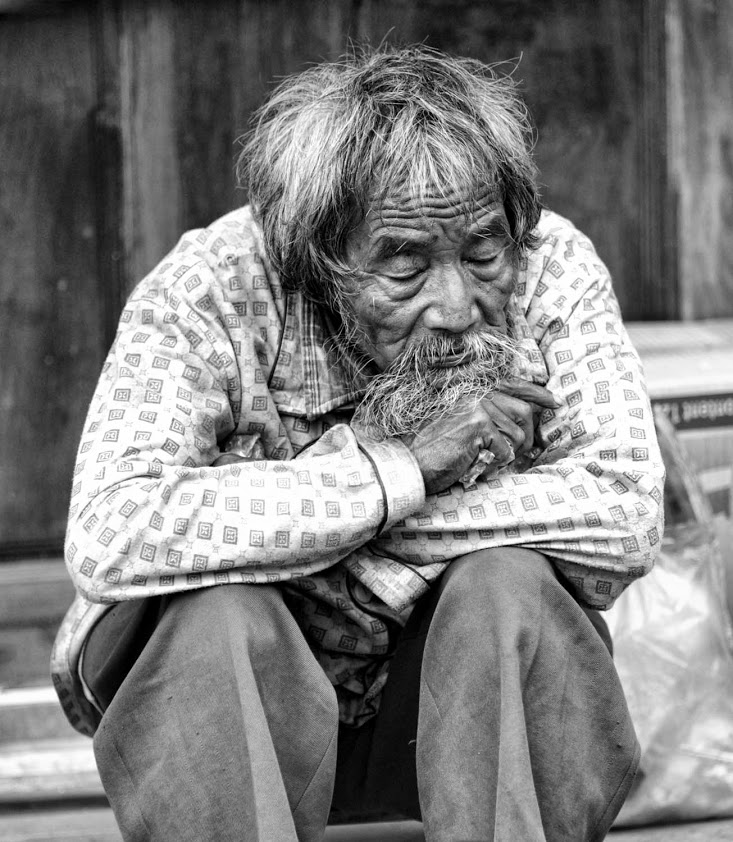
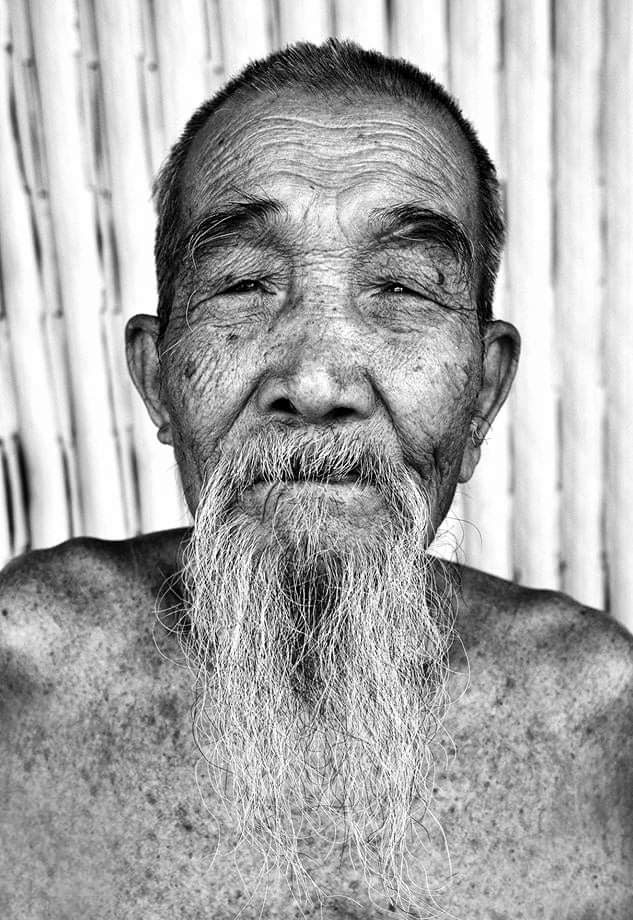
Old Man in Laos

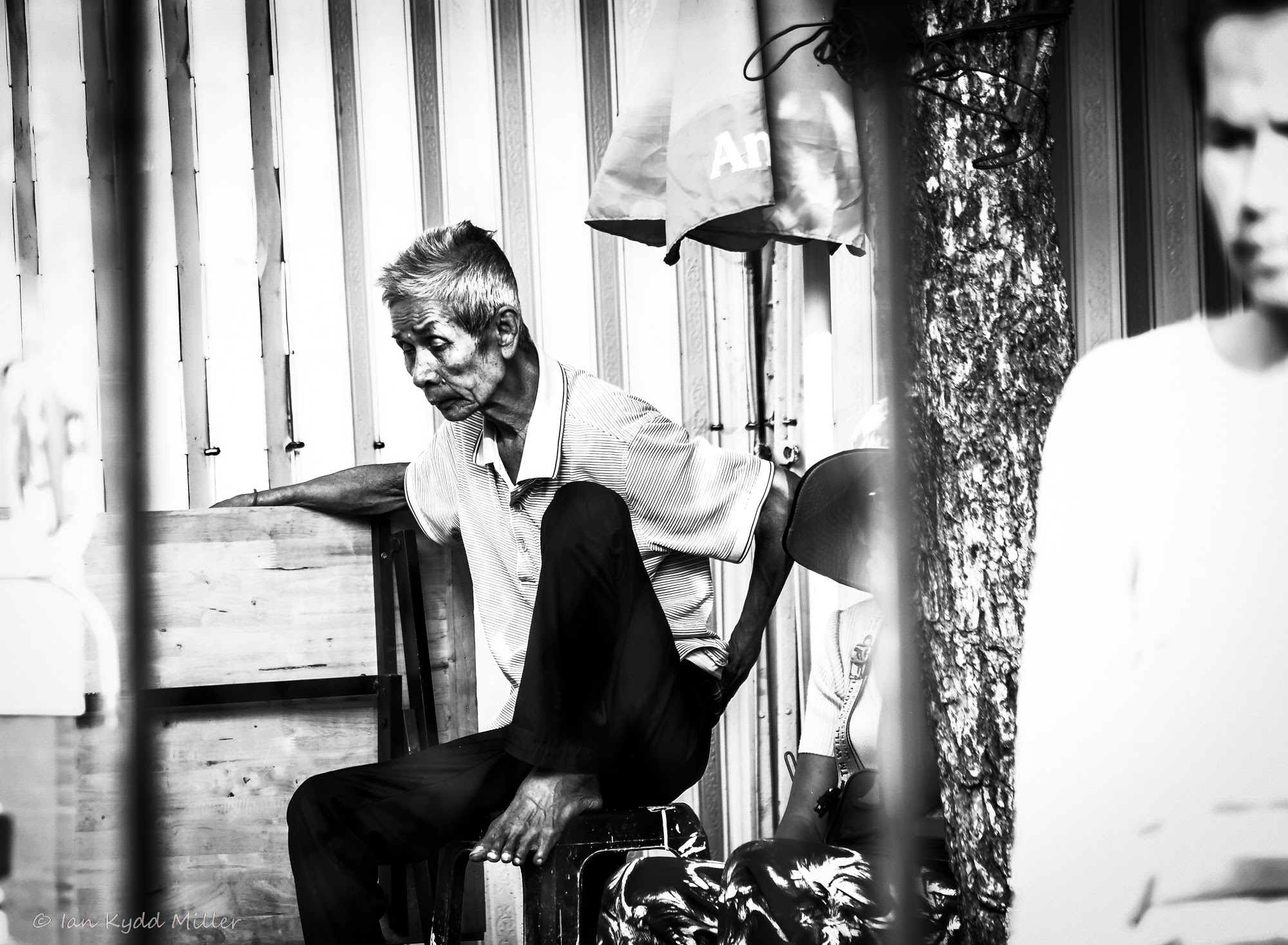
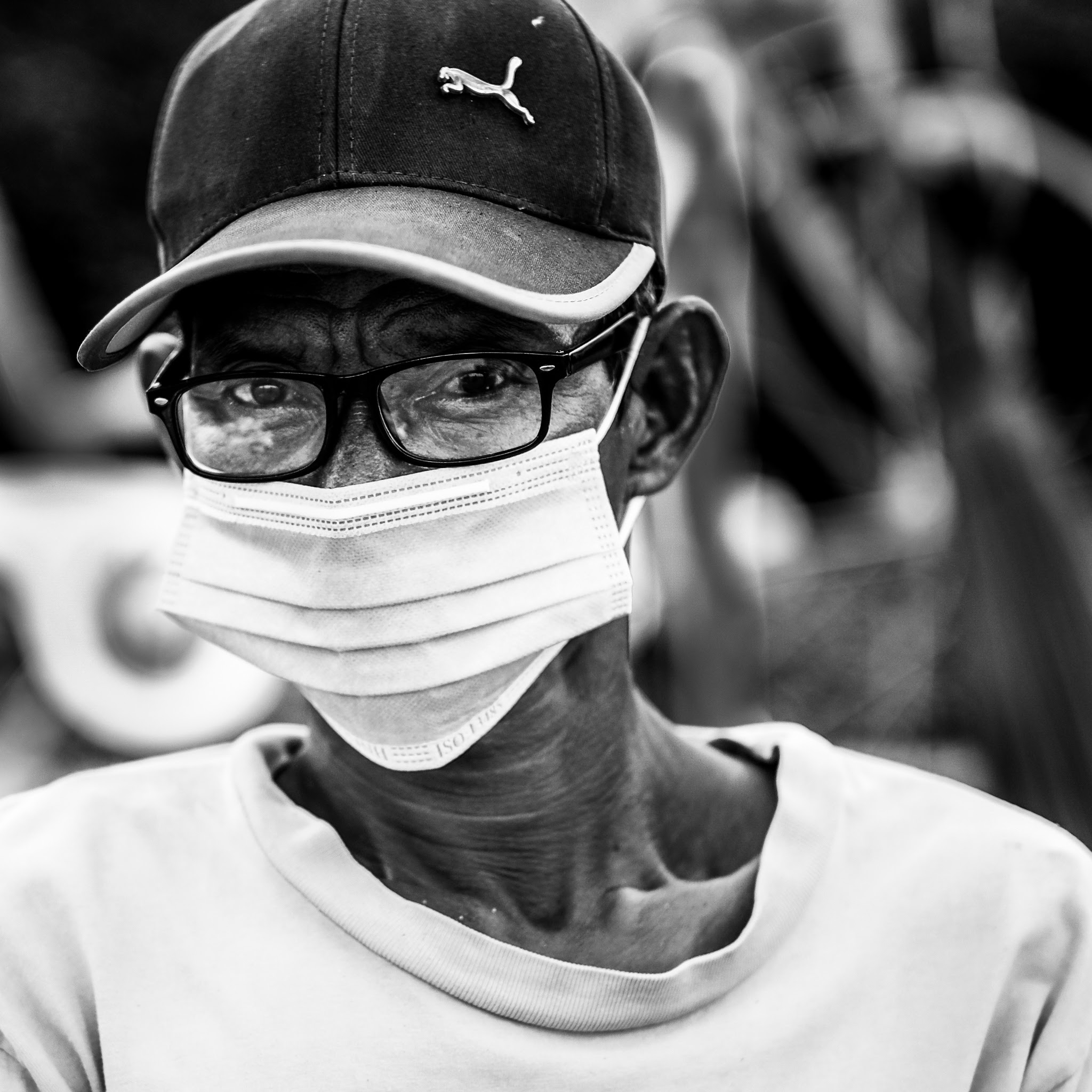
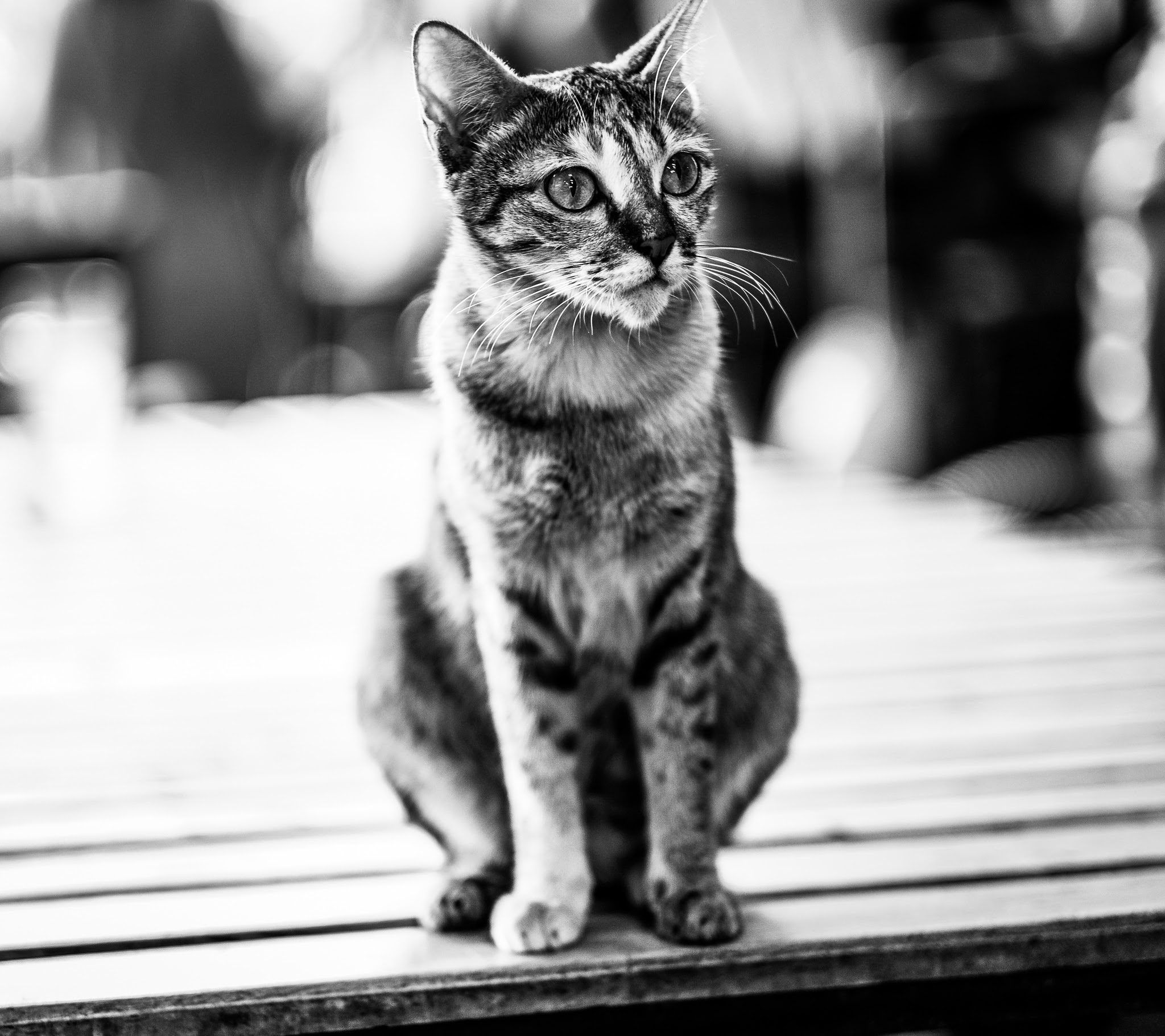
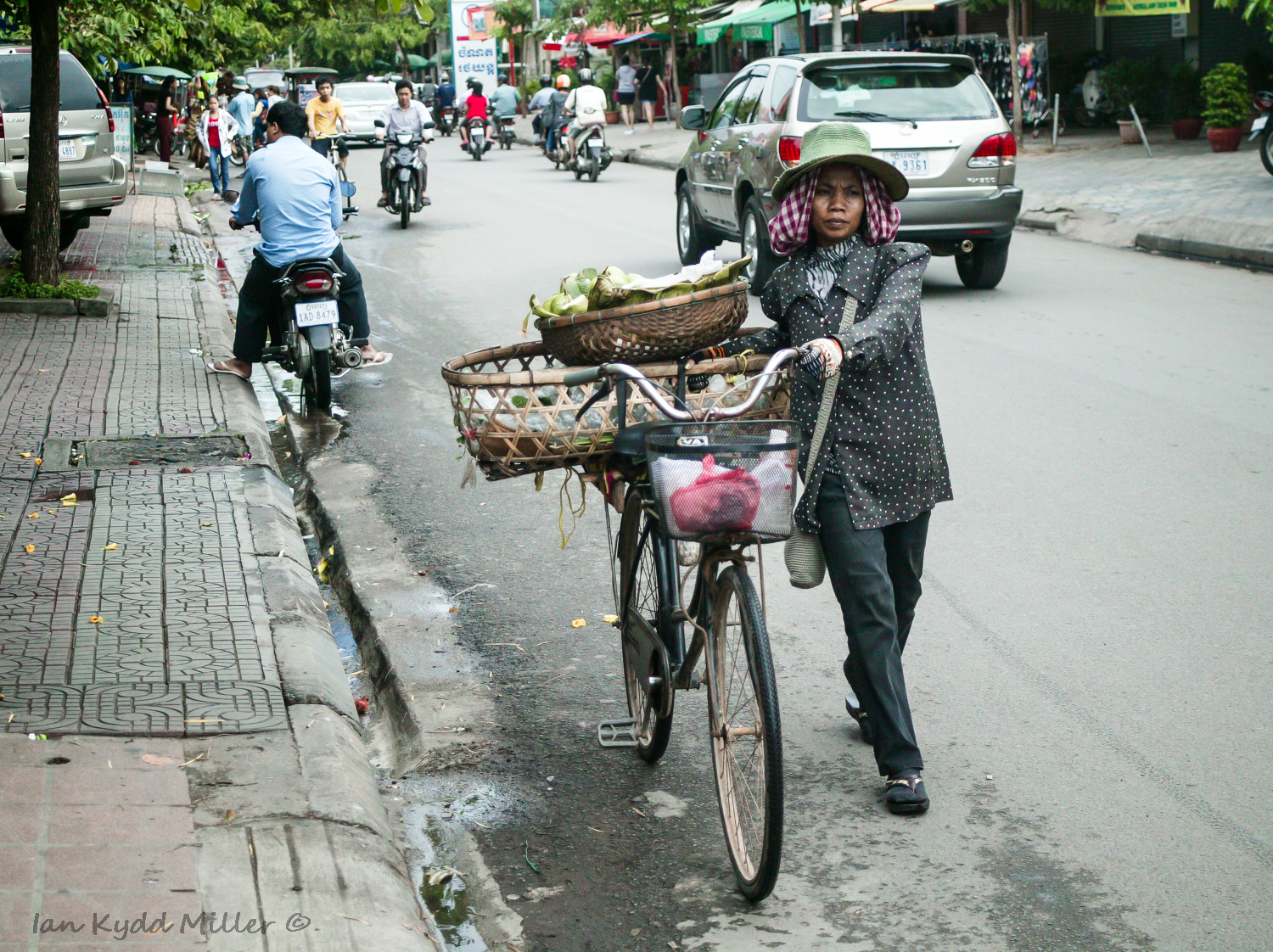
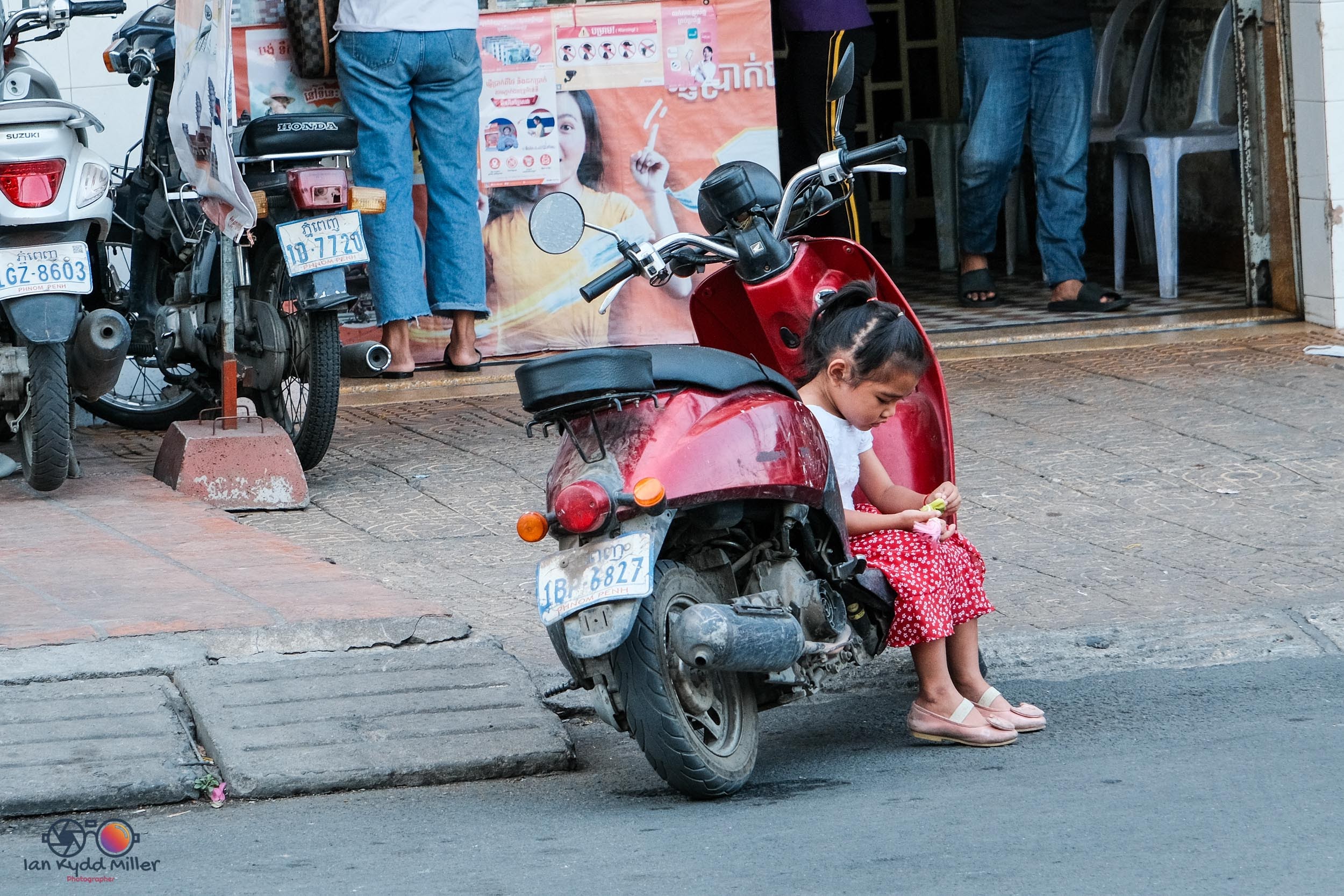
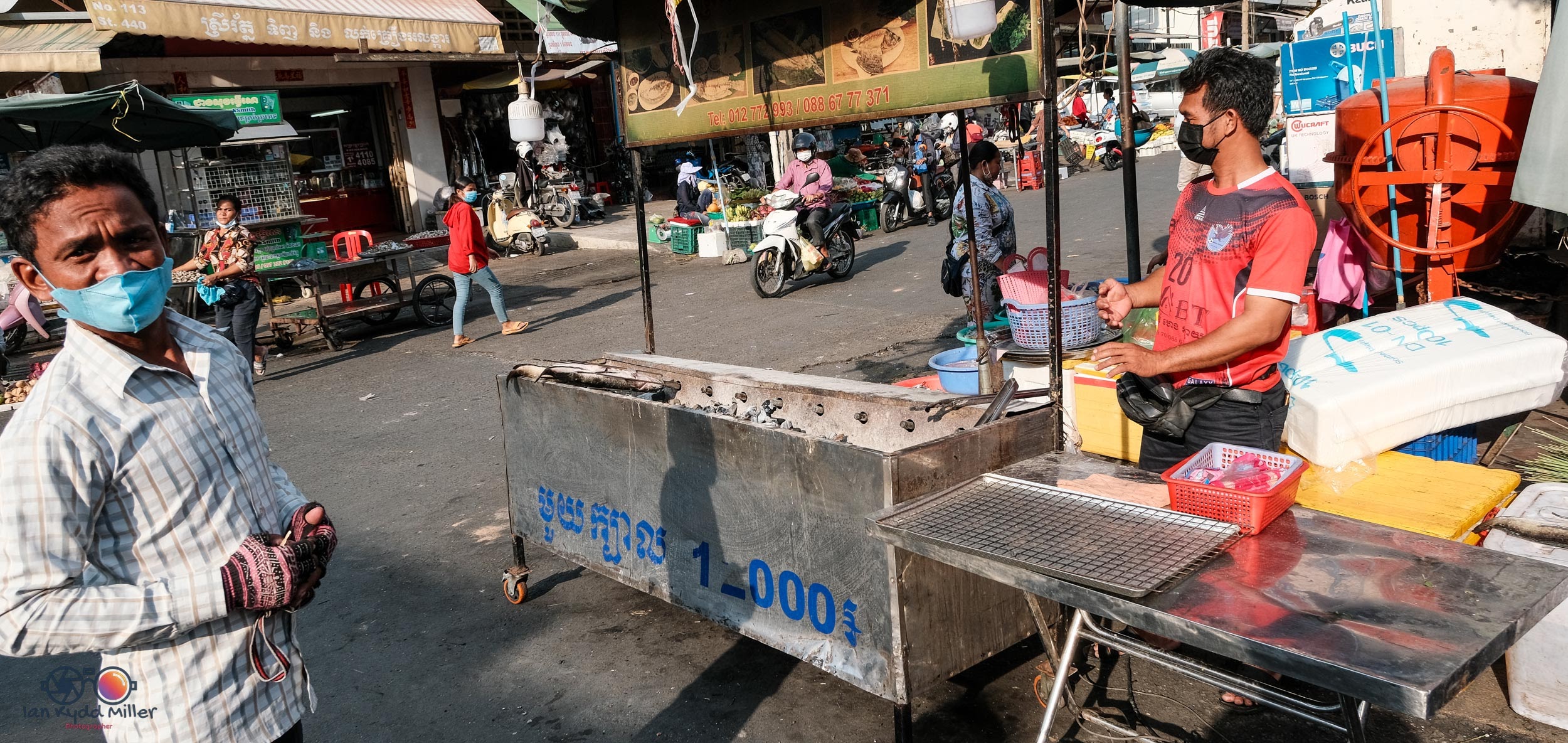
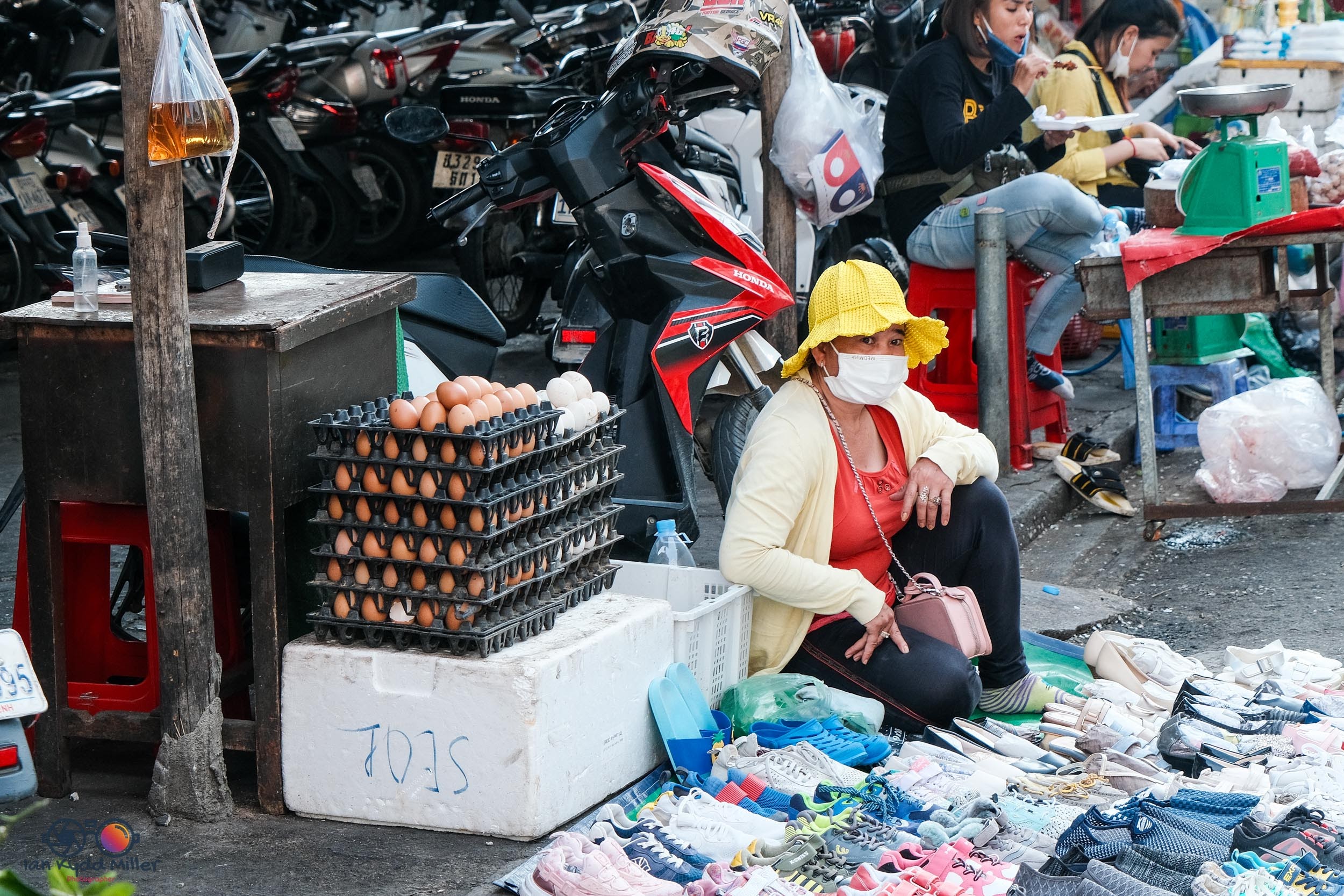
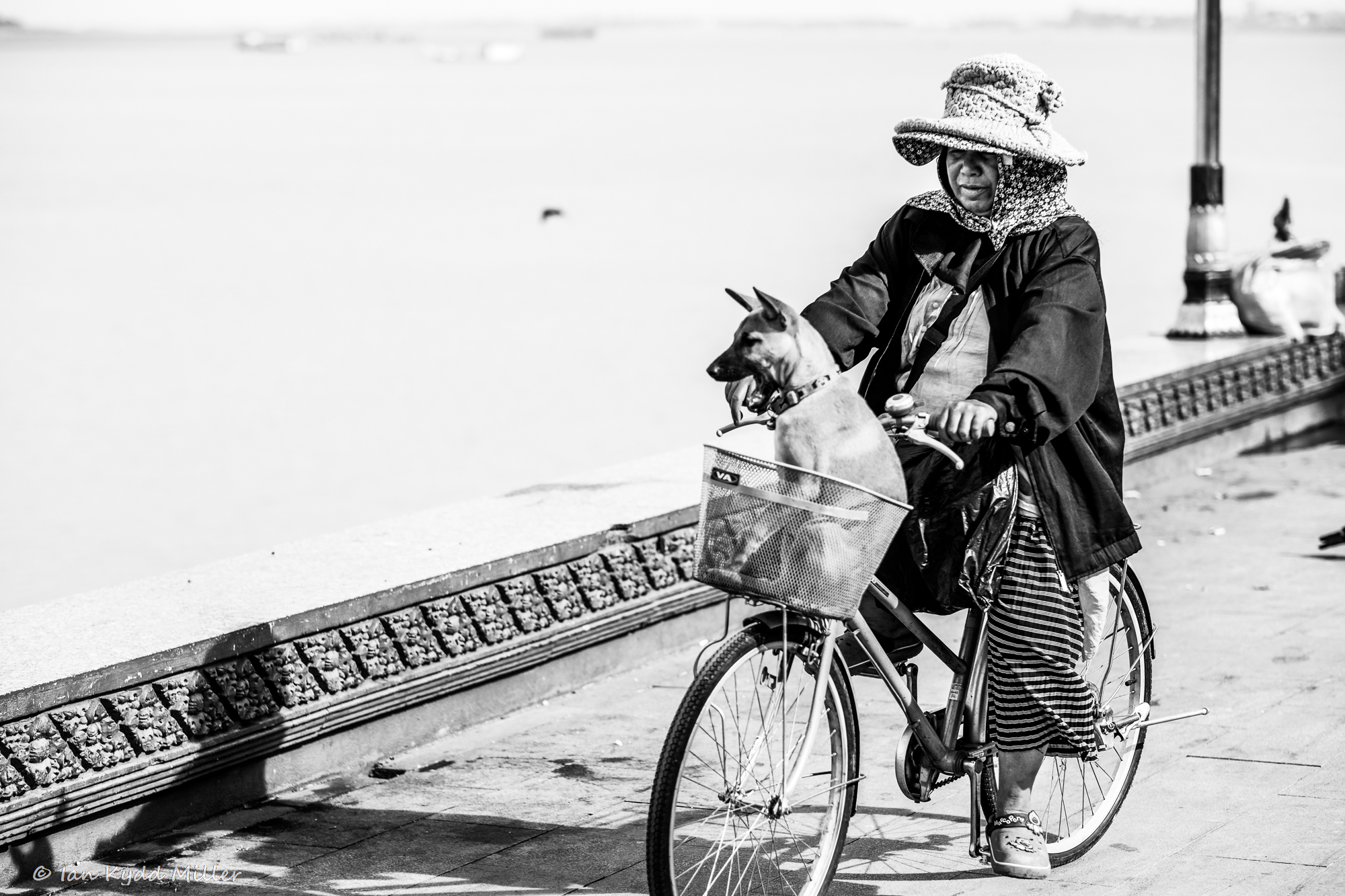
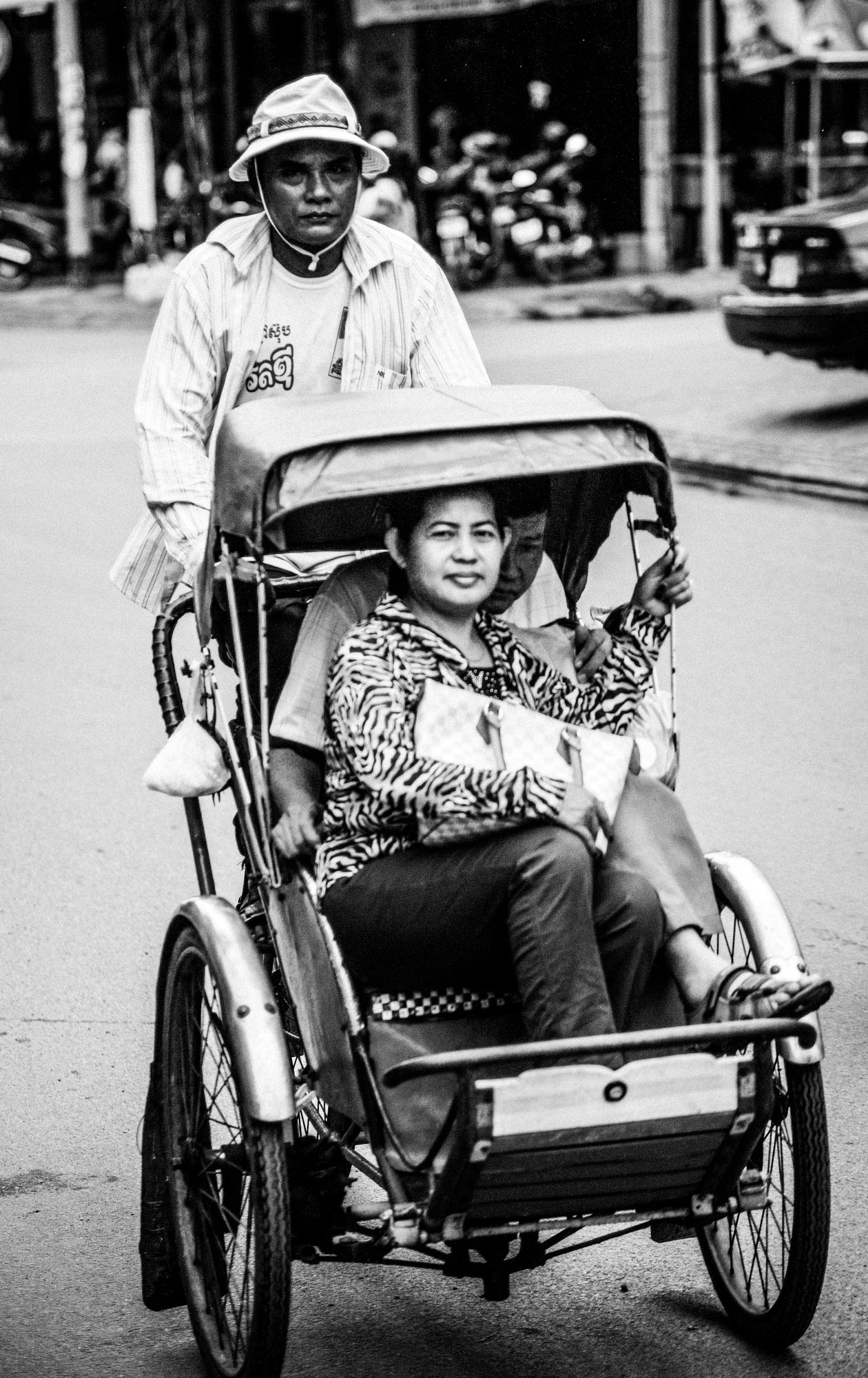
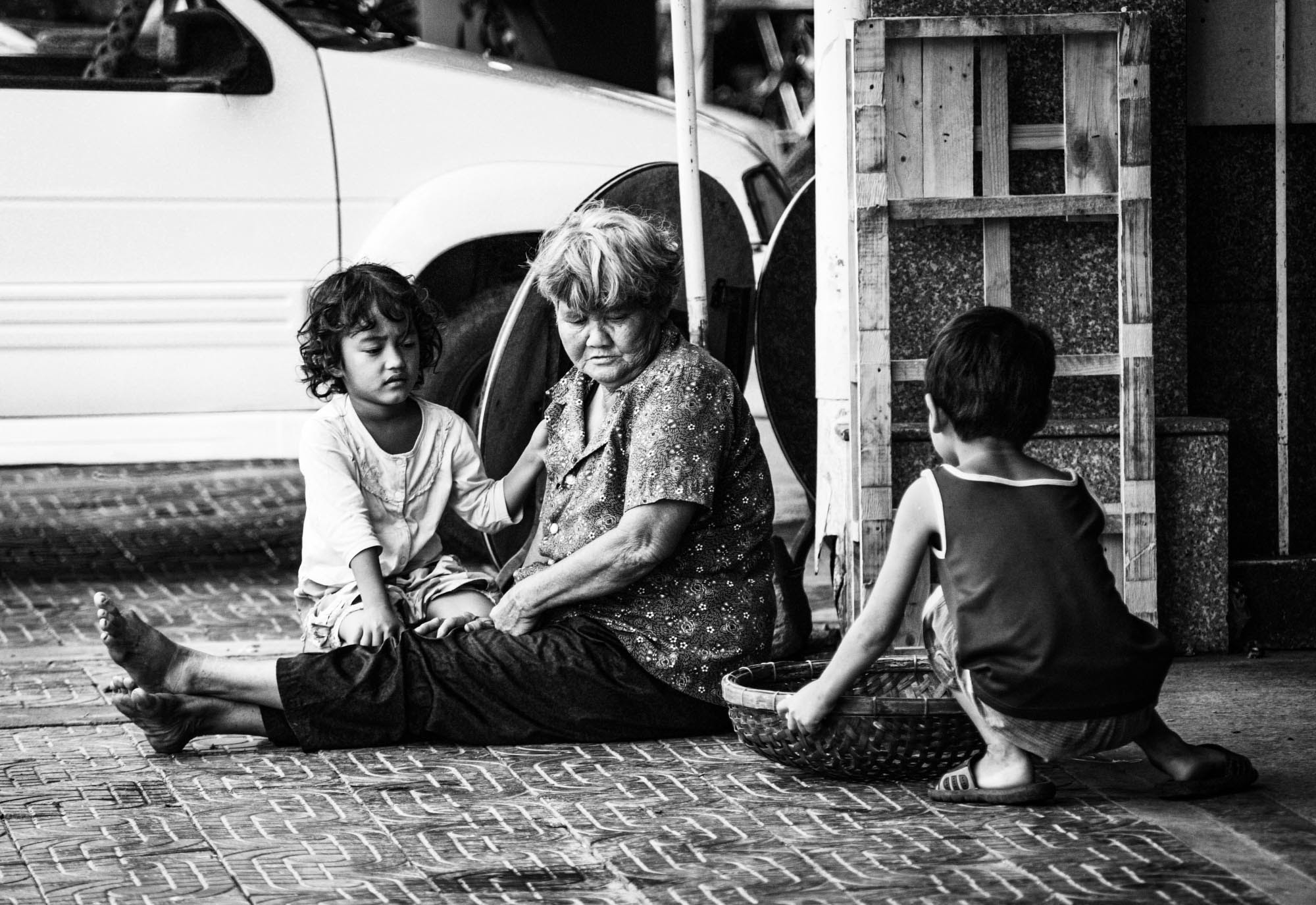
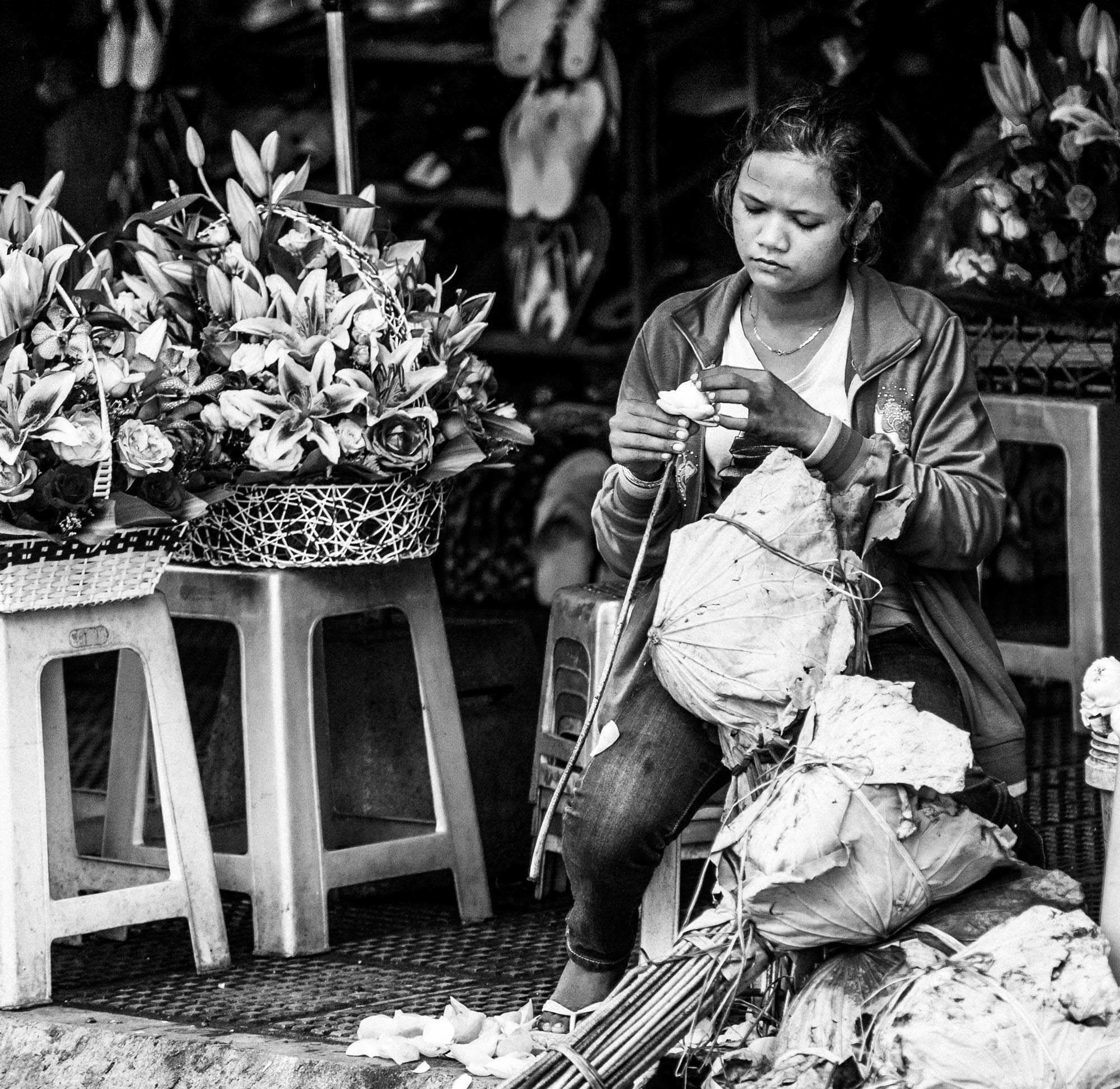
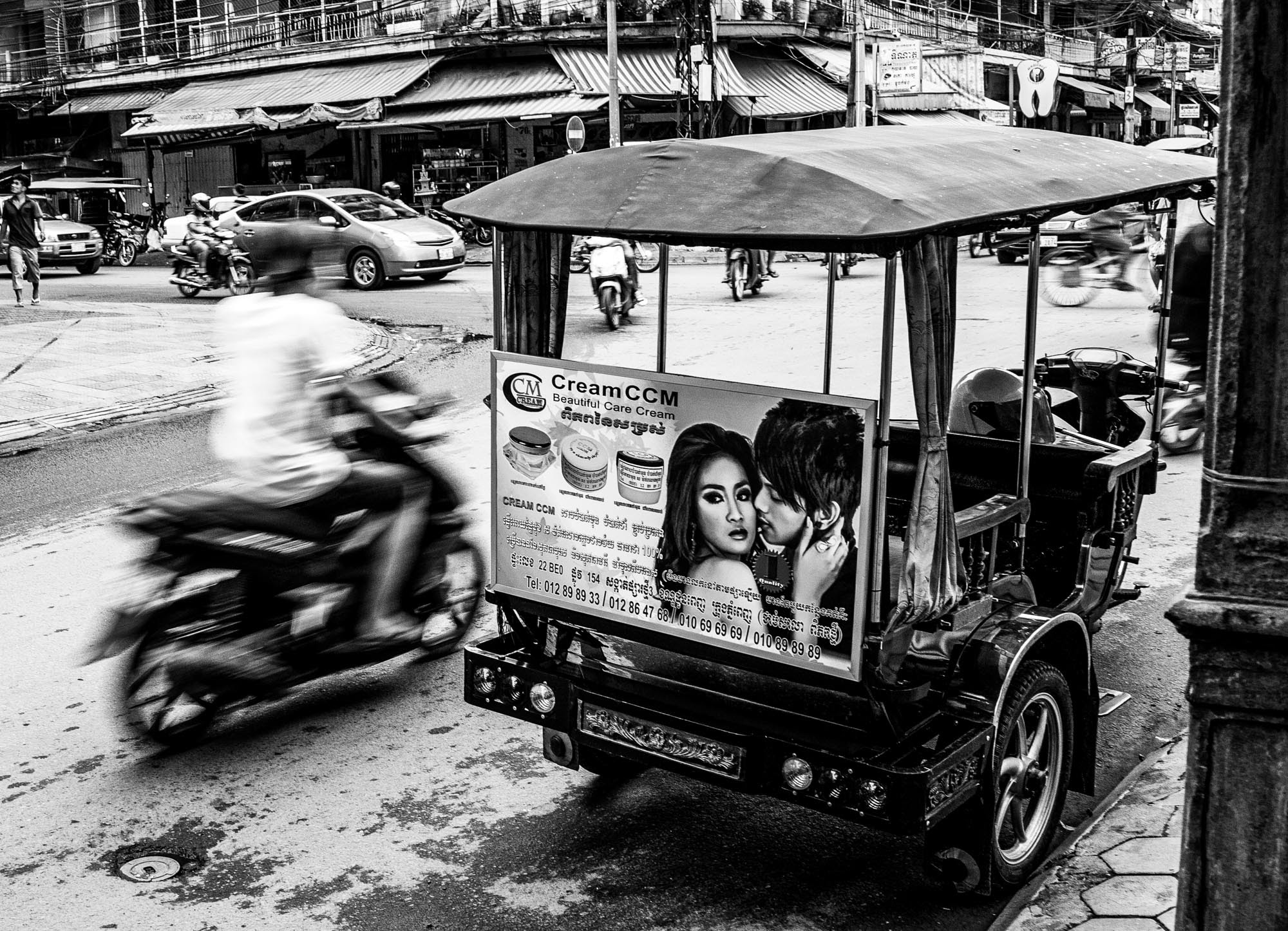
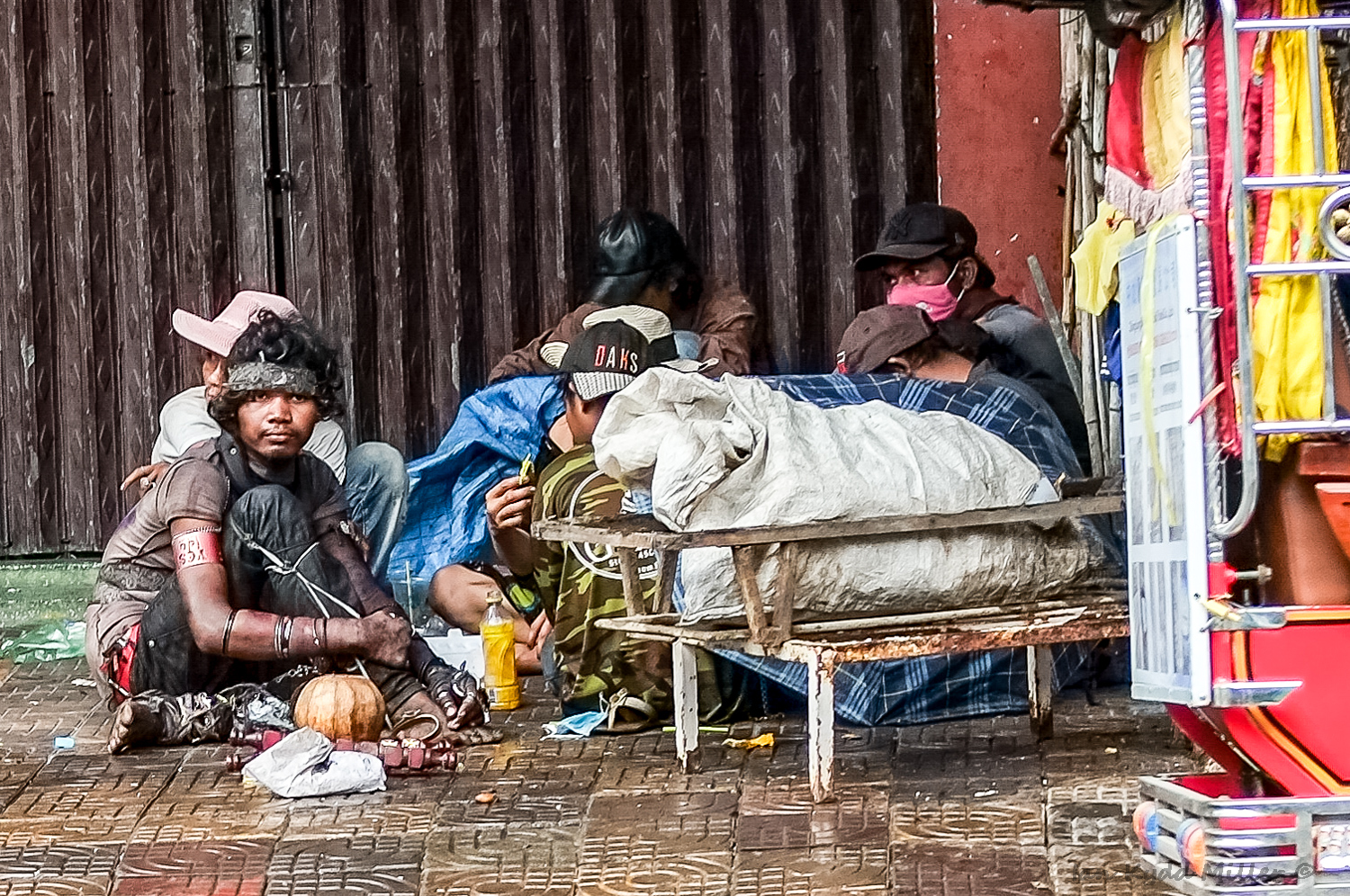
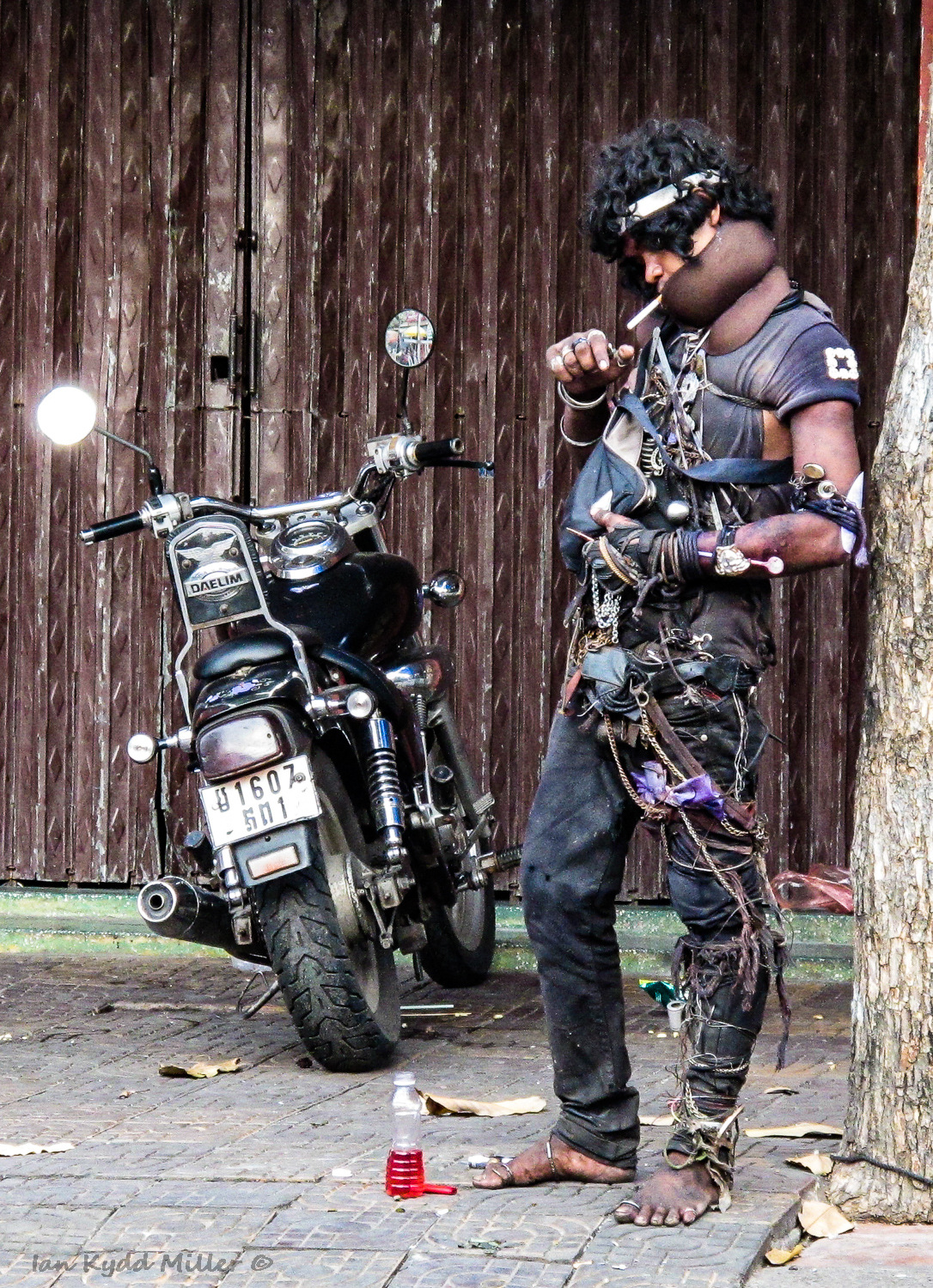
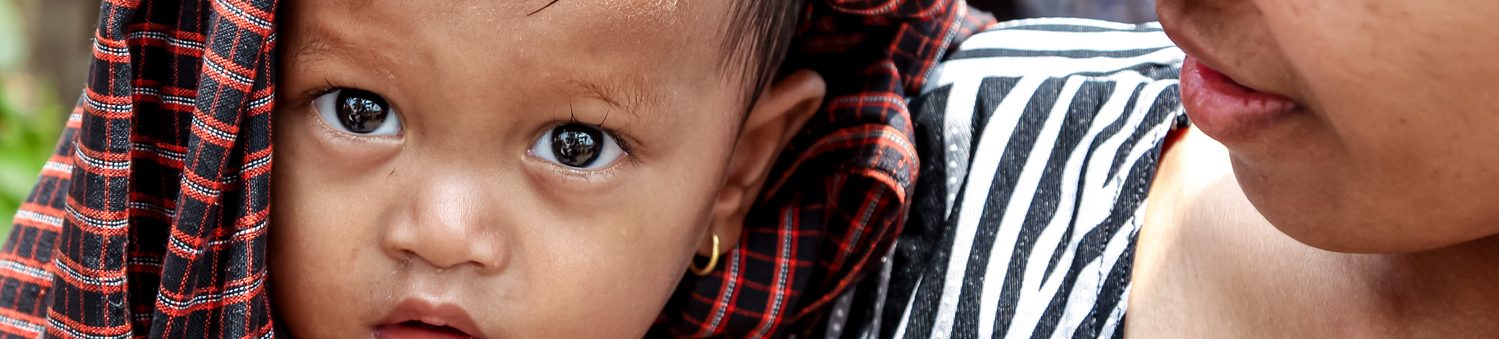
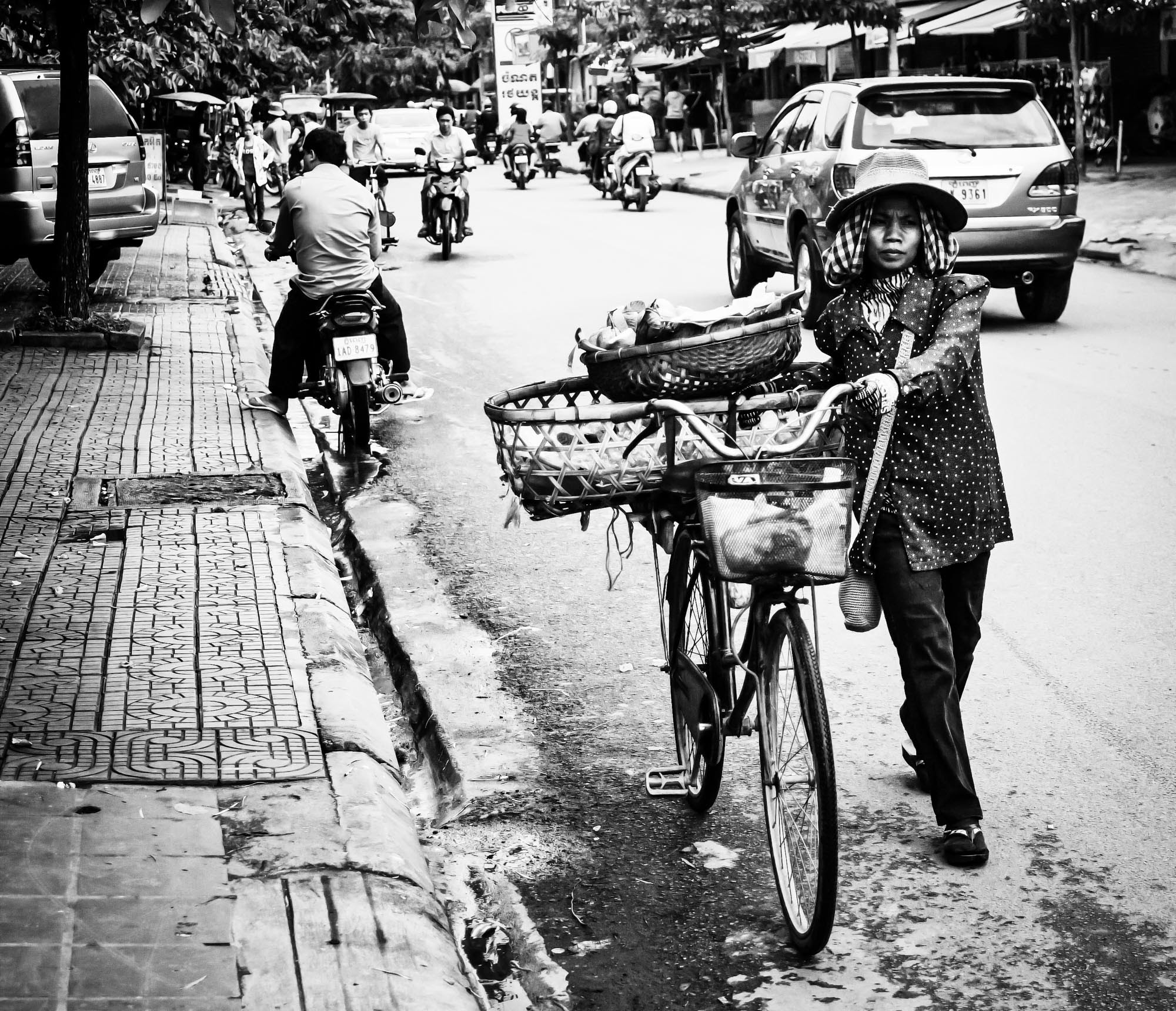
I love to take people picture whilst traveling in Asia and this is what dictates the kit I use, you adapt the kit to suit the pictures you take. All of the picture see here were taken with either a 28-70 f2.8L or 24-105 IS f4L which tend to be my favourite walk around lenses. ( the 70-200 f2.8L is also in regular use)

Ian Kydd’Miller Β© 2010
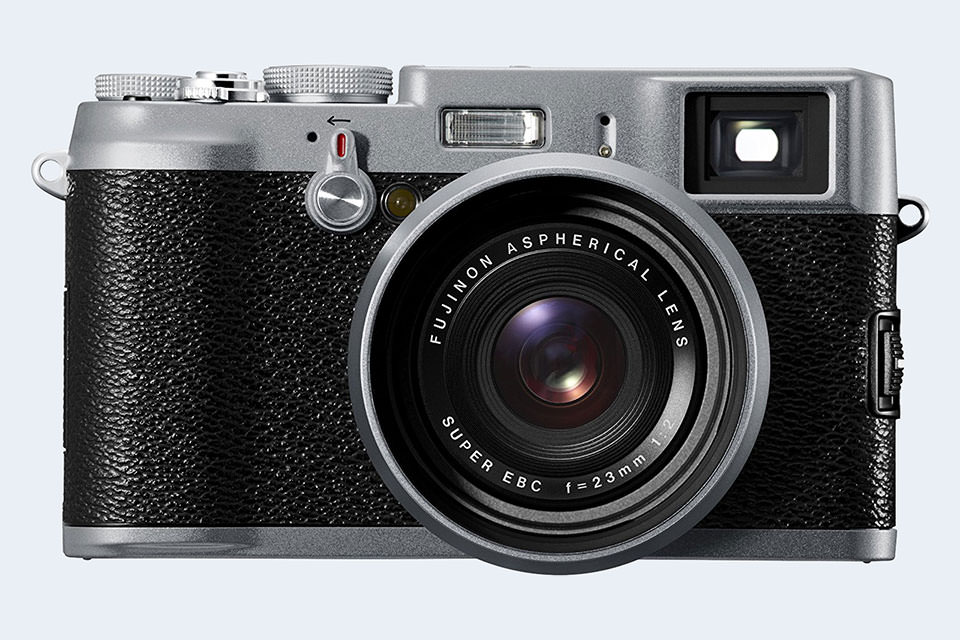
Black and White photography with Fujifilm Cameras.

Uncategorized

Ian Kydd Miller's avatara world without pictures is like coffee without cream and sugar, bitter

My photography started with making pictures (and printing them) in Monochrome (Black and White). For me this style of photography brings with it a reality and a way of seeing the world that is different to colour images.

Fujifilm cameras have made this much simpler by including within the camera the ability to make monochrome images using their own approximations of their films from the past. This is actually done ”in camera”.

View original post

Printing your Pictures

Uncategorized

Ian Kydd Miller's avatara world without pictures is like coffee without cream and sugar, bitter


Longevity

In fifty or a hundred years time will we be using the same computer systems and storage devices and will they be compatable with the pictures we have stored digitally. A well made print, even an injet print could last upwards of 100 years and if printed on high quality archival paper maybe even 300+ years.
A Legacy

Would you like for people in the future to see, and maybe admire the pictures you have taken today. Printing is certainly one way of achieving that. The world changes all the time and the way we see and live changes also. The pictures we take today may have historical value tommorow but may be lost if they remain stored only in the digital realm, so printing them has value.

The Process

Print making can be done mainly in three ways.

Send away to a commercial processor and have them…

View original post 436 more words

What Makes a good Travel Picture

Uncategorized

Ian Kydd Miller's avatara world without pictures is like coffee without cream and sugar, bitter

There can be no universally defined guide to what makes a good travel picture as there are so many variables, what would make a great picture to one person may mean little to another. If you are travelling with your camera and documenting your trip you have the story behind the picture in your mind’s eye and this will make all the difference. How many times have we all seen somebody else’s holiday or travel pictures only to suffer a boring hour or two looking at pictures that mean nothing, β€˜snapshots’ that are everything to the person who took them. Memories.

So therefore what makes a β€˜professionallyβ€˜ taken travel picture different to a holiday β€˜snapβ€˜.

1. Thought
2. Planning
3. Composition
4. Content

Thought and Planningrun hand in hand with one another. Where will I be visiting, what is there that could define my trip…

View original post 220 more words

Covid 19 in Cambodia

opinons, thoughts, public

Covid 19, until recent months following the illegal escape from quarenteen by 4 Asia working girls from th hotel that they were supposed to stay for 14 days. After they bribed their way out of quarenteen the hit the nigh clubs and bars and spent time with various individuals. When they were recaotured it was found that 2 of them were positive for Covid 19. It had begun.

The Hotel from which they escaped

Following this initial community infection the powers that be attempted to isolate the infection with selective lockdowns and quarenteens, without good effect and the infection was spreading rapidly in many areas of the city. The eventually led to the closure of the markets and certain other places where the infection was spreading rapidly by contact. A night curfew was implimented and all bars, restaurants, KTV’s and night club were eventually closed for initially a period of 2 weeks.

Movement around the city was restricted and travel to other provinces was stopped. Face masks become compulsory and advice about hygiene and cleaning hands given. Social distancing was introduced. Number were rising rapidly and there had been a number of associated deaths.

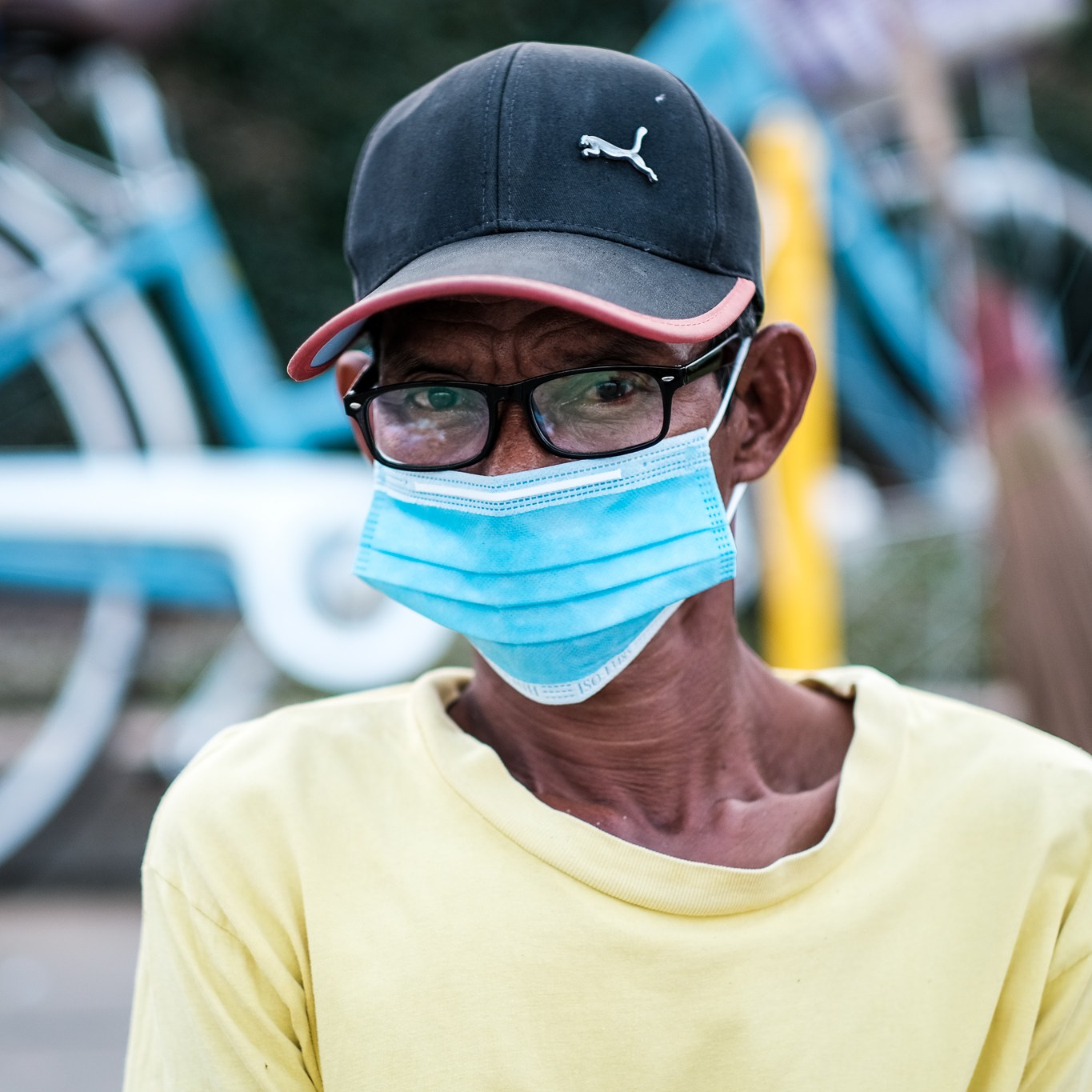
Masks quickly become the new ”norm”. The authorities even distributing the to those who could not afford to buy them.

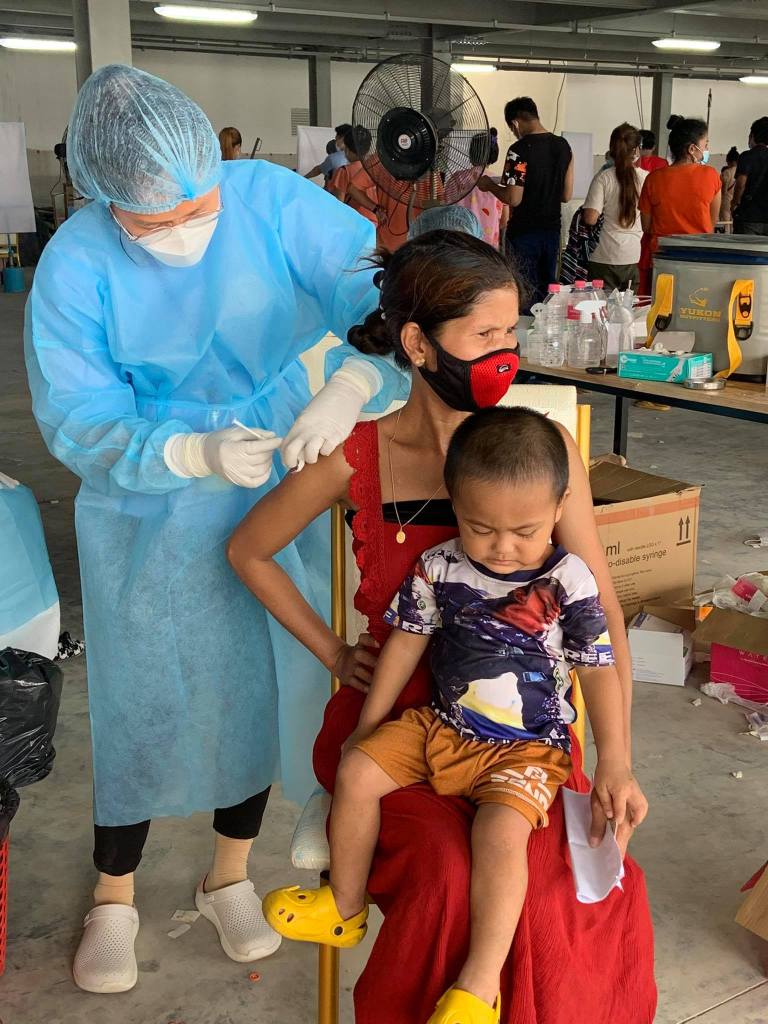
By this time it was becoming rapidly apparent that the lockdowns, although slowing the spread, they were not stopping the increase in numbers affected. An extended period of lockdown, in specific areas where the infection rates were highest was implimented. The vaccination program was started in earnest.

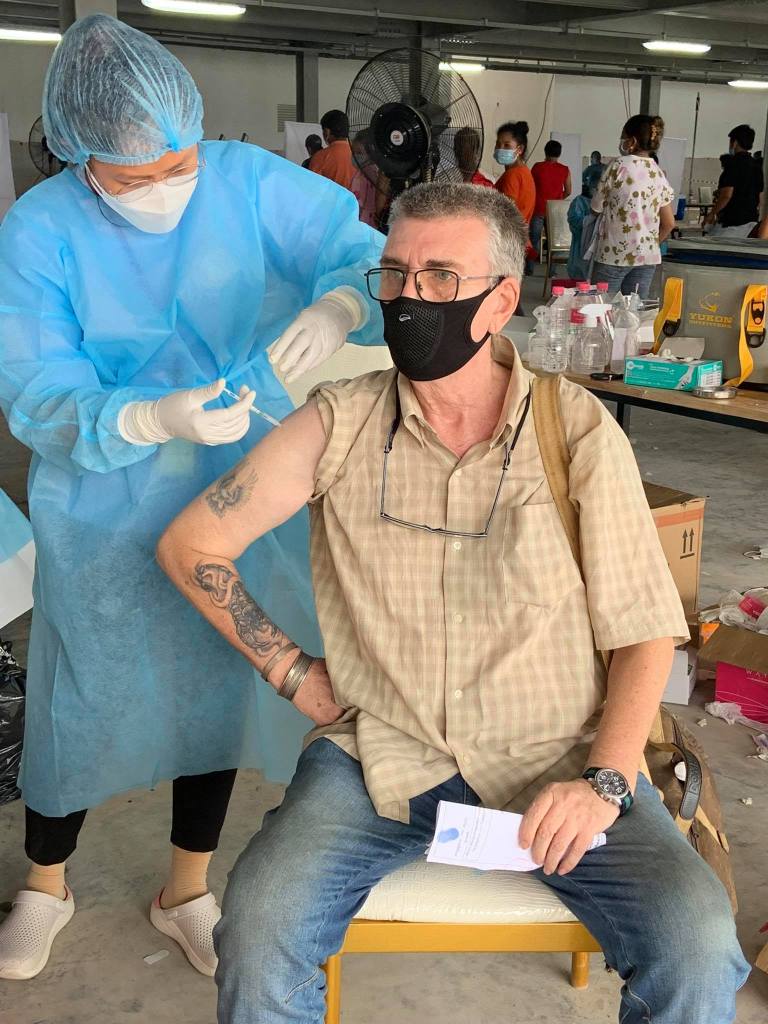
I would like to take this opportunity to thank the Royal Government of Cambodia for making vaccines available to those X Pats living and working in Cambodia.

Copyright Law, Copyright Infringement

copyrights, opinons, thoughts, photography, pictures, public

Author : Renee Brussard (AKA Easypickings). Β© 2011

I’ve been asked recently to write a little article for the NEM Magazine and have chosen a topic that has come to the fore-front in my life recently. As most of you on NEM’s know, I do digital art. One of my images has recently become the center of a small battle. In essence, the owner of the subject of my image took an interest in buying the copyright of the image to be used as a branding tool for her business and her project involving the subject of the image. This is the first time I have been approached for something like this and I do admit to being somewhat naive. This person was first receptive to negotiating a price for the copyright, then a day later decided that she didn’t want to pay the price and was going to have someone else reproduce the same image. She demanded that I turn over my photos and threatened me with trespassing (I was invited along to shoot the subject at the time) to try and get these images (especially my art) for free. As a result, I’ve had the opportunity to research copyright laws here in Canada in order to protect myself and my work.
I want to share what I’ve learned with you so that you can protect what is yours too. Now, laws do differ from country to country, but I believe the essence may be the same. The way that I understand it (and I’m not a lawyer so do your own research!!) is that if you take the picture with your own camera, then the picture belongs to you. You own the copyright of that image. Now, if you work for a company and are doing the photography as an employee for your employer, then the copyright and images belong to them, not to you. Are you with me so far?
If you took the photo for yourself using your own equipment, then the photo is yours. Your work is automatically copyrighted. You don’t need to register it with the government. However, you can still do so to further protect yourself, and to give you official documentation for court, if you ever need it. It just strengthens your claim. The cost to do so at this time is $50.00 and can be done at the Canadian Intellectual Property Office online. Here is their website: http://www.ic.gc.ca/eic/site/cipointernet-internetopic.nsf/eng/h_wr00003.html

The Picture in Question

Dahlila,Dalilah,Delilah Β© Renee Brussard 2011

This now leads into another topic – what can you do with your images? Not a heck of a lot is the answer. In order to DO something with your image, as in selling them, you need a release form signed. If you didn’t get a release, then the images cannot be used to for commercial purposes. There are two types of releases that you can obtain and SHOULD obtain when you shoot an image.

The first type of release form is a Model release. A model release is a contract that says that you the consent of the people in your image to photograph them and use the images for commercial purposes. It doesn’t have to refer only to selling an image itself, but it also refers to using the image of that person for advertisement purposes. For example, if you run a website for advertising your wedding photography business and have some really cool photos of a bride that you’d like to post, you need a release. It doesn’t only refer to a full frontal of the person either – but it also relates to anything that someone could recognise as being a part of that person – say the hands, or a silhouette.
The second type of release form is a Property release. This would refer to any recognisable OBJECT, like a dog belonging to someone, a public building, etc. You can shoot Uncle Joe’s house from the sidewalk, but if you do it from the front yard, you need a release. If you want to sell your photo you will need a release.

When do you not need a release? One reason is for editorial purposes. You can sell the image to a magazine, newspaper, television show as long as it’s used in conjunction with a story.
Just to sum things up, here is what I’ve learned:

● You take the image with your own equipment, for yourself, then you own the copyright
● Get property and model releases before you take that first click. You never know when something you take will suddenly have a real value assigned to it. If you don’t get your releases, then you may regret it later.
● Photos/images can command quite a lot of money. There are calculators out there on the internet to give you an idea of a price – they can range from $500-several thousand $$ per use of the image, depending on the size needed, the amount of subscribers they have, if it’s colour or black and white and the demand for your subject.
● NEVER sell your copyright – don’t let someone else profit off of your work. Sell them a licence instead. There is never a need to sell a copyright.

Remember: knowledge is power. Look up your rights as a photographer in your country and protect yourself and your work. You never know when you’ll need to stand up for yourself and the better prepared you are, the better you’ll be able to do it.

Here are a few sites to check out on the internet:

http://ambientlight.ca/laws/
http://photographersindex.com/stockprice.htm
http://en.wikipedia.org/wiki/Bill_C-60_(38th_Canadian_Parliament,_1st_Session)
http://ambientlight.ca/laws/overview/what-can-i-publish/

Street Photography for the beginner.

Uncategorized

Street photography is an approach to photography rather than a location, although the streets are the usual place where it happens.

”When I saw the photograph of Munkacsi of the black kids running in a wave I couldn’t believe such a thing could be caught with the camera. I said damn it, I took my camera and went out into the street.” Henri Cartier-Bresson

Alternatively, it is referred to as no rules photography. The plethora of equipment (tripods, lenses, filters, lights etc) associated with ”serious” photography is left at home, or better still in the camera store. It’s just too heavy and bulky to cart around, takes way too long to set up and by the time it is set up the moment is gone.

Street photography is shooting from the hip.

Likewise, the rules of photography, the f stops, the shutter speeds, the rule of thirds etc are left in their dust jackets on Amazon shelves. By the time all the technical considerations are taken into account, the birdy is in another country.

Thank Canon, Nikon, Fuji et al for point & shoots.

It is just the camera and the photographer with their enthusiasm, intuition and an open mind.

Street photography can be and often is: Out of focus; a tilted horizon; a soft focus.

Street photographers are optimists, for them, the glass is always half full. They go out on a photo shoot with no plan in mind secure in the knowledge that this wide world of ours will provide. A subject, a situation, a scene will present itself all they must have is the presence of mind to capture it when it does.

Street photography can be and often is: Odd things in the foreground; no central focus; odd crops.

Street photographers see the usual, everyday things with fresh eyes. The reflection in a rain puddle, the colours in a crowd, the balance of negative space. Their minds are open to all the stimuli that they see and they curse the days when they leave their camera at home.

Street photography can be and often is: very busy; a tilted perspective; upside down.

Street photographers are not only on the streets, they are at weddings, school concerts, and next to you on the train. They look a lot like tourists, it’s their favourite cover but they are one without a big flash. It was left at home, the available light will do.

Street photography can be and often is: underexposed; blurred; suffering from vertigo.

Street photography is, what all photography is, a snapshot.

What shines through is the photographer, his/her interpretation of the scene, what they see in the situation, their reaction to the stimuli, and the art they see every day.

Technicians take technically correct and often pretty pictures.

Visual artists, whatever their medium, create images that stimulate the mind, and the heart and validate the human condition in all its guises. Because, after all, pretty is in the eye of the beholder and consequently very subjective, whereas art speaks to all who are prepared to listen.

Hitting a LULL

Uncategorized

There are times when we all feel blighted and unable to take a picture. Why is this, where does this lack of motivation materialize from ?

Motivation to take pictures generally come from and external source, money, recognition that compel you to get out of your bed in the morning and go and do what you have to do, but, motivation is, in my opinion is not the most important part of this process.

Inspiration, stimulation or arousal of the mind, feelings, etc, to special or unusual activity or creativity without inspiration we have no motivation.

Inspiration comes about because of change or seeing the possibility of change.  If you always do the same things, this will be either minimal or non-existent.  You must search out and have new experiences in order to find inspiration.  This works by seeing new places or people who can inspire you.  There are many ways to find and the inspiring moments and things will different for everyone.

Look at :

Blogs, books and magazines, listen and look at people and things in the world around you, movies and forums, art go to the museum and seek it in the pictures, nature, history,travel and even religion and definitely BREAK your routines, do things differently, look at thing in a different way, think differently, challenge your way of looking at the world.

Play around with images not only in camera but on the computer. Try monochrome, try filters, try introducing movement into an image during taking or later in Photoshop, anything that will help get the creative juices going again.

Trying setting yourself some projects that are unusual to you, make them challenging, challenge your skills, use your skills, develop your skills.

Get involved. http://kyddmiller.wordpress.com/2011/03/13/lilys-village-a-walk-around/ . Find interesting things and worthwhile things to photograph. Give your services to projects you have an interest in it keeps you ”on the ball”.

Ian Kydd’Miller Β© 2011

Ian Kydd Miller's avatarNEM's Photo Magazine

There are times when we all feel blighted and unable to take a picture. Why is this, where does this lack of motivation materialize from ?

Motivation to take pictures generally come from and external source, money, recognition that compel you to get out of your bed in the morning and go and do what you have to do, but, motivation is, in my opinion is not the most important part of this process.

Inspiration,stimulationorarousalofthemind,feelings,etc,tospecialor unusualactivityorcreativity without inspiration we have no motivation.

Inspiration comes about because of change or seeing the possibility of change. If you always do the same things, this will be either minimal or non-existent. You must search out and have new experiences in order to find inspiration. This works by seeing new places or people who can inspire you. There are many ways to find and the inspiring moments and things will different for everyone.

View original post 232 more words

Vibrant Ship Graveyard β€” Edge of Humanity Magazine

photography, pictures, public, Travel

Artist Anna Wacker is the Edge of Humanity Magazine contributor of these images.  From the series β€˜Art in the Ship Graveyard’.  To see Anna’s body of work, click on any photograph.   Run Before The Wind   Cape Horn Fever   Old Salt   Corsair   Pirate   One can find the most fascinating…

Vibrant Ship Graveyard β€” Edge of Humanity Magazine

Minimalist Street Photography | London β€” Edge of Humanity Magazine

photography, pictures, public

MinimalistΒ  StreetΒ  Photographer Selaru Ovidiu is the Edge of Humanity Magazine contributor of these images.Β  To see Selaru’s body of work, click on any photograph. Β  Β  Β  Β  Β  Β  Β  Β  Β  All images Β© Selaru Ovidiu Β  Β  See also: Abstract Portfolio By Selaru Ovidiu Β  Β  Β  Β  EdgeΒ of…

Minimalist Street Photography | London β€” Edge of Humanity Magazine