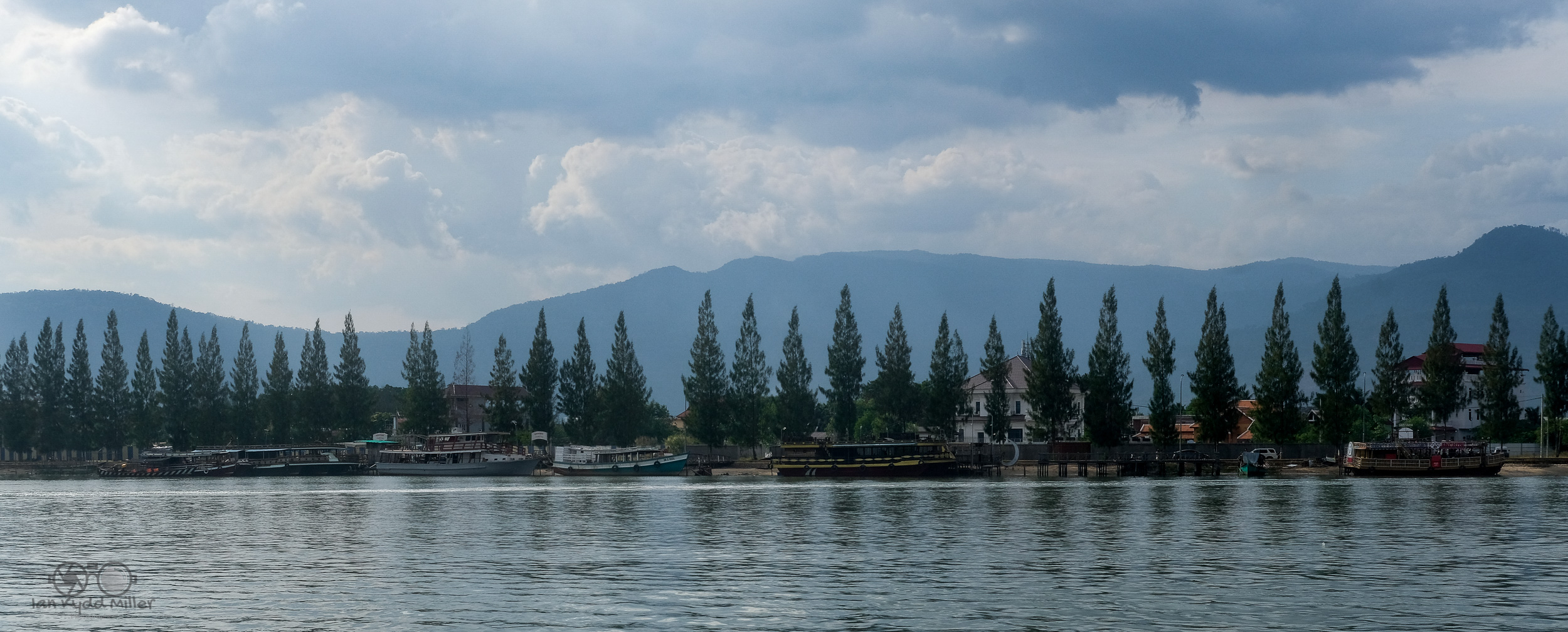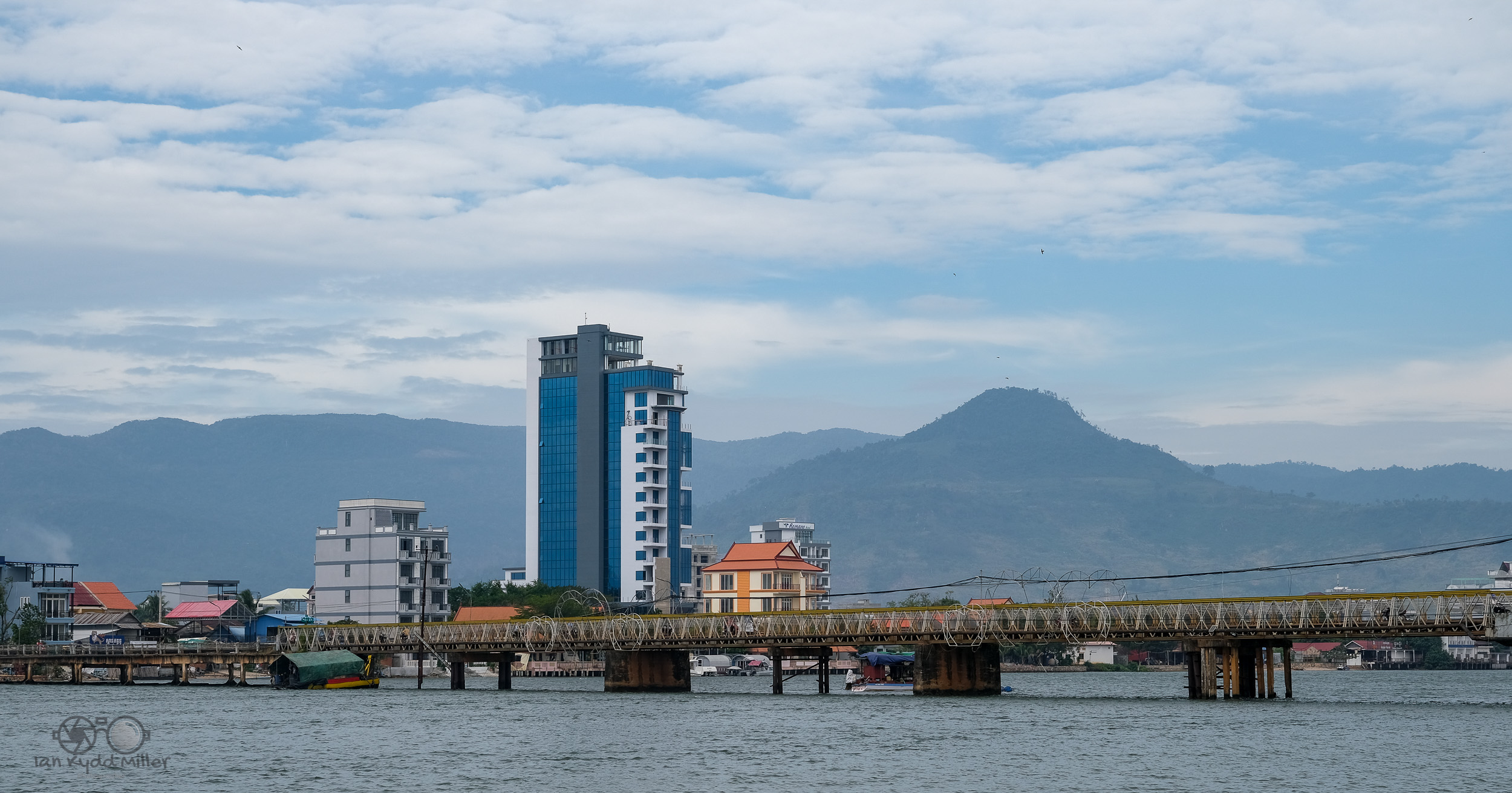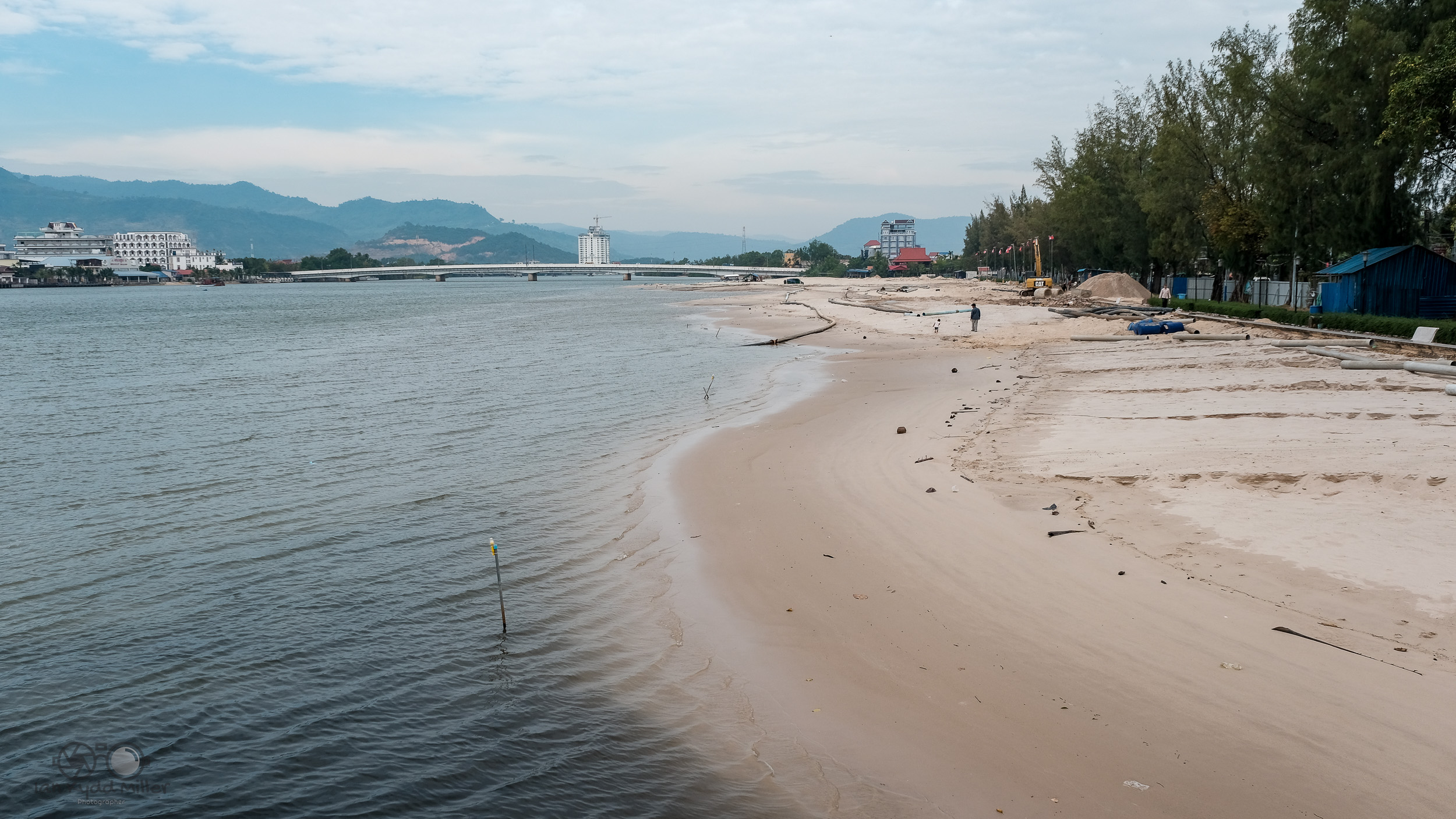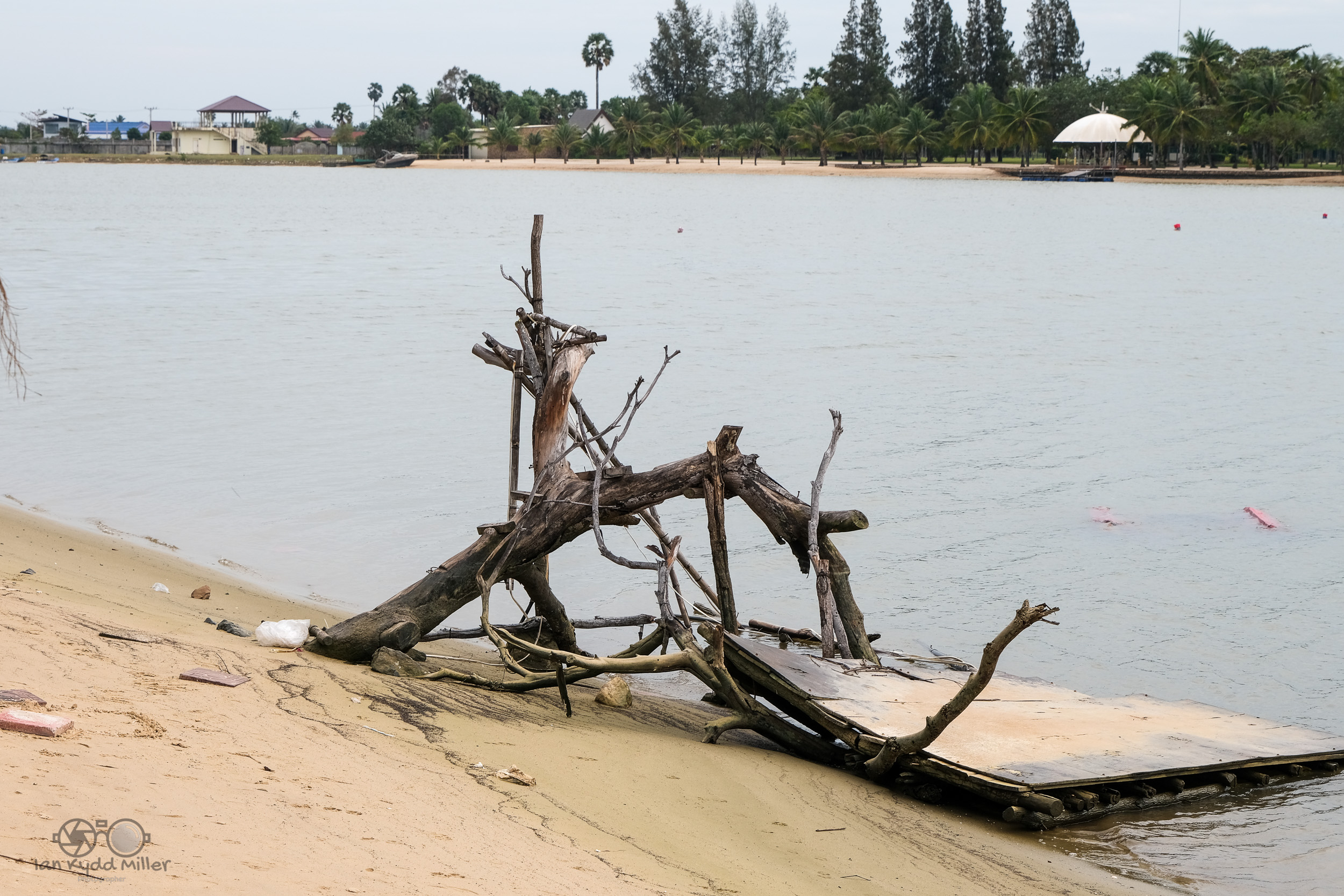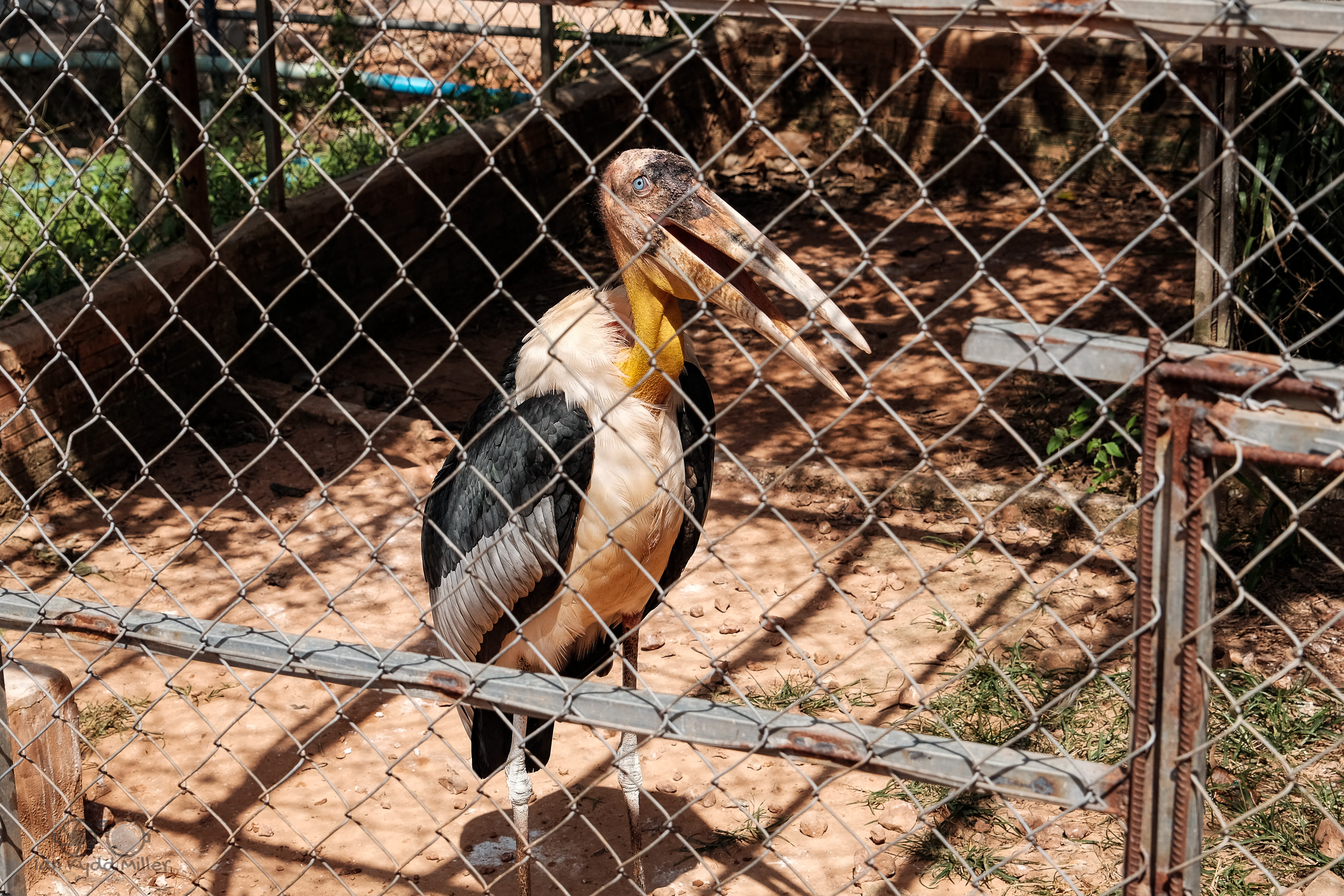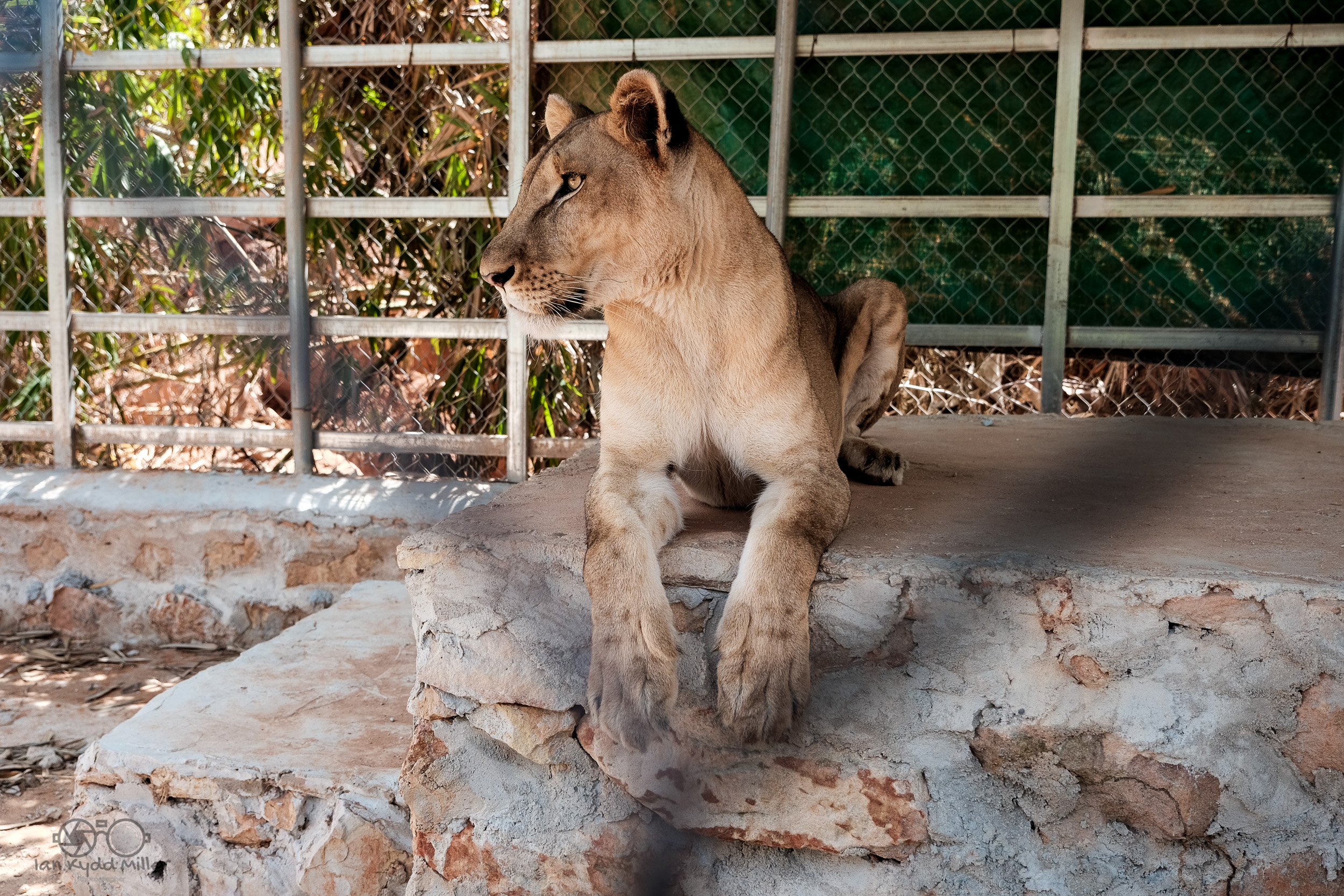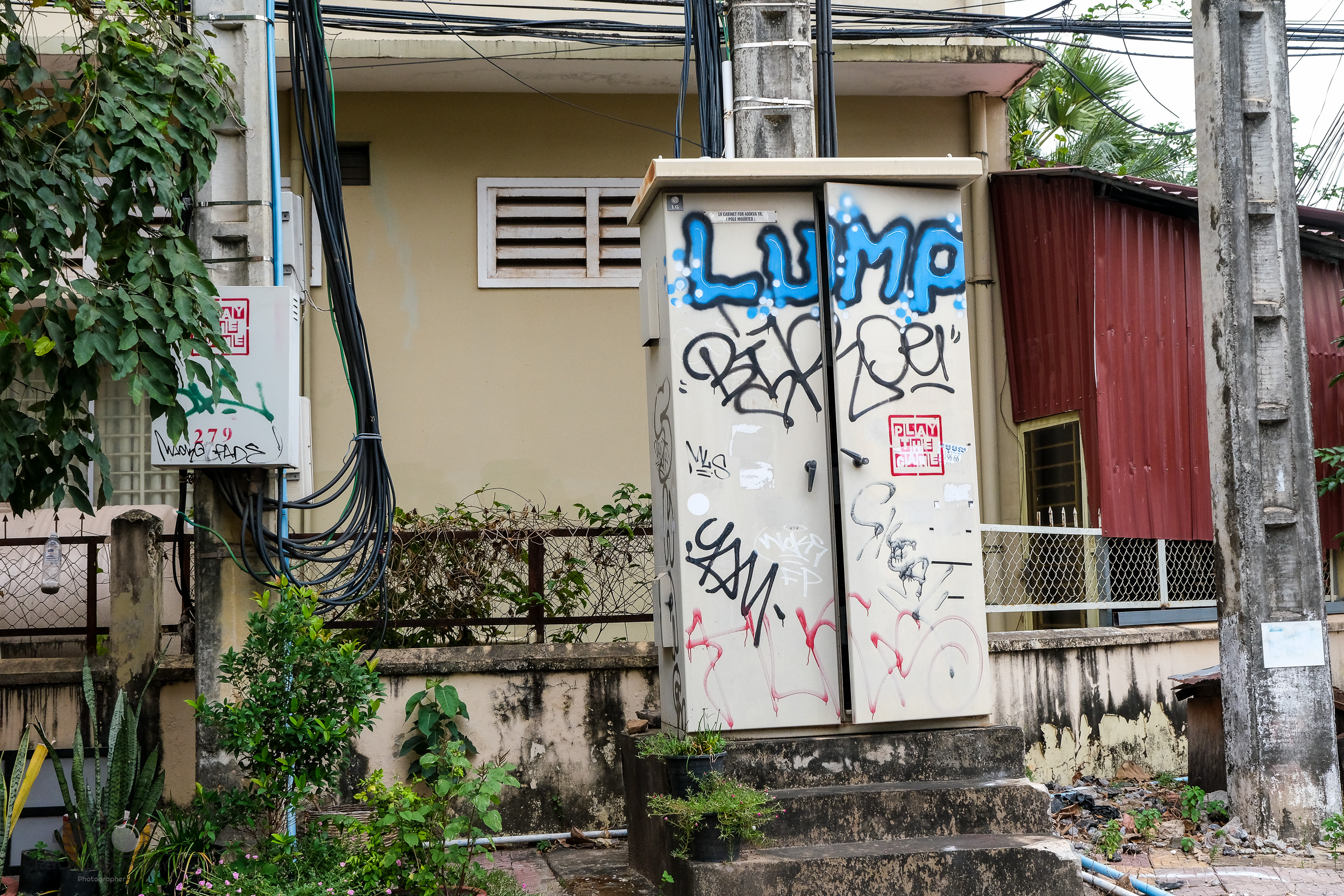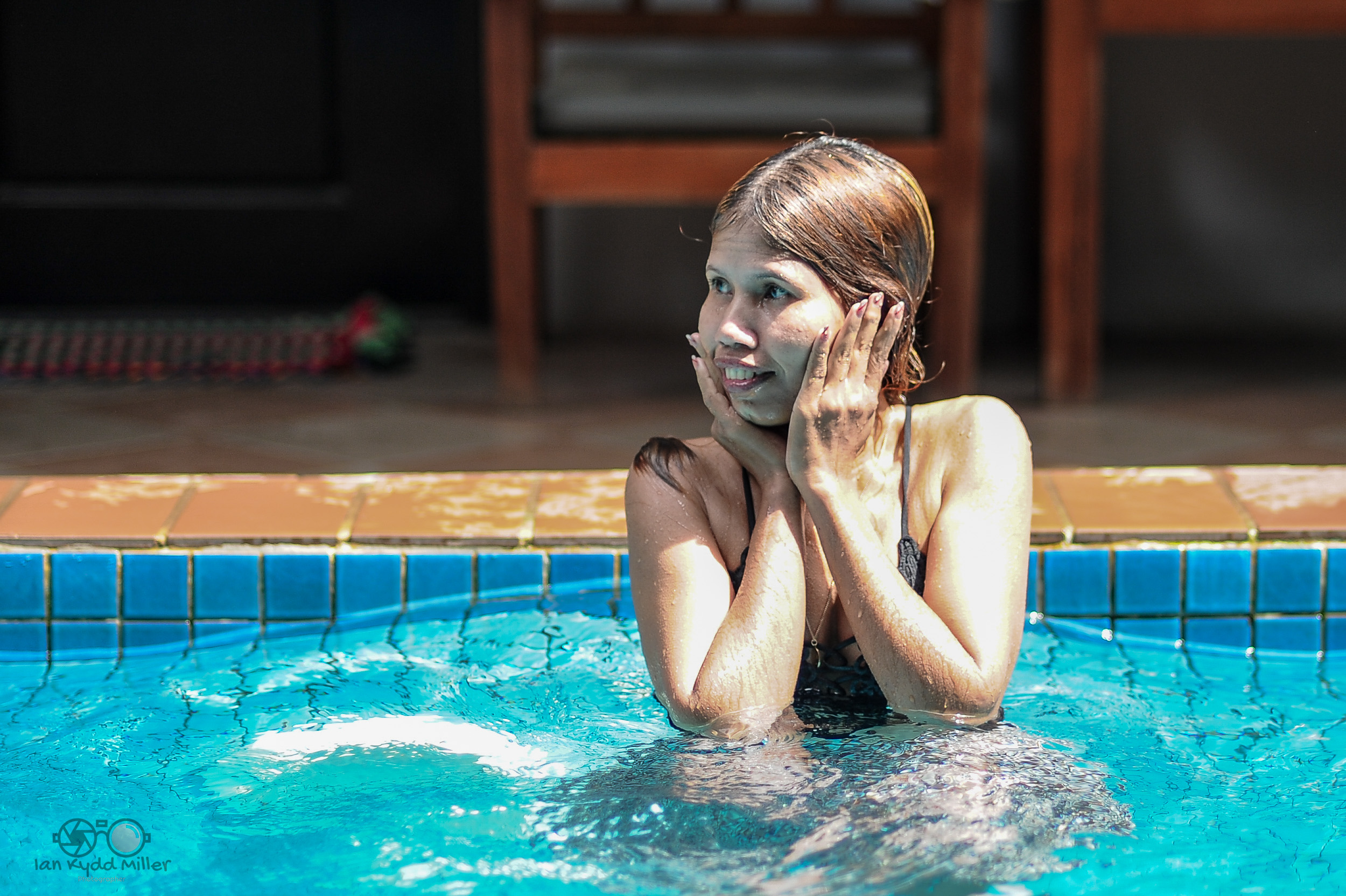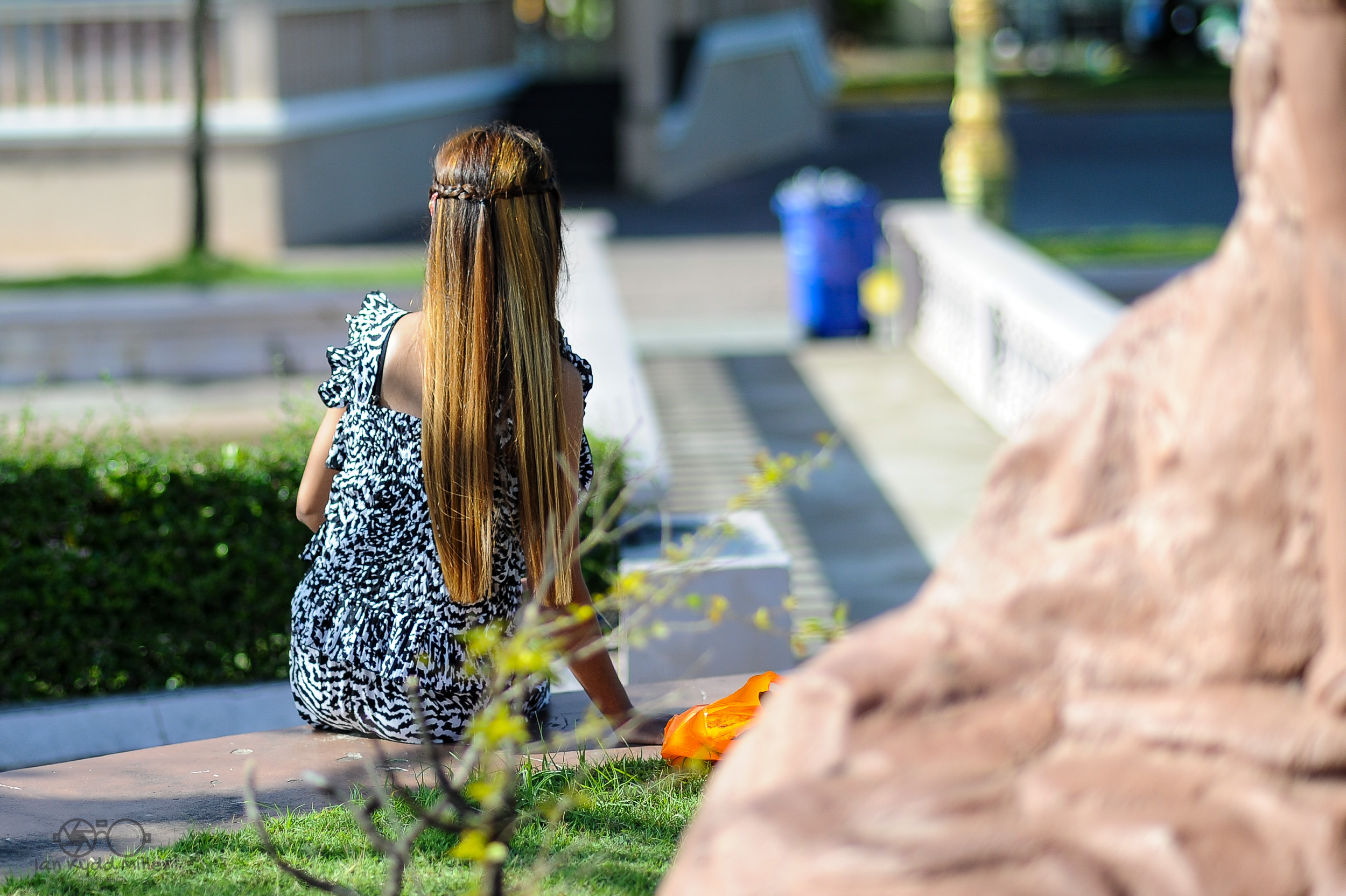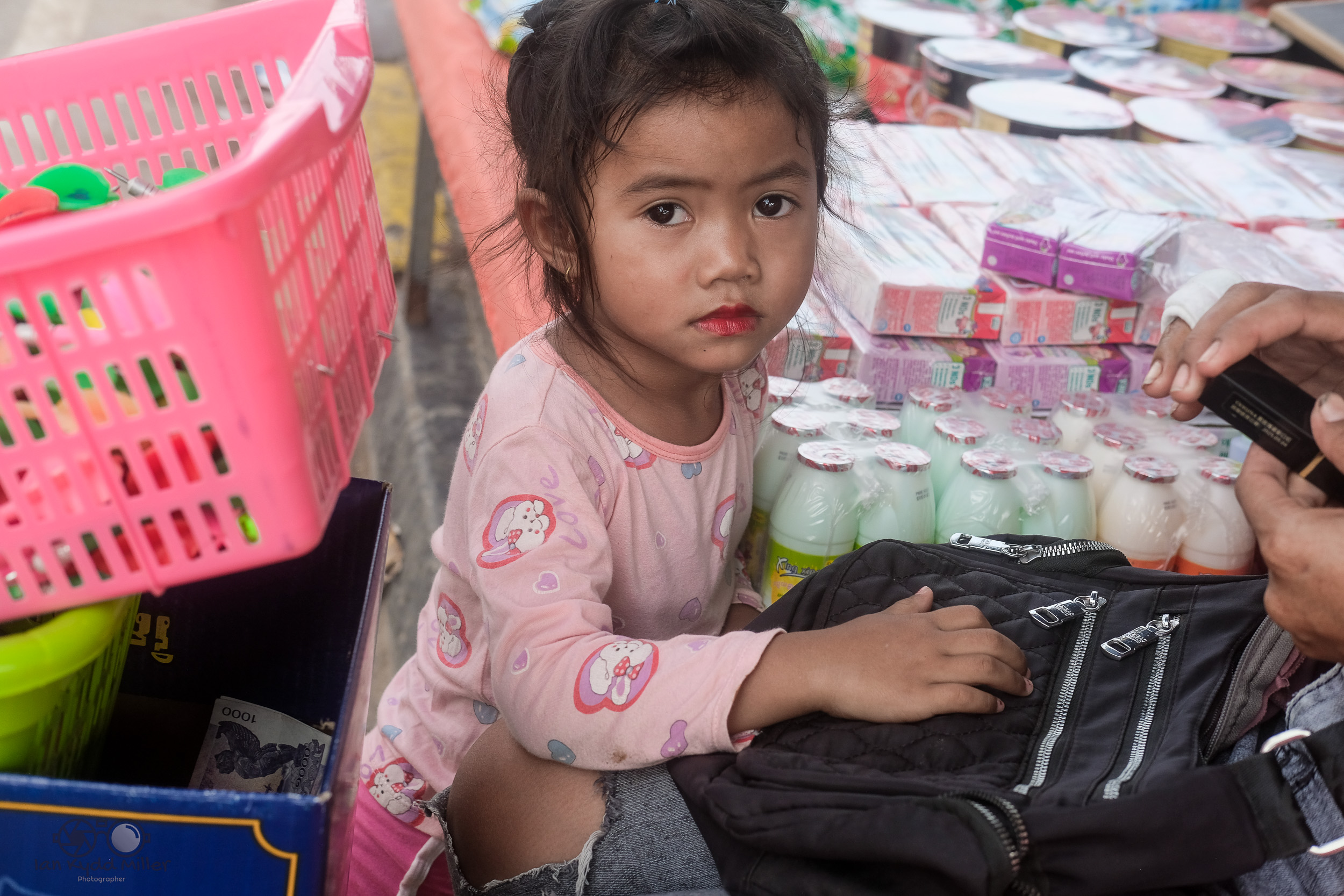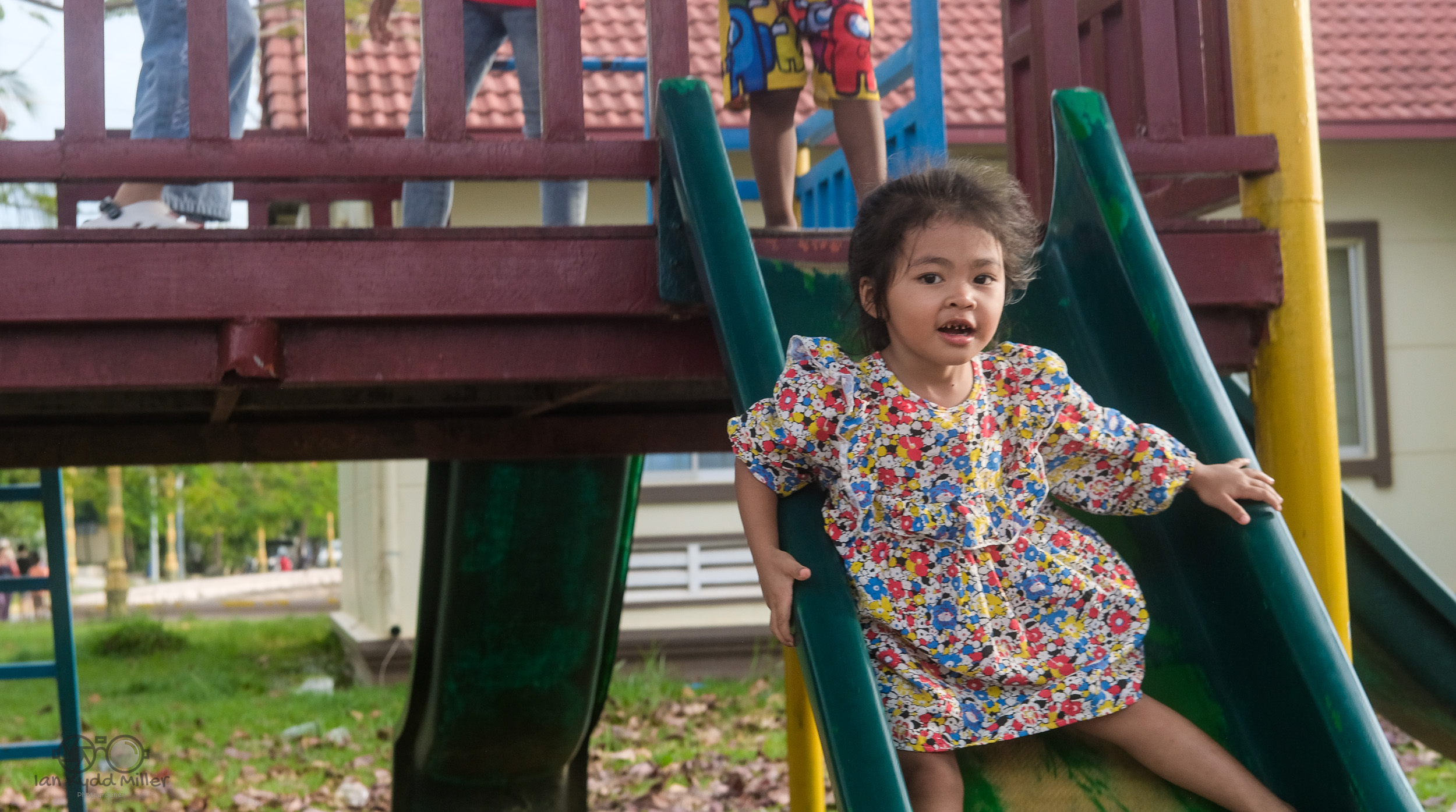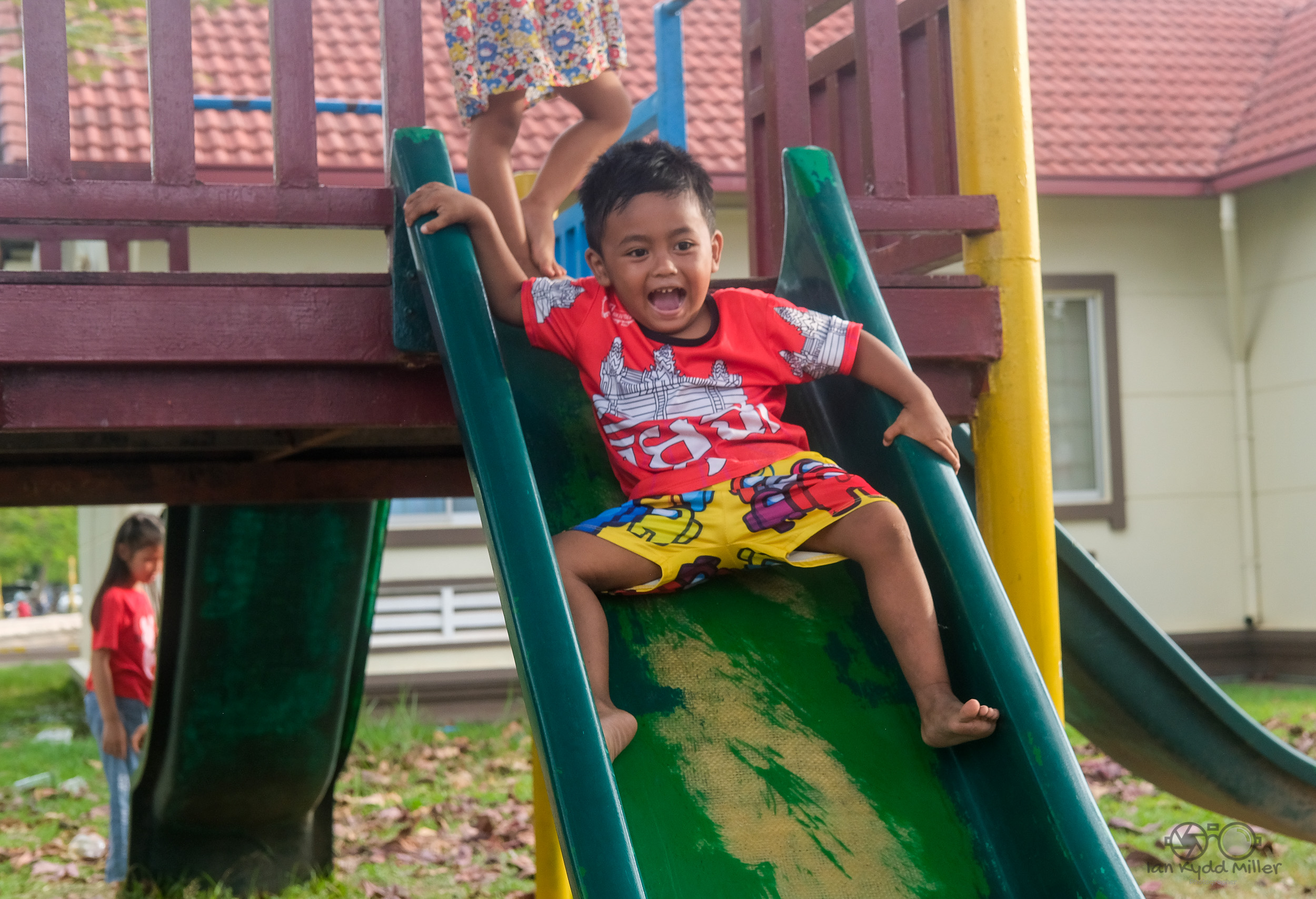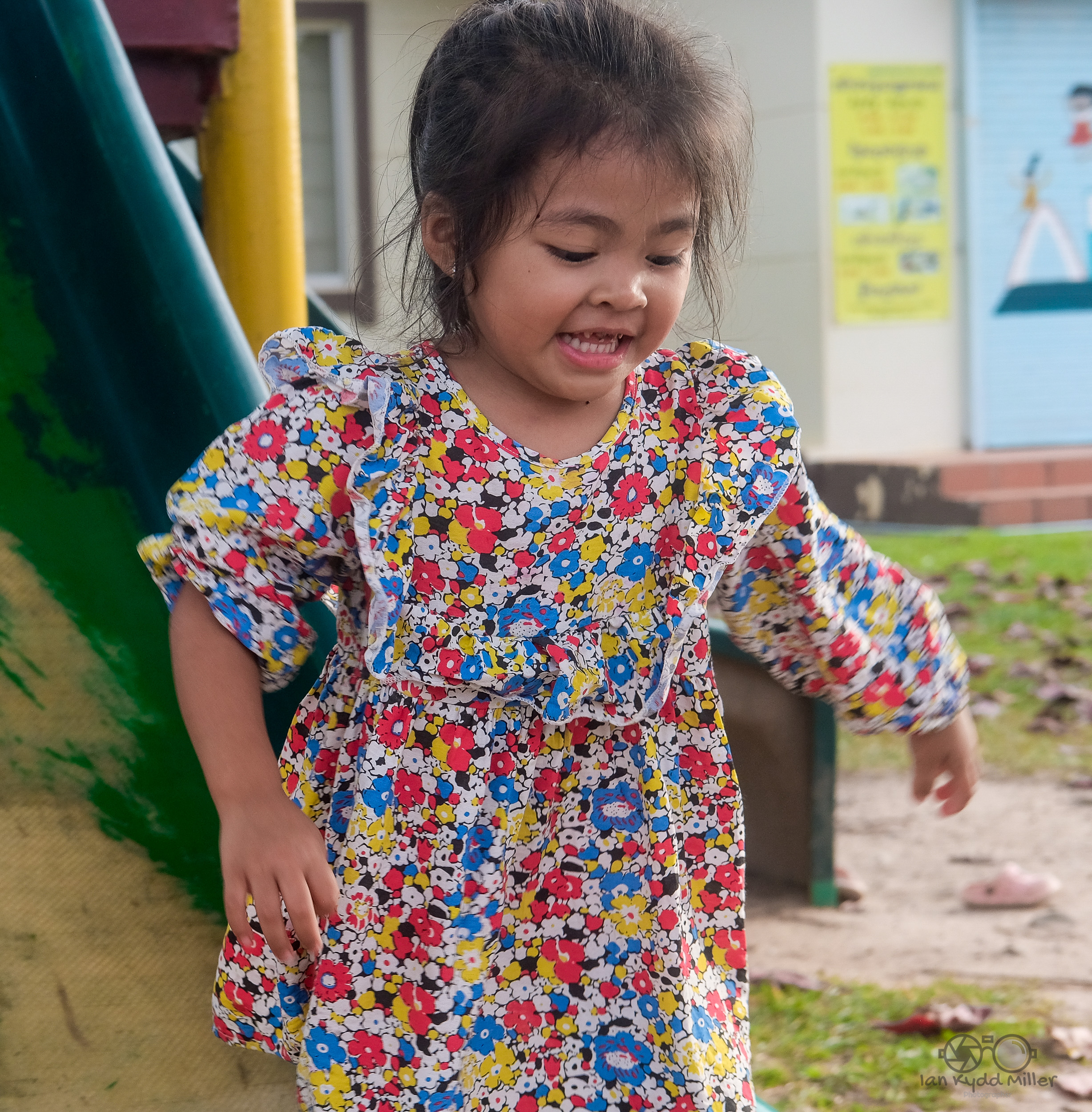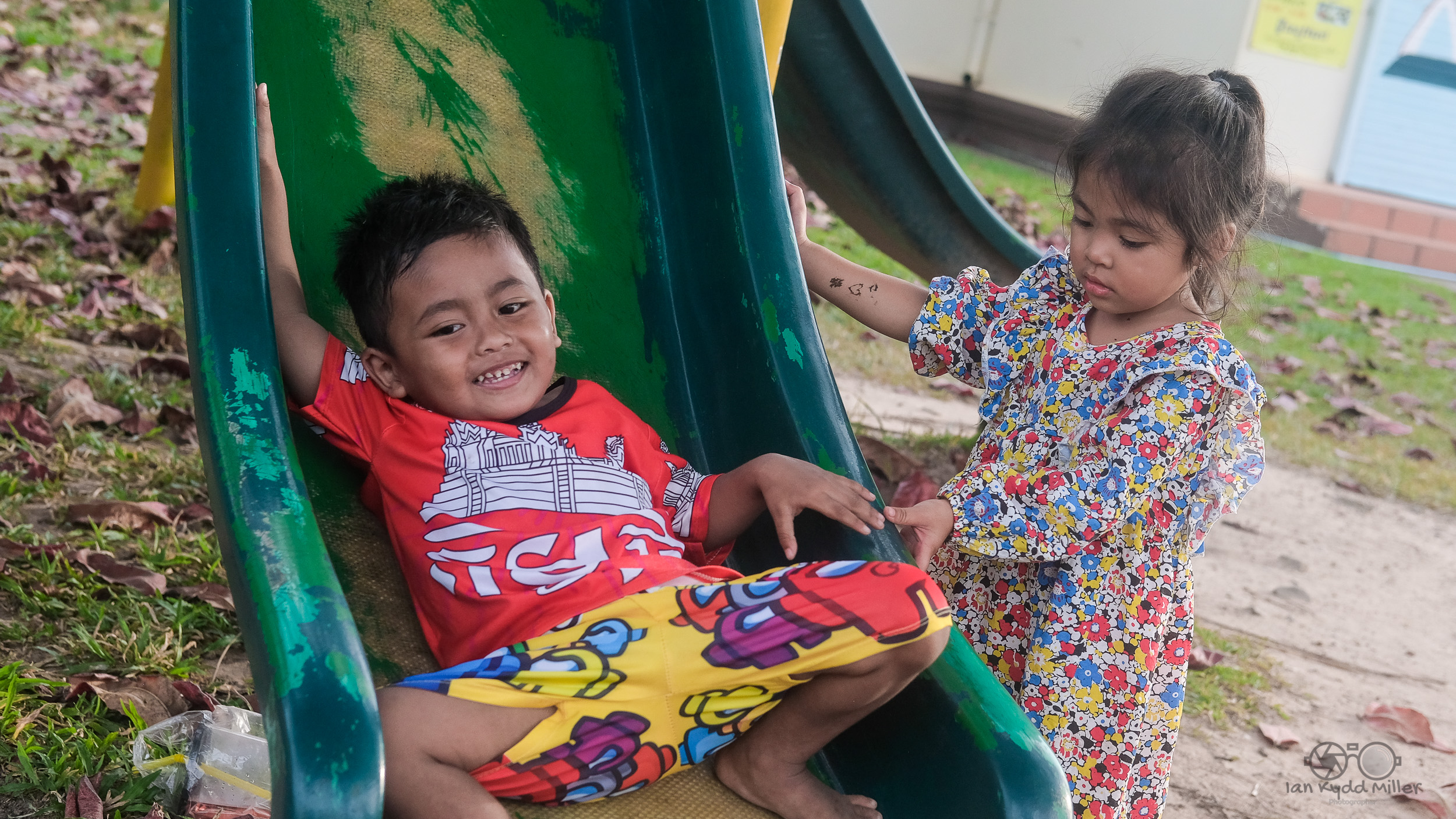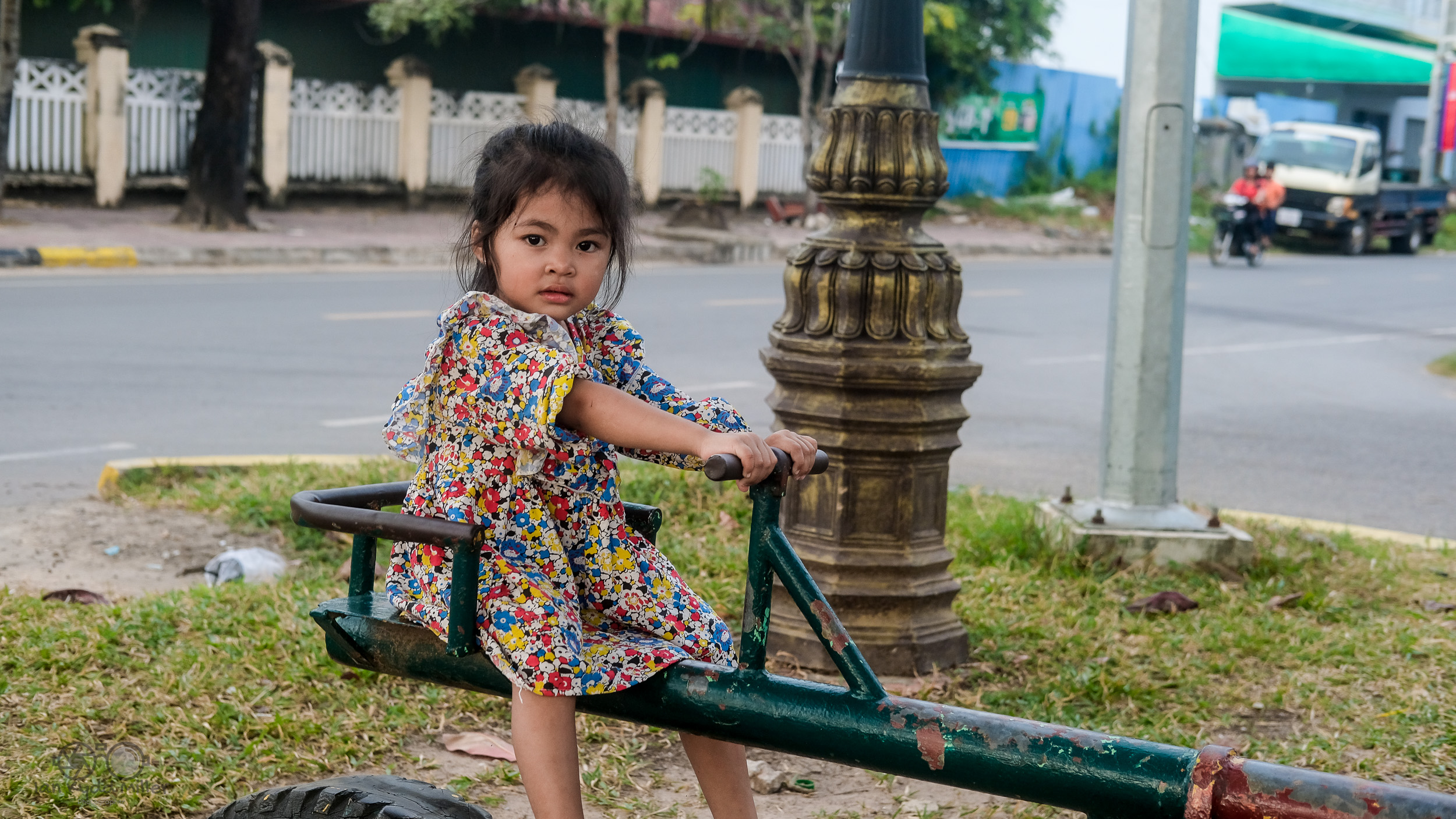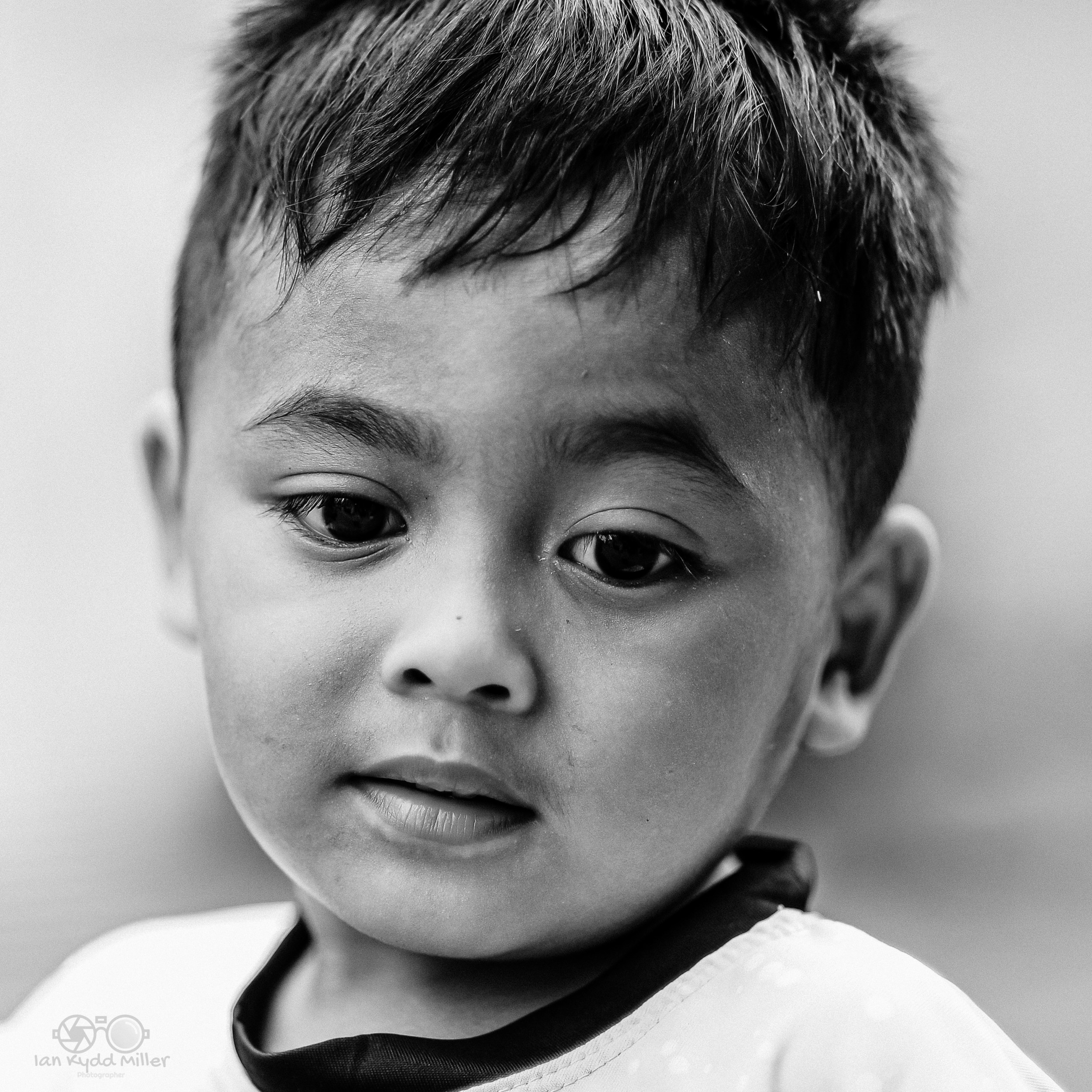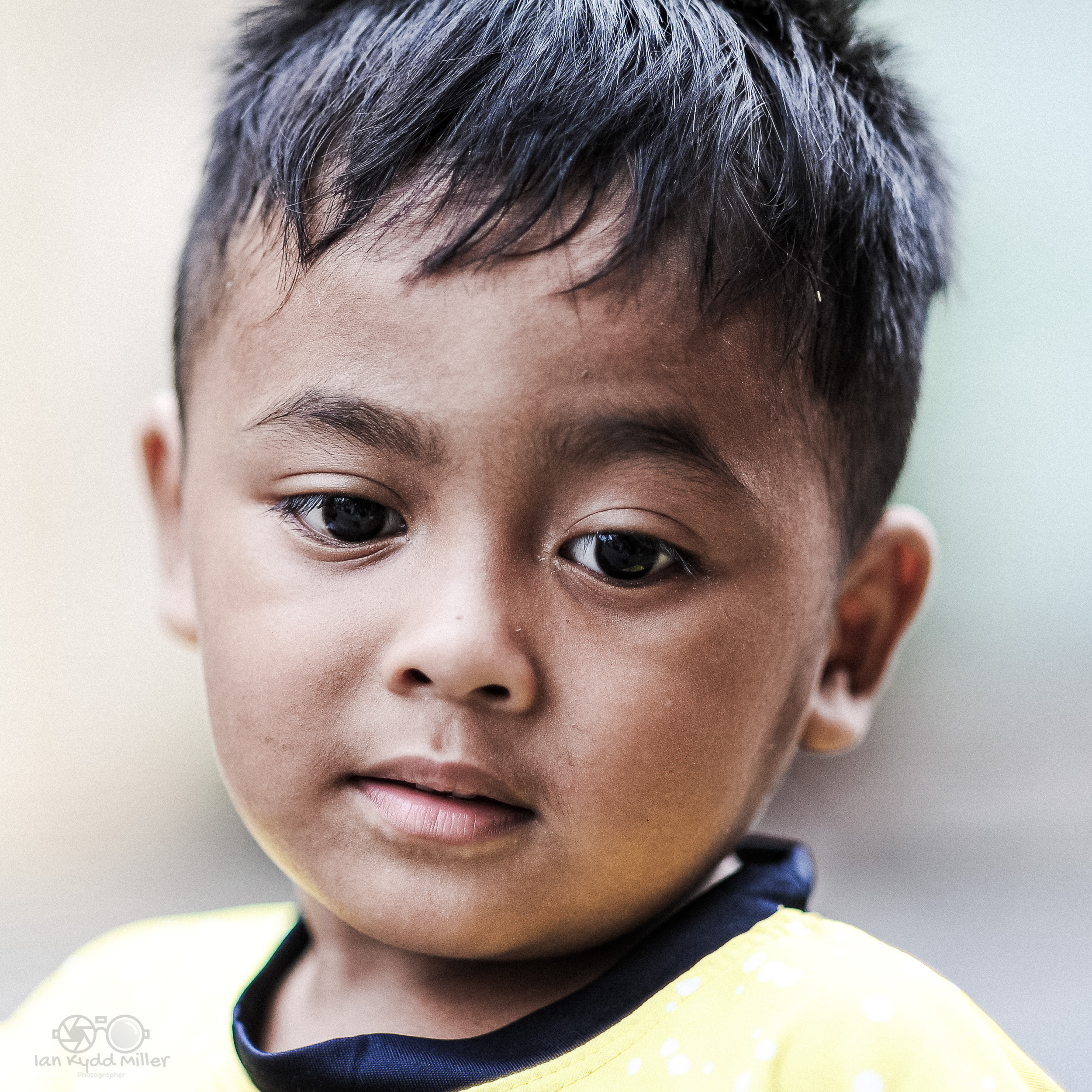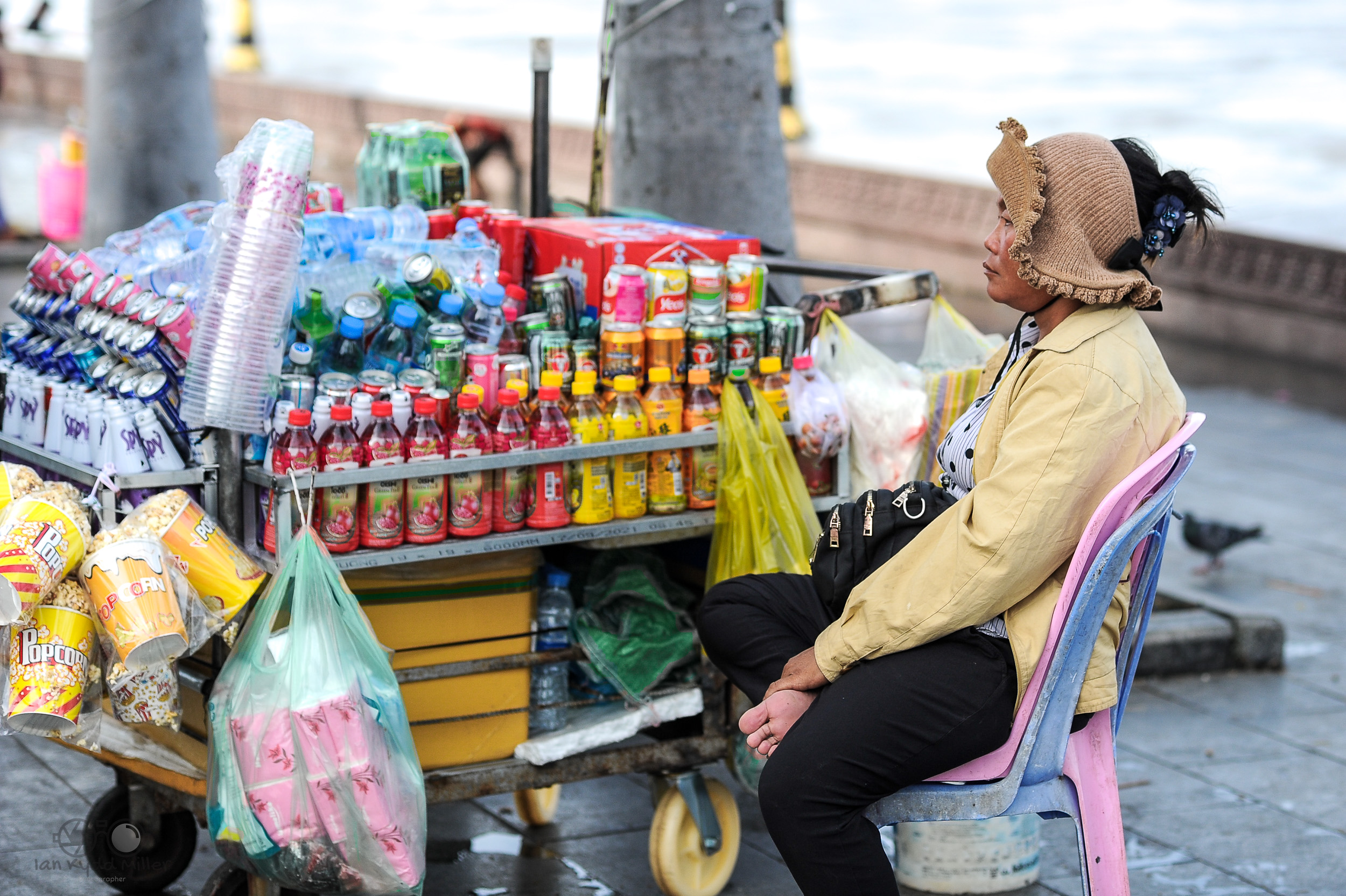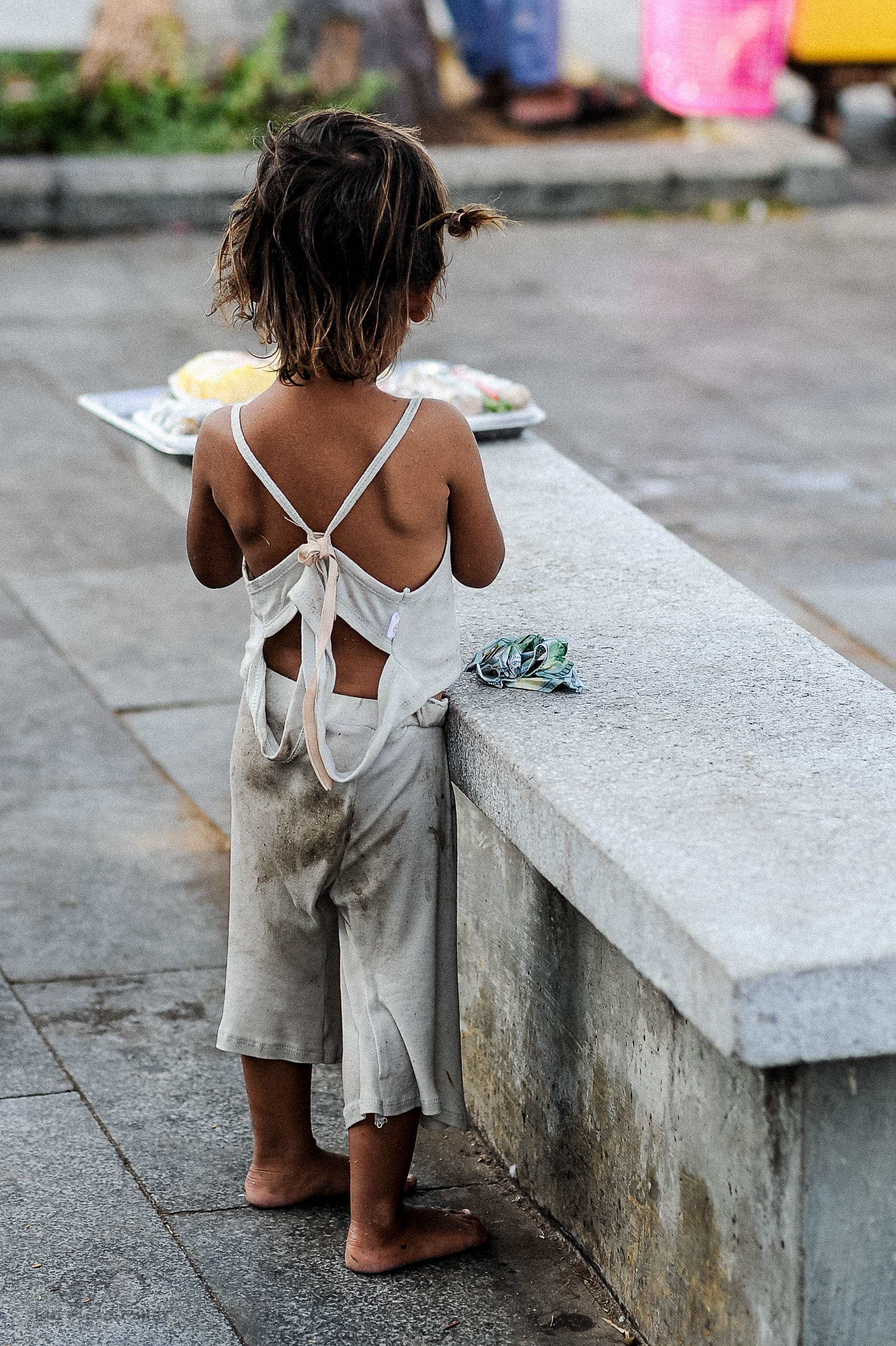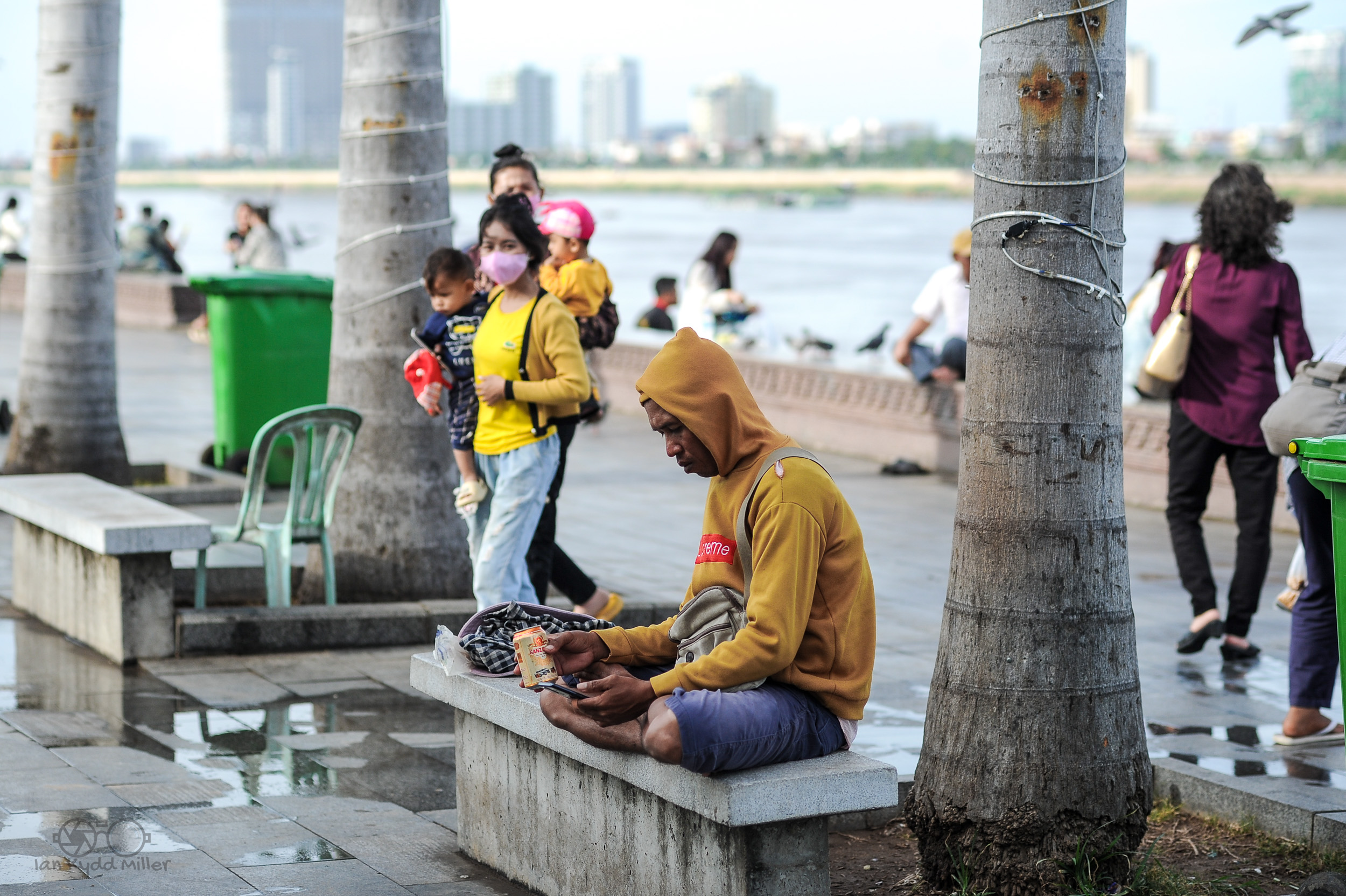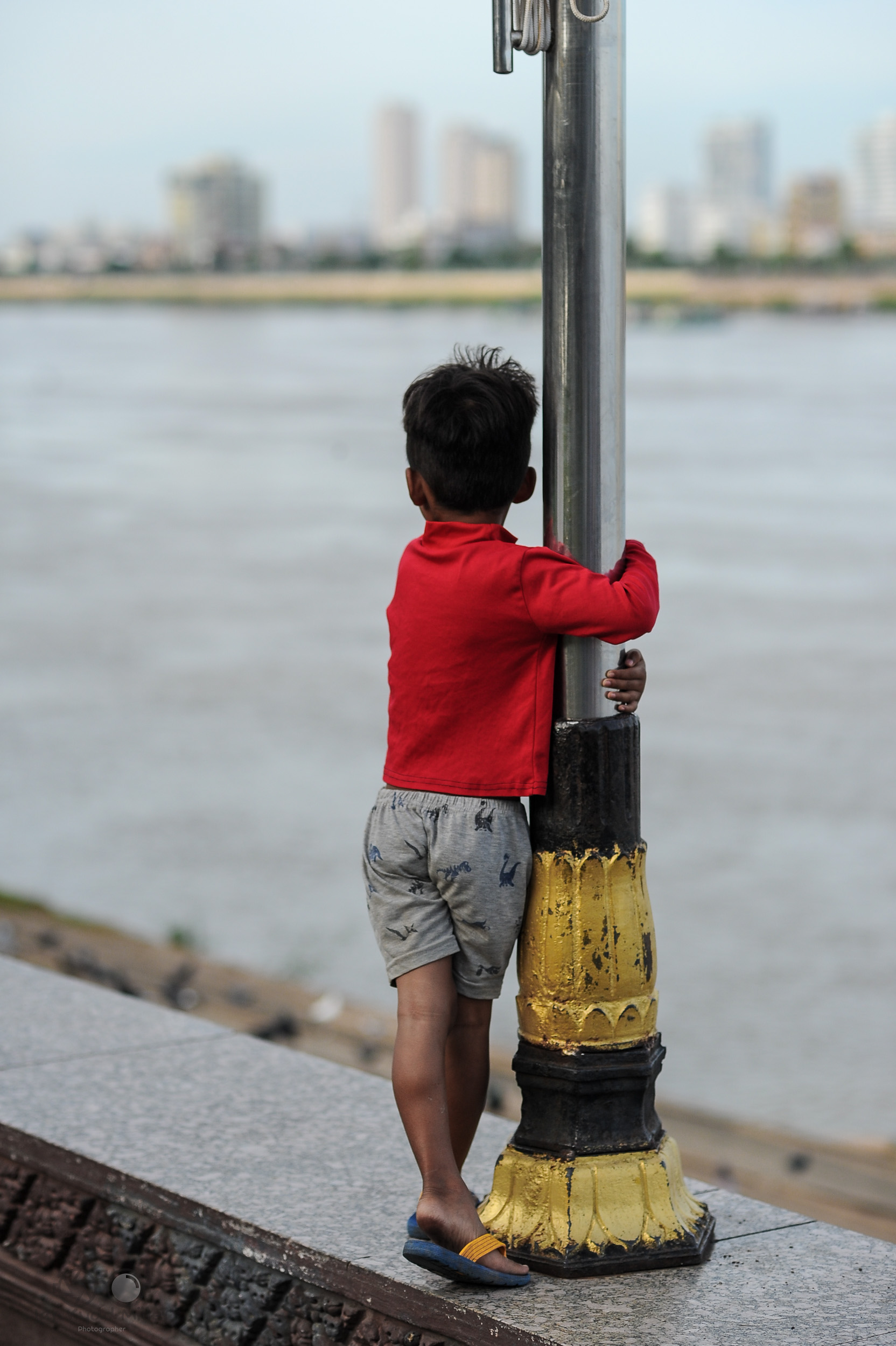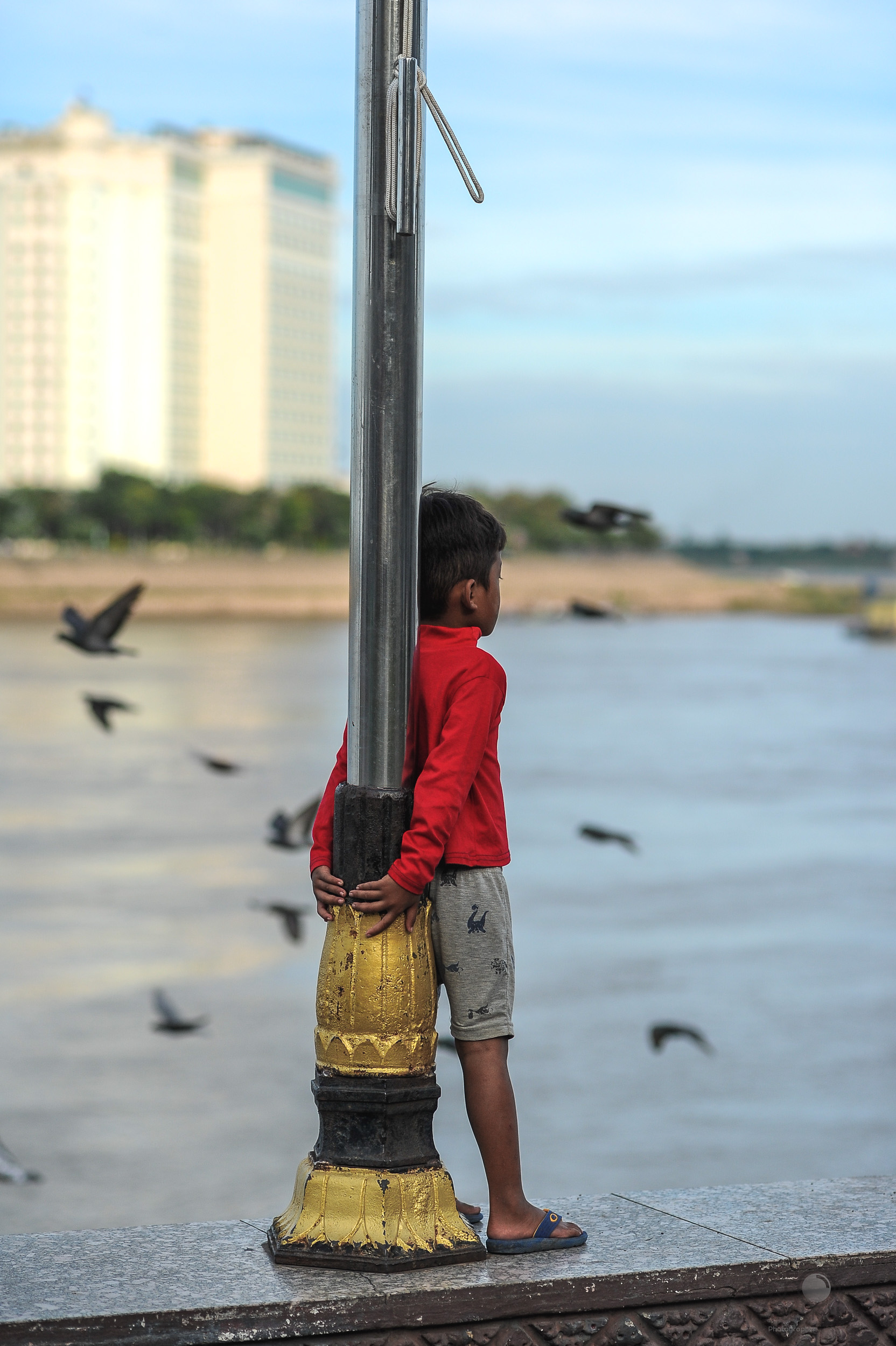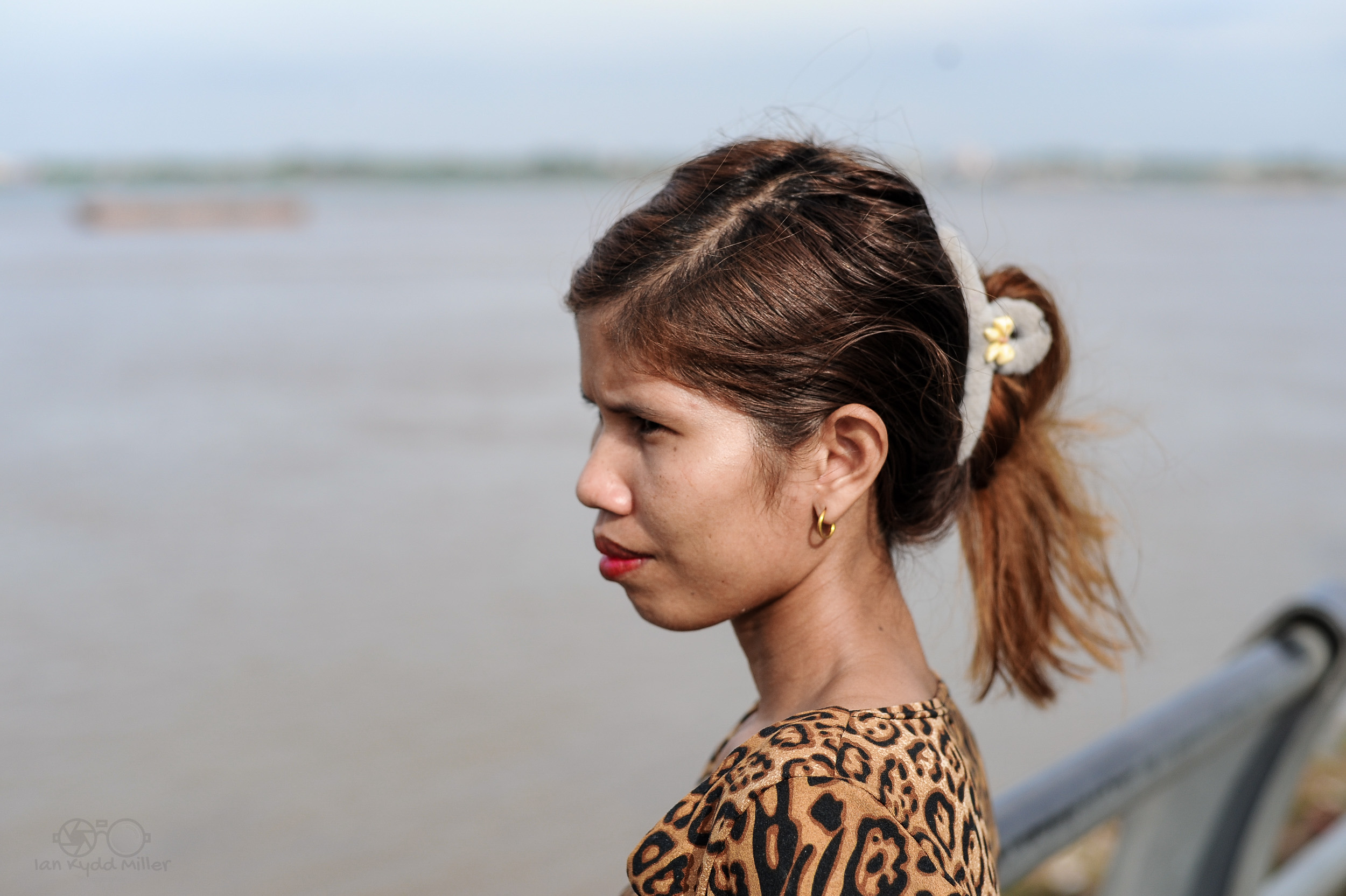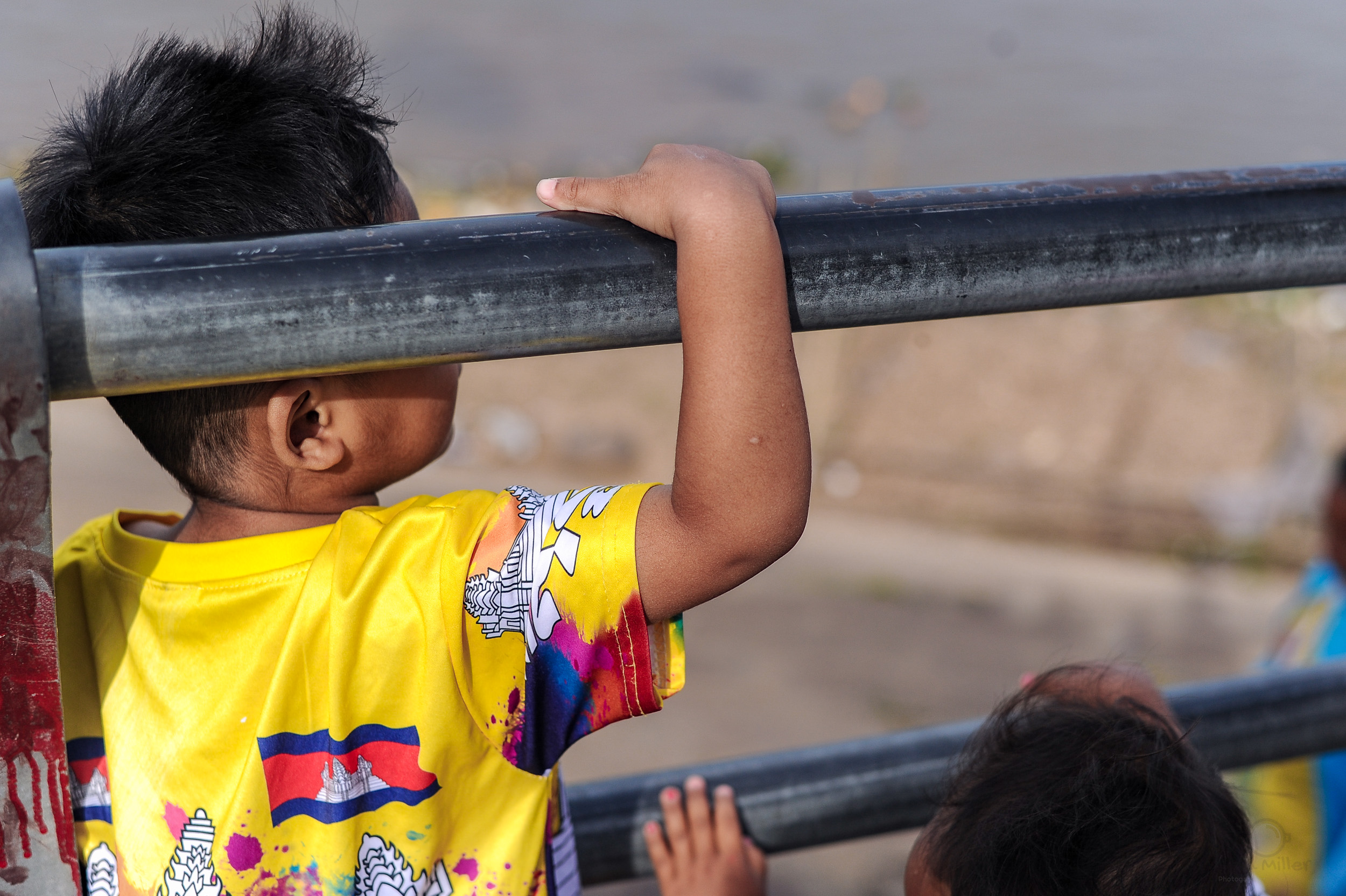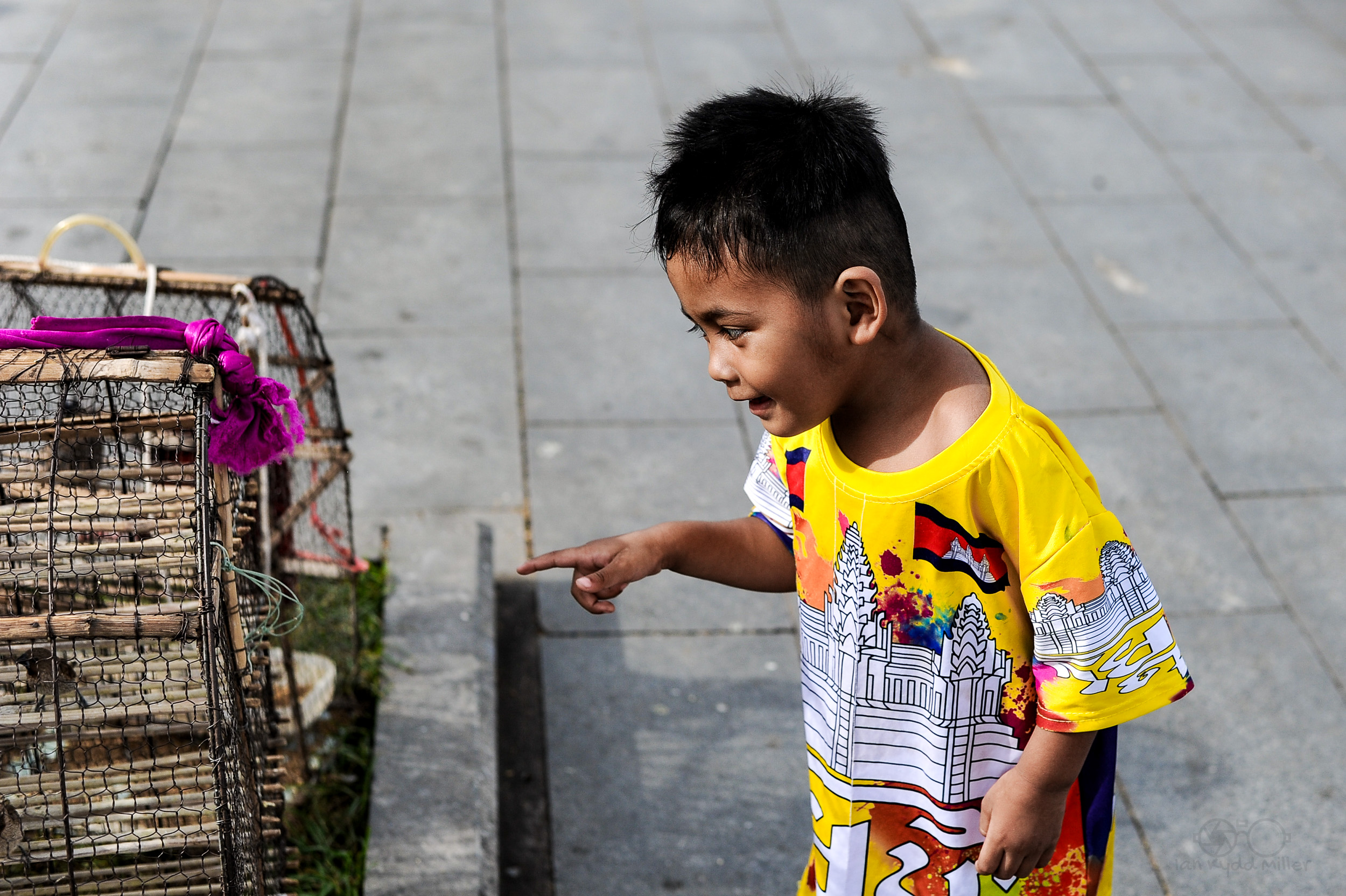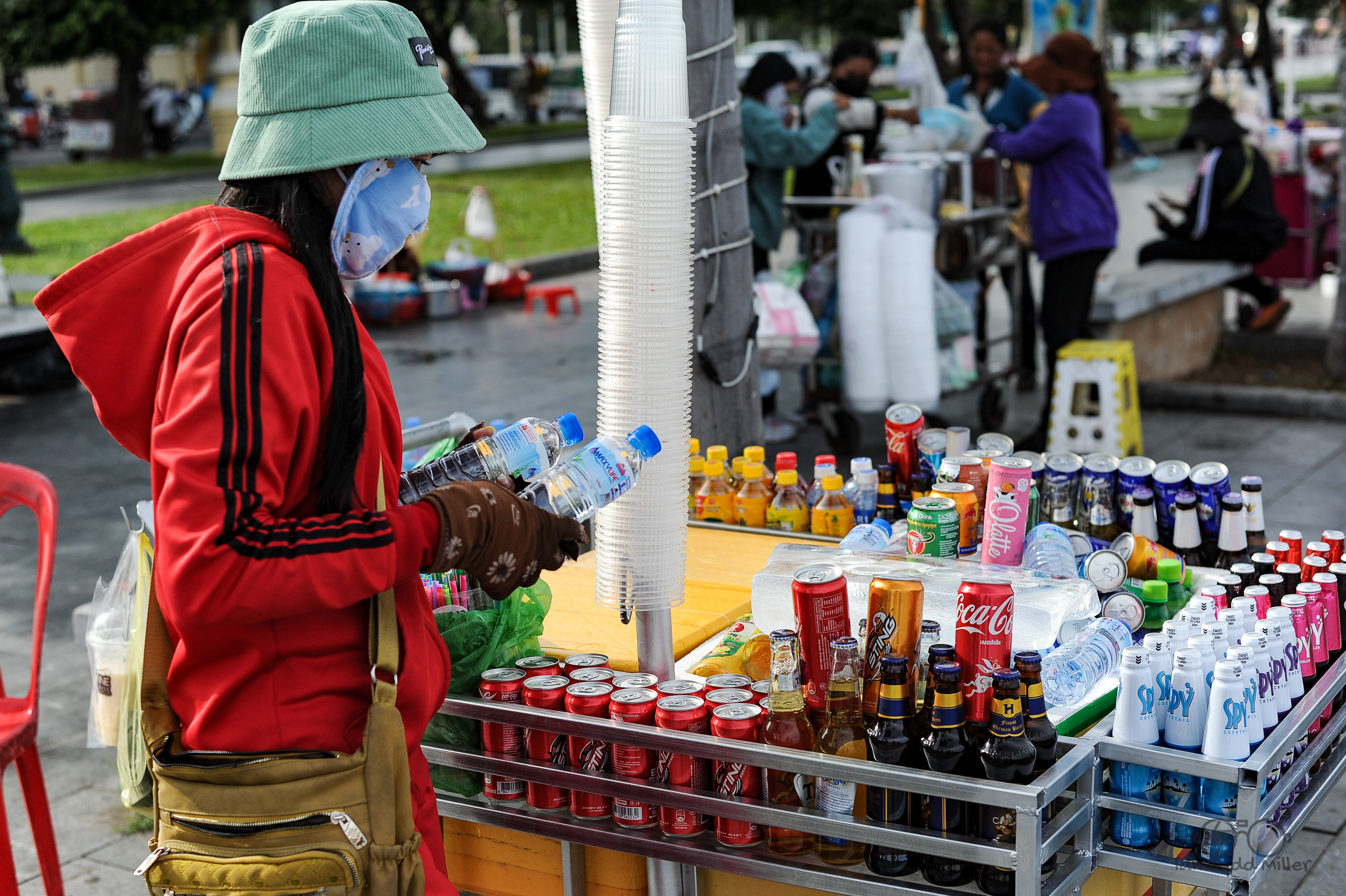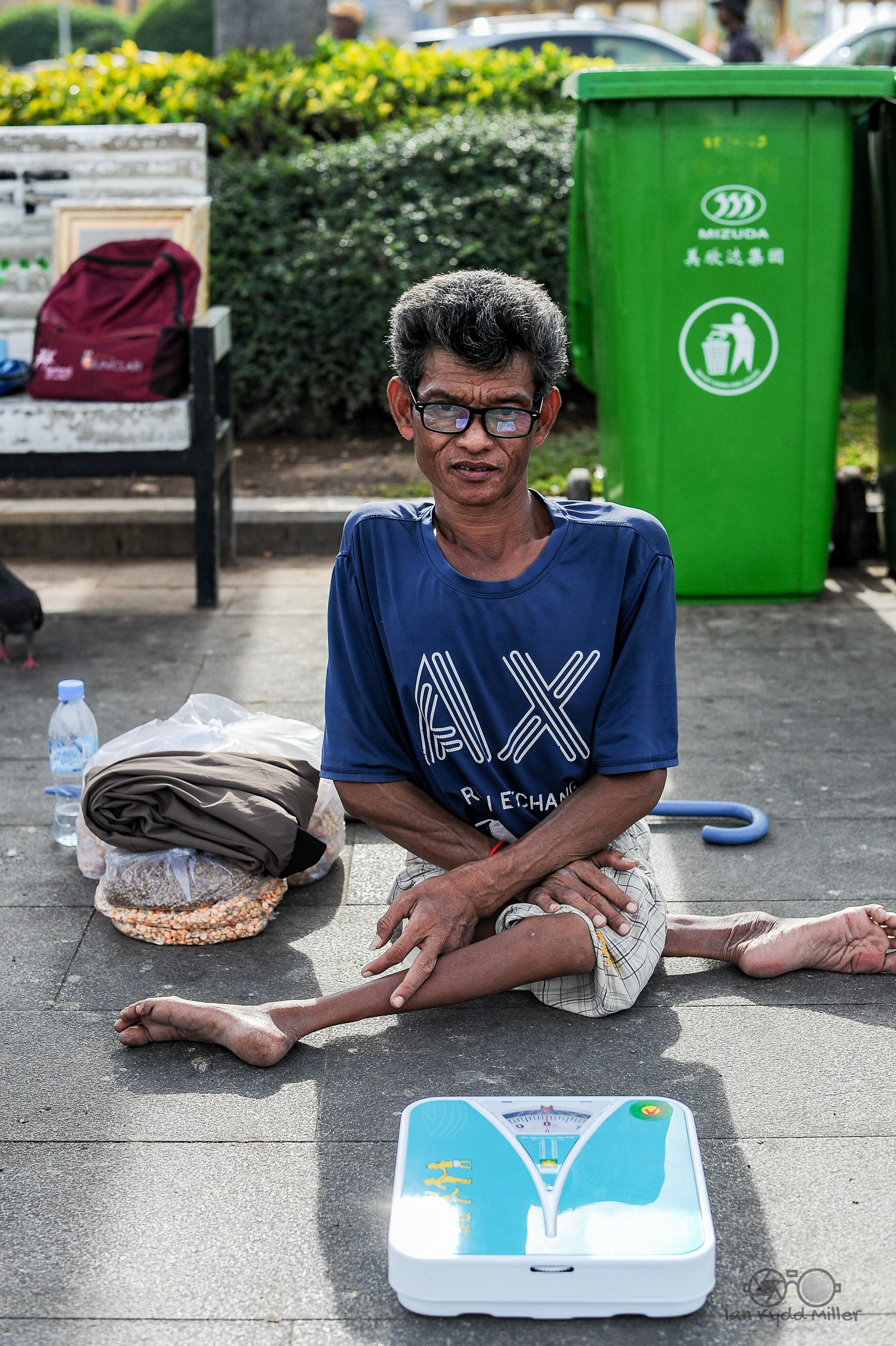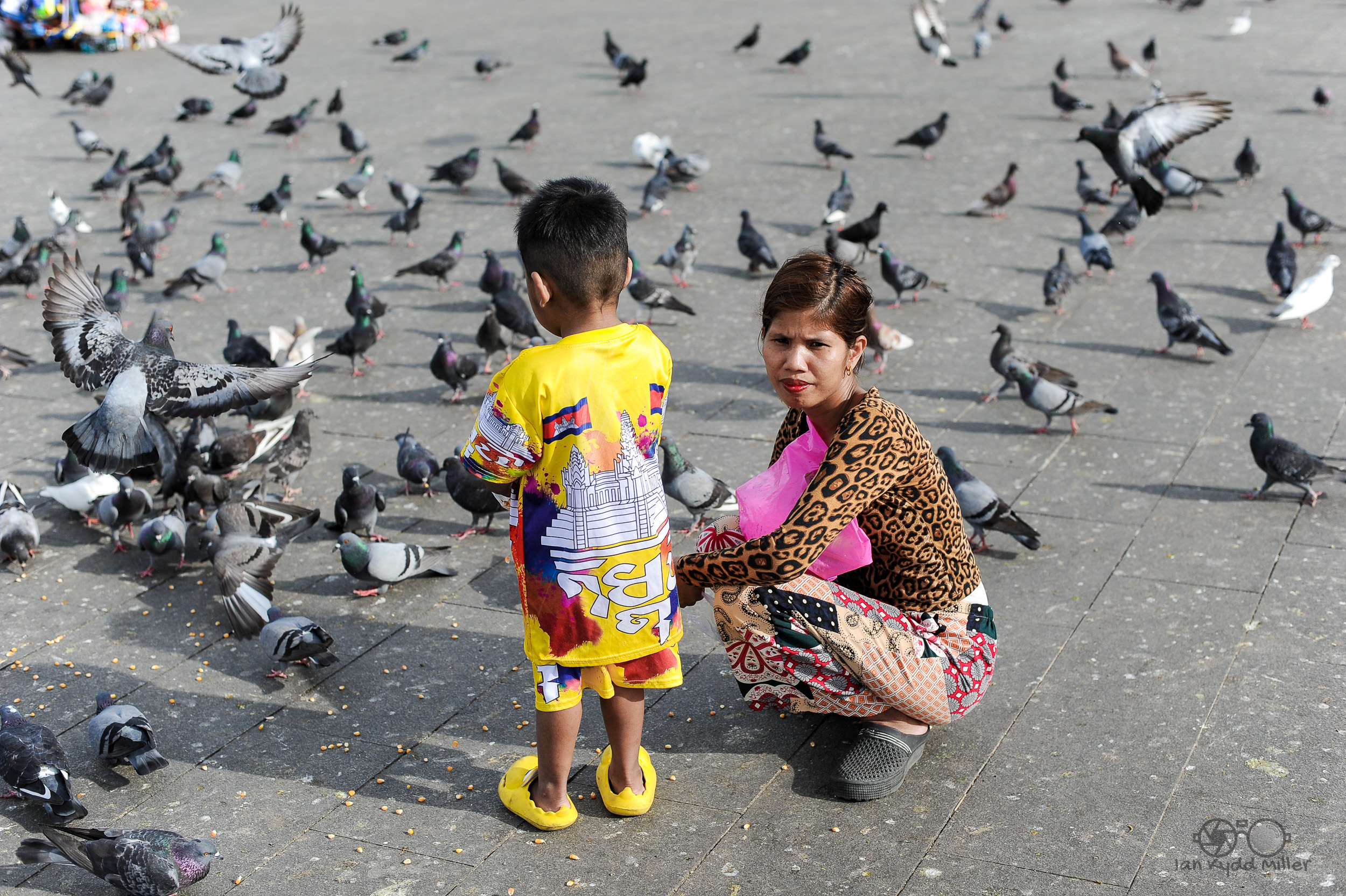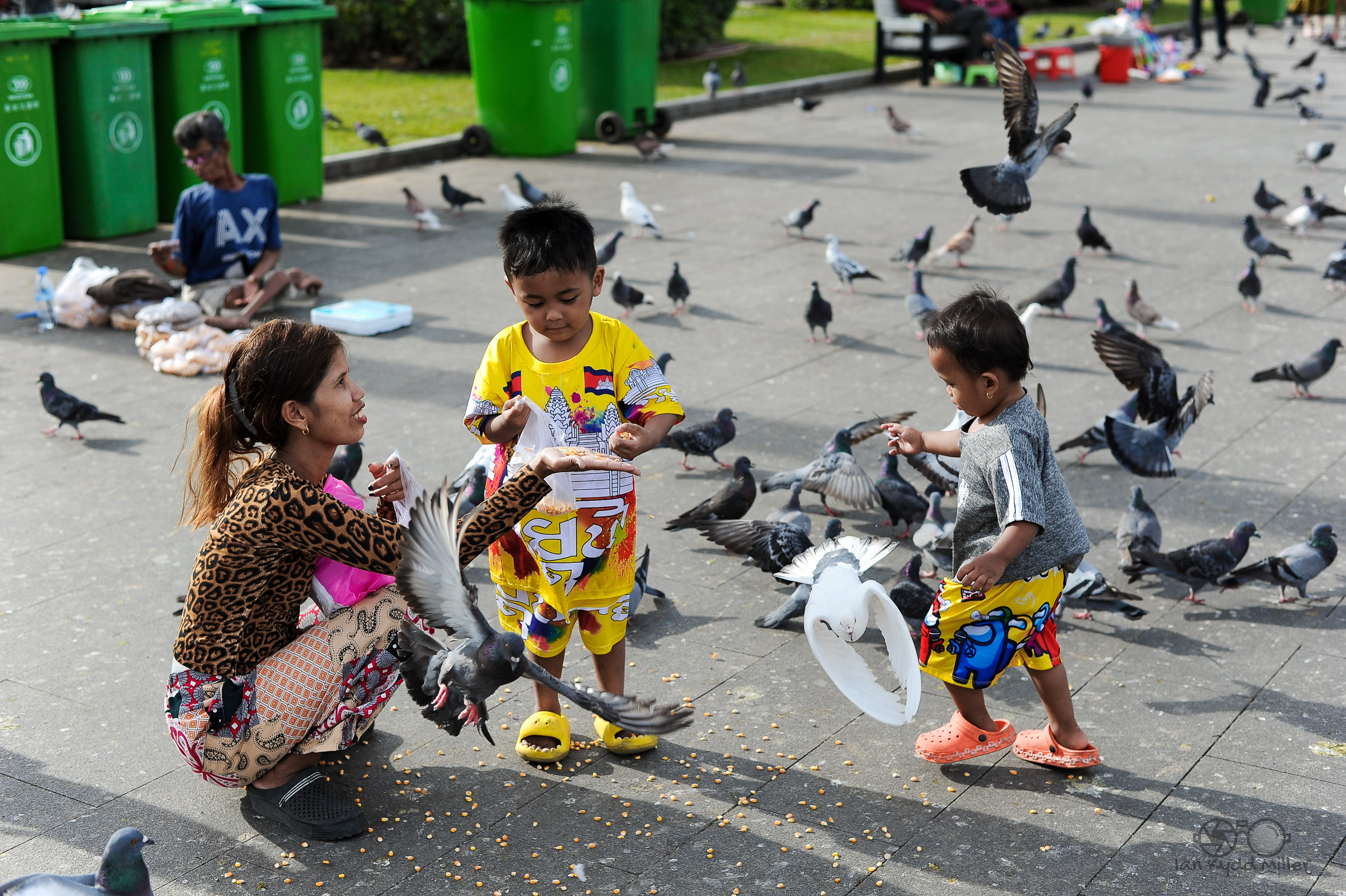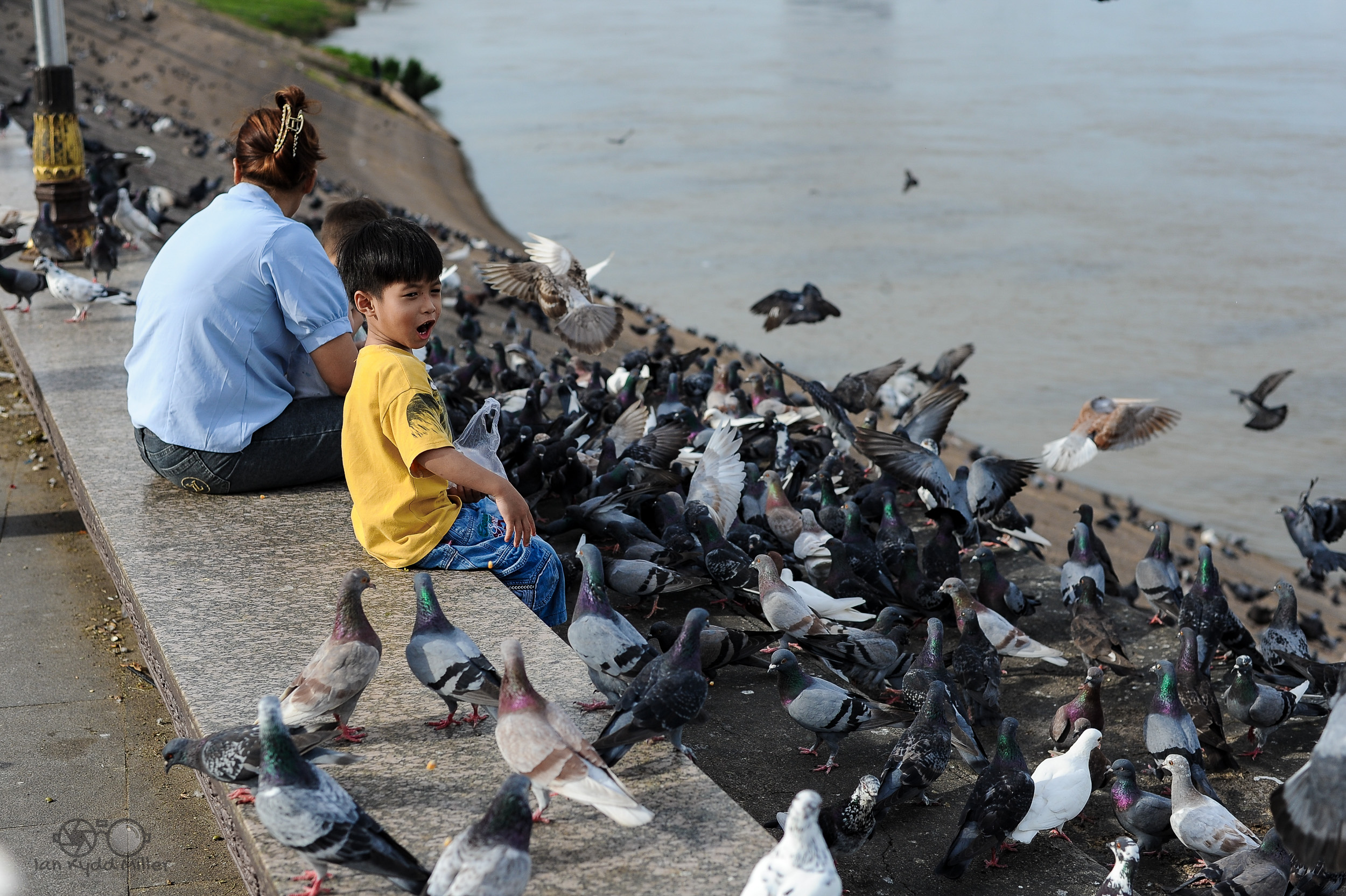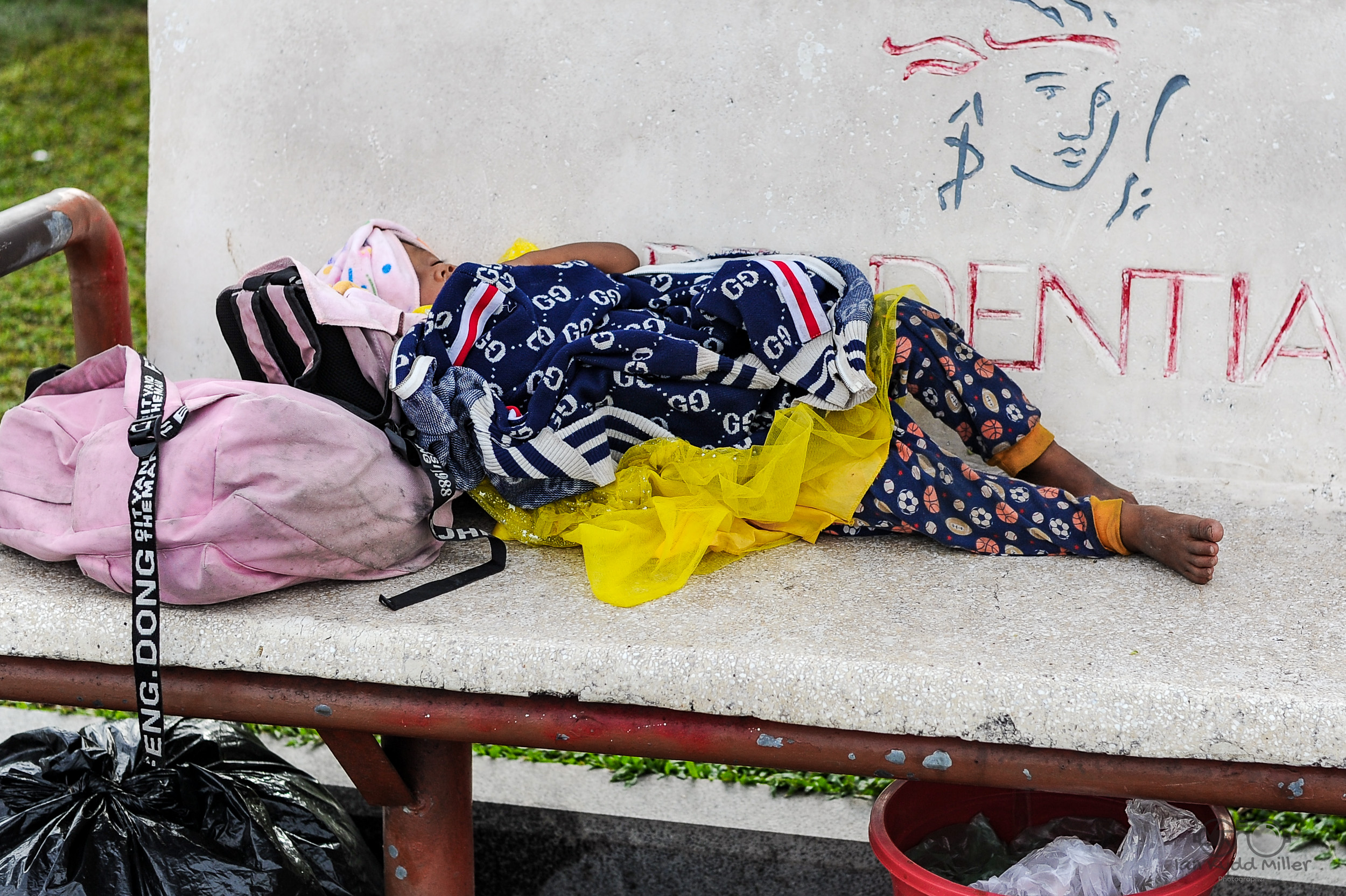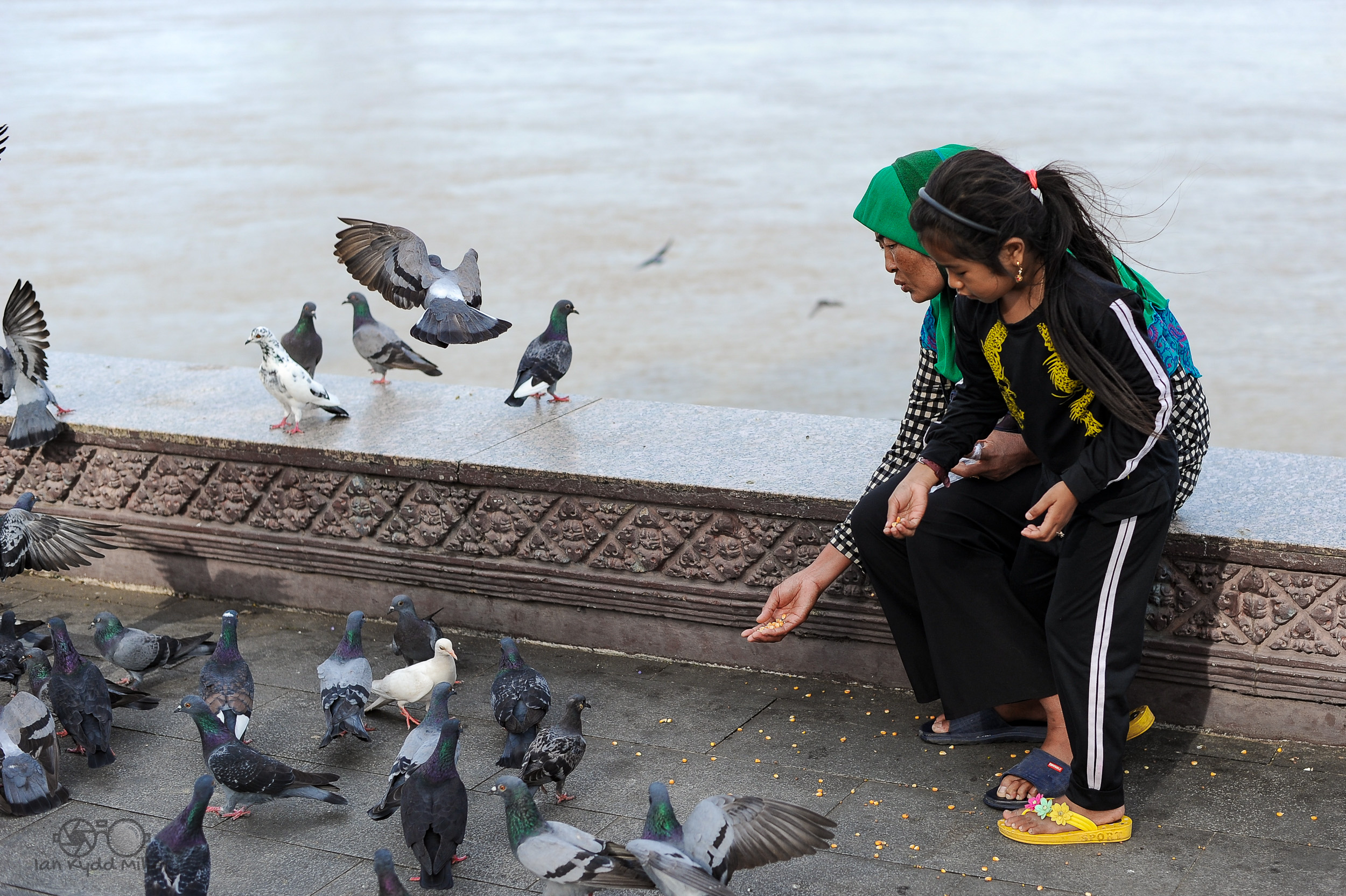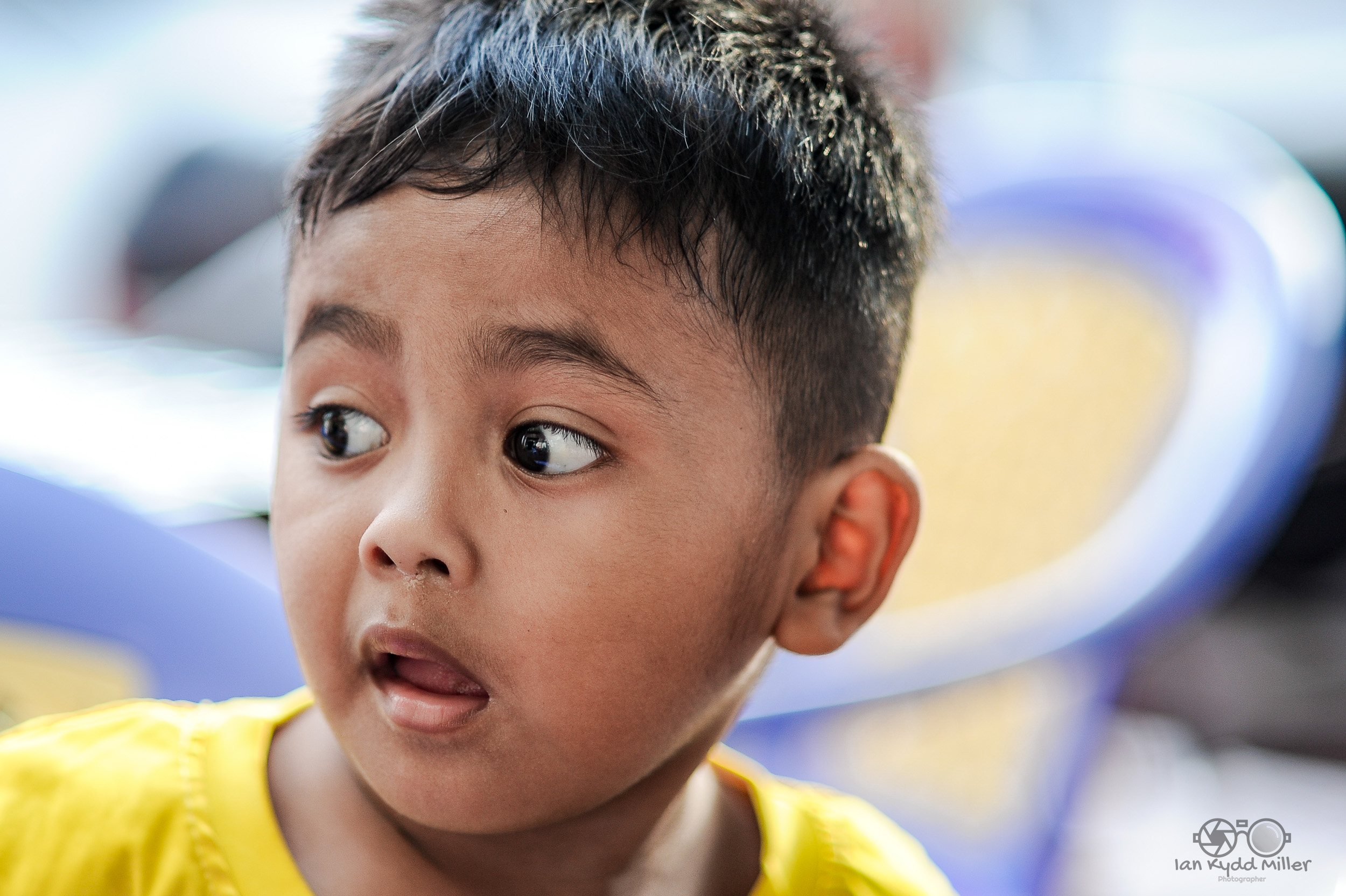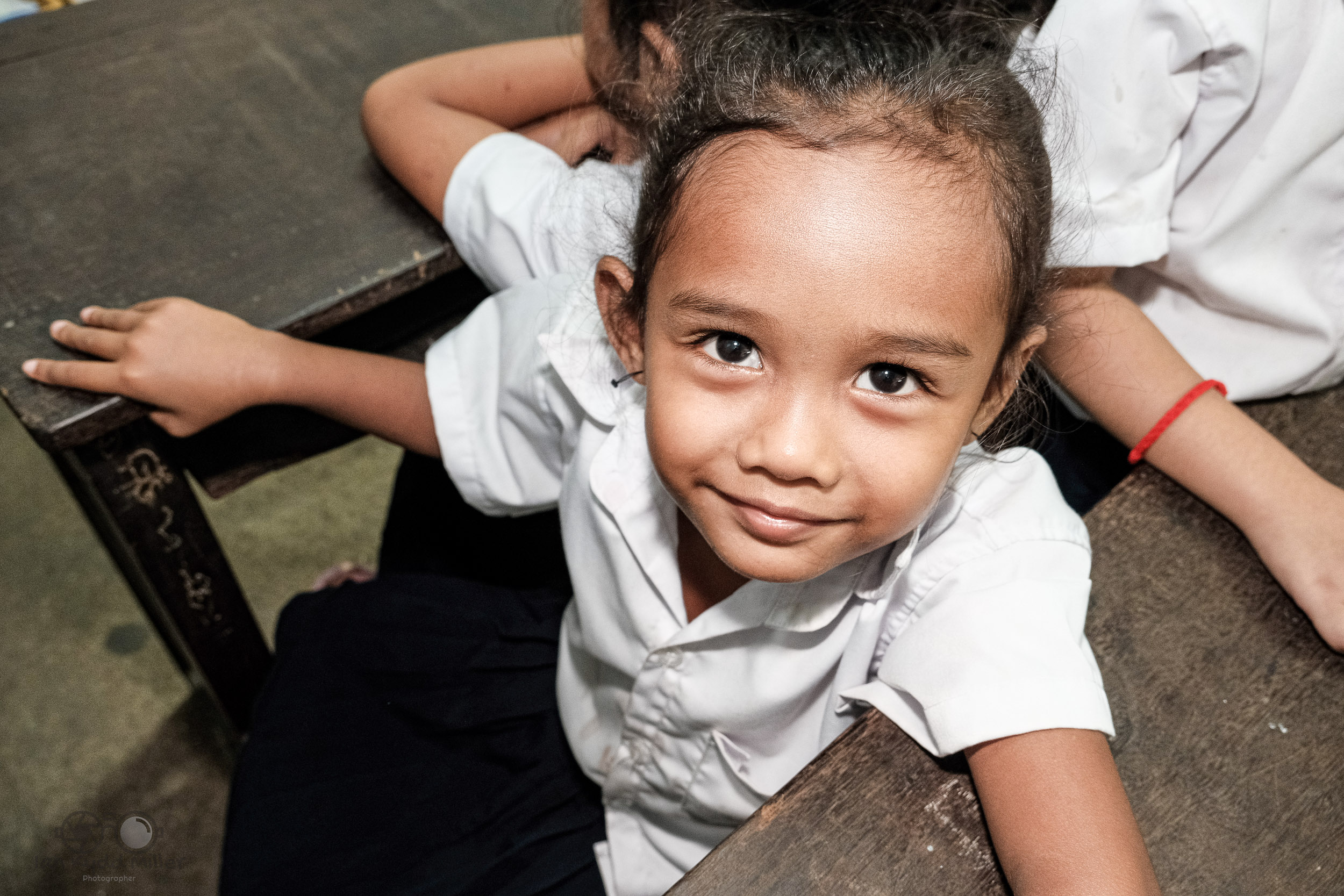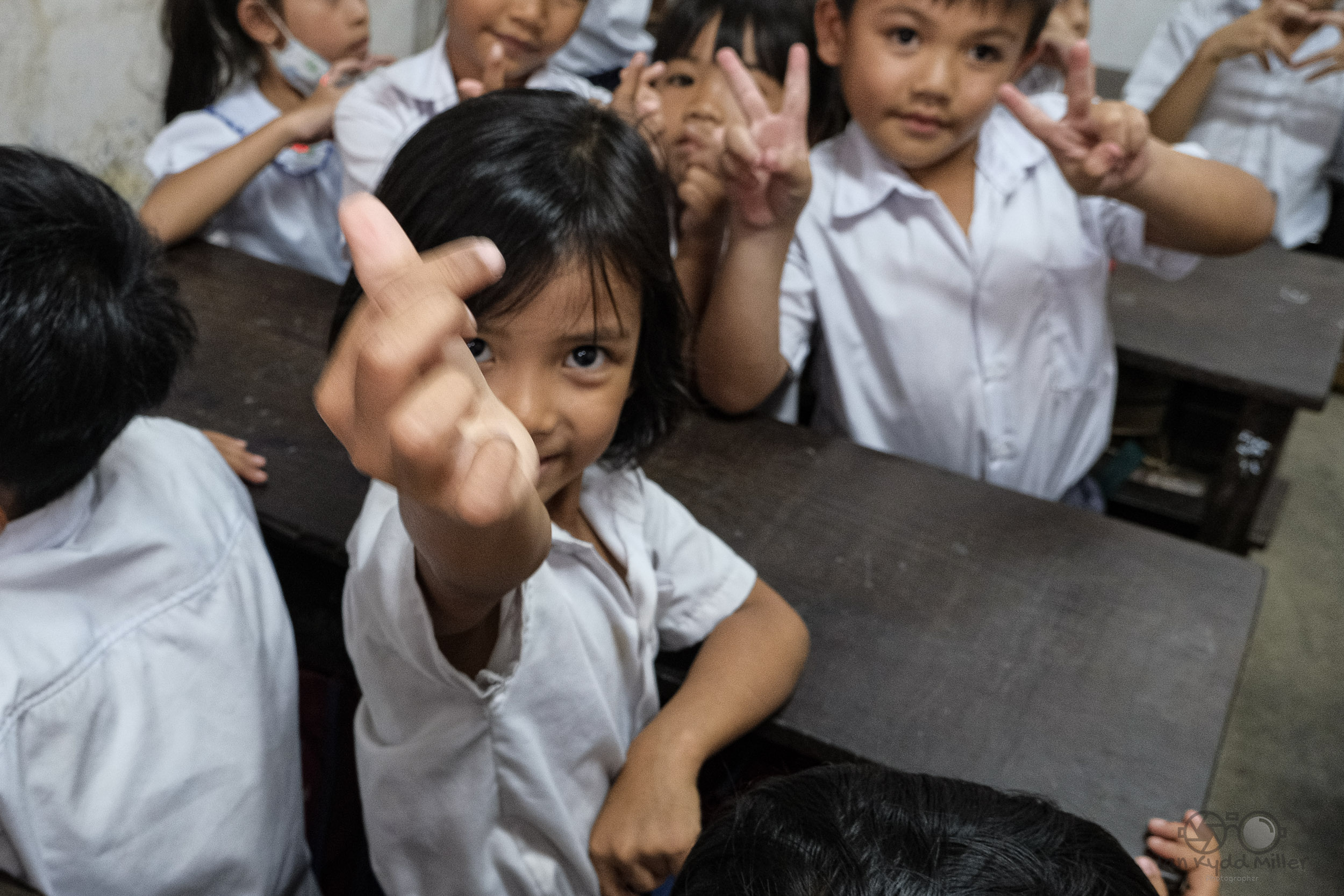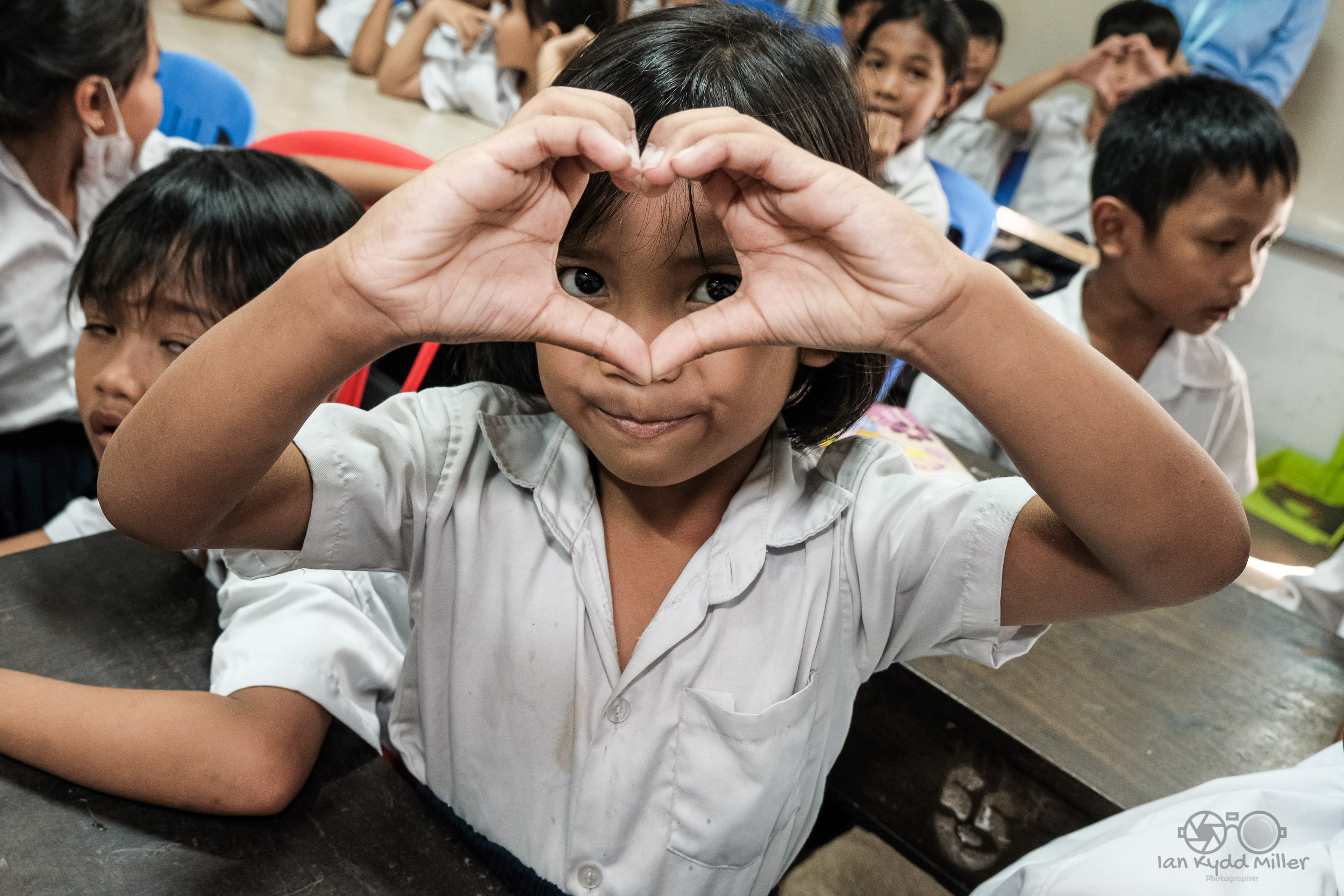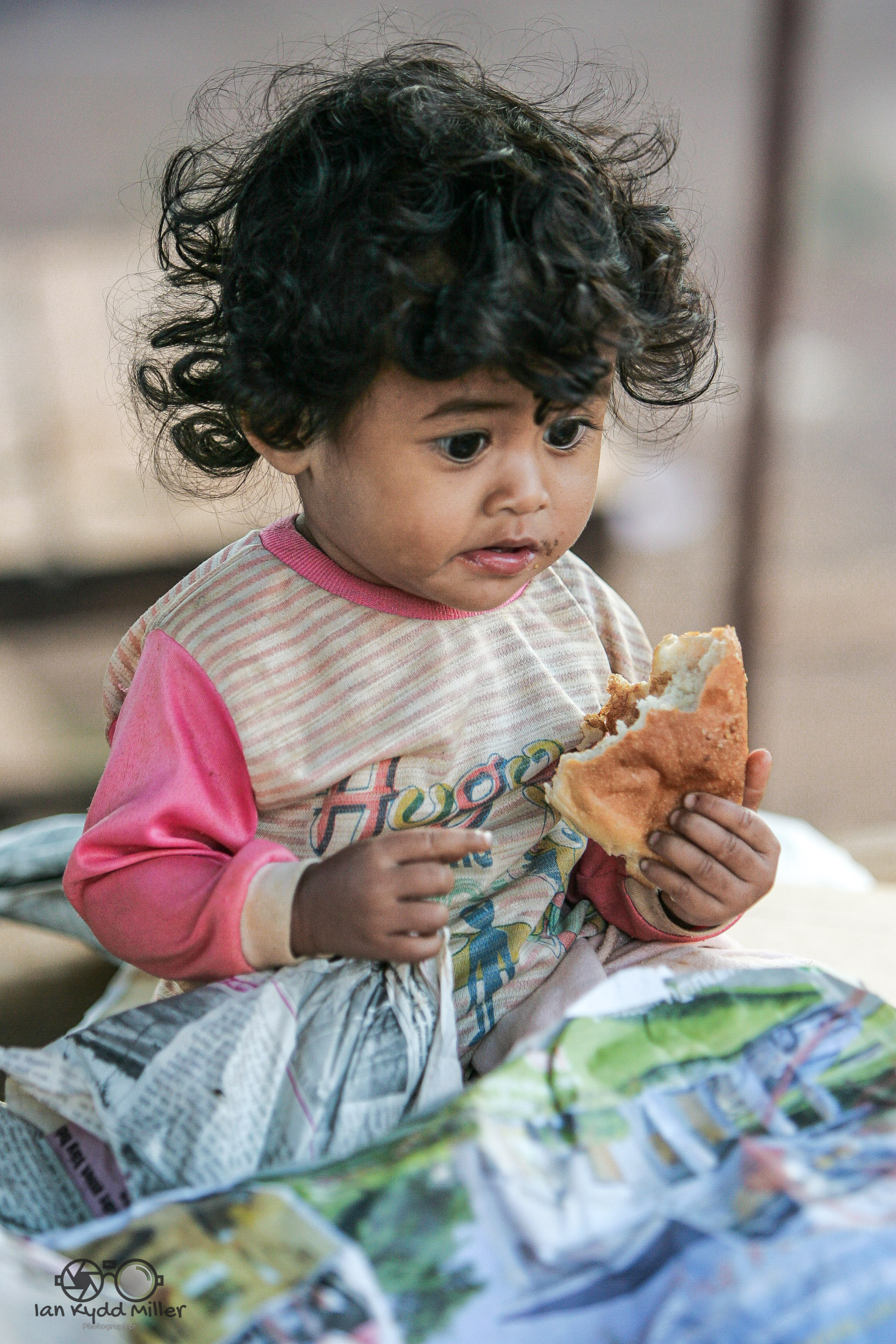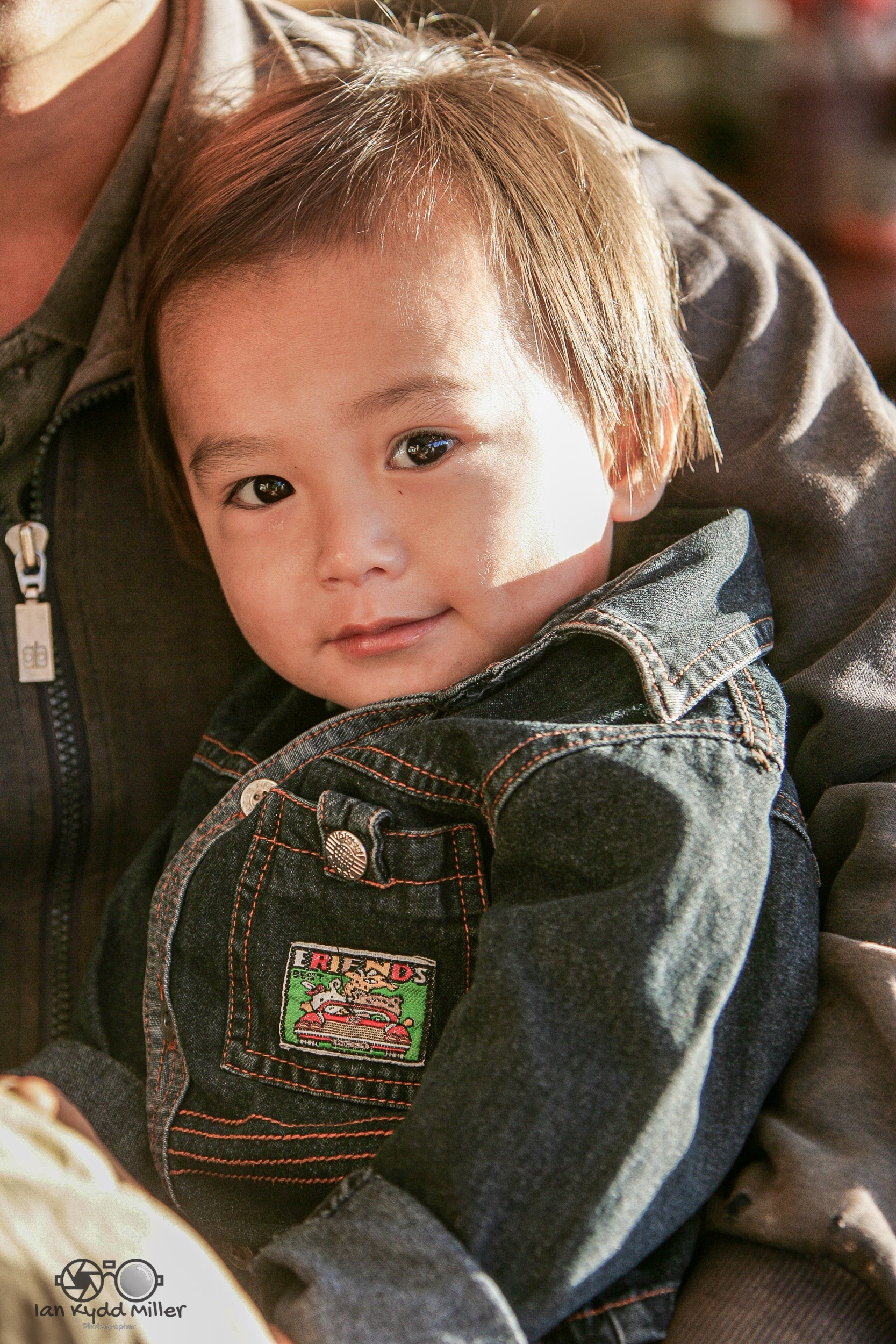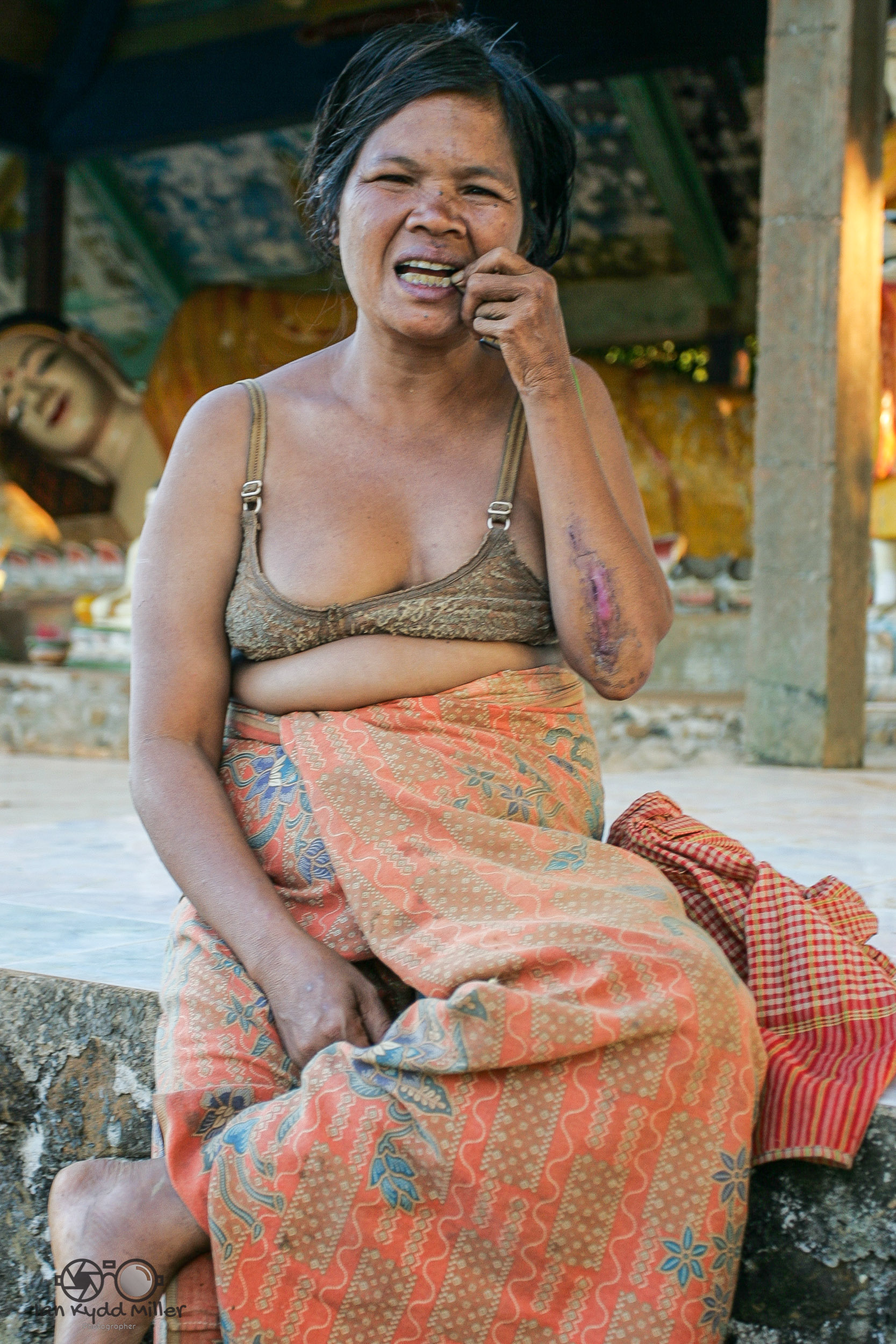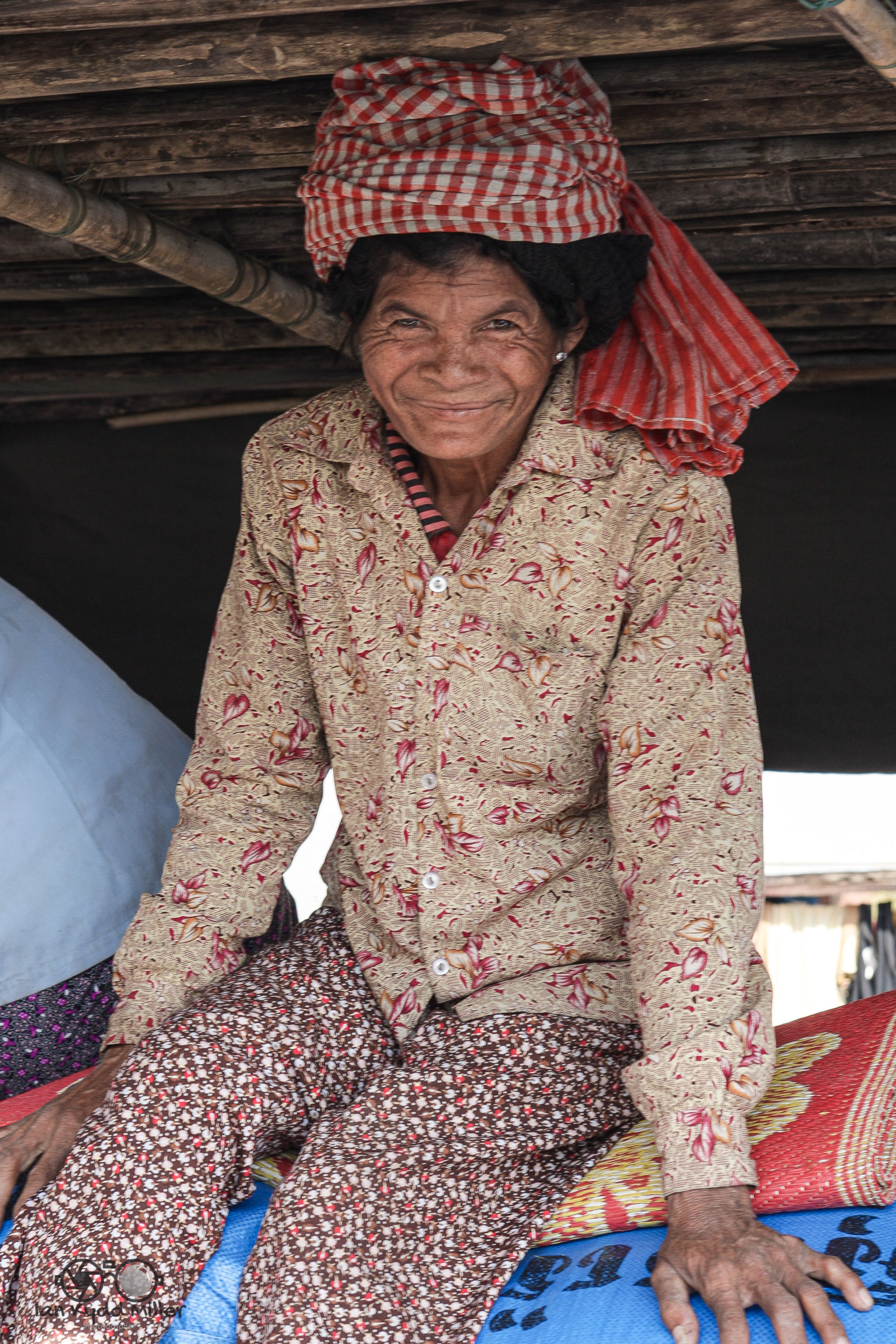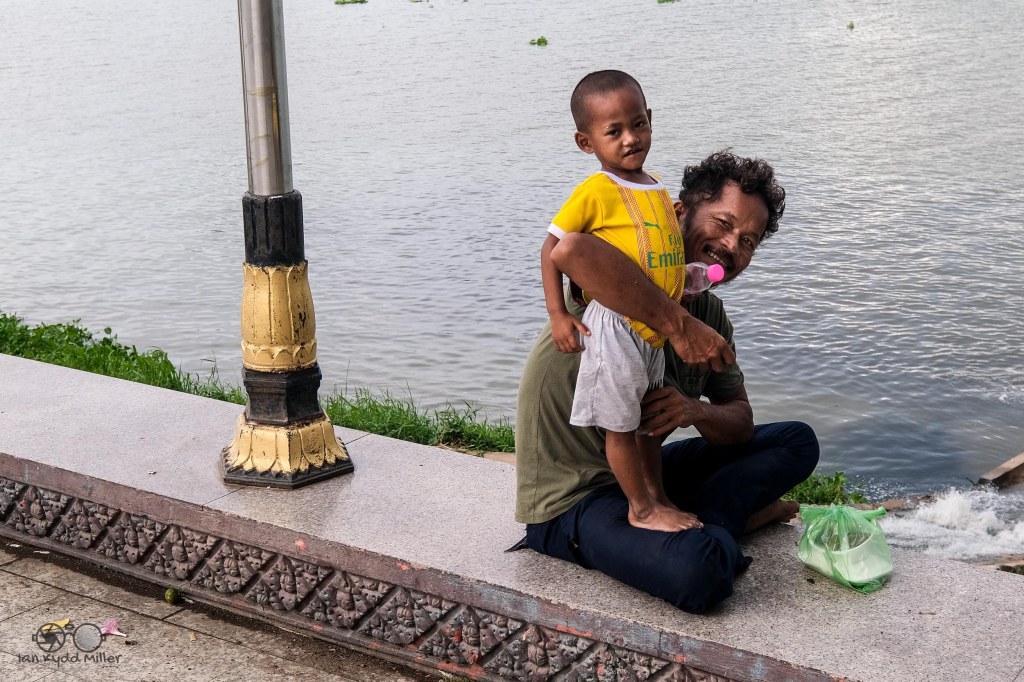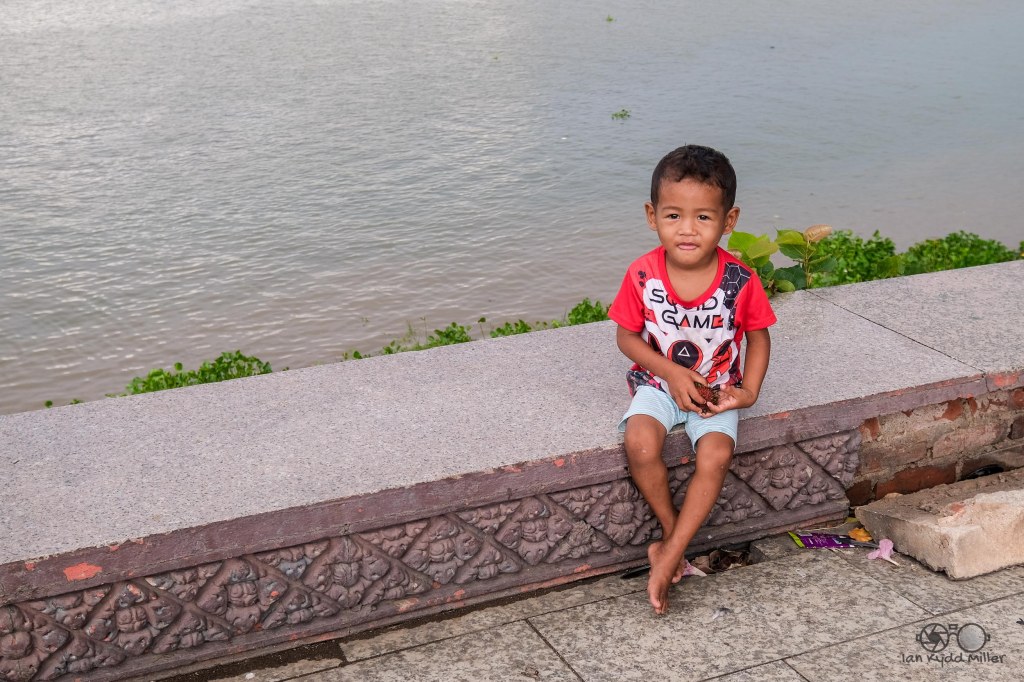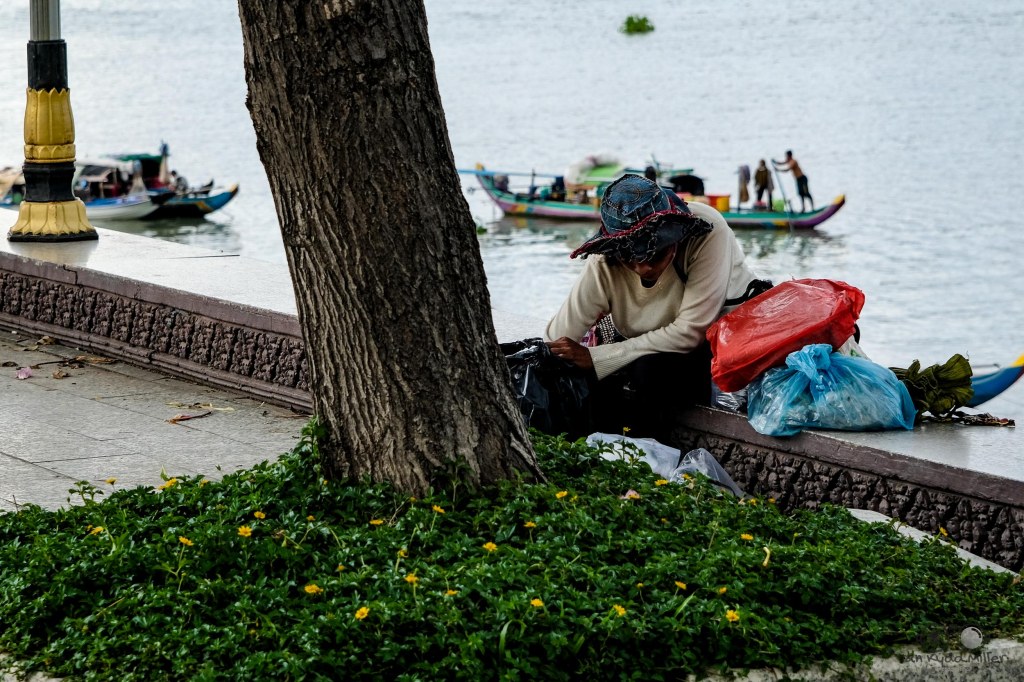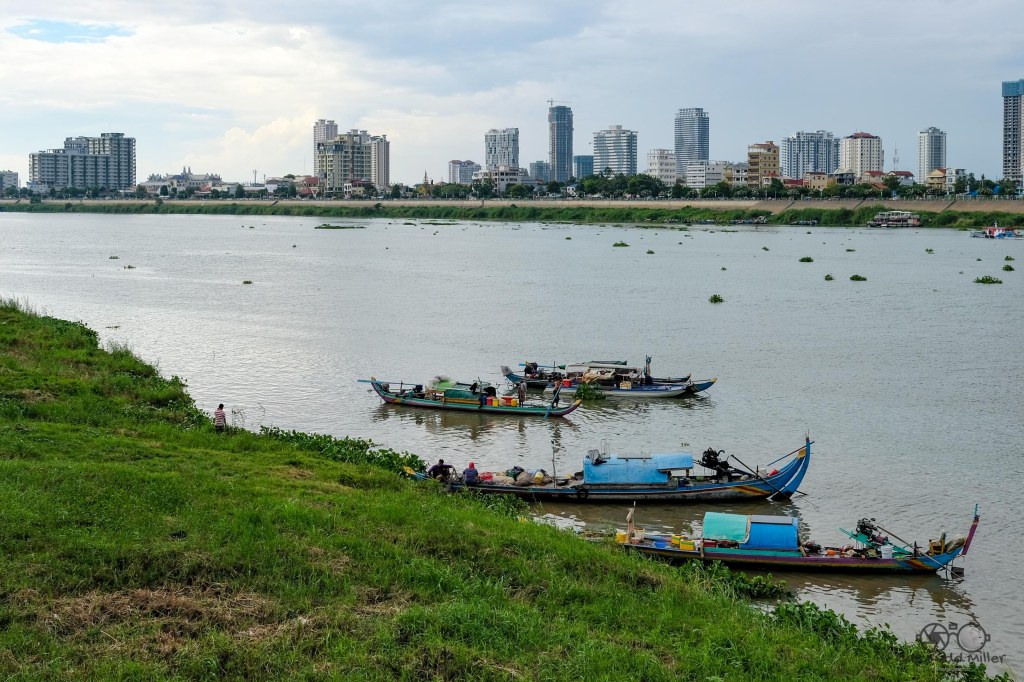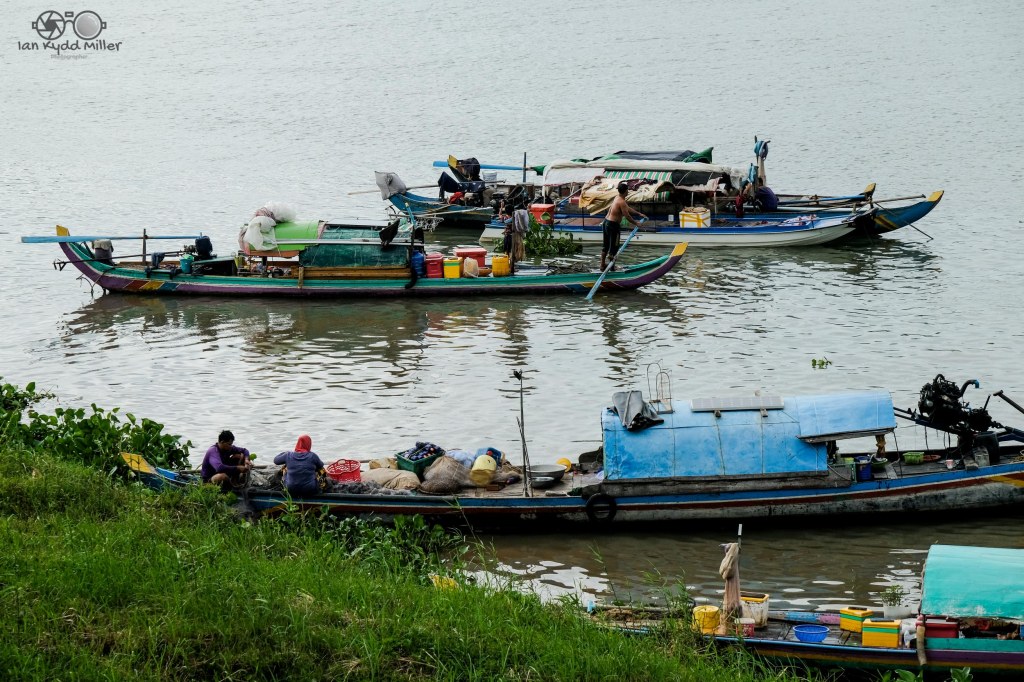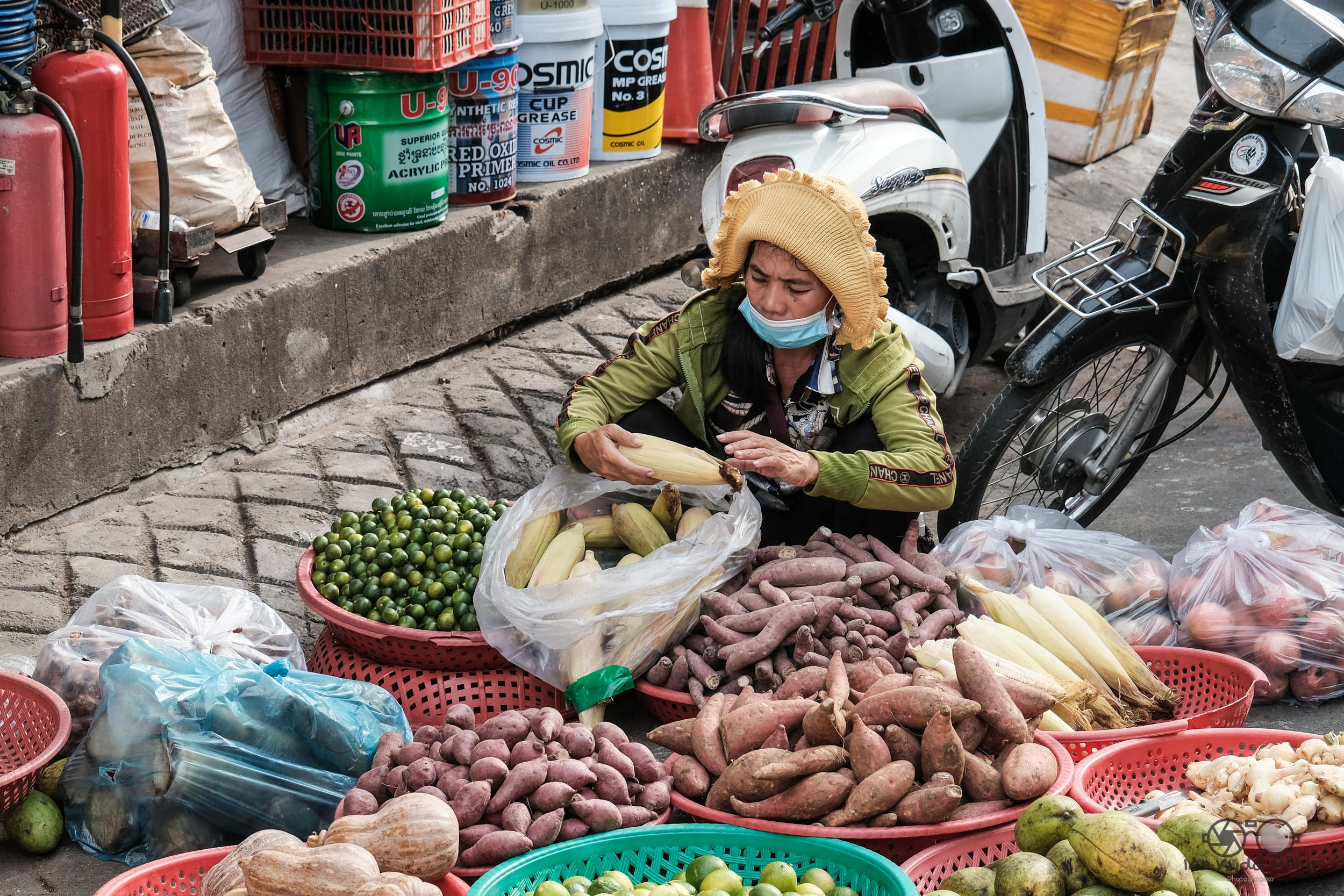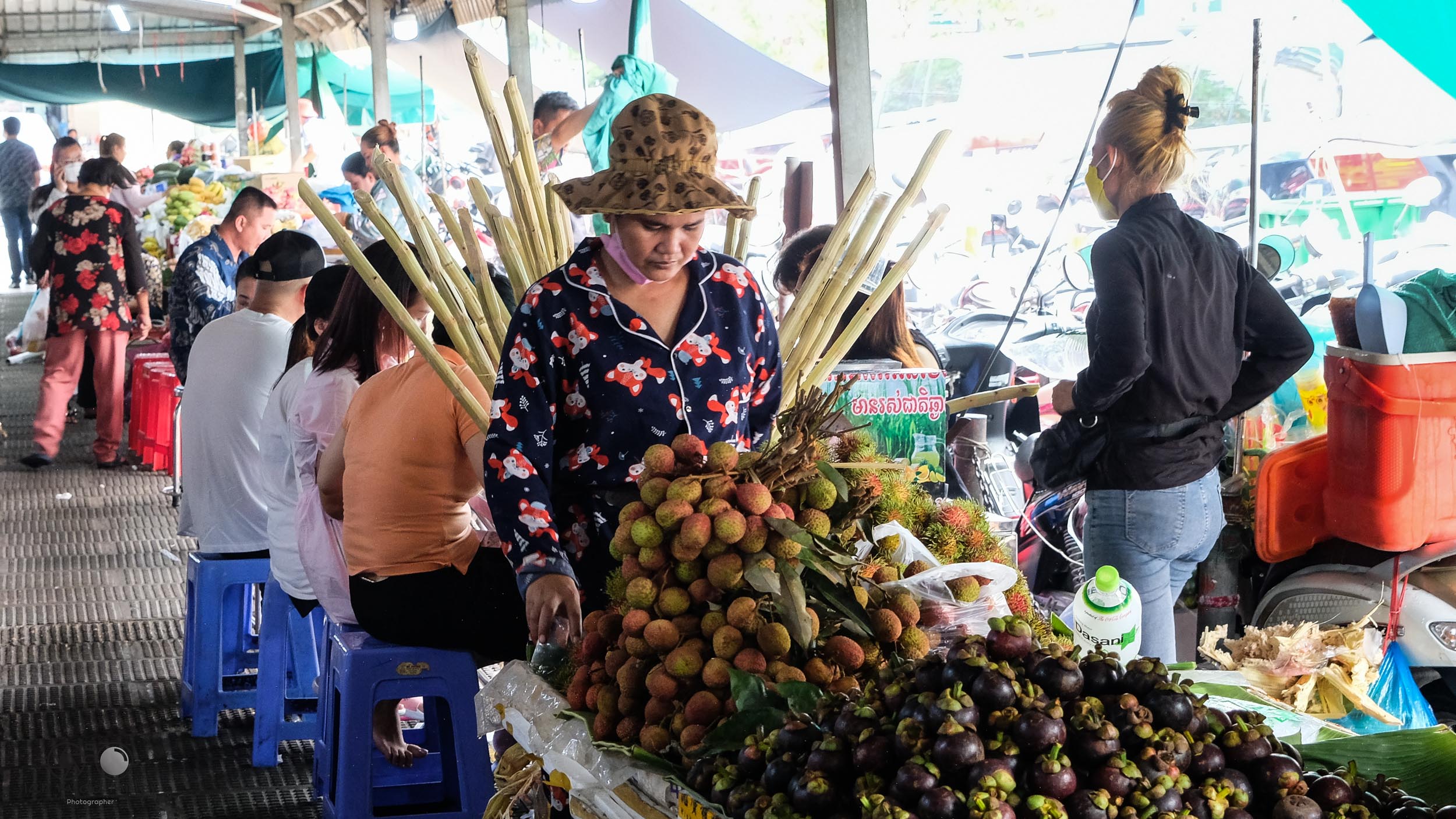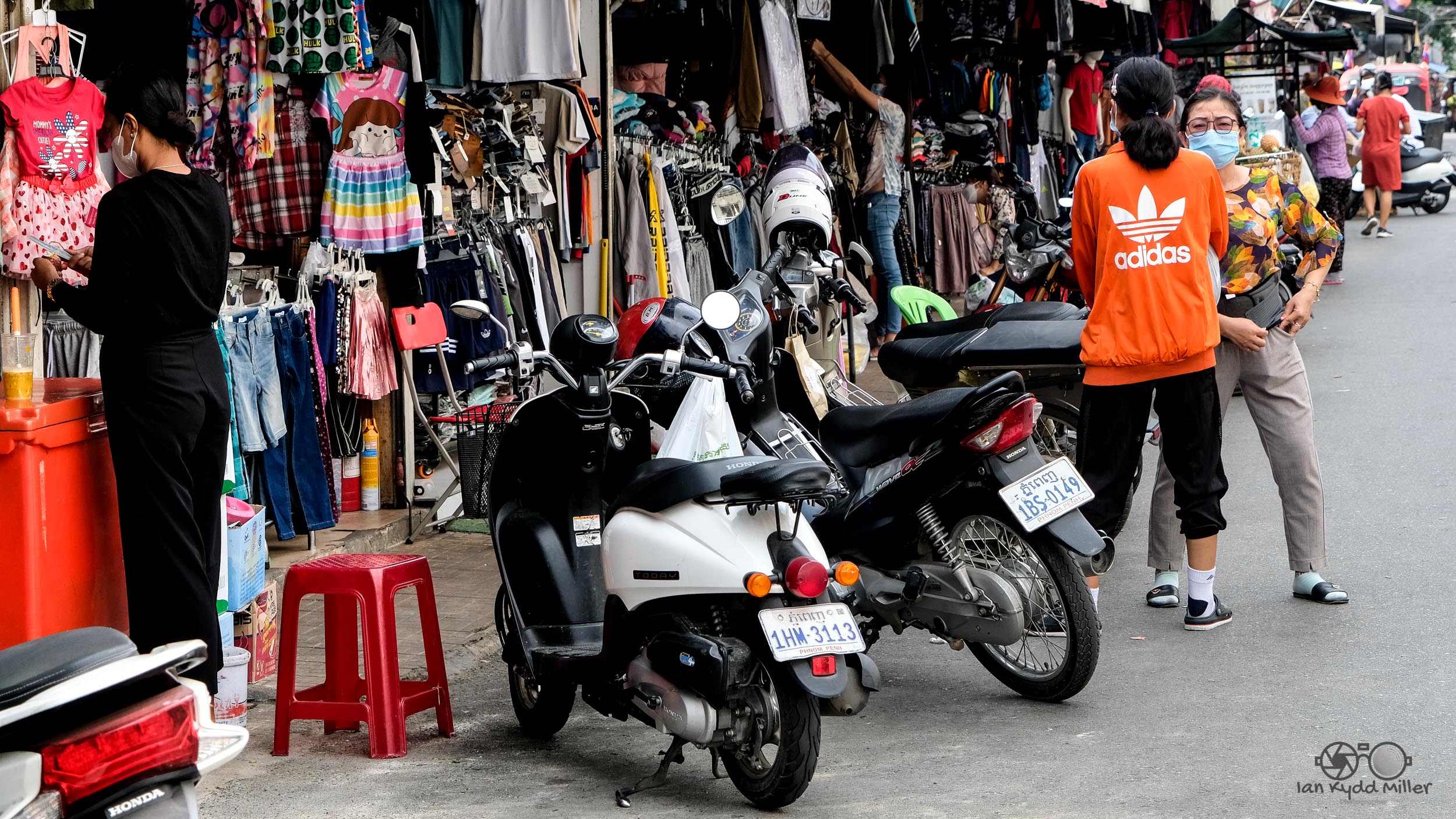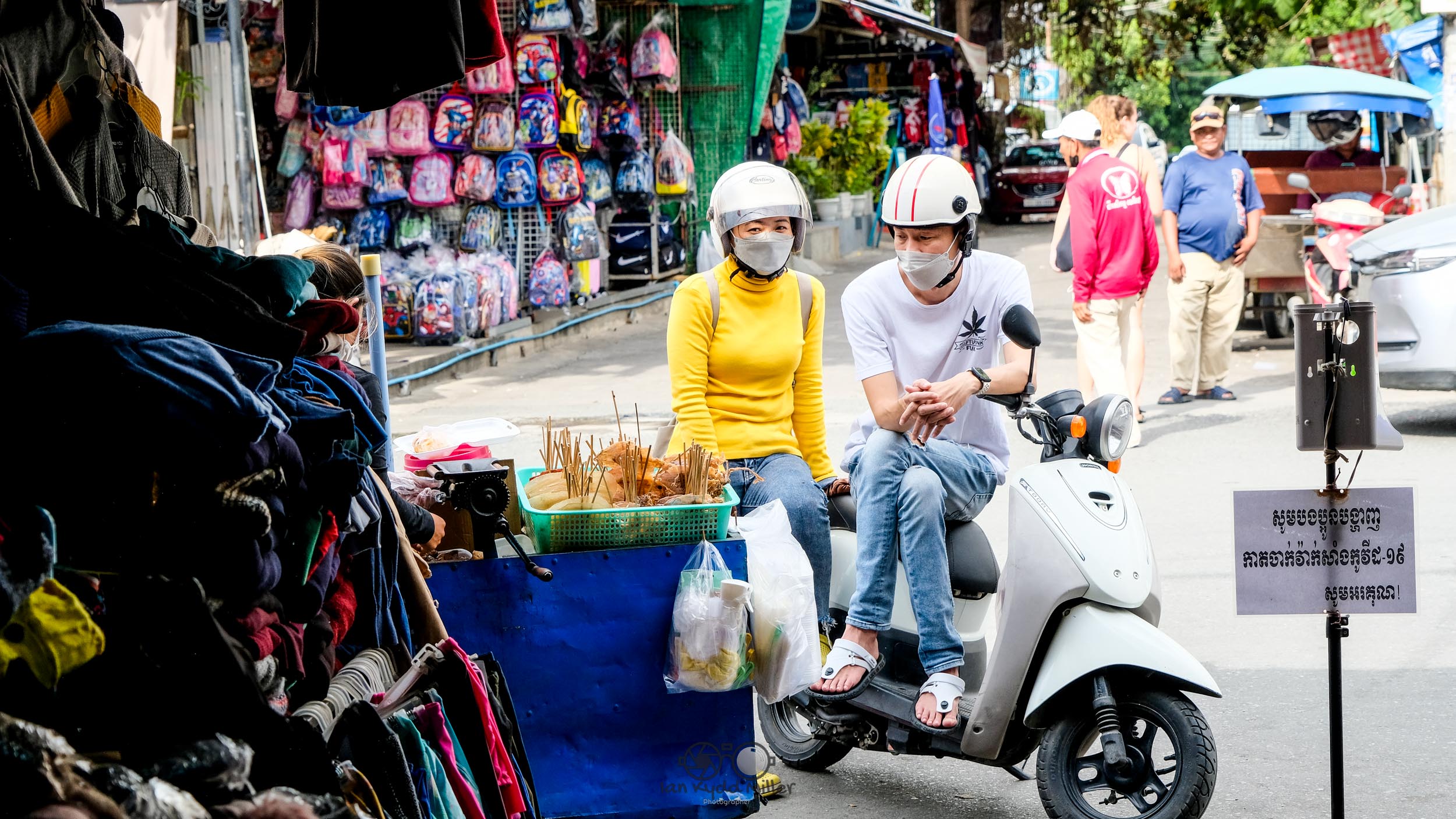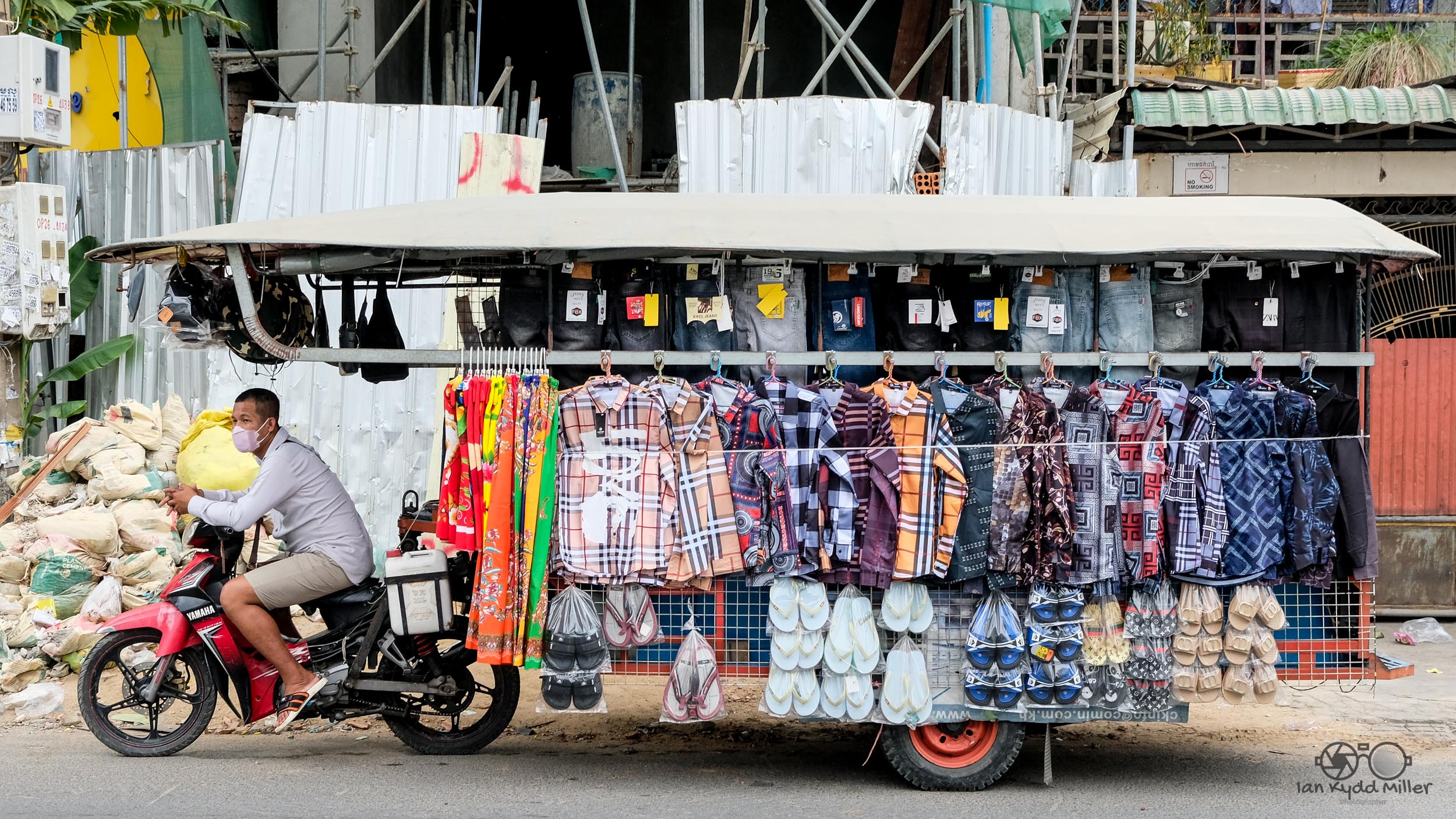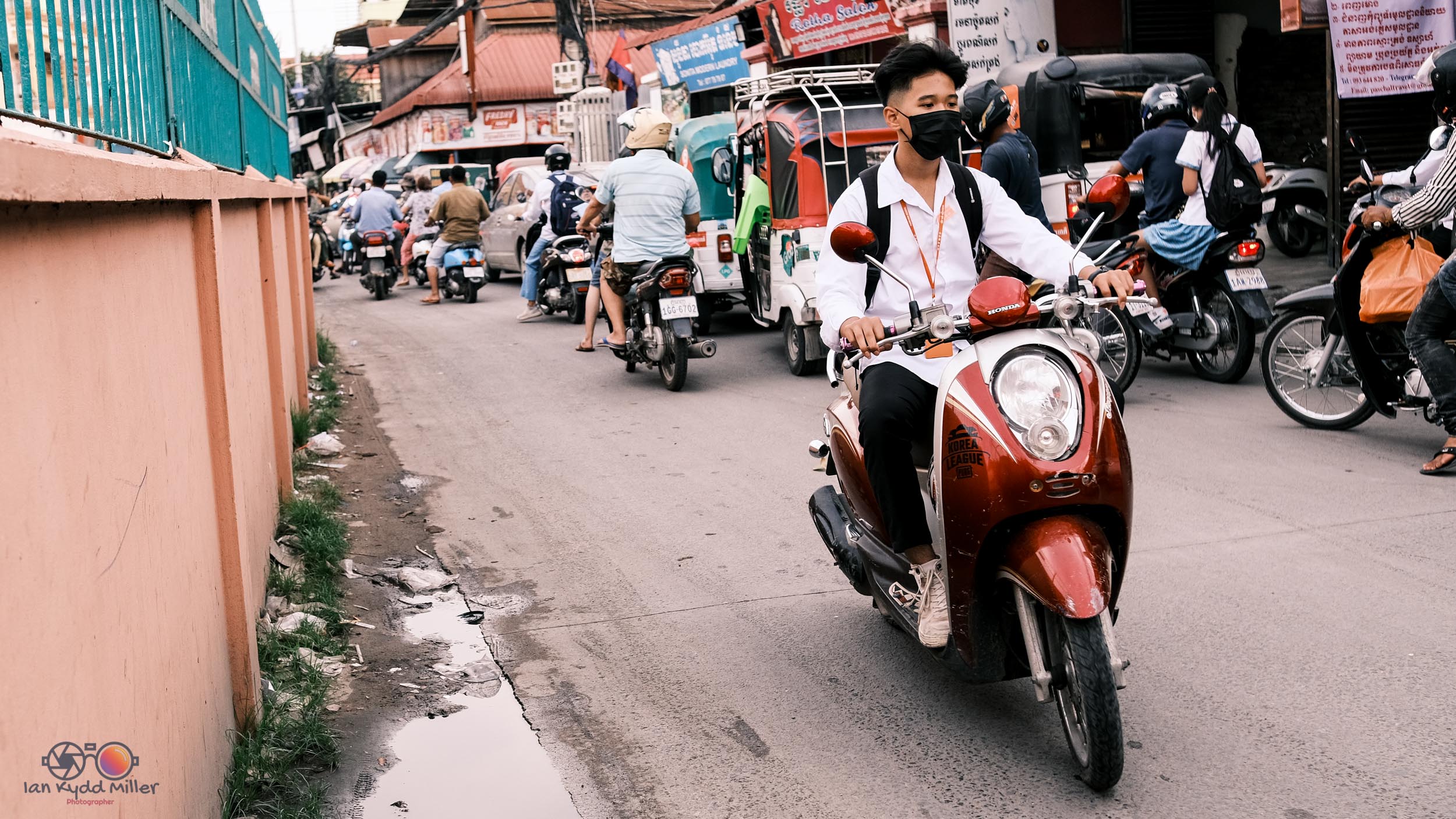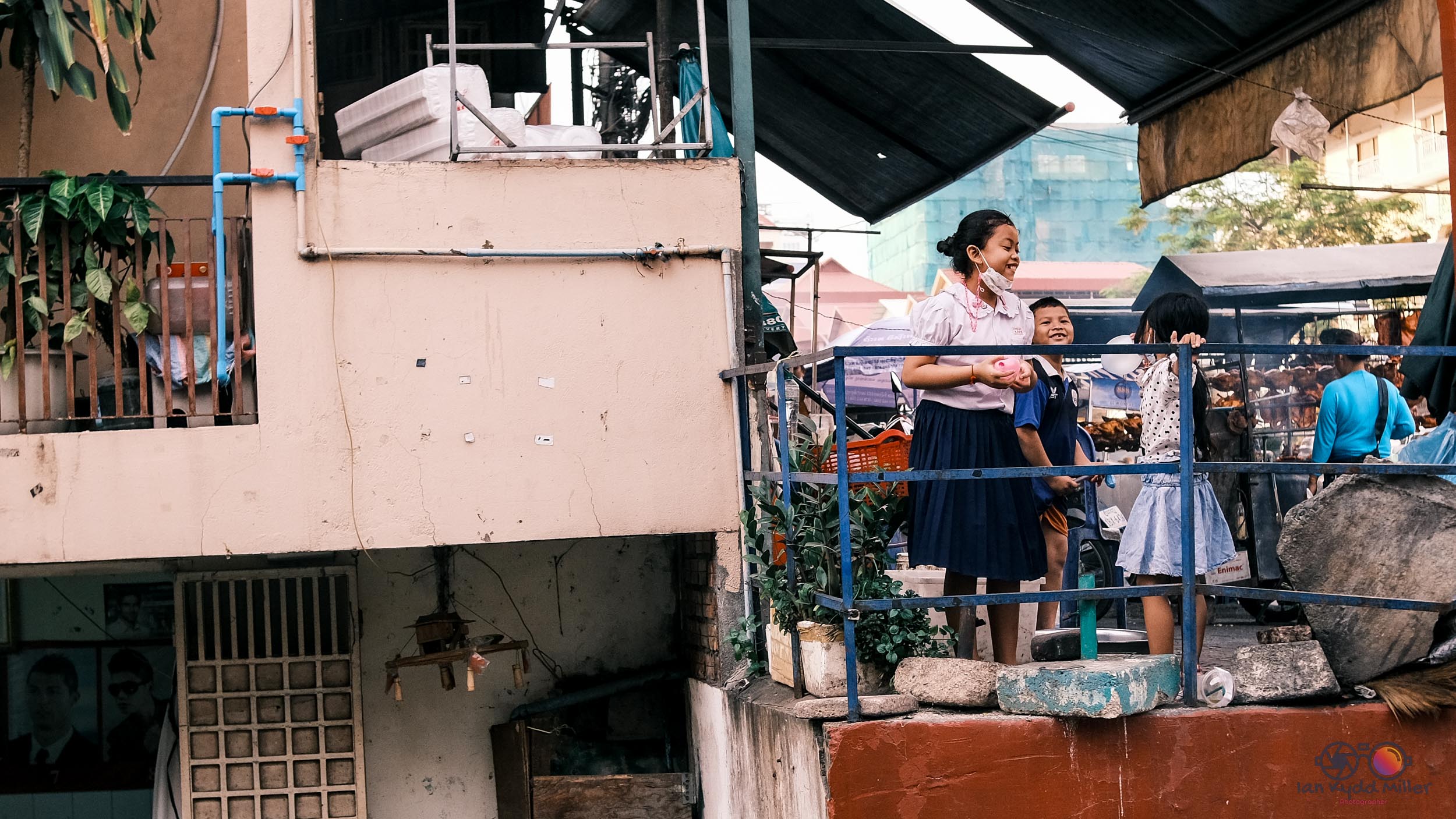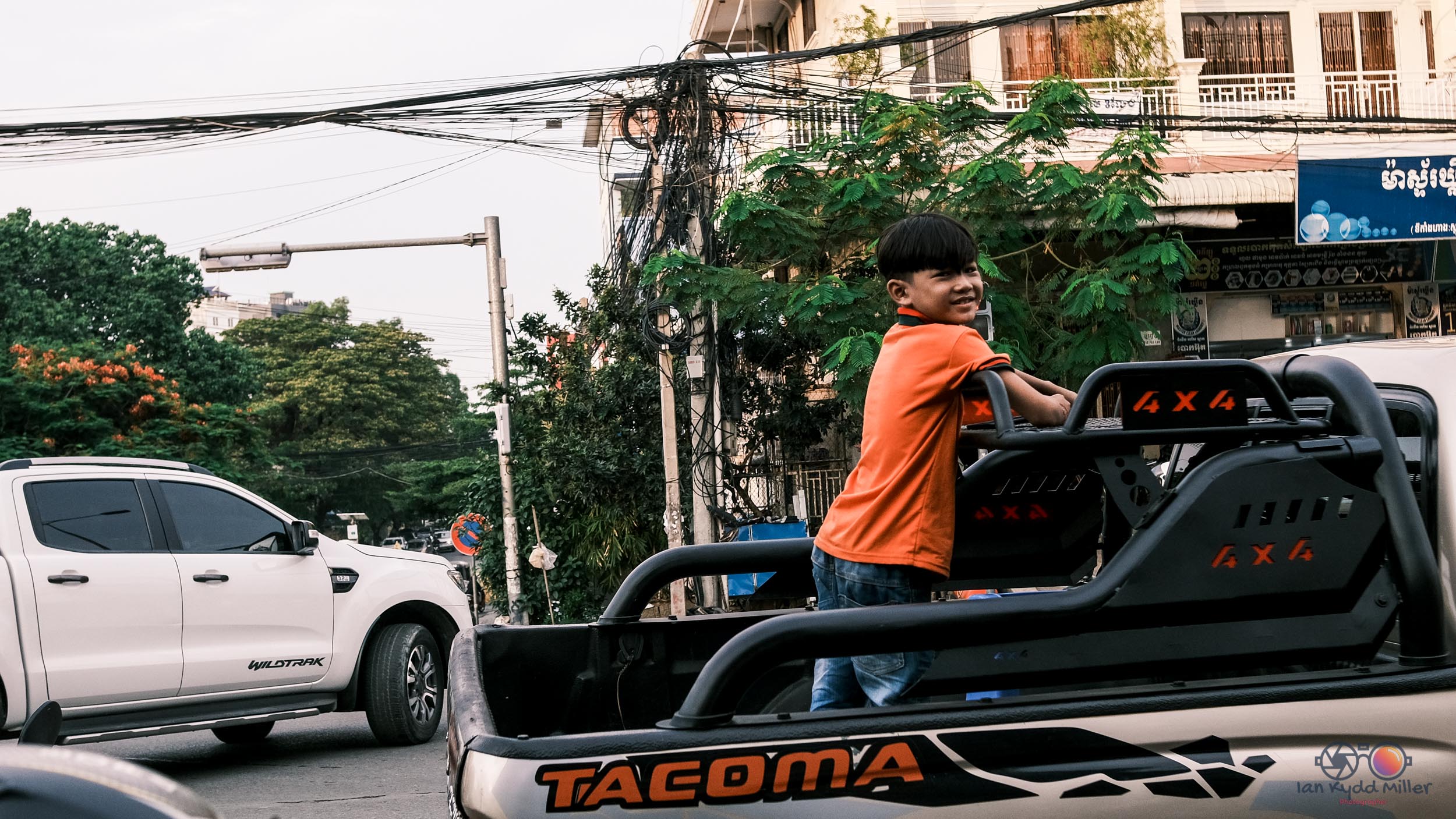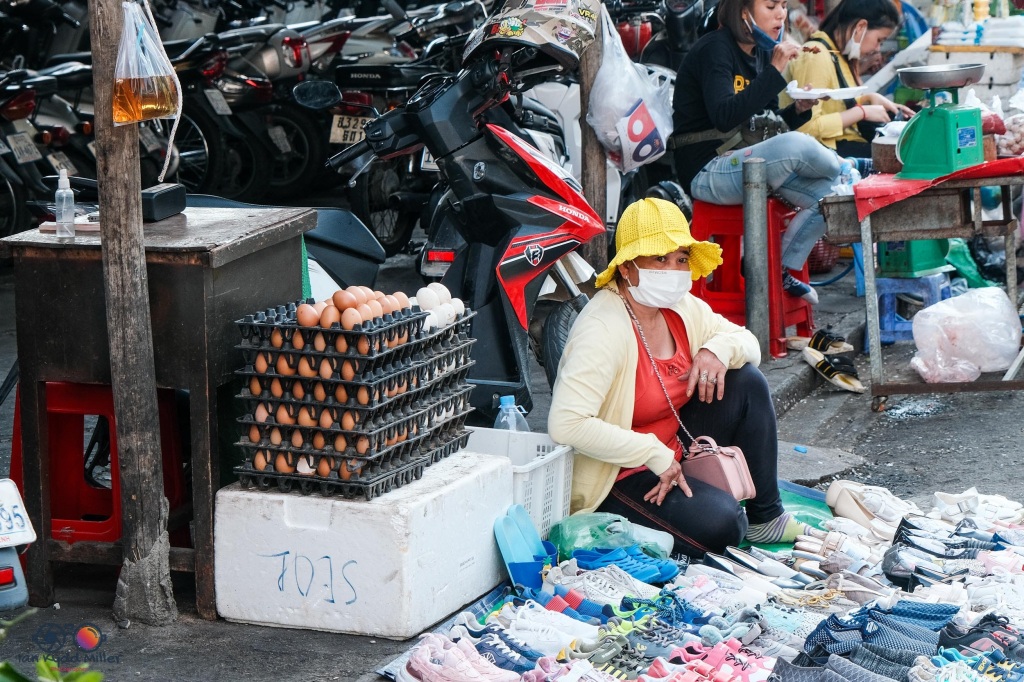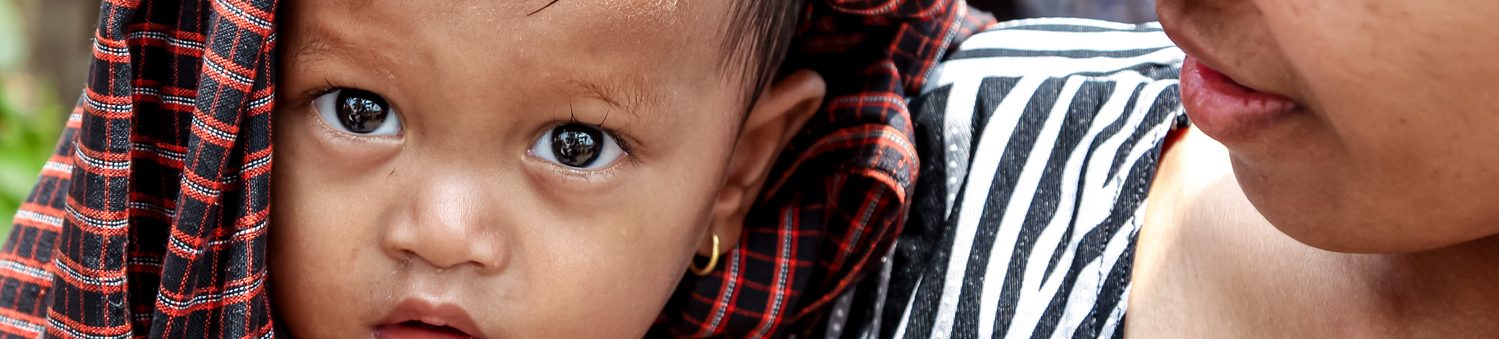
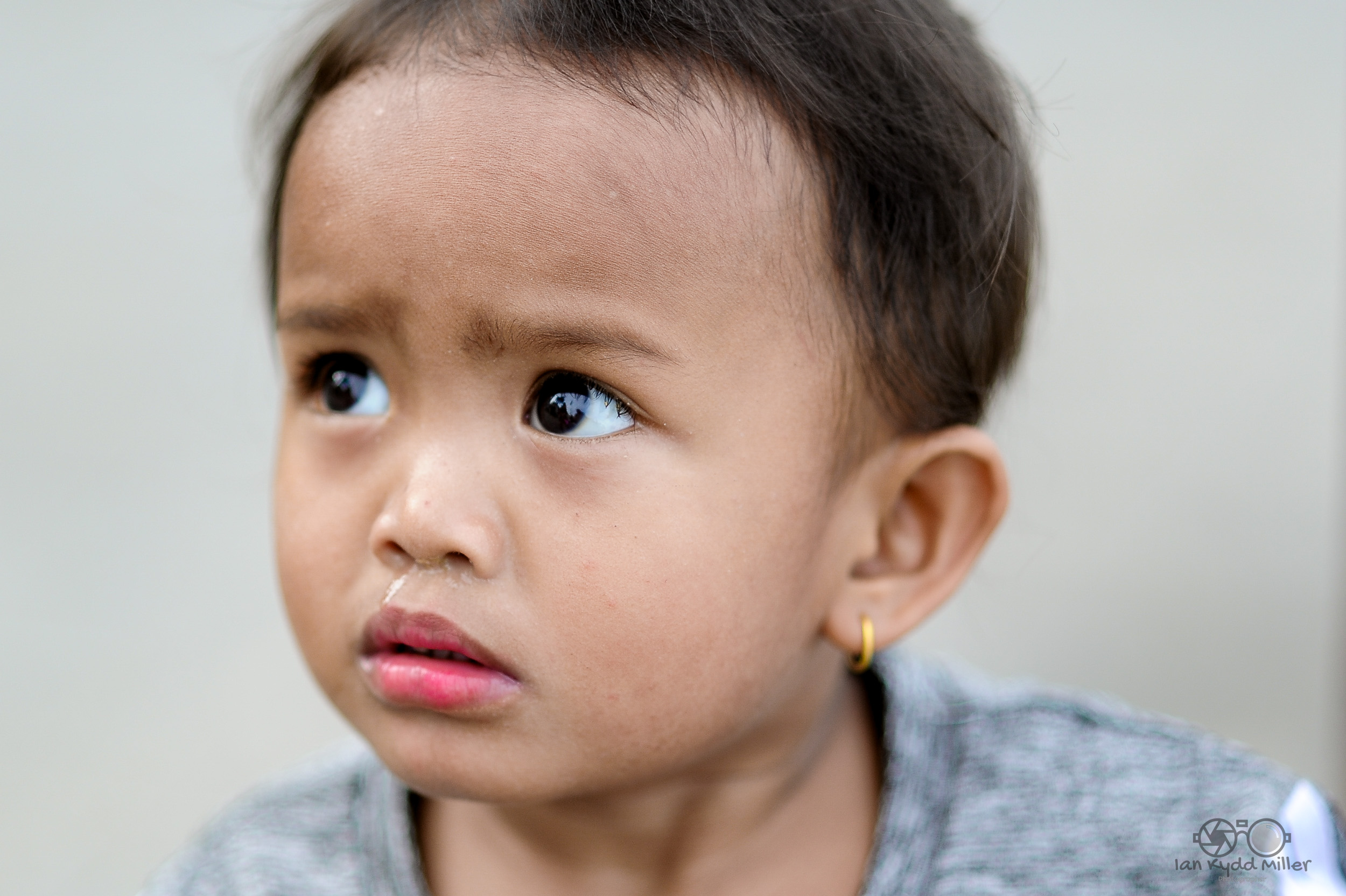
Picked up an old but babied Nikon D3s. Could never afford one when it was new but this was going for a very reasonable price so I treated myself for Christmas. I had a few Nikon lenses that I used with my Nikon D2Hs so I thought I would give it a try.
Of course my first love are my Fujifilm cameras and lenses but this camera is still very capable. I have since buying it added a few prime Nikon lenses that again were very reasonable price, older, like the camera, but still excellent.
It took a little time to get it set up the way I wanted for my picture-taking style but now that is done it is very easy to use, if a little heavy, and is capable of some excellent images with a little, and I mean a little, work in post. The lenses I chose and used for the pictures seen here, where the Nikon 50mm f1.8G and the 85mm f1.8D. If I were not a dedicated Fuji user I could see me using this as my daily camera.
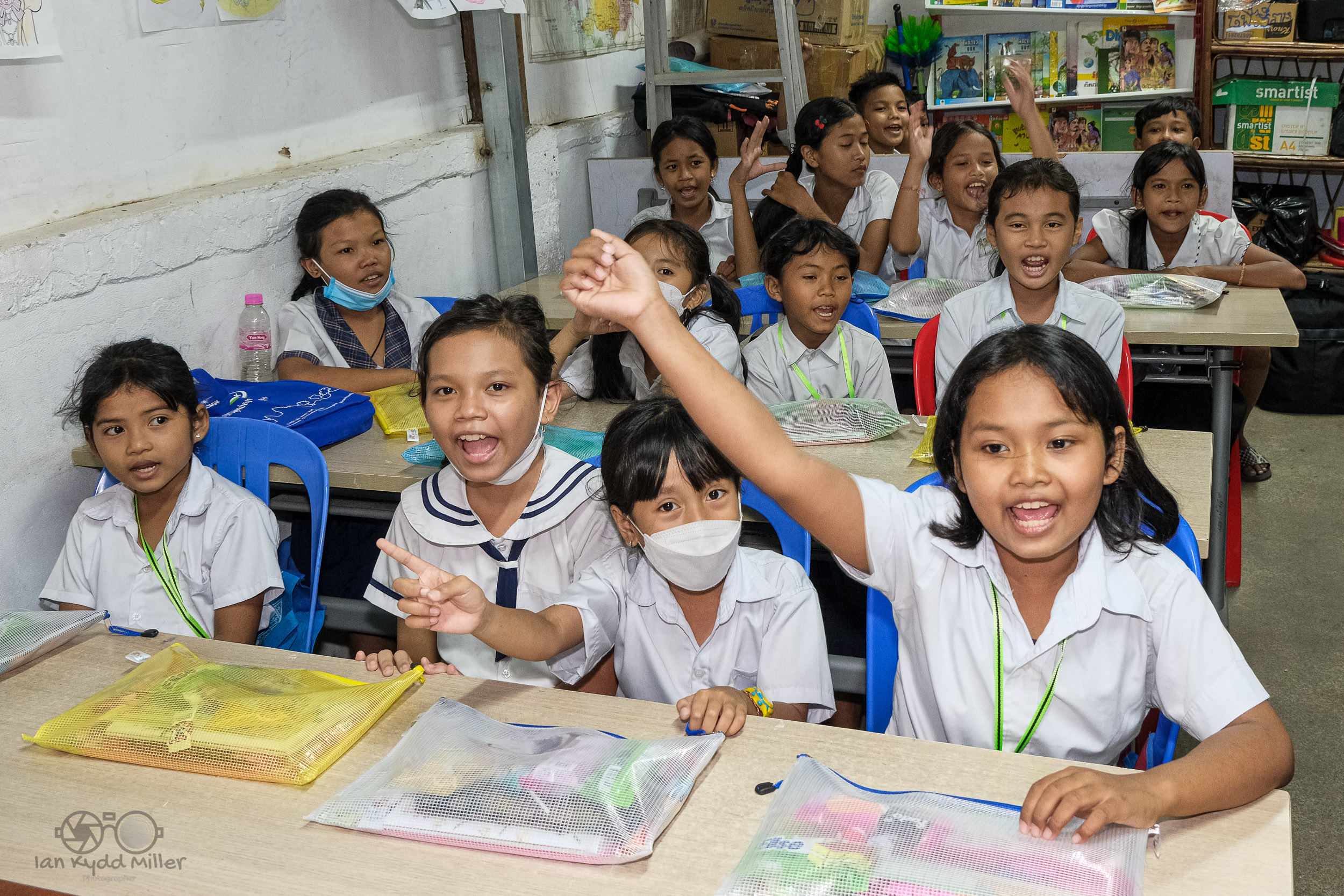
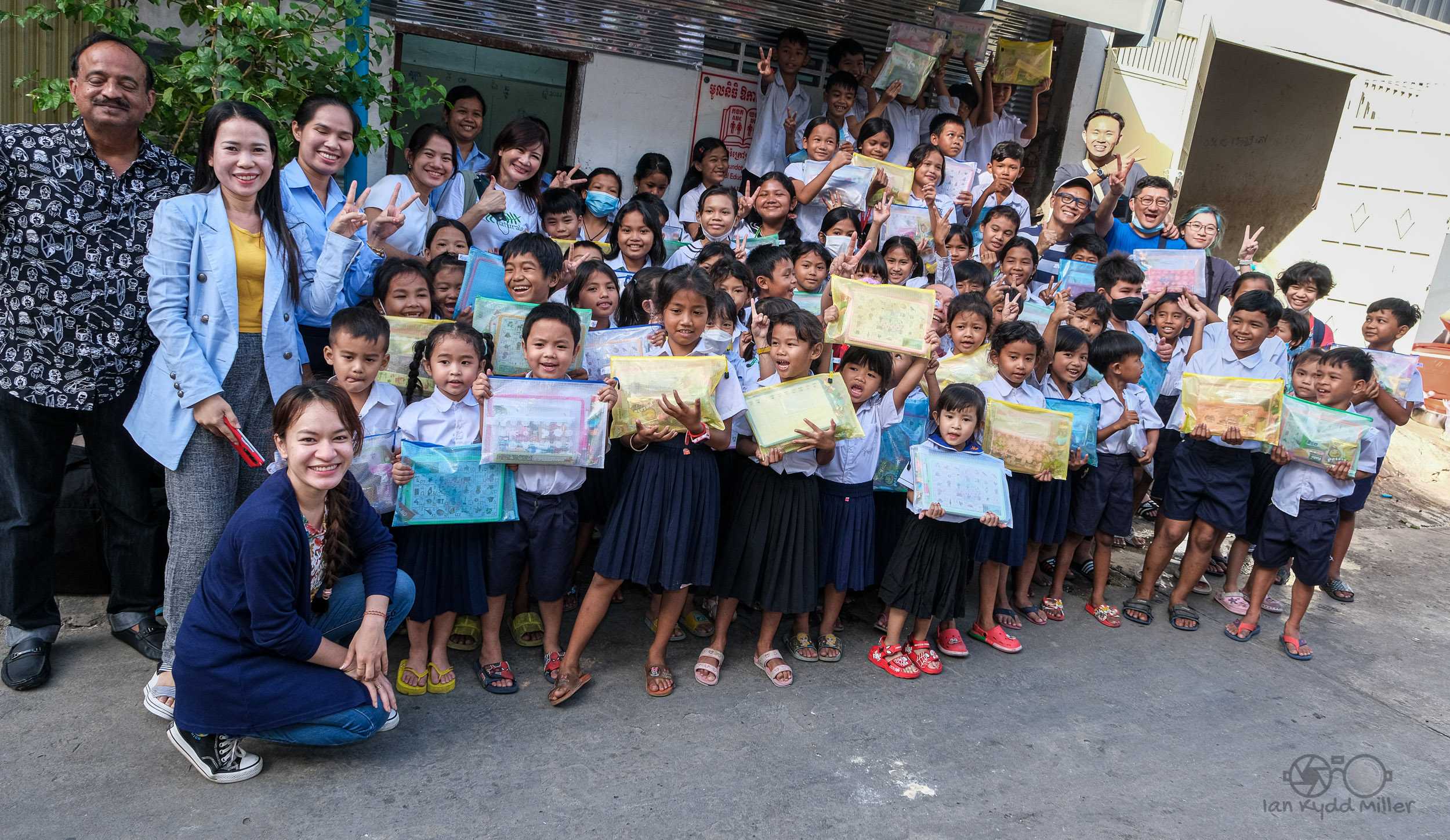
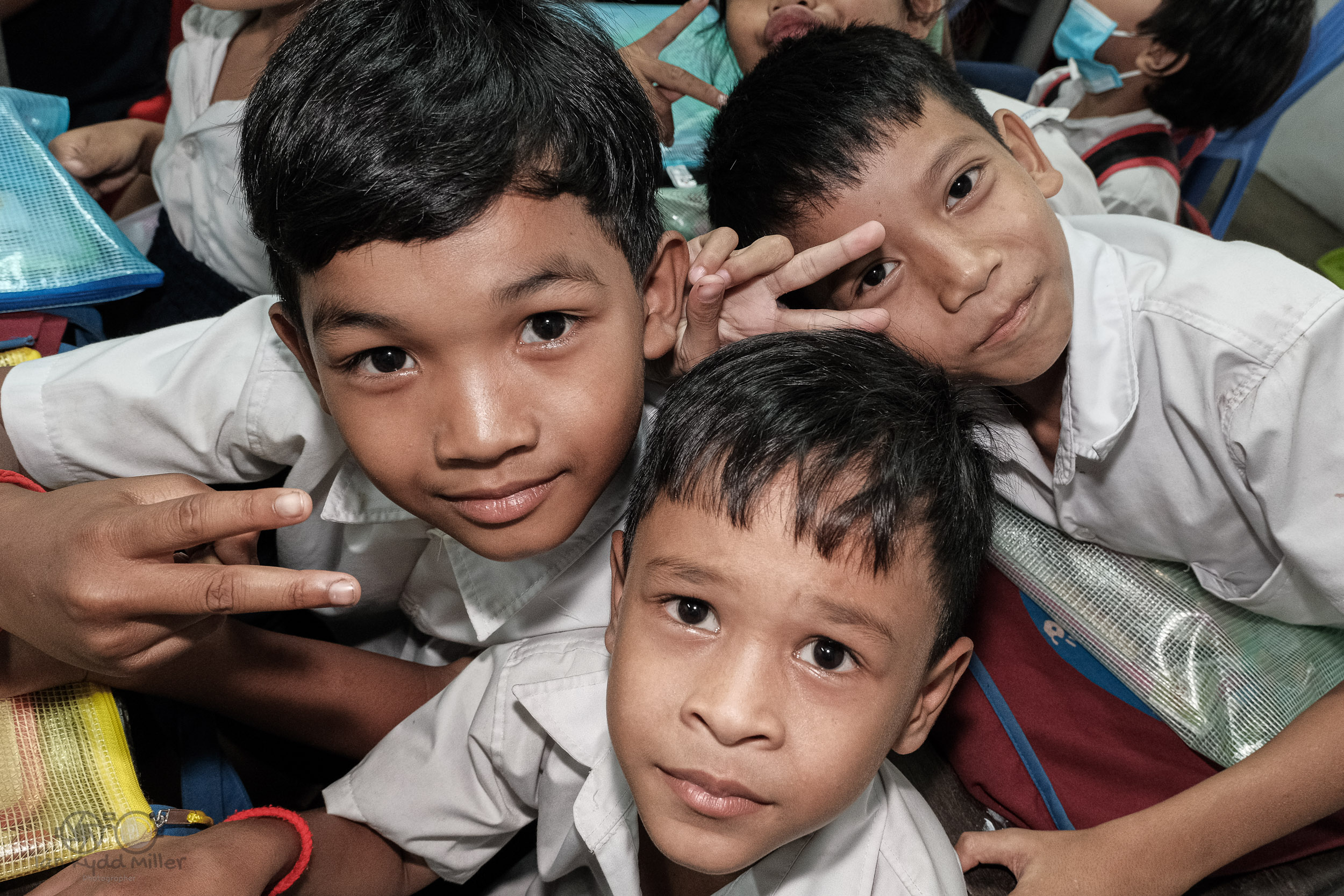
As always a most welcome visit from Cfs, with needed donations of school supplies for the kids and a few treats. Big thanks go out to Ashok and all those who today gave these kids help to get an education.
To me, photography is not about the gear you use to make an image but about the image you make. Yes, it is nice to use a beautiful camera and a superb lens but if you get stuck on that merry-go-round your pictures may suffer. The old saying ” the best camera is the one you have with you” holds true. I always have tried to use what I think is the best camera, that I can afford because it pleases me, but it does not have to be the most expensive on the market. These days ALL cameras can make good images.
Taking photographs is about the ability to see an image using the equipment you have at hand, be that an iPhone or a Leica or any one of a hundred cameras in between.
Learning to see and anticipate is much more important than the actual camera you may choose to use. Each of the images here was taken with a different camera, either Canon, Nikon or Fuji, can you tell which I know I could not if I did not already know.
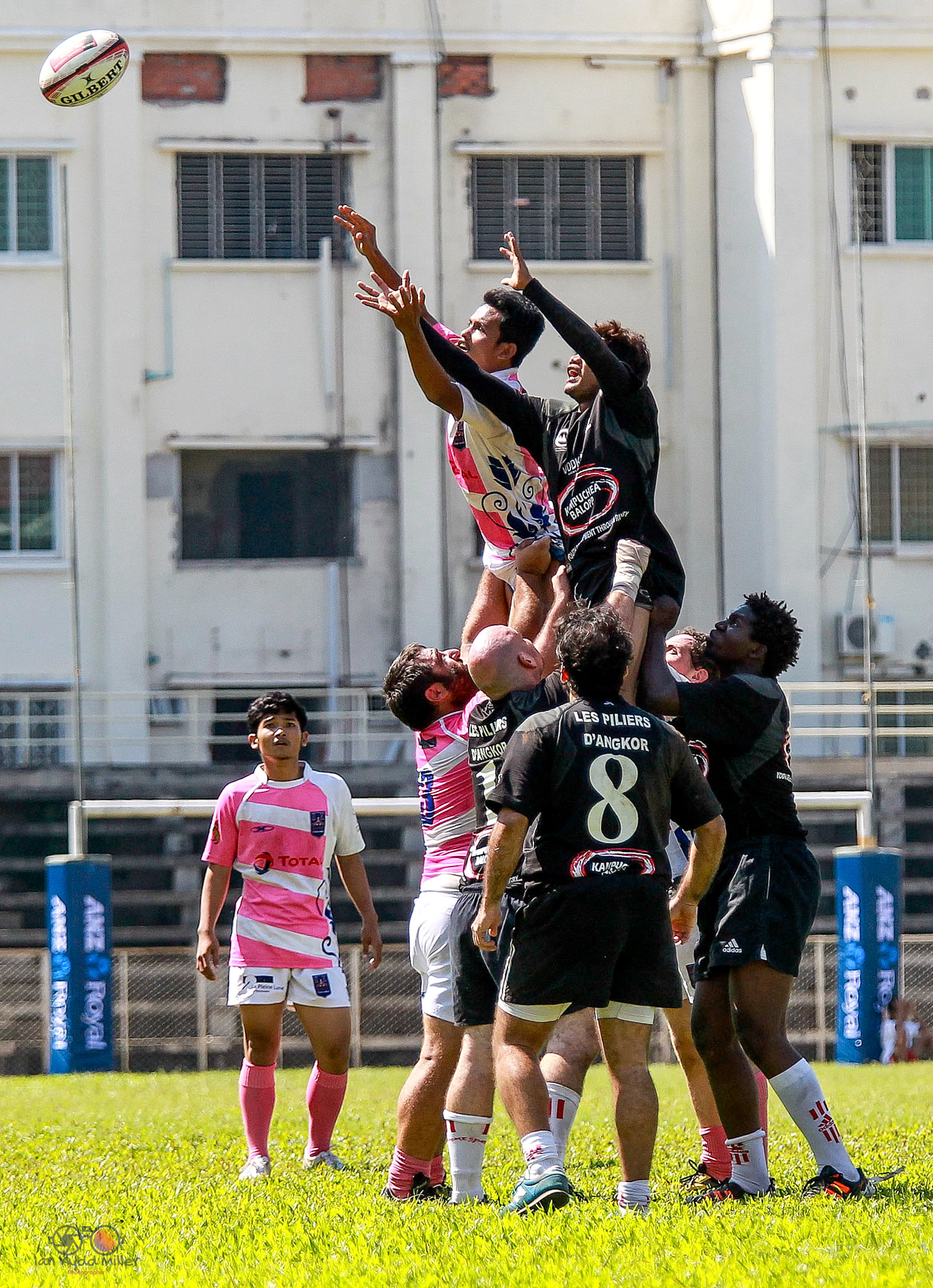
Certain types of photography such as sports or wildlife demand the use of certain types of equipment, long prime or zoom lenses, for obvious reasons, it would be next to impossible to shoot these kinds of subjects with a traditional point and shoot camera. These professional genres demand the use of professional equipment but this does not outweigh the skill of the photographer, knowing the game or the animal enables he/she to anticipate shots.
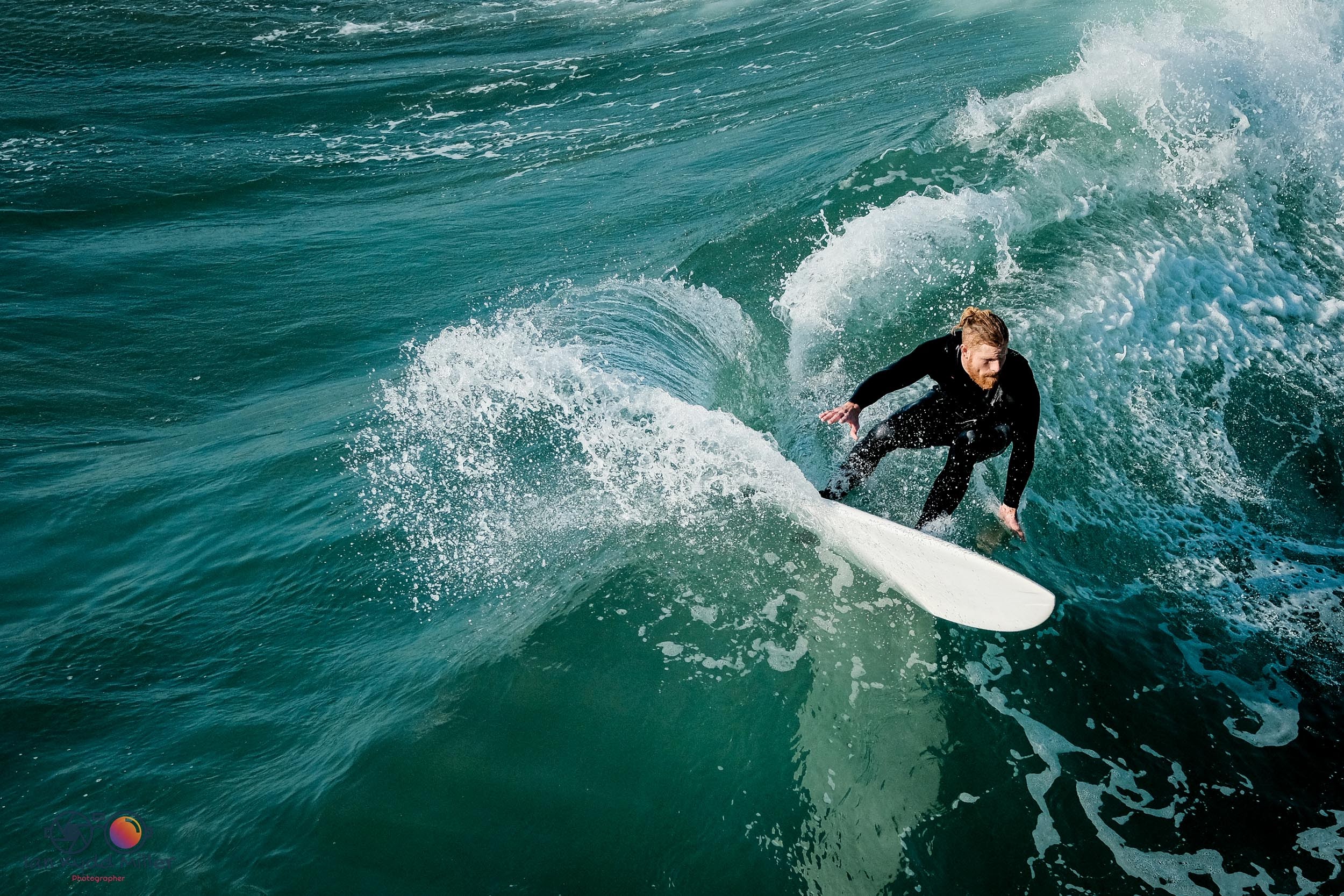
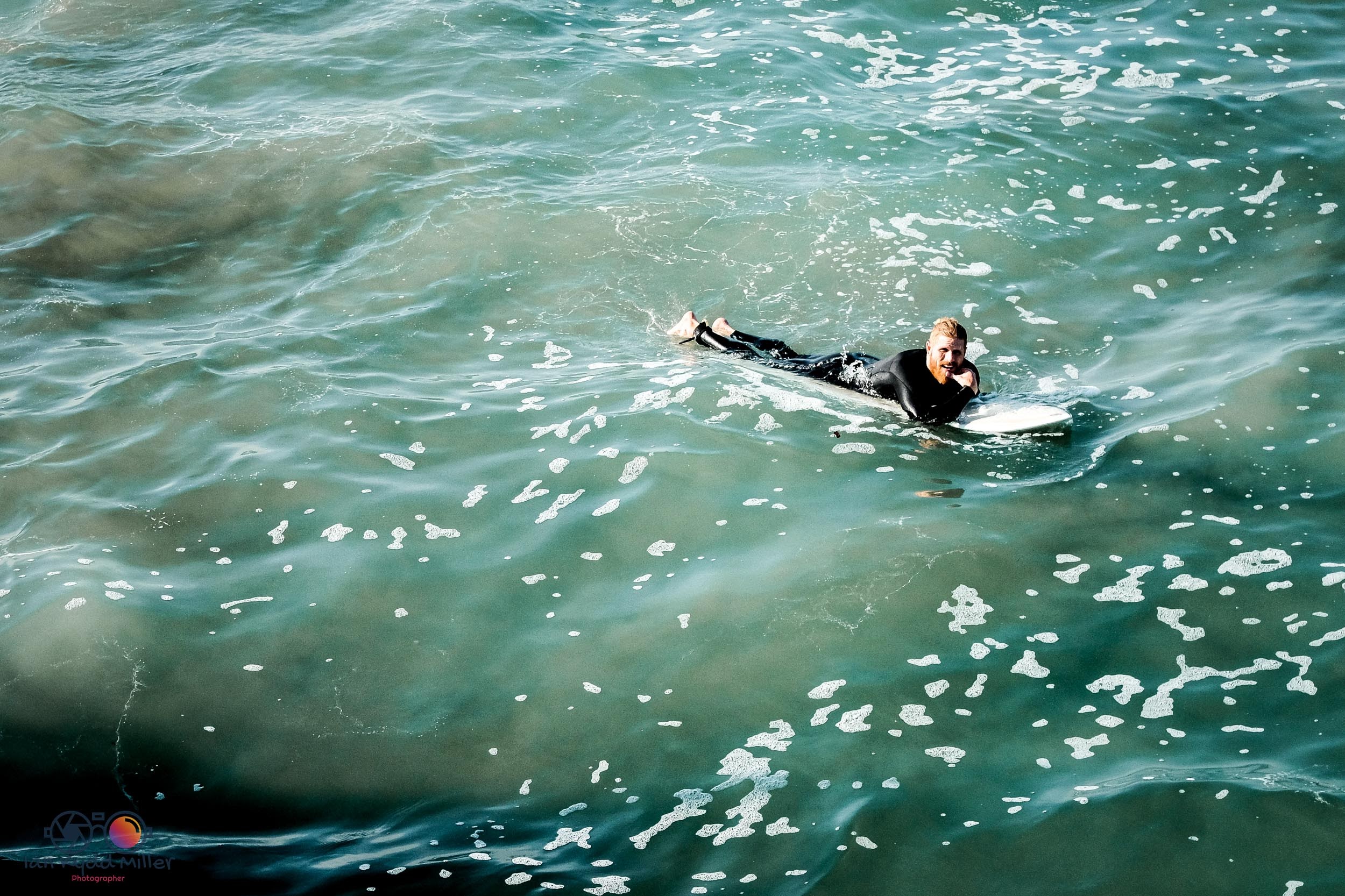
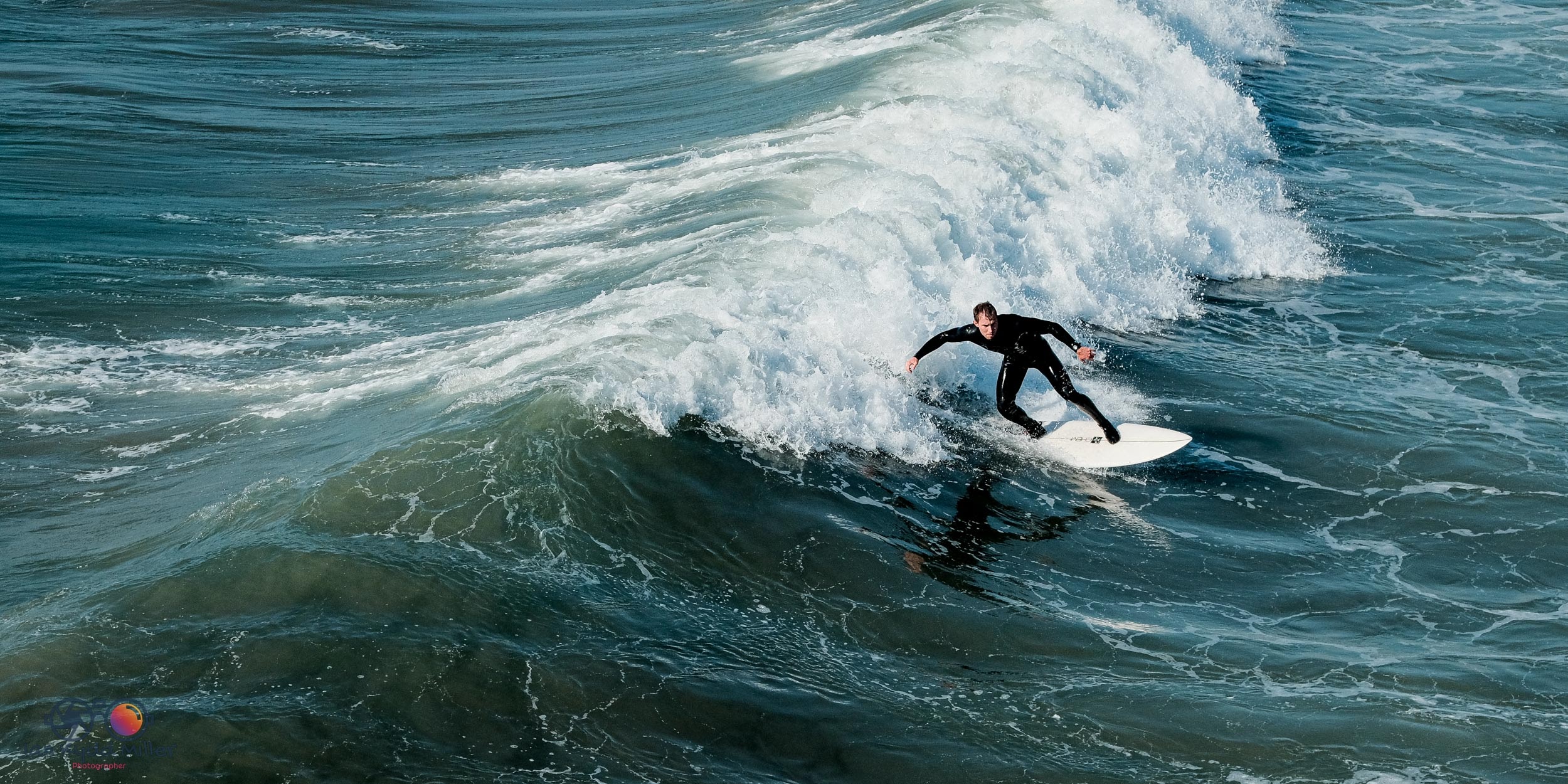
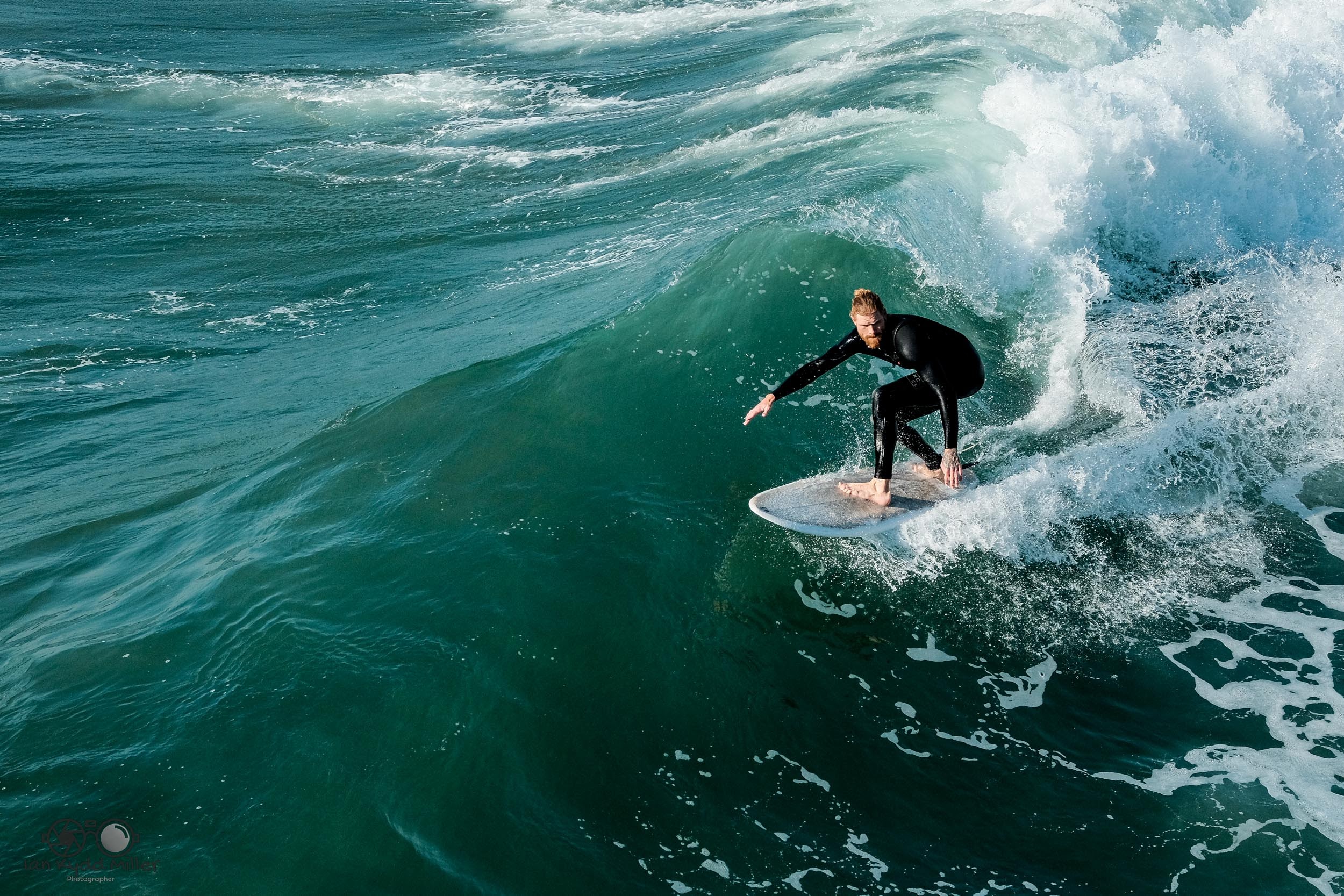
Specialised equipment is not always needed, and is not always available as with the pictures of the surfer which were taken with a Fujifilm X Pro2 mounted with the only long lens I had with me the XF 50mm f2. Placing yourself in the best position (on the pier closest the action) and with a little good anticipation (and judicious cropping in post) you can still make some good images.
Its is not always about equipment or camera but more about the skill of the photographer to know how and when to make the image.
Phnom Penh is a great city for colourful photography, it’s big, dirty and in your face. Street photography is a pleasure. The people are generally friendly and rarely object to having their picture taken.
Street photography is an approach to photography rather than a location, although the streets are the usual place where it happens.
”When I saw the photograph of Munkacsi of the black kids running in a wave I couldn’t believe such a thing could be caught with the camera. I said damn it, I took my camera and went out into the street.” Henri Cartier-Bresson
Alternatively, it is referred to as no rules photography. The plethora of equipment (tripods, lenses, filters, lights etc) associated with ”serious” photography is left at home, or better still in the camera store. It’s just too heavy and bulky to cart around, takes way too long to set up and by the time it is set up the moment is gone.
Street photography is shooting from the hip.
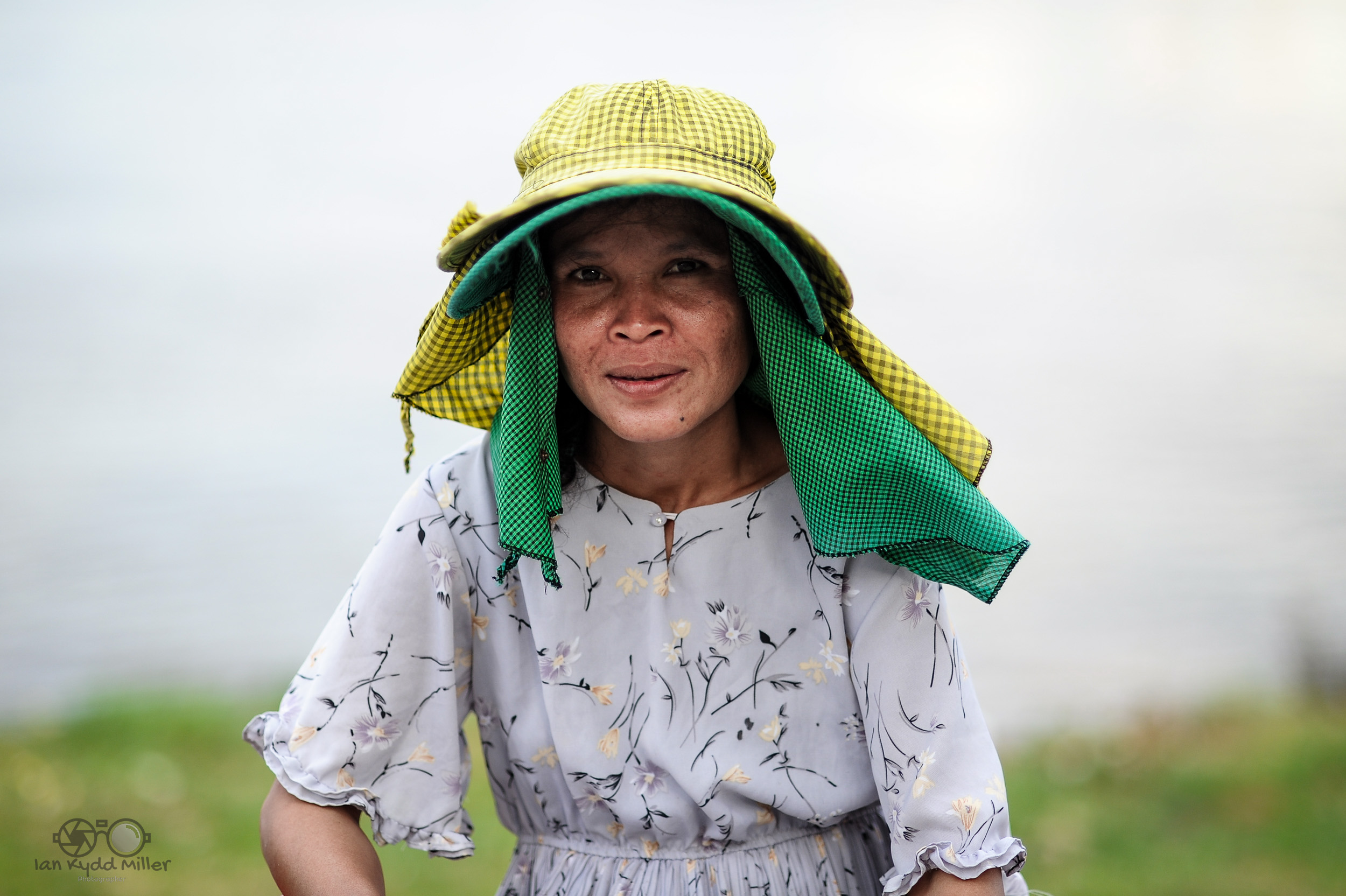
Likewise, the rules of photography, the f stops, the shutter speeds, the rule of thirds etc are left…
First of all, I didn’t realise it’s been 11 days since I last posted, I apologise, and I have forgotten to put up a lot of great images. So, to make up for it, I will share images from todays visit to Laugharne Castle in Carmarthenshire, South Wales. It’s a tiny, historic seaside village, with […]
We live in a world where we want, want, want, and this goes for photographers as much as anyone else. However, the fact is, your latest camera you have just bought, really didn’t matter to your photography as much as you hoped. Here’s why…
First of all, if you’re a professional photographer, this doesn’t apply to you, as you need a very specific tool for the job. However, if you’re not making money from your camera, it’s a very different story.
If you’ve bought a mirrorless camera in the last 7 or 8 years, you’ll have advances in autofocus that’s for sure, but everything else will pretty much be the same. If you’re a landscape photographer (the ones who seem to be prime candidates for extreme camera purchases), then of course autofocus doesn’t matter as much to those who photograph wildlife.