Photograph Wherever You Are β€” Seeing the Extraordinary in the Mundane β€” FUJI X WEEKLY

fujifilm, opinons, thoughts, photography, Travel

Two Caballeros – Culleoka, TX – Fujifilm X-E4 – β€œKodachrome 64” I had an epiphany today. It’s been building in my mind for several days now, but it was only today that I believe I fully understood it: photograph wherever you are. Whichever place it is that you find yourself, capture it with your camera.Β […]

Photograph Wherever You Are β€” Seeing the Extraordinary in the Mundane β€” FUJI X WEEKLY

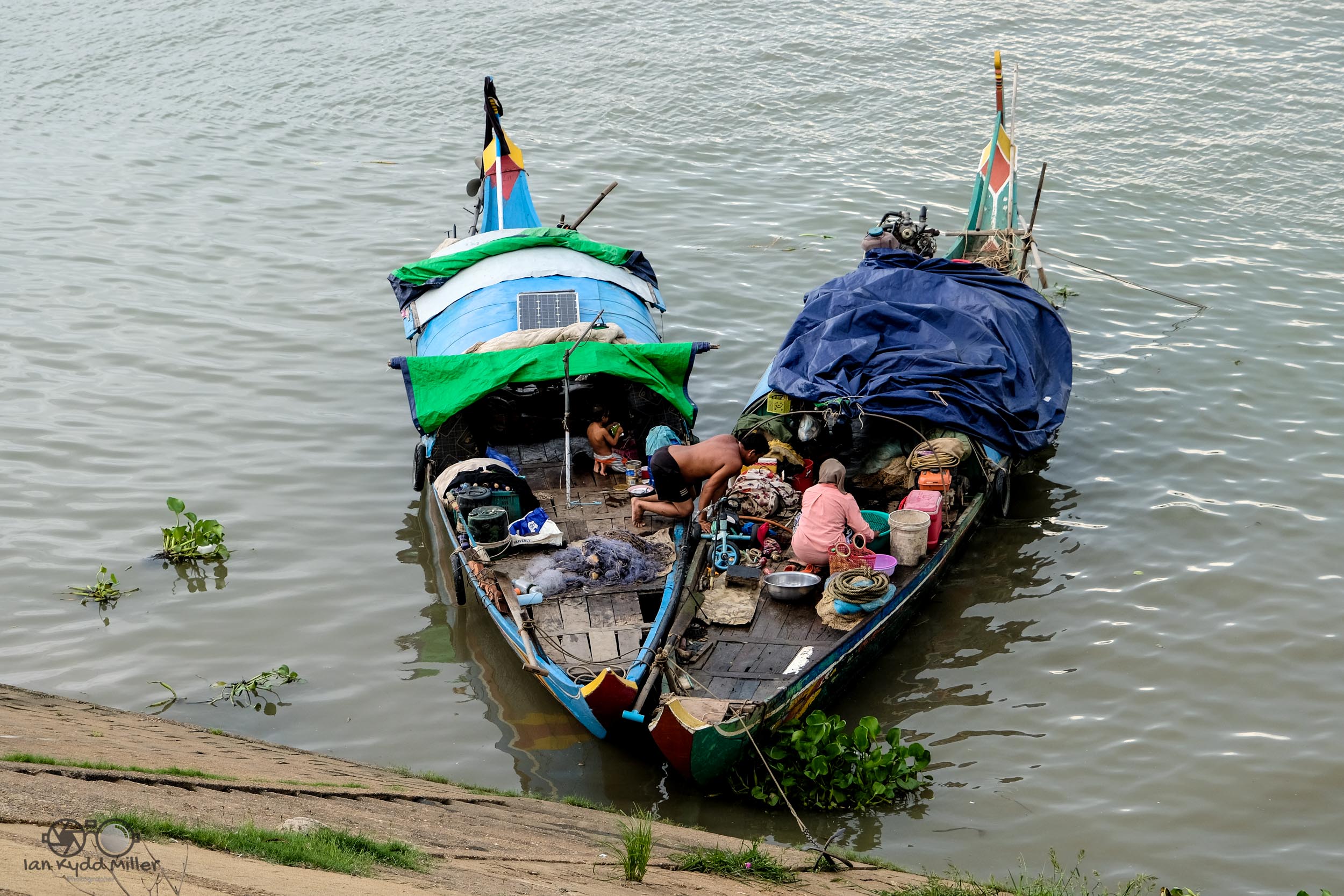
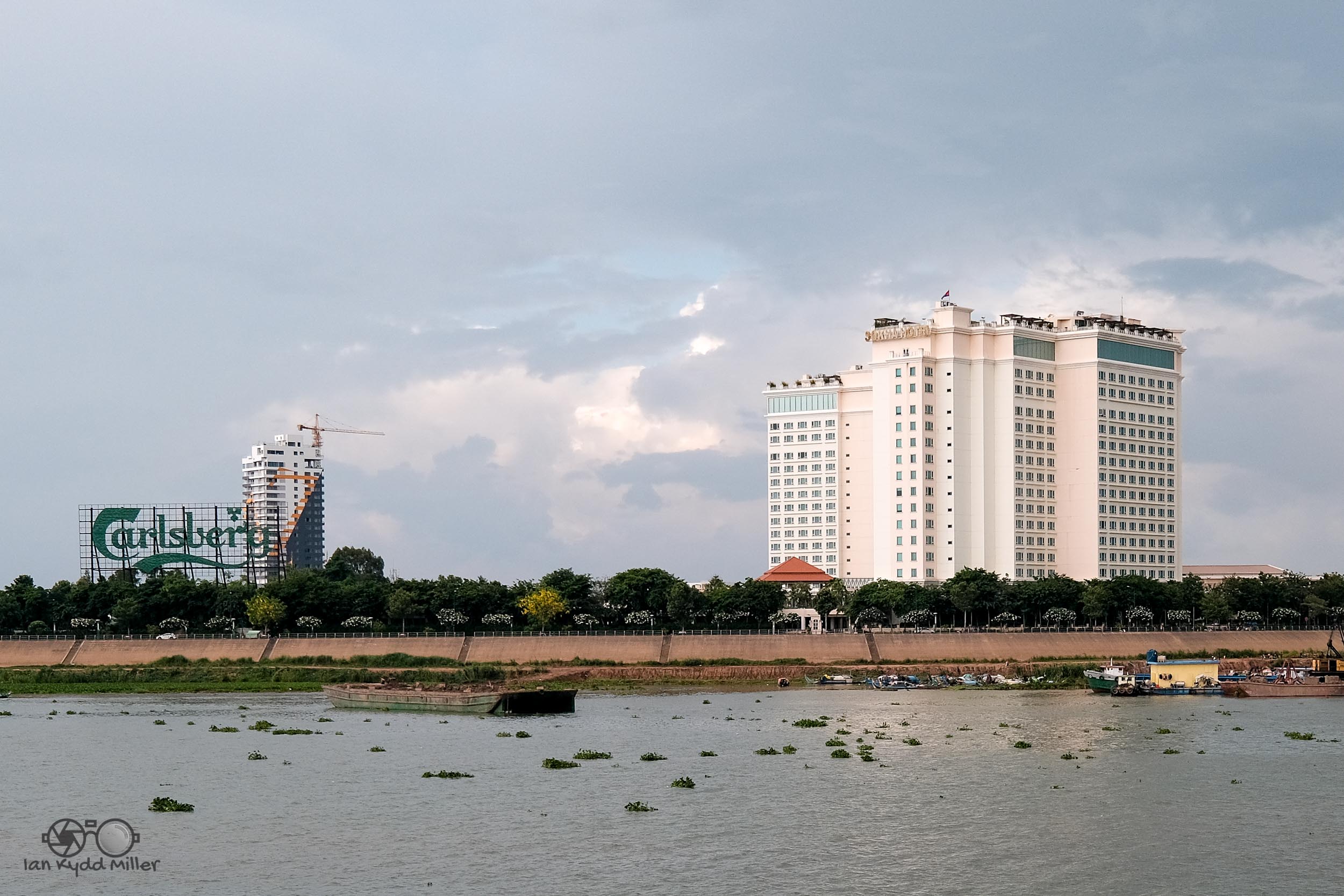
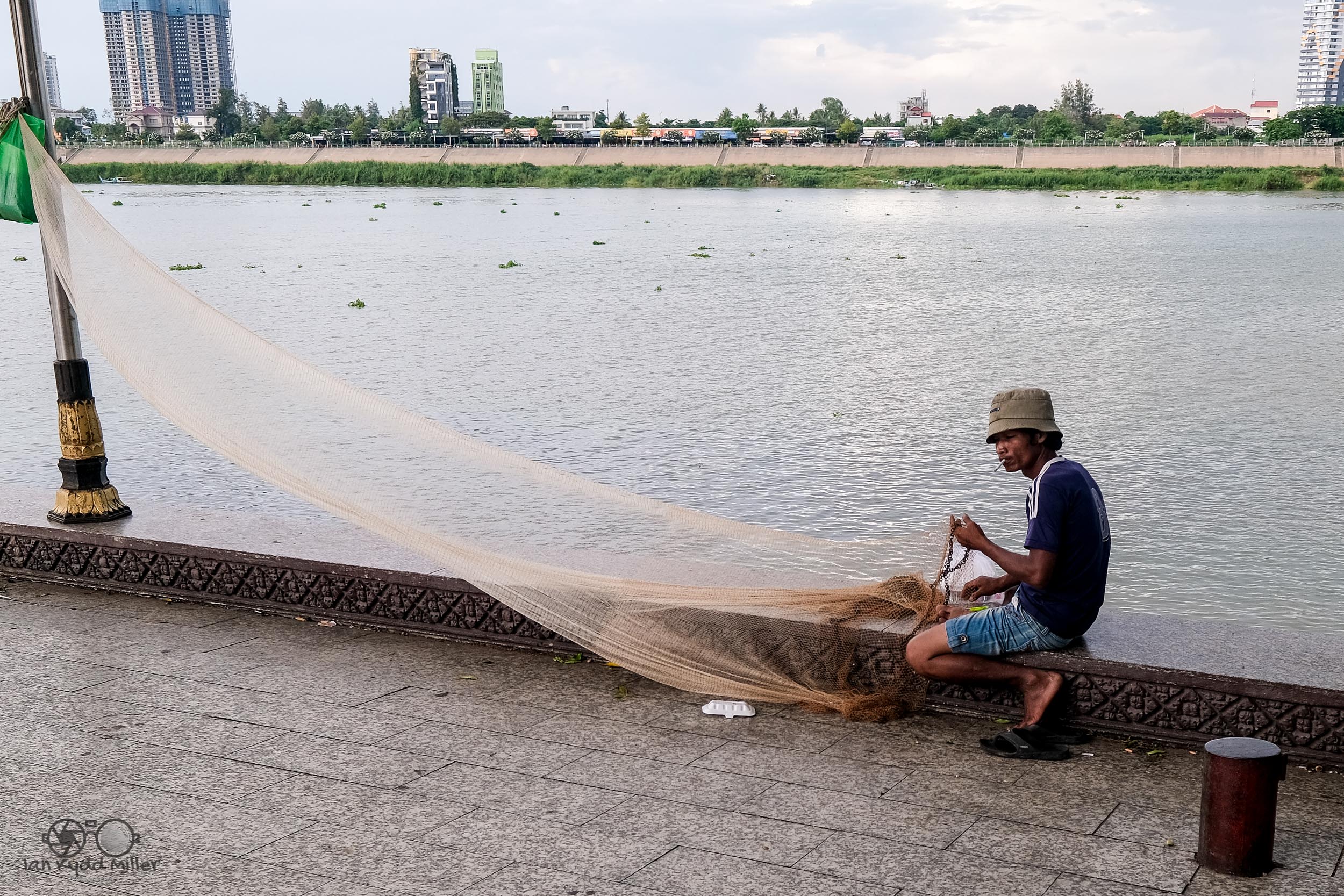
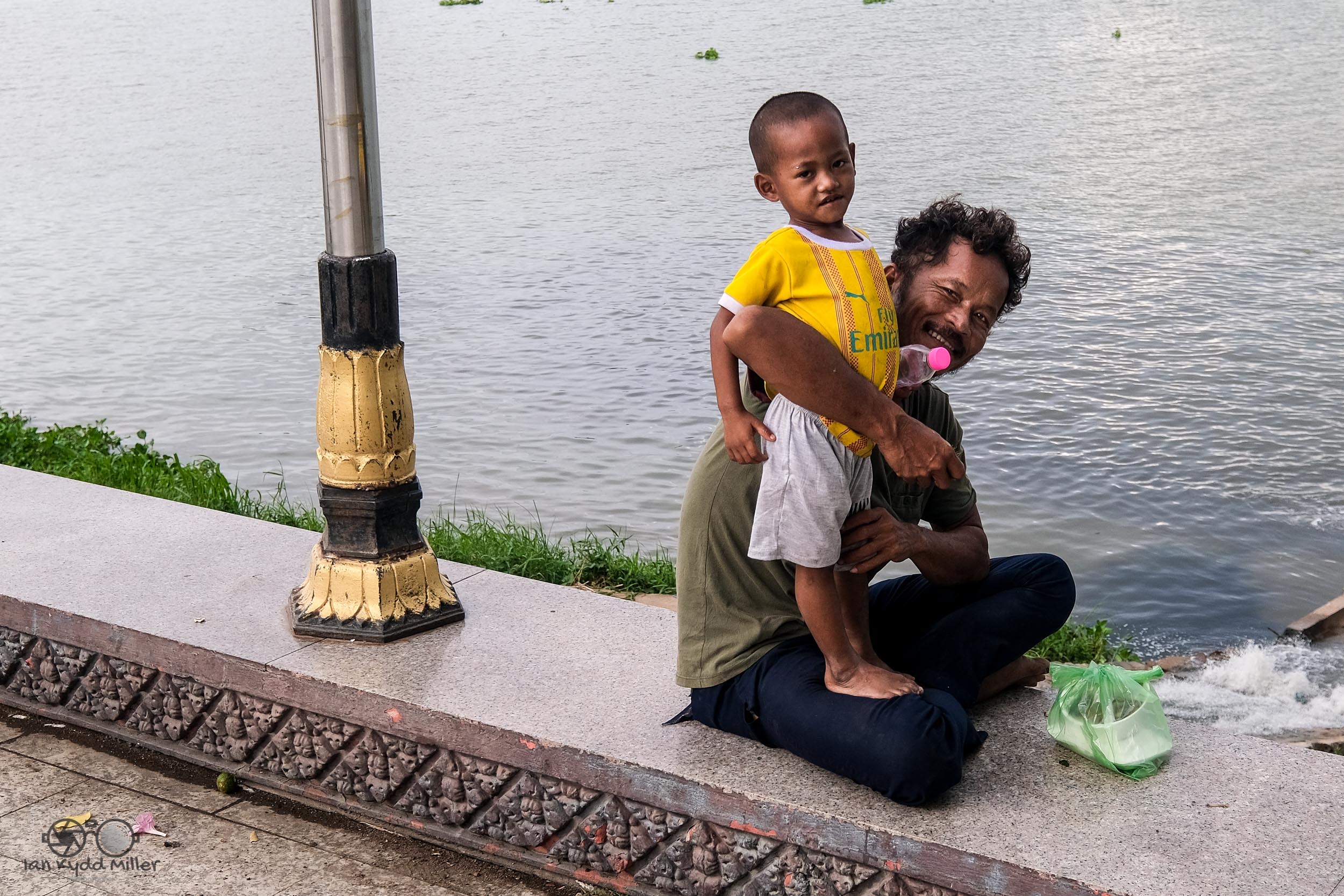
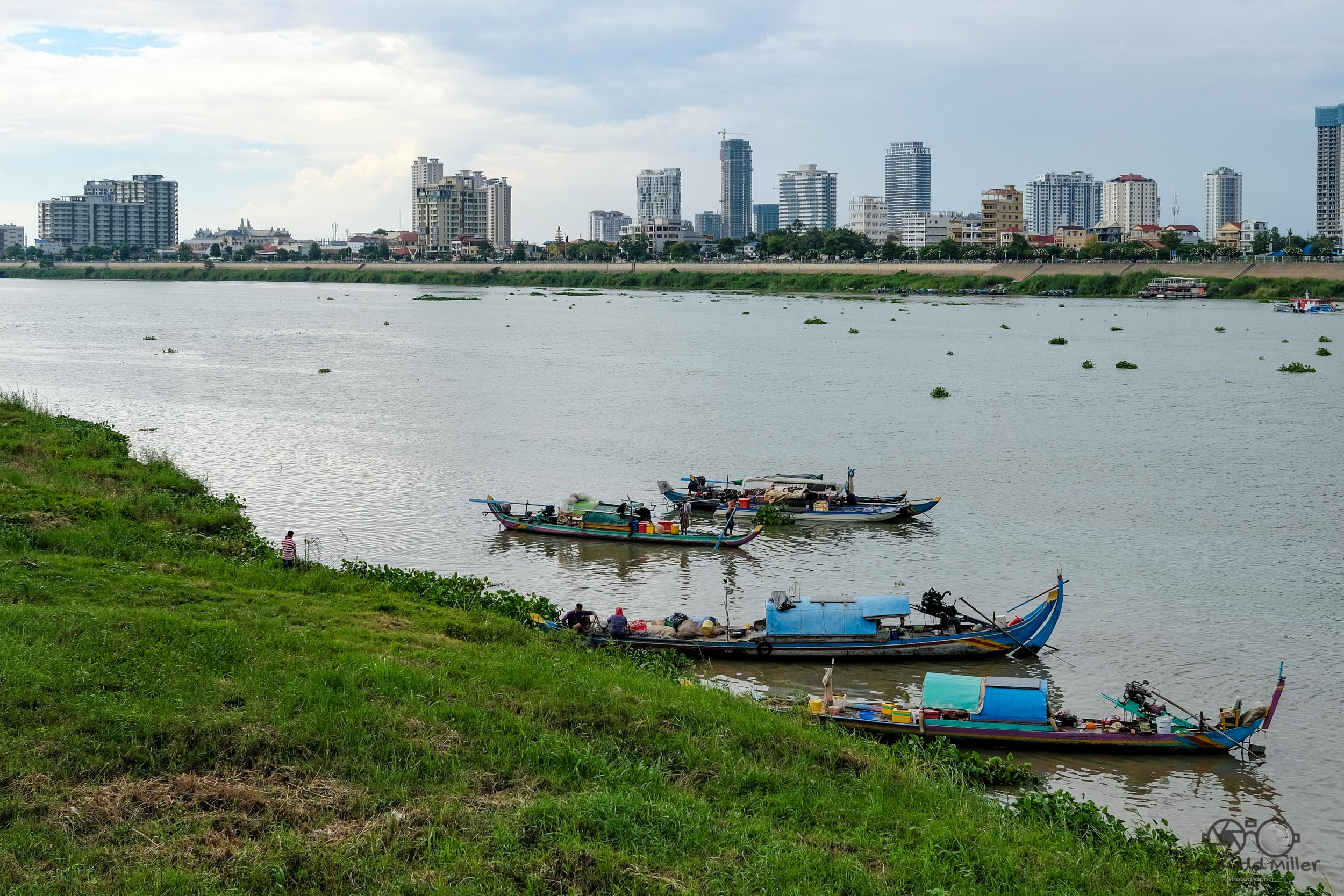
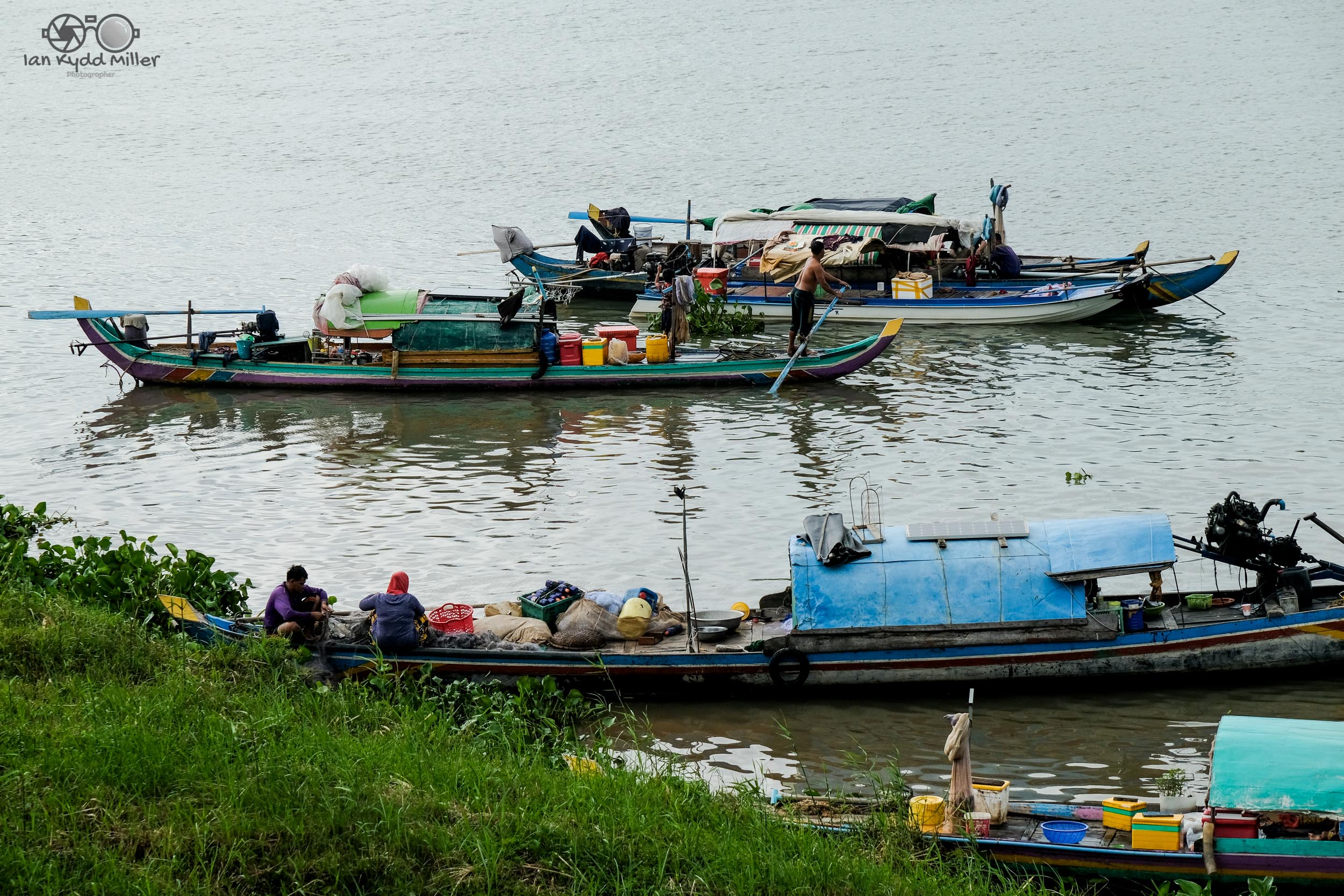
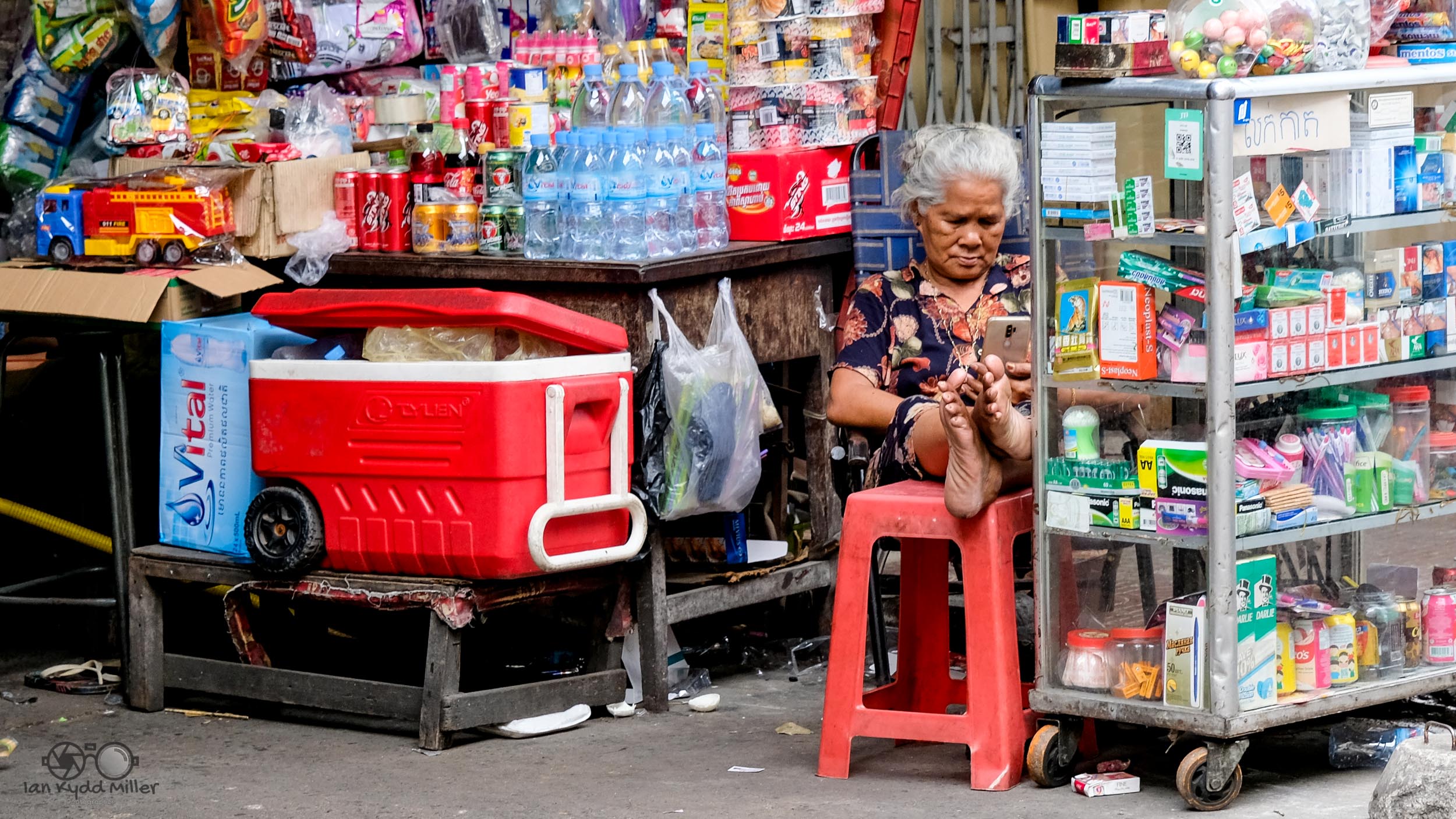
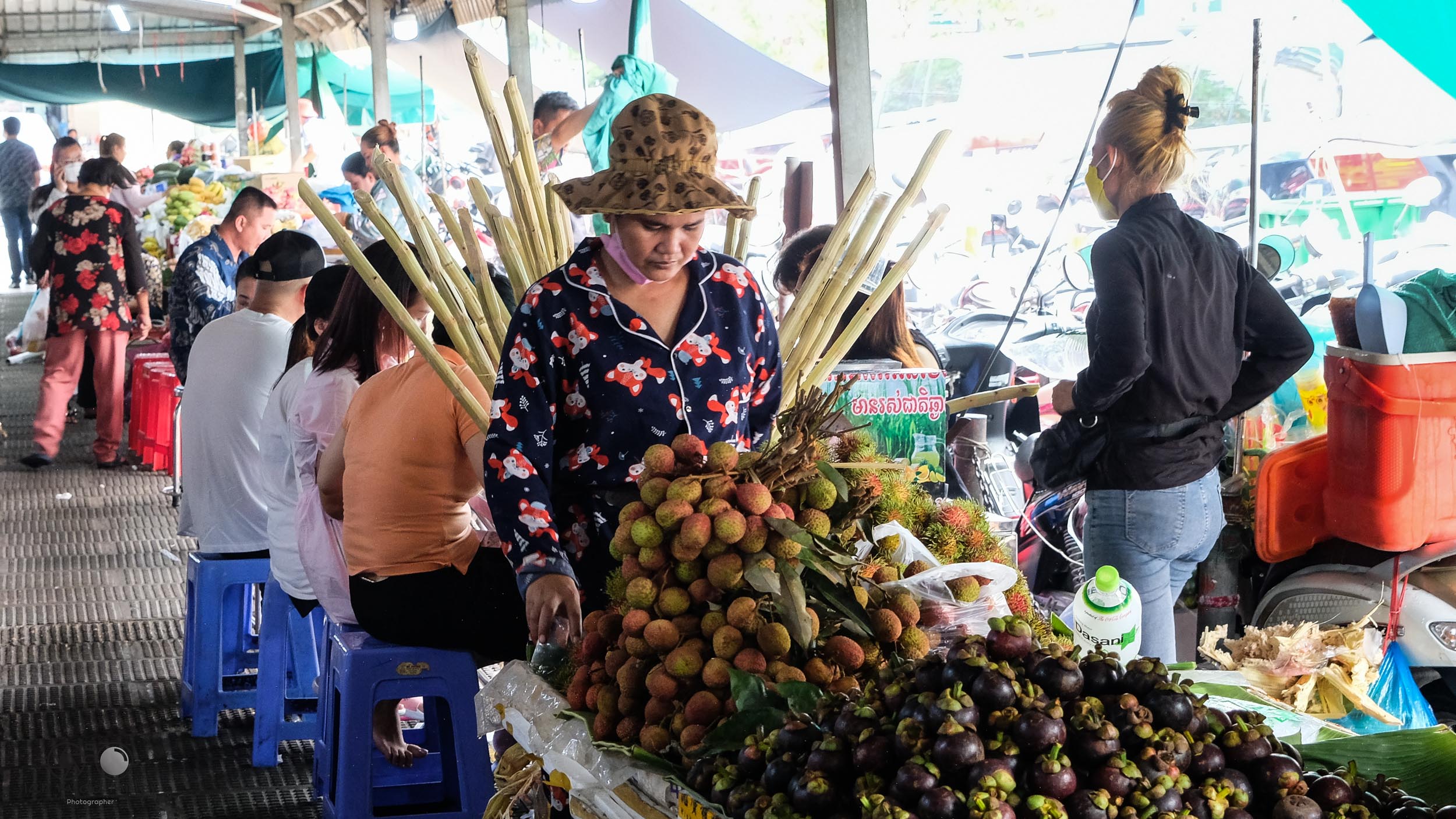
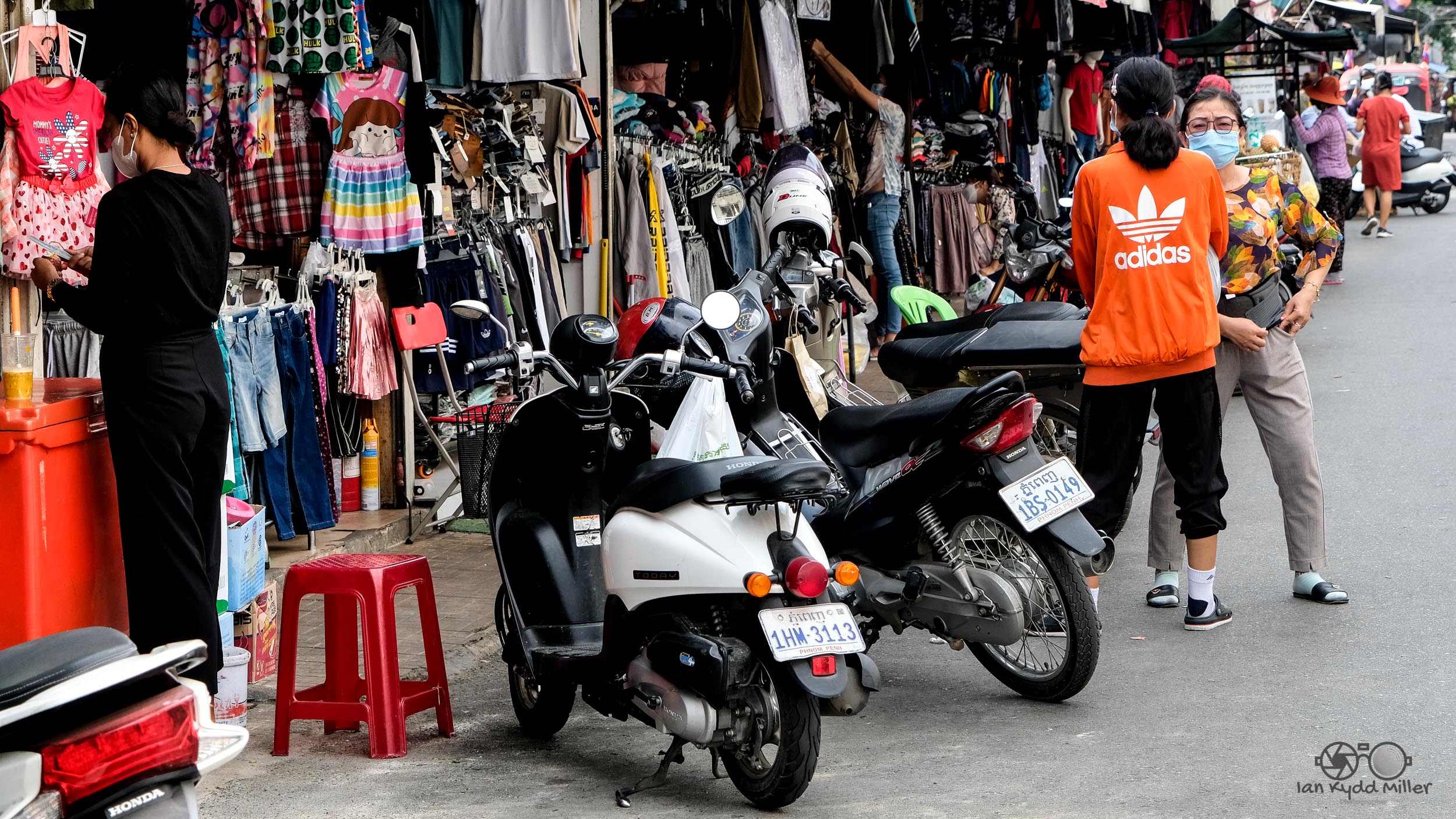
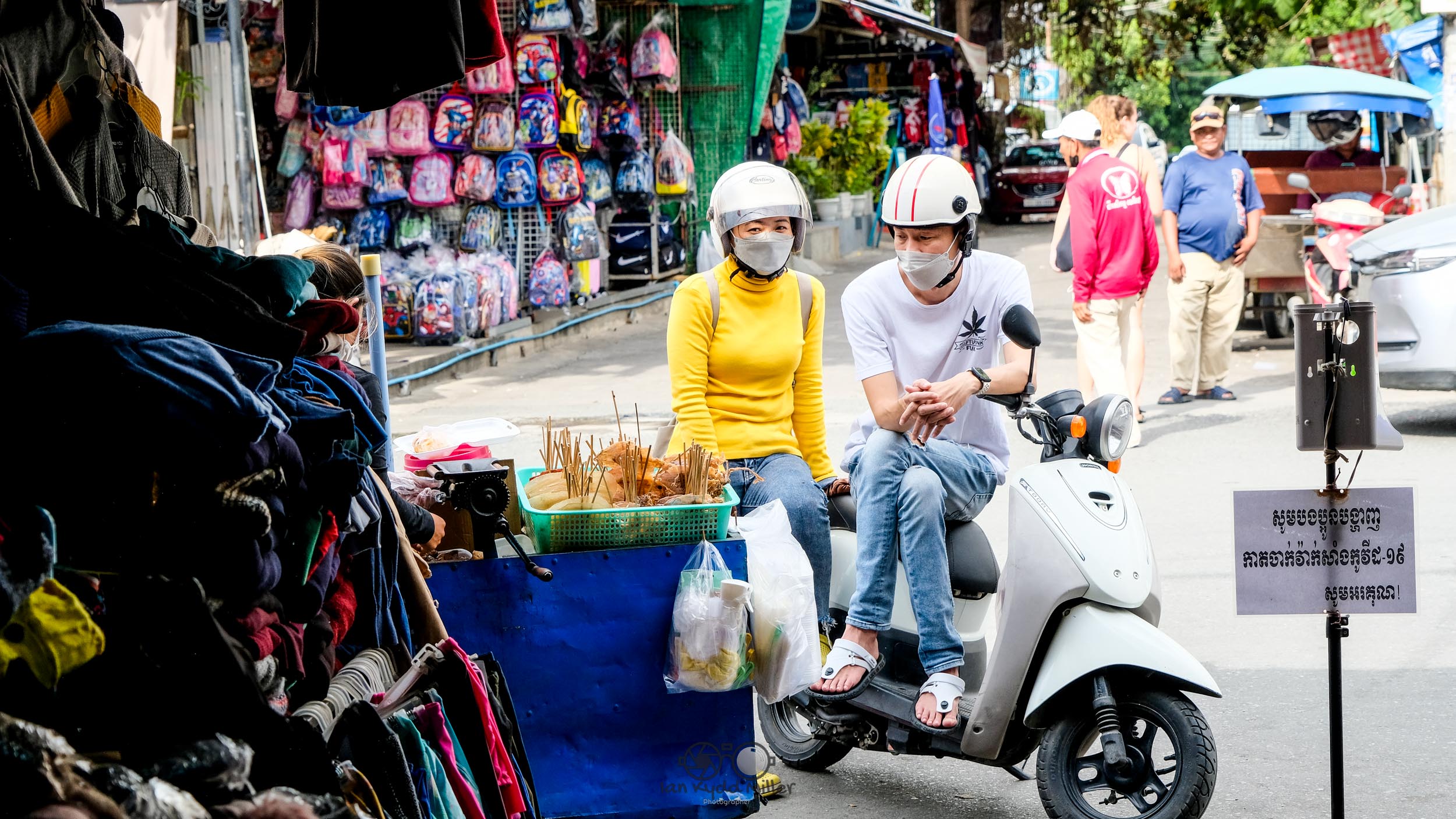
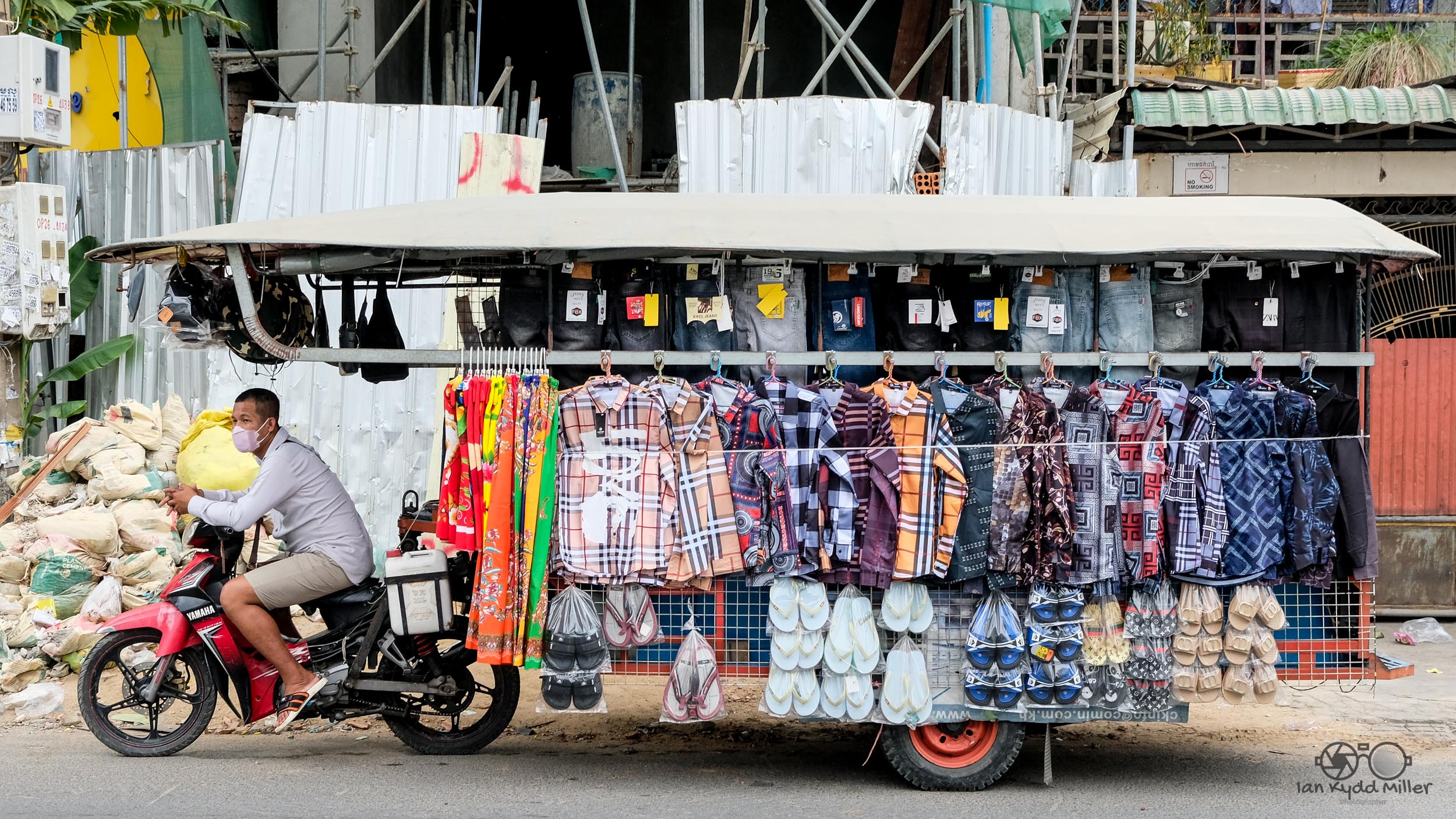
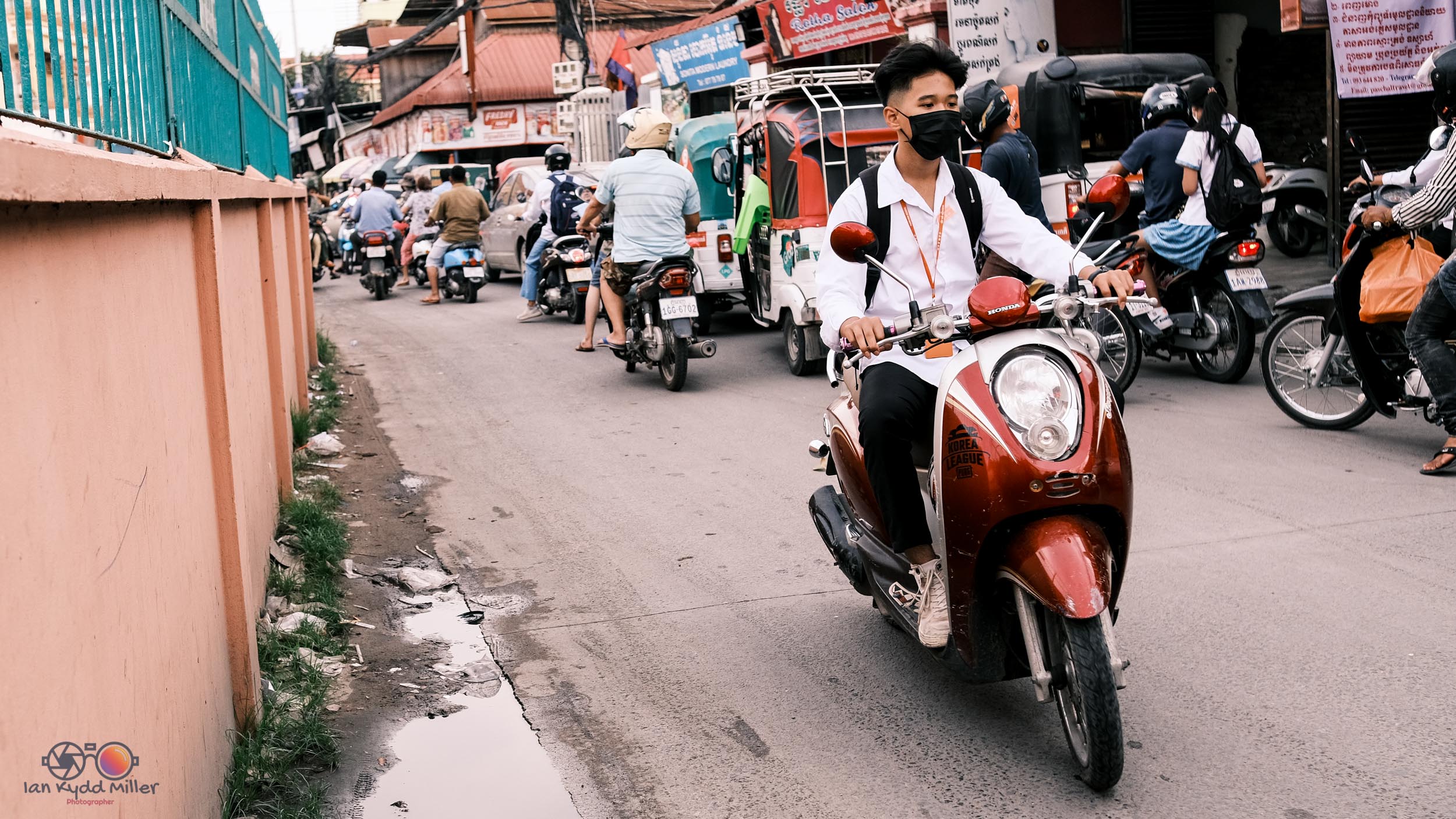
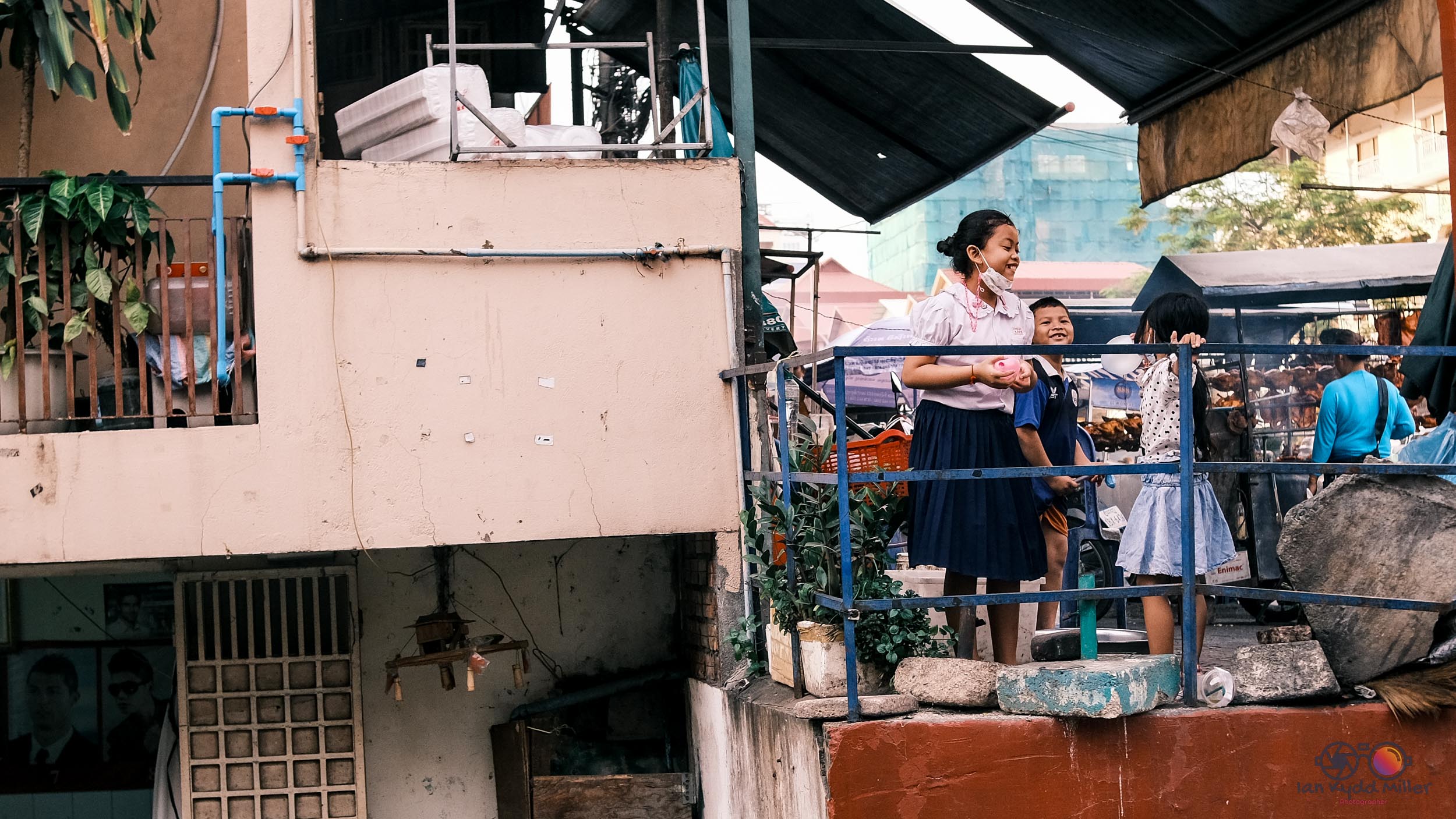
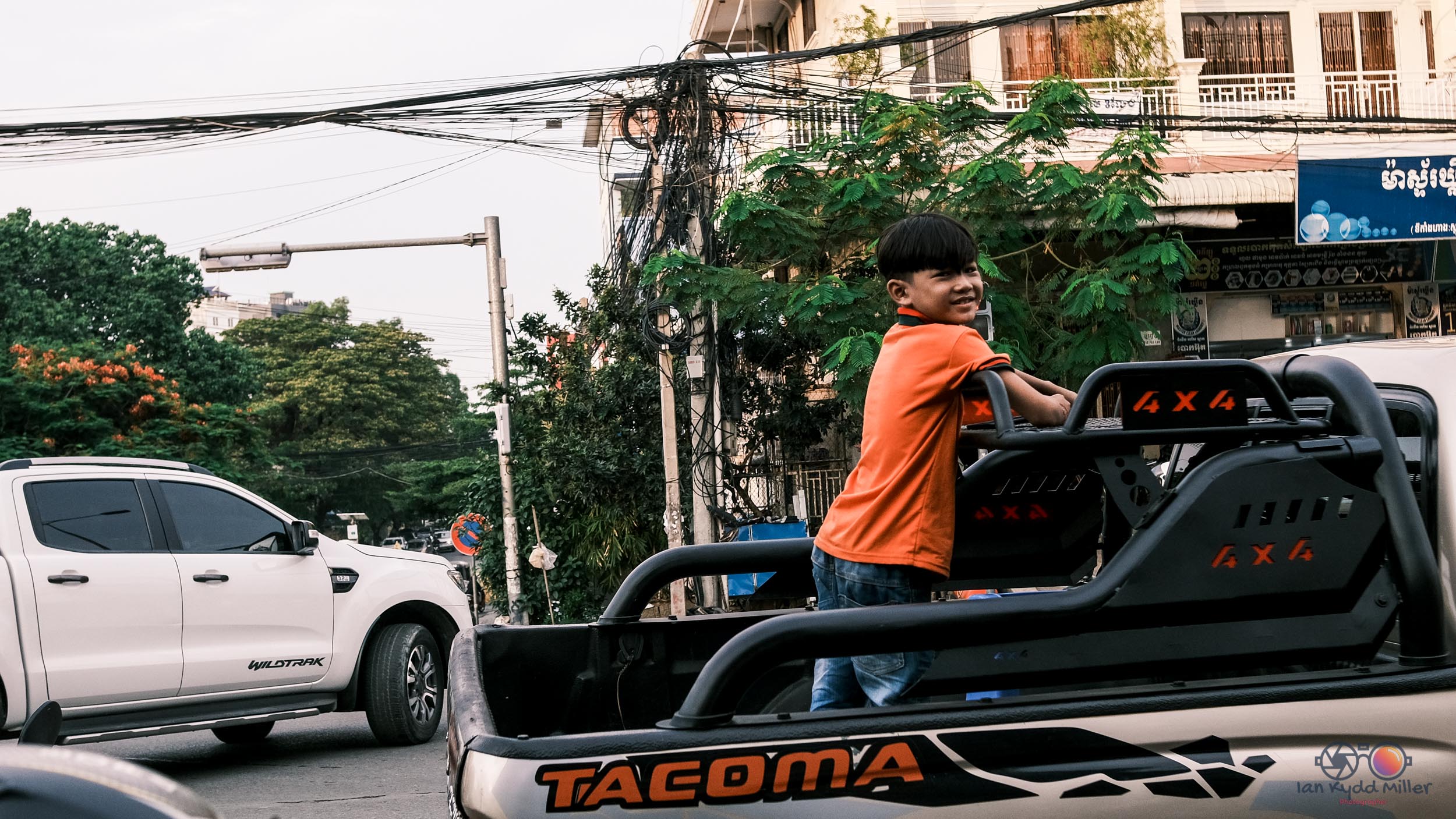
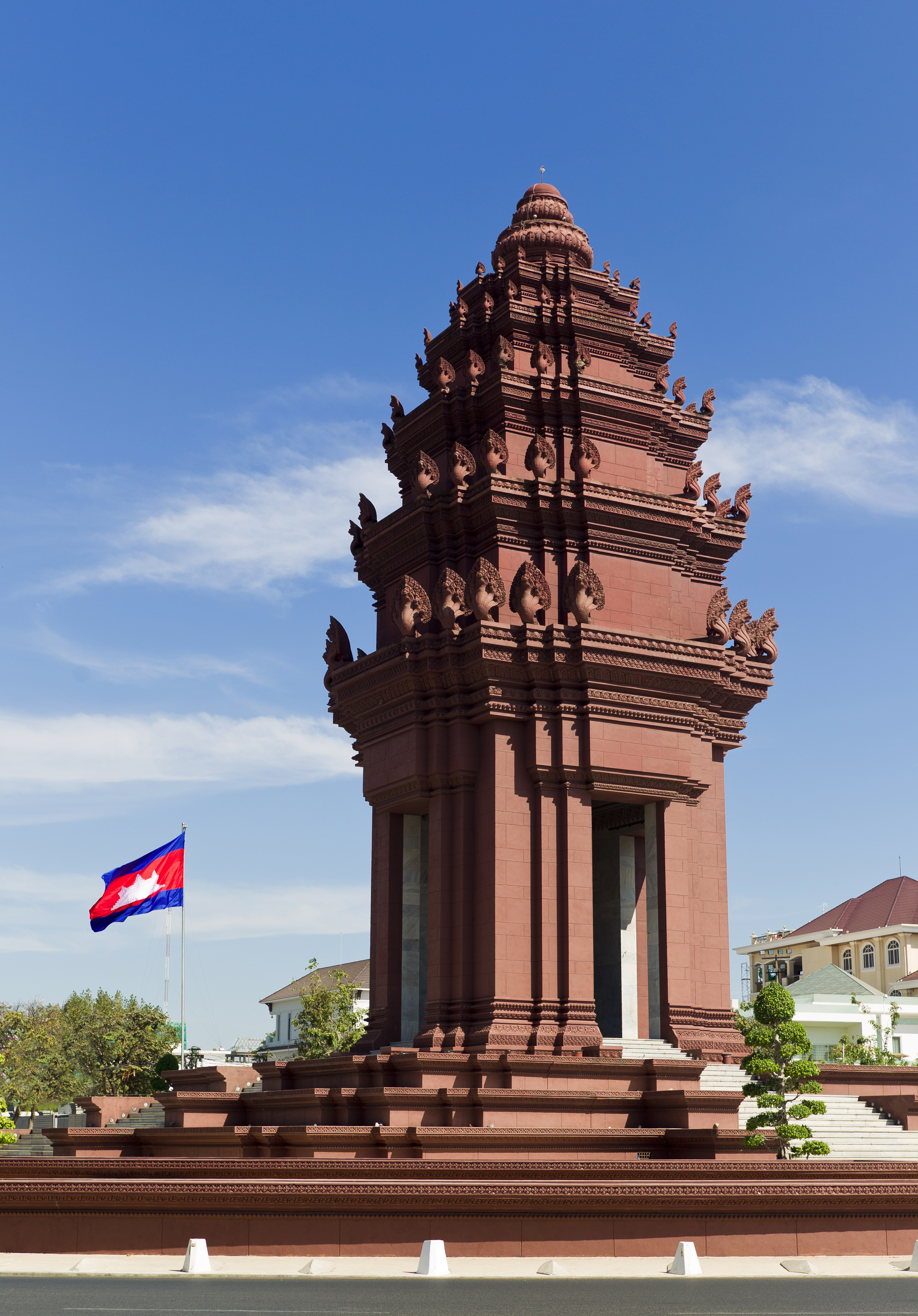
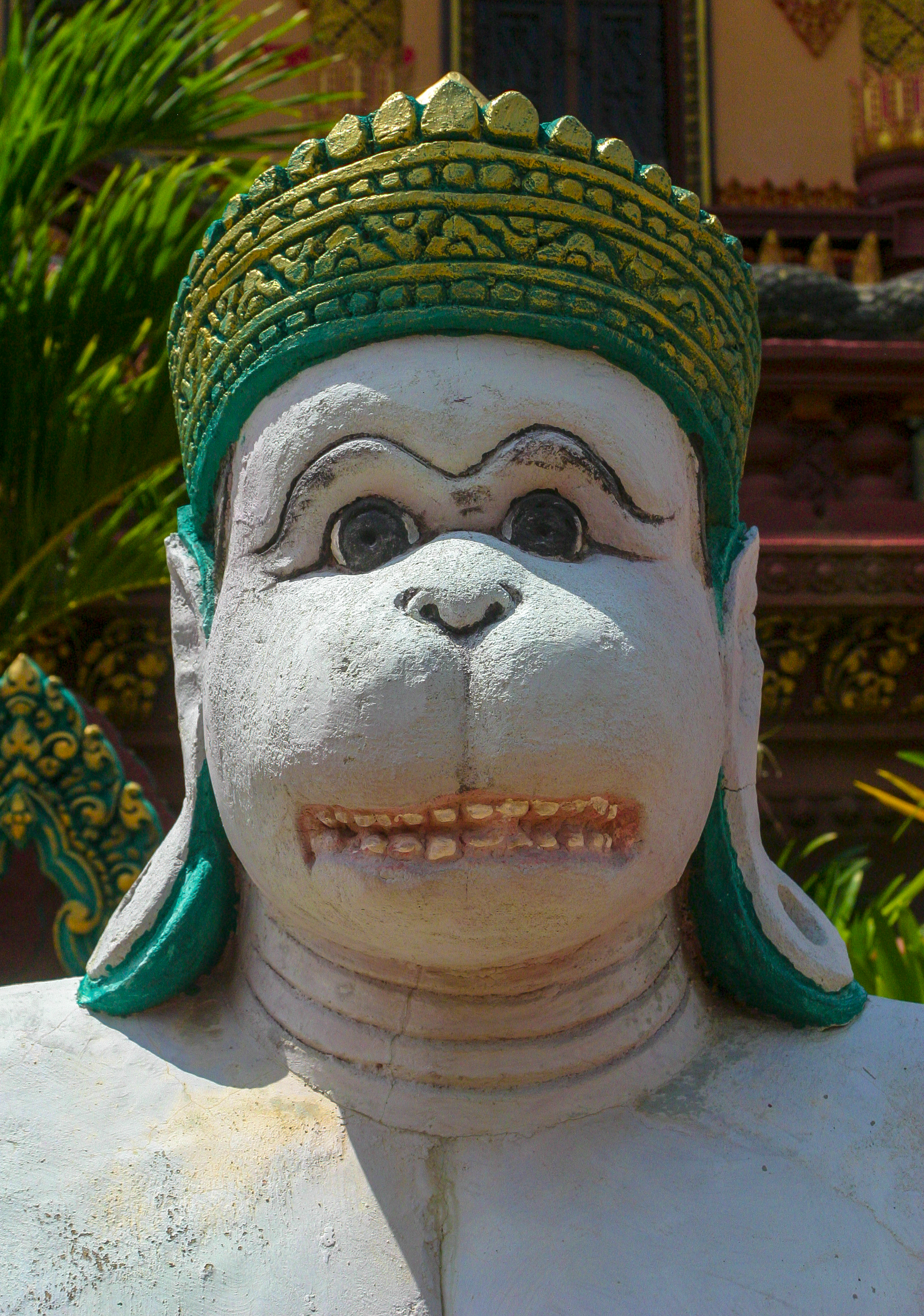
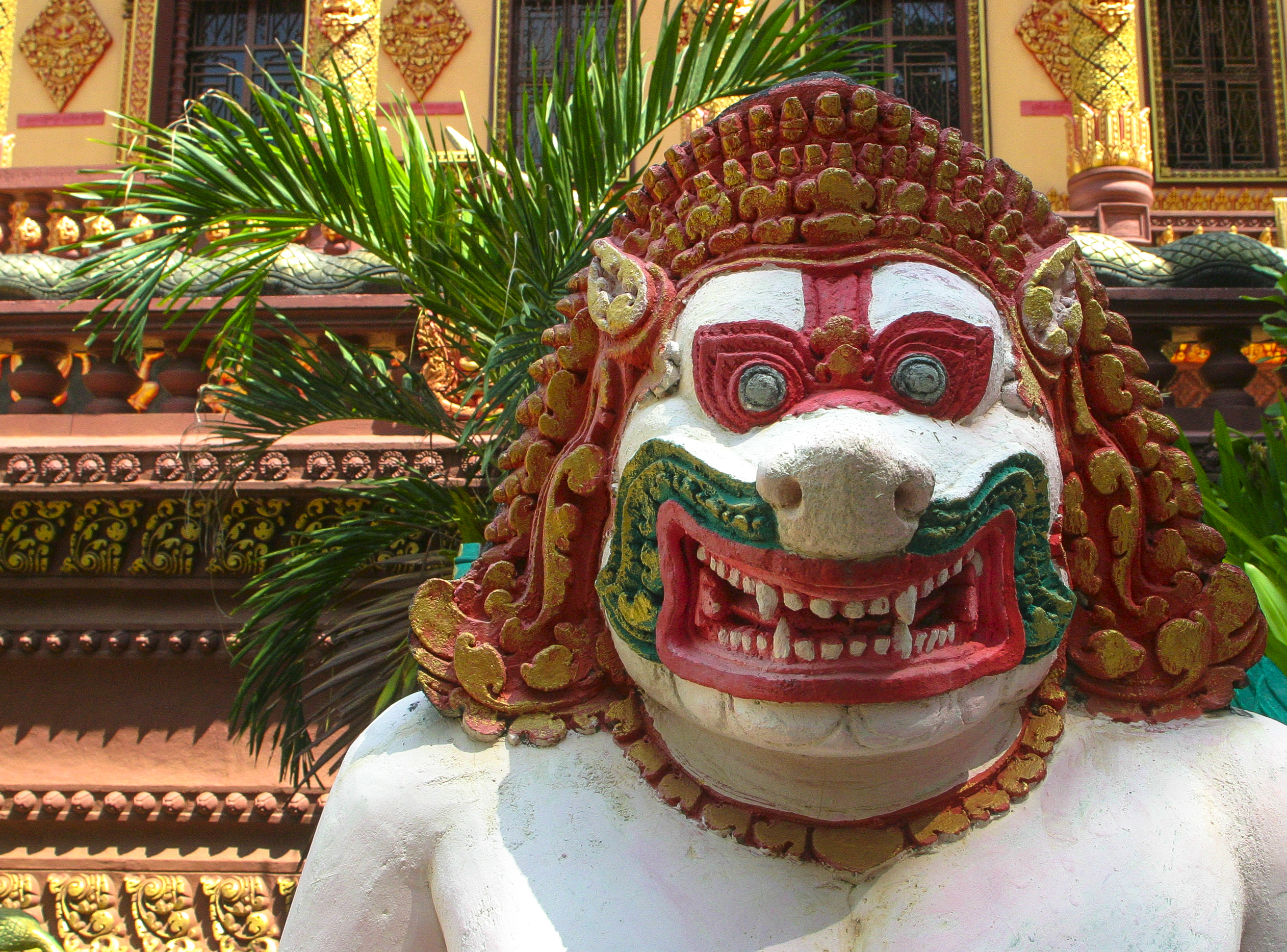
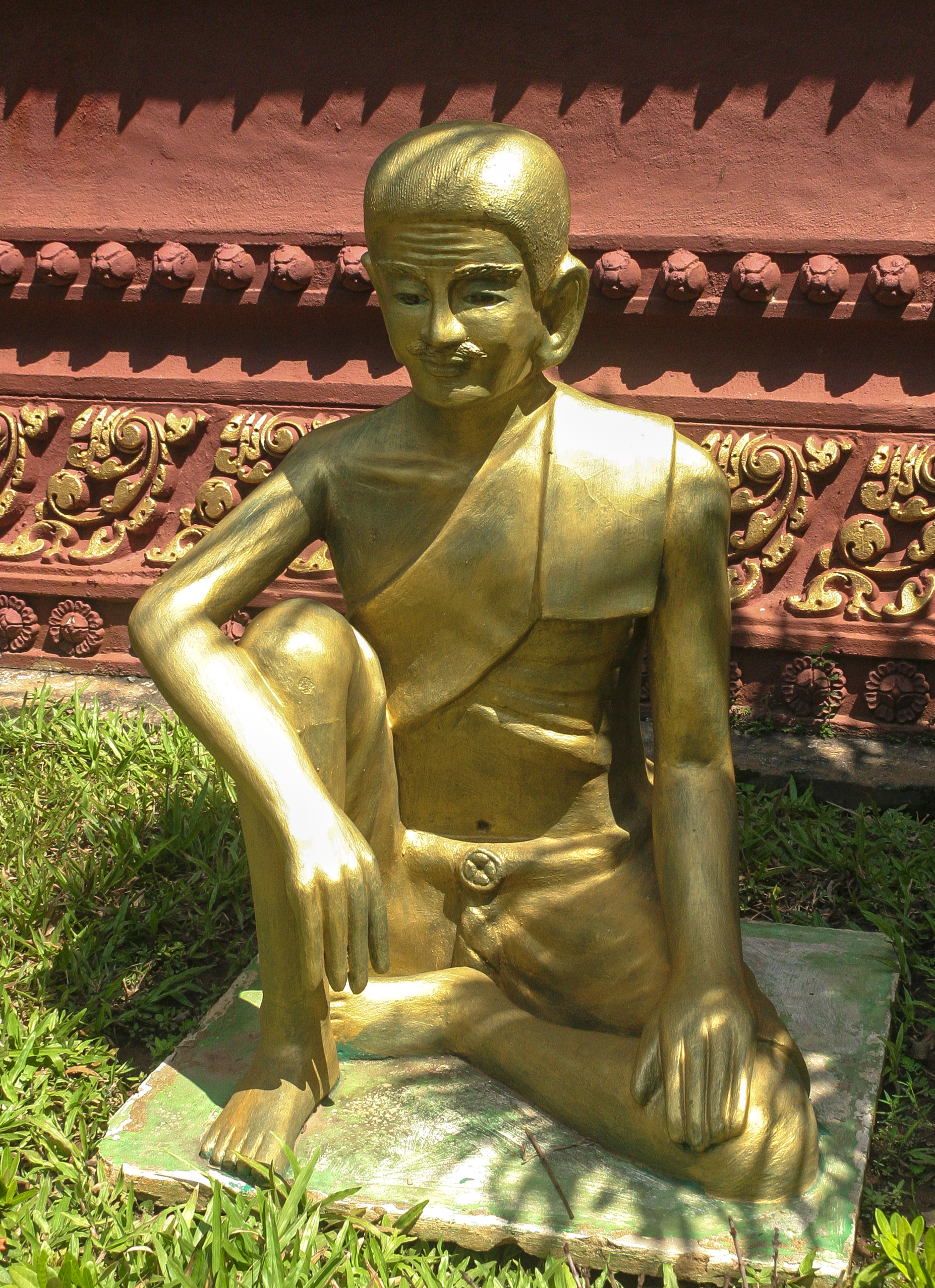
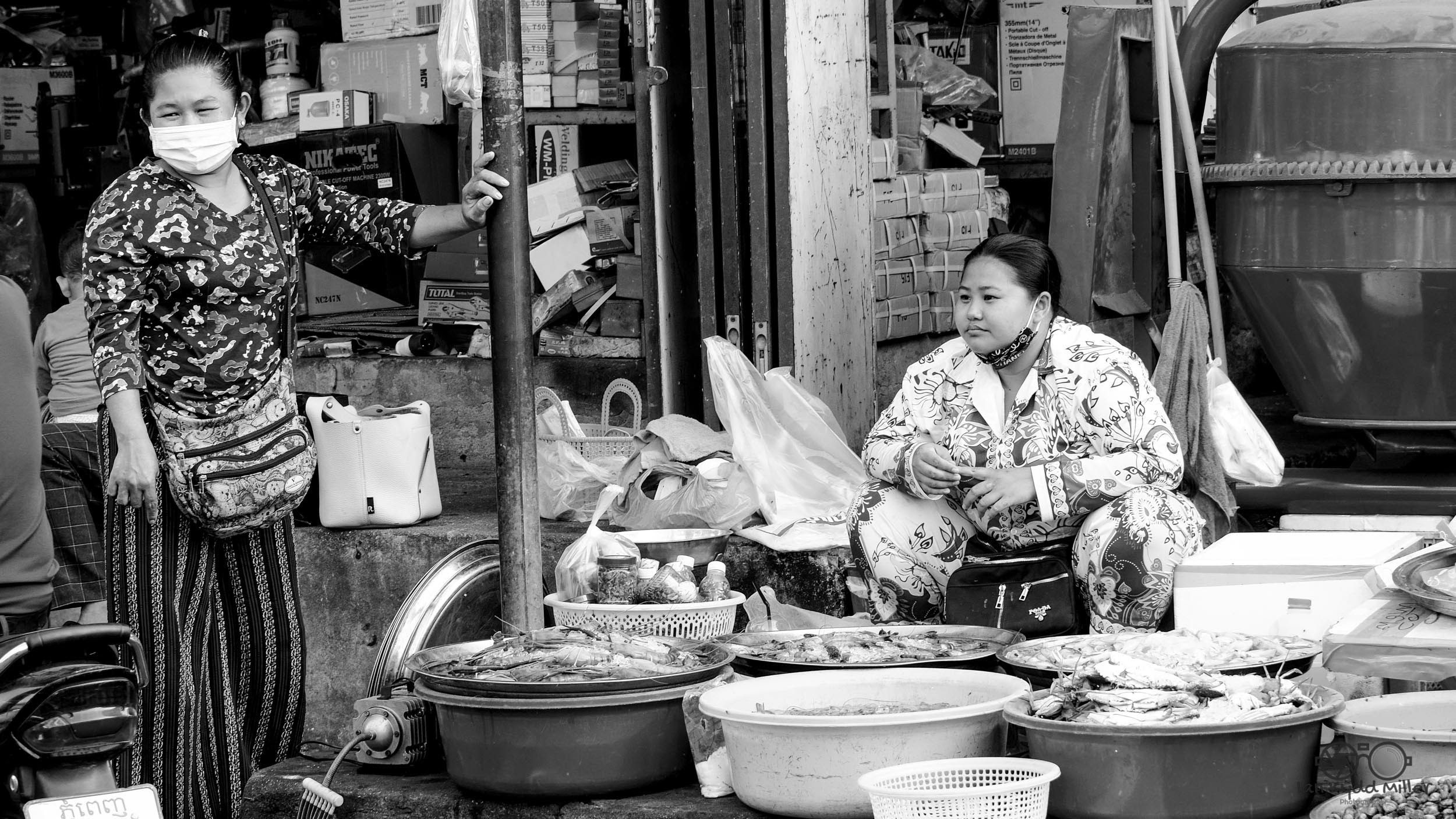
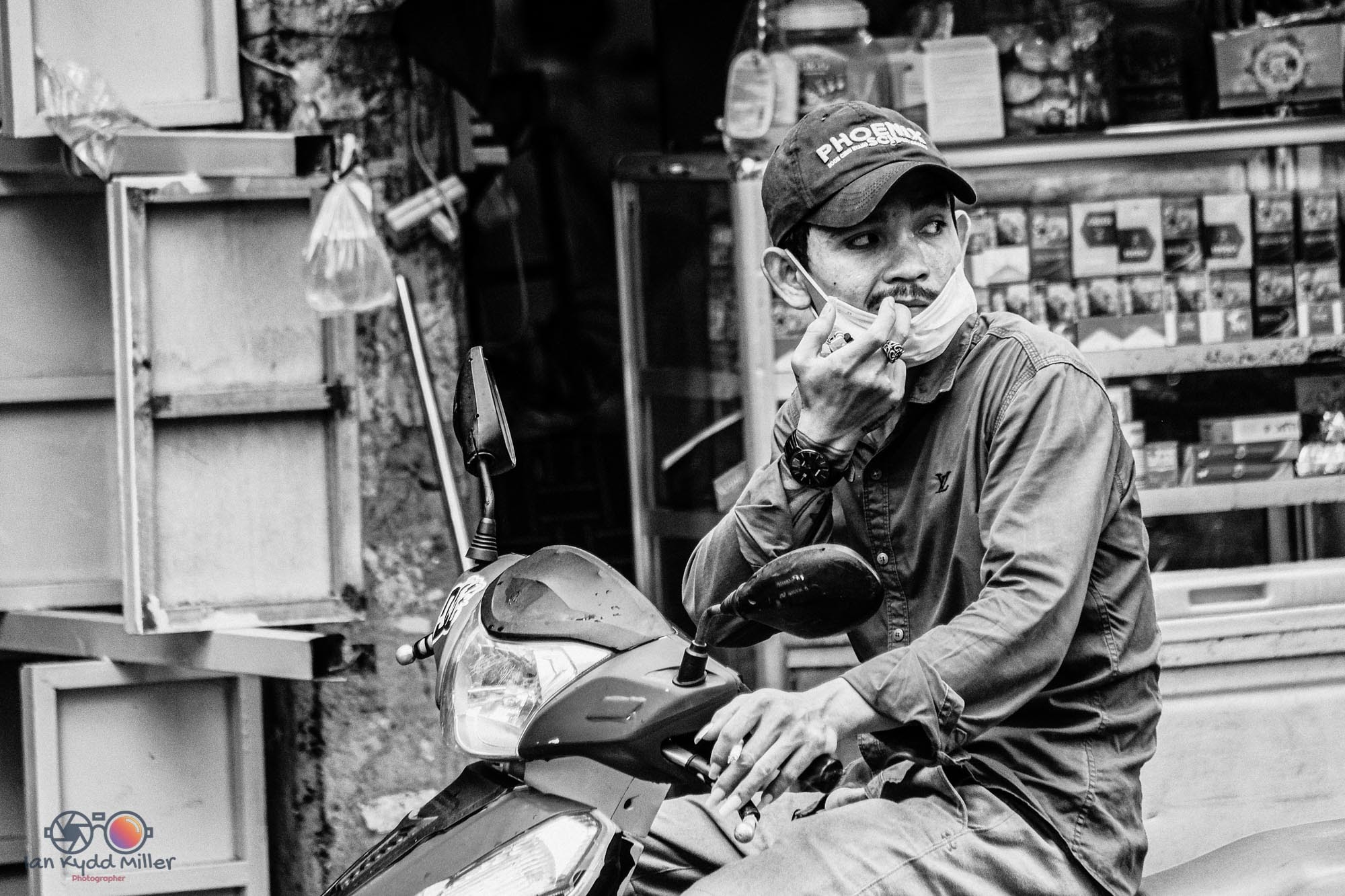
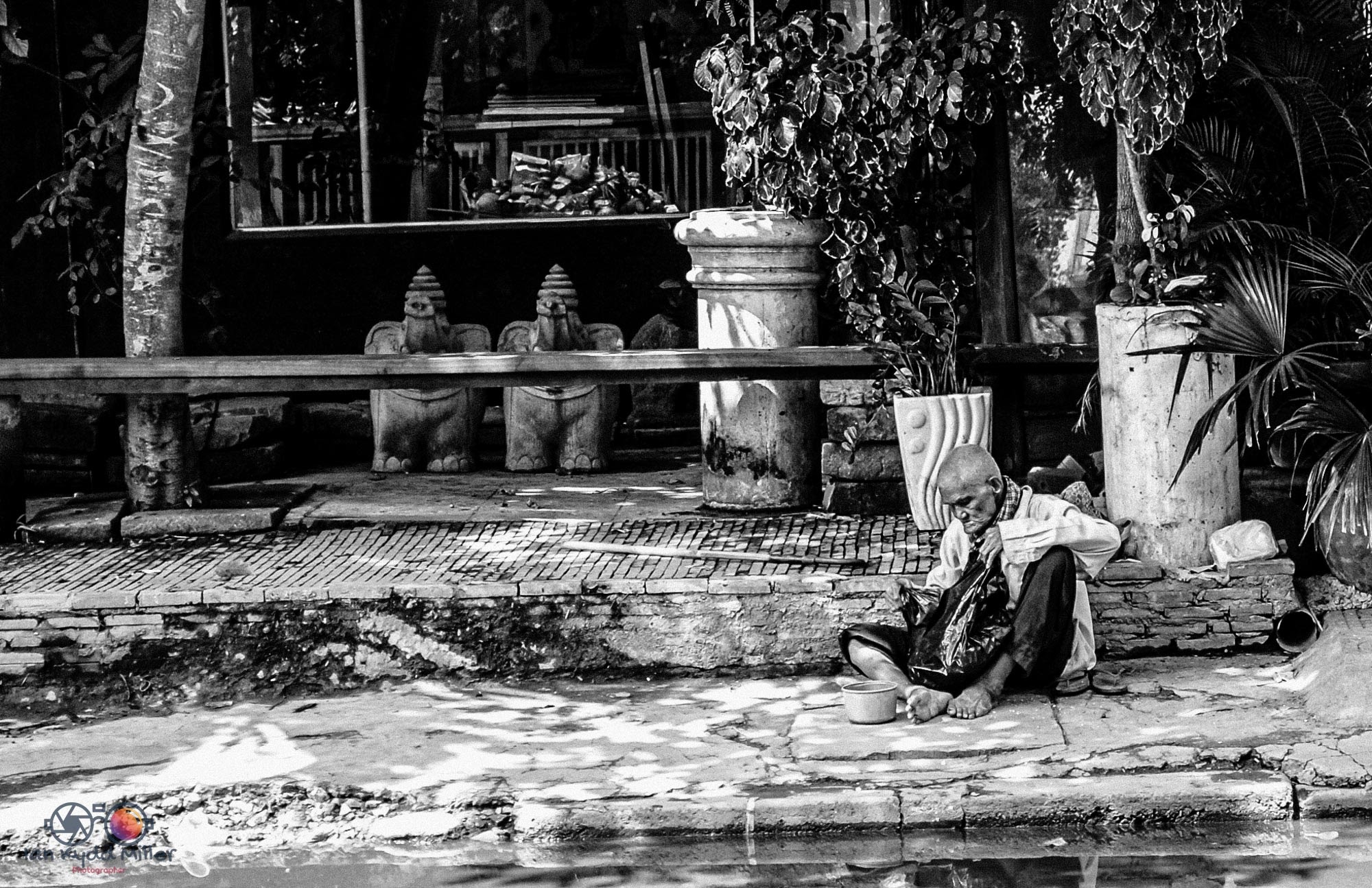
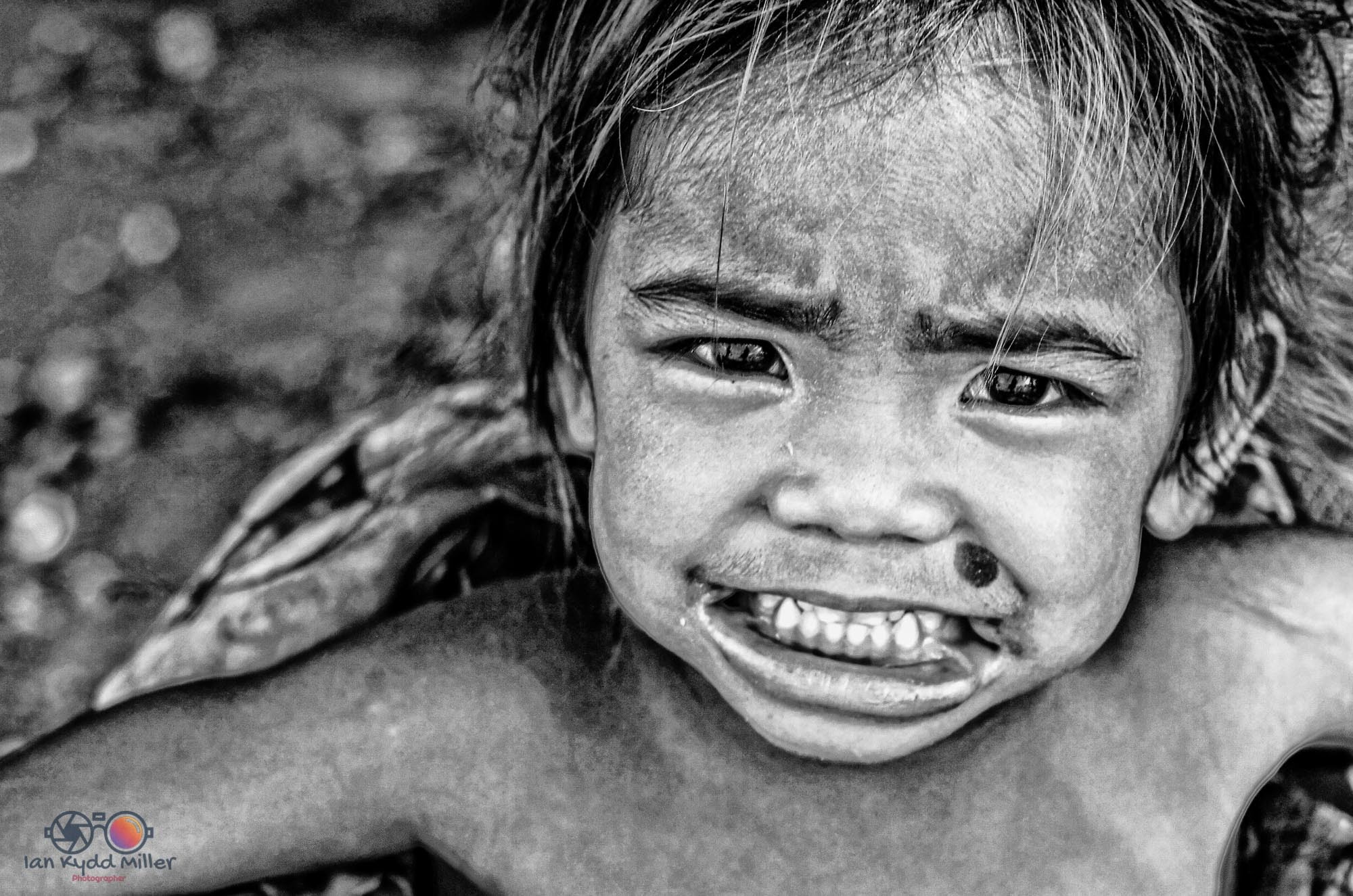
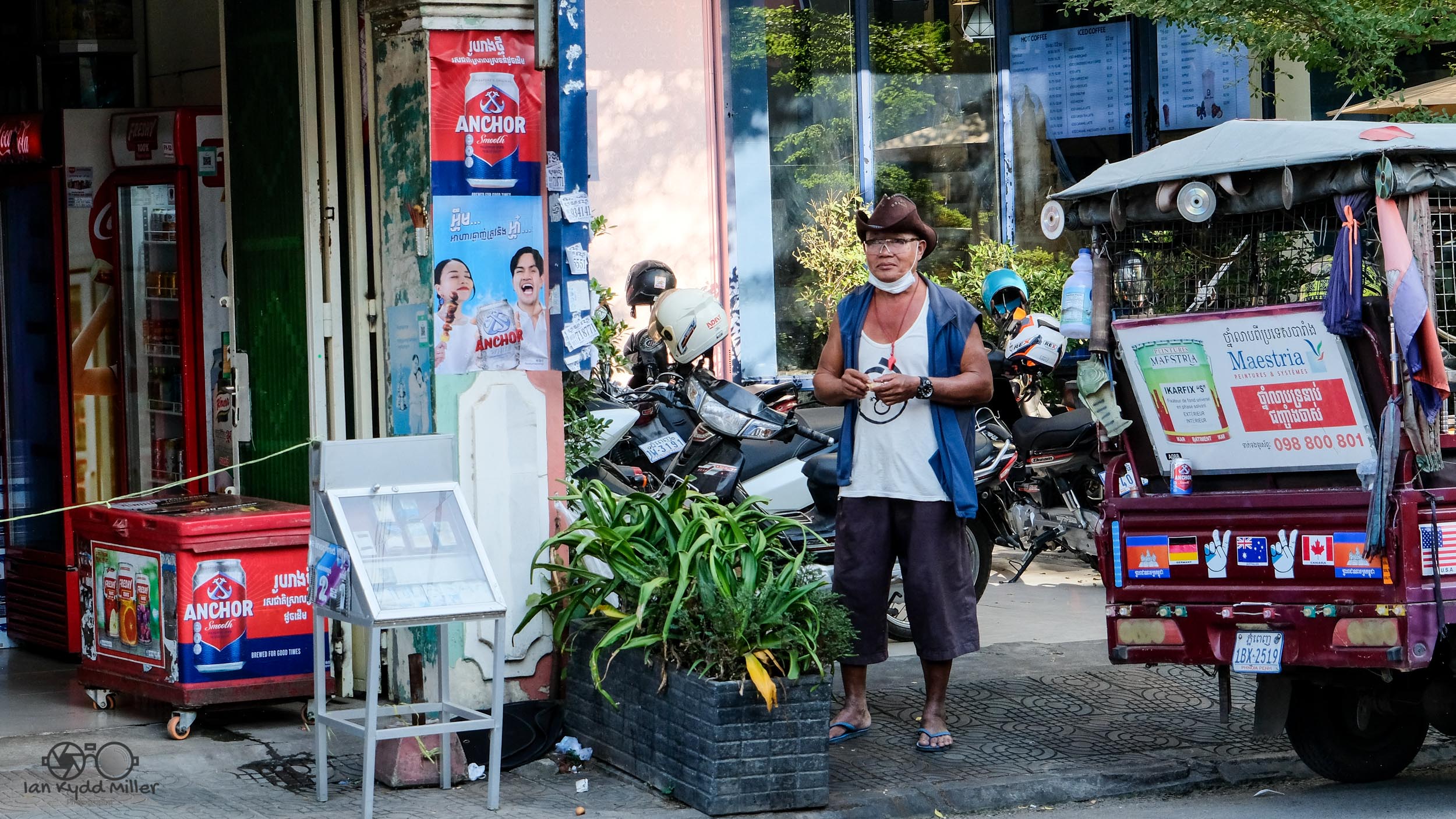
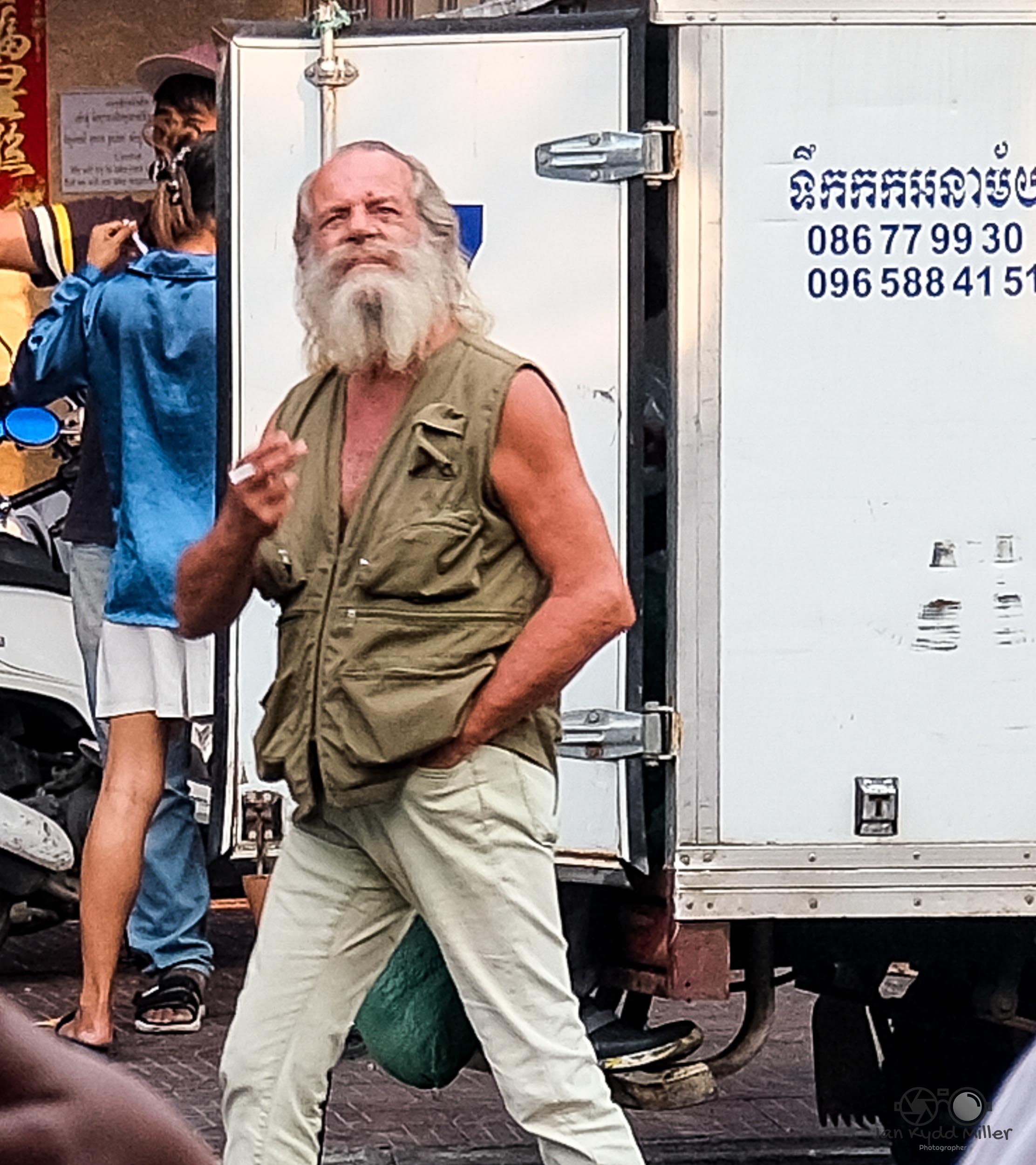
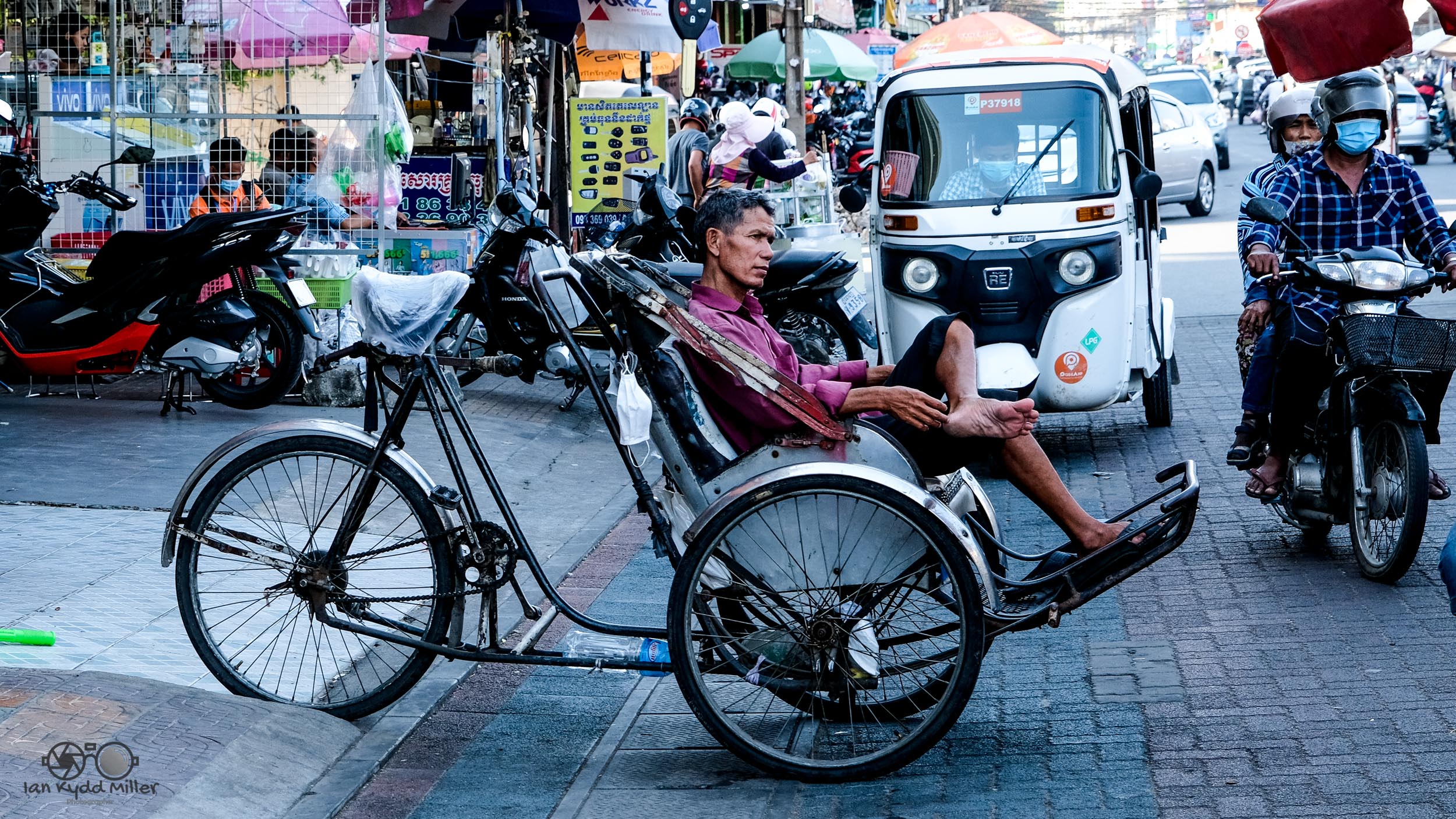
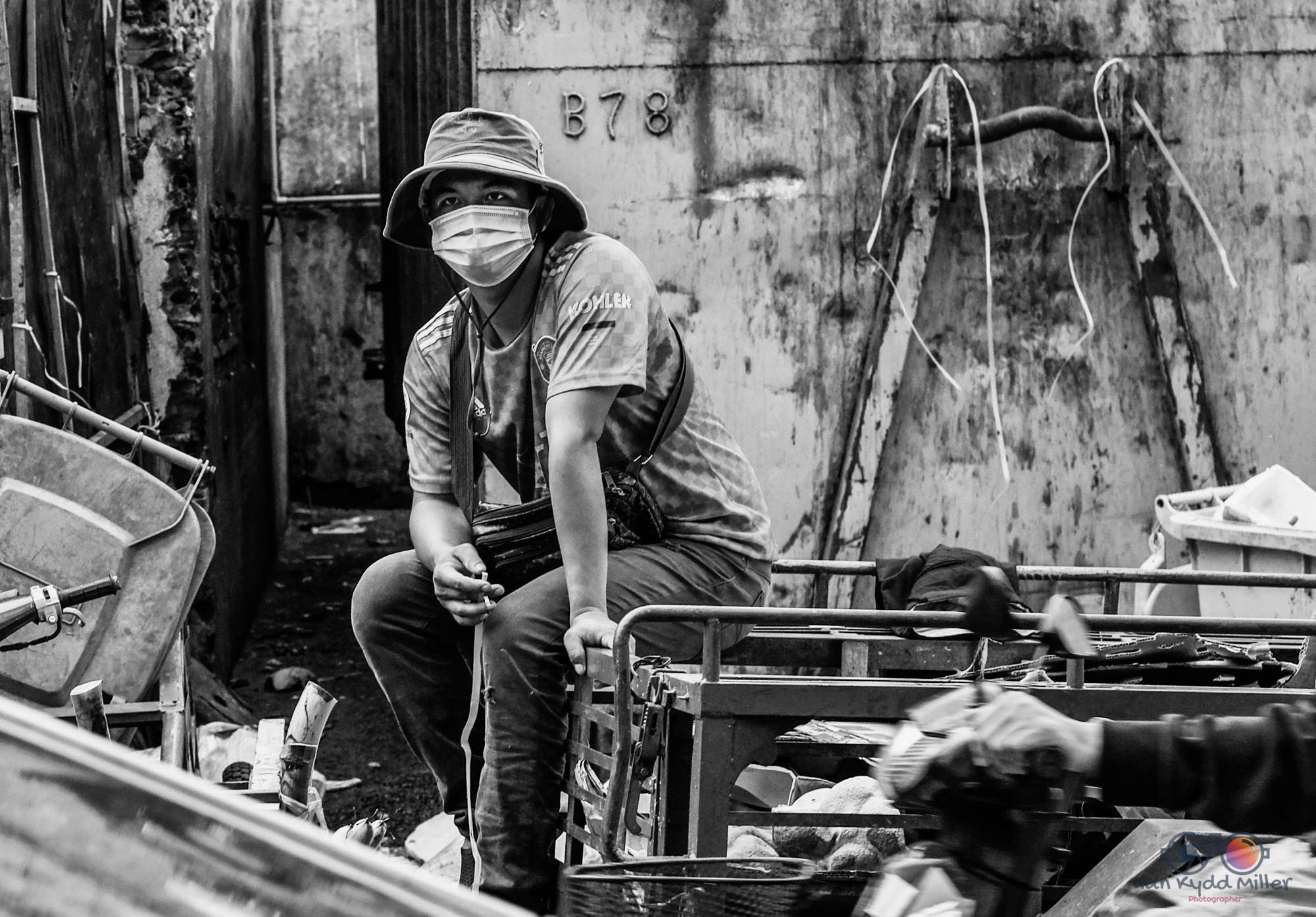
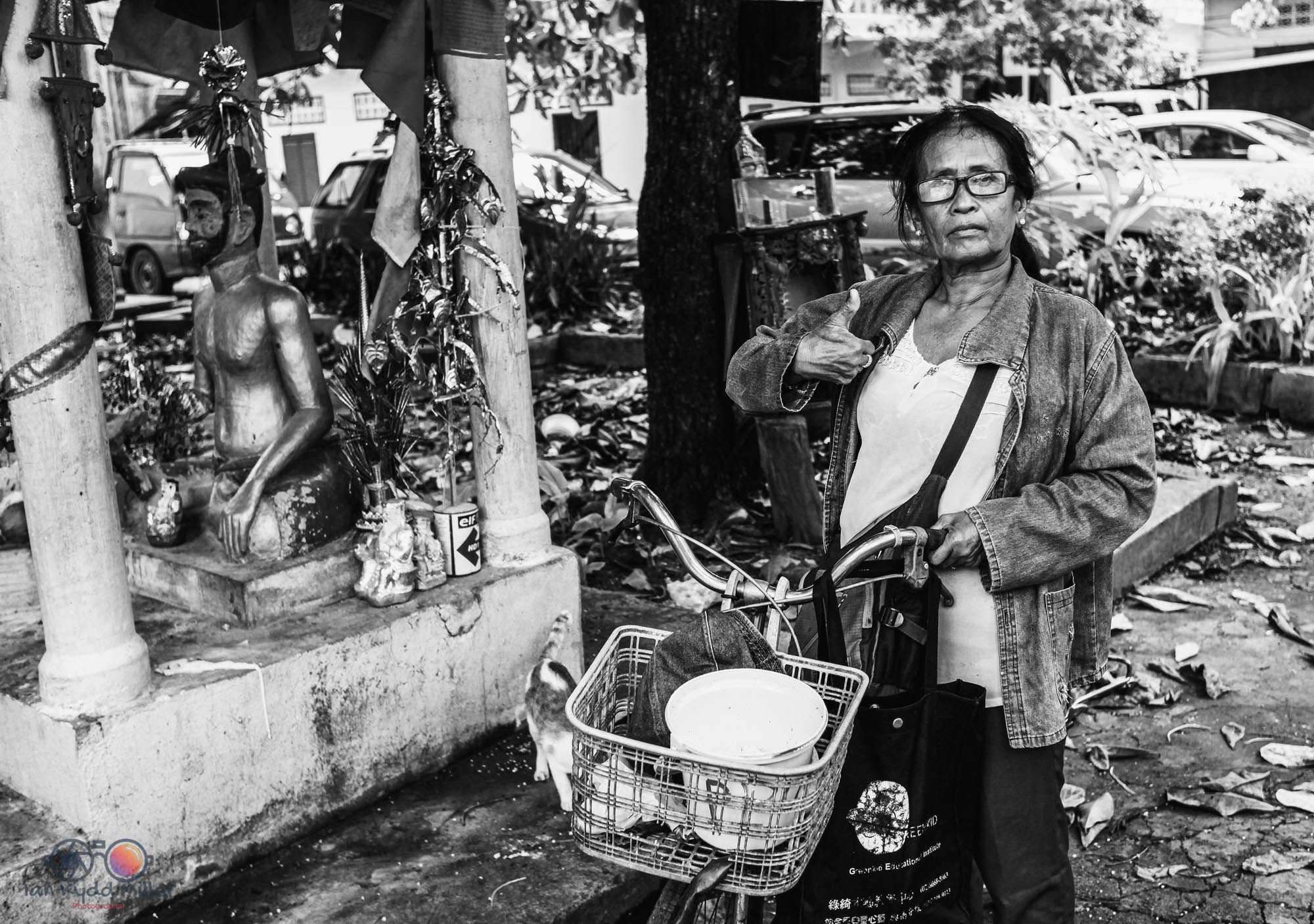
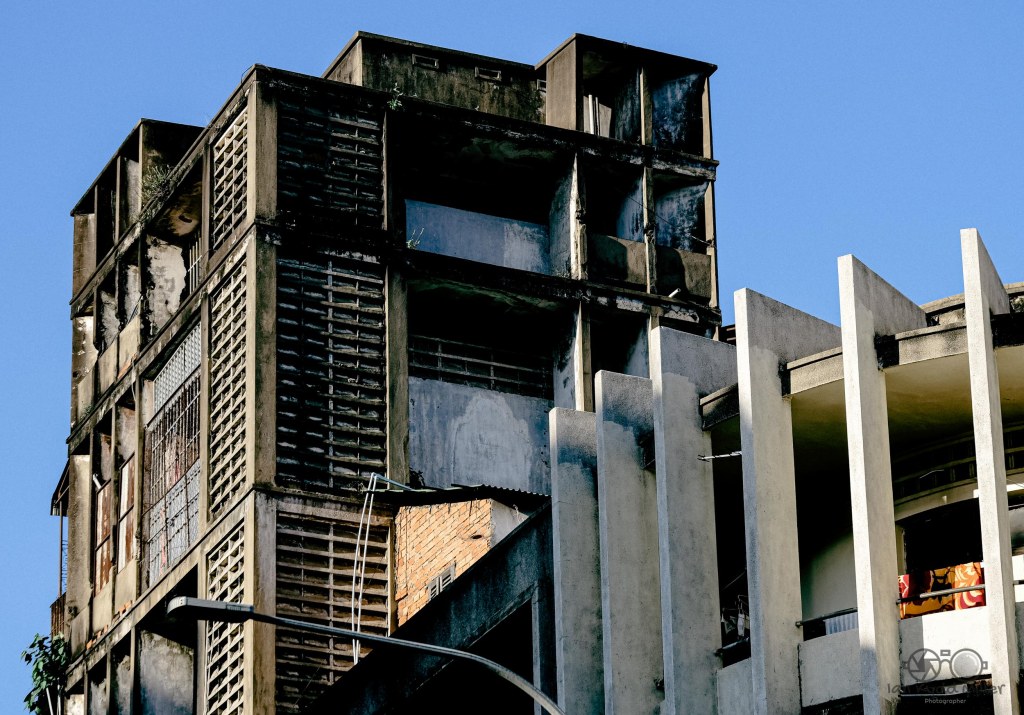
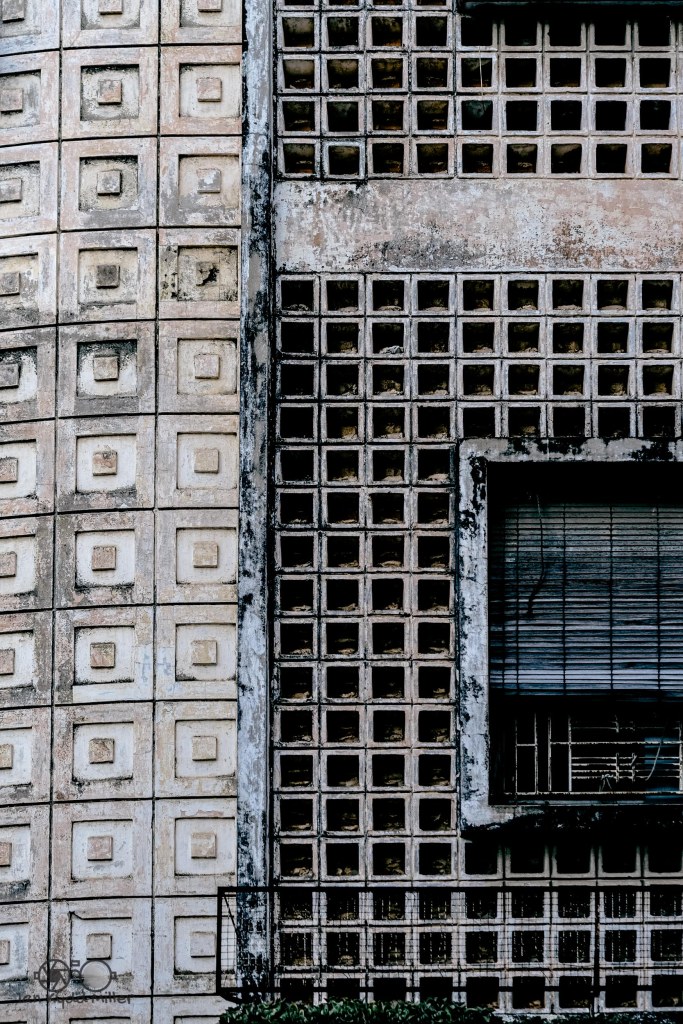
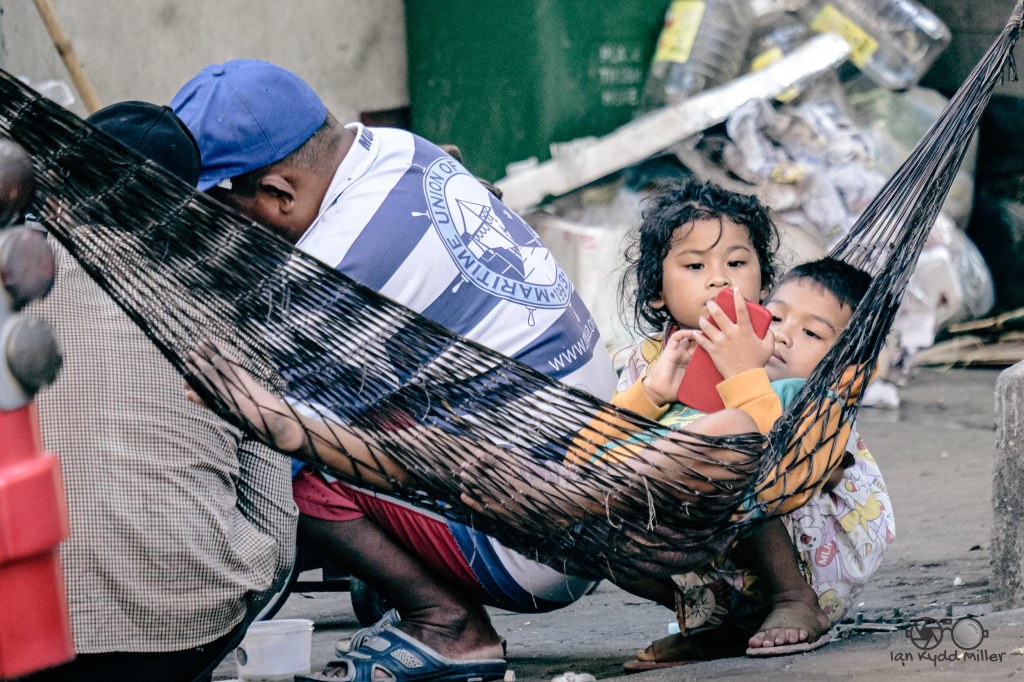
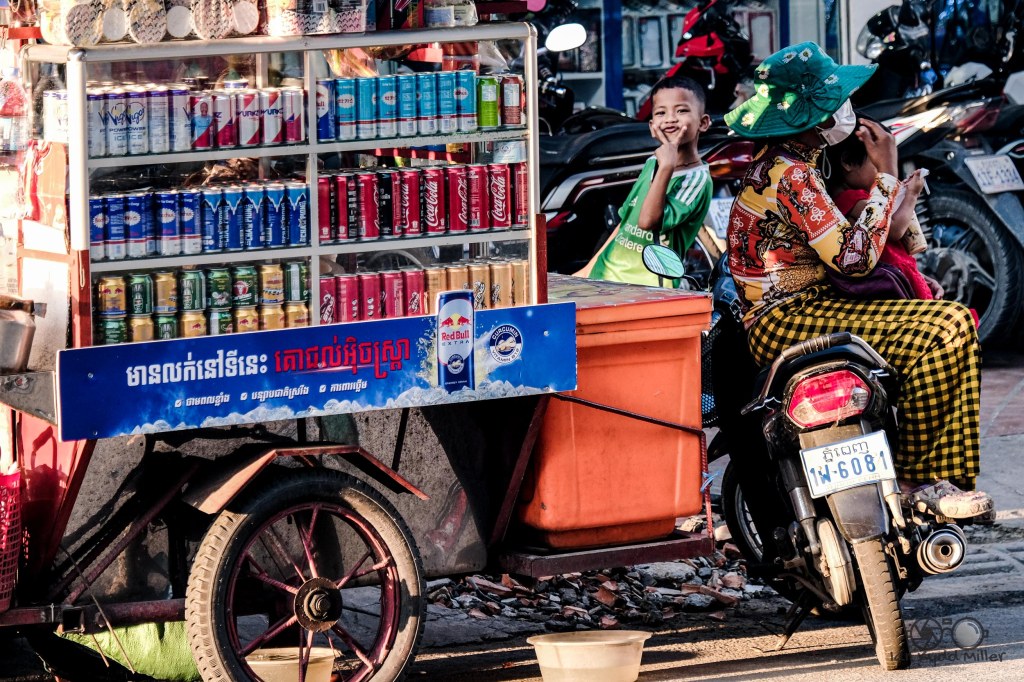
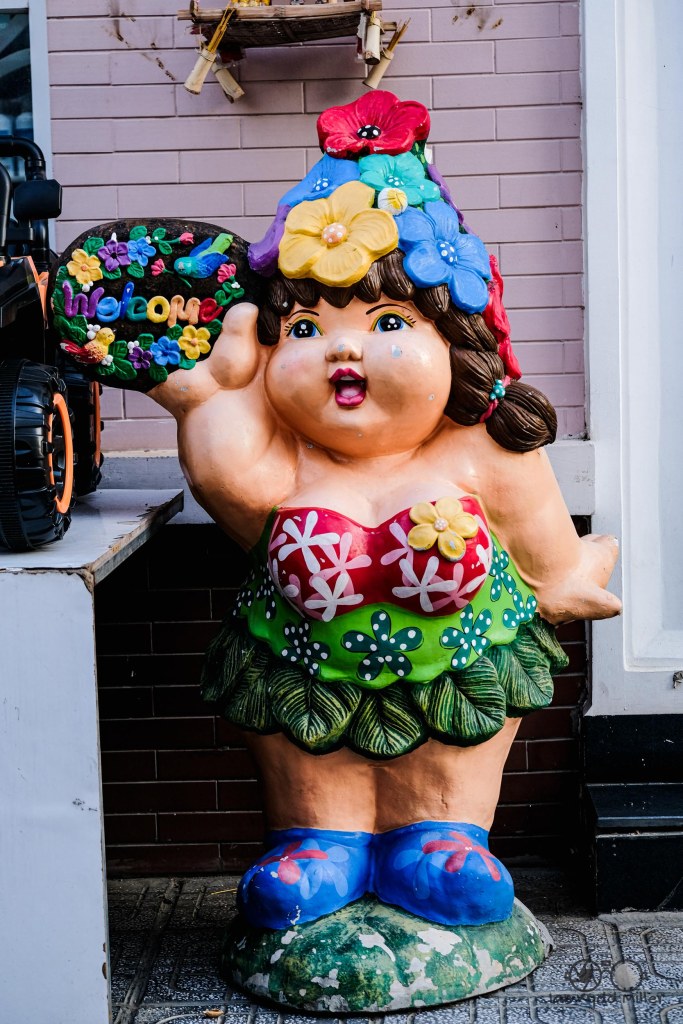
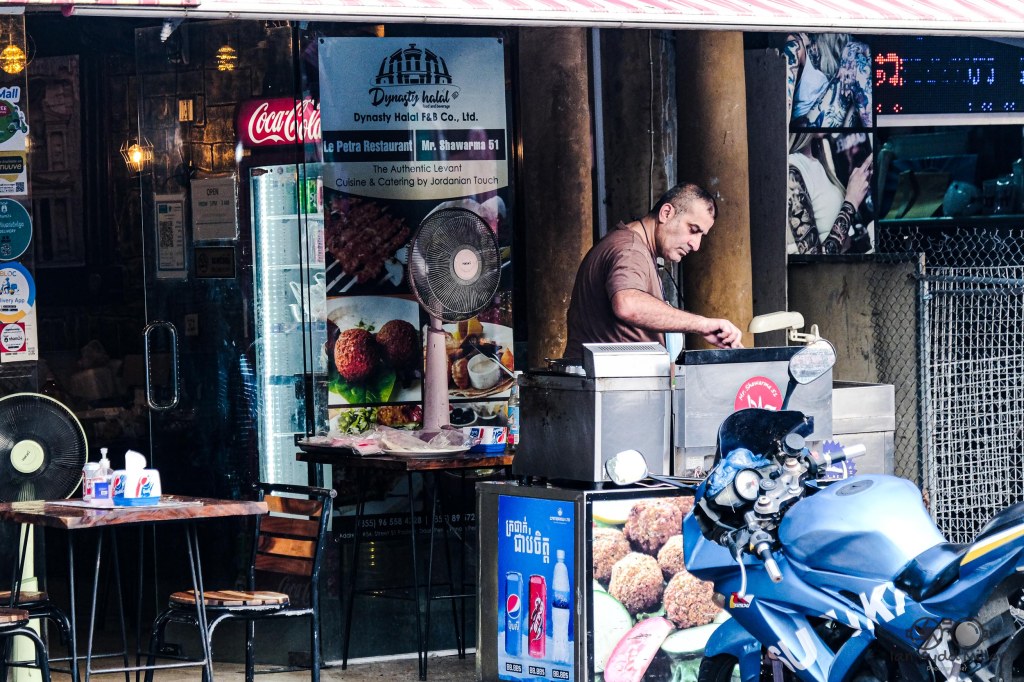
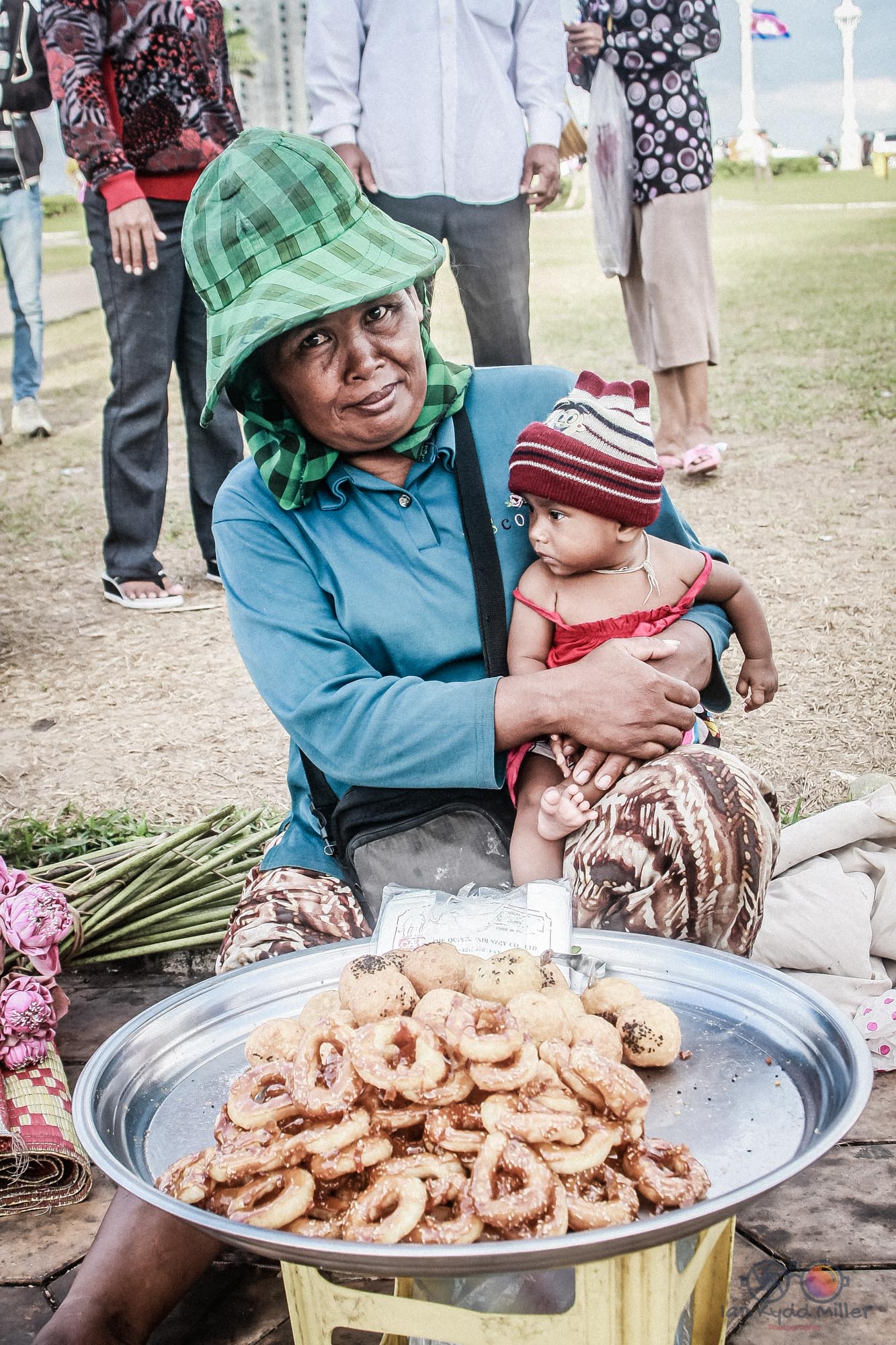
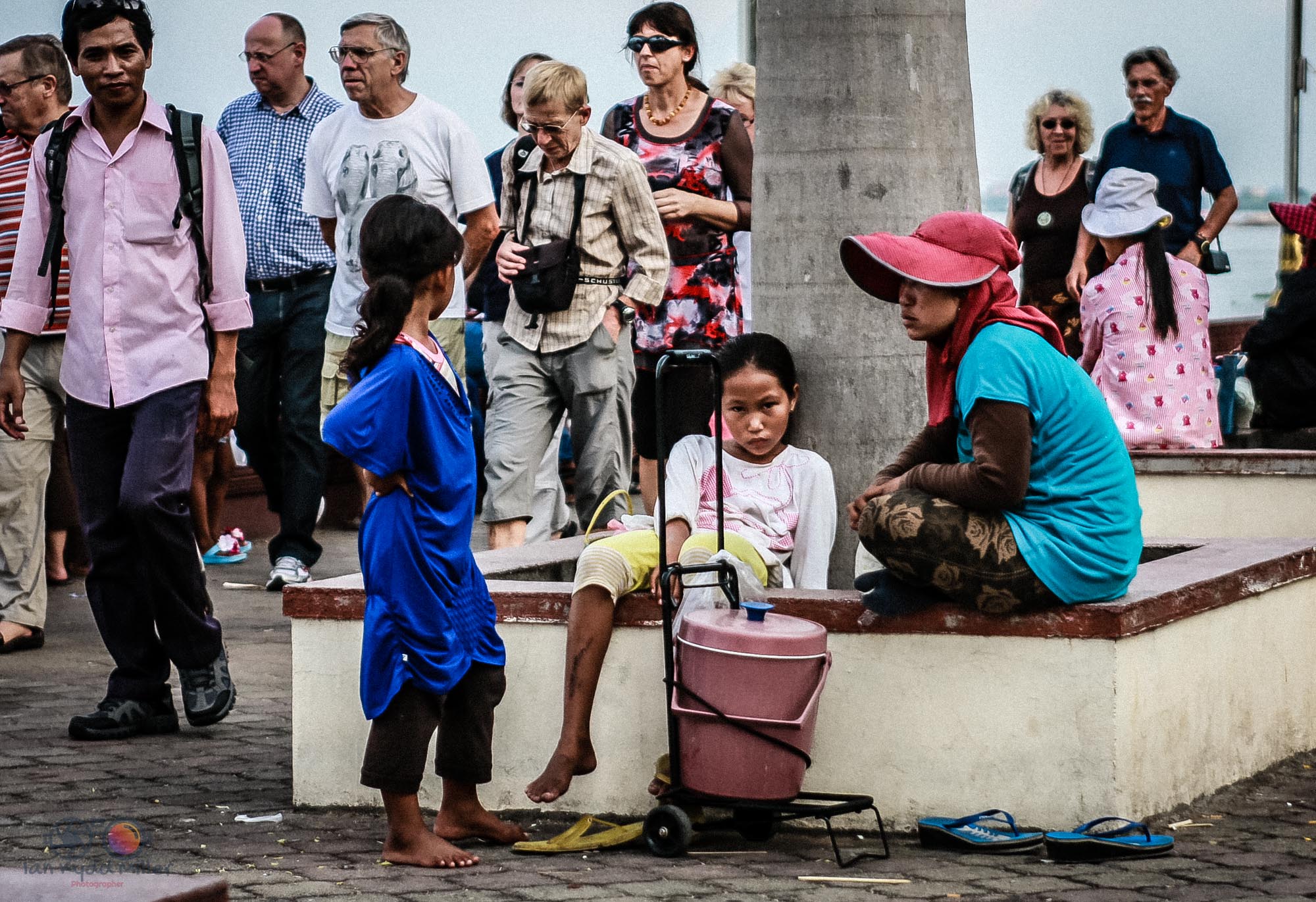
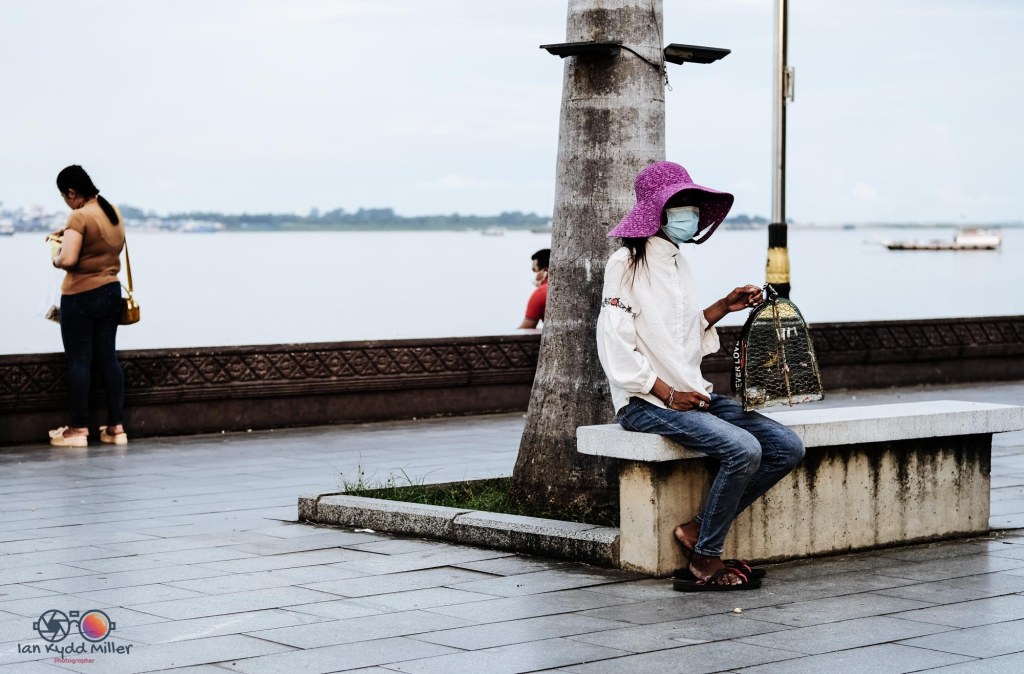
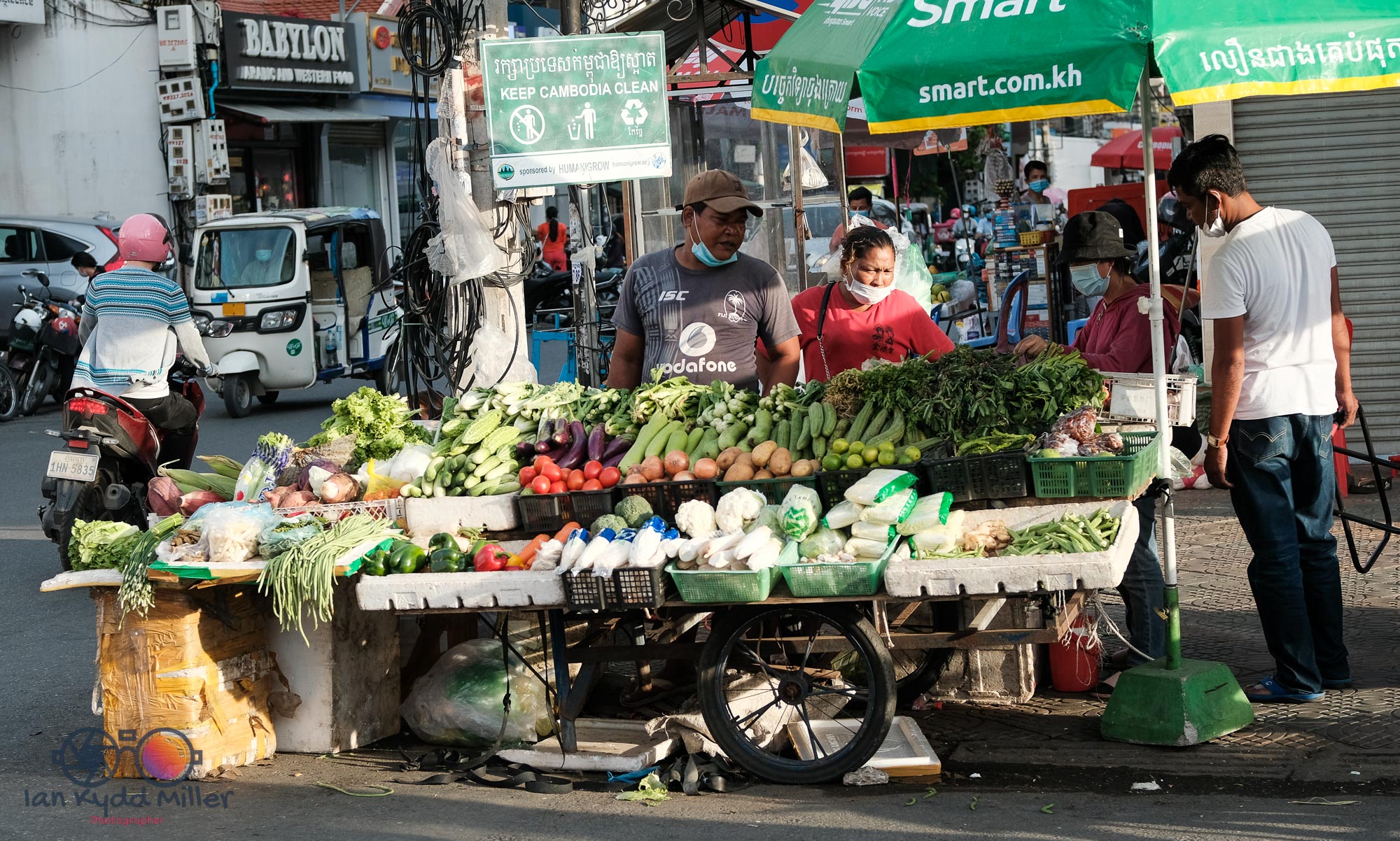
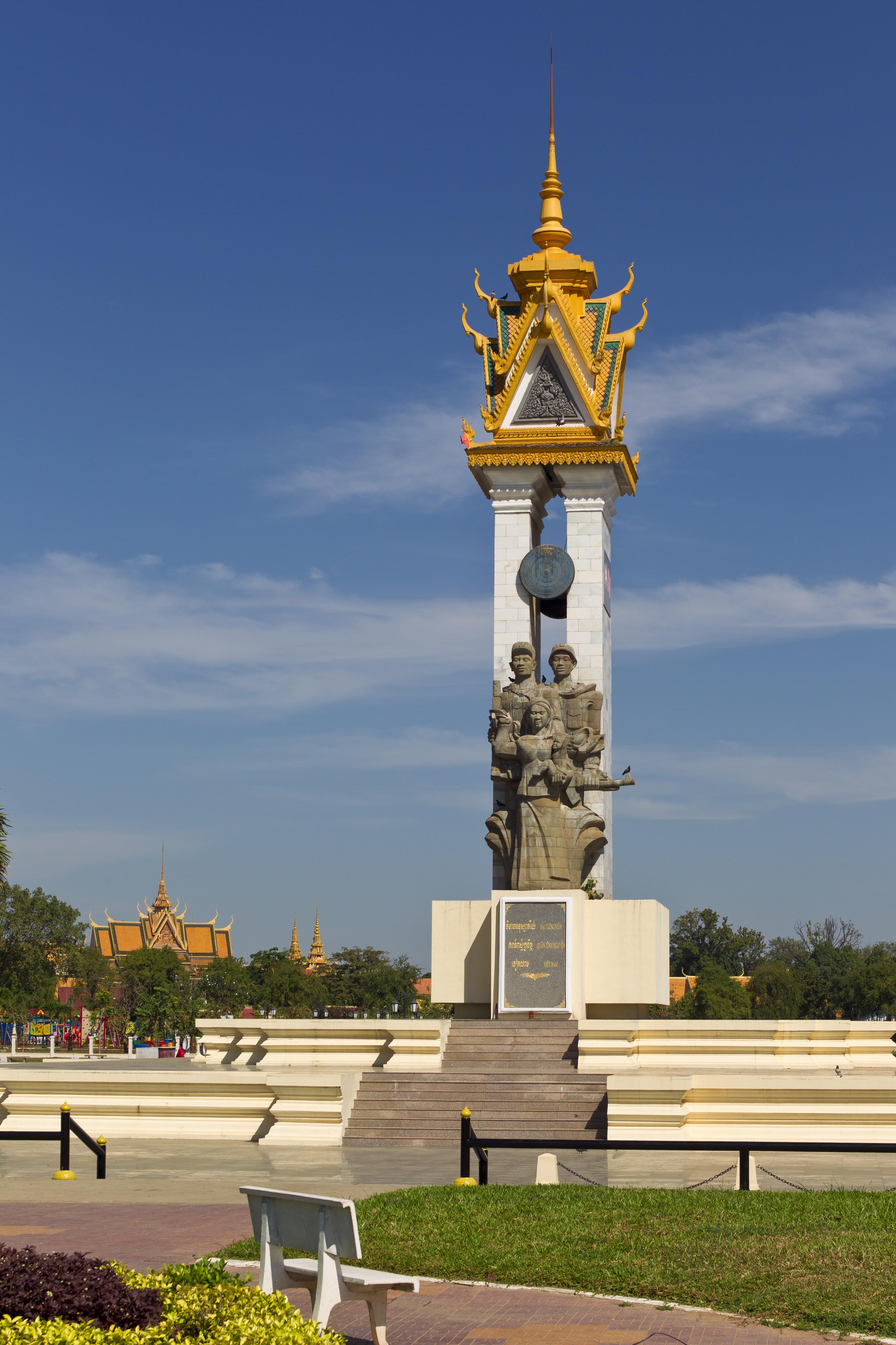
Phnom Penh, Cambodia 2022

Fujichrome, fujifilm, Lenses, opinons, thoughts, photography, pictures, public, Travel

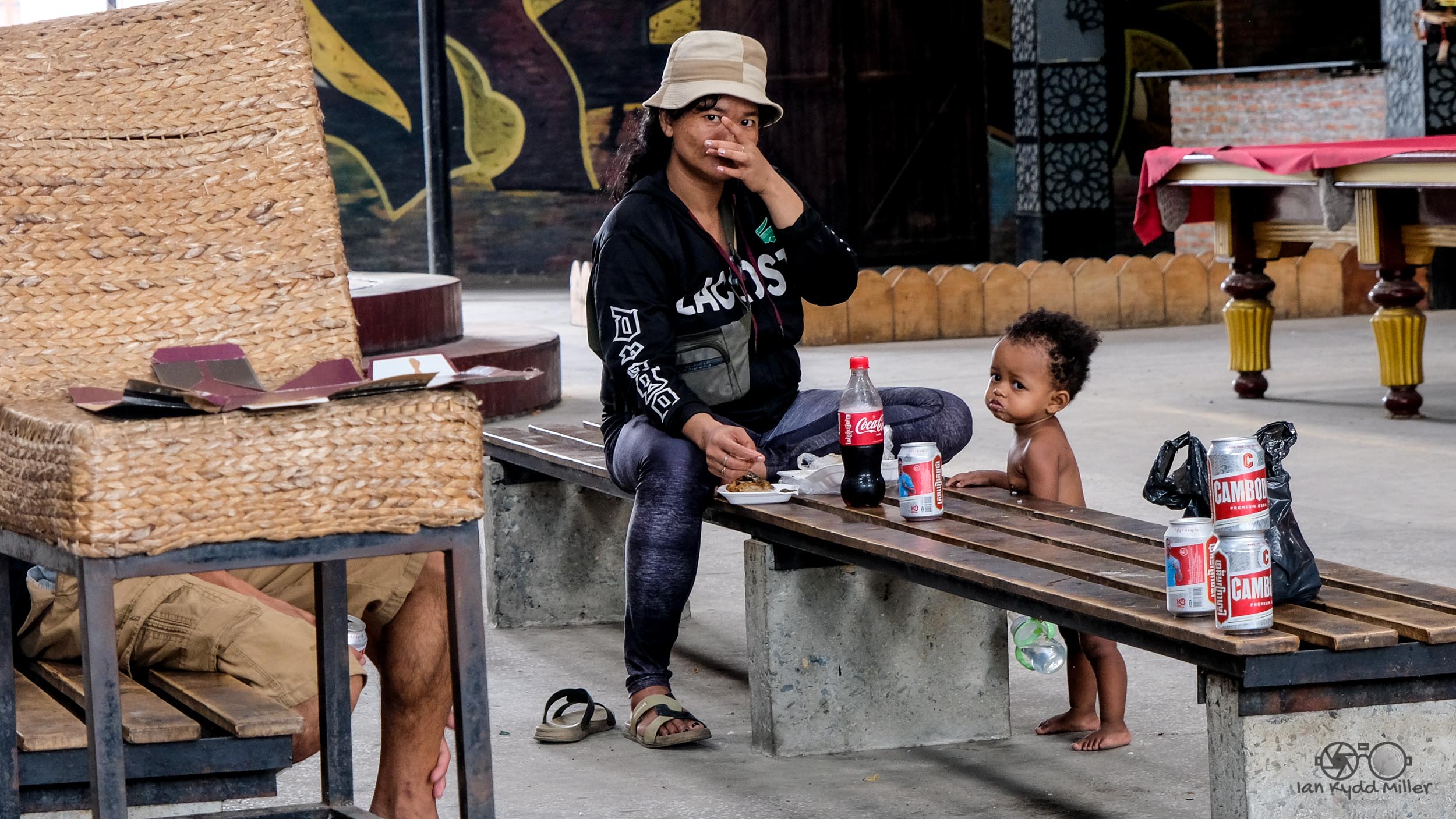
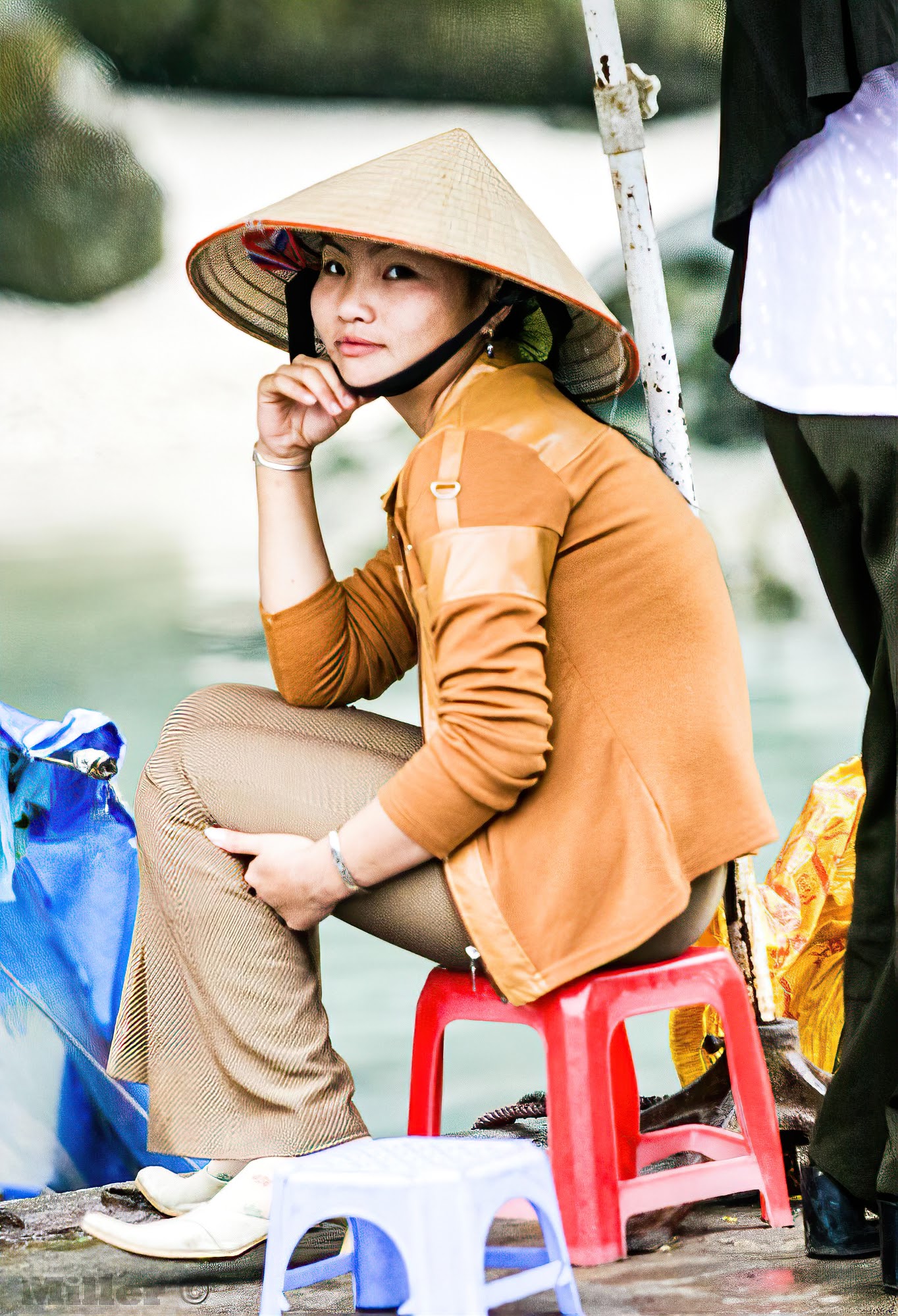
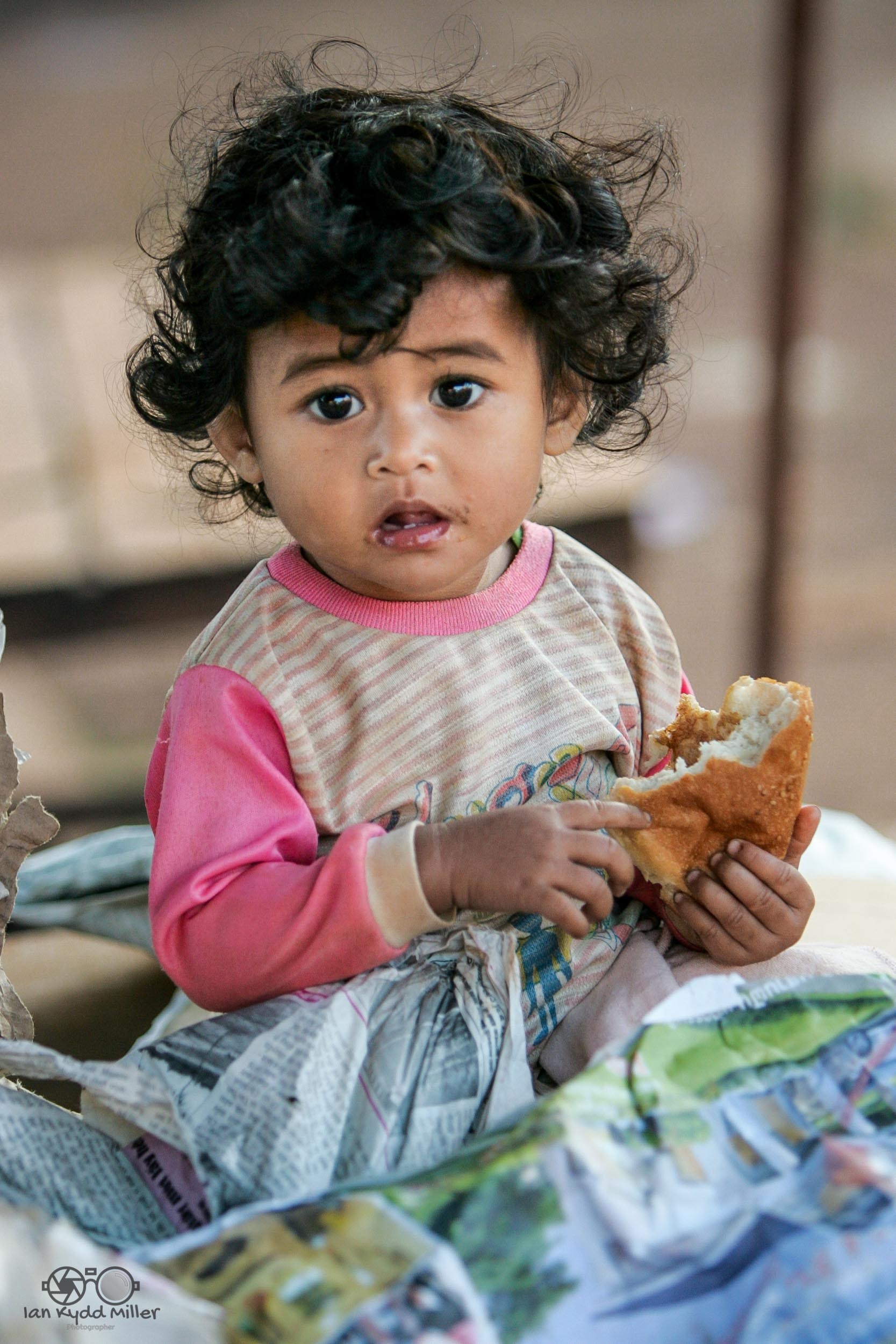
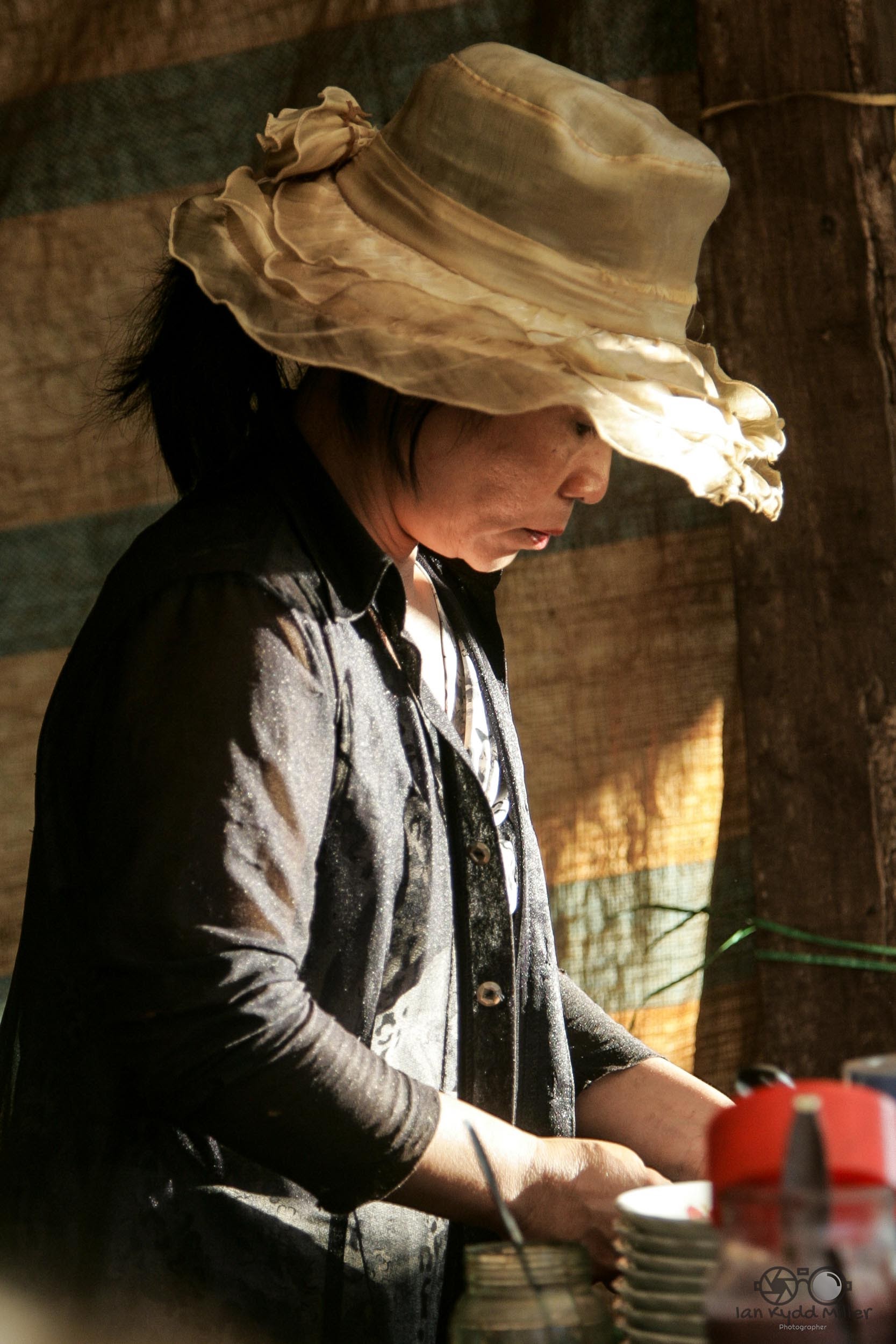
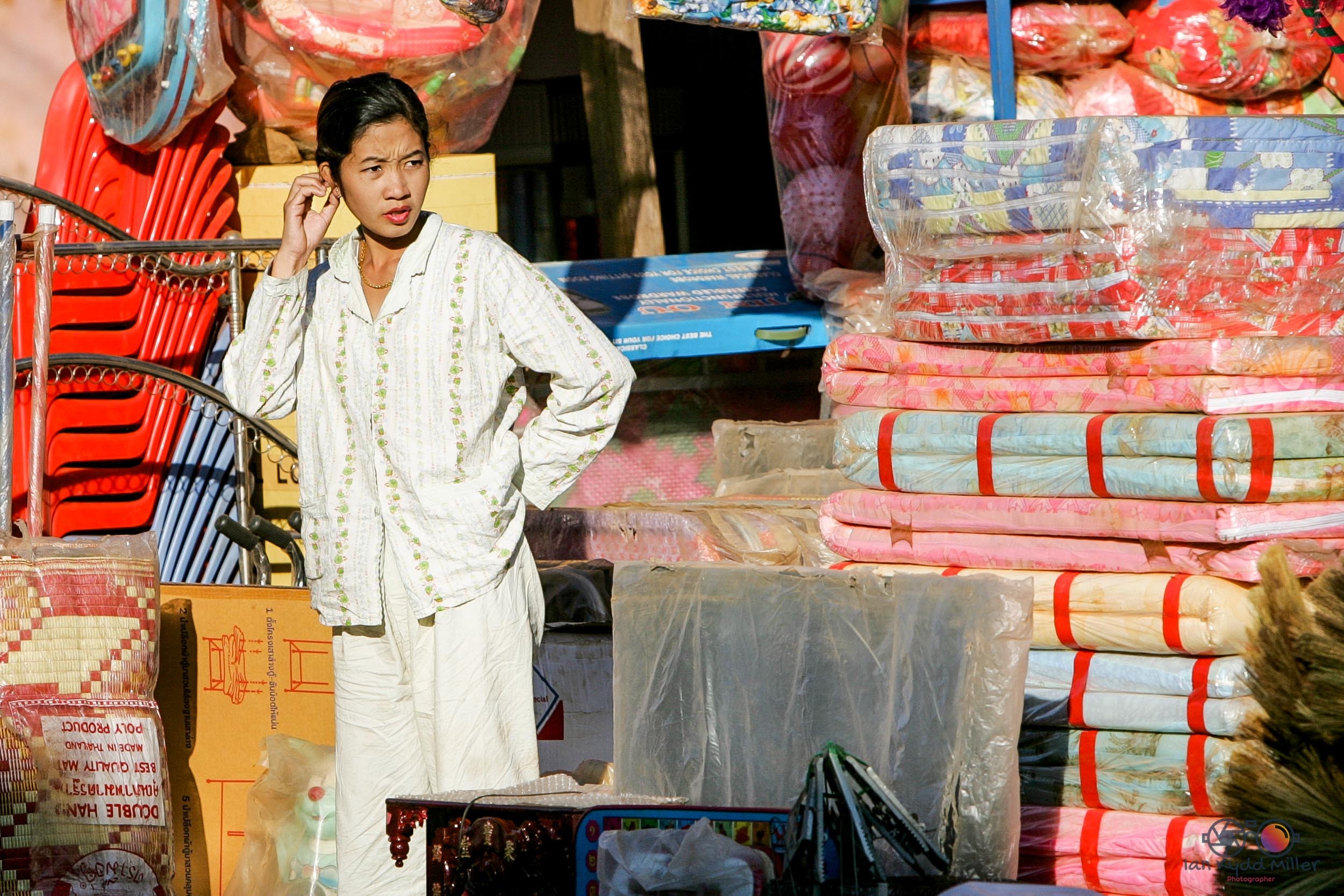
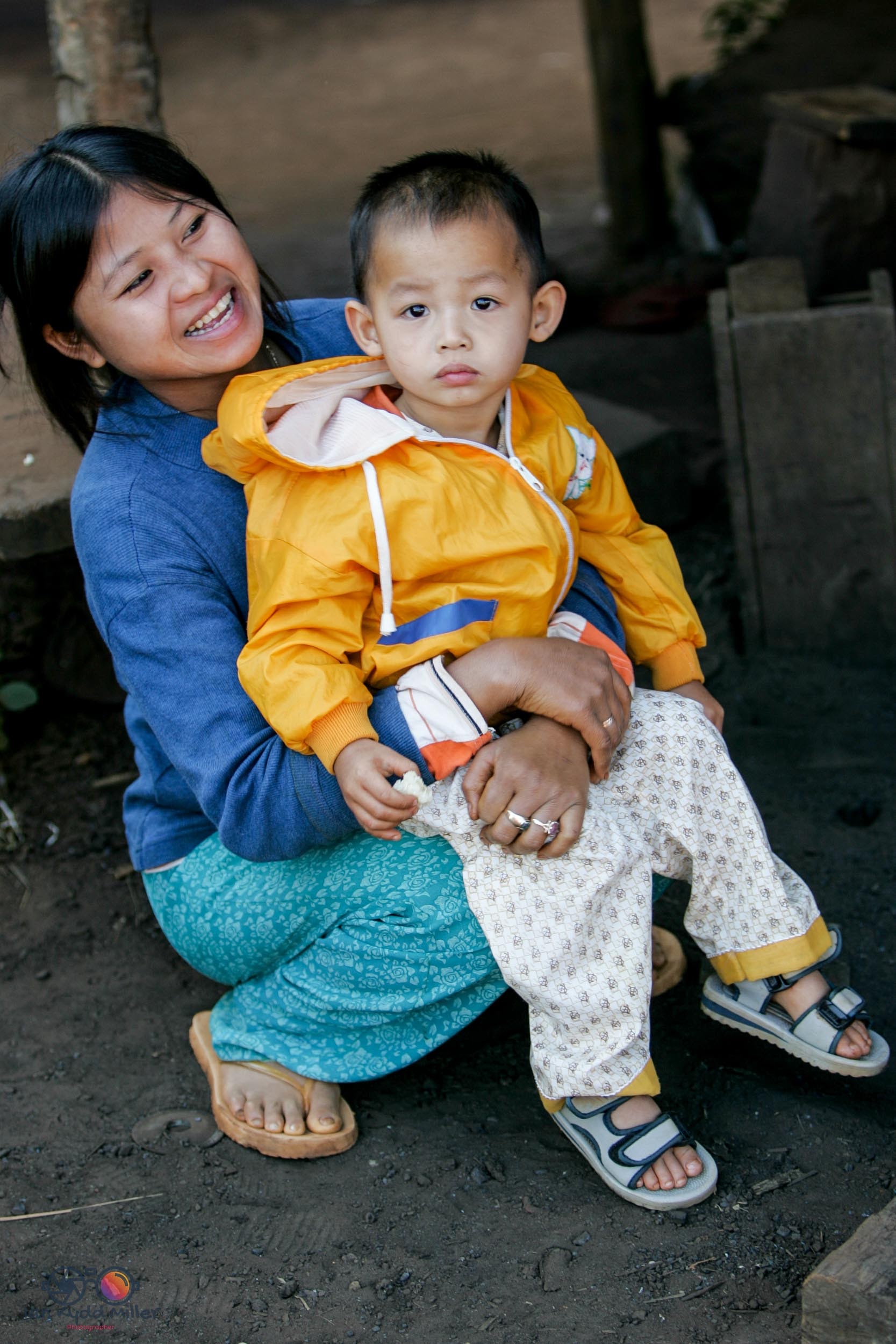
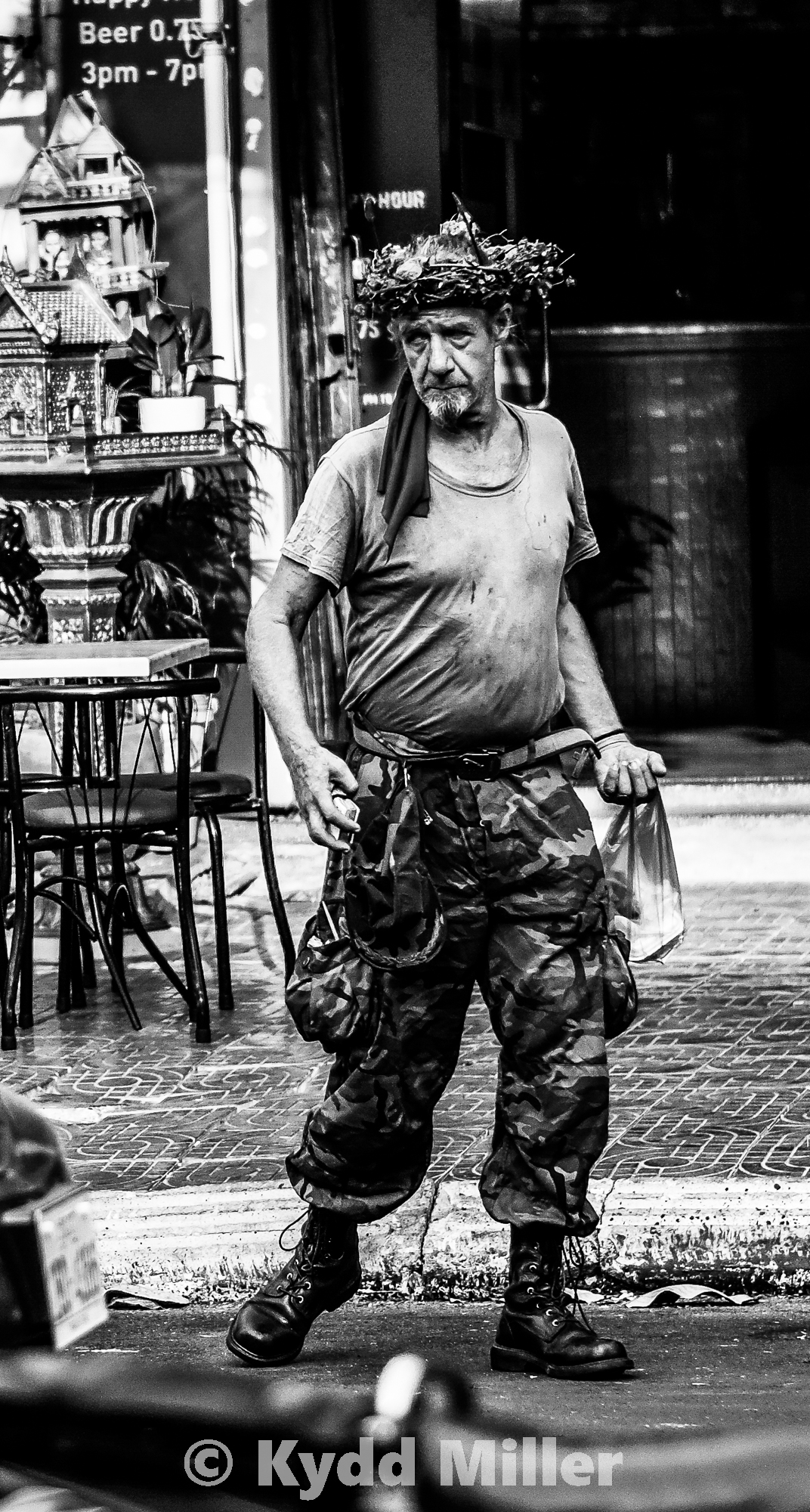
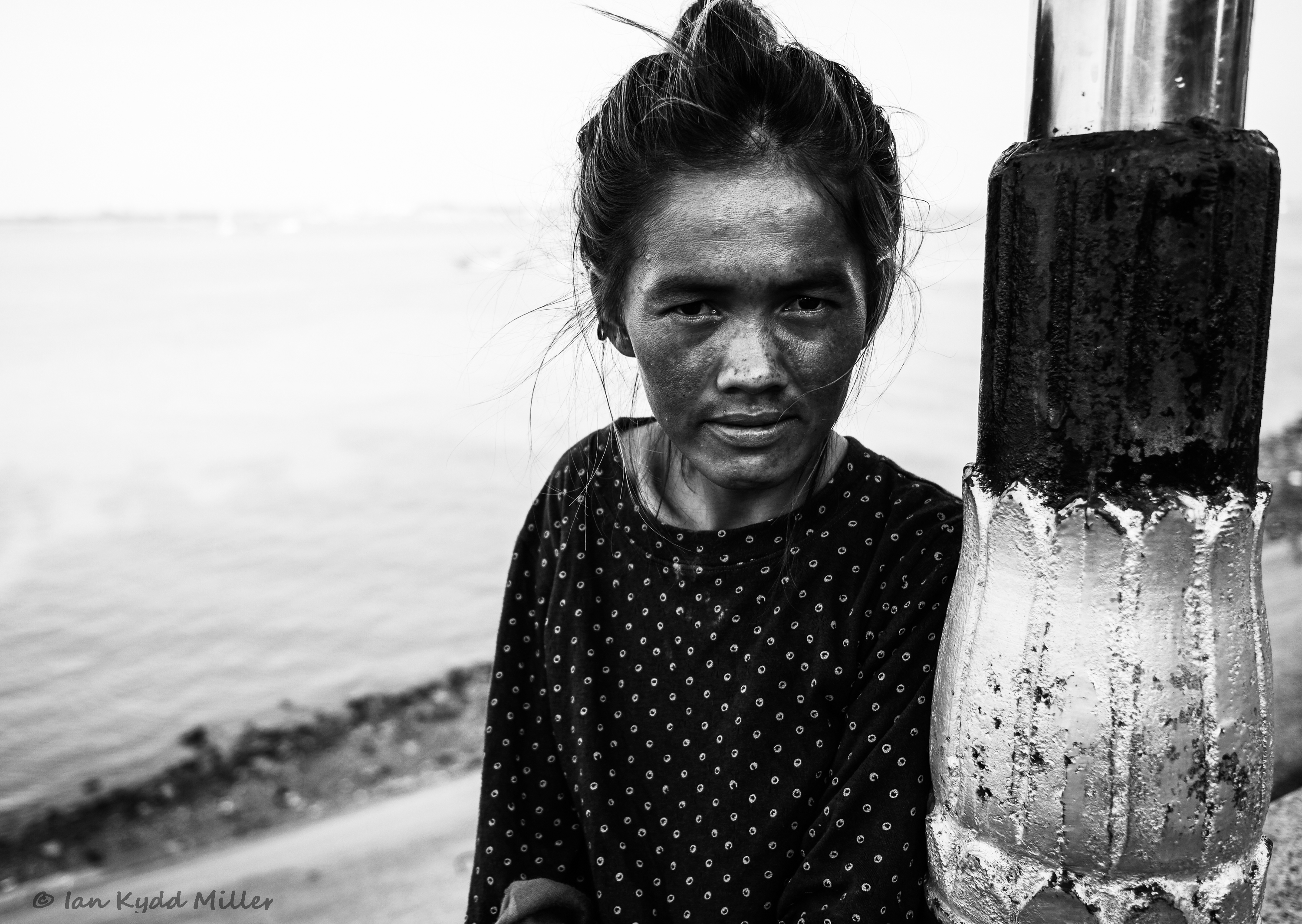
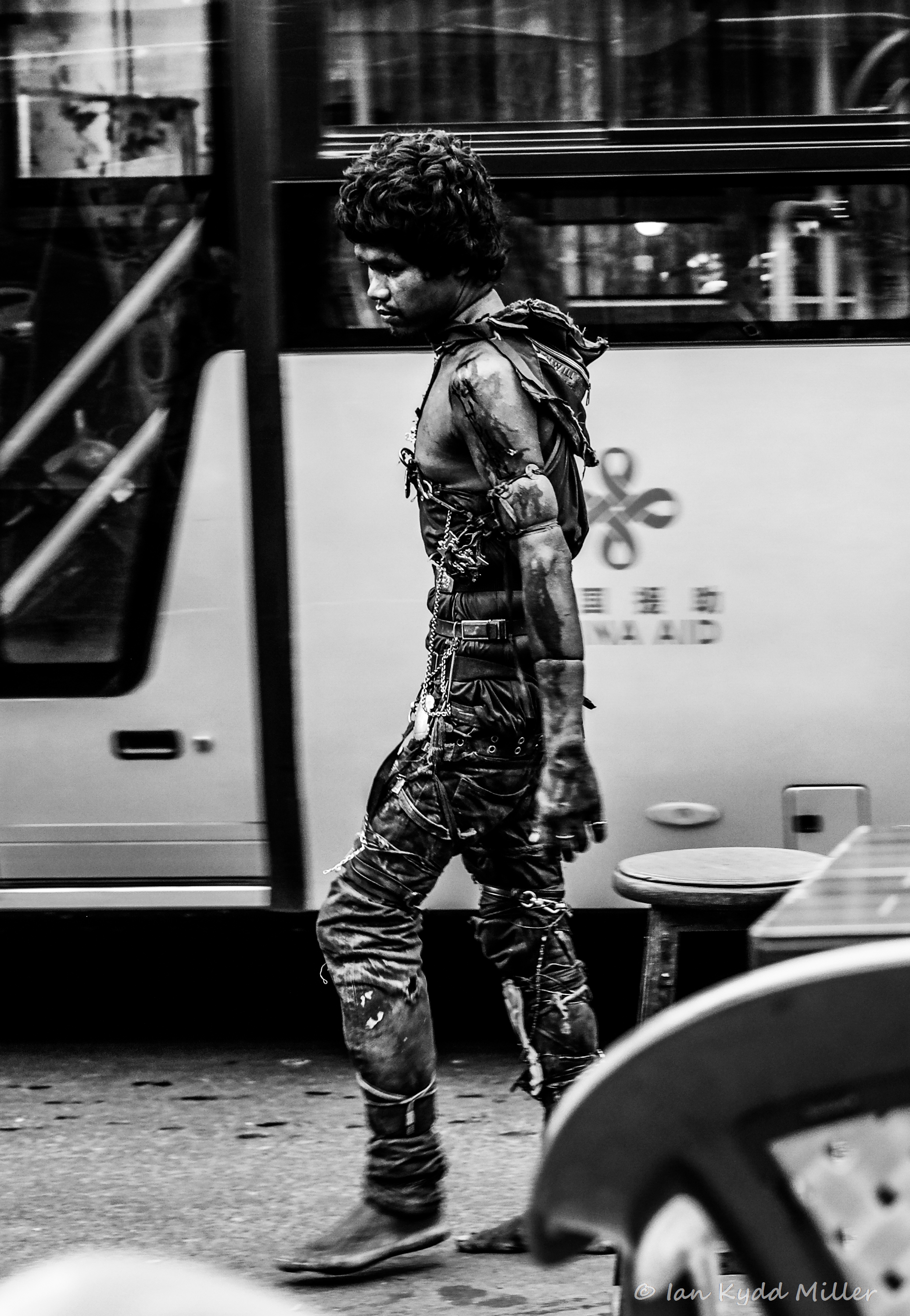
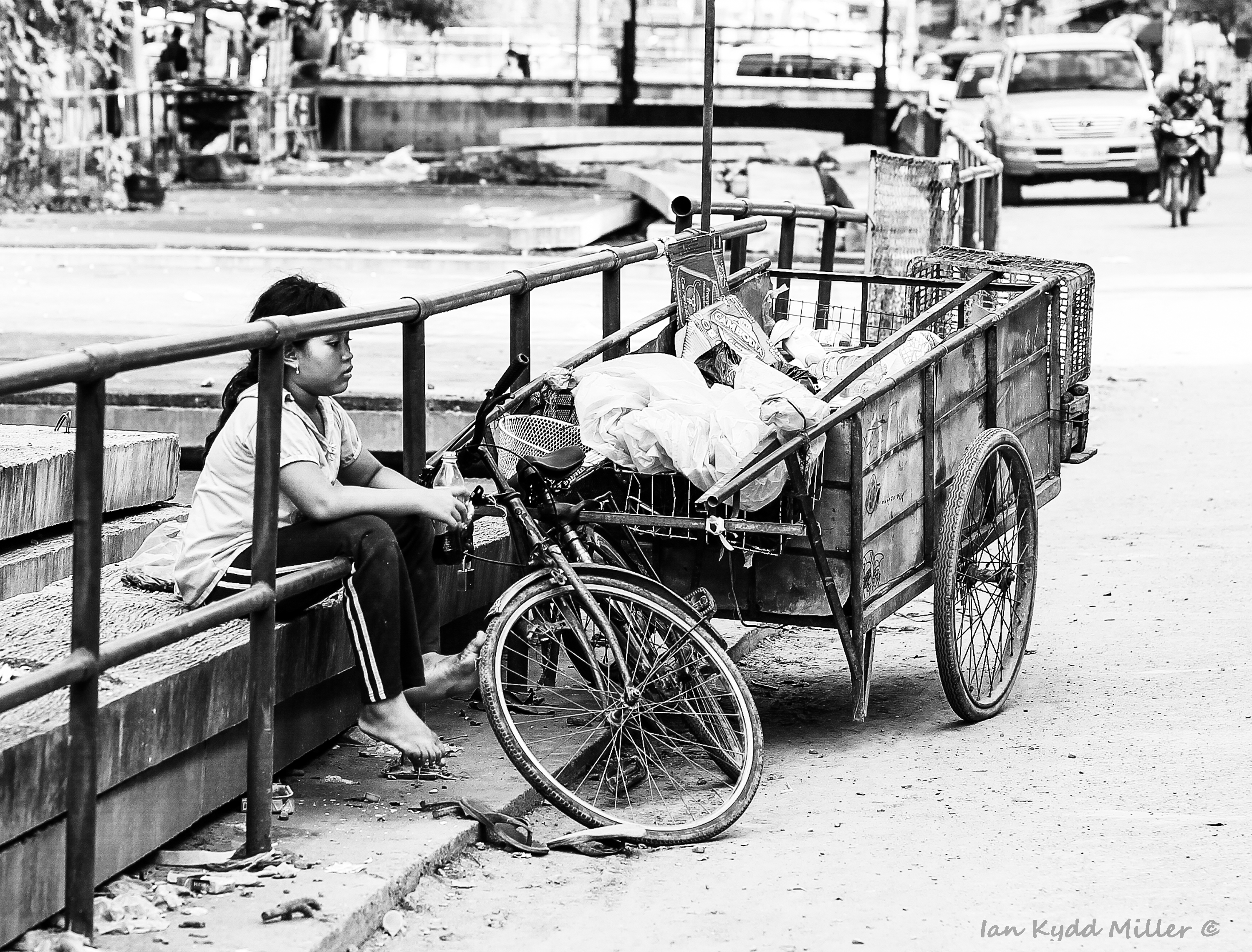
Phnom Penh is a great city for colourful photography, it’s big, dirty and in your face. Street photography is a pleasure. The people are generally friendly and rarely object to having their picture taken.

Travel Photography

cameras, fujifilm, Lenses, opinons, thoughts, photography, pictures, Travel

Less is More – don’t take too much equipment and travel light. It’ll make you less obtrusive and you will be able to move around for the best shot quickly.

  1. Off the Beaten Track – don’t just go to all the touristy shots – try to get β€˜behind the scenes’ and β€˜real life’ scenes.

Stolen Moments – anticipate moments between people before they happen.

2. True Colours – black and white is often where it’s at with street photography but at times colourful situations arise and can really make a shot – be on the look out for these.

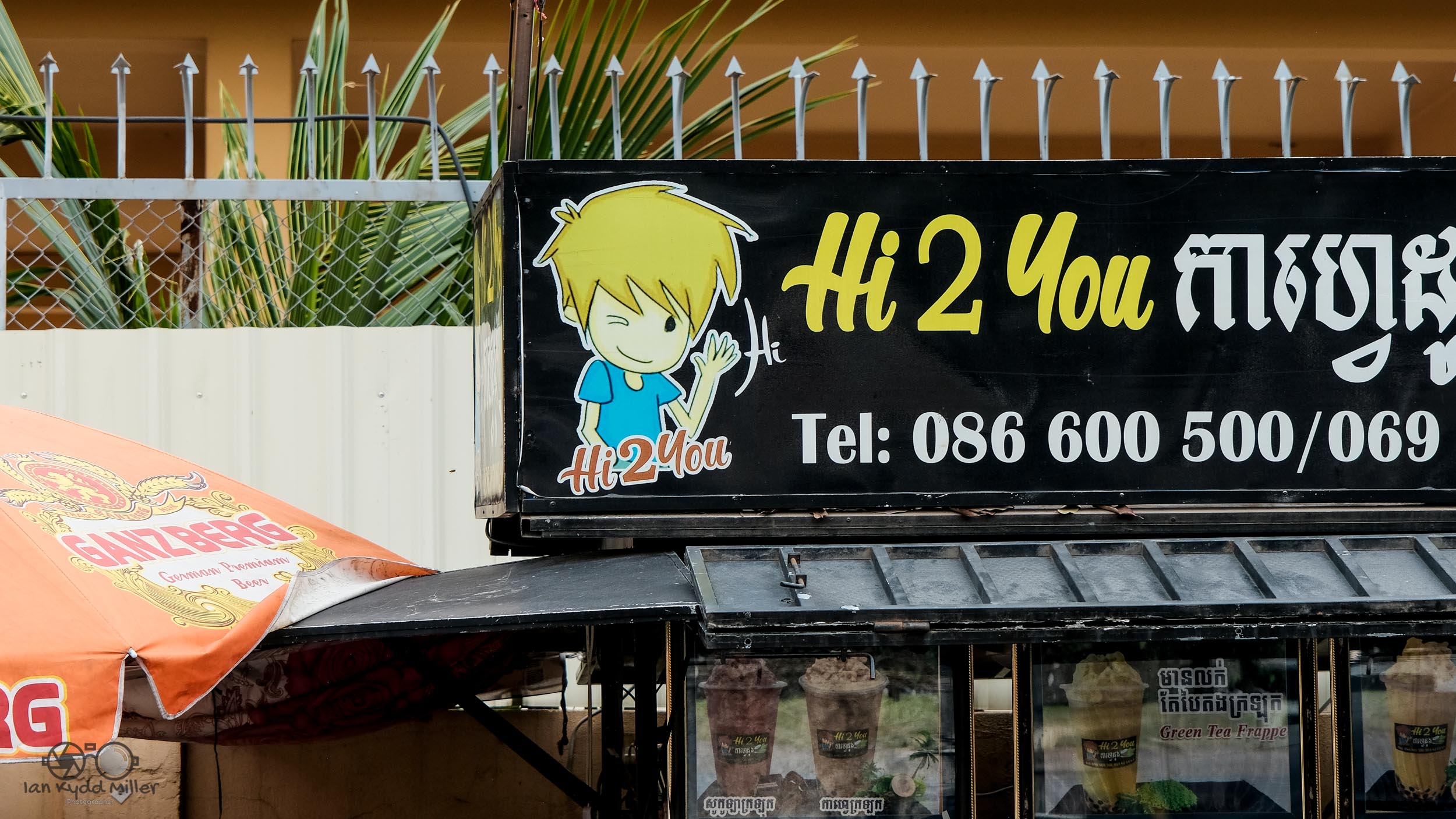
3. In the Background – what’s going on behind your subject can actually β€˜make’ the shot. Billboards, signs, graffiti and other visual elements can really make a statement in a shot.

4. Dare to Go Diagonal – don’t just hold your camera horizontally – experiment with angles. Street photography is a less formal medium – make the most of it.

5. Opposites Attract – shots that challenge the β€˜norm’ in terms of composition and story/subject matter can be powerful. Look out for β€˜surprising’ subject matter and composition.

6. What a Performance – street performers, parades and other street entertainment can be great subject matter on the street.

7. Off the Streets – other places where people gather in number can lead to great shots in this genre – zoos, fairs, shows, parks, sporting events etc all can be worth trying.

8. New Angle – find ways to get up high or down low – these new perspectives on subjects that are familiar can lead to eye-catching shots.

9. Practice makes Perfect – over time and with practice your photography will improve. You’ll not only get better at technique but also spot the things to focus on on the street.

10. Fortune Favors the Brave – sometimes the best thing you can do is to get close to your subject – this can be a little confronting but will produce powerful images

11. Fun in the Sun – often we try to avoid shooting into the sun and the shadows that direct sunlight can produce – in street photography breaking these β€˜rules’ can lead to great shots.

12. Ready to Pounce – have your camera out and ready to shoot at all times. Things can move quickly on the street so if you’re not ready you’ll miss lots of opportunities.

13. Revise the Revisit – street photography is not all about spontaneity – if you see a scene with potential don’t be afraid to keep coming back to it until you get the shot.

14. Frozen Motion – the street is a place of movement – to capture it and still get sharp shots make sure your shutter speed is fast enough. 1/125 or more with an ISO of 400 is recommended as a base. I also think it can be fun to experiment with slower shutter speeds on the street – capture the movement as blur.

15. Street Wallpaper – blend in with the scene – shoot unobtrusively and unnoticed.

16. Life Through a Lens – β€˜exaggerating perspective will help set your subject in context and provide a more forgiving depth of field’ – use a wide-angle lens (or even a fisheye).

17. Expect the Expected – people can be suspicious of street photographers so shoot in places where people expect to see people doing photography. Smile, be polite and be willing to delete images if people protest.

18. Location, Location, Location – really this is what it is all about. Choose places where people interact with one another and times when they are present.

Humanism

Fujichrome, fujifilm, Lenses, photography, pictures, public, Travel, Uncategorized

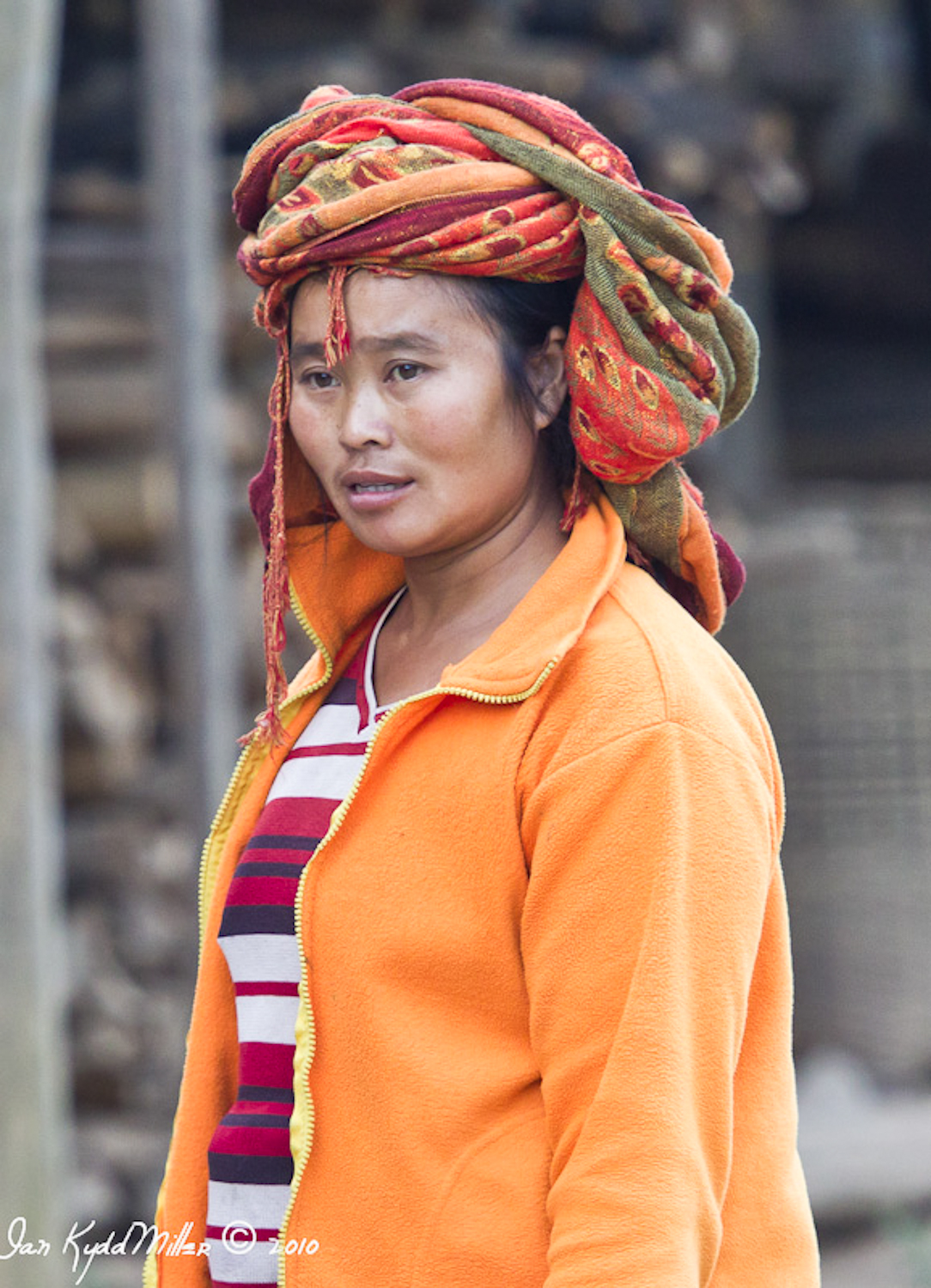
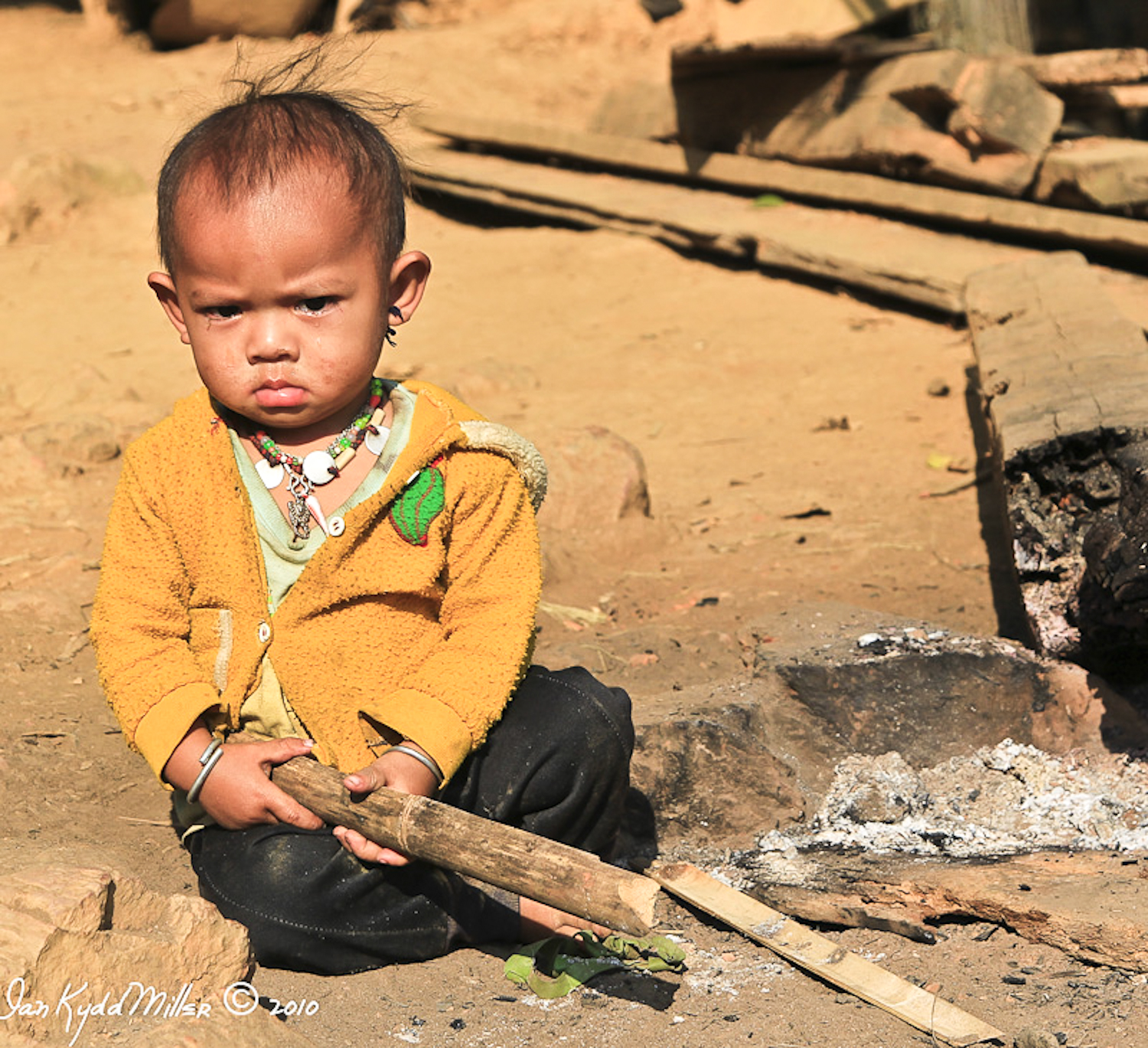
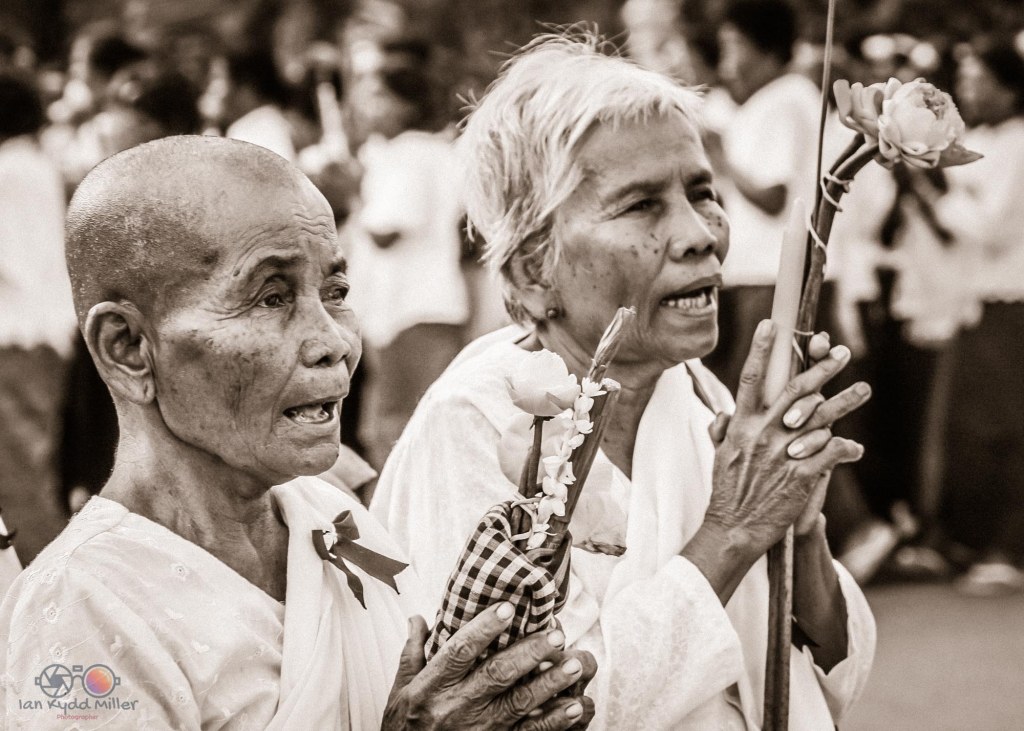
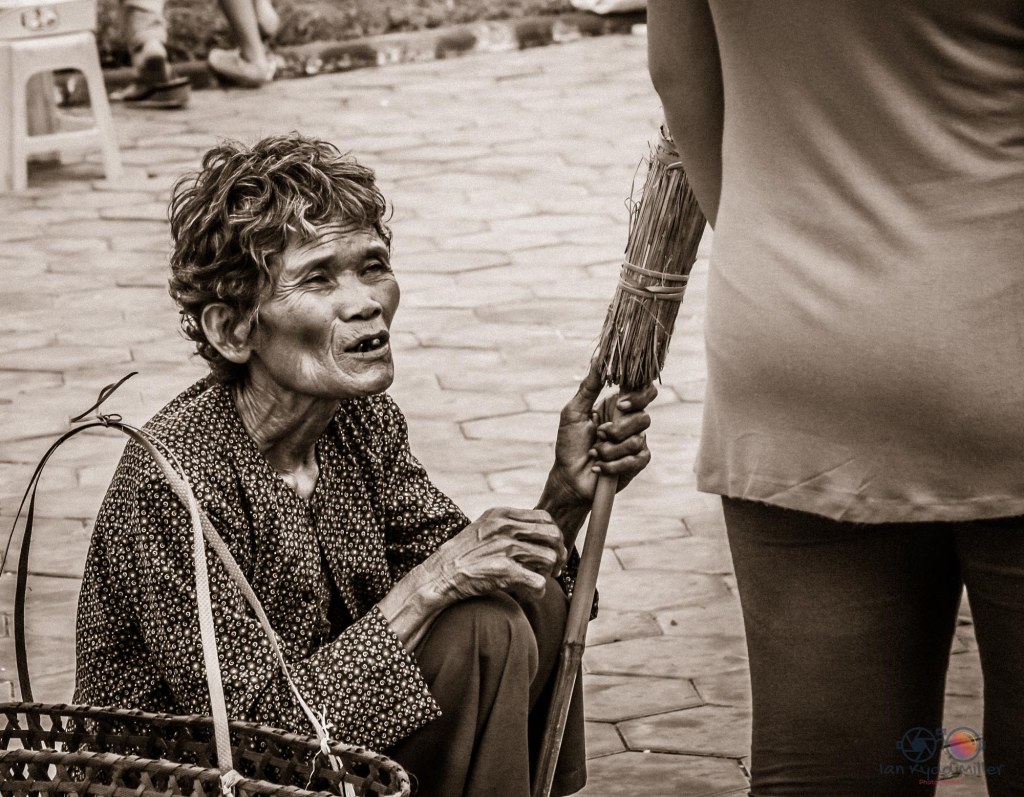
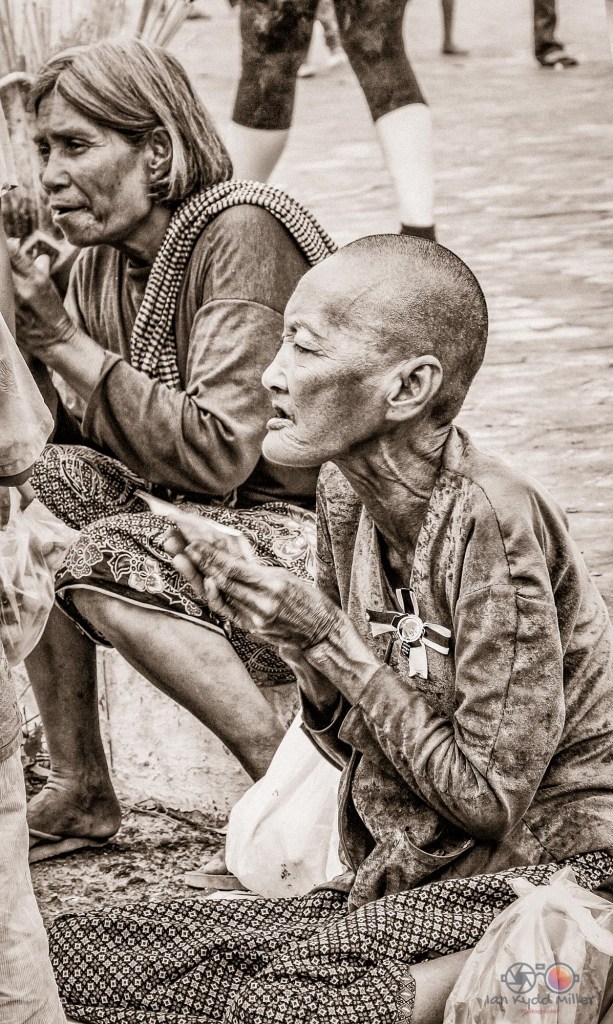
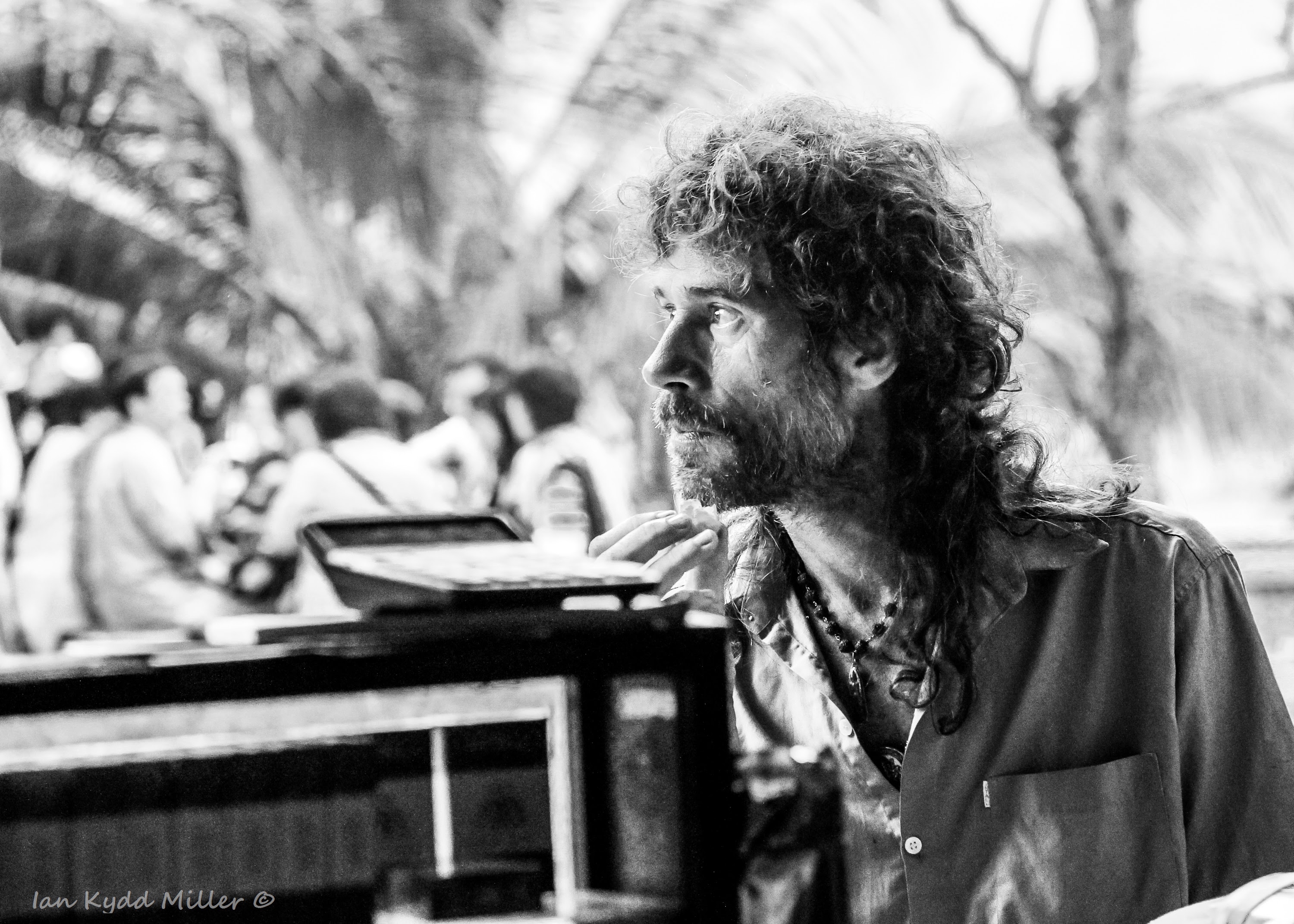
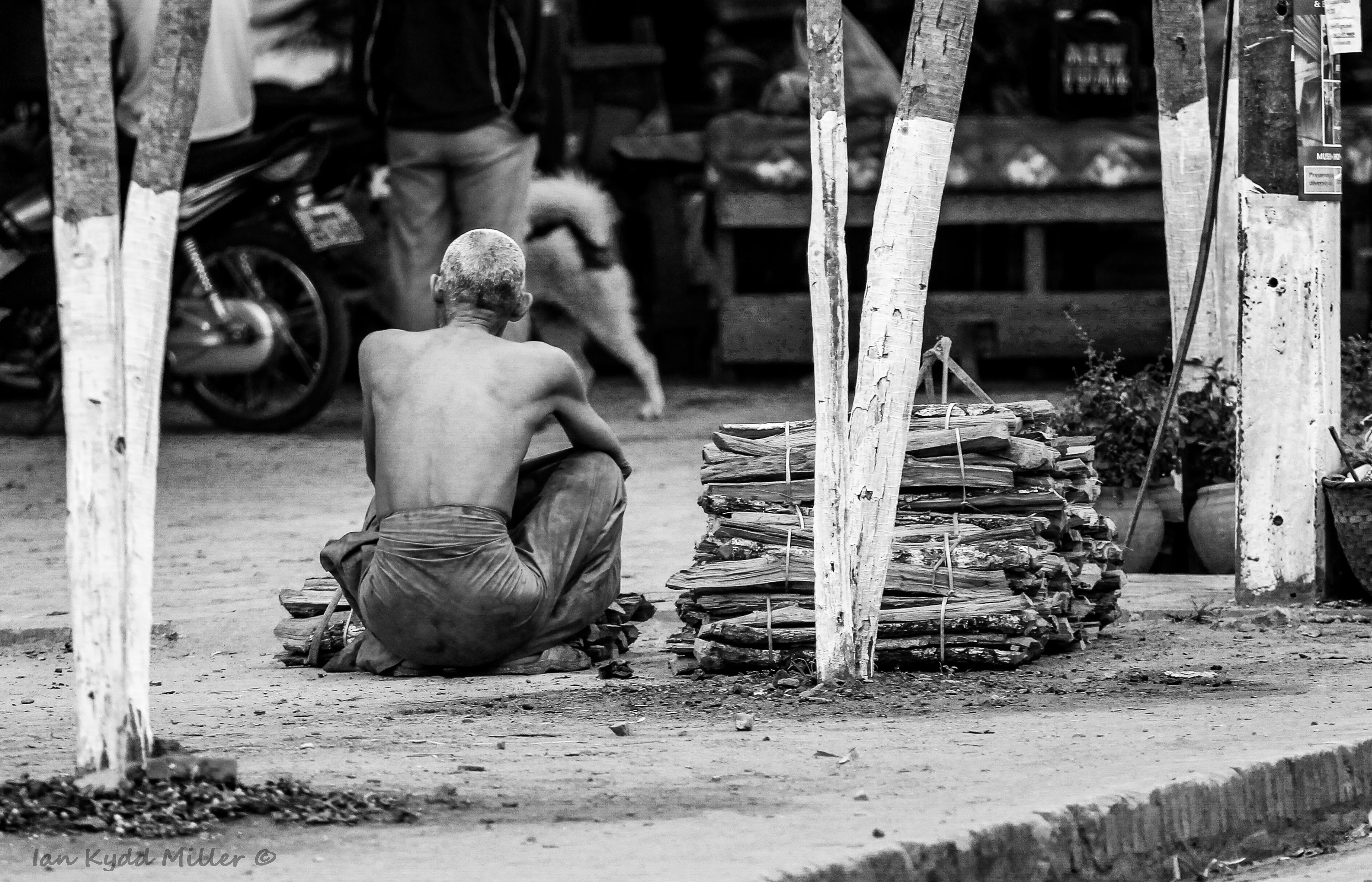
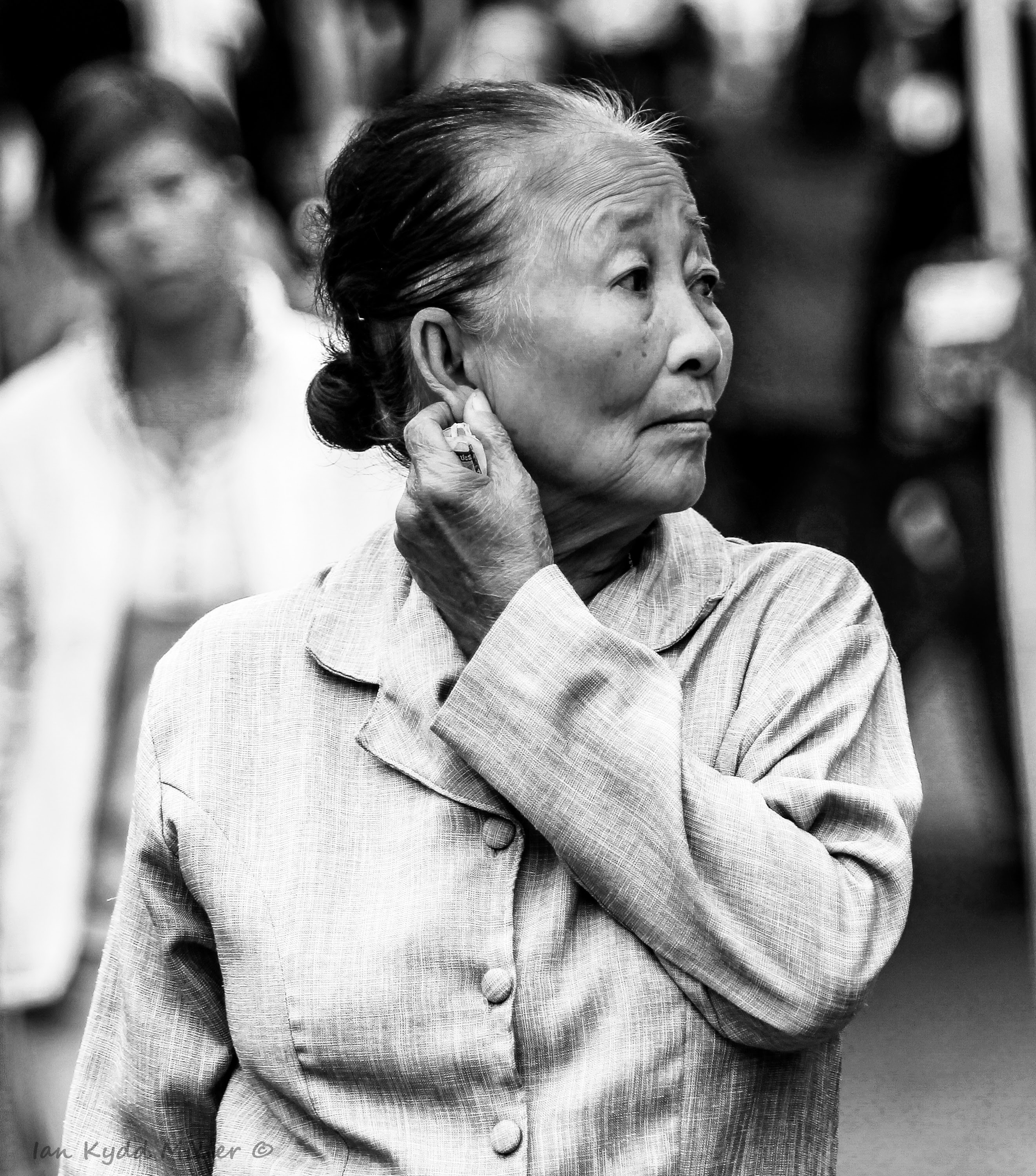
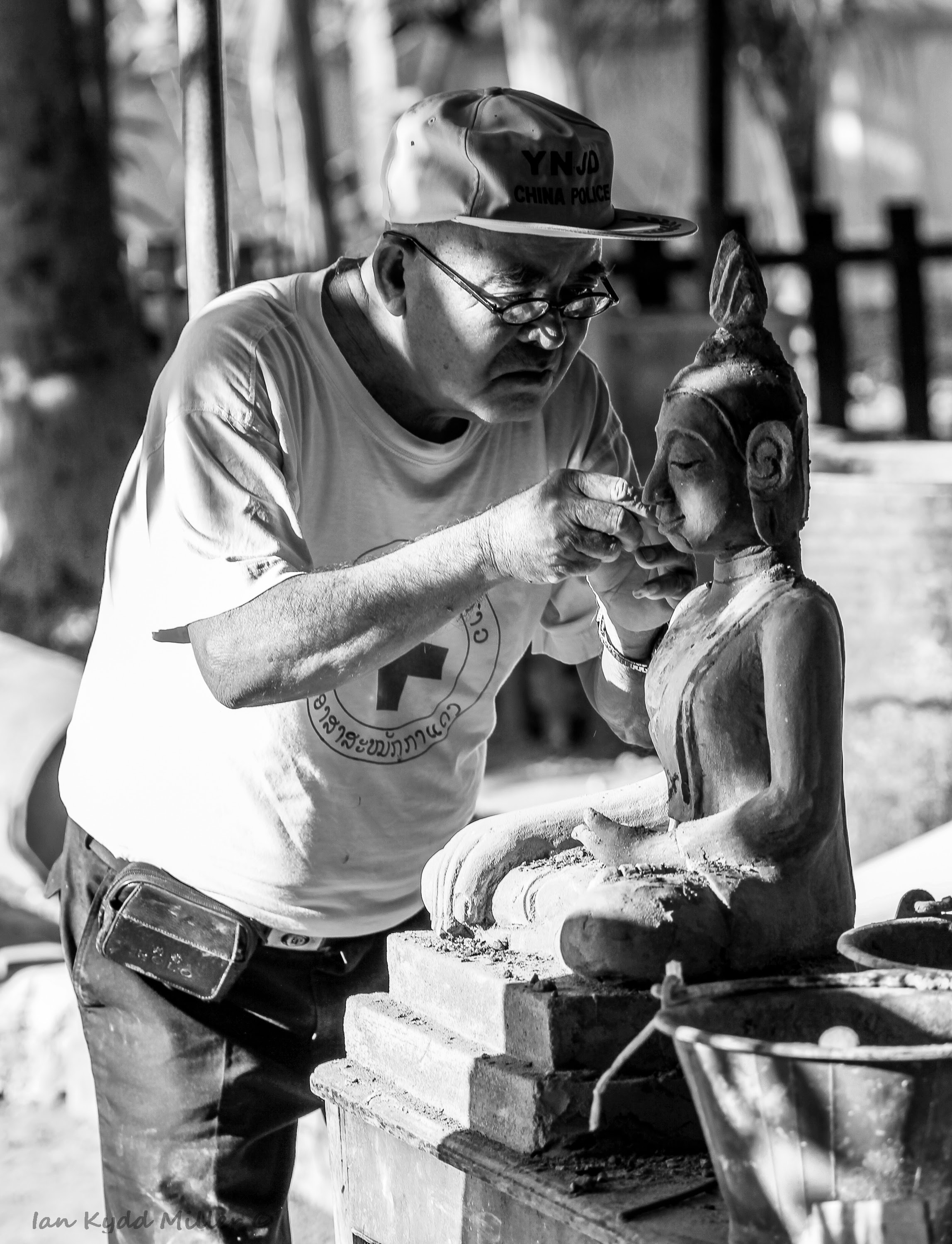
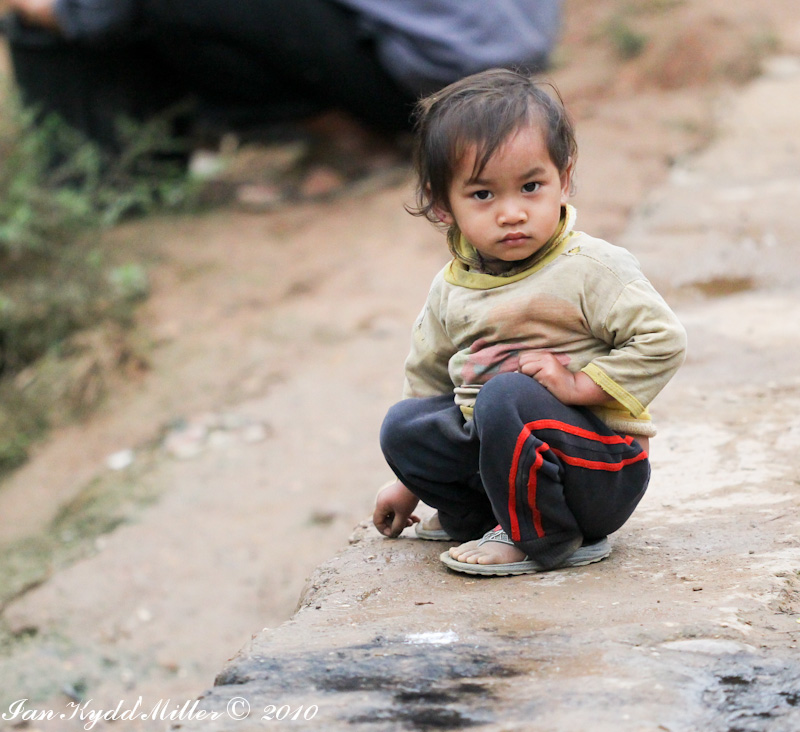
Humanism in photography is all about images that show empathy and the ability of human beings to empower each other. A photographer who injects humanism into their photos puts the spotlight on human beings. The centre of attention is always the people.

I would consider myself to be a humanist photographer rather than a ”street photographer” although much of my work happens on the street. People, how they live and survive are what really interest me, the feeling of wanting to know or learn about something or someone.
Humanism, a rationalist outlook or system of thought attaching prime importance to human rather than divine or supernatural matters.

California 2022

fujifilm, Lenses, photography, pictures, Travel

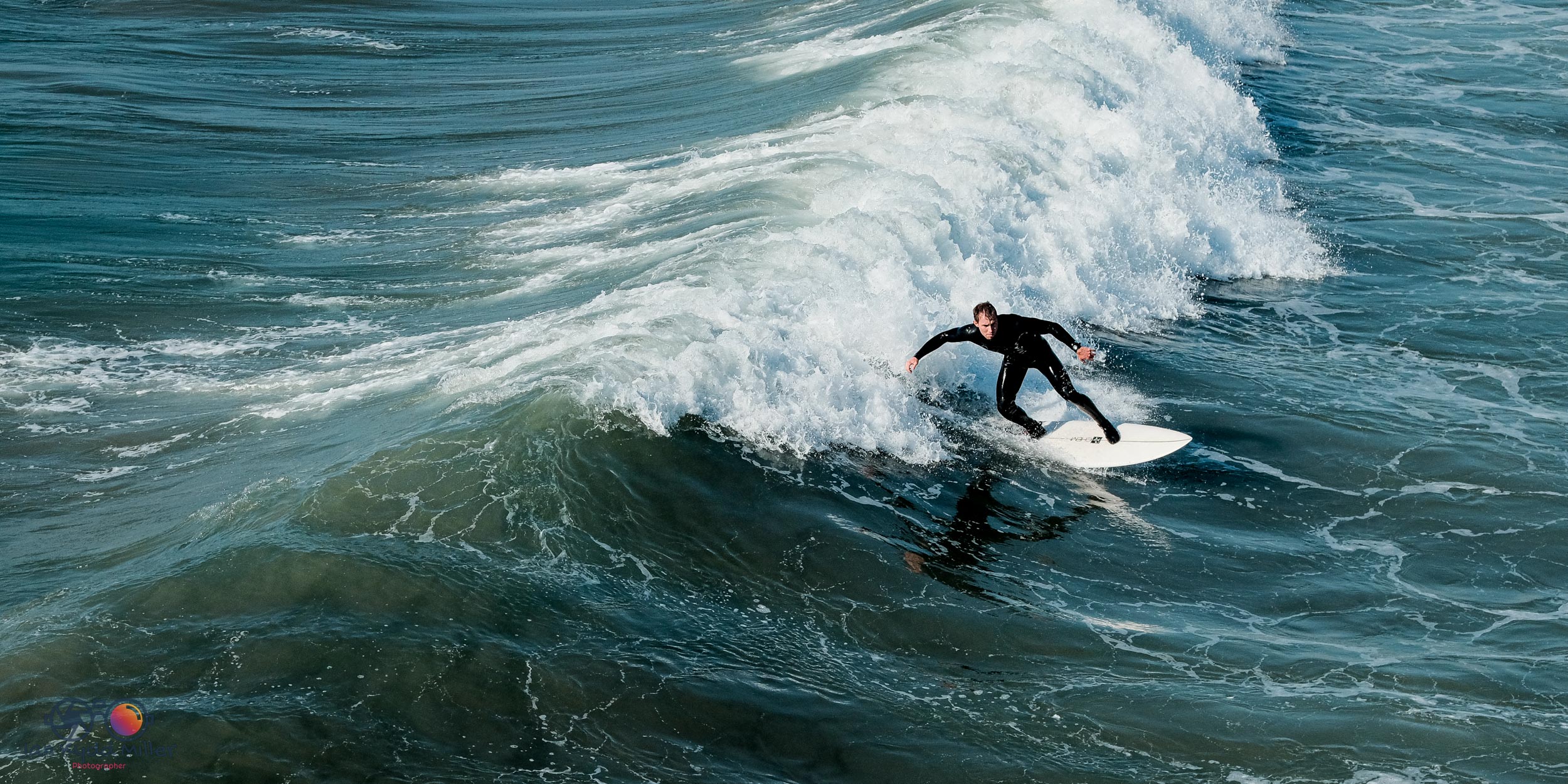
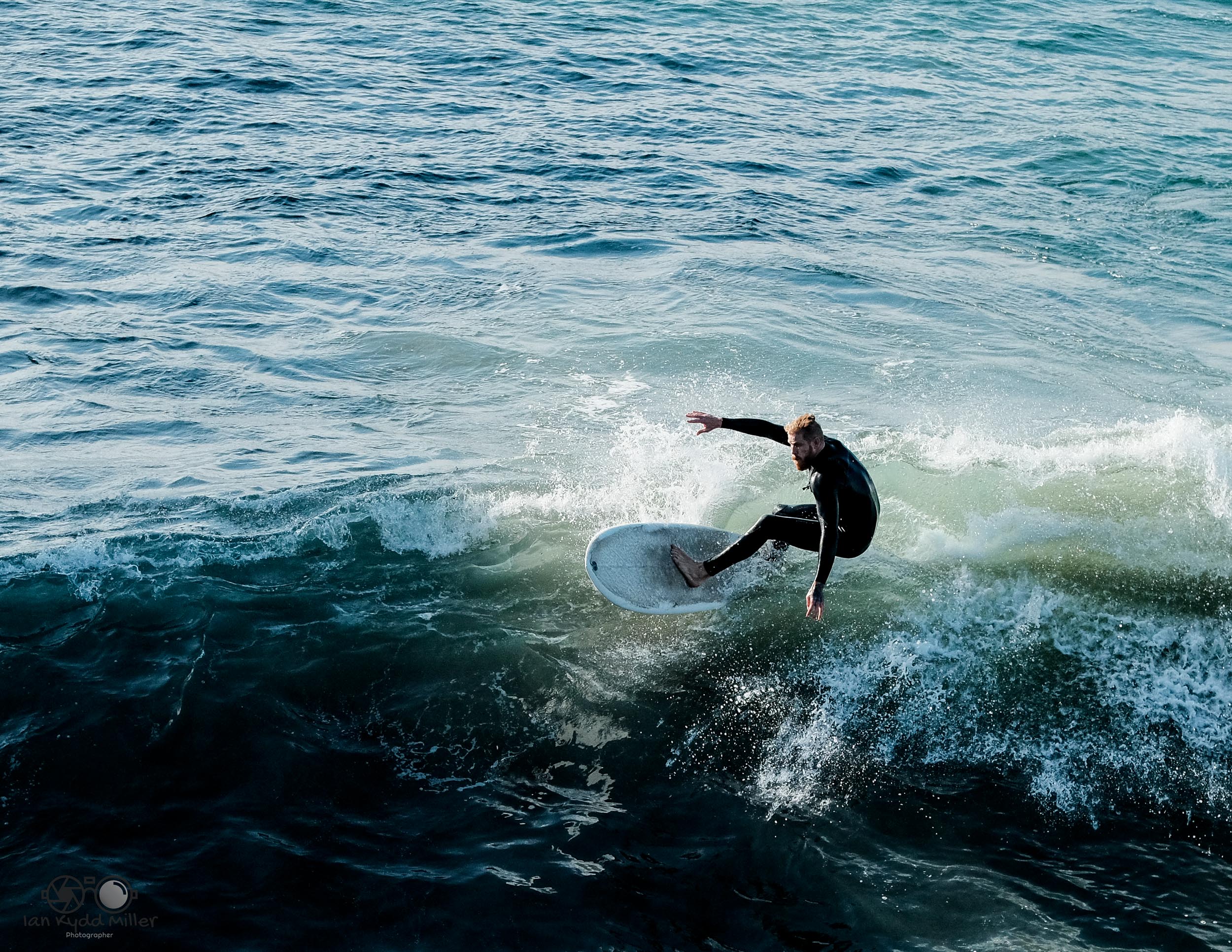
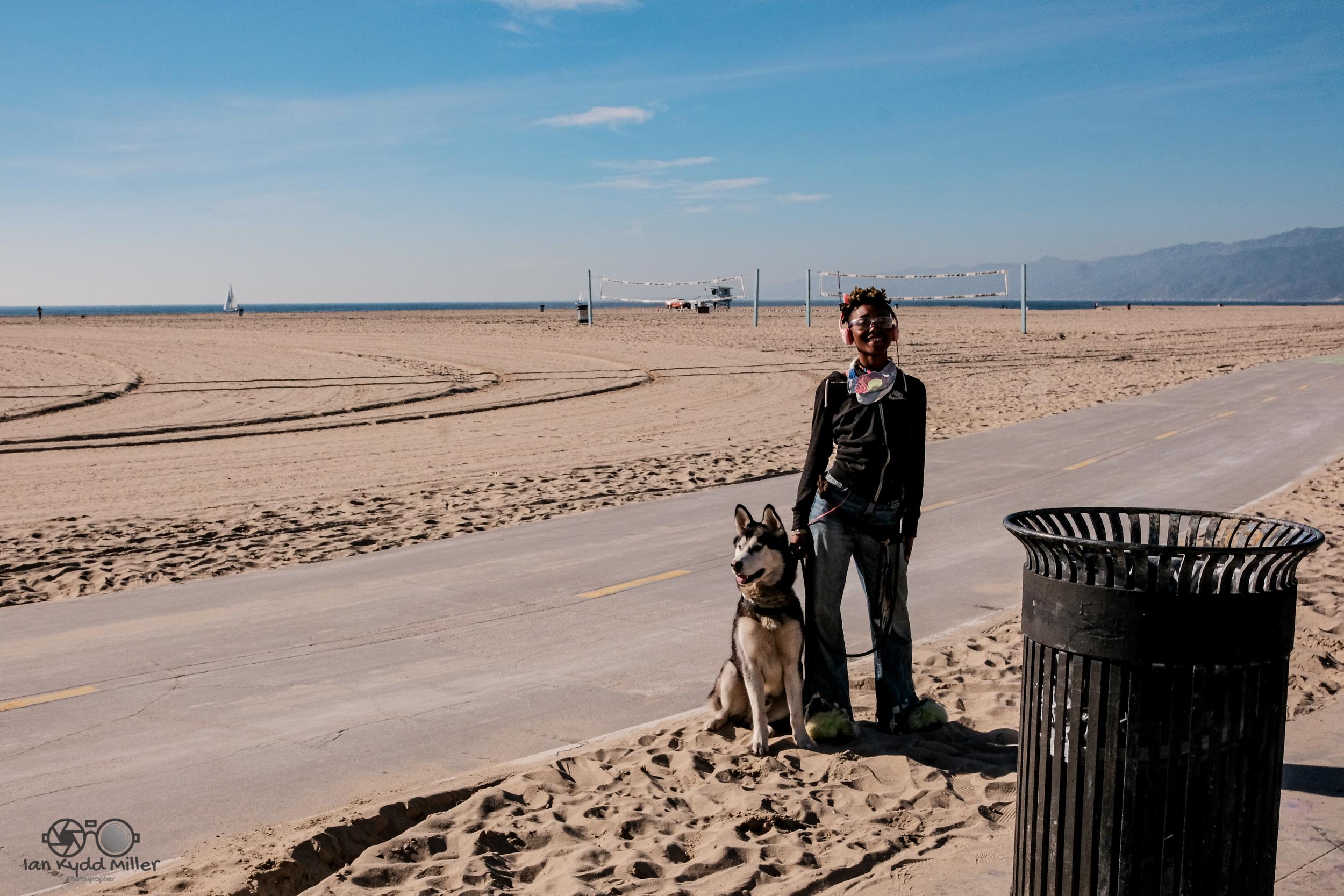
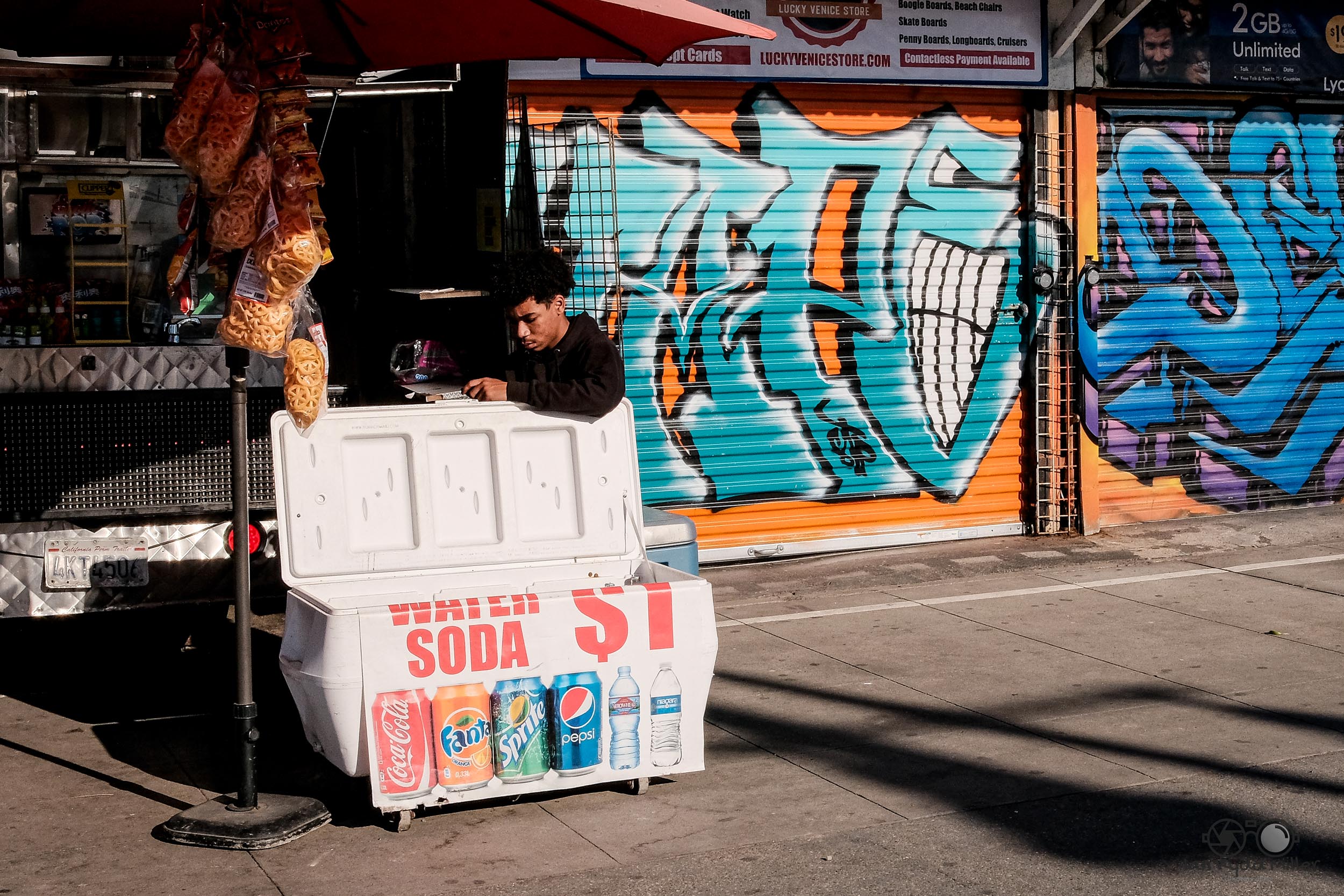
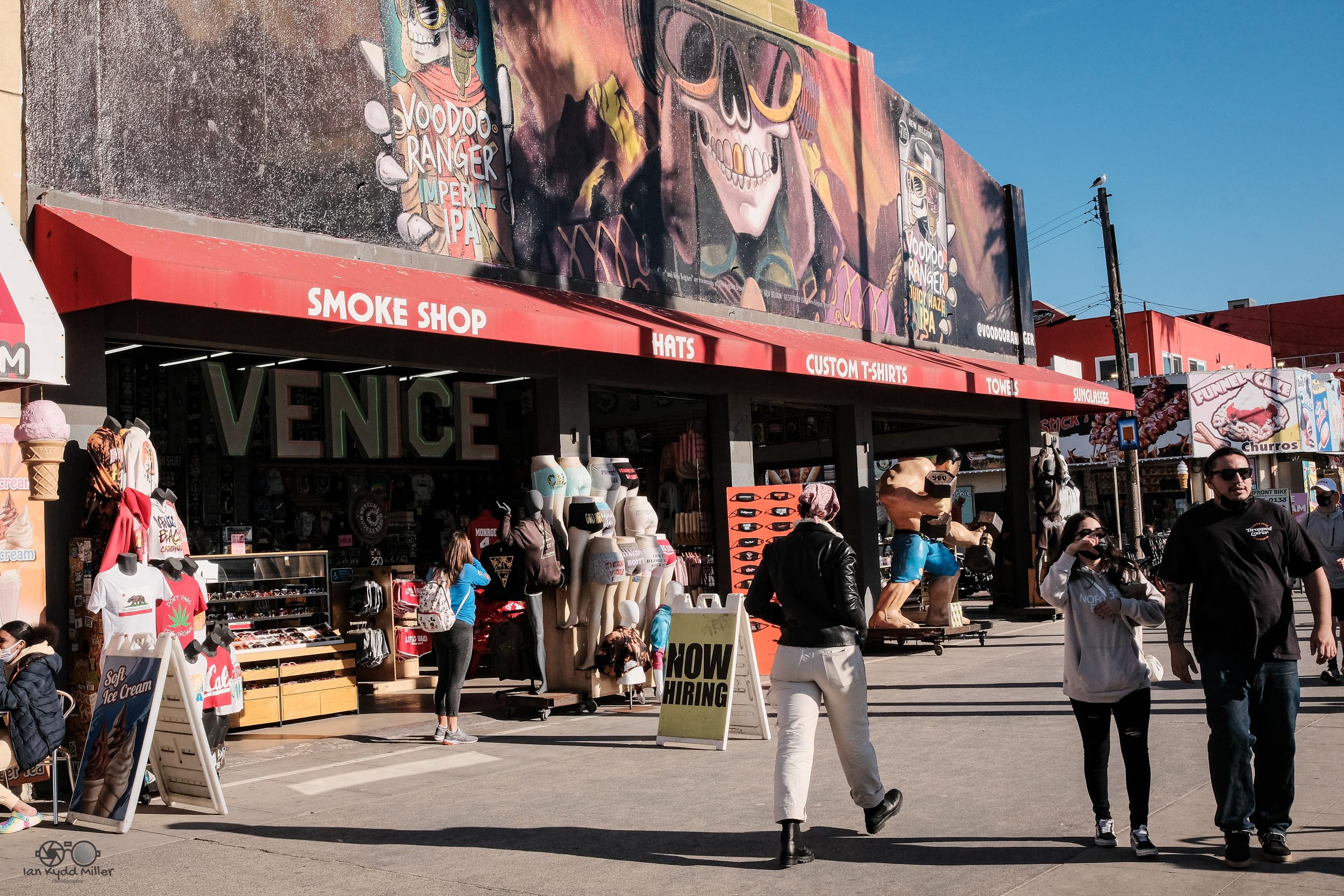
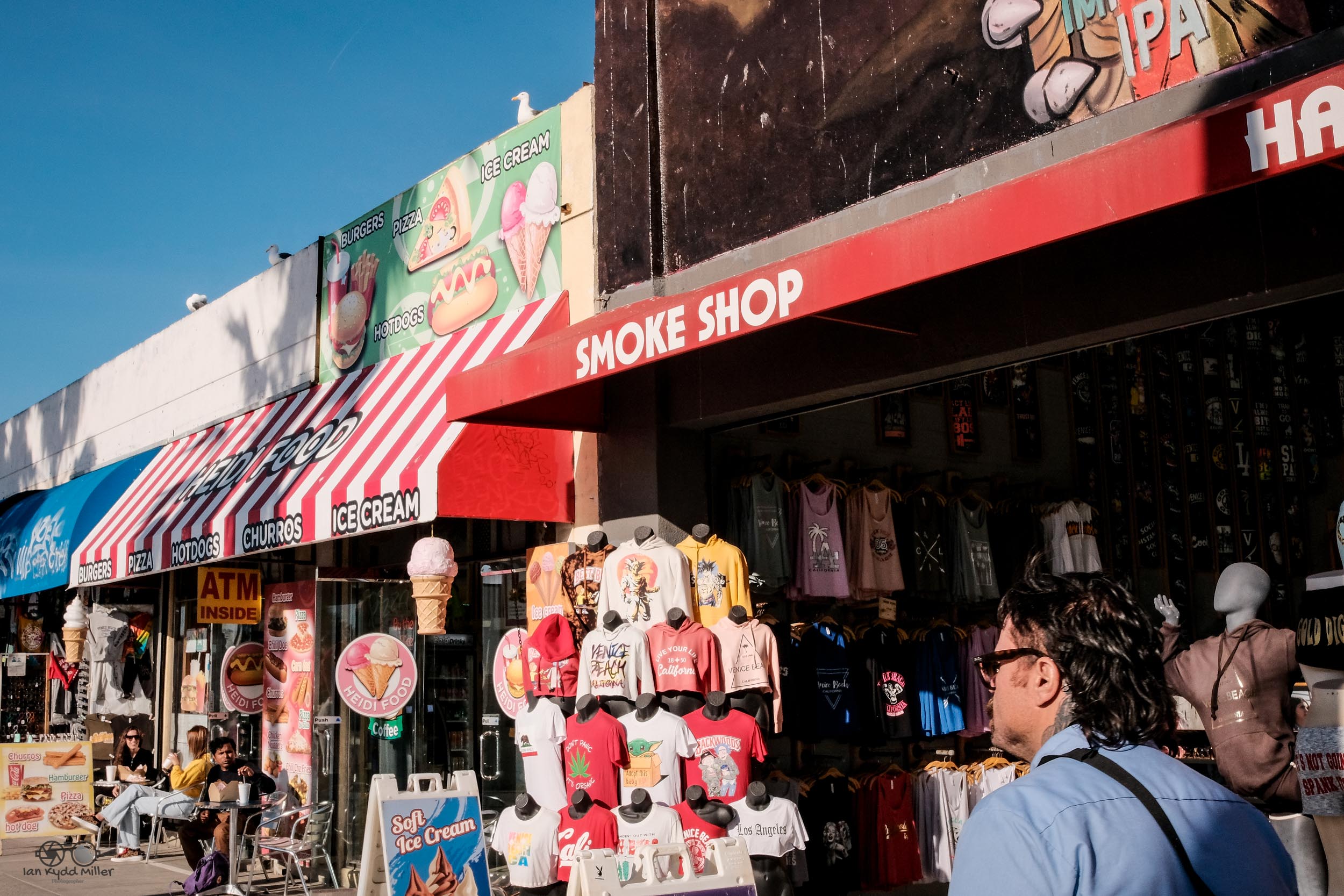
Had to make an impromptu trip to Los Angles, California to assist a friend of mine back for medical treatment at the VA Hospital in Long Beach. A long trip on New Years Day. Decided to hang there for a few days before returning home. Took a few pictures visiting Venice Beach and Manhattan Beach.

Manhattan Beach

Only had my travel gear with me, Fuji X Pro2 and a XF 50mm f2 for these shots of Surfers.

Venice Beach

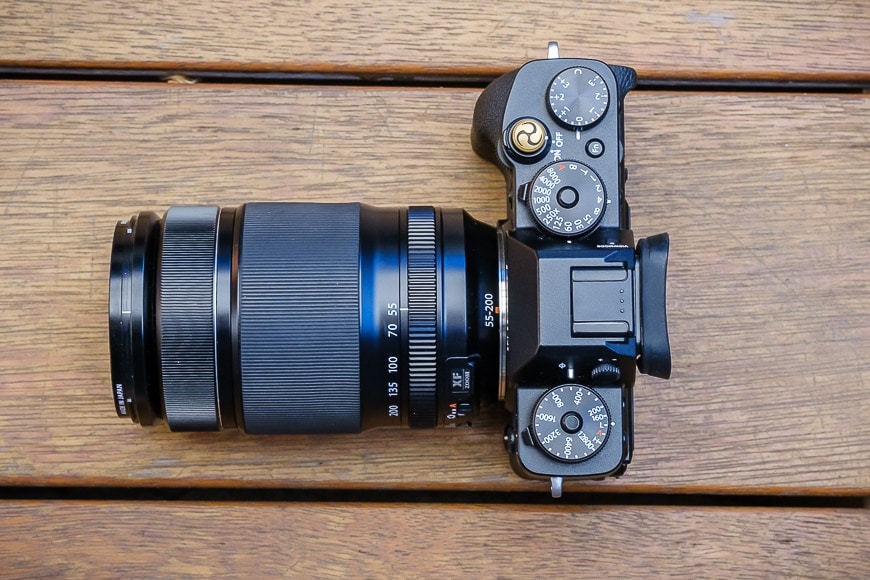
Fujifilm XT3 + XF 55-200

cameras, fujifilm, Lenses, photography, pictures, Travel

Have not used this lens in a while and I really don’t know why as it is a fine lens with great sharpness and contrast especially in the middle apertures f5.6 to f11,

Freezing TIME

opinons, thoughts, photography, pictures, processing, public, Travel

Making a photograph is about freezing a moment, and fraction of a moment, in time that will never happen again. That moment should mean something if it, IMO, is to be a successful picture.

An image that tells a story or shows and emotion or time in history that can never be repeated with a beauty of its own is success. A slice of time.

The King is Dead, Long Live the King

opinons, thoughts, photography, pictures, public, sihanouk, Travel

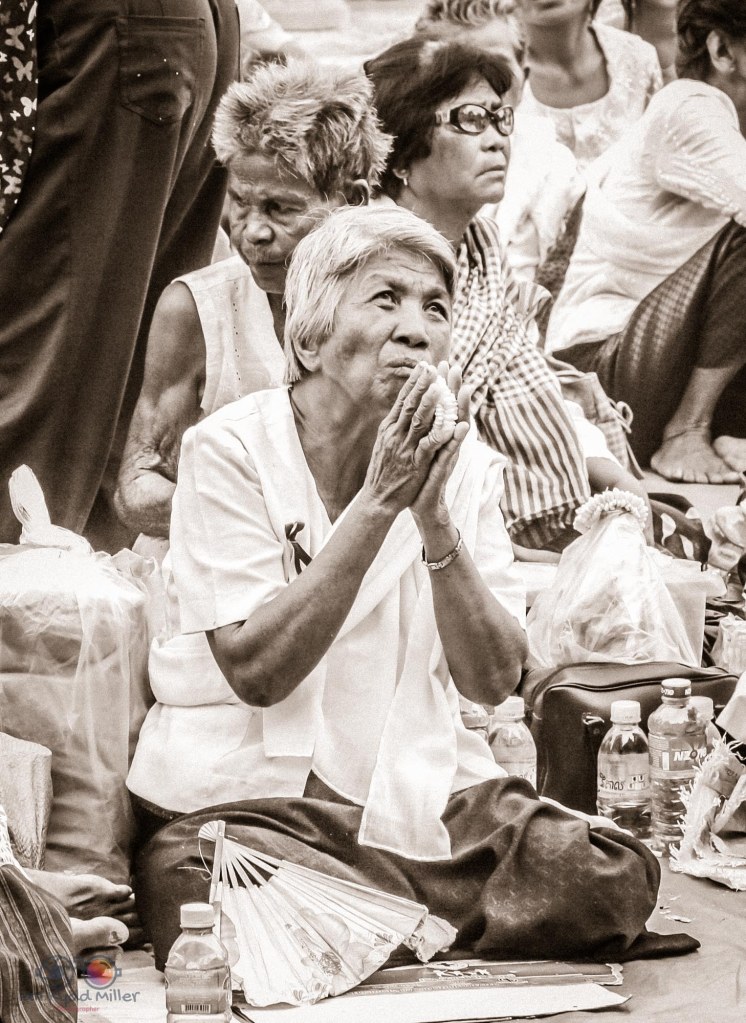
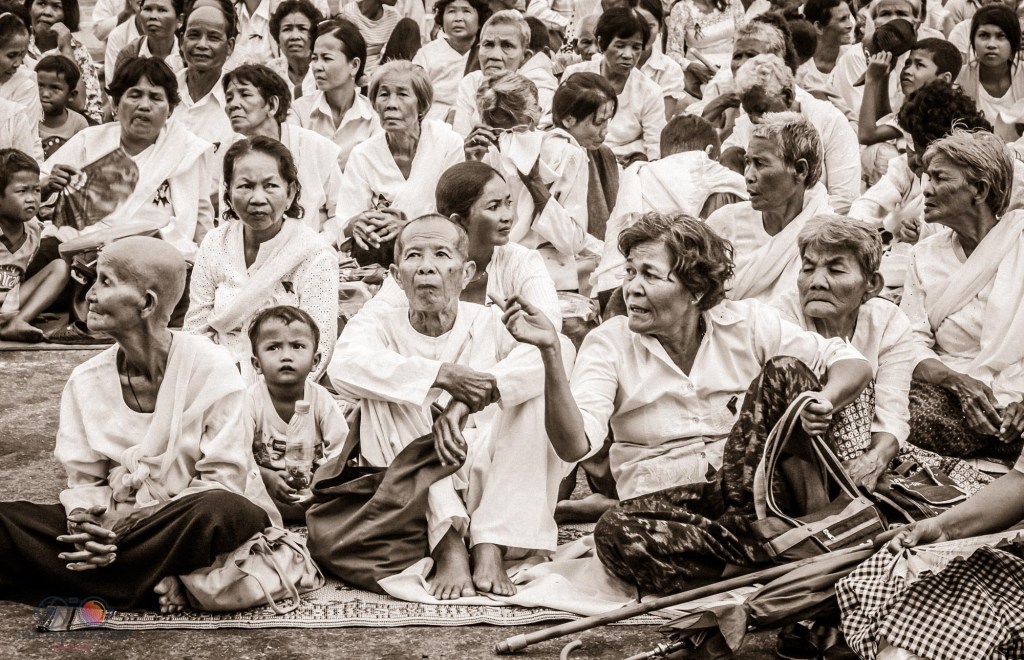
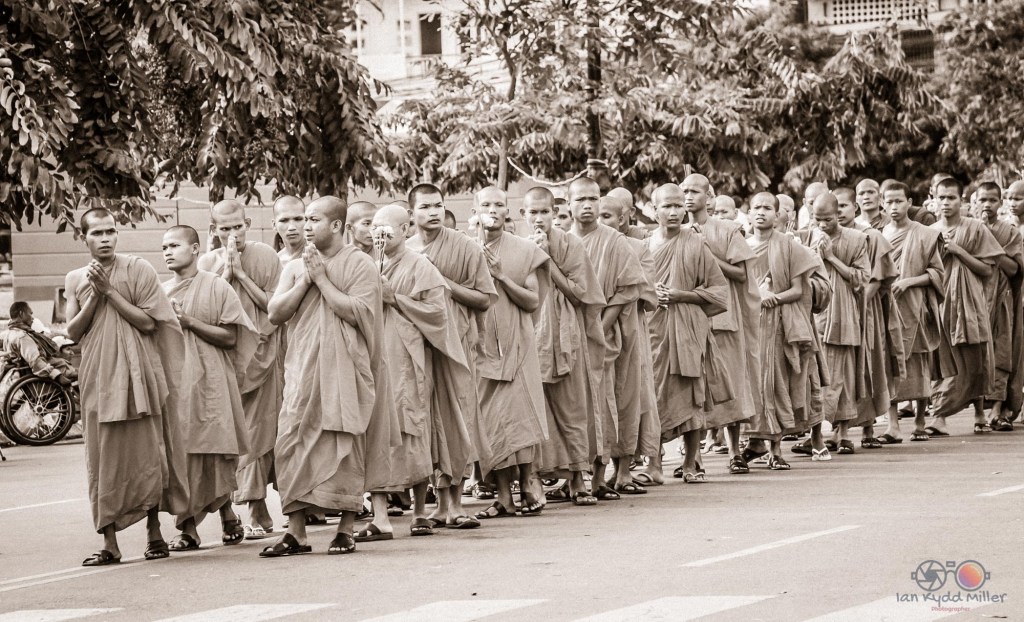
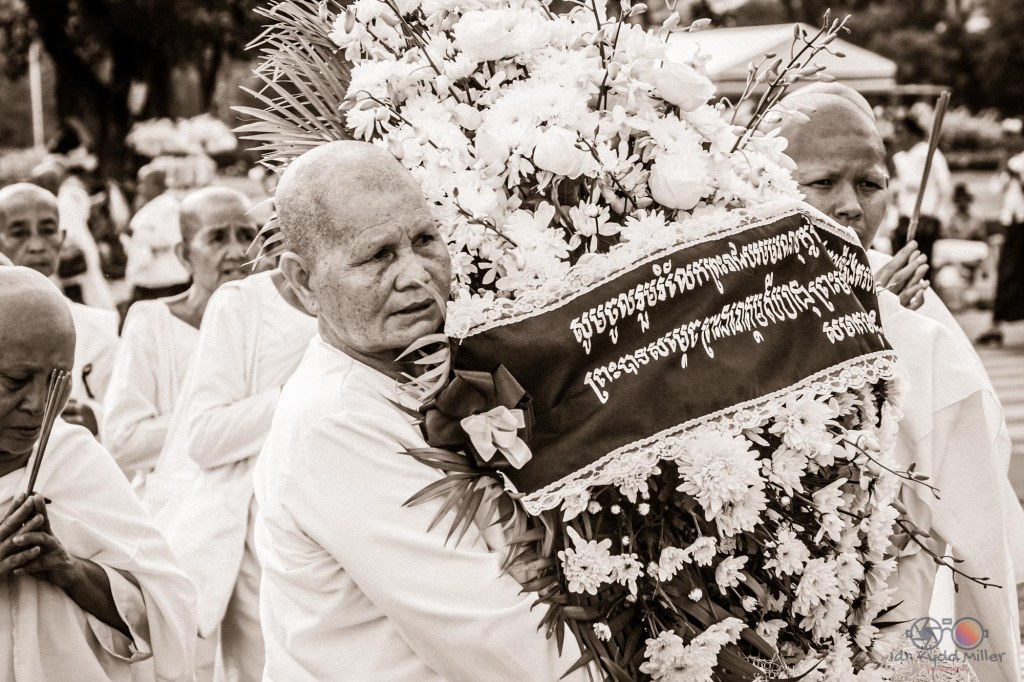
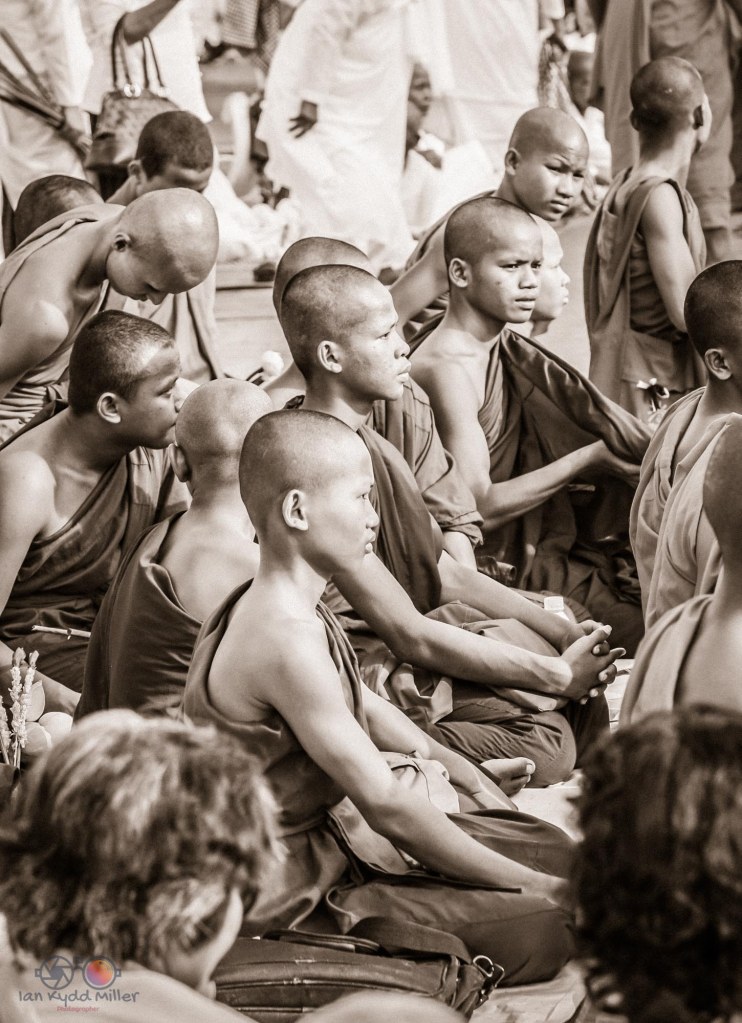
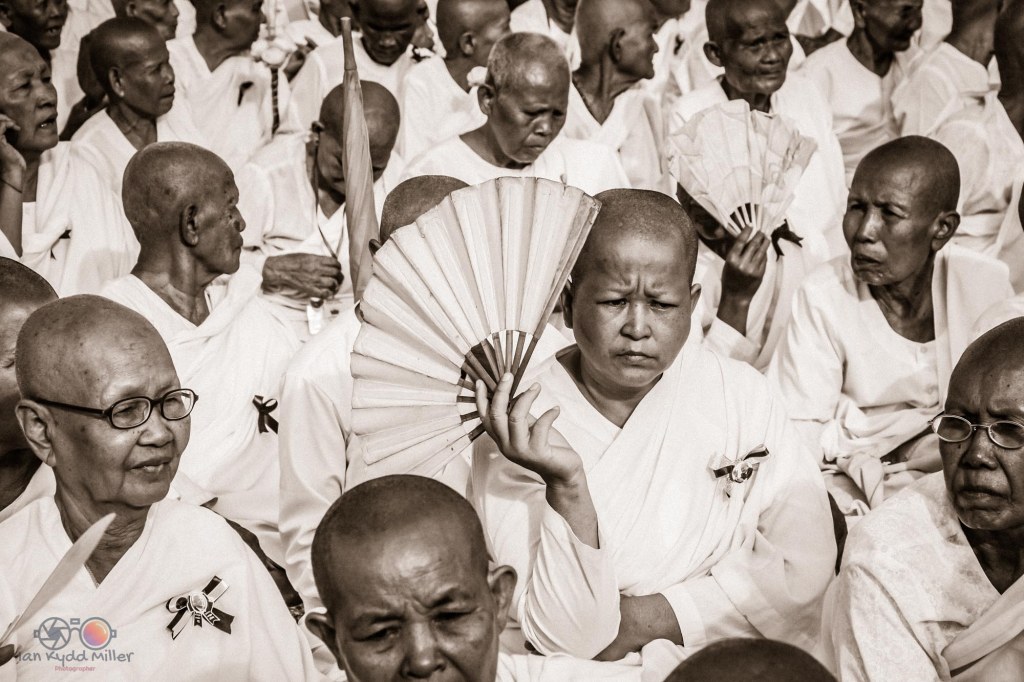
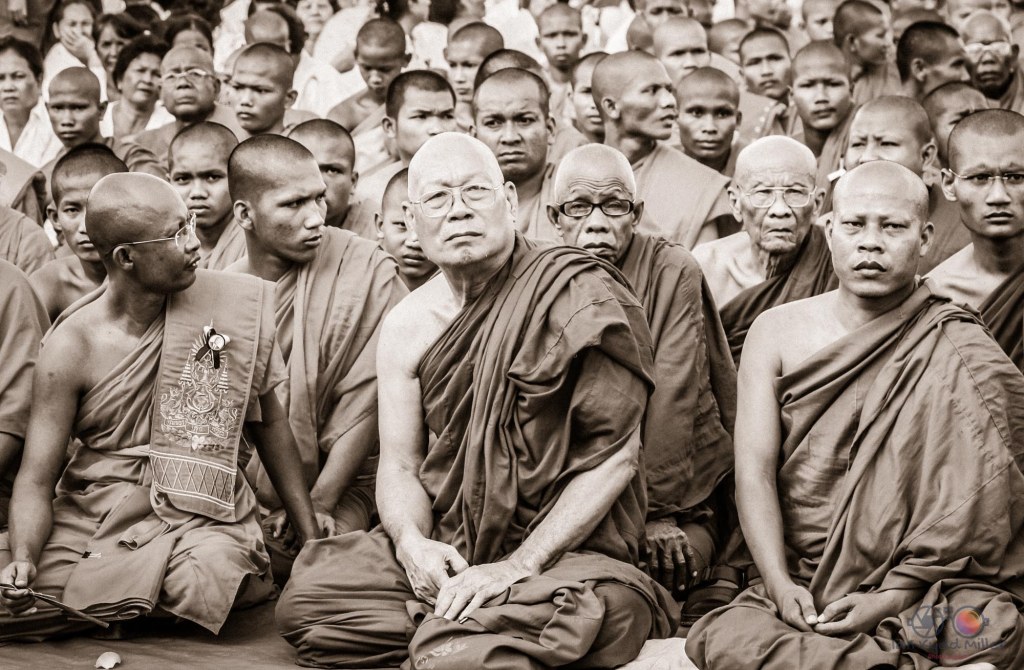
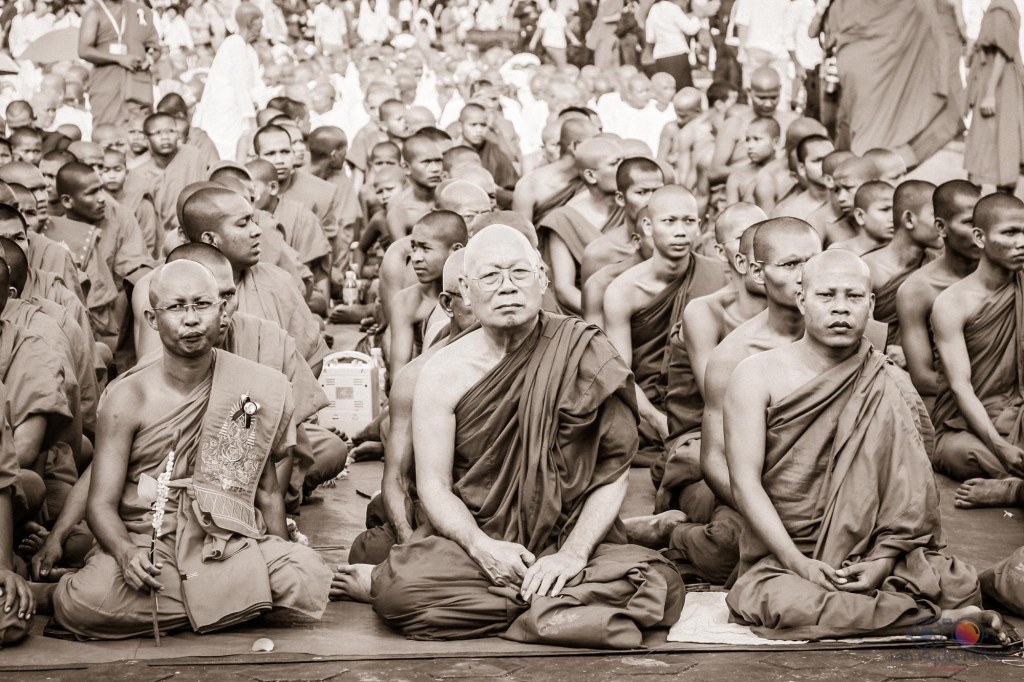
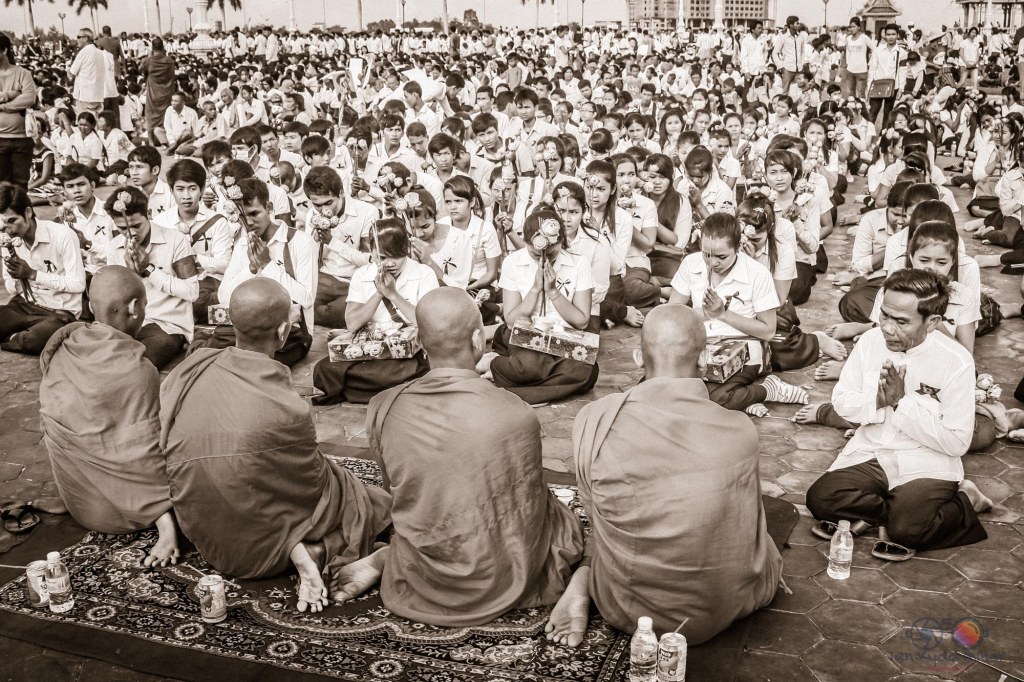
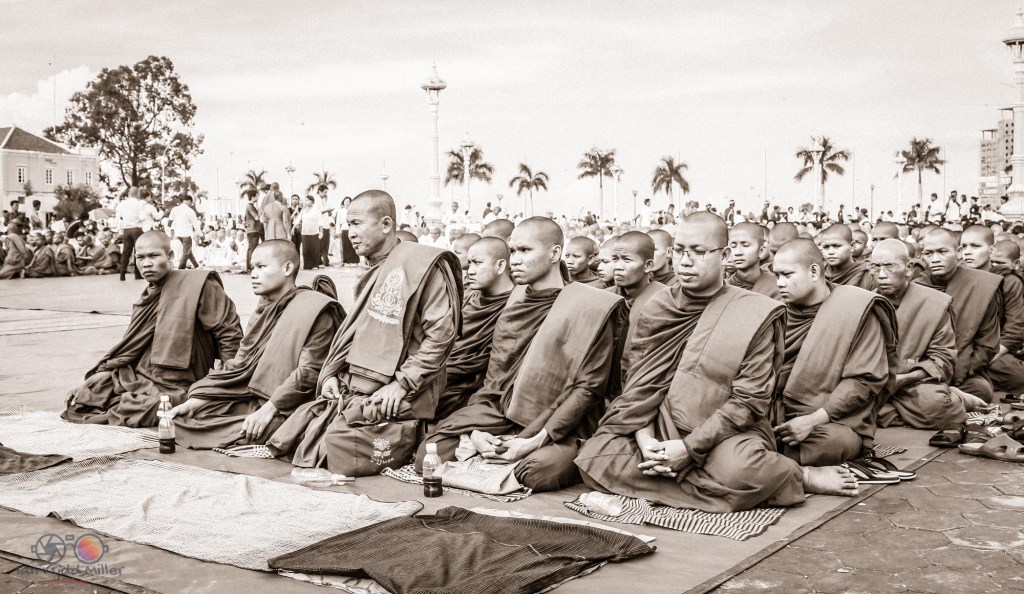
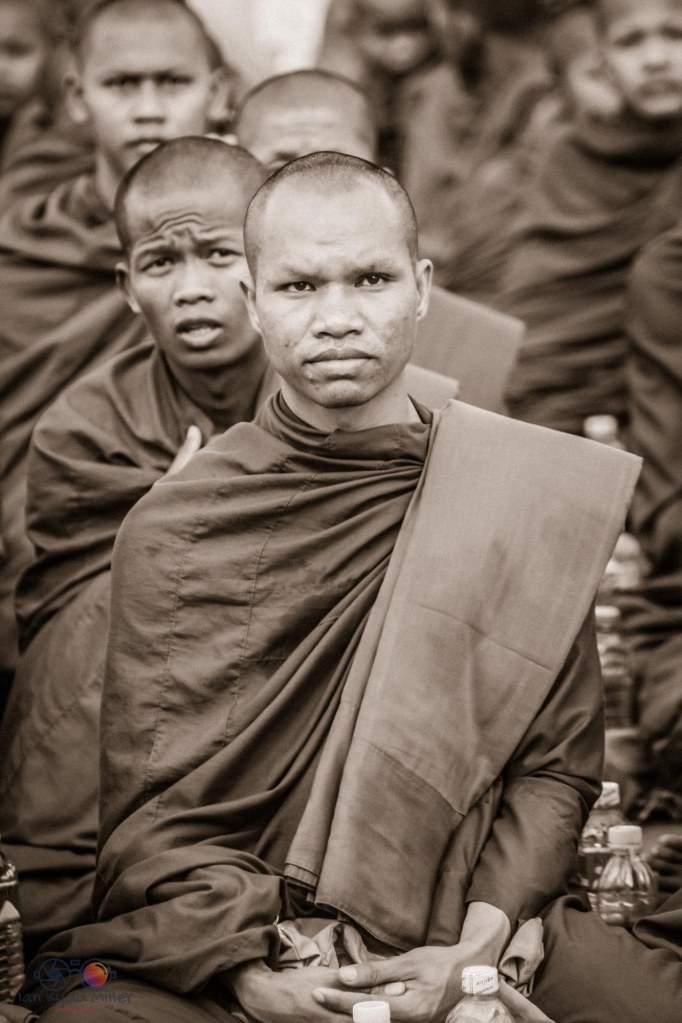
On 15 October 2012, former Cambodian King and Prime Minister Norodom Sihanouk died at the age of 89, in BeijingChina, after suffering health issues. His death was announced by Deputy Prime Minister Nhek Bun Chhay. His body was brought back on 17 October 2012 by King Norodom Sihamoni and Prime Minister Hun Sen. State flags flew at half mast, and the government announced a 7-day mourning period for the former king.

Sihanouk had been receiving medical treatment in Beijing since January 2012 for a number of health problems, including colon cancer, diabetes, and hypertension. He died after a heart attack in Beijing on 15 October 2012, 1:20 a.m. Cambodian time, aged 89.

state funeral was held on 17 October 2012 and the National Television of Kampuchea repeatedly screened a 30-minute documentary about his life. Sihanouk’s body then reposed in the Royal Palace until 1 February 2013 where it lay in state until 4 February 2013, when it was finally cremated. Sihanouk’s royal coffin was adorned with gold and draped with the Royal Standard of the King of Cambodia.

Why is PHOTOGRAPY so important to me.

cameras, Fujichrome, fujifilm, Lenses, opinons, thoughts, photography, pictures, public, Travel

The word Photography literally means ‘drawing with light’, which derives from the Greek photo, meaning light and graph, meaning to draw. Photography isΒ the process of recording an image – a photograph – on light sensitive filmΒ or, in the case of digital photography, via a digital electronic or magnetic memory.

This ability to record, special events in my life drew me to photography. Photos of my children and family become very important to me. This early interest, with a specific goal, led me into photography as a hobby, making images of things that interested me, other than just family. My first venture into photography was of course in the film era, and my first camera, as I remember, was a Polaroid. The instant film was great for family pictures, but I soon found this to be very limiting. I bought my first ”REAL” camera after about six months of using the Polaroid. A little cheap and cheerful Chinon CS that cost me almost a week’s wages at the time. It was a great little fully manual camera with a 50mm lens, it got me into using 35mm film, both colour and black and white. This again led me to go further, developing and printing first my own black and white pictures and then advancing to colour. The mechanics of the process interested me, and I was hooked.

The interest I had developed quickly into an ALMOST obsession, I was out every opportunity making pictures and developing interests in things and places that were interesting to take pictures of.

Film and its development became a constant challenge to both afford and complete, it was certainly not a cheap hobby. The more I did it, the more I found I needed to invest to improve my ability to get the images I wanted. Newer cameras, better lenses or suddenly became a priority. Then a darkroom to get me out of the bathroom. A better enlarger and other kit.

I went through various incarnations, landscape, motor racing, bands, but never really found the things I most liked to shoot until I started to travel.

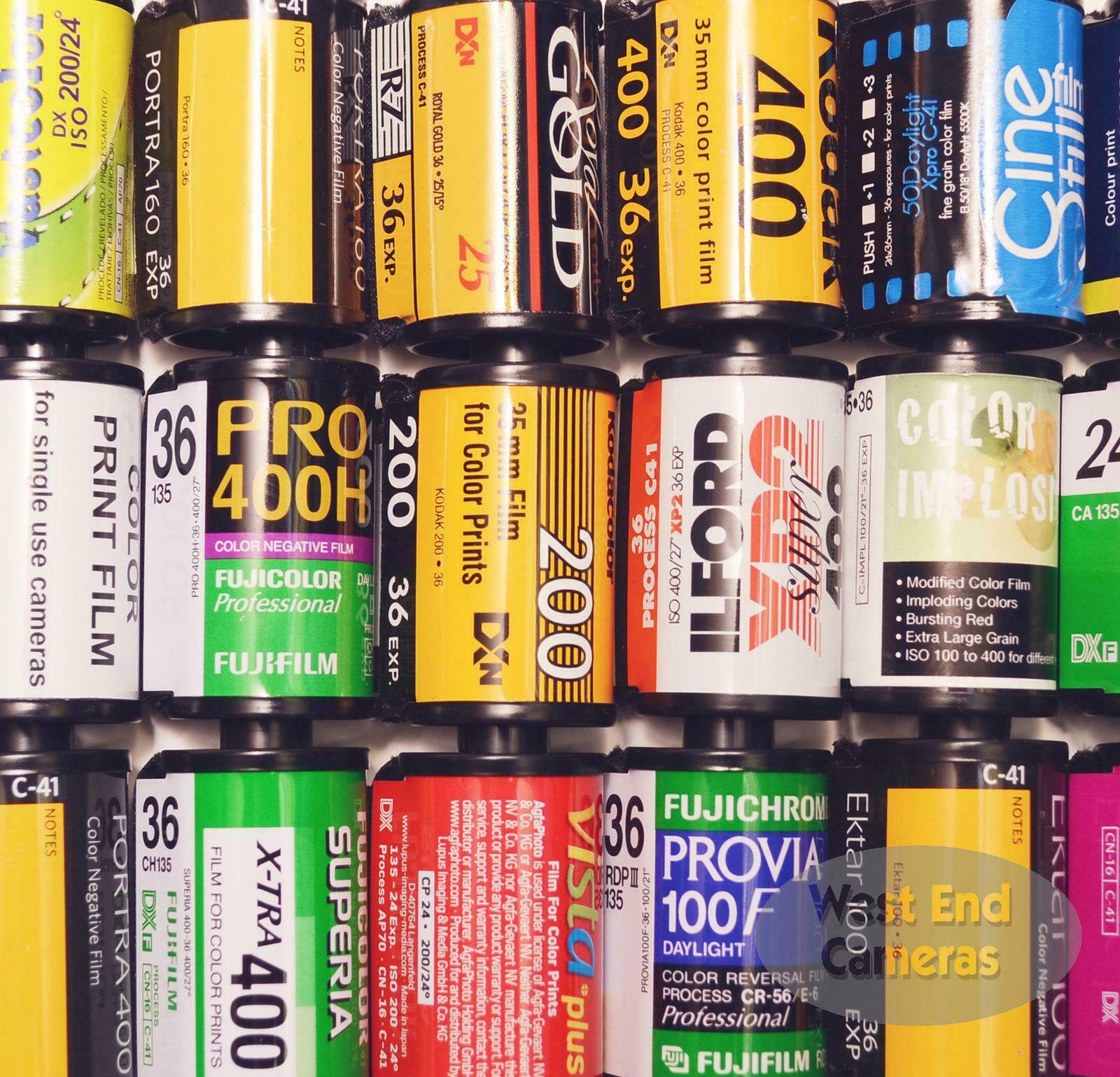
I recall the first time I travelled to Cambodia, still shooting film, carrying 100 roles of Fuji and Kodak slide film and 50 rolls of Kodak Tri X or Ilford HP5, shooting in this exotic location I found what I most enjoy making pictures of. PEOPLE in their everyday lives or STREET PHOTOGRAPHY.

I had decided after my trip to Cambodia that as soon as I was able that I wanted to move and live in Asia, and use Phnom Penh as a base to travel from and start to develop my interest in picture stories. I had several years to work and wait, and prepare for.

My first major trip after moving to Cambodia in 2009 was a venture in Laos, taking a boat trip down the NAM OU river to Luang Prabang (now impossible due to damns on that river)

I actually bought a new camera just for that trip, a Canon 1D Mk IV and also a Canon 70-200mm f2.8L lens both of which got very well-used and to a degree paid for themselves and the trip. By this time I had stopped using film and most of my Nikon and Canon film cameras were sold on.

I have continued since then to document the street and work with agencies that try to make positive changes for those people who have a difficult life. Photography is my way of telling a story, in one image or many.

What’s in my BAG

cameras, Fujichrome, fujifilm, Lenses, opinons, thoughts, photography, Travel

I have seen many people, throughout the net, giving answer to this question and describing the contents of the bag they carry. I have two bags that contain different cameras for different jobs.

Bag 1

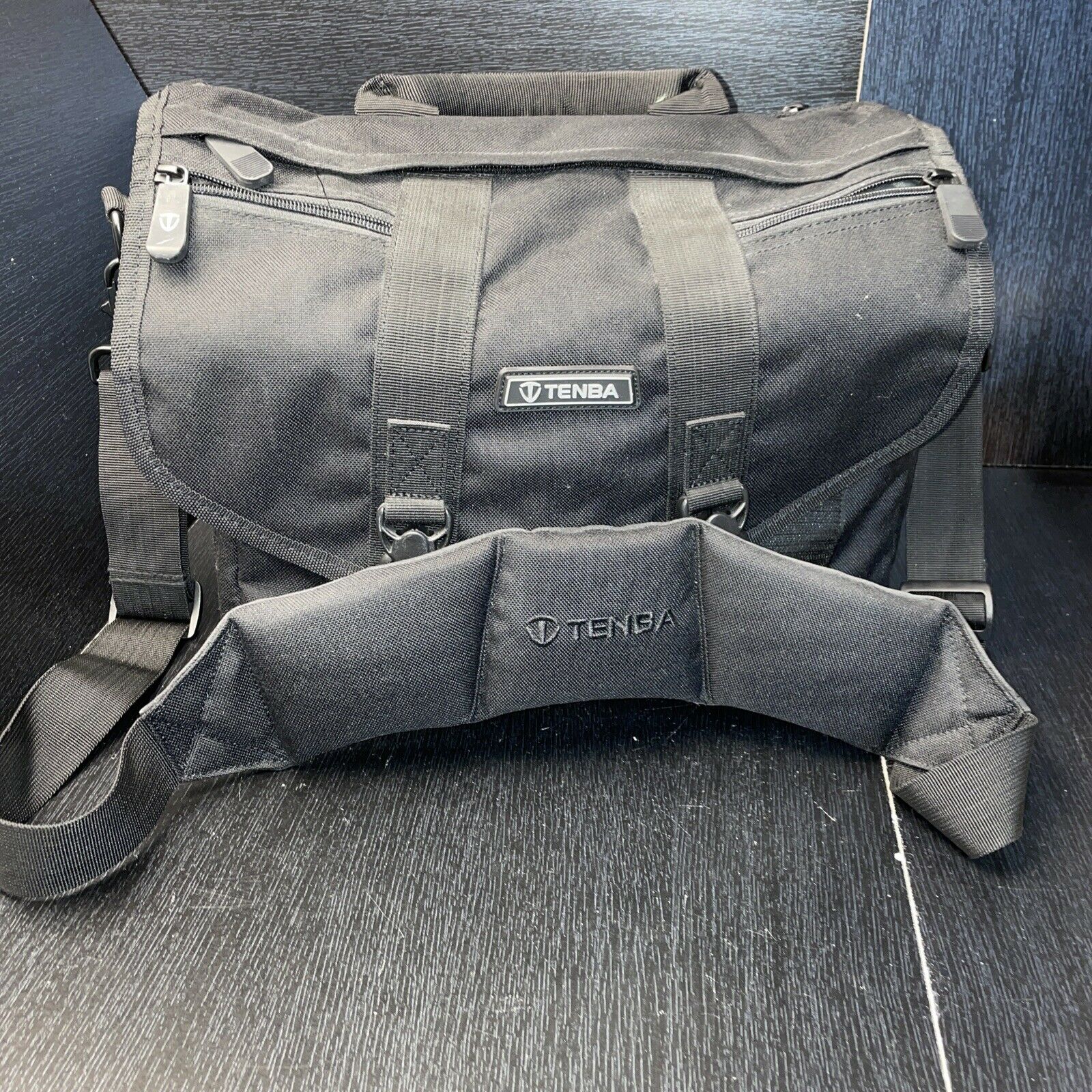
Tenba large black messenger bag. Bought used and is big enough and has enough space to carry my three street cameras (when I need them) and 3 prime lenses.

a. Fuji X Pro 2

Usually kept mounted with an XF 50mm f2

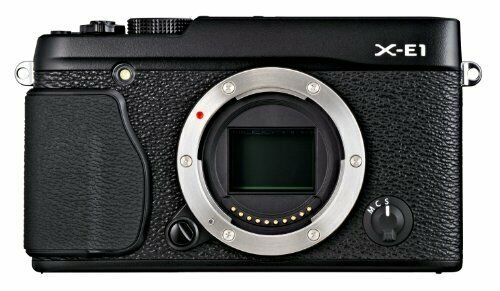
b. Fuji XE1

Usually kept mounted with an XF 16mm f2.8

c. Fuji XE2

Usually kept mounted with the fine XF 18mm f2

d. Lenses (spare)

  1. Xf 23mm f2
  2. Xf 14mm f2.8
  3. Xf 35mm f2

All lightweight and easy to carry for when I may need them.

Batteries. I usually carry 5 or six spares. (but rarely need them)

Air Blower and cleaning cloths.

This is a pretty comprehensive kit for street work. Don’t carry it all the time, and sometimes just carry one camera (XE2 + XF18mm f2) and a couple of spare batteries in the pocket.

Bag 2

For my second kit of XT2 and XT3 I used an old TAMRAC pro bag that I have had for about 10 years, and it’s still going strong, and big enough to carry all I need, comfortably.

a. Fuji XT3 usually mounted with the XF 10-24mm f4 Zoom

The Fujifilm X-T3 is arguably the best stills/video camera on the market right now.(IMHO) More expensive full frame cameras will offer better still image quality and cameras with in-body image stabilization will be easier to shoot video with, but nothing offers this balance of image quality and movie capability in a single package.

  • New 26.1MP X trans CMOS 4 sensor with X processor 4 image processing engine
  • 4K movie recording: Internal SD card 4K/60P 4:2:0 10 bit recording and the first mirrorless digital camera with APS C or larger sensor that is capable of 4K/60P 4:2:2 10 bit HDMI output
  • 2.16M phase detection pixels across entire frame and low light phase detection limits has been increased over X T2 by 2 stops, from 1EV to 3EV
  • 3.69 million dot OLED color viewfinder with 0.75x magnification and blackout free burst shooting
  • 16 film simulation modes: Including eternal/ cinema, B and w adjustment: 9~+9

b. Fuji XT2 usually mounted with an XF 56mm f1.2

  • 24.3MP X Trans CMOS III APS-C sensor reduces moirΓ© and false colors to improve image quality and X Processor Pro engine increases response times, achieves faster AF, lower noise and better color
  • Dust and moisture resistant body with approximately 63 points of weather sealing; Freeze resistance to 14 Degree Fahrenheit
  • High precision 0.48 inch, 2.36 million dot OLED viewfinder featuring a magnification of 0.77x and Ultra fast Real Time Viewfinder with a lag time of 0.005sec
  • Full HD and 4K 3840×2160 30P/25P/24P shooting (Using a card with the UHS Speed Class 3 or higher)
  • Tempered glass 1.04 million dot high-precision 3 Inches tilting LCD monitor with three directional tilt and shutter type is focal plane shutter

One great camera

Both the XT2 and XT3 are fitted with the battery grip which give me more than enough battery power for any given day and I don’t need to carry any spares.

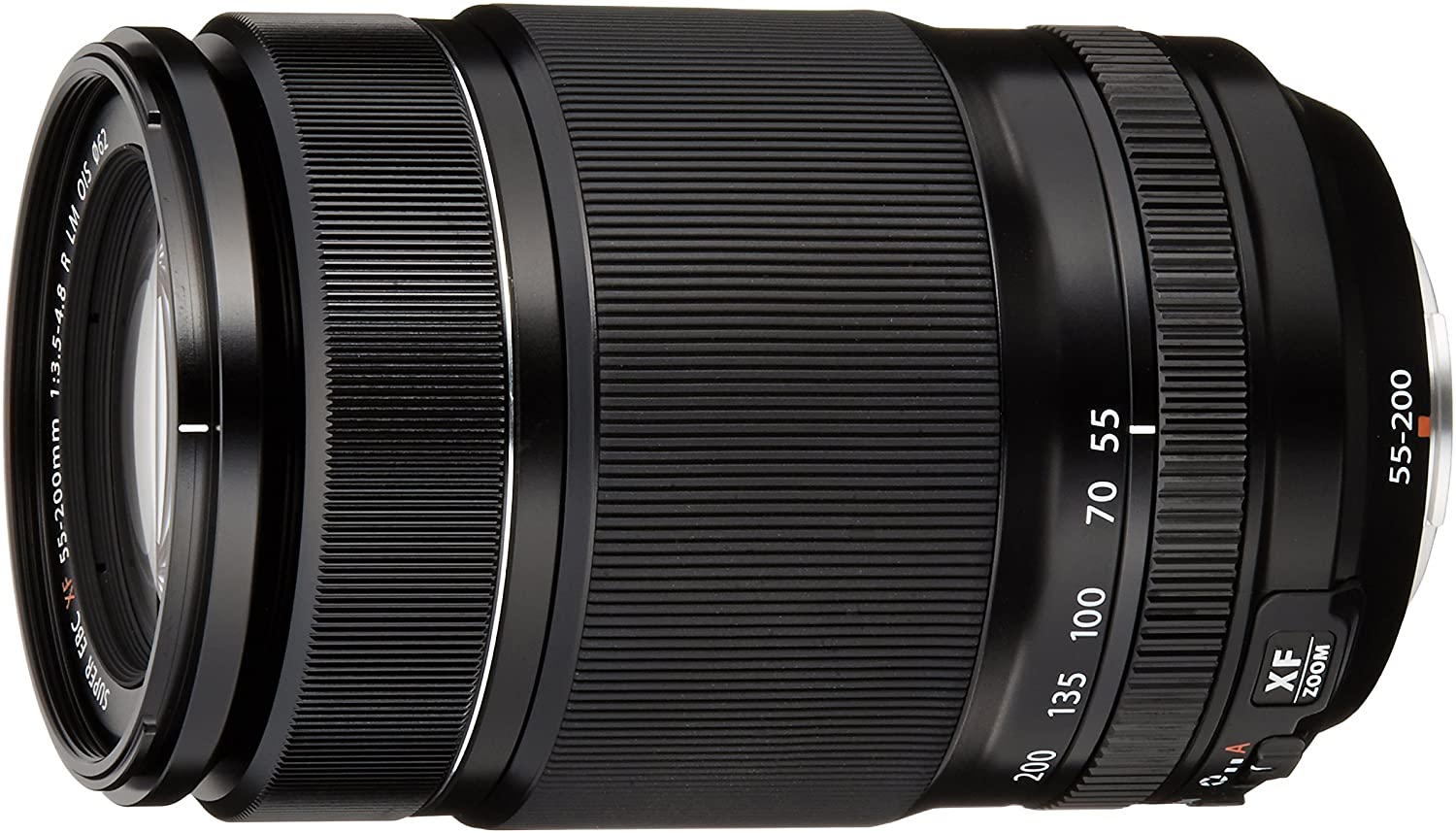
c. Fuji XF 55-200 f3.5 zoom OIS

The FUJINON XF55-200mm lens produces sharp images across its entire zoom range, well resolved corner-to-corner. The fast F3.5-4.8 lens facilitates image capture in scenes requiring a fast shutter speed. Its image stabilization function enables the use of shutter speeds 4.5 stops slower, preventing camera shake even when shooting hand-held in low-light, or at a stopped down aperture. Its a great (cheap) lens to have in the bag.

Cleaning supplies, as always, for when needed.