

Fujifilm X Pro 2
cameras, Fujichrome, fujifilm, Lenses, TravelThe Fujifilm X-Pro2 is the long-awaited update to the X-Pro1 and offers a new 24.3MP APS-C X-Trans CMOS III sensor and an ‘advanced hybrid multi viewfinder’ that can be an optical or electronic viewfinder, or a combination of the two. Its new image processor is 4x faster than that of its predecessor and offers a top ISO of 51,200. The autofocus system has been updated substantially, now offering 273 total AF points, of which 77 are phase detection (covering 40% of the frame), and much faster performance.
The X-Pro2’s body is made from four pieces of magnesium alloy with 61 seals, making it splash and dust proof, and functional down to temperatures of +14F. It has dedicated dials for exposure compensation, shutter speed and ISO. It has a maximum shutter speed of 1/8000 sec and an x-sync speed of 1/250 sec.
Other features of note include a 3″, 1.62M-dot LCD, twin SD card slots, interval shooting and a new ACROS film simulation mode. The X-Pro2 can record 1080/60p video at 36MBps and offers a 2.5mm mic input jack. As one would expect, the camera also supports Wi-Fi with remote camera control.
Fujifilm’s X-Pro2, like its predecessor, occupies a unique position in the market. It’s one of the few interchangeable-lens digital rangefinders available with the major competition coming from the Leica M. The Leica has a larger full-frame sensor and native access to a series of legendary lenses, but the Fuji has a hybrid viewfinder, far superior AF especially for continuous tracking, faster burst shooting, longer exposure capability, built-in Wifi and, oh, comes in at about one third of the price. And while the sensor is ‘only’ APSC in size, I have absolutely no complaints with the image quality, nor indeed with Fuji’s growing range of excellent X-mount lenses. Indeed I can’t think of a model that delivers better quality out-of-camera and I reckon you’d be mad to buy a Leica M over an X-Pro2 if you want a digital rangefinder-style camera.
The Fuji Range
cameras, Fujichrome, fujifilm, Lenses, Travel, UncategorizedFUJIFILM X-H1 Promotional Video / FUJIFILM
cameras, Fujichrome, fujifilm, LensesThe first internal in-body image stabilization (IBIS) system to feature in an X Series camera, harnesses three axial accelerometers, three axial Gyro sensors, and a specially developed dual-processor. Combined, this achieves the high speed of approximately 10,000 calculations per second. When unified with compensating mechanisms, results in uncompromising image quality and precision with performance.
With Film Simulations, you can apply colors and tones that match your artistic intentions to your pictures, as if choosing different special effect photographic films. The FUJIFILM X-H1 comes with sixteen Film Simulation modes, which Fujifilm has uniquely created based on the color-presentation philosophy and know-how the company has developed through more than 80 years of photo film production.
The very latest digital technologies have been used to develop X Mount lenses, which offer high-precision optical designs to deliver the highest possible image quality. The current line-up of lenses ranges from ultra wide-angle to super-telephoto lenses. These lenses bring out the very best image quality from the FUJIFILM X-H1.
https://fujifilm-x.com/global/support/download/firmware/cameras/x-h1/
Fuji XF 10-24 f4 OIS
Fujichrome, Lenses
Epson SureColor P600 hands on review. Maarten Heilbron
Epson, printers, printingI use this printer and can say that it produces superb prints.
The People of the Streets, Phnom Penh, Cambodia
cameras, Fujichrome, Lenses, printing, Travel









Things I See …
UncategorizedMaking pictures is for me about learning to see what is going on around you an catching a fleeting moment, anticipating what may happen next, and being ready. If you are messing around with your camera then you will miss the moment.






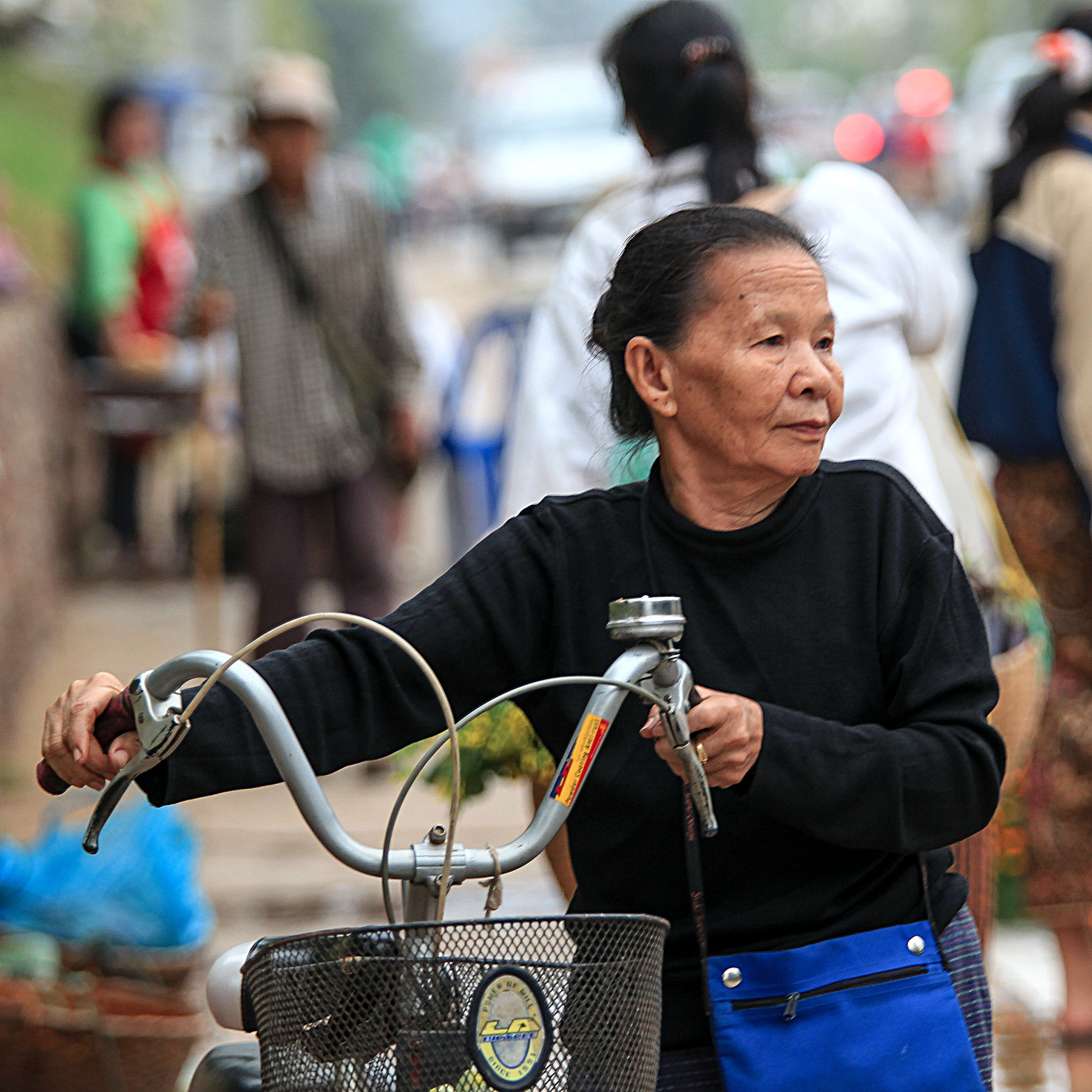



Mexico City Subway – Street Photography
cameras, Fujichrome, Lenses, TravelFrederik Trovatten – https://www.youtube.com/channel/UCamE3NK4RjuhC5v-SVaWmEg
Snaps from the UK
cameras, Fujichrome, Lenses, printing, Travel, Uncategorized
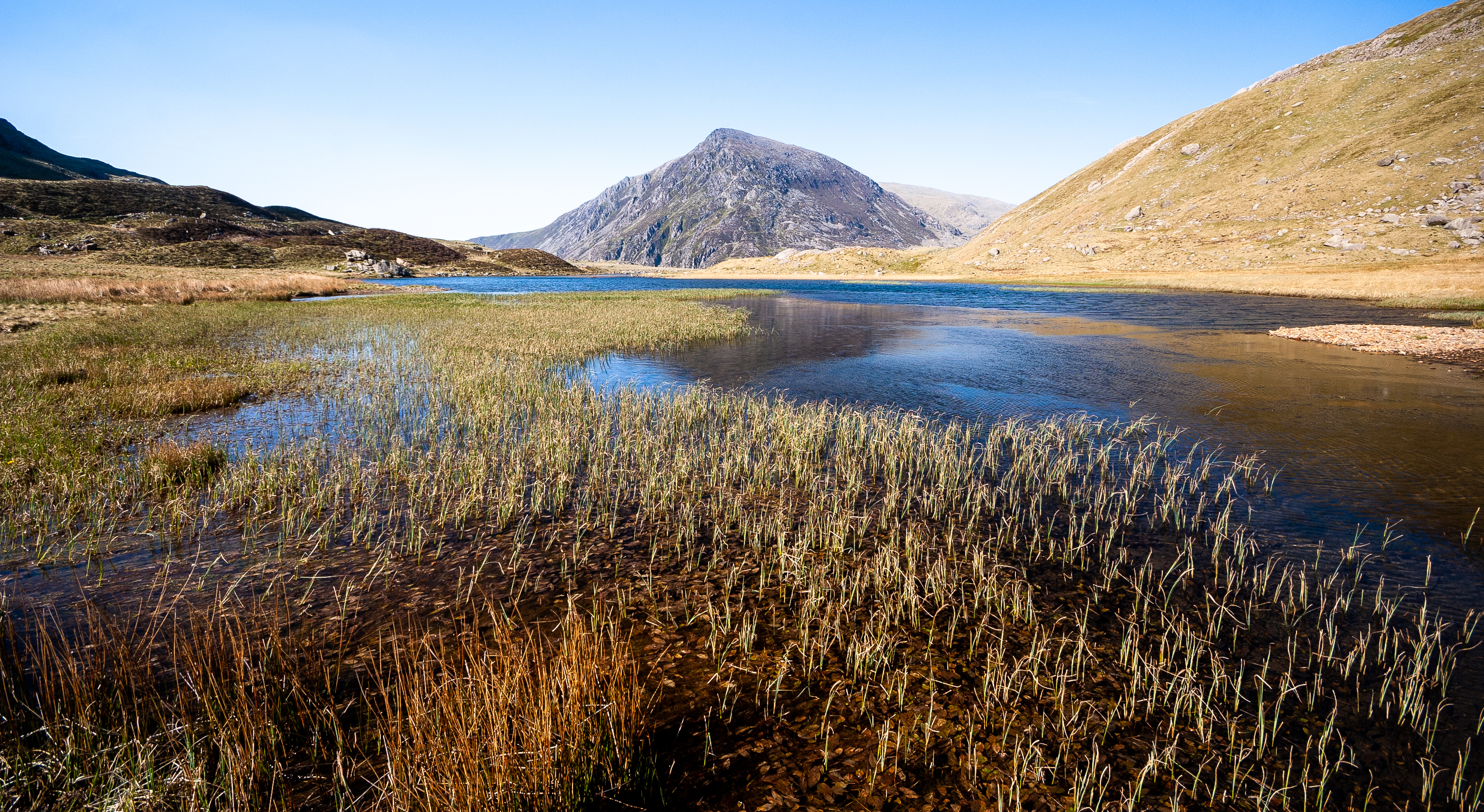



 a world without pictures is like coffee without cream and sugar, bitter