







The largest of the four land-sharing projects in Phnom Penh in the early 2000s was the Borei Keila neighbourhood. It became a model for the privately financed land-sharing approach in Cambodia. In September 2003, the Council of Ministers announced that Phan Imex Construction Company Ltd had been selected as the private partner in the project.
The government accepted a proposal from the company to divide the 4.6-hectare land concession into two parts: “community buildings” to re-house the existing residents of Borei Keila would be constructed on 2 hectares of the concession, while the remaining 2.6 hectares of the concession would be granted to the company for commercial development. The rest of the Borei Keila land area, amounting to 9.52 hectares, would revert to the Ministry of Education, Youth and Sports. No public bidding process to select the developer for the Borei Keila project was ever held.
In 2003, the government granted Phanimex – owned by well-connected Cambodian businesswoman Suy Sophan — development rights to Borei Keila under a “land-sharing arrangement” to develop part of the area for commercial purposes.
Phanimex was obligated to build 10 apartment buildings on two hectares of land for the residents already living there in return for obtaining ownership of an additional 2.6 hectares for commercial development.
In April 2010, Phanimex unilaterally reneged on the agreement, however — with the approval of the government — and only constructed eight buildings. That left 300 Borei Keila families excluded from the original agreement.
Borei Keila was catapulted into wider public consciousness when the remaining families were violently evicted from their homes in January 2012. In exchange for the extremely valuable city property they occupied, residents were given small payouts, or scanty plots of land in distantly located, poorly serviced relocation sites.



Photographer Debora Magliaro Sanso is the Edge of Humanity Magazine contributor of these images. To see Debora’s body of work, click on any photograph. All images © Debora Magliaro Sanso See also: Postcards from Italy By Debora Magliaro Sanso …
Still Life In Black & White — Edge of Humanity Magazine


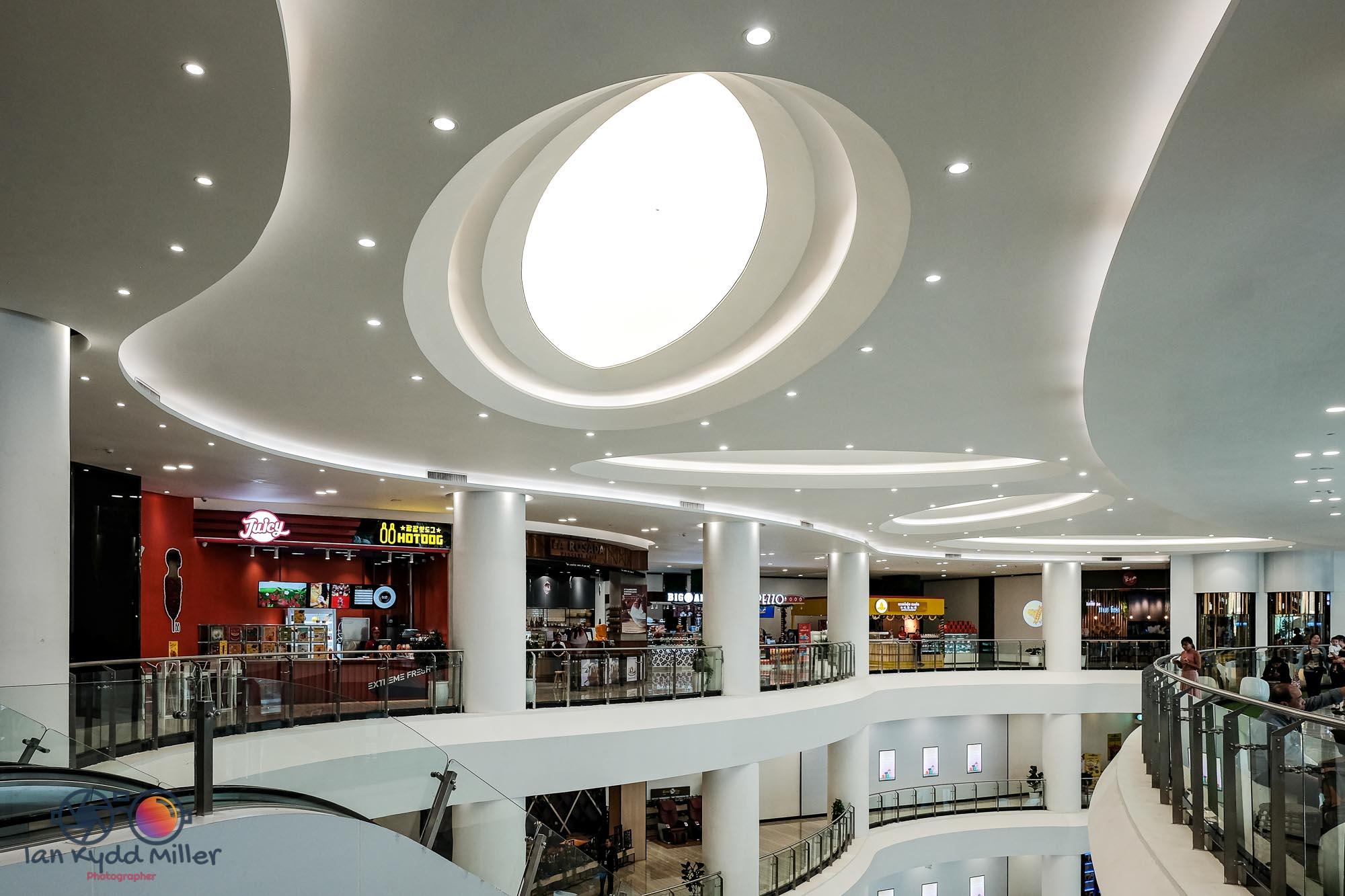
With the Fuji X Pro2 + XF 23mm f2. Not my favorite lens but not a bad one.
Under certain conditions I find that it can flair quite badly.
The Fujifilm Fujinon XF 23mm f/2 R WR gives a sparkling optical performance, compact size, weather resistance and high-quality manufacture, which all inspire confidence in this Fujifilm lens.
The XF23mmF2 R WR is a wide-angle lens with advanced image resolution, capable of drawing out the full performance of Fujifilm’s proprietary X-Trans CMOS sensor. It has a similar size and design flair of the existing XF35mmF2 R WR, to make up a stylish collection of compact lenses. The inner-focus AF system uses a stepping motor* to drive the focusing group of lens elements for silent and fast autofocus.
The metal exterior gives a sense of premium quality and robustness, and the aperture ring and focus ring have been designed for optimum operability. The lens is also weather and dust resistant and operates at temperatures as low as -10°C, making it an ideal choice for outdoor photography.
Those who wanted Fujifilm to make a series of smaller primes to compliment their larger and faster alternatives in the Fujicron range have had their wish come true. We knew that if the 23mm f/2R WR XF followed in the footsteps of the much-loved XF 35mm f/2 R WR, we’d be looking at another great lens, which this is. It’s diminutive proportions make it easier to carry and stow away when you’re wanting to travel light and it pairs up just as well with smaller camera bodies like the X-T20 as it does with Fujifilm’s senior X-T2/3/4 and X-Pro2/3 models.


Pizza afterwards.
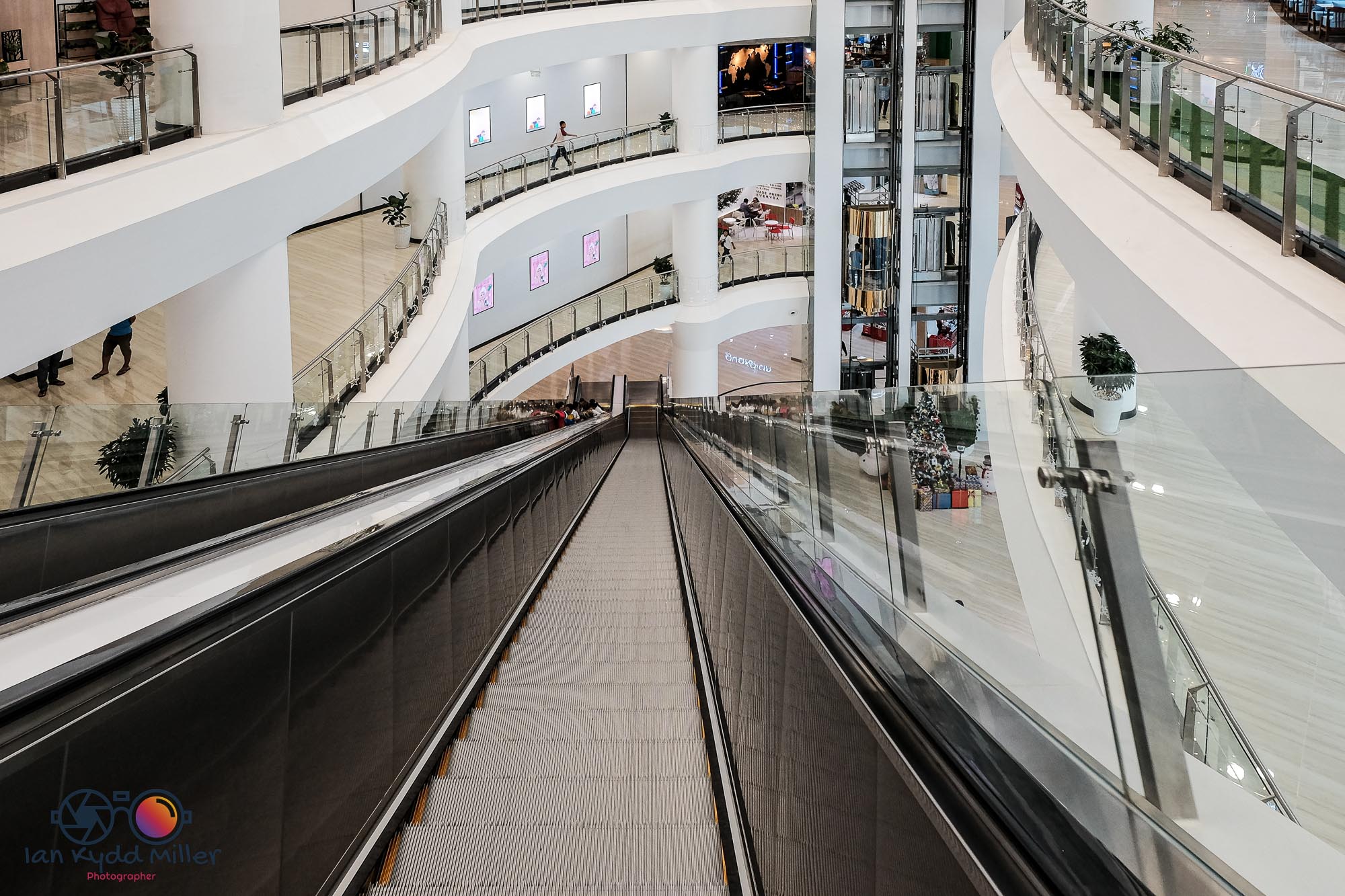
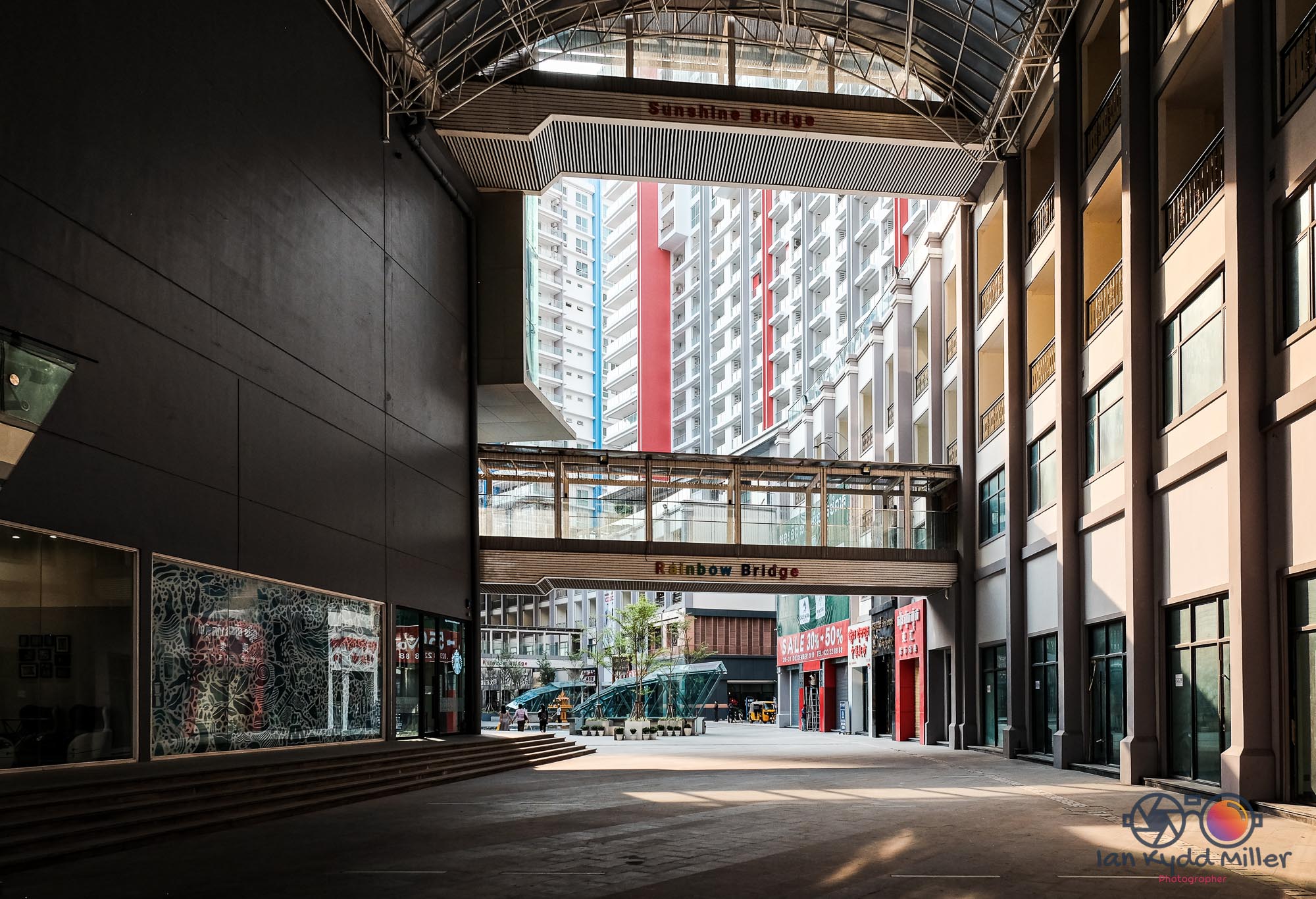
Moved over to the Fuji XF 14mm f2.8 R which is a stupidly superb lens.

Designed to capture images rich in perspective, this ultra wide-angle lens with its extreme angle of view is the ideal choice. With minimized distortion, and high resolution from the center to the periphery of the image frame, this lens has the versatility to capture not only powerful landscape and architectural photos, but also amazing image quality when shooting indoors in confined spaces. Using the focusing distance and depth-of-field scales on the focus ring, photographers can take intriguing snapshots that accentuate depth of field.
DP review CONCLUSIONS
The XF 14mm F2.8 R is a relatively rare example of a genuinely wideangle, high quality prime lens for any camera type other than full frame SLRs. The closest comparisons lie with the Olympus M.Zuiko Digital ED 12mm 1:2 for Micro Four Thirds and Pentax’s smc DA 15mm F4 ED AL Limited for its APS-C SLRs, both of which also offer premium metal-barrelled construction and ‘proper’ manual focus rings with distance and depth of field scales. Indeed the 14mm’s push/pull manual focus switchover mechanism bears more than a passing resemblance to Olympus’s version. They’re not strictly alternatives, of course; they all work on different camera systems. But of the three, the 14mm offers the widest view.
The 14mm is a pretty expensive optic, so needs to perform well to justify its price. Thankfully, it does just that – in fact it turns out to be an exceptionally good lens. At the apertures you’d most often shoot a wideangle it’s exceptionally sharp right across the frame, and it’s almost perfectly-corrected for distortion and chromatic aberration. Vignetting is quite strong at F2.8, and never quite goes away on stopping down; however it’ll only be visible to RAW shooters, as it’s corrected automatically by the camera’s JPEG processing. The drop-off in brightness across the frame is also quite gradual, rather than abrupt in the extreme corners, which means that visually it’s not so objectionable anyway.
Perhaps the nearest the lens has to a real flaw is rather soft edges and corners when shot at F2.8. This could be a real problem for photographers who shoot a lot handheld in low light, especially as there’s no image stabilization available. But as sharpness picks up dramatically even at F4, and wideangles can safely be shot at relatively slow shutter speeds without fear of camera shake (allowing use of smaller apertures without having to raise the ISO) we suspect it won’t be too much of a concern for the majority of users.
Autofocus isn’t especially fast, but it’s very accurate, and for many typical uses of a wideangle lens focus speed isn’t especially important anyway. Manual focus is extremely well-implemented; the focus ring is well-damped and very responsive, making precise manual focusing very straightforward. Switching from auto to manual focus is very quick, requiring just a quick pull back on the focus ring. This reveals a distance and depth for field scale for zone focusing, which many users will be pleased to hear is calibrated conventionally, as opposed to the very conservative version Fujifilm displays in X-system camera viewfinders.
One point worth knowing, though, is that there’s no way of combining auto and manual focus, so you can’t use AF to prefocus then make adjustments manually. Instead switching the lens from AF to manual resets it to the last-used manual focus position. But again, this is a function that’s arguably rather less useful on a wideangle lens than on a telephoto. Overall the 14mm offers perhaps the most convincing implementation of MF we’ve yet seen on an ‘focus-by-wire lens, and is streets ahead of the existing XF lenses.
Build quality is very good, with the metal-skinned barrel and chunky metal focus ring offering a real feeling of solidity. On our sample this was slightly let down down by rather loose click-stops on the aperture ring, making it too easy to change by accident. Of course with the aperture setting constantly displayed in the viewfinder there’s less risk of shooting lots of images at the wrong setting, but this does demand you get into the habit of checking your settings whenever you take the camera out of the bag for shooting.
In a way, the buying decision for the XF 14mm F2.8 R is a very simple one – if you use an X-system camera and need a lens wider than 18mm, at the time of writing it’s your only real choice. Fujifilm is promising a wideangle zoom, the XF 10-24mm F4 R OIS, but it won’t be available until the end of 2013. So the only question really is whether it’s a good enough lens to justify the price. In our estimation the answer is a whole-hearted yes.
We go out of our way to identify and list the Pros and Cons for everything we review, and the final verdict depends on whether the former outweigh the latter. In the case of the XF 14mm F2.8 R, the exceptional cross-frame sharpness at normal working apertures, and almost complete lack of distortion or chromatic aberration, substantially outweigh the soft corners and vignetting at F2.8. Ultimately, the truly excellent image quality that it’s capable of delivering earns it our top award.











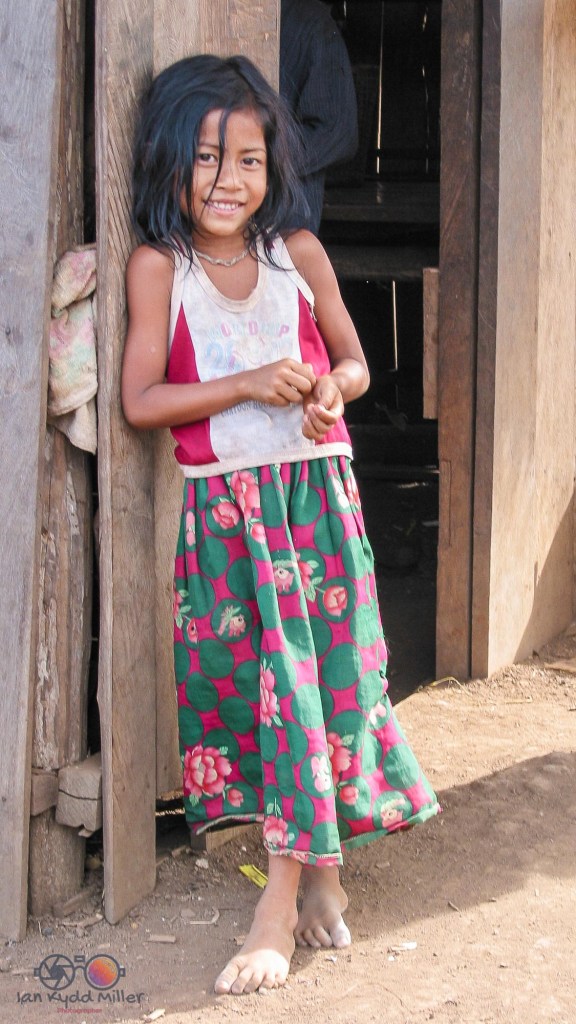
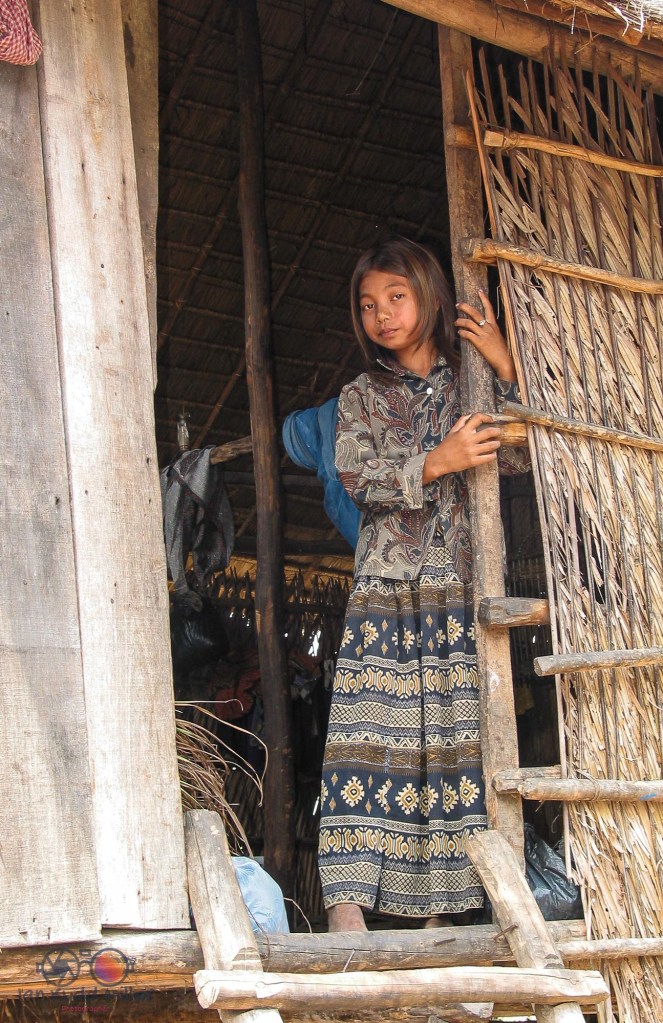




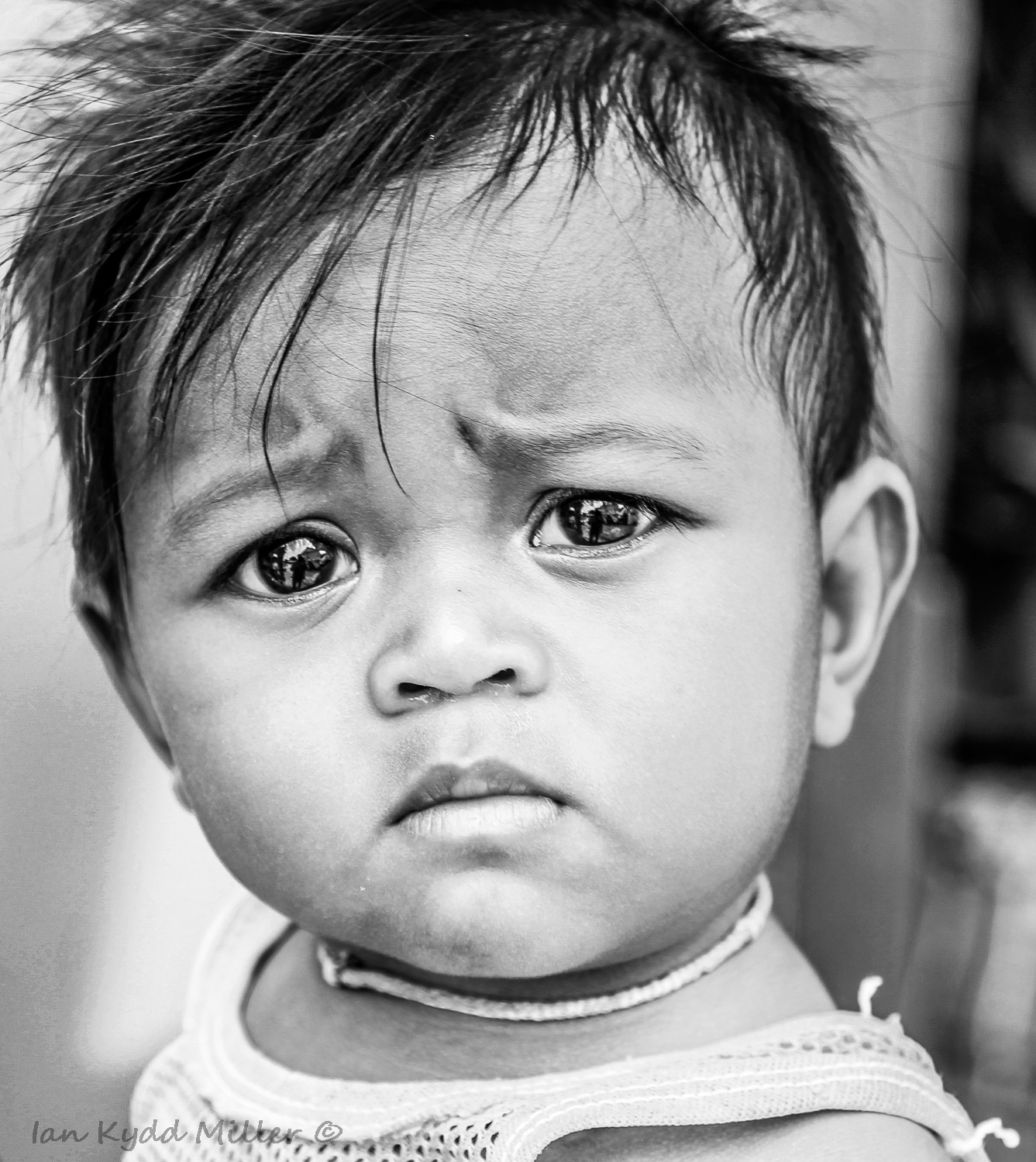
Free from moral wrong; without sin; pure: innocent children. Free from legal or specific wrong; guiltless: innocent of the crime. Not involving evil intent or motive: an innocent misrepresentation. Not causing physical or moral injury; harmless: innocent fun. The innocence of Children is all of these.


Minimalist Street Photographer Selaru Ovidiu is the Edge of Humanity Magazine contributor of these images. To see Selaru’s body of work, click on any photograph.All images © Selaru Ovidiu
See also: Abstract Portfolio By Selaru Ovidiu Edge of…
Minimalist Street Photography | London — Edge of Humanity Magazine