

Street photography, a genre that often captures the raw essence of society by snapping candid moments of strangers, has long been a subject of ethical debate. Is it a form of art that celebrates the spontaneity of life, or is it an exploitation of unsuspecting individuals?

The art of street photography lies in its ability to document the unposed, the unplanned, and the unexpected. It’s a visual diary of human nature, a way to preserve fleeting moments that, once gone, are lost to time. The streets become a canvas, and the people, unwitting subjects that tell a story. Some of the most iconic images that define historical eras or social movements are the products of street photography, serving as powerful reminders of our collective past.
However, the act of photographing strangers without their consent raises important ethical questions. The line between public interest and personal privacy is often blurred. While photographers may argue that the public domain is fair game for capturing life as it unfolds, the individuals on the other side of the lens may feel their privacy has been invaded. This tension is further complicated by the potential for these images to be shared widely in the digital age, often without the subject’s knowledge or control over how they are represented.
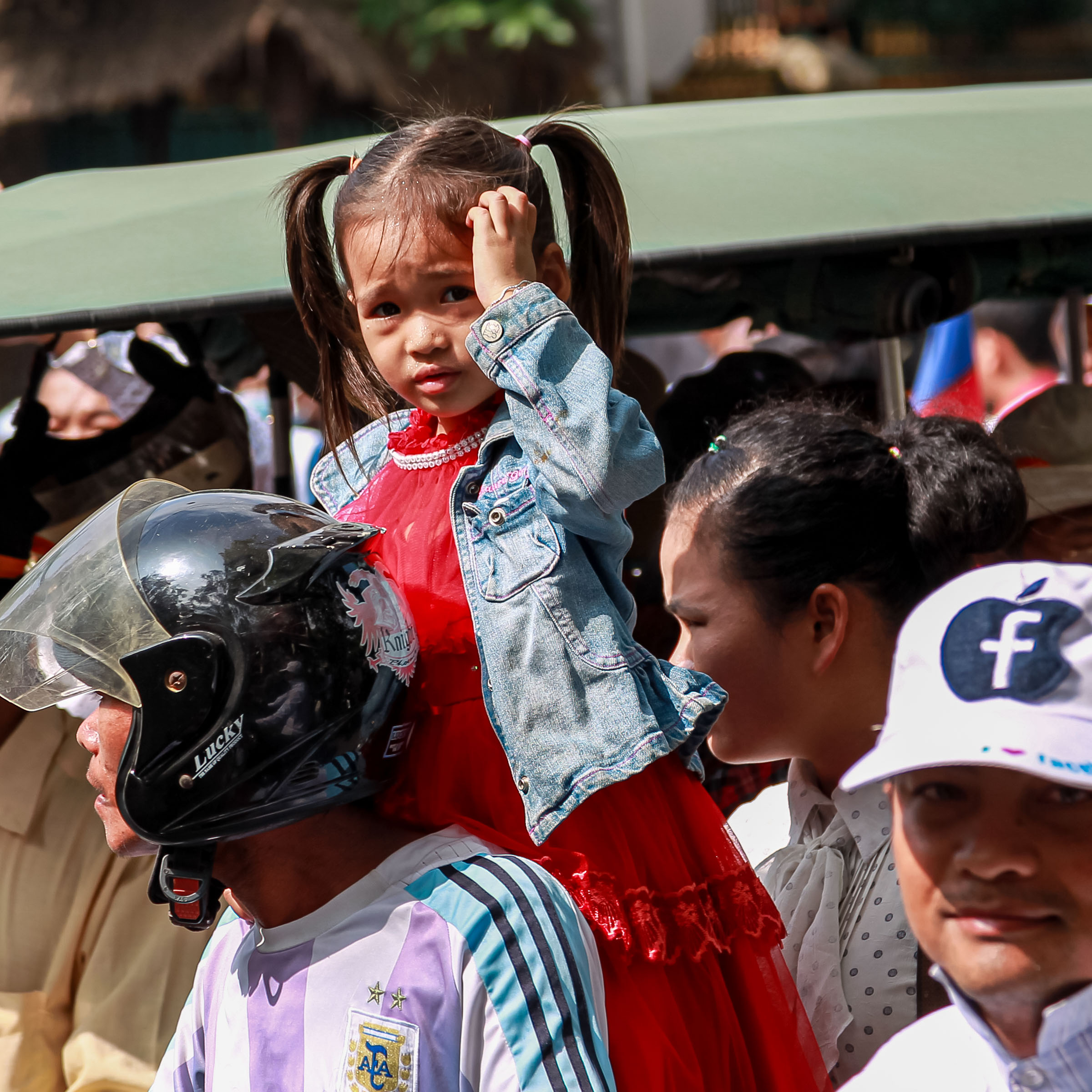
The ethics of street photography are not black and white. They require photographers to navigate the murky waters of moral responsibility. Some photographers adopt a stealthy approach, using discreet methods to avoid disturbing the scene, thereby minimizing the impact on their subjects. Others engage directly with the people they photograph, sometimes building rapport and seeking consent, which can lead to more intimate and telling portraits.
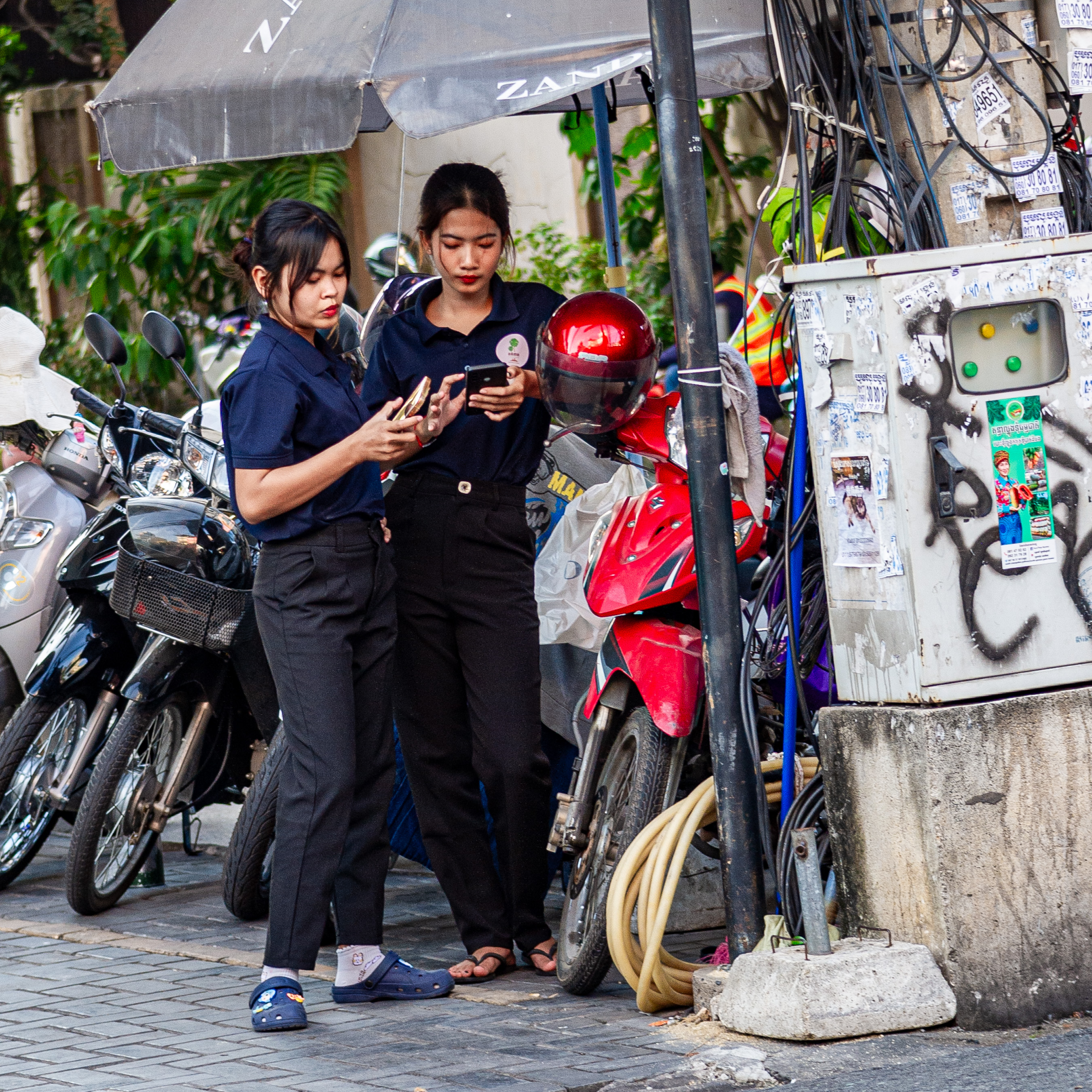


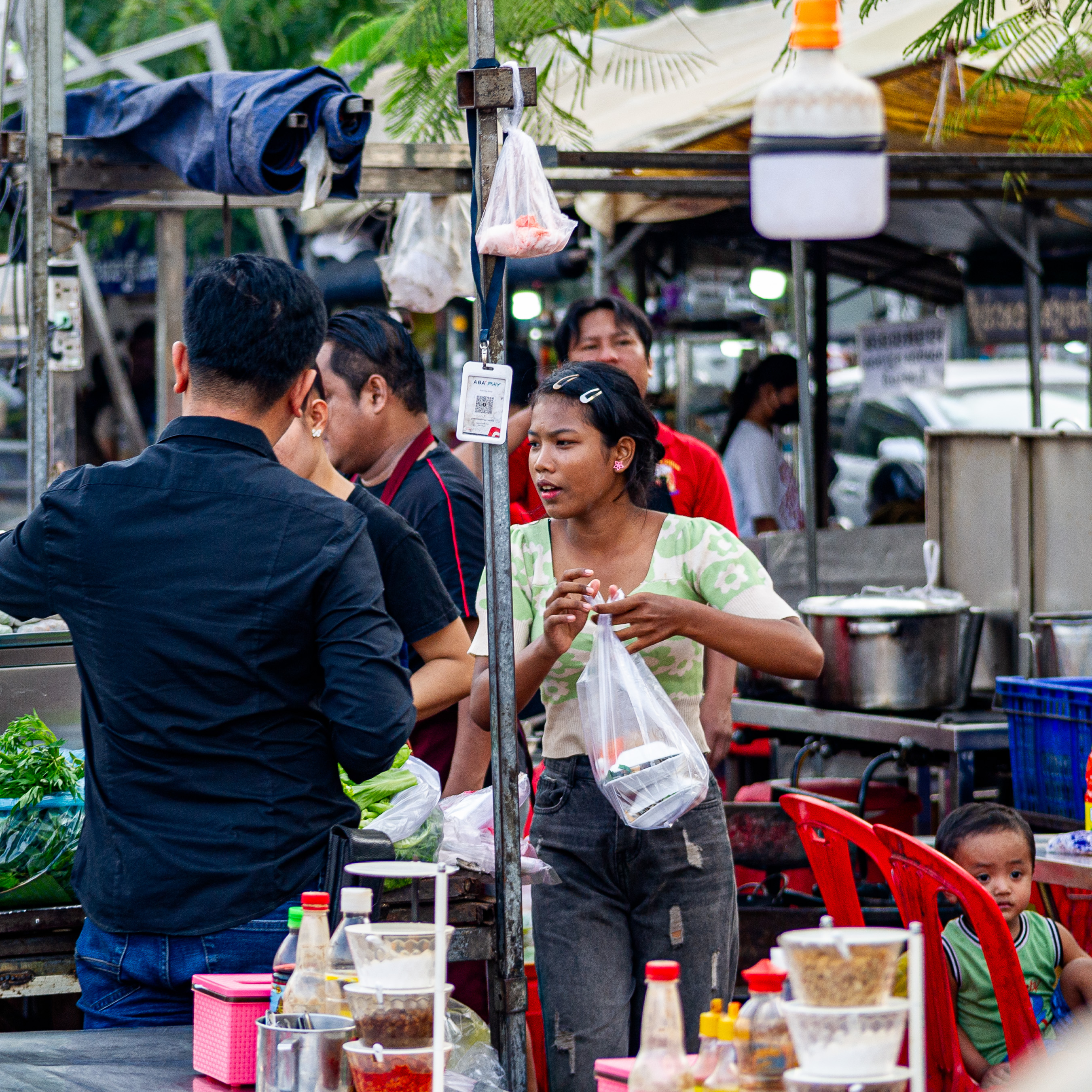
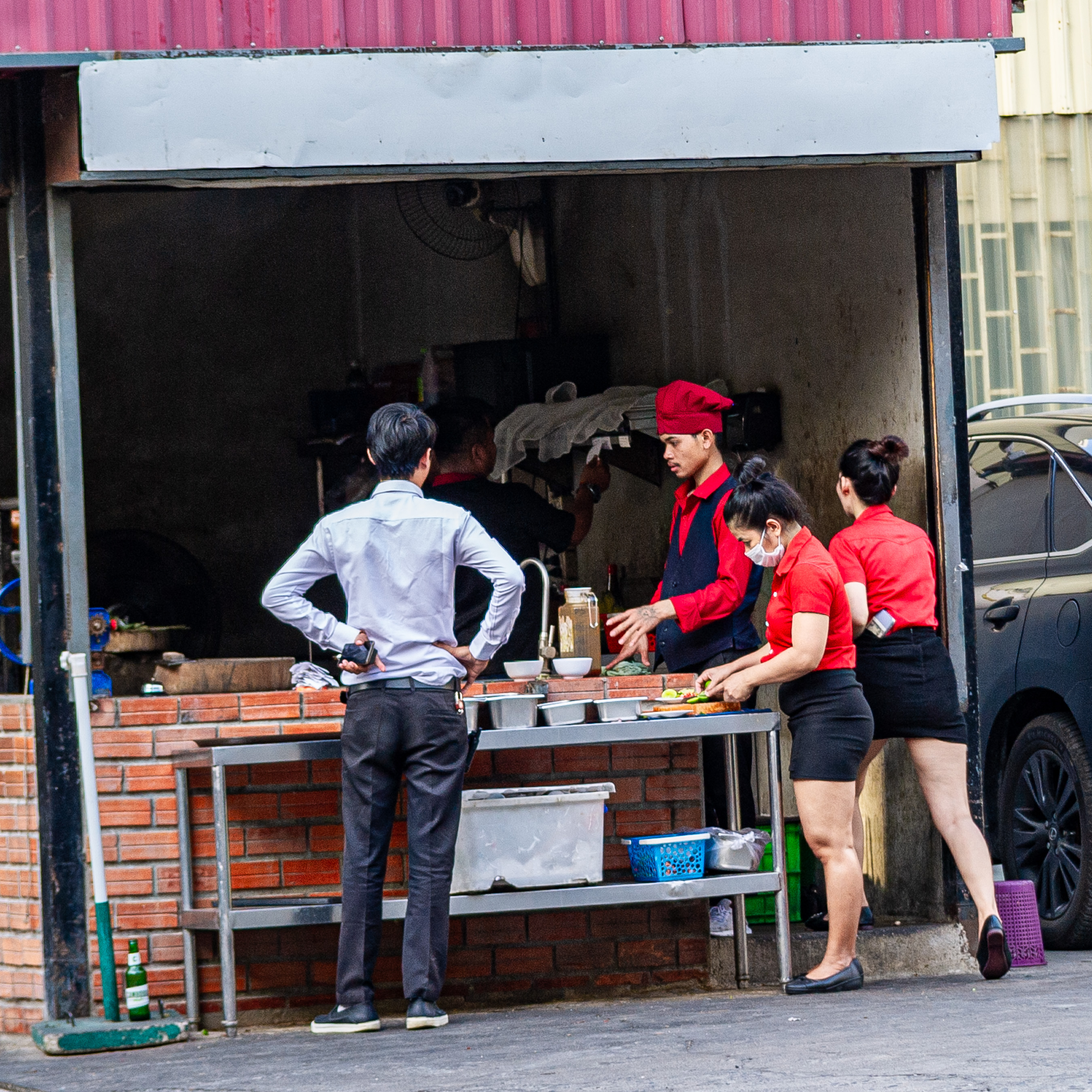

Legal frameworks vary widely across the globe, and what is permissible in one country may be forbidden in another. In many places, the law permits photography in public spaces, recognizing it as an extension of freedom of expression. Yet, ethical considerations often extend beyond the realm of legality. Photographers must weigh their right to capture images against the rights of their subjects to privacy and respect.

Ultimately, street photography is not inherently exploitative, but it demands a high degree of sensitivity and ethical consideration from the photographer. It’s about finding a balance between the pursuit of artistic expression and respect for the dignity of those captured in the frame. As the debate continues, it’s clear that the responsibility lies with the photographer to make ethical choices that honor both their art and their subjects.
 a world without pictures is like coffee without cream and sugar, bitter
Sadly, I haven’t done much street photography since Covid, although I hope I’m up to another trip to London this winter. Your comment about making ethical choices is so true. When I’m out and about with my little OM2n, I always remember this quote from Sebastiao Salgado – “If you take a picture of a human that does not make him noble, there is no reason to take this picture. That is my way of seeing things”
LikeLiked by 1 person