

Street photography is a fascinating and dynamic genre of photography that captures the essence of everyday life in public spaces. It’s an art form that freezes the candid, unscripted moments of people’s lives as they unfold in urban settings. The beauty of street photography lies in its raw, unfiltered nature, often showcasing the human condition against the backdrop of bustling city life.
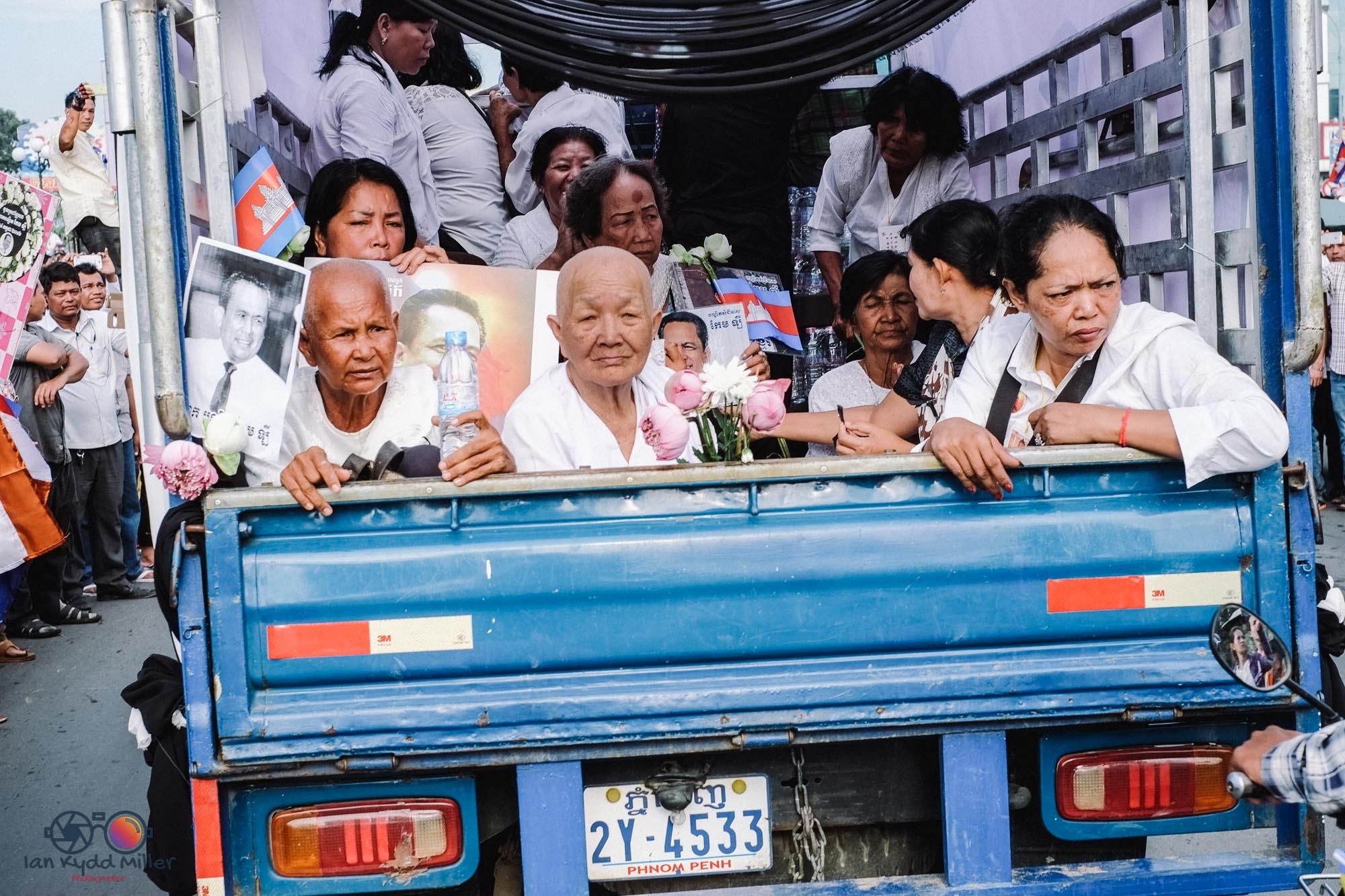
The roots of street photography date back to the 19th century, with the advent of portable cameras that allowed photographers to step out of their studios and into the streets. This genre gained momentum in the 20th century, as photographers like Henri Cartier-Bresson, Robert Frank, and Vivian Maier took to the streets, capturing life as it happened. These pioneers of street photography were not just photographers; they were visual storytellers who had a knack for finding the extraordinary in the ordinary.


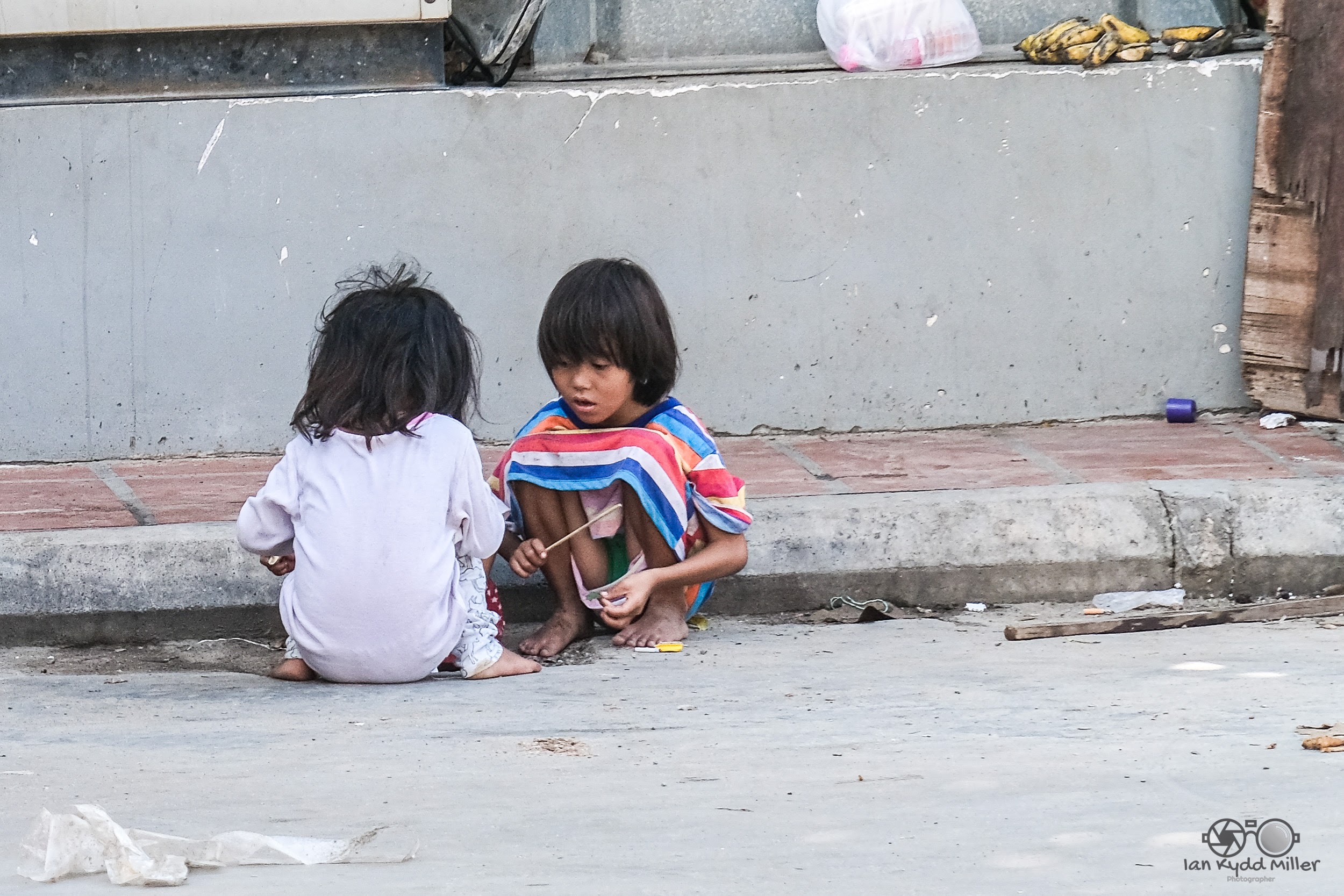


At its core, street photography is about observation and spontaneity. It’s about being in the right place at the right time and having the intuition to capture a moment that tells a story or evokes an emotion. It’s not just about photographing streets; it’s about capturing the life that happens within them. Whether it’s a fleeting expression, a moment of connection, or the juxtaposition of human figures against the urban landscape, street photography is about finding meaning in the mundane.





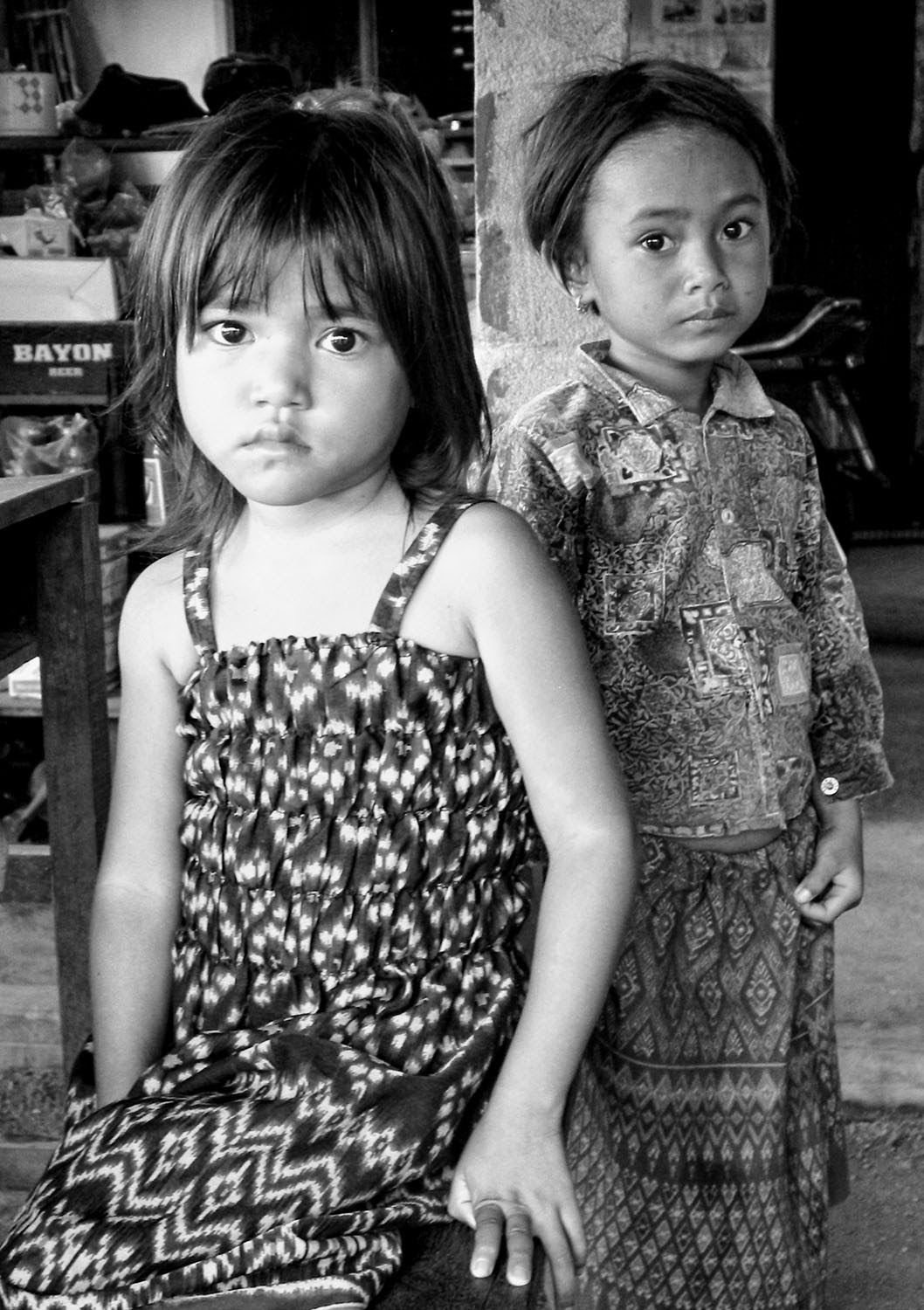

One of the key characteristics of street photography is its publicness. The public setting of the streets provides a stage where photographers can take candid shots of strangers, often without their knowledge. This aspect raises interesting questions about privacy and ethics in photography, as the line between public and private life becomes increasingly blurred in the urban environment.

Street photography does not require a street or even an urban environment. It’s about capturing the human element, which can be present in any public space, from a beach to a rural market. The images produced by street photographers often have a human character, reflecting the diversity and vibrancy of life.

The genre has evolved over the years, with contemporary street photographers exploring new perspectives and pushing the boundaries of the medium. With the rise of digital photography and social media, street photography has become more accessible and widespread, allowing a new generation of photographers to share their vision of the world.
In conclusion, street photography is more than just a genre; it’s a way of seeing the world. It’s about noticing the unnoticed and telling the untold stories of our shared public spaces. It’s a testament to the power of the camera to capture the fleeting moments that, together, weave the rich tapestry of urban life.
 a world without pictures is like coffee without cream and sugar, bitter