

Classic street photography captures the essence of everyday life in public spaces. It’s a form of art that freezes a moment in time, telling a story about a place and its people. The classic approach to street photography is candid, unposed, and often spontaneous, aiming to reveal the beauty, humor, and tragedy of ordinary life as it unfolds in urban environments.

The roots of classic street photography can be traced back to the early 20th century, with pioneers like Alfred Stieglitz, who captured the streets of New York City in inclement weather, and Berenice Abbott, who documented the changing face of the city’s architecture. These photographers set the stage for what would become a defining characteristic of the genre: the ability to find the extraordinary in the ordinary.
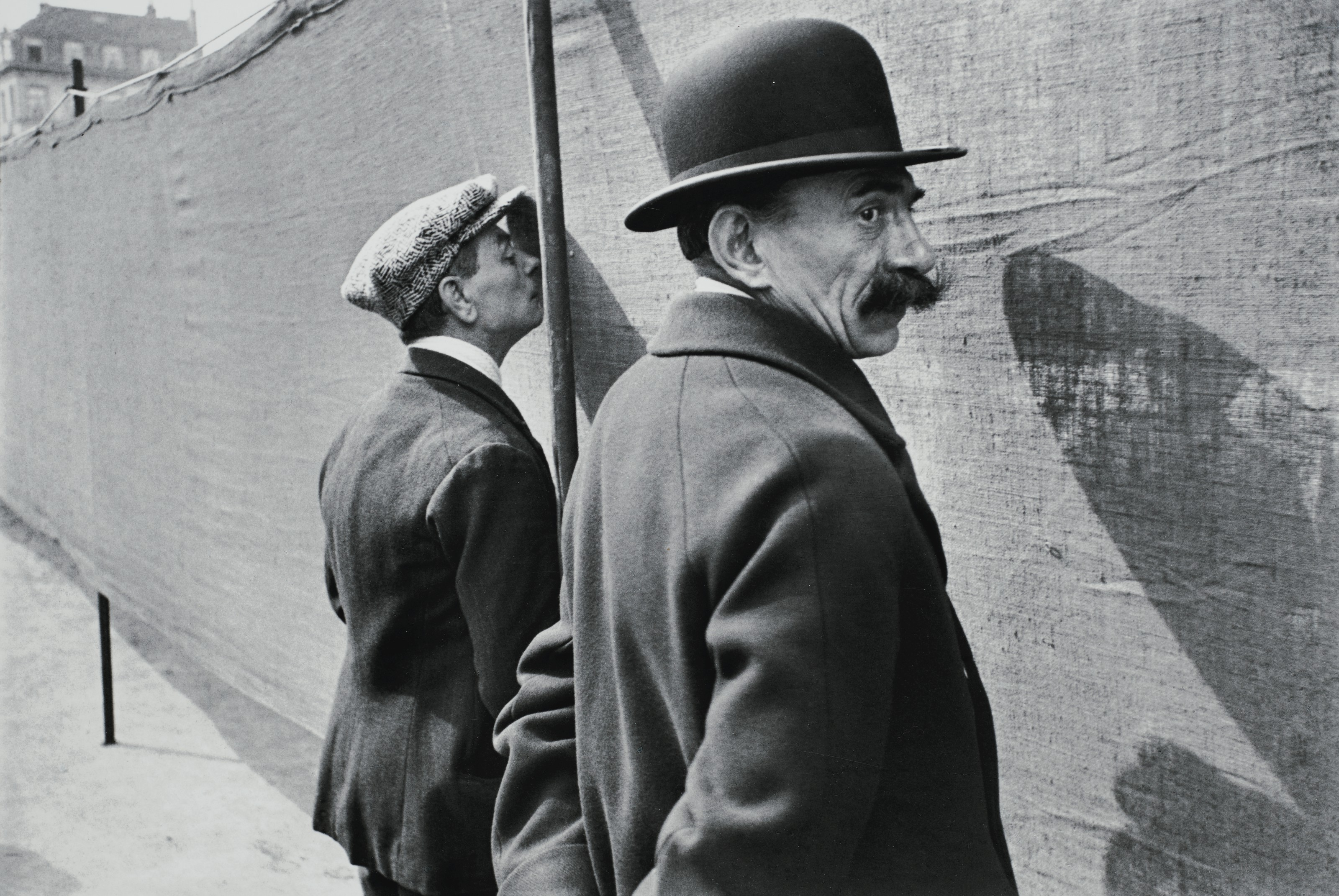
Henri Cartier-Bresson, often hailed as the father of modern street photography, introduced the concept of “the decisive moment” — that split second that captures the essence of an event or the personality of a person in a unique and irreplaceable way. This concept has influenced generations of photographers and remains a cornerstone of the genre.

Classic street photography is not just about the subject; it’s also about composition, timing, and perspective. It’s about seeing the world in a way others may not notice and presenting it in a manner that evokes emotion and thought. It’s about the interplay of light and shadow, the geometry of urban landscapes, and the fleeting expressions of people caught in their daily routines.

Why is it considered classic? Because it represents a pure form of photographic storytelling that relies on the skill of the photographer to observe and capture life as it happens, without interference or staging. It’s a testament to the human condition, reflecting society back at itself through the lens of the camera.

Classic street photography is celebrated for its authenticity and its ability to connect us to the shared human experience. It’s a powerful medium that continues to evolve, yet its classic form remains timeless, reminding us of the power of a single image to tell a story worth a thousand words.
 a world without pictures is like coffee without cream and sugar, bitter