

In street photography, the essence of capturing candid moments often requires a minimalist approach to equipment. A camera, a lens, and a camera strap are the fundamental tools needed for this genre. This not only makes it easier to move around and react quickly to unfolding scenes but also helps in blending into the environment. Blending in is indeed essential; wearing muted colours and avoiding conspicuous logos can make photographers less noticeable, allowing them to capture life as it naturally unfolds. The goal is to observe without altering the scene, to document the raw and unfiltered essence of street life. Comfortable shoes are also a must, as street photography often involves a lot of walking. Ultimately, the less intrusive the photographer can be, the more authentic and compelling the images will be.
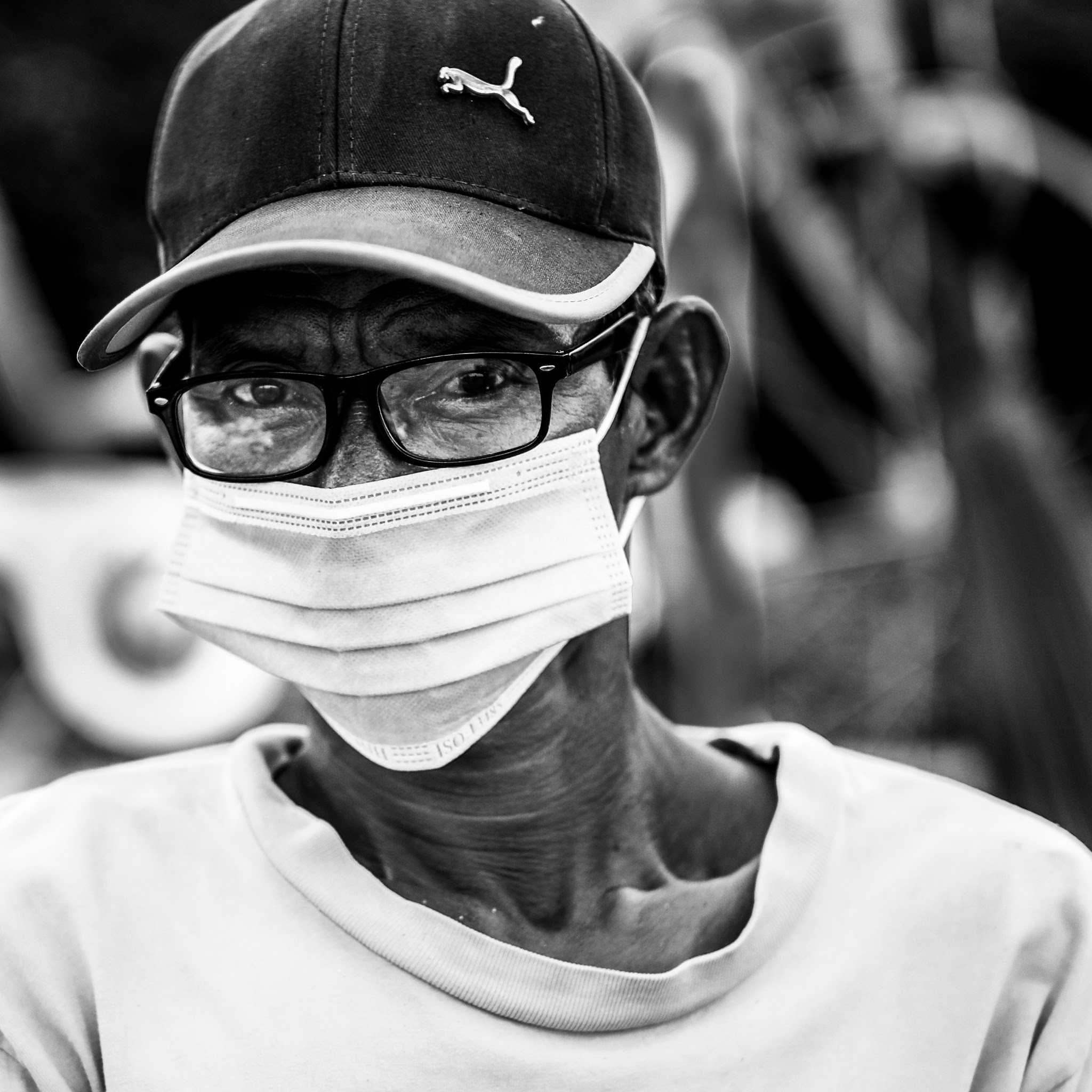

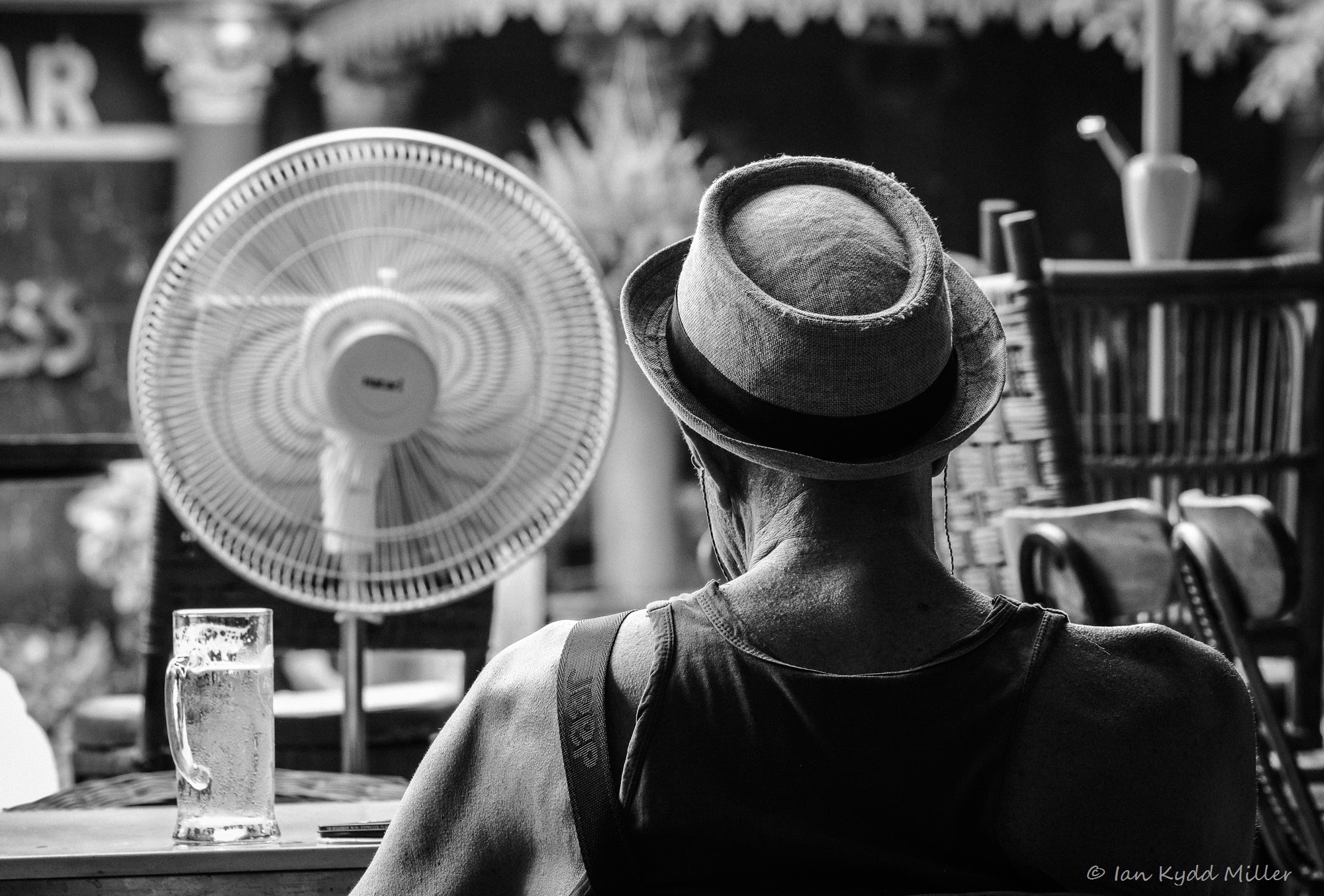
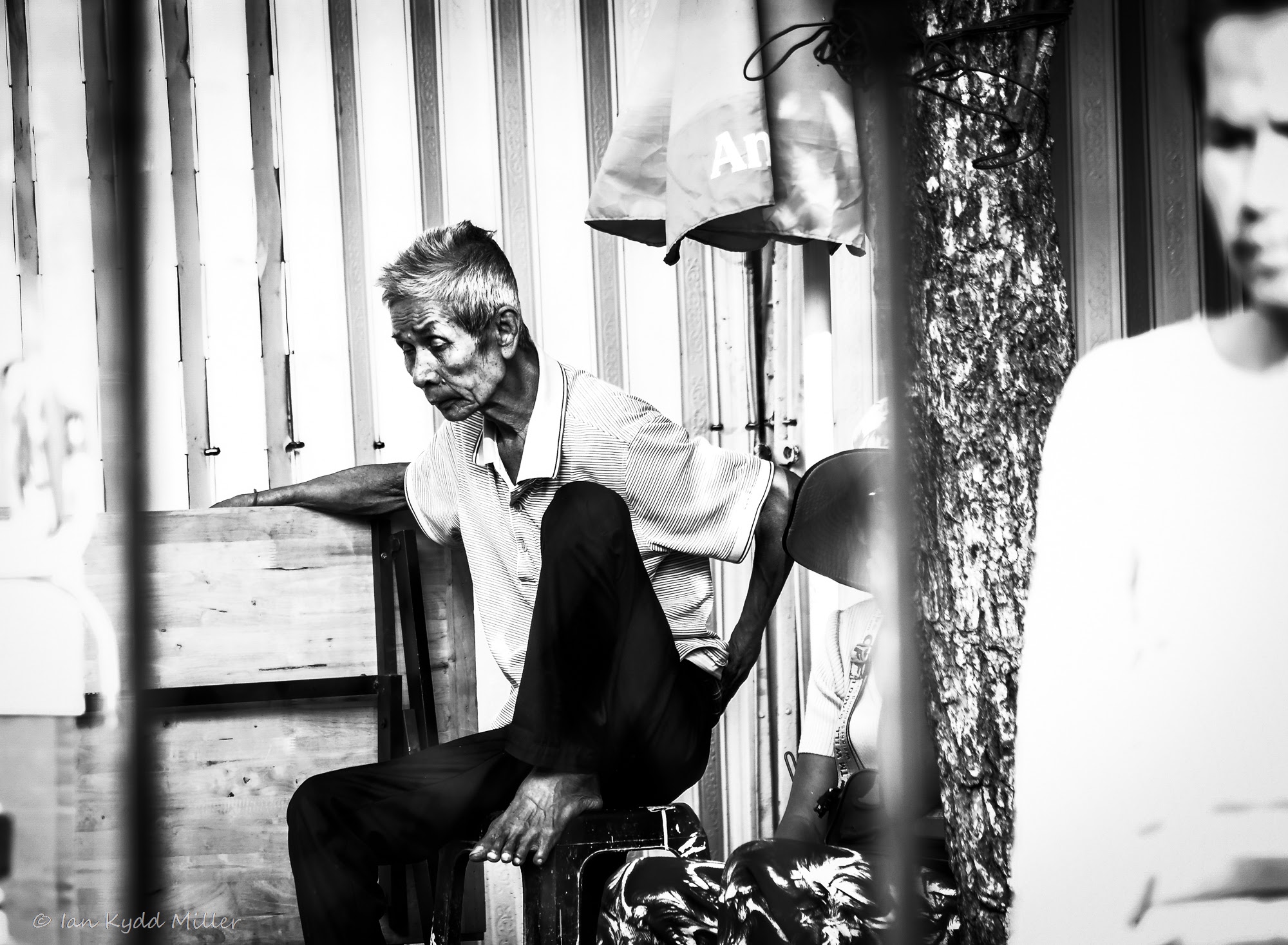
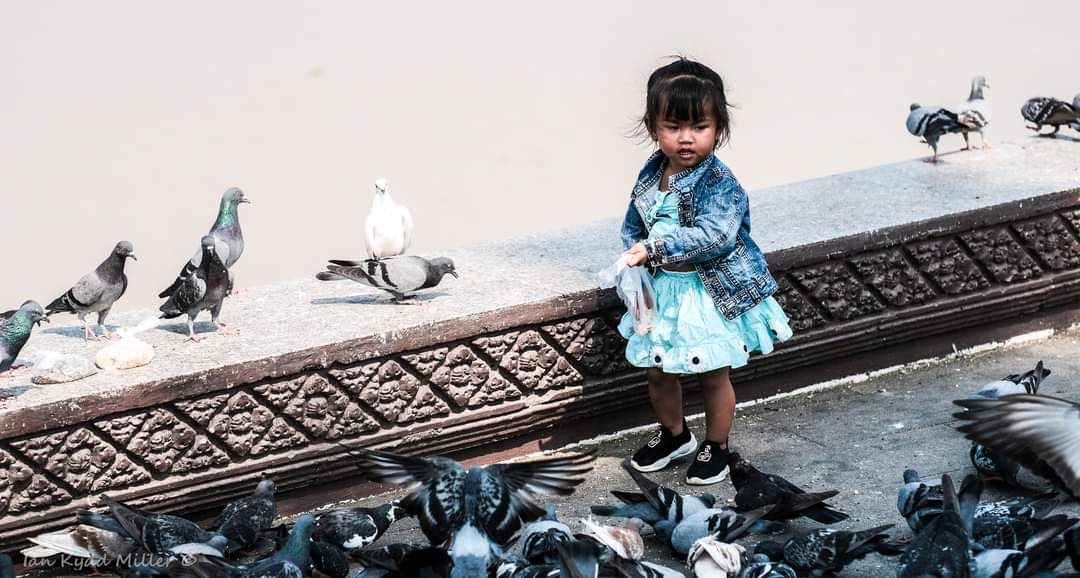
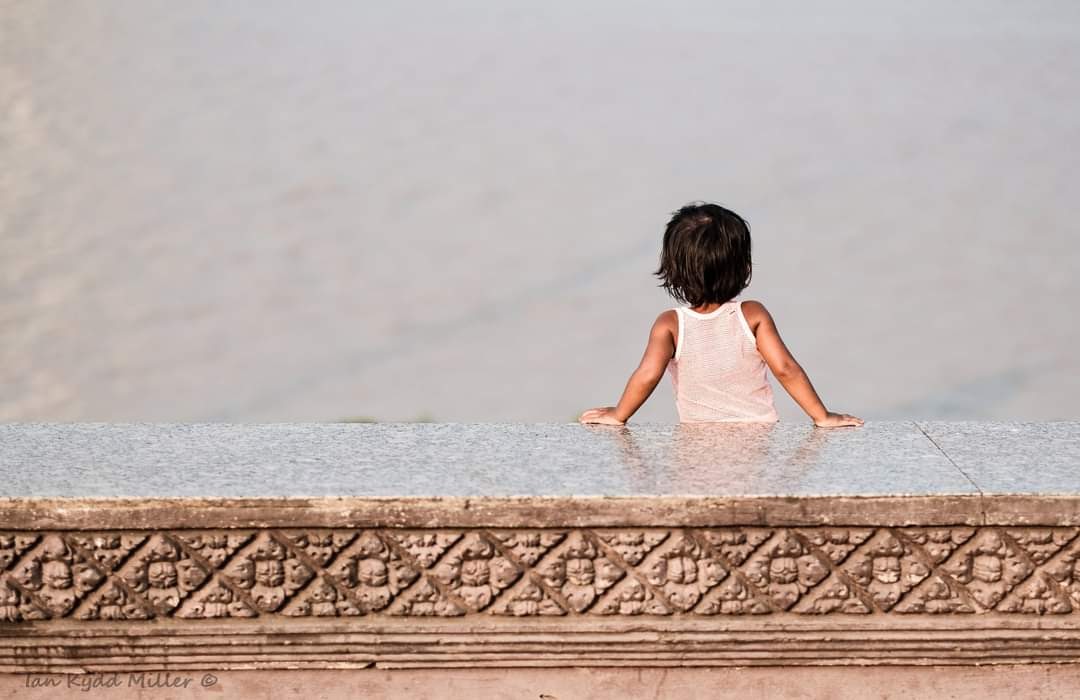

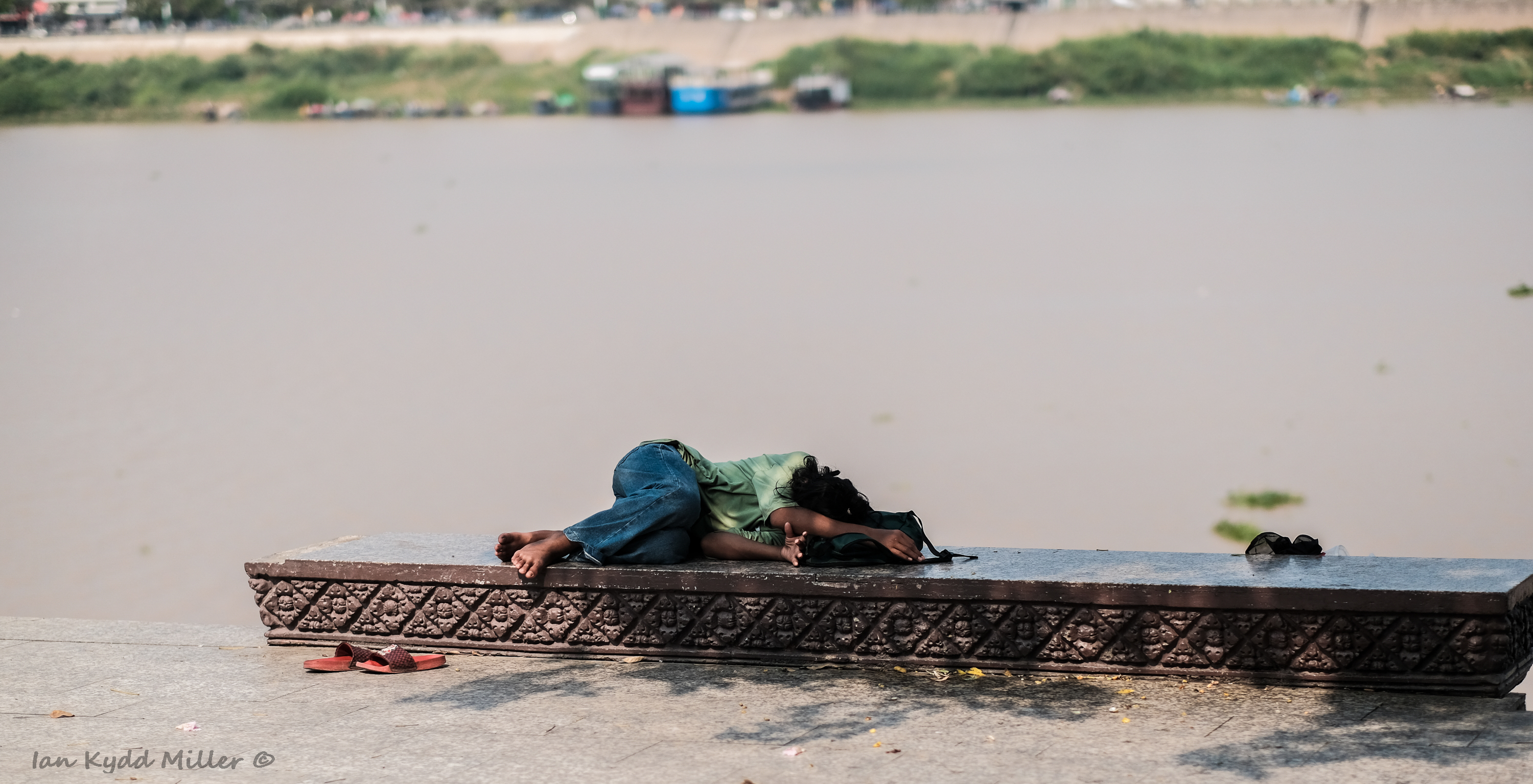
This approach aligns with the philosophy of street photography, which is to be an unobtrusive observer, capturing moments that might otherwise go unnoticed. Personally, I don’t necessarily agree totally with this philosophy.
** Choosing not to hide oneself while engaging in street photography can be a powerful stance. It’s about embracing transparency and honesty in the art form. By being visible, photographers can interact more genuinely with their surroundings, often leading to more authentic and spontaneous captures that reflect the moment’s essence. It also respects the subjects’ awareness and consent, which is increasingly important in today’s discussions about privacy and ethics in photography. Moreover, it can challenge the photographer to develop a more nuanced approach to their craft, as they navigate the dynamics of the public space while being part of the scene. This method can yield a unique style and depth to the photographs that might not be achievable through a hidden approach.**
 a world without pictures is like coffee without cream and sugar, bitter