

Street photography is an exhilarating and deeply personal art form that captures the essence of everyday life. To excel in street photography, one must embrace the role of an observer, documenting humanity in its rawest form. It’s about finding beauty in the mundane, capturing the fleeting moments that, while seemingly insignificant, tell a story about the human condition. It’s not just about having the right gear or technical skills; it’s about seeing the world with a fresh perspective, where every street corner, every passing face, and every spontaneous interaction becomes a potential masterpiece.
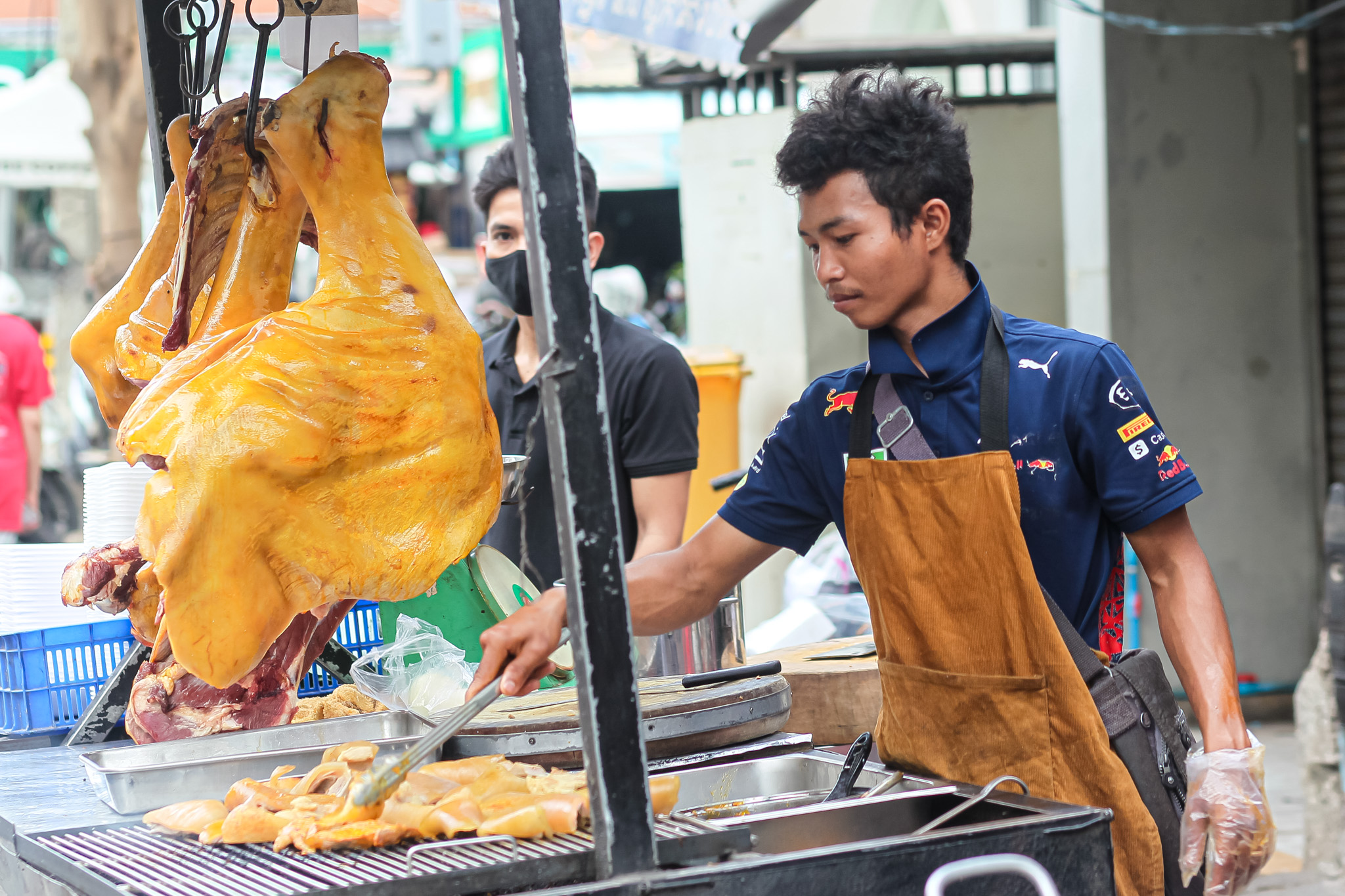
To do street photography well, start by honing your social skills; they are as important as your photographic ones. Engage with your surroundings and be ready to interact with people. Remember, street photography is as much about the experience as it is about the resulting images. It’s a collaborative art; you’re not just taking photos, you’re making them with the scenes and people you encounter. This means respecting your subjects and the environment, and approaching each shot with empathy and curiosity.
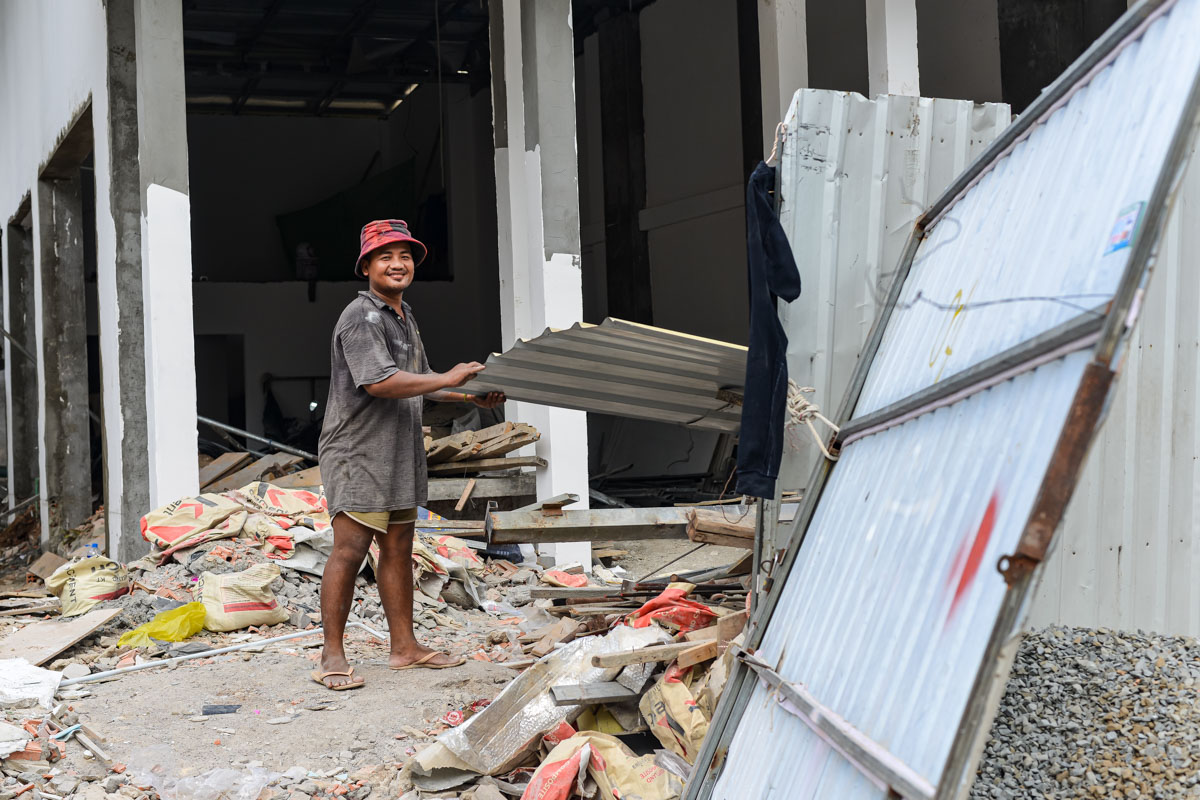

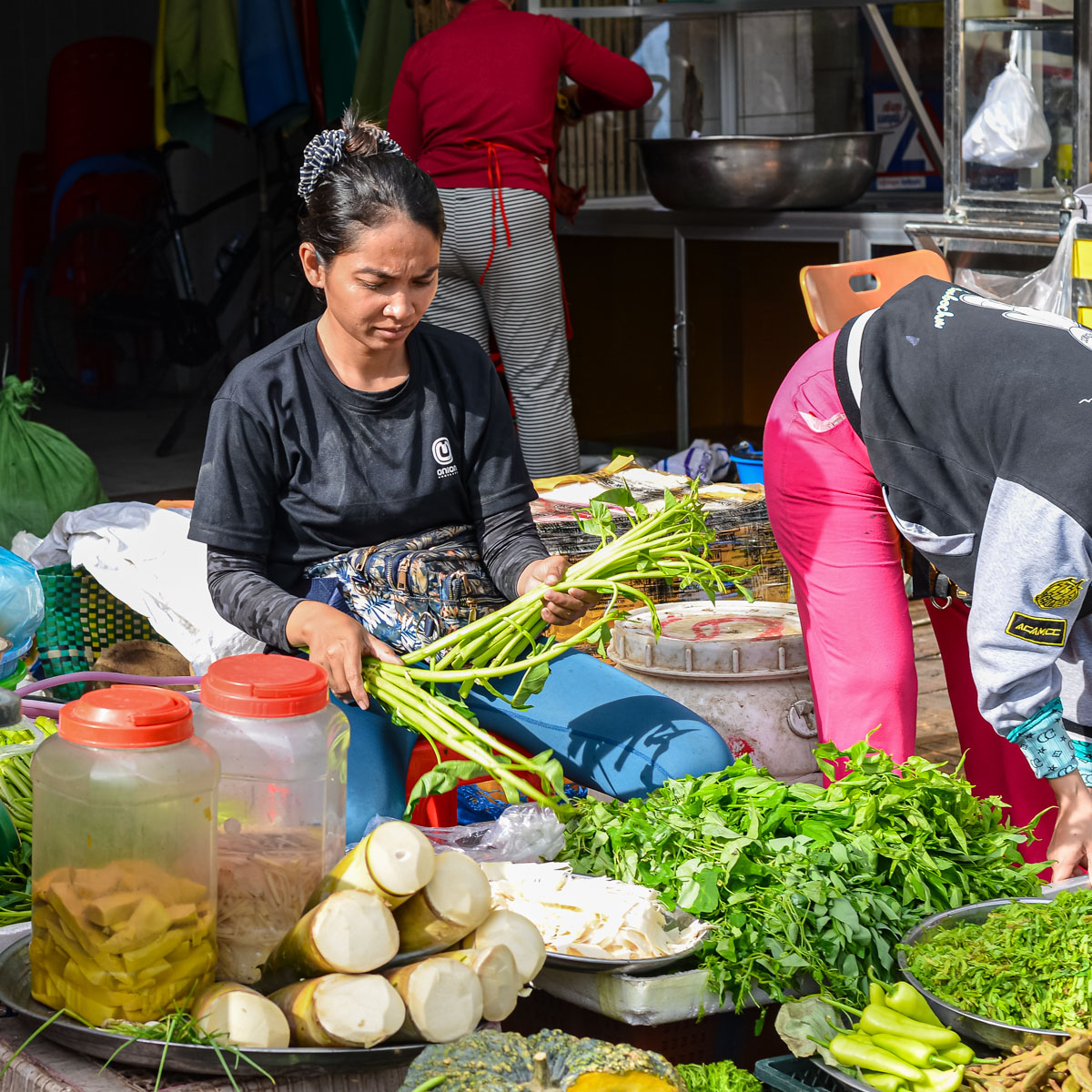


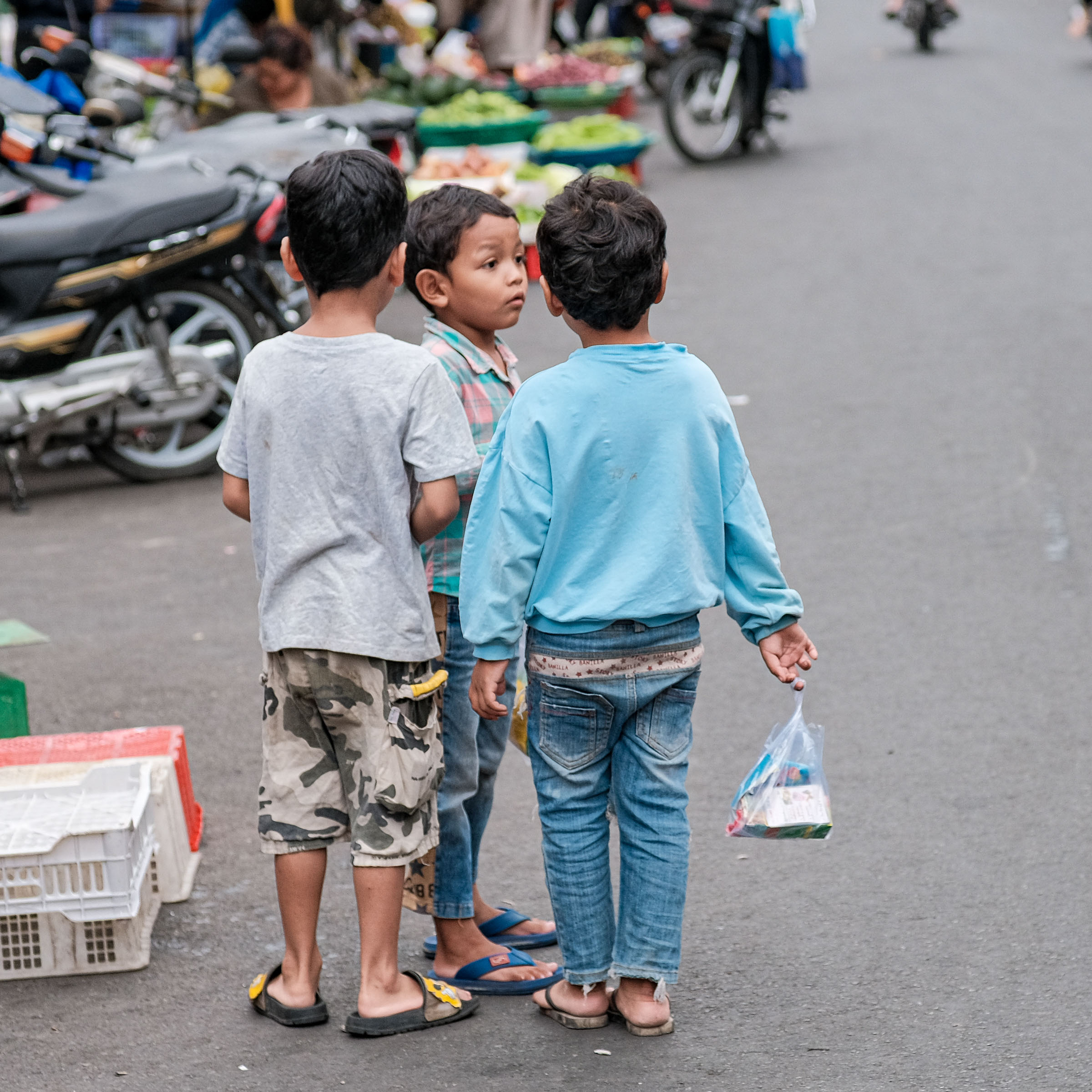


Physical and mental strength are crucial too. You’ll need the endurance to walk for hours and the courage to overcome the fear of photographing strangers. Position yourself strategically on the sidewalk to find minimalist backgrounds and dynamic compositions. Look for the ‘cherry on top’—those unique details that elevate a good photo to a great one. And when you capture a moment, control your selects; not every photo will be a winner, but the best ones will stand out with a clear subject and a compelling narrative.
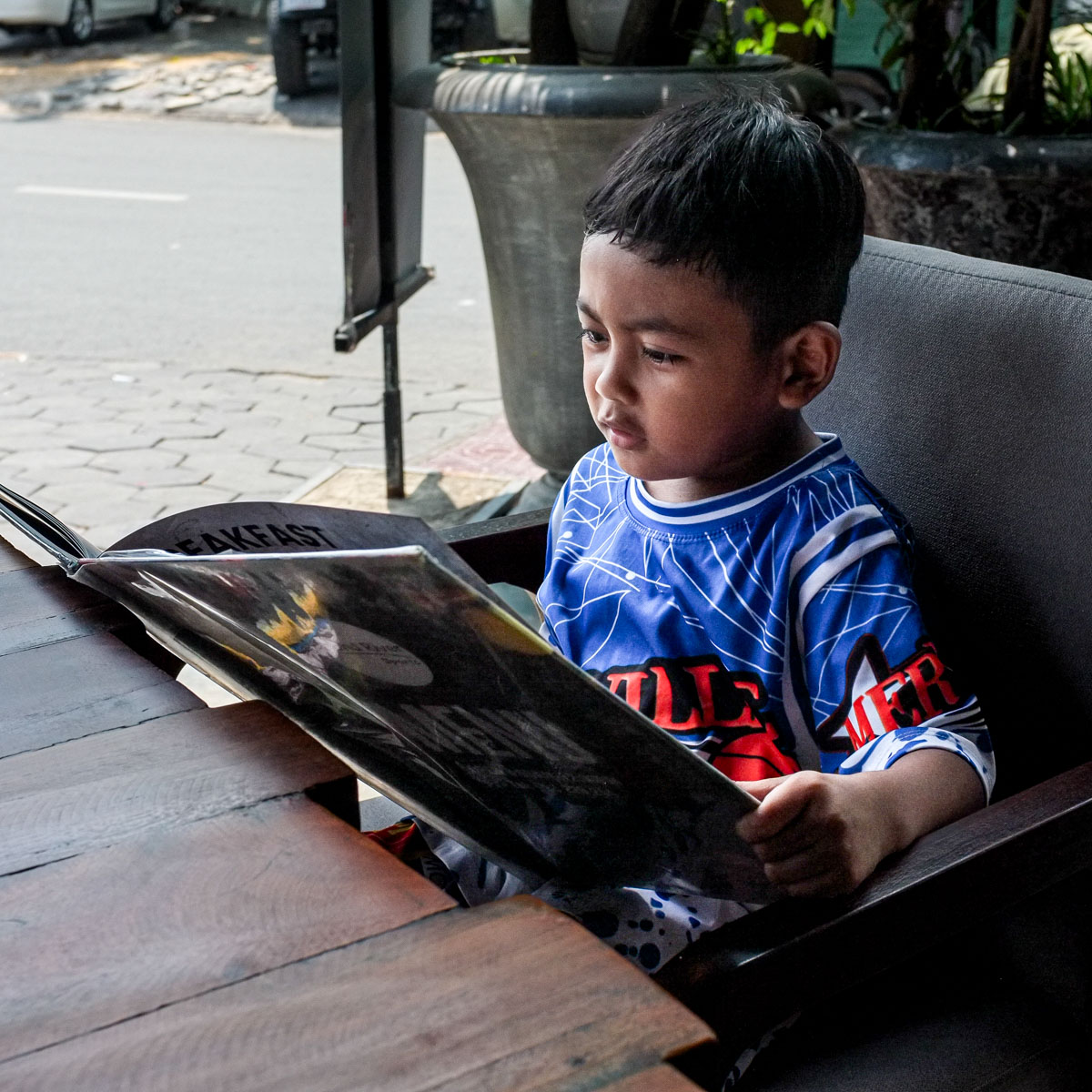
A versatile perspective is key. A 35mm focal length is often ideal for street photography because it closely resembles the natural field of view of the human eye, allowing for a more intimate and realistic portrayal of the scene. Avoid ‘chimping’—constantly checking your photos on the camera screen—as it can distract you from the present moment. Instead, stay focused on your surroundings and the potential shots around you.
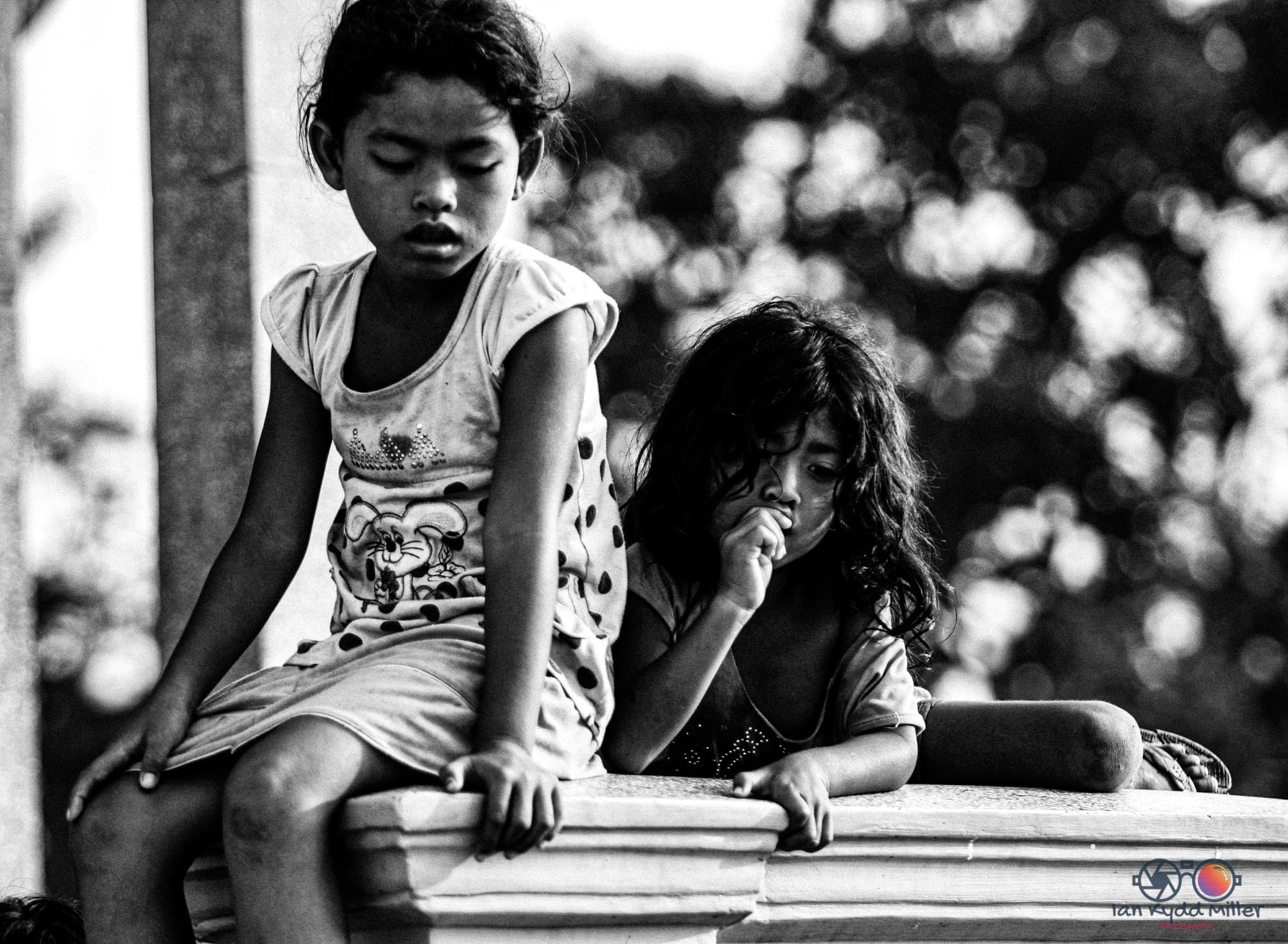
Simplify your settings to react quickly to changing scenes; shooting in ‘P’ mode can help you concentrate on composition rather than technicalities. Look for expressive moments and gestures that encourage interpretation and tell a story without needing an explanation. Maintain stealth to capture candid expressions, but don’t drop your camera immediately after taking a shot—sometimes the best moments happen right after the initial click.
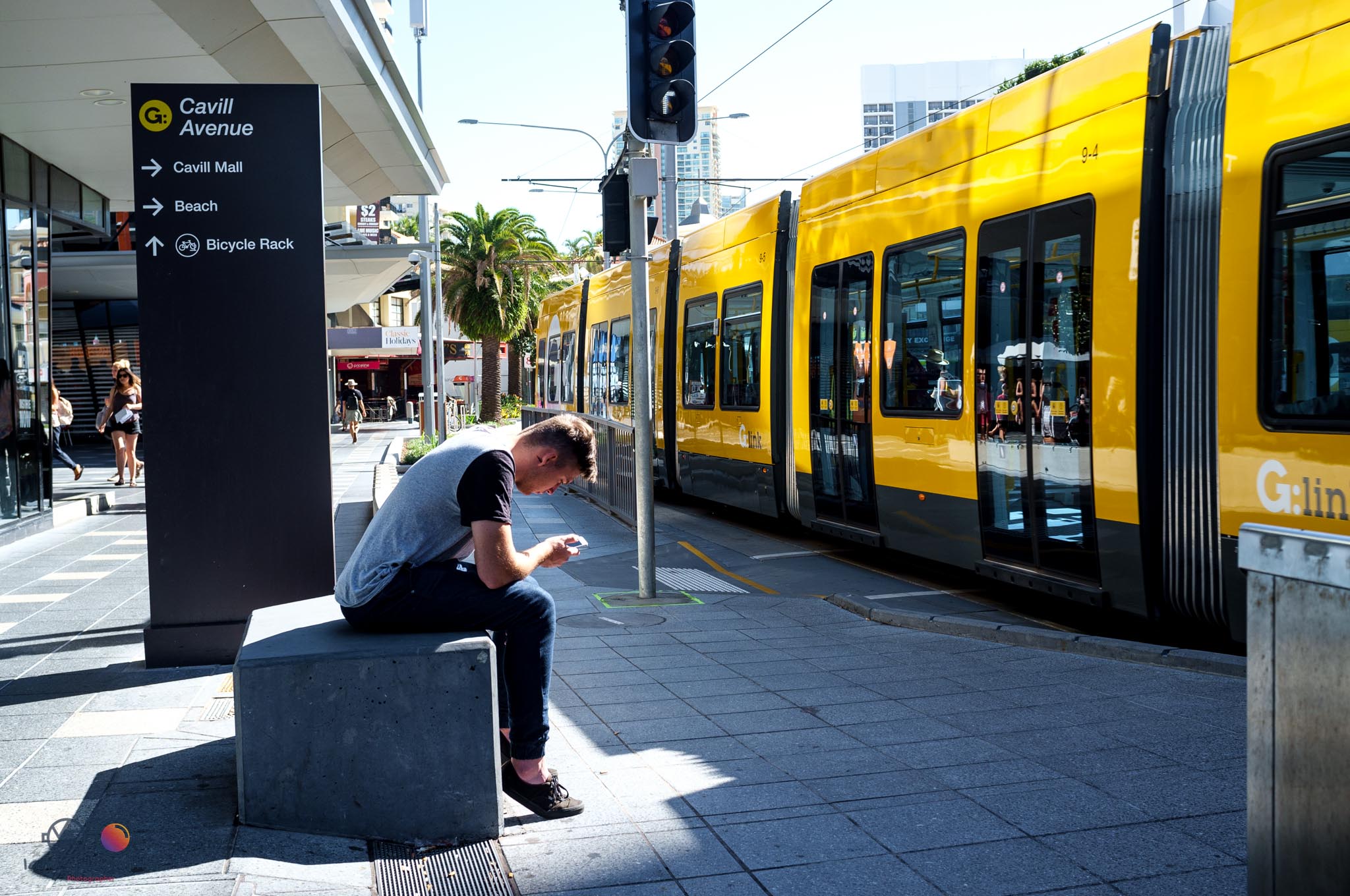
Clean backgrounds and careful framing can simplify compositions, drawing the viewer’s eye to the intended subject. Work the scene; don’t settle for the first photo you take. Keep shooting until you capture engaging moments, like eye contact, that add depth to your images. The background is just as important as the subject; it provides context and can make or break a photo.
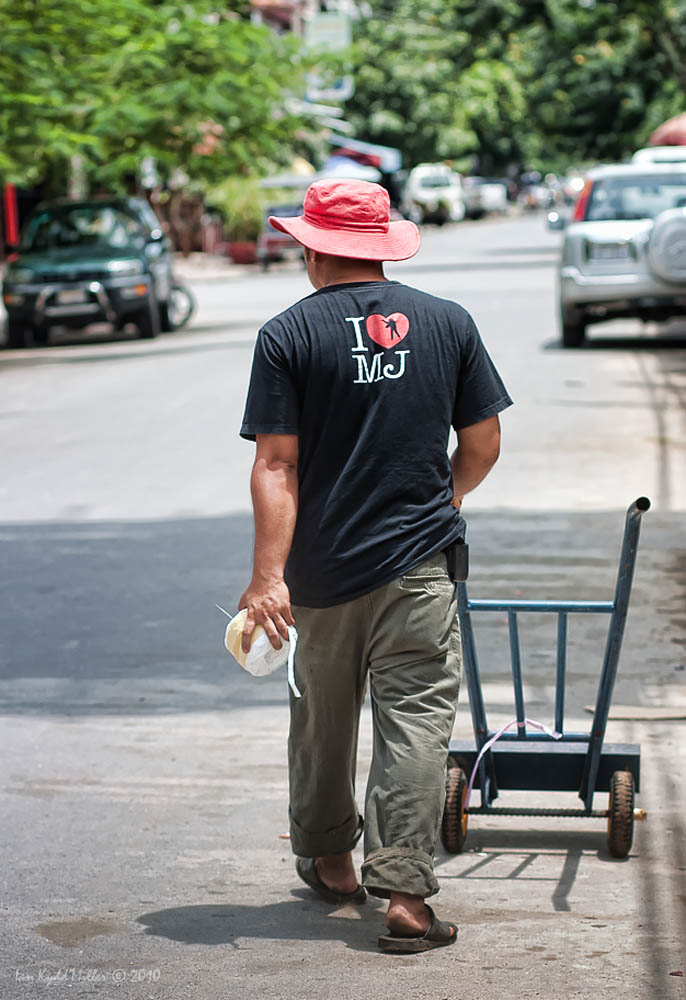
Good street photographers understand the power of storytelling. They know that emotion is a key element of street photography, and they’re always on the lookout for vibrant hues and good light, especially for colour photography. For a minimalist approach, black-and-white photography can simplify the scene, focusing attention on the subject and the story being told.


In street photography, your personal style will shine through. It’s a reflection of your personality, so shoot according to what resonates with you. Embrace experimentation and take risks; this is how you’ll develop your unique voice. And remember, street photography doesn’t require travelling to exotic locations; opportunities for great photos are all around you, often just a short walk away.

So, grab your camera, hit the streets, and immerse yourself in the world of street photography. With patience, persistence, and a passion for capturing the human spirit, you’ll not only create stunning images but also experience the joy of connecting with the world in a profound and meaningful way. Happy shooting!
 a world without pictures is like coffee without cream and sugar, bitter