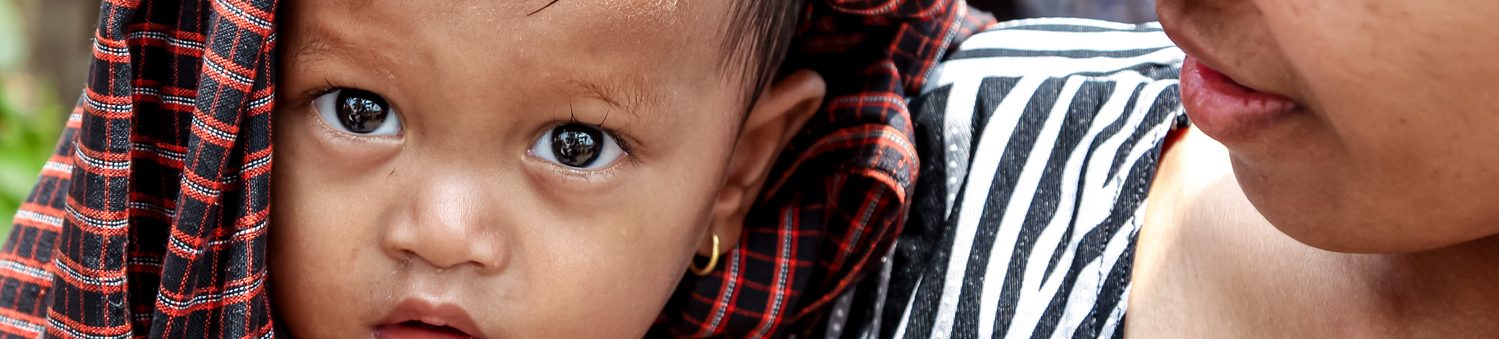

Photography is a powerful medium that can evoke deep emotions and tell compelling stories. It can document reality, preserve memories, and raise awareness about important issues. However, with this power comes significant ethical responsibility, especially when it involves taking pictures of people in vulnerable states.

The question of whether it’s ethical to photograph individuals during their most vulnerable moments is a complex one. On one hand, such images can play a crucial role in bringing attention to the plight of those who are suffering, potentially galvanizing public support and aid. On the other hand, capturing these moments can be seen as an invasion of privacy, exploitation, or a violation of the individual’s dignity.

One of the key considerations is consent. When possible, obtaining explicit permission from the subjects before photographing them in sensitive situations is crucial. This respects their autonomy and gives them control over their own image. However, in some circumstances, such as in the case of natural disasters or conflict zones, obtaining consent may not be feasible. In these instances, photographers must weigh the potential benefits of sharing the images with the world against the risk of causing further distress or harm to the subjects.

Another aspect to consider is the intention behind the photograph. Are the images being taken to inform and educate, or are they being captured for sensationalism or monetary gain? The context in which the photos are presented also matters. Are they being used to support a narrative that respects the subjects and their stories, or are they being used to perpetuate stereotypes or for shock value?
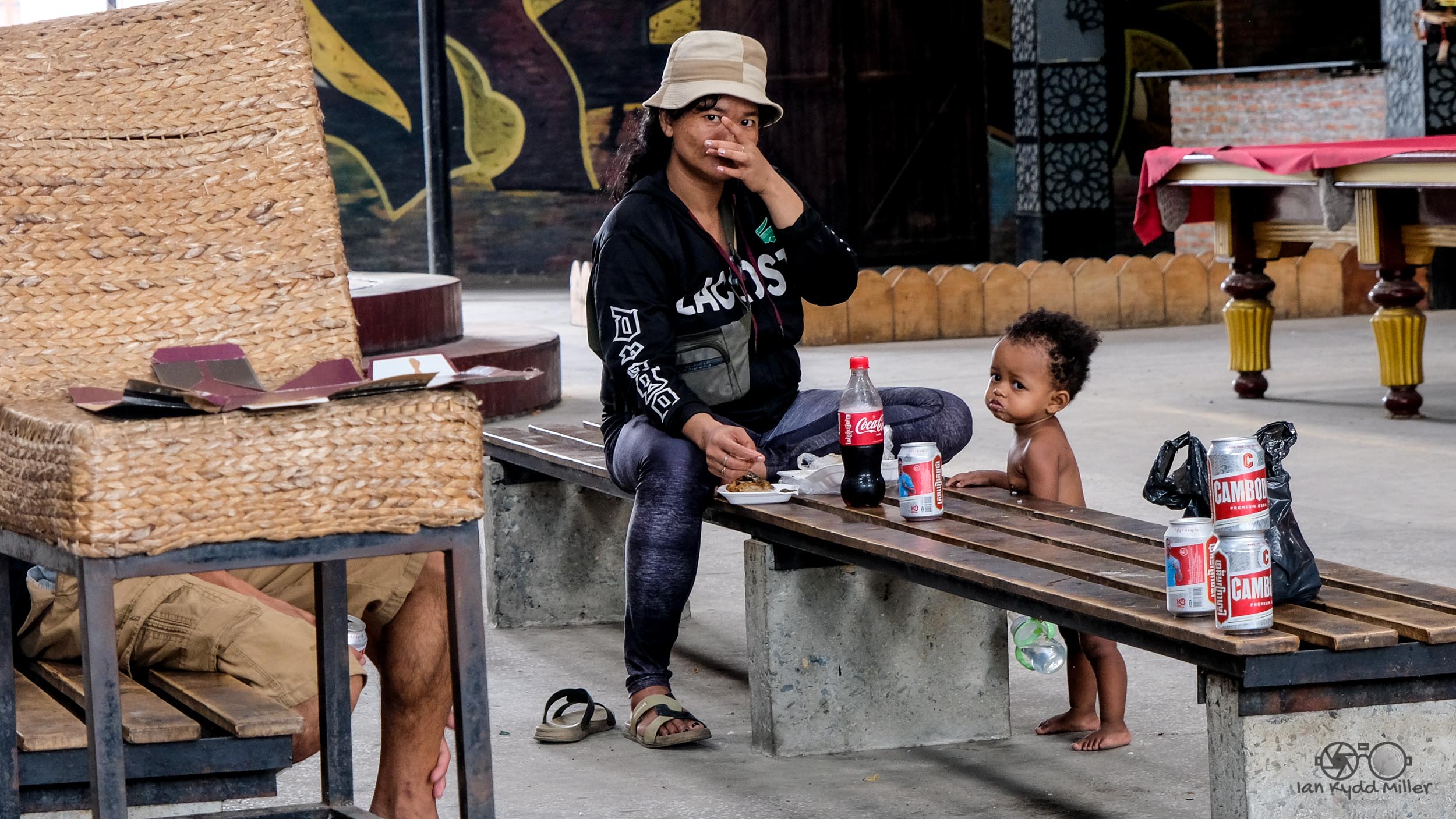
Photographers must also think about the aftermath. How will these images affect the subjects in the long term? Will they lead to positive change, or will they simply become another fleeting moment in the media, soon to be forgotten?
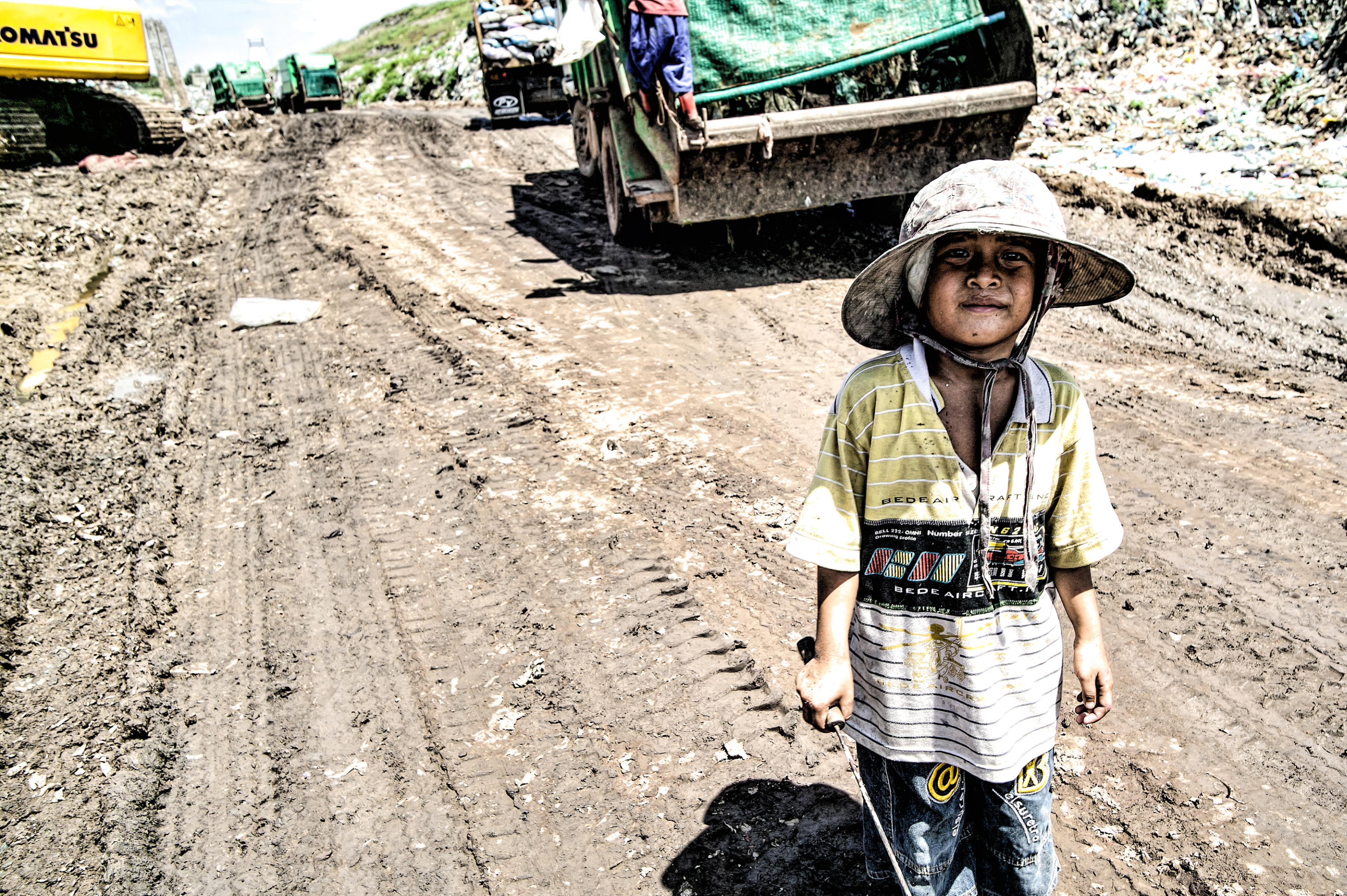
In conclusion, while there is no one-size-fits-all answer to the ethics of photographing people in vulnerable states, photographers need to engage in continuous self-reflection and dialogue. They must consider the implications of their work, strive to uphold the dignity of their subjects, and remain sensitive to the power dynamics at play. As consumers of media, we too have a responsibility to critically evaluate the images we see and consider the ethical dimensions behind them. Ultimately, empathy and respect should guide the lens through which we view and capture the human condition.
 a world without pictures is like coffee without cream and sugar, bitter