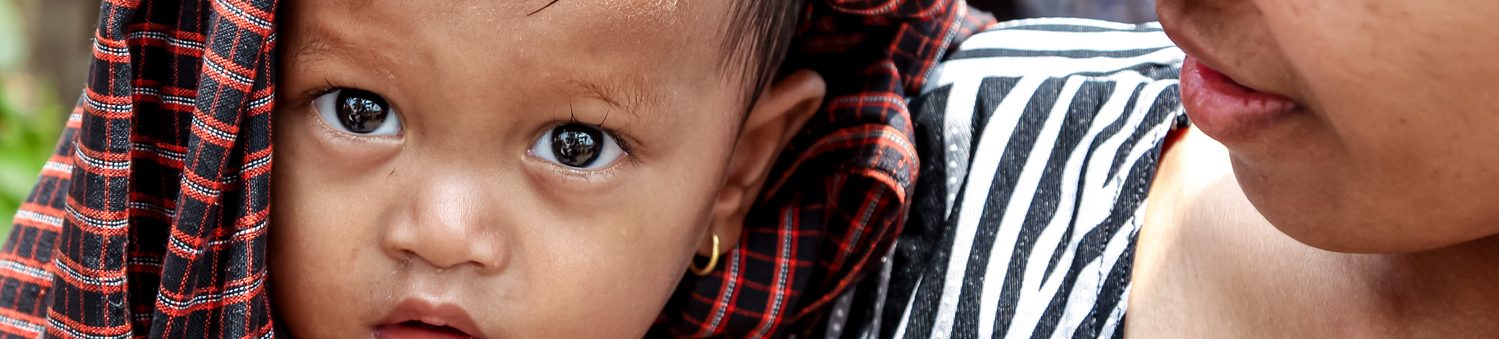

A beginner-friendly guide to balancing light, motion, and depth in photography
Photography is, at its core, the art of capturing light. Every image you make is shaped by three interdependent settings on your camera: aperture, shutter speed, and ISO. Together, they form what photographers call the exposure triangle. Mastering this triangle is less about memorizing numbers and more about learning how each side influences not just brightness, but also mood, motion, and depth.

🔺 The Three Sides of the Triangle
1. Aperture (the lens opening)
- What it does: Controls how much light passes through the lens.
- Measured in: f-stops (f/1.4, f/2.8, f/8, etc.).
- Creative effect:
- Wide aperture (low f-number, e.g., f/1.8) → shallow depth of field, creamy background blur (bokeh).
- Narrow aperture (high f-number, e.g., f/16) → deep focus, more of the scene sharp.
👉 Think of aperture as your tool for depth and separation.
2. Shutter Speed (the time the sensor is exposed)
- What it does: Determines how long the sensor (or film) is exposed to light.
- Measured in: Seconds or fractions (1/1000s, 1/60s, 2s).
- Creative effect:
- Fast shutter (1/1000s) → freezes motion (sports, street gestures).
- Slow shutter (1/15s, 2s) → blurs motion (waterfalls, light trails, ghostly figures).
👉 Shutter speed is your tool for motion and time.
3. ISO (the sensor’s sensitivity to light)
- What it does: Adjusts how sensitive your sensor is to incoming light.
- Measured in: ISO values (100, 400, 3200, etc.).
- Creative effect:
- Low ISO (100–200) → clean, noise-free images.
- High ISO (1600–6400+) → brighter in low light but with visible grain/noise.
👉 ISO is your tool for flexibility in difficult light.
⚖️ Balancing the Triangle
The magic of the exposure triangle is that changing one side forces you to adjust the others. For example:
- If you open your aperture wider (f/2.8), you may need a faster shutter speed or lower ISO to avoid overexposure.
- If you raise ISO for a night scene, you can use a faster shutter speed to avoid blur.
- If you want silky water with a long exposure, you’ll need a small aperture and low ISO to prevent blown highlights.
It’s a balancing act: exposure is the sum of choices, not a single setting.
🎨 Beyond Exposure: Creative Control
- Mood: Wide apertures create intimacy; long exposures create dreamlike atmospheres.
- Storytelling: Freezing a gesture vs. showing its blur changes the narrative.
- Texture: Noise at high ISO can feel gritty and raw—sometimes that’s exactly the point.
🧭 A Simple Exercise
- Find a single subject (a person, a bicycle, a tree).
- Photograph it three times:
- Wide open aperture (f/1.8 or f/2.8).
- Slow shutter (1/15s or slower, tripod if needed).
- High ISO (3200+).
- Compare the results. Notice how the subject feels different, even though it’s the same object.
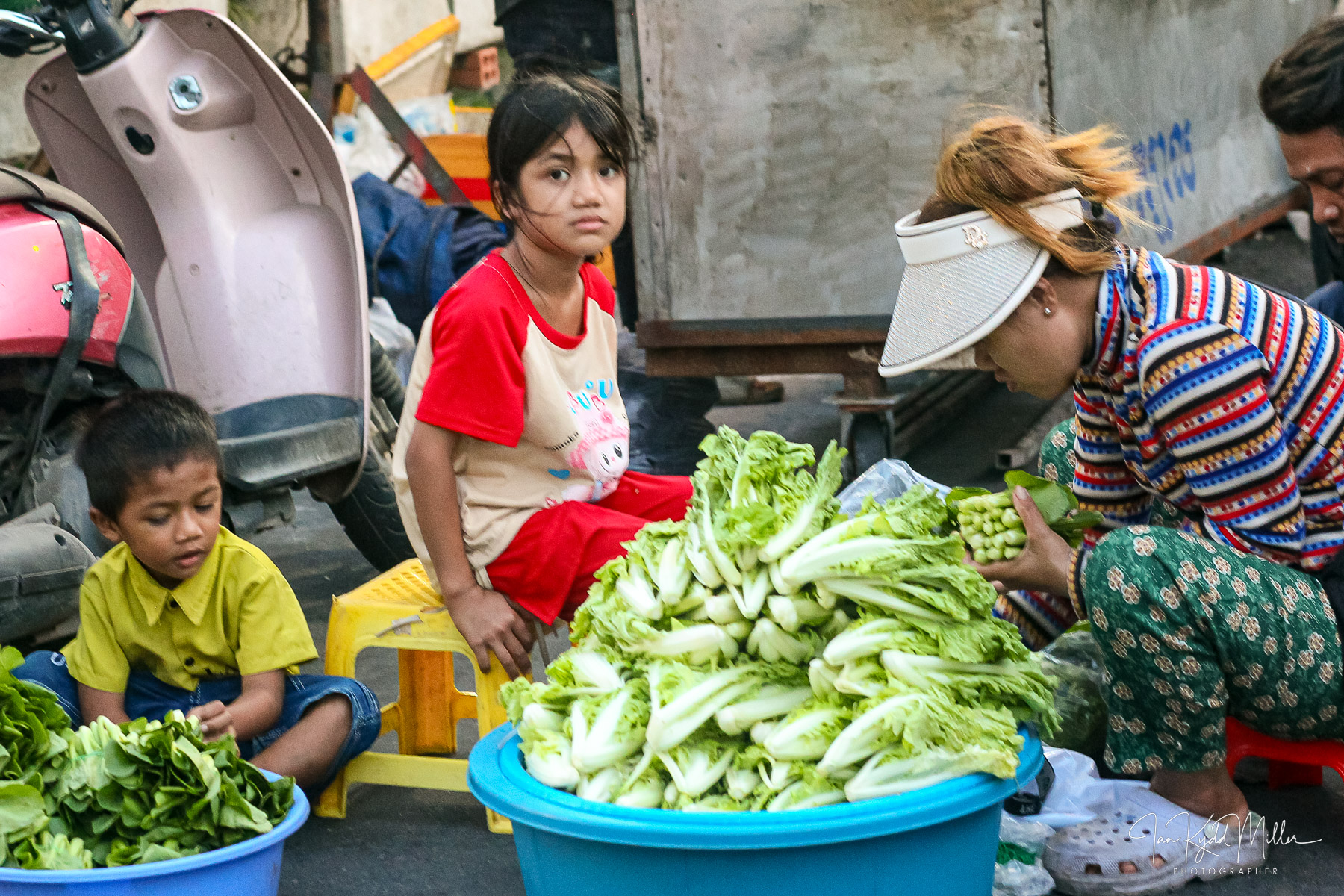
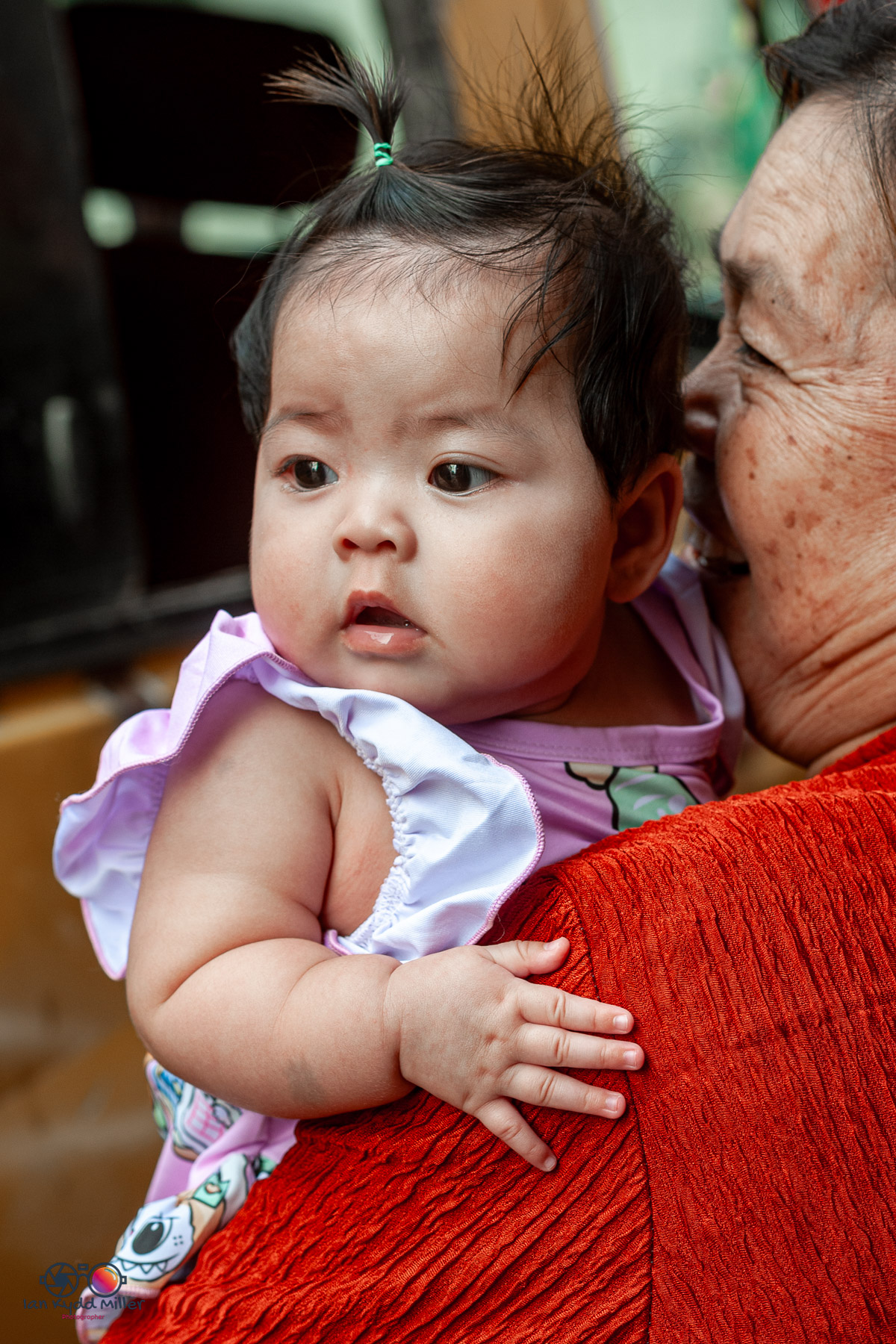
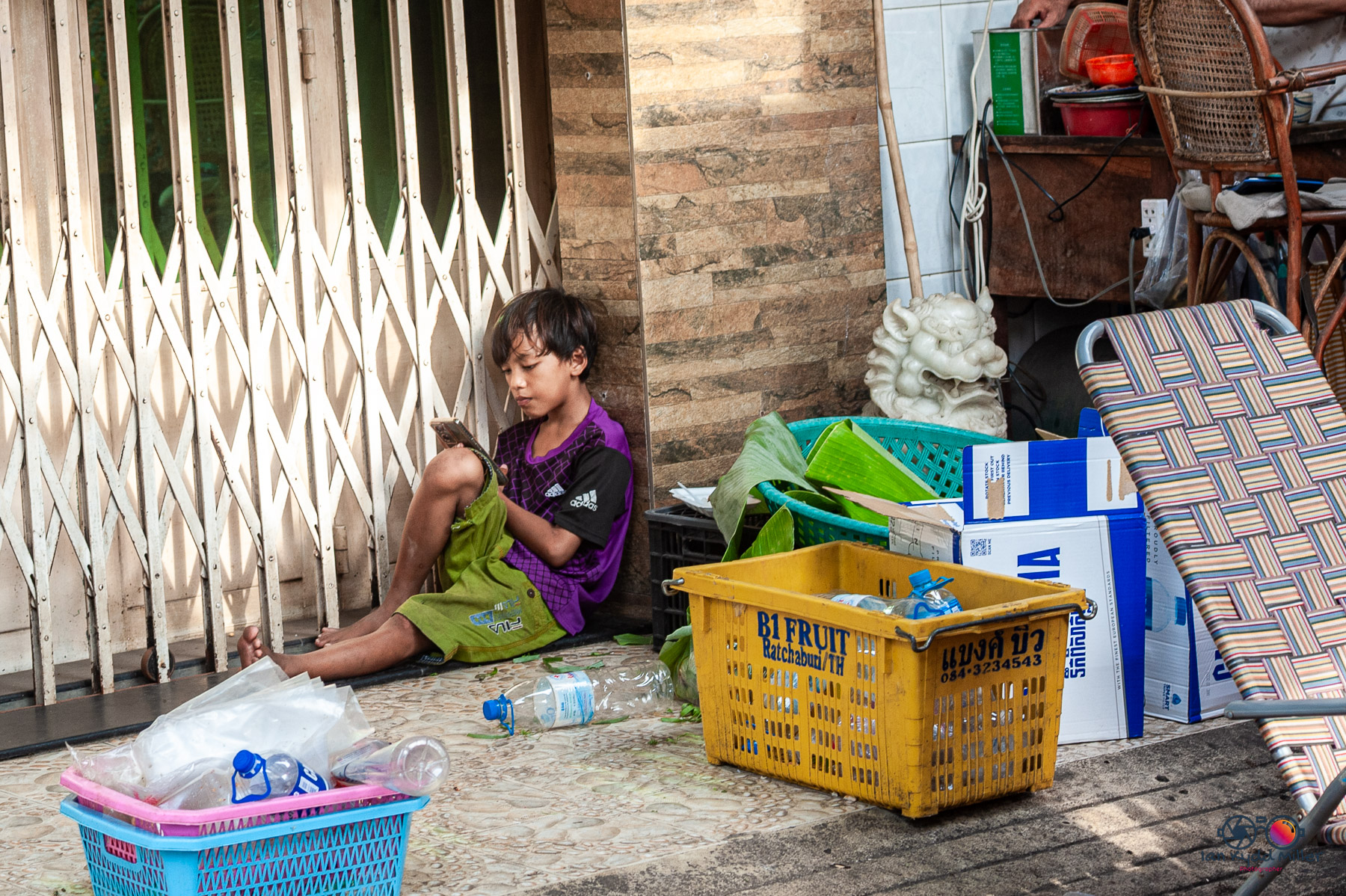

✨ Final Thought
The exposure triangle isn’t just about “getting it right.” It’s about choosing how you want your image to look and feel. Once you understand how aperture, shutter speed, and ISO interact, you stop worrying about “correct” exposure and start using light as your language.
 a world without pictures is like coffee without cream and sugar, bitter