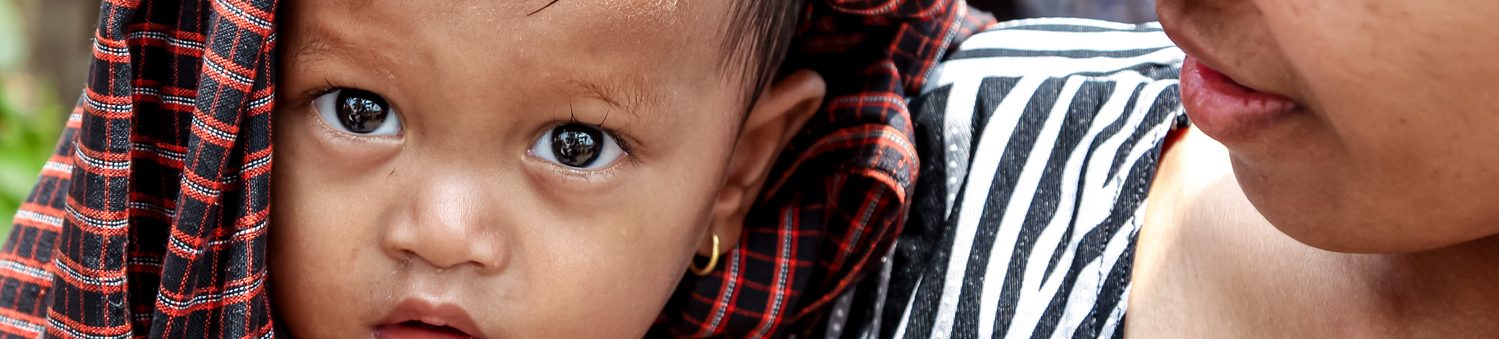

Why ethics matter more than ever in a visual-first world
In today’s media landscape, photojournalism is one of the most powerful tools for shaping public perception. A single image can evoke empathy, outrage, or action. But with that power comes responsibility—and risk. The goal is not just to capture what’s visible, but to honour what’s real.
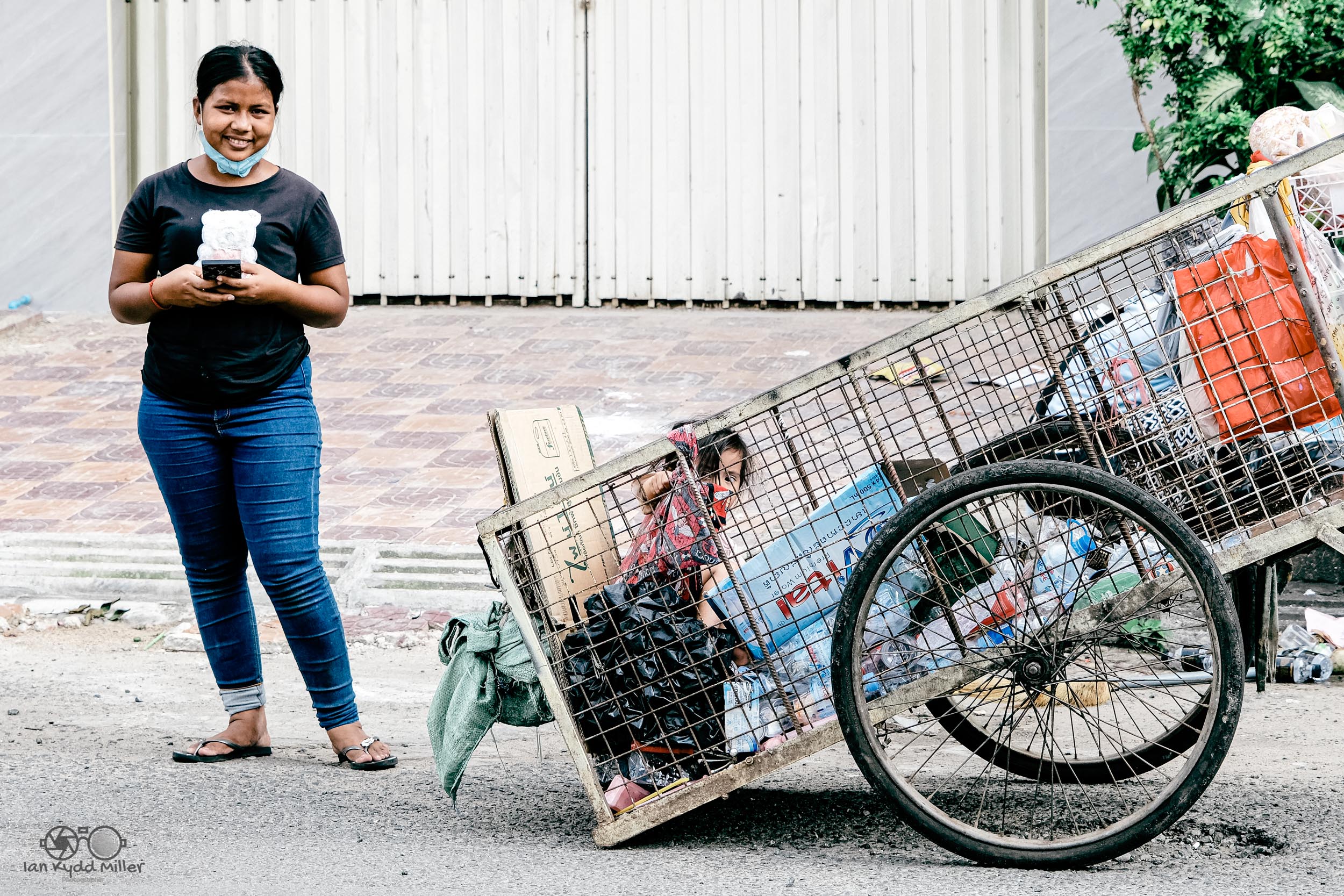
🧠 The Nature of Truth in Photography
- Photography is not neutral: Every image is filtered through the photographer’s lens—literally and metaphorically.
- Truth is contextual: A photo without background can mislead, even if it’s technically accurate.
- Editing shapes meaning: Cropping, colour grading, and sequencing all influence how viewers interpret a scene.
“Photojournalism fundamentally aims to document reality, yet it is not an objective mirror of the world”.
⚠️ Where Manipulation Begins
- Staging or reenactment: Asking subjects to pose or recreate events crosses into fiction.
- Selective framing: Omitting key elements to steer narrative perception is ethically suspect.
- Caption distortion: Misleading or emotionally charged captions can twist meaning even when the image is accurate.
- Digital alteration: Retouching, compositing, or removing elements undermines credibility.
These practices erode public trust and violate journalistic codes of ethics.

🧭 Minimalism with Integrity
Minimalist style avoids manipulation by focusing on presence, restraint, and ethical framing.
- Intentional composition: Framing that respects subjects’ dignity and avoids sensationalism.
- Contextual honesty: Captions and layouts that inform without editorialising.
- Emotional resonance without distortion: Provocative images that stir reflection, not exploitation.
This approach aligns with the ethical imperative to “represent the truth without distortion, even as technological innovation complicates the lines”.
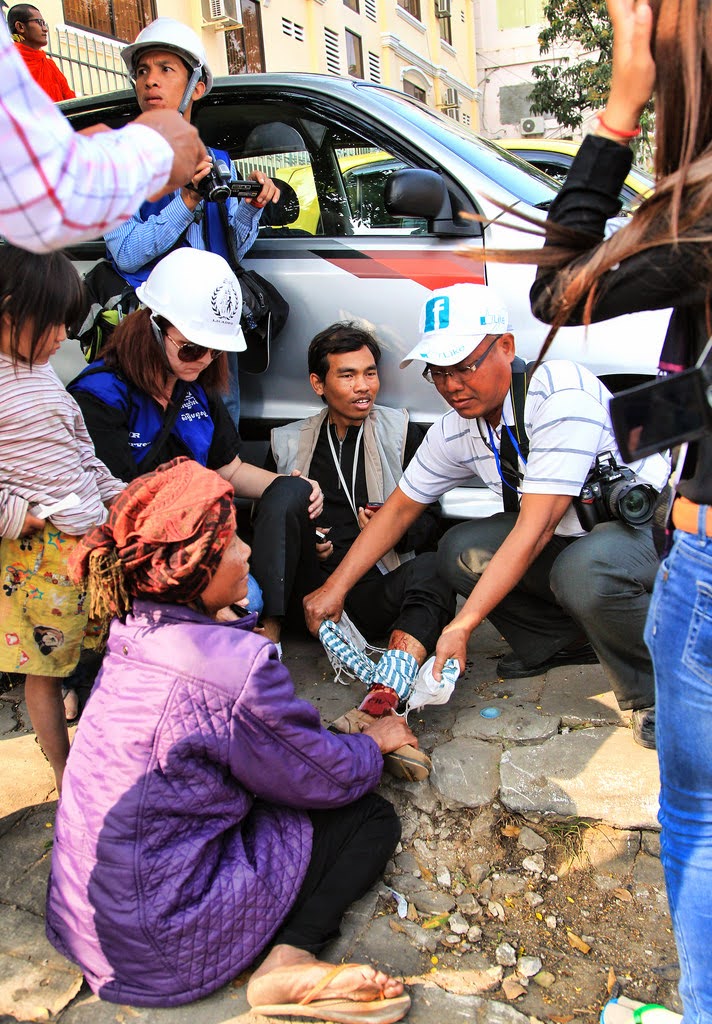


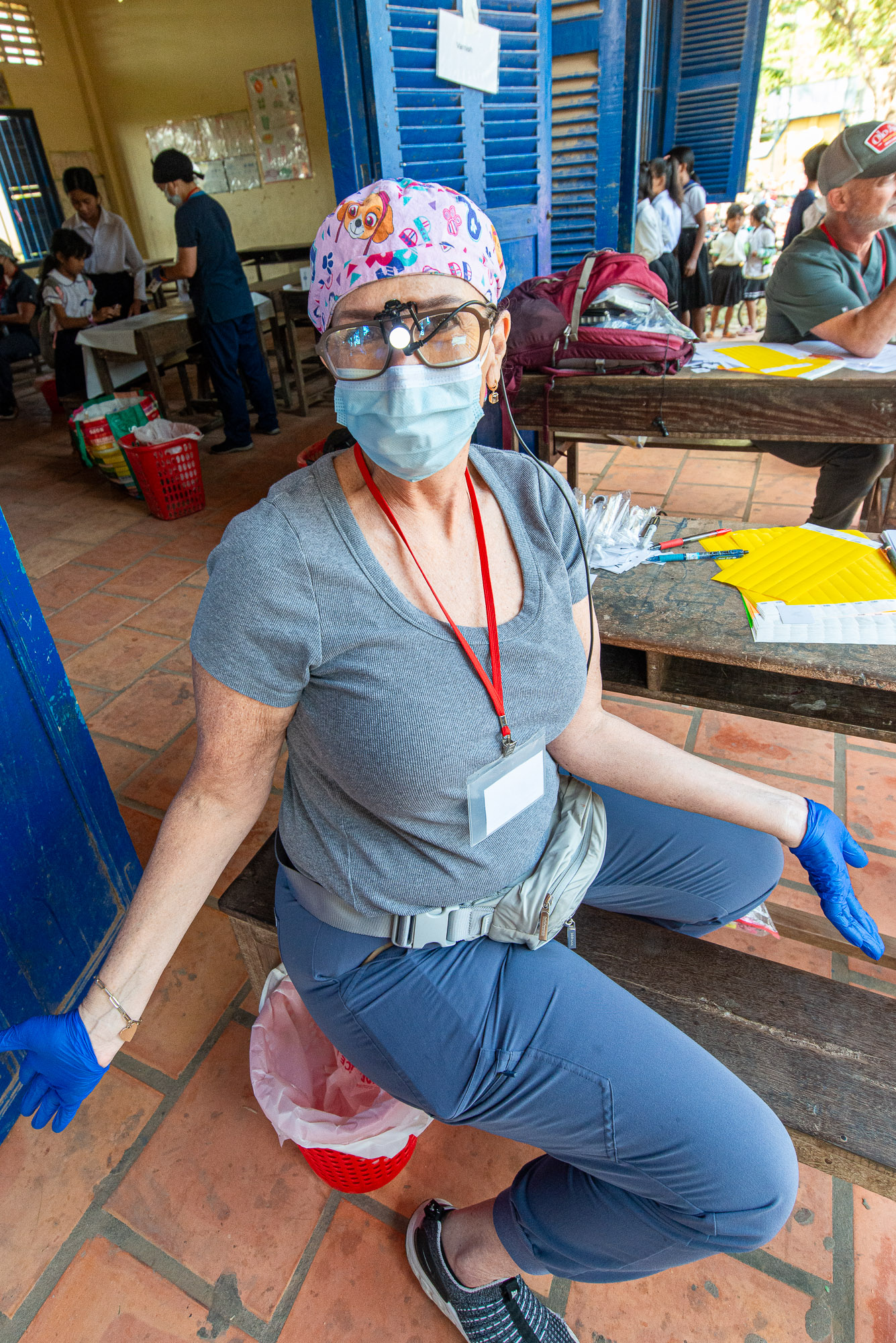


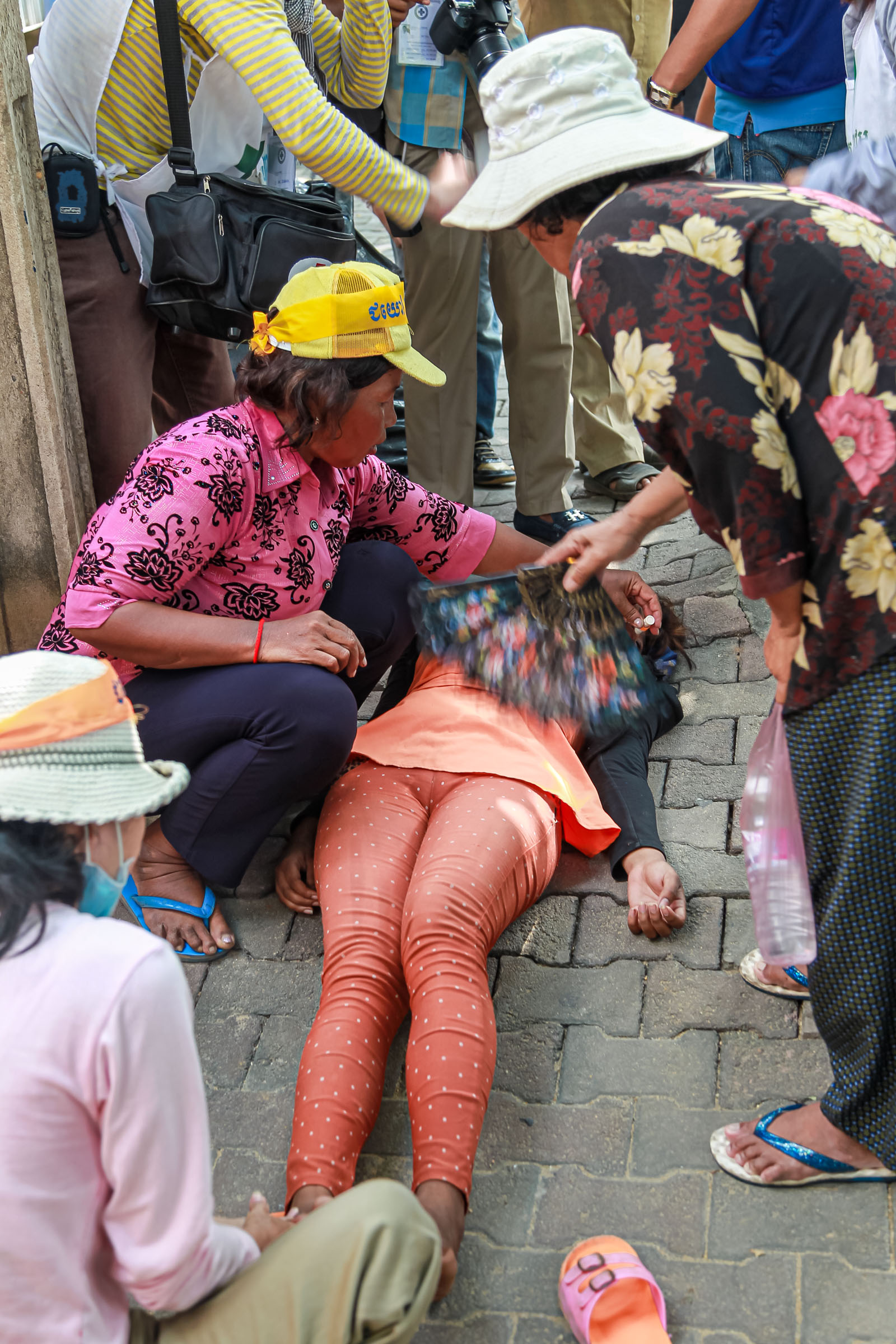


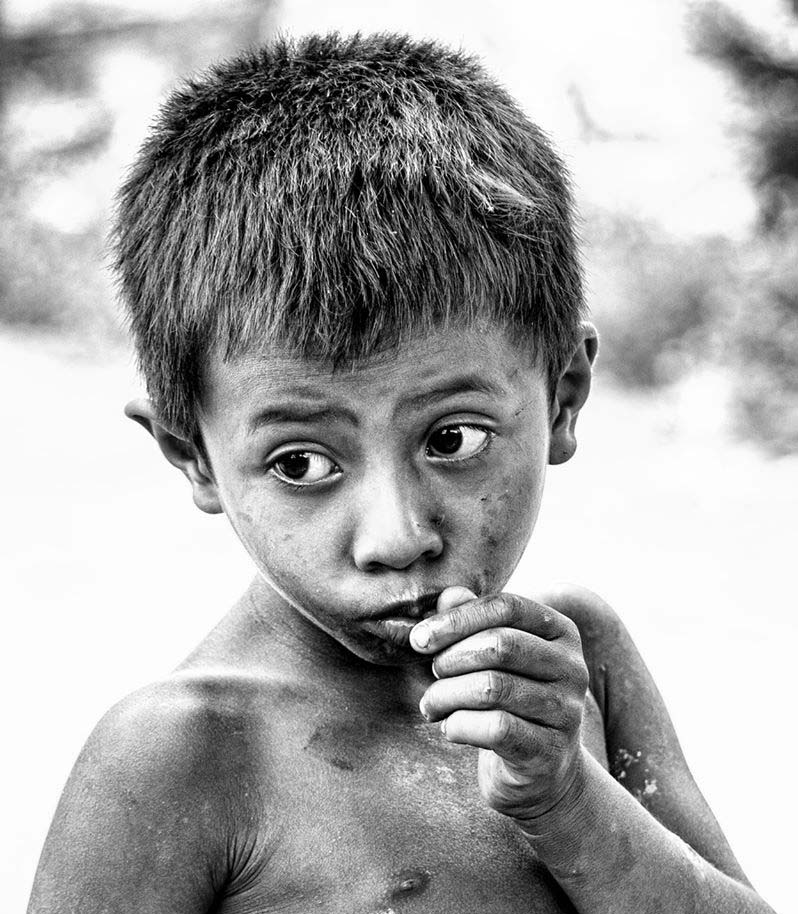
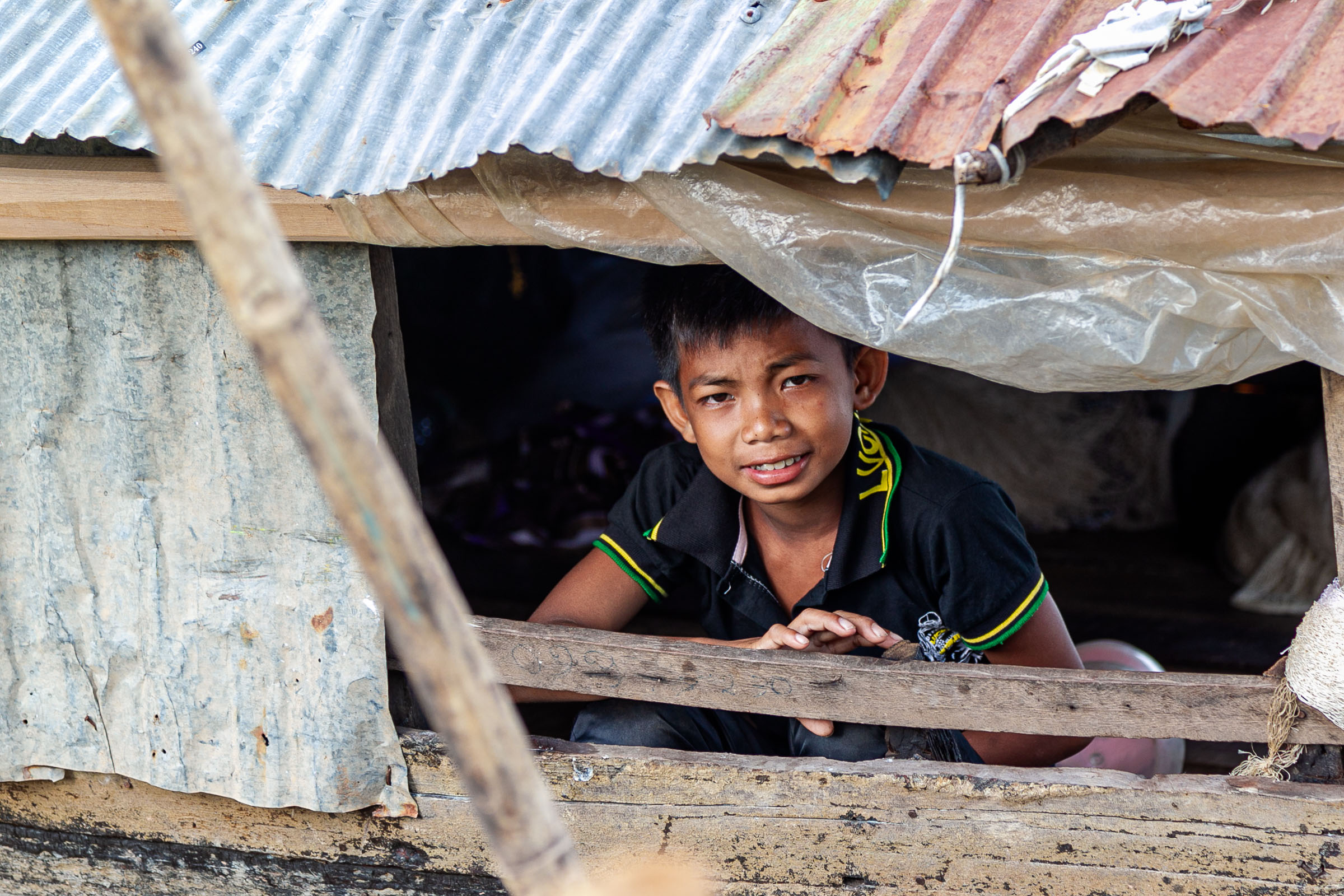


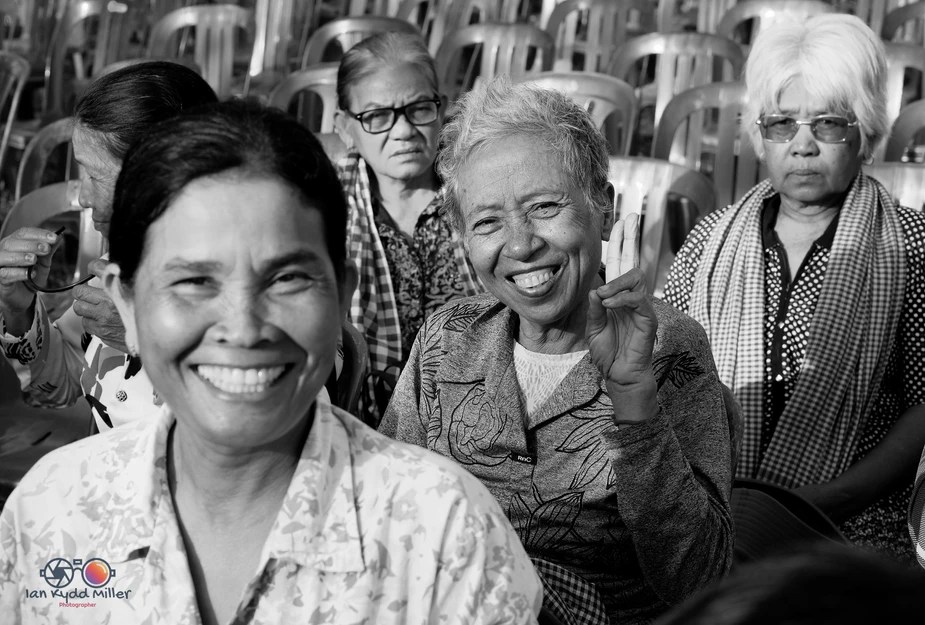



✅ How to Navigate the Line Ethically
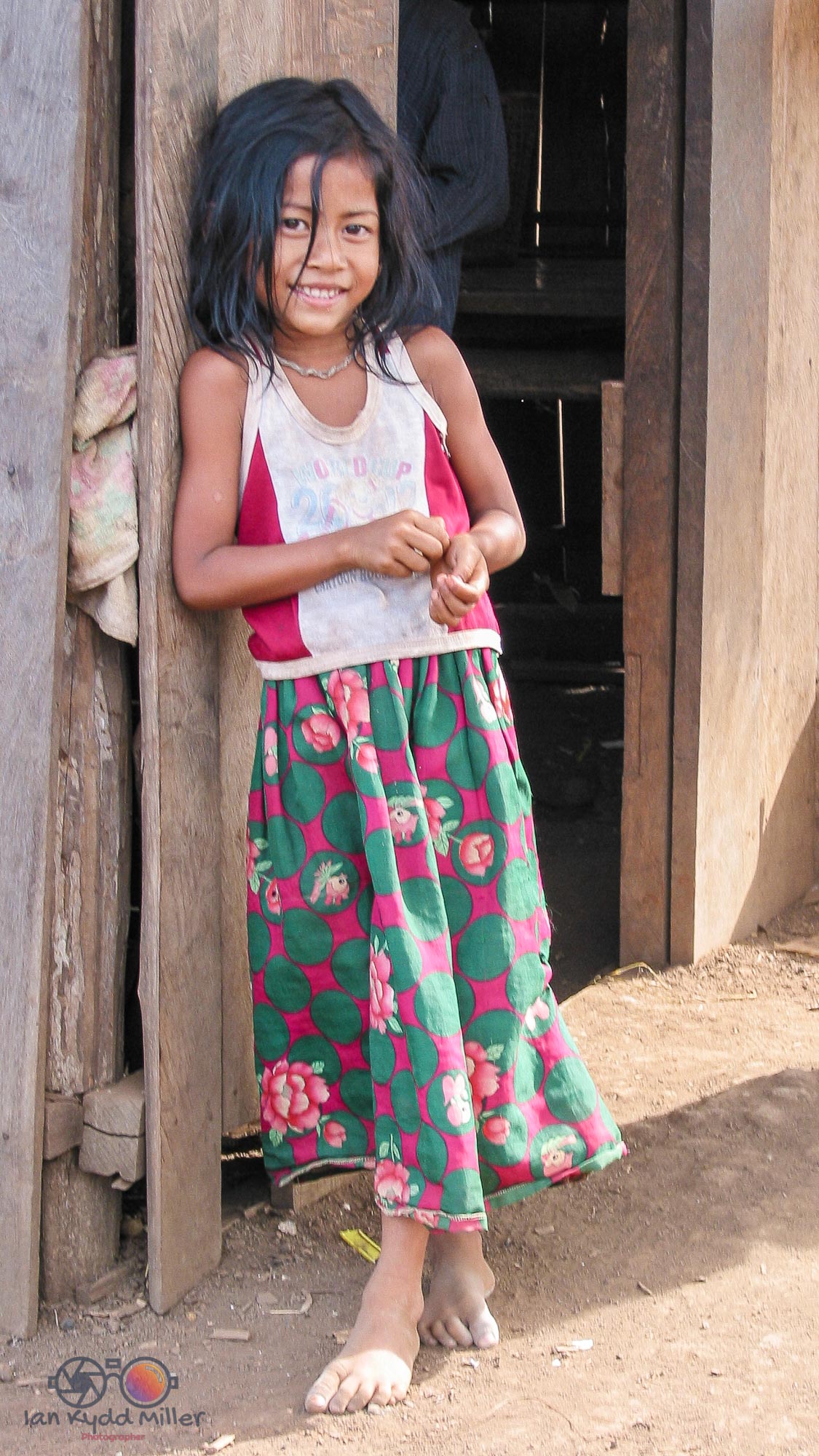
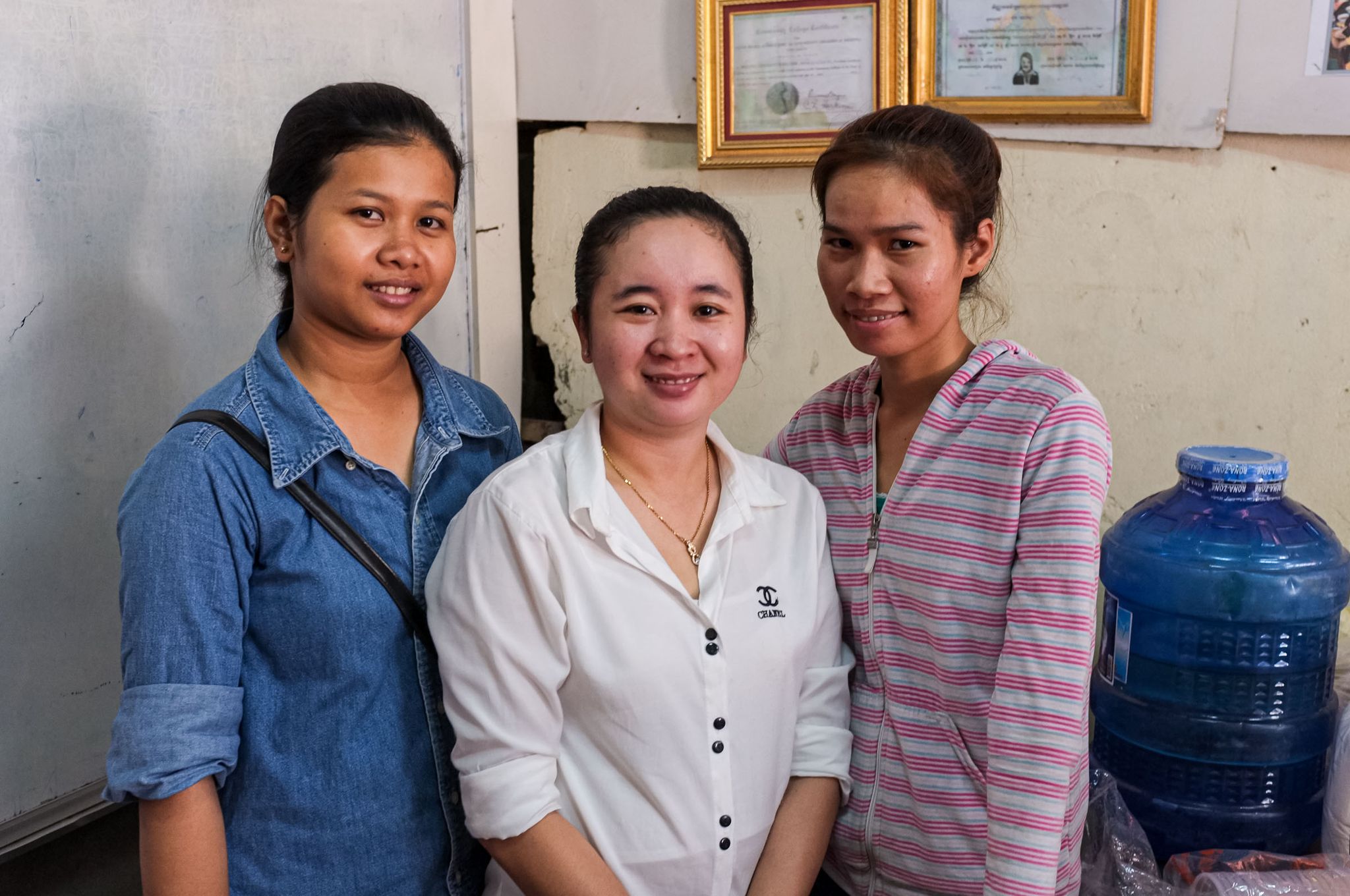
- Ask before you shoot: Consent builds trust and deepens narrative authenticity.
- Caption with clarity: Include who, what, when, where, and why—avoid emotional spin.
- Disclose edits: If you crop, tone, or adjust, say so. Transparency matters.
- Peer review sensitive work: Run controversial images past editors or colleagues before publishing.
- Reflect before release: Ask yourself: Does this image inform or manipulate?
📚 Final Thought
Photojournalism’s power lies in its ability to reveal. But revelation without responsibility becomes exploitation. Navigating truth and manipulation isn’t just about avoiding ethical missteps—it’s about building a practice rooted in trust, clarity, and care.
 a world without pictures is like coffee without cream and sugar, bitter