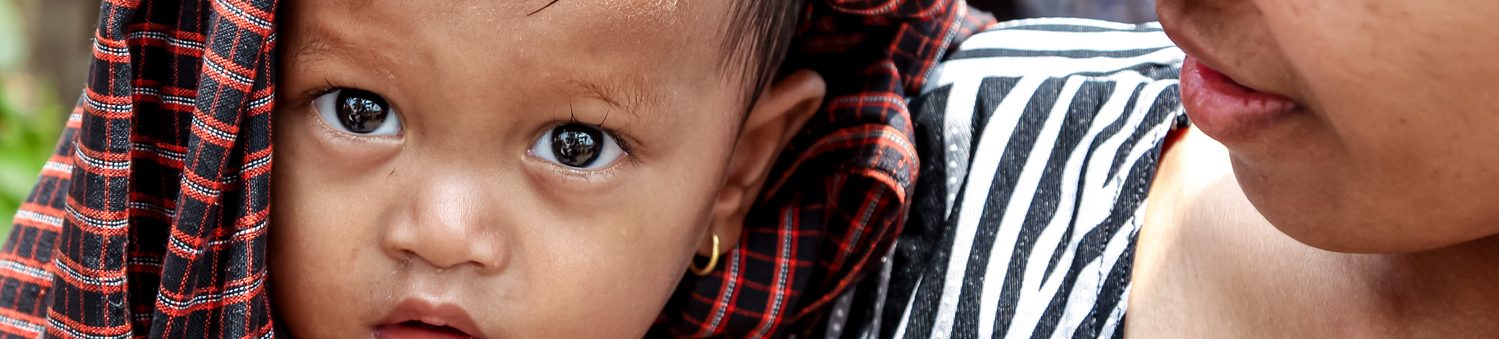

The AF-S Nikkor 50mm f/1.4G performs reliably on both the Nikon D3 and D800, offering creamy bokeh, solid sharpness, and quiet autofocus—though it’s not the fastest or most clinical 50mm in Nikon’s lineup. It shines in low light and portrait work, especially on full-frame bodies.
🧪 Optical Impressions
- Wide-open performance (f/1.4): Delivers soft, dreamy bokeh with moderate sharpness in the center. On the D3, this creates a classic filmic look; on the D800, the high-resolution sensor reveals some softness and longitudinal chromatic aberration.
- Stopped down (f/2.8–f/5.6): Sharpness improves significantly, especially across the frame. Ideal for street, editorial, and environmental portraiture.
- Color and contrast: Neutral rendering with good microcontrast. Works well for natural light shooters and those who prefer minimal post-processing.
- Bokeh: Smooth but can show slight nervousness in busy backgrounds. Better than the older AF-D version, but not as creamy as Nikon’s 58mm f/1.4G.

⚙️ Autofocus and Handling
- AF speed: Quiet and accurate, but not lightning-fast. On the D3, it’s snappy enough for casual action; on the D800, it benefits from contrast-based fine-tuning.
- Build quality: Solid plastic barrel with weather sealing at the mount. Lightweight and well-balanced on both bodies.
- Manual focus: Smooth ring, but focus-by-wire feel lacks tactile feedback compared to older mechanical lenses.
🧠 D3 vs. D800 Pairing
- Nikon D3: The lens complements the D3’s low-light prowess. Together, they excel in available light reportage, backstage photography, and moody portraiture.
- Nikon D800: The D800’s 36MP sensor demands more from the lens. While the 50mm f/1.4G holds up well stopped down, wide-open shots may show softness and fringing that require post-processing.

✅ Use Cases
- Low-light street photography
- Environmental portraits
- Travel and documentary work
- Editorial and lifestyle shoots
🧾 Verdict
The AF-S 50mm f/1.4G is a versatile, reliable prime that pairs well with both the D3 and D800, especially for photographers who value character over clinical perfection. It’s not the sharpest wide-open, but its rendering is expressive and forgiving—ideal for storytelling, not pixel-peeping.

For sharper edge-to-edge performance, consider the Sigma 50mm f/1.4 Art or Nikon’s 50mm f/1.8G. But for a classic Nikon look with modern AF and solid build, the 50mm f/1.4G remains a worthy companion.
 a world without pictures is like coffee without cream and sugar, bitter