The Nikon D3S still a viable option in 2024

cameras, conflict, Lenses, opinons, thoughts, photography, pictures, street, Travel

The Nikon D3S stands as a testament to the enduring quality of Nikon’s craftsmanship. Even after nearly two decades since its release, this camera continues to be celebrated for its robustness and reliability.

With its 12.1-megapixel sensor, the D3S may not boast the highest resolution by today’s standards, but it compensates with exceptional low-light capabilities and a rugged build that can withstand the elements.

It’s a camera that proves the photographer’s skill is paramount, with many professionals still achieving remarkable results with the D3S. Whether it’s for sports, wildlife, or any photography that demands speed and durability, the Nikon D3S remains a solid choice for those who value a tried-and-true performer in the field.

Indeed, the D3S is a classic that refuses to bow out to the latest trends, maintaining its place in the camera bags of dedicated photographers around the world.

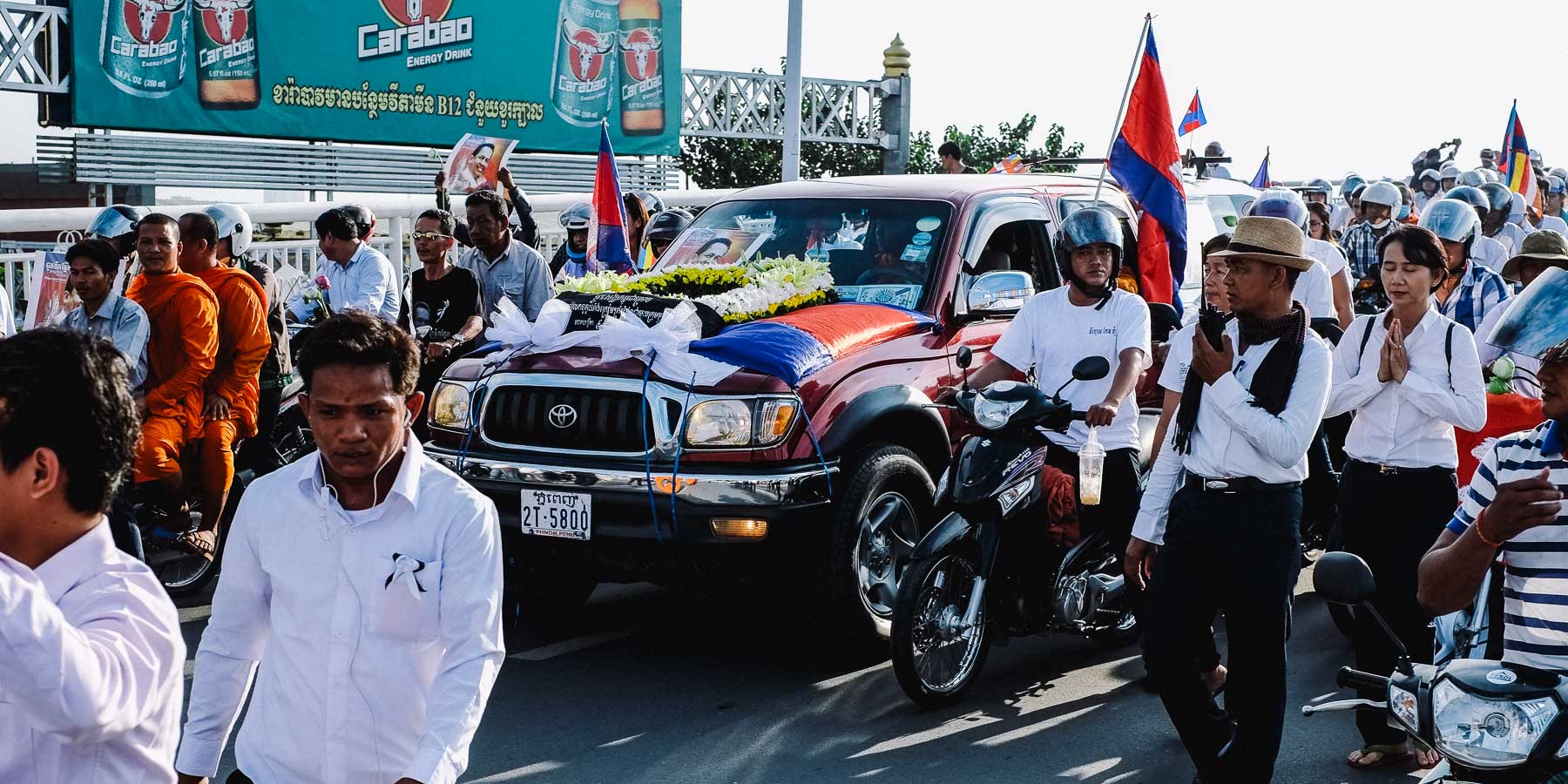
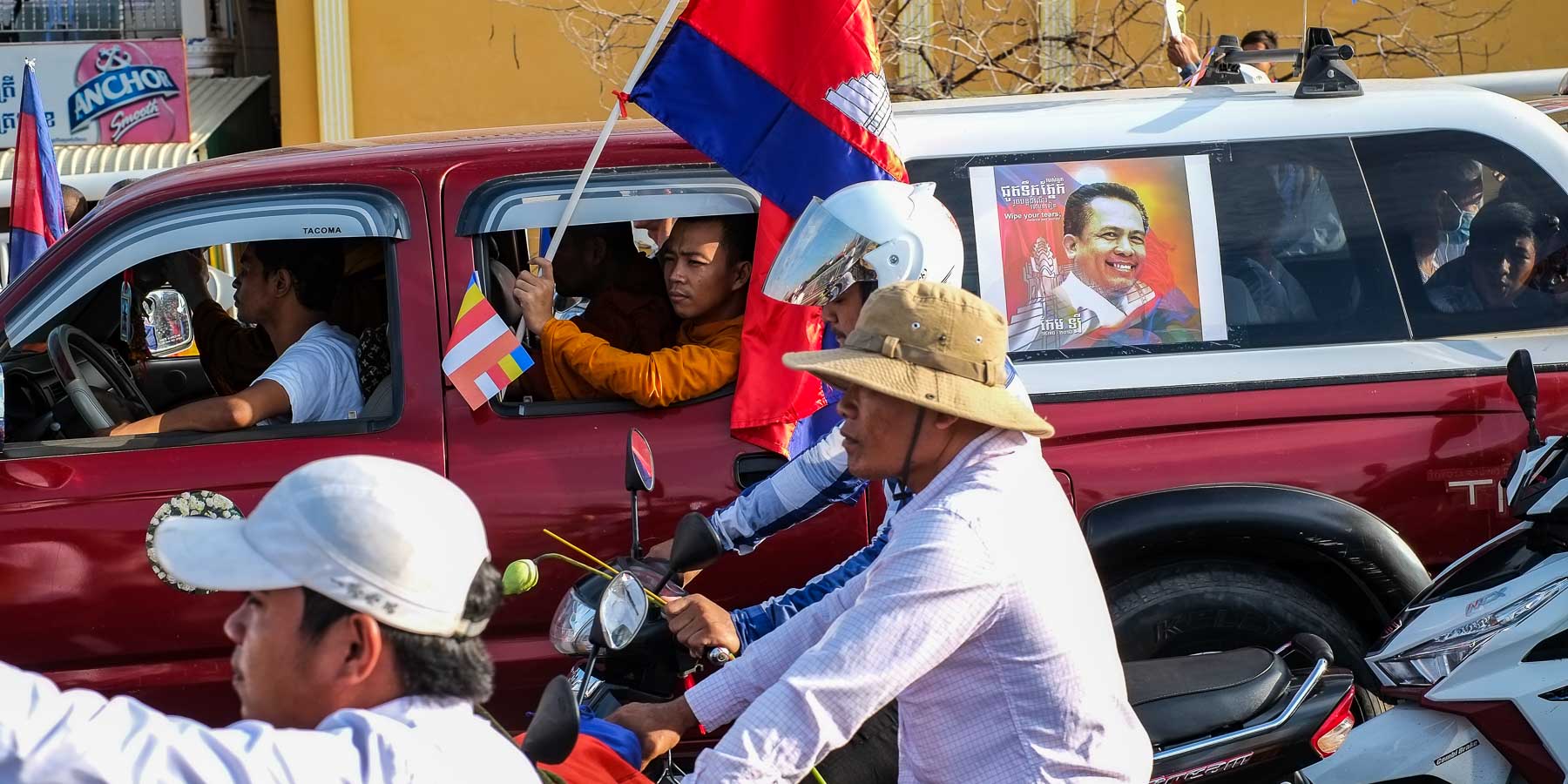
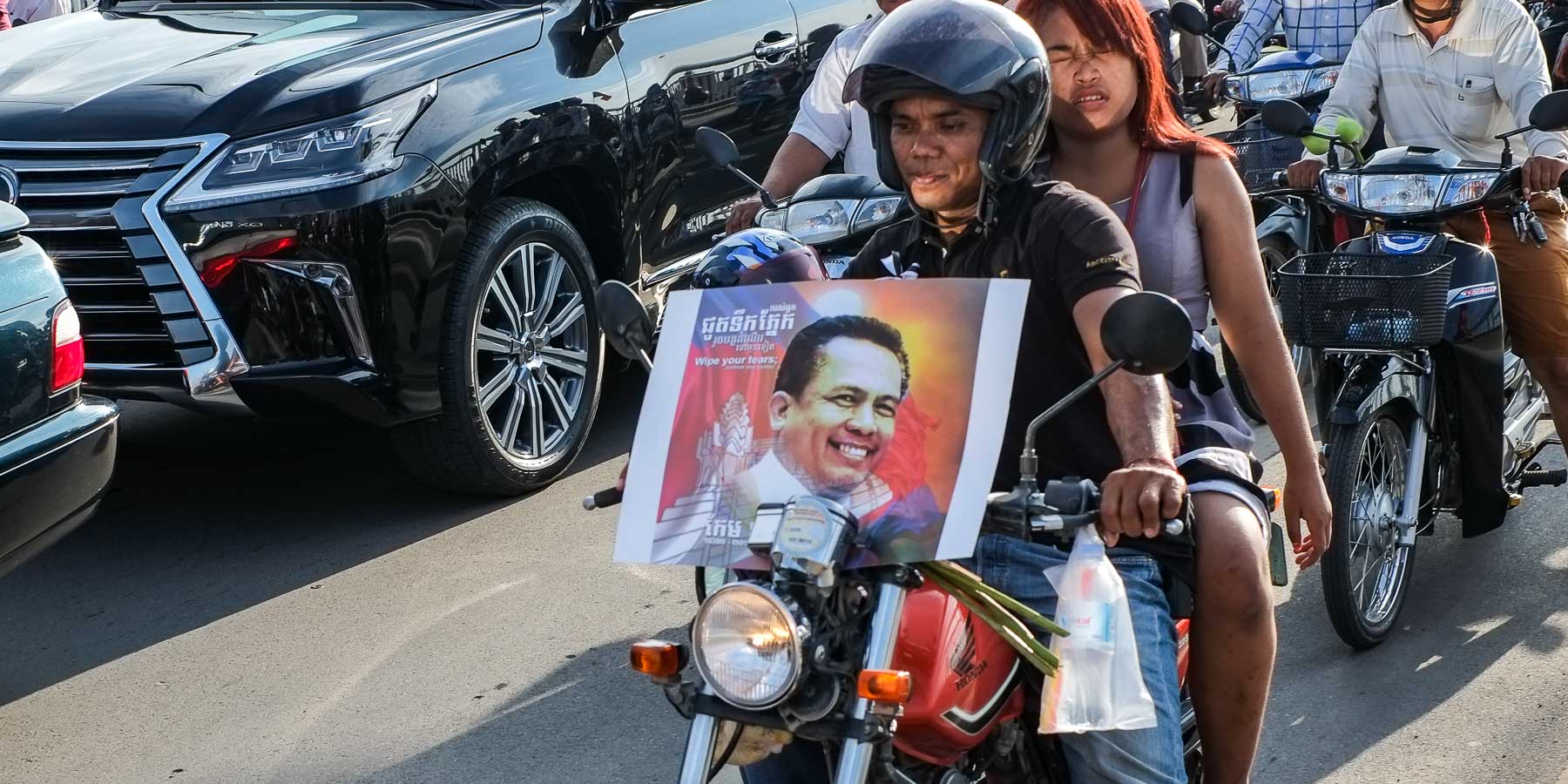
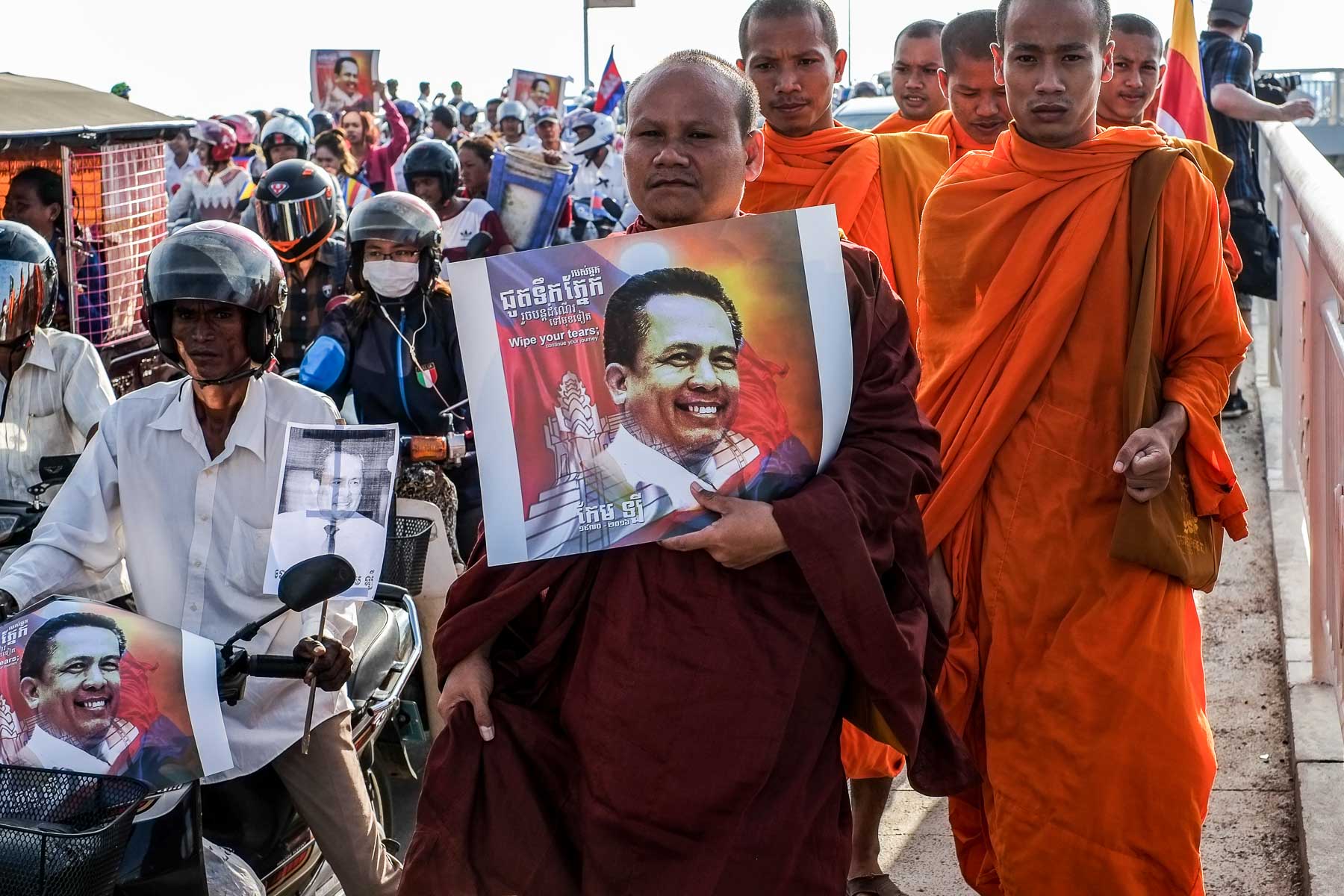
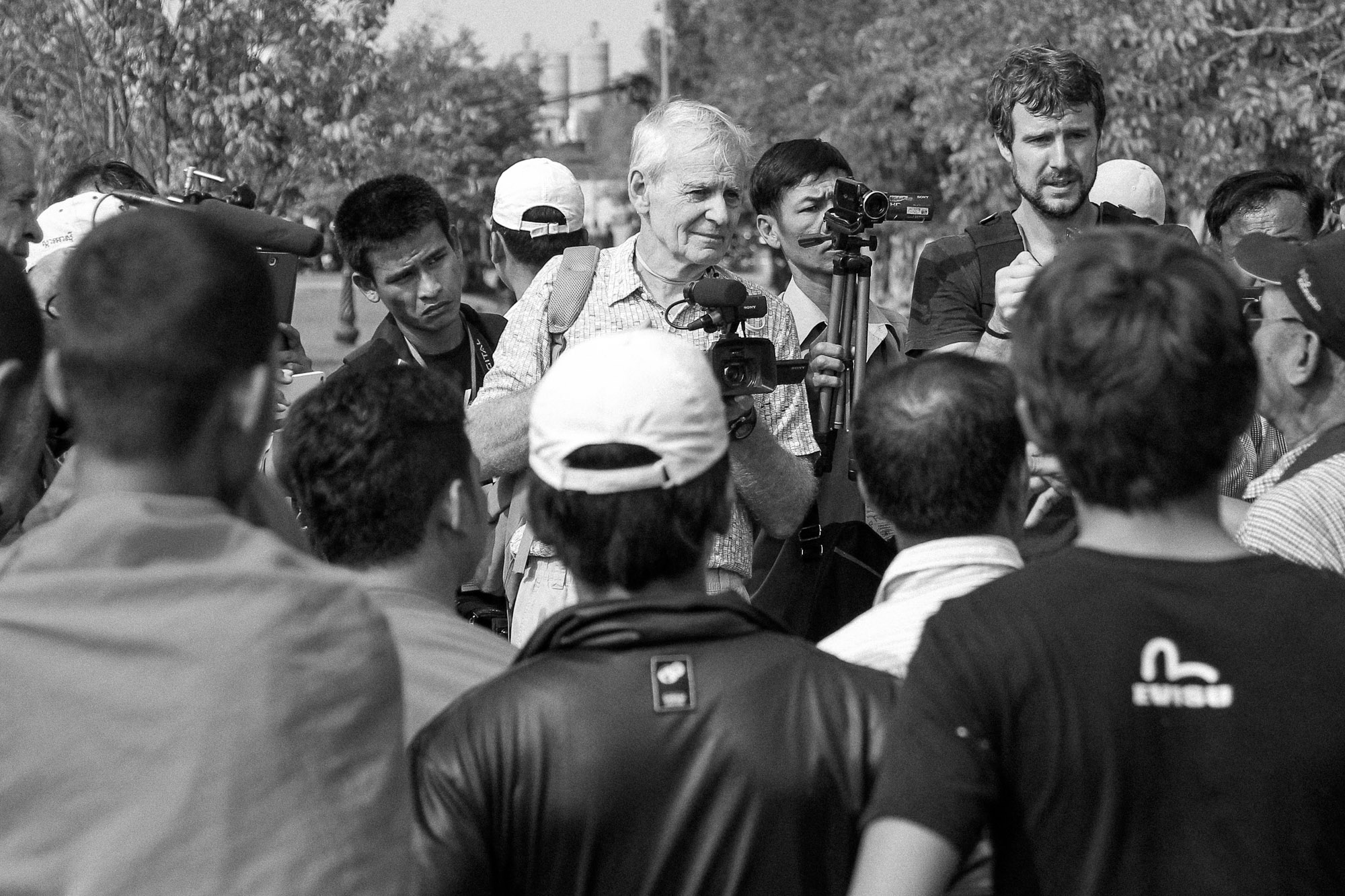
Covering Local Political Events in Cambodia

cambodia, conflict, opinons, thoughts, photography, pictures, street, Travel, voluntary

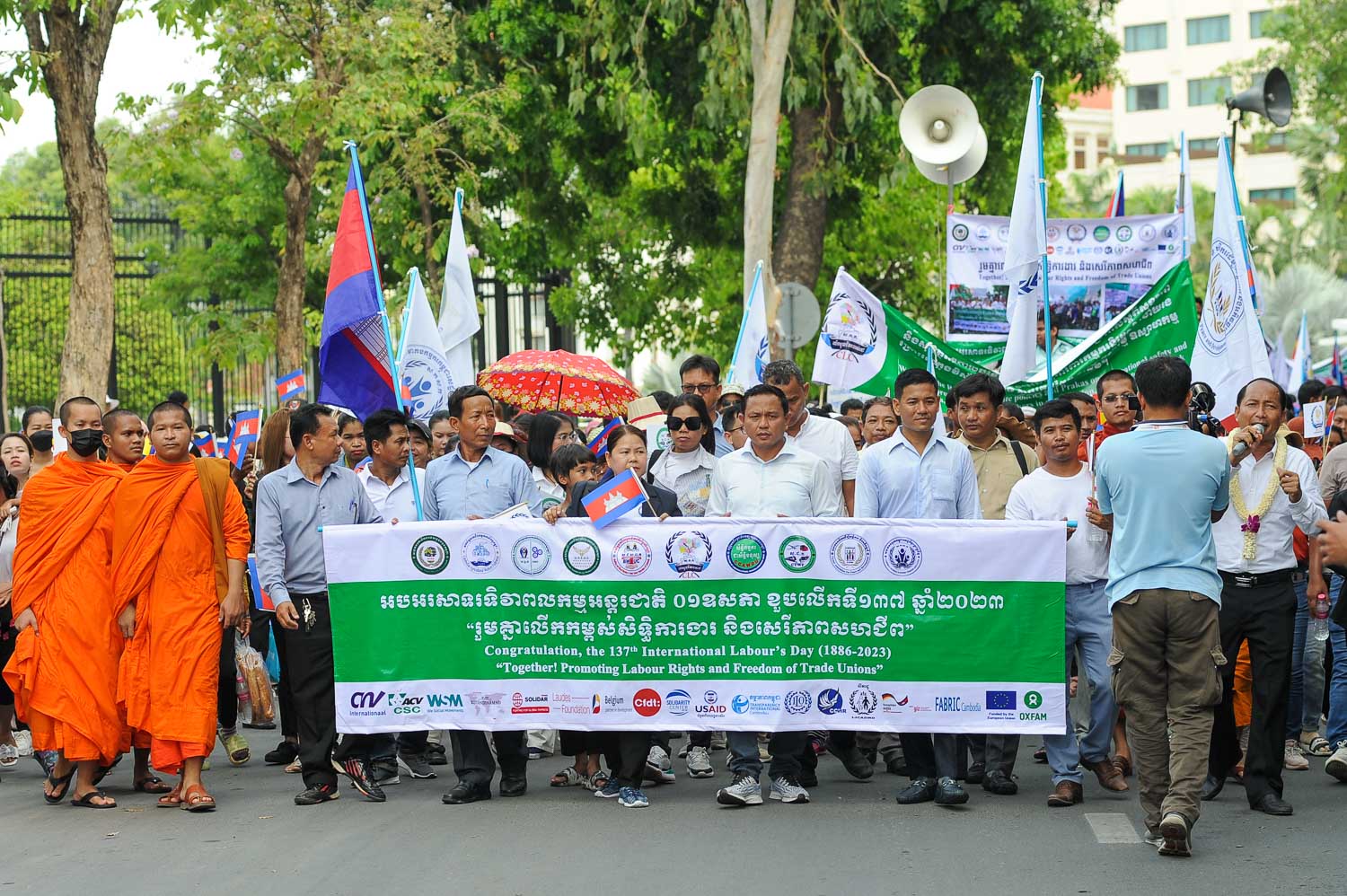
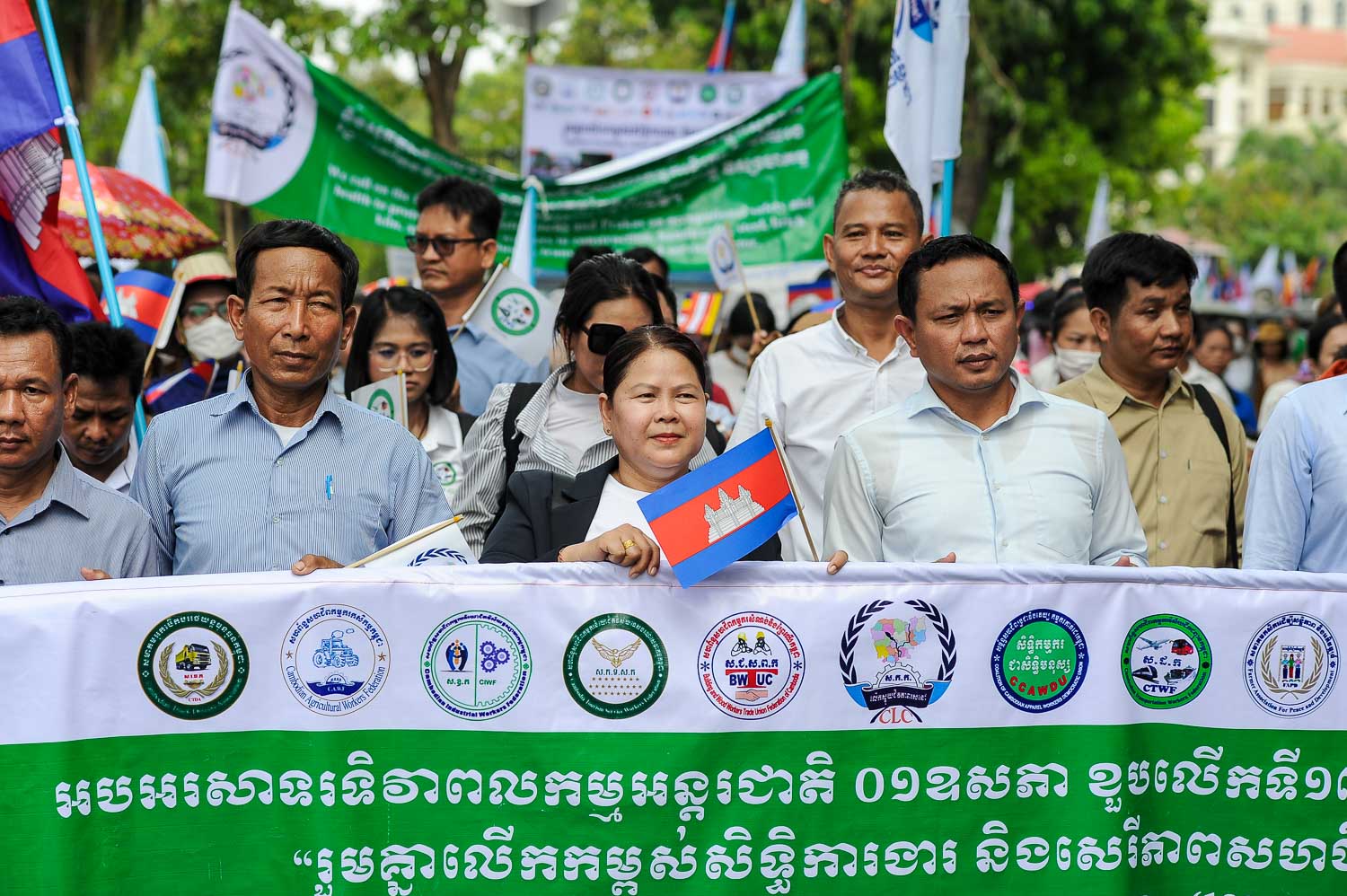
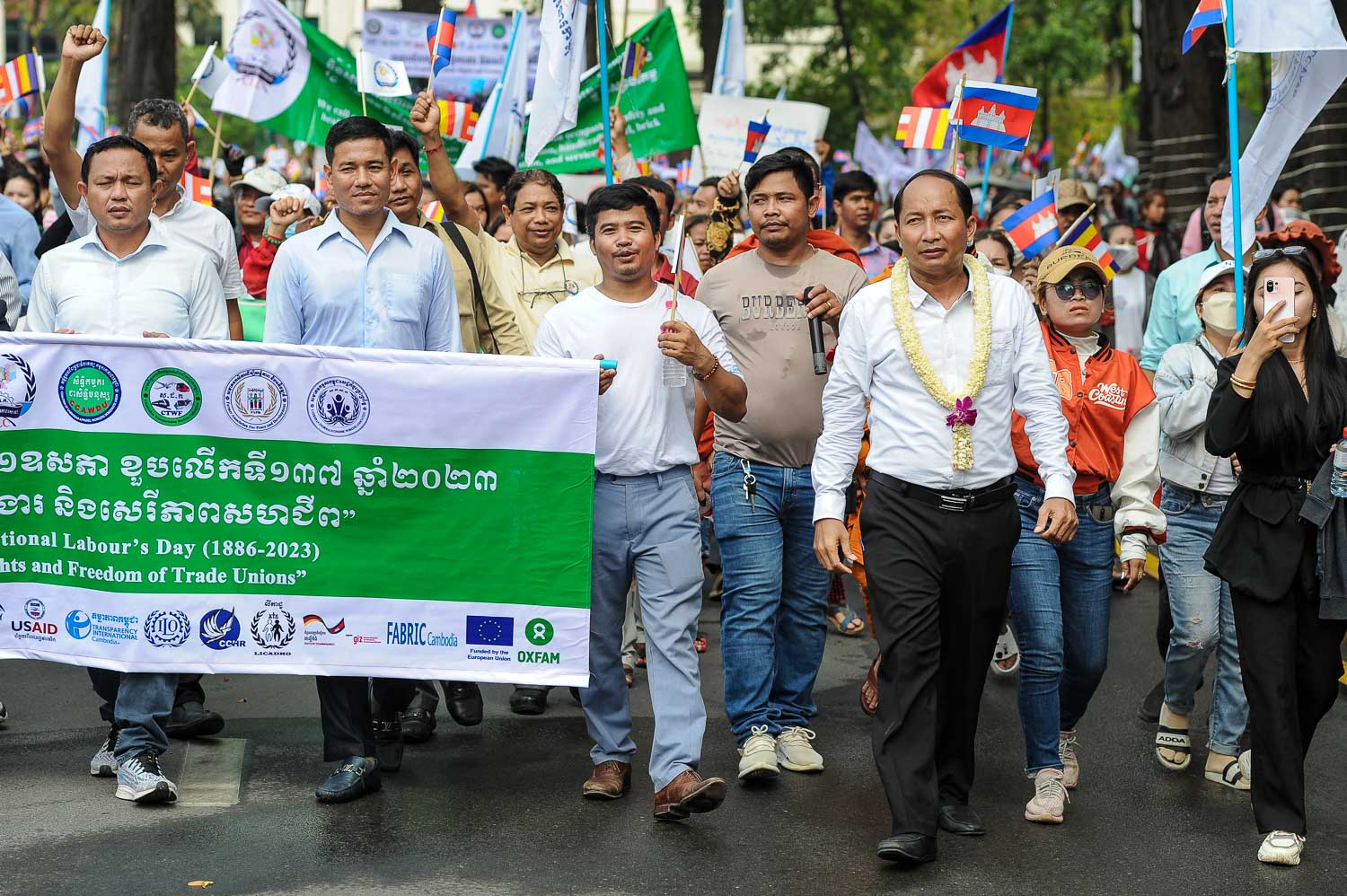
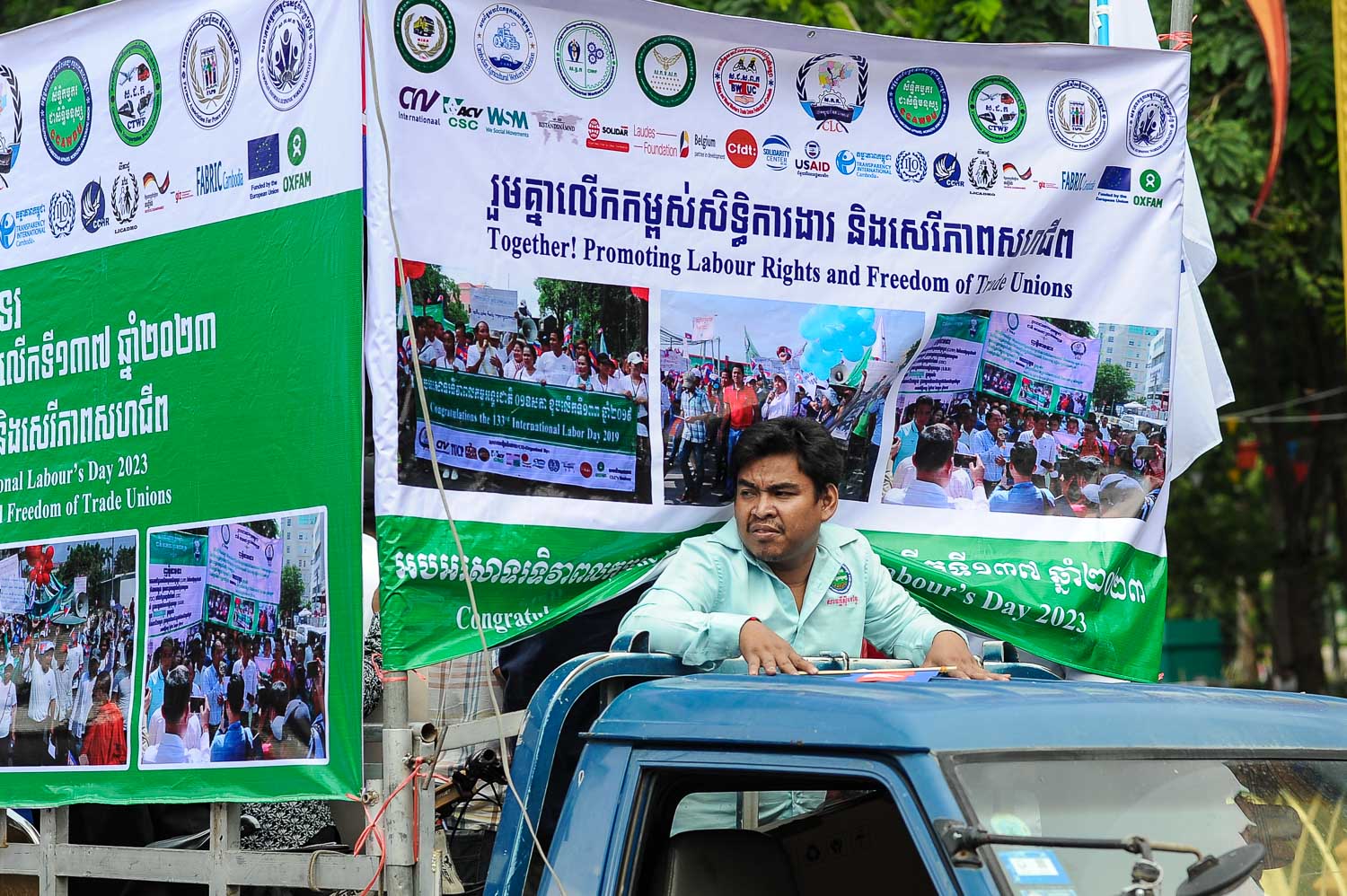
Cambodian Labour Day 2023

cambodia, conflict, opinons, thoughts, photography, pictures, street

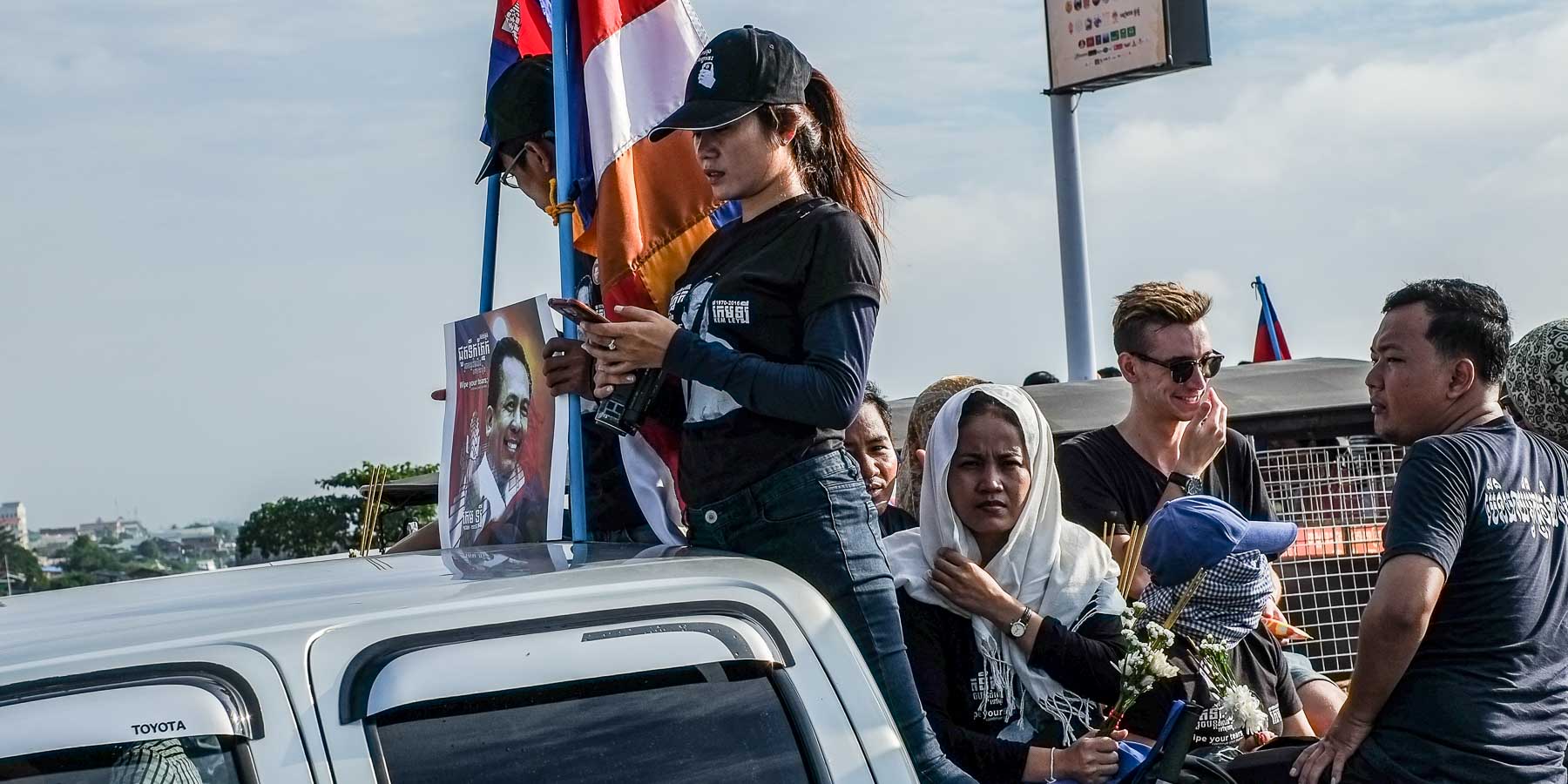
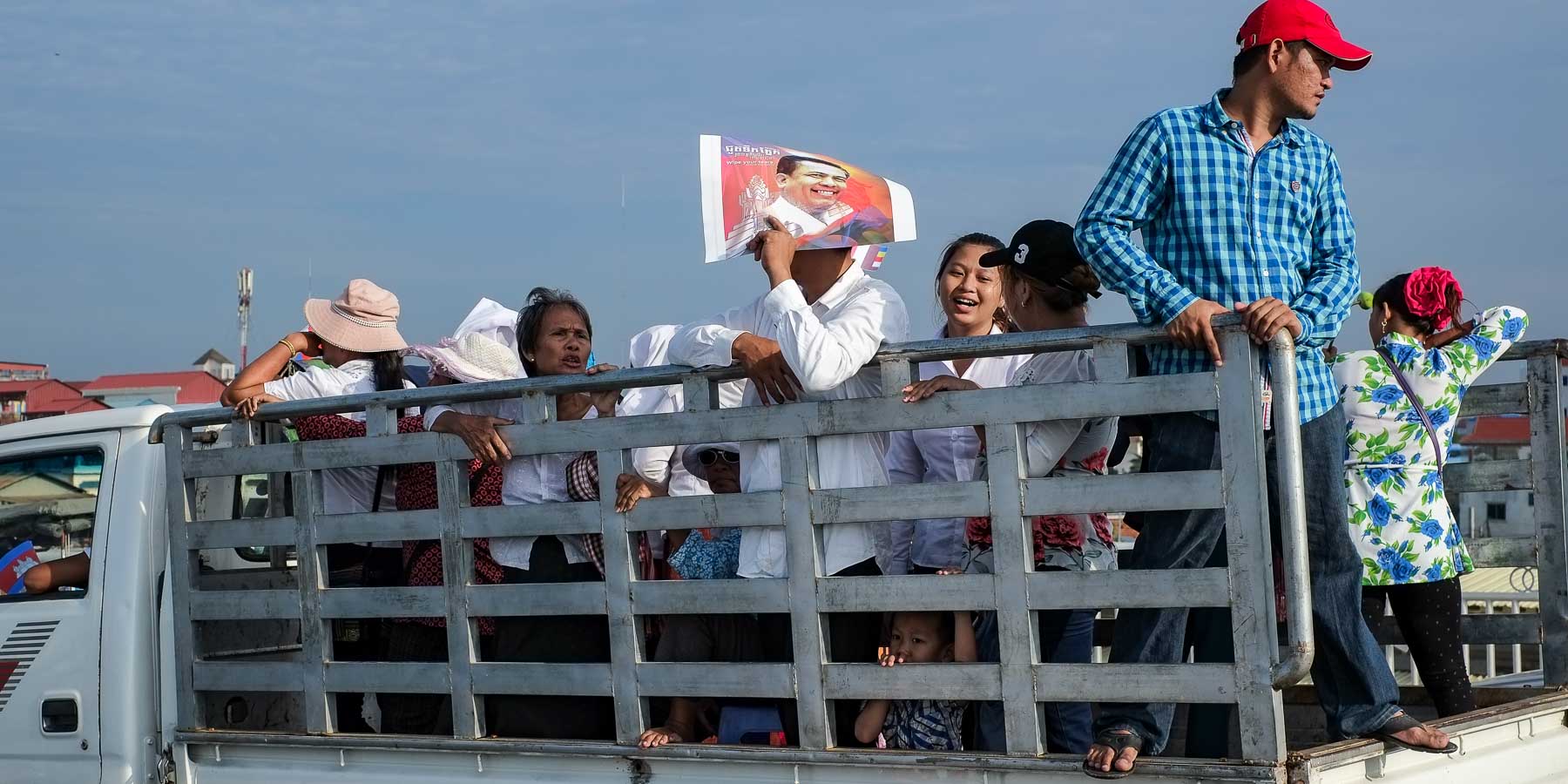
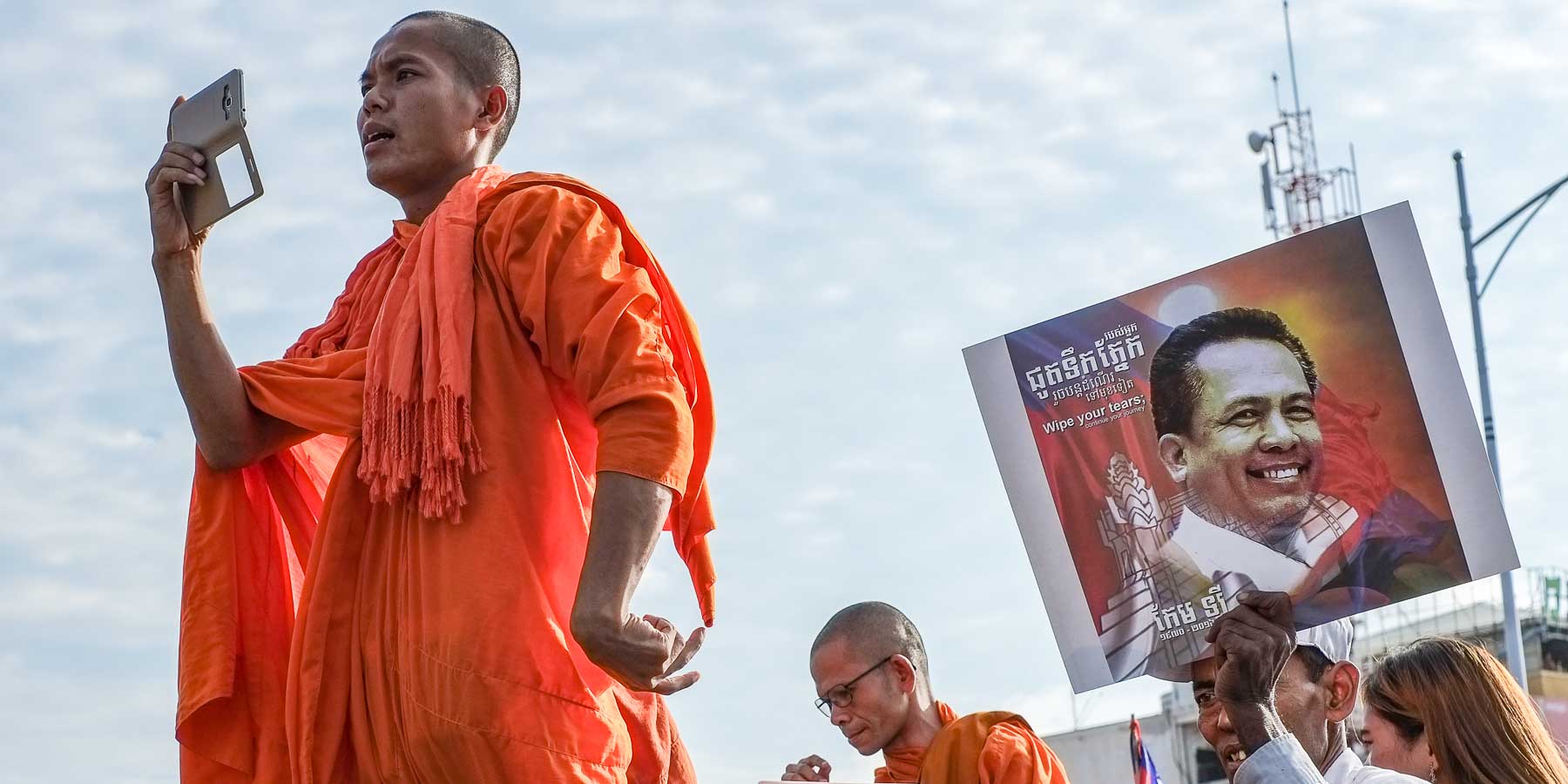
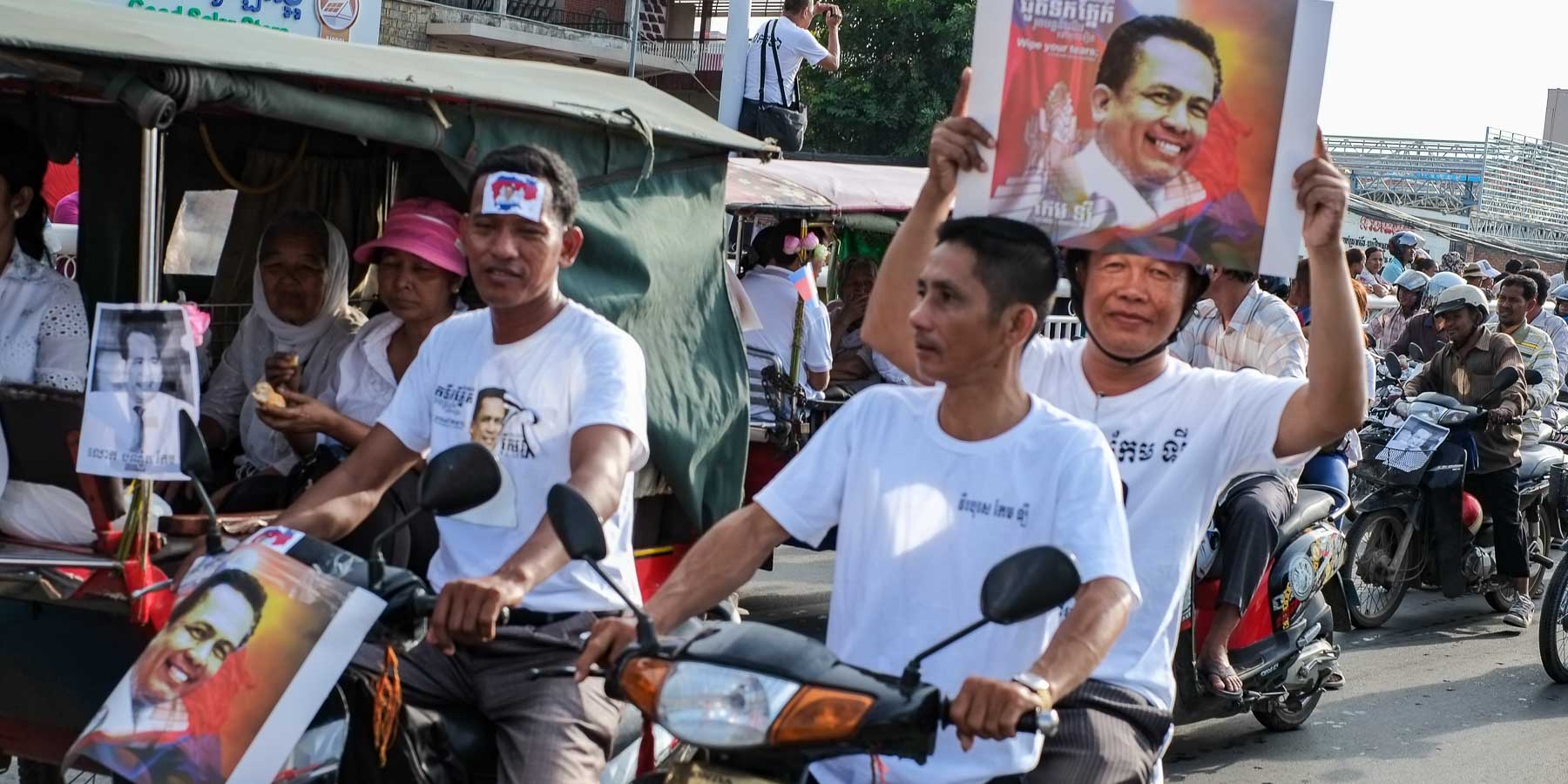
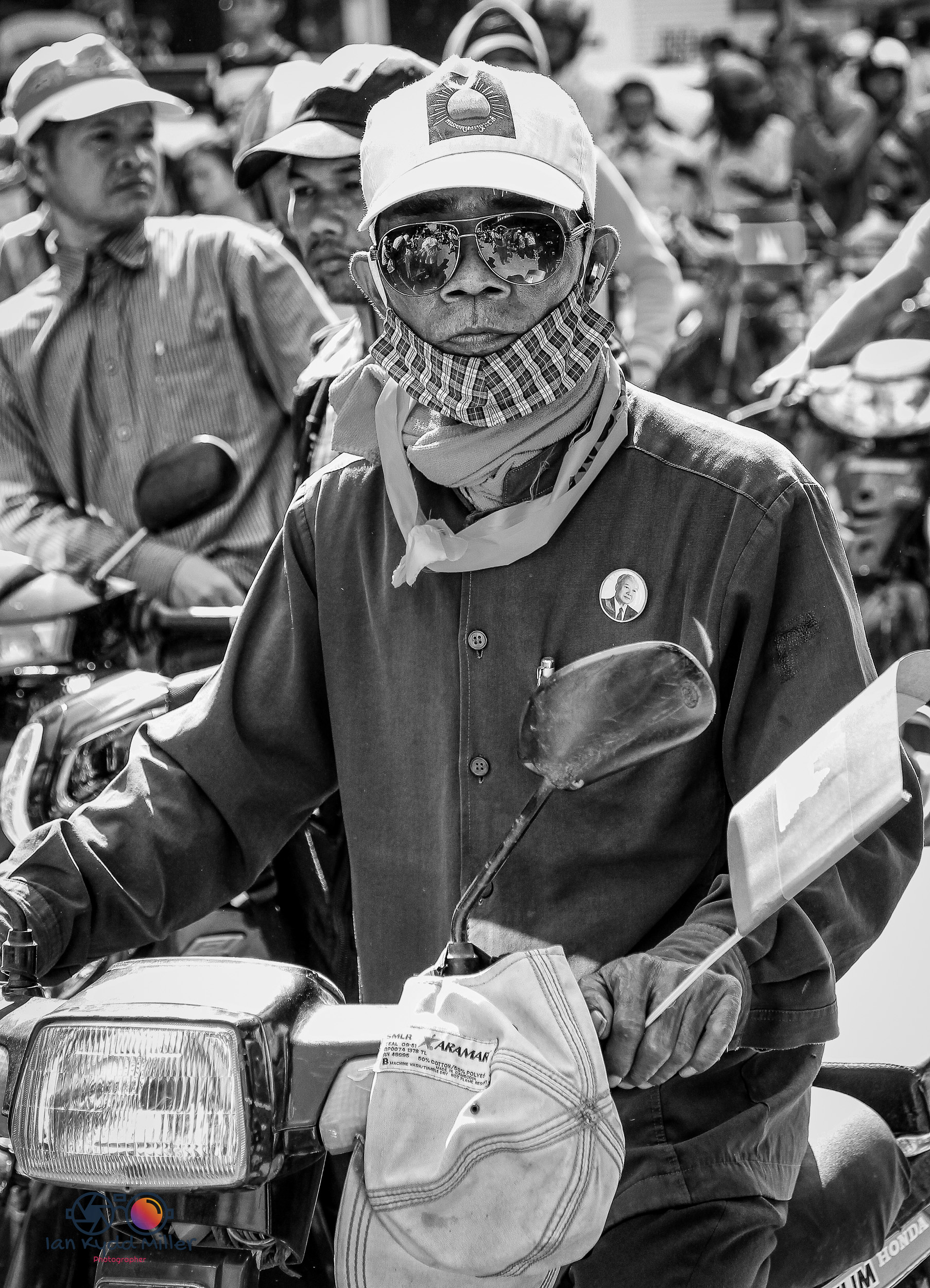
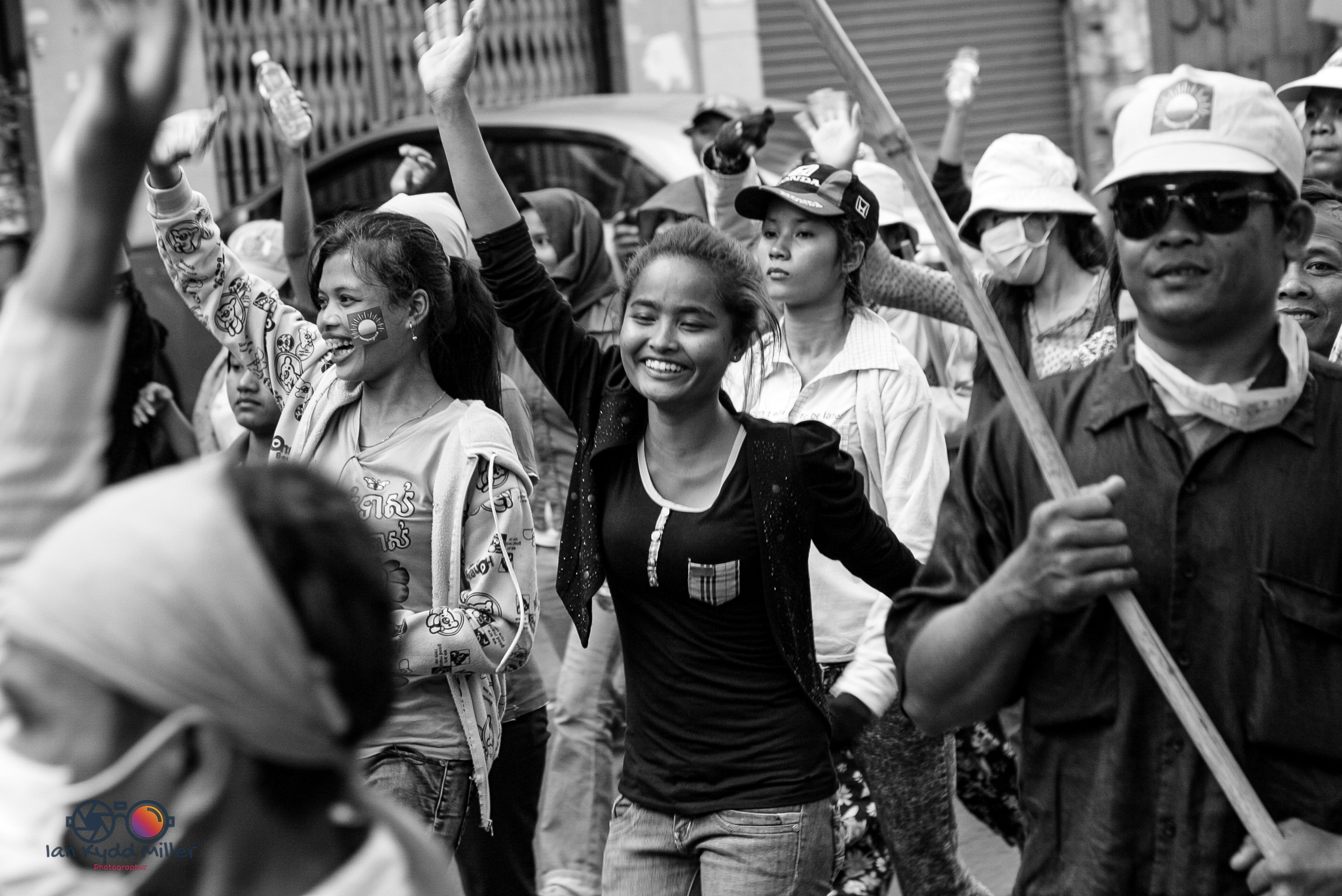
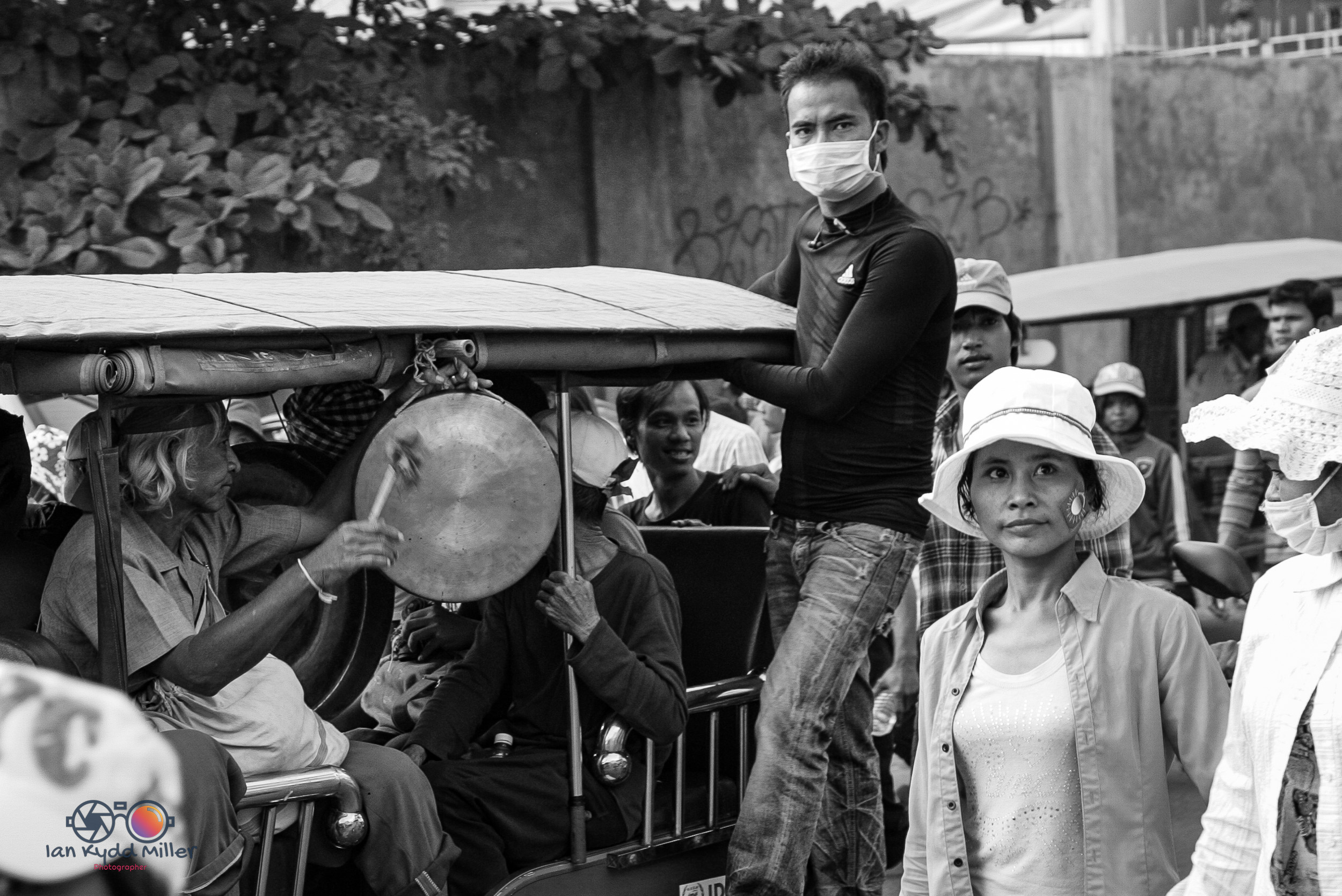
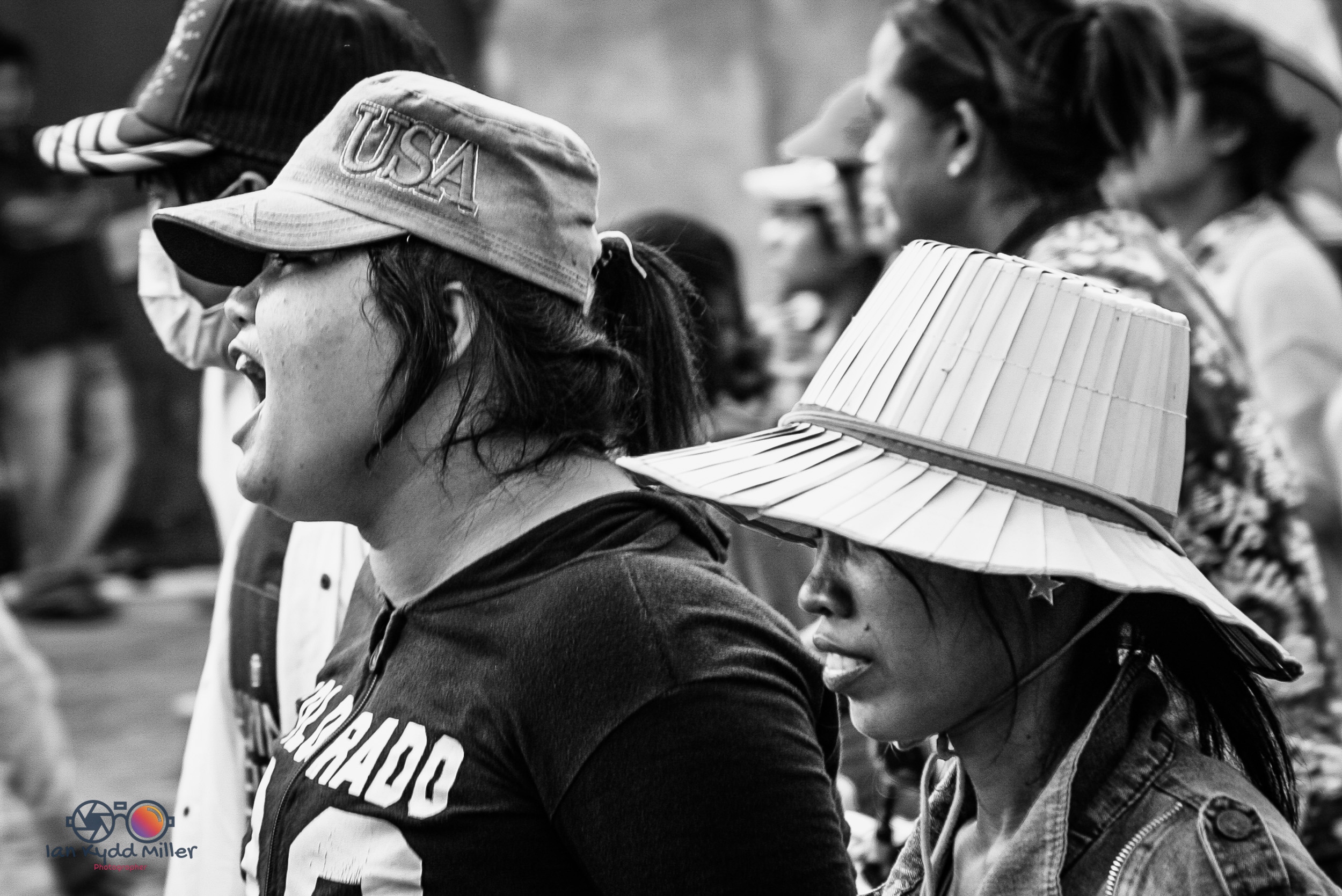
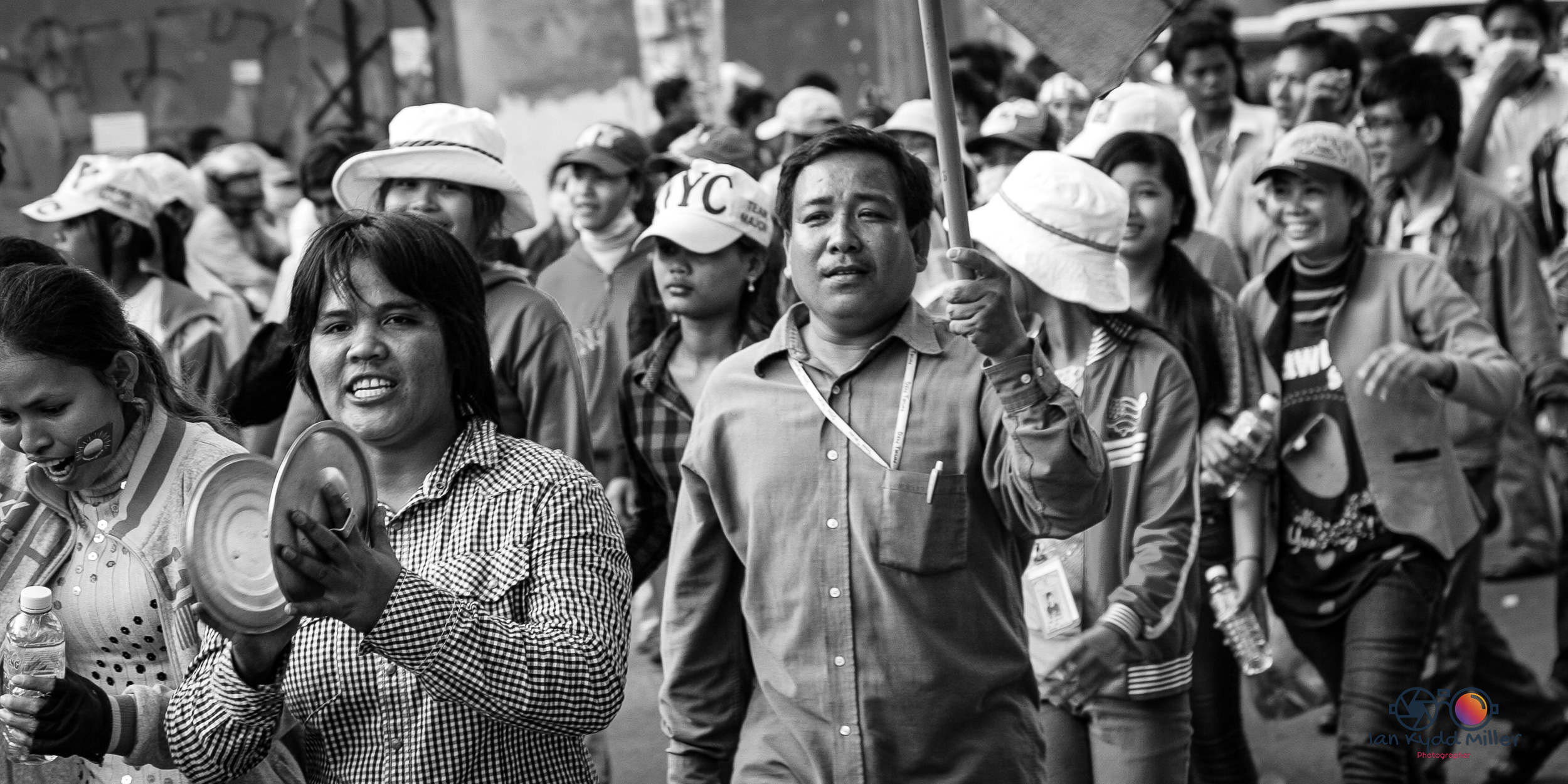
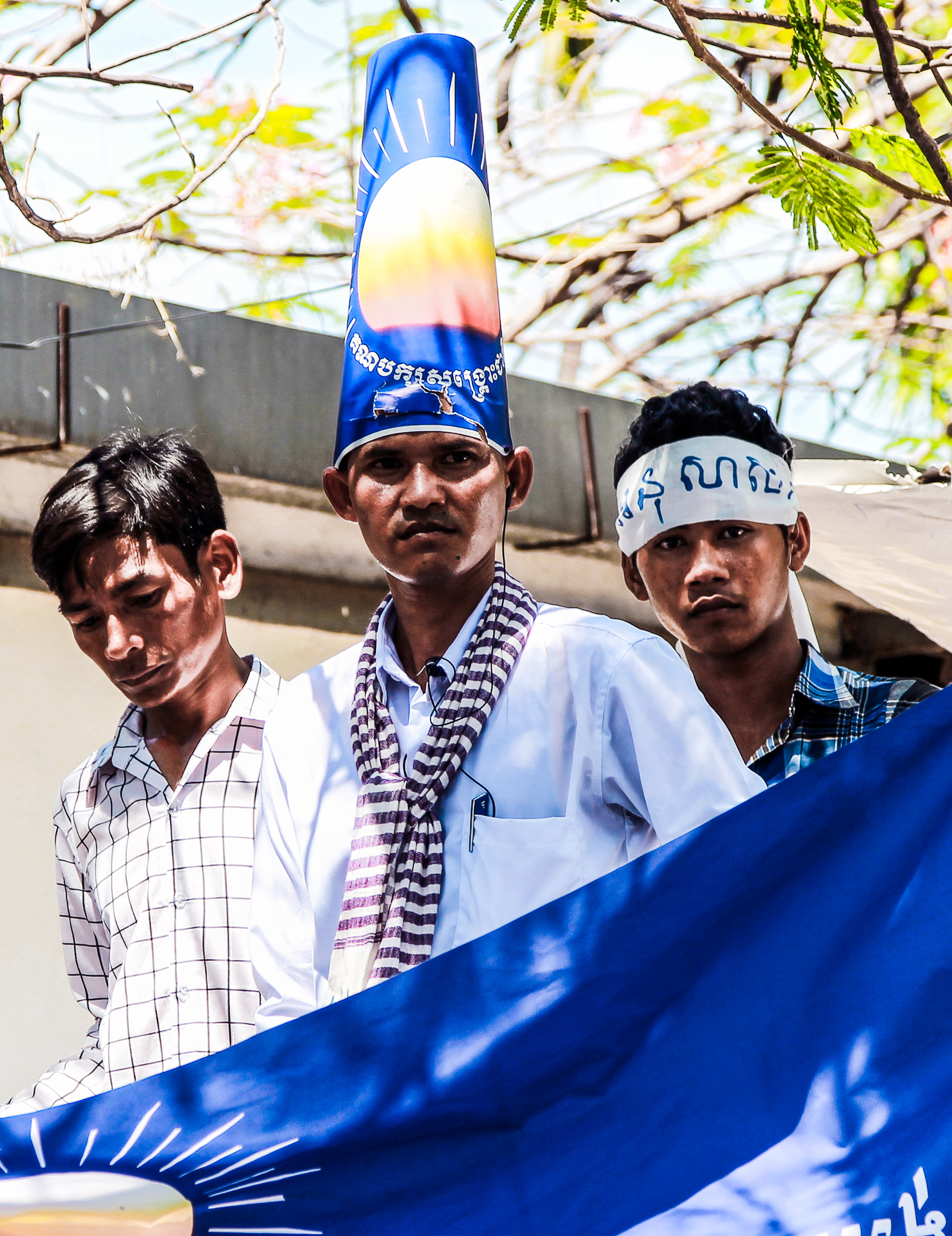
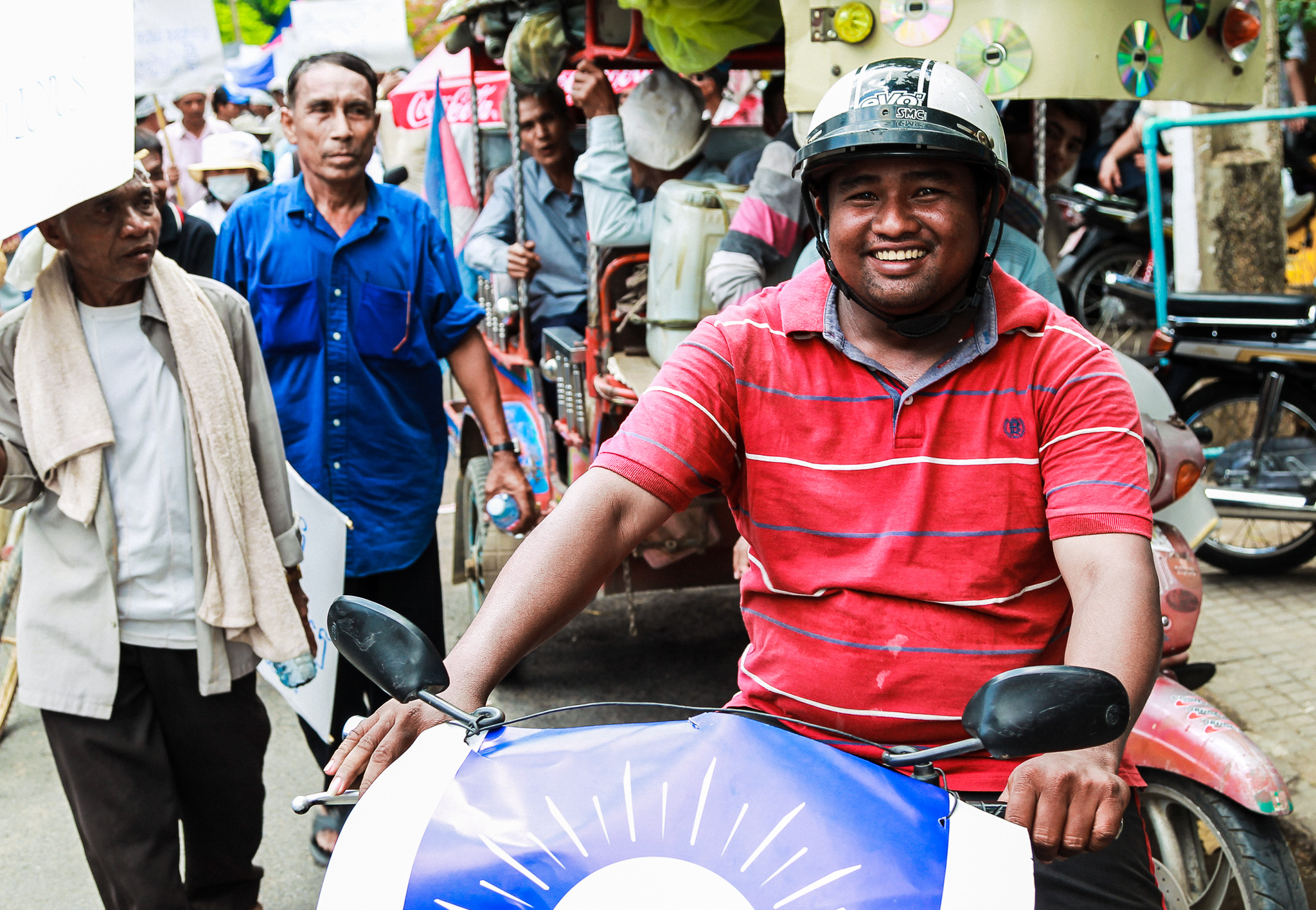
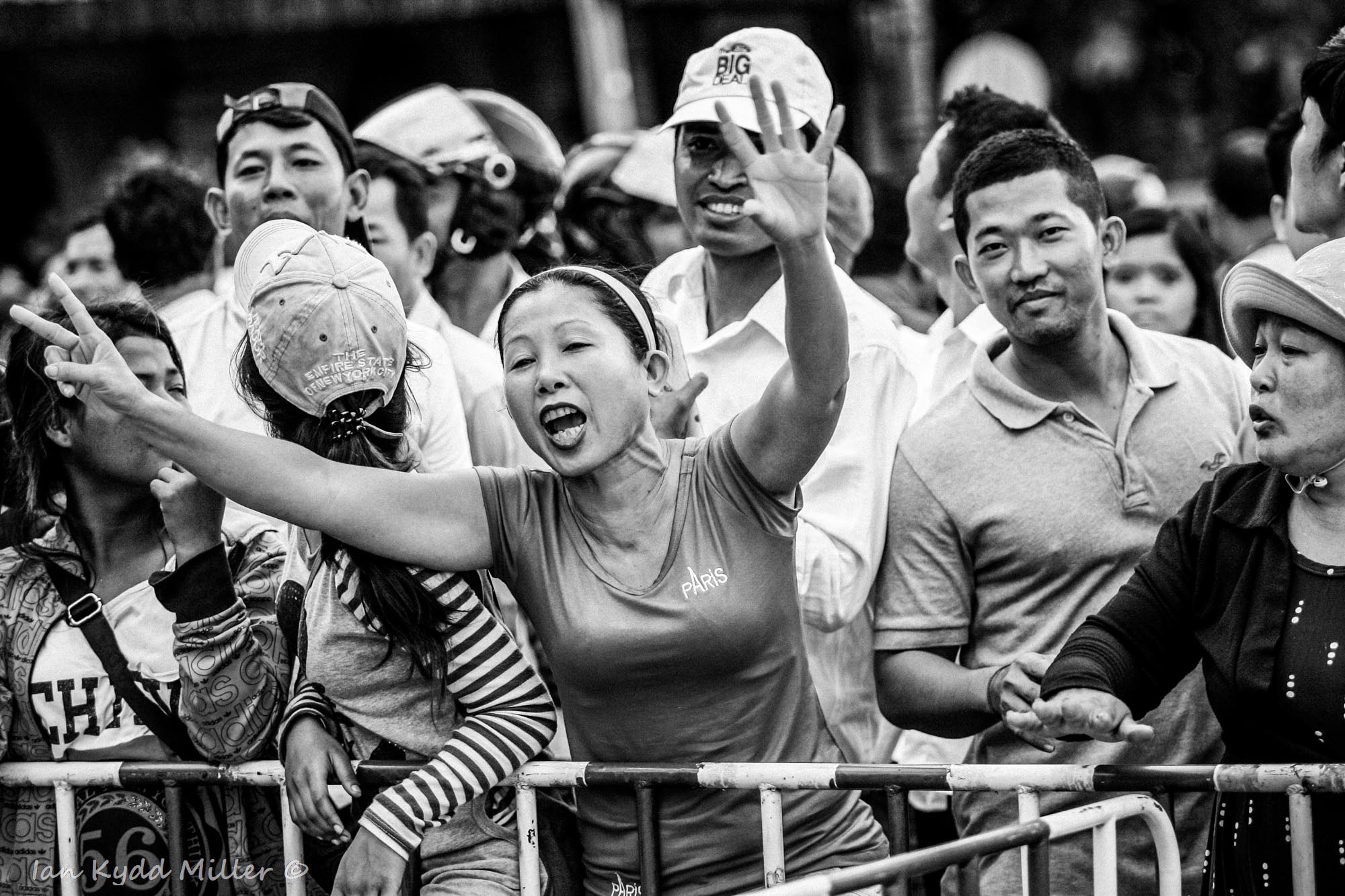
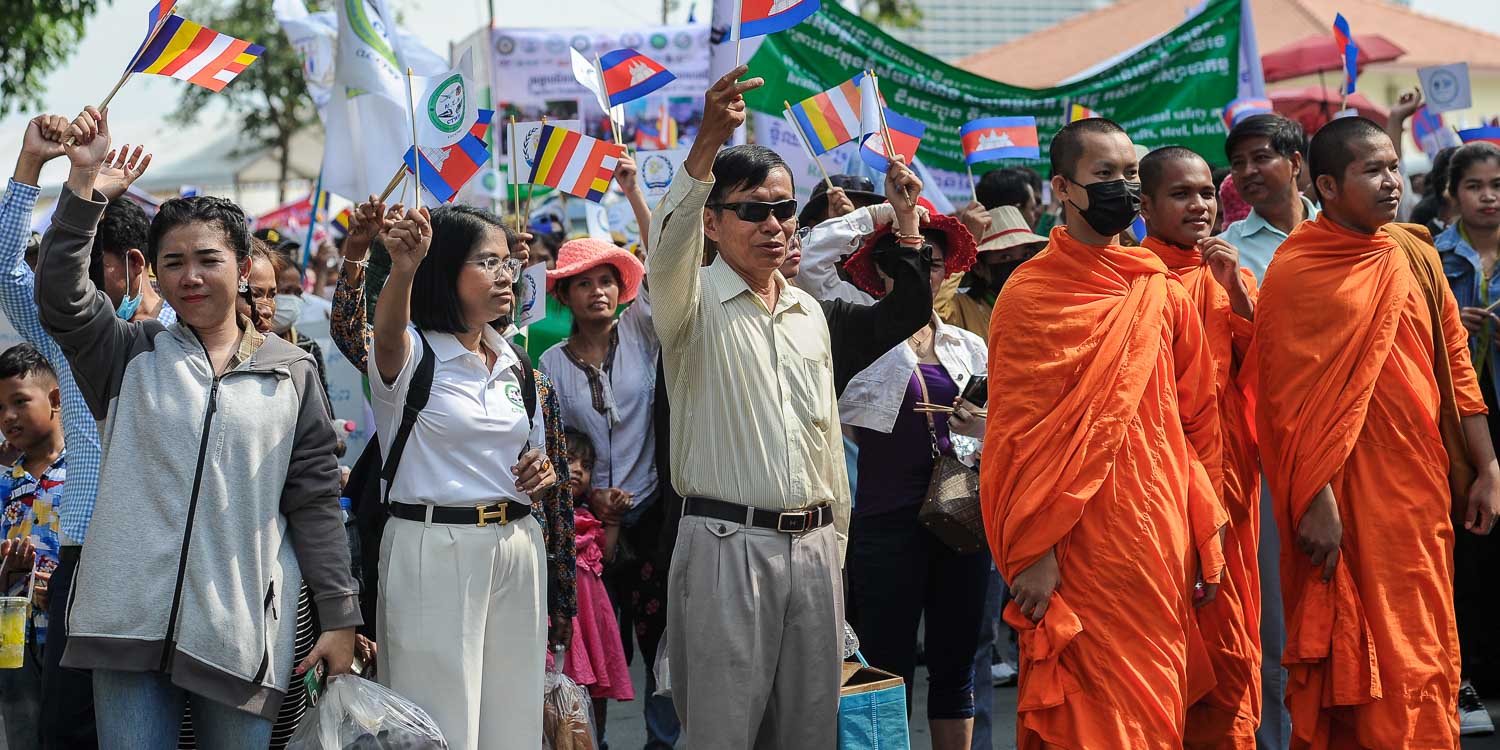
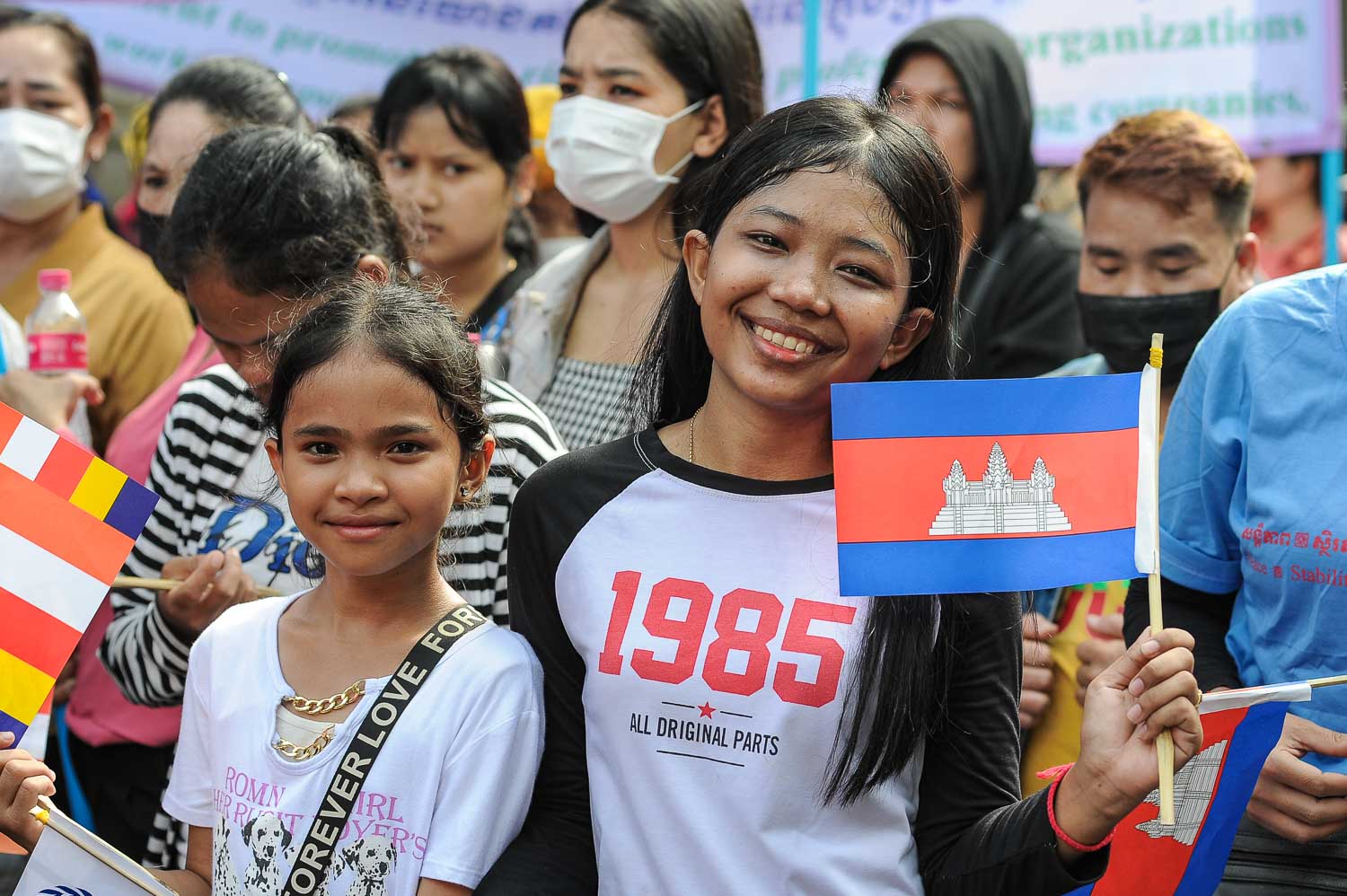
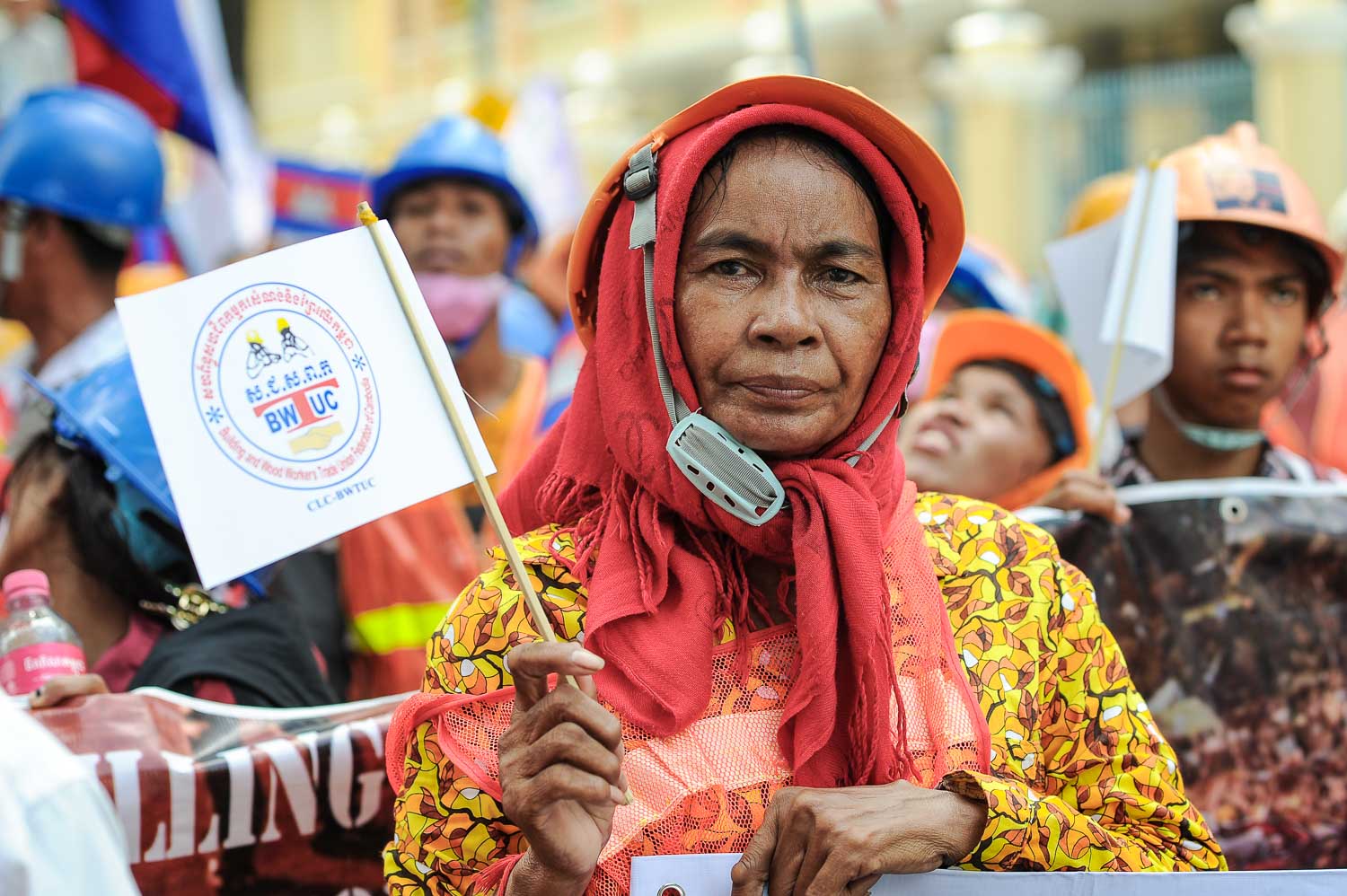
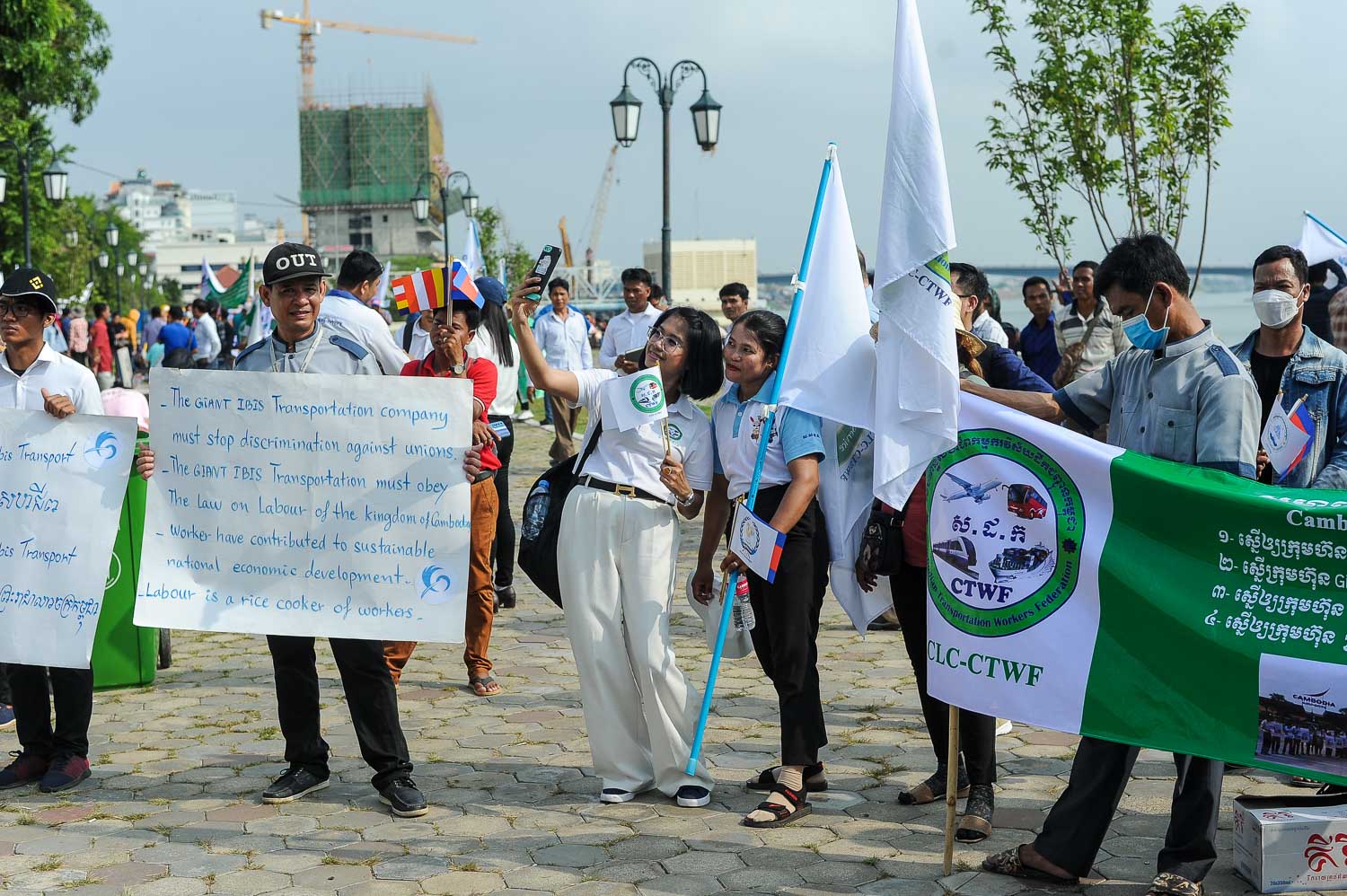
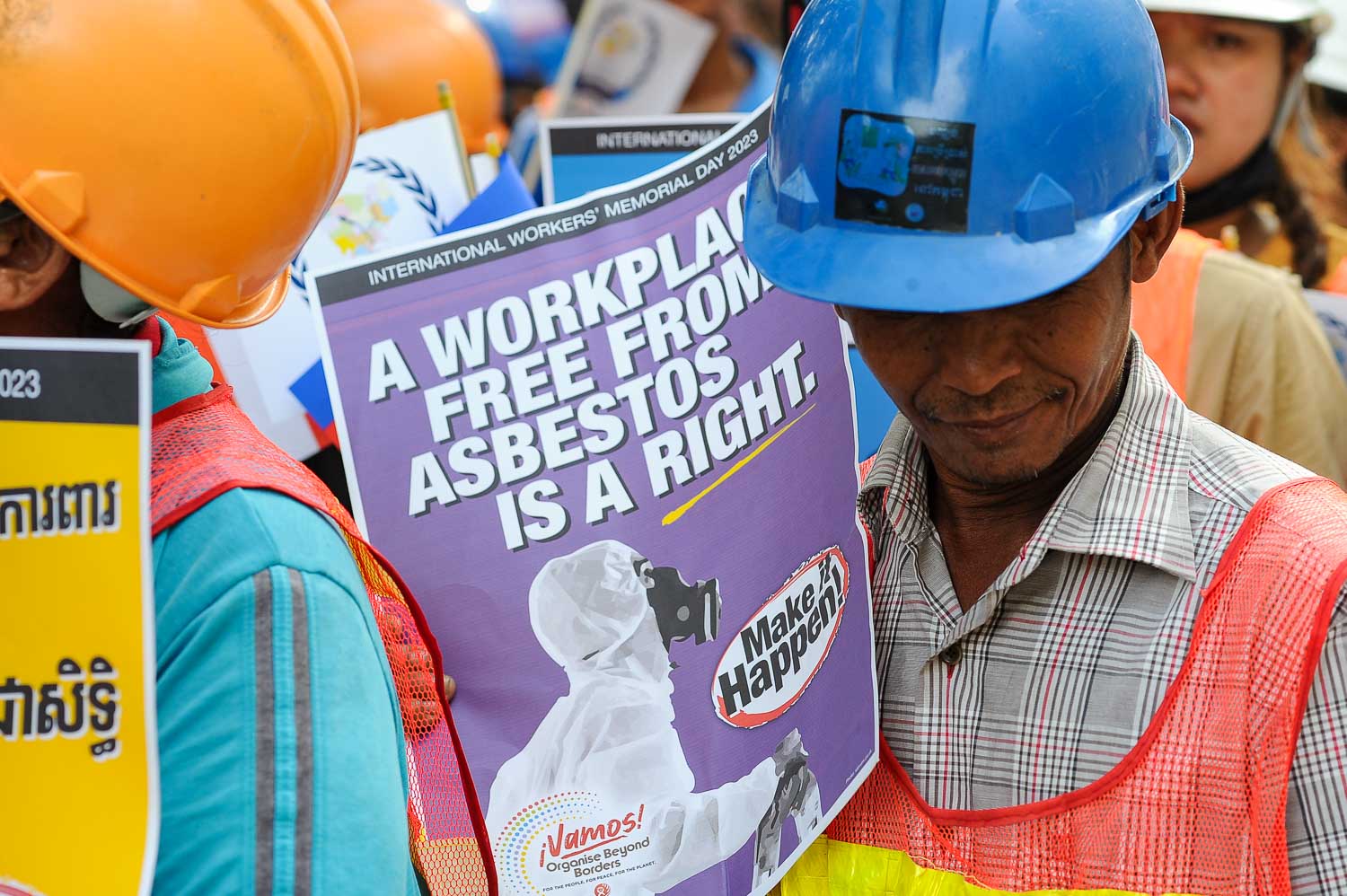
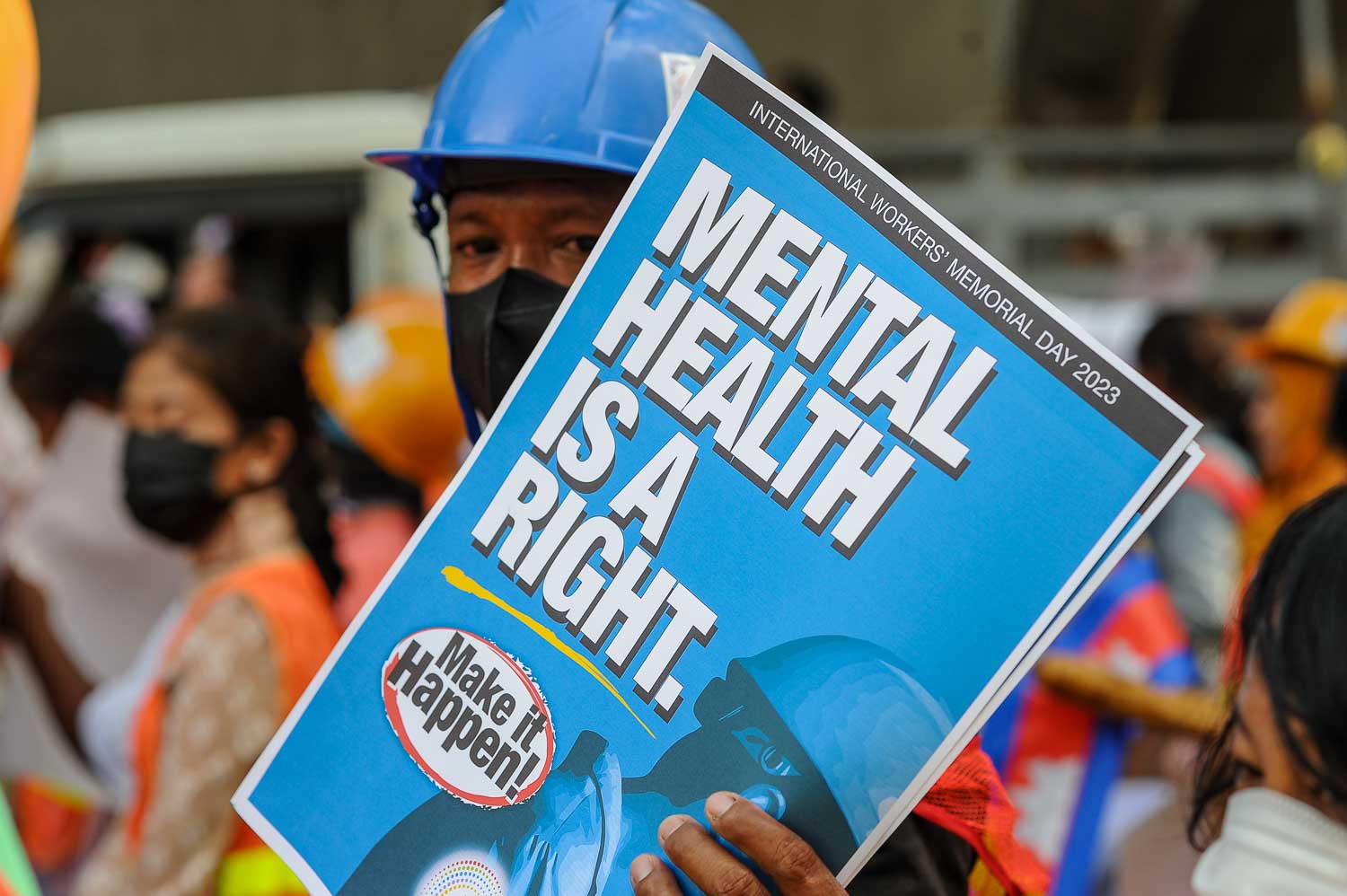
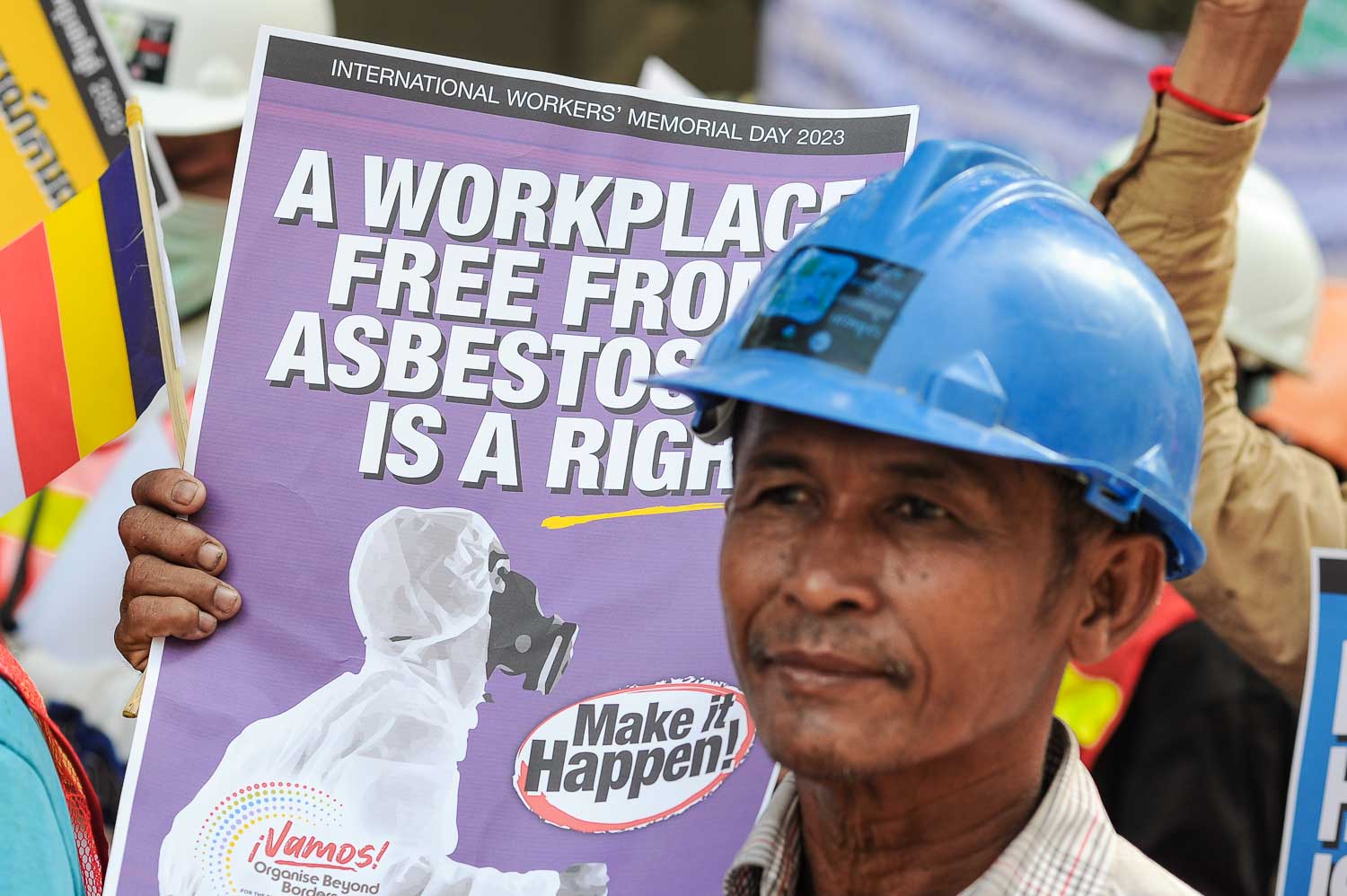
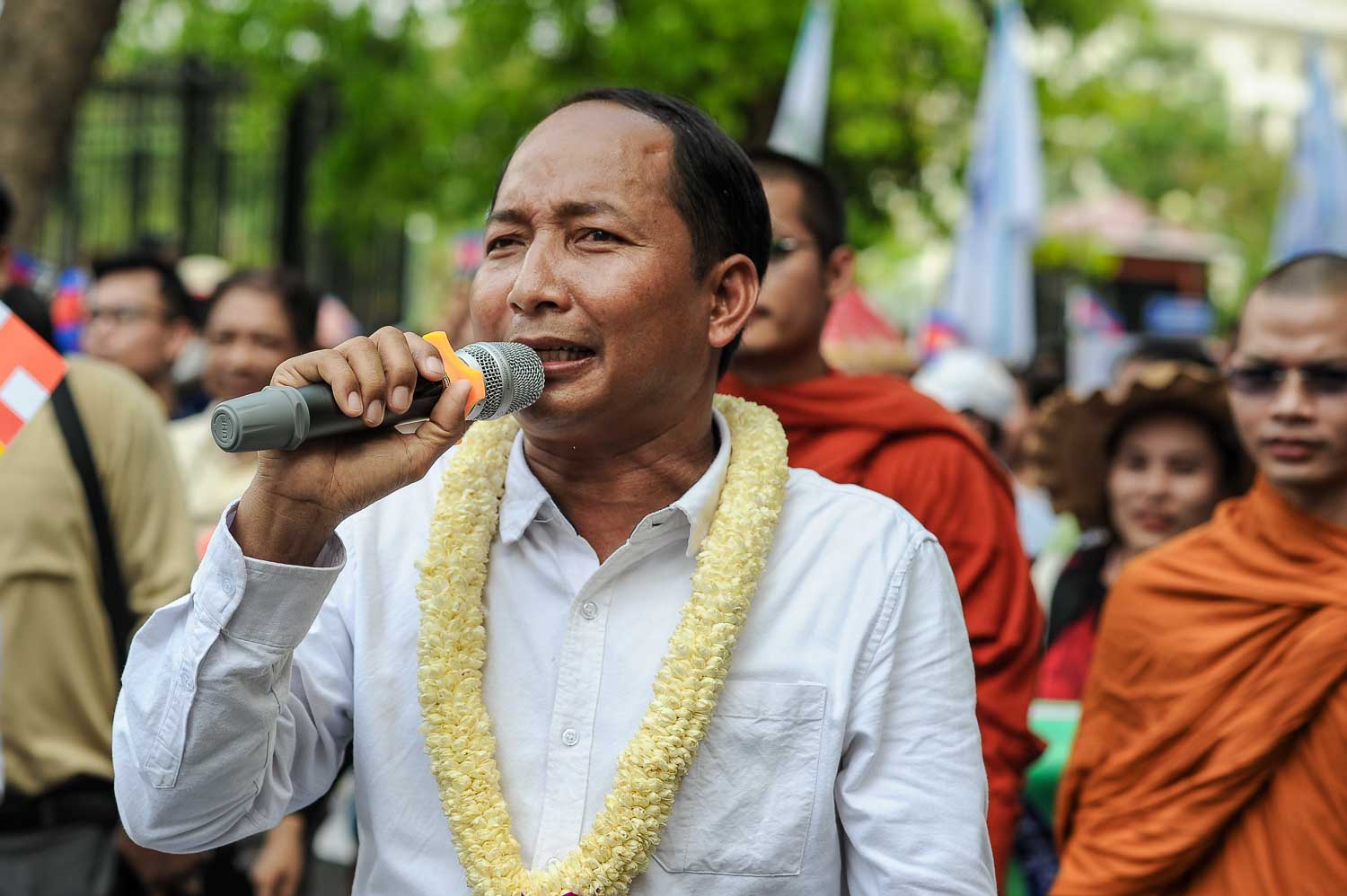
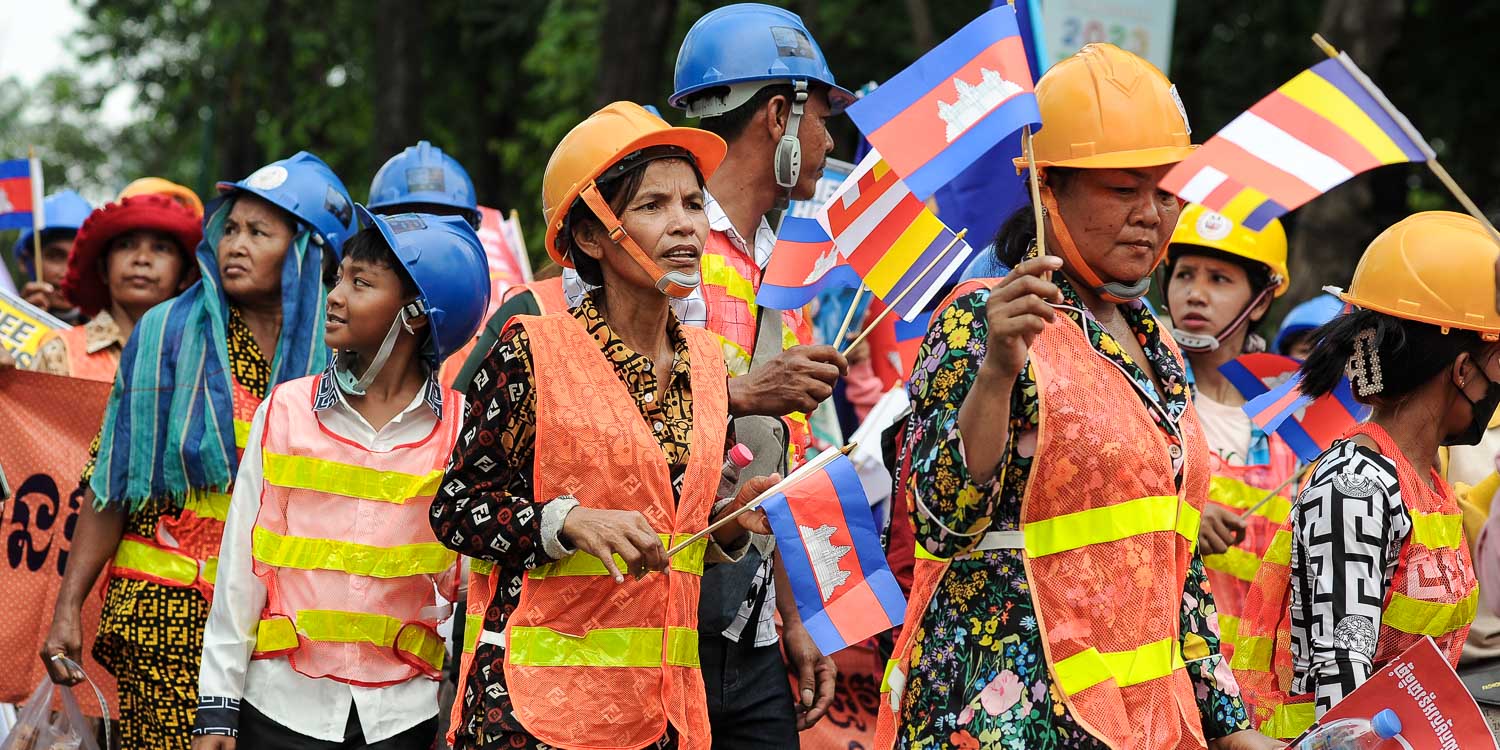
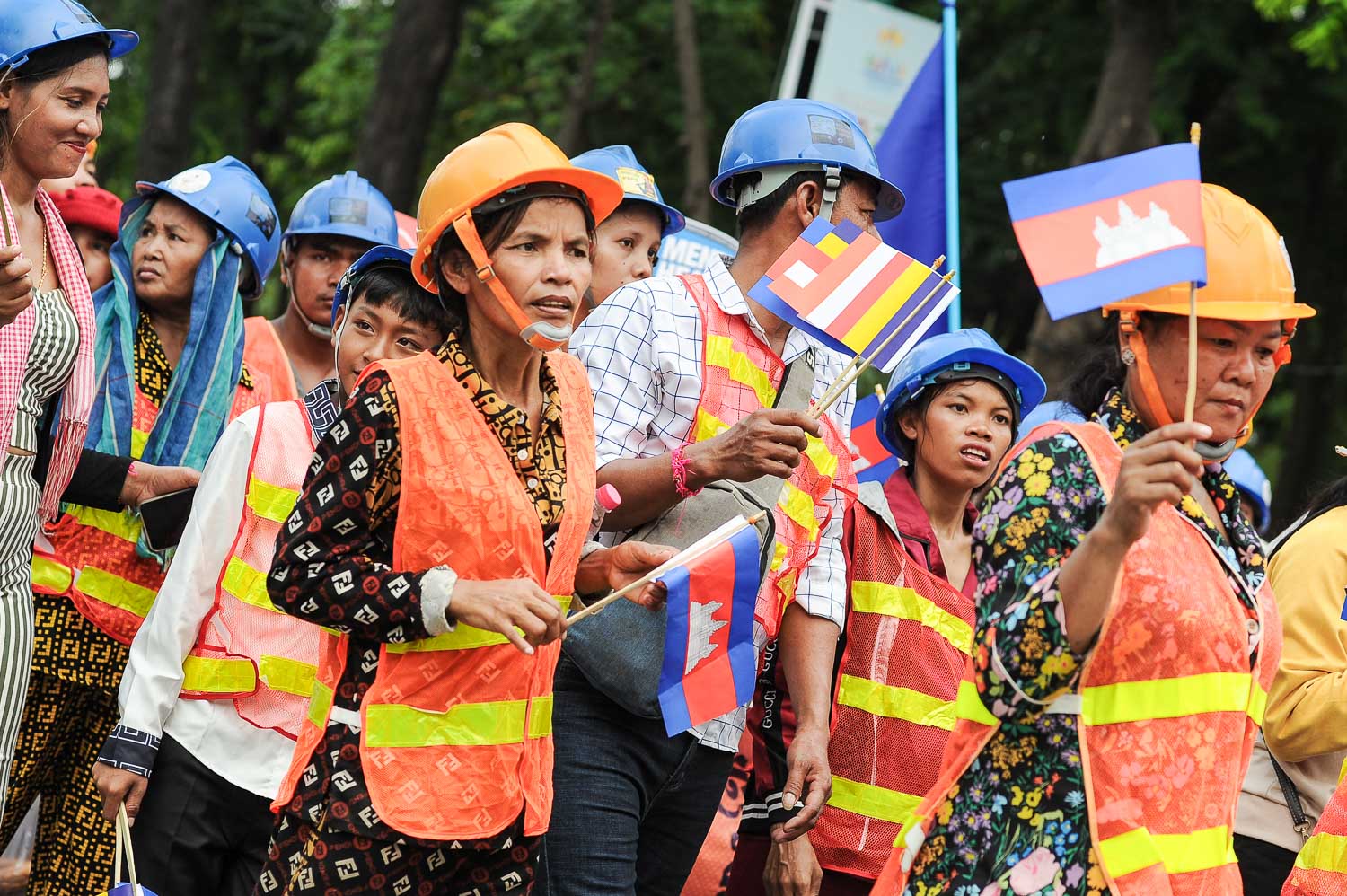
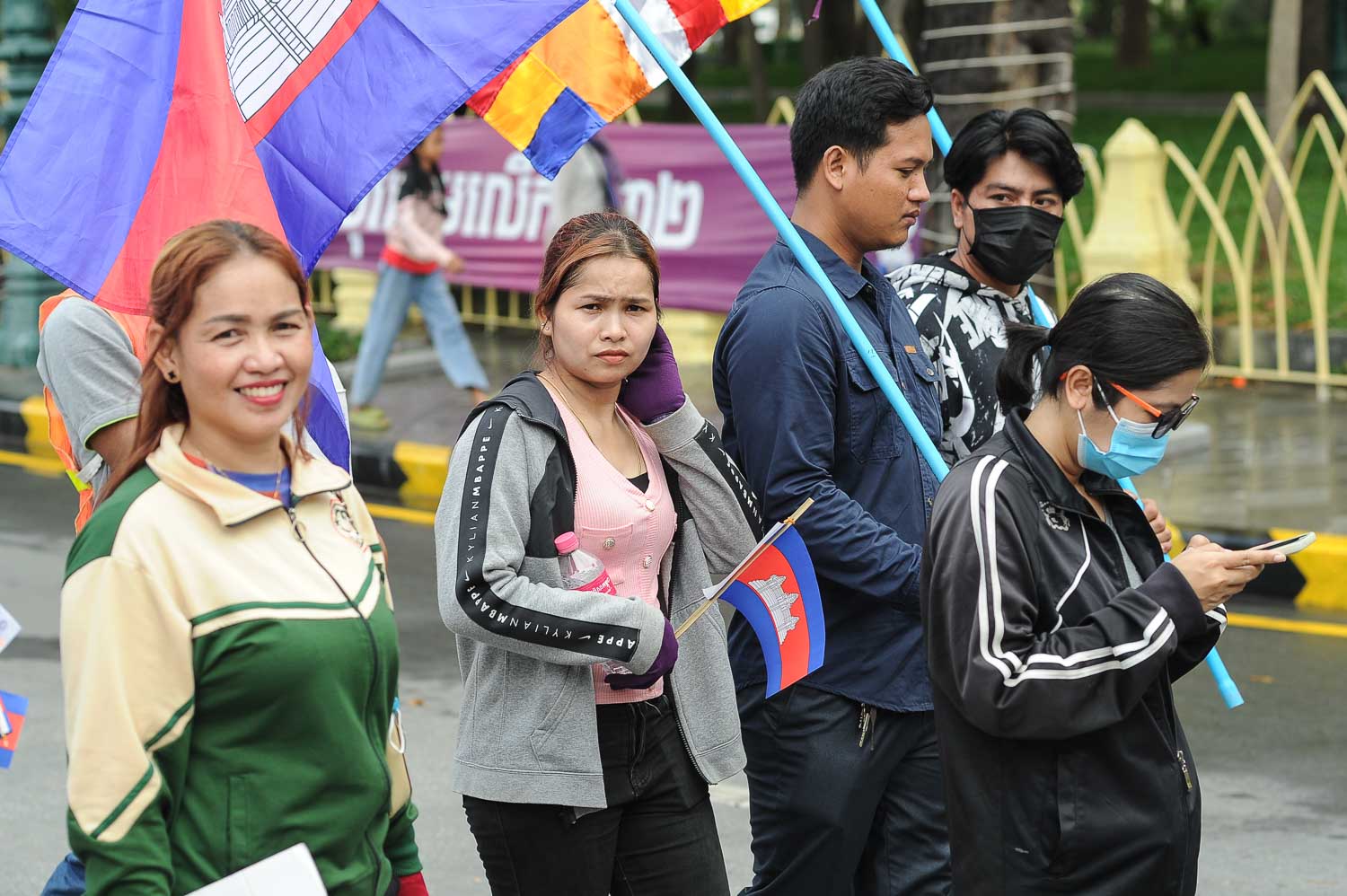
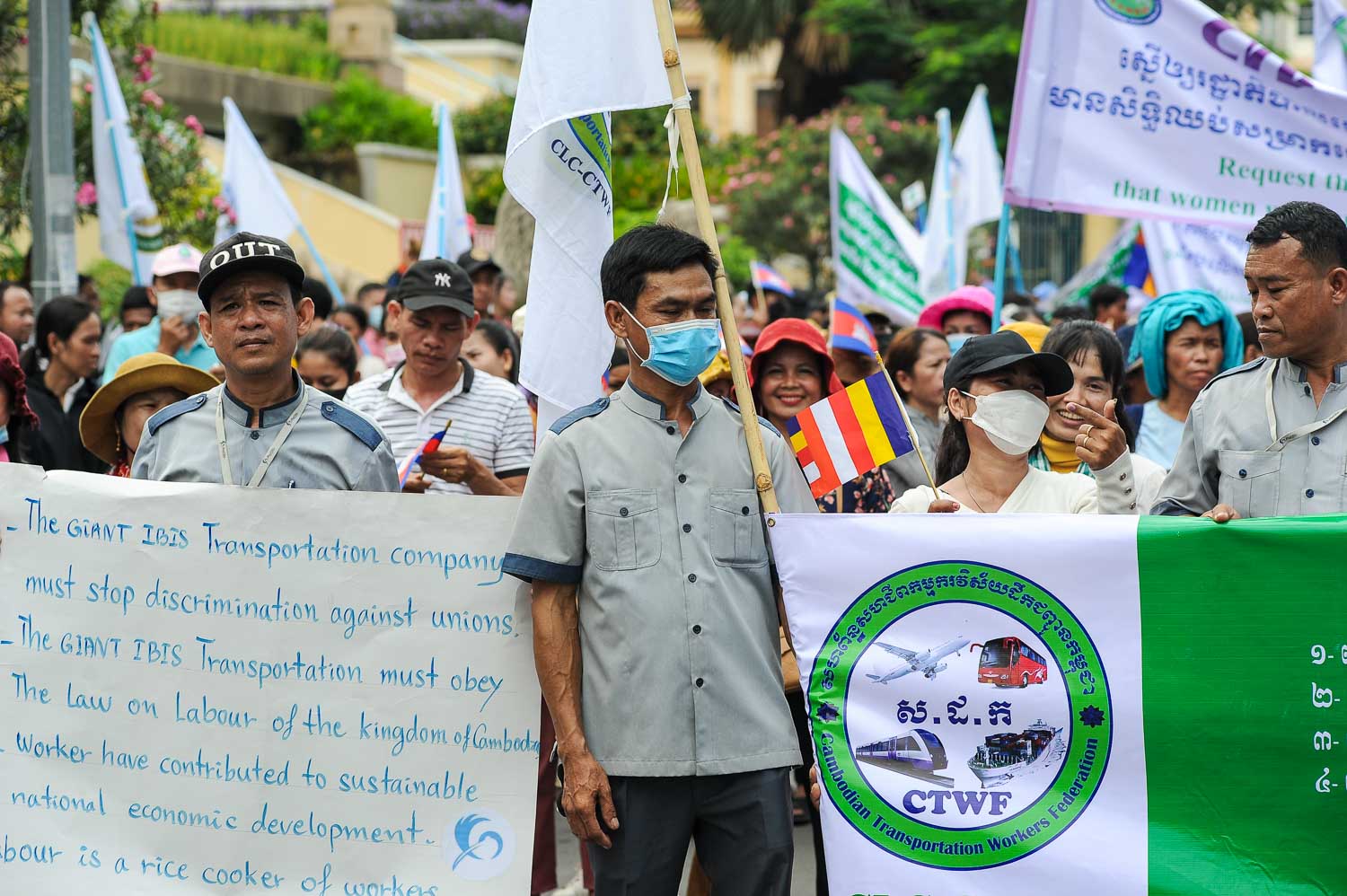
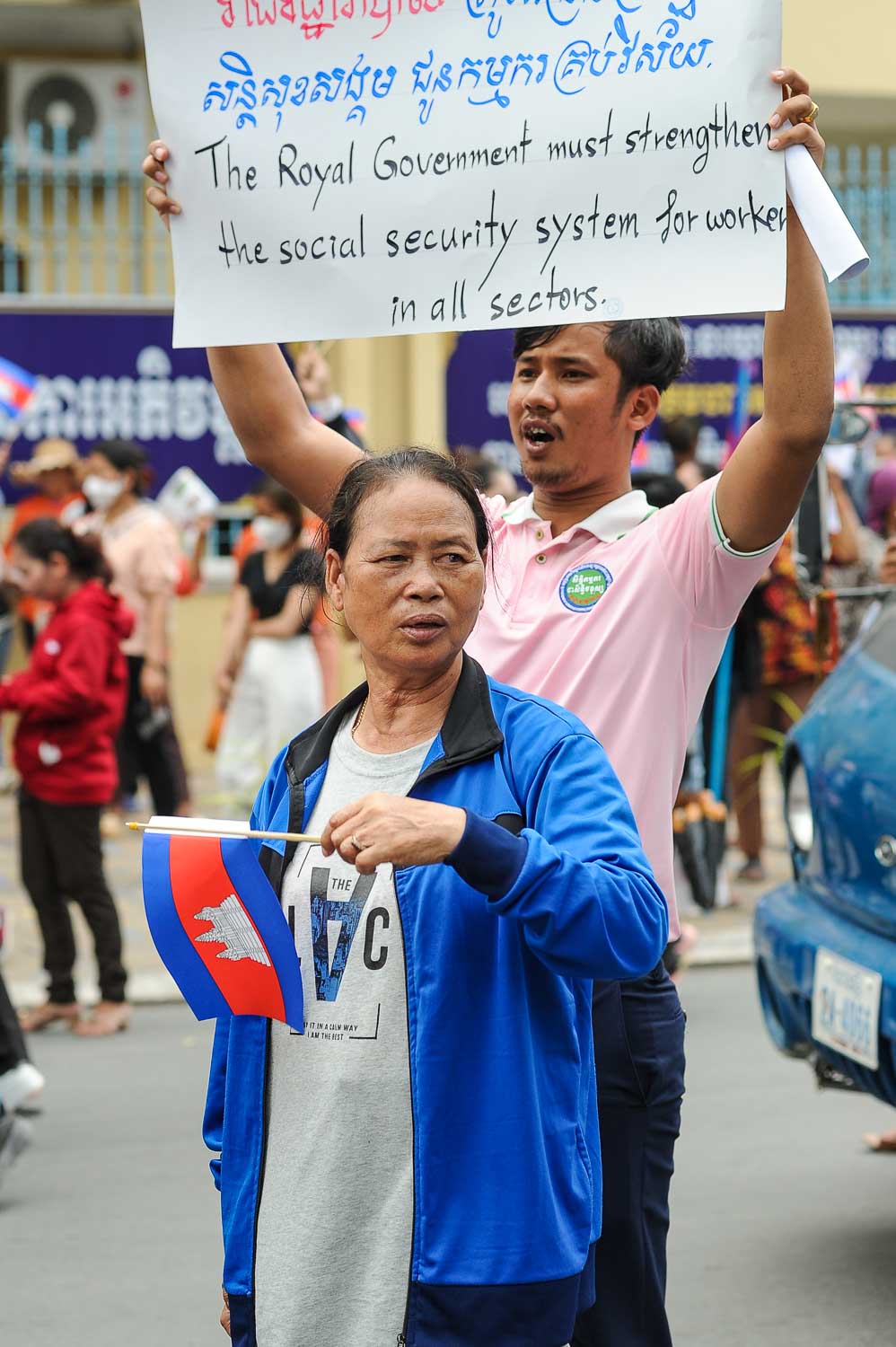
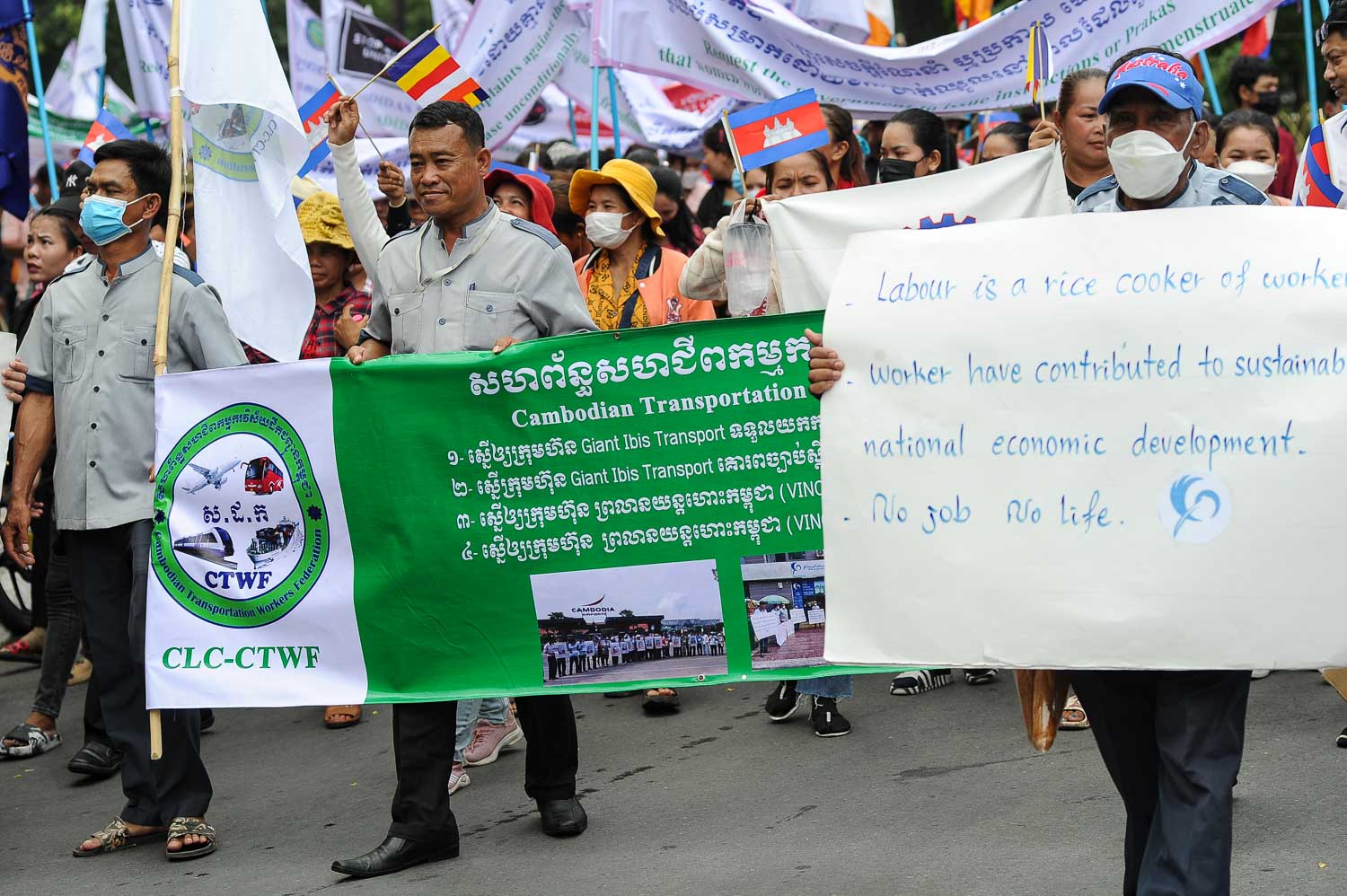
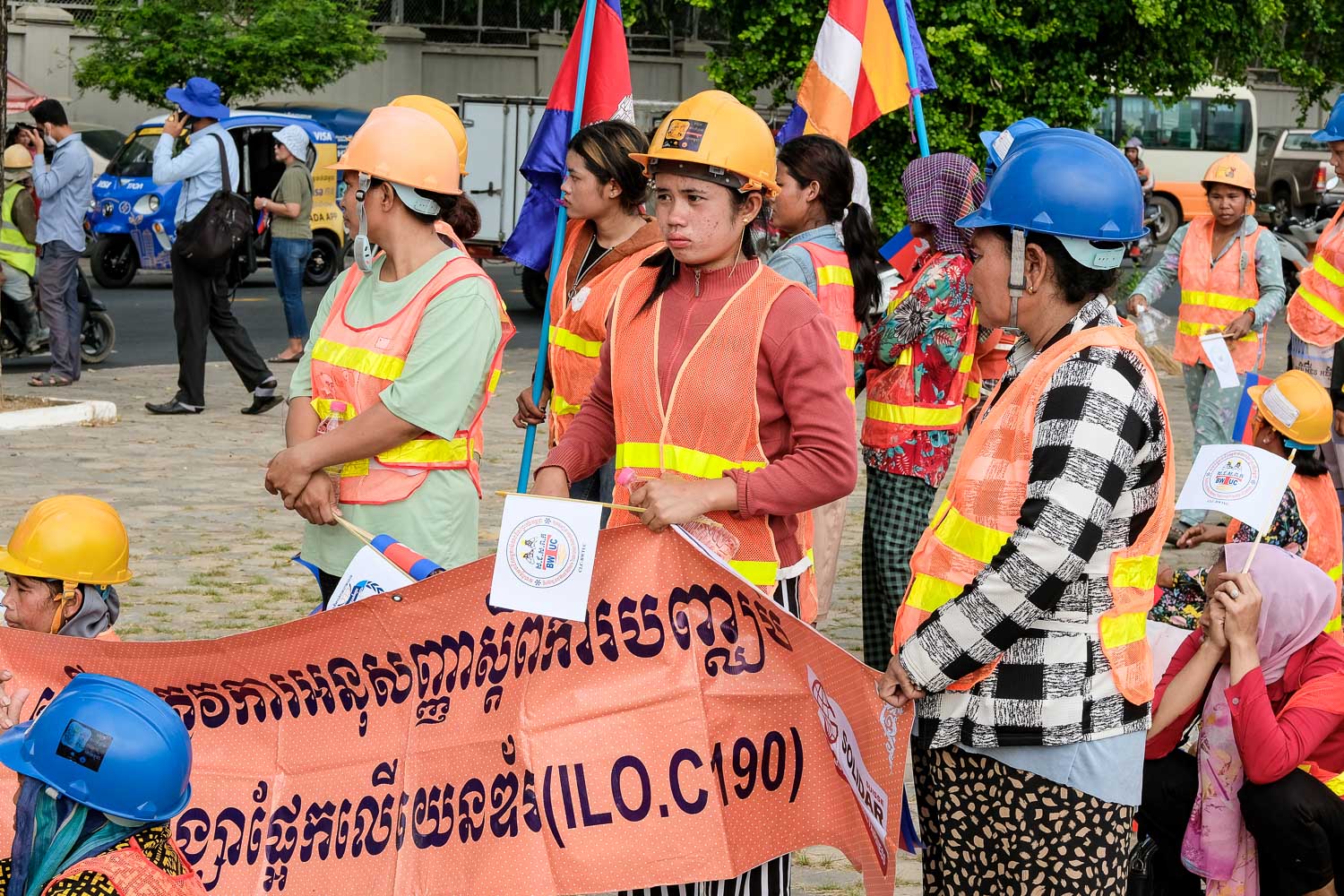
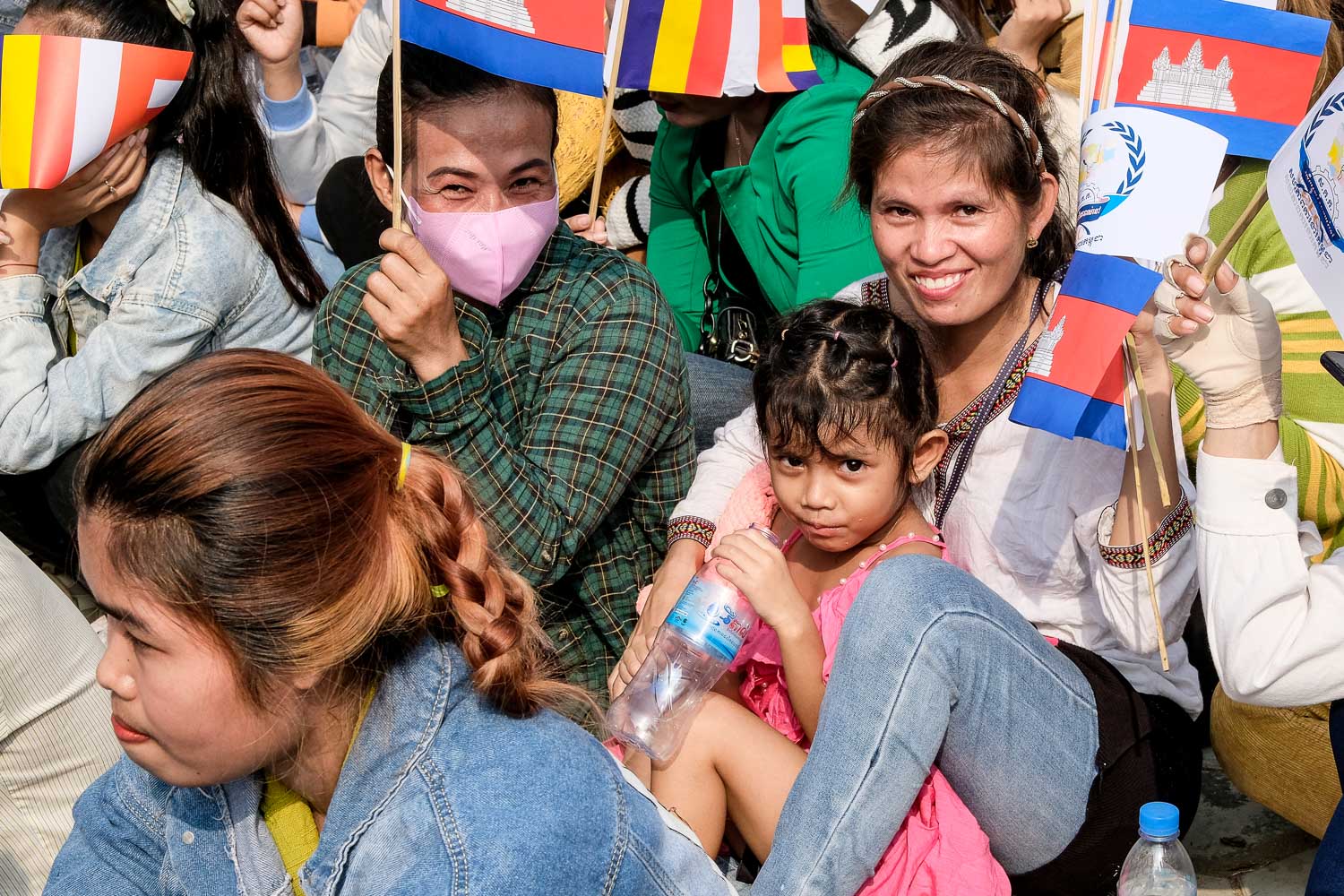
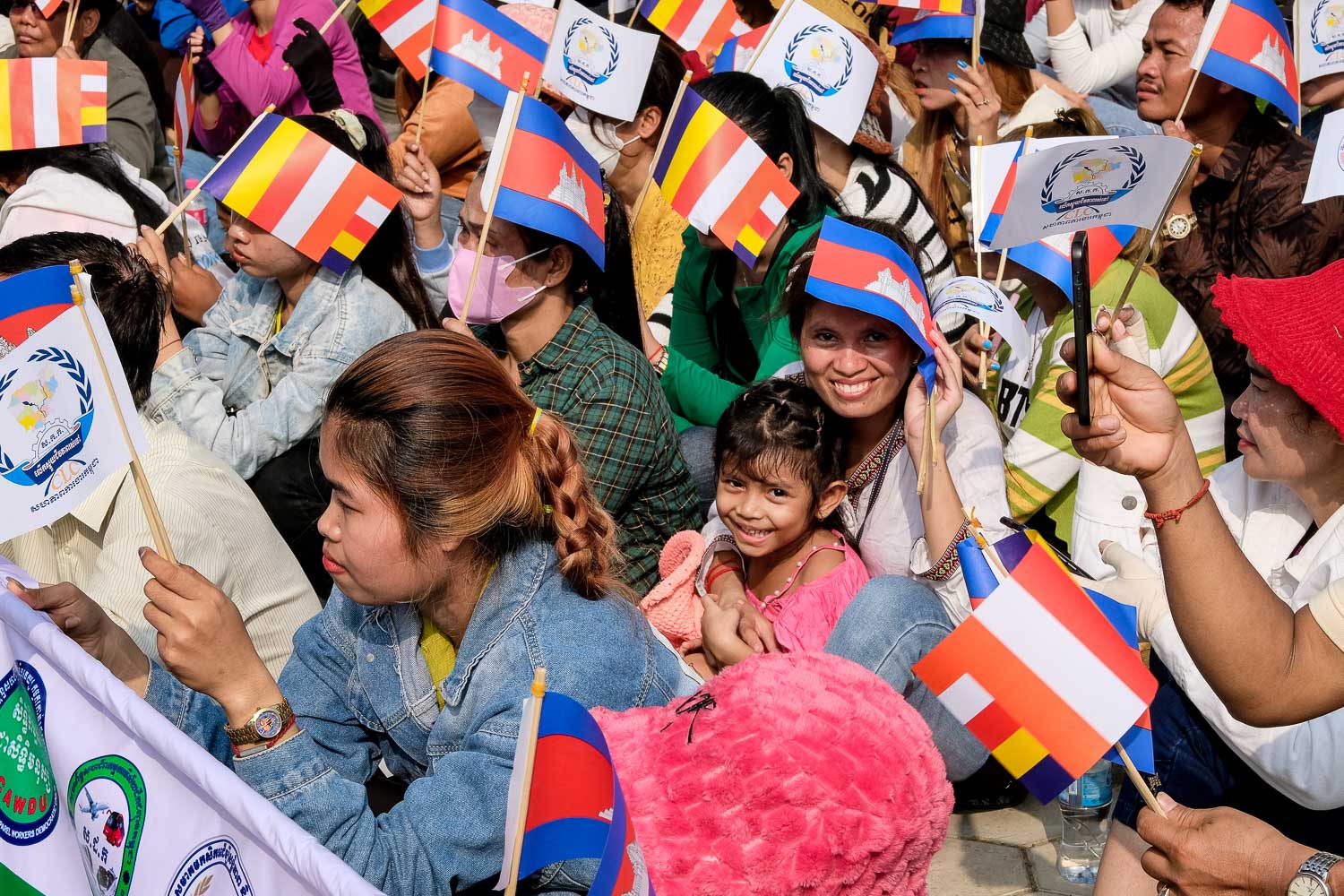
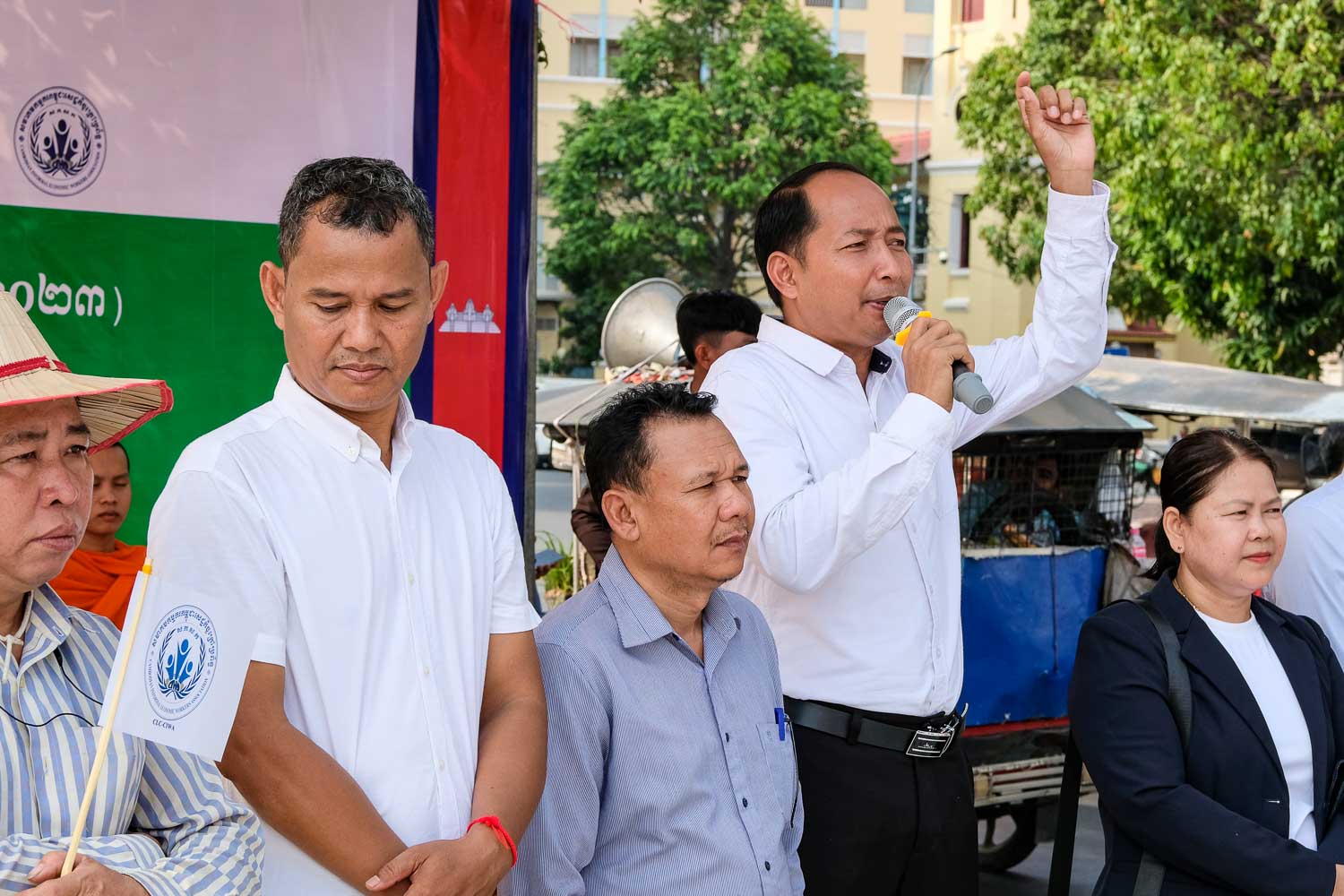
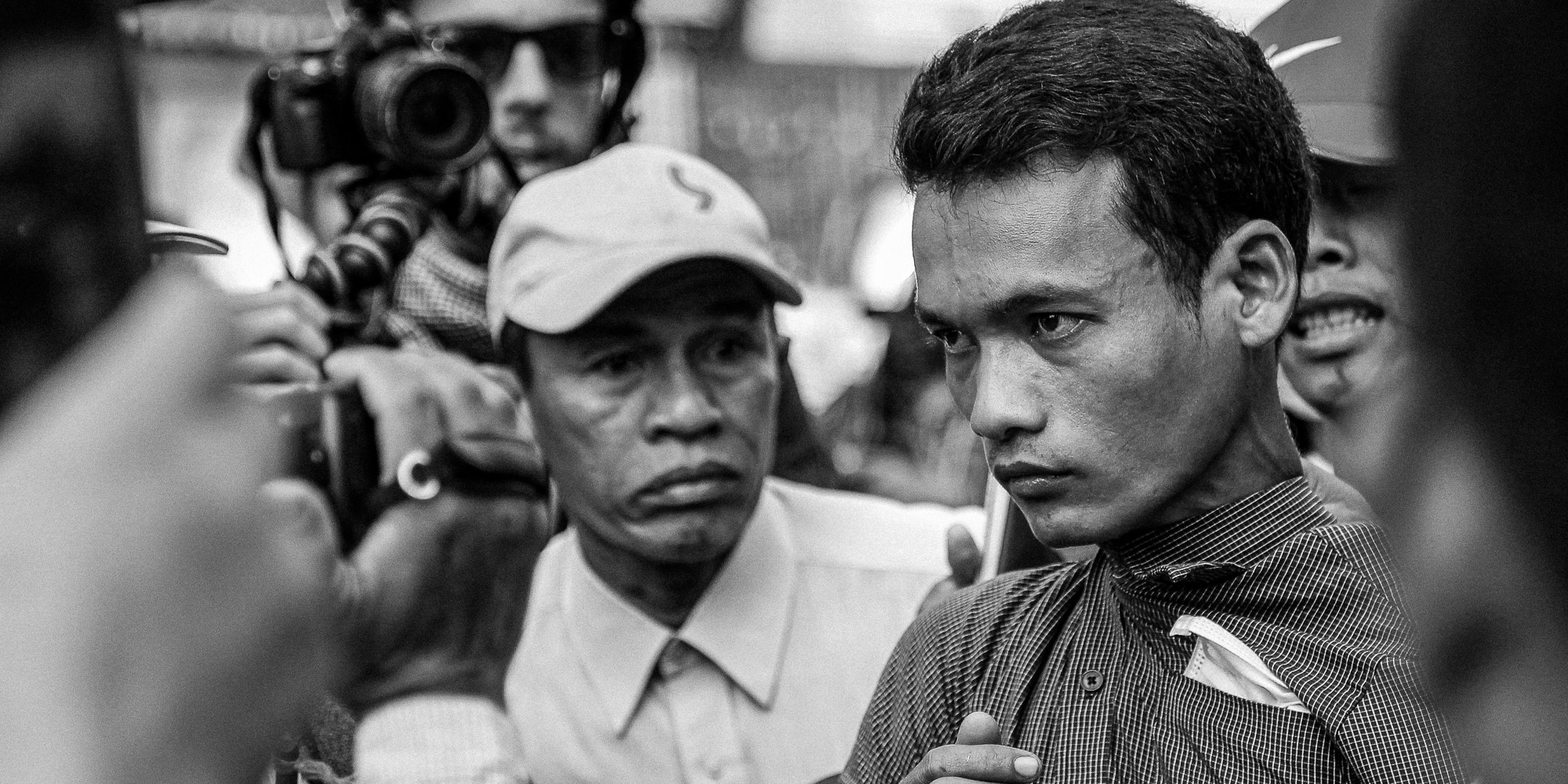
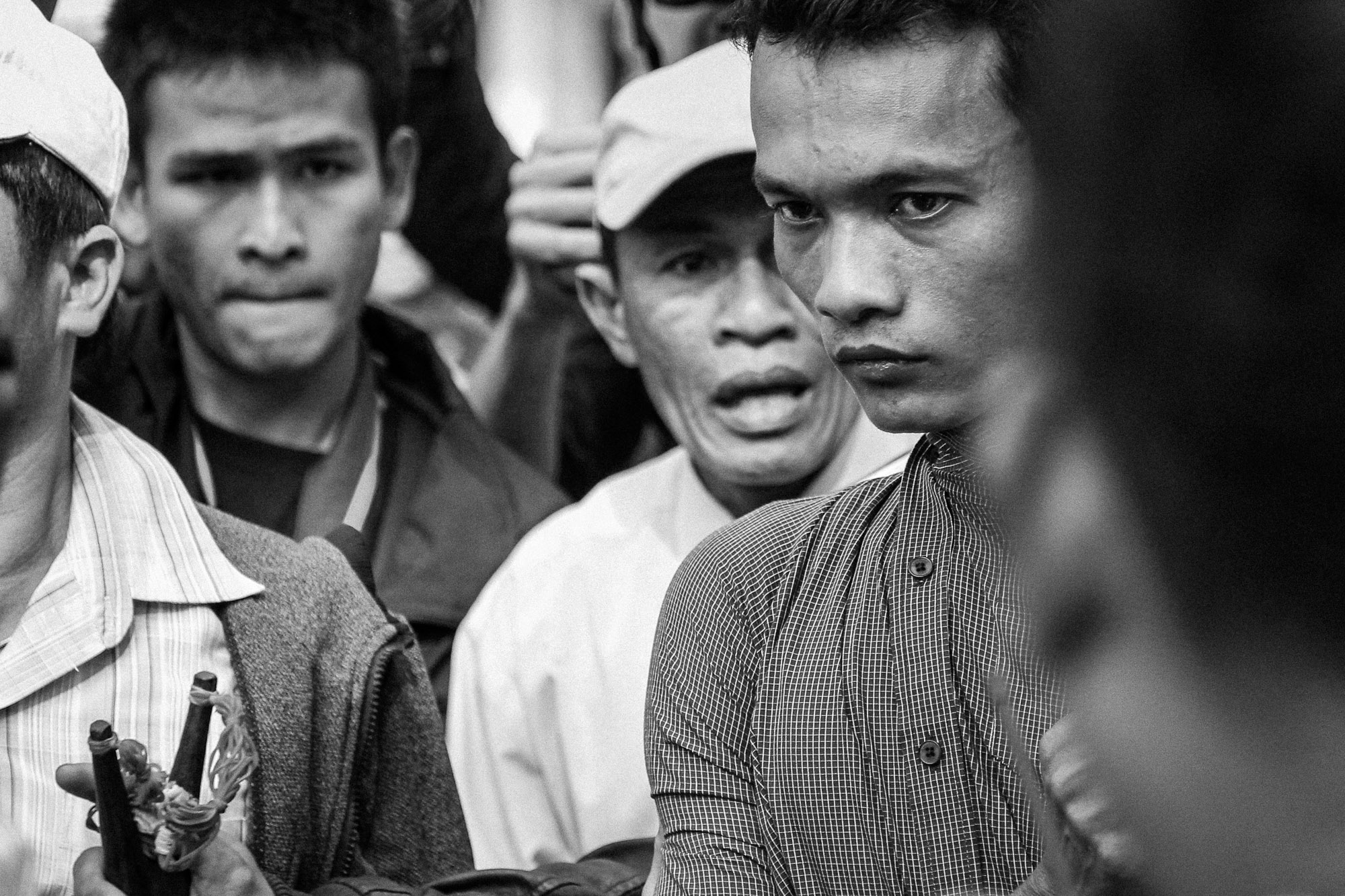
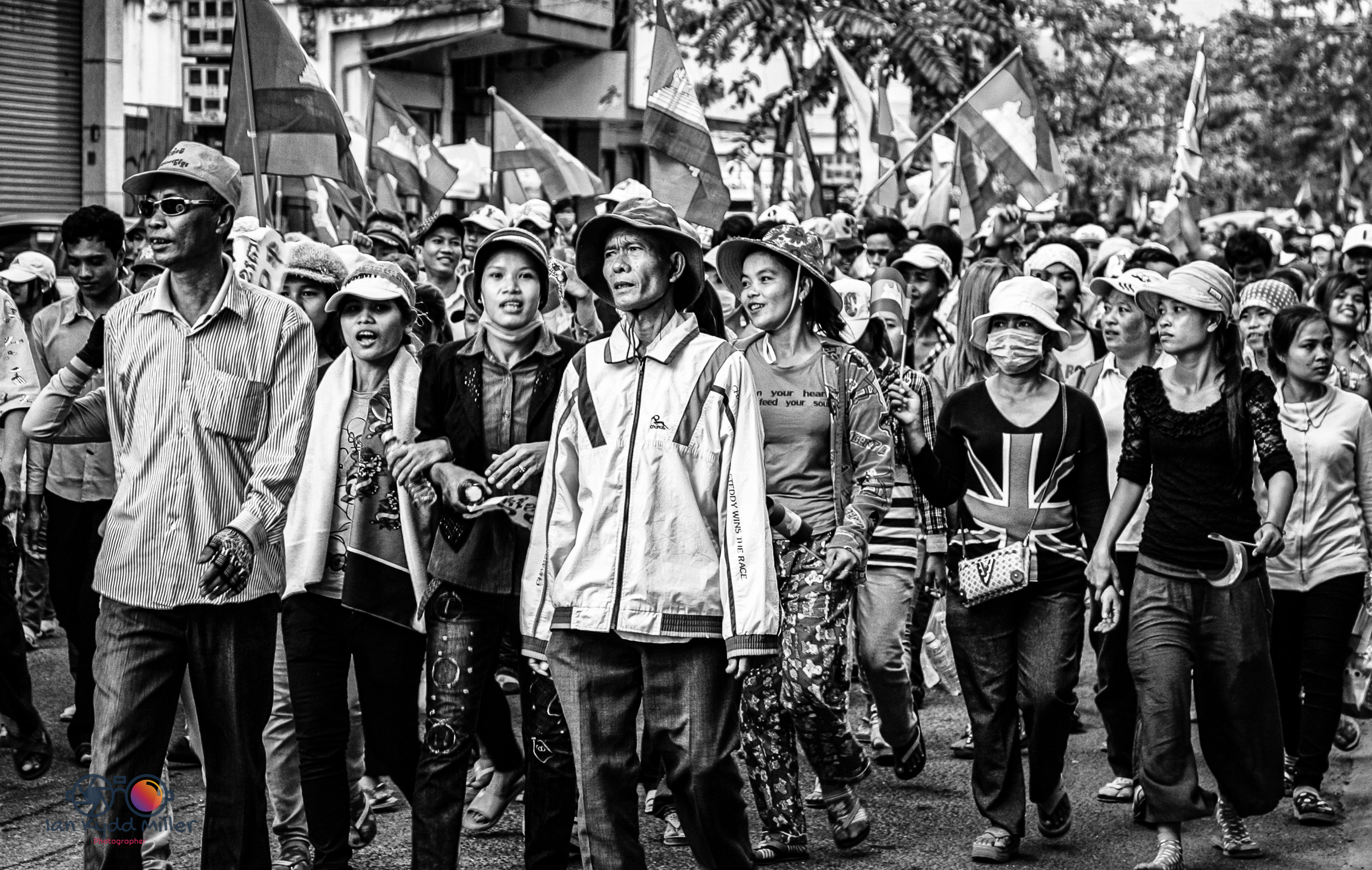
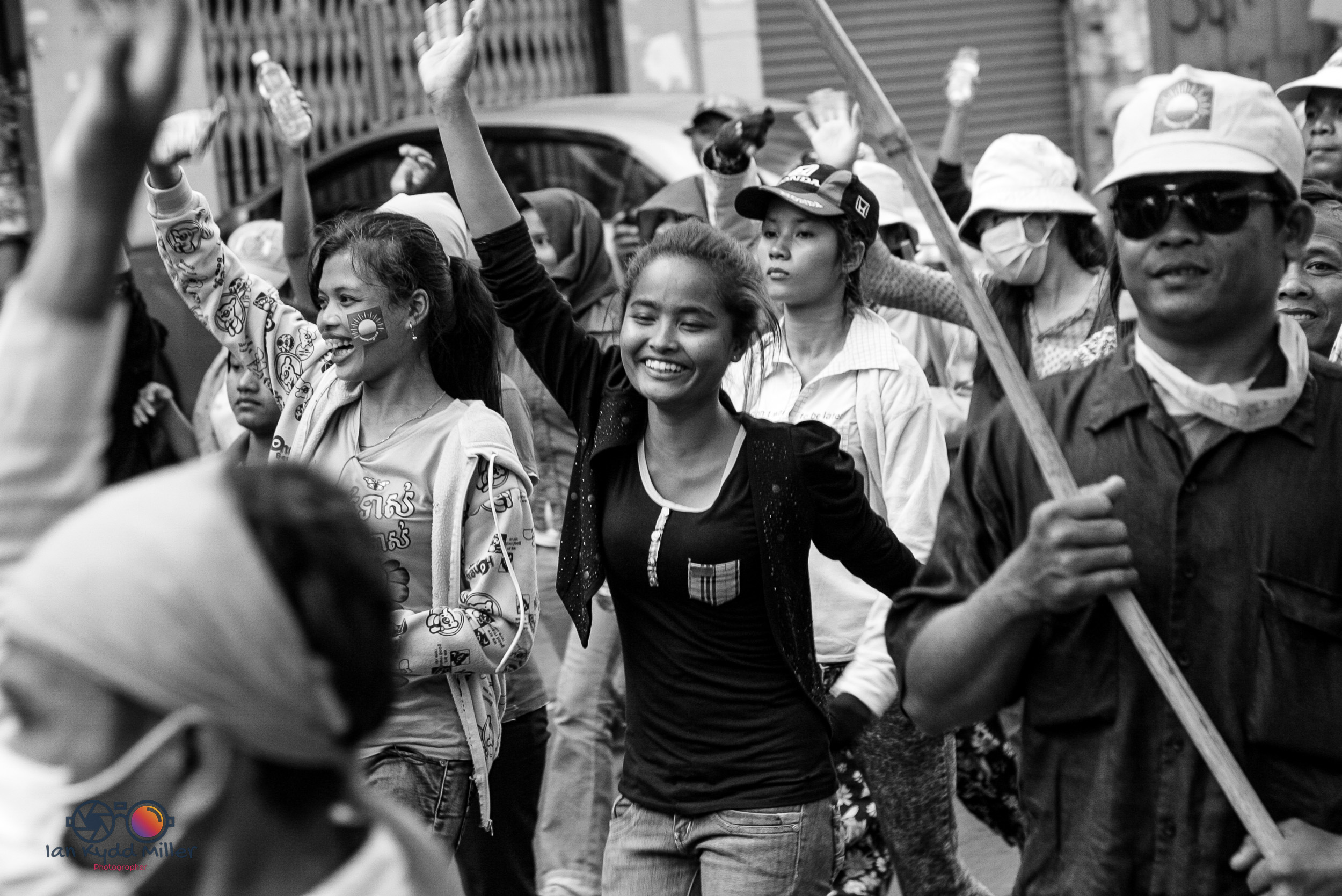
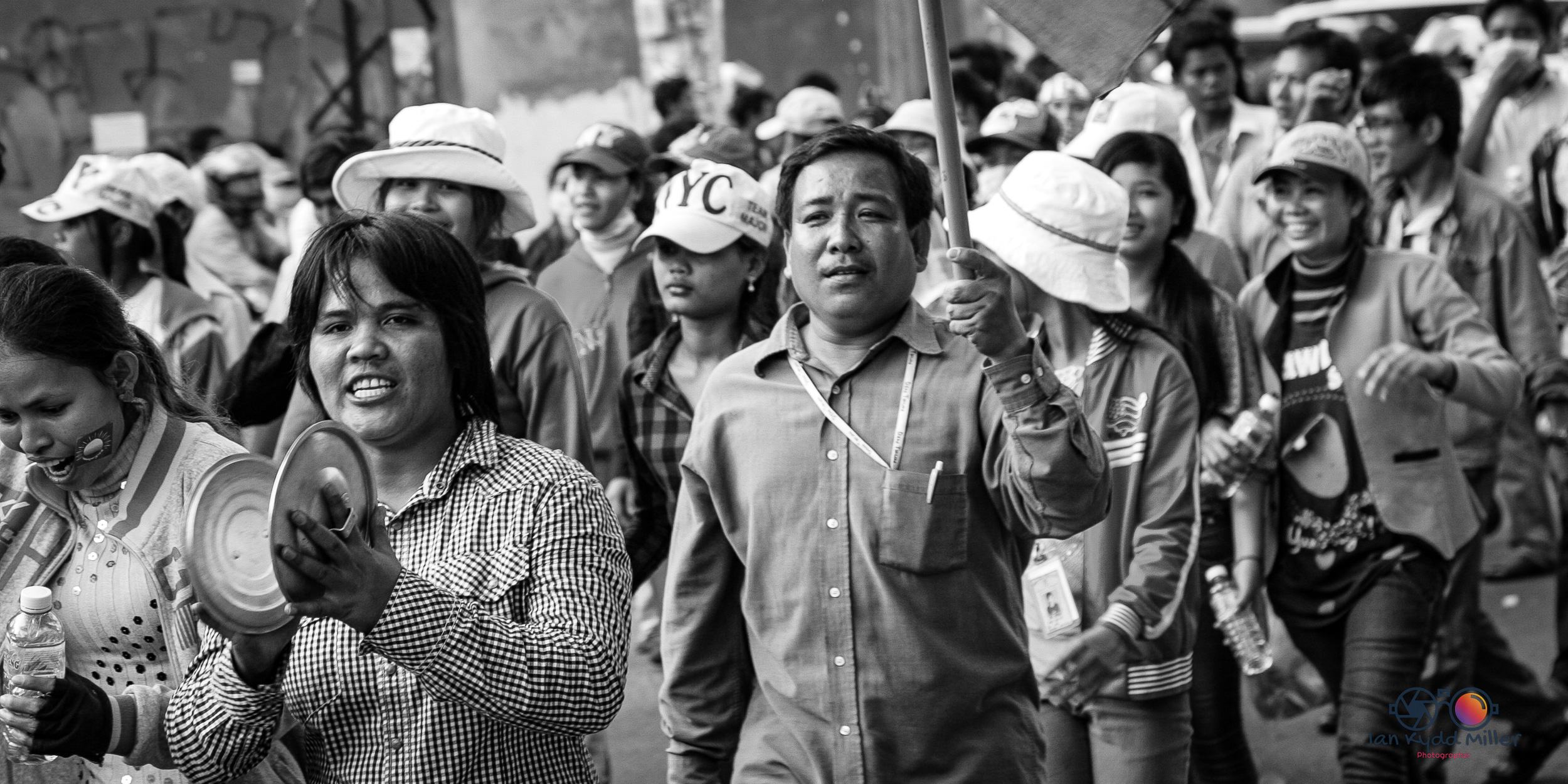
On May 1st, 2023, hundreds of Cambodian workers took to the streets to mark Labour Day and demanded better working conditions and higher wages. The demonstrations were peaceful and well-organized, with no reports of violence or clashes with the authorities. The protesters carried banners and placards with slogans such as “Workers are not slaves”, “We deserve a living wage”, and “Respect our rights”. They also sang songs and chanted slogans in Khmer and English, expressing their solidarity and determination.

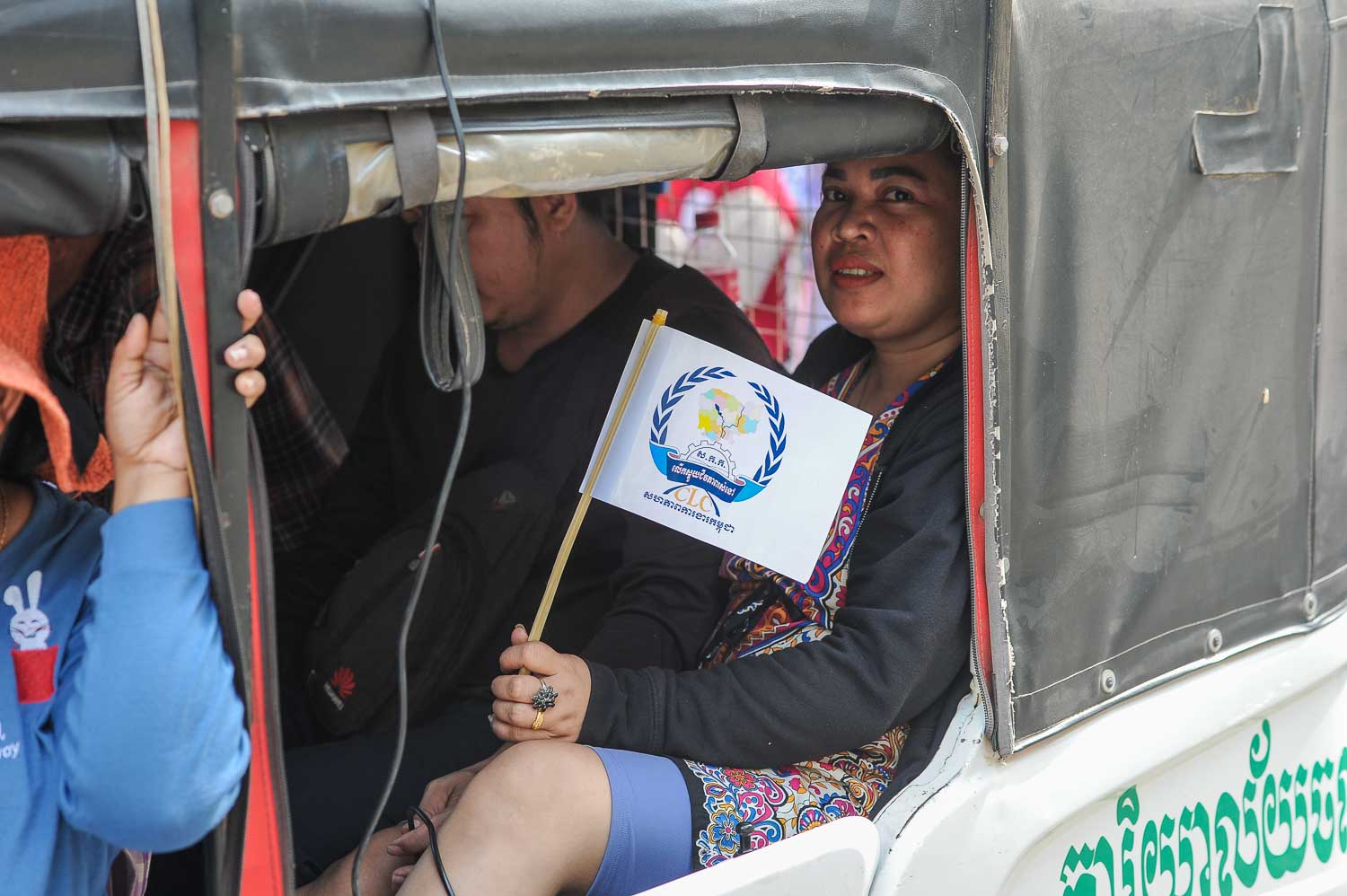
The demonstrations were part of a nationwide campaign by the Cambodian Labour Confederation (CLC), the largest independent trade union in the country. The CLC represents workers from various sectors, including garment, construction, tourism, and agriculture. The CLC has been advocating for a minimum wage increase from $192 to $250 per month, as well as improved health and safety standards, social protection, and freedom of association. The CLC claims that the current minimum wage is insufficient to cover the basic needs of workers and their families, especially amid the COVID-19 pandemic and the rising cost of living.

The demonstrations were also supported by other civil society groups, human rights organizations, and opposition parties. They called on the government to respect the rights of workers and engage in dialogue with the unions. They also urged the international community to pressure the Cambodian government to uphold its obligations under the International Labour Organization (ILO) conventions and other human rights treaties.

The Cambodian government has not responded to the workers’ demands and has maintained tight control over the labour movement. The government has been accused of cracking down on unions and activists, restricting their freedom of expression and assembly, and using legal threats and intimidation to silence dissent. The government has also been criticized for failing to protect workers from exploitation, abuse, and discrimination by employers and foreign investors.

The Cambodian Labour Day demonstrations were a sign of the growing discontent and frustration among the working class in Cambodia. They also showed the strength and resilience of the labour movement in the face of repression and hardship. The workers vowed to continue their struggle until their demands are met and their dignity is restored.
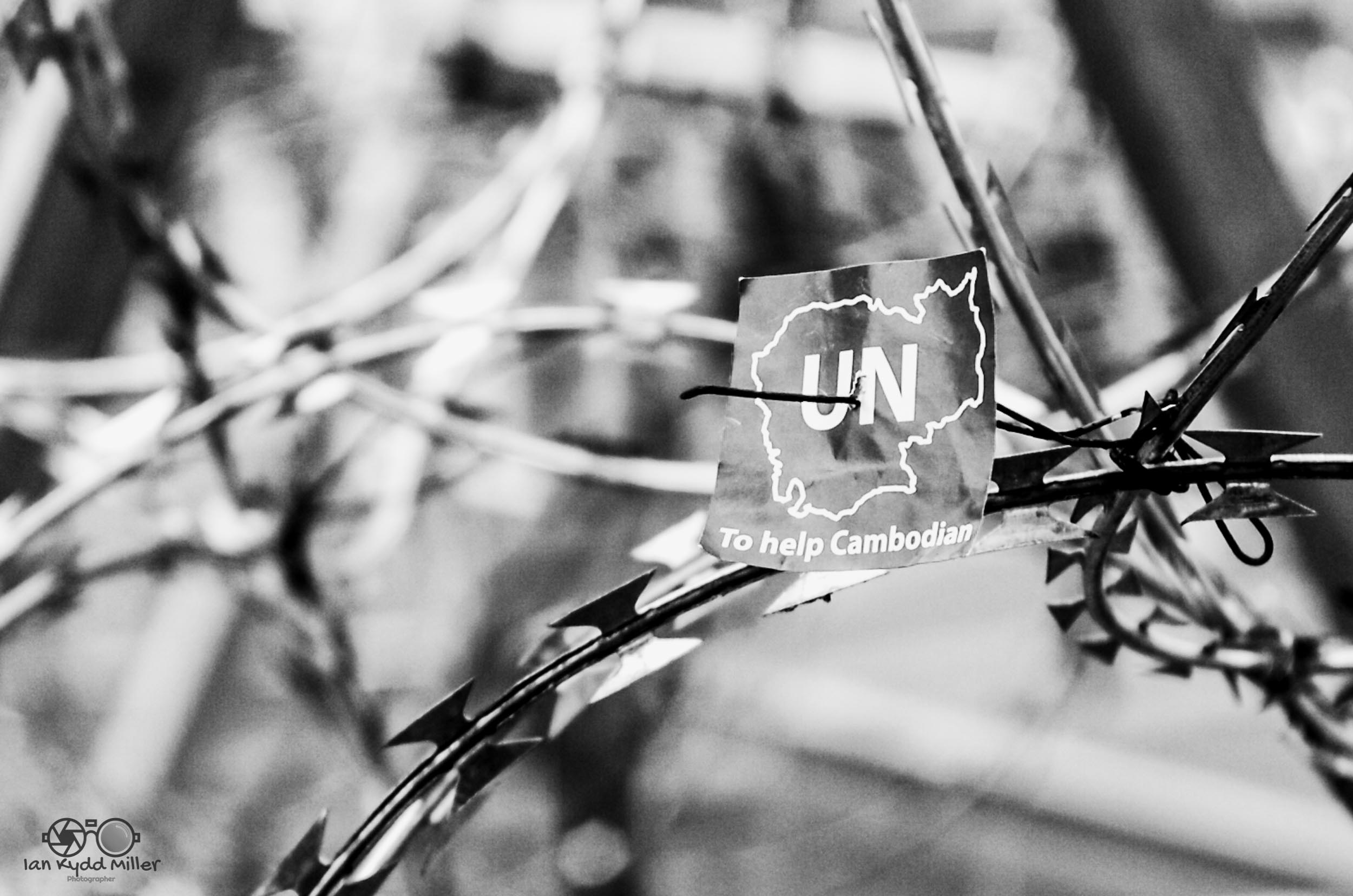
***Rising costs and static wages are causing the ordinary working population to struggle in Cambodia. This means that the prices of goods and services are increasing faster than the income of most people, especially those who work in the garment, textile, and footwear industries. These industries are vital to Cambodia’s economy, as they account for some 80 per cent of total exports and employ over 700,000 workers. However, the workers in these industries only receive a minimum wage of US$194 per month for regular workers and US$192 per month for probationary workers. This is barely enough to cover their basic needs, such as food, transportation, accommodation, and health care. Moreover, the minimum wage has only increased by US$10 in three years, while inflation and living expenses have risen faster. The government has tried to balance the interests of the workers and the employers, but many workers are still dissatisfied with their low wages and poor working conditions. They demanded a higher minimum wage of US$204 per month, but this was rejected by the government. The workers have also faced challenges from the withdrawal of Cambodia’s partial ‘Everything but Arms’ status by the European Union, which gave the country duty-free access to EU markets. This has reduced the demand for Cambodian exports and threatened the jobs of many workers. Therefore, rising costs and static wages are creating a lot of hardship and discontent among the ordinary working population in Cambodia.***

“It’s not fair that we work so hard to make clothes, shoes, and other products for the Western markets, but we barely get enough money to survive. The companies that sell our goods charge high prices to their customers, but they pay us very low wages. They don’t care about our health, safety, or dignity. They only care about their profits. We deserve better than this. We deserve to have a decent living standard, to have access to education and health care, and to have a voice in our workplaces. We are not machines. We are human beings”. Anonymous quote

Defining your photographic comfort zone

cambodia, cameras, conflict, homelessness, Lenses, opinons, thoughts, photography, street, Travel, voluntary, war

One of the most important aspects of photography is finding your own style and voice. But how do you do that? How do you know what kind of photos you like to take and what kind of photos you are good at taking? One way to approach this question is by defining your photographic comfort zone.

Your photographic comfort zone is the range of subjects, situations, and techniques that you feel comfortable and confident with. It’s where you can express yourself freely and creatively, without feeling anxious or frustrated. It’s where you can enjoy the process of making images and have fun with your camera.

But how do you find your photographic comfort zone? Well, there is no definitive answer to that, as everyone’s comfort zone is different and personal. However, here are some possible steps that might help you:

Defining your photographic comfort zone can help you discover your own style and voice as a photographer. It can also help you improve your skills and expand your horizons. However, remember that your comfort zone is not fixed or static. It can change over time as you evolve as a photographer and as a person. So keep exploring, keep learning, and keep enjoying photography!

Ethical issues for street photographers.

cambodia, cameras, conflict, FB, homelessness, Lenses, opinons, thoughts, photography, pictures, public, street, Travel, war

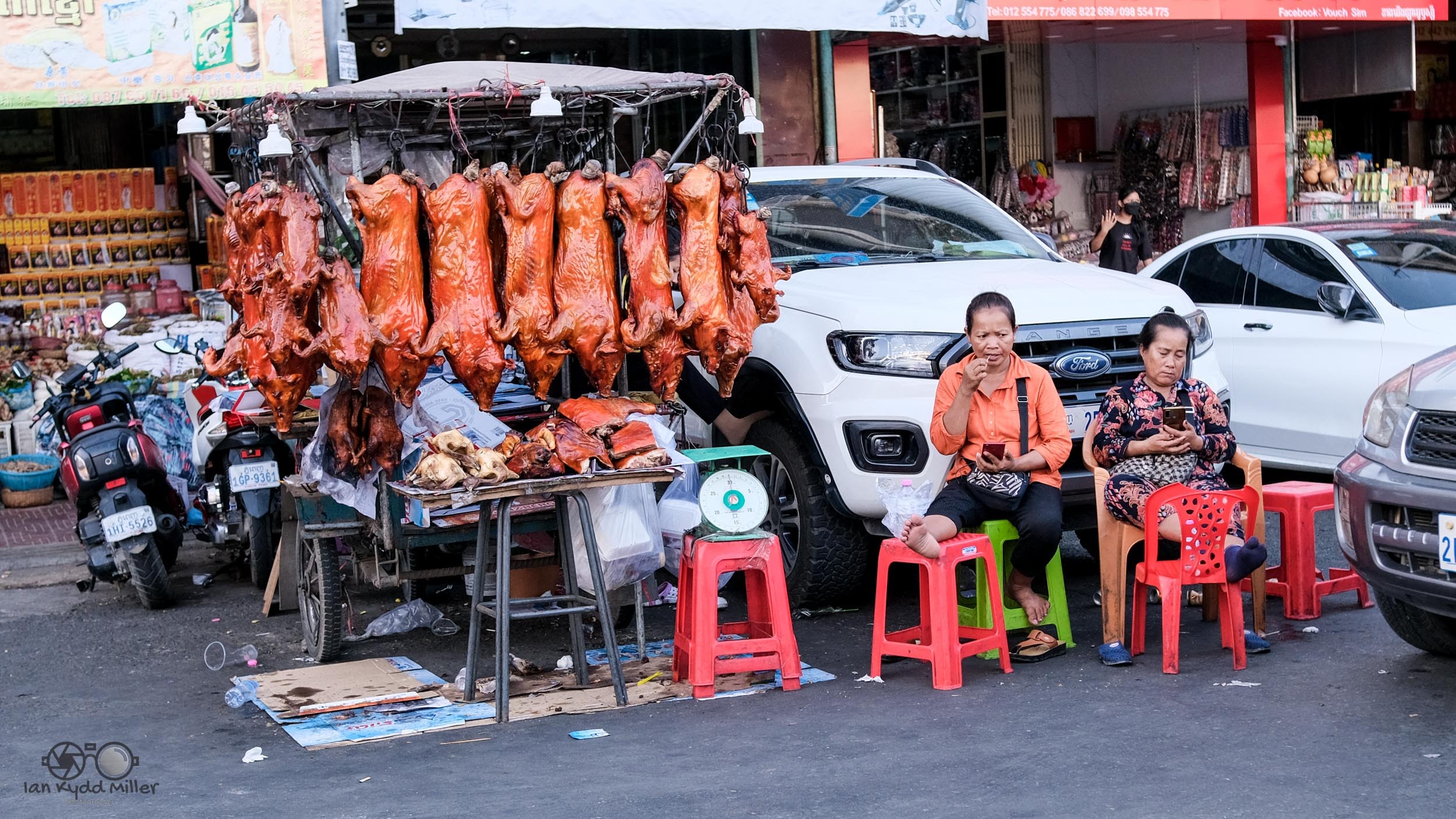
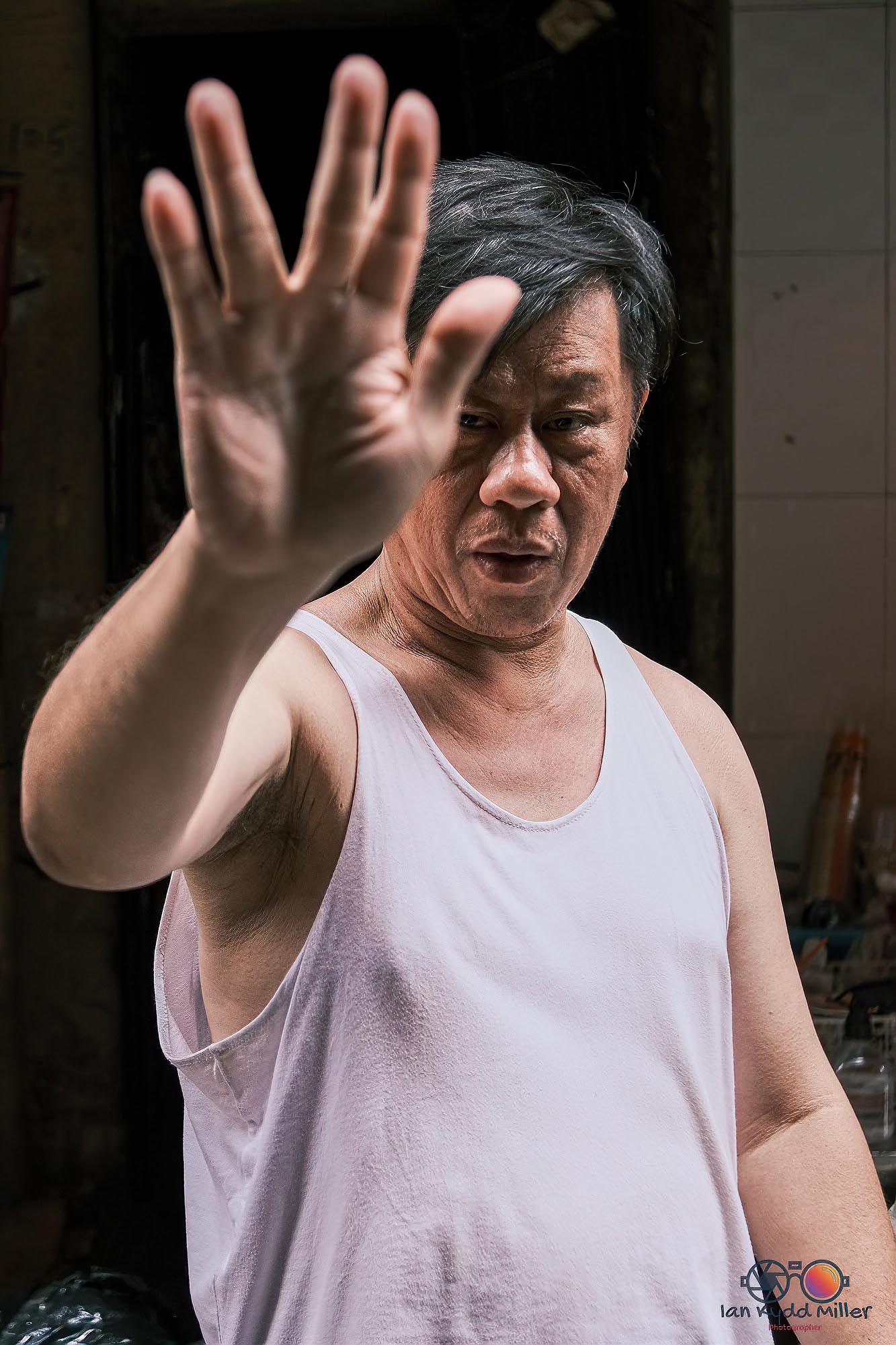
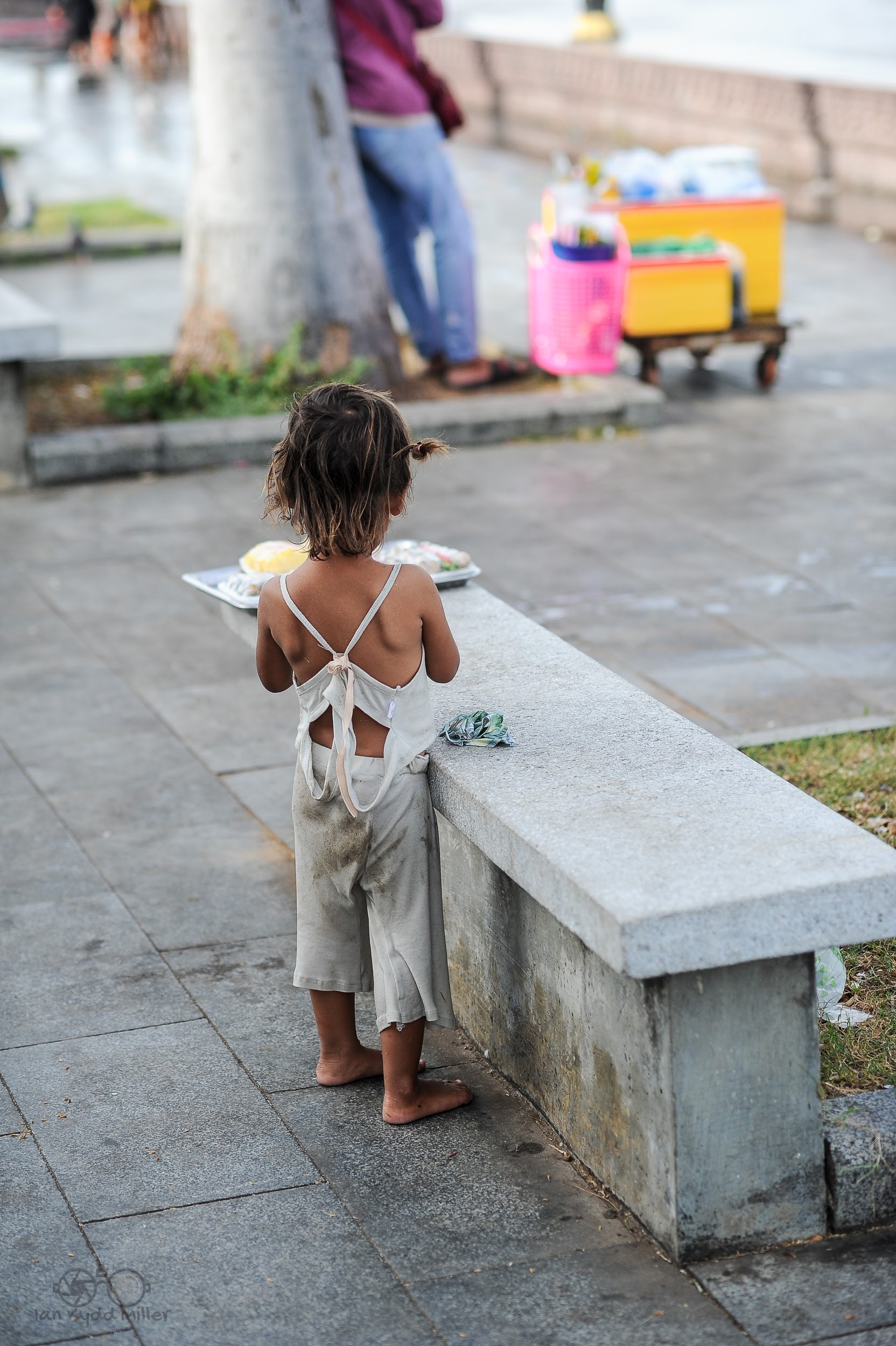
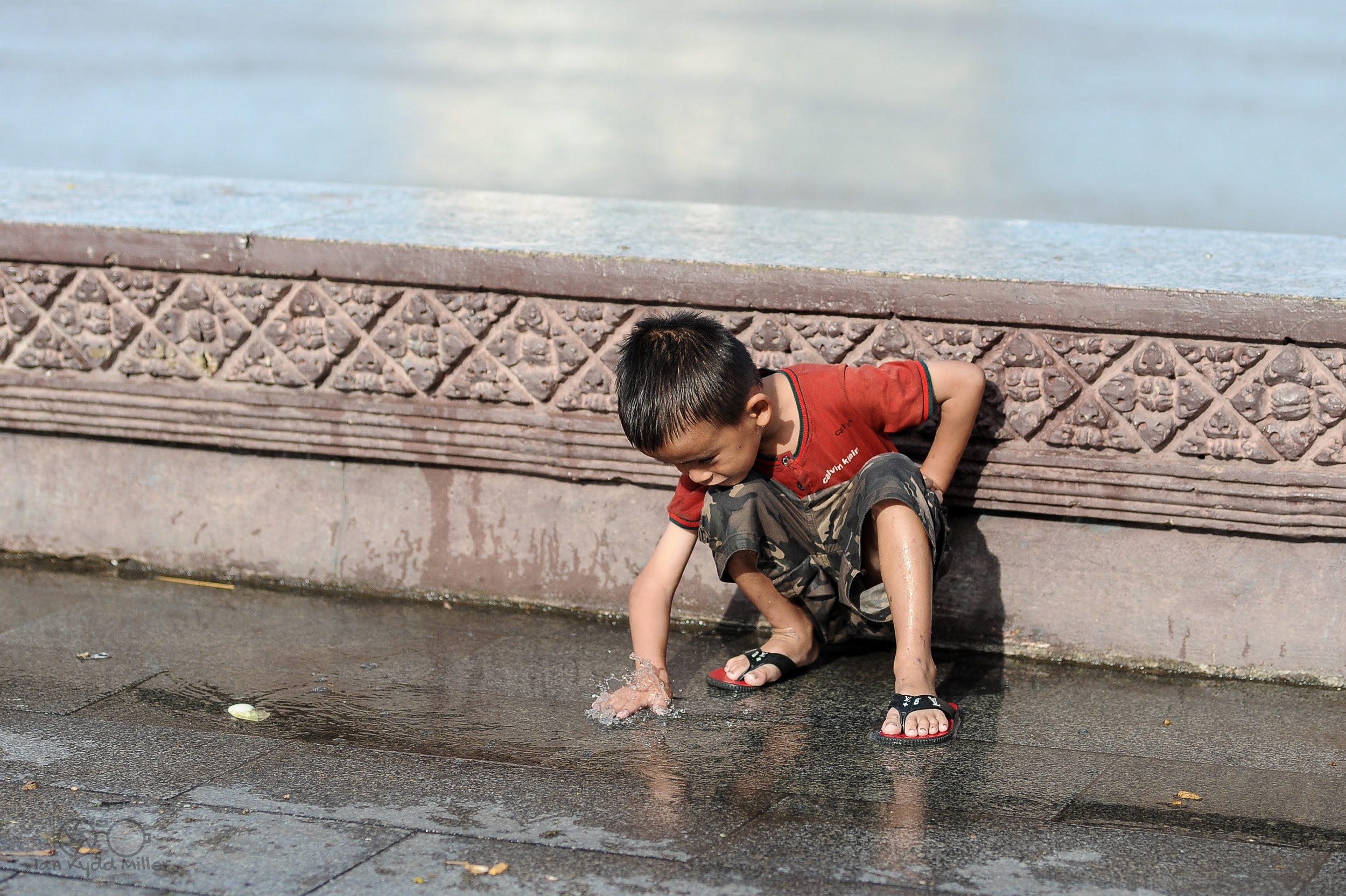
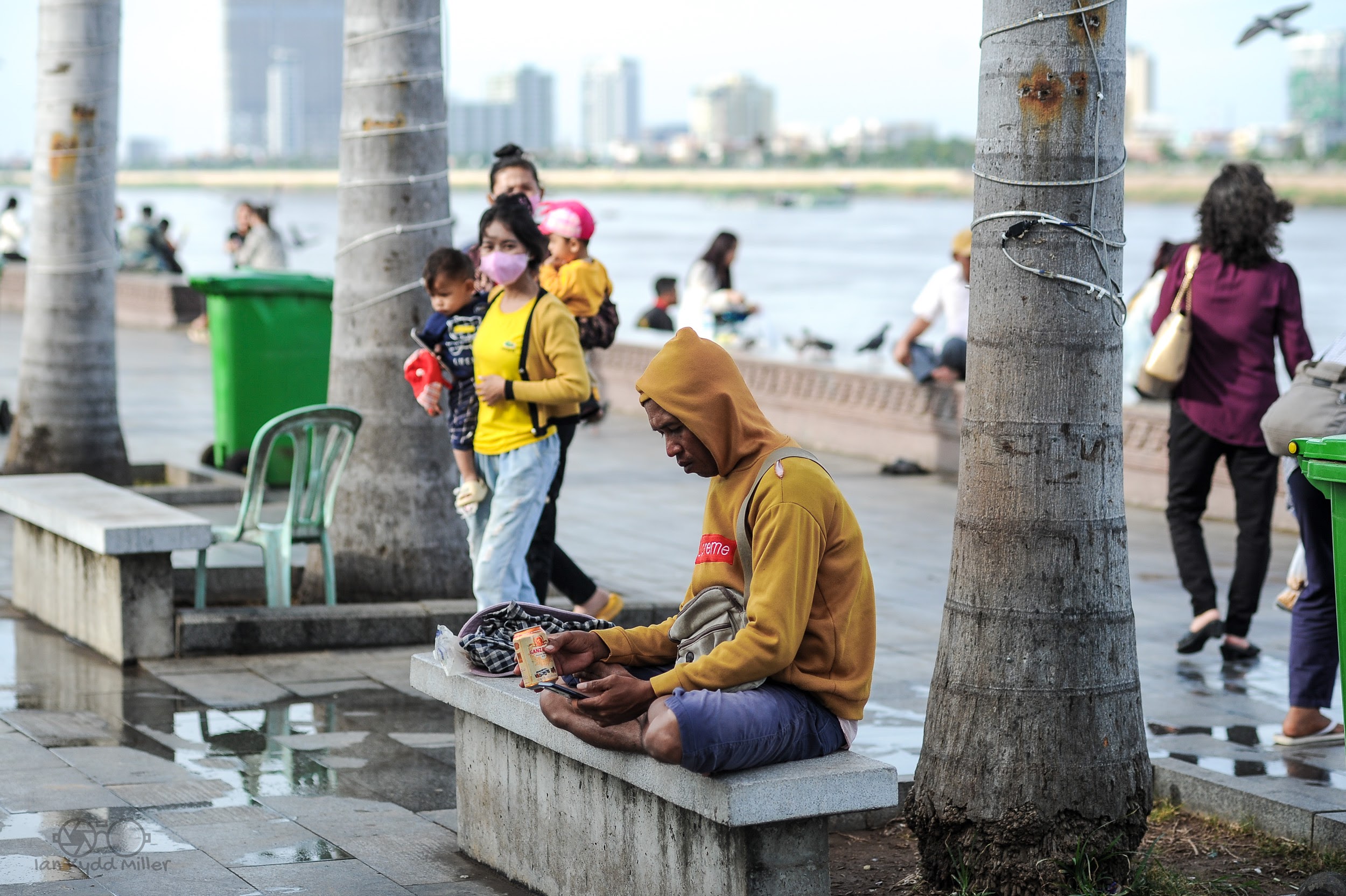
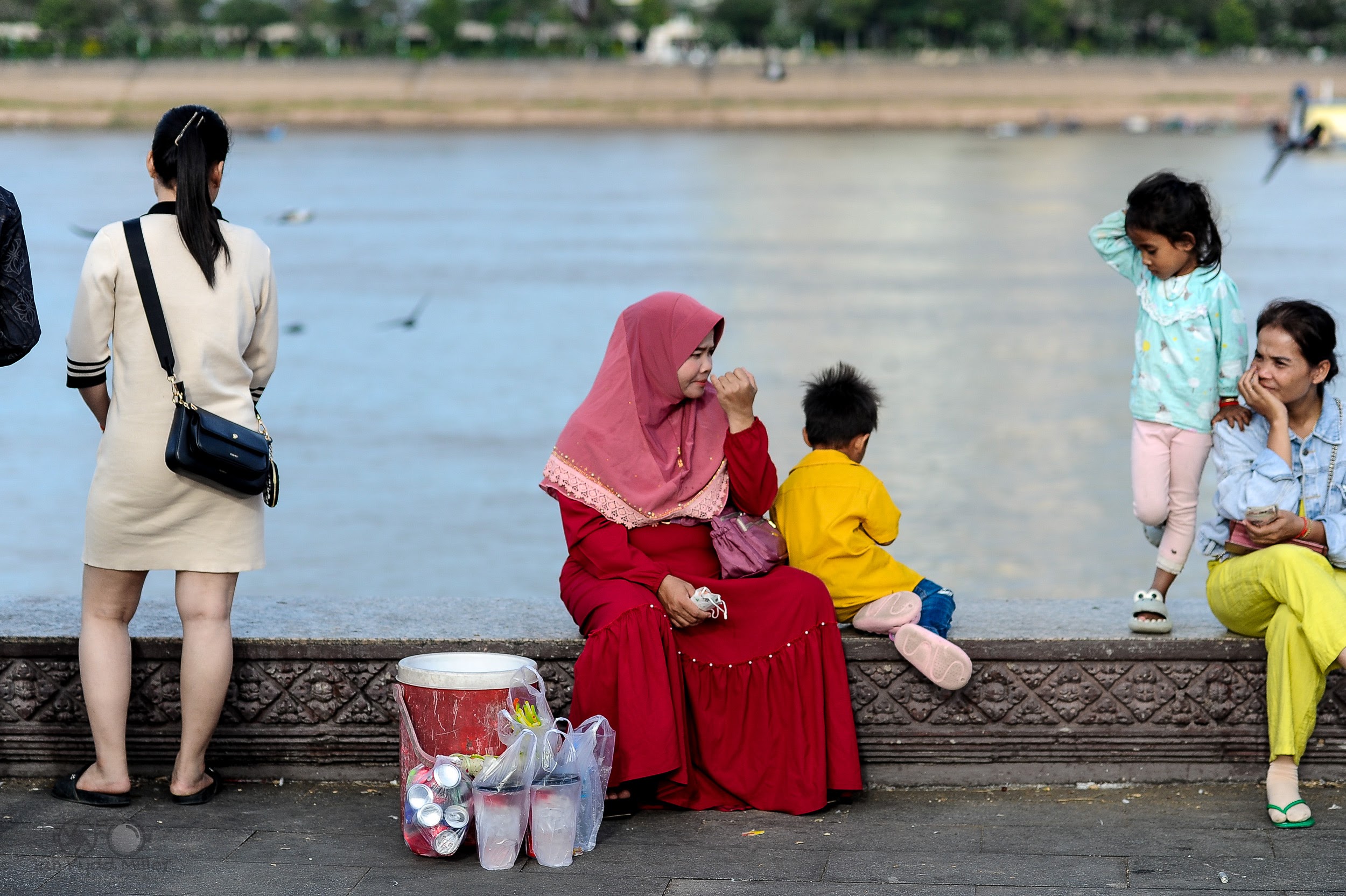
Street photography is a fascinating and rewarding genre of photography that captures candid moments of life in public spaces. However, street photography also poses some ethical challenges that require careful consideration and respect from the photographer. Here are some ethical issues for the street photographer to keep in mind:

Conflict Photography

cambodia, conflict, opinons, thoughts, photography, pictures

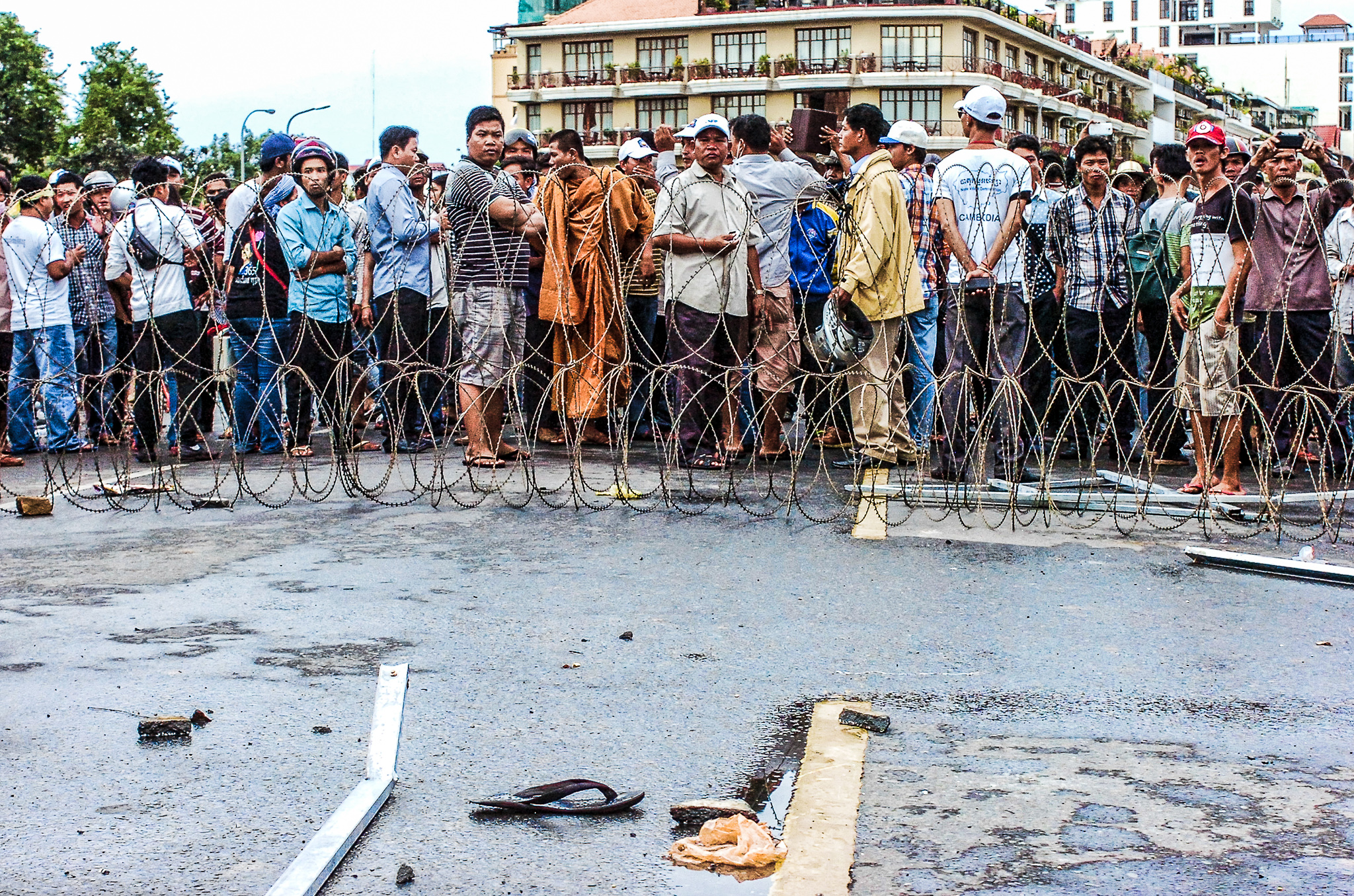
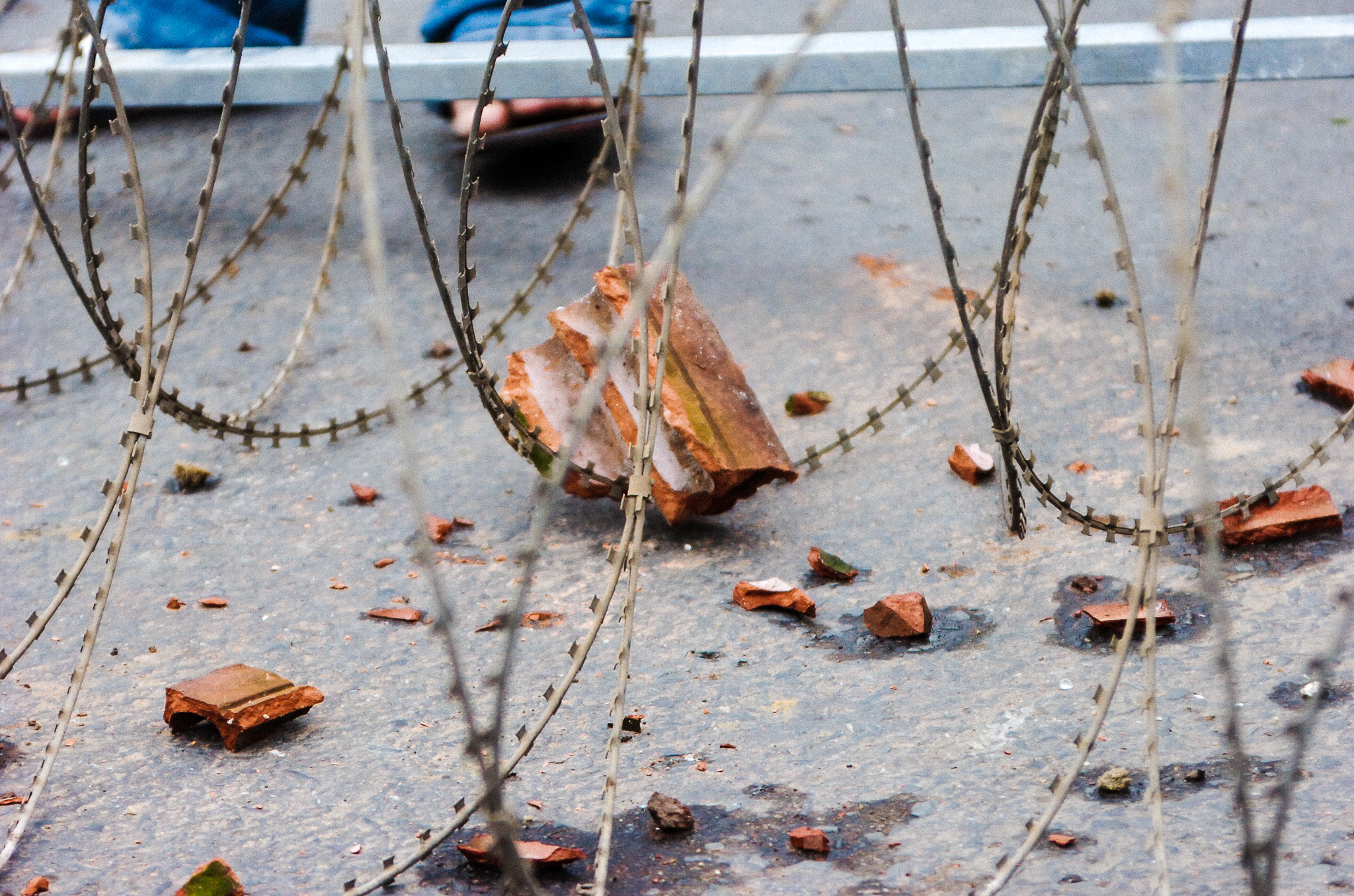
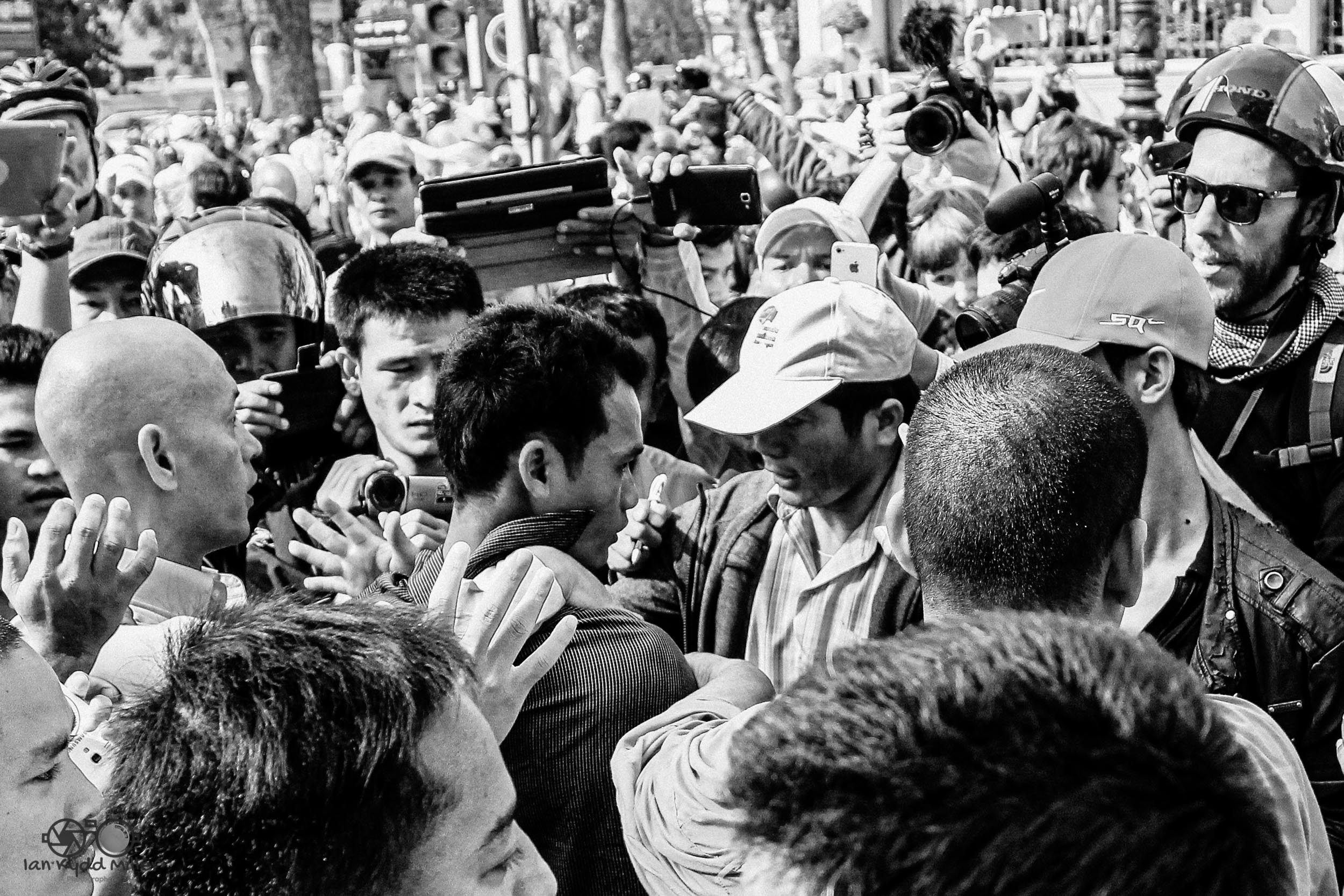
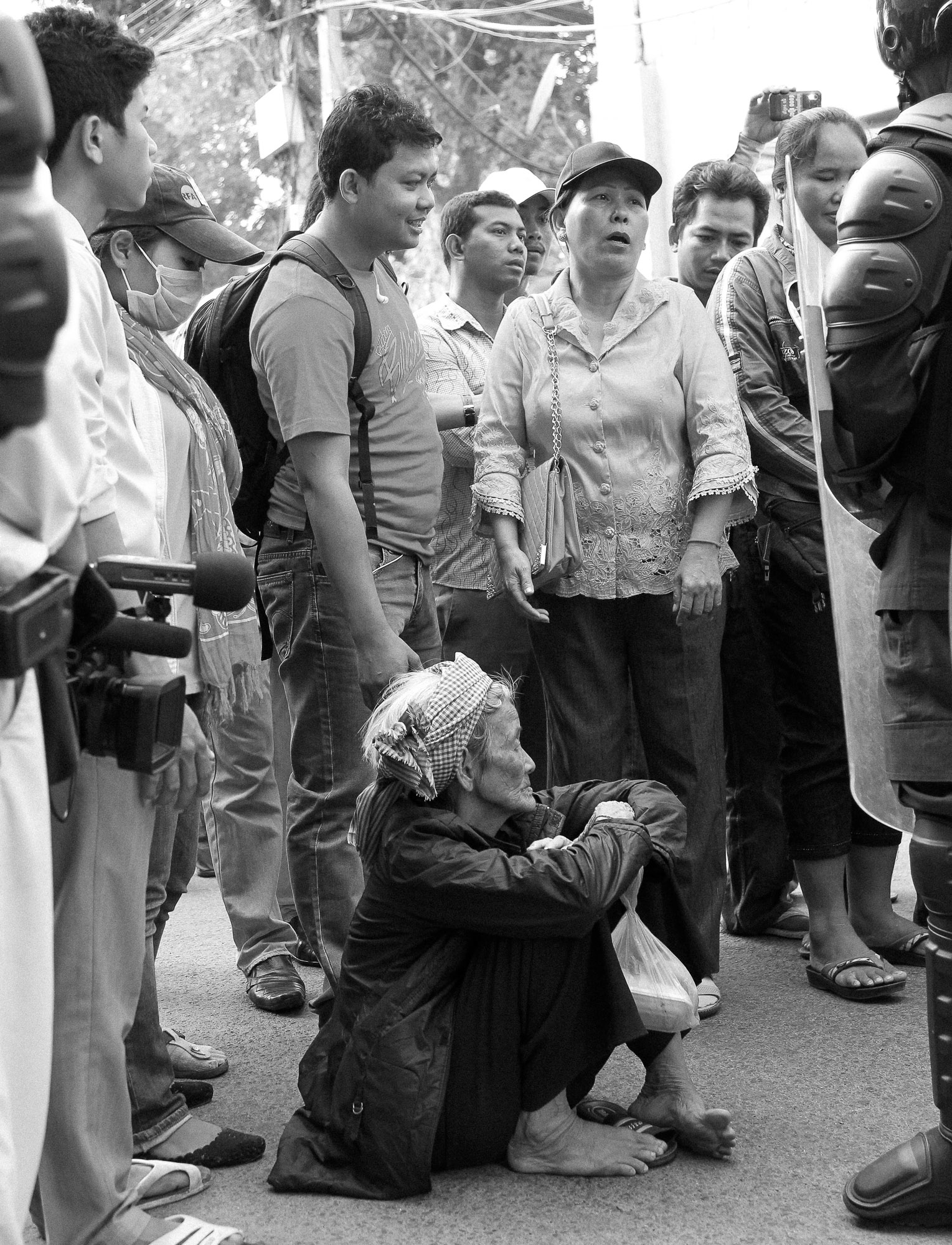
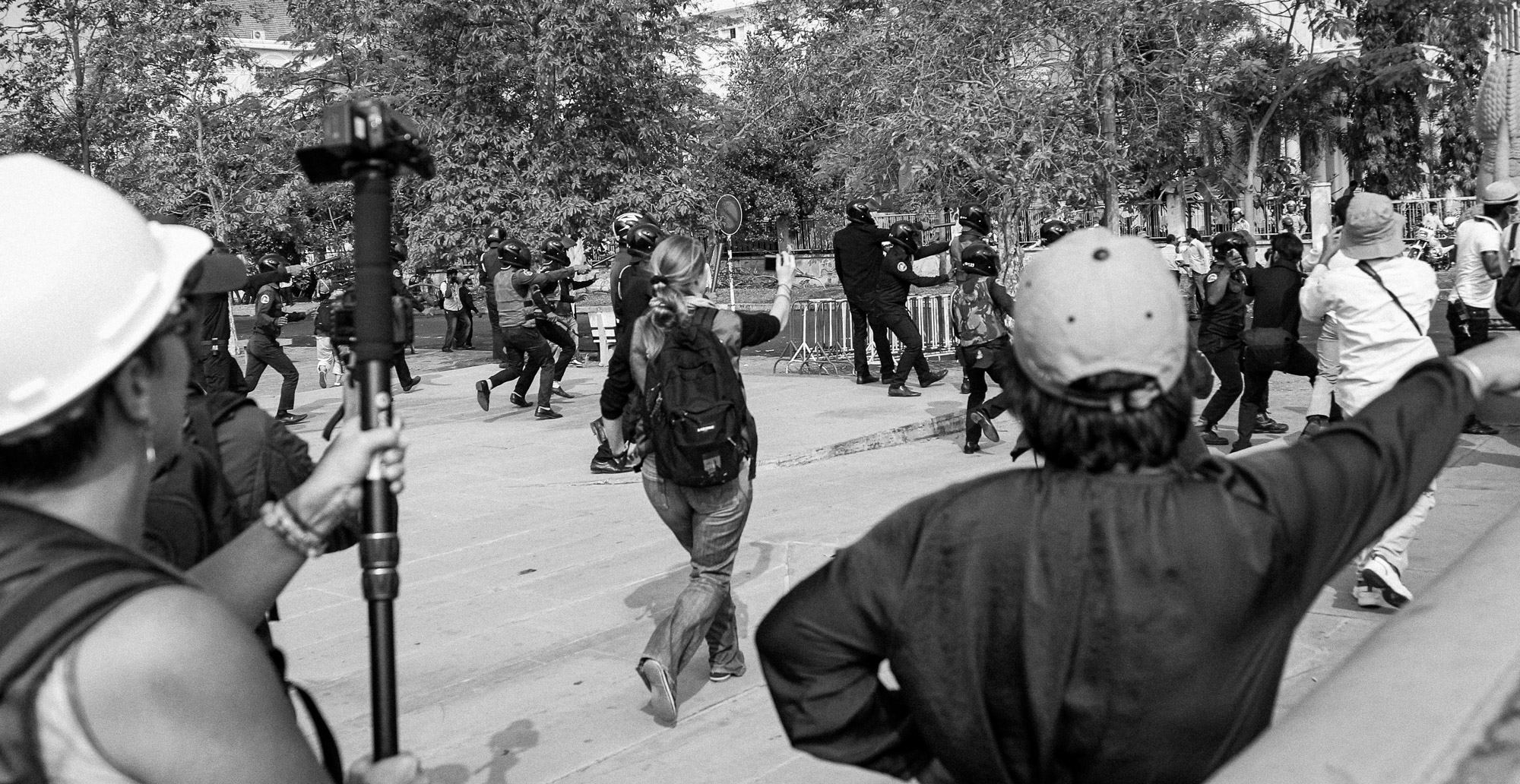
Conflict photography is a form of photojournalism that captures the human and environmental impact of wars, violence and social unrest. It is a challenging and rewarding profession that requires courage, skill and empathy. Conflict photographers aim to document the truth and raise awareness of the suffering and injustice that often goes unnoticed by the mainstream media. They also hope to inspire positive change and peace through their images.

Conflict photography is not for the faint-hearted. It involves working in dangerous and unpredictable situations, facing ethical dilemmas and coping with trauma. Conflict photographers need to have a strong sense of purpose and passion for their work, as well as respect for the people and places they photograph. They also need to have a keen eye for composition, lighting and storytelling, as well as a technical mastery of their equipment.
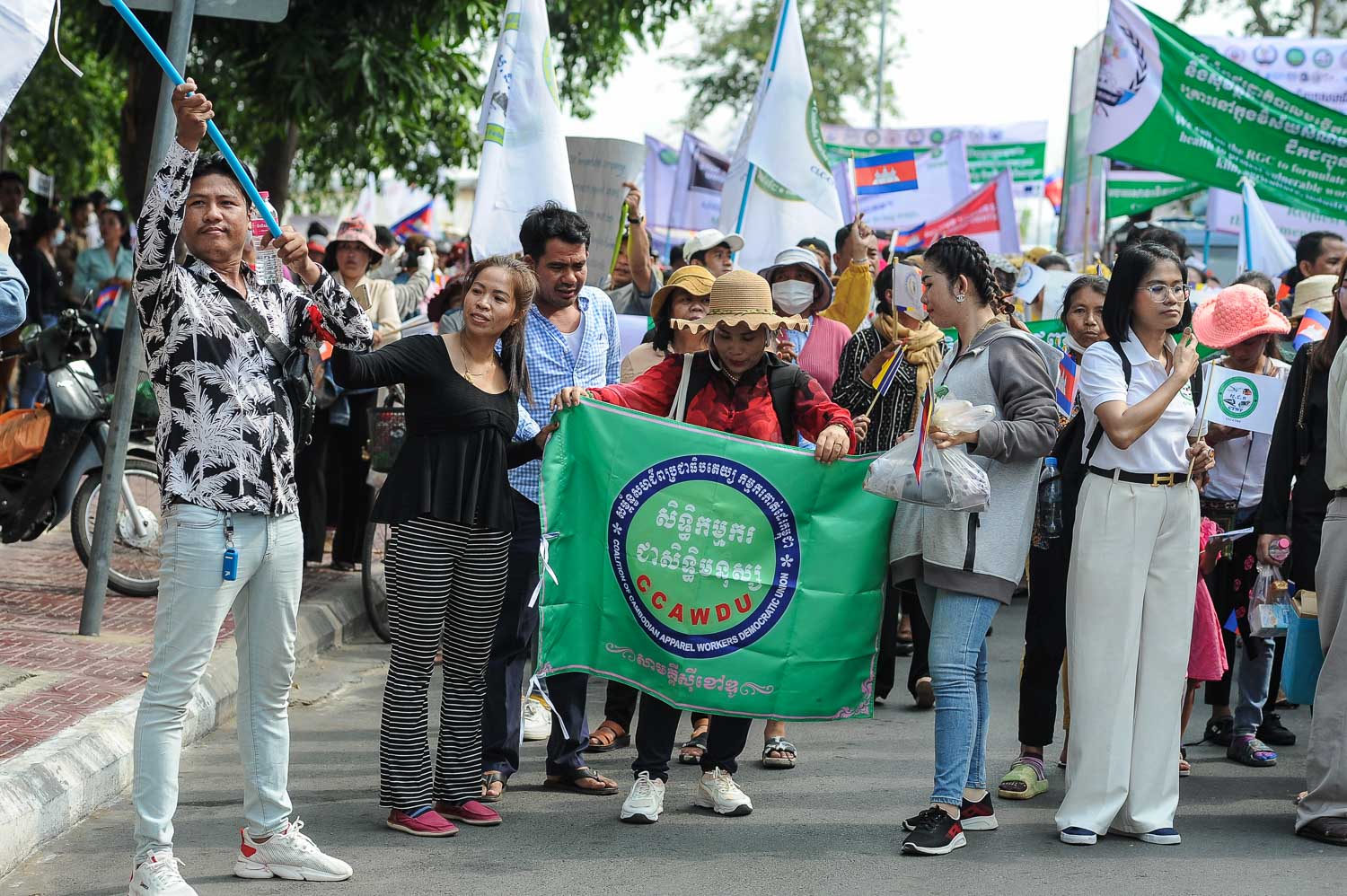
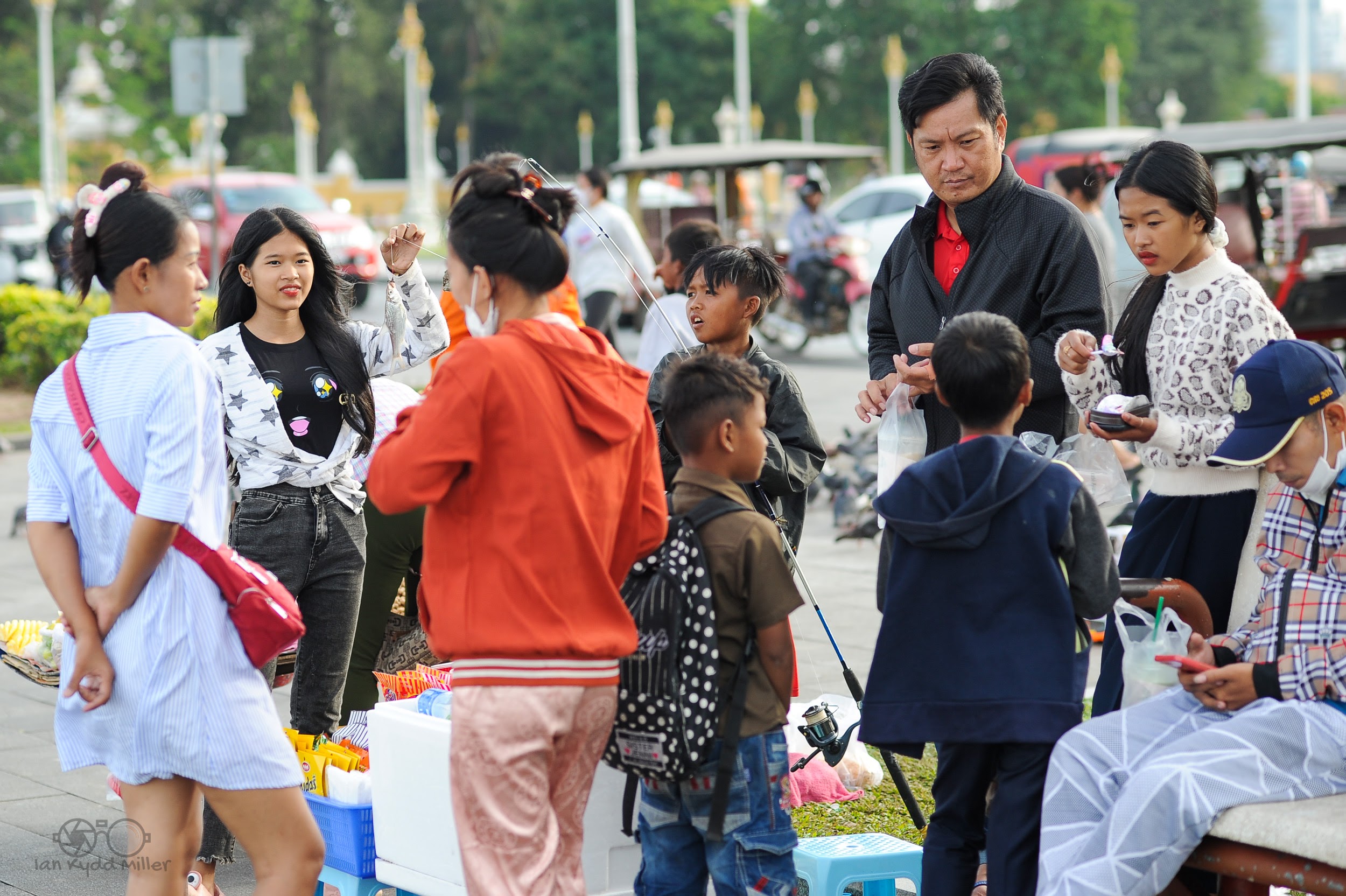
Conflict photography can have a powerful impact on the world. It can expose the horrors of war, human rights violations and environmental degradation. It can also show the resilience, dignity and hope of the people affected by conflict. It can educate, inform and inspire audiences to take action and make a difference. Conflict photography is more than just taking pictures; it is a way of bearing witness and making history.