
Personally use this lens a lot and generally keep it mounted on my Fuji XE1. Its a great little performer.


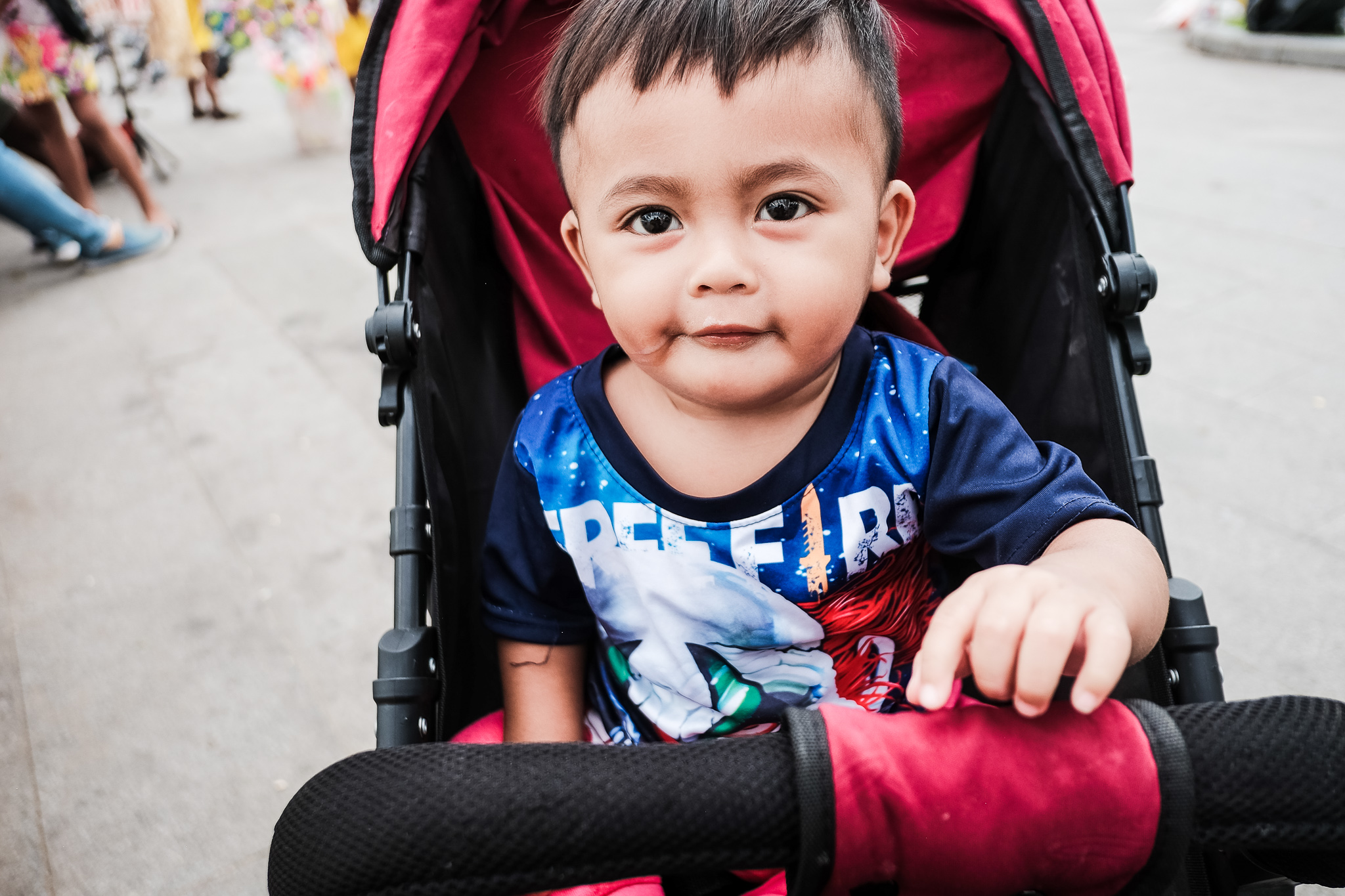


Personally use this lens a lot and generally keep it mounted on my Fuji XE1. Its a great little performer.

Not everyday do you get any good keepers, this one is nearly there, taken quickly, on the move and is a smidgen less that sharp.
I have just rediscovered my first generation Fujifilm X100, what a great little box.

Simulate the effects of different kinds of film, including black-and-white (with or without color filters). (PROVIA/STANDARD)Standard color reproduction. Suited to a wide range of subjects, from portraits to landscapes.
 (Velvia/VIVID)A high-contrast palette of saturated colors, suited to nature photos.
 (ASTIA/SOFT)Enhances the range of hues available for skin tones in portraits while preserving the bright blues of daylight skies. Recommended for outdoor portrait photography.
 (CLASSIC CHROME)Soft color and enhanced shadow contrast for a calm look.
 (PRO Neg. Hi)Offers slightly more contrast than
  (PRO Neg. Std). Recommended for outdoor portrait photography. (PRO Neg. Std)A soft-toned palette. The range of hues available for skin tones is enhanced, making this a good choice for studio portrait photography.
 (ACROS) *Take black-and-white photos with rich gradation and outstanding sharpness. Available with yellow (Ye), red (R), and green (G) filters.
 (MONOCHROME) *Take pictures in standard black and white. Available with yellow (Ye), red (R), and green (G) filters.
 (SEPIA)Take pictures in sepia.
* Filters deepen shades of gray corresponding to hues complementary to the selected color. The yellow (Ye) filter deepens purples and blues and the red (R) filter blues and greens. The green (G) filter deepens reds and browns, including skin tones, making it a good choice for portraits.


I recently got the opportunity to purchase, for a great price, the Fuji XF 10-24 f4 zoom lens (Version 1). Although it is one of the earlier releases by Fuji and does not come with weather sealing features, which does not really bother me, the XF 10-24mm f/4 R OIS is equipped with excellent optical image stabilization that can work in conjunction with in-body image stabilization. I do most of my work hand held so this is a great thing.

I have found the lens to be of excellent construction, as with all Fuji lenses, not too heavy for a fairly large lens with lots of glass, and a good metal lens mount. Similar to other high-quality Fujinon lenses, the build quality of the Fuji XF 10-24mm f/4 R OIS is excellent. The lens barrel is made from a combination of tough plastic and metal. The focus and aperture rings, along with the rear mount and the front part of the lens (including the filter thread) are all metal, so the lens is built to last.



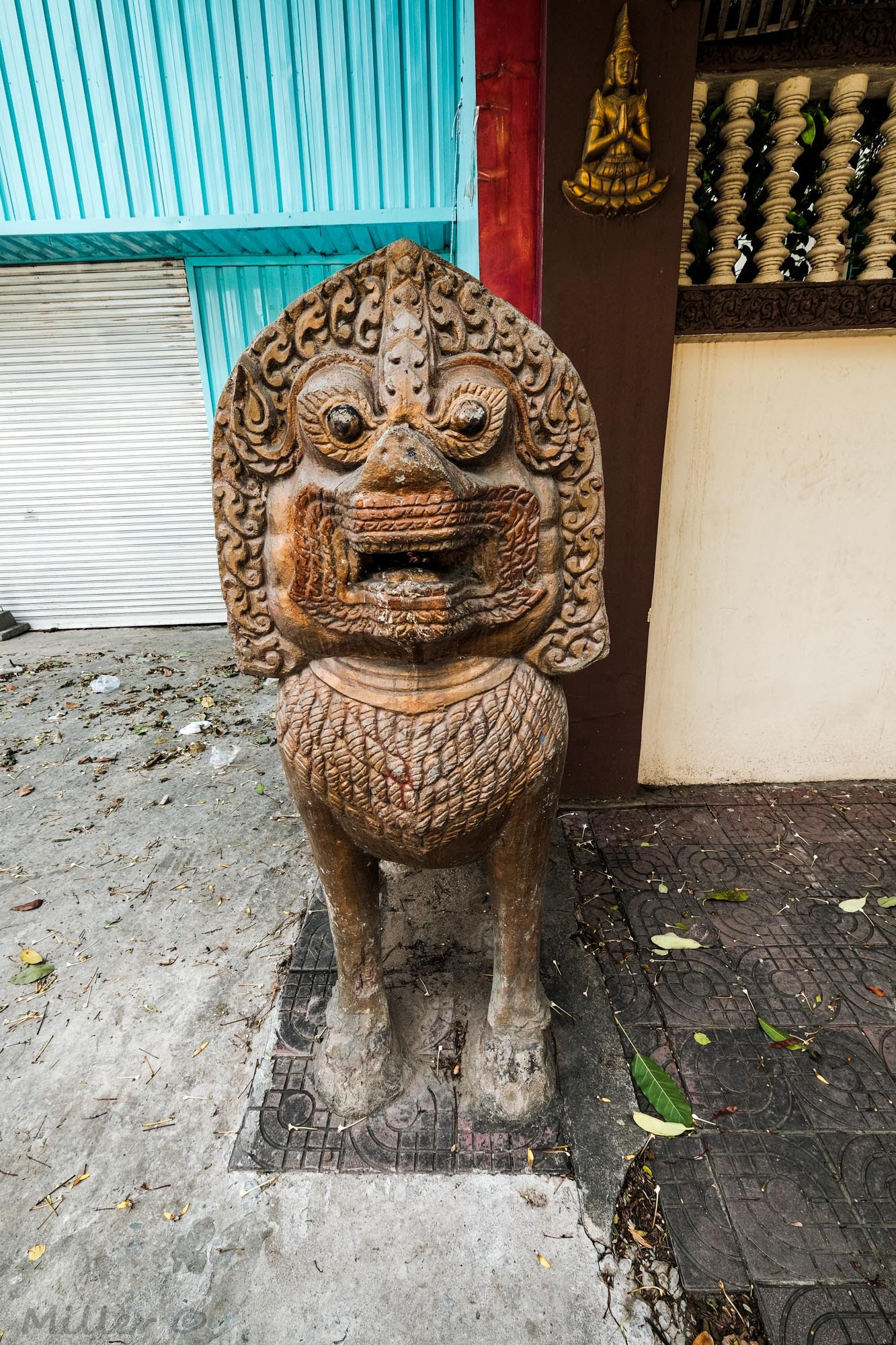
I paired up the lens with my Fujifilm XT3 and as the result above show it is a most capable lens giving sharp and contrasty shots straight from the camera in JPEG. Shooting with the lens at f8 to f10 everything, as expected. Its sharp – even at wide apertures. The bokeh is beautifully rendered. Color rendition is excellent and there are no noticeable issues with vignetting or light fall-off.


The zoom ring is quite large in size and has a rubber cover. When zooming in from 10mm to 24mm, the lens does not change in size – only the front element moves in a little.
There is a rear lens element that stays in place, which does a nice job of keeping dust from entering the lens when it is dismounted. There is no weather sealing. The front lens element is bulbous but reasonably small relative to the lens and filter can be attached. The petal-shaped lens hood is quite large in size. It is plastic and attaches securely to the lens without any wobbling.

If you have a Fujifilm XF camera – get this lens. For sharp landscapes or interiors its absolutely essential. I will be using it for street photography also. While you don’t quite get the depth of field of say, the 16mm f/1.4, you still get some depth of field. Sharpness and rendition are the key features of this lens and it delivers. Highly recommended.
So what do I carry when I go out shooting around town and why.
Whatever it is that I carry it needs to be lighweight but at the same time sturdy and able to produce great results many times under adverse conditions, heat and high humidity;
Up until fairly recently I used to carry lots of different cameras and lenses, mainly Nikon or Canon Pro range, with a good selection of lenses. Not going to go into that right now but needless to say they were a heavy group to carry around for any length of time.
Fujifilm X-E2 always in my bag.

Its small, its lightweight and just gives great result for the kind of stuff I shoot, usually mounted with the XF 18mm f2 its 16MP sensor is excellent.
Almost always in the bag FUJIFILM XT3
This is one wonderful piece of machinery, high MP with great functionality and produces crisp and clean images even at very high ISO.

Even with its attached battery pack it is comfortable to carry and the extra power means I can go all day and not run out of power. I like to mate this with my most recently aquired lens the XF 10-24 f4 R IOS as the result can be superb and the wide angle can be challenging. The X-T3 brings with it a brand new sensor, improved autofocus and video performance that makes it competitive with Panasonic’s GH5, taking the X-T series from being a very good stills camera to one of the best stills/video hybrids on the market. This is a true professional camera, and it’s already NOT the camera that a Fuji user would buy if they wanted a truly portable, lightweight APS-C kit. It weighs in much heavier that the XE2 but it has much faster AF and battery life that IMO make up for the little extra weight. I also have a XT2 as a back up but that is not carried all the time.
Fuji X Pro2

Used probably as much as the XE2 but a little heavier to carry. The results from this camera mated usually with an XF 35mm f2 are no less than astounding. Easy to carry and easy to use once you have it set up the way you like it. As with all Fujifilm cameras the menus can be a little complex but once you understand how they work the cameras can be tweeked to how you like your images to come out if you use JPEG’s out of the box. (which I do).
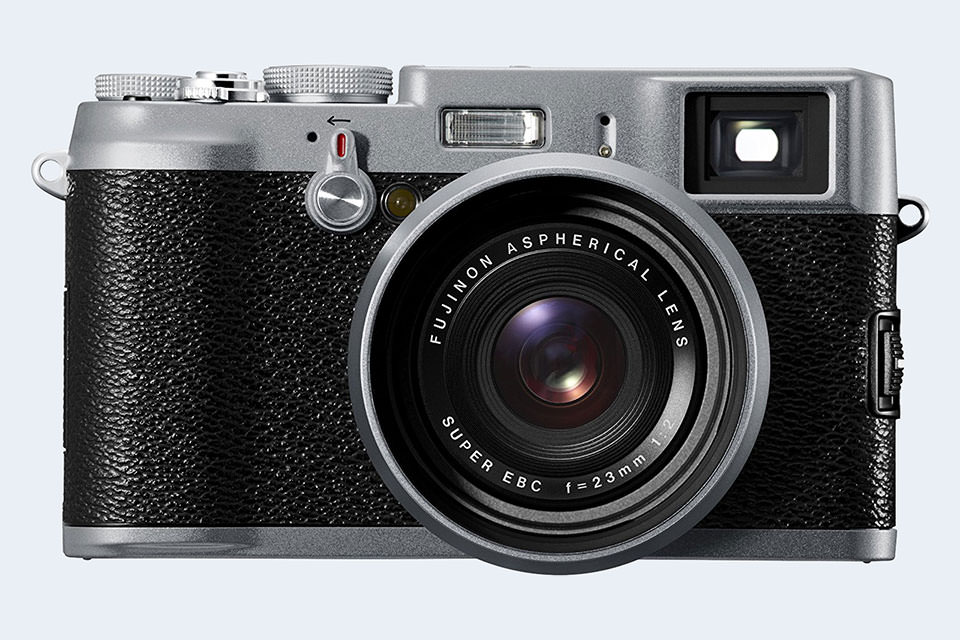
Fujifilm X100 (original)
I have just rediscovered why I went over to Fuji when I bought this camera with its fixed 23mm f2 lens. Its just a superb piece of retro design. It has a smaller sensor but gives lovely feeling images of great quality. The X100 is still surprisingly usable, even 10 years later. Technically, the X100 is not a rangefinder camera. (but it looks like one) … For most practical purposes – other than manual focus – shooting with the X100 feels a lot like working with a Leica M9 or any other classic rangefinder camera. The 23mm f/2 lens – equivalent to a classic 35mm lens on a full frame camera – is convincingly sharp.
I only ever carry 2 cameras, which they will be I decide when I know what I may be shooting. I carry them in an old Lowepro bag that I have had for years. It keeps them safe and it does not look too much like an expensive camera bag as it is quite battered.


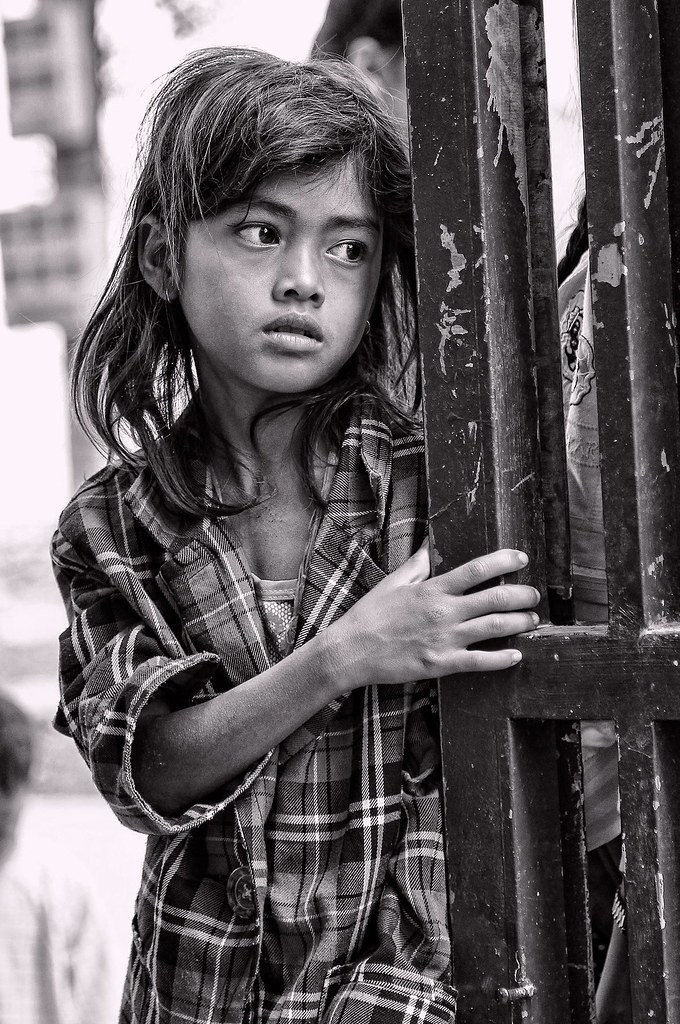

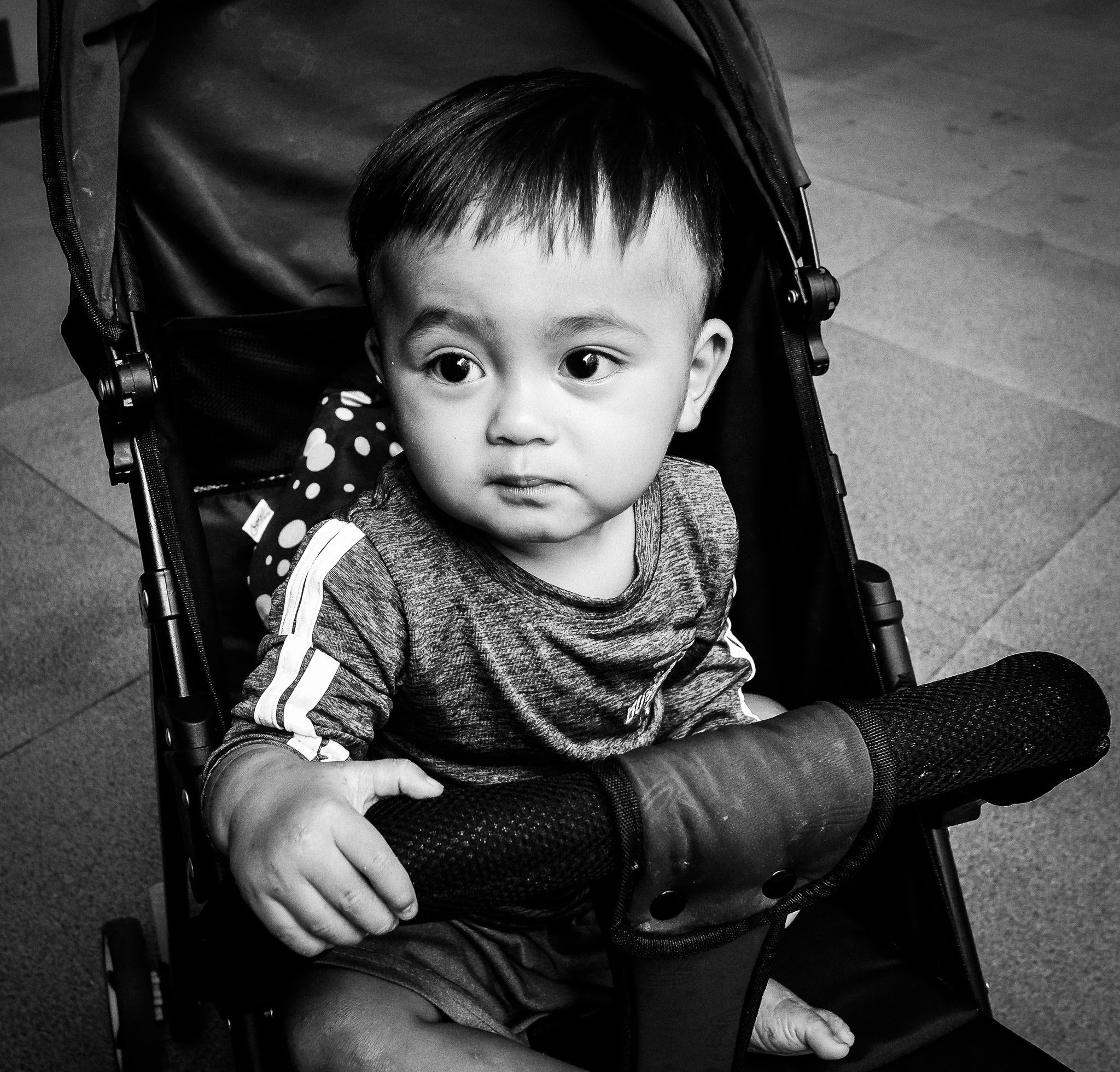

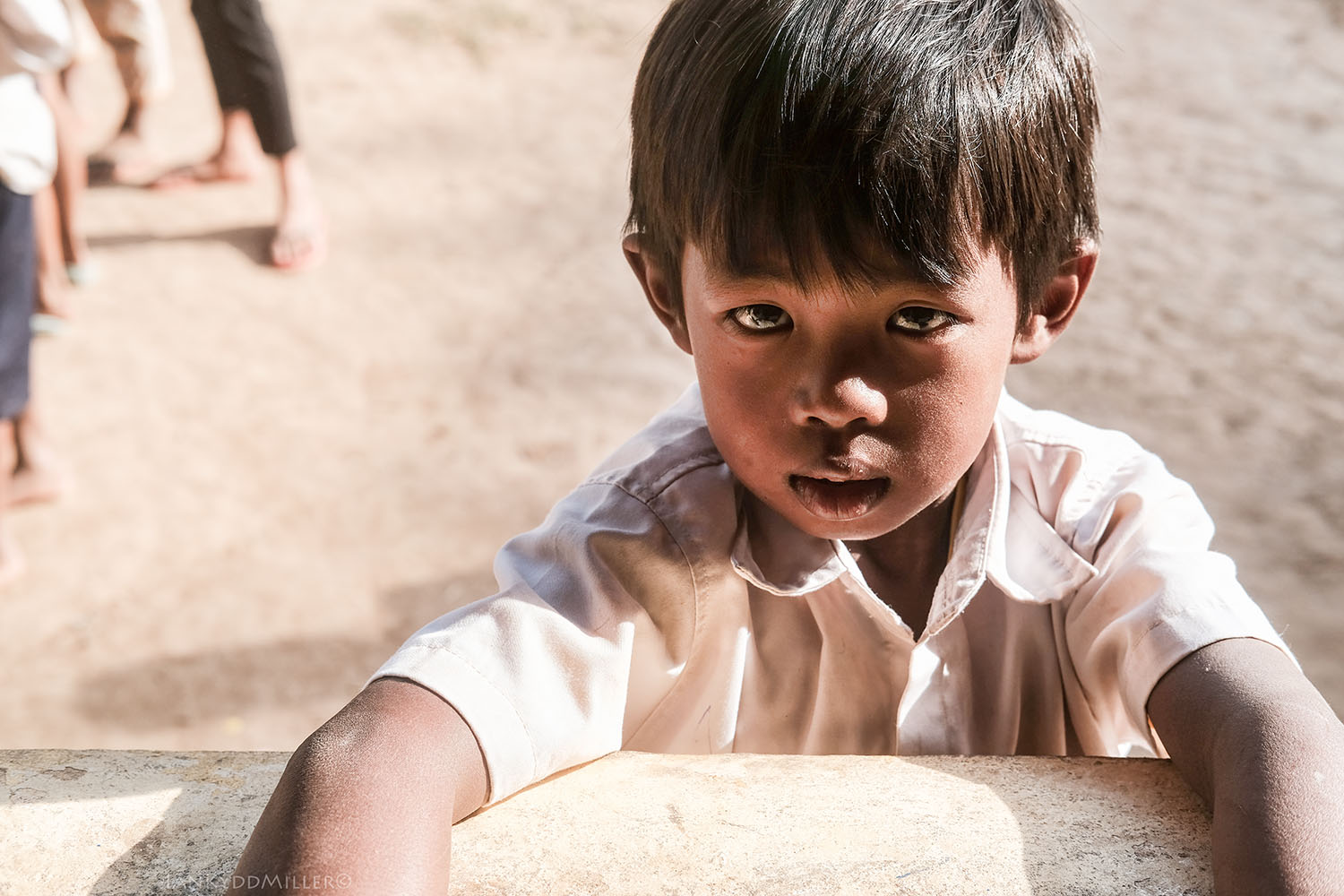


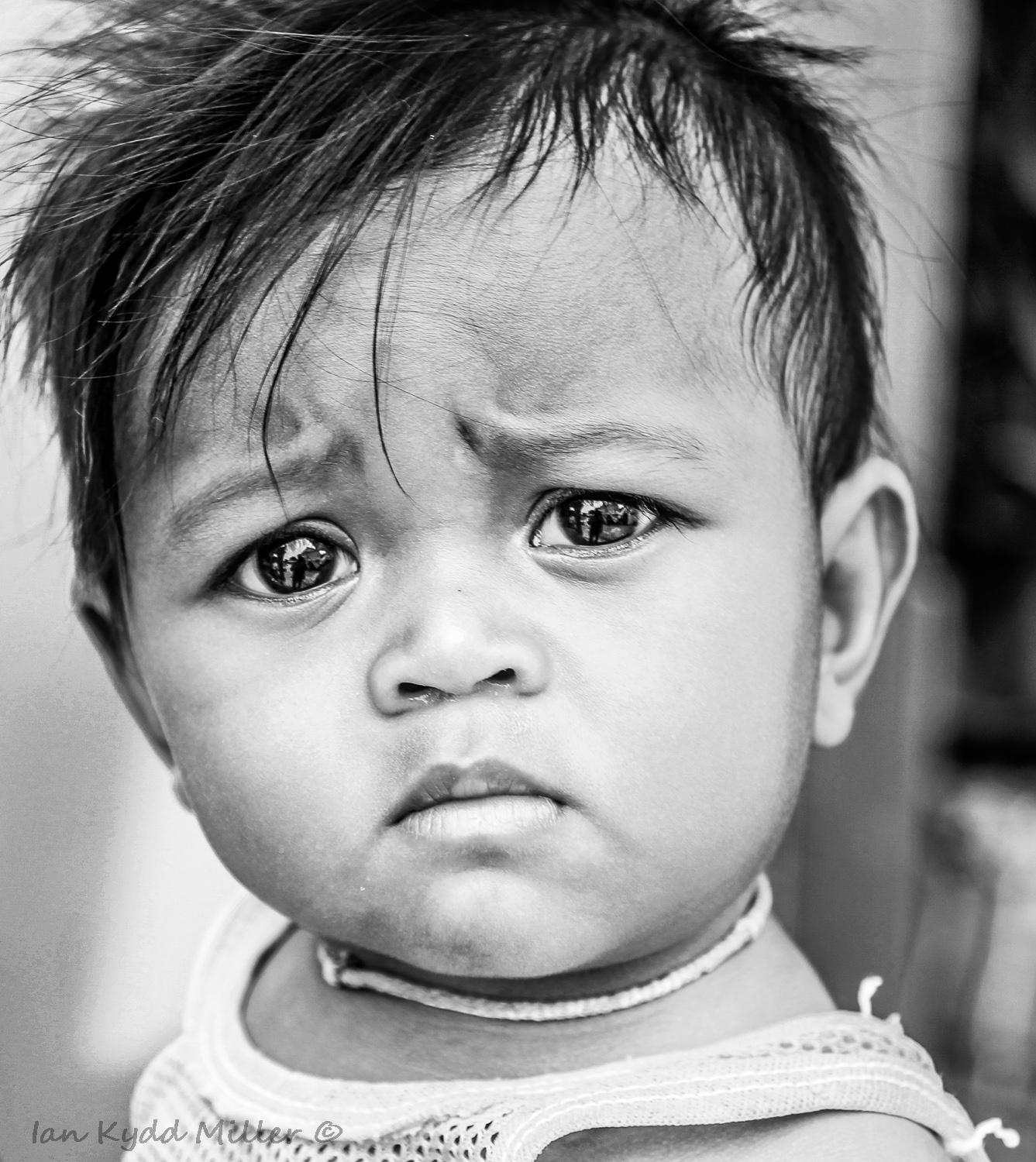


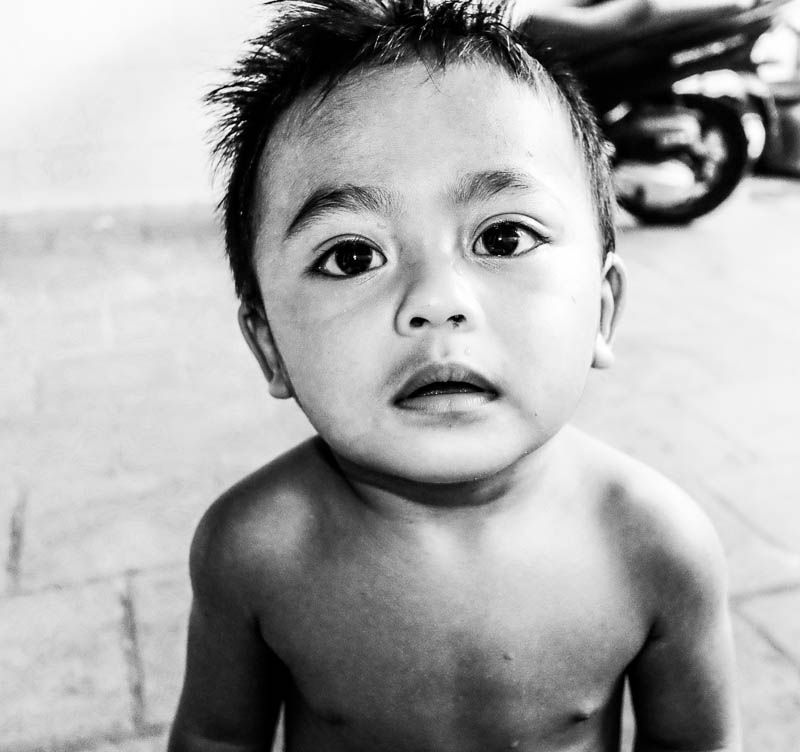




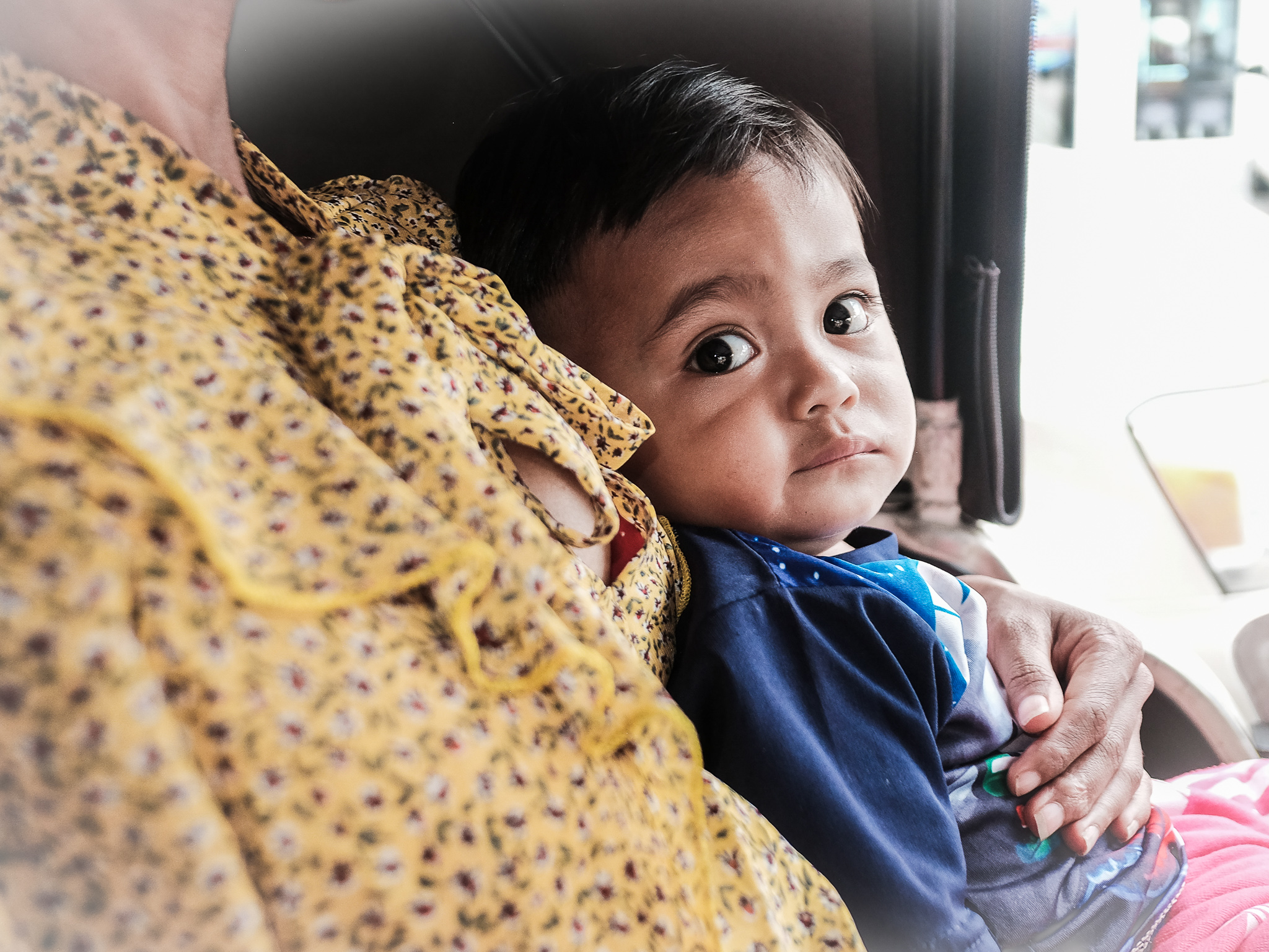

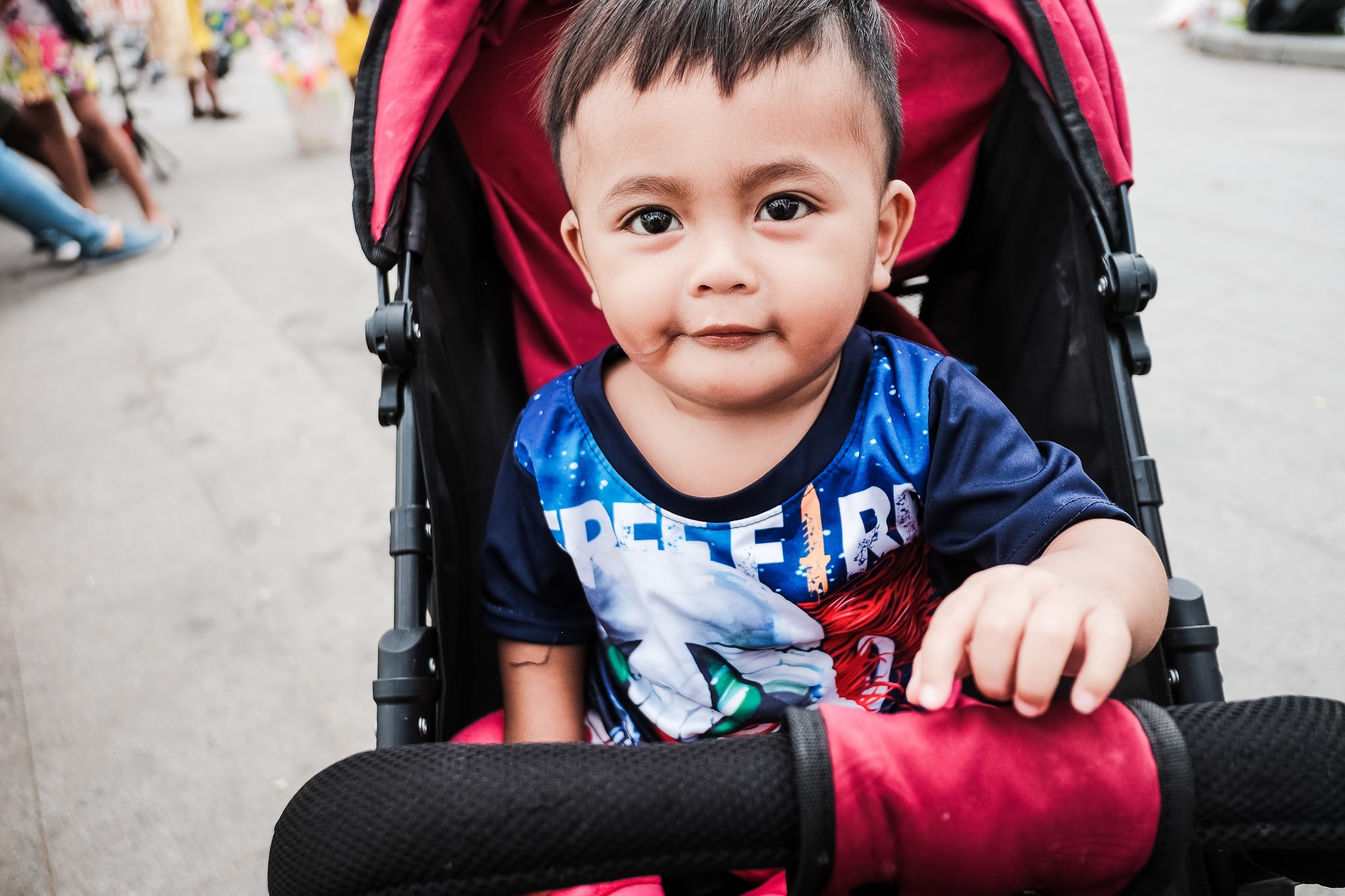


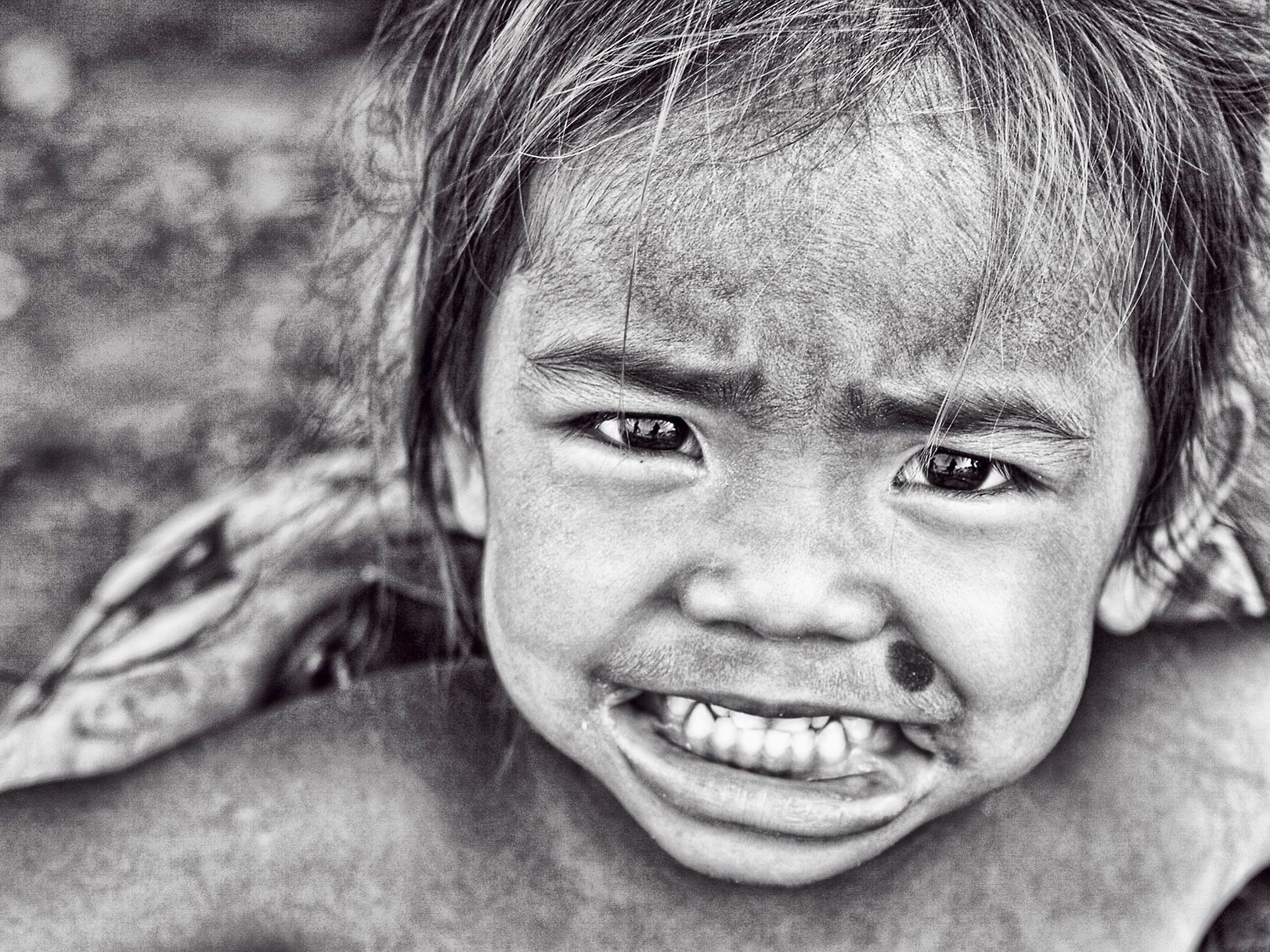


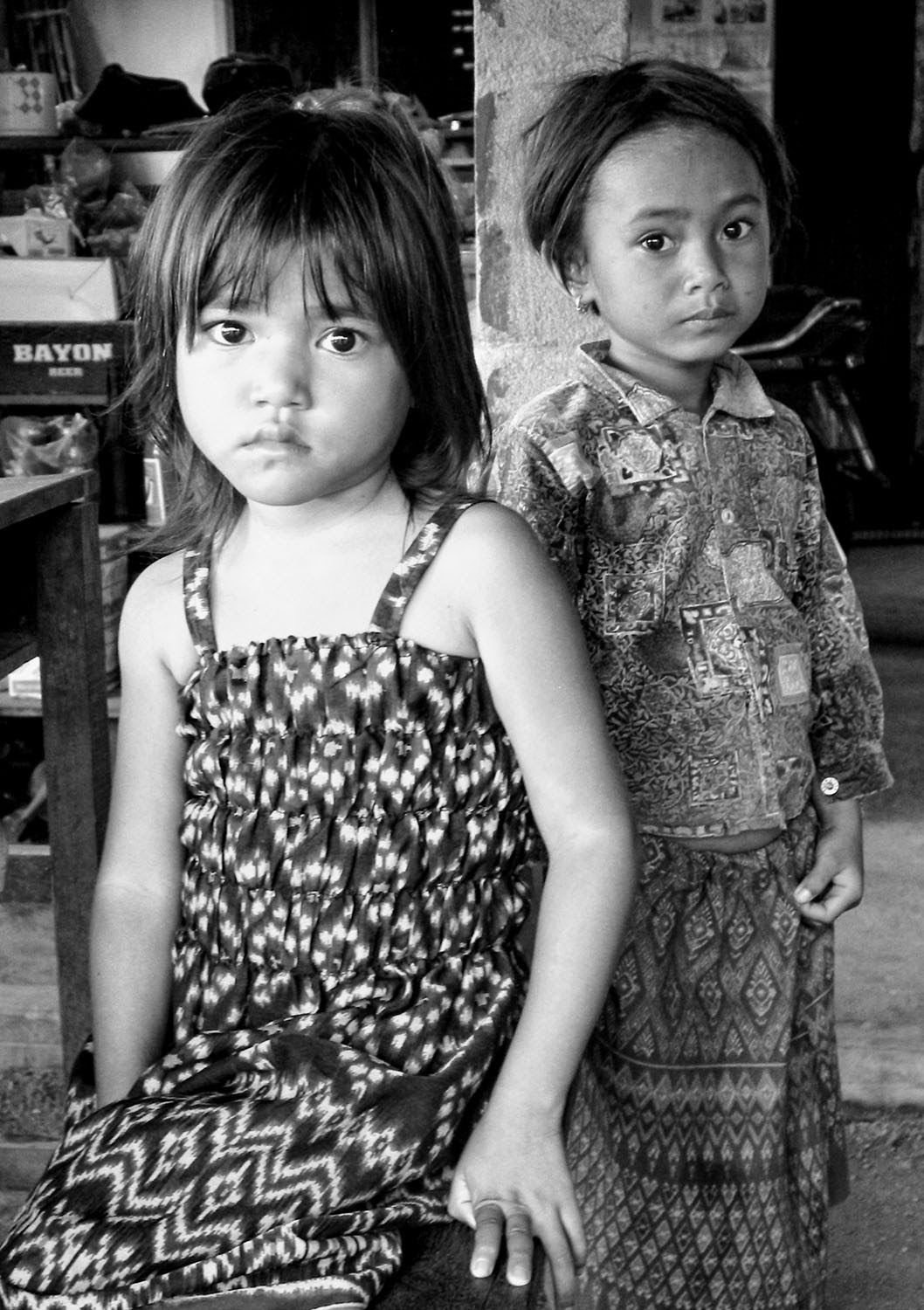


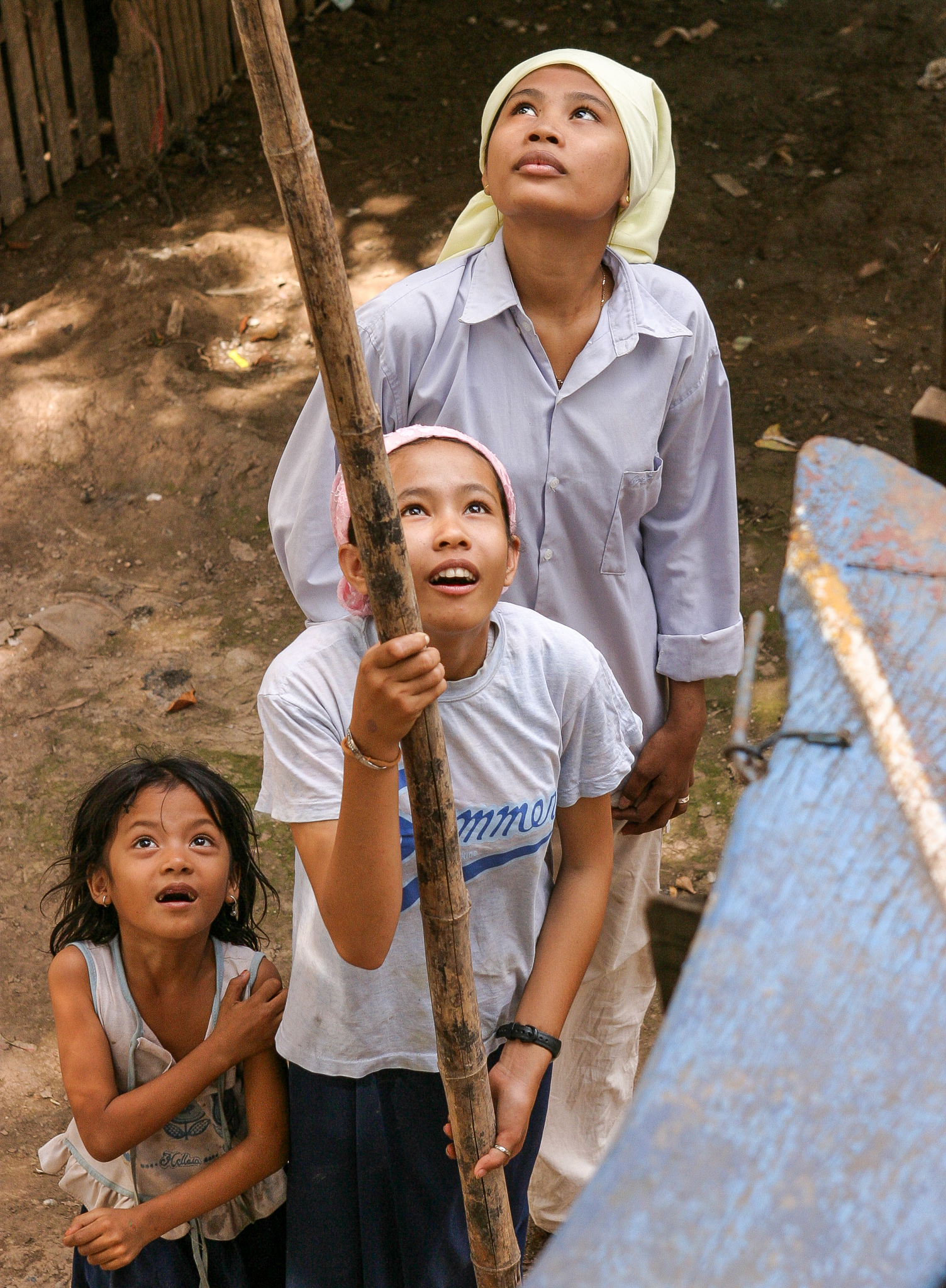








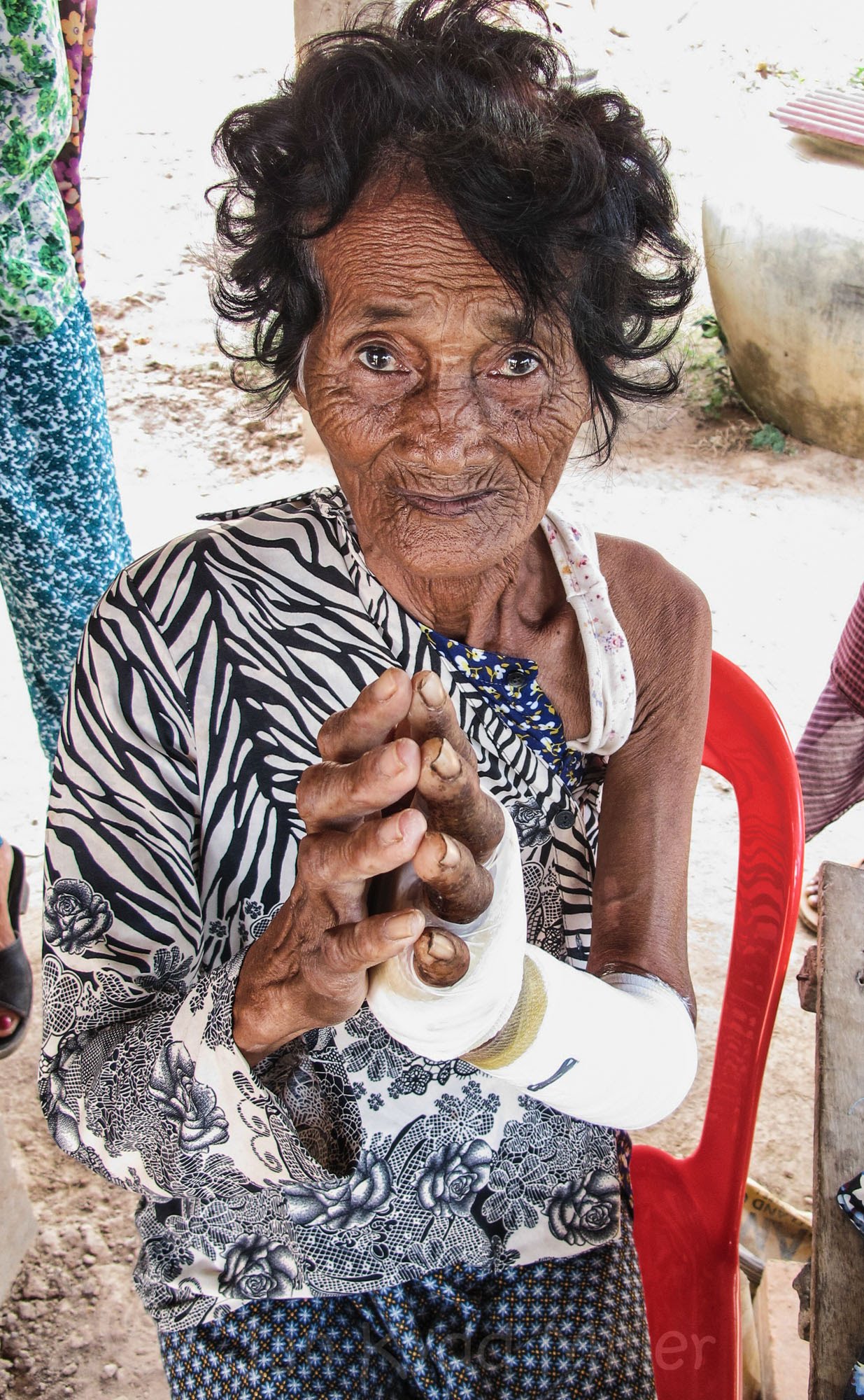
The Faces of Children always have a lot to say.
In these days because of the Covid pandemic and the restrictions in movement you may find yourself unable, or unwilling, to venture out and take new images. Now is a good time to gather your previous years of images and look for images that you may not have worked on before or need to be redone.
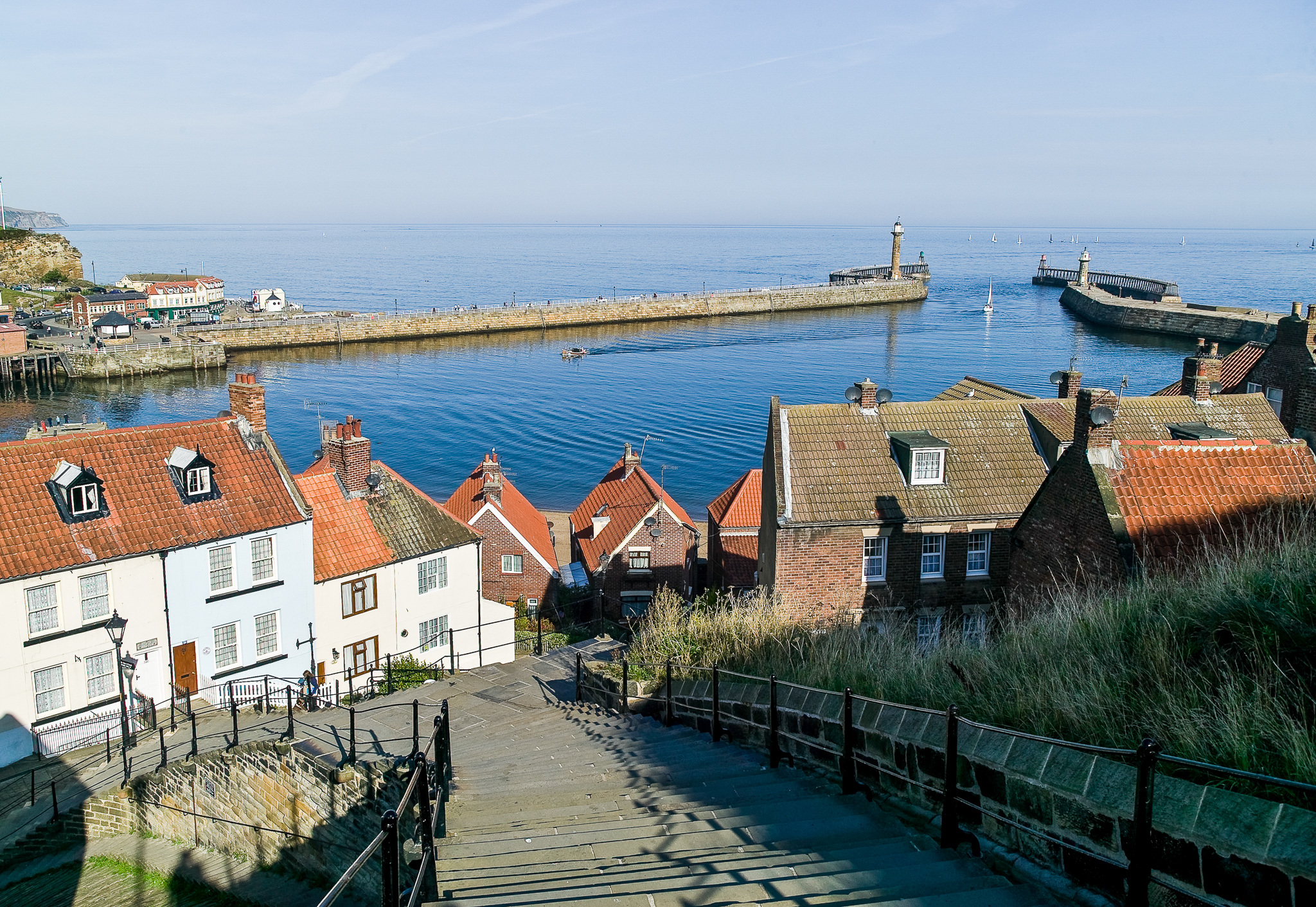
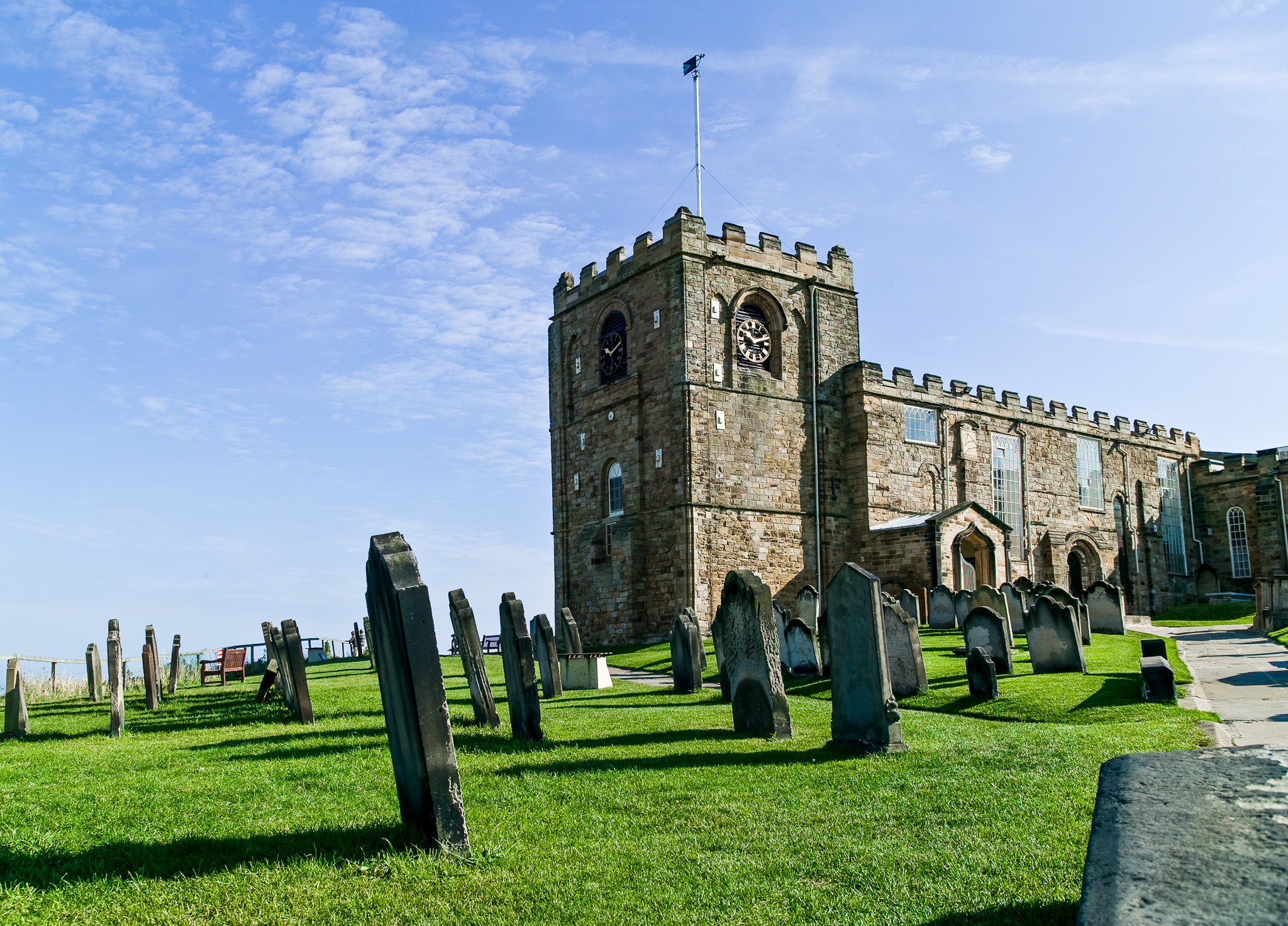


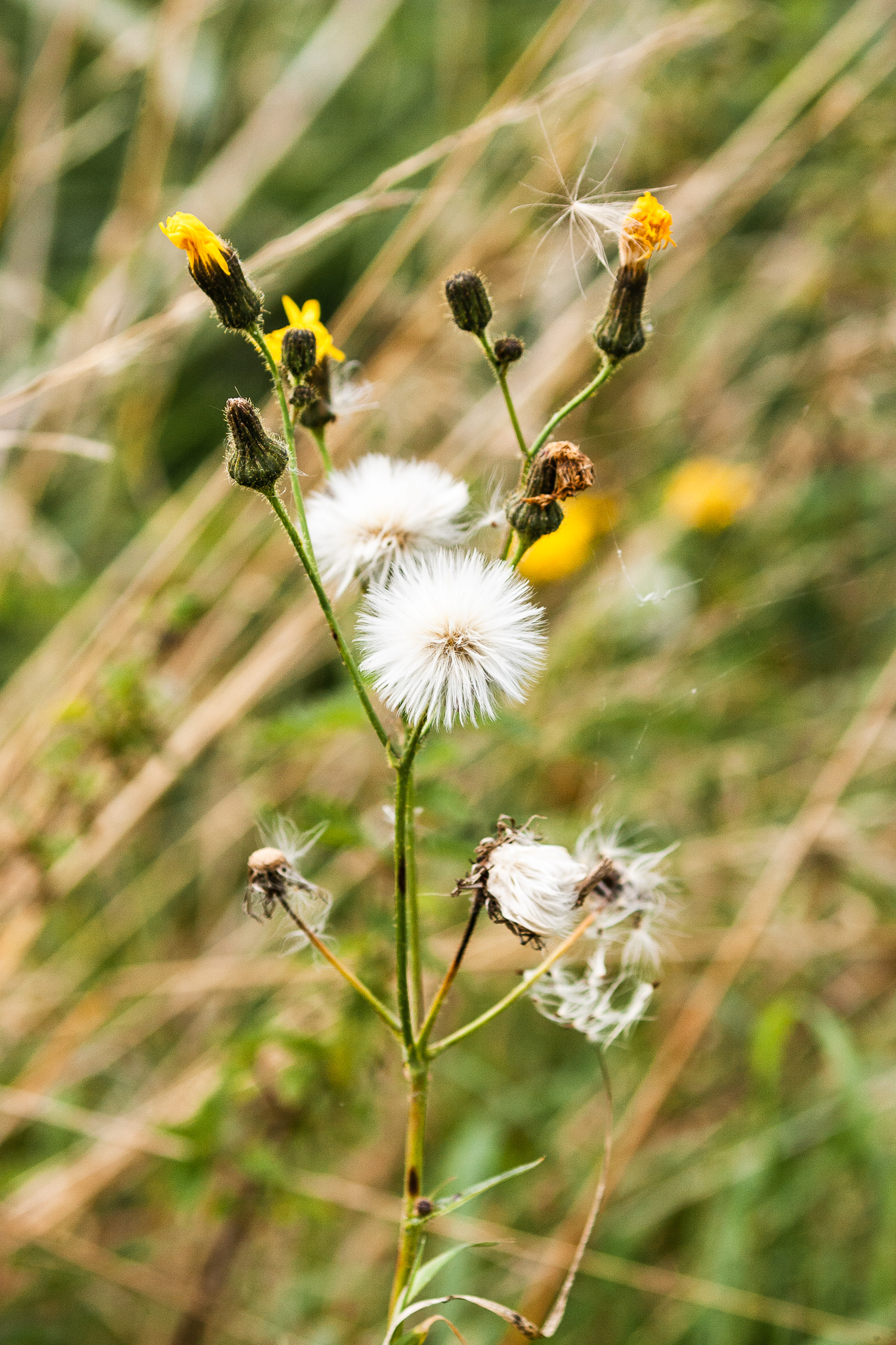


Too this end I have rediscoved images that I had forgotten about or just wanted to have another go at processing them differently. I have many 100’s of thousands of images that I feel deserved to be looked over again and now have the time to do it because of Covid.
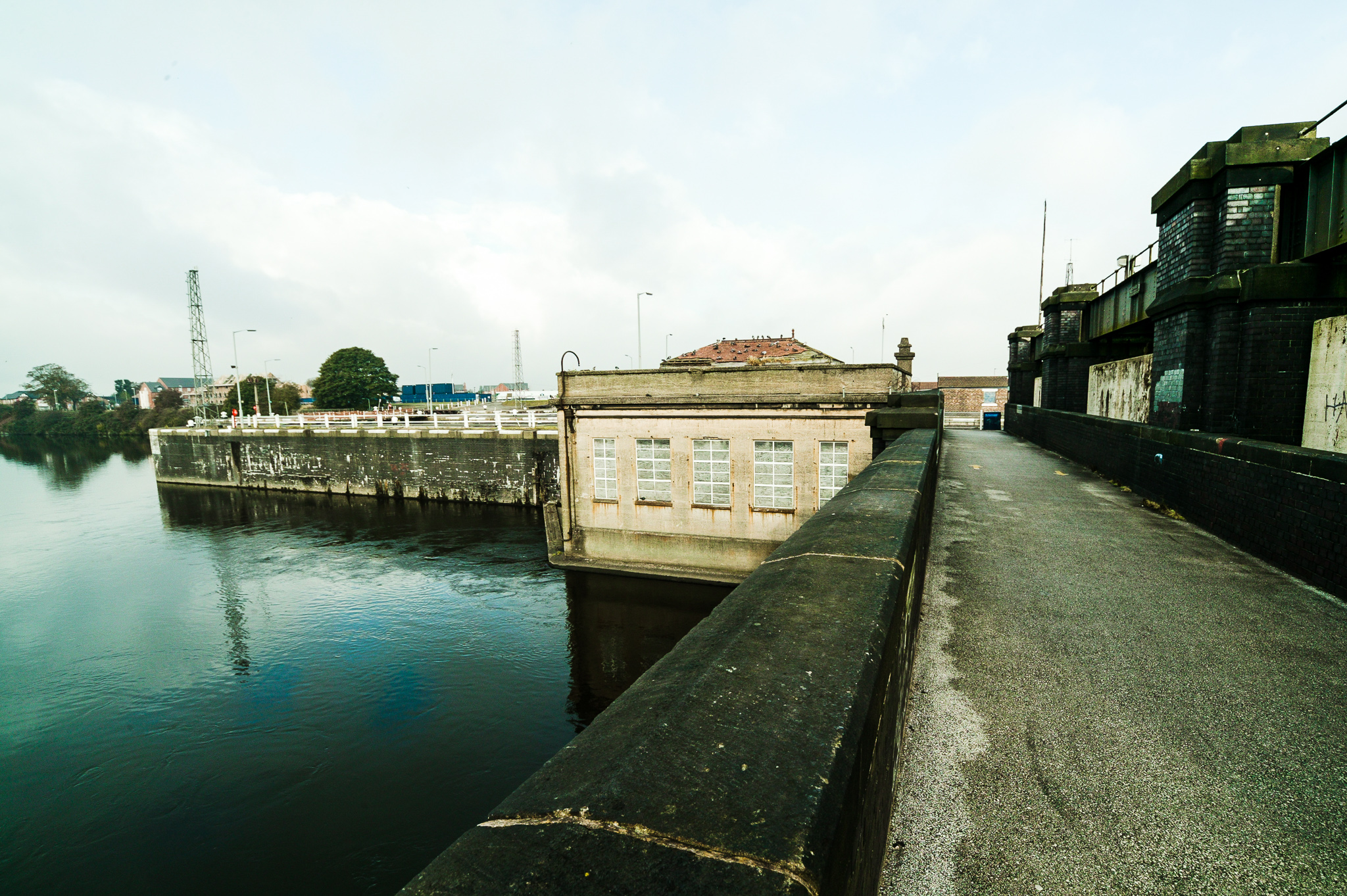
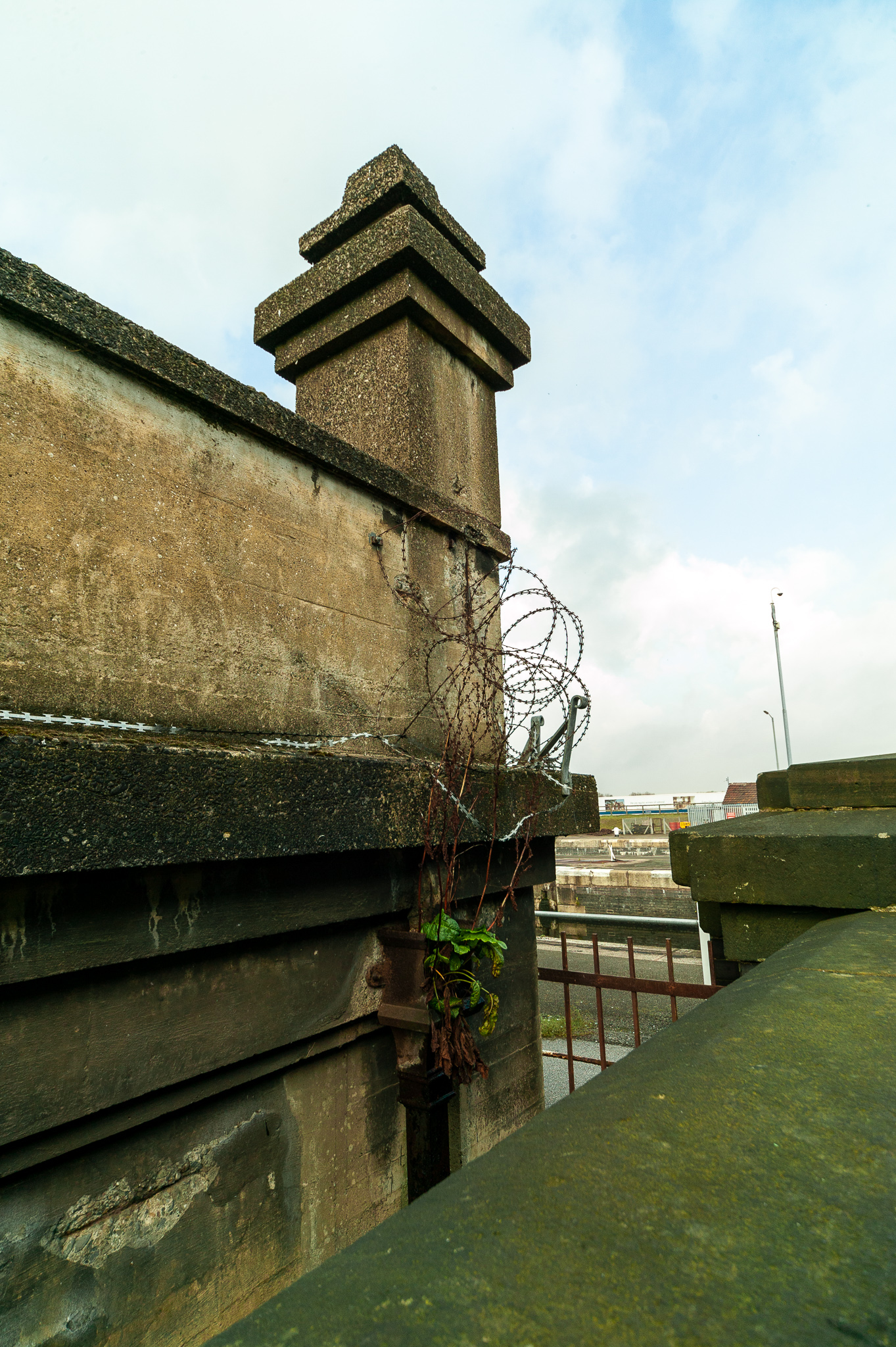
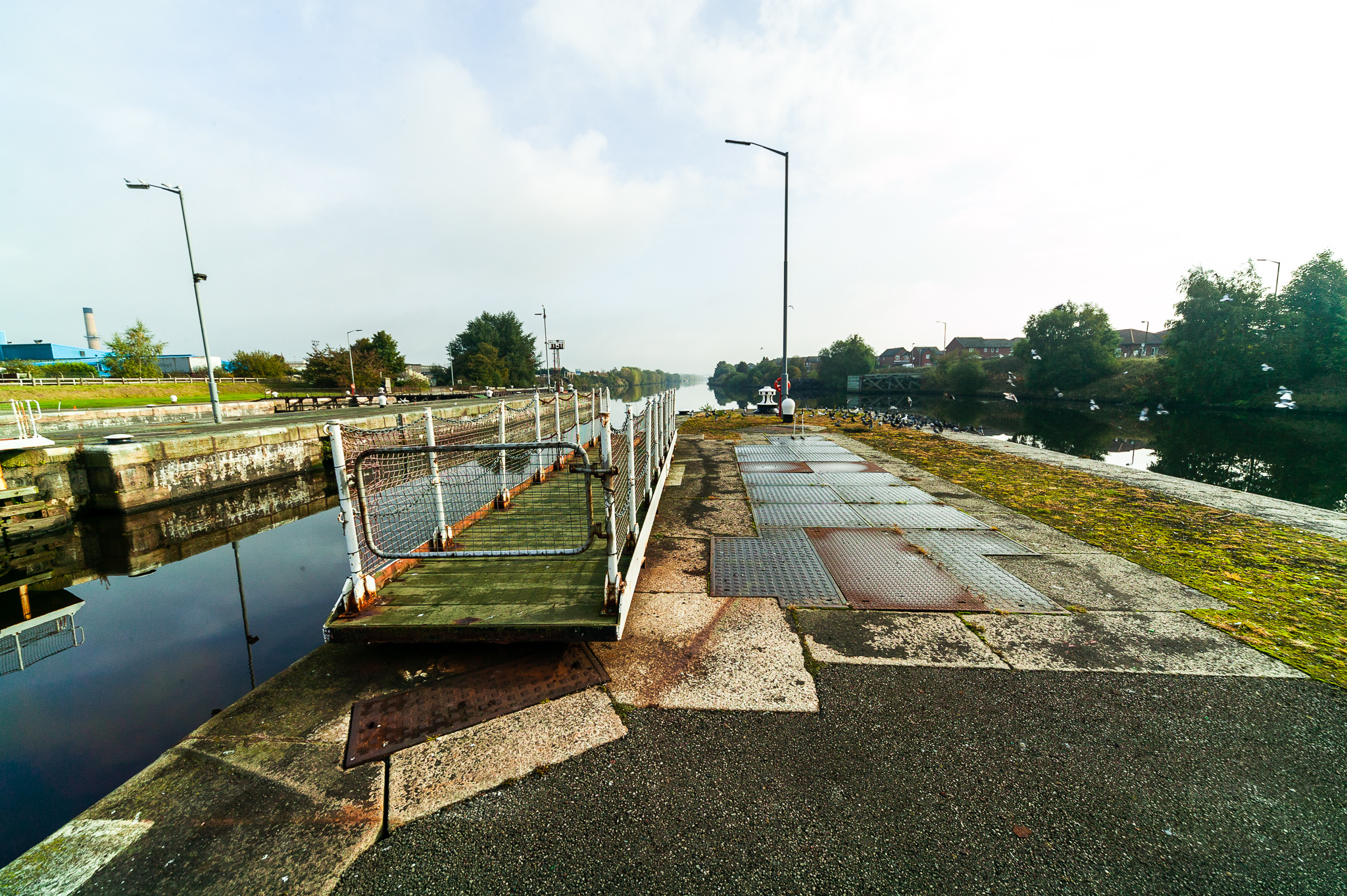


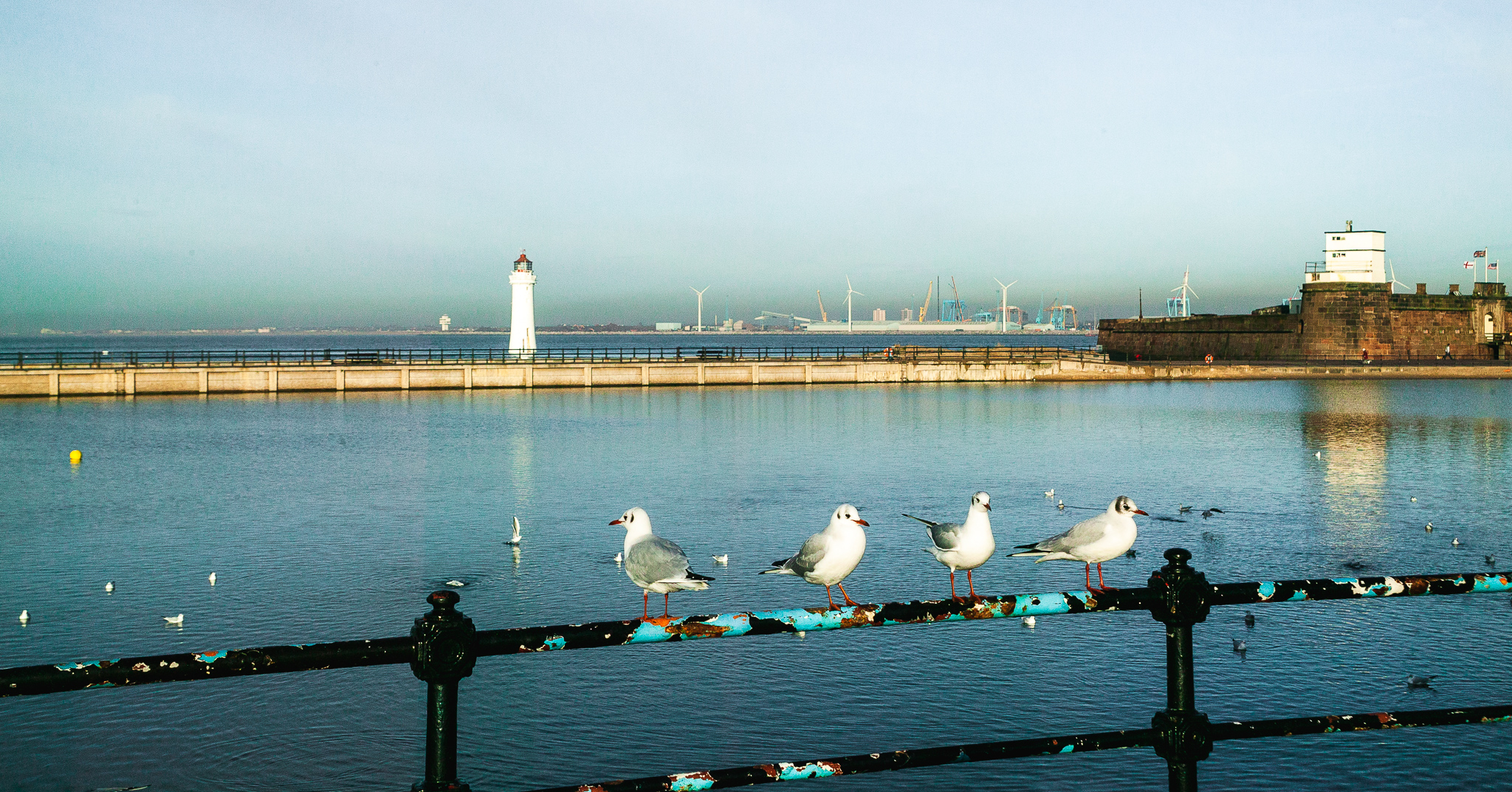





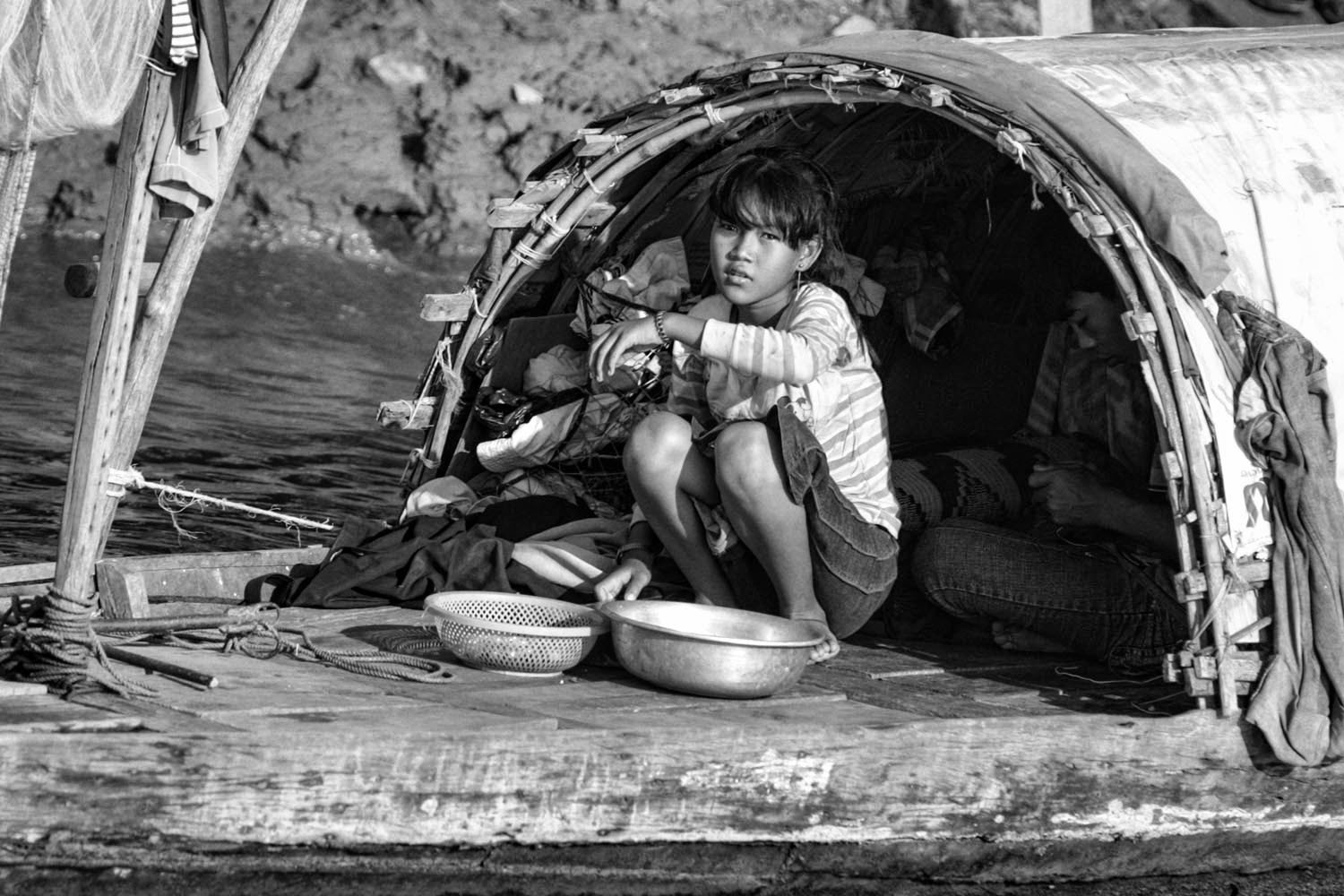


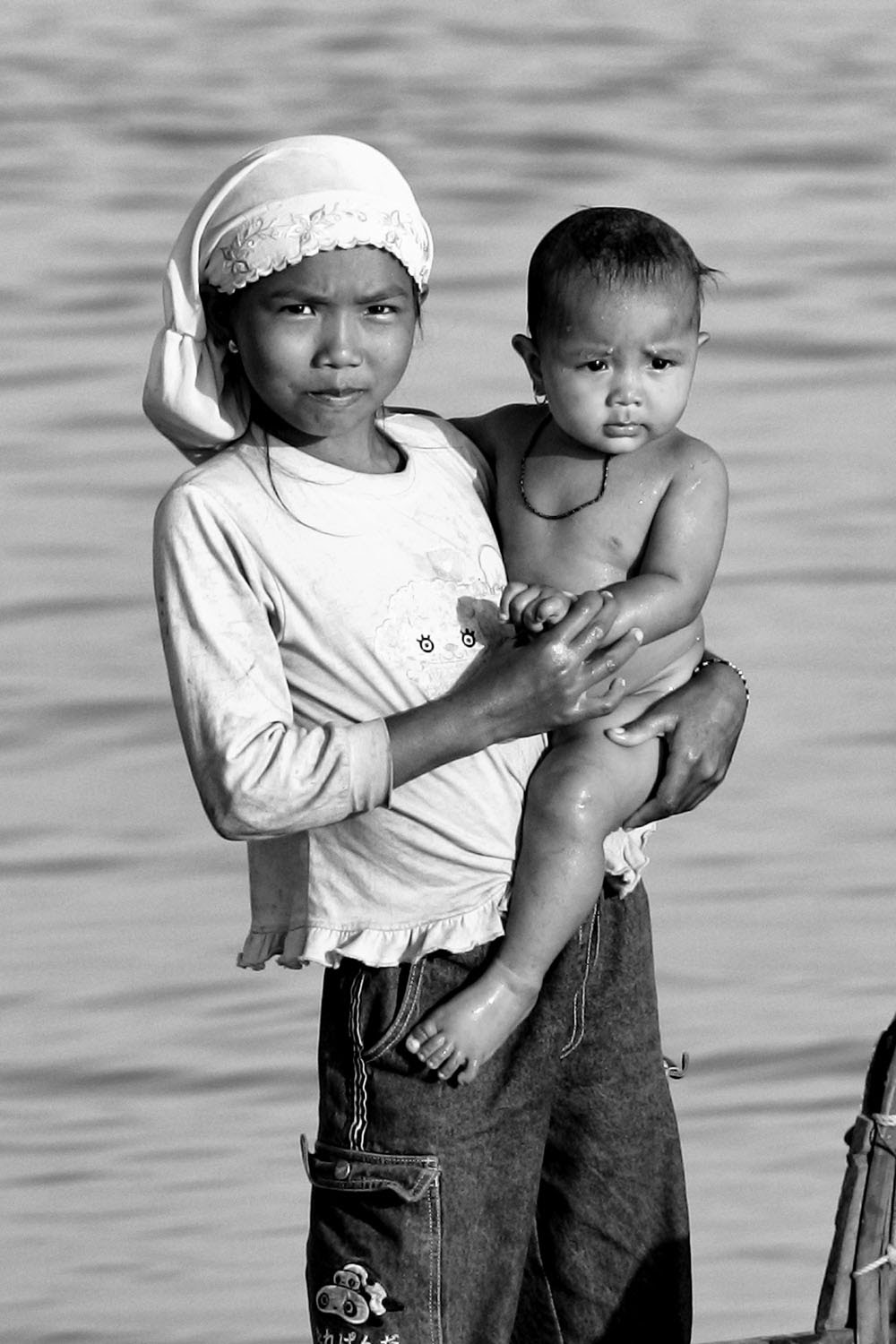
When I scour my images I try to find images that I may have overlooked in my initial high grading and use them as a basis for tracking other images down. I have about 7TB of images stored and there are many that have never been really looked at (or printed).






In this diminutive bag I can carry all I need for a days street shooting. Two bodies, three lenses and four spare batteries.

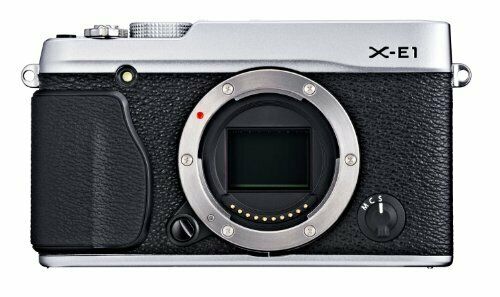
The essence of this kit is its lightweight but the capability to produce HQ images. It is also much less obvious and attracts less attention from those who may be in the shot. The APS-C sensor in the X-E1 helps this relatively small camera shoot serious DSLR-quality photographs. Even at ISOs as high as 6400, the photographs are usable. The colours are accurate, and I was initially surprised at how little noise there is in the frame relative to how high the sensitivity is. The X-E1 is in essence a slimmed-down X-Pro1, with the large, complex and expensive hybrid finder replaced by a purely electronic viewfinder. Not any old EVF though – it uses a 2.36M dot OLED unit, out-speccing the X-Pro1’s 1.44M dot LCD finder. The X-E2 is superficially very similar to the X-E1, with the same basic body design and control layout; at a quick glance, it’s almost impossible to tell them apart. It keeps the same top-plate layout, including analogue shutter speed and exposure compensation dials, and has the same 2.36M dot OLED electronic viewfinder. The rear of the camera is still covered in buttons in much the same places as the X-E1, but their functions have been rearranged. The X-E2 sports the same X-Trans CMOS II sensor as we first saw in the X100S, which includes on-chip phase detection elements for autofocus, and in concert with the EXR Processor II promises much-improved autofocus speed. It also gains Fujifilm’s rather basic but easy-to-use Wi-Fi system for sharing images. There’s also a much nicer rear screen: a 3″, 1.04M dot 3:2 aspect ratio unit, and a whole host of further tweaks and improvements. The net result is a camera that retains all the best bits of its predecessor, but has also been improved in many respects. The X-E2 – not revolutionary, but distinctly evolved. Two nice cameras to use.
Fujifilm X-E1 Specifications
Batteries are important (extra) as both these little beast can be power-hungry. Battery life is rated at 350 shots according to Fujifilm / CIPA test results, an improvement over the X-Pro1. The XE2 sports the same battery life around 350 per full battery. With a couple of spare batteries more than enough for me. Both cameras use the same batteries which is a plus.
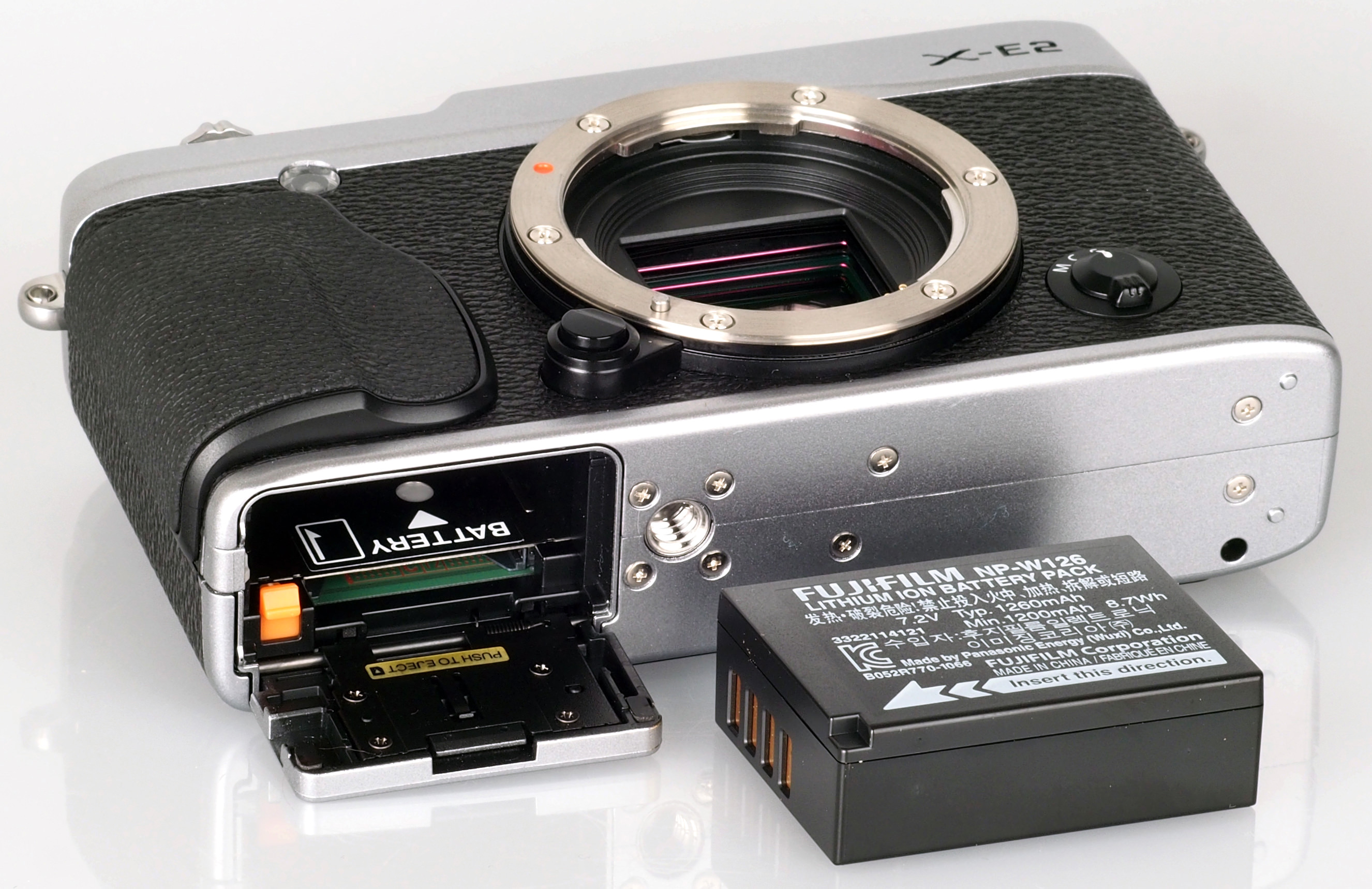
My favourite lens, foe street shots, on the XE2 is the XF Fujicron 18mm f2, a vastly underrated lens but capable of excellent results for me with this camera. The XE2 is my primary camera, with the XE1 acting as a very good reserve. Both are very capable but the focus is a little snappier of the XE2 but not by much after upgrading the firmware.
The Fujifilm Fujicron XF 18mm F2 R has some marks in its favour. It’s quite small and light, covers a classic wide field of view, gathers a heck of a lot of light, and focuses close enough for most shots you want to capture with a 27mm equivalent lens.

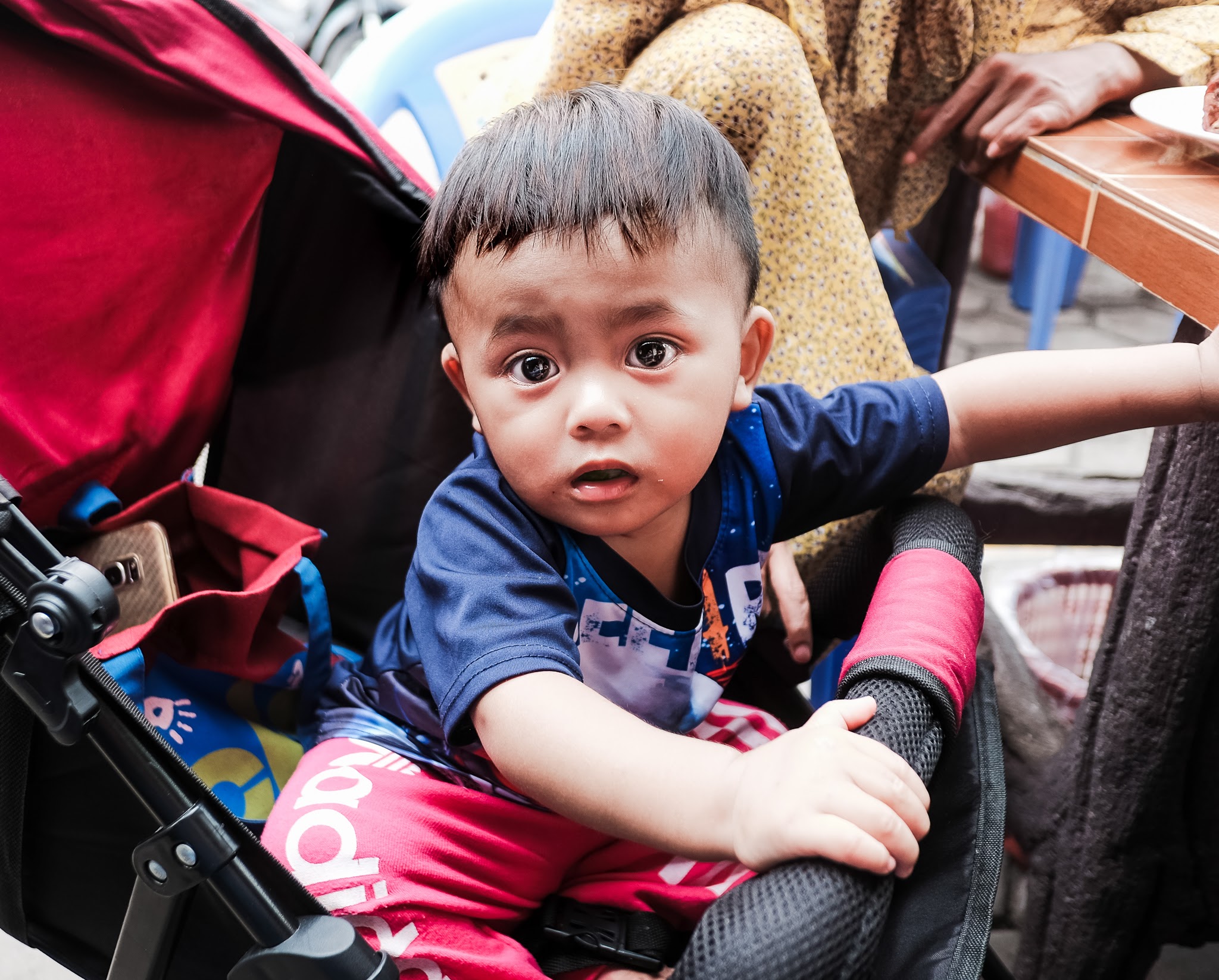

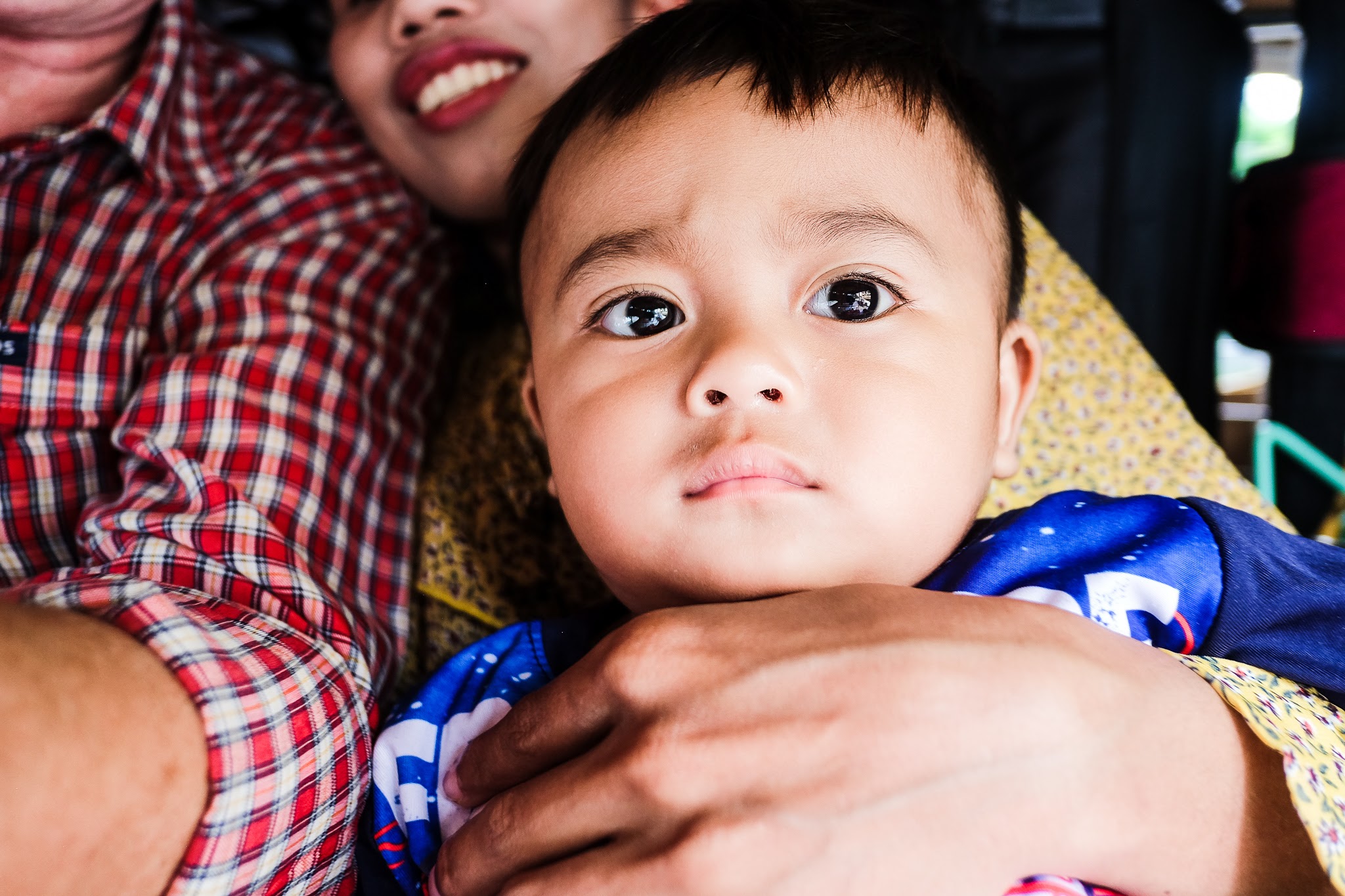


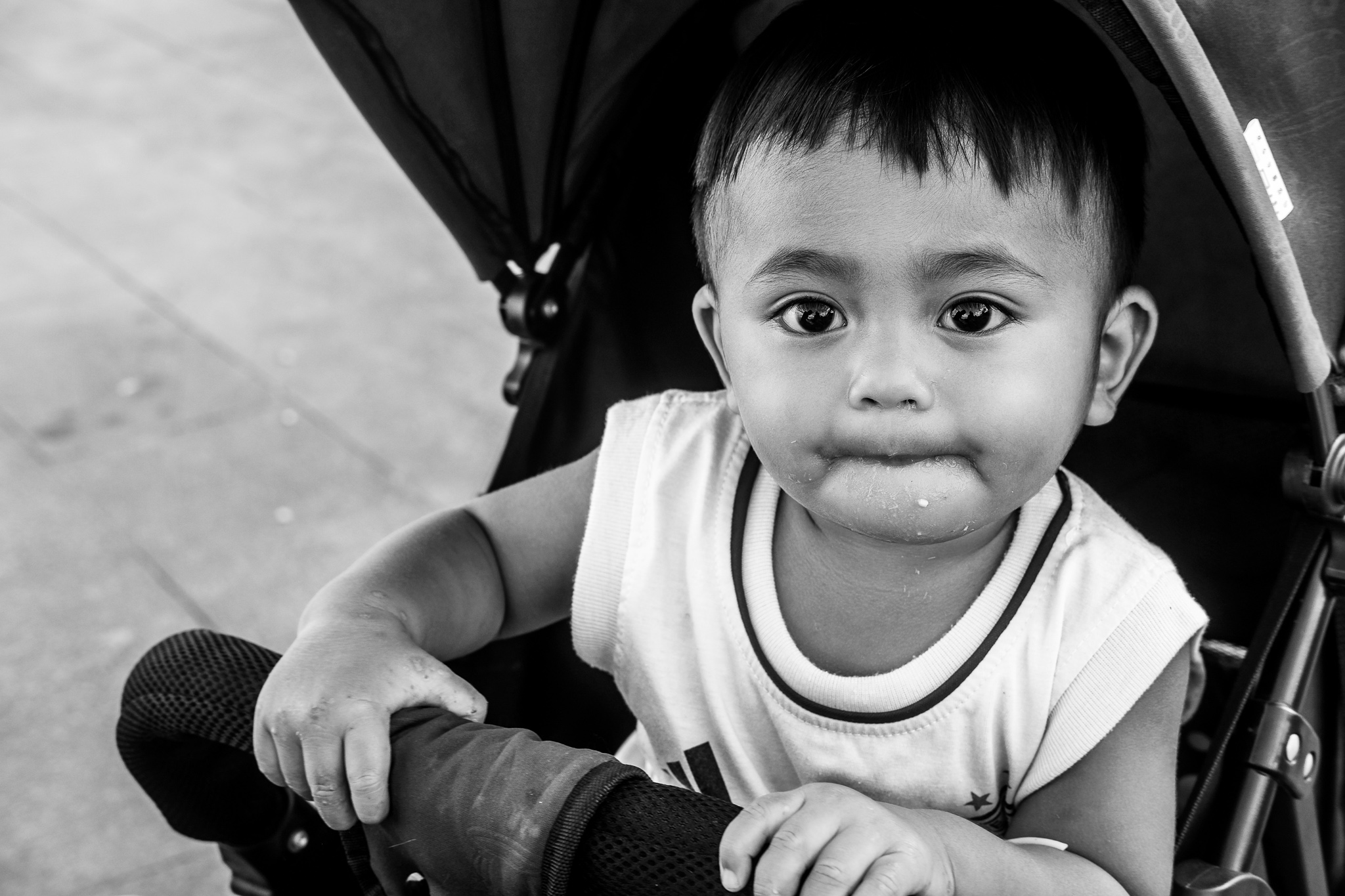

All the above images were taken with either the XE2 with Fujicron 18mm f2 or the XE1 with the XF Fujicron 35mm f2.
 a world without pictures is like coffee without cream and sugar, bitter