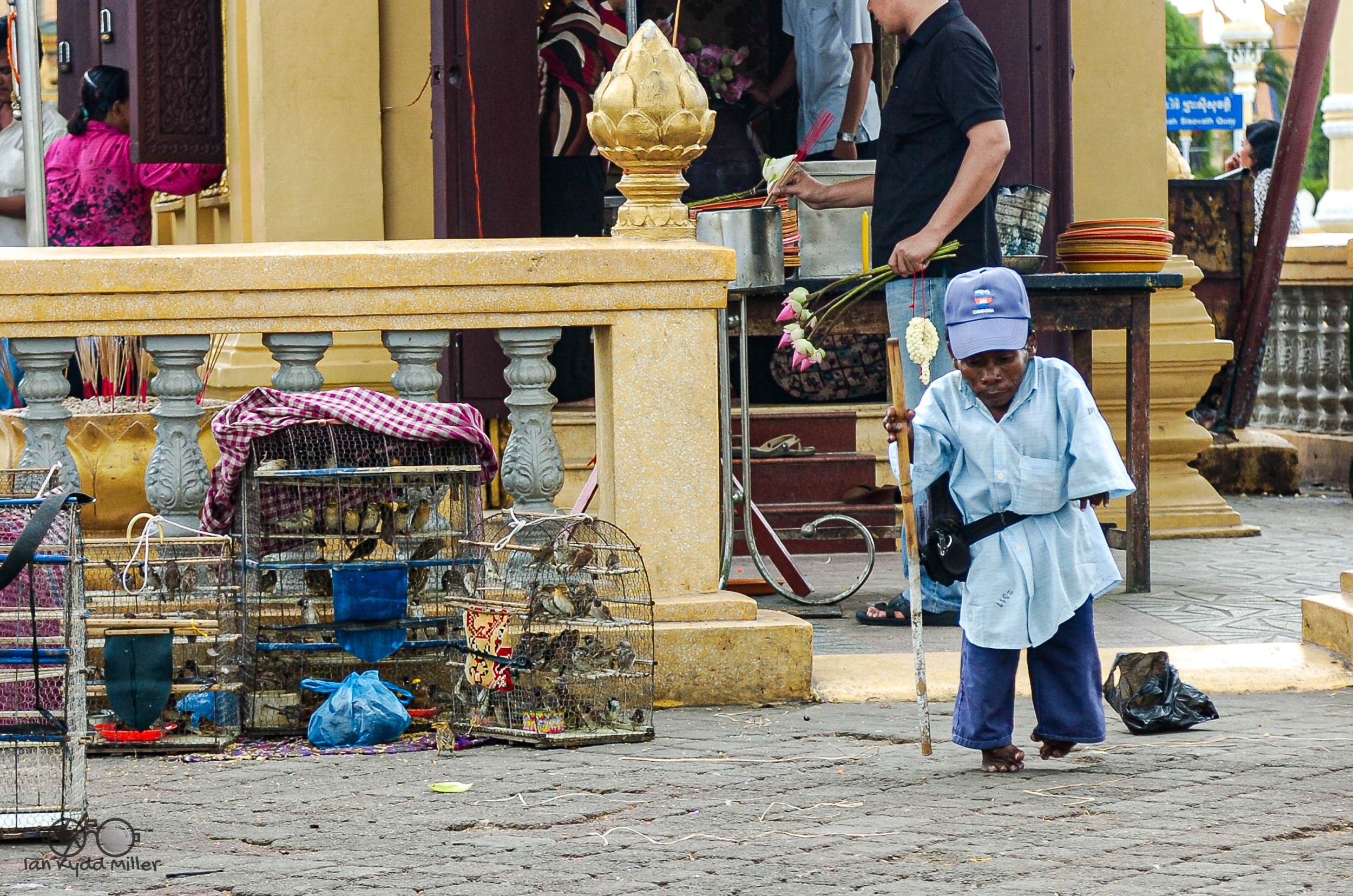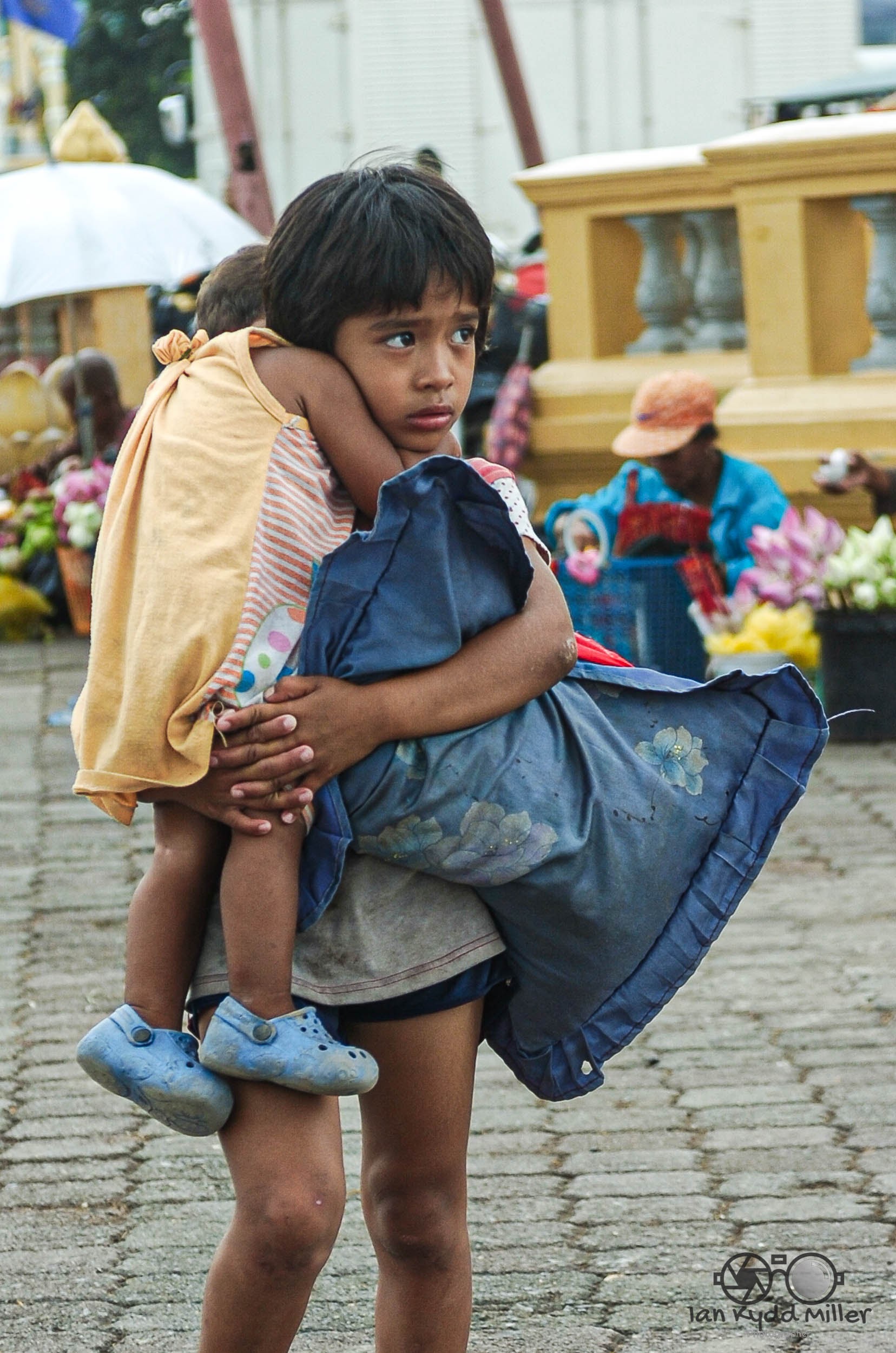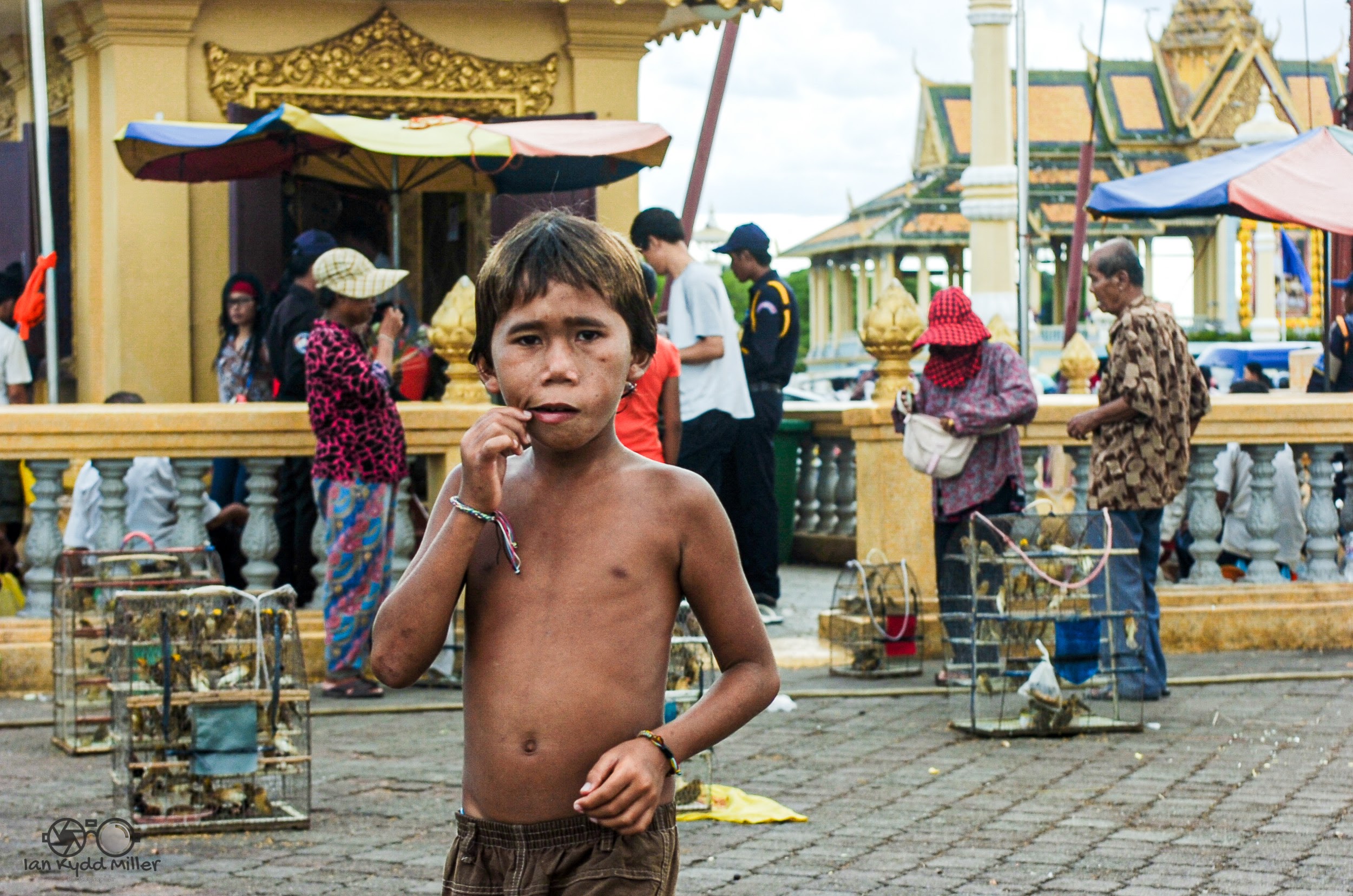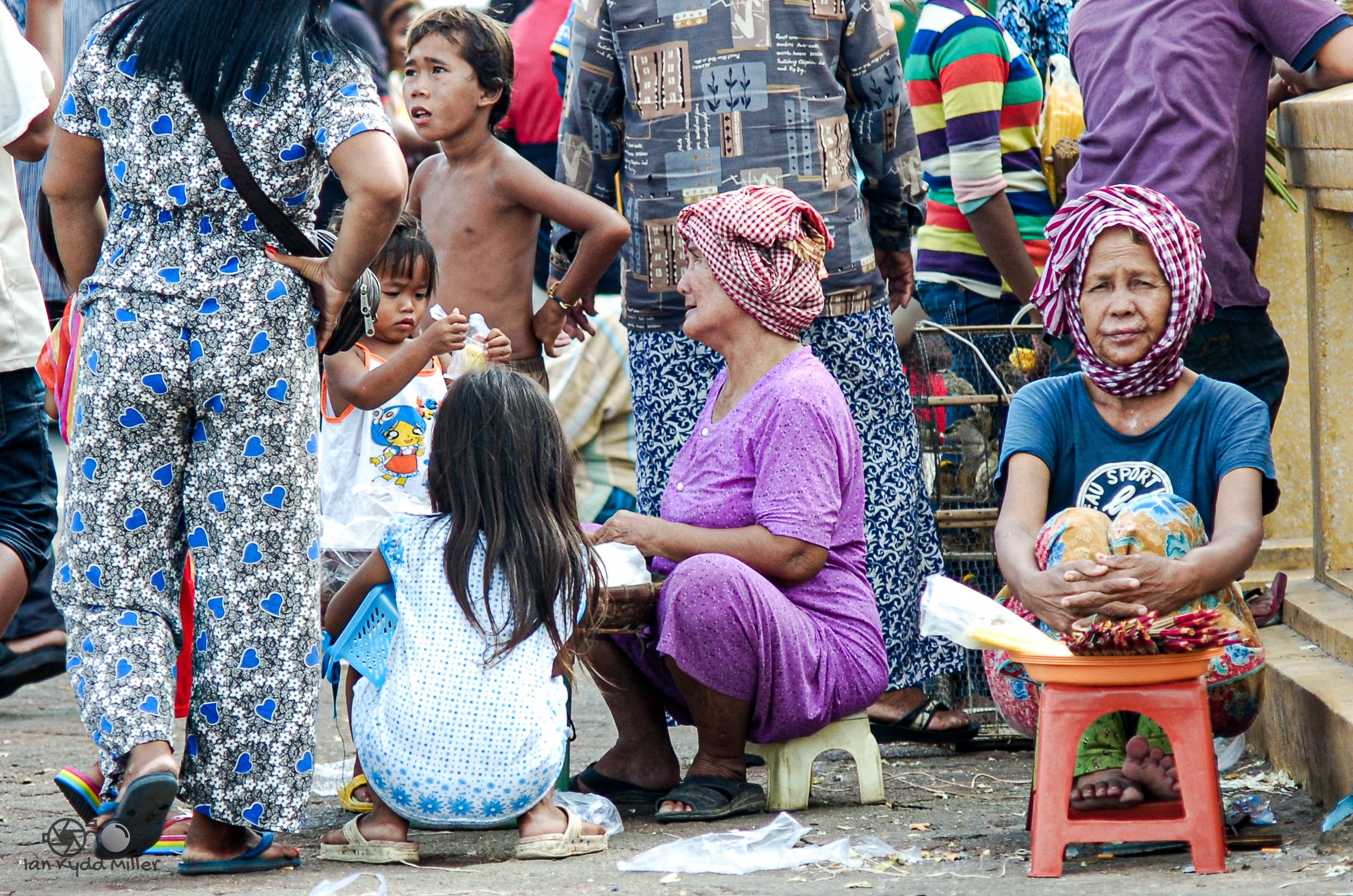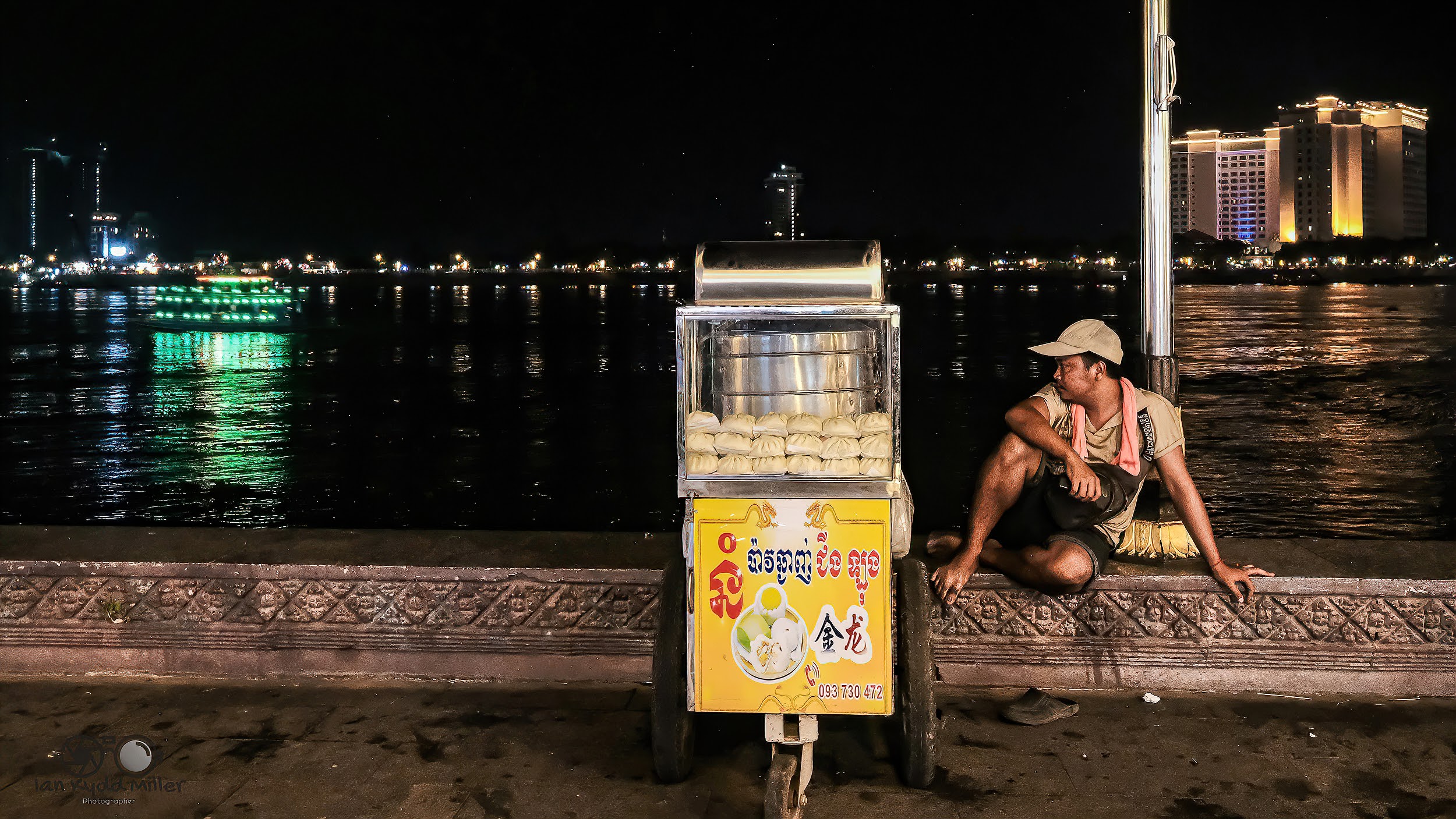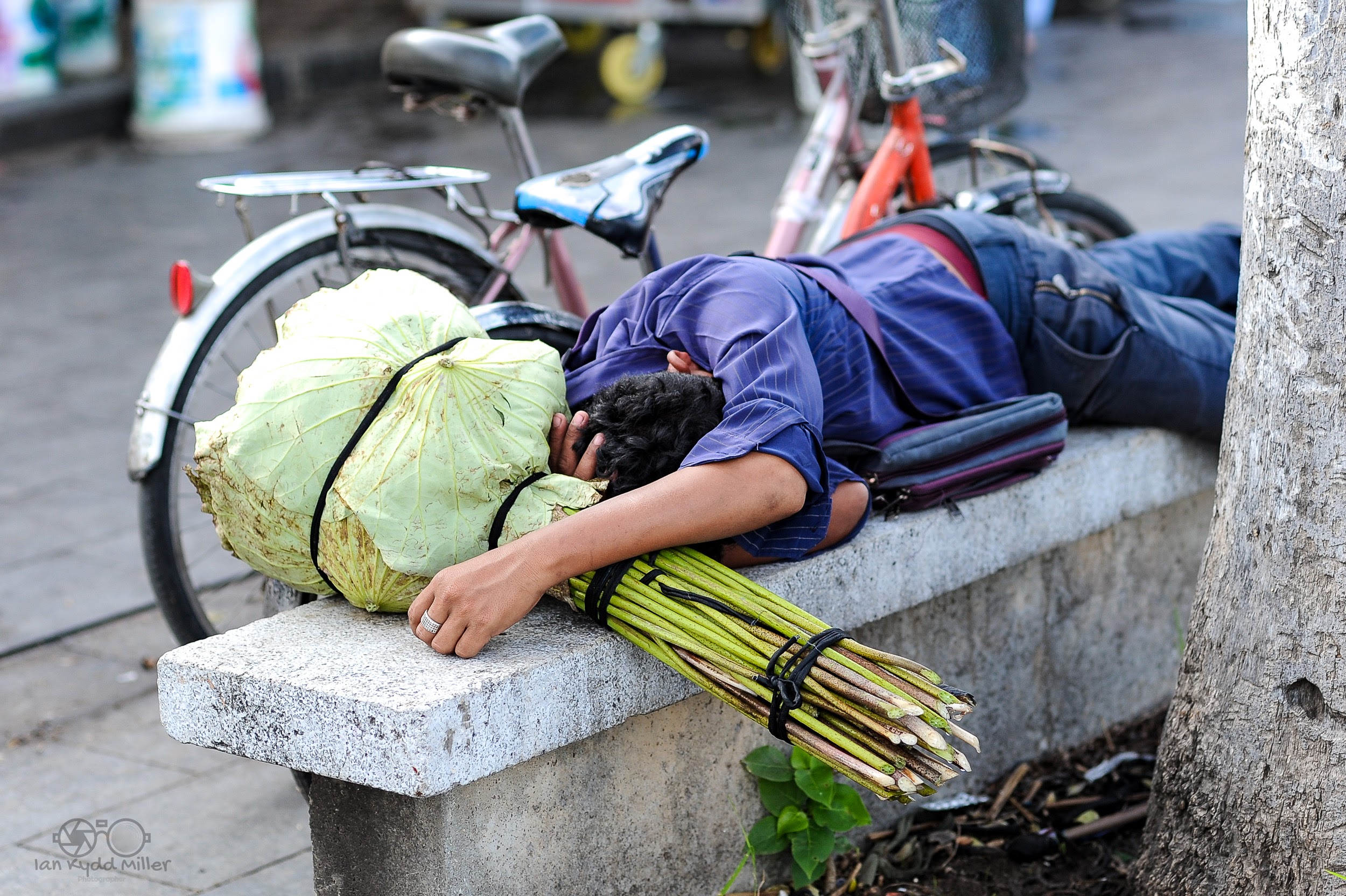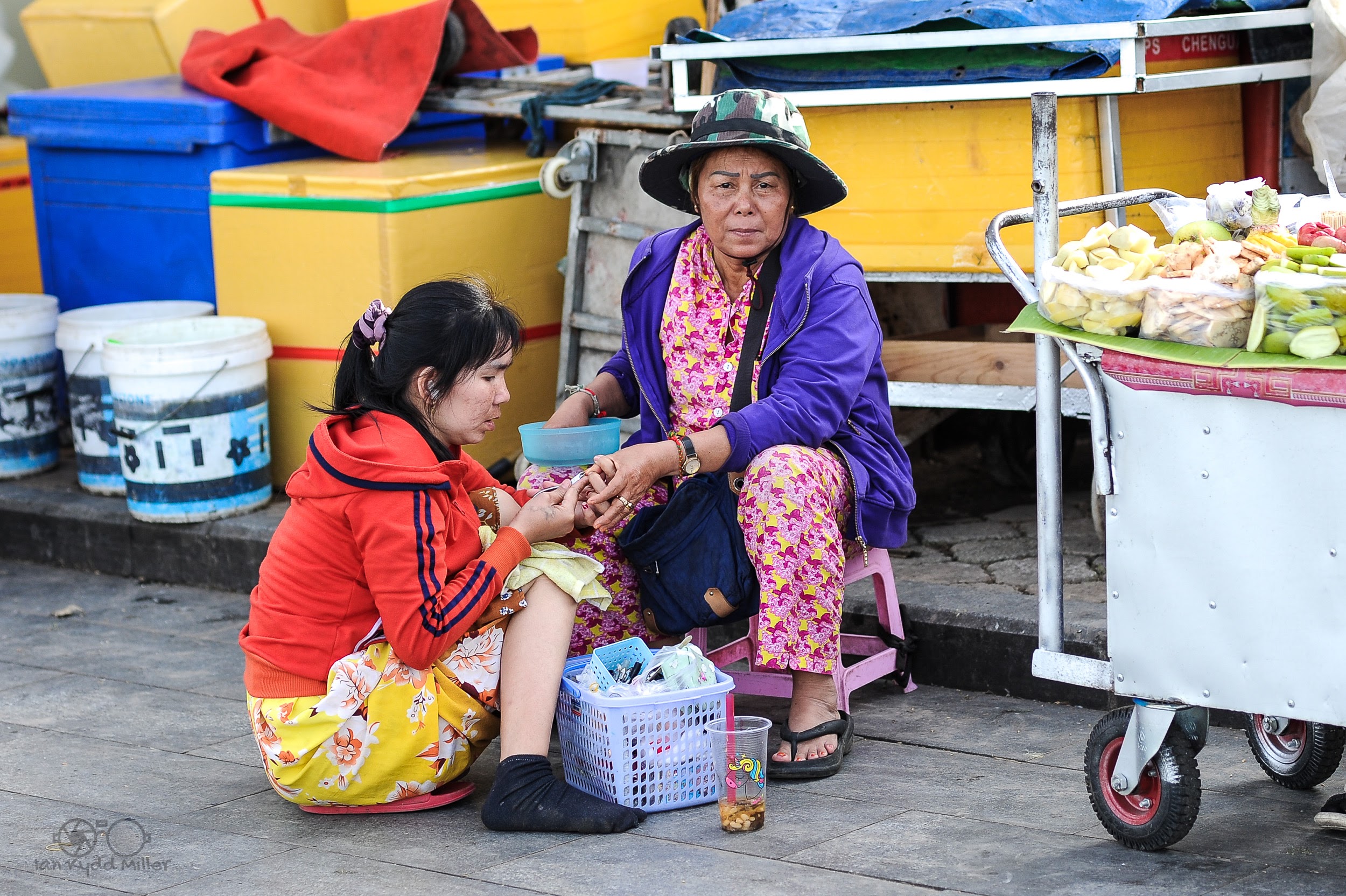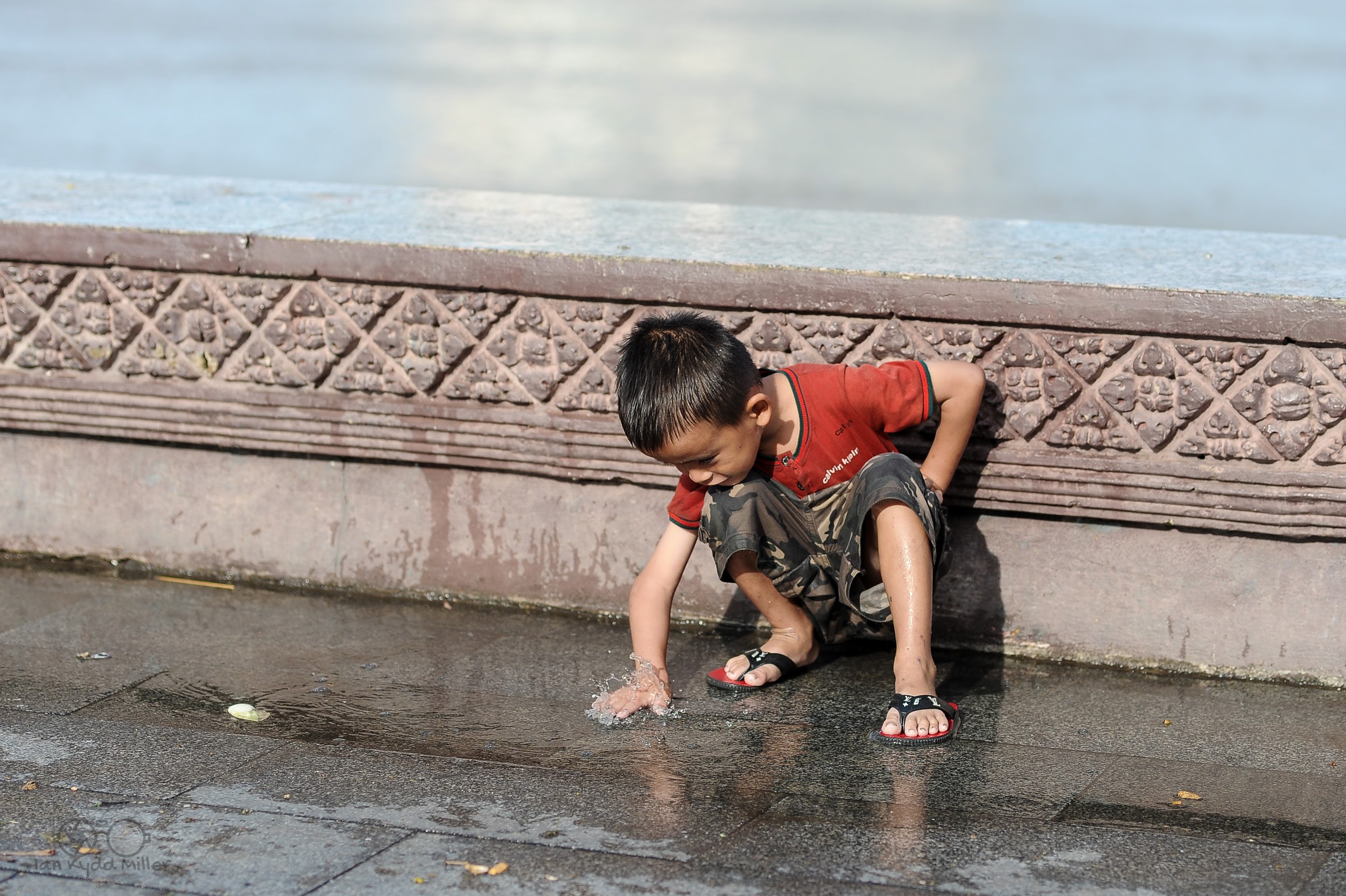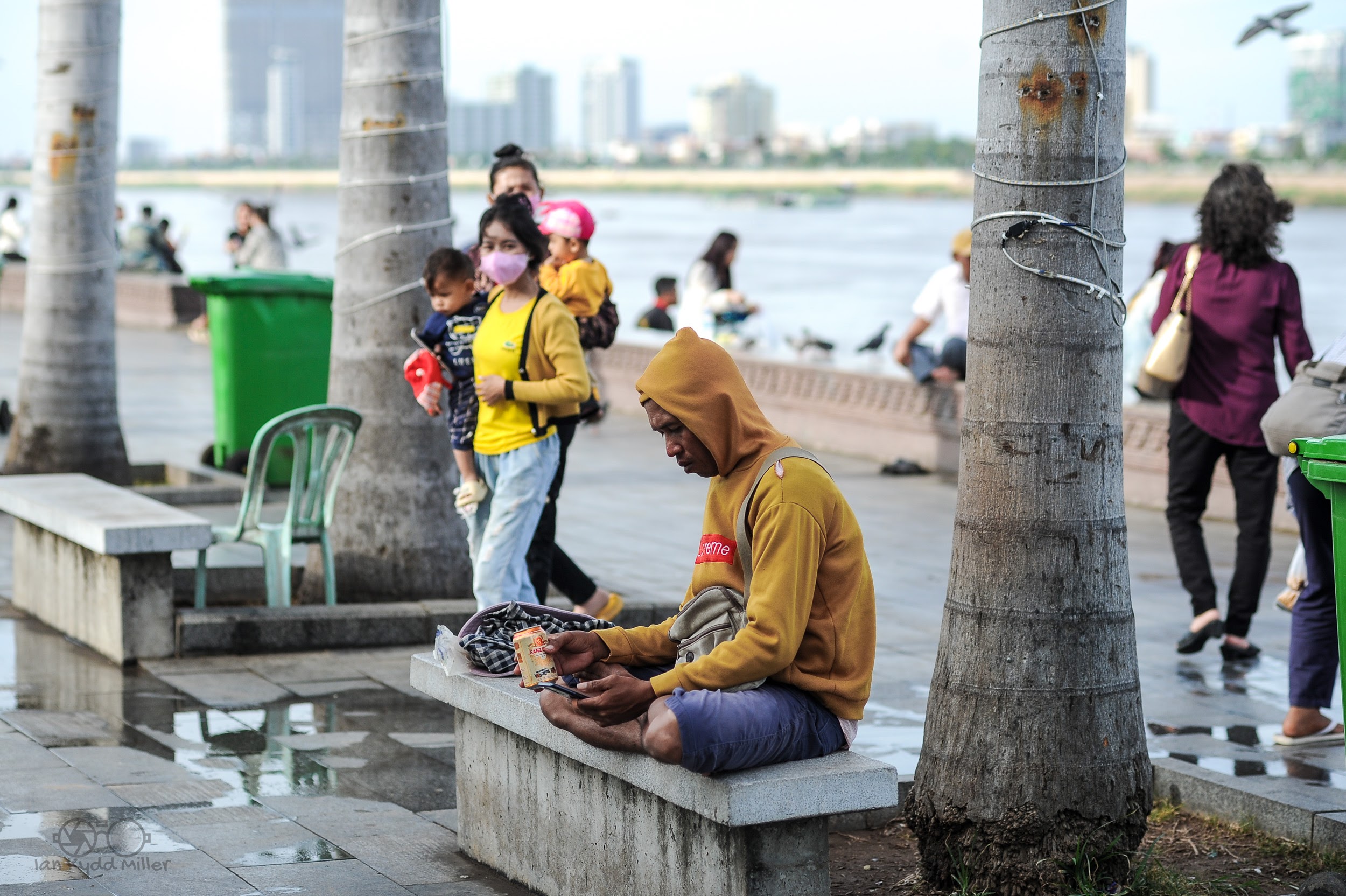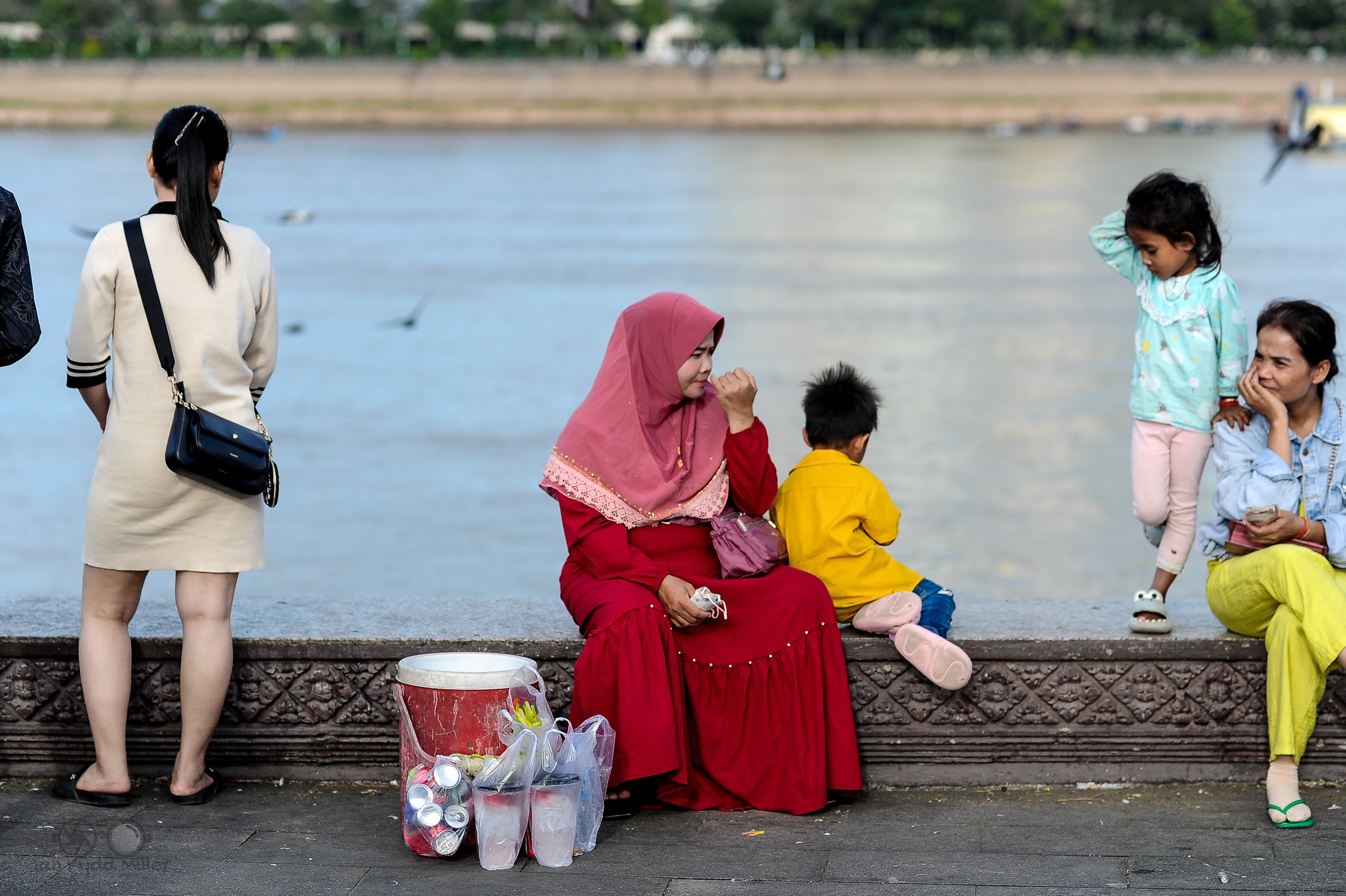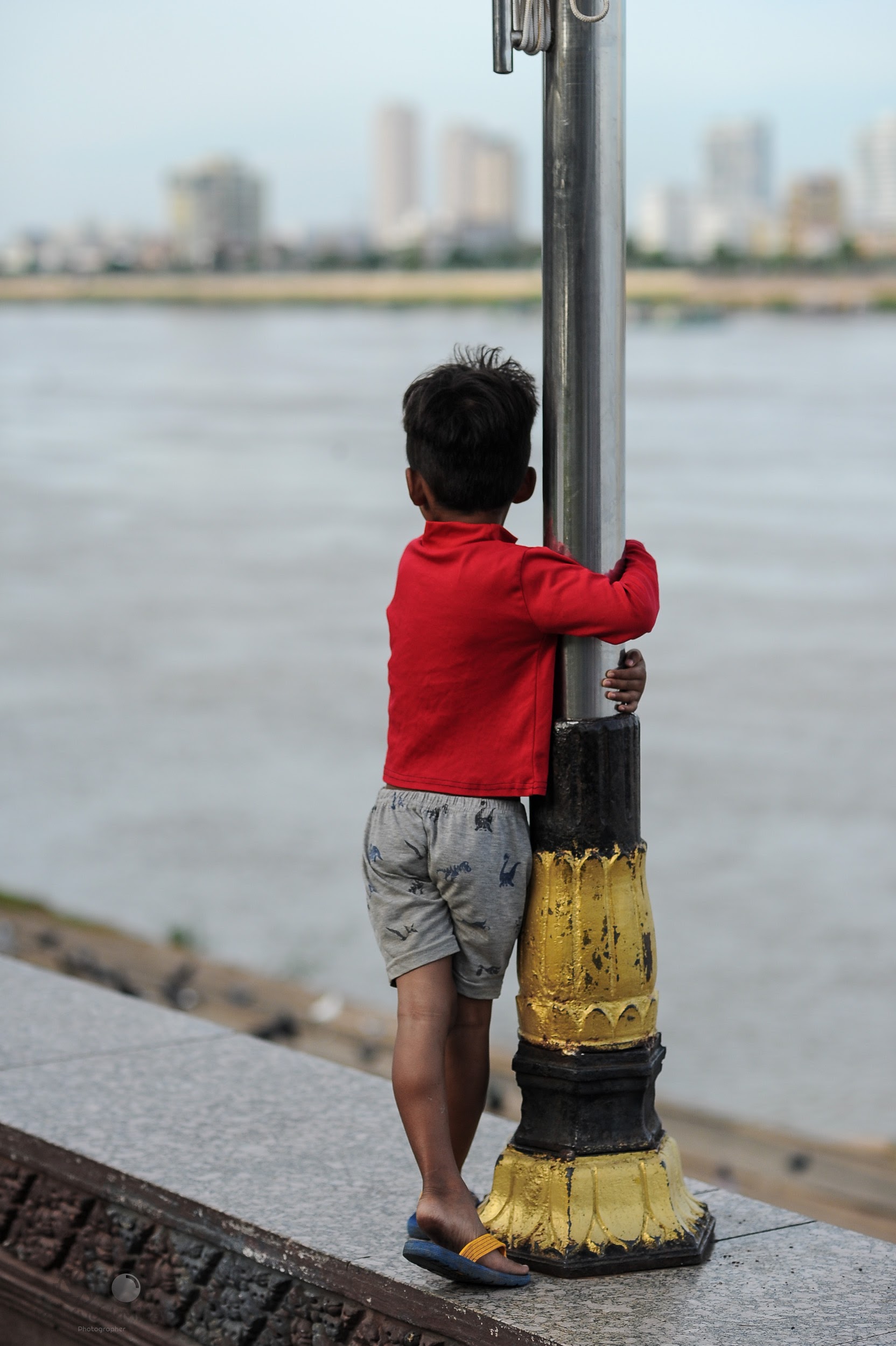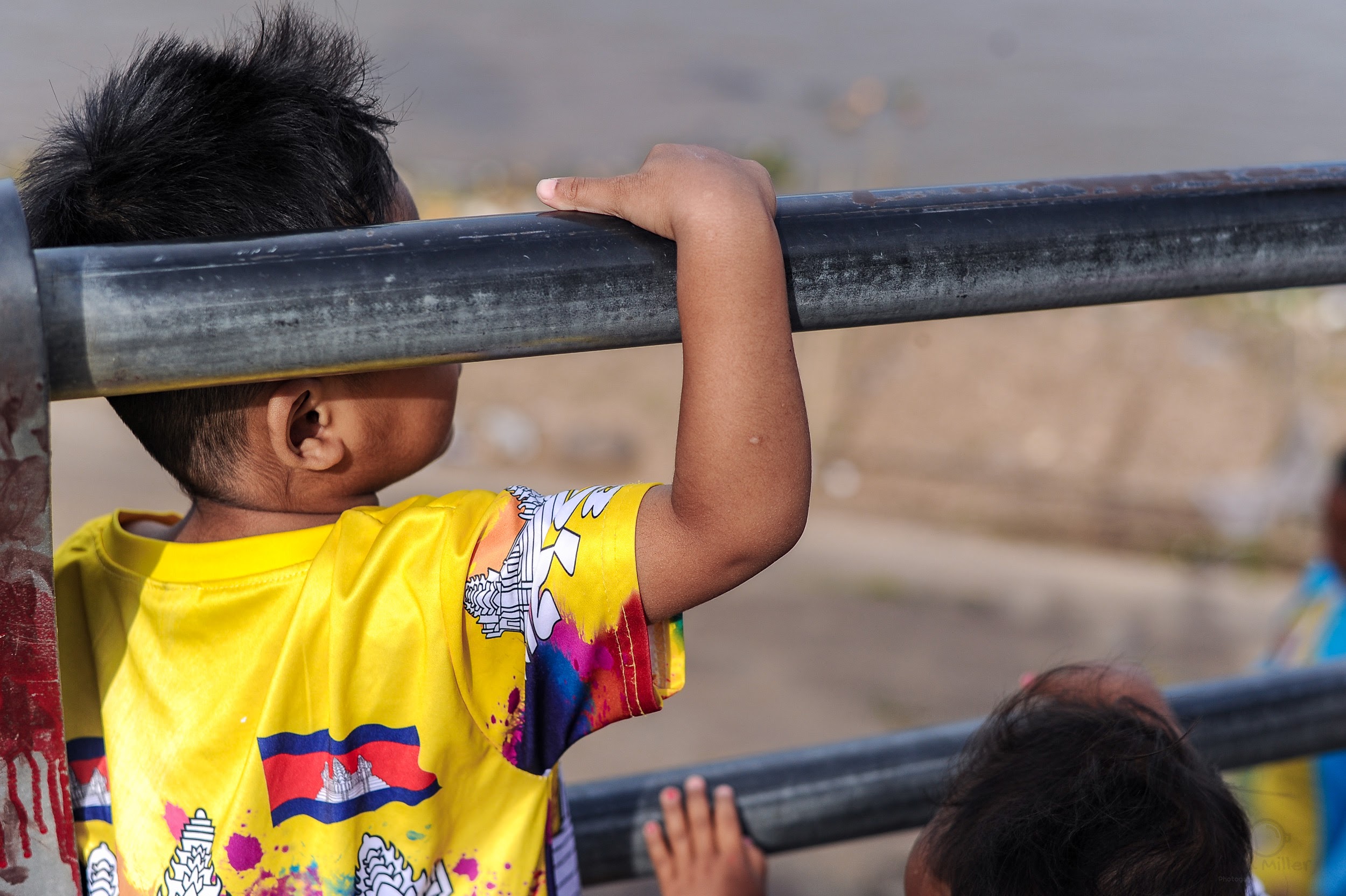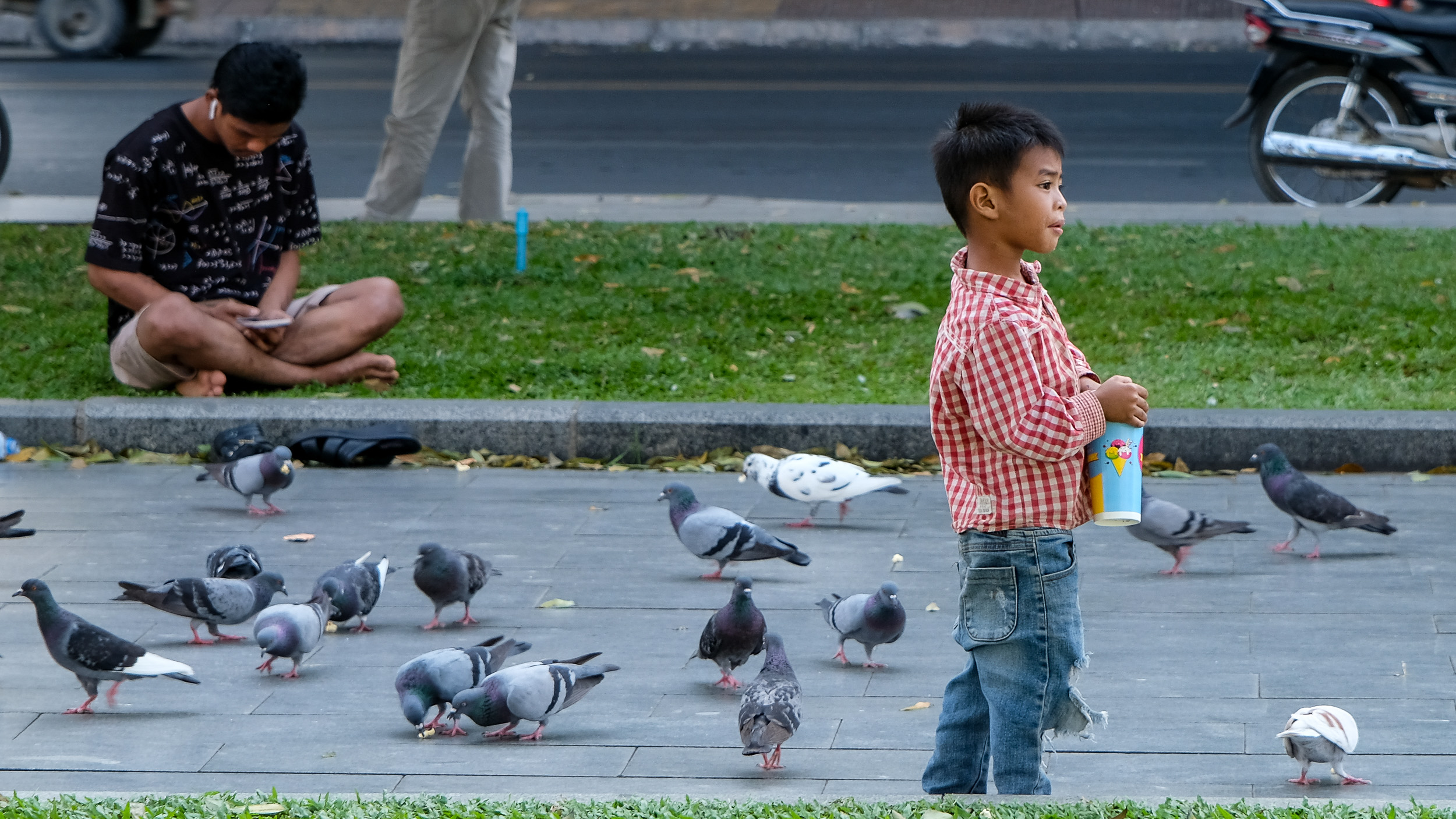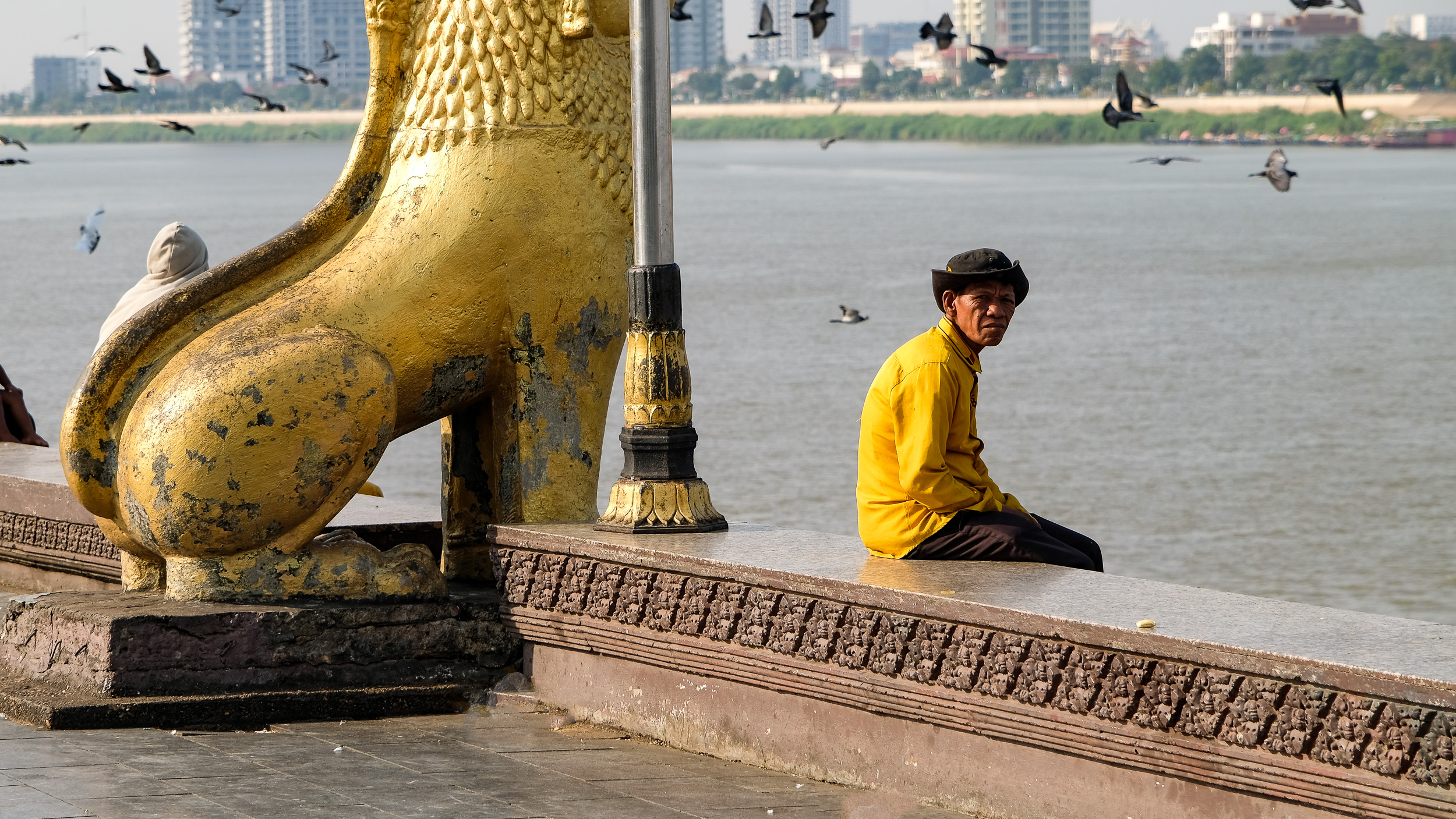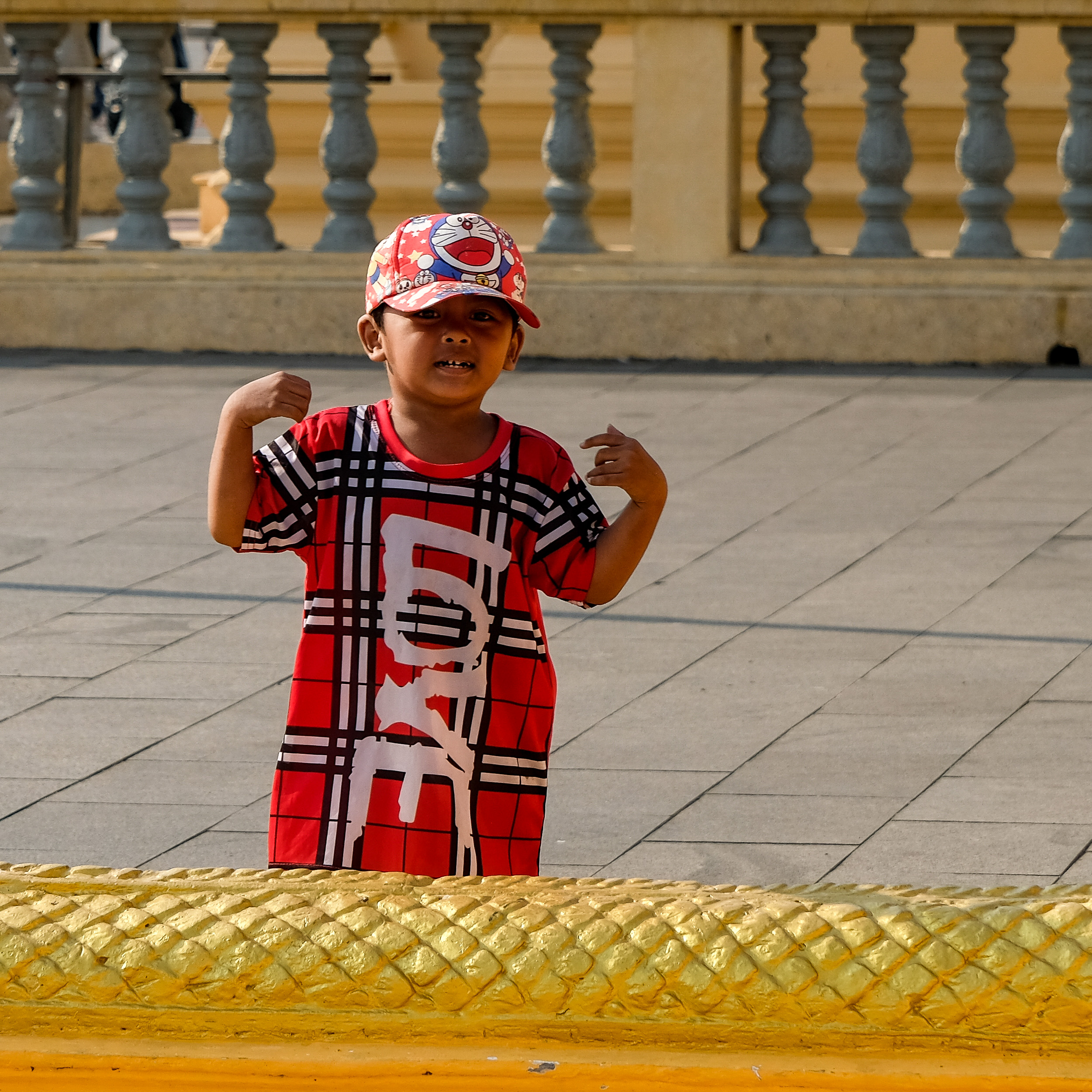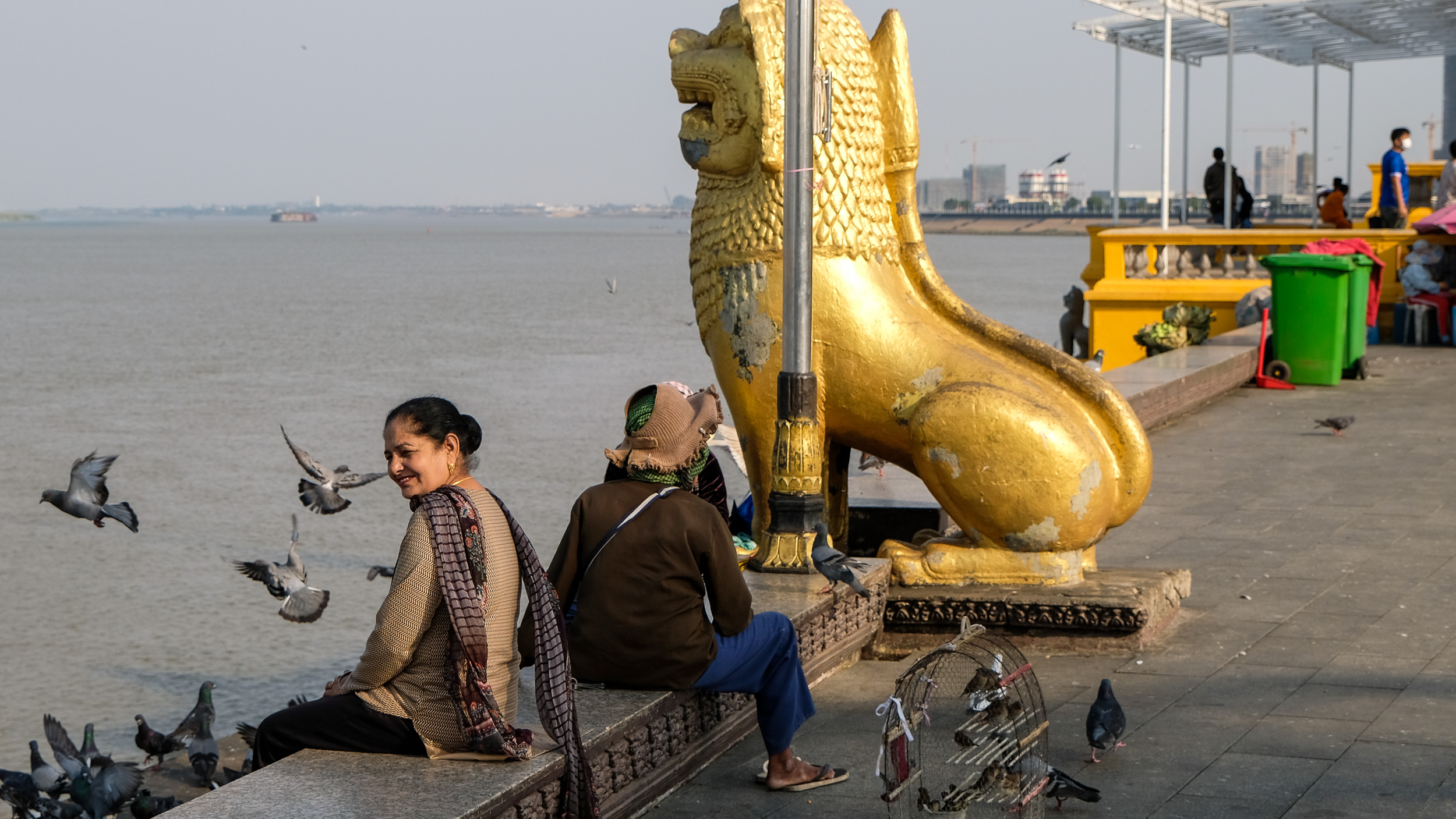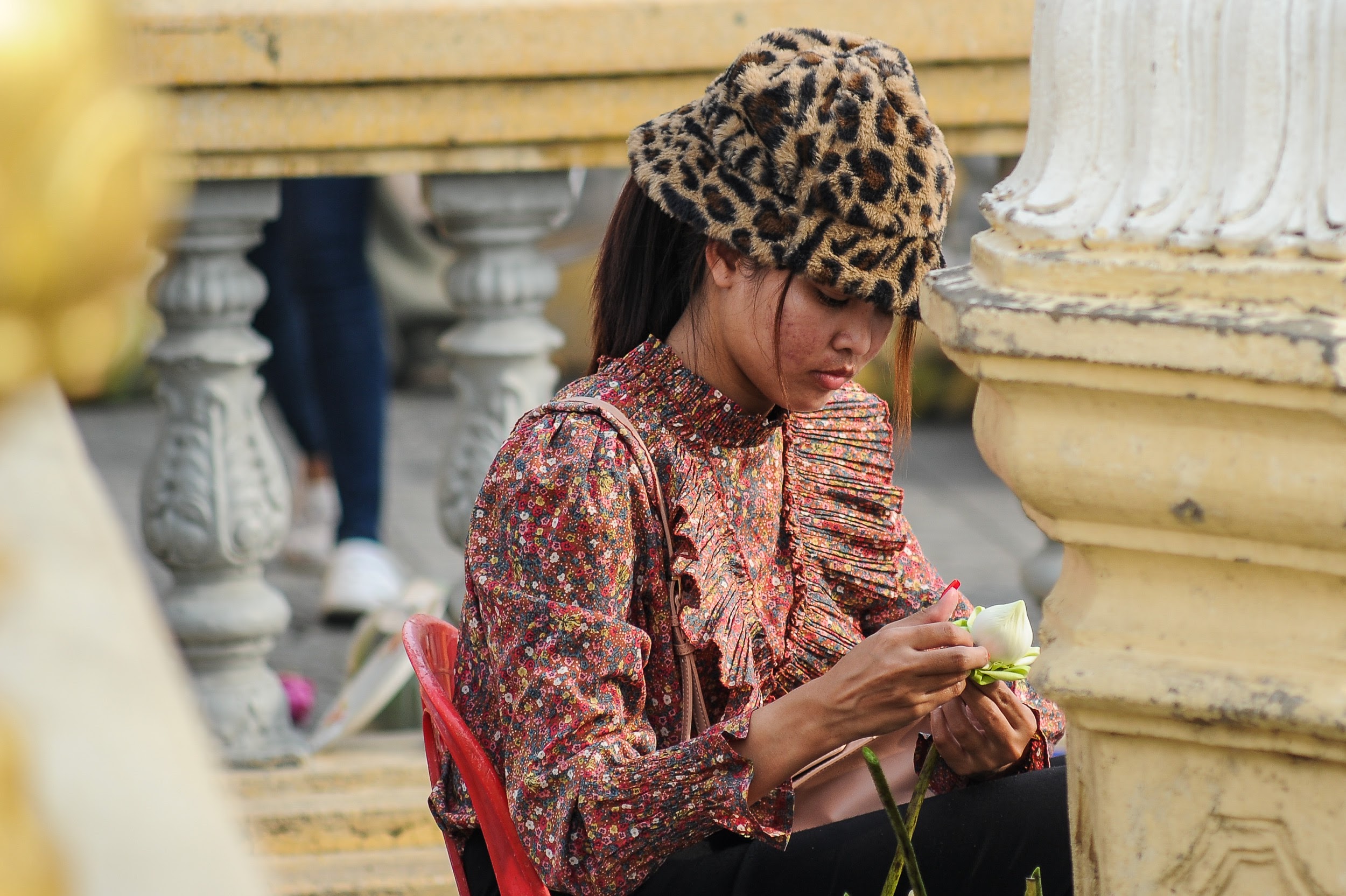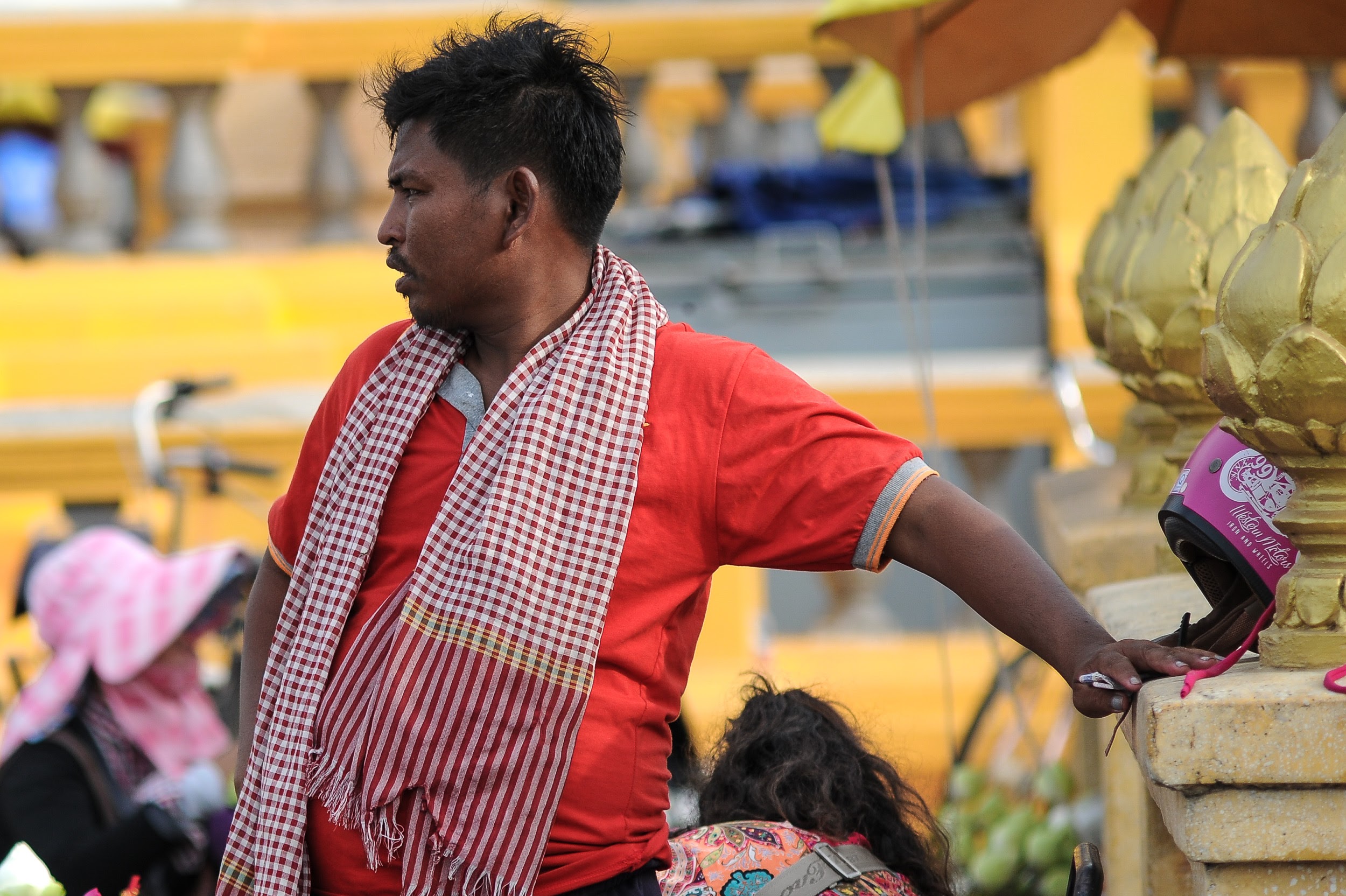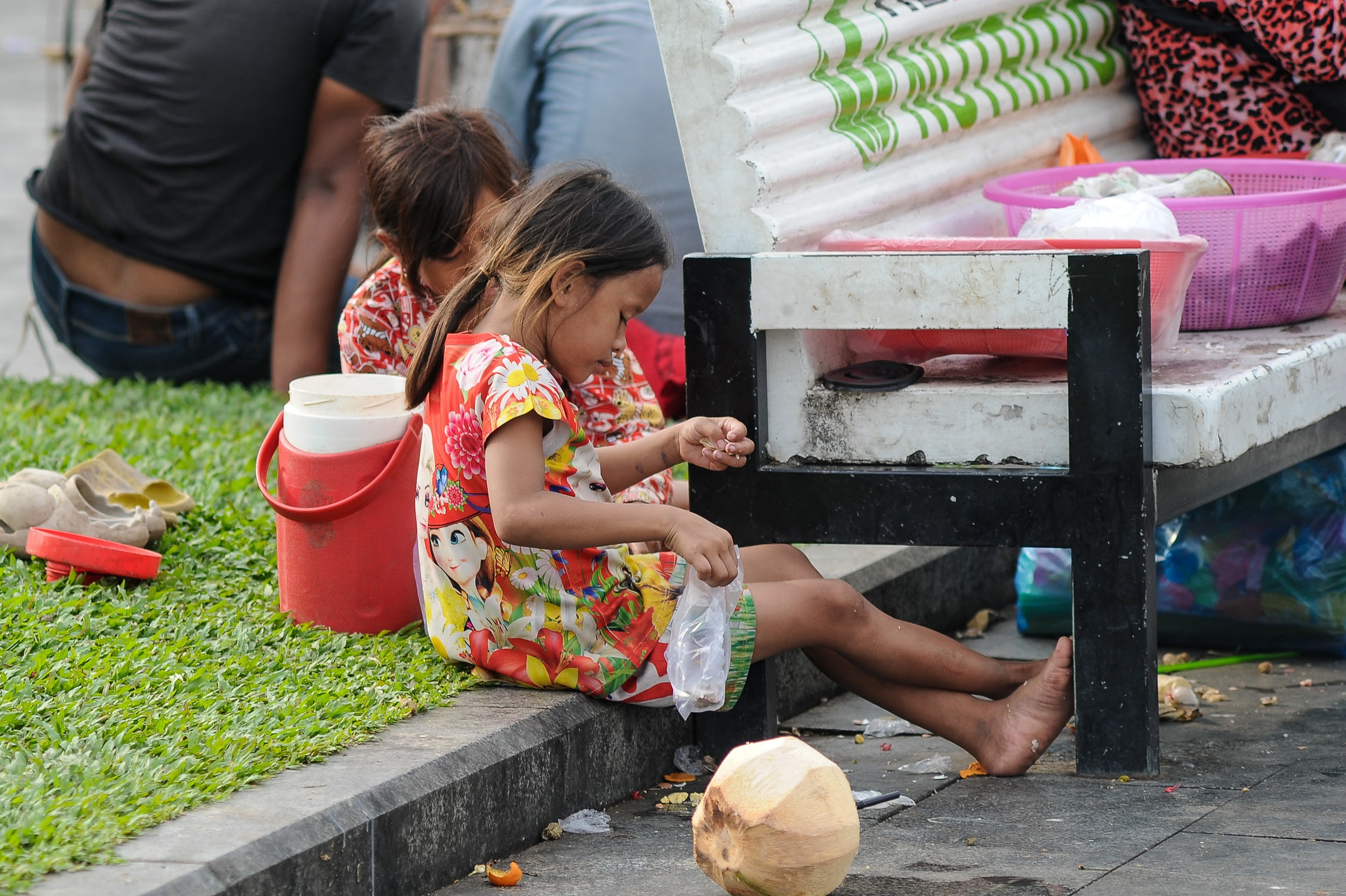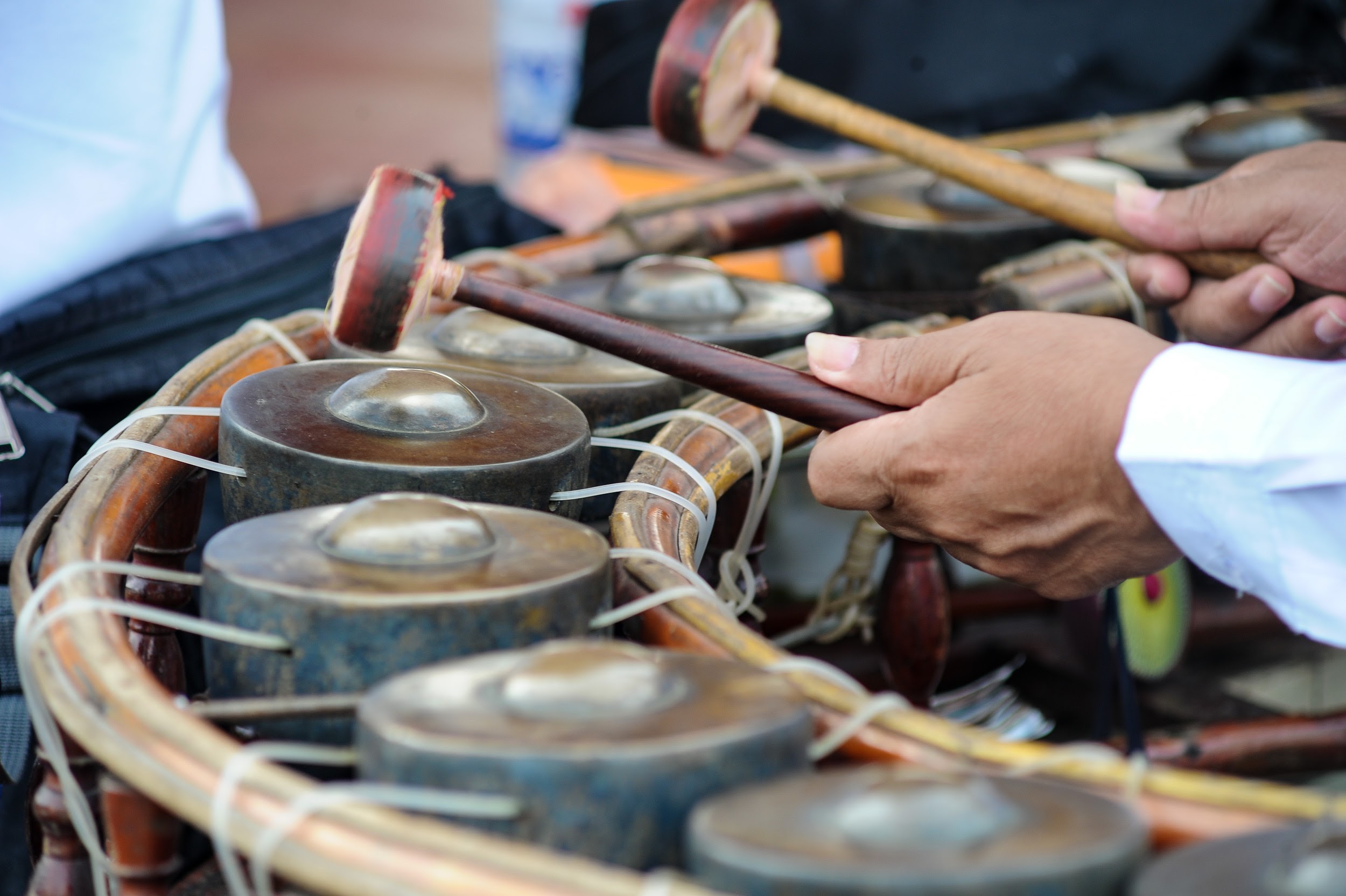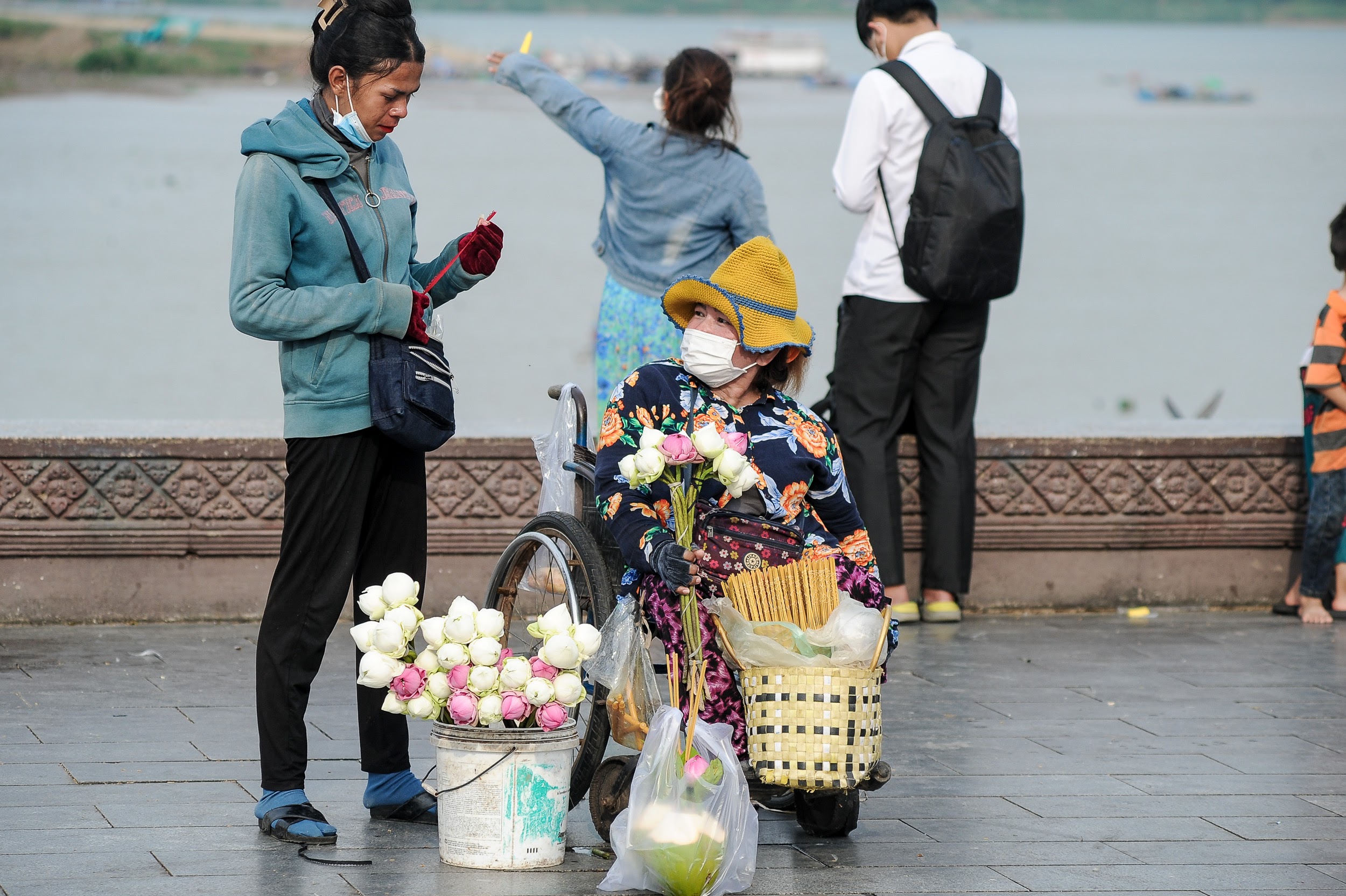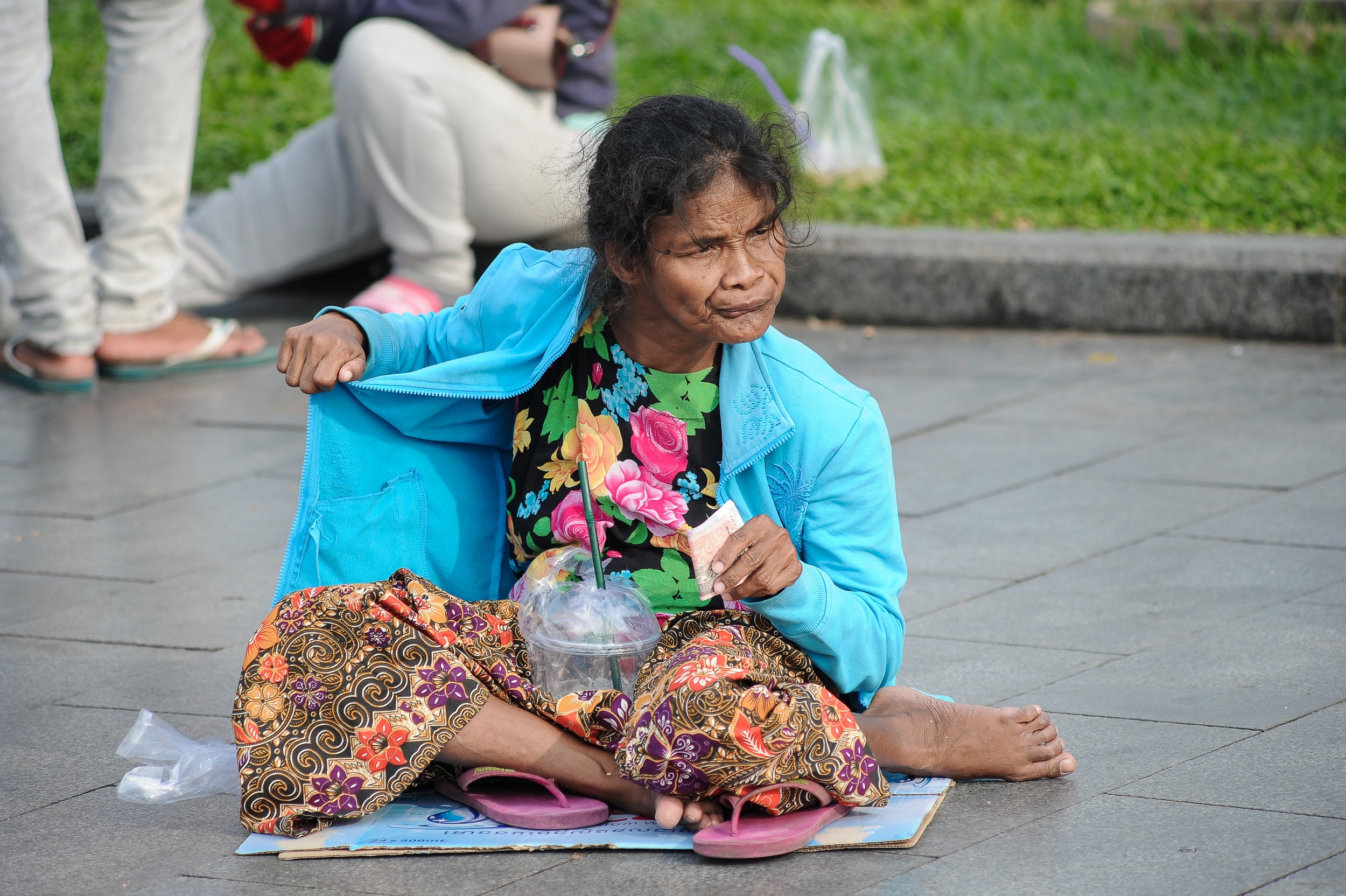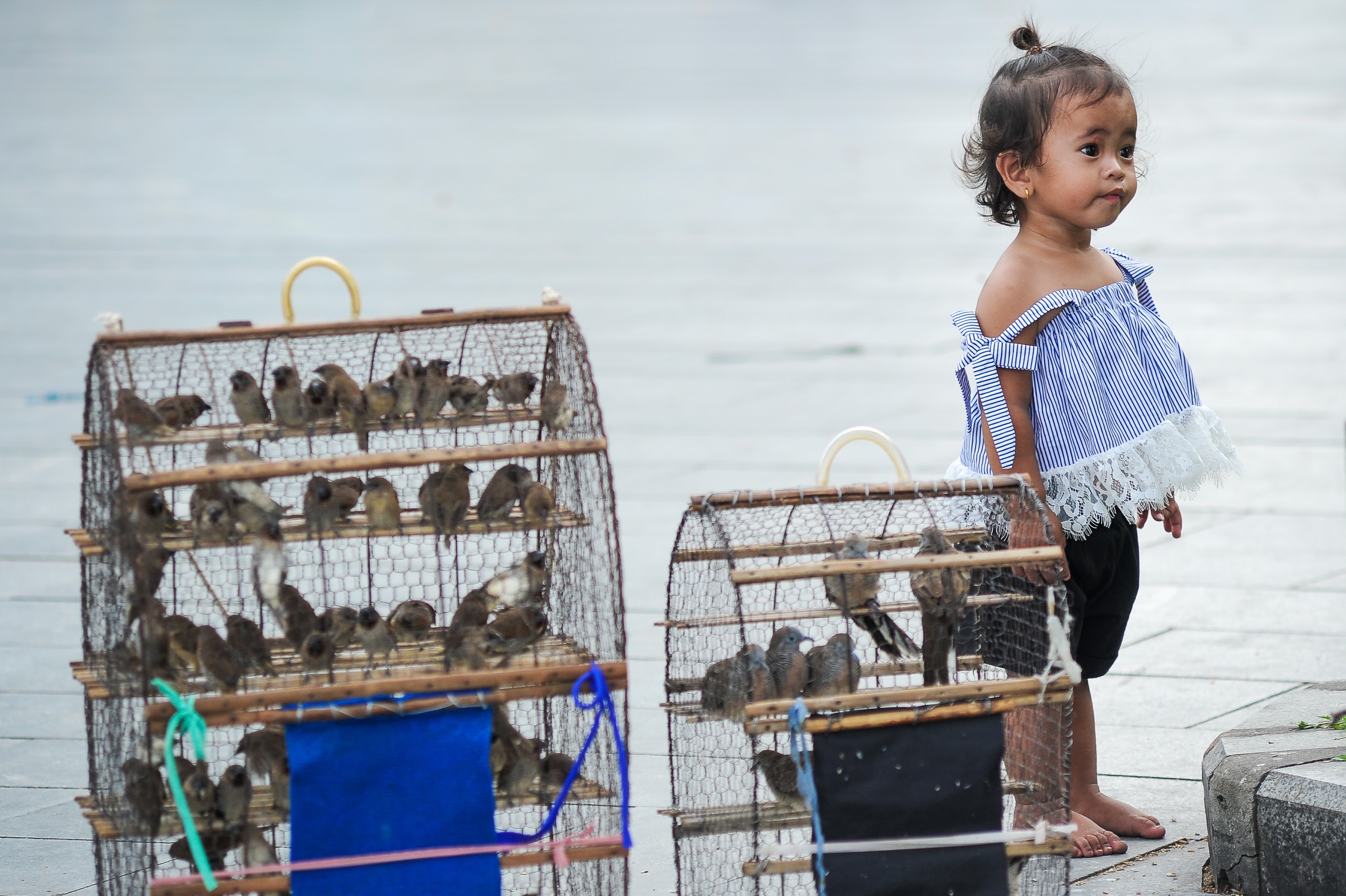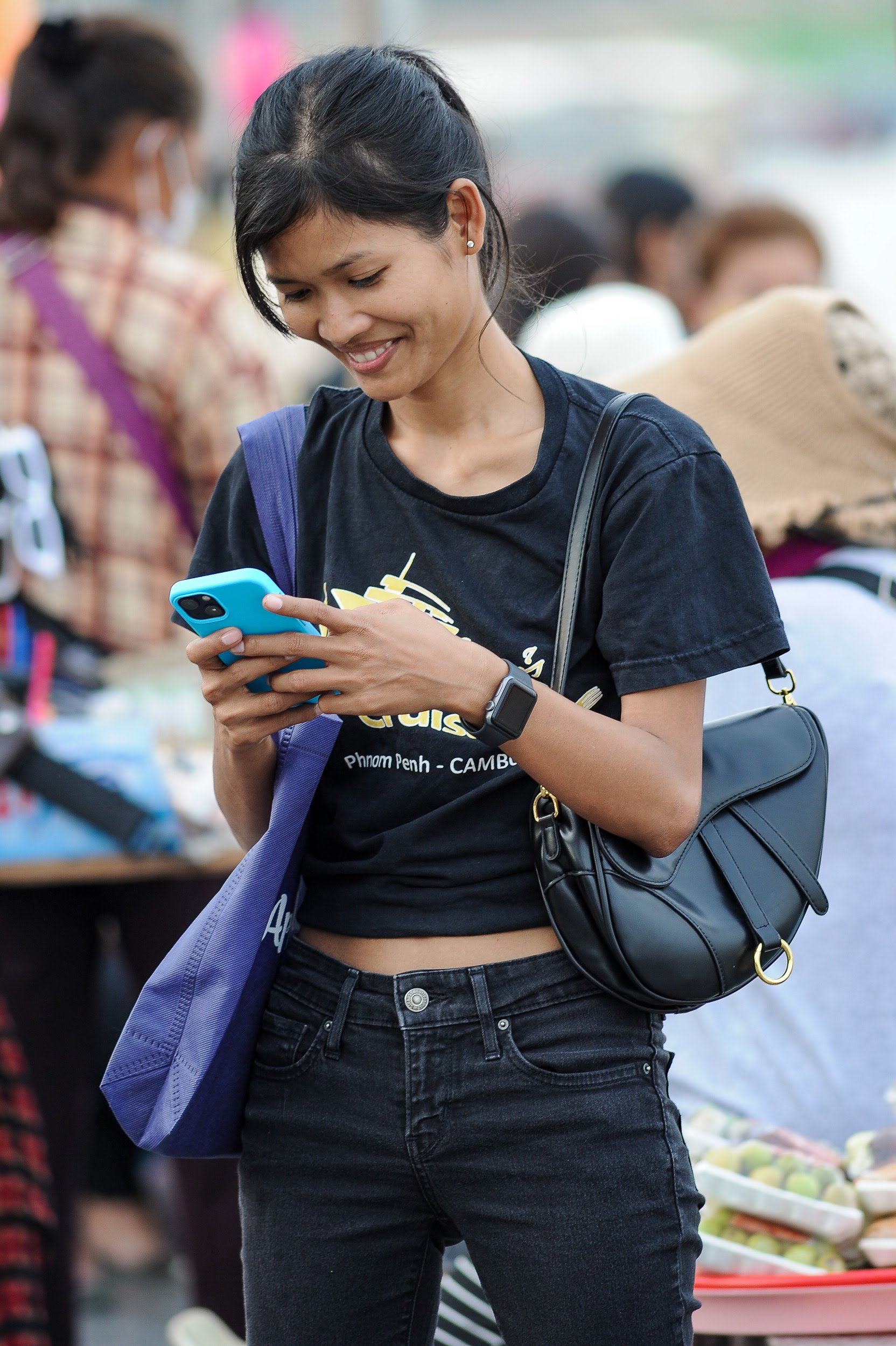
How to Document the Plight of Homeless or Street People

cambodia, opinons, thoughts, photography, pictures, street, voluntary

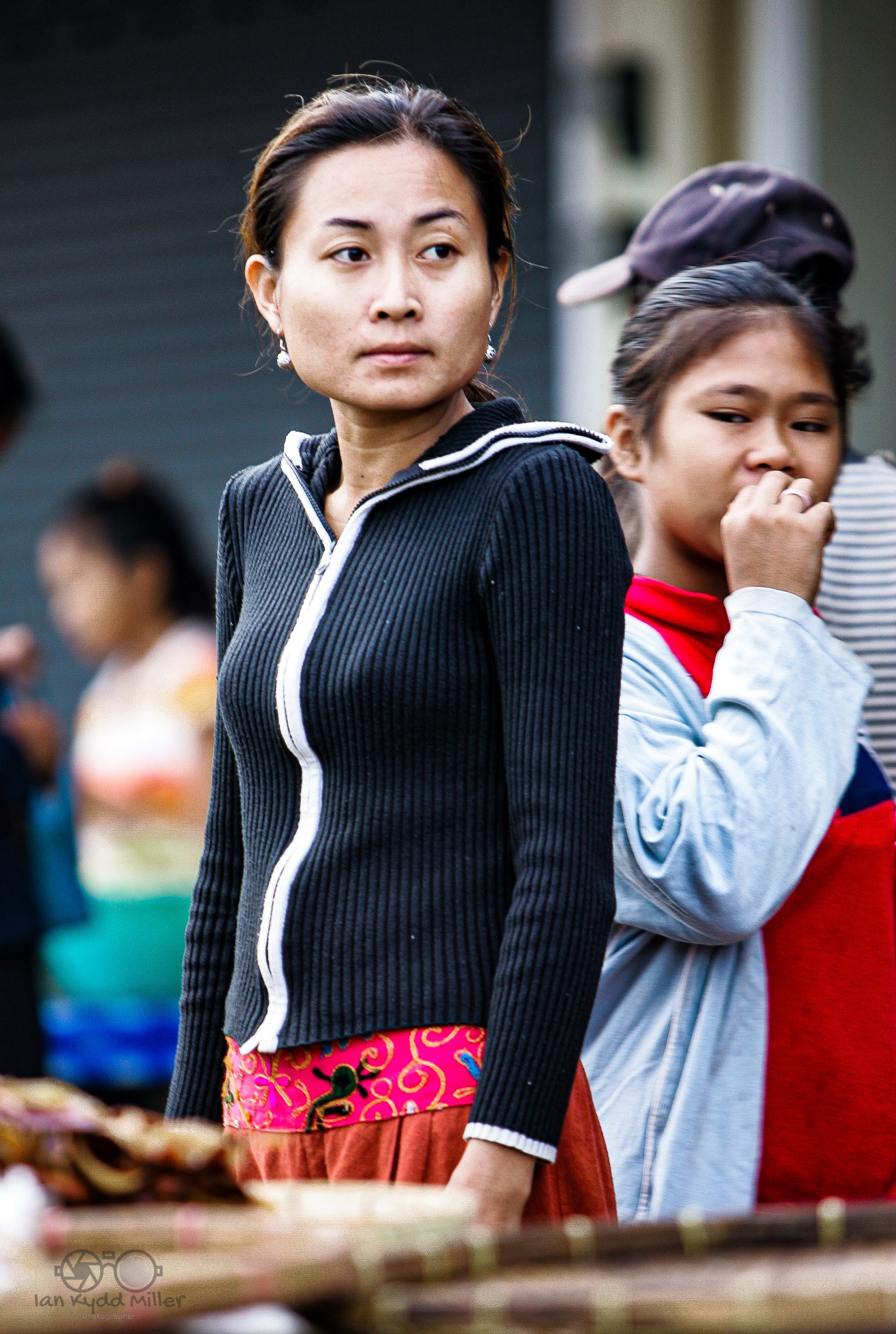
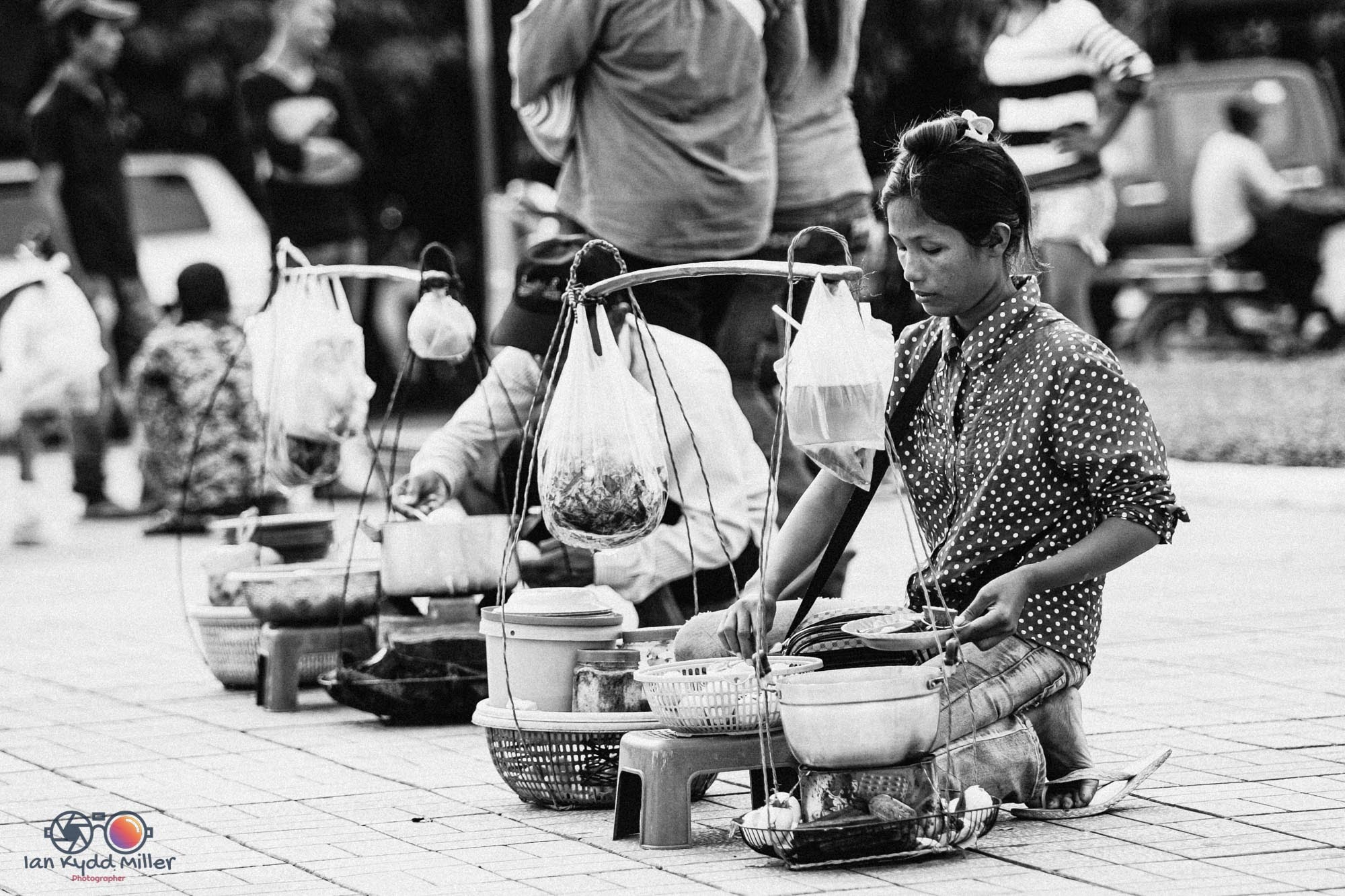
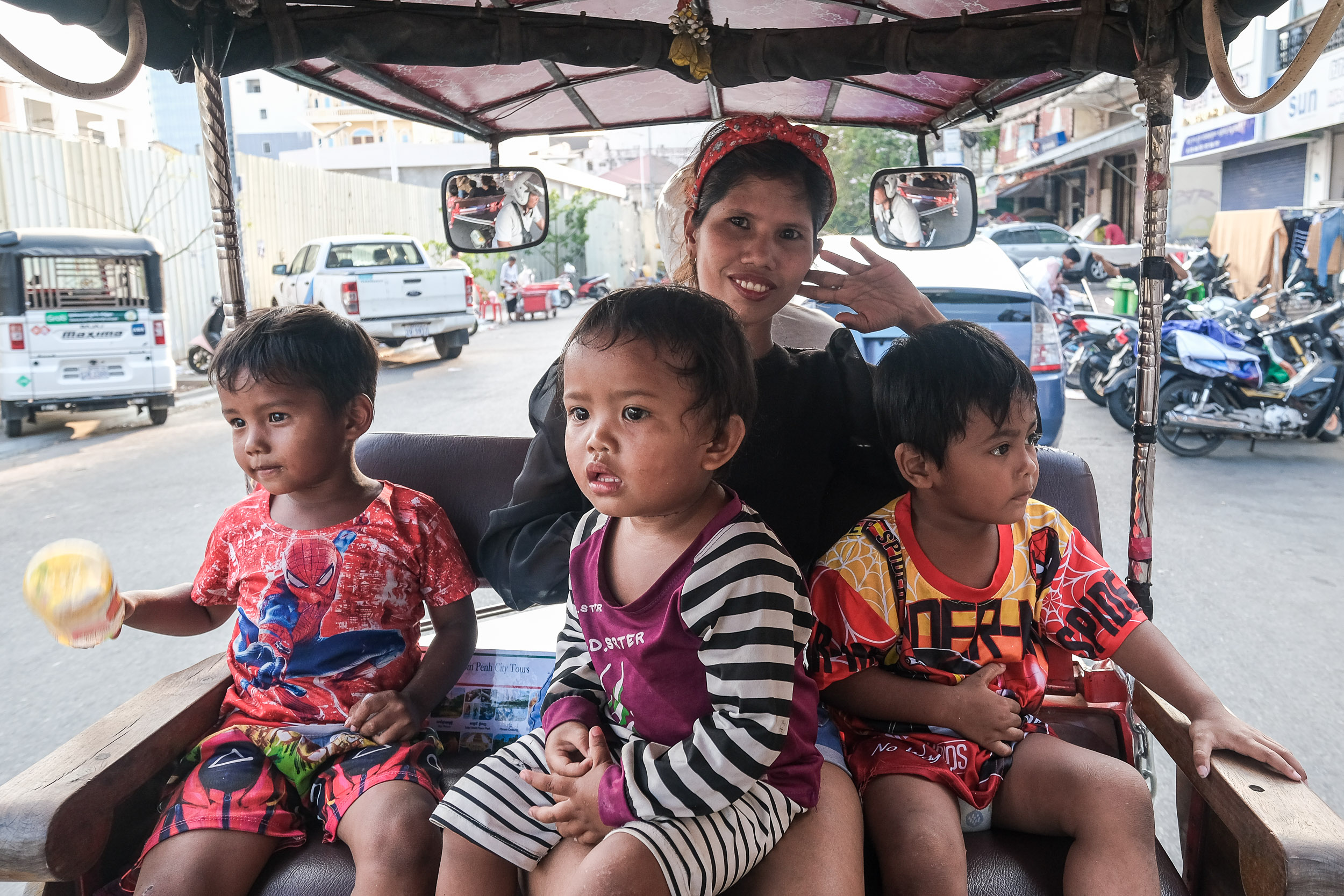
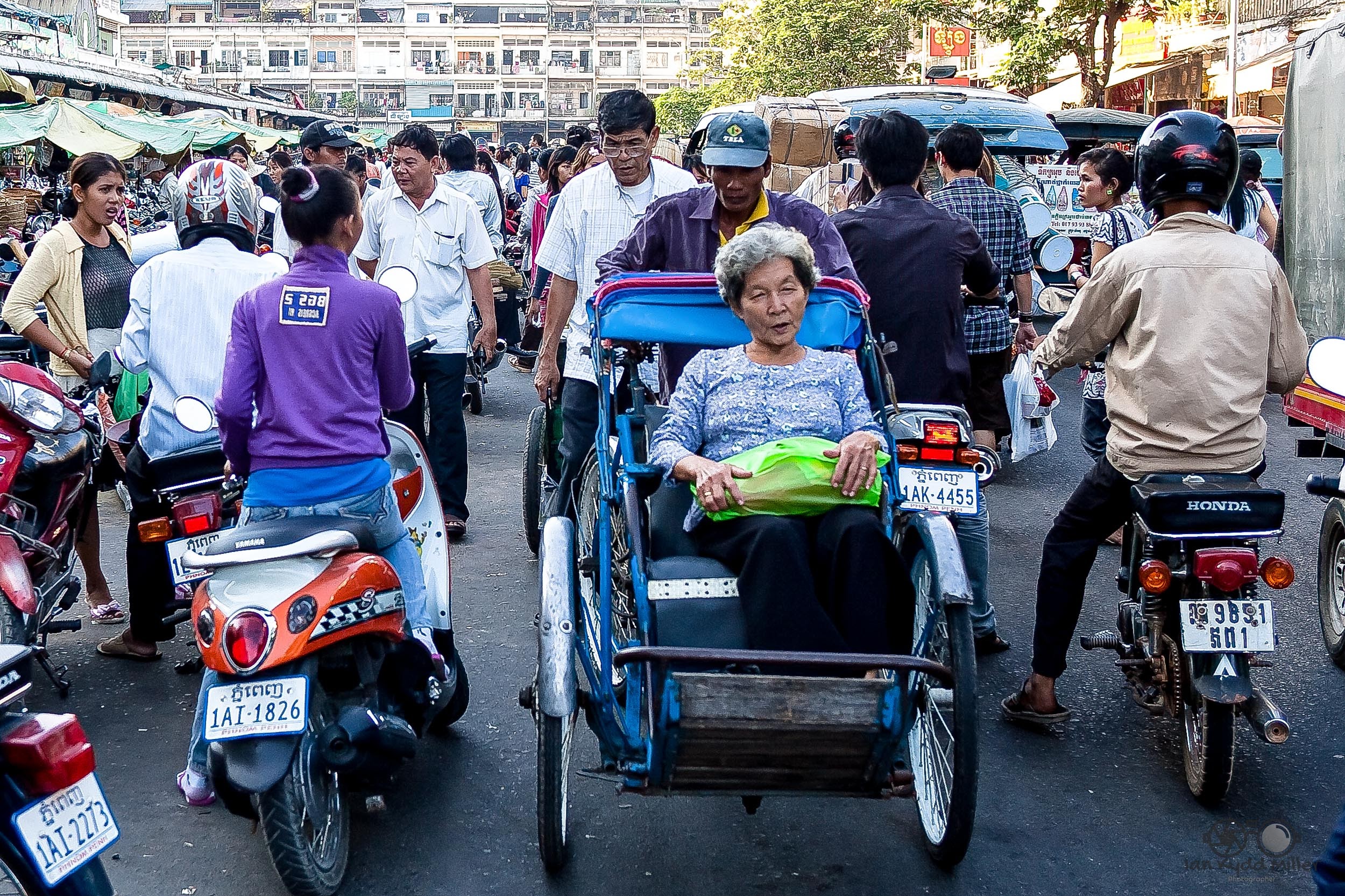
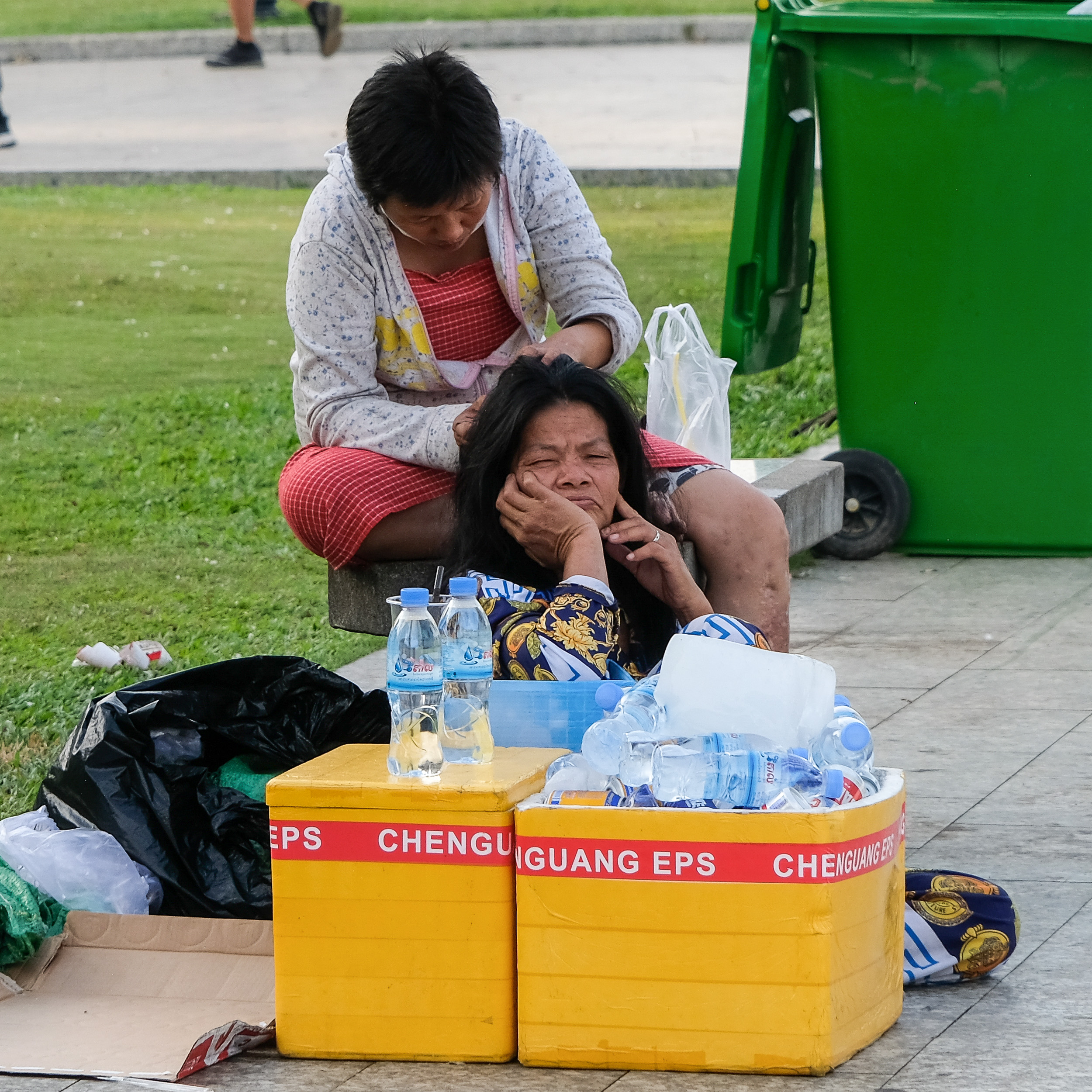
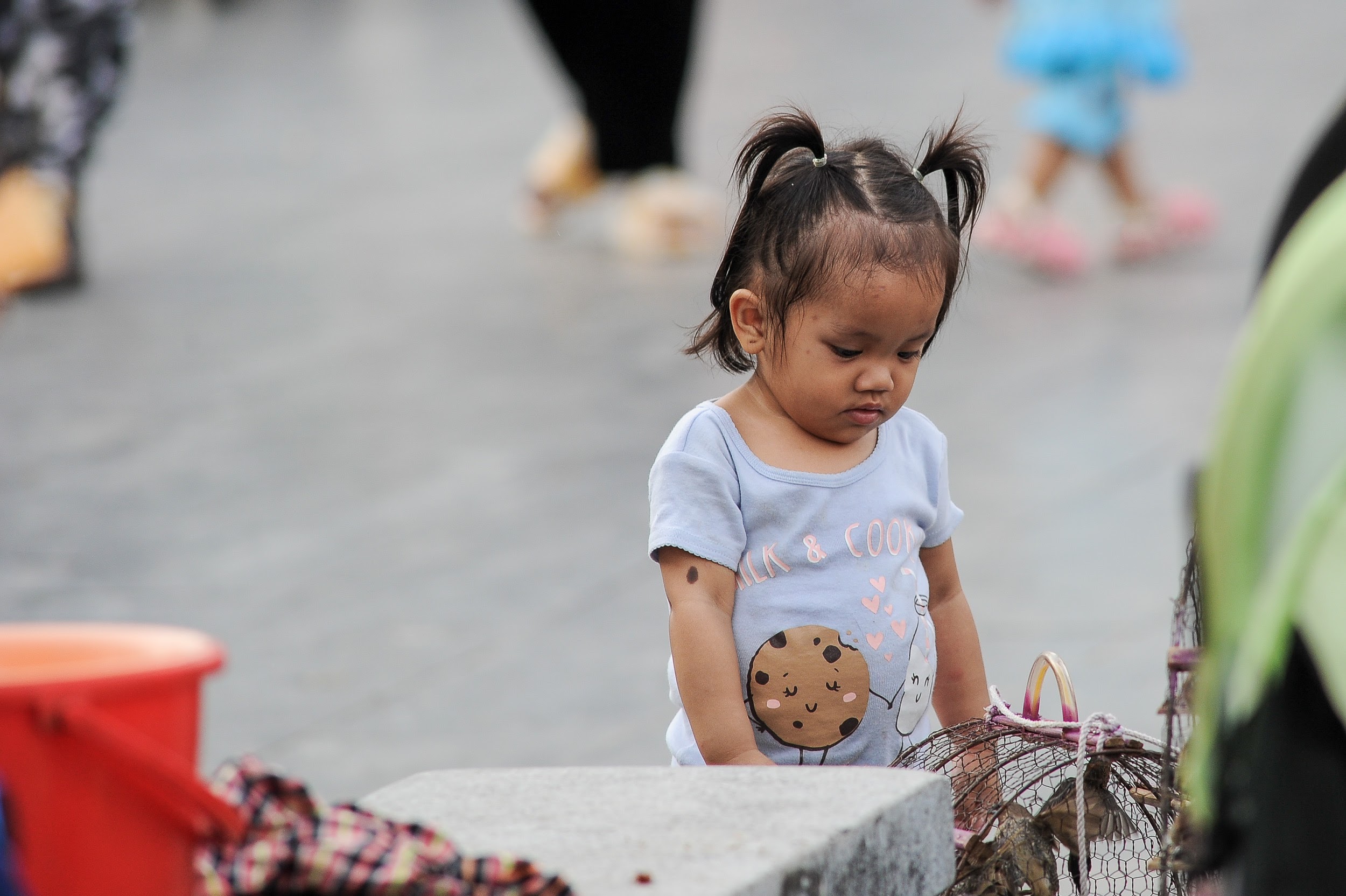
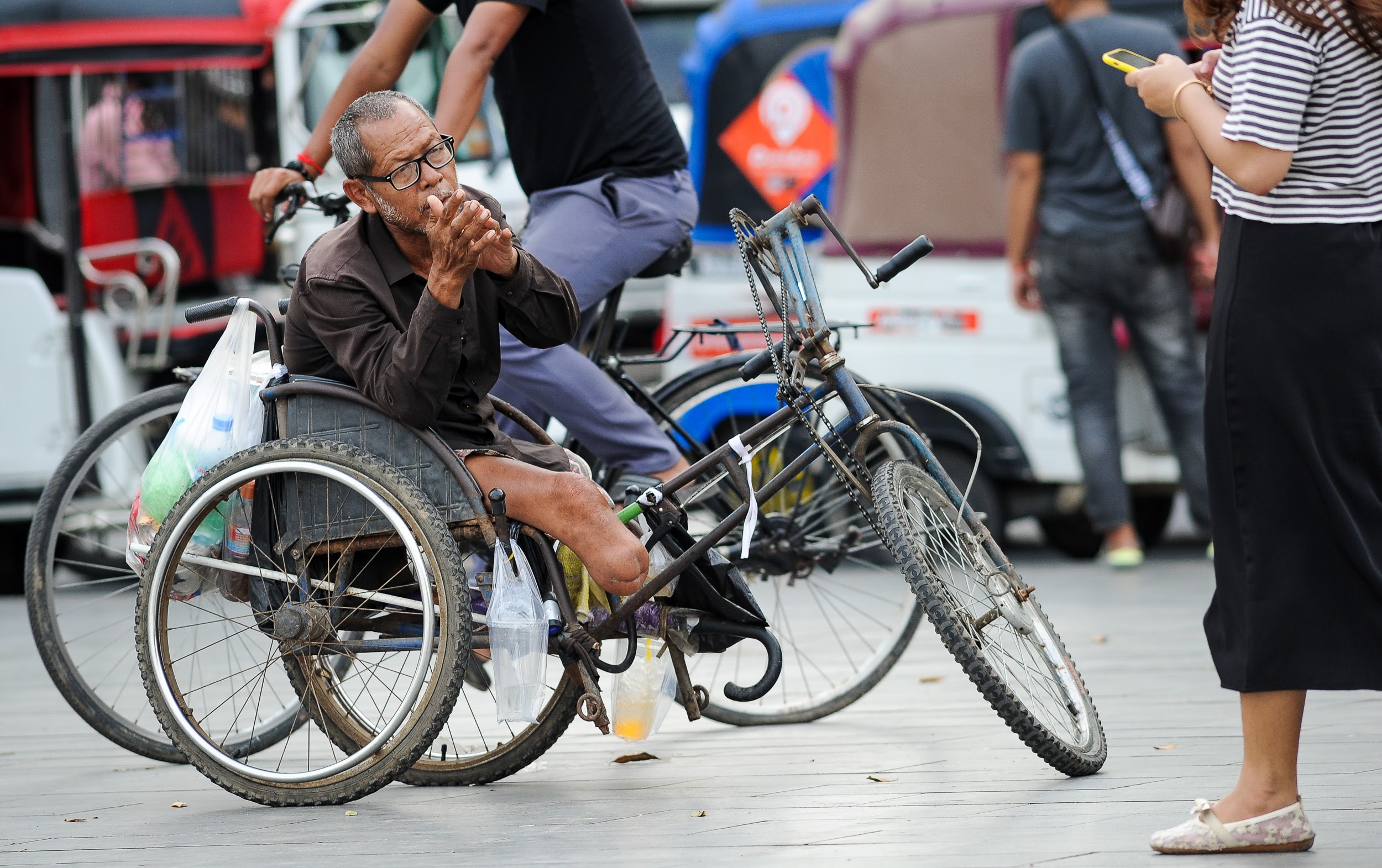
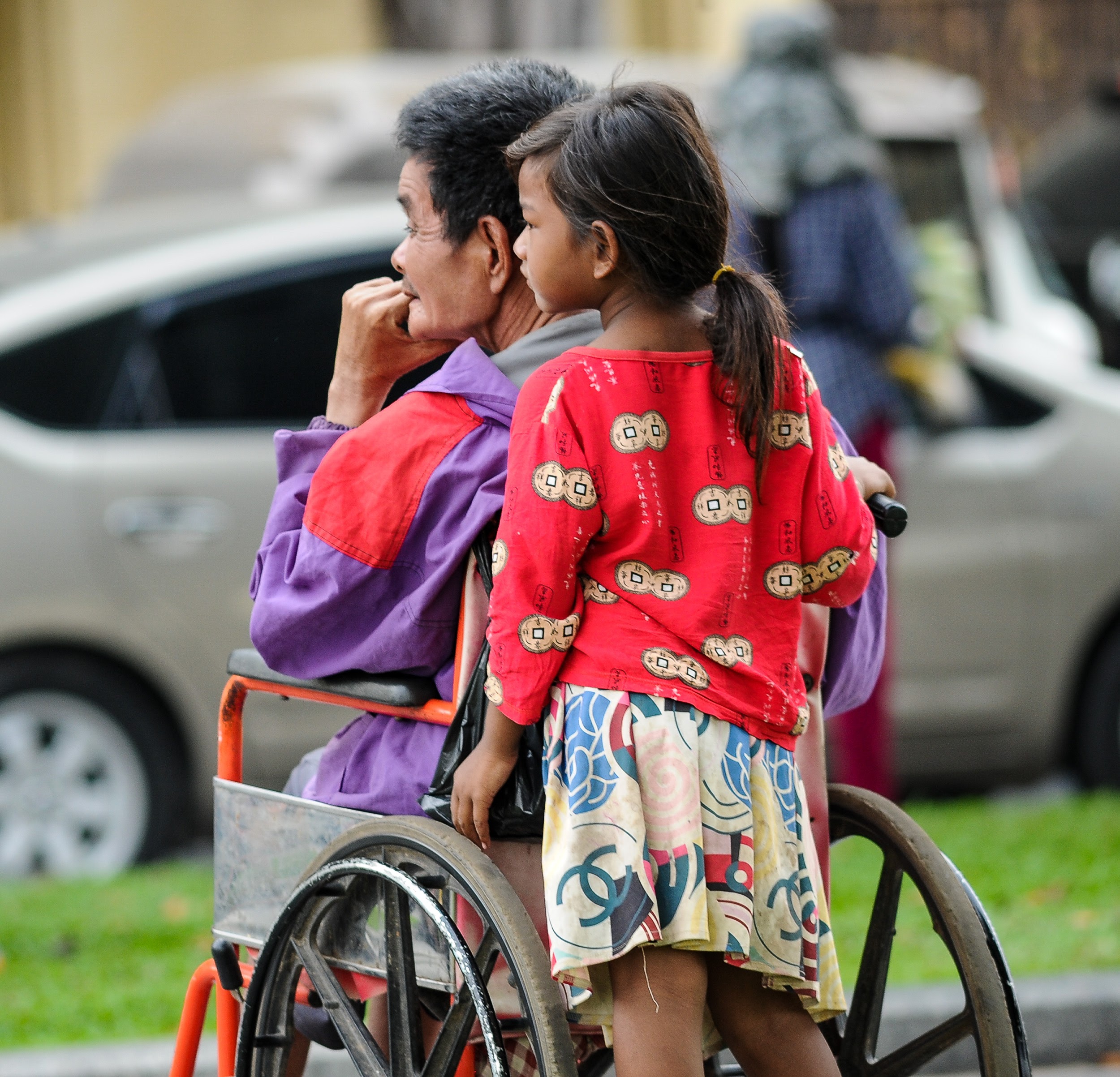
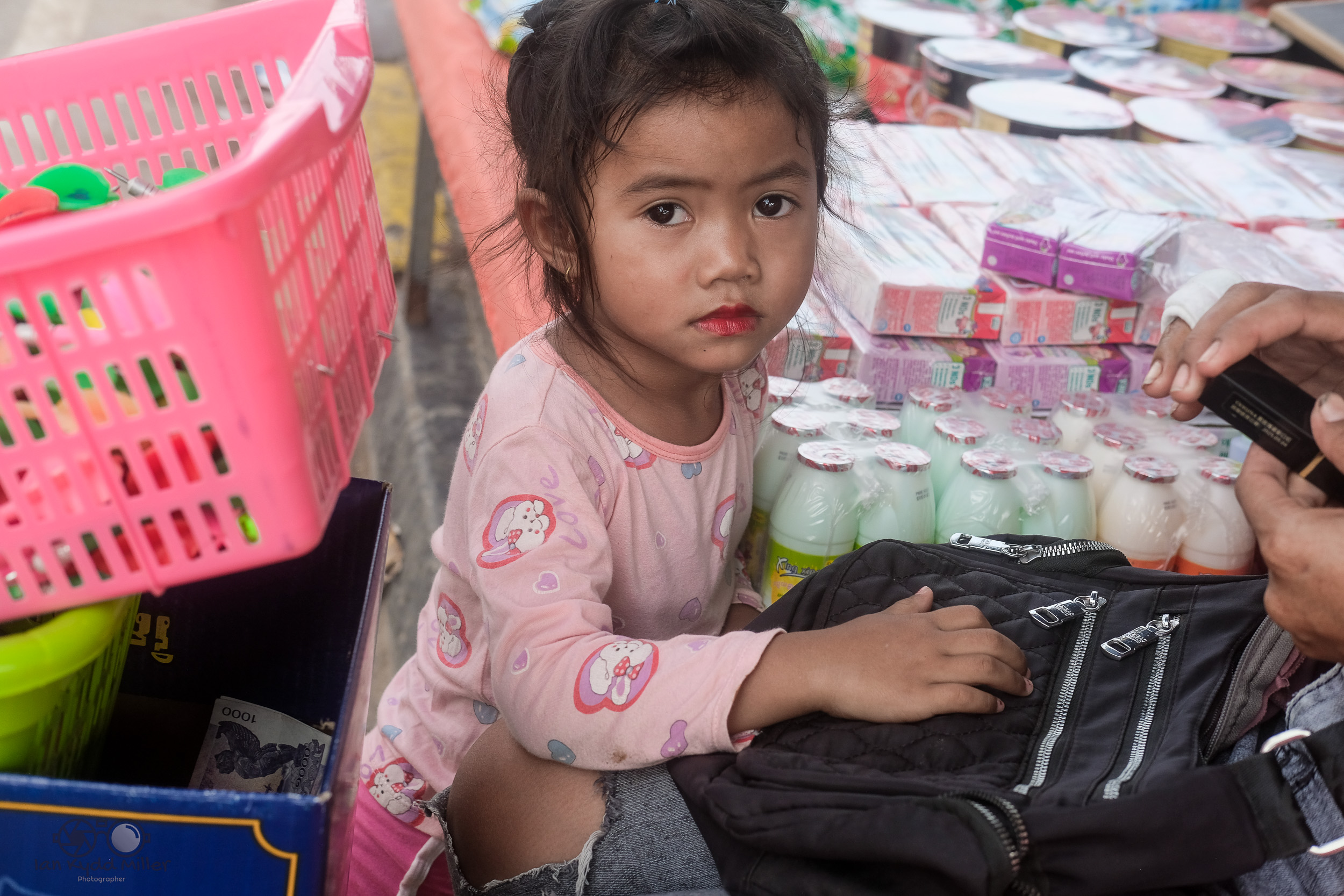
Homelessness is a complex and urgent social issue that affects millions of people around the world. Many factors can contribute to homelessness, such as poverty, mental illness, substance abuse, domestic violence, unemployment, discrimination, and lack of affordable housing. Homeless or street people face many challenges and risks, such as hunger, exposure, illness, violence, stigma, and isolation.

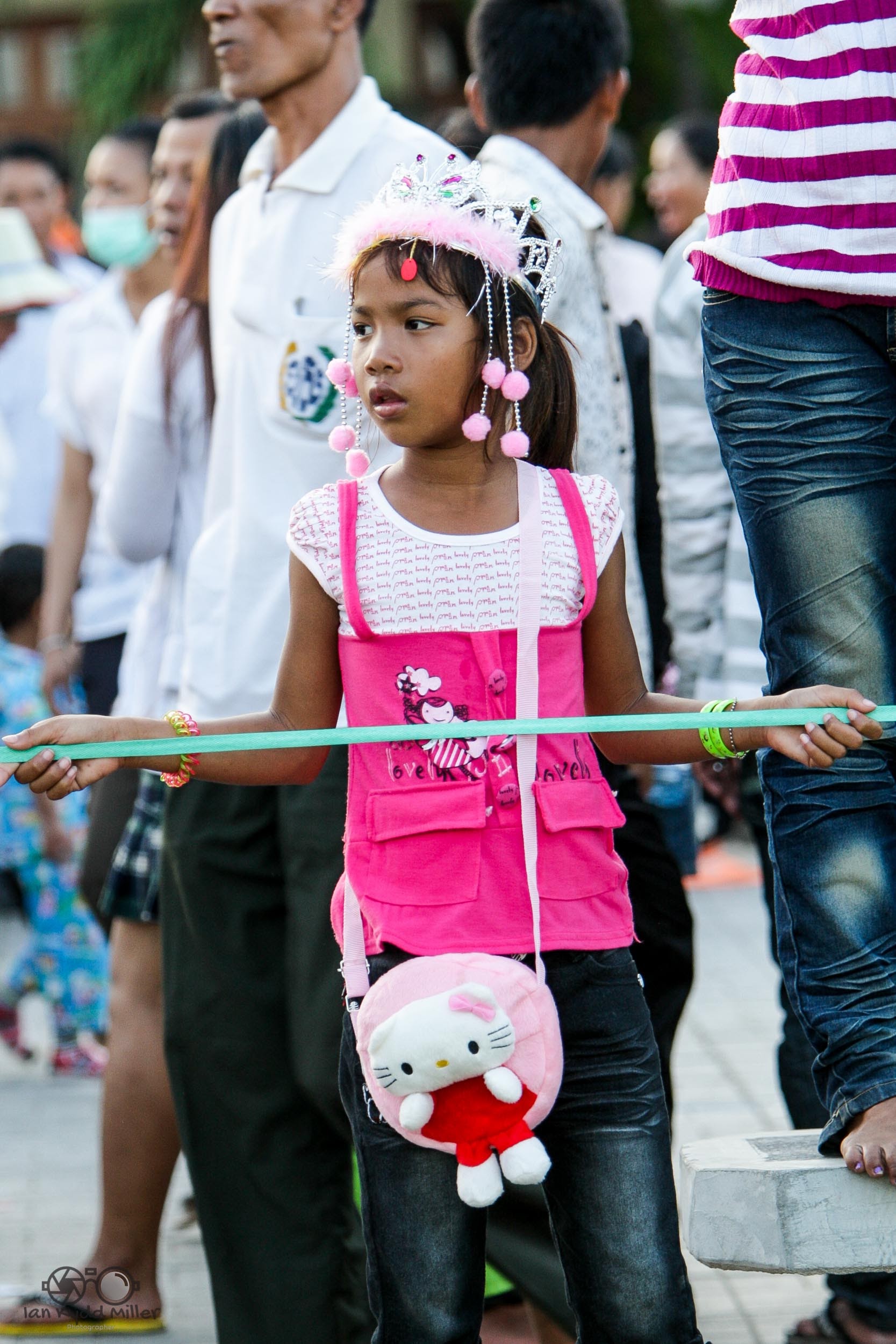
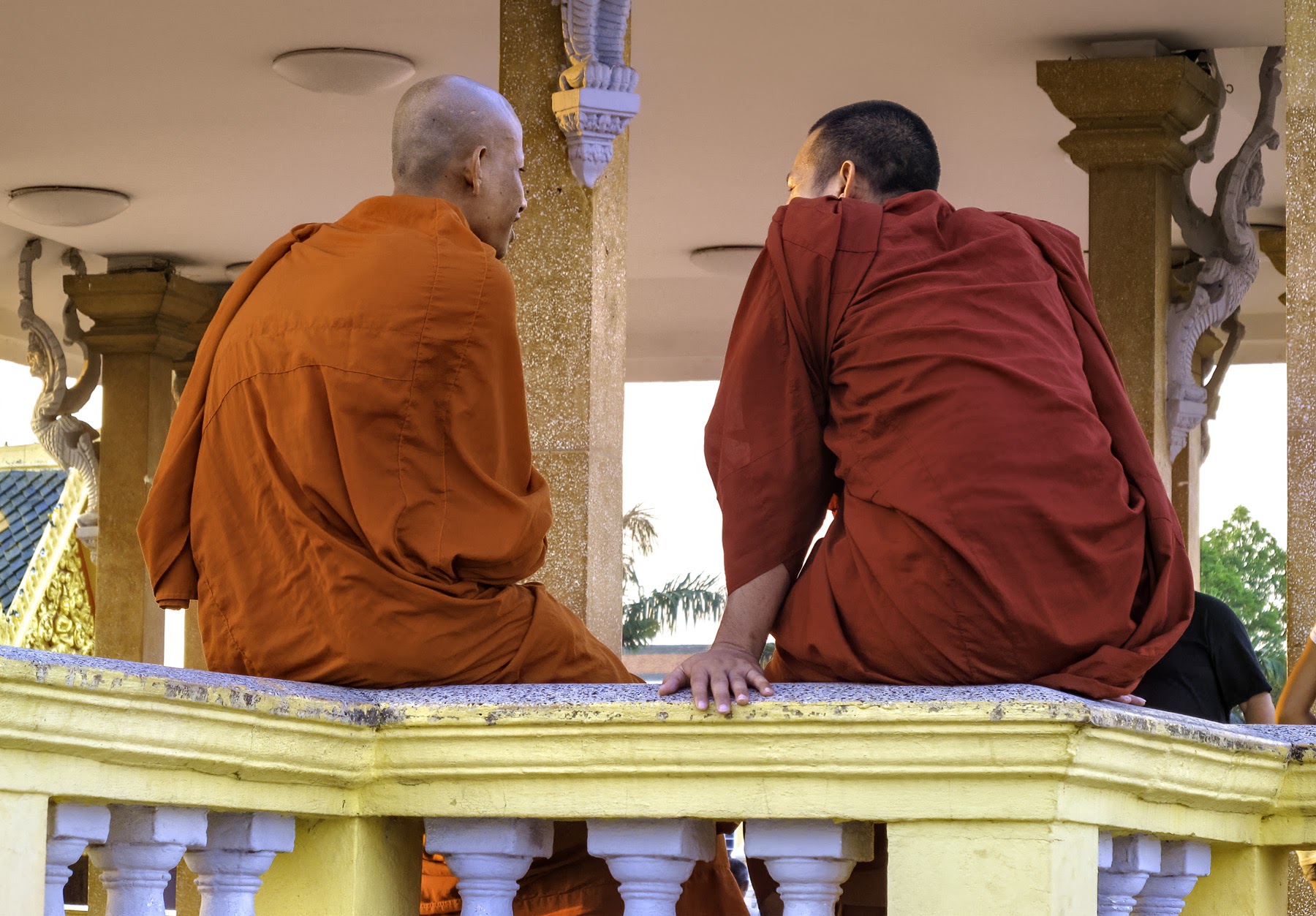
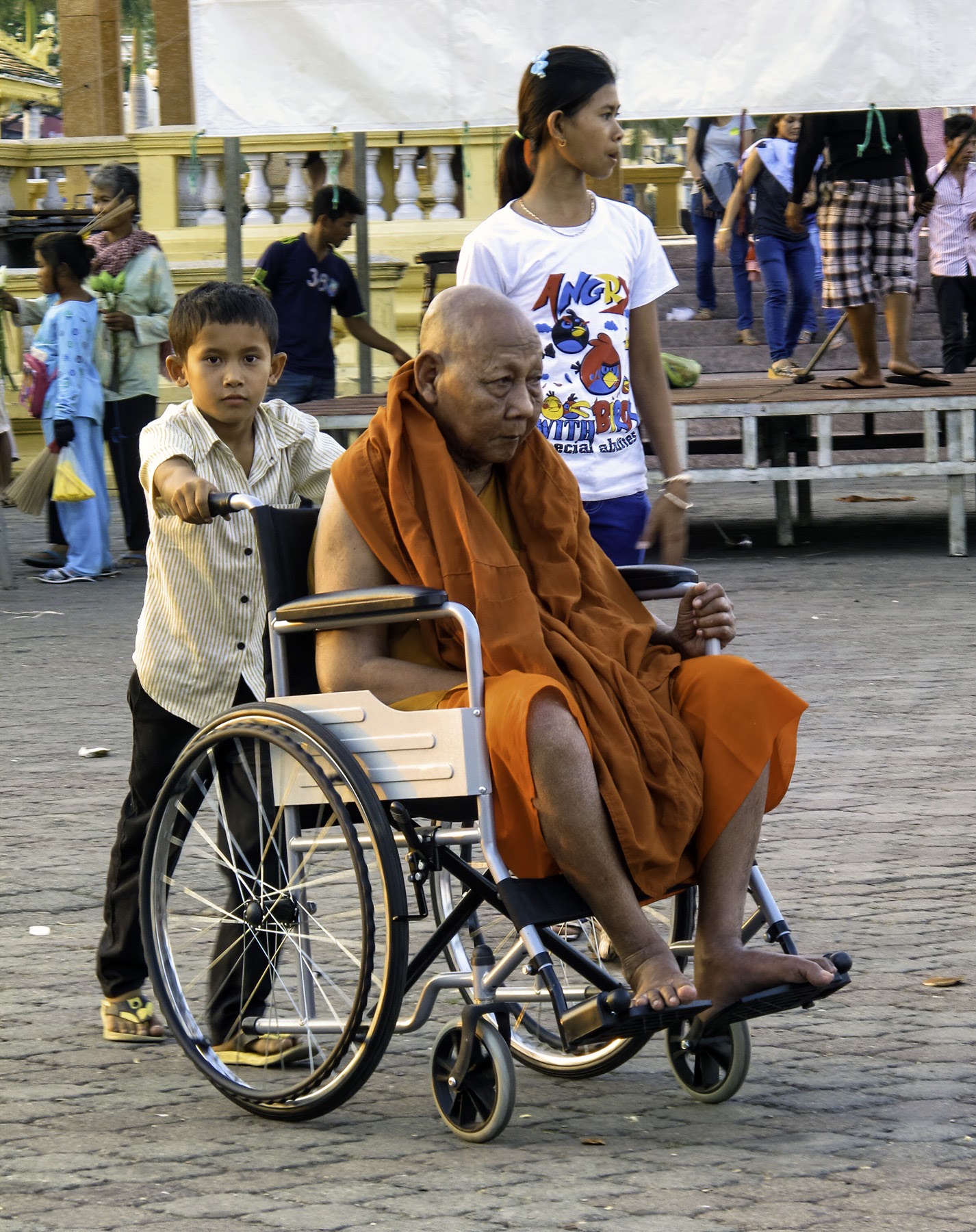
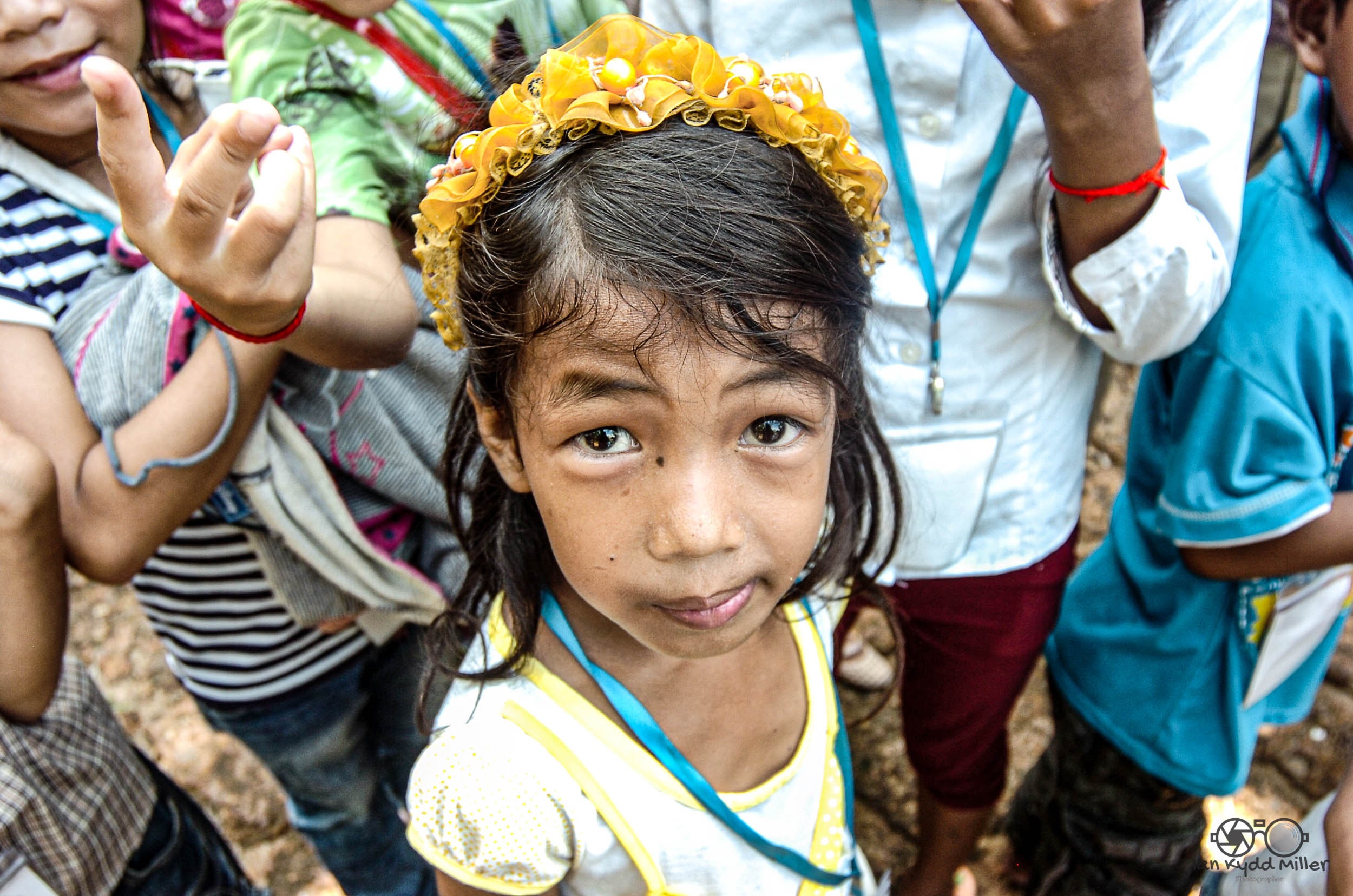
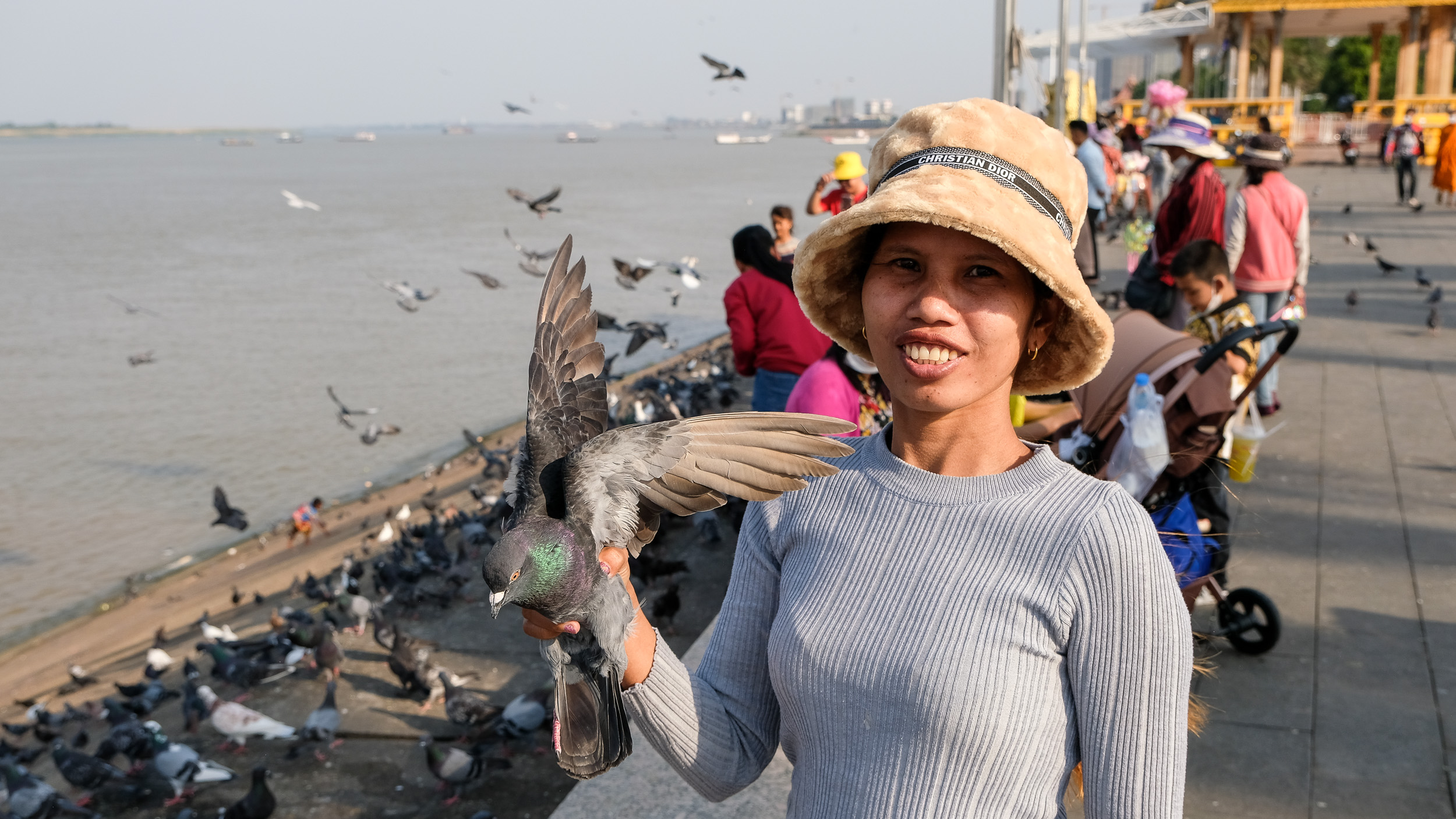
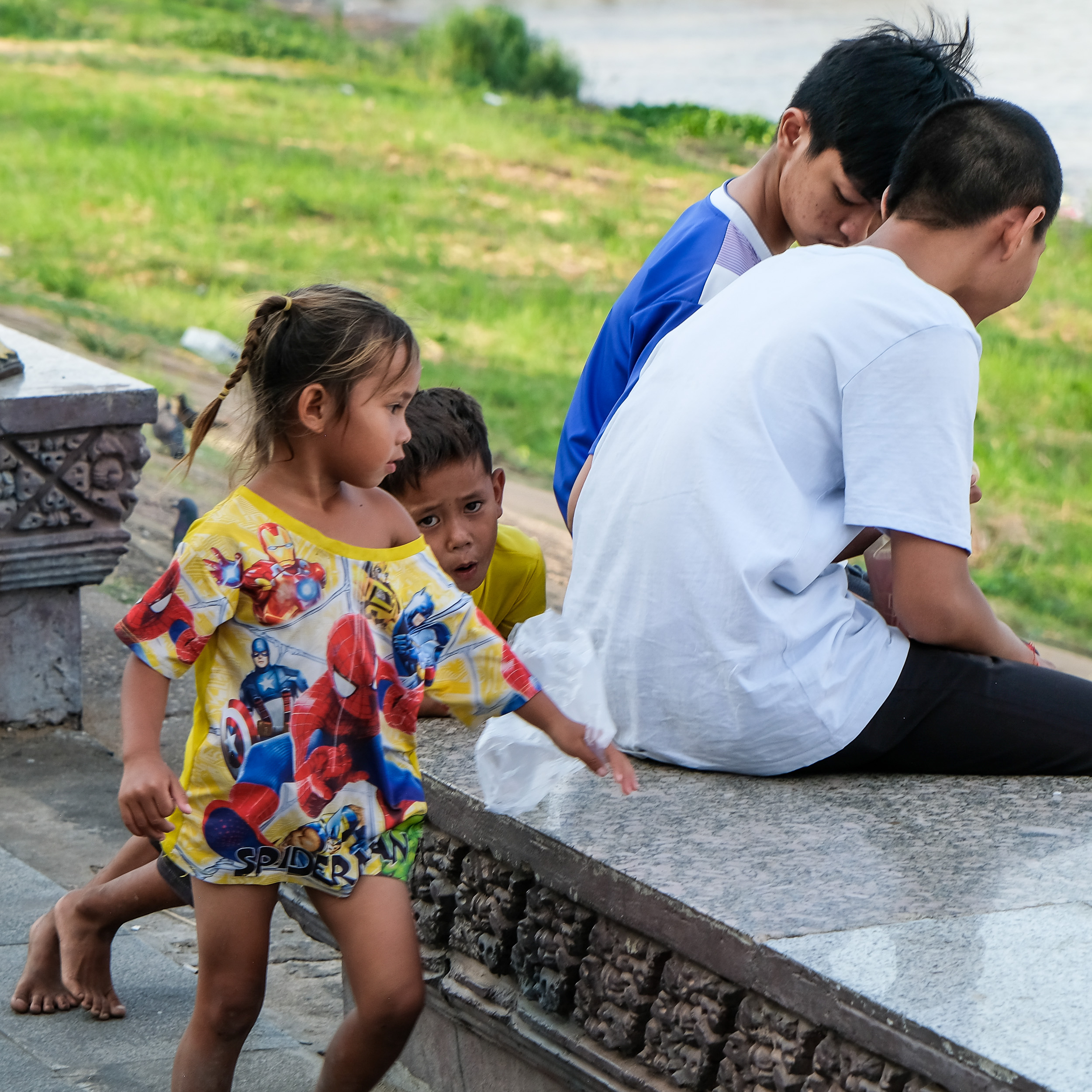
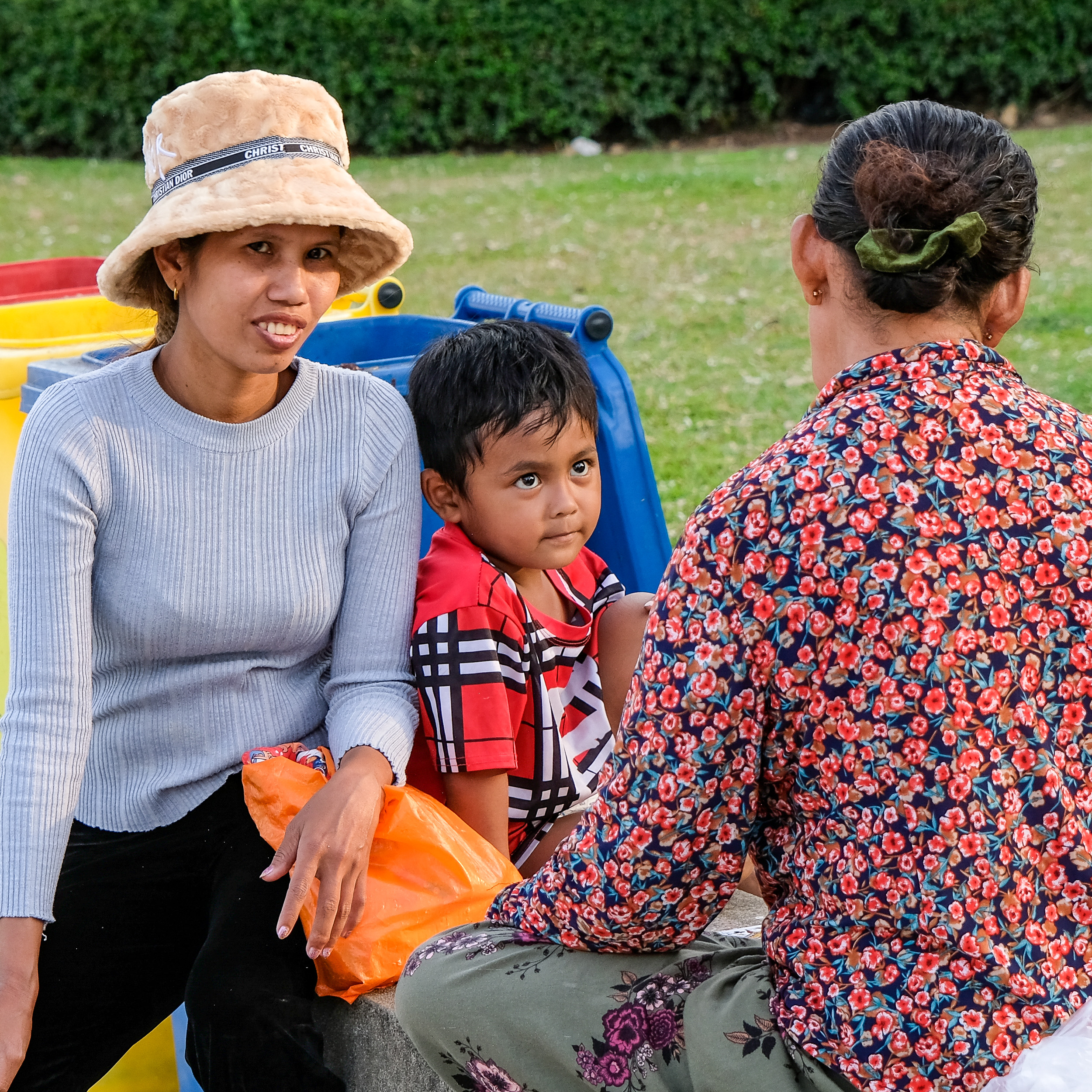
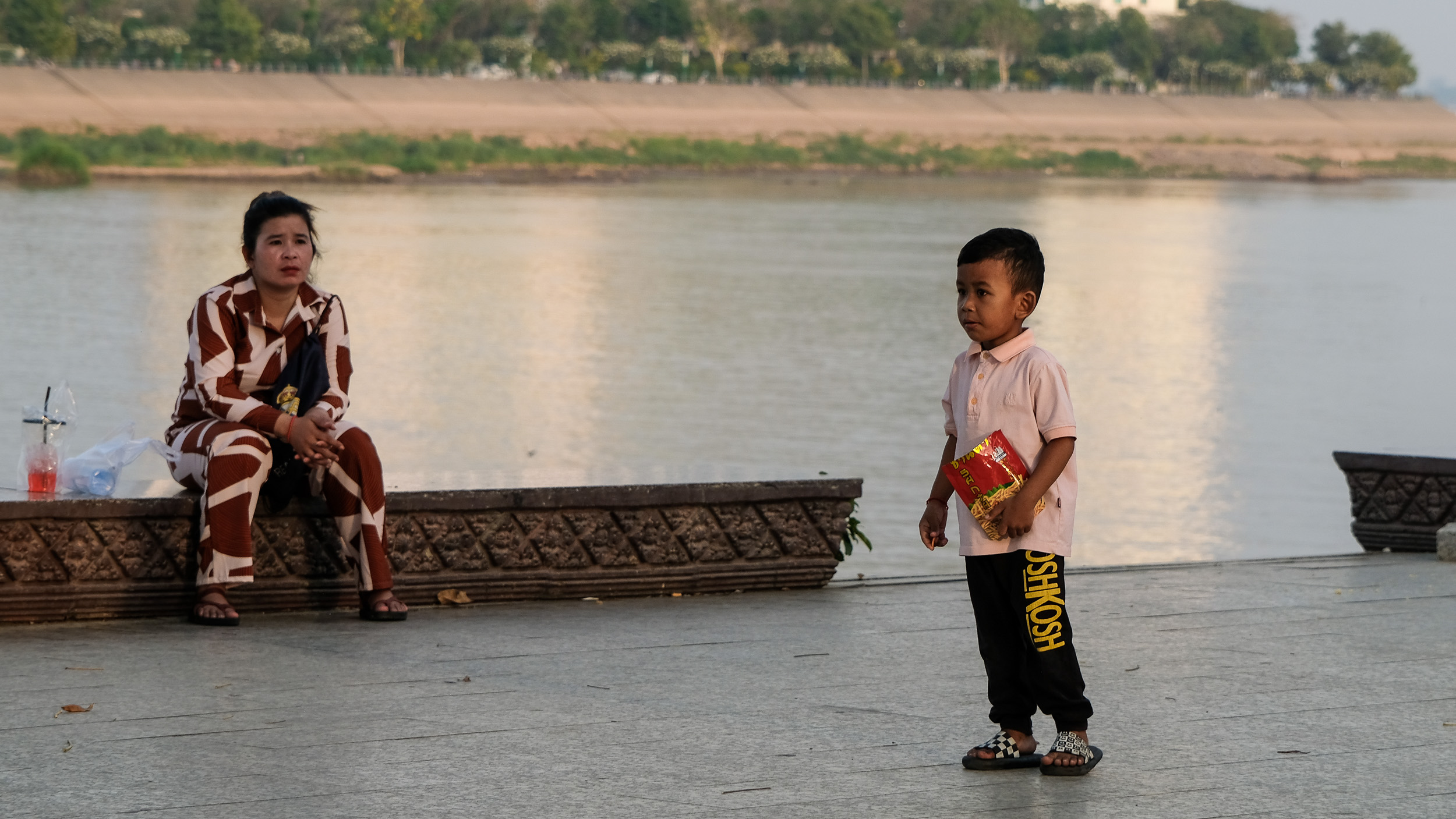
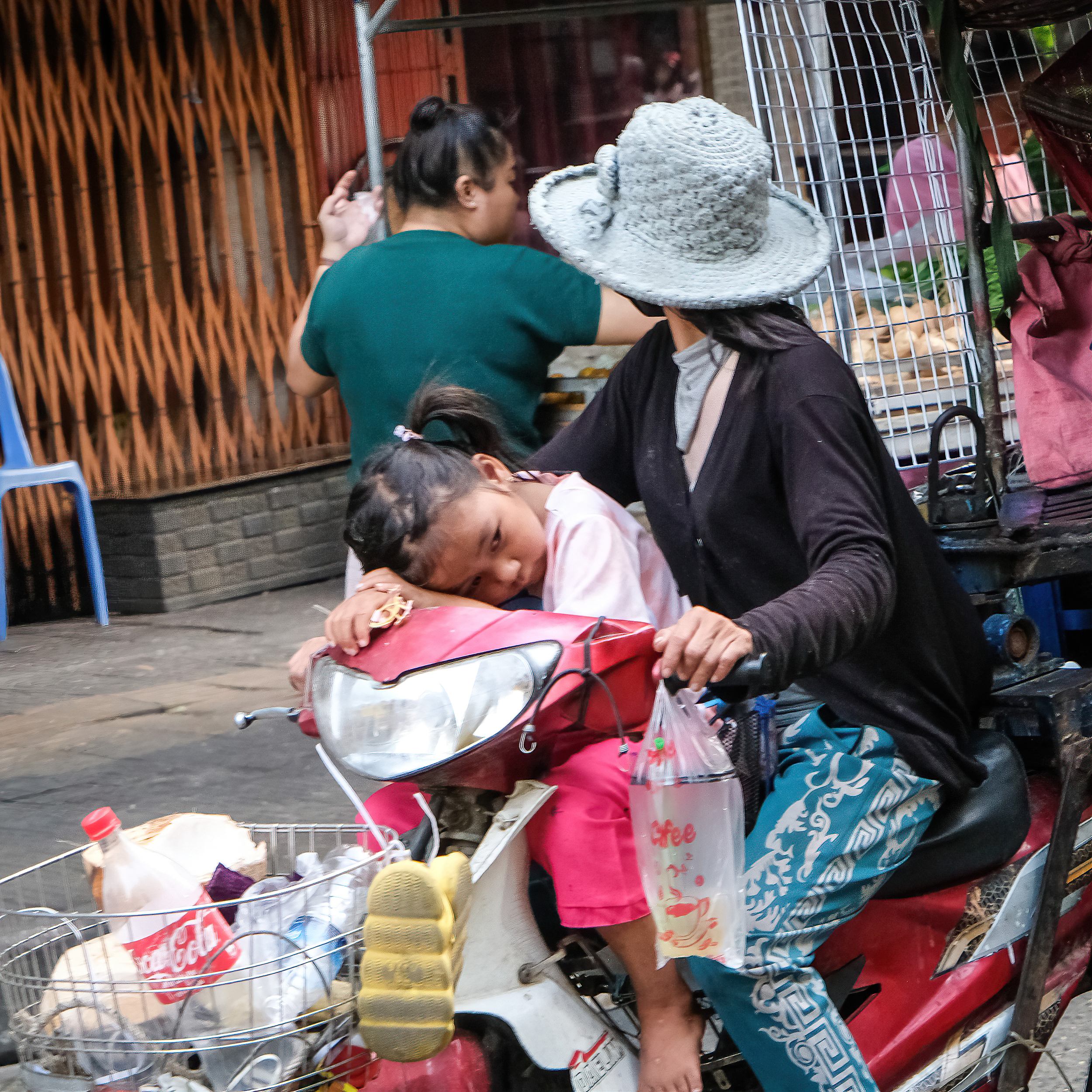
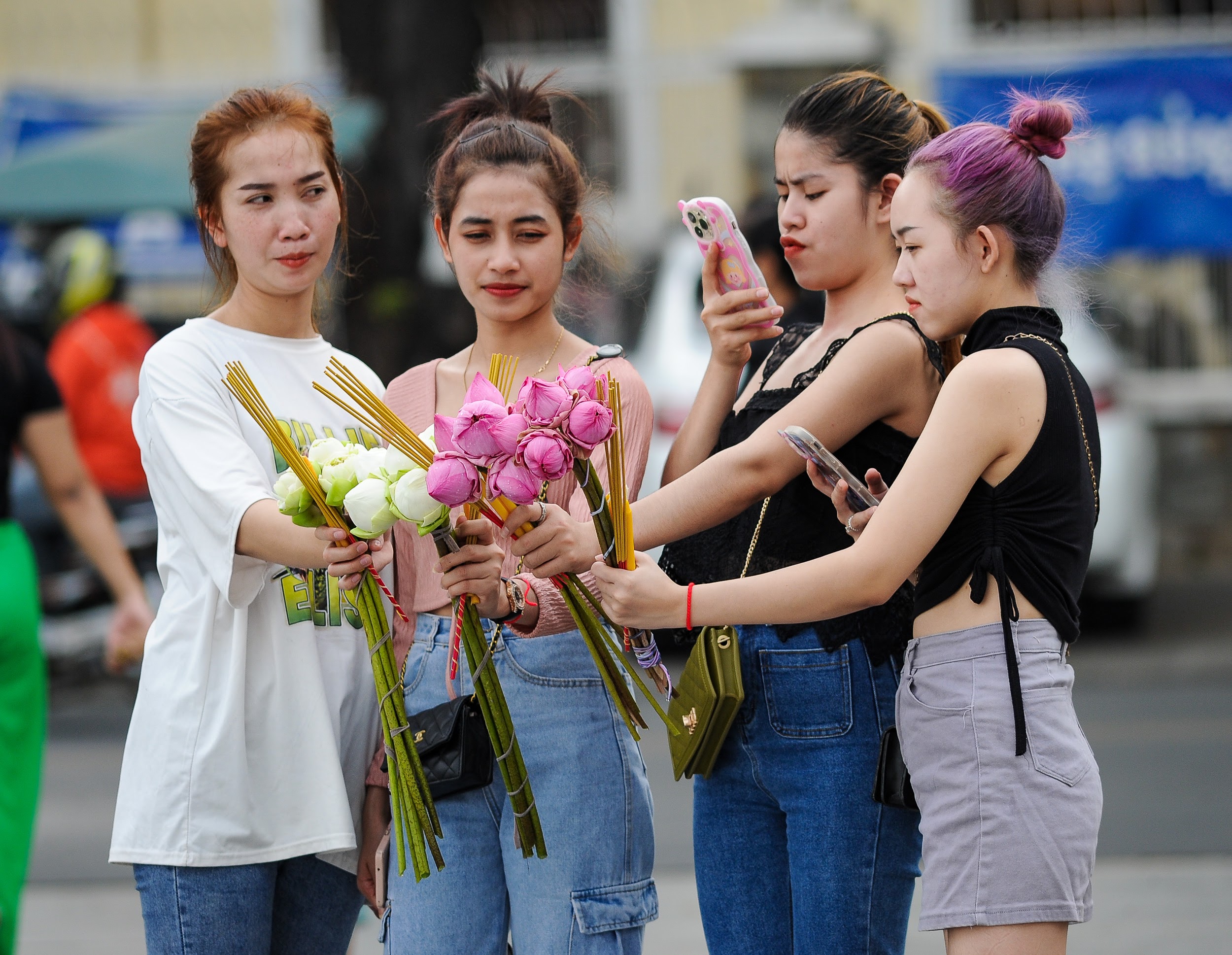
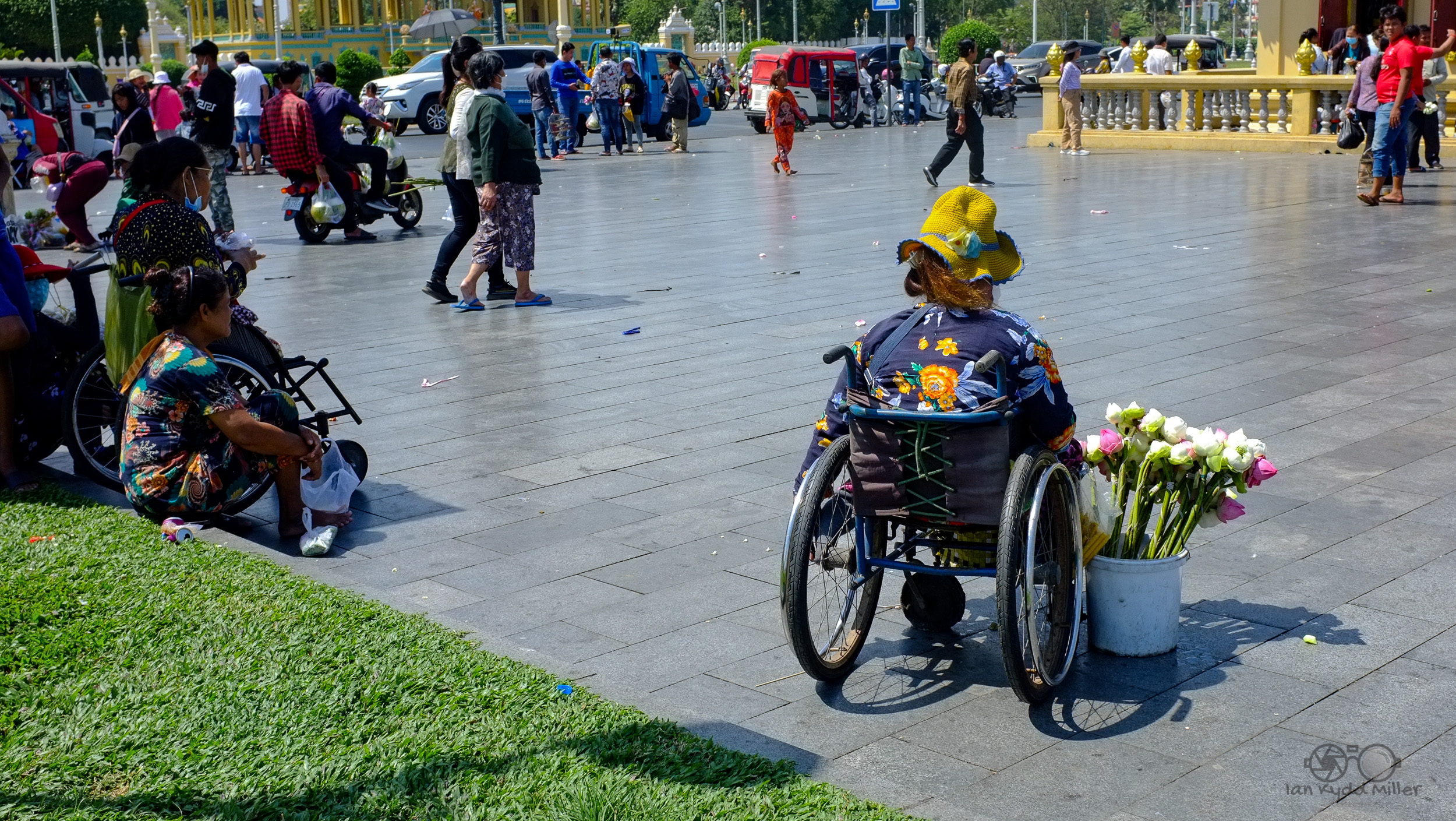
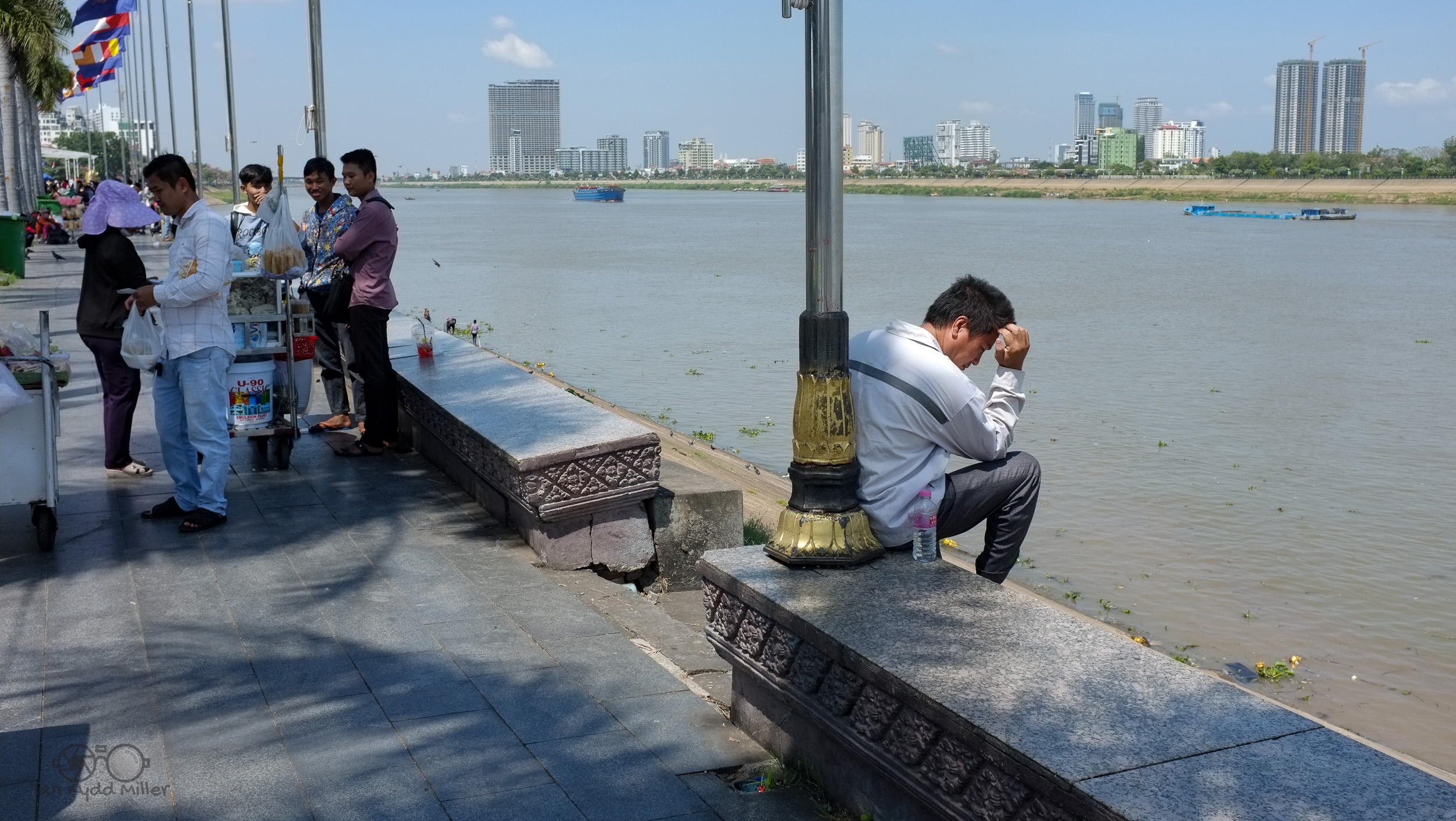
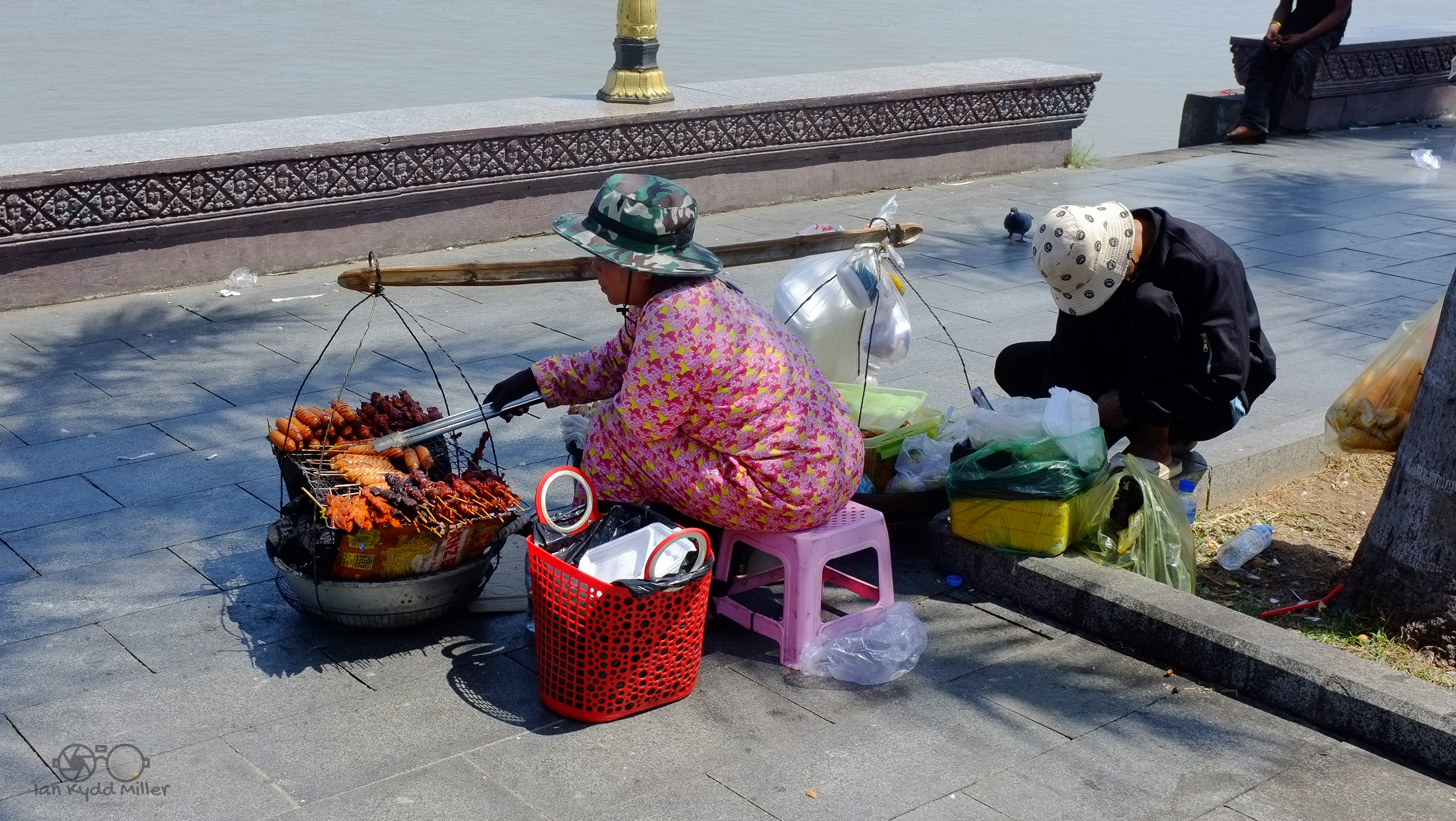
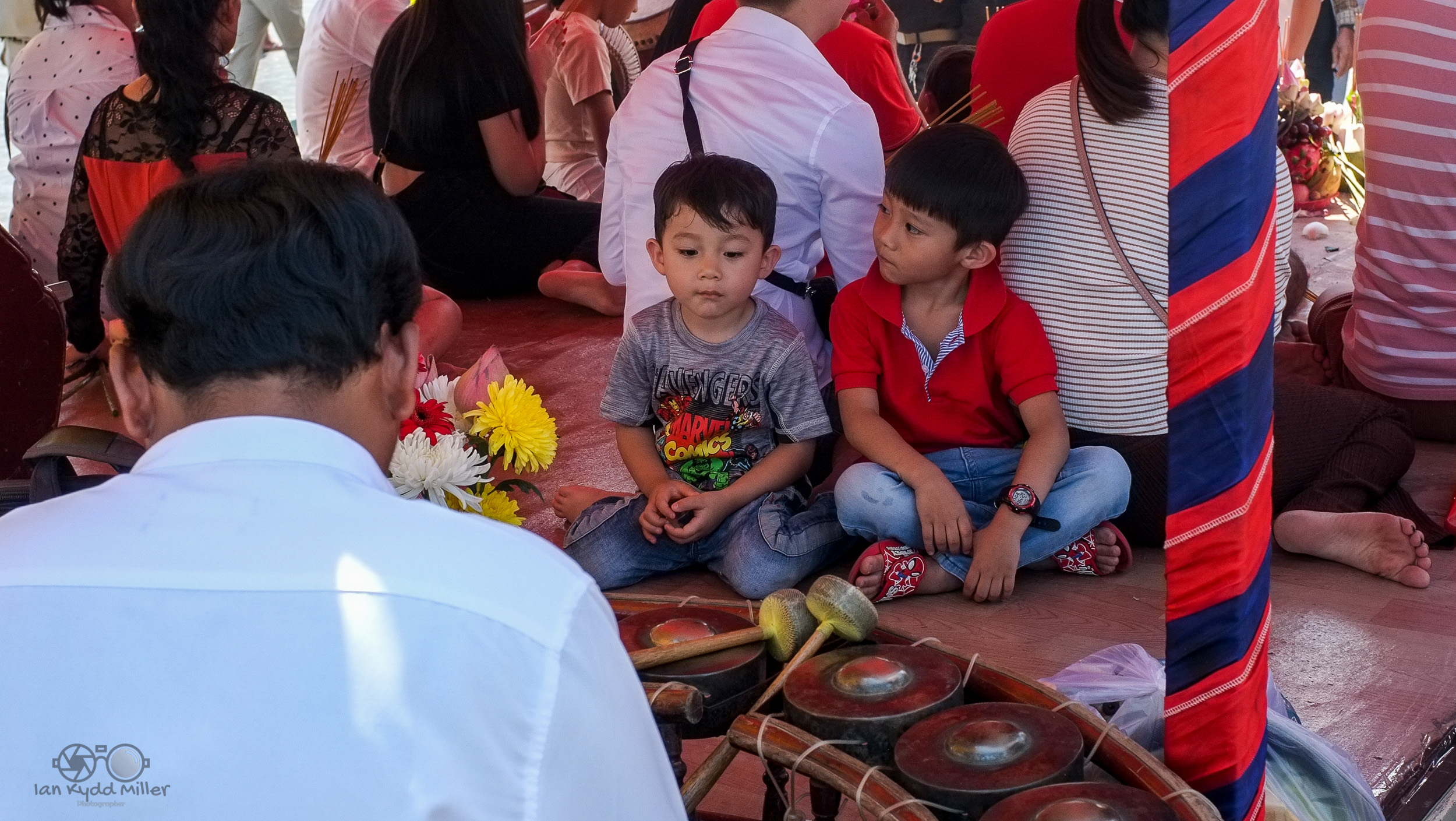
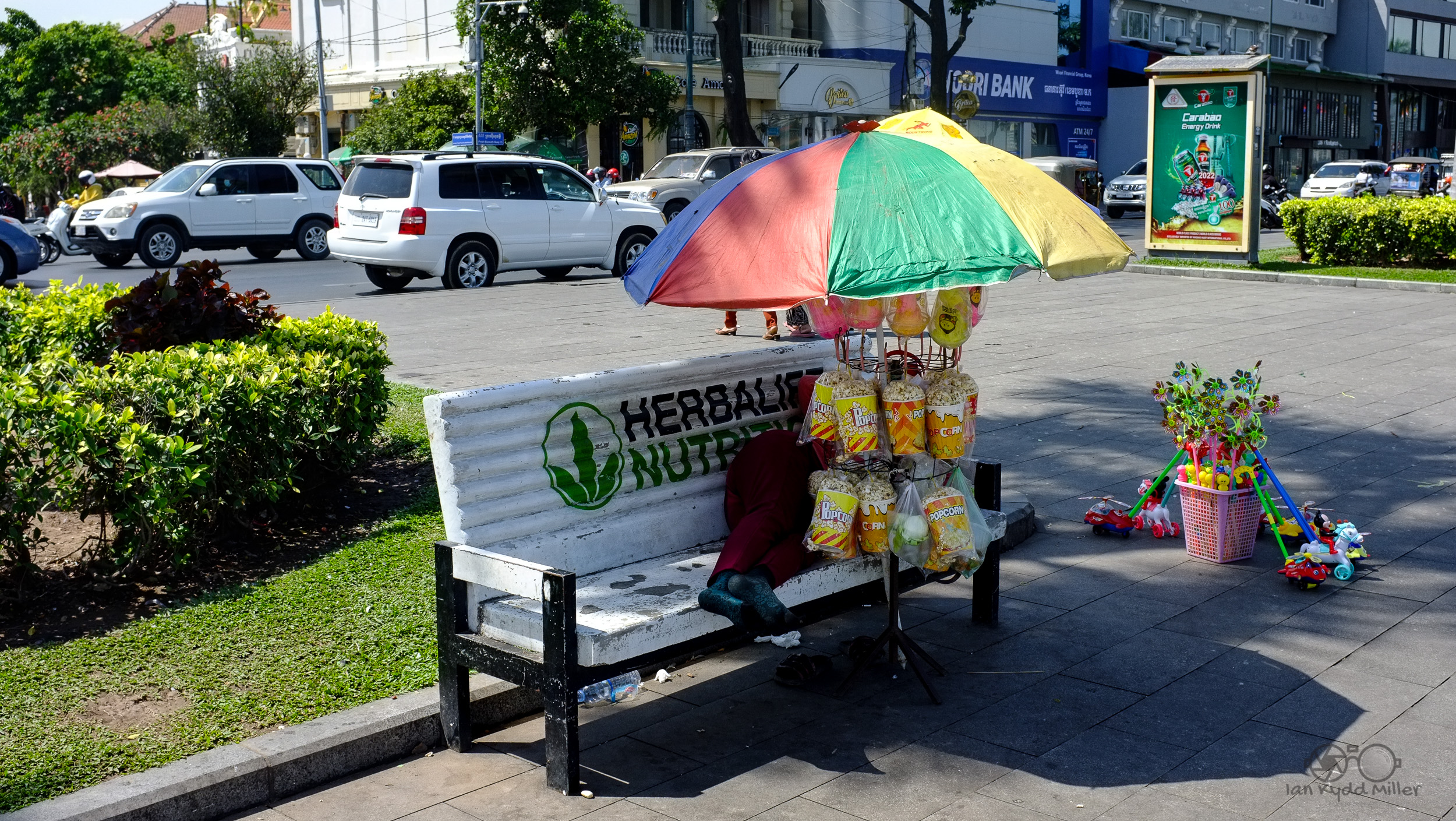
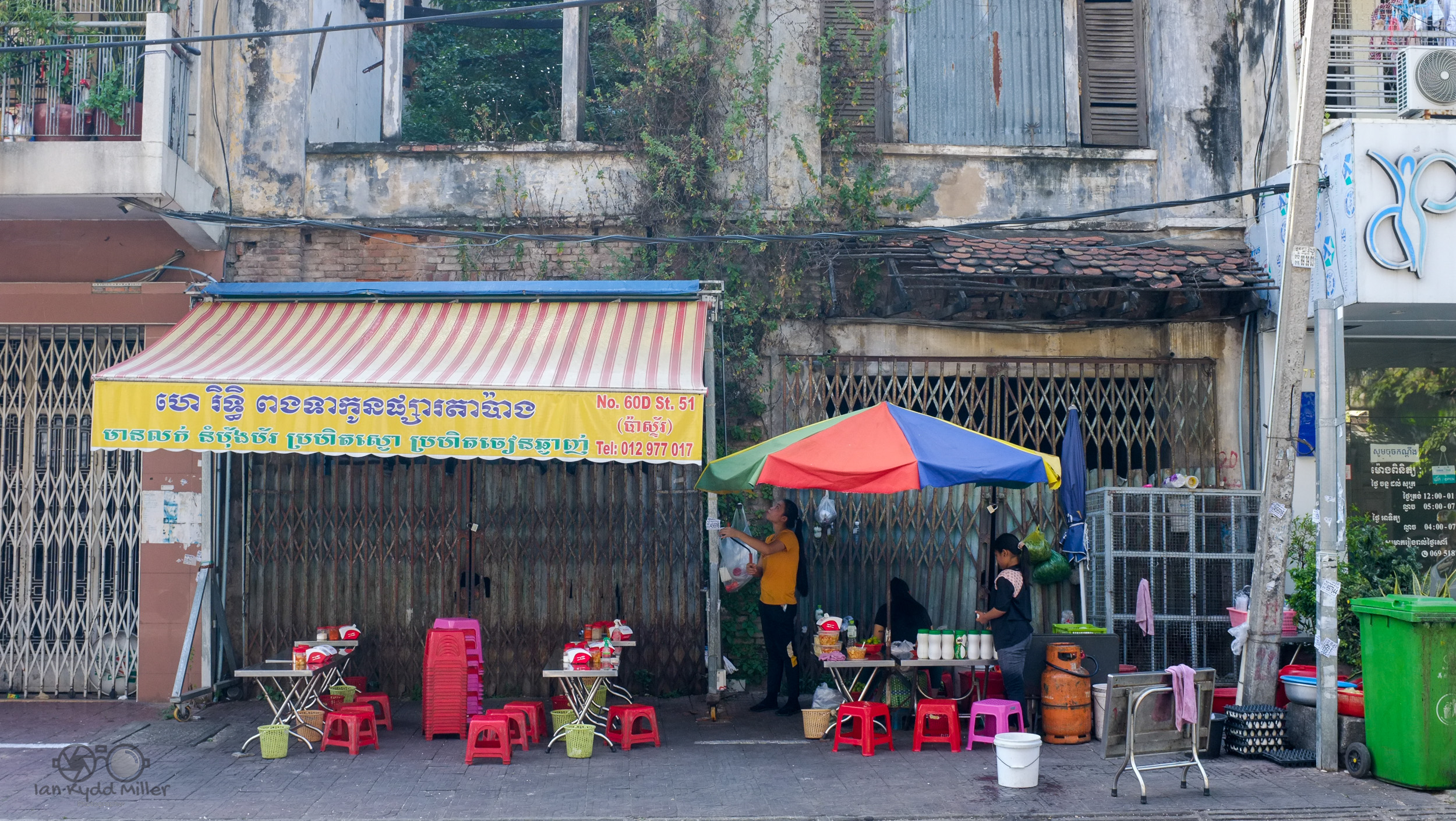
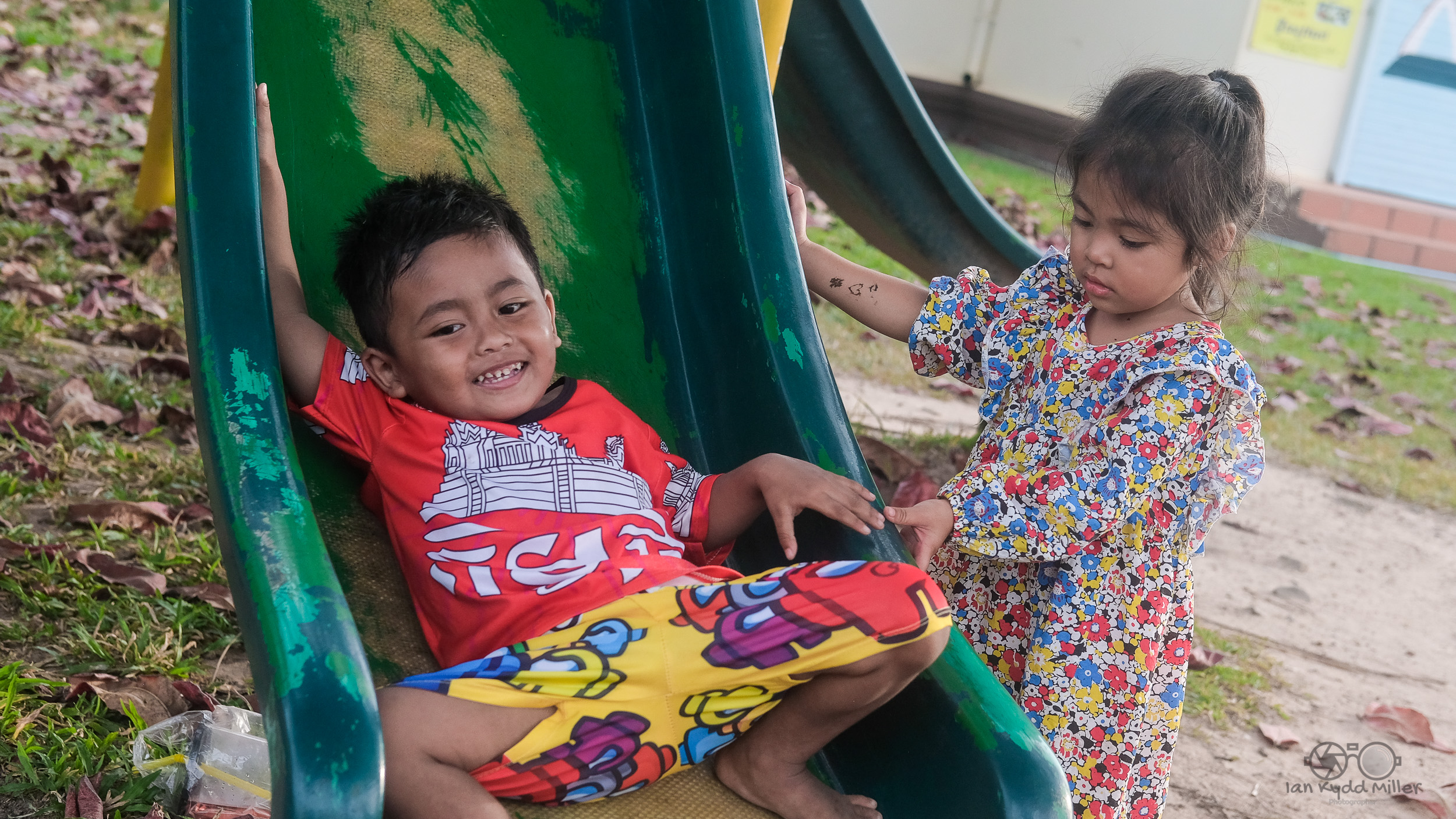
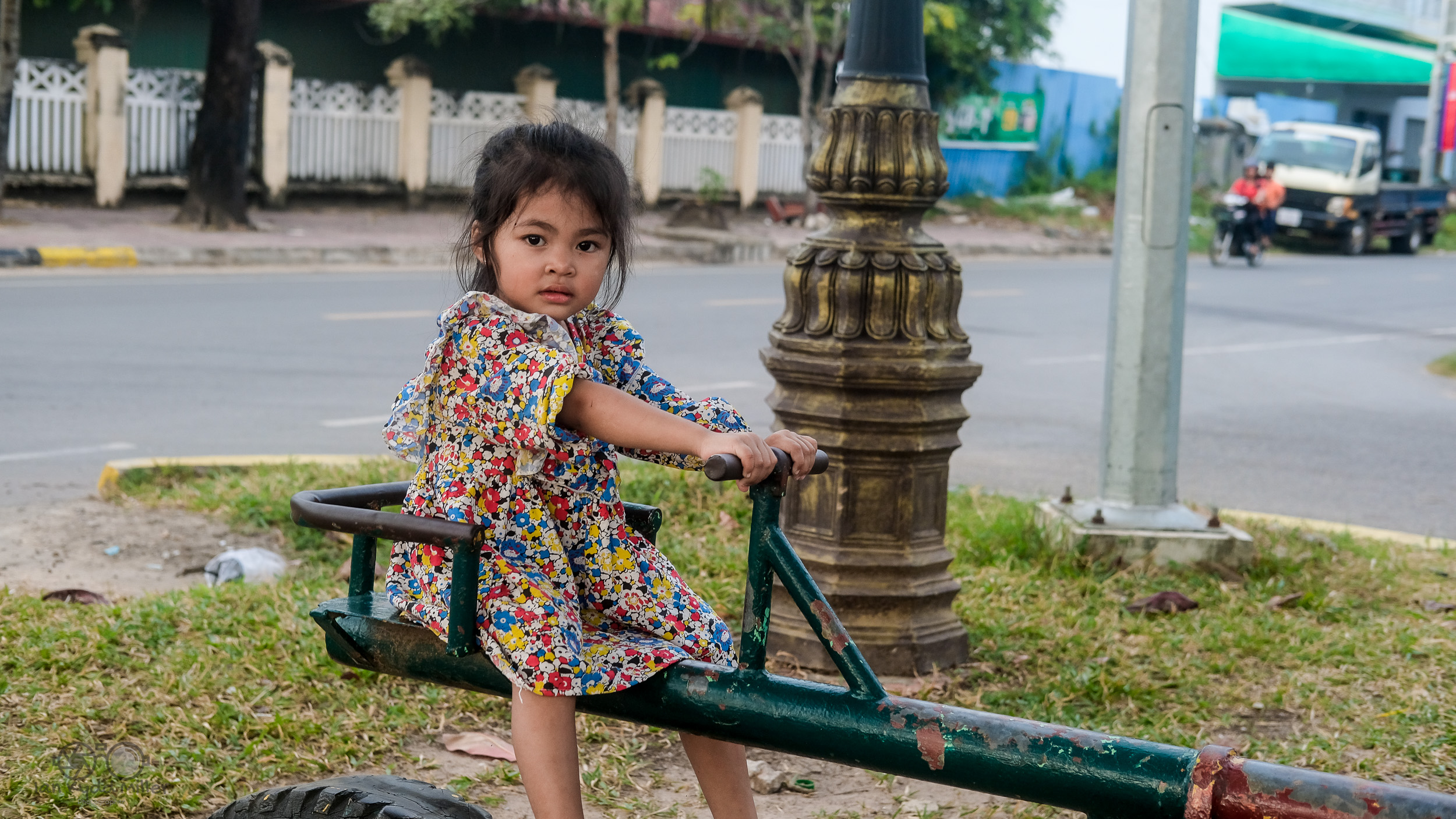
Documenting the plight of homeless or street people can be a powerful way to raise awareness, empathy, and action among the public and policymakers. However, it also involves ethical and practical challenges that require careful consideration and respect. Here are some tips on how to document the plight of homeless or street people in a responsible and respectful way:
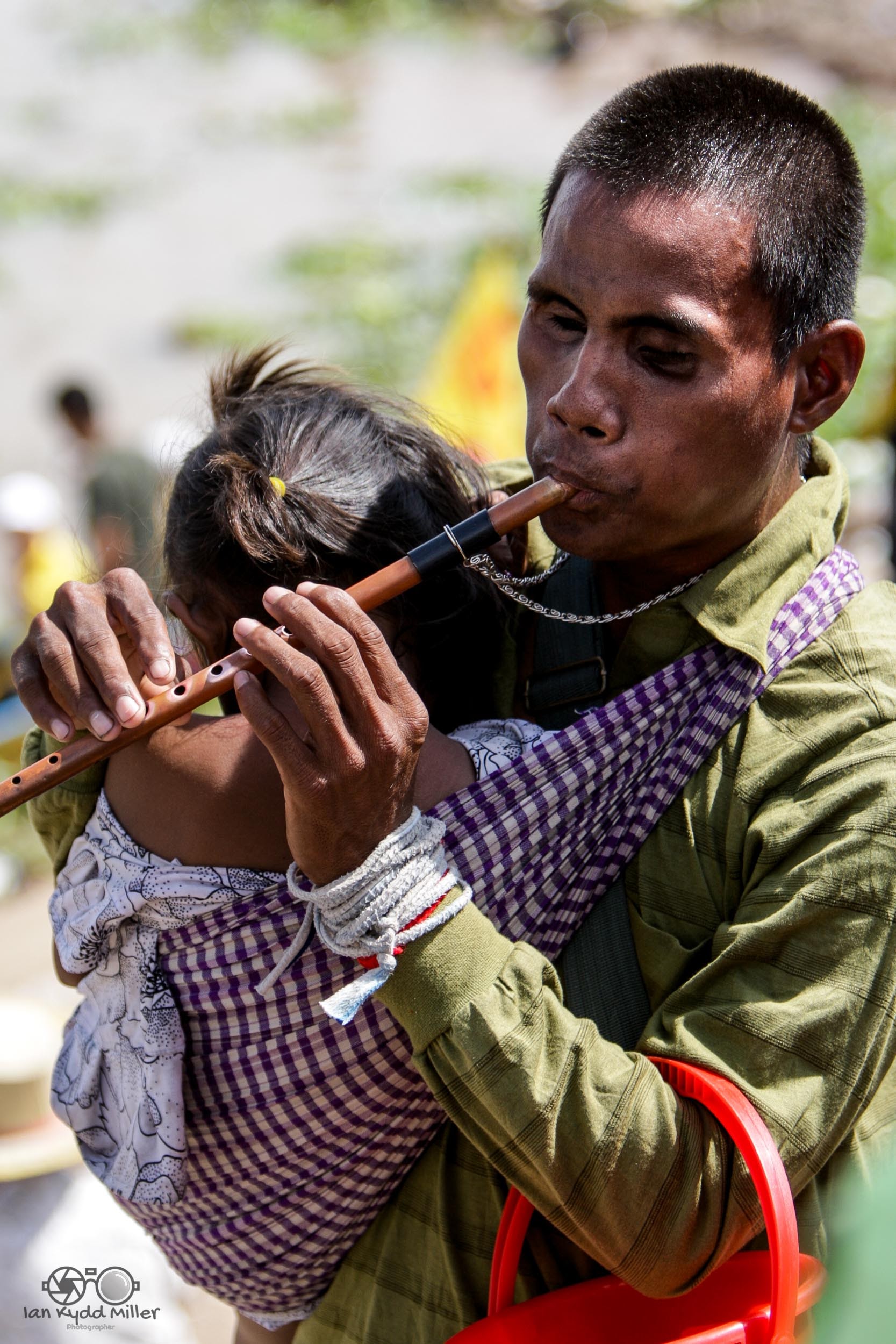
  • Do your research. Before you start documenting, learn about the causes and consequences of homelessness, the policies and programs that address it, and the organizations and activists that work on it. This will help you understand the context and complexity of the issue and avoid stereotypes and misinformation.
  • Ask for consent. Always ask for permission before you take photos, videos, or interviews of homeless or street people. Explain who you are, why you are documenting, how you will use the material, and what are the potential risks and benefits for them. Respect their decision and privacy. Do not coerce or pressure them to participate or share information they are not comfortable with.
  • Be sensitive and respectful. Treat homeless or street people with dignity and compassion. Do not judge, blame, or pity them. Do not exploit their vulnerability or sensationalize their suffering. Do not impose your views or expectations on them. Listen to their stories and perspectives with an open mind and heart.
  • Be honest and accurate. Do not manipulate or misrepresent the material you collect. Do not edit or alter the images or words of homeless or street people without their consent. Do not omit or distort important facts or context. Do not make false or exaggerated claims or promises. Acknowledge your sources and limitations.
  • Be responsible and accountable. Consider the impact and implications of your documentation on homeless or street people and their communities. Protect their identity and safety if needed. Follow up with them if possible and share the results of your documentation. Respect their rights and wishes regarding the use and distribution of the material. Seek feedback and criticism from them and others who are knowledgeable about the issue. Learn from your mistakes and improve your practice.

In Camera Cropping.

Lenses, opinons, thoughts, photography, pictures, street, Travel

In-camera cropping is a term that refers to composing your photos with your camera, rather than cropping them later on a computer. Some photographers prefer this method, as it allows them to create more interesting compositions, achieve better background blur, and preserve the image quality and file size. However, in-camera cropping also requires more skill and confidence, as you have to decide on the final framing before you take the shot.

Other photographers like to crop their photos during post-production, as it gives them more flexibility and room for experimentation. Cropping on a computer can help you improve a poor composition, remove distracting elements, or alter the aspect ratio of your photo. You can also try different crops and see which one works best for your image. However, cropping on a computer also has some drawbacks, such as reducing the number of pixels in your image, affecting its clarity and printability.

So, is in-camera cropping right or wrong? There is no definitive answer to this question, as different photographers have different opinions and preferences. Some may argue that in-camera cropping is more authentic and artistic, while others may say that cropping on a computer is more practical and creative. Ultimately, it depends on your personal style, vision, and goals. The best way to find out what works for you is to experiment with both methods and see how they affect your photos.

Is it acceptable to use a telephoto lens for street photography?

Lenses, opinons, thoughts, photography, street

Street photography is a genre of photography that captures candid moments of people and places in public spaces. It is often associated with wide-angle lenses, which allow the photographer to get close to the subject and capture more of the surrounding context. However, some street photographers prefer to use telephoto lenses, which have a longer focal length and can create a different perspective and effect.

Telephoto lenses have some advantages and disadvantages for street photography. On the positive side, they can help the photographer to isolate the subject from the background, creating a shallow depth of field and a more dramatic composition. They can also allow the photographer to shoot from a distance, without being noticed or disturbing the scene. This can be useful for capturing candid expressions and emotions, or for photographing in places where it might be unsafe or inappropriate to get too close.

On the negative side, telephoto lenses can also pose some challenges for street photography. They are usually heavier and bulkier than wide-angle lenses, which can make them more difficult to carry around and handle. They also require a faster shutter speed to avoid camera shake, which can limit the creative possibilities of using motion blur or low-light conditions. Moreover, they can create a more detached and voyeuristic feeling, which might not suit the style or intention of some street photographers who want to engage with their subjects and environment.

Ultimately, the choice of lens for street photography depends on the personal preference and vision of the photographer. There is no right or wrong answer, as long as the lens serves the purpose and message of the image. Some street photographers might stick to one lens for consistency and simplicity, while others might switch between different lenses depending on the situation and opportunity. The most important thing is to experiment and have fun with street photography, and to find your own voice and style.

Using a wide angle lens for street photography

cameras, Lenses, opinons, thoughts, photography, street

Street photography is a genre of photography that captures candid moments of people and places in public spaces. It can be challenging, rewarding and fun, but also requires some skills and techniques to get the best results. One of the most important decisions you have to make as a street photographer is what lens to use. In this blog post, we will explore the advantages and disadvantages of using a wide-angle lens for street photography, and give you some tips on how to use it effectively.

A wide-angle lens is a lens that has a focal length shorter than 35mm on a full-frame camera, or 24mm on a crop-sensor camera. This means that it can capture a wider field of view than a normal or telephoto lens, allowing you to include more of the scene in your frame. A wide-angle lens can also create some interesting effects, such as distortion, perspective and depth of field, that can enhance your street photography.

Some of the advantages of using a wide-angle lens for street photography are:

  • You can get closer to your subject without being intrusive or noticeable. A wide-angle lens allows you to fill the frame with your subject even when you are only a few feet away from them. This can help you capture more intimate and authentic expressions and emotions, as well as more details and textures.
  • You can capture more of the context and environment around your subject. A wide-angle lens can show more of the background and foreground of your scene, giving your viewers a better sense of the place and time where your photo was taken. This can help you tell a story with your photo, or create a contrast or connection between your subject and their surroundings.
  • You can create dynamic and dramatic compositions. A wide-angle lens can exaggerate the perspective and distortion of your scene, making it look more spacious or distorted. This can create a sense of movement, energy and tension in your photo, or draw attention to certain elements or lines in your frame.

Some of the disadvantages of using a wide-angle lens for street photography are:

  • You may have unwanted elements or distractions in your frame. A wide-angle lens can capture more than you intend to, especially if you are not careful with your framing and positioning. You may end up with unwanted people, objects or light sources in your photo that can ruin your composition or mood.
  • You may lose some details or sharpness in your photo. A wide-angle lens can make your subject look smaller or farther away than they actually are, especially if they are not close to the centre of your frame. This can reduce the impact and clarity of your photo, or make it look too busy or cluttered.
  • You may have some distortion or vignetting in your photo. A wide-angle lens can bend or stretch the edges of your frame, making straight lines look curved or distorted. This can create some interesting effects, but also some unwanted ones, such as making people look distorted or unnatural. A wide-angle lens can also cause some darkening or loss of contrast at the corners of your frame, known as vignetting. This can affect the exposure and colour balance of your photo.

Some tips on how to use a wide-angle lens for street photography are:

  • Get close to your subject. A wide-angle lens works best when you are close to your subject, as this will make them stand out more and create a stronger connection with them. Try to fill the frame with your subject, or leave some space around them to show their context.
  • Pay attention to your background and foreground. A wide-angle lens can show more of what is behind and in front of your subject, so make sure they are not distracting or conflicting with them. Look for interesting or complementary elements that can add depth, contrast or harmony to your photo.
  • Use lines and shapes to guide the eye. A wide-angle lens can create some powerful lines and shapes in your frame that can lead the viewer’s eye to your subject or create a sense of direction or movement. Look for diagonal, curved or converging lines that can create dynamism and drama in your photo.
  • Experiment with different angles and perspectives. A wide-angle lens can give you more creative freedom to try different angles and perspectives that can change the mood and meaning of your photo. Try shooting from low or high angles, from the side or behind your subject, or tilting or rotating your camera to create some interesting effects.

Using a wide-angle lens for street photography can be a great way to capture more of the scene and create some stunning photos. However, it also requires some skill and practice to use it effectively and avoid some common pitfalls. The key is to know the strengths and weaknesses of your lens, and how to use them to your advantage.

What is Street Photography ?

opinons, thoughts, photography, street

Street photography is a genre of photography that captures candid moments of people and scenes in public places. Street photography is not about taking pictures of streets, but rather about documenting the everyday life and culture of a city or a community.

Street photography can be challenging, but also rewarding, as it requires a keen eye, a fast reflex, and a sense of curiosity. Street photographers often look for interesting subjects, expressions, gestures, interactions, contrasts, or stories that happen in the urban environment.

Some of the benefits of street photography are:

  1. It can improve your skills as a photographer, such as composition, lighting, focus, and timing.
  2. It can help you discover new places and perspectives that you might otherwise overlook.
  3. It can make you more aware and appreciative of the beauty and diversity of human beings and their surroundings.

Street photography is a creative and fun way to explore the world around you. It can also be a powerful way to communicate your vision and voice as a photographer. If you are interested in street photography, why not give it a try?

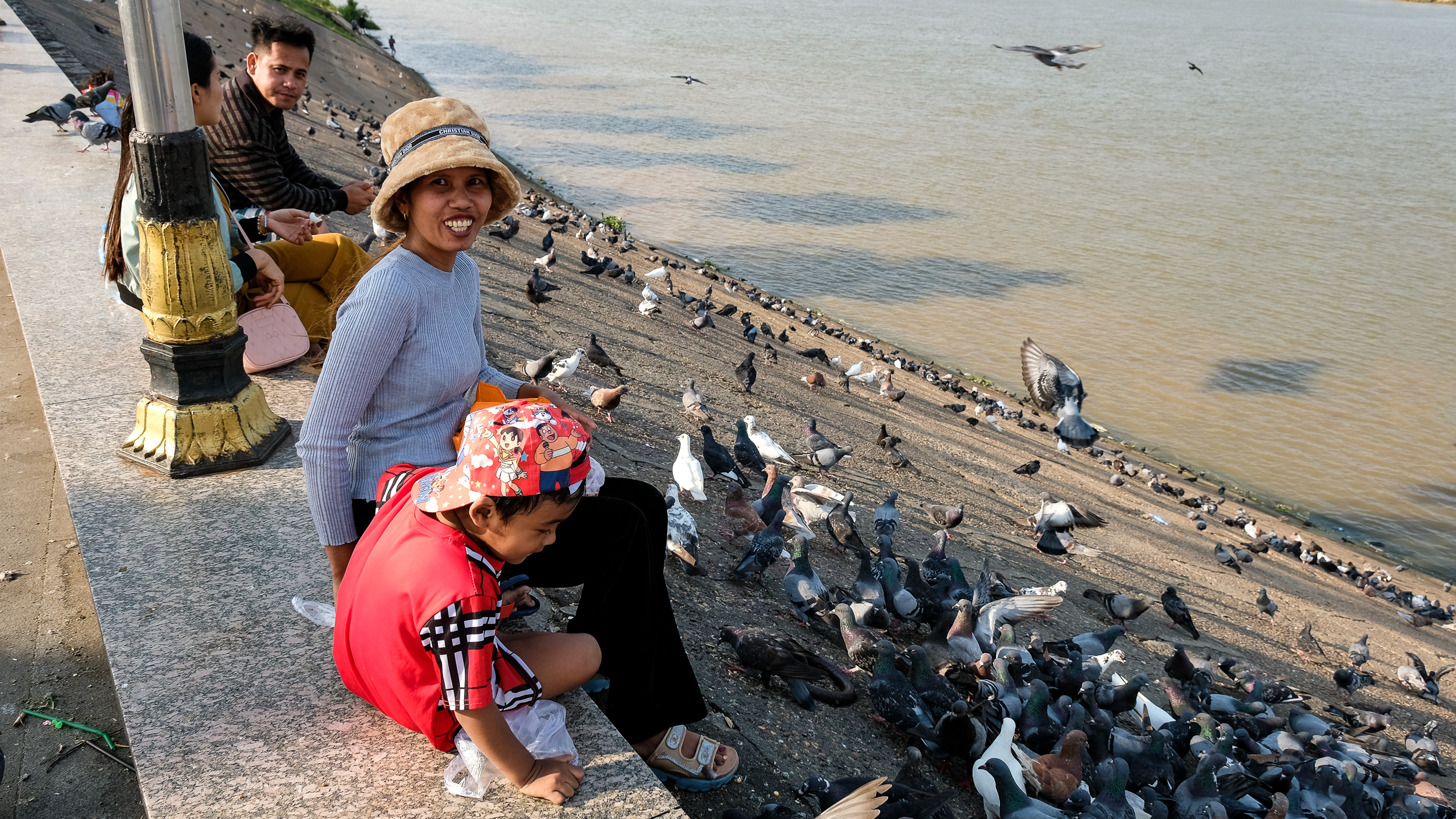
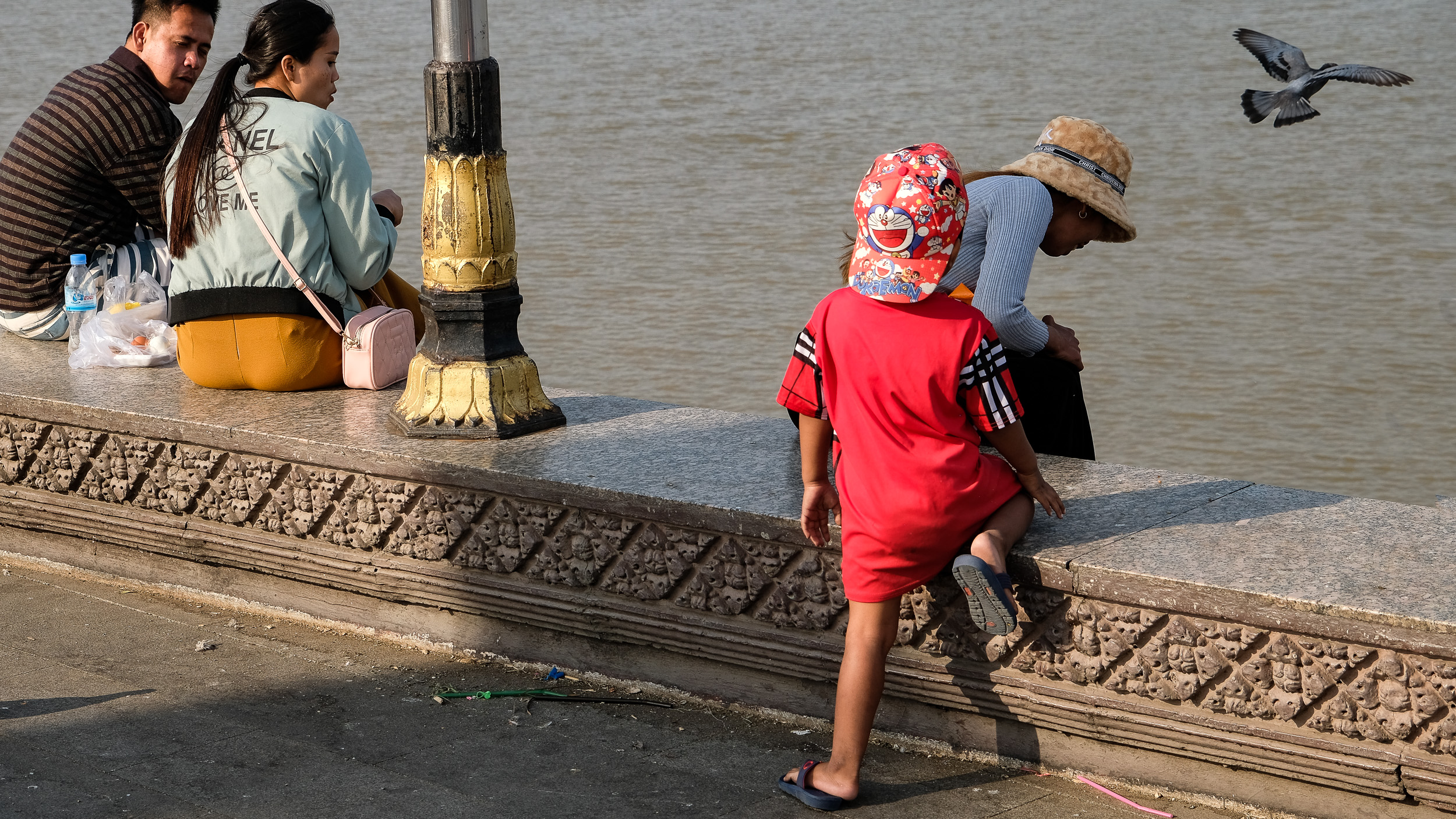
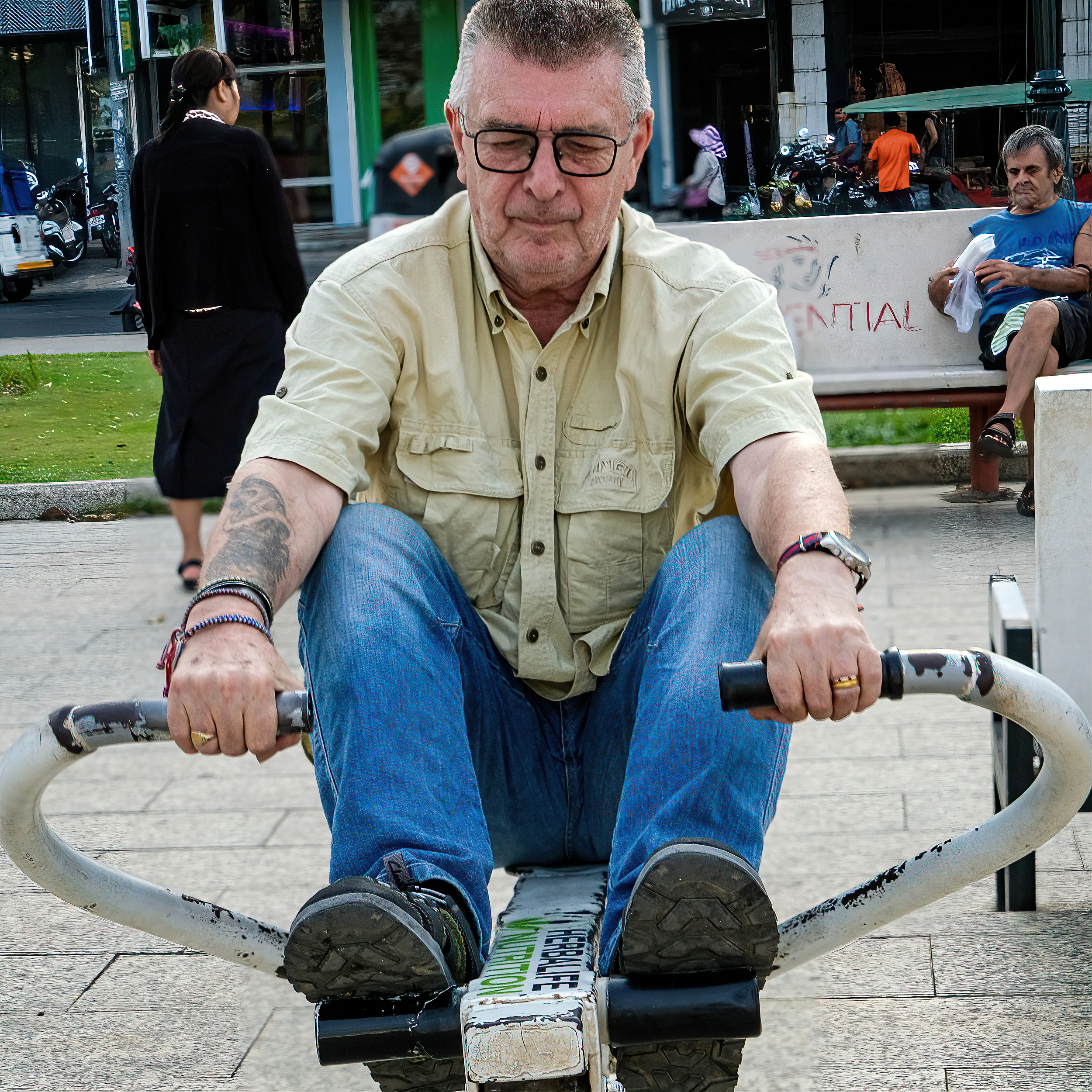
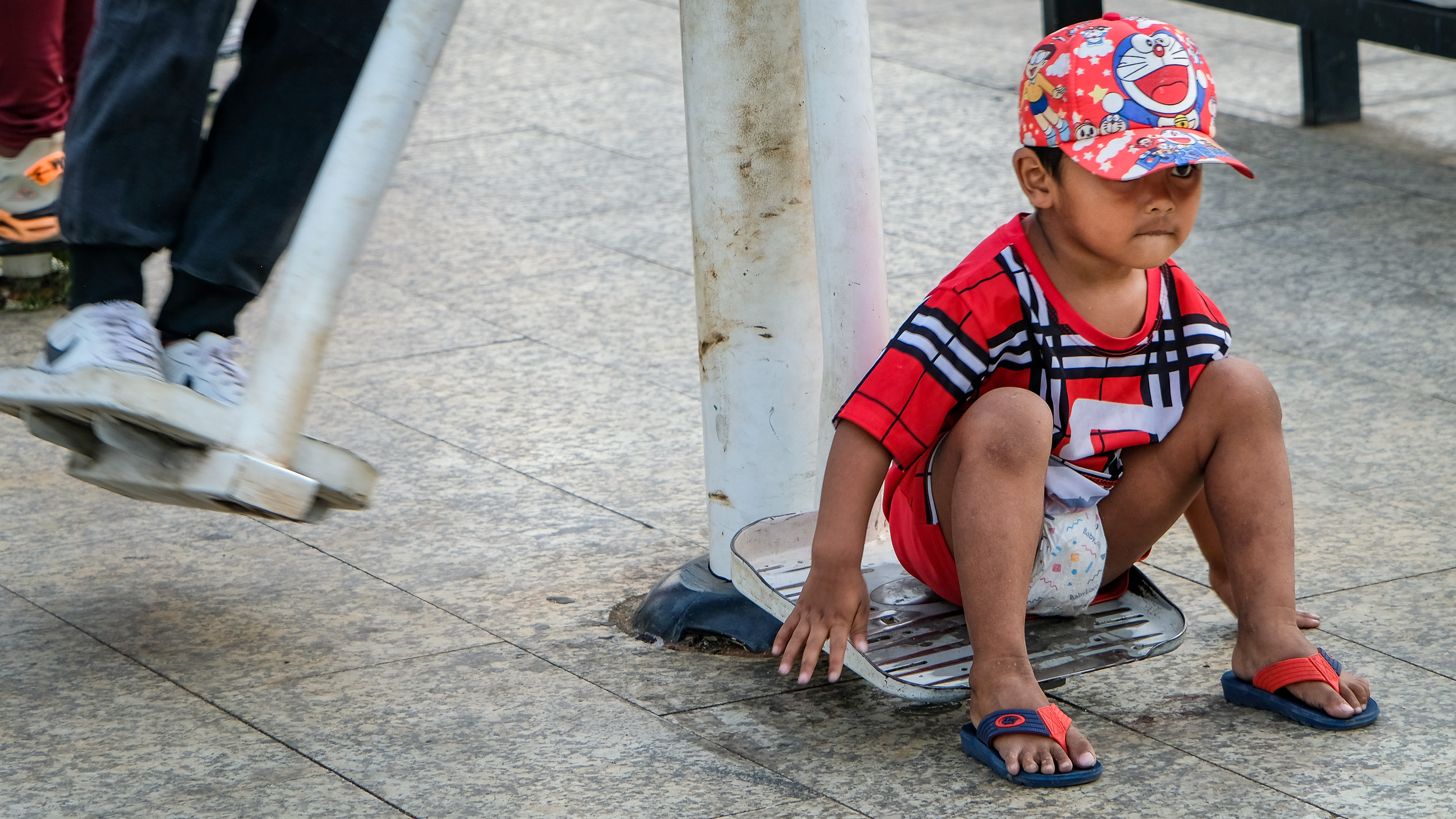
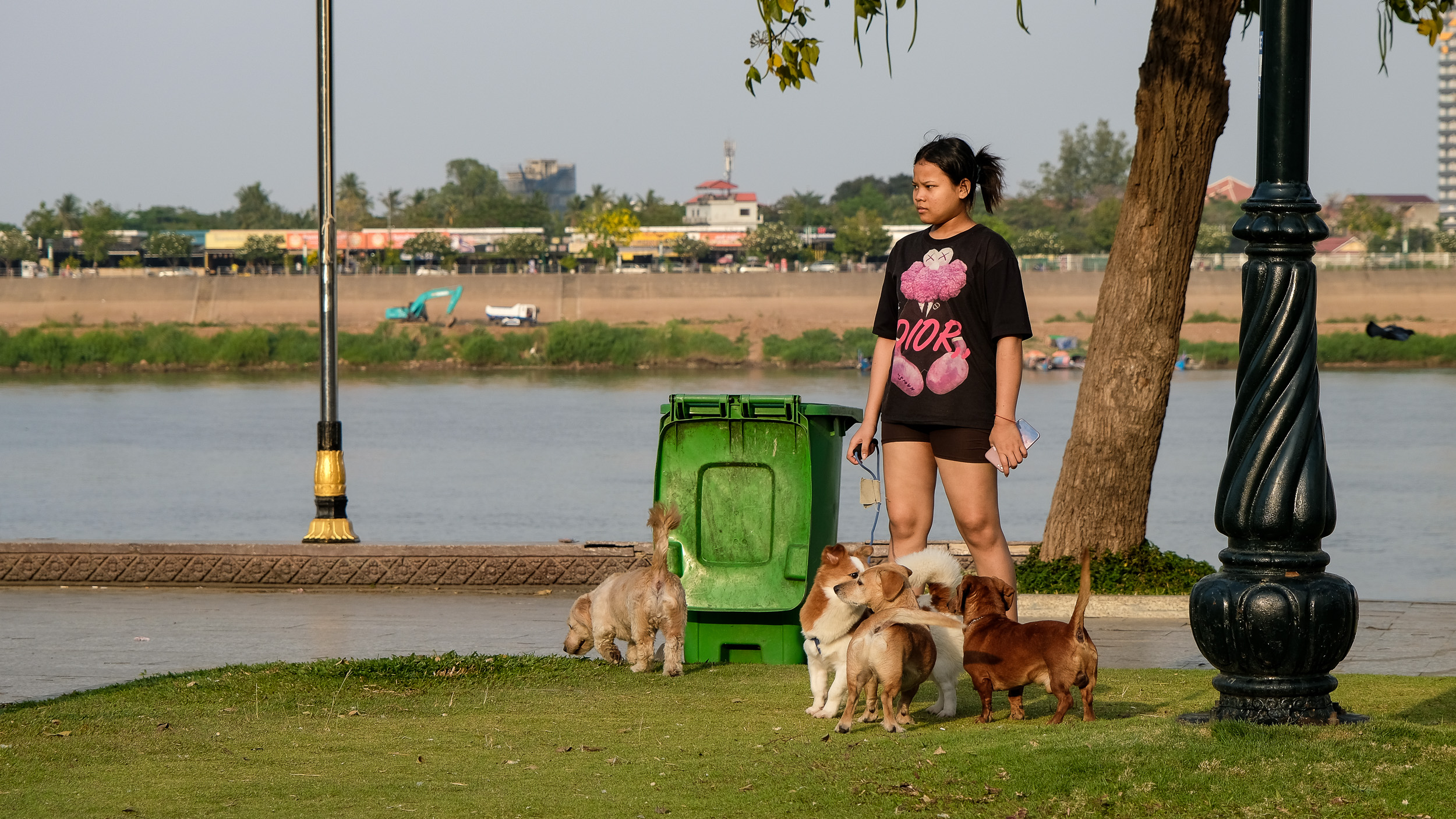
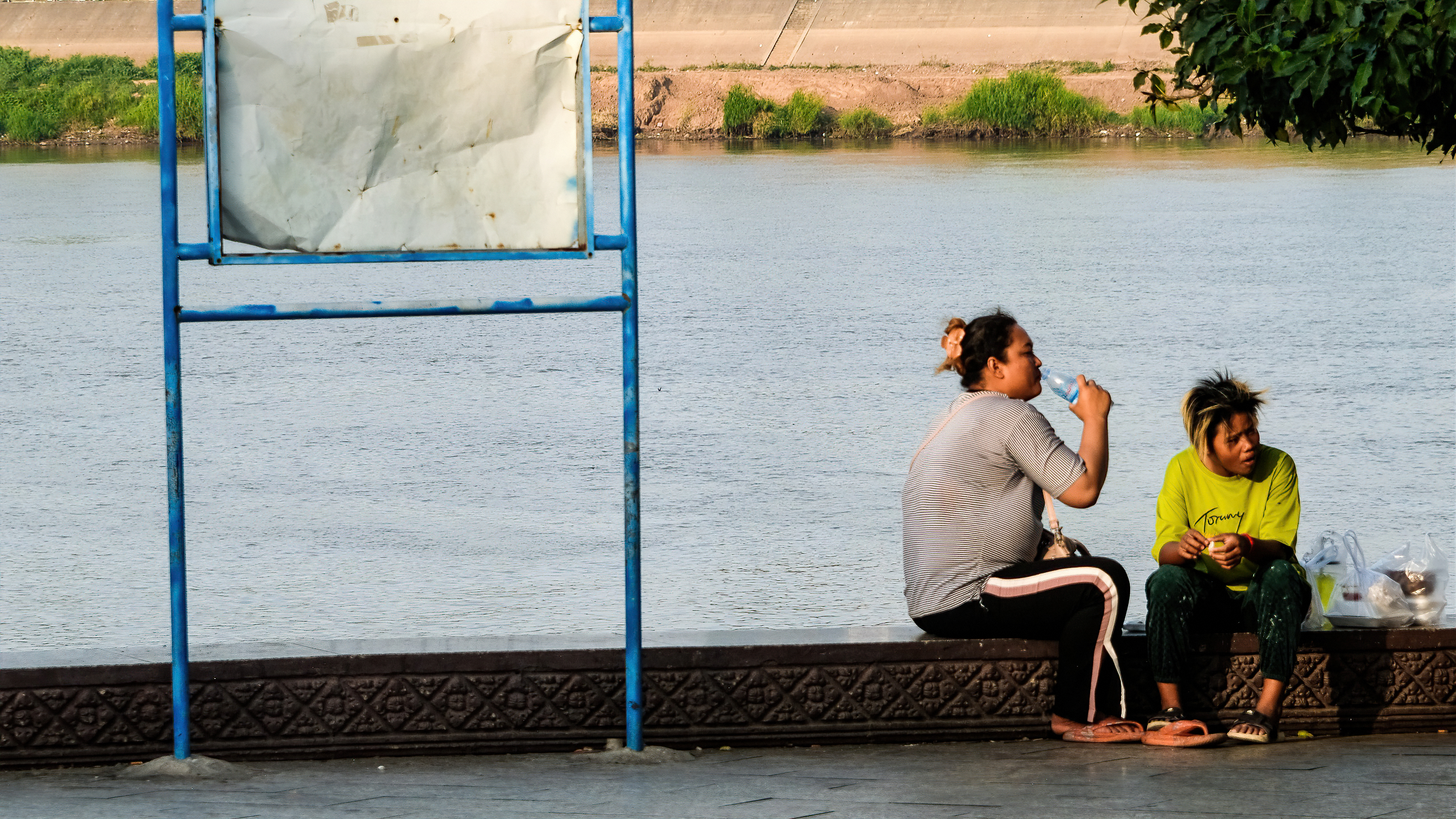
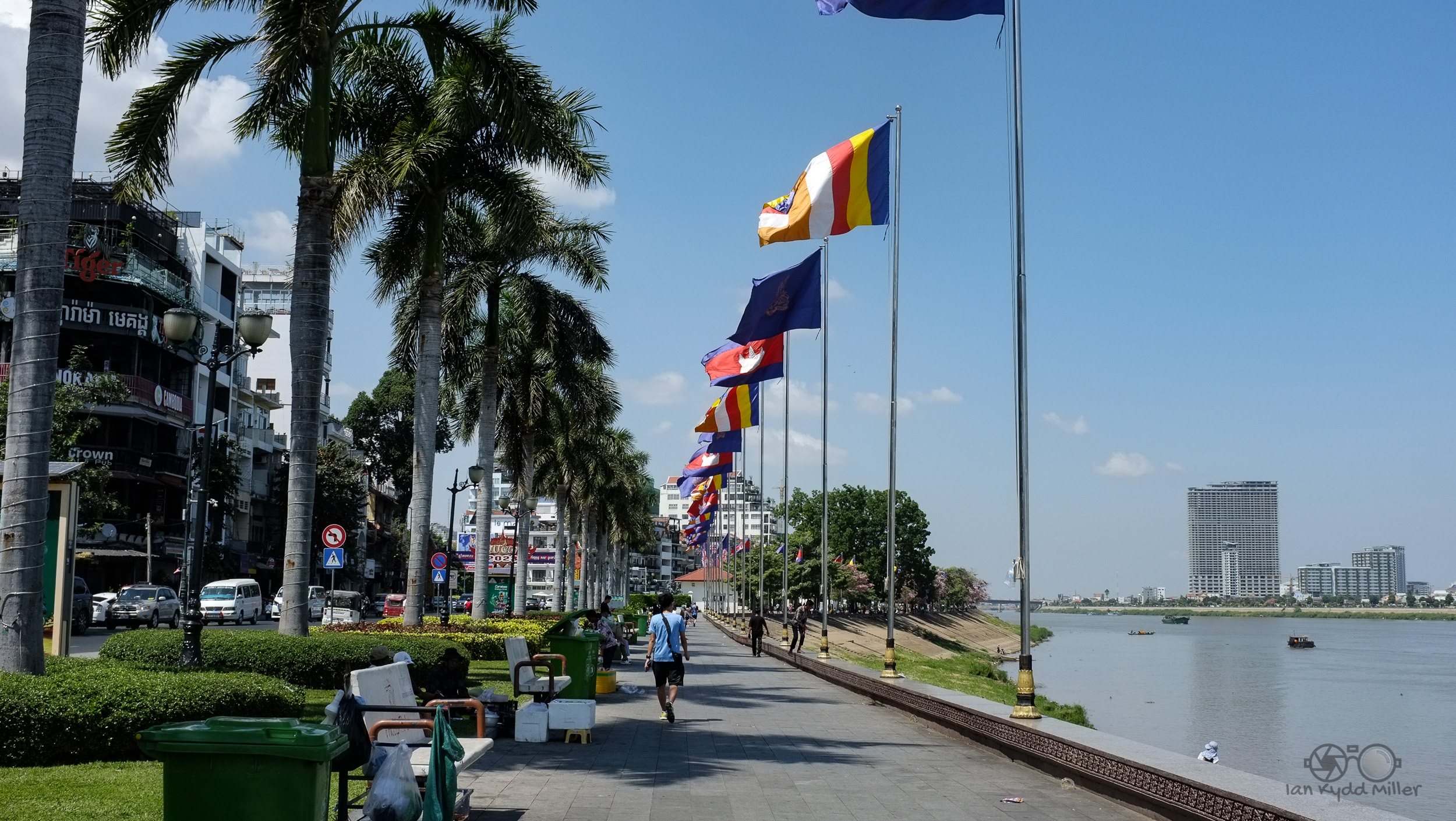
On the Riverside in Phnom Penh, Cambodia 04/03/23

cambodia, cameras, Fujichrome, fujifilm, Lenses, opinons, thoughts, photography, pictures, street

Fujifilm XT2 + XF 16 – 80 f4

Fujifilm X100 Original

cambodia, cameras, Fujichrome, fujifilm, opinons, thoughts, photography, pictures, street, Travel

A great little old camera, 12 years old to be exact. I have not used it for a while as the old batteries had died and finding new ones here in Phnom Penh proved difficult, but not impossible as I eventually found 2 but in two different shops. Glad I did as I had almost forgotten how good the JPEG images from this camera can be. The images seen here were taken yesterday on a short walk (10 km) around the city. The camera is so lite that this is easy to do, easy on the back but not on the feet.

A Trip to Kampot, Cambodia

cambodia, fujifilm, Lenses, opinons, thoughts, photography, pictures, street, Travel, Uncategorized

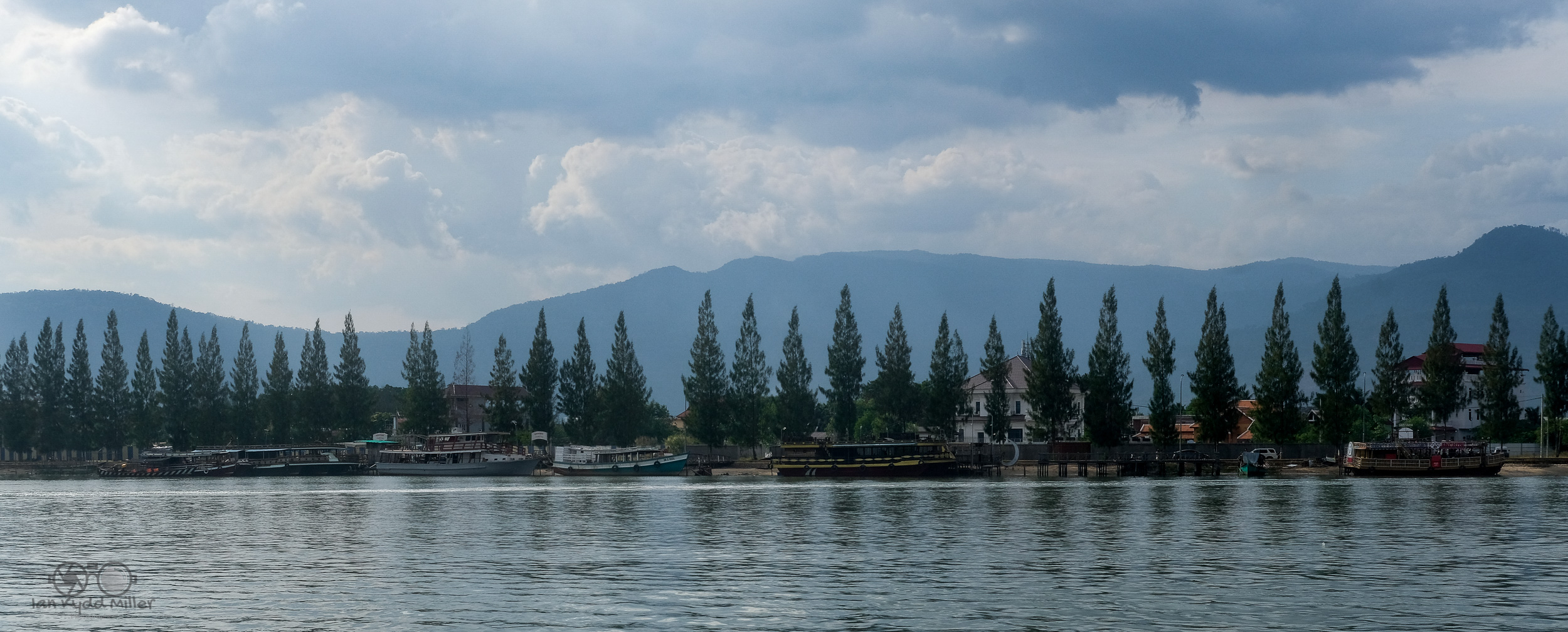
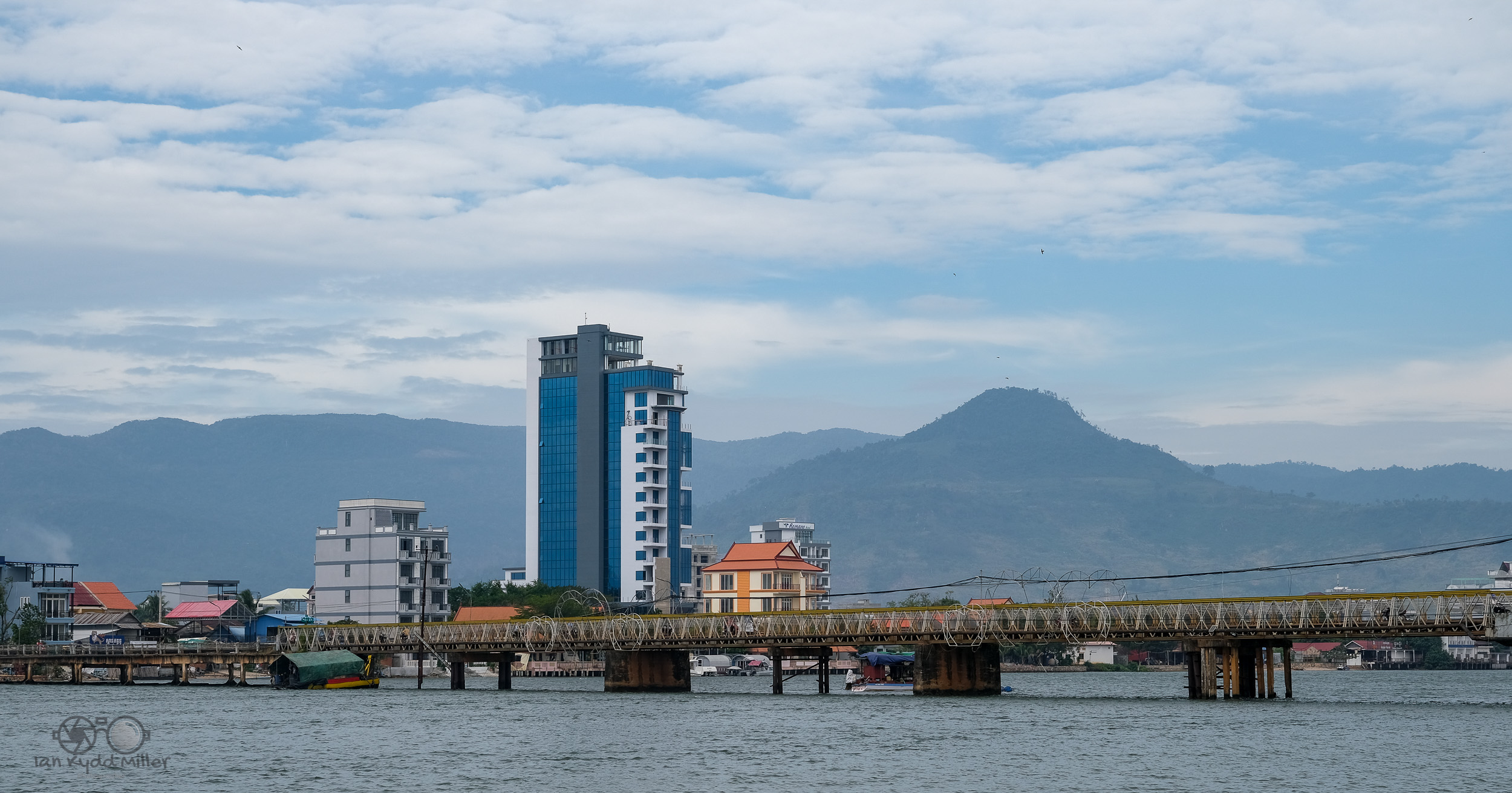
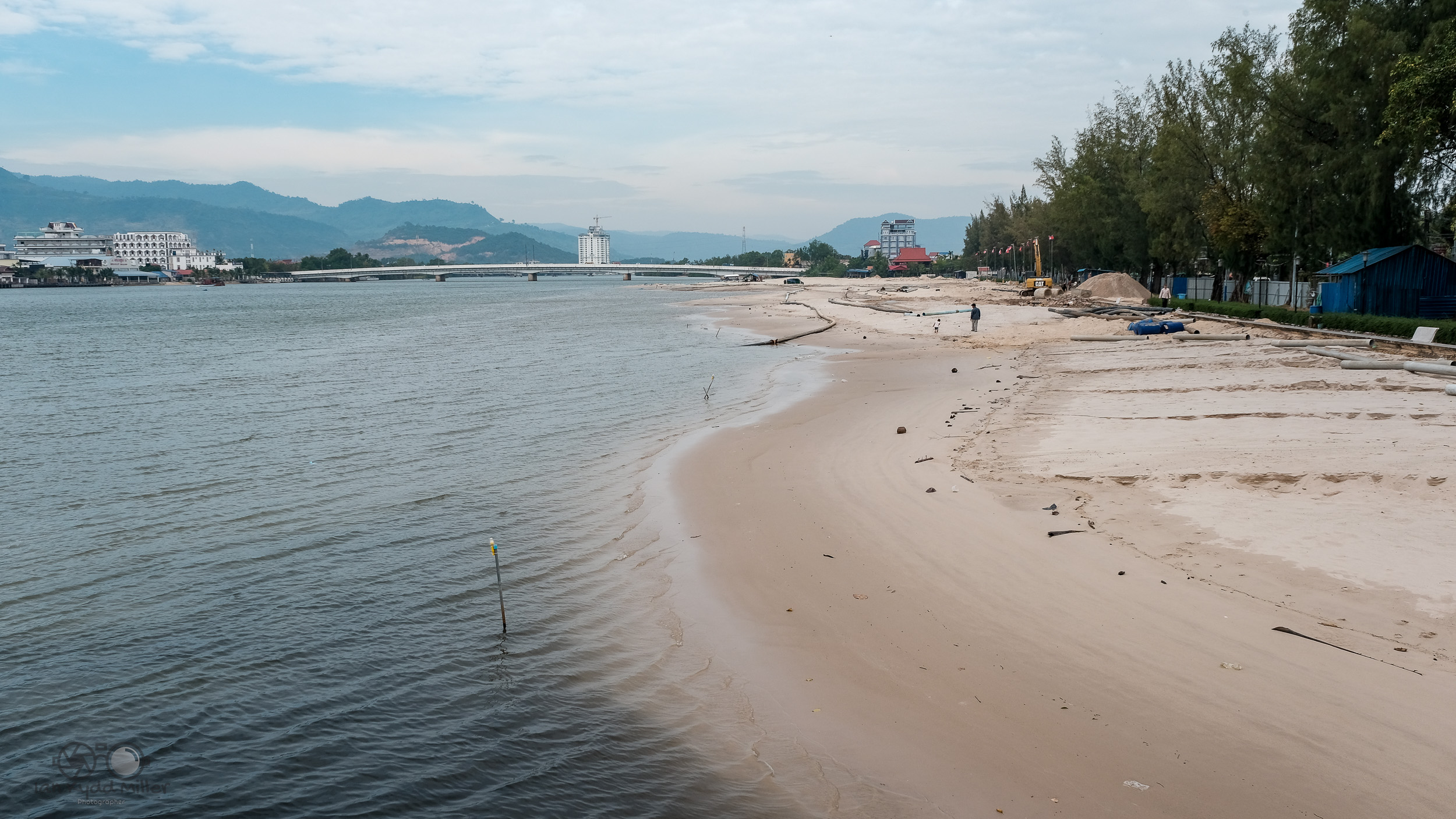
Kampot is a city in southern Cambodia and the capital of Kampot Province. It is on the Praek Tuek Chhu River southeast of the Elephant Mountains and around 5 km from the Gulf of Thailand. Kampot was the capital of the Circonscription Résidentielle de Kampot under French rule and Cambodia’s most important seaport after the loss of the Mekong Delta and before the establishment of Sihanoukville. Its centre is, unlike most Cambodian provincial capitals, composed of 19th-century French colonial architecture. The region and town are known for high-quality pepper, which is exported worldwide. It is also known for its Kampot fish sauce, and durian. The government and the Ministry of Culture and Fine Art have been preparing documents to nominate The Old Town of Kampot for admission to the UNESCO World Heritage Site list since 2017.
In recent years since 2010s, Kampot has been subject to extensive tourism development with the development of a tourism port worth US$8 million under the Kampot Provincial Tourism Department’s master plan. The development of the tourism port includes the construction of a 42-storey multi-purposed twin tower which will be the tallest building in Cambodia outside Phnom Penh when completed; widening and improvements to National Road No. 3; a seaport that carries passengers to and from nearby Cambodian islands, Thailand and Vietnam

According to the 2012 census, the population of the municipality of Kampot is 49,597. Historically, there has been an important presence of Khmers of Chinese descent in Kampot. Recent years have seen an important inflow of foreigners, European, Vietnamese, and Chinese. A significant part of the population is Cham, a minority Muslim group. The Sa’och tribe, an ancient population group in the province, is on the brink of extinction, however.

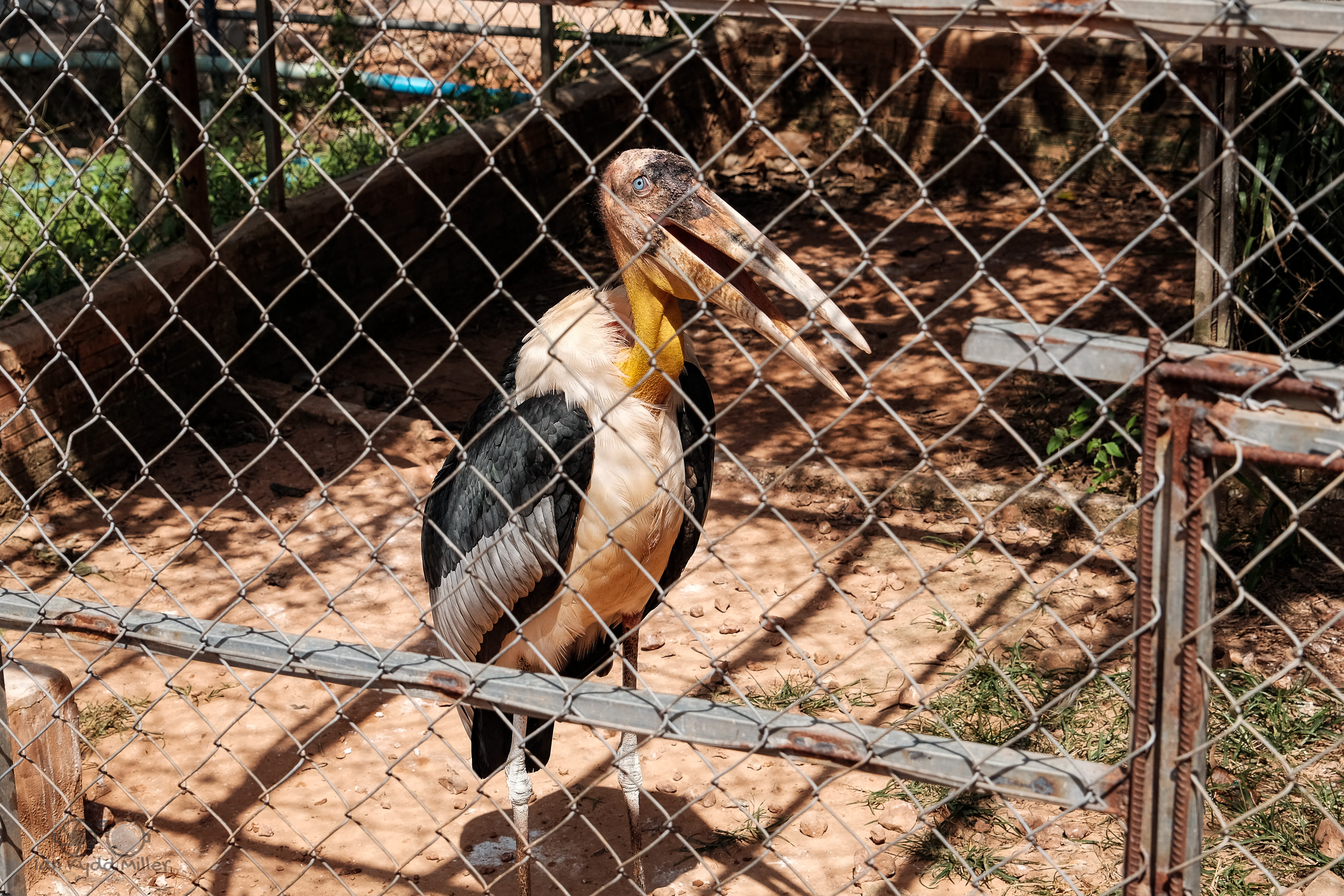
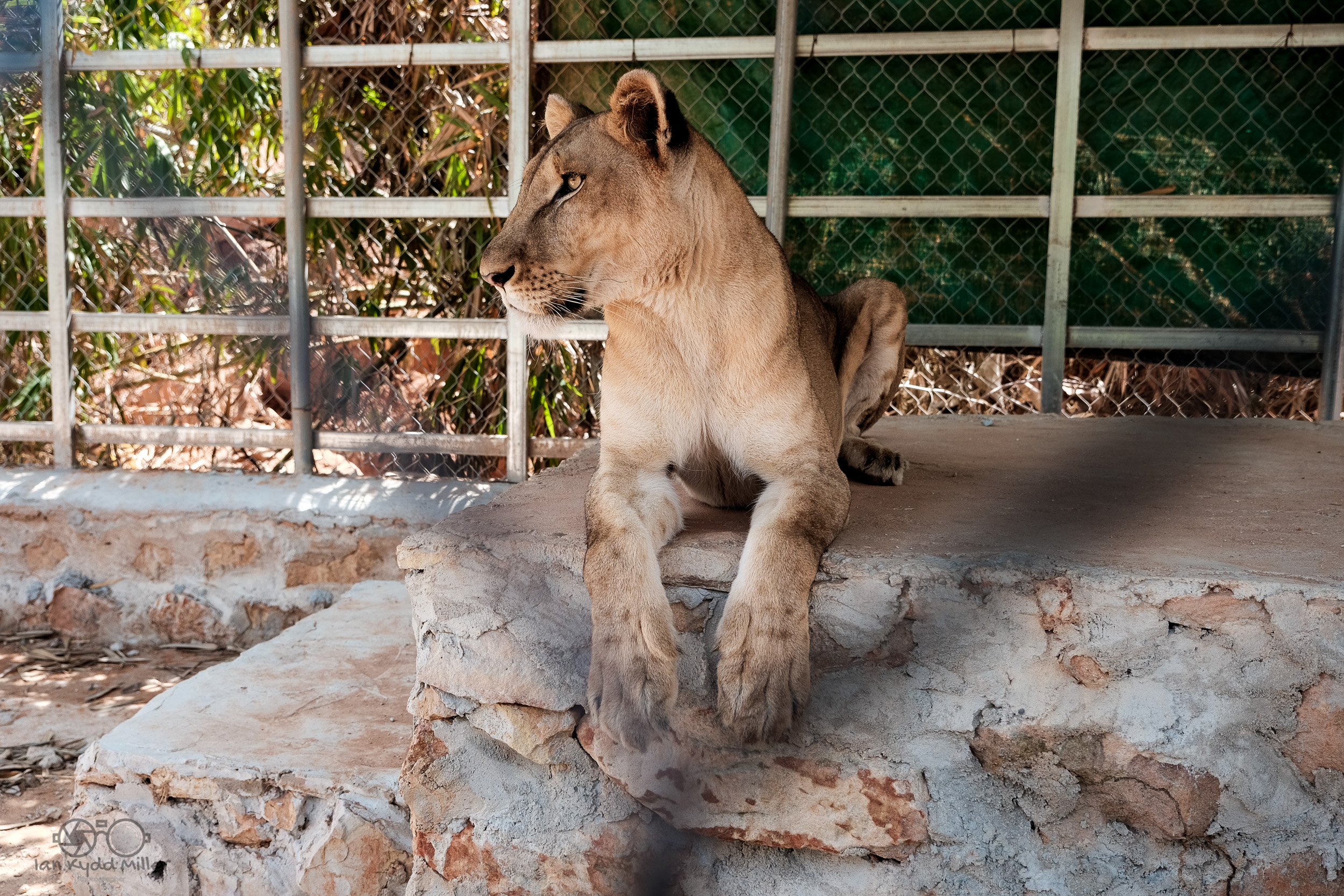
Sadly the worse thing about Kampot is the private ZOO situated about 20 km from the center of the city. It house wild animals, as seen above, in very bad conditions, small roughly made cages will little thought to the needs of a living creature. I would advise not to visit this until things, hopefully, change.

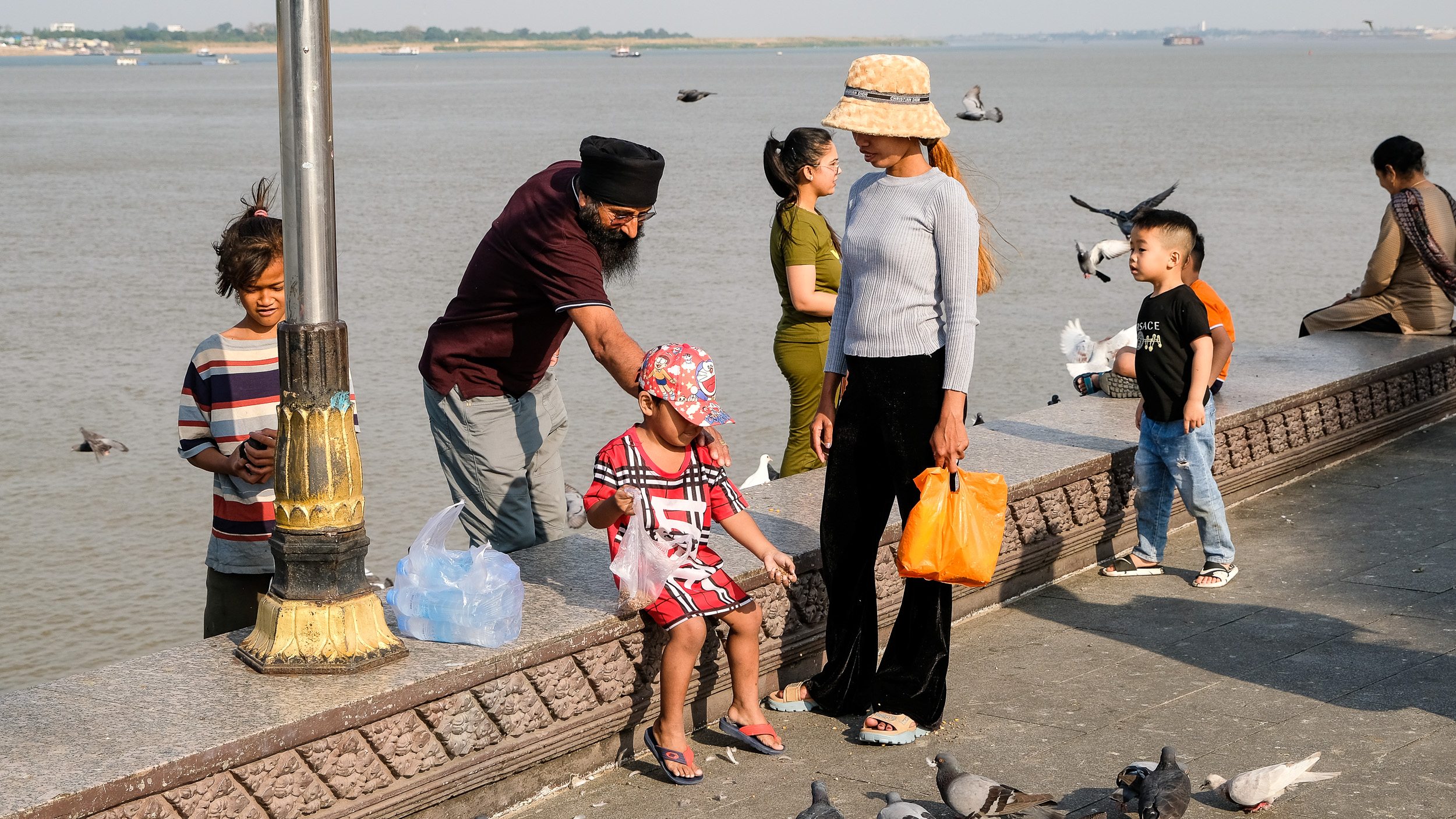
The PEOPLE are Kampots attraction as is the remaining Colonial architecture.