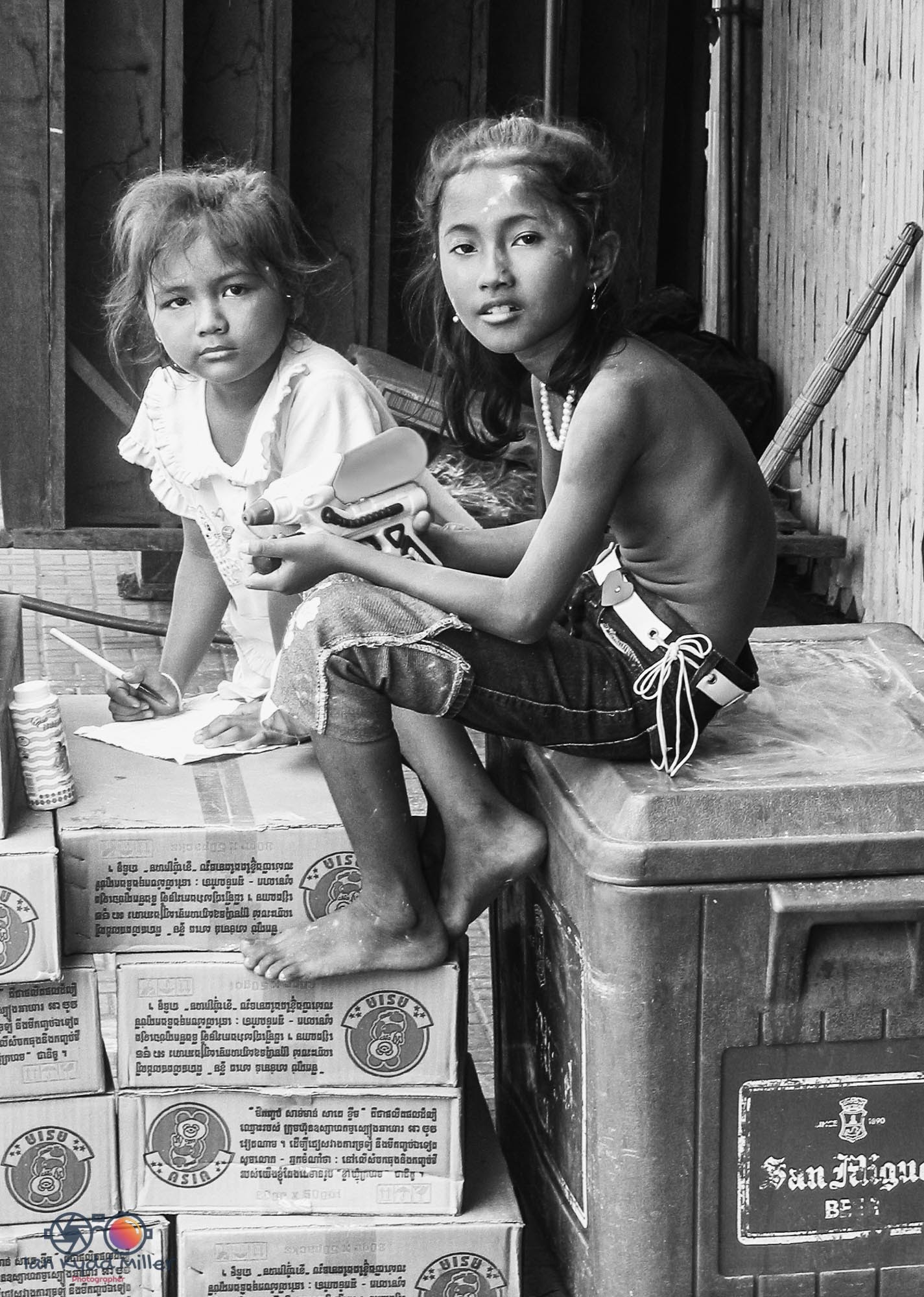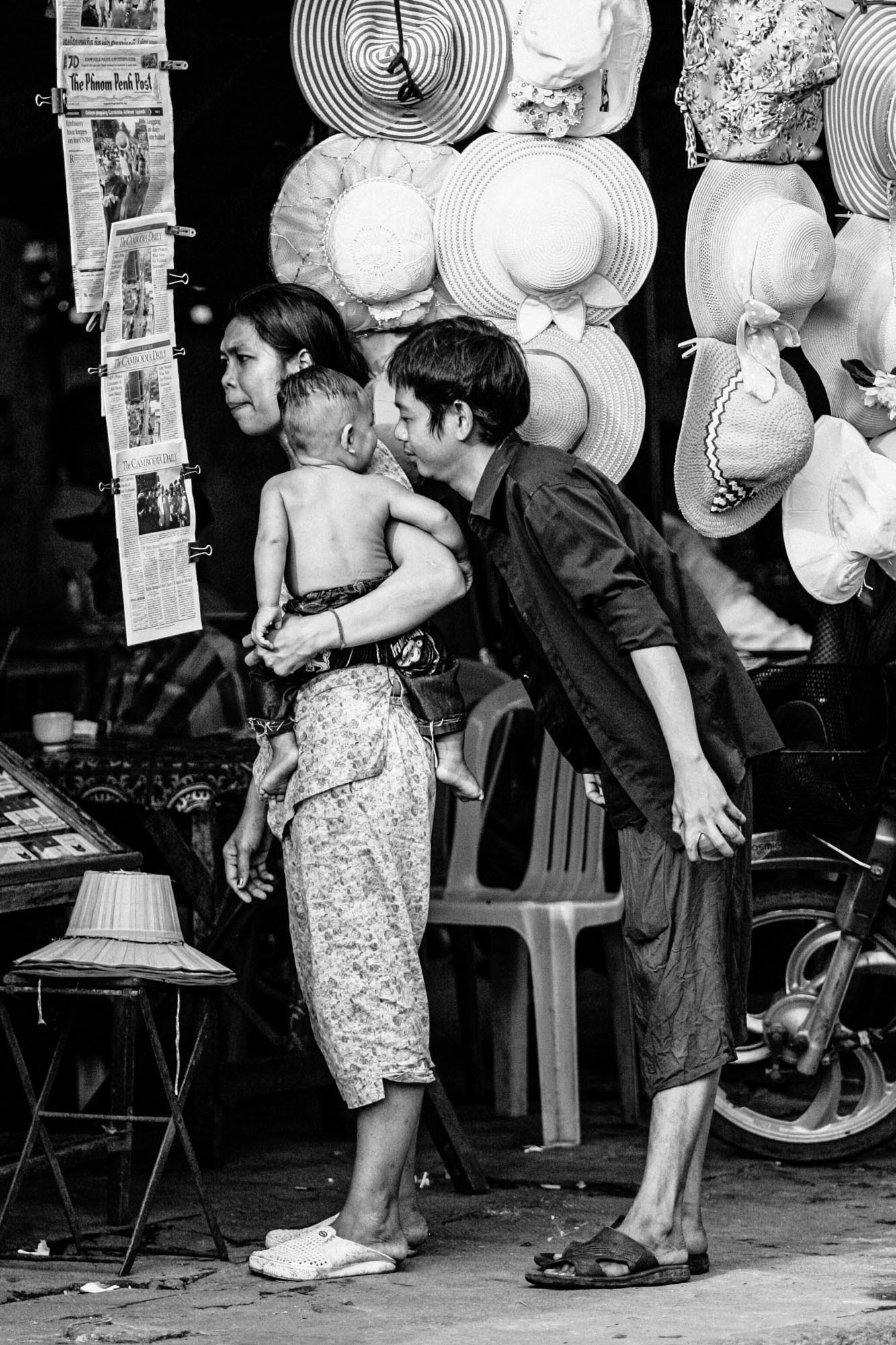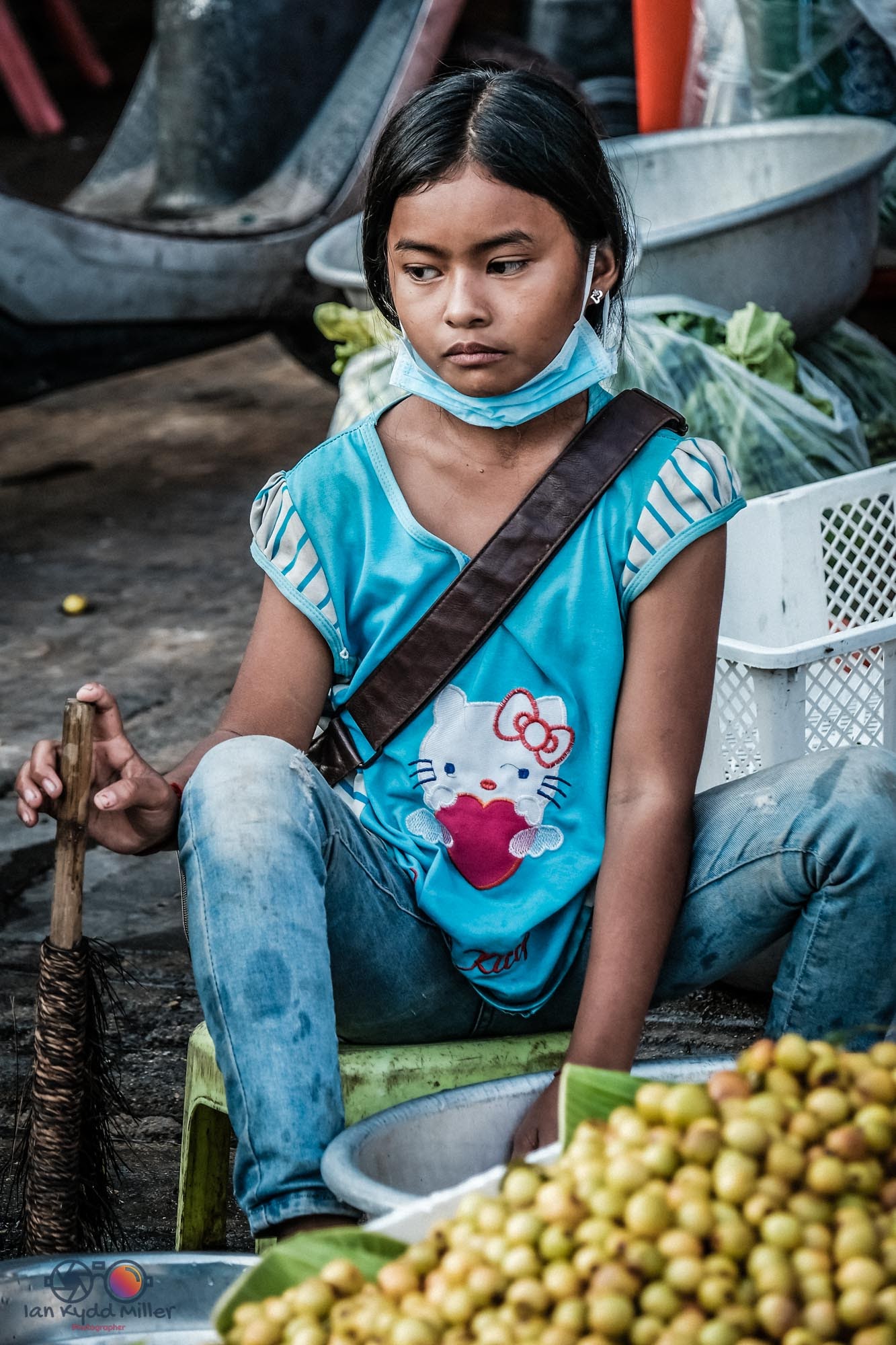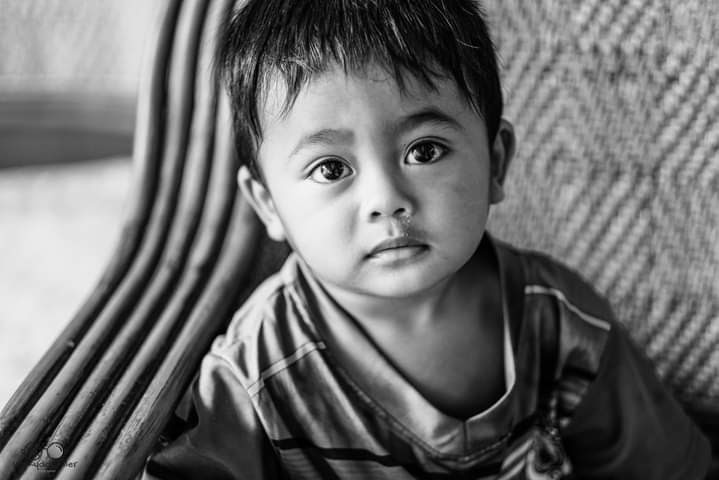
Defining your photographic comfort zone

cambodia, cameras, conflict, homelessness, Lenses, opinons, thoughts, photography, street, Travel, voluntary, war

One of the most important aspects of photography is finding your own style and voice. But how do you do that? How do you know what kind of photos you like to take and what kind of photos you are good at taking? One way to approach this question is by defining your photographic comfort zone.

Your photographic comfort zone is the range of subjects, situations, and techniques that you feel comfortable and confident with. It’s where you can express yourself freely and creatively, without feeling anxious or frustrated. It’s where you can enjoy the process of making images and have fun with your camera.

But how do you find your photographic comfort zone? Well, there is no definitive answer to that, as everyone’s comfort zone is different and personal. However, here are some possible steps that might help you:

Defining your photographic comfort zone can help you discover your own style and voice as a photographer. It can also help you improve your skills and expand your horizons. However, remember that your comfort zone is not fixed or static. It can change over time as you evolve as a photographer and as a person. So keep exploring, keep learning, and keep enjoying photography!

Choosing what images to make. How to find inspiration for my photography.

cambodia, cameras, opinons, thoughts, photography, pictures, street, Travel, voluntary, war

One of the most common challenges that photographers face is deciding what to photograph. Sometimes, you may have a clear idea of what you want to capture, but other times, you may feel stuck or uninspired. How can you overcome this creative block and find new sources of inspiration for your photography?

There are many ways to spark your imagination and get motivated to take photos. Here are some tips that may help you choose what images to make and how to find inspiration for your photography.

  • Explore different genres and styles. Photography is a diverse and versatile art form that can express many different moods, emotions, and messages. You can experiment with different genres and styles of photography, such as portrait, landscape, street, abstract, macro, wildlife, documentary, and more. Each genre has its own challenges and opportunities for creativity. You can also try different techniques and effects, such as long exposure, HDR, black and white, bokeh, and more. By exploring different genres and styles, you can discover new perspectives and possibilities for your photography.
  • Follow other photographers. One of the best ways to learn and improve your photography is to follow other photographers who inspire you. You can find many talented and creative photographers online, on platforms such as Instagram, Flickr, 500px, Behance, and more. You can also look for photography blogs, magazines, books, podcasts, and videos that showcase the work and insights of other photographers. By following other photographers, you can learn from their skills, techniques, tips, and stories. You can also get inspired by their vision, style, and themes.
  • Join a photography community. Another way to find inspiration for your photography is to join a photography community where you can interact with other photographers who share your passion and interest. You can find many photography communities online or offline, such as forums, groups, clubs, workshops, contests, and more. By joining a photography community, you can get feedback, advice, support, and encouragement from other photographers. You can also participate in challenges, projects, collaborations, and events that can stimulate your creativity and challenge your skills.
  • Go outside your comfort zone. Sometimes, the best way to find inspiration for your photography is to go outside your comfort zone and try something new or different. You can challenge yourself to photograph something that you normally wouldn’t or that scares you. You can also travel to a new place or revisit an old one with a fresh eye. You can also experiment with new equipment or settings that you are not familiar with. By going outside your comfort zone, you can push your boundaries and discover new aspects of yourself and your photography.
  • Have fun and enjoy the process. Finally, the most important tip to find inspiration for your photography is to have fun and enjoy the process. Photography is not only a skill or a profession but also a hobby and a passion. You should not take it too seriously or put too much pressure on yourself to create perfect images. Instead, you should focus on the joy and satisfaction that photography brings you. You should also appreciate the beauty and wonder of the world around you and capture it with your camera. By having fun and enjoying the process, you can find inspiration for your photography in every moment.

Love is ALL

opinons, thoughts, voluntary

Love is all you need or so the song says. But is it really true? Can love solve all our problems and make us happy? In this blog post, I will explore the meaning and power of love, and share some tips on how to cultivate more love in your life.

Love is a complex and multifaceted emotion that can be experienced in different ways. There is romantic love, which is the attraction and affection we feel for a partner. There is familial love, which is the bond and loyalty we have with our relatives. There is platonic love, which is the friendship and camaraderie we share with our peers. There is self-love, which is the respect and acceptance we have for ourselves. And there is universal love, which is the compassion and kindness we have for all living beings.

All these forms of love are important and valuable, and they can enrich our lives in different ways. However, they are not always easy to achieve or maintain. Sometimes we face challenges or conflicts that test our love. Sometimes we feel lonely or unloved. Sometimes we struggle to love ourselves or others. Sometimes we lose sight of what love really means.

So how can we overcome these difficulties and cultivate more love in our lives? Here are some suggestions:

  • Be grateful for the love you have. Appreciate the people who love you and show them your gratitude. Express your feelings and emotions honestly and openly. Don’t take love for granted or expect it to be perfect. Celebrate the small moments of joy and connection that love brings.
  • Be open to new love. Don’t close your heart or mind to the possibility of finding or giving love. Be curious and adventurous in your relationships. Explore new interests and hobbies that can bring you closer to others. Don’t be afraid to take risks or make mistakes in love. Learn from your experiences and grow as a person.
  • Be compassionate with yourself and others. Don’t judge yourself or others harshly for being imperfect or flawed. Accept yourself and others as you are, with your strengths and weaknesses. Forgive yourself and others for hurting or disappointing you. Support yourself and others in times of need. Treat yourself and others with kindness and respect.
  • Be mindful of your thoughts and actions. Don’t let negative thoughts or emotions cloud your vision of love. Recognize when you are feeling angry, sad, jealous, insecure, or fearful, and try to understand why. Don’t act on impulse or react in ways that can harm yourself or others. Choose to act with love instead of hate, with generosity instead of greed, with honesty instead of deceit.
  • Be inspired by love. Don’t limit your definition of love to a single person or thing. Find inspiration in the many expressions of love that exist in the world. Listen to music, read books, watch movies, or visit places that celebrate love. Learn from the stories and examples of people who have loved deeply and passionately. Discover your own way of expressing and sharing your love.

Love is all you need or so the song says. And I agree with that statement. Love is not only a feeling but also a choice, a practice, and a way of life. Love can make us happier, healthier, and more fulfilled. Love can make us better people and make the world a better place.

So let’s choose to love more every day, in every way possible.

How to Document the Plight of Homeless or Street People

cambodia, opinons, thoughts, photography, pictures, street, voluntary

Homelessness is a complex and urgent social issue that affects millions of people around the world. Many factors can contribute to homelessness, such as poverty, mental illness, substance abuse, domestic violence, unemployment, discrimination, and lack of affordable housing. Homeless or street people face many challenges and risks, such as hunger, exposure, illness, violence, stigma, and isolation.

Documenting the plight of homeless or street people can be a powerful way to raise awareness, empathy, and action among the public and policymakers. However, it also involves ethical and practical challenges that require careful consideration and respect. Here are some tips on how to document the plight of homeless or street people in a responsible and respectful way:

  • Do your research. Before you start documenting, learn about the causes and consequences of homelessness, the policies and programs that address it, and the organizations and activists that work on it. This will help you understand the context and complexity of the issue and avoid stereotypes and misinformation.
  • Ask for consent. Always ask for permission before you take photos, videos, or interviews of homeless or street people. Explain who you are, why you are documenting, how you will use the material, and what are the potential risks and benefits for them. Respect their decision and privacy. Do not coerce or pressure them to participate or share information they are not comfortable with.
  • Be sensitive and respectful. Treat homeless or street people with dignity and compassion. Do not judge, blame, or pity them. Do not exploit their vulnerability or sensationalize their suffering. Do not impose your views or expectations on them. Listen to their stories and perspectives with an open mind and heart.
  • Be honest and accurate. Do not manipulate or misrepresent the material you collect. Do not edit or alter the images or words of homeless or street people without their consent. Do not omit or distort important facts or context. Do not make false or exaggerated claims or promises. Acknowledge your sources and limitations.
  • Be responsible and accountable. Consider the impact and implications of your documentation on homeless or street people and their communities. Protect their identity and safety if needed. Follow up with them if possible and share the results of your documentation. Respect their rights and wishes regarding the use and distribution of the material. Seek feedback and criticism from them and others who are knowledgeable about the issue. Learn from your mistakes and improve your practice.

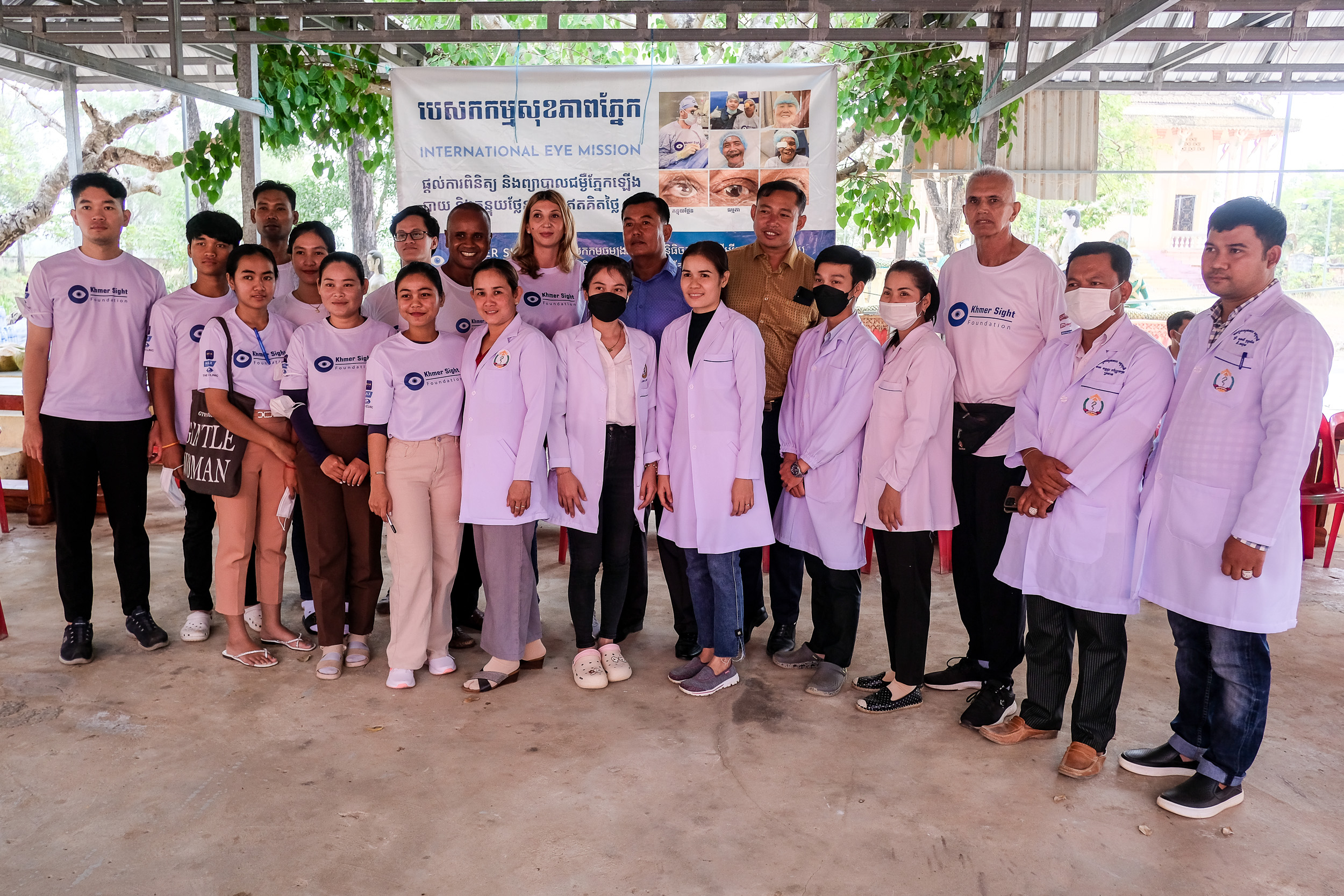
Khmer Sight Foundation 01/04/23 trip to Kampot

opinons, thoughts, photography, pictures, voluntary

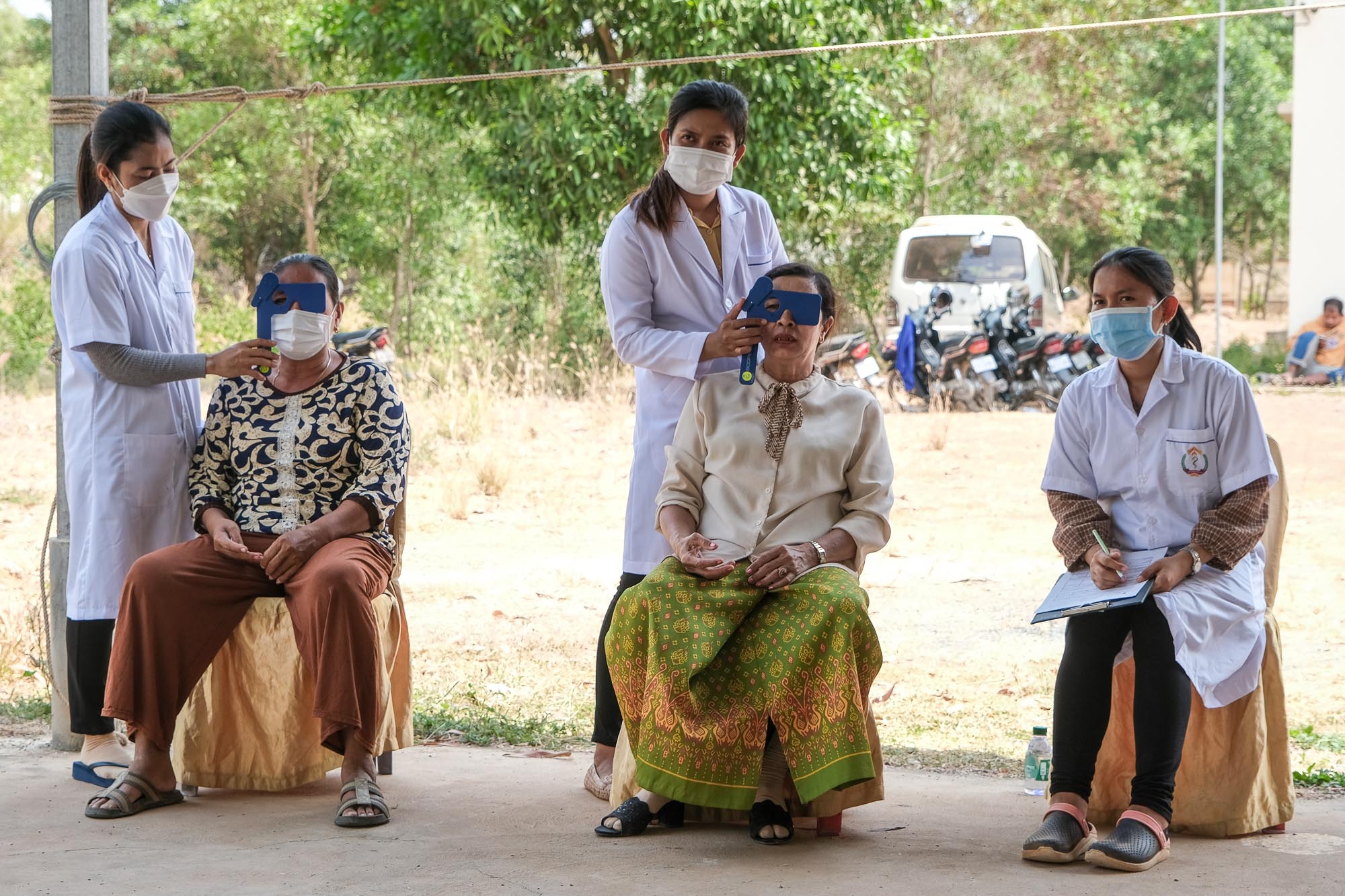
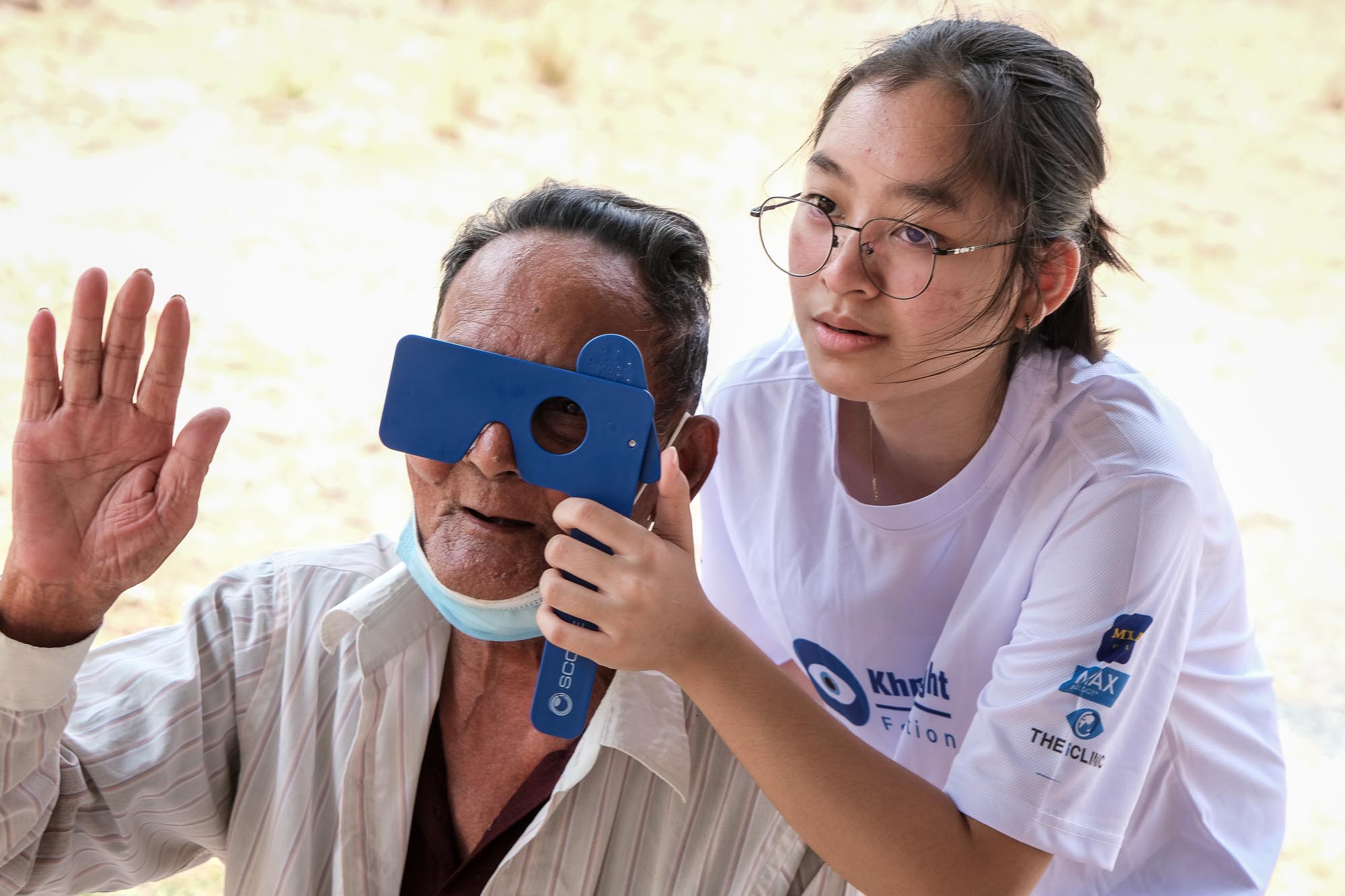
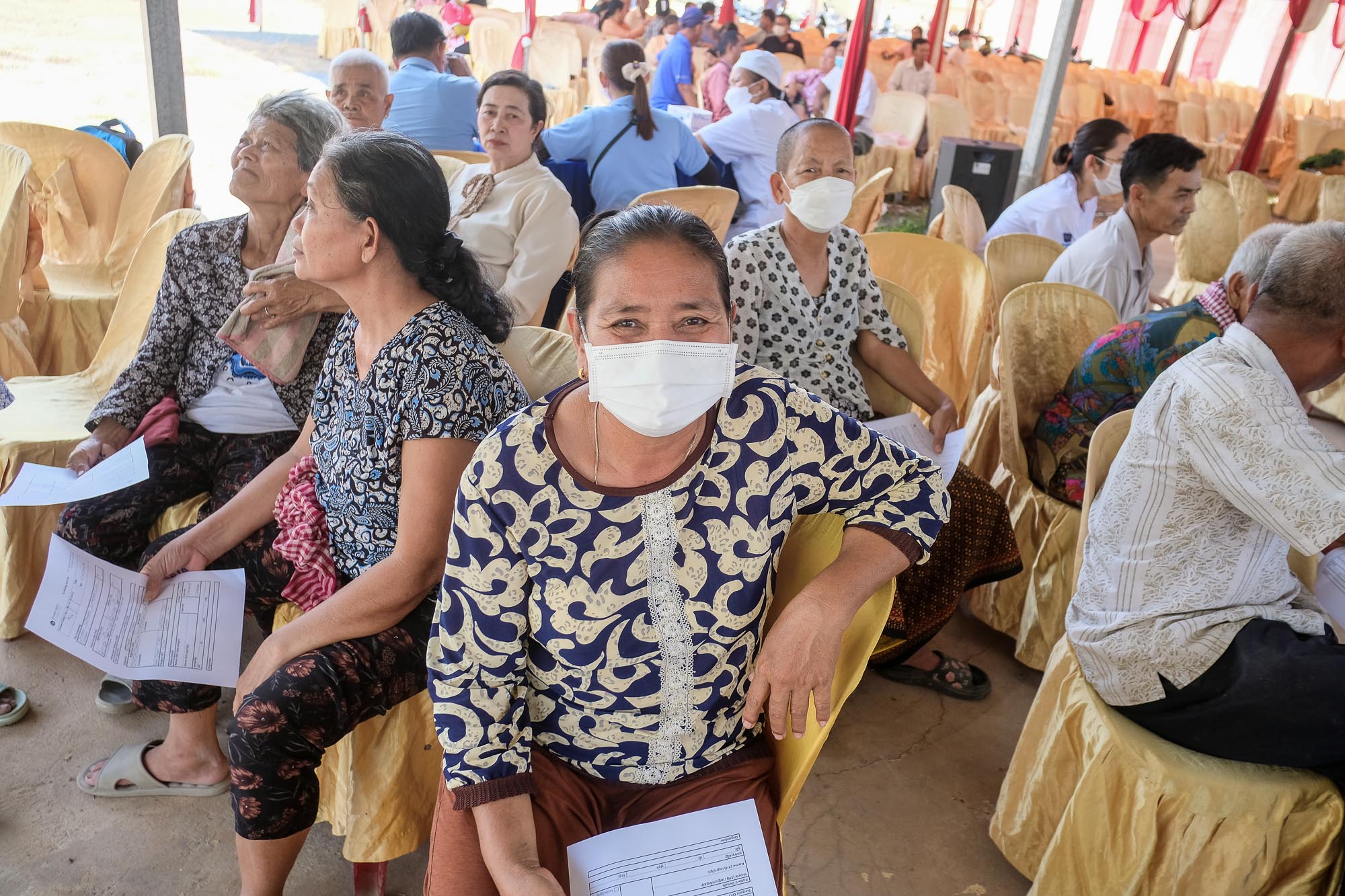
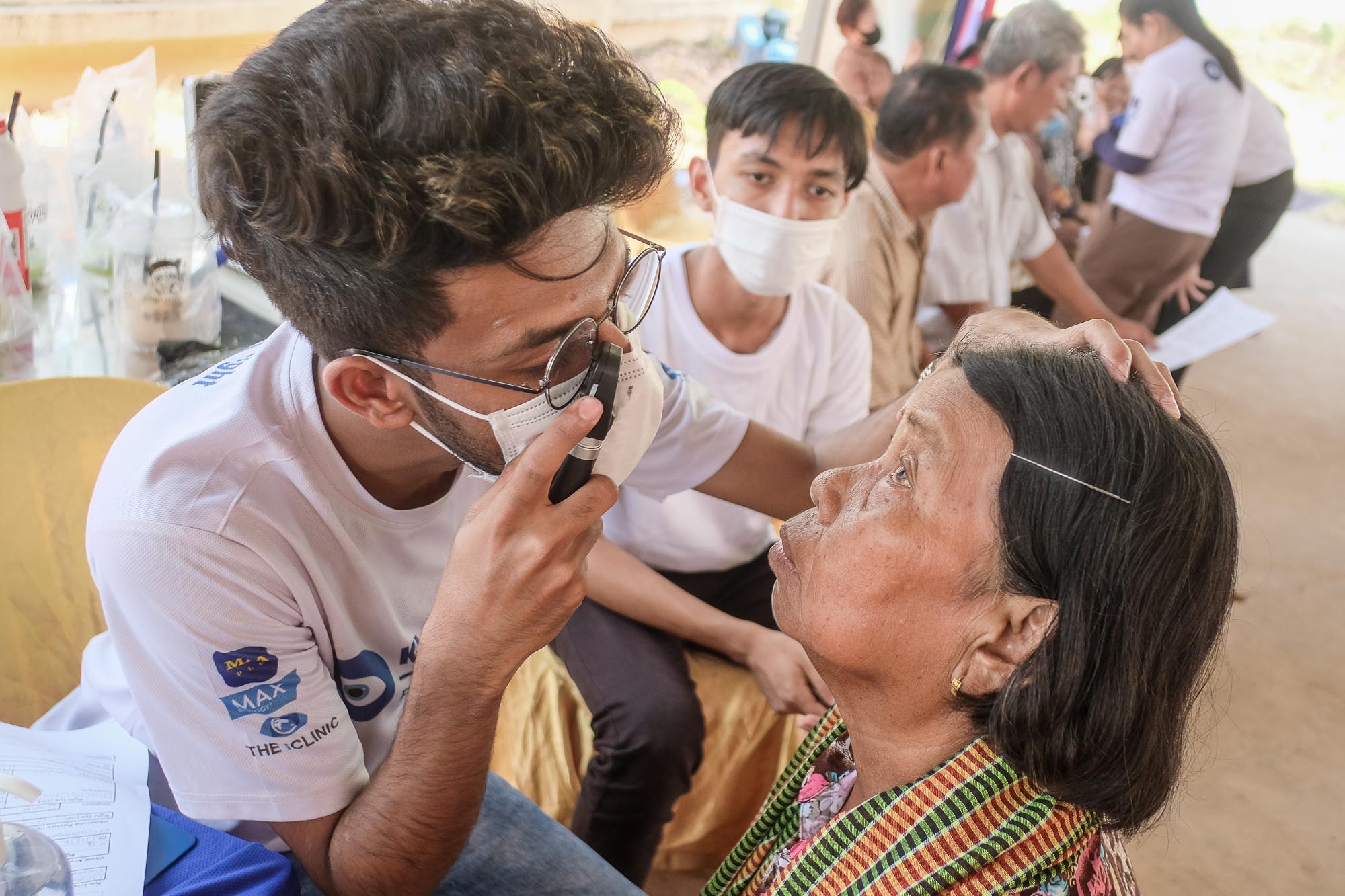
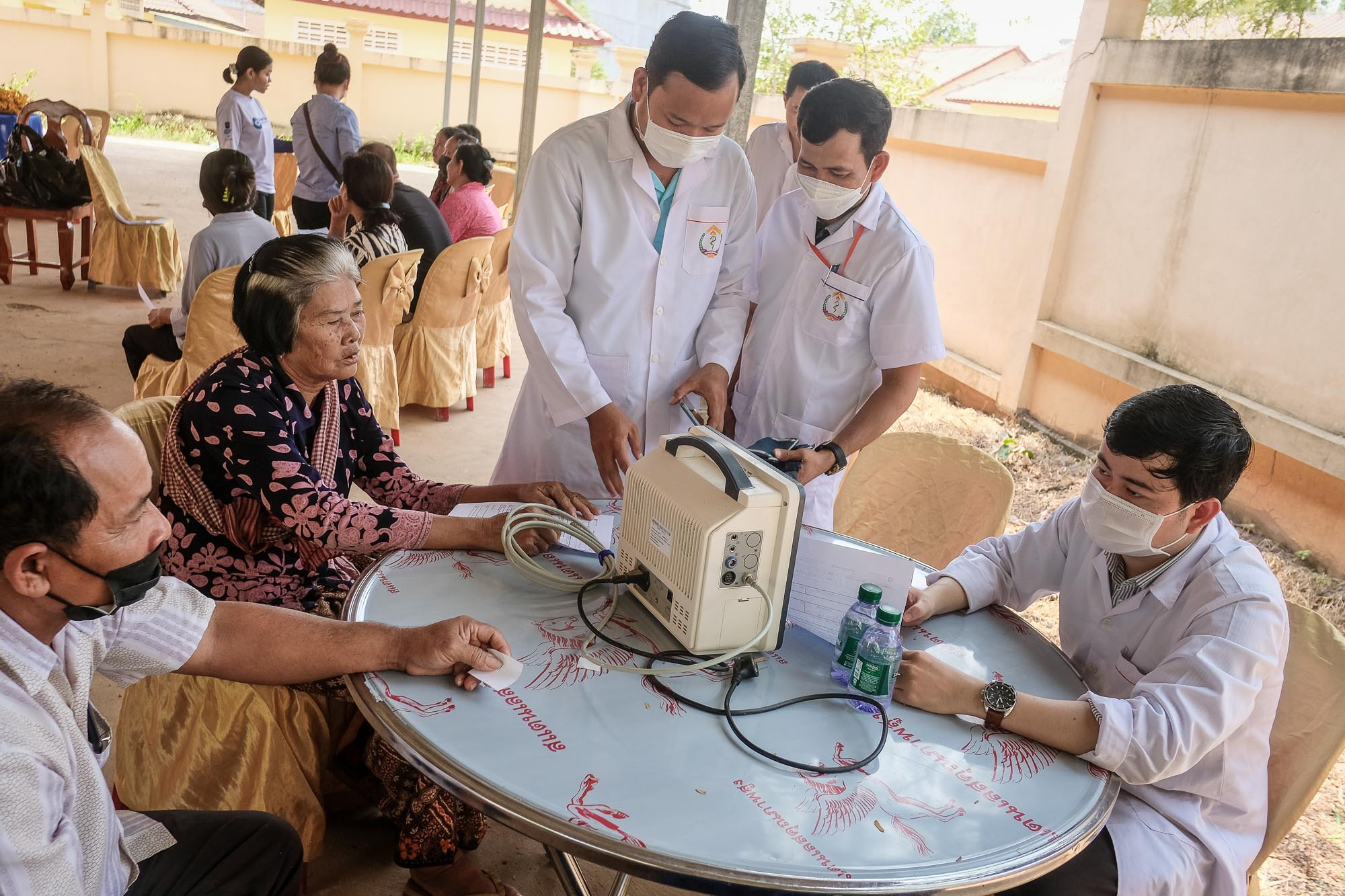
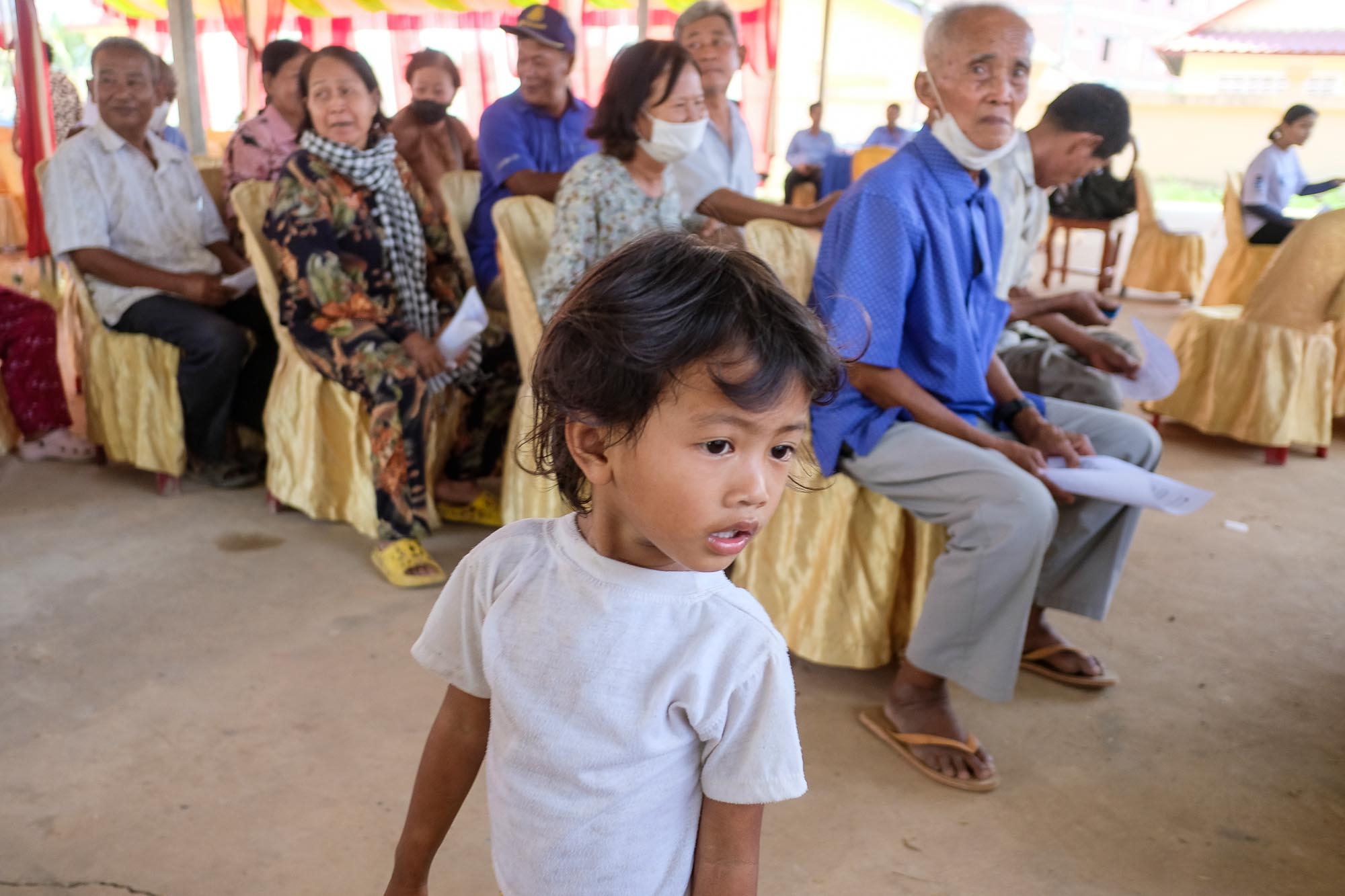
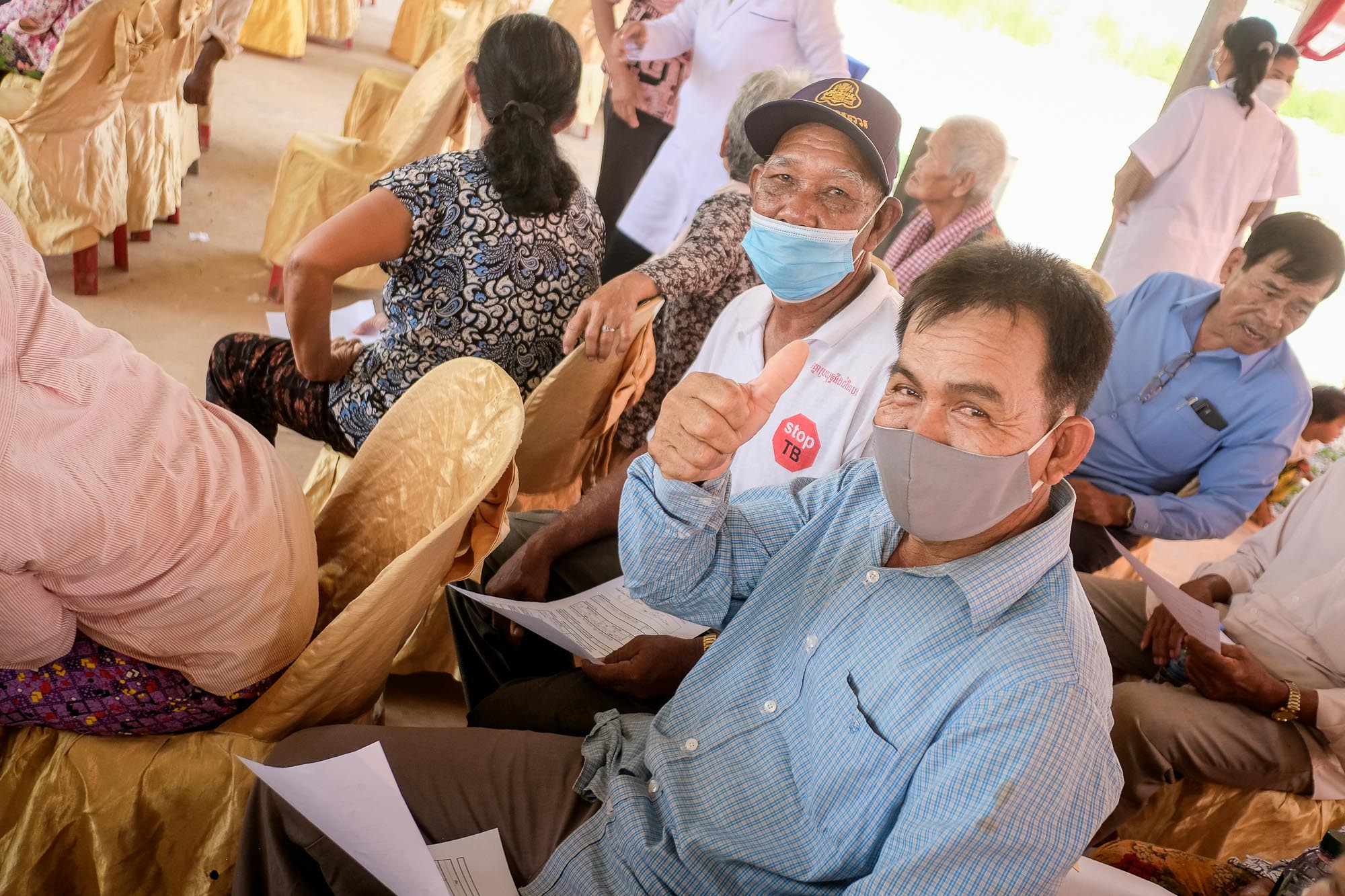
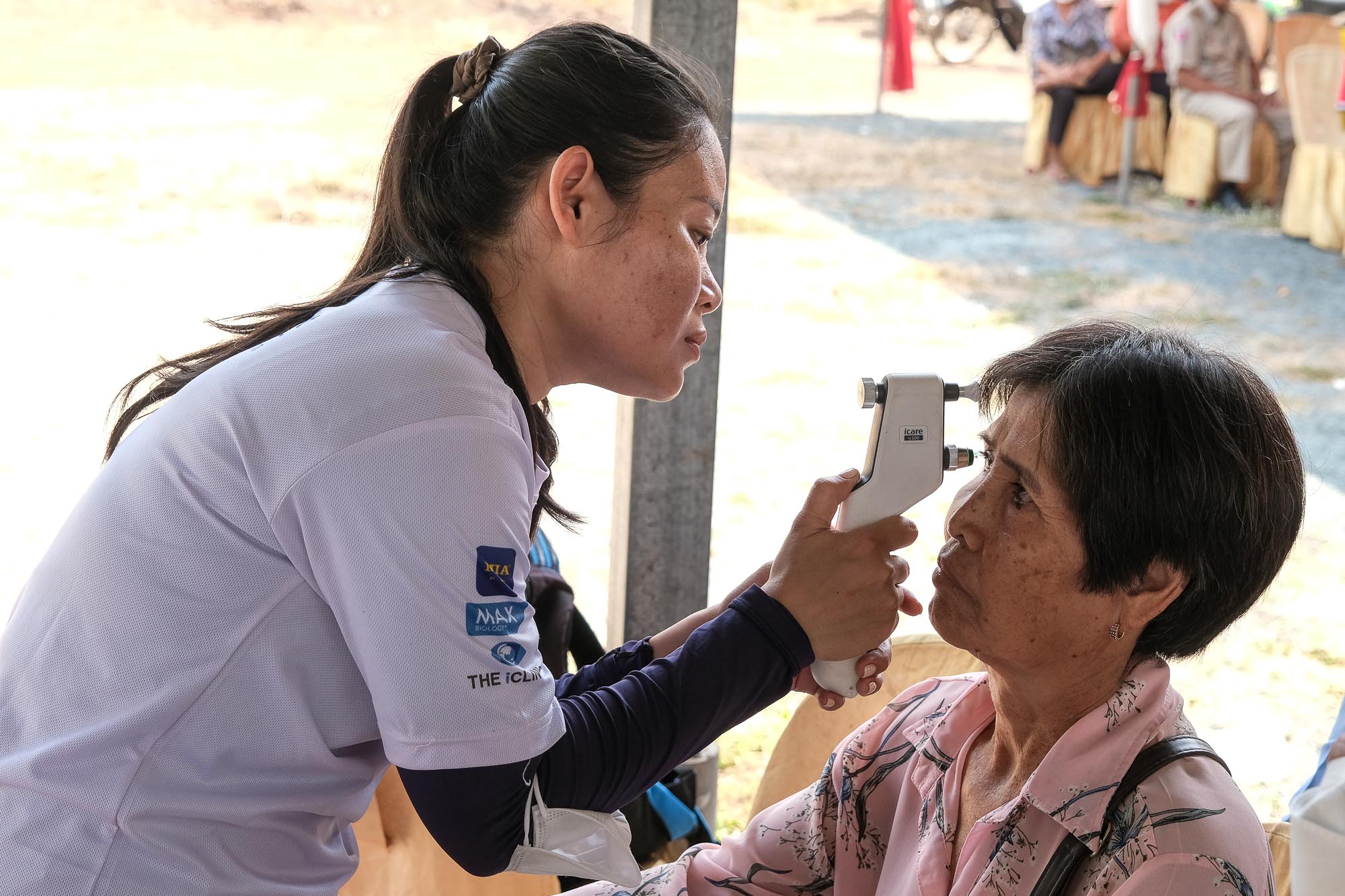
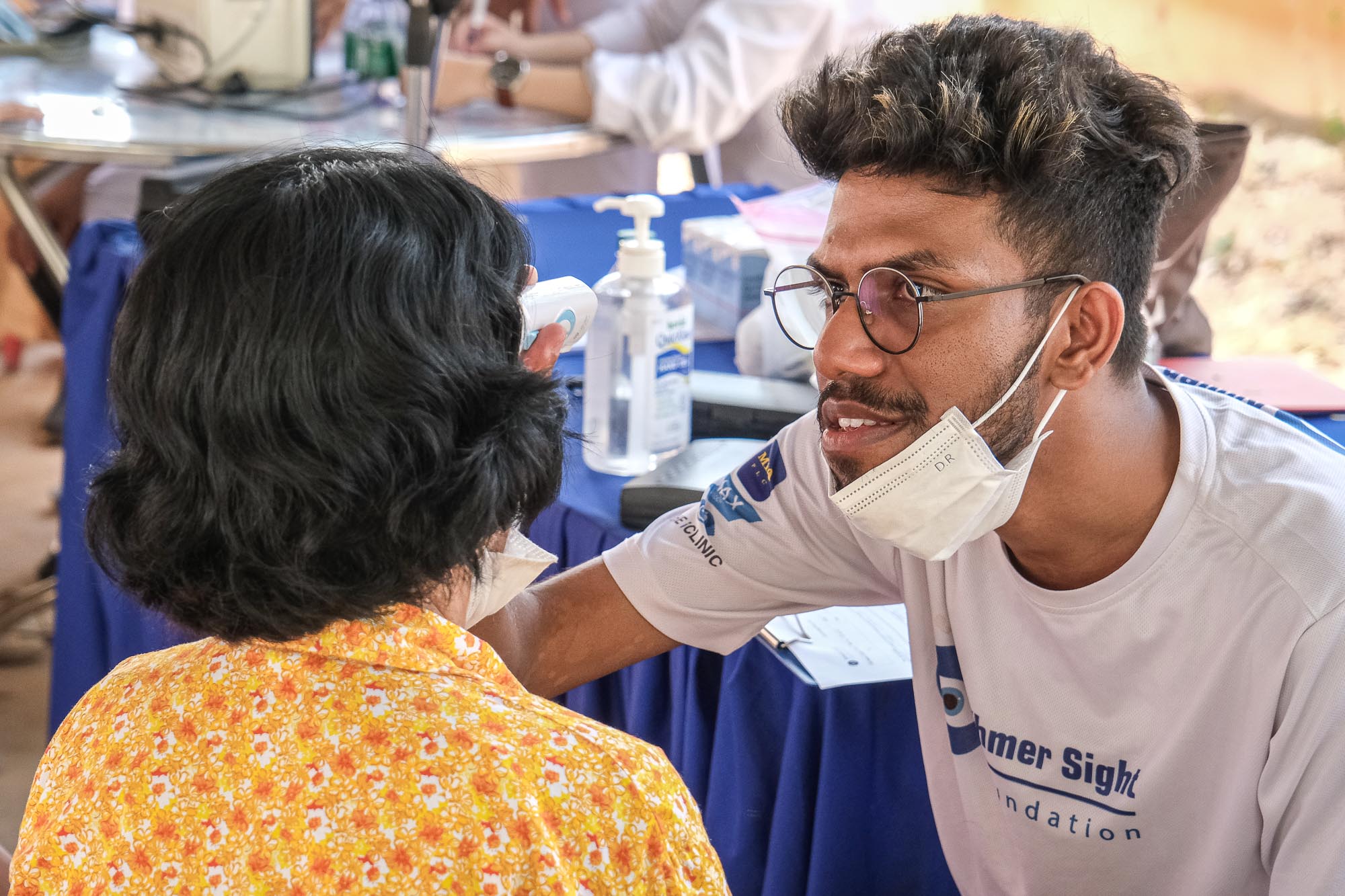
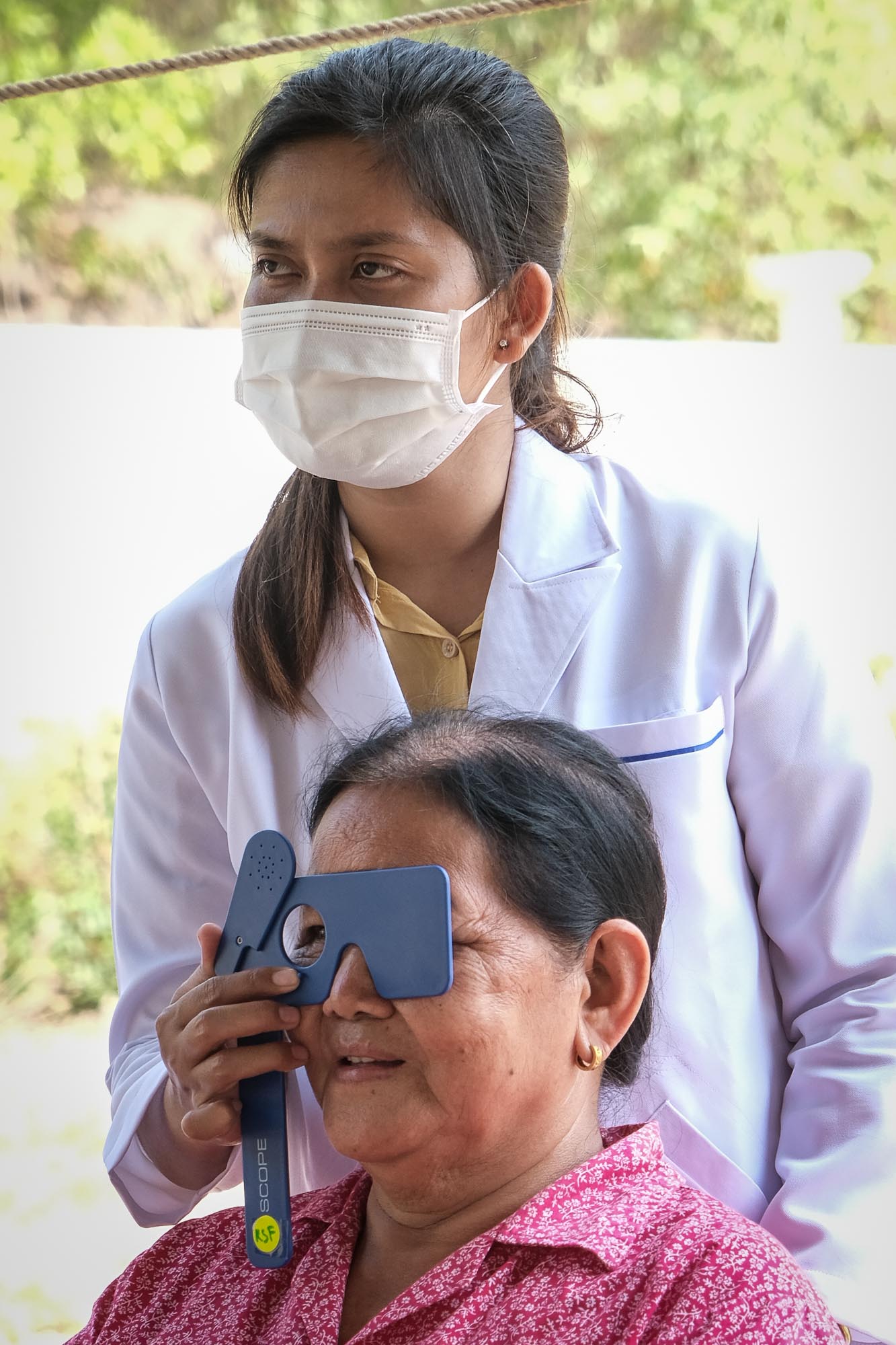
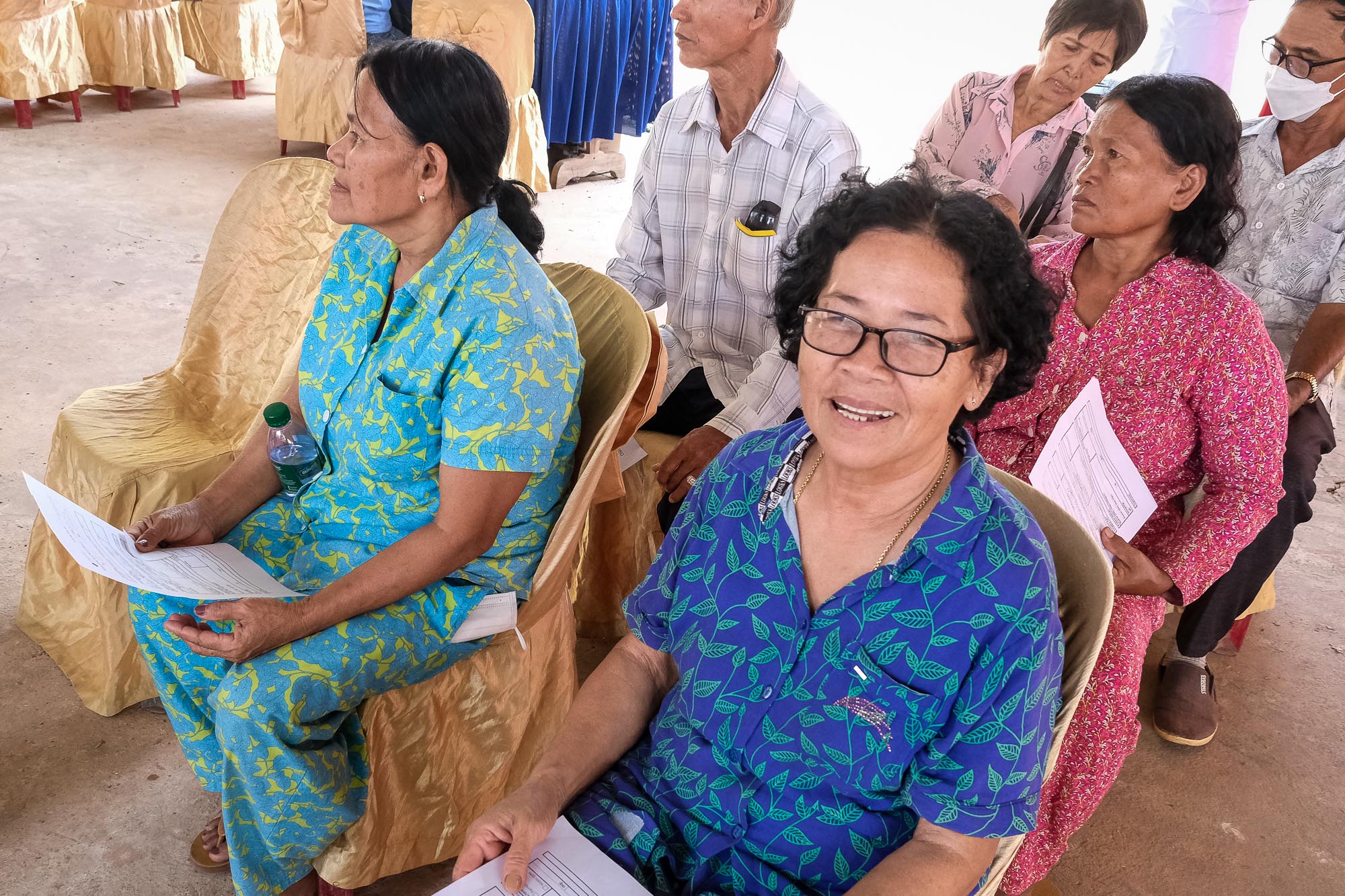
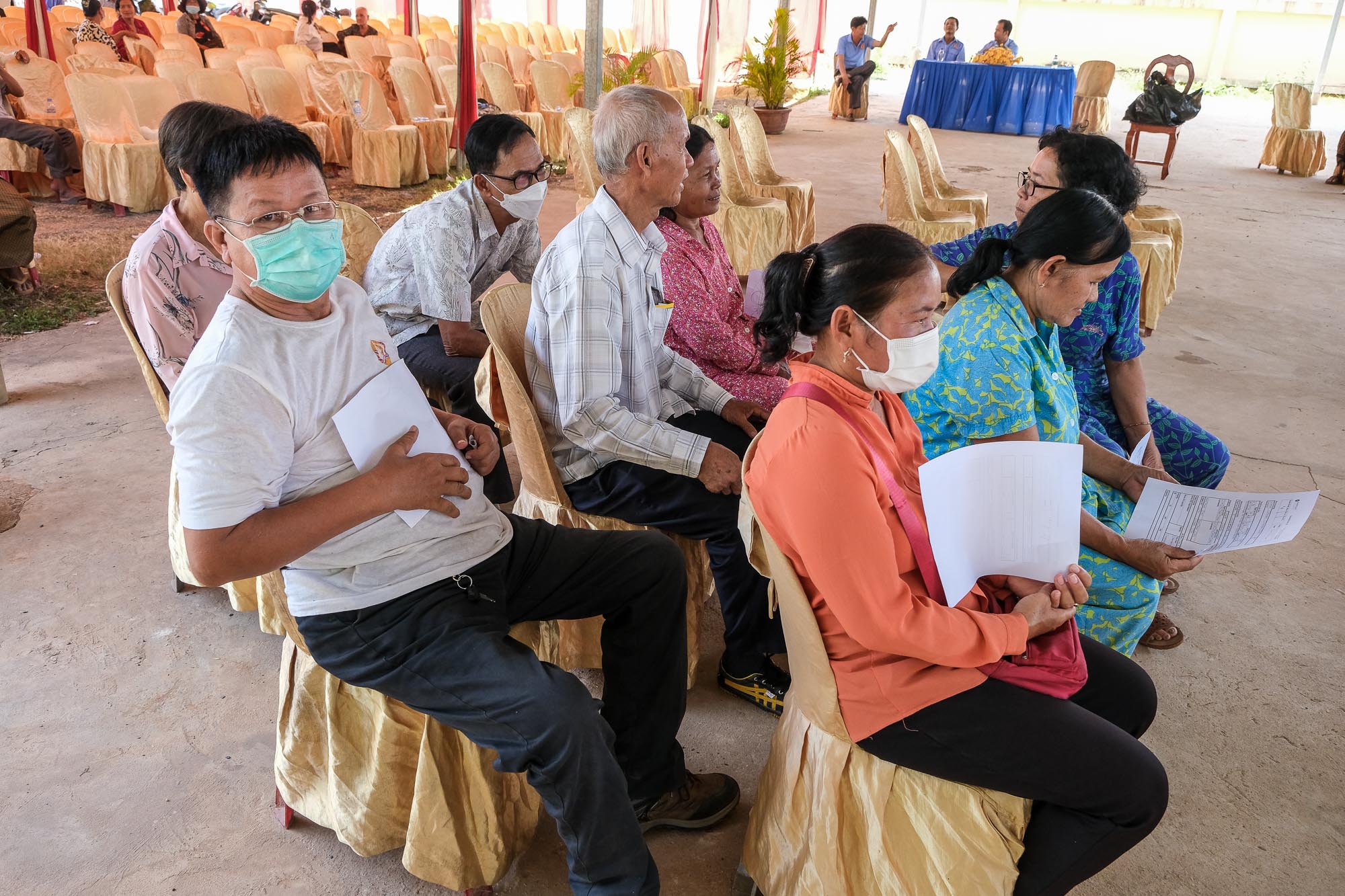
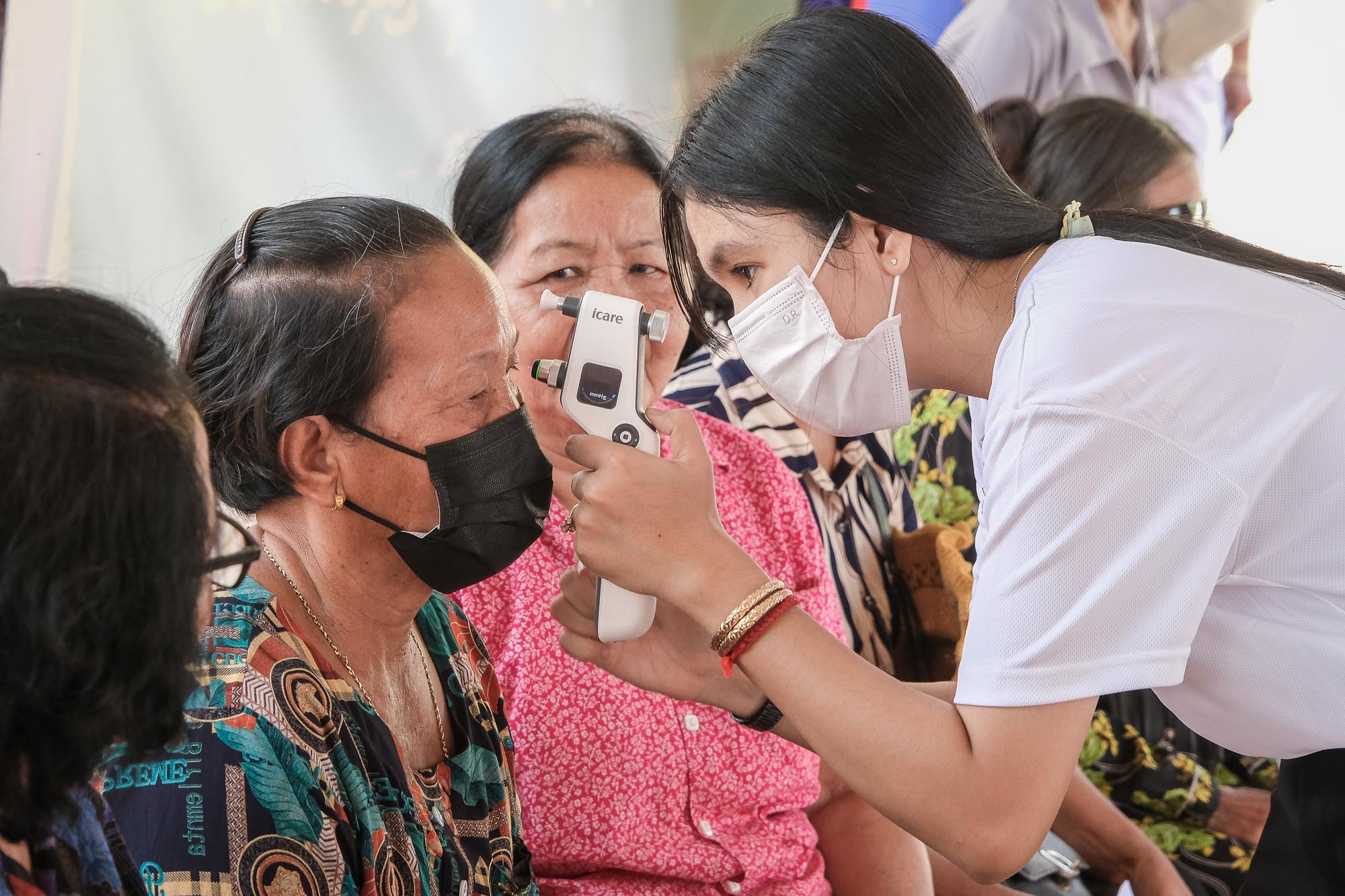
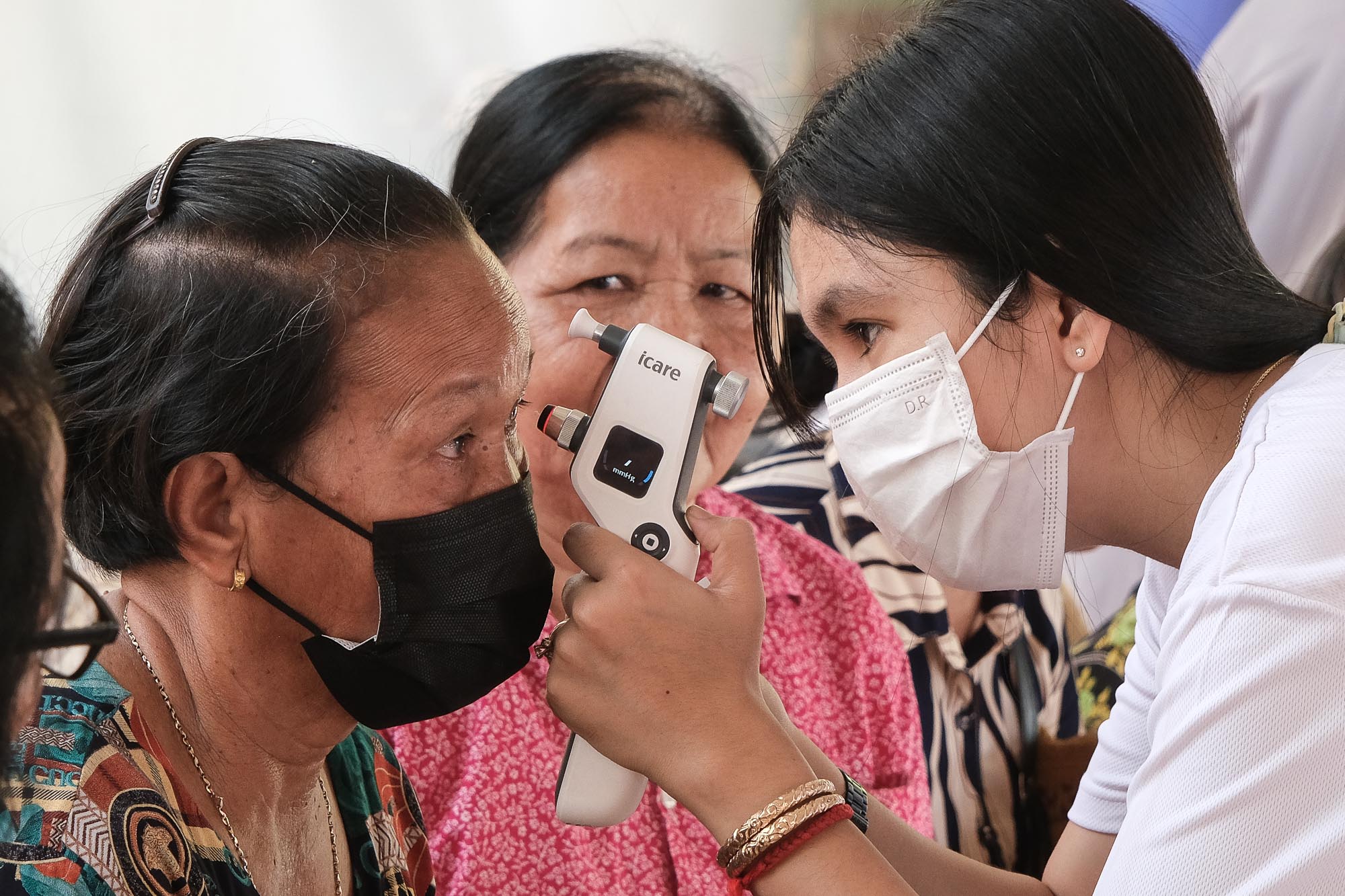
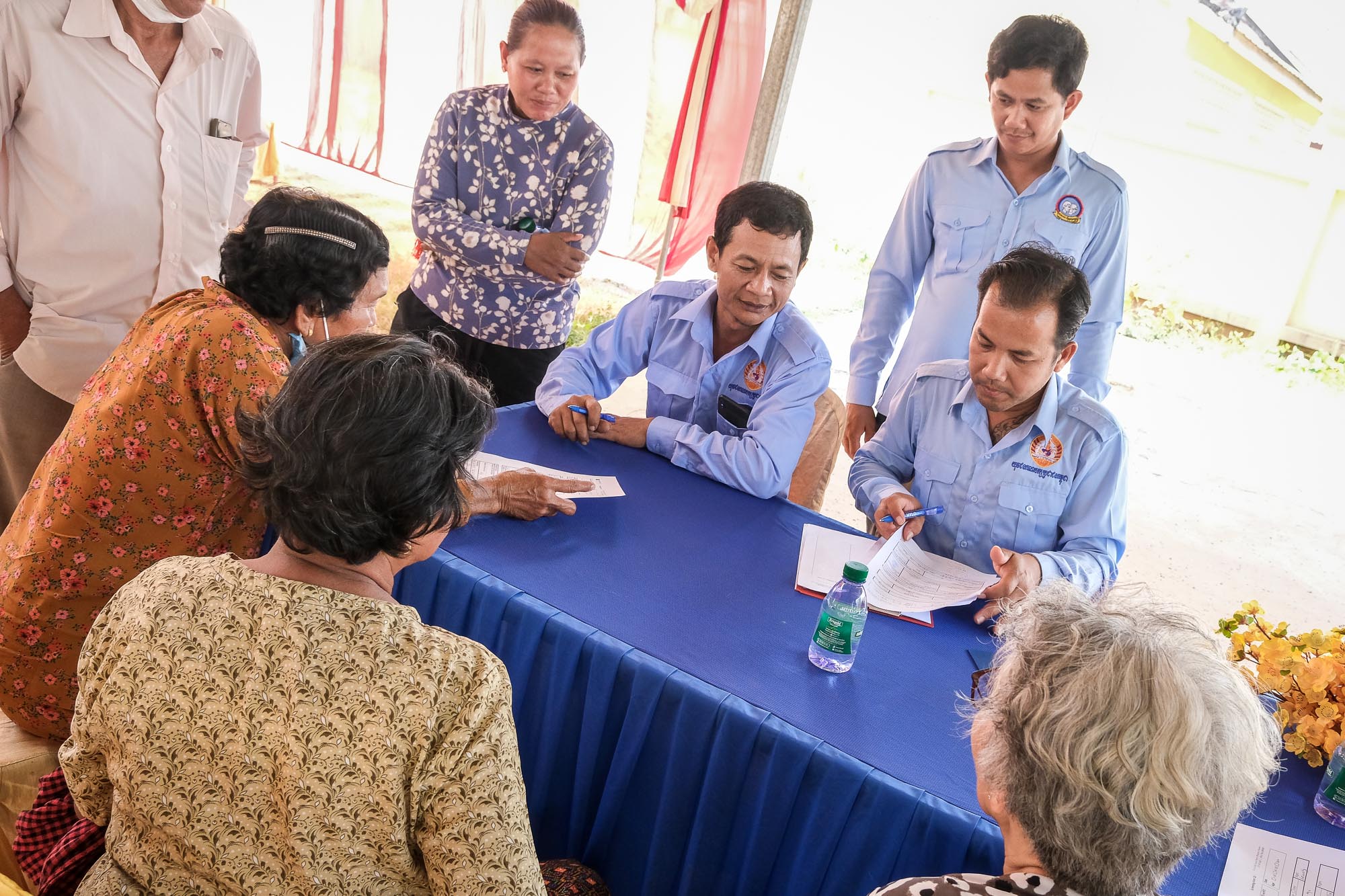
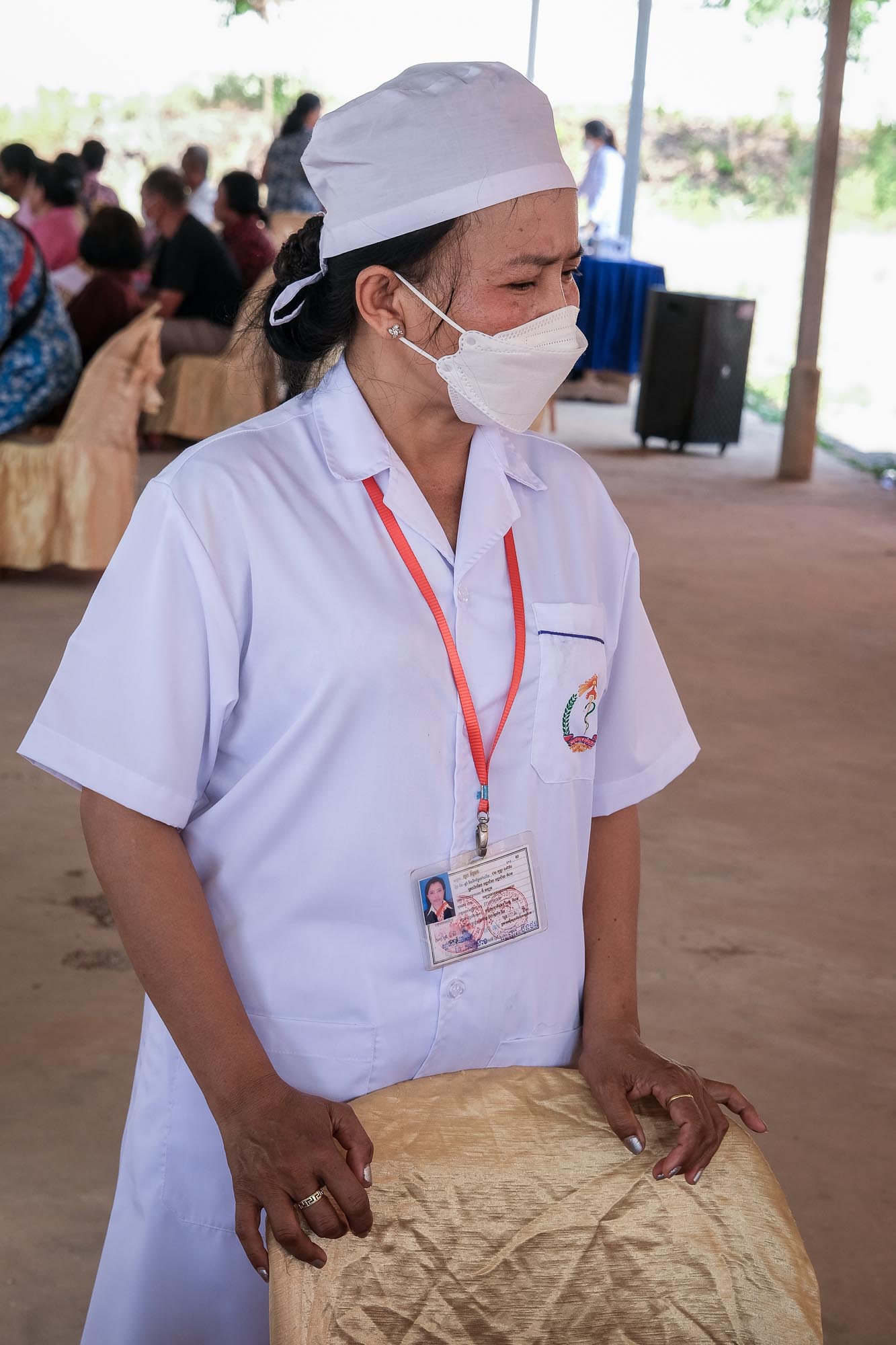
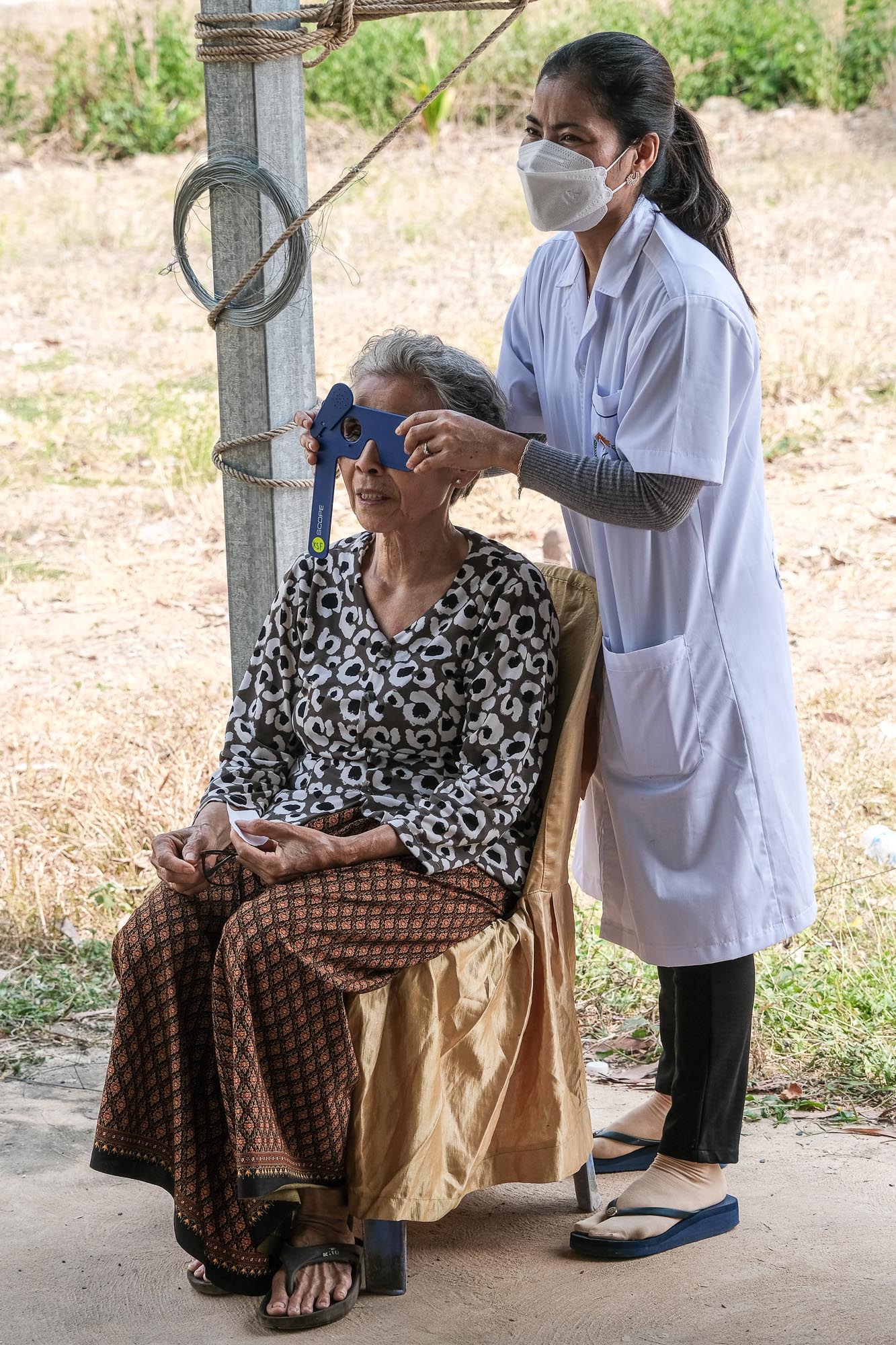
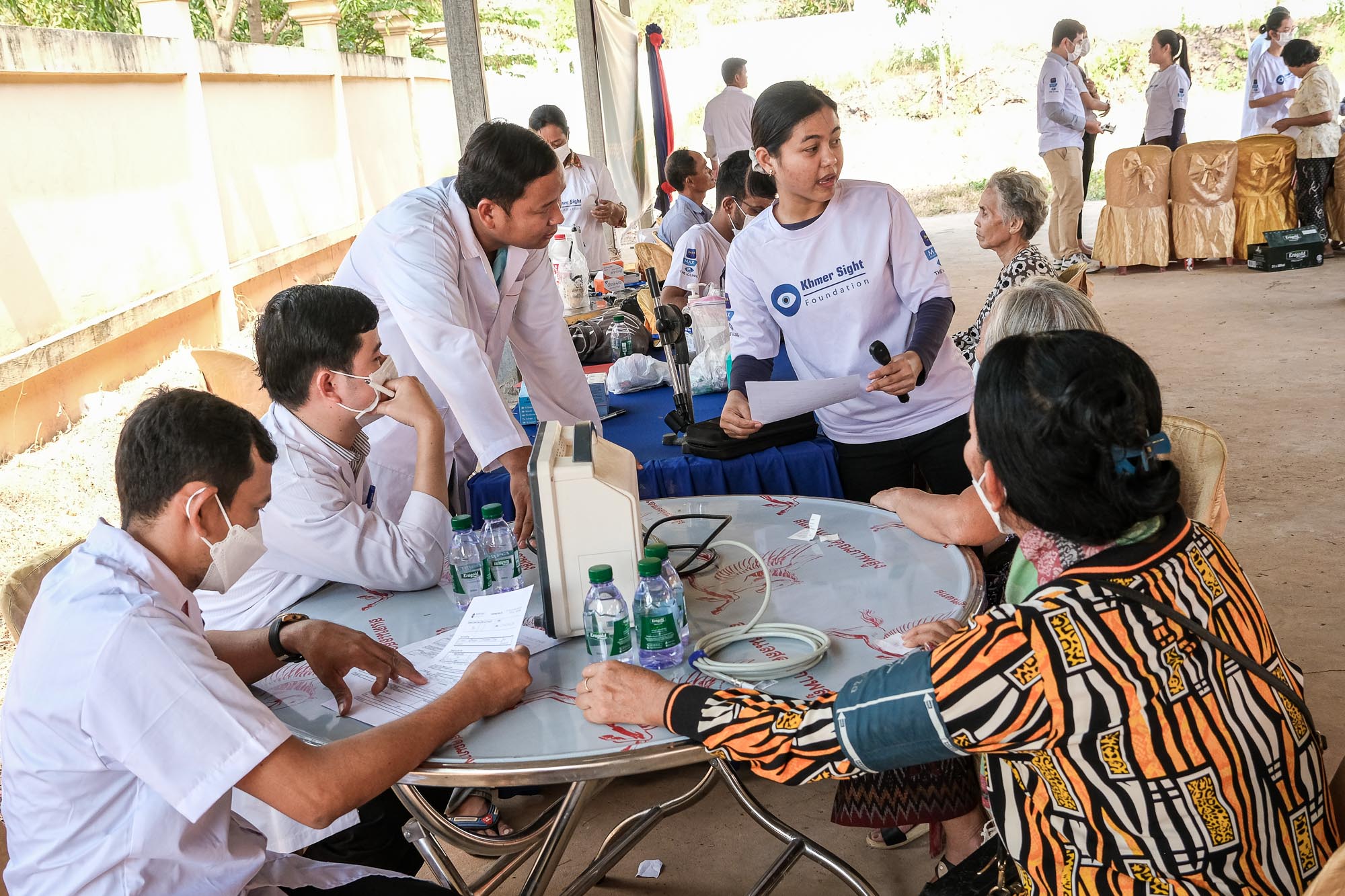
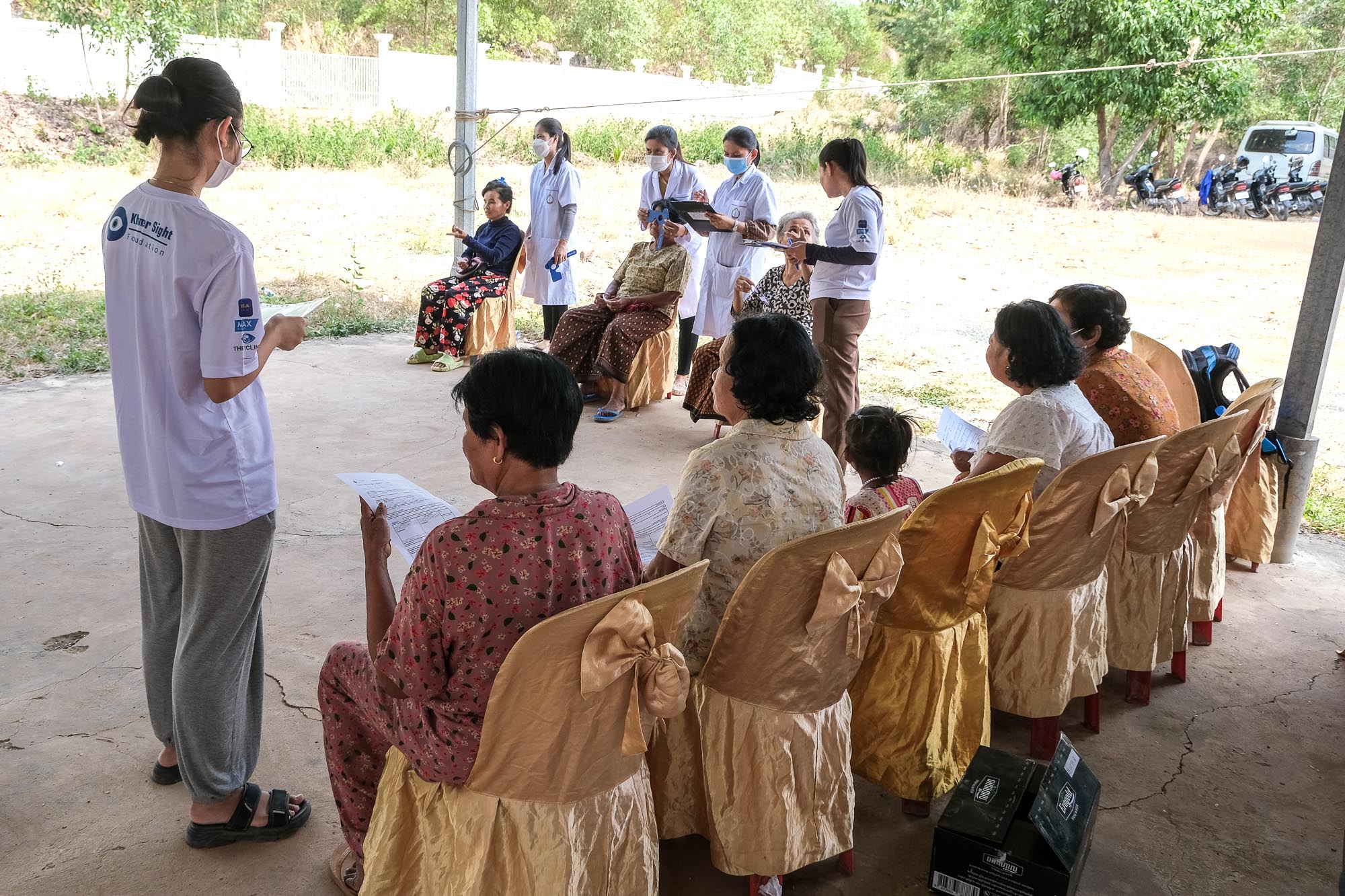
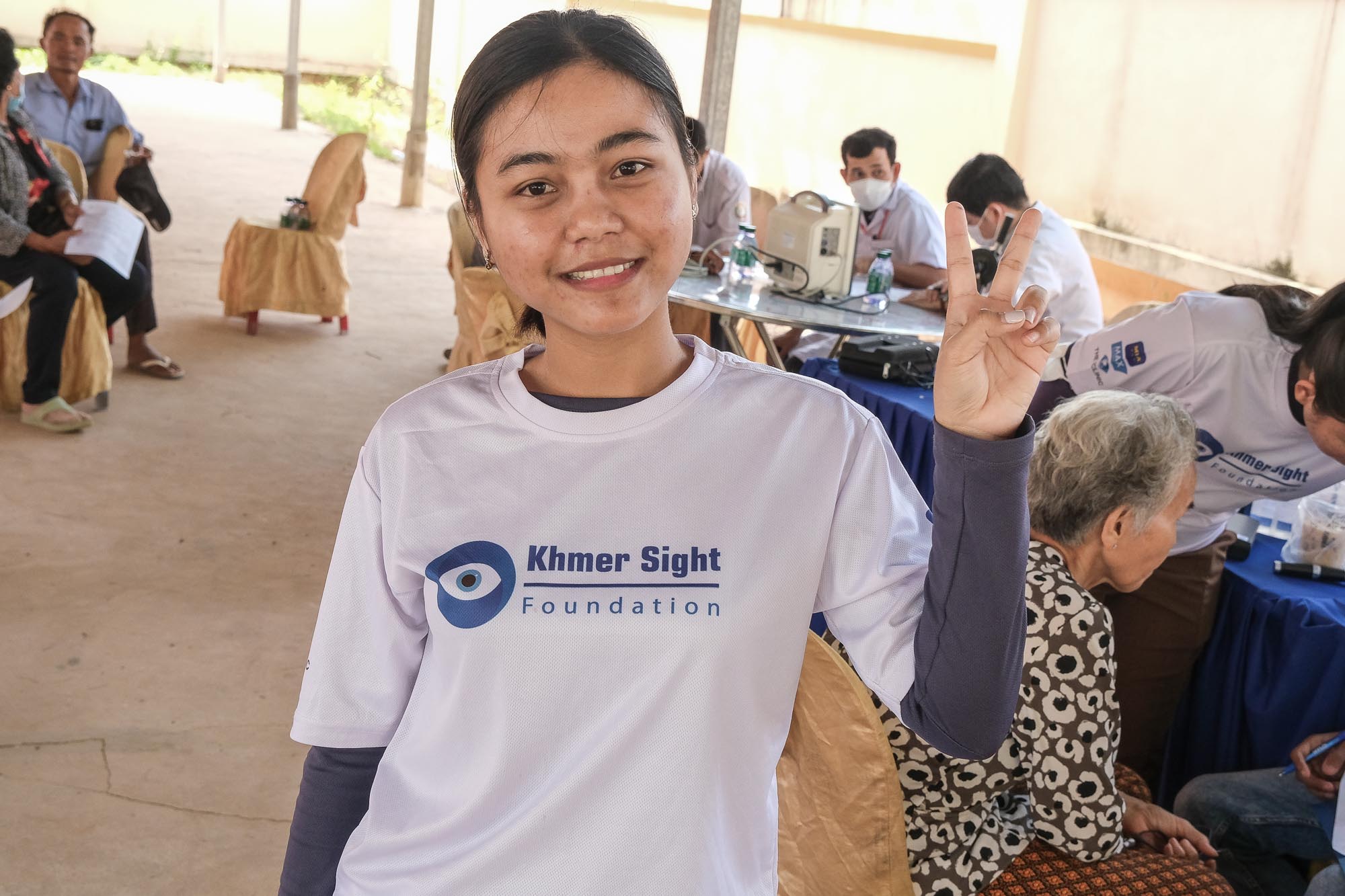
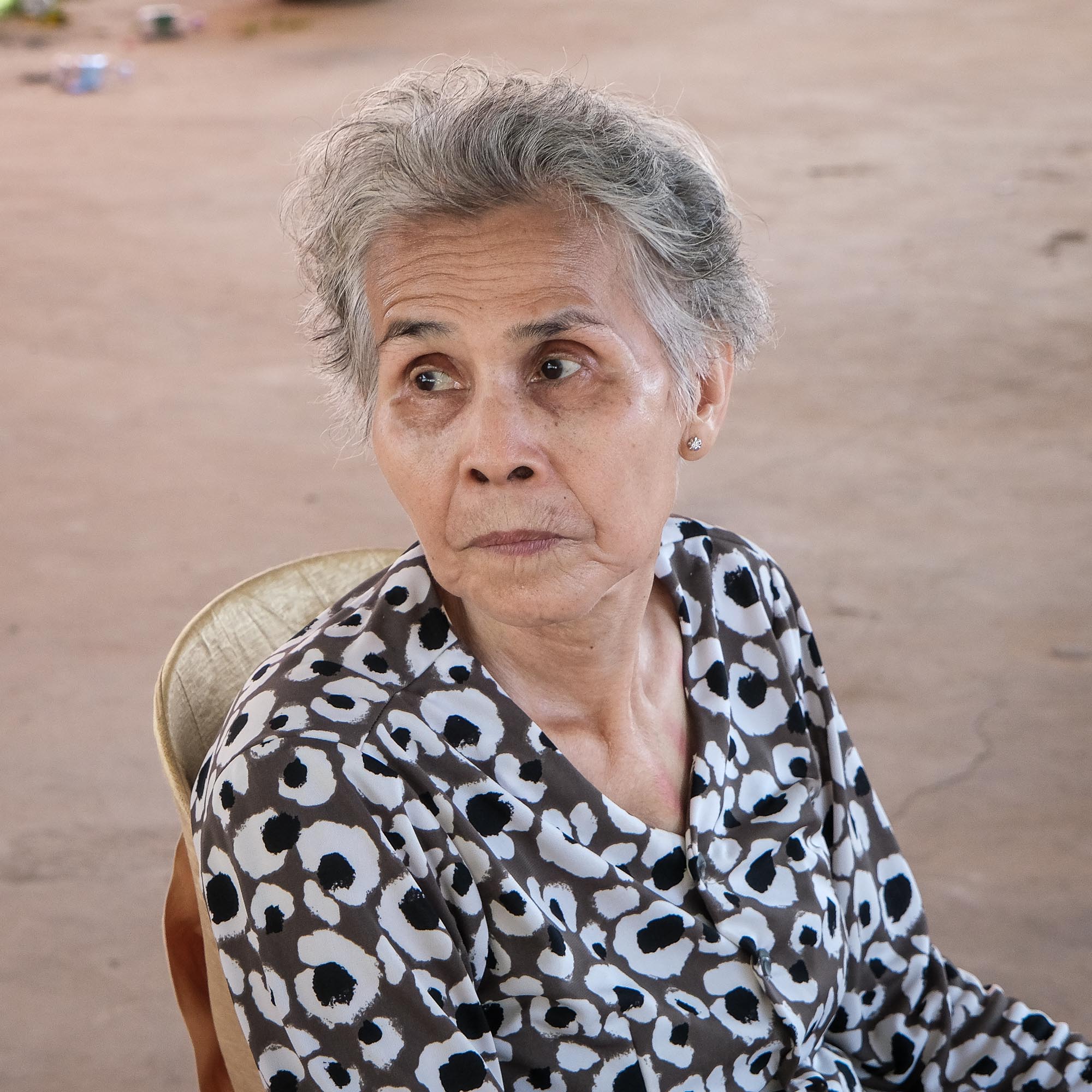
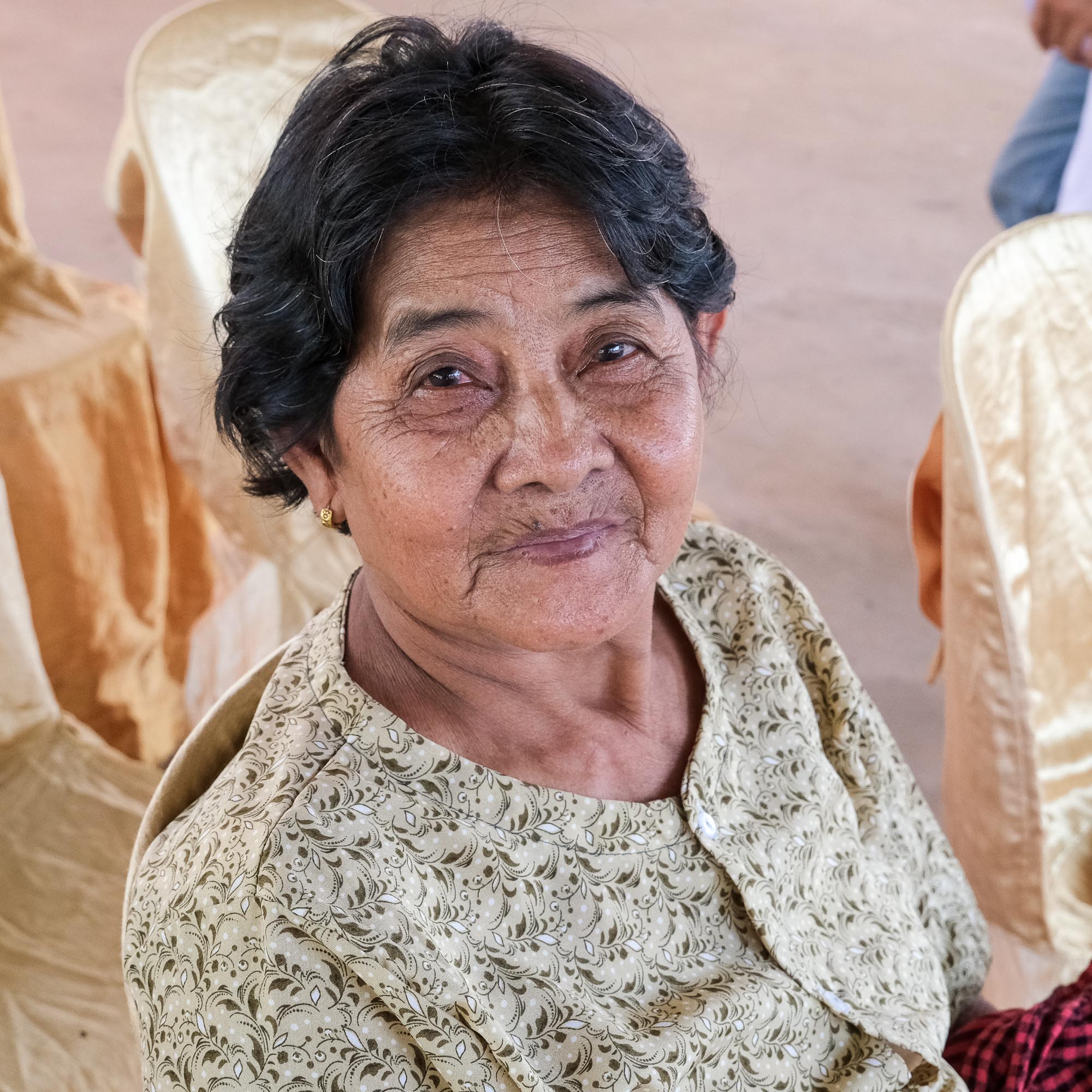
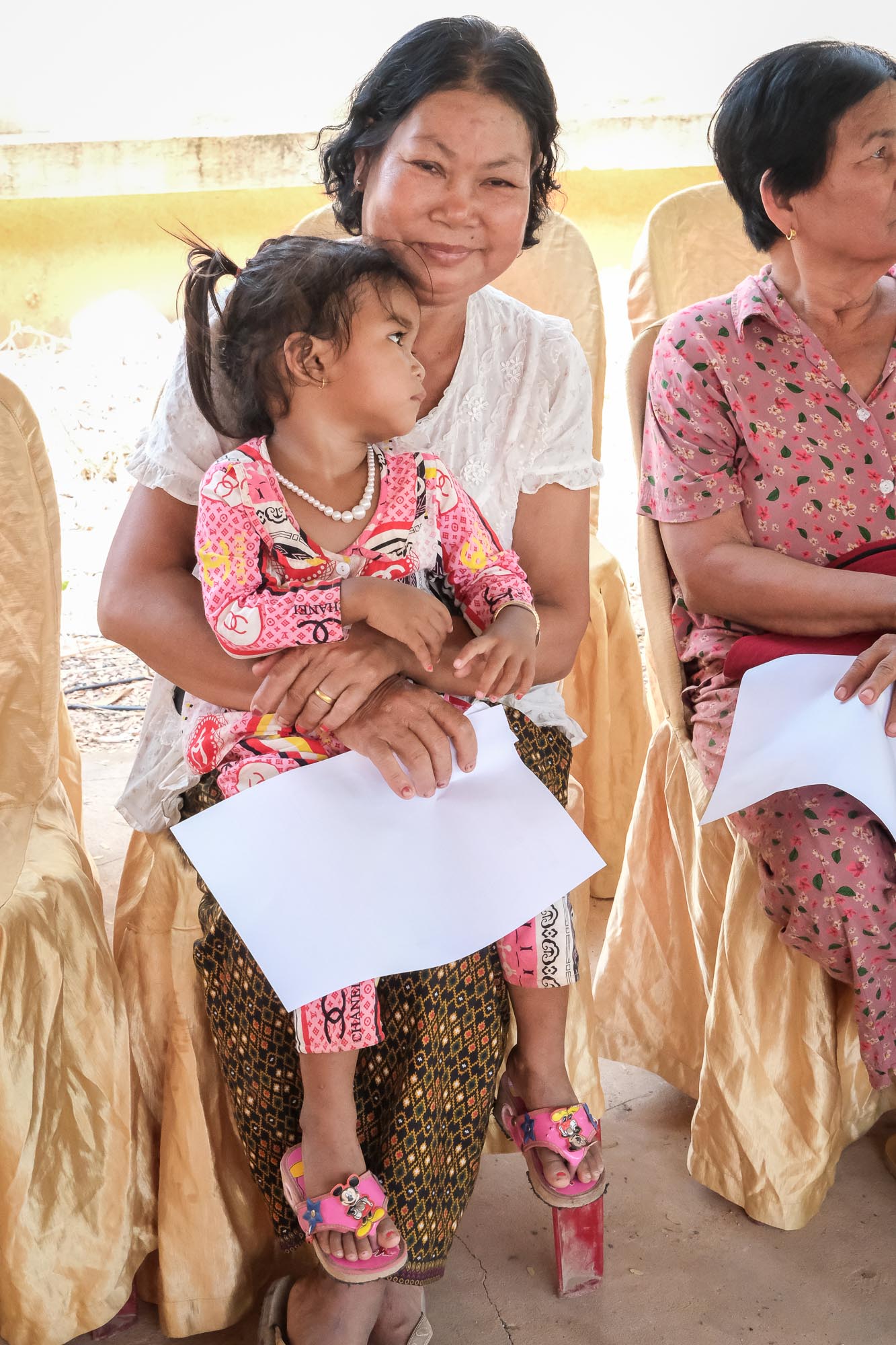
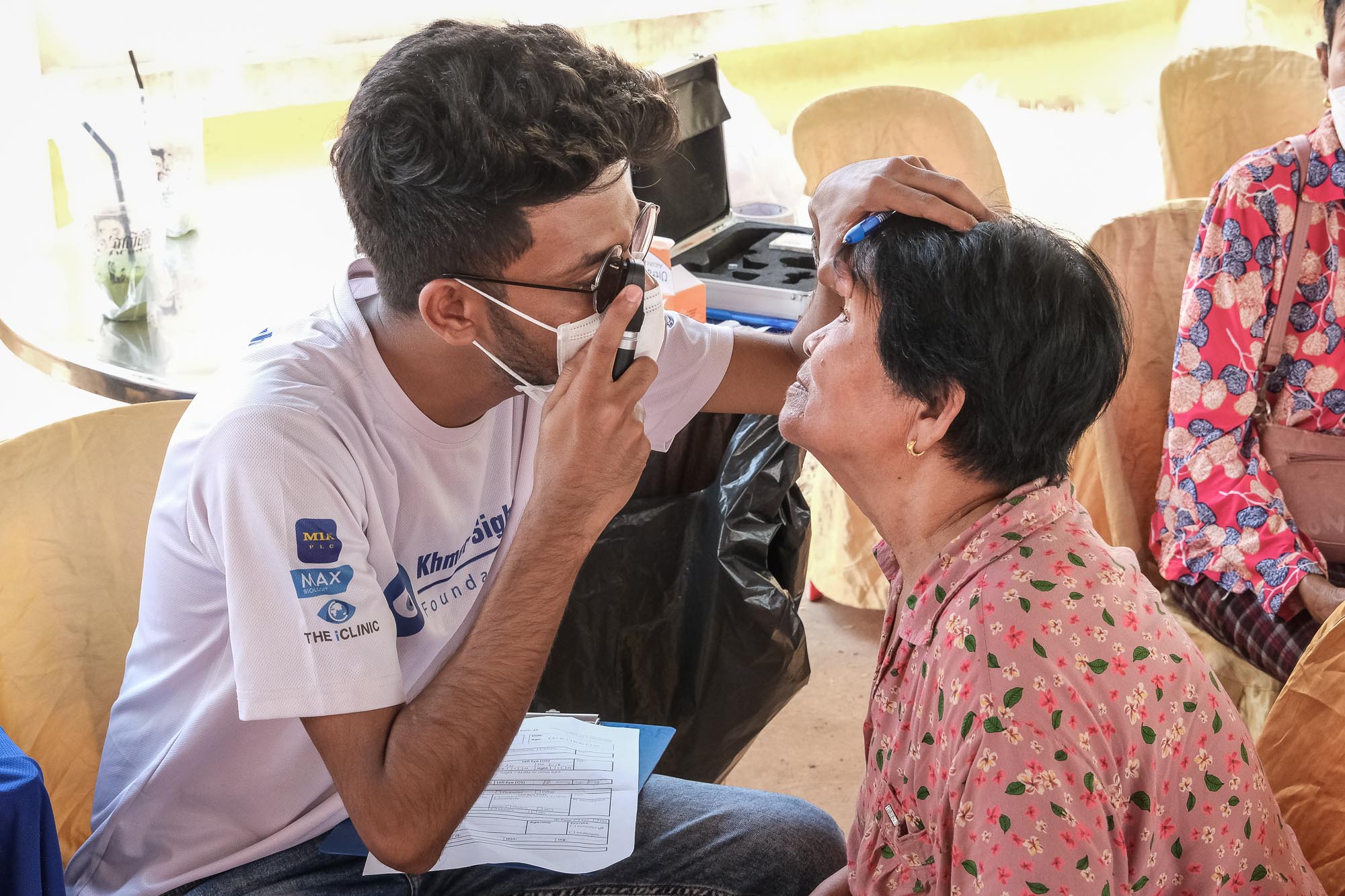
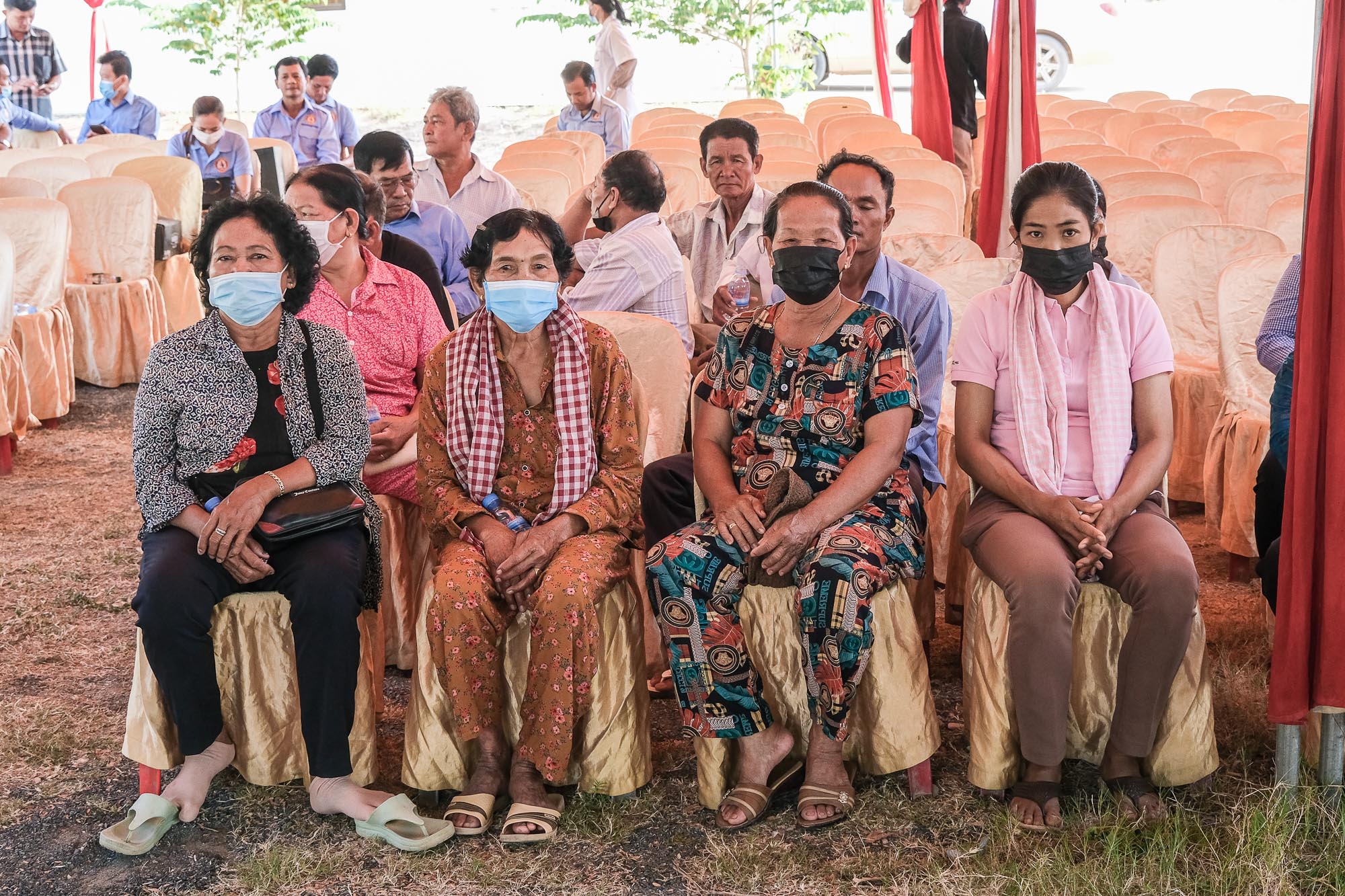
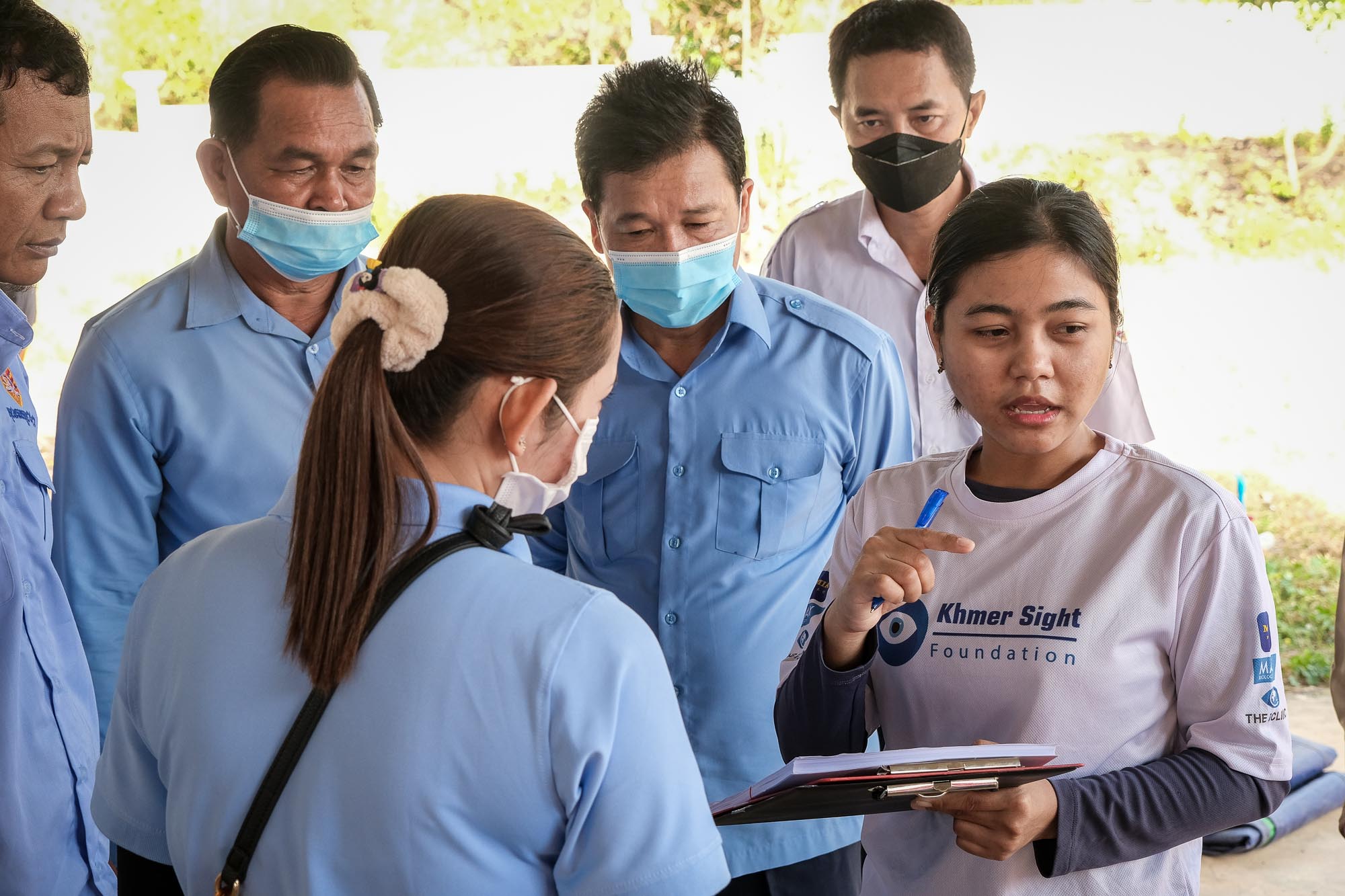
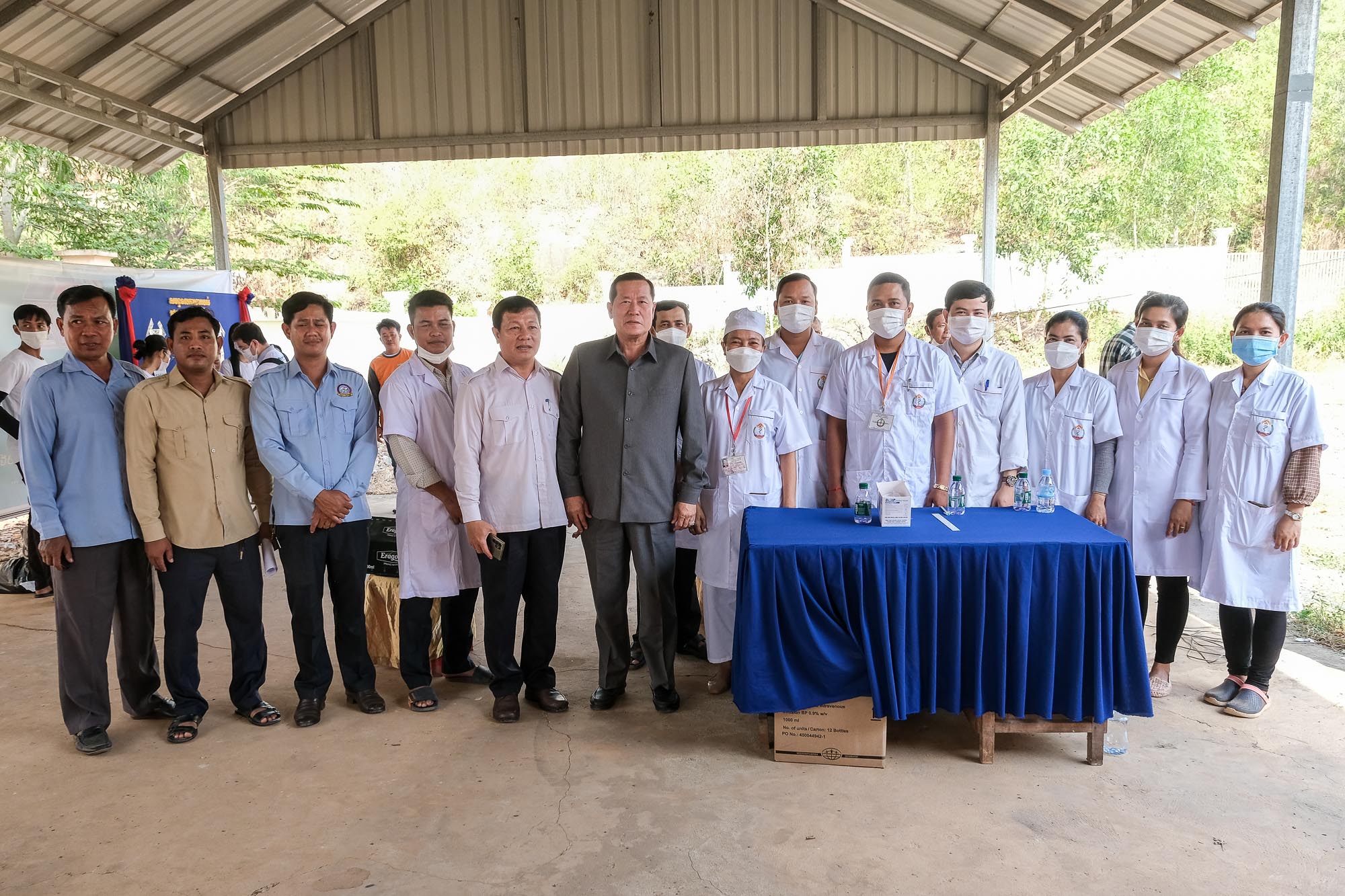
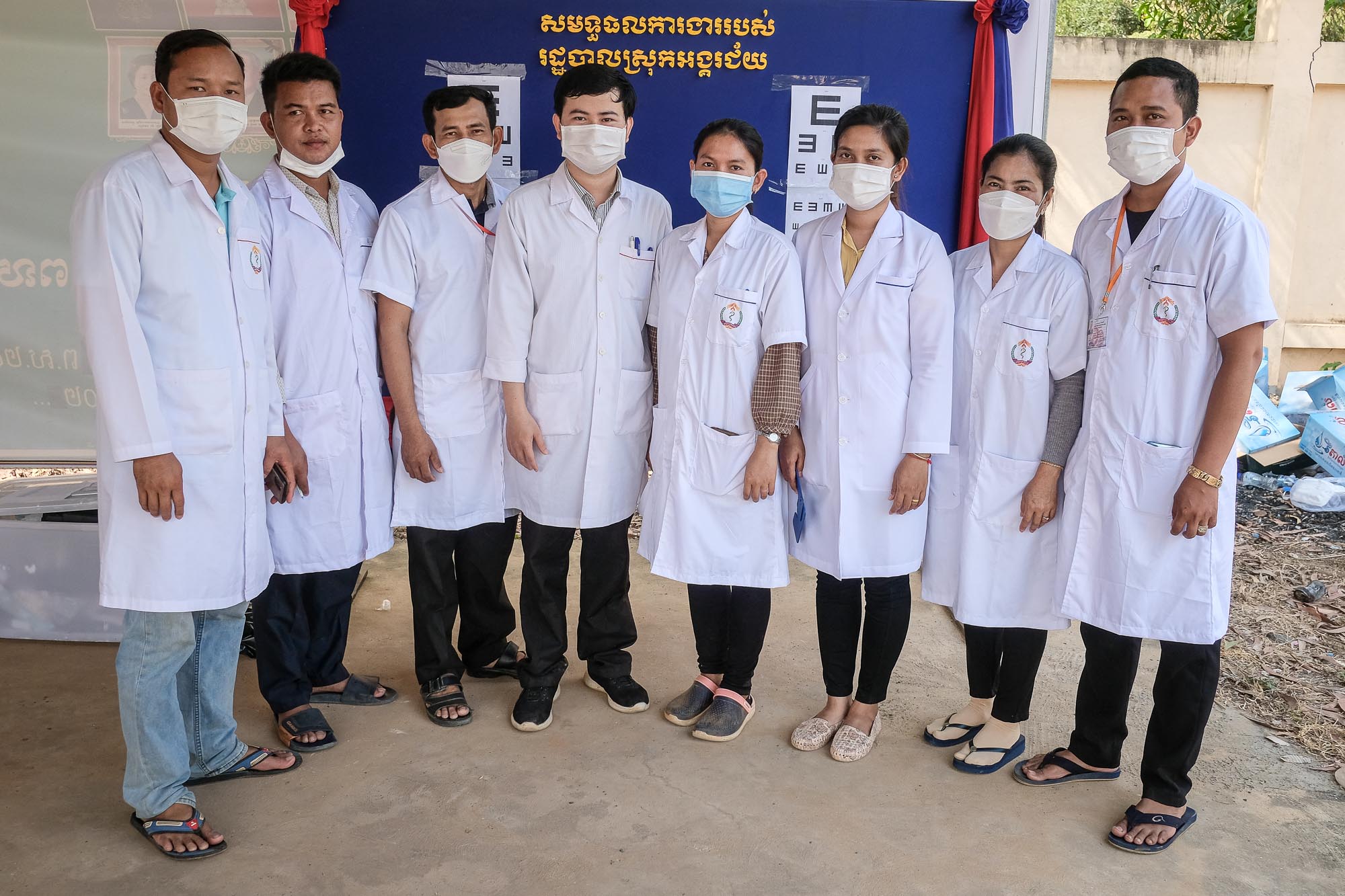
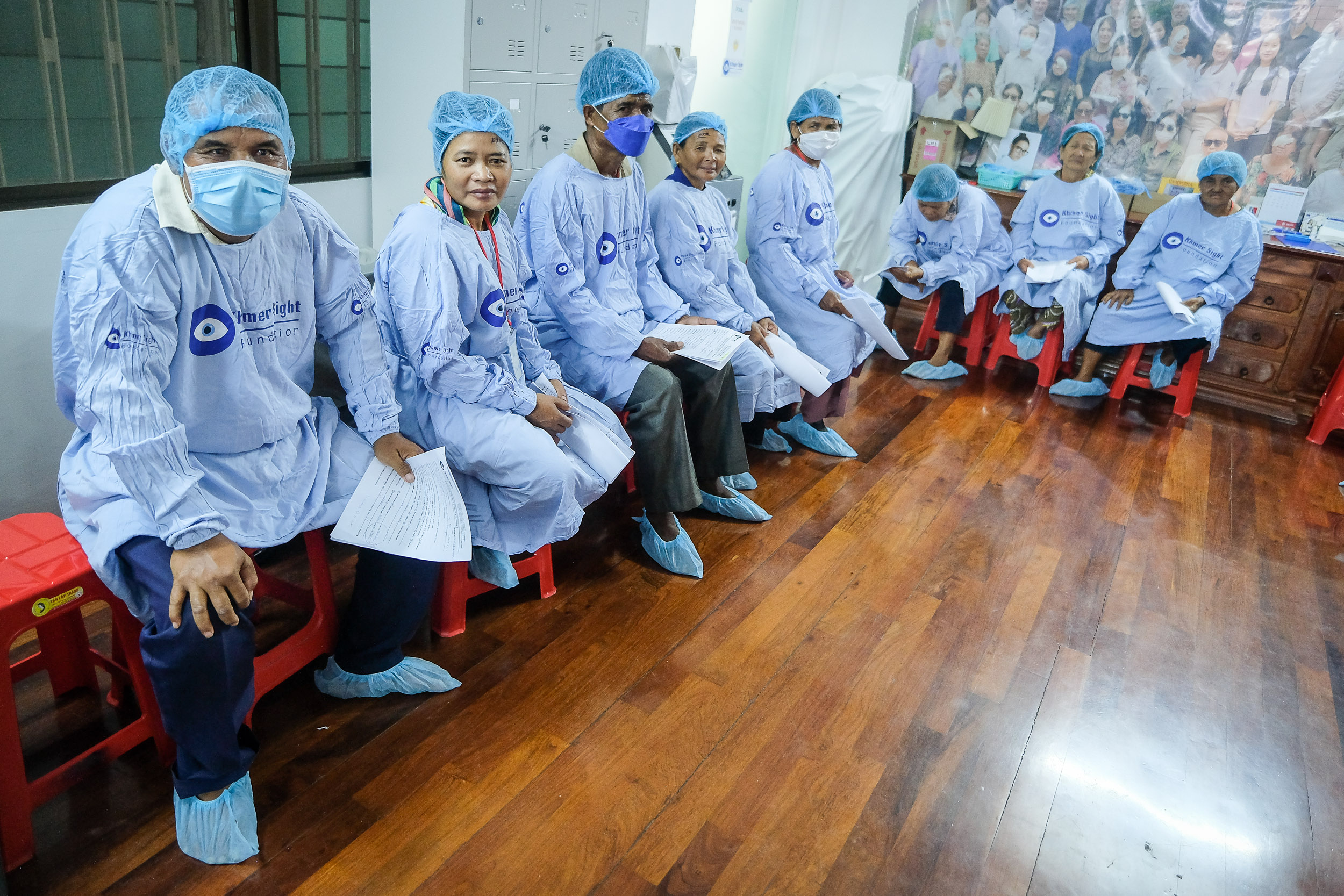
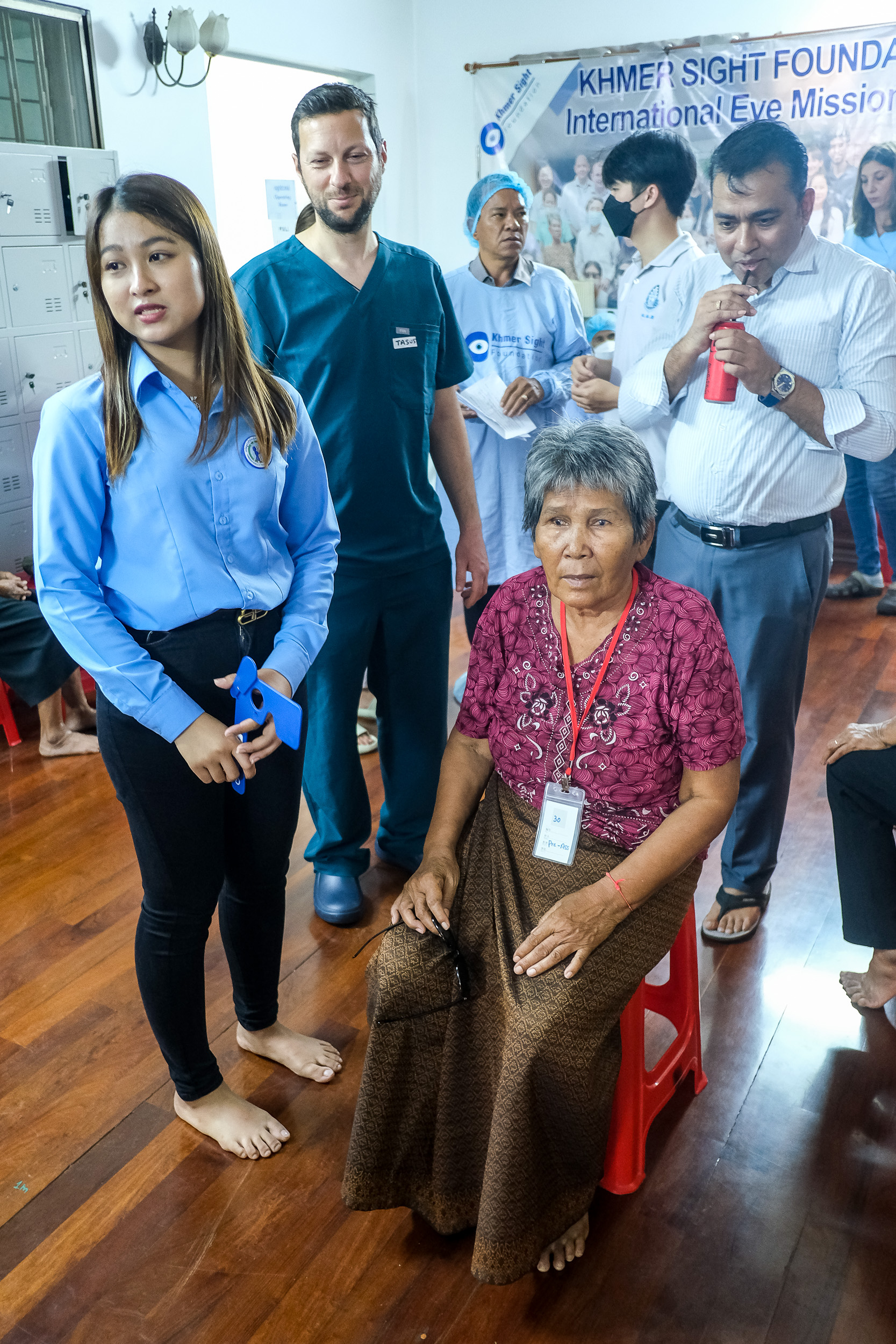
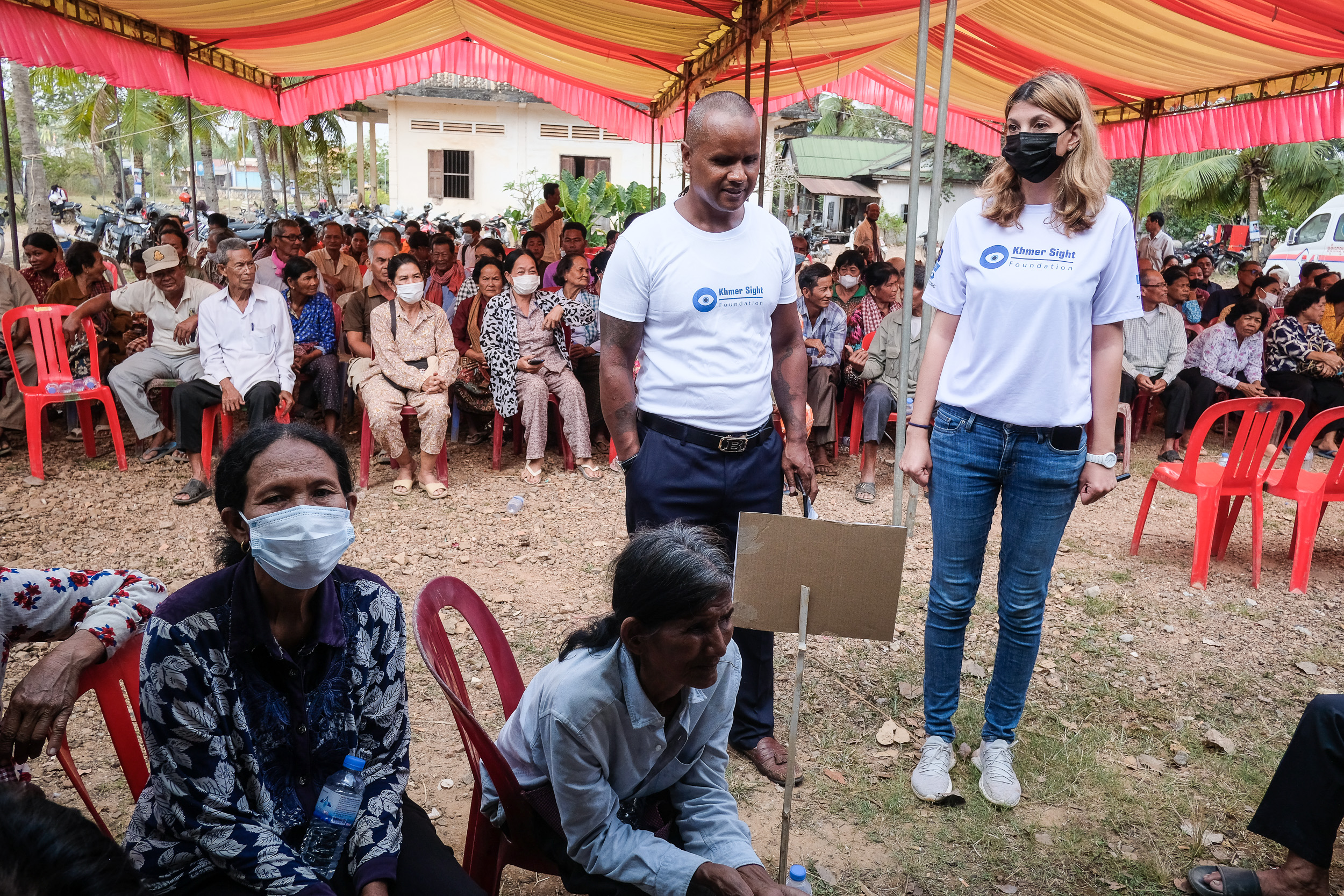
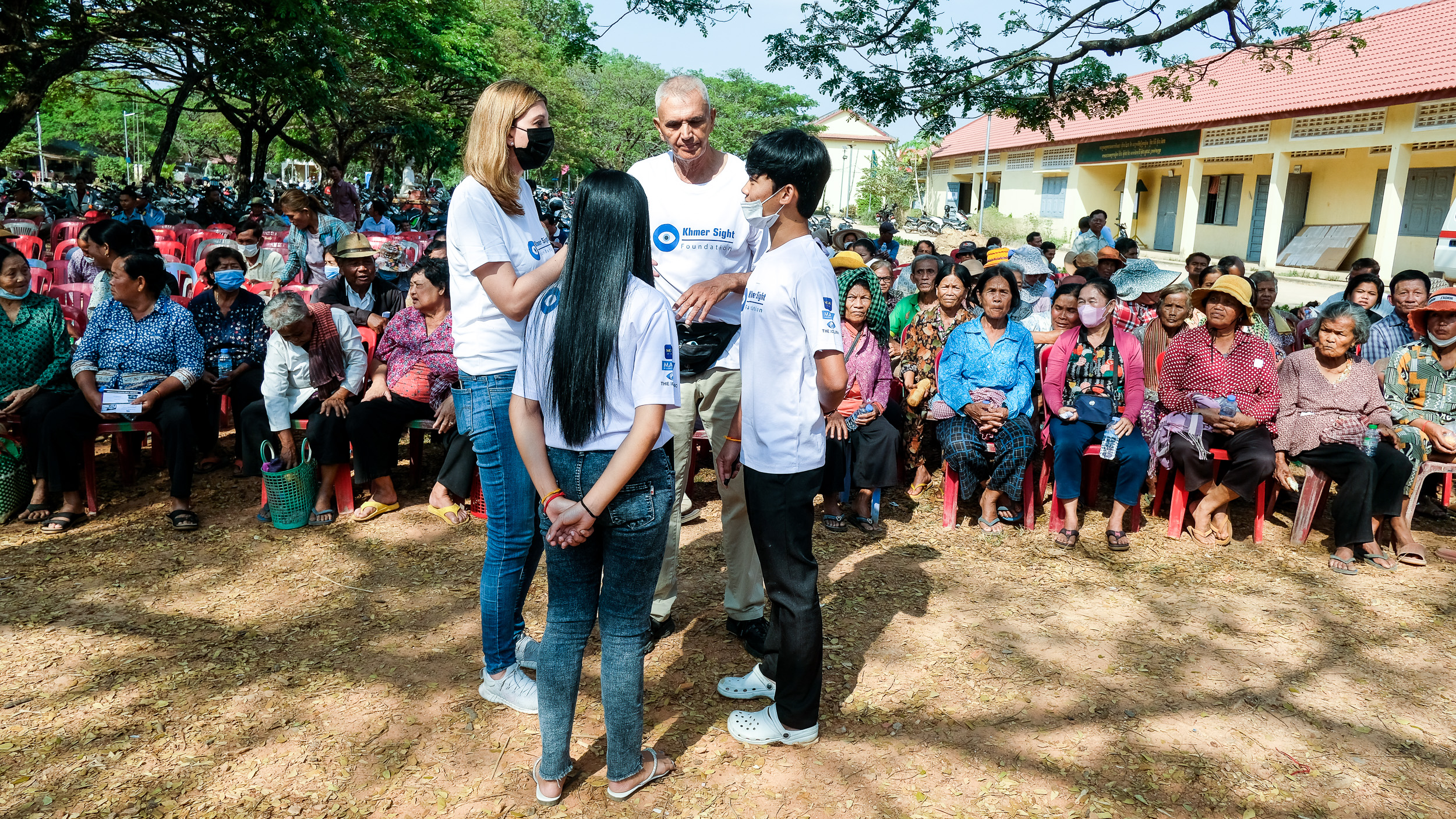
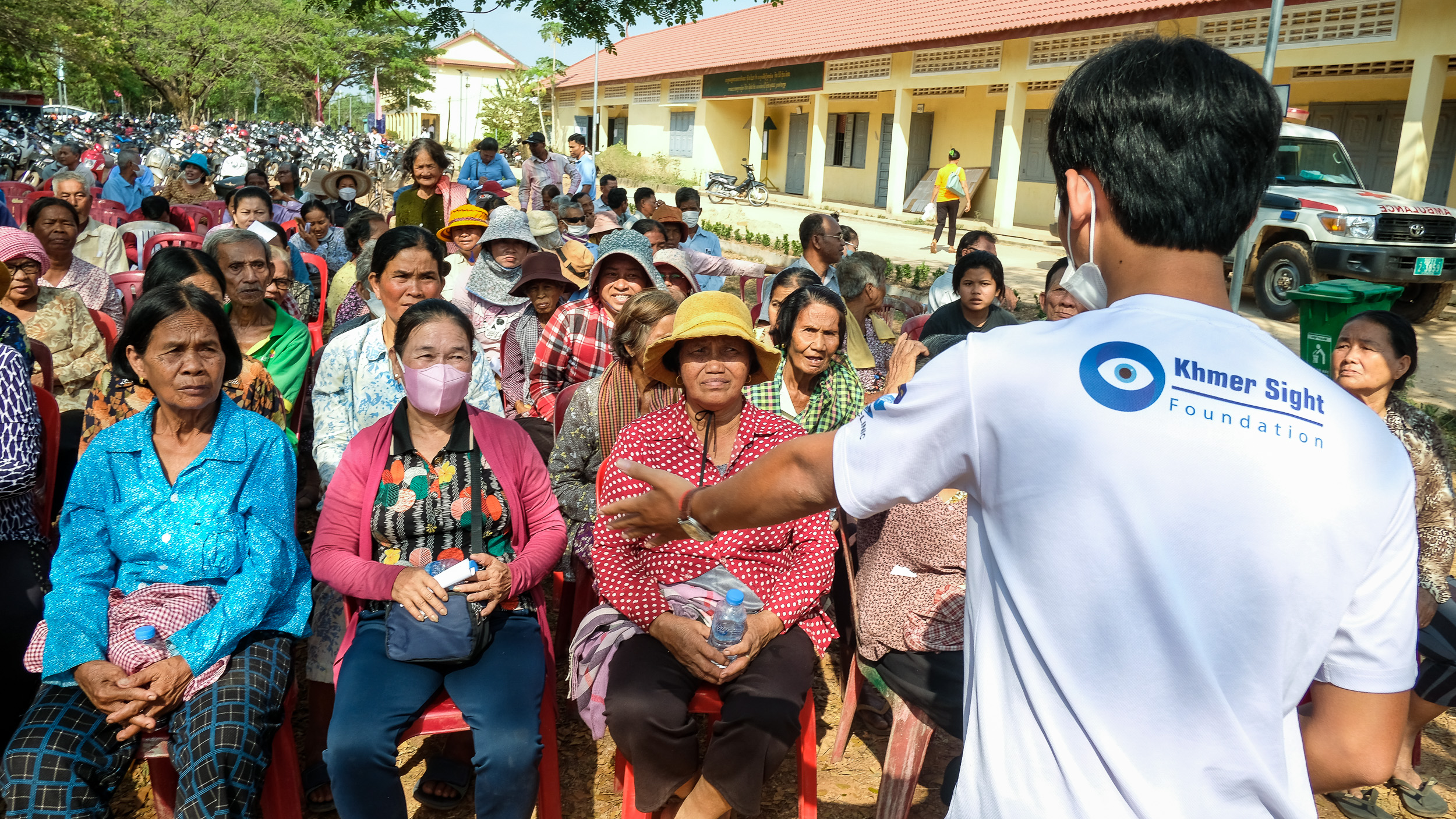
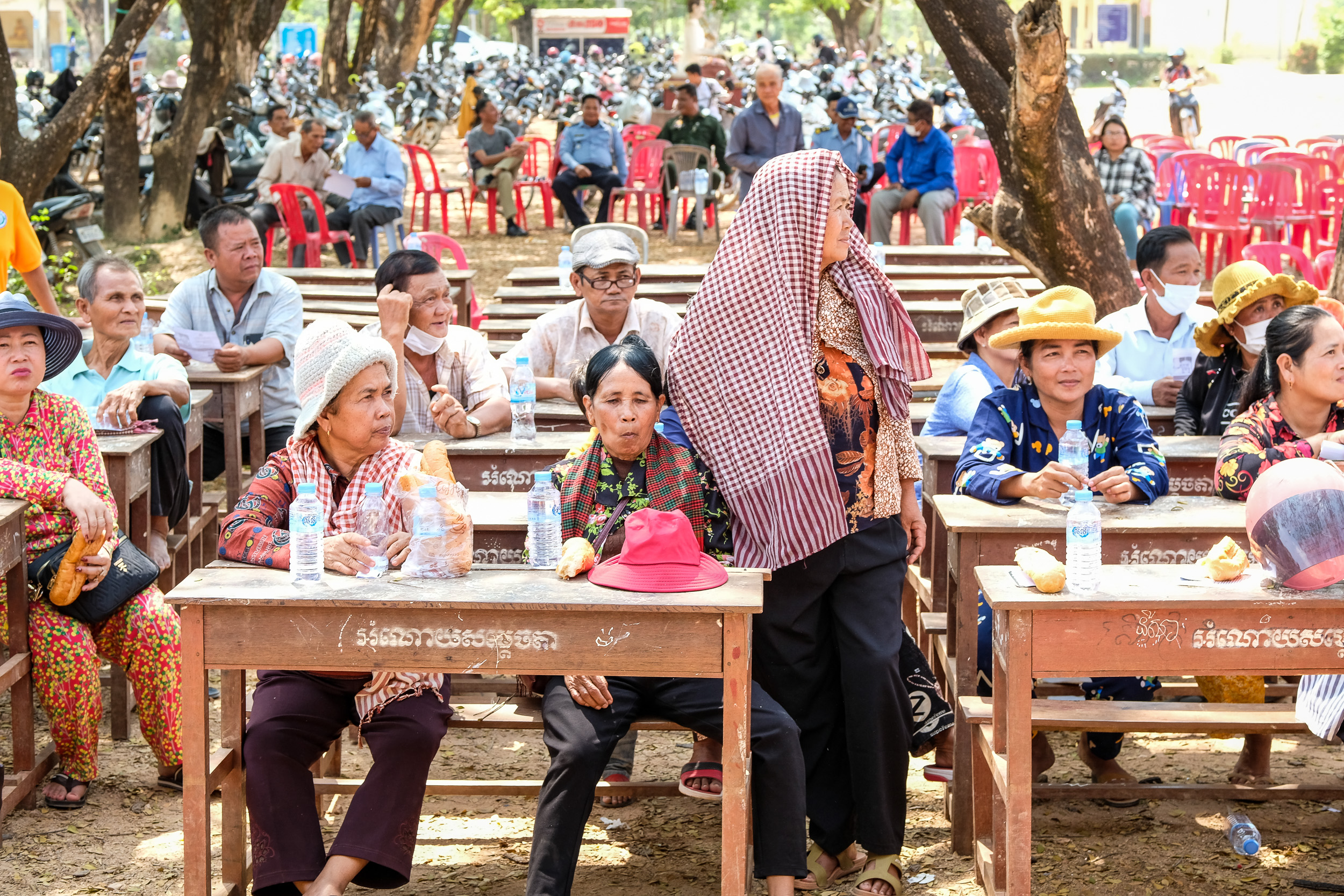
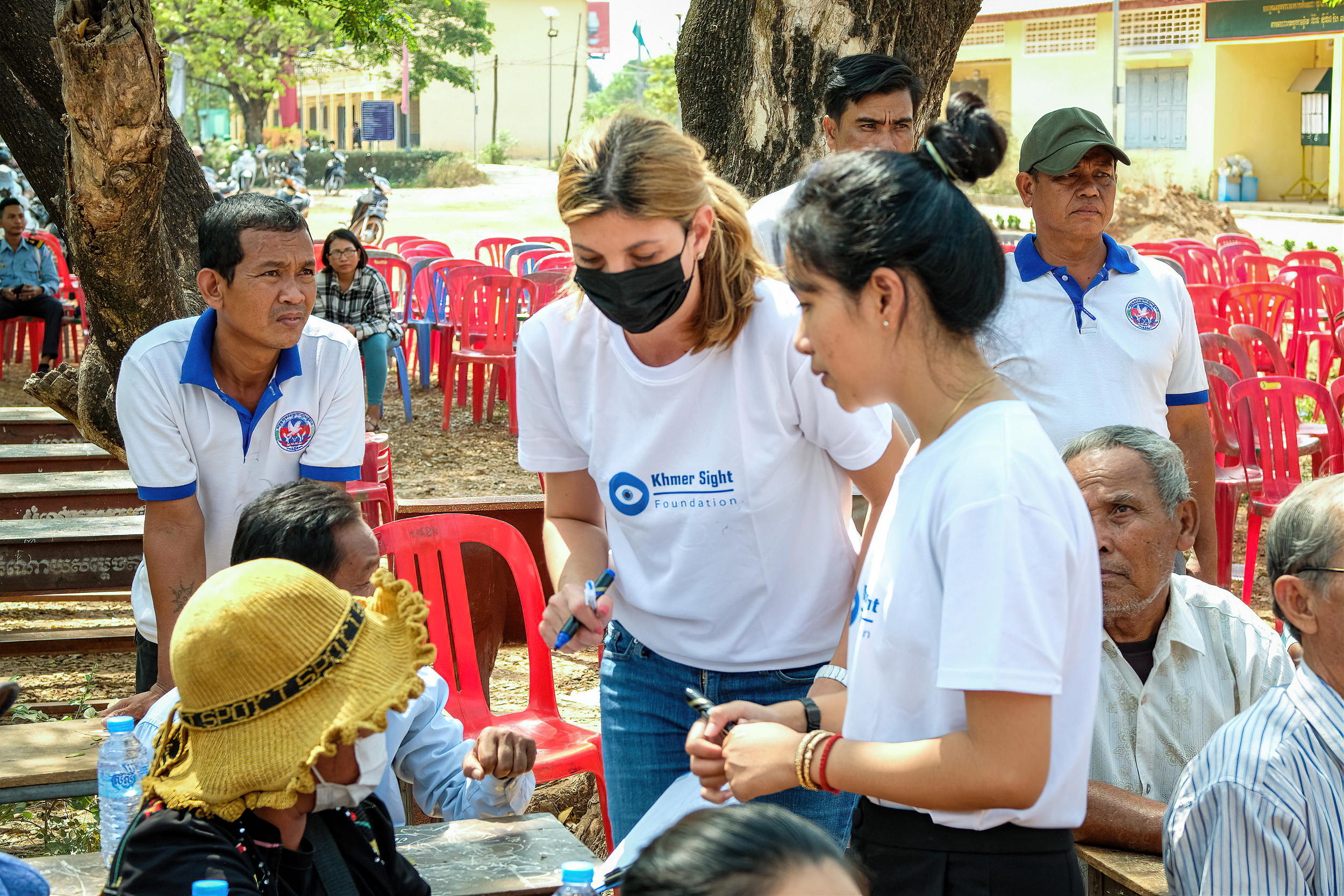
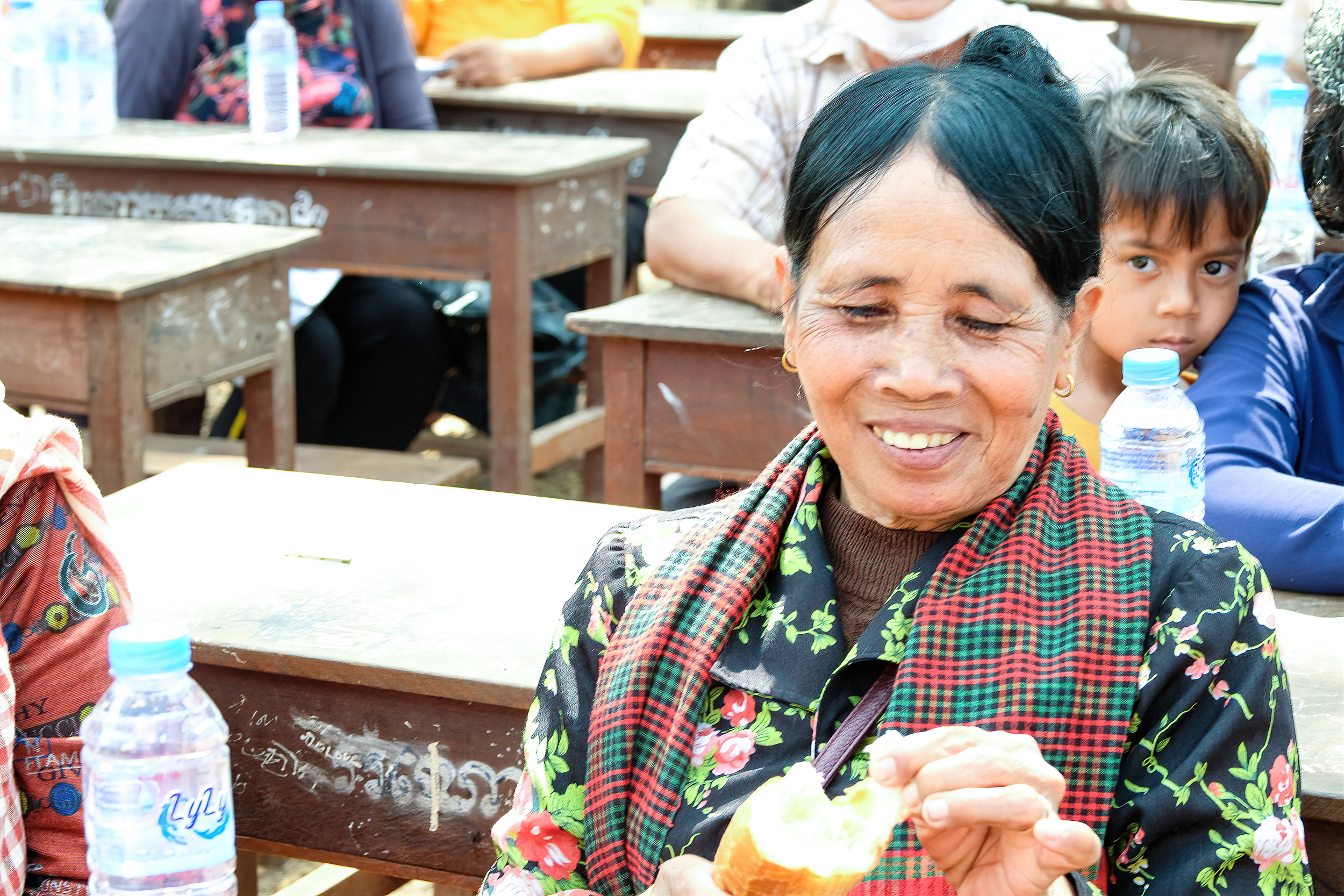
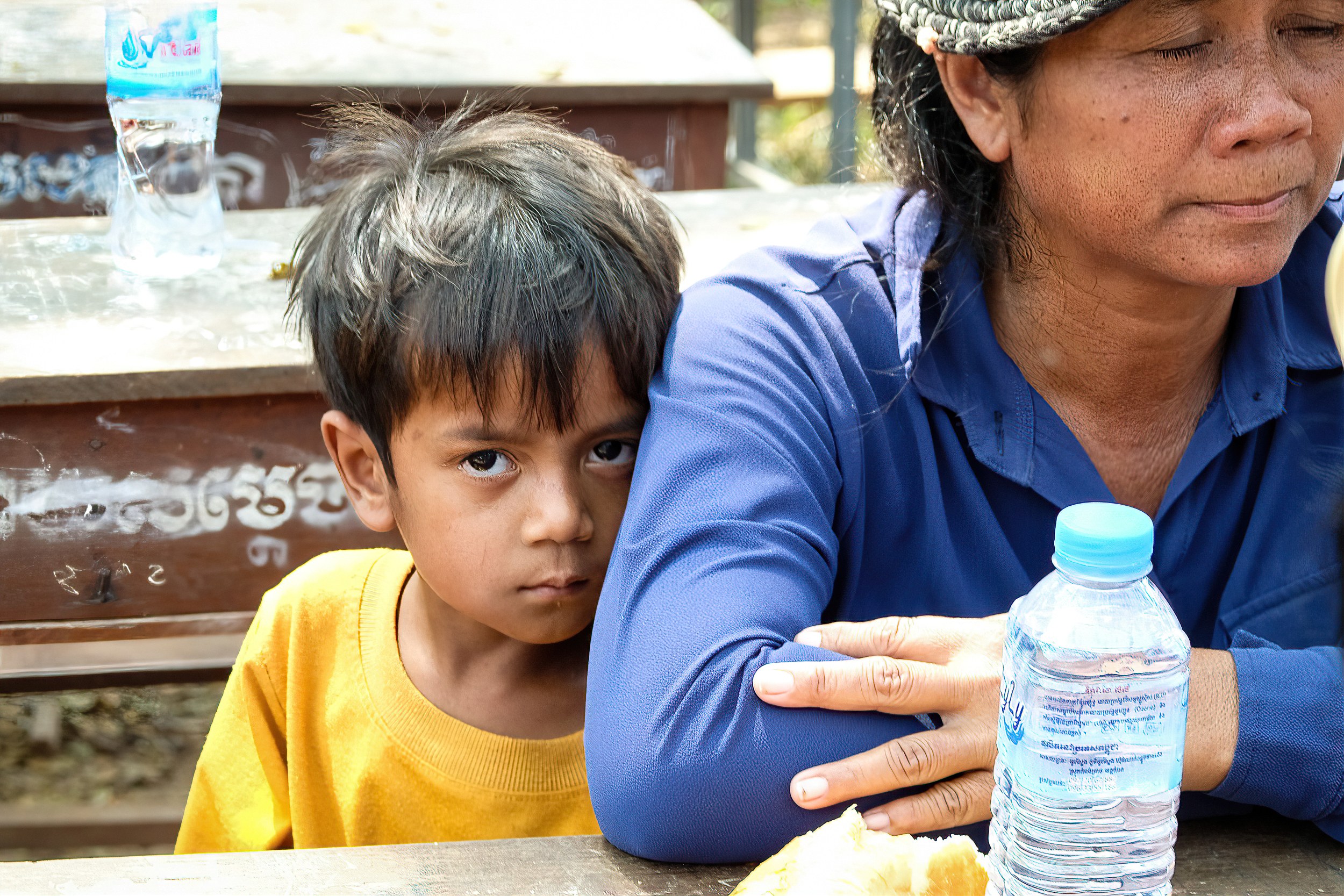
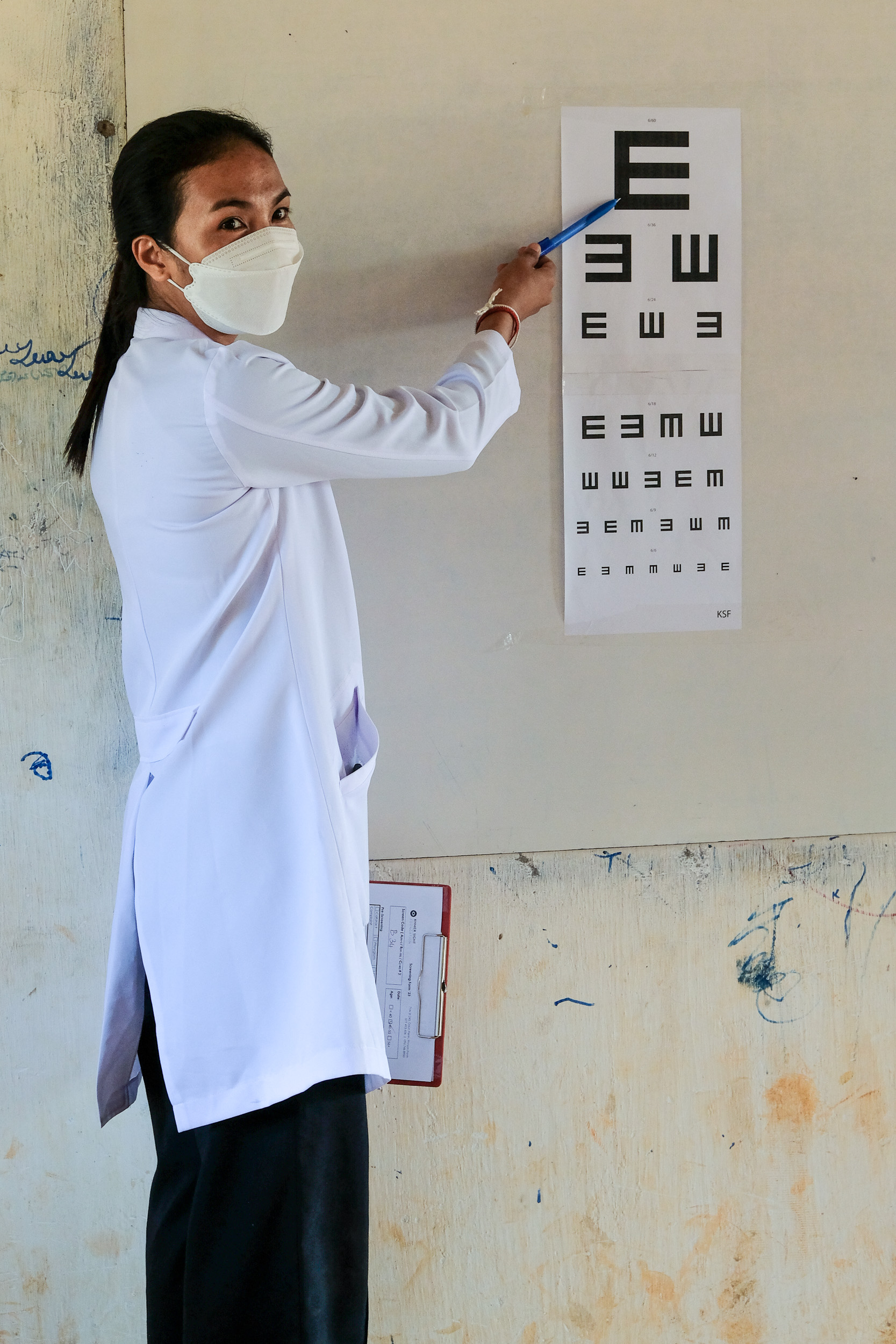
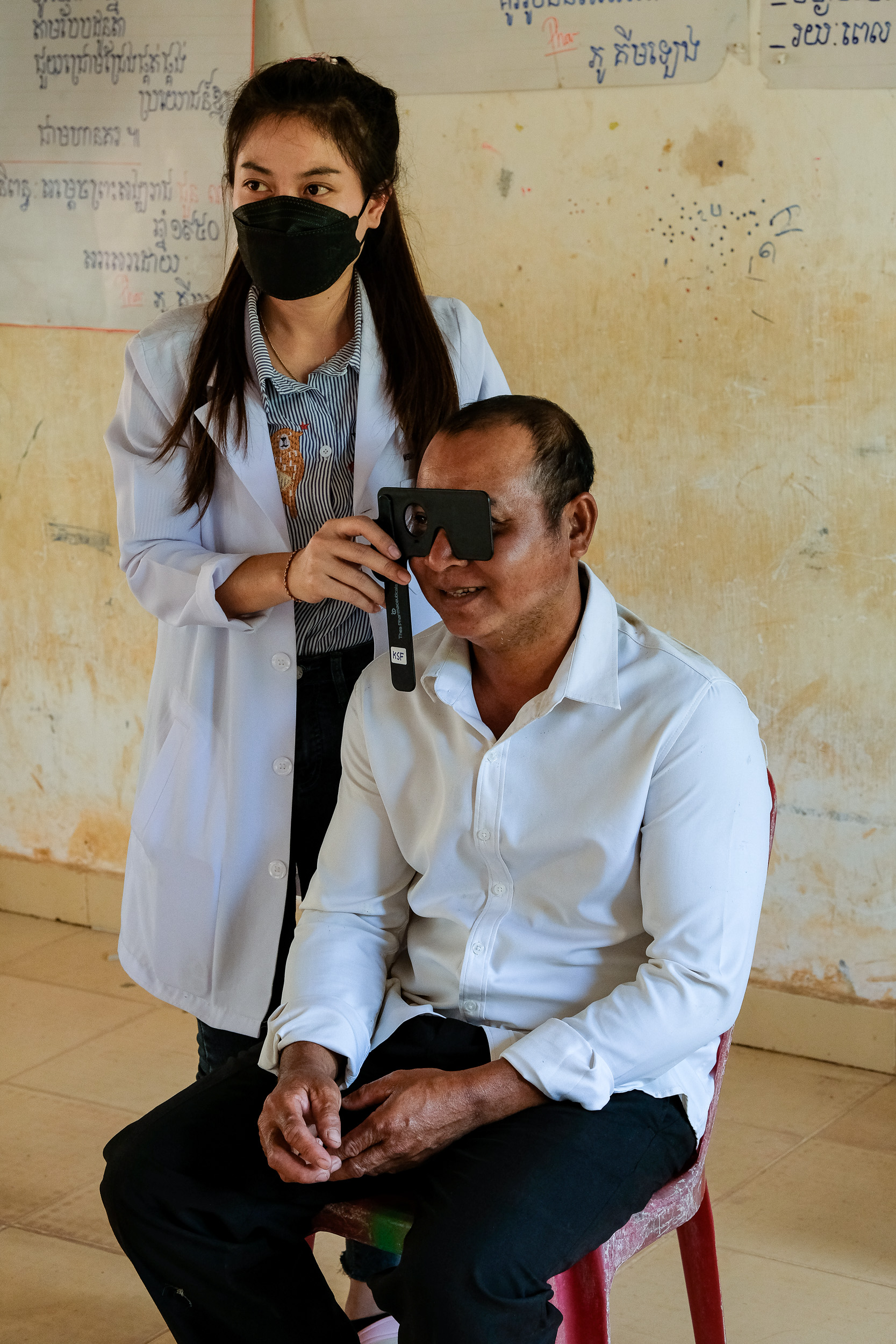
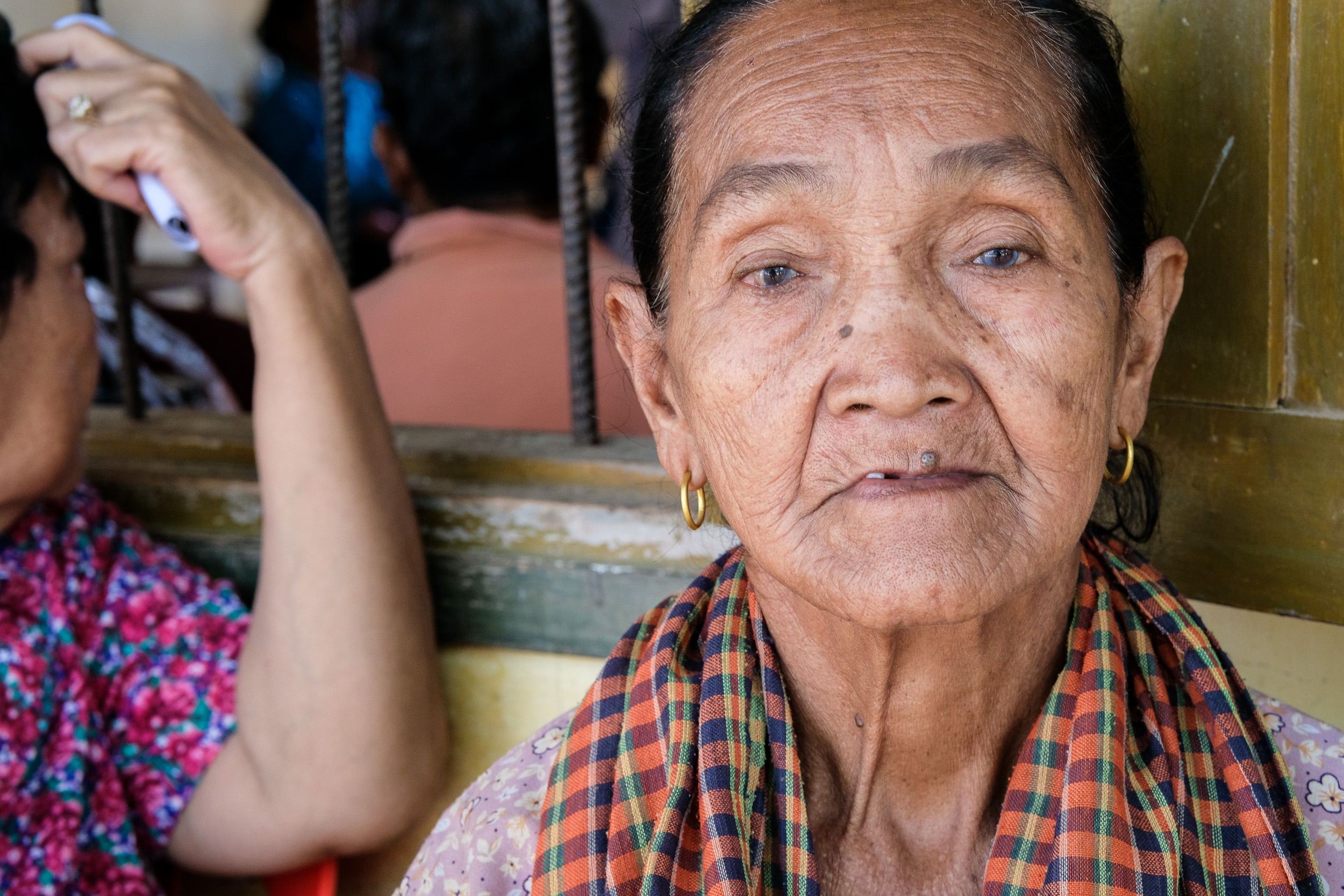
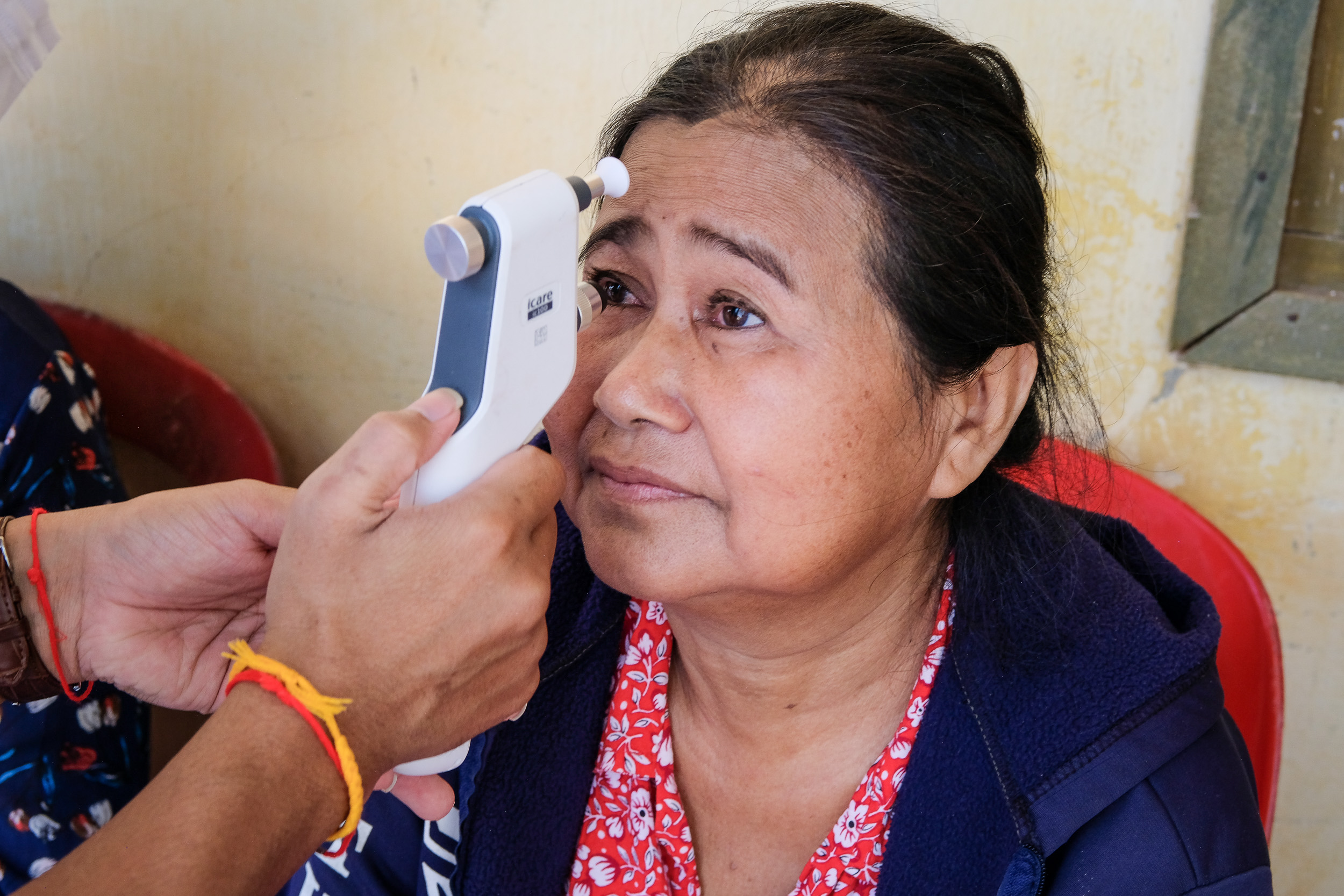
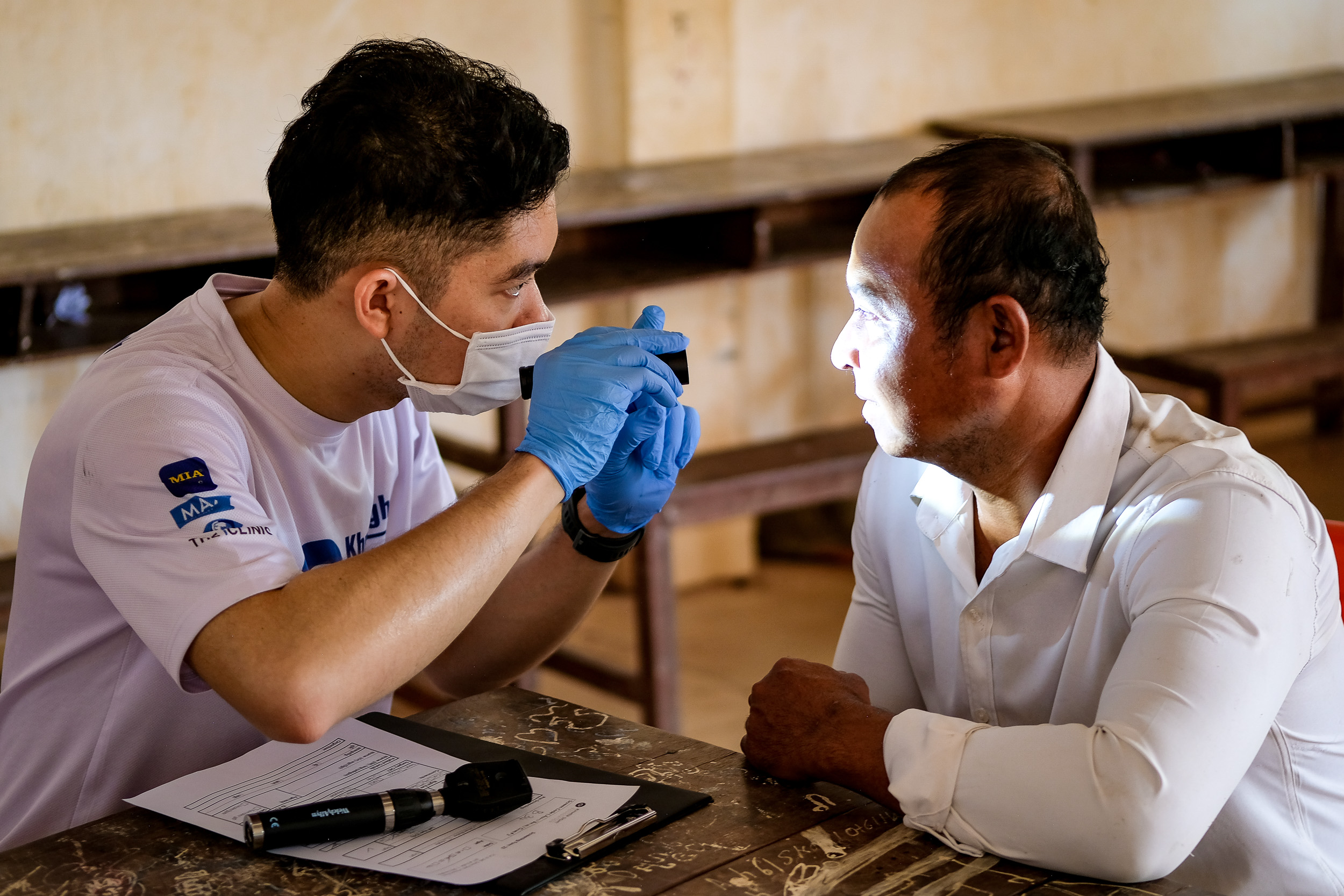
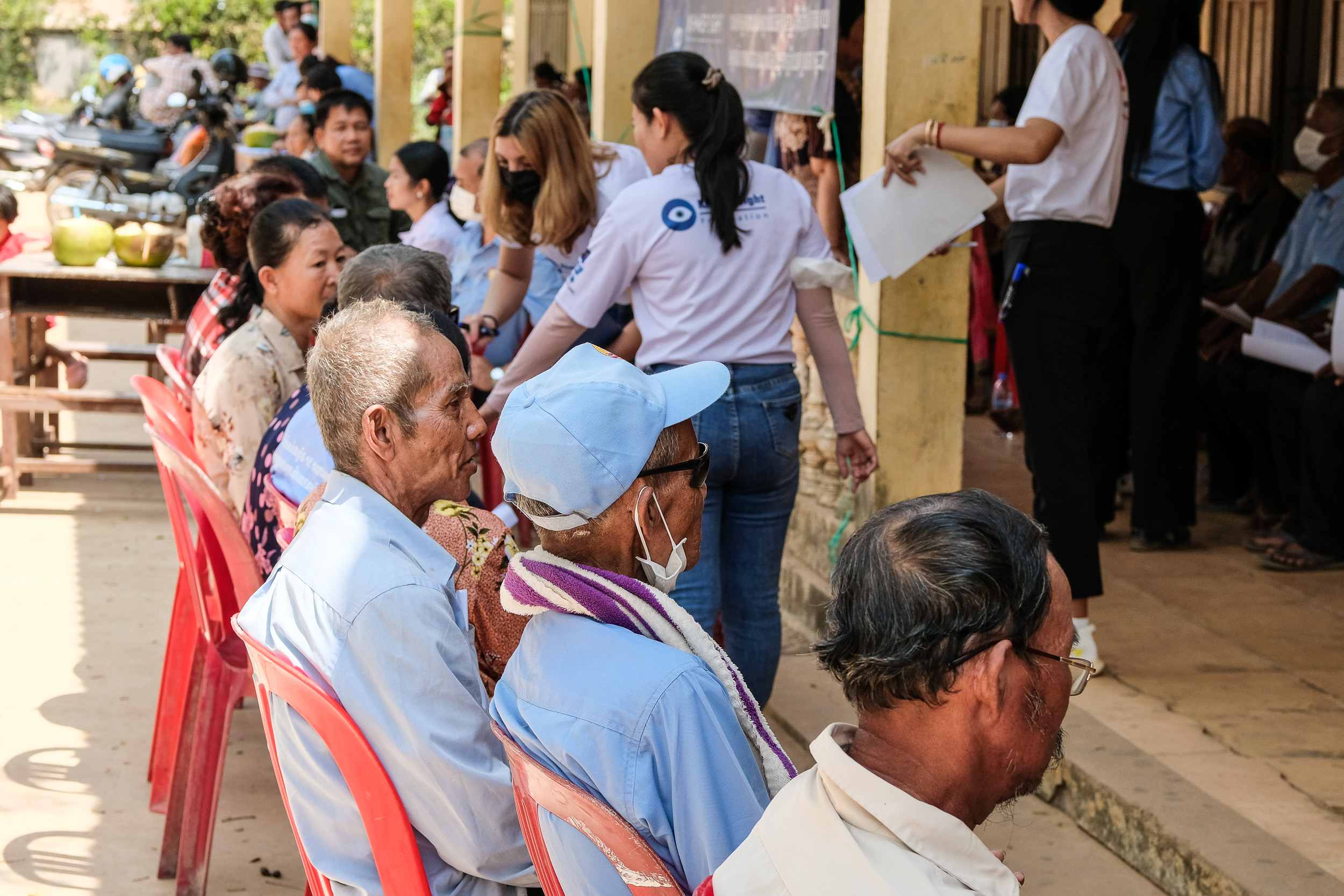
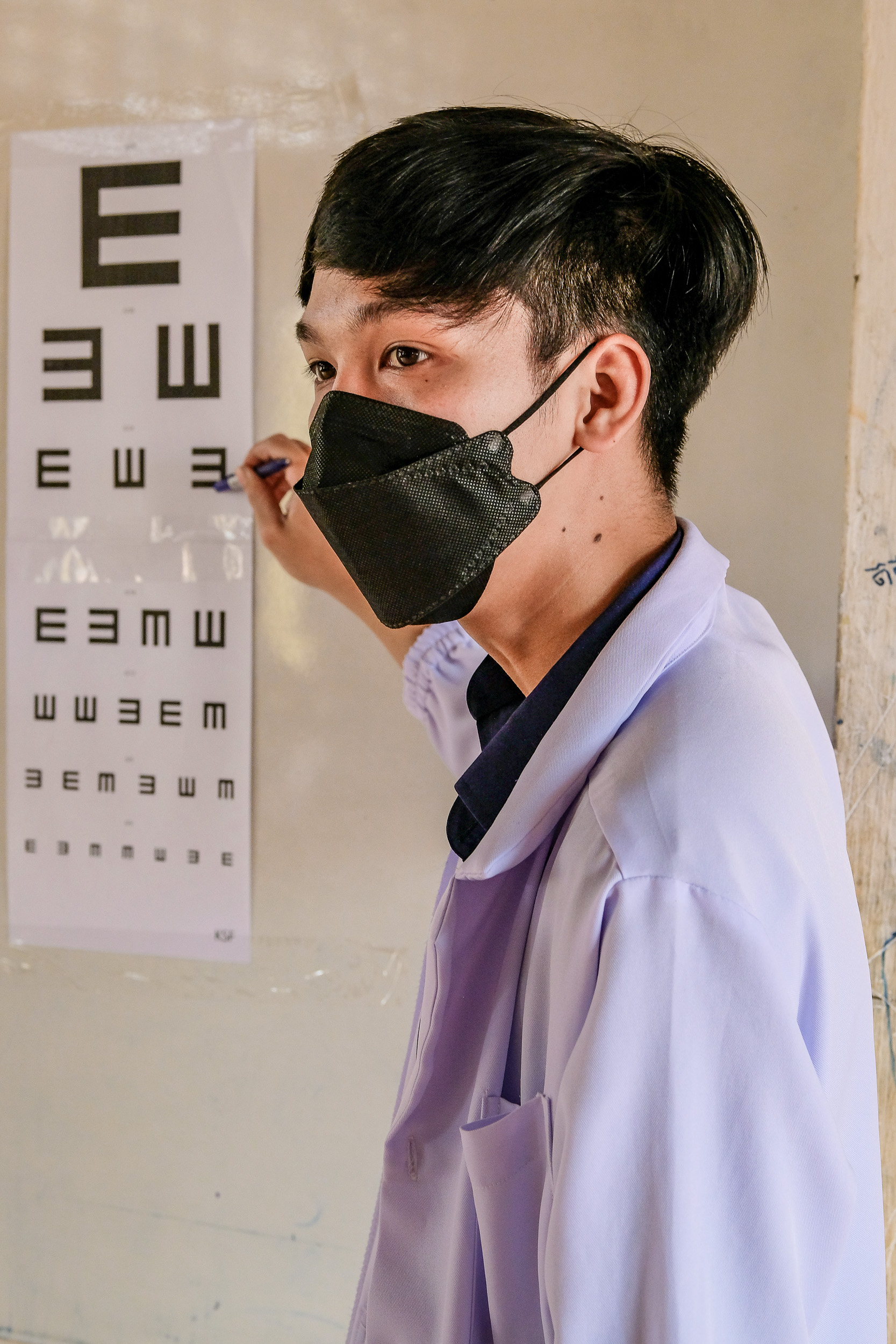
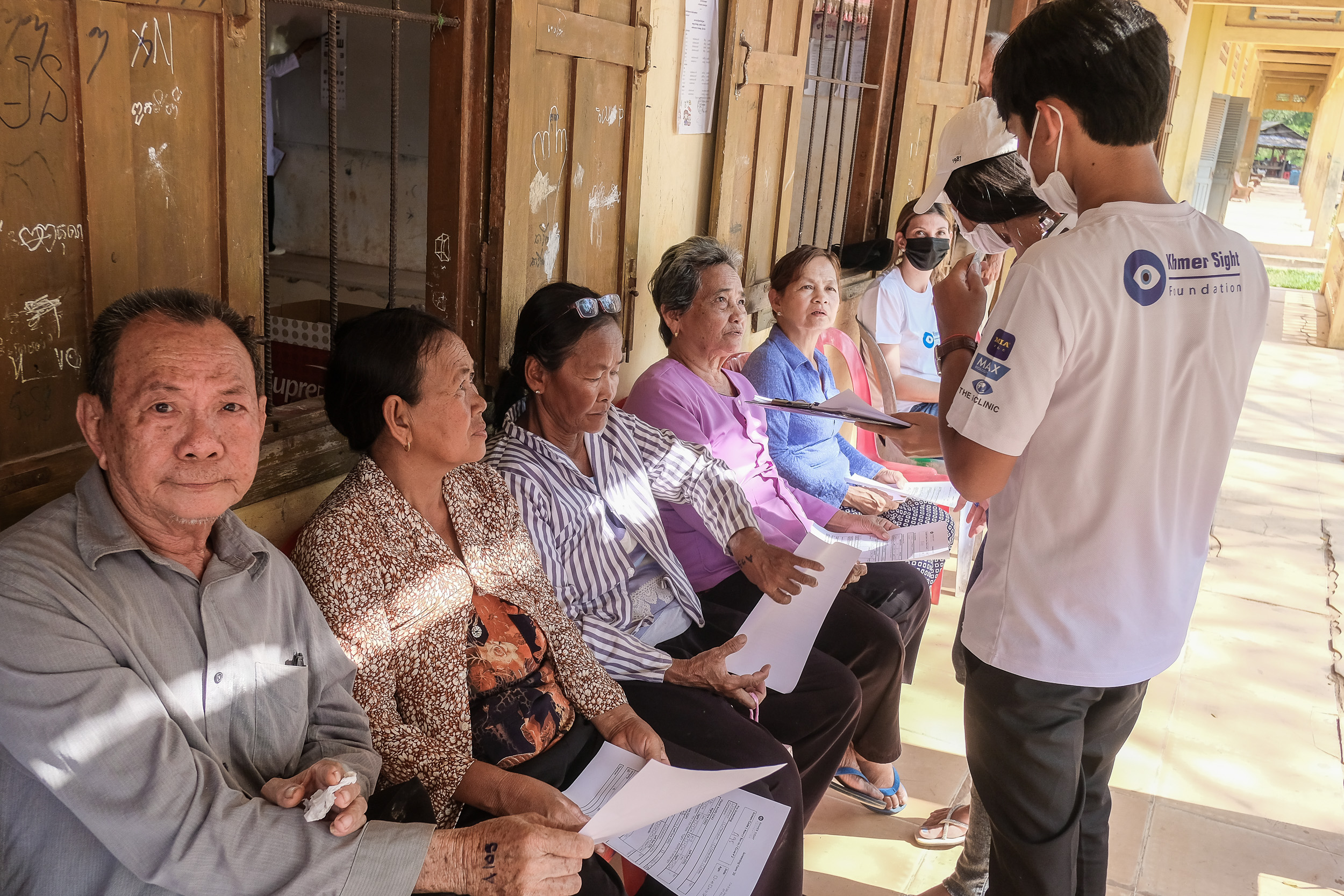
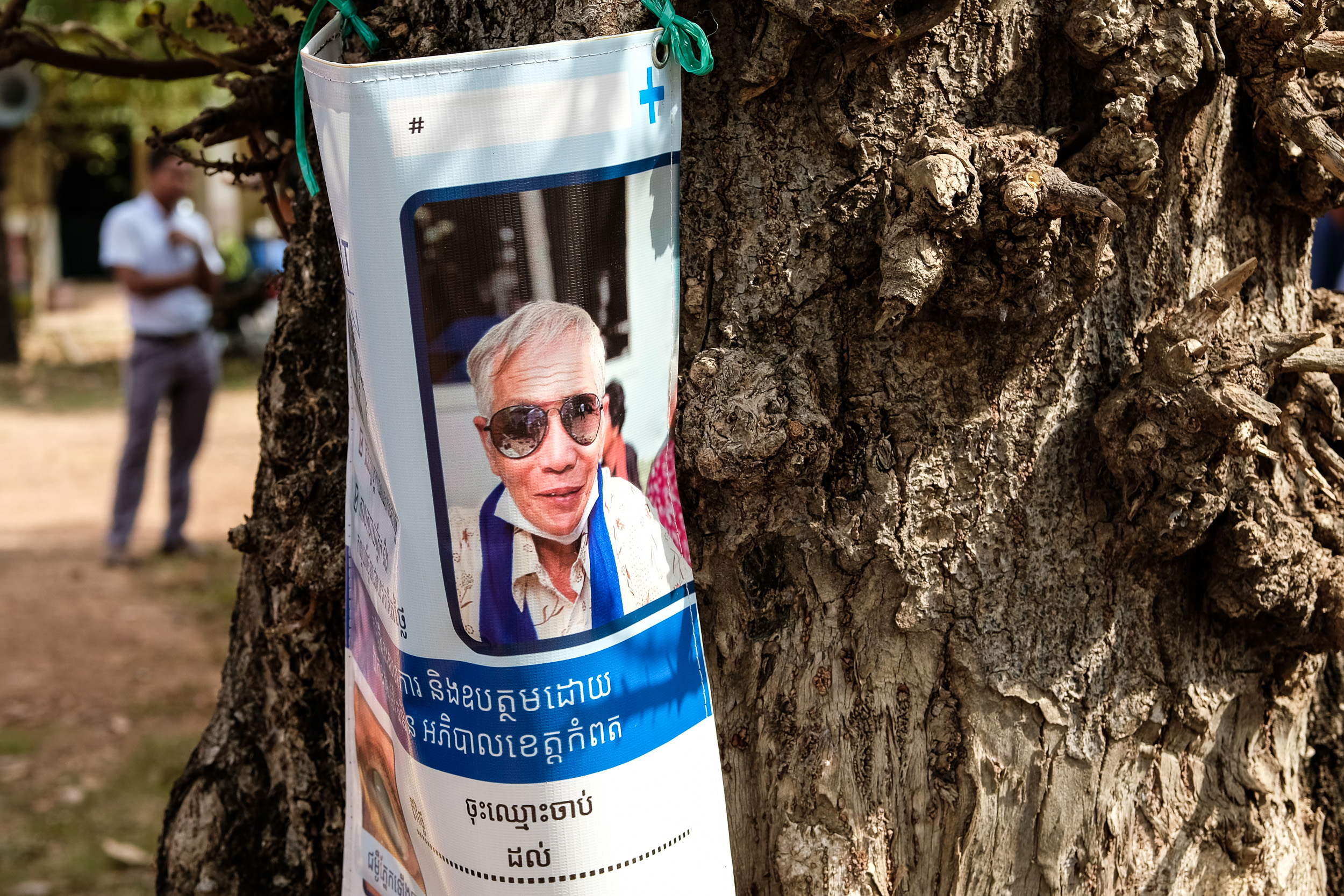
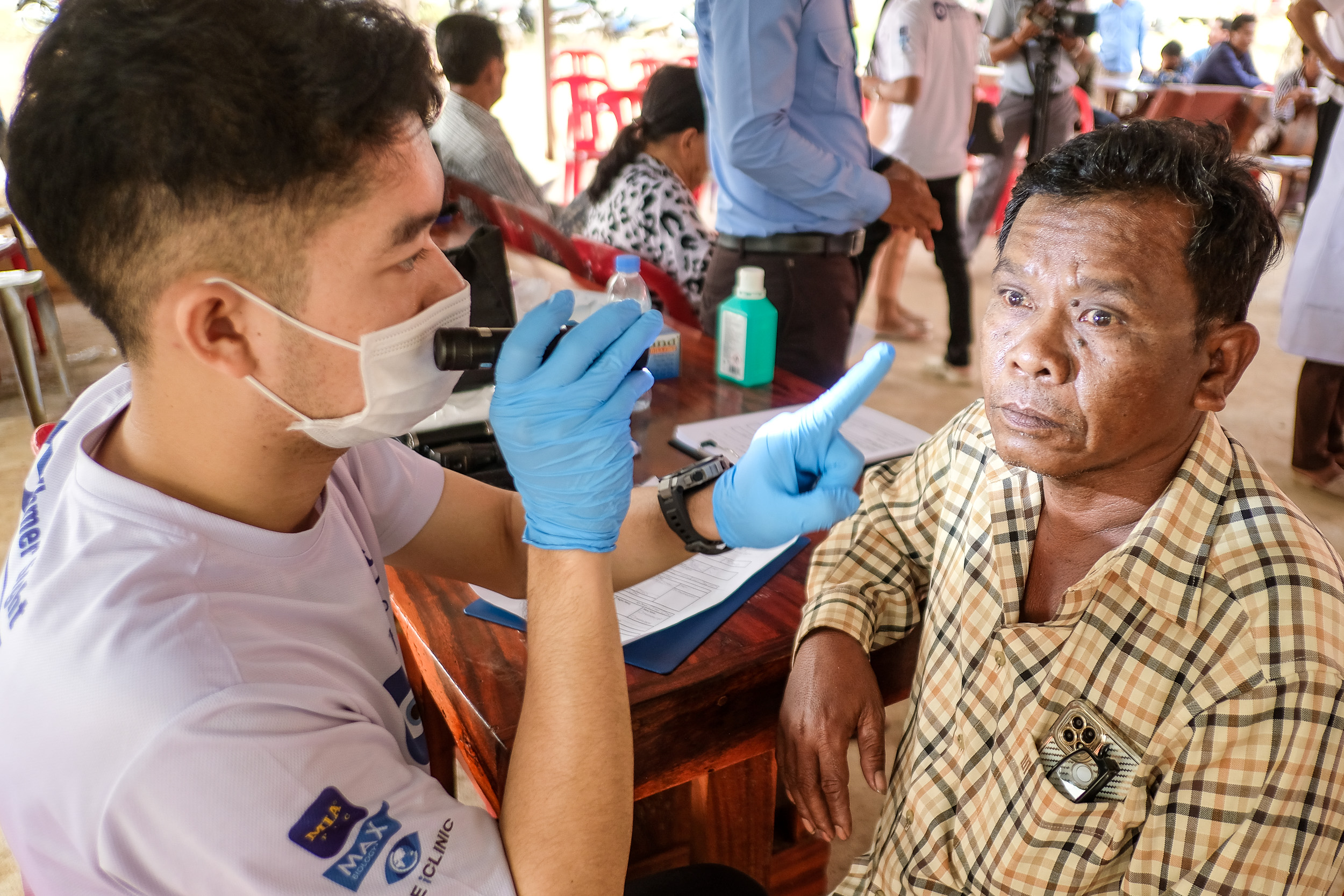
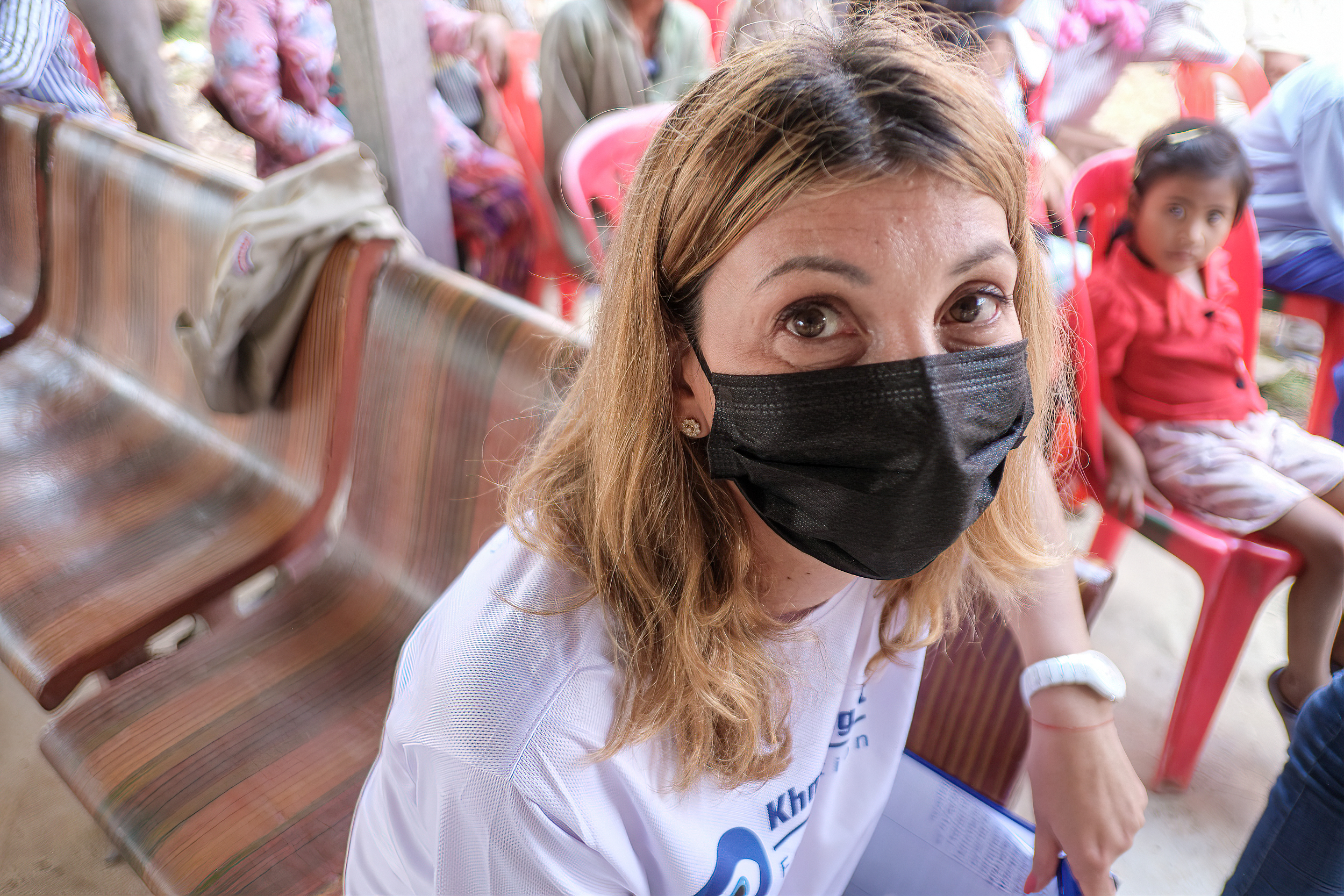
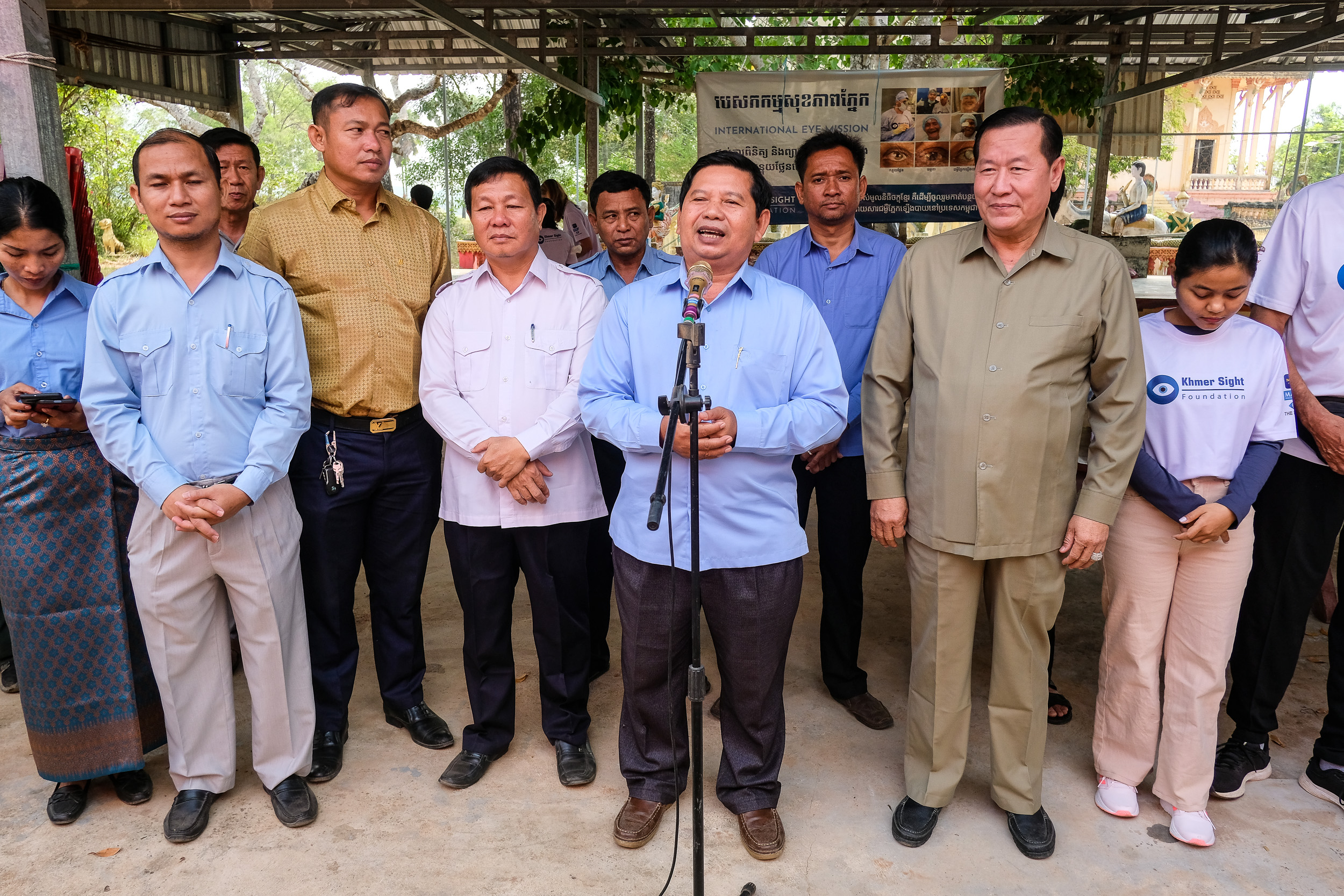
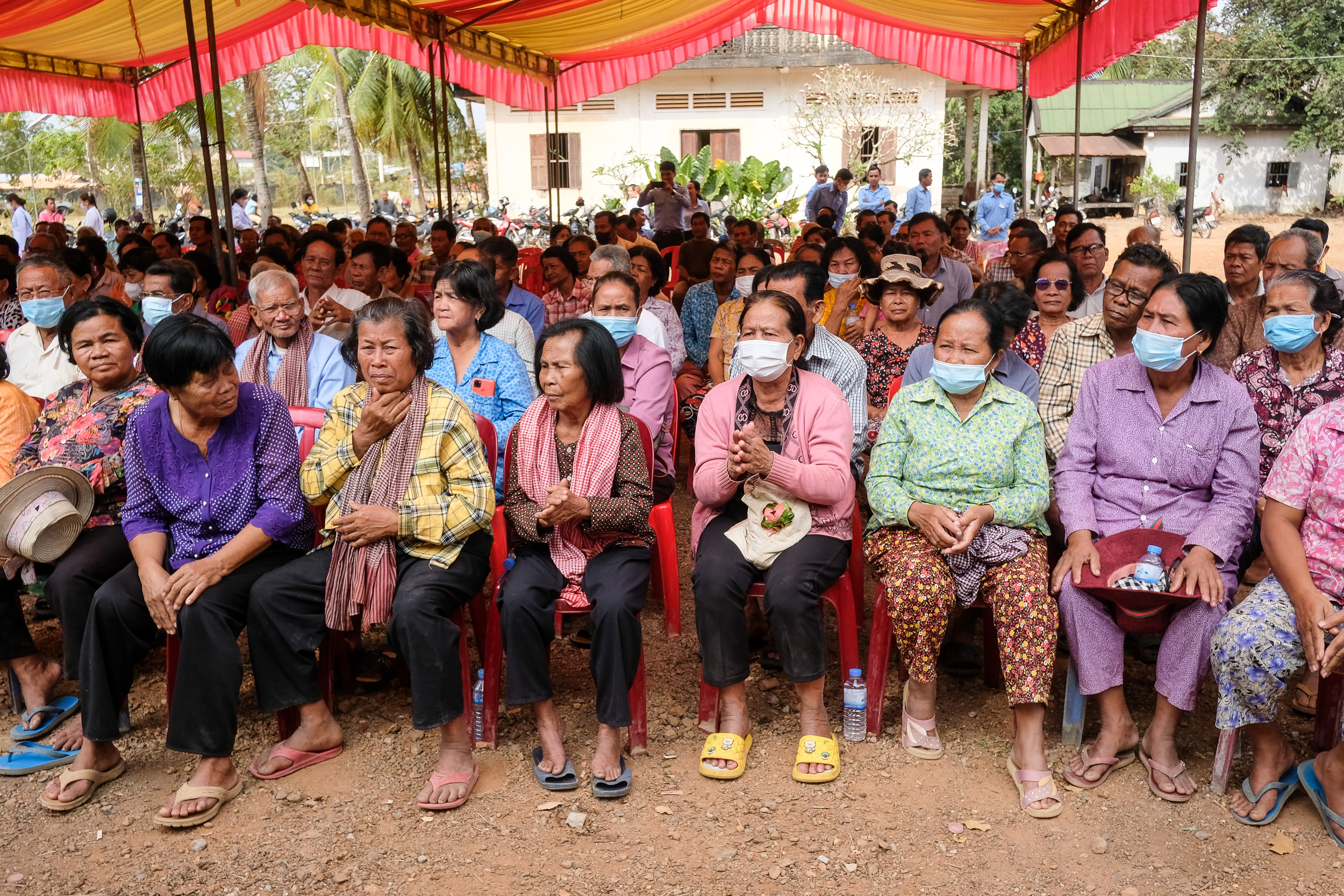
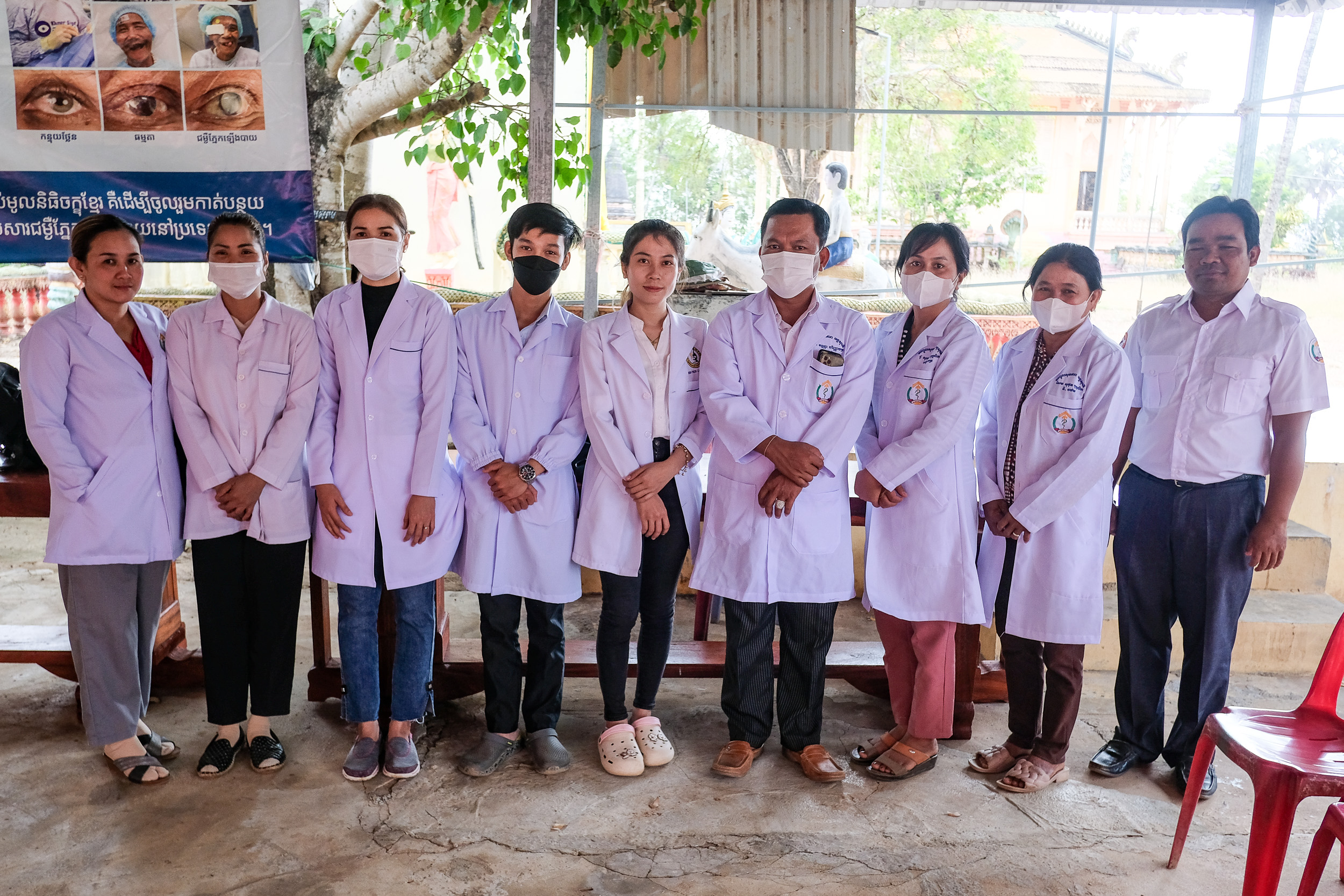
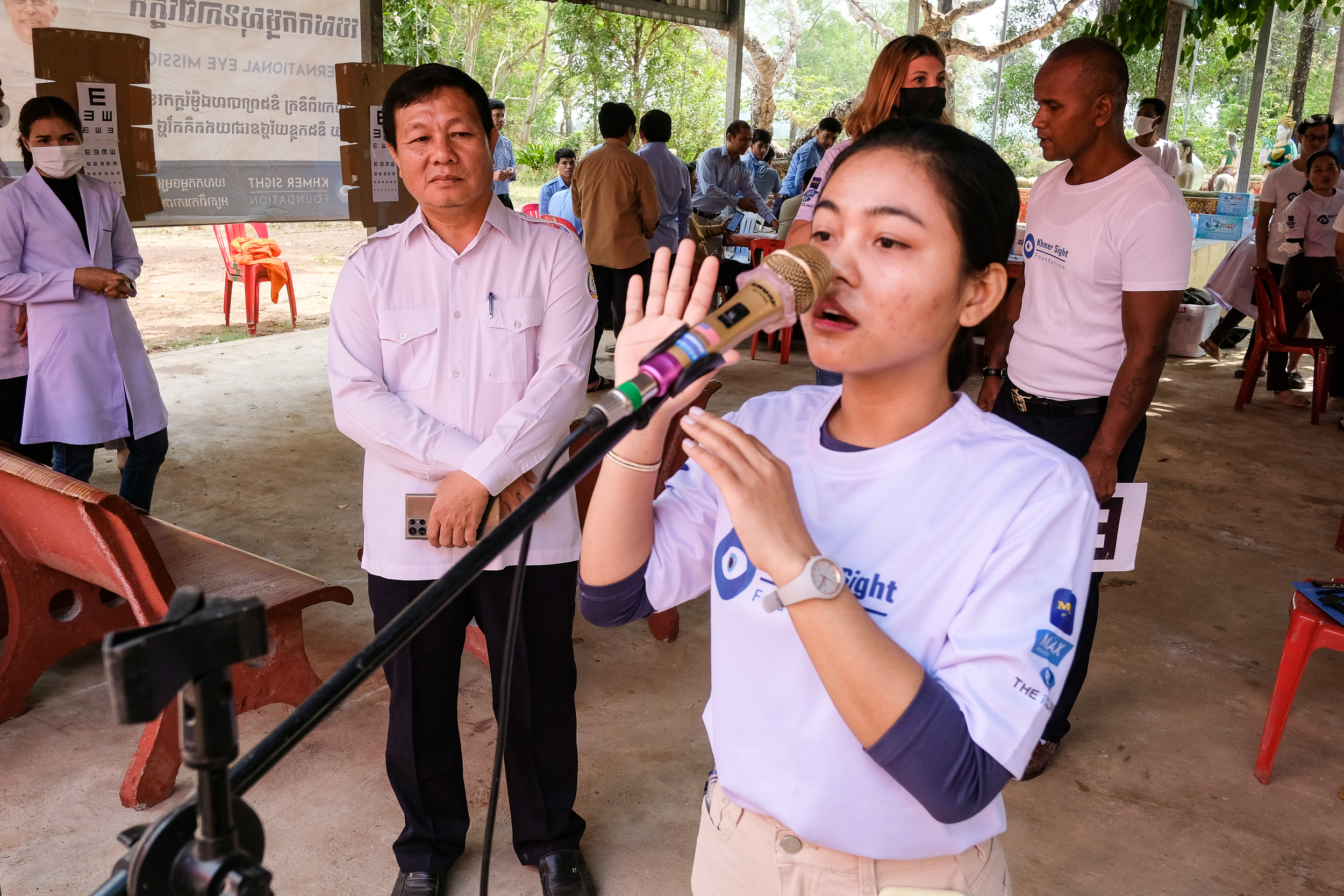
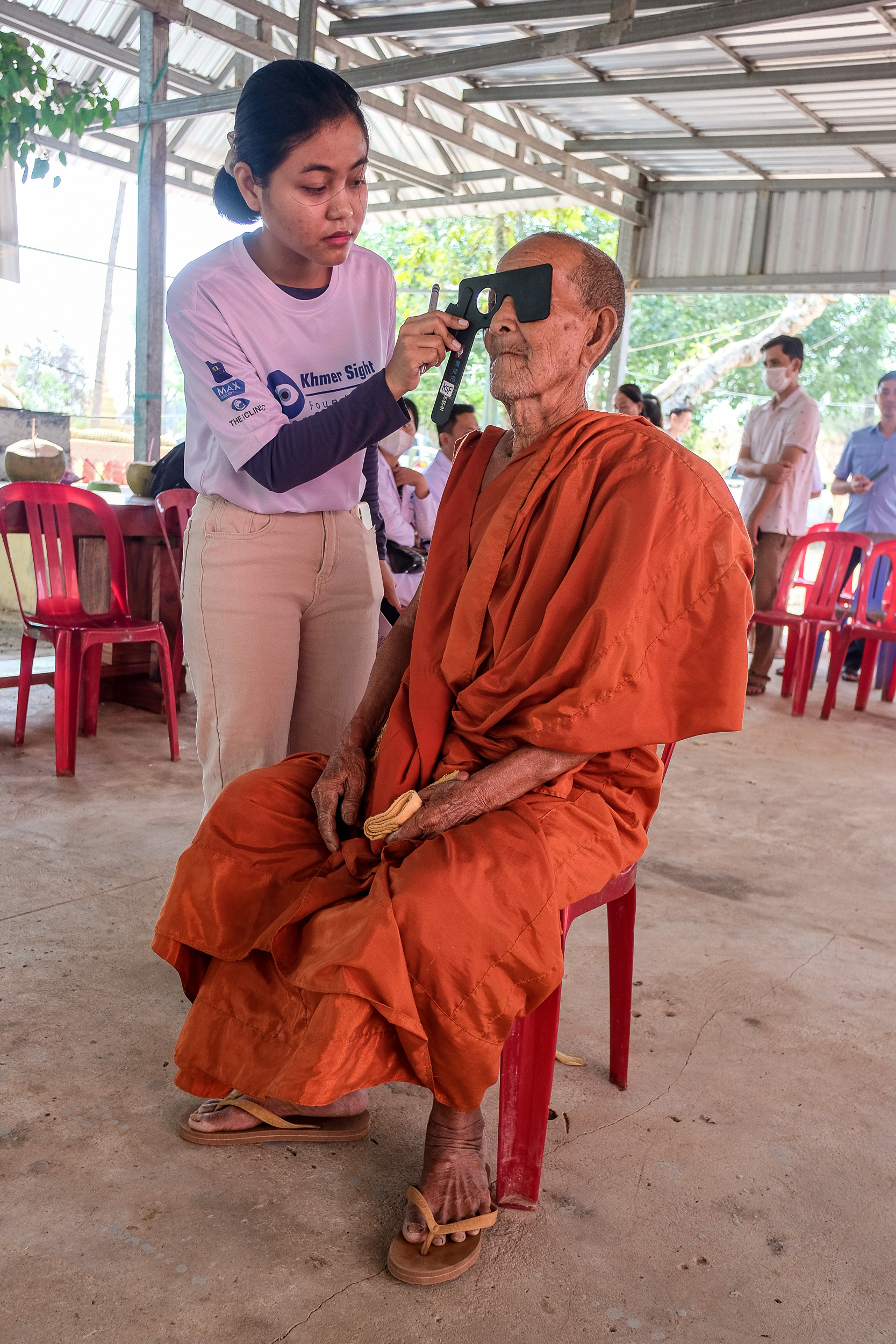
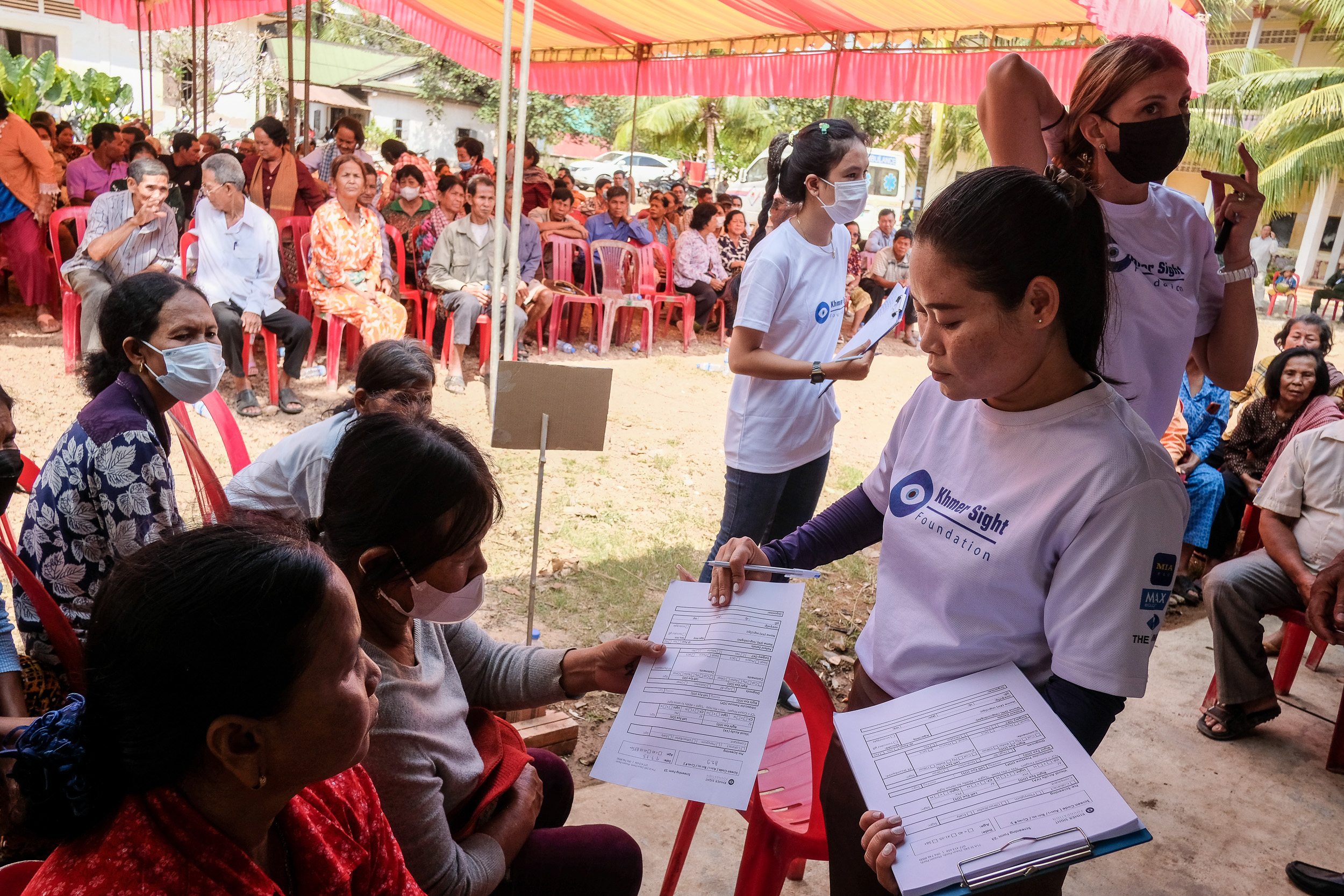
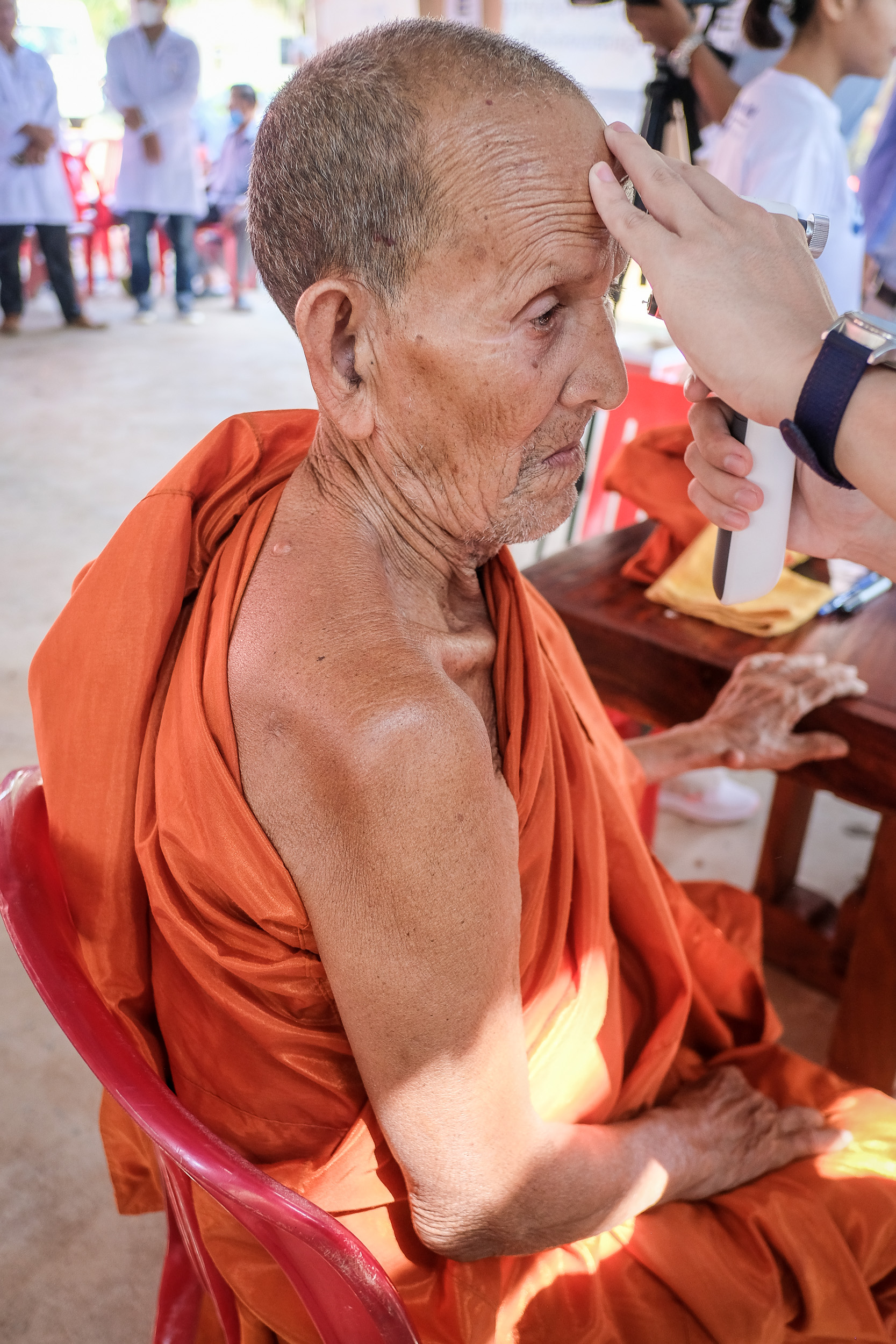
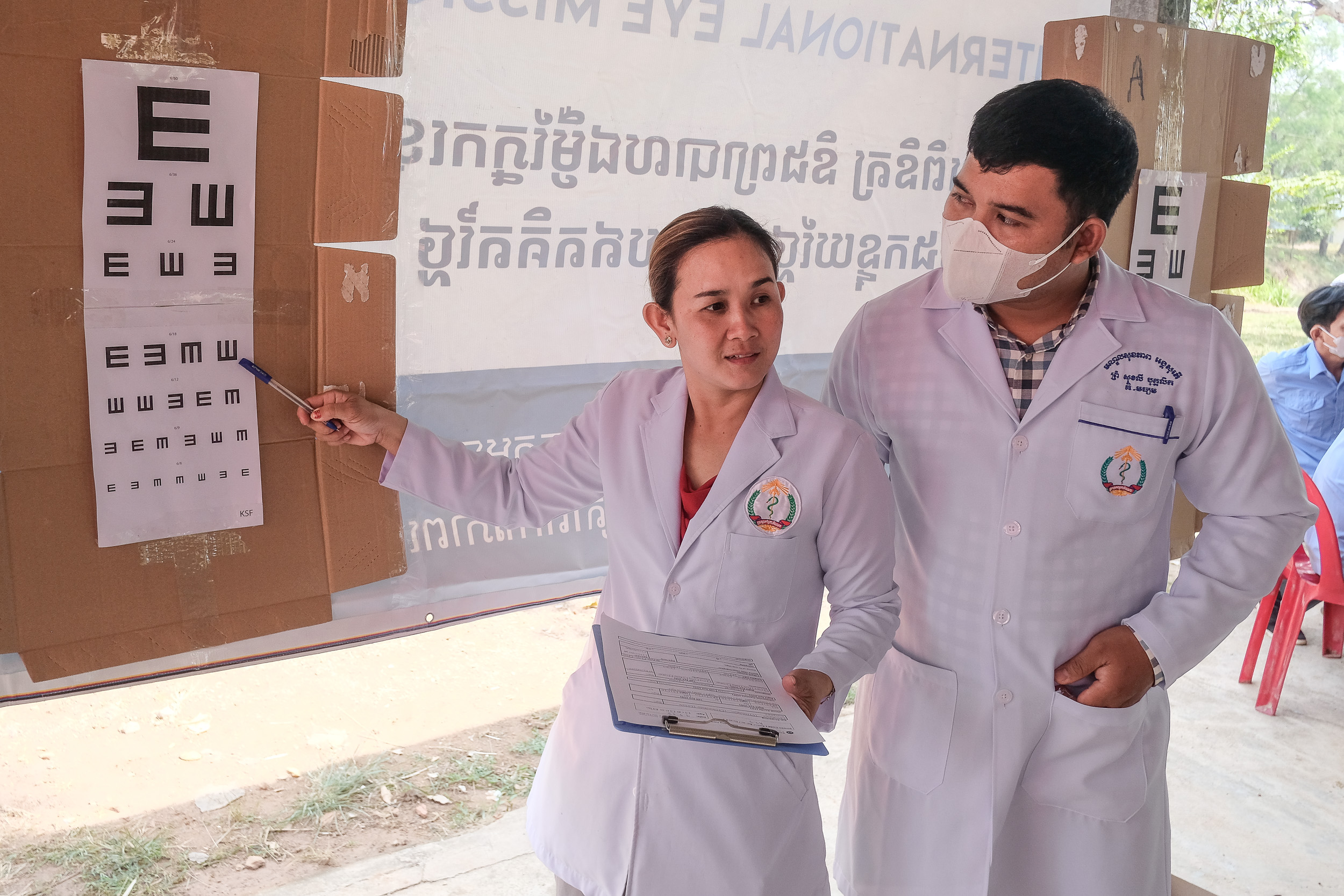
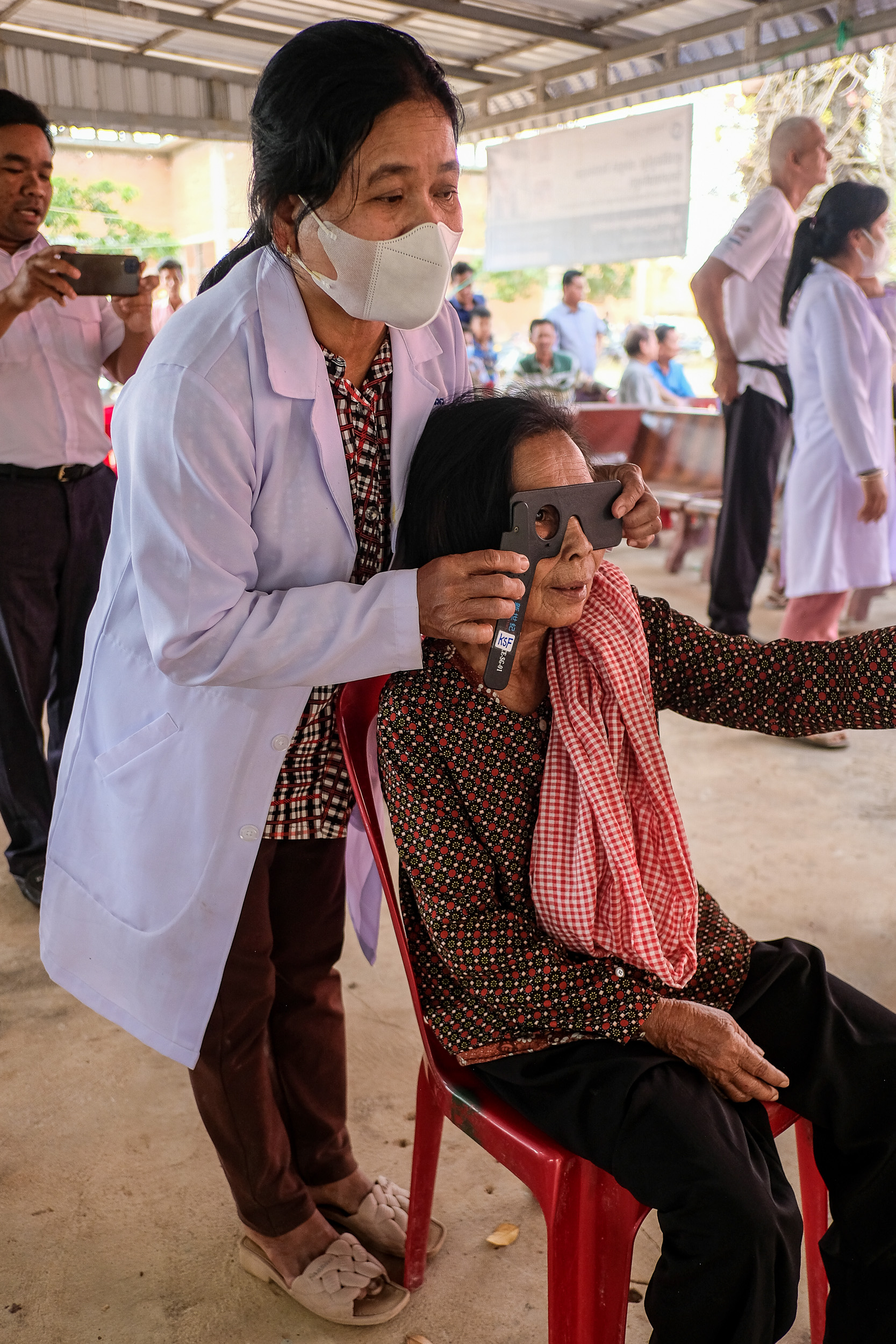
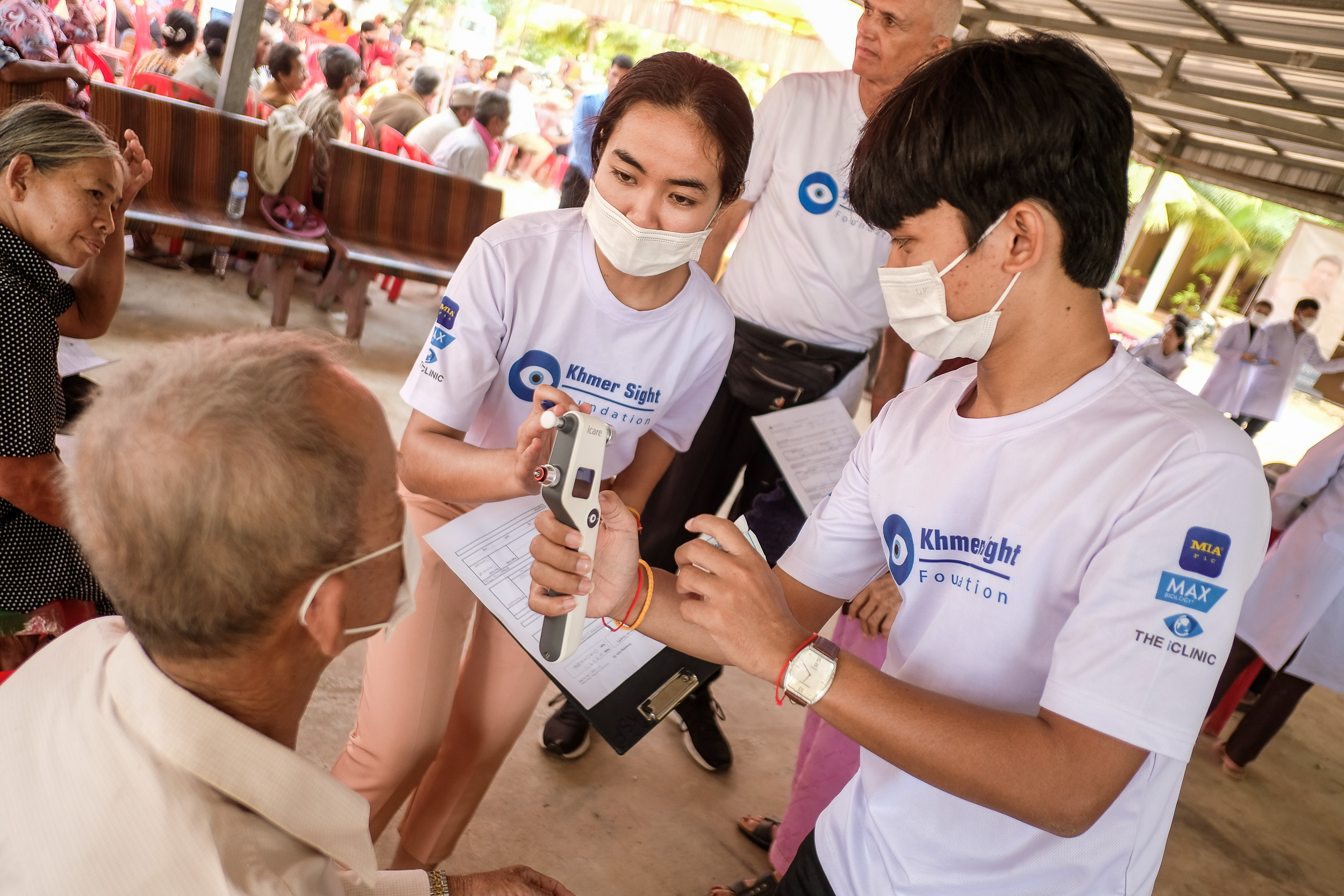
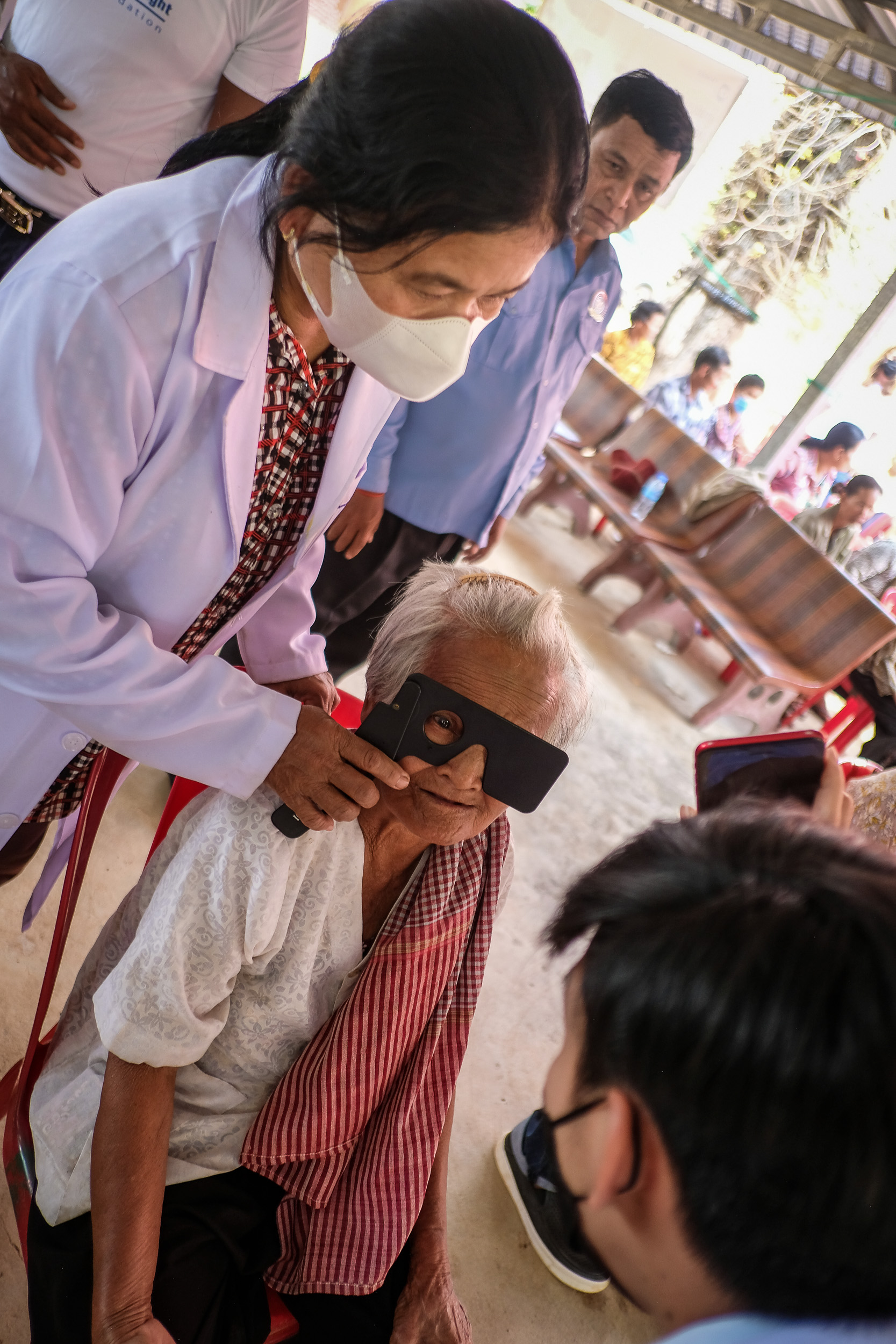
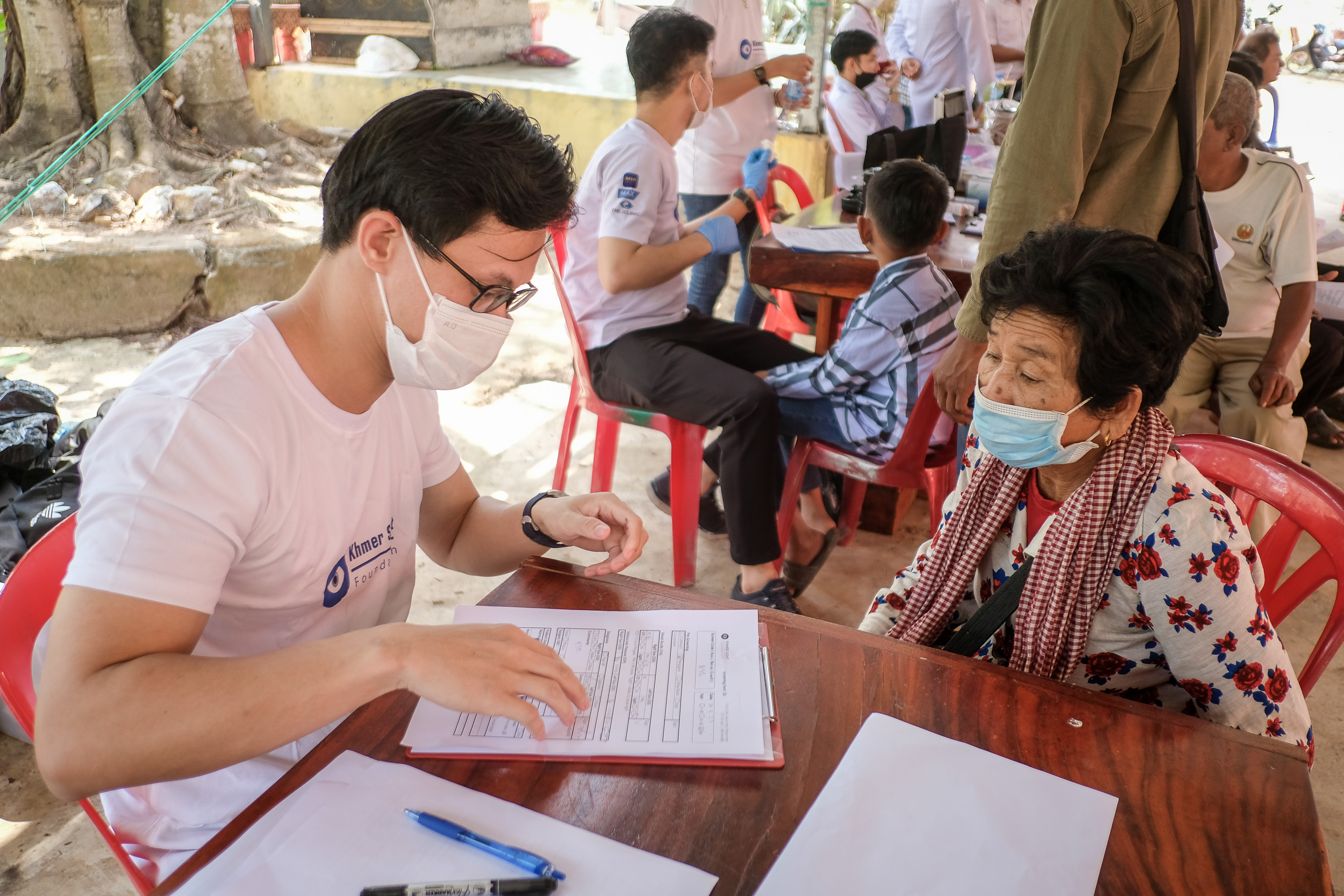
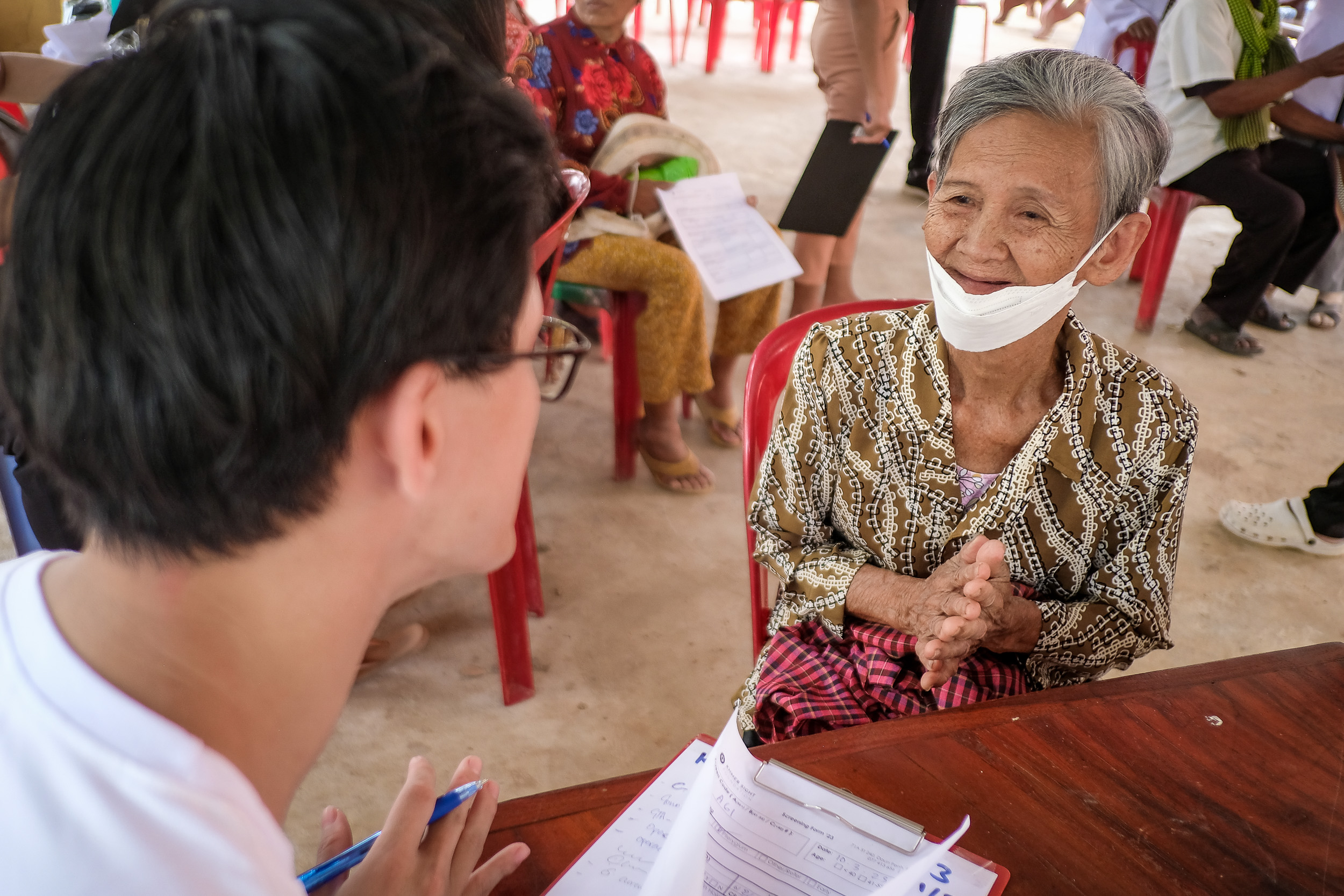
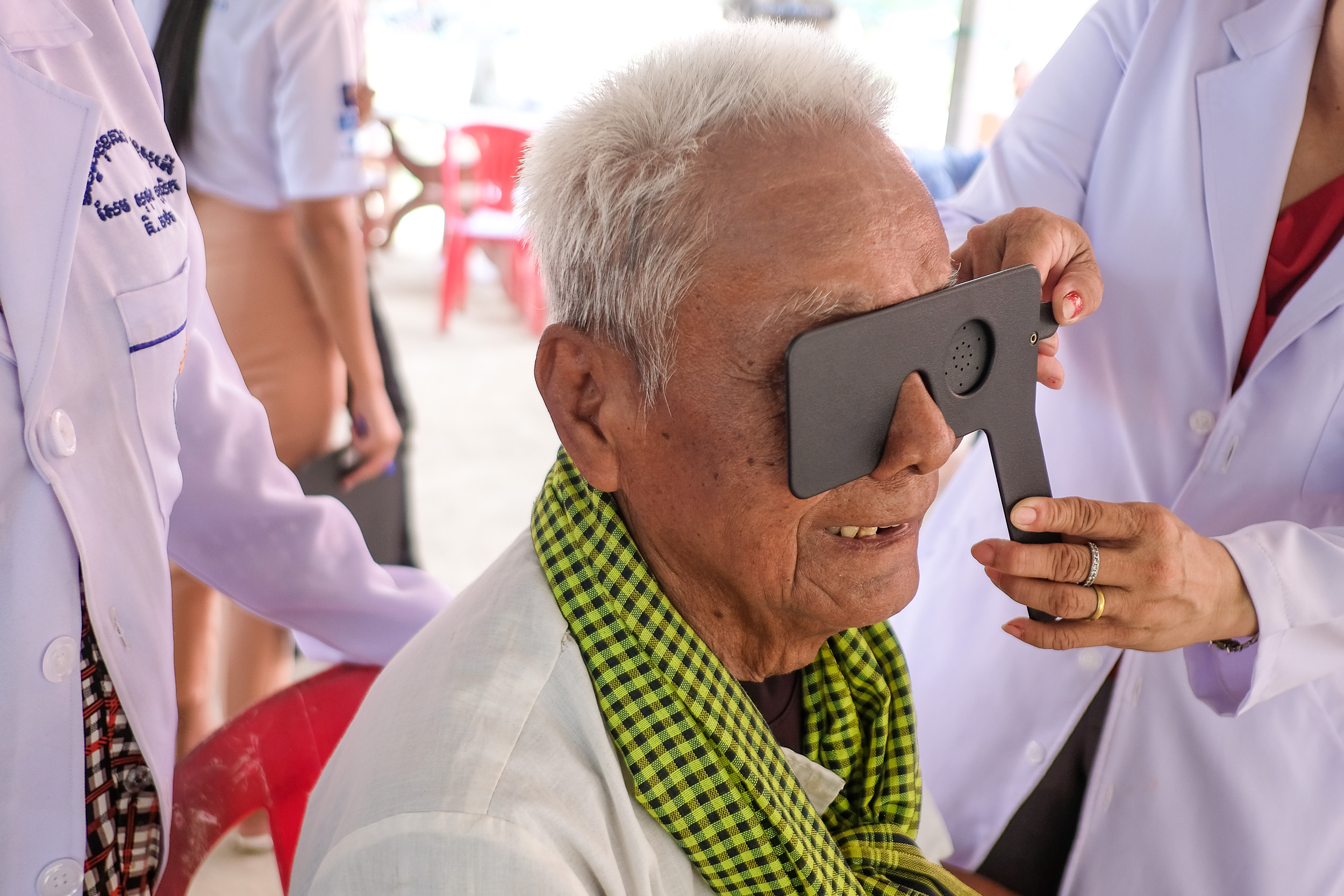
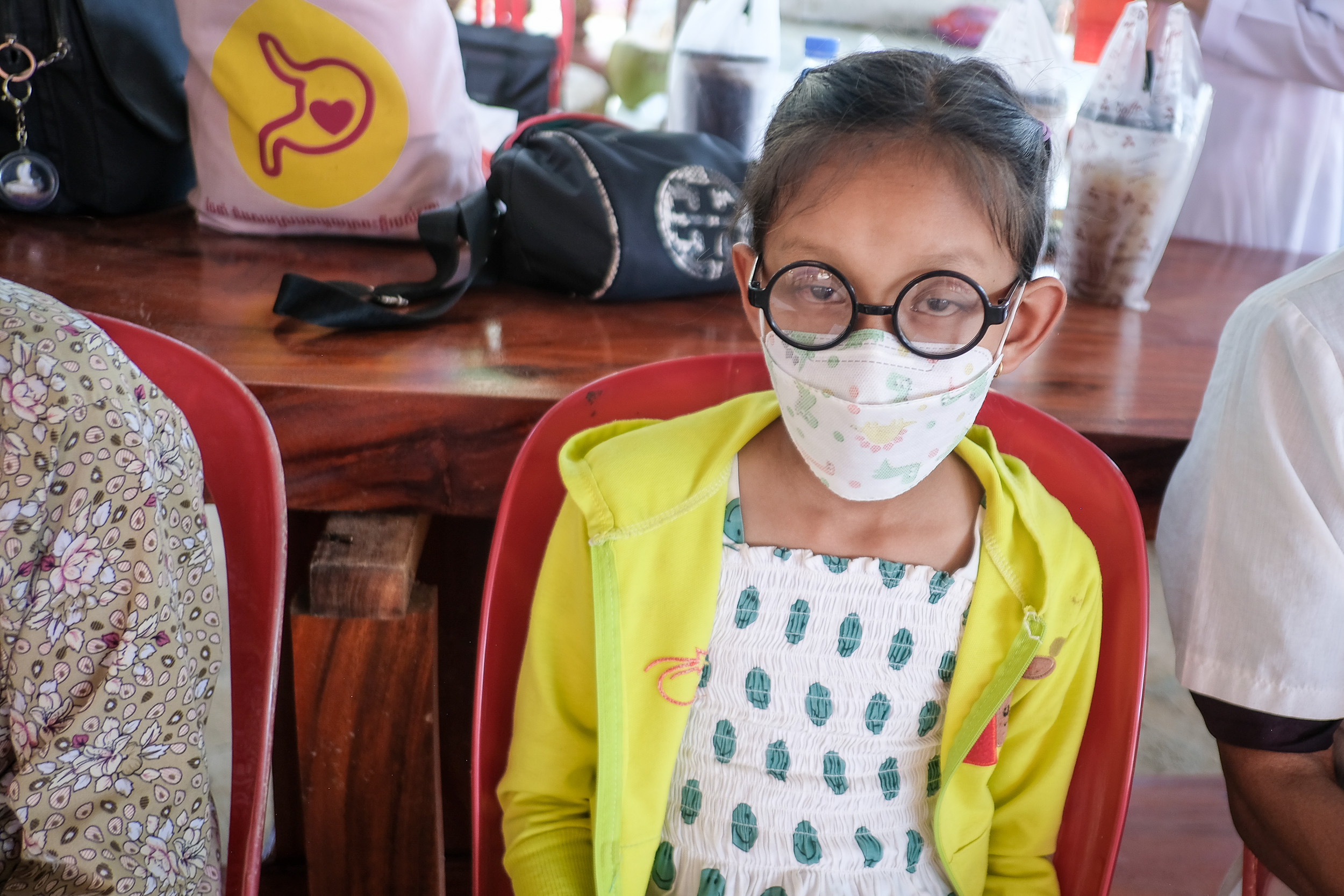
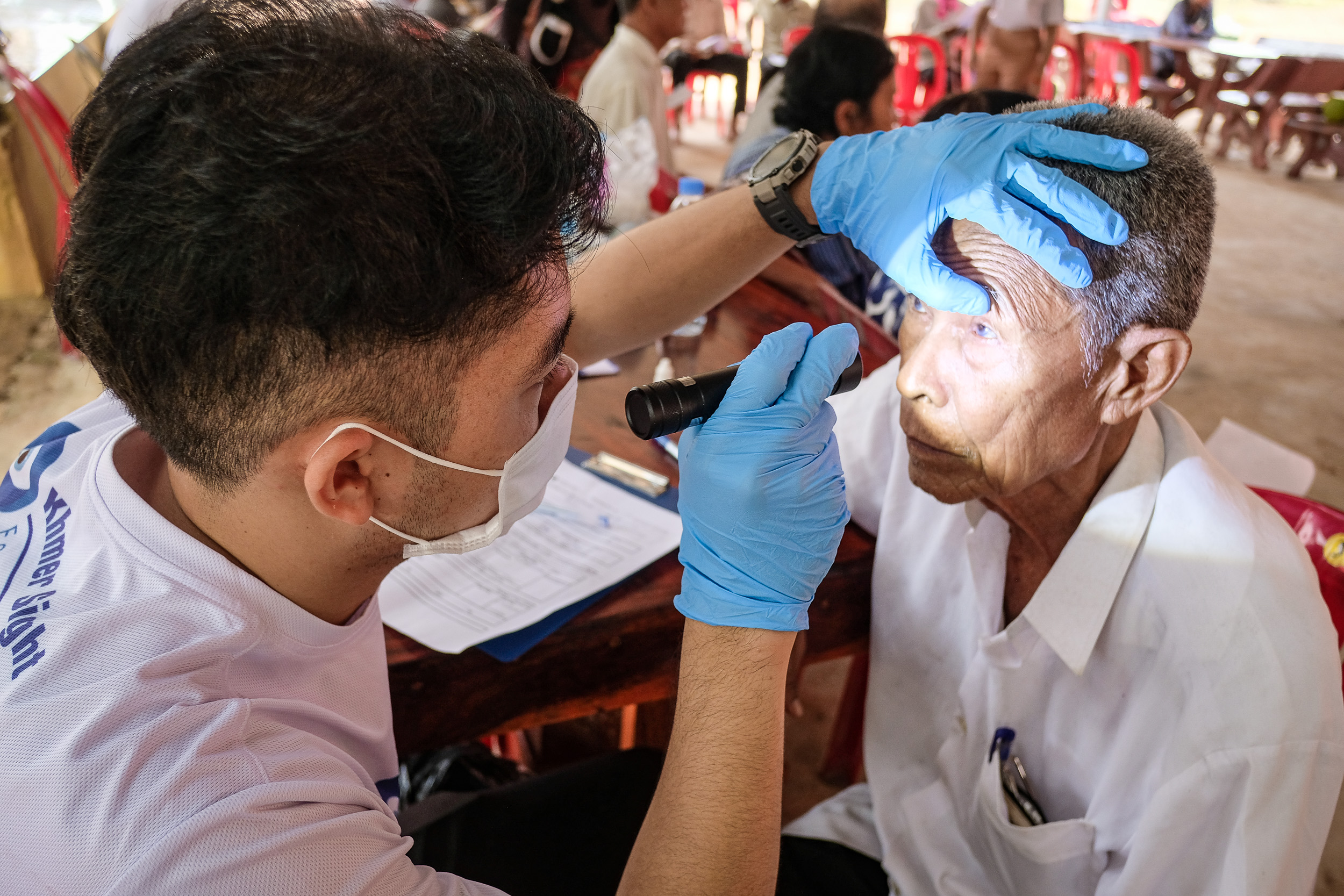
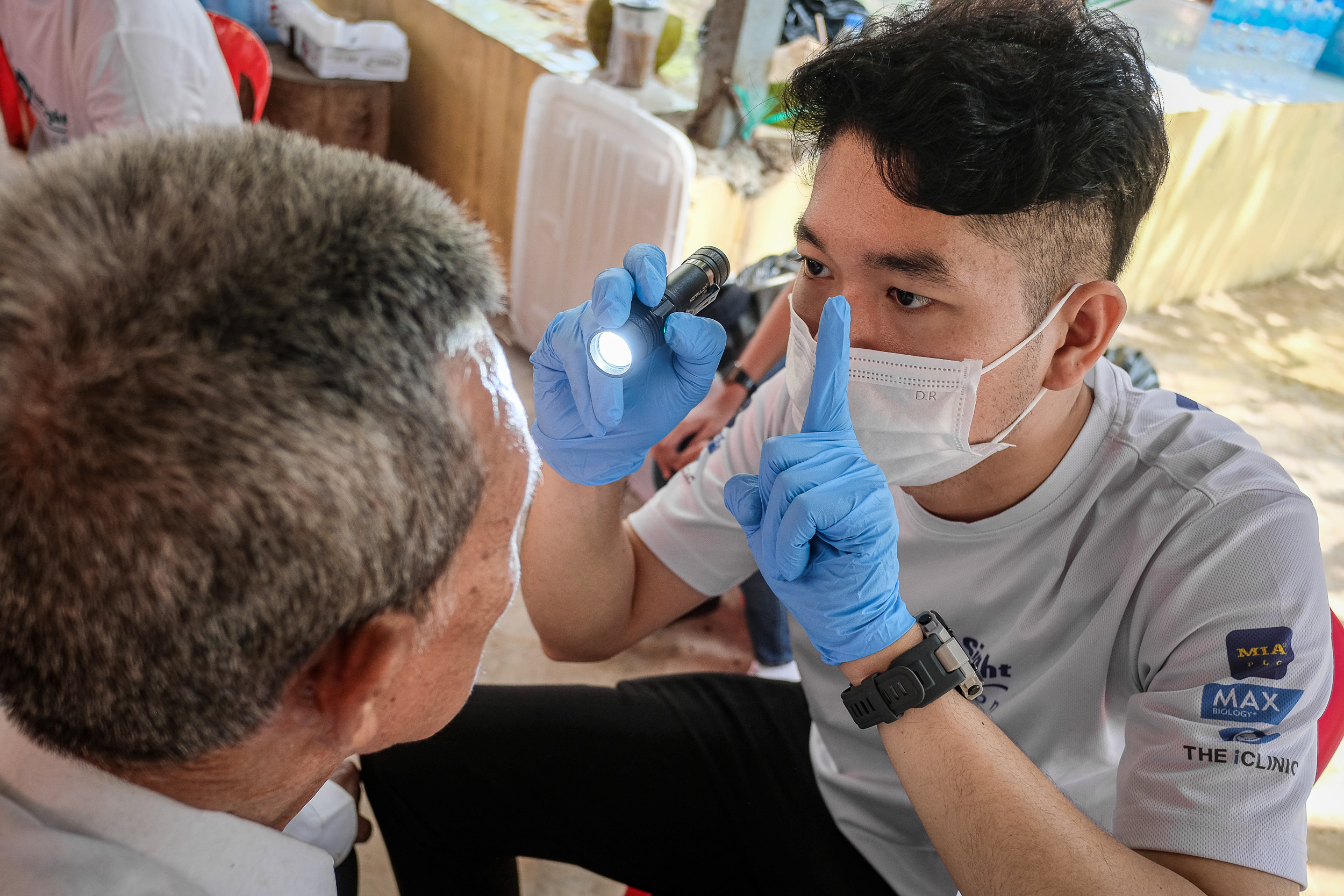
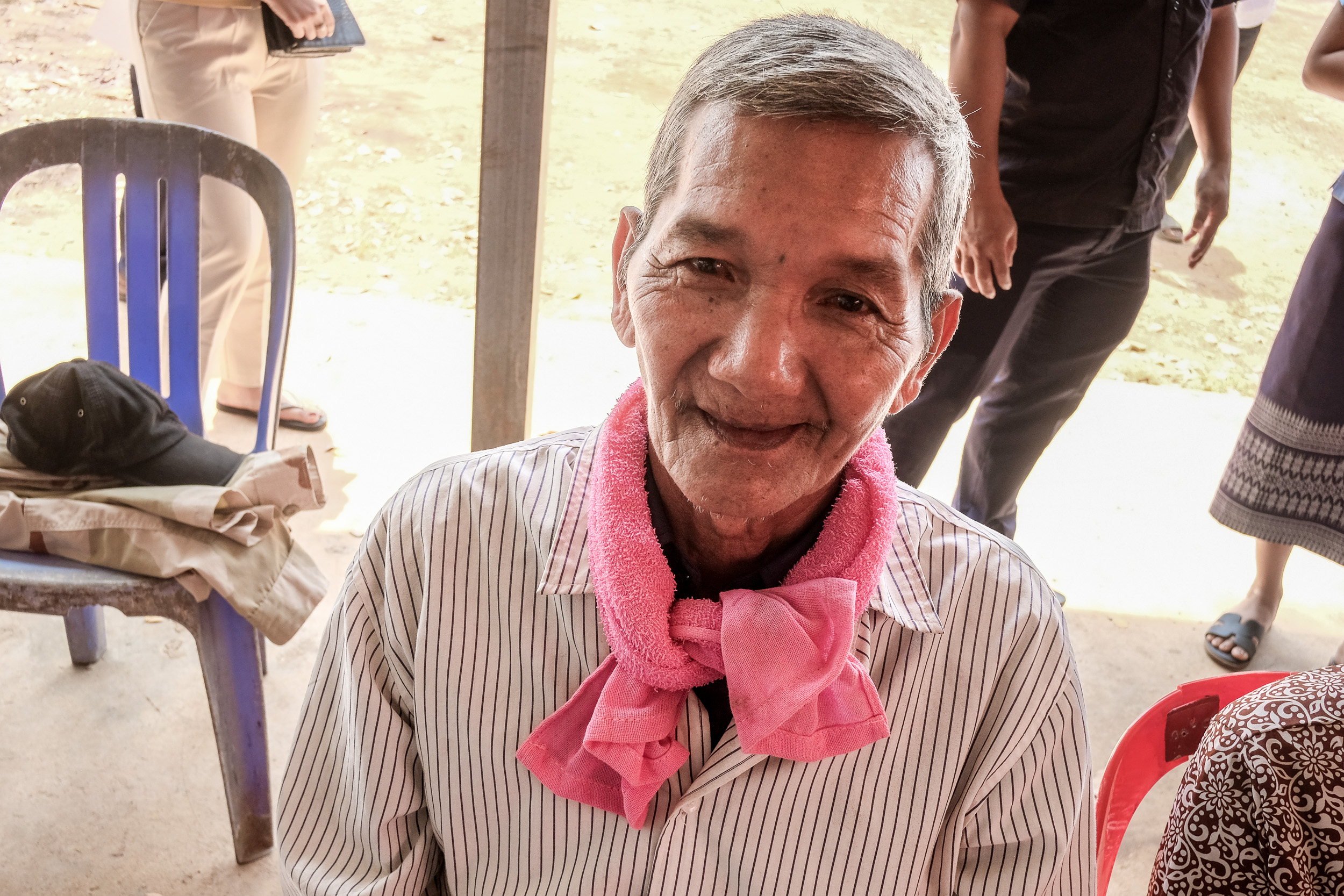
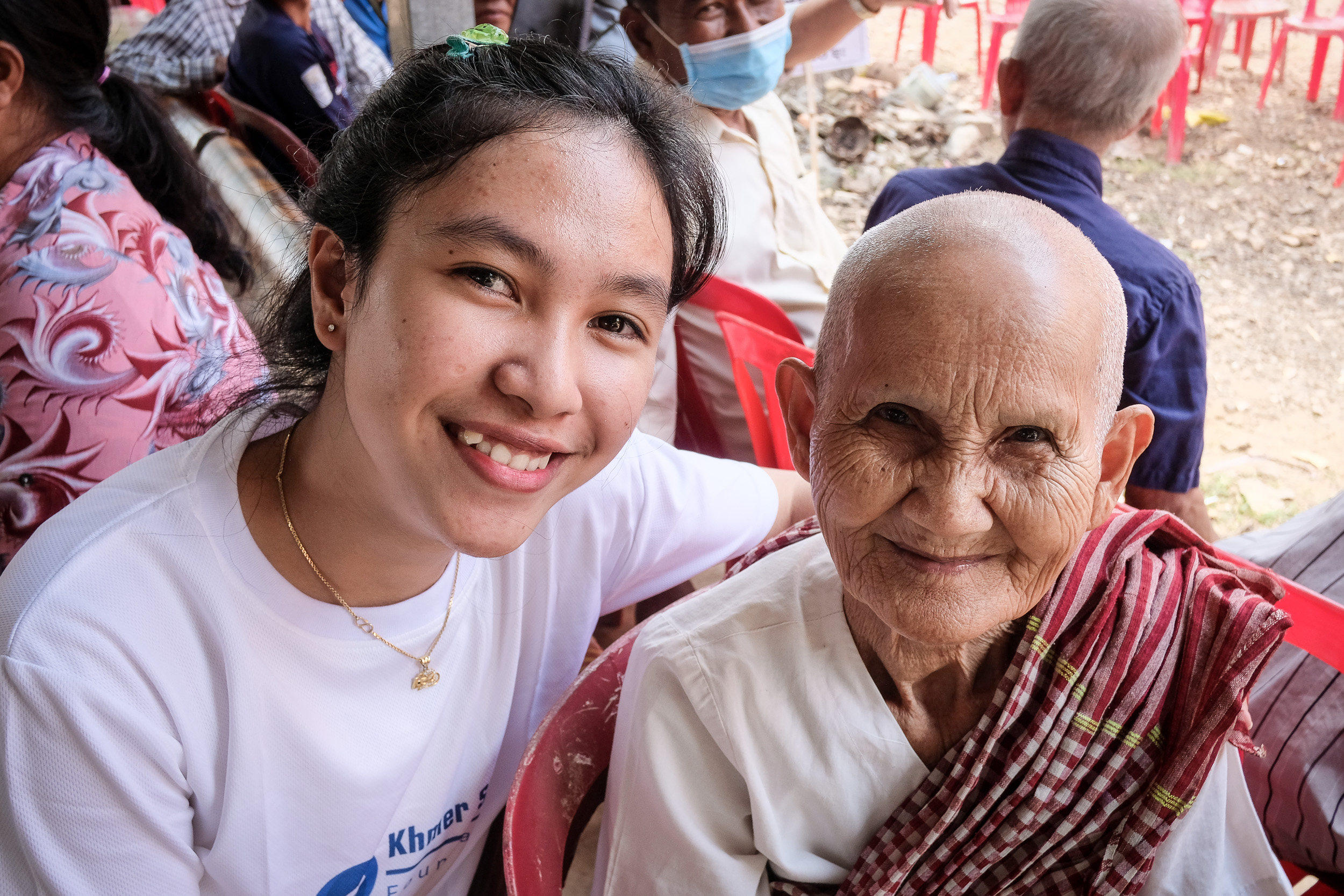
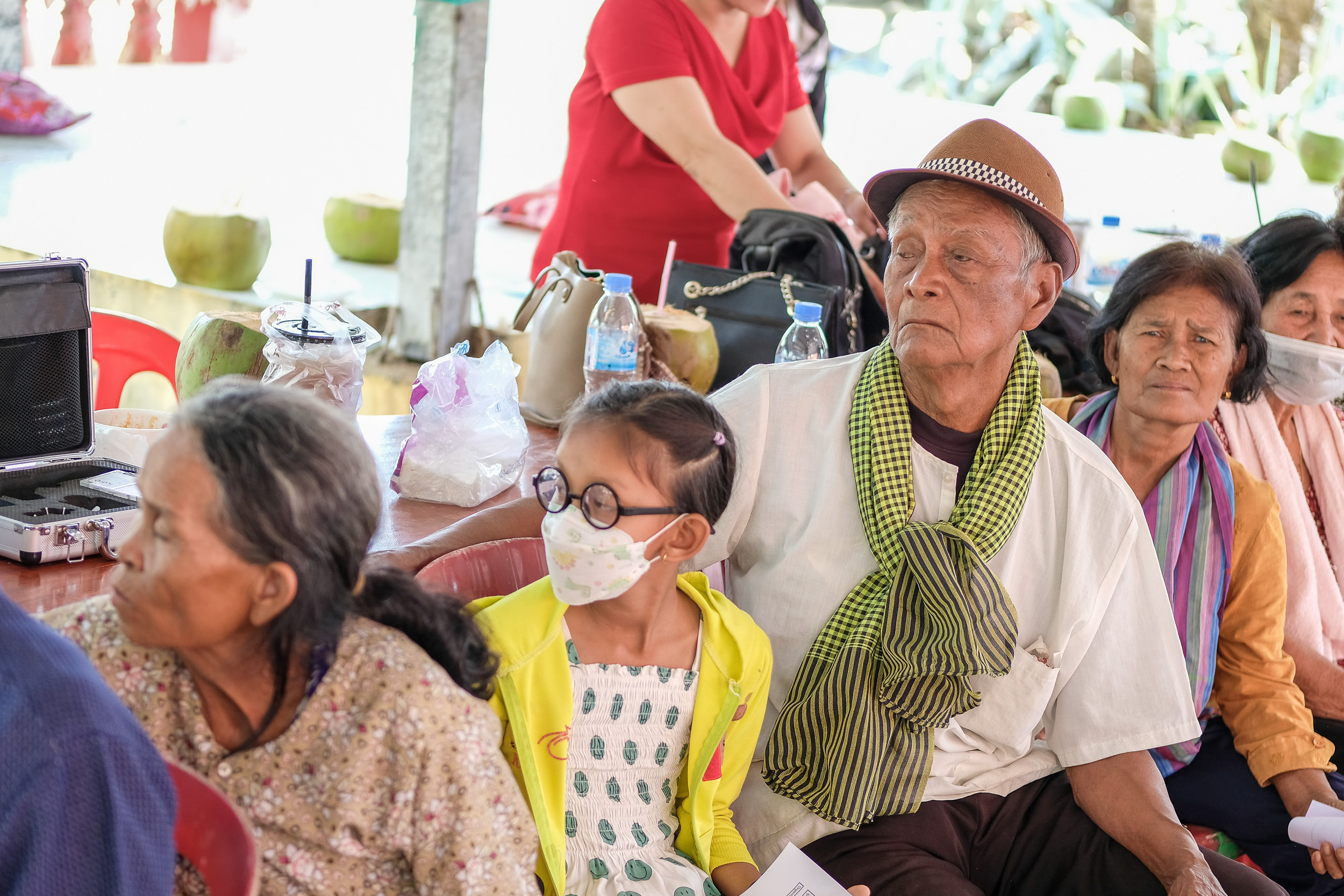
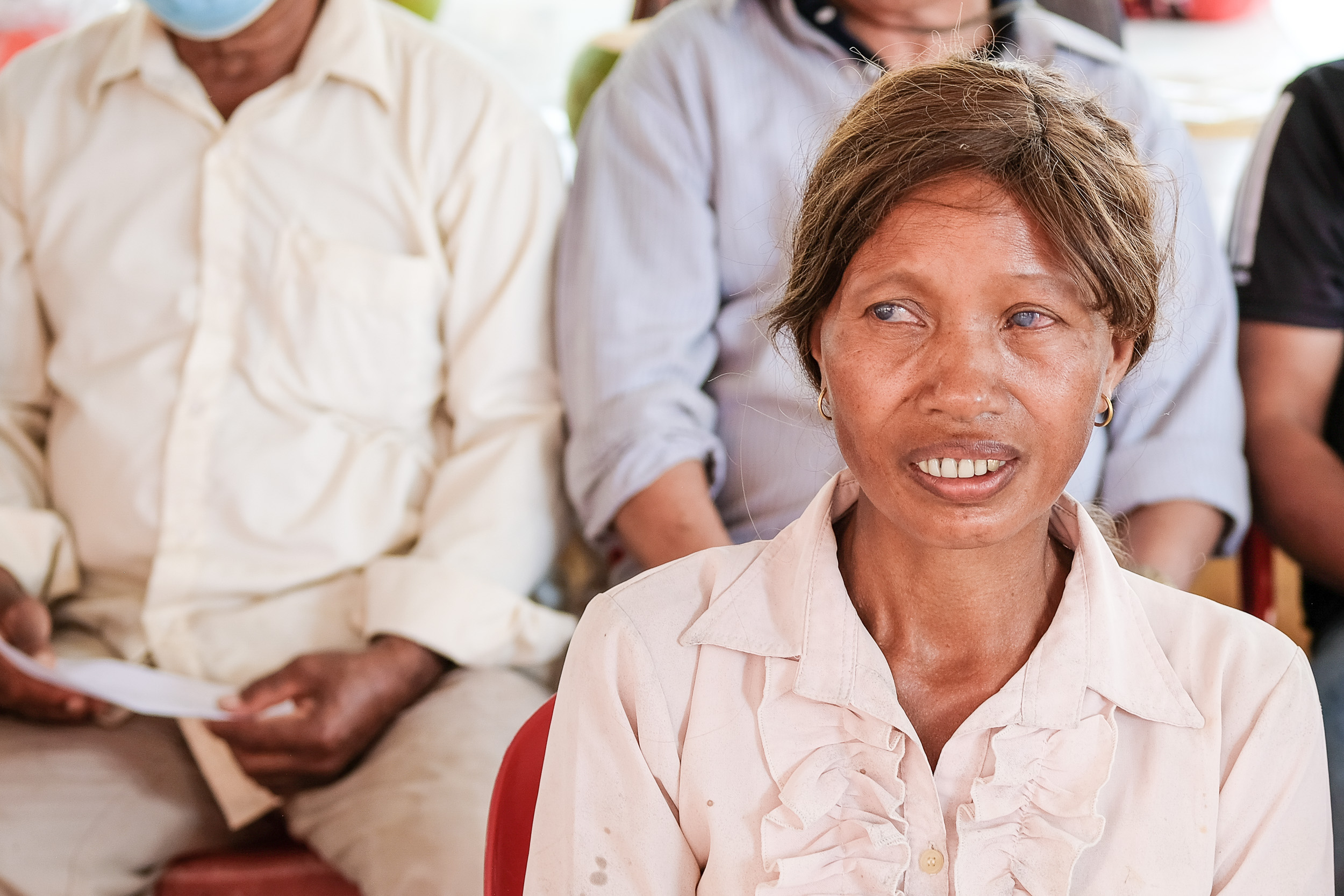
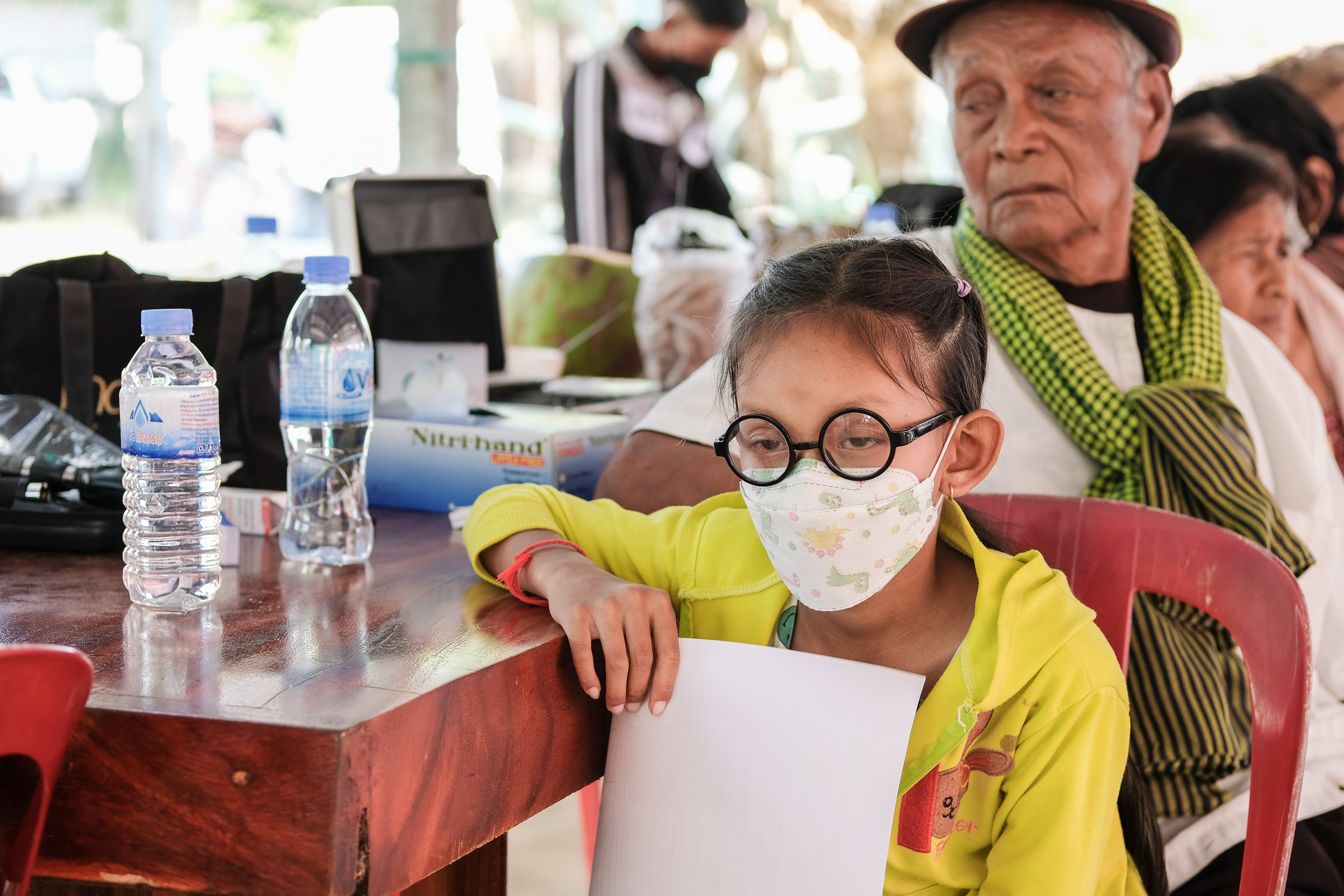
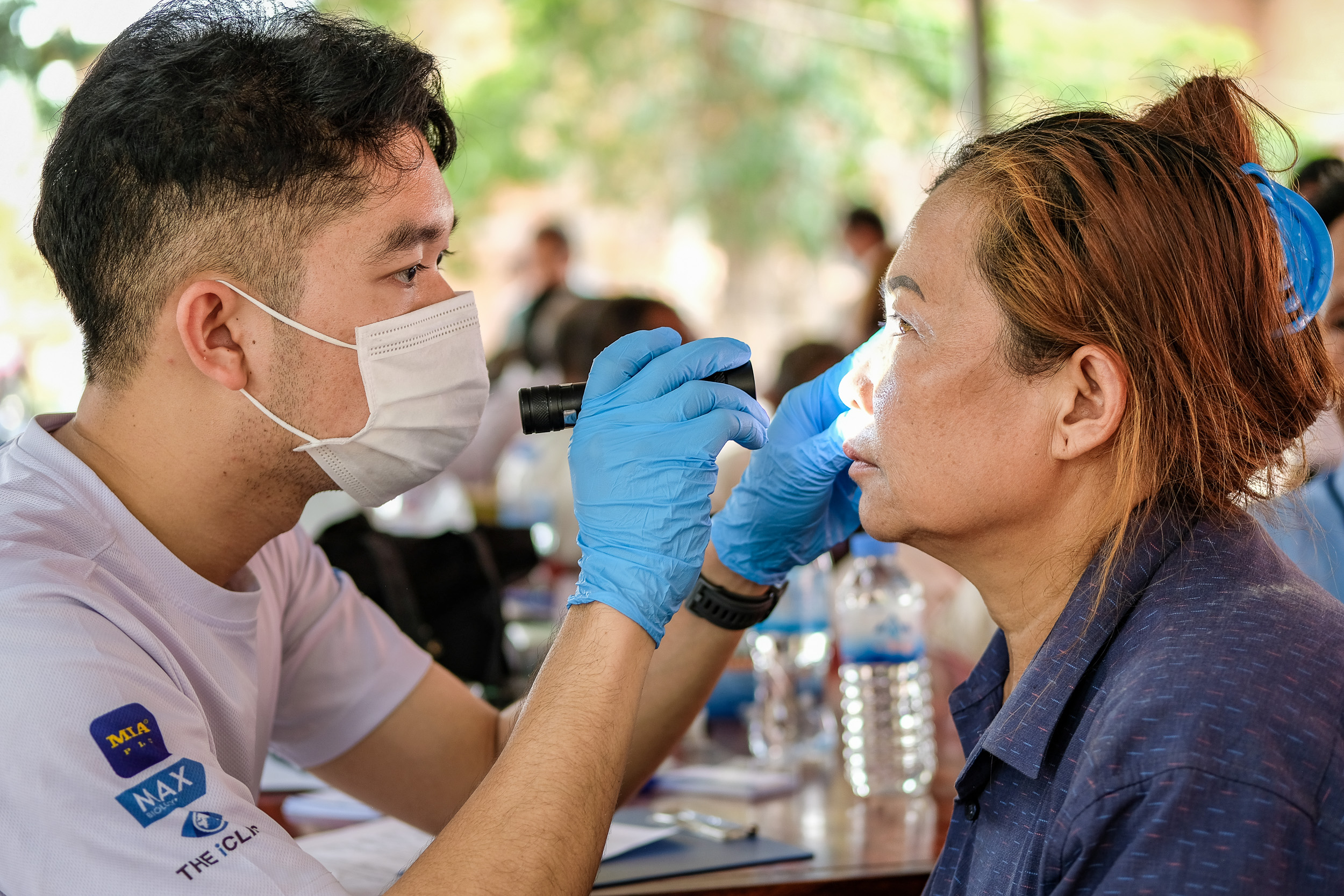
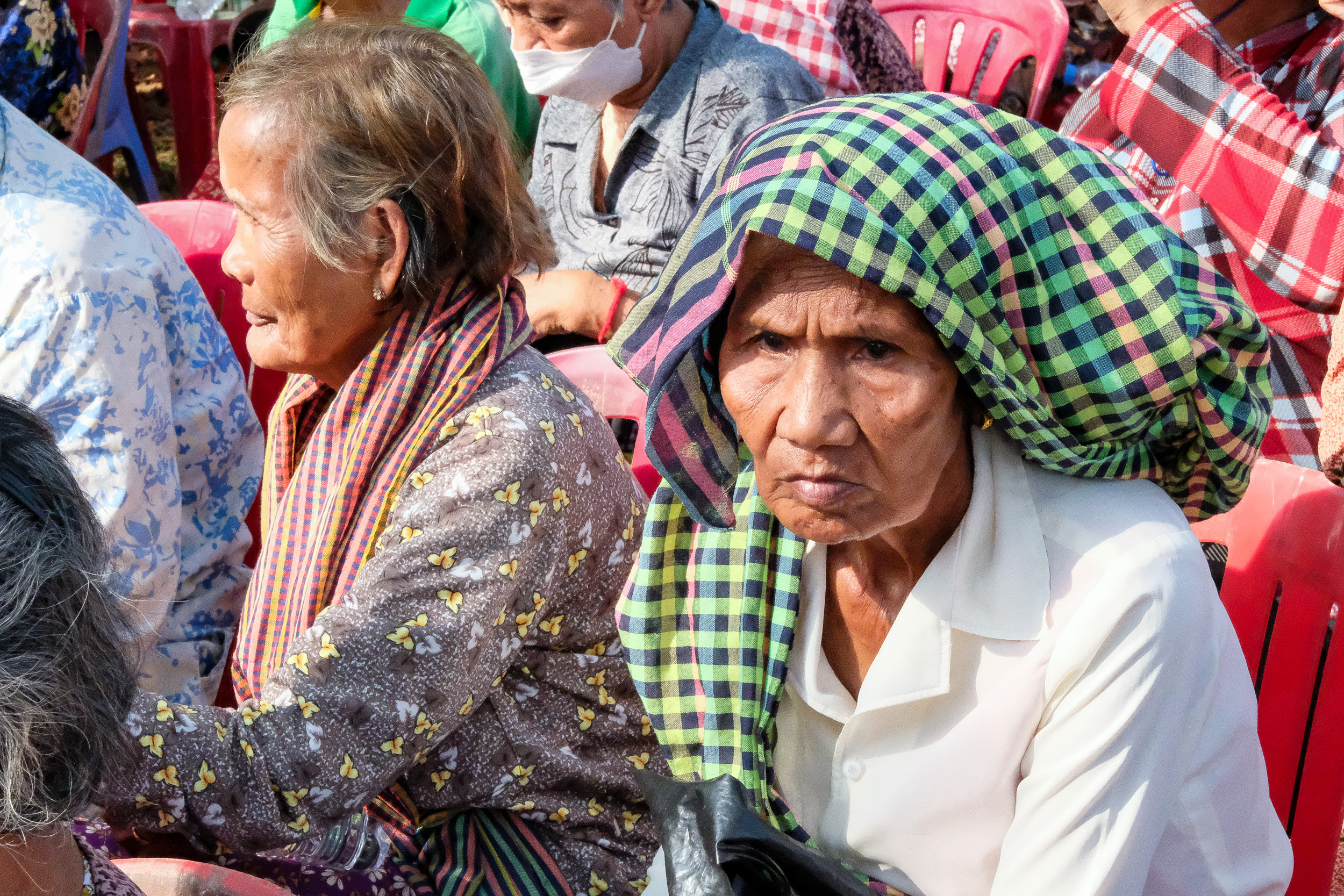
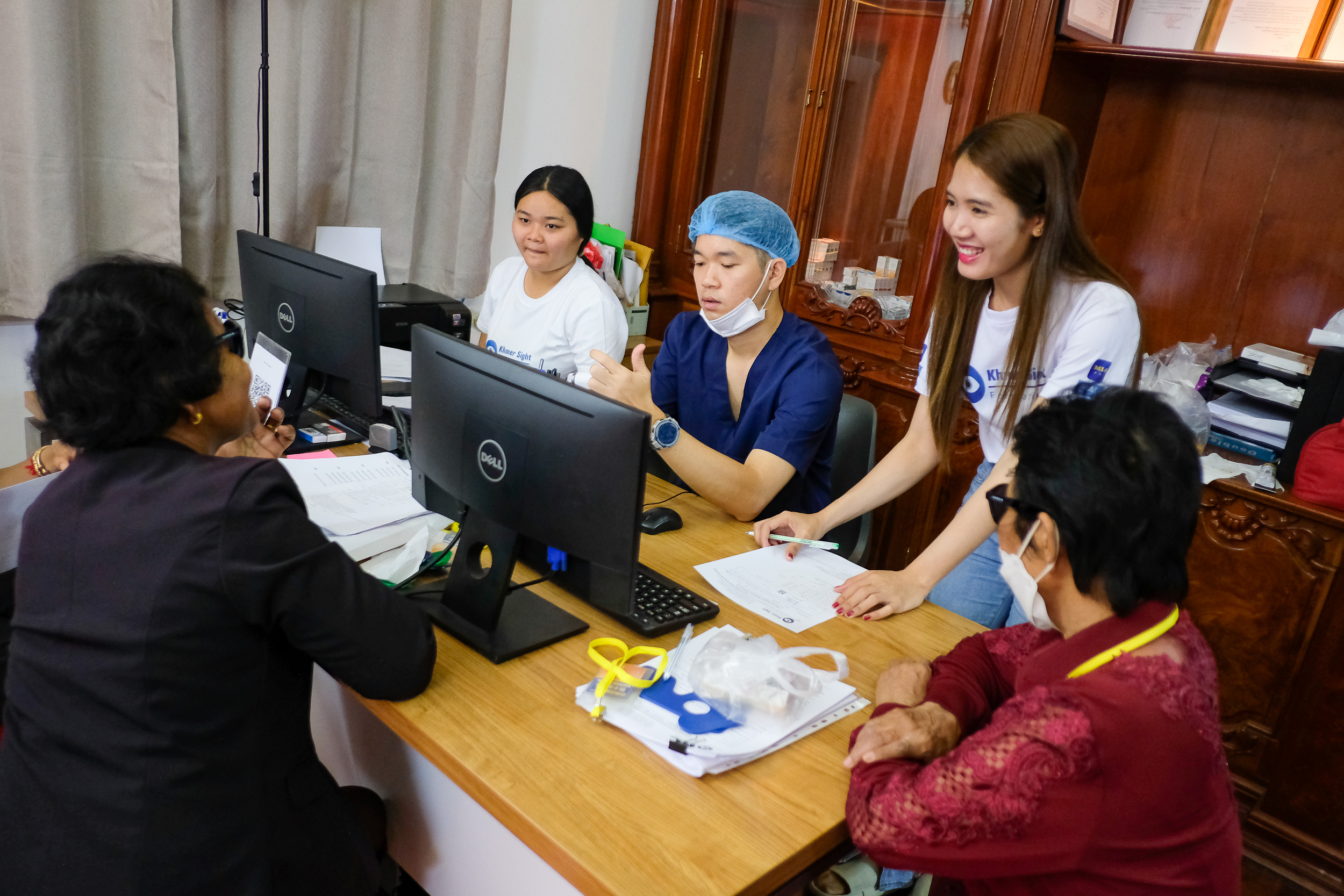
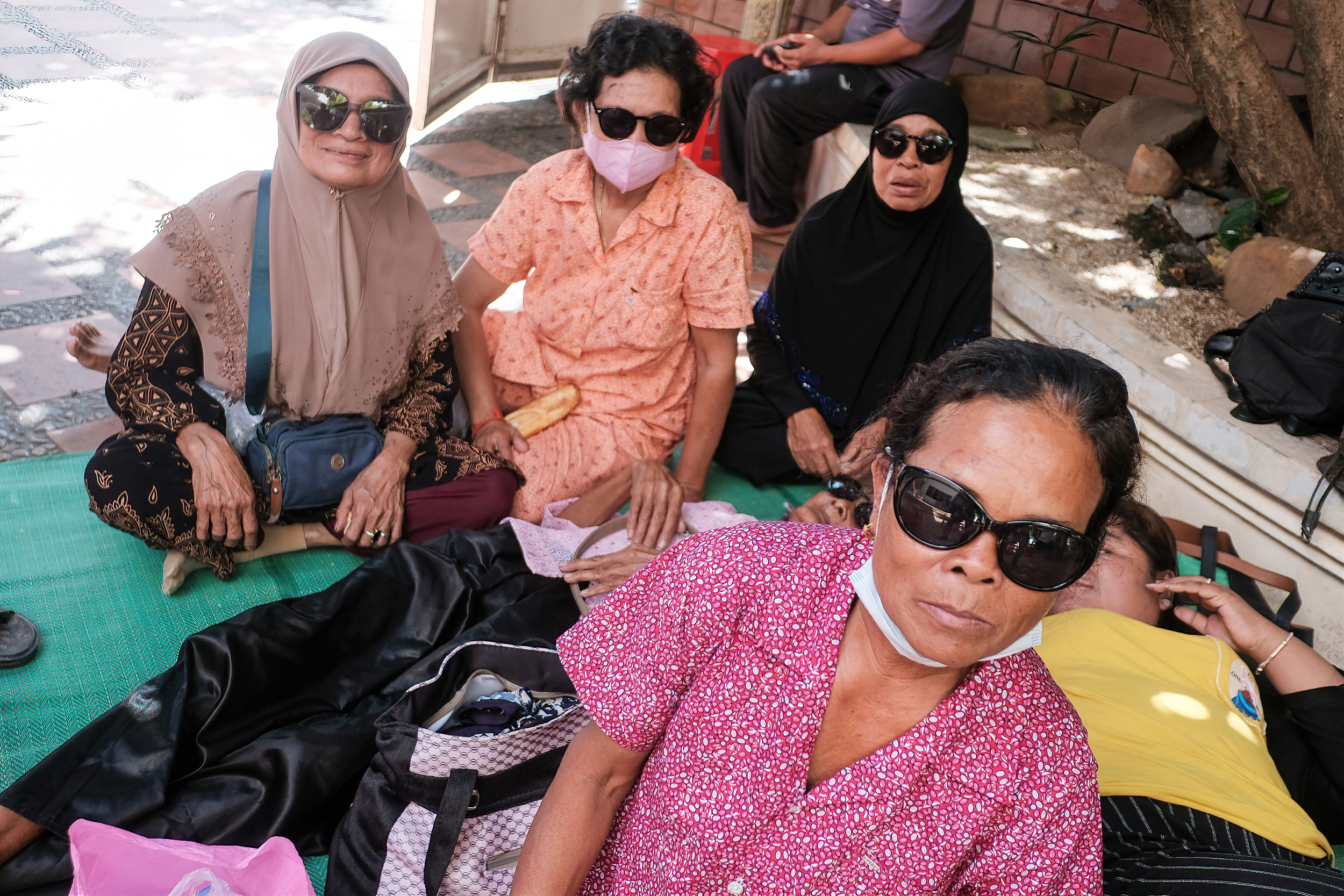
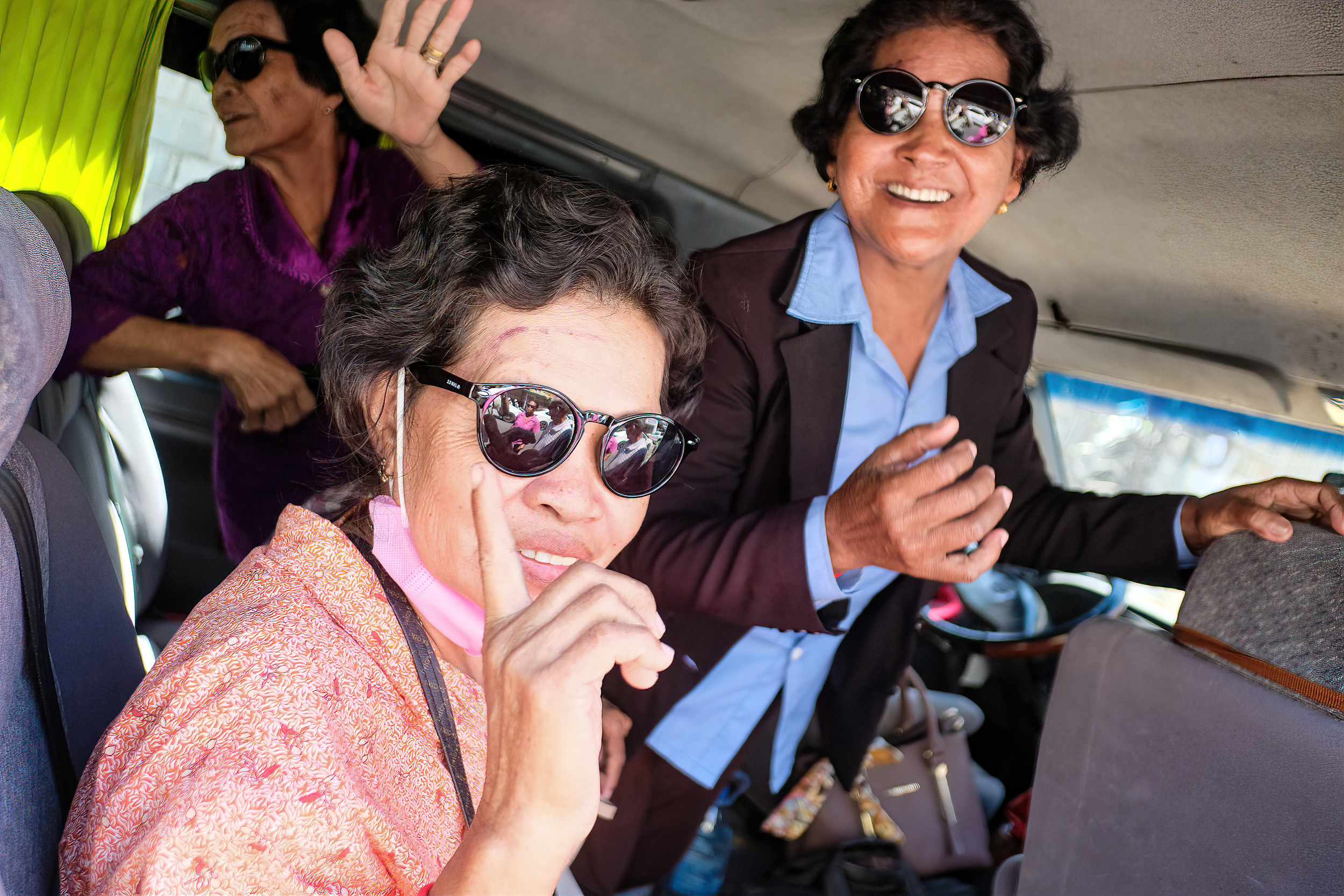
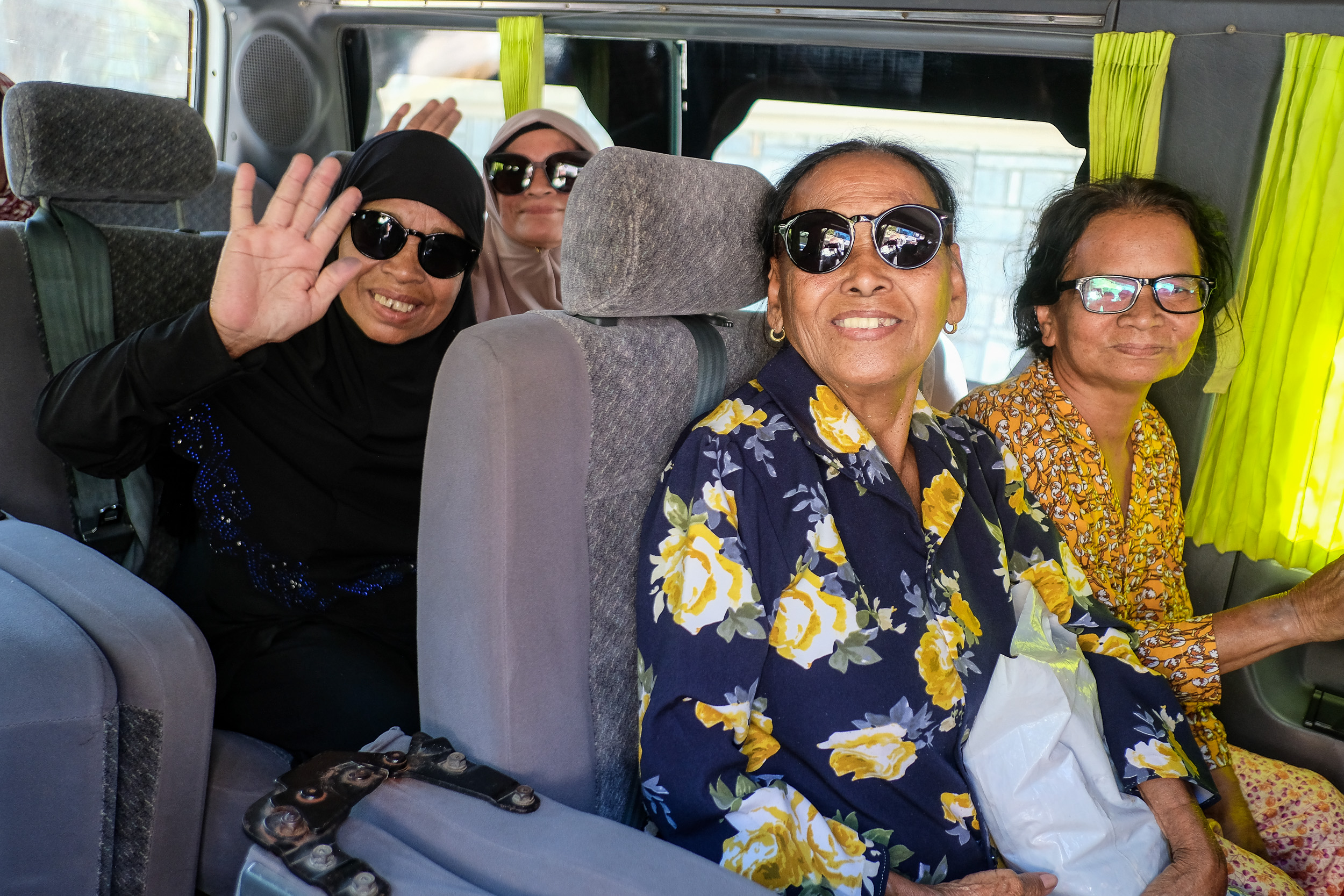
The Khmer Sight Foundation’s Saturday pre-assessment trip to Kampot was a huge success. Travelling early in the morning to a location 175 kilometres from Phnom Penh and setting up, assisted by local health personnel, to see over 100 people with suspected eye issues.
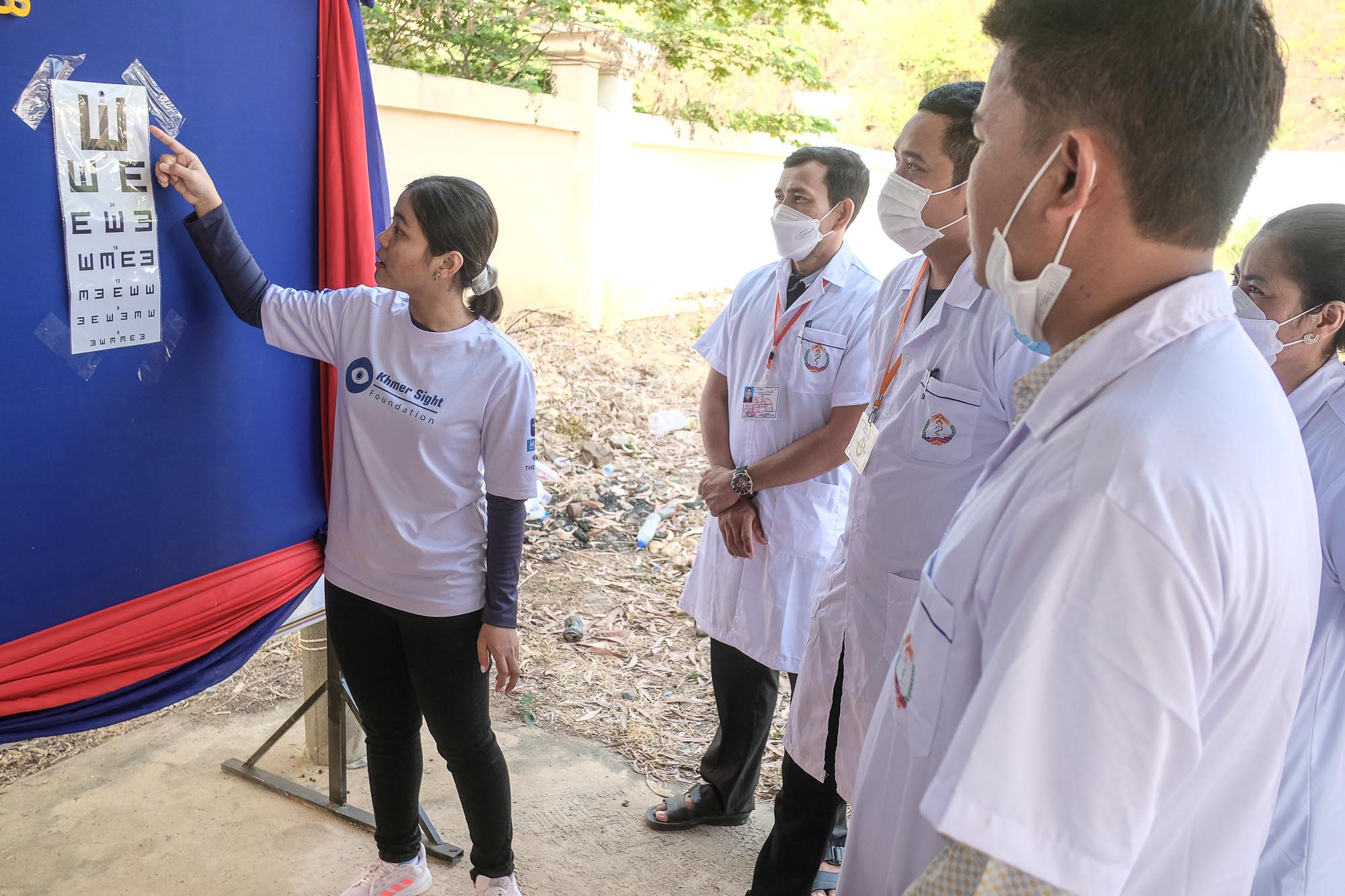
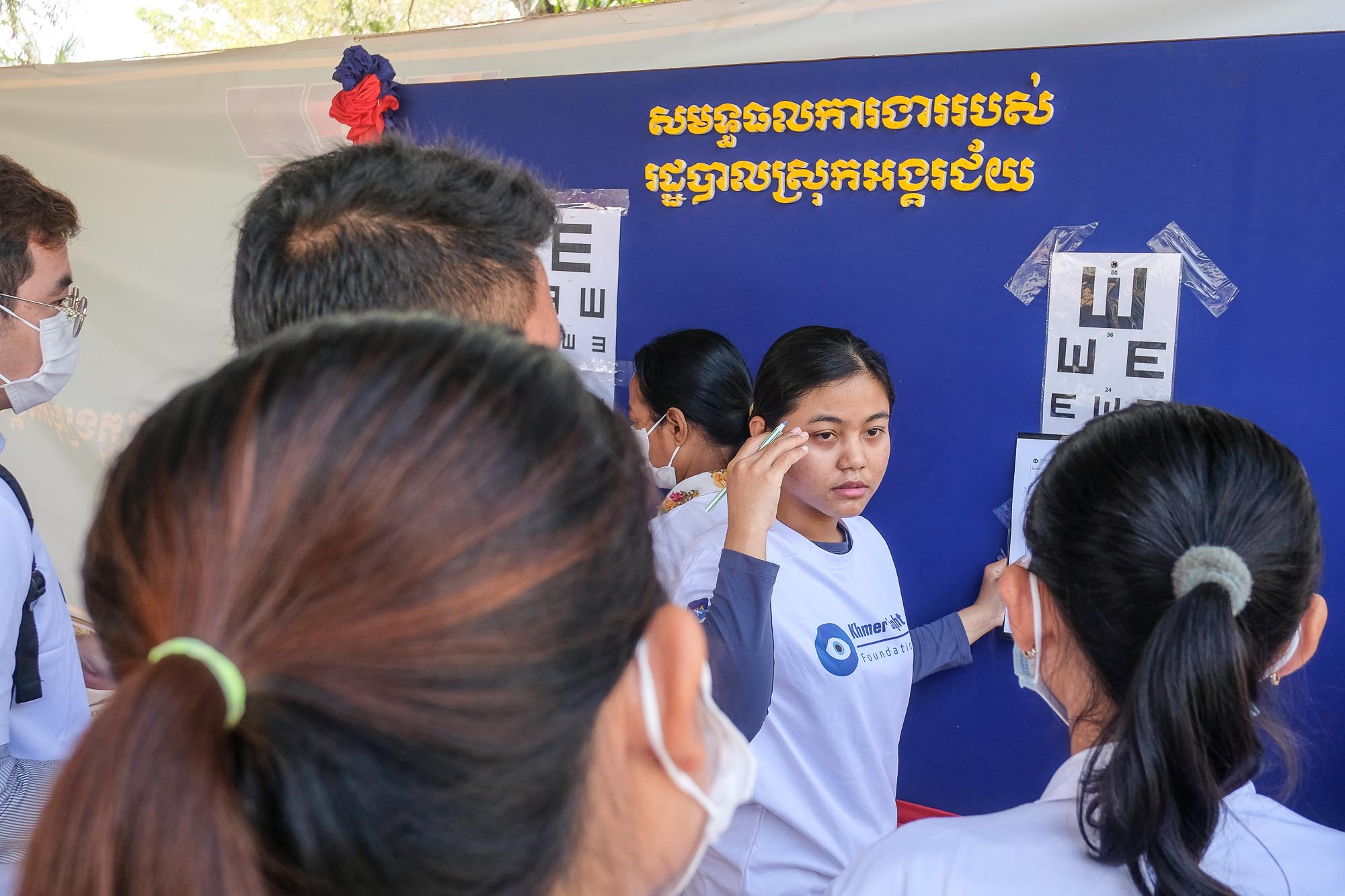
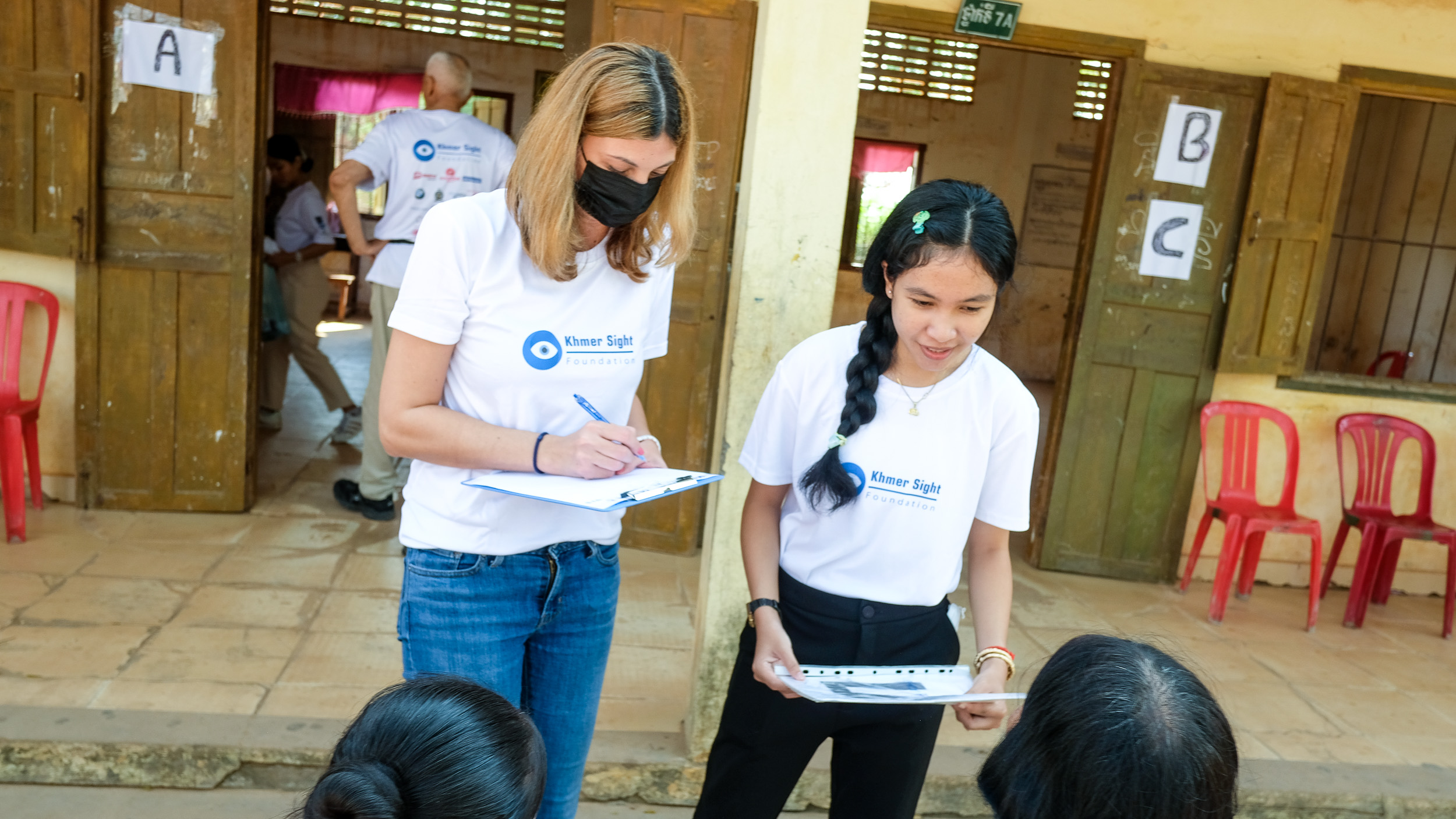
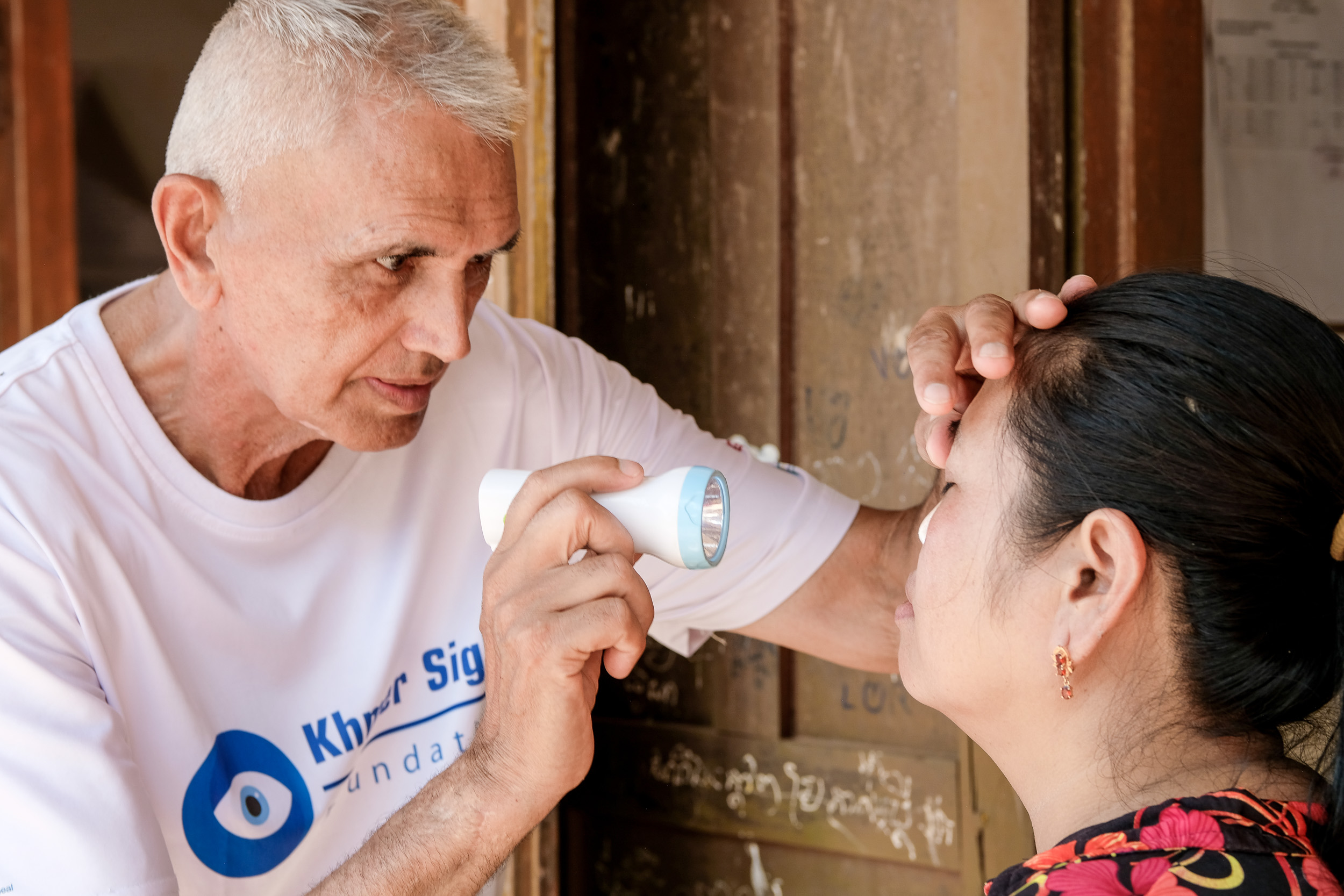
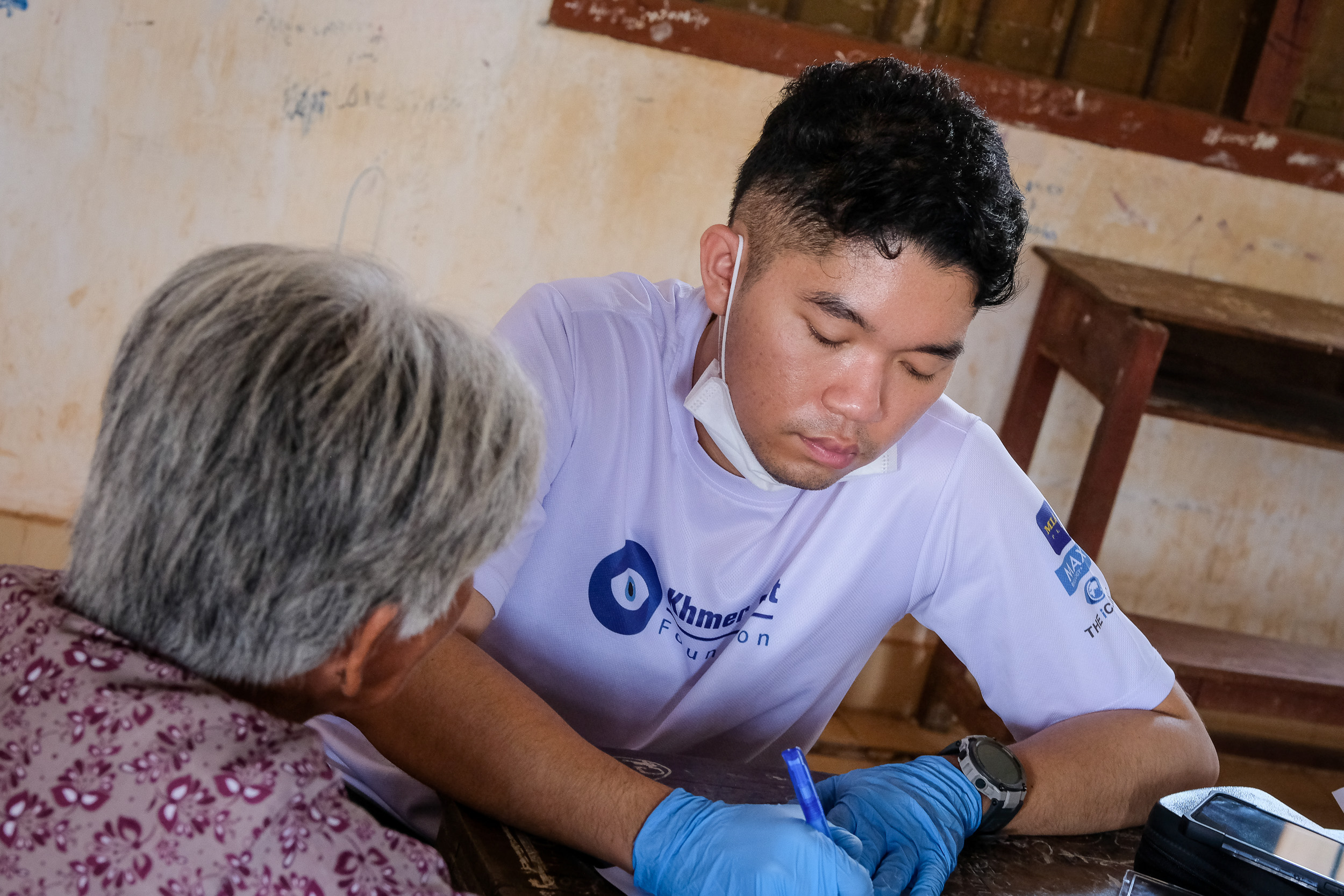
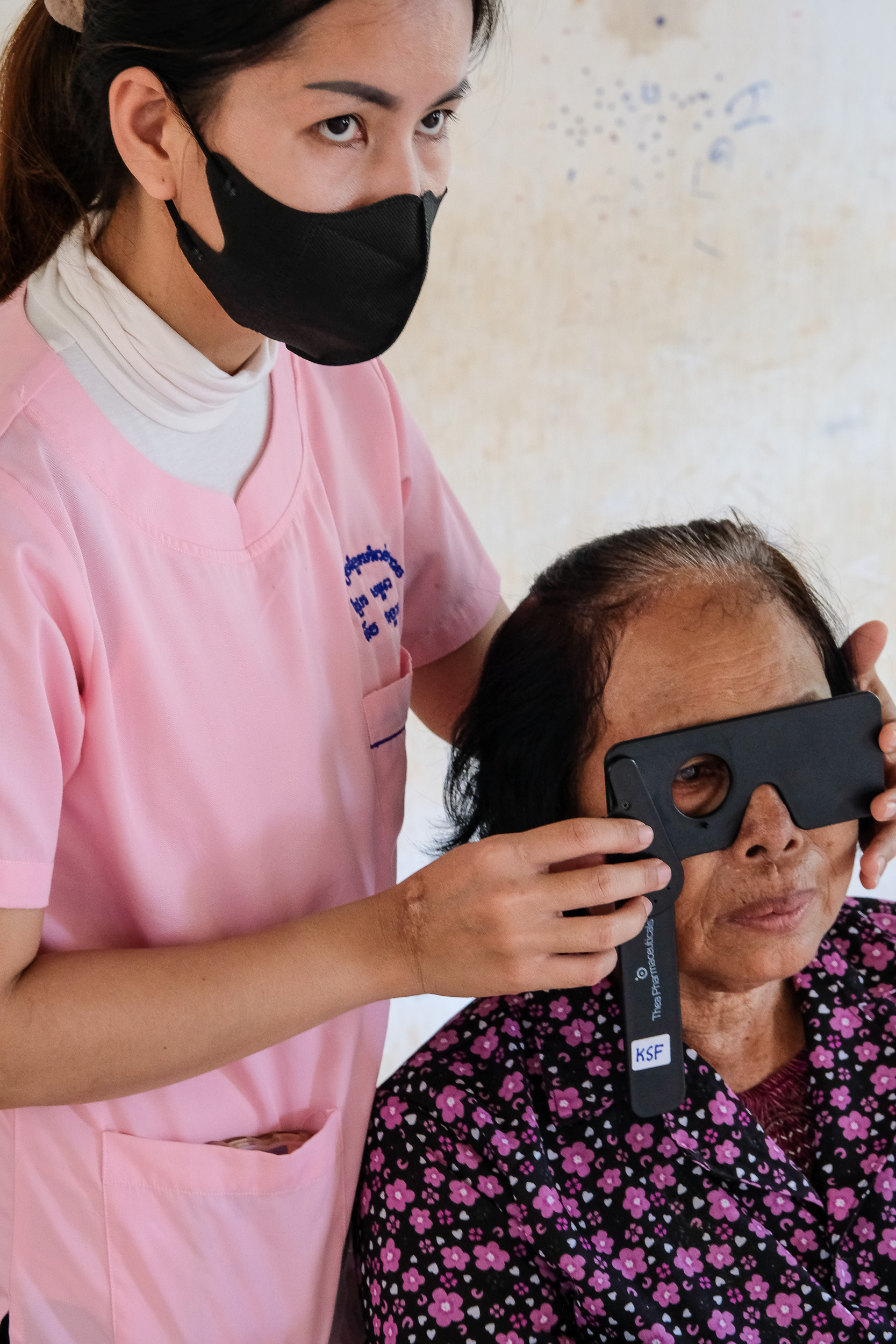
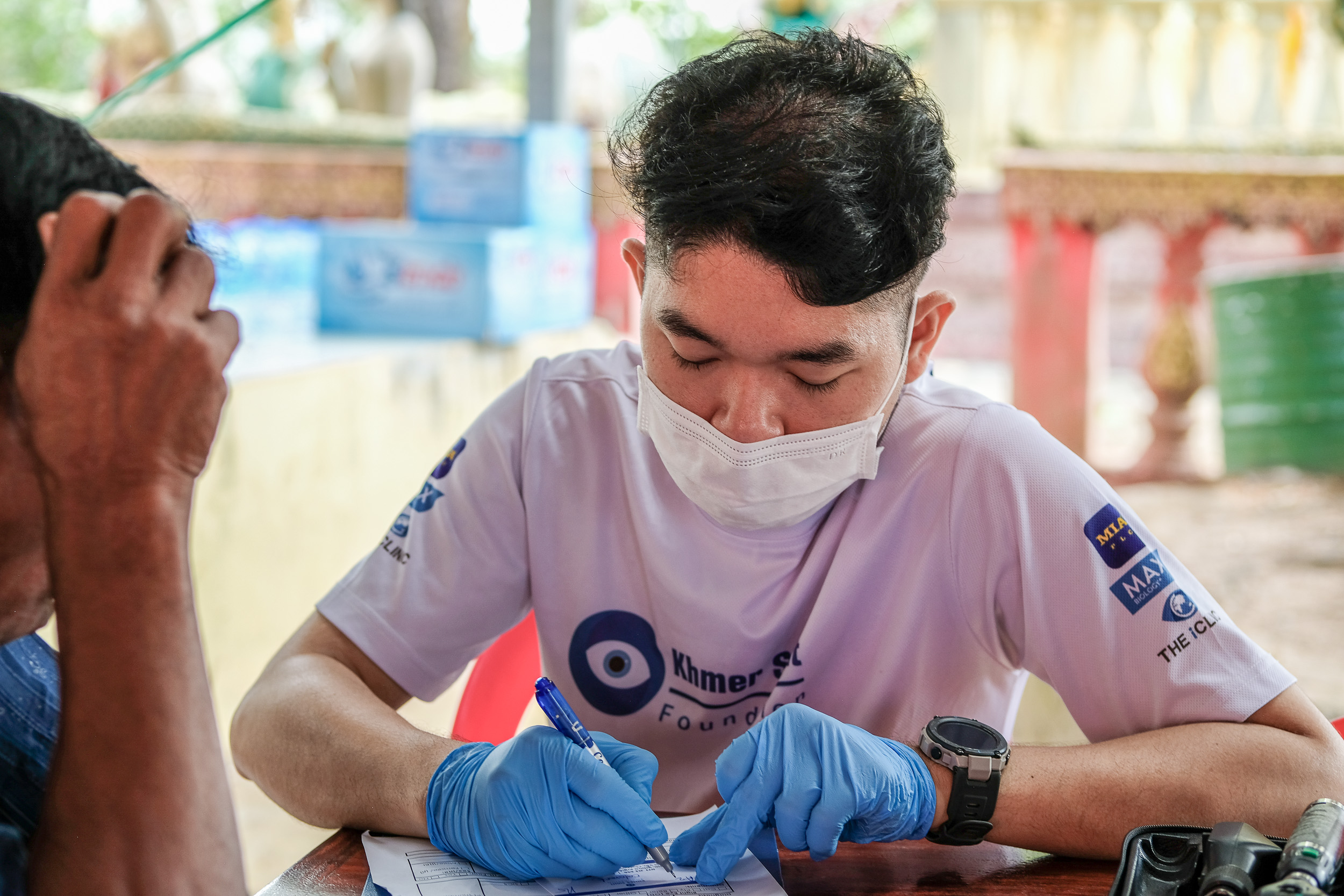
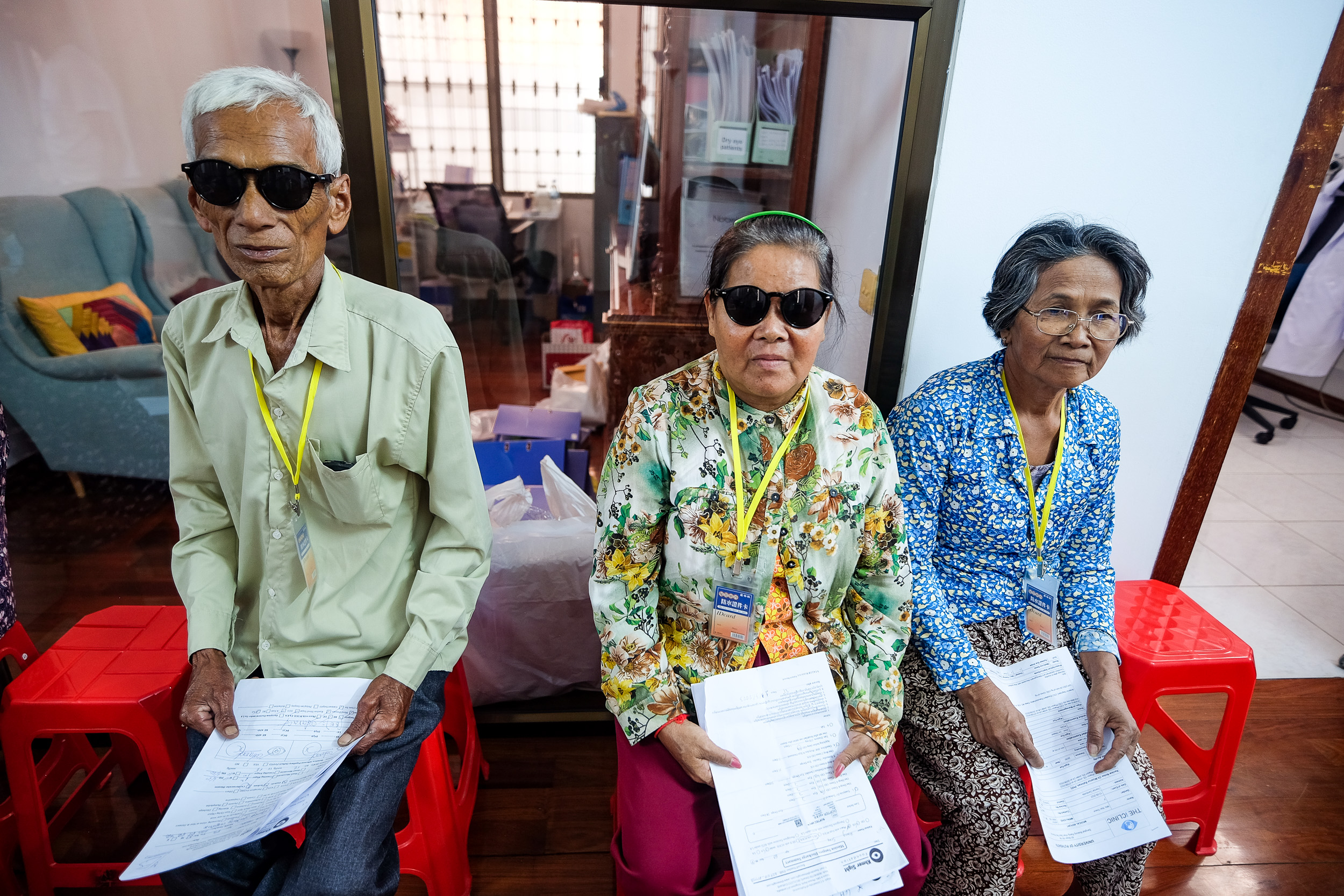
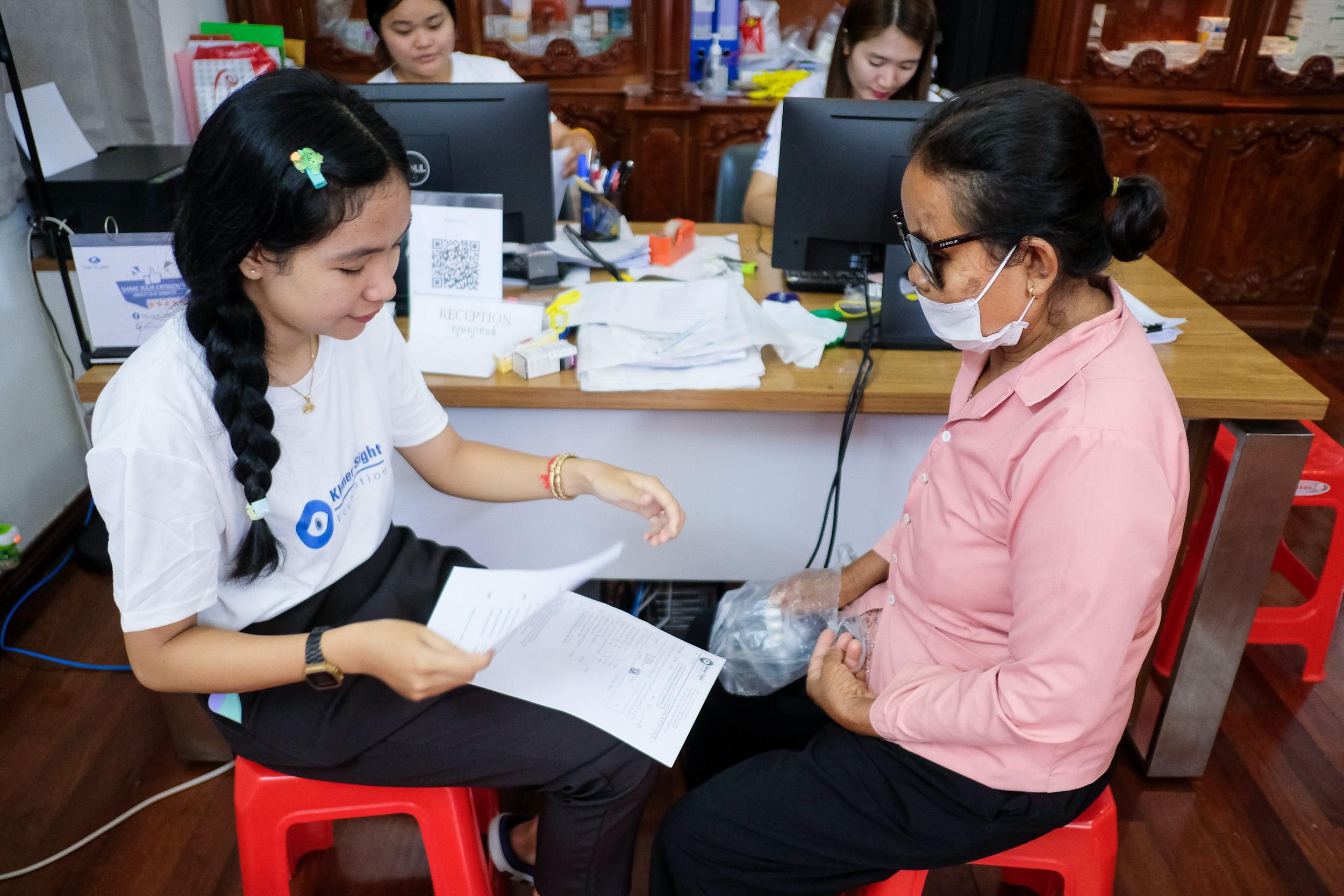
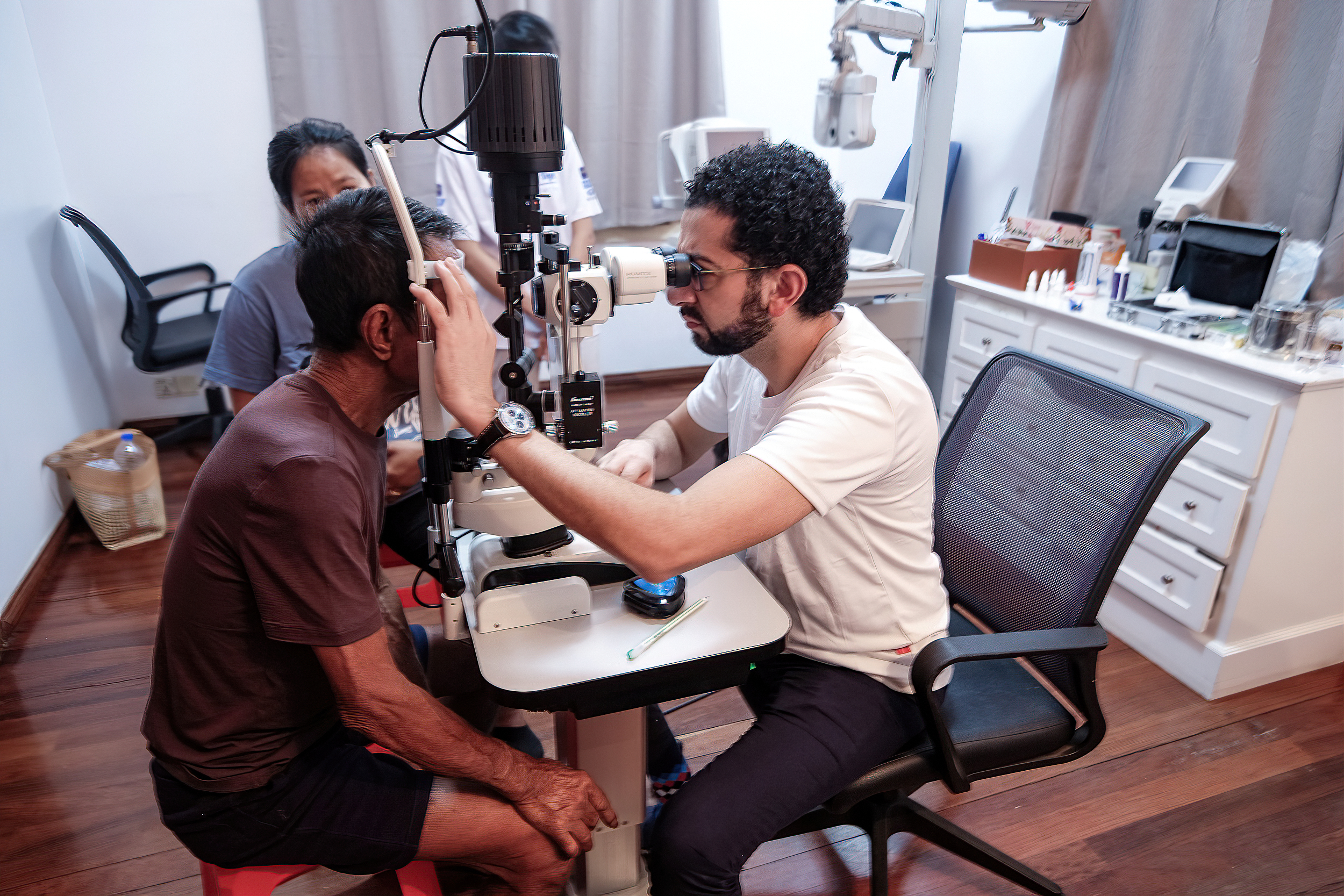
Each client had a basic eye exam before being evaluated by the attending doctor to discover any underlying eye disorders.
Any patient who has a detected eye condition will be invited to the clinic in Phnom Penh to have the necessary surgery at no cost in the near future.

http://khmersight.com/

The Khmer Sight Foundation is a non-profit organization that aims to eliminate avoidable blindness in Cambodia by training local eye care professionals and providing free eye surgeries to the poor. Founded in 2015 by His Excellency Sean Ngu and the late Dr Kim Frumar, the foundation works with international partners and volunteers to improve the quality and accessibility of eye care services in Cambodia.
According to the foundation’s website, over 180,000 Cambodians are blind, and 90% of blindness is avoidable. The main causes of blindness are cataracts, uncorrected vision, glaucoma, corneal scarring and pterygium. Cambodia has one of the lowest numbers of eye specialist doctors per capita in the world, and most of the poor live in rural areas where there is little or no eye care available.

The Khmer Sight Foundation’s mission is to train the next generation of eye care health professionals in Cambodia so that the country can become self-reliant in the provision of high-quality, safe and effective eye care. The foundation selects local graduates to study internationally on scholarships to further their education in ophthalmology and pass on their training. It also develops surgical and diagnostic skills and provides scholarships abroad to train in sub-specialities that are lacking in Cambodia, such as corneal and retinal issues and paediatric conditions.

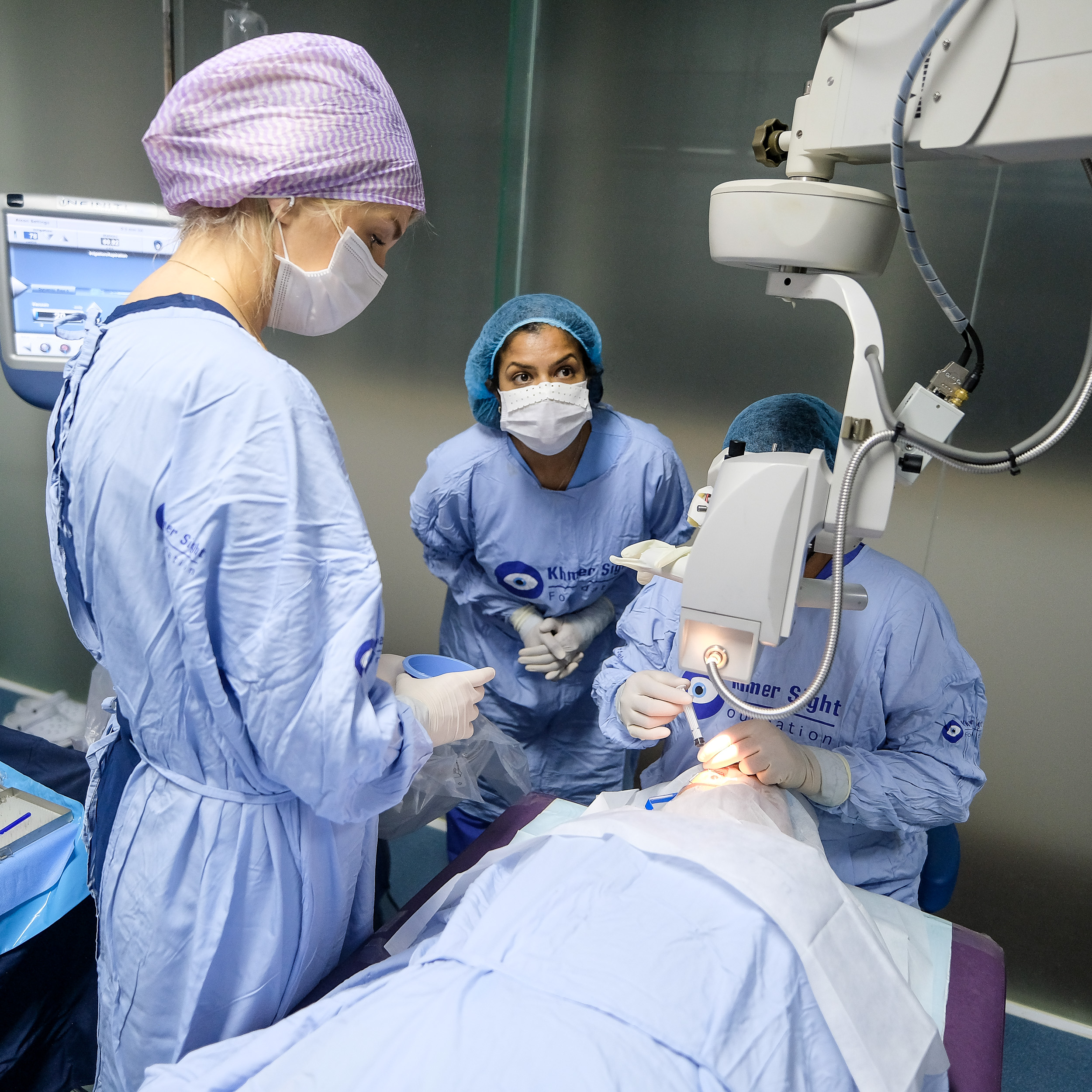
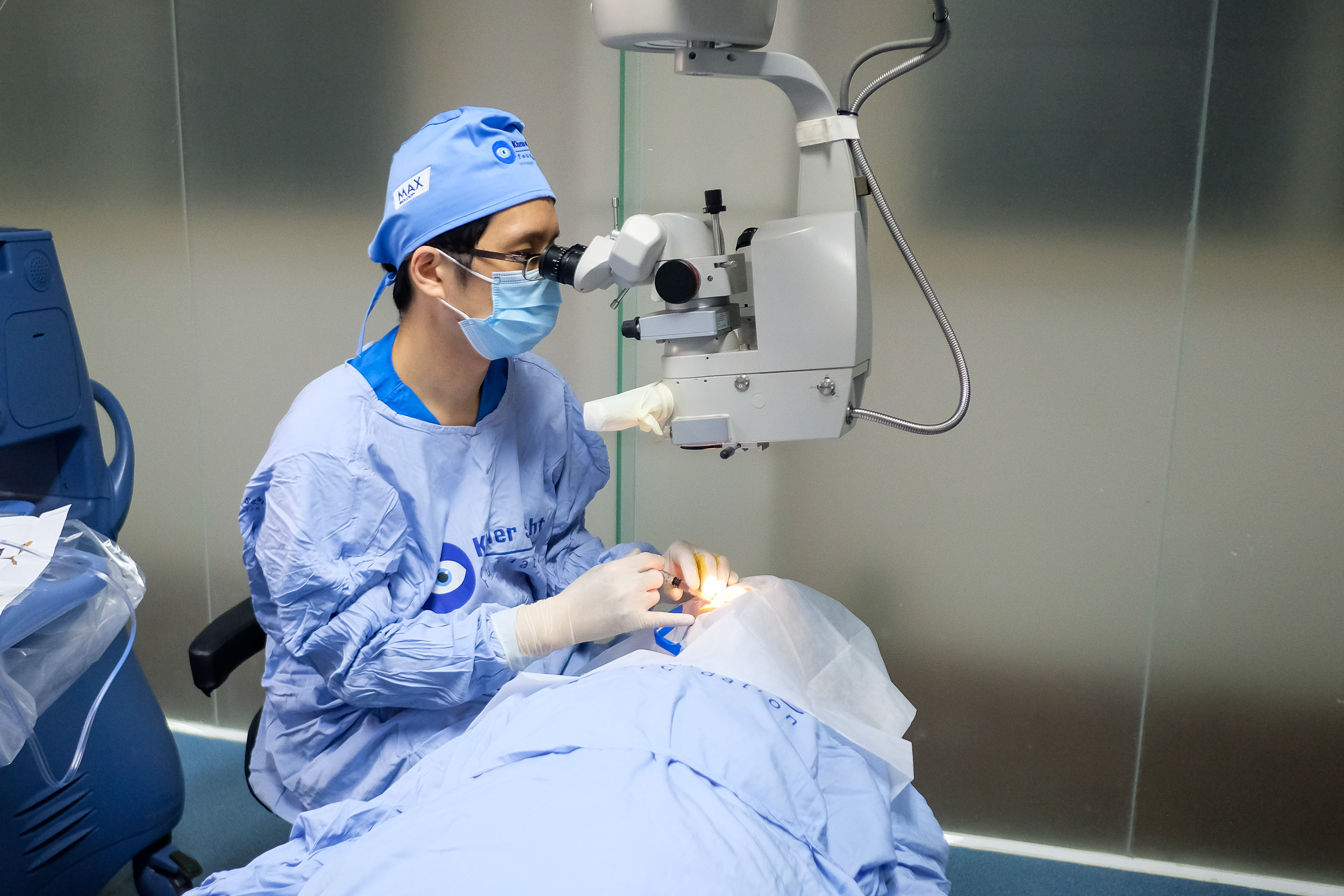
The foundation also runs a charitable mission offering free cataract surgery based at multiple charitable hospitals in Phnom Penh. The foundation’s volunteer health workers visit remote rural communities to conduct eye screenings and provide basic instructions on eye hygiene. International specialists help by not only providing training but also conducting free surgery for the poorest people in Cambodia. These surgeries are life-changing and make a tangible difference to local communities.

The Khmer Sight Foundation is a remarkable example of how local and international collaboration can help address a major health issue in a developing country. By empowering local eye care professionals and providing free eye care services to the needy, the foundation is helping to restore the gift of sight to many thousands of Cambodians.

Volunteers – Khmer Sight Foundation.

cambodia, opinons, thoughts, photography, voluntary

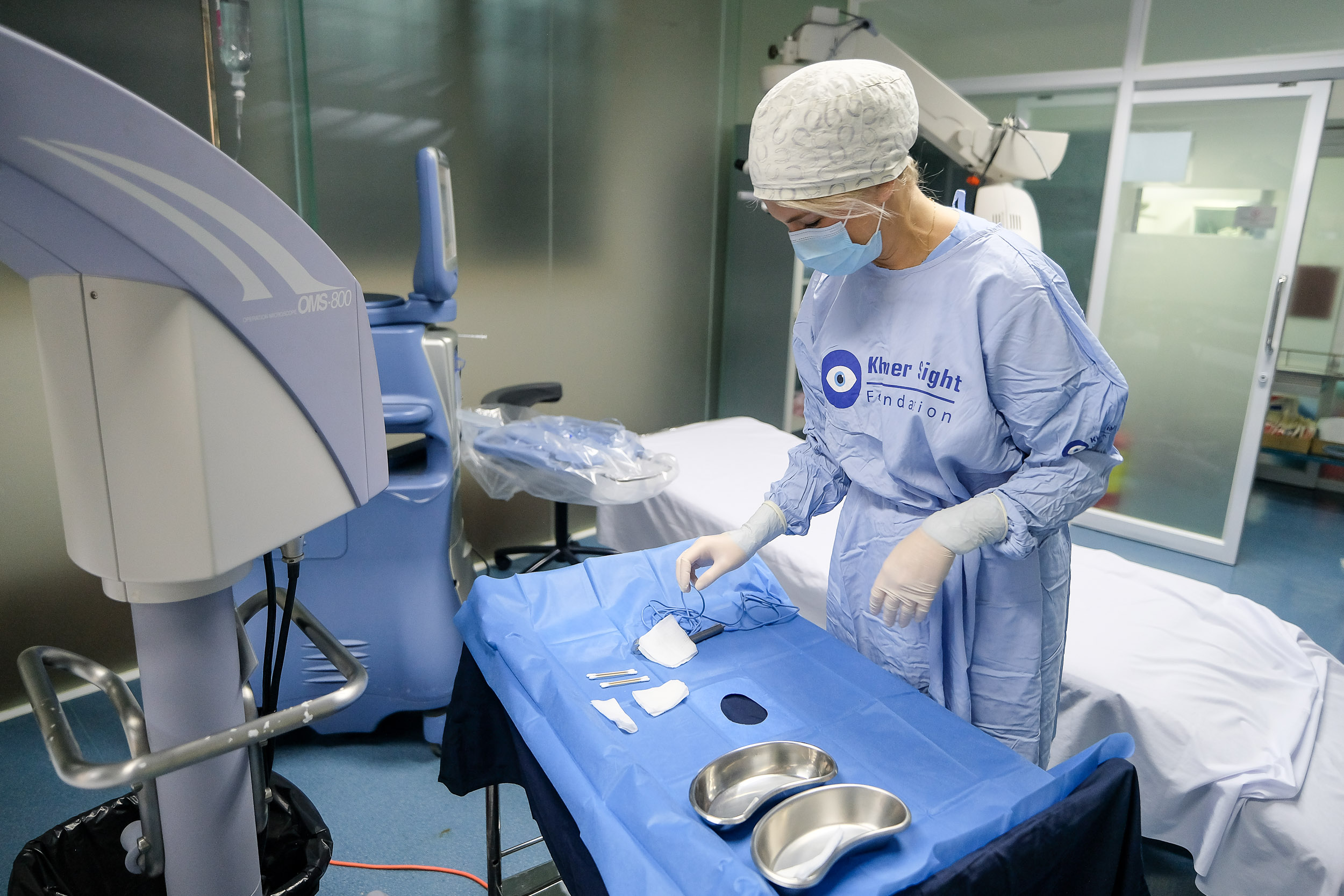
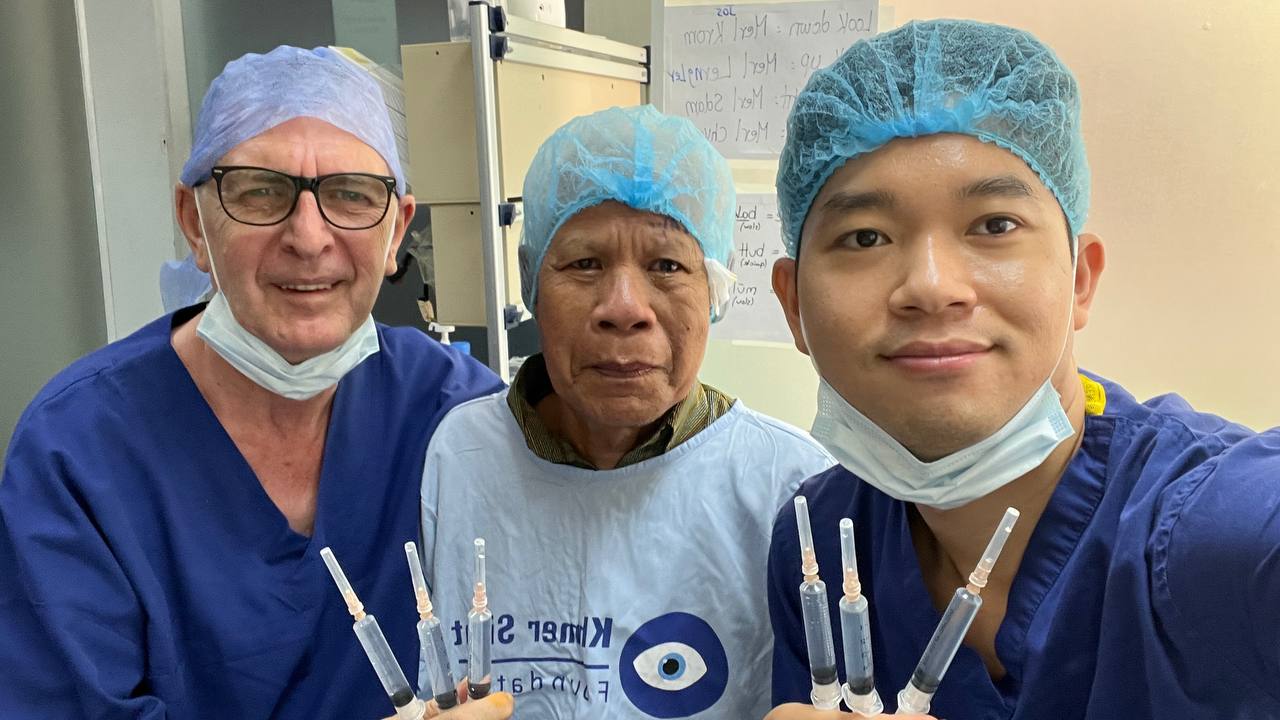
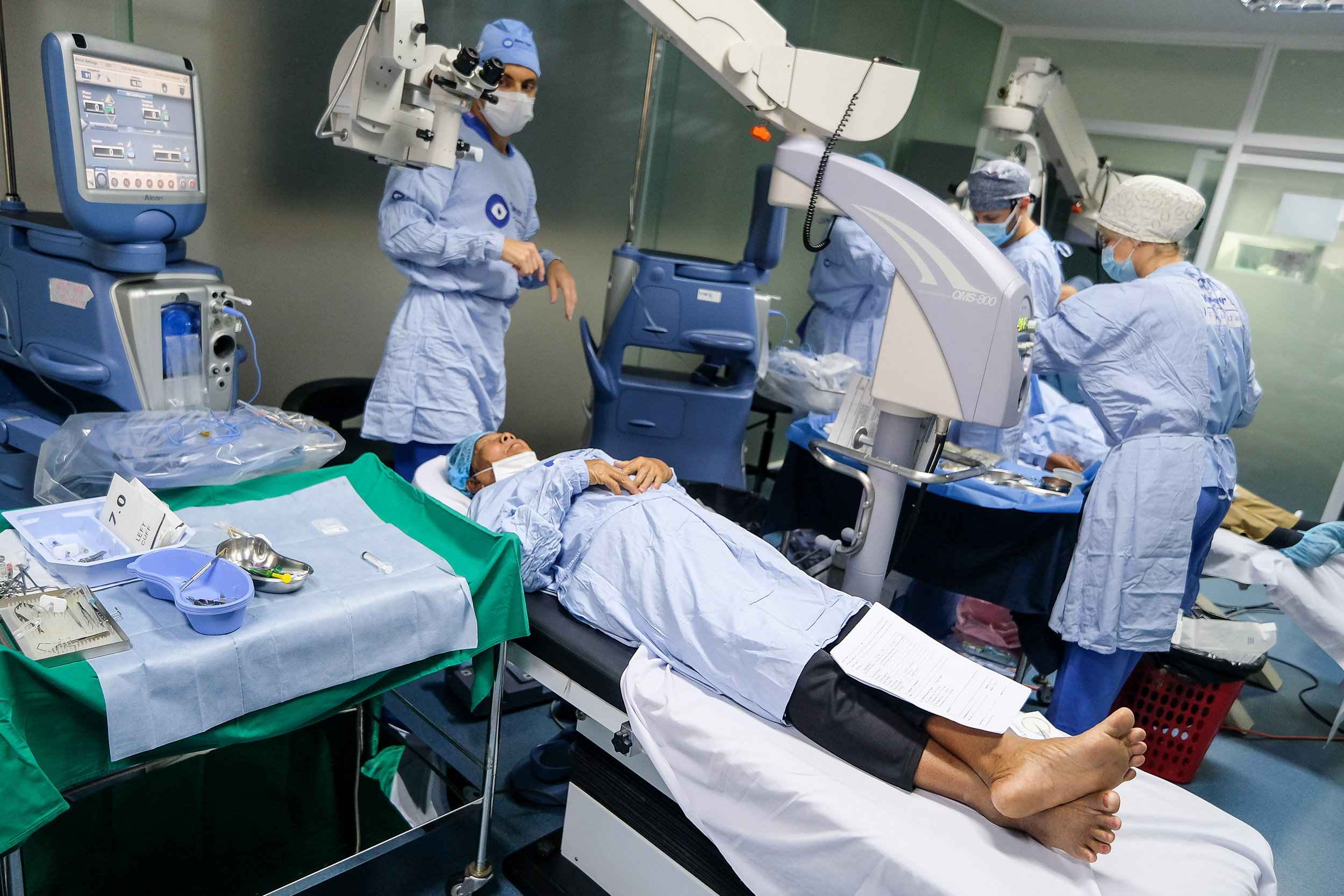
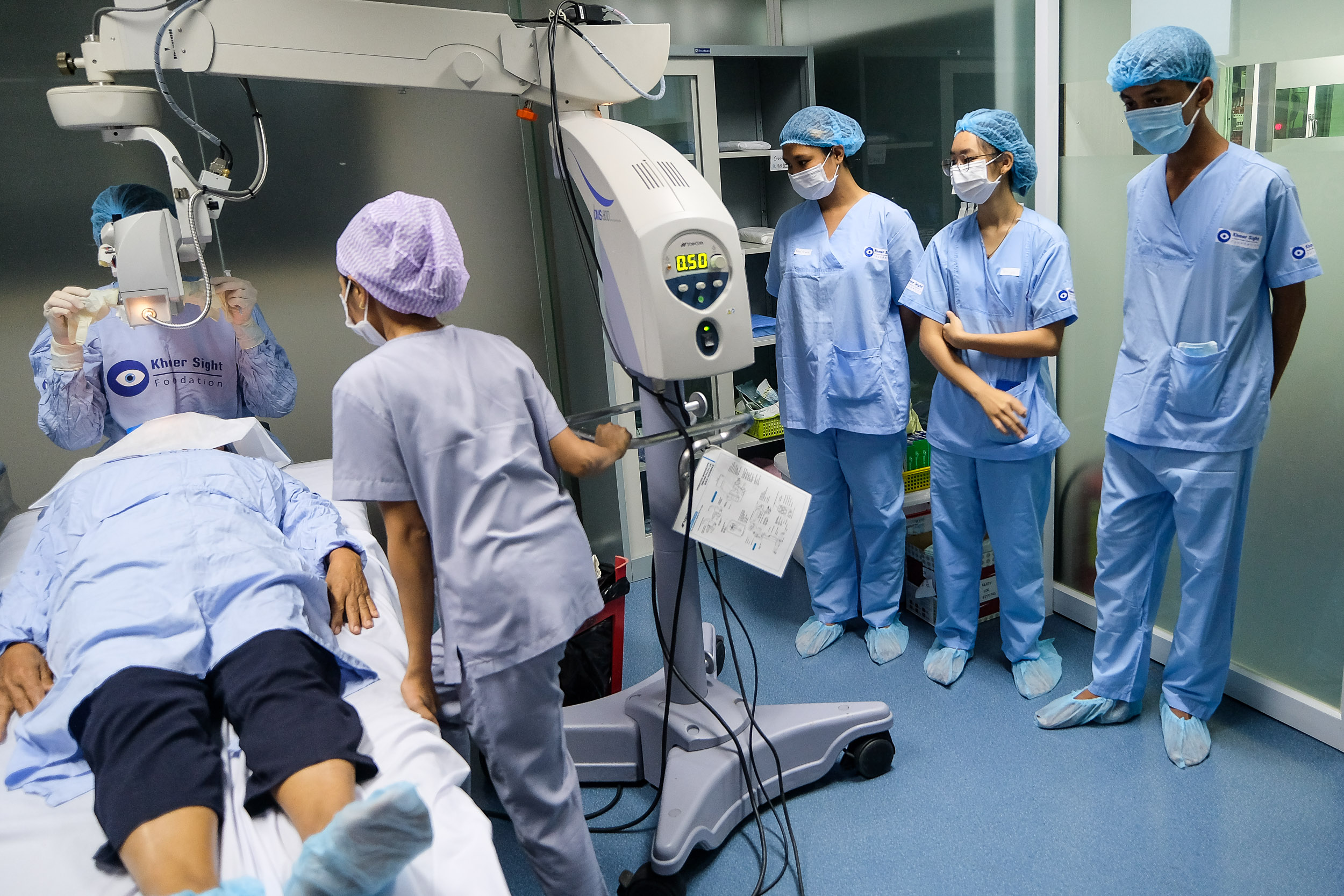
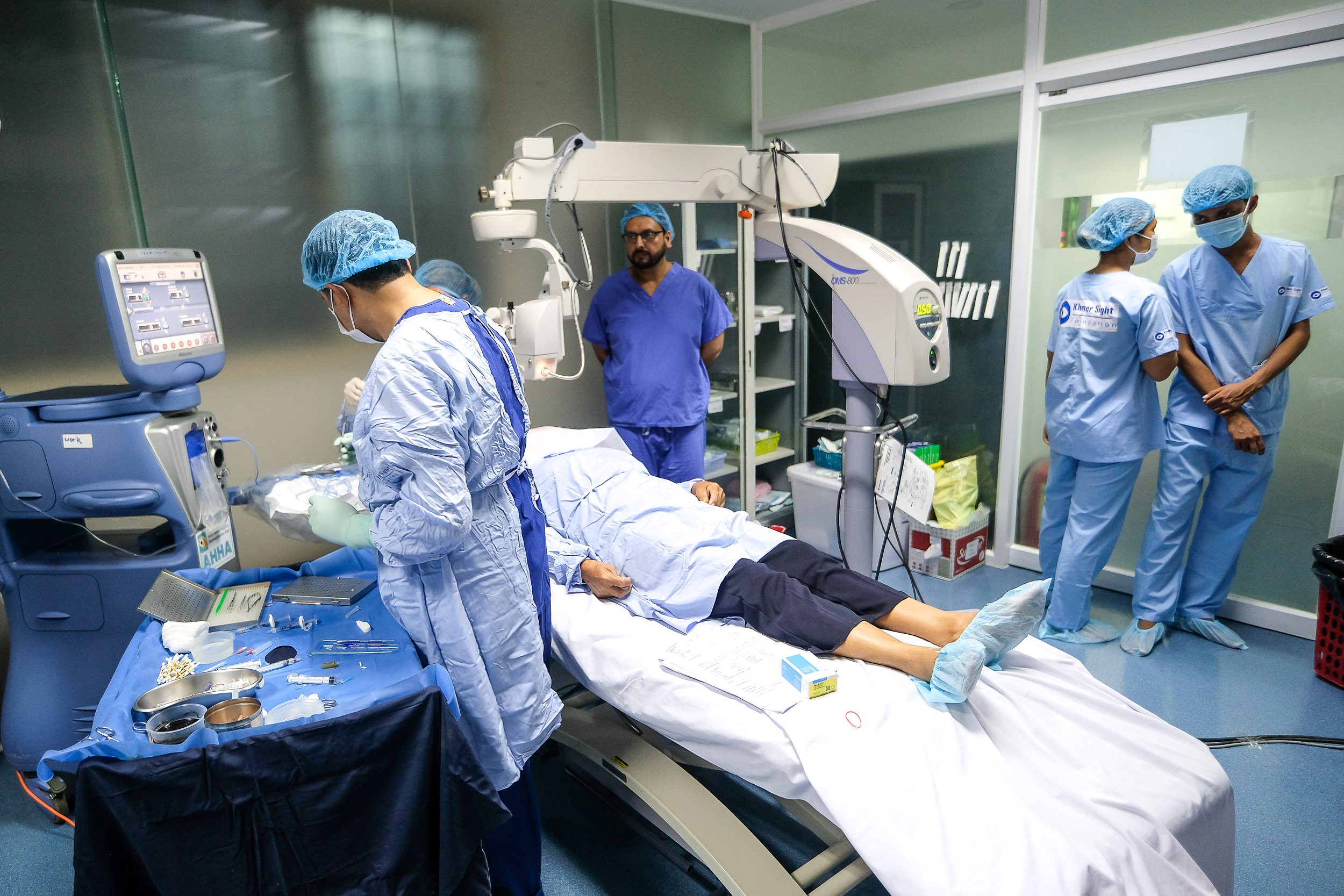
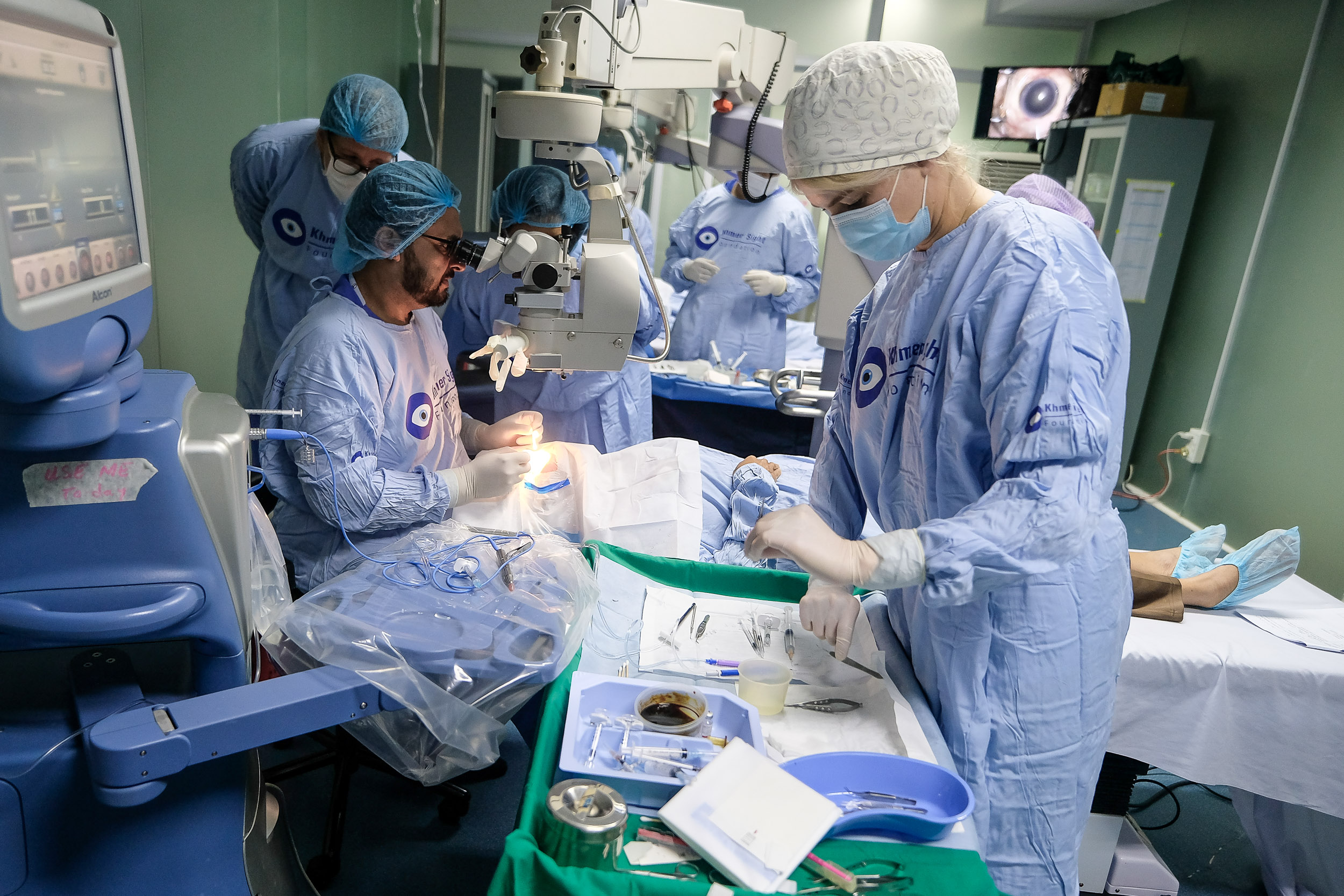
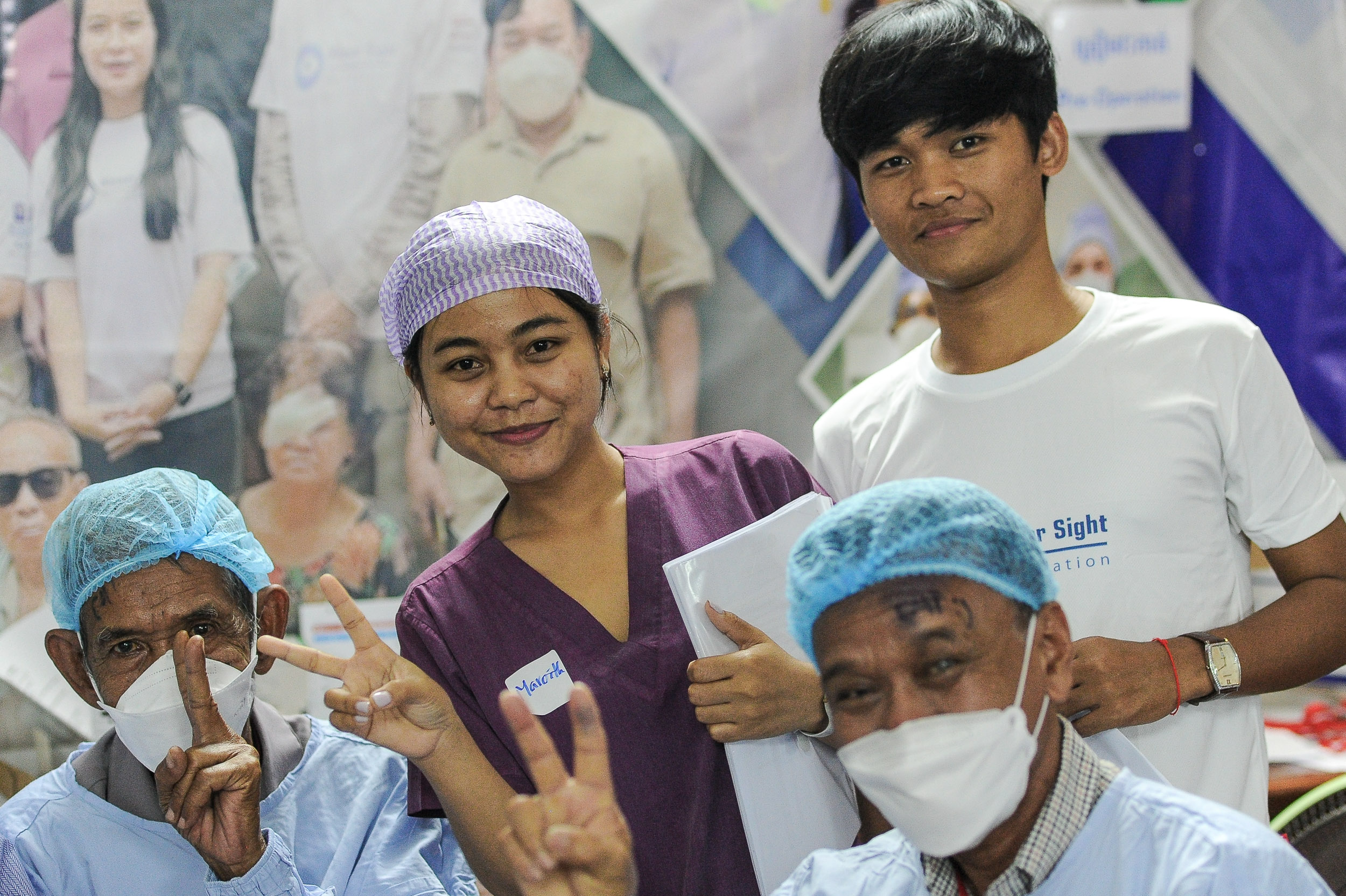
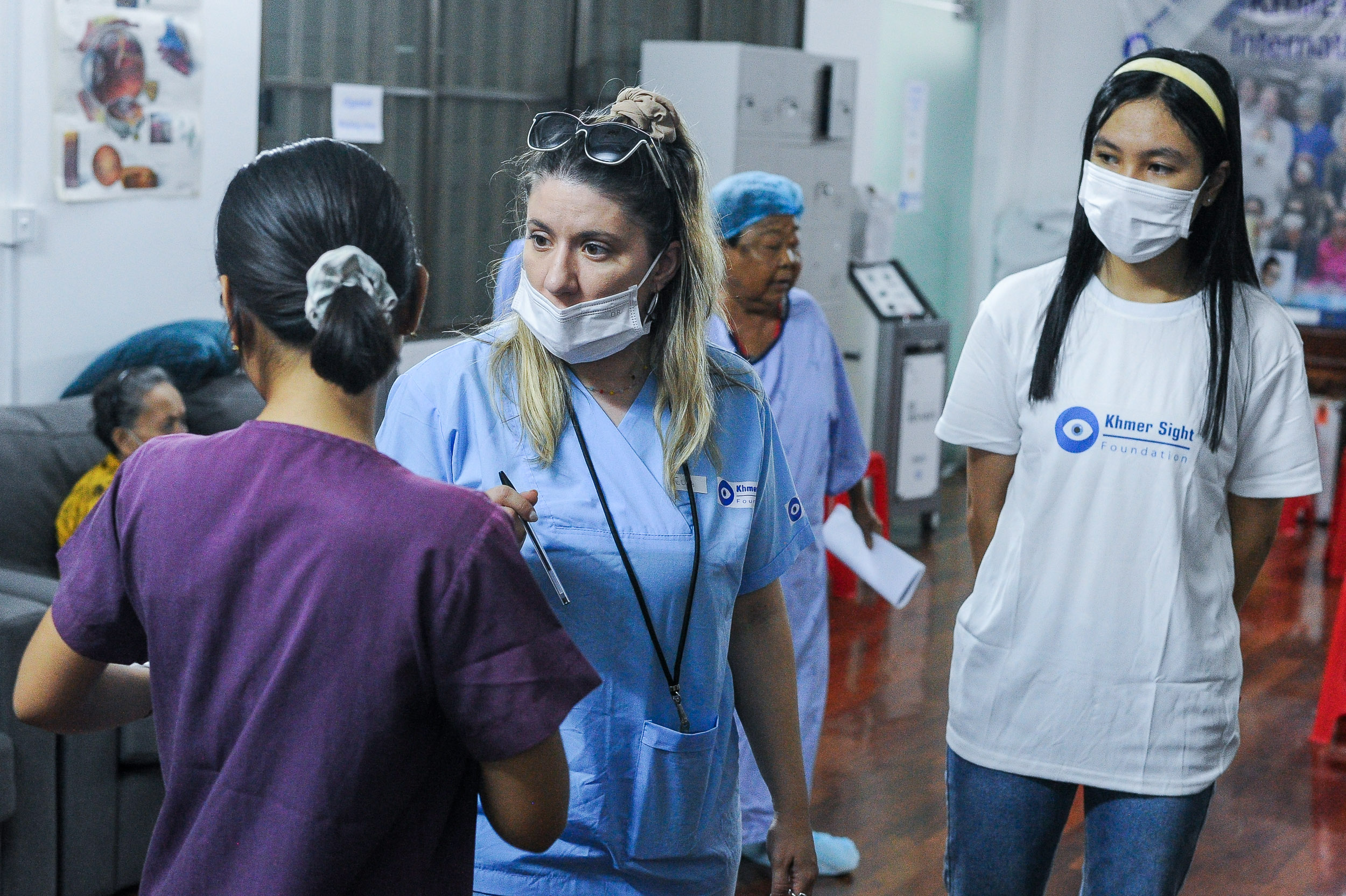
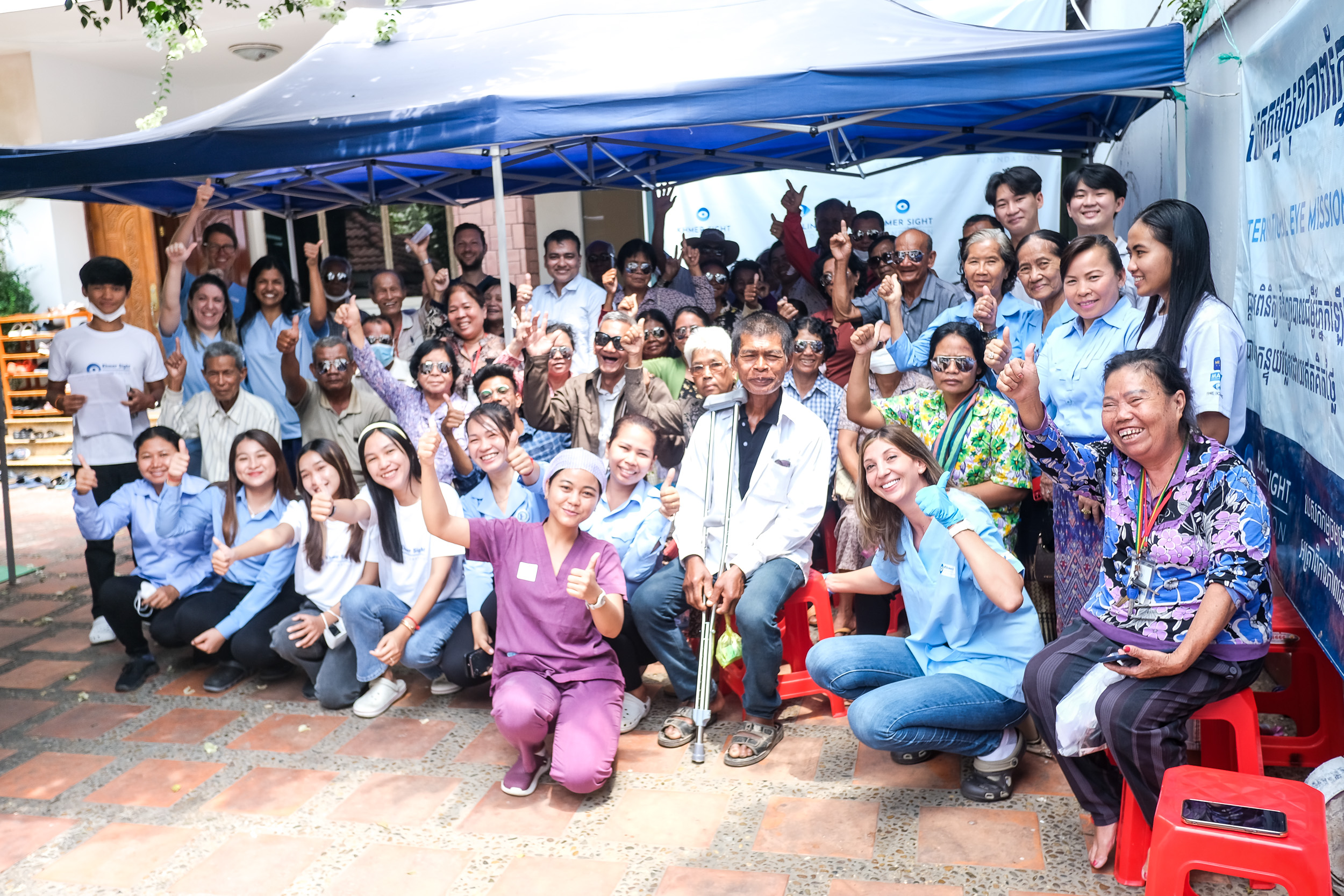
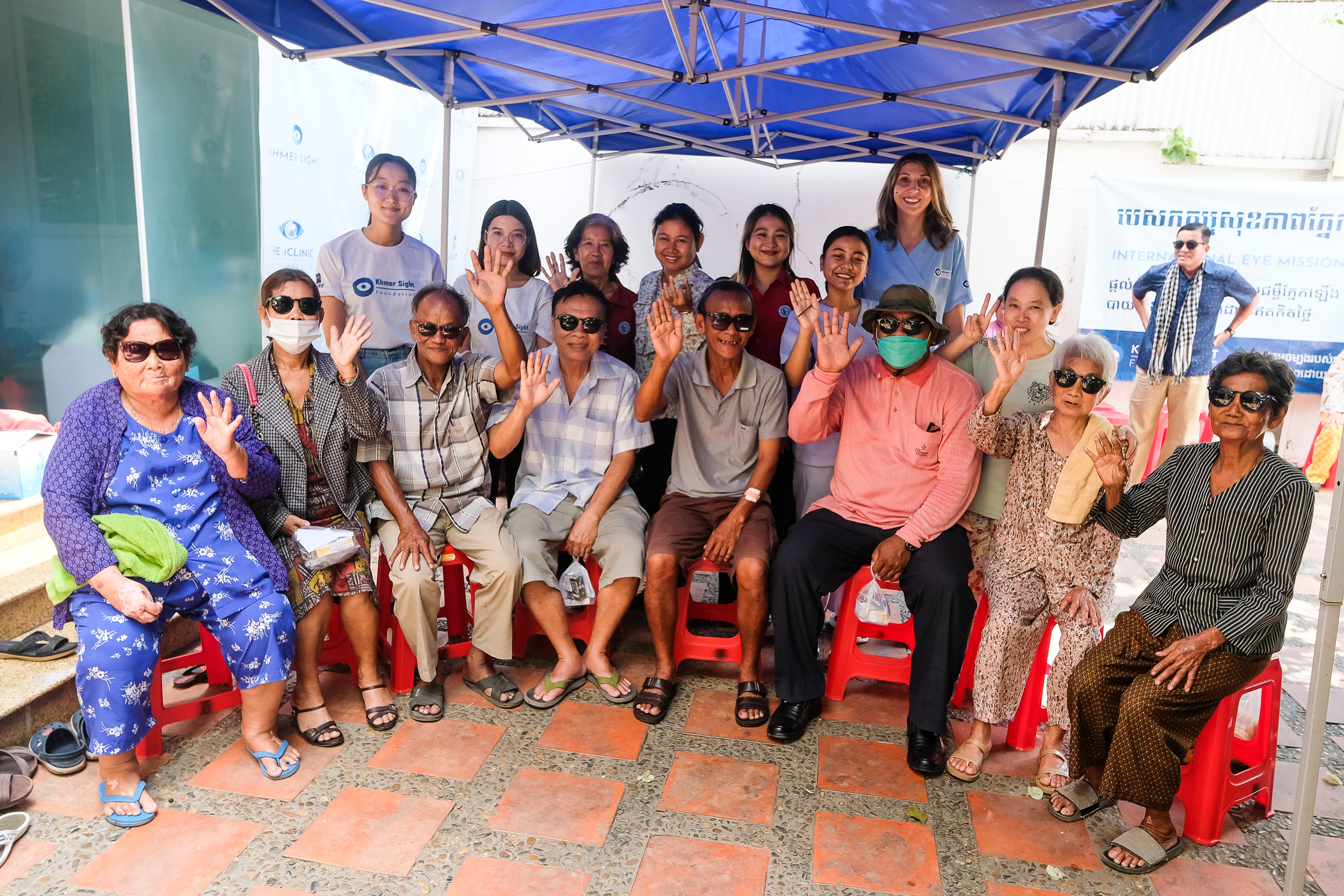
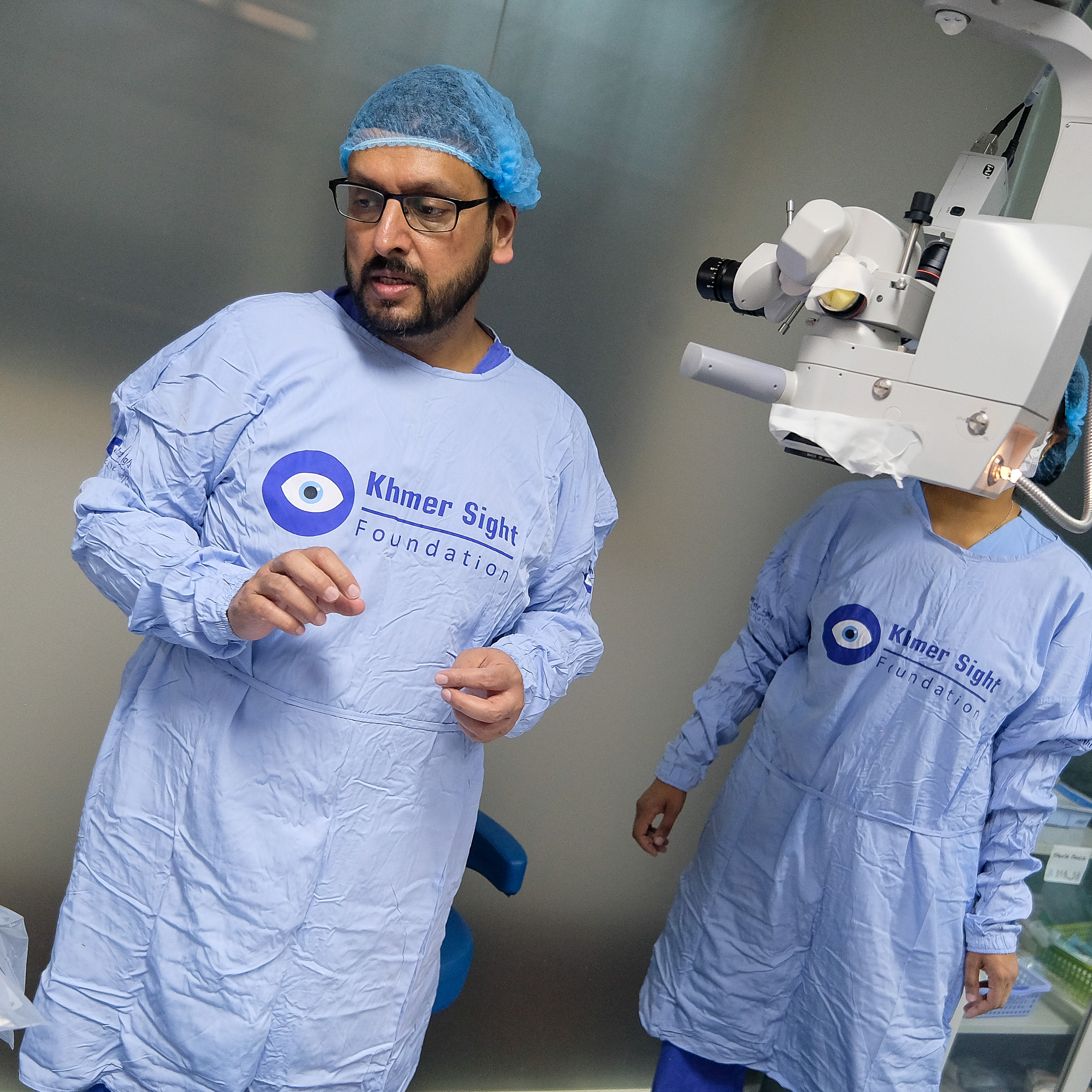
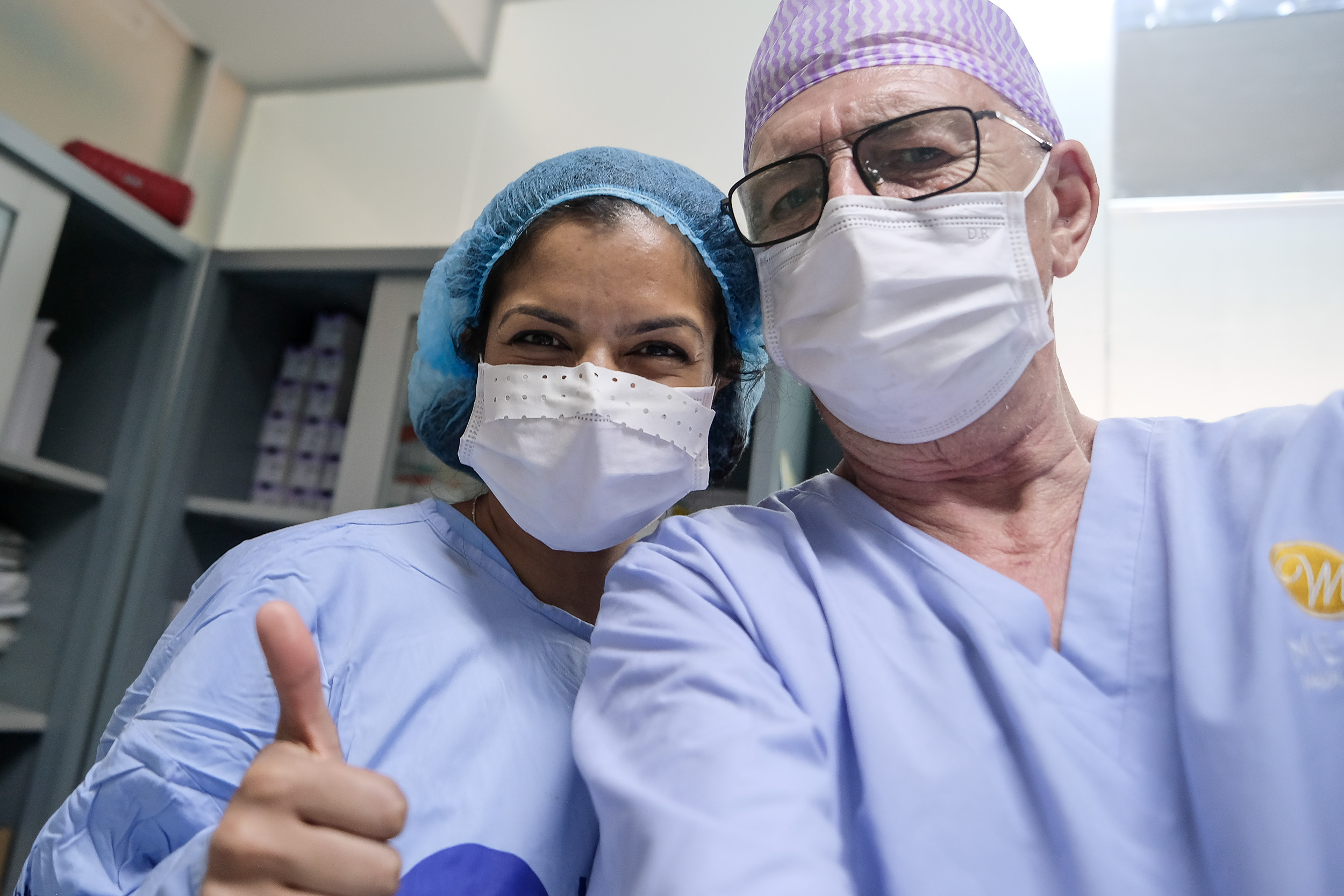
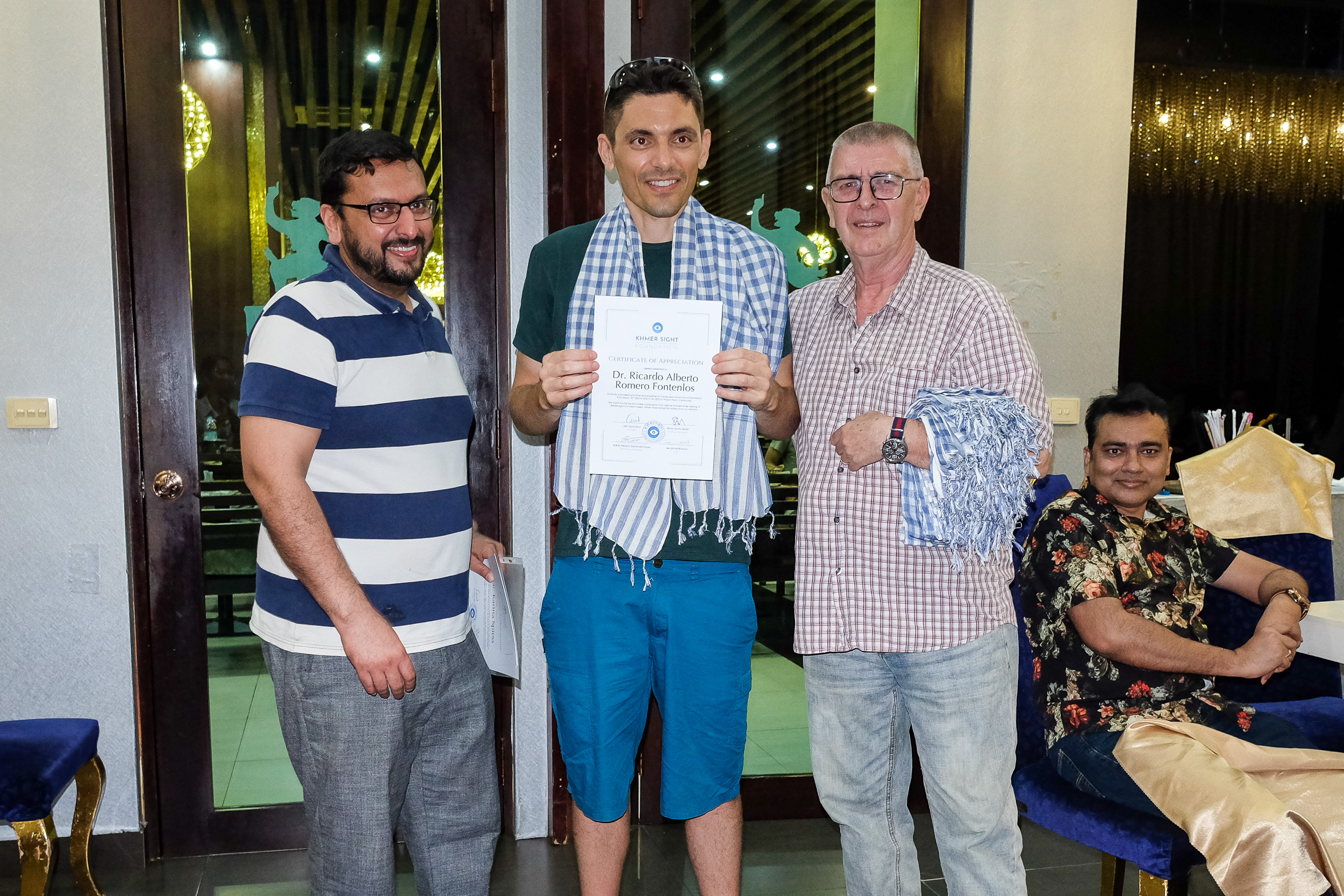
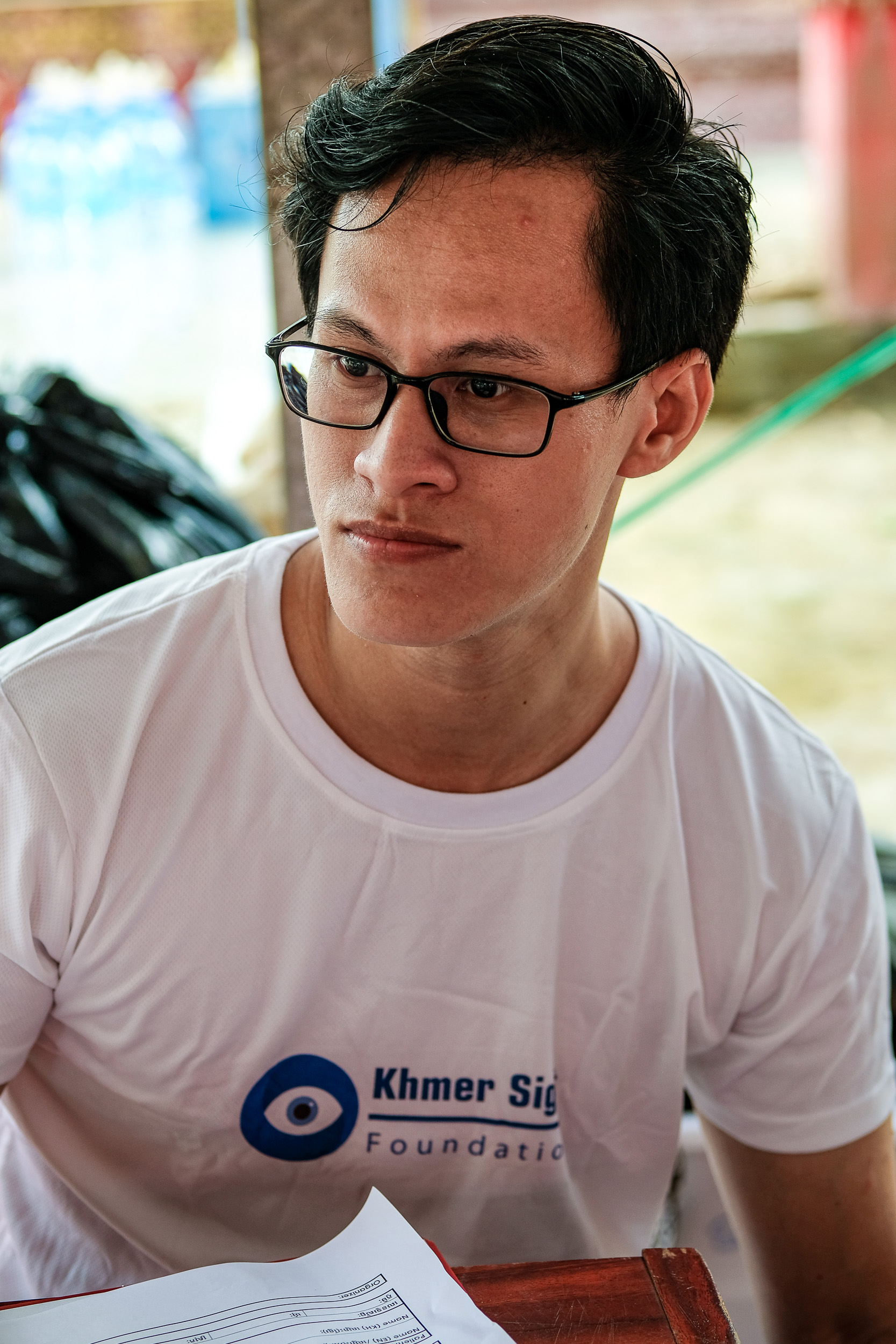
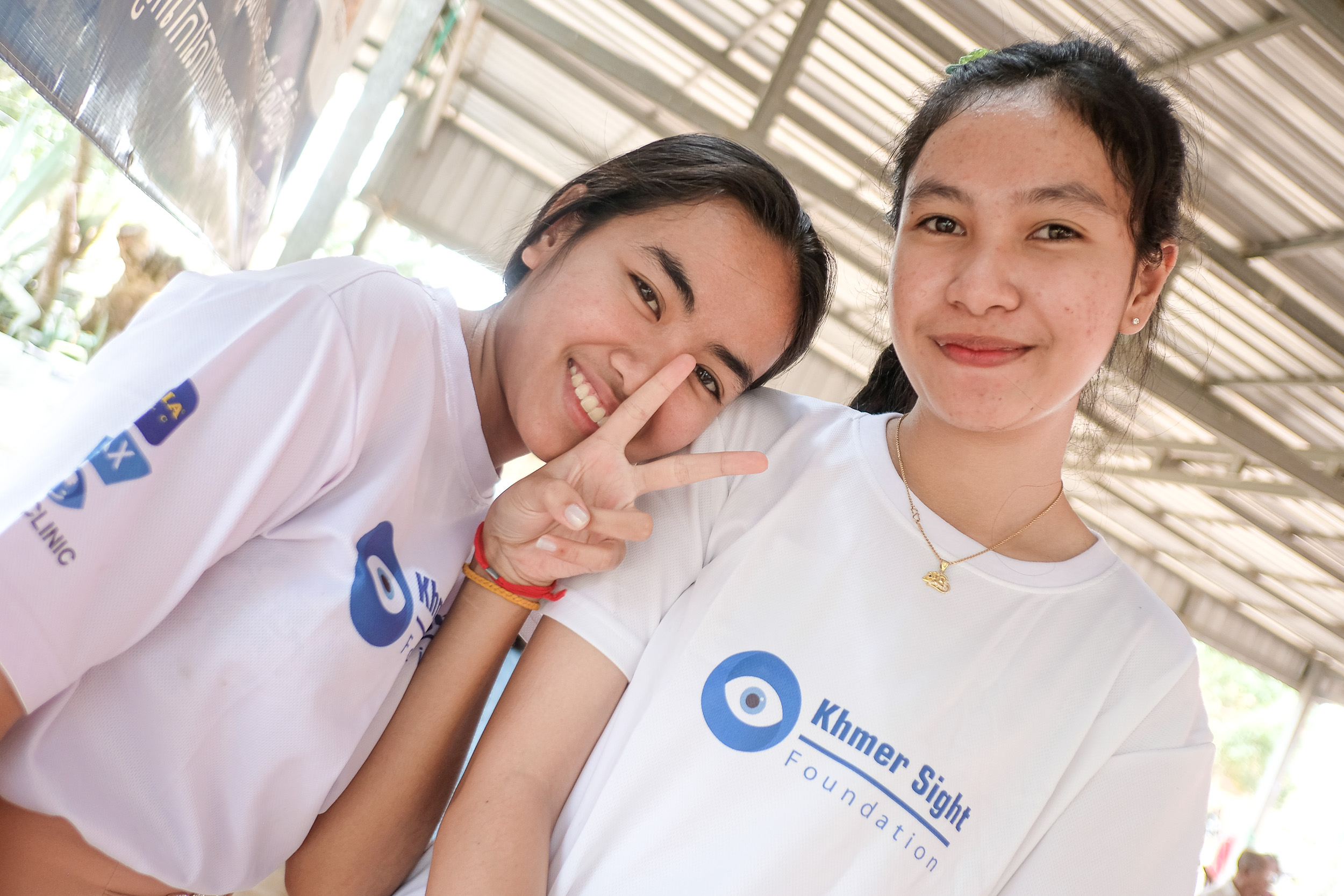
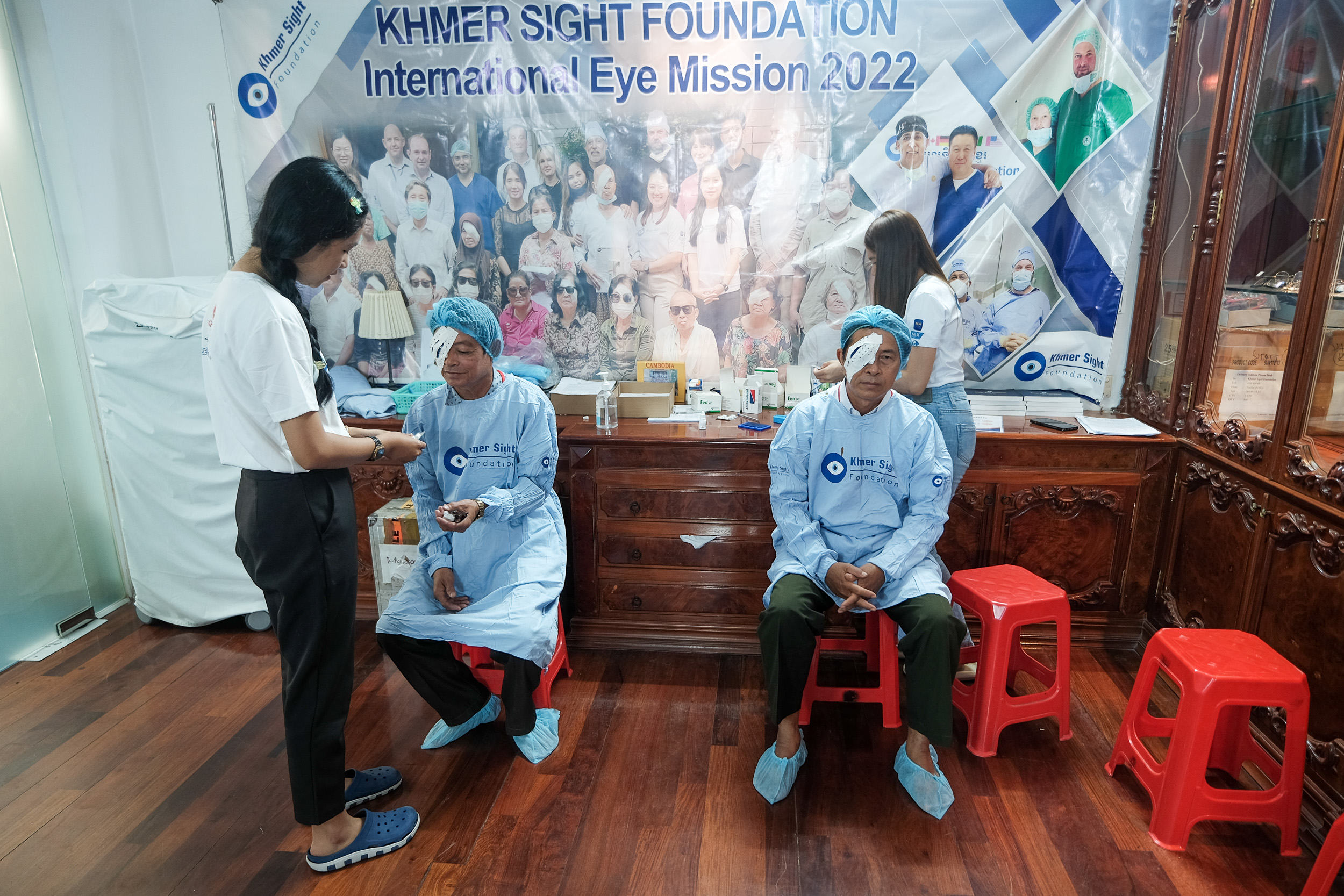
What a challenging but excellent week helping the volunteers with Khmer Sight Foundation complete 116 surgeries over 4 days. Hard work and very busy but still managed to make a few pictures for the team.

The first day was pretty hectic, with new people getting to know each other, learning where everything was and who was doing what. Dr Gupta, the team leader with the help of the permanent staff at the clinic got things running like a well-oiled machine, the staff helping each other and getting do something in the most efficient way possible to enable as many patients to be seen.

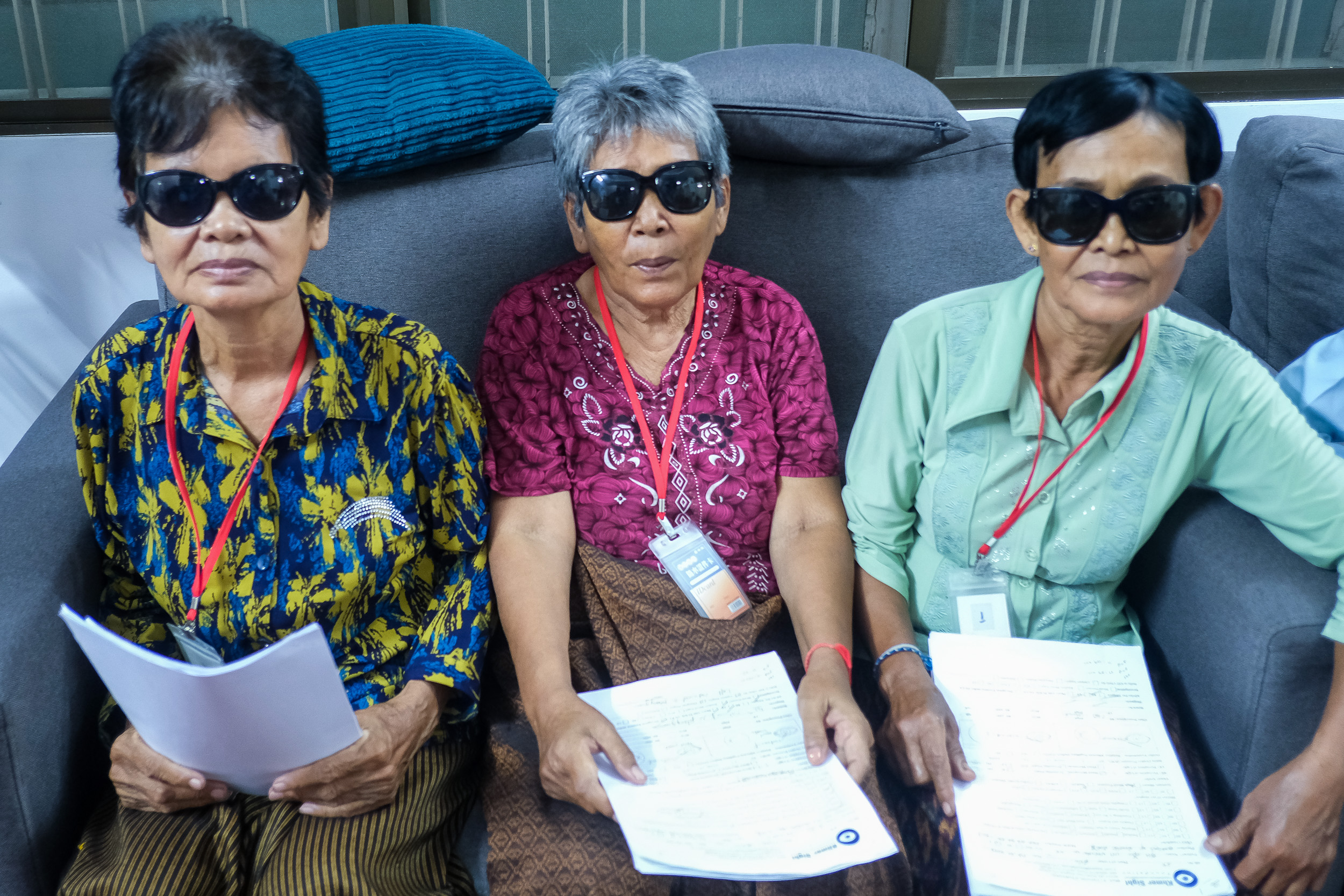
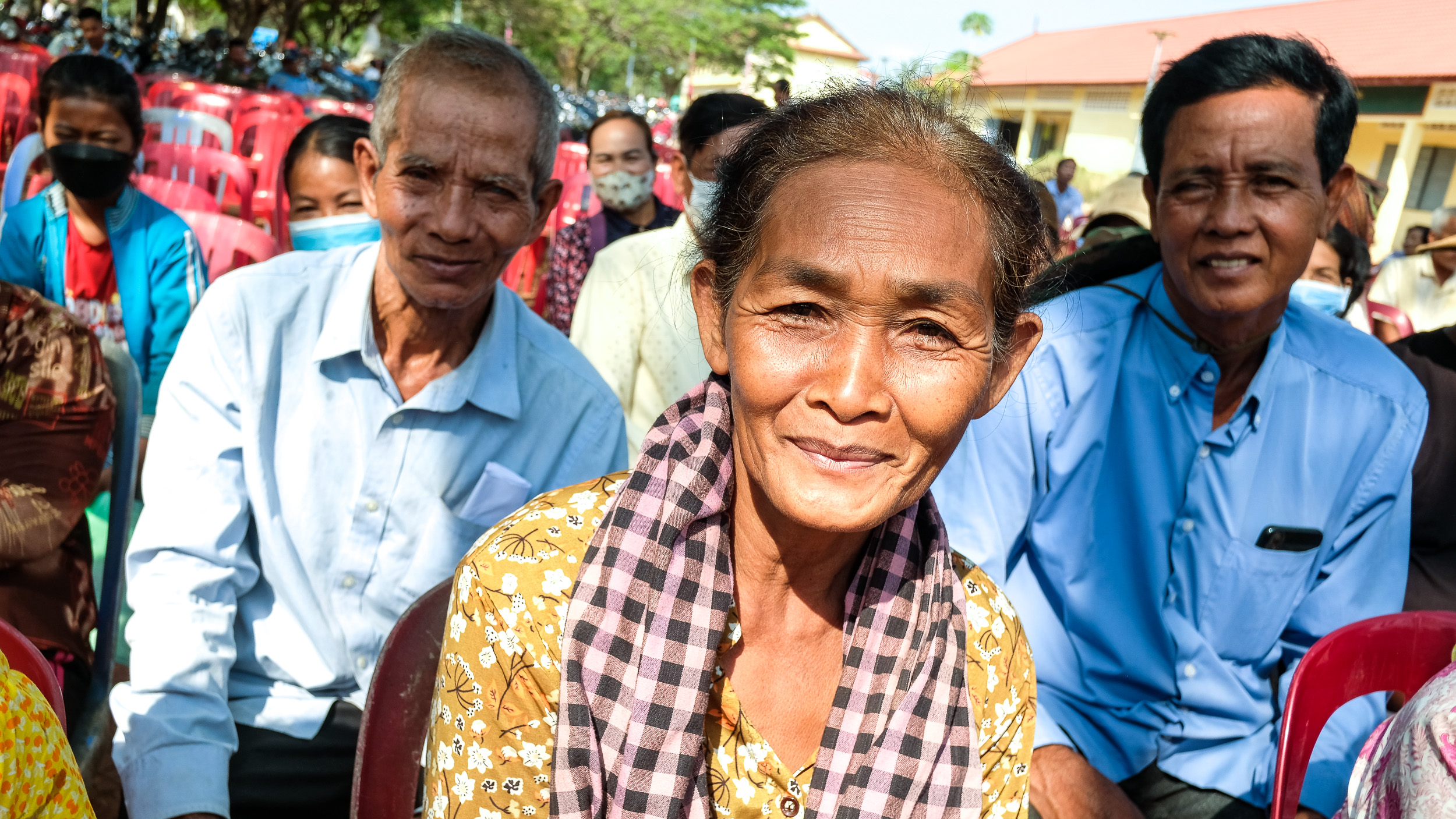
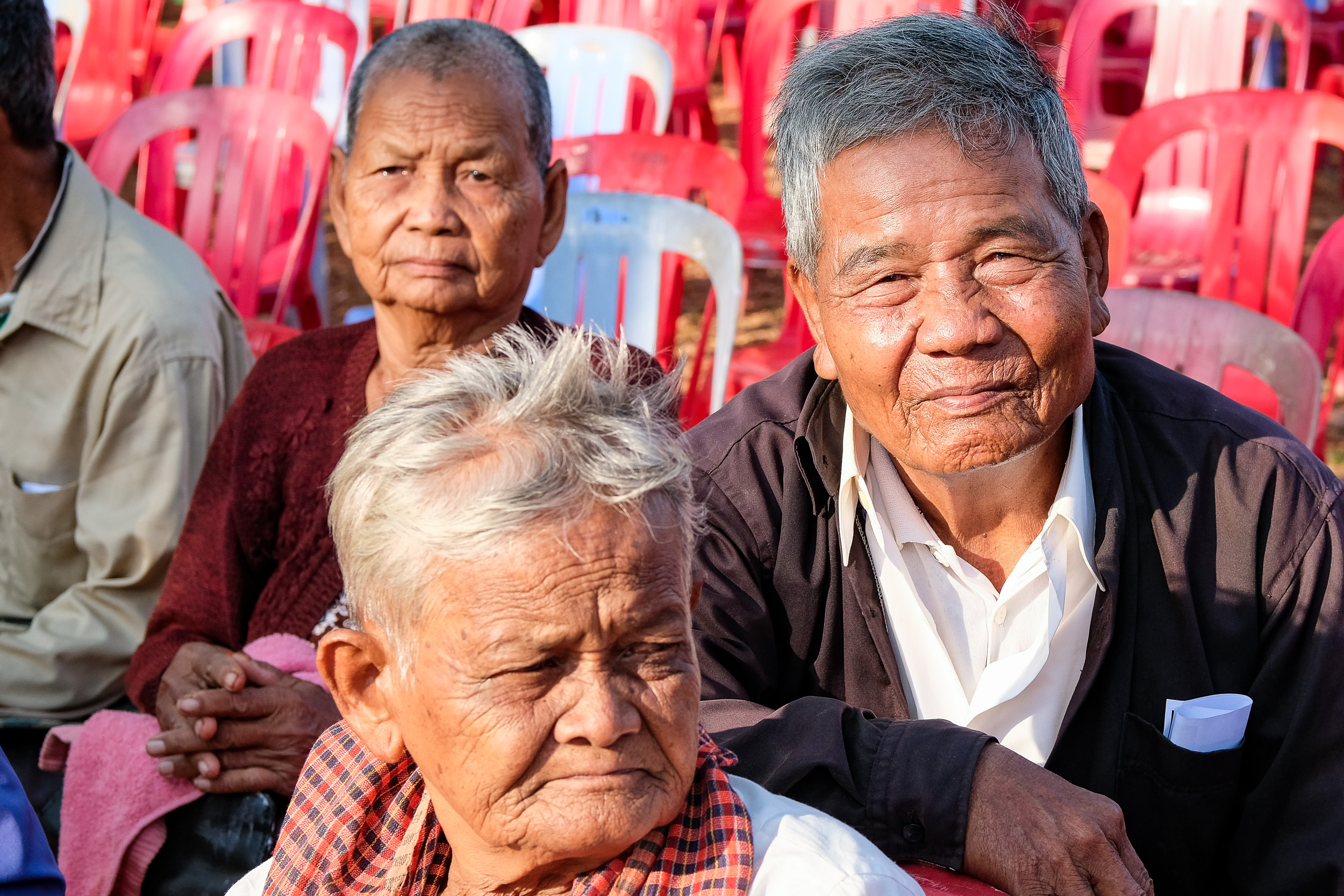
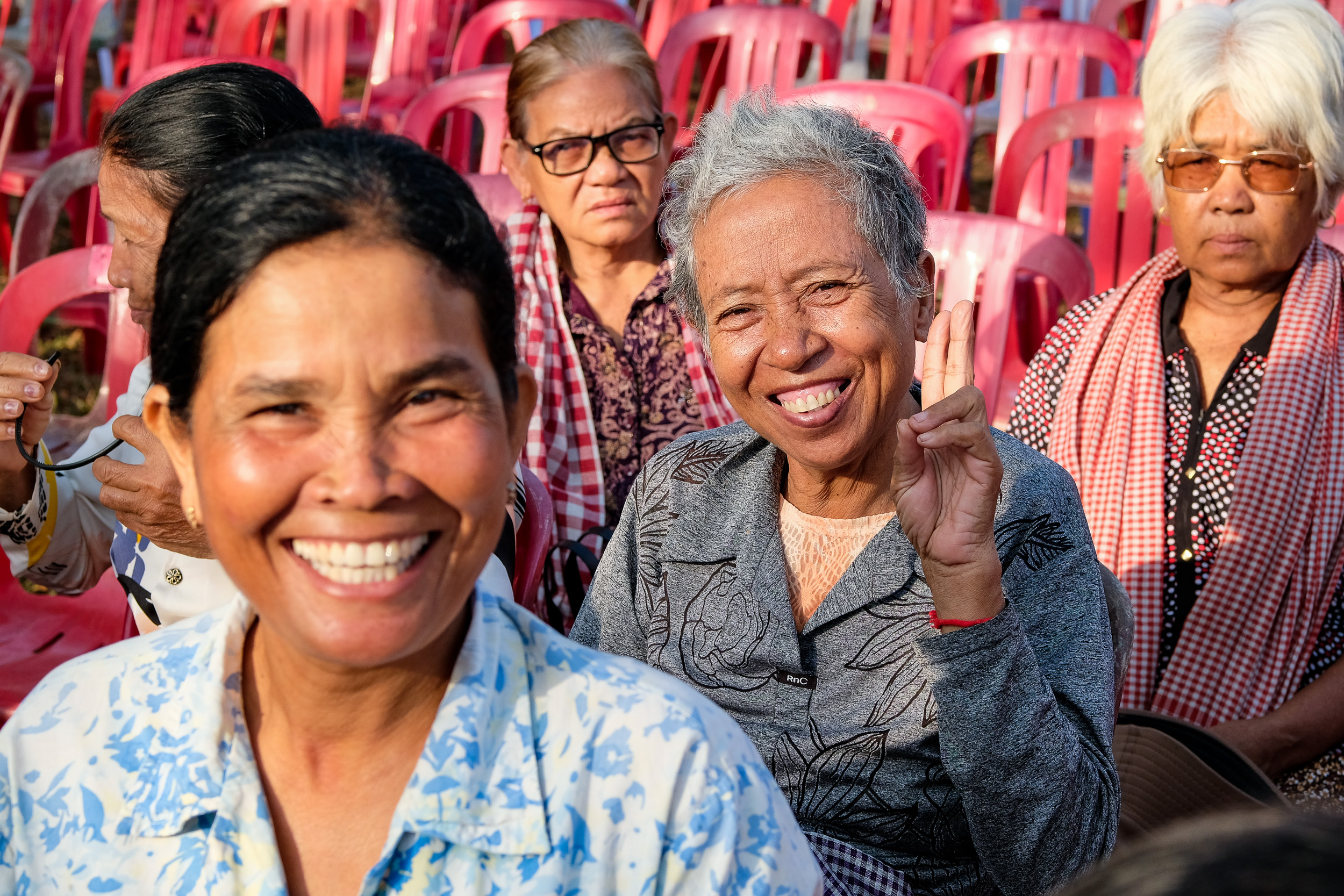
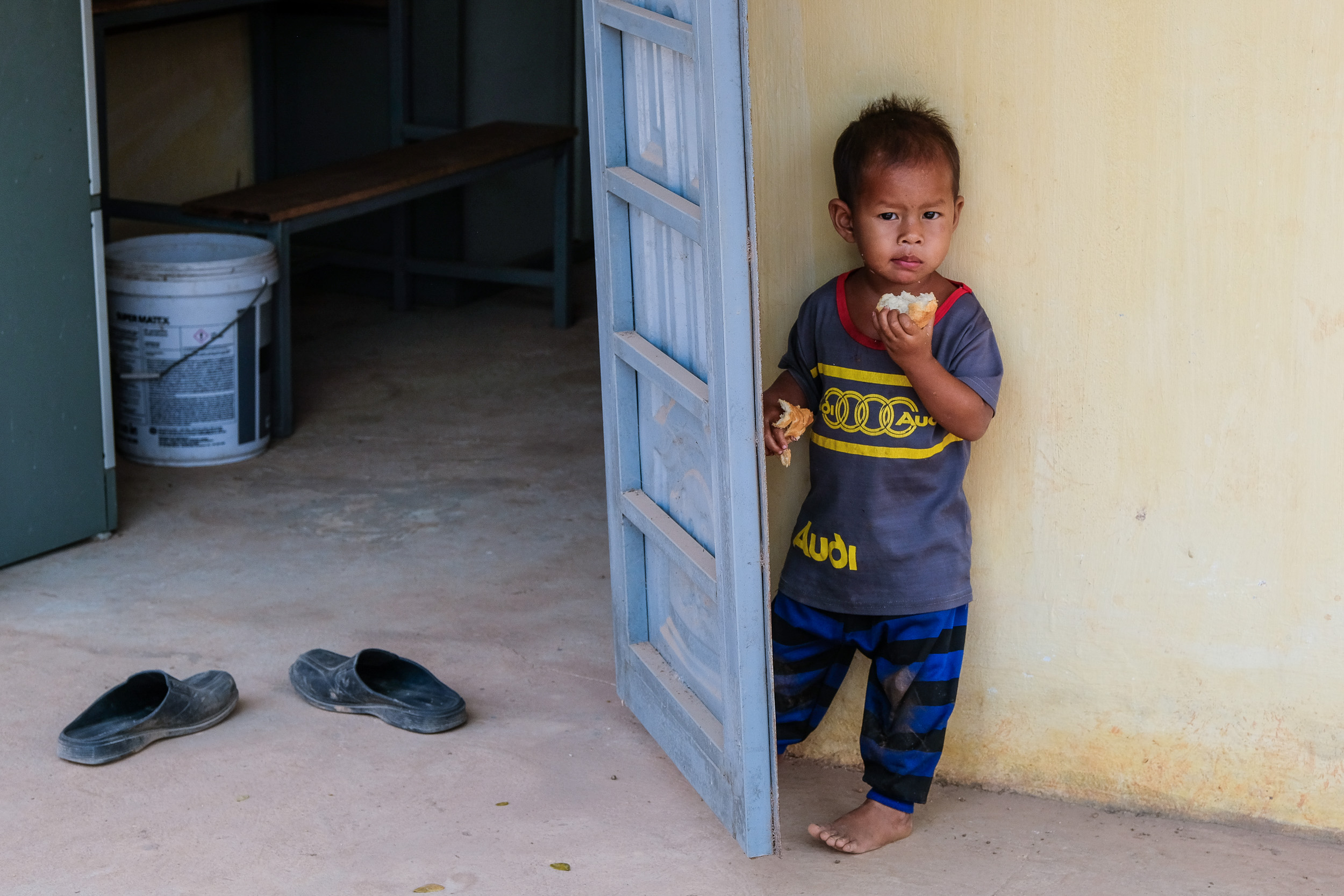
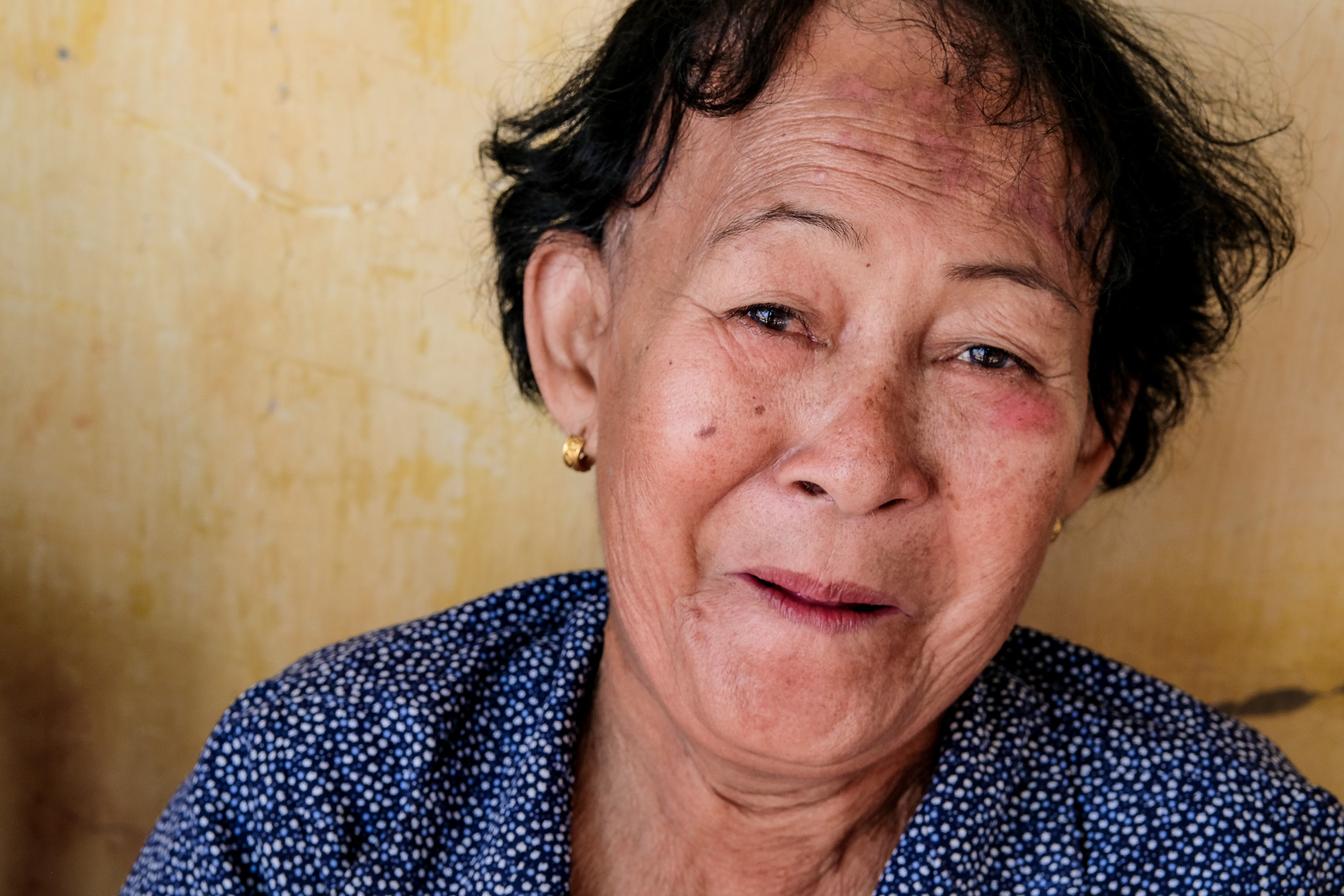
The patience and gratitude shown by the Cambodian people waiting to be seen was heartwarming and enabled the doctors to see and treat many more people.

People working together to help others who cannot help themselves are always great to witness, and the potential change in the lives of those treated cannot be measured in money. Imagine being almost blind and then, because of the hard work of KSF, being able to see again, like a miracle.

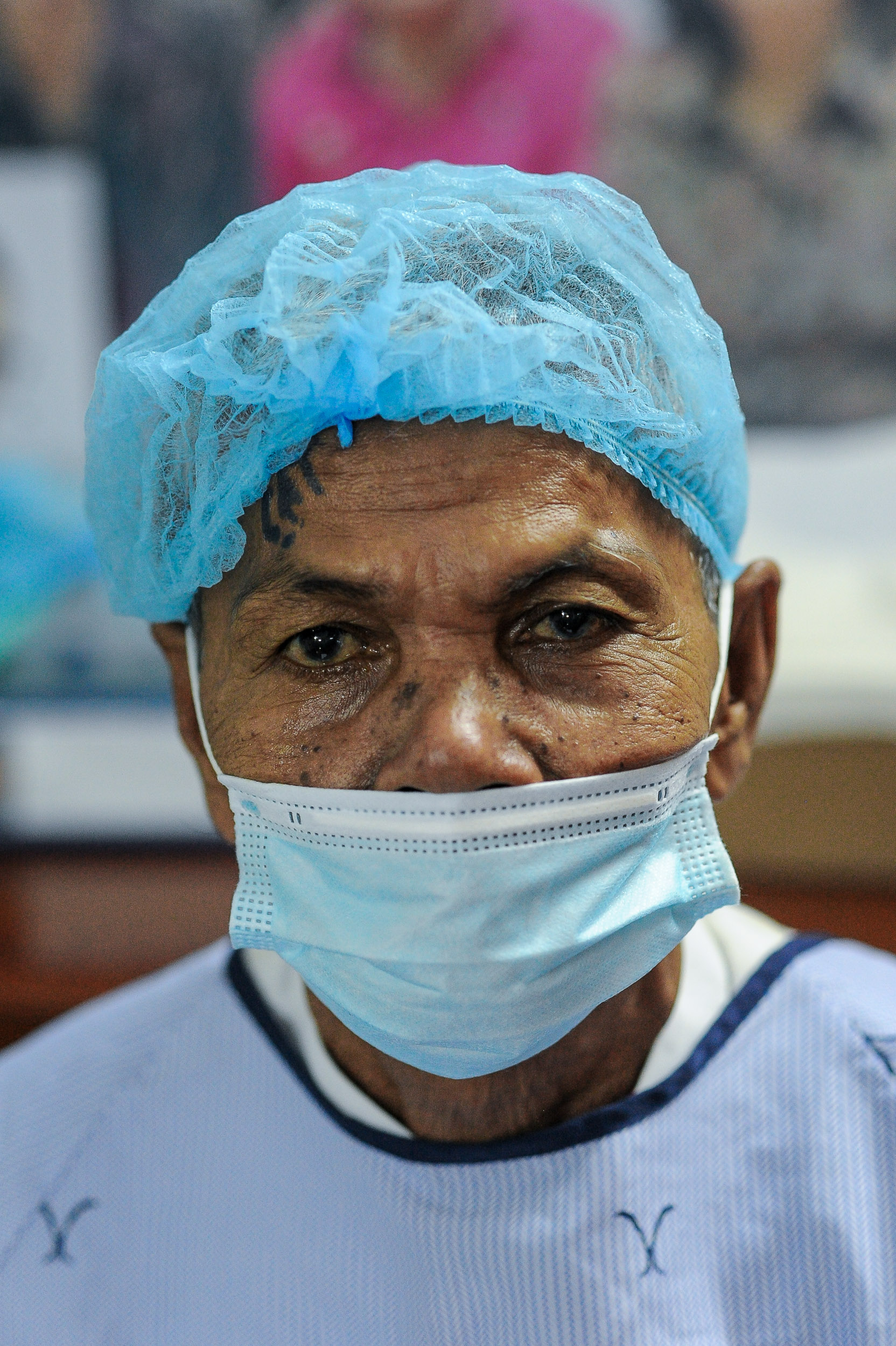
Overcoming fear and apprehension, the staff showed understanding and kindness. People fear the unknown and things they don’t understand and need support throughout the process and the Khmer volunteers achieved this admirable. Seeing the happiness and relief on people’s faces when this ordeal was done made all the hard work worthwhile.

Personally, I did very little in comparison to the work the team achieved, I helped where I could and just hope that my pictures will add something to the team’s trip. Memories are made in pictures.

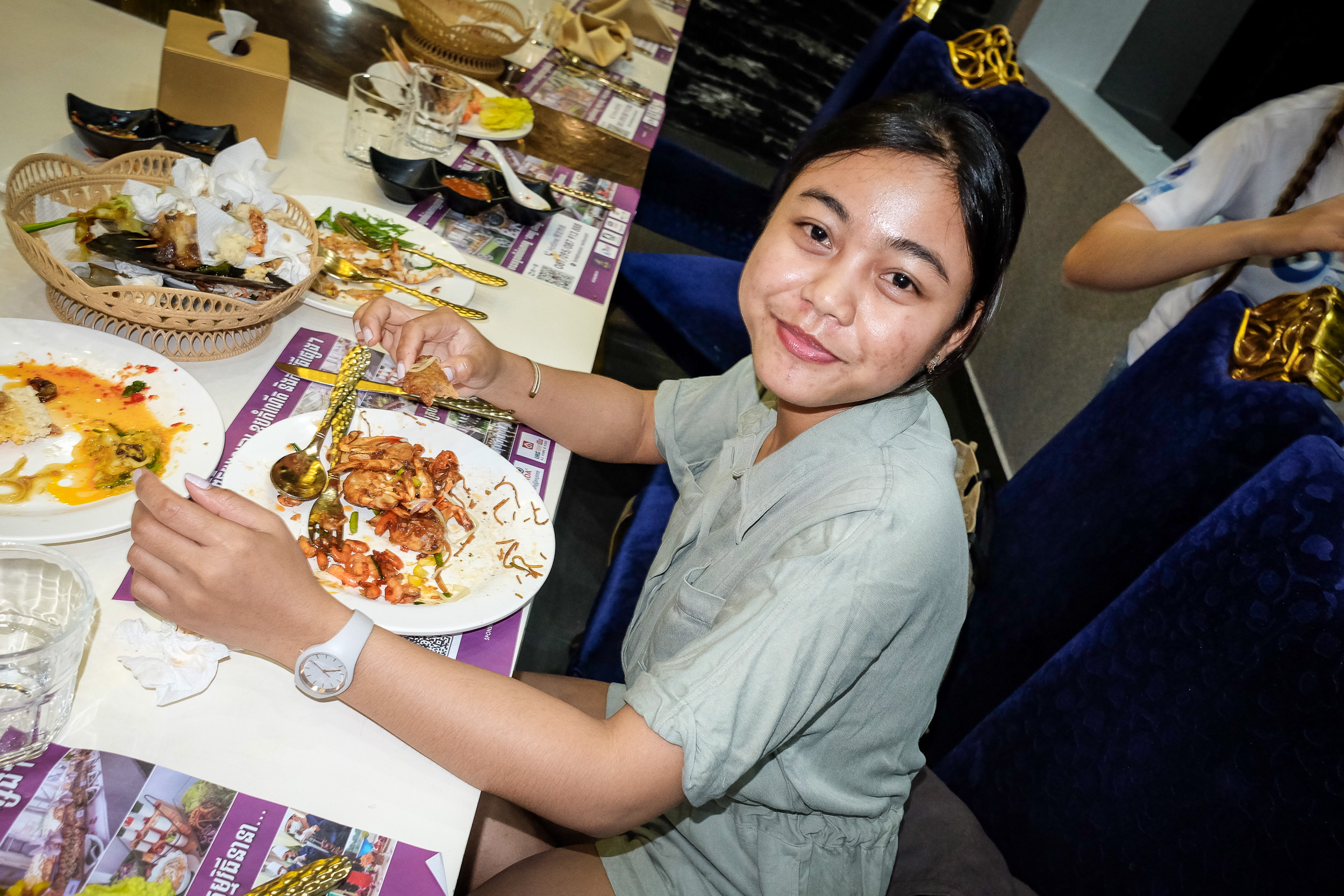
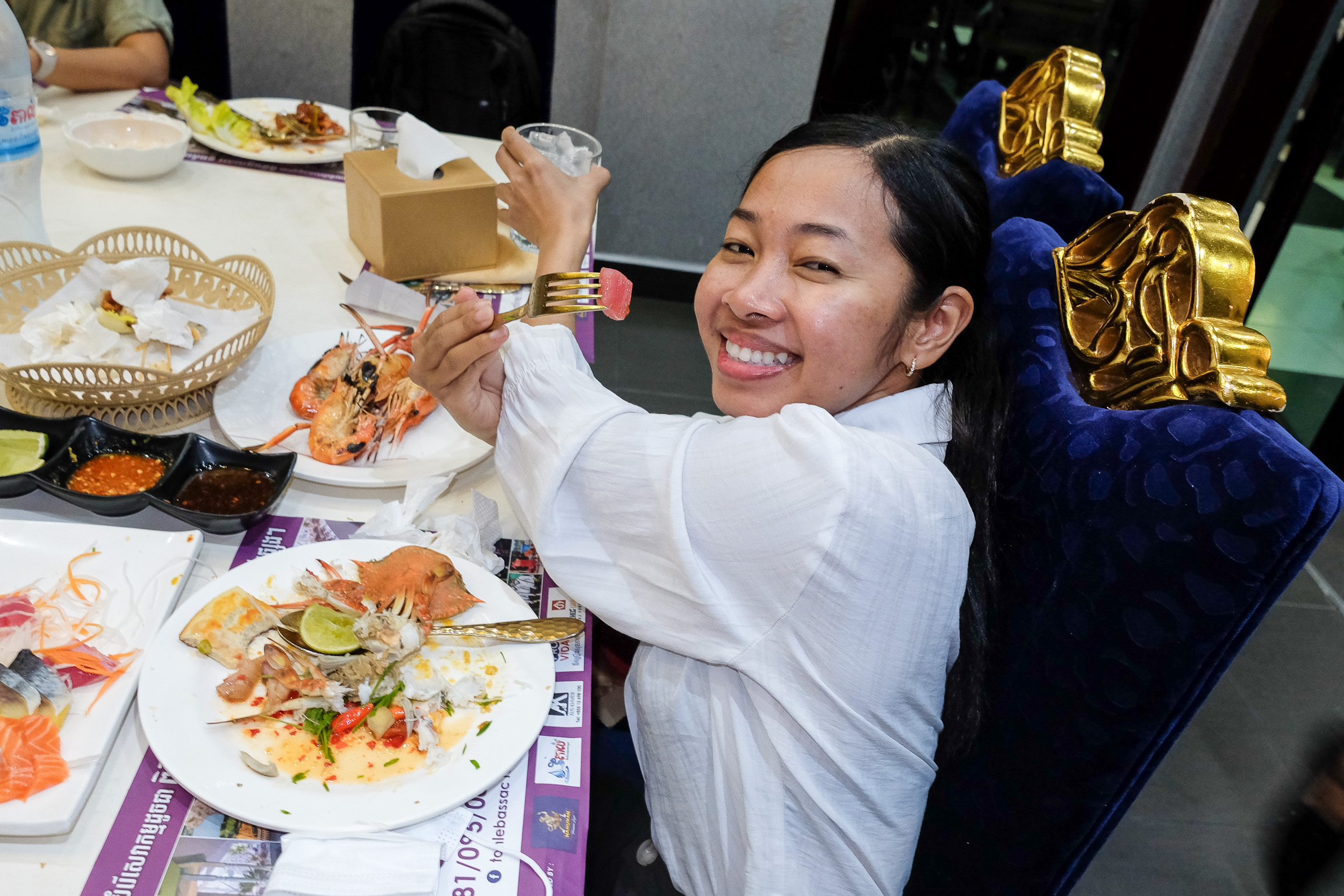
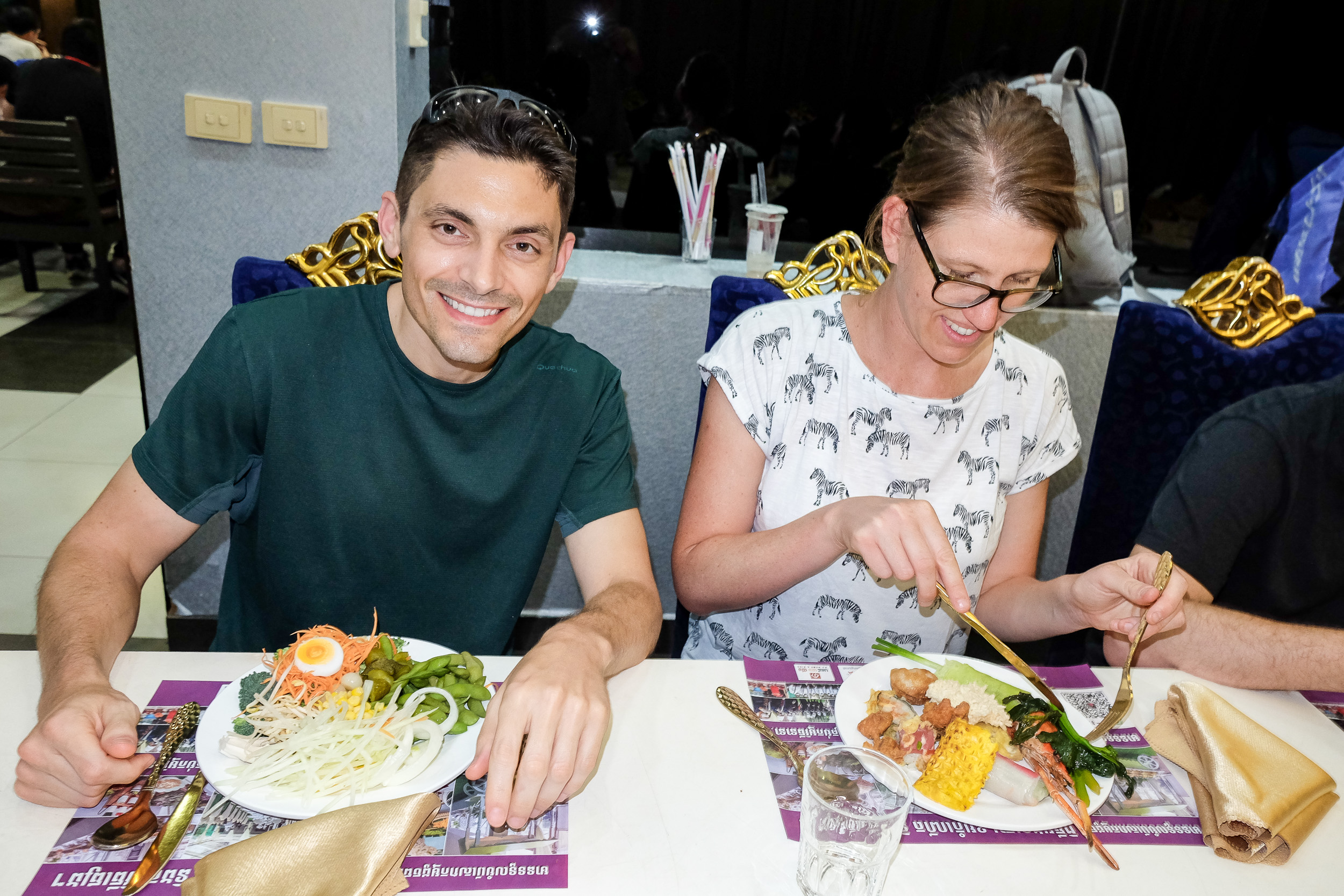
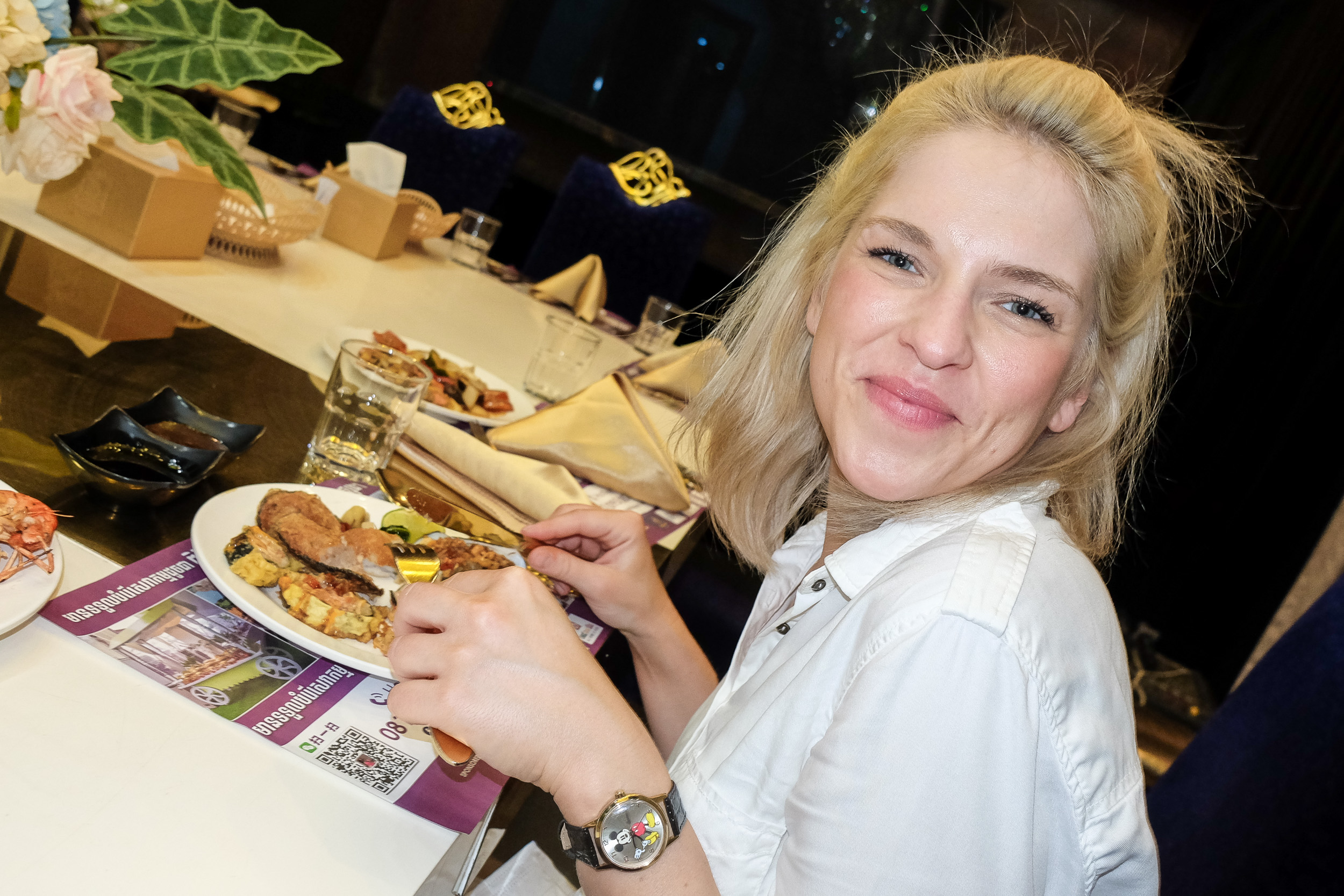
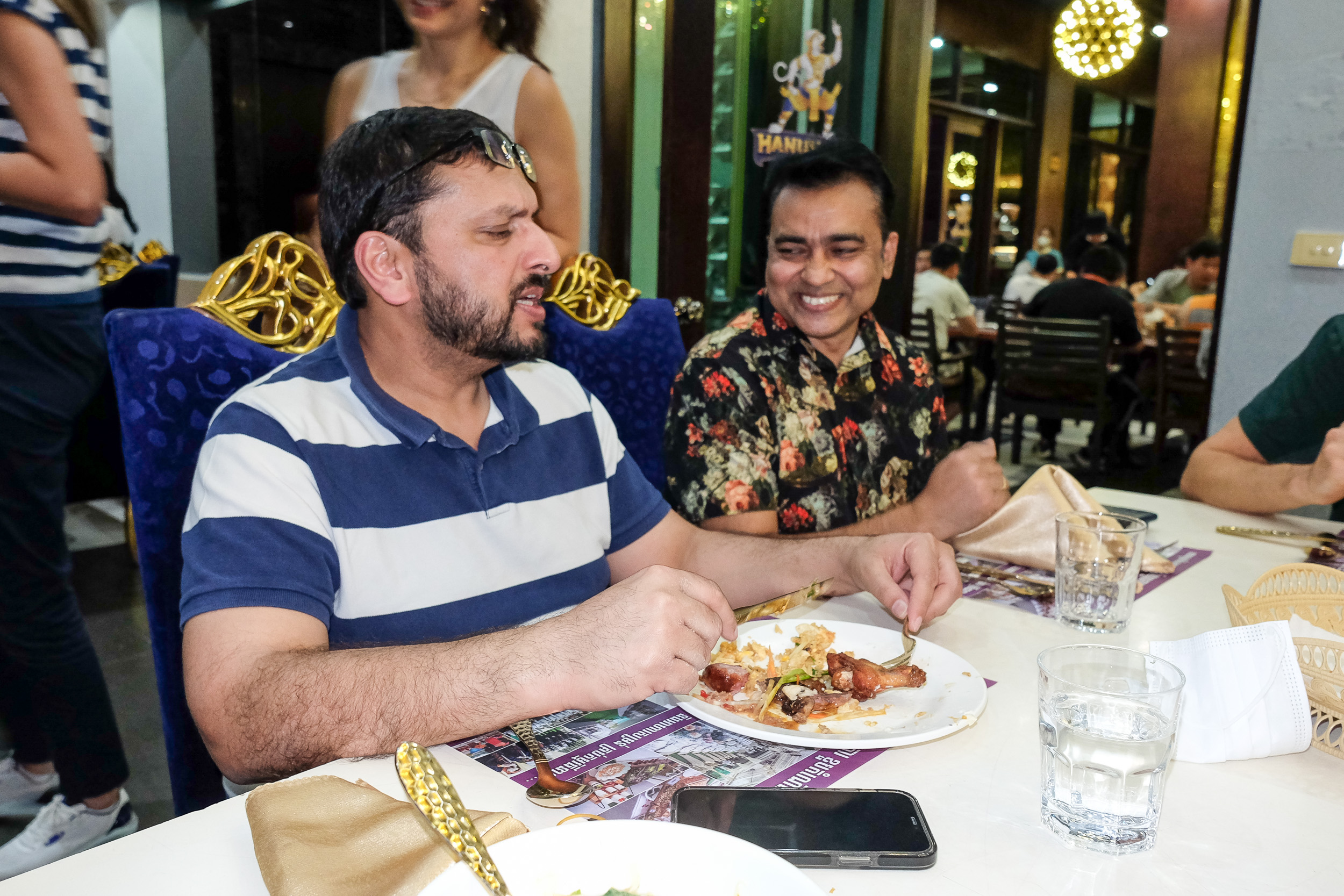
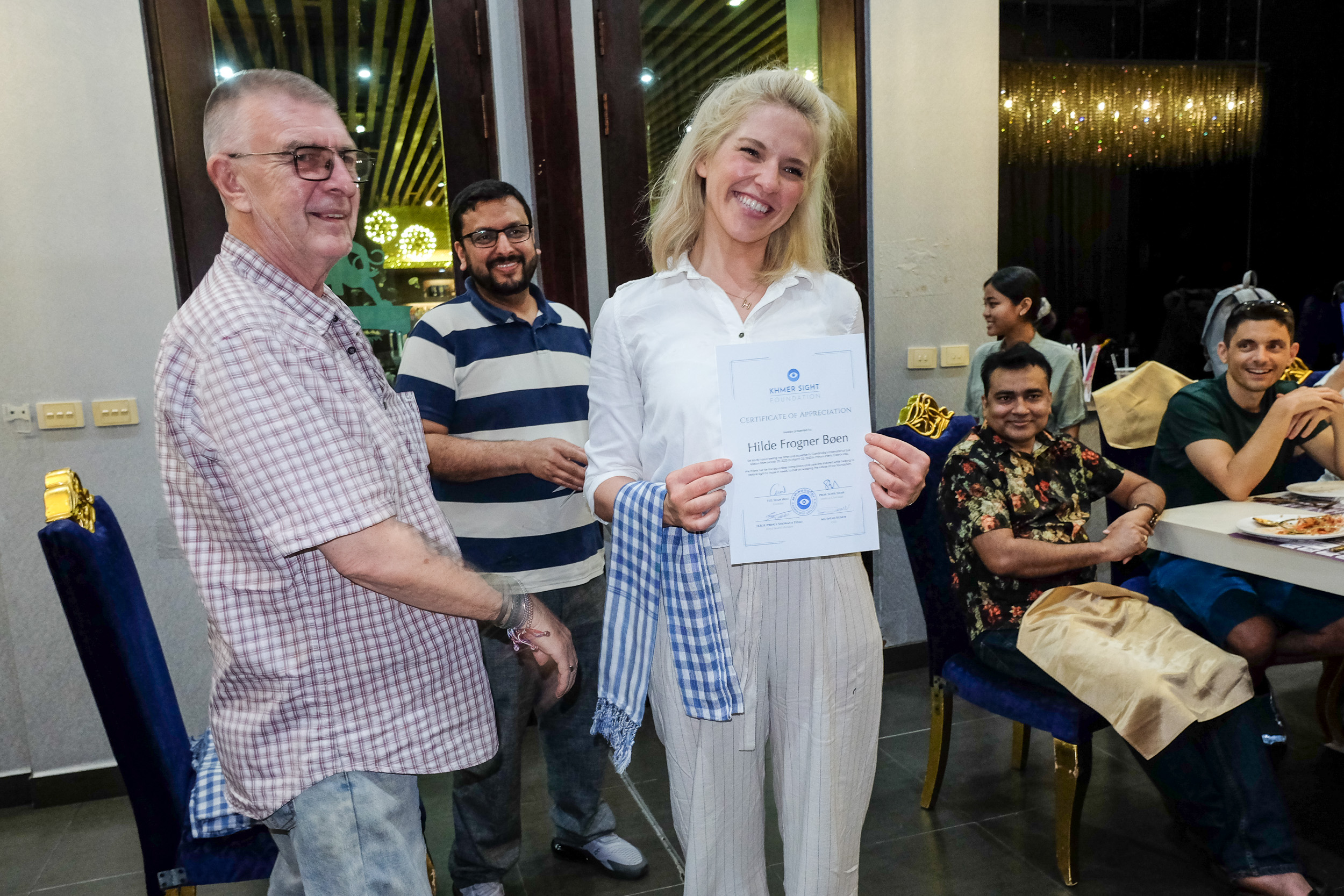
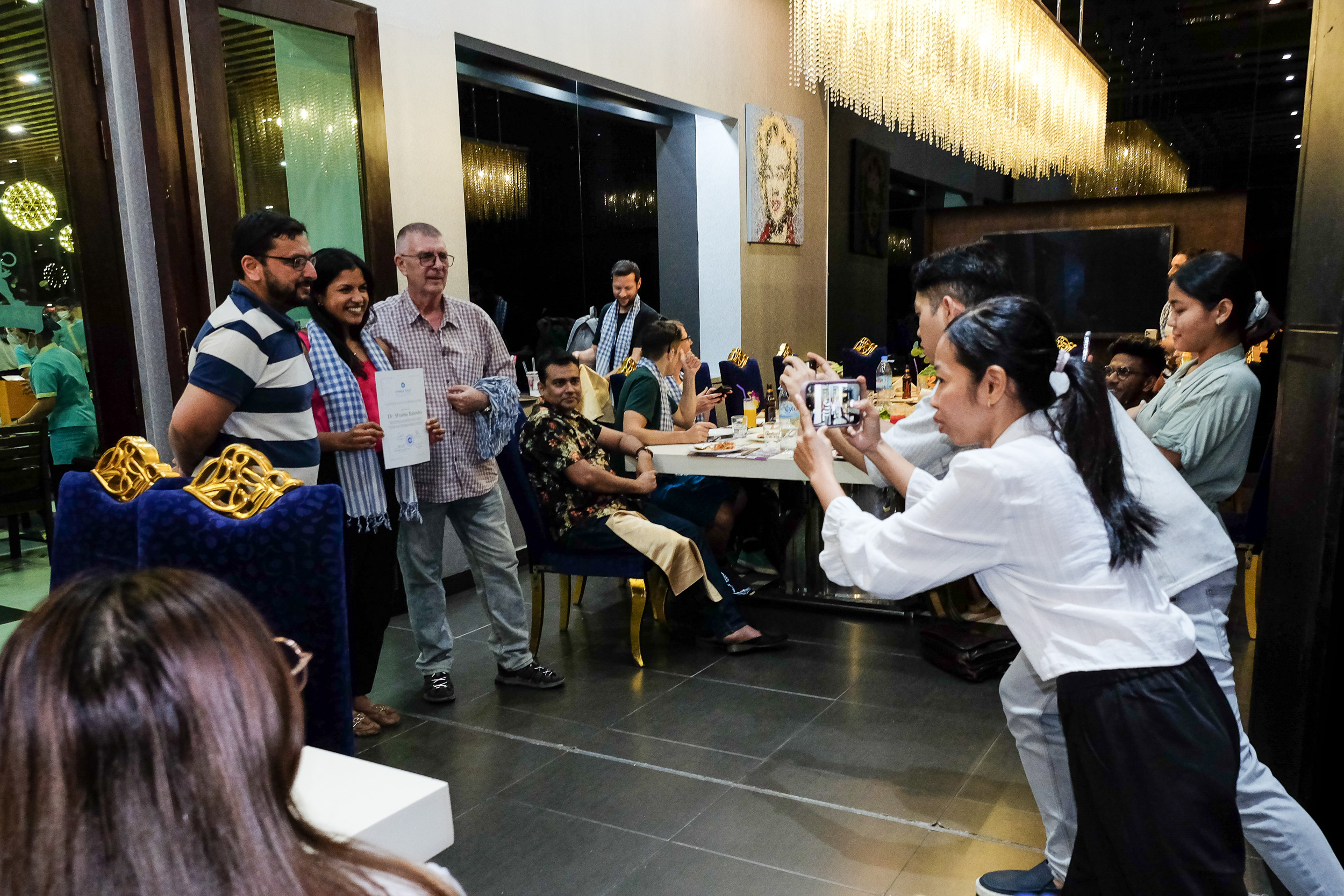
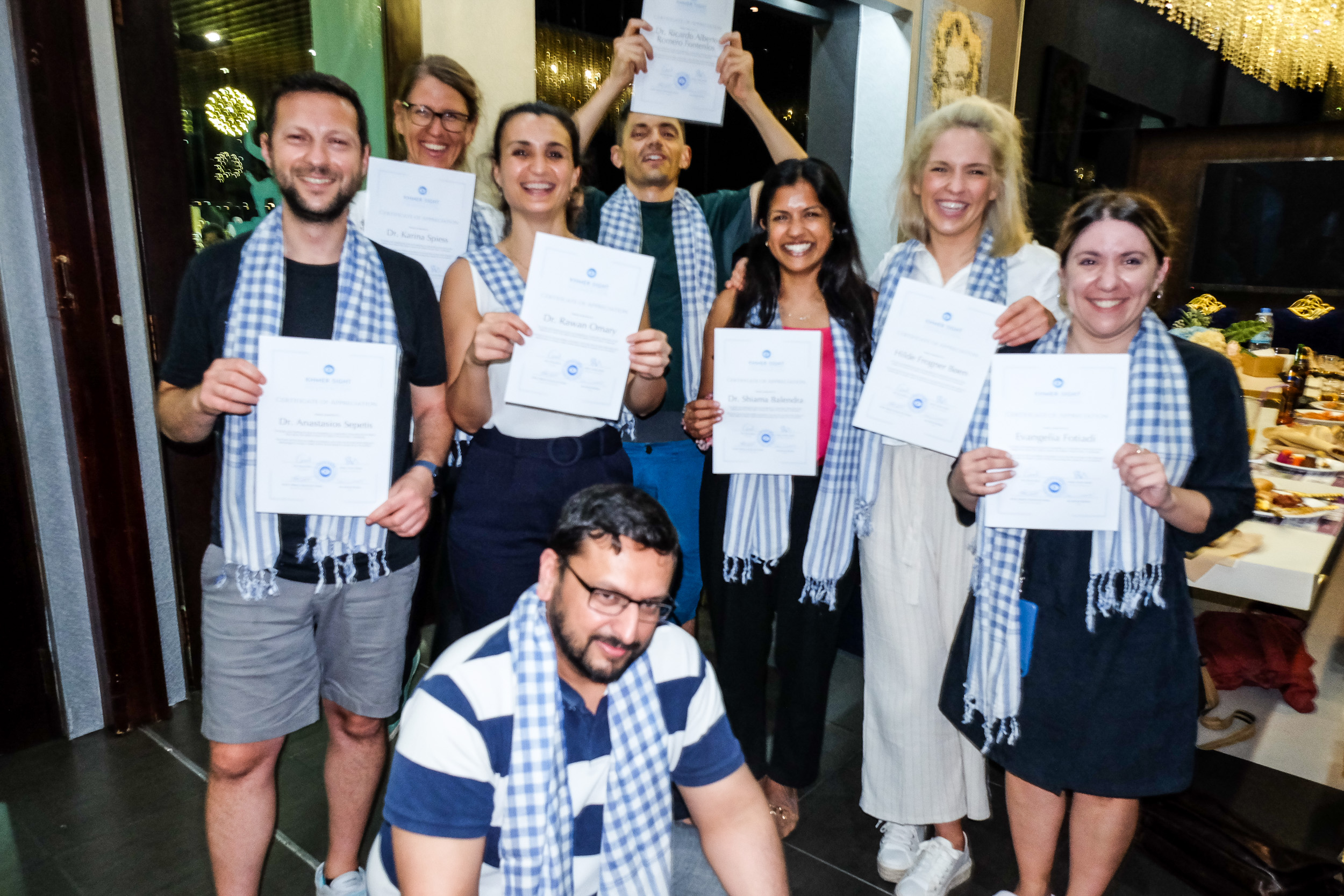
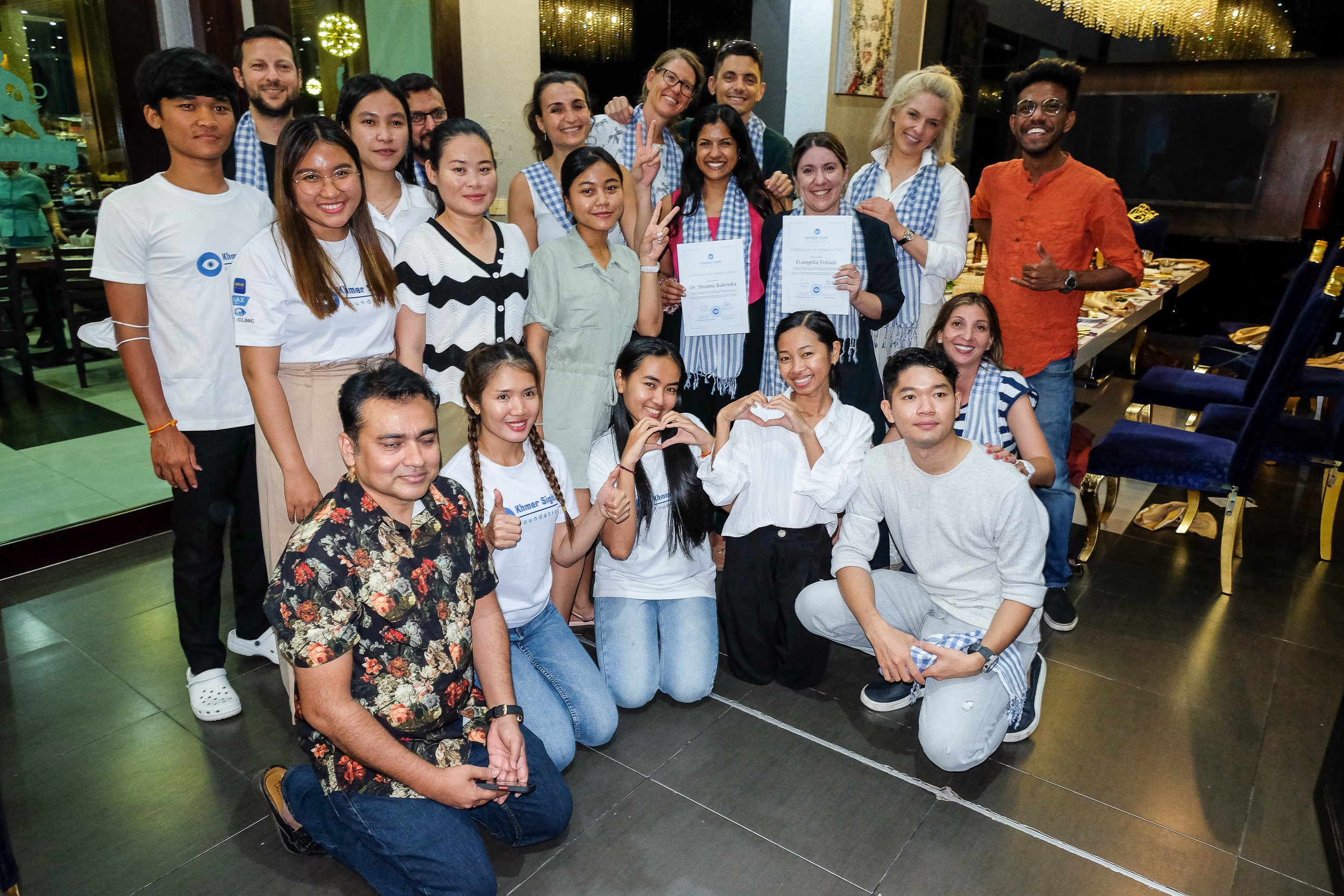
A celebratory dinner, after a long day, when people could let their hair down a little, and many friends made.

What to know more about KSF

http://khmersight.com/

Khmer Sight Foundation. Assessment trip to Kampot Area 2023

cambodia, opinons, thoughts, photography, pictures, voluntary

What a busy two days spent working hard, by the team, to identify the people with the greatest need for further treament. The team assessed over 350 people over the 2 days with over 100 people needing further treatment.

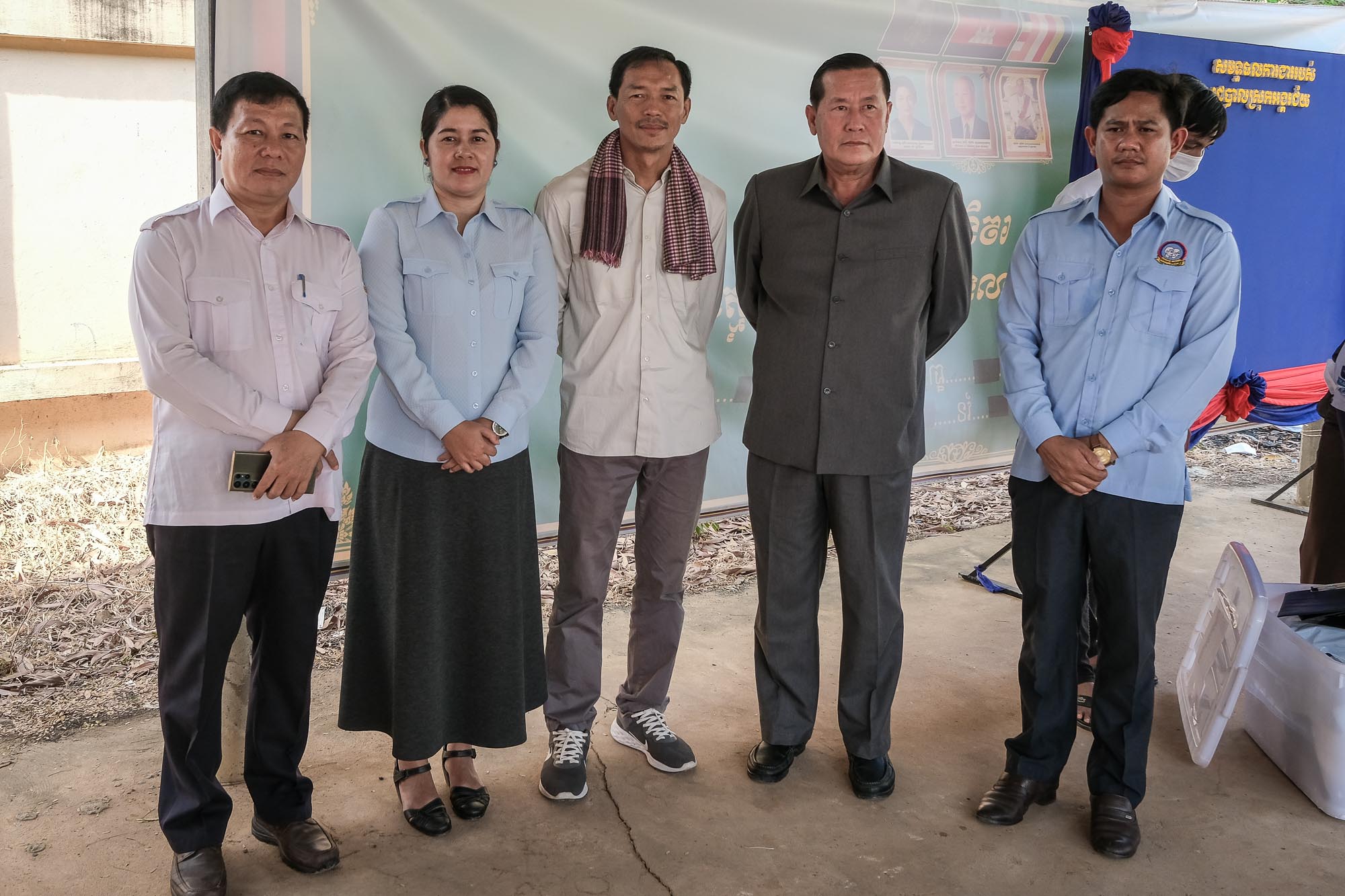
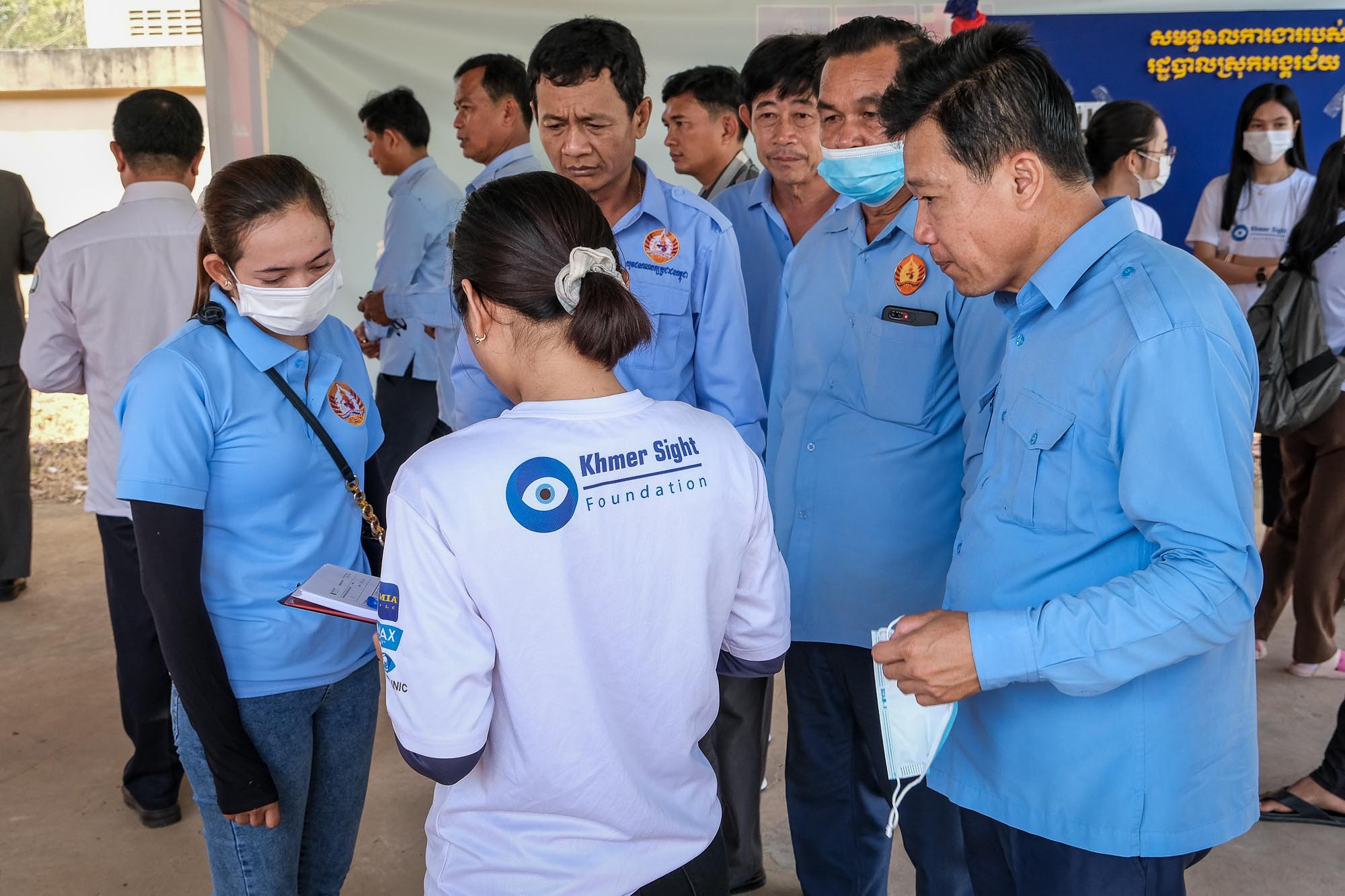
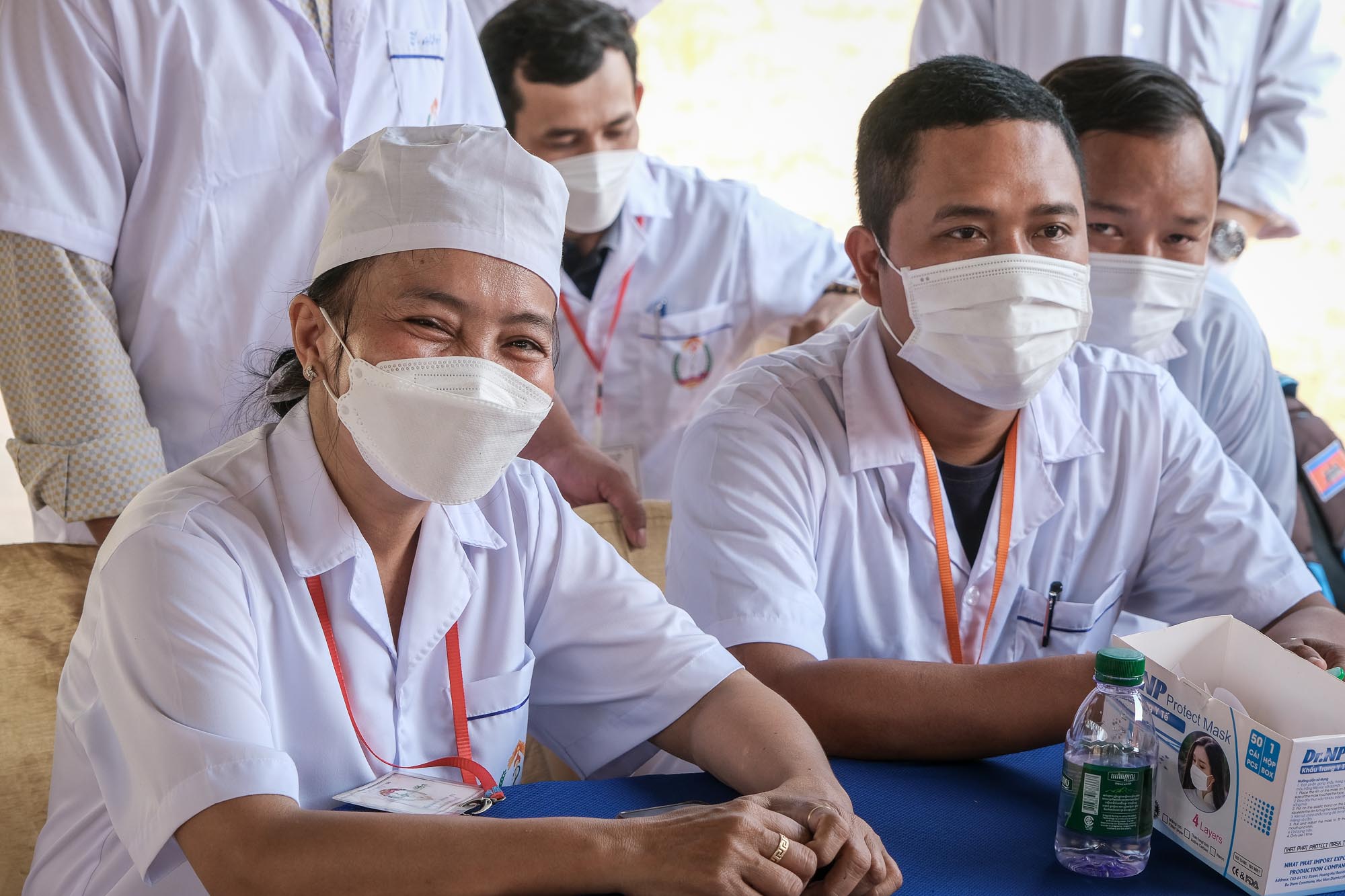
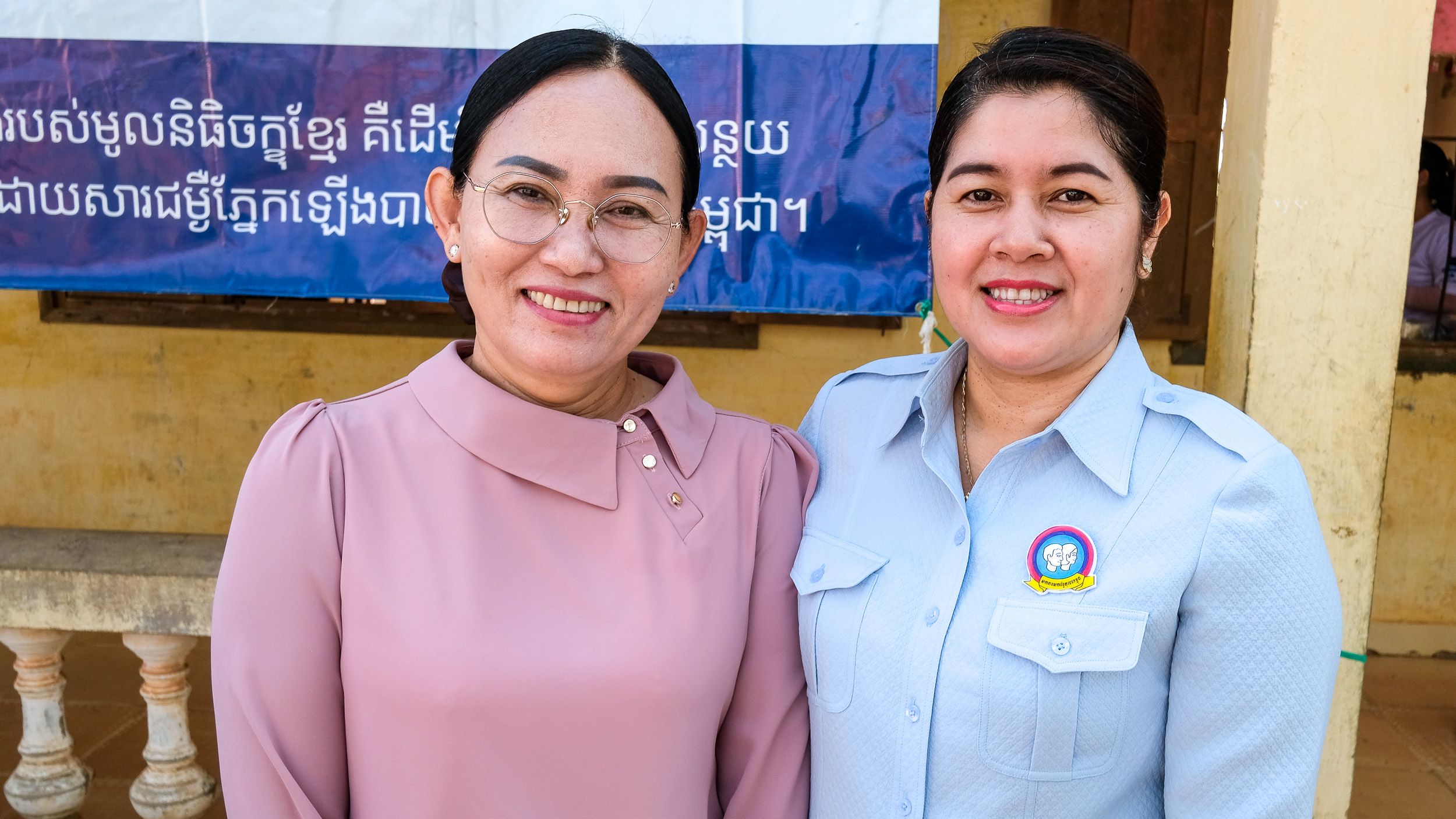
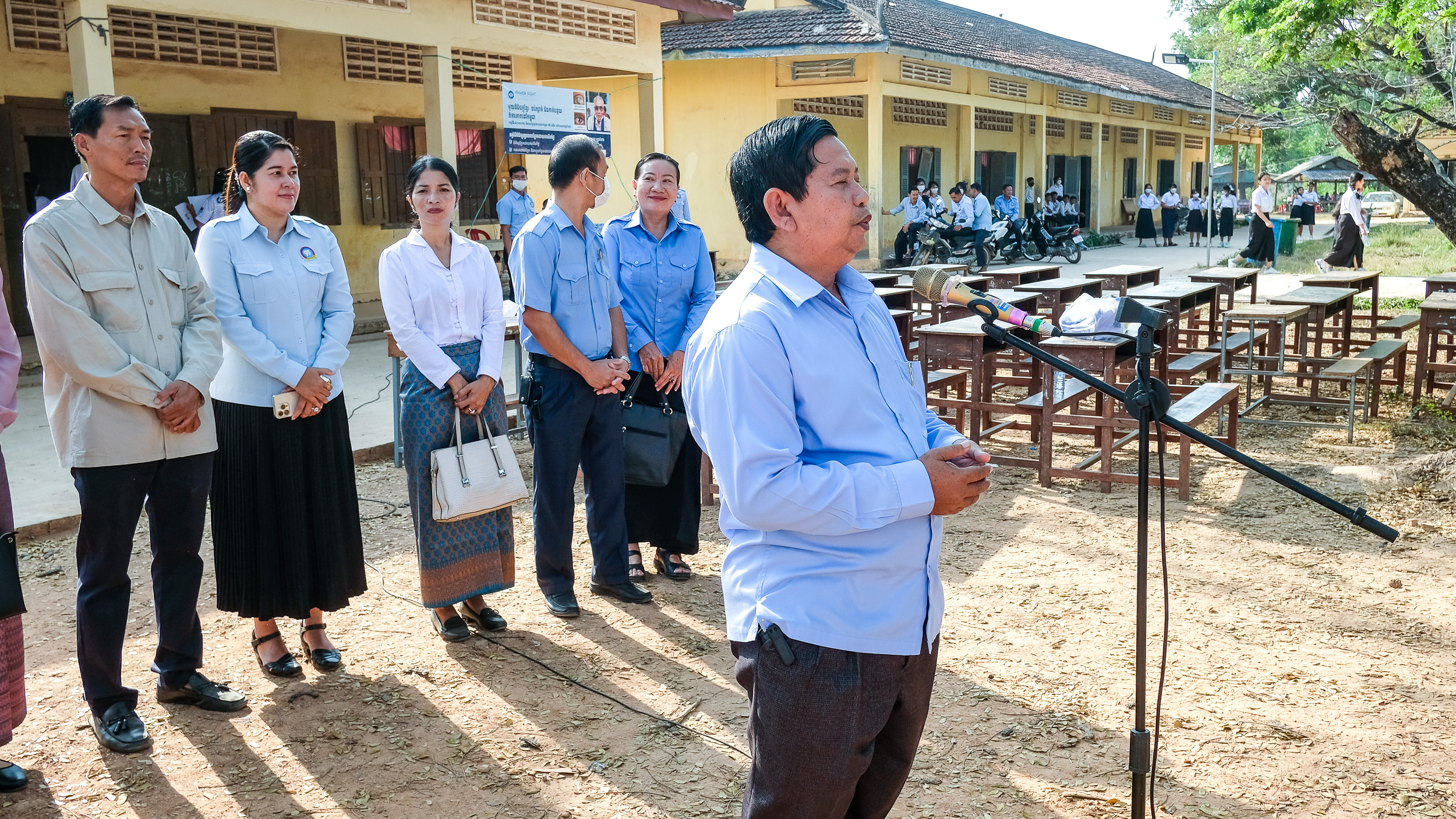
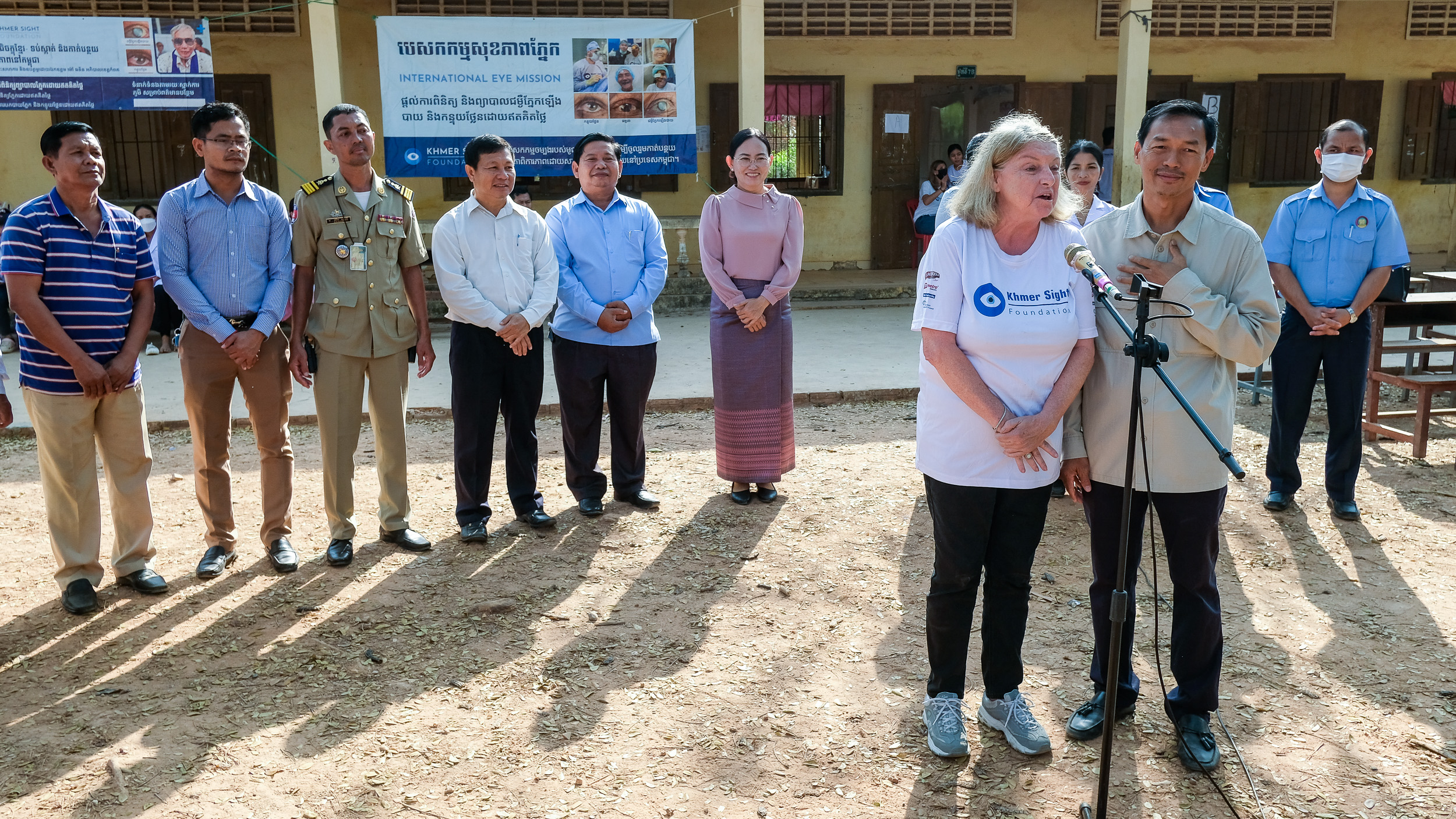
The team was supported by the local administration which provided support staff from various clinics in the area.
10,000 Cambodians suffer avoidable blindness each year. 90% of blindness is avoidable with the right care and skilled doctors to provide it. Sadly Cambodia has one of the lowest numbers of eye specialist doctors per capita in the world. Many people living in rural areas have no access to eye care, meaning their Cataracts, uncorrected vision, glaucoma, corneal scarring and pterygium go untreated.
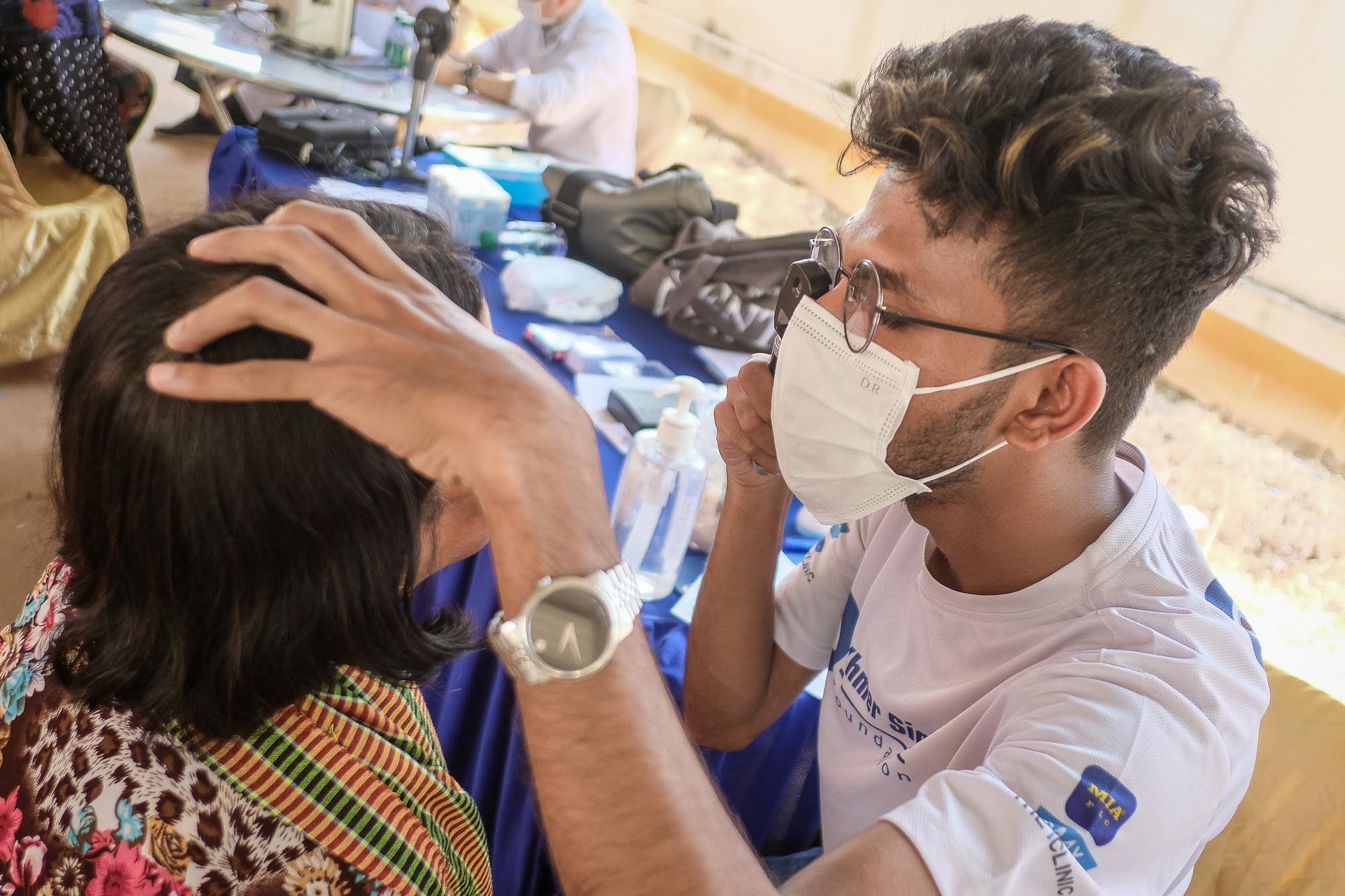
All the people from KSF are volunteers and provide their skills and expertise without charge. They work hard and long in difficult conditions without complaint to try and provide this much-needed service to the Cambodian people.

Want to know more : http://khmersight.com/

Want to know more : http://khmersight.com/ Want to help or donate to save somebodies sight.

Khmer Sight Foundation

cambodia, opinons, thoughts, photography, pictures, voluntary

I am spending some time volunteering with the Khmer Sight Foundation which helps people with vision problems. It is a free service funded by donations and costs the patient nothing.

Initially the people are very wary and scared as they don’t really understand what is going to happen to them, many probably have been treated badly in the past and are reluctant to take advantage of the service. This seems to change quite quicly once they realise that they will be treated with kindness and understanding, but getting them to that point I understand can be quite a challenge.

http://khmersight.com/

to donate or find out more

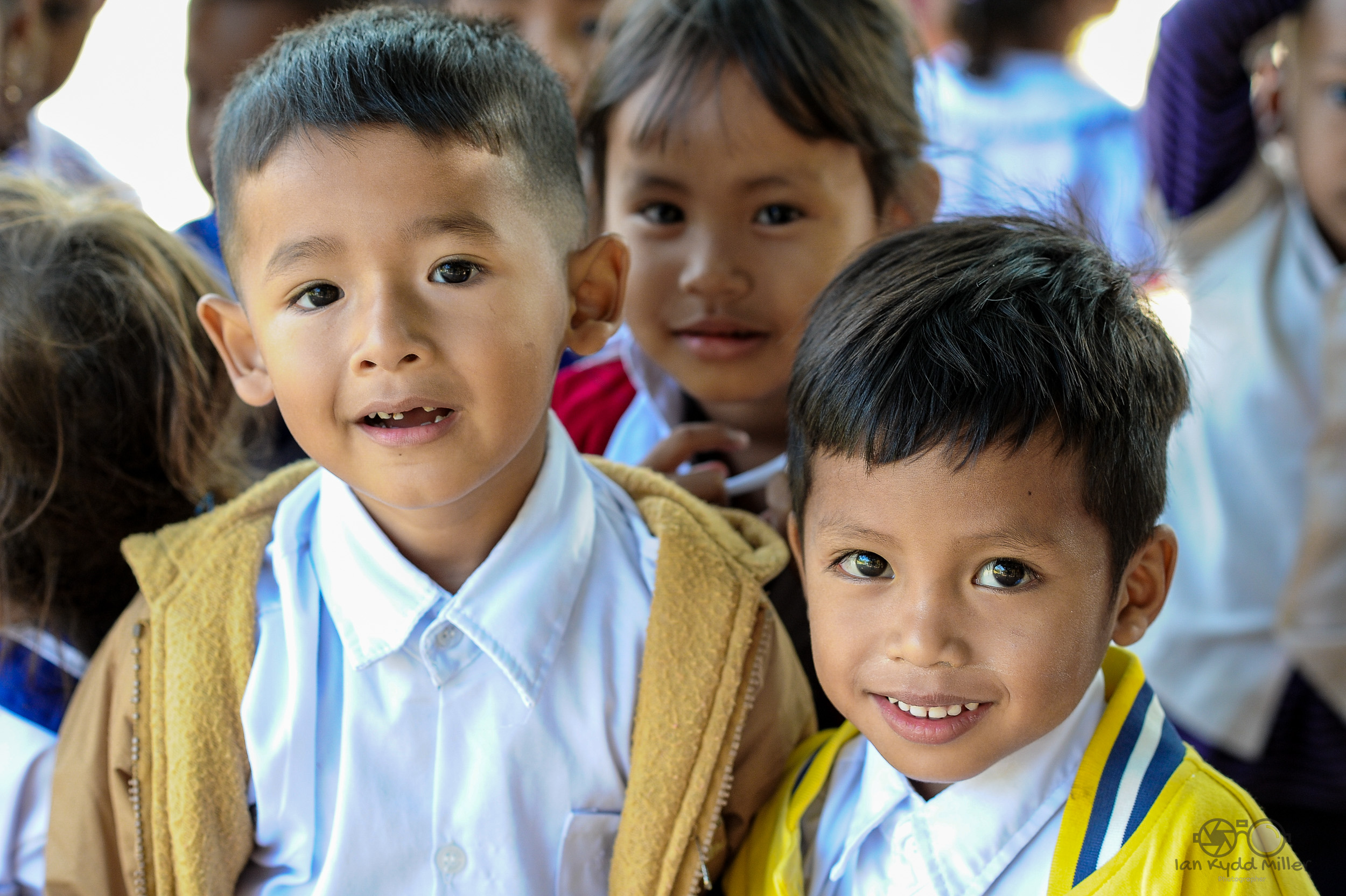
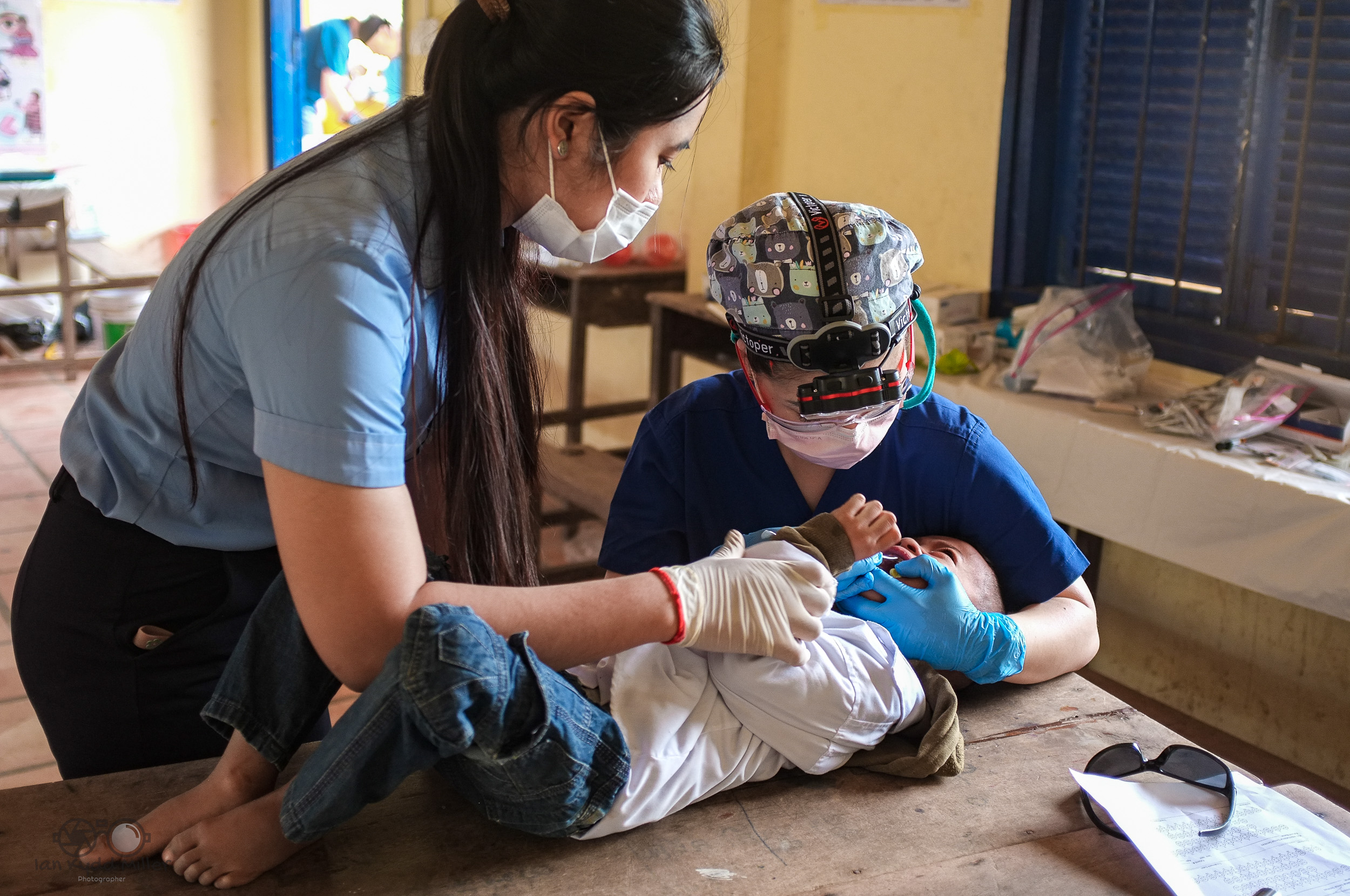
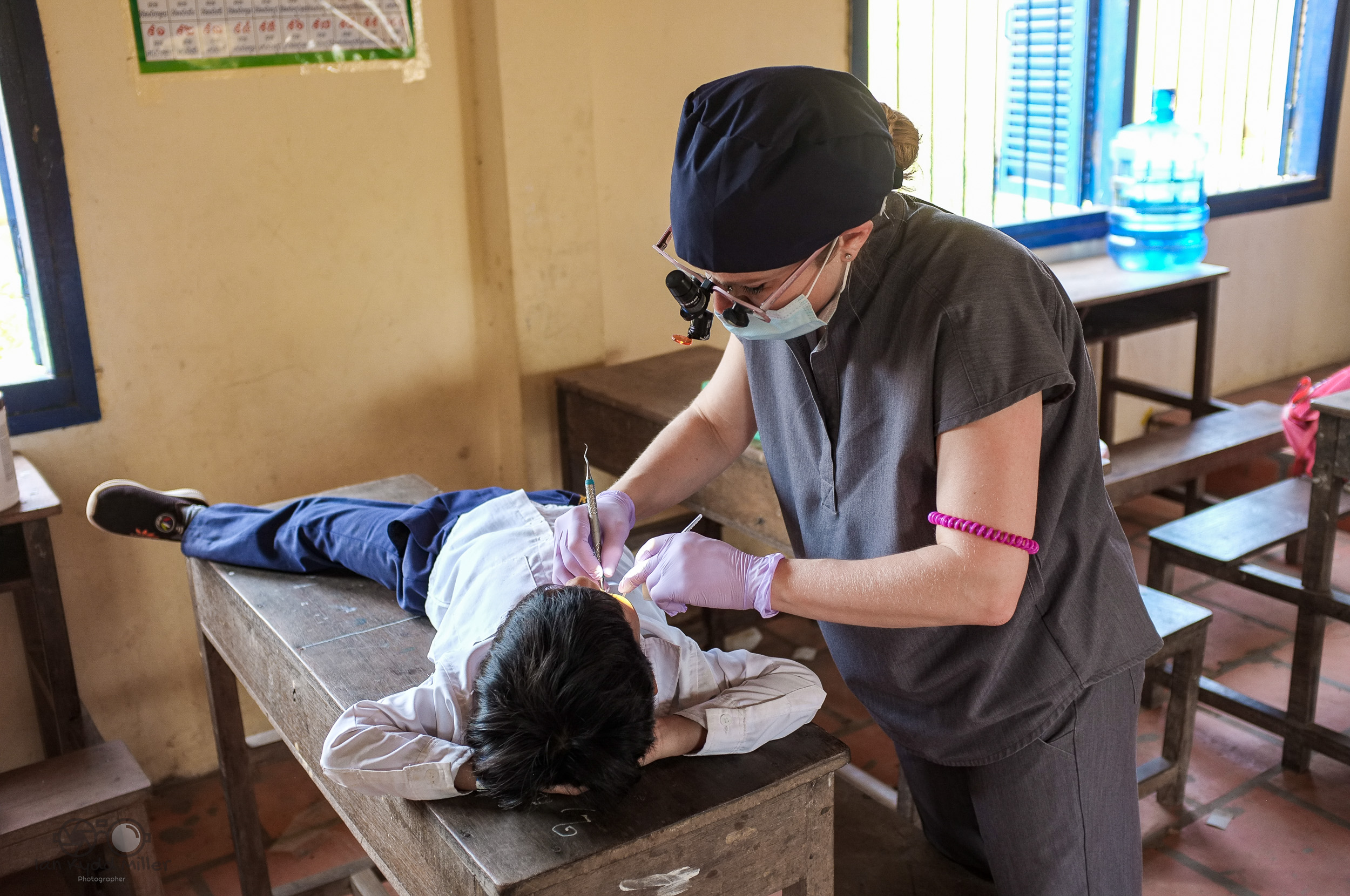
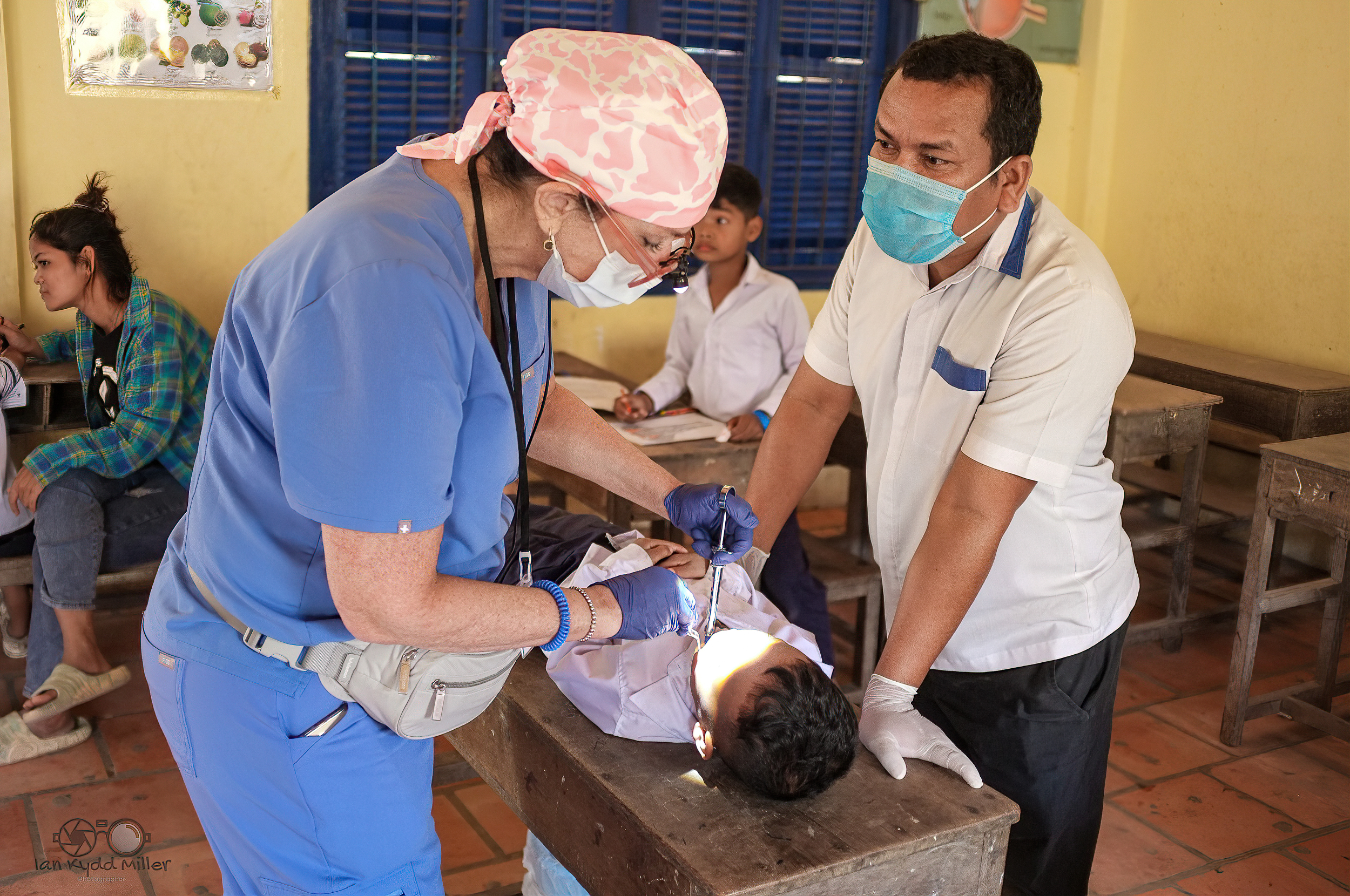
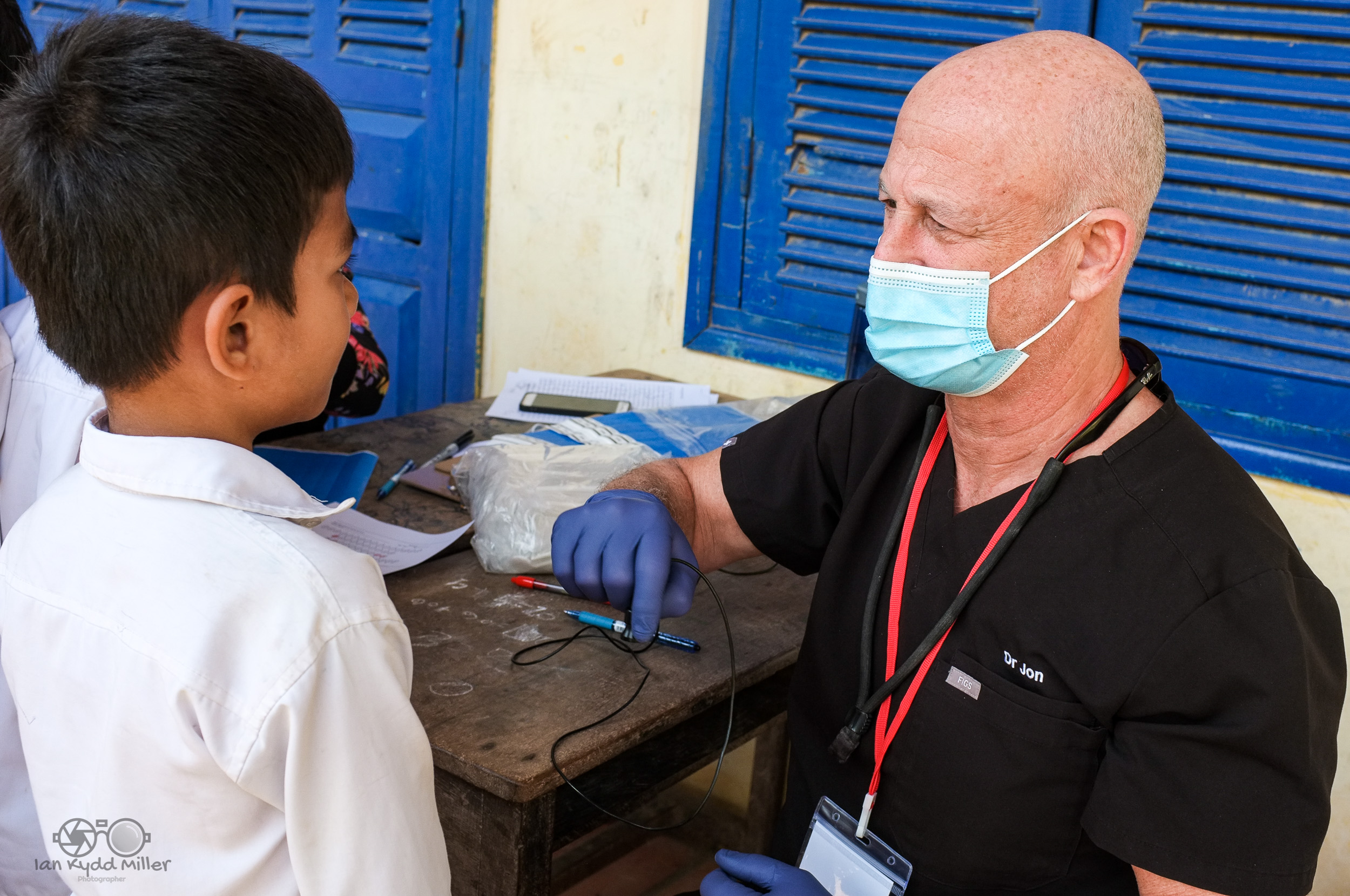
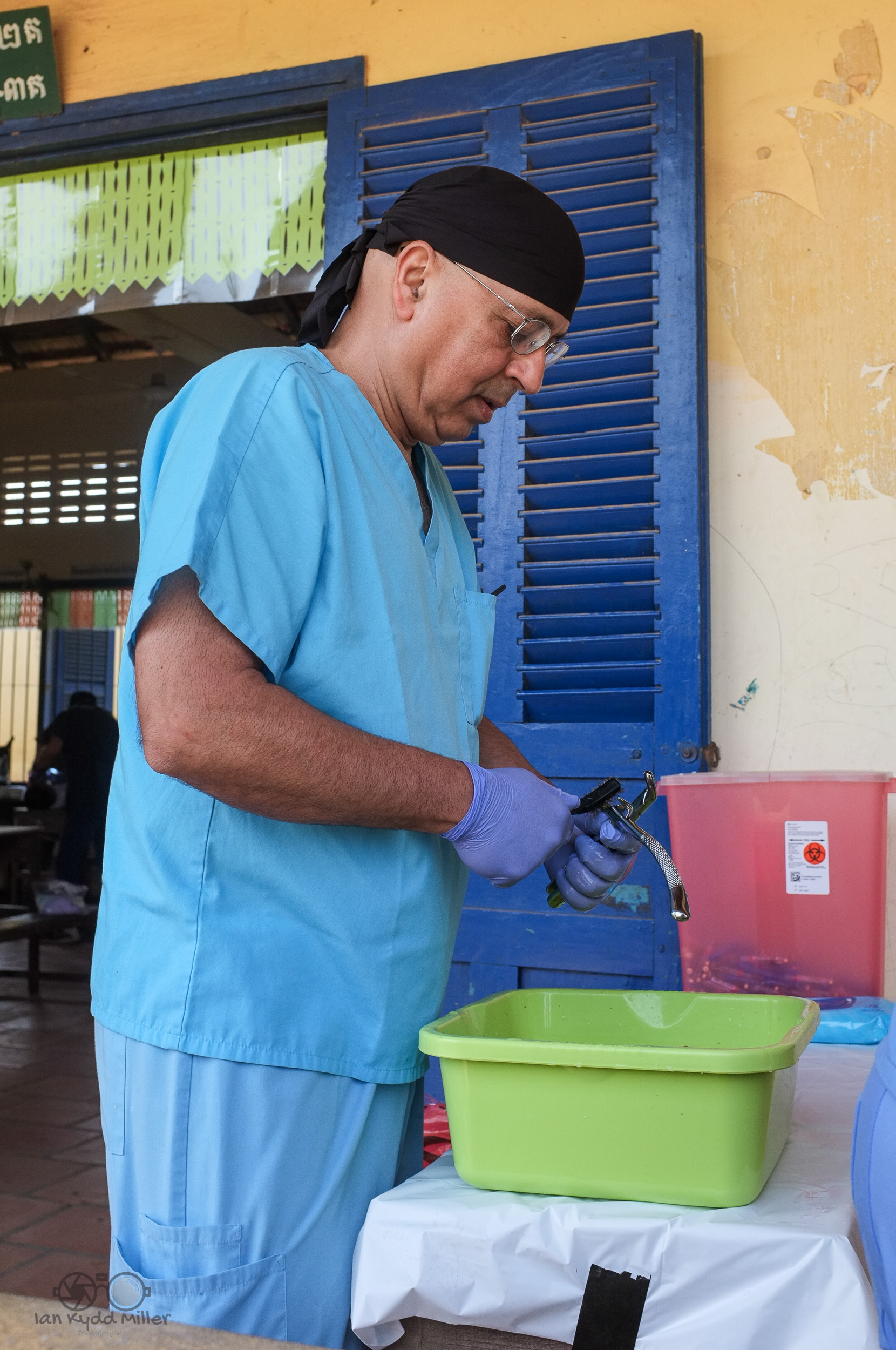
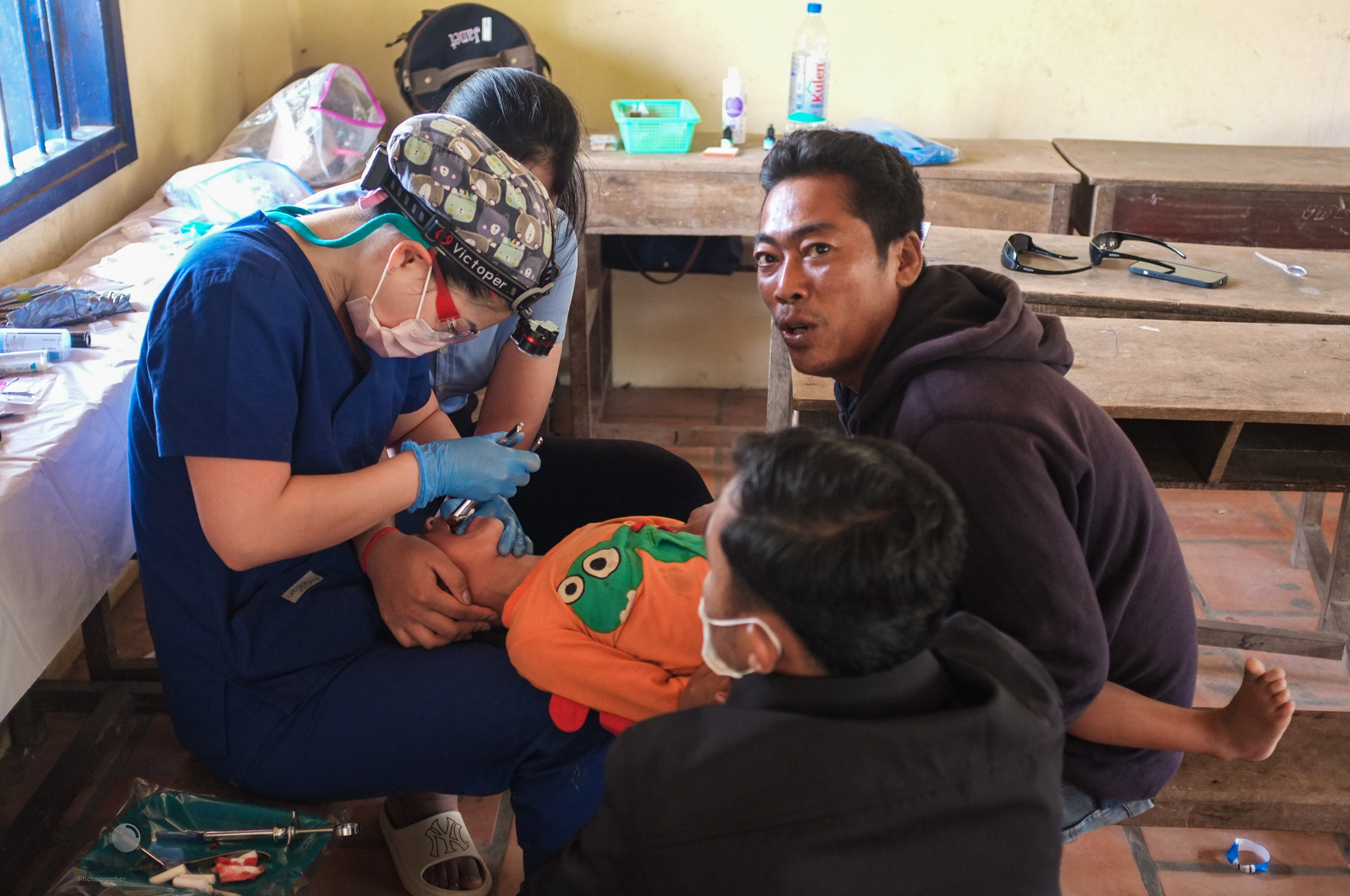
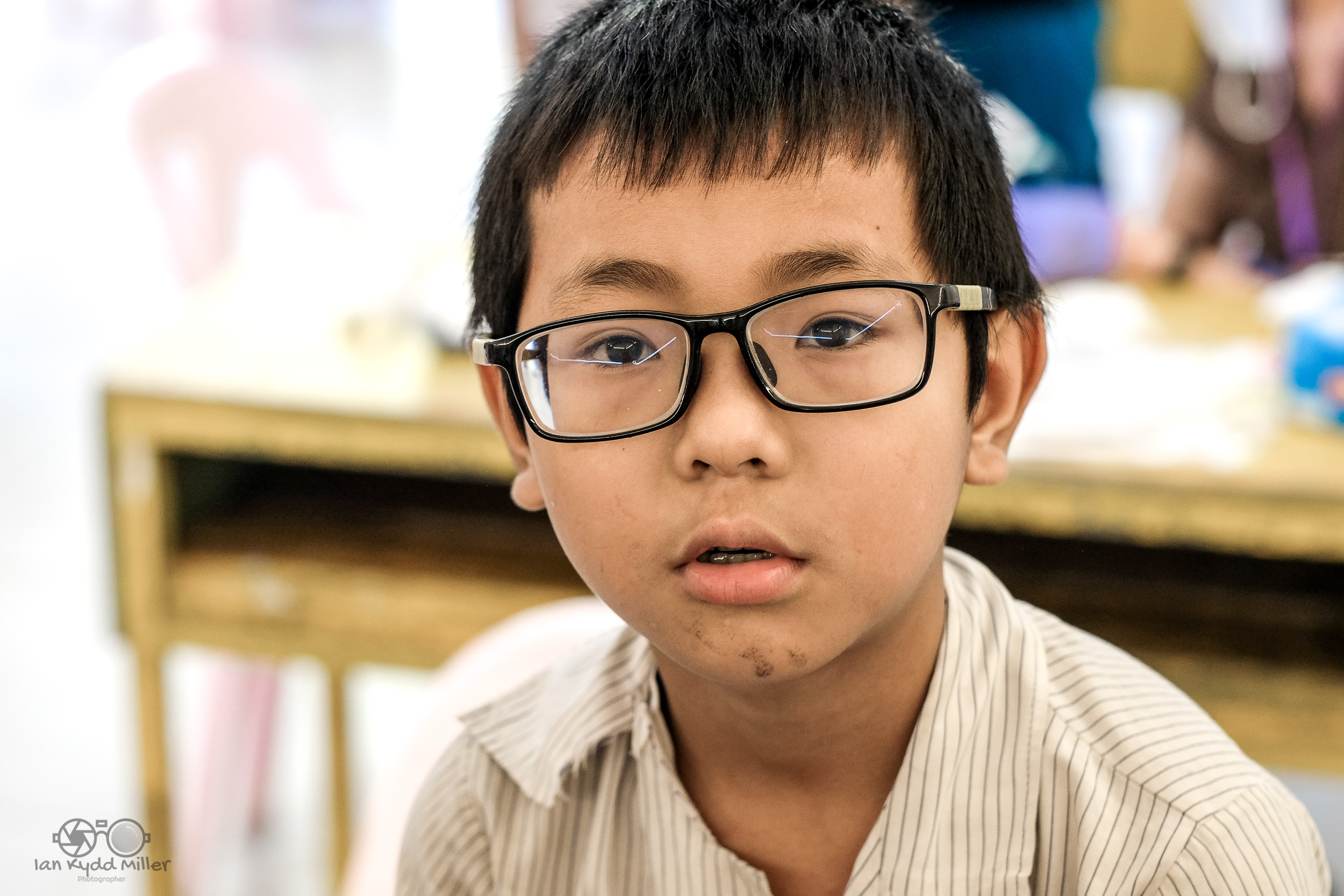
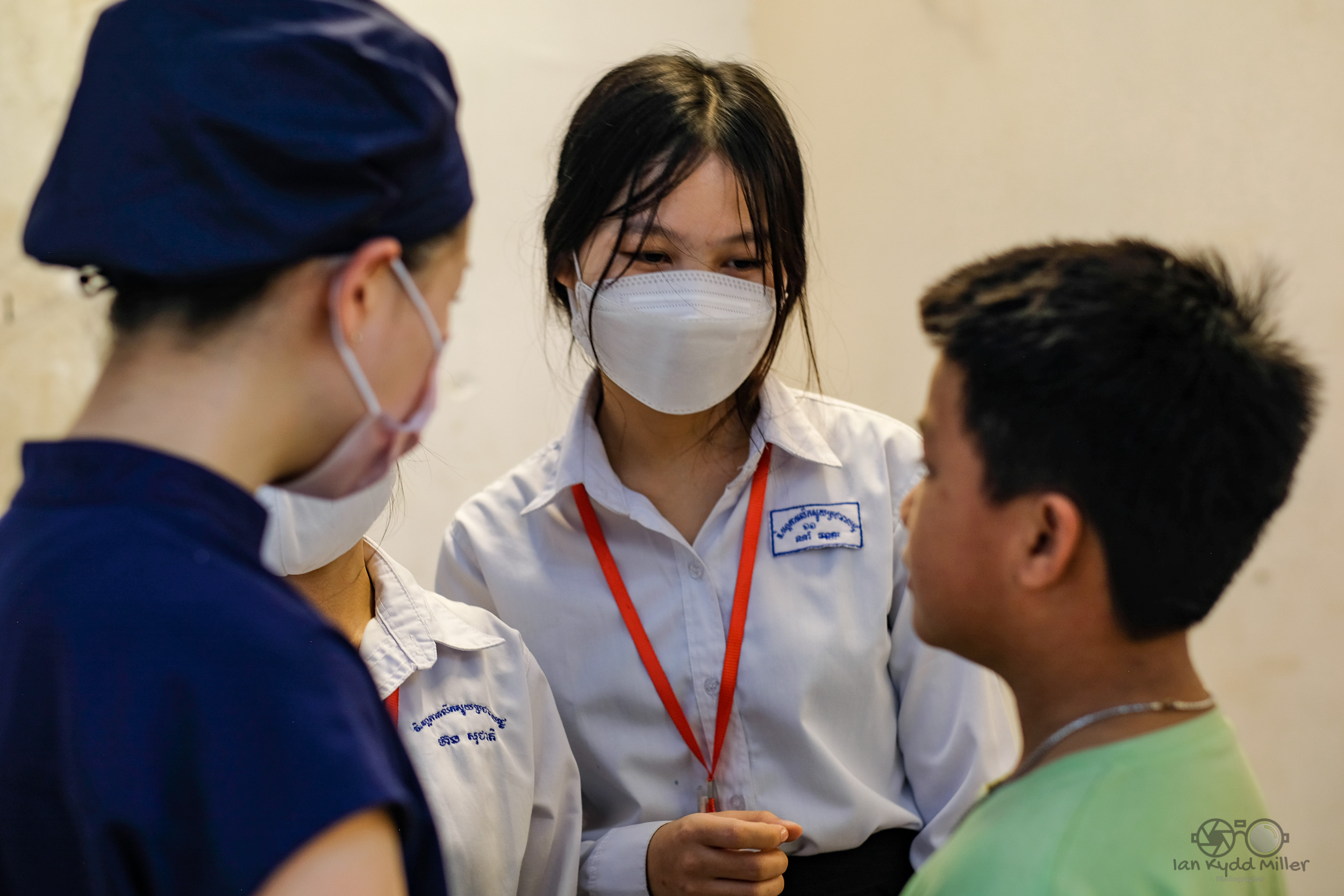
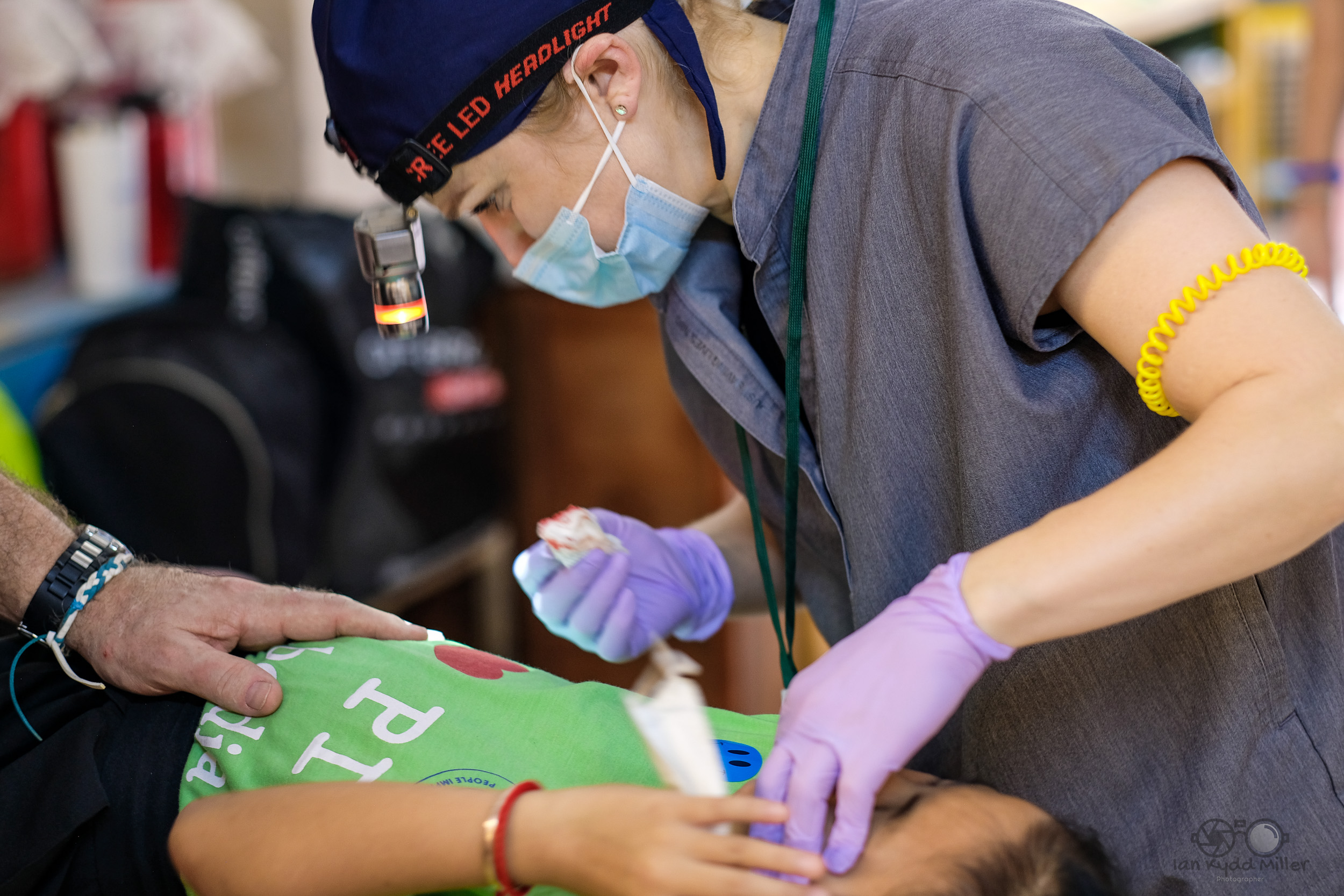
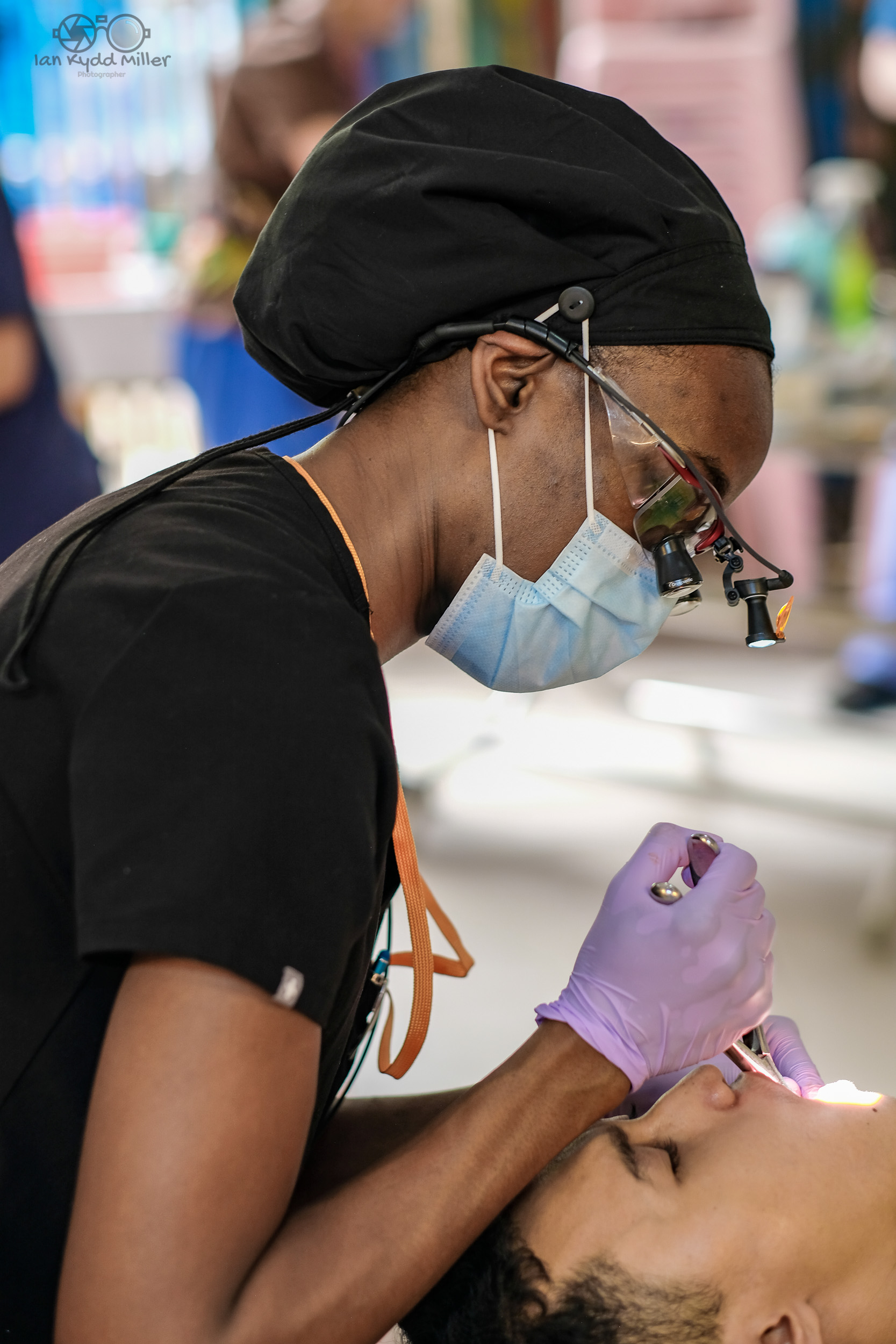
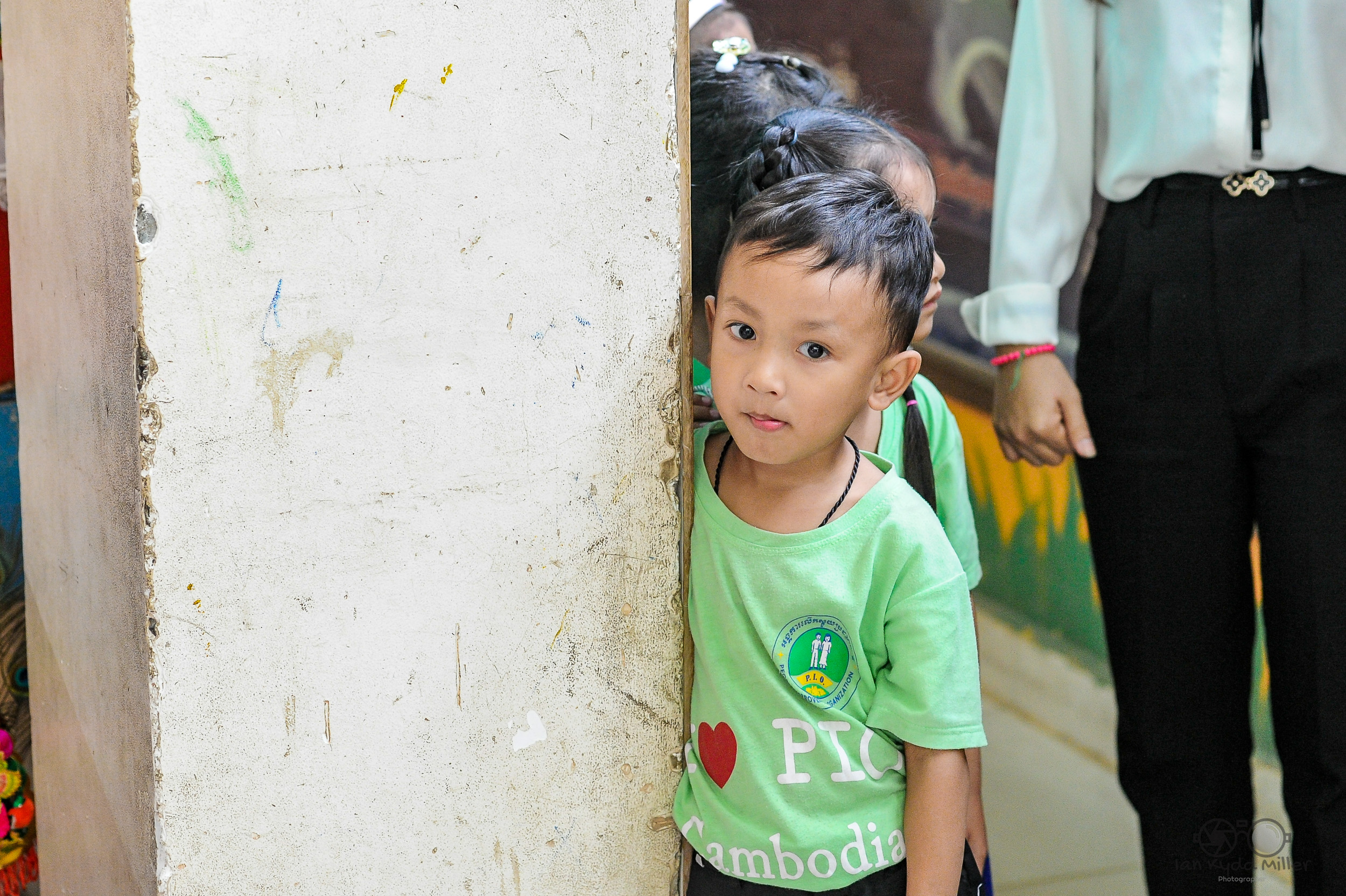
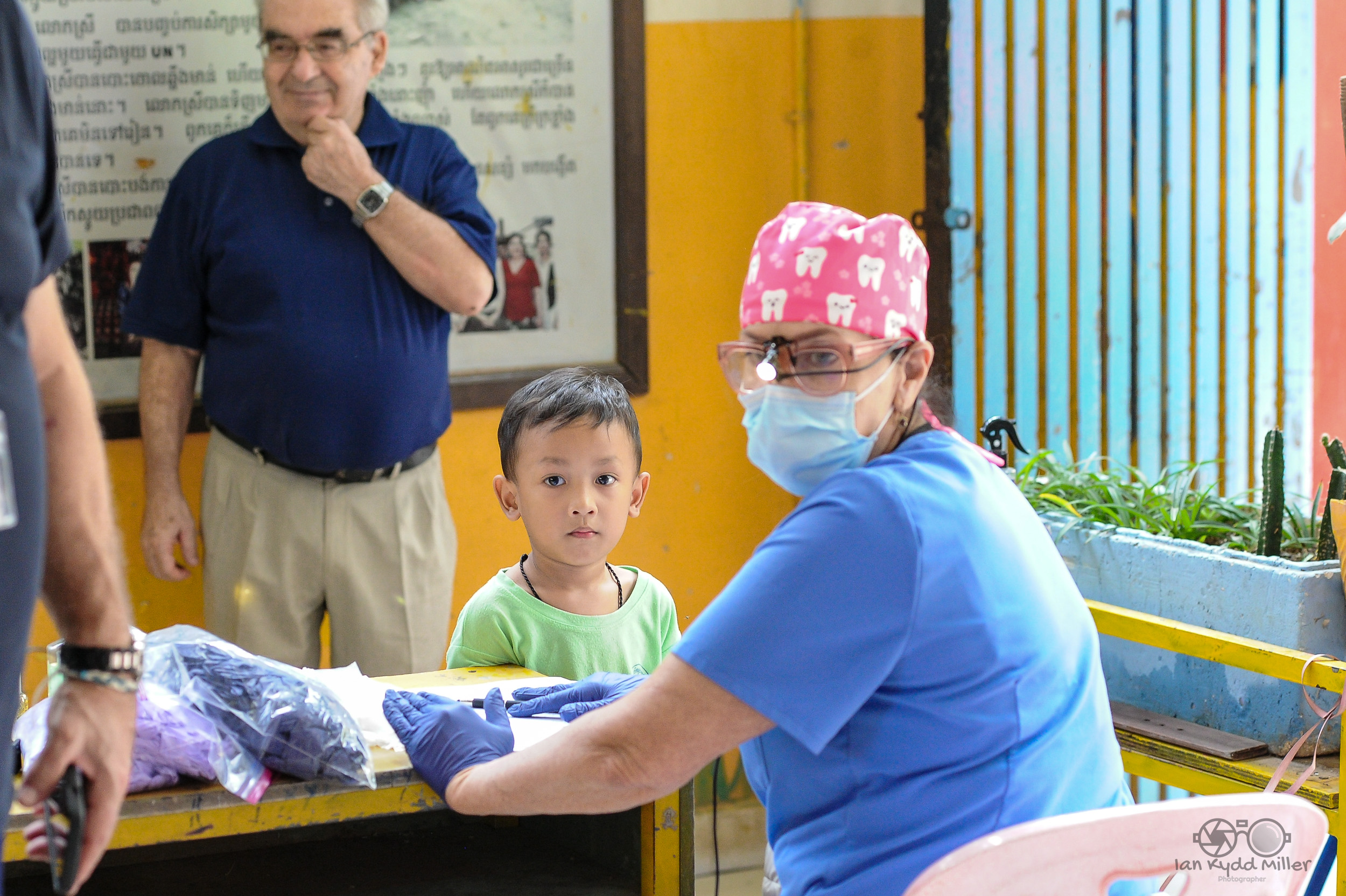
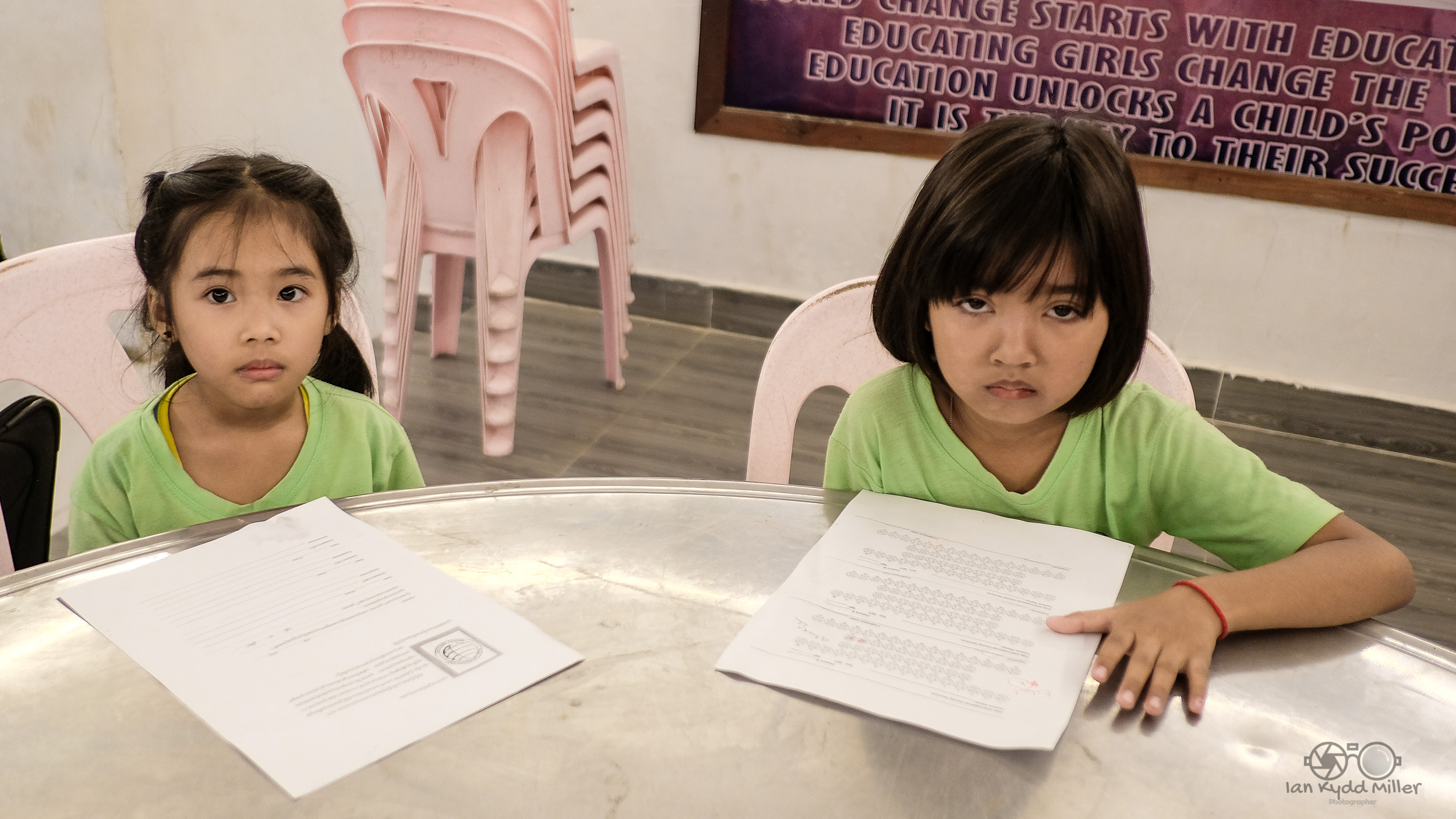
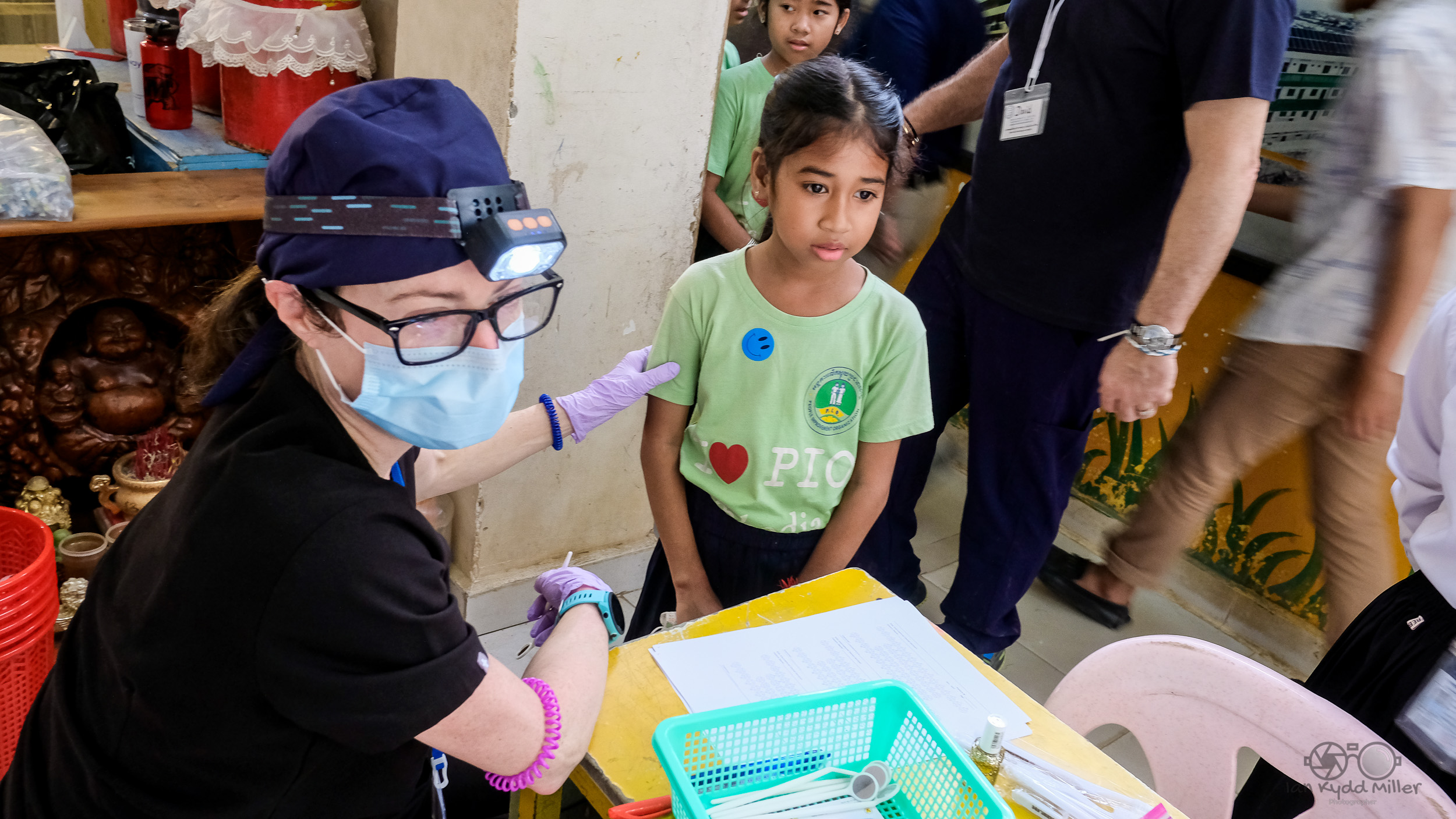
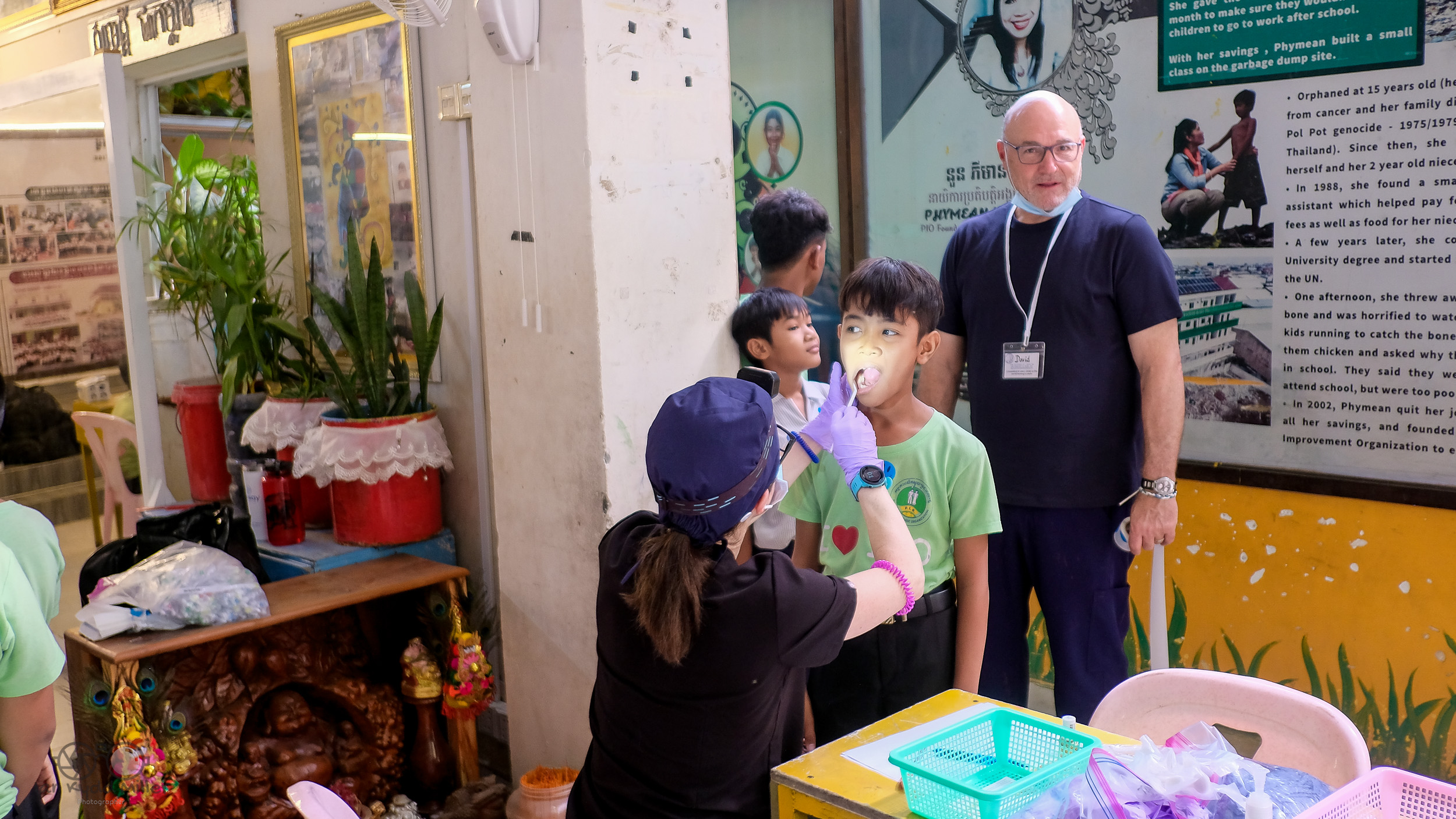
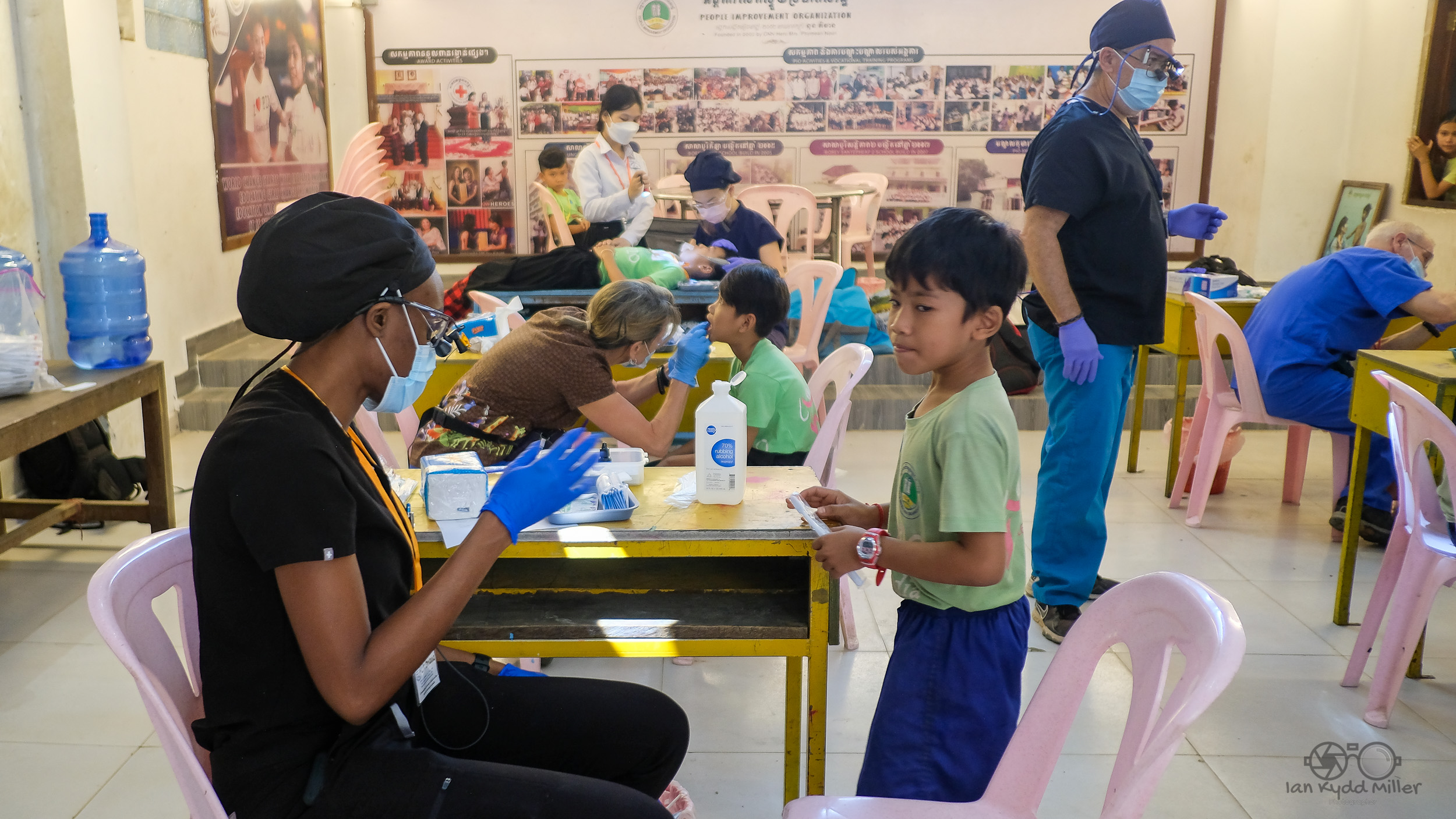
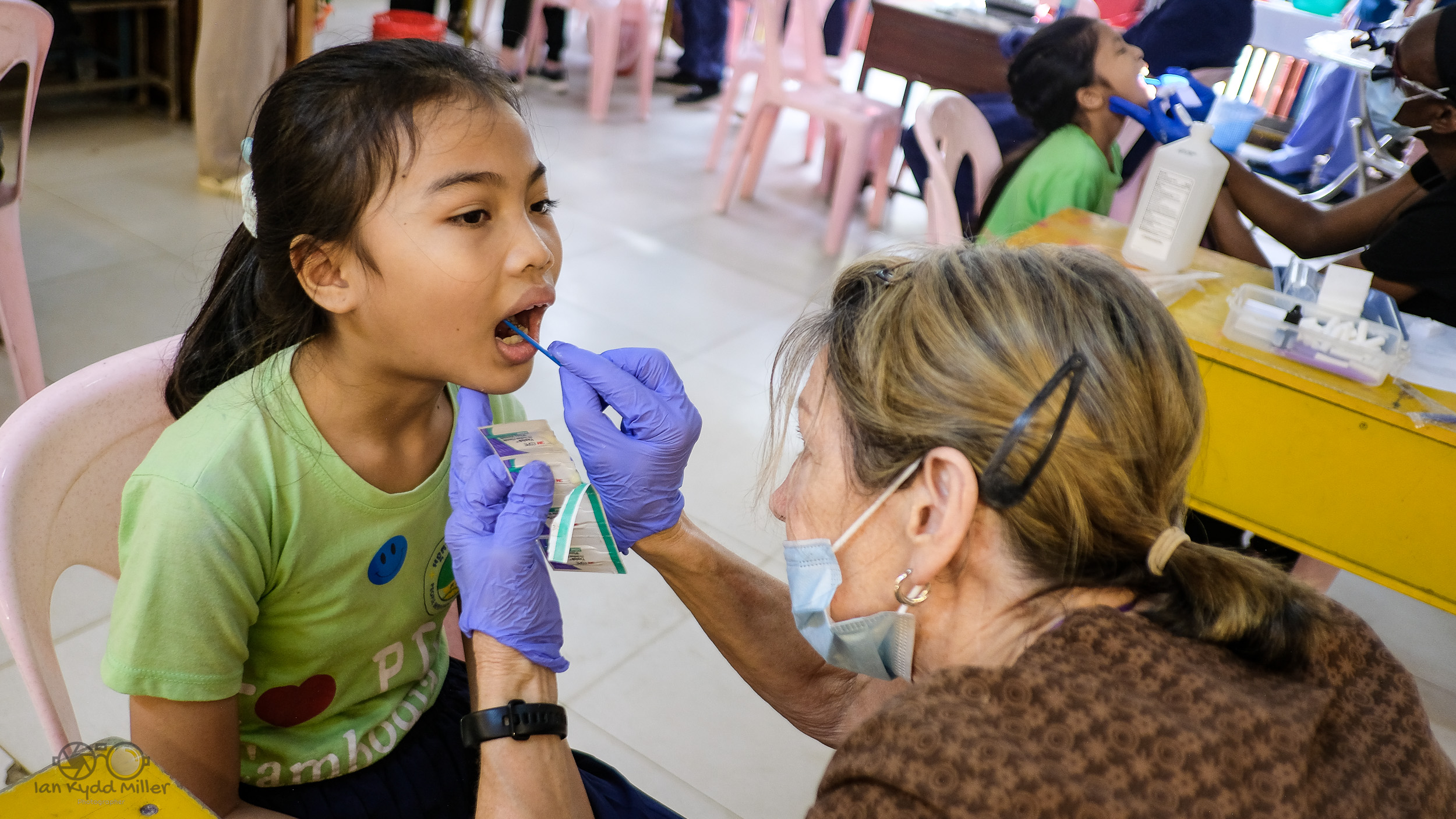
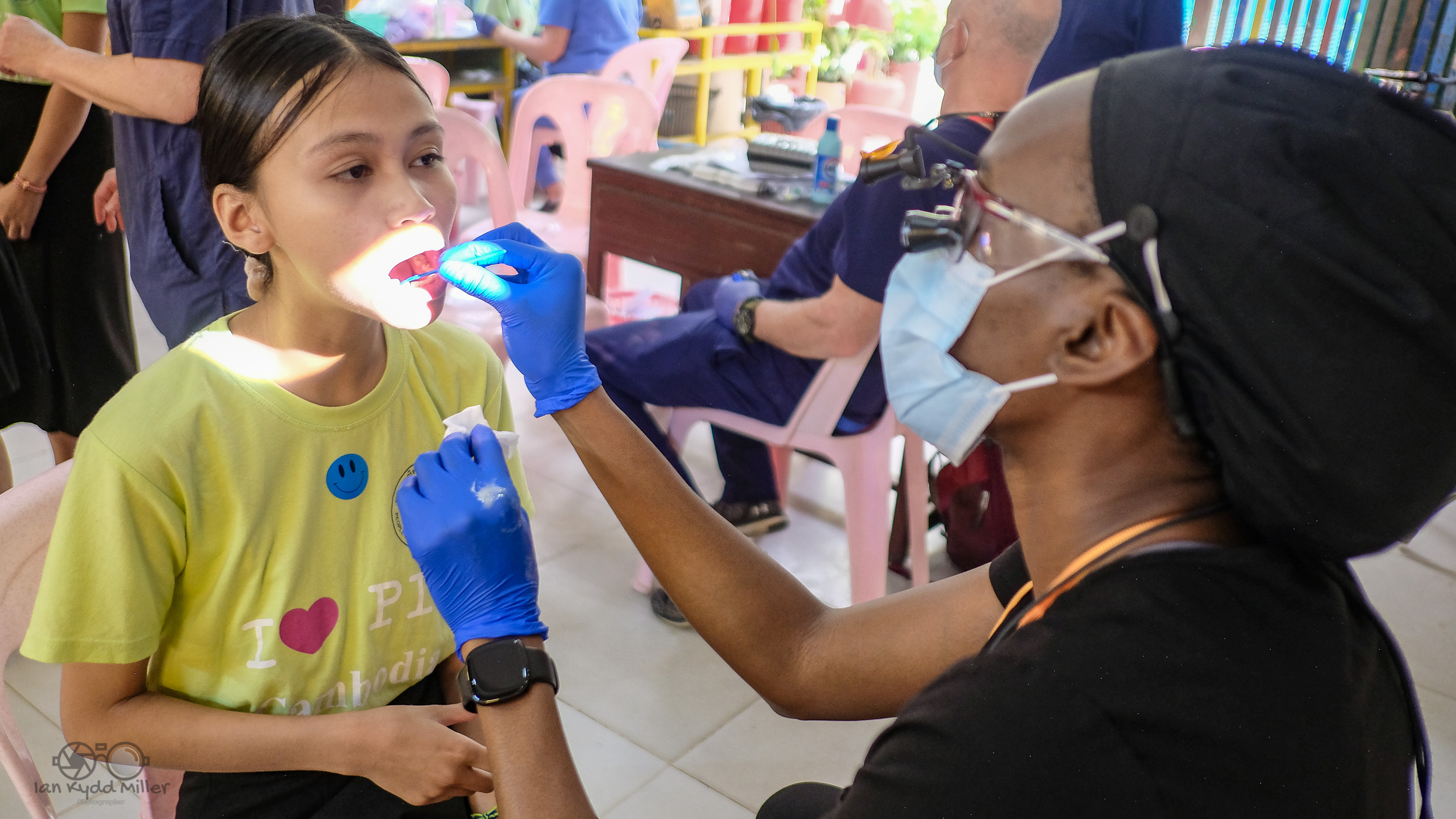
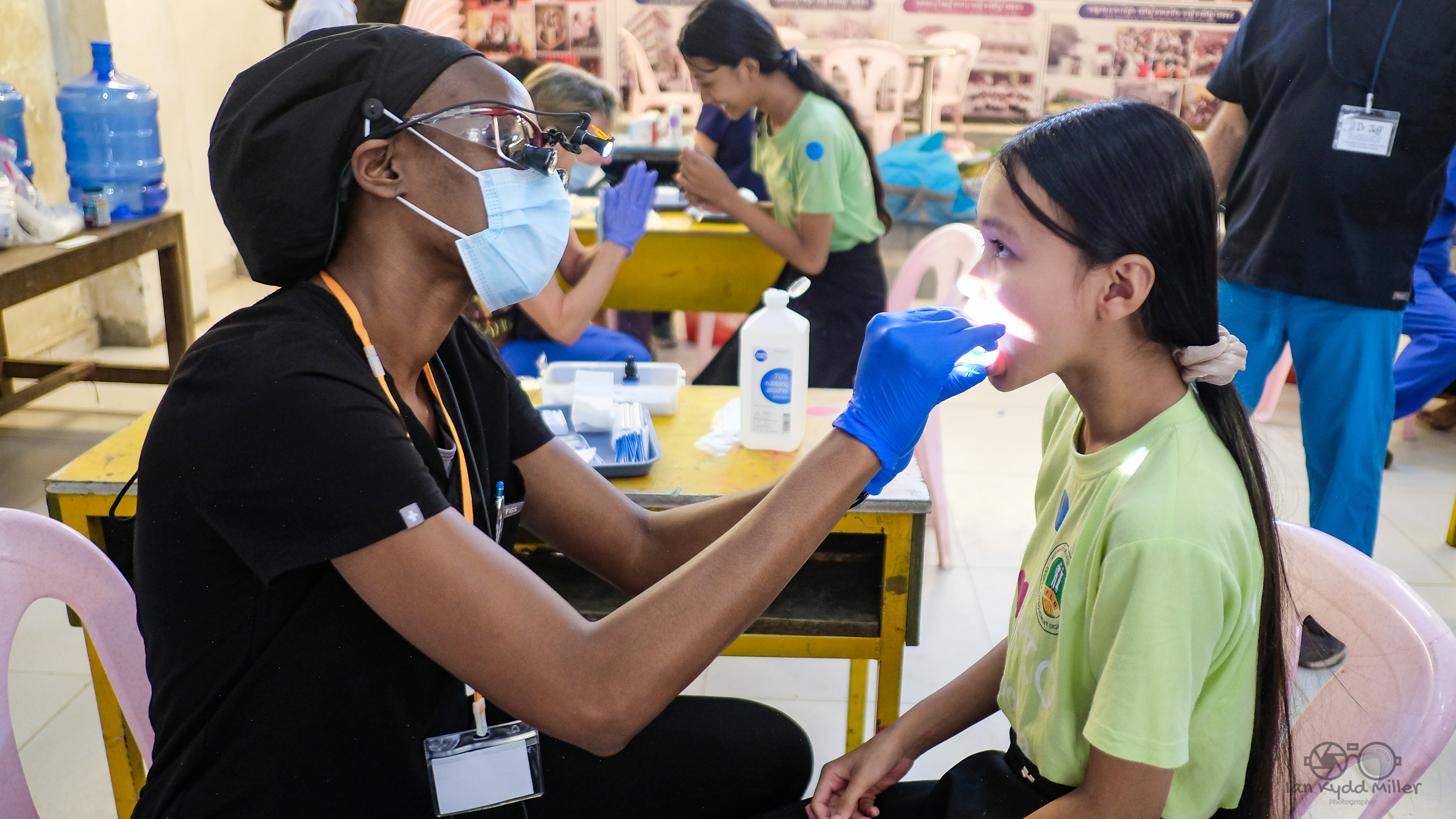
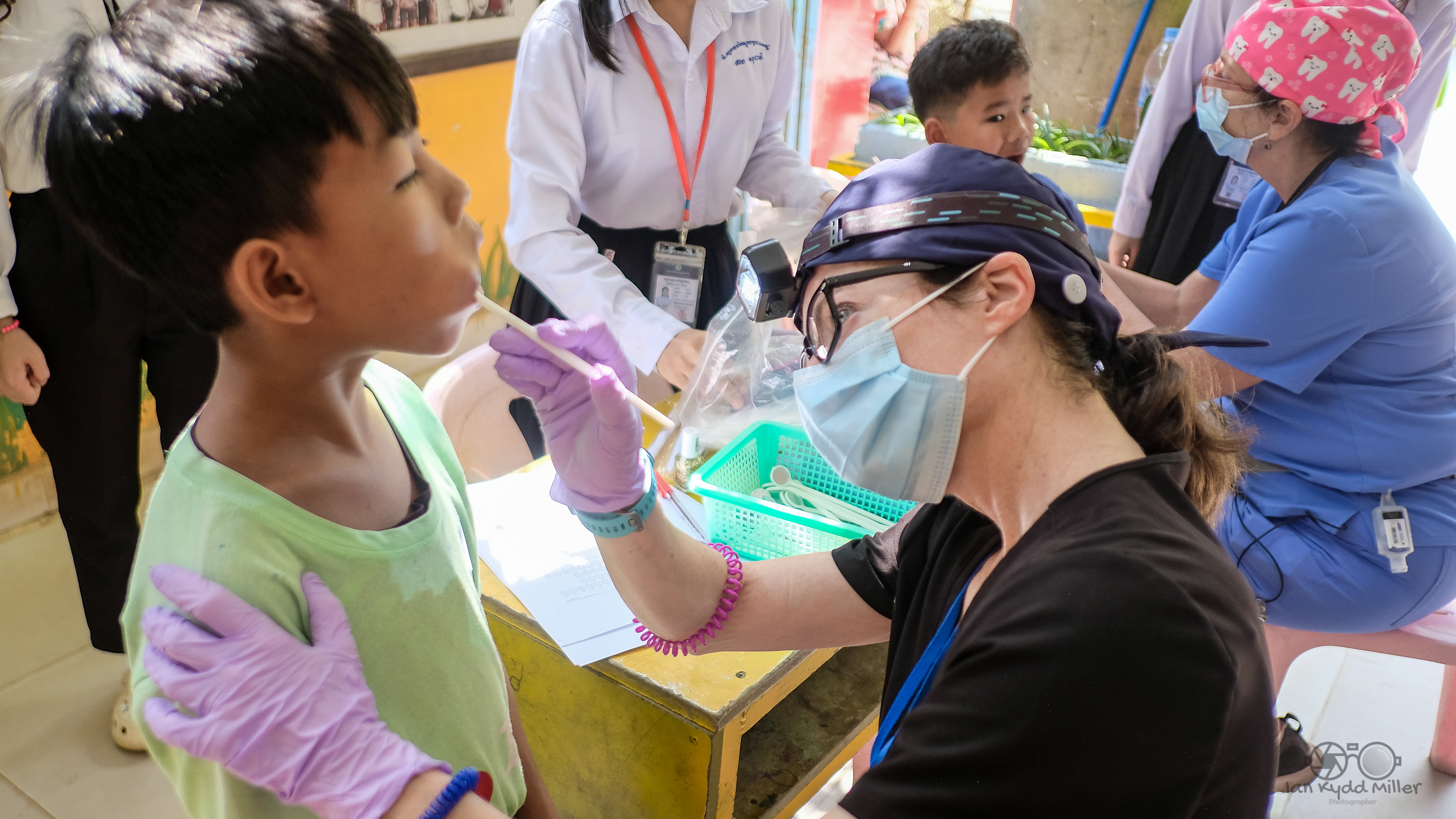
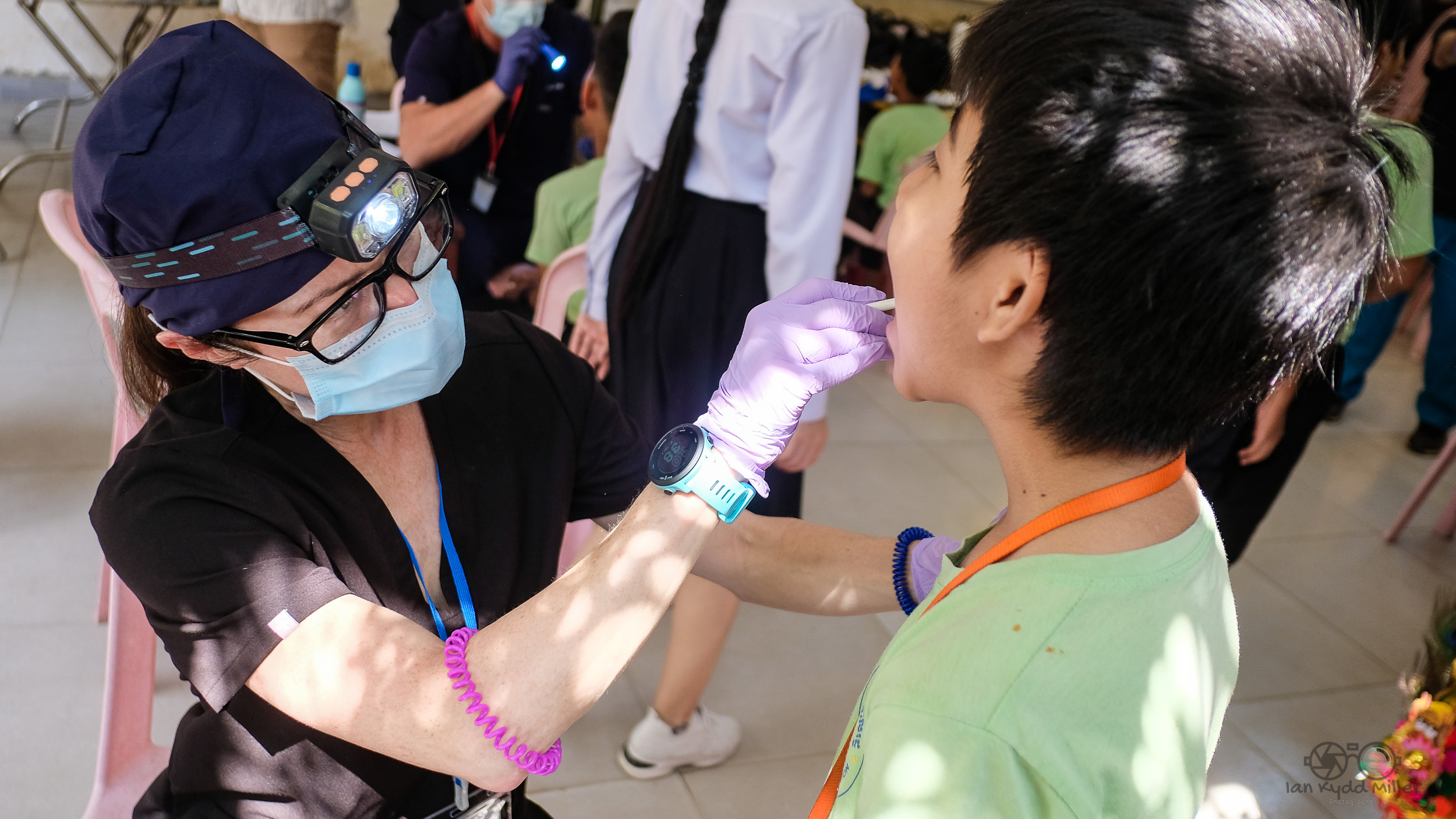
Kids Dental Service is a Voluntary Effort.

cambodia, cameras, fujifilm, Lenses, opinons, thoughts, photography, pictures, Travel, voluntary

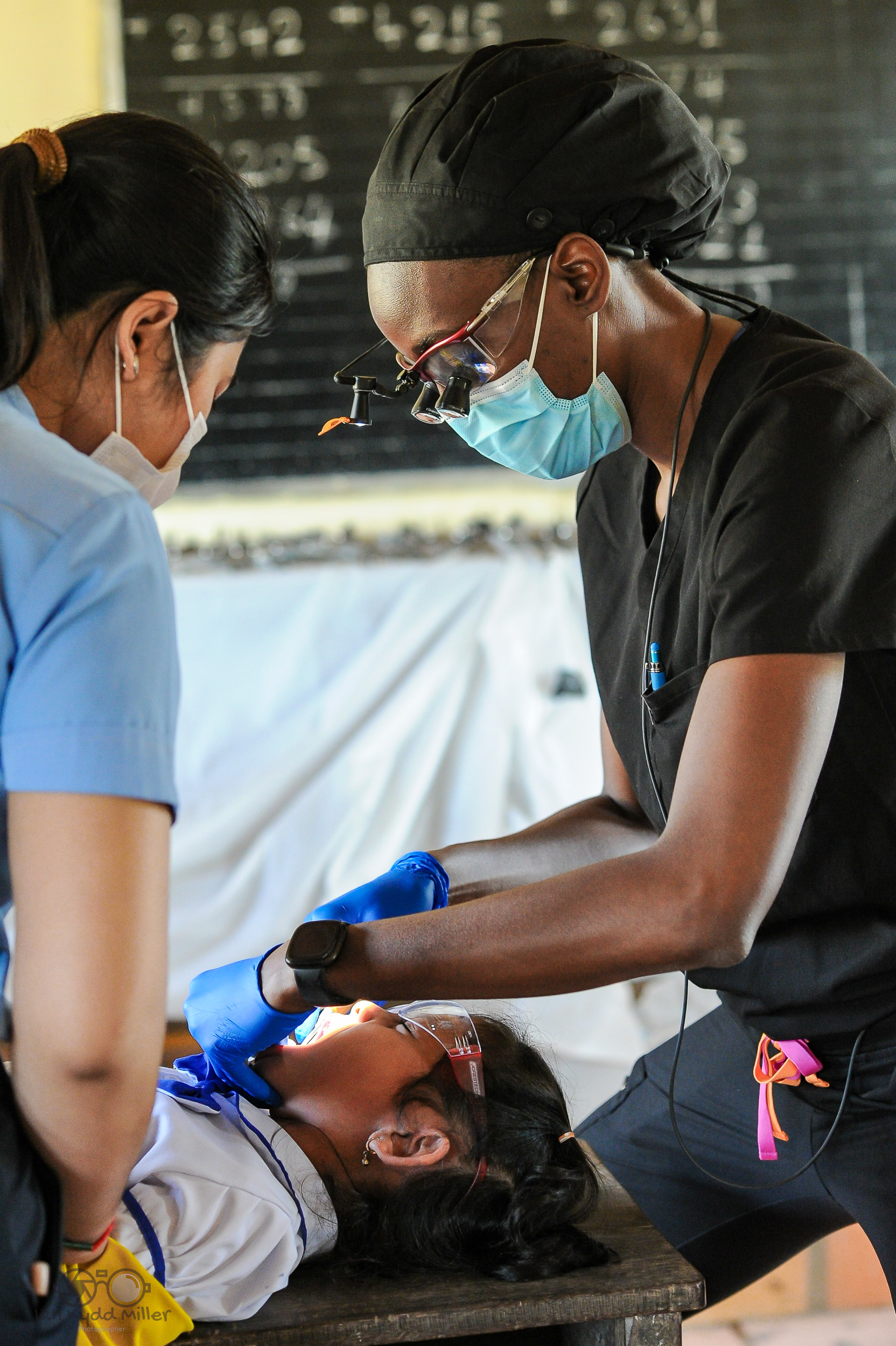
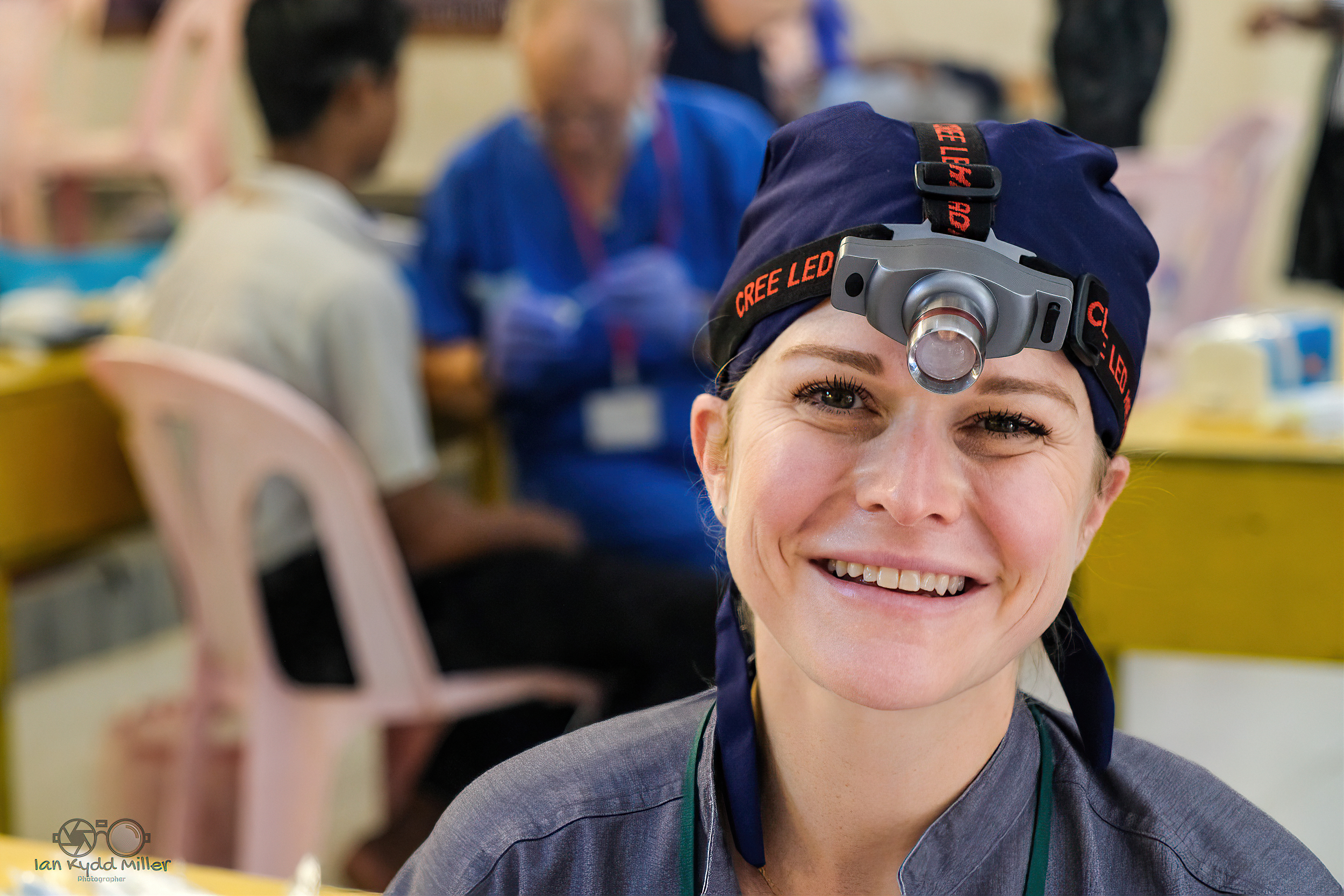
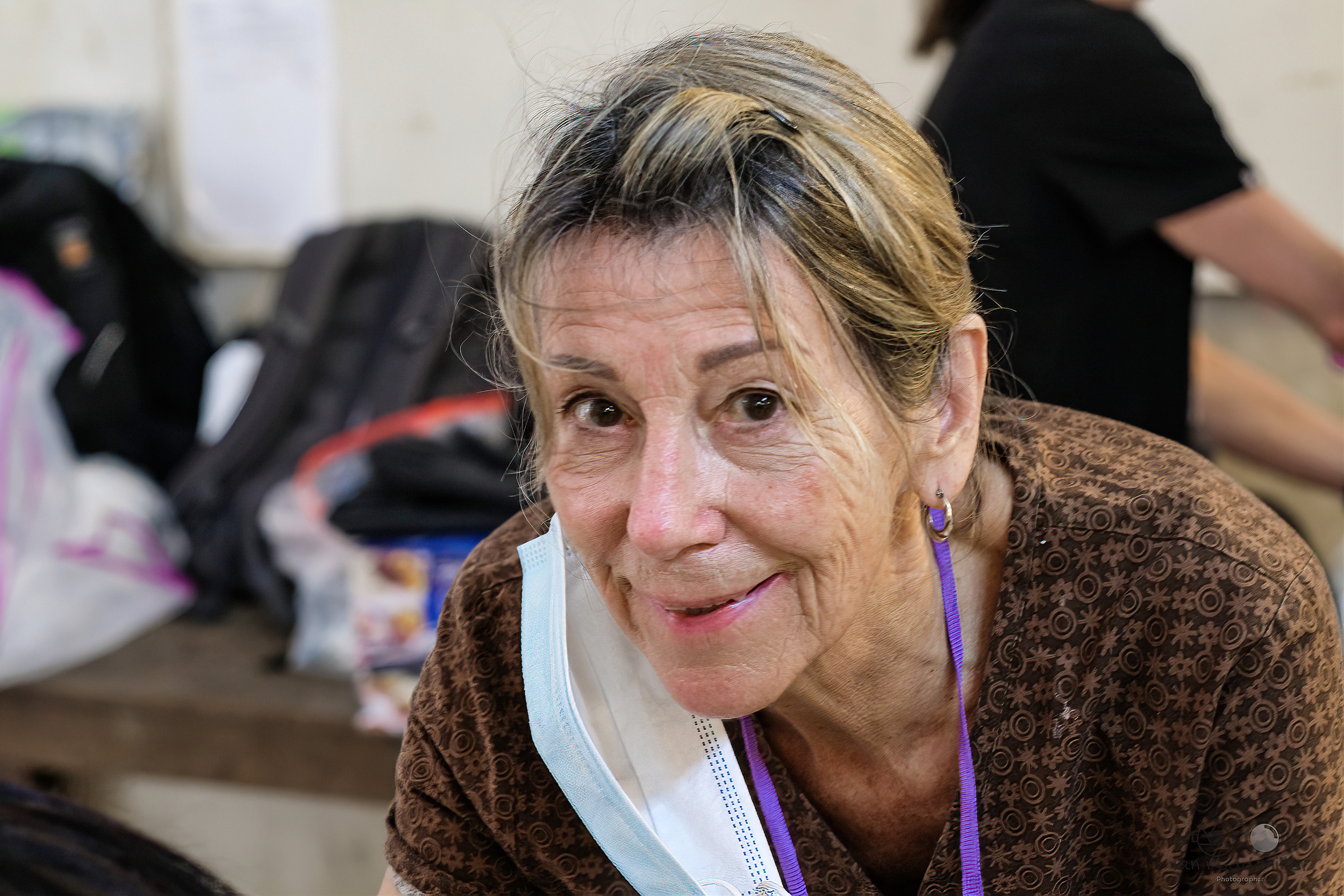
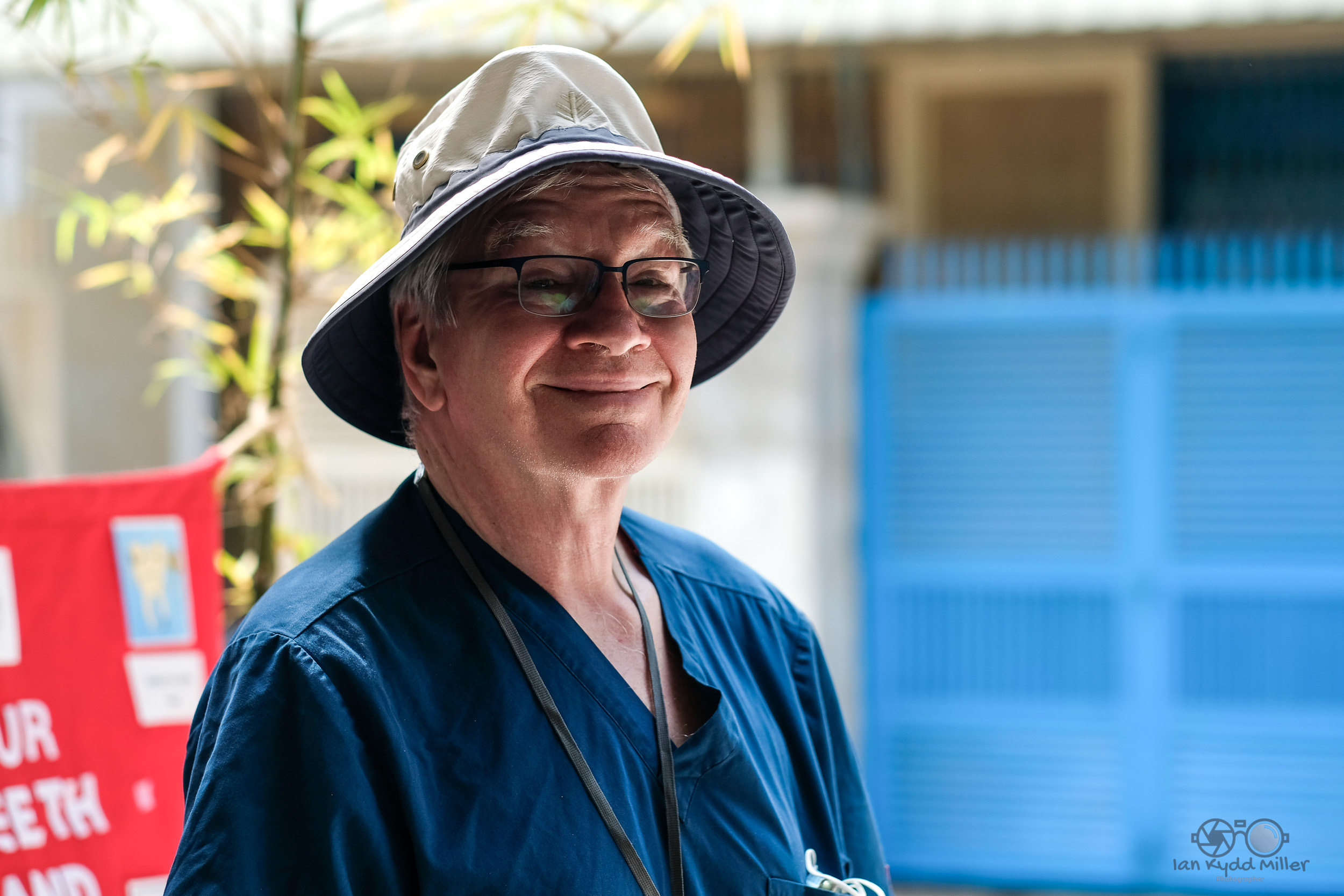
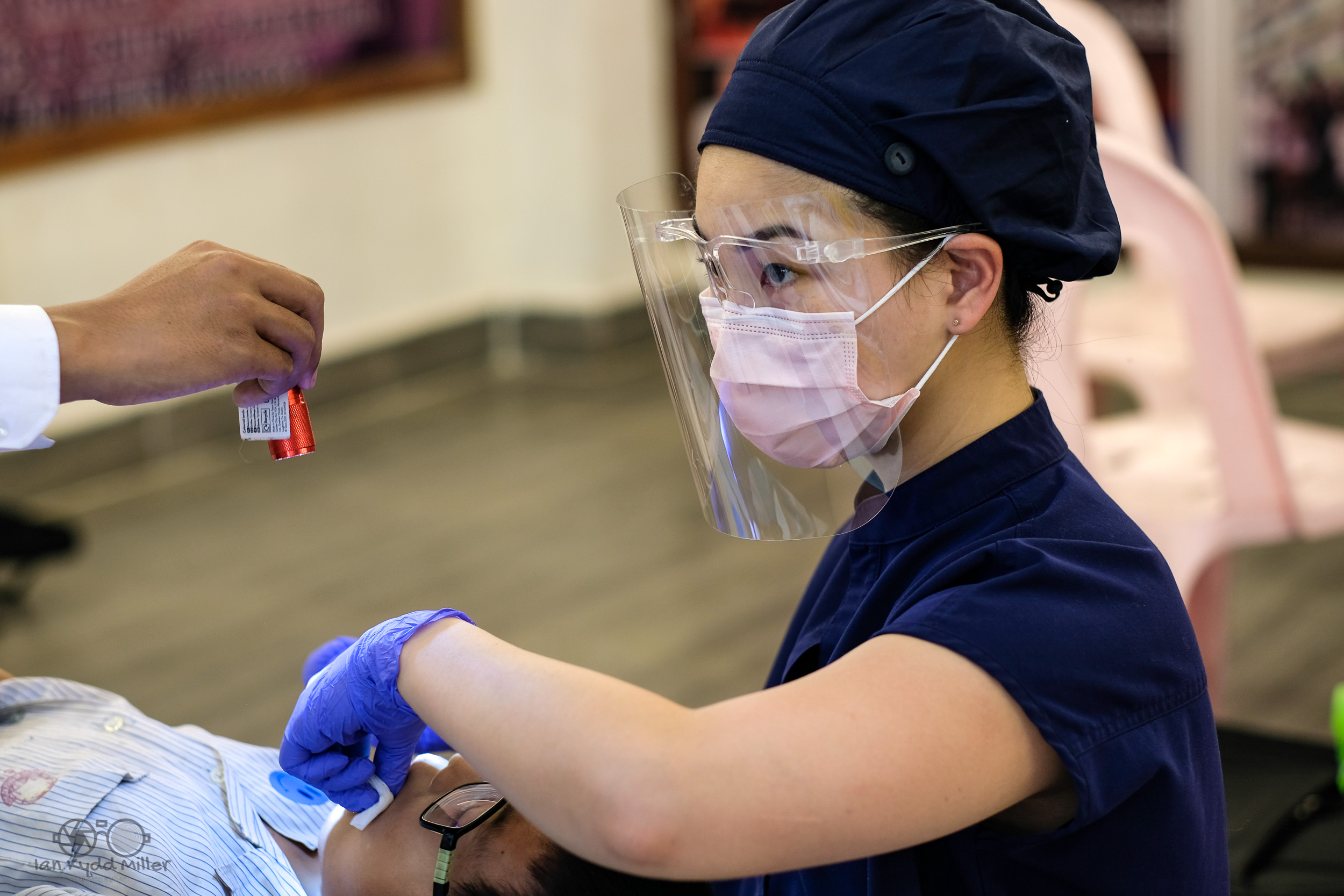
The new incarnation of KIDS International Dental Services was first brought to Cambodia by Dr Bob Renner and now trying to re-emerge from Covid restrictions, under new leadership, to bring Dental volunteers teams to Cambodia again.

The fundamental mission of Kids International Dental Services (KIDS) is to provide pro-bono dental care to impoverished children in developing countries. Other aspects of our mission include: (a) providing a platform for young dental professionals to perform community service world wide, (b) providing an opportunity for young adults to part take in social service and encourage them to innovate projects to serve disadvantaged youths in developing areas of the world. 

forPeace 2019

cambodia, fujifilm, opinons, thoughts, photography, Travel, voluntary

Every year since 2013/14 I have be invited to spend the week with the forPeace house building team on there quest to finish houses donated to poor families in the Cambodia countryside. Covid 19 interupted the seasonal job as 2020 had o be cancelled. Hopefully 2021 will happen.