

In the world of photography, the lens is often regarded as the soul of the camera. It’s the critical component that captures light and shapes images, and for many photographers, the pursuit of the perfect lens is a never-ending journey. With a plethora of options available, ranging from budget-friendly to high-end luxury, one question frequently arises: are high-end, high-priced camera lenses truly superior?
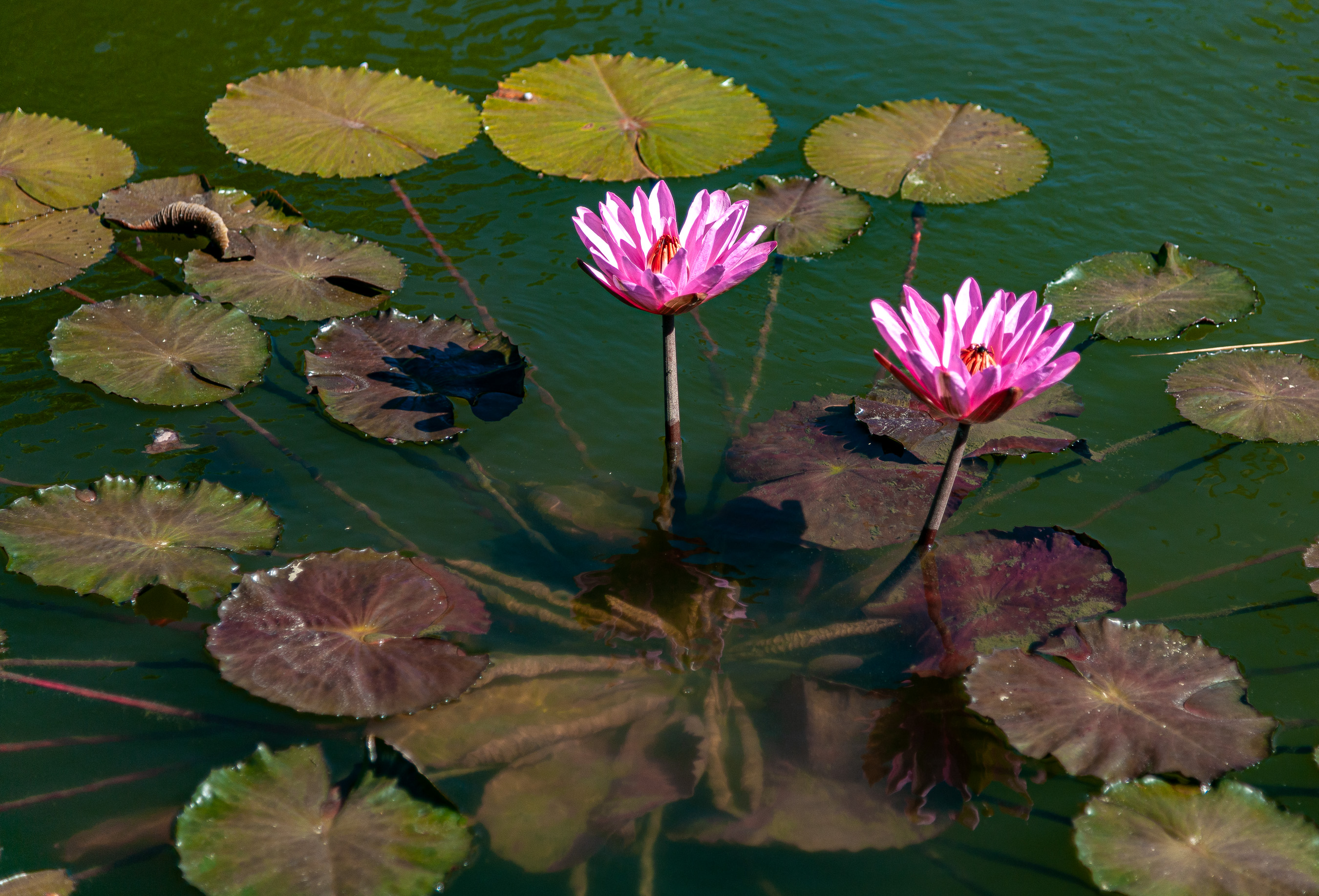
The answer is nuanced and depends largely on the photographer’s needs, expertise, and the specific circumstances of use. High-end lenses typically offer better construction, superior glass quality, and advanced features that can significantly enhance image quality. They are designed to provide sharper images, more accurate colour reproduction, and better performance in low-light conditions. These lenses often come with wider apertures, allowing for a shallower depth of field and that much-desired bokeh effect that adds an artistic touch to photographs.
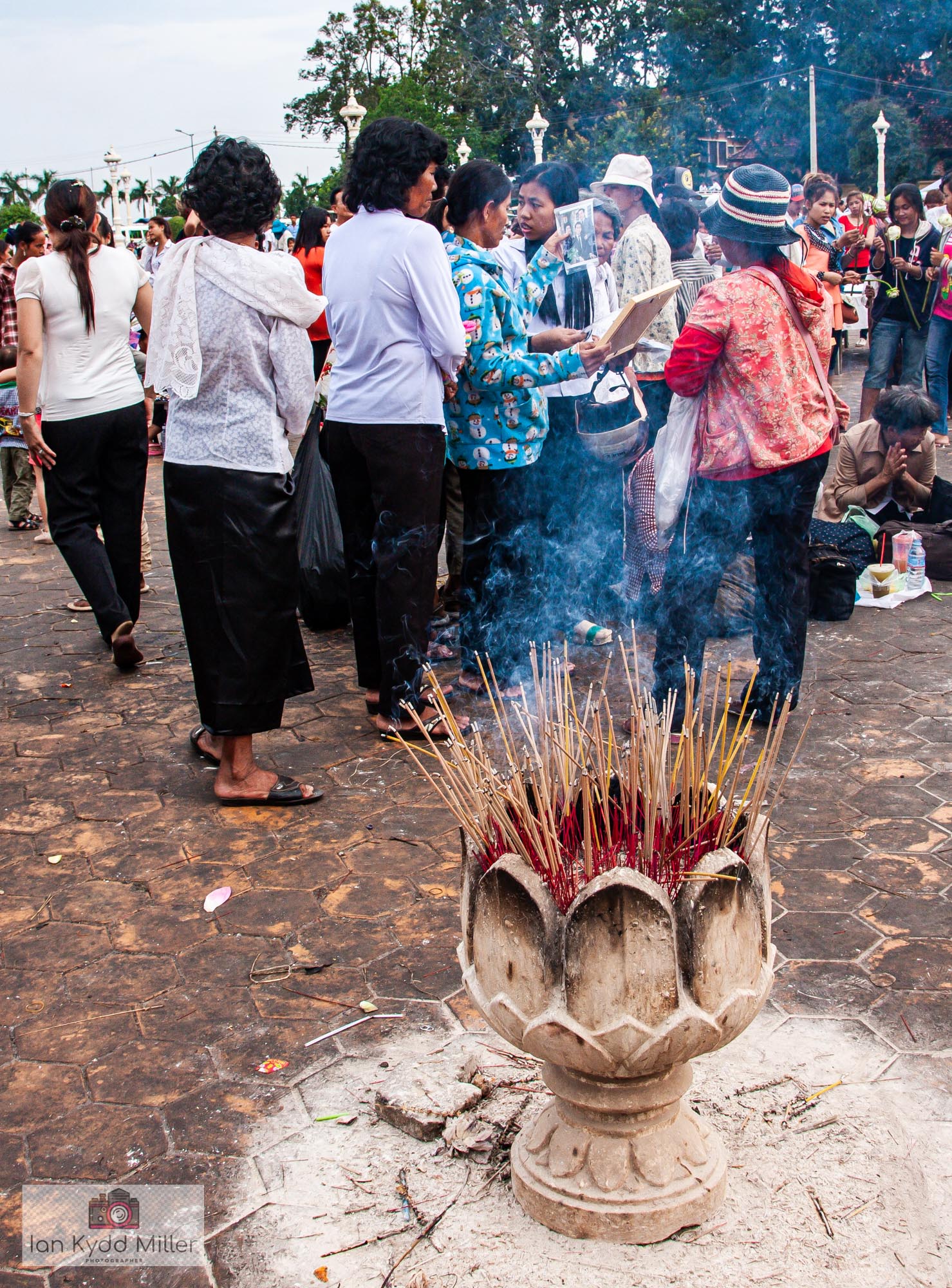
Moreover, high-end lenses tend to have better build quality, which not only contributes to durability but also to the overall experience of using the lens. The focus rings are smoother, the image stabilization more effective, and the weather-sealing more reliable, making them suitable for professional use in various environments.

However, it’s important to note that a more expensive lens does not automatically equate to better photos. The skill of the photographer and their understanding of photography principles play a significant role in the outcome of an image. Additionally, the type of photography one engages in will influence the choice of lens. For instance, landscape photographers might prioritize wide-angle lenses for their ability to capture expansive scenes, while sports or wildlife photographers might lean towards telephoto lenses for their zoom capabilities and ability to compress perspective.

Another consideration is the camera body itself. While a high-quality lens can certainly elevate the performance of a camera, it’s also true that pairing an expensive lens with an entry-level camera body won’t magically transform the results. The camera’s sensor, image processor, and other features must be capable of harnessing the lens’s potential. Conversely, a great lens on a modest camera body can often produce better results than a mediocre lens on a high-end body.

For those on a budget, it’s reassuring to know that investing in a less expensive camera body and higher-quality lenses is a strategy recommended by many photography experts. Lenses retain their value longer and can be used across different camera bodies as one upgrades over time.

In conclusion, while high-end camera lenses do offer tangible benefits in terms of construction, image quality, and features, they are not a one-size-fits-all solution. Photographers must consider their specific needs, the type of photography they practice, and their budget when deciding whether to invest in a high-priced lens. Ultimately, the best lens is the one that allows you to capture the vision you see through your viewfinder with clarity and creativity. Whether that means splurging on a top-tier lens or finding a hidden gem among the more affordable options is a decision that lies in the hands of the beholder.











 a world without pictures is like coffee without cream and sugar, bitter