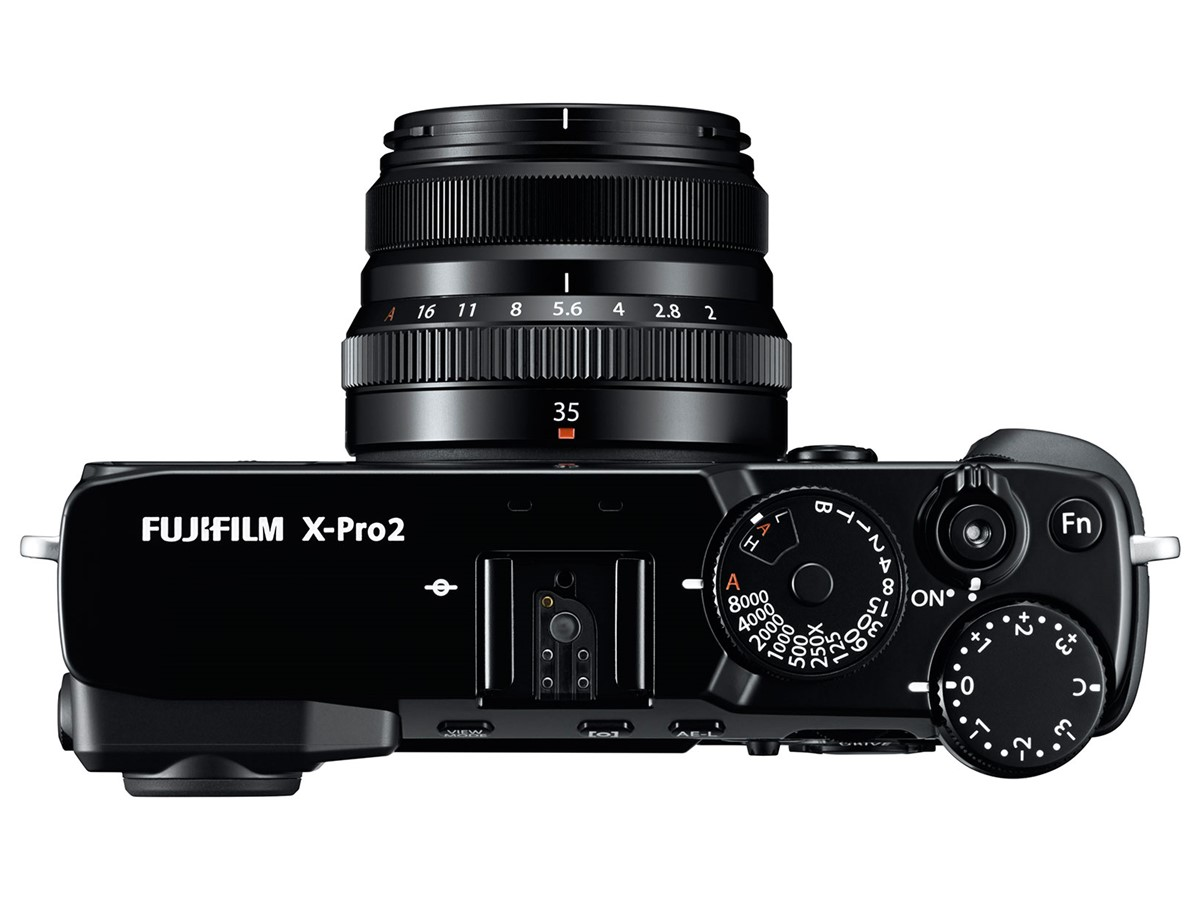
The Fujifilm X‑Pro3

cambodia, Fujichrome, fujifilm, Lenses, opinons, thoughts, photography, pictures, street, Travel

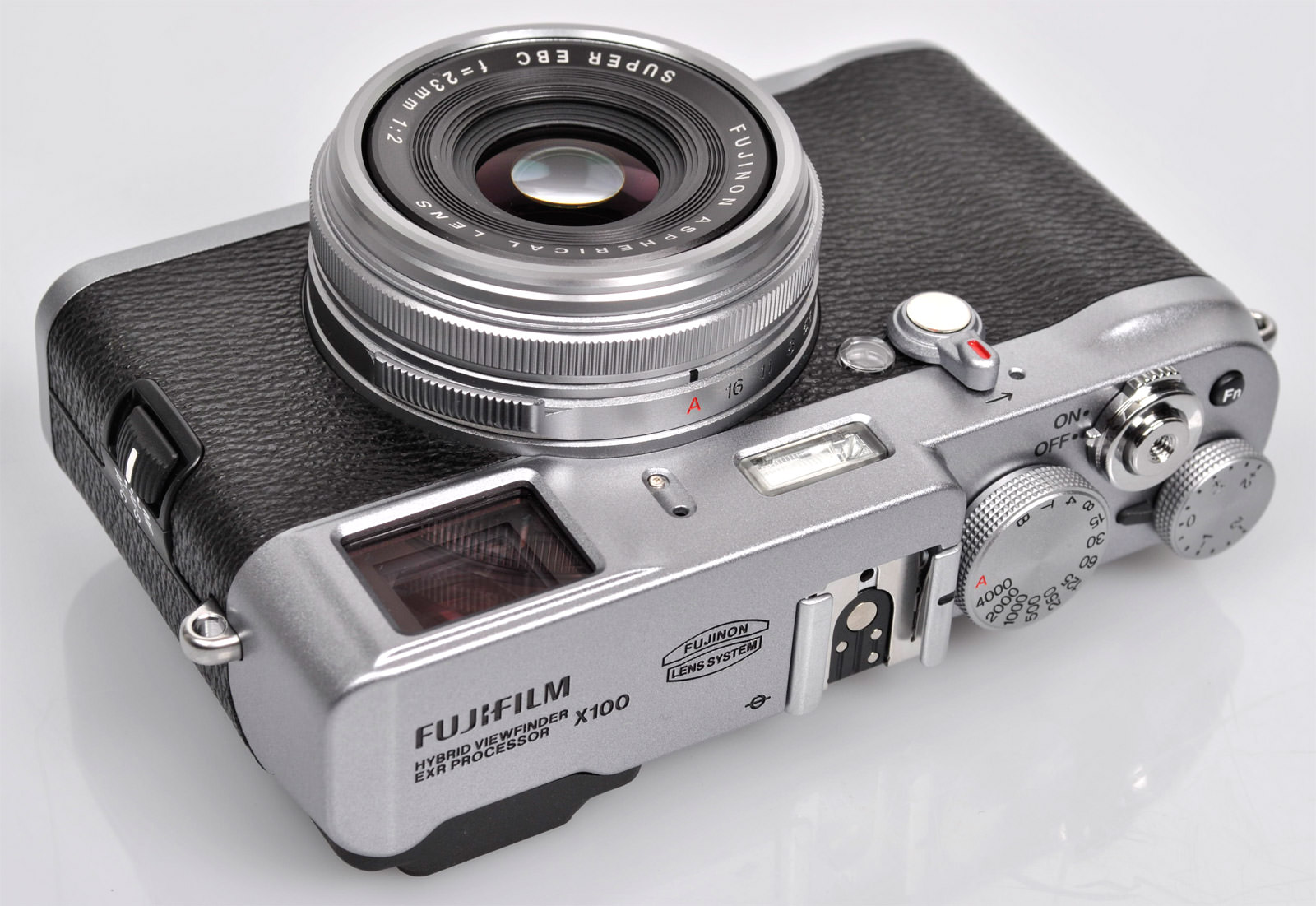
The Fujifilm X‑Pro3 is a distinctive, rangefinder‑style mirrorless camera that excels in build quality, image rendering, and unique design philosophy—but ongoing issues include reliability concerns with its sub monitor, shutter button feedback, and its unconventional hidden LCD, which some photographers find impractical.

📸 Core Strengths

  • Design Philosophy: The X‑Pro3 was built to encourage “viewfinder‑first” shooting. Its hidden LCD forces photographers to rely on the hybrid optical/electronic viewfinder, echoing the discipline of film cameras.
  • Build Quality: Constructed with a titanium top and bottom plate, weather sealing, and robust ergonomics, the X‑Pro3 is designed for durability in professional use.
  • Sensor & Image Quality: Equipped with a 26.1MP APS‑C X‑Trans IV sensor, it delivers excellent colour reproduction, dynamic range, and Fujifilm’s renowned film simulations.
  • Hybrid Viewfinder: The defining feature—users can switch between an optical viewfinder (OVF) and a high‑resolution electronic viewfinder (EVF), offering flexibility for different shooting styles.
  • Performance: Fast autofocus with 425 phase‑detect points, improved low‑light sensitivity, and solid burst shooting at 11fps mechanical or 20fps electronic shutter.


⚠️ Ongoing Problems & Criticisms

  • Sub Monitor Failures: Multiple users have reported issues with the small “sub monitor” on the back (which displays film simulation and settings). Failures or malfunctions have been noted, sometimes outside warranty.
  • Shutter Button Feedback: Some photographers complain that the shutter button loses its tactile “second click,” making it harder to confirm when an image has been taken.
  • Hidden LCD Design: While philosophically bold, the flip‑down LCD frustrates many users who rely on quick image review or live view shooting. Critics argue it slows workflow and feels impractical.
  • Reliability Concerns: Threads on photography forums highlight worries about long‑term durability, with scattered reports of component failures.
  • Video Limitations: Although capable of 4K recording, the X‑Pro3 is not optimised for video compared to Fujifilm’s X‑T series.

✅ Best Use Cases

  • Street photography, where discretion and OVF shooting are valued.
  • Documentary and travel work, especially for photographers who embrace intentional, viewfinder‑driven shooting.
  • Enthusiasts who appreciate Fujifilm’s film simulations and want a camera that enforces discipline.

✨ Summary

The X‑Pro3 is a niche but powerful tool: it rewards photographers who embrace its philosophy of slowing down and shooting deliberately. Its titanium build, hybrid viewfinder, and superb sensor make it a joy for those aligned with its design ethos. However, ongoing problems with the sub monitor, shutter button feedback, and the divisive hidden LCD design mean it’s not universally loved. For photographers who value reliability and modern conveniences, the X‑T series may be a safer bet; for those who want a camera that challenges their habits, the X‑Pro3 remains unique.

📸 Fuji X-Pro2 + 18mm f/2: A Street Photography Combo That Honors Presence

cambodia, cameras, fujifilm, Lenses, opinons, thoughts, photography, pictures, street, Travel

Street photography thrives on intuition, timing, and connection. The gear you choose should disappear in your hands, allowing you to focus on the fleeting gestures and subtle interactions that define urban life. The Fujifilm X-Pro2, with its rangefinder-inspired design, and the XF 18mm f/2, Fuji’s compact wide-angle prime, form a partnership that embodies this philosophy.

🏙️ The X-Pro2: A Tool for Storytellers

  • Hybrid Viewfinder: The X-Pro2’s optical/electronic hybrid finder is its signature feature. It allows you to see beyond the frame lines, anticipating action before it enters your composition—a gift for street shooters.
  • Discreet Design: Its rangefinder styling is understated, drawing less attention than a DSLR. On the street, invisibility is power.
  • Image Quality: The 24MP X-Trans III sensor delivers rich tones, excellent dynamic range, and Fuji’s renowned film simulations (like Classic Chrome and Acros) that give images a timeless, documentary feel.
  • Customization: With tactile dials for shutter speed, ISO, and exposure compensation, the X-Pro2 encourages a hands-on, mindful shooting process.

🎯 The XF 18mm f/2: Compact and Characterful

  • Field of View: Equivalent to 27mm on full-frame, this lens strikes a balance between wide context and intimate framing—perfect for capturing both environment and subject.
  • Size and Weight: At just 116g, it’s a true “pancake” lens. Mounted on the X-Pro2, it creates a slim, unobtrusive package that slips easily into a jacket pocket.
  • Rendering: While not clinically sharp like Fuji’s newer primes, the 18mm f/2 has a characterful rendering—slightly imperfect, but soulful. Its gentle vignetting and contrast lend images a filmic quality.
  • Speed: The f/2 aperture is fast enough for low-light alleys and night markets, while still keeping the lens compact.

🌆 Why This Combo Works for Street Photography

  • Presence, Not Distance: The 18mm encourages you to get close, to step into the scene rather than observe from afar. This fosters images that feel immersive and authentic.
  • Quiet Confidence: The X-Pro2’s shutter is discreet, and the small lens doesn’t intimidate subjects—ideal for candid moments.
  • Fluid Workflow: Physical dials and compact ergonomics mean you can adjust settings without breaking eye contact with the street.
  • Timeless Aesthetic: Together, they produce images with a classic look—clean, contrasty, and cinematic.

✨ The Philosophy of Presence

Street photography isn’t about perfection; it’s about being there. The X-Pro2 + 18mm f/2 combo honours this by stripping away excess. It’s not the sharpest or fastest setup, but it’s one that encourages awareness, patience, and connection. With this kit, you’re not just photographing the street—you’re part of it.

Final Thought: If you value discretion, character, and the ability to move fluidly through the city, the Fuji X-Pro2 with the XF 18mm f/2 is more than just a camera and lens—it’s a philosophy of presence, a reminder that the best street photographs come not from technical perfection, but from being fully alive to the moment.

The Fujifilm X100 Original: A Camera That Engages Your Mind

fujifilm, opinons, thoughts, photography, pictures, street, Travel

The Fuji XF 50mm f2: A Hidden Gem in Photography

fujifilm, Lenses, opinons, thoughts, photography, pictures, street, Travel

Exploring the Battery Life of Fuji Cameras: A Comparative Analysis

cameras, Fujichrome, fujifilm, opinons, thoughts, photography, street, Travel, Uncategorized

Exploring the Fujifilm XF 55-200mm f3.5 – 4.8 USD OIS Lens

fujifilm, Lenses, opinons, thoughts, photography, pictures, street, Travel, war

Zoom or Prime Lens

cameras, Fujichrome, fujifilm, Lenses, opinons, thoughts, photography, street, Travel, viltrox

If you are into photography, you might have wondered whether you should get a zoom lens or a prime lens for your camera. Zoom lenses and prime lenses differ by how long their focal points are. Prime lenses have a unifocal lens (usually between 12mm to 5200mm), while zoom lenses have a variable focal length. This means that prime lenses are better for portrait shots, while zoom lenses are ideal for general photography.

In this blog post, I will explain the pros and cons of each type of lens and help you decide which one is best for your needs.

Prime Lenses: The Pros

One of the main advantages of prime lenses is that they are usually sharper, faster, and cheaper than zoom lenses. Sharper means that they produce images with more detail and clarity. Faster means that they have larger maximum apertures (such as f/1.4 or f/1.8), which allow more light to enter the lens and create a shallow depth of field. This is great for isolating your subject from the background and creating a beautiful bokeh effect. Cheaper means that they are more affordable than zoom lenses of similar quality.

Another benefit of prime lenses is that they are smaller and lighter than zoom lenses, which makes them easier to carry around and use. They also force you to be more creative and move around to get the best shot, rather than relying on the zoom ring to adjust your framing.

Prime Lenses: The Cons

The main drawback of prime lenses is that they are less versatile and convenient than zoom lenses. You can’t change the focal length of a prime lens, so you have to switch lenses if you want a different angle of view or magnification. This can be time-consuming and inconvenient, especially if you are shooting in a fast-paced or changing environment. You also have to carry more lenses with you if you want to cover a wide range of focal lengths.

Another disadvantage of prime lenses is that they may not suit every situation or style of photography. For example, if you want to capture landscapes, wildlife, sports, or events, you might need a zoom lens that can cover a wide or long focal range and give you more flexibility and reach.

Zoom Lenses: The Pros

The main advantage of zoom lenses is that they are more versatile and convenient than prime lenses. You can change the focal length of a zoom lens by simply turning the zoom ring, which gives you more options and controls over your composition and framing. You can also capture different perspectives and effects with one lens, such as wide-angle shots, telephoto shots, or macro shots (if your zoom lens has macro capabilities).

Another benefit of zoom lenses is that they are more suitable for certain situations and styles of photography. For example, if you want to capture landscapes, wildlife, sports, or events, you might need a zoom lens that can cover a wide or long focal range and give you more flexibility and reach. You can also react faster to changing scenes and subjects without having to switch lenses.

Zoom Lenses: The Cons

The main drawback of zoom lenses is that they are usually heavier, bulkier, and more expensive than prime lenses. Heavier and bulkier means that they are harder to carry around and use, especially for long periods. They also tend to attract more attention and may not be ideal for discreet or candid photography. More expensive means that they cost more than prime lenses of similar quality.

Another disadvantage of zoom lenses is that they are usually slower, less sharp, and more prone to distortion and vignetting than prime lenses. Slower means that they have smaller maximum apertures (such as f/3.5-5.6 or f/4-5.6), which limit the amount of light that enters the lens and create a deeper depth of field. This can make it harder to shoot in low-light conditions or achieve a shallow depth of field effect. Less sharp means that they produce images with less detail and clarity than prime lenses. More prone to distortion and vignetting means that they may cause some curvature or darkening at the edges of your images, especially at the wide or telephoto end of their range.

Conclusion

So which type of lens is best for you? It depends on your personal preference, budget, and style of photography. You might prefer a prime lens if you value sharpness, speed, affordability, and portability over versatility and convenience. If you value versatility, convenience, flexibility, and reach over sharpness, speed, affordability, and portability, then you might prefer a zoom lens.

Of course, you don’t have to choose one over the other. You can have both types of lenses in your camera bag and use them according to your needs and mood. The best way to find out which lens type suits you best is to try them out yourself and see what works for you.