


🕰️ Two Generations, Two Philosophies
- Nikon D700 (2008): A 12MP full‑frame DSLR known for its tonal depth, rugged build, and film‑like rendering. Beloved for its character and efficiency.
- Nikon D810 (2014): A 36MP full‑frame powerhouse designed for detail, dynamic range, and professional workflows. Celebrated for precision and versatility.

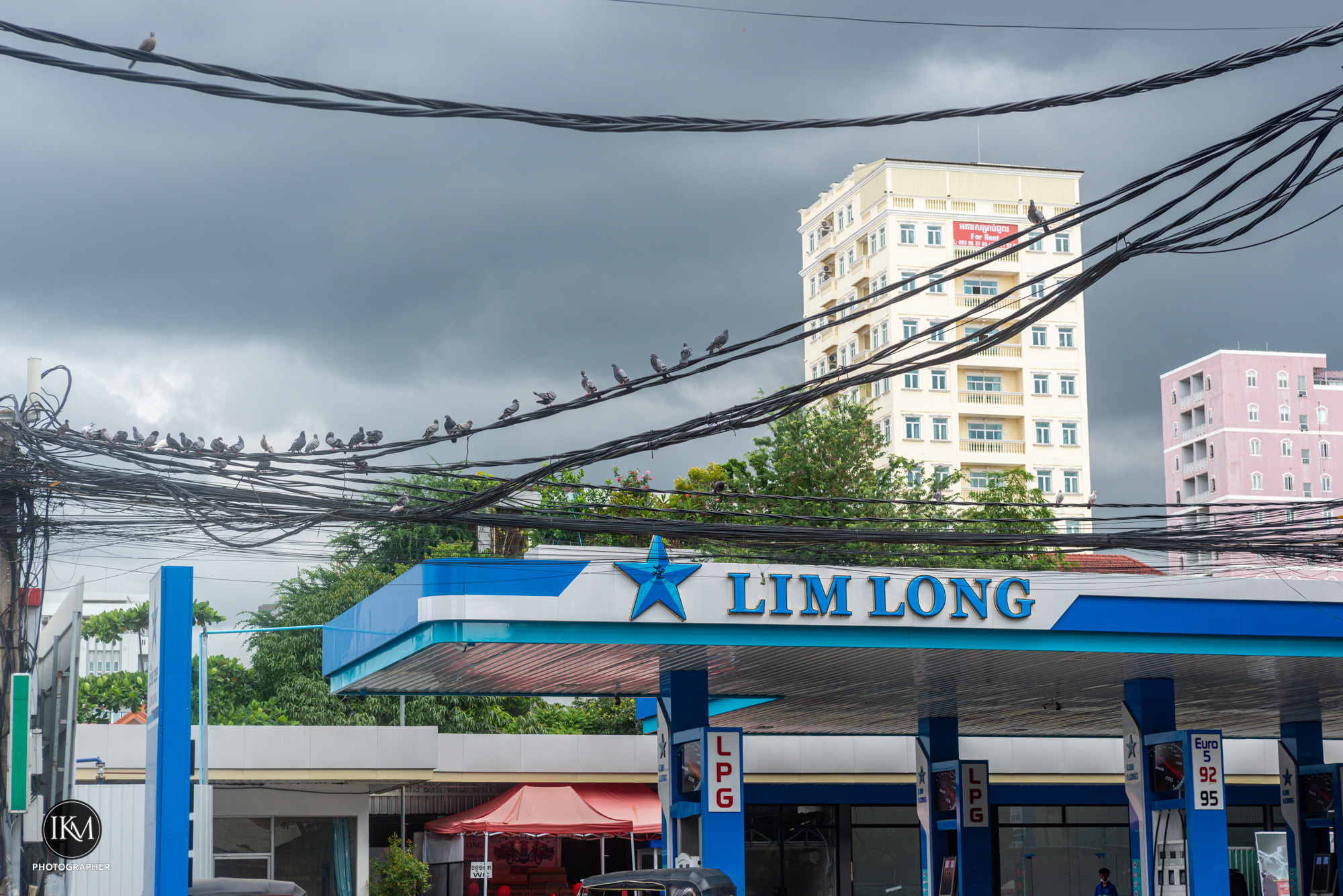
📸 Street Photography
- D700 (12MP):
- Smaller files, faster workflow.
- Atmospheric rendering — shadows and tones feel organic, almost cinematic.
- Forces discipline: you must frame carefully, as cropping options are limited.
- Discreet enough for candid shooting.
- D810 (36MP):
- Extreme detail, but heavier files slow down workflow.
- Less discreet — bulkier presence on the street.
- Cropping flexibility allows you to reframe after the fact.
- Can feel clinical compared to the D700’s mood.
Verdict: D700 excels in character‑driven street work; D810 offers precision but less immediacy.

🎭 Portrait Photography
- D700 (12MP):
- Softer detail can flatter skin tones.
- Files have a natural, film‑like quality.
- Works beautifully with classic primes (e.g., 85mm f/1.8D).
- D810 (36MP):
- Extreme detail — every pore and texture is visible.
- Ideal for commercial retouching and high‑end portraiture.
- Demands sharp lenses; reveals flaws in older optics.
Verdict: D700 gives character and mood; D810 delivers precision and retouching flexibility.
📰 Editorial & Commercial Work
- D700 (12MP):
- Perfect for web, magazines, and prints up to A3.
- Efficient workflow — smaller files mean faster editing and delivery.
- Less suited for billboard or fine art reproduction.
- D810 (36MP):
- Designed for commercial output — large prints, cropping, and archival quality.
- Demands more storage and computing power.
- Provides future‑proof resolution for agencies and galleries.
Verdict: D700 is efficient for editorial; D810 is indispensable for commercial and fine art projects.
⚖️ Comparative Snapshot
| Context | D700 (12MP) | D810 (36MP) |
|---|---|---|
| Street | Atmospheric, discreet, efficient | Detailed, flexible cropping, heavier workflow |
| Portrait | Flattering softness, film‑like | Extreme detail, retouching power |
| Editorial | Fast turnaround, A3 prints | Large prints, archival detail |
| Workflow | Light files, quick edits | Heavy files, demanding post‑production |
✨ Conclusion
The Nikon D700 proves that 12MP is enough for most real‑world applications — especially street and editorial work where atmosphere and efficiency matter. The D810, with its 36MP sensor, shines when detail, cropping, and large‑scale output are essential.

Verdict: Choose the D700 for character and speed; choose the D810 for precision and scale.
 a world without pictures is like coffee without cream and sugar, bitter