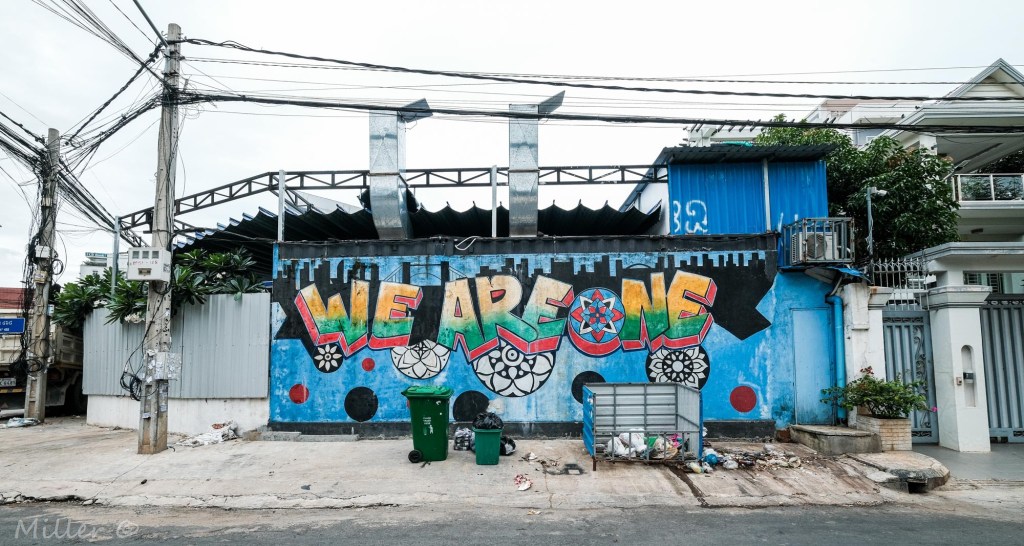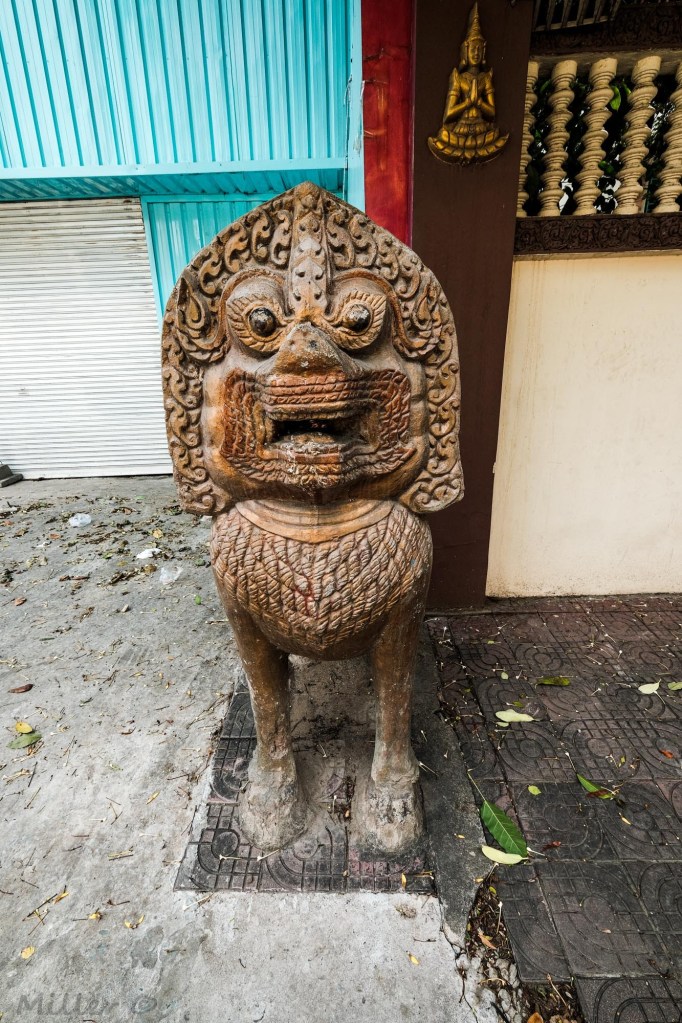
My New EVERYDAY kit in the bag.

cameras, fujifilm, Lenses, opinons, thoughts, photography
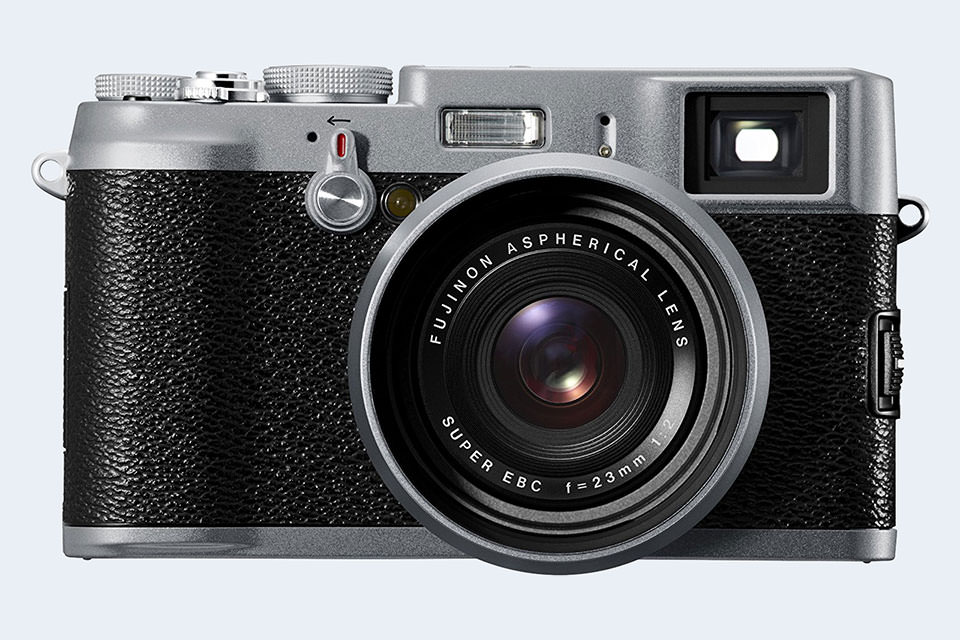
Fujifilm X100

So what do I carry when I go out shooting around town and why.

Whatever it is that I carry it needs to be lighweight but at the same time sturdy and able to produce great results many times under adverse conditions, heat and high humidity;

Up until fairly recently I used to carry lots of different cameras and lenses, mainly Nikon or Canon Pro range, with a good selection of lenses. Not going to go into that right now but needless to say they were a heavy group to carry around for any length of time.

Fujifilm X-E2 always in my bag.

  • Sensor: 16.3 MP (1.5x crop factor), 4.8µ pixel size, same as on X-E1.
  • Sensor Size: 23.6 x 15.6mm.
  • Resolution: 4896 x 3264.
  • Native ISO Sensitivity: 200-6,400.
  • Boost Low ISO Sensitivity: 100.
  • Boost High ISO Sensitivity: 12,800-25,600.
  • Sensor Cleaning System: Yes.

Its small, its lightweight and just gives great result for the kind of stuff I shoot, usually mounted with the XF 18mm f2 its 16MP sensor is excellent.

Almost always in the bag FUJIFILM XT3

This is one wonderful piece of machinery, high MP with great functionality and produces crisp and clean images even at very high ISO.

Even with its attached battery pack it is comfortable to carry and the extra power means I can go all day and not run out of power. I like to mate this with my most recently aquired lens the XF 10-24 f4 R IOS as the result can be superb and the wide angle can be challenging. The X-T3 brings with it a brand new sensor, improved autofocus and video performance that makes it competitive with Panasonic’s GH5, taking the X-T series from being a very good stills camera to one of the best stills/video hybrids on the market. This is a true professional camera, and it’s already NOT the camera that a Fuji user would buy if they wanted a truly portable, lightweight APS-C kit. It weighs in much heavier that the XE2 but it has much faster AF and battery life that IMO make up for the little extra weight. I also have a XT2 as a back up but that is not carried all the time.

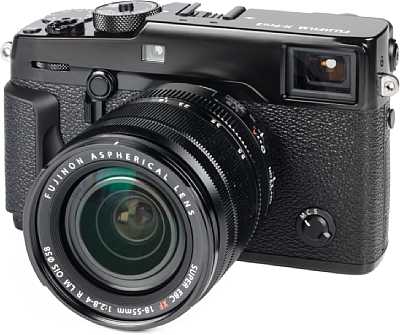
Fuji X Pro2

Used probably as much as the XE2 but a little heavier to carry. The results from this camera mated usually with an XF 35mm f2 are no less than astounding. Easy to carry and easy to use once you have it set up the way you like it. As with all Fujifilm cameras the menus can be a little complex but once you understand how they work the cameras can be tweeked to how you like your images to come out if you use JPEG’s out of the box. (which I do).

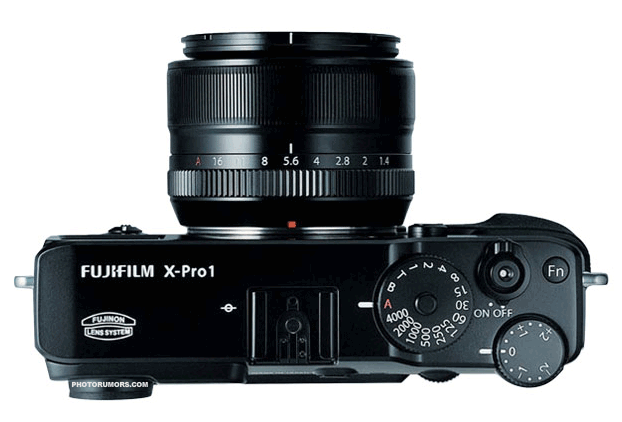
Fujifilm X100 (original)

I have just rediscovered why I went over to Fuji when I bought this camera with its fixed 23mm f2 lens. Its just a superb piece of retro design. It has a smaller sensor but gives lovely feeling images of great quality. The X100 is still surprisingly usable, even 10 years later. Technically, the X100 is not a rangefinder camera. (but it looks like one) … For most practical purposes – other than manual focus – shooting with the X100 feels a lot like working with a Leica M9 or any other classic rangefinder camera. The 23mm f/2 lens – equivalent to a classic 35mm lens on a full frame camera – is convincingly sharp.

I only ever carry 2 cameras, which they will be I decide when I know what I may be shooting. I carry them in an old Lowepro bag that I have had for years. It keeps them safe and it does not look too much like an expensive camera bag as it is quite battered.
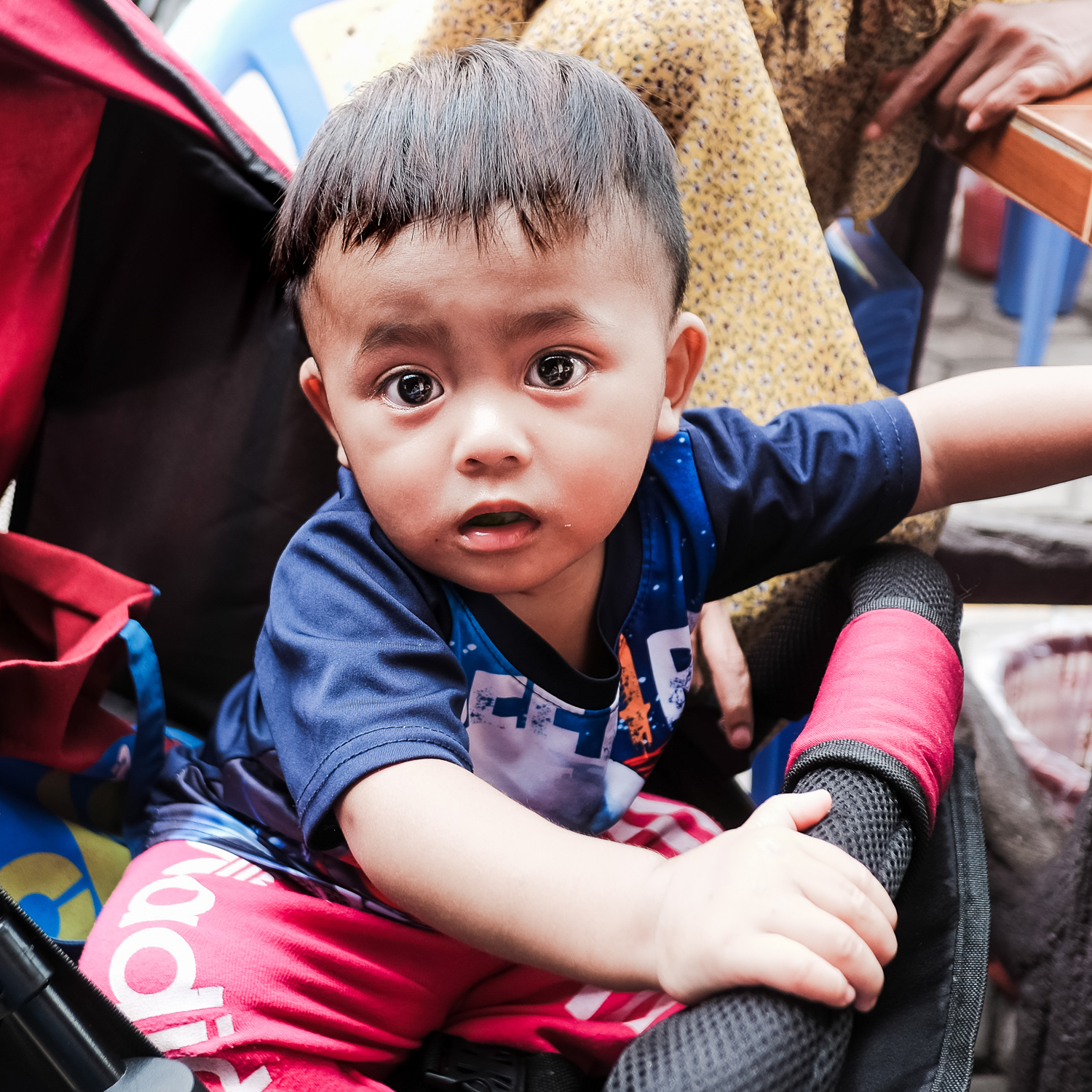
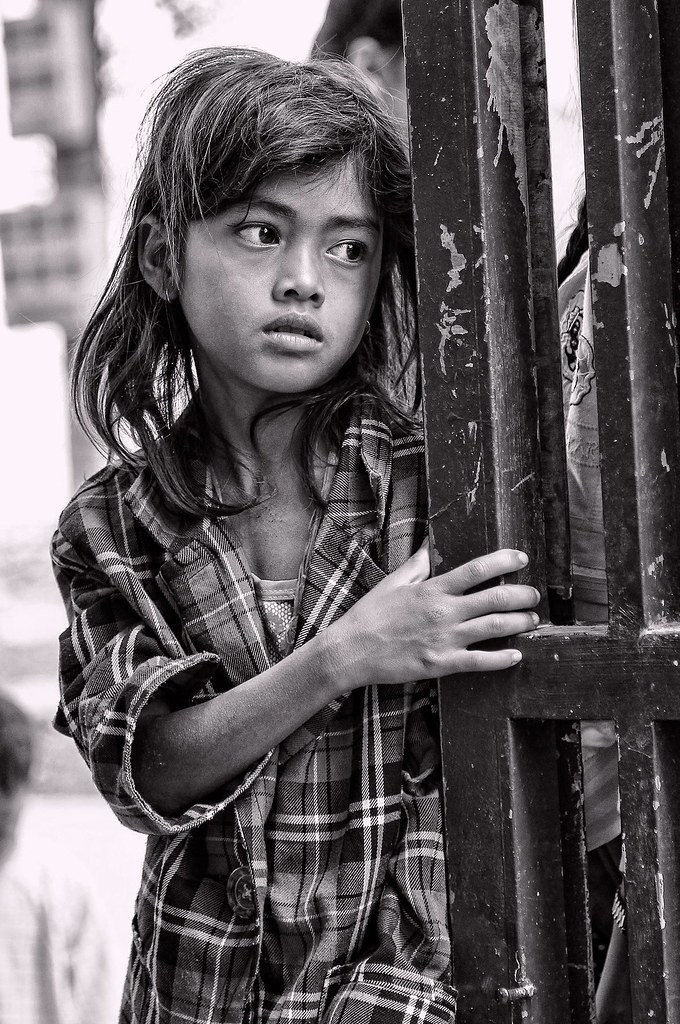
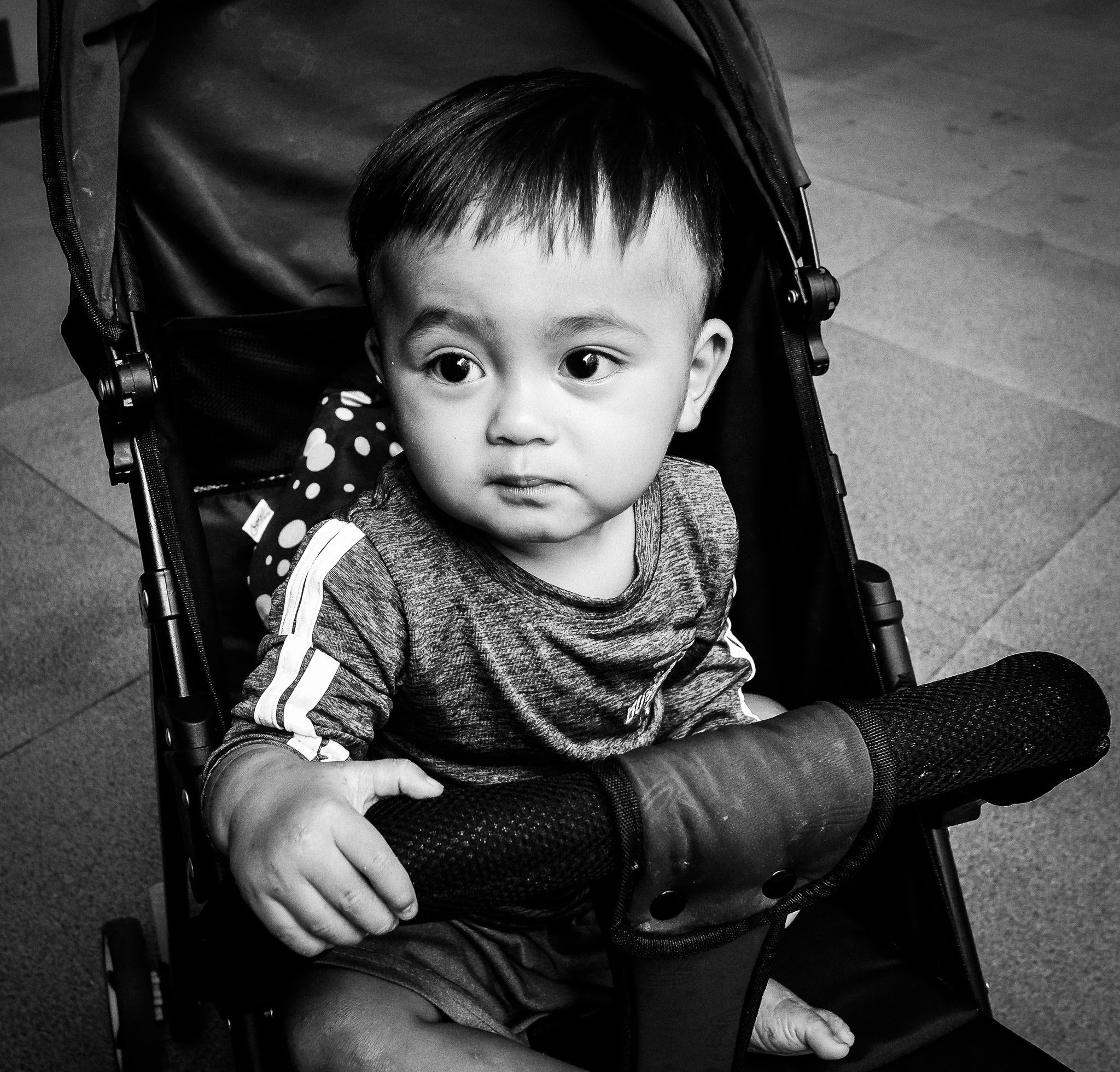
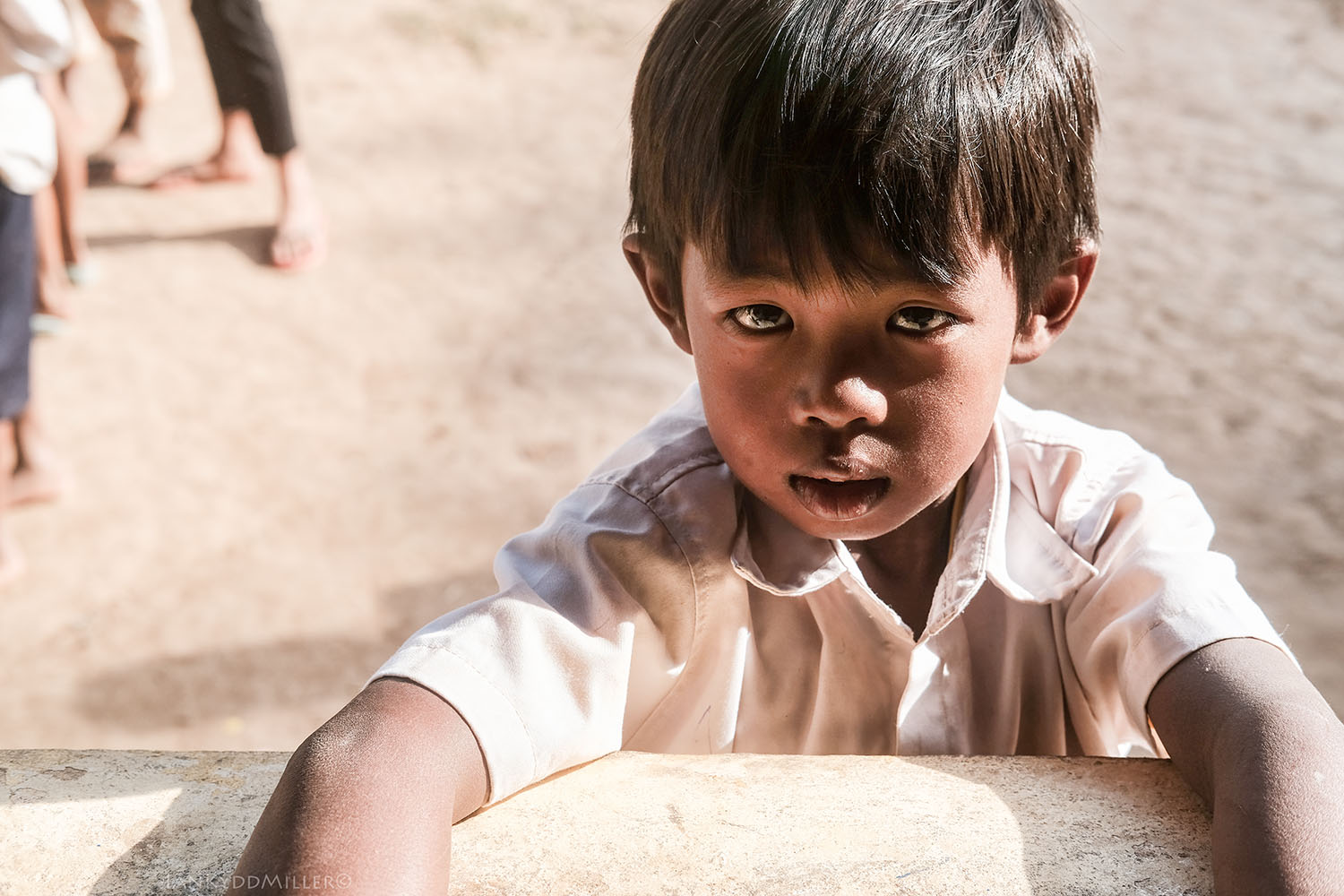
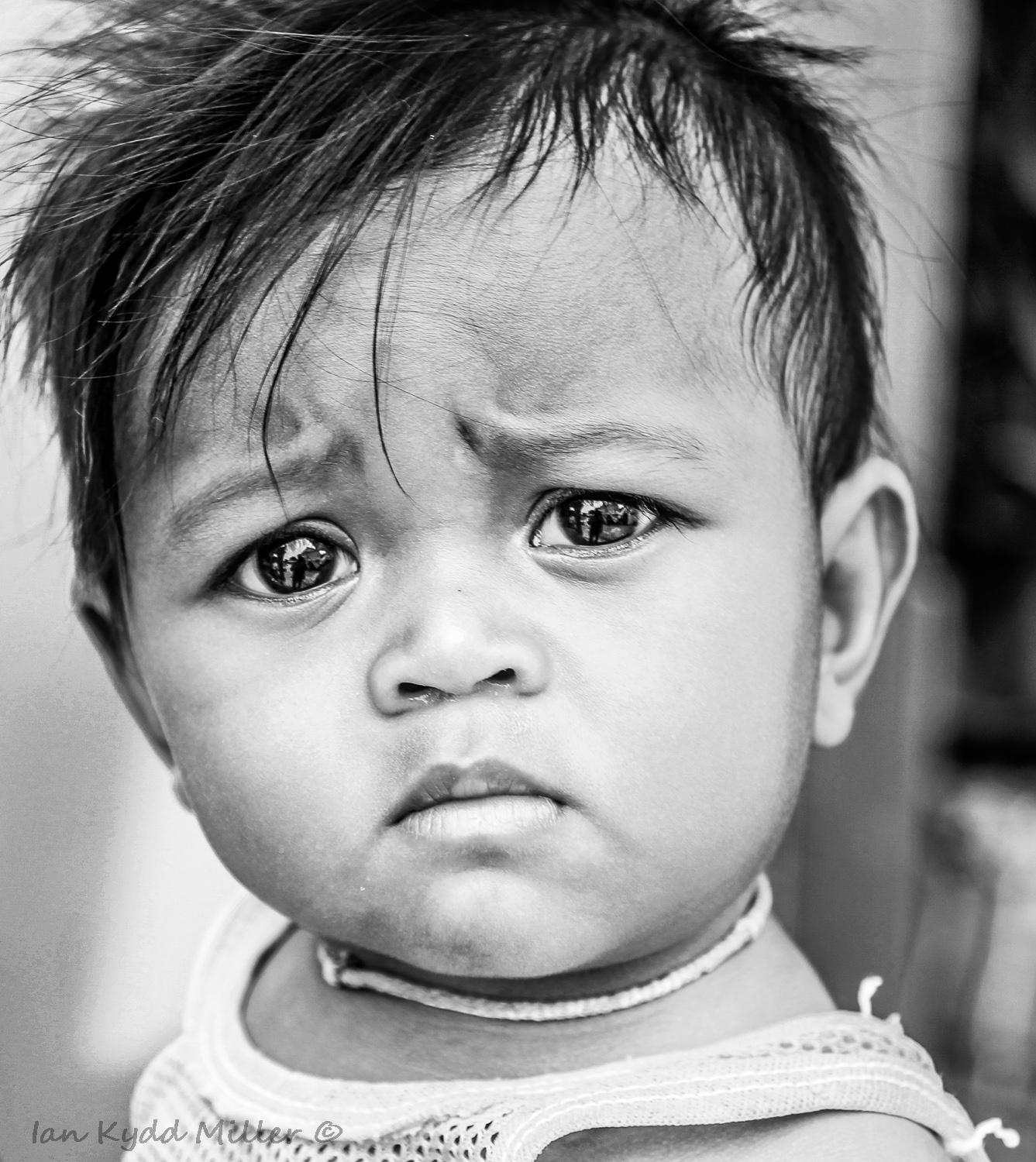
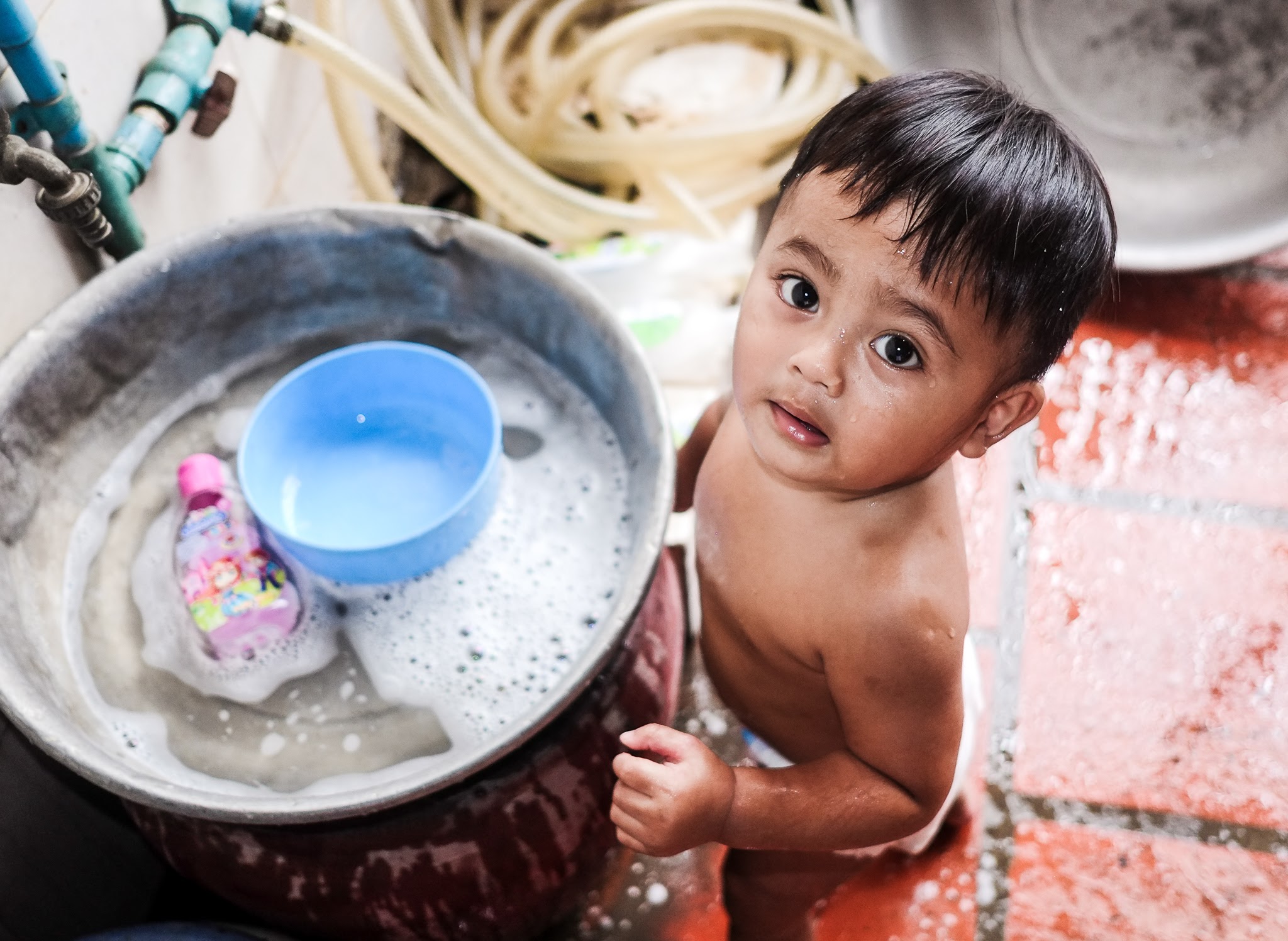
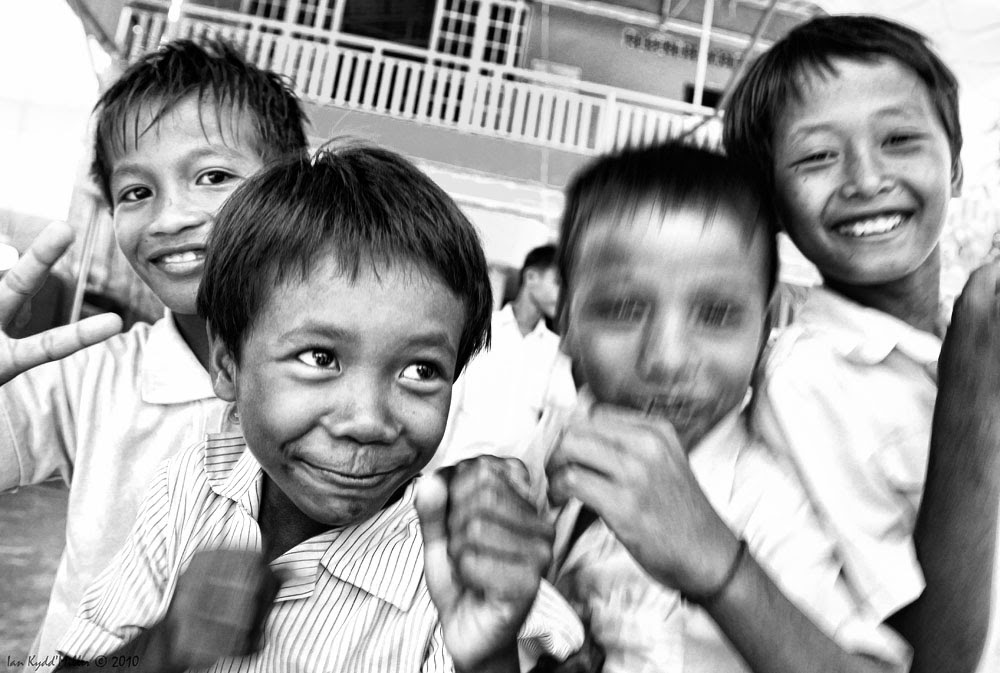
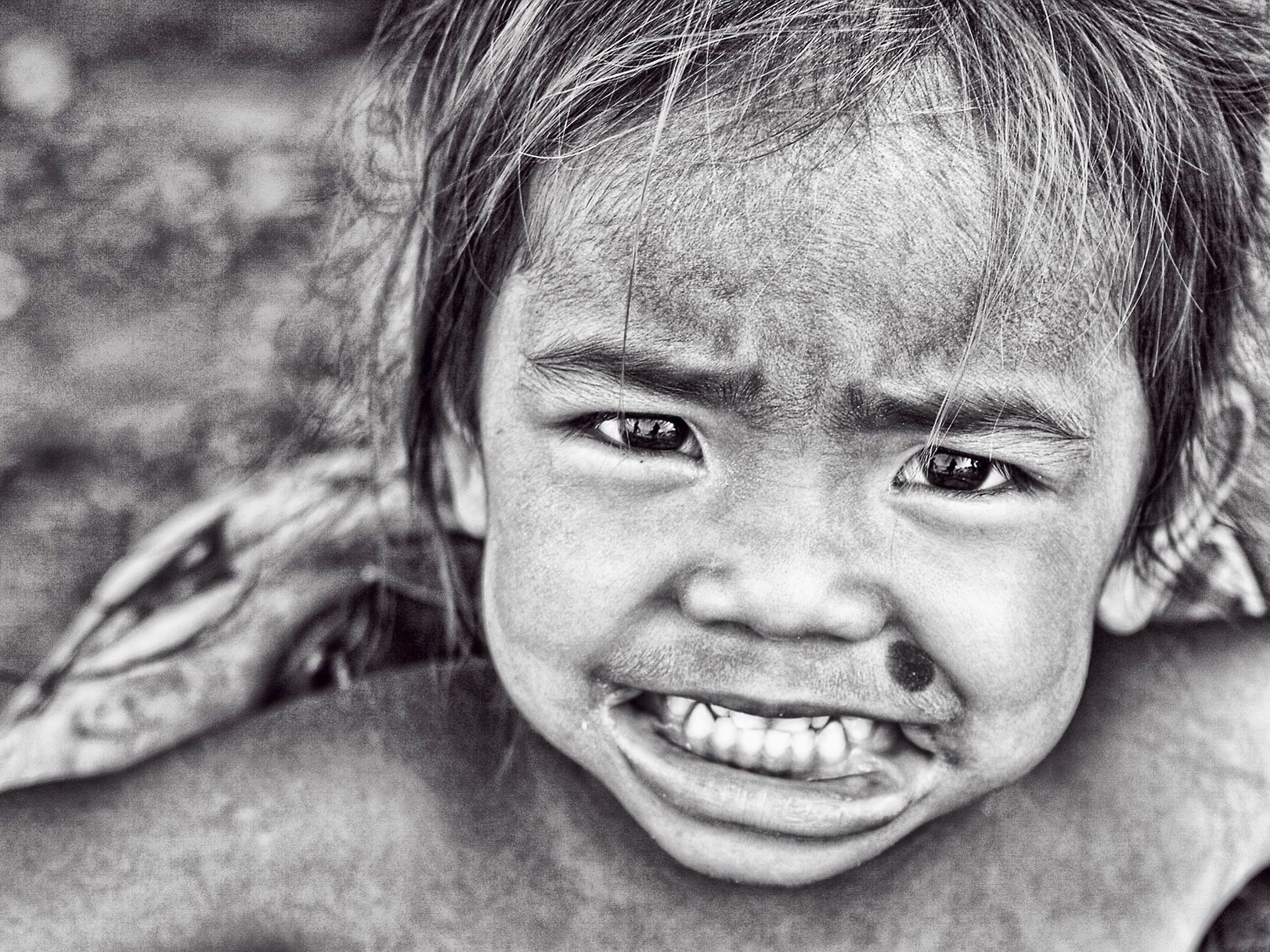
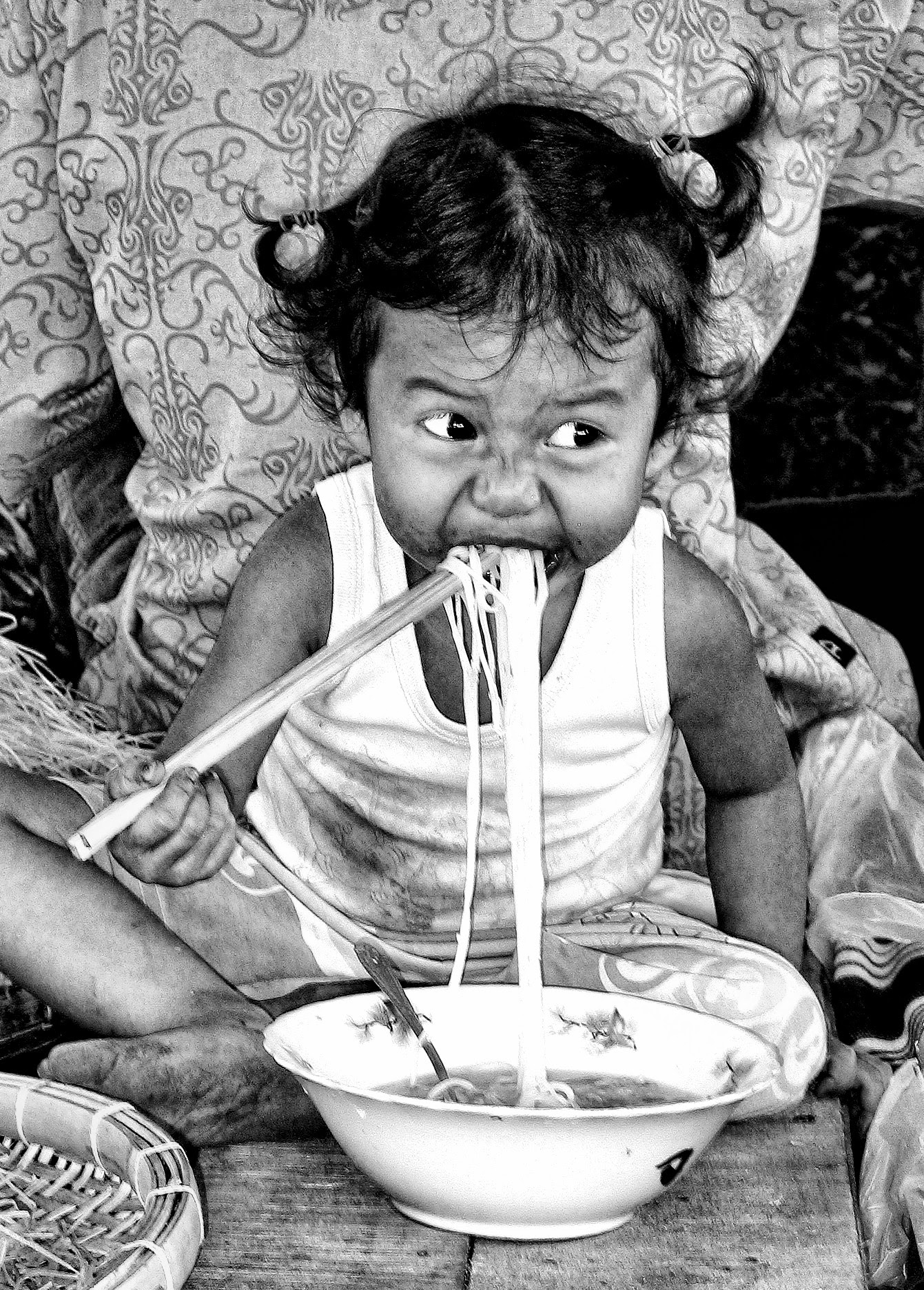
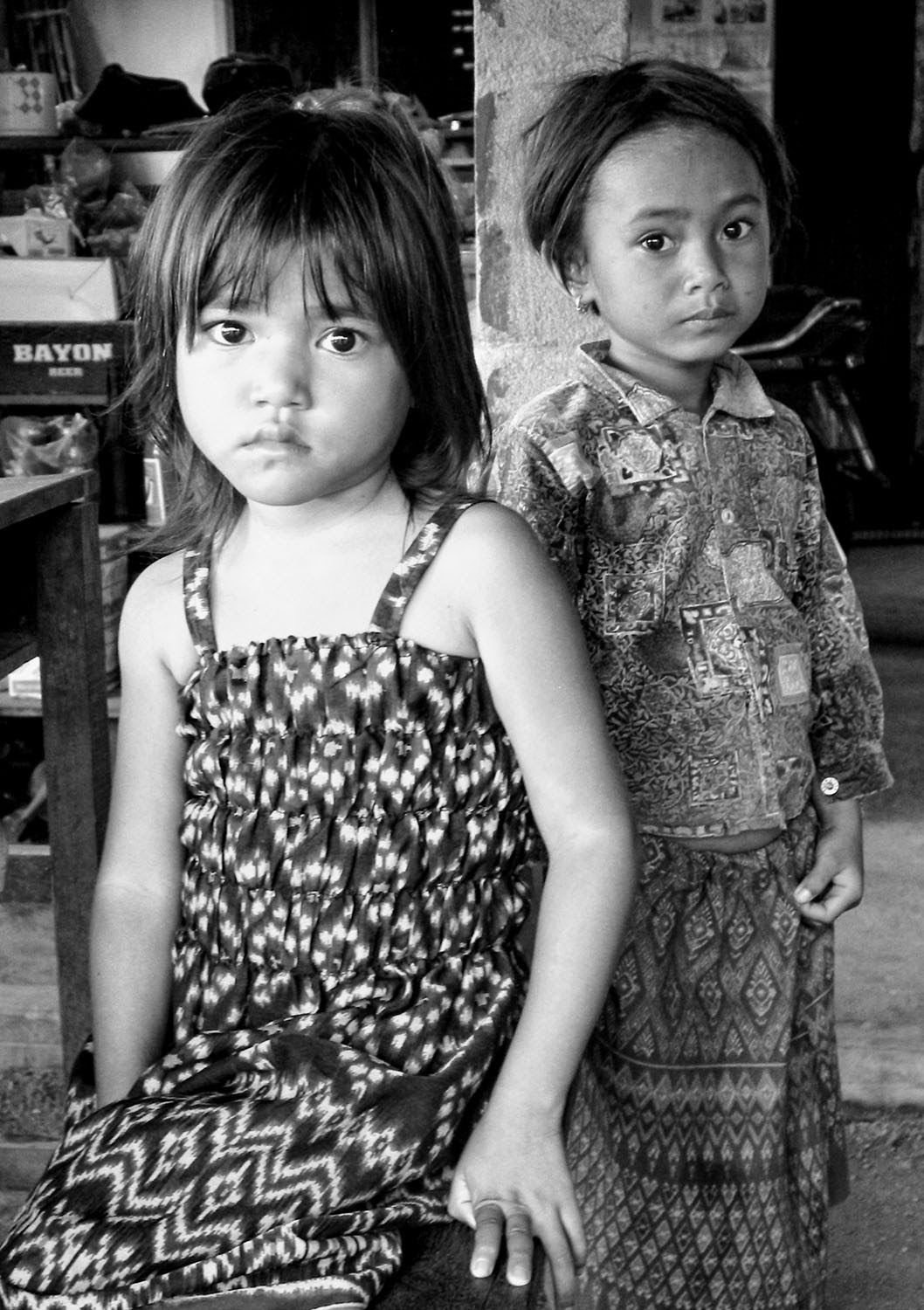
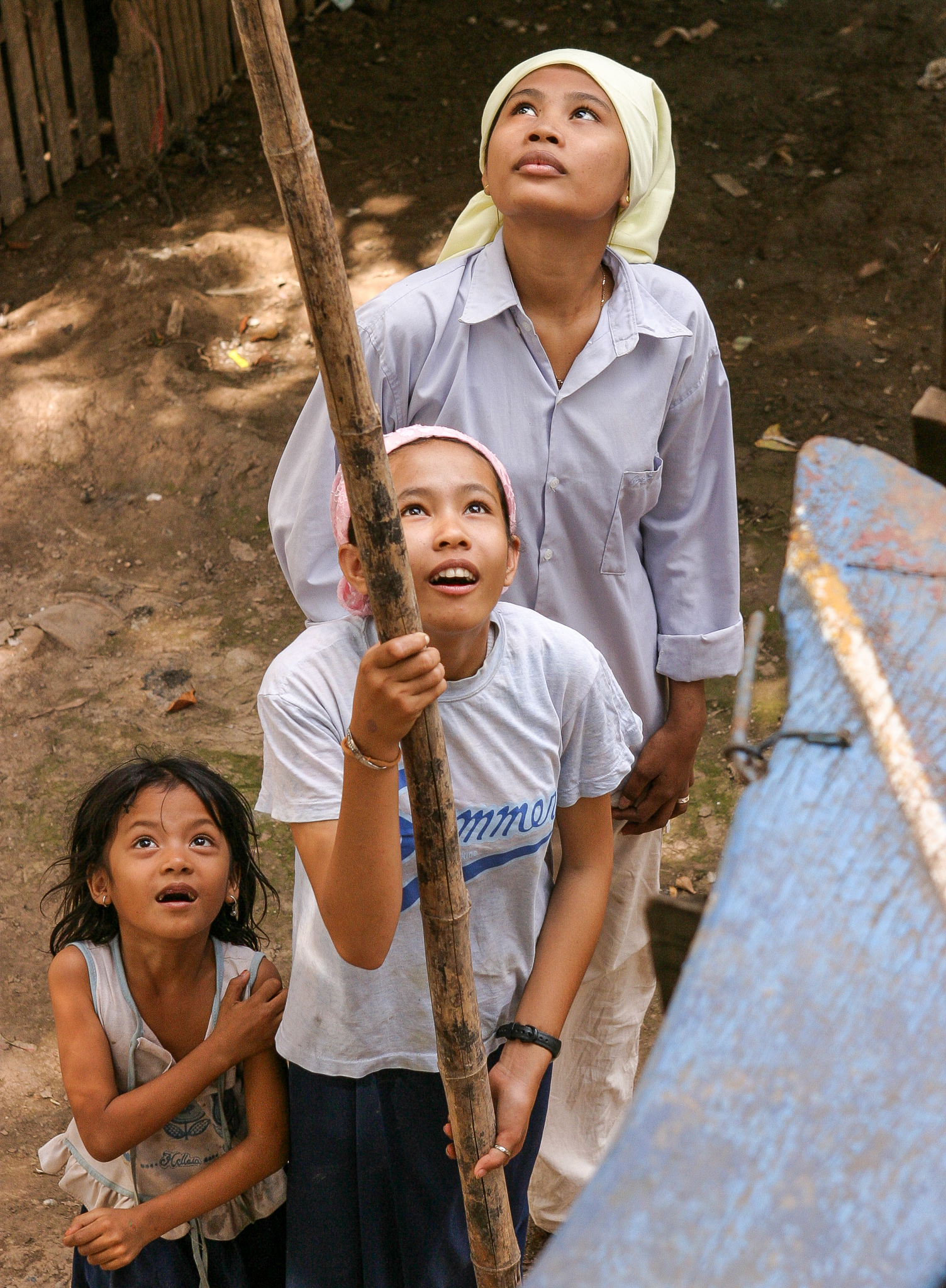
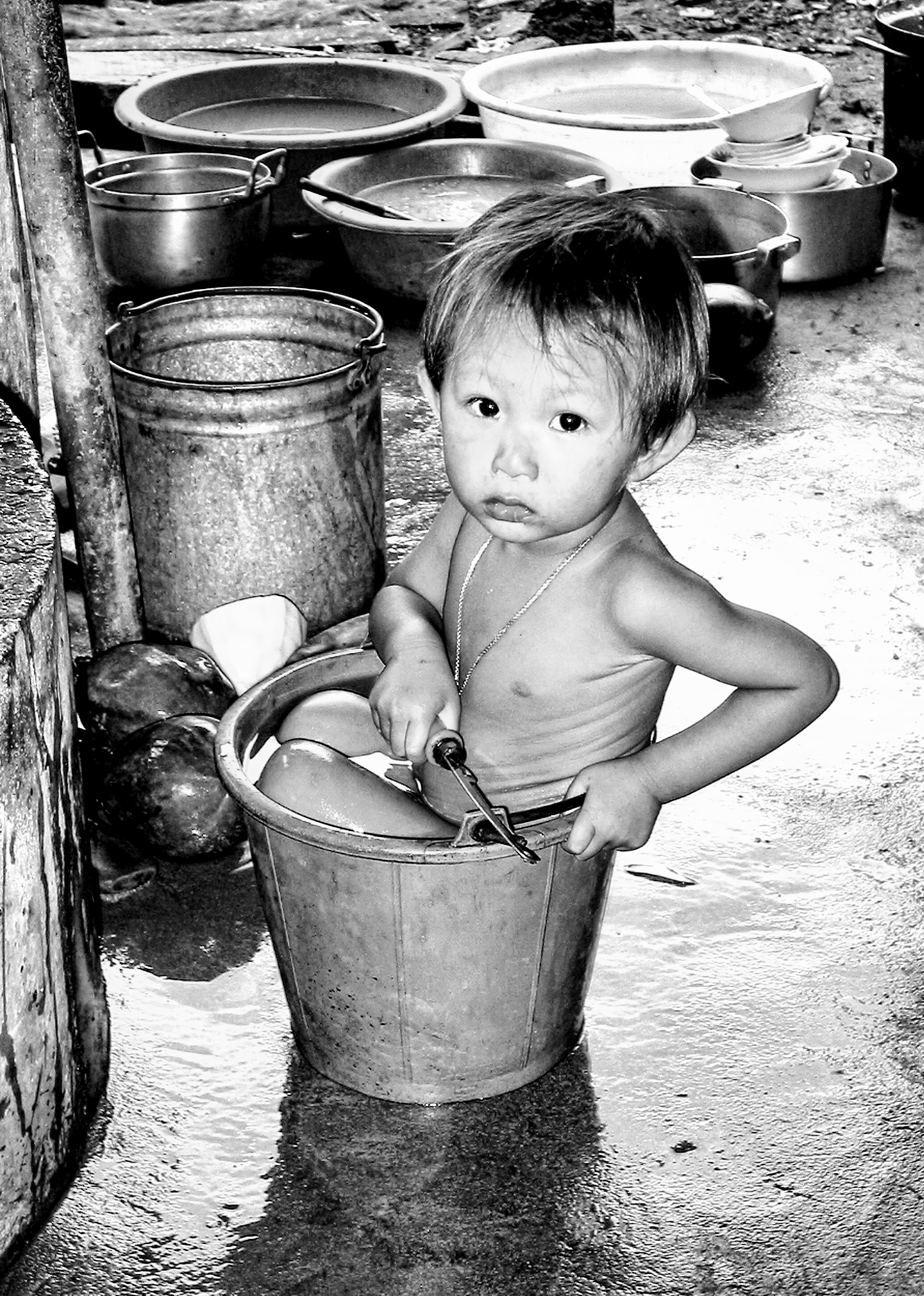
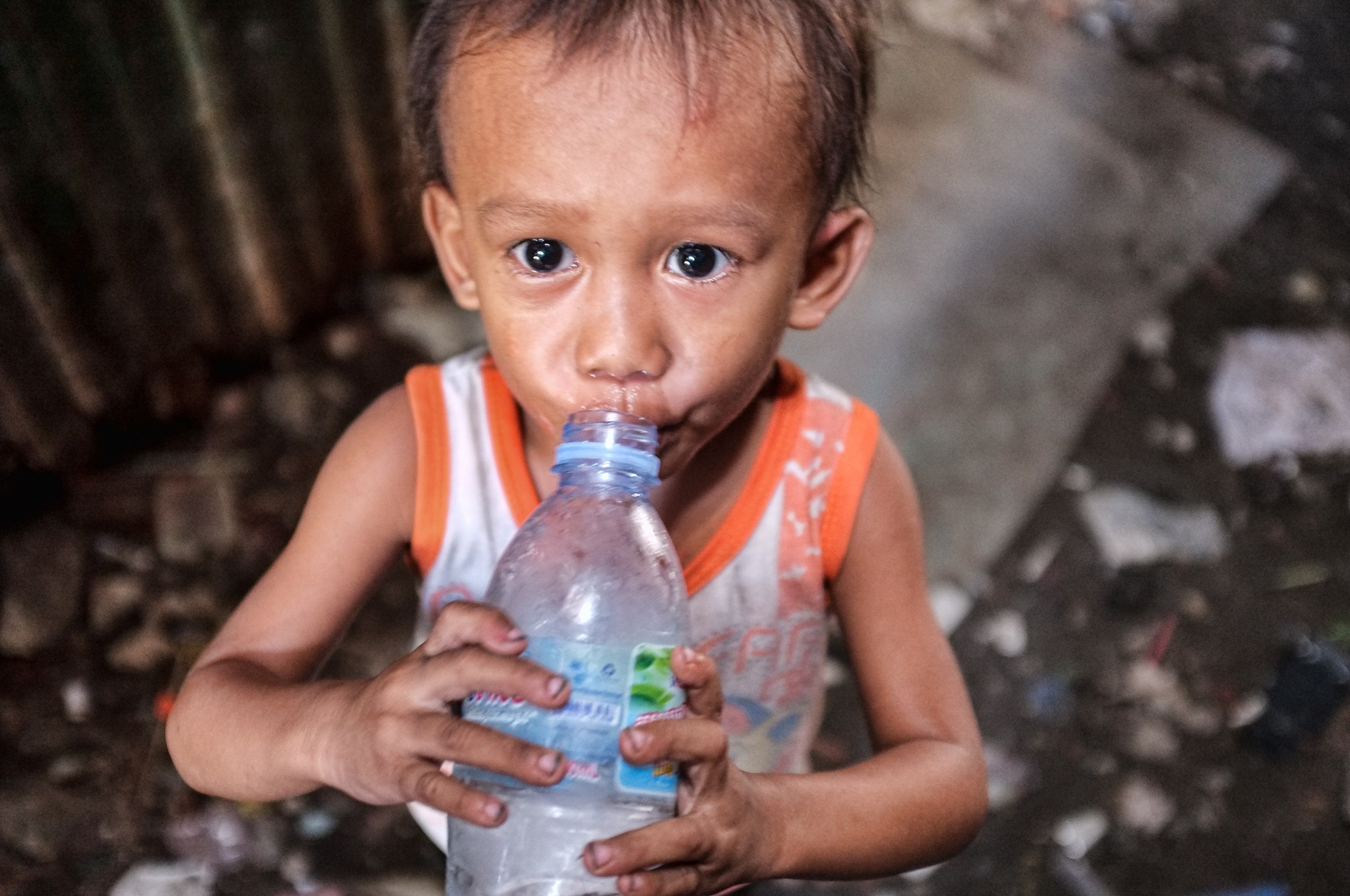
Faces of Angels

cameras, fujifilm, Lenses, opinons, thoughts, photography, pictures, public, Uncategorized

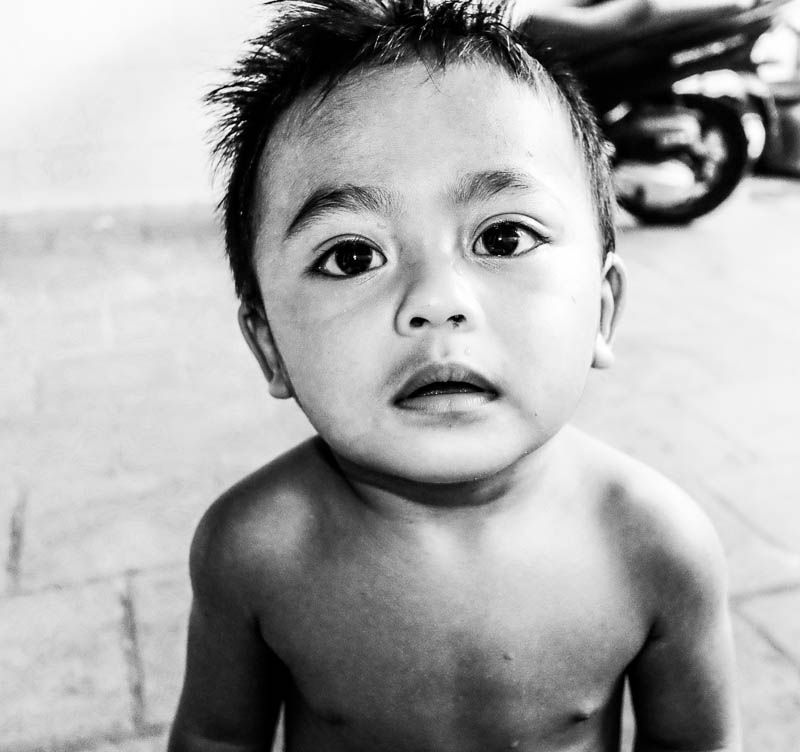
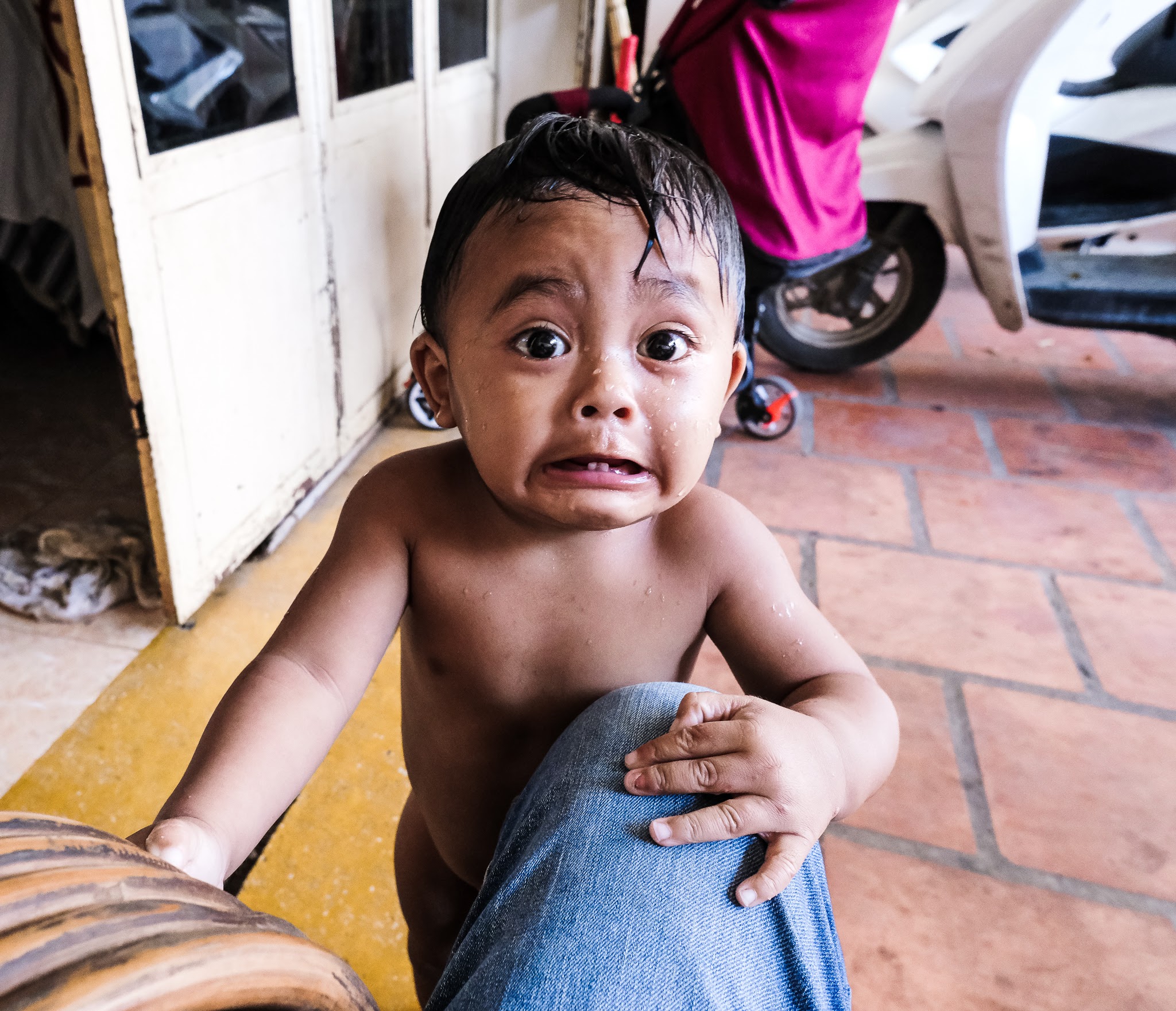
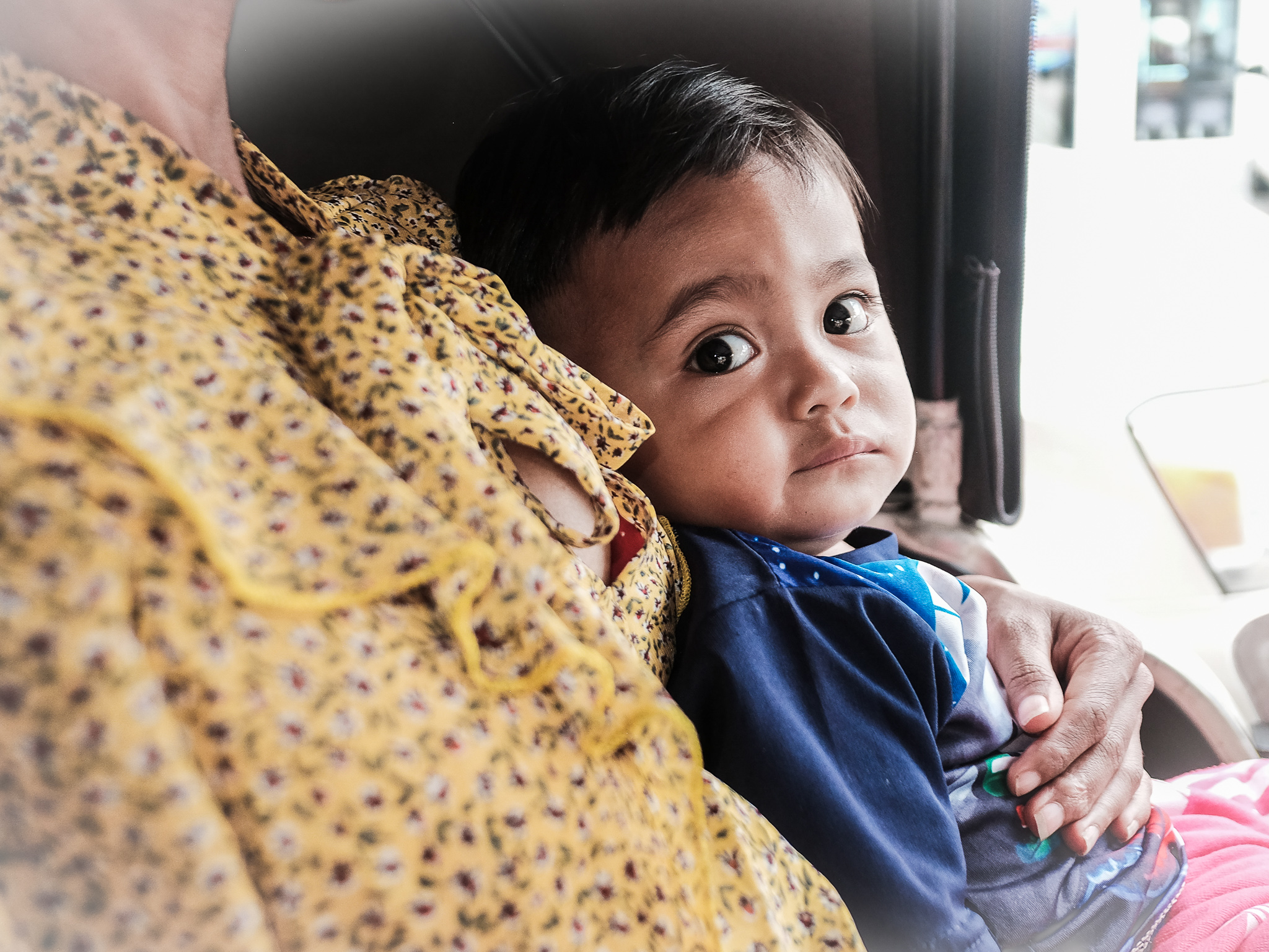
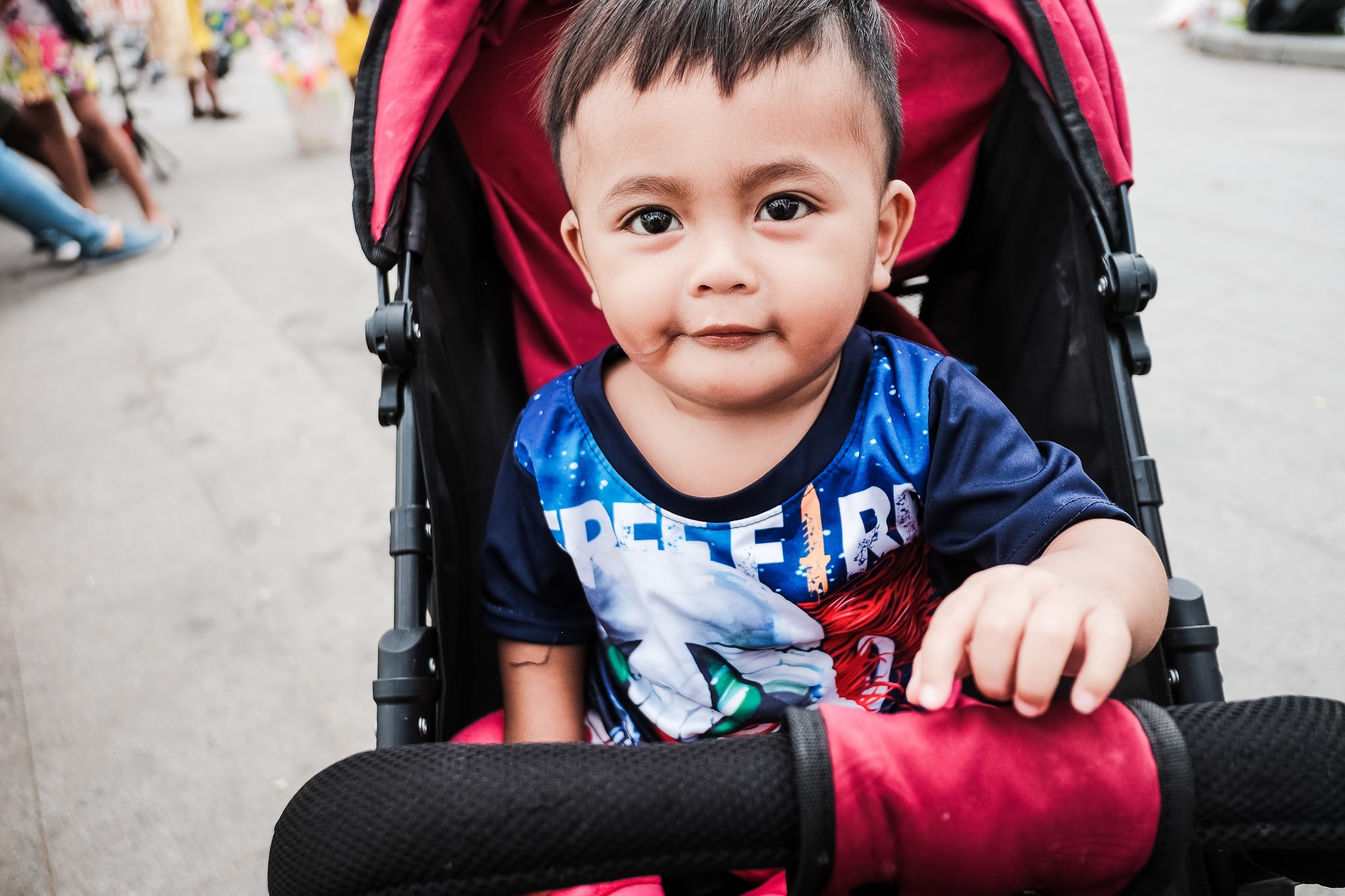
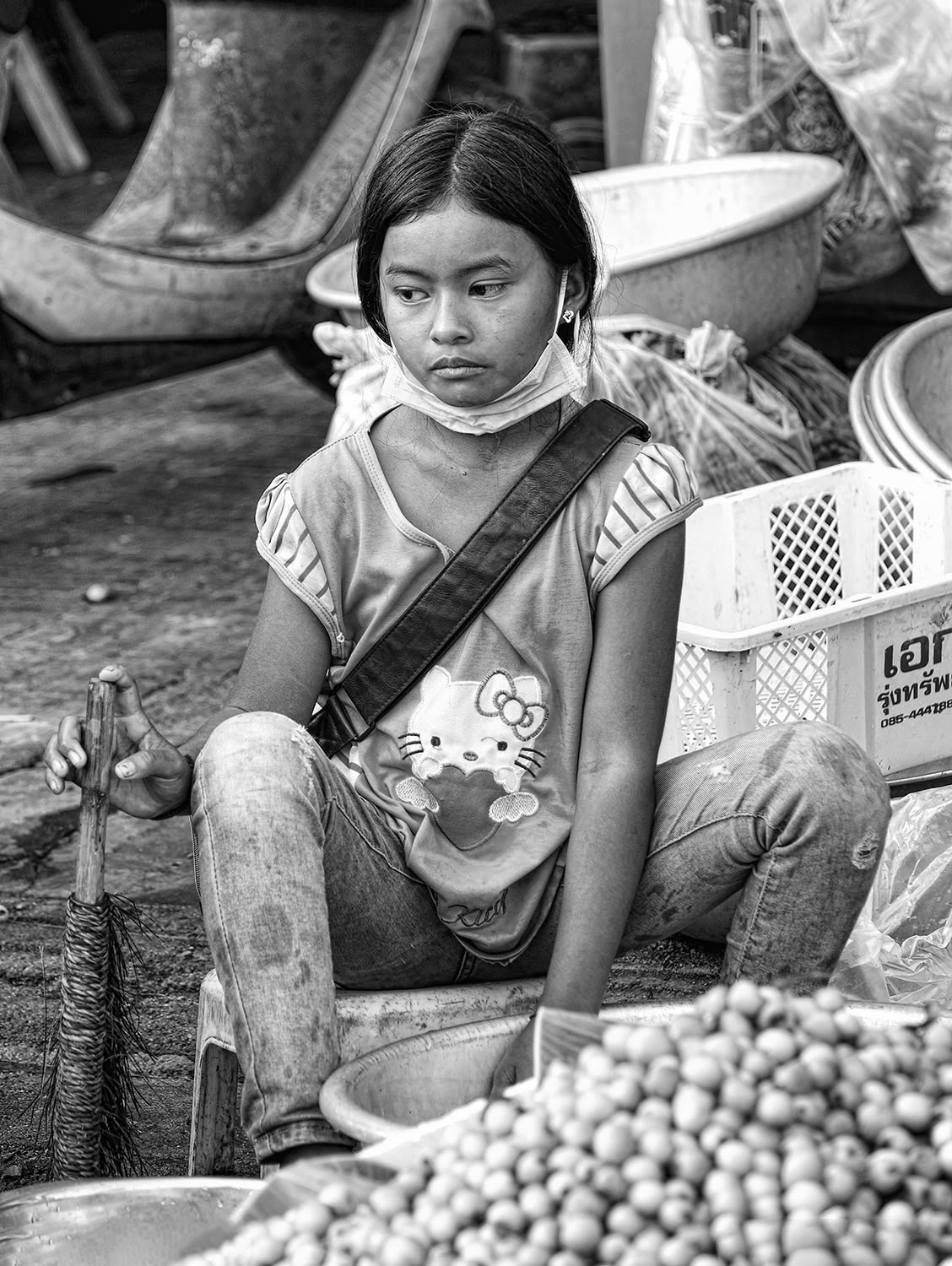
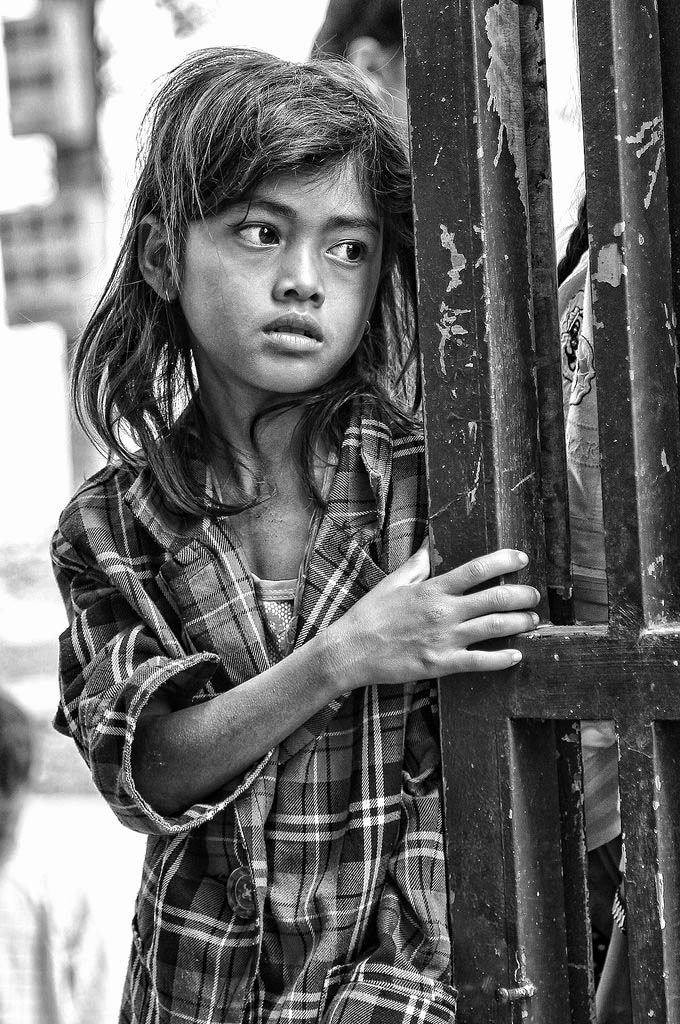
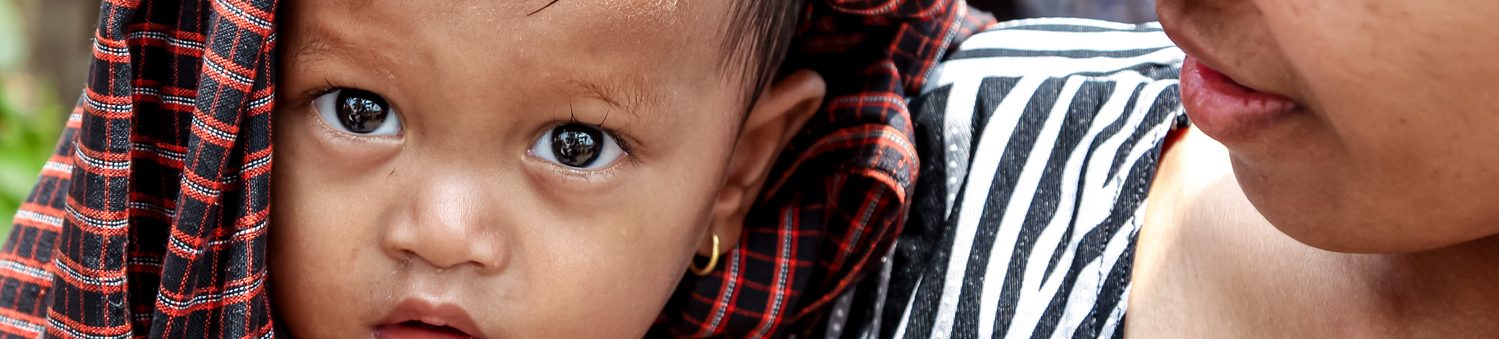
The Faces of Children always have a lot to say.

Its an OBSESSION it really is.

opinons, thoughts, photography, pictures, public, Travel, Uncategorized

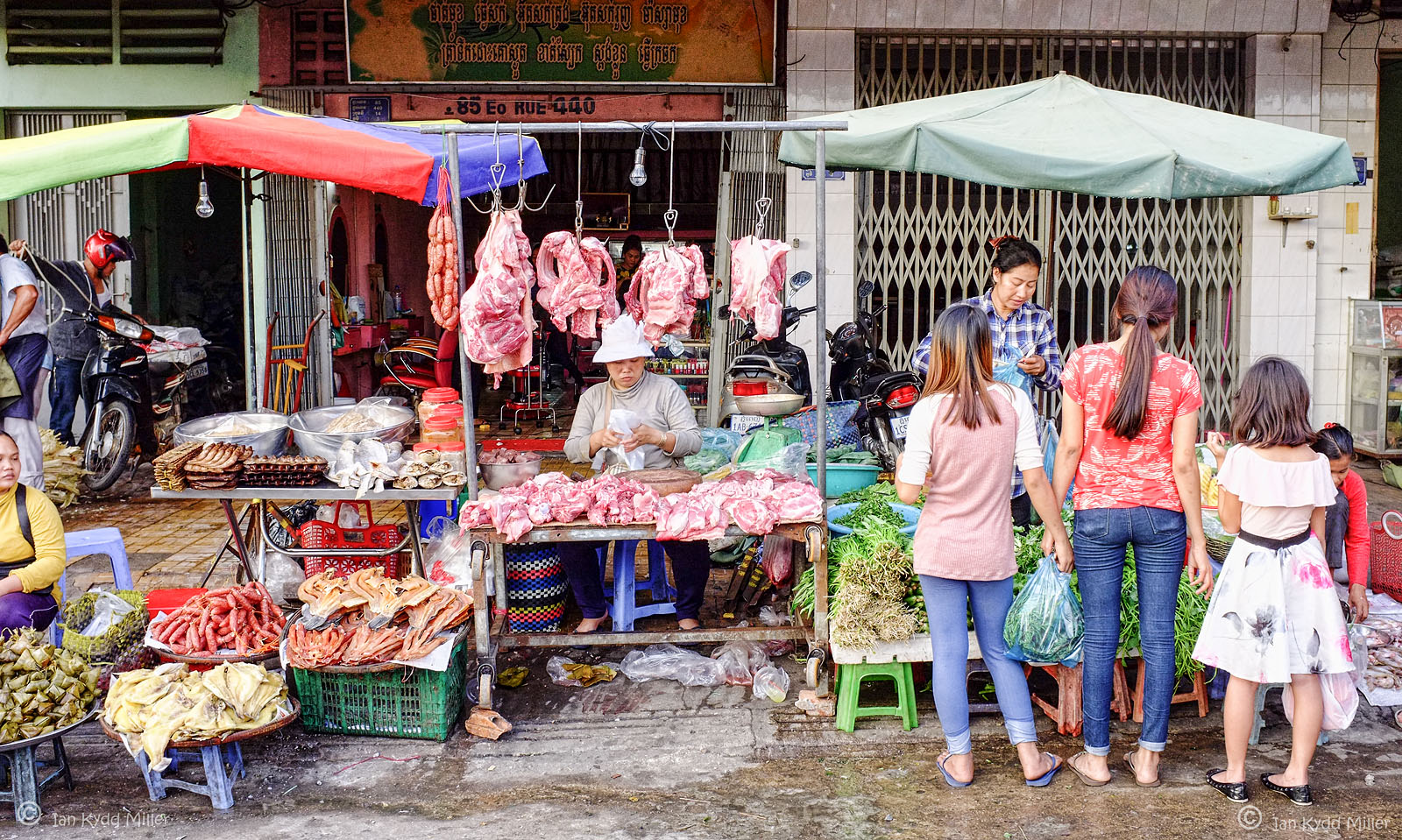
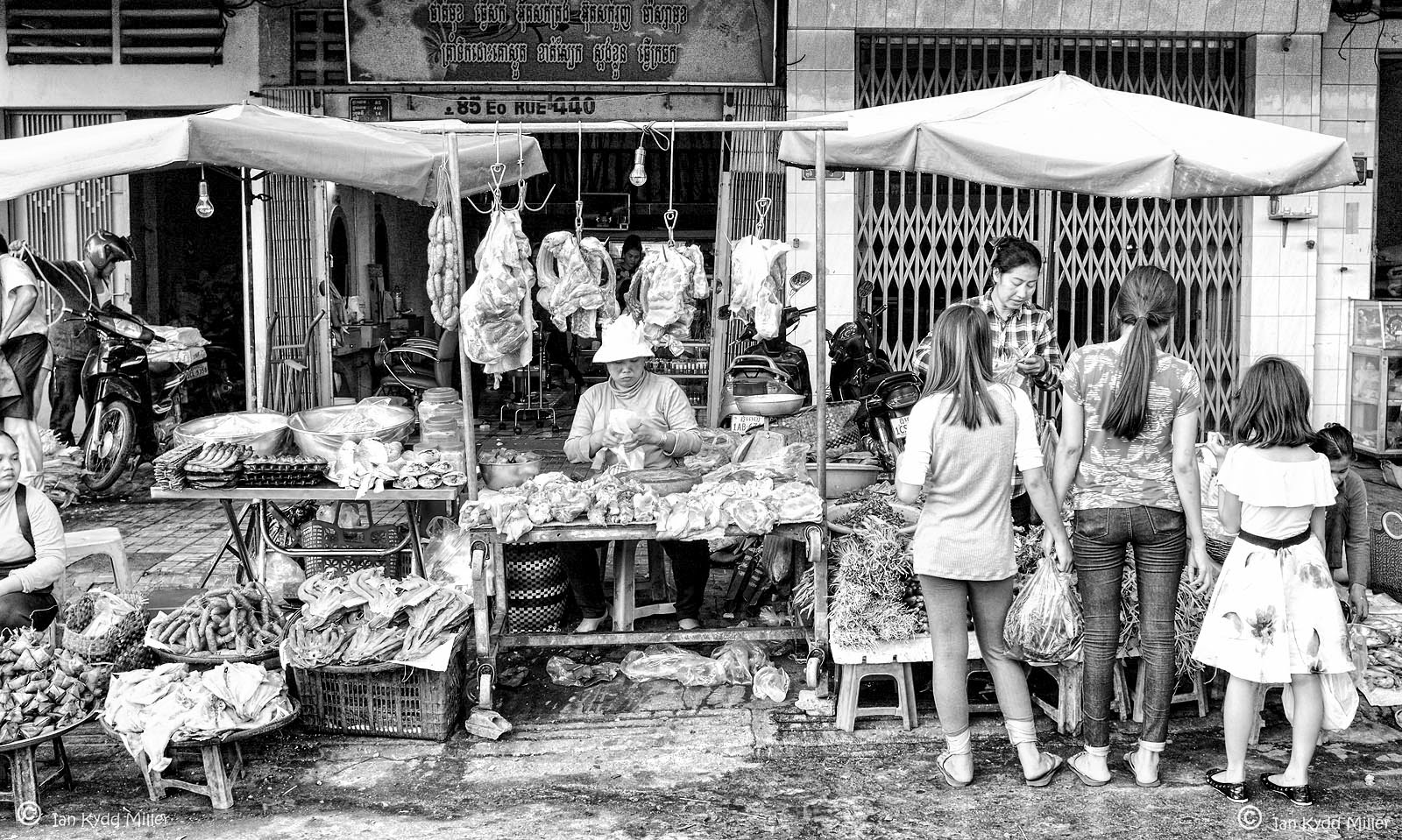
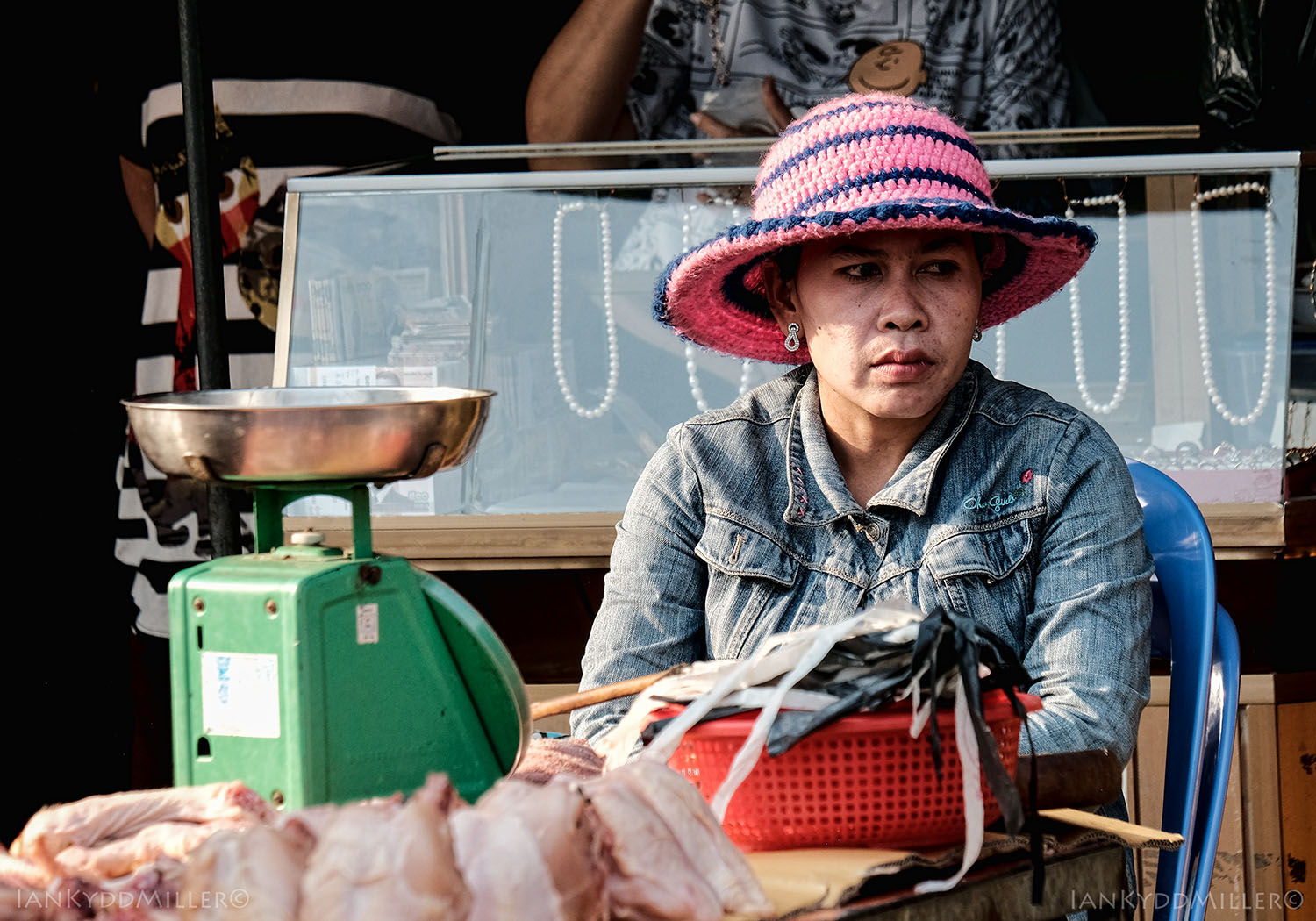
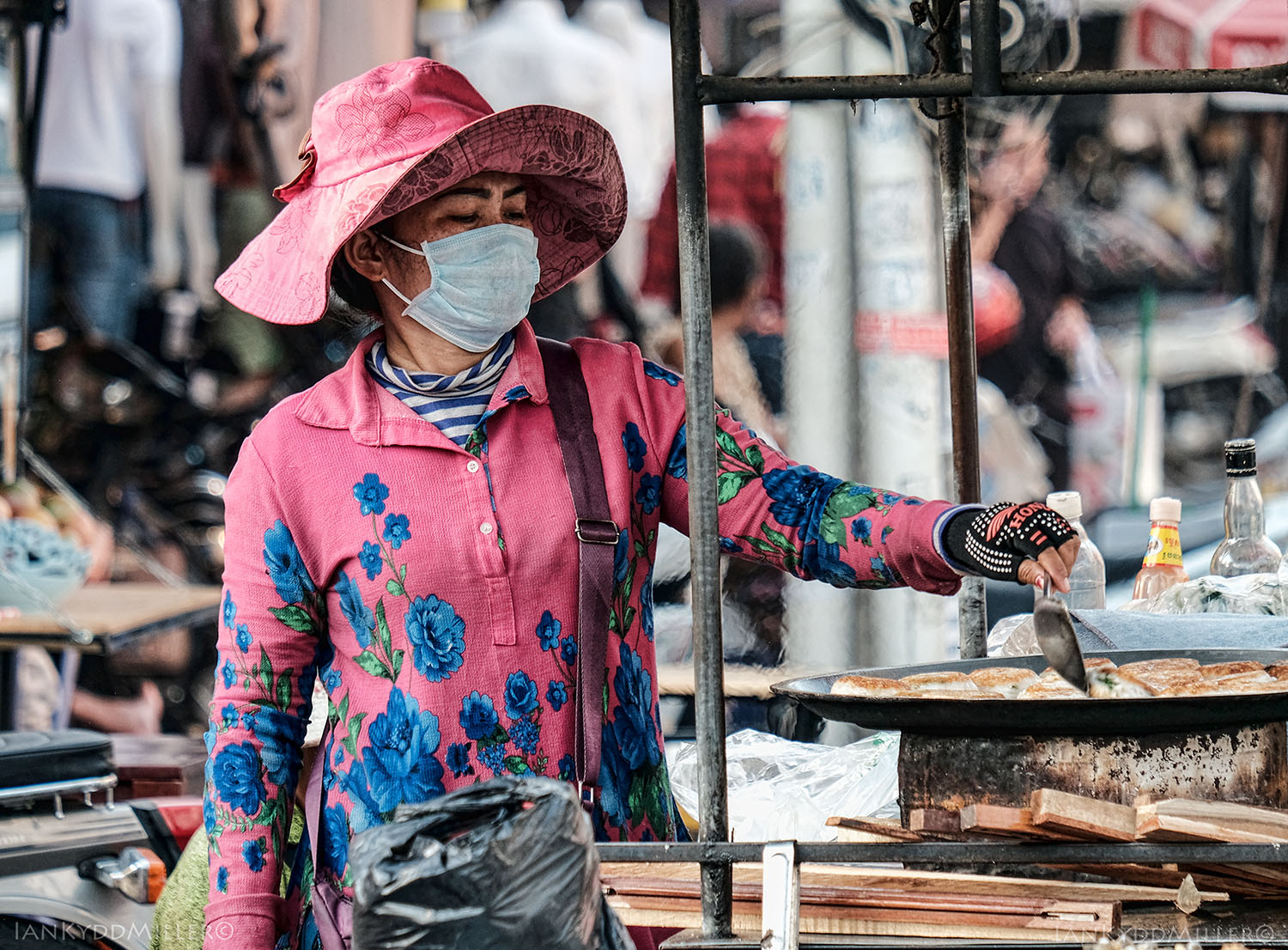
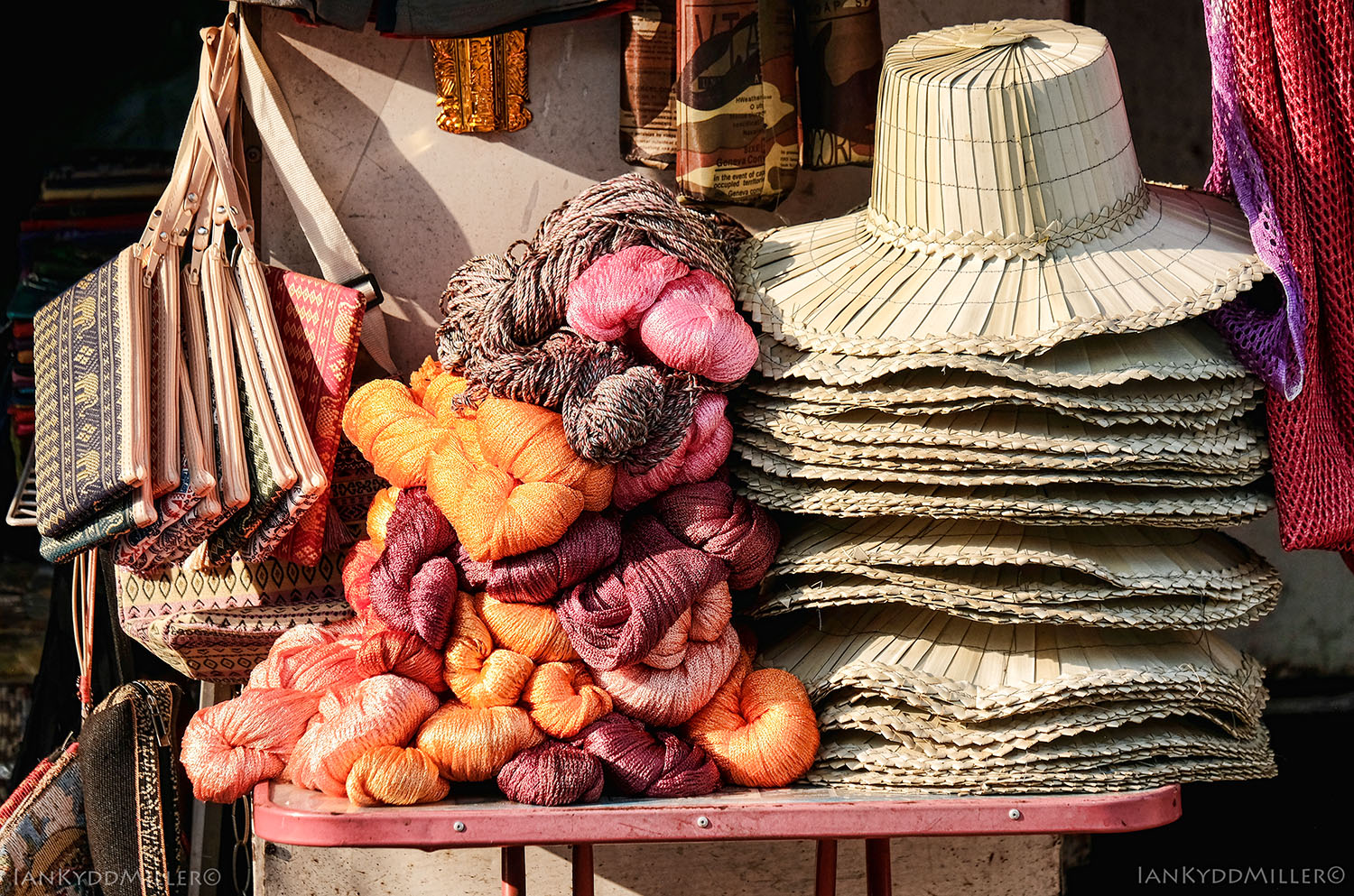
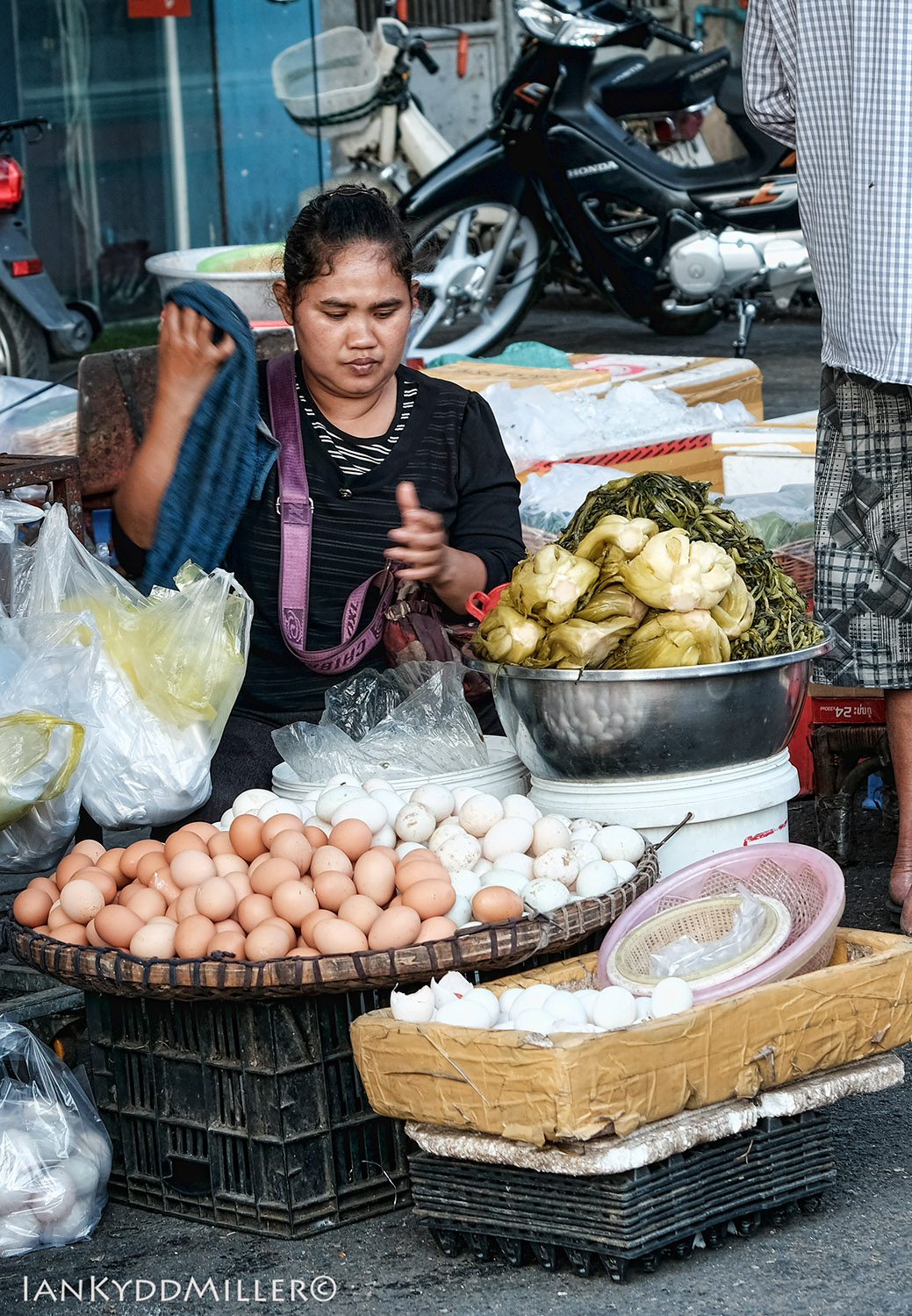
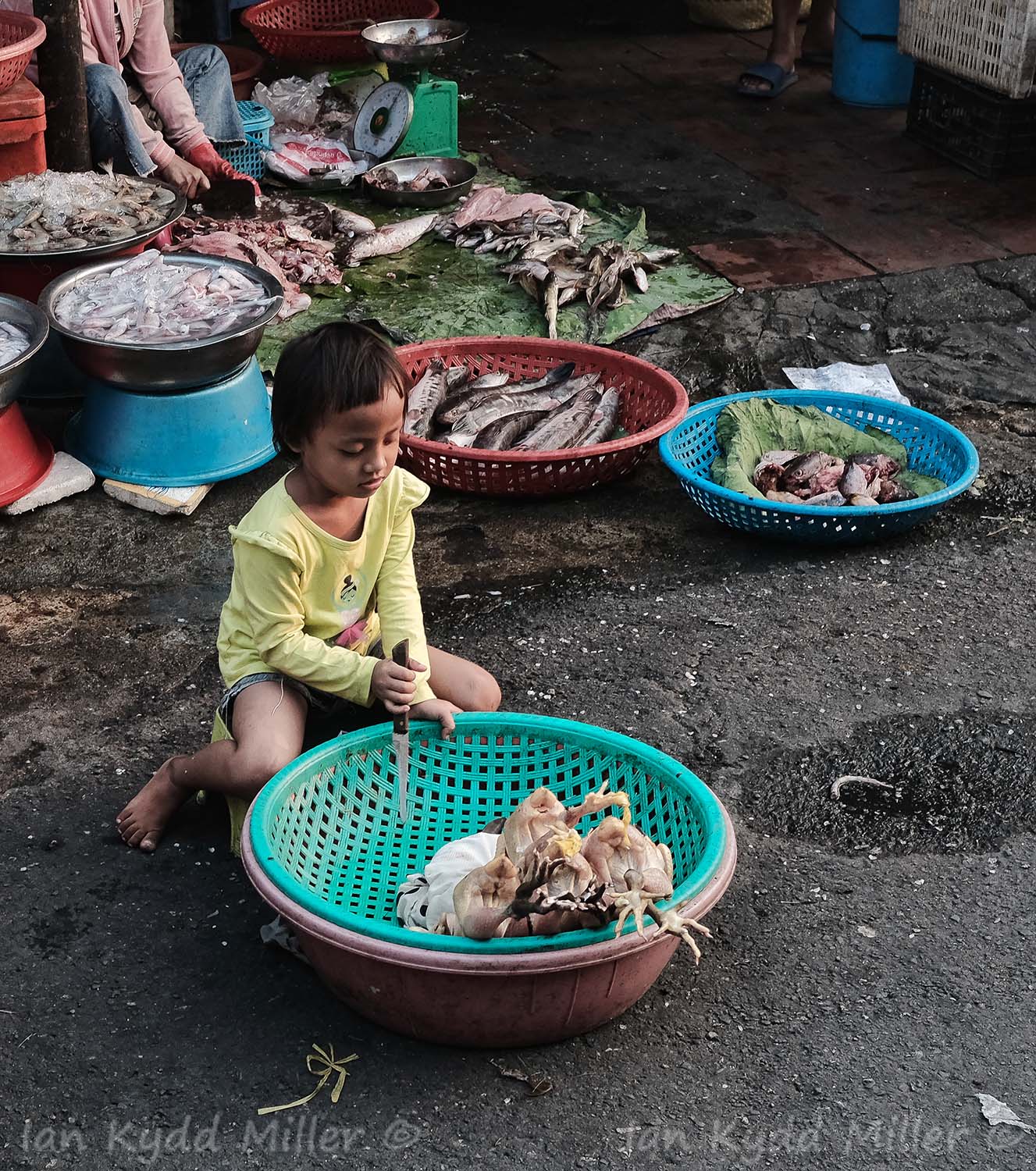
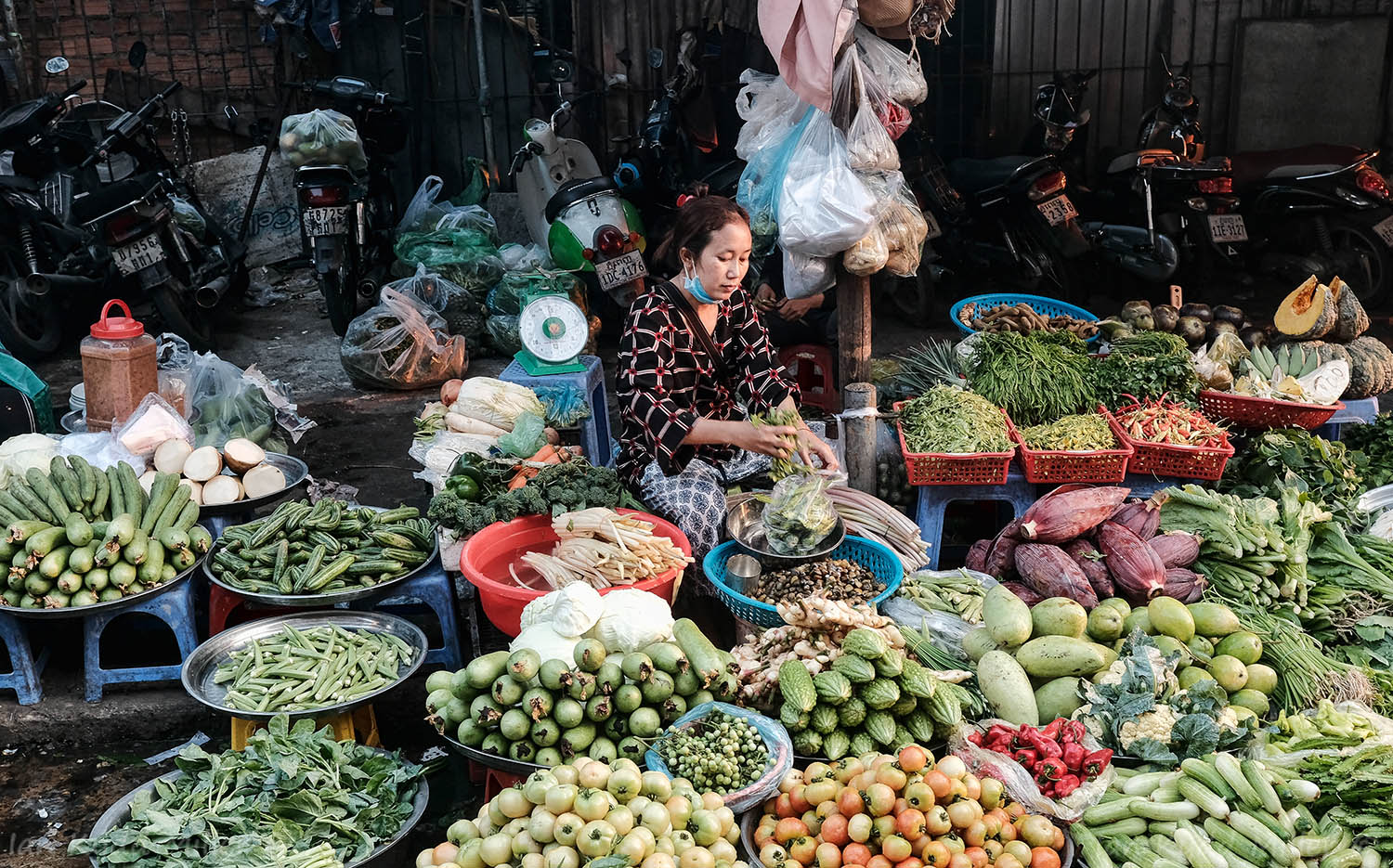
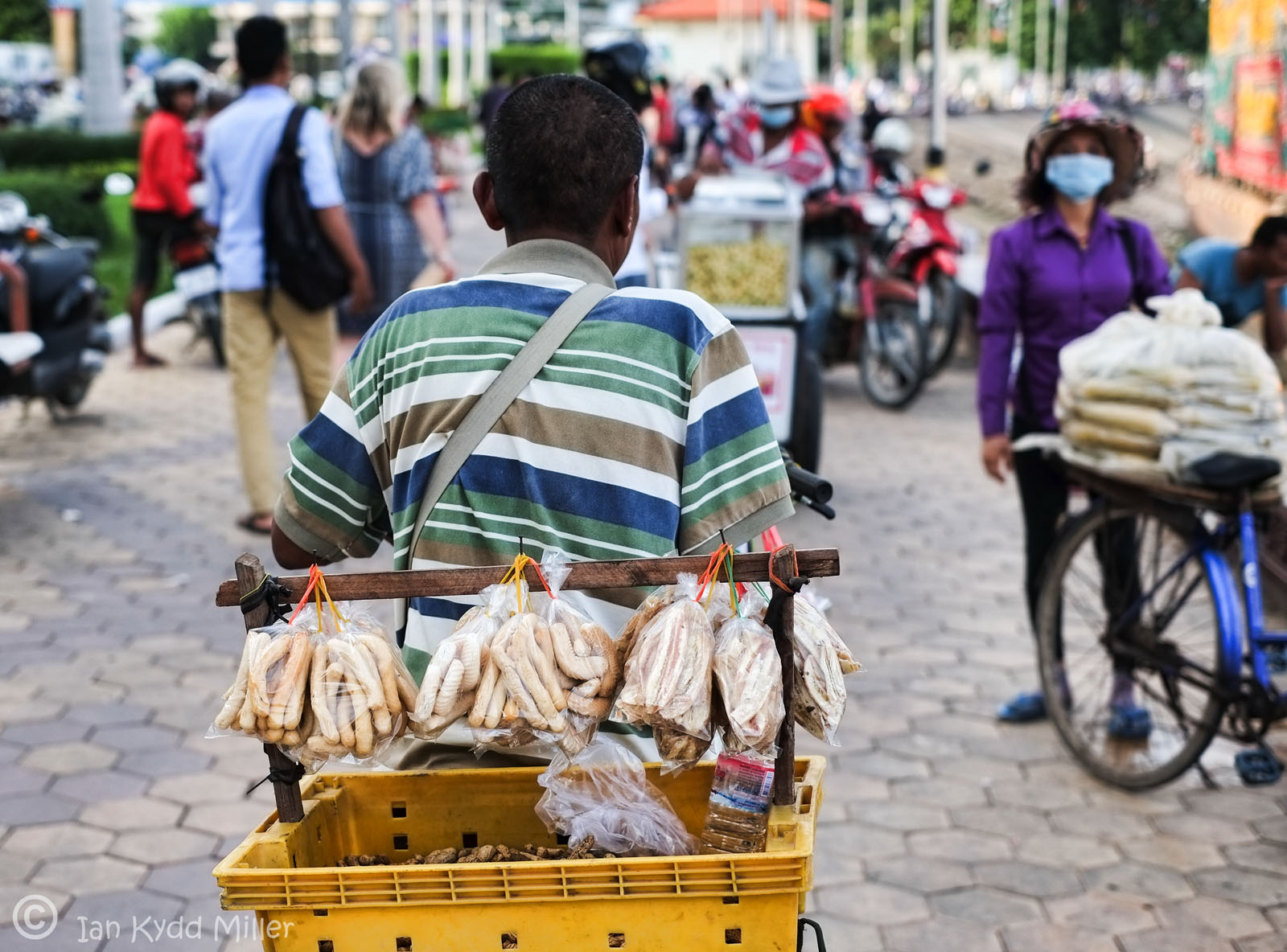
Wandering the wet markets of Phnom Penh,and watching the people go about their hard daily lives. is my not so secret obsession.

These people appear to have such hard lives, they work constantly and I have the privaledge of documents that time to the best of my ability.

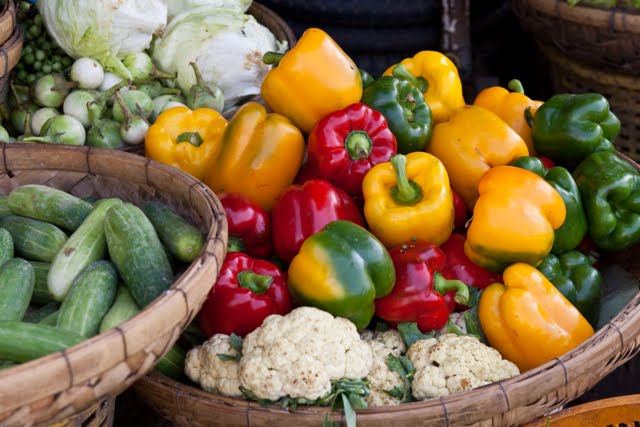
Man, Woman and child all working and trying to make a decent life for themselves. Up early close late. Fresh fruit and Vegitables, live fish and sea food, freshly slaughtered pigs and live chickens all to be made ready for those who buy.

This is my ongoing obsessional project

New Builds. Good for the city ??

opinons, thoughts, photography, pictures, public, Uncategorized

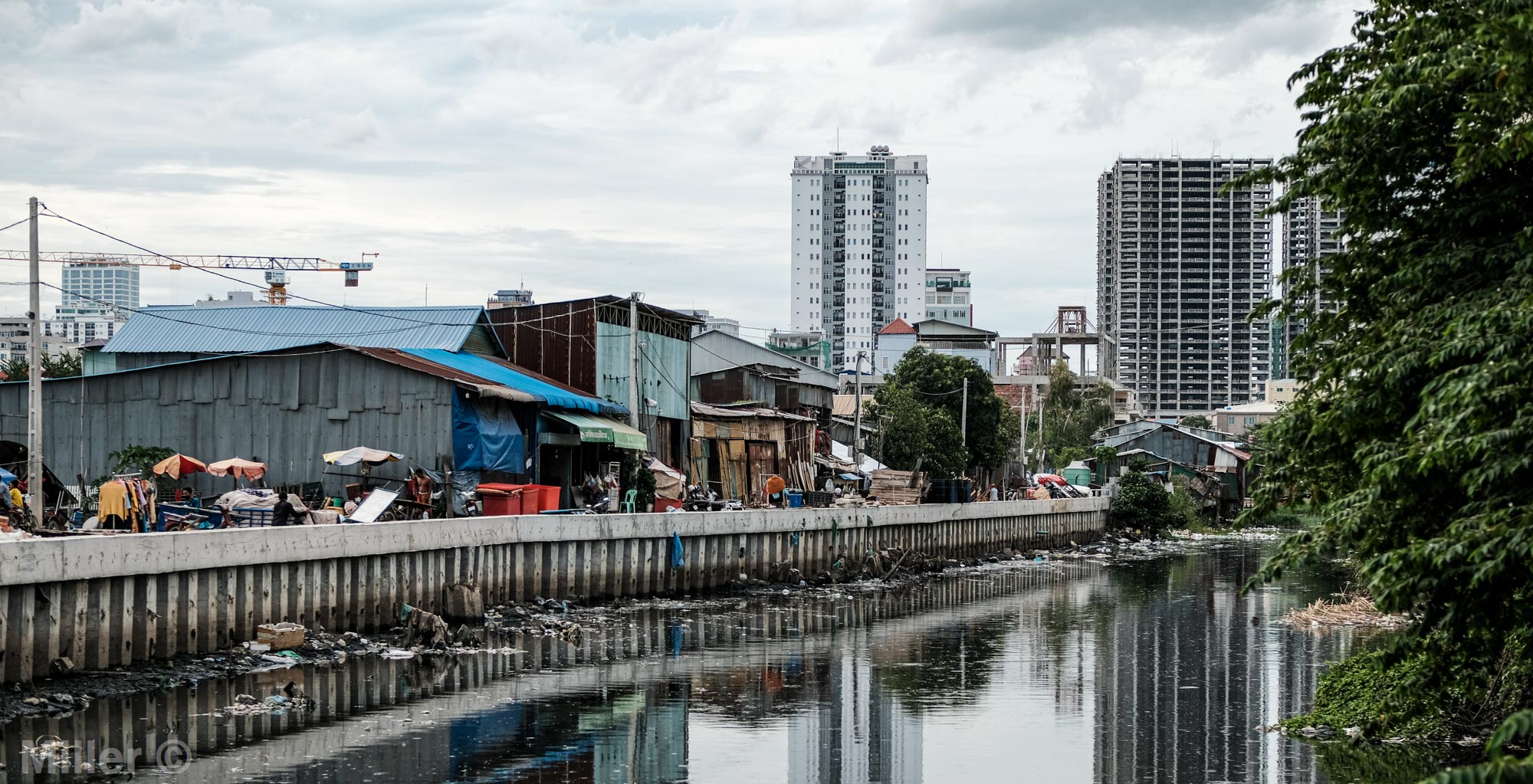
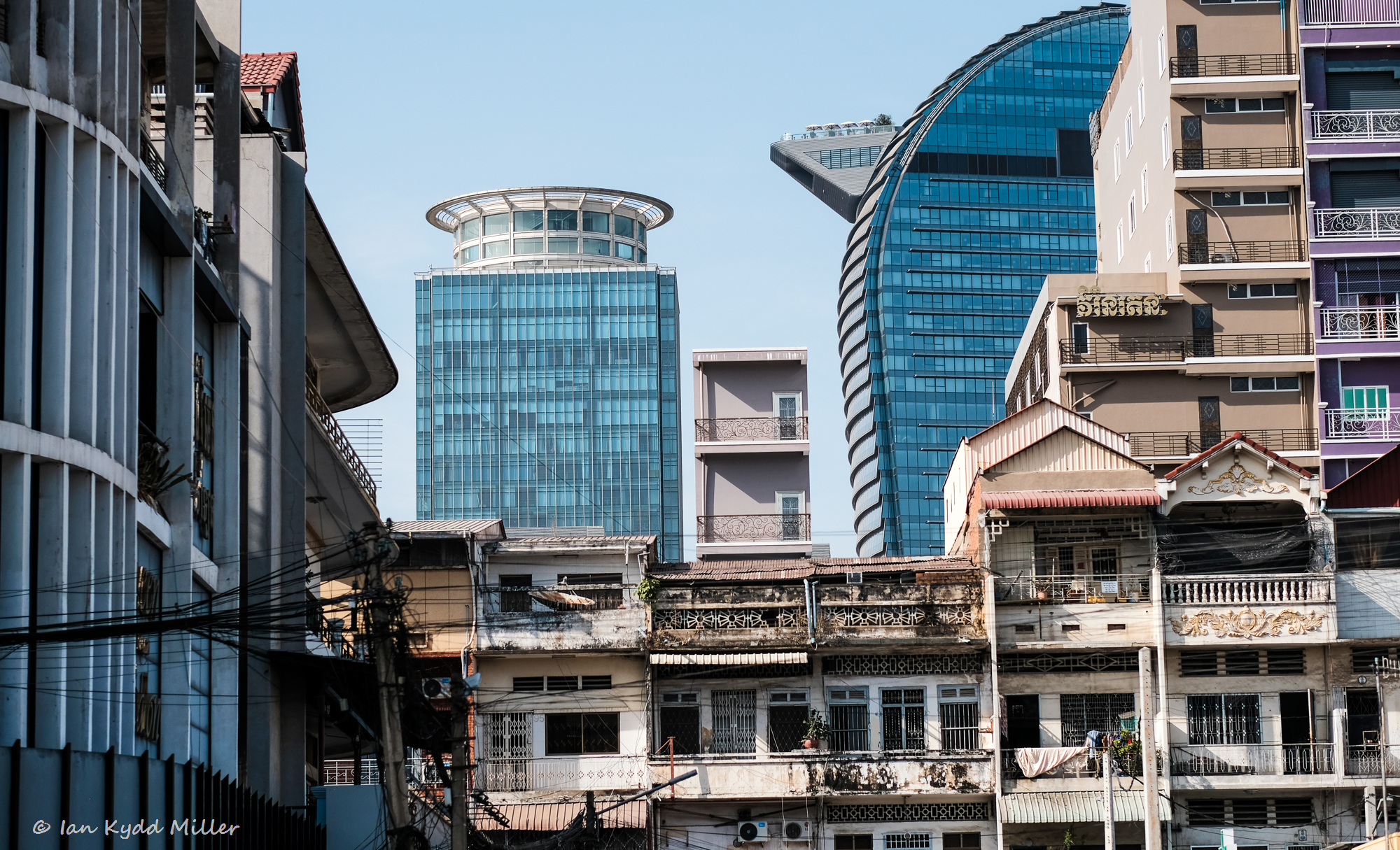
Phnom Penh city is a changing place with all the new and apparently empty, for the most part, high rise structures, offices, apartment, condos.

Little thought or planning as to where and how these new structures are placed and how they will fit into the local area, it all seems very higgle de piggledee. Palace next to hovel.

Buildings seem to be getting taller and taller, big and shiny but with IMO little charecter and I sometimes wonder about their foundations and safety. Fire could be a big problem considering the ill equipped fire services here. Towering Inferno, the movie, comes to mind.

Money, money, money is what its all about, getting the most revenue from the smallest amount of valuable land, going skywards is the only way. I does beg the question, how do you make money from and empty building that few can afford to rent.

Thing to remember when starting out in Photography

Uncategorized

Regardless of what you want to achieve with your photography, here are some sure fire ways to improve your skills without a degree.

  1. Get familiar with your camera. …
  2. Watch online tutorials. …
  3. Hit the books (and online portfolios) …
  4. Practice, practice and practice! …
  5. Expand your network. …
  6. Get a mentor or apprenticeship.

The basic essential is getting to know your camera and lenses and what they can do and what they cannot. I know it may seem stupid but read you MANUAL and find out the features that are within you camera. Always buy the best lenses you can afford.

The lenses you choose are probably more important that the camera at the stage. Zoom or prime it does not really matter they are all pretty darned good nowadays.

The main problems you will find when you first pick up are camera is not with the camera, or the lenses, but with you. Getting blurry or out of focus images due to camer shake, a thechnique problem. Learning how to hold and balance your camera is fundamentally essential, practice and things will improve.

Camera shake happens more frequently when using loger focal length lenses so until you have perfected you technique they are best avoided. Use Google and Utube to find someone to instruct you on this or watch the video below.
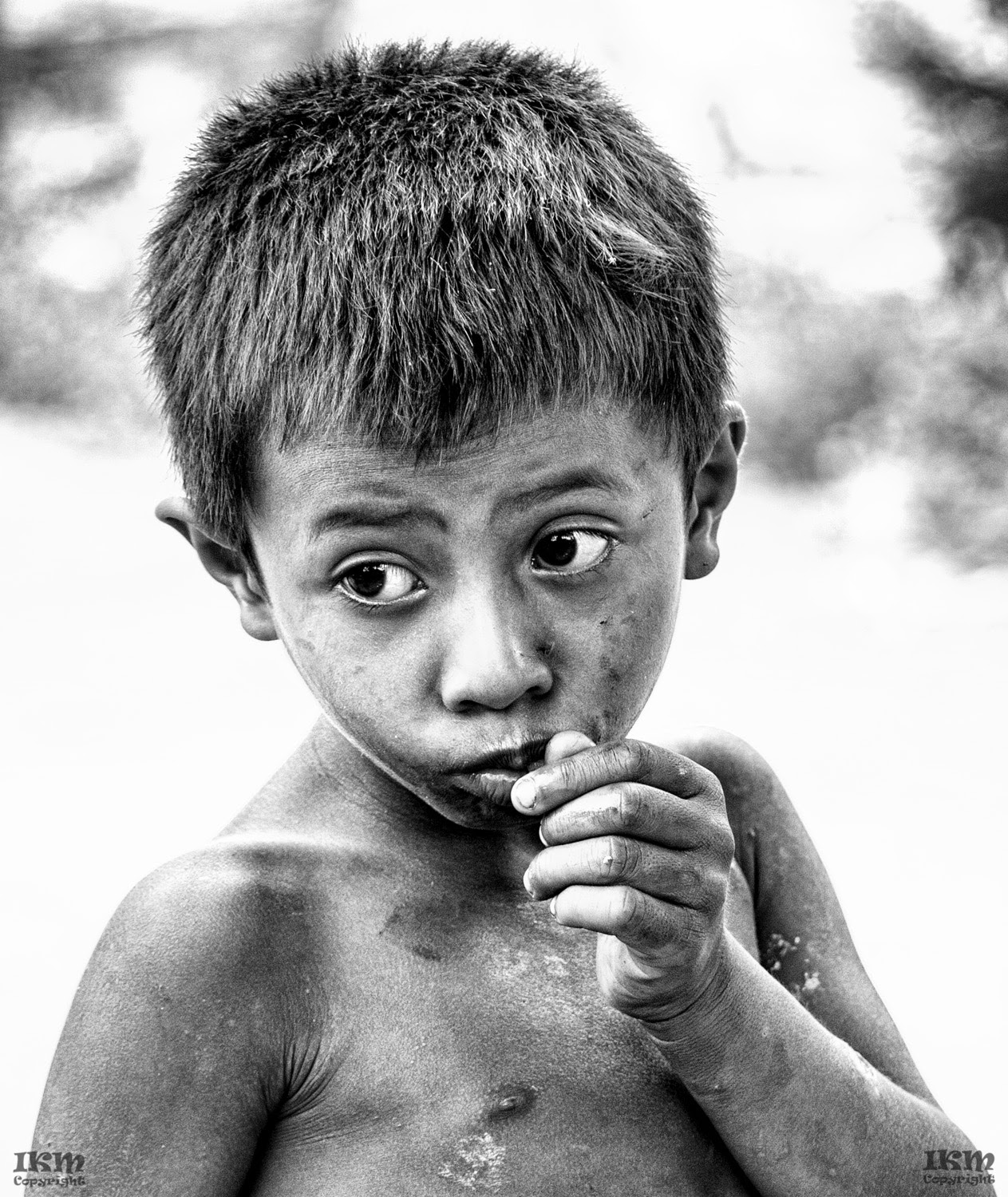
Hitting the books is another great idea, use you library or the internet to find free books or instructional videos that will help yu learn the ”basics”.

Getting out and practicing is essential to being able to put a good image together, set yourself some goals, go out and just take pictures of things you find interesting, make notes of what you do and refer back to them to try are see what you are doing right, or wrong. Not things like shutter speed and aperture, and even the weather, a windy day can have an effect.

Learn from others, maybe even consider joining a camera club. Consider mentoring and maybe even some courses at your local college, but most of all HAVE FUN, keep snapping.

Spent the Day with my Printer

Uncategorized

Ian Kydd Miller's avatara world without pictures is like coffee without cream and sugar, bitter

I have spent most of my day recalibrating my monitors and checking the calibration of my printer (Epson P600). Made some good prints in both BW and Colour and decided what tweeks it needs to give me the picture I desire.

Getting the printer to give you exactly what you see on the screen is not always easy but I am happy with what I got. Its now pretty darned close. Used a whole pack of 25 A4 semi matte paper.

View original post

BW the content is EVERYTHING

photography, pictures, printing, public

Craving for Content

  1. No colour to distract you, but you still have to make the picture interesting.
  2. The content of the image is not affected by the importance of colour and has to be built on subtle shades of white, grey and black.
  3. The subject is everything, and this is the most challenging part of working in BW.

When I make images I shoot both in colour and BW because this is possible now, but if the image is one that I think will work better in BW I have to think in a different way, and know-how the colours in the image with convert to BW.

Travelling with your Camera

Uncategorized

Travel Photography the essentials

I live and work in South East Asia and have travelled extensively with my camera equipment and there are a few tips and problems  that are useful to know when travelling in hot and humid environment that many may not have come across if you live in more temperate climates.

Aka child in Northern Laos

Carrying your gear

Don’t be tempted to take too much gear with you. One or two camera bodies depending on the length of your trip and how reliable you feel your particular brand to be but if it’s the trip of a lifetime take no chances.

  1. Spare batteries. 3 or 4 as new batteries can be difficult to source if yours breakdown or go missing.
  2. Lots of memory cards (they are really cheap now) so don’t stint. I normally take at least 50GB in mixed cards (2GB to 16GB)
  3. Lenses. These are the all important ingredients to making good travel picture so choose wisely. The mixture between quality and quantity (hence weight) must be fought. My normal travel kit when travelling light (ie by air) would be and I will carry this on in a Peli 1510 flight case which is the right size for international flights and gives me piece of mind:

I use Canon (and Nikon) cameras but the make really does not matter as much as having the right gear with you for your type of shooting

●       Canon 50mm f1.8 or 1.4 + Canon 85mm f1.8

●       Canon 24-105 IS f4L zoom

●       Sigma 15-30 zoom

●       Canon 70-200 f2.8L  zoom

●       1 x  Canon 1D Mk4 and 1Ds Mk1

●        A point and shoot digital. (Canon G11)

●       Batteries and cards plus cleaning equipment packed in a Domke F2 which is my main street bag. Some may decry it lack of padding but for me it works. Or a Lowepro Flipside 200 depending very much how much foot travel I will be doing

●       Maybe a laptop but not always.

This kit should cover most things and is not to heavy and bulky to carry with me, in fact I would sometimes thin this down on a daily basis and leave some of the things in the safe at the hotel or guest house if I think they with not be needed. Trying to have the right gear with me at the right time. Planning my itinerary is very important.

Across the Mekong River

Caring for your GEAR

A most important key element to getting good picture whilst on the road is your daily routine care of you camera and lenses. The environmental issues in Asia and the subtropical and tropical areas you may find yourself in can be very challenging for complex electronic equipment of all sorts but, unremarkable, camera equipment can be very susceptible. A good daily routine can help prevent breakdowns and loss of pictures.

  1. Dust can be a major problem. Regular use of a soft brush externally on the camera to remove dust. Changing lenses as little as possible and if you have to change a lens do it quickly and with the camera ‘’turned OFF’’.
  2. Moisture is the second problem, moving from air-conditioned hotels to the heat of a tropical day can cause condensation. A good tip is to have some plastic resealable food bags large enough for you camera and lenses to go inside and then when you take them outside allow enough time for them to acclimatize and no condensation should occur.
  3. Cleaning your lenses. Remember dust can be a killer for lenses and again this is where a soft brush (blusher brush very cheap in the markets here) comes in very useful, and you may consider UV filters for lens protection and ease of cleaning, better to ruin a filter than the front element of an expensive lens.
  4. Avoid having to clean your sensor unless it become essential, dust can be removed quite well in post processing. You can risk pumping most dust into the camera. I probably only use a ROCKET maybe once a week when I am in a clean hotel room.
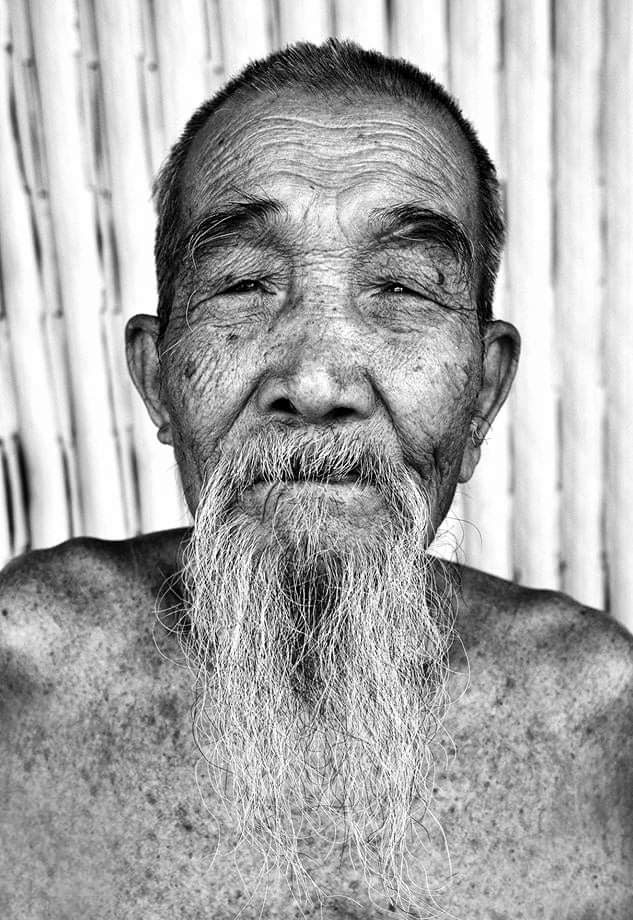
Old Man in Laos

I love to take people picture whilst traveling in Asia and this is what dictates the kit I use, you adapt the kit to suit the pictures you take. All of the picture see here were taken with either a 28-70 f2.8L or 24-105 IS f4L which tend to be my favourite walk around lenses. ( the 70-200 f2.8L is also in regular use)

Ian Kydd’Miller © 2010

Black and White photography with Fujifilm Cameras.

Uncategorized

Ian Kydd Miller's avatara world without pictures is like coffee without cream and sugar, bitter

My photography started with making pictures (and printing them) in Monochrome (Black and White). For me this style of photography brings with it a reality and a way of seeing the world that is different to colour images.

Fujifilm cameras have made this much simpler by including within the camera the ability to make monochrome images using their own approximations of their films from the past. This is actually done ”in camera”.

View original post

Printing your Pictures

Uncategorized

Ian Kydd Miller's avatara world without pictures is like coffee without cream and sugar, bitter


Longevity

In fifty or a hundred years time will we be using the same computer systems and storage devices and will they be compatable with the pictures we have stored digitally. A well made print, even an injet print could last upwards of 100 years and if printed on high quality archival paper maybe even 300+ years.

A Legacy

Would you like for people in the future to see, and maybe admire the pictures you have taken today. Printing is certainly one way of achieving that. The world changes all the time and the way we see and live changes also. The pictures we take today may have historical value tommorow but may be lost if they remain stored only in the digital realm, so printing them has value.

The Process

Print making can be done mainly in three ways.

Send away to a commercial processor and have them…

View original post 436 more words