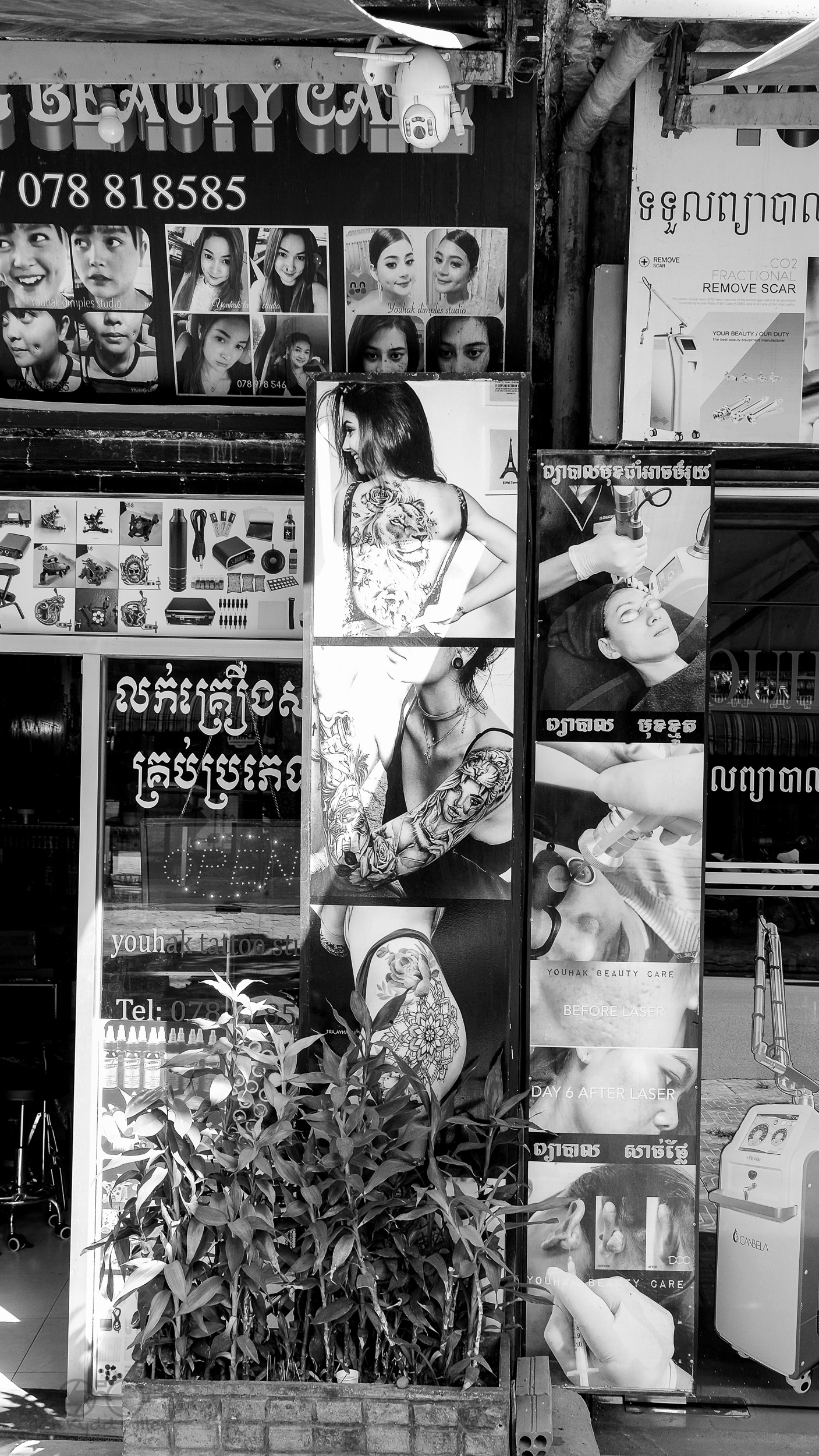
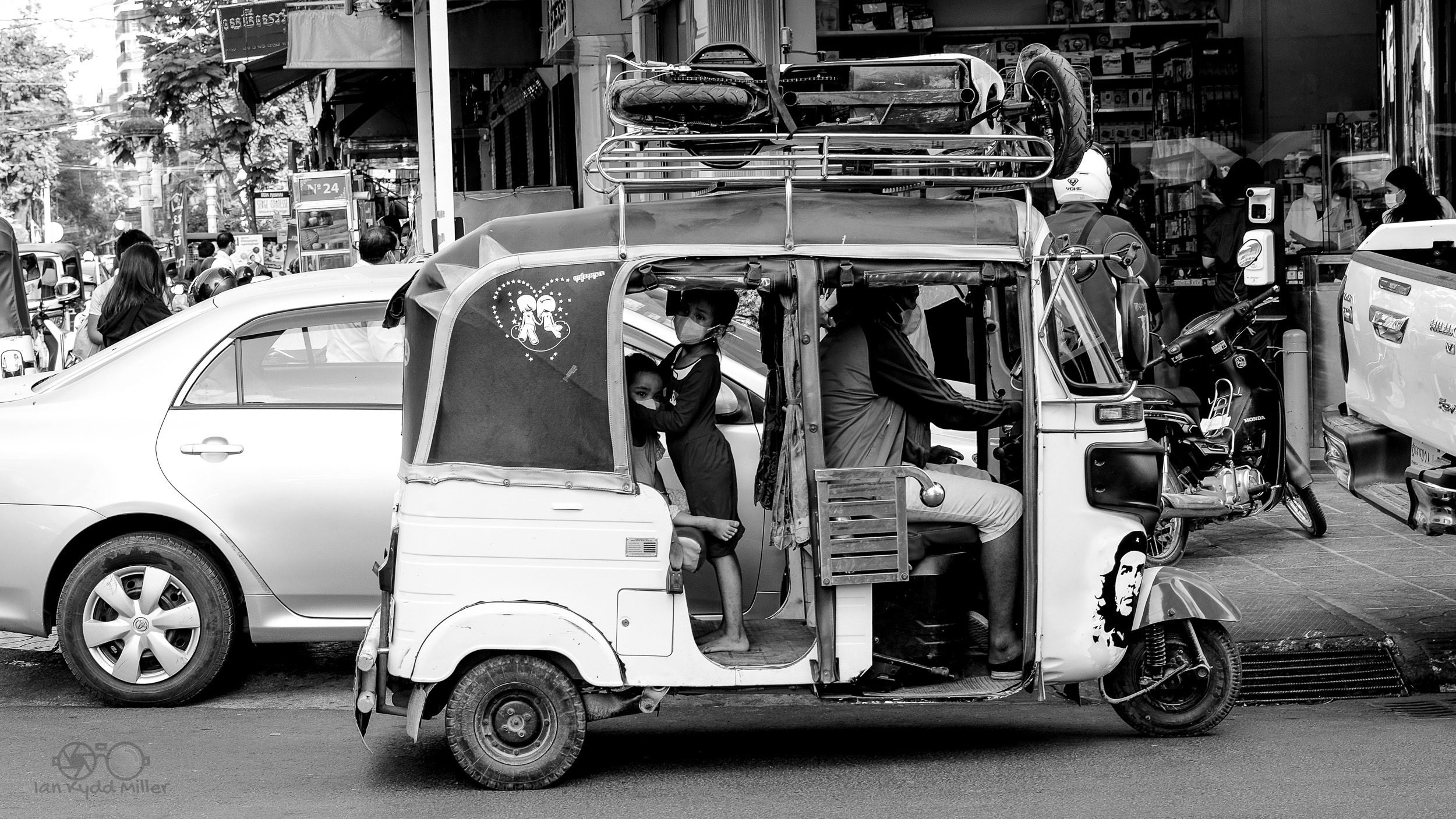
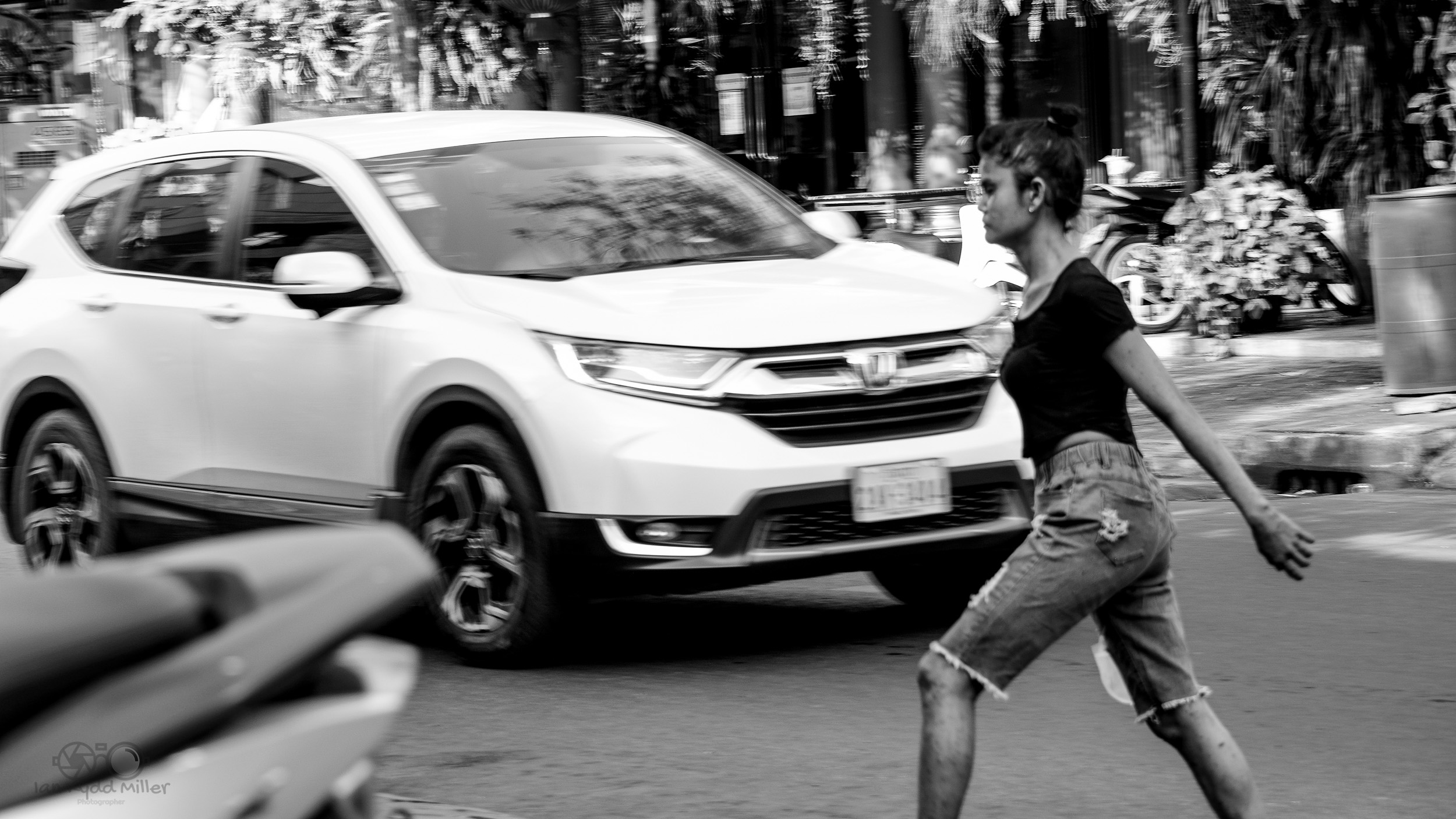
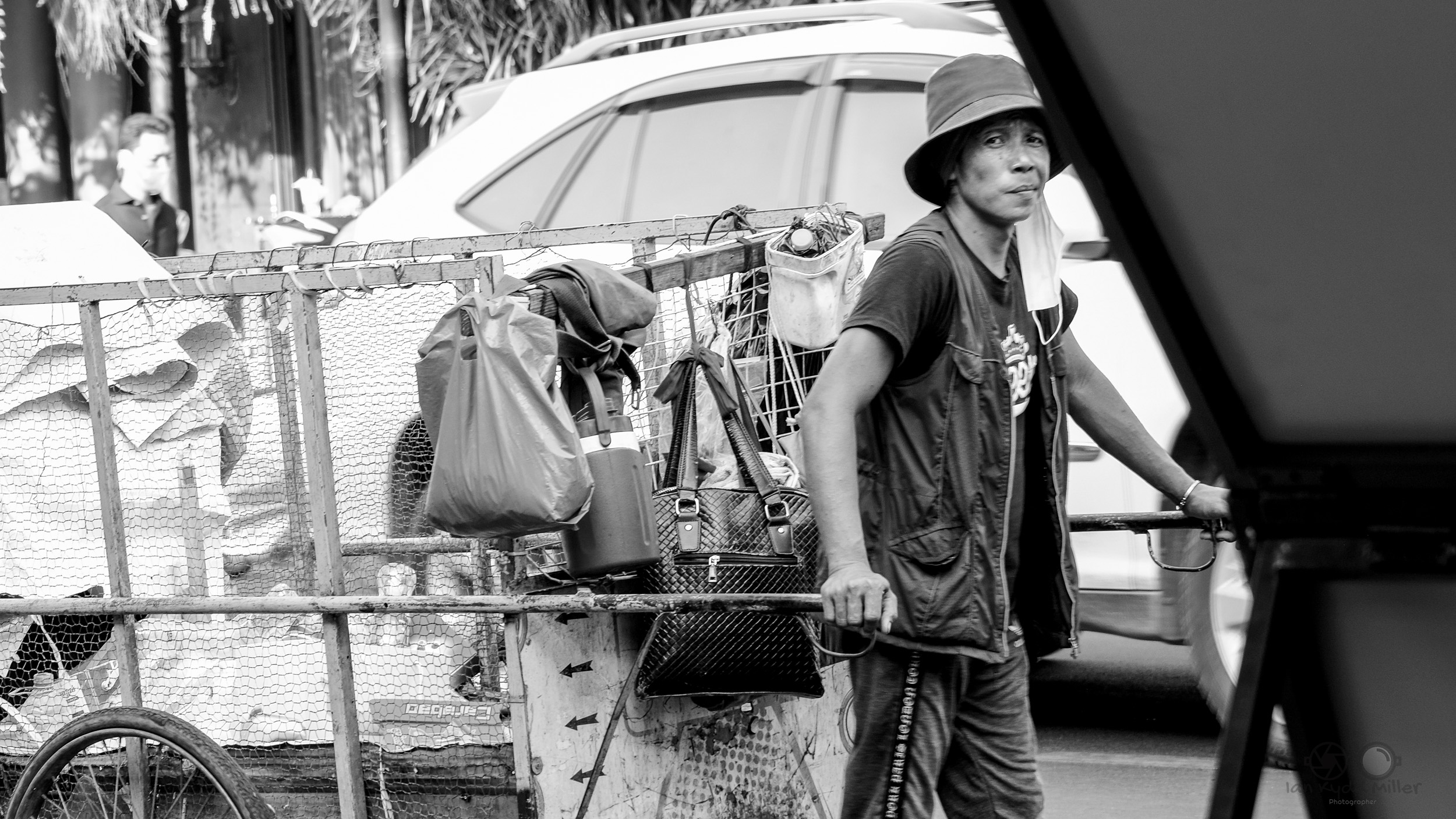
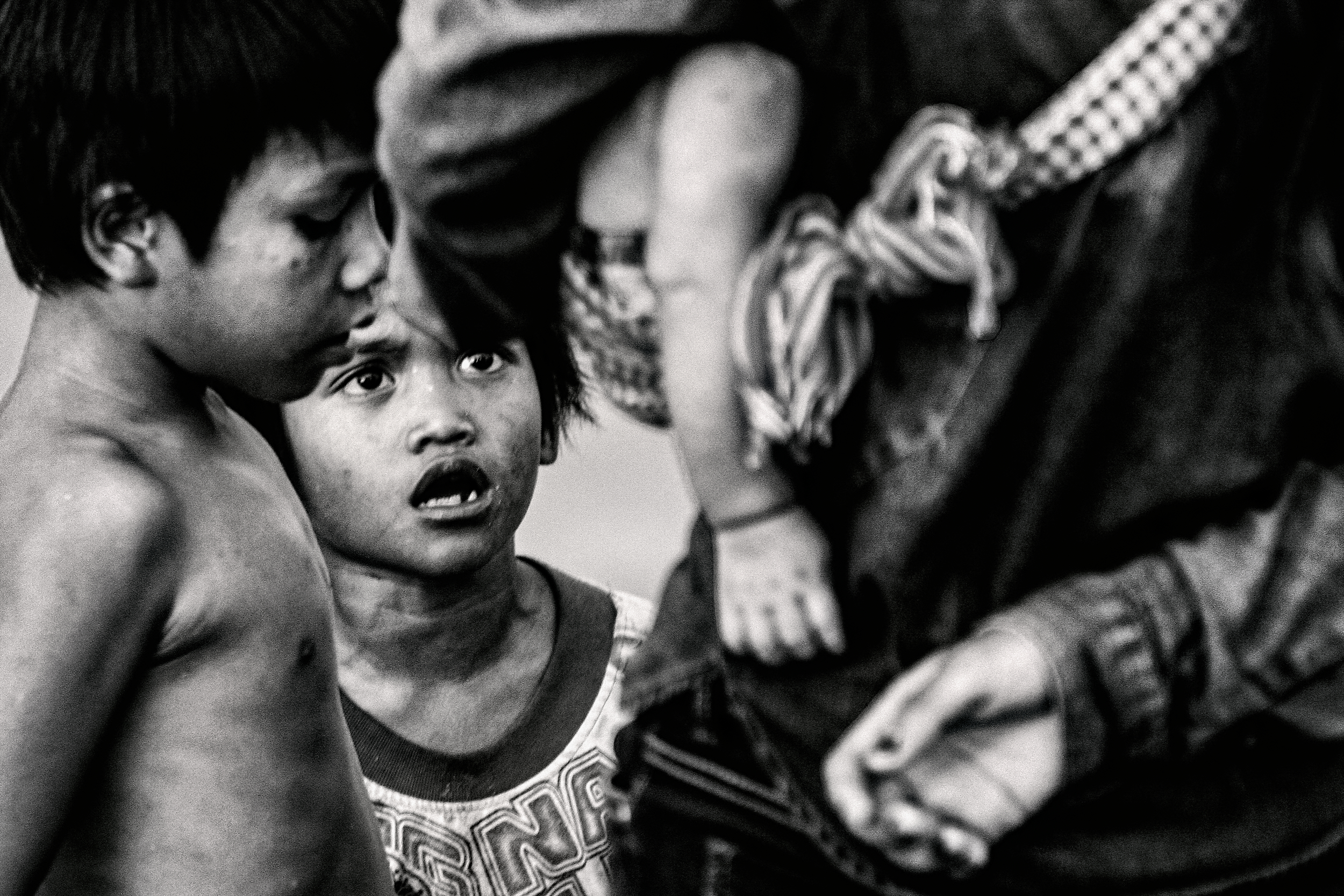
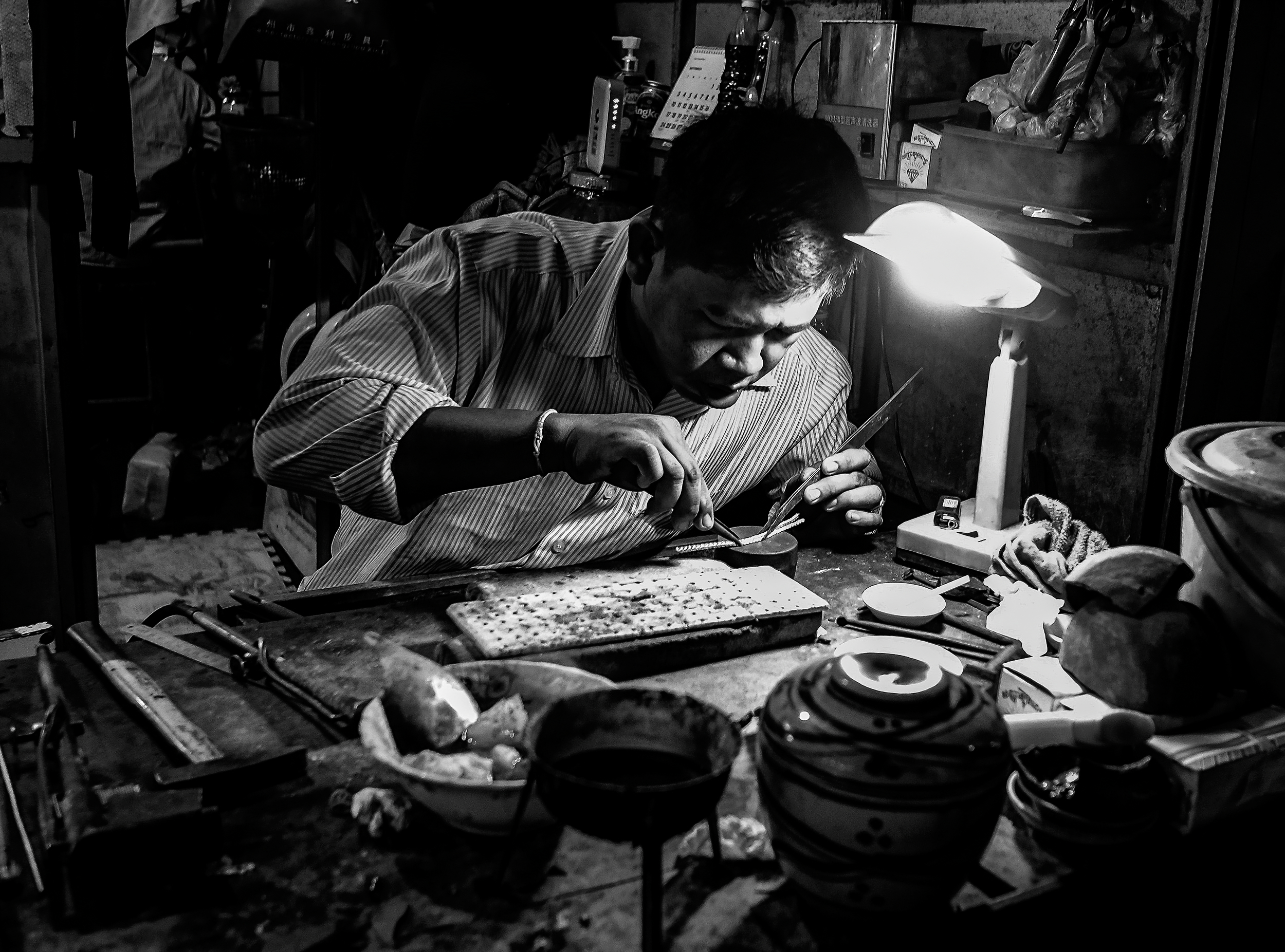
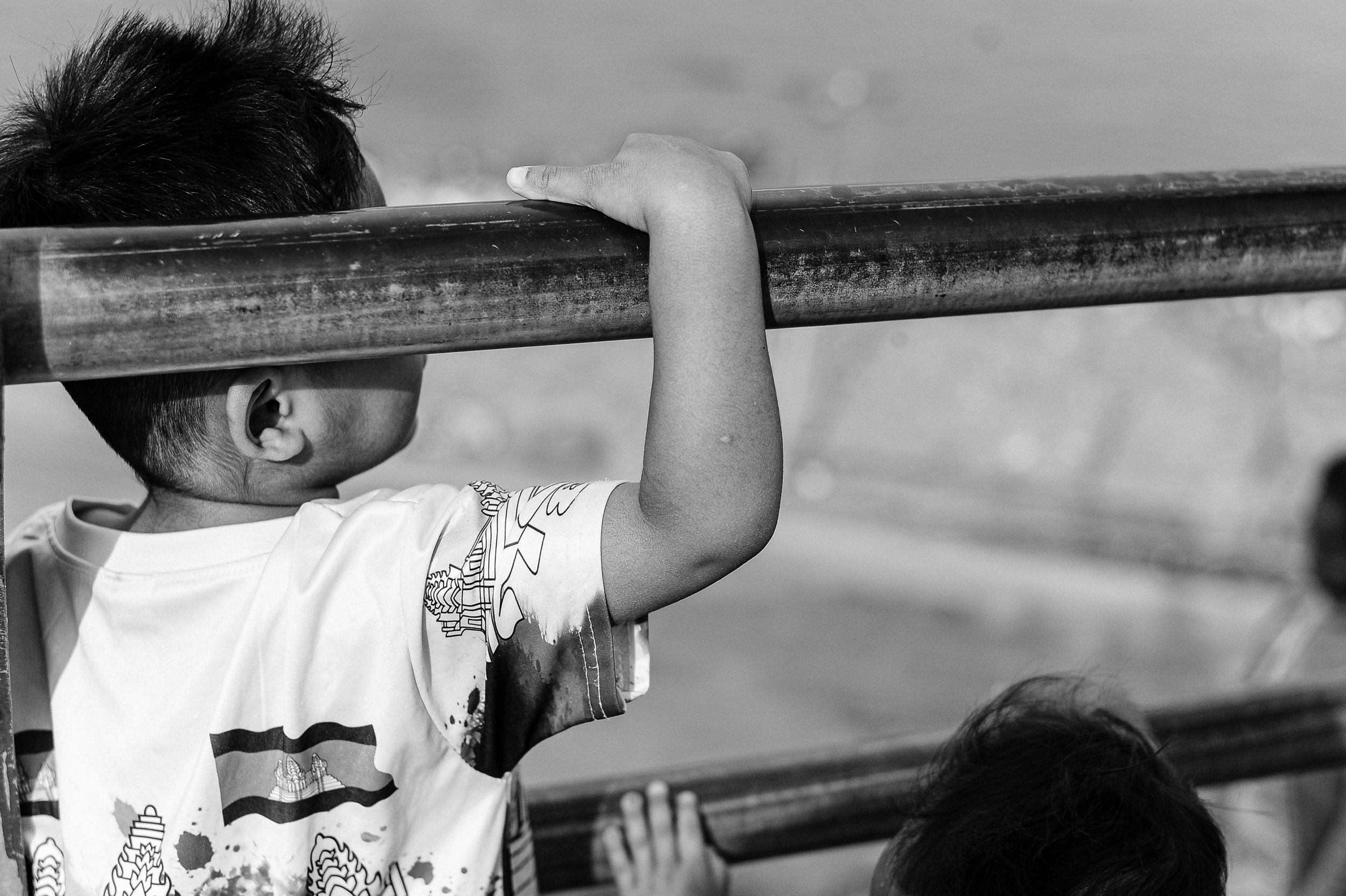
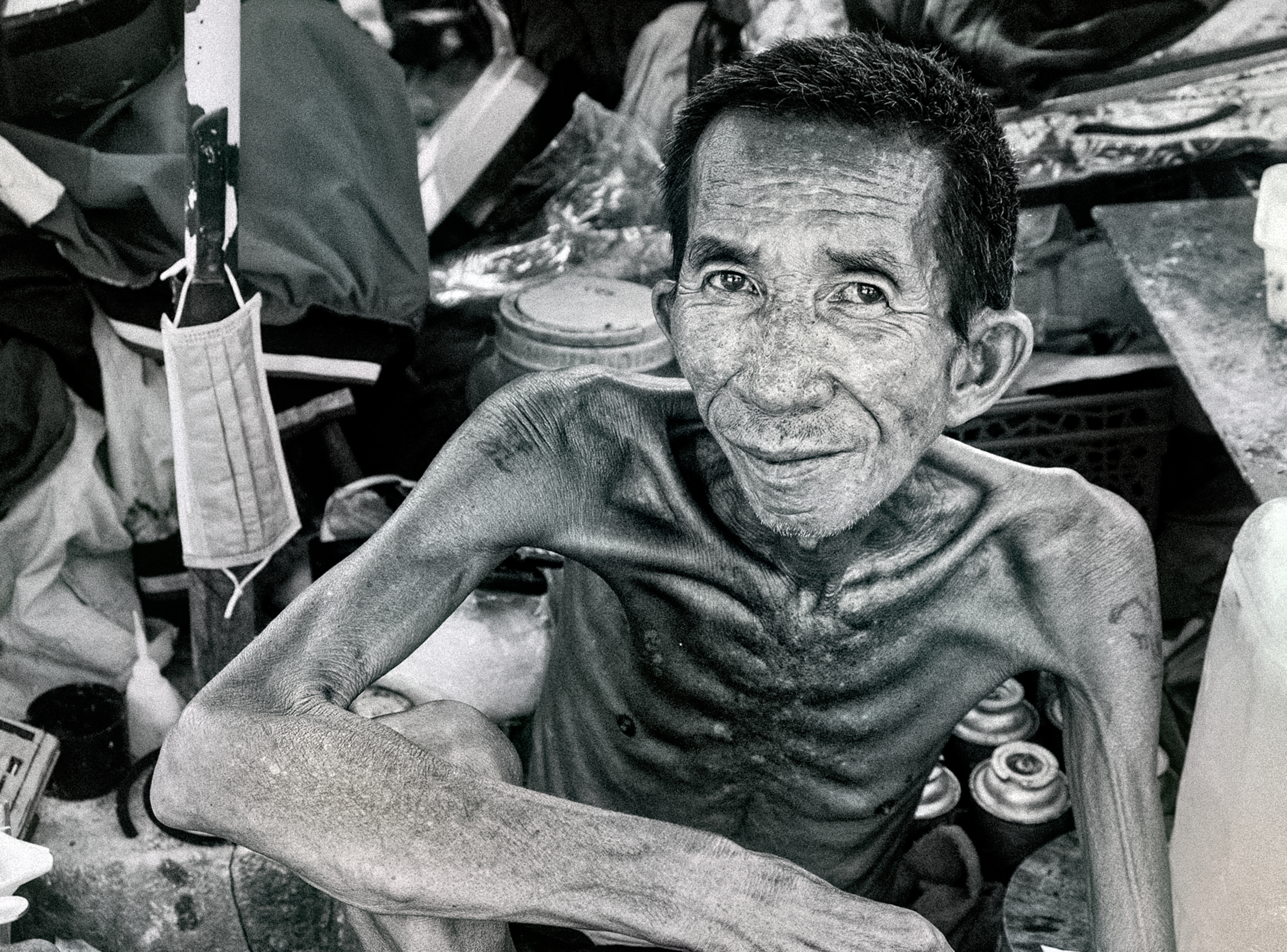
Fujifilm JPEGS are not just ordinary JPEGS, they are works of art!

film, Fujichrome, fujifilm, opinons, thoughts, photography, street, Travel

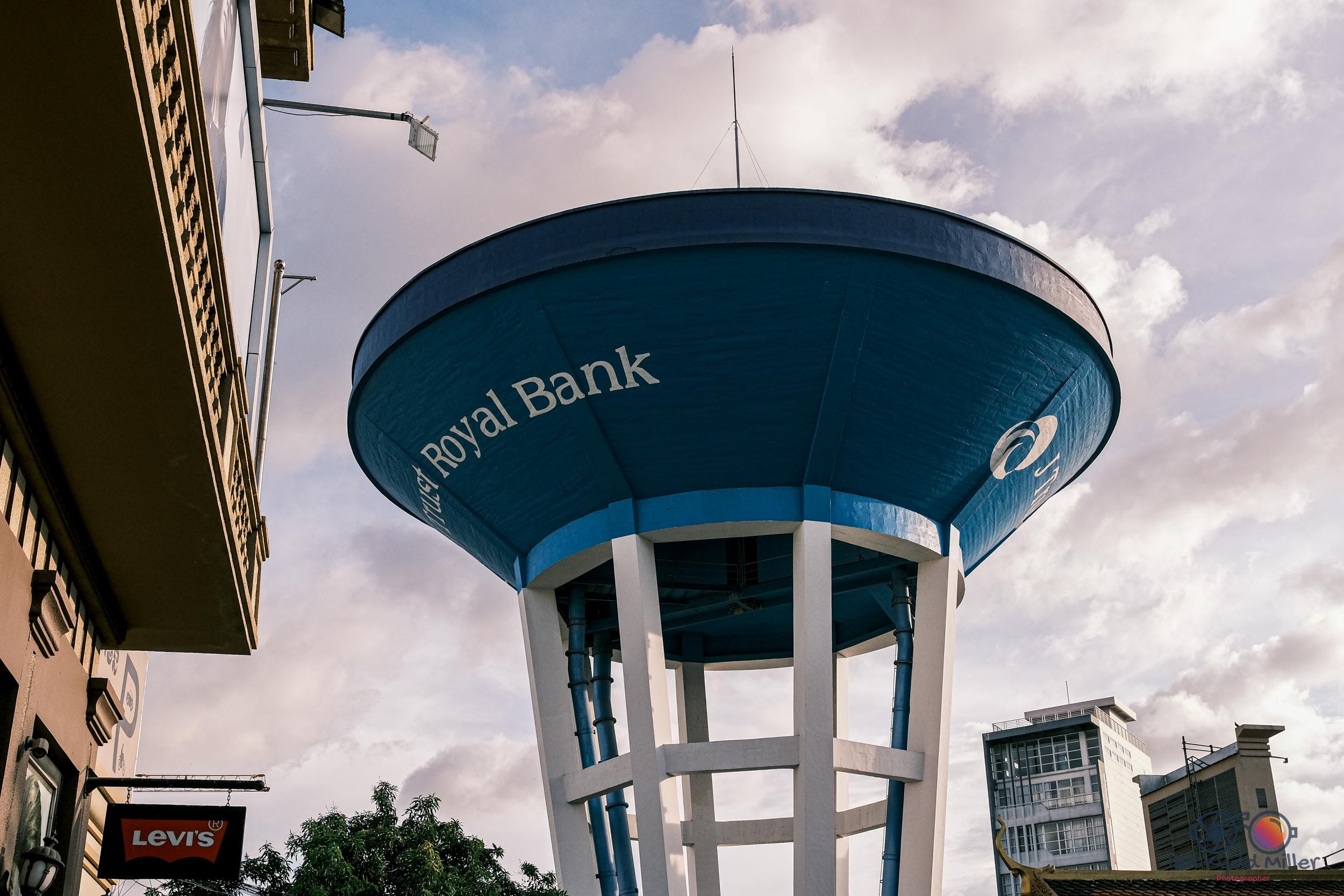
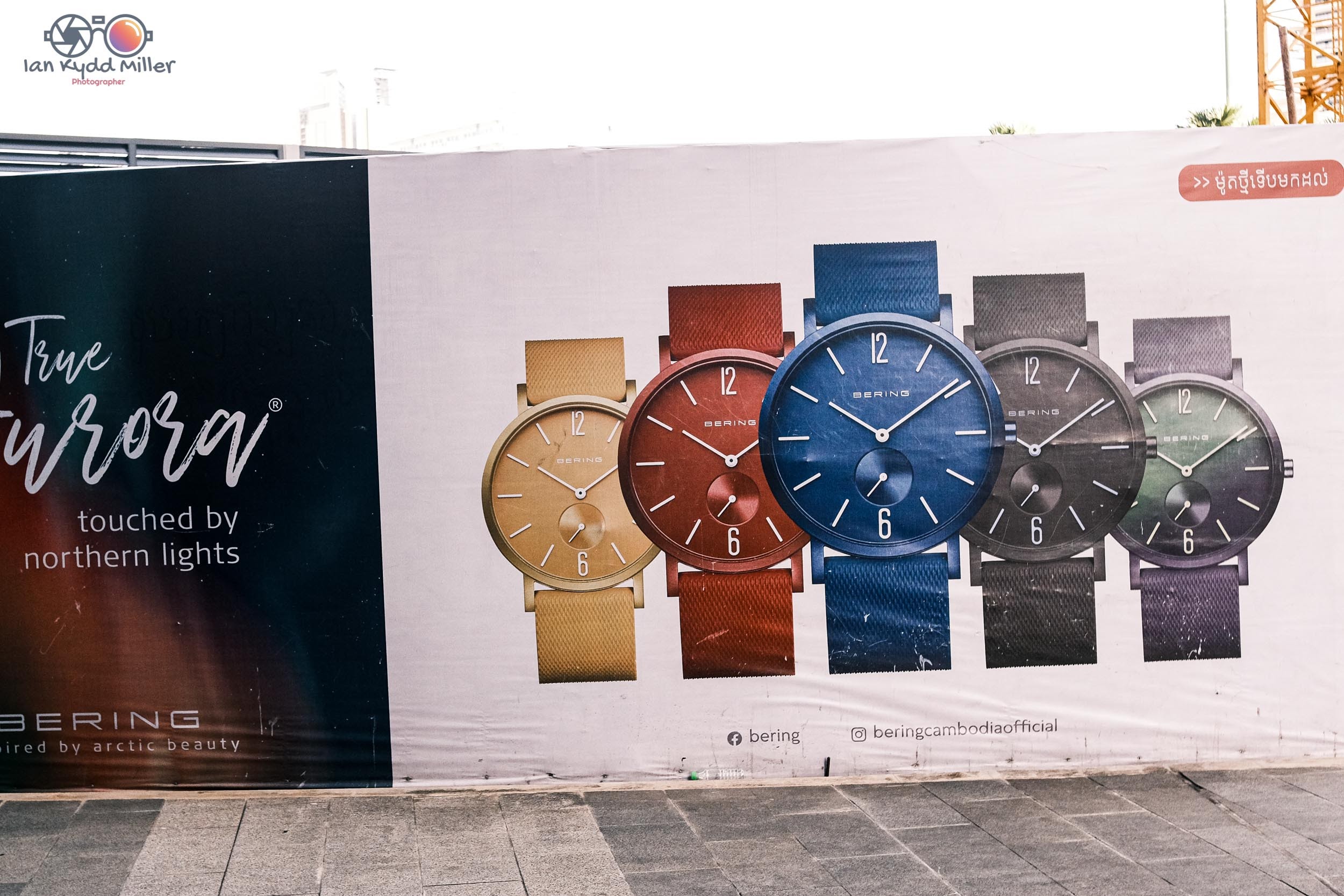
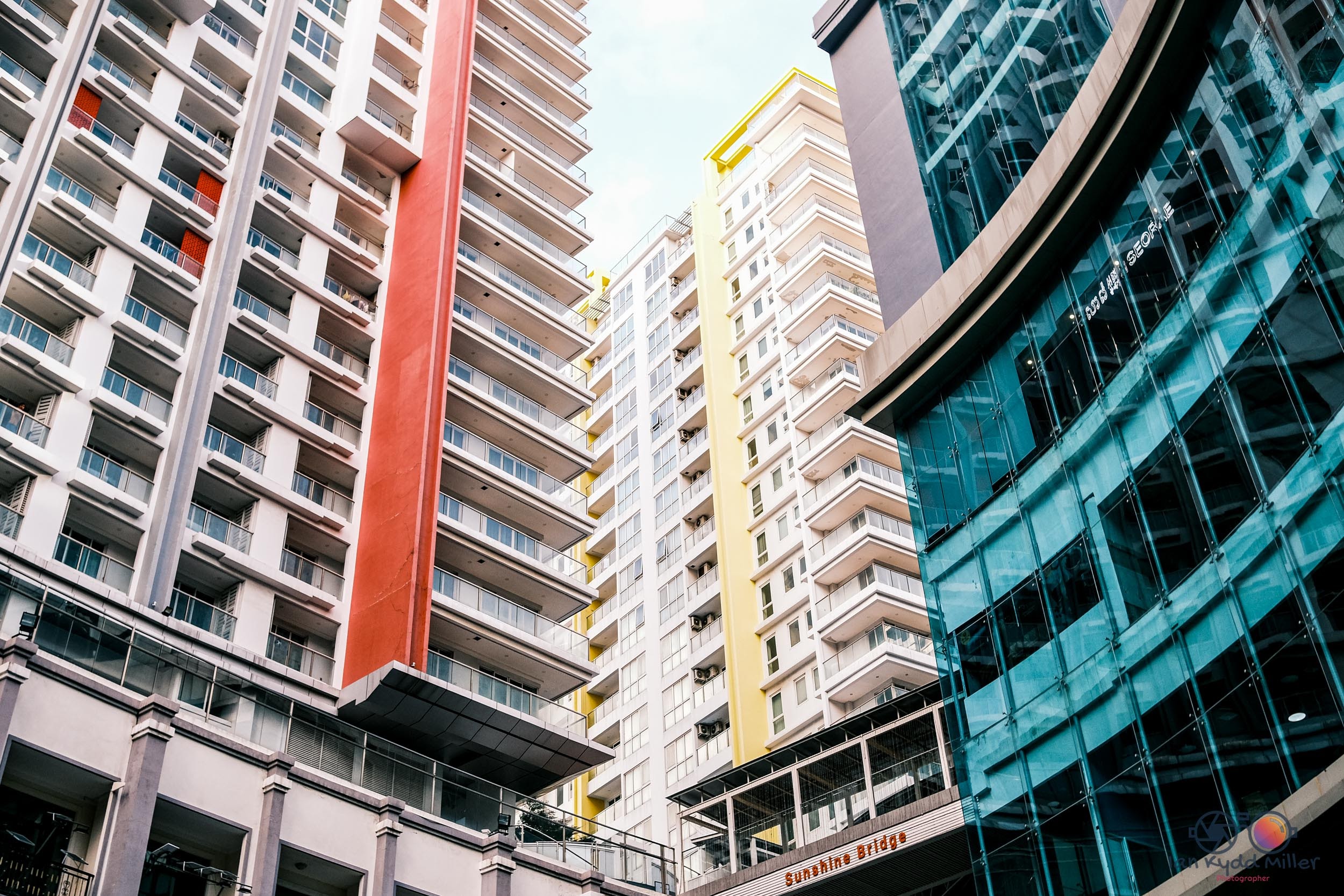
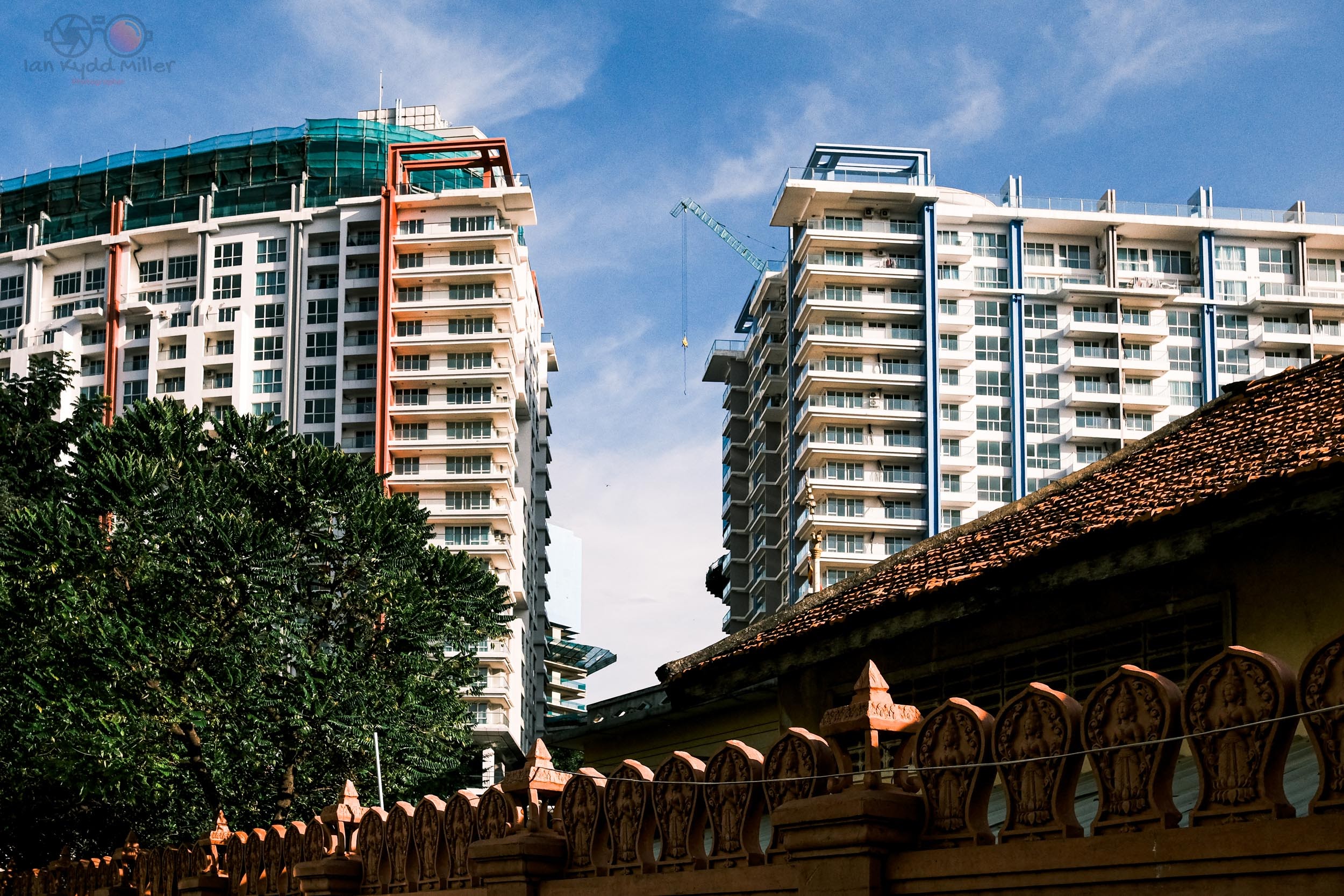
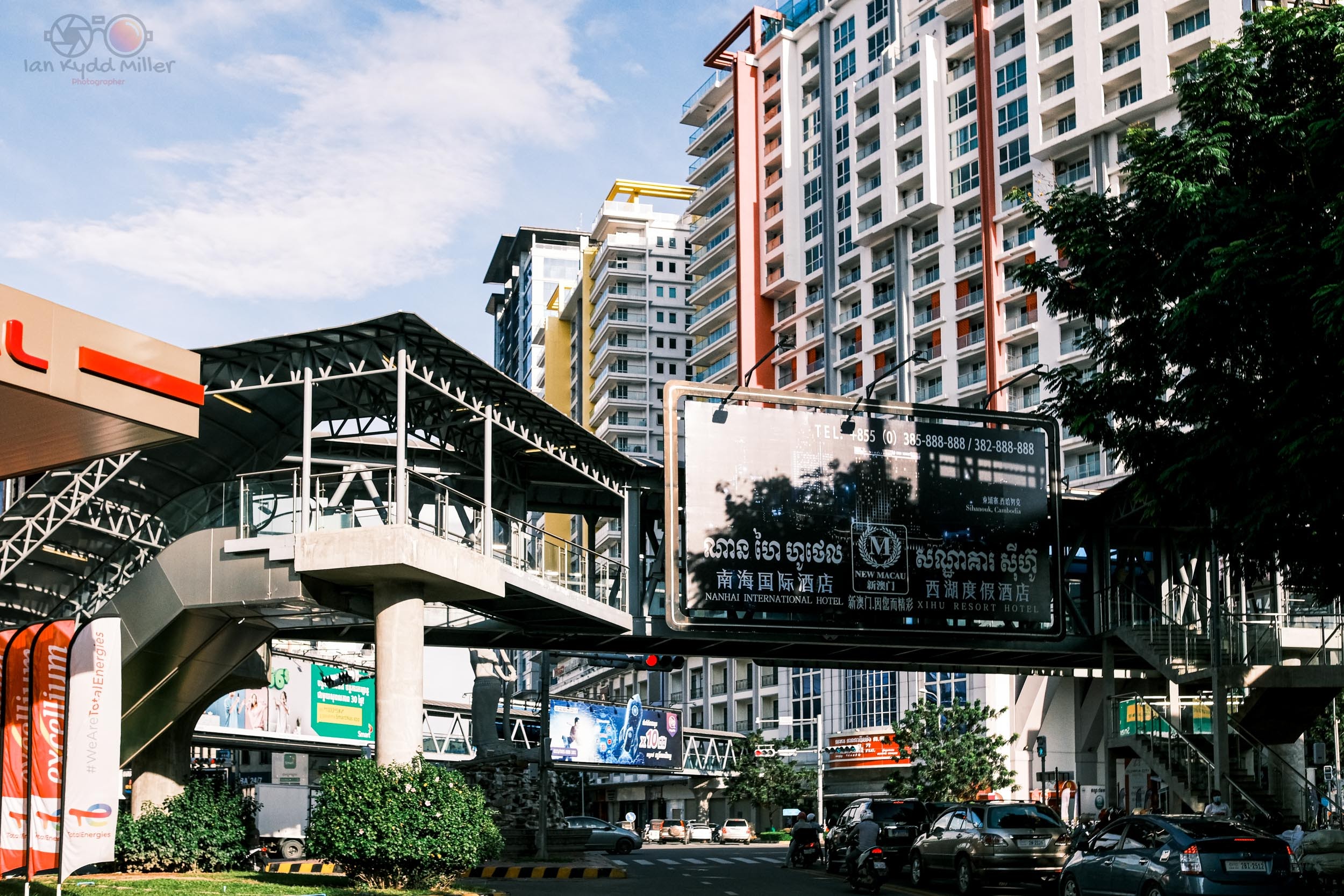
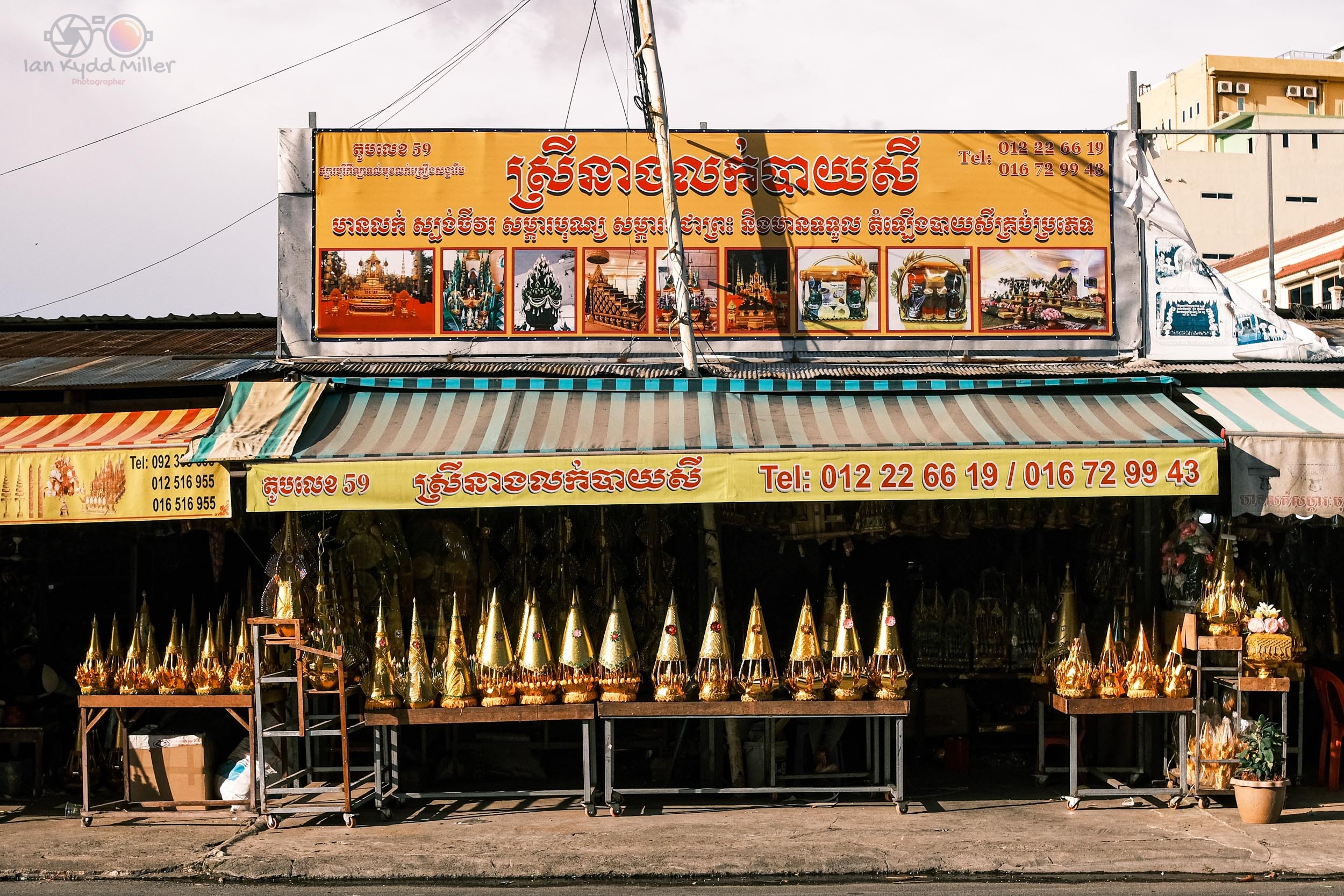
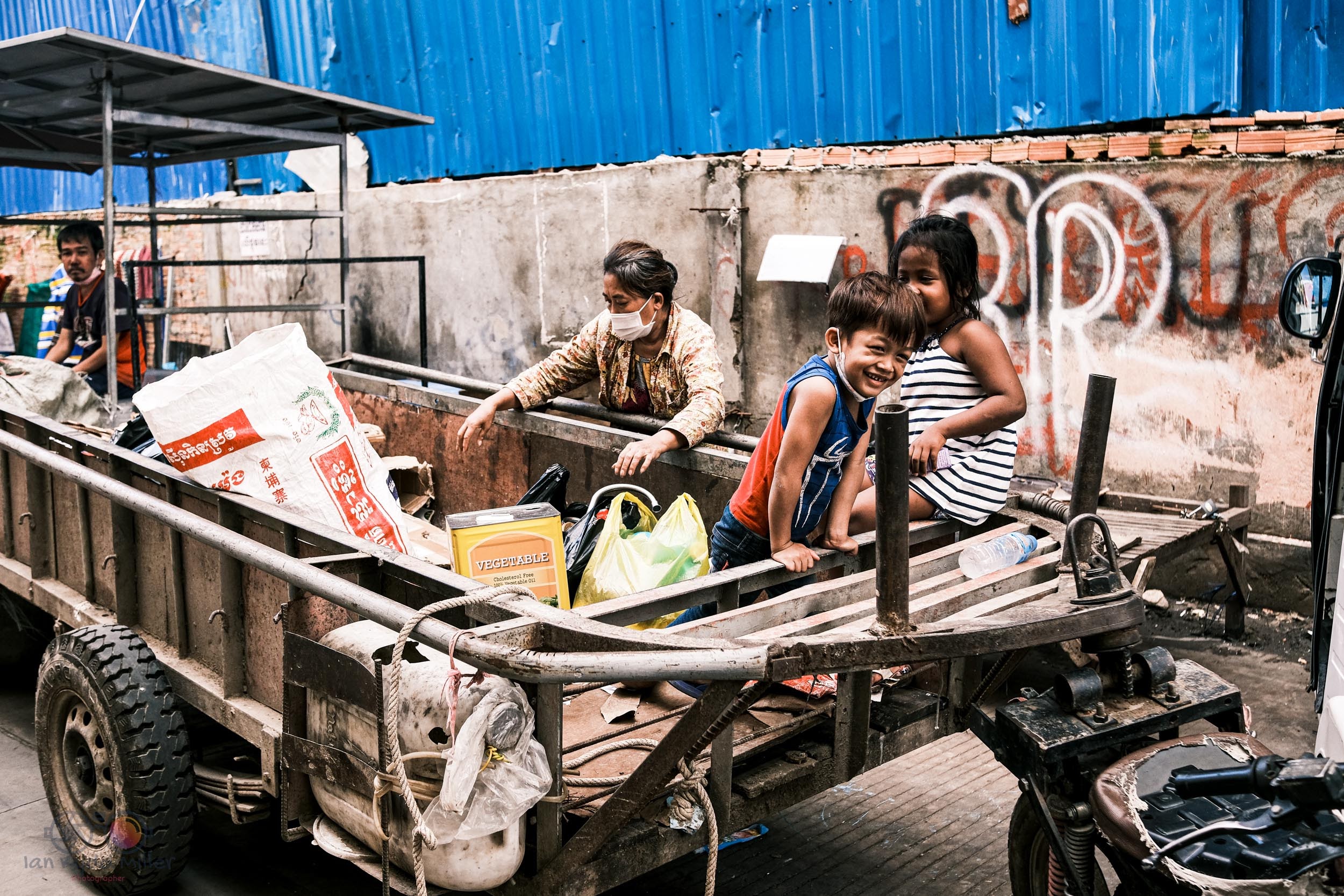
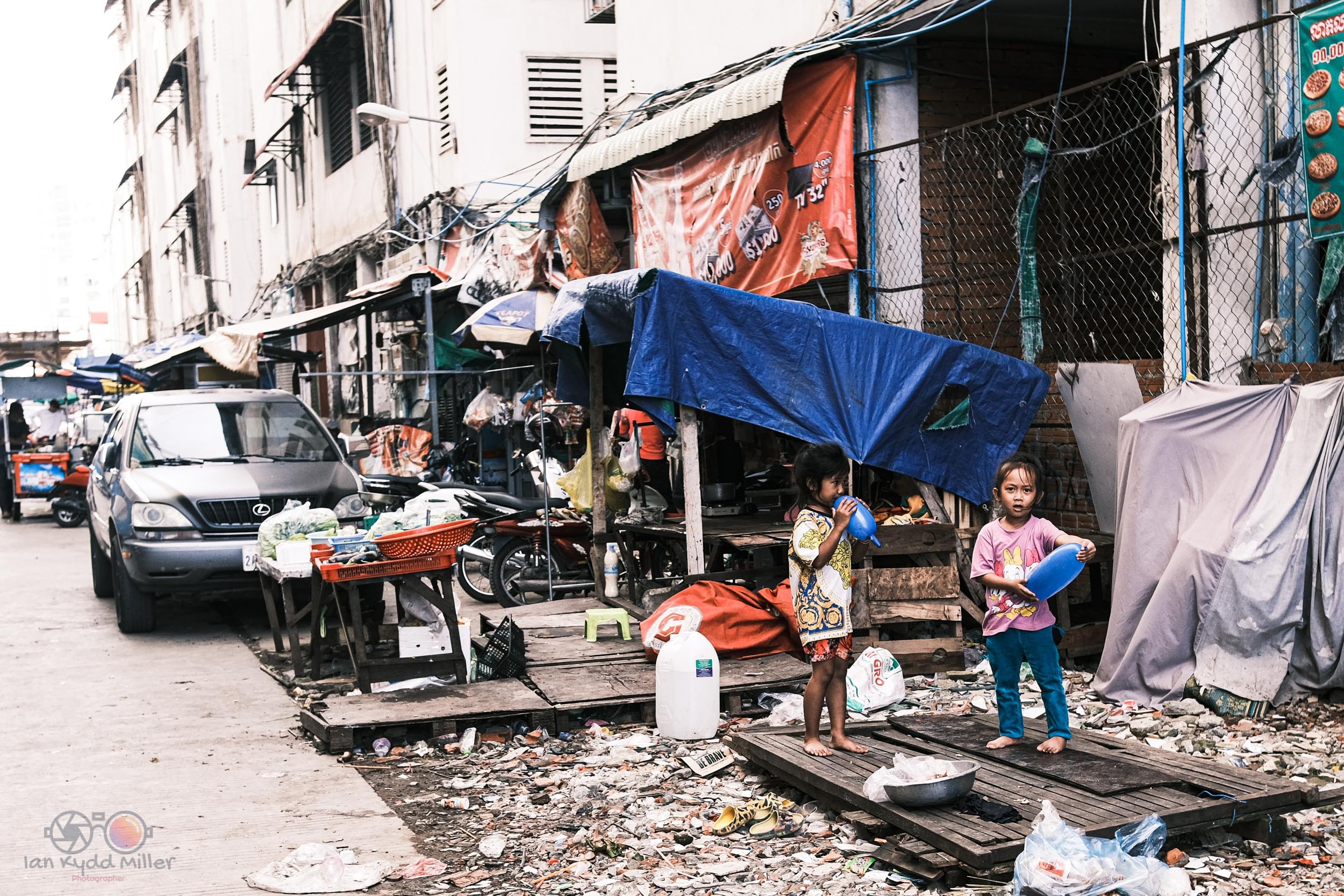
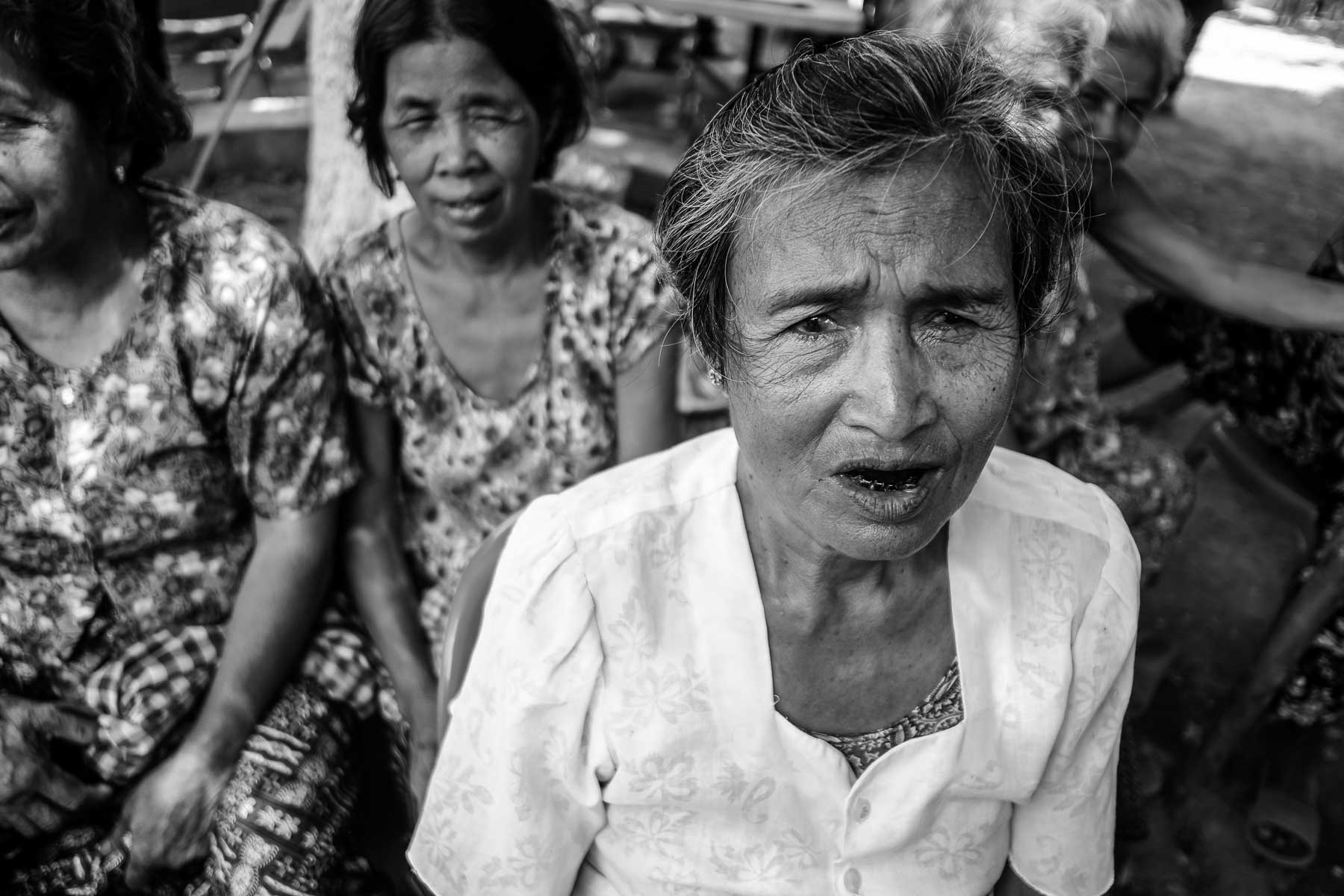
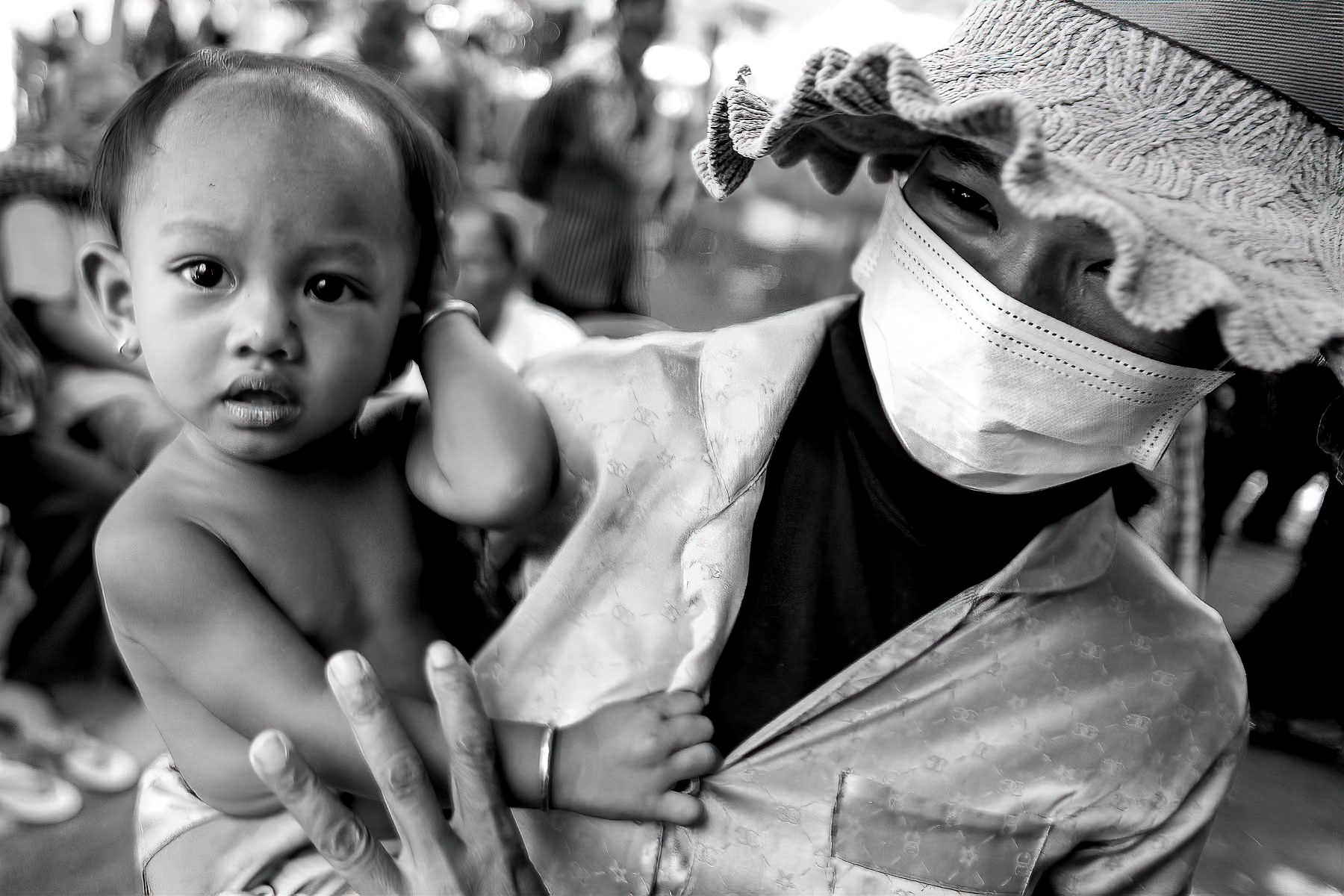
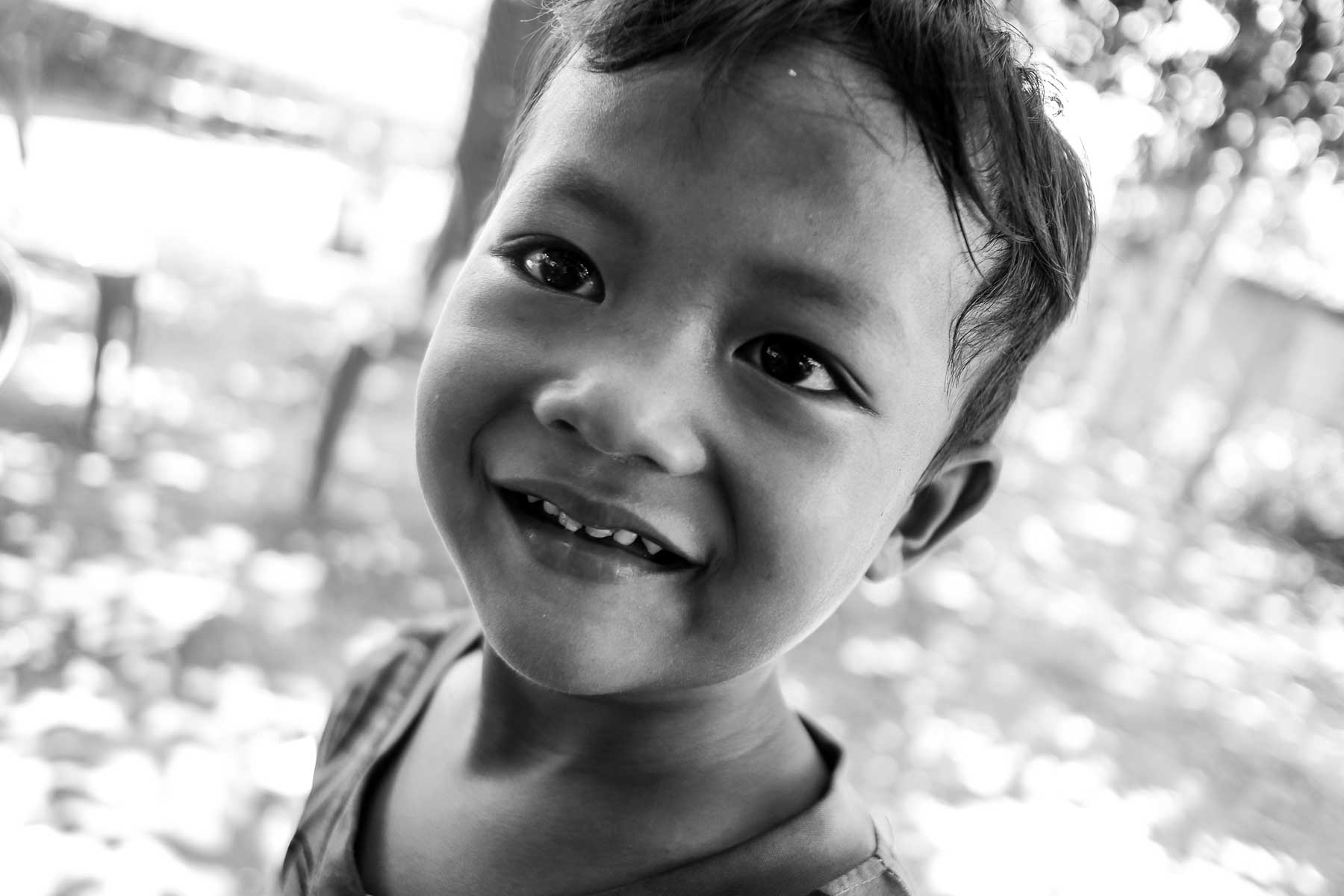
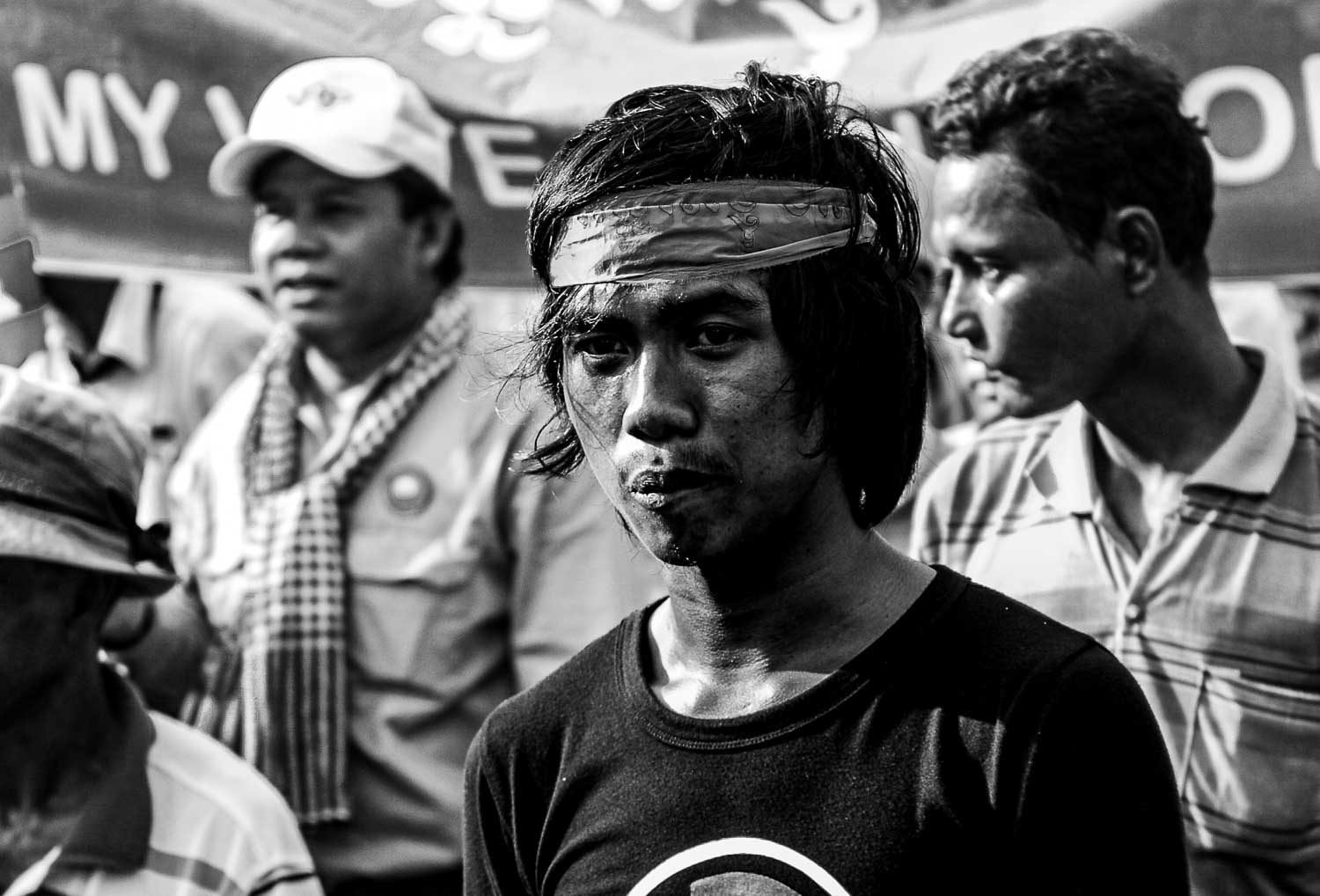
Fujifilm JPEGS are amazing! They have a unique look and feel that many photographers love. They are rich in colours, contrast and detail, and they capture the mood and atmosphere of the scene very well. For example, you can use the Classic Chrome film simulation to create a vintage and cinematic look, or the Velvia film simulation to enhance the vibrancy and saturation of your landscapes. Fujifilm JPEGS are so good because they use proprietary film simulations that emulate the characteristics of different types of film. These film simulations are based on decades of experience and research by Fujifilm, and they give the JPEGS a distinctive and artistic touch. Fujifilm JPEGS are also very versatile and customizable. You can adjust various settings such as sharpness, noise reduction, highlight tone, shadow tone, colour and white balance to fine-tune your JPEGS to your liking. You can also apply different film simulations to the same image to create different effects. For instance, you can switch from Provia to Acros to turn your colour image into a stunning black and white one, or from Astia to Eterna to change the mood from soft and gentle to dramatic and intense. Fujifilm JPEGS are a great option for those who want to save time and storage space, or who prefer to get their images right in the camera without much post-processing. They are also fun and inspiring to use, as they encourage you to experiment with different styles and moods. Fujifilm JPEGS are not just ordinary JPEGS, they are works of art!

I love the Fujifilm Provia film simulation so much! It gives me such vibrant and realistic colours in my photos. It’s my go-to choice for most situations. The only other film simulation that comes close is chrome, which has a nice contrast and saturation. But Provia is still my favourite by far!

The Fuji 27mm f2.8 (first version)

cambodia, cameras, Fujichrome, fujifilm, Lenses, opinons, thoughts, photography, pictures, street, Travel

If you are looking for a versatile and compact lens to pair with your X Pro3, you can’t go wrong with the Fujifilm 27mm f2.8. This lens is a gem for general and street photography, as it offers a fast aperture, sharp image quality, and a lightweight design. The 27mm focal length is equivalent to 41mm on a full-frame sensor, which is close to the classic 35mm field of view many photographers love. It allows you to capture many scenes, from landscapes to portraits, without distortion or cropping. The f2.8 aperture lets you shoot in low-light conditions and create beautiful bokeh effects. The lens also has a quick and silent autofocus system that works well with the X Pro3’s hybrid viewfinder. The best part is that the lens is so tiny and light that you can easily carry it around in your pocket or bag. It barely adds any bulk to the X Pro3’s sleek and retro body. The Fujifilm 27mm f2.8 is a great lens for anyone who wants to enjoy the simplicity and creativity of photography with the X Pro3.

I have owned it for quite a while but never really used the Fujifilm 27mm f2.8 lens until recently, and I have to say I’m blown away by its performance! It’s so compact and lightweight, yet it delivers sharp and crisp images with beautiful colours and contrast. It’s perfect for street photography, landscapes, and portraits. It has a fast autofocus and a smooth aperture ring that lets me control the depth of field easily. I love how it makes my camera look sleek and discreet, and how it fits in my pocket when I’m on the go. This lens is a gem and I’m so glad I finally gave it a chance!

Restricted on face book

cambodia, opinons, thoughts, photography, pictures, public, street

My account has been restricted on FB for 2 days for displaying this picture which they say goes against FB rules

How anyone could find this image to be offensive or sexual in any way is certainly beyond me.

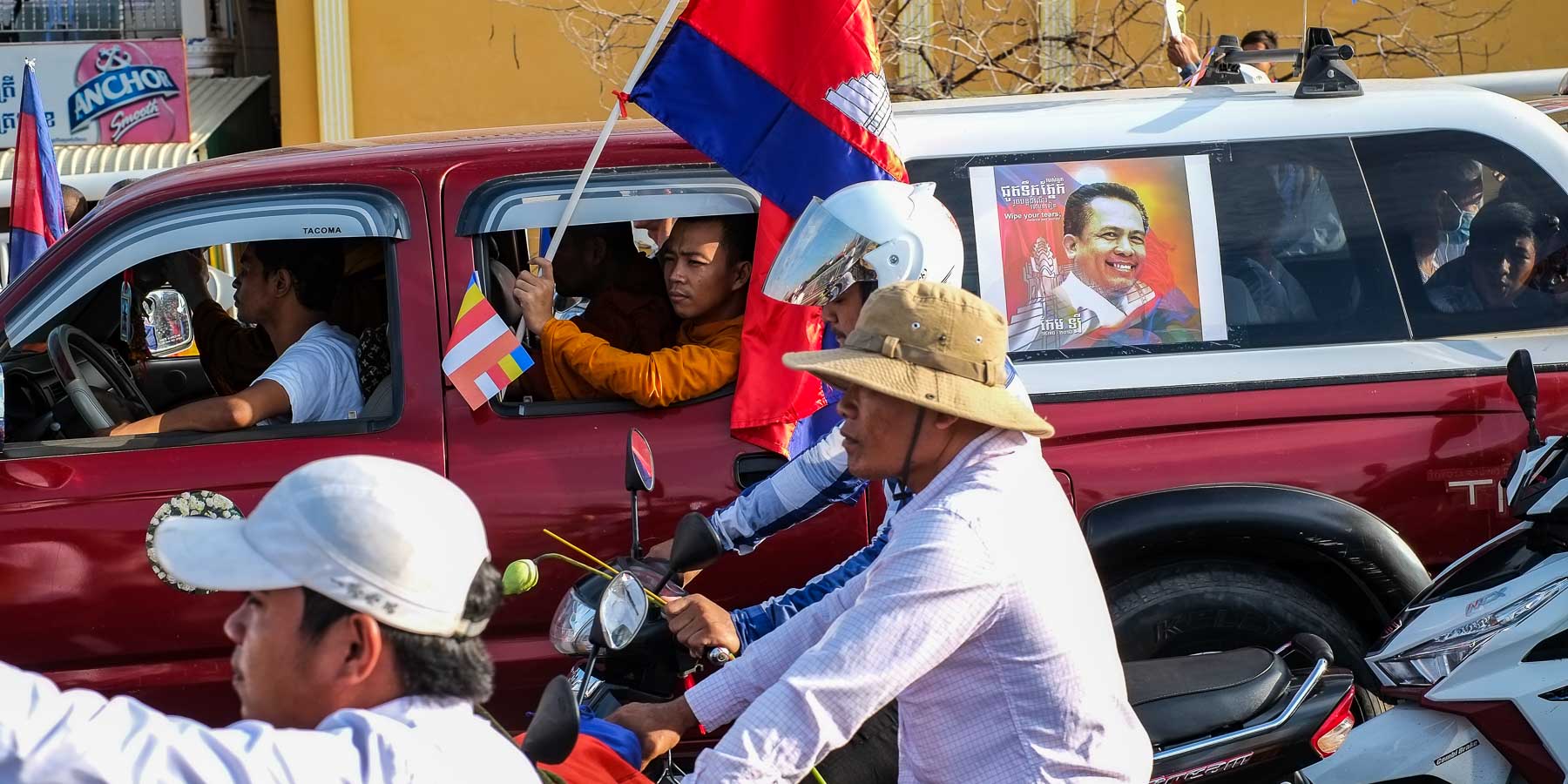
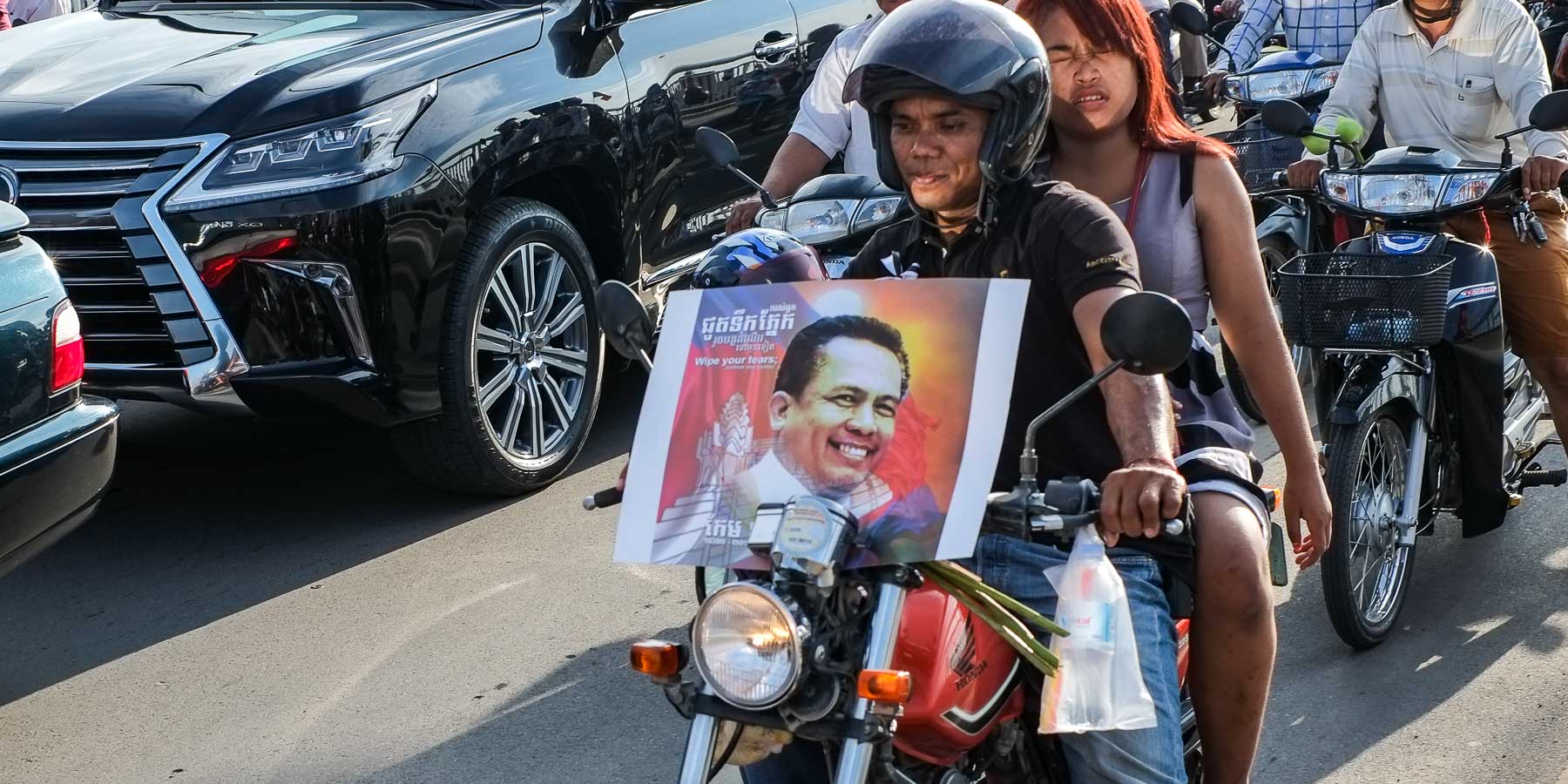
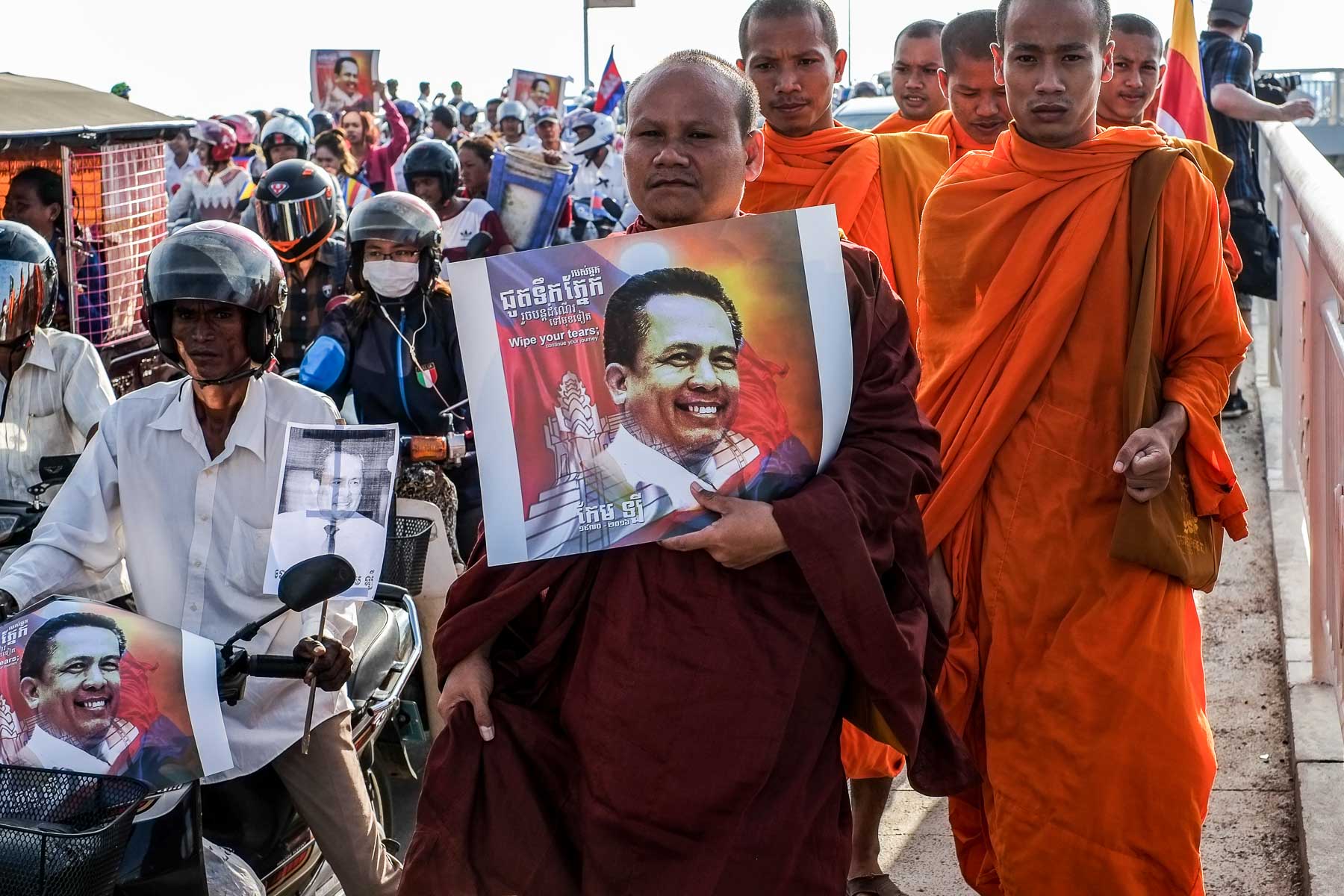
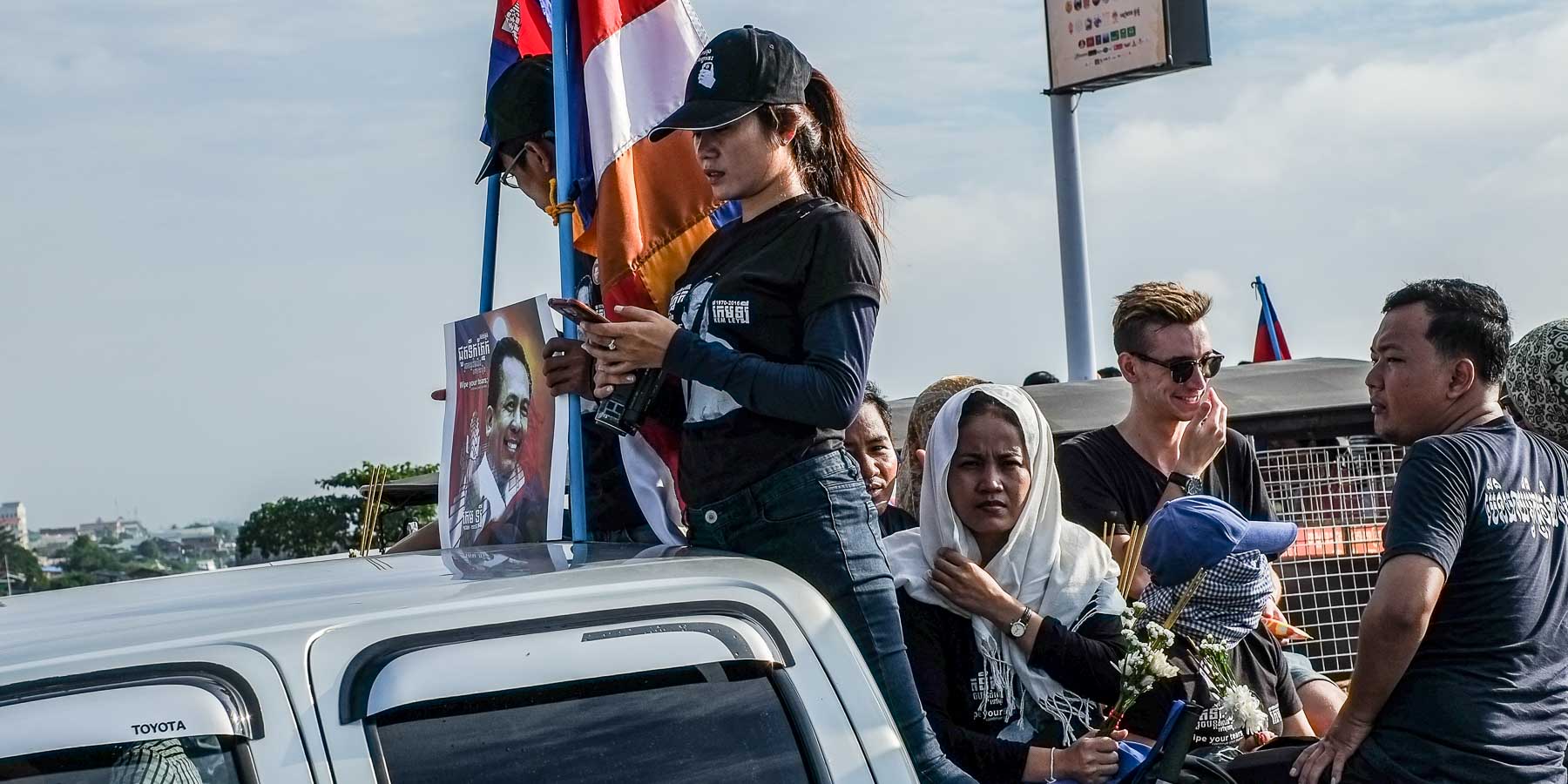
Covering Local Political Events in Cambodia

cambodia, conflict, opinons, thoughts, photography, pictures, street, Travel, voluntary

Making Black and white images

opinons, thoughts, photography, printers, printing, processing, street, Travel

One of my favourite hobbies is creating black-and-white images. I enjoy the process of transforming a colourful picture into a monochrome one, using different techniques and tools. I find that black and white images have a unique aesthetic and mood, that can convey emotions and messages more effectively than color. I also like the challenge of working with shades of grey, contrast, and texture, to create a balanced and harmonious composition. Black and white images are timeless and classic, and they can capture the essence and beauty of any subject.

One of the most powerful ways to create a stunning black-and-white image is to use contrast and tones effectively. Contrast is the difference between light and dark areas in an image, and tones are the shades of grey that make up the image. By manipulating contrast and tones, you can enhance the mood, drama, and emotion of your image, as well as draw attention to the main subject and create a sense of depth. But contrast and tones alone are not enough to make a black-and-white image work. You also need good content, which means a strong composition, a clear message, and an interesting story. Content is what gives meaning and purpose to your image, and what makes it stand out from the crowd. Without good content, contrast and tones will not have much impact. Therefore, when you are creating a black-and-white image, you should always consider both the technical and the artistic aspects of your work, and use contrast and tones to enhance your content, not to replace it.

Making a black-and-white image from a digital colour image can be a creative way to highlight the shapes, textures and contrasts in your photos. However, not all colour images look good in black and white. You need to consider some factors before converting your images, such as the tonal range, the subject matter and the mood you want to convey.

One of the easiest ways to convert a colour image to black and white is to use an adjustment layer in Photoshop or a similar photo editing software. An adjustment layer allows you to apply a grayscale conversion without affecting the original image. You can also fine-tune the results by adjusting the brightness and contrast of different colours in your image.

To create a black-and-white adjustment layer in Photoshop, follow these steps:

  1. Open your colour image in Photoshop.
  2. Go to Layer > New Adjustment Layer > Black & White. Name the layer and click OK.
  3. Photoshop will apply a default grayscale conversion to your image. You can see the effect in the Layers panel and on the canvas.
  4. To adjust the grayscale conversion, go to the Properties panel and use the sliders to change the brightness of different colours in your image. For example, you can drag the Red slider to the left to darken the red areas or drag it to the right to lighten them.
  5. You can also use the Auto button to let Photoshop choose the best grayscale mix for your image, or use the Preset menu to select a predefined grayscale mix.
  6. If you want to add a tint to your black and white image, check the Tint box and click on the colour swatch to choose a tint colour.
  7. When you are happy with your black-and-white image, save it as a new file or export it as you wish.

By using an adjustment layer, you can easily convert your colour image to black and white and make it pop with some simple adjustments.

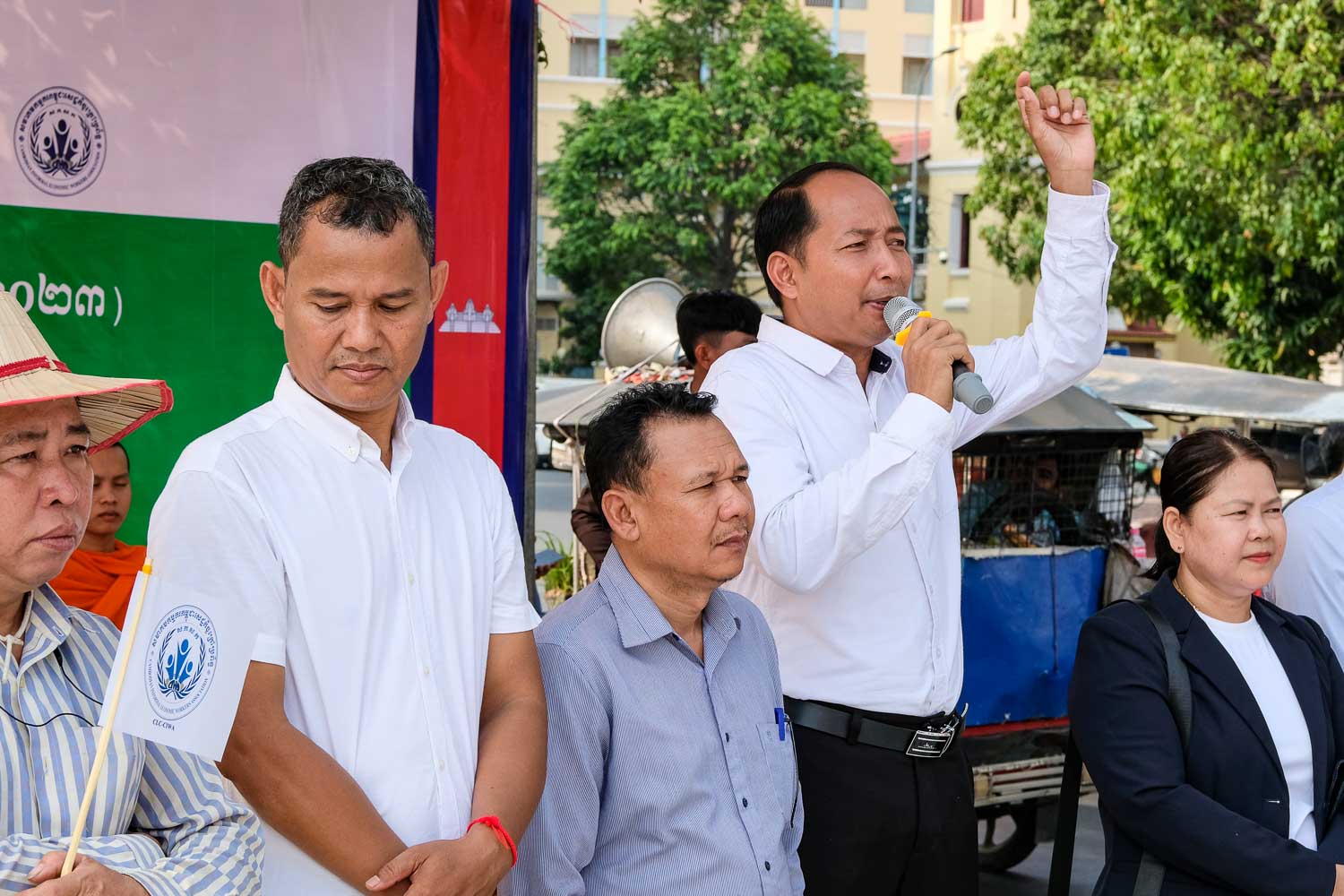
Cambodian Labour Day 2023

cambodia, conflict, opinons, thoughts, photography, pictures, street

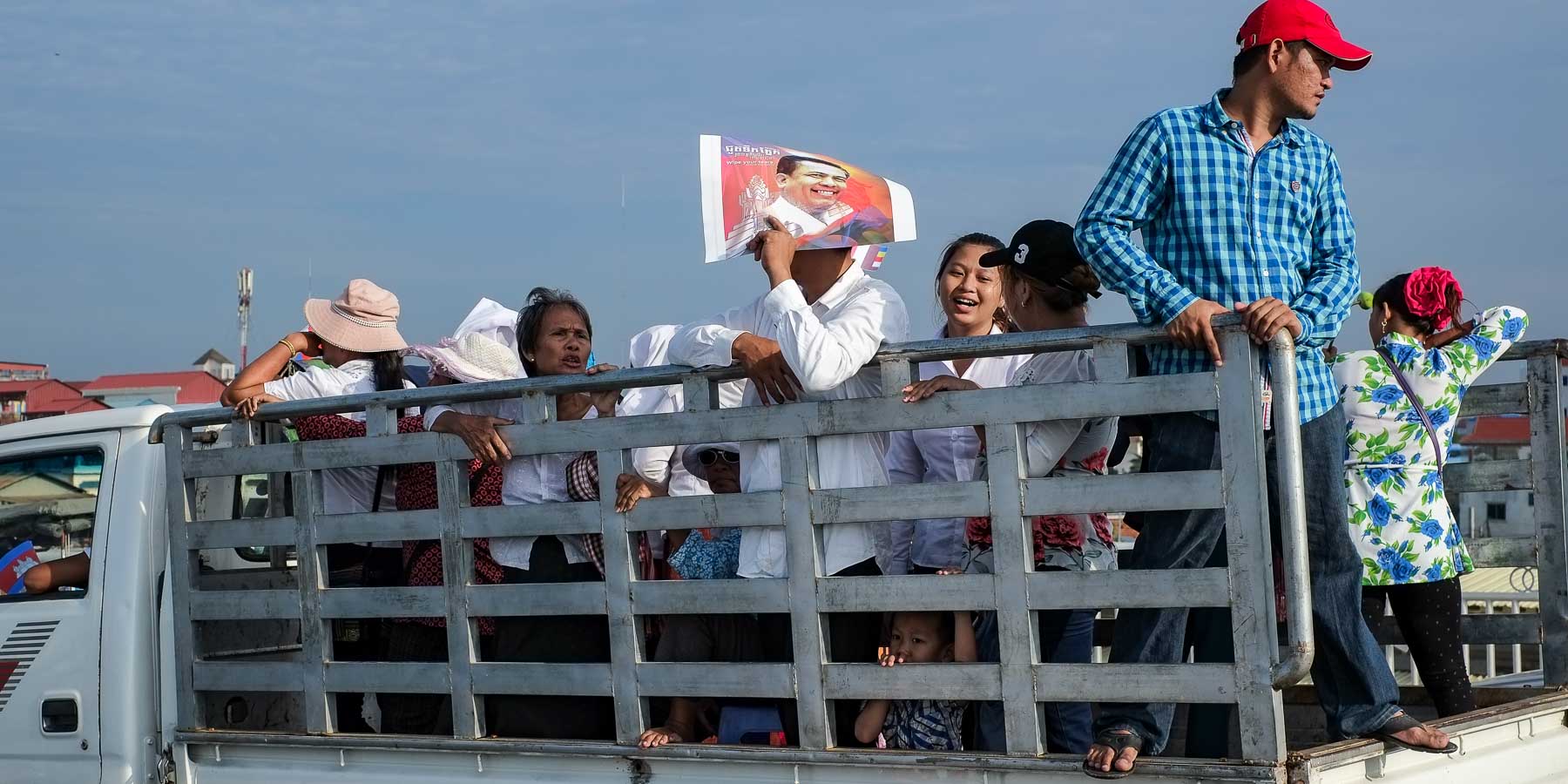
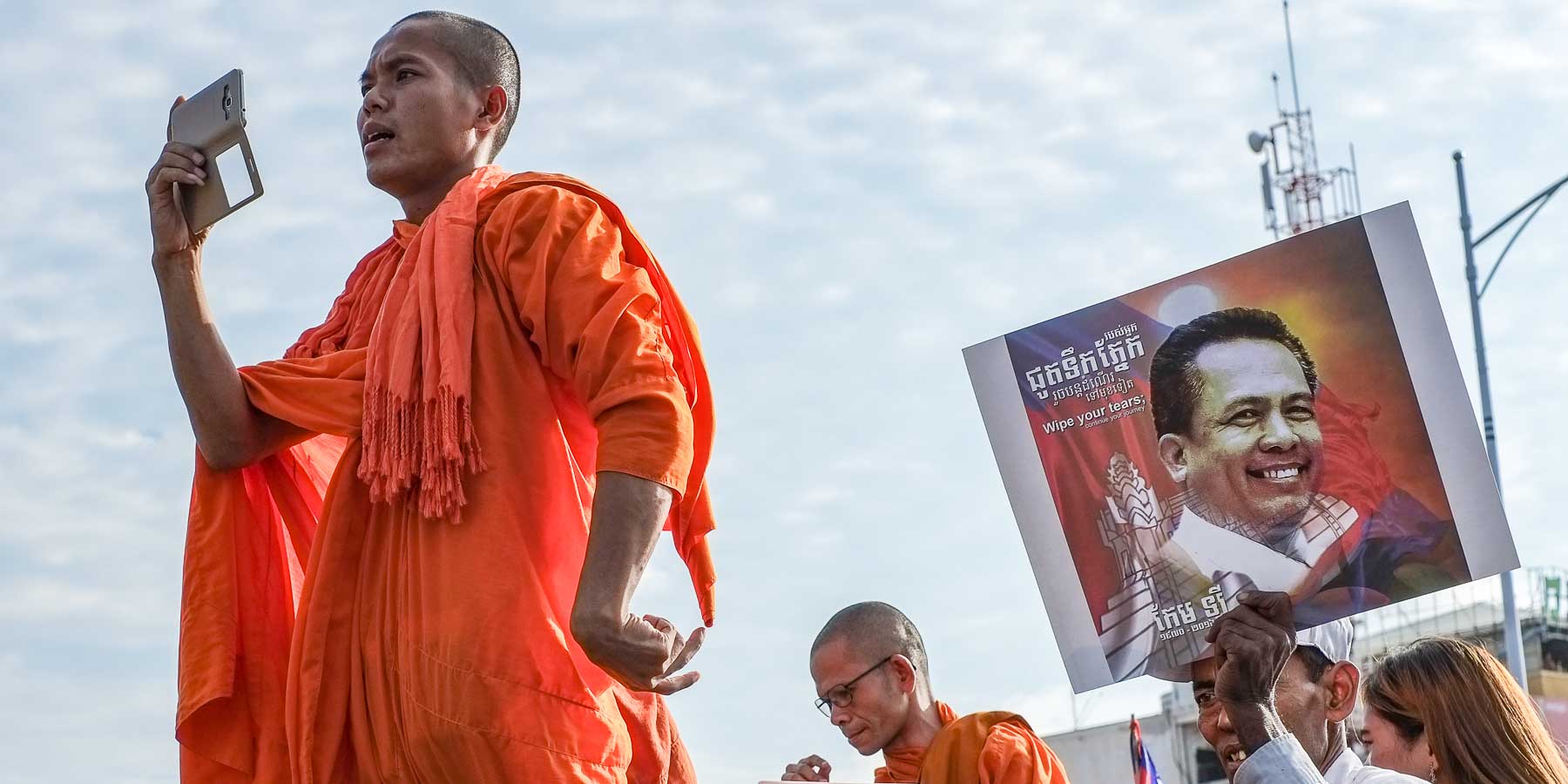
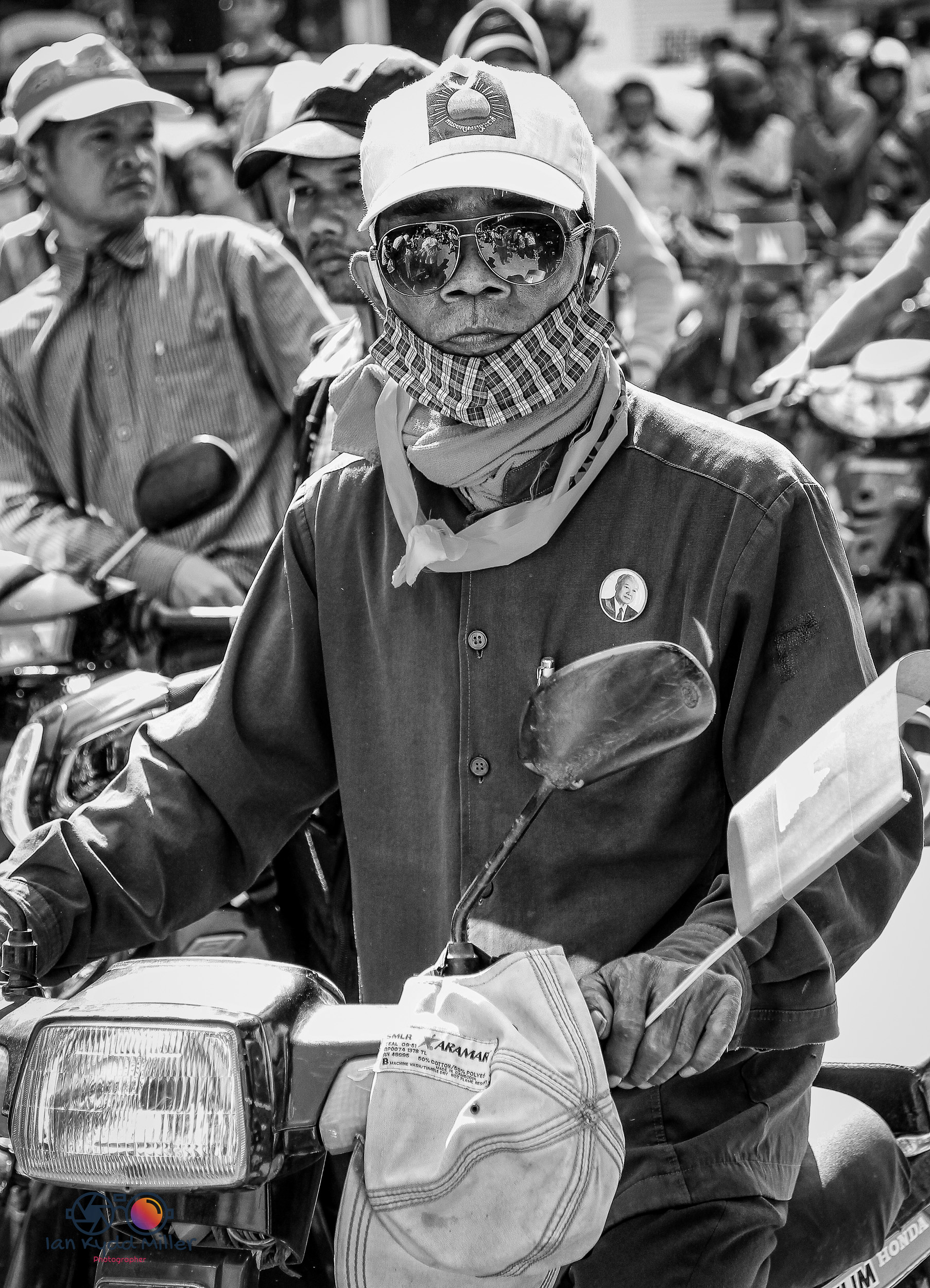
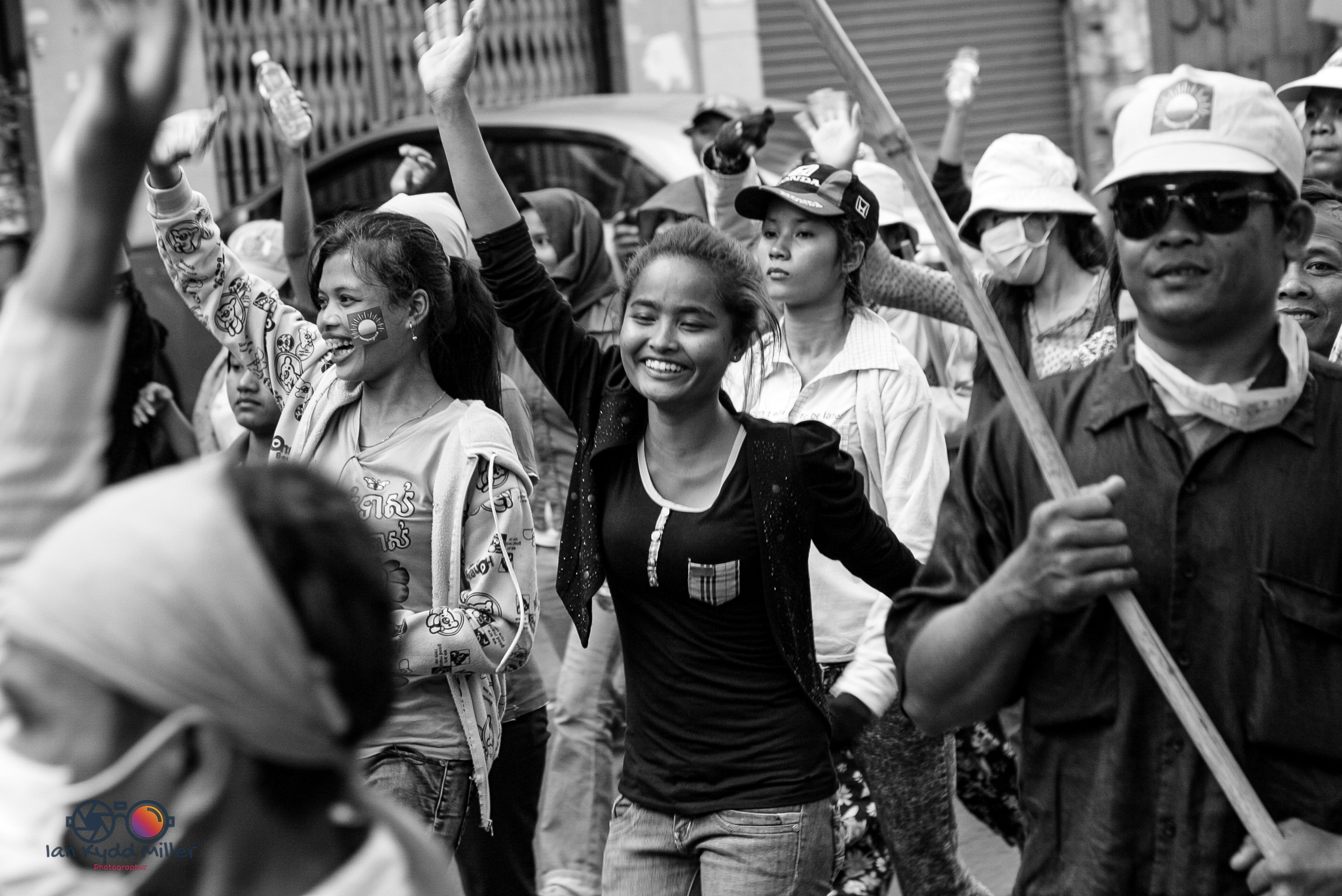
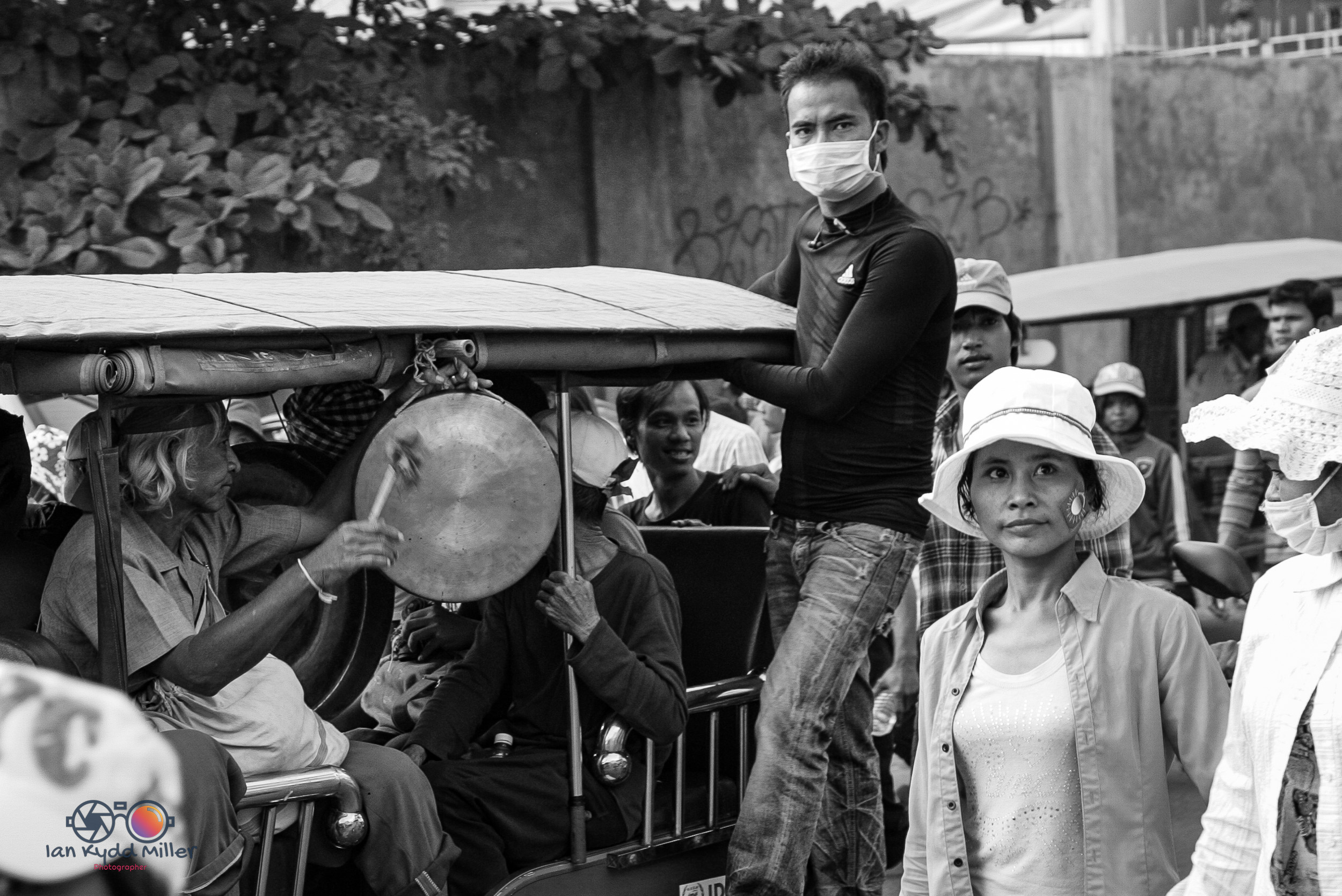
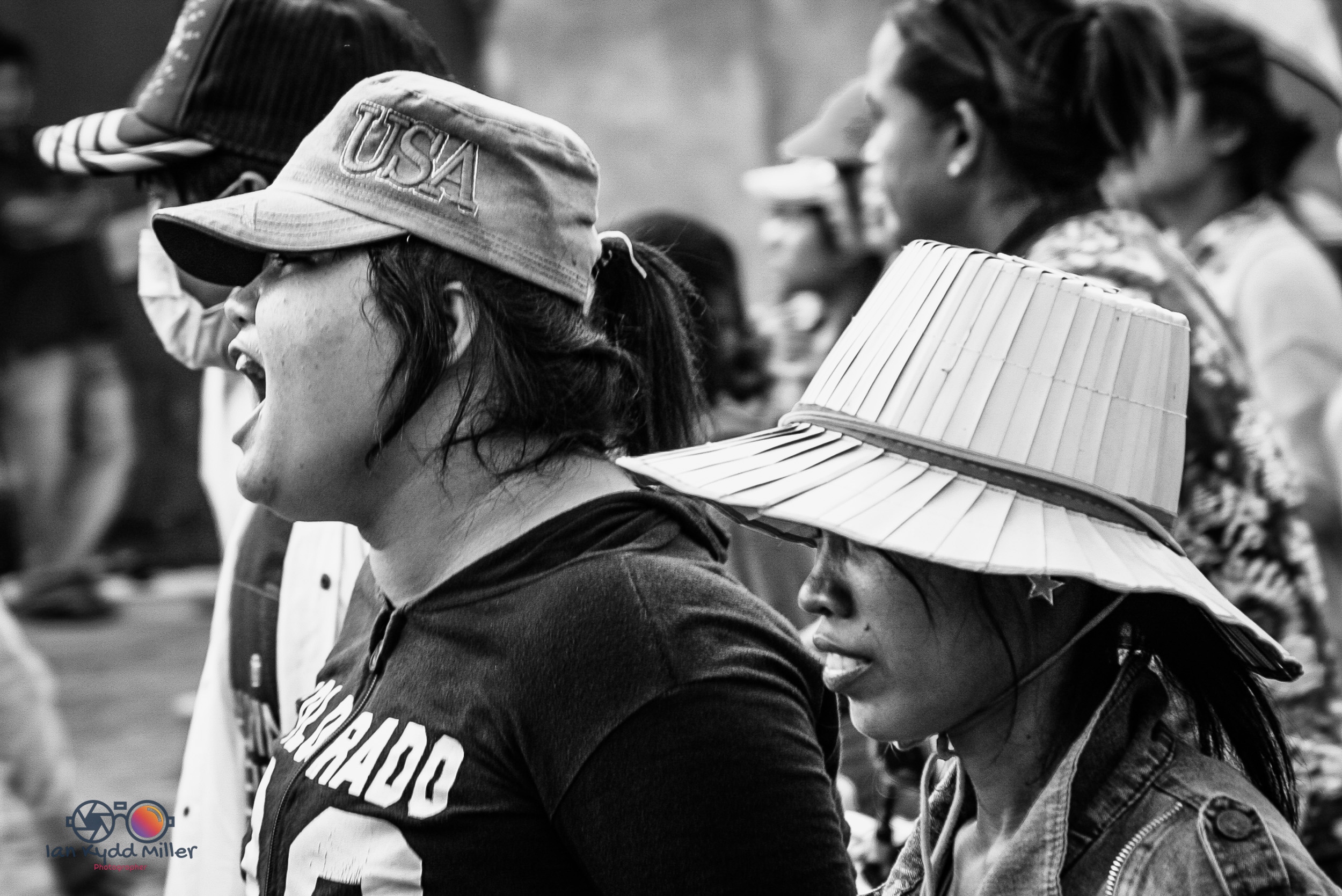
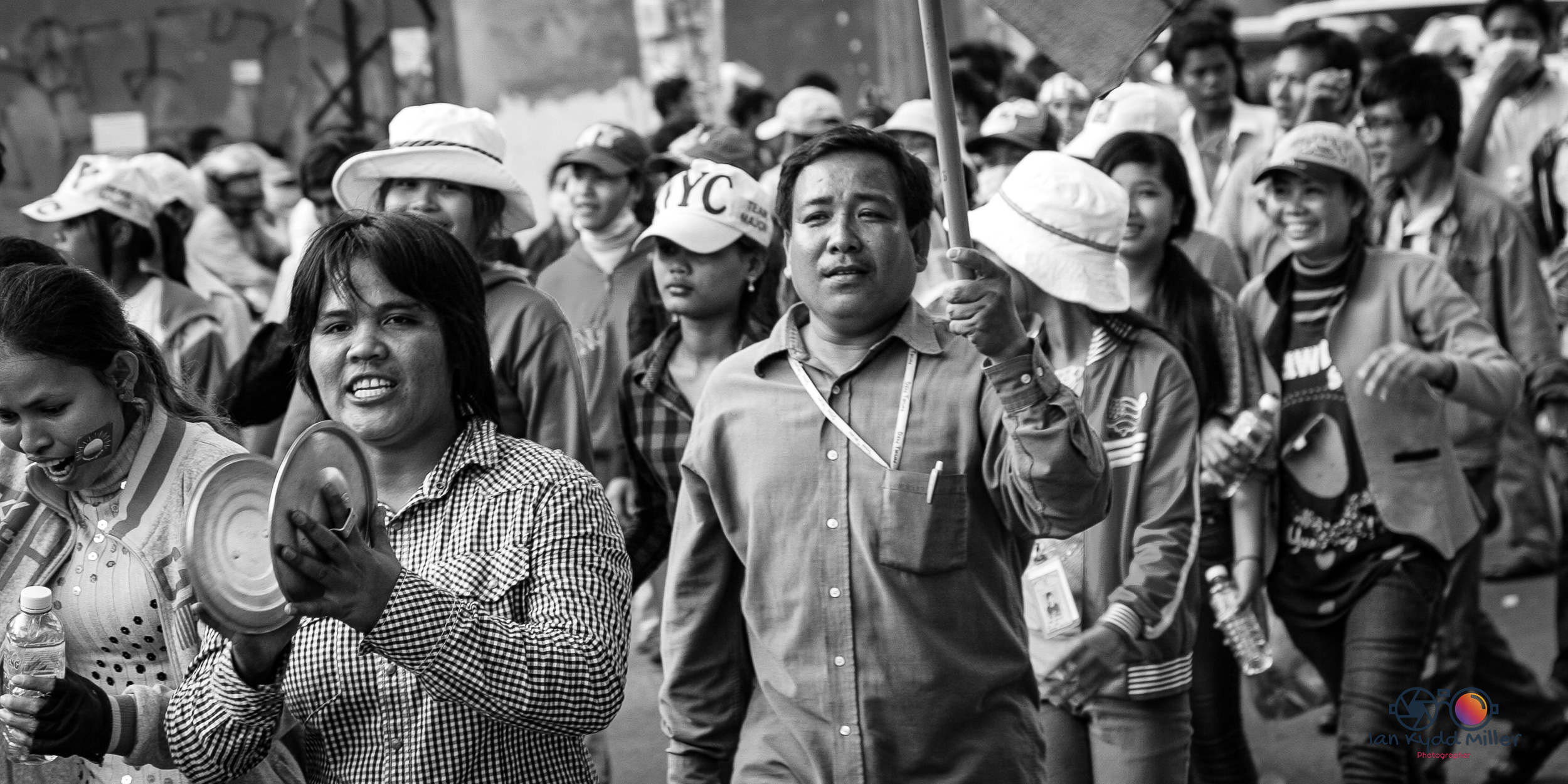
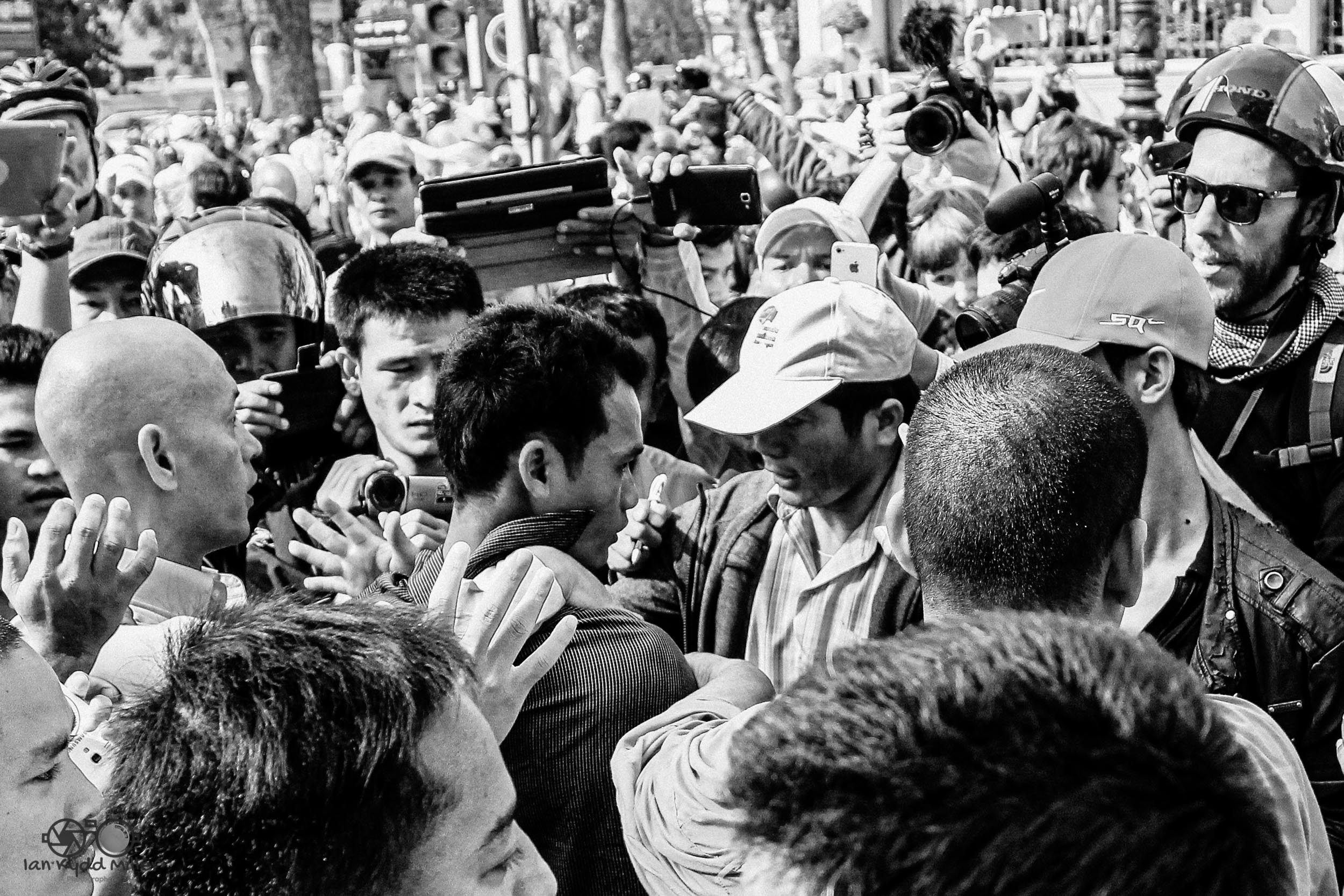
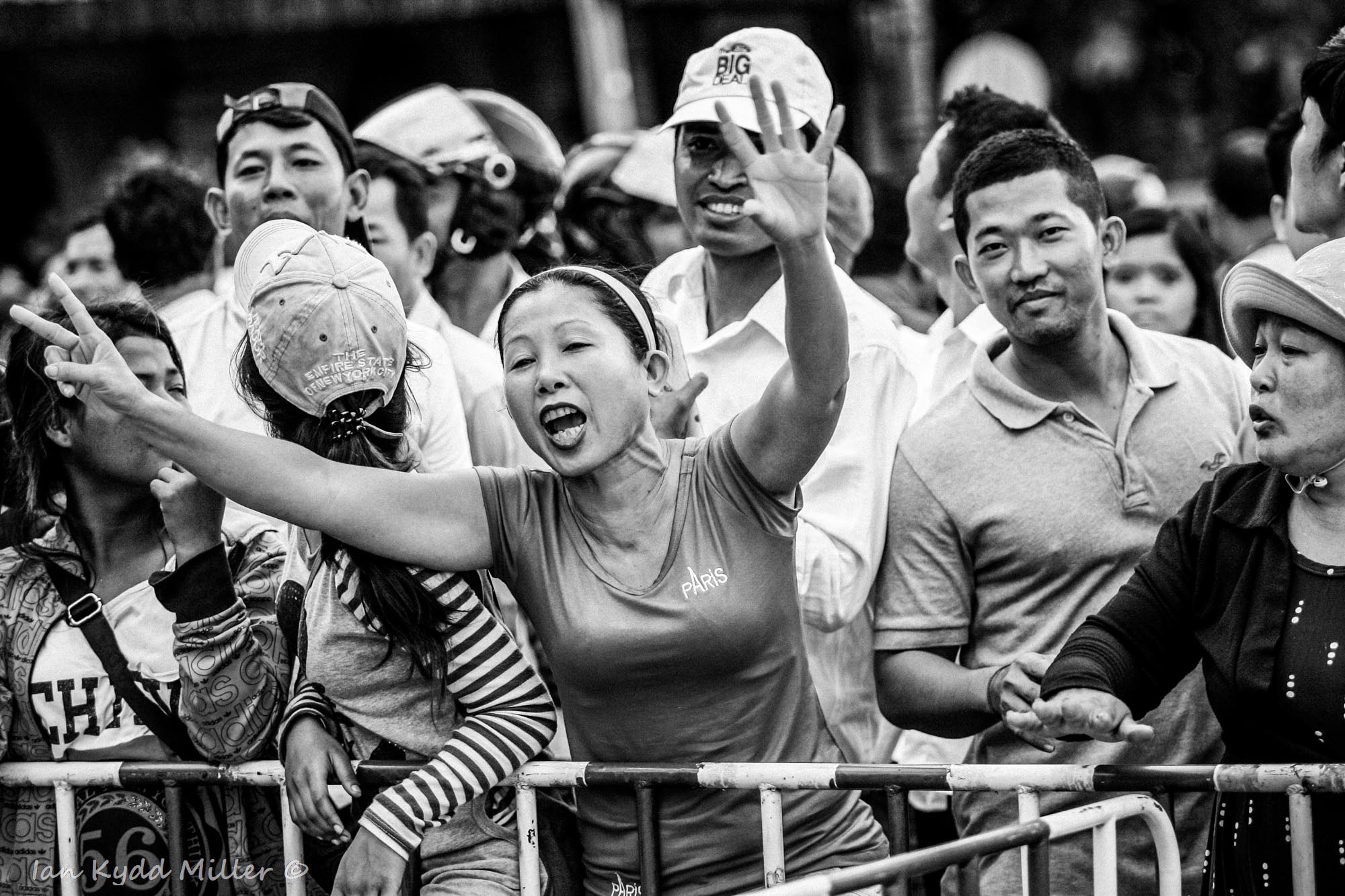
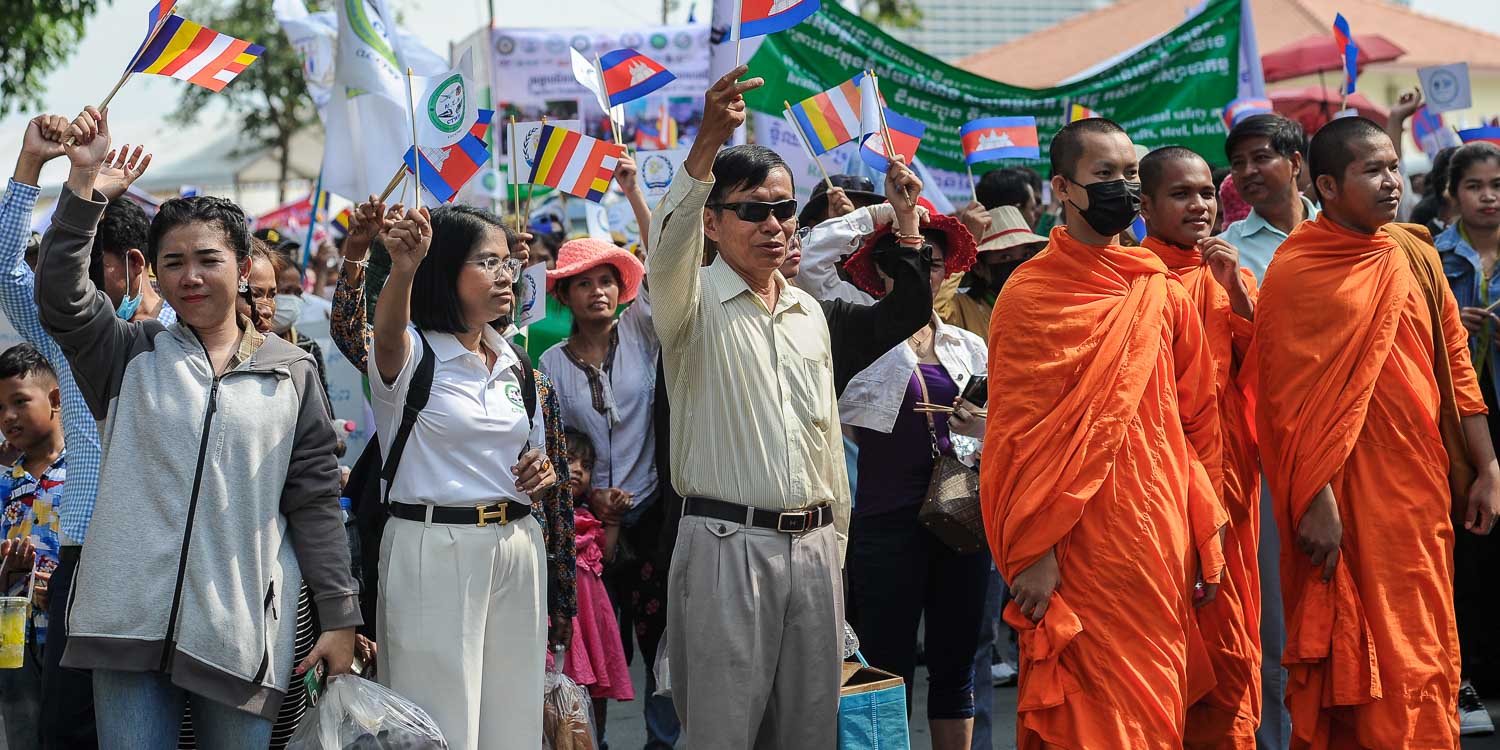
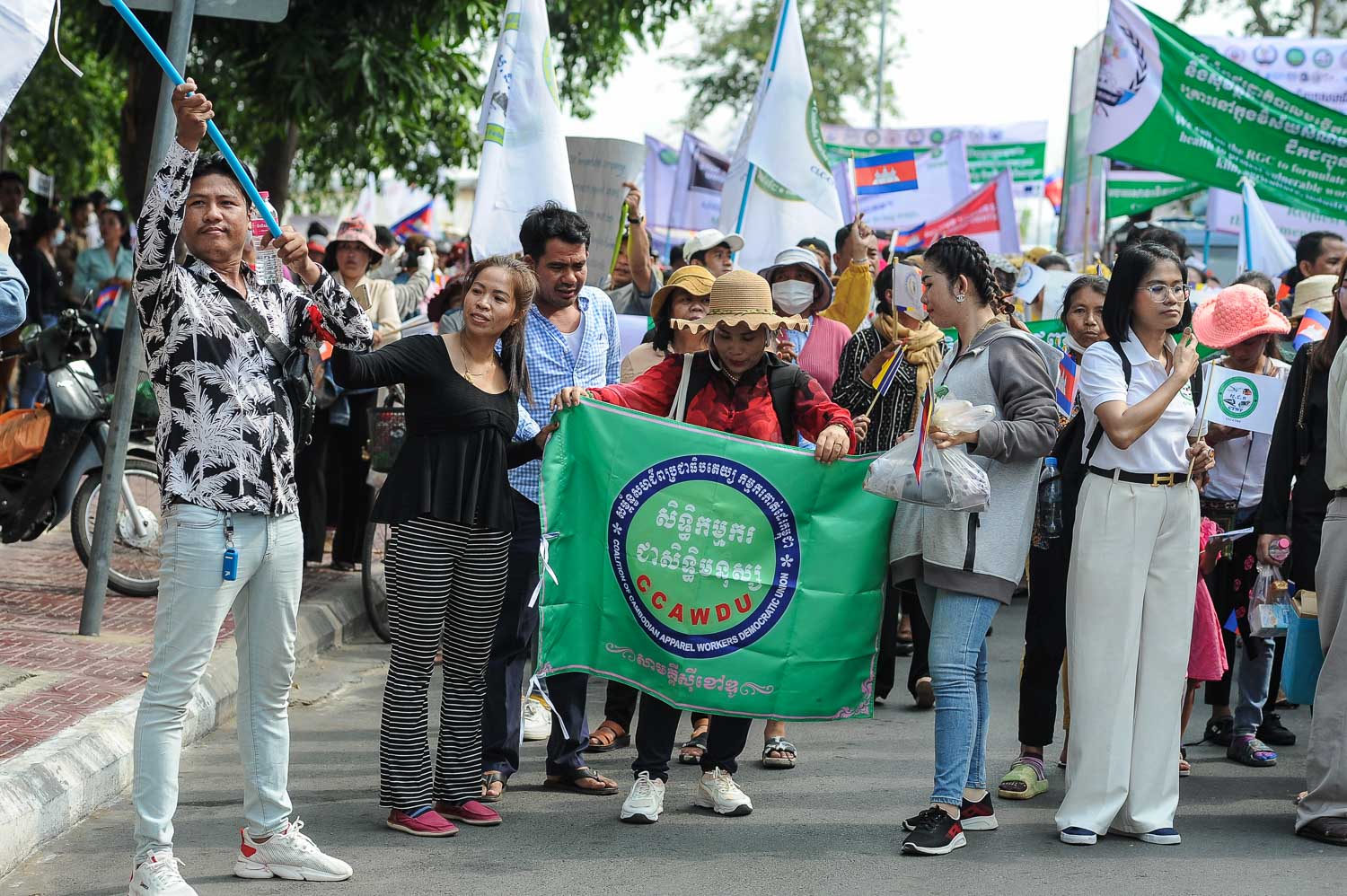
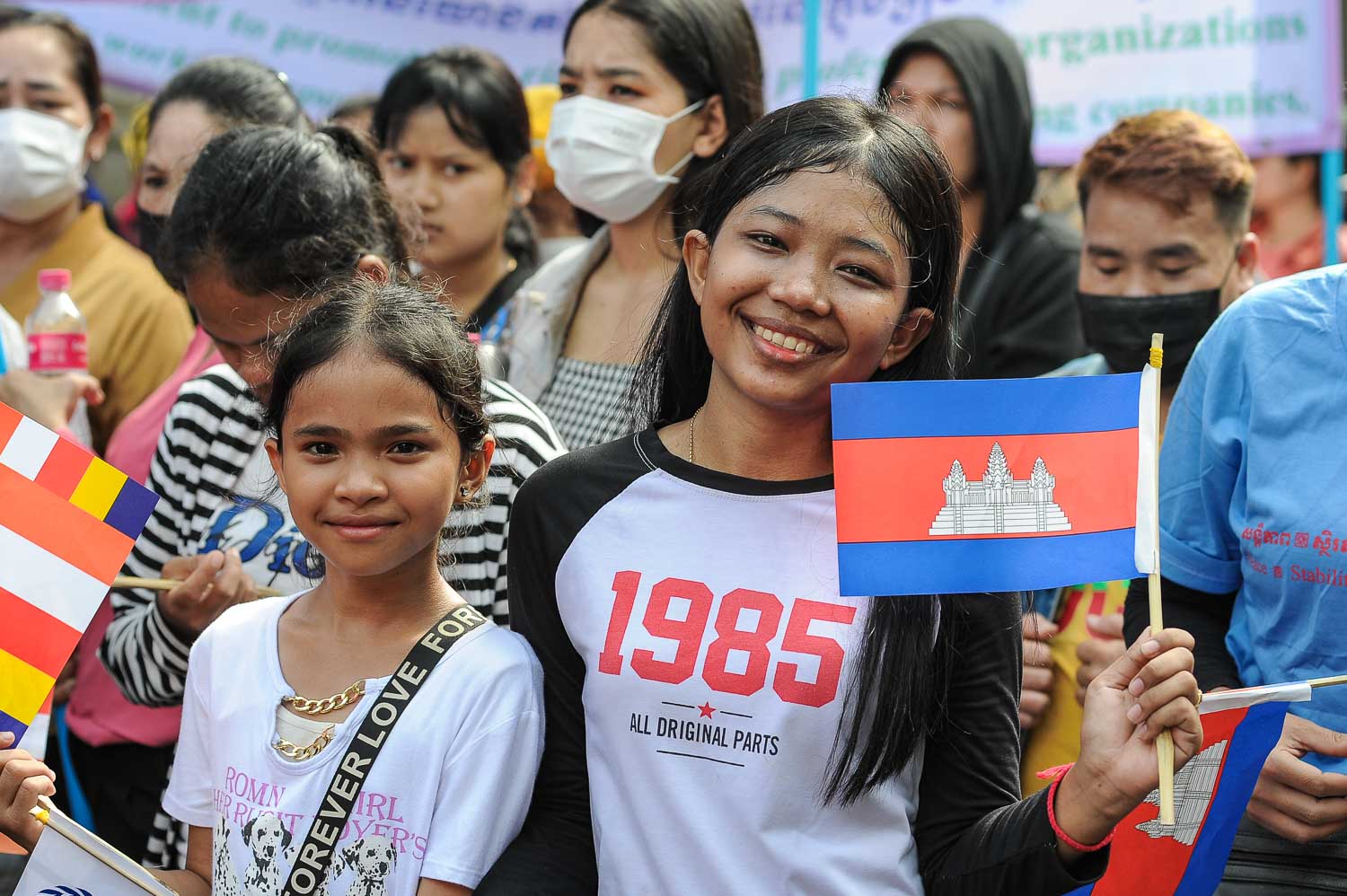
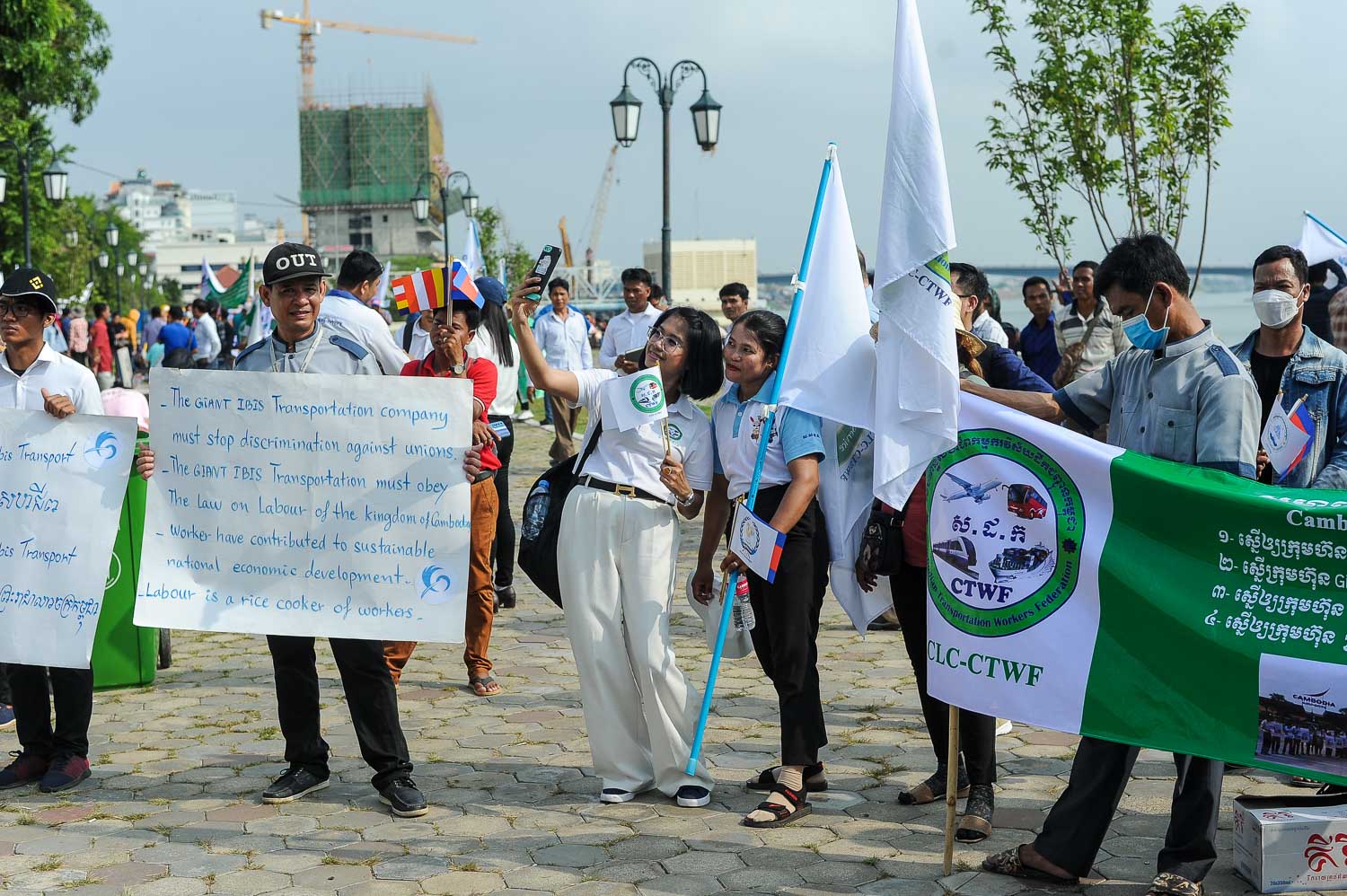
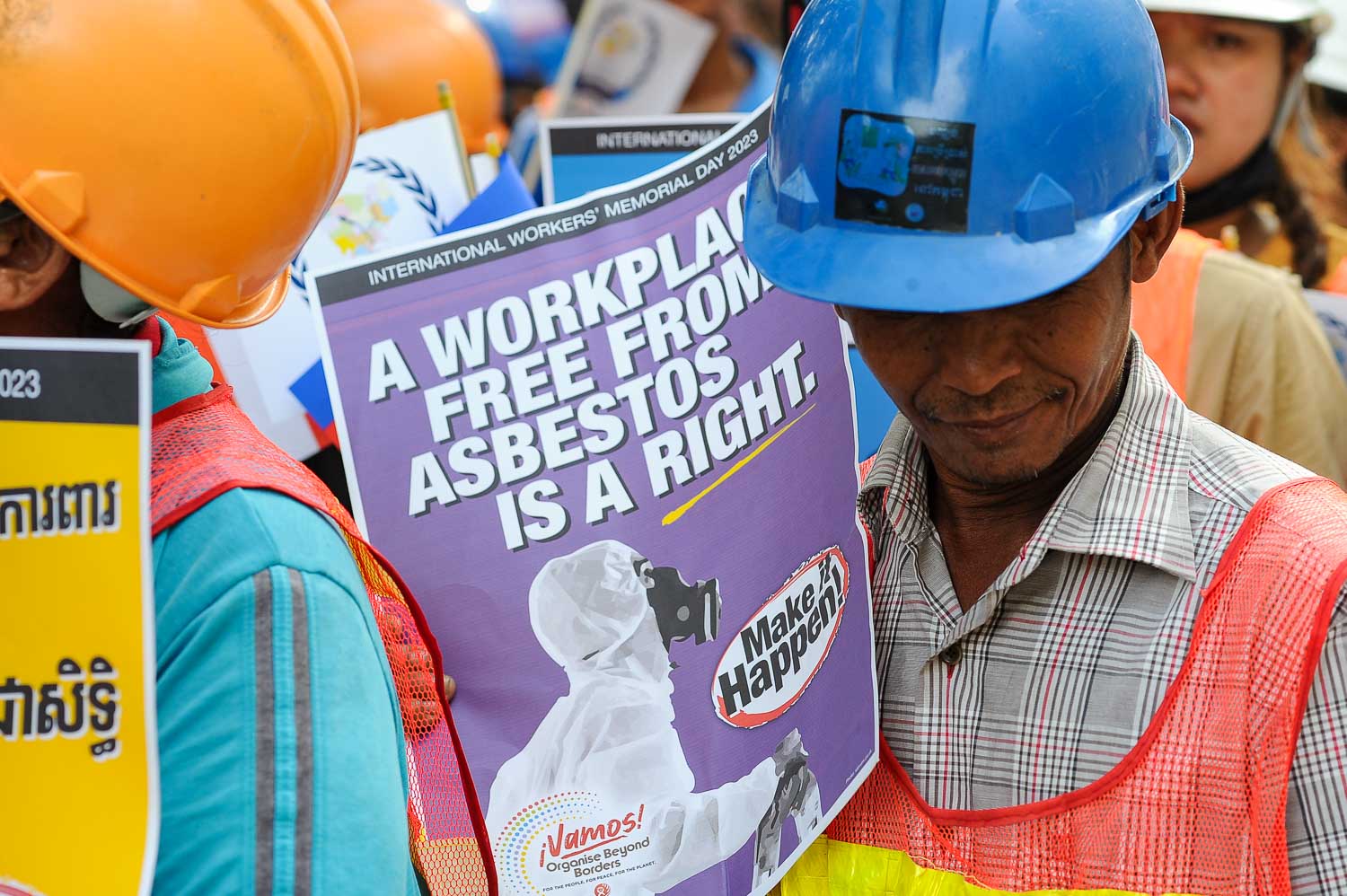
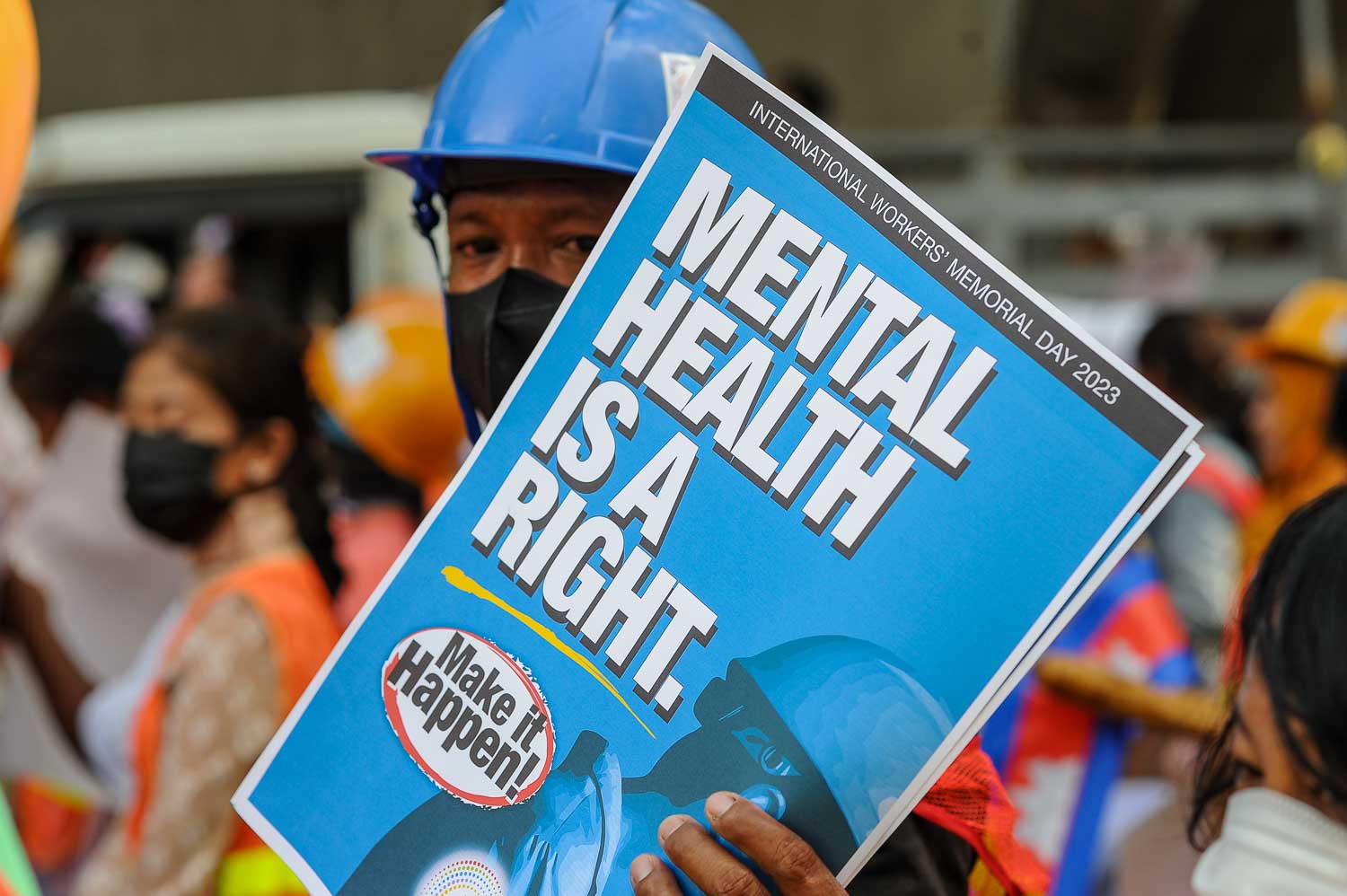
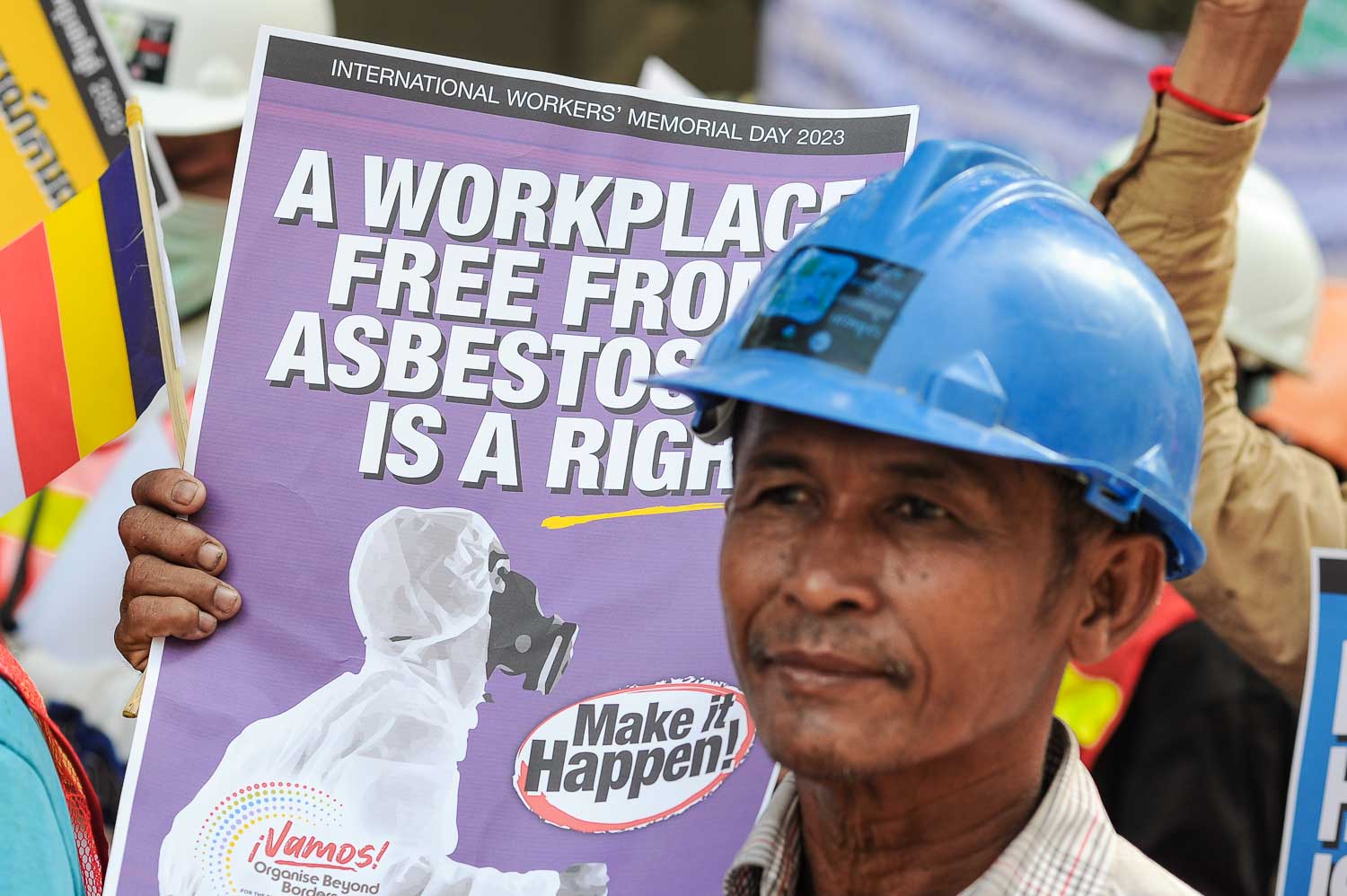
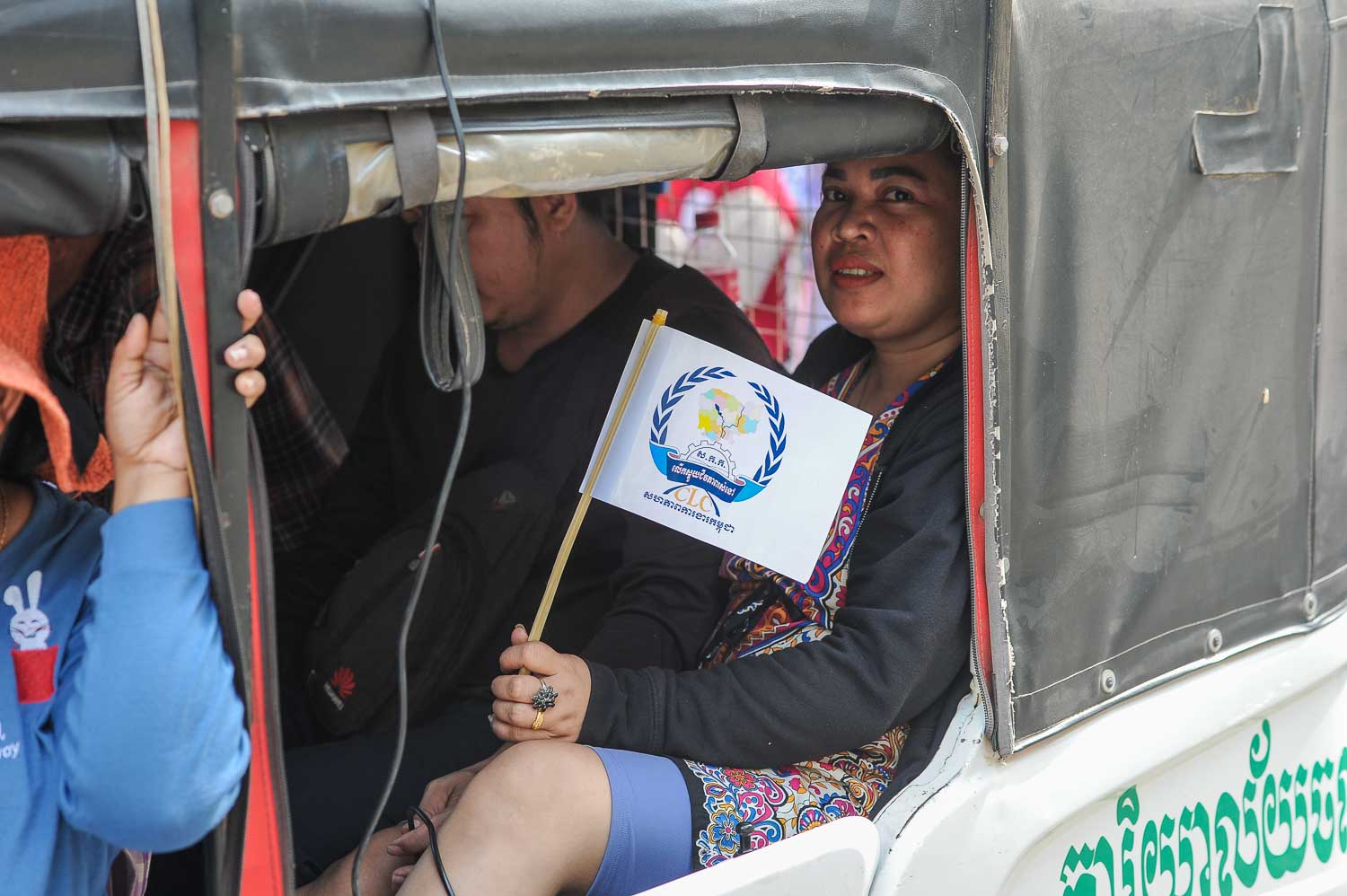
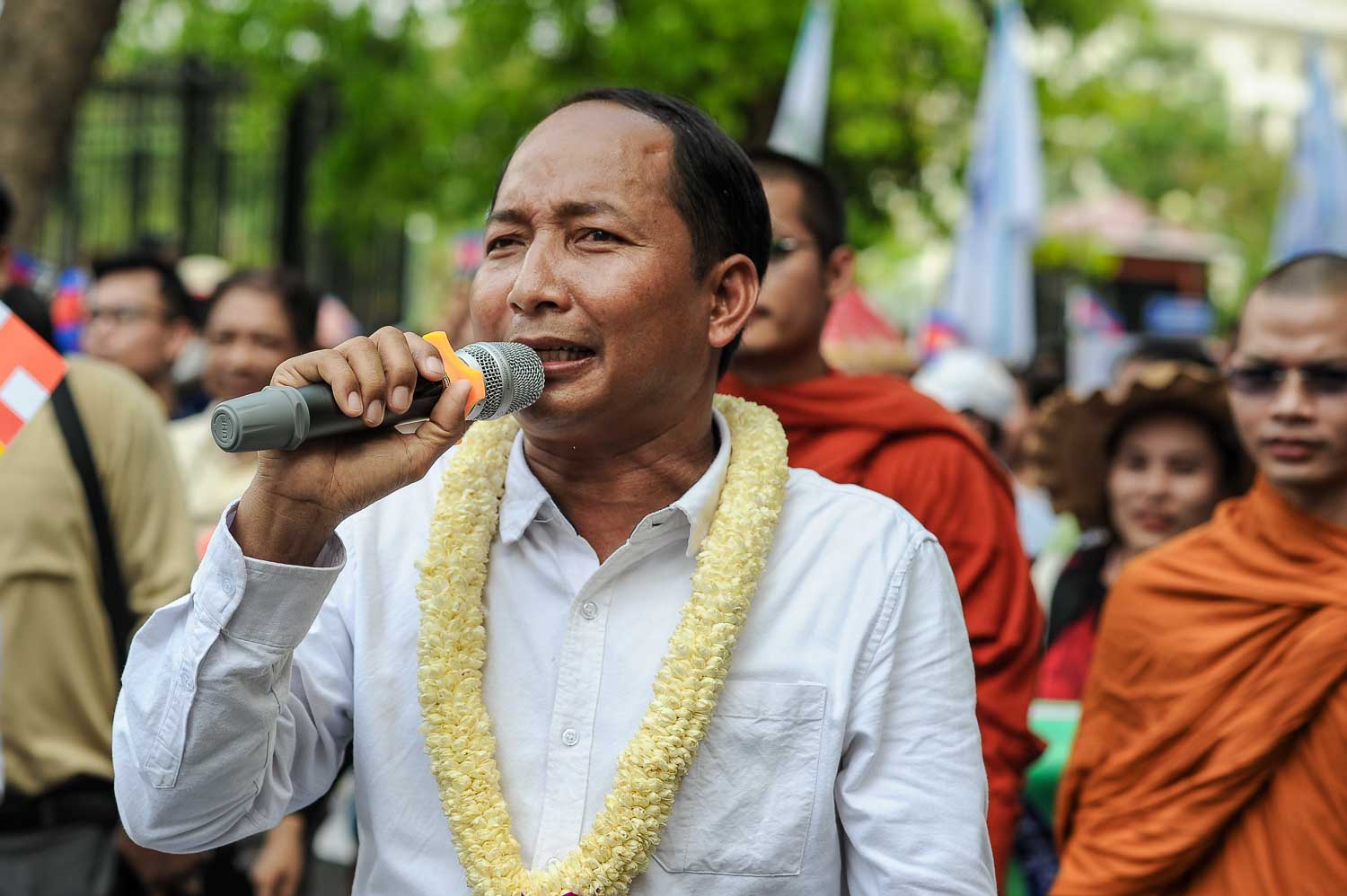
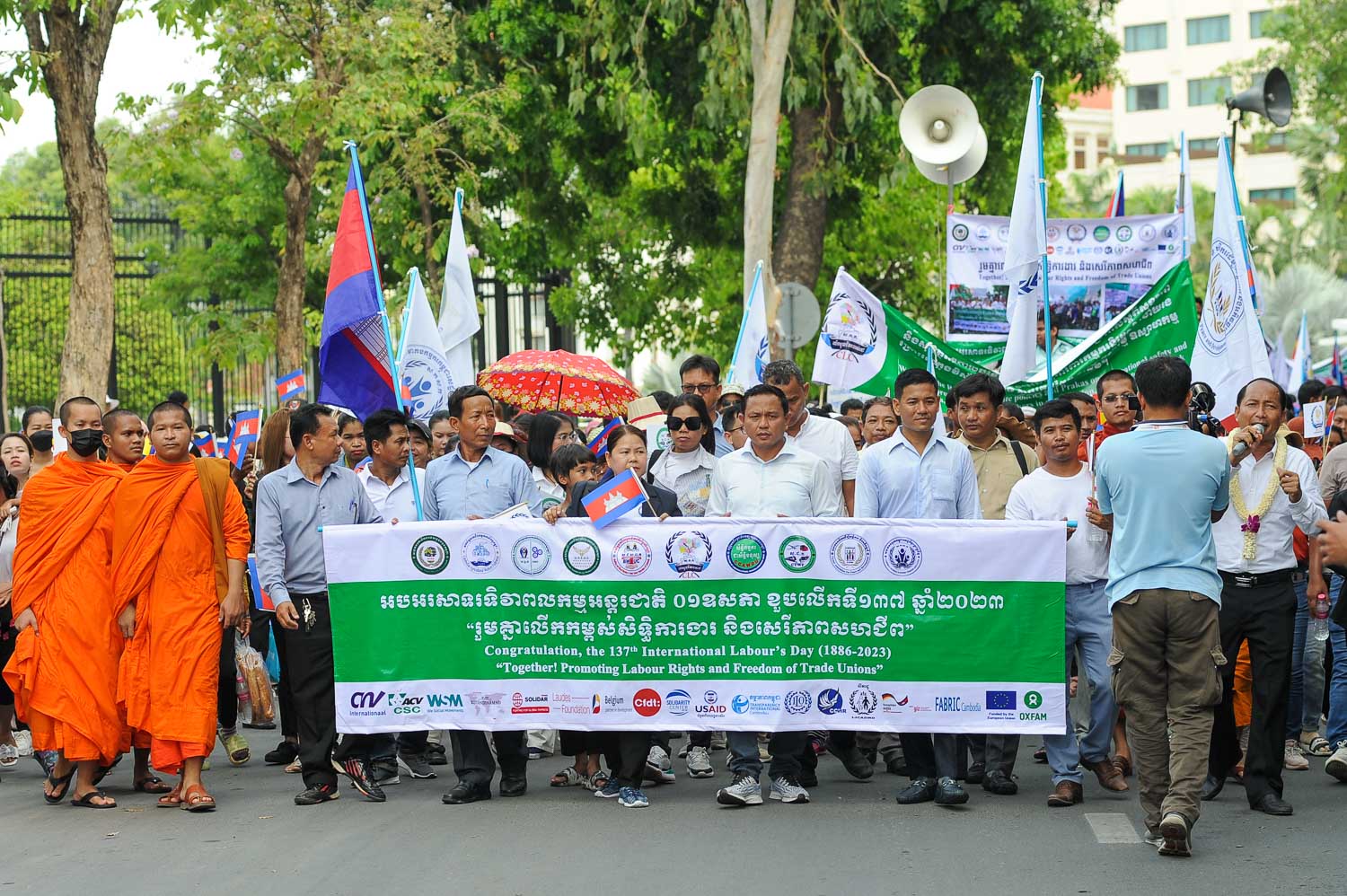
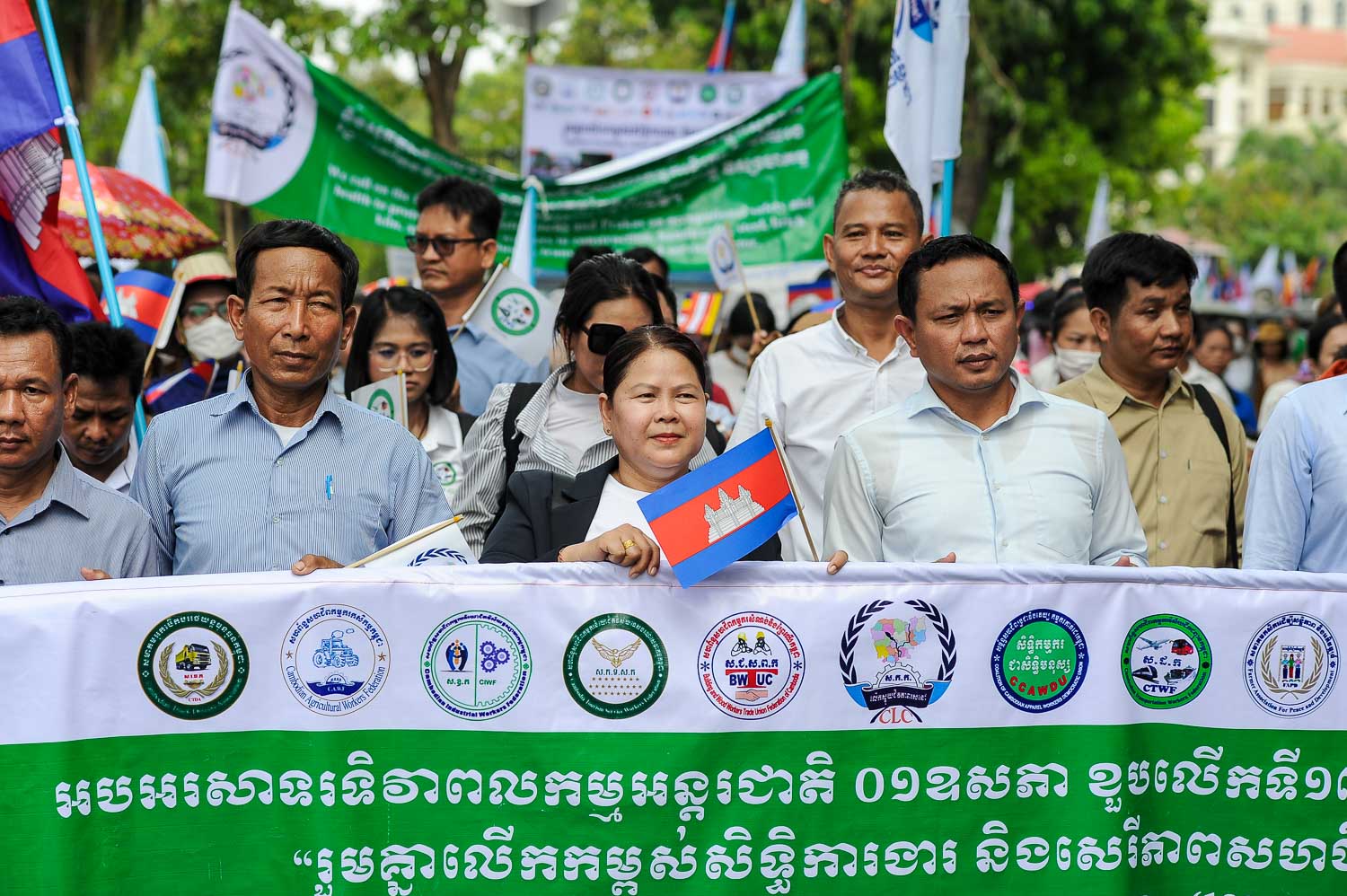
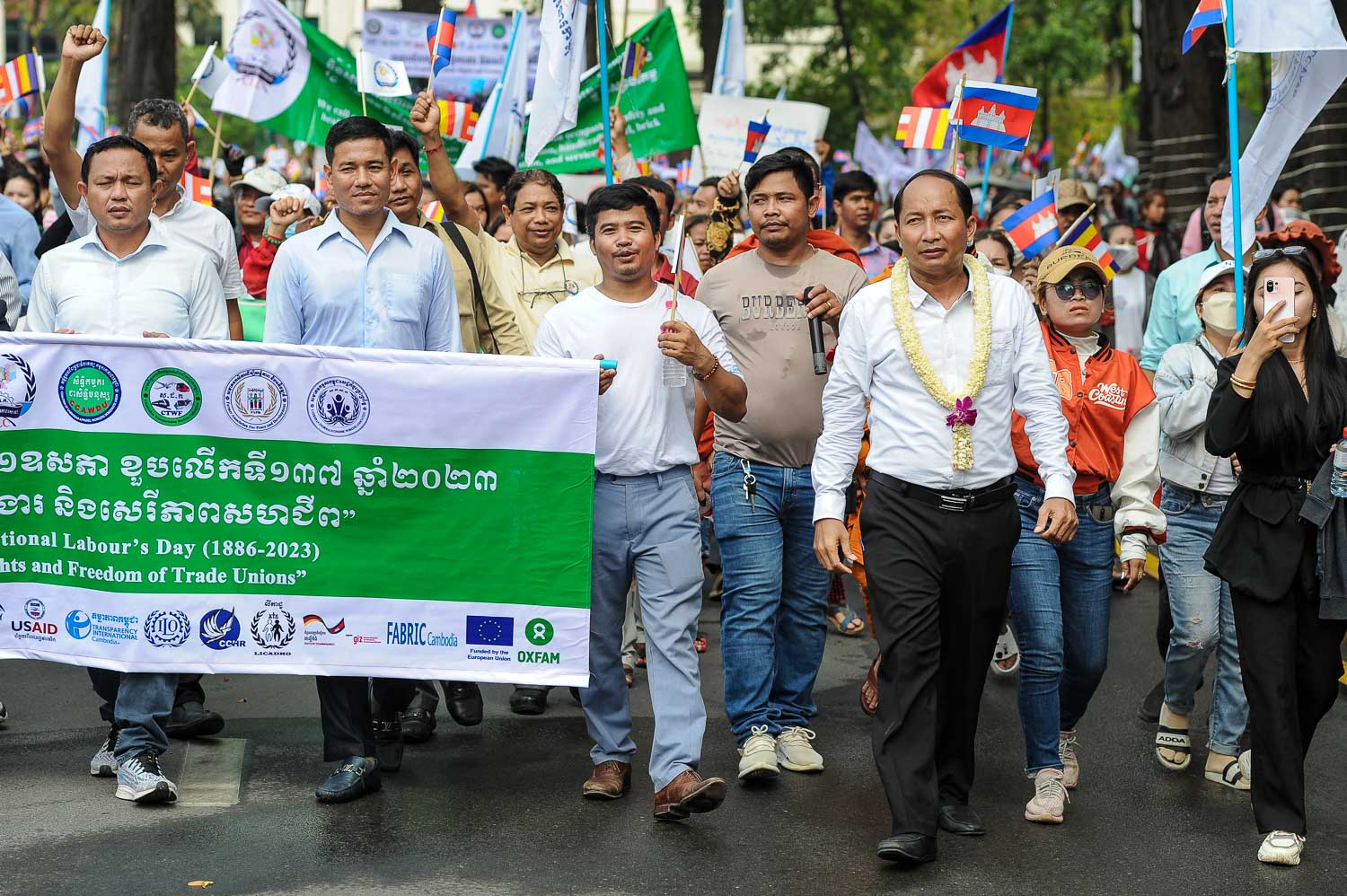
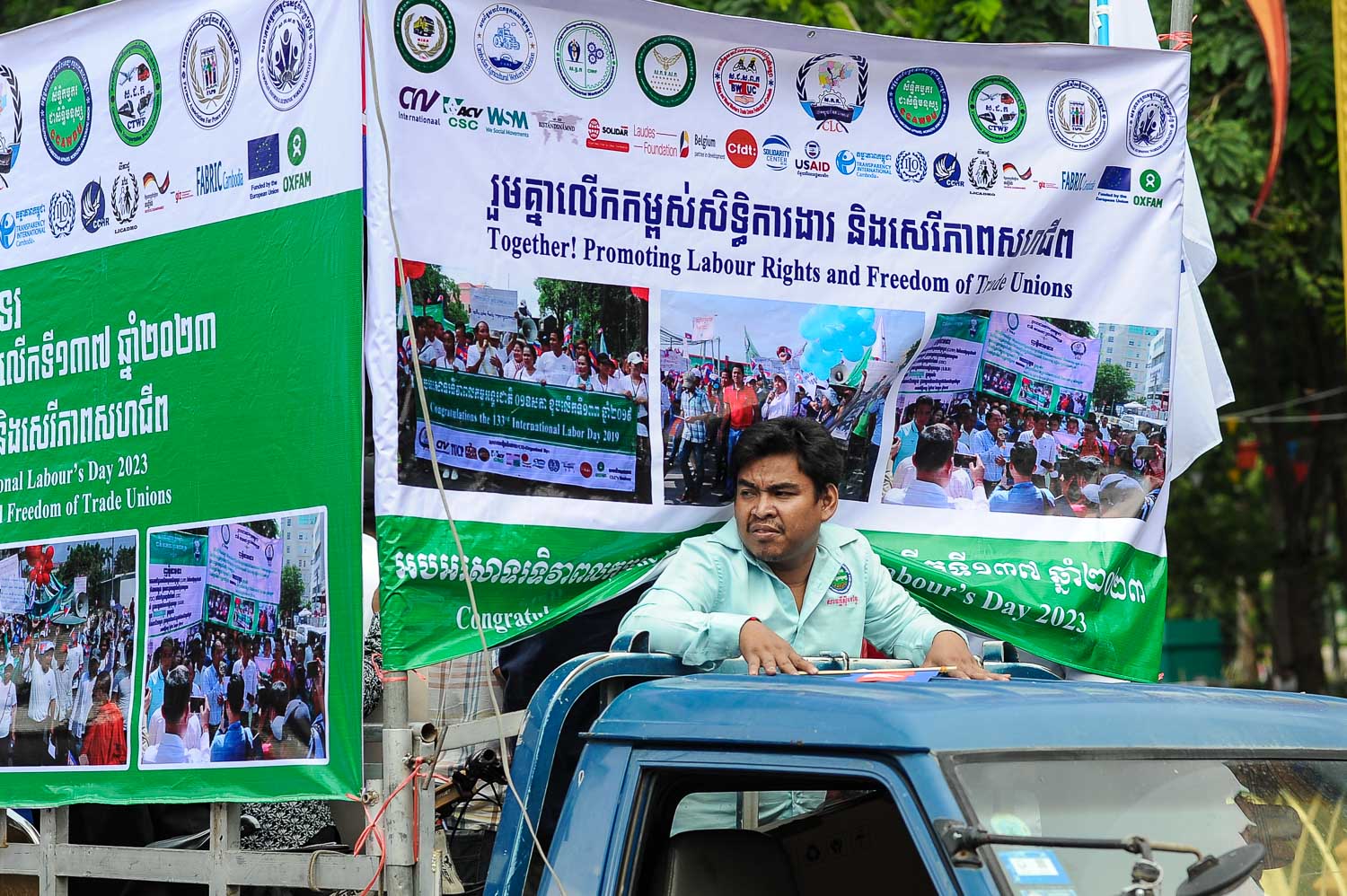
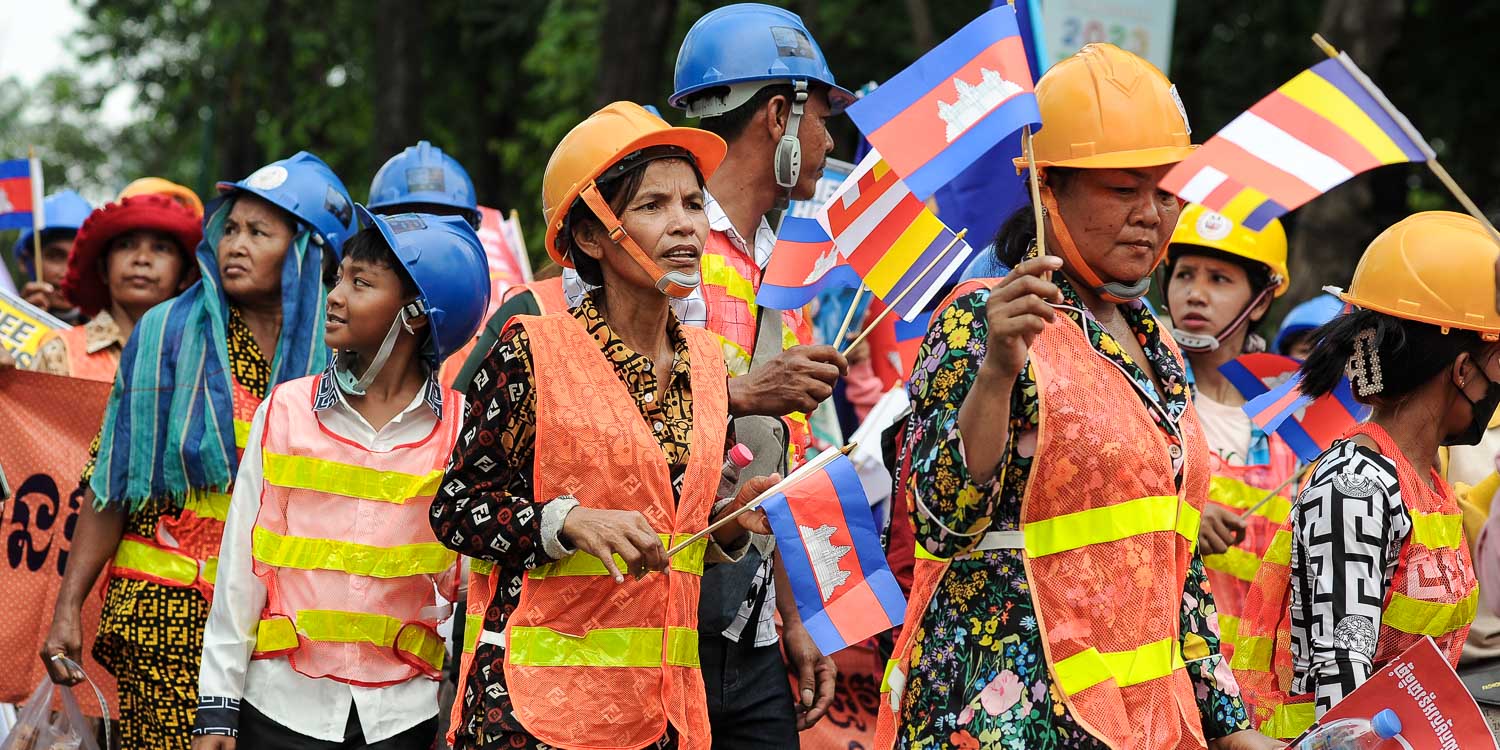
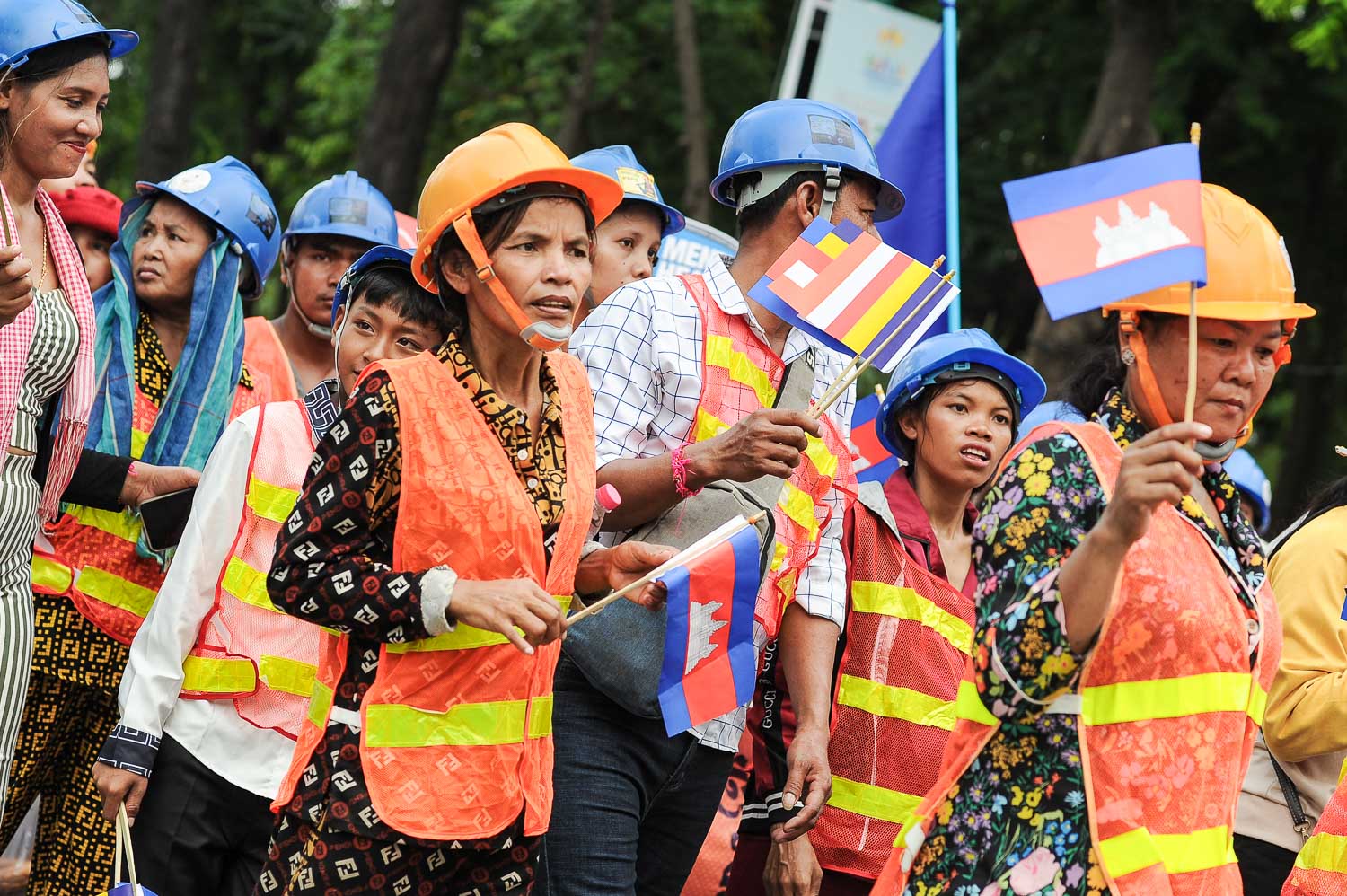
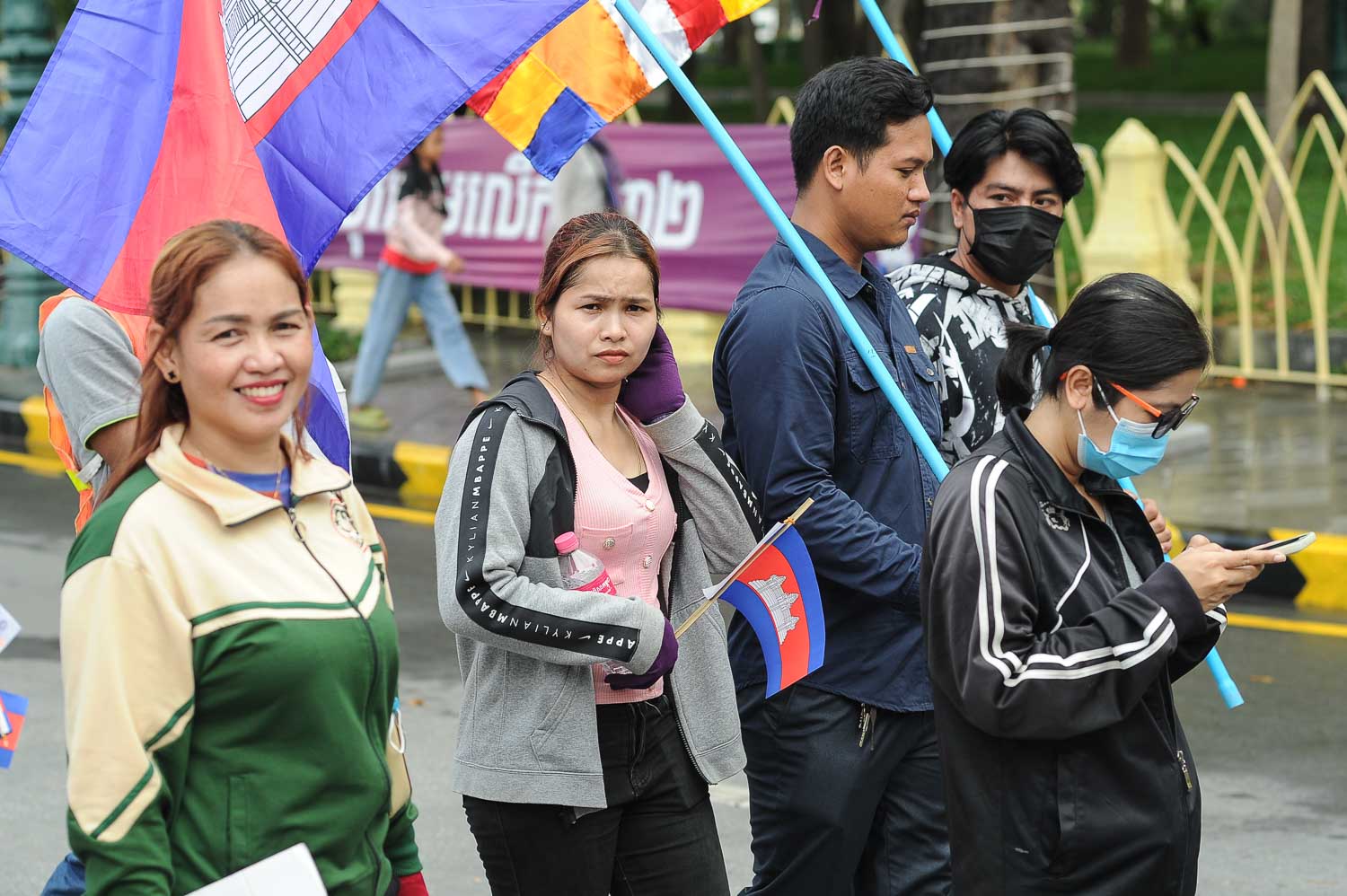
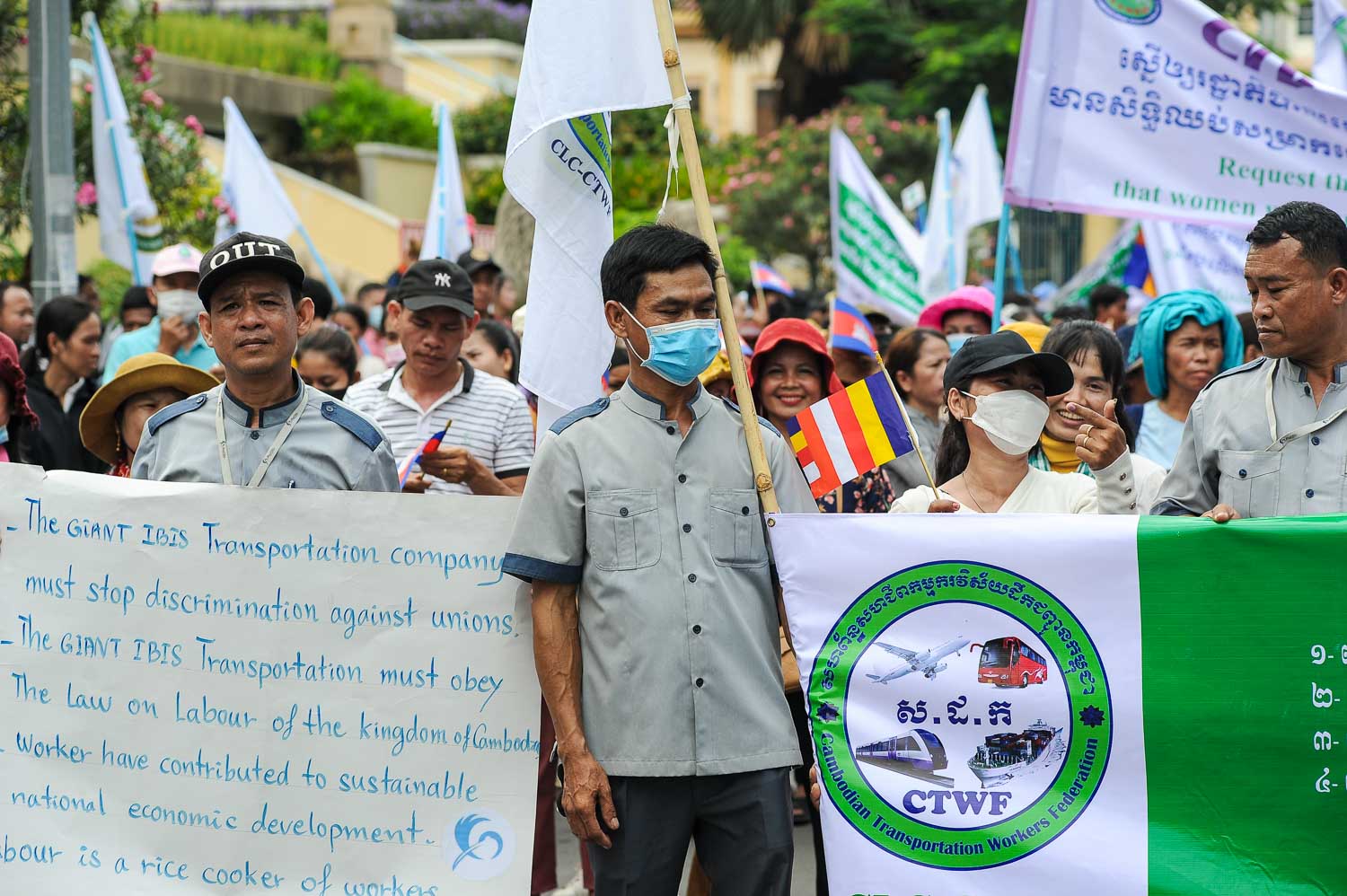
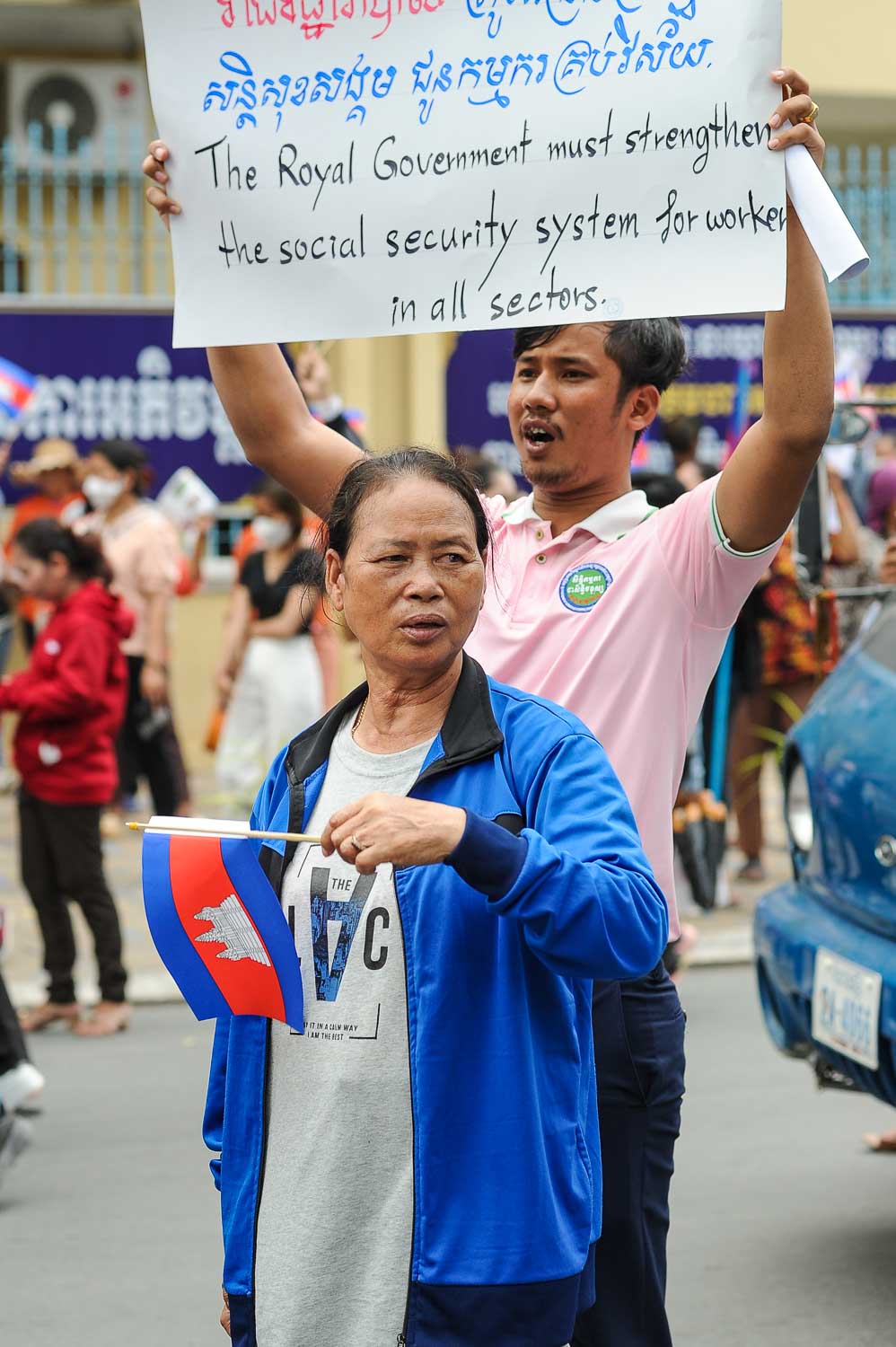
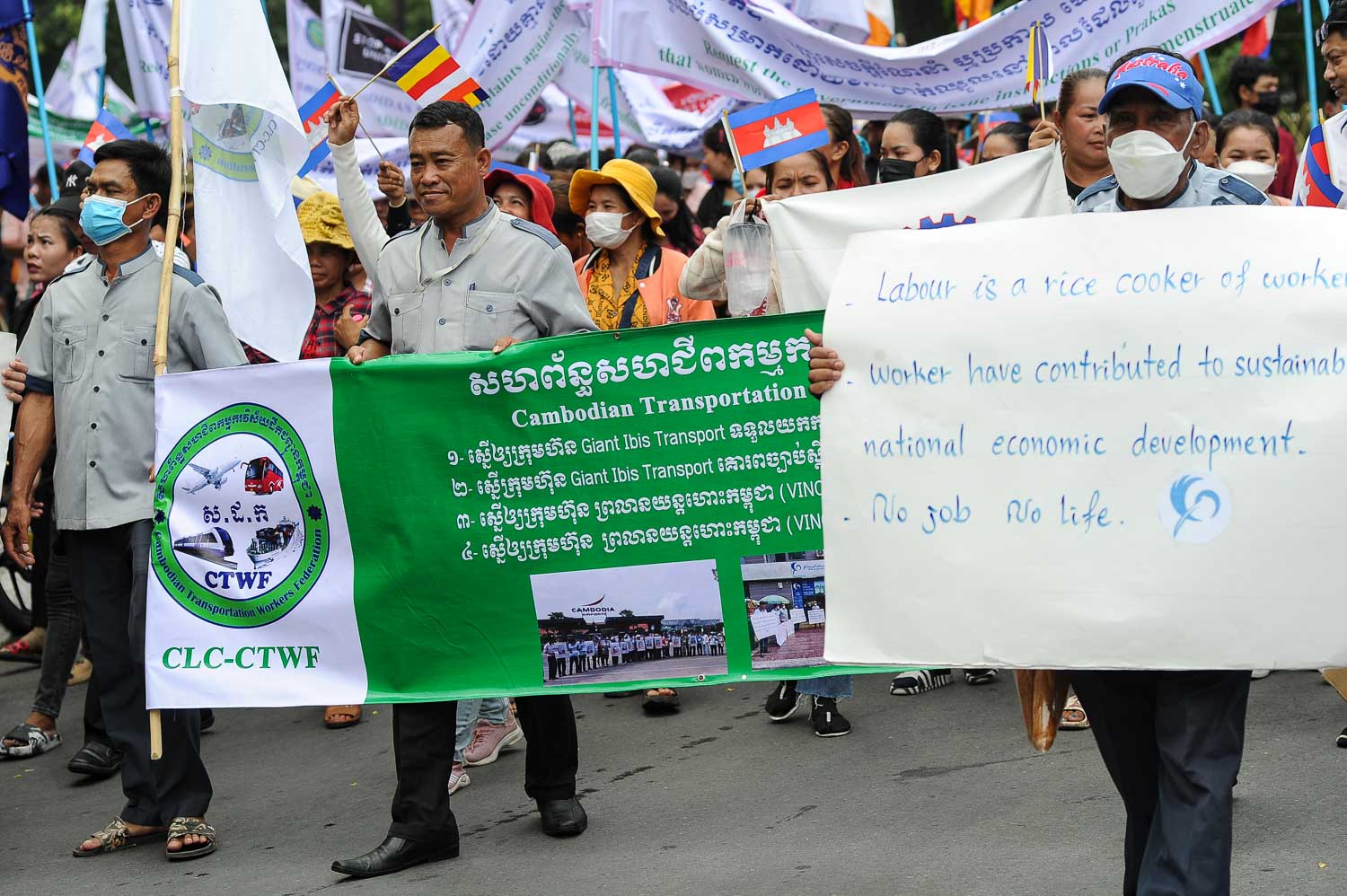
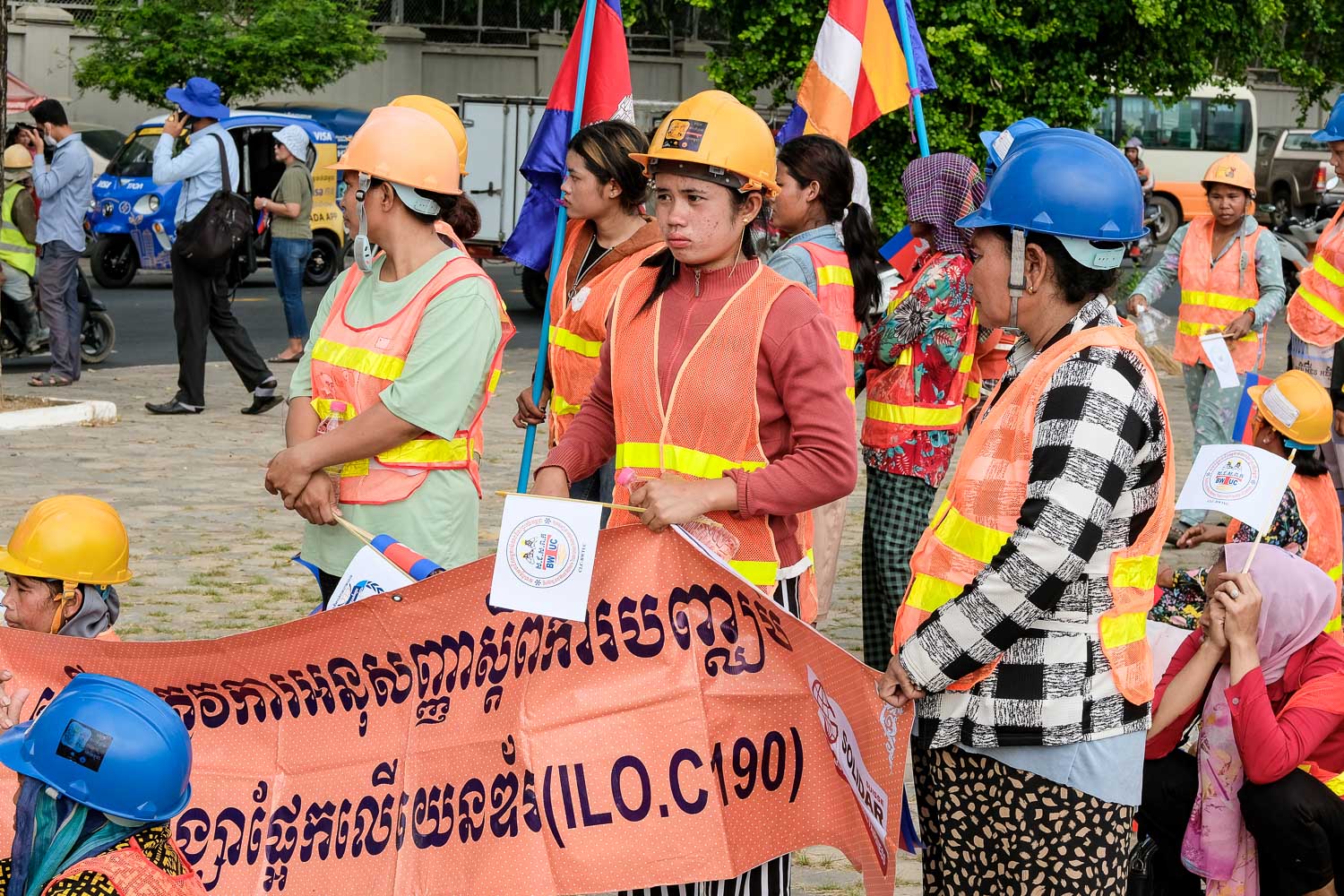
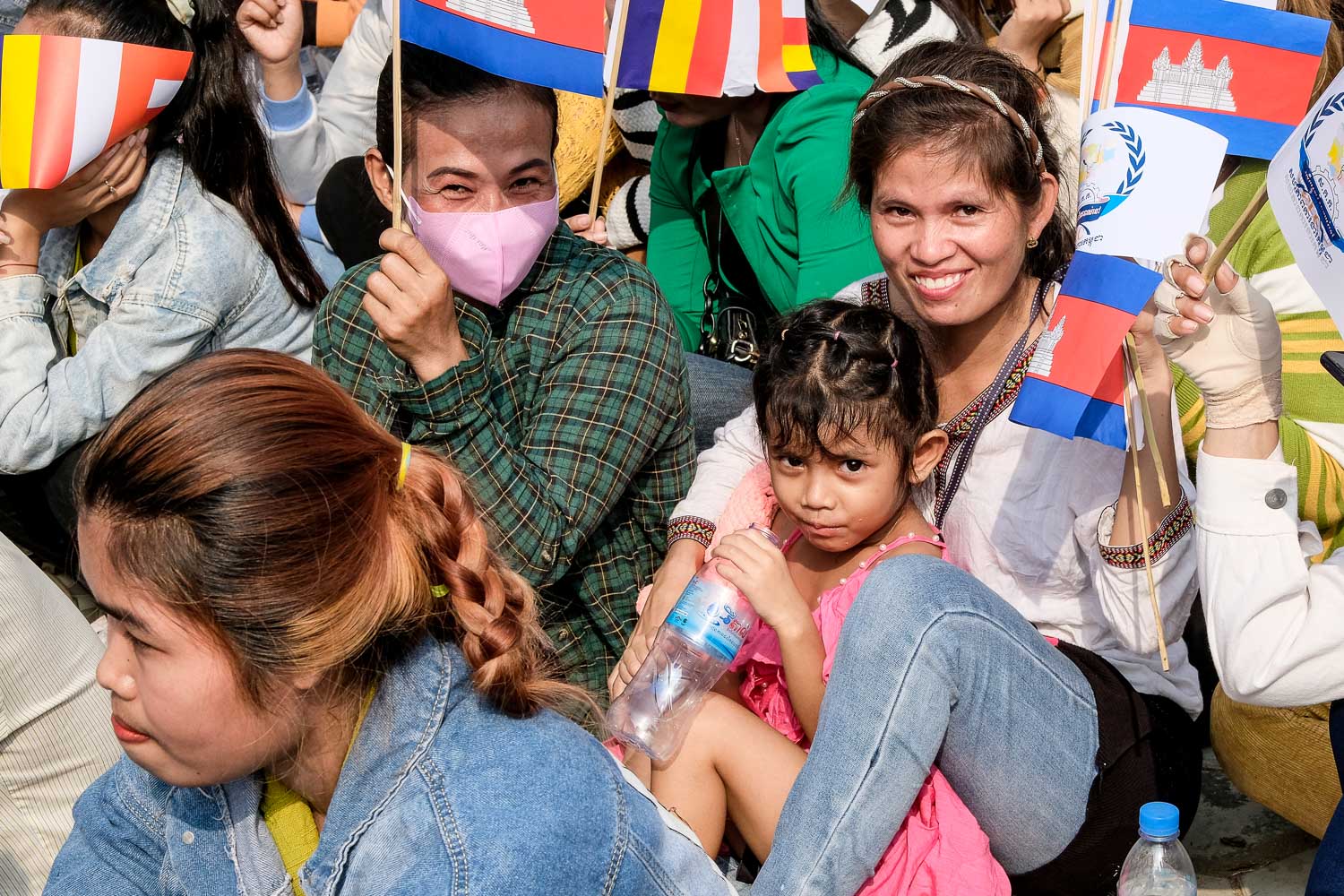
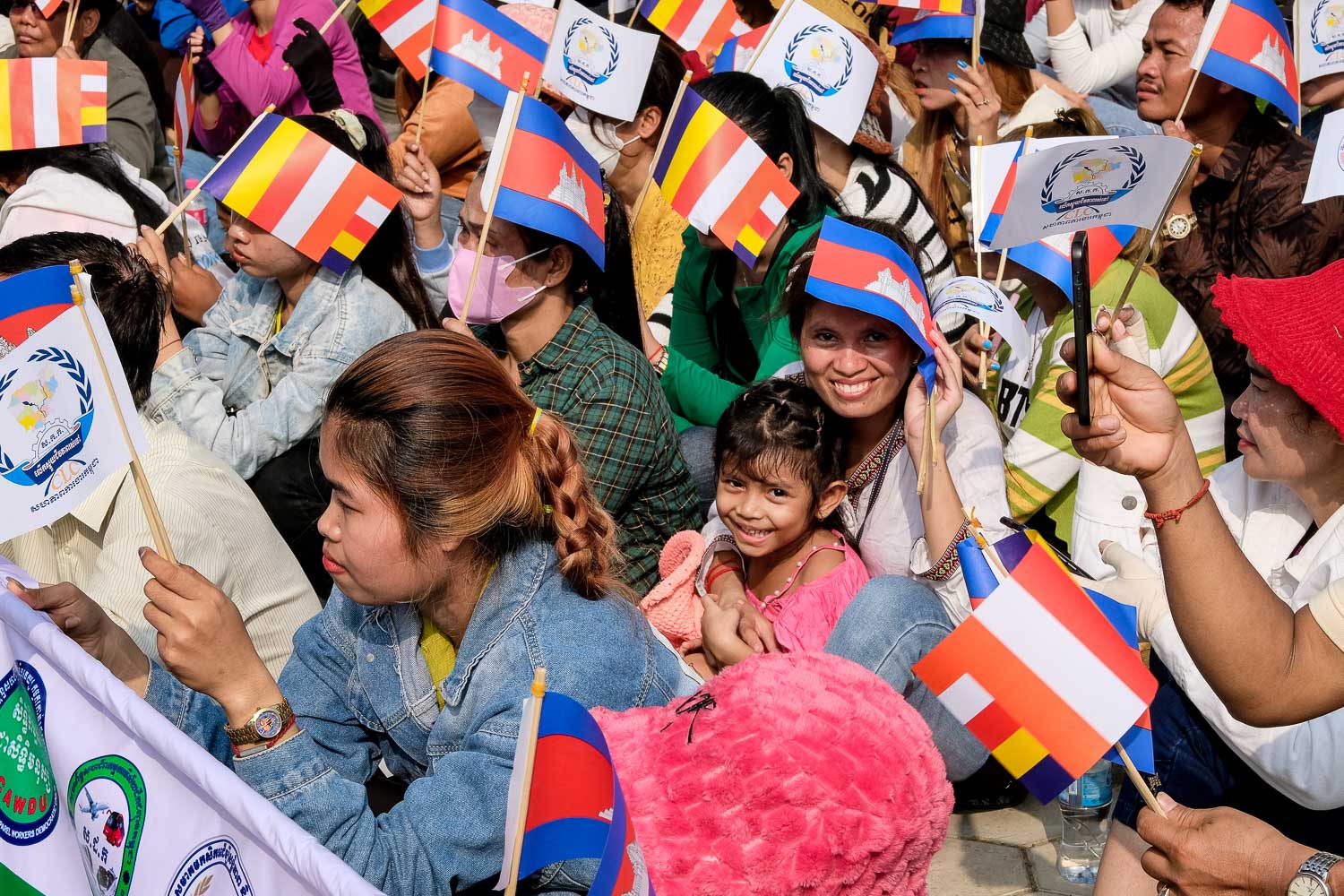
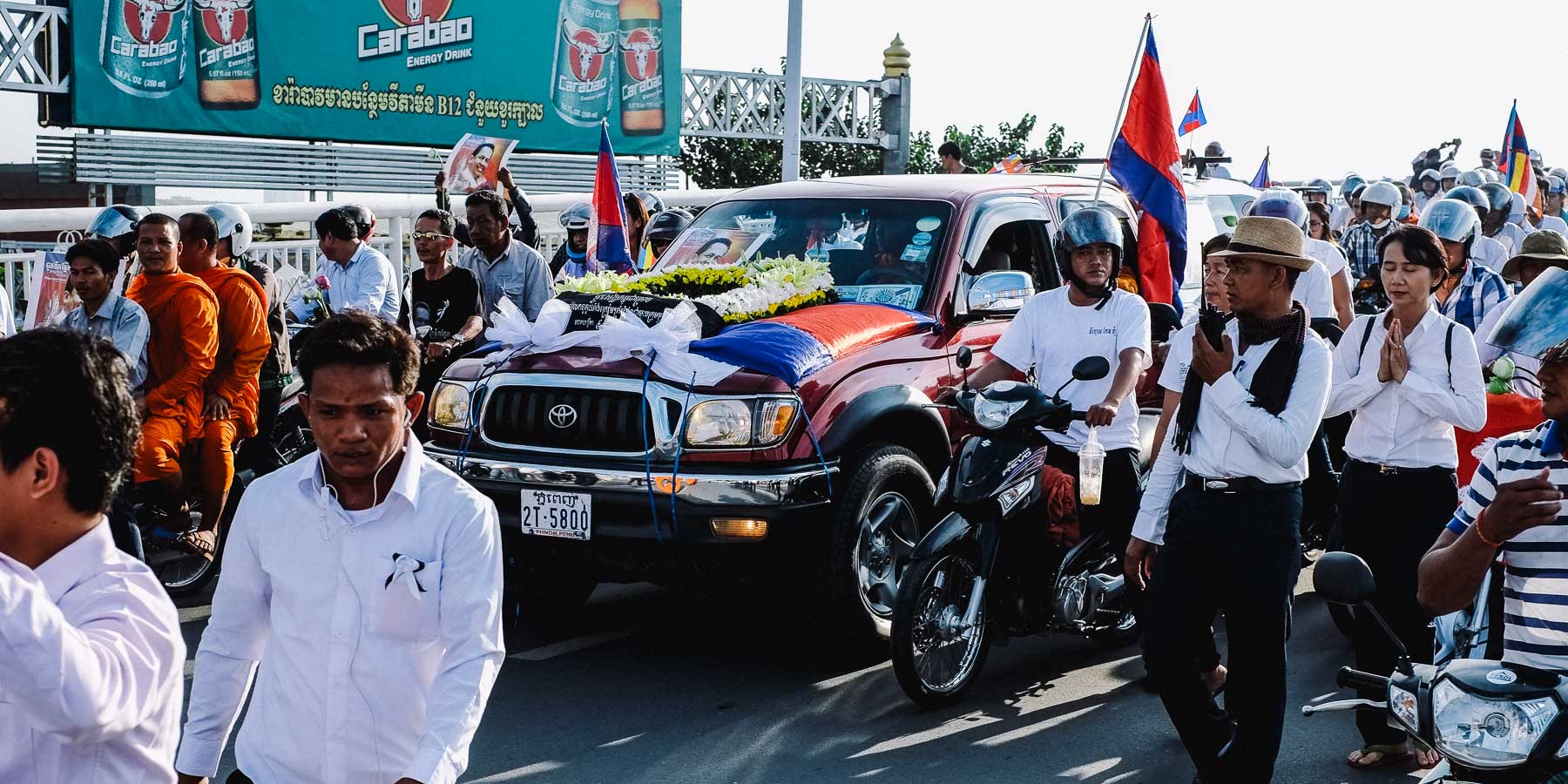
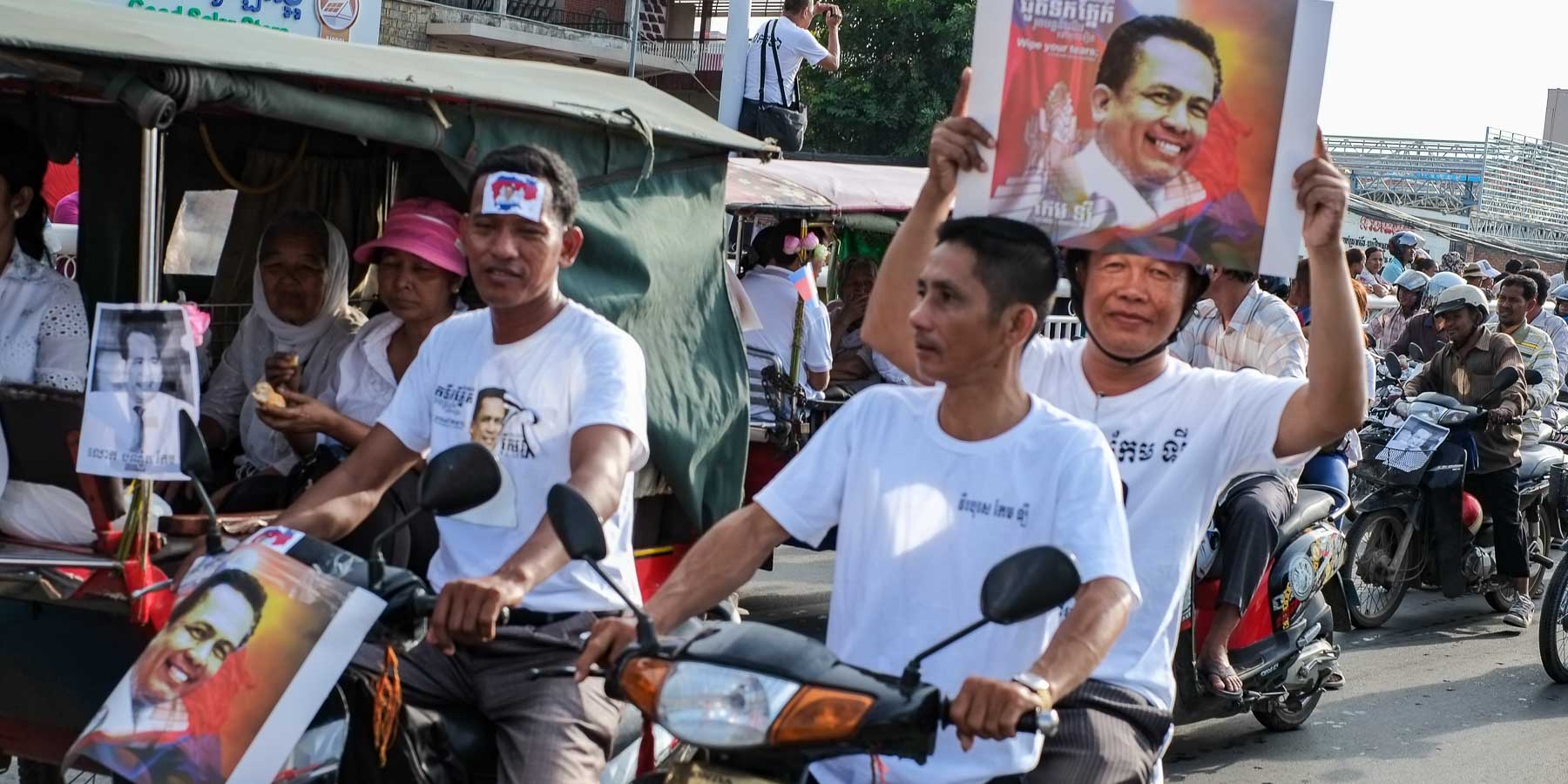
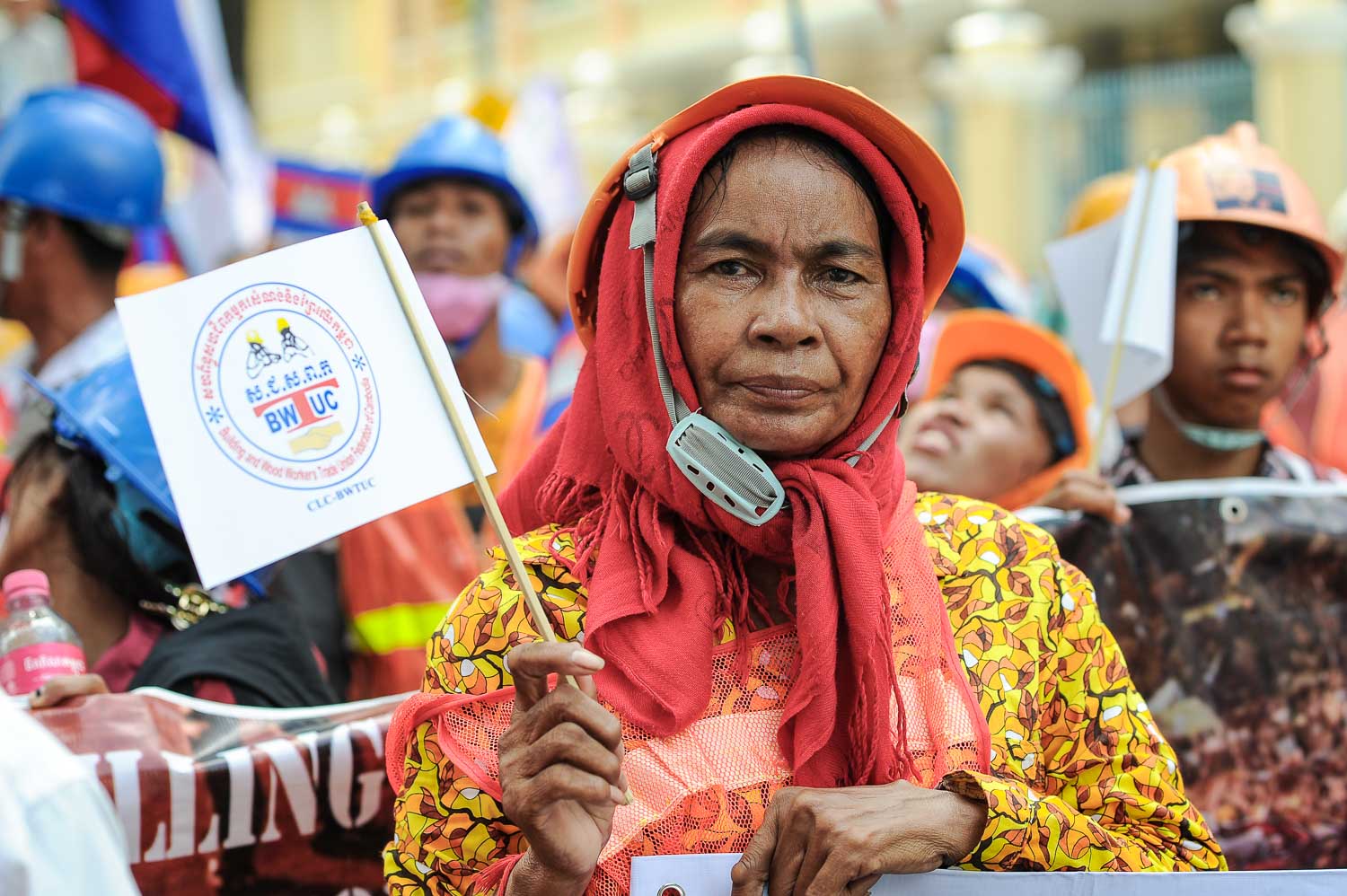
On May 1st, 2023, hundreds of Cambodian workers took to the streets to mark Labour Day and demanded better working conditions and higher wages. The demonstrations were peaceful and well-organized, with no reports of violence or clashes with the authorities. The protesters carried banners and placards with slogans such as “Workers are not slaves”, “We deserve a living wage”, and “Respect our rights”. They also sang songs and chanted slogans in Khmer and English, expressing their solidarity and determination.

The demonstrations were part of a nationwide campaign by the Cambodian Labour Confederation (CLC), the largest independent trade union in the country. The CLC represents workers from various sectors, including garment, construction, tourism, and agriculture. The CLC has been advocating for a minimum wage increase from $192 to $250 per month, as well as improved health and safety standards, social protection, and freedom of association. The CLC claims that the current minimum wage is insufficient to cover the basic needs of workers and their families, especially amid the COVID-19 pandemic and the rising cost of living.

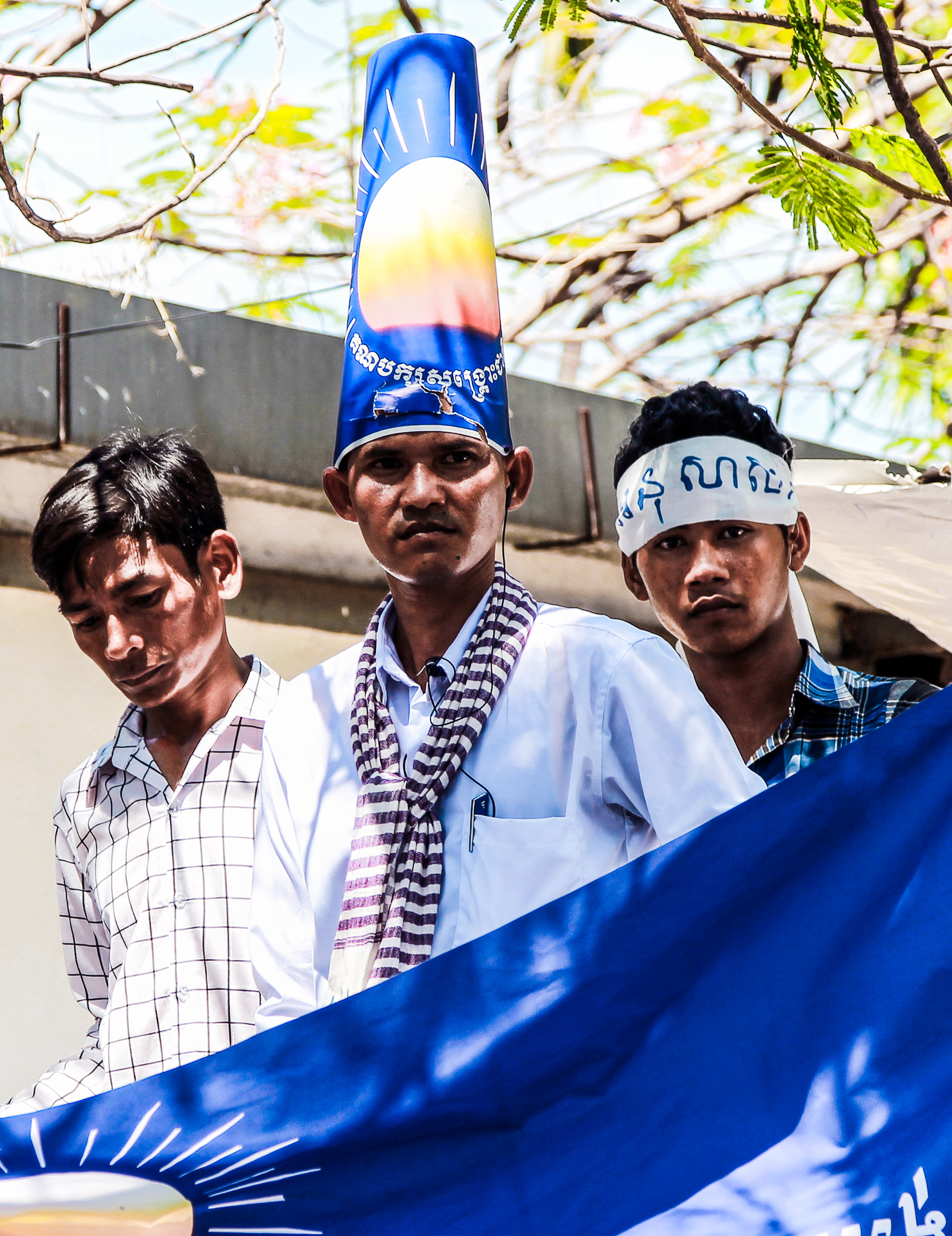
The demonstrations were also supported by other civil society groups, human rights organizations, and opposition parties. They called on the government to respect the rights of workers and engage in dialogue with the unions. They also urged the international community to pressure the Cambodian government to uphold its obligations under the International Labour Organization (ILO) conventions and other human rights treaties.

The Cambodian government has not responded to the workers’ demands and has maintained tight control over the labour movement. The government has been accused of cracking down on unions and activists, restricting their freedom of expression and assembly, and using legal threats and intimidation to silence dissent. The government has also been criticized for failing to protect workers from exploitation, abuse, and discrimination by employers and foreign investors.

The Cambodian Labour Day demonstrations were a sign of the growing discontent and frustration among the working class in Cambodia. They also showed the strength and resilience of the labour movement in the face of repression and hardship. The workers vowed to continue their struggle until their demands are met and their dignity is restored.

***Rising costs and static wages are causing the ordinary working population to struggle in Cambodia. This means that the prices of goods and services are increasing faster than the income of most people, especially those who work in the garment, textile, and footwear industries. These industries are vital to Cambodia’s economy, as they account for some 80 per cent of total exports and employ over 700,000 workers. However, the workers in these industries only receive a minimum wage of US$194 per month for regular workers and US$192 per month for probationary workers. This is barely enough to cover their basic needs, such as food, transportation, accommodation, and health care. Moreover, the minimum wage has only increased by US$10 in three years, while inflation and living expenses have risen faster. The government has tried to balance the interests of the workers and the employers, but many workers are still dissatisfied with their low wages and poor working conditions. They demanded a higher minimum wage of US$204 per month, but this was rejected by the government. The workers have also faced challenges from the withdrawal of Cambodia’s partial ‘Everything but Arms’ status by the European Union, which gave the country duty-free access to EU markets. This has reduced the demand for Cambodian exports and threatened the jobs of many workers. Therefore, rising costs and static wages are creating a lot of hardship and discontent among the ordinary working population in Cambodia.***
“It’s not fair that we work so hard to make clothes, shoes, and other products for the Western markets, but we barely get enough money to survive. The companies that sell our goods charge high prices to their customers, but they pay us very low wages. They don’t care about our health, safety, or dignity. They only care about their profits. We deserve better than this. We deserve to have a decent living standard, to have access to education and health care, and to have a voice in our workplaces. We are not machines. We are human beings”. Anonymous quote