Ah, the age-old tale of youth and strength, slipping through our fingers like sand in an hourglass. One day you’re bench-pressing your personal best, and the next, you’re grunting just to lift the TV remote. So, what the heck happened?
Well, let’s embark on a whimsical journey through the land of ‘Used-to-Be’s’ and ‘Remember-Whens’. It’s a place where the metabolism is a mythical creature that used to gallop around freely, and now seems as elusive as a unicorn.
Firstly, let’s address the elephant in the room – or should we say, the slightly older elephant? Time happened, my friend. It’s the universal prankster that sneaks up on everyone, turning spry spring chickens into wise old owls. But fear not! This transformation comes with its perks. With age comes wisdom, or at least, that’s what we tell ourselves to feel better about forgetting where we put our glasses (which are, more often than not, on our heads).
Then there’s the lifestyle. Remember the days of ‘eat anything and stay slim’? They’ve been replaced by ‘eat a salad and gain two pounds’. It’s like our bodies have developed a bizarre sense of humor. And let’s not even start on the ‘I’ll just rest my eyes for a minute’ turning into a three-hour nap.
But here’s the kicker – it’s not all doom and gloom. Sure, we might not have the same strength we flaunted in our glory days, but we’ve got experience, cunning, and a treasure trove of embarrassing stories to tell at parties. We’ve traded in our six-pack abs for a well-stocked six-pack of our favorite brew, and that’s not necessarily a bad trade.
So, what happened to being young and strong? Life happened. And it’s still happening, just with a few more creaks and groans. But hey, every wrinkle is a tale, every gray hair a badge of honor, and every time we forget why we walked into a room, it’s a new adventure.
Embrace the change, laugh at the absurdity, and remember – you’re only as old as you feel, or as young as your most recent embarrassing public incident. Cheers to the years, and may they be filled with laughter and just enough strength to open that jar of pickles. Because let’s face it, pickles are worth it.
The Nikkor 70-210 f4 AF zoom lens is a classic piece of photography equipment that has stood the test of time. Introduced in the late 1980s, this lens was Nikon’s first autofocus telephoto zoom lens and has since become a beloved tool for many photographers.
With its constant f/4 aperture throughout the zoom range, the Nikkor 70-210 f4 offers consistent exposure settings and depth of field control, which is particularly beneficial when shooting in varying light conditions or when trying to maintain a consistent look across a series of photos. Its optical performance is notable, providing sharp images with minimal distortion.
The build quality of the lens is solid, featuring a metal barrel and filter ring which contribute to its durability. It’s a lens that can handle the rigors of frequent use, making it a reliable choice for both amateur and professional photographers.
Compatibility-wise, the lens works perfectly with Nikon’s FX digital cameras and is also suitable for DX models, where it provides a longer effective focal length. This versatility makes it an excellent option for a wide range of photographic scenarios, from portraits to sports photography.
Despite being an older model, the Nikkor 70-210 f4 AF zoom lens continues to be a valuable asset for photographers looking for quality glass without the hefty price tag of newer models. Its performance and build quality have helped it retain a place in many photographers’ bags, proving that good design truly lasts.
For those interested in exploring vintage lenses or expanding their photographic toolkit, the Nikkor 70-210 f4 AF zoom lens is certainly worth considering. Its combination of optical quality, consistent aperture, and robust build make it a lens that can still capture stunning images years after its release.
Photography enthusiasts, gather around as we dive into the world of bokeh and low-light performance with the 7Artisans 50mm f0.95 lens mounted on the classic Fuji XE2. This combination is not just about capturing images; it’s about embracing a unique photographic experience.
The 7Artisans 50mm f0.95 lens, often praised for its affordability and solid metal build, brings a new dimension to the Fuji XE2. With a maximum aperture of f0.95, this lens promises to transform the way you capture portraits and low-light scenes. The wide aperture allows for a shallow depth of field, creating that dreamy bokeh effect that makes your subjects pop against a smoothly blurred background.
But what truly sets this lens apart is its manual focus, which offers a tactile and engaging experience. It’s a return to the roots of photography, where the photographer is in complete control. The pleasure of focusing with this lens is often highlighted by users, noting its good throw and the ability to keep up with moving subjects like a slow-moving cat. This level of control is perfect for those who love to take their time, crafting each shot with precision and artistic intent.
The lens’s 13 aperture blades contribute to a pleasing round bokeh, enhancing the aesthetic quality of your photos. And while it’s not a macro lens, the minimum focus distance of about 18 inches allows for decent close-ups, adding versatility to your shooting repertoire.
Now, let’s talk about the Fuji XE2, a camera that has won the hearts of many photographers for its compact size and retro design. When paired with the 7Artisans 50mm f0.95 lens, the XE2 becomes a powerhouse for street and portrait photography. The camera’s classic design, combined with the lens’s modern optical performance, creates a synergy that’s both visually appealing and functionally impressive.
Some users have compared the 7Artisans 50mm f0.95 to other lenses in its category, noting that it holds its own in terms of brightness and optical quality. It’s even been said to be a tad brighter than some of its competitors, which is quite a statement considering its price point. The 7Artisans 50mm f0.95 is not without its quirks, such as some optical flaws like vignetting and chromatic aberration when wide open, but these are often considered part of the lens’s character rather than detriments. For those who enjoy the artistry of photography and the tactile experience of manual focusing, this lens offers a unique opportunity to explore creativity at a relatively low cost.
In conclusion, the 7Artisans 50mm f0.95 lens on a Fuji XE2 is a match made in photography heaven for those who appreciate the art of manual focusing and the beauty of a large aperture. It’s a setup that encourages you to slow down, compose thoughtfully, and immerse yourself in the creative process. Whether you’re a seasoned photographer or someone who’s just starting, this combo is sure to inspire and delight.
So, what are you waiting for? Grab your camera, attach that 7Artisans lens, and step into the world where every shot is a potential masterpiece. Happy shooting!
In the age of smartphones, the art of photography has become accessible to everyone. With a camera always at our fingertips, we have the freedom to capture moments spontaneously, without the pressure of creating a masterpiece every time we press the shutter button. This casual approach to photography is a celebration of the everyday, an acknowledgment that not every photograph has to be a serious work of art to be meaningful.
Casual photography, or taking ‘snaps’ as it’s often referred to, is about the joy of capturing life as it happens. It’s about the little moments that make up our day-to-day lives. A snap can be anything from a quick selfie to a shot of a street scene that catches your eye. The beauty of these photographs lies in their imperfection and immediacy. They are raw, real, and often more relatable than a carefully composed shot.
For many, the idea of ‘serious’ photography conjures images of expensive equipment, complex techniques, and the pursuit of technical perfection. However, photography doesn’t have to be serious to be impactful. Casual snaps can convey emotion, tell stories, and preserve memories just as effectively as any meticulously planned photo shoot.
The key to enjoying casual photography is to let go of expectations. It’s about embracing the imperfect and finding beauty in the mundane. Whether you’re using a high-end DSLR or a simple point-and-shoot camera, the goal is the same: to capture the world around you in a way that feels authentic and personal.
So next time you’re out with your camera, remember that not every shot has to be a serious one. Give yourself permission to snap away freely, without judgment or self-criticism. You might just find that the most unassuming photos are the ones that resonate the most, both with you and with others.
In conclusion, whether you’re a seasoned photographer or a casual enthusiast, there’s a place for both serious photography and casual snaps in your life. Each has its own value and charm, and together, they create a fuller picture of our experiences and the world we live in. So go ahead, capture those fleeting moments, and enjoy the simple pleasure of photography in all its forms.
Sebastião Salgado: A Glimpse into the Lens of a Social Documentary Maestro
Sebastião Salgado, a name synonymous with poignant social documentary photography and photojournalism, has etched his mark in the annals of visual storytelling. Born on February 8, 1944, in Aimorés, Minas Gerais, Brazil, Salgado’s journey from an economist to a photographer is as compelling as the images he captures.
His early life and education were rooted in economics, with a BA degree from UFES, a master’s degree from the University of São Paulo, and a PhD from the University of Paris. However, it was during his travels to Africa for the World Bank that Salgado’s passion for photography ignited. He chose to abandon his career as an economist in 1973, embarking on a path that would lead him to over 120 countries for his photographic projects.
Salgado’s work is a testament to his dedication to long-term, self-assigned projects, many of which have been published as books such as “The Other Americas,” “Sahel,” “Workers,” “Migrations,” and “Genesis.” These collections are not mere photographs; they are narratives of human conditions, landscapes, and wildlife, capturing the essence of unblemished nature and humanity’s ancestral traditions.
Perhaps his most famous work is the series on the Serra Pelada gold mine in Brazil, taken between 1986 and 1989. These images are a stark reminder of the human toil in pursuit of precious metals, a visual symphony of mud, sweat, and hope.
Salgado’s accolades are numerous, including the W. Eugene Smith Memorial Fund Grant, Foreign Honorary Membership of the American Academy of Arts and Sciences, and the Royal Photographic Society’s Centenary Medal and Honorary Fellowship. His role as a UNICEF Goodwill Ambassador further underscores his commitment to humanitarian causes.
Beyond his photographic endeavors, Salgado, along with his wife Lélia Wanick Salgado, founded Amazonas Images, an agency dedicated to representing his work. His photographs are not just images; they are a voice for the voiceless, a mirror to society’s often overlooked corners.
As we delve into the world through Salgado’s lens, we are confronted with the raw and often uncomfortable truths of our time. His work is a call to action, a plea for awareness, and a beacon of hope for a world in distress. Sebastião Salgado is more than a photographer; he is a chronicler of our age, capturing the human spirit in all its facets.
For those who wish to explore the depths of Salgado’s work, his touring exhibitions and published books offer a profound insight into the lives and environments that shape our global narrative. His photography is a bridge between worlds, a visual dialogue that continues to inspire and challenge viewers worldwide.
Sebastião Salgado’s legacy is a reminder of the power of photography as a tool for social change. Through his lens, we witness the beauty and tragedy of the human condition, compelling us to reflect on our role within this vast, interconnected world.
Henri Cartier-Bresson: The Decisive Moment of Photography
Henri Cartier-Bresson, born on August 22, 1908, in Chanteloup-en-Brie, France, is a name that resonates with profound respect in the world of photography. His legacy as a master of candid photography and an early adopter of 35mm film has left an indelible mark on the art form. Cartier-Bresson’s philosophy of capturing the “decisive moment” – that split second that reveals the essence of an event – has influenced generations of photographers and artists alike.
Cartier-Bresson’s journey into the arts began with painting, which he studied from a young age, and was deeply influenced by Surrealism. However, it was his discovery of the Leica camera that truly shaped his path. The Leica’s compact size and agility allowed him to move through the streets unnoticed, capturing life as it unfolded before him. This unobtrusive approach to photography enabled him to produce images that were natural, spontaneous, and brimming with life.
His work is not just a collection of images; it is a historical document of the 20th century. From the liberation of Paris to the last days of Gandhi, Cartier-Bresson was there, camera in hand, to capture the moments that defined an era. His ability to anticipate and seize the perfect frame is what made his work stand out. He likened this process to a visual ballet, where the photographer must align their intuition, their eye, and their heart to capture the scene before them.
In 1947, Cartier-Bresson co-founded Magnum Photos, a cooperative agency for worldwide freelance photographers, which became a pivotal platform for photojournalism. Through Magnum, he and his colleagues were able to maintain control over their work and distribute it globally, changing the landscape of photography and media.
Later in life, Cartier-Bresson turned away from photography and returned to his first love, drawing and painting. He believed that each artist should follow their creative impulses, whether they lead to the darkroom or the canvas. His artistic vision and dedication to his craft have left a lasting legacy that continues to inspire and challenge photographers to this day.
Henri Cartier-Bresson passed away on August 3, 2004, but his work lives on, housed in galleries and private collections around the world. His contributions to photography are celebrated in numerous exhibitions, books, and documentaries. For those who wish to delve deeper into his life and work, his photographs and the stories behind them offer a timeless exploration of the human condition and the world we inhabit.
Cartier-Bresson’s influence extends beyond photography. His approach to the decisive moment can be applied to various aspects of life and art, teaching us to be present, observant, and ready to capture the essence of the fleeting moments that surround us. His work reminds us that beauty and significance can be found in the everyday, waiting for those with the patience and insight to see it. Henri Cartier-Bresson’s legacy is a testament to the power of seeing, not just looking, and the profound impact of capturing life as it happens.
Henri Cartier-Bresson and the Timeless Leica
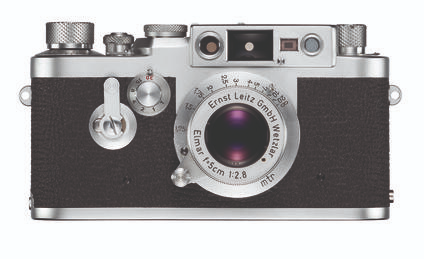
Henri Cartier-Bresson, a name synonymous with the art of street photography, has left an indelible mark on the world with his concept of “the decisive moment.” His weapon of choice? The iconic Leica 35mm camera. This small, unobtrusive piece of technology was not just a tool but an extension of Cartier-Bresson’s vision, allowing him to capture life as it unfolded before him.
The Leica was Cartier-Bresson’s constant companion, its mechanical precision and reliability meshing perfectly with his need for spontaneity and discretion. With a Leica in hand, he traversed the globe, documenting the human condition and etching his view of the world onto film.
Fast forward to today, and one might wonder if Cartier-Bresson would still be loyal to his Leica if he were alive. Given the advancements in camera technology, would he opt for a modern digital Leica, or perhaps something entirely different?
Considering Cartier-Bresson’s philosophy, it’s not the camera but the eye, the mind, and the heart that captures the decisive moment. The Leica, with its simplicity and focus on the essentials, aligns with this philosophy. It’s not about having the latest features but about understanding and connecting with the subject.
So, would Henri Cartier-Bresson still use a Leica today? It’s a question that invites speculation, but one thing is certain: his legacy is not bound by the type of camera but by the timeless moments he captured. Those moments continue to inspire photographers around the world, reminding them that the true essence of photography lies in seeing and feeling, not in the gear they hold.
In the world of photography, the debate between DSLR and mirrorless cameras is a tale as old as time—or at least as old as digital photography. As we stand in 2024, the discussion is more relevant than ever, with technological advancements pushing the boundaries of what’s possible in image capturing. So, let’s dive into the great camera debate: should we move away from mirrorless cameras and go back to DSLRs?
DSLRs, or Digital Single-Lens Reflex cameras, have been the go-to choice for professional photographers for decades. They are known for their robust build, exceptional battery life, and an extensive range of lenses developed over the years. The optical viewfinder in DSLRs gives a true-to-life preview of the image, which many photographers swear by. There’s a certain charm and immediacy to looking through the lens, seeing exactly what the camera sees without any digital translation.
On the flip side, mirrorless cameras have risen in popularity due to their compact size, lighter weight, and cutting-edge features. They boast advanced video capabilities, faster shooting speeds, and a digital viewfinder that can display more information than the traditional optical counterpart. Manufacturers have been heavily investing in mirrorless technology, leading to a surge in the variety and quality of lenses available for these cameras.
But why consider moving back to DSLRs? For starters, DSLRs offer a tactile experience that many photographers find satisfying. The heft and grip of a DSLR can feel more stable and reassuring in the hands. Additionally, the battery life of DSLRs is generally superior because they don’t rely on electronic viewfinders, which can be quite power-hungry. Moreover, the market for DSLRs has become incredibly competitive, making them more affordable than ever.
Canon 1D MkIV with 24-105 lens.
However, it’s not just about nostalgia or the feel of the camera. DSLRs still have a few technical advantages. The phase-detection autofocus system of a DSLR is incredibly fast and reliable, especially in low light conditions. Plus, the absence of a mirror mechanism in mirrorless cameras can sometimes lead to shutter lag, which can be a deal-breaker for action and sports photographers.
Fuji X Pro3 plus Viltox 23mm f1.4
It’s important to note that while the industry seems to be pivoting towards mirrorless systems, DSLRs are not obsolete. They continue to be produced, sold, and loved by many. The choice between DSLR and mirrorless ultimately comes down to personal preference and the specific needs of the photographer. Whether it’s the traditional feel of a DSLR or the modern conveniences of a mirrorless camera, both have their place in the photographer’s bag.
Nikon D800 + 28-85mm f3.5/4.5
As we ponder the future of photography, it’s clear that both DSLRs and mirrorless cameras have their merits. Perhaps the question isn’t about moving away from one to return to the other, but rather understanding which tool best serves your creative vision. In the end, the best camera is the one that allows you to capture the moments that matter most to you, in the way that you envision them.
So, what’s your take on this debate? Are you team DSLR or team mirrorless? Share your thoughts and experiences with us, and let’s continue to explore the ever-evolving landscape of photography together!
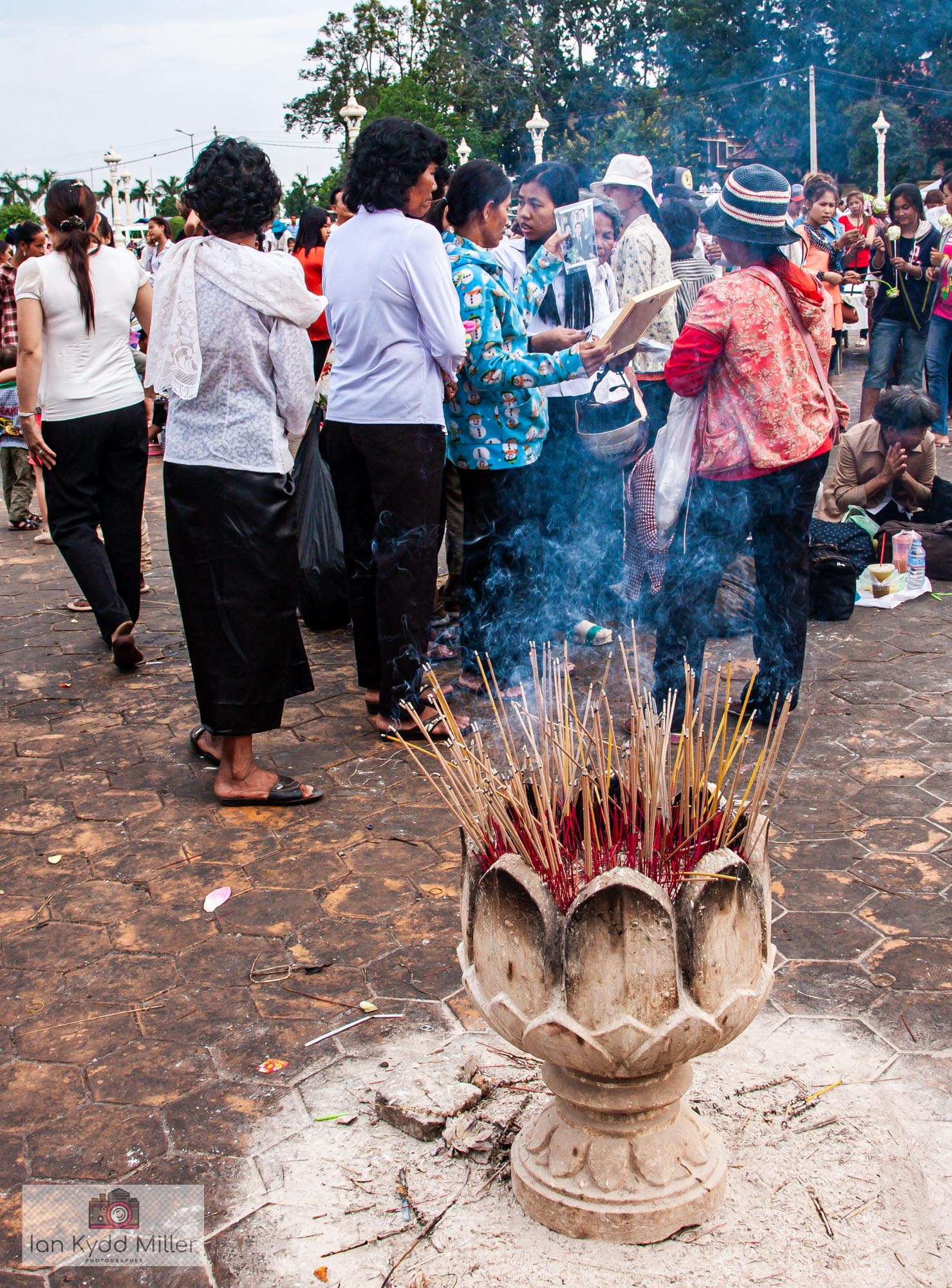
The end of life is a profound moment, and it’s natural to reflect on the connections we’ve made along the way. The thought of passing away without friends or relatives nearby can indeed evoke a deep sense of sadness. It reminds us of the importance of relationships and the warmth they bring to our lives. Throughout history, many cultures have emphasized the significance of community and companionship, not just in life but also in the transition at life’s end. This sentiment underscores the value we place on not being alone during significant life events. It’s a universal human experience to seek connection, to find solace in shared moments, and to draw comfort from the presence of loved ones. The idea of dying alone might also inspire us to reach out, to forge new bonds, and to be there for others, knowing how much it would mean to us.
It’s a poignant reminder of our shared humanity and the compassion that binds us together. While it is a somber thought, it also highlights the beauty of human connection and the impact each person has on another’s life. In recognizing this, we can find a renewed appreciation for the relationships we have and a motivation to nurture them. Sleep well Srey Pol.
Content moderation on social media platforms like Facebook can sometimes result in unexpected restrictions, especially when it comes to images. Facebook’s Community Standards are designed to create a safe environment for all users, so they say, which includes strict rules against sharing content that could be considered sexually explicit or inappropriate. However, these systems are not definitely not perfect and may flag content that does not actually violate these standards.
If you believe your picture was mistakenly restricted, you can appeal the decision through Facebook’s review process. This process allows for human review of the automated system’s decisions, which can sometimes lead to a reversal of the restriction if the content is deemed appropriate. (waste of time)
For more information on Facebook’s Community Standards and the appeal process, you can visit their official community resources. It’s important to understand these guidelines to ensure that your content aligns with the platform’s policies and to avoid future restrictions. ( a waste of time)
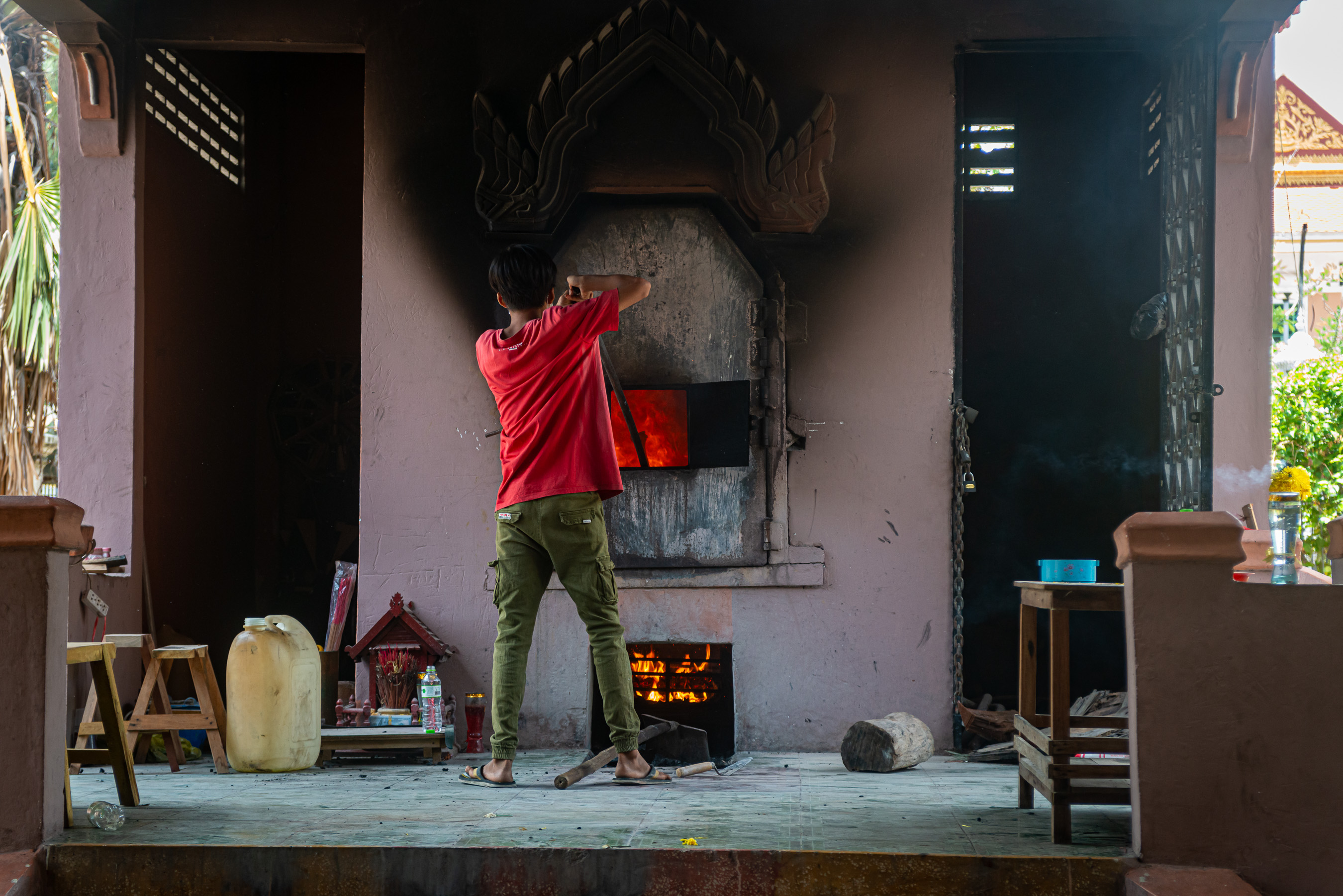
If anyone can explain to me just how the above picture could be considered sexually inappropriate please comment below.






























 a world without pictures is like coffee without cream and sugar, bitter