

In the age of ultra-high-resolution cameras, it’s easy to overlook the significance of composition and cropping, especially when working with a modest 4-megapixel camera. However, the constraints of lower resolution photography can actually be a catalyst for creativity and a return to the fundamentals of good photography. I recently picked up the Nikon D2Hs camera that took the following images, using an old Nikkor 85mm f1.8D.
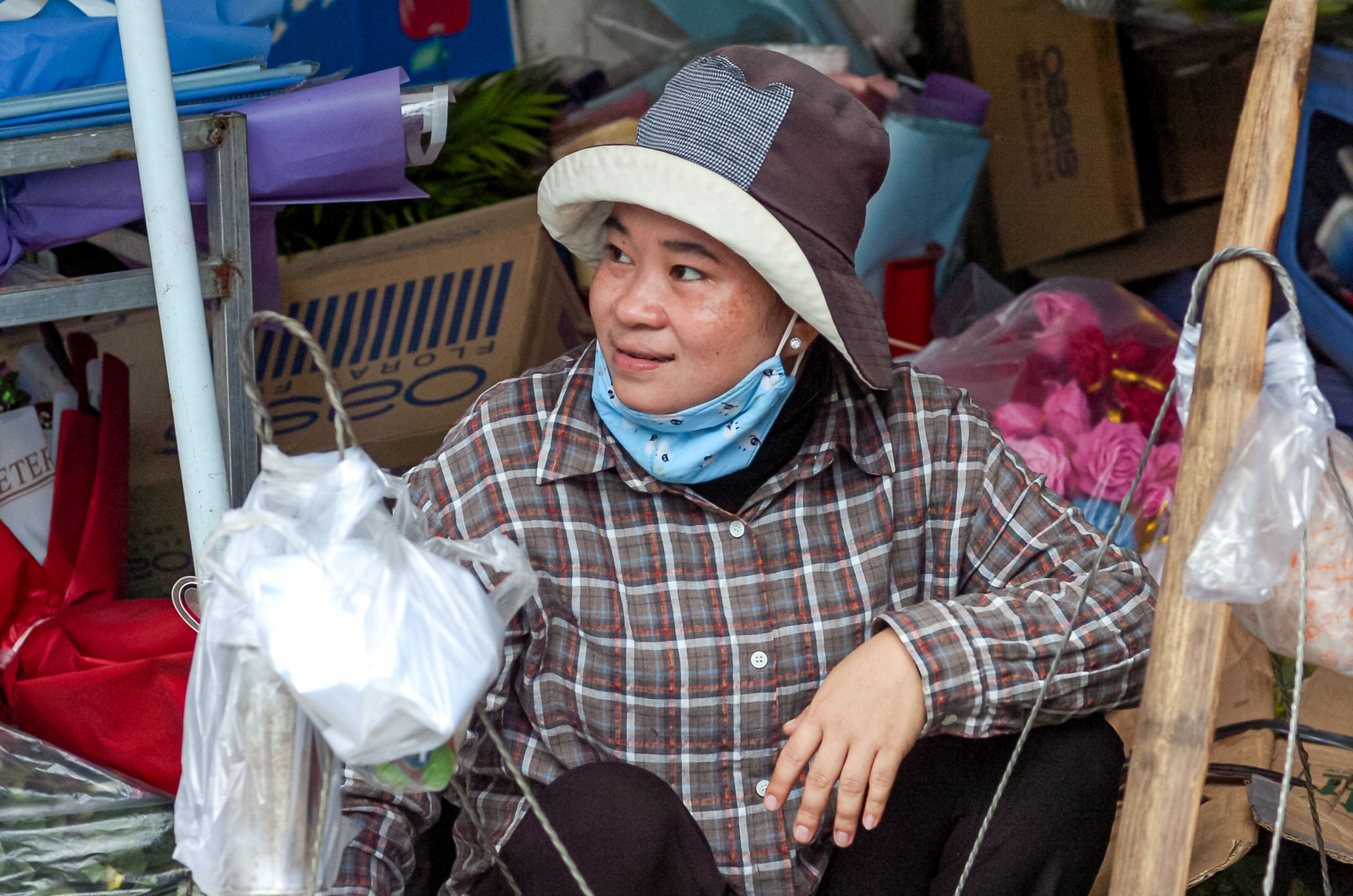
Composition is the cornerstone of a compelling photograph. It’s the arrangement of elements within the frame that dictates the flow of the viewer’s eye and the overall impact of the image. With only 4 megapixels, every pixel counts, and there’s little room for error. This limitation forces photographers to be more intentional with their framing, to think more deeply about the subject and the story they want to tell.

Cropping in-camera is another critical skill that gains prominence in this context. It’s about making decisions on the spot, rather than relying on post-processing to salvage a shot. This practice hones a photographer’s eye for detail and encourages a more proactive approach to capturing the right shot from the outset.






The discipline of working within the confines of 4 megapixels can also lead to a greater appreciation for the texture, colour, and light present in the moment. It challenges photographers to maximize the potential of their equipment, regardless of its limitations.
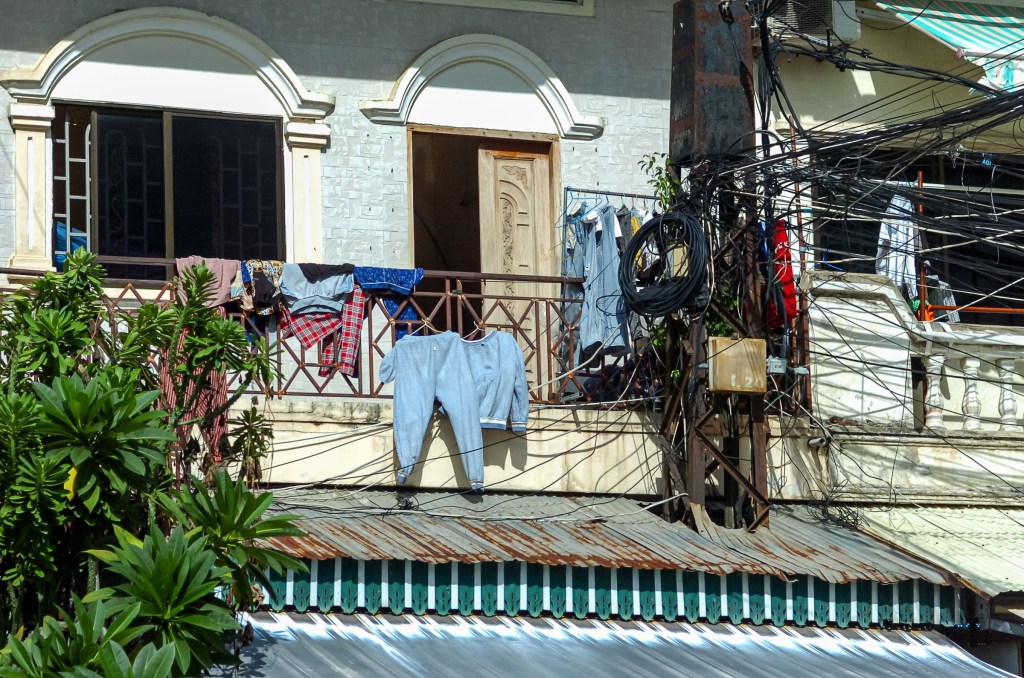


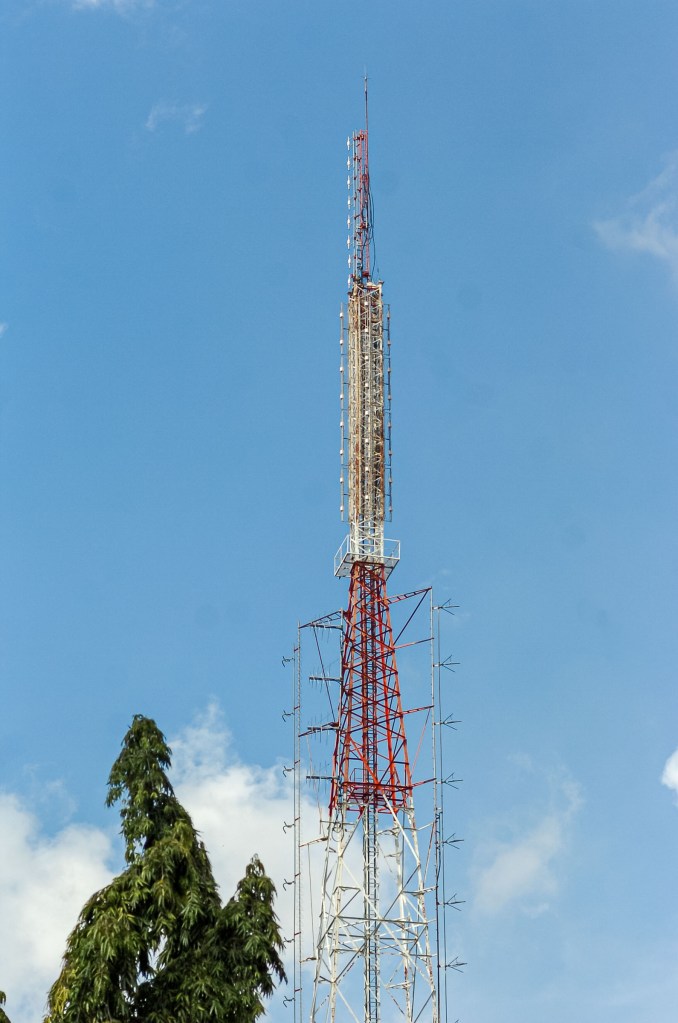

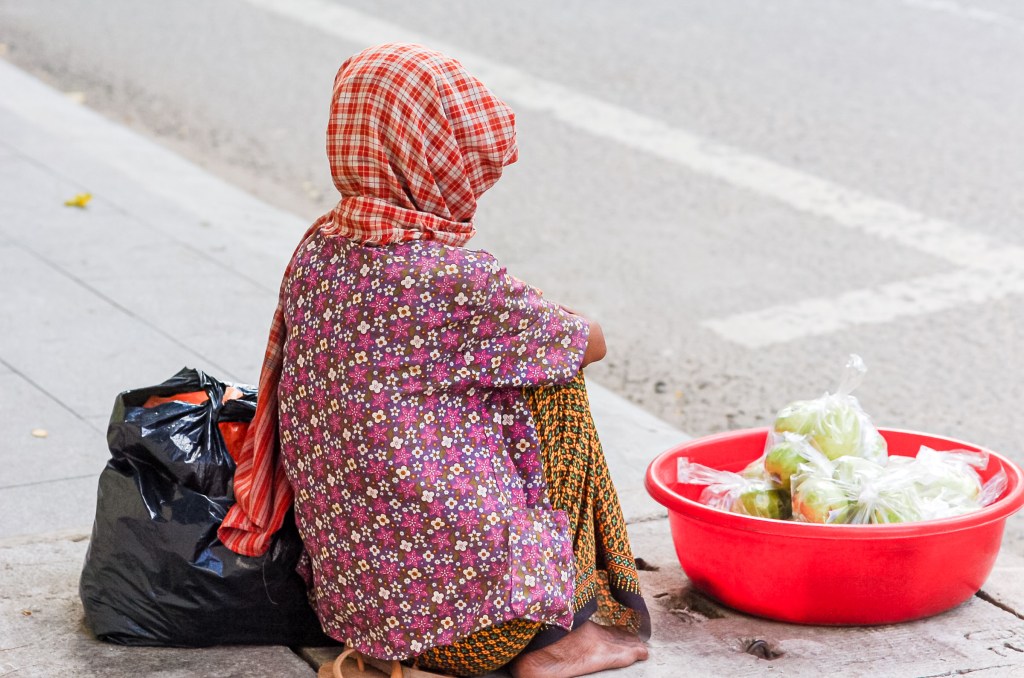



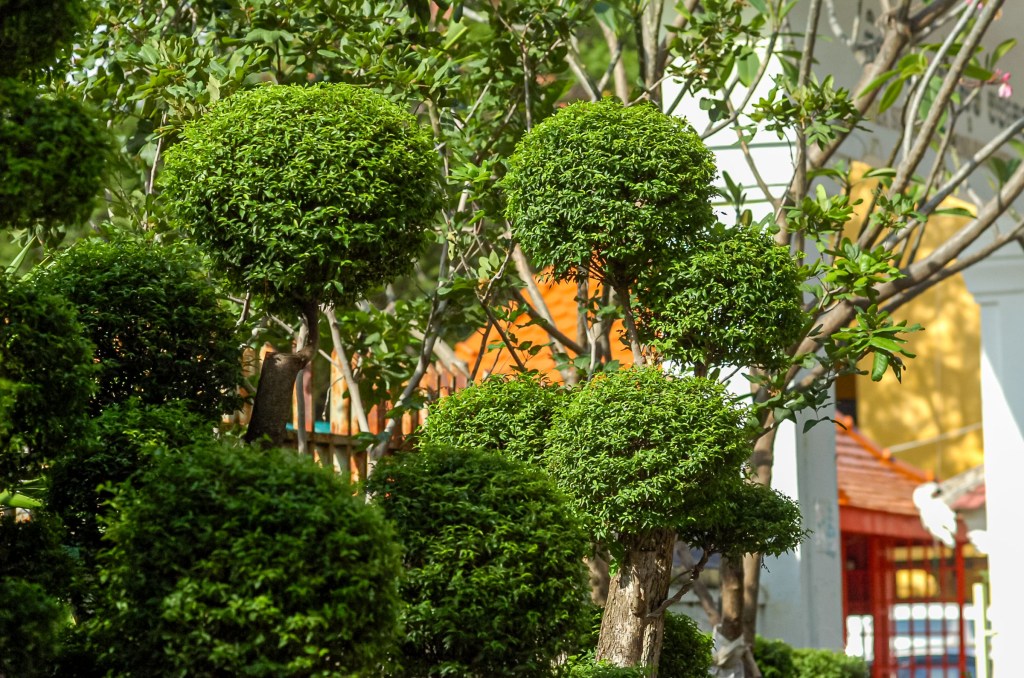
In essence, embracing the constraints of a 4-megapixel camera can be a rewarding journey back to the basics of photography. It’s a reminder that the power of a photograph doesn’t solely rest on the number of pixels but on the vision, creativity, and technique of the photographer behind the lens. Whether you’re a seasoned professional or an enthusiastic amateur, the principles of composition and in-camera cropping are timeless skills that will enhance the quality of your work, no matter the resolution.
 a world without pictures is like coffee without cream and sugar, bitter