

Photography in Cambodia offers a unique and accessible experience, often perceived as more relaxed compared to the stringent regulations one might encounter in many Western countries. The rich tapestry of Cambodia’s landscapes, from the ancient ruins of Angkor Wat to the bustling streets of Phnom Penh, provides a plethora of opportunities for both amateur and professional photographers alike. Workshops and tours, such as those offered by Nathan Horton Photography, emphasize the importance of engaging with local people, which is a testament to the openness towards photographers in the country. This approach not only aids in capturing the essence of Cambodian life but also contributes to a deeper understanding and appreciation of its culture. In contrast, photographers in Western countries may need to navigate a complex web of laws that govern public and private spaces, copyright, and privacy, which can sometimes inhibit the spontaneity and candidness that street photography thrives on. The freedom to explore and document Cambodia’s vibrant culture without the fear of legal repercussions encourages a creative exploration that is both enriching and liberating. This ease of access is further supported by the burgeoning community of Cambodian photographers who are telling their nation’s story through their lenses, contributing to a rich visual history that spans from the days of the French protectorate to the modern era. Their work is a celebration of Cambodia’s identity, capturing moments of daily life, cultural events, and the natural beauty that surrounds them. It’s a dynamic environment where the art of photography is not just tolerated but embraced, making Cambodia a haven for photographers.

Cambodia is a photographer’s paradise, brimming with awe-inspiring locations that are perfect for capturing stunning images. The ancient temples of Angkor Wat in Siem Reap, with their intricate carvings and grandeur, offer a timeless backdrop for photography. The temple complex is vast, and the play of light and shadow through the stone corridors provides endless opportunities for dynamic shots. For those seeking a blend of history and nature, the ruins of Ta Prohm, enveloped by the roots of giant banyan trees, create a mystical setting. The Bayon Temple, with its serene stone faces, and the reflective pools at Angkor Thom are also iconic spots that photographers flock to for their unique blend of architecture and natural beauty.

Phnom Penh, the capital city, is rich in history and culture, offering vibrant street scenes and colonial architecture. The Royal Palace, with its golden spires, and the National Museum’s traditional design are popular for their photogenic facades. The Independence Monument stands as a proud symbol of Cambodia’s heritage and is especially beautiful when lit up at night. The bustling markets, such as the Russian Market and Central Market, are full of life and colour, ideal for capturing the essence of Cambodian daily life.
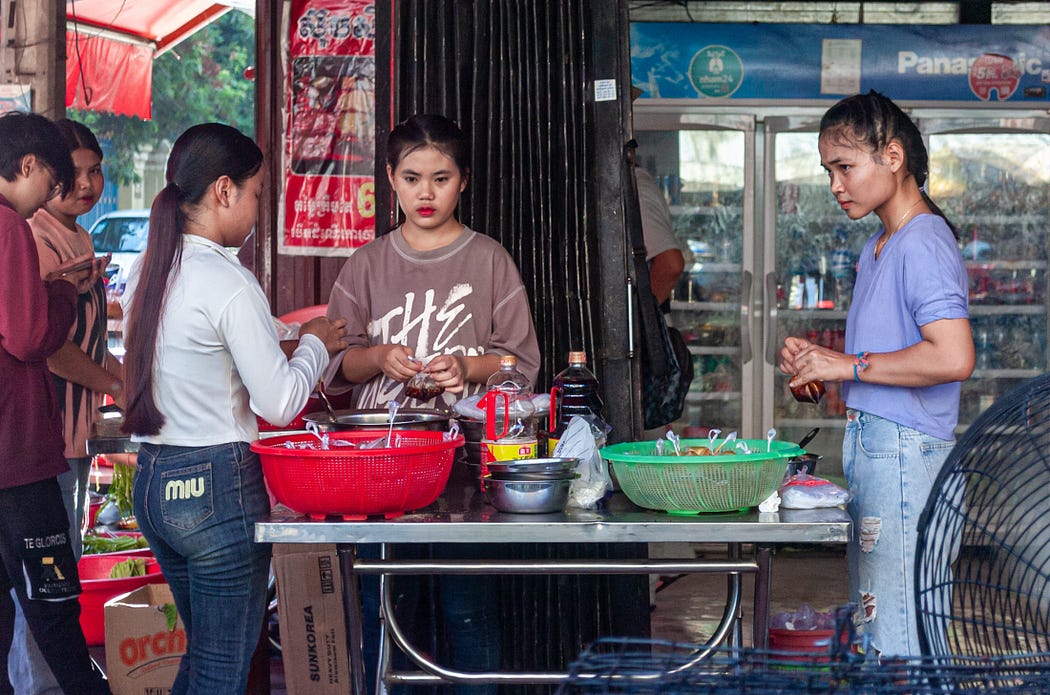
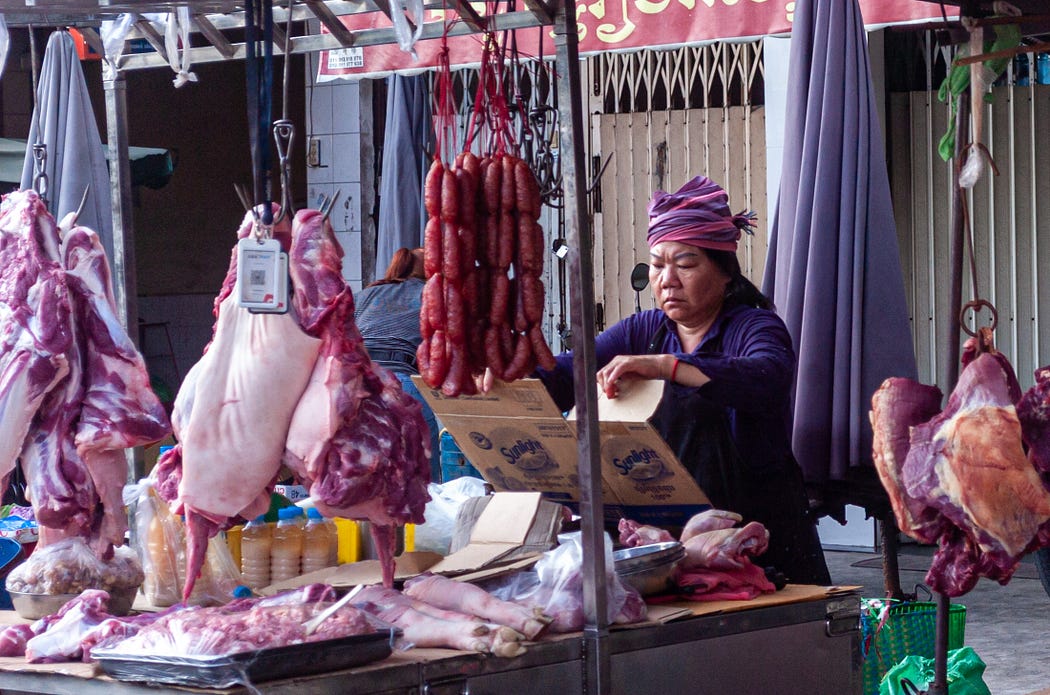
The floating villages on Tonle Sap Lake present a unique way of life, with communities built on stilts above the water. Photographers can capture the daily activities of the locals, the lively markets, and the serene sunsets over the lake. In the countryside, the rice paddies and sugar palm trees create a picturesque rural landscape, especially during the golden hours of sunrise and sunset.
For a touch of the coast, Kep Province offers tranquil beaches and the famous Crab Market, while the pine forests of Kirirom are a refreshing change from Cambodia’s typical scenery. Mondulkiri Province provides a stark contrast with its rolling hills and elephant sanctuaries, offering a glimpse into the diverse ecosystems of Cambodia.

Each of these locations not only provides stunning visuals but also tells a story of Cambodia’s past and present, making them not just photography spots but gateways to understanding and appreciating this fascinating country. Whether you’re a seasoned photographer or just starting, Cambodia’s rich landscapes and cultural tapestry will surely inspire and captivate.
Embarking on a photography trip to Cambodia is an exciting venture that requires thoughtful preparation to ensure you capture the country’s beauty and essence. Firstly, it’s crucial to ensure your passport is valid for at least six months beyond your planned return date, as entry into Cambodia requires this. Next, consult with a travel health clinic to arrange any recommended inoculations well in advance of your trip. It’s also wise to purchase travel insurance with comprehensive health coverage to protect against any unforeseen circumstances.
When it comes to gear, a versatile camera setup is key. Consider a range of lenses to capture the diverse landscapes and architectural wonders, from wide-angle lenses for the grandeur of Angkor Wat to a telephoto lens for candid street portraits. A lightweight tripod can be invaluable for early morning and late evening shoots, especially for those breathtaking sunrises and sunsets. Don’t forget extra batteries and memory cards, as you’ll likely be taking more photos than you anticipate.

Research is your ally; familiarize yourself with the locations you wish to visit. Understanding the cultural significance and the best times for lighting will help in planning your itinerary. For instance, Angkor Wat is renowned for its stunning sunrise, so you’ll want to be in position well before dawn breaks. Similarly, the floating villages on Tonle Sap Lake are most lively in the early hours, offering a glimpse into the daily lives of the locals.
Cultural sensitivity is paramount. Engaging with local people respectfully and seeking permission before taking photos is not only courteous but often leads to more meaningful interactions and photographs. Learning a few phrases in Khmer, such as greetings and how to ask for permission, can go a long way in building rapport with your subjects.

Packing for the climate is also essential. Cambodia can be hot and humid, so breathable, lightweight clothing is advisable. Rain gear is a must during the rainy season, and sturdy, comfortable footwear will serve you well on the uneven terrain of temple ruins and rural areas.

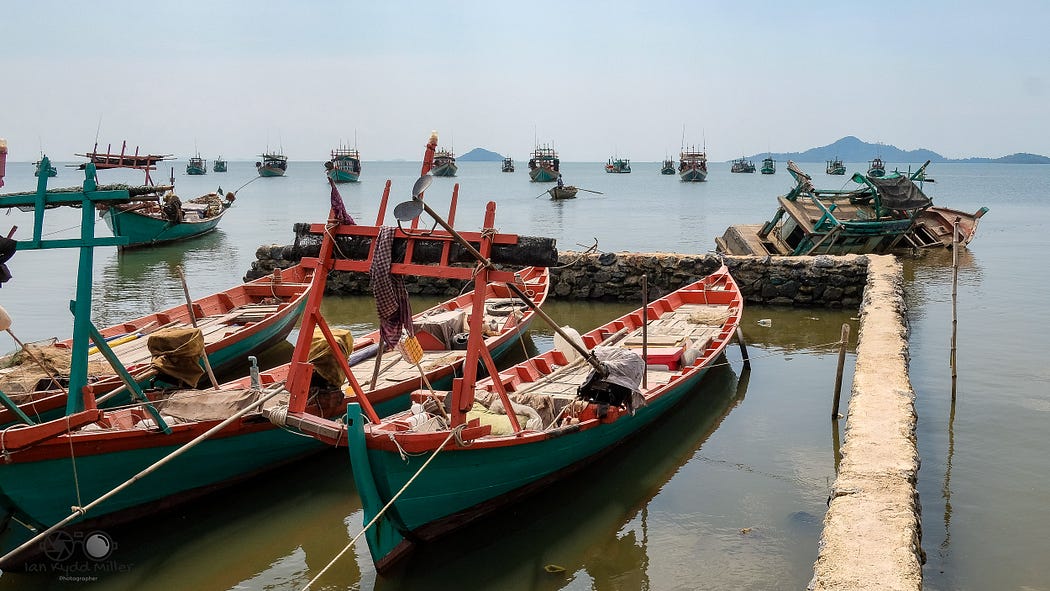
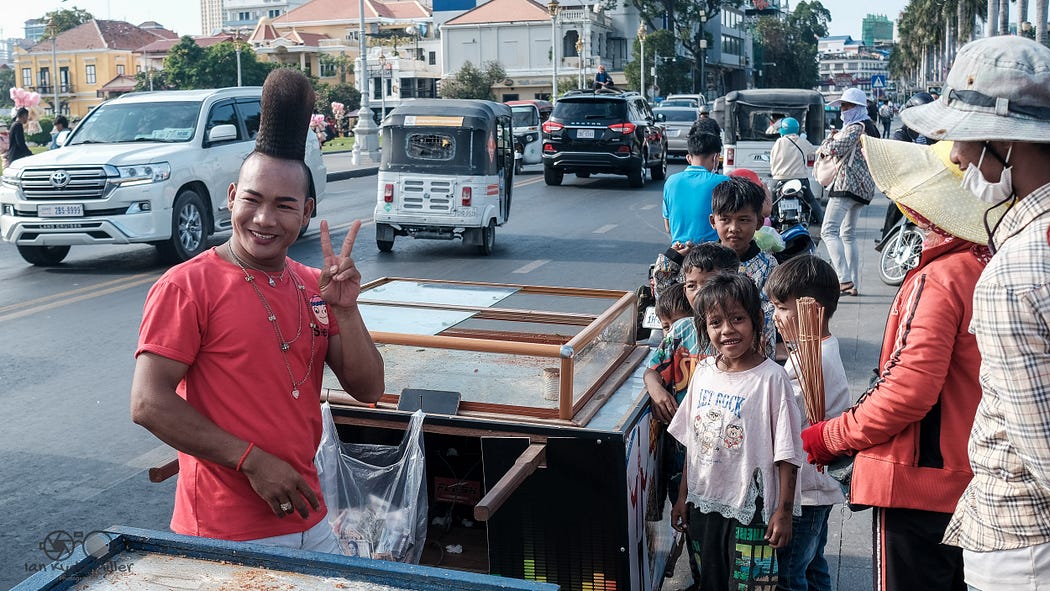


Lastly, consider your storage and backup solutions. Portable hard drives or cloud storage can safeguard your precious photos. And remember, while capturing the sights through your lens, take time to immerse yourself in the moment and enjoy the rich experiences that Cambodia offers. With these preparations in place, you’re set for a photographic journey that will yield not just images but memories to last a lifetime.
Travelling in Cambodia is an enriching experience, and staying safe is paramount to ensure a memorable journey. It’s widely regarded as a friendly destination, but like any travel adventure, it’s wise to take precautions. General health should be a priority; consult with healthcare providers for necessary vaccinations and consider carrying a basic medical kit for minor ailments. The availability of medical facilities varies, with limited options in rural areas, so it’s best to be prepared.
When it comes to personal safety, common sense is your best defence. Stay in well-lit, populated areas, especially at night, and be cautious when venturing into less familiar territories. Trust your instincts — if an area feels unsafe, it’s advisable to leave. Petty crimes like pickpocketing can occur, particularly in tourist areas, so keep your belongings secure and maintain awareness of your surroundings.
Using hotel safes for valuables and carrying only what you need for the day can minimize risks. When exploring, it’s recommended to dress inconspicuously to blend in and avoid drawing attention. If you’re out at night, consider having a companion, and always keep a clear head — avoiding excessive alcohol consumption can help you stay alert and make sound decisions.

Transportation safety is also crucial. Stick to reputable taxi companies or arrange transportation through your accommodation. When using tuk-tuks or motorbike taxis, agree on the fare beforehand to avoid misunderstandings. For longer journeys, opt for well-known bus companies that prioritize safety.
In terms of belongings, it’s advisable to carry bags on the side furthest from the road to deter snatch-and-grab thefts, and never leave items unattended. A personal alarm can be a useful tool for drawing attention in uncomfortable situations. Additionally, using an unlocked mobile phone with a local SIM card can keep you connected without incurring high roaming charges.
Understanding local customs and laws is essential. Respect cultural norms, dress appropriately when visiting temples, and always ask for permission before taking photos of people. Being culturally sensitive not only ensures a respectful interaction but can also enhance your travel experience.
Lastly, staying informed about the current political and social climate is important. Check travel advisories from your government before and during your trip for any updates on safety concerns. With these tips in mind, you can navigate Cambodia’s stunning landscapes and rich culture with confidence and peace of mind. Enjoy the journey and the many photographic opportunities that await you in this captivating country.
 a world without pictures is like coffee without cream and sugar, bitter