


The Nikon D700 is a beloved camera among photography enthusiasts and professionals for several reasons:

- Full-Frame Sensor: It features a 12.1-megapixel FX-format CMOS sensor, which provides excellent image quality and low-light performance.
- Build Quality: The D700 is known for its robust and durable build, making it suitable for various shooting conditions.
- Autofocus System: It has a 51-point autofocus system with 15 cross-type sensors, ensuring precise and fast focusing.
- High ISO Performance: The camera performs well at high ISO settings, allowing for great shots in low-light environments.
- Continuous Shooting: It offers a speed of up to 5 frames per second. An optional battery grip can increase this to 8 frames per second.
- Versatility: The D700 supports a wide range of Nikon F-mount lenses. Including older AI/AI-S lenses, making it a versatile choice for photographers.
Overall, the Nikon D700 is praised for its combination of image quality, build, and performance, making it a reliable choice for many photographers.













What is so good about its sensor ??
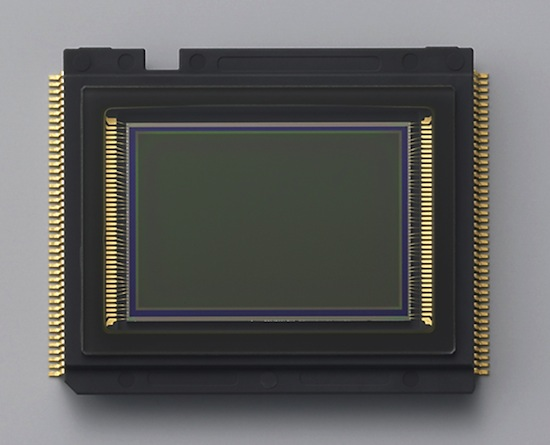
The Nikon D700’s sensor is highly regarded for several reasons:
- Full-Frame Sensor: The 12.1-megapixel FX-format CMOS sensor provides excellent image quality with a wide dynamic range and rich colour depth.
- Low-Light Performance: The sensor performs exceptionally well in low-light conditions, producing clean images with minimal noise even at high ISO settings.
- Detail and Sharpness: The sensor captures fine details and sharpness, making it ideal for various types of photography, from landscapes to portraits.
- Versatility: The full-frame sensor allows for greater control over depth of field, enabling photographers to achieve beautiful background blur (bokeh) and more creative compositions.









Overall, the sensor in the Nikon D700 is a key factor in its reputation for delivering high-quality images in a variety of shooting conditions.
The Nikon D700’s autofocus (AF) system is highly praised for its performance and reliability. Here are some key features:
- 51-Point AF System: The D700 features a 51-point autofocus system, which includes 15 cross-type sensors. This ensures precise and fast focusing across a wide area of the frame.
- 3D Tracking: The camera’s 3D tracking feature allows it to follow moving subjects accurately, making it ideal for action and sports photography.
- Low-Light Performance: The AF system performs well in low-light conditions, maintaining accuracy and speed even in challenging lighting situations.
- Customizable Settings: The D700 offers various AF modes and settings, allowing photographers to customize the autofocus performance to suit their specific needs.
Overall, the AF system in the Nikon D700 is one of its standout features, providing reliable and accurate focusing for a wide range of photography scenarios.
The Nikon D700’s shutter is indeed rated for 150,000 actuations, which is a realistic estimate for its lifespan. However, it’s important to note that this is an average figure. Some shutters may fail earlier, while others can exceed this number significantly. Many users have reported their D700s lasting well beyond the 150,000 mark2. If the shutter does wear out, it can be replaced, allowing the camera to continue functioning.

So, while 150,000 actuations is a good benchmark, individual experiences may vary. If you’re a heavy shooter, it’s always good to keep an eye on the shutter count and be prepared for potential maintenance down the line.
 a world without pictures is like coffee without cream and sugar, bitter