
🌱 1. Photography begins with personal curiosity
Every meaningful photographer — from Eggleston to Moriyama to Meyerowitz — started by photographing things that spoke to them, even when others didn’t understand it.
Your eye is your signature. Your interests are your compass. Your curiosity is your engine.
If you only photographed what others find interesting, you’d lose the very thing that makes your work yours.

🧠 2. You’re training your perception, not chasing approval
When you photograph what catches your attention, you’re strengthening:
- your ability to notice
- your sensitivity to atmosphere
- your instinct for composition
- your personal visual language
This is the foundation of contemplative photography — the practice of seeing rather than performing.
It’s the opposite of something to worry about.
🎨 3. What interests you now becomes your style later
Most photographers don’t discover their “style” by planning it. It emerges from years of following small, personal fascinations:
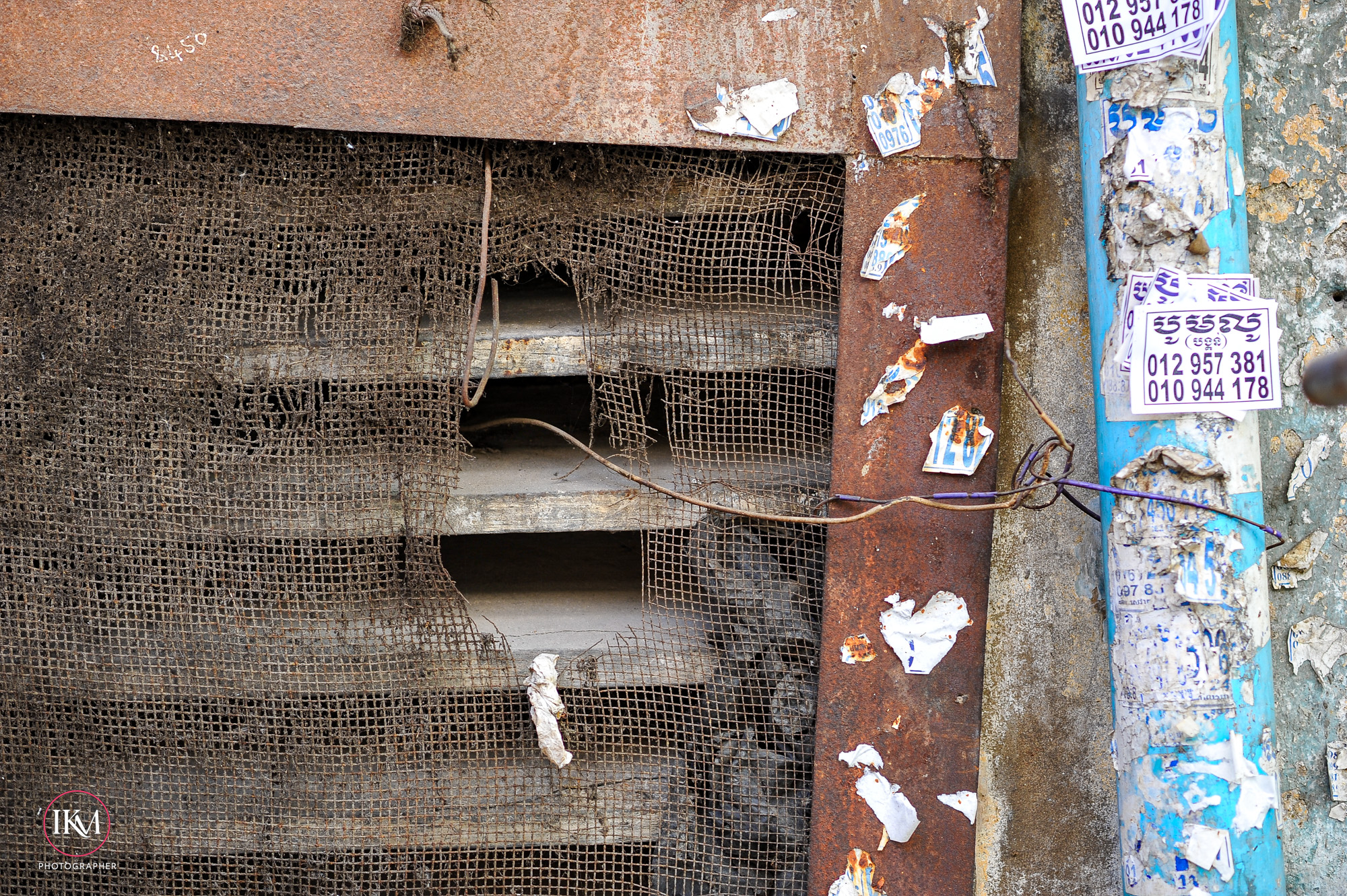
- textures
- colours
- shadows
- quiet scenes
- overlooked details
- odd juxtapositions
- moments others walk past
These tiny choices accumulate into a body of work that feels unmistakably yours.
🔍 4. The world doesn’t need more generic images
It needs people who see differently.
If you’re photographing things others might ignore, you’re doing exactly what artists do:
- noticing the unnoticed
- elevating the ordinary
- revealing the subtle
- documenting the overlooked
That’s not concerning — it’s valuable.
🧩 5. Your images don’t need to be “interesting” to others to matter
Photography isn’t a popularity contest. It’s a way of:
- thinking
- observing
- grounding yourself
- making sense of the world
- expressing your internal landscape
If the images resonate with you, they already have purpose.
✨ The real question isn’t “Should I be concerned?”
It’s: Are you photographing in a way that feels honest, curious, and alive?

