

Same focal length. Same max aperture. Very different intent.
The 85mm f/1.8GD vs 85mm f/1.8G comparison is way more interesting than people think—this isn’t just “older vs newer,” it’s two different philosophies of portrait lenses.
1. Design Philosophy (This Is the Core Difference)
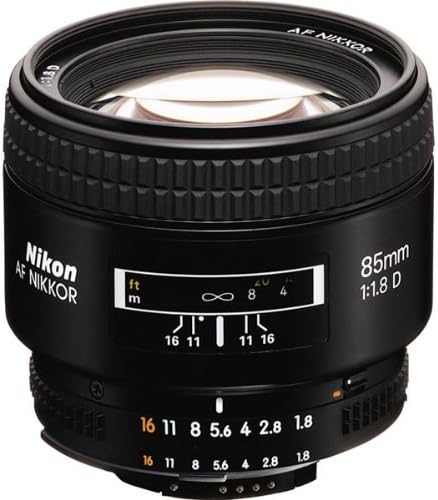
85mm f/1.8D
- Designed in the film-era mindset
- Optimized for:
- Speed
- Compactness
- High micro-contrast
- Assumes the photographer:
- Focuses manually with intent
- Accepts character over perfection
👉 The D lens does not apologize for optical flaws. It uses them.

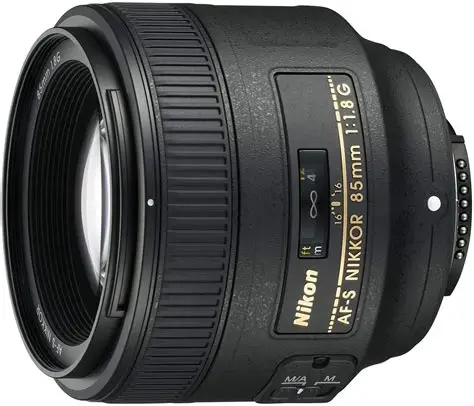
85mm f/1.8G
- Designed in the digital-era mindset
- Optimized for:
- Resolution
- Smoothness
- Consistency across the frame
- Assumes:
- High-resolution sensors
- Autofocus accuracy matters
- Images will be scrutinized at 100%
👉 The G lens is corrective and controlled.

2. Optical Performance
Sharpness
| Aperture | 85mm f/1.8D | 85mm f/1.8G |
|---|---|---|
| f/1.8 | Sharp center, soft edges | Sharper center, cleaner edges |
| f/2.8 | Very sharp | Extremely sharp |
| f/4–5.6 | Excellent | Clinically excellent |
- The G is objectively sharper, especially wide open and toward the edges.
- The D has bite—center sharpness with strong micro-contrast that feels punchy, especially on faces.
📌 On modern high-MP sensors, the G holds together better technically.
Contrast & Rendering
- D lens
- Higher micro-contrast
- Harder transitions
- More “snap”
- Faces look more sculpted, sometimes harsher
- G lens
- Smoother tonal roll-off
- Lower micro-contrast
- More forgiving on skin
- Easier to grade in post
👉 This is why some people say the D looks “3D” and the G looks “creamy.”
3. Bokeh & Out-of-Focus Rendering
85mm f/1.8D
- Nervous bokeh in busy backgrounds
- Cat’s-eye shapes near edges
- Double lines in specular highlights
- Can feel edgy or distracting
⚠️ Not a “safe” bokeh lens.









85mm f/1.8G
- Significantly smoother background blur
- More rounded aperture blades
- Better correction of spherical aberration
- Backgrounds dissolve rather than vibrate
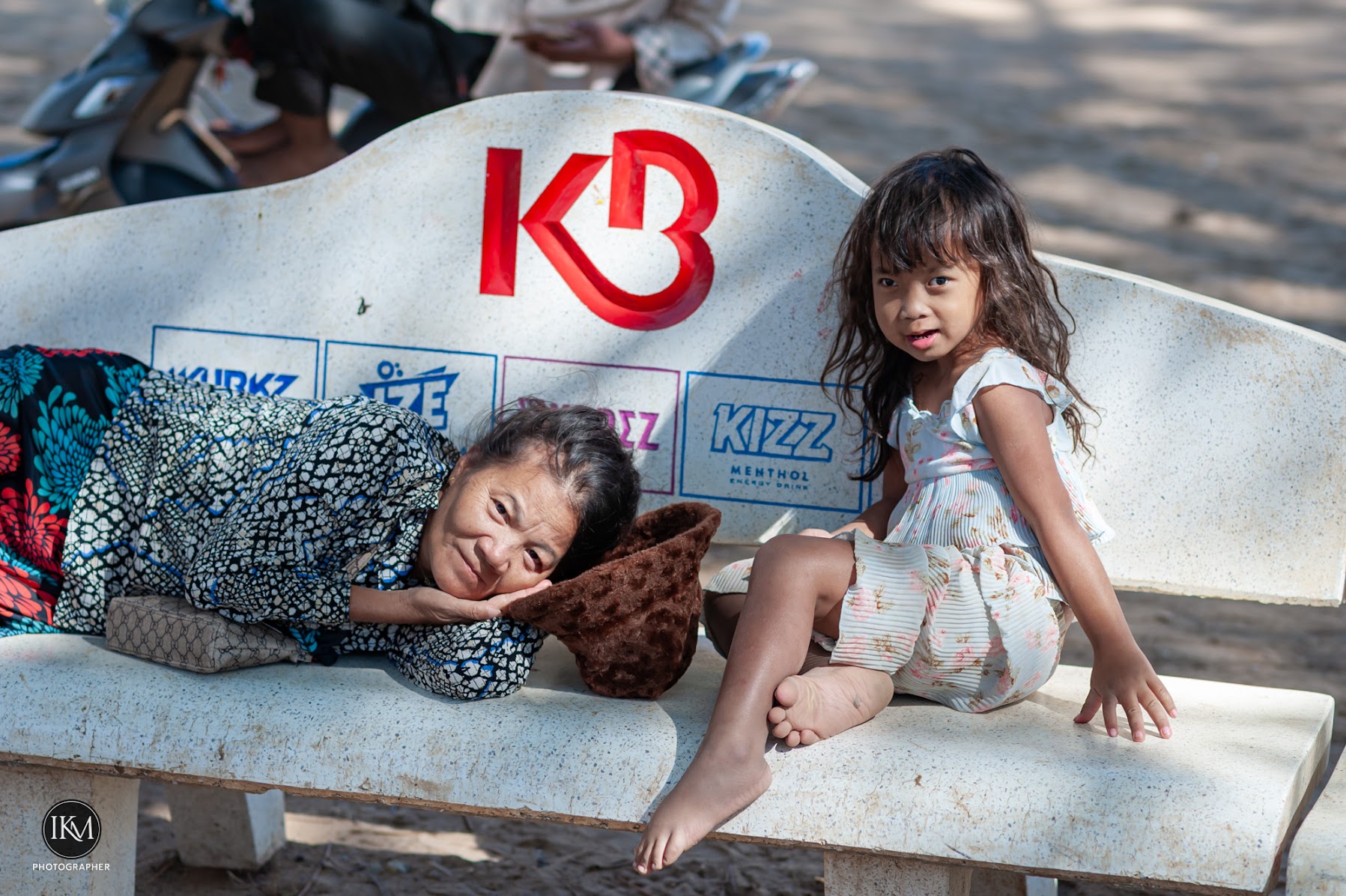
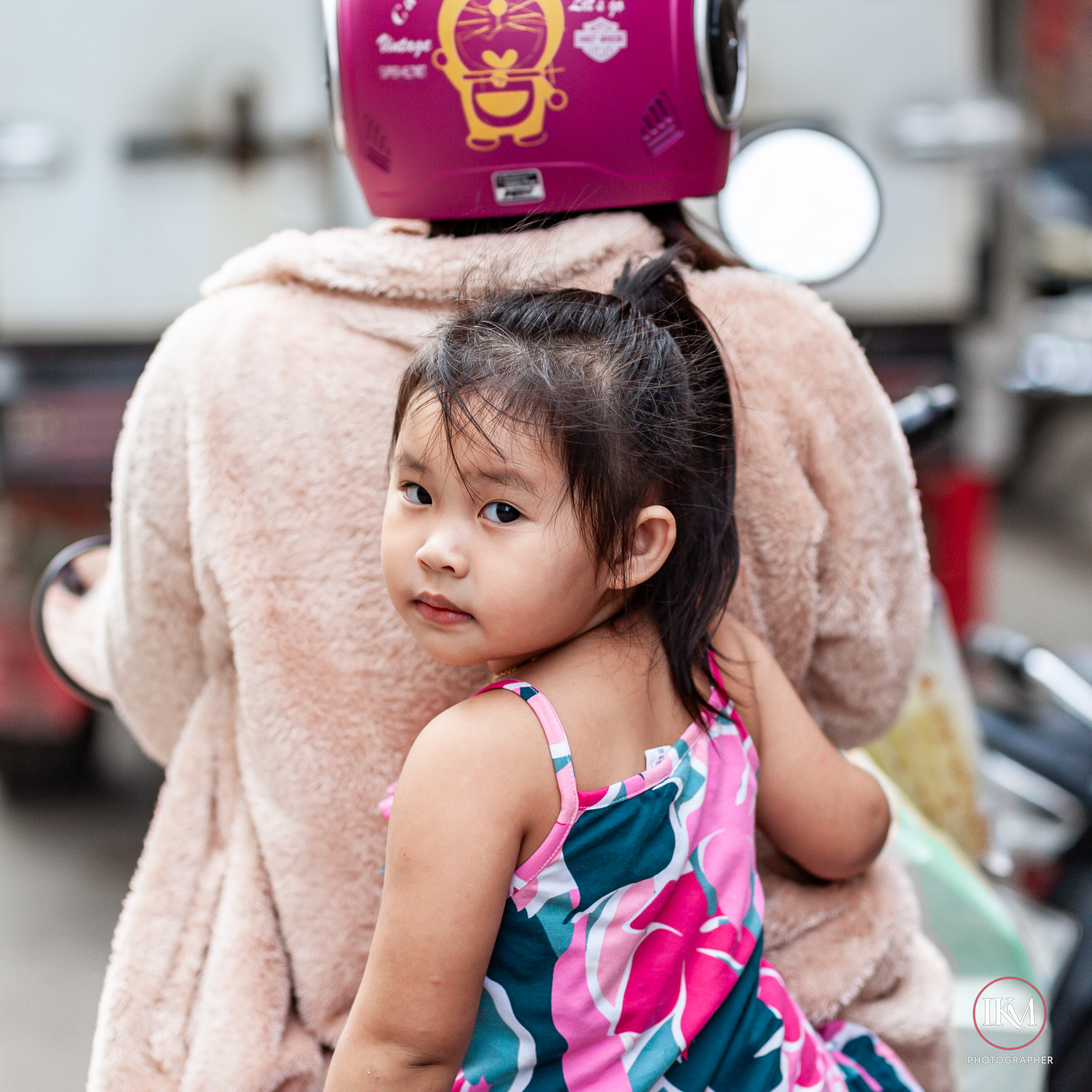
👉 For environmental portraits or street portraits, the G is far more predictable.





4. Autofocus & Handling
Autofocus
- D: Screw-drive AF
- Fast on pro bodies
- Noisy
- Inaccurate at f/1.8
- G: Silent Wave Motor (AF-S)
- Quieter
- More accurate
- Better for modern DSLRs
If you’re shooting moving subjects or candid portraits, the G wins decisively.
Build & Ergonomics
| Aspect | 1.8D | 1.8G |
|---|---|---|
| Size | Smaller | Larger |
| Weight | Lighter | Heavier |
| Build | Solid, simple | Modern composite |
| Focus ring | Better manual feel | Adequate, not special |
The D feels mechanical.
The G feels engineered.
5. Compatibility & Practical Reality
85mm f/1.8D
- ❌ No AF on entry-level Nikon bodies
- ✔️ Excellent on D700, D3, D4, Df
- ✔️ Gorgeous on film bodies
- ✔️ Very cheap on the used market
85mm f/1.8G
- ✔️ Full AF on all Nikon DSLRs
- ✔️ Designed for high-resolution sensors
- ✔️ Better resale value
- ❌ Less character
6. Character vs Control (The Honest Take)
Choose the 85mm f/1.8D if:
- You value rendering over perfection
- You shoot:
- Street portraits
- Gritty documentary
- Black & white
- You like lenses that argue back
- You enjoy working around flaws
👉 This lens has teeth.
Choose the 85mm f/1.8G if:
- You need:
- Reliable AF
- Smooth skin tones
- Predictable results
- You shoot:
- Editorial portraits
- Commercial work
- Color-heavy projects
- You want files that are easy to finish in post
👉 This lens is quietly competent.
7. One-Line Verdict (Brutally Honest)
- 85mm f/1.8D:
A portrait lens with attitude and consequences. - 85mm f/1.8G:
A portrait lens that stays out of the way.
 a world without pictures is like coffee without cream and sugar, bitter