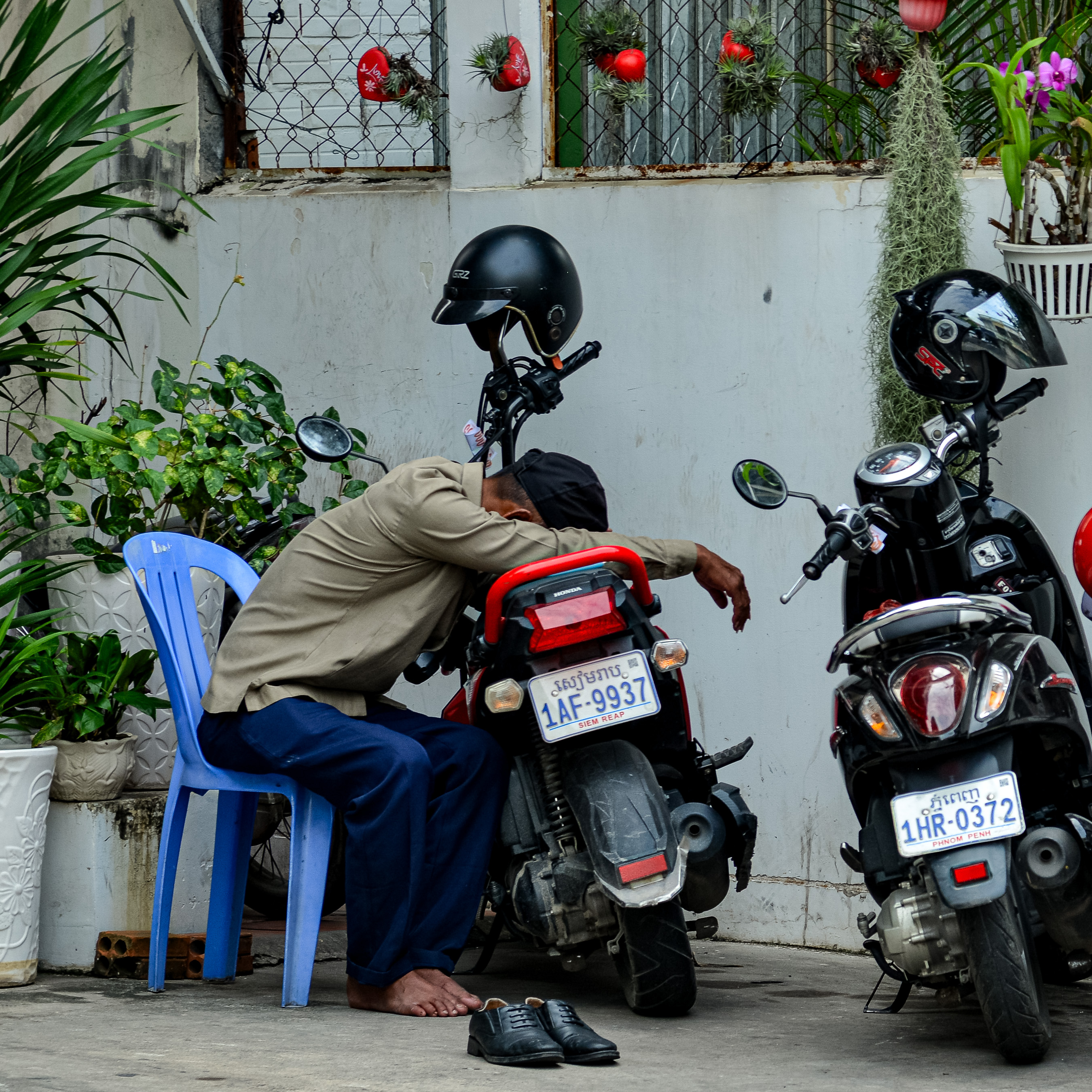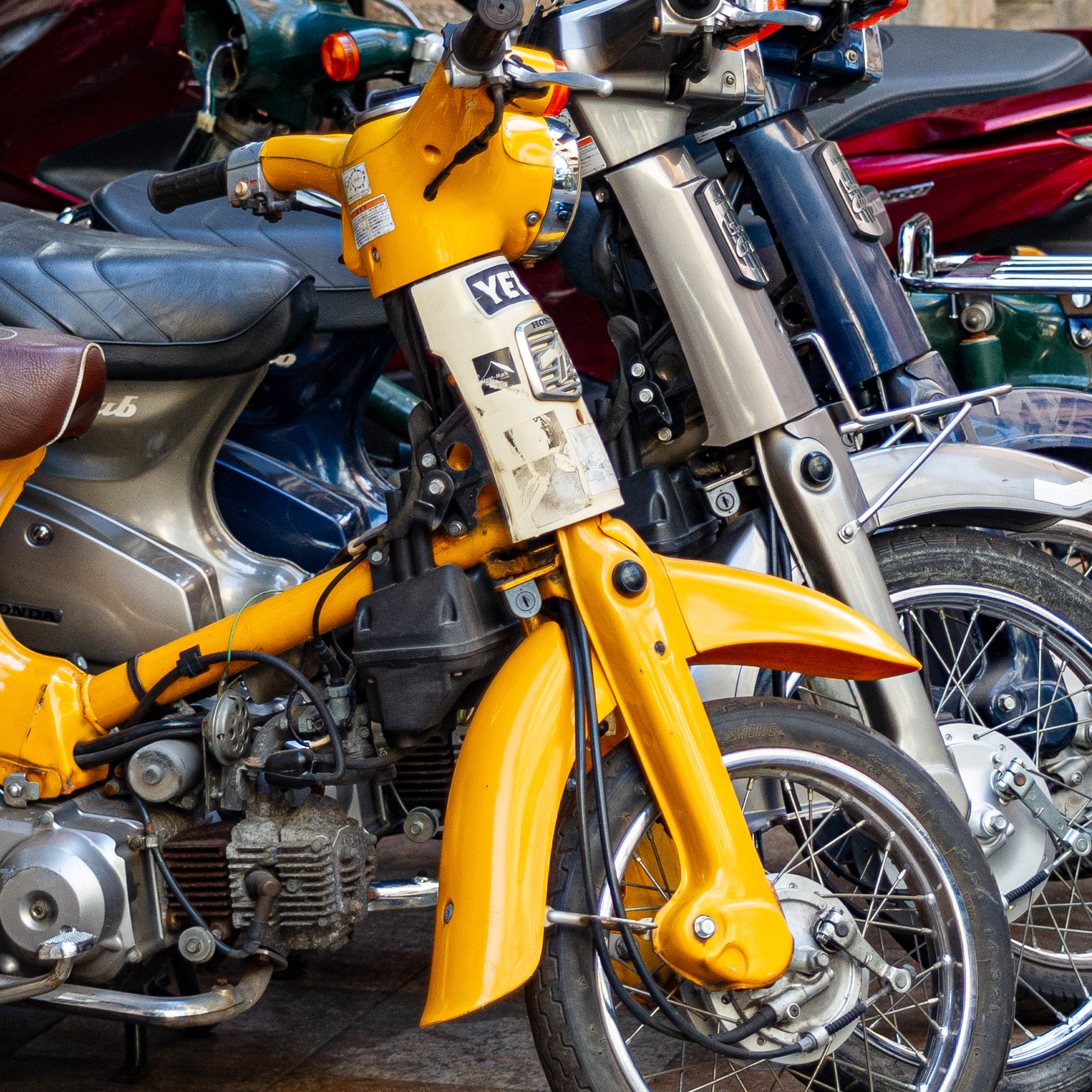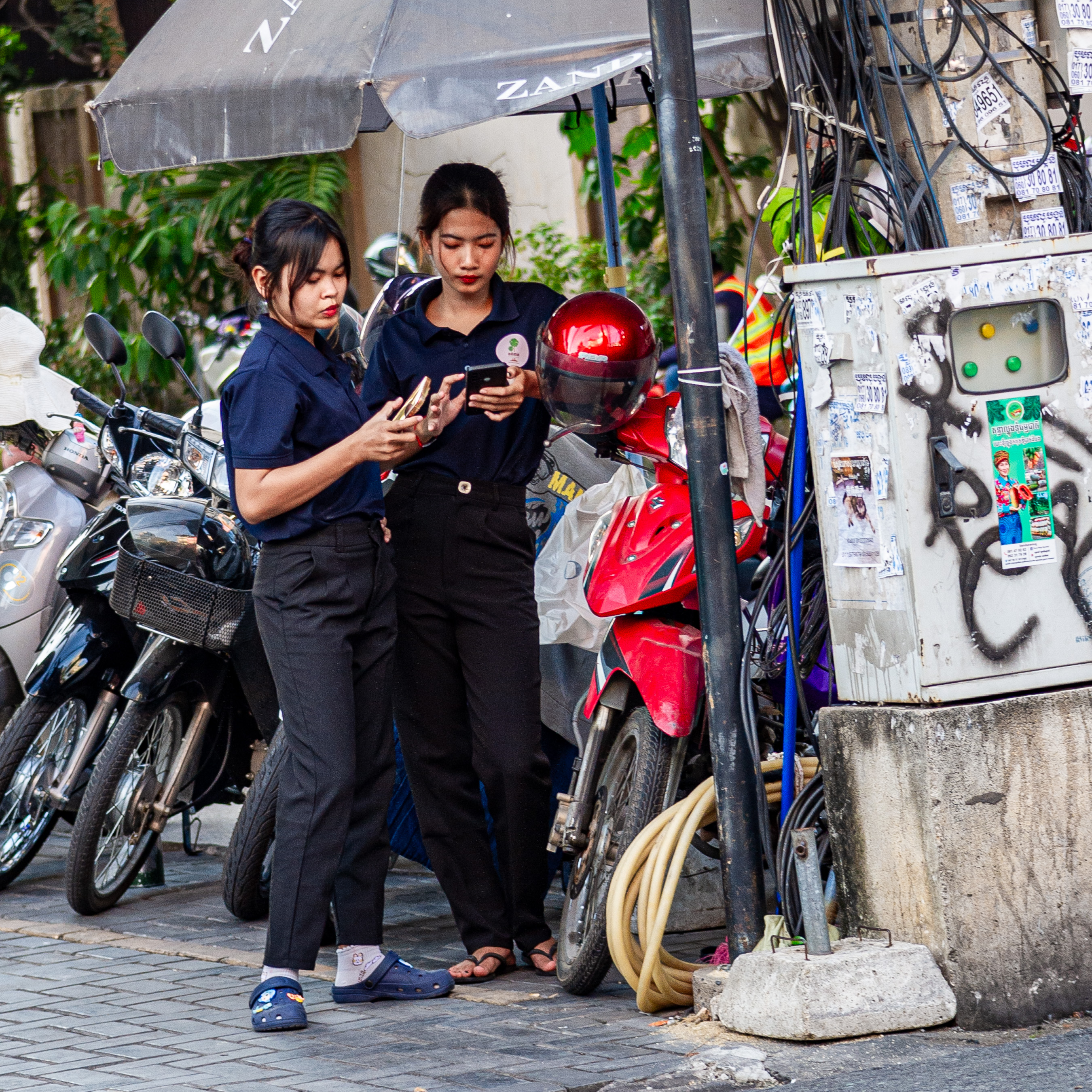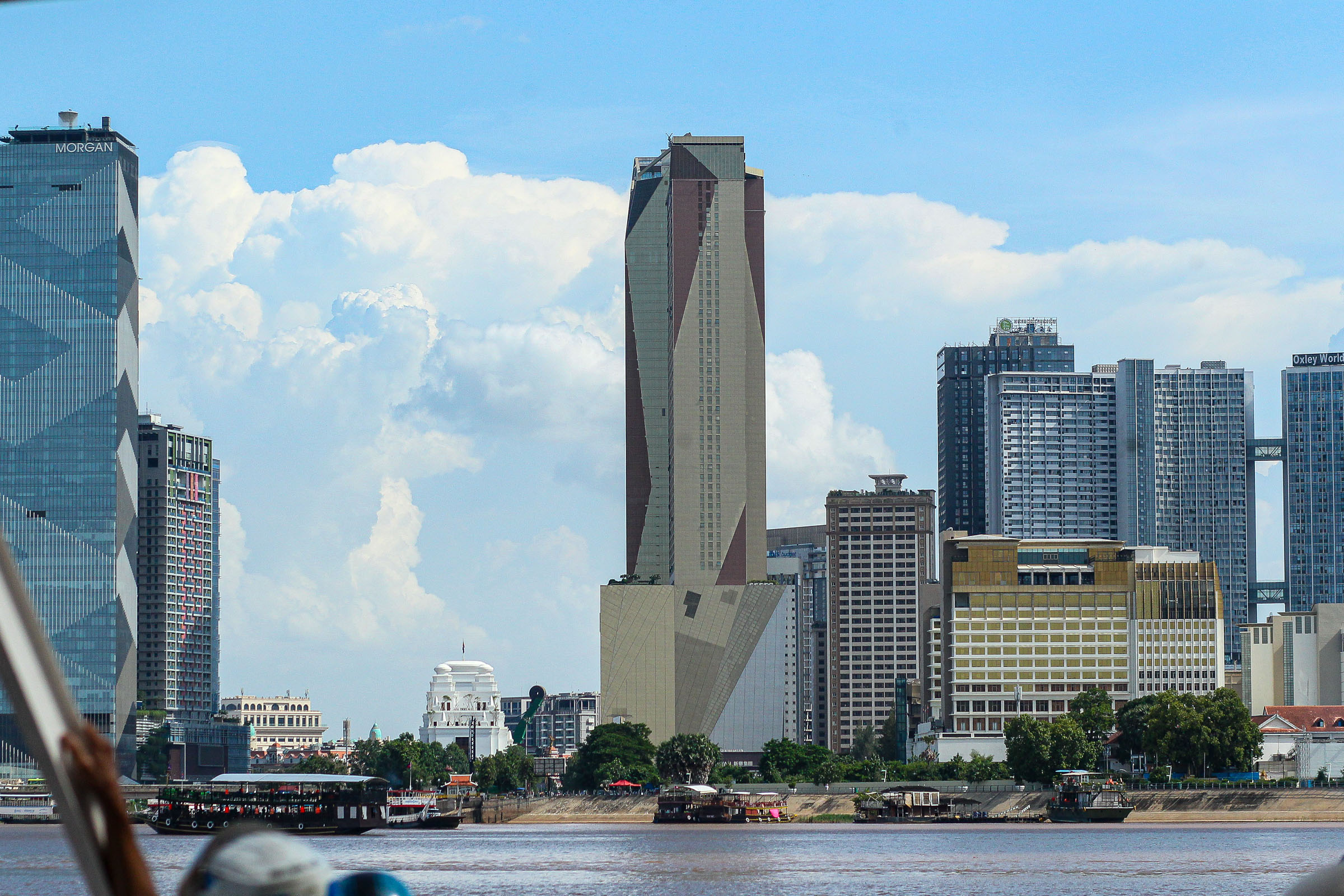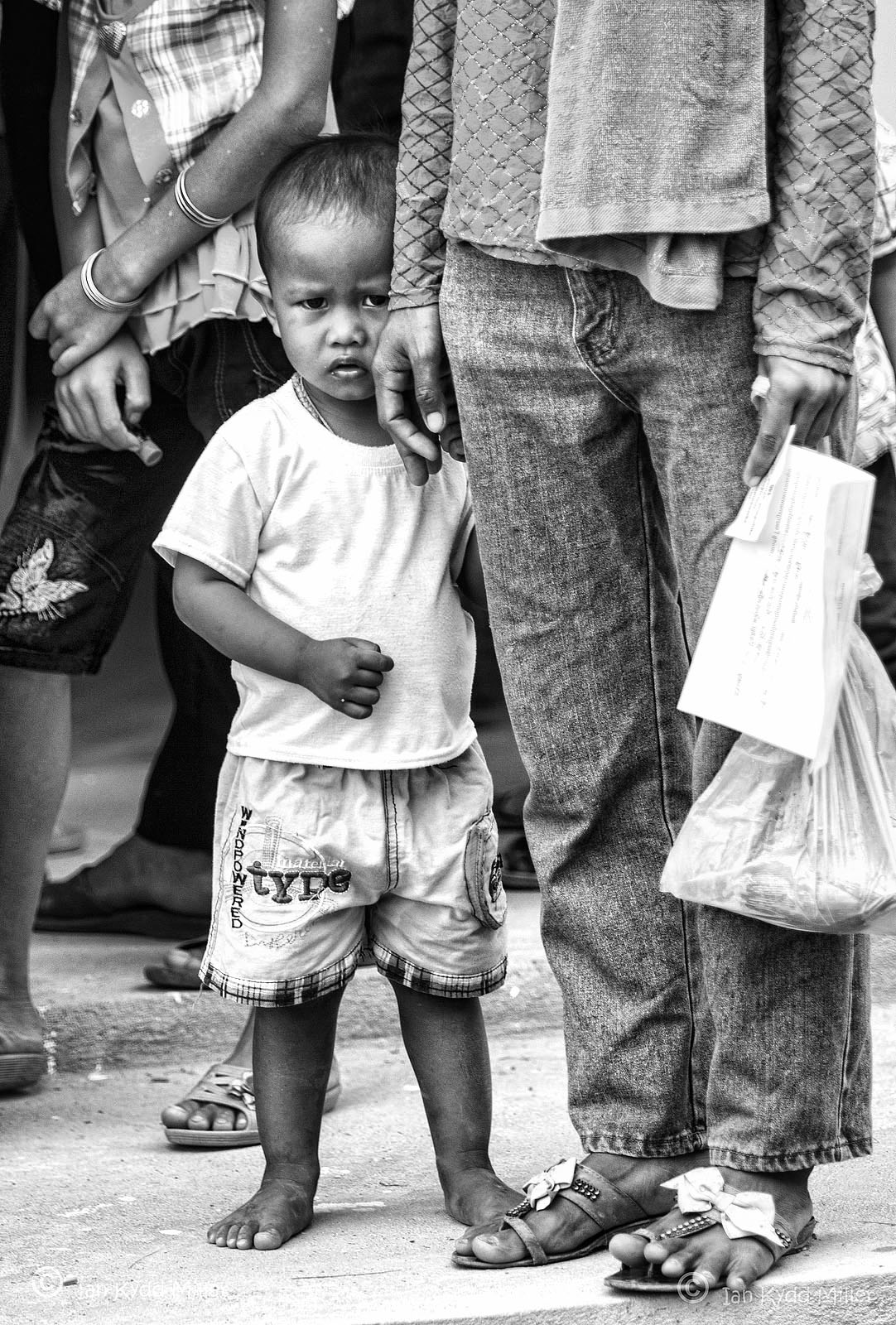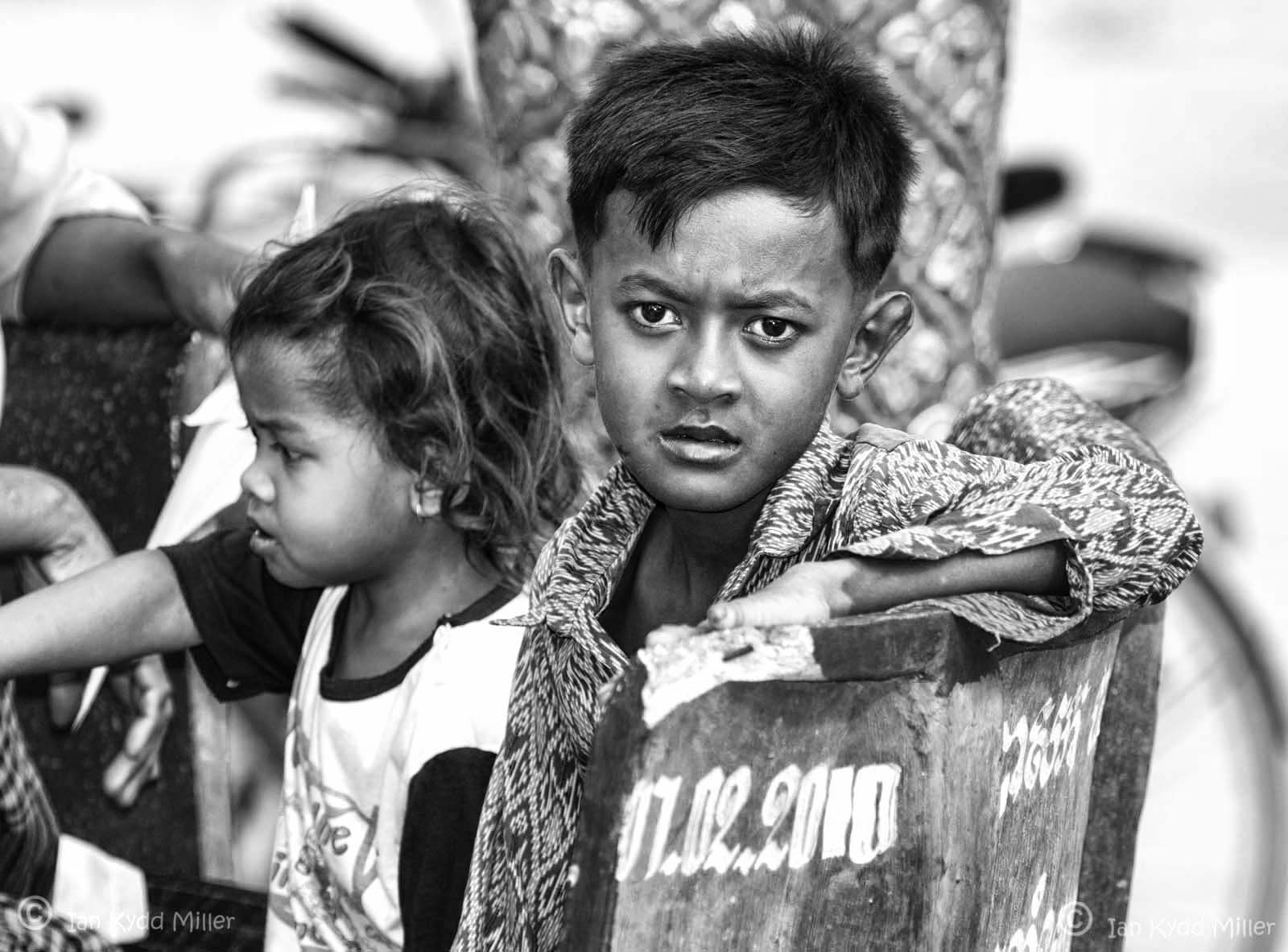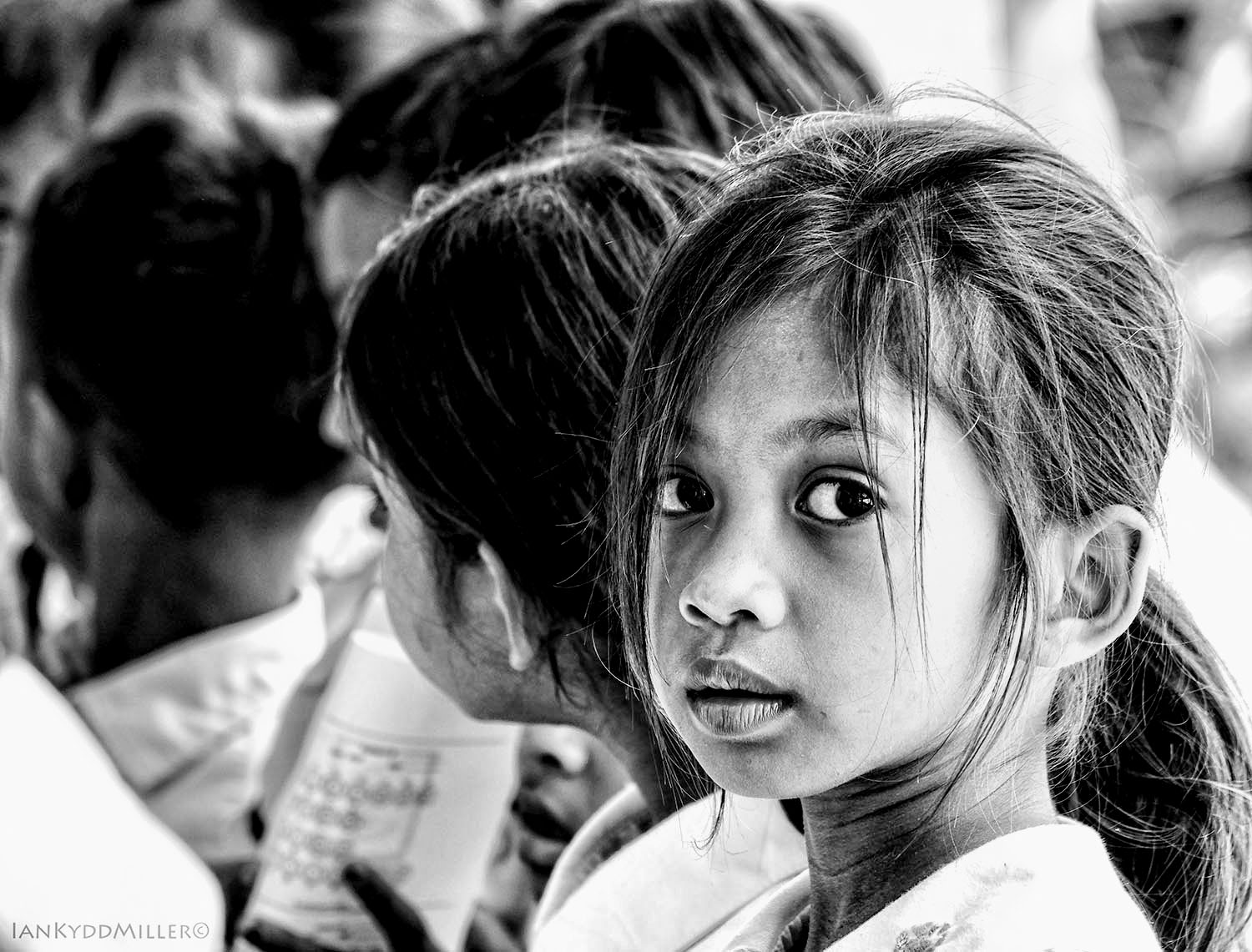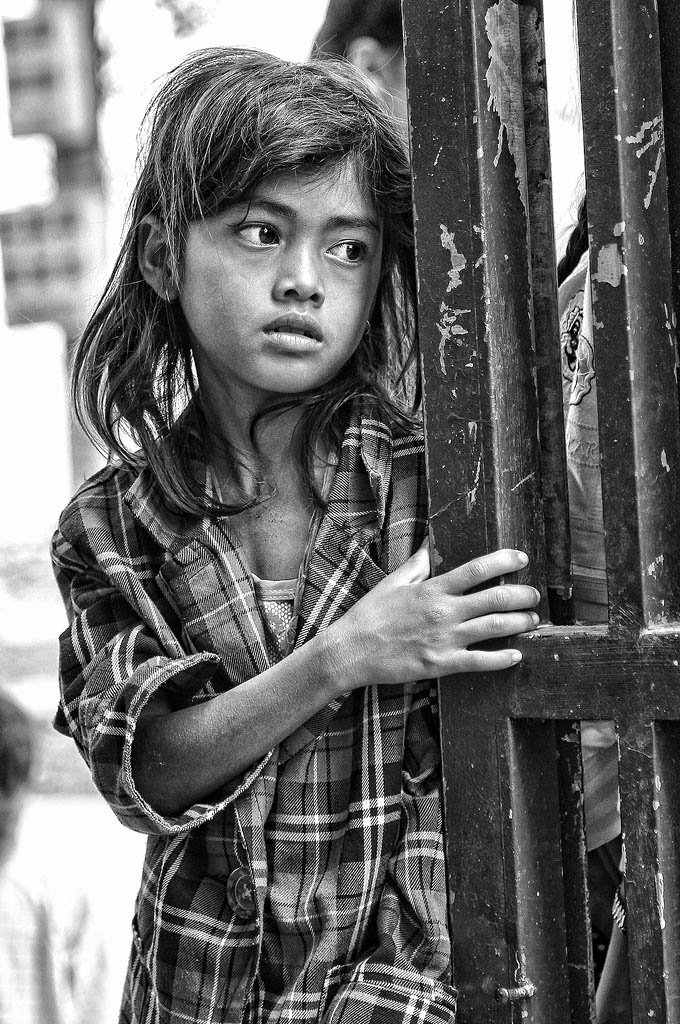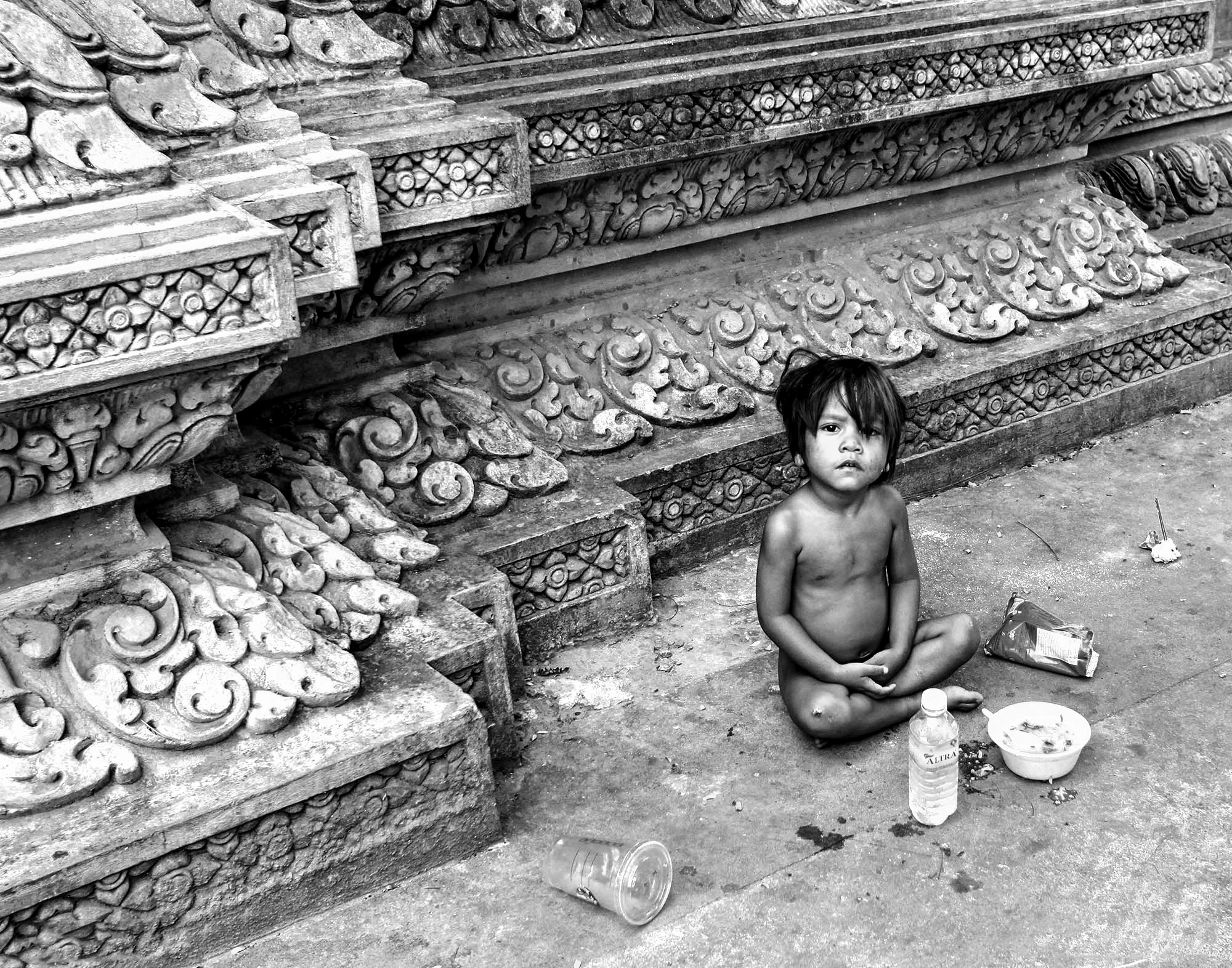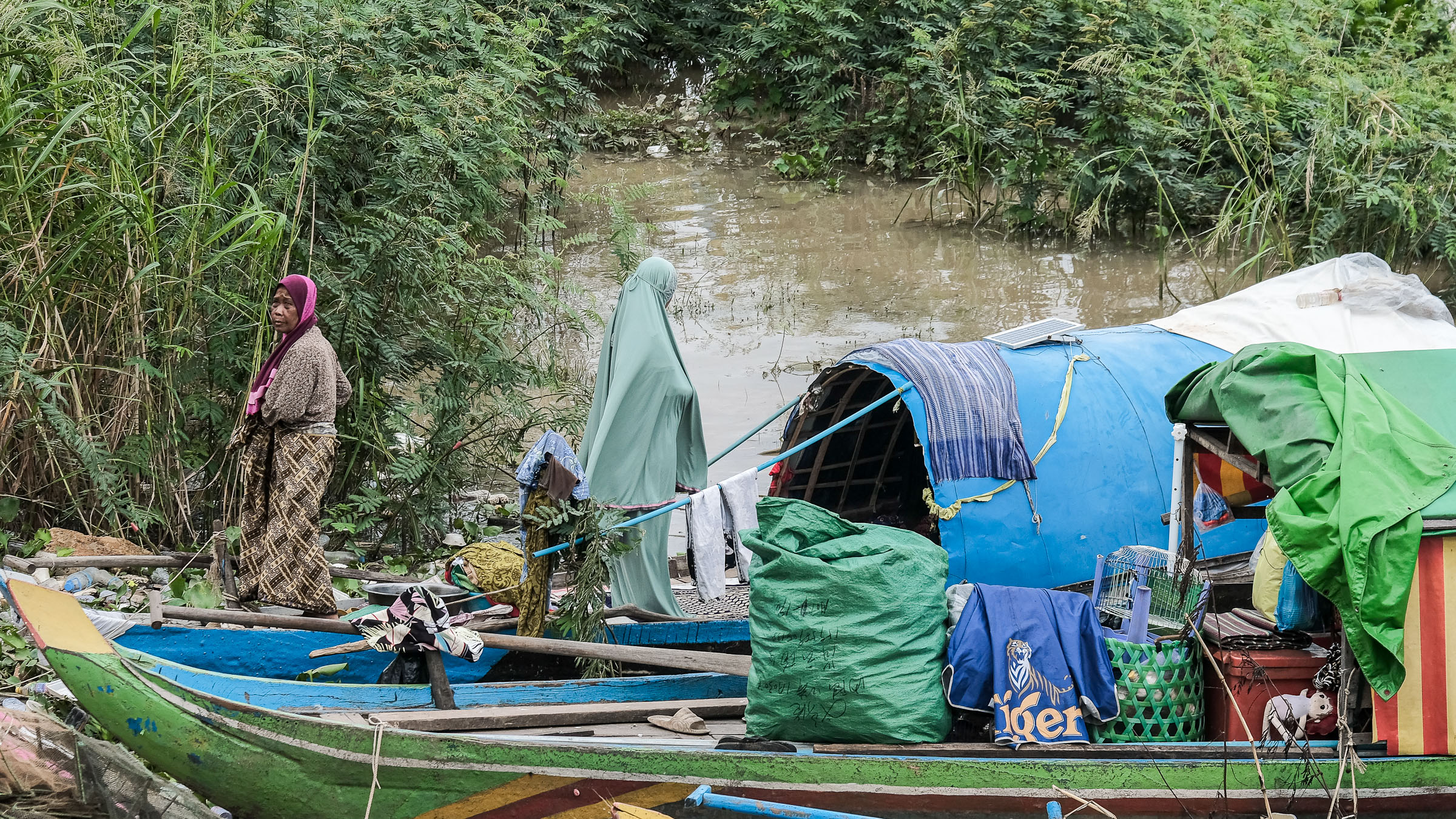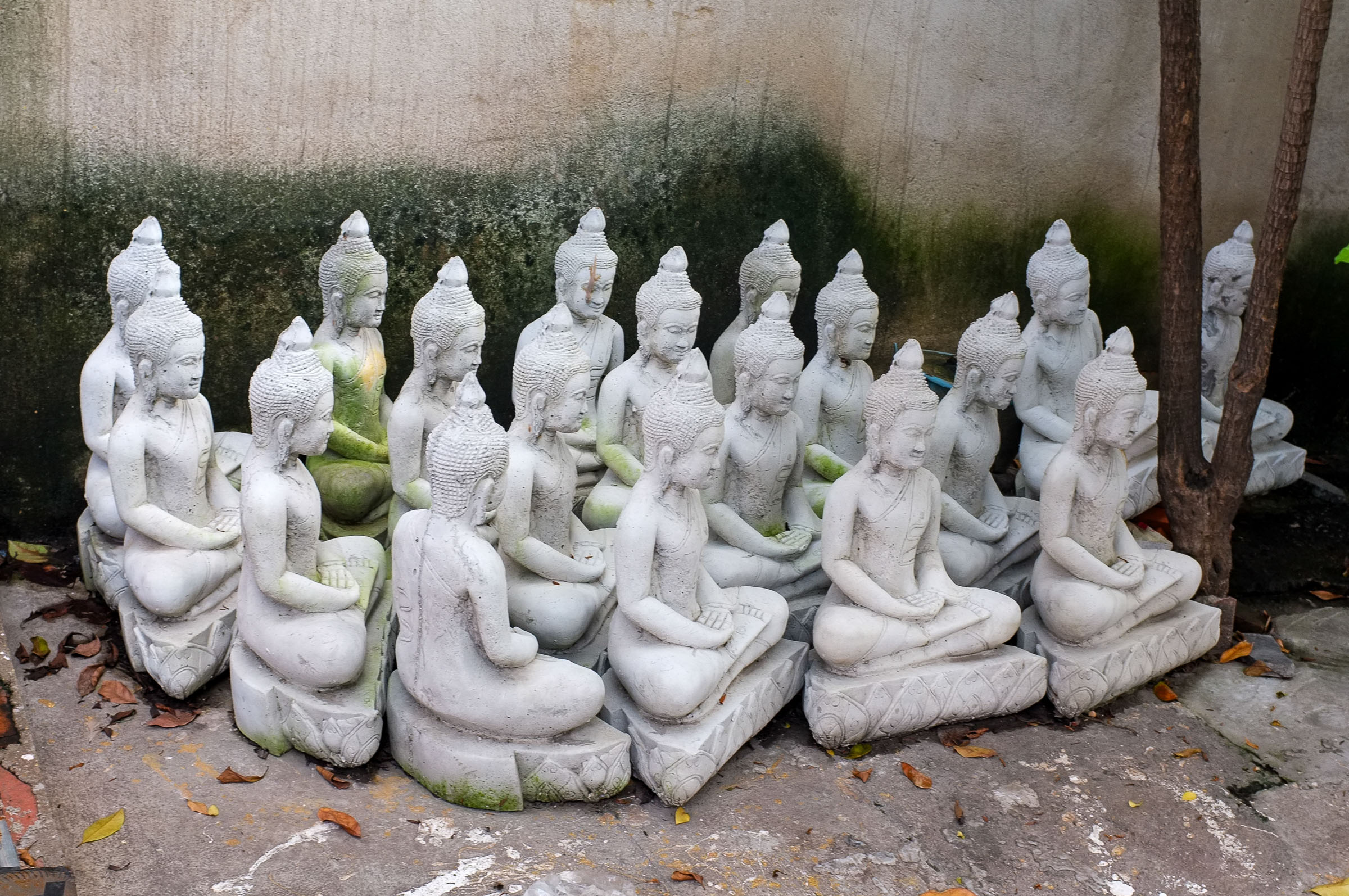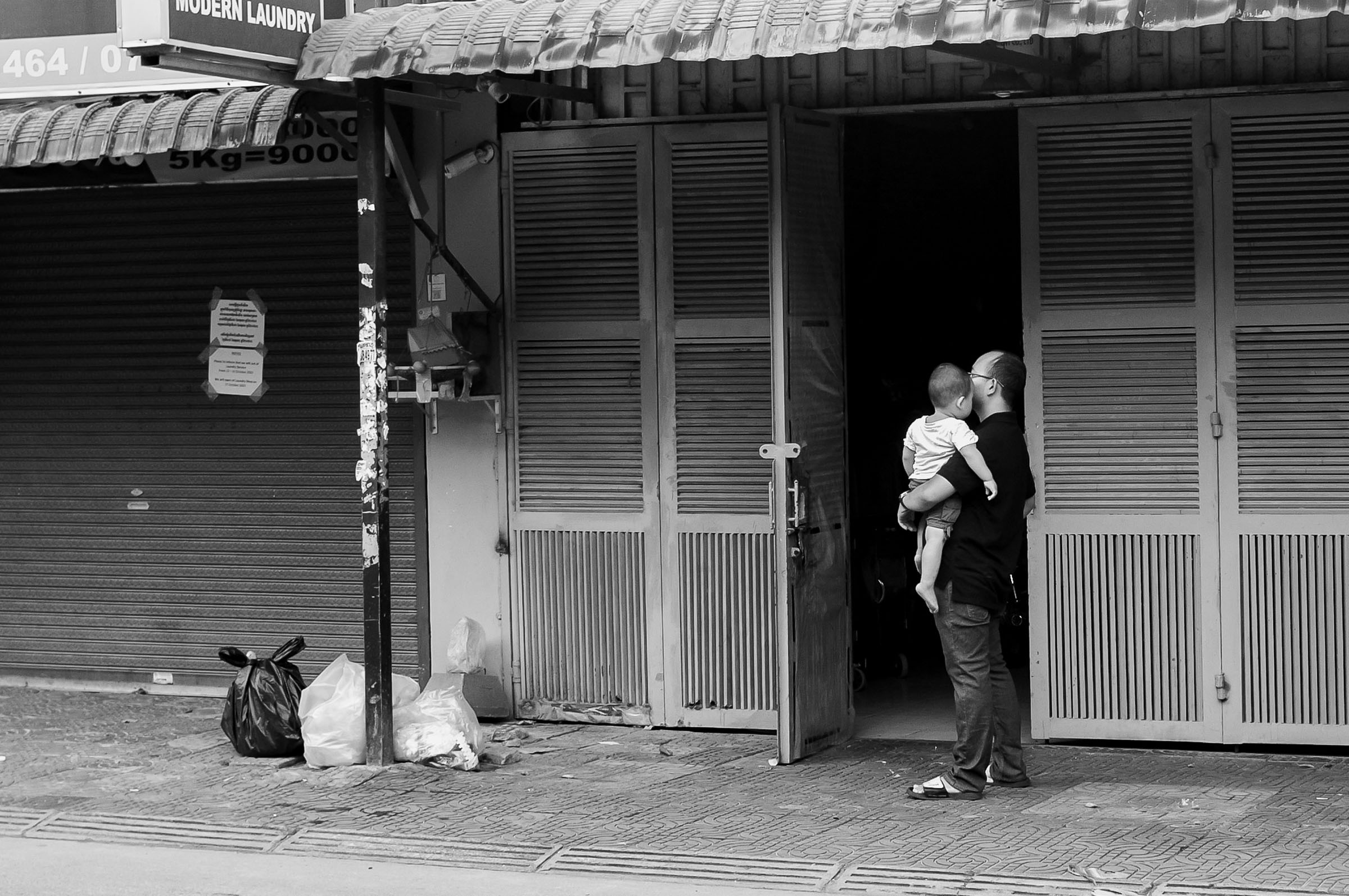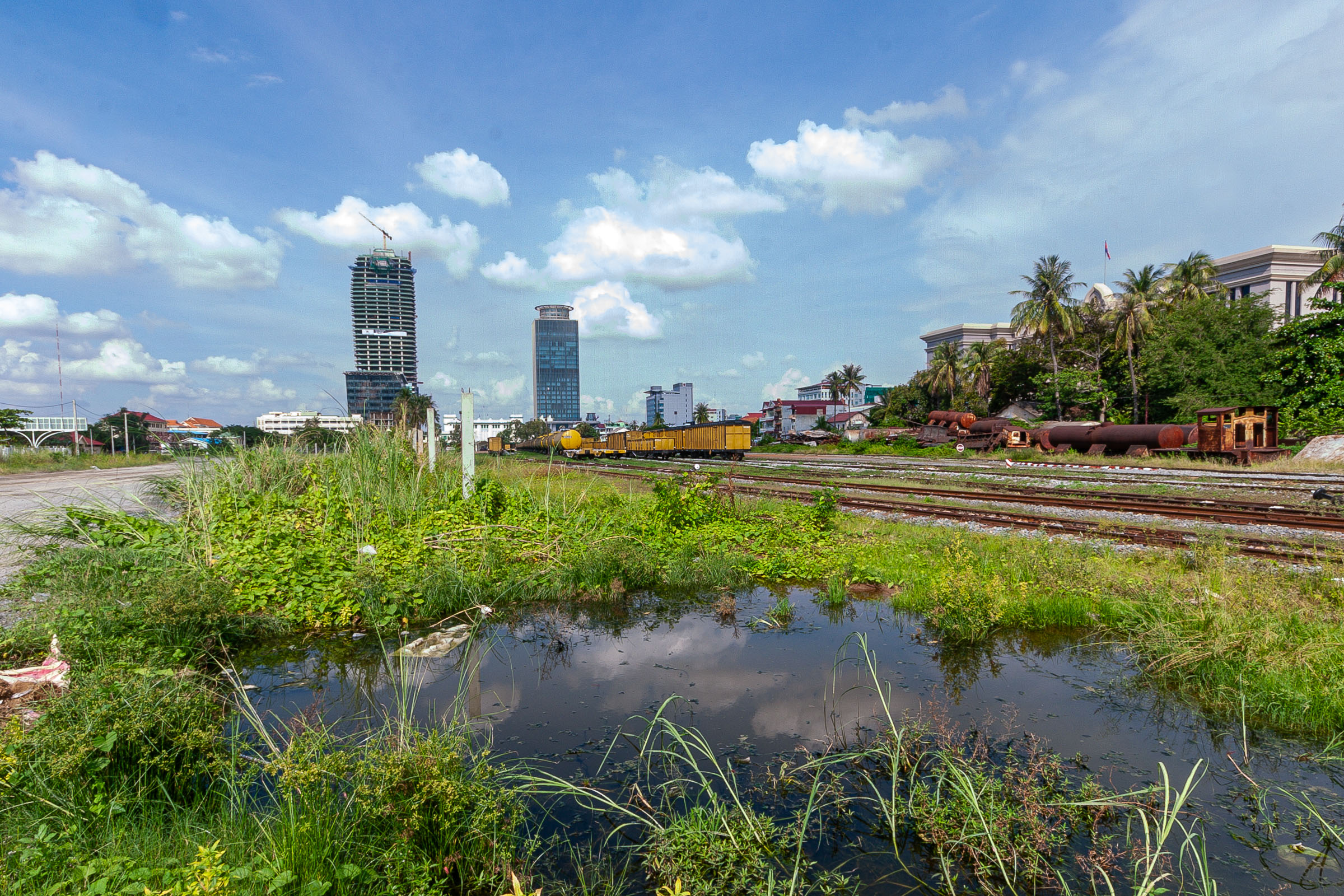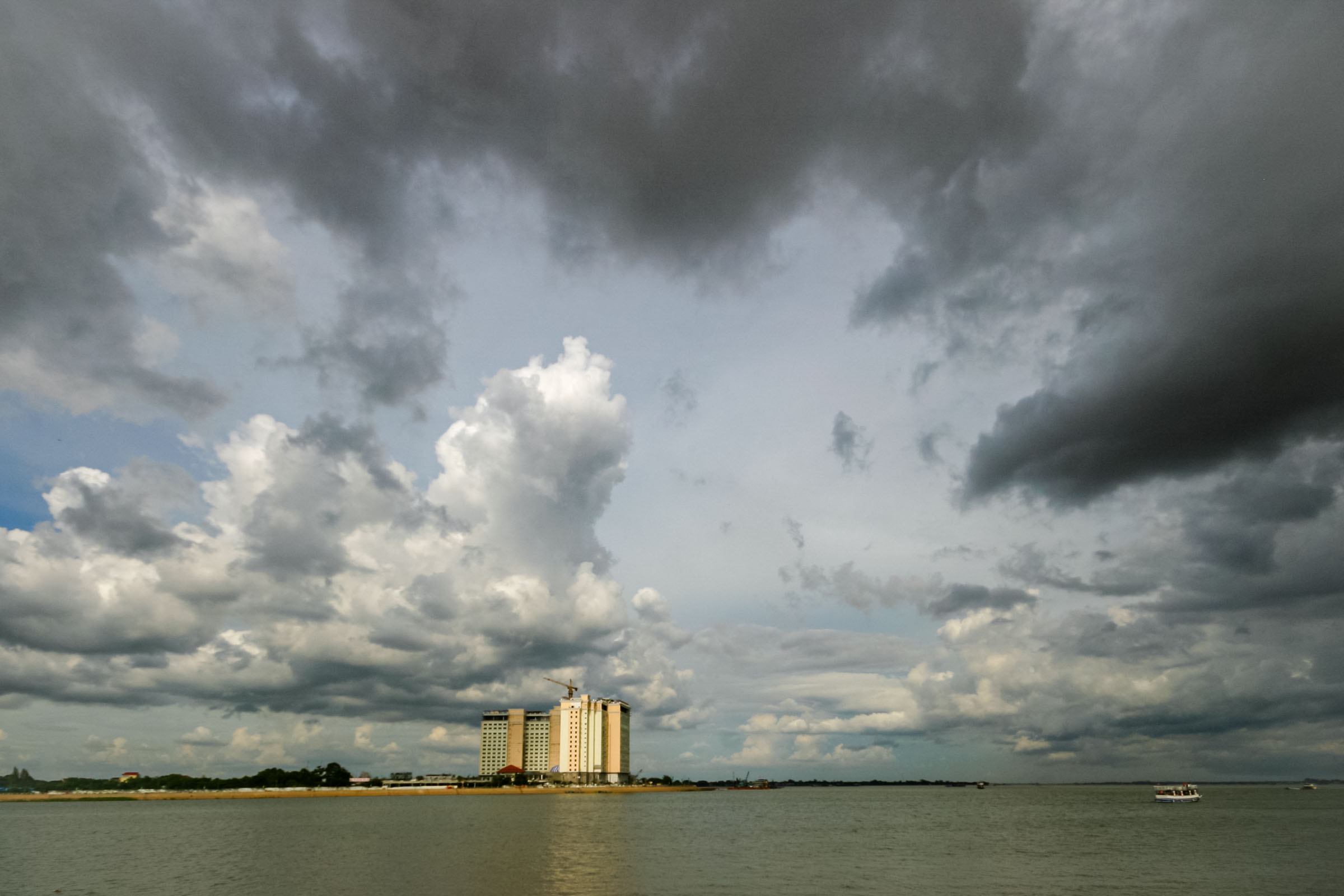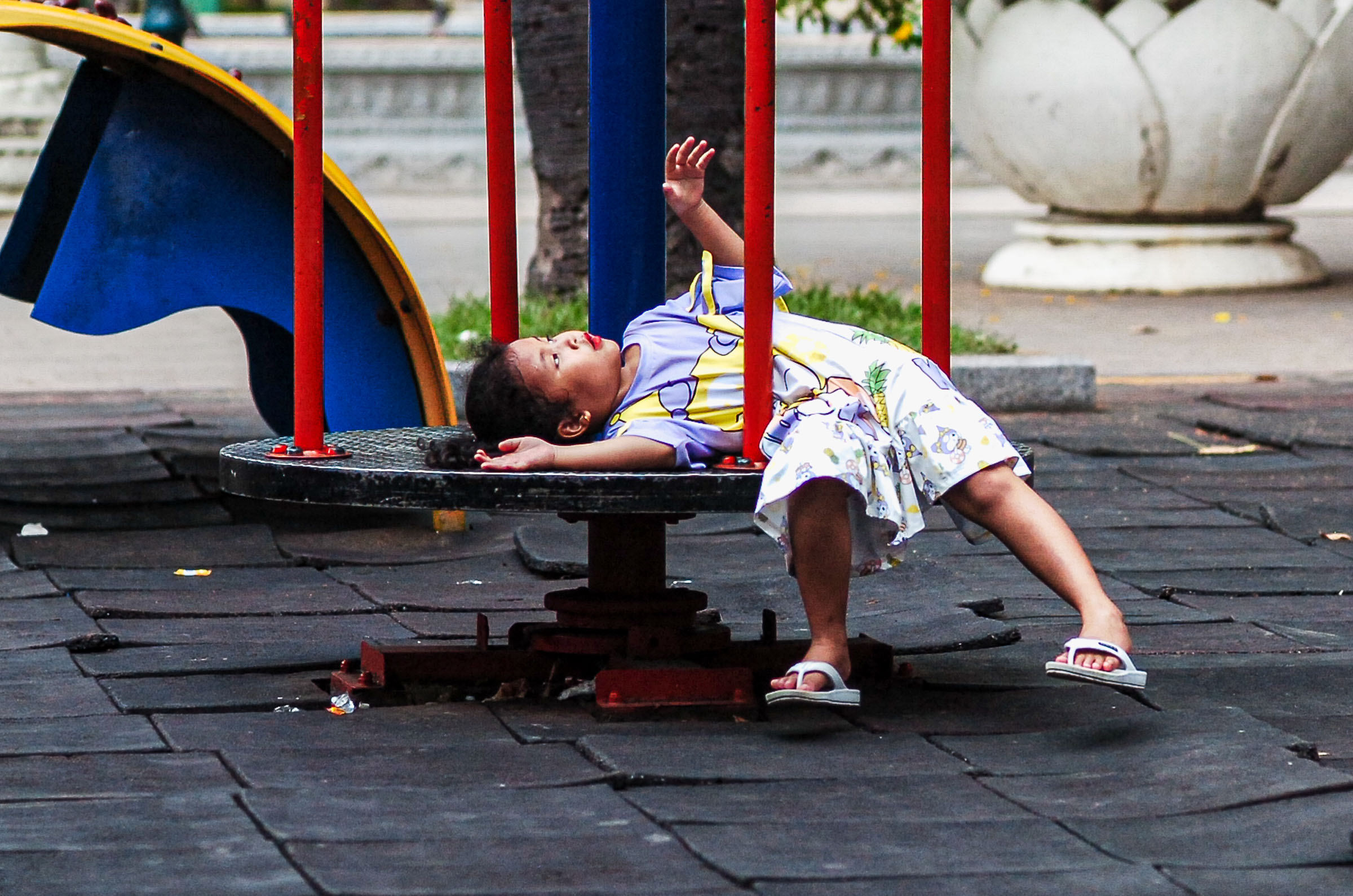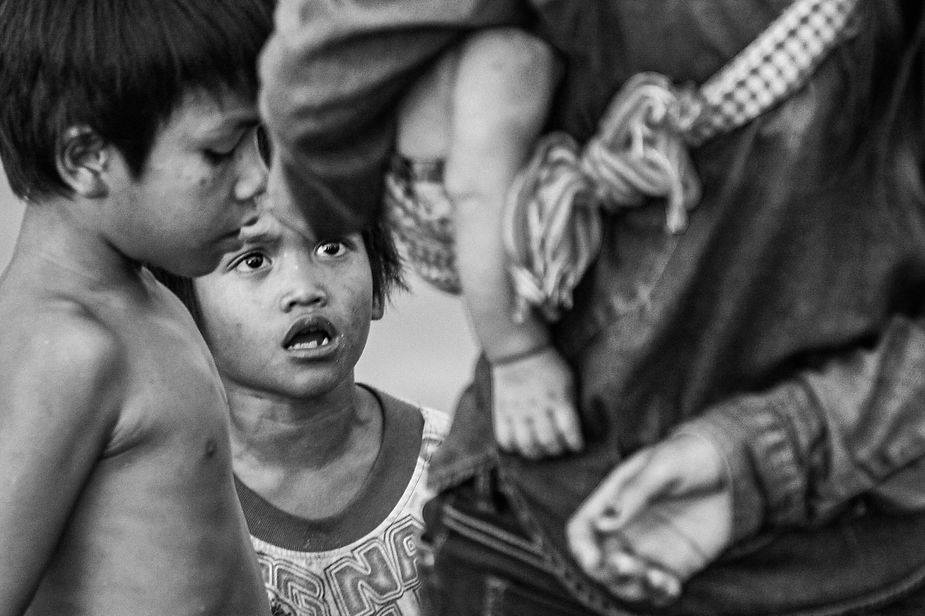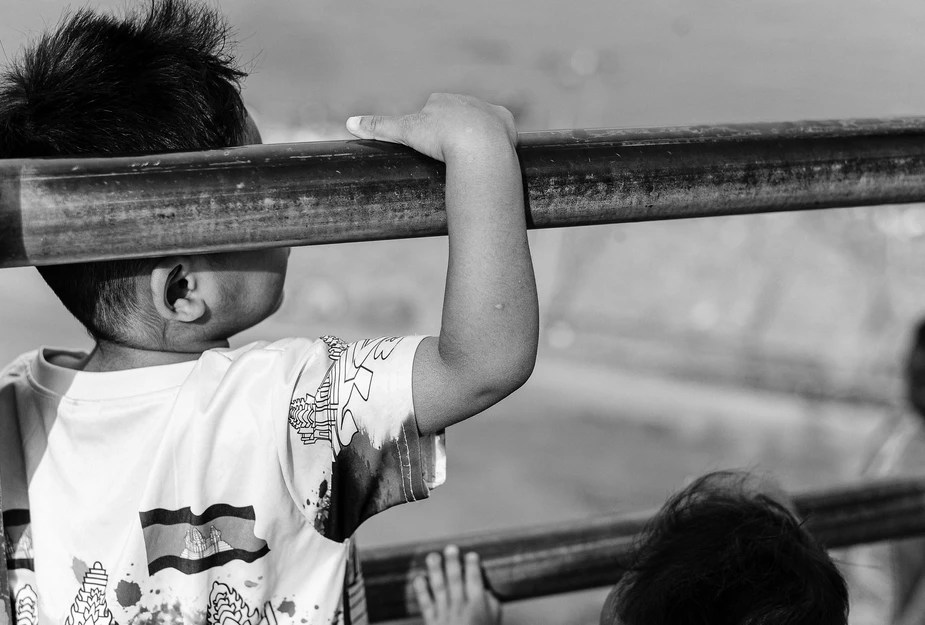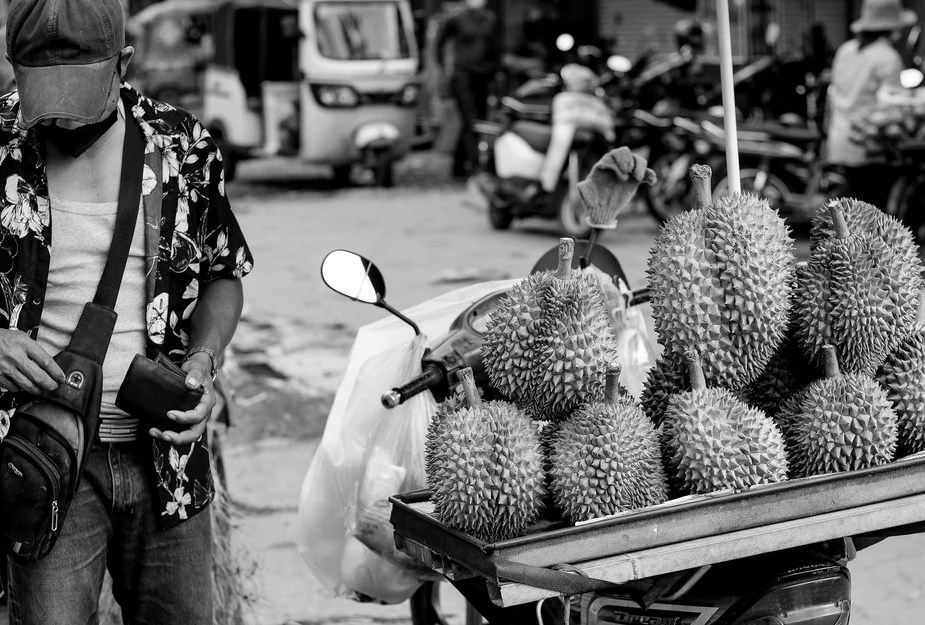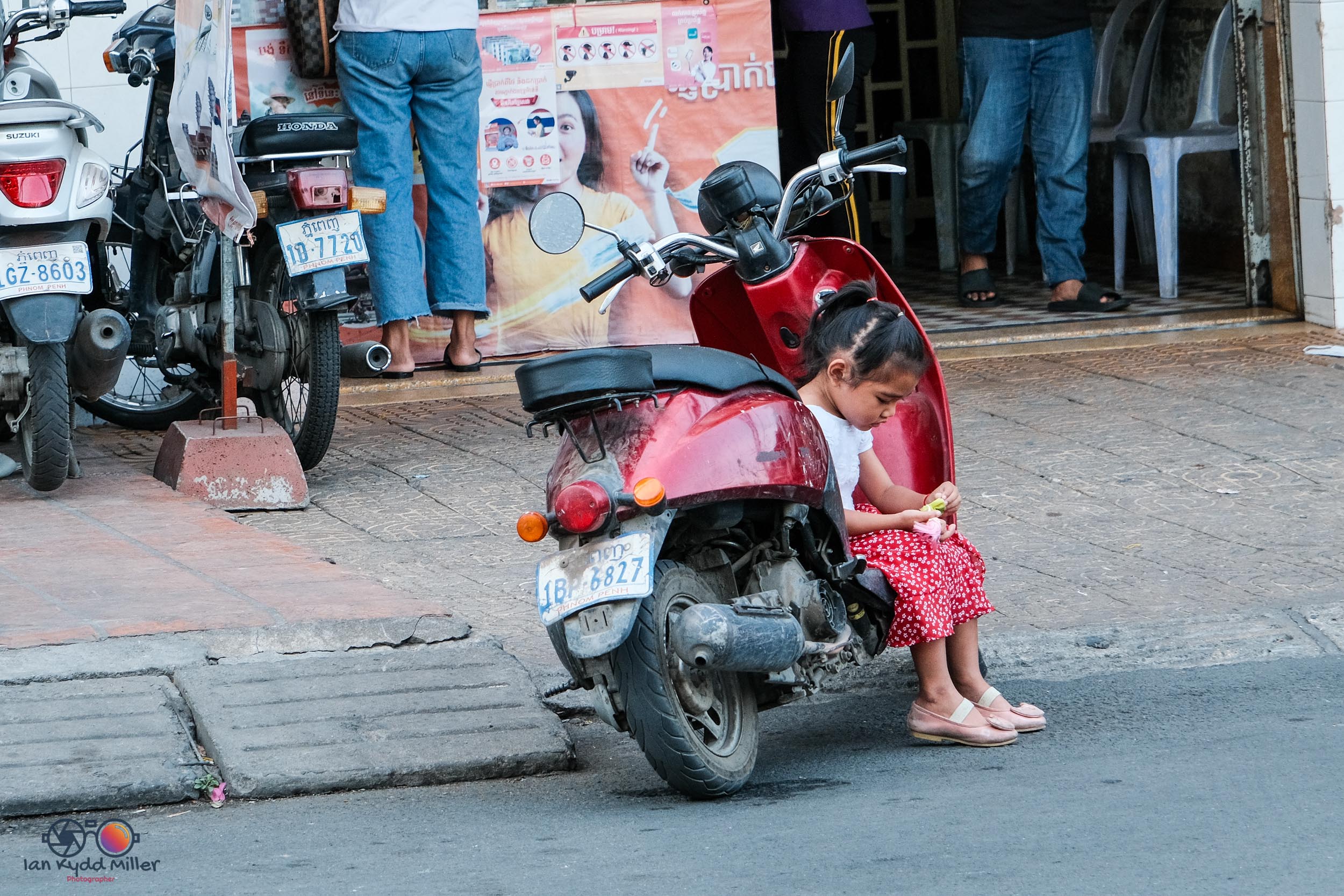
Photography is a powerful medium that evokes deep emotions and brings attention to important issues. One such issue is poverty, and photographers often grapple with the ethics of capturing images that depict the effects of poverty and deprivation.
On one hand, these images can play a crucial role in raising awareness and prompting action. They can humanize the statistics and stories we often hear, making the struggles of individuals and communities more tangible and urgent. For instance, during the Great Depression, Dorothea Lange’s photographs of struggling farmers in the United States brought the harsh realities of poverty to the forefront of public consciousness, influencing policy and public opinion.
However, there is a fine line between raising awareness and exploiting the subjects. Critics argue that such photographs can sometimes reduce people to mere subjects of pity, stripping them of their dignity and agency. This is particularly concerning when the subjects cannot give informed consent, or when the images are used for commercial gain without benefiting the communities depicted.
Moreover, there is the risk of perpetuating stereotypes and reinforcing a single narrative about poverty. When images focus solely on suffering, they can overshadow the resilience, strength, and complexity of the lives of those affected by poverty. It’s essential for photographers to approach their subjects with respect, seeking to tell a fuller story that includes not just the challenges but also the triumphs and everyday realities.
In conclusion, while it is not inherently negative to record the effects of poverty in pictures, it is a practice that requires careful ethical consideration. Photographers must navigate the delicate balance between representation and exploitation, ensuring that their work contributes positively to the discourse around poverty and aids in the efforts to address its root causes. As consumers of such images, we are responsible for critically engaging with them, considering the context in which they were taken and the narratives they promote.
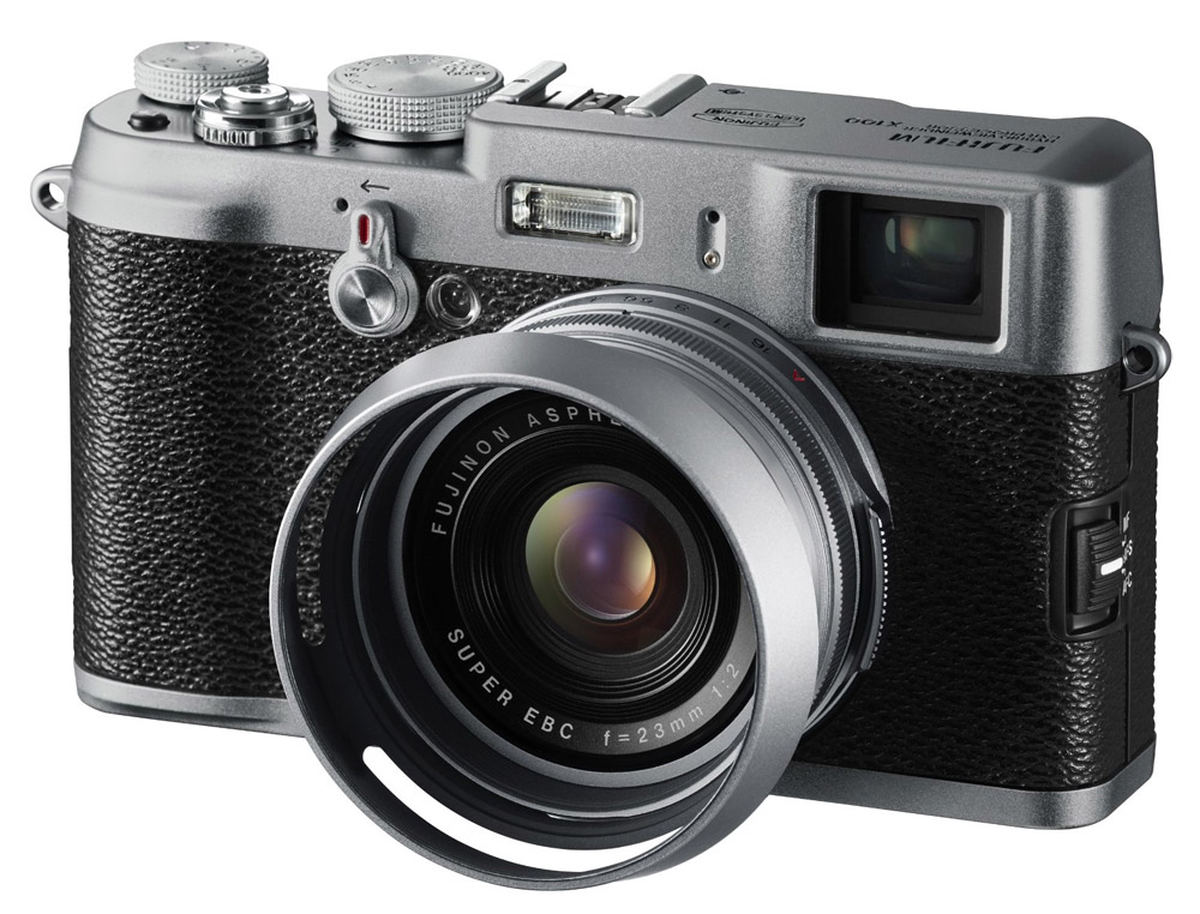
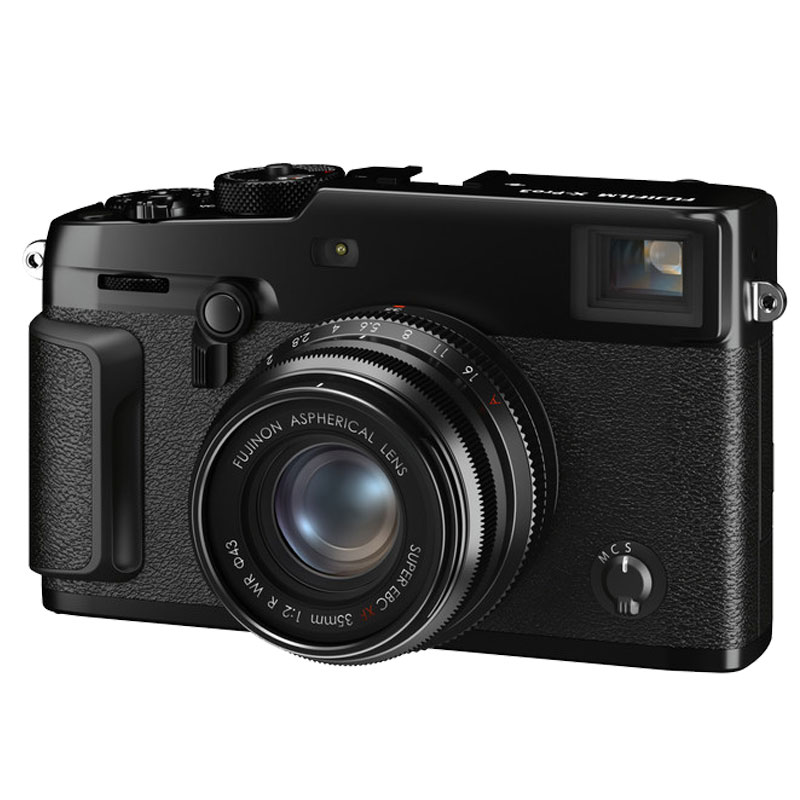
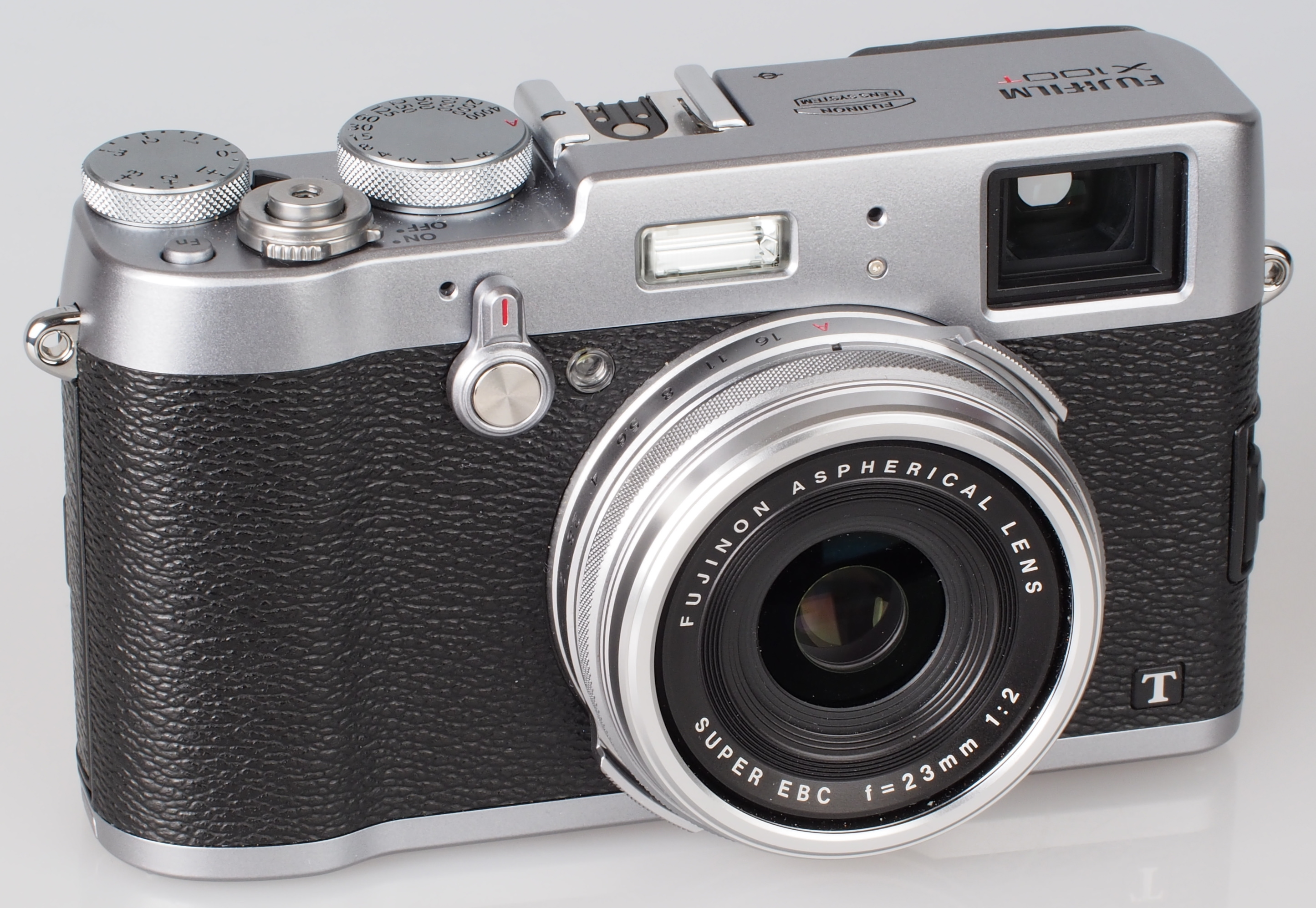
The Fujifilm X100 series has captivated photography enthusiasts worldwide with its unique blend of classic design and cutting-edge technology. This series, which began with the FinePix X100 and has evolved through several iterations, now includes the latest X100V and X100VI models, each bringing something special to the table.
The X100 series is renowned for its retro aesthetic, reminiscent of traditional film cameras, yet it houses some of the most modern digital camera technology. The series boasts a fixed prime lens, which is a bold choice in an era where zoom lenses are commonplace. This choice emphasizes the camera’s commitment to image quality and the joy of composing with a single focal length, encouraging photographers to move and interact with their environment.
The latest model, the X100VI, is a testament to Fujifilm’s dedication to continuous improvement. It features an aluminium top plate, machined dials, and a tactile exterior that inspires creativity. The camera is equipped with a newly developed in-body image stabilization (IBIS) system, providing up to 6.0 stops of compensation, ensuring sharp images even in low light conditions.
One of the most distinctive features of the X100 series is its hybrid viewfinder, which allows photographers to switch between an electronic viewfinder (EVF) and an optical viewfinder (OVF). This feature offers the best of both worlds: the accuracy of an EVF and the immediacy of an OVF. The X100VI further enhances this experience with a two-way tilting LCD screen, providing more flexibility in composing shots.
The heart of the X100 series lies in its image sensor and lens combination. The X100V, for example, features a 23mm F2 lens that has been enhanced for better resolution and lower distortion, paired with an X-Trans CMOS 4 sensor for exceptional image quality. The X100VI continues this legacy with a 40.2-megapixel X-Trans CMOS 5 HR sensor and an enhanced image-processing algorithm.
Fujifilm’s colour science is another highlight, with the X100VI offering 20 film simulation modes, including the new REALA ACE mode. These modes allow photographers to replicate the look of classic photographic film stocks, adding an artistic flair to their images.
For those looking to expand their creative options, the X100 series supports various accessories, such as the wide conversion lens and teleconversion lens, which provide different angles of view equivalent to 28mm and 50mm on a 35mm format.
The Fujifilm X100 series stands out in the digital camera market for its commitment to a pure photography experience. It’s a tool that not only captures images but also captures the hearts of those who value the art of photography. Whether you’re a professional photographer or an enthusiast, the X100 series offers a camera that feels as good to use as the images it creates. It’s a legacy of Fujifilm’s 90-year history in imaging, a legacy that continues to evolve with each new model. Explore the world through the lens of the X100 series and rediscover the joy of photography.
The Canon EOS 10D, a camera that once set the standard for semi-professional DSLRs, has reached a remarkable milestone: 21 years since its release. This camera, which debuted in 2003, was a trailblazer that brought professional-level features to a wider audience at an affordable price. Now, more than two decades later, it’s time to look back and appreciate how this iconic model holds up in the modern era of photography.
The 10D was a significant step from its predecessors, the D30 and D60, offering a six-megapixel sensor previously only seen in the higher-end D60. However, it wasn’t just the sensor that made the 10D stand out; it was the overall design and construction that resonated with users. The magnesium alloy shell gave it a robust feel, akin to the more expensive EOS 1D series, and the ergonomic layout of buttons and switches set a precedent for future models.
One of the most enduring aspects of the 10D was its body design. Even as technology advanced and Canon moved into the mirrorless era, the design language of the 10D can still be seen in modern cameras. This consistency speaks volumes about the legacy of the EOS 10D and the EF lens mount it utilized. Although it was released before the advent of EF-S lenses, the 10D’s compatibility with full-frame EF lenses meant that it could still deliver quality images with the right glass attached.
The 10D’s CMOS sensor and DIGIC processor were cutting-edge at the time, and even now, they can produce results that stand up to current standards, especially when paired with quality lenses like the “Nifty Fifty” 50mm f/1.8 STM. It’s a testament to the camera’s build and the technology within that it continues to be a viable tool for photographers today.
As we reflect on the EOS 10D’s impact, it’s clear that it was more than just a camera; it was a statement by Canon that professional photography could be accessible to more people. The 10D line evolved over the years, leading to the development of other models like the 20D, 30D, 40D, and 50D, and eventually influencing the design of the original 7D. The 10D’s influence can be seen in the way it shaped the expectations for what a semi-professional camera should be.
For those who still own a Canon EOS 10D, it’s a piece of history that continues to capture the world with clarity and colour. For vintage camera enthusiasts or anyone curious about the evolution of digital photography, the 10D stands as a proud example of innovation and enduring design.
Celebrating 21 years of the Canon EOS 10D is not just about looking back; it’s about recognizing the foundations that have supported the growth of digital photography. The 10D may no longer be the cutting-edge device it once was, but its legacy lives on in every click of the shutter.
The Canon 10D, despite being an older model, is still quite capable for certain photography needs. Its 6.3 MP sensor and magnesium alloy body provide a solid foundation for photography, especially in conditions where modern features are not a necessity. While it may not have the advanced features of newer models, its durability and image quality can still make it a valuable tool for photographers who don’t require the latest technology.
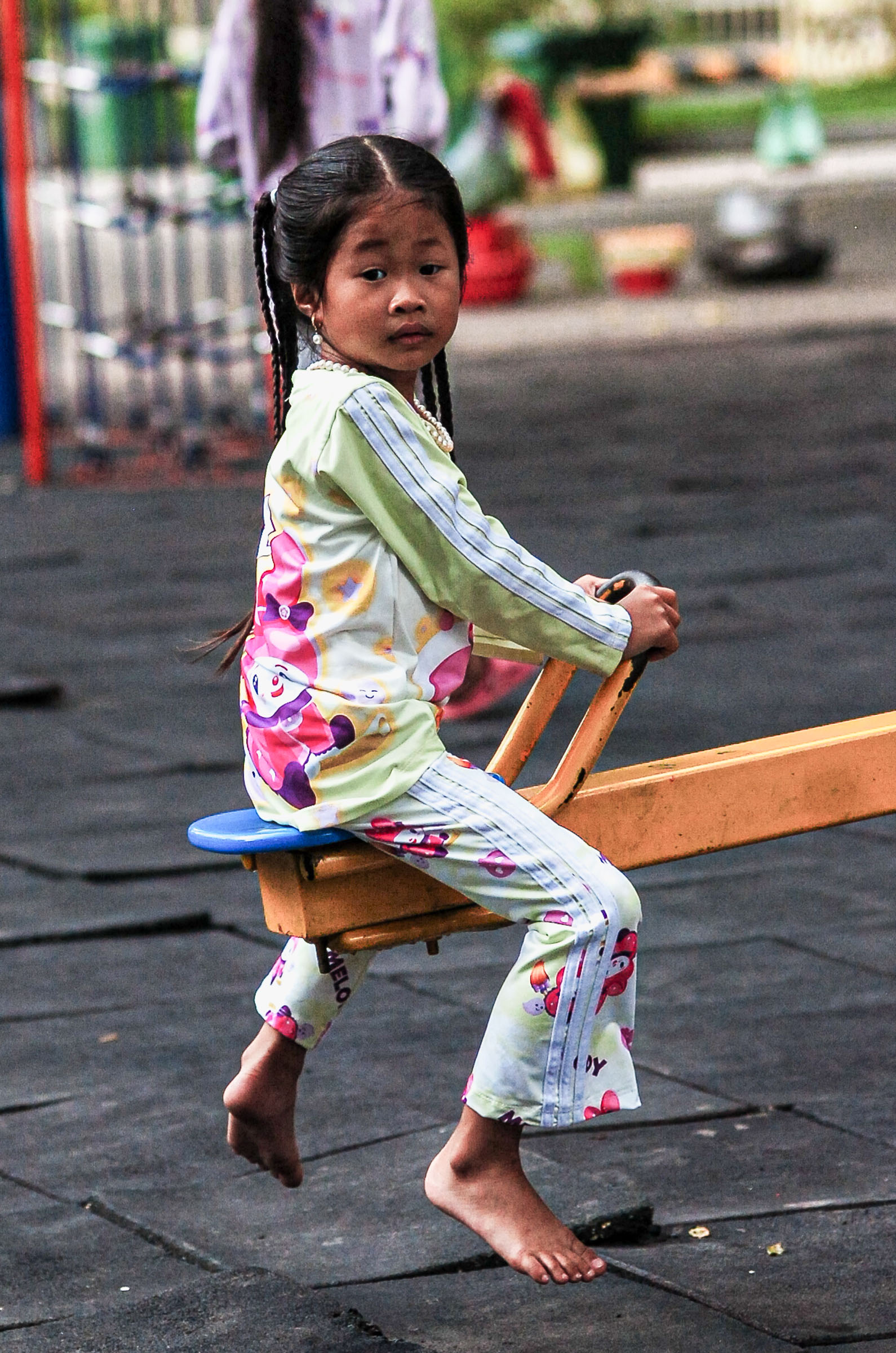
In the age of smartphones and social media, the act of taking photographs in public spaces has become a common occurrence. However, when it comes to photographing children, the situation becomes more complex due to legal and ethical considerations. This blog post explores the legality and the ethical implications of taking pictures of children in public parks.
Legal Perspective
Legally, the right to take photographs in public places is generally protected under the First Amendment in the United States, which includes public parks. There is no expectation of privacy in these public spaces, and photography is usually permitted. However, this right comes with limitations. For instance, photographing in a manner that constitutes harassment or violates local laws is not allowed. Moreover, specific laws may vary by country and even by state or region within a country.
In the UK, for example, there is no specific law that prohibits taking photos of children in public places. However, it is essential to consider the context and manner in which the photographs are taken. If the images are used inappropriately or for commercial purposes without consent, legal issues may arise.
Ethical Considerations
While the act of taking photos of children in public may be legal, it raises several ethical questions. It is crucial to respect individuals’ privacy and dignity, even in public spaces. Photographers should be culturally sensitive and aware of the potential discomfort their actions may cause to children and their guardians.
Parents and guardians have legitimate concerns about the safety and privacy of their children. Therefore, photographers should exercise discretion and, if possible, seek consent from the child’s guardian before taking or publishing photographs, especially if the child is the main subject of the image.
Practical Advice
For photographers, here are some practical tips to consider when taking pictures in public parks:
Assess the situation: Understand the context in which you are taking photos. If the area is crowded and the child is just part of the general scene, it is less likely to be an issue compared to singling out a specific child.
Be transparent: If approached, explain your intentions and how the photographs will be used.
Seek consent: Whenever possible, obtain permission from a child’s guardian, especially if the child is the primary focus of the image.
Respect wishes: If a guardian asks you not to take or use a photo of their child, comply with their request.
Conclusion
Photography is a form of expression protected by law, but it is governed by both legal and ethical standards, Sure, here is the revised text: “Especially.” when it involves children. While it is generally legal to take photos of children in public parks, photographers must navigate the ethical landscape with sensitivity and respect for the subjects of their art. By understanding the legal rights and responsibilities and considering the ethical implications, photographers can enjoy their craft while respecting the privacy and dignity of their subjects.
Embracing the One Camera, One Lens Challenge: A Journey in Minimalist Photography
Photography enthusiasts often find themselves in a perpetual quest for the perfect shot, armed with an arsenal of lenses and gadgets. However, a growing trend strips this complex art form down to its bare essentials: the One Camera, One Lens Challenge. This challenge is not just about simplifying the gear; it’s about pushing creativity, honing skills, and rediscovering the joy of photography.
The concept is straightforward yet profoundly impactful. Photographers are tasked with selecting a single camera and a single lens, and then using only this combination for a set period. The constraints imposed by this challenge force photographers to think outside the box, explore new perspectives, and focus on the composition and storytelling aspects of their craft.
Why Take the Challenge?
The benefits of the One Camera, One Lens Challenge are manifold. Firstly, it encourages photographers to intimately understand their chosen equipment. With only one focal length at their disposal, photographers learn to make the most of what they have, leading to a deeper appreciation of their gear’s capabilities and limitations.
Secondly, the challenge promotes a minimalist approach to photography. It eliminates the indecision that often comes with choosing from multiple lenses, allowing photographers to concentrate on the scene in front of them. This minimalist mindset can lead to a more thoughtful and deliberate approach to shooting, resulting in more compelling and intentional images.
Lastly, the challenge fosters creativity. Without the crutch of zoom lenses or specialized equipment, photographers must move and explore their environment to frame the perfect shot. This physical engagement with the subject matter can lead to more dynamic and interesting compositions.
The Experience of Photographers

Many photographers who have undertaken this challenge report a transformative experience. Alastair Bird, a Vancouver-based photographer, took on this challenge during his travels to Cuba and Russia. He chose the Fujifilm X100 for Cuba and the Fujifilm X-Pro2 with a 23mm F1.4 lens for Russia. Bird’s experience highlights the challenge’s ability to simplify the photographic process and encourage a more intimate connection with the subject matter.
Similarly, family photographer and Canon Ambassador Helen Bartlett left her usual equipment behind to experiment with using just one camera and one lens. By limiting her options, she challenged herself to use her tools in different ways, adding variety to her photos and becoming a more creative photographer.
How to Participate
Participating in the One Camera, One Lens Challenge is simple:
Choose a camera and lens combination that you feel comfortable with or want to explore further.
Set a time frame for the challenge, whether it’s a week, a month, or even longer.
Commit to using only this camera and lens for all your photography during this period.
Share your experiences and images with the photography community to inspire and encourage others.
Conclusion
The One Camera, One Lens Challenge is more than just a test of skill; it’s a celebration of the art of photography. It reminds us that sometimes, less is more, and that constraints can be the catalyst for innovation and growth. So, grab your camera, choose your lens, and embark on a journey of minimalist photography that could change the way you see the world through your viewfinder. Are you ready to accept the challenge? Let the adventure begin!
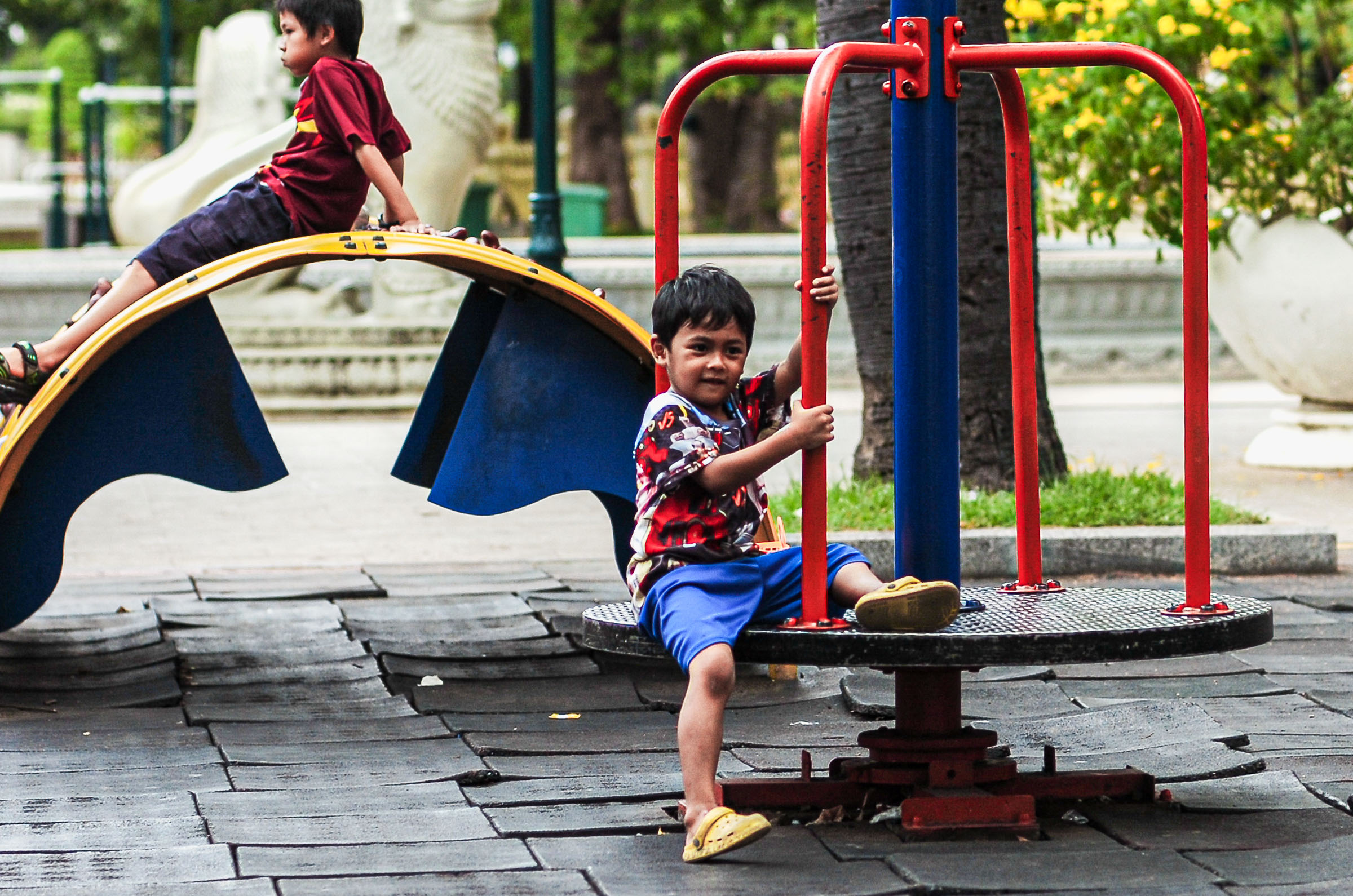
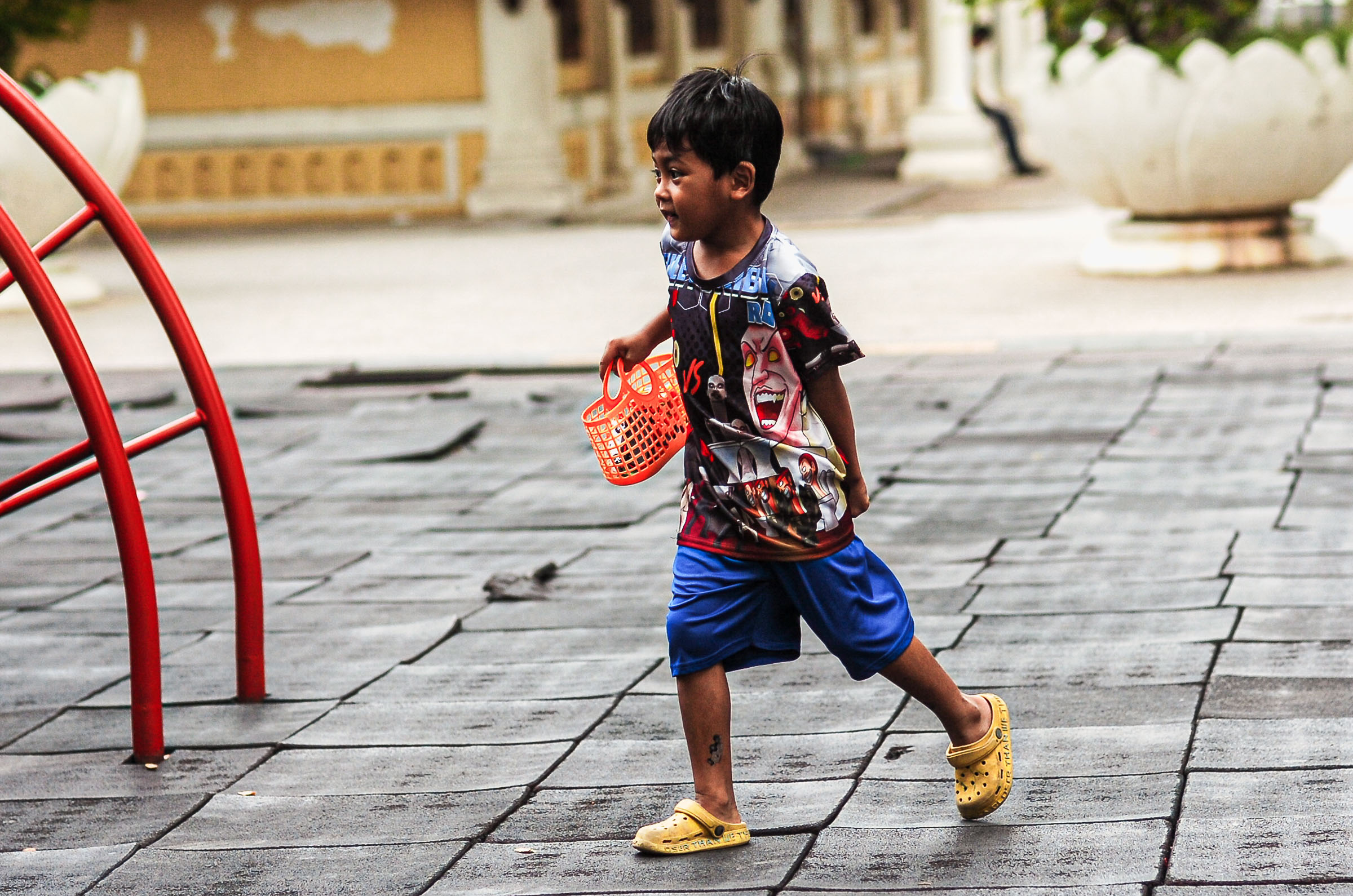
Negative space in photography is a powerful compositional tool that can transform an ordinary image into a captivating visual narrative. It refers to the areas around and between the subjects of an image, which can be used to highlight the main subject, create a sense of scale, and produce a more aesthetically pleasing composition. By intentionally incorporating negative space, photographers can direct the viewer’s attention to the intended focal point, often resulting in a minimalist yet striking image. This technique involves using large expanses of open sky, water, or an uncluttered background to isolate the subject and draw the eye directly to it. The use of negative space can also convey a sense of simplicity and tranquillity, providing a “breathing room” for the eyes and preventing the photograph from appearing too busy or cluttered. It’s a subtle art that requires a keen eye for balance and the ability to see beyond the subject to what surrounds it, making the empty spaces in a frame as important as the areas filled with subjects. Whether it’s a lone tree against a vast sky or a small figure amidst an expansive landscape, negative space can be the key to creating a powerful and evocative image that resonates with viewers.


Negative space, often referred to as “white space,” is a fundamental element in art and design that pertains to the area surrounding and between the subjects of an image or the parts of a composition. This concept is not just about the absence of content; it’s a critical component that contributes to the balance and readability of a design. Negative space can be used strategically to create shapes and meaning, often enhancing the visual impact of a piece by focusing the viewer’s attention on the intended subject, known as the positive space. It’s a powerful tool that can convey a sense of elegance, provide a visual rest, and improve comprehension in complex designs. The effective use of negative space is crucial in various forms of visual art, from graphic design to photography and even sculpture, where the interplay between presence and absence can define the entire aesthetic of a work. In typography, for instance, negative space improves legibility by creating a distinction between letters and words, allowing for rapid visual processing. The concept is also embraced in architectural design, where the manipulation of space defines structure and flow. Negative space is not merely a passive background but an active part of the composition that can shape how a piece is perceived and experienced.
If you are into photography, you might have wondered whether you should get a zoom lens or a prime lens for your camera. Zoom lenses and prime lenses differ by how long their focal points are. Prime lenses have a unifocal lens (usually between 12mm to 5200mm), while zoom lenses have a variable focal length. This means that prime lenses are better for portrait shots, while zoom lenses are ideal for general photography.
In this blog post, I will explain the pros and cons of each type of lens and help you decide which one is best for your needs.
Prime Lenses: The Pros
One of the main advantages of prime lenses is that they are usually sharper, faster, and cheaper than zoom lenses. Sharper means that they produce images with more detail and clarity. Faster means that they have larger maximum apertures (such as f/1.4 or f/1.8), which allow more light to enter the lens and create a shallow depth of field. This is great for isolating your subject from the background and creating a beautiful bokeh effect. Cheaper means that they are more affordable than zoom lenses of similar quality.
Another benefit of prime lenses is that they are smaller and lighter than zoom lenses, which makes them easier to carry around and use. They also force you to be more creative and move around to get the best shot, rather than relying on the zoom ring to adjust your framing.
Prime Lenses: The Cons
The main drawback of prime lenses is that they are less versatile and convenient than zoom lenses. You can’t change the focal length of a prime lens, so you have to switch lenses if you want a different angle of view or magnification. This can be time-consuming and inconvenient, especially if you are shooting in a fast-paced or changing environment. You also have to carry more lenses with you if you want to cover a wide range of focal lengths.
Another disadvantage of prime lenses is that they may not suit every situation or style of photography. For example, if you want to capture landscapes, wildlife, sports, or events, you might need a zoom lens that can cover a wide or long focal range and give you more flexibility and reach.
Zoom Lenses: The Pros
The main advantage of zoom lenses is that they are more versatile and convenient than prime lenses. You can change the focal length of a zoom lens by simply turning the zoom ring, which gives you more options and controls over your composition and framing. You can also capture different perspectives and effects with one lens, such as wide-angle shots, telephoto shots, or macro shots (if your zoom lens has macro capabilities).
Another benefit of zoom lenses is that they are more suitable for certain situations and styles of photography. For example, if you want to capture landscapes, wildlife, sports, or events, you might need a zoom lens that can cover a wide or long focal range and give you more flexibility and reach. You can also react faster to changing scenes and subjects without having to switch lenses.
Zoom Lenses: The Cons
The main drawback of zoom lenses is that they are usually heavier, bulkier, and more expensive than prime lenses. Heavier and bulkier means that they are harder to carry around and use, especially for long periods of time. They also tend to attract more attention and may not be ideal for discreet or candid photography. More expensive means that they cost more than prime lenses of similar quality.
Another disadvantage of zoom lenses is that they are usually slower, less sharp, and more prone to distortion and vignetting than prime lenses. Slower means that they have smaller maximum apertures (such as f/3.5-5.6 or f/4-5.6), which limit the amount of light that enters the lens and create a deeper depth of field. This can make it harder to shoot in low-light conditions or achieve a shallow depth of field effect. Less sharp means that they produce images with less detail and clarity than prime lenses. More prone to distortion and vignetting means that they may cause some curvature or darkening at the edges of your images, especially at the wide or telephoto end of their range.
Conclusion
So which type of lens is best for you? It depends on your personal preference, budget, and style of photography. If you value sharpness, speed, affordability, and portability over versatility and convenience, then you might prefer a prime lens. If you value versatility, convenience, flexibility, and reach over sharpness, speed, affordability, and portability, then you might prefer a zoom lens.
Of course, you don’t have to choose one over the other. You can have both types of lenses in your camera bag and use them according to your needs and mood. The best way to find out which type of lens suits you best is to try them out yourself and see what works for you.
In the world of photography, the lens is often heralded as the heart of the camera. It’s the lens that shapes the light, creates the image, and ultimately, tells the story. For photographers, both novice and seasoned, the quality of the lens can be the defining factor between a good photograph and a great one.
Why is Lens Quality Paramount?
Image Clarity: The sharpness and clarity of an image hinge significantly on the lens quality. A top-notch lens will capture crisp, clear images, preserving the integrity of the scene.
Low-Light Performance: Photography doesn’t pause when the sun sets. A high-quality lens excels in low-light conditions, allowing photographers to capture the mood without compromise.
Distortion and Vignetting: These common issues can mar an image, but superior lenses minimize such effects, ensuring that the photographs remain true to life.
Sharpness and Detail: The level of detail a lens can capture is astounding. With a high-quality lens, the textures, contrasts, and subtleties of your subject are rendered with precision.
The Anatomy of a Lens
Understanding the anatomy of a lens is crucial. From the filter thread to the focus ring, each component plays a vital role in image creation. Modern lenses come with various features, such as vibration reduction for stable handheld shooting, which can be a game-changer in the field.
Fuji XT3 + XF 16-80 f4
Lens or Camera Body: Which is More Important?
It’s a debate as old as photography itself. While the camera body houses the sensor and dictates potential resolution and colour depth, it’s the lens that creates the image. In fact, lens quality is more important than ever with the increasing number of megapixels in today’s digital cameras.
Choosing the Right Lens
The choice of lens affects everything from background blur to depth of field. Using a better lens than the standard one supplied with most cameras almost always results in a significant quality improvement. It’s not just about capturing detail; but capturing quality detail.
Conclusion
In conclusion, the lens is not just a component of the camera; it’s the artist’s brush, the writer’s pen, and the sculptor’s chisel. It’s what takes the vision of the photographer and brings it into the realm of reality. So, invest in a good lens, and watch your photographs transform from images to art.
Are you ready to take your photography to the next level? Remember, it’s not just the camera, it’s the lens that makes all the difference. Dive into the world of lenses and discover how a quality lens can elevate your photographic journey. Happy shooting!
In the world of photography, the debate about equipment versus skill is as old as the camera itself. Does having a better camera make you a better photographer? It’s a question that stirs up quite a discussion among shutterbugs and professionals alike.
Firstly, let’s consider what a ‘better’ camera means. Technological advancements have certainly pushed the boundaries of what cameras can do. Higher resolution, better low-light performance, faster autofocus, and a plethora of features that were once the domain of professional-grade cameras are now available even in consumer models. There’s no denying that a better camera can give you more tools to work with.
However, photography is an art form, and like any art, the tools are just a means to an end. The essence of photography lies in the eye, mind, and heart of the photographer. It’s about seeing the potential for a great picture and then using whatever tools you have to capture that vision. A better camera won’t teach you composition, timing, light, or the myriad of other elements that come together to create a compelling photograph.
Nikon D3S
That said, a more advanced camera can enhance the skills you already possess. For instance, if you understand the nuances of light, a camera with a better dynamic range will allow you to capture more detail in the highlights and shadows. If you have a keen sense of timing, a camera with a faster frame rate can help you catch the perfect moment.
So, does a better camera make you a better photographer? Not on its own. It’s a bit like asking if a better oven makes you a better chef. The quality of the tools can improve the final product, but they cannot replace the skill, creativity, and vision required to produce it.
In conclusion, while a better camera can provide more opportunities to capture high-quality images, it is ultimately the photographer’s talent and skill that create memorable photographs. A camera, no matter how advanced, is only as good as the person behind the lens. So, keep shooting, keep learning, and remember that the best camera is the one you have with you when the perfect shot presents itself. Happy snapping!
With the rise of smartphone cameras, especially the ones on iPhones, many people wonder if there is still a need for professional photographers. After all, why pay someone to take your photos when you can just snap them yourself with a device that fits in your pocket? Well, the answer is not so simple. While smartphone cameras have improved a lot in recent years, they still have some limitations that make them inferior to professional cameras. For example, smartphone cameras have smaller sensors, lower resolution, less dynamic range, less control over exposure and focus, and less versatility in terms of lenses and accessories. These factors affect the quality and creativity of the photos you can take with a smartphone. Professional photographers, on the other hand, have access to more advanced equipment and techniques that allow them to capture stunning images in any situation. They also have the skills and experience to edit and enhance their photos using software like Photoshop or Lightroom. Professional photographers can also offer more than just photos. They can provide services like planning, styling, posing, directing, printing, framing, and delivering your photos. They can also create albums, slideshows, videos, and other products that beautifully showcase your memories. Professional photographers are not just taking pictures; they are creating art and telling stories. So, is the professional photographer rapidly becoming obsolete? Not at all. There is still a huge demand for their work in various fields like weddings, portraits, events, fashion, journalism, advertising, and more. Smartphone cameras may be convenient and fun, but they cannot replace the expertise and creativity of professional photographers.
The advent of smartphone cameras has indeed revolutionized the field of photography, making it more accessible and convenient for the masses. The quality of images produced by smartphones is continually improving, challenging the need for professional cameras in certain contexts. However, the art of professional photography remains resilient and relevant. While smartphone cameras offer ease of use and immediacy, professional photographers bring a level of expertise, creativity, and technical skill that cannot be replicated by technology alone. They understand the nuances of lighting, composition, and storytelling, which are essential for creating compelling images. Moreover, professional equipment still surpasses smartphones in terms of image quality, especially in challenging environments. The rise of smartphone photography has also pushed professionals to innovate and adapt, finding new ways to showcase their unique vision and skills. In essence, while smartphone cameras have changed the landscape, they have not rendered professional photographers obsolete but rather redefined their role in the digital age.