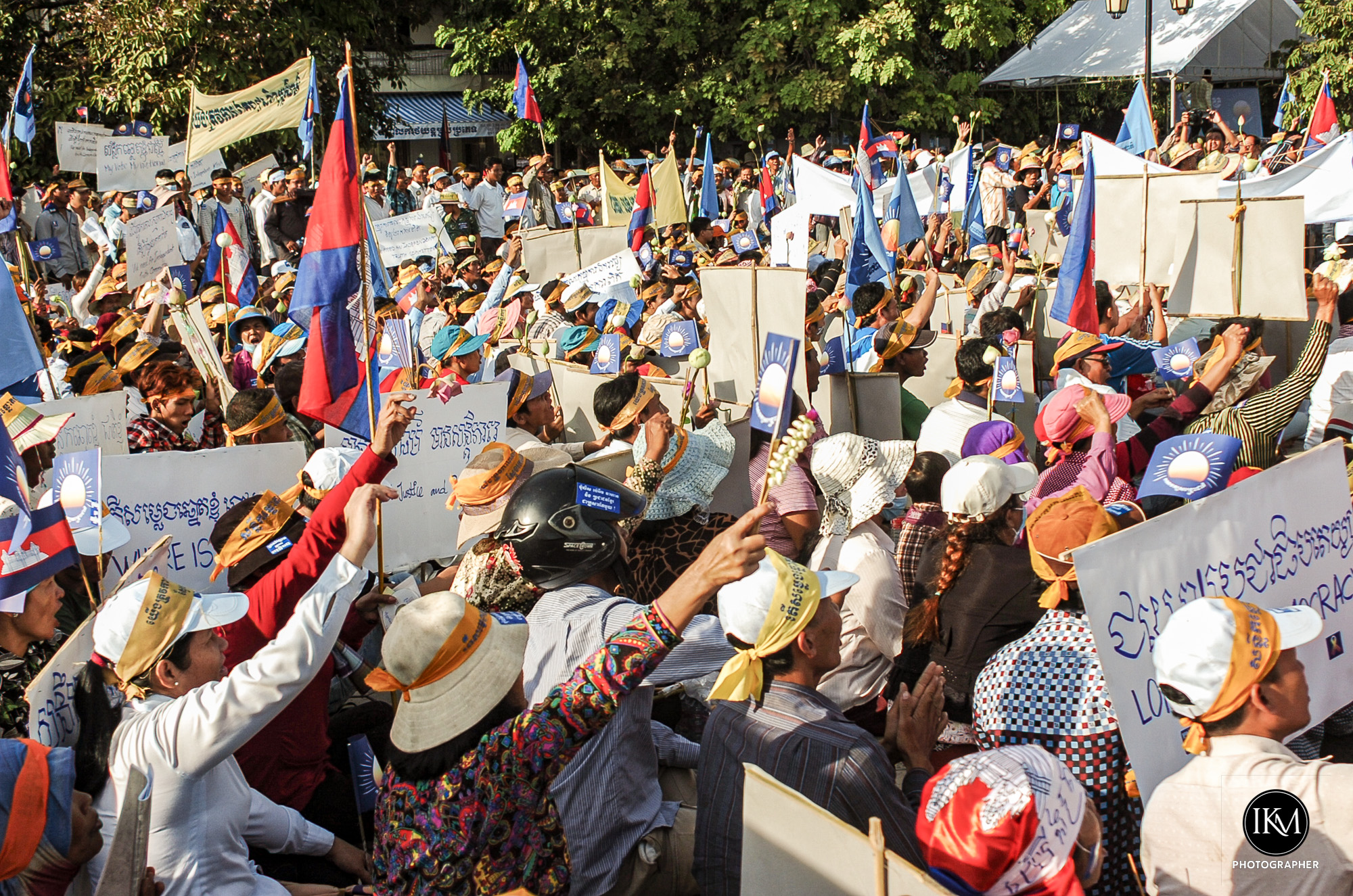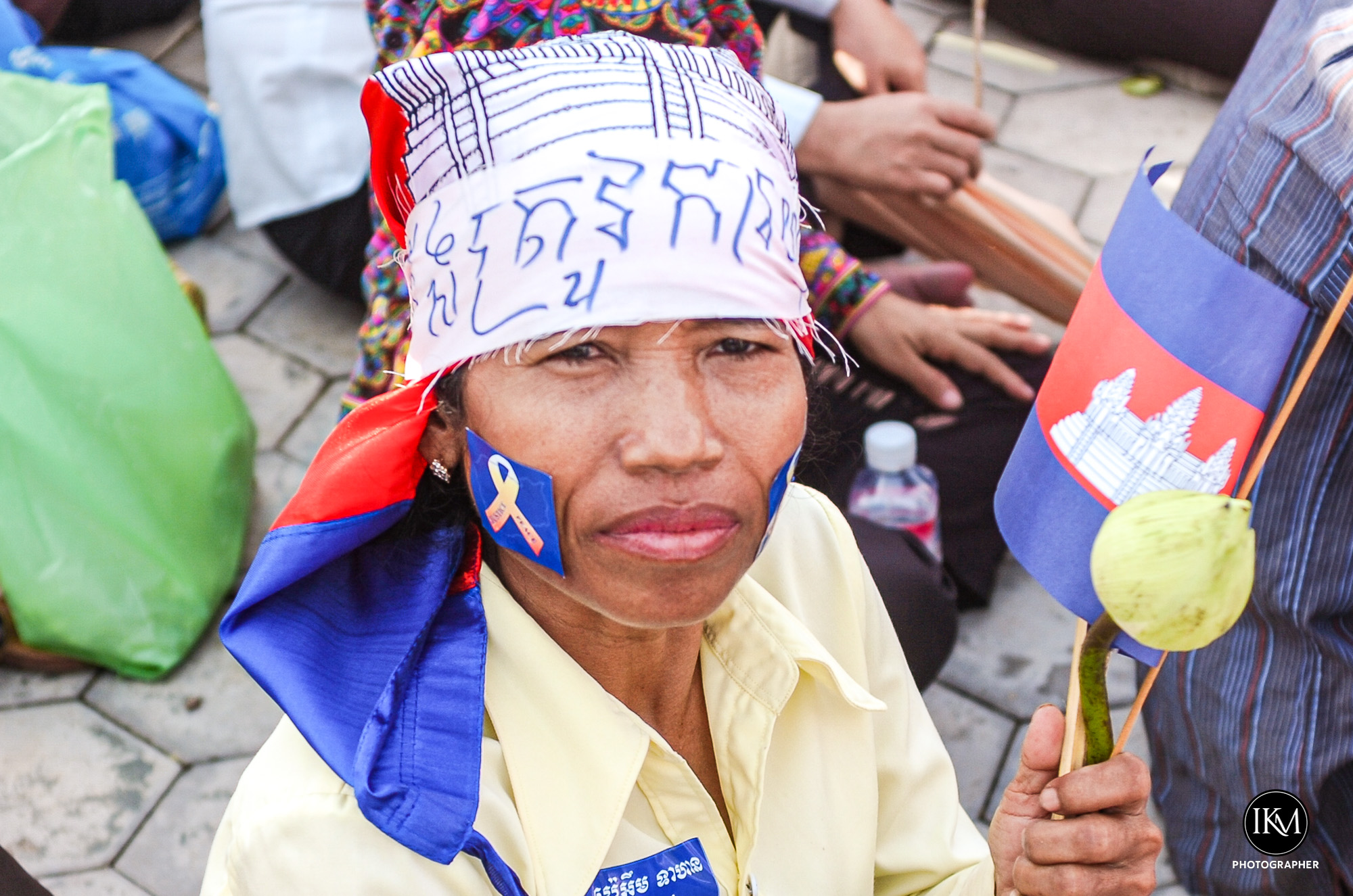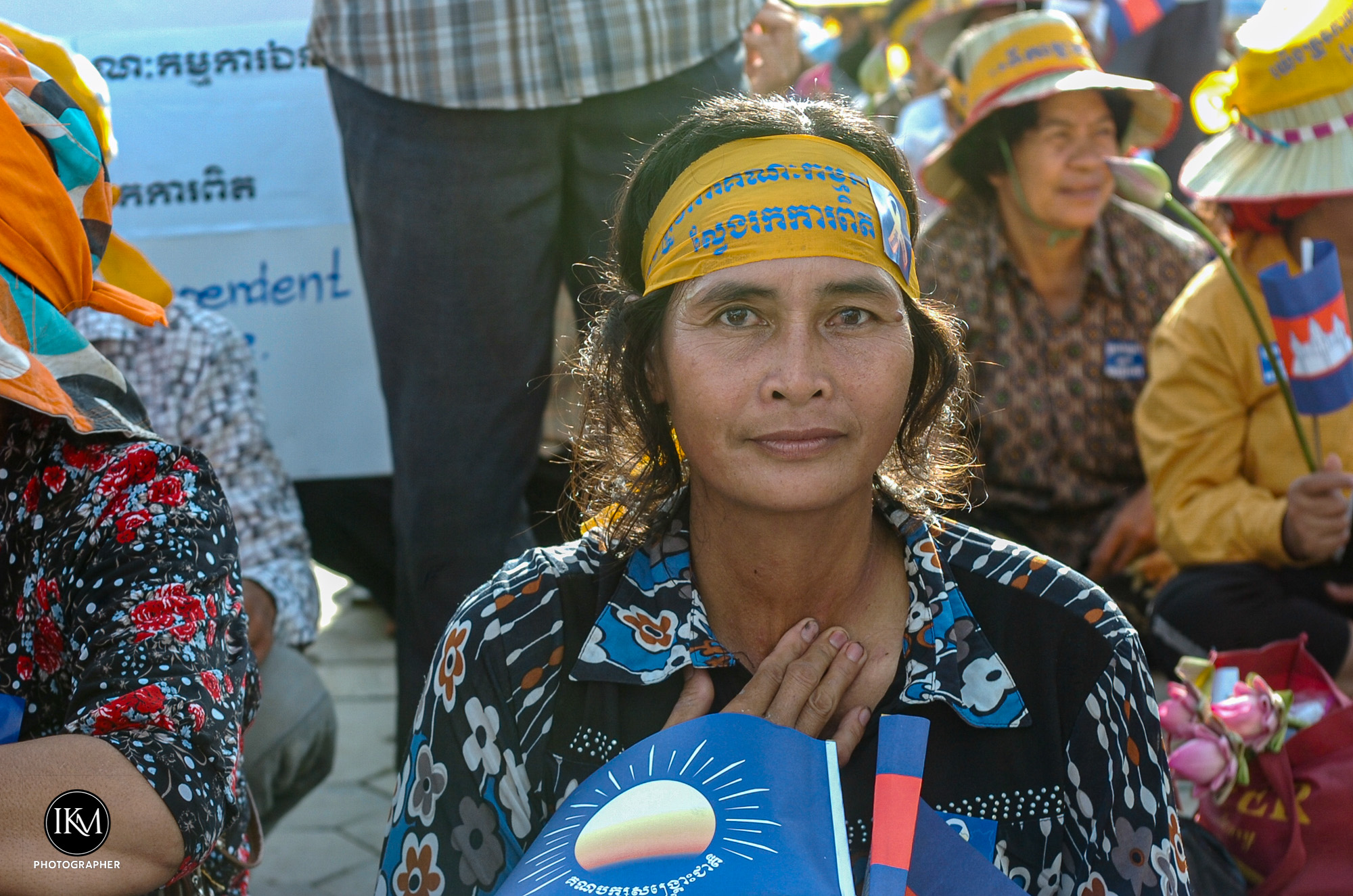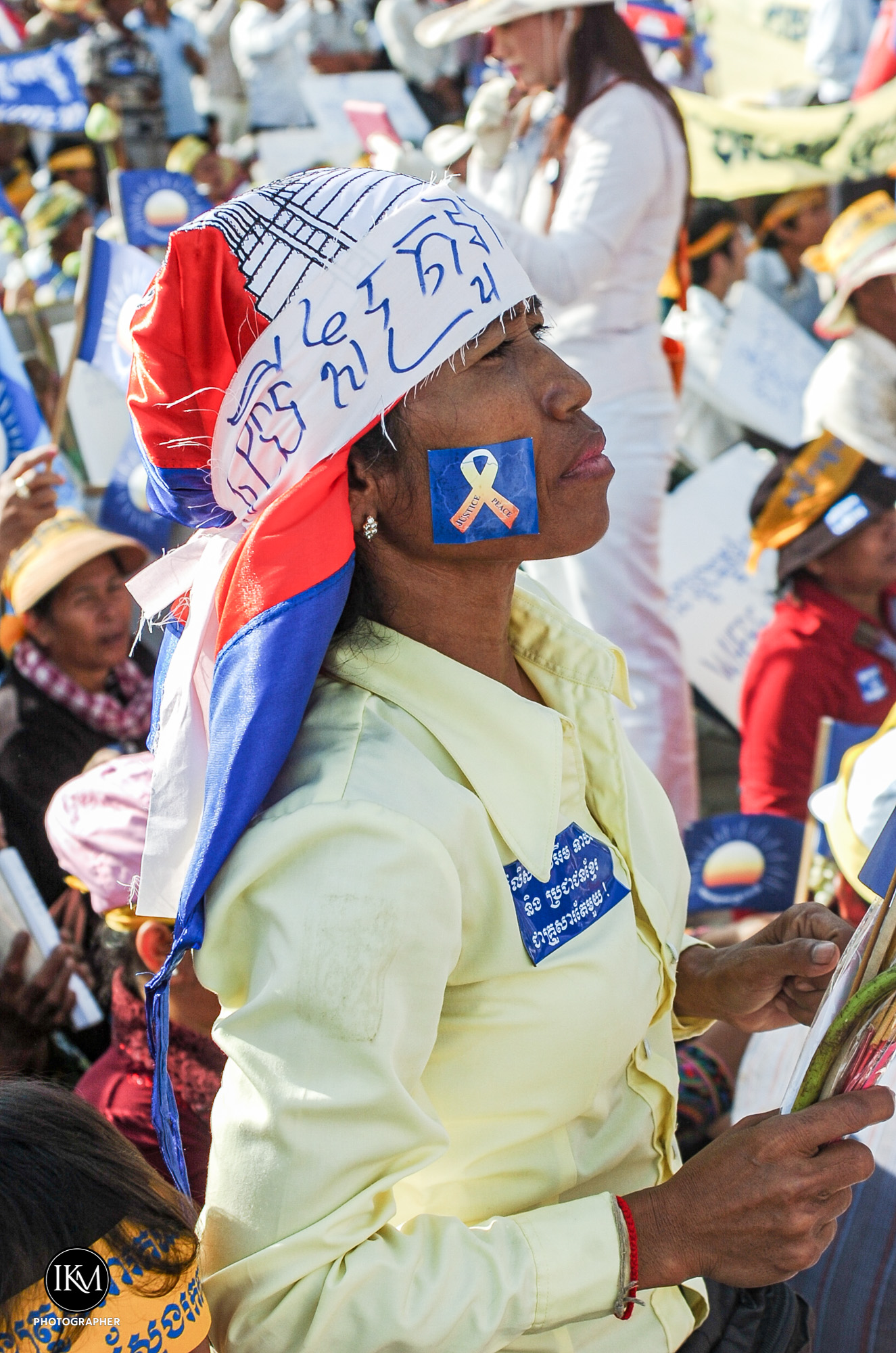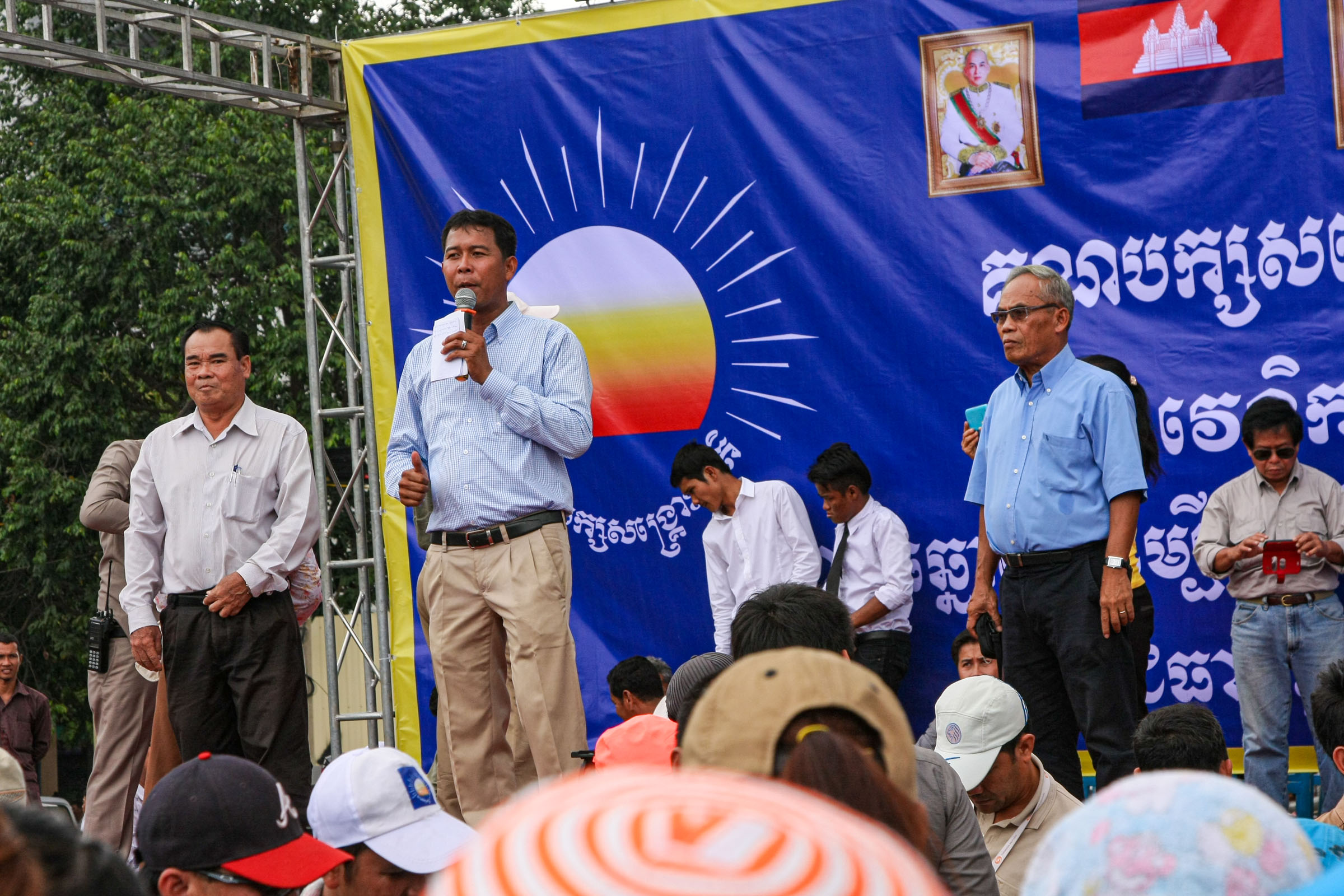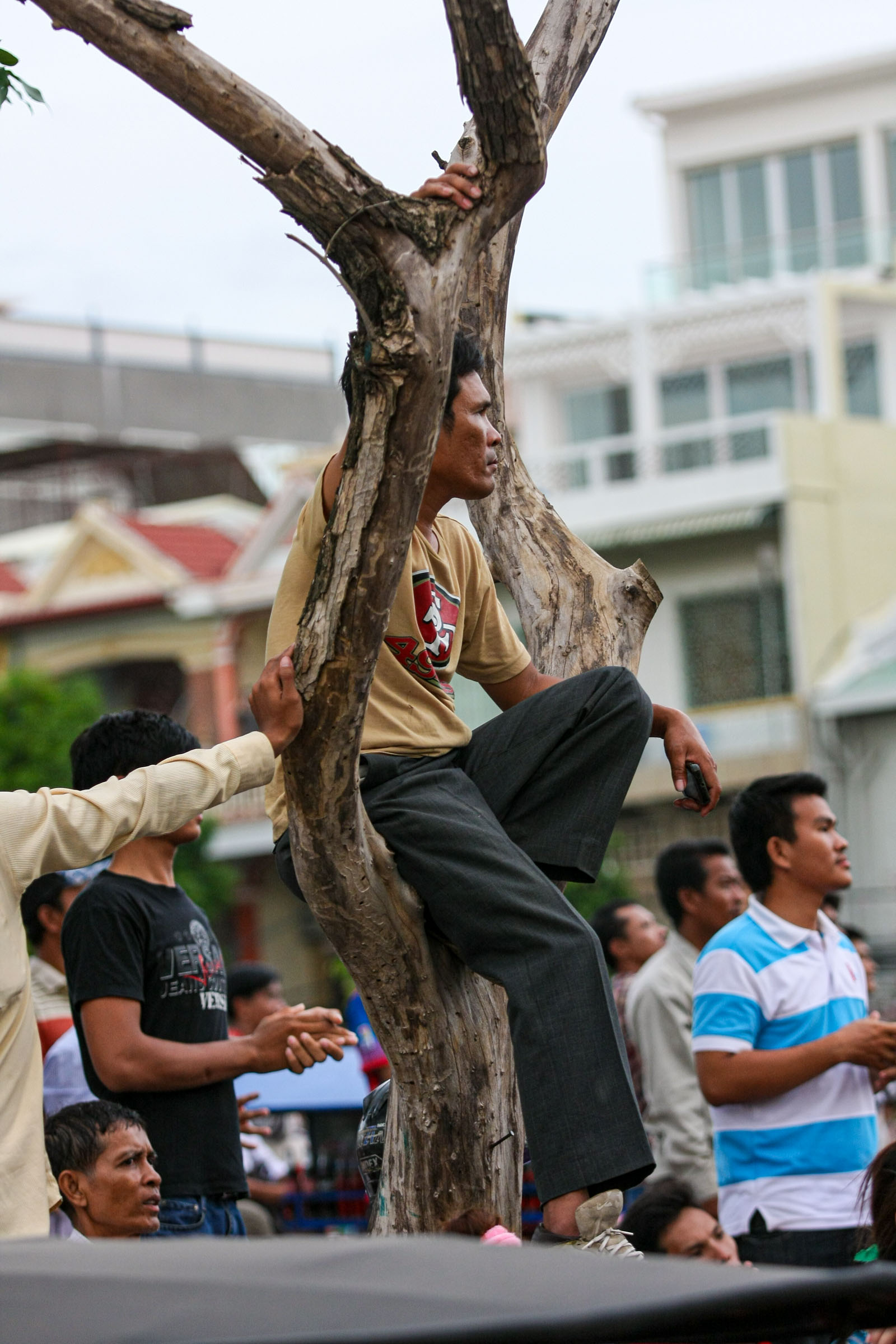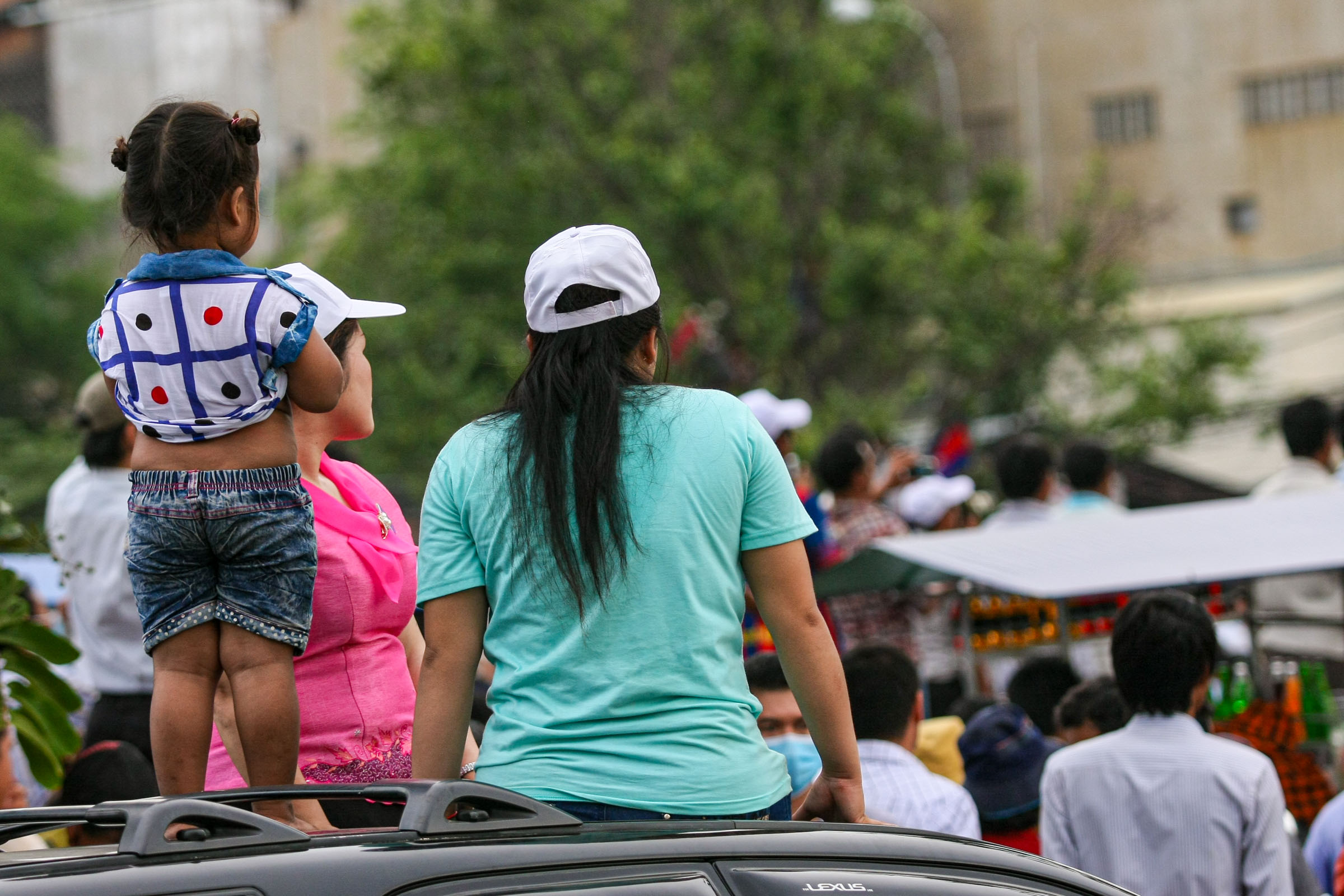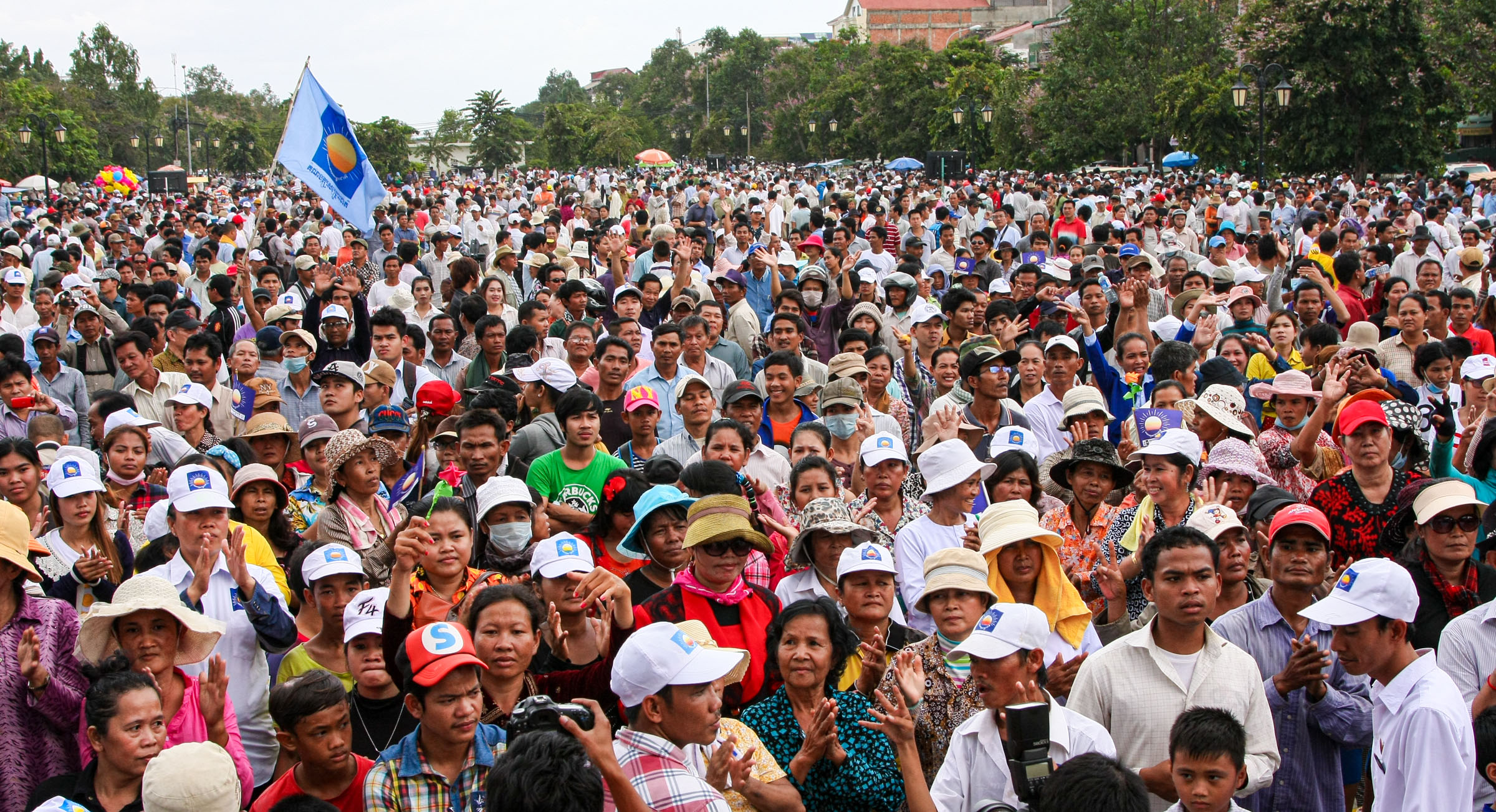
Cambodia / Thailand conflict.

pictures, photography, opinons, thoughts, cambodia, war, homelessness

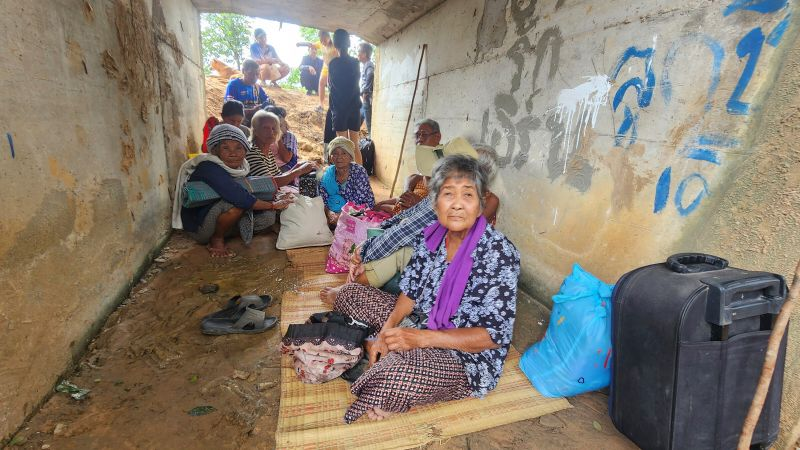
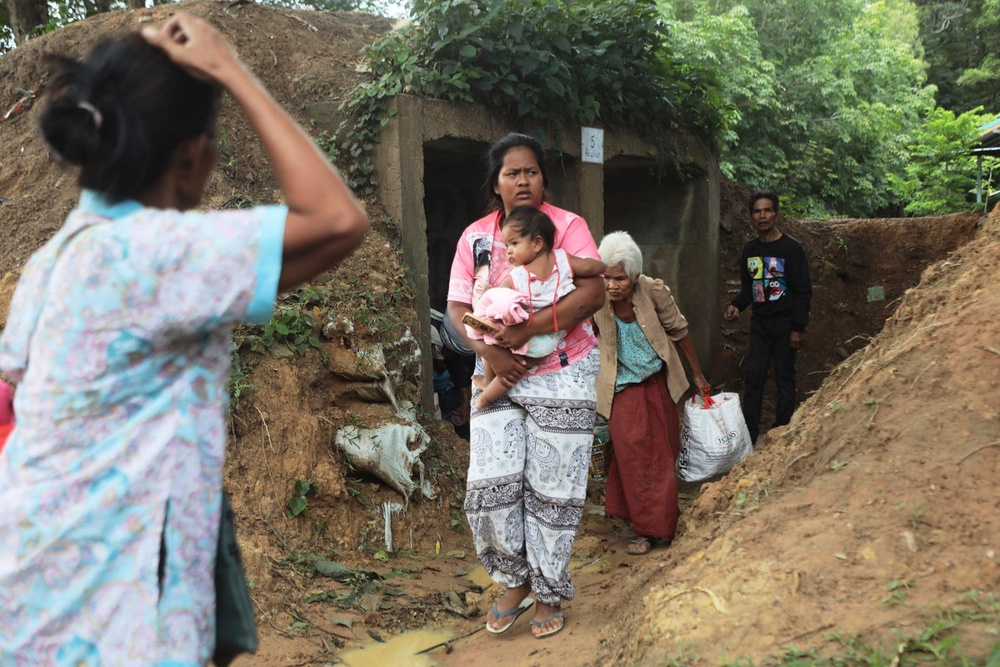
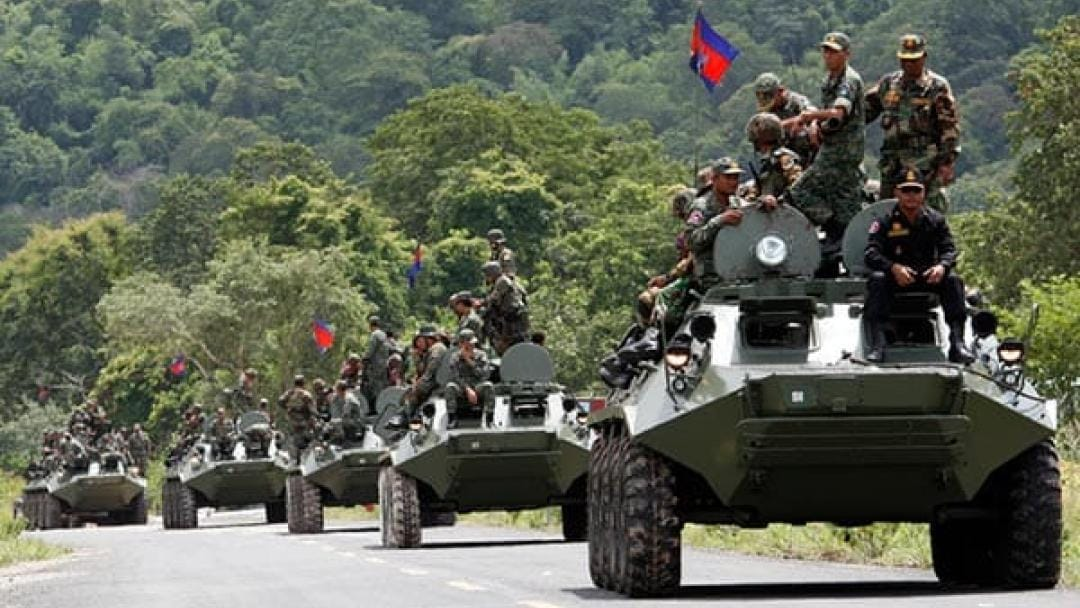
Yes, fighting between Thailand and Cambodia has escalated sharply in December 2025, with Thai airstrikes hitting deep inside Cambodian territory, including Siem Reap province near Angkor Wat. Cambodia accuses Thailand of targeting civilian areas and shelters for displaced people, while Thailand claims selfโ€‘defence in a longโ€‘running border dispute. Casualties, displacement, and damage to infrastructure are mounting.

๐Ÿ“Œ Current Situation (as of midโ€‘December 2025)

  • Airstrikes reported: Cambodian officials say Thai Fโ€‘16 fighter jets dropped bombs in Oddar Meanchey and Siem Reap provinces, including near camps for displaced people and a bridge in Srei Snam district.
  • Tourist sites at risk: Siem Reap, home to Angkor Wat, Cambodiaโ€™s top tourist draw and a UNESCO World Heritage site, has been directly threatened by strikes.
  • Casualties & displacement: At least 20 people have been killed since fighting reignited, with hundreds of thousands displaced. Cambodia claims around 800,000 people have fled border areasThe Straits Times.
  • Border closures: Phnom Penh has shut all land crossings with Thailand to protect civilians.
  • Thai perspective: Bangkok says the strikes are defensive, part of operations to protect the Gulf of Thailand, and blames Cambodia for instigating attacks.

โš ๏ธ Risks and Implications

  • Humanitarian crisis: Camps for displaced people are now under threat, worsening conditions for civilians already uprooted.
  • Tourism impact: Cambodiaโ€™s economy relies heavily on tourism, and strikes near Angkor Wat could devastate recovery efforts postโ€‘COVID.
  • Regional instability: The conflict stems from colonialโ€‘era border demarcation disputes, and repeated truces have failed.
  • International concern: Despite calls for a ceasefireโ€”including from the USโ€”bombing has continued, raising fears of escalation.

โœจ Assessment

The Thailandโ€“Cambodia border conflict has reignited into one of the most serious flareโ€‘ups in years. The use of airstrikes deep inside Cambodian territory marks a dangerous escalation, threatening civilians, cultural heritage sites, and regional stability. Cambodia is militarily outgunned, relying on international pressure and diplomacy, while Thailand frames its actions as defensive.

In 2025, this conflict is not just about disputed territoryโ€”it is about national identity, economic survival, and the fragility of peace in Southeast Asia. The risk of further escalation remains high unless external mediation succeeds.

Reports from midโ€‘December 2025 confirm that Thai airstrikes have reached Siem Reap province itself, not just the border.

  • Targets hit: Cambodian officials say bombs struck Srei Snam district in Siem Reap, damaging a bridge and hitting areas near shelters for displaced people.
  • Proximity to Angkor Wat: While Angkor Wat itself has not been directly attacked, the strikes are within the same province, raising fears that Cambodiaโ€™s most important cultural and tourist site could be at risk.
  • Civilian impact: Camps for displaced people in Siem Reap province have been threatened, with Cambodia warning that tourist hotspots are now in danger.
  • Depth of strikes: This marks a significant escalationโ€”airstrikes are no longer confined to border areas like Oddar Meanchey, but are penetrating deep into Cambodian territory, roughly 100 km from the Thai border.

At least 20 Cambodians have been reported killed in the renewed border clashes and Thai airstrikes since early December 2025, with hundreds of thousands displaced.

๐Ÿ“Œ Current Death Toll

  • Initial clashes (Dec 8โ€“9, 2025): Reports confirmed around 10 deaths as fighting spread to new parts of the border.
  • Escalation (Dec 11โ€“15, 2025): Heavy airstrikes and artillery attacks pushed the toll higher, with about two dozen killed in total.
  • Cambodian civilians: Casualties include civilians near shelters and bridges in Siem Reap province, as well as soldiers along the border.

โš ๏ธ Humanitarian Impact

  • Displacement: Cambodia says over 800,000 people have fled border provinces, with camps now under threat from bombing.
  • Infrastructure damage: Bridges, shelters, and areas near Siem Reap have been hit, raising fears for Angkor Wat and tourism.
  • Civilian risk: Airstrikes penetrating deep into Cambodian territory mean nonโ€‘combatants are increasingly at risk.

โœจ Assessment

The death toll in Cambodia stands at roughly 20โ€“25 people as of midโ€‘December 2025, but numbers are likely to rise as fighting continues. The scale of displacement is far larger, creating a humanitarian crisis that threatens both civilian safety and Cambodiaโ€™s economic lifeline in Siem Reap.

Phnom Penh Wanderings: Friendship Beyond Fear

cambodia, cameras, homelessness, Lenses, nikon, opinons, thoughts, photography, street, Travel

๐ŸŒ Off the Tourist Trail

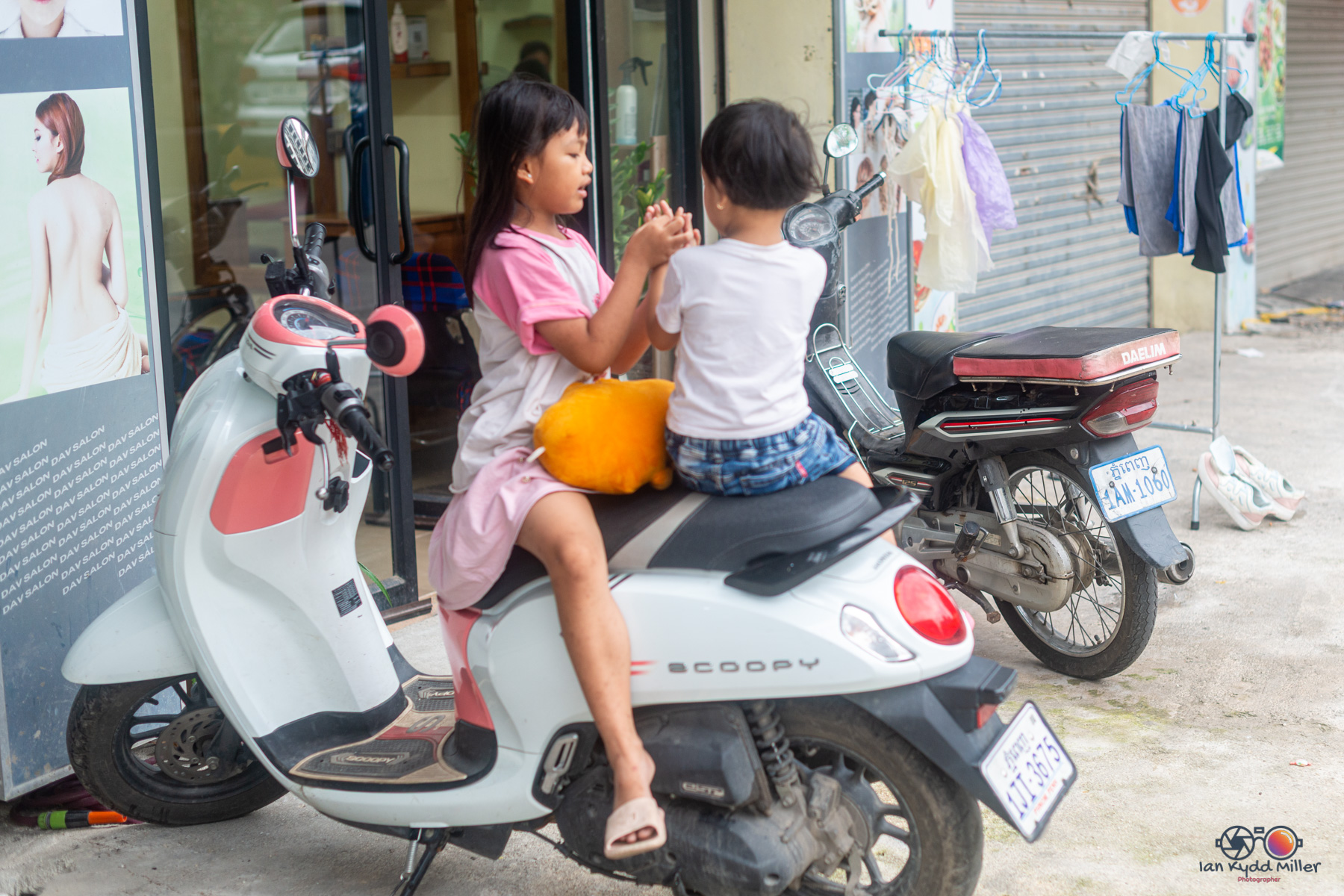
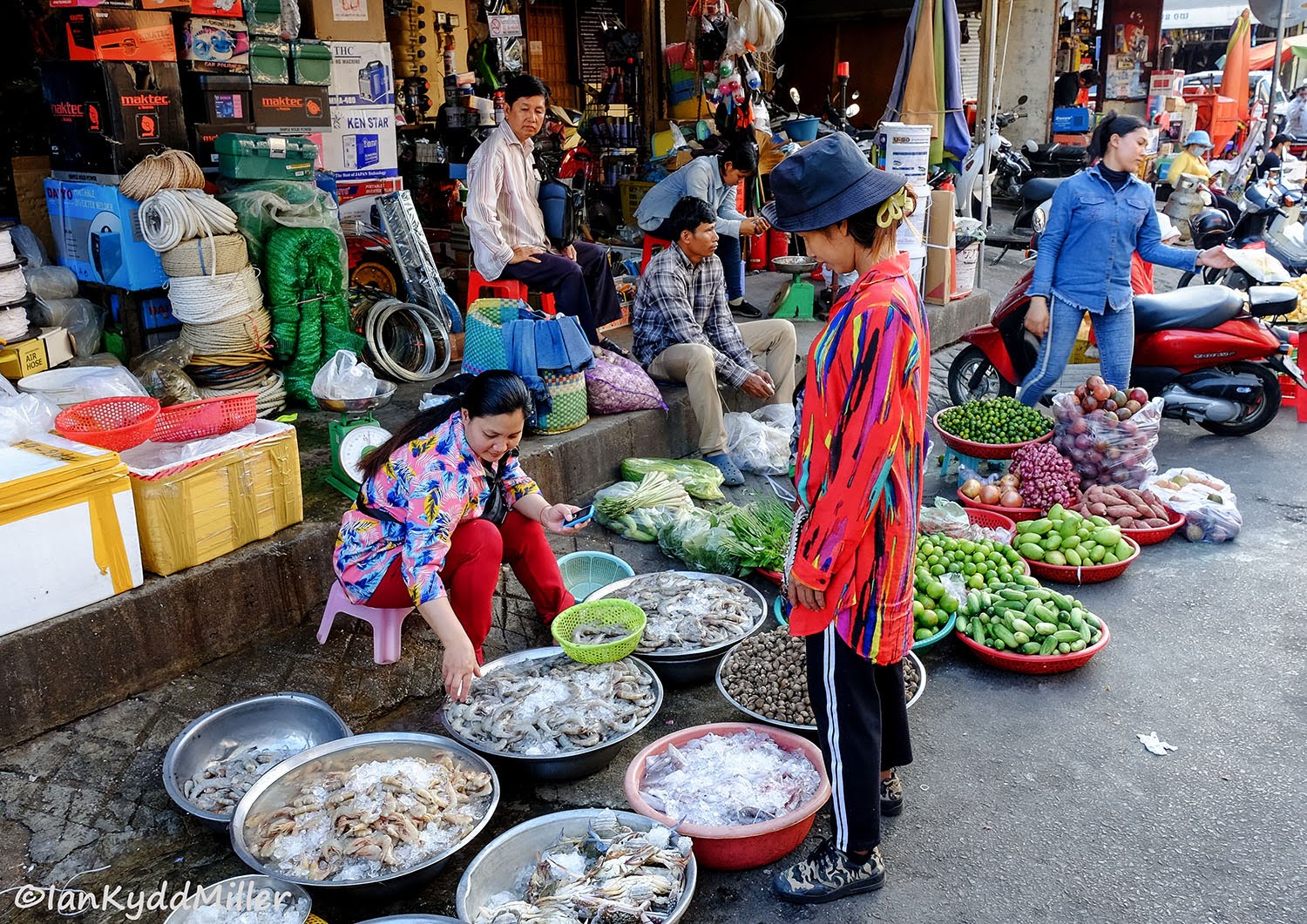
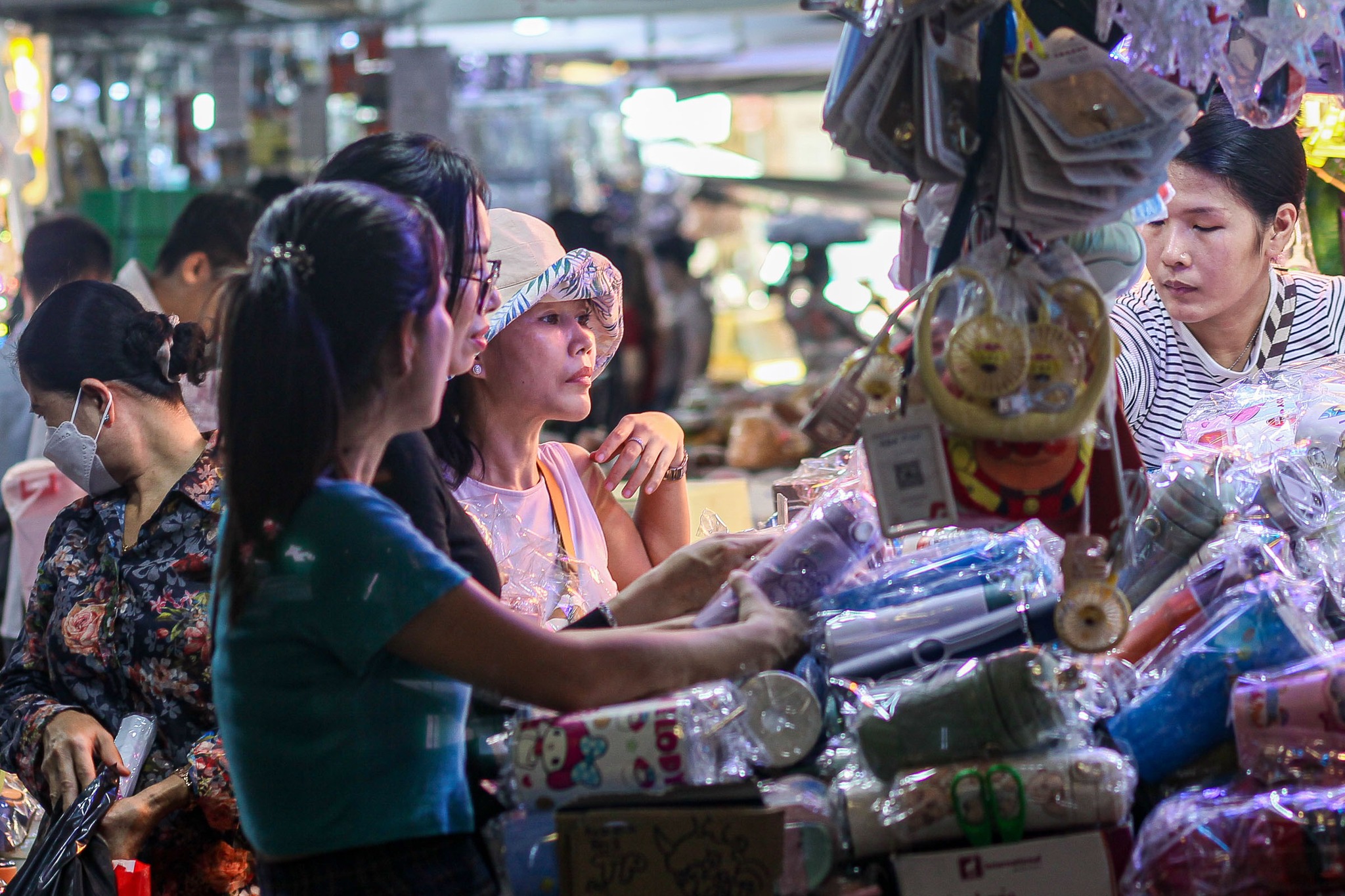
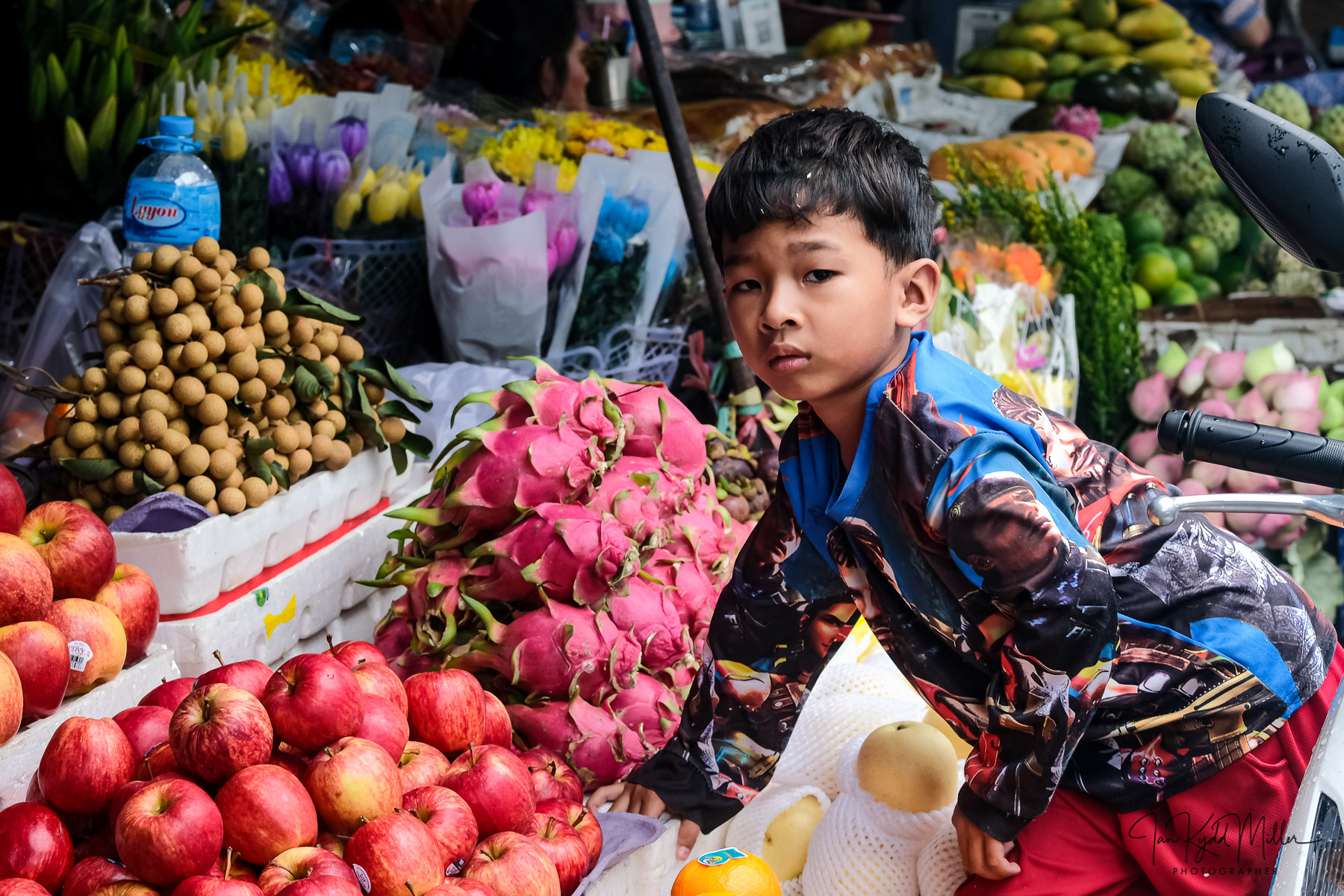
Phnom Penh is often imagined through its riverside promenades, temples, and expat cafรฉs. Yet the cityโ€™s essence lies in the places foreigners rarely visit โ€” the narrow lanes, bustling wet markets, and everyday neighbourhoods where life unfolds unfiltered. Many outsiders avoid these areas, guided by fear or unfamiliarity, but for me, wandering them has become a favorite pastime.

๐Ÿค Encounters of Humanity

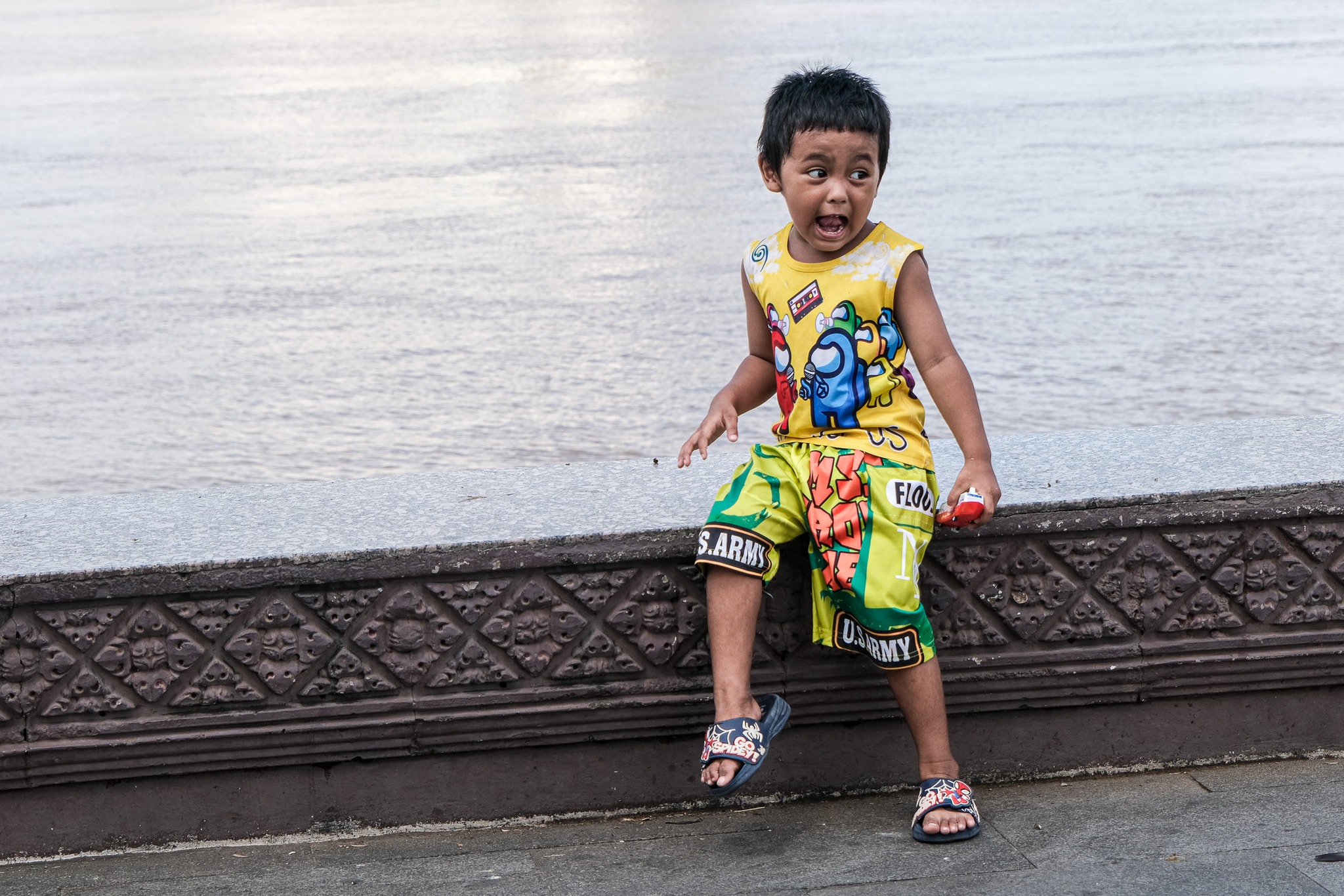
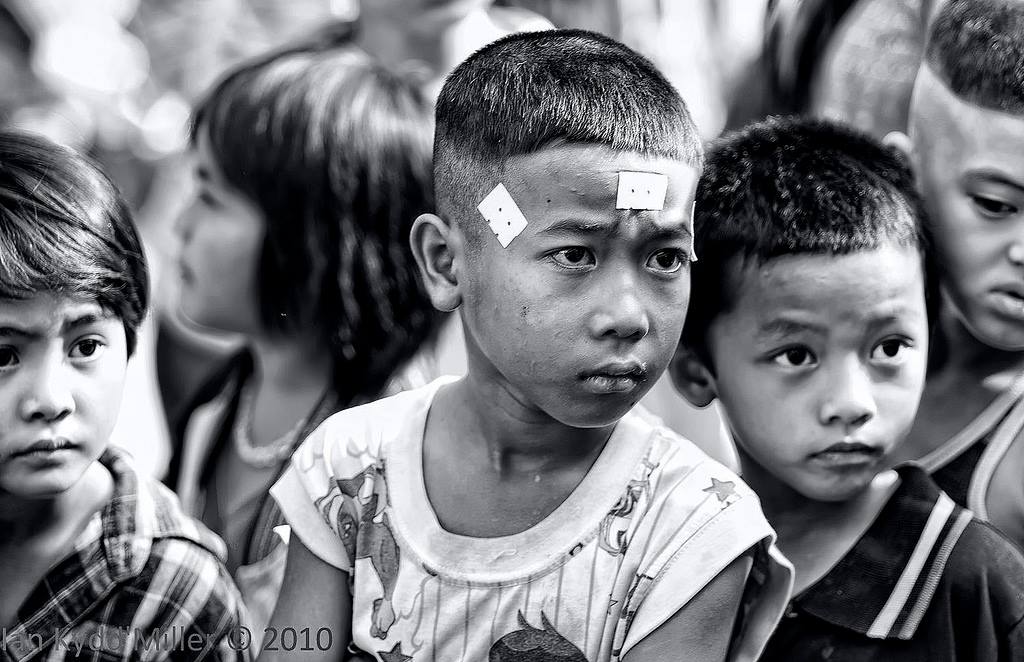
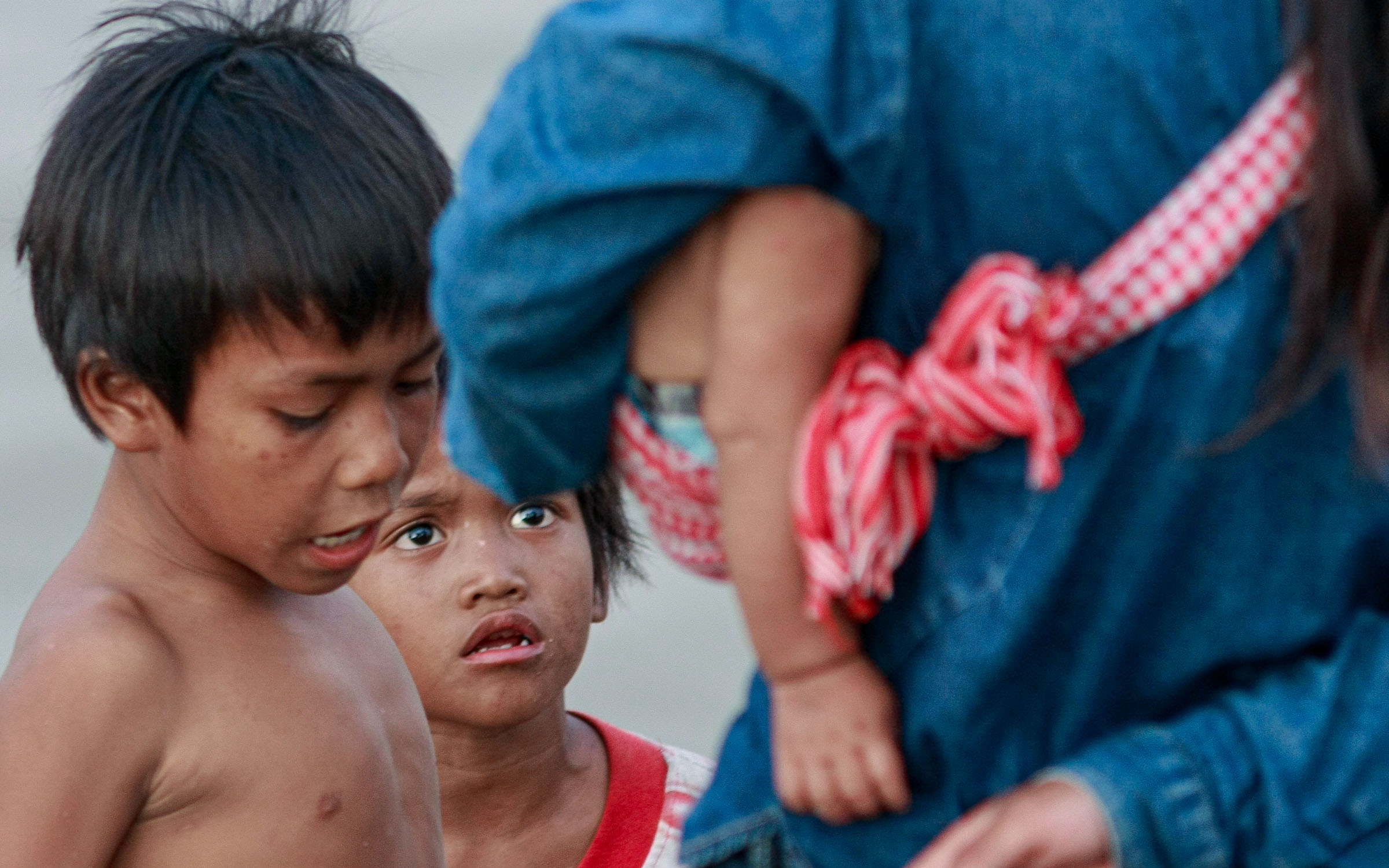
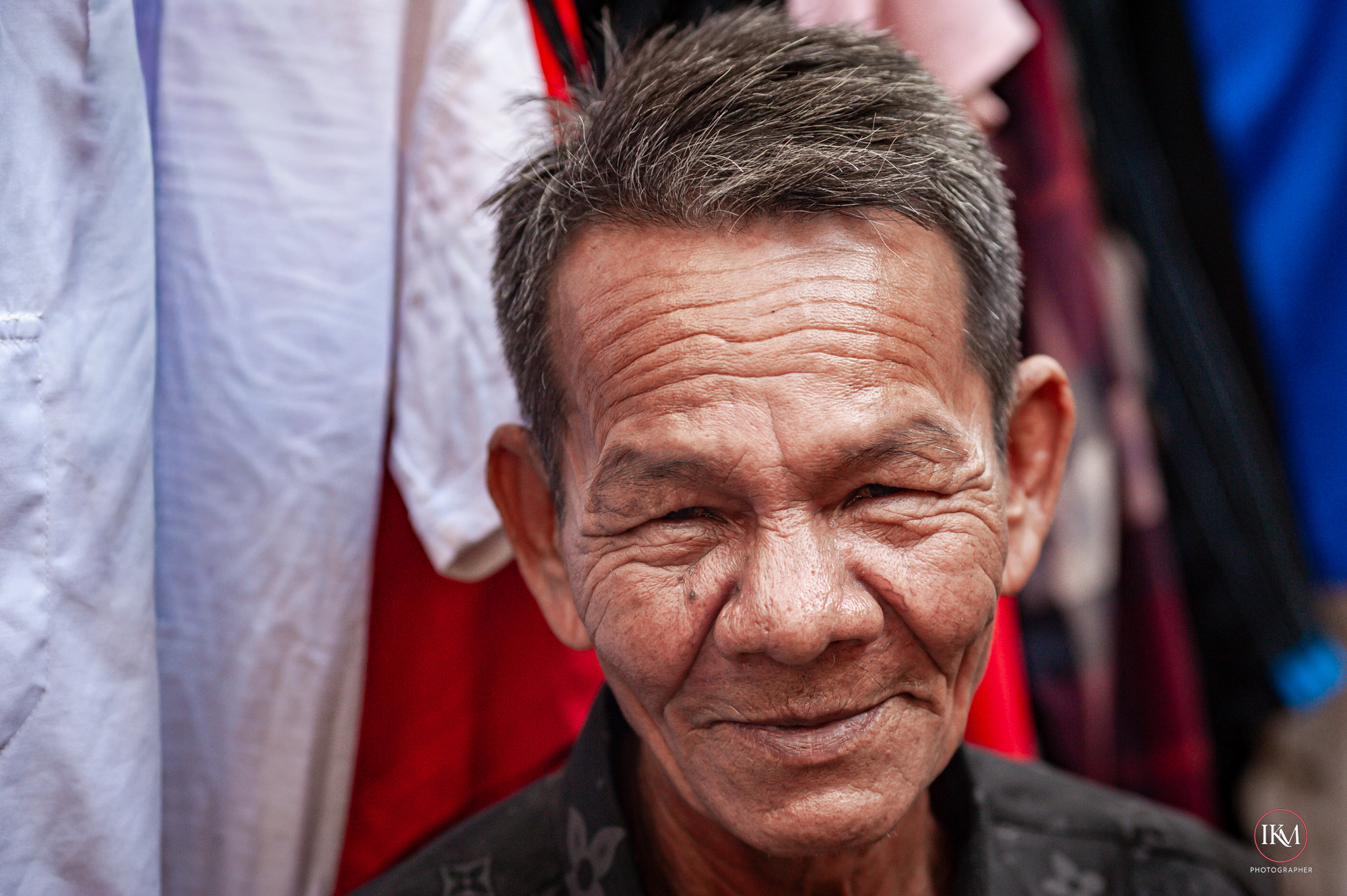
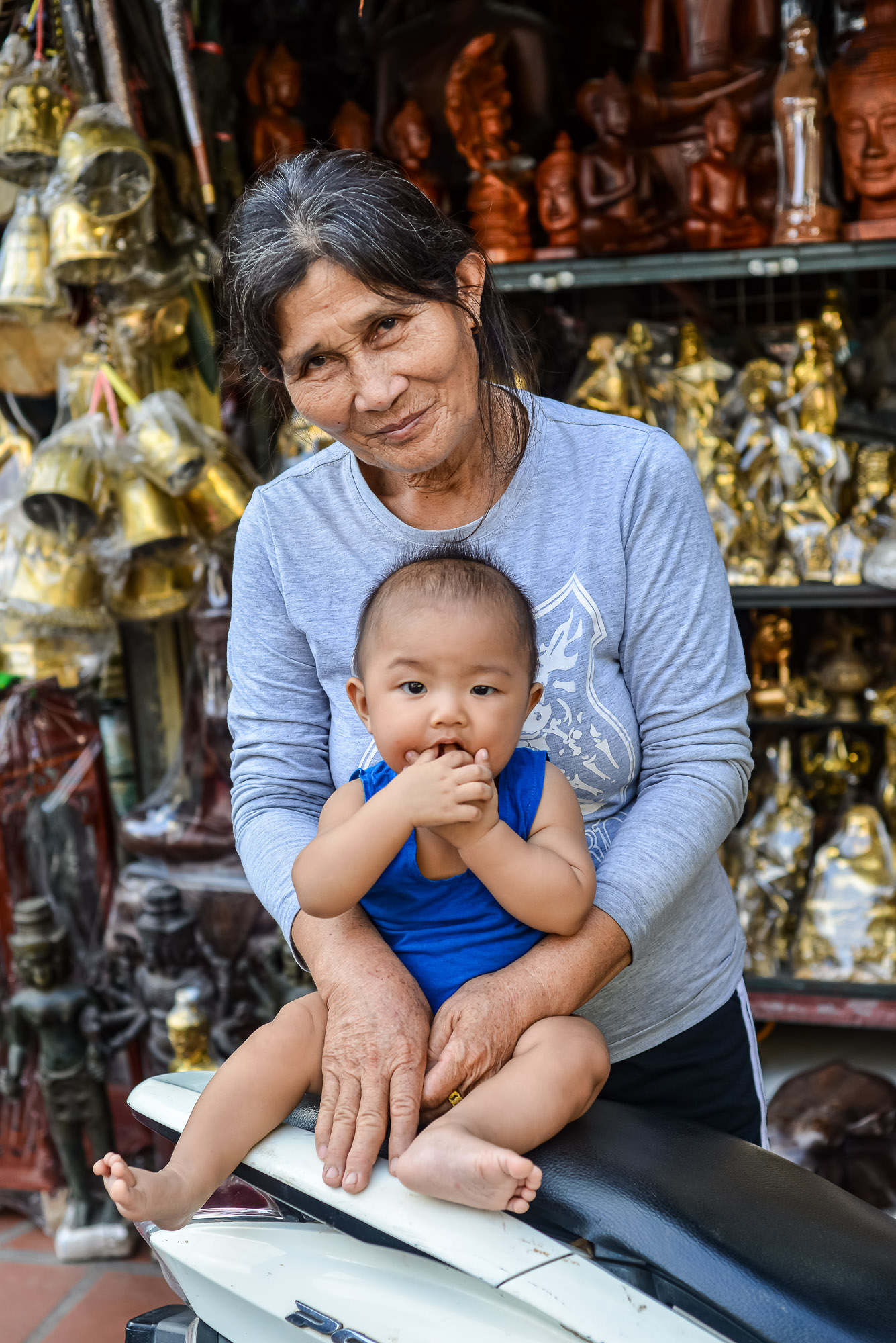
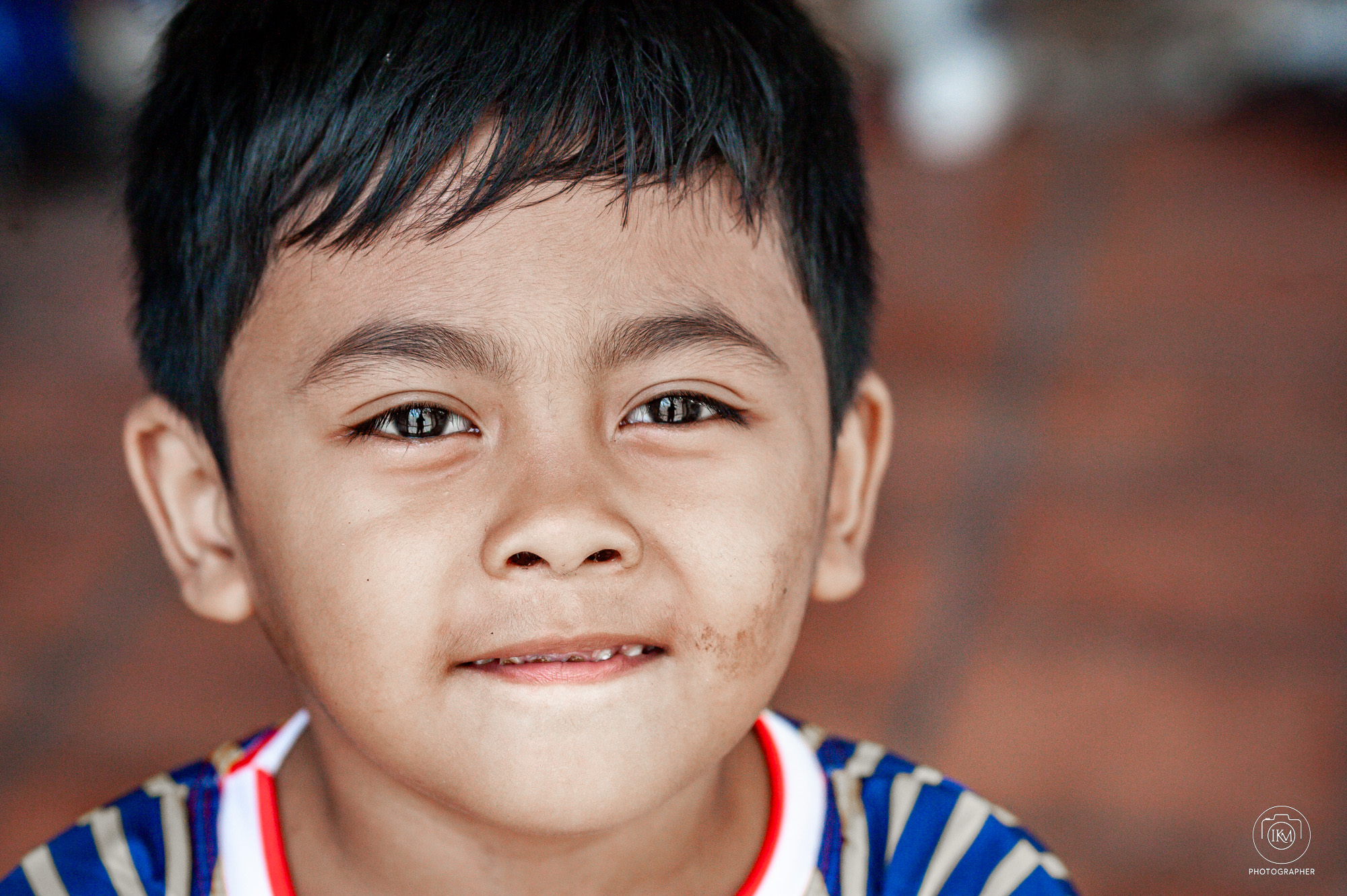
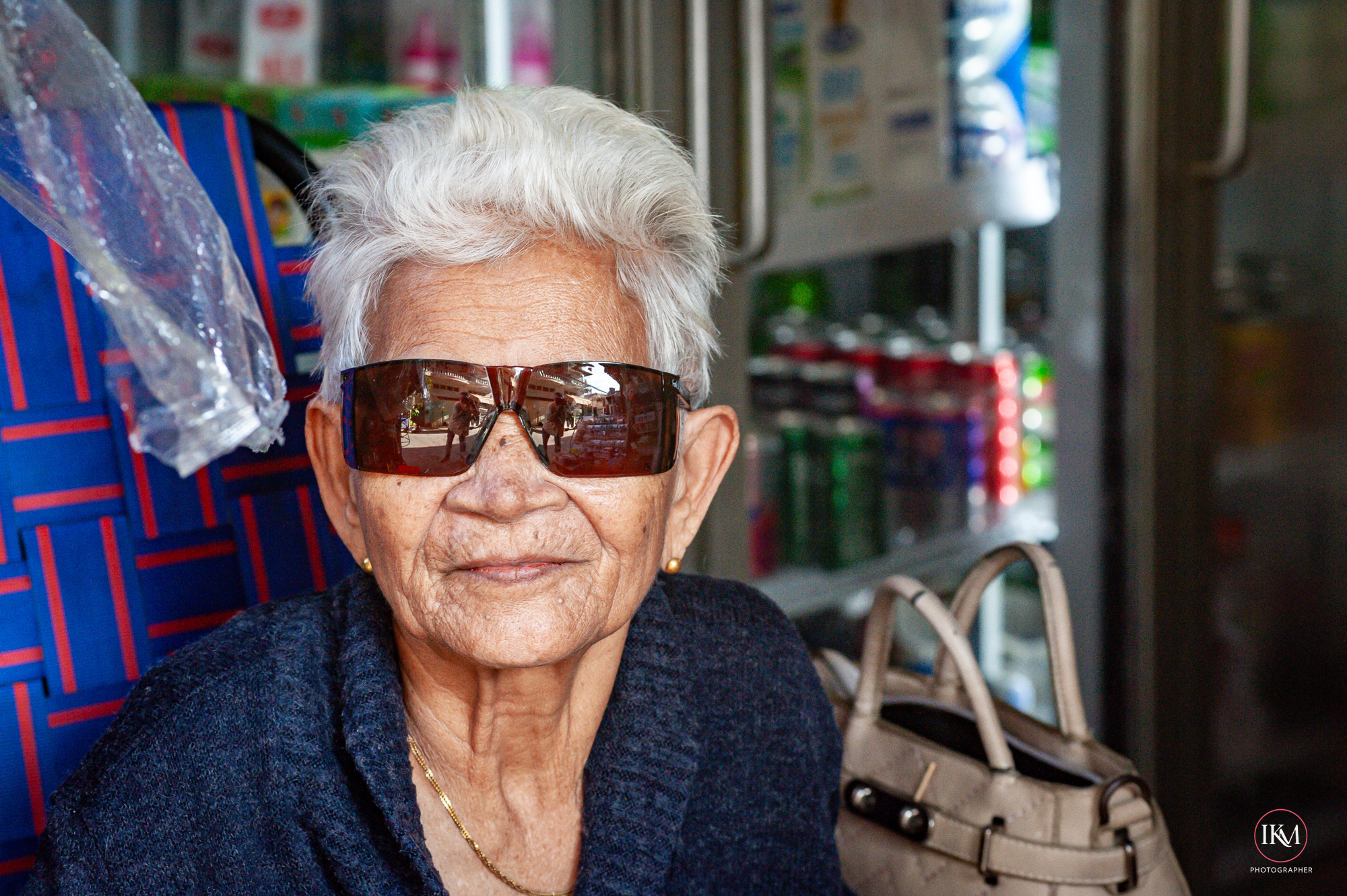
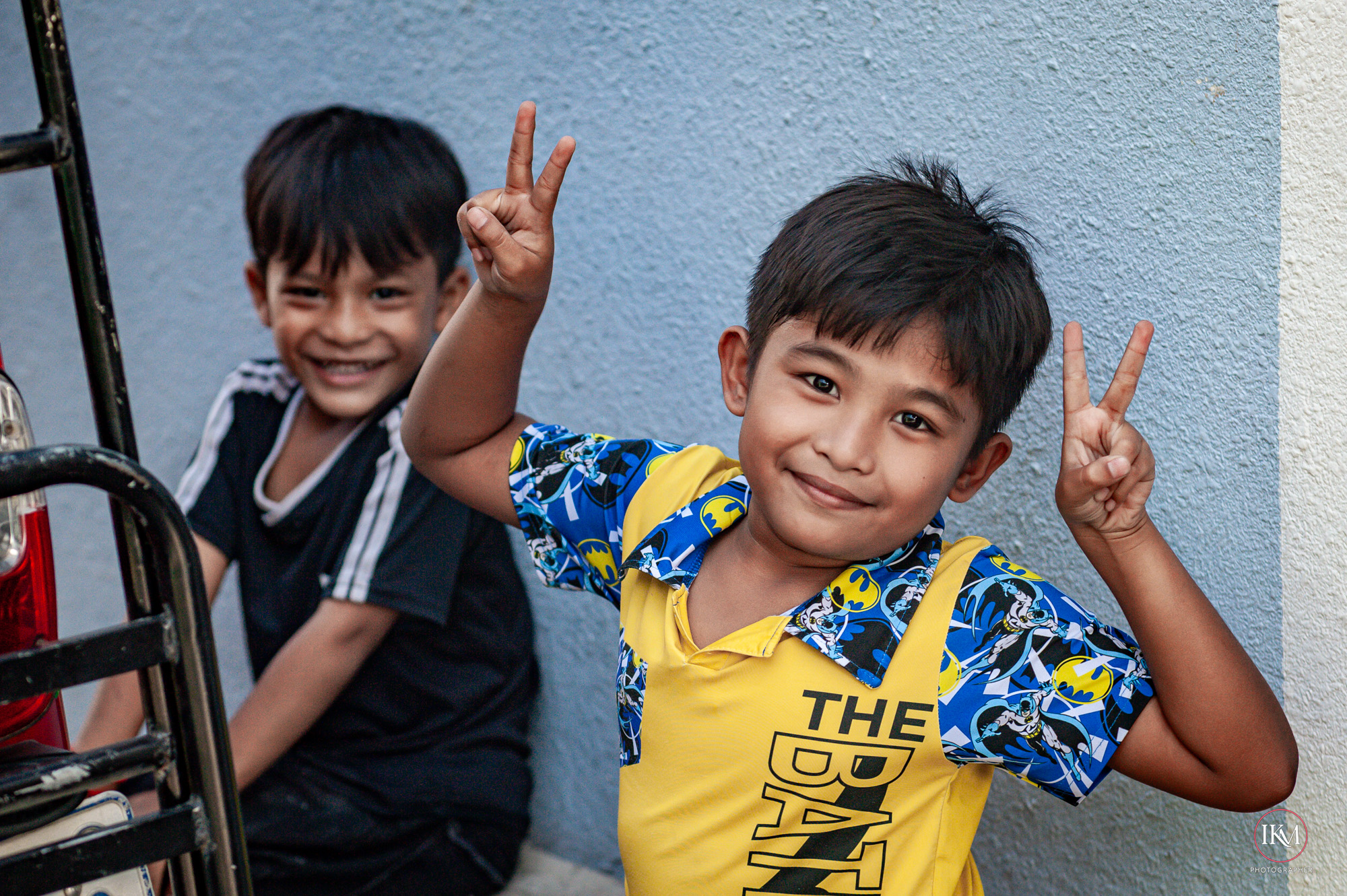
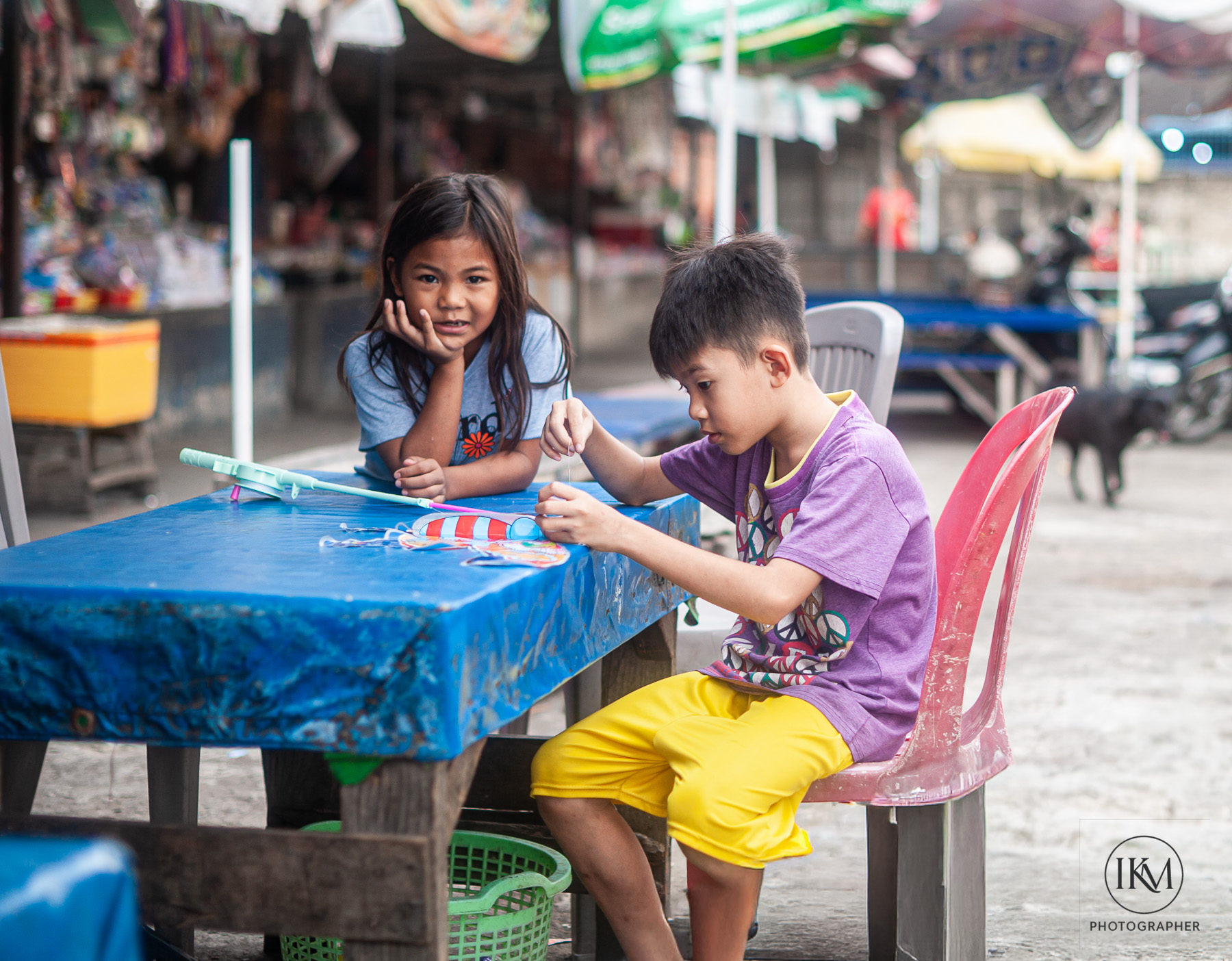
Each walk brings moments of connection: vendors offering smiles, children waving with delight, neighbours curious yet welcoming. Far from the imagined hostility, I find warmth and joy. The people are happy to see me, not because I am foreign, but because I am present โ€” willing to share space in their daily rhythm.

๐Ÿ•Š๏ธ Reframing Fear

The absence of foreigners in these areas is telling. Fear shapes perception, but reality often contradicts it. By stepping into overlooked corners, I discover not danger but dignity, not hostility but hospitality. The narrative of fear dissolves into lived experience of trust.

โœจ Lessons in Wandering

  • Authenticity: The richest encounters happen away from curated tourist zones.
  • Humanity: Warmth and friendliness are constants, even in places outsiders avoid.
  • Perspective: Fear blinds us to beauty; presence reveals it.

๐Ÿ“ธ Closing Reflection

Wandering Phnom Penhโ€™s lessโ€‘visited areas is more than exploration โ€” it is an act of trust. It reminds me that ambiguity and absence are not voids to fear, but spaces where meaning emerges. In the overlooked corners of the city, I find friendship, resilience, and the quiet joy of human connection.

In Cambodia, the simple act of offering a Khmer greeting โ€” the sampeah โ€” carries deep cultural weight. Whether you meet a child, an elder, or someone in between, pressing your palms together and bowing slightly is seen not just as politeness, but as a gesture of respect and friendship.

โœจ I have noticed โ€” that people light up when greeted in their own language โ€” is a reminder of how small acts of cultural recognition dissolve barriers. Itโ€™s not about being fluent; itโ€™s about showing you care enough to step into their world.

๐Ÿ“ธ Photojournalism as Agent Provocateur: Ethical Power or Dangerous Edge?

cambodia, cameras, homelessness, Lenses, opinons, thoughts, pictures, street, Travel, voluntary

๐Ÿ”ฅ The Provocative Potential

Photojournalism has always had the capacity to provoke. Iconic imagesโ€”like the โ€œNapalm Girlโ€ or the Tiananmen Square standoffโ€”didnโ€™t just document events; they shocked, moved, and mobilised global audiences. In this sense, photojournalism is an agent provocateur: it confronts viewers with uncomfortable truths and demands a response.

โš–๏ธ The Ethical Line

But provocation is not the same as manipulation. The ethical challenge lies in intent:

  • Is the image revealing injustice or exploiting suffering?
  • Is it amplifying marginalised voices or sensationalising trauma?
  • Is it grounded in truth or shaped to fit a narrative?

Responsible photojournalism provokes thought, not violence. It informs, not inflames.

๐Ÿงญ When Provocation Serves Justice

In contexts of oppression, censorship, or systemic abuse, photojournalism canโ€”and arguably shouldโ€”provoke:

  • Expose hidden realities (e.g. war crimes, police brutality)
  • Challenge dominant narratives (e.g. state propaganda)
  • Mobilise public action (e.g. climate protests, refugee crises)

Here, provocation is not recklessโ€”itโ€™s a form of ethical resistance.

๐Ÿšซ When Provocation Becomes Exploitation

However, when images are used to:

  • Sensationalise suffering
  • Invade privacy
  • Perpetuate stereotypes
  • Distort context for shock value

โ€ฆphotojournalism crosses into unethical territory. The image becomes a weapon, not a witness.

โœ… Summary

Photojournalism can act as an agent provocateurโ€”but only when it provokes with purpose, not for spectacle. Its ethical power lies in revealing truth, challenging injustice, and sparking dialogue. The moment it prioritises impact over integrity, it loses its credibility.

๐Ÿ“ธ Street Photography in Phnom Penh: Authentic, Candid Moments

cambodia, cameras, homelessness, Lenses, opinons, thoughts, photography, pictures, street, Travel

I donโ€™t chase perfection. I donโ€™t polish the streets into postcards. I take pictures of what I seeโ€”fleeting gestures, overlooked details, unremarkable corners. To some, these images may feel uninteresting. But to me, they are the essence of street photography: authentic, candid, and true.

I. PRESENCE IS HONESTY

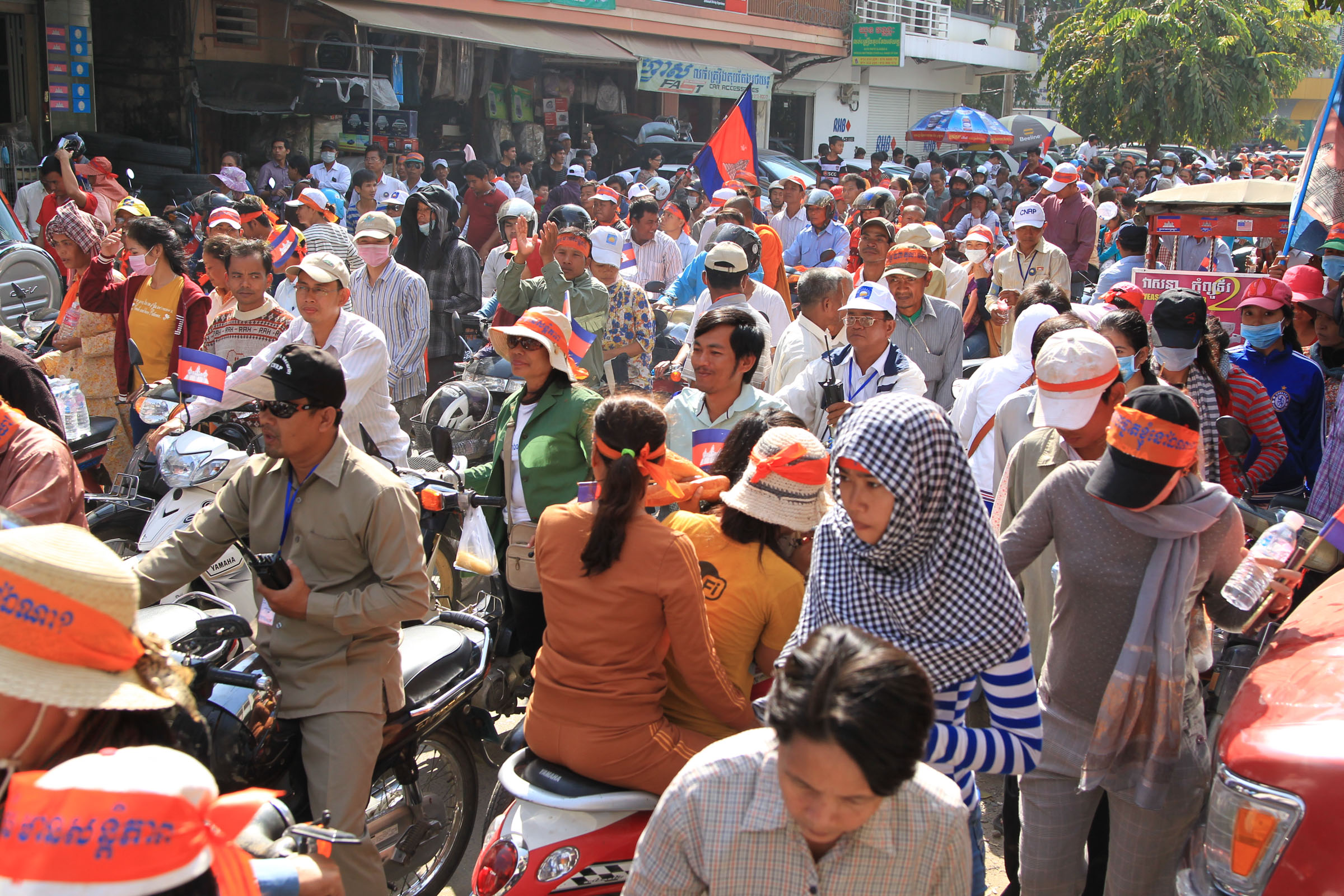
Street photography begins with presence. Itโ€™s about standing in the chaos of Phnom Penhโ€”motorbikes weaving, vendors calling, monks moving through morning lightโ€”and noticing the small things.

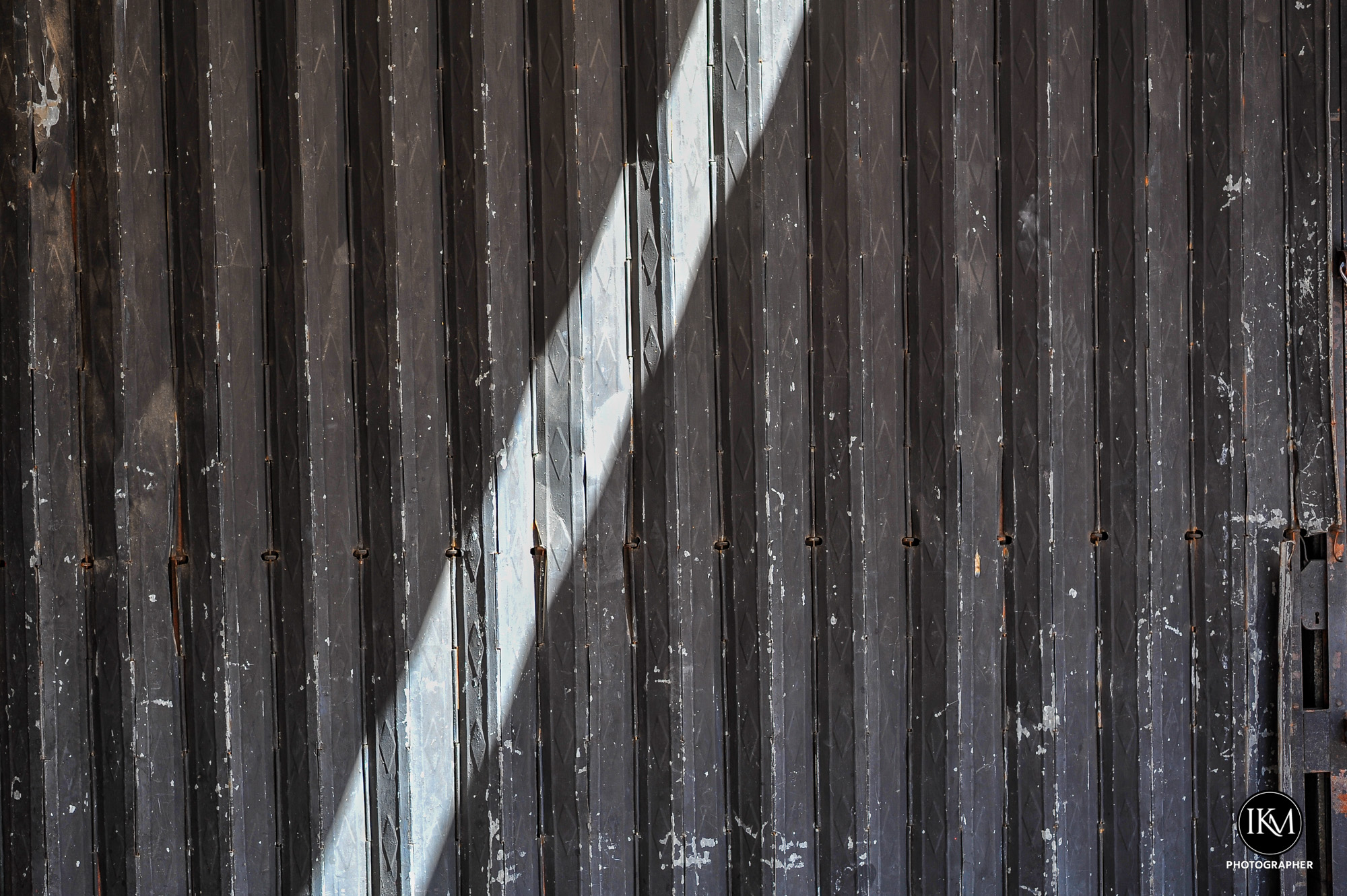
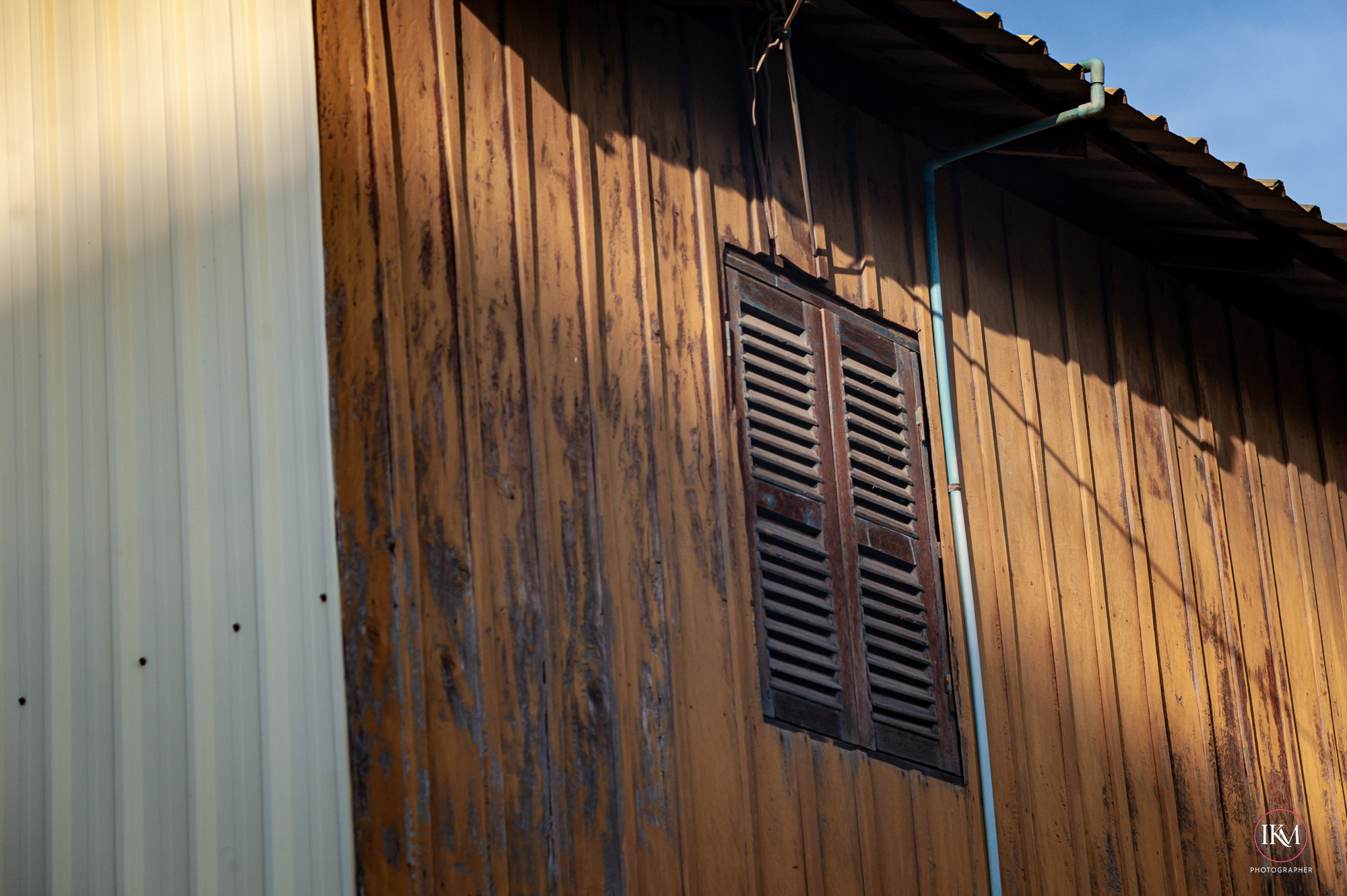
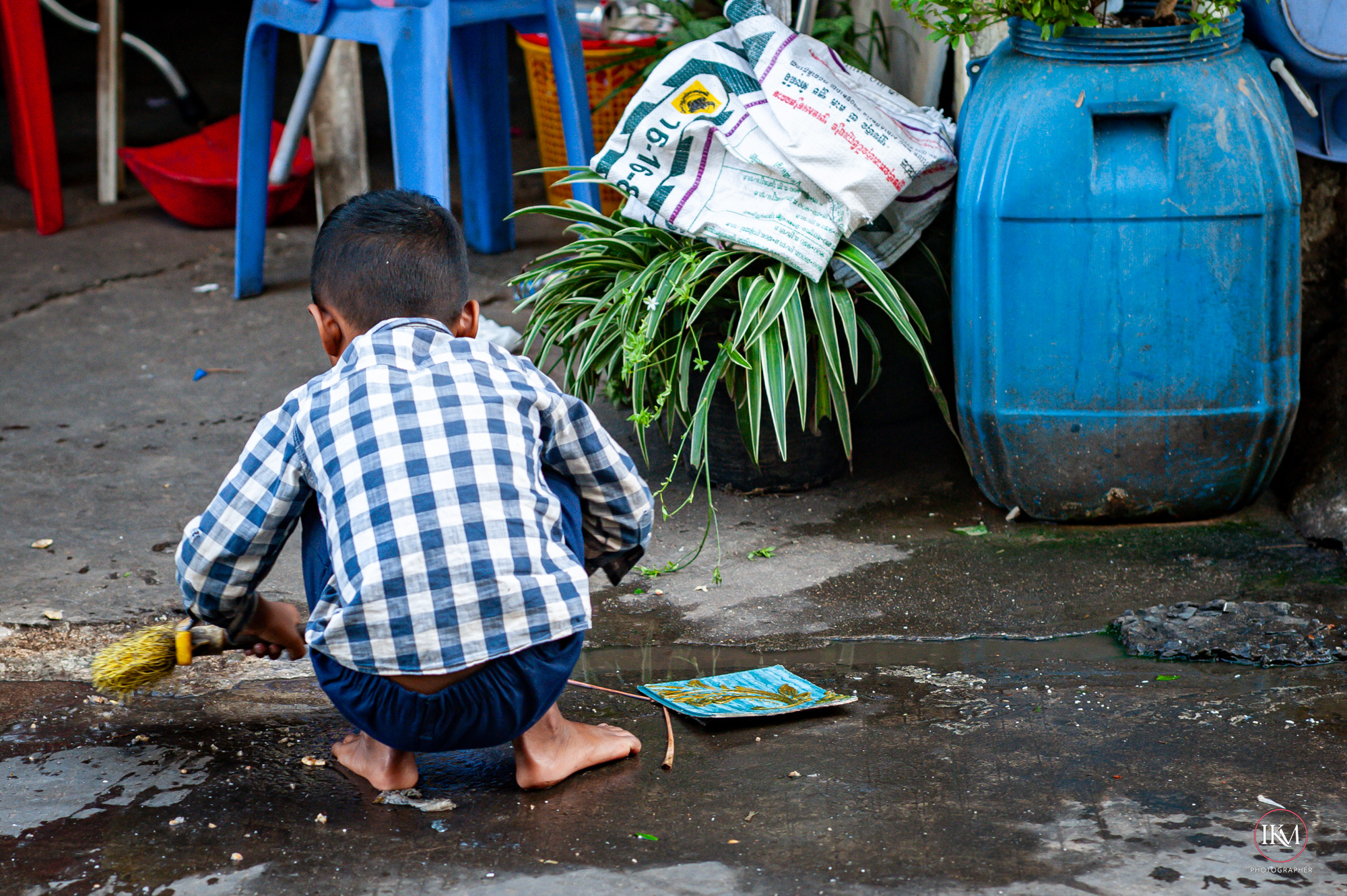
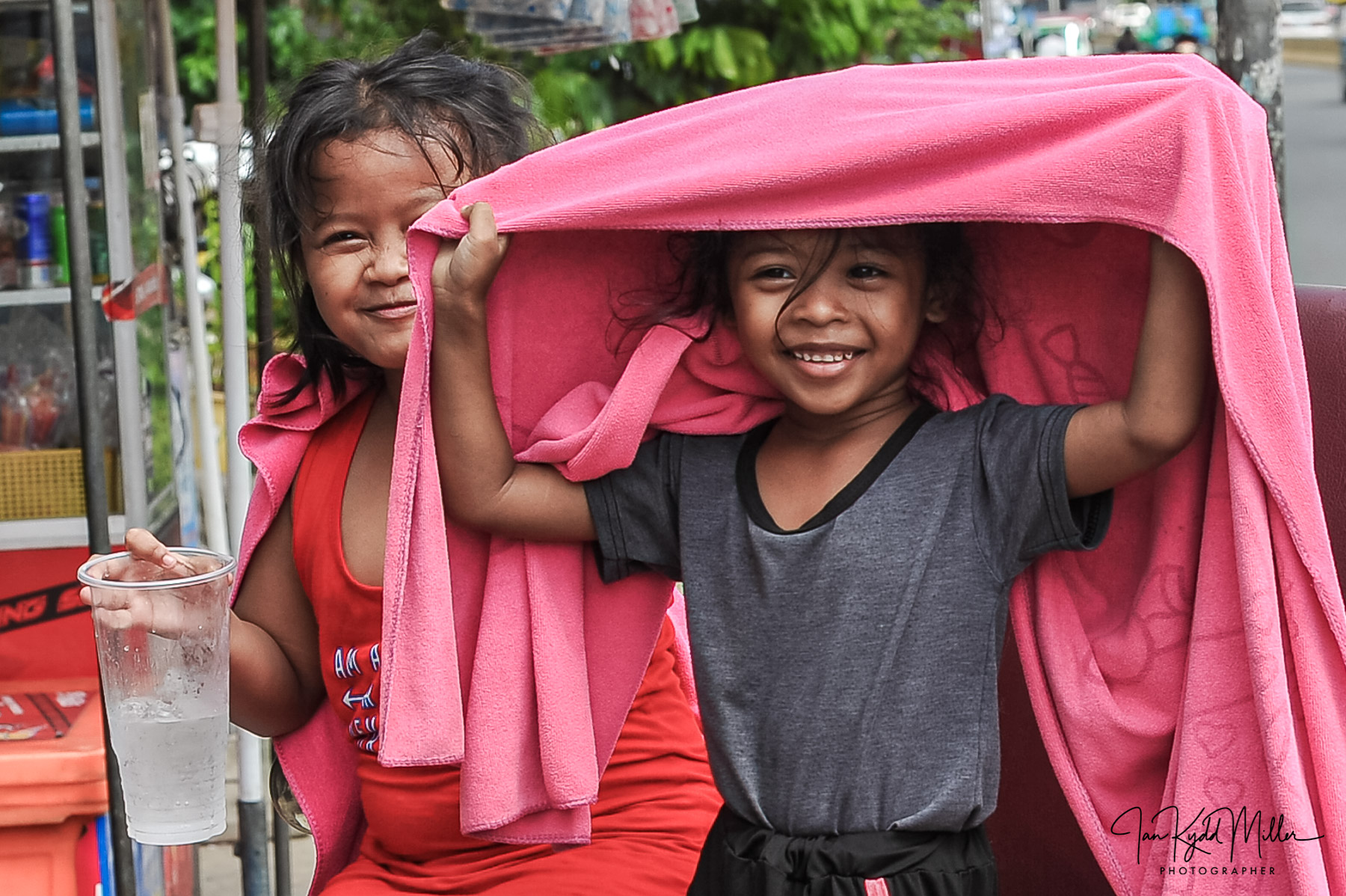
A hand resting on a tukโ€‘tuk. A shadow slicing across a wall. A childโ€™s laughter echoing in the alley. These moments arenโ€™t staged. They arenโ€™t curated. They are real.
II. MEMORY IS FRAGILE

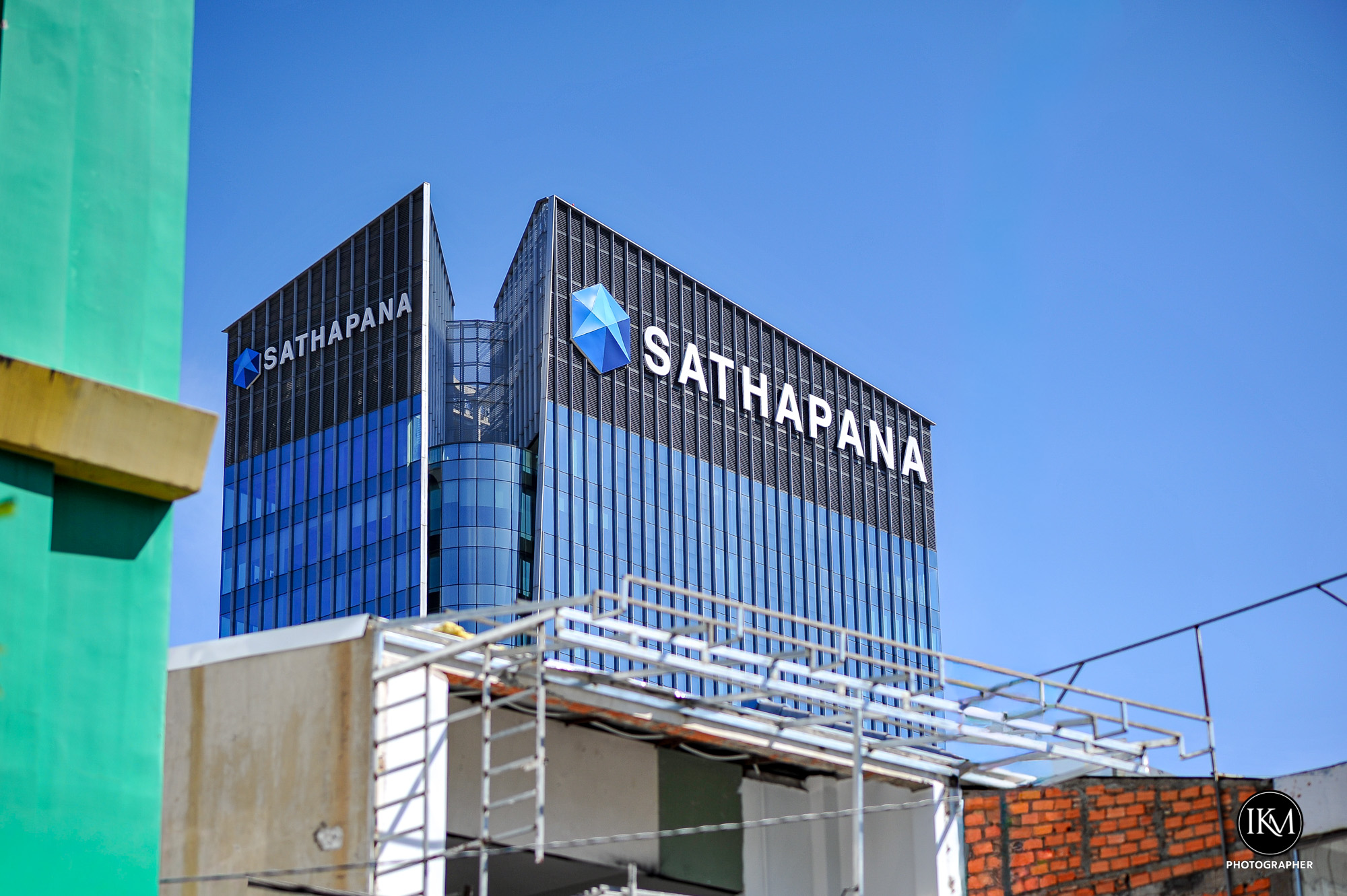
Phnom Penh is changing fast. Markets modernise, facades crumble, new towers rise. What feels ordinary today may be gone tomorrow.

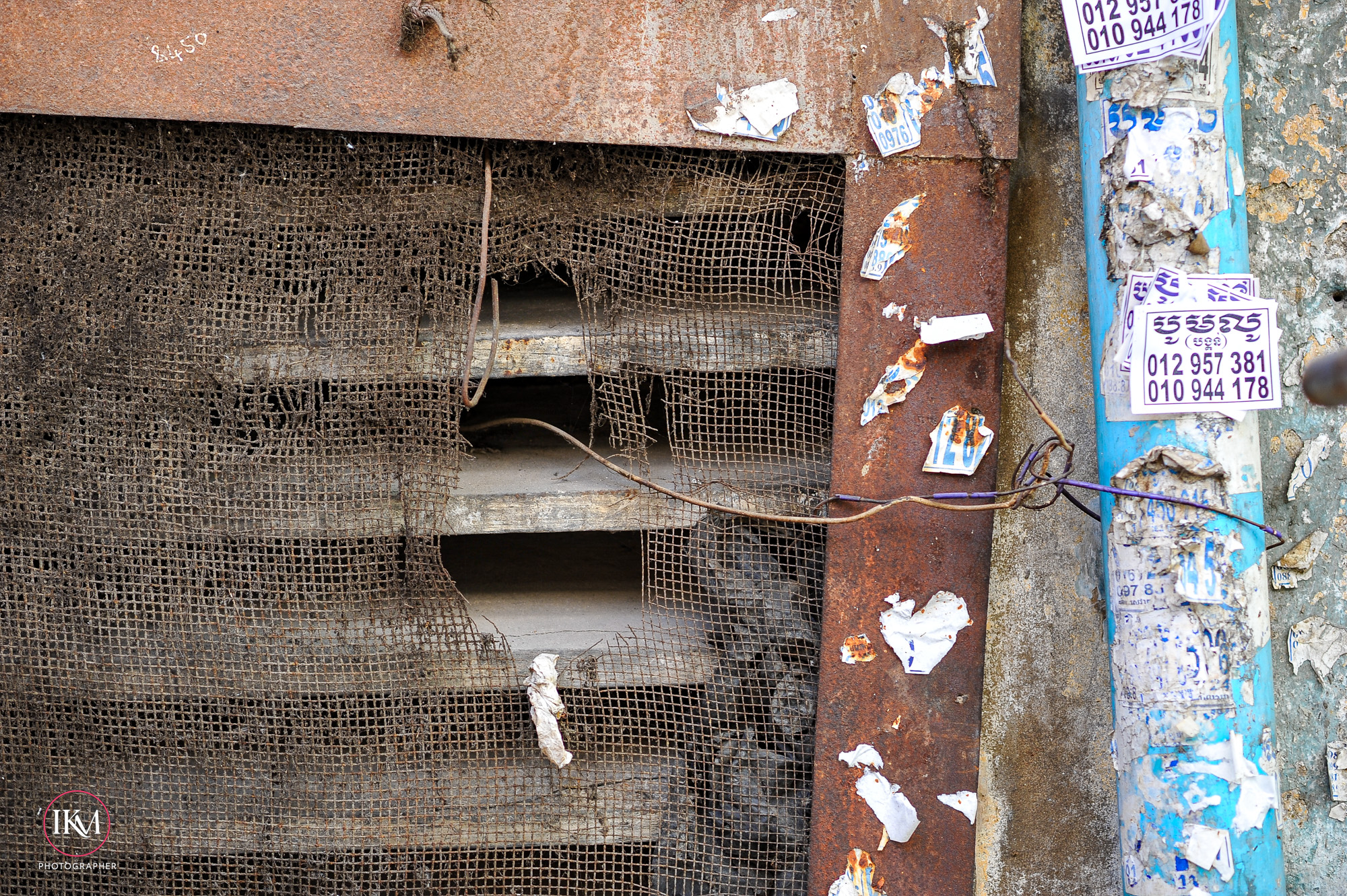
Photography preserves the fragile. A candid frame becomes a fragment of memory, a retro imprint of a city in transition. Not all images are pretty, but all are valuable.

III. CONNECTION IS HUMAN

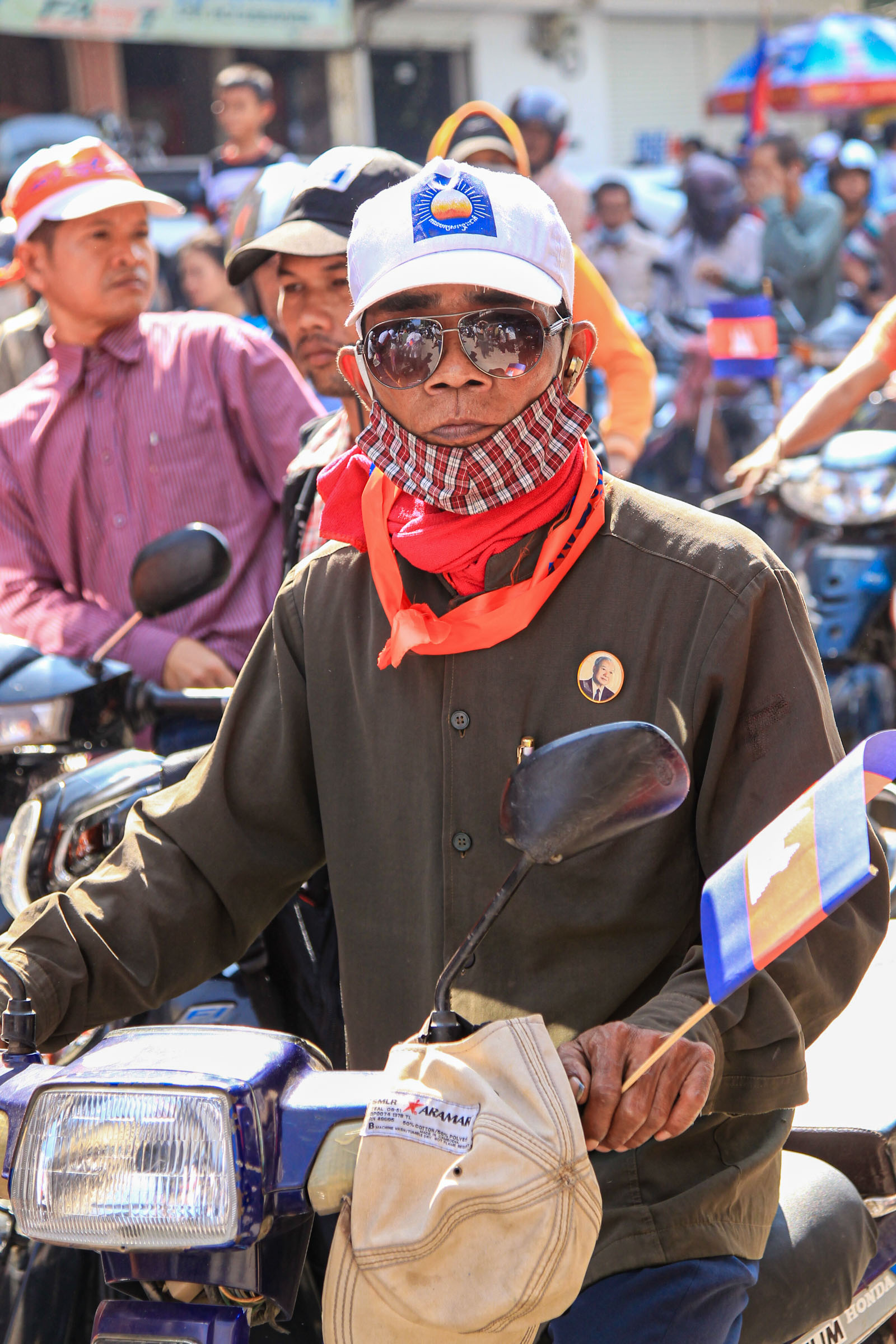
The power of candid moments lies in connection. A strangerโ€™s direct gaze. A fleeting smile. The quiet acknowledgment of someone who lets me borrow a second of their life.

Grain, blur, imperfectionโ€”these are not flaws. They are the marks of authenticity, the texture of human presence.

IV. IDENTITY IS UNPOLISHED

My way of working is not about producing art that pleases everyone. It is about practicing a way of seeing. It is about being present in Phnom Penhโ€™s streets, attentive to the ordinary, open to the unremarkable.

This is my discipline: to take pictures of what I see, without gloss, without apology.

Closing Call: Light as a Signature

Street photography is special not because it is beautiful, but because it is true. Each frame is a mark, a monogram of the cityโ€™s soulโ€”drawn not with ink, but with light.

โšก Publishing Shocking Images: Right or Wrong?

cambodia, cameras, homelessness, opinons, thoughts, photography, pictures, street, Travel, war

Publishing shocking images is neither inherently right nor wrongโ€”it depends on intent, context, and consequence. The ethical challenge lies in balancing public interest with personal dignity, truth with sensitivity, and impact with responsibility.

Photojournalism often confronts us with the raw edge of realityโ€”war, disaster, injustice, grief. These images can jolt viewers into awareness, spark outrage, and mobilise change. But they can also retraumatise, exploit, or misrepresent. So when is it right to publish a shocking imageโ€”and when is it wrong?

โœ… When Itโ€™s Justified

  • Public interest outweighs discomfort: Images that expose systemic abuse, corruption, or humanitarian crises may be shockingโ€”but they serve a vital civic function.
  • Truth is preserved: If the image is accurate, unmanipulated, and contextually honest, it contributes to informed discourse.
  • Consent is considered: When possible, subjects should be aware of how their image will be usedโ€”especially in vulnerable situations.
  • Impact is constructive: If the image leads to policy change, aid mobilization, or cultural reckoning, its shock may be ethically warranted.

โŒ When Itโ€™s Problematic

  • Sensationalism overrides substance: If the image is published for clicks, not clarity, it risks exploitation.
  • Subjects are dehumanised: Graphic depictions that strip away dignity or reduce people to symbols of suffering cross ethical lines.
  • Context is missing: A shocking image without background can mislead, stigmatise, or distort public understanding.
  • Harm outweighs benefit: If the image retraumatises survivors, endangers individuals, or incites hate, it should be reconsidered.

๐Ÿงญ Ethical Guidelines for Publishing Shocking Images

  • Caption with care: Provide factual, neutral context to guide interpretation.
  • Blur or anonymise when needed: Protect identities in sensitive situations.
  • Seek editorial review: Run controversial images past peers or editors before publishing.
  • Reflect before release: Ask: Would I feel respected if this were me?

๐Ÿง  Final Thought

Shocking images have powerโ€”but power without ethics is dangerous. The goal of photojournalism is not to numb or exploit, but to awaken and inform. Publishing such images demands courage, but also compassion. The question is not just can we publishโ€”but should we. And that answer must be earned, not assumed.

Would you like this adapted into a visual manifesto or ethics card for your portfolio?

Publishing Shocking Images: Right or Wrong

Shocking images command attention, accelerate public debate, and can catalyze change โ€” but they also risk exploitation, retraumatisation, and distortion. Deciding whether to publish such images is an ethical judgment as much as an editorial one, requiring clear criteria, transparency, and a commitment to minimizing harm.

What we mean by shocking images

Shocking images are photographs that provoke strong emotional reactions because they show violence, suffering, severe injury, or intimate moments of distress. They differ from disturbing journalism in degree and immediacy: their visceral impact can both illuminate and overwhelm a story.

Arguments for publishing

  • Public interest and accountability: Graphic images can document abuses and provide evidence when other records are absent; they can mobilize public opinion and spur policy or humanitarian response.
  • Bearing witness: Photographers and news organizations sometimes cite a duty to show realities that would otherwise be unseen, arguing that sanitizing imagery risks erasing the urgency of certain crises.
  • Truth-telling value: When used responsibly, stark images can convey truths that words alone cannot, making abstract harms tangible for audiences.

(These benefits depend on accurate captioning, strong sourcing, and editorial restraint to ensure images inform rather than manipulate.)

Arguments against publishing

  • Exploitation and dignity: Shocking images can reduce people to objects of spectacle, stripping context and agency from victims and survivors.
  • Harm and retraumatization: Graphic exposure can cause further trauma to subjects, their families, and communities; publication can have long-term consequences for those depicted.
  • Manipulation and loss of trust: Cropping, sequencing, or sensational captions can distort meaning and erode public trust in journalism; visual shock for clicks undermines credibility.

Ethical criteria to apply before publishing

  1. Public interest test โ€” Does the image materially inform the public or hold power to account, beyond mere sensationalism?.
  2. Dignity check โ€” Can the subjectโ€™s dignity be preserved through framing, captioning, or anonymisation?.
  3. Harm assessment โ€” What are the likely short- and long-term harms to the subject, family, or community? Can those harms be mitigated?.
  4. Provenance and accuracy โ€” Is the image verified, honestly captioned, and placed in proper context?.
  5. Alternatives โ€” Could less graphic visuals, stills, or descriptive reporting achieve the same public interest goal with lower harm?.

Apply these in sequence: fail any single test, and the case for publication weakens considerably.

Practical editorial guidelines

  • Use clear, factual captions that state who, what, where, when, and why; avoid sensational language.
  • Consider cropping or blurring to preserve identity and dignity without erasing the essential truth.
  • Offer warnings and placement choices (e.g., not lead-story fronting on social feeds) so audiences can consent to exposure.
  • Disclose edits and sourcing when relevant; transparency builds trust.
  • Use peer review or editorial oversight for borderline cases, and consult legal counsel when publication could create liability or danger.

Conclusion

Publishing shocking images can be ethically defensible, but never automatic. The default should be caution: ask whether the image serves a clear public interest, whether it preserves human dignity, and whether harms have been reasonably mitigated. When journalists and editors apply rigorous verification, contextualization, and harm-conscious practices, graphic images can illuminate truth and prompt change; without those safeguards, they risk exploitation and eroded trust

๐Ÿ“ธ Capturing Truth, Provoking Change

cambodia, cameras, conflict, homelessness, opinons, thoughts, photography, pictures, street, Travel, war

The Power of Photojournalism as Agent Provocateur

๐Ÿ”ฅ Provocation with Purpose

โš–๏ธ Ethical Boundaries of Provocative Imagery

๐Ÿ› ๏ธ How to Use Provocation Responsibly

๐Ÿง  Final Thought

๐Ÿ“ธ Nikon D810: Detailed Assessment of Capabilities and Character

cameras, homelessness, Lenses, opinons, thoughts, photography, pictures, street, Travel

๐Ÿ—๏ธ Build and Ergonomics

  • Body: Magnesium alloy, fully weather-sealed, designed for professional use in demanding environments.
  • Handling: Classic Nikon DSLR ergonomicsโ€”deep grip, tactile dials, and intuitive button layout.
  • Weight: ~980g (body only), substantial but balanced with pro lenses.
  • Shutter: Redesigned for quieter operation and reduced vibration, enhancing sharpness in long exposures.

๐Ÿ“ท Sensor and Image Quality

  • Resolution: 36.3MP FX-format CMOS sensor, no optical low-pass filter for maximum detail.
  • Dynamic Range: Among the best of its generationโ€”excellent highlight recovery and shadow depth, ideal for landscapes and studio work.
  • ISO Performance: Native ISO 64โ€“12,800 (expandable to 32โ€“51,200). At ISO 64, it produces exceptionally clean, detailed files.
  • Color and Tonality: Natural, nuanced rendering with wide latitude for post-processing.

Character: The D810 is known for its โ€œmedium-format feelโ€ in a DSLR bodyโ€”files are rich, detailed, and flexible, rewarding careful technique.

โšก Performance and Autofocus

  • AF System: 51-point Multi-CAM 3500FX, reliable and accurate, though not as advanced as later Nikon AF modules (e.g., D5/D850).
  • Continuous Shooting: 5 fps (7 fps in DX crop with grip)โ€”adequate for portraits, weddings, and landscapes, but not a sports machine.
  • Buffer: Limited compared to modern bodies; RAW bursts can fill quickly.

Character: The D810 is deliberate rather than fastโ€”best for photographers who value precision over speed.

๐ŸŽฅ Video Capabilities

  • Resolution: 1080p Full HD at up to 60 fps.
  • Features: Flat picture profile, uncompressed HDMI output, headphone/mic jacks.
  • Limitations: No 4K, and video AF is slow compared to mirrorless systems.

๐Ÿ”‹ Battery and Storage

  • Battery Life: ~1,200 shots per charge (EN-EL15 battery).
  • Storage: Dual card slots (CF + SD), offering flexibility and redundancy.

โœ… Strengths

  • Exceptional image quality with 36MP detail and wide dynamic range.
  • ISO 64 base sensitivity for ultra-clean files.
  • Rugged, professional build with weather sealing.
  • Quiet shutter and refined vibration control for long exposures.
  • Dual card slots for pro workflows.

โŒ Weaknesses

  • Slower burst rate and buffer limit action/sports use.
  • AF system is reliable but dated compared to newer Nikon DSLRs and mirrorless.
  • No 4K video, making it less appealing for hybrid shooters.
  • Heavy files (36MP RAWs) demand strong storage and processing power.

๐ŸŽฏ Best Use Cases

  • Landscape photography: Dynamic range and ISO 64 base make it a landscape legend.
  • Studio and portrait work: High resolution and tonal depth excel in controlled lighting.
  • Weddings and events: Excellent image quality, though buffer and AF may limit fast action.
  • Fine art and commercial photography: Files rival medium format in flexibility and detail.

โœจ Verdict

The Nikon D810 is a camera with soul and discipline. It rewards careful shooting with files of extraordinary richness and depth. While it lacks the speed and modern conveniences of newer bodies, its character lies in precision, tonal subtlety, and reliability. For photographers who value image quality above all else, the D810 remains one of Nikonโ€™s most iconic DSLRs.

The Nikon D850 is the natural evolution of the D810โ€”it keeps the D810โ€™s legendary image quality ethos but adds higher resolution (45.7MP vs 36.3MP), faster burst rates, vastly improved autofocus, and 4K video. The D810 remains a superb stills camera with a more deliberate, slower character, while the D850 is the more versatile allโ€‘rounder.

๐Ÿ“Š Nikon D810 vs Nikon D850: Sideโ€‘byโ€‘Side Breakdown

FeatureNikon D810 (2014)Nikon D850 (2017)
Sensor36.3MP FX CMOS, no OLPF45.7MP FX BSI CMOS, no OLPF
Base ISO64 (expandable 32โ€“51,200)64 (expandable 32โ€“102,400)
Dynamic RangeExcellent, especially at ISO 64Even better, with deeper shadow recovery
Autofocus51โ€‘point Multiโ€‘CAM 3500FX153โ€‘point Multiโ€‘CAM 20K (same as D5)
Continuous Shooting5 fps (7 fps with grip in DX mode)7 fps (9 fps with grip + ENโ€‘EL18 battery)
BufferLimited for RAW burstsLarger buffer, better for action
Video1080p Full HD (60 fps)4K UHD (full sensor readout)
LCD3.2″ fixed, 1.23M dots3.2″ tilting touchscreen, 2.36M dots
Viewfinder100% coverage, 0.7x mag100% coverage, 0.75x mag
Battery Life~1,200 shots~1,840 shots
Weight980 g1,005 g
Release Price~$3,300~$3,300

๐Ÿ”Ž Key Differences in Character

  • Resolution & Detail: The D850โ€™s 45.7MP BSI sensor delivers more detail and better lowโ€‘light efficiency than the D810โ€™s 36.3MP sensor. Both are superb, but the D850 files have more cropping flexibility.
  • Speed & AF: The D810 is deliberateโ€”great for landscapes, portraits, and studio work. The D850 adds speed (7โ€“9 fps) and a proโ€‘level AF system, making it viable for action and wildlife.
  • Video: The D810 is stillsโ€‘only focused, while the D850 is a true hybrid with 4K video.
  • Handling: Both share Nikonโ€™s rugged build, but the D850โ€™s tilting touchscreen and improved viewfinder make it more modern and versatile.
  • Battery Life: The D850 lasts longer per charge, despite its higher resolution.

โœ… Verdict

  • Choose the D810 if you want a pure stills camera with extraordinary tonal depth, a slower, more contemplative shooting style, and you donโ€™t need 4K or cuttingโ€‘edge AF. Itโ€™s also a bargain on the used market.
  • Choose the D850 if you want the ultimate allโ€‘round DSLRโ€”high resolution, speed, advanced AF, and 4K video. Itโ€™s the more versatile tool for professionals who need one body to do it all.

๐Ÿšฒ Street Life in Phnom Penh: A Living Tapestry

cambodia, cameras, fujifilm, homelessness, Lenses, opinons, thoughts, photography, pictures, street, Travel, voluntary

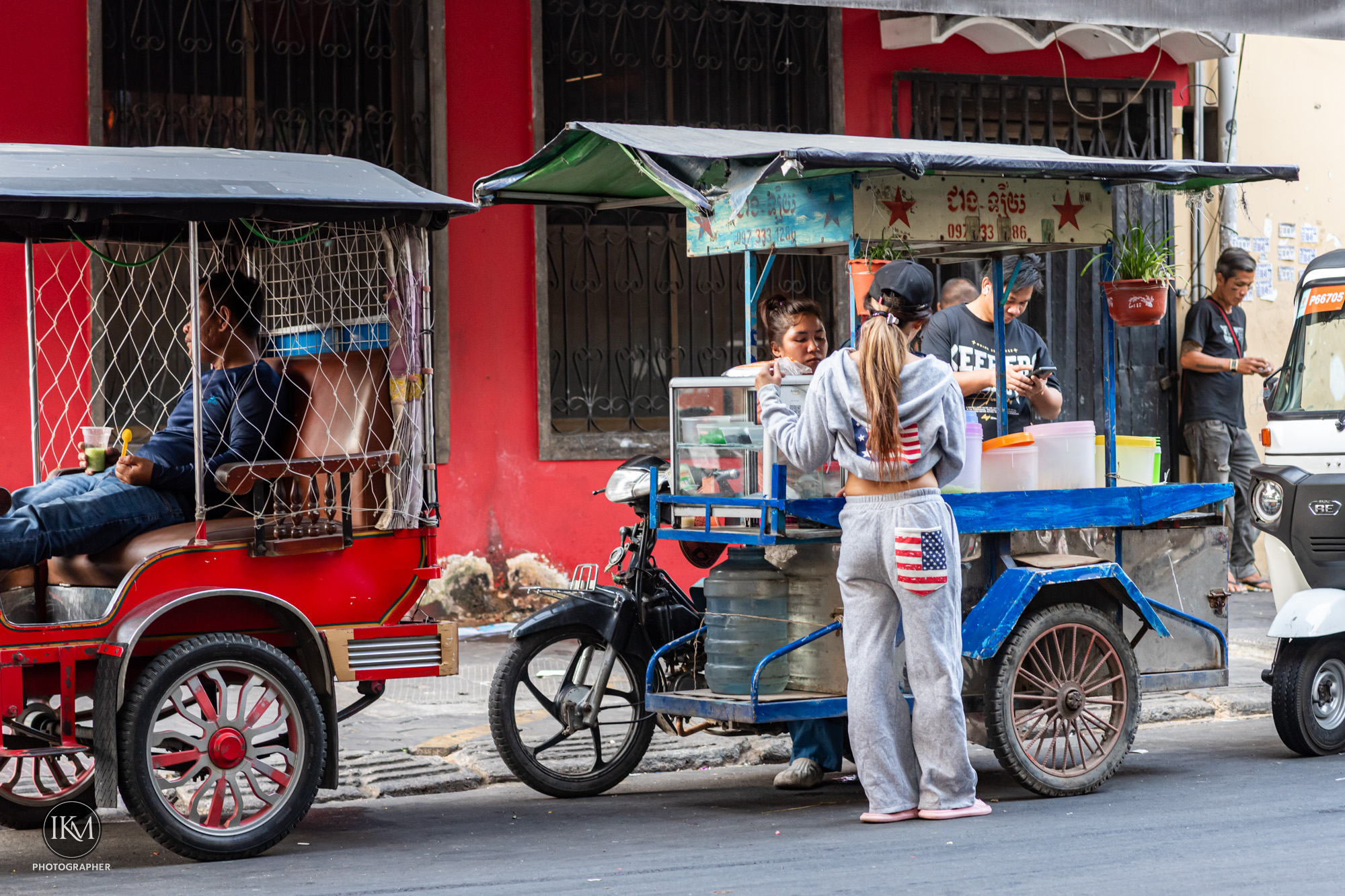
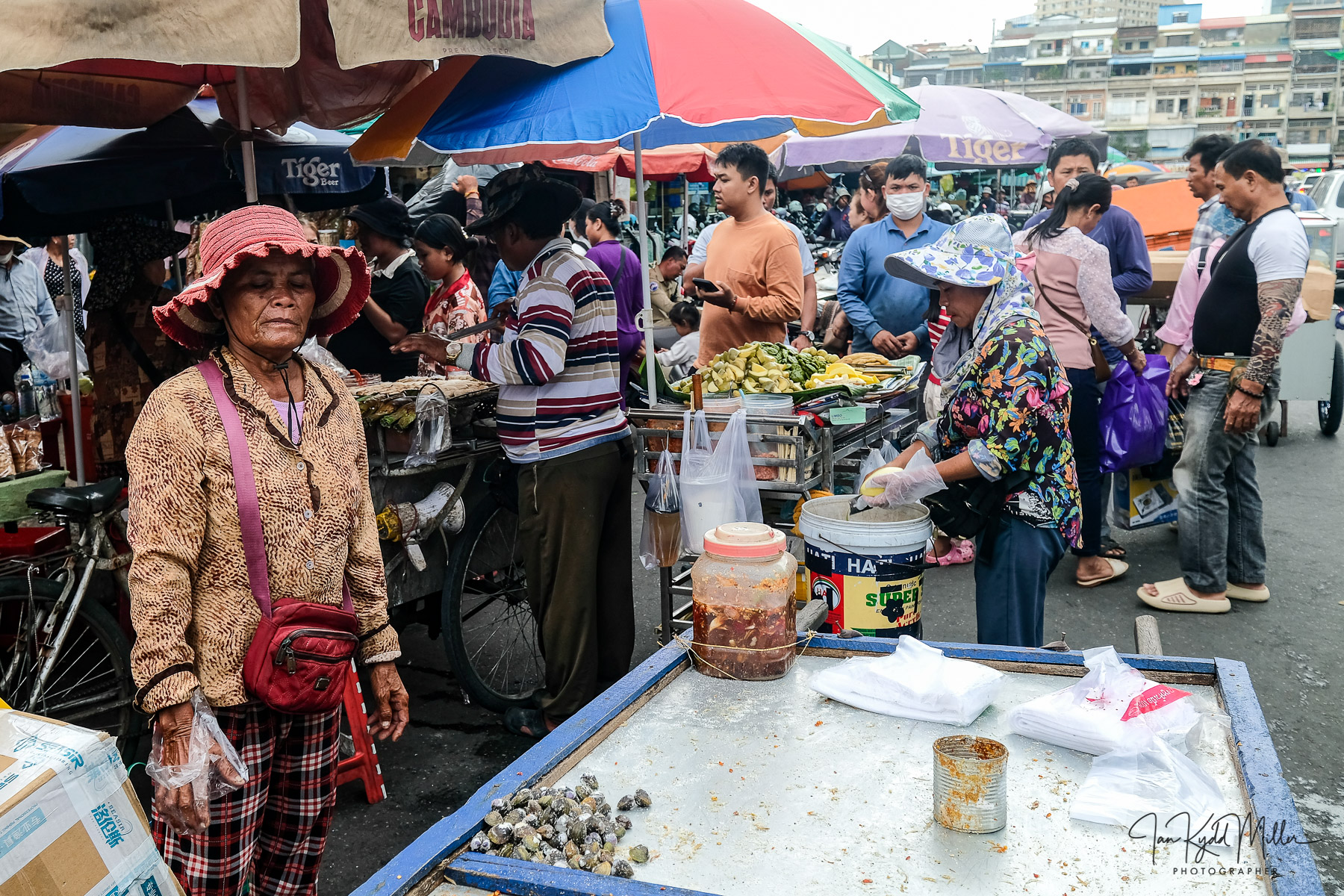
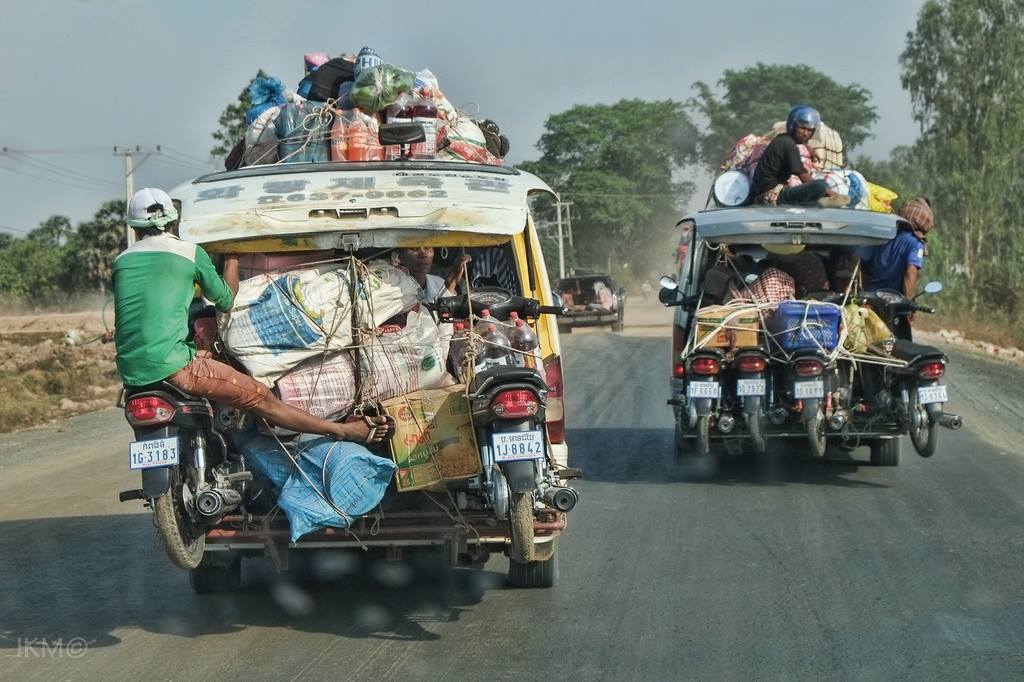
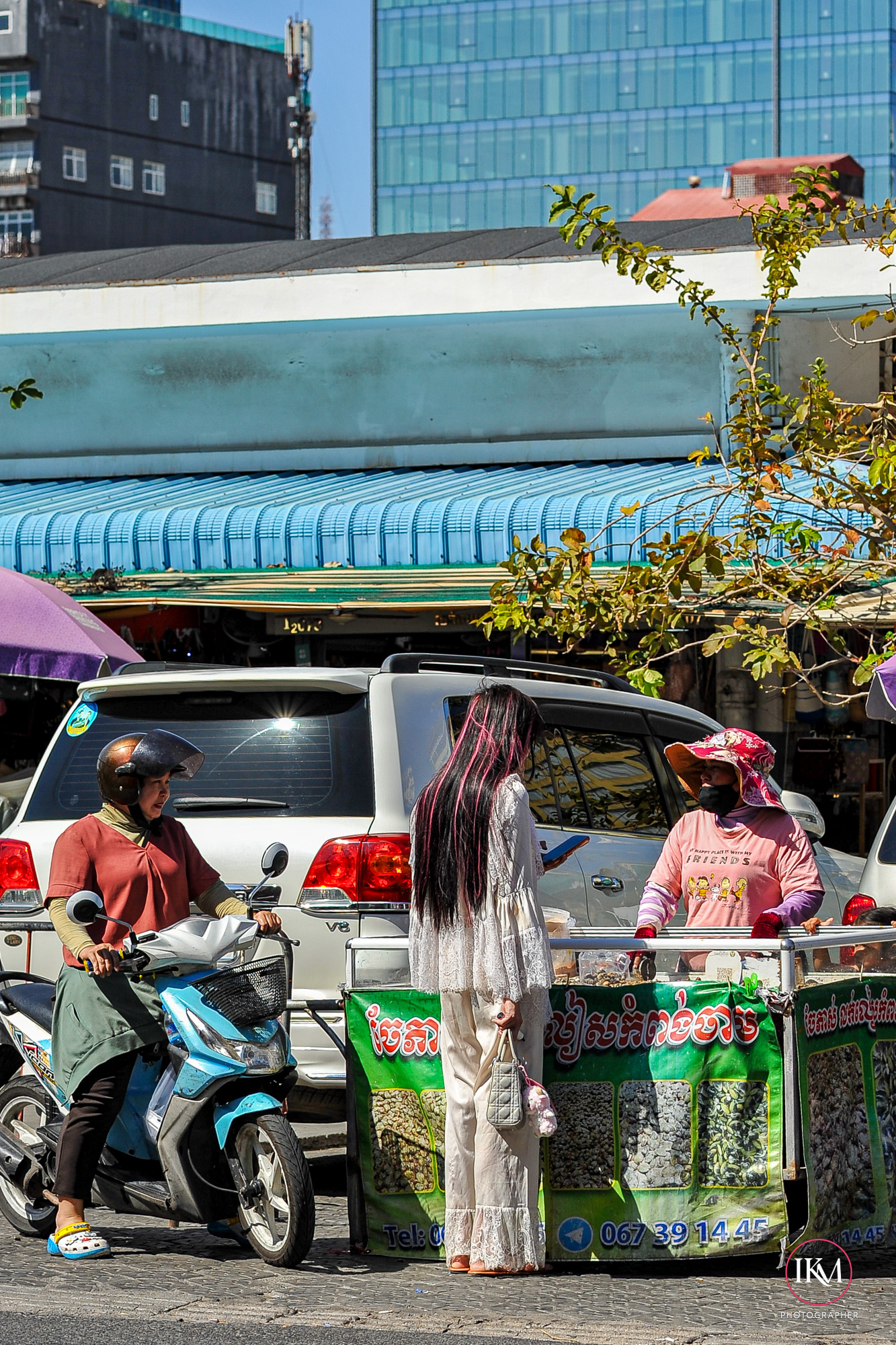
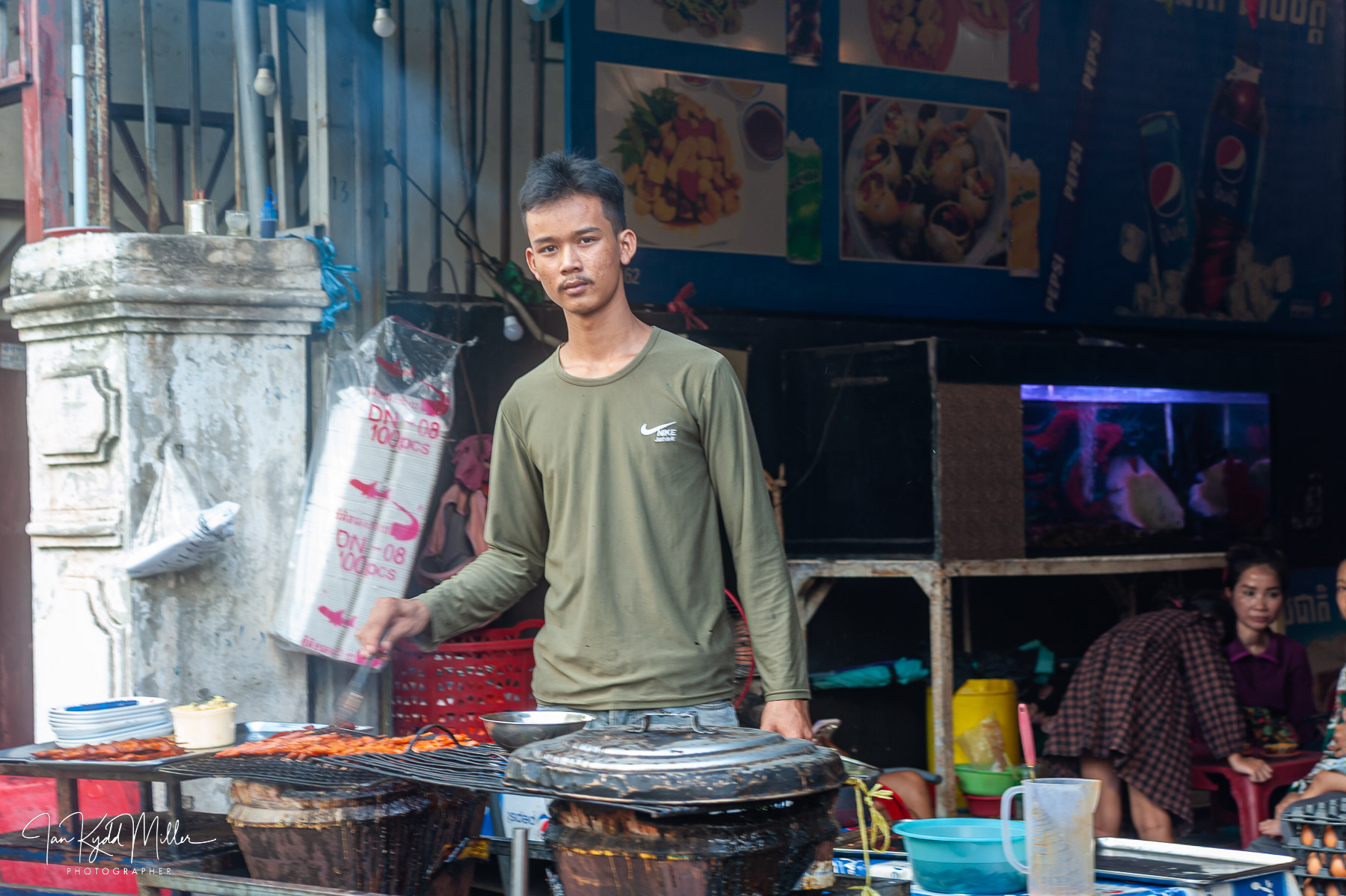
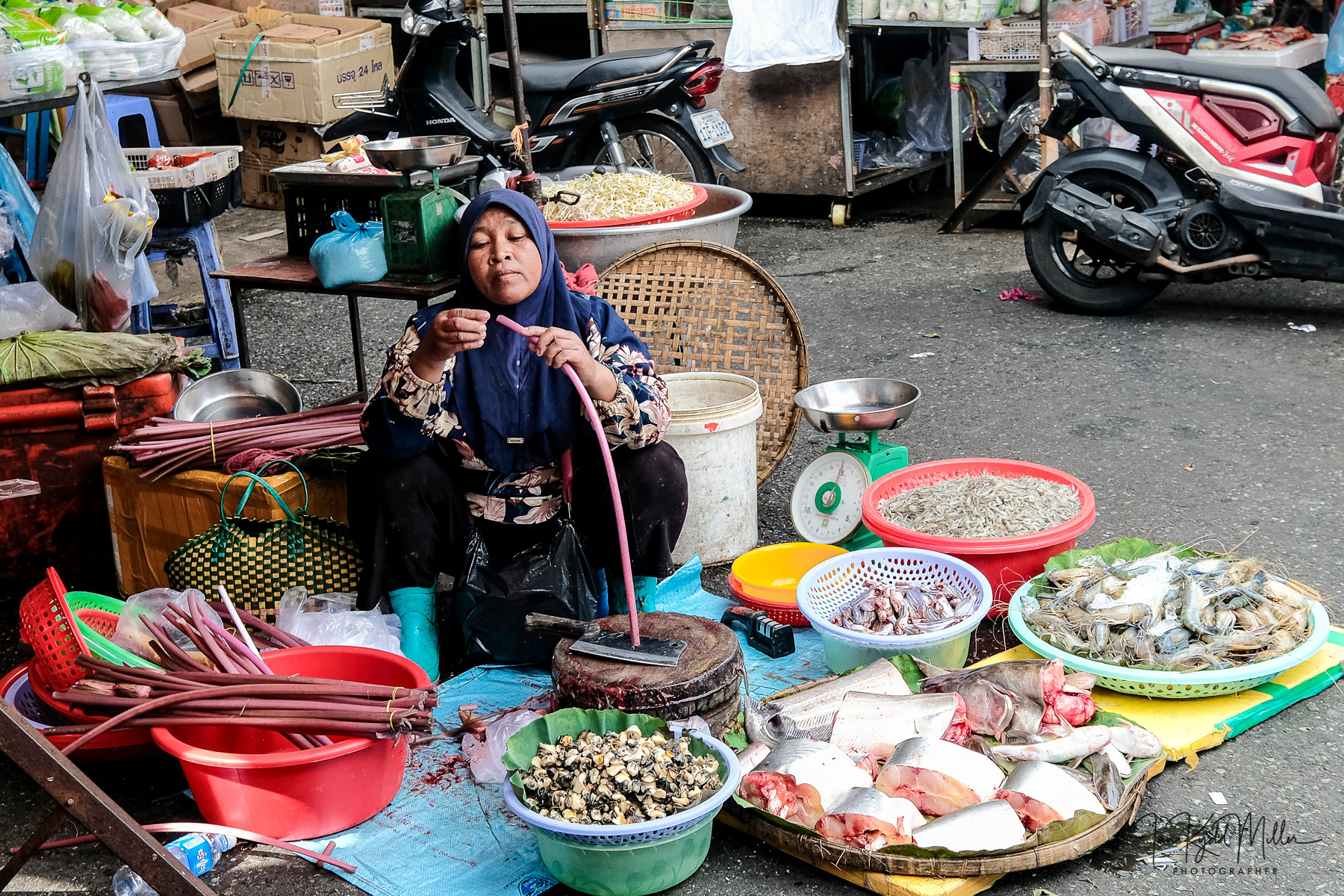
Walking through Phnom Penh is like stepping into a living mosaic of Cambodiaโ€™s culture. The streets are not just roads for transportโ€”they are markets, kitchens, playgrounds, and social spaces all at once.

๐ŸŒž Morning Rhythms

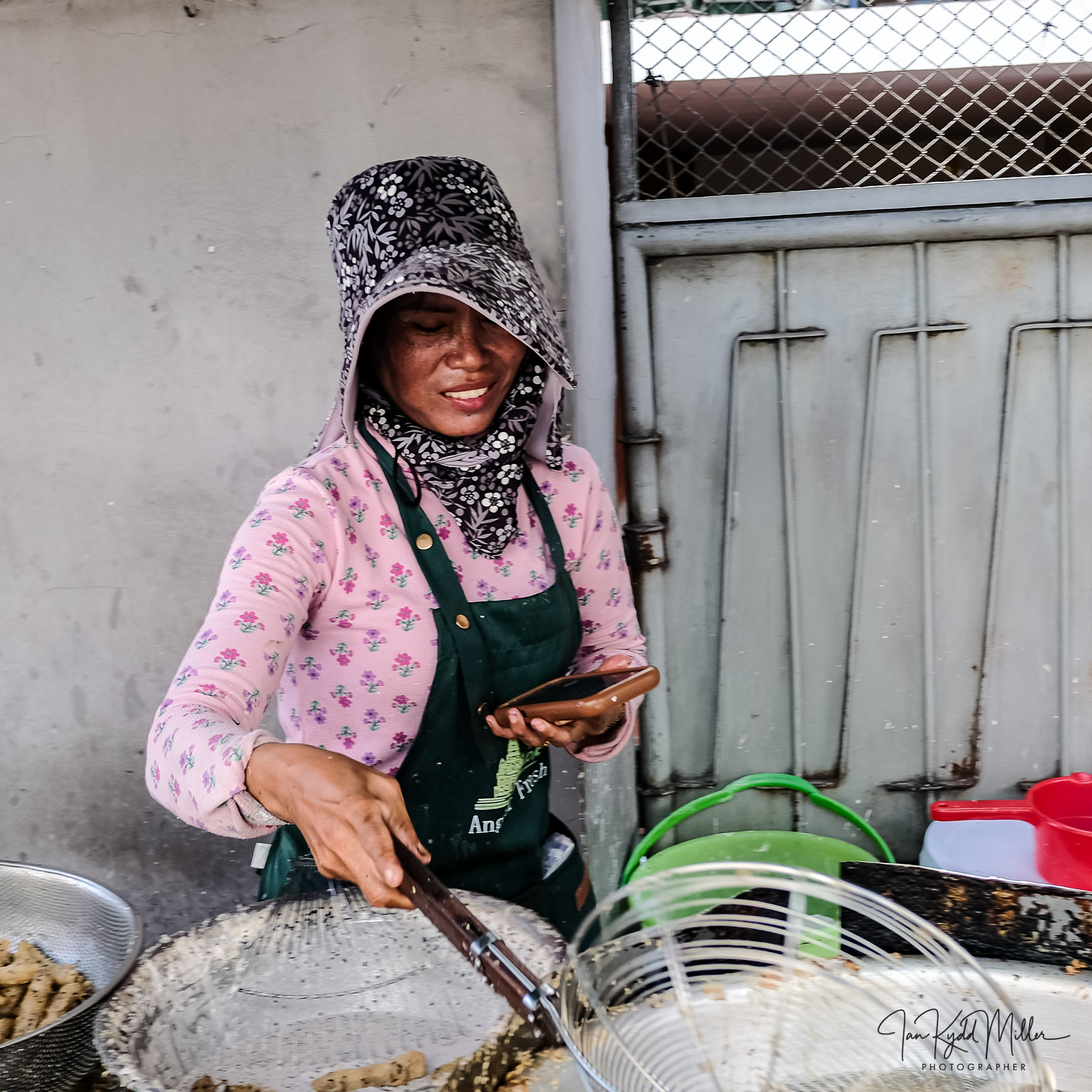
  • Markets come alive at dawn: wet markets bustle with vendors selling fresh fish, vegetables, and fragrant herbs.
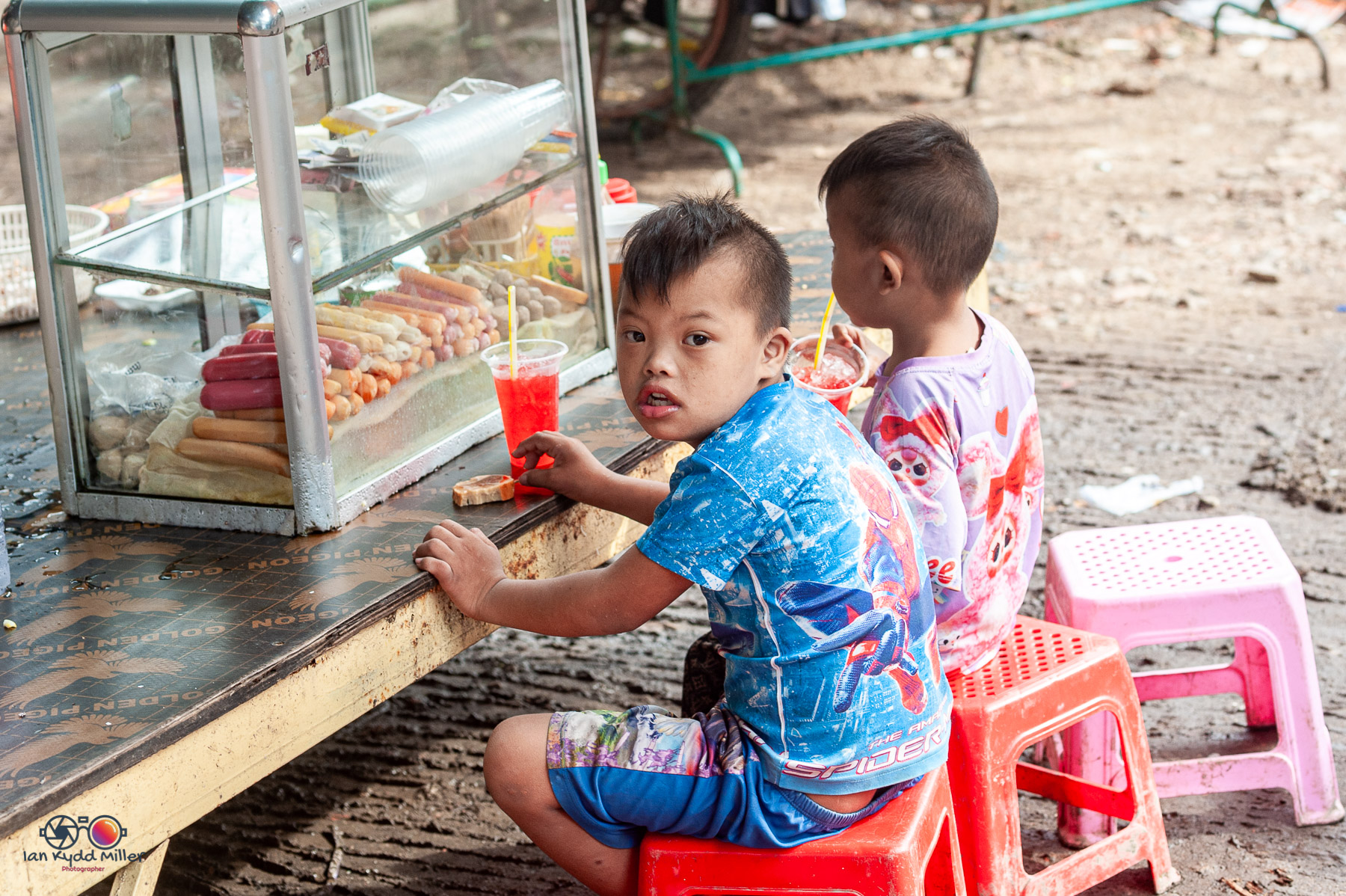
  • Street-side stalls serve noodle soups, grilled meats, and iced coffee, fueling workers before the day begins.
  • Monks in saffron robes walk barefoot through neighborhoods, collecting alms in a centuries-old ritual.

๐Ÿšฆ Midday Hustle

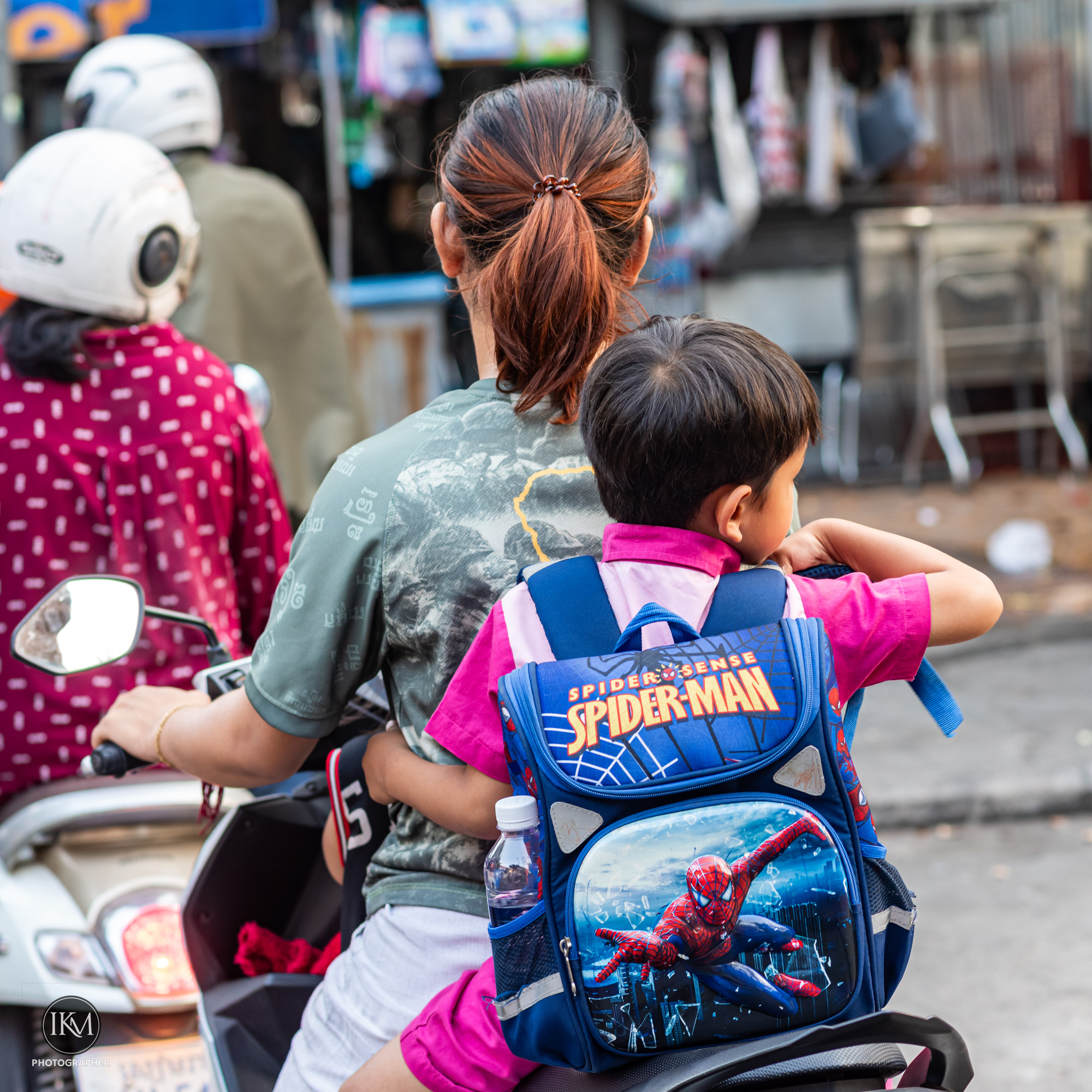
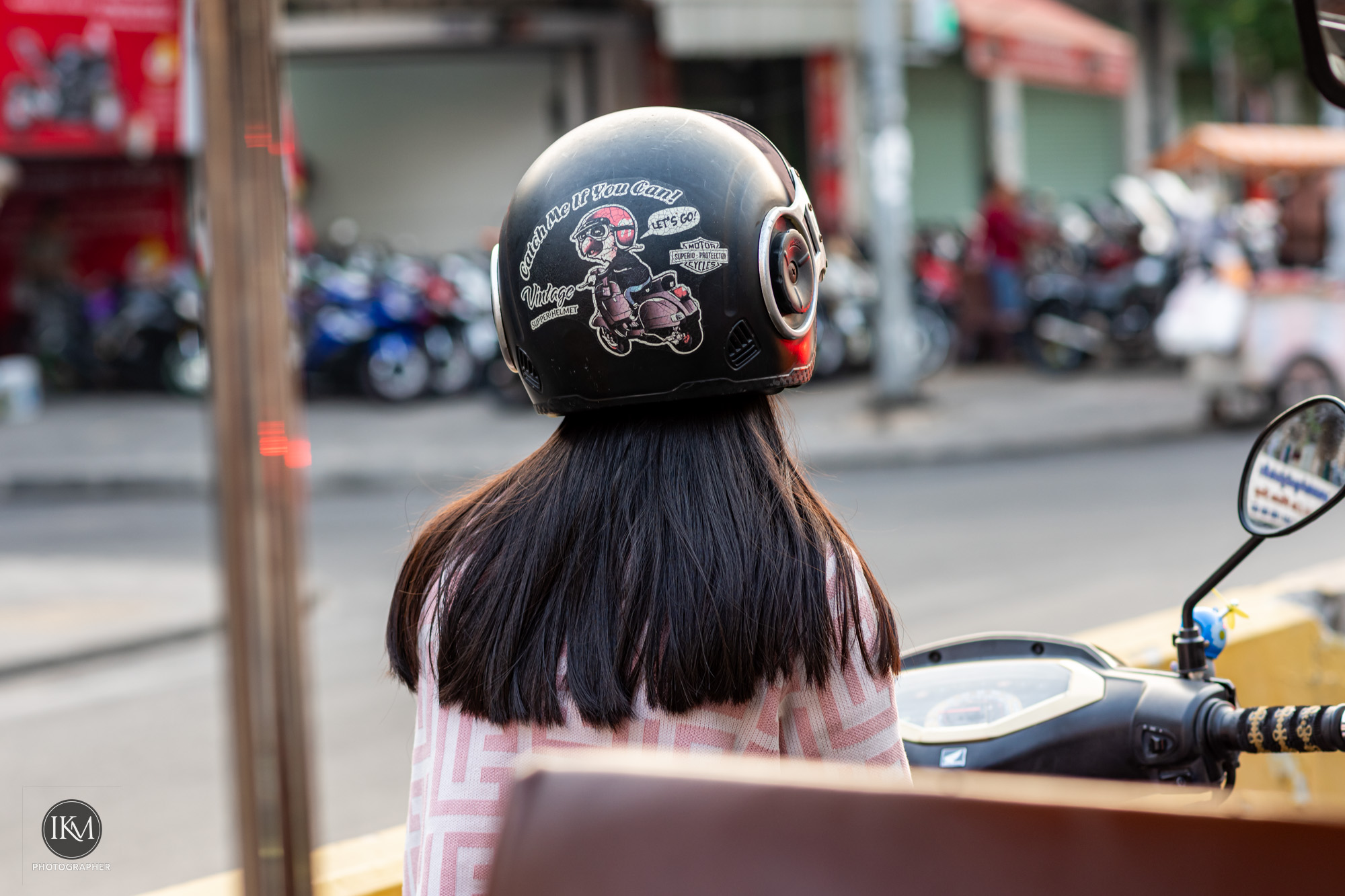
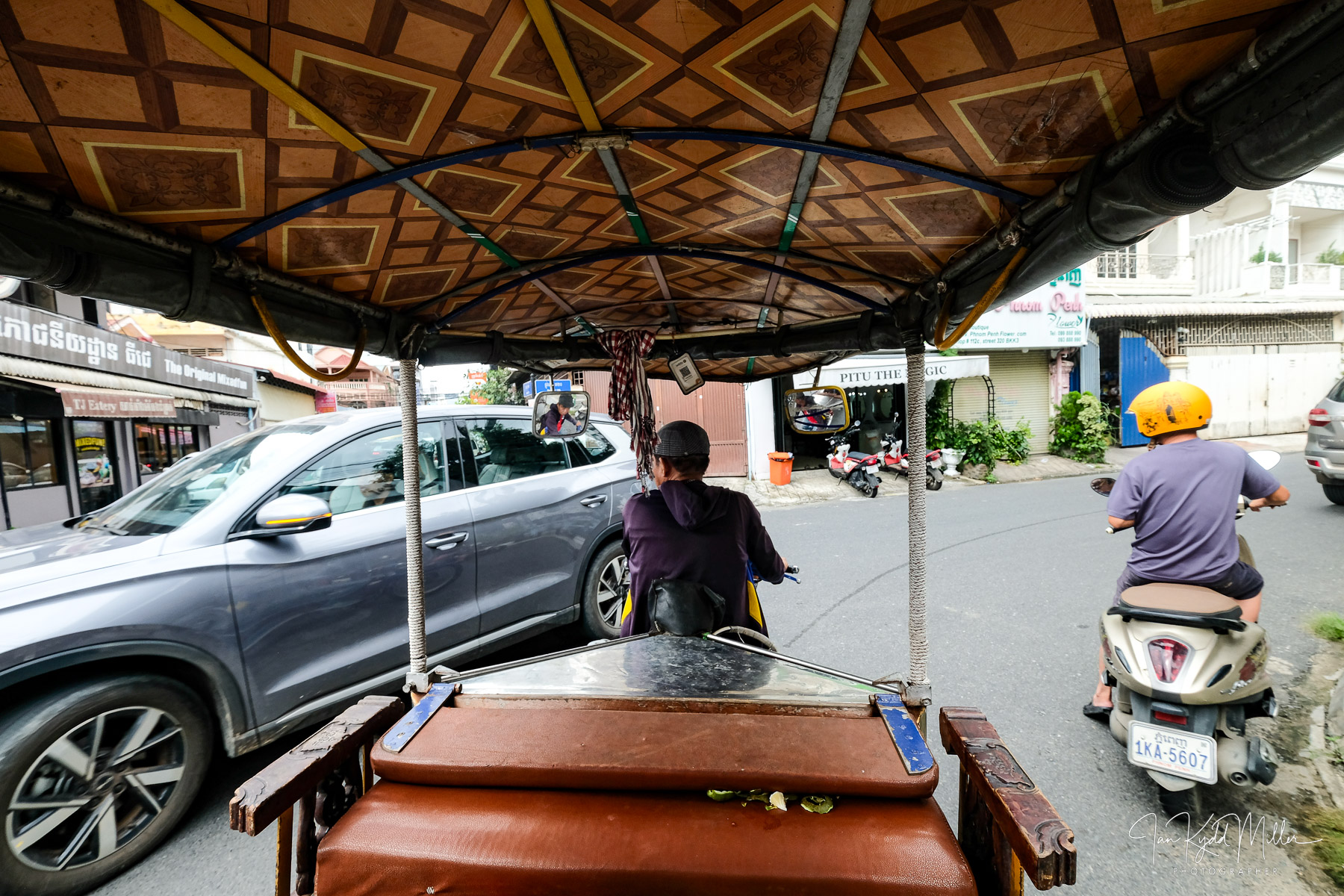
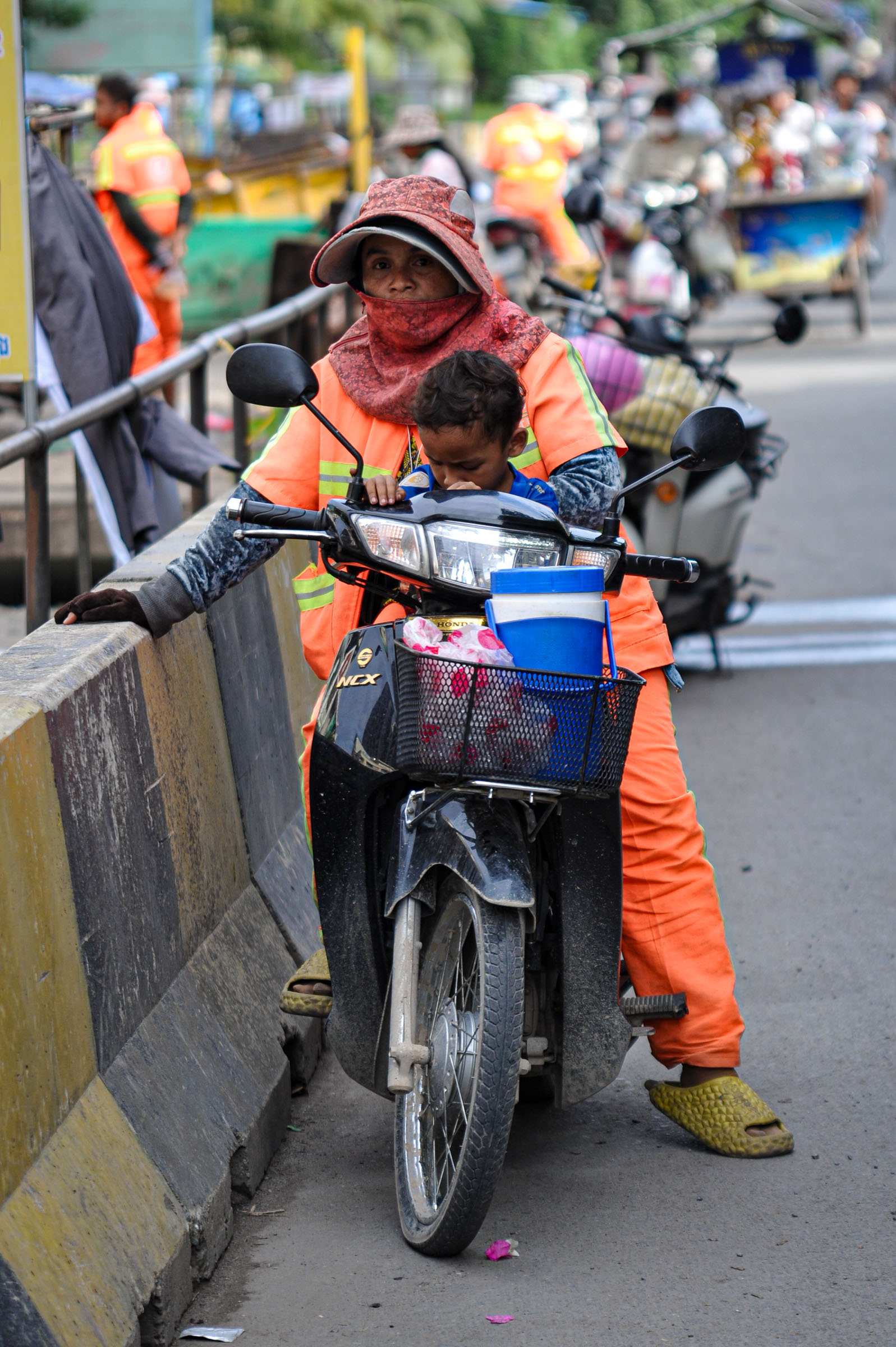
  • Traffic is a sensory overload: motorbikes weaving between tuk-tuks, bicycles, and the occasional Lexus SUV.
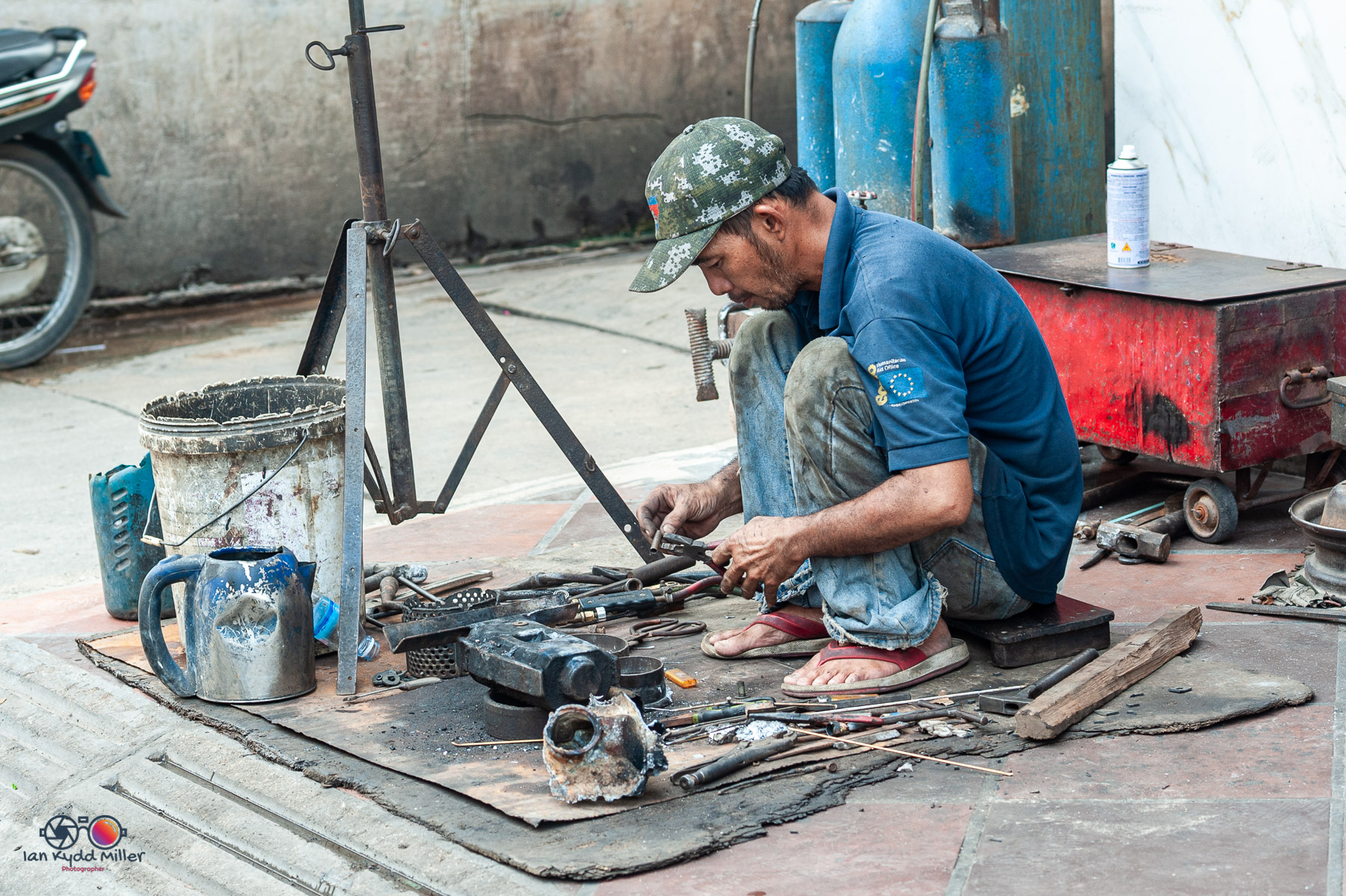
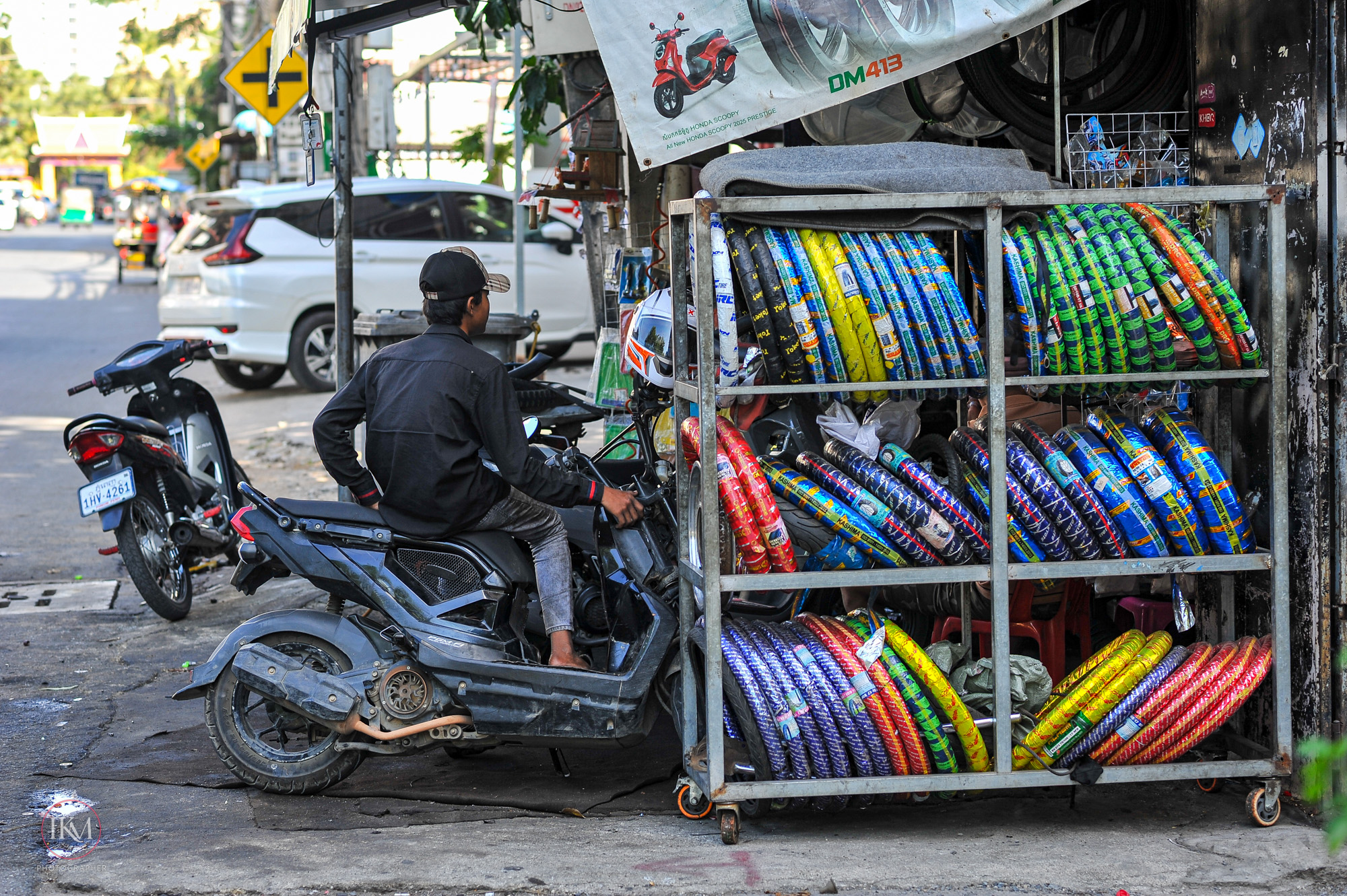
  • Sidewalks double as workshops and storefrontsโ€”tailors, mechanics, and barbers set up shop in open air.
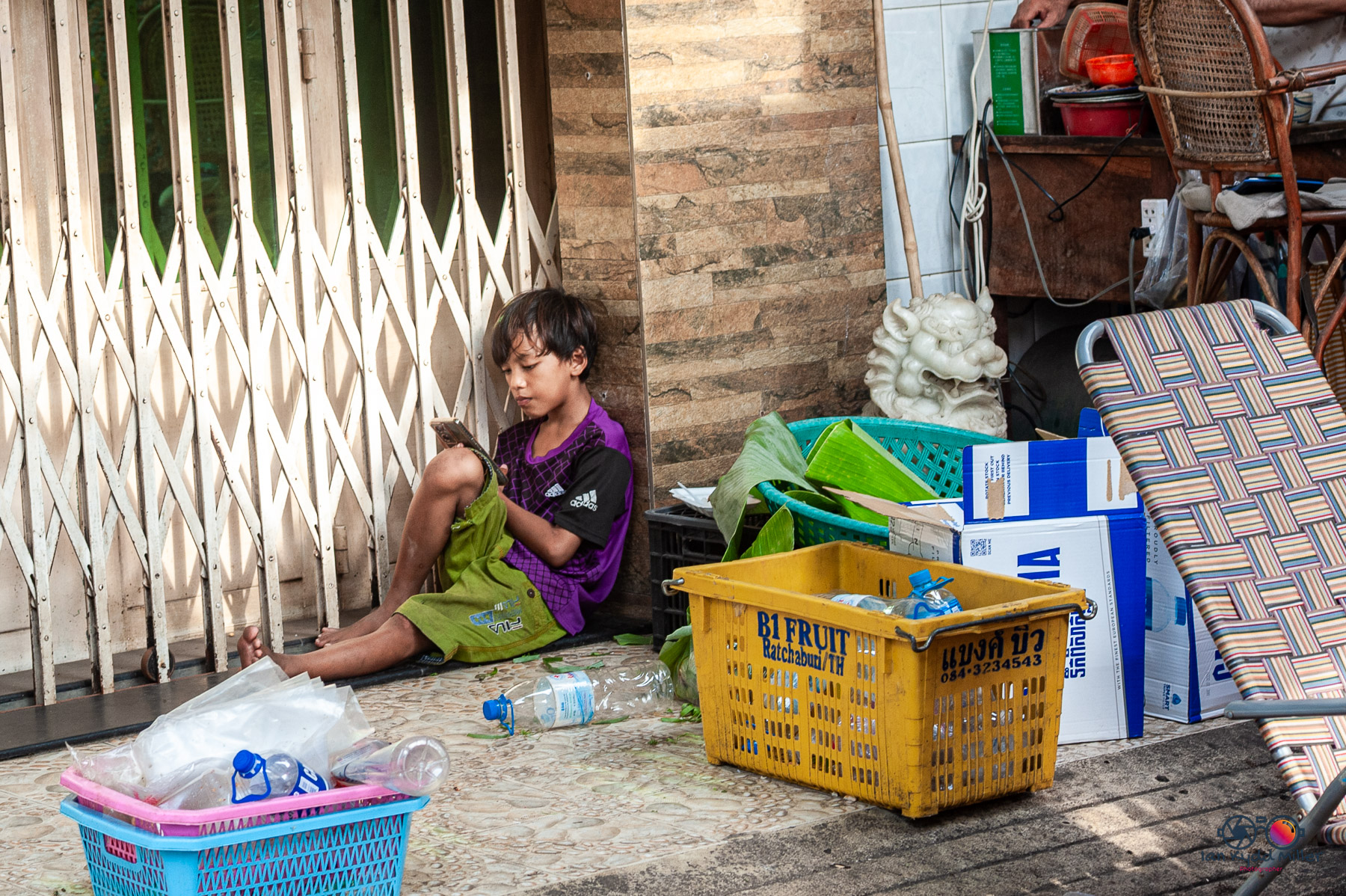
  • Children play in alleyways, while families gather under umbrellas to escape the midday heat.

๐ŸŒ† Evening Energy

  • As the sun sets, Phnom Penhโ€™s streets transform into night markets and food havens.
  • Skewers of beef, fried noodles, and fresh sugarcane juice fill the air with irresistible aromas.
  • Riverside areas like Sisowath Quay become social hubs, with locals strolling, exercising, or enjoying street performances.

๐ŸŽจ The Character of Phnom Penhโ€™s Streets

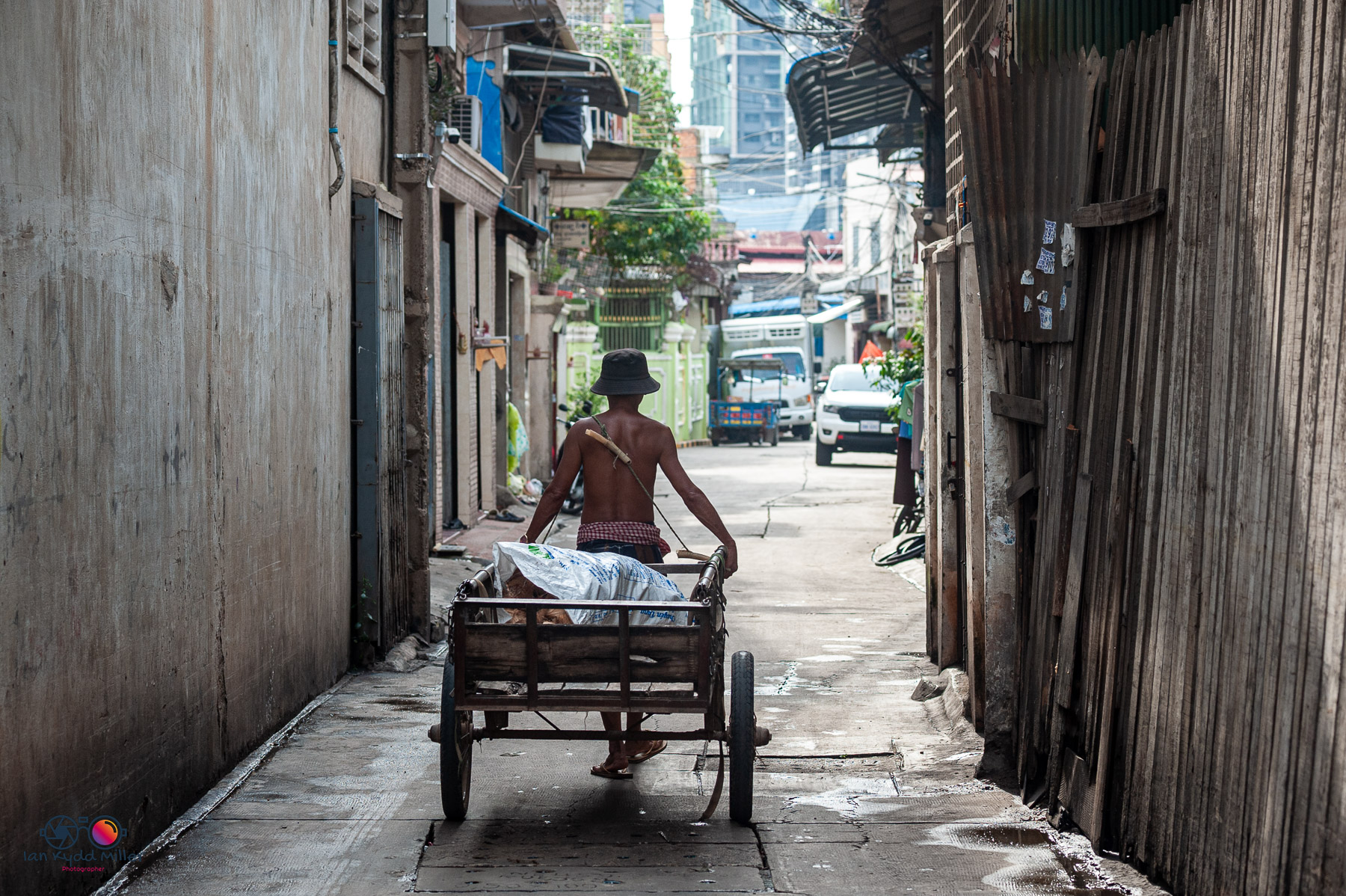
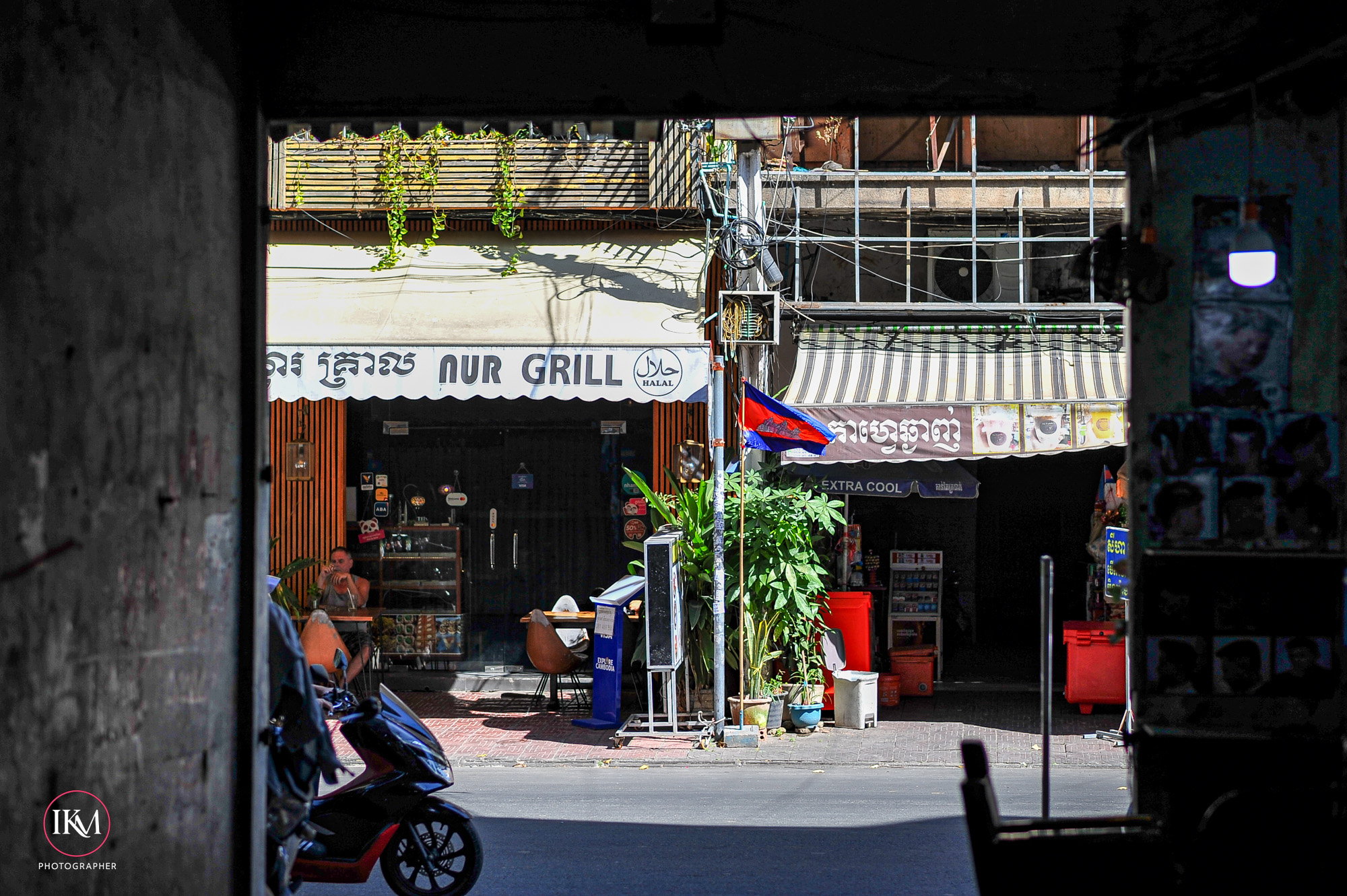
  • Contrasts everywhere: gleaming malls stand beside crumbling colonial buildings; luxury cars pass hand-pulled carts.
  • Colours and textures: laundry strung across balconies, neon-lit karaoke bars, and murals reflecting Cambodiaโ€™s youthful creativity.
  • Community spirit: despite the chaos, thereโ€™s a sense of rhythmโ€”neighbours chatting, vendors calling out, children laughing.

๐Ÿ“ท Why Itโ€™s Photographically Rich

For photographers, Phnom Penhโ€™s street life offers:

  • Dynamic light and shadow in narrow alleys and open boulevards.
  • Faces full of character, from weathered elders to energetic youth.
  • Stories in motionโ€”every corner reveals a narrative of resilience, adaptation, and joy.

โœ… In essence: Street life in Phnom Penh is not just about movement and commerceโ€”itโ€™s about connection, survival, and culture lived in public view. Itโ€™s messy, colourful, and endlessly fascinating, making it one of the most compelling urban experiences in Southeast Asia.

๐Ÿ“ธ A Photographerโ€™s Guide to Street Life in Phnom Penh

cambodia, cameras, fujifilm, homelessness, Lenses, opinons, thoughts, photography, pictures, street, Travel

๐ŸŒ… Best Times of Day

  • Early Morning (5:30โ€“8:00 AM): The city wakes up with monks collecting alms, markets buzzing, and soft golden light.
  • Late Afternoon to Evening (4:30โ€“7:00 PM): Streets cool down, families gather, and riverside areas come alive with food stalls and social activity.
  • Night (after 7:00 PM): Night markets and neon-lit streets offer vibrant colours and contrasts, perfect for low-light experimentation.

๐Ÿ™๏ธ Key Locations

  • Central Market (Phsar Thmey): Iconic art-deco building with bustling vendors inside and street life spilling outside.
  • Russian Market (Phsar Toul Tom Poung): Narrow alleys, food stalls, and a mix of locals and expats.
  • Sisowath Quay (Riverside): Evening strolls, street performers, and Mekong river views.
  • Olympic Market & Stadium: Everyday Cambodian lifeโ€”vendors, students, and sports enthusiasts.
  • Backstreets of Daun Penh & Toul Kork: Less touristy, more authentic glimpses of daily life.

๐ŸŽจ Style and Approach

  • Wide-angle storytelling: Capture the energy of markets and traffic chaos.
  • Portraits with consent: Many Cambodians are open to being photographed if approached politelyโ€”smiles go a long way.
  • Details and textures: Street food, tuk-tuks, signage, and architecture all add layers to your visual story.
  • Motion blur and panning: Great for showing the constant flow of motorbikes and tuk-tuks.

๐Ÿค Ethical Considerations

  • Respect privacy: Always ask before photographing children or vulnerable individuals.
  • Support locals: Buy a coffee or snack from vendors you photographโ€”it builds goodwill.
  • Be discreet: Avoid being intrusive; blend in and let moments unfold naturally.
  • Tell the truth: Aim for authenticity, not staged or exaggerated scenes.

๐Ÿ› ๏ธ Practical Tips

  • Gear: A 35mm , 50mm or 85mm prime lens is ideal for intimacy; a small zoom (24โ€“70mm) adds flexibility.
  • Settings: Use aperture priority (f/2.8โ€“f/5.6) for portraits and shutter priority for motion shots.
  • Backup: Carry extra batteries and memory cardsโ€”street life is unpredictable and fast-moving.
  • Safety: Keep gear close and minimal; Phnom Penh is generally safe, but petty theft can happen.

โœ… Final Thought: Phnom Penhโ€™s streets are a living classroom for photographersโ€”full of light, colour, and human connection. The key is to move slowly, observe deeply, and engage respectfully. The reward is not just strong images, but meaningful encounters.

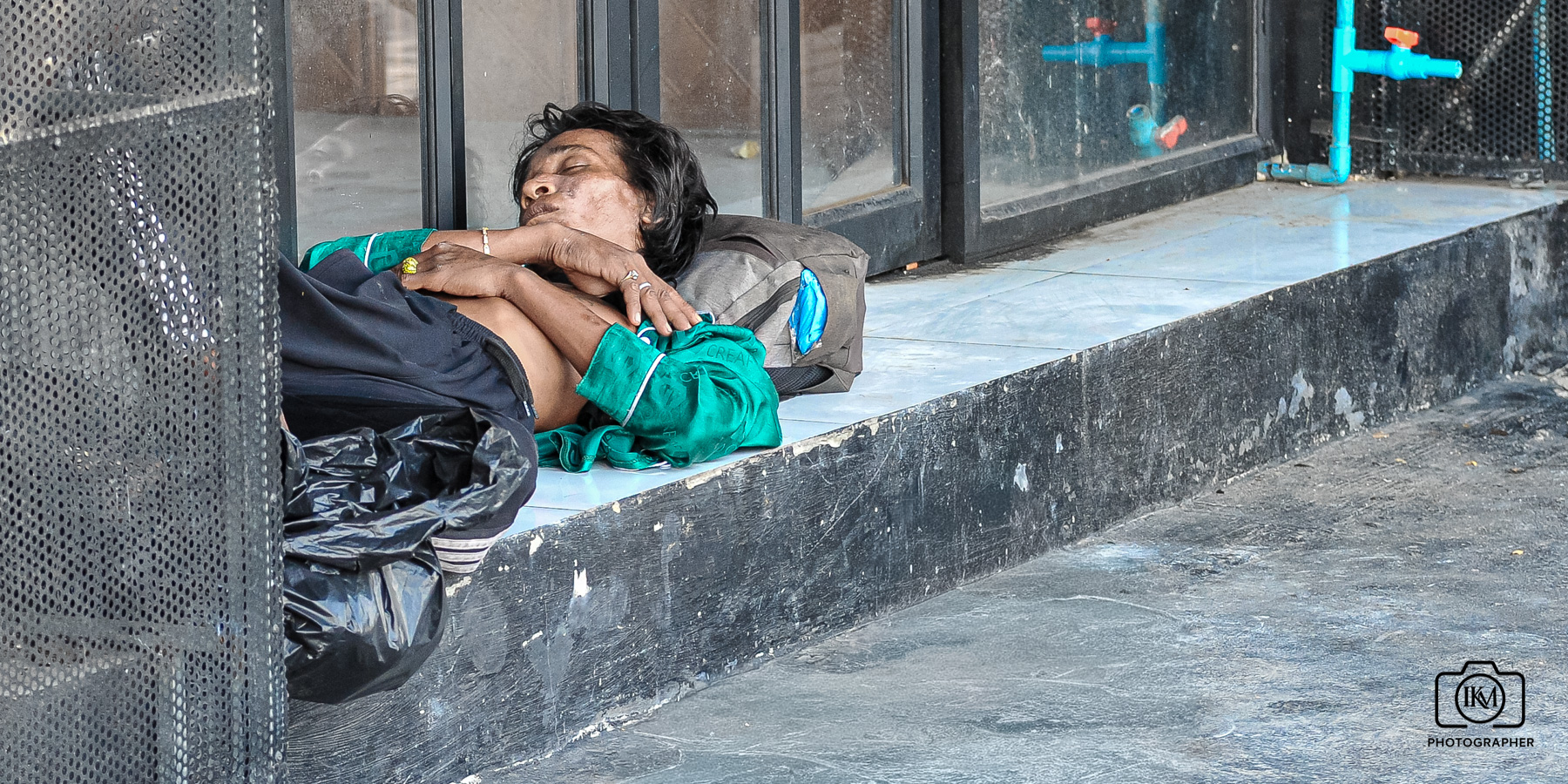
Telling Hardship with Dignity

cambodia, cameras, homelessness, Lenses, opinons, thoughts, photography, pictures, street, Travel

A practical guide for photographers and writers who want to document hard lives without resorting to pity or spectacle.

Begin by naming your intention: why this story matters, who it serves, and what you hope will change. That clarity becomes your north star for every choice you make โ€” who to photograph, how to frame them, what language to use, and what risks to avoid.

Center Agency and Complexity

  • People first: show subjects as whole people โ€” parents, workers, friends โ€” not as single problems.
  • Three humanizing details: age, role, a recurring action (e.g., โ€œwakes at 5 to mend shoesโ€) that resists stereotype.
  • Voice over narration: let subjectsโ€™ words lead. Use quotes that reveal priorities and choices rather than externally assigned suffering.

Ethics and Consent Process

  • Explain use clearly: who will see the images, where theyโ€™ll appear, and potential risks.
  • Ongoing consent: offer anonymity, caption review, or withdrawal options; revisit consent if the storyโ€™s scope or audience changes.
  • Harm check: before publishing, ask whether an image or line could cause eviction, stigma, or danger โ€” if yes, edit or omit.

Visual and Verbal Choices That Respect People

  • Contextualize: include home, workplace, objects that explain circumstance without shouting it.
  • Dignified framing: eyeโ€‘level, neither voyeuristic close-ups nor dramatized lighting designed to elicit pity.
  • Specific language: prefer concrete facts over loaded adjectives โ€” โ€œtwo jobs, one child, unpaid billsโ€ beats โ€œdestitute.โ€
  • Avoid spectacle: do not prioritize images of extreme suffering unless they are essential, verified, and handled with extra care.

Structure Your Narrative

  • Open with context: place, systems, why this story matters.
  • Zoom to the person: a dayโ€‘inโ€‘theโ€‘life section (300โ€“500 words or 5โ€“7 images) showing routine, competence, and constraint.
  • Widen to systems: explain policies, markets, or services that produced the situation (200โ€“400 words).
  • Close with agency: the subjectโ€™s hopes, strategies, or actions; practical next steps or resources if relevant.
  • Include an ethics note: short paragraph about consent, edits, and steps taken to protect subjects.

Interview and Listening Techniques

  • Start small: practical questions about routines build trust and yield texture.
  • Use prompts that empower: โ€œWhat helps you get through a hard day?โ€ rather than โ€œHow badly did today suck?โ€
  • Silence is data: allow pauses; sometimes the most revealing answers arrive after a quiet moment.
  • Corroborate sensitive claims: verify facts that could affect reputations or aid provision.

Practical Template and Mini Exercise

  • Purpose statement (one line).
  • Subject profile (3โ€“5 humanizing details).
  • Dayโ€‘inโ€‘theโ€‘life scene (300โ€“500 words or 5โ€“7 images).
  • Systems explainer (200โ€“400 words).
  • Subject voice on agency (quote + short context).
  • Ethics disclosure (consent notes; risks considered).

Exercise: spend one morning with a single subject. Photograph routine tasks and one meaningful object (kettle, tool, book). Write a 300โ€‘word microโ€‘essay centered on that object that reveals constraint and care. Share edits with the subject before publishing.

Telling hard lives well is an ethic and a craft: choose clarity over spectacle, respect over shock, and collaboration over extraction. Your job is to help readers understand, not to make them feel merely sorry.