The Nikon D800E v Nikon D810

cambodia, Lenses, nikon, opinons, thoughts, photography, street, Travel

The D800E and D810 are siblings built for resolution and dynamic range—the D800E (2012) introduced Nikon’s 36MP era with a no‑AA optical filter for maximum micro‑detail, while the D810 (2014) refined that formula with cleaner high‑ISO performance, faster processing, and improved video and usability—making the D800E a classic detail‑seeker and the D810 a more versatile, modern workhorse.
Overview

The D800E and D810 occupy the same creative space: high‑resolution full‑frame DSLRs aimed at landscape, studio, and commercial shooters. The D800E removed the anti‑aliasing filter to push resolving power, which rewarded sharp lenses but could increase moiré. The D810 kept the 36MP class but reworked the sensor readout, processing pipeline, and ergonomics to reduce noise and improve overall image quality and handling.

Sensor, Image Quality, and ISO

Both cameras use 36MP full‑frame sensors, but the D810’s sensor and processor deliver cleaner high‑ISO performance and wider usable dynamic range, especially in shadow recovery and highlight retention. The D800E’s no‑AA approach gives slightly crisper micro‑detail in ideal conditions, but the D810’s improvements make it more forgiving in real‑world shooting and post‑processing.

Autofocus, Speed, and Usability

The D810 benefits from incremental AF and performance upgrades introduced after the D800E. It’s lighter and tuned for a smoother shooting experience, with firmware and menu refinements that matter during long shoots. The D800E remains competent for studio and tripod work, but the D810’s refinements make it better for mixed assignments where speed and workflow matter.

Video and Hybrid Use

If you plan to shoot video, the D810 is the stronger choice: improved video features and cleaner processing give it an edge for hybrid shooters. The D800E was primarily a stills machine; the D810 broadened the camera’s appeal to creators who need both stills and motion with high fidelity.

Practical Trade‑offs and Recommendations

  • Choose the D800E if you prioritize absolute micro‑detail and shoot mostly on tripod or in controlled studio/landscape conditions; pair it with the sharpest optics you can afford and be prepared to manage moiré in post.
  • Choose the D810 if you want the same resolution with better high‑ISO performance, improved handling, and more flexible video/field use—it’s the more versatile, future‑proof option for mixed professional work.
  • Actionable steps: test your lenses for resolving power before committing; if you shoot handheld or in variable light, favor the D810; if you print very large and control every variable, the D800E still rewards discipline.
Final Thought

Both cameras are milestones in Nikon’s lineup: the D800E is a purist’s tool for extracting every ounce of detail, while the D810 is the pragmatic evolution—keeping the resolution but smoothing the rough edges for everyday professional use. Your choice comes down to workflow, subject matter, and how much post‑processing you’re willing to manage

Nikon D3 and 85mm f/1.8D: A Timeless Duo

cameras, Lenses, nikon, opinons, thoughts, photography, pictures, street, Travel

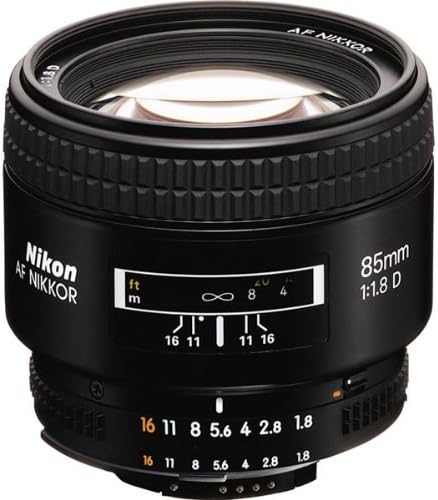
When Nikon introduced the AF Nikkor 85mm f/1.8D in 1994, it quickly became a go-to portrait lens for professionals and enthusiasts alike. Fast forward to the Nikon D3 era (2007), and this lens found a natural partner in Nikon’s first full-frame DSLR. While newer optics have since surpassed it in coatings, autofocus speed, and edge-to-edge sharpness, the 85mm f/1.8D remains a compact, affordable, and character-rich lens that shines on the D3.

🏗️ Build and Handling

  • Compact and lightweight at just 380g, making it easy to carry compared to the heavier 85mm f/1.4.
  • Solid construction with a classic Nikon design—metal mount, smooth focus ring, and a no-nonsense aesthetic.
  • On the D3’s robust body, it balances well, offering a comfortable shooting experience for long sessions.

🔍 Optical Performance

  • Sharpness: Wide open at f/1.8, the center sharpness is already strong, though edges soften slightly. By f/2.8–f/4, sharpness across the frame improves significantly.
  • Bokeh: The 9-blade diaphragm produces smooth, pleasing background blur—ideal for portraits. While not as creamy as the 85mm f/1.4, it still delivers a natural separation between subject and background.
  • Distortion & Vignetting: Very minimal barrel distortion. Vignetting is visible at f/1.8 but reduces quickly when stopped down.
  • Chromatic Aberration: Some longitudinal CA (color fringing) can appear in high-contrast areas wide open, but it’s manageable and often correctable in post.

⚡ Autofocus and Usability

  • The lens uses Nikon’s older screw-drive AF system, meaning autofocus relies on the D3’s in-body motor. On the D3, this results in fast and accurate focusing, though not as silent or refined as modern AF-S lenses.
  • Manual focus is smooth, with a well-damped ring—useful for fine adjustments in portraiture.

🎨 Creative Applications

  • Portraits: This is where the lens shines. On the D3’s 12MP full-frame sensor, it produces flattering compression, excellent subject isolation, and a timeless rendering.
  • Low Light: The f/1.8 aperture combined with the D3’s strong high-ISO performance makes it a capable lens for indoor or evening shoots.
  • Versatility: While primarily a portrait lens, it also works well for detail shots, street photography, and even event coverage where discretion and speed matter.

💰 Value Today

  • On the used market, the 85mm f/1.8D is very affordable, often a fraction of the cost of the 85mm f/1.4 or newer AF-S versions.
  • For photographers using a Nikon D3 (or similar FX DSLR), it remains a cost-effective way to achieve professional portrait results without sacrificing too much in optical quality.

✅ Final Verdict

The Nikkor 85mm f/1.8D on the Nikon D3 is a pairing that proves older gear can still deliver professional, emotionally resonant images. While it lacks the modern refinements of newer lenses, its sharpness, bokeh, and reliability make it a classic portrait tool that continues to earn its place in a photographer’s bag.

🏞️ Khan Chbar Ampov Through a Legacy Lens

cambodia, cameras, Lenses, nikon, opinons, thoughts, photography, street, Travel

A Nikon D700 and 85mm f/1.8D Portrait of Phnom Penh’s Eastern Frontier

There’s a quiet dignity to Khan Chbar Ampov. Located on the eastern bank of the Bassac River, it’s a district that bridges Phnom Penh’s urban pulse with its agrarian past. And when photographed with the Nikon D700 and the Nikkor 85mm f/1.8D, that dignity is rendered with emotional clarity and technical grace.

📍 Chbar Ampov: Sugarcane Garden Turned Urban Artery

The name Chbar Ampov translates to “Sugarcane Garden,” a nod to its agricultural roots. Once part of Kandal Province, the area was absorbed into Phnom Penh in 1998 and officially became its own district in 2013.

Historically, Chbar Ampov was known for:

  • Lush farmland and fresh produce—corn, Logan, banana, and of course, sugarcane
  • River trade and ferry crossings, connecting communities across the Bassac
  • Spiritual and cultural sites, including pagodas and local markets that still hum with daily life

Today, it’s a district in transition—still green in parts, but increasingly urbanised. It’s considered Phnom Penh’s “last green frontier,” where development meets memory.

📷 The Gear: Nikon D700 + Nikkor 85mm f/1.8D

To photograph Chbar Ampov with this combo is to honour both place and process.

Nikon D700

  • Released in 2008, the D700 was Nikon’s first affordable full-frame DSLR.
  • 12.1MP FX sensor with exceptional dynamic range and low-light performance.
  • Built like a tank, with weather sealing and a magnesium alloy body.
  • Still beloved for its film-like rendering and tonal subtlety.

Nikkor 85mm f/1.8D

  • A classic portrait lens with fast autofocus and creamy bokeh.
  • On the D700, it delivers intimate framing with respectful distance—ideal for street portraits and environmental detail.
  • Known for its central sharpness and character-rich rendering, especially wide open.

Together, they form a combo that’s responsive, grounded, and emotionally honest. Perfect for documenting a district like Chbar Ampov, where every corner holds a story.

🖼 What the Image Holds

A single frame from this setup might show:

  • A vendor’s silhouette against the morning light
  • A child’s gesture near the riverbank
  • The texture of a weathered wall, half in shadow

The D700’s sensor captures the tonal nuance. The 85mm isolates the moment. And Chbar Ampov provides the rhythm.

🧭 Final Thought: Legacy Meets Landscape

Photographing Khan Chbar Ampov with the Nikon D700 and 85mm f/1.8D isn’t just documentation—it’s dialogue. Between old gear and evolving place. Between restraint and curiosity. Between what was and what’s becoming.

Because sometimes, the best way to honour change is to see it through something that remembers.